User login
Studies help explain multidrug resistance in cancer

(right) and Sung Chang Lee
Photo courtesy of
The Scripps Research Institute
Scientists have discovered how the primary protein responsible for multidrug chemotherapy resistance changes shape and reacts to drugs.
They believe this information will aid the design of better molecules to inhibit or evade multidrug resistance.
The researchers noted that the proteins at work in multidrug resistance are ABC transporters. An important ABC transporter, P-glycoprotein (P-gp), catches harmful toxins in a “binding pocket” and expels them from cells.
The problem is that, in cancer patients, P-gp sometimes begins recognizing chemotherapy drugs and expelling them too. Over time, more and more cancer cells can develop multidrug resistance, eliminating all possible treatments.
“Virtually all cancer deaths can be attributed to the failure of chemotherapy,” said study author Qinghai Zhang, PhD, of The Scripps Research Institute in La Jolla, California.
He and his colleagues theorized that scientists might be able to design more effective cancer drugs if they had a better understanding of P-gp and how it binds to molecules.
A better look at transporters
For their first study, published in Structure, the researchers looked at P-gp and MsbA, a similar transporter protein found in bacteria, under an electron microscope. This helped them solve a major problem in transporter research.
Until recently, scientists could only compare images of crystal structures made from transporter proteins. These crystallography images showed single snapshots of the transporter but didn’t show how the shape of the transporters could change.
Using electron microscopy, however, a whole range of different conformations of the structures could be visualized, essentially capturing P-gp and MsbA in action.
The research was also aided by the development of new chemical tools. The team used a solution of lipids and peptides to mimic natural conditions in the cell membrane. They used a novel chemical called beta-sheet peptide to stabilize the protein and provide enough stability for a new perspective.
Together with electron microscopy, this technique enabled the researchers to capture a series of images showing how transporter proteins change shape in response to drug and nucleotide binding. They found that transporter proteins have an open binding pocket that constantly switches to face different sides of membranes.
“The transporter goes through many steps,” Dr Zhang said. “It’s like a machine.”
A closer look at binding
In a second study, published in Acta Crystallographica Section D, the scientists investigated the drug binding sites of P-gp using higher-resolution X-ray crystallography. And they discovered how P-gp interacts with ligands.
The researchers studied crystals of the transporter bound to 4 different ligands to see how the transporters reacted. They found that when certain ligands bind to P-gp, they trigger local conformational changes in the transporter.
Binding also increased the rate of ATP hydrolysis, which provides mechanical energy and may be the first step in the process by which the binding pocket closes.
The team also discovered that ligands could bind to different areas of the transporter, leaving nearby slots open for other molecules. This suggests it may be difficult to completely halt the drug expulsion process.
Dr Zhang said the next step for this research is to develop molecules to evade P-gp binding. 
(right) and Sung Chang Lee
Photo courtesy of
The Scripps Research Institute
Scientists have discovered how the primary protein responsible for multidrug chemotherapy resistance changes shape and reacts to drugs.
They believe this information will aid the design of better molecules to inhibit or evade multidrug resistance.
The researchers noted that the proteins at work in multidrug resistance are ABC transporters. An important ABC transporter, P-glycoprotein (P-gp), catches harmful toxins in a “binding pocket” and expels them from cells.
The problem is that, in cancer patients, P-gp sometimes begins recognizing chemotherapy drugs and expelling them too. Over time, more and more cancer cells can develop multidrug resistance, eliminating all possible treatments.
“Virtually all cancer deaths can be attributed to the failure of chemotherapy,” said study author Qinghai Zhang, PhD, of The Scripps Research Institute in La Jolla, California.
He and his colleagues theorized that scientists might be able to design more effective cancer drugs if they had a better understanding of P-gp and how it binds to molecules.
A better look at transporters
For their first study, published in Structure, the researchers looked at P-gp and MsbA, a similar transporter protein found in bacteria, under an electron microscope. This helped them solve a major problem in transporter research.
Until recently, scientists could only compare images of crystal structures made from transporter proteins. These crystallography images showed single snapshots of the transporter but didn’t show how the shape of the transporters could change.
Using electron microscopy, however, a whole range of different conformations of the structures could be visualized, essentially capturing P-gp and MsbA in action.
The research was also aided by the development of new chemical tools. The team used a solution of lipids and peptides to mimic natural conditions in the cell membrane. They used a novel chemical called beta-sheet peptide to stabilize the protein and provide enough stability for a new perspective.
Together with electron microscopy, this technique enabled the researchers to capture a series of images showing how transporter proteins change shape in response to drug and nucleotide binding. They found that transporter proteins have an open binding pocket that constantly switches to face different sides of membranes.
“The transporter goes through many steps,” Dr Zhang said. “It’s like a machine.”
A closer look at binding
In a second study, published in Acta Crystallographica Section D, the scientists investigated the drug binding sites of P-gp using higher-resolution X-ray crystallography. And they discovered how P-gp interacts with ligands.
The researchers studied crystals of the transporter bound to 4 different ligands to see how the transporters reacted. They found that when certain ligands bind to P-gp, they trigger local conformational changes in the transporter.
Binding also increased the rate of ATP hydrolysis, which provides mechanical energy and may be the first step in the process by which the binding pocket closes.
The team also discovered that ligands could bind to different areas of the transporter, leaving nearby slots open for other molecules. This suggests it may be difficult to completely halt the drug expulsion process.
Dr Zhang said the next step for this research is to develop molecules to evade P-gp binding.
(right) and Sung Chang Lee
Photo courtesy of
The Scripps Research Institute
Scientists have discovered how the primary protein responsible for multidrug chemotherapy resistance changes shape and reacts to drugs.
They believe this information will aid the design of better molecules to inhibit or evade multidrug resistance.
The researchers noted that the proteins at work in multidrug resistance are ABC transporters. An important ABC transporter, P-glycoprotein (P-gp), catches harmful toxins in a “binding pocket” and expels them from cells.
The problem is that, in cancer patients, P-gp sometimes begins recognizing chemotherapy drugs and expelling them too. Over time, more and more cancer cells can develop multidrug resistance, eliminating all possible treatments.
“Virtually all cancer deaths can be attributed to the failure of chemotherapy,” said study author Qinghai Zhang, PhD, of The Scripps Research Institute in La Jolla, California.
He and his colleagues theorized that scientists might be able to design more effective cancer drugs if they had a better understanding of P-gp and how it binds to molecules.
A better look at transporters
For their first study, published in Structure, the researchers looked at P-gp and MsbA, a similar transporter protein found in bacteria, under an electron microscope. This helped them solve a major problem in transporter research.
Until recently, scientists could only compare images of crystal structures made from transporter proteins. These crystallography images showed single snapshots of the transporter but didn’t show how the shape of the transporters could change.
Using electron microscopy, however, a whole range of different conformations of the structures could be visualized, essentially capturing P-gp and MsbA in action.
The research was also aided by the development of new chemical tools. The team used a solution of lipids and peptides to mimic natural conditions in the cell membrane. They used a novel chemical called beta-sheet peptide to stabilize the protein and provide enough stability for a new perspective.
Together with electron microscopy, this technique enabled the researchers to capture a series of images showing how transporter proteins change shape in response to drug and nucleotide binding. They found that transporter proteins have an open binding pocket that constantly switches to face different sides of membranes.
“The transporter goes through many steps,” Dr Zhang said. “It’s like a machine.”
A closer look at binding
In a second study, published in Acta Crystallographica Section D, the scientists investigated the drug binding sites of P-gp using higher-resolution X-ray crystallography. And they discovered how P-gp interacts with ligands.
The researchers studied crystals of the transporter bound to 4 different ligands to see how the transporters reacted. They found that when certain ligands bind to P-gp, they trigger local conformational changes in the transporter.
Binding also increased the rate of ATP hydrolysis, which provides mechanical energy and may be the first step in the process by which the binding pocket closes.
The team also discovered that ligands could bind to different areas of the transporter, leaving nearby slots open for other molecules. This suggests it may be difficult to completely halt the drug expulsion process.
Dr Zhang said the next step for this research is to develop molecules to evade P-gp binding.
MGUS awareness linked to better survival in patients with multiple myeloma
A large, population-based Swedish study found that patients with multiple myeloma who had prior knowledge of monoclonal gammopathy of undetermined significance had better overall survival than patients without prior knowledge, according to a report published online March 5 in JAMA Oncology.
Despite having a higher prevalence of comorbidities, those with prior knowledge of monoclonal gammopathy of undetermined significance (MGUS) had significantly higher median survival than patients without prior knowledge (hazard ratio, 0.86; 95% confidence interval 0.77-0.96; P < .01), Ms. Elin Edda Sigurdardottir of the University of Iceland, Reykjavik, and her associates report.
“We speculate that the reason for the prolonged survival observed in our study most likely reflects the fact that MGUS patients are evaluated more often for signs of MM [multiple myeloma] progression and may be diagnosed and started on antimyeloma therapy at an earlier stage. This argues for early treatment approaches in MM and raises the question of whether systematic screening for MGUS should be initiated,” they said (JAMA Oncol. 2015 March 5 [doi:10.1001/jamaoncol.2015.23]).
Virtually all cases of MM are preceded by MGUS, characterized by detectable serum M protein and the absence of end-organ damage. Most MGUS cases go undiagnosed, and only a fraction progress to malignant disease, with absolute risk of progression 0.5%-1% per year. Studies show MGUS is present in 2%-3% of adults aged 50 years and older and about 5% of adults aged 70 years and older.
The population-based study analyzed Swedish national health registry data from 1976 to 2005 and included 14,798 MM patients, 394 (2.7%) of whom had previously been diagnosed with MGUS. MGUS was typically detected as part of a medical work-up for another cause, and patients with prior MGUS knowledge had significantly more comorbidities, including autoimmune diseases, infections, ischemic heart disease, heart failure, cerebrovascular diseases, and renal diseases (P < .001 for all comparisons).
Among the subset of patients with prior knowledge of MGUS, the median M-protein concentration at diagnosis was 1.2 g/dL. Surprisingly, those with M-protein concentrations less than 0.5 g/dL had poorer survival than did those with greater M-protein concentrations (HR, 1.86; 95% CI, 1.13-3.04; P = .01). The authors speculate this may be due to current guidelines that suggest less frequent monitoring of individuals with lower M-protein concentrations.
“Our findings raise the question whether screening for MGUS in the general population could translate into earlier detection and treatment of MM and lead to better MM survival,” Ms. Sigurdardottir and her associates wrote.
Sigurdardottir et al. report an important finding that patients who had multiple myeloma and previously recognized MGUS had better overall survival than those with no prior knowledge of MGUS. The authors postulate that better outcomes are due to frequent follow up and timely diagnosis of multiple myeloma; however, the study did not determine whether the patients with prior MGUS knowledge had more follow-up care, making it difficult to attribute a causal relationship between prior MGUS knowledge and outcomes. Furthermore, the mechanisms by which knowledge of prior MGUS may lead to better survival are not clear.
Other factors may play a role in the association. First, the timing of the clinical diagnosis of multiple myeloma is subject to lead time bias in patients known to have MGUS. Second, the patients with prior knowledge of MGUS had comorbidities that made it likely they would seek more frequent medical care regardless of MGUS diagnosis. Third, the multiple myeloma cohort in the study had a median survival of less than 3 years, whereas current median survival is more than 5 years. Finally, to reliably assert a link between better follow-up and changes in outcome, randomized clinical trial data are needed.
The IMWG [International Myeloma Working Group] recommends a risk-adapted approach to follow-up of MGUS, based on data that indicate absolute risk of progression over 20 years to be 2% for low-risk MGUS (M-protein cutoff 1.5 g/dL). Data from the Sigurdardottir et al. paper should not be used to dismiss these recommendations. The possible merits of screening for MGUS in a normal, older population, given the cost, inconvenience, anxiety generated, and low absolute risk of progression, would require further research to justify.
Dr. Robert A. Kyle and Dr. S. Vincent Rajkumar are professors of medicine in the division of hematology, department of internal medicine, Mayo Clinic, Rochester, Minn. The remarks were taken from an accompanying editorial (JAMA Oncol. 2015 March 5 [doi:10.1001/jamaoncol.2015.33]).
Sigurdardottir et al. report an important finding that patients who had multiple myeloma and previously recognized MGUS had better overall survival than those with no prior knowledge of MGUS. The authors postulate that better outcomes are due to frequent follow up and timely diagnosis of multiple myeloma; however, the study did not determine whether the patients with prior MGUS knowledge had more follow-up care, making it difficult to attribute a causal relationship between prior MGUS knowledge and outcomes. Furthermore, the mechanisms by which knowledge of prior MGUS may lead to better survival are not clear.
Other factors may play a role in the association. First, the timing of the clinical diagnosis of multiple myeloma is subject to lead time bias in patients known to have MGUS. Second, the patients with prior knowledge of MGUS had comorbidities that made it likely they would seek more frequent medical care regardless of MGUS diagnosis. Third, the multiple myeloma cohort in the study had a median survival of less than 3 years, whereas current median survival is more than 5 years. Finally, to reliably assert a link between better follow-up and changes in outcome, randomized clinical trial data are needed.
The IMWG [International Myeloma Working Group] recommends a risk-adapted approach to follow-up of MGUS, based on data that indicate absolute risk of progression over 20 years to be 2% for low-risk MGUS (M-protein cutoff 1.5 g/dL). Data from the Sigurdardottir et al. paper should not be used to dismiss these recommendations. The possible merits of screening for MGUS in a normal, older population, given the cost, inconvenience, anxiety generated, and low absolute risk of progression, would require further research to justify.
Dr. Robert A. Kyle and Dr. S. Vincent Rajkumar are professors of medicine in the division of hematology, department of internal medicine, Mayo Clinic, Rochester, Minn. The remarks were taken from an accompanying editorial (JAMA Oncol. 2015 March 5 [doi:10.1001/jamaoncol.2015.33]).
Sigurdardottir et al. report an important finding that patients who had multiple myeloma and previously recognized MGUS had better overall survival than those with no prior knowledge of MGUS. The authors postulate that better outcomes are due to frequent follow up and timely diagnosis of multiple myeloma; however, the study did not determine whether the patients with prior MGUS knowledge had more follow-up care, making it difficult to attribute a causal relationship between prior MGUS knowledge and outcomes. Furthermore, the mechanisms by which knowledge of prior MGUS may lead to better survival are not clear.
Other factors may play a role in the association. First, the timing of the clinical diagnosis of multiple myeloma is subject to lead time bias in patients known to have MGUS. Second, the patients with prior knowledge of MGUS had comorbidities that made it likely they would seek more frequent medical care regardless of MGUS diagnosis. Third, the multiple myeloma cohort in the study had a median survival of less than 3 years, whereas current median survival is more than 5 years. Finally, to reliably assert a link between better follow-up and changes in outcome, randomized clinical trial data are needed.
The IMWG [International Myeloma Working Group] recommends a risk-adapted approach to follow-up of MGUS, based on data that indicate absolute risk of progression over 20 years to be 2% for low-risk MGUS (M-protein cutoff 1.5 g/dL). Data from the Sigurdardottir et al. paper should not be used to dismiss these recommendations. The possible merits of screening for MGUS in a normal, older population, given the cost, inconvenience, anxiety generated, and low absolute risk of progression, would require further research to justify.
Dr. Robert A. Kyle and Dr. S. Vincent Rajkumar are professors of medicine in the division of hematology, department of internal medicine, Mayo Clinic, Rochester, Minn. The remarks were taken from an accompanying editorial (JAMA Oncol. 2015 March 5 [doi:10.1001/jamaoncol.2015.33]).
A large, population-based Swedish study found that patients with multiple myeloma who had prior knowledge of monoclonal gammopathy of undetermined significance had better overall survival than patients without prior knowledge, according to a report published online March 5 in JAMA Oncology.
Despite having a higher prevalence of comorbidities, those with prior knowledge of monoclonal gammopathy of undetermined significance (MGUS) had significantly higher median survival than patients without prior knowledge (hazard ratio, 0.86; 95% confidence interval 0.77-0.96; P < .01), Ms. Elin Edda Sigurdardottir of the University of Iceland, Reykjavik, and her associates report.
“We speculate that the reason for the prolonged survival observed in our study most likely reflects the fact that MGUS patients are evaluated more often for signs of MM [multiple myeloma] progression and may be diagnosed and started on antimyeloma therapy at an earlier stage. This argues for early treatment approaches in MM and raises the question of whether systematic screening for MGUS should be initiated,” they said (JAMA Oncol. 2015 March 5 [doi:10.1001/jamaoncol.2015.23]).
Virtually all cases of MM are preceded by MGUS, characterized by detectable serum M protein and the absence of end-organ damage. Most MGUS cases go undiagnosed, and only a fraction progress to malignant disease, with absolute risk of progression 0.5%-1% per year. Studies show MGUS is present in 2%-3% of adults aged 50 years and older and about 5% of adults aged 70 years and older.
The population-based study analyzed Swedish national health registry data from 1976 to 2005 and included 14,798 MM patients, 394 (2.7%) of whom had previously been diagnosed with MGUS. MGUS was typically detected as part of a medical work-up for another cause, and patients with prior MGUS knowledge had significantly more comorbidities, including autoimmune diseases, infections, ischemic heart disease, heart failure, cerebrovascular diseases, and renal diseases (P < .001 for all comparisons).
Among the subset of patients with prior knowledge of MGUS, the median M-protein concentration at diagnosis was 1.2 g/dL. Surprisingly, those with M-protein concentrations less than 0.5 g/dL had poorer survival than did those with greater M-protein concentrations (HR, 1.86; 95% CI, 1.13-3.04; P = .01). The authors speculate this may be due to current guidelines that suggest less frequent monitoring of individuals with lower M-protein concentrations.
“Our findings raise the question whether screening for MGUS in the general population could translate into earlier detection and treatment of MM and lead to better MM survival,” Ms. Sigurdardottir and her associates wrote.
A large, population-based Swedish study found that patients with multiple myeloma who had prior knowledge of monoclonal gammopathy of undetermined significance had better overall survival than patients without prior knowledge, according to a report published online March 5 in JAMA Oncology.
Despite having a higher prevalence of comorbidities, those with prior knowledge of monoclonal gammopathy of undetermined significance (MGUS) had significantly higher median survival than patients without prior knowledge (hazard ratio, 0.86; 95% confidence interval 0.77-0.96; P < .01), Ms. Elin Edda Sigurdardottir of the University of Iceland, Reykjavik, and her associates report.
“We speculate that the reason for the prolonged survival observed in our study most likely reflects the fact that MGUS patients are evaluated more often for signs of MM [multiple myeloma] progression and may be diagnosed and started on antimyeloma therapy at an earlier stage. This argues for early treatment approaches in MM and raises the question of whether systematic screening for MGUS should be initiated,” they said (JAMA Oncol. 2015 March 5 [doi:10.1001/jamaoncol.2015.23]).
Virtually all cases of MM are preceded by MGUS, characterized by detectable serum M protein and the absence of end-organ damage. Most MGUS cases go undiagnosed, and only a fraction progress to malignant disease, with absolute risk of progression 0.5%-1% per year. Studies show MGUS is present in 2%-3% of adults aged 50 years and older and about 5% of adults aged 70 years and older.
The population-based study analyzed Swedish national health registry data from 1976 to 2005 and included 14,798 MM patients, 394 (2.7%) of whom had previously been diagnosed with MGUS. MGUS was typically detected as part of a medical work-up for another cause, and patients with prior MGUS knowledge had significantly more comorbidities, including autoimmune diseases, infections, ischemic heart disease, heart failure, cerebrovascular diseases, and renal diseases (P < .001 for all comparisons).
Among the subset of patients with prior knowledge of MGUS, the median M-protein concentration at diagnosis was 1.2 g/dL. Surprisingly, those with M-protein concentrations less than 0.5 g/dL had poorer survival than did those with greater M-protein concentrations (HR, 1.86; 95% CI, 1.13-3.04; P = .01). The authors speculate this may be due to current guidelines that suggest less frequent monitoring of individuals with lower M-protein concentrations.
“Our findings raise the question whether screening for MGUS in the general population could translate into earlier detection and treatment of MM and lead to better MM survival,” Ms. Sigurdardottir and her associates wrote.
FROM JAMA ONCOLOGY
Key clinical point: Patients with multiple myeloma who had prior knowledge of monoclonal gammopathy of undetermined significance (MGUS) survived significantly longer than did patients with no prior knowledge of MGUS.
Major finding: The median survival for patients with MGUS knowledge was 2.8 years (95% CI, 2.6-3.3) compared with 2.1 years (2.1-2.2) for those without knowledge (P < .01).
Data source: The population-based study included data from 1976 to 2005 of 14,798 patients with multiple myeloma, 394 (2.7%) of whom were previously diagnosed with MGUS.
Disclosures: The authors reported having no financial disclosures.
Combo demonstrates superior PFS in relapsed MM

Photo by Rhoda Baer
Interim results of the phase 3 ENDEAVOR trial suggest that carfilzomib given in combination with low-dose dexamethasone may be more effective than bortezomib plus low-dose dexamethasone for certain patients with relapsed multiple myeloma (MM).
Patients who received the carfilzomib combination had a higher overall response rate and nearly twice the median progression-free survival (PFS) of patients who received the bortezomib combination.
Those who received carfilzomib had higher rates of cardiac and renal failure but lower rates of neuropathy. And rates of treatment discontinuation and on-study death were similar between the treatment arms.
Onyx Pharmaceuticals, the company developing carfilzomib (as Kyprolis), announced these results yesterday. The company plans to submit complete trial data for presentation at the 2015 ASCO Annual Meeting.
The ENDEAVOR trial included 929 MM patients who had relapsed after at least 1, but not more than 3, prior treatment regimens. They were randomized to receive carfilzomib or bortezomib, both in combination with low-dose dexamethasone.
Patients received carfilzomib as a 30-minute infusion, along with low-dose dexamethasone (20 mg). For cycle 1 only, carfilzomib was given at 20 mg/m2 on days 1 and 2, followed by escalation to 56 mg/m2 on days 8, 9, 15, and 16. Patients who tolerated 56 mg/m2 in cycle 1 remained at this dose for subsequent cycles on days 1, 2, 8, 9, 15, and 16 on a 28-day cycle.
Patients who received bortezomib (1.3 mg/m2) with low-dose dexamethasone (20 mg) received bortezomib subcutaneously or intravenously at the discretion of the investigator and in accordance with the regulatory approval of bortezomib. More than 75% of the patients in the control arm received bortezomib subcutaneously.
The primary endpoint of the trial was PFS, defined as the time from treatment initiation to disease progression or death. The median PFS in the carfilzomib arm was roughly double that of the bortezomib arm—18.7 months and 9.4 months, respectively (hazard ratio=0.53).
The carfilzomib combination also demonstrated superiority over the bortezomib combination for secondary endpoints of higher overall response rate and lower neuropathy events.
However, the rates for cardiac and renal failure were higher in the carfilzomib arm than the bortezomib arm. The same was true for hypertension and dyspnea.
Rates of cardiac and renal failure with carfilzomib in this trial were similar to those observed in the phase 3 ASPIRE trial, but rates of hypertension and dyspnea were higher in ENDEAVOR than ASPIRE.
Photo by Rhoda Baer
Interim results of the phase 3 ENDEAVOR trial suggest that carfilzomib given in combination with low-dose dexamethasone may be more effective than bortezomib plus low-dose dexamethasone for certain patients with relapsed multiple myeloma (MM).
Patients who received the carfilzomib combination had a higher overall response rate and nearly twice the median progression-free survival (PFS) of patients who received the bortezomib combination.
Those who received carfilzomib had higher rates of cardiac and renal failure but lower rates of neuropathy. And rates of treatment discontinuation and on-study death were similar between the treatment arms.
Onyx Pharmaceuticals, the company developing carfilzomib (as Kyprolis), announced these results yesterday. The company plans to submit complete trial data for presentation at the 2015 ASCO Annual Meeting.
The ENDEAVOR trial included 929 MM patients who had relapsed after at least 1, but not more than 3, prior treatment regimens. They were randomized to receive carfilzomib or bortezomib, both in combination with low-dose dexamethasone.
Patients received carfilzomib as a 30-minute infusion, along with low-dose dexamethasone (20 mg). For cycle 1 only, carfilzomib was given at 20 mg/m2 on days 1 and 2, followed by escalation to 56 mg/m2 on days 8, 9, 15, and 16. Patients who tolerated 56 mg/m2 in cycle 1 remained at this dose for subsequent cycles on days 1, 2, 8, 9, 15, and 16 on a 28-day cycle.
Patients who received bortezomib (1.3 mg/m2) with low-dose dexamethasone (20 mg) received bortezomib subcutaneously or intravenously at the discretion of the investigator and in accordance with the regulatory approval of bortezomib. More than 75% of the patients in the control arm received bortezomib subcutaneously.
The primary endpoint of the trial was PFS, defined as the time from treatment initiation to disease progression or death. The median PFS in the carfilzomib arm was roughly double that of the bortezomib arm—18.7 months and 9.4 months, respectively (hazard ratio=0.53).
The carfilzomib combination also demonstrated superiority over the bortezomib combination for secondary endpoints of higher overall response rate and lower neuropathy events.
However, the rates for cardiac and renal failure were higher in the carfilzomib arm than the bortezomib arm. The same was true for hypertension and dyspnea.
Rates of cardiac and renal failure with carfilzomib in this trial were similar to those observed in the phase 3 ASPIRE trial, but rates of hypertension and dyspnea were higher in ENDEAVOR than ASPIRE.
Photo by Rhoda Baer
Interim results of the phase 3 ENDEAVOR trial suggest that carfilzomib given in combination with low-dose dexamethasone may be more effective than bortezomib plus low-dose dexamethasone for certain patients with relapsed multiple myeloma (MM).
Patients who received the carfilzomib combination had a higher overall response rate and nearly twice the median progression-free survival (PFS) of patients who received the bortezomib combination.
Those who received carfilzomib had higher rates of cardiac and renal failure but lower rates of neuropathy. And rates of treatment discontinuation and on-study death were similar between the treatment arms.
Onyx Pharmaceuticals, the company developing carfilzomib (as Kyprolis), announced these results yesterday. The company plans to submit complete trial data for presentation at the 2015 ASCO Annual Meeting.
The ENDEAVOR trial included 929 MM patients who had relapsed after at least 1, but not more than 3, prior treatment regimens. They were randomized to receive carfilzomib or bortezomib, both in combination with low-dose dexamethasone.
Patients received carfilzomib as a 30-minute infusion, along with low-dose dexamethasone (20 mg). For cycle 1 only, carfilzomib was given at 20 mg/m2 on days 1 and 2, followed by escalation to 56 mg/m2 on days 8, 9, 15, and 16. Patients who tolerated 56 mg/m2 in cycle 1 remained at this dose for subsequent cycles on days 1, 2, 8, 9, 15, and 16 on a 28-day cycle.
Patients who received bortezomib (1.3 mg/m2) with low-dose dexamethasone (20 mg) received bortezomib subcutaneously or intravenously at the discretion of the investigator and in accordance with the regulatory approval of bortezomib. More than 75% of the patients in the control arm received bortezomib subcutaneously.
The primary endpoint of the trial was PFS, defined as the time from treatment initiation to disease progression or death. The median PFS in the carfilzomib arm was roughly double that of the bortezomib arm—18.7 months and 9.4 months, respectively (hazard ratio=0.53).
The carfilzomib combination also demonstrated superiority over the bortezomib combination for secondary endpoints of higher overall response rate and lower neuropathy events.
However, the rates for cardiac and renal failure were higher in the carfilzomib arm than the bortezomib arm. The same was true for hypertension and dyspnea.
Rates of cardiac and renal failure with carfilzomib in this trial were similar to those observed in the phase 3 ASPIRE trial, but rates of hypertension and dyspnea were higher in ENDEAVOR than ASPIRE.
FDA approves first HDAC inhibitor for multiple myeloma
Panobinostat, an orally administered histone deacetylase inhibitor, has been approved as a treatment for multiple myeloma, the first treatment in this class to be approved for this type of malignancy, the Food and Drug Administration announced on Feb. 23.
The approval is for use in combination with bortezomib and dexamethasone for treating patients with multiple myeloma who have received at least two prior regimens, including bortezomib and an immunomodulatory agent. This is an accelerated approval, based on a surrogate endpoint considered “reasonably likely to predict clinical benefit to patients,” and the manufacturer is required by the FDA to conduct a confirmatory trial for full approval. The indications section of the prescribing information includes the following statement: “This indication is approved under accelerated approval based on progression-free survival (PFS). Continued approval for this indication may be contingent upon verification and description of clinical benefit in confirmatory trials.”
Originally, the manufacturer, Novartis Pharmaceuticals, filed for approval of panobinostat, combined with bortezomib (Velcade), a proteasome inhibitor, and dexamethasone, as a treatment for patients with multiple myeloma who had received at least one prior therapy, based on the results of the PANORAMA-1 (Panobinostat or Placebo With Bortezomib and Dexamethasone in Patients With Relapsed Multiple Myeloma) study. At a meeting in November 2014, the majority of the FDA’s Oncologic Drugs Advisory Committee voted that the benefits of treatment did not outweigh the risks for this indication, although panelists said that there was evidence that panobinostat had biologic activity against multiple myeloma and had an effect on PFS.
After the meeting, Novartis submitted more data that supported approval in the patients who have received at least two prior standard therapies, including bortezomib and an immunomodulatory agent, according to the FDA statement. Among 193 patients in the study who had received at least two other treatments that included bortezomib and an immunomodulatory agent, the median PFS was about 10.6 months among those who were treated with the three agents, vs. 5.8 months among those on bortezomib and dexamethasone only. The response rate was 59% among panobinostat-treated patients, vs. 41% of those on bortezomib and dexamethasone only.
This approval is “particularly important because it has been shown to slow the progression of multiple myeloma,” Dr. Richard Pazdur, director of the office of hematology and oncology products in the FDA’s Center for Drug Evaluation and Research, said in the FDA statement. He referred to the novel mechanism of action of panobinostat as “making it a potentially attractive candidate agent for the treatment of multiple myeloma.”
The prescribing information includes a boxed warning that says severe diarrhea affected 25% of treated patients, and that treated patients have developed severe and fatal cardiac ischemic events, severe arrhythmias, and ECG changes. The drug is approved with a Risk Evaluation and Mitigation Strategy (REMS) addressing these risks.
The most common adverse events associated with panobinostat included diarrhea, fatigue, nausea, swelling in the arms or legs, decreased appetite, fever, vomiting, and weakness; the most common laboratory abnormalities were hypophosphatemia, hypokalemia, hyponatremia, an increased creatinine level, thrombocytopenia, leukopenia, and anemia, according to the FDA statement.
Citing National Cancer Institute statistics, the FDA statement said that in the United States every year, about 21,700 people are diagnosed with multiple myeloma and 10,710 die from the disease.
Novartis is marketing the drug as Farydak. The company’s statement announcing approval said that ”as an HDAC [histone deacetylases] inhibitor, its epigenetic activity may help to restore cell function in multiple myeloma.”
Panobinostat, an orally administered histone deacetylase inhibitor, has been approved as a treatment for multiple myeloma, the first treatment in this class to be approved for this type of malignancy, the Food and Drug Administration announced on Feb. 23.
The approval is for use in combination with bortezomib and dexamethasone for treating patients with multiple myeloma who have received at least two prior regimens, including bortezomib and an immunomodulatory agent. This is an accelerated approval, based on a surrogate endpoint considered “reasonably likely to predict clinical benefit to patients,” and the manufacturer is required by the FDA to conduct a confirmatory trial for full approval. The indications section of the prescribing information includes the following statement: “This indication is approved under accelerated approval based on progression-free survival (PFS). Continued approval for this indication may be contingent upon verification and description of clinical benefit in confirmatory trials.”
Originally, the manufacturer, Novartis Pharmaceuticals, filed for approval of panobinostat, combined with bortezomib (Velcade), a proteasome inhibitor, and dexamethasone, as a treatment for patients with multiple myeloma who had received at least one prior therapy, based on the results of the PANORAMA-1 (Panobinostat or Placebo With Bortezomib and Dexamethasone in Patients With Relapsed Multiple Myeloma) study. At a meeting in November 2014, the majority of the FDA’s Oncologic Drugs Advisory Committee voted that the benefits of treatment did not outweigh the risks for this indication, although panelists said that there was evidence that panobinostat had biologic activity against multiple myeloma and had an effect on PFS.
After the meeting, Novartis submitted more data that supported approval in the patients who have received at least two prior standard therapies, including bortezomib and an immunomodulatory agent, according to the FDA statement. Among 193 patients in the study who had received at least two other treatments that included bortezomib and an immunomodulatory agent, the median PFS was about 10.6 months among those who were treated with the three agents, vs. 5.8 months among those on bortezomib and dexamethasone only. The response rate was 59% among panobinostat-treated patients, vs. 41% of those on bortezomib and dexamethasone only.
This approval is “particularly important because it has been shown to slow the progression of multiple myeloma,” Dr. Richard Pazdur, director of the office of hematology and oncology products in the FDA’s Center for Drug Evaluation and Research, said in the FDA statement. He referred to the novel mechanism of action of panobinostat as “making it a potentially attractive candidate agent for the treatment of multiple myeloma.”
The prescribing information includes a boxed warning that says severe diarrhea affected 25% of treated patients, and that treated patients have developed severe and fatal cardiac ischemic events, severe arrhythmias, and ECG changes. The drug is approved with a Risk Evaluation and Mitigation Strategy (REMS) addressing these risks.
The most common adverse events associated with panobinostat included diarrhea, fatigue, nausea, swelling in the arms or legs, decreased appetite, fever, vomiting, and weakness; the most common laboratory abnormalities were hypophosphatemia, hypokalemia, hyponatremia, an increased creatinine level, thrombocytopenia, leukopenia, and anemia, according to the FDA statement.
Citing National Cancer Institute statistics, the FDA statement said that in the United States every year, about 21,700 people are diagnosed with multiple myeloma and 10,710 die from the disease.
Novartis is marketing the drug as Farydak. The company’s statement announcing approval said that ”as an HDAC [histone deacetylases] inhibitor, its epigenetic activity may help to restore cell function in multiple myeloma.”
Panobinostat, an orally administered histone deacetylase inhibitor, has been approved as a treatment for multiple myeloma, the first treatment in this class to be approved for this type of malignancy, the Food and Drug Administration announced on Feb. 23.
The approval is for use in combination with bortezomib and dexamethasone for treating patients with multiple myeloma who have received at least two prior regimens, including bortezomib and an immunomodulatory agent. This is an accelerated approval, based on a surrogate endpoint considered “reasonably likely to predict clinical benefit to patients,” and the manufacturer is required by the FDA to conduct a confirmatory trial for full approval. The indications section of the prescribing information includes the following statement: “This indication is approved under accelerated approval based on progression-free survival (PFS). Continued approval for this indication may be contingent upon verification and description of clinical benefit in confirmatory trials.”
Originally, the manufacturer, Novartis Pharmaceuticals, filed for approval of panobinostat, combined with bortezomib (Velcade), a proteasome inhibitor, and dexamethasone, as a treatment for patients with multiple myeloma who had received at least one prior therapy, based on the results of the PANORAMA-1 (Panobinostat or Placebo With Bortezomib and Dexamethasone in Patients With Relapsed Multiple Myeloma) study. At a meeting in November 2014, the majority of the FDA’s Oncologic Drugs Advisory Committee voted that the benefits of treatment did not outweigh the risks for this indication, although panelists said that there was evidence that panobinostat had biologic activity against multiple myeloma and had an effect on PFS.
After the meeting, Novartis submitted more data that supported approval in the patients who have received at least two prior standard therapies, including bortezomib and an immunomodulatory agent, according to the FDA statement. Among 193 patients in the study who had received at least two other treatments that included bortezomib and an immunomodulatory agent, the median PFS was about 10.6 months among those who were treated with the three agents, vs. 5.8 months among those on bortezomib and dexamethasone only. The response rate was 59% among panobinostat-treated patients, vs. 41% of those on bortezomib and dexamethasone only.
This approval is “particularly important because it has been shown to slow the progression of multiple myeloma,” Dr. Richard Pazdur, director of the office of hematology and oncology products in the FDA’s Center for Drug Evaluation and Research, said in the FDA statement. He referred to the novel mechanism of action of panobinostat as “making it a potentially attractive candidate agent for the treatment of multiple myeloma.”
The prescribing information includes a boxed warning that says severe diarrhea affected 25% of treated patients, and that treated patients have developed severe and fatal cardiac ischemic events, severe arrhythmias, and ECG changes. The drug is approved with a Risk Evaluation and Mitigation Strategy (REMS) addressing these risks.
The most common adverse events associated with panobinostat included diarrhea, fatigue, nausea, swelling in the arms or legs, decreased appetite, fever, vomiting, and weakness; the most common laboratory abnormalities were hypophosphatemia, hypokalemia, hyponatremia, an increased creatinine level, thrombocytopenia, leukopenia, and anemia, according to the FDA statement.
Citing National Cancer Institute statistics, the FDA statement said that in the United States every year, about 21,700 people are diagnosed with multiple myeloma and 10,710 die from the disease.
Novartis is marketing the drug as Farydak. The company’s statement announcing approval said that ”as an HDAC [histone deacetylases] inhibitor, its epigenetic activity may help to restore cell function in multiple myeloma.”
FDA approves first HDAC inhibitor for MM
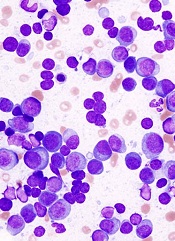
The US Food and Drug Administration (FDA) has granted accelerated approval for panobinostat (Farydak) to treat patients with multiple myeloma (MM).
Panobinostat is the first histone deacetylase (HDAC) inhibitor approved to treat MM.
The drug can now be used in combination with bortezomib and dexamethasone to treat patients who have received at least 2 prior standard therapies, including bortezomib and an immunomodulatory agent (IMiD).
Panobinostat was approved with a boxed warning alerting patients and healthcare professionals that severe diarrhea and severe and fatal cardiac events, arrhythmias, and electrocardiogram changes have occurred in patients receiving the drug.
Panobinostat was approved with a Risk Evaluation and Mitigation Strategy as well, which consists of a communication plan to inform healthcare professionals of these risks and how to minimize them.
Data supporting approval
In November 2014, the FDA’s Oncologic Drugs Advisory Committee advised the agency that, based on the data reviewed, the benefits of panobinostat did not outweigh its risks for patients with relapsed MM.
After the meeting, Novartis, the company developing the HDAC inhibitor, submitted additional information supporting the use of panobinostat for a different indication: MM patients who have received at least 2 prior standard therapies, including bortezomib and an IMiD.
The FDA’s accelerated approval of panobinostat is based on that data—efficacy and safety results in a subgroup analysis of 193 patients enrolled in the phase 3 PANORAMA-1 trial. These patients had received prior treatment with both bortezomib and an IMiD.
In these patients, treatment with panobinostat, bortezomib, and dexamethasone resulted in superior progression-free survival, when compared to treatment with bortezomib, dexamethasone, and placebo—10.6 months and 5.8 months, respectively (hazard ratio=0.52).
The most common adverse events (incidence ≥ 20%) in clinical studies of panobinostat have been diarrhea, fatigue, nausea, peripheral edema, decreased appetite, pyrexia, and vomiting.
The most common non-hematologic laboratory abnormalities (incidence ≥ 40%) were hypophosphatemia, hypokalemia, hyponatremia, and increased creatinine. The most common hematologic laboratory abnormalities (incidence ≥ 60%) were thrombocytopenia, lymphopenia, leukopenia, neutropenia, and anemia.
Panobinostat can cause fatal and serious toxicities, including severe diarrhea and cardiac toxicities.
The most frequent (≥ 5%) treatment-emergent serious adverse events for patients treated with the HDAC inhibitor were pneumonia (18%), diarrhea (11%), thrombocytopenia (7%), fatigue (6%), and sepsis (6%). Additional serious adverse events included hemorrhage, myelosuppression, infections, hepatotoxicity, and embryo-fetal toxicity.
Panobinostat development
The FDA previously granted panobinostat priority review and orphan product designation. Priority review provides an expedited review of drugs that are intended to treat a serious disease or condition and may provide a significant improvement over available therapy. Orphan product designation is given to drugs intended to treat rare diseases.
Now, the FDA has granted panobinostat accelerated approval, which allows for conditional approval of a drug based on clinical data showing the drug has an effect on a surrogate endpoint reasonably likely to predict clinical benefit to patients.
Continued approval of panobinostat may be contingent upon verification of a clinical benefit in confirmatory trials conducted by Novartis. An improvement in overall survival or disease-related symptoms has not yet been established for the HDAC inhibitor.
For more details on panobinostat, see the full prescribing information.
The US Food and Drug Administration (FDA) has granted accelerated approval for panobinostat (Farydak) to treat patients with multiple myeloma (MM).
Panobinostat is the first histone deacetylase (HDAC) inhibitor approved to treat MM.
The drug can now be used in combination with bortezomib and dexamethasone to treat patients who have received at least 2 prior standard therapies, including bortezomib and an immunomodulatory agent (IMiD).
Panobinostat was approved with a boxed warning alerting patients and healthcare professionals that severe diarrhea and severe and fatal cardiac events, arrhythmias, and electrocardiogram changes have occurred in patients receiving the drug.
Panobinostat was approved with a Risk Evaluation and Mitigation Strategy as well, which consists of a communication plan to inform healthcare professionals of these risks and how to minimize them.
Data supporting approval
In November 2014, the FDA’s Oncologic Drugs Advisory Committee advised the agency that, based on the data reviewed, the benefits of panobinostat did not outweigh its risks for patients with relapsed MM.
After the meeting, Novartis, the company developing the HDAC inhibitor, submitted additional information supporting the use of panobinostat for a different indication: MM patients who have received at least 2 prior standard therapies, including bortezomib and an IMiD.
The FDA’s accelerated approval of panobinostat is based on that data—efficacy and safety results in a subgroup analysis of 193 patients enrolled in the phase 3 PANORAMA-1 trial. These patients had received prior treatment with both bortezomib and an IMiD.
In these patients, treatment with panobinostat, bortezomib, and dexamethasone resulted in superior progression-free survival, when compared to treatment with bortezomib, dexamethasone, and placebo—10.6 months and 5.8 months, respectively (hazard ratio=0.52).
The most common adverse events (incidence ≥ 20%) in clinical studies of panobinostat have been diarrhea, fatigue, nausea, peripheral edema, decreased appetite, pyrexia, and vomiting.
The most common non-hematologic laboratory abnormalities (incidence ≥ 40%) were hypophosphatemia, hypokalemia, hyponatremia, and increased creatinine. The most common hematologic laboratory abnormalities (incidence ≥ 60%) were thrombocytopenia, lymphopenia, leukopenia, neutropenia, and anemia.
Panobinostat can cause fatal and serious toxicities, including severe diarrhea and cardiac toxicities.
The most frequent (≥ 5%) treatment-emergent serious adverse events for patients treated with the HDAC inhibitor were pneumonia (18%), diarrhea (11%), thrombocytopenia (7%), fatigue (6%), and sepsis (6%). Additional serious adverse events included hemorrhage, myelosuppression, infections, hepatotoxicity, and embryo-fetal toxicity.
Panobinostat development
The FDA previously granted panobinostat priority review and orphan product designation. Priority review provides an expedited review of drugs that are intended to treat a serious disease or condition and may provide a significant improvement over available therapy. Orphan product designation is given to drugs intended to treat rare diseases.
Now, the FDA has granted panobinostat accelerated approval, which allows for conditional approval of a drug based on clinical data showing the drug has an effect on a surrogate endpoint reasonably likely to predict clinical benefit to patients.
Continued approval of panobinostat may be contingent upon verification of a clinical benefit in confirmatory trials conducted by Novartis. An improvement in overall survival or disease-related symptoms has not yet been established for the HDAC inhibitor.
For more details on panobinostat, see the full prescribing information.
The US Food and Drug Administration (FDA) has granted accelerated approval for panobinostat (Farydak) to treat patients with multiple myeloma (MM).
Panobinostat is the first histone deacetylase (HDAC) inhibitor approved to treat MM.
The drug can now be used in combination with bortezomib and dexamethasone to treat patients who have received at least 2 prior standard therapies, including bortezomib and an immunomodulatory agent (IMiD).
Panobinostat was approved with a boxed warning alerting patients and healthcare professionals that severe diarrhea and severe and fatal cardiac events, arrhythmias, and electrocardiogram changes have occurred in patients receiving the drug.
Panobinostat was approved with a Risk Evaluation and Mitigation Strategy as well, which consists of a communication plan to inform healthcare professionals of these risks and how to minimize them.
Data supporting approval
In November 2014, the FDA’s Oncologic Drugs Advisory Committee advised the agency that, based on the data reviewed, the benefits of panobinostat did not outweigh its risks for patients with relapsed MM.
After the meeting, Novartis, the company developing the HDAC inhibitor, submitted additional information supporting the use of panobinostat for a different indication: MM patients who have received at least 2 prior standard therapies, including bortezomib and an IMiD.
The FDA’s accelerated approval of panobinostat is based on that data—efficacy and safety results in a subgroup analysis of 193 patients enrolled in the phase 3 PANORAMA-1 trial. These patients had received prior treatment with both bortezomib and an IMiD.
In these patients, treatment with panobinostat, bortezomib, and dexamethasone resulted in superior progression-free survival, when compared to treatment with bortezomib, dexamethasone, and placebo—10.6 months and 5.8 months, respectively (hazard ratio=0.52).
The most common adverse events (incidence ≥ 20%) in clinical studies of panobinostat have been diarrhea, fatigue, nausea, peripheral edema, decreased appetite, pyrexia, and vomiting.
The most common non-hematologic laboratory abnormalities (incidence ≥ 40%) were hypophosphatemia, hypokalemia, hyponatremia, and increased creatinine. The most common hematologic laboratory abnormalities (incidence ≥ 60%) were thrombocytopenia, lymphopenia, leukopenia, neutropenia, and anemia.
Panobinostat can cause fatal and serious toxicities, including severe diarrhea and cardiac toxicities.
The most frequent (≥ 5%) treatment-emergent serious adverse events for patients treated with the HDAC inhibitor were pneumonia (18%), diarrhea (11%), thrombocytopenia (7%), fatigue (6%), and sepsis (6%). Additional serious adverse events included hemorrhage, myelosuppression, infections, hepatotoxicity, and embryo-fetal toxicity.
Panobinostat development
The FDA previously granted panobinostat priority review and orphan product designation. Priority review provides an expedited review of drugs that are intended to treat a serious disease or condition and may provide a significant improvement over available therapy. Orphan product designation is given to drugs intended to treat rare diseases.
Now, the FDA has granted panobinostat accelerated approval, which allows for conditional approval of a drug based on clinical data showing the drug has an effect on a surrogate endpoint reasonably likely to predict clinical benefit to patients.
Continued approval of panobinostat may be contingent upon verification of a clinical benefit in confirmatory trials conducted by Novartis. An improvement in overall survival or disease-related symptoms has not yet been established for the HDAC inhibitor.
For more details on panobinostat, see the full prescribing information.
How cancer patients make treatment decisions

patient and her father
Photo by Rhoda Baer
A survey of more than 5000 cancer patients suggests there are a number of factors that might make a patient more likely to involve family members in treatment decisions.
A patient’s gender, age, marital status, native language, insurance status, and even past military service all appeared to impact family involvement in care decisions.
Gabriela Hobbs, MD, of Harvard Medical School in Boston, Massachusetts, and her colleagues conducted this research and reported the results in Cancer.
The researchers surveyed 5284 patients with a new diagnosis of lung or colon cancer, asking patients how they involved their families in treatment decisions.
Only 1.5% of patients reported complete family control over decisions. Nearly half of patients (49.4%) said they and family members shared decision-making responsibilities equally, 22.1% of patients reported some family input, and 28.5% reported little or no input from their families.
Asian and Hispanic patients who did not speak English were more likely than their peers to report equally shared decisions with their families. Likewise, patients who were married, female, older, and insured were more likely to share decision-making equally with their families.
Veterans were the least likely to share decision-making with their families, even when the researchers adjusted for marital status and social support.
“Understanding how patients vary in their inclusion of family members in decisions—by ethnicity, language spoken, marital status, sex, age, insurance status, and veteran status—may help physicians to better assess their patients’ preferences for engaging family members in decisions,” Dr Hobbs said.
“As we move to more patient-centered models of care, such assessments may help doctors personalize the care they offer their patients.”
Dr Hobbs noted that as therapies for cancer patients improve, they are also becoming increasingly complex, making it challenging for patients and providers to determine the optimal therapy for each patient. Therefore, knowing how patients make decisions and understanding the role families play in decision-making is crucial for optimizing patient participation in treatment decisions.
“Our study suggests that not all patients wish to include family in the same way,” Dr Hobbs said. “By raising awareness of these preferences, we hope that physicians will be aware of these variations and elicit their patient’s preference on how they wish to include, or not to include, families in decision-making.”
patient and her father
Photo by Rhoda Baer
A survey of more than 5000 cancer patients suggests there are a number of factors that might make a patient more likely to involve family members in treatment decisions.
A patient’s gender, age, marital status, native language, insurance status, and even past military service all appeared to impact family involvement in care decisions.
Gabriela Hobbs, MD, of Harvard Medical School in Boston, Massachusetts, and her colleagues conducted this research and reported the results in Cancer.
The researchers surveyed 5284 patients with a new diagnosis of lung or colon cancer, asking patients how they involved their families in treatment decisions.
Only 1.5% of patients reported complete family control over decisions. Nearly half of patients (49.4%) said they and family members shared decision-making responsibilities equally, 22.1% of patients reported some family input, and 28.5% reported little or no input from their families.
Asian and Hispanic patients who did not speak English were more likely than their peers to report equally shared decisions with their families. Likewise, patients who were married, female, older, and insured were more likely to share decision-making equally with their families.
Veterans were the least likely to share decision-making with their families, even when the researchers adjusted for marital status and social support.
“Understanding how patients vary in their inclusion of family members in decisions—by ethnicity, language spoken, marital status, sex, age, insurance status, and veteran status—may help physicians to better assess their patients’ preferences for engaging family members in decisions,” Dr Hobbs said.
“As we move to more patient-centered models of care, such assessments may help doctors personalize the care they offer their patients.”
Dr Hobbs noted that as therapies for cancer patients improve, they are also becoming increasingly complex, making it challenging for patients and providers to determine the optimal therapy for each patient. Therefore, knowing how patients make decisions and understanding the role families play in decision-making is crucial for optimizing patient participation in treatment decisions.
“Our study suggests that not all patients wish to include family in the same way,” Dr Hobbs said. “By raising awareness of these preferences, we hope that physicians will be aware of these variations and elicit their patient’s preference on how they wish to include, or not to include, families in decision-making.”
patient and her father
Photo by Rhoda Baer
A survey of more than 5000 cancer patients suggests there are a number of factors that might make a patient more likely to involve family members in treatment decisions.
A patient’s gender, age, marital status, native language, insurance status, and even past military service all appeared to impact family involvement in care decisions.
Gabriela Hobbs, MD, of Harvard Medical School in Boston, Massachusetts, and her colleagues conducted this research and reported the results in Cancer.
The researchers surveyed 5284 patients with a new diagnosis of lung or colon cancer, asking patients how they involved their families in treatment decisions.
Only 1.5% of patients reported complete family control over decisions. Nearly half of patients (49.4%) said they and family members shared decision-making responsibilities equally, 22.1% of patients reported some family input, and 28.5% reported little or no input from their families.
Asian and Hispanic patients who did not speak English were more likely than their peers to report equally shared decisions with their families. Likewise, patients who were married, female, older, and insured were more likely to share decision-making equally with their families.
Veterans were the least likely to share decision-making with their families, even when the researchers adjusted for marital status and social support.
“Understanding how patients vary in their inclusion of family members in decisions—by ethnicity, language spoken, marital status, sex, age, insurance status, and veteran status—may help physicians to better assess their patients’ preferences for engaging family members in decisions,” Dr Hobbs said.
“As we move to more patient-centered models of care, such assessments may help doctors personalize the care they offer their patients.”
Dr Hobbs noted that as therapies for cancer patients improve, they are also becoming increasingly complex, making it challenging for patients and providers to determine the optimal therapy for each patient. Therefore, knowing how patients make decisions and understanding the role families play in decision-making is crucial for optimizing patient participation in treatment decisions.
“Our study suggests that not all patients wish to include family in the same way,” Dr Hobbs said. “By raising awareness of these preferences, we hope that physicians will be aware of these variations and elicit their patient’s preference on how they wish to include, or not to include, families in decision-making.”
EC expands indication for lenalidomide in MM
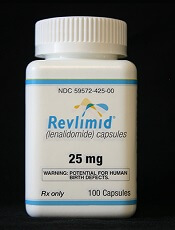
Photo courtesy of Celgene
The European Commission (EC) has expanded the marketing authorization for lenalidomide (Revlimid), just 2 days after the US Food and Drug Administration did the same.
Lenalidomide is now approved in the European Union (EU) to treat adults with previously untreated multiple myeloma (MM) who are not eligible for hematopoietic stem cell transplant. These patients can receive the drug continuously until
disease progression.
Lenalidomide was already approved in the EU for use in combination with dexamethasone to treat adults with MM who have received at least 1 prior therapy.
Lenalidomide is also approved in the EU to treat patients with transfusion-dependent anemia due to low- or intermediate-1-risk myelodysplastic syndromes associated with 5q deletion when other therapeutic options are insufficient or inadequate.
“Having a new treatment option now available for patients newly diagnosed with multiple myeloma is a real step forward,” said Thierry Facon, MD, of CHRU Lille in France.
“Treating patients continuously until disease progression is supported by several clinical studies and will have an important impact on how we manage the disease over the long-term.”
The EC’s decision to extend the approved use of lenalidomide was based on the results of 2 studies: MM-015 and MM-020, also known as FIRST.
The FIRST trial
In the phase 3 FIRST trial, researchers enrolled 1623 patients who were newly diagnosed with MM and not eligible for transplant.
Patients were randomized to receive lenalidomide and dexamethasone (Rd) in 28-day cycles until disease progression (n=535), 18 cycles of lenalidomide and dexamethasone (Rd18) for 72 weeks (n=541), or melphalan, prednisone, and thalidomide (MPT) for 72 weeks (n=547).
Response rates were significantly better with continuous Rd (75%) and Rd18 (73%) than with MPT (62%, P<0.001 for both comparisons). Complete response rates were 15%, 14%, and 9%, respectively.
The median progression-free survival was 25.5 months with continuous Rd, 20.7 months with Rd18, and 21.2 months with MPT.
This resulted in a 28% reduction in the risk of progression or death for patients treated with continuous Rd compared with those treated with MPT (hazard ratio[HR]=0.72, P<0.001) and a 30% reduction compared with Rd18 (HR=0.70, P<0.001).
The pre-planned interim analysis of overall survival showed a 22% reduction in the risk of death for continuous Rd vs MPT (HR=0.78, P=0.02), but the difference did not cross the pre-specified superiority boundary (P<0.0096).
Adverse events reported in 20% or more of patients in the continuous Rd, Rd18, or MPT arms included diarrhea (45.5%, 38.5%, 16.5%), anemia (43.8%, 35.7%, 42.3%), neutropenia (35.0%, 33.0%, 60.6%), fatigue (32.5%, 32.8%, 28.5%), back pain (32.0%, 26.9%, 21.4%), insomnia (27.6%, 23.5%, 9.8%), asthenia (28.2%, 22.8%, 22.9%), rash (26.1%, 28.0%, 19.4%), decreased appetite (23.1%, 21.3%, 13.3%), cough (22.7%, 17.4%, 12.6%), pyrexia (21.4%, 18.9%, 14.0%), muscle spasms (20.5%, 18.9%, 11.3%), and abdominal pain (20.5%, 14.4%, 11.1%).
The incidence of invasive second primary malignancies was 3% in patients taking continuous Rd, 6% in patients taking Rd18, and 5% in those taking MPT. The overall incidence of solid tumors was identical in the continuous Rd and MPT arms (3%) and 5% in the Rd18 arm.
The MM-015 trial
In the phase 3 MM-015 study, researchers enrolled 459 patients who were 65 or older and newly diagnosed with MM.
The team compared melphalan-prednisone-lenalidomide induction followed by lenalidomide maintenance (MPR-R) with melphalan-prednisone-lenalidomide (MPR) or melphalan-prednisone (MP) followed by placebo maintenance.
Patients who received MPR-R or MPR had significantly better response rates than patients who received MP, at 77%, 68%, and 50%, respectively (P<0.001 and P=0.002, respectively, for the comparison with MP).
And the median progression-free survival was significantly longer with MPR-R (31 months) than with MPR (14 months, HR=0.49, P<0.001) or MP (13 months, HR=0.40, P<0.001).
During induction, the most frequent adverse events were hematologic. Grade 4 neutropenia occurred in 35% of patients in the MPR-R arm, 32% in the MPR arm, and 8% in the MP arm. The 3-year rate of second primary malignancies was 7%, 7%, and 3%, respectively.
Photo courtesy of Celgene
The European Commission (EC) has expanded the marketing authorization for lenalidomide (Revlimid), just 2 days after the US Food and Drug Administration did the same.
Lenalidomide is now approved in the European Union (EU) to treat adults with previously untreated multiple myeloma (MM) who are not eligible for hematopoietic stem cell transplant. These patients can receive the drug continuously until
disease progression.
Lenalidomide was already approved in the EU for use in combination with dexamethasone to treat adults with MM who have received at least 1 prior therapy.
Lenalidomide is also approved in the EU to treat patients with transfusion-dependent anemia due to low- or intermediate-1-risk myelodysplastic syndromes associated with 5q deletion when other therapeutic options are insufficient or inadequate.
“Having a new treatment option now available for patients newly diagnosed with multiple myeloma is a real step forward,” said Thierry Facon, MD, of CHRU Lille in France.
“Treating patients continuously until disease progression is supported by several clinical studies and will have an important impact on how we manage the disease over the long-term.”
The EC’s decision to extend the approved use of lenalidomide was based on the results of 2 studies: MM-015 and MM-020, also known as FIRST.
The FIRST trial
In the phase 3 FIRST trial, researchers enrolled 1623 patients who were newly diagnosed with MM and not eligible for transplant.
Patients were randomized to receive lenalidomide and dexamethasone (Rd) in 28-day cycles until disease progression (n=535), 18 cycles of lenalidomide and dexamethasone (Rd18) for 72 weeks (n=541), or melphalan, prednisone, and thalidomide (MPT) for 72 weeks (n=547).
Response rates were significantly better with continuous Rd (75%) and Rd18 (73%) than with MPT (62%, P<0.001 for both comparisons). Complete response rates were 15%, 14%, and 9%, respectively.
The median progression-free survival was 25.5 months with continuous Rd, 20.7 months with Rd18, and 21.2 months with MPT.
This resulted in a 28% reduction in the risk of progression or death for patients treated with continuous Rd compared with those treated with MPT (hazard ratio[HR]=0.72, P<0.001) and a 30% reduction compared with Rd18 (HR=0.70, P<0.001).
The pre-planned interim analysis of overall survival showed a 22% reduction in the risk of death for continuous Rd vs MPT (HR=0.78, P=0.02), but the difference did not cross the pre-specified superiority boundary (P<0.0096).
Adverse events reported in 20% or more of patients in the continuous Rd, Rd18, or MPT arms included diarrhea (45.5%, 38.5%, 16.5%), anemia (43.8%, 35.7%, 42.3%), neutropenia (35.0%, 33.0%, 60.6%), fatigue (32.5%, 32.8%, 28.5%), back pain (32.0%, 26.9%, 21.4%), insomnia (27.6%, 23.5%, 9.8%), asthenia (28.2%, 22.8%, 22.9%), rash (26.1%, 28.0%, 19.4%), decreased appetite (23.1%, 21.3%, 13.3%), cough (22.7%, 17.4%, 12.6%), pyrexia (21.4%, 18.9%, 14.0%), muscle spasms (20.5%, 18.9%, 11.3%), and abdominal pain (20.5%, 14.4%, 11.1%).
The incidence of invasive second primary malignancies was 3% in patients taking continuous Rd, 6% in patients taking Rd18, and 5% in those taking MPT. The overall incidence of solid tumors was identical in the continuous Rd and MPT arms (3%) and 5% in the Rd18 arm.
The MM-015 trial
In the phase 3 MM-015 study, researchers enrolled 459 patients who were 65 or older and newly diagnosed with MM.
The team compared melphalan-prednisone-lenalidomide induction followed by lenalidomide maintenance (MPR-R) with melphalan-prednisone-lenalidomide (MPR) or melphalan-prednisone (MP) followed by placebo maintenance.
Patients who received MPR-R or MPR had significantly better response rates than patients who received MP, at 77%, 68%, and 50%, respectively (P<0.001 and P=0.002, respectively, for the comparison with MP).
And the median progression-free survival was significantly longer with MPR-R (31 months) than with MPR (14 months, HR=0.49, P<0.001) or MP (13 months, HR=0.40, P<0.001).
During induction, the most frequent adverse events were hematologic. Grade 4 neutropenia occurred in 35% of patients in the MPR-R arm, 32% in the MPR arm, and 8% in the MP arm. The 3-year rate of second primary malignancies was 7%, 7%, and 3%, respectively.
Photo courtesy of Celgene
The European Commission (EC) has expanded the marketing authorization for lenalidomide (Revlimid), just 2 days after the US Food and Drug Administration did the same.
Lenalidomide is now approved in the European Union (EU) to treat adults with previously untreated multiple myeloma (MM) who are not eligible for hematopoietic stem cell transplant. These patients can receive the drug continuously until
disease progression.
Lenalidomide was already approved in the EU for use in combination with dexamethasone to treat adults with MM who have received at least 1 prior therapy.
Lenalidomide is also approved in the EU to treat patients with transfusion-dependent anemia due to low- or intermediate-1-risk myelodysplastic syndromes associated with 5q deletion when other therapeutic options are insufficient or inadequate.
“Having a new treatment option now available for patients newly diagnosed with multiple myeloma is a real step forward,” said Thierry Facon, MD, of CHRU Lille in France.
“Treating patients continuously until disease progression is supported by several clinical studies and will have an important impact on how we manage the disease over the long-term.”
The EC’s decision to extend the approved use of lenalidomide was based on the results of 2 studies: MM-015 and MM-020, also known as FIRST.
The FIRST trial
In the phase 3 FIRST trial, researchers enrolled 1623 patients who were newly diagnosed with MM and not eligible for transplant.
Patients were randomized to receive lenalidomide and dexamethasone (Rd) in 28-day cycles until disease progression (n=535), 18 cycles of lenalidomide and dexamethasone (Rd18) for 72 weeks (n=541), or melphalan, prednisone, and thalidomide (MPT) for 72 weeks (n=547).
Response rates were significantly better with continuous Rd (75%) and Rd18 (73%) than with MPT (62%, P<0.001 for both comparisons). Complete response rates were 15%, 14%, and 9%, respectively.
The median progression-free survival was 25.5 months with continuous Rd, 20.7 months with Rd18, and 21.2 months with MPT.
This resulted in a 28% reduction in the risk of progression or death for patients treated with continuous Rd compared with those treated with MPT (hazard ratio[HR]=0.72, P<0.001) and a 30% reduction compared with Rd18 (HR=0.70, P<0.001).
The pre-planned interim analysis of overall survival showed a 22% reduction in the risk of death for continuous Rd vs MPT (HR=0.78, P=0.02), but the difference did not cross the pre-specified superiority boundary (P<0.0096).
Adverse events reported in 20% or more of patients in the continuous Rd, Rd18, or MPT arms included diarrhea (45.5%, 38.5%, 16.5%), anemia (43.8%, 35.7%, 42.3%), neutropenia (35.0%, 33.0%, 60.6%), fatigue (32.5%, 32.8%, 28.5%), back pain (32.0%, 26.9%, 21.4%), insomnia (27.6%, 23.5%, 9.8%), asthenia (28.2%, 22.8%, 22.9%), rash (26.1%, 28.0%, 19.4%), decreased appetite (23.1%, 21.3%, 13.3%), cough (22.7%, 17.4%, 12.6%), pyrexia (21.4%, 18.9%, 14.0%), muscle spasms (20.5%, 18.9%, 11.3%), and abdominal pain (20.5%, 14.4%, 11.1%).
The incidence of invasive second primary malignancies was 3% in patients taking continuous Rd, 6% in patients taking Rd18, and 5% in those taking MPT. The overall incidence of solid tumors was identical in the continuous Rd and MPT arms (3%) and 5% in the Rd18 arm.
The MM-015 trial
In the phase 3 MM-015 study, researchers enrolled 459 patients who were 65 or older and newly diagnosed with MM.
The team compared melphalan-prednisone-lenalidomide induction followed by lenalidomide maintenance (MPR-R) with melphalan-prednisone-lenalidomide (MPR) or melphalan-prednisone (MP) followed by placebo maintenance.
Patients who received MPR-R or MPR had significantly better response rates than patients who received MP, at 77%, 68%, and 50%, respectively (P<0.001 and P=0.002, respectively, for the comparison with MP).
And the median progression-free survival was significantly longer with MPR-R (31 months) than with MPR (14 months, HR=0.49, P<0.001) or MP (13 months, HR=0.40, P<0.001).
During induction, the most frequent adverse events were hematologic. Grade 4 neutropenia occurred in 35% of patients in the MPR-R arm, 32% in the MPR arm, and 8% in the MP arm. The 3-year rate of second primary malignancies was 7%, 7%, and 3%, respectively.
FDA approves drug for newly diagnosed MM

The US Food and Drug Administration (FDA) has expanded the existing indication for lenalidomide (Revlimid)—in combination with dexamethasone—to include patients with newly diagnosed multiple myeloma (MM).
The FDA previously approved lenalidomide in combination with dexamethasone to treat MM patients who had received at least 1 prior therapy.
Lenalidomide is also FDA-approved to treat mantle cell lymphoma patients who have failed 2 prior therapies, including bortezomib.
And the drug is approved to treat patients with transfusion-dependent anemia due to low- or intermediate-1-risk myelodysplastic syndromes associated with 5q deletion, with or without additional cytogenetic abnormalities.
“The approval of Revlimid as an option for use in all patients with multiple myeloma represents a new paradigm in the management of this disease,” said Kenneth Anderson, MD, of Dana-Farber/Brigham and Women’s Cancer Center in Boston, Massachusetts.
“We now have clinical evidence demonstrating that starting and keeping newly diagnosed multiple myeloma patients on Revlimid significantly improves progression-free survival.”
The FDA’s latest approval of lenalidomide was based on safety and efficacy results from phase 3 studies, particularly the FIRST trial.
The FIRST trial
In this phase 3 trial, researchers enrolled 1623 patients who were newly diagnosed with MM and not eligible for stem cell transplant.
Patients were randomized to receive lenalidomide and dexamethasone (Rd) in 28-day cycles until disease progression (n=535), 18 cycles of lenalidomide and dexamethasone (Rd18) for 72 weeks (n=541), or melphalan, prednisone, and thalidomide (MPT) for 72 weeks (n=547).
Response rates were significantly better with continuous Rd (75%) and Rd18 (73%) than with MPT (62%, P<0.001 for both comparisons). Complete response rates were 15%, 14%, and 9%, respectively.
The median progression-free survival was 25.5 months with continuous Rd, 20.7 months with Rd18, and 21.2 months with MPT.
This resulted in a 28% reduction in the risk of progression or death for patients treated with continuous Rd compared with those treated with MPT (hazard ratio[HR]=0.72, P<0.001) and a 30% reduction compared with Rd18 (HR=0.70, P<0.001).
The pre-planned interim analysis of overall survival showed a 22% reduction in the risk of death for continuous Rd vs MPT (HR=0.78, P=0.02), but the difference did not cross the pre-specified superiority boundary (P<0.0096).
Adverse events reported in 20% or more of patients in the continuous Rd, Rd18, or MPT arms included diarrhea (45.5%, 38.5%, 16.5%), anemia (43.8%, 35.7%, 42.3%), neutropenia (35.0%, 33.0%, 60.6%), fatigue (32.5%, 32.8%, 28.5%), back pain (32.0%, 26.9%, 21.4%), insomnia (27.6%, 23.5%, 9.8%), asthenia (28.2%, 22.8%, 22.9%), rash (26.1%, 28.0%, 19.4%), decreased appetite (23.1%, 21.3%, 13.3%), cough (22.7%, 17.4%, 12.6%), pyrexia (21.4%, 18.9%, 14.0%), muscle spasms (20.5%, 18.9%, 11.3%) and abdominal pain (20.5%, 14.4%, 11.1%).
The most frequently reported grade 3/4 events in the continuous Rd arm (until disease progression) were neutropenia (27.8%), anemia (18.2%), thrombocytopenia (8.3%), pneumonia (11.3%), asthenia (7.7%), fatigue (7.3%), back pain (7%), hypokalemia (6.6%), rash (7.3%), cataract (5.8%), dyspnea (5.6%), deep vein thrombosis (5.6%), and hyperglycemia (5.3%).
The incidence of invasive second primary malignancies was 3% in the continuous Rd arm, 6% in the Rd18 arm, and 5% in the MPT arm. The overall incidence of solid tumors was identical in the continuous Rd and MPT arms (3%) and 5% in the Rd18 arm.
The US Food and Drug Administration (FDA) has expanded the existing indication for lenalidomide (Revlimid)—in combination with dexamethasone—to include patients with newly diagnosed multiple myeloma (MM).
The FDA previously approved lenalidomide in combination with dexamethasone to treat MM patients who had received at least 1 prior therapy.
Lenalidomide is also FDA-approved to treat mantle cell lymphoma patients who have failed 2 prior therapies, including bortezomib.
And the drug is approved to treat patients with transfusion-dependent anemia due to low- or intermediate-1-risk myelodysplastic syndromes associated with 5q deletion, with or without additional cytogenetic abnormalities.
“The approval of Revlimid as an option for use in all patients with multiple myeloma represents a new paradigm in the management of this disease,” said Kenneth Anderson, MD, of Dana-Farber/Brigham and Women’s Cancer Center in Boston, Massachusetts.
“We now have clinical evidence demonstrating that starting and keeping newly diagnosed multiple myeloma patients on Revlimid significantly improves progression-free survival.”
The FDA’s latest approval of lenalidomide was based on safety and efficacy results from phase 3 studies, particularly the FIRST trial.
The FIRST trial
In this phase 3 trial, researchers enrolled 1623 patients who were newly diagnosed with MM and not eligible for stem cell transplant.
Patients were randomized to receive lenalidomide and dexamethasone (Rd) in 28-day cycles until disease progression (n=535), 18 cycles of lenalidomide and dexamethasone (Rd18) for 72 weeks (n=541), or melphalan, prednisone, and thalidomide (MPT) for 72 weeks (n=547).
Response rates were significantly better with continuous Rd (75%) and Rd18 (73%) than with MPT (62%, P<0.001 for both comparisons). Complete response rates were 15%, 14%, and 9%, respectively.
The median progression-free survival was 25.5 months with continuous Rd, 20.7 months with Rd18, and 21.2 months with MPT.
This resulted in a 28% reduction in the risk of progression or death for patients treated with continuous Rd compared with those treated with MPT (hazard ratio[HR]=0.72, P<0.001) and a 30% reduction compared with Rd18 (HR=0.70, P<0.001).
The pre-planned interim analysis of overall survival showed a 22% reduction in the risk of death for continuous Rd vs MPT (HR=0.78, P=0.02), but the difference did not cross the pre-specified superiority boundary (P<0.0096).
Adverse events reported in 20% or more of patients in the continuous Rd, Rd18, or MPT arms included diarrhea (45.5%, 38.5%, 16.5%), anemia (43.8%, 35.7%, 42.3%), neutropenia (35.0%, 33.0%, 60.6%), fatigue (32.5%, 32.8%, 28.5%), back pain (32.0%, 26.9%, 21.4%), insomnia (27.6%, 23.5%, 9.8%), asthenia (28.2%, 22.8%, 22.9%), rash (26.1%, 28.0%, 19.4%), decreased appetite (23.1%, 21.3%, 13.3%), cough (22.7%, 17.4%, 12.6%), pyrexia (21.4%, 18.9%, 14.0%), muscle spasms (20.5%, 18.9%, 11.3%) and abdominal pain (20.5%, 14.4%, 11.1%).
The most frequently reported grade 3/4 events in the continuous Rd arm (until disease progression) were neutropenia (27.8%), anemia (18.2%), thrombocytopenia (8.3%), pneumonia (11.3%), asthenia (7.7%), fatigue (7.3%), back pain (7%), hypokalemia (6.6%), rash (7.3%), cataract (5.8%), dyspnea (5.6%), deep vein thrombosis (5.6%), and hyperglycemia (5.3%).
The incidence of invasive second primary malignancies was 3% in the continuous Rd arm, 6% in the Rd18 arm, and 5% in the MPT arm. The overall incidence of solid tumors was identical in the continuous Rd and MPT arms (3%) and 5% in the Rd18 arm.
The US Food and Drug Administration (FDA) has expanded the existing indication for lenalidomide (Revlimid)—in combination with dexamethasone—to include patients with newly diagnosed multiple myeloma (MM).
The FDA previously approved lenalidomide in combination with dexamethasone to treat MM patients who had received at least 1 prior therapy.
Lenalidomide is also FDA-approved to treat mantle cell lymphoma patients who have failed 2 prior therapies, including bortezomib.
And the drug is approved to treat patients with transfusion-dependent anemia due to low- or intermediate-1-risk myelodysplastic syndromes associated with 5q deletion, with or without additional cytogenetic abnormalities.
“The approval of Revlimid as an option for use in all patients with multiple myeloma represents a new paradigm in the management of this disease,” said Kenneth Anderson, MD, of Dana-Farber/Brigham and Women’s Cancer Center in Boston, Massachusetts.
“We now have clinical evidence demonstrating that starting and keeping newly diagnosed multiple myeloma patients on Revlimid significantly improves progression-free survival.”
The FDA’s latest approval of lenalidomide was based on safety and efficacy results from phase 3 studies, particularly the FIRST trial.
The FIRST trial
In this phase 3 trial, researchers enrolled 1623 patients who were newly diagnosed with MM and not eligible for stem cell transplant.
Patients were randomized to receive lenalidomide and dexamethasone (Rd) in 28-day cycles until disease progression (n=535), 18 cycles of lenalidomide and dexamethasone (Rd18) for 72 weeks (n=541), or melphalan, prednisone, and thalidomide (MPT) for 72 weeks (n=547).
Response rates were significantly better with continuous Rd (75%) and Rd18 (73%) than with MPT (62%, P<0.001 for both comparisons). Complete response rates were 15%, 14%, and 9%, respectively.
The median progression-free survival was 25.5 months with continuous Rd, 20.7 months with Rd18, and 21.2 months with MPT.
This resulted in a 28% reduction in the risk of progression or death for patients treated with continuous Rd compared with those treated with MPT (hazard ratio[HR]=0.72, P<0.001) and a 30% reduction compared with Rd18 (HR=0.70, P<0.001).
The pre-planned interim analysis of overall survival showed a 22% reduction in the risk of death for continuous Rd vs MPT (HR=0.78, P=0.02), but the difference did not cross the pre-specified superiority boundary (P<0.0096).
Adverse events reported in 20% or more of patients in the continuous Rd, Rd18, or MPT arms included diarrhea (45.5%, 38.5%, 16.5%), anemia (43.8%, 35.7%, 42.3%), neutropenia (35.0%, 33.0%, 60.6%), fatigue (32.5%, 32.8%, 28.5%), back pain (32.0%, 26.9%, 21.4%), insomnia (27.6%, 23.5%, 9.8%), asthenia (28.2%, 22.8%, 22.9%), rash (26.1%, 28.0%, 19.4%), decreased appetite (23.1%, 21.3%, 13.3%), cough (22.7%, 17.4%, 12.6%), pyrexia (21.4%, 18.9%, 14.0%), muscle spasms (20.5%, 18.9%, 11.3%) and abdominal pain (20.5%, 14.4%, 11.1%).
The most frequently reported grade 3/4 events in the continuous Rd arm (until disease progression) were neutropenia (27.8%), anemia (18.2%), thrombocytopenia (8.3%), pneumonia (11.3%), asthenia (7.7%), fatigue (7.3%), back pain (7%), hypokalemia (6.6%), rash (7.3%), cataract (5.8%), dyspnea (5.6%), deep vein thrombosis (5.6%), and hyperglycemia (5.3%).
The incidence of invasive second primary malignancies was 3% in the continuous Rd arm, 6% in the Rd18 arm, and 5% in the MPT arm. The overall incidence of solid tumors was identical in the continuous Rd and MPT arms (3%) and 5% in the Rd18 arm.
Lenalidomide now approved for newly diagnosed multiple myeloma
The Food and Drug Administration has expanded the approved indication for lenalidomide plus dexamethasone to include patients newly diagnosed with multiple myeloma, Celgene announced on Feb. 18.
Lenalidomide – a thalidomide analogue with immunomodulatory, antiangiogenic, and antineoplastic properties – was approved as a treatment for multiple myeloma in patients who have received at least one previous therapy in 2006. Celgene markets lenalidomide as Revlimid.
Approval of the expanded indication was based on phase III trials, including the FIRST trial, an open-label, randomized study, comparing lenalidomide plus dexamethasone continuously for 18 months to melphalan, prednisone, and thalidomide (MPT) in 1,623 patients newly diagnosed with multiple myeloma who were not candidates for a stem cell transplant, according to the Celgene statement announcing the approval. A secondary analysis involved a subgroup of patients treated with a fixed duration of 18 cycles of lenalidomide and dexamethasone.
The median progression-free survival (PFS), the primary endpoint, was 25.5 months among those on continuous lenalidomide and dexamethasone therapy, vs. 21.2 months among those treated with MPT, a statistically significant difference (hazard ratio, 0.72). An interim analysis of overall survival in March 2014 determined that the median overall survival was 58.9 months among those in the continuous lenalidomide-dexamethasone group, vs. 48.5 months among those in the MPT group (HR, 0.75).
Almost half of those on continuous treatment had diarrhea, vs. 16.5% of those on MPT. Other adverse events reported in 20% or more of patients included anemia in 44% and 42% and neutropenia in 35% and almost 61%, in these two groups respectively.
Lenalidomide is currently under review in Europe for treating adults with previously untreated multiple myeloma, who are not eligible for transplant, according to the company.
Lenalidomide is approved with a Risk Evaluation and Mitigation Strategy (REMS) to prevent embryo-fetal exposure and to inform patients, prescribers, and pharmacists about the serious risks associated with treatment.
The updated prescribing information is available at www.revlimid.com/wp-content/uploads/2013/11/PI.pdf.
The Food and Drug Administration has expanded the approved indication for lenalidomide plus dexamethasone to include patients newly diagnosed with multiple myeloma, Celgene announced on Feb. 18.
Lenalidomide – a thalidomide analogue with immunomodulatory, antiangiogenic, and antineoplastic properties – was approved as a treatment for multiple myeloma in patients who have received at least one previous therapy in 2006. Celgene markets lenalidomide as Revlimid.
Approval of the expanded indication was based on phase III trials, including the FIRST trial, an open-label, randomized study, comparing lenalidomide plus dexamethasone continuously for 18 months to melphalan, prednisone, and thalidomide (MPT) in 1,623 patients newly diagnosed with multiple myeloma who were not candidates for a stem cell transplant, according to the Celgene statement announcing the approval. A secondary analysis involved a subgroup of patients treated with a fixed duration of 18 cycles of lenalidomide and dexamethasone.
The median progression-free survival (PFS), the primary endpoint, was 25.5 months among those on continuous lenalidomide and dexamethasone therapy, vs. 21.2 months among those treated with MPT, a statistically significant difference (hazard ratio, 0.72). An interim analysis of overall survival in March 2014 determined that the median overall survival was 58.9 months among those in the continuous lenalidomide-dexamethasone group, vs. 48.5 months among those in the MPT group (HR, 0.75).
Almost half of those on continuous treatment had diarrhea, vs. 16.5% of those on MPT. Other adverse events reported in 20% or more of patients included anemia in 44% and 42% and neutropenia in 35% and almost 61%, in these two groups respectively.
Lenalidomide is currently under review in Europe for treating adults with previously untreated multiple myeloma, who are not eligible for transplant, according to the company.
Lenalidomide is approved with a Risk Evaluation and Mitigation Strategy (REMS) to prevent embryo-fetal exposure and to inform patients, prescribers, and pharmacists about the serious risks associated with treatment.
The updated prescribing information is available at www.revlimid.com/wp-content/uploads/2013/11/PI.pdf.
The Food and Drug Administration has expanded the approved indication for lenalidomide plus dexamethasone to include patients newly diagnosed with multiple myeloma, Celgene announced on Feb. 18.
Lenalidomide – a thalidomide analogue with immunomodulatory, antiangiogenic, and antineoplastic properties – was approved as a treatment for multiple myeloma in patients who have received at least one previous therapy in 2006. Celgene markets lenalidomide as Revlimid.
Approval of the expanded indication was based on phase III trials, including the FIRST trial, an open-label, randomized study, comparing lenalidomide plus dexamethasone continuously for 18 months to melphalan, prednisone, and thalidomide (MPT) in 1,623 patients newly diagnosed with multiple myeloma who were not candidates for a stem cell transplant, according to the Celgene statement announcing the approval. A secondary analysis involved a subgroup of patients treated with a fixed duration of 18 cycles of lenalidomide and dexamethasone.
The median progression-free survival (PFS), the primary endpoint, was 25.5 months among those on continuous lenalidomide and dexamethasone therapy, vs. 21.2 months among those treated with MPT, a statistically significant difference (hazard ratio, 0.72). An interim analysis of overall survival in March 2014 determined that the median overall survival was 58.9 months among those in the continuous lenalidomide-dexamethasone group, vs. 48.5 months among those in the MPT group (HR, 0.75).
Almost half of those on continuous treatment had diarrhea, vs. 16.5% of those on MPT. Other adverse events reported in 20% or more of patients included anemia in 44% and 42% and neutropenia in 35% and almost 61%, in these two groups respectively.
Lenalidomide is currently under review in Europe for treating adults with previously untreated multiple myeloma, who are not eligible for transplant, according to the company.
Lenalidomide is approved with a Risk Evaluation and Mitigation Strategy (REMS) to prevent embryo-fetal exposure and to inform patients, prescribers, and pharmacists about the serious risks associated with treatment.
The updated prescribing information is available at www.revlimid.com/wp-content/uploads/2013/11/PI.pdf.
Day 90 CR not a good endpoint for auto-HSCT, doc says
Photo by Rhoda Baer
SAN DIGEO—A phase 3 study comparing conditioning regimens in multiple myeloma patients undergoing autologous transplant has yielded counterintuitive results.
Patients who received busulfan plus melphalan (bu-mel) had a lower complete response (CR) rate at 90 days and a higher rate of grade 3-4 non-hematologic
toxicity, compared to patients who received melphalan (mel) alone.
However, patients in the bu-mel arm enjoyed significantly longer progression-free survival (PFS).
These results suggest the rate of CR at 90 days is not a good endpoint for trials of autologous hematopoietic stem cell transplant (auto-HSCT), said Muzaffar H.
Qazilbash, MD, of The University of Texas MD Anderson Cancer Center in Houston.
Dr Qazilbash presented these and other findings at the 2015 BMT Tandem Meetings as abstract 83.*
“High-dose melphalan at 200 mg/m2 is considered the standard of care for autologous stem cell transplantation for multiple myeloma,” he said. “However, most patients have disease recurrence or progression after an autologous transplant, even with the use of post-transplant maintenance.”
A recent retrospective study suggested that bu-mel might be associated with a longer PFS compared to mel alone. So Dr Qazilbash and his colleagues decided to
investigate that possibility in a randomized, phase 3 trial.
The trial included 92 patients with symptomatic multiple myeloma who had received at least 2 cycles of induction therapy. They were all within 12 months of the start of induction, and all had adequate cardiac, pulmonary, renal, and liver function.
Forty-nine patients received bu-mel—a 130 mg/m2 daily infusion of busulfan for 4 days, followed by 2 daily doses of melphalan at 70 mg/m2. All patients in this arm also received phenytoin for seizure prophylaxis. The 43 patients in the mel-only arm received a single dose of melphalan at 200 mg/m2.
Baseline characteristics were similar between the 2 arms. The patients’ median ages were 58 in the bu-mel arm and 59 in the mel arm. At the time of transplant, 18% of patients in the bu-mel arm were in CR or near CR, as were 28% of patients in the mel arm.
Adverse events
At 100 days post-transplant, the transplant-related mortality was 0% in both arms.
“There was a significantly higher rate of grade 3-4 non-hematologic adverse events in the busulfan-plus-melphalan arm—78% vs 47% [P=0.002],” Dr Qazilbash noted. “And these adverse events were mostly infectious events.”
Grade 3 infection occurred in 71% of bu-mel-treated patients and 39% of mel-treated patients (P=0.003). Grade 2 gastrointestinal toxicities occurred in 69% and 48%, respectively (P=0.05).
There were no significant differences between the arms with regard to other adverse events. And there were no second primary malignancies in either arm.
Response
At 90 days, the CR rate was 16% in the bu-mel arm and 35% in the mel arm (P=0.05). The rates of CR plus very good partial response were 63% and 81%, respectively (P=0.06).
“The trial was stopped early, based on a prescribed rule in the trial design, because of a significantly higher CR rate in the control arm,” Dr Qazilbash said.
Still, he noted that, at 180 days, the CR rate was 26% in the bu-mel arm and 37% in the mel arm (P=0.36). And the 180-day rates of CR plus very good
partial response were 69% and 86%, respectively (P=0.65).
Maintenance
A majority of patients received maintenance therapy post-transplant—84% of patients in the bu-mel arm and 88% in the mel arm.
The median interval between auto-HSCT and maintenance was 4.6 months and 4.5 months, respectively. And the median duration of maintenance was 16 months and 14.2 months, respectively.
Maintenance largely consisted of lenalidomide. Sixty-five percent of patients in the bu-mel arm and 63% in the mel arm received the drug. Fewer patients received bortezomib—8% and 16%, respectively—or lenalidomide plus ixazomib—10% and 9%, respectively.
Survival
At a median follow-up of 19.5 months, bu-mel was associated with significantly longer PFS than mel alone (P=0.047). And a multivariate analysis showed that bu-mel was an independent predictor of PFS.
Dr Qazilbash noted that there was no significant difference in overall survival between the bu-mel and mel arms (P=0.97), but the follow-up is less than 2 years, so this is expected.
“Bu-mel was associated with a significantly lower day 90 CR rate, a significantly higher rate of grade 3-4 non-hematologic toxicity, no significant difference in transplant-related mortality . . . , and a significantly longer PFS,” Dr Qazilbash summarized.
He therefore concluded that, based on this study, day 90 CR is not an adequate endpoint for auto-HSCT trials. This trial was amended to change the primary
endpoint from day 90 CR to PFS, and accrual has been increased to 205 patients.
Dr Qazilbash and others involved in this study received research funding from Otsuka, makers of busulfan. Dr Qazilbash also reported relationships (advisory
board, honoraria) with Celgene, Millennium, and Onyx.
*Information in the abstract differs from that presented at the meeting.
Photo by Rhoda Baer
SAN DIGEO—A phase 3 study comparing conditioning regimens in multiple myeloma patients undergoing autologous transplant has yielded counterintuitive results.
Patients who received busulfan plus melphalan (bu-mel) had a lower complete response (CR) rate at 90 days and a higher rate of grade 3-4 non-hematologic
toxicity, compared to patients who received melphalan (mel) alone.
However, patients in the bu-mel arm enjoyed significantly longer progression-free survival (PFS).
These results suggest the rate of CR at 90 days is not a good endpoint for trials of autologous hematopoietic stem cell transplant (auto-HSCT), said Muzaffar H.
Qazilbash, MD, of The University of Texas MD Anderson Cancer Center in Houston.
Dr Qazilbash presented these and other findings at the 2015 BMT Tandem Meetings as abstract 83.*
“High-dose melphalan at 200 mg/m2 is considered the standard of care for autologous stem cell transplantation for multiple myeloma,” he said. “However, most patients have disease recurrence or progression after an autologous transplant, even with the use of post-transplant maintenance.”
A recent retrospective study suggested that bu-mel might be associated with a longer PFS compared to mel alone. So Dr Qazilbash and his colleagues decided to
investigate that possibility in a randomized, phase 3 trial.
The trial included 92 patients with symptomatic multiple myeloma who had received at least 2 cycles of induction therapy. They were all within 12 months of the start of induction, and all had adequate cardiac, pulmonary, renal, and liver function.
Forty-nine patients received bu-mel—a 130 mg/m2 daily infusion of busulfan for 4 days, followed by 2 daily doses of melphalan at 70 mg/m2. All patients in this arm also received phenytoin for seizure prophylaxis. The 43 patients in the mel-only arm received a single dose of melphalan at 200 mg/m2.
Baseline characteristics were similar between the 2 arms. The patients’ median ages were 58 in the bu-mel arm and 59 in the mel arm. At the time of transplant, 18% of patients in the bu-mel arm were in CR or near CR, as were 28% of patients in the mel arm.
Adverse events
At 100 days post-transplant, the transplant-related mortality was 0% in both arms.
“There was a significantly higher rate of grade 3-4 non-hematologic adverse events in the busulfan-plus-melphalan arm—78% vs 47% [P=0.002],” Dr Qazilbash noted. “And these adverse events were mostly infectious events.”
Grade 3 infection occurred in 71% of bu-mel-treated patients and 39% of mel-treated patients (P=0.003). Grade 2 gastrointestinal toxicities occurred in 69% and 48%, respectively (P=0.05).
There were no significant differences between the arms with regard to other adverse events. And there were no second primary malignancies in either arm.
Response
At 90 days, the CR rate was 16% in the bu-mel arm and 35% in the mel arm (P=0.05). The rates of CR plus very good partial response were 63% and 81%, respectively (P=0.06).
“The trial was stopped early, based on a prescribed rule in the trial design, because of a significantly higher CR rate in the control arm,” Dr Qazilbash said.
Still, he noted that, at 180 days, the CR rate was 26% in the bu-mel arm and 37% in the mel arm (P=0.36). And the 180-day rates of CR plus very good
partial response were 69% and 86%, respectively (P=0.65).
Maintenance
A majority of patients received maintenance therapy post-transplant—84% of patients in the bu-mel arm and 88% in the mel arm.
The median interval between auto-HSCT and maintenance was 4.6 months and 4.5 months, respectively. And the median duration of maintenance was 16 months and 14.2 months, respectively.
Maintenance largely consisted of lenalidomide. Sixty-five percent of patients in the bu-mel arm and 63% in the mel arm received the drug. Fewer patients received bortezomib—8% and 16%, respectively—or lenalidomide plus ixazomib—10% and 9%, respectively.
Survival
At a median follow-up of 19.5 months, bu-mel was associated with significantly longer PFS than mel alone (P=0.047). And a multivariate analysis showed that bu-mel was an independent predictor of PFS.
Dr Qazilbash noted that there was no significant difference in overall survival between the bu-mel and mel arms (P=0.97), but the follow-up is less than 2 years, so this is expected.
“Bu-mel was associated with a significantly lower day 90 CR rate, a significantly higher rate of grade 3-4 non-hematologic toxicity, no significant difference in transplant-related mortality . . . , and a significantly longer PFS,” Dr Qazilbash summarized.
He therefore concluded that, based on this study, day 90 CR is not an adequate endpoint for auto-HSCT trials. This trial was amended to change the primary
endpoint from day 90 CR to PFS, and accrual has been increased to 205 patients.
Dr Qazilbash and others involved in this study received research funding from Otsuka, makers of busulfan. Dr Qazilbash also reported relationships (advisory
board, honoraria) with Celgene, Millennium, and Onyx.
*Information in the abstract differs from that presented at the meeting.
Photo by Rhoda Baer
SAN DIGEO—A phase 3 study comparing conditioning regimens in multiple myeloma patients undergoing autologous transplant has yielded counterintuitive results.
Patients who received busulfan plus melphalan (bu-mel) had a lower complete response (CR) rate at 90 days and a higher rate of grade 3-4 non-hematologic
toxicity, compared to patients who received melphalan (mel) alone.
However, patients in the bu-mel arm enjoyed significantly longer progression-free survival (PFS).
These results suggest the rate of CR at 90 days is not a good endpoint for trials of autologous hematopoietic stem cell transplant (auto-HSCT), said Muzaffar H.
Qazilbash, MD, of The University of Texas MD Anderson Cancer Center in Houston.
Dr Qazilbash presented these and other findings at the 2015 BMT Tandem Meetings as abstract 83.*
“High-dose melphalan at 200 mg/m2 is considered the standard of care for autologous stem cell transplantation for multiple myeloma,” he said. “However, most patients have disease recurrence or progression after an autologous transplant, even with the use of post-transplant maintenance.”
A recent retrospective study suggested that bu-mel might be associated with a longer PFS compared to mel alone. So Dr Qazilbash and his colleagues decided to
investigate that possibility in a randomized, phase 3 trial.
The trial included 92 patients with symptomatic multiple myeloma who had received at least 2 cycles of induction therapy. They were all within 12 months of the start of induction, and all had adequate cardiac, pulmonary, renal, and liver function.
Forty-nine patients received bu-mel—a 130 mg/m2 daily infusion of busulfan for 4 days, followed by 2 daily doses of melphalan at 70 mg/m2. All patients in this arm also received phenytoin for seizure prophylaxis. The 43 patients in the mel-only arm received a single dose of melphalan at 200 mg/m2.
Baseline characteristics were similar between the 2 arms. The patients’ median ages were 58 in the bu-mel arm and 59 in the mel arm. At the time of transplant, 18% of patients in the bu-mel arm were in CR or near CR, as were 28% of patients in the mel arm.
Adverse events
At 100 days post-transplant, the transplant-related mortality was 0% in both arms.
“There was a significantly higher rate of grade 3-4 non-hematologic adverse events in the busulfan-plus-melphalan arm—78% vs 47% [P=0.002],” Dr Qazilbash noted. “And these adverse events were mostly infectious events.”
Grade 3 infection occurred in 71% of bu-mel-treated patients and 39% of mel-treated patients (P=0.003). Grade 2 gastrointestinal toxicities occurred in 69% and 48%, respectively (P=0.05).
There were no significant differences between the arms with regard to other adverse events. And there were no second primary malignancies in either arm.
Response
At 90 days, the CR rate was 16% in the bu-mel arm and 35% in the mel arm (P=0.05). The rates of CR plus very good partial response were 63% and 81%, respectively (P=0.06).
“The trial was stopped early, based on a prescribed rule in the trial design, because of a significantly higher CR rate in the control arm,” Dr Qazilbash said.
Still, he noted that, at 180 days, the CR rate was 26% in the bu-mel arm and 37% in the mel arm (P=0.36). And the 180-day rates of CR plus very good
partial response were 69% and 86%, respectively (P=0.65).
Maintenance
A majority of patients received maintenance therapy post-transplant—84% of patients in the bu-mel arm and 88% in the mel arm.
The median interval between auto-HSCT and maintenance was 4.6 months and 4.5 months, respectively. And the median duration of maintenance was 16 months and 14.2 months, respectively.
Maintenance largely consisted of lenalidomide. Sixty-five percent of patients in the bu-mel arm and 63% in the mel arm received the drug. Fewer patients received bortezomib—8% and 16%, respectively—or lenalidomide plus ixazomib—10% and 9%, respectively.
Survival
At a median follow-up of 19.5 months, bu-mel was associated with significantly longer PFS than mel alone (P=0.047). And a multivariate analysis showed that bu-mel was an independent predictor of PFS.
Dr Qazilbash noted that there was no significant difference in overall survival between the bu-mel and mel arms (P=0.97), but the follow-up is less than 2 years, so this is expected.
“Bu-mel was associated with a significantly lower day 90 CR rate, a significantly higher rate of grade 3-4 non-hematologic toxicity, no significant difference in transplant-related mortality . . . , and a significantly longer PFS,” Dr Qazilbash summarized.
He therefore concluded that, based on this study, day 90 CR is not an adequate endpoint for auto-HSCT trials. This trial was amended to change the primary
endpoint from day 90 CR to PFS, and accrual has been increased to 205 patients.
Dr Qazilbash and others involved in this study received research funding from Otsuka, makers of busulfan. Dr Qazilbash also reported relationships (advisory
board, honoraria) with Celgene, Millennium, and Onyx.
*Information in the abstract differs from that presented at the meeting.