User login
Triplet can provide clinical benefit in rel/ref MM
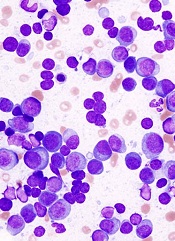
VIENNA—Combination therapy consisting of the HDAC6 inhibitor ricolinostat, pomalidomide, and dexamethasone can provide a clinical benefit for patients with relapsed and refractory multiple myeloma (MM), according to a researchers.
In a phase 1b/2 trial, the triplet produced an overall response rate (ORR) of 29% and a clinical benefit rate of 50%.
The most common treatment-related adverse events were fatigue, diarrhea, and neutropenia.
“As a physician, it is encouraging to see patients whose multiple myeloma has progressed while receiving standard-of-care therapy achieve clinical benefit with the combination of ricolinostat, [pomalidomide], and dexamethasone,” said study investigator Noopur Raje, MD, of the Massachusetts General Hospital Cancer Center in Boston.
Dr Raje and her colleagues presented results with this combination at the 20th Congress of the European Hematology Association (abstract P279*). The research was sponsored by Acetylon Pharmaceuticals, Inc., the company developing ricolinostat.
The phase 1b portion of this trial was a 3+3 design in which ricolinostat (160 mg) was given once daily (QD) or twice daily (BID) along with pomalidomide (4 mg) for 21 days of a 28-day cycle with dexamethasone (40 mg) on days 1, 8, 15, and 22. Seven patients were treated in the phase 1b portion, with 3 at 160 mg QD and 4 at 160 mg BID.
In the ongoing phase 2 portion of the study, 32 patients were enrolled as of April 27, 2015, and 28 of these patients were evaluable for response. Nineteen of the patients received ricolinostat at 160 mg QD, and 9 received the drug at 160 mg BID.
The median age for all 39 patients was 68 (range, 48-80), and they had received a median of 3 prior therapies (range, 2-5). Seventy-four percent of patients were refractory to lenalidomide, 59% to bortezomib, and 38% to both drugs.
Treatment results
At a median follow-up of 12 weeks, the ORR among the 28 evaluable phase 2 patients was 29%. Clinical benefit, defined as minimal response or greater, was 50%.
Three patients had a very good partial response, 5 had a partial response, 6 had a minimal response, 5 had stable disease, 3 progressed, and 6 had an unconfirmed response at the time of data cutoff.
All 7 patients in the phase 1b portion of the study had discontinued treatment due to progressive disease.
Of the 28 evaluable patients in the phase 2 portion, 57% (n=16) remained on the study after a median of 3 months on therapy. The other 43% discontinued treatment due to progressive disease (n=6), a non-fatal adverse event (n=3), patient decision (n=2), or investigator decision (n=1).
The researchers said the optimal dose and schedule for ricolinostat in combination with pomalidomide and dexamethasone was 160 mg QD on days 1-21 of a 28-day cycle. Patients treated at this dose experienced no dose-limiting toxicities. At 160 mg BID, some clinically relevant grade 2 diarrhea was observed.
In all 39 patients, the common treatment-emergent adverse events were fatigue (41%), diarrhea (38%), neutropenia (36%), anemia (31%), a decrease in platelet count (26%), constipation (21%), hypertension (18%), hyponatremia (18%), upper respiratory tract infection (15%), and a decrease in white cell count (15%).
Grade 3 and 4 adverse events, apart from neutropenia (26%), were uncommon (occurring in 8% of patients or fewer).
Grade 3/4 adverse events considered possibly related to ricolinostat included neutropenia (n=5), diarrhea (n=3), bronchitis (n=1), anemia (n=1), chronic cardiac failure (n=1), leukopenia (n=1), lymphopenia (n=1), pneumonia (n=1), increased alanine aminotransferase (n=1), fatigue (n=1), thrombocytopenia (n=1), and renal failure (n=1).
“This all-oral combination has been very well-tolerated,” Dr Raje said, “making it potentially suitable for treatment of a broad range of patients, including older patients, patients for whom a non-oral drug regimen is limiting, and potentially as a part of an all-oral maintenance regimen.” 
*Information in the abstract differs from that presented at the meeting.
VIENNA—Combination therapy consisting of the HDAC6 inhibitor ricolinostat, pomalidomide, and dexamethasone can provide a clinical benefit for patients with relapsed and refractory multiple myeloma (MM), according to a researchers.
In a phase 1b/2 trial, the triplet produced an overall response rate (ORR) of 29% and a clinical benefit rate of 50%.
The most common treatment-related adverse events were fatigue, diarrhea, and neutropenia.
“As a physician, it is encouraging to see patients whose multiple myeloma has progressed while receiving standard-of-care therapy achieve clinical benefit with the combination of ricolinostat, [pomalidomide], and dexamethasone,” said study investigator Noopur Raje, MD, of the Massachusetts General Hospital Cancer Center in Boston.
Dr Raje and her colleagues presented results with this combination at the 20th Congress of the European Hematology Association (abstract P279*). The research was sponsored by Acetylon Pharmaceuticals, Inc., the company developing ricolinostat.
The phase 1b portion of this trial was a 3+3 design in which ricolinostat (160 mg) was given once daily (QD) or twice daily (BID) along with pomalidomide (4 mg) for 21 days of a 28-day cycle with dexamethasone (40 mg) on days 1, 8, 15, and 22. Seven patients were treated in the phase 1b portion, with 3 at 160 mg QD and 4 at 160 mg BID.
In the ongoing phase 2 portion of the study, 32 patients were enrolled as of April 27, 2015, and 28 of these patients were evaluable for response. Nineteen of the patients received ricolinostat at 160 mg QD, and 9 received the drug at 160 mg BID.
The median age for all 39 patients was 68 (range, 48-80), and they had received a median of 3 prior therapies (range, 2-5). Seventy-four percent of patients were refractory to lenalidomide, 59% to bortezomib, and 38% to both drugs.
Treatment results
At a median follow-up of 12 weeks, the ORR among the 28 evaluable phase 2 patients was 29%. Clinical benefit, defined as minimal response or greater, was 50%.
Three patients had a very good partial response, 5 had a partial response, 6 had a minimal response, 5 had stable disease, 3 progressed, and 6 had an unconfirmed response at the time of data cutoff.
All 7 patients in the phase 1b portion of the study had discontinued treatment due to progressive disease.
Of the 28 evaluable patients in the phase 2 portion, 57% (n=16) remained on the study after a median of 3 months on therapy. The other 43% discontinued treatment due to progressive disease (n=6), a non-fatal adverse event (n=3), patient decision (n=2), or investigator decision (n=1).
The researchers said the optimal dose and schedule for ricolinostat in combination with pomalidomide and dexamethasone was 160 mg QD on days 1-21 of a 28-day cycle. Patients treated at this dose experienced no dose-limiting toxicities. At 160 mg BID, some clinically relevant grade 2 diarrhea was observed.
In all 39 patients, the common treatment-emergent adverse events were fatigue (41%), diarrhea (38%), neutropenia (36%), anemia (31%), a decrease in platelet count (26%), constipation (21%), hypertension (18%), hyponatremia (18%), upper respiratory tract infection (15%), and a decrease in white cell count (15%).
Grade 3 and 4 adverse events, apart from neutropenia (26%), were uncommon (occurring in 8% of patients or fewer).
Grade 3/4 adverse events considered possibly related to ricolinostat included neutropenia (n=5), diarrhea (n=3), bronchitis (n=1), anemia (n=1), chronic cardiac failure (n=1), leukopenia (n=1), lymphopenia (n=1), pneumonia (n=1), increased alanine aminotransferase (n=1), fatigue (n=1), thrombocytopenia (n=1), and renal failure (n=1).
“This all-oral combination has been very well-tolerated,” Dr Raje said, “making it potentially suitable for treatment of a broad range of patients, including older patients, patients for whom a non-oral drug regimen is limiting, and potentially as a part of an all-oral maintenance regimen.”
*Information in the abstract differs from that presented at the meeting.
VIENNA—Combination therapy consisting of the HDAC6 inhibitor ricolinostat, pomalidomide, and dexamethasone can provide a clinical benefit for patients with relapsed and refractory multiple myeloma (MM), according to a researchers.
In a phase 1b/2 trial, the triplet produced an overall response rate (ORR) of 29% and a clinical benefit rate of 50%.
The most common treatment-related adverse events were fatigue, diarrhea, and neutropenia.
“As a physician, it is encouraging to see patients whose multiple myeloma has progressed while receiving standard-of-care therapy achieve clinical benefit with the combination of ricolinostat, [pomalidomide], and dexamethasone,” said study investigator Noopur Raje, MD, of the Massachusetts General Hospital Cancer Center in Boston.
Dr Raje and her colleagues presented results with this combination at the 20th Congress of the European Hematology Association (abstract P279*). The research was sponsored by Acetylon Pharmaceuticals, Inc., the company developing ricolinostat.
The phase 1b portion of this trial was a 3+3 design in which ricolinostat (160 mg) was given once daily (QD) or twice daily (BID) along with pomalidomide (4 mg) for 21 days of a 28-day cycle with dexamethasone (40 mg) on days 1, 8, 15, and 22. Seven patients were treated in the phase 1b portion, with 3 at 160 mg QD and 4 at 160 mg BID.
In the ongoing phase 2 portion of the study, 32 patients were enrolled as of April 27, 2015, and 28 of these patients were evaluable for response. Nineteen of the patients received ricolinostat at 160 mg QD, and 9 received the drug at 160 mg BID.
The median age for all 39 patients was 68 (range, 48-80), and they had received a median of 3 prior therapies (range, 2-5). Seventy-four percent of patients were refractory to lenalidomide, 59% to bortezomib, and 38% to both drugs.
Treatment results
At a median follow-up of 12 weeks, the ORR among the 28 evaluable phase 2 patients was 29%. Clinical benefit, defined as minimal response or greater, was 50%.
Three patients had a very good partial response, 5 had a partial response, 6 had a minimal response, 5 had stable disease, 3 progressed, and 6 had an unconfirmed response at the time of data cutoff.
All 7 patients in the phase 1b portion of the study had discontinued treatment due to progressive disease.
Of the 28 evaluable patients in the phase 2 portion, 57% (n=16) remained on the study after a median of 3 months on therapy. The other 43% discontinued treatment due to progressive disease (n=6), a non-fatal adverse event (n=3), patient decision (n=2), or investigator decision (n=1).
The researchers said the optimal dose and schedule for ricolinostat in combination with pomalidomide and dexamethasone was 160 mg QD on days 1-21 of a 28-day cycle. Patients treated at this dose experienced no dose-limiting toxicities. At 160 mg BID, some clinically relevant grade 2 diarrhea was observed.
In all 39 patients, the common treatment-emergent adverse events were fatigue (41%), diarrhea (38%), neutropenia (36%), anemia (31%), a decrease in platelet count (26%), constipation (21%), hypertension (18%), hyponatremia (18%), upper respiratory tract infection (15%), and a decrease in white cell count (15%).
Grade 3 and 4 adverse events, apart from neutropenia (26%), were uncommon (occurring in 8% of patients or fewer).
Grade 3/4 adverse events considered possibly related to ricolinostat included neutropenia (n=5), diarrhea (n=3), bronchitis (n=1), anemia (n=1), chronic cardiac failure (n=1), leukopenia (n=1), lymphopenia (n=1), pneumonia (n=1), increased alanine aminotransferase (n=1), fatigue (n=1), thrombocytopenia (n=1), and renal failure (n=1).
“This all-oral combination has been very well-tolerated,” Dr Raje said, “making it potentially suitable for treatment of a broad range of patients, including older patients, patients for whom a non-oral drug regimen is limiting, and potentially as a part of an all-oral maintenance regimen.”
*Information in the abstract differs from that presented at the meeting.
mAb produces responses in AL amyloidosis
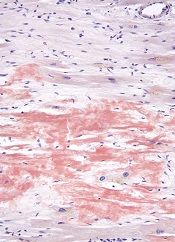
VIENNA—A monoclonal antibody (mAb) can produce responses in patients with light chain (AL) amyloidosis and persistent organ dysfunction, according to research presented at the 20th Congress of the European Hematology Association.
In an ongoing phase 1/2 trial, the mAb, known as NEOD001, produced a cardiac response in 57% of evaluable patients and a renal response in 60% of evaluable patients.
Michaela Liedtke, MD, of the Stanford University School of Medicine in California, presented these results as abstract S104*. The research was sponsored by Prothena Therapeutics Ltd., the company developing NEOD001.
Dr Liedtke presented results of an interim analysis as of February 28, 2015. The analysis included 27 patients with AL amyloidosis who had received 1 or more anti-plasma-cell systemic therapies, had a partial response or better, and did not require additional chemotherapy. The patients also had persistent organ dysfunction.
Patients received a dose of NEOD001 every 28 days, in 1 of 7 dosing cohorts (0.5 mg/kg, 1 mg/kg, 2 mg/kg, 4 mg/kg, 8 mg/kg, 16 mg/kg, and 24 mg/kg). They received a total of 327 infusions, with an average treatment duration of 12 months.
The patients’ median age was 60 (range, 38-80), and they had received a median of 2 prior treatments (range, 1-7). A third of patients each had 1 organ system involved (n=9), 2 organ systems involved (n=9), or 3 or more organ systems involved (n=9).
Safety data
The most frequently reported treatment-emergent adverse events (occurring in more than 10% of subjects) were fatigue (37%), upper respiratory tract infection (26%), cough (19%), dyspnea (19%), headache (15%), anemia (15%), increased blood creatinine (15%), peripheral edema (15%), edema (11%), diarrhea (11%), nausea (11%), and hyponatremia (11%).
There were no reports of hypersensitivity reactions to NEOD001 or drug-related serious adverse events, and no anti-NEOD001 antibodies were detected. There were no dose-limiting toxicities, and none of the patients discontinued treatment due to drug-related adverse events.
All patients remaining in the study were escalated to a dose of 24 mg/kg as of December 2, 2014.
Renal and cardiac responses
In a best-response analysis, 60% (9/15) of renal-evaluable patients demonstrated a renal response to NEOD001, defined as a 30% decrease in proteinuria in the absence of estimated glomerular filtration rate (eGFR) worsening. The other 40% of patients (n=6) had stable disease.
In another best-response analysis, 57% (8/14) of cardiac-evaluable patients had a cardiac response to NEOD001, defined as more than 30% and 300 pg/mL decrease in levels of N-terminal pro-brain natriuretic peptide (NT-proBNP). The other 43% of patients (n=6) had stable disease.
Longer treatment with NEOD001 was significantly associated with NT-proBNP decline (P<0.0001).
“[M]onthly infusions of NEOD001 correlate significantly with decreases in both cardiac and renal biomarkers over time,” Dr Liedtke said. “Decreases in cardiac biomarkers predict increased survival, and decreases in renal biomarkers predict delayed time to kidney failure.”
*Information in the abstract differs from that presented at the meeting.
VIENNA—A monoclonal antibody (mAb) can produce responses in patients with light chain (AL) amyloidosis and persistent organ dysfunction, according to research presented at the 20th Congress of the European Hematology Association.
In an ongoing phase 1/2 trial, the mAb, known as NEOD001, produced a cardiac response in 57% of evaluable patients and a renal response in 60% of evaluable patients.
Michaela Liedtke, MD, of the Stanford University School of Medicine in California, presented these results as abstract S104*. The research was sponsored by Prothena Therapeutics Ltd., the company developing NEOD001.
Dr Liedtke presented results of an interim analysis as of February 28, 2015. The analysis included 27 patients with AL amyloidosis who had received 1 or more anti-plasma-cell systemic therapies, had a partial response or better, and did not require additional chemotherapy. The patients also had persistent organ dysfunction.
Patients received a dose of NEOD001 every 28 days, in 1 of 7 dosing cohorts (0.5 mg/kg, 1 mg/kg, 2 mg/kg, 4 mg/kg, 8 mg/kg, 16 mg/kg, and 24 mg/kg). They received a total of 327 infusions, with an average treatment duration of 12 months.
The patients’ median age was 60 (range, 38-80), and they had received a median of 2 prior treatments (range, 1-7). A third of patients each had 1 organ system involved (n=9), 2 organ systems involved (n=9), or 3 or more organ systems involved (n=9).
Safety data
The most frequently reported treatment-emergent adverse events (occurring in more than 10% of subjects) were fatigue (37%), upper respiratory tract infection (26%), cough (19%), dyspnea (19%), headache (15%), anemia (15%), increased blood creatinine (15%), peripheral edema (15%), edema (11%), diarrhea (11%), nausea (11%), and hyponatremia (11%).
There were no reports of hypersensitivity reactions to NEOD001 or drug-related serious adverse events, and no anti-NEOD001 antibodies were detected. There were no dose-limiting toxicities, and none of the patients discontinued treatment due to drug-related adverse events.
All patients remaining in the study were escalated to a dose of 24 mg/kg as of December 2, 2014.
Renal and cardiac responses
In a best-response analysis, 60% (9/15) of renal-evaluable patients demonstrated a renal response to NEOD001, defined as a 30% decrease in proteinuria in the absence of estimated glomerular filtration rate (eGFR) worsening. The other 40% of patients (n=6) had stable disease.
In another best-response analysis, 57% (8/14) of cardiac-evaluable patients had a cardiac response to NEOD001, defined as more than 30% and 300 pg/mL decrease in levels of N-terminal pro-brain natriuretic peptide (NT-proBNP). The other 43% of patients (n=6) had stable disease.
Longer treatment with NEOD001 was significantly associated with NT-proBNP decline (P<0.0001).
“[M]onthly infusions of NEOD001 correlate significantly with decreases in both cardiac and renal biomarkers over time,” Dr Liedtke said. “Decreases in cardiac biomarkers predict increased survival, and decreases in renal biomarkers predict delayed time to kidney failure.”
*Information in the abstract differs from that presented at the meeting.
VIENNA—A monoclonal antibody (mAb) can produce responses in patients with light chain (AL) amyloidosis and persistent organ dysfunction, according to research presented at the 20th Congress of the European Hematology Association.
In an ongoing phase 1/2 trial, the mAb, known as NEOD001, produced a cardiac response in 57% of evaluable patients and a renal response in 60% of evaluable patients.
Michaela Liedtke, MD, of the Stanford University School of Medicine in California, presented these results as abstract S104*. The research was sponsored by Prothena Therapeutics Ltd., the company developing NEOD001.
Dr Liedtke presented results of an interim analysis as of February 28, 2015. The analysis included 27 patients with AL amyloidosis who had received 1 or more anti-plasma-cell systemic therapies, had a partial response or better, and did not require additional chemotherapy. The patients also had persistent organ dysfunction.
Patients received a dose of NEOD001 every 28 days, in 1 of 7 dosing cohorts (0.5 mg/kg, 1 mg/kg, 2 mg/kg, 4 mg/kg, 8 mg/kg, 16 mg/kg, and 24 mg/kg). They received a total of 327 infusions, with an average treatment duration of 12 months.
The patients’ median age was 60 (range, 38-80), and they had received a median of 2 prior treatments (range, 1-7). A third of patients each had 1 organ system involved (n=9), 2 organ systems involved (n=9), or 3 or more organ systems involved (n=9).
Safety data
The most frequently reported treatment-emergent adverse events (occurring in more than 10% of subjects) were fatigue (37%), upper respiratory tract infection (26%), cough (19%), dyspnea (19%), headache (15%), anemia (15%), increased blood creatinine (15%), peripheral edema (15%), edema (11%), diarrhea (11%), nausea (11%), and hyponatremia (11%).
There were no reports of hypersensitivity reactions to NEOD001 or drug-related serious adverse events, and no anti-NEOD001 antibodies were detected. There were no dose-limiting toxicities, and none of the patients discontinued treatment due to drug-related adverse events.
All patients remaining in the study were escalated to a dose of 24 mg/kg as of December 2, 2014.
Renal and cardiac responses
In a best-response analysis, 60% (9/15) of renal-evaluable patients demonstrated a renal response to NEOD001, defined as a 30% decrease in proteinuria in the absence of estimated glomerular filtration rate (eGFR) worsening. The other 40% of patients (n=6) had stable disease.
In another best-response analysis, 57% (8/14) of cardiac-evaluable patients had a cardiac response to NEOD001, defined as more than 30% and 300 pg/mL decrease in levels of N-terminal pro-brain natriuretic peptide (NT-proBNP). The other 43% of patients (n=6) had stable disease.
Longer treatment with NEOD001 was significantly associated with NT-proBNP decline (P<0.0001).
“[M]onthly infusions of NEOD001 correlate significantly with decreases in both cardiac and renal biomarkers over time,” Dr Liedtke said. “Decreases in cardiac biomarkers predict increased survival, and decreases in renal biomarkers predict delayed time to kidney failure.”
*Information in the abstract differs from that presented at the meeting.
Assay could guide therapy for MM, other cancers
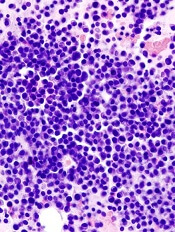
showing multiple myeloma
Researchers say they have created a microenvironment in a dish that can be used to anticipate a multiple myeloma (MM) patient’s response to treatment.
The team developed an assay that involves co-culturing MM cells with their surrounding nontumor cells, all from the same patient, in a microscale petri dish.
The researchers then treated the tumor cells with bortezomib, and, after 3 days, they could determine whether the drug was effective or not.
The team described this research in Integrative Biology.
They compared the results of their ex vivo tests with the success or failure rates of actual MM patients who received bortezomib, and 100% of the ex vivo test results matched the patients’ results.
The researchers therefore believe this assay could save many MM patients the psychological stress of having to try multiple drugs until they find the most effective one. The assay could reduce clinicians’ need for this trial-and-error approach while lowering the cost of treatment, the team said.
Study author Chorom Pak, PhD, of the University of Toronto in Ontario, Canada, has founded a service-based company called Lynx Biosciences based on these findings. Now, she and her colleagues are planning to conduct a prospective trial in which they will use the ex vivo tests to identify responsive and nonresponsive patients.
The researchers believe this work could have wide-ranging implications for the treatment of MM and other malignancies, but their work is far from over.
“This is only one type of cancer, one particular drug, and we’re a long way from implementing this and helping patients in a widespread way,” said study author David Beebe, PhD, of the University of Wisconsin Carbone Cancer Center in Madison.
“But it’s happening. This is an exciting time in this area, and we’re definitely going to see more of this.”
showing multiple myeloma
Researchers say they have created a microenvironment in a dish that can be used to anticipate a multiple myeloma (MM) patient’s response to treatment.
The team developed an assay that involves co-culturing MM cells with their surrounding nontumor cells, all from the same patient, in a microscale petri dish.
The researchers then treated the tumor cells with bortezomib, and, after 3 days, they could determine whether the drug was effective or not.
The team described this research in Integrative Biology.
They compared the results of their ex vivo tests with the success or failure rates of actual MM patients who received bortezomib, and 100% of the ex vivo test results matched the patients’ results.
The researchers therefore believe this assay could save many MM patients the psychological stress of having to try multiple drugs until they find the most effective one. The assay could reduce clinicians’ need for this trial-and-error approach while lowering the cost of treatment, the team said.
Study author Chorom Pak, PhD, of the University of Toronto in Ontario, Canada, has founded a service-based company called Lynx Biosciences based on these findings. Now, she and her colleagues are planning to conduct a prospective trial in which they will use the ex vivo tests to identify responsive and nonresponsive patients.
The researchers believe this work could have wide-ranging implications for the treatment of MM and other malignancies, but their work is far from over.
“This is only one type of cancer, one particular drug, and we’re a long way from implementing this and helping patients in a widespread way,” said study author David Beebe, PhD, of the University of Wisconsin Carbone Cancer Center in Madison.
“But it’s happening. This is an exciting time in this area, and we’re definitely going to see more of this.”
showing multiple myeloma
Researchers say they have created a microenvironment in a dish that can be used to anticipate a multiple myeloma (MM) patient’s response to treatment.
The team developed an assay that involves co-culturing MM cells with their surrounding nontumor cells, all from the same patient, in a microscale petri dish.
The researchers then treated the tumor cells with bortezomib, and, after 3 days, they could determine whether the drug was effective or not.
The team described this research in Integrative Biology.
They compared the results of their ex vivo tests with the success or failure rates of actual MM patients who received bortezomib, and 100% of the ex vivo test results matched the patients’ results.
The researchers therefore believe this assay could save many MM patients the psychological stress of having to try multiple drugs until they find the most effective one. The assay could reduce clinicians’ need for this trial-and-error approach while lowering the cost of treatment, the team said.
Study author Chorom Pak, PhD, of the University of Toronto in Ontario, Canada, has founded a service-based company called Lynx Biosciences based on these findings. Now, she and her colleagues are planning to conduct a prospective trial in which they will use the ex vivo tests to identify responsive and nonresponsive patients.
The researchers believe this work could have wide-ranging implications for the treatment of MM and other malignancies, but their work is far from over.
“This is only one type of cancer, one particular drug, and we’re a long way from implementing this and helping patients in a widespread way,” said study author David Beebe, PhD, of the University of Wisconsin Carbone Cancer Center in Madison.
“But it’s happening. This is an exciting time in this area, and we’re definitely going to see more of this.”
Panobinostat combos can treat rel/ref MM

©ASCO/Rodney White
CHICAGO—Combination regimens including the histone deacetylase inhibitor panobinostat can produce durable responses and prolong progression-free survival (PFS) in patients with relapsed/refractory multiple myeloma (MM), according to research presented at the 2015 ASCO Annual Meeting.
In a phase 2 trial, panobinostat plus lenalidomide and dexamethasone produced durable responses, even in high-risk, lenalidomide-refractory MM patients.
In a phase 3 trial, panobinostat in combination with bortezomib and dexamethasone led to a 7.8-month improvement in median PFS over placebo-bortezomib-dexamethasone in patients with relapsed or relapsed and refractory MM who had received 2 or more prior regimens.
Both studies were sponsored by Novartis, the company developing panobinostat.
PANORAMA-1 substudy
PANORAMA-1 was a phase 3, randomized, double-blind, placebo-controlled trial of 768 MM patients. Overall, panobinostat in combination with bortezomib and dexamethasone led to a clinically relevant and statistically significant increase in PFS of about 4 months compared to placebo-bortezomib-dexamethasone.
At ASCO, Jesús San Miguel, MD, of Clínica Universidad de Navarra in Pamplona, Spain, presented the results of an exploratory analysis of 147 patients in this trial (abstract 8526*).
The patients had relapsed or relapsed and refractory MM and had received 2 or more prior regimens, including bortezomib and an immunomodulatory agent (IMiD).
Disease and treatment characteristics were as follows:
| Panobinostat
(n=73) |
Placebo (n=74) | |
| Disease
characteristics, n (%) |
||
| Relapsed | 39 (53) | 30 (41) |
| Relapsed/refractory | 34 (47) | 43 (58) |
| Prior
therapies, n (%) |
||
| Bortezomib | 73 (100) | 74 (100) |
| Lenalidomide | 28 (38) | 37 (50) |
| Thalidomide | 63 (86) | 50 (68) |
| Bortezomib
+ lenalidomide |
28 (38) | 37 (50) |
| Bortezomib
+ dexamethasone |
69 (95) | 74 (100) |
| Prior
autologous transplant, n (%) |
54 (74) | 47 (64) |
| Median
prior lines of therapy (range) |
3 (2-4) | 3 (2-3) |
The median PFS was 12.5 months in the panobinostat arm, compared to 4.7 months in the placebo arm. Treatment with panobinostat also led to an increase in complete/near complete response rates (21.9% vs 8.1%) and overall response rate (58.9% vs 39.2%).
Common grade 3/4 non-hematologic adverse events in the panobinostat arm and placebo arm, respectively, included diarrhea (33.3% vs 15.1%), asthenia/fatigue (26.4% vs 13.7%), and peripheral neuropathy (16.7% vs 6.8%).
The most common grade 3/4 hematologic abnormalities in the panobinostat arm and placebo arm, respectively, were thrombocytopenia (68.1% vs 44.4%), lymphopenia (48.6% vs 49.3%), and neutropenia (40.3% vs 16.4%).
The percentage of on-treatment deaths was similar between the treatment arms (6.9% vs 6.8%).
“These data provide physicians with a better understanding of the clinical use of panobinostat, an HDAC inhibitor, a promising new drug class for this difficult-to-treat patient population with a high unmet need,” Dr San Miguel said.
Phase 2 trial
Ajai Chari, MD, of Mount Sinai Medical Center in New York, presented the results of a phase 2 study of panobinostat with lenalidomide and weekly dexamethasone in patients with relapsed/refractory MM (abstract 8528*).
There were 20 evaluable patients with a median age of 64 (range, 51-75). They had received a median of 3 prior therapies (range, 1-10). Prior regimens were as follows:
| Prior
therapy |
Exposed/Refractory, n (%) |
| Dexamethasone | 20 (100)/9
(45) |
| Thalidomide | 6 (30)/2
(10) |
| Lenalidomide |
20 (100)/15 (75) |
| Pomalidomide | 7 (35)/7
(35) |
| Bortezomib | 20 (100)/9
(45) |
| Carfilzomib | 6 (30)/6
(30) |
| Autologous
transplant |
15 (75) |
For this study, patients received panobinostat (20 mg on days 1, 3, 5, 15, 17, and 19), lenalidomide (25 mg on days 1-21), and dexamethasone (40 mg on days 1, 8, and 15).
The overall response rate was 45%. This included 1 complete response, 3 very good partial responses, 5 partial responses, and 8 minimal responses. Two patients had stable disease, and 1 progressed.
Among lenalidomide-refractory patients (n=16), the overall response rate was 38%. This included 3 very good partial responses, 3 partial responses, and 7 minimal responses. Two patients had stable disease, and 1 progressed.
The median PFS was 6.5 months overall and among lenalidomide-refractory patients.
Grade 3/4 toxicities were primarily hematologic, including neutropenia (55%), thrombocytopenia (40%), and anemia (5%). Grade 3/4 non-hematologic adverse events included infections (n=4), diarrhea (n=3), pulmonary emboli (n=2), neck pain (n=1), QTc prolongation (n=1), fatigue (n=1), and weight loss (n=1).
“In relapsed/refractory MM patients, panobinostat in combination with lenalidomide and dexamethasone demonstrated durable responses comparable to other recently approved agents, even in lenalidomide-refractory patients with high-risk molecular findings,” Dr Chari said.
“In notable contrast to PANORAMA-1 results, this completely oral regimen is well-tolerated, with no grade 3/4 [gastrointestinal] toxicities and primarily expected hematologic toxicities.”
*Information in the abstract differs from that presented at the meeting.
©ASCO/Rodney White
CHICAGO—Combination regimens including the histone deacetylase inhibitor panobinostat can produce durable responses and prolong progression-free survival (PFS) in patients with relapsed/refractory multiple myeloma (MM), according to research presented at the 2015 ASCO Annual Meeting.
In a phase 2 trial, panobinostat plus lenalidomide and dexamethasone produced durable responses, even in high-risk, lenalidomide-refractory MM patients.
In a phase 3 trial, panobinostat in combination with bortezomib and dexamethasone led to a 7.8-month improvement in median PFS over placebo-bortezomib-dexamethasone in patients with relapsed or relapsed and refractory MM who had received 2 or more prior regimens.
Both studies were sponsored by Novartis, the company developing panobinostat.
PANORAMA-1 substudy
PANORAMA-1 was a phase 3, randomized, double-blind, placebo-controlled trial of 768 MM patients. Overall, panobinostat in combination with bortezomib and dexamethasone led to a clinically relevant and statistically significant increase in PFS of about 4 months compared to placebo-bortezomib-dexamethasone.
At ASCO, Jesús San Miguel, MD, of Clínica Universidad de Navarra in Pamplona, Spain, presented the results of an exploratory analysis of 147 patients in this trial (abstract 8526*).
The patients had relapsed or relapsed and refractory MM and had received 2 or more prior regimens, including bortezomib and an immunomodulatory agent (IMiD).
Disease and treatment characteristics were as follows:
| Panobinostat
(n=73) |
Placebo (n=74) | |
| Disease
characteristics, n (%) |
||
| Relapsed | 39 (53) | 30 (41) |
| Relapsed/refractory | 34 (47) | 43 (58) |
| Prior
therapies, n (%) |
||
| Bortezomib | 73 (100) | 74 (100) |
| Lenalidomide | 28 (38) | 37 (50) |
| Thalidomide | 63 (86) | 50 (68) |
| Bortezomib
+ lenalidomide |
28 (38) | 37 (50) |
| Bortezomib
+ dexamethasone |
69 (95) | 74 (100) |
| Prior
autologous transplant, n (%) |
54 (74) | 47 (64) |
| Median
prior lines of therapy (range) |
3 (2-4) | 3 (2-3) |
The median PFS was 12.5 months in the panobinostat arm, compared to 4.7 months in the placebo arm. Treatment with panobinostat also led to an increase in complete/near complete response rates (21.9% vs 8.1%) and overall response rate (58.9% vs 39.2%).
Common grade 3/4 non-hematologic adverse events in the panobinostat arm and placebo arm, respectively, included diarrhea (33.3% vs 15.1%), asthenia/fatigue (26.4% vs 13.7%), and peripheral neuropathy (16.7% vs 6.8%).
The most common grade 3/4 hematologic abnormalities in the panobinostat arm and placebo arm, respectively, were thrombocytopenia (68.1% vs 44.4%), lymphopenia (48.6% vs 49.3%), and neutropenia (40.3% vs 16.4%).
The percentage of on-treatment deaths was similar between the treatment arms (6.9% vs 6.8%).
“These data provide physicians with a better understanding of the clinical use of panobinostat, an HDAC inhibitor, a promising new drug class for this difficult-to-treat patient population with a high unmet need,” Dr San Miguel said.
Phase 2 trial
Ajai Chari, MD, of Mount Sinai Medical Center in New York, presented the results of a phase 2 study of panobinostat with lenalidomide and weekly dexamethasone in patients with relapsed/refractory MM (abstract 8528*).
There were 20 evaluable patients with a median age of 64 (range, 51-75). They had received a median of 3 prior therapies (range, 1-10). Prior regimens were as follows:
| Prior
therapy |
Exposed/Refractory, n (%) |
| Dexamethasone | 20 (100)/9
(45) |
| Thalidomide | 6 (30)/2
(10) |
| Lenalidomide |
20 (100)/15 (75) |
| Pomalidomide | 7 (35)/7
(35) |
| Bortezomib | 20 (100)/9
(45) |
| Carfilzomib | 6 (30)/6
(30) |
| Autologous
transplant |
15 (75) |
For this study, patients received panobinostat (20 mg on days 1, 3, 5, 15, 17, and 19), lenalidomide (25 mg on days 1-21), and dexamethasone (40 mg on days 1, 8, and 15).
The overall response rate was 45%. This included 1 complete response, 3 very good partial responses, 5 partial responses, and 8 minimal responses. Two patients had stable disease, and 1 progressed.
Among lenalidomide-refractory patients (n=16), the overall response rate was 38%. This included 3 very good partial responses, 3 partial responses, and 7 minimal responses. Two patients had stable disease, and 1 progressed.
The median PFS was 6.5 months overall and among lenalidomide-refractory patients.
Grade 3/4 toxicities were primarily hematologic, including neutropenia (55%), thrombocytopenia (40%), and anemia (5%). Grade 3/4 non-hematologic adverse events included infections (n=4), diarrhea (n=3), pulmonary emboli (n=2), neck pain (n=1), QTc prolongation (n=1), fatigue (n=1), and weight loss (n=1).
“In relapsed/refractory MM patients, panobinostat in combination with lenalidomide and dexamethasone demonstrated durable responses comparable to other recently approved agents, even in lenalidomide-refractory patients with high-risk molecular findings,” Dr Chari said.
“In notable contrast to PANORAMA-1 results, this completely oral regimen is well-tolerated, with no grade 3/4 [gastrointestinal] toxicities and primarily expected hematologic toxicities.”
*Information in the abstract differs from that presented at the meeting.
©ASCO/Rodney White
CHICAGO—Combination regimens including the histone deacetylase inhibitor panobinostat can produce durable responses and prolong progression-free survival (PFS) in patients with relapsed/refractory multiple myeloma (MM), according to research presented at the 2015 ASCO Annual Meeting.
In a phase 2 trial, panobinostat plus lenalidomide and dexamethasone produced durable responses, even in high-risk, lenalidomide-refractory MM patients.
In a phase 3 trial, panobinostat in combination with bortezomib and dexamethasone led to a 7.8-month improvement in median PFS over placebo-bortezomib-dexamethasone in patients with relapsed or relapsed and refractory MM who had received 2 or more prior regimens.
Both studies were sponsored by Novartis, the company developing panobinostat.
PANORAMA-1 substudy
PANORAMA-1 was a phase 3, randomized, double-blind, placebo-controlled trial of 768 MM patients. Overall, panobinostat in combination with bortezomib and dexamethasone led to a clinically relevant and statistically significant increase in PFS of about 4 months compared to placebo-bortezomib-dexamethasone.
At ASCO, Jesús San Miguel, MD, of Clínica Universidad de Navarra in Pamplona, Spain, presented the results of an exploratory analysis of 147 patients in this trial (abstract 8526*).
The patients had relapsed or relapsed and refractory MM and had received 2 or more prior regimens, including bortezomib and an immunomodulatory agent (IMiD).
Disease and treatment characteristics were as follows:
| Panobinostat
(n=73) |
Placebo (n=74) | |
| Disease
characteristics, n (%) |
||
| Relapsed | 39 (53) | 30 (41) |
| Relapsed/refractory | 34 (47) | 43 (58) |
| Prior
therapies, n (%) |
||
| Bortezomib | 73 (100) | 74 (100) |
| Lenalidomide | 28 (38) | 37 (50) |
| Thalidomide | 63 (86) | 50 (68) |
| Bortezomib
+ lenalidomide |
28 (38) | 37 (50) |
| Bortezomib
+ dexamethasone |
69 (95) | 74 (100) |
| Prior
autologous transplant, n (%) |
54 (74) | 47 (64) |
| Median
prior lines of therapy (range) |
3 (2-4) | 3 (2-3) |
The median PFS was 12.5 months in the panobinostat arm, compared to 4.7 months in the placebo arm. Treatment with panobinostat also led to an increase in complete/near complete response rates (21.9% vs 8.1%) and overall response rate (58.9% vs 39.2%).
Common grade 3/4 non-hematologic adverse events in the panobinostat arm and placebo arm, respectively, included diarrhea (33.3% vs 15.1%), asthenia/fatigue (26.4% vs 13.7%), and peripheral neuropathy (16.7% vs 6.8%).
The most common grade 3/4 hematologic abnormalities in the panobinostat arm and placebo arm, respectively, were thrombocytopenia (68.1% vs 44.4%), lymphopenia (48.6% vs 49.3%), and neutropenia (40.3% vs 16.4%).
The percentage of on-treatment deaths was similar between the treatment arms (6.9% vs 6.8%).
“These data provide physicians with a better understanding of the clinical use of panobinostat, an HDAC inhibitor, a promising new drug class for this difficult-to-treat patient population with a high unmet need,” Dr San Miguel said.
Phase 2 trial
Ajai Chari, MD, of Mount Sinai Medical Center in New York, presented the results of a phase 2 study of panobinostat with lenalidomide and weekly dexamethasone in patients with relapsed/refractory MM (abstract 8528*).
There were 20 evaluable patients with a median age of 64 (range, 51-75). They had received a median of 3 prior therapies (range, 1-10). Prior regimens were as follows:
| Prior
therapy |
Exposed/Refractory, n (%) |
| Dexamethasone | 20 (100)/9
(45) |
| Thalidomide | 6 (30)/2
(10) |
| Lenalidomide |
20 (100)/15 (75) |
| Pomalidomide | 7 (35)/7
(35) |
| Bortezomib | 20 (100)/9
(45) |
| Carfilzomib | 6 (30)/6
(30) |
| Autologous
transplant |
15 (75) |
For this study, patients received panobinostat (20 mg on days 1, 3, 5, 15, 17, and 19), lenalidomide (25 mg on days 1-21), and dexamethasone (40 mg on days 1, 8, and 15).
The overall response rate was 45%. This included 1 complete response, 3 very good partial responses, 5 partial responses, and 8 minimal responses. Two patients had stable disease, and 1 progressed.
Among lenalidomide-refractory patients (n=16), the overall response rate was 38%. This included 3 very good partial responses, 3 partial responses, and 7 minimal responses. Two patients had stable disease, and 1 progressed.
The median PFS was 6.5 months overall and among lenalidomide-refractory patients.
Grade 3/4 toxicities were primarily hematologic, including neutropenia (55%), thrombocytopenia (40%), and anemia (5%). Grade 3/4 non-hematologic adverse events included infections (n=4), diarrhea (n=3), pulmonary emboli (n=2), neck pain (n=1), QTc prolongation (n=1), fatigue (n=1), and weight loss (n=1).
“In relapsed/refractory MM patients, panobinostat in combination with lenalidomide and dexamethasone demonstrated durable responses comparable to other recently approved agents, even in lenalidomide-refractory patients with high-risk molecular findings,” Dr Chari said.
“In notable contrast to PANORAMA-1 results, this completely oral regimen is well-tolerated, with no grade 3/4 [gastrointestinal] toxicities and primarily expected hematologic toxicities.”
*Information in the abstract differs from that presented at the meeting.
CAR T-cell therapy seems feasible for NHL, MM

©ASCO/Rodney White
CHICAGO—The CD19-directed chimeric antigen receptor (CAR) T-cell therapy CTL019 has shown promise for treating non-Hodgkin lymphoma (NHL) and may be a feasible treatment option for multiple myeloma (MM) as well, according to researchers.
In an ongoing phase 2 trial, CTL019 has produced durable responses in patients with relapsed or refractory NHL.
And early results of a phase 1 trial suggest CTL019 can provide clinical benefit in heavily pretreated patients with MM.
Both studies were presented at the 2015 ASCO Annual Meeting. The University of Pennsylvania and Novartis have an exclusive global collaboration to research, develop, and commercialize CTL019.
CTL019 in NHL
Stephen Schuster, MD, of the Abramson Cancer Center of the University of Pennsylvania in Philadelphia, presented results of the phase 2 NHL trial (abstract 8516*).
The trial included 20 evaluable patients, 13 with diffuse large B-cell lymphoma (DLBCL) and 7 with follicular lymphoma (FL). At the time of presentation, the median follow-up was 274 days for the patients with DLBCL and 290 days for those with FL.
The overall response rate was 100% in patients with FL and 50% in those with DLBCL. Thirteen patients responded to the therapy, including 11 who achieved a complete response and 2 who experienced a partial response.
Six patients with a partial response to treatment at 3 months achieved a complete response by 6 months. Two patients with a partial response experienced disease progression at 6 and 12 months after treatment.
The researchers said toxicity appeared to be acceptable, with primarily grade 2 cytokine release syndrome (CRS). Two patients developed CRS of grade 3 or higher at peak T-cell expansion. There were no deaths from CRS.
“The results from this ongoing study of CTL019 are encouraging, as we now have data through 6 months showing that patients may have achieved durable overall response rates,” Dr Schuster said. “These data support our ongoing efforts to determine the potential role of CTL019 in improving outcomes for patients with certain types of B-cell lymphomas.”
CTL019 in MM
Alfred Garfall, MD, of the Abramson Cancer Center, presented preliminary results of an ongoing phase 1 study investigating CTL019 in patients with MM (abstract 8517*).
Dr Garfall and his colleagues hypothesized that CTL019 would exhibit efficacy in MM due to low-level CD19 expression on MM plasma cells or CD19 expression in drug-resistant, disease-propagating subsets of the MM clone.
The study included 5 patients who experienced disease progression within a year of a prior autologous stem cell transplant and were medically fit to undergo a second autologous transplant. The patients had received a median of 7.5 prior lines of therapy.
“We found potential evidence of clinical benefit in 3 of 4 patients with more than 100 days of follow-up,” Dr Garfall said.
Two patients experienced longer, deeper responses, and 1 patient experienced CRS.
The data suggest “it is safe and feasible to manufacture and administered CTL019 to refractory multiple myeloma patients,” Dr Garfall said.
*Information in the abstract differs from that presented at the meeting.
©ASCO/Rodney White
CHICAGO—The CD19-directed chimeric antigen receptor (CAR) T-cell therapy CTL019 has shown promise for treating non-Hodgkin lymphoma (NHL) and may be a feasible treatment option for multiple myeloma (MM) as well, according to researchers.
In an ongoing phase 2 trial, CTL019 has produced durable responses in patients with relapsed or refractory NHL.
And early results of a phase 1 trial suggest CTL019 can provide clinical benefit in heavily pretreated patients with MM.
Both studies were presented at the 2015 ASCO Annual Meeting. The University of Pennsylvania and Novartis have an exclusive global collaboration to research, develop, and commercialize CTL019.
CTL019 in NHL
Stephen Schuster, MD, of the Abramson Cancer Center of the University of Pennsylvania in Philadelphia, presented results of the phase 2 NHL trial (abstract 8516*).
The trial included 20 evaluable patients, 13 with diffuse large B-cell lymphoma (DLBCL) and 7 with follicular lymphoma (FL). At the time of presentation, the median follow-up was 274 days for the patients with DLBCL and 290 days for those with FL.
The overall response rate was 100% in patients with FL and 50% in those with DLBCL. Thirteen patients responded to the therapy, including 11 who achieved a complete response and 2 who experienced a partial response.
Six patients with a partial response to treatment at 3 months achieved a complete response by 6 months. Two patients with a partial response experienced disease progression at 6 and 12 months after treatment.
The researchers said toxicity appeared to be acceptable, with primarily grade 2 cytokine release syndrome (CRS). Two patients developed CRS of grade 3 or higher at peak T-cell expansion. There were no deaths from CRS.
“The results from this ongoing study of CTL019 are encouraging, as we now have data through 6 months showing that patients may have achieved durable overall response rates,” Dr Schuster said. “These data support our ongoing efforts to determine the potential role of CTL019 in improving outcomes for patients with certain types of B-cell lymphomas.”
CTL019 in MM
Alfred Garfall, MD, of the Abramson Cancer Center, presented preliminary results of an ongoing phase 1 study investigating CTL019 in patients with MM (abstract 8517*).
Dr Garfall and his colleagues hypothesized that CTL019 would exhibit efficacy in MM due to low-level CD19 expression on MM plasma cells or CD19 expression in drug-resistant, disease-propagating subsets of the MM clone.
The study included 5 patients who experienced disease progression within a year of a prior autologous stem cell transplant and were medically fit to undergo a second autologous transplant. The patients had received a median of 7.5 prior lines of therapy.
“We found potential evidence of clinical benefit in 3 of 4 patients with more than 100 days of follow-up,” Dr Garfall said.
Two patients experienced longer, deeper responses, and 1 patient experienced CRS.
The data suggest “it is safe and feasible to manufacture and administered CTL019 to refractory multiple myeloma patients,” Dr Garfall said.
*Information in the abstract differs from that presented at the meeting.
©ASCO/Rodney White
CHICAGO—The CD19-directed chimeric antigen receptor (CAR) T-cell therapy CTL019 has shown promise for treating non-Hodgkin lymphoma (NHL) and may be a feasible treatment option for multiple myeloma (MM) as well, according to researchers.
In an ongoing phase 2 trial, CTL019 has produced durable responses in patients with relapsed or refractory NHL.
And early results of a phase 1 trial suggest CTL019 can provide clinical benefit in heavily pretreated patients with MM.
Both studies were presented at the 2015 ASCO Annual Meeting. The University of Pennsylvania and Novartis have an exclusive global collaboration to research, develop, and commercialize CTL019.
CTL019 in NHL
Stephen Schuster, MD, of the Abramson Cancer Center of the University of Pennsylvania in Philadelphia, presented results of the phase 2 NHL trial (abstract 8516*).
The trial included 20 evaluable patients, 13 with diffuse large B-cell lymphoma (DLBCL) and 7 with follicular lymphoma (FL). At the time of presentation, the median follow-up was 274 days for the patients with DLBCL and 290 days for those with FL.
The overall response rate was 100% in patients with FL and 50% in those with DLBCL. Thirteen patients responded to the therapy, including 11 who achieved a complete response and 2 who experienced a partial response.
Six patients with a partial response to treatment at 3 months achieved a complete response by 6 months. Two patients with a partial response experienced disease progression at 6 and 12 months after treatment.
The researchers said toxicity appeared to be acceptable, with primarily grade 2 cytokine release syndrome (CRS). Two patients developed CRS of grade 3 or higher at peak T-cell expansion. There were no deaths from CRS.
“The results from this ongoing study of CTL019 are encouraging, as we now have data through 6 months showing that patients may have achieved durable overall response rates,” Dr Schuster said. “These data support our ongoing efforts to determine the potential role of CTL019 in improving outcomes for patients with certain types of B-cell lymphomas.”
CTL019 in MM
Alfred Garfall, MD, of the Abramson Cancer Center, presented preliminary results of an ongoing phase 1 study investigating CTL019 in patients with MM (abstract 8517*).
Dr Garfall and his colleagues hypothesized that CTL019 would exhibit efficacy in MM due to low-level CD19 expression on MM plasma cells or CD19 expression in drug-resistant, disease-propagating subsets of the MM clone.
The study included 5 patients who experienced disease progression within a year of a prior autologous stem cell transplant and were medically fit to undergo a second autologous transplant. The patients had received a median of 7.5 prior lines of therapy.
“We found potential evidence of clinical benefit in 3 of 4 patients with more than 100 days of follow-up,” Dr Garfall said.
Two patients experienced longer, deeper responses, and 1 patient experienced CRS.
The data suggest “it is safe and feasible to manufacture and administered CTL019 to refractory multiple myeloma patients,” Dr Garfall said.
*Information in the abstract differs from that presented at the meeting.
Harnessing immune defense to treat Candida infection

An upset in the body’s natural balance of gut bacteria that may lead to life-threatening bloodstream infections can be reversed by enhancing an
immune response, according to research published in Nature Medicine.
Researchers found that a transcription factor known as HIF-1α works with LL-37, a naturally occurring antibiotic, to kill the infection-causing fungi Candida albicans.
And this response can be enhanced with a drug called L-mimosine.
The researchers noted that Candida albicans can be lethal if it invades the bloodstream from the gut. And stem cell transplant recipients and immunosuppressed cancer patients have a high risk for this type of infection.
“For a cancer patient with a Candida bloodstream infection, the fatality rate is about 30%, [and] Candida is the number 1 fungal pathogen,” said study author Andrew Koh, MD, of the University of Texas Southwestern Medical Center in Dallas.
With that in mind, he and his colleagues set out to determine how the body’s natural immune defense system might be enhanced to fight a Candida infection. By studying how mice infected with Candida responded in different scenarios, the team found their answer.
“The commensal bacteria stimulate gut tissue to make a transcription factor and a natural antibiotic, which then kills the Candida fungus,” Dr Koh explained.
“When we gave the mice a pharmacologic agent called L-mimosine that stimulates the transcription factor, the agent knocked down Candida 100-fold, which translated into a 50% reduction in mortality from invasive Candida infection.”
Specifically, the researchers found that enhancing the transcription factor HIF-1α with L-mimosine led to increased production of the natural antibiotic peptide LL-37, which, in turn, killed the fungi. L-mimosine is a natural product derived from seeds of the koa haole tree that is known to boost HIF-1α activity.
The study also suggested that certain gut bacteria—Clostridial Firmicutes and Bacteroidetes—may be important in producing short-chain fatty acids that help fight infection.
The researchers said more work is needed to pinpoint the optimal method of inducing the body’s gut defense system, whether through use of an agent like L-mimosine or by administering short-chain fatty acids such as vinegar.
“Can we modulate the gut system to maintain balance so that it never gets to the point of pathogens invading the bloodstream?” Dr Koh asked. “Boosting [gastrointestinal] mucosal immune effectors to reduce fungal burden may be the key to tipping the balance back toward normal and preventing invasive fungal disease.”
An upset in the body’s natural balance of gut bacteria that may lead to life-threatening bloodstream infections can be reversed by enhancing an
immune response, according to research published in Nature Medicine.
Researchers found that a transcription factor known as HIF-1α works with LL-37, a naturally occurring antibiotic, to kill the infection-causing fungi Candida albicans.
And this response can be enhanced with a drug called L-mimosine.
The researchers noted that Candida albicans can be lethal if it invades the bloodstream from the gut. And stem cell transplant recipients and immunosuppressed cancer patients have a high risk for this type of infection.
“For a cancer patient with a Candida bloodstream infection, the fatality rate is about 30%, [and] Candida is the number 1 fungal pathogen,” said study author Andrew Koh, MD, of the University of Texas Southwestern Medical Center in Dallas.
With that in mind, he and his colleagues set out to determine how the body’s natural immune defense system might be enhanced to fight a Candida infection. By studying how mice infected with Candida responded in different scenarios, the team found their answer.
“The commensal bacteria stimulate gut tissue to make a transcription factor and a natural antibiotic, which then kills the Candida fungus,” Dr Koh explained.
“When we gave the mice a pharmacologic agent called L-mimosine that stimulates the transcription factor, the agent knocked down Candida 100-fold, which translated into a 50% reduction in mortality from invasive Candida infection.”
Specifically, the researchers found that enhancing the transcription factor HIF-1α with L-mimosine led to increased production of the natural antibiotic peptide LL-37, which, in turn, killed the fungi. L-mimosine is a natural product derived from seeds of the koa haole tree that is known to boost HIF-1α activity.
The study also suggested that certain gut bacteria—Clostridial Firmicutes and Bacteroidetes—may be important in producing short-chain fatty acids that help fight infection.
The researchers said more work is needed to pinpoint the optimal method of inducing the body’s gut defense system, whether through use of an agent like L-mimosine or by administering short-chain fatty acids such as vinegar.
“Can we modulate the gut system to maintain balance so that it never gets to the point of pathogens invading the bloodstream?” Dr Koh asked. “Boosting [gastrointestinal] mucosal immune effectors to reduce fungal burden may be the key to tipping the balance back toward normal and preventing invasive fungal disease.”
An upset in the body’s natural balance of gut bacteria that may lead to life-threatening bloodstream infections can be reversed by enhancing an
immune response, according to research published in Nature Medicine.
Researchers found that a transcription factor known as HIF-1α works with LL-37, a naturally occurring antibiotic, to kill the infection-causing fungi Candida albicans.
And this response can be enhanced with a drug called L-mimosine.
The researchers noted that Candida albicans can be lethal if it invades the bloodstream from the gut. And stem cell transplant recipients and immunosuppressed cancer patients have a high risk for this type of infection.
“For a cancer patient with a Candida bloodstream infection, the fatality rate is about 30%, [and] Candida is the number 1 fungal pathogen,” said study author Andrew Koh, MD, of the University of Texas Southwestern Medical Center in Dallas.
With that in mind, he and his colleagues set out to determine how the body’s natural immune defense system might be enhanced to fight a Candida infection. By studying how mice infected with Candida responded in different scenarios, the team found their answer.
“The commensal bacteria stimulate gut tissue to make a transcription factor and a natural antibiotic, which then kills the Candida fungus,” Dr Koh explained.
“When we gave the mice a pharmacologic agent called L-mimosine that stimulates the transcription factor, the agent knocked down Candida 100-fold, which translated into a 50% reduction in mortality from invasive Candida infection.”
Specifically, the researchers found that enhancing the transcription factor HIF-1α with L-mimosine led to increased production of the natural antibiotic peptide LL-37, which, in turn, killed the fungi. L-mimosine is a natural product derived from seeds of the koa haole tree that is known to boost HIF-1α activity.
The study also suggested that certain gut bacteria—Clostridial Firmicutes and Bacteroidetes—may be important in producing short-chain fatty acids that help fight infection.
The researchers said more work is needed to pinpoint the optimal method of inducing the body’s gut defense system, whether through use of an agent like L-mimosine or by administering short-chain fatty acids such as vinegar.
“Can we modulate the gut system to maintain balance so that it never gets to the point of pathogens invading the bloodstream?” Dr Koh asked. “Boosting [gastrointestinal] mucosal immune effectors to reduce fungal burden may be the key to tipping the balance back toward normal and preventing invasive fungal disease.”
Carfilzomib/dex doubles PFS of relapsed myeloma
CHICAGO – It was nice knowing you, bortezomib, but it’s time to move aside and let carfilzomib take over: Progression-free survival of relapsed multiple myeloma was doubled with a combination of double-dose carfilzomib and dexamethasone compared with bortezomib and dexamethasone.
At a median follow-up of 11.2 months, the primary endpoint of median progression-free survival (PFS) among 464 patients assigned to receive carfilzomib (Kyprolis) and dexamethasone (Kd) was 18.7 months, compared with 9.4 months for 465 patients assigned to bortezomib (Velcade) and dexamethasone (Vd), reported Dr. Meletios Dimopoulos of the University of Athens.
“Kd was superior to Vd regardless of age or prior bortezomib exposure, and represents a new standard of care,” Dr. Dimopoulos said at the annual meeting of the American Society of Clinical Oncology.
He reported results from the phase III ENDEAVOR (A Randomized, Open-Label, Phase III Study of Carfilzomib Plus Dexamethasone vs. Bortezomib Plus Dexamethasone in Patients With Relapsed Multiple Myeloma), the first clinical study to pit two proteasome inhibitors head to head in treatment of multiple myeloma.
“It is becoming clearer that carfilzomib is superior to bortezomib, especially at twice the dose,” said Dr. Jeffrey L. Wolf of the University of California, San Francisco. Dr. Wolf was the invited discussant.
Carfilzomib is approved in the United States as single-agent therapy at a dose of 27 mg/m2 infused over 2-10 minutes with dexamethasone for treatment of patients with relapsed or refractory myeloma.
However, in a phase Ib/II study, carfilzomib administered in a 30-minute infusion at a dose of 56 mg/m2 with dexamethasone produced higher response rates with acceptable toxicities, prompting the investigators to explore the higher-dose regimen against the standard of Vd.
ENDEAVOR
A total of 929 patients, stratified by prior proteasome inhibitor therapy, prior lines of treatment, International Staging System (ISS) score, and route of bortezomib administration (IV vs. subcutaneous) were randomized to either Kd or Vd (with bortezomib delivered either by IV bolus or subcutaneous injection), with both regimens to be continued until disease progression or unacceptable toxicity.
The patients had been treated with at least one but not more than three prior lines of therapy, and could have previously received a proteasome inhibitor if they had a partial response or better to prior treatment, had not been treated with a proteasome inhibitor within the last 6 months, and had not discontinued prior therapy because of toxicity.
The patients also had to have adequate cardiac function (left ventricular ejection fraction of 40% or greater) and creatinine clearance (at least 15 mL/min).
As noted before, median PFS at a median follow-up of 11.2 months was 18.7 months with Kd, vs. 9.4 months with Vd (hazard ratio [HR] 0.53, P < .0001).
PFS was superior with Kd across all subgroups of age, performance status, prior peripheral neuropathy, ISS stage, or risk category. The only exception was among patients with compromised renal function (creatinine clearance less than 30 mL/min), who had comparable PFS in each arm.
PFS was also better with Kd among patients with prior bortezomib exposure (median PFS 15.6 vs. 8.1 months) or no bortezomib exposure (median PFS not reached vs. 11.2 months).
The data are not sufficiently mature for an overall survival analysis, and the study will continue until a final OS analysis can be performed, Dr. Dimopoulos said.
For the secondary endpoint of response rates, Kd also showed superiority, with 77% of patients having some degrees of response, compared with 63% of patients assigned to Vd (P <. 0001). Patients treated with Kd had significantly more complete responses (13% vs. 6%, P < .0001) and very good partial responses (54% vs. 29%, P < .0001).
The median duration of response was 21.3 months for Kd, vs. 10.4 months for Vd (P not shown).
There were more grade 3 or greater adverse events among patients on Kd vs. Vd (73% of patients vs 67%, respectively), and more serious adverse events (48% vs. 36%), but more patients in the Vd arm required dose reduction because of side effects (23% vs. 48%), and more patients on Vd discontinued treatment because of disease progression (25% vs. 36%) or adverse events (14% vs. 16%). In all, four patients on Kd and 3 on Vd died from a cause related to an adverse event.
Rates of dyspnea, hypertension, and cardiac failure were slightly more than twice as high with Kd vs. Vd. Peripheral neuropathy was more common among patients on bortezomib, despite three-fourths of patients in this arm receiving it in the subcutaneous injection form, which has been associated with lower rates of neuropathy than with the IV form of bortezomib.
Dr. Wolf noted that the excess in peripheral neuropathy was not surprising, given that bortezomib was delivered twice weekly and that about 25% of patients received it intravenously.
He also noted that among treatment options for patients with relapsed myeloma, Kd was associated with a cost per progression-free month of about $1,222, compared with $1,059 for Vd, $859 for a combination of carfilzomib, lenalidomide (Revlimid) and dexamethasone, and $1,158 for the combination of elotuzumab, lenalidomide, and dexamethasone, used in the ELOQUENT-2 trial, also presented at ASCO 2015.
The study was sponsored by Onyx, a subsidiary of Amgen. Dr. Dimopoulos disclosed receiving honoraria from and consulting for the company. Dr. Wolf disclosed consulting with Onyx and Amgen, serving on the speakers bureau for Milennium, and receiving travel expense from Onyx Consulting and Milennium.
CHICAGO – It was nice knowing you, bortezomib, but it’s time to move aside and let carfilzomib take over: Progression-free survival of relapsed multiple myeloma was doubled with a combination of double-dose carfilzomib and dexamethasone compared with bortezomib and dexamethasone.
At a median follow-up of 11.2 months, the primary endpoint of median progression-free survival (PFS) among 464 patients assigned to receive carfilzomib (Kyprolis) and dexamethasone (Kd) was 18.7 months, compared with 9.4 months for 465 patients assigned to bortezomib (Velcade) and dexamethasone (Vd), reported Dr. Meletios Dimopoulos of the University of Athens.
“Kd was superior to Vd regardless of age or prior bortezomib exposure, and represents a new standard of care,” Dr. Dimopoulos said at the annual meeting of the American Society of Clinical Oncology.
He reported results from the phase III ENDEAVOR (A Randomized, Open-Label, Phase III Study of Carfilzomib Plus Dexamethasone vs. Bortezomib Plus Dexamethasone in Patients With Relapsed Multiple Myeloma), the first clinical study to pit two proteasome inhibitors head to head in treatment of multiple myeloma.
“It is becoming clearer that carfilzomib is superior to bortezomib, especially at twice the dose,” said Dr. Jeffrey L. Wolf of the University of California, San Francisco. Dr. Wolf was the invited discussant.
Carfilzomib is approved in the United States as single-agent therapy at a dose of 27 mg/m2 infused over 2-10 minutes with dexamethasone for treatment of patients with relapsed or refractory myeloma.
However, in a phase Ib/II study, carfilzomib administered in a 30-minute infusion at a dose of 56 mg/m2 with dexamethasone produced higher response rates with acceptable toxicities, prompting the investigators to explore the higher-dose regimen against the standard of Vd.
ENDEAVOR
A total of 929 patients, stratified by prior proteasome inhibitor therapy, prior lines of treatment, International Staging System (ISS) score, and route of bortezomib administration (IV vs. subcutaneous) were randomized to either Kd or Vd (with bortezomib delivered either by IV bolus or subcutaneous injection), with both regimens to be continued until disease progression or unacceptable toxicity.
The patients had been treated with at least one but not more than three prior lines of therapy, and could have previously received a proteasome inhibitor if they had a partial response or better to prior treatment, had not been treated with a proteasome inhibitor within the last 6 months, and had not discontinued prior therapy because of toxicity.
The patients also had to have adequate cardiac function (left ventricular ejection fraction of 40% or greater) and creatinine clearance (at least 15 mL/min).
As noted before, median PFS at a median follow-up of 11.2 months was 18.7 months with Kd, vs. 9.4 months with Vd (hazard ratio [HR] 0.53, P < .0001).
PFS was superior with Kd across all subgroups of age, performance status, prior peripheral neuropathy, ISS stage, or risk category. The only exception was among patients with compromised renal function (creatinine clearance less than 30 mL/min), who had comparable PFS in each arm.
PFS was also better with Kd among patients with prior bortezomib exposure (median PFS 15.6 vs. 8.1 months) or no bortezomib exposure (median PFS not reached vs. 11.2 months).
The data are not sufficiently mature for an overall survival analysis, and the study will continue until a final OS analysis can be performed, Dr. Dimopoulos said.
For the secondary endpoint of response rates, Kd also showed superiority, with 77% of patients having some degrees of response, compared with 63% of patients assigned to Vd (P <. 0001). Patients treated with Kd had significantly more complete responses (13% vs. 6%, P < .0001) and very good partial responses (54% vs. 29%, P < .0001).
The median duration of response was 21.3 months for Kd, vs. 10.4 months for Vd (P not shown).
There were more grade 3 or greater adverse events among patients on Kd vs. Vd (73% of patients vs 67%, respectively), and more serious adverse events (48% vs. 36%), but more patients in the Vd arm required dose reduction because of side effects (23% vs. 48%), and more patients on Vd discontinued treatment because of disease progression (25% vs. 36%) or adverse events (14% vs. 16%). In all, four patients on Kd and 3 on Vd died from a cause related to an adverse event.
Rates of dyspnea, hypertension, and cardiac failure were slightly more than twice as high with Kd vs. Vd. Peripheral neuropathy was more common among patients on bortezomib, despite three-fourths of patients in this arm receiving it in the subcutaneous injection form, which has been associated with lower rates of neuropathy than with the IV form of bortezomib.
Dr. Wolf noted that the excess in peripheral neuropathy was not surprising, given that bortezomib was delivered twice weekly and that about 25% of patients received it intravenously.
He also noted that among treatment options for patients with relapsed myeloma, Kd was associated with a cost per progression-free month of about $1,222, compared with $1,059 for Vd, $859 for a combination of carfilzomib, lenalidomide (Revlimid) and dexamethasone, and $1,158 for the combination of elotuzumab, lenalidomide, and dexamethasone, used in the ELOQUENT-2 trial, also presented at ASCO 2015.
The study was sponsored by Onyx, a subsidiary of Amgen. Dr. Dimopoulos disclosed receiving honoraria from and consulting for the company. Dr. Wolf disclosed consulting with Onyx and Amgen, serving on the speakers bureau for Milennium, and receiving travel expense from Onyx Consulting and Milennium.
CHICAGO – It was nice knowing you, bortezomib, but it’s time to move aside and let carfilzomib take over: Progression-free survival of relapsed multiple myeloma was doubled with a combination of double-dose carfilzomib and dexamethasone compared with bortezomib and dexamethasone.
At a median follow-up of 11.2 months, the primary endpoint of median progression-free survival (PFS) among 464 patients assigned to receive carfilzomib (Kyprolis) and dexamethasone (Kd) was 18.7 months, compared with 9.4 months for 465 patients assigned to bortezomib (Velcade) and dexamethasone (Vd), reported Dr. Meletios Dimopoulos of the University of Athens.
“Kd was superior to Vd regardless of age or prior bortezomib exposure, and represents a new standard of care,” Dr. Dimopoulos said at the annual meeting of the American Society of Clinical Oncology.
He reported results from the phase III ENDEAVOR (A Randomized, Open-Label, Phase III Study of Carfilzomib Plus Dexamethasone vs. Bortezomib Plus Dexamethasone in Patients With Relapsed Multiple Myeloma), the first clinical study to pit two proteasome inhibitors head to head in treatment of multiple myeloma.
“It is becoming clearer that carfilzomib is superior to bortezomib, especially at twice the dose,” said Dr. Jeffrey L. Wolf of the University of California, San Francisco. Dr. Wolf was the invited discussant.
Carfilzomib is approved in the United States as single-agent therapy at a dose of 27 mg/m2 infused over 2-10 minutes with dexamethasone for treatment of patients with relapsed or refractory myeloma.
However, in a phase Ib/II study, carfilzomib administered in a 30-minute infusion at a dose of 56 mg/m2 with dexamethasone produced higher response rates with acceptable toxicities, prompting the investigators to explore the higher-dose regimen against the standard of Vd.
ENDEAVOR
A total of 929 patients, stratified by prior proteasome inhibitor therapy, prior lines of treatment, International Staging System (ISS) score, and route of bortezomib administration (IV vs. subcutaneous) were randomized to either Kd or Vd (with bortezomib delivered either by IV bolus or subcutaneous injection), with both regimens to be continued until disease progression or unacceptable toxicity.
The patients had been treated with at least one but not more than three prior lines of therapy, and could have previously received a proteasome inhibitor if they had a partial response or better to prior treatment, had not been treated with a proteasome inhibitor within the last 6 months, and had not discontinued prior therapy because of toxicity.
The patients also had to have adequate cardiac function (left ventricular ejection fraction of 40% or greater) and creatinine clearance (at least 15 mL/min).
As noted before, median PFS at a median follow-up of 11.2 months was 18.7 months with Kd, vs. 9.4 months with Vd (hazard ratio [HR] 0.53, P < .0001).
PFS was superior with Kd across all subgroups of age, performance status, prior peripheral neuropathy, ISS stage, or risk category. The only exception was among patients with compromised renal function (creatinine clearance less than 30 mL/min), who had comparable PFS in each arm.
PFS was also better with Kd among patients with prior bortezomib exposure (median PFS 15.6 vs. 8.1 months) or no bortezomib exposure (median PFS not reached vs. 11.2 months).
The data are not sufficiently mature for an overall survival analysis, and the study will continue until a final OS analysis can be performed, Dr. Dimopoulos said.
For the secondary endpoint of response rates, Kd also showed superiority, with 77% of patients having some degrees of response, compared with 63% of patients assigned to Vd (P <. 0001). Patients treated with Kd had significantly more complete responses (13% vs. 6%, P < .0001) and very good partial responses (54% vs. 29%, P < .0001).
The median duration of response was 21.3 months for Kd, vs. 10.4 months for Vd (P not shown).
There were more grade 3 or greater adverse events among patients on Kd vs. Vd (73% of patients vs 67%, respectively), and more serious adverse events (48% vs. 36%), but more patients in the Vd arm required dose reduction because of side effects (23% vs. 48%), and more patients on Vd discontinued treatment because of disease progression (25% vs. 36%) or adverse events (14% vs. 16%). In all, four patients on Kd and 3 on Vd died from a cause related to an adverse event.
Rates of dyspnea, hypertension, and cardiac failure were slightly more than twice as high with Kd vs. Vd. Peripheral neuropathy was more common among patients on bortezomib, despite three-fourths of patients in this arm receiving it in the subcutaneous injection form, which has been associated with lower rates of neuropathy than with the IV form of bortezomib.
Dr. Wolf noted that the excess in peripheral neuropathy was not surprising, given that bortezomib was delivered twice weekly and that about 25% of patients received it intravenously.
He also noted that among treatment options for patients with relapsed myeloma, Kd was associated with a cost per progression-free month of about $1,222, compared with $1,059 for Vd, $859 for a combination of carfilzomib, lenalidomide (Revlimid) and dexamethasone, and $1,158 for the combination of elotuzumab, lenalidomide, and dexamethasone, used in the ELOQUENT-2 trial, also presented at ASCO 2015.
The study was sponsored by Onyx, a subsidiary of Amgen. Dr. Dimopoulos disclosed receiving honoraria from and consulting for the company. Dr. Wolf disclosed consulting with Onyx and Amgen, serving on the speakers bureau for Milennium, and receiving travel expense from Onyx Consulting and Milennium.
FROM THE 2015 ASCO ANNUAL MEETING
Key clinical point: In a head-to-head trial, carfilzomib/dexamethasone doubled progression-free survival (PFS) compared with bortezomib/dexamethasone.
Major finding: At a median follow-up of 11.2 months, median PFS was 18.7 months for carfilzomib/dexamethasone vs. 9.4 months for bortezomib dexamethasone.
Data source: Randomized controlled trial of 929 patients with relapsed multiple myeloma.
Disclosures: The study was sponsored by Onyx, a subsidiary of Amgen. Dr. Dimopoulos disclosed receiving honoraria from and consulting for the company. Dr. Wolf disclosed consulting with Onyx and Amgen, serving on the speakers bureau for Milennium, and receiving travel expense from Onyx Consulting and Milennium.
ASCO: Transplant boosts stringent complete response rate in newly diagnosed myeloma
CHICAGO – Incorporating autologous stem cell transplantation into an extended treatment regimen for patients with newly diagnosed multiple myeloma was associated with a more than twofold increase in the rate of stringent complete responses compared with historical controls, the results of a small study indicate.
Members of the Multiple Myeloma Research Consortium (MMRC) conducted an open-label phase II trial in which autologous stem cell transplantation (ASCT) was performed after four cycles of induction therapy with carfilzomib (Kyprolis), lenalidomide (Revlimid), and dexamethasone (KRd), followed by KRd consolidation and maintenance, and additional maintenance with lenalidomide.
At the end of eight cycles, the stringent complete response rate (complete response with a normal free light chain ratio in serum and absence of clonal cells in bone marrow on either immunofluorescence or immunohistochemistry) was 71%, compared with 30% for historical controls who underwent KRd induction and consolidation without ASCT.
“The depth of the response improved with the duration of treatment, as we’ve seen in a number of trials,” Dr. Todd M. Zimmerman of the University of Chicago Comprehensive Cancer Center reported at the annual meeting of the American Society of Clinical Oncology.
The stringent complete response rate improved further to 87% after maintenance KRd was completed, and there were high rates of only minimal residual disease at the end of KRd consolidation (85%) and after KRd maintenance (100%), Dr. Zimmerman said.
Although only eight patients had reached the lenalidomide maintenance phase by the time of data cutoff in March of 2015, these early results are encouraging and warrant further exploration of early ASCT in eligible patients in randomized trials, he said.
The combination of four cycles of KRd induction followed by ASCT, four cycles of KRd consolidation, and 10 cycles of KRd maintenance may be the modern equivalent of the chemotherapy- and ASCT-based “Total Therapy” concept introduced by Dr. Bart Barlogie at the University of Arkansas, Little Rock, in 1989, said Dr. Saad Zafar Usmani, director of the division of plasma cell disorders at the Levine Cancer Institute–Carolinas Healthcare System in Charlotte, N.C.
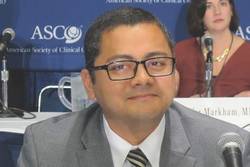
“What we’re seeing with this combination of novel induction, transplant, novel consolidation, and novel maintenance is an unprecedented depth of response, albeit in a small number of patients,” said Dr. Usmani, the invited discussant.
The new data are not sufficient to support changing practice, but support a head-to-head comparison of KRd with lenalidomide, bortezomib (Velcade), and dexamethasone in a modern Total Therapy approach, he added.
In a phase I/II MMRC study, KRd produced an stringent complete response rate of 55% in patients who had newly diagnosed multiple myeloma and were not eligible for immediate transplant or who wished to defer transplant, and was associated with a 3-year progression-free survival rate of 79%. The flip side of that coin, of course, is that 45% of patients did not achieve a stringent complete response, and 21% had disease progression, including relapses, over 3 years, Dr. Zimmerman said.To see whether they could improve on those odds, the researchers conducted the current study, in which 62 transplant-eligible patients with good performance status and adequate bone marrow, cardiac, and renal function initiated therapy.
They received four cycles of KRd induction, followed by stem-cell mobilization with granulocyte-colony stimulating factors with or without plerixafor (Mozobil), transplant, KRd consolidation for an additional four cycles, KRd maintenance for cycles 9-18, and (off protocol) lenalidomide maintenance until progression. Details of the regimen can be found in the study abstract.
At the time of Dr. Zimmerman’s presentation, 47 patients had proceeded to ASCT, 37 had initiated and 24 had completed the consolidation phase, 24 had started the KRd maintenance phase, and 8 had completed KRd maintenance and have gone on to lenalidomide maintenance.
Response rates have improved over the course of treatment, with 85% of 48 patients who completed induction having at least a very good partial response, including 21% with a near complete response, 12% with a complete response, and 8% with a stringent complete response.
Of the 8 patients who had completed KRd therapy, all had at least a near complete response, and 7 had both complete responses and stringent complete responses.At a median follow-up of 11 months, with longest follow-up out to 26 months, all 62 patients were alive, and all but one were free from disease progression.
Adverse events (not including ASCT-related events) included grade 3 or 4 thrombocytopenias in 11.3% of all patients, leukopenias in 9.7%, lymphopenias in 25.8%, and anemias in 6.5%.
The rates and types of adverse events were in the range of historical data with KRd, Dr. Zimmerman said.
The MMRC study was supported in part by Onyx Pharmaceuticals. Dr. Zimmerman disclosed receiving honoraria, consulting, and serving on the speakers bureau for the company.
CHICAGO – Incorporating autologous stem cell transplantation into an extended treatment regimen for patients with newly diagnosed multiple myeloma was associated with a more than twofold increase in the rate of stringent complete responses compared with historical controls, the results of a small study indicate.
Members of the Multiple Myeloma Research Consortium (MMRC) conducted an open-label phase II trial in which autologous stem cell transplantation (ASCT) was performed after four cycles of induction therapy with carfilzomib (Kyprolis), lenalidomide (Revlimid), and dexamethasone (KRd), followed by KRd consolidation and maintenance, and additional maintenance with lenalidomide.
At the end of eight cycles, the stringent complete response rate (complete response with a normal free light chain ratio in serum and absence of clonal cells in bone marrow on either immunofluorescence or immunohistochemistry) was 71%, compared with 30% for historical controls who underwent KRd induction and consolidation without ASCT.
“The depth of the response improved with the duration of treatment, as we’ve seen in a number of trials,” Dr. Todd M. Zimmerman of the University of Chicago Comprehensive Cancer Center reported at the annual meeting of the American Society of Clinical Oncology.
The stringent complete response rate improved further to 87% after maintenance KRd was completed, and there were high rates of only minimal residual disease at the end of KRd consolidation (85%) and after KRd maintenance (100%), Dr. Zimmerman said.
Although only eight patients had reached the lenalidomide maintenance phase by the time of data cutoff in March of 2015, these early results are encouraging and warrant further exploration of early ASCT in eligible patients in randomized trials, he said.
The combination of four cycles of KRd induction followed by ASCT, four cycles of KRd consolidation, and 10 cycles of KRd maintenance may be the modern equivalent of the chemotherapy- and ASCT-based “Total Therapy” concept introduced by Dr. Bart Barlogie at the University of Arkansas, Little Rock, in 1989, said Dr. Saad Zafar Usmani, director of the division of plasma cell disorders at the Levine Cancer Institute–Carolinas Healthcare System in Charlotte, N.C.
“What we’re seeing with this combination of novel induction, transplant, novel consolidation, and novel maintenance is an unprecedented depth of response, albeit in a small number of patients,” said Dr. Usmani, the invited discussant.
The new data are not sufficient to support changing practice, but support a head-to-head comparison of KRd with lenalidomide, bortezomib (Velcade), and dexamethasone in a modern Total Therapy approach, he added.
In a phase I/II MMRC study, KRd produced an stringent complete response rate of 55% in patients who had newly diagnosed multiple myeloma and were not eligible for immediate transplant or who wished to defer transplant, and was associated with a 3-year progression-free survival rate of 79%. The flip side of that coin, of course, is that 45% of patients did not achieve a stringent complete response, and 21% had disease progression, including relapses, over 3 years, Dr. Zimmerman said.To see whether they could improve on those odds, the researchers conducted the current study, in which 62 transplant-eligible patients with good performance status and adequate bone marrow, cardiac, and renal function initiated therapy.
They received four cycles of KRd induction, followed by stem-cell mobilization with granulocyte-colony stimulating factors with or without plerixafor (Mozobil), transplant, KRd consolidation for an additional four cycles, KRd maintenance for cycles 9-18, and (off protocol) lenalidomide maintenance until progression. Details of the regimen can be found in the study abstract.
At the time of Dr. Zimmerman’s presentation, 47 patients had proceeded to ASCT, 37 had initiated and 24 had completed the consolidation phase, 24 had started the KRd maintenance phase, and 8 had completed KRd maintenance and have gone on to lenalidomide maintenance.
Response rates have improved over the course of treatment, with 85% of 48 patients who completed induction having at least a very good partial response, including 21% with a near complete response, 12% with a complete response, and 8% with a stringent complete response.
Of the 8 patients who had completed KRd therapy, all had at least a near complete response, and 7 had both complete responses and stringent complete responses.At a median follow-up of 11 months, with longest follow-up out to 26 months, all 62 patients were alive, and all but one were free from disease progression.
Adverse events (not including ASCT-related events) included grade 3 or 4 thrombocytopenias in 11.3% of all patients, leukopenias in 9.7%, lymphopenias in 25.8%, and anemias in 6.5%.
The rates and types of adverse events were in the range of historical data with KRd, Dr. Zimmerman said.
The MMRC study was supported in part by Onyx Pharmaceuticals. Dr. Zimmerman disclosed receiving honoraria, consulting, and serving on the speakers bureau for the company.
CHICAGO – Incorporating autologous stem cell transplantation into an extended treatment regimen for patients with newly diagnosed multiple myeloma was associated with a more than twofold increase in the rate of stringent complete responses compared with historical controls, the results of a small study indicate.
Members of the Multiple Myeloma Research Consortium (MMRC) conducted an open-label phase II trial in which autologous stem cell transplantation (ASCT) was performed after four cycles of induction therapy with carfilzomib (Kyprolis), lenalidomide (Revlimid), and dexamethasone (KRd), followed by KRd consolidation and maintenance, and additional maintenance with lenalidomide.
At the end of eight cycles, the stringent complete response rate (complete response with a normal free light chain ratio in serum and absence of clonal cells in bone marrow on either immunofluorescence or immunohistochemistry) was 71%, compared with 30% for historical controls who underwent KRd induction and consolidation without ASCT.
“The depth of the response improved with the duration of treatment, as we’ve seen in a number of trials,” Dr. Todd M. Zimmerman of the University of Chicago Comprehensive Cancer Center reported at the annual meeting of the American Society of Clinical Oncology.
The stringent complete response rate improved further to 87% after maintenance KRd was completed, and there were high rates of only minimal residual disease at the end of KRd consolidation (85%) and after KRd maintenance (100%), Dr. Zimmerman said.
Although only eight patients had reached the lenalidomide maintenance phase by the time of data cutoff in March of 2015, these early results are encouraging and warrant further exploration of early ASCT in eligible patients in randomized trials, he said.
The combination of four cycles of KRd induction followed by ASCT, four cycles of KRd consolidation, and 10 cycles of KRd maintenance may be the modern equivalent of the chemotherapy- and ASCT-based “Total Therapy” concept introduced by Dr. Bart Barlogie at the University of Arkansas, Little Rock, in 1989, said Dr. Saad Zafar Usmani, director of the division of plasma cell disorders at the Levine Cancer Institute–Carolinas Healthcare System in Charlotte, N.C.
“What we’re seeing with this combination of novel induction, transplant, novel consolidation, and novel maintenance is an unprecedented depth of response, albeit in a small number of patients,” said Dr. Usmani, the invited discussant.
The new data are not sufficient to support changing practice, but support a head-to-head comparison of KRd with lenalidomide, bortezomib (Velcade), and dexamethasone in a modern Total Therapy approach, he added.
In a phase I/II MMRC study, KRd produced an stringent complete response rate of 55% in patients who had newly diagnosed multiple myeloma and were not eligible for immediate transplant or who wished to defer transplant, and was associated with a 3-year progression-free survival rate of 79%. The flip side of that coin, of course, is that 45% of patients did not achieve a stringent complete response, and 21% had disease progression, including relapses, over 3 years, Dr. Zimmerman said.To see whether they could improve on those odds, the researchers conducted the current study, in which 62 transplant-eligible patients with good performance status and adequate bone marrow, cardiac, and renal function initiated therapy.
They received four cycles of KRd induction, followed by stem-cell mobilization with granulocyte-colony stimulating factors with or without plerixafor (Mozobil), transplant, KRd consolidation for an additional four cycles, KRd maintenance for cycles 9-18, and (off protocol) lenalidomide maintenance until progression. Details of the regimen can be found in the study abstract.
At the time of Dr. Zimmerman’s presentation, 47 patients had proceeded to ASCT, 37 had initiated and 24 had completed the consolidation phase, 24 had started the KRd maintenance phase, and 8 had completed KRd maintenance and have gone on to lenalidomide maintenance.
Response rates have improved over the course of treatment, with 85% of 48 patients who completed induction having at least a very good partial response, including 21% with a near complete response, 12% with a complete response, and 8% with a stringent complete response.
Of the 8 patients who had completed KRd therapy, all had at least a near complete response, and 7 had both complete responses and stringent complete responses.At a median follow-up of 11 months, with longest follow-up out to 26 months, all 62 patients were alive, and all but one were free from disease progression.
Adverse events (not including ASCT-related events) included grade 3 or 4 thrombocytopenias in 11.3% of all patients, leukopenias in 9.7%, lymphopenias in 25.8%, and anemias in 6.5%.
The rates and types of adverse events were in the range of historical data with KRd, Dr. Zimmerman said.
The MMRC study was supported in part by Onyx Pharmaceuticals. Dr. Zimmerman disclosed receiving honoraria, consulting, and serving on the speakers bureau for the company.
AT THE 2015 ASCO ANNUAL MEETING
Key clinical point: Adding stem cell transplantation to KRd therapy improves responses in patients with newly diagnosed multiple myeloma.
Major finding: Stringent complete responses rates with carfilzomib, lenalidomide, and dexamethasone plus ASCT were 87%, compared with 30% for KRd without transplant (historical controls).
Data source: Open-label phase II study of 62 patients with newly diagnosed myeloma.
Disclosures: The MMRC study was supported in part by Onyx Pharmaceuticals. Dr. Zimmerman disclosed receiving honoraria, consulting, and serving on the speakers bureau for the company.
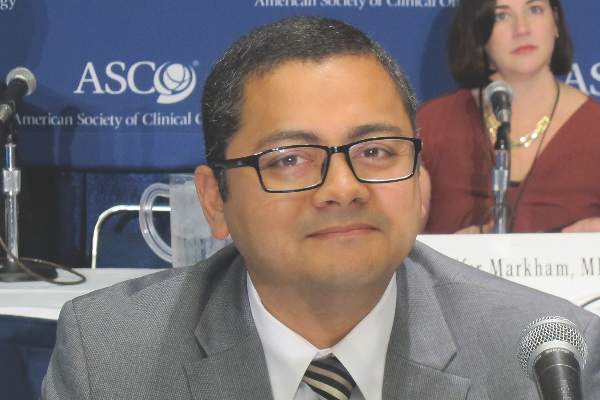
Genome mapping provides insight into MM

Zhou, PhD, (left) and David
Schwartz, PhD, in the lab
Photo by Jeff Miller/University
of Wisconsin-Madison
A novel approach to genome analysis can provide a clearer picture of cancer genomes, according to research published in PNAS.
Investigators used this approach, which combines optical mapping and DNA sequencing, to analyze samples from a patient with multiple myeloma (MM).
They found “widespread structural variation” in the tumor genome and observed an increase in mutational burden that correlated with disease
progression.
“Cancer genomes are complicated, but we found that, using an approach like this, you can begin to understand them at every level,” said study author David Schwartz, PhD, of the University of Wisconsin-Madison.
“The approach allows an intimate view of a cancer genome. You get to see it, you get to measure it, and you get to see it evolve at many levels. This is what we should be doing with every cancer genome, and the goal here is to make the system fast enough so this becomes a routine tool.”
To test the approach, the investigators obtained cancerous and noncancerous samples from a patient with MM at two different time points: while the patient was still responding to treatment and after the patient’s disease had progressed and become resistant to chemotherapy.
The team performed standard DNA sequencing to read each of the letters spelling out the genomic code of the disease. Then, isolating the individual DNA molecules, they performed optical mapping.
This involves stretching single strands of DNA and placing them in a device. The strands are given specific landmarks and marked with a fluorescent dye. An automated system takes images of each of these marked segments, cataloging the molecules into large datasets that are then pieced together to provide a larger view of the genome.
The investigators said the information provided by DNA sequencing and the “bigger picture” provided by optical mapping allowed for a comprehensive view of the patient’s MM genome.
“It’s a rare, near-complete characterization of the complexity of a myeloma genome, from the smallest variance all the way to big chunks of chromosomal material that differ between the tumor DNA and the normal DNA of the patient,” said study author Fotis Asimakopoulos, MD, PhD, of the University of Wisconsin Carbone Cancer Center.
The approach allowed the investigators to see that, compared to the patient’s noncancerous genome, and across the two time points, the MM genome was marked by an increase in notable mutations and larger-scale changes.
The team highlighted the changes they believe are most worthy of further exploration and that yield the greatest potential for future therapies. They hope this approach could help prevent drug resistance or at least help scientists and physicians develop ways to work around it.
It could allow them to examine changes in a patient’s cancer over the progression of the illness, monitor for signs of resistance, and fine-tune treatments, Dr Schwartz said.
“To cure myeloma, we need to understand how genomes evolve with progression and treatment,” Dr Asimakopoulos added. “The more we can understand the drivers in cancer in significant depth, and in each individual, the better we can tailor treatment to each patient’s disease biology.”
“Instead of [calling the disease] grade 1, we can say, ‘This is Joe’s myeloma, and, given this list of mutations and other info, this is the treatment.’ No two myeloma are alike.”
The investigators are now working toward advancing the system, making it higher-resolution, more cost-effective, and scalable. Ultimately, they would like to build a system capable of analyzing 1000 genomes in 24 hours.
Zhou, PhD, (left) and David
Schwartz, PhD, in the lab
Photo by Jeff Miller/University
of Wisconsin-Madison
A novel approach to genome analysis can provide a clearer picture of cancer genomes, according to research published in PNAS.
Investigators used this approach, which combines optical mapping and DNA sequencing, to analyze samples from a patient with multiple myeloma (MM).
They found “widespread structural variation” in the tumor genome and observed an increase in mutational burden that correlated with disease
progression.
“Cancer genomes are complicated, but we found that, using an approach like this, you can begin to understand them at every level,” said study author David Schwartz, PhD, of the University of Wisconsin-Madison.
“The approach allows an intimate view of a cancer genome. You get to see it, you get to measure it, and you get to see it evolve at many levels. This is what we should be doing with every cancer genome, and the goal here is to make the system fast enough so this becomes a routine tool.”
To test the approach, the investigators obtained cancerous and noncancerous samples from a patient with MM at two different time points: while the patient was still responding to treatment and after the patient’s disease had progressed and become resistant to chemotherapy.
The team performed standard DNA sequencing to read each of the letters spelling out the genomic code of the disease. Then, isolating the individual DNA molecules, they performed optical mapping.
This involves stretching single strands of DNA and placing them in a device. The strands are given specific landmarks and marked with a fluorescent dye. An automated system takes images of each of these marked segments, cataloging the molecules into large datasets that are then pieced together to provide a larger view of the genome.
The investigators said the information provided by DNA sequencing and the “bigger picture” provided by optical mapping allowed for a comprehensive view of the patient’s MM genome.
“It’s a rare, near-complete characterization of the complexity of a myeloma genome, from the smallest variance all the way to big chunks of chromosomal material that differ between the tumor DNA and the normal DNA of the patient,” said study author Fotis Asimakopoulos, MD, PhD, of the University of Wisconsin Carbone Cancer Center.
The approach allowed the investigators to see that, compared to the patient’s noncancerous genome, and across the two time points, the MM genome was marked by an increase in notable mutations and larger-scale changes.
The team highlighted the changes they believe are most worthy of further exploration and that yield the greatest potential for future therapies. They hope this approach could help prevent drug resistance or at least help scientists and physicians develop ways to work around it.
It could allow them to examine changes in a patient’s cancer over the progression of the illness, monitor for signs of resistance, and fine-tune treatments, Dr Schwartz said.
“To cure myeloma, we need to understand how genomes evolve with progression and treatment,” Dr Asimakopoulos added. “The more we can understand the drivers in cancer in significant depth, and in each individual, the better we can tailor treatment to each patient’s disease biology.”
“Instead of [calling the disease] grade 1, we can say, ‘This is Joe’s myeloma, and, given this list of mutations and other info, this is the treatment.’ No two myeloma are alike.”
The investigators are now working toward advancing the system, making it higher-resolution, more cost-effective, and scalable. Ultimately, they would like to build a system capable of analyzing 1000 genomes in 24 hours.
Zhou, PhD, (left) and David
Schwartz, PhD, in the lab
Photo by Jeff Miller/University
of Wisconsin-Madison
A novel approach to genome analysis can provide a clearer picture of cancer genomes, according to research published in PNAS.
Investigators used this approach, which combines optical mapping and DNA sequencing, to analyze samples from a patient with multiple myeloma (MM).
They found “widespread structural variation” in the tumor genome and observed an increase in mutational burden that correlated with disease
progression.
“Cancer genomes are complicated, but we found that, using an approach like this, you can begin to understand them at every level,” said study author David Schwartz, PhD, of the University of Wisconsin-Madison.
“The approach allows an intimate view of a cancer genome. You get to see it, you get to measure it, and you get to see it evolve at many levels. This is what we should be doing with every cancer genome, and the goal here is to make the system fast enough so this becomes a routine tool.”
To test the approach, the investigators obtained cancerous and noncancerous samples from a patient with MM at two different time points: while the patient was still responding to treatment and after the patient’s disease had progressed and become resistant to chemotherapy.
The team performed standard DNA sequencing to read each of the letters spelling out the genomic code of the disease. Then, isolating the individual DNA molecules, they performed optical mapping.
This involves stretching single strands of DNA and placing them in a device. The strands are given specific landmarks and marked with a fluorescent dye. An automated system takes images of each of these marked segments, cataloging the molecules into large datasets that are then pieced together to provide a larger view of the genome.
The investigators said the information provided by DNA sequencing and the “bigger picture” provided by optical mapping allowed for a comprehensive view of the patient’s MM genome.
“It’s a rare, near-complete characterization of the complexity of a myeloma genome, from the smallest variance all the way to big chunks of chromosomal material that differ between the tumor DNA and the normal DNA of the patient,” said study author Fotis Asimakopoulos, MD, PhD, of the University of Wisconsin Carbone Cancer Center.
The approach allowed the investigators to see that, compared to the patient’s noncancerous genome, and across the two time points, the MM genome was marked by an increase in notable mutations and larger-scale changes.
The team highlighted the changes they believe are most worthy of further exploration and that yield the greatest potential for future therapies. They hope this approach could help prevent drug resistance or at least help scientists and physicians develop ways to work around it.
It could allow them to examine changes in a patient’s cancer over the progression of the illness, monitor for signs of resistance, and fine-tune treatments, Dr Schwartz said.
“To cure myeloma, we need to understand how genomes evolve with progression and treatment,” Dr Asimakopoulos added. “The more we can understand the drivers in cancer in significant depth, and in each individual, the better we can tailor treatment to each patient’s disease biology.”
“Instead of [calling the disease] grade 1, we can say, ‘This is Joe’s myeloma, and, given this list of mutations and other info, this is the treatment.’ No two myeloma are alike.”
The investigators are now working toward advancing the system, making it higher-resolution, more cost-effective, and scalable. Ultimately, they would like to build a system capable of analyzing 1000 genomes in 24 hours.
Triple therapy added toxicity without survival benefit in multiple myeloma
Triple-agent bortezomib-based regimens yielded no survival or other advantages over a double-agent regimen in a phase-III clinical trial involving transplant-ineligible patients with multiple myeloma. The study was published online June 8 in the Journal of Clinical Oncology.
As the optimal therapy for transplant-ineligible patients has not yet been determined, researchers performed what they described as the first randomized trial comparing several bortezomib-based regimens. For this study, the researchers wanted to assess the regimens in more typical patients: elderly men and women of diverse ethnic and economic backgrounds who have common comorbidities and are treated in community oncology practices.
The 502 participants (mean age, 73 years) in this industry-sponsored study were treated at 159 oncology practices across the country during a 3-year period and followed up for a median of 43 months. Half had serious comorbidities such as diabetes, renal disease, and chronic pulmonary disease. They were randomly assigned to receive eight 21-day cycles of bortezomib-dexamethasone, bortezomib-thalidomide-dexamethasone, or bortezomib-melphalan-prednisone combination induction therapy, followed by five 35-day cycles of maintenance bortezomib, said Dr. Ruben Niesvizky of the myeloma center at New York Presbyterian Hospital and his associates.
The primary efficacy outcome – progression-free survival – was not significantly different among the three study groups at 14.7 months, 15.4 months, and 17.3 months, respectively. Overall response rates were 73%, 80%, and 70%, respectively; complete response rates were 3%, 4%, and 4%, respectively. Also not significantly different between the three groups were duration of response (18.3 months, 22.4 months, and 19.8 months) and median overall survival (49.8 months, 51.5 months, and 53.1 months), the researchers said (J. Clin. Oncol. 2015 June 8 [doi:10.1200/JCO.2014.58.7618]).
Peripheral neuropathy was the most common adverse effect in all three regimens and the most common reason for discontinuing therapy. Both the rates of adverse events and discontinuations due to adverse events were higher for bortezomib-thalidomide-dexamethasone treatment than for the other two regimens. Because of toxicity, only 30% of the total study population completed the full 13 cycles of treatment and only 40% received bortezomib maintenance therapy.
“Our results indicate that the type and number of agents(s) included in combination therapy for elderly persons are important, and offer caution to the current trend of incorporating 3 or even 4 agents into anti-multiple myeloma regimens to boost efficacy without confirmatory randomized studies,” Dr. Niesvizky and his associates noted.
Triple-agent bortezomib-based regimens yielded no survival or other advantages over a double-agent regimen in a phase-III clinical trial involving transplant-ineligible patients with multiple myeloma. The study was published online June 8 in the Journal of Clinical Oncology.
As the optimal therapy for transplant-ineligible patients has not yet been determined, researchers performed what they described as the first randomized trial comparing several bortezomib-based regimens. For this study, the researchers wanted to assess the regimens in more typical patients: elderly men and women of diverse ethnic and economic backgrounds who have common comorbidities and are treated in community oncology practices.
The 502 participants (mean age, 73 years) in this industry-sponsored study were treated at 159 oncology practices across the country during a 3-year period and followed up for a median of 43 months. Half had serious comorbidities such as diabetes, renal disease, and chronic pulmonary disease. They were randomly assigned to receive eight 21-day cycles of bortezomib-dexamethasone, bortezomib-thalidomide-dexamethasone, or bortezomib-melphalan-prednisone combination induction therapy, followed by five 35-day cycles of maintenance bortezomib, said Dr. Ruben Niesvizky of the myeloma center at New York Presbyterian Hospital and his associates.
The primary efficacy outcome – progression-free survival – was not significantly different among the three study groups at 14.7 months, 15.4 months, and 17.3 months, respectively. Overall response rates were 73%, 80%, and 70%, respectively; complete response rates were 3%, 4%, and 4%, respectively. Also not significantly different between the three groups were duration of response (18.3 months, 22.4 months, and 19.8 months) and median overall survival (49.8 months, 51.5 months, and 53.1 months), the researchers said (J. Clin. Oncol. 2015 June 8 [doi:10.1200/JCO.2014.58.7618]).
Peripheral neuropathy was the most common adverse effect in all three regimens and the most common reason for discontinuing therapy. Both the rates of adverse events and discontinuations due to adverse events were higher for bortezomib-thalidomide-dexamethasone treatment than for the other two regimens. Because of toxicity, only 30% of the total study population completed the full 13 cycles of treatment and only 40% received bortezomib maintenance therapy.
“Our results indicate that the type and number of agents(s) included in combination therapy for elderly persons are important, and offer caution to the current trend of incorporating 3 or even 4 agents into anti-multiple myeloma regimens to boost efficacy without confirmatory randomized studies,” Dr. Niesvizky and his associates noted.
Triple-agent bortezomib-based regimens yielded no survival or other advantages over a double-agent regimen in a phase-III clinical trial involving transplant-ineligible patients with multiple myeloma. The study was published online June 8 in the Journal of Clinical Oncology.
As the optimal therapy for transplant-ineligible patients has not yet been determined, researchers performed what they described as the first randomized trial comparing several bortezomib-based regimens. For this study, the researchers wanted to assess the regimens in more typical patients: elderly men and women of diverse ethnic and economic backgrounds who have common comorbidities and are treated in community oncology practices.
The 502 participants (mean age, 73 years) in this industry-sponsored study were treated at 159 oncology practices across the country during a 3-year period and followed up for a median of 43 months. Half had serious comorbidities such as diabetes, renal disease, and chronic pulmonary disease. They were randomly assigned to receive eight 21-day cycles of bortezomib-dexamethasone, bortezomib-thalidomide-dexamethasone, or bortezomib-melphalan-prednisone combination induction therapy, followed by five 35-day cycles of maintenance bortezomib, said Dr. Ruben Niesvizky of the myeloma center at New York Presbyterian Hospital and his associates.
The primary efficacy outcome – progression-free survival – was not significantly different among the three study groups at 14.7 months, 15.4 months, and 17.3 months, respectively. Overall response rates were 73%, 80%, and 70%, respectively; complete response rates were 3%, 4%, and 4%, respectively. Also not significantly different between the three groups were duration of response (18.3 months, 22.4 months, and 19.8 months) and median overall survival (49.8 months, 51.5 months, and 53.1 months), the researchers said (J. Clin. Oncol. 2015 June 8 [doi:10.1200/JCO.2014.58.7618]).
Peripheral neuropathy was the most common adverse effect in all three regimens and the most common reason for discontinuing therapy. Both the rates of adverse events and discontinuations due to adverse events were higher for bortezomib-thalidomide-dexamethasone treatment than for the other two regimens. Because of toxicity, only 30% of the total study population completed the full 13 cycles of treatment and only 40% received bortezomib maintenance therapy.
“Our results indicate that the type and number of agents(s) included in combination therapy for elderly persons are important, and offer caution to the current trend of incorporating 3 or even 4 agents into anti-multiple myeloma regimens to boost efficacy without confirmatory randomized studies,” Dr. Niesvizky and his associates noted.
FROM THE JOURNAL OF CLINICAL ONCOLOGY
Key clinical point: Triple-agent bortezomib-based therapy offered no survival advantage over a double-agent regimen in elderly patients with multiple myeloma.
Major finding: The primary efficacy outcome – progression-free survival – was not significantly different among the three study groups at 14.7 months, 15.4 months, and 17.3 months, respectively.
Data source: An industry-sponsored randomized open-label phase-III clinical trial involving 502 patients followed for a median of 43 months at 159 U.S. medical centers.
Disclosures: This trial was supported by Millennium Pharmaceuticals, maker of bortezomib (Velcade). Dr. Niesvizky reported receiving research funding from Millennium, Celgene, and Onyx.