User login
Personalized medicine: myth to reality
Ever since the International Human GenomeSequencing Consortium unveiled its “working draft” of the human genome sequence in 2000, the scientific community has eagerly discussed and speculated on the potential of genomic medicine. Patients, clinicians, and scientists were—and still are—excited about the possibilities of targeted therapies such as imatinib (Gleevec) for chronic myeloid leukemias and gastrointestinal stromal tumors and trastuzumab (Herceptin) for HER2/neu-positive breast cancer. There has been significant progress in the development of these and other targeted therapies, and they remain part of an intriguing and promising work in progress. However, for patients with lung cancer and melanoma, both of which are highly refractory diseases, the therapeutic choices other than chemotherapy have been limited and the commensurate outcomes discouraging.
In the early 2000s, we were excited about targeted therapies such as gefitinib (Iressa), which blocks epidermal growth factor receptor (EGFR)- tyrosine kinase activity in non-small cell lung cancer (NSCLC), but its clinical benefit was still limited. We have since gained a better understanding of lung cancer as a molecularly heterogeneous disease and have adjusted our approach to its treatment, based on new data showing that all lung cancer patients cannot be treated with the same drug regimen and achieve the same outcomes. With those insights, the implications of targeted therapies came into sharper focus in 2004 with the US Food and Drug Administration (FDA) approval of erlotinib (Tarceva) for the 10%–15% of patients with NSCLC (adenocarcinoma) who have the EGFR gene mutation. At around the same time, scientists identified BRAF gene mutations in about 40%– 60% of patients with melanoma, and the quest for therapies for that disease was redirected to the cellular level as well. ...
* For a PDF of the full article, click in the link to the left of this introduction.
Ever since the International Human GenomeSequencing Consortium unveiled its “working draft” of the human genome sequence in 2000, the scientific community has eagerly discussed and speculated on the potential of genomic medicine. Patients, clinicians, and scientists were—and still are—excited about the possibilities of targeted therapies such as imatinib (Gleevec) for chronic myeloid leukemias and gastrointestinal stromal tumors and trastuzumab (Herceptin) for HER2/neu-positive breast cancer. There has been significant progress in the development of these and other targeted therapies, and they remain part of an intriguing and promising work in progress. However, for patients with lung cancer and melanoma, both of which are highly refractory diseases, the therapeutic choices other than chemotherapy have been limited and the commensurate outcomes discouraging.
In the early 2000s, we were excited about targeted therapies such as gefitinib (Iressa), which blocks epidermal growth factor receptor (EGFR)- tyrosine kinase activity in non-small cell lung cancer (NSCLC), but its clinical benefit was still limited. We have since gained a better understanding of lung cancer as a molecularly heterogeneous disease and have adjusted our approach to its treatment, based on new data showing that all lung cancer patients cannot be treated with the same drug regimen and achieve the same outcomes. With those insights, the implications of targeted therapies came into sharper focus in 2004 with the US Food and Drug Administration (FDA) approval of erlotinib (Tarceva) for the 10%–15% of patients with NSCLC (adenocarcinoma) who have the EGFR gene mutation. At around the same time, scientists identified BRAF gene mutations in about 40%– 60% of patients with melanoma, and the quest for therapies for that disease was redirected to the cellular level as well. ...
* For a PDF of the full article, click in the link to the left of this introduction.
Ever since the International Human GenomeSequencing Consortium unveiled its “working draft” of the human genome sequence in 2000, the scientific community has eagerly discussed and speculated on the potential of genomic medicine. Patients, clinicians, and scientists were—and still are—excited about the possibilities of targeted therapies such as imatinib (Gleevec) for chronic myeloid leukemias and gastrointestinal stromal tumors and trastuzumab (Herceptin) for HER2/neu-positive breast cancer. There has been significant progress in the development of these and other targeted therapies, and they remain part of an intriguing and promising work in progress. However, for patients with lung cancer and melanoma, both of which are highly refractory diseases, the therapeutic choices other than chemotherapy have been limited and the commensurate outcomes discouraging.
In the early 2000s, we were excited about targeted therapies such as gefitinib (Iressa), which blocks epidermal growth factor receptor (EGFR)- tyrosine kinase activity in non-small cell lung cancer (NSCLC), but its clinical benefit was still limited. We have since gained a better understanding of lung cancer as a molecularly heterogeneous disease and have adjusted our approach to its treatment, based on new data showing that all lung cancer patients cannot be treated with the same drug regimen and achieve the same outcomes. With those insights, the implications of targeted therapies came into sharper focus in 2004 with the US Food and Drug Administration (FDA) approval of erlotinib (Tarceva) for the 10%–15% of patients with NSCLC (adenocarcinoma) who have the EGFR gene mutation. At around the same time, scientists identified BRAF gene mutations in about 40%– 60% of patients with melanoma, and the quest for therapies for that disease was redirected to the cellular level as well. ...
* For a PDF of the full article, click in the link to the left of this introduction.
Prom Tanning in '90s Behind Current Spike in Melanoma
NEW YORK – Teenage girls who used tanning beds in the 1990s are behind the sharp increase in melanoma in young women, according to Dr. Darrell S. Rigel.
The rise in melanoma from this often prom-driven surge in tanning has shown up as increased cases in women aged 25-34 years, Dr. Rigel said at the American Academy of Dermatology’s Summer Academy meeting.
"All the melanoma I see in women in their 20s and 30s, virtually every one of them has gone to a tanning salon, and we’re seeing a lot more" melanoma in women in this age group, said Dr. Rigel, a dermatologist at New York University. In addition, the primary melanomas seen in young women "often occur where the sun doesn’t shine but the tanning beds do," on breasts and near the genitalia, he said. "There definitely is a causal relationship."
Documentation of the rising rate of melanoma in young women includes data collected by the National Cancer Institute’s SEER (Surveillance, Epidemiology, and End Results) program. Data collected by SEER for U.S. melanoma incidence rates showed that during 2004-2006, white women aged 25-29 had a 14.3 per 100,000 incidence of melanoma, a 4% absolute and 42% relative jump from the rate in similarly aged women in 1994-1996. Among white women aged 30-34, the 2004-2006 SEER rate was 16.4 per 100,000 cases, also a 4% absolute and 32% relative jump from the rate in 1994-1996.
Recent increases in melanoma incidence among young white women have been "especially rapid," according to comments published earlier this year (J. Natl. Cancer Inst. 2011;103:171). Since 1995, the annual incidence of melanoma among young, white U.S. women rose by an average of 3.8%, compared with each preceding year.
Increased melanoma incidence since the 1990s links with the greater popularity of tanning beds among teens that first reached high levels in the 1990s. The first commercial U.S. tanning salon opened in 1978, and today there are about 60,000, with about 1 million Americans using a tanning bed daily and about 28 million using a tanning bed at least once each year, Dr. Rigel said. Women patronize tanning salons about sevenfold times more often than men, and other statistics show that more than a third of white, U.S. teens aged 17-18 have had a tanning session at least once in the prior year, he said.
"Major marketing is targeted at these women prior to proms," Dr. Rigel said in an interview. Young women aged 17-18 are "particularly susceptible," to the effects of artificial UV tanning radiation in the development of skin cancer. "This will take a broad sea change. We need models who are not tan in magazines aimed at young women. The pale look has to be in. It’s still cool to be tan. We’re working against that, and against their not being worried about skin cancer, and about how they’ll look at age 50. It’s just not there."
The spike in cases appearing in women once they have reached 25 years or older "is exactly when you’d expect to see the melanomas" based on high-level exposure at age 17-18, he added. The latency period from the time of intensified exposure to the appearance of melanoma is 5-20 years, he said.
"Twenty years ago, it was rare to see a woman in her 20s with melanoma, and we also did not see a lot among women in their 30s. Now, we commonly see cases in women in their 20s, and every one of them has a tanning history. The foremost issue for melanoma in women is tanning beds. For the first time, we’re seeing an increased incidence of melanoma in young women in their 20s and 30s, and the only thing they appear to do differently than young men is go to tanning salons."
Primary care physicians who see women in their 20s and 30s should examine their skin for signs of melanoma when they have the chance during physical examination, and should ask about a history of tanning-bed use. Results from several studies show that even a single tanning episode can significantly increase the risk for melanoma, so all a physician has to ask is, "Have you ever gone to a tanning salon?" to know whether a patient has an increased melanoma risk.
In addition to increased awareness, physicians need to educate teenage girls and the general public about the danger from tanning beds. "It’s very analogous to cigarette smoking. All we can do is get the word out, and hope that people do less harm to themselves."
Dr. Rigel said that he had no relevant disclosures.
NEW YORK – Teenage girls who used tanning beds in the 1990s are behind the sharp increase in melanoma in young women, according to Dr. Darrell S. Rigel.
The rise in melanoma from this often prom-driven surge in tanning has shown up as increased cases in women aged 25-34 years, Dr. Rigel said at the American Academy of Dermatology’s Summer Academy meeting.
"All the melanoma I see in women in their 20s and 30s, virtually every one of them has gone to a tanning salon, and we’re seeing a lot more" melanoma in women in this age group, said Dr. Rigel, a dermatologist at New York University. In addition, the primary melanomas seen in young women "often occur where the sun doesn’t shine but the tanning beds do," on breasts and near the genitalia, he said. "There definitely is a causal relationship."
Documentation of the rising rate of melanoma in young women includes data collected by the National Cancer Institute’s SEER (Surveillance, Epidemiology, and End Results) program. Data collected by SEER for U.S. melanoma incidence rates showed that during 2004-2006, white women aged 25-29 had a 14.3 per 100,000 incidence of melanoma, a 4% absolute and 42% relative jump from the rate in similarly aged women in 1994-1996. Among white women aged 30-34, the 2004-2006 SEER rate was 16.4 per 100,000 cases, also a 4% absolute and 32% relative jump from the rate in 1994-1996.
Recent increases in melanoma incidence among young white women have been "especially rapid," according to comments published earlier this year (J. Natl. Cancer Inst. 2011;103:171). Since 1995, the annual incidence of melanoma among young, white U.S. women rose by an average of 3.8%, compared with each preceding year.
Increased melanoma incidence since the 1990s links with the greater popularity of tanning beds among teens that first reached high levels in the 1990s. The first commercial U.S. tanning salon opened in 1978, and today there are about 60,000, with about 1 million Americans using a tanning bed daily and about 28 million using a tanning bed at least once each year, Dr. Rigel said. Women patronize tanning salons about sevenfold times more often than men, and other statistics show that more than a third of white, U.S. teens aged 17-18 have had a tanning session at least once in the prior year, he said.
"Major marketing is targeted at these women prior to proms," Dr. Rigel said in an interview. Young women aged 17-18 are "particularly susceptible," to the effects of artificial UV tanning radiation in the development of skin cancer. "This will take a broad sea change. We need models who are not tan in magazines aimed at young women. The pale look has to be in. It’s still cool to be tan. We’re working against that, and against their not being worried about skin cancer, and about how they’ll look at age 50. It’s just not there."
The spike in cases appearing in women once they have reached 25 years or older "is exactly when you’d expect to see the melanomas" based on high-level exposure at age 17-18, he added. The latency period from the time of intensified exposure to the appearance of melanoma is 5-20 years, he said.
"Twenty years ago, it was rare to see a woman in her 20s with melanoma, and we also did not see a lot among women in their 30s. Now, we commonly see cases in women in their 20s, and every one of them has a tanning history. The foremost issue for melanoma in women is tanning beds. For the first time, we’re seeing an increased incidence of melanoma in young women in their 20s and 30s, and the only thing they appear to do differently than young men is go to tanning salons."
Primary care physicians who see women in their 20s and 30s should examine their skin for signs of melanoma when they have the chance during physical examination, and should ask about a history of tanning-bed use. Results from several studies show that even a single tanning episode can significantly increase the risk for melanoma, so all a physician has to ask is, "Have you ever gone to a tanning salon?" to know whether a patient has an increased melanoma risk.
In addition to increased awareness, physicians need to educate teenage girls and the general public about the danger from tanning beds. "It’s very analogous to cigarette smoking. All we can do is get the word out, and hope that people do less harm to themselves."
Dr. Rigel said that he had no relevant disclosures.
NEW YORK – Teenage girls who used tanning beds in the 1990s are behind the sharp increase in melanoma in young women, according to Dr. Darrell S. Rigel.
The rise in melanoma from this often prom-driven surge in tanning has shown up as increased cases in women aged 25-34 years, Dr. Rigel said at the American Academy of Dermatology’s Summer Academy meeting.
"All the melanoma I see in women in their 20s and 30s, virtually every one of them has gone to a tanning salon, and we’re seeing a lot more" melanoma in women in this age group, said Dr. Rigel, a dermatologist at New York University. In addition, the primary melanomas seen in young women "often occur where the sun doesn’t shine but the tanning beds do," on breasts and near the genitalia, he said. "There definitely is a causal relationship."
Documentation of the rising rate of melanoma in young women includes data collected by the National Cancer Institute’s SEER (Surveillance, Epidemiology, and End Results) program. Data collected by SEER for U.S. melanoma incidence rates showed that during 2004-2006, white women aged 25-29 had a 14.3 per 100,000 incidence of melanoma, a 4% absolute and 42% relative jump from the rate in similarly aged women in 1994-1996. Among white women aged 30-34, the 2004-2006 SEER rate was 16.4 per 100,000 cases, also a 4% absolute and 32% relative jump from the rate in 1994-1996.
Recent increases in melanoma incidence among young white women have been "especially rapid," according to comments published earlier this year (J. Natl. Cancer Inst. 2011;103:171). Since 1995, the annual incidence of melanoma among young, white U.S. women rose by an average of 3.8%, compared with each preceding year.
Increased melanoma incidence since the 1990s links with the greater popularity of tanning beds among teens that first reached high levels in the 1990s. The first commercial U.S. tanning salon opened in 1978, and today there are about 60,000, with about 1 million Americans using a tanning bed daily and about 28 million using a tanning bed at least once each year, Dr. Rigel said. Women patronize tanning salons about sevenfold times more often than men, and other statistics show that more than a third of white, U.S. teens aged 17-18 have had a tanning session at least once in the prior year, he said.
"Major marketing is targeted at these women prior to proms," Dr. Rigel said in an interview. Young women aged 17-18 are "particularly susceptible," to the effects of artificial UV tanning radiation in the development of skin cancer. "This will take a broad sea change. We need models who are not tan in magazines aimed at young women. The pale look has to be in. It’s still cool to be tan. We’re working against that, and against their not being worried about skin cancer, and about how they’ll look at age 50. It’s just not there."
The spike in cases appearing in women once they have reached 25 years or older "is exactly when you’d expect to see the melanomas" based on high-level exposure at age 17-18, he added. The latency period from the time of intensified exposure to the appearance of melanoma is 5-20 years, he said.
"Twenty years ago, it was rare to see a woman in her 20s with melanoma, and we also did not see a lot among women in their 30s. Now, we commonly see cases in women in their 20s, and every one of them has a tanning history. The foremost issue for melanoma in women is tanning beds. For the first time, we’re seeing an increased incidence of melanoma in young women in their 20s and 30s, and the only thing they appear to do differently than young men is go to tanning salons."
Primary care physicians who see women in their 20s and 30s should examine their skin for signs of melanoma when they have the chance during physical examination, and should ask about a history of tanning-bed use. Results from several studies show that even a single tanning episode can significantly increase the risk for melanoma, so all a physician has to ask is, "Have you ever gone to a tanning salon?" to know whether a patient has an increased melanoma risk.
In addition to increased awareness, physicians need to educate teenage girls and the general public about the danger from tanning beds. "It’s very analogous to cigarette smoking. All we can do is get the word out, and hope that people do less harm to themselves."
Dr. Rigel said that he had no relevant disclosures.
EXPERT ANALYSIS FROM THE AMERICAN ACADEMY OF DERMATOLOGY'S SUMMER ACADEMY MEETING
FDA Approves Vemurafenib for Advanced Melanoma
The Food and Drug Administration announced on August 17 the approval of vemurafenib, a highly anticipated metastatic melanoma therapy that targets the BRAF V600E mutation found in 40%-60% of patients.
The agency also approved the cobas 4800 BRAF V600 Mutation Test, a companion diagnostic test designed to help determine if a patient’s melanoma cells carry the BRAF V600E mutation.
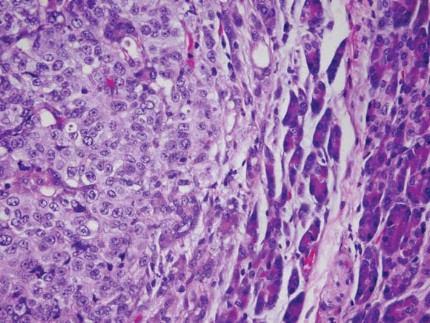
Vemurafenib is the second therapy to prolong the lives of patients with metastatic melanoma. The first, a slow-acting immunotherapy called ipilimumab (Yervoy), was approved in March 2011.
Clinical trials have shown that vemurafenib (better known as PLX4032) can produce rapid remission in patients at risk of death from metastatic melanoma.
Vemurafenib is not a panacea, as only about half of patients with BRAF V600E mutations have responded, and in the early studies almost all eventually relapsed. However, the drug has produced delays in recurrence and prolongations of overall survival that are clinically and statistically significant.
"This is a bright day for many melanoma patients," Dr. Jeffrey A. Sosman, a professor of medicine at Vanderbilt-Ingram Cancer Center in Nashville said in response to the FDA announcement.
"But it is only the start, and we have to continue to enroll patients onto clinical trials in order to build upon this exciting advance. It is only the beginning," added Dr. Sosman, an investigator in the BRIM-3 trial that led to approval of vemurafenib.
Early results of the pivotal phase III BRIM-3 trial, presented at the American Society of Clinical Oncology (ASCO) in June, and published simultaneously in the New England Journal of Medicine (2011;364:2507-16) , showed that vemurafenib reduced the relative risk of death by 63% in comparison with dacarbazine (DTIC), a standard but ineffective therapy, at a median follow-up of 3 months.
The randomized, open-label study screened 2,107 patients with unresectable stage III or IV melanoma for BRAF mutations, which were found in 47% of patients. It accrued 675 patients from January 2010 though December 2010, but some had not been in the study long enough to be included in the reports, as the trial was stopped based on early positive results.
Among the findings were estimates that 84% of patients treated with oral vemurafenib but only 64% of those given DTIC would be alive at 6 months. Vemurafenib’s hazard ratio for death was 0.37 (P less than .0001). An analysis of progression-free survival showed a 74% reduction in the risk of progression (HR 0.26, P less than .0001).
Median time to progression was 5.3 months with vemurafenib versus 1.6 months with DTIC, Dr. Paul Chapman of Memorial Sloan-Kettering Cancer Center in New York City and colleagues reported. Median overall survival had not been reached in the vemurafenib arm of BRIM-3, but Dr. Chapman expressed optimism that the advantage would hold up over time, as the Kaplan Meier survival curve mirrored results from the precursor BRIM-2 trial.
In that phase II study, median overall survival also had not yet been reached with 77% of patients alive at 6 months and 58% at 12 months, Dr. Antoni Ribas of the Jonsson Comprehensive Cancer Center in Los Angeles reported at the ASCO meeting. His presentation was based on a median follow-up of 7 months with an overall response rate of 53%.
The investigators also looked at patients who had BRAF mutations other than V600E, and were encouraged to find about half responded to vemurafenib, Dr. Chapman said in an interview.
In yet another presentation at ASCO, Dr. Alexander M. Menzies of the Melanoma Institute Australia reported that BRAF mutations are more common in younger melanoma patients. In all, 46% of 311 advanced melanoma patients had a BRAF mutation; 73% of these were V600E mutations, 19% V600K, and the remainder other forms.
The mutation rate declined from more than 80% of melanoma patients aged 20-40 years to 50% of those aged 41-70 years, and to less than 25% of those older than 70 years, Dr. Menzies said. The V600E mutation predominated in younger patients, occurring in 86% of those aged 20-30 years, whereas the V600K mutation emerged in older age.
Vemurafenib - approved at a recommended dose of 960 mg orally twice daily - has a manageable side effect profile, according to the BRIM-3 investigators. Although the safety data were not formally pooled, investigators said less than 10% of patients on active therapy had a grade 3 or higher toxicity. Joint pain, photosensitivity, and skin rashes were the most common. About 20% of patients developed cutaneous squamous cell carcinoma, but it was easily removed by dermatologists, and there were no instances of metastases. Only 6% of patients on vemurafenib discontinued because of adverse events.
Vemurafenib will be marketed as Zelboraf by Roche, which announced submission of applications for approval in the United States and Europe on May 11. Roche’s Genentech has a comarketing agreement with vemurafenib developer Plexxikon, a member of Daiichi Sankyo.
In June, Roche and Bristol-Meyers Squibb (maker of ipilimumab), announced that they would collaborate on a phase I/II study to determine whether combining the two drugs is safe and effective in patients with BRAF mutations.
The cobas 4800 BRAF V600 Mutation Test is manufactured by Roche Molecular Systems in Pleasanton, Calif.
Genentech sponsored the BRIM-2 and BRIM-3 trials. Dr. Chapman reported consultant/advisory roles and research funding from its parent company Roche. Some coauthors were Roche employees, and others reported similar relationships with Genentech. Dr. Ribas and several of his coauthors reported similar consulting and advisory relationships with Roche/Genentech. Dr. Menzies had no relevant financial conflicts of interest.
The Food and Drug Administration announced on August 17 the approval of vemurafenib, a highly anticipated metastatic melanoma therapy that targets the BRAF V600E mutation found in 40%-60% of patients.
The agency also approved the cobas 4800 BRAF V600 Mutation Test, a companion diagnostic test designed to help determine if a patient’s melanoma cells carry the BRAF V600E mutation.
Vemurafenib is the second therapy to prolong the lives of patients with metastatic melanoma. The first, a slow-acting immunotherapy called ipilimumab (Yervoy), was approved in March 2011.
Clinical trials have shown that vemurafenib (better known as PLX4032) can produce rapid remission in patients at risk of death from metastatic melanoma.
Vemurafenib is not a panacea, as only about half of patients with BRAF V600E mutations have responded, and in the early studies almost all eventually relapsed. However, the drug has produced delays in recurrence and prolongations of overall survival that are clinically and statistically significant.
"This is a bright day for many melanoma patients," Dr. Jeffrey A. Sosman, a professor of medicine at Vanderbilt-Ingram Cancer Center in Nashville said in response to the FDA announcement.
"But it is only the start, and we have to continue to enroll patients onto clinical trials in order to build upon this exciting advance. It is only the beginning," added Dr. Sosman, an investigator in the BRIM-3 trial that led to approval of vemurafenib.
Early results of the pivotal phase III BRIM-3 trial, presented at the American Society of Clinical Oncology (ASCO) in June, and published simultaneously in the New England Journal of Medicine (2011;364:2507-16) , showed that vemurafenib reduced the relative risk of death by 63% in comparison with dacarbazine (DTIC), a standard but ineffective therapy, at a median follow-up of 3 months.
The randomized, open-label study screened 2,107 patients with unresectable stage III or IV melanoma for BRAF mutations, which were found in 47% of patients. It accrued 675 patients from January 2010 though December 2010, but some had not been in the study long enough to be included in the reports, as the trial was stopped based on early positive results.
Among the findings were estimates that 84% of patients treated with oral vemurafenib but only 64% of those given DTIC would be alive at 6 months. Vemurafenib’s hazard ratio for death was 0.37 (P less than .0001). An analysis of progression-free survival showed a 74% reduction in the risk of progression (HR 0.26, P less than .0001).
Median time to progression was 5.3 months with vemurafenib versus 1.6 months with DTIC, Dr. Paul Chapman of Memorial Sloan-Kettering Cancer Center in New York City and colleagues reported. Median overall survival had not been reached in the vemurafenib arm of BRIM-3, but Dr. Chapman expressed optimism that the advantage would hold up over time, as the Kaplan Meier survival curve mirrored results from the precursor BRIM-2 trial.
In that phase II study, median overall survival also had not yet been reached with 77% of patients alive at 6 months and 58% at 12 months, Dr. Antoni Ribas of the Jonsson Comprehensive Cancer Center in Los Angeles reported at the ASCO meeting. His presentation was based on a median follow-up of 7 months with an overall response rate of 53%.
The investigators also looked at patients who had BRAF mutations other than V600E, and were encouraged to find about half responded to vemurafenib, Dr. Chapman said in an interview.
In yet another presentation at ASCO, Dr. Alexander M. Menzies of the Melanoma Institute Australia reported that BRAF mutations are more common in younger melanoma patients. In all, 46% of 311 advanced melanoma patients had a BRAF mutation; 73% of these were V600E mutations, 19% V600K, and the remainder other forms.
The mutation rate declined from more than 80% of melanoma patients aged 20-40 years to 50% of those aged 41-70 years, and to less than 25% of those older than 70 years, Dr. Menzies said. The V600E mutation predominated in younger patients, occurring in 86% of those aged 20-30 years, whereas the V600K mutation emerged in older age.
Vemurafenib - approved at a recommended dose of 960 mg orally twice daily - has a manageable side effect profile, according to the BRIM-3 investigators. Although the safety data were not formally pooled, investigators said less than 10% of patients on active therapy had a grade 3 or higher toxicity. Joint pain, photosensitivity, and skin rashes were the most common. About 20% of patients developed cutaneous squamous cell carcinoma, but it was easily removed by dermatologists, and there were no instances of metastases. Only 6% of patients on vemurafenib discontinued because of adverse events.
Vemurafenib will be marketed as Zelboraf by Roche, which announced submission of applications for approval in the United States and Europe on May 11. Roche’s Genentech has a comarketing agreement with vemurafenib developer Plexxikon, a member of Daiichi Sankyo.
In June, Roche and Bristol-Meyers Squibb (maker of ipilimumab), announced that they would collaborate on a phase I/II study to determine whether combining the two drugs is safe and effective in patients with BRAF mutations.
The cobas 4800 BRAF V600 Mutation Test is manufactured by Roche Molecular Systems in Pleasanton, Calif.
Genentech sponsored the BRIM-2 and BRIM-3 trials. Dr. Chapman reported consultant/advisory roles and research funding from its parent company Roche. Some coauthors were Roche employees, and others reported similar relationships with Genentech. Dr. Ribas and several of his coauthors reported similar consulting and advisory relationships with Roche/Genentech. Dr. Menzies had no relevant financial conflicts of interest.
The Food and Drug Administration announced on August 17 the approval of vemurafenib, a highly anticipated metastatic melanoma therapy that targets the BRAF V600E mutation found in 40%-60% of patients.
The agency also approved the cobas 4800 BRAF V600 Mutation Test, a companion diagnostic test designed to help determine if a patient’s melanoma cells carry the BRAF V600E mutation.
Vemurafenib is the second therapy to prolong the lives of patients with metastatic melanoma. The first, a slow-acting immunotherapy called ipilimumab (Yervoy), was approved in March 2011.
Clinical trials have shown that vemurafenib (better known as PLX4032) can produce rapid remission in patients at risk of death from metastatic melanoma.
Vemurafenib is not a panacea, as only about half of patients with BRAF V600E mutations have responded, and in the early studies almost all eventually relapsed. However, the drug has produced delays in recurrence and prolongations of overall survival that are clinically and statistically significant.
"This is a bright day for many melanoma patients," Dr. Jeffrey A. Sosman, a professor of medicine at Vanderbilt-Ingram Cancer Center in Nashville said in response to the FDA announcement.
"But it is only the start, and we have to continue to enroll patients onto clinical trials in order to build upon this exciting advance. It is only the beginning," added Dr. Sosman, an investigator in the BRIM-3 trial that led to approval of vemurafenib.
Early results of the pivotal phase III BRIM-3 trial, presented at the American Society of Clinical Oncology (ASCO) in June, and published simultaneously in the New England Journal of Medicine (2011;364:2507-16) , showed that vemurafenib reduced the relative risk of death by 63% in comparison with dacarbazine (DTIC), a standard but ineffective therapy, at a median follow-up of 3 months.
The randomized, open-label study screened 2,107 patients with unresectable stage III or IV melanoma for BRAF mutations, which were found in 47% of patients. It accrued 675 patients from January 2010 though December 2010, but some had not been in the study long enough to be included in the reports, as the trial was stopped based on early positive results.
Among the findings were estimates that 84% of patients treated with oral vemurafenib but only 64% of those given DTIC would be alive at 6 months. Vemurafenib’s hazard ratio for death was 0.37 (P less than .0001). An analysis of progression-free survival showed a 74% reduction in the risk of progression (HR 0.26, P less than .0001).
Median time to progression was 5.3 months with vemurafenib versus 1.6 months with DTIC, Dr. Paul Chapman of Memorial Sloan-Kettering Cancer Center in New York City and colleagues reported. Median overall survival had not been reached in the vemurafenib arm of BRIM-3, but Dr. Chapman expressed optimism that the advantage would hold up over time, as the Kaplan Meier survival curve mirrored results from the precursor BRIM-2 trial.
In that phase II study, median overall survival also had not yet been reached with 77% of patients alive at 6 months and 58% at 12 months, Dr. Antoni Ribas of the Jonsson Comprehensive Cancer Center in Los Angeles reported at the ASCO meeting. His presentation was based on a median follow-up of 7 months with an overall response rate of 53%.
The investigators also looked at patients who had BRAF mutations other than V600E, and were encouraged to find about half responded to vemurafenib, Dr. Chapman said in an interview.
In yet another presentation at ASCO, Dr. Alexander M. Menzies of the Melanoma Institute Australia reported that BRAF mutations are more common in younger melanoma patients. In all, 46% of 311 advanced melanoma patients had a BRAF mutation; 73% of these were V600E mutations, 19% V600K, and the remainder other forms.
The mutation rate declined from more than 80% of melanoma patients aged 20-40 years to 50% of those aged 41-70 years, and to less than 25% of those older than 70 years, Dr. Menzies said. The V600E mutation predominated in younger patients, occurring in 86% of those aged 20-30 years, whereas the V600K mutation emerged in older age.
Vemurafenib - approved at a recommended dose of 960 mg orally twice daily - has a manageable side effect profile, according to the BRIM-3 investigators. Although the safety data were not formally pooled, investigators said less than 10% of patients on active therapy had a grade 3 or higher toxicity. Joint pain, photosensitivity, and skin rashes were the most common. About 20% of patients developed cutaneous squamous cell carcinoma, but it was easily removed by dermatologists, and there were no instances of metastases. Only 6% of patients on vemurafenib discontinued because of adverse events.
Vemurafenib will be marketed as Zelboraf by Roche, which announced submission of applications for approval in the United States and Europe on May 11. Roche’s Genentech has a comarketing agreement with vemurafenib developer Plexxikon, a member of Daiichi Sankyo.
In June, Roche and Bristol-Meyers Squibb (maker of ipilimumab), announced that they would collaborate on a phase I/II study to determine whether combining the two drugs is safe and effective in patients with BRAF mutations.
The cobas 4800 BRAF V600 Mutation Test is manufactured by Roche Molecular Systems in Pleasanton, Calif.
Genentech sponsored the BRIM-2 and BRIM-3 trials. Dr. Chapman reported consultant/advisory roles and research funding from its parent company Roche. Some coauthors were Roche employees, and others reported similar relationships with Genentech. Dr. Ribas and several of his coauthors reported similar consulting and advisory relationships with Roche/Genentech. Dr. Menzies had no relevant financial conflicts of interest.
FDA Approves Vemurafenib for Advanced Melanoma
The Food and Drug Administration announced on August 17 the approval of vemurafenib, a highly anticipated metastatic melanoma therapy that targets the BRAF V600E mutation found in 40%-60% of patients.
The agency also approved the cobas 4800 BRAF V600 Mutation Test, a companion diagnostic test designed to help determine if a patient’s melanoma cells carry the BRAF V600E mutation.
Vemurafenib is the second therapy to prolong the lives of patients with metastatic melanoma. The first, a slow-acting immunotherapy called ipilimumab (Yervoy), was approved in March 2011.
Clinical trials have shown that vemurafenib (better known as PLX4032) can produce rapid remission in patients at risk of death from metastatic melanoma.
Vemurafenib is not a panacea, as only about half of patients with BRAF V600E mutations have responded, and in the early studies almost all eventually relapsed. However, the drug has produced delays in recurrence and prolongations of overall survival that are clinically and statistically significant.
"This is a bright day for many melanoma patients," Dr. Jeffrey A. Sosman, a professor of medicine at Vanderbilt-Ingram Cancer Center in Nashville said in response to the FDA announcement.
"But it is only the start, and we have to continue to enroll patients onto clinical trials in order to build upon this exciting advance. It is only the beginning," added Dr. Sosman, an investigator in the BRIM-3 trial that led to approval of vemurafenib.
Early results of the pivotal phase III BRIM-3 trial, presented at the American Society of Clinical Oncology (ASCO) in June, and published simultaneously in the New England Journal of Medicine (2011;364:2507-16) , showed that vemurafenib reduced the relative risk of death by 63% in comparison with dacarbazine (DTIC), a standard but ineffective therapy, at a median follow-up of 3 months.
The randomized, open-label study screened 2,107 patients with unresectable stage III or IV melanoma for BRAF mutations, which were found in 47% of patients. It accrued 675 patients from January 2010 though December 2010, but some had not been in the study long enough to be included in the reports, as the trial was stopped based on early positive results.
Among the findings were estimates that 84% of patients treated with oral vemurafenib but only 64% of those given DTIC would be alive at 6 months. Vemurafenib’s hazard ratio for death was 0.37 (P less than .0001). An analysis of progression-free survival showed a 74% reduction in the risk of progression (HR 0.26, P less than .0001).
Median time to progression was 5.3 months with vemurafenib versus 1.6 months with DTIC, Dr. Paul Chapman of Memorial Sloan-Kettering Cancer Center in New York City and colleagues reported. Median overall survival had not been reached in the vemurafenib arm of BRIM-3, but Dr. Chapman expressed optimism that the advantage would hold up over time, as the Kaplan Meier survival curve mirrored results from the precursor BRIM-2 trial.
In that phase II study, median overall survival also had not yet been reached with 77% of patients alive at 6 months and 58% at 12 months, Dr. Antoni Ribas of the Jonsson Comprehensive Cancer Center in Los Angeles reported at the ASCO meeting. His presentation was based on a median follow-up of 7 months with an overall response rate of 53%.
The investigators also looked at patients who had BRAF mutations other than V600E, and were encouraged to find about half responded to vemurafenib, Dr. Chapman said in an interview.
In yet another presentation at ASCO, Dr. Alexander M. Menzies of the Melanoma Institute Australia reported that BRAF mutations are more common in younger melanoma patients. In all, 46% of 311 advanced melanoma patients had a BRAF mutation; 73% of these were V600E mutations, 19% V600K, and the remainder other forms.
The mutation rate declined from more than 80% of melanoma patients aged 20-40 years to 50% of those aged 41-70 years, and to less than 25% of those older than 70 years, Dr. Menzies said. The V600E mutation predominated in younger patients, occurring in 86% of those aged 20-30 years, whereas the V600K mutation emerged in older age.
Vemurafenib - approved at a recommended dose of 960 mg orally twice daily - has a manageable side effect profile, according to the BRIM-3 investigators. Although the safety data were not formally pooled, investigators said less than 10% of patients on active therapy had a grade 3 or higher toxicity. Joint pain, photosensitivity, and skin rashes were the most common. About 20% of patients developed cutaneous squamous cell carcinoma, but it was easily removed by dermatologists, and there were no instances of metastases. Only 6% of patients on vemurafenib discontinued because of adverse events.
Vemurafenib will be marketed as Zelboraf by Roche, which announced submission of applications for approval in the United States and Europe on May 11. Roche’s Genentech has a comarketing agreement with vemurafenib developer Plexxikon, a member of Daiichi Sankyo.
In June, Roche and Bristol-Meyers Squibb (maker of ipilimumab), announced that they would collaborate on a phase I/II study to determine whether combining the two drugs is safe and effective in patients with BRAF mutations.
The cobas 4800 BRAF V600 Mutation Test is manufactured by Roche Molecular Systems in Pleasanton, Calif.
Genentech sponsored the BRIM-2 and BRIM-3 trials. Dr. Chapman reported consultant/advisory roles and research funding from its parent company Roche. Some coauthors were Roche employees, and others reported similar relationships with Genentech. Dr. Ribas and several of his coauthors reported similar consulting and advisory relationships with Roche/Genentech. Dr. Menzies had no relevant financial conflicts of interest.
The Food and Drug Administration announced on August 17 the approval of vemurafenib, a highly anticipated metastatic melanoma therapy that targets the BRAF V600E mutation found in 40%-60% of patients.
The agency also approved the cobas 4800 BRAF V600 Mutation Test, a companion diagnostic test designed to help determine if a patient’s melanoma cells carry the BRAF V600E mutation.
Vemurafenib is the second therapy to prolong the lives of patients with metastatic melanoma. The first, a slow-acting immunotherapy called ipilimumab (Yervoy), was approved in March 2011.
Clinical trials have shown that vemurafenib (better known as PLX4032) can produce rapid remission in patients at risk of death from metastatic melanoma.
Vemurafenib is not a panacea, as only about half of patients with BRAF V600E mutations have responded, and in the early studies almost all eventually relapsed. However, the drug has produced delays in recurrence and prolongations of overall survival that are clinically and statistically significant.
"This is a bright day for many melanoma patients," Dr. Jeffrey A. Sosman, a professor of medicine at Vanderbilt-Ingram Cancer Center in Nashville said in response to the FDA announcement.
"But it is only the start, and we have to continue to enroll patients onto clinical trials in order to build upon this exciting advance. It is only the beginning," added Dr. Sosman, an investigator in the BRIM-3 trial that led to approval of vemurafenib.
Early results of the pivotal phase III BRIM-3 trial, presented at the American Society of Clinical Oncology (ASCO) in June, and published simultaneously in the New England Journal of Medicine (2011;364:2507-16) , showed that vemurafenib reduced the relative risk of death by 63% in comparison with dacarbazine (DTIC), a standard but ineffective therapy, at a median follow-up of 3 months.
The randomized, open-label study screened 2,107 patients with unresectable stage III or IV melanoma for BRAF mutations, which were found in 47% of patients. It accrued 675 patients from January 2010 though December 2010, but some had not been in the study long enough to be included in the reports, as the trial was stopped based on early positive results.
Among the findings were estimates that 84% of patients treated with oral vemurafenib but only 64% of those given DTIC would be alive at 6 months. Vemurafenib’s hazard ratio for death was 0.37 (P less than .0001). An analysis of progression-free survival showed a 74% reduction in the risk of progression (HR 0.26, P less than .0001).
Median time to progression was 5.3 months with vemurafenib versus 1.6 months with DTIC, Dr. Paul Chapman of Memorial Sloan-Kettering Cancer Center in New York City and colleagues reported. Median overall survival had not been reached in the vemurafenib arm of BRIM-3, but Dr. Chapman expressed optimism that the advantage would hold up over time, as the Kaplan Meier survival curve mirrored results from the precursor BRIM-2 trial.
In that phase II study, median overall survival also had not yet been reached with 77% of patients alive at 6 months and 58% at 12 months, Dr. Antoni Ribas of the Jonsson Comprehensive Cancer Center in Los Angeles reported at the ASCO meeting. His presentation was based on a median follow-up of 7 months with an overall response rate of 53%.
The investigators also looked at patients who had BRAF mutations other than V600E, and were encouraged to find about half responded to vemurafenib, Dr. Chapman said in an interview.
In yet another presentation at ASCO, Dr. Alexander M. Menzies of the Melanoma Institute Australia reported that BRAF mutations are more common in younger melanoma patients. In all, 46% of 311 advanced melanoma patients had a BRAF mutation; 73% of these were V600E mutations, 19% V600K, and the remainder other forms.
The mutation rate declined from more than 80% of melanoma patients aged 20-40 years to 50% of those aged 41-70 years, and to less than 25% of those older than 70 years, Dr. Menzies said. The V600E mutation predominated in younger patients, occurring in 86% of those aged 20-30 years, whereas the V600K mutation emerged in older age.
Vemurafenib - approved at a recommended dose of 960 mg orally twice daily - has a manageable side effect profile, according to the BRIM-3 investigators. Although the safety data were not formally pooled, investigators said less than 10% of patients on active therapy had a grade 3 or higher toxicity. Joint pain, photosensitivity, and skin rashes were the most common. About 20% of patients developed cutaneous squamous cell carcinoma, but it was easily removed by dermatologists, and there were no instances of metastases. Only 6% of patients on vemurafenib discontinued because of adverse events.
Vemurafenib will be marketed as Zelboraf by Roche, which announced submission of applications for approval in the United States and Europe on May 11. Roche’s Genentech has a comarketing agreement with vemurafenib developer Plexxikon, a member of Daiichi Sankyo.
In June, Roche and Bristol-Meyers Squibb (maker of ipilimumab), announced that they would collaborate on a phase I/II study to determine whether combining the two drugs is safe and effective in patients with BRAF mutations.
The cobas 4800 BRAF V600 Mutation Test is manufactured by Roche Molecular Systems in Pleasanton, Calif.
Genentech sponsored the BRIM-2 and BRIM-3 trials. Dr. Chapman reported consultant/advisory roles and research funding from its parent company Roche. Some coauthors were Roche employees, and others reported similar relationships with Genentech. Dr. Ribas and several of his coauthors reported similar consulting and advisory relationships with Roche/Genentech. Dr. Menzies had no relevant financial conflicts of interest.
The Food and Drug Administration announced on August 17 the approval of vemurafenib, a highly anticipated metastatic melanoma therapy that targets the BRAF V600E mutation found in 40%-60% of patients.
The agency also approved the cobas 4800 BRAF V600 Mutation Test, a companion diagnostic test designed to help determine if a patient’s melanoma cells carry the BRAF V600E mutation.
Vemurafenib is the second therapy to prolong the lives of patients with metastatic melanoma. The first, a slow-acting immunotherapy called ipilimumab (Yervoy), was approved in March 2011.
Clinical trials have shown that vemurafenib (better known as PLX4032) can produce rapid remission in patients at risk of death from metastatic melanoma.
Vemurafenib is not a panacea, as only about half of patients with BRAF V600E mutations have responded, and in the early studies almost all eventually relapsed. However, the drug has produced delays in recurrence and prolongations of overall survival that are clinically and statistically significant.
"This is a bright day for many melanoma patients," Dr. Jeffrey A. Sosman, a professor of medicine at Vanderbilt-Ingram Cancer Center in Nashville said in response to the FDA announcement.
"But it is only the start, and we have to continue to enroll patients onto clinical trials in order to build upon this exciting advance. It is only the beginning," added Dr. Sosman, an investigator in the BRIM-3 trial that led to approval of vemurafenib.
Early results of the pivotal phase III BRIM-3 trial, presented at the American Society of Clinical Oncology (ASCO) in June, and published simultaneously in the New England Journal of Medicine (2011;364:2507-16) , showed that vemurafenib reduced the relative risk of death by 63% in comparison with dacarbazine (DTIC), a standard but ineffective therapy, at a median follow-up of 3 months.
The randomized, open-label study screened 2,107 patients with unresectable stage III or IV melanoma for BRAF mutations, which were found in 47% of patients. It accrued 675 patients from January 2010 though December 2010, but some had not been in the study long enough to be included in the reports, as the trial was stopped based on early positive results.
Among the findings were estimates that 84% of patients treated with oral vemurafenib but only 64% of those given DTIC would be alive at 6 months. Vemurafenib’s hazard ratio for death was 0.37 (P less than .0001). An analysis of progression-free survival showed a 74% reduction in the risk of progression (HR 0.26, P less than .0001).
Median time to progression was 5.3 months with vemurafenib versus 1.6 months with DTIC, Dr. Paul Chapman of Memorial Sloan-Kettering Cancer Center in New York City and colleagues reported. Median overall survival had not been reached in the vemurafenib arm of BRIM-3, but Dr. Chapman expressed optimism that the advantage would hold up over time, as the Kaplan Meier survival curve mirrored results from the precursor BRIM-2 trial.
In that phase II study, median overall survival also had not yet been reached with 77% of patients alive at 6 months and 58% at 12 months, Dr. Antoni Ribas of the Jonsson Comprehensive Cancer Center in Los Angeles reported at the ASCO meeting. His presentation was based on a median follow-up of 7 months with an overall response rate of 53%.
The investigators also looked at patients who had BRAF mutations other than V600E, and were encouraged to find about half responded to vemurafenib, Dr. Chapman said in an interview.
In yet another presentation at ASCO, Dr. Alexander M. Menzies of the Melanoma Institute Australia reported that BRAF mutations are more common in younger melanoma patients. In all, 46% of 311 advanced melanoma patients had a BRAF mutation; 73% of these were V600E mutations, 19% V600K, and the remainder other forms.
The mutation rate declined from more than 80% of melanoma patients aged 20-40 years to 50% of those aged 41-70 years, and to less than 25% of those older than 70 years, Dr. Menzies said. The V600E mutation predominated in younger patients, occurring in 86% of those aged 20-30 years, whereas the V600K mutation emerged in older age.
Vemurafenib - approved at a recommended dose of 960 mg orally twice daily - has a manageable side effect profile, according to the BRIM-3 investigators. Although the safety data were not formally pooled, investigators said less than 10% of patients on active therapy had a grade 3 or higher toxicity. Joint pain, photosensitivity, and skin rashes were the most common. About 20% of patients developed cutaneous squamous cell carcinoma, but it was easily removed by dermatologists, and there were no instances of metastases. Only 6% of patients on vemurafenib discontinued because of adverse events.
Vemurafenib will be marketed as Zelboraf by Roche, which announced submission of applications for approval in the United States and Europe on May 11. Roche’s Genentech has a comarketing agreement with vemurafenib developer Plexxikon, a member of Daiichi Sankyo.
In June, Roche and Bristol-Meyers Squibb (maker of ipilimumab), announced that they would collaborate on a phase I/II study to determine whether combining the two drugs is safe and effective in patients with BRAF mutations.
The cobas 4800 BRAF V600 Mutation Test is manufactured by Roche Molecular Systems in Pleasanton, Calif.
Genentech sponsored the BRIM-2 and BRIM-3 trials. Dr. Chapman reported consultant/advisory roles and research funding from its parent company Roche. Some coauthors were Roche employees, and others reported similar relationships with Genentech. Dr. Ribas and several of his coauthors reported similar consulting and advisory relationships with Roche/Genentech. Dr. Menzies had no relevant financial conflicts of interest.
Q&A: Putting the New Melanoma Drugs to Work
For the first time, physicians have two new drugs that can prolong the lives of patients with advanced melanoma. They also have a host of questions as to how to bring ipilimumab and vemurafenib into practice. We asked four experts for their thoughts on what comes next:
• Dr. Paul Chapman of Memorial Sloan-Kettering Cancer Center in New York; lead author of the BRIM-3 study of vemurafenib vs. dacarbazine in newly diagnosed patients.
• Dr. Jedd Wolchok of Memorial Sloan-Kettering Cancer Center; lead author of the phase III trial showing the efficacy of ipilimumab plus dacarbazine vs. placebo plus dacarbazine in newly diagnosed patients.

• Dr. Vernon K. Sondak, chair of cutaneous oncology and director of surgical education, H. Lee Moffitt Cancer Center & Research Institute in Tampa.
• Dr. Alexander M.M. Eggermont, general director of the Institut de Cancérologie Gustave Roussy in Villejuif, France.
Question: Should ipilimumab and vemurafenib be used together?
Dr. Chapman: We are about to start a phase III trial combining these to see if it is safe and making sure that vemurafenib does not inhibit the effect of ipilimumab. We all hope that this will result in sustained complete responses. That is what we all are looking for.
Dr. Wolchok: The natural next step that many of us are considering is how to integrate these two forms of therapy together. Vemurafenib directly targets the tumor by inhibiting BRAF kinase; ipilimumab really treats the patient by starting an immune reaction that hopefully will control the disease. These are very different approaches to cancer therapy. They are in no way mutually exclusive, and I believe them to be quite complementary.
I think it is important that the combination be explored in a clinical trial because I could make a list of reasons why these two drugs would work together; I could also create a list of reasons why they might not work well together and may even be antagonists. So, I think before physicians begin to combine potentially approved medications outside of clinical trials, we [need to] have some idea that this is a safe and effective way to go. Until then, I think monotherapy is the best path forward outside of a clinical trial.
Dr. Sondak: If you combine ipilimumab with something else, sometimes the side effects aren’t what you expect. Don’t just take a patient and give them both and see what happens. That’s not safe. You have to do this in a controlled way a research study as quickly as possible because it is the obvious next question.
Dr. Eggermont: I think at this point they should wait at least for the safety data on the combination.
Question: So which agent would you use first in a patient who has a BRAF mutation?
Dr. Chapman: I think that is a question is that is still open. Where I am on this question right now is that for a patient who is relatively well, who has a fairly good performance status, I would think about using ipilimumab first because that person may have time to respond to ipilimumab since it does take 3-6 months to have the full effect. On the other hand, a person who has a poor performance status and is sick and does not have time to respond to ipilimumab I would treat that person up-front with vemurafenib.
Dr. Sondak: I think there is going to be uniform agreement throughout the melanoma community that if you have a BRAF-mutant patient with widespread disease, symptomatic disease, high tumor burden that person is going to go immediately on to vemurafenib because nothing else is going to get a rapid response, a rapid resolution of symptoms.
The question is going to be [what to do] for 80% of patients who are BRAF mutant but have much less acute symptomatic disease. Maybe they have some lung metastases, some subcutaneous nodules, [and] they can’t have it all removed surgically but they are still not in dire straits. And I think at our institution we are going to be very motivated to continue to use the immunologic therapies - the IL-2 for some patients, and ipilimumab for many patients because of the possibility that they will get a big benefit at the other end, not an immediate benefit but a long-term benefit. And then if that doesn’t work, I think vemurafenib.
Dr. Eggermont: BRAF-positive patients especially the ones that have rapidly progressive disease or bulky disease that have little time – they will all be treated up front with the BRAF inhibitor. The BRAF-positive patients that have very small disease that is not rapidly progressing could actually also be managed by ipilimumab on first line and only on progression be managed by the BRAF inhibitor because ipilimumab needs more time to work with patients, to kick into activity and into an antitumor effect. ... All BRAF-negative patients would see ipilimumab in first line. That is for sure.
Question: The ipilimumab trial paired ipilimumab with dacarbazine. Is DTIC still an option?
Dr. Wolchok: Looking at the result as someone who has been taking care of patients with melanoma using ipilimumab for several years, I think it is still unknown whether dacarbazine should be added. My own opinion would be to oncologists in the community that if they are going to give ipilimumab at 3 mg/kg to stick with the monotherapy label because we really don’t have data comparing ipilimumab with dacarbazine alone at that dose. And so I think we stick with what we know produces an overall survival benefit.
There are reasons to imagine the addition of dacarbazine could make results better by killing some cancer cells and releasing some antigenic debris that would serve as a target for the immune system. Chemotherapy can also be thought of as changing the tumor microenvironment, which might be advantageous, but chemotherapy could also be immunosuppressive. So we could really make a case either way that dacarbazine added to or detracted from or left things just the same.
Question: Will interleukin-2 still have a role in melanoma treatment?
Dr. Sondak: I am still going to use IL-2, and it makes the most sense if you have someone who uses IL-2 most of time, you will want to use that first before you use anything else. Why? Ipilimumab is tough on the patient. We want them in as good shape as possible. ... We know if they get IL-2 first and then get ipilimumab; the results are just as good, if not better. We don’t know the opposite way. And we also know that a lot of people on ipilimumab get side effects. They wind up on steroids and other immunosuppressive drugs that would make it very difficult to put them on IL-2.
Vemurafenib is going to change a lot of things. A lot of people are too far gone to have surgery, too far gone to have IL-2. Now we have BRAF mutant melanoma [patients] who will get vemurafenib, and shrink down... If we could keep a close eye and figure out when is right time, we are going to do more surgery and maybe IL-2 in those patients because we are going to restore them to place where IL-2 is going to have more room to work. But it’s not going to be 80% of people getting IL-2. It is going to be a very restricted group of people treated by a very specialized group of doctors.
Dr. Eggermont: I think IL-2 will move down in the options list. IL-2 will remain as an option in second or third line, and IL-2 will also be an option in combination with ipilimumab because [Dr.] Steve Rosenberg already did a trial in 36 patients ... and the majority of the complete responders are alive 6 years and longer and are still in complete remission (ASCO 2010, Abstract 8544). The combination of IL-2 and ipilimumab will be relaunched, I am sure.
Question: And interferon – Where will it fit in?
Dr. Sondak: We don’t know how long we should treat people, how intensively, and how we should combine the new and the old, and the data that we have just doesn’t sort it out. On the other hand, if you look at the whole landscape, it actually makes adjuvant treatment with interferon more important now than it used to be.
It’s very clear that interferon treatment does delay recurrences in a substantial fraction of patients. It may not cure many people, but it delays recurrence in quite a few people, and right now today we are so much better off than we were in melanoma 2 years ago and I have no doubt that 2 years from now just with stuff we heard about at this meeting we will be much more clear on how do we use how do we take care of side effects not to mention other new exciting drugs that we hope 2 years from now will start to be available.
In the past we debated, does it even matter that we delay recurrence. The ASCO answer should be, "It absolutely matters to our patients." So interferon and any form of adjuvant therapy is suddenly a bridge. It is a shaky bridge – made with some ropes and a few planks – it isn’t very sturdy to walk on, but we’re trying to get from here, one place where it was safe to another place where hopefully we are better off and not at the bottom of ravine. It’s real exciting – not just the data we already have but for the future and how many patients this will affect positively.
Dr. Eggermont: I think you need to separate the new drugs from the question, what are we going to do in adjuvant? In adjuvant right now, we will still have to wait for about 2.5-3 years for the outcome of the EORTC trial that randomized in double-blind ipilimumab vs. observation in patients with high-risk lymph node positive disease. That answer about ipilimumab in the adjuvant situation will not be there before 2.5 years from now. That means that until then there is only one kid on the block in the adjuvant setting, which is regular interferon, and the currently novel approach of pegylated interferon.
For the first time, physicians have two new drugs that can prolong the lives of patients with advanced melanoma. They also have a host of questions as to how to bring ipilimumab and vemurafenib into practice. We asked four experts for their thoughts on what comes next:
• Dr. Paul Chapman of Memorial Sloan-Kettering Cancer Center in New York; lead author of the BRIM-3 study of vemurafenib vs. dacarbazine in newly diagnosed patients.
• Dr. Jedd Wolchok of Memorial Sloan-Kettering Cancer Center; lead author of the phase III trial showing the efficacy of ipilimumab plus dacarbazine vs. placebo plus dacarbazine in newly diagnosed patients.
• Dr. Vernon K. Sondak, chair of cutaneous oncology and director of surgical education, H. Lee Moffitt Cancer Center & Research Institute in Tampa.
• Dr. Alexander M.M. Eggermont, general director of the Institut de Cancérologie Gustave Roussy in Villejuif, France.
Question: Should ipilimumab and vemurafenib be used together?
Dr. Chapman: We are about to start a phase III trial combining these to see if it is safe and making sure that vemurafenib does not inhibit the effect of ipilimumab. We all hope that this will result in sustained complete responses. That is what we all are looking for.
Dr. Wolchok: The natural next step that many of us are considering is how to integrate these two forms of therapy together. Vemurafenib directly targets the tumor by inhibiting BRAF kinase; ipilimumab really treats the patient by starting an immune reaction that hopefully will control the disease. These are very different approaches to cancer therapy. They are in no way mutually exclusive, and I believe them to be quite complementary.
I think it is important that the combination be explored in a clinical trial because I could make a list of reasons why these two drugs would work together; I could also create a list of reasons why they might not work well together and may even be antagonists. So, I think before physicians begin to combine potentially approved medications outside of clinical trials, we [need to] have some idea that this is a safe and effective way to go. Until then, I think monotherapy is the best path forward outside of a clinical trial.
Dr. Sondak: If you combine ipilimumab with something else, sometimes the side effects aren’t what you expect. Don’t just take a patient and give them both and see what happens. That’s not safe. You have to do this in a controlled way a research study as quickly as possible because it is the obvious next question.
Dr. Eggermont: I think at this point they should wait at least for the safety data on the combination.
Question: So which agent would you use first in a patient who has a BRAF mutation?
Dr. Chapman: I think that is a question is that is still open. Where I am on this question right now is that for a patient who is relatively well, who has a fairly good performance status, I would think about using ipilimumab first because that person may have time to respond to ipilimumab since it does take 3-6 months to have the full effect. On the other hand, a person who has a poor performance status and is sick and does not have time to respond to ipilimumab I would treat that person up-front with vemurafenib.
Dr. Sondak: I think there is going to be uniform agreement throughout the melanoma community that if you have a BRAF-mutant patient with widespread disease, symptomatic disease, high tumor burden that person is going to go immediately on to vemurafenib because nothing else is going to get a rapid response, a rapid resolution of symptoms.
The question is going to be [what to do] for 80% of patients who are BRAF mutant but have much less acute symptomatic disease. Maybe they have some lung metastases, some subcutaneous nodules, [and] they can’t have it all removed surgically but they are still not in dire straits. And I think at our institution we are going to be very motivated to continue to use the immunologic therapies - the IL-2 for some patients, and ipilimumab for many patients because of the possibility that they will get a big benefit at the other end, not an immediate benefit but a long-term benefit. And then if that doesn’t work, I think vemurafenib.
Dr. Eggermont: BRAF-positive patients especially the ones that have rapidly progressive disease or bulky disease that have little time – they will all be treated up front with the BRAF inhibitor. The BRAF-positive patients that have very small disease that is not rapidly progressing could actually also be managed by ipilimumab on first line and only on progression be managed by the BRAF inhibitor because ipilimumab needs more time to work with patients, to kick into activity and into an antitumor effect. ... All BRAF-negative patients would see ipilimumab in first line. That is for sure.
Question: The ipilimumab trial paired ipilimumab with dacarbazine. Is DTIC still an option?
Dr. Wolchok: Looking at the result as someone who has been taking care of patients with melanoma using ipilimumab for several years, I think it is still unknown whether dacarbazine should be added. My own opinion would be to oncologists in the community that if they are going to give ipilimumab at 3 mg/kg to stick with the monotherapy label because we really don’t have data comparing ipilimumab with dacarbazine alone at that dose. And so I think we stick with what we know produces an overall survival benefit.
There are reasons to imagine the addition of dacarbazine could make results better by killing some cancer cells and releasing some antigenic debris that would serve as a target for the immune system. Chemotherapy can also be thought of as changing the tumor microenvironment, which might be advantageous, but chemotherapy could also be immunosuppressive. So we could really make a case either way that dacarbazine added to or detracted from or left things just the same.
Question: Will interleukin-2 still have a role in melanoma treatment?
Dr. Sondak: I am still going to use IL-2, and it makes the most sense if you have someone who uses IL-2 most of time, you will want to use that first before you use anything else. Why? Ipilimumab is tough on the patient. We want them in as good shape as possible. ... We know if they get IL-2 first and then get ipilimumab; the results are just as good, if not better. We don’t know the opposite way. And we also know that a lot of people on ipilimumab get side effects. They wind up on steroids and other immunosuppressive drugs that would make it very difficult to put them on IL-2.
Vemurafenib is going to change a lot of things. A lot of people are too far gone to have surgery, too far gone to have IL-2. Now we have BRAF mutant melanoma [patients] who will get vemurafenib, and shrink down... If we could keep a close eye and figure out when is right time, we are going to do more surgery and maybe IL-2 in those patients because we are going to restore them to place where IL-2 is going to have more room to work. But it’s not going to be 80% of people getting IL-2. It is going to be a very restricted group of people treated by a very specialized group of doctors.
Dr. Eggermont: I think IL-2 will move down in the options list. IL-2 will remain as an option in second or third line, and IL-2 will also be an option in combination with ipilimumab because [Dr.] Steve Rosenberg already did a trial in 36 patients ... and the majority of the complete responders are alive 6 years and longer and are still in complete remission (ASCO 2010, Abstract 8544). The combination of IL-2 and ipilimumab will be relaunched, I am sure.
Question: And interferon – Where will it fit in?
Dr. Sondak: We don’t know how long we should treat people, how intensively, and how we should combine the new and the old, and the data that we have just doesn’t sort it out. On the other hand, if you look at the whole landscape, it actually makes adjuvant treatment with interferon more important now than it used to be.
It’s very clear that interferon treatment does delay recurrences in a substantial fraction of patients. It may not cure many people, but it delays recurrence in quite a few people, and right now today we are so much better off than we were in melanoma 2 years ago and I have no doubt that 2 years from now just with stuff we heard about at this meeting we will be much more clear on how do we use how do we take care of side effects not to mention other new exciting drugs that we hope 2 years from now will start to be available.
In the past we debated, does it even matter that we delay recurrence. The ASCO answer should be, "It absolutely matters to our patients." So interferon and any form of adjuvant therapy is suddenly a bridge. It is a shaky bridge – made with some ropes and a few planks – it isn’t very sturdy to walk on, but we’re trying to get from here, one place where it was safe to another place where hopefully we are better off and not at the bottom of ravine. It’s real exciting – not just the data we already have but for the future and how many patients this will affect positively.
Dr. Eggermont: I think you need to separate the new drugs from the question, what are we going to do in adjuvant? In adjuvant right now, we will still have to wait for about 2.5-3 years for the outcome of the EORTC trial that randomized in double-blind ipilimumab vs. observation in patients with high-risk lymph node positive disease. That answer about ipilimumab in the adjuvant situation will not be there before 2.5 years from now. That means that until then there is only one kid on the block in the adjuvant setting, which is regular interferon, and the currently novel approach of pegylated interferon.
For the first time, physicians have two new drugs that can prolong the lives of patients with advanced melanoma. They also have a host of questions as to how to bring ipilimumab and vemurafenib into practice. We asked four experts for their thoughts on what comes next:
• Dr. Paul Chapman of Memorial Sloan-Kettering Cancer Center in New York; lead author of the BRIM-3 study of vemurafenib vs. dacarbazine in newly diagnosed patients.
• Dr. Jedd Wolchok of Memorial Sloan-Kettering Cancer Center; lead author of the phase III trial showing the efficacy of ipilimumab plus dacarbazine vs. placebo plus dacarbazine in newly diagnosed patients.
• Dr. Vernon K. Sondak, chair of cutaneous oncology and director of surgical education, H. Lee Moffitt Cancer Center & Research Institute in Tampa.
• Dr. Alexander M.M. Eggermont, general director of the Institut de Cancérologie Gustave Roussy in Villejuif, France.
Question: Should ipilimumab and vemurafenib be used together?
Dr. Chapman: We are about to start a phase III trial combining these to see if it is safe and making sure that vemurafenib does not inhibit the effect of ipilimumab. We all hope that this will result in sustained complete responses. That is what we all are looking for.
Dr. Wolchok: The natural next step that many of us are considering is how to integrate these two forms of therapy together. Vemurafenib directly targets the tumor by inhibiting BRAF kinase; ipilimumab really treats the patient by starting an immune reaction that hopefully will control the disease. These are very different approaches to cancer therapy. They are in no way mutually exclusive, and I believe them to be quite complementary.
I think it is important that the combination be explored in a clinical trial because I could make a list of reasons why these two drugs would work together; I could also create a list of reasons why they might not work well together and may even be antagonists. So, I think before physicians begin to combine potentially approved medications outside of clinical trials, we [need to] have some idea that this is a safe and effective way to go. Until then, I think monotherapy is the best path forward outside of a clinical trial.
Dr. Sondak: If you combine ipilimumab with something else, sometimes the side effects aren’t what you expect. Don’t just take a patient and give them both and see what happens. That’s not safe. You have to do this in a controlled way a research study as quickly as possible because it is the obvious next question.
Dr. Eggermont: I think at this point they should wait at least for the safety data on the combination.
Question: So which agent would you use first in a patient who has a BRAF mutation?
Dr. Chapman: I think that is a question is that is still open. Where I am on this question right now is that for a patient who is relatively well, who has a fairly good performance status, I would think about using ipilimumab first because that person may have time to respond to ipilimumab since it does take 3-6 months to have the full effect. On the other hand, a person who has a poor performance status and is sick and does not have time to respond to ipilimumab I would treat that person up-front with vemurafenib.
Dr. Sondak: I think there is going to be uniform agreement throughout the melanoma community that if you have a BRAF-mutant patient with widespread disease, symptomatic disease, high tumor burden that person is going to go immediately on to vemurafenib because nothing else is going to get a rapid response, a rapid resolution of symptoms.
The question is going to be [what to do] for 80% of patients who are BRAF mutant but have much less acute symptomatic disease. Maybe they have some lung metastases, some subcutaneous nodules, [and] they can’t have it all removed surgically but they are still not in dire straits. And I think at our institution we are going to be very motivated to continue to use the immunologic therapies - the IL-2 for some patients, and ipilimumab for many patients because of the possibility that they will get a big benefit at the other end, not an immediate benefit but a long-term benefit. And then if that doesn’t work, I think vemurafenib.
Dr. Eggermont: BRAF-positive patients especially the ones that have rapidly progressive disease or bulky disease that have little time – they will all be treated up front with the BRAF inhibitor. The BRAF-positive patients that have very small disease that is not rapidly progressing could actually also be managed by ipilimumab on first line and only on progression be managed by the BRAF inhibitor because ipilimumab needs more time to work with patients, to kick into activity and into an antitumor effect. ... All BRAF-negative patients would see ipilimumab in first line. That is for sure.
Question: The ipilimumab trial paired ipilimumab with dacarbazine. Is DTIC still an option?
Dr. Wolchok: Looking at the result as someone who has been taking care of patients with melanoma using ipilimumab for several years, I think it is still unknown whether dacarbazine should be added. My own opinion would be to oncologists in the community that if they are going to give ipilimumab at 3 mg/kg to stick with the monotherapy label because we really don’t have data comparing ipilimumab with dacarbazine alone at that dose. And so I think we stick with what we know produces an overall survival benefit.
There are reasons to imagine the addition of dacarbazine could make results better by killing some cancer cells and releasing some antigenic debris that would serve as a target for the immune system. Chemotherapy can also be thought of as changing the tumor microenvironment, which might be advantageous, but chemotherapy could also be immunosuppressive. So we could really make a case either way that dacarbazine added to or detracted from or left things just the same.
Question: Will interleukin-2 still have a role in melanoma treatment?
Dr. Sondak: I am still going to use IL-2, and it makes the most sense if you have someone who uses IL-2 most of time, you will want to use that first before you use anything else. Why? Ipilimumab is tough on the patient. We want them in as good shape as possible. ... We know if they get IL-2 first and then get ipilimumab; the results are just as good, if not better. We don’t know the opposite way. And we also know that a lot of people on ipilimumab get side effects. They wind up on steroids and other immunosuppressive drugs that would make it very difficult to put them on IL-2.
Vemurafenib is going to change a lot of things. A lot of people are too far gone to have surgery, too far gone to have IL-2. Now we have BRAF mutant melanoma [patients] who will get vemurafenib, and shrink down... If we could keep a close eye and figure out when is right time, we are going to do more surgery and maybe IL-2 in those patients because we are going to restore them to place where IL-2 is going to have more room to work. But it’s not going to be 80% of people getting IL-2. It is going to be a very restricted group of people treated by a very specialized group of doctors.
Dr. Eggermont: I think IL-2 will move down in the options list. IL-2 will remain as an option in second or third line, and IL-2 will also be an option in combination with ipilimumab because [Dr.] Steve Rosenberg already did a trial in 36 patients ... and the majority of the complete responders are alive 6 years and longer and are still in complete remission (ASCO 2010, Abstract 8544). The combination of IL-2 and ipilimumab will be relaunched, I am sure.
Question: And interferon – Where will it fit in?
Dr. Sondak: We don’t know how long we should treat people, how intensively, and how we should combine the new and the old, and the data that we have just doesn’t sort it out. On the other hand, if you look at the whole landscape, it actually makes adjuvant treatment with interferon more important now than it used to be.
It’s very clear that interferon treatment does delay recurrences in a substantial fraction of patients. It may not cure many people, but it delays recurrence in quite a few people, and right now today we are so much better off than we were in melanoma 2 years ago and I have no doubt that 2 years from now just with stuff we heard about at this meeting we will be much more clear on how do we use how do we take care of side effects not to mention other new exciting drugs that we hope 2 years from now will start to be available.
In the past we debated, does it even matter that we delay recurrence. The ASCO answer should be, "It absolutely matters to our patients." So interferon and any form of adjuvant therapy is suddenly a bridge. It is a shaky bridge – made with some ropes and a few planks – it isn’t very sturdy to walk on, but we’re trying to get from here, one place where it was safe to another place where hopefully we are better off and not at the bottom of ravine. It’s real exciting – not just the data we already have but for the future and how many patients this will affect positively.
Dr. Eggermont: I think you need to separate the new drugs from the question, what are we going to do in adjuvant? In adjuvant right now, we will still have to wait for about 2.5-3 years for the outcome of the EORTC trial that randomized in double-blind ipilimumab vs. observation in patients with high-risk lymph node positive disease. That answer about ipilimumab in the adjuvant situation will not be there before 2.5 years from now. That means that until then there is only one kid on the block in the adjuvant setting, which is regular interferon, and the currently novel approach of pegylated interferon.
FROM THE ANNUAL MEETING OF THE AMERICAN SOCIETY OF CLINICAL ONCOLOGY
Q&A: Putting New Melanoma Drugs to Work in Community Practice
Euphoria – there is no better word to describe the mood in the melanoma sessions at ASCO. For the first time ever, oncologists have two new drugs that can prolong the lives of patients with advanced melanoma. They also have a host of questions as to how to bring ipilimumab and vemurafenib into community practice. We asked four experts during the meeting for their thoughts on what comes next:
• Dr. Paul Chapman of Memorial Sloan-Kettering Cancer Center in New York; lead author of the BRIM-3 study of vemurafenib vs. dacarbazine in newly diagnosed patients.
• Dr. Jedd Wolchok of Memorial Sloan-Kettering Cancer Center; lead author of the phase III trial showing the efficacy of ipilimumab plus dacarbazine vs. placebo plus dacarbazine in newly diagnosed patients.
• Dr. Vernon K. Sondak, chair of cutaneous oncology and director of surgical education, H. Lee Moffitt Cancer Center & Research Institute in Tampa.
• Dr. Alexander M.M. Eggermont, general director of the Institut de Cancérologie Gustave Roussy in Villejuif, France.
Question: Should ipilimumab and vemurafenib be used together?
Everyone we asked said no, not outside of a clinical trial at least for now. No one knows whether the combination is safe or effective.
Dr. Chapman: We are about to start a phase III trial combining these to see if it is safe and making sure that vemurafenib does not inhibit the effect of ipilimumab. We all hope that this will result in sustained complete responses. That is what we all are looking for.
Dr. Wolchok: The natural next step that many of us are considering is how to integrate these two forms of therapy together. Vemurafenib directly targets the tumor by inhibiting BRAF kinase; ipilimumab really treats the patient by starting an immune reaction that hopefully will control the disease. These are very different approaches to cancer therapy. They are in no way mutually exclusive, and I believe them to be quite complementary.
I think it is important that the combination be explored in a clinical trial because I could make a list of reasons why these two drugs would work together; I could also create a list of reasons why they might not work well together and may even be antagonists. So, I think before oncologists begin to combine potentially approved medications outside of clinical trials, we [need to] have some idea that this is a safe and effective way to go. Until then, I think monotherapy is the best path forward outside of a clinical trial.
Dr. Sondak: If you combine ipilimumab with something else, sometimes the side effects aren’t what you expect. Don’t just take a patient and give them both and see what happens. That’s not safe. You have to do this in a controlled way a research study as quickly as possible because it is the obvious next question.
Dr. Eggermont: I think at this point they should wait at least for the safety data on the combination.
Question: So which agent would you use first in a patient who has a BRAF mutation?
Again, there was unanimity – with respect to the patient who is very, very sick.
Dr. Chapman: I think that is a question is that is still open. Where I am on this question right now is that for a patient who is relatively well, who has a fairly good performance status, I would think about using ipilimumab first because that person may have time to respond to ipilimumab since it does take 3-6 months to have the full effect. On the other hand, a person who has a poor performance status and is sick and does not have time to respond to ipilimumab I would treat that person up-front with vemurafenib.
Dr. Sondak: I think there is going to be uniform agreement throughout the melanoma community that if you have a BRAF-mutant patient with widespread disease, symptomatic disease, high tumor burden that person is going to go immediately on to vemurafenib because nothing else is going to get a rapid response, a rapid resolution of symptoms.
The question is going to be [what to do] for 80% of patients who are BRAF mutant but have much less acute symptomatic disease. Maybe they have some lung metastases, some subcutaneous nodules, [and] they can’t have it all removed surgically but they are still not in dire straits. And I think at our institution we are going to be very motivated to continue to use the immunologic therapies - the IL-2 for some patients, and ipilimumab for many patients because of the possibility that they will get a big benefit at the other end, not an immediate benefit but a long-term benefit. And then if that doesn’t work, I think vemurafenib.
Dr. Eggermont: BRAF-positive patients especially the ones that have rapidly progressive disease or bulky disease that have little time – they will all be treated up front with the BRAF inhibitor. The BRAF-positive patients that have very small disease that is not rapidly progressing could actually also be managed by ipilimumab on first line and only on progression be managed by the BRAF inhibitor because ipilimumab needs more time to work with patients, to kick into activity and into an antitumor effect. ... All BRAF-negative patients would see ipilimumab in first line. That is for sure.
Question: The ipilimumab trial paired ipilimumab with dacarbazine. Is DTIC still an option?
Dr. Wolchok: Looking at the result as someone who has been taking care of patients with melanoma using ipilimumab for several years, I think it is still unknown whether dacarbazine should be added. My own opinion would be to oncologists in the community that if they are going to give ipilimumab at 3 mg/kg to stick with the monotherapy label because we really don’t have data comparing ipilimumab with dacarbazine alone at that dose. And so I think we stick with what we know produces an overall survival benefit.
There are reasons to imagine the addition of dacarbazine could make results better by killing some cancer cells and releasing some antigenic debris that would serve as a target for the immune system. Chemotherapy can also be thought of as changing the tumor microenvironment, which might be advantageous, but chemotherapy could also be immunosuppressive. So we could really make a case either way that dacarbazine added to or detracted from or left things just the same.
Question: Will interleukin-2 still have a role in melanoma treatment?
Dr. Sondak: I am still going to use IL-2, and it makes the most sense if you have someone who uses IL-2 most of time, you will want to use that first before you use anything else. Why? Ipilimumab is tough on the patient. We want them in as good shape as possible. ... We know if they get IL-2 first and then get ipilimumab; the results are just as good, if not better. We don’t know the opposite way. And we also know that a lot of people on ipilimumab get side effects. They wind up on steroids and other immunosuppressive drugs that would make it very difficult to put them on IL-2.
Vemurafenib is going to change a lot of things. A lot of people are too far gone to have surgery, too far gone to have IL-2. Now we have BRAF mutant melanoma [patients] who will get vemurafenib, and shrink down... If we could keep a close eye and figure out when is right time, we are going to do more surgery and maybe IL-2 in those patients because we are going to restore them to place where IL-2 is going to have more room to work. But it’s not going to be 80% of people getting IL-2. It is going to be a very restricted group of people treated by a very specialized group of doctors.
Dr. Eggermont: I think IL-2 will move down in the options list. IL-2 will remain as an option in second or third line, and IL-2 will also be an option in combination with ipilimumab because [Dr.] Steve Rosenberg already did a trial in 36 patients ... and the majority of the complete responders are alive 6 years and longer and are still in complete remission (ASCO 2010, Abstract 8544). The combination of IL-2 and ipilimumab will be relaunched, I am sure.
Question: And interferon – Where will it fit in?
Dr. Sondak: We don’t know how long we should treat people, how intensively, and how we should combine the new and the old, and the data that we have just doesn’t sort it out. On the other hand, if you look at the whole landscape, it actually makes adjuvant treatment with interferon more important now than it used to be.
It’s very clear that interferon treatment does delay recurrences in a substantial fraction of patients. It may not cure many people, but it delays recurrence in quite a few people, and right now today we are so much better off than we were in melanoma 2 years ago and I have no doubt that 2 years from now just with stuff we heard about at this meeting we will be much more clear on how do we use how do we take care of side effects not to mention other new exciting drugs that we hope 2 years from now will start to be available.
In the past we debated, does it even matter that we delay recurrence. The ASCO answer should be, "It absolutely matters to our patients." So interferon and any form of adjuvant therapy is suddenly a bridge. It is a shaky bridge – made with some ropes and a few planks – it isn’t very sturdy to walk on, but we’re trying to get from here, one place where it was safe to another place where hopefully we are better off and not at the bottom of ravine. It’s real exciting – not just the data we already have but for the future and how many patients this will affect positively.
Dr. Eggermont: I think you need to separate the new drugs from the question, what are we going to do in adjuvant? In adjuvant right now, we will still have to wait for about 2.5-3 years for the outcome of the EORTC trial that randomized in double-blind ipilimumab vs. observation in patients with high-risk lymph node positive disease. That answer about ipilimumab in the adjuvant situation will not be there before 2.5 years from now. That means that until then there is only one kid on the block in the adjuvant setting, which is regular interferon, and the currently novel approach of pegylated interferon.
Euphoria – there is no better word to describe the mood in the melanoma sessions at ASCO. For the first time ever, oncologists have two new drugs that can prolong the lives of patients with advanced melanoma. They also have a host of questions as to how to bring ipilimumab and vemurafenib into community practice. We asked four experts during the meeting for their thoughts on what comes next:
• Dr. Paul Chapman of Memorial Sloan-Kettering Cancer Center in New York; lead author of the BRIM-3 study of vemurafenib vs. dacarbazine in newly diagnosed patients.
• Dr. Jedd Wolchok of Memorial Sloan-Kettering Cancer Center; lead author of the phase III trial showing the efficacy of ipilimumab plus dacarbazine vs. placebo plus dacarbazine in newly diagnosed patients.
• Dr. Vernon K. Sondak, chair of cutaneous oncology and director of surgical education, H. Lee Moffitt Cancer Center & Research Institute in Tampa.
• Dr. Alexander M.M. Eggermont, general director of the Institut de Cancérologie Gustave Roussy in Villejuif, France.
Question: Should ipilimumab and vemurafenib be used together?
Everyone we asked said no, not outside of a clinical trial at least for now. No one knows whether the combination is safe or effective.
Dr. Chapman: We are about to start a phase III trial combining these to see if it is safe and making sure that vemurafenib does not inhibit the effect of ipilimumab. We all hope that this will result in sustained complete responses. That is what we all are looking for.
Dr. Wolchok: The natural next step that many of us are considering is how to integrate these two forms of therapy together. Vemurafenib directly targets the tumor by inhibiting BRAF kinase; ipilimumab really treats the patient by starting an immune reaction that hopefully will control the disease. These are very different approaches to cancer therapy. They are in no way mutually exclusive, and I believe them to be quite complementary.
I think it is important that the combination be explored in a clinical trial because I could make a list of reasons why these two drugs would work together; I could also create a list of reasons why they might not work well together and may even be antagonists. So, I think before oncologists begin to combine potentially approved medications outside of clinical trials, we [need to] have some idea that this is a safe and effective way to go. Until then, I think monotherapy is the best path forward outside of a clinical trial.
Dr. Sondak: If you combine ipilimumab with something else, sometimes the side effects aren’t what you expect. Don’t just take a patient and give them both and see what happens. That’s not safe. You have to do this in a controlled way a research study as quickly as possible because it is the obvious next question.
Dr. Eggermont: I think at this point they should wait at least for the safety data on the combination.
Question: So which agent would you use first in a patient who has a BRAF mutation?
Again, there was unanimity – with respect to the patient who is very, very sick.
Dr. Chapman: I think that is a question is that is still open. Where I am on this question right now is that for a patient who is relatively well, who has a fairly good performance status, I would think about using ipilimumab first because that person may have time to respond to ipilimumab since it does take 3-6 months to have the full effect. On the other hand, a person who has a poor performance status and is sick and does not have time to respond to ipilimumab I would treat that person up-front with vemurafenib.
Dr. Sondak: I think there is going to be uniform agreement throughout the melanoma community that if you have a BRAF-mutant patient with widespread disease, symptomatic disease, high tumor burden that person is going to go immediately on to vemurafenib because nothing else is going to get a rapid response, a rapid resolution of symptoms.
The question is going to be [what to do] for 80% of patients who are BRAF mutant but have much less acute symptomatic disease. Maybe they have some lung metastases, some subcutaneous nodules, [and] they can’t have it all removed surgically but they are still not in dire straits. And I think at our institution we are going to be very motivated to continue to use the immunologic therapies - the IL-2 for some patients, and ipilimumab for many patients because of the possibility that they will get a big benefit at the other end, not an immediate benefit but a long-term benefit. And then if that doesn’t work, I think vemurafenib.
Dr. Eggermont: BRAF-positive patients especially the ones that have rapidly progressive disease or bulky disease that have little time – they will all be treated up front with the BRAF inhibitor. The BRAF-positive patients that have very small disease that is not rapidly progressing could actually also be managed by ipilimumab on first line and only on progression be managed by the BRAF inhibitor because ipilimumab needs more time to work with patients, to kick into activity and into an antitumor effect. ... All BRAF-negative patients would see ipilimumab in first line. That is for sure.
Question: The ipilimumab trial paired ipilimumab with dacarbazine. Is DTIC still an option?
Dr. Wolchok: Looking at the result as someone who has been taking care of patients with melanoma using ipilimumab for several years, I think it is still unknown whether dacarbazine should be added. My own opinion would be to oncologists in the community that if they are going to give ipilimumab at 3 mg/kg to stick with the monotherapy label because we really don’t have data comparing ipilimumab with dacarbazine alone at that dose. And so I think we stick with what we know produces an overall survival benefit.
There are reasons to imagine the addition of dacarbazine could make results better by killing some cancer cells and releasing some antigenic debris that would serve as a target for the immune system. Chemotherapy can also be thought of as changing the tumor microenvironment, which might be advantageous, but chemotherapy could also be immunosuppressive. So we could really make a case either way that dacarbazine added to or detracted from or left things just the same.
Question: Will interleukin-2 still have a role in melanoma treatment?
Dr. Sondak: I am still going to use IL-2, and it makes the most sense if you have someone who uses IL-2 most of time, you will want to use that first before you use anything else. Why? Ipilimumab is tough on the patient. We want them in as good shape as possible. ... We know if they get IL-2 first and then get ipilimumab; the results are just as good, if not better. We don’t know the opposite way. And we also know that a lot of people on ipilimumab get side effects. They wind up on steroids and other immunosuppressive drugs that would make it very difficult to put them on IL-2.
Vemurafenib is going to change a lot of things. A lot of people are too far gone to have surgery, too far gone to have IL-2. Now we have BRAF mutant melanoma [patients] who will get vemurafenib, and shrink down... If we could keep a close eye and figure out when is right time, we are going to do more surgery and maybe IL-2 in those patients because we are going to restore them to place where IL-2 is going to have more room to work. But it’s not going to be 80% of people getting IL-2. It is going to be a very restricted group of people treated by a very specialized group of doctors.
Dr. Eggermont: I think IL-2 will move down in the options list. IL-2 will remain as an option in second or third line, and IL-2 will also be an option in combination with ipilimumab because [Dr.] Steve Rosenberg already did a trial in 36 patients ... and the majority of the complete responders are alive 6 years and longer and are still in complete remission (ASCO 2010, Abstract 8544). The combination of IL-2 and ipilimumab will be relaunched, I am sure.
Question: And interferon – Where will it fit in?
Dr. Sondak: We don’t know how long we should treat people, how intensively, and how we should combine the new and the old, and the data that we have just doesn’t sort it out. On the other hand, if you look at the whole landscape, it actually makes adjuvant treatment with interferon more important now than it used to be.
It’s very clear that interferon treatment does delay recurrences in a substantial fraction of patients. It may not cure many people, but it delays recurrence in quite a few people, and right now today we are so much better off than we were in melanoma 2 years ago and I have no doubt that 2 years from now just with stuff we heard about at this meeting we will be much more clear on how do we use how do we take care of side effects not to mention other new exciting drugs that we hope 2 years from now will start to be available.
In the past we debated, does it even matter that we delay recurrence. The ASCO answer should be, "It absolutely matters to our patients." So interferon and any form of adjuvant therapy is suddenly a bridge. It is a shaky bridge – made with some ropes and a few planks – it isn’t very sturdy to walk on, but we’re trying to get from here, one place where it was safe to another place where hopefully we are better off and not at the bottom of ravine. It’s real exciting – not just the data we already have but for the future and how many patients this will affect positively.
Dr. Eggermont: I think you need to separate the new drugs from the question, what are we going to do in adjuvant? In adjuvant right now, we will still have to wait for about 2.5-3 years for the outcome of the EORTC trial that randomized in double-blind ipilimumab vs. observation in patients with high-risk lymph node positive disease. That answer about ipilimumab in the adjuvant situation will not be there before 2.5 years from now. That means that until then there is only one kid on the block in the adjuvant setting, which is regular interferon, and the currently novel approach of pegylated interferon.
Euphoria – there is no better word to describe the mood in the melanoma sessions at ASCO. For the first time ever, oncologists have two new drugs that can prolong the lives of patients with advanced melanoma. They also have a host of questions as to how to bring ipilimumab and vemurafenib into community practice. We asked four experts during the meeting for their thoughts on what comes next:
• Dr. Paul Chapman of Memorial Sloan-Kettering Cancer Center in New York; lead author of the BRIM-3 study of vemurafenib vs. dacarbazine in newly diagnosed patients.
• Dr. Jedd Wolchok of Memorial Sloan-Kettering Cancer Center; lead author of the phase III trial showing the efficacy of ipilimumab plus dacarbazine vs. placebo plus dacarbazine in newly diagnosed patients.
• Dr. Vernon K. Sondak, chair of cutaneous oncology and director of surgical education, H. Lee Moffitt Cancer Center & Research Institute in Tampa.
• Dr. Alexander M.M. Eggermont, general director of the Institut de Cancérologie Gustave Roussy in Villejuif, France.
Question: Should ipilimumab and vemurafenib be used together?
Everyone we asked said no, not outside of a clinical trial at least for now. No one knows whether the combination is safe or effective.
Dr. Chapman: We are about to start a phase III trial combining these to see if it is safe and making sure that vemurafenib does not inhibit the effect of ipilimumab. We all hope that this will result in sustained complete responses. That is what we all are looking for.
Dr. Wolchok: The natural next step that many of us are considering is how to integrate these two forms of therapy together. Vemurafenib directly targets the tumor by inhibiting BRAF kinase; ipilimumab really treats the patient by starting an immune reaction that hopefully will control the disease. These are very different approaches to cancer therapy. They are in no way mutually exclusive, and I believe them to be quite complementary.
I think it is important that the combination be explored in a clinical trial because I could make a list of reasons why these two drugs would work together; I could also create a list of reasons why they might not work well together and may even be antagonists. So, I think before oncologists begin to combine potentially approved medications outside of clinical trials, we [need to] have some idea that this is a safe and effective way to go. Until then, I think monotherapy is the best path forward outside of a clinical trial.
Dr. Sondak: If you combine ipilimumab with something else, sometimes the side effects aren’t what you expect. Don’t just take a patient and give them both and see what happens. That’s not safe. You have to do this in a controlled way a research study as quickly as possible because it is the obvious next question.
Dr. Eggermont: I think at this point they should wait at least for the safety data on the combination.
Question: So which agent would you use first in a patient who has a BRAF mutation?
Again, there was unanimity – with respect to the patient who is very, very sick.
Dr. Chapman: I think that is a question is that is still open. Where I am on this question right now is that for a patient who is relatively well, who has a fairly good performance status, I would think about using ipilimumab first because that person may have time to respond to ipilimumab since it does take 3-6 months to have the full effect. On the other hand, a person who has a poor performance status and is sick and does not have time to respond to ipilimumab I would treat that person up-front with vemurafenib.
Dr. Sondak: I think there is going to be uniform agreement throughout the melanoma community that if you have a BRAF-mutant patient with widespread disease, symptomatic disease, high tumor burden that person is going to go immediately on to vemurafenib because nothing else is going to get a rapid response, a rapid resolution of symptoms.
The question is going to be [what to do] for 80% of patients who are BRAF mutant but have much less acute symptomatic disease. Maybe they have some lung metastases, some subcutaneous nodules, [and] they can’t have it all removed surgically but they are still not in dire straits. And I think at our institution we are going to be very motivated to continue to use the immunologic therapies - the IL-2 for some patients, and ipilimumab for many patients because of the possibility that they will get a big benefit at the other end, not an immediate benefit but a long-term benefit. And then if that doesn’t work, I think vemurafenib.
Dr. Eggermont: BRAF-positive patients especially the ones that have rapidly progressive disease or bulky disease that have little time – they will all be treated up front with the BRAF inhibitor. The BRAF-positive patients that have very small disease that is not rapidly progressing could actually also be managed by ipilimumab on first line and only on progression be managed by the BRAF inhibitor because ipilimumab needs more time to work with patients, to kick into activity and into an antitumor effect. ... All BRAF-negative patients would see ipilimumab in first line. That is for sure.
Question: The ipilimumab trial paired ipilimumab with dacarbazine. Is DTIC still an option?
Dr. Wolchok: Looking at the result as someone who has been taking care of patients with melanoma using ipilimumab for several years, I think it is still unknown whether dacarbazine should be added. My own opinion would be to oncologists in the community that if they are going to give ipilimumab at 3 mg/kg to stick with the monotherapy label because we really don’t have data comparing ipilimumab with dacarbazine alone at that dose. And so I think we stick with what we know produces an overall survival benefit.
There are reasons to imagine the addition of dacarbazine could make results better by killing some cancer cells and releasing some antigenic debris that would serve as a target for the immune system. Chemotherapy can also be thought of as changing the tumor microenvironment, which might be advantageous, but chemotherapy could also be immunosuppressive. So we could really make a case either way that dacarbazine added to or detracted from or left things just the same.
Question: Will interleukin-2 still have a role in melanoma treatment?
Dr. Sondak: I am still going to use IL-2, and it makes the most sense if you have someone who uses IL-2 most of time, you will want to use that first before you use anything else. Why? Ipilimumab is tough on the patient. We want them in as good shape as possible. ... We know if they get IL-2 first and then get ipilimumab; the results are just as good, if not better. We don’t know the opposite way. And we also know that a lot of people on ipilimumab get side effects. They wind up on steroids and other immunosuppressive drugs that would make it very difficult to put them on IL-2.
Vemurafenib is going to change a lot of things. A lot of people are too far gone to have surgery, too far gone to have IL-2. Now we have BRAF mutant melanoma [patients] who will get vemurafenib, and shrink down... If we could keep a close eye and figure out when is right time, we are going to do more surgery and maybe IL-2 in those patients because we are going to restore them to place where IL-2 is going to have more room to work. But it’s not going to be 80% of people getting IL-2. It is going to be a very restricted group of people treated by a very specialized group of doctors.
Dr. Eggermont: I think IL-2 will move down in the options list. IL-2 will remain as an option in second or third line, and IL-2 will also be an option in combination with ipilimumab because [Dr.] Steve Rosenberg already did a trial in 36 patients ... and the majority of the complete responders are alive 6 years and longer and are still in complete remission (ASCO 2010, Abstract 8544). The combination of IL-2 and ipilimumab will be relaunched, I am sure.
Question: And interferon – Where will it fit in?
Dr. Sondak: We don’t know how long we should treat people, how intensively, and how we should combine the new and the old, and the data that we have just doesn’t sort it out. On the other hand, if you look at the whole landscape, it actually makes adjuvant treatment with interferon more important now than it used to be.
It’s very clear that interferon treatment does delay recurrences in a substantial fraction of patients. It may not cure many people, but it delays recurrence in quite a few people, and right now today we are so much better off than we were in melanoma 2 years ago and I have no doubt that 2 years from now just with stuff we heard about at this meeting we will be much more clear on how do we use how do we take care of side effects not to mention other new exciting drugs that we hope 2 years from now will start to be available.
In the past we debated, does it even matter that we delay recurrence. The ASCO answer should be, "It absolutely matters to our patients." So interferon and any form of adjuvant therapy is suddenly a bridge. It is a shaky bridge – made with some ropes and a few planks – it isn’t very sturdy to walk on, but we’re trying to get from here, one place where it was safe to another place where hopefully we are better off and not at the bottom of ravine. It’s real exciting – not just the data we already have but for the future and how many patients this will affect positively.
Dr. Eggermont: I think you need to separate the new drugs from the question, what are we going to do in adjuvant? In adjuvant right now, we will still have to wait for about 2.5-3 years for the outcome of the EORTC trial that randomized in double-blind ipilimumab vs. observation in patients with high-risk lymph node positive disease. That answer about ipilimumab in the adjuvant situation will not be there before 2.5 years from now. That means that until then there is only one kid on the block in the adjuvant setting, which is regular interferon, and the currently novel approach of pegylated interferon.
FROM THE ANNUAL MEETING OF THE AMERICAN SOCIETY OF CLINICAL ONCOLOGY
Optimal Treatment for Actinic Keratosis, 0.5% Fluorouracil, Underutilized
NEW YORK – U.S. patients who were treated for actinic keratosis via cryosurgery or fluorouracil failed to receive optimal treatment with these agents, based on a review of more than 16 million patients treated in 2001-2008.
The results "reveal a gap between practice and the evidence in the treatment of AKs [actinic keratoses] by both dermatologists and nondermatologists," reported Dr. Steven R. Feldman and his associates in a poster at the American Academy of Dermatology’s Summer Academy meeting.

"Combination therapy with cryosurgery and topical fluorouracil is underutilized," and when topical fluorouracil is used to treat AKs, "the 0.5% rather than the 5.0% formulation may be preferable to maximize adherence and to minimize cost and adverse events," they wrote.
Their analysis found cryosurgery alone to be the most commonly used treatment in 59% of patients. Neither cryosurgery nor fluorouracil was used in 35% of U.S. patients in 2001-2008. Among the 5% of patients who were treated with a fluorouracil formulation, 3% received the 0.5% formulation, whereas the other 2% received a different formulation (most often the 5.0% strength), reported Dr. Feldman, professor of dermatology and director of the center for dermatology research at Wake Forest University in Winston-Salem, N.C.
Although other treatments for actinic keratosis exist, the researchers noted, "evidence-based medicine supports the use of 0.5% fluorouracil, rather than the 5.0% formulation, for treatment of actinic keratosis. Evidence, including head-to-head clinical trials, indicates that 0.5% fluorouracil has comparable efficacy, greater tolerability, and lower cost, compared with 5.0% fluorouracil. Similar compelling data support the use of combination cryotherapy plus topical fluorouracil rather than either modality alone." (Arch. Dermaol. 2009;145:203-5; Cutis. 2008;81:509-16; J. Drugs Dermatol. 2006;5:133-9). They performed their new analysis "to determine whether current practice reflects the evidence."
They reviewed data from the Centers for Disease Control and Prevention’s National Ambulatory Medical Care Survey. They identified more than 16 million U.S. patients seen with actinic keratosis during the years of 2001-2008 based on ICD-9 coding. Two-thirds of patients received treatment of their actinic keratosis during an office visit.
Dermatologists saw about 90% of these patients. During the period studied, the annual number of patients with AK seen by all physicians and by dermatologists significantly increased, whereas the number seen by nondermatologists did not significantly change.
The data showed that dermatologists did a better job using 0.5% fluorouracil and cryosurgery, compared with nondermatologists. Dermatologists used cryosurgery alone on 62% of their AK patients; they treated 3% with 0.5% fluorouracil, 2% with 5.0% fluorouracil, and 1% with a combination of fluorouracil and cryosurgery.
"Despite the better tolerability and lower cost of the 0.5% fluorouracil formulation, dermatologists prescribed the 5% formulation in over 392,000 patient visits for AK" in 2001-2008. In contrast, nondermatologists used cryosurgery alone on 32% of their AK patients, 0.5% fluorouracil on no patients, 5.0% fluorouracil on 3%, and a combination of fluorouracil and cryosurgery on no patients. Treatments other than cryosurgery or fluorouracil were used by 32% of the dermatologists and by 63% of the nondermatologists.
"Efforts need to be taken to increase physician awareness of the advantages of 0.5% fluorouracil relative to other formulations, and the value of combination therapy," they reported. "Providers who manage AKs should reassess their current treatment practices and adapt them to be consistent with current evidence."
The study was funded by Sanofi-Aventis, which markets a 0.5% formulation of fluorouracil (Carac). Dr. Feldman said that he has received speaking, consulting, or research support from Abbott, Amgen, Astellas, Aventis, Biogen, Centocor, Connetics, Galderma, Genentech, GlaxoSmithKline (Stiefel), Leo, National Biological, Roche, Warner Chilcott, and 3M.
NEW YORK – U.S. patients who were treated for actinic keratosis via cryosurgery or fluorouracil failed to receive optimal treatment with these agents, based on a review of more than 16 million patients treated in 2001-2008.
The results "reveal a gap between practice and the evidence in the treatment of AKs [actinic keratoses] by both dermatologists and nondermatologists," reported Dr. Steven R. Feldman and his associates in a poster at the American Academy of Dermatology’s Summer Academy meeting.
"Combination therapy with cryosurgery and topical fluorouracil is underutilized," and when topical fluorouracil is used to treat AKs, "the 0.5% rather than the 5.0% formulation may be preferable to maximize adherence and to minimize cost and adverse events," they wrote.
Their analysis found cryosurgery alone to be the most commonly used treatment in 59% of patients. Neither cryosurgery nor fluorouracil was used in 35% of U.S. patients in 2001-2008. Among the 5% of patients who were treated with a fluorouracil formulation, 3% received the 0.5% formulation, whereas the other 2% received a different formulation (most often the 5.0% strength), reported Dr. Feldman, professor of dermatology and director of the center for dermatology research at Wake Forest University in Winston-Salem, N.C.
Although other treatments for actinic keratosis exist, the researchers noted, "evidence-based medicine supports the use of 0.5% fluorouracil, rather than the 5.0% formulation, for treatment of actinic keratosis. Evidence, including head-to-head clinical trials, indicates that 0.5% fluorouracil has comparable efficacy, greater tolerability, and lower cost, compared with 5.0% fluorouracil. Similar compelling data support the use of combination cryotherapy plus topical fluorouracil rather than either modality alone." (Arch. Dermaol. 2009;145:203-5; Cutis. 2008;81:509-16; J. Drugs Dermatol. 2006;5:133-9). They performed their new analysis "to determine whether current practice reflects the evidence."
They reviewed data from the Centers for Disease Control and Prevention’s National Ambulatory Medical Care Survey. They identified more than 16 million U.S. patients seen with actinic keratosis during the years of 2001-2008 based on ICD-9 coding. Two-thirds of patients received treatment of their actinic keratosis during an office visit.
Dermatologists saw about 90% of these patients. During the period studied, the annual number of patients with AK seen by all physicians and by dermatologists significantly increased, whereas the number seen by nondermatologists did not significantly change.
The data showed that dermatologists did a better job using 0.5% fluorouracil and cryosurgery, compared with nondermatologists. Dermatologists used cryosurgery alone on 62% of their AK patients; they treated 3% with 0.5% fluorouracil, 2% with 5.0% fluorouracil, and 1% with a combination of fluorouracil and cryosurgery.
"Despite the better tolerability and lower cost of the 0.5% fluorouracil formulation, dermatologists prescribed the 5% formulation in over 392,000 patient visits for AK" in 2001-2008. In contrast, nondermatologists used cryosurgery alone on 32% of their AK patients, 0.5% fluorouracil on no patients, 5.0% fluorouracil on 3%, and a combination of fluorouracil and cryosurgery on no patients. Treatments other than cryosurgery or fluorouracil were used by 32% of the dermatologists and by 63% of the nondermatologists.
"Efforts need to be taken to increase physician awareness of the advantages of 0.5% fluorouracil relative to other formulations, and the value of combination therapy," they reported. "Providers who manage AKs should reassess their current treatment practices and adapt them to be consistent with current evidence."
The study was funded by Sanofi-Aventis, which markets a 0.5% formulation of fluorouracil (Carac). Dr. Feldman said that he has received speaking, consulting, or research support from Abbott, Amgen, Astellas, Aventis, Biogen, Centocor, Connetics, Galderma, Genentech, GlaxoSmithKline (Stiefel), Leo, National Biological, Roche, Warner Chilcott, and 3M.
NEW YORK – U.S. patients who were treated for actinic keratosis via cryosurgery or fluorouracil failed to receive optimal treatment with these agents, based on a review of more than 16 million patients treated in 2001-2008.
The results "reveal a gap between practice and the evidence in the treatment of AKs [actinic keratoses] by both dermatologists and nondermatologists," reported Dr. Steven R. Feldman and his associates in a poster at the American Academy of Dermatology’s Summer Academy meeting.
"Combination therapy with cryosurgery and topical fluorouracil is underutilized," and when topical fluorouracil is used to treat AKs, "the 0.5% rather than the 5.0% formulation may be preferable to maximize adherence and to minimize cost and adverse events," they wrote.
Their analysis found cryosurgery alone to be the most commonly used treatment in 59% of patients. Neither cryosurgery nor fluorouracil was used in 35% of U.S. patients in 2001-2008. Among the 5% of patients who were treated with a fluorouracil formulation, 3% received the 0.5% formulation, whereas the other 2% received a different formulation (most often the 5.0% strength), reported Dr. Feldman, professor of dermatology and director of the center for dermatology research at Wake Forest University in Winston-Salem, N.C.
Although other treatments for actinic keratosis exist, the researchers noted, "evidence-based medicine supports the use of 0.5% fluorouracil, rather than the 5.0% formulation, for treatment of actinic keratosis. Evidence, including head-to-head clinical trials, indicates that 0.5% fluorouracil has comparable efficacy, greater tolerability, and lower cost, compared with 5.0% fluorouracil. Similar compelling data support the use of combination cryotherapy plus topical fluorouracil rather than either modality alone." (Arch. Dermaol. 2009;145:203-5; Cutis. 2008;81:509-16; J. Drugs Dermatol. 2006;5:133-9). They performed their new analysis "to determine whether current practice reflects the evidence."
They reviewed data from the Centers for Disease Control and Prevention’s National Ambulatory Medical Care Survey. They identified more than 16 million U.S. patients seen with actinic keratosis during the years of 2001-2008 based on ICD-9 coding. Two-thirds of patients received treatment of their actinic keratosis during an office visit.
Dermatologists saw about 90% of these patients. During the period studied, the annual number of patients with AK seen by all physicians and by dermatologists significantly increased, whereas the number seen by nondermatologists did not significantly change.
The data showed that dermatologists did a better job using 0.5% fluorouracil and cryosurgery, compared with nondermatologists. Dermatologists used cryosurgery alone on 62% of their AK patients; they treated 3% with 0.5% fluorouracil, 2% with 5.0% fluorouracil, and 1% with a combination of fluorouracil and cryosurgery.
"Despite the better tolerability and lower cost of the 0.5% fluorouracil formulation, dermatologists prescribed the 5% formulation in over 392,000 patient visits for AK" in 2001-2008. In contrast, nondermatologists used cryosurgery alone on 32% of their AK patients, 0.5% fluorouracil on no patients, 5.0% fluorouracil on 3%, and a combination of fluorouracil and cryosurgery on no patients. Treatments other than cryosurgery or fluorouracil were used by 32% of the dermatologists and by 63% of the nondermatologists.
"Efforts need to be taken to increase physician awareness of the advantages of 0.5% fluorouracil relative to other formulations, and the value of combination therapy," they reported. "Providers who manage AKs should reassess their current treatment practices and adapt them to be consistent with current evidence."
The study was funded by Sanofi-Aventis, which markets a 0.5% formulation of fluorouracil (Carac). Dr. Feldman said that he has received speaking, consulting, or research support from Abbott, Amgen, Astellas, Aventis, Biogen, Centocor, Connetics, Galderma, Genentech, GlaxoSmithKline (Stiefel), Leo, National Biological, Roche, Warner Chilcott, and 3M.
FROM THE AMERICAN ACADEMY OF DERMATOLOGY'S SUMMER ACADEMY MEETING
Major Finding: Among more than 16 million patients treated for actinic keratosis over 8 years, 59% received cryosurgery, 3% received topical treatment with 0.5% fluorouracil, and 2% received topical treatment with a different fluorouracil-strength formulation.
Data Source: The CDC's National Ambulatory Medical Care survey.
Disclosures: The study was funded by Sanofi-Aventis, which markets a 0.5% formulation of fluorouracil (Carac). Dr. Feldman said that he has received speaking, consulting, or research support from Abbott, Amgen, Astellas, Aventis, Biogen, Centocor, Connetics, Galderma, Genentech, GlaxoSmithKline (Stiefel), Leo, National Biological, Roche, Warner Chilcott, and 3M.
Vemurafenib Will Open Floodgate for Melanoma Genotyping
NEW YORK – The genotyping era of melanoma management is poised to launch.
The era will start with genetic assessment of every patient with advanced-stage melanoma becoming the standard of care, as soon as the Food and Drug Administration approves marketing of vemurafenib, the small-molecule inhibitor of a mutated form of the BRAF gene.
Reuters reports that approval is imminent, based on strikingly good results from a phase III study presented in June at the annual meeting of the American Society of Clinical Oncology, and published in the New England Journal of Medicine (2011;364:2507-16).
"If and when [vemurafenib] is approved by the FDA, we will need some sort of commercially available test to assess patients [with unresectable stage IIIC or stage IV melanoma] for BRAF [mutations]," Dr. Richard D. Carvajal said in an interview after speaking at the American Academy of Dermatology's Summer Academy meeting. "In a large, phase III trial, vemurafenib impacted survival in patients with tumors with a BRAF mutation. You'll need to know the BRAF status to use [vemurafenib]."

In May, Genentech, a Roche subsidiary developing vemurafenib with Daiichi Sankyo subsidiary Plexxikon, announced that it had submitted a new drug approval application to the FDA.
"At my institution and at others, it's becoming standard of care to do genotyping on these patients. We need to know how to prioritize them to experimental or standard treatments," said Dr. Carvajal, a medical oncologist specializing in melanoma and sarcomas at Memorial Sloan-Kettering Cancer Center in New York. "In the not too distant future, it will be standard to get a panel" of genotyping results, probably also including NRAS, KIT, and several other oncogenes now emerging as important players in the genetic progression of metastatic melanoma.
"As these markers become relevant for choosing treatment, they will be available in CLIA-certified tests," Dr. Carvajal said. Genotyping "should be done on all [advanced melanoma] patients; it's just a matter of how you pay for it. The panel of genes we’ll need to look at will grow with time."
Results from genotyping studies of metastatic melanoma tumors have shown a BRAF mutation prevalence of about 43% and a NRAS mutation prevalence of about 14%, with the remaining 43% of tumors having wild type forms of both genes, Dr. Nancy E. Thomas said in a separate talk at the meeting.
The BRAF and NRAS mutations, as well as several others found with less frequency, appear mutually exclusive, so that, for example, essentially all studied tumors with BRAF mutations are wild type for NRAS, and essentially all tumors with a NRAS mutation have wild type BRAF, said Dr. Thomas, professor of dermatology at the University of North Carolina at Chapel Hill.
When vemurafenib gets U.S. marketing approval, it will also muddy the treatment algorithm for metastatic melanoma. For the time being, ipilimumab (Yervoy), an immunotherapy approved for treating advanced-stage melanoma in March 2011, is unrivaled for survival benefits as first-line therapy.
"Ipilimumab is the only FDA-approved drug [for advanced melanoma] that has demonstrated an improvement in overall survival. Right now, it's the standard of care," Dr. Carvajal said.
But ipilimumab also has some drawbacks. The evidence base to date gives no guidance on whether ipilimumab can be targeted to certain genotypic subgroups of melanoma, and it works relatively slowly, which makes it problematic for patients with rapidly progressing disease or a large disease burden.
The ipilimumab studies done so far enrolled patients regardless of their genotype status, so no information exists on whether tumors with specific gene mutations respond especially well or poorly.
"When vemurafenib is approved, the question will be how to sequence these two drugs in patients with BRAF mutations. That's something we're struggling with," Dr. Carvajal said.
Despite that, the success scored so far by both ipilimumab and vemurafenib represents major advances at least for certain, responsive patients, Dr. Carvajal said. "For both drugs we can see tumor shrinkage, but what we really look for is prolongation of life. A significant proportion of patients will have benefit from treatment that lasts years and years."
Dr. Carvajal said that he has been a consultant to Novartis.
NEW YORK – The genotyping era of melanoma management is poised to launch.
The era will start with genetic assessment of every patient with advanced-stage melanoma becoming the standard of care, as soon as the Food and Drug Administration approves marketing of vemurafenib, the small-molecule inhibitor of a mutated form of the BRAF gene.
Reuters reports that approval is imminent, based on strikingly good results from a phase III study presented in June at the annual meeting of the American Society of Clinical Oncology, and published in the New England Journal of Medicine (2011;364:2507-16).
"If and when [vemurafenib] is approved by the FDA, we will need some sort of commercially available test to assess patients [with unresectable stage IIIC or stage IV melanoma] for BRAF [mutations]," Dr. Richard D. Carvajal said in an interview after speaking at the American Academy of Dermatology's Summer Academy meeting. "In a large, phase III trial, vemurafenib impacted survival in patients with tumors with a BRAF mutation. You'll need to know the BRAF status to use [vemurafenib]."
In May, Genentech, a Roche subsidiary developing vemurafenib with Daiichi Sankyo subsidiary Plexxikon, announced that it had submitted a new drug approval application to the FDA.
"At my institution and at others, it's becoming standard of care to do genotyping on these patients. We need to know how to prioritize them to experimental or standard treatments," said Dr. Carvajal, a medical oncologist specializing in melanoma and sarcomas at Memorial Sloan-Kettering Cancer Center in New York. "In the not too distant future, it will be standard to get a panel" of genotyping results, probably also including NRAS, KIT, and several other oncogenes now emerging as important players in the genetic progression of metastatic melanoma.
"As these markers become relevant for choosing treatment, they will be available in CLIA-certified tests," Dr. Carvajal said. Genotyping "should be done on all [advanced melanoma] patients; it's just a matter of how you pay for it. The panel of genes we’ll need to look at will grow with time."
Results from genotyping studies of metastatic melanoma tumors have shown a BRAF mutation prevalence of about 43% and a NRAS mutation prevalence of about 14%, with the remaining 43% of tumors having wild type forms of both genes, Dr. Nancy E. Thomas said in a separate talk at the meeting.
The BRAF and NRAS mutations, as well as several others found with less frequency, appear mutually exclusive, so that, for example, essentially all studied tumors with BRAF mutations are wild type for NRAS, and essentially all tumors with a NRAS mutation have wild type BRAF, said Dr. Thomas, professor of dermatology at the University of North Carolina at Chapel Hill.
When vemurafenib gets U.S. marketing approval, it will also muddy the treatment algorithm for metastatic melanoma. For the time being, ipilimumab (Yervoy), an immunotherapy approved for treating advanced-stage melanoma in March 2011, is unrivaled for survival benefits as first-line therapy.
"Ipilimumab is the only FDA-approved drug [for advanced melanoma] that has demonstrated an improvement in overall survival. Right now, it's the standard of care," Dr. Carvajal said.
But ipilimumab also has some drawbacks. The evidence base to date gives no guidance on whether ipilimumab can be targeted to certain genotypic subgroups of melanoma, and it works relatively slowly, which makes it problematic for patients with rapidly progressing disease or a large disease burden.
The ipilimumab studies done so far enrolled patients regardless of their genotype status, so no information exists on whether tumors with specific gene mutations respond especially well or poorly.
"When vemurafenib is approved, the question will be how to sequence these two drugs in patients with BRAF mutations. That's something we're struggling with," Dr. Carvajal said.
Despite that, the success scored so far by both ipilimumab and vemurafenib represents major advances at least for certain, responsive patients, Dr. Carvajal said. "For both drugs we can see tumor shrinkage, but what we really look for is prolongation of life. A significant proportion of patients will have benefit from treatment that lasts years and years."
Dr. Carvajal said that he has been a consultant to Novartis.
NEW YORK – The genotyping era of melanoma management is poised to launch.
The era will start with genetic assessment of every patient with advanced-stage melanoma becoming the standard of care, as soon as the Food and Drug Administration approves marketing of vemurafenib, the small-molecule inhibitor of a mutated form of the BRAF gene.
Reuters reports that approval is imminent, based on strikingly good results from a phase III study presented in June at the annual meeting of the American Society of Clinical Oncology, and published in the New England Journal of Medicine (2011;364:2507-16).
"If and when [vemurafenib] is approved by the FDA, we will need some sort of commercially available test to assess patients [with unresectable stage IIIC or stage IV melanoma] for BRAF [mutations]," Dr. Richard D. Carvajal said in an interview after speaking at the American Academy of Dermatology's Summer Academy meeting. "In a large, phase III trial, vemurafenib impacted survival in patients with tumors with a BRAF mutation. You'll need to know the BRAF status to use [vemurafenib]."
In May, Genentech, a Roche subsidiary developing vemurafenib with Daiichi Sankyo subsidiary Plexxikon, announced that it had submitted a new drug approval application to the FDA.
"At my institution and at others, it's becoming standard of care to do genotyping on these patients. We need to know how to prioritize them to experimental or standard treatments," said Dr. Carvajal, a medical oncologist specializing in melanoma and sarcomas at Memorial Sloan-Kettering Cancer Center in New York. "In the not too distant future, it will be standard to get a panel" of genotyping results, probably also including NRAS, KIT, and several other oncogenes now emerging as important players in the genetic progression of metastatic melanoma.
"As these markers become relevant for choosing treatment, they will be available in CLIA-certified tests," Dr. Carvajal said. Genotyping "should be done on all [advanced melanoma] patients; it's just a matter of how you pay for it. The panel of genes we’ll need to look at will grow with time."
Results from genotyping studies of metastatic melanoma tumors have shown a BRAF mutation prevalence of about 43% and a NRAS mutation prevalence of about 14%, with the remaining 43% of tumors having wild type forms of both genes, Dr. Nancy E. Thomas said in a separate talk at the meeting.
The BRAF and NRAS mutations, as well as several others found with less frequency, appear mutually exclusive, so that, for example, essentially all studied tumors with BRAF mutations are wild type for NRAS, and essentially all tumors with a NRAS mutation have wild type BRAF, said Dr. Thomas, professor of dermatology at the University of North Carolina at Chapel Hill.
When vemurafenib gets U.S. marketing approval, it will also muddy the treatment algorithm for metastatic melanoma. For the time being, ipilimumab (Yervoy), an immunotherapy approved for treating advanced-stage melanoma in March 2011, is unrivaled for survival benefits as first-line therapy.
"Ipilimumab is the only FDA-approved drug [for advanced melanoma] that has demonstrated an improvement in overall survival. Right now, it's the standard of care," Dr. Carvajal said.
But ipilimumab also has some drawbacks. The evidence base to date gives no guidance on whether ipilimumab can be targeted to certain genotypic subgroups of melanoma, and it works relatively slowly, which makes it problematic for patients with rapidly progressing disease or a large disease burden.
The ipilimumab studies done so far enrolled patients regardless of their genotype status, so no information exists on whether tumors with specific gene mutations respond especially well or poorly.
"When vemurafenib is approved, the question will be how to sequence these two drugs in patients with BRAF mutations. That's something we're struggling with," Dr. Carvajal said.
Despite that, the success scored so far by both ipilimumab and vemurafenib represents major advances at least for certain, responsive patients, Dr. Carvajal said. "For both drugs we can see tumor shrinkage, but what we really look for is prolongation of life. A significant proportion of patients will have benefit from treatment that lasts years and years."
Dr. Carvajal said that he has been a consultant to Novartis.
EXPERT ANALYSIS FROM THE AMERICAN ACADEMY OF DERMATOLOGY'S SUMMER ACADEMY MEETING
Jury Still Out on Nanoparticle Sunscreen Safety
NEW YORK – Zinc oxide and titanium dioxide have a long history of use – from paint pigment to diaper rash remedy. They’ve even made a beach-side fashion statement among sun seekers who protect their ears and nose with a thick, white slathering of the light-reflecting mineral cream.
But these inert particles may someday form the basis of the "perfect sunscreen," Dr. Zoe Draelos said at the American Academy of Dermatology’s Summer Academy meeting. Such a compound would completely protect against both ultraviolet B and the more-damaging ultraviolet A while being completely invisible on skin types I-VI.

Nanoparticles are highly refined substances with a particle size of 15-100 nm. Theoretically, Dr. Draelos said, nanoparticulate zinc oxide and titanium dioxide could be dispersed in a comfortable vehicle that would be invisible even on dark skin, easy to apply, last a long time, and provide full-spectrum protection – all attributes that could increase user compliance and, therefore, overall skin safety.
Unfortunately, like most things that seem too good to be true, nanoparticles lug around some potentially serious baggage, said Dr. Draelos, a clinical dermatologist and researcher in High Point, N.C.
"We already know that some nanoparticles cause health risks," she said. "The smog that we breathed in on the way to this meeting contained carbon and other nanoparticles, which are so small that they escape phagocytosis, making it virtually impossible for the body to ever remove them."
Prolonged exposure to inhaled nanoparticles can contribute to lung disease, and there is even preliminary research that smog and some nanoparticles may even impact cardiovascular function.
"Because we already know some things about the potential harm of inhaled nanoparticles, it’s very important that any topical products don’t contain nanoparticles that could be absorbed into the skin," said Dr. Draelos, who is also vice president-elect of the American Academy of Dermatology.
To address the issue, the Food and Drug Administration established a nanotechnology task force in 2007, she said. "But no one has heard from them since." Other groups have cited environmental concerns, pushing the issue to the forefront. But scientific literature about skin absorption has come to conflicting results, some of which may not be applicable to humans.
Risks Associated With Nanoparticles
A 2009 study suggested that titanium dioxide nanoparticles, applied topically to pigs’ ears and to hairless mice, not only penetrated the stratum corneum but later showed up in other organs, including the liver and the brain. The study "indicates that nano-sized titanium dioxide may pose a health risk to humans after dermal exposure over a relative long time period" (Toxicol. Lett. 2009;191:1-8).
But a review published the same year found conflicting evidence (Dermatoendocrinol. 2009;1:197-206). The review examined the absorption of various nanoparticle types, including titanium dioxide and zinc oxide. Citing nine studies on humans, pigs, and mice, the authors concluded that the minerals in sizes of 10-100 nm did not penetrate the human stratum corneum beyond five layers, although they could be seen in the openings of the hair follicles.
Any nanoparticle smaller than 13 nm could potentially penetrate the stratum corneum, Dr. Draelos said, but anything larger would stay on the surface.

"The follicular infundibulum is about 170 micrometers, so nanoparticles can get in there but, as sebum is produced, the particles are washed out onto the skin’s surface. If you had a nanoparticle that was really soluble, it could dissolve into the sebum, but nanoparticles made of these metal oxides don’t dissolve."
Applying a nanoparticle sunscreen to damaged skin could potentially increase the likelihood of absorption, and no one is quite sure what would happen when such a compound concentrates in the body’s creases and folds. Would the additional pressure on the inside of the elbow, for example, facilitate absorption? "No one really knows," she said.
For a sunscreen to remain invisible on all skin types, the nanoparticles would have to be no larger than 10 nm, "putting us right back where we started. So it’s going to be difficult to make an effective nanoparticle sunscreen that will be invisible on all skin types," she added.
To further complicate matters, nanoparticles themselves can be damaging. "When a photon of ultraviolet B radiation strikes a nanoparticle, the particle undergoes photocatalysis, which generates secondary free radicals," said Dr. Draelos. Researchers are trying to tackle this problem with polyester or nylon coatings that block the process.
Although research continues, no nanoparticle sunscreens are available in the United States. Two can be found in Europe. "One uses a 15% concentration of 50-nm zinc oxide and the other, a 5% concentration of 30-nm titanium dioxide," she noted
The Swedish government, however, has blocked 10 companies from marketing such sunscreens because of possible toxicity to aquatic flora, said Dr. Draelos. "These compounds can be toxic to organisms at the bottom of the food chain, including photo- and phytoplankton. The European Union countries have also said that labels must state whether the product contains nanoparticles."
The scientific jury is still out on how to make cosmetically acceptable sunscreens that offer optimal UVA protection while being physically and environmentally safe, Dr. Draelos said. "But we can’t ignore the opportunities they create for novel formulations."
Dr. Draelos disclosed financial relationships with numerous pharmaceutical companies.
zinc oxide sun protection, nanoparticle safety, nanoparticle toxicity
NEW YORK – Zinc oxide and titanium dioxide have a long history of use – from paint pigment to diaper rash remedy. They’ve even made a beach-side fashion statement among sun seekers who protect their ears and nose with a thick, white slathering of the light-reflecting mineral cream.
But these inert particles may someday form the basis of the "perfect sunscreen," Dr. Zoe Draelos said at the American Academy of Dermatology’s Summer Academy meeting. Such a compound would completely protect against both ultraviolet B and the more-damaging ultraviolet A while being completely invisible on skin types I-VI.
Nanoparticles are highly refined substances with a particle size of 15-100 nm. Theoretically, Dr. Draelos said, nanoparticulate zinc oxide and titanium dioxide could be dispersed in a comfortable vehicle that would be invisible even on dark skin, easy to apply, last a long time, and provide full-spectrum protection – all attributes that could increase user compliance and, therefore, overall skin safety.
Unfortunately, like most things that seem too good to be true, nanoparticles lug around some potentially serious baggage, said Dr. Draelos, a clinical dermatologist and researcher in High Point, N.C.
"We already know that some nanoparticles cause health risks," she said. "The smog that we breathed in on the way to this meeting contained carbon and other nanoparticles, which are so small that they escape phagocytosis, making it virtually impossible for the body to ever remove them."
Prolonged exposure to inhaled nanoparticles can contribute to lung disease, and there is even preliminary research that smog and some nanoparticles may even impact cardiovascular function.
"Because we already know some things about the potential harm of inhaled nanoparticles, it’s very important that any topical products don’t contain nanoparticles that could be absorbed into the skin," said Dr. Draelos, who is also vice president-elect of the American Academy of Dermatology.
To address the issue, the Food and Drug Administration established a nanotechnology task force in 2007, she said. "But no one has heard from them since." Other groups have cited environmental concerns, pushing the issue to the forefront. But scientific literature about skin absorption has come to conflicting results, some of which may not be applicable to humans.
Risks Associated With Nanoparticles
A 2009 study suggested that titanium dioxide nanoparticles, applied topically to pigs’ ears and to hairless mice, not only penetrated the stratum corneum but later showed up in other organs, including the liver and the brain. The study "indicates that nano-sized titanium dioxide may pose a health risk to humans after dermal exposure over a relative long time period" (Toxicol. Lett. 2009;191:1-8).
But a review published the same year found conflicting evidence (Dermatoendocrinol. 2009;1:197-206). The review examined the absorption of various nanoparticle types, including titanium dioxide and zinc oxide. Citing nine studies on humans, pigs, and mice, the authors concluded that the minerals in sizes of 10-100 nm did not penetrate the human stratum corneum beyond five layers, although they could be seen in the openings of the hair follicles.
Any nanoparticle smaller than 13 nm could potentially penetrate the stratum corneum, Dr. Draelos said, but anything larger would stay on the surface.
"The follicular infundibulum is about 170 micrometers, so nanoparticles can get in there but, as sebum is produced, the particles are washed out onto the skin’s surface. If you had a nanoparticle that was really soluble, it could dissolve into the sebum, but nanoparticles made of these metal oxides don’t dissolve."
Applying a nanoparticle sunscreen to damaged skin could potentially increase the likelihood of absorption, and no one is quite sure what would happen when such a compound concentrates in the body’s creases and folds. Would the additional pressure on the inside of the elbow, for example, facilitate absorption? "No one really knows," she said.
For a sunscreen to remain invisible on all skin types, the nanoparticles would have to be no larger than 10 nm, "putting us right back where we started. So it’s going to be difficult to make an effective nanoparticle sunscreen that will be invisible on all skin types," she added.
To further complicate matters, nanoparticles themselves can be damaging. "When a photon of ultraviolet B radiation strikes a nanoparticle, the particle undergoes photocatalysis, which generates secondary free radicals," said Dr. Draelos. Researchers are trying to tackle this problem with polyester or nylon coatings that block the process.
Although research continues, no nanoparticle sunscreens are available in the United States. Two can be found in Europe. "One uses a 15% concentration of 50-nm zinc oxide and the other, a 5% concentration of 30-nm titanium dioxide," she noted
The Swedish government, however, has blocked 10 companies from marketing such sunscreens because of possible toxicity to aquatic flora, said Dr. Draelos. "These compounds can be toxic to organisms at the bottom of the food chain, including photo- and phytoplankton. The European Union countries have also said that labels must state whether the product contains nanoparticles."
The scientific jury is still out on how to make cosmetically acceptable sunscreens that offer optimal UVA protection while being physically and environmentally safe, Dr. Draelos said. "But we can’t ignore the opportunities they create for novel formulations."
Dr. Draelos disclosed financial relationships with numerous pharmaceutical companies.
NEW YORK – Zinc oxide and titanium dioxide have a long history of use – from paint pigment to diaper rash remedy. They’ve even made a beach-side fashion statement among sun seekers who protect their ears and nose with a thick, white slathering of the light-reflecting mineral cream.
But these inert particles may someday form the basis of the "perfect sunscreen," Dr. Zoe Draelos said at the American Academy of Dermatology’s Summer Academy meeting. Such a compound would completely protect against both ultraviolet B and the more-damaging ultraviolet A while being completely invisible on skin types I-VI.
Nanoparticles are highly refined substances with a particle size of 15-100 nm. Theoretically, Dr. Draelos said, nanoparticulate zinc oxide and titanium dioxide could be dispersed in a comfortable vehicle that would be invisible even on dark skin, easy to apply, last a long time, and provide full-spectrum protection – all attributes that could increase user compliance and, therefore, overall skin safety.
Unfortunately, like most things that seem too good to be true, nanoparticles lug around some potentially serious baggage, said Dr. Draelos, a clinical dermatologist and researcher in High Point, N.C.
"We already know that some nanoparticles cause health risks," she said. "The smog that we breathed in on the way to this meeting contained carbon and other nanoparticles, which are so small that they escape phagocytosis, making it virtually impossible for the body to ever remove them."
Prolonged exposure to inhaled nanoparticles can contribute to lung disease, and there is even preliminary research that smog and some nanoparticles may even impact cardiovascular function.
"Because we already know some things about the potential harm of inhaled nanoparticles, it’s very important that any topical products don’t contain nanoparticles that could be absorbed into the skin," said Dr. Draelos, who is also vice president-elect of the American Academy of Dermatology.
To address the issue, the Food and Drug Administration established a nanotechnology task force in 2007, she said. "But no one has heard from them since." Other groups have cited environmental concerns, pushing the issue to the forefront. But scientific literature about skin absorption has come to conflicting results, some of which may not be applicable to humans.
Risks Associated With Nanoparticles
A 2009 study suggested that titanium dioxide nanoparticles, applied topically to pigs’ ears and to hairless mice, not only penetrated the stratum corneum but later showed up in other organs, including the liver and the brain. The study "indicates that nano-sized titanium dioxide may pose a health risk to humans after dermal exposure over a relative long time period" (Toxicol. Lett. 2009;191:1-8).
But a review published the same year found conflicting evidence (Dermatoendocrinol. 2009;1:197-206). The review examined the absorption of various nanoparticle types, including titanium dioxide and zinc oxide. Citing nine studies on humans, pigs, and mice, the authors concluded that the minerals in sizes of 10-100 nm did not penetrate the human stratum corneum beyond five layers, although they could be seen in the openings of the hair follicles.
Any nanoparticle smaller than 13 nm could potentially penetrate the stratum corneum, Dr. Draelos said, but anything larger would stay on the surface.
"The follicular infundibulum is about 170 micrometers, so nanoparticles can get in there but, as sebum is produced, the particles are washed out onto the skin’s surface. If you had a nanoparticle that was really soluble, it could dissolve into the sebum, but nanoparticles made of these metal oxides don’t dissolve."
Applying a nanoparticle sunscreen to damaged skin could potentially increase the likelihood of absorption, and no one is quite sure what would happen when such a compound concentrates in the body’s creases and folds. Would the additional pressure on the inside of the elbow, for example, facilitate absorption? "No one really knows," she said.
For a sunscreen to remain invisible on all skin types, the nanoparticles would have to be no larger than 10 nm, "putting us right back where we started. So it’s going to be difficult to make an effective nanoparticle sunscreen that will be invisible on all skin types," she added.
To further complicate matters, nanoparticles themselves can be damaging. "When a photon of ultraviolet B radiation strikes a nanoparticle, the particle undergoes photocatalysis, which generates secondary free radicals," said Dr. Draelos. Researchers are trying to tackle this problem with polyester or nylon coatings that block the process.
Although research continues, no nanoparticle sunscreens are available in the United States. Two can be found in Europe. "One uses a 15% concentration of 50-nm zinc oxide and the other, a 5% concentration of 30-nm titanium dioxide," she noted
The Swedish government, however, has blocked 10 companies from marketing such sunscreens because of possible toxicity to aquatic flora, said Dr. Draelos. "These compounds can be toxic to organisms at the bottom of the food chain, including photo- and phytoplankton. The European Union countries have also said that labels must state whether the product contains nanoparticles."
The scientific jury is still out on how to make cosmetically acceptable sunscreens that offer optimal UVA protection while being physically and environmentally safe, Dr. Draelos said. "But we can’t ignore the opportunities they create for novel formulations."
Dr. Draelos disclosed financial relationships with numerous pharmaceutical companies.
zinc oxide sun protection, nanoparticle safety, nanoparticle toxicity
zinc oxide sun protection, nanoparticle safety, nanoparticle toxicity
EXPERT ANALYSIS FROM THE AMERICAN ACADEMY OF DERMATOLOGY'S SUMMER MEETING
Vemurafenib Will Open Floodgates for Melanoma Genotyping
NEW YORK – The genotyping era of melanoma management is poised to launch.
The era will start with genetic assessment of every patient with advanced-stage melanoma becoming the standard of care, as soon as the Food and Drug Administration approves marketing of vemurafenib, the small-molecule inhibitor of a mutated form of the BRAF gene. Reuters reports that approval is imminent, based on strikingly good results from a phase III study presented in June at the annual meeting of the American Society of Clinical Oncology, and published in the New England Journal of Medicine (2011;364:2507-16).
"If and when [vemurafenib] is approved by the FDA, we will need some sort of commercially available test to assess patients [with unresectable stage IIIC or stage IV melanoma] for BRAF [mutations]," Dr. Richard D. Carvajal said in an interview after speaking at the American Academy of Dermatology’s Summer Academy meeting. "In a large, phase III trial, vemurafenib impacted survival in patients with tumors with a BRAF mutation. You’ll need to know the BRAF status to use [vemurafenib]."
In May, Genentech, a Roche subsidiary developing vemurafenib with Daiichi Sankyo subsidiary Plexxikon, announced that it had submitted a new drug approval application to the FDA.
"At my institution and at others, it’s becoming standard of care to do genotyping on these patients. We need to know how to prioritize them to experimental or standard treatments," said Dr. Carvajal, a medical oncologist specializing in melanoma and sarcomas at Memorial Sloan-Kettering Cancer Center in New York. "In the not too distant future, it will be standard to get a panel" of genotyping results, probably also including NRAS, KIT, and several other oncogenes now emerging as important players in the genetic progression of metastatic melanoma.
"As these markers become relevant for choosing treatment, they will be available in CLIA-certified tests," Dr. Carvajal said. Genotyping "should be done on all [advanced melanoma] patients; it’s just a matter of how you pay for it. The panel of genes we’ll need to look at will grow with time."
Results from genotyping studies of metastatic melanoma tumors have shown a BRAF mutation prevalence of about 43% and a NRAS mutation prevalence of about 14%, with the remaining 43% of tumors having wild type forms of both genes, Dr. Nancy E. Thomas said in a separate talk at the meeting.
The BRAF and NRAS mutations, as well as several others found with less frequency, appear mutually exclusive, so that, for example, essentially all studied tumors with BRAF mutations are wild type for NRAS, and essentially all tumors with a NRAS mutation have wild type BRAF, said Dr. Thomas, professor of dermatology at the University of North Carolina at Chapel Hill.
When vemurafenib gets U.S. marketing approval, it will also muddy the treatment algorithm for metastatic melanoma. For the time being, ipilimumab (Yervoy), an immunotherapy approved for treating advanced-stage melanoma in March 2011, is unrivaled for survival benefits as first-line therapy.
"Ipilimumab is the only FDA-approved drug [for advanced melanoma] that has demonstrated an improvement in overall survival. Right now, it’s the standard of care," Dr. Carvajal said.
But ipilimumab also has some drawbacks. The evidence base to date gives no guidance on whether ipilimumab can be targeted to certain genotypic subgroups of melanoma, and it works relatively slowly, which makes it problematic for patients with rapidly progressing disease or a large disease burden. The ipilimumab studies done so far enrolled patients regardless of their genotype status, so no information exists on whether tumors with specific gene mutations respond especially well or poorly.
"When vemurafenib is approved, the question will be how to sequence these two drugs in patients with BRAF mutations. That’s something we’re struggling with," Dr. Carvajal said.
Despite that, the success scored so far by both ipilimumab and vemurafenib represents major advances at least for certain, responsive patients, Dr. Carvajal said. "For both drugs we can see tumor shrinkage, but what we really look for is prolongation of life. A significant proportion of patients will have benefit from treatment that lasts years and years."
Dr. Carvajal said that he has been a consultant to Novartis.
NEW YORK – The genotyping era of melanoma management is poised to launch.
The era will start with genetic assessment of every patient with advanced-stage melanoma becoming the standard of care, as soon as the Food and Drug Administration approves marketing of vemurafenib, the small-molecule inhibitor of a mutated form of the BRAF gene. Reuters reports that approval is imminent, based on strikingly good results from a phase III study presented in June at the annual meeting of the American Society of Clinical Oncology, and published in the New England Journal of Medicine (2011;364:2507-16).
"If and when [vemurafenib] is approved by the FDA, we will need some sort of commercially available test to assess patients [with unresectable stage IIIC or stage IV melanoma] for BRAF [mutations]," Dr. Richard D. Carvajal said in an interview after speaking at the American Academy of Dermatology’s Summer Academy meeting. "In a large, phase III trial, vemurafenib impacted survival in patients with tumors with a BRAF mutation. You’ll need to know the BRAF status to use [vemurafenib]."
In May, Genentech, a Roche subsidiary developing vemurafenib with Daiichi Sankyo subsidiary Plexxikon, announced that it had submitted a new drug approval application to the FDA.
"At my institution and at others, it’s becoming standard of care to do genotyping on these patients. We need to know how to prioritize them to experimental or standard treatments," said Dr. Carvajal, a medical oncologist specializing in melanoma and sarcomas at Memorial Sloan-Kettering Cancer Center in New York. "In the not too distant future, it will be standard to get a panel" of genotyping results, probably also including NRAS, KIT, and several other oncogenes now emerging as important players in the genetic progression of metastatic melanoma.
"As these markers become relevant for choosing treatment, they will be available in CLIA-certified tests," Dr. Carvajal said. Genotyping "should be done on all [advanced melanoma] patients; it’s just a matter of how you pay for it. The panel of genes we’ll need to look at will grow with time."
Results from genotyping studies of metastatic melanoma tumors have shown a BRAF mutation prevalence of about 43% and a NRAS mutation prevalence of about 14%, with the remaining 43% of tumors having wild type forms of both genes, Dr. Nancy E. Thomas said in a separate talk at the meeting.
The BRAF and NRAS mutations, as well as several others found with less frequency, appear mutually exclusive, so that, for example, essentially all studied tumors with BRAF mutations are wild type for NRAS, and essentially all tumors with a NRAS mutation have wild type BRAF, said Dr. Thomas, professor of dermatology at the University of North Carolina at Chapel Hill.
When vemurafenib gets U.S. marketing approval, it will also muddy the treatment algorithm for metastatic melanoma. For the time being, ipilimumab (Yervoy), an immunotherapy approved for treating advanced-stage melanoma in March 2011, is unrivaled for survival benefits as first-line therapy.
"Ipilimumab is the only FDA-approved drug [for advanced melanoma] that has demonstrated an improvement in overall survival. Right now, it’s the standard of care," Dr. Carvajal said.
But ipilimumab also has some drawbacks. The evidence base to date gives no guidance on whether ipilimumab can be targeted to certain genotypic subgroups of melanoma, and it works relatively slowly, which makes it problematic for patients with rapidly progressing disease or a large disease burden. The ipilimumab studies done so far enrolled patients regardless of their genotype status, so no information exists on whether tumors with specific gene mutations respond especially well or poorly.
"When vemurafenib is approved, the question will be how to sequence these two drugs in patients with BRAF mutations. That’s something we’re struggling with," Dr. Carvajal said.
Despite that, the success scored so far by both ipilimumab and vemurafenib represents major advances at least for certain, responsive patients, Dr. Carvajal said. "For both drugs we can see tumor shrinkage, but what we really look for is prolongation of life. A significant proportion of patients will have benefit from treatment that lasts years and years."
Dr. Carvajal said that he has been a consultant to Novartis.
NEW YORK – The genotyping era of melanoma management is poised to launch.
The era will start with genetic assessment of every patient with advanced-stage melanoma becoming the standard of care, as soon as the Food and Drug Administration approves marketing of vemurafenib, the small-molecule inhibitor of a mutated form of the BRAF gene. Reuters reports that approval is imminent, based on strikingly good results from a phase III study presented in June at the annual meeting of the American Society of Clinical Oncology, and published in the New England Journal of Medicine (2011;364:2507-16).
"If and when [vemurafenib] is approved by the FDA, we will need some sort of commercially available test to assess patients [with unresectable stage IIIC or stage IV melanoma] for BRAF [mutations]," Dr. Richard D. Carvajal said in an interview after speaking at the American Academy of Dermatology’s Summer Academy meeting. "In a large, phase III trial, vemurafenib impacted survival in patients with tumors with a BRAF mutation. You’ll need to know the BRAF status to use [vemurafenib]."
In May, Genentech, a Roche subsidiary developing vemurafenib with Daiichi Sankyo subsidiary Plexxikon, announced that it had submitted a new drug approval application to the FDA.
"At my institution and at others, it’s becoming standard of care to do genotyping on these patients. We need to know how to prioritize them to experimental or standard treatments," said Dr. Carvajal, a medical oncologist specializing in melanoma and sarcomas at Memorial Sloan-Kettering Cancer Center in New York. "In the not too distant future, it will be standard to get a panel" of genotyping results, probably also including NRAS, KIT, and several other oncogenes now emerging as important players in the genetic progression of metastatic melanoma.
"As these markers become relevant for choosing treatment, they will be available in CLIA-certified tests," Dr. Carvajal said. Genotyping "should be done on all [advanced melanoma] patients; it’s just a matter of how you pay for it. The panel of genes we’ll need to look at will grow with time."
Results from genotyping studies of metastatic melanoma tumors have shown a BRAF mutation prevalence of about 43% and a NRAS mutation prevalence of about 14%, with the remaining 43% of tumors having wild type forms of both genes, Dr. Nancy E. Thomas said in a separate talk at the meeting.
The BRAF and NRAS mutations, as well as several others found with less frequency, appear mutually exclusive, so that, for example, essentially all studied tumors with BRAF mutations are wild type for NRAS, and essentially all tumors with a NRAS mutation have wild type BRAF, said Dr. Thomas, professor of dermatology at the University of North Carolina at Chapel Hill.
When vemurafenib gets U.S. marketing approval, it will also muddy the treatment algorithm for metastatic melanoma. For the time being, ipilimumab (Yervoy), an immunotherapy approved for treating advanced-stage melanoma in March 2011, is unrivaled for survival benefits as first-line therapy.
"Ipilimumab is the only FDA-approved drug [for advanced melanoma] that has demonstrated an improvement in overall survival. Right now, it’s the standard of care," Dr. Carvajal said.
But ipilimumab also has some drawbacks. The evidence base to date gives no guidance on whether ipilimumab can be targeted to certain genotypic subgroups of melanoma, and it works relatively slowly, which makes it problematic for patients with rapidly progressing disease or a large disease burden. The ipilimumab studies done so far enrolled patients regardless of their genotype status, so no information exists on whether tumors with specific gene mutations respond especially well or poorly.
"When vemurafenib is approved, the question will be how to sequence these two drugs in patients with BRAF mutations. That’s something we’re struggling with," Dr. Carvajal said.
Despite that, the success scored so far by both ipilimumab and vemurafenib represents major advances at least for certain, responsive patients, Dr. Carvajal said. "For both drugs we can see tumor shrinkage, but what we really look for is prolongation of life. A significant proportion of patients will have benefit from treatment that lasts years and years."
Dr. Carvajal said that he has been a consultant to Novartis.
EXPERT ANALYSIS FROM THE AMERICAN ACADEMY OF DERMATOLOGY'S SUMMER ACADEMY MEETING