User login
Evidence Mounts for Crizotinib Efficacy in ALK-Positive Lymphoma
AMSTERDAM – Crizotinib has shown significant antitumor activity in adult patients with lymphomas that express the anaplastic lymphoma kinase gene and who were resistant to the effects of at least three lines of previous therapy.
During a compassionate use program, eight of nine patients with anaplastic lymphoma kinase (ALK)–positive lymphoma responded to crizotinib (Xalkori). Six patients had complete responses, and four achieved durable responses lasting more than 6 months.
These data mirror positive early results already seen in pediatric anaplastic large cell lymphoma (ALCL). Seven of eight children treated with crizotinib had complete and durable responses, investigators reported at the American Society of Clinical Oncology annual meeting.
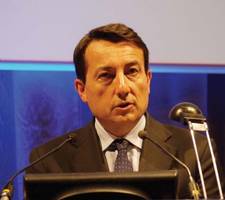
"Clinically, ALK+ lymphomas are known for their aggressiveness," said Dr. Carlo Gambacorti-Passerini, who presented the adult findings June 17 at the annual congress of the European Hematology Association. These data give a strong signal that further investigation in ALK-positive lymphomas is warranted.
Crizotinib was approved by the Food and Drug Administration for the treatment of ALK-driven non–small cell lung cancer (NSCLC) last August, but these new data suggest that responses may be even better in these lymphoma patients.
"It looks like, compared to EMF4-ALK-positive non–small cell lung cancer, the responses are much more durable," observed Dr. Matthias Theobald of Medizinische Klinik und Poliklink in Mainz, Germany, who chaired the session in which the adult findings were presented.
"Why lung cancer patients only have a median duration of responses of 10-12 months is not very clear," responded Dr. Carlo Gambacorti-Passerini, professor of internal medicine at the University of Milan–Bicocca and director of the clinical research unit at S. Gerardo Hospital, both in Monza, Italy.
It is also not apparent why some patients with ALK-positive lymphoma initially benefit while others develop resistance with time. "The main issue here is that [nearly] everybody responds, but after 2-3 months we see a divide," Dr. Gambacorti-Passerini said.
Four men and five women aged between 20 and 56 years (median age, 31 years) received crizotinib at a dose of 250 mg twice daily as part of a compassionate protocol. Seven patients had ALCL, and two patients had diffuse large cell lymphoma according to WHO criteria.
The median number of previous lines of therapy they had collectively received was three, although some had received up to five prior chemotherapy regimens, three had undergone autologous bone marrow transplant, and one patient an allogenic bone marrow transplant. While on crizotinib, steroid use or the use of drugs with antineoplastic activity was not allowed.
The effects of crizotinib were carefully assessed via physical exam, examination of bone marrow aspirate, positron-emission tomography and computed tomography scans, and blood tests before treatment initiation and at monthly intervals for the first 3 months, then every 3 months for up to 2 years. Disease status was also evaluated according to standard RECIST criteria.
After a median follow-up of 8 months, six patients had achieved a complete response to crizotinib, lasting for 2, 5, 8, 13, 18, or 24 months or more, respectively. A further two patients had a partial response.
Dr. Gambacorti-Passerini reported responses to treatment were "very rapid," with alleviation of fever within 2-10 days and time to normalization of serum lactate dehydrogenase within a month.
Furthermore, three patients were still on treatment with crizotinib. Six patients had discontinued: one because of patient request and five because of disease progression. The patient who discontinued by request did so because of severe gastroparesis unrelated to crizotinib and after a planned stoppage of the drug for a stem cell transplant.
Importantly, overall survival at 24 months appears to be just over 40%.
The most common side effects and lab abnormalities were ocular flashes, which all nine patients experienced, but these were of grade 1 or 2 and usually a temporary effect; one patient each had a grade 1-2 peripheral edema, a grade 3 neutropenia, and a grade 2 liver function test abnormality.
"These data show that crizotinib was well tolerated in this population of heavily pretreated patients," Dr. Gambacorti-Passerini concluded. He noted that patients have been treated with crizotinib for 2 years or more, which is the longest anyone has received the drug.
"Now, crizotinib is being evaluated in a registration study, which will start after this compassionate use," he added. This international phase I study (NCT01121588) is currently enrolling patients, and there are also suggestions of using crizotinib as first-line treatment or in combination with other agents for ALK+ lymphomas.
Dr. Gambacorti-Passerini has received research funding from Pfizer, which supported the compassionate use program.
AMSTERDAM – Crizotinib has shown significant antitumor activity in adult patients with lymphomas that express the anaplastic lymphoma kinase gene and who were resistant to the effects of at least three lines of previous therapy.
During a compassionate use program, eight of nine patients with anaplastic lymphoma kinase (ALK)–positive lymphoma responded to crizotinib (Xalkori). Six patients had complete responses, and four achieved durable responses lasting more than 6 months.
These data mirror positive early results already seen in pediatric anaplastic large cell lymphoma (ALCL). Seven of eight children treated with crizotinib had complete and durable responses, investigators reported at the American Society of Clinical Oncology annual meeting.
"Clinically, ALK+ lymphomas are known for their aggressiveness," said Dr. Carlo Gambacorti-Passerini, who presented the adult findings June 17 at the annual congress of the European Hematology Association. These data give a strong signal that further investigation in ALK-positive lymphomas is warranted.
Crizotinib was approved by the Food and Drug Administration for the treatment of ALK-driven non–small cell lung cancer (NSCLC) last August, but these new data suggest that responses may be even better in these lymphoma patients.
"It looks like, compared to EMF4-ALK-positive non–small cell lung cancer, the responses are much more durable," observed Dr. Matthias Theobald of Medizinische Klinik und Poliklink in Mainz, Germany, who chaired the session in which the adult findings were presented.
"Why lung cancer patients only have a median duration of responses of 10-12 months is not very clear," responded Dr. Carlo Gambacorti-Passerini, professor of internal medicine at the University of Milan–Bicocca and director of the clinical research unit at S. Gerardo Hospital, both in Monza, Italy.
It is also not apparent why some patients with ALK-positive lymphoma initially benefit while others develop resistance with time. "The main issue here is that [nearly] everybody responds, but after 2-3 months we see a divide," Dr. Gambacorti-Passerini said.
Four men and five women aged between 20 and 56 years (median age, 31 years) received crizotinib at a dose of 250 mg twice daily as part of a compassionate protocol. Seven patients had ALCL, and two patients had diffuse large cell lymphoma according to WHO criteria.
The median number of previous lines of therapy they had collectively received was three, although some had received up to five prior chemotherapy regimens, three had undergone autologous bone marrow transplant, and one patient an allogenic bone marrow transplant. While on crizotinib, steroid use or the use of drugs with antineoplastic activity was not allowed.
The effects of crizotinib were carefully assessed via physical exam, examination of bone marrow aspirate, positron-emission tomography and computed tomography scans, and blood tests before treatment initiation and at monthly intervals for the first 3 months, then every 3 months for up to 2 years. Disease status was also evaluated according to standard RECIST criteria.
After a median follow-up of 8 months, six patients had achieved a complete response to crizotinib, lasting for 2, 5, 8, 13, 18, or 24 months or more, respectively. A further two patients had a partial response.
Dr. Gambacorti-Passerini reported responses to treatment were "very rapid," with alleviation of fever within 2-10 days and time to normalization of serum lactate dehydrogenase within a month.
Furthermore, three patients were still on treatment with crizotinib. Six patients had discontinued: one because of patient request and five because of disease progression. The patient who discontinued by request did so because of severe gastroparesis unrelated to crizotinib and after a planned stoppage of the drug for a stem cell transplant.
Importantly, overall survival at 24 months appears to be just over 40%.
The most common side effects and lab abnormalities were ocular flashes, which all nine patients experienced, but these were of grade 1 or 2 and usually a temporary effect; one patient each had a grade 1-2 peripheral edema, a grade 3 neutropenia, and a grade 2 liver function test abnormality.
"These data show that crizotinib was well tolerated in this population of heavily pretreated patients," Dr. Gambacorti-Passerini concluded. He noted that patients have been treated with crizotinib for 2 years or more, which is the longest anyone has received the drug.
"Now, crizotinib is being evaluated in a registration study, which will start after this compassionate use," he added. This international phase I study (NCT01121588) is currently enrolling patients, and there are also suggestions of using crizotinib as first-line treatment or in combination with other agents for ALK+ lymphomas.
Dr. Gambacorti-Passerini has received research funding from Pfizer, which supported the compassionate use program.
AMSTERDAM – Crizotinib has shown significant antitumor activity in adult patients with lymphomas that express the anaplastic lymphoma kinase gene and who were resistant to the effects of at least three lines of previous therapy.
During a compassionate use program, eight of nine patients with anaplastic lymphoma kinase (ALK)–positive lymphoma responded to crizotinib (Xalkori). Six patients had complete responses, and four achieved durable responses lasting more than 6 months.
These data mirror positive early results already seen in pediatric anaplastic large cell lymphoma (ALCL). Seven of eight children treated with crizotinib had complete and durable responses, investigators reported at the American Society of Clinical Oncology annual meeting.
"Clinically, ALK+ lymphomas are known for their aggressiveness," said Dr. Carlo Gambacorti-Passerini, who presented the adult findings June 17 at the annual congress of the European Hematology Association. These data give a strong signal that further investigation in ALK-positive lymphomas is warranted.
Crizotinib was approved by the Food and Drug Administration for the treatment of ALK-driven non–small cell lung cancer (NSCLC) last August, but these new data suggest that responses may be even better in these lymphoma patients.
"It looks like, compared to EMF4-ALK-positive non–small cell lung cancer, the responses are much more durable," observed Dr. Matthias Theobald of Medizinische Klinik und Poliklink in Mainz, Germany, who chaired the session in which the adult findings were presented.
"Why lung cancer patients only have a median duration of responses of 10-12 months is not very clear," responded Dr. Carlo Gambacorti-Passerini, professor of internal medicine at the University of Milan–Bicocca and director of the clinical research unit at S. Gerardo Hospital, both in Monza, Italy.
It is also not apparent why some patients with ALK-positive lymphoma initially benefit while others develop resistance with time. "The main issue here is that [nearly] everybody responds, but after 2-3 months we see a divide," Dr. Gambacorti-Passerini said.
Four men and five women aged between 20 and 56 years (median age, 31 years) received crizotinib at a dose of 250 mg twice daily as part of a compassionate protocol. Seven patients had ALCL, and two patients had diffuse large cell lymphoma according to WHO criteria.
The median number of previous lines of therapy they had collectively received was three, although some had received up to five prior chemotherapy regimens, three had undergone autologous bone marrow transplant, and one patient an allogenic bone marrow transplant. While on crizotinib, steroid use or the use of drugs with antineoplastic activity was not allowed.
The effects of crizotinib were carefully assessed via physical exam, examination of bone marrow aspirate, positron-emission tomography and computed tomography scans, and blood tests before treatment initiation and at monthly intervals for the first 3 months, then every 3 months for up to 2 years. Disease status was also evaluated according to standard RECIST criteria.
After a median follow-up of 8 months, six patients had achieved a complete response to crizotinib, lasting for 2, 5, 8, 13, 18, or 24 months or more, respectively. A further two patients had a partial response.
Dr. Gambacorti-Passerini reported responses to treatment were "very rapid," with alleviation of fever within 2-10 days and time to normalization of serum lactate dehydrogenase within a month.
Furthermore, three patients were still on treatment with crizotinib. Six patients had discontinued: one because of patient request and five because of disease progression. The patient who discontinued by request did so because of severe gastroparesis unrelated to crizotinib and after a planned stoppage of the drug for a stem cell transplant.
Importantly, overall survival at 24 months appears to be just over 40%.
The most common side effects and lab abnormalities were ocular flashes, which all nine patients experienced, but these were of grade 1 or 2 and usually a temporary effect; one patient each had a grade 1-2 peripheral edema, a grade 3 neutropenia, and a grade 2 liver function test abnormality.
"These data show that crizotinib was well tolerated in this population of heavily pretreated patients," Dr. Gambacorti-Passerini concluded. He noted that patients have been treated with crizotinib for 2 years or more, which is the longest anyone has received the drug.
"Now, crizotinib is being evaluated in a registration study, which will start after this compassionate use," he added. This international phase I study (NCT01121588) is currently enrolling patients, and there are also suggestions of using crizotinib as first-line treatment or in combination with other agents for ALK+ lymphomas.
Dr. Gambacorti-Passerini has received research funding from Pfizer, which supported the compassionate use program.
AT THE ANNUAL CONGRESS OF THE EUROPEAN HEMATOLOGY ASSOCIATION
Major Finding: Eight of nine patients responded to crizotinib, and four had durable responses lasting more than 6 months.
Data Source: Nine adults with ALK-positive lymphoma received crizotinib as part of a compassionate use program in Italy.
Disclosures: Dr. Gambacorti-Passerini has received research funding from Pfizer, which supported the compassionate use program.
Hodgkin's Survivors Face High Breast Cancer Risk
CHICAGO – Breast cancer risk is much higher than previously recognized among women who received chest radiation for Hodgkin’s lymphoma when they were children, investigators reported.
By the time these survivors are 50 years of age, breast cancer incidence is 30% – "remarkably similar" to the 31% incidence observed in the high-risk group of women with BRCA1 mutations, Chaya S. Moskowitz, Ph.D., and her colleagues determined in a study presented at the annual meeting of the American Society of Clinical Oncology.
Although the effect was less dramatic, cumulative risk also was elevated in survivors of other childhood cancers treated with chest radiation, reaching 24% overall by age 50, Dr. Moskowitz said at a press briefing. Among the general population of women in the United States, it is 4% at that benchmark, she noted.
Particularly concerning is the heightened risk observed in women who received less radiation than the current threshold at which the Children’s Oncology Group (COG) recommends breast cancer surveillance. The COG says that survivors who received 20 Gy or more of chest radiation should start annual mammograms at age 25 years or 8 years after radiotherapy, whichever comes later.
In this group, 12% of survivors will develop breast cancer by age 40, said Dr. Moskowitz, a biostatistician at Memorial Sloan-Kettering Cancer Center in New York. The study showed that breast cancer incidence also was elevated, albeit not as dramatically – 7% by age 40 – among survivors who received 10-19 Gy of radiation.
Excess risk in those treated with 10-19 Gy warrants "consideration of breast cancer surveillance strategies similar to the current recommendations for women treated with [more than] 20 Gy," the investigators concluded.
About 50,000 survivors received 20 Gy or more of radiation and, therefore, meet the current threshold, Dr. Moskowitz said. Lowering the threshold to include survivors who were treated with 10-19 Gy of chest radiation would add another 7,000-9,000 women.
Increasing public awareness is crucial to increasing surveillance. "Many women who were treated with chest radiation don’t know they have an increased risk of breast cancer," she said. "Their physicians may or may not know, but many physicians are not aware of the guidelines."
Moreover, many survivors don’t know their radiation exposure, and she urged them to try to find those records from long, long ago.
The analysis – a report from the Childhood Cancer Survivor Study (CCSS) and the Women’s Environmental Cancer and Radiation Epidemiology (WECARE) study – mined data on 1,268 women survivors of childhood cancers diagnosed from 1970 to 1986 and on 4,570 first-degree relatives of women who had survived at least 1 year after being diagnosed with breast cancer.
Median follow-up was 26 years in the childhood survivors, of whom 175 women were diagnosed with breast cancer as adults. Median latency was 23 years after treatment, and diagnosis was made at a median age of 38 years.
Multiple studies have shown an increased risk of breast cancer in women who received chest radiation as children, Dr. Moskowitz said. This large study has substantially longer follow-up and was surprising in the magnitude of risk it documents.
Chest radiation doses are lower today, and mantle field radiation – which had been used almost exclusively in Hodgkin’s lymphoma – is no longer used, but other regimens are still in the clinic, she added.
Another surprise from the study was that whole lung radiation, even at low doses, can heighten breast cancer risk. "Women treated with whole lung radiation have a risk of breast cancer that is higher than previous recognized and may benefit from surveillance strategies," she said.
"These are striking data and certainly warrant our careful attention," commented press briefing chair Dr. Nicholas Vogelzang, chair and medical director of the developmental therapeutics committee at the Comprehensive Cancer Centers of Nevada, Las Vegas, and cochair of the genitourinary committee for U.S. Oncology Research.
"The benefit of curing a cancer is you can live 25 or more years," he said, noting that curves for breast cancer incidence rose after 25 years in a graphic representation of the data presented. "We have an obligation to those many thousands of young women whom we treated many years ago."
The investigators said that they had no relevant financial disclosures.
CHICAGO – Breast cancer risk is much higher than previously recognized among women who received chest radiation for Hodgkin’s lymphoma when they were children, investigators reported.
By the time these survivors are 50 years of age, breast cancer incidence is 30% – "remarkably similar" to the 31% incidence observed in the high-risk group of women with BRCA1 mutations, Chaya S. Moskowitz, Ph.D., and her colleagues determined in a study presented at the annual meeting of the American Society of Clinical Oncology.
Although the effect was less dramatic, cumulative risk also was elevated in survivors of other childhood cancers treated with chest radiation, reaching 24% overall by age 50, Dr. Moskowitz said at a press briefing. Among the general population of women in the United States, it is 4% at that benchmark, she noted.
Particularly concerning is the heightened risk observed in women who received less radiation than the current threshold at which the Children’s Oncology Group (COG) recommends breast cancer surveillance. The COG says that survivors who received 20 Gy or more of chest radiation should start annual mammograms at age 25 years or 8 years after radiotherapy, whichever comes later.
In this group, 12% of survivors will develop breast cancer by age 40, said Dr. Moskowitz, a biostatistician at Memorial Sloan-Kettering Cancer Center in New York. The study showed that breast cancer incidence also was elevated, albeit not as dramatically – 7% by age 40 – among survivors who received 10-19 Gy of radiation.
Excess risk in those treated with 10-19 Gy warrants "consideration of breast cancer surveillance strategies similar to the current recommendations for women treated with [more than] 20 Gy," the investigators concluded.
About 50,000 survivors received 20 Gy or more of radiation and, therefore, meet the current threshold, Dr. Moskowitz said. Lowering the threshold to include survivors who were treated with 10-19 Gy of chest radiation would add another 7,000-9,000 women.
Increasing public awareness is crucial to increasing surveillance. "Many women who were treated with chest radiation don’t know they have an increased risk of breast cancer," she said. "Their physicians may or may not know, but many physicians are not aware of the guidelines."
Moreover, many survivors don’t know their radiation exposure, and she urged them to try to find those records from long, long ago.
The analysis – a report from the Childhood Cancer Survivor Study (CCSS) and the Women’s Environmental Cancer and Radiation Epidemiology (WECARE) study – mined data on 1,268 women survivors of childhood cancers diagnosed from 1970 to 1986 and on 4,570 first-degree relatives of women who had survived at least 1 year after being diagnosed with breast cancer.
Median follow-up was 26 years in the childhood survivors, of whom 175 women were diagnosed with breast cancer as adults. Median latency was 23 years after treatment, and diagnosis was made at a median age of 38 years.
Multiple studies have shown an increased risk of breast cancer in women who received chest radiation as children, Dr. Moskowitz said. This large study has substantially longer follow-up and was surprising in the magnitude of risk it documents.
Chest radiation doses are lower today, and mantle field radiation – which had been used almost exclusively in Hodgkin’s lymphoma – is no longer used, but other regimens are still in the clinic, she added.
Another surprise from the study was that whole lung radiation, even at low doses, can heighten breast cancer risk. "Women treated with whole lung radiation have a risk of breast cancer that is higher than previous recognized and may benefit from surveillance strategies," she said.
"These are striking data and certainly warrant our careful attention," commented press briefing chair Dr. Nicholas Vogelzang, chair and medical director of the developmental therapeutics committee at the Comprehensive Cancer Centers of Nevada, Las Vegas, and cochair of the genitourinary committee for U.S. Oncology Research.
"The benefit of curing a cancer is you can live 25 or more years," he said, noting that curves for breast cancer incidence rose after 25 years in a graphic representation of the data presented. "We have an obligation to those many thousands of young women whom we treated many years ago."
The investigators said that they had no relevant financial disclosures.
CHICAGO – Breast cancer risk is much higher than previously recognized among women who received chest radiation for Hodgkin’s lymphoma when they were children, investigators reported.
By the time these survivors are 50 years of age, breast cancer incidence is 30% – "remarkably similar" to the 31% incidence observed in the high-risk group of women with BRCA1 mutations, Chaya S. Moskowitz, Ph.D., and her colleagues determined in a study presented at the annual meeting of the American Society of Clinical Oncology.
Although the effect was less dramatic, cumulative risk also was elevated in survivors of other childhood cancers treated with chest radiation, reaching 24% overall by age 50, Dr. Moskowitz said at a press briefing. Among the general population of women in the United States, it is 4% at that benchmark, she noted.
Particularly concerning is the heightened risk observed in women who received less radiation than the current threshold at which the Children’s Oncology Group (COG) recommends breast cancer surveillance. The COG says that survivors who received 20 Gy or more of chest radiation should start annual mammograms at age 25 years or 8 years after radiotherapy, whichever comes later.
In this group, 12% of survivors will develop breast cancer by age 40, said Dr. Moskowitz, a biostatistician at Memorial Sloan-Kettering Cancer Center in New York. The study showed that breast cancer incidence also was elevated, albeit not as dramatically – 7% by age 40 – among survivors who received 10-19 Gy of radiation.
Excess risk in those treated with 10-19 Gy warrants "consideration of breast cancer surveillance strategies similar to the current recommendations for women treated with [more than] 20 Gy," the investigators concluded.
About 50,000 survivors received 20 Gy or more of radiation and, therefore, meet the current threshold, Dr. Moskowitz said. Lowering the threshold to include survivors who were treated with 10-19 Gy of chest radiation would add another 7,000-9,000 women.
Increasing public awareness is crucial to increasing surveillance. "Many women who were treated with chest radiation don’t know they have an increased risk of breast cancer," she said. "Their physicians may or may not know, but many physicians are not aware of the guidelines."
Moreover, many survivors don’t know their radiation exposure, and she urged them to try to find those records from long, long ago.
The analysis – a report from the Childhood Cancer Survivor Study (CCSS) and the Women’s Environmental Cancer and Radiation Epidemiology (WECARE) study – mined data on 1,268 women survivors of childhood cancers diagnosed from 1970 to 1986 and on 4,570 first-degree relatives of women who had survived at least 1 year after being diagnosed with breast cancer.
Median follow-up was 26 years in the childhood survivors, of whom 175 women were diagnosed with breast cancer as adults. Median latency was 23 years after treatment, and diagnosis was made at a median age of 38 years.
Multiple studies have shown an increased risk of breast cancer in women who received chest radiation as children, Dr. Moskowitz said. This large study has substantially longer follow-up and was surprising in the magnitude of risk it documents.
Chest radiation doses are lower today, and mantle field radiation – which had been used almost exclusively in Hodgkin’s lymphoma – is no longer used, but other regimens are still in the clinic, she added.
Another surprise from the study was that whole lung radiation, even at low doses, can heighten breast cancer risk. "Women treated with whole lung radiation have a risk of breast cancer that is higher than previous recognized and may benefit from surveillance strategies," she said.
"These are striking data and certainly warrant our careful attention," commented press briefing chair Dr. Nicholas Vogelzang, chair and medical director of the developmental therapeutics committee at the Comprehensive Cancer Centers of Nevada, Las Vegas, and cochair of the genitourinary committee for U.S. Oncology Research.
"The benefit of curing a cancer is you can live 25 or more years," he said, noting that curves for breast cancer incidence rose after 25 years in a graphic representation of the data presented. "We have an obligation to those many thousands of young women whom we treated many years ago."
The investigators said that they had no relevant financial disclosures.
FROM THE ANNUAL MEETING OF THE AMERICAN SOCIETY OF CLINICAL ONCOLOGY
Major Finding: Nearly a third (30%) of females treated with chest radiation for Hodgkin’s lymphoma was diagnosed with breast cancer by age 50.
Data Source: Investigators analyzed data on 1,268 childhood cancer survivors in the Childhood Cancer Survivor Study and 4,570 first-degree relatives of breast cancer patients in the Women’s Environmental Cancer and Radiation Epidemiology (WECARE) study.
Disclosures: The investigators had no relevant financial disclosures.
Bendamustine-Rituximab Doubles Progression-Free Survival in Indolent Lymphomas
CHICAGO – Bendamustine-rituximab continues to outshine CHOP-rituximab for indolent and mantle cell lymphomas, based on the updated results of the StiL NHL1 study.
With a twofold higher rate of progression-free survival and several-fold reductions in the rates of associated toxicities, "bendamustine-rituximab could be considered the preferred first-line treatment for patients with these disease entities," Dr. Mathias J. Rummel said during a press conference at the annual meeting of the American Society of Clinical Oncology.
Bendamustine is marketed in the United States as Treanda (Cephalon). Bendamustine was developed 50 years ago in East Germany, Dr. Rummel said. Only after the reunification of Germany did physicians in the West learn about the drug and begin to conduct clinical trials and to publish the results.
A large randomized trial of 514 evaluable patients treated in community and hospital-based oncology groups in Germany, StiL NHL1 compared progression-free survival for the two regimens in patients with follicular, Waldenstrom’s, marginal zone, small lymphocytic, or mantle cell lymphomas.
Patients in the bendamustine-rituximab group had a median of 69.5 months of progression-free survival compared with 31.2 months with CHOP-rituximab. The benefit with bendamustine-rituximab was maintained in all histological subtypes except marginal zone lymphoma.
In patients with normal levels of lactic dehydrogenase (62%), progression-free survival was significantly prolonged with bendamustine-rituximab compared with CHOP-rituximab (P less than .001). In those with elevated levels of LDH (38%), progression-free survival was numerically, but not significantly, increased with bendamustine-rituximab (P = .118).
In patients with follicular lymphoma, follicular lymphoma international prognostic index (FLIPI) subgroups defined by 0-2 factors (favorable) and 3-5 factors (unfavorable) had longer progression-free survival with bendamustine-rituximab than with CHOP-rituximab. The longer progression-free survival was significant for both the favorable (P = .043) and unfavorable (P = .068) FLIPI subgroups.
Patients in the study were randomized for a maximum of six cycles to either bendamustine (90 mg/m2 on day 1 and 2) and rituximab (375 mg/m2 on day 1) or to CHOP-rituximab (cyclophosphamide 750 mg/m2 on day 1, doxorubicin 50 mg/m2 on day 1, vincristine 1.4 mg/m2 on day 1, and prednisone 100 mg on days 1-5), and rituximab (375 mg/m2 on day 1), according to Dr. Rummel of the University Hospital Giessen (Germany).
In the bendamustine-rituximab group, 74 salvage treatments had been initiated. In the CHOP-rituximab group, 116 salvage treatments were initiated. Of those in the CHOP-rituximab group, 52 patients received bendamustine-rituximab as a salvage regimen. Overall survival did not differ between the treatment arms, with 43 and 45 deaths in the two groups, respectively. Secondary malignancies were observed in 20 patients in the bendamustine-rituximab group compared with 23 in the CHOP-rituximab group, with 1 hematologic malignancy in each group (1 case of myelodysplastic syndrome in the bendamustine-rituximab group and 1 case of acute myelogenous leukemia in the CHOP-rituximab group).
Grade 3/4 hematotoxicities were significantly lower in the 261 patients in the bendamustine-rituximab group than in the 253 in the CHOP-rituximab group (P less than .0001). The percentage of cycles associated with leukopenia was 12% for bendamustine-rituximab patients and 38% for CHOP-rituximab patients. The percentage of cycles associated with neutropenia was nearly 11% with bendamustine-rituximab and more than 46% with CHOP-rituximab. The percentage of cycles that necessitated administration of granulocyte colony-stimulating factor (G-CSF) was 4% with bendamustine-rituximab and 20% with CHOP-rituximab. The rates of anemia and thrombocytopenia were comparable and low (less than 2% of cycles) for both regimens.
Importantly, alopecia did not occur with bendamustine-rituximab but was nearly universal with CHOP-rituximab, Dr. Rummel said. Paresthesias were noted in 18 of 261 bendamustine-rituximab patients and 73 of 253 CHOP-rituximab patients; stomatitis was seen in 16 and 73 patients, respectively. Both differences were significant (P less than .0001).
Conversely, the bendamustine-treated patients had more erythema (42 of 261 bendamustine-rituximab patients vs. 23 of 253 CHOP-rituximab patients) and allergic reactions (40 vs. 15, respectively). These were not dose-limiting toxicities. Infectious complications were frequent, and affected 96 bendamustine and 127 CHOP patients.
Next steps include a new trial called MAINTAIN that will examine rituximab maintenance therapy in 591 patients treated with bendamustine and rituximab. Patients will receive 2 years of rituximab maintenance therapy and will then be randomized to either observation or 2 more years of rituximab.
Dr. Rummel receives honoraria and research funding from Mundipharma and Roche.
CHICAGO – Bendamustine-rituximab continues to outshine CHOP-rituximab for indolent and mantle cell lymphomas, based on the updated results of the StiL NHL1 study.
With a twofold higher rate of progression-free survival and several-fold reductions in the rates of associated toxicities, "bendamustine-rituximab could be considered the preferred first-line treatment for patients with these disease entities," Dr. Mathias J. Rummel said during a press conference at the annual meeting of the American Society of Clinical Oncology.
Bendamustine is marketed in the United States as Treanda (Cephalon). Bendamustine was developed 50 years ago in East Germany, Dr. Rummel said. Only after the reunification of Germany did physicians in the West learn about the drug and begin to conduct clinical trials and to publish the results.
A large randomized trial of 514 evaluable patients treated in community and hospital-based oncology groups in Germany, StiL NHL1 compared progression-free survival for the two regimens in patients with follicular, Waldenstrom’s, marginal zone, small lymphocytic, or mantle cell lymphomas.
Patients in the bendamustine-rituximab group had a median of 69.5 months of progression-free survival compared with 31.2 months with CHOP-rituximab. The benefit with bendamustine-rituximab was maintained in all histological subtypes except marginal zone lymphoma.
In patients with normal levels of lactic dehydrogenase (62%), progression-free survival was significantly prolonged with bendamustine-rituximab compared with CHOP-rituximab (P less than .001). In those with elevated levels of LDH (38%), progression-free survival was numerically, but not significantly, increased with bendamustine-rituximab (P = .118).
In patients with follicular lymphoma, follicular lymphoma international prognostic index (FLIPI) subgroups defined by 0-2 factors (favorable) and 3-5 factors (unfavorable) had longer progression-free survival with bendamustine-rituximab than with CHOP-rituximab. The longer progression-free survival was significant for both the favorable (P = .043) and unfavorable (P = .068) FLIPI subgroups.
Patients in the study were randomized for a maximum of six cycles to either bendamustine (90 mg/m2 on day 1 and 2) and rituximab (375 mg/m2 on day 1) or to CHOP-rituximab (cyclophosphamide 750 mg/m2 on day 1, doxorubicin 50 mg/m2 on day 1, vincristine 1.4 mg/m2 on day 1, and prednisone 100 mg on days 1-5), and rituximab (375 mg/m2 on day 1), according to Dr. Rummel of the University Hospital Giessen (Germany).
In the bendamustine-rituximab group, 74 salvage treatments had been initiated. In the CHOP-rituximab group, 116 salvage treatments were initiated. Of those in the CHOP-rituximab group, 52 patients received bendamustine-rituximab as a salvage regimen. Overall survival did not differ between the treatment arms, with 43 and 45 deaths in the two groups, respectively. Secondary malignancies were observed in 20 patients in the bendamustine-rituximab group compared with 23 in the CHOP-rituximab group, with 1 hematologic malignancy in each group (1 case of myelodysplastic syndrome in the bendamustine-rituximab group and 1 case of acute myelogenous leukemia in the CHOP-rituximab group).
Grade 3/4 hematotoxicities were significantly lower in the 261 patients in the bendamustine-rituximab group than in the 253 in the CHOP-rituximab group (P less than .0001). The percentage of cycles associated with leukopenia was 12% for bendamustine-rituximab patients and 38% for CHOP-rituximab patients. The percentage of cycles associated with neutropenia was nearly 11% with bendamustine-rituximab and more than 46% with CHOP-rituximab. The percentage of cycles that necessitated administration of granulocyte colony-stimulating factor (G-CSF) was 4% with bendamustine-rituximab and 20% with CHOP-rituximab. The rates of anemia and thrombocytopenia were comparable and low (less than 2% of cycles) for both regimens.
Importantly, alopecia did not occur with bendamustine-rituximab but was nearly universal with CHOP-rituximab, Dr. Rummel said. Paresthesias were noted in 18 of 261 bendamustine-rituximab patients and 73 of 253 CHOP-rituximab patients; stomatitis was seen in 16 and 73 patients, respectively. Both differences were significant (P less than .0001).
Conversely, the bendamustine-treated patients had more erythema (42 of 261 bendamustine-rituximab patients vs. 23 of 253 CHOP-rituximab patients) and allergic reactions (40 vs. 15, respectively). These were not dose-limiting toxicities. Infectious complications were frequent, and affected 96 bendamustine and 127 CHOP patients.
Next steps include a new trial called MAINTAIN that will examine rituximab maintenance therapy in 591 patients treated with bendamustine and rituximab. Patients will receive 2 years of rituximab maintenance therapy and will then be randomized to either observation or 2 more years of rituximab.
Dr. Rummel receives honoraria and research funding from Mundipharma and Roche.
CHICAGO – Bendamustine-rituximab continues to outshine CHOP-rituximab for indolent and mantle cell lymphomas, based on the updated results of the StiL NHL1 study.
With a twofold higher rate of progression-free survival and several-fold reductions in the rates of associated toxicities, "bendamustine-rituximab could be considered the preferred first-line treatment for patients with these disease entities," Dr. Mathias J. Rummel said during a press conference at the annual meeting of the American Society of Clinical Oncology.
Bendamustine is marketed in the United States as Treanda (Cephalon). Bendamustine was developed 50 years ago in East Germany, Dr. Rummel said. Only after the reunification of Germany did physicians in the West learn about the drug and begin to conduct clinical trials and to publish the results.
A large randomized trial of 514 evaluable patients treated in community and hospital-based oncology groups in Germany, StiL NHL1 compared progression-free survival for the two regimens in patients with follicular, Waldenstrom’s, marginal zone, small lymphocytic, or mantle cell lymphomas.
Patients in the bendamustine-rituximab group had a median of 69.5 months of progression-free survival compared with 31.2 months with CHOP-rituximab. The benefit with bendamustine-rituximab was maintained in all histological subtypes except marginal zone lymphoma.
In patients with normal levels of lactic dehydrogenase (62%), progression-free survival was significantly prolonged with bendamustine-rituximab compared with CHOP-rituximab (P less than .001). In those with elevated levels of LDH (38%), progression-free survival was numerically, but not significantly, increased with bendamustine-rituximab (P = .118).
In patients with follicular lymphoma, follicular lymphoma international prognostic index (FLIPI) subgroups defined by 0-2 factors (favorable) and 3-5 factors (unfavorable) had longer progression-free survival with bendamustine-rituximab than with CHOP-rituximab. The longer progression-free survival was significant for both the favorable (P = .043) and unfavorable (P = .068) FLIPI subgroups.
Patients in the study were randomized for a maximum of six cycles to either bendamustine (90 mg/m2 on day 1 and 2) and rituximab (375 mg/m2 on day 1) or to CHOP-rituximab (cyclophosphamide 750 mg/m2 on day 1, doxorubicin 50 mg/m2 on day 1, vincristine 1.4 mg/m2 on day 1, and prednisone 100 mg on days 1-5), and rituximab (375 mg/m2 on day 1), according to Dr. Rummel of the University Hospital Giessen (Germany).
In the bendamustine-rituximab group, 74 salvage treatments had been initiated. In the CHOP-rituximab group, 116 salvage treatments were initiated. Of those in the CHOP-rituximab group, 52 patients received bendamustine-rituximab as a salvage regimen. Overall survival did not differ between the treatment arms, with 43 and 45 deaths in the two groups, respectively. Secondary malignancies were observed in 20 patients in the bendamustine-rituximab group compared with 23 in the CHOP-rituximab group, with 1 hematologic malignancy in each group (1 case of myelodysplastic syndrome in the bendamustine-rituximab group and 1 case of acute myelogenous leukemia in the CHOP-rituximab group).
Grade 3/4 hematotoxicities were significantly lower in the 261 patients in the bendamustine-rituximab group than in the 253 in the CHOP-rituximab group (P less than .0001). The percentage of cycles associated with leukopenia was 12% for bendamustine-rituximab patients and 38% for CHOP-rituximab patients. The percentage of cycles associated with neutropenia was nearly 11% with bendamustine-rituximab and more than 46% with CHOP-rituximab. The percentage of cycles that necessitated administration of granulocyte colony-stimulating factor (G-CSF) was 4% with bendamustine-rituximab and 20% with CHOP-rituximab. The rates of anemia and thrombocytopenia were comparable and low (less than 2% of cycles) for both regimens.
Importantly, alopecia did not occur with bendamustine-rituximab but was nearly universal with CHOP-rituximab, Dr. Rummel said. Paresthesias were noted in 18 of 261 bendamustine-rituximab patients and 73 of 253 CHOP-rituximab patients; stomatitis was seen in 16 and 73 patients, respectively. Both differences were significant (P less than .0001).
Conversely, the bendamustine-treated patients had more erythema (42 of 261 bendamustine-rituximab patients vs. 23 of 253 CHOP-rituximab patients) and allergic reactions (40 vs. 15, respectively). These were not dose-limiting toxicities. Infectious complications were frequent, and affected 96 bendamustine and 127 CHOP patients.
Next steps include a new trial called MAINTAIN that will examine rituximab maintenance therapy in 591 patients treated with bendamustine and rituximab. Patients will receive 2 years of rituximab maintenance therapy and will then be randomized to either observation or 2 more years of rituximab.
Dr. Rummel receives honoraria and research funding from Mundipharma and Roche.
FROM THE ANNUAL MEETING OF THE AMERICAN SOCIETY OF CLINICAL ONCOLOGY
Lenalidomide Maintenance Stalls Myeloma in Trio of Clinical Trials
Lenalidomide maintenance therapy delayed recurrences significantly when given to patients newly diagnosed with multiple myeloma in a trio of clinical trials that reported much-anticipated outcomes May 9 in the New England Journal of Medicine.
Only one trial showed a gain in overall survival, however, and the prospect of lenalidomide (Revlimid) maintenance becoming a standard of care remains uncertain despite the substantial benefit clearly demonstrated in these multicenter, double-blind, placebo-controlled phase III studies.
Notably, investigators reported that prolonged administration of lenalidomide was associated with an increased incidence of second cancers in patients who had undergone stem cell transplantation. This led the Food and Drug Administration to add a warning to the drug’s label on May 7 after a yearlong analysis of early data from the trials.
In addition, a bevy of new drugs, both approved and in the pipeline, has changed the course of multiple myeloma from one with a short life expectancy to that of a chronic disease, with most patients embarking on second-line therapies after experiencing recurrences within 3 years of initial treatment.
"It remains to be determined whether the incorporation of other new agents with lenalidomide will further increase the time to disease progression and overall survival," Dr. Philip L. McCarthy and his coauthors wrote at the conclusion of their report on the one trial that showed a benefit in overall survival.
Two trials compared maintenance lenalidomide with placebo in patients who achieved stable disease or better after stem cell transplantation. The third trial focused on an older group of patients that was not eligible for transplantation. All were stopped early after achieving their goals.
Crossover Did Not Erase Benefit
The Cancer and Leukemia Group B (CALGB) trial reported by Dr. McCarthy, of the Roswell Park Cancer Institute in Buffalo, N.Y., and his associates randomized 460 patients up to 70 years of age after stem cell transplantation. Patients in the lenalidomide arm started at 10 mg daily, and doses ranged from 5 to 15 mg until disease progression.
When the study was unblinded in December 2009, disease progression or death had occurred in 44% of the placebo group, but only 20% of patients on lenalidomide maintenance (hazard ratio, 0.37; P less than .001). Investigators reported that median time to progression was nearly twice as long with lenalidomide – 39 months vs. 21 months (P less than .001). At that point the study’s primary end point – time to progression – had been met, and 86 of 128 eligible patients in the placebo group began to receive lenalidomide maintenance.
Despite this crossover, lenalidomide maintenance continued to demonstrate a significant advantage at a median follow-up as of Oct. 31, 2011. By then, investigators reported, only 37% of the lenalidomide group had disease progression or death, compared with 58% of the placebo group (HR, 0.48). Median time to progression reached 46 months in the lenalidomide group vs. 27 months in the placebo arm (P less than .001), according to the new report.
The 3-year rate of freedom from progression or death was higher with lenalidomide maintenance (66% vs. 39%), as was the overall survival rate (88% vs. 80%, HR 0.62) (N. Engl. J. Med. 2012;366:1770-81).
Younger Group in IFM Trial
Dr. Michel Attal of Hôpital Purpan in Toulouse, France, and his colleagues from the Intergroupe Francophone du Myélome (IFM) conducted a similar trial in a population of 614 patients under age 65 whose disease had not progressed after stem cell transplantation. All patients received two 28-day cycles of consolidation treatment with lenalidomide (25 mg daily on days 121) followed by maintenance with placebo or lenalidomide (10 mg daily for 3 months, after which the dose could be increased to 15 mg if tolerated) until disease progression.
At the time the study was unblinded at a median follow-up of 30 months in July 2010, median progression-free survival was nearly twice as long with lenalidomide maintenance – 41 months, compared with 23 months with a placebo (HR, 0.50; P less than .001). Overall survival was similar between the groups, and neither group had reached median overall survival.
By October 2011, median follow-up from time of randomization had reached 45 months, and the probability of surviving without progression 4 years after randomization was still about double with lenalidomide: 43% vs. 22% (HR, 0.50; P less than .001).
The overall survival rate was still similar, however, at 73% with lenalidomide and 75% with placebo. These survival rates are high, the authors noted, and longer follow-up may show an advantage for lenalidomide maintenance.
"Together with the findings reported by McCarthy et al., our data support the use of lenalidomide maintenance therapy after high-dose chemotherapy and autologous hematopoietic stem-cell transplantation in patients with myeloma, but the impressive benefits must be weighed against the increased risks," said Dr. Attal and his coauthors (N. Engl. J. Med. 2012;366:1782-91).
Older Patients Ineligible for Transplant
Dr. Antonio Palumbo of the University of Turin, Italy, and his coinvestigators from the Multiple Myeloma-015 (MM-015) trial also explored continuous lenalidomide, but in a population of 459 patients aged 65 years and older who were not eligible for stem cell transplantation.

Patients were randomized to three groups: One group received induction therapy with melphalan, prednisone, and lenalidomide followed by lenalidomide maintenance (MPR-R); the second received MPR followed by placebo maintenance; and the third received only melphalan and prednisone (MP) followed by placebo. Investigators reported that about two-thirds of patients completed their induction regimens.
Median progression-free survival, the primary end point, was significantly longer in the group that received lenalidomide maintenance (31 months) than in the groups that received MPR with placebo (14 months) or MP without any lenalidomide in the induction and maintenance phases (13 months).
In a landmark analysis that looked at progression-free survival from the start of maintenance therapy, the median reached 26 months with lenalidomide vs. 7 months with placebo, with a hazard ratio of 0.34 for MPR-R vs. MPR (P less than .001).
Greater benefit was seen in patients 65-75 years of age, with median progression-free survival of 31 months with MPR-R, 15 months with MPR, and 12 months with MP. In patients over age 75, the medians were 19 months, 12 months, and 15 months, respectively.
Median overall survival at 3 years was not significantly different, reaching 70% with MPR-R, 62% with MPR, and 66% with MP.
"Altogether, these results confirm the benefits of maintenance therapy with respect to progression-free survival. The influence on overall survival remains unclear," concluded Dr. Palumbo and his coauthors (N. Engl. J. Med. 2012;366:1759-69).
Secondary Malignancies
In all three studies lenalidomide was associated with higher rates of secondary primary cancers.
• The rate was 8% in the lenalidomide group vs. 3% in the placebo group in the CALGB study.
• The IFM investigators calculated the incidence as 3.1 per 100 patient-years in their lenalidomide group vs. 1.2 per 100 patient-years with placebo (P = .002).
• In the MM-015 study, the 3-year rate was 7% with MPR-R, 7% with MPR, and 3% with MP. The increased risk was "mainly confined to acute myeloid leukemia or myelodysplastic syndromes, and is observed when lenalidomide is given with or after melphalan," the investigators wrote.
Other Adverse Events
Hematologic toxicity dominated the adverse event reports from all three studies.
• In the CALBG trial, grade 3 and 4 hematologic side effects were significantly more common with lenalidomide maintenance, as were grade 3 nonhematologic events. The most pronounced was neutropenia in 45% of the lenalidomide group vs. 15% of the placebo group (P less than .001).
• The IFM investigators also reported that grade 3 or 4 hematologic events were more frequent with lenalidomide than with placebo (58% vs. 23%, P less than .001), as were thromboembolic events (6% vs. 2%, P = .01).
• Similarly, the MM-015 group found that the most frequent adverse events were hematologic, with grade 4 neutropenia occurring in 35% of patients given lenalidomide. Nonhematologic events, including deep vein thrombosis, occurred at low rates, however, according to Dr. Palumbo and his coauthors. "Lenalidomide maintenance was associated with little evidence of cumulative toxic effects," they said.
How the safety profiles will influence adoption of lenalidomide maintenance is uncertain. "A major concern during maintenance therapy is toxicity that limits long-term use and the ability to receive future treatment after disease progression or that results in life-threatening disorders," noted Dr. McCarthy and his coauthors.
The National Cancer Institute supported the CALGB trial. Celgene, maker of lenalidomide, provided support for the IFM and MM-015 studies. The IFM trial also received support from the Programme Hospitalier de Recherche Clinique and the Swiss Group for Clinical Cancer Research (SAKK). Disclosure forms filed by individual investigators are posted at http://www.nejm.org.
Though the studies provide compelling evidence that lenalidomide maintenance can improve progression-free survival, they also raise critical questions for Dr. Ashraf Z. Badros. In an accompanying editorial, he listed the following issues:
• "First, is progression-free survival the appropriate primary end point in maintenance trials?"
That all patients with myeloma will receive lenalidomide is "a given," he noted. The studies do not address how early use of lenalidomide maintenance compares with its use at relapse in improving overall survival. Nor do they determine whether prolonged exposure could "select a refractory clone" that would result in shortened overall survival after relapse. "Is delayed progression beneficial to patients in and of itself?" he asked (N. Engl. J. Med. 2012;366:1836-38).
• "Second, is lenalidomide maintenance therapy safe?"
Though secondary cancers are a known risk in myeloma, the incidence seen in the trials was surprising. "Unfortunately the way in which lenalidomide increases this risk could not be explained solely by longer survival, and is currently under investigation," said Dr. Badros.
• "A third concern involves the duration and cost of maintenance therapy."
Optimal duration is not established, according to Dr. Badros. "Lenalidomide costs $447.62 per 10-mg tablet (or $163,381 per year for the average patient), as listed on the manufacturer’s website. This total does not account for the costs of laboratory monitoring, physician visits, and management of side effects. Is it cost-effective?" he wrote.
"Whether these data establish a new standard of care for myeloma may be debatable," Dr. Badros concluded, citing newer investigational therapies currently in clinical trials. "As myeloma evolves from an ‘incurable’ cancer to a chronic disease, physicians are faced with the task of maximizing available treatments not only to improve survival but also to maintain their patients’ quality of life."
Dr. Ashraf Z. Badros is a professor of medicine at the University of Maryland in Baltimore. He disclosed receiving grants from seven drug companies as the principal investigator in clinical trials in myeloma. He also disclosed payment for writing a review of maintenance therapy in myeloma for a symposium sponsored by Millennium Pharmaceuticals.
Though the studies provide compelling evidence that lenalidomide maintenance can improve progression-free survival, they also raise critical questions for Dr. Ashraf Z. Badros. In an accompanying editorial, he listed the following issues:
• "First, is progression-free survival the appropriate primary end point in maintenance trials?"
That all patients with myeloma will receive lenalidomide is "a given," he noted. The studies do not address how early use of lenalidomide maintenance compares with its use at relapse in improving overall survival. Nor do they determine whether prolonged exposure could "select a refractory clone" that would result in shortened overall survival after relapse. "Is delayed progression beneficial to patients in and of itself?" he asked (N. Engl. J. Med. 2012;366:1836-38).
• "Second, is lenalidomide maintenance therapy safe?"
Though secondary cancers are a known risk in myeloma, the incidence seen in the trials was surprising. "Unfortunately the way in which lenalidomide increases this risk could not be explained solely by longer survival, and is currently under investigation," said Dr. Badros.
• "A third concern involves the duration and cost of maintenance therapy."
Optimal duration is not established, according to Dr. Badros. "Lenalidomide costs $447.62 per 10-mg tablet (or $163,381 per year for the average patient), as listed on the manufacturer’s website. This total does not account for the costs of laboratory monitoring, physician visits, and management of side effects. Is it cost-effective?" he wrote.
"Whether these data establish a new standard of care for myeloma may be debatable," Dr. Badros concluded, citing newer investigational therapies currently in clinical trials. "As myeloma evolves from an ‘incurable’ cancer to a chronic disease, physicians are faced with the task of maximizing available treatments not only to improve survival but also to maintain their patients’ quality of life."
Dr. Ashraf Z. Badros is a professor of medicine at the University of Maryland in Baltimore. He disclosed receiving grants from seven drug companies as the principal investigator in clinical trials in myeloma. He also disclosed payment for writing a review of maintenance therapy in myeloma for a symposium sponsored by Millennium Pharmaceuticals.
Though the studies provide compelling evidence that lenalidomide maintenance can improve progression-free survival, they also raise critical questions for Dr. Ashraf Z. Badros. In an accompanying editorial, he listed the following issues:
• "First, is progression-free survival the appropriate primary end point in maintenance trials?"
That all patients with myeloma will receive lenalidomide is "a given," he noted. The studies do not address how early use of lenalidomide maintenance compares with its use at relapse in improving overall survival. Nor do they determine whether prolonged exposure could "select a refractory clone" that would result in shortened overall survival after relapse. "Is delayed progression beneficial to patients in and of itself?" he asked (N. Engl. J. Med. 2012;366:1836-38).
• "Second, is lenalidomide maintenance therapy safe?"
Though secondary cancers are a known risk in myeloma, the incidence seen in the trials was surprising. "Unfortunately the way in which lenalidomide increases this risk could not be explained solely by longer survival, and is currently under investigation," said Dr. Badros.
• "A third concern involves the duration and cost of maintenance therapy."
Optimal duration is not established, according to Dr. Badros. "Lenalidomide costs $447.62 per 10-mg tablet (or $163,381 per year for the average patient), as listed on the manufacturer’s website. This total does not account for the costs of laboratory monitoring, physician visits, and management of side effects. Is it cost-effective?" he wrote.
"Whether these data establish a new standard of care for myeloma may be debatable," Dr. Badros concluded, citing newer investigational therapies currently in clinical trials. "As myeloma evolves from an ‘incurable’ cancer to a chronic disease, physicians are faced with the task of maximizing available treatments not only to improve survival but also to maintain their patients’ quality of life."
Dr. Ashraf Z. Badros is a professor of medicine at the University of Maryland in Baltimore. He disclosed receiving grants from seven drug companies as the principal investigator in clinical trials in myeloma. He also disclosed payment for writing a review of maintenance therapy in myeloma for a symposium sponsored by Millennium Pharmaceuticals.
Lenalidomide maintenance therapy delayed recurrences significantly when given to patients newly diagnosed with multiple myeloma in a trio of clinical trials that reported much-anticipated outcomes May 9 in the New England Journal of Medicine.
Only one trial showed a gain in overall survival, however, and the prospect of lenalidomide (Revlimid) maintenance becoming a standard of care remains uncertain despite the substantial benefit clearly demonstrated in these multicenter, double-blind, placebo-controlled phase III studies.
Notably, investigators reported that prolonged administration of lenalidomide was associated with an increased incidence of second cancers in patients who had undergone stem cell transplantation. This led the Food and Drug Administration to add a warning to the drug’s label on May 7 after a yearlong analysis of early data from the trials.
In addition, a bevy of new drugs, both approved and in the pipeline, has changed the course of multiple myeloma from one with a short life expectancy to that of a chronic disease, with most patients embarking on second-line therapies after experiencing recurrences within 3 years of initial treatment.
"It remains to be determined whether the incorporation of other new agents with lenalidomide will further increase the time to disease progression and overall survival," Dr. Philip L. McCarthy and his coauthors wrote at the conclusion of their report on the one trial that showed a benefit in overall survival.
Two trials compared maintenance lenalidomide with placebo in patients who achieved stable disease or better after stem cell transplantation. The third trial focused on an older group of patients that was not eligible for transplantation. All were stopped early after achieving their goals.
Crossover Did Not Erase Benefit
The Cancer and Leukemia Group B (CALGB) trial reported by Dr. McCarthy, of the Roswell Park Cancer Institute in Buffalo, N.Y., and his associates randomized 460 patients up to 70 years of age after stem cell transplantation. Patients in the lenalidomide arm started at 10 mg daily, and doses ranged from 5 to 15 mg until disease progression.
When the study was unblinded in December 2009, disease progression or death had occurred in 44% of the placebo group, but only 20% of patients on lenalidomide maintenance (hazard ratio, 0.37; P less than .001). Investigators reported that median time to progression was nearly twice as long with lenalidomide – 39 months vs. 21 months (P less than .001). At that point the study’s primary end point – time to progression – had been met, and 86 of 128 eligible patients in the placebo group began to receive lenalidomide maintenance.
Despite this crossover, lenalidomide maintenance continued to demonstrate a significant advantage at a median follow-up as of Oct. 31, 2011. By then, investigators reported, only 37% of the lenalidomide group had disease progression or death, compared with 58% of the placebo group (HR, 0.48). Median time to progression reached 46 months in the lenalidomide group vs. 27 months in the placebo arm (P less than .001), according to the new report.
The 3-year rate of freedom from progression or death was higher with lenalidomide maintenance (66% vs. 39%), as was the overall survival rate (88% vs. 80%, HR 0.62) (N. Engl. J. Med. 2012;366:1770-81).
Younger Group in IFM Trial
Dr. Michel Attal of Hôpital Purpan in Toulouse, France, and his colleagues from the Intergroupe Francophone du Myélome (IFM) conducted a similar trial in a population of 614 patients under age 65 whose disease had not progressed after stem cell transplantation. All patients received two 28-day cycles of consolidation treatment with lenalidomide (25 mg daily on days 121) followed by maintenance with placebo or lenalidomide (10 mg daily for 3 months, after which the dose could be increased to 15 mg if tolerated) until disease progression.
At the time the study was unblinded at a median follow-up of 30 months in July 2010, median progression-free survival was nearly twice as long with lenalidomide maintenance – 41 months, compared with 23 months with a placebo (HR, 0.50; P less than .001). Overall survival was similar between the groups, and neither group had reached median overall survival.
By October 2011, median follow-up from time of randomization had reached 45 months, and the probability of surviving without progression 4 years after randomization was still about double with lenalidomide: 43% vs. 22% (HR, 0.50; P less than .001).
The overall survival rate was still similar, however, at 73% with lenalidomide and 75% with placebo. These survival rates are high, the authors noted, and longer follow-up may show an advantage for lenalidomide maintenance.
"Together with the findings reported by McCarthy et al., our data support the use of lenalidomide maintenance therapy after high-dose chemotherapy and autologous hematopoietic stem-cell transplantation in patients with myeloma, but the impressive benefits must be weighed against the increased risks," said Dr. Attal and his coauthors (N. Engl. J. Med. 2012;366:1782-91).
Older Patients Ineligible for Transplant
Dr. Antonio Palumbo of the University of Turin, Italy, and his coinvestigators from the Multiple Myeloma-015 (MM-015) trial also explored continuous lenalidomide, but in a population of 459 patients aged 65 years and older who were not eligible for stem cell transplantation.
Patients were randomized to three groups: One group received induction therapy with melphalan, prednisone, and lenalidomide followed by lenalidomide maintenance (MPR-R); the second received MPR followed by placebo maintenance; and the third received only melphalan and prednisone (MP) followed by placebo. Investigators reported that about two-thirds of patients completed their induction regimens.
Median progression-free survival, the primary end point, was significantly longer in the group that received lenalidomide maintenance (31 months) than in the groups that received MPR with placebo (14 months) or MP without any lenalidomide in the induction and maintenance phases (13 months).
In a landmark analysis that looked at progression-free survival from the start of maintenance therapy, the median reached 26 months with lenalidomide vs. 7 months with placebo, with a hazard ratio of 0.34 for MPR-R vs. MPR (P less than .001).
Greater benefit was seen in patients 65-75 years of age, with median progression-free survival of 31 months with MPR-R, 15 months with MPR, and 12 months with MP. In patients over age 75, the medians were 19 months, 12 months, and 15 months, respectively.
Median overall survival at 3 years was not significantly different, reaching 70% with MPR-R, 62% with MPR, and 66% with MP.
"Altogether, these results confirm the benefits of maintenance therapy with respect to progression-free survival. The influence on overall survival remains unclear," concluded Dr. Palumbo and his coauthors (N. Engl. J. Med. 2012;366:1759-69).
Secondary Malignancies
In all three studies lenalidomide was associated with higher rates of secondary primary cancers.
• The rate was 8% in the lenalidomide group vs. 3% in the placebo group in the CALGB study.
• The IFM investigators calculated the incidence as 3.1 per 100 patient-years in their lenalidomide group vs. 1.2 per 100 patient-years with placebo (P = .002).
• In the MM-015 study, the 3-year rate was 7% with MPR-R, 7% with MPR, and 3% with MP. The increased risk was "mainly confined to acute myeloid leukemia or myelodysplastic syndromes, and is observed when lenalidomide is given with or after melphalan," the investigators wrote.
Other Adverse Events
Hematologic toxicity dominated the adverse event reports from all three studies.
• In the CALBG trial, grade 3 and 4 hematologic side effects were significantly more common with lenalidomide maintenance, as were grade 3 nonhematologic events. The most pronounced was neutropenia in 45% of the lenalidomide group vs. 15% of the placebo group (P less than .001).
• The IFM investigators also reported that grade 3 or 4 hematologic events were more frequent with lenalidomide than with placebo (58% vs. 23%, P less than .001), as were thromboembolic events (6% vs. 2%, P = .01).
• Similarly, the MM-015 group found that the most frequent adverse events were hematologic, with grade 4 neutropenia occurring in 35% of patients given lenalidomide. Nonhematologic events, including deep vein thrombosis, occurred at low rates, however, according to Dr. Palumbo and his coauthors. "Lenalidomide maintenance was associated with little evidence of cumulative toxic effects," they said.
How the safety profiles will influence adoption of lenalidomide maintenance is uncertain. "A major concern during maintenance therapy is toxicity that limits long-term use and the ability to receive future treatment after disease progression or that results in life-threatening disorders," noted Dr. McCarthy and his coauthors.
The National Cancer Institute supported the CALGB trial. Celgene, maker of lenalidomide, provided support for the IFM and MM-015 studies. The IFM trial also received support from the Programme Hospitalier de Recherche Clinique and the Swiss Group for Clinical Cancer Research (SAKK). Disclosure forms filed by individual investigators are posted at http://www.nejm.org.
Lenalidomide maintenance therapy delayed recurrences significantly when given to patients newly diagnosed with multiple myeloma in a trio of clinical trials that reported much-anticipated outcomes May 9 in the New England Journal of Medicine.
Only one trial showed a gain in overall survival, however, and the prospect of lenalidomide (Revlimid) maintenance becoming a standard of care remains uncertain despite the substantial benefit clearly demonstrated in these multicenter, double-blind, placebo-controlled phase III studies.
Notably, investigators reported that prolonged administration of lenalidomide was associated with an increased incidence of second cancers in patients who had undergone stem cell transplantation. This led the Food and Drug Administration to add a warning to the drug’s label on May 7 after a yearlong analysis of early data from the trials.
In addition, a bevy of new drugs, both approved and in the pipeline, has changed the course of multiple myeloma from one with a short life expectancy to that of a chronic disease, with most patients embarking on second-line therapies after experiencing recurrences within 3 years of initial treatment.
"It remains to be determined whether the incorporation of other new agents with lenalidomide will further increase the time to disease progression and overall survival," Dr. Philip L. McCarthy and his coauthors wrote at the conclusion of their report on the one trial that showed a benefit in overall survival.
Two trials compared maintenance lenalidomide with placebo in patients who achieved stable disease or better after stem cell transplantation. The third trial focused on an older group of patients that was not eligible for transplantation. All were stopped early after achieving their goals.
Crossover Did Not Erase Benefit
The Cancer and Leukemia Group B (CALGB) trial reported by Dr. McCarthy, of the Roswell Park Cancer Institute in Buffalo, N.Y., and his associates randomized 460 patients up to 70 years of age after stem cell transplantation. Patients in the lenalidomide arm started at 10 mg daily, and doses ranged from 5 to 15 mg until disease progression.
When the study was unblinded in December 2009, disease progression or death had occurred in 44% of the placebo group, but only 20% of patients on lenalidomide maintenance (hazard ratio, 0.37; P less than .001). Investigators reported that median time to progression was nearly twice as long with lenalidomide – 39 months vs. 21 months (P less than .001). At that point the study’s primary end point – time to progression – had been met, and 86 of 128 eligible patients in the placebo group began to receive lenalidomide maintenance.
Despite this crossover, lenalidomide maintenance continued to demonstrate a significant advantage at a median follow-up as of Oct. 31, 2011. By then, investigators reported, only 37% of the lenalidomide group had disease progression or death, compared with 58% of the placebo group (HR, 0.48). Median time to progression reached 46 months in the lenalidomide group vs. 27 months in the placebo arm (P less than .001), according to the new report.
The 3-year rate of freedom from progression or death was higher with lenalidomide maintenance (66% vs. 39%), as was the overall survival rate (88% vs. 80%, HR 0.62) (N. Engl. J. Med. 2012;366:1770-81).
Younger Group in IFM Trial
Dr. Michel Attal of Hôpital Purpan in Toulouse, France, and his colleagues from the Intergroupe Francophone du Myélome (IFM) conducted a similar trial in a population of 614 patients under age 65 whose disease had not progressed after stem cell transplantation. All patients received two 28-day cycles of consolidation treatment with lenalidomide (25 mg daily on days 121) followed by maintenance with placebo or lenalidomide (10 mg daily for 3 months, after which the dose could be increased to 15 mg if tolerated) until disease progression.
At the time the study was unblinded at a median follow-up of 30 months in July 2010, median progression-free survival was nearly twice as long with lenalidomide maintenance – 41 months, compared with 23 months with a placebo (HR, 0.50; P less than .001). Overall survival was similar between the groups, and neither group had reached median overall survival.
By October 2011, median follow-up from time of randomization had reached 45 months, and the probability of surviving without progression 4 years after randomization was still about double with lenalidomide: 43% vs. 22% (HR, 0.50; P less than .001).
The overall survival rate was still similar, however, at 73% with lenalidomide and 75% with placebo. These survival rates are high, the authors noted, and longer follow-up may show an advantage for lenalidomide maintenance.
"Together with the findings reported by McCarthy et al., our data support the use of lenalidomide maintenance therapy after high-dose chemotherapy and autologous hematopoietic stem-cell transplantation in patients with myeloma, but the impressive benefits must be weighed against the increased risks," said Dr. Attal and his coauthors (N. Engl. J. Med. 2012;366:1782-91).
Older Patients Ineligible for Transplant
Dr. Antonio Palumbo of the University of Turin, Italy, and his coinvestigators from the Multiple Myeloma-015 (MM-015) trial also explored continuous lenalidomide, but in a population of 459 patients aged 65 years and older who were not eligible for stem cell transplantation.
Patients were randomized to three groups: One group received induction therapy with melphalan, prednisone, and lenalidomide followed by lenalidomide maintenance (MPR-R); the second received MPR followed by placebo maintenance; and the third received only melphalan and prednisone (MP) followed by placebo. Investigators reported that about two-thirds of patients completed their induction regimens.
Median progression-free survival, the primary end point, was significantly longer in the group that received lenalidomide maintenance (31 months) than in the groups that received MPR with placebo (14 months) or MP without any lenalidomide in the induction and maintenance phases (13 months).
In a landmark analysis that looked at progression-free survival from the start of maintenance therapy, the median reached 26 months with lenalidomide vs. 7 months with placebo, with a hazard ratio of 0.34 for MPR-R vs. MPR (P less than .001).
Greater benefit was seen in patients 65-75 years of age, with median progression-free survival of 31 months with MPR-R, 15 months with MPR, and 12 months with MP. In patients over age 75, the medians were 19 months, 12 months, and 15 months, respectively.
Median overall survival at 3 years was not significantly different, reaching 70% with MPR-R, 62% with MPR, and 66% with MP.
"Altogether, these results confirm the benefits of maintenance therapy with respect to progression-free survival. The influence on overall survival remains unclear," concluded Dr. Palumbo and his coauthors (N. Engl. J. Med. 2012;366:1759-69).
Secondary Malignancies
In all three studies lenalidomide was associated with higher rates of secondary primary cancers.
• The rate was 8% in the lenalidomide group vs. 3% in the placebo group in the CALGB study.
• The IFM investigators calculated the incidence as 3.1 per 100 patient-years in their lenalidomide group vs. 1.2 per 100 patient-years with placebo (P = .002).
• In the MM-015 study, the 3-year rate was 7% with MPR-R, 7% with MPR, and 3% with MP. The increased risk was "mainly confined to acute myeloid leukemia or myelodysplastic syndromes, and is observed when lenalidomide is given with or after melphalan," the investigators wrote.
Other Adverse Events
Hematologic toxicity dominated the adverse event reports from all three studies.
• In the CALBG trial, grade 3 and 4 hematologic side effects were significantly more common with lenalidomide maintenance, as were grade 3 nonhematologic events. The most pronounced was neutropenia in 45% of the lenalidomide group vs. 15% of the placebo group (P less than .001).
• The IFM investigators also reported that grade 3 or 4 hematologic events were more frequent with lenalidomide than with placebo (58% vs. 23%, P less than .001), as were thromboembolic events (6% vs. 2%, P = .01).
• Similarly, the MM-015 group found that the most frequent adverse events were hematologic, with grade 4 neutropenia occurring in 35% of patients given lenalidomide. Nonhematologic events, including deep vein thrombosis, occurred at low rates, however, according to Dr. Palumbo and his coauthors. "Lenalidomide maintenance was associated with little evidence of cumulative toxic effects," they said.
How the safety profiles will influence adoption of lenalidomide maintenance is uncertain. "A major concern during maintenance therapy is toxicity that limits long-term use and the ability to receive future treatment after disease progression or that results in life-threatening disorders," noted Dr. McCarthy and his coauthors.
The National Cancer Institute supported the CALGB trial. Celgene, maker of lenalidomide, provided support for the IFM and MM-015 studies. The IFM trial also received support from the Programme Hospitalier de Recherche Clinique and the Swiss Group for Clinical Cancer Research (SAKK). Disclosure forms filed by individual investigators are posted at http://www.nejm.org.
FROM THE NEW ENGLAND JOURNAL OF MEDICINE
FDA: Second Cancers Can Follow Lenalidomide in Myeloma
The Food and Drug Administration has added a warning about second-cancer risk to the label of lenalidomide, a widely used multiple myeloma drug, after a safety review lasting about 1 year.
Treatment with lenalidomide (Revlimid) for newly diagnosed multiple myeloma is associated with almost a threefold increased risk of developing secondary primary malignancies, the agency announced on May 7. The finding was based on three postapproval trials of lenalidomide as maintenance therapy in newly diagnosed patients.
"Specifically, these trials showed there was an increased risk of developing acute myelogenous leukemia, myelodysplastic syndromes, and Hodgkin lymphoma," the FDA said. No increase was seen in incidence of nonmelanoma skin cancers and solid tumors.
----------------------------------------------------------------------------------------------

----------------------------------------------------------------------------------------------
It noted that as of Feb. 28, 2011, a pooled analysis showed there were 65 second primary malignancies among 824 patients treated with lenalidomide vs. 19 second primary malignancies among 665 patients in treatment arms that did not include lenalidomide maintenance (7.9% vs. 2.8%, respectively; P less than .001). "The median time from start of Revlimid to a diagnosis of a second primary malignancy was two years," the agency said.
The three studies were designed to evaluate the effect of lenalidomide as maintenance therapy, compared with placebo, after patients with newly diagnosed multiple myeloma had received initial chemotherapy or chemotherapy plus a hematopoietic stem cell transplant. A thalidomide analogue, lenalidomide is approved in combination with dexamethasone to treat patients with multiple myeloma who have been treated previously.
The FDA also analyzed data from two clinical trials that were the basis of the approval in these patients – and it also found a higher incidence of second primary malignancies with lenalidomide plus dexamethasone, compared with dexamethasone alone. A higher incidence of nonmelanoma skin cancers accounted for most of this difference, however, and the agency said this was no longer significant after adjusting for the time on treatment.
The FDA recommends that clinicians monitor patients treated with lenalidomide for the development of secondary primary malignancies, and "take into account both the potential benefit of Revlimid and the risk of second primary malignancies when considering treatment with Revlimid."
The new safety information is being added to the warnings and precautions section of the label, and to the patient Medication Guide. Clinicians encourage patients treated with lenalidomide to read the Medication Guide, a handout that is distributed with each filled prescription, including refills, the FDA said, and patients should consult their health care professionals if they have any questions or concerns.
The FDA statement is available at http://www.fda.gov/Drugs/DrugSafety/ucm302939.htm. Adverse events associated with lenalidomide should be reported to the FDA’s MedWatch program at www.fda.gov/medwatch/ or 800-332-1088.
The Food and Drug Administration has added a warning about second-cancer risk to the label of lenalidomide, a widely used multiple myeloma drug, after a safety review lasting about 1 year.
Treatment with lenalidomide (Revlimid) for newly diagnosed multiple myeloma is associated with almost a threefold increased risk of developing secondary primary malignancies, the agency announced on May 7. The finding was based on three postapproval trials of lenalidomide as maintenance therapy in newly diagnosed patients.
"Specifically, these trials showed there was an increased risk of developing acute myelogenous leukemia, myelodysplastic syndromes, and Hodgkin lymphoma," the FDA said. No increase was seen in incidence of nonmelanoma skin cancers and solid tumors.
----------------------------------------------------------------------------------------------
----------------------------------------------------------------------------------------------
It noted that as of Feb. 28, 2011, a pooled analysis showed there were 65 second primary malignancies among 824 patients treated with lenalidomide vs. 19 second primary malignancies among 665 patients in treatment arms that did not include lenalidomide maintenance (7.9% vs. 2.8%, respectively; P less than .001). "The median time from start of Revlimid to a diagnosis of a second primary malignancy was two years," the agency said.
The three studies were designed to evaluate the effect of lenalidomide as maintenance therapy, compared with placebo, after patients with newly diagnosed multiple myeloma had received initial chemotherapy or chemotherapy plus a hematopoietic stem cell transplant. A thalidomide analogue, lenalidomide is approved in combination with dexamethasone to treat patients with multiple myeloma who have been treated previously.
The FDA also analyzed data from two clinical trials that were the basis of the approval in these patients – and it also found a higher incidence of second primary malignancies with lenalidomide plus dexamethasone, compared with dexamethasone alone. A higher incidence of nonmelanoma skin cancers accounted for most of this difference, however, and the agency said this was no longer significant after adjusting for the time on treatment.
The FDA recommends that clinicians monitor patients treated with lenalidomide for the development of secondary primary malignancies, and "take into account both the potential benefit of Revlimid and the risk of second primary malignancies when considering treatment with Revlimid."
The new safety information is being added to the warnings and precautions section of the label, and to the patient Medication Guide. Clinicians encourage patients treated with lenalidomide to read the Medication Guide, a handout that is distributed with each filled prescription, including refills, the FDA said, and patients should consult their health care professionals if they have any questions or concerns.
The FDA statement is available at http://www.fda.gov/Drugs/DrugSafety/ucm302939.htm. Adverse events associated with lenalidomide should be reported to the FDA’s MedWatch program at www.fda.gov/medwatch/ or 800-332-1088.
The Food and Drug Administration has added a warning about second-cancer risk to the label of lenalidomide, a widely used multiple myeloma drug, after a safety review lasting about 1 year.
Treatment with lenalidomide (Revlimid) for newly diagnosed multiple myeloma is associated with almost a threefold increased risk of developing secondary primary malignancies, the agency announced on May 7. The finding was based on three postapproval trials of lenalidomide as maintenance therapy in newly diagnosed patients.
"Specifically, these trials showed there was an increased risk of developing acute myelogenous leukemia, myelodysplastic syndromes, and Hodgkin lymphoma," the FDA said. No increase was seen in incidence of nonmelanoma skin cancers and solid tumors.
----------------------------------------------------------------------------------------------
----------------------------------------------------------------------------------------------
It noted that as of Feb. 28, 2011, a pooled analysis showed there were 65 second primary malignancies among 824 patients treated with lenalidomide vs. 19 second primary malignancies among 665 patients in treatment arms that did not include lenalidomide maintenance (7.9% vs. 2.8%, respectively; P less than .001). "The median time from start of Revlimid to a diagnosis of a second primary malignancy was two years," the agency said.
The three studies were designed to evaluate the effect of lenalidomide as maintenance therapy, compared with placebo, after patients with newly diagnosed multiple myeloma had received initial chemotherapy or chemotherapy plus a hematopoietic stem cell transplant. A thalidomide analogue, lenalidomide is approved in combination with dexamethasone to treat patients with multiple myeloma who have been treated previously.
The FDA also analyzed data from two clinical trials that were the basis of the approval in these patients – and it also found a higher incidence of second primary malignancies with lenalidomide plus dexamethasone, compared with dexamethasone alone. A higher incidence of nonmelanoma skin cancers accounted for most of this difference, however, and the agency said this was no longer significant after adjusting for the time on treatment.
The FDA recommends that clinicians monitor patients treated with lenalidomide for the development of secondary primary malignancies, and "take into account both the potential benefit of Revlimid and the risk of second primary malignancies when considering treatment with Revlimid."
The new safety information is being added to the warnings and precautions section of the label, and to the patient Medication Guide. Clinicians encourage patients treated with lenalidomide to read the Medication Guide, a handout that is distributed with each filled prescription, including refills, the FDA said, and patients should consult their health care professionals if they have any questions or concerns.
The FDA statement is available at http://www.fda.gov/Drugs/DrugSafety/ucm302939.htm. Adverse events associated with lenalidomide should be reported to the FDA’s MedWatch program at www.fda.gov/medwatch/ or 800-332-1088.
Profile Predicts Longer Survival in Multiple Myeloma
Investigators in France have identified a profile that predicts longer survival for one in five patients with newly diagnosed multiple myeloma, according to a study published online April 30 in the Journal of Clinical Oncology.
The absence of three key chromosomal abnormalities in malignant plasma-cell samples, together with a low beta-2 microglobulin level, was seen in this subgroup of patients. In addition, patients younger than 55 years had longer progression-free and overall survival in a relatively young population that was limited to patients less than age 66 years.
The finding favoring younger age was unexpected and "to our knowledge, it has not been reported before," said Dr. Hervé Avet-Loiseau of the hematology laboratory, Biology Institute, University of Nantes (France), and his associates.
Whereas most prognostic studies are designed to identify myeloma patients with poorer outcomes, the researchers sought to identify patients with longer life expectancy. To that end, they updated and reanalyzed the data of patients treated in the IFM (Intergroupe Francophone du Myelome) 99-02 and 99-04 trials.
Sixty percent of the 520 patients studied did not carry any of the three high-risk genetic abnormalities. Those who also were younger than age 55 years and had beta-2 microglobulin levels less than 5.5 mg/l had an 8-year probability of survival of 75%. "This subgroup represented 20% of the entire patient population," the investigators noted.
Two of the chromosomal abnormalities – t(4;14) translocation and loss of the short arm of chromosome 17, or del(17p) – are known to be associated with a poor outcome and usually are assessed as part of risk stratification in patients with multiple myeloma. The third abnormality – a gain in chromosome 1q – has recently been recognized as a prognostic indicator but has not yet been added to the typical panel of genetic probes used to assess patient prognosis.
To determine which prognostic indicators can be used to define shorter or longer survival, rather than just "poor outcome" or "better outcome," Dr. Avet-Loiseau and his colleagues included the assessment of 1q gains along with t(4:14) translocations and deletions of 17p in this large series.
For their study, Dr. Avet-Loiseau and his associates analyzed stored bone marrow and plasma samples of 520 patients who had all received the same induction regimen of vincristine, Adriamycin, and dexamethasone followed by high-dose melphalan. All the study subjects were younger than age 66 years. Median overall survival was 7.5 years.
A total of 11% of the cohort had t(4;14) translocations, 5.4% had del(17p), and 33% had 1q gains (J. Clin. Oncol. 2012 [doi:10.1200/JCO.2011.36.5726]).
In contrast, patients who had two or more of these prognostic factors had a median overall survival of only 33 months. The findings indicate that assessment of 1q gains should be added to the panel of probes used routinely in determining prognosis in patients with multiple myeloma, the researchers said.
"The question now concerns the role of novel drugs in this prognostication," the authors wrote. None of the patients received bortezomib (Velcade) in first-line treatment, although most were given novel drugs upon progression.
As bortezomib may help to overcome the poor prognosis associated with t(4;14), long-term analysis of first-line trials are warranted, they said, noting, "However, such analyses will not be possible for 4-5 years, because the first trials testing this drug started in 2005."
Dr. Avet-Loiseau reported no financial conflicts of interest; one of his associates reported ties to Celgene and Janssen-Cilag.
Investigators in France have identified a profile that predicts longer survival for one in five patients with newly diagnosed multiple myeloma, according to a study published online April 30 in the Journal of Clinical Oncology.
The absence of three key chromosomal abnormalities in malignant plasma-cell samples, together with a low beta-2 microglobulin level, was seen in this subgroup of patients. In addition, patients younger than 55 years had longer progression-free and overall survival in a relatively young population that was limited to patients less than age 66 years.
The finding favoring younger age was unexpected and "to our knowledge, it has not been reported before," said Dr. Hervé Avet-Loiseau of the hematology laboratory, Biology Institute, University of Nantes (France), and his associates.
Whereas most prognostic studies are designed to identify myeloma patients with poorer outcomes, the researchers sought to identify patients with longer life expectancy. To that end, they updated and reanalyzed the data of patients treated in the IFM (Intergroupe Francophone du Myelome) 99-02 and 99-04 trials.
Sixty percent of the 520 patients studied did not carry any of the three high-risk genetic abnormalities. Those who also were younger than age 55 years and had beta-2 microglobulin levels less than 5.5 mg/l had an 8-year probability of survival of 75%. "This subgroup represented 20% of the entire patient population," the investigators noted.
Two of the chromosomal abnormalities – t(4;14) translocation and loss of the short arm of chromosome 17, or del(17p) – are known to be associated with a poor outcome and usually are assessed as part of risk stratification in patients with multiple myeloma. The third abnormality – a gain in chromosome 1q – has recently been recognized as a prognostic indicator but has not yet been added to the typical panel of genetic probes used to assess patient prognosis.
To determine which prognostic indicators can be used to define shorter or longer survival, rather than just "poor outcome" or "better outcome," Dr. Avet-Loiseau and his colleagues included the assessment of 1q gains along with t(4:14) translocations and deletions of 17p in this large series.
For their study, Dr. Avet-Loiseau and his associates analyzed stored bone marrow and plasma samples of 520 patients who had all received the same induction regimen of vincristine, Adriamycin, and dexamethasone followed by high-dose melphalan. All the study subjects were younger than age 66 years. Median overall survival was 7.5 years.
A total of 11% of the cohort had t(4;14) translocations, 5.4% had del(17p), and 33% had 1q gains (J. Clin. Oncol. 2012 [doi:10.1200/JCO.2011.36.5726]).
In contrast, patients who had two or more of these prognostic factors had a median overall survival of only 33 months. The findings indicate that assessment of 1q gains should be added to the panel of probes used routinely in determining prognosis in patients with multiple myeloma, the researchers said.
"The question now concerns the role of novel drugs in this prognostication," the authors wrote. None of the patients received bortezomib (Velcade) in first-line treatment, although most were given novel drugs upon progression.
As bortezomib may help to overcome the poor prognosis associated with t(4;14), long-term analysis of first-line trials are warranted, they said, noting, "However, such analyses will not be possible for 4-5 years, because the first trials testing this drug started in 2005."
Dr. Avet-Loiseau reported no financial conflicts of interest; one of his associates reported ties to Celgene and Janssen-Cilag.
Investigators in France have identified a profile that predicts longer survival for one in five patients with newly diagnosed multiple myeloma, according to a study published online April 30 in the Journal of Clinical Oncology.
The absence of three key chromosomal abnormalities in malignant plasma-cell samples, together with a low beta-2 microglobulin level, was seen in this subgroup of patients. In addition, patients younger than 55 years had longer progression-free and overall survival in a relatively young population that was limited to patients less than age 66 years.
The finding favoring younger age was unexpected and "to our knowledge, it has not been reported before," said Dr. Hervé Avet-Loiseau of the hematology laboratory, Biology Institute, University of Nantes (France), and his associates.
Whereas most prognostic studies are designed to identify myeloma patients with poorer outcomes, the researchers sought to identify patients with longer life expectancy. To that end, they updated and reanalyzed the data of patients treated in the IFM (Intergroupe Francophone du Myelome) 99-02 and 99-04 trials.
Sixty percent of the 520 patients studied did not carry any of the three high-risk genetic abnormalities. Those who also were younger than age 55 years and had beta-2 microglobulin levels less than 5.5 mg/l had an 8-year probability of survival of 75%. "This subgroup represented 20% of the entire patient population," the investigators noted.
Two of the chromosomal abnormalities – t(4;14) translocation and loss of the short arm of chromosome 17, or del(17p) – are known to be associated with a poor outcome and usually are assessed as part of risk stratification in patients with multiple myeloma. The third abnormality – a gain in chromosome 1q – has recently been recognized as a prognostic indicator but has not yet been added to the typical panel of genetic probes used to assess patient prognosis.
To determine which prognostic indicators can be used to define shorter or longer survival, rather than just "poor outcome" or "better outcome," Dr. Avet-Loiseau and his colleagues included the assessment of 1q gains along with t(4:14) translocations and deletions of 17p in this large series.
For their study, Dr. Avet-Loiseau and his associates analyzed stored bone marrow and plasma samples of 520 patients who had all received the same induction regimen of vincristine, Adriamycin, and dexamethasone followed by high-dose melphalan. All the study subjects were younger than age 66 years. Median overall survival was 7.5 years.
A total of 11% of the cohort had t(4;14) translocations, 5.4% had del(17p), and 33% had 1q gains (J. Clin. Oncol. 2012 [doi:10.1200/JCO.2011.36.5726]).
In contrast, patients who had two or more of these prognostic factors had a median overall survival of only 33 months. The findings indicate that assessment of 1q gains should be added to the panel of probes used routinely in determining prognosis in patients with multiple myeloma, the researchers said.
"The question now concerns the role of novel drugs in this prognostication," the authors wrote. None of the patients received bortezomib (Velcade) in first-line treatment, although most were given novel drugs upon progression.
As bortezomib may help to overcome the poor prognosis associated with t(4;14), long-term analysis of first-line trials are warranted, they said, noting, "However, such analyses will not be possible for 4-5 years, because the first trials testing this drug started in 2005."
Dr. Avet-Loiseau reported no financial conflicts of interest; one of his associates reported ties to Celgene and Janssen-Cilag.
FROM THE JOURNAL OF CLINICAL ONCOLOGY
Major Finding: Patients with multiple myeloma who did not have three key chromosomal abnormalities, were younger than 55 years, and had low levels of beta-microglobulin had an 8-year probability of survival of 75%.
Data Source: A secondary analysis of genetic and other high-risk factors in 520 adults with multiple myeloma who participated in previous clinical trials of induction therapy.
Disclosures: Dr. Avet-Loiseau reported no financial conflicts of interest; one of his associates reported ties to Celgene and Janssen-Cilag.
Management of Lymphoma Associated with Sjögren's Syndrome
NEW YORK – Do not rush to biopsy every patient with Sjögren’s syndrome who presents with salivary gland enlargement, Dr. Steven E. Carsons said at a rheumatology meeting sponsored by New York University.
"My approach to lymphoma surveillance in Sjögren’s syndrome is to depend on clinical judgment, relying on the bedside exam coupled with basic laboratory measures," said Dr. Carsons, professor of medicine at the State University of New York at Stony Brook.
It’s important to remain cognizant of the fact that patients with Sjögren’s syndrome (SS) have a 16- to 40-fold increased relative risk of malignant non-Hodgkin’s lymphoma, commonly of the mucosa-associated lymphoid tissue (MALT) in the salivary glands. Given that half of patients with primary SS present with salivary gland enlargement at some point during their illness, it is impractical to biopsy them all.
Chronic inflammation of salivary and lachrymal glands is characteristic of SS. Salivary dysfunctions, such as dry mouth, salivary gland swelling, and abnormal scintigraphy or sialography, are key elements of the American-European Consensus Criteria for SS. In primary SS, enlargement of the salivary gland may be due to benign causes such as inflammation or blockage. Conditions other than SS to consider when evaluating swollen salivary glands are sialadenitis due to infection with hepatitis C or HIV, the presence of IgG4-related systemic disease, sarcoidosis, and amyloidosis or isolated salivary gland lymphoma or other neoplasms.
The risk of lymphoma is increased in SS patients. Cohort studies report that about 5%-10% of patients with primary SS develop malignant B cell non-Hodgkin’s lymphoma (Sjögren’s Syndrome, in "Kelley’s Textbook of Rheumatology," 8th ed., Saunders, 2009, pp. 1149-68). The cumulative risk has recently been estimated as ranging from 3.4% in the first 5 years to 9.8% at 15 years (Semin. Arthritis Rheum. 2011;41:415-23).
Because it is impractical to biopsy every patient who presents with enlarged salivary glands, Dr. Carsons said that his clinical suspicions are raised when a patient develops enlargement of the salivary gland over time or when a firm nodule emerges, especially when the patient also develops lymphadenopathy, splenomegaly, weight loss, fever, or pulmonary infiltration. Loss of specific autoreactivities, such as antinuclear antibodies and anti-Sjögren’s syndrome A and B antibodies, may also indicate malignant transformation.
If any of these clinical findings are present, a biopsy is warranted, according to Dr. Carsons. The biopsy can be excisional, either by core needle or by excision of the node. Appropriate tissue analyses include immunoglobulin light-chain typing, hematoxylin and eosin staining, immunohistochemistry, and gene rearrangement studies. "I find pathology studies are not always conclusive," said Dr. Carsons. "Even the most prevalent rearrangements seen in [MALT] lymphomas are only present in 18% of cases." Intense glandular inflammation can produce histologic changes that may be difficult for pathologists to distinguish from lymphoma.
At this point, imaging studies may be considered, but Dr. Carsons noted that these results do not yield specific diagnoses. Even findings from PET imaging may show intermediate avidity in the presence of active inflammation. "Sometimes, there is still no conclusion at the end of the workup. Then we move back, reset the algorithm, and follow the patient clinically."
When the diagnosis of non-Hodgkin’s lymphoma is made, management strategies should take into account both the stage of the malignancy and the activity of extraglandular primary SS ("Sjögren’s Syndrome," Springer, 2011, pp. 345-55). According to Dr. Carsons, most MALT lymphomas are usually indolent, with a 5-year survival of 86%-95% regardless of whether the lymphoma is localized. Incidentally discovered non-Hodgkin’s lymphoma in patients with primary SS may not progress, even when untreated. For those reasons, if the lymphoma is asymptomatic and the primary SS disease activity is low, it is acceptable to follow a course of watchful waiting, and treatments should focus on the SS symptoms using medications, such as hydroxychloroquinolone or NSAIDs.
When the lymphoma is symptomatic but localized, and the SS activity is low, watchful waiting may still be appropriate or it may be time to begin treatment with low-dose radiation therapy for the lymphoma. Medications for SS should be continued.
If the lymphoma becomes symptomatic and/or disseminated and SS activity is high, rituximab should be initiated, with or without cyclophosphamide or a chemotherapy regimen consisting of cyclophosphamide, hydroxydaunorubicin hydrochloride (doxorubicin hydrochloride), vincristine, and prednisone.
Rituximab may show promise for patients with primary Sjögren’s even in the absence of lymphoma. In a randomized, single-center trial of 30 patients with SS, a regimen of rituximab 1,000 mg twice a month stimulated salivary flow and significantly improved oral and ocular dryness as well as other Sjögren’s symptoms (Arthritis Rheum. 2010;62:960-8).
Dr. Carsons reported no relevant financial relationships.
NEW YORK – Do not rush to biopsy every patient with Sjögren’s syndrome who presents with salivary gland enlargement, Dr. Steven E. Carsons said at a rheumatology meeting sponsored by New York University.
"My approach to lymphoma surveillance in Sjögren’s syndrome is to depend on clinical judgment, relying on the bedside exam coupled with basic laboratory measures," said Dr. Carsons, professor of medicine at the State University of New York at Stony Brook.
It’s important to remain cognizant of the fact that patients with Sjögren’s syndrome (SS) have a 16- to 40-fold increased relative risk of malignant non-Hodgkin’s lymphoma, commonly of the mucosa-associated lymphoid tissue (MALT) in the salivary glands. Given that half of patients with primary SS present with salivary gland enlargement at some point during their illness, it is impractical to biopsy them all.
Chronic inflammation of salivary and lachrymal glands is characteristic of SS. Salivary dysfunctions, such as dry mouth, salivary gland swelling, and abnormal scintigraphy or sialography, are key elements of the American-European Consensus Criteria for SS. In primary SS, enlargement of the salivary gland may be due to benign causes such as inflammation or blockage. Conditions other than SS to consider when evaluating swollen salivary glands are sialadenitis due to infection with hepatitis C or HIV, the presence of IgG4-related systemic disease, sarcoidosis, and amyloidosis or isolated salivary gland lymphoma or other neoplasms.
The risk of lymphoma is increased in SS patients. Cohort studies report that about 5%-10% of patients with primary SS develop malignant B cell non-Hodgkin’s lymphoma (Sjögren’s Syndrome, in "Kelley’s Textbook of Rheumatology," 8th ed., Saunders, 2009, pp. 1149-68). The cumulative risk has recently been estimated as ranging from 3.4% in the first 5 years to 9.8% at 15 years (Semin. Arthritis Rheum. 2011;41:415-23).
Because it is impractical to biopsy every patient who presents with enlarged salivary glands, Dr. Carsons said that his clinical suspicions are raised when a patient develops enlargement of the salivary gland over time or when a firm nodule emerges, especially when the patient also develops lymphadenopathy, splenomegaly, weight loss, fever, or pulmonary infiltration. Loss of specific autoreactivities, such as antinuclear antibodies and anti-Sjögren’s syndrome A and B antibodies, may also indicate malignant transformation.
If any of these clinical findings are present, a biopsy is warranted, according to Dr. Carsons. The biopsy can be excisional, either by core needle or by excision of the node. Appropriate tissue analyses include immunoglobulin light-chain typing, hematoxylin and eosin staining, immunohistochemistry, and gene rearrangement studies. "I find pathology studies are not always conclusive," said Dr. Carsons. "Even the most prevalent rearrangements seen in [MALT] lymphomas are only present in 18% of cases." Intense glandular inflammation can produce histologic changes that may be difficult for pathologists to distinguish from lymphoma.
At this point, imaging studies may be considered, but Dr. Carsons noted that these results do not yield specific diagnoses. Even findings from PET imaging may show intermediate avidity in the presence of active inflammation. "Sometimes, there is still no conclusion at the end of the workup. Then we move back, reset the algorithm, and follow the patient clinically."
When the diagnosis of non-Hodgkin’s lymphoma is made, management strategies should take into account both the stage of the malignancy and the activity of extraglandular primary SS ("Sjögren’s Syndrome," Springer, 2011, pp. 345-55). According to Dr. Carsons, most MALT lymphomas are usually indolent, with a 5-year survival of 86%-95% regardless of whether the lymphoma is localized. Incidentally discovered non-Hodgkin’s lymphoma in patients with primary SS may not progress, even when untreated. For those reasons, if the lymphoma is asymptomatic and the primary SS disease activity is low, it is acceptable to follow a course of watchful waiting, and treatments should focus on the SS symptoms using medications, such as hydroxychloroquinolone or NSAIDs.
When the lymphoma is symptomatic but localized, and the SS activity is low, watchful waiting may still be appropriate or it may be time to begin treatment with low-dose radiation therapy for the lymphoma. Medications for SS should be continued.
If the lymphoma becomes symptomatic and/or disseminated and SS activity is high, rituximab should be initiated, with or without cyclophosphamide or a chemotherapy regimen consisting of cyclophosphamide, hydroxydaunorubicin hydrochloride (doxorubicin hydrochloride), vincristine, and prednisone.
Rituximab may show promise for patients with primary Sjögren’s even in the absence of lymphoma. In a randomized, single-center trial of 30 patients with SS, a regimen of rituximab 1,000 mg twice a month stimulated salivary flow and significantly improved oral and ocular dryness as well as other Sjögren’s symptoms (Arthritis Rheum. 2010;62:960-8).
Dr. Carsons reported no relevant financial relationships.
NEW YORK – Do not rush to biopsy every patient with Sjögren’s syndrome who presents with salivary gland enlargement, Dr. Steven E. Carsons said at a rheumatology meeting sponsored by New York University.
"My approach to lymphoma surveillance in Sjögren’s syndrome is to depend on clinical judgment, relying on the bedside exam coupled with basic laboratory measures," said Dr. Carsons, professor of medicine at the State University of New York at Stony Brook.
It’s important to remain cognizant of the fact that patients with Sjögren’s syndrome (SS) have a 16- to 40-fold increased relative risk of malignant non-Hodgkin’s lymphoma, commonly of the mucosa-associated lymphoid tissue (MALT) in the salivary glands. Given that half of patients with primary SS present with salivary gland enlargement at some point during their illness, it is impractical to biopsy them all.
Chronic inflammation of salivary and lachrymal glands is characteristic of SS. Salivary dysfunctions, such as dry mouth, salivary gland swelling, and abnormal scintigraphy or sialography, are key elements of the American-European Consensus Criteria for SS. In primary SS, enlargement of the salivary gland may be due to benign causes such as inflammation or blockage. Conditions other than SS to consider when evaluating swollen salivary glands are sialadenitis due to infection with hepatitis C or HIV, the presence of IgG4-related systemic disease, sarcoidosis, and amyloidosis or isolated salivary gland lymphoma or other neoplasms.
The risk of lymphoma is increased in SS patients. Cohort studies report that about 5%-10% of patients with primary SS develop malignant B cell non-Hodgkin’s lymphoma (Sjögren’s Syndrome, in "Kelley’s Textbook of Rheumatology," 8th ed., Saunders, 2009, pp. 1149-68). The cumulative risk has recently been estimated as ranging from 3.4% in the first 5 years to 9.8% at 15 years (Semin. Arthritis Rheum. 2011;41:415-23).
Because it is impractical to biopsy every patient who presents with enlarged salivary glands, Dr. Carsons said that his clinical suspicions are raised when a patient develops enlargement of the salivary gland over time or when a firm nodule emerges, especially when the patient also develops lymphadenopathy, splenomegaly, weight loss, fever, or pulmonary infiltration. Loss of specific autoreactivities, such as antinuclear antibodies and anti-Sjögren’s syndrome A and B antibodies, may also indicate malignant transformation.
If any of these clinical findings are present, a biopsy is warranted, according to Dr. Carsons. The biopsy can be excisional, either by core needle or by excision of the node. Appropriate tissue analyses include immunoglobulin light-chain typing, hematoxylin and eosin staining, immunohistochemistry, and gene rearrangement studies. "I find pathology studies are not always conclusive," said Dr. Carsons. "Even the most prevalent rearrangements seen in [MALT] lymphomas are only present in 18% of cases." Intense glandular inflammation can produce histologic changes that may be difficult for pathologists to distinguish from lymphoma.
At this point, imaging studies may be considered, but Dr. Carsons noted that these results do not yield specific diagnoses. Even findings from PET imaging may show intermediate avidity in the presence of active inflammation. "Sometimes, there is still no conclusion at the end of the workup. Then we move back, reset the algorithm, and follow the patient clinically."
When the diagnosis of non-Hodgkin’s lymphoma is made, management strategies should take into account both the stage of the malignancy and the activity of extraglandular primary SS ("Sjögren’s Syndrome," Springer, 2011, pp. 345-55). According to Dr. Carsons, most MALT lymphomas are usually indolent, with a 5-year survival of 86%-95% regardless of whether the lymphoma is localized. Incidentally discovered non-Hodgkin’s lymphoma in patients with primary SS may not progress, even when untreated. For those reasons, if the lymphoma is asymptomatic and the primary SS disease activity is low, it is acceptable to follow a course of watchful waiting, and treatments should focus on the SS symptoms using medications, such as hydroxychloroquinolone or NSAIDs.
When the lymphoma is symptomatic but localized, and the SS activity is low, watchful waiting may still be appropriate or it may be time to begin treatment with low-dose radiation therapy for the lymphoma. Medications for SS should be continued.
If the lymphoma becomes symptomatic and/or disseminated and SS activity is high, rituximab should be initiated, with or without cyclophosphamide or a chemotherapy regimen consisting of cyclophosphamide, hydroxydaunorubicin hydrochloride (doxorubicin hydrochloride), vincristine, and prednisone.
Rituximab may show promise for patients with primary Sjögren’s even in the absence of lymphoma. In a randomized, single-center trial of 30 patients with SS, a regimen of rituximab 1,000 mg twice a month stimulated salivary flow and significantly improved oral and ocular dryness as well as other Sjögren’s symptoms (Arthritis Rheum. 2010;62:960-8).
Dr. Carsons reported no relevant financial relationships.
EXPERT ANALYSIS FROM A RHEUMATOLOGY MEETING SPONSORED BY NEW YORK UNIVERSITY
Slowed Infusions Cut Hypersensitivity Reactions in Rituximab Desensitization
ORLANDO – A slowed, rate-controlled infusion of rituximab during a desensitization protocol significantly reduced the number of hypersensitivity reactions compared with faster, standard-rate desensitization infusions.
"The safety of rituximab desensitization was improved using rate-controlled protocols," said Dr. Caroline L. Sokol, who discussed a review of 16 patients who underwent 103 desensitizations at a single U.S. center. The findings prompted her division to switch to rate-controlled infusions for all rituximab desensitization protocols, said Dr. Sokol of the division of allergy and immunology at Massachusetts General Hospital, Boston (J. Allergy Clin. Immunol. 2012;129[suppl.]:AB371).

Hypersensitivity reactions to rituximab primarily occur among patients who receive the drug to treat cancer. Patients who receive rituximab for other indications, such as rheumatoid diseases, rarely have hypersensitivity reactions. The explanation for this difference isn’t clear, Dr. Sokol said at the annual meeting of the American Academy of Allergy, Asthma, and Immunology.
In the series she reviewed, 15 patients received rituximab for cancer and one patient received it to treat multiple sclerosis.
She and her associates also plan to assess the safety of rate-controlled infusions for desensitization to other drugs, including other types of monoclonal antibodies and platinum-containing cancer chemotherapy drugs.
They compared the safety of standard and rate-controlled infusions with rituximab because some cancer patients who receive the drug experience hypersensitivity reactions that are not controllable with antihistamine or steroid pretreatment. These patients must therefore undergo desensitization, a step that usually needs to be repeated every time they start a new course of the drug.
To compare the two infusion protocols, the researchers reviewed the Massachusetts General experience using the rate-control method during 2006-2008 as well as in 2011-2012. Those results were compared against the outcomes using a standard-infusion protocol during 2008-2011.
Among the 103 total rituximab desensitization procedures done on 16 patients during 2006-2012, 75 protocols used the rate-controlled method with a fixed infusion rate that delivered no more than 200 mg/hr of rituximab and 28 used a standard protocol that delivered a fixed fluid volume with varying rituximab concentrations that finished at 320 mg/hr. Most patients underwent desensitization with each of the two methods at some point during the 6 years included in the review. The average age of the 16 patients was 51 years, and they were equally split between men and women.
The 75 rate-controlled desensitizations resulted in 13 hypersensitivity reactions (17%), including 6 mild reactions, 5 moderate, and 2 severe. The 28 standard desensitizations produced eight reactions (29%), a statistically significant difference compared with the rate-control incidence, and included two mild, five moderate, and one severe reaction, Dr. Sokol reported.
The reaction rate was highest in three patients who converted from rituximab skin-test negative to skin-test positive during the course of their 28 desensitization protocols. Hypersensitivity reactions occurred in nine of these 28 protocols (32%). In contrast, the reaction rate was 19% in patients who remained skin-test negative throughout their desensitizations. Among those who remained consistently skin-test positive, the reaction rate was 16%, she said.
Dr. Sokol said that she had no disclosures.
ORLANDO – A slowed, rate-controlled infusion of rituximab during a desensitization protocol significantly reduced the number of hypersensitivity reactions compared with faster, standard-rate desensitization infusions.
"The safety of rituximab desensitization was improved using rate-controlled protocols," said Dr. Caroline L. Sokol, who discussed a review of 16 patients who underwent 103 desensitizations at a single U.S. center. The findings prompted her division to switch to rate-controlled infusions for all rituximab desensitization protocols, said Dr. Sokol of the division of allergy and immunology at Massachusetts General Hospital, Boston (J. Allergy Clin. Immunol. 2012;129[suppl.]:AB371).
Hypersensitivity reactions to rituximab primarily occur among patients who receive the drug to treat cancer. Patients who receive rituximab for other indications, such as rheumatoid diseases, rarely have hypersensitivity reactions. The explanation for this difference isn’t clear, Dr. Sokol said at the annual meeting of the American Academy of Allergy, Asthma, and Immunology.
In the series she reviewed, 15 patients received rituximab for cancer and one patient received it to treat multiple sclerosis.
She and her associates also plan to assess the safety of rate-controlled infusions for desensitization to other drugs, including other types of monoclonal antibodies and platinum-containing cancer chemotherapy drugs.
They compared the safety of standard and rate-controlled infusions with rituximab because some cancer patients who receive the drug experience hypersensitivity reactions that are not controllable with antihistamine or steroid pretreatment. These patients must therefore undergo desensitization, a step that usually needs to be repeated every time they start a new course of the drug.
To compare the two infusion protocols, the researchers reviewed the Massachusetts General experience using the rate-control method during 2006-2008 as well as in 2011-2012. Those results were compared against the outcomes using a standard-infusion protocol during 2008-2011.
Among the 103 total rituximab desensitization procedures done on 16 patients during 2006-2012, 75 protocols used the rate-controlled method with a fixed infusion rate that delivered no more than 200 mg/hr of rituximab and 28 used a standard protocol that delivered a fixed fluid volume with varying rituximab concentrations that finished at 320 mg/hr. Most patients underwent desensitization with each of the two methods at some point during the 6 years included in the review. The average age of the 16 patients was 51 years, and they were equally split between men and women.
The 75 rate-controlled desensitizations resulted in 13 hypersensitivity reactions (17%), including 6 mild reactions, 5 moderate, and 2 severe. The 28 standard desensitizations produced eight reactions (29%), a statistically significant difference compared with the rate-control incidence, and included two mild, five moderate, and one severe reaction, Dr. Sokol reported.
The reaction rate was highest in three patients who converted from rituximab skin-test negative to skin-test positive during the course of their 28 desensitization protocols. Hypersensitivity reactions occurred in nine of these 28 protocols (32%). In contrast, the reaction rate was 19% in patients who remained skin-test negative throughout their desensitizations. Among those who remained consistently skin-test positive, the reaction rate was 16%, she said.
Dr. Sokol said that she had no disclosures.
ORLANDO – A slowed, rate-controlled infusion of rituximab during a desensitization protocol significantly reduced the number of hypersensitivity reactions compared with faster, standard-rate desensitization infusions.
"The safety of rituximab desensitization was improved using rate-controlled protocols," said Dr. Caroline L. Sokol, who discussed a review of 16 patients who underwent 103 desensitizations at a single U.S. center. The findings prompted her division to switch to rate-controlled infusions for all rituximab desensitization protocols, said Dr. Sokol of the division of allergy and immunology at Massachusetts General Hospital, Boston (J. Allergy Clin. Immunol. 2012;129[suppl.]:AB371).
Hypersensitivity reactions to rituximab primarily occur among patients who receive the drug to treat cancer. Patients who receive rituximab for other indications, such as rheumatoid diseases, rarely have hypersensitivity reactions. The explanation for this difference isn’t clear, Dr. Sokol said at the annual meeting of the American Academy of Allergy, Asthma, and Immunology.
In the series she reviewed, 15 patients received rituximab for cancer and one patient received it to treat multiple sclerosis.
She and her associates also plan to assess the safety of rate-controlled infusions for desensitization to other drugs, including other types of monoclonal antibodies and platinum-containing cancer chemotherapy drugs.
They compared the safety of standard and rate-controlled infusions with rituximab because some cancer patients who receive the drug experience hypersensitivity reactions that are not controllable with antihistamine or steroid pretreatment. These patients must therefore undergo desensitization, a step that usually needs to be repeated every time they start a new course of the drug.
To compare the two infusion protocols, the researchers reviewed the Massachusetts General experience using the rate-control method during 2006-2008 as well as in 2011-2012. Those results were compared against the outcomes using a standard-infusion protocol during 2008-2011.
Among the 103 total rituximab desensitization procedures done on 16 patients during 2006-2012, 75 protocols used the rate-controlled method with a fixed infusion rate that delivered no more than 200 mg/hr of rituximab and 28 used a standard protocol that delivered a fixed fluid volume with varying rituximab concentrations that finished at 320 mg/hr. Most patients underwent desensitization with each of the two methods at some point during the 6 years included in the review. The average age of the 16 patients was 51 years, and they were equally split between men and women.
The 75 rate-controlled desensitizations resulted in 13 hypersensitivity reactions (17%), including 6 mild reactions, 5 moderate, and 2 severe. The 28 standard desensitizations produced eight reactions (29%), a statistically significant difference compared with the rate-control incidence, and included two mild, five moderate, and one severe reaction, Dr. Sokol reported.
The reaction rate was highest in three patients who converted from rituximab skin-test negative to skin-test positive during the course of their 28 desensitization protocols. Hypersensitivity reactions occurred in nine of these 28 protocols (32%). In contrast, the reaction rate was 19% in patients who remained skin-test negative throughout their desensitizations. Among those who remained consistently skin-test positive, the reaction rate was 16%, she said.
Dr. Sokol said that she had no disclosures.
FROM THE ANNUAL MEETING OF THE AMERICAN ACADEMY OF ALLERGY, ASTHMA, AND IMMUNOLOGY
Major Finding: Rituximab desensitization by standard infusion resulted in a 29% hypersensitivity-reaction rate, but rate-controlled infusion produced a 17% reaction rate.
Data Source: In a single-center review, 16 patients underwent 103 rituximab desensitization protocols during 2006-2012.
Disclosures: Dr. Sokol said that she had no disclosures.
Community Oncology Podcast - Targeted therapies in multiple myeloma
Join community Oncology's Editor-in-Chief Dr. David Henry for an audio tour of the March issue, featuring Dr. Kenneth C. Anderson's review of targeted therapies in multiple myeloma, Dr. Stuart M. Lichtman's commentary on treating cancer in elderly patients, and Dr. Jame Abraham's Community Translation article on vemurafenib for melanoma with the BRAF V600E mutation.
Join community Oncology's Editor-in-Chief Dr. David Henry for an audio tour of the March issue, featuring Dr. Kenneth C. Anderson's review of targeted therapies in multiple myeloma, Dr. Stuart M. Lichtman's commentary on treating cancer in elderly patients, and Dr. Jame Abraham's Community Translation article on vemurafenib for melanoma with the BRAF V600E mutation.
Join community Oncology's Editor-in-Chief Dr. David Henry for an audio tour of the March issue, featuring Dr. Kenneth C. Anderson's review of targeted therapies in multiple myeloma, Dr. Stuart M. Lichtman's commentary on treating cancer in elderly patients, and Dr. Jame Abraham's Community Translation article on vemurafenib for melanoma with the BRAF V600E mutation.
'Scrambler' Device Reduces Refractory Neuropathic Pain
DENVER – Electrocutaneous direct nerve stimulation via a device that scrambles "pain" and "no pain" signals reduced pain scores in preliminary studies involving patients with refractory chemotherapy-induced peripheral neuropathy, post-herpetic neuralgia, and other forms of chronic, disabling neuropathic pain.
"What I saw in our pilot study in patients with chemotherapy-induced peripheral neuropathy was about a 60% reduction in pain, and you knew right away – within the first 3 days – whether it was going to work," said Dr. Thomas J. Smith, professor of oncology and director of palliative care at Johns Hopkins University, Baltimore.

The device, known as the MC5-A Calmare Scrambler, received Food and Drug Administration clearance in February 2009 and has a Medicare payment code. The Scrambler has been used worldwide to treat more than 4,000 patients with no reported serious side effects. Yet few American physicians have heard of the therapy because Medicare fixed the payment so low (at $44) that there is little financial incentive to adopt it, according to Dr. Smith.
"There’s not much you can do in the hospital outpatient setting for $44. That barely covers the cost of the electrodes and maybe a technician’s time," he said at the annual meeting of the American Academy of Hospice and Palliative Care Medicine. "They set the reimbursement so low that it’s almost guaranteed not to be accepted by physicians until we get more evidence. But there are a significant number of studies in the works."
Chemotherapy-induced peripheral neuropathy affects up to 30%-40% of treated cancer patients. Dr. Smith’s pilot study involved 16 patients with refractory chemotherapy-induced peripheral neuropathy that lasted from 3 months to 8 years. The most common drugs involved were taxanes, platinum-based agents, and bortezomib (Velcade). Patients received hour-long Scrambler sessions daily on 10 consecutive working days.
Pain scores fell from a mean baseline score of 5.8 on a 10-point scale to 2.4 at the end of 10 days. Four patients had a pain score of 0, and 15 of the 16 patients had at least a 20% reduction in their pain score on day 10. There was no toxicity (J. Pain Symptom Manage. 2010;40:883-91).
"When you see that sort of effect size, you can’t believe it’s real," Dr. Smith observed. "That’s in fact what the first reviewer said of the article. He said, ‘I’ve never heard of this therapy, and I don’t believe it.’ I volunteered to give him the case reports."
Neuropathic pain reductions in the 60% range are what are seen with permanent implanted spinal cord stimulation devices, a therapy that runs about $40,000, he added.
Dr. Smith’s Scrambler pilot study results were confirmed in an Italian study involving 40 patients with refractory cancer and 33 with non–cancer-related pain. Their mean pretreatment pain scale score was 6.2, plunging to 1.6 after the 10th day of treatment, and rebounding to 2.9 at follow-up 2 weeks after the final treatment session. Again, there were no side effects (Support Care Cancer. 2012;20:405-12).
Separately, a group led by the Scrambler’s inventor, Giuseppe Marineo, Ph.D., of the University of Rome Tor Vergata, reported on a randomized but unblinded trial involving 52 patients with chronic failed back syndrome, post-herpetic neuralgia, or spinal cord stenosis. Subjects assigned to the control arm received pharmacotherapy according to European Federation of Neurological Societies guidelines (Eur. J. Neurol. 2010;17:1113-e88), while the intervention arm received 10 daily Scrambler sessions.
The pretreatment mean visual analog pain score fell in 1 month from 8.1 in a control group and 8.0 in a group treated with the Scrambler to 5.8 in controls and to 0.7 in the Scrambler group. At 2 and 3 months of follow-up, the mean pain scores were 1.4 and 2.0 points, respectively, in the Scrambler group but were still 5.7 and 5.9 points in controls. A marked and persistent reduction in allodynia was also documented in response to Scrambler therapy (J. Pain Symptom Manage. 2012;43:87-95).
With regard to post-herpetic neuralgia, Dr. Smith presented a series of 10 treated patients. Their mean pain scores dropped from 8 at baseline to less than 1 at 1 month, holding steady with a score of 2 at 2 and 3 months’ follow-up.
The Scrambler entails application of 16 ECG-like electrode pads placed along the dermatome above and below the site of pain. The Scrambler machine is designed to feed 16 different nerve potentials in rapid sequence, essentially in order to confuse a firing nerve. The electrical charge is individually adjusted to patient tolerance. It feels like a bee sting, according to Dr. Smith. The mechanism of benefit isn’t well defined as yet.
"It’s likely acting like direct spinal cord stimulation, raising the gate threshold," he continued. "My hypothesis – and the inventor’s hypothesis as well – is that the therapy resets the damaged nerves at several sites. You see some effect within the first 30 minutes, and that rapid onset suggests biochemical change. And the long-lasting nature of the pain relief suggests remodeling as well as adaptation to the pain."
Clearly, further studies need to be done – free of industry sponsorship, on larger numbers of patients, and with sham-treated controls – in order to fully assess the Scrambler therapy’s efficacy, mechanism of action, and optimal schedule.
"The Scrambler is one of several neurocutaneous direct nerve stimulation techniques that are interesting but absolutely require further testing," Dr. Smith said.
Dr. Charles L. Loprinzi, professor of oncology at the Mayo Clinic, Rochester, Minn., has started such studies, he noted. "He was at least as skeptical of this as I was, and he’s been impressed with results from this machine," Dr. Smith said, adding that Dr. Loprinzi’s research team is expected to present data later this year at the annual meeting of the American Society of Clinical Oncology.
Competitive Technologies Inc., based in Fairfield, Conn., has worldwide rights to the device. Dr. Smith reported having no financial conflicts.
DENVER – Electrocutaneous direct nerve stimulation via a device that scrambles "pain" and "no pain" signals reduced pain scores in preliminary studies involving patients with refractory chemotherapy-induced peripheral neuropathy, post-herpetic neuralgia, and other forms of chronic, disabling neuropathic pain.
"What I saw in our pilot study in patients with chemotherapy-induced peripheral neuropathy was about a 60% reduction in pain, and you knew right away – within the first 3 days – whether it was going to work," said Dr. Thomas J. Smith, professor of oncology and director of palliative care at Johns Hopkins University, Baltimore.
The device, known as the MC5-A Calmare Scrambler, received Food and Drug Administration clearance in February 2009 and has a Medicare payment code. The Scrambler has been used worldwide to treat more than 4,000 patients with no reported serious side effects. Yet few American physicians have heard of the therapy because Medicare fixed the payment so low (at $44) that there is little financial incentive to adopt it, according to Dr. Smith.
"There’s not much you can do in the hospital outpatient setting for $44. That barely covers the cost of the electrodes and maybe a technician’s time," he said at the annual meeting of the American Academy of Hospice and Palliative Care Medicine. "They set the reimbursement so low that it’s almost guaranteed not to be accepted by physicians until we get more evidence. But there are a significant number of studies in the works."
Chemotherapy-induced peripheral neuropathy affects up to 30%-40% of treated cancer patients. Dr. Smith’s pilot study involved 16 patients with refractory chemotherapy-induced peripheral neuropathy that lasted from 3 months to 8 years. The most common drugs involved were taxanes, platinum-based agents, and bortezomib (Velcade). Patients received hour-long Scrambler sessions daily on 10 consecutive working days.
Pain scores fell from a mean baseline score of 5.8 on a 10-point scale to 2.4 at the end of 10 days. Four patients had a pain score of 0, and 15 of the 16 patients had at least a 20% reduction in their pain score on day 10. There was no toxicity (J. Pain Symptom Manage. 2010;40:883-91).
"When you see that sort of effect size, you can’t believe it’s real," Dr. Smith observed. "That’s in fact what the first reviewer said of the article. He said, ‘I’ve never heard of this therapy, and I don’t believe it.’ I volunteered to give him the case reports."
Neuropathic pain reductions in the 60% range are what are seen with permanent implanted spinal cord stimulation devices, a therapy that runs about $40,000, he added.
Dr. Smith’s Scrambler pilot study results were confirmed in an Italian study involving 40 patients with refractory cancer and 33 with non–cancer-related pain. Their mean pretreatment pain scale score was 6.2, plunging to 1.6 after the 10th day of treatment, and rebounding to 2.9 at follow-up 2 weeks after the final treatment session. Again, there were no side effects (Support Care Cancer. 2012;20:405-12).
Separately, a group led by the Scrambler’s inventor, Giuseppe Marineo, Ph.D., of the University of Rome Tor Vergata, reported on a randomized but unblinded trial involving 52 patients with chronic failed back syndrome, post-herpetic neuralgia, or spinal cord stenosis. Subjects assigned to the control arm received pharmacotherapy according to European Federation of Neurological Societies guidelines (Eur. J. Neurol. 2010;17:1113-e88), while the intervention arm received 10 daily Scrambler sessions.
The pretreatment mean visual analog pain score fell in 1 month from 8.1 in a control group and 8.0 in a group treated with the Scrambler to 5.8 in controls and to 0.7 in the Scrambler group. At 2 and 3 months of follow-up, the mean pain scores were 1.4 and 2.0 points, respectively, in the Scrambler group but were still 5.7 and 5.9 points in controls. A marked and persistent reduction in allodynia was also documented in response to Scrambler therapy (J. Pain Symptom Manage. 2012;43:87-95).
With regard to post-herpetic neuralgia, Dr. Smith presented a series of 10 treated patients. Their mean pain scores dropped from 8 at baseline to less than 1 at 1 month, holding steady with a score of 2 at 2 and 3 months’ follow-up.
The Scrambler entails application of 16 ECG-like electrode pads placed along the dermatome above and below the site of pain. The Scrambler machine is designed to feed 16 different nerve potentials in rapid sequence, essentially in order to confuse a firing nerve. The electrical charge is individually adjusted to patient tolerance. It feels like a bee sting, according to Dr. Smith. The mechanism of benefit isn’t well defined as yet.
"It’s likely acting like direct spinal cord stimulation, raising the gate threshold," he continued. "My hypothesis – and the inventor’s hypothesis as well – is that the therapy resets the damaged nerves at several sites. You see some effect within the first 30 minutes, and that rapid onset suggests biochemical change. And the long-lasting nature of the pain relief suggests remodeling as well as adaptation to the pain."
Clearly, further studies need to be done – free of industry sponsorship, on larger numbers of patients, and with sham-treated controls – in order to fully assess the Scrambler therapy’s efficacy, mechanism of action, and optimal schedule.
"The Scrambler is one of several neurocutaneous direct nerve stimulation techniques that are interesting but absolutely require further testing," Dr. Smith said.
Dr. Charles L. Loprinzi, professor of oncology at the Mayo Clinic, Rochester, Minn., has started such studies, he noted. "He was at least as skeptical of this as I was, and he’s been impressed with results from this machine," Dr. Smith said, adding that Dr. Loprinzi’s research team is expected to present data later this year at the annual meeting of the American Society of Clinical Oncology.
Competitive Technologies Inc., based in Fairfield, Conn., has worldwide rights to the device. Dr. Smith reported having no financial conflicts.
DENVER – Electrocutaneous direct nerve stimulation via a device that scrambles "pain" and "no pain" signals reduced pain scores in preliminary studies involving patients with refractory chemotherapy-induced peripheral neuropathy, post-herpetic neuralgia, and other forms of chronic, disabling neuropathic pain.
"What I saw in our pilot study in patients with chemotherapy-induced peripheral neuropathy was about a 60% reduction in pain, and you knew right away – within the first 3 days – whether it was going to work," said Dr. Thomas J. Smith, professor of oncology and director of palliative care at Johns Hopkins University, Baltimore.
The device, known as the MC5-A Calmare Scrambler, received Food and Drug Administration clearance in February 2009 and has a Medicare payment code. The Scrambler has been used worldwide to treat more than 4,000 patients with no reported serious side effects. Yet few American physicians have heard of the therapy because Medicare fixed the payment so low (at $44) that there is little financial incentive to adopt it, according to Dr. Smith.
"There’s not much you can do in the hospital outpatient setting for $44. That barely covers the cost of the electrodes and maybe a technician’s time," he said at the annual meeting of the American Academy of Hospice and Palliative Care Medicine. "They set the reimbursement so low that it’s almost guaranteed not to be accepted by physicians until we get more evidence. But there are a significant number of studies in the works."
Chemotherapy-induced peripheral neuropathy affects up to 30%-40% of treated cancer patients. Dr. Smith’s pilot study involved 16 patients with refractory chemotherapy-induced peripheral neuropathy that lasted from 3 months to 8 years. The most common drugs involved were taxanes, platinum-based agents, and bortezomib (Velcade). Patients received hour-long Scrambler sessions daily on 10 consecutive working days.
Pain scores fell from a mean baseline score of 5.8 on a 10-point scale to 2.4 at the end of 10 days. Four patients had a pain score of 0, and 15 of the 16 patients had at least a 20% reduction in their pain score on day 10. There was no toxicity (J. Pain Symptom Manage. 2010;40:883-91).
"When you see that sort of effect size, you can’t believe it’s real," Dr. Smith observed. "That’s in fact what the first reviewer said of the article. He said, ‘I’ve never heard of this therapy, and I don’t believe it.’ I volunteered to give him the case reports."
Neuropathic pain reductions in the 60% range are what are seen with permanent implanted spinal cord stimulation devices, a therapy that runs about $40,000, he added.
Dr. Smith’s Scrambler pilot study results were confirmed in an Italian study involving 40 patients with refractory cancer and 33 with non–cancer-related pain. Their mean pretreatment pain scale score was 6.2, plunging to 1.6 after the 10th day of treatment, and rebounding to 2.9 at follow-up 2 weeks after the final treatment session. Again, there were no side effects (Support Care Cancer. 2012;20:405-12).
Separately, a group led by the Scrambler’s inventor, Giuseppe Marineo, Ph.D., of the University of Rome Tor Vergata, reported on a randomized but unblinded trial involving 52 patients with chronic failed back syndrome, post-herpetic neuralgia, or spinal cord stenosis. Subjects assigned to the control arm received pharmacotherapy according to European Federation of Neurological Societies guidelines (Eur. J. Neurol. 2010;17:1113-e88), while the intervention arm received 10 daily Scrambler sessions.
The pretreatment mean visual analog pain score fell in 1 month from 8.1 in a control group and 8.0 in a group treated with the Scrambler to 5.8 in controls and to 0.7 in the Scrambler group. At 2 and 3 months of follow-up, the mean pain scores were 1.4 and 2.0 points, respectively, in the Scrambler group but were still 5.7 and 5.9 points in controls. A marked and persistent reduction in allodynia was also documented in response to Scrambler therapy (J. Pain Symptom Manage. 2012;43:87-95).
With regard to post-herpetic neuralgia, Dr. Smith presented a series of 10 treated patients. Their mean pain scores dropped from 8 at baseline to less than 1 at 1 month, holding steady with a score of 2 at 2 and 3 months’ follow-up.
The Scrambler entails application of 16 ECG-like electrode pads placed along the dermatome above and below the site of pain. The Scrambler machine is designed to feed 16 different nerve potentials in rapid sequence, essentially in order to confuse a firing nerve. The electrical charge is individually adjusted to patient tolerance. It feels like a bee sting, according to Dr. Smith. The mechanism of benefit isn’t well defined as yet.
"It’s likely acting like direct spinal cord stimulation, raising the gate threshold," he continued. "My hypothesis – and the inventor’s hypothesis as well – is that the therapy resets the damaged nerves at several sites. You see some effect within the first 30 minutes, and that rapid onset suggests biochemical change. And the long-lasting nature of the pain relief suggests remodeling as well as adaptation to the pain."
Clearly, further studies need to be done – free of industry sponsorship, on larger numbers of patients, and with sham-treated controls – in order to fully assess the Scrambler therapy’s efficacy, mechanism of action, and optimal schedule.
"The Scrambler is one of several neurocutaneous direct nerve stimulation techniques that are interesting but absolutely require further testing," Dr. Smith said.
Dr. Charles L. Loprinzi, professor of oncology at the Mayo Clinic, Rochester, Minn., has started such studies, he noted. "He was at least as skeptical of this as I was, and he’s been impressed with results from this machine," Dr. Smith said, adding that Dr. Loprinzi’s research team is expected to present data later this year at the annual meeting of the American Society of Clinical Oncology.
Competitive Technologies Inc., based in Fairfield, Conn., has worldwide rights to the device. Dr. Smith reported having no financial conflicts.
EXPERT ANALYSIS FROM THE ANNUAL MEETING OF THE AMERICAN ACADEMY OF HOSPICE AND PALLIATIVE CARE MEDICINE