User login
Blinatumomab Gets Complete Response in Acute Lymphoblastic Leukemia
CHICAGO – The novel antibody blinatumomab continues to induce high complete remission rates in adults with relapsed or refractory B-precursor acute lymphoblastic leukemia.
In a phase II study with a dose-finding phase, 26 of 36 patients treated at various dose levels had a complete response (CR) or a complete response with partial hematologic recovery (CRh) within two treatment cycles, Dr. Max S. Topp reported at the annual meeting of the American Society of Clinical Oncology. Of 23 patients treated at the optimal dose, 17 had a CR or CRh, he said.

All but two of the patients with responses to the drug also had a molecular remission, he noted, and 13 patients went on to receive an allogeneic stem cell transplant after achieving a CR or CRh.
"We reached a very high rate of hematological and molecular remission in patients with blinatumomab," said Dr. Topp of the University of Würzburg (Germany).
The median duration of complete hematologic remission among all patients treated in the dose-finding phase was 8.9 months (median follow-up, 4.5 months). Median overall survival among patients treated at all dose levels was 9 months (median follow-up, 10.7 months).
Blinatumomab is a bispecific T-cell engager (BiTE) antibody designed to direct cytotoxic T cells to cancer cells expressing the CD19 receptor. It showed good activity in a phase I clinical trial in patients with relapsed non-Hodgkin’s lymphoma, as well as in a study of patients with B-lineage acute lymphoblastic leukemia (ALL) who were positive for minimal residual disease (J. Clin. Oncol. 2011;29:2493-8). Dr. Topp reported earlier results of the current MT103-206 study at the 2011 annual meeting of the American Society of Hematology.
The current trial was an open-label, multicenter phase II study of blinatumomab in patients with relapsed/refractory B-precursor ALL, or Philadelphia chromosome–positive ALL, who were ineligible for tyrosine kinase inhibitors or who were in relapse following an allogeneic stem cell transplant.
The trial had a dose-finding run-in phase with four patient cohorts. Dr. Topp provided updated outcomes data on cohorts 2a and 3 (the extension phase), in which patients received the selected dose schedule: an initial dose of 5 mcg/m2 IV daily for the first week of cycle 1, followed by 15 mcg/m2 per day for weeks 2-4 of every 4-week cycle, and every subsequent cycle. Patients had 2 weeks off between each cycle.
Patients who had a CR or CRh in the first two treatment cycles underwent consolidation with three additional cycles of blinatumomab and allogeneic stem cell transplant.
Medically important safety events to date include the cytokine release syndrome in three patients, two of whom had a high tumor burden with no cytoreductive prephase; and these patients required temporary treatment interruption. The third patient had a milder form of the syndrome and was managed with supportive medication, with no discontinuation of blinatumomab.
Six patients had central nervous system adverse events – three seizures and three cases of encephalopathy – that were reversible with treatment interruption. All six were eventually continued on the 5-mg/m2 dose, but two had recurrence and permanently stopped treatment. One patient stopped because of a fungal infection that proved to be fatal.
Pyrexia, headache, tremor, and fatigue were the most common treatment-emergent adverse events, but there were only four grade 3 or higher reactions, including one increase in cytokine release syndrome. Most of the events occurred at the start of the first cycle.
The invited discussant, Dr. Bruno Medeiros of Stanford (Calif.) University, commented that blinatumomab appears to have good single-agent activity in relapsed or refractory ALL and is safe before allogeneic transplant. This agent, and another novel antibody against acute lymphocytic leukemia, inotuzumab, may also be effective when combined with chemotherapy or as single agents in first-line therapy, he said.
A global phase II study of blinatumomab in patients with relapsed or refractory ALL is underway.
The study was funded by Micromet, which has been acquired by Amgen. Dr. Topp disclosed having a consultant or advisory role and receiving other remuneration from Micromet. Dr. Medeiros disclosed ties with Millennium, Celgene, and Novartis.
CHICAGO – The novel antibody blinatumomab continues to induce high complete remission rates in adults with relapsed or refractory B-precursor acute lymphoblastic leukemia.
In a phase II study with a dose-finding phase, 26 of 36 patients treated at various dose levels had a complete response (CR) or a complete response with partial hematologic recovery (CRh) within two treatment cycles, Dr. Max S. Topp reported at the annual meeting of the American Society of Clinical Oncology. Of 23 patients treated at the optimal dose, 17 had a CR or CRh, he said.
All but two of the patients with responses to the drug also had a molecular remission, he noted, and 13 patients went on to receive an allogeneic stem cell transplant after achieving a CR or CRh.
"We reached a very high rate of hematological and molecular remission in patients with blinatumomab," said Dr. Topp of the University of Würzburg (Germany).
The median duration of complete hematologic remission among all patients treated in the dose-finding phase was 8.9 months (median follow-up, 4.5 months). Median overall survival among patients treated at all dose levels was 9 months (median follow-up, 10.7 months).
Blinatumomab is a bispecific T-cell engager (BiTE) antibody designed to direct cytotoxic T cells to cancer cells expressing the CD19 receptor. It showed good activity in a phase I clinical trial in patients with relapsed non-Hodgkin’s lymphoma, as well as in a study of patients with B-lineage acute lymphoblastic leukemia (ALL) who were positive for minimal residual disease (J. Clin. Oncol. 2011;29:2493-8). Dr. Topp reported earlier results of the current MT103-206 study at the 2011 annual meeting of the American Society of Hematology.
The current trial was an open-label, multicenter phase II study of blinatumomab in patients with relapsed/refractory B-precursor ALL, or Philadelphia chromosome–positive ALL, who were ineligible for tyrosine kinase inhibitors or who were in relapse following an allogeneic stem cell transplant.
The trial had a dose-finding run-in phase with four patient cohorts. Dr. Topp provided updated outcomes data on cohorts 2a and 3 (the extension phase), in which patients received the selected dose schedule: an initial dose of 5 mcg/m2 IV daily for the first week of cycle 1, followed by 15 mcg/m2 per day for weeks 2-4 of every 4-week cycle, and every subsequent cycle. Patients had 2 weeks off between each cycle.
Patients who had a CR or CRh in the first two treatment cycles underwent consolidation with three additional cycles of blinatumomab and allogeneic stem cell transplant.
Medically important safety events to date include the cytokine release syndrome in three patients, two of whom had a high tumor burden with no cytoreductive prephase; and these patients required temporary treatment interruption. The third patient had a milder form of the syndrome and was managed with supportive medication, with no discontinuation of blinatumomab.
Six patients had central nervous system adverse events – three seizures and three cases of encephalopathy – that were reversible with treatment interruption. All six were eventually continued on the 5-mg/m2 dose, but two had recurrence and permanently stopped treatment. One patient stopped because of a fungal infection that proved to be fatal.
Pyrexia, headache, tremor, and fatigue were the most common treatment-emergent adverse events, but there were only four grade 3 or higher reactions, including one increase in cytokine release syndrome. Most of the events occurred at the start of the first cycle.
The invited discussant, Dr. Bruno Medeiros of Stanford (Calif.) University, commented that blinatumomab appears to have good single-agent activity in relapsed or refractory ALL and is safe before allogeneic transplant. This agent, and another novel antibody against acute lymphocytic leukemia, inotuzumab, may also be effective when combined with chemotherapy or as single agents in first-line therapy, he said.
A global phase II study of blinatumomab in patients with relapsed or refractory ALL is underway.
The study was funded by Micromet, which has been acquired by Amgen. Dr. Topp disclosed having a consultant or advisory role and receiving other remuneration from Micromet. Dr. Medeiros disclosed ties with Millennium, Celgene, and Novartis.
CHICAGO – The novel antibody blinatumomab continues to induce high complete remission rates in adults with relapsed or refractory B-precursor acute lymphoblastic leukemia.
In a phase II study with a dose-finding phase, 26 of 36 patients treated at various dose levels had a complete response (CR) or a complete response with partial hematologic recovery (CRh) within two treatment cycles, Dr. Max S. Topp reported at the annual meeting of the American Society of Clinical Oncology. Of 23 patients treated at the optimal dose, 17 had a CR or CRh, he said.
All but two of the patients with responses to the drug also had a molecular remission, he noted, and 13 patients went on to receive an allogeneic stem cell transplant after achieving a CR or CRh.
"We reached a very high rate of hematological and molecular remission in patients with blinatumomab," said Dr. Topp of the University of Würzburg (Germany).
The median duration of complete hematologic remission among all patients treated in the dose-finding phase was 8.9 months (median follow-up, 4.5 months). Median overall survival among patients treated at all dose levels was 9 months (median follow-up, 10.7 months).
Blinatumomab is a bispecific T-cell engager (BiTE) antibody designed to direct cytotoxic T cells to cancer cells expressing the CD19 receptor. It showed good activity in a phase I clinical trial in patients with relapsed non-Hodgkin’s lymphoma, as well as in a study of patients with B-lineage acute lymphoblastic leukemia (ALL) who were positive for minimal residual disease (J. Clin. Oncol. 2011;29:2493-8). Dr. Topp reported earlier results of the current MT103-206 study at the 2011 annual meeting of the American Society of Hematology.
The current trial was an open-label, multicenter phase II study of blinatumomab in patients with relapsed/refractory B-precursor ALL, or Philadelphia chromosome–positive ALL, who were ineligible for tyrosine kinase inhibitors or who were in relapse following an allogeneic stem cell transplant.
The trial had a dose-finding run-in phase with four patient cohorts. Dr. Topp provided updated outcomes data on cohorts 2a and 3 (the extension phase), in which patients received the selected dose schedule: an initial dose of 5 mcg/m2 IV daily for the first week of cycle 1, followed by 15 mcg/m2 per day for weeks 2-4 of every 4-week cycle, and every subsequent cycle. Patients had 2 weeks off between each cycle.
Patients who had a CR or CRh in the first two treatment cycles underwent consolidation with three additional cycles of blinatumomab and allogeneic stem cell transplant.
Medically important safety events to date include the cytokine release syndrome in three patients, two of whom had a high tumor burden with no cytoreductive prephase; and these patients required temporary treatment interruption. The third patient had a milder form of the syndrome and was managed with supportive medication, with no discontinuation of blinatumomab.
Six patients had central nervous system adverse events – three seizures and three cases of encephalopathy – that were reversible with treatment interruption. All six were eventually continued on the 5-mg/m2 dose, but two had recurrence and permanently stopped treatment. One patient stopped because of a fungal infection that proved to be fatal.
Pyrexia, headache, tremor, and fatigue were the most common treatment-emergent adverse events, but there were only four grade 3 or higher reactions, including one increase in cytokine release syndrome. Most of the events occurred at the start of the first cycle.
The invited discussant, Dr. Bruno Medeiros of Stanford (Calif.) University, commented that blinatumomab appears to have good single-agent activity in relapsed or refractory ALL and is safe before allogeneic transplant. This agent, and another novel antibody against acute lymphocytic leukemia, inotuzumab, may also be effective when combined with chemotherapy or as single agents in first-line therapy, he said.
A global phase II study of blinatumomab in patients with relapsed or refractory ALL is underway.
The study was funded by Micromet, which has been acquired by Amgen. Dr. Topp disclosed having a consultant or advisory role and receiving other remuneration from Micromet. Dr. Medeiros disclosed ties with Millennium, Celgene, and Novartis.
AT THE ANNUAL MEETING OF THE AMERICAN SOCIETY OF CLINICAL ONCOLOGY

Long-Term Zoledronic Acid Does Not Increase ONJ in Myeloma
CHICAGO – Long-term therapy with monthly zoledronic acid provides sustained survival benefits over daily oral bisphosphonates in multiple myeloma, with no evidence of a cumulative increase in the risk of osteonecrosis of the jaw.
After a median follow-up of 5.8 years in the MRC (U.K. Medical Research Council) Myeloma IX trial, zoledronic acid (Zometa) significantly improved the primary end points of progression-free survival (19 months vs. 18 months; hazard ratio, 0.88; P = .01) and overall survival (51 months vs. 46 months; HR, 0.88; P = .03) compared with oral clodronate. Patients in both arms of the trial received first-line intensive or nonintensive chemotherapy.
The overall cumulative incidence of osteonecrosis of the jaw (ONJ) was low, at 3.7% for zoledronic acid and 0.5% for clodronate (P less than .0001), Dr. Gareth J. Morgan reported at the annual meeting of the American Society of Clinical Oncology. ONJ is one of the most common reasons for discontinuing bisphosphonates, with previous reports’ linking the duration of exposure to its development.
"The first cases tend to occur by 12 months. These plateaued by about 36 months, and from that time on there is no continued cases or accrual of new cases," said Dr. Morgan, professor of hematology and head of the myeloma unit at Royal Marsden Hospital, London.
Session moderator Dr. Rafat Abonour, professor of medicine and director of adult clinical research in the cancer center at Indiana University, Indianapolis, said in an interview that IV bisphosphonates seem to be superior to oral ones, with less skeletal-related events and better survival.
"Survival is impressive," he said. "[The] low rate of ONJ is assuring that the benefit-risk ratio is in favor of using zoledronic acid."
The MRC Myeloma IX trial investigators previously reported significant progression-free and overall survival benefits for zoledronic acid over clodronate at 3.7 years’ follow-up (Lancet 2010;376:1965-6). They also found that zoledronic acid significantly reduces the risk of skeletal-related events, even among patients without bone lesions at baseline – a subset generally not considered for bisphosphonate therapy (Lancet Oncol. 2011;12:743-52).
Bisphosphonates such as zoledronic acid inhibit osteoclast-mediated osteolysis, and are used along with chemotherapy to treat bone lesions present in about 70% of patients at diagnosis of multiple myeloma. The optimal duration of use, however, has not been determined.
The current data provide the longest follow-up from the MRC Myeloma IX trial, and further evidence that zoledronic acid also exerts an antimyeloma effect, said Dr. Morgan.
Investigators at 120 centers in the United Kingdom randomly assigned 1,960 patients with newly diagnosed stage I-III multiple myeloma to intravenous zoledronic acid at 4 mg every 21-28 days or oral 1,600 mg clodronate daily plus nonintensive chemotherapy consisting of oral melphalan and prednisone (MP) or attenuated oral cyclophosphamide, thalidomide and dexamethasone (C-TDa), or intensive chemotherapy consisting of cyclophosphamide, vincristine, doxorubicin and dexamethasone (CVAD) or C-TD. After first-line treatment, patients were randomly assigned to maintenance therapy with thalidomide at 50 mg/day initially, increasing to 100 mg/day if tolerated, or to no thalidomide maintenance.
Renal failure rates ranged from 5% to 7% in the zoledronic group and from 6% to 7% in the clodronate group. ONJ rates ranged from 2% to 5% among zoledronate patients, compared with 0 to 1% for those who were given clodronate.
The study found that concomitant use of thalidomide seemed to reduce the rate of ONJ, Dr. Morgan noted. "This may reflect part of the mechanism of how ONJ occurs or it may relate to the fact that the responses are greater in the thalidomide-treated group," he added.
Among intensively treated zoledronic acid patients, ONJ rates fell significantly from 4.7% with CVAD to 3.2% with cyclophosphamide, thalidomide and dexamethasone (C-TD) chemotherapy. In the clodronate group, rates fell from 1.1% to 0%.
The same was true for nonintensively treated zoledronic acid patients, with ONJ rates decreasing significantly from 4.7% with melphalan and prednisone to 1.9% with attenuated C-TD, Dr. Morgan said. Rates for clodronate patients were 0.5% for both chemotherapy regimens.
Of note, thalidomide is used less in the United States. Furthermore, most U.S. oncologists use zoledronic acid and pamidronate (Aredia) rather than clodronate in the management of these patients.
Among nine zoledronic acid patients and one clodronate patient with ONJ recovery data, four had complete recovery, two improved, and four had no change, he said. Dental surgery or trauma preceded ONJ in six zoledronic patients.
The low ONJ incidence in the trial is likely due to the ONJ recommendations (Crit. Rev. Oncol. Hematol. 2007;62:148-152) that were disseminated to Myeloma IX investigators in June 2006, Dr. Morgan observed.
To reduce ONJ rates even further, he recommends that all patients receive a comprehensive dental examination before using bisphosphonates. Any unsalvageable teeth should be removed, all invasive dental procedures completed, and optimal periodontal health achieved.
The U.K. MRC funded the trial. Dr. Morgan reported honoraria and other relationships with Celgene, Johnson & Johnson, Merck, Novartis, and other companies. Dr. Abonour reported no conflicts of interest.
CHICAGO – Long-term therapy with monthly zoledronic acid provides sustained survival benefits over daily oral bisphosphonates in multiple myeloma, with no evidence of a cumulative increase in the risk of osteonecrosis of the jaw.
After a median follow-up of 5.8 years in the MRC (U.K. Medical Research Council) Myeloma IX trial, zoledronic acid (Zometa) significantly improved the primary end points of progression-free survival (19 months vs. 18 months; hazard ratio, 0.88; P = .01) and overall survival (51 months vs. 46 months; HR, 0.88; P = .03) compared with oral clodronate. Patients in both arms of the trial received first-line intensive or nonintensive chemotherapy.
The overall cumulative incidence of osteonecrosis of the jaw (ONJ) was low, at 3.7% for zoledronic acid and 0.5% for clodronate (P less than .0001), Dr. Gareth J. Morgan reported at the annual meeting of the American Society of Clinical Oncology. ONJ is one of the most common reasons for discontinuing bisphosphonates, with previous reports’ linking the duration of exposure to its development.
"The first cases tend to occur by 12 months. These plateaued by about 36 months, and from that time on there is no continued cases or accrual of new cases," said Dr. Morgan, professor of hematology and head of the myeloma unit at Royal Marsden Hospital, London.
Session moderator Dr. Rafat Abonour, professor of medicine and director of adult clinical research in the cancer center at Indiana University, Indianapolis, said in an interview that IV bisphosphonates seem to be superior to oral ones, with less skeletal-related events and better survival.
"Survival is impressive," he said. "[The] low rate of ONJ is assuring that the benefit-risk ratio is in favor of using zoledronic acid."
The MRC Myeloma IX trial investigators previously reported significant progression-free and overall survival benefits for zoledronic acid over clodronate at 3.7 years’ follow-up (Lancet 2010;376:1965-6). They also found that zoledronic acid significantly reduces the risk of skeletal-related events, even among patients without bone lesions at baseline – a subset generally not considered for bisphosphonate therapy (Lancet Oncol. 2011;12:743-52).
Bisphosphonates such as zoledronic acid inhibit osteoclast-mediated osteolysis, and are used along with chemotherapy to treat bone lesions present in about 70% of patients at diagnosis of multiple myeloma. The optimal duration of use, however, has not been determined.
The current data provide the longest follow-up from the MRC Myeloma IX trial, and further evidence that zoledronic acid also exerts an antimyeloma effect, said Dr. Morgan.
Investigators at 120 centers in the United Kingdom randomly assigned 1,960 patients with newly diagnosed stage I-III multiple myeloma to intravenous zoledronic acid at 4 mg every 21-28 days or oral 1,600 mg clodronate daily plus nonintensive chemotherapy consisting of oral melphalan and prednisone (MP) or attenuated oral cyclophosphamide, thalidomide and dexamethasone (C-TDa), or intensive chemotherapy consisting of cyclophosphamide, vincristine, doxorubicin and dexamethasone (CVAD) or C-TD. After first-line treatment, patients were randomly assigned to maintenance therapy with thalidomide at 50 mg/day initially, increasing to 100 mg/day if tolerated, or to no thalidomide maintenance.
Renal failure rates ranged from 5% to 7% in the zoledronic group and from 6% to 7% in the clodronate group. ONJ rates ranged from 2% to 5% among zoledronate patients, compared with 0 to 1% for those who were given clodronate.
The study found that concomitant use of thalidomide seemed to reduce the rate of ONJ, Dr. Morgan noted. "This may reflect part of the mechanism of how ONJ occurs or it may relate to the fact that the responses are greater in the thalidomide-treated group," he added.
Among intensively treated zoledronic acid patients, ONJ rates fell significantly from 4.7% with CVAD to 3.2% with cyclophosphamide, thalidomide and dexamethasone (C-TD) chemotherapy. In the clodronate group, rates fell from 1.1% to 0%.
The same was true for nonintensively treated zoledronic acid patients, with ONJ rates decreasing significantly from 4.7% with melphalan and prednisone to 1.9% with attenuated C-TD, Dr. Morgan said. Rates for clodronate patients were 0.5% for both chemotherapy regimens.
Of note, thalidomide is used less in the United States. Furthermore, most U.S. oncologists use zoledronic acid and pamidronate (Aredia) rather than clodronate in the management of these patients.
Among nine zoledronic acid patients and one clodronate patient with ONJ recovery data, four had complete recovery, two improved, and four had no change, he said. Dental surgery or trauma preceded ONJ in six zoledronic patients.
The low ONJ incidence in the trial is likely due to the ONJ recommendations (Crit. Rev. Oncol. Hematol. 2007;62:148-152) that were disseminated to Myeloma IX investigators in June 2006, Dr. Morgan observed.
To reduce ONJ rates even further, he recommends that all patients receive a comprehensive dental examination before using bisphosphonates. Any unsalvageable teeth should be removed, all invasive dental procedures completed, and optimal periodontal health achieved.
The U.K. MRC funded the trial. Dr. Morgan reported honoraria and other relationships with Celgene, Johnson & Johnson, Merck, Novartis, and other companies. Dr. Abonour reported no conflicts of interest.
CHICAGO – Long-term therapy with monthly zoledronic acid provides sustained survival benefits over daily oral bisphosphonates in multiple myeloma, with no evidence of a cumulative increase in the risk of osteonecrosis of the jaw.
After a median follow-up of 5.8 years in the MRC (U.K. Medical Research Council) Myeloma IX trial, zoledronic acid (Zometa) significantly improved the primary end points of progression-free survival (19 months vs. 18 months; hazard ratio, 0.88; P = .01) and overall survival (51 months vs. 46 months; HR, 0.88; P = .03) compared with oral clodronate. Patients in both arms of the trial received first-line intensive or nonintensive chemotherapy.
The overall cumulative incidence of osteonecrosis of the jaw (ONJ) was low, at 3.7% for zoledronic acid and 0.5% for clodronate (P less than .0001), Dr. Gareth J. Morgan reported at the annual meeting of the American Society of Clinical Oncology. ONJ is one of the most common reasons for discontinuing bisphosphonates, with previous reports’ linking the duration of exposure to its development.
"The first cases tend to occur by 12 months. These plateaued by about 36 months, and from that time on there is no continued cases or accrual of new cases," said Dr. Morgan, professor of hematology and head of the myeloma unit at Royal Marsden Hospital, London.
Session moderator Dr. Rafat Abonour, professor of medicine and director of adult clinical research in the cancer center at Indiana University, Indianapolis, said in an interview that IV bisphosphonates seem to be superior to oral ones, with less skeletal-related events and better survival.
"Survival is impressive," he said. "[The] low rate of ONJ is assuring that the benefit-risk ratio is in favor of using zoledronic acid."
The MRC Myeloma IX trial investigators previously reported significant progression-free and overall survival benefits for zoledronic acid over clodronate at 3.7 years’ follow-up (Lancet 2010;376:1965-6). They also found that zoledronic acid significantly reduces the risk of skeletal-related events, even among patients without bone lesions at baseline – a subset generally not considered for bisphosphonate therapy (Lancet Oncol. 2011;12:743-52).
Bisphosphonates such as zoledronic acid inhibit osteoclast-mediated osteolysis, and are used along with chemotherapy to treat bone lesions present in about 70% of patients at diagnosis of multiple myeloma. The optimal duration of use, however, has not been determined.
The current data provide the longest follow-up from the MRC Myeloma IX trial, and further evidence that zoledronic acid also exerts an antimyeloma effect, said Dr. Morgan.
Investigators at 120 centers in the United Kingdom randomly assigned 1,960 patients with newly diagnosed stage I-III multiple myeloma to intravenous zoledronic acid at 4 mg every 21-28 days or oral 1,600 mg clodronate daily plus nonintensive chemotherapy consisting of oral melphalan and prednisone (MP) or attenuated oral cyclophosphamide, thalidomide and dexamethasone (C-TDa), or intensive chemotherapy consisting of cyclophosphamide, vincristine, doxorubicin and dexamethasone (CVAD) or C-TD. After first-line treatment, patients were randomly assigned to maintenance therapy with thalidomide at 50 mg/day initially, increasing to 100 mg/day if tolerated, or to no thalidomide maintenance.
Renal failure rates ranged from 5% to 7% in the zoledronic group and from 6% to 7% in the clodronate group. ONJ rates ranged from 2% to 5% among zoledronate patients, compared with 0 to 1% for those who were given clodronate.
The study found that concomitant use of thalidomide seemed to reduce the rate of ONJ, Dr. Morgan noted. "This may reflect part of the mechanism of how ONJ occurs or it may relate to the fact that the responses are greater in the thalidomide-treated group," he added.
Among intensively treated zoledronic acid patients, ONJ rates fell significantly from 4.7% with CVAD to 3.2% with cyclophosphamide, thalidomide and dexamethasone (C-TD) chemotherapy. In the clodronate group, rates fell from 1.1% to 0%.
The same was true for nonintensively treated zoledronic acid patients, with ONJ rates decreasing significantly from 4.7% with melphalan and prednisone to 1.9% with attenuated C-TD, Dr. Morgan said. Rates for clodronate patients were 0.5% for both chemotherapy regimens.
Of note, thalidomide is used less in the United States. Furthermore, most U.S. oncologists use zoledronic acid and pamidronate (Aredia) rather than clodronate in the management of these patients.
Among nine zoledronic acid patients and one clodronate patient with ONJ recovery data, four had complete recovery, two improved, and four had no change, he said. Dental surgery or trauma preceded ONJ in six zoledronic patients.
The low ONJ incidence in the trial is likely due to the ONJ recommendations (Crit. Rev. Oncol. Hematol. 2007;62:148-152) that were disseminated to Myeloma IX investigators in June 2006, Dr. Morgan observed.
To reduce ONJ rates even further, he recommends that all patients receive a comprehensive dental examination before using bisphosphonates. Any unsalvageable teeth should be removed, all invasive dental procedures completed, and optimal periodontal health achieved.
The U.K. MRC funded the trial. Dr. Morgan reported honoraria and other relationships with Celgene, Johnson & Johnson, Merck, Novartis, and other companies. Dr. Abonour reported no conflicts of interest.
AT THE ANNUAL MEETING OF THE AMERICAN SOCIETY OF CLINICAL ONCOLOGY
Major Finding: The overall cumulative incidence of osteonecrosis of the jaw was 3.7% for zoledronic acid and 0.5% for clodronate at a median 5.8 years’ follow-up.
Data Source: The MRC Myeloma IX study randomized 1,970 patients with newly diagnosed multiple myeloma treated with chemotherapy to zoledronic acid or clodronate.
Disclosures: The U.K. Medical Research Council funded the trial. Dr. Morgan reported honoraria and other relationships with Celgene, Johnson & Johnson, Merck, Novartis, and other companies. Dr. Abonour reported no conflicts of interest.
2-D Echo Is Inadequate Cardiomyopathy Screen in Childhood Cancer Survivors
Transthoracic two-dimensional echocardiography appears to be inadequate for identifying cardiomyopathy in adults who survive childhood cancer, according to a cross-sectional study published online July 16 in the Journal of Clinical Oncology.
Compared with cardiac magnetic resonance imaging (CMRI), which is considered the reference standard to which other cardiac imaging techniques are compared, 2-D echocardiography had a sensitivity of only 25% and a false-negative rate of 75% in identifying cardiomyopathy in a study of 134 adult survivors of childhood cancer, said Dr. Gregory T. Armstrong of the department of epidemiology and cancer control at St. Jude Children’s Research Hospital, Memphis, and his associates.
In these relatively young and apparently healthy study subjects who had never been diagnosed as having any cardiac abnormality, nearly half (48%) were found to have the reduced cardiac mass indicative of cancer therapy–related injury. And fully 11% of subjects who were judged to have a normal ejection fraction (EF) on 2-D echocardiography were actually proved to have an EF of less than 50% on CMRI, the researchers noted.
That number easily could have been higher, but there happened to be a low absolute number of patients (16) with this degree of EF impairment in the small cohort, they pointed out.
Adults who survive childhood cancer are at risk for cardiomyopathy because of their exposure to chemotherapy and radiotherapy. Current guidelines recommend screening such adults by transthoracic 2-D echocardiography because it is noninvasive, widely available, and less expensive than other techniques.
However, the quality of the acoustic windows obtained on 2-D echo varies widely, and the method depends on geometric assumptions that may not be valid in patients who have dilated or remodeled ventricles. Three-dimensional echocardiography yields somewhat more accurate results but is not as widely available. CMRI is the most accurate noninvasive imaging technique, but is more expensive and is even less widely available, Dr. Armstrong and his colleagues explained.
They assessed the accuracy of 2-D and 3-D echocardiography against CMRI as a screen for cardiomyopathy in a longitudinal cohort of 134 adults who had been treated at St. Jude’s for childhood cancer 18-38 years earlier. All had received chest-directed radiotherapy and/or anthracycline chemotherapy, both of which are known to impair cardiac function during treatment and to raise the risk of reduced left ventricular function later in life.
The most common pediatric malignancies were acute lymphoblastic leukemia (44 subjects) and Hodgkin’s lymphoma (37 subjects).
The median age at echocardiographic screening in adulthood was 39 years (range, 22-53 years).
Of the study subjects, 20 were unable to complete CMRI for a variety of reasons. Future studies that compare imaging techniques should take into consideration this relatively high noncompletion rate (15%) for CMRI, especially in cost-benefit analyses, Dr. Armstrong and his colleagues said (J. Clin. Oncol. 2012 July 16 [doi:10.1200/JCO.2011.40.3584]).
In the remaining 114 subjects, 2-D echocardiography consistently overestimated left ventricular ejection fraction (LVEF) and underestimated both end-systolic and end-diastolic ventricular volumes.
In all, 16 subjects were identified as having markedly decreased LVEF (50% or more) by CMRI, but only 4 of them were so identified by 2-D echocardiography and only 11 of them by 3-D echocardiography.
Compared with CMRI, the sensitivity of 2-D echocardiography was only 25%; that of 3-D echo was better but still inadequate, at only 53%. And false-negative rates were high with both 2-D echocardiography (75%) and 3-D echocardiography (47%).
Of particular concern was the finding that on CMRI, 32% of the study subjects had an LVEF that was well below normal. The rate in the subgroup of patients who had received both chest irradiation and anthracycline during childhood cancer treatment was even higher, at 42%.
A total of 48% of the study subjects had a cardiac mass that was at least 2 standard deviations below normal for their age and sex, a clear sign of cardiotoxicity from their childhood cancer treatment. "Notably, even patients who received less than 150 mg/m2 of anthracyclines had a high prevalence of reduced EF (27%), stroke volume (29%), or cardiac mass (56%)," the investigators said.
Estimates derived from Medicare data suggest that at roughly $449 each, CMRI examinations cost about $217 more than does echocardiography ($232 each). Given the high rate of cardiomyopathy discovered in this cohort, and the poor sensitivity of echocardiography as a screening tool, this cost difference may be small enough to warrant a switch in the current screening recommendations from echocardiography to CMRI.
The additional cost of a CMRI-only screening strategy per case of cardiotoxicity correctly identified would be only $1,973, they noted.
The study findings suggest that in this high-risk patient population that was exposed to cardiotoxic therapy during childhood, "consideration should be given to referring survivors with an EF of 50%-59% on [2-D echocardiography] for comprehensive cardiology assessment that includes cardiac history, symptom index, and examination; biomarker assessment; consideration of [CMRI]; functional assessment by treadmill testing; and possibly medical therapy to prevent progression of disease," Dr. Armstrong and his associates said.
This study was supported by the American Society of Clinical Oncology and the American Lebanese-Syrian Associated Charities. Dr. Armstrong’s associates reported ties to General Electric and Philips Healthcare.
Transthoracic two-dimensional echocardiography appears to be inadequate for identifying cardiomyopathy in adults who survive childhood cancer, according to a cross-sectional study published online July 16 in the Journal of Clinical Oncology.
Compared with cardiac magnetic resonance imaging (CMRI), which is considered the reference standard to which other cardiac imaging techniques are compared, 2-D echocardiography had a sensitivity of only 25% and a false-negative rate of 75% in identifying cardiomyopathy in a study of 134 adult survivors of childhood cancer, said Dr. Gregory T. Armstrong of the department of epidemiology and cancer control at St. Jude Children’s Research Hospital, Memphis, and his associates.
In these relatively young and apparently healthy study subjects who had never been diagnosed as having any cardiac abnormality, nearly half (48%) were found to have the reduced cardiac mass indicative of cancer therapy–related injury. And fully 11% of subjects who were judged to have a normal ejection fraction (EF) on 2-D echocardiography were actually proved to have an EF of less than 50% on CMRI, the researchers noted.
That number easily could have been higher, but there happened to be a low absolute number of patients (16) with this degree of EF impairment in the small cohort, they pointed out.
Adults who survive childhood cancer are at risk for cardiomyopathy because of their exposure to chemotherapy and radiotherapy. Current guidelines recommend screening such adults by transthoracic 2-D echocardiography because it is noninvasive, widely available, and less expensive than other techniques.
However, the quality of the acoustic windows obtained on 2-D echo varies widely, and the method depends on geometric assumptions that may not be valid in patients who have dilated or remodeled ventricles. Three-dimensional echocardiography yields somewhat more accurate results but is not as widely available. CMRI is the most accurate noninvasive imaging technique, but is more expensive and is even less widely available, Dr. Armstrong and his colleagues explained.
They assessed the accuracy of 2-D and 3-D echocardiography against CMRI as a screen for cardiomyopathy in a longitudinal cohort of 134 adults who had been treated at St. Jude’s for childhood cancer 18-38 years earlier. All had received chest-directed radiotherapy and/or anthracycline chemotherapy, both of which are known to impair cardiac function during treatment and to raise the risk of reduced left ventricular function later in life.
The most common pediatric malignancies were acute lymphoblastic leukemia (44 subjects) and Hodgkin’s lymphoma (37 subjects).
The median age at echocardiographic screening in adulthood was 39 years (range, 22-53 years).
Of the study subjects, 20 were unable to complete CMRI for a variety of reasons. Future studies that compare imaging techniques should take into consideration this relatively high noncompletion rate (15%) for CMRI, especially in cost-benefit analyses, Dr. Armstrong and his colleagues said (J. Clin. Oncol. 2012 July 16 [doi:10.1200/JCO.2011.40.3584]).
In the remaining 114 subjects, 2-D echocardiography consistently overestimated left ventricular ejection fraction (LVEF) and underestimated both end-systolic and end-diastolic ventricular volumes.
In all, 16 subjects were identified as having markedly decreased LVEF (50% or more) by CMRI, but only 4 of them were so identified by 2-D echocardiography and only 11 of them by 3-D echocardiography.
Compared with CMRI, the sensitivity of 2-D echocardiography was only 25%; that of 3-D echo was better but still inadequate, at only 53%. And false-negative rates were high with both 2-D echocardiography (75%) and 3-D echocardiography (47%).
Of particular concern was the finding that on CMRI, 32% of the study subjects had an LVEF that was well below normal. The rate in the subgroup of patients who had received both chest irradiation and anthracycline during childhood cancer treatment was even higher, at 42%.
A total of 48% of the study subjects had a cardiac mass that was at least 2 standard deviations below normal for their age and sex, a clear sign of cardiotoxicity from their childhood cancer treatment. "Notably, even patients who received less than 150 mg/m2 of anthracyclines had a high prevalence of reduced EF (27%), stroke volume (29%), or cardiac mass (56%)," the investigators said.
Estimates derived from Medicare data suggest that at roughly $449 each, CMRI examinations cost about $217 more than does echocardiography ($232 each). Given the high rate of cardiomyopathy discovered in this cohort, and the poor sensitivity of echocardiography as a screening tool, this cost difference may be small enough to warrant a switch in the current screening recommendations from echocardiography to CMRI.
The additional cost of a CMRI-only screening strategy per case of cardiotoxicity correctly identified would be only $1,973, they noted.
The study findings suggest that in this high-risk patient population that was exposed to cardiotoxic therapy during childhood, "consideration should be given to referring survivors with an EF of 50%-59% on [2-D echocardiography] for comprehensive cardiology assessment that includes cardiac history, symptom index, and examination; biomarker assessment; consideration of [CMRI]; functional assessment by treadmill testing; and possibly medical therapy to prevent progression of disease," Dr. Armstrong and his associates said.
This study was supported by the American Society of Clinical Oncology and the American Lebanese-Syrian Associated Charities. Dr. Armstrong’s associates reported ties to General Electric and Philips Healthcare.
Transthoracic two-dimensional echocardiography appears to be inadequate for identifying cardiomyopathy in adults who survive childhood cancer, according to a cross-sectional study published online July 16 in the Journal of Clinical Oncology.
Compared with cardiac magnetic resonance imaging (CMRI), which is considered the reference standard to which other cardiac imaging techniques are compared, 2-D echocardiography had a sensitivity of only 25% and a false-negative rate of 75% in identifying cardiomyopathy in a study of 134 adult survivors of childhood cancer, said Dr. Gregory T. Armstrong of the department of epidemiology and cancer control at St. Jude Children’s Research Hospital, Memphis, and his associates.
In these relatively young and apparently healthy study subjects who had never been diagnosed as having any cardiac abnormality, nearly half (48%) were found to have the reduced cardiac mass indicative of cancer therapy–related injury. And fully 11% of subjects who were judged to have a normal ejection fraction (EF) on 2-D echocardiography were actually proved to have an EF of less than 50% on CMRI, the researchers noted.
That number easily could have been higher, but there happened to be a low absolute number of patients (16) with this degree of EF impairment in the small cohort, they pointed out.
Adults who survive childhood cancer are at risk for cardiomyopathy because of their exposure to chemotherapy and radiotherapy. Current guidelines recommend screening such adults by transthoracic 2-D echocardiography because it is noninvasive, widely available, and less expensive than other techniques.
However, the quality of the acoustic windows obtained on 2-D echo varies widely, and the method depends on geometric assumptions that may not be valid in patients who have dilated or remodeled ventricles. Three-dimensional echocardiography yields somewhat more accurate results but is not as widely available. CMRI is the most accurate noninvasive imaging technique, but is more expensive and is even less widely available, Dr. Armstrong and his colleagues explained.
They assessed the accuracy of 2-D and 3-D echocardiography against CMRI as a screen for cardiomyopathy in a longitudinal cohort of 134 adults who had been treated at St. Jude’s for childhood cancer 18-38 years earlier. All had received chest-directed radiotherapy and/or anthracycline chemotherapy, both of which are known to impair cardiac function during treatment and to raise the risk of reduced left ventricular function later in life.
The most common pediatric malignancies were acute lymphoblastic leukemia (44 subjects) and Hodgkin’s lymphoma (37 subjects).
The median age at echocardiographic screening in adulthood was 39 years (range, 22-53 years).
Of the study subjects, 20 were unable to complete CMRI for a variety of reasons. Future studies that compare imaging techniques should take into consideration this relatively high noncompletion rate (15%) for CMRI, especially in cost-benefit analyses, Dr. Armstrong and his colleagues said (J. Clin. Oncol. 2012 July 16 [doi:10.1200/JCO.2011.40.3584]).
In the remaining 114 subjects, 2-D echocardiography consistently overestimated left ventricular ejection fraction (LVEF) and underestimated both end-systolic and end-diastolic ventricular volumes.
In all, 16 subjects were identified as having markedly decreased LVEF (50% or more) by CMRI, but only 4 of them were so identified by 2-D echocardiography and only 11 of them by 3-D echocardiography.
Compared with CMRI, the sensitivity of 2-D echocardiography was only 25%; that of 3-D echo was better but still inadequate, at only 53%. And false-negative rates were high with both 2-D echocardiography (75%) and 3-D echocardiography (47%).
Of particular concern was the finding that on CMRI, 32% of the study subjects had an LVEF that was well below normal. The rate in the subgroup of patients who had received both chest irradiation and anthracycline during childhood cancer treatment was even higher, at 42%.
A total of 48% of the study subjects had a cardiac mass that was at least 2 standard deviations below normal for their age and sex, a clear sign of cardiotoxicity from their childhood cancer treatment. "Notably, even patients who received less than 150 mg/m2 of anthracyclines had a high prevalence of reduced EF (27%), stroke volume (29%), or cardiac mass (56%)," the investigators said.
Estimates derived from Medicare data suggest that at roughly $449 each, CMRI examinations cost about $217 more than does echocardiography ($232 each). Given the high rate of cardiomyopathy discovered in this cohort, and the poor sensitivity of echocardiography as a screening tool, this cost difference may be small enough to warrant a switch in the current screening recommendations from echocardiography to CMRI.
The additional cost of a CMRI-only screening strategy per case of cardiotoxicity correctly identified would be only $1,973, they noted.
The study findings suggest that in this high-risk patient population that was exposed to cardiotoxic therapy during childhood, "consideration should be given to referring survivors with an EF of 50%-59% on [2-D echocardiography] for comprehensive cardiology assessment that includes cardiac history, symptom index, and examination; biomarker assessment; consideration of [CMRI]; functional assessment by treadmill testing; and possibly medical therapy to prevent progression of disease," Dr. Armstrong and his associates said.
This study was supported by the American Society of Clinical Oncology and the American Lebanese-Syrian Associated Charities. Dr. Armstrong’s associates reported ties to General Electric and Philips Healthcare.
FROM THE JOURNAL OF CLINICAL ONCOLOGY
Major Finding: Compared with cardiac MRI, 2-D echocardiography had only a 25% sensitivity at identifying cardiomyopathy and a 75% false-negative rate, whereas 3-D echo had only a 53% sensitivity and a 47% false-negative rate.
Data Source: A cross-sectional study of simultaneous assessment of cardiac structure and function using 2-D echo, 3-D echo, and CMRI in 134 adult survivors of childhood cancer who had no apparent cardiotoxicity from their cancer treatment.
Disclosures: This study was supported by the American Society of Clinical Oncology and the American Lebanese-Syrian Associated Charities. Dr. Armstrong’s associates reported ties to General Electric and Philips Healthcare.
Maraviroc Cuts Post-Transplant GVHD Rate in Hematologic Cancers
Maraviroc, an ingredient in retroviral cocktails used to treat HIV, might also have a role in preventing acute graft-vs.-host disease after allogeneic hematopoietic stem-cell transplantation.
Adding a 1-month course of maraviroc (Selzentry), an inhibitor of T-cell chemotaxis, to standard prophylaxis appeared to reduce the incidence of acute graft-vs.-host disease (GVHD) after allogeneic transplants in a single-center study of 38 adults with hematologic cancers, which was published online July 11 in the New England Journal of Medicine.
At the same time, maraviroc did not disrupt hematopoietic engraftment, raise the incidence of cancer recurrence, or increase infectious complications, said Dr. Ran Reshef of the Abramson Cancer Center and the division of hematology and oncology at the University of Pennsylvania, Philadelphia, and his associates.
Maraviroc is the first drug available in the class of chemokine (C-C motif) receptor 5 (CCR5) antagonists. It prevents the signaling of CCR5 and its ligands, "which have been implicated in the pathogenesis of GVHD and solid-organ rejection." CCR5 is crucial to lymphocyte recruitment to tissues involved in GVHD. Blockade of CCR5 protects against GVHD in mouse models, and human genetic studies have shown that certain polymorphisms in the gene that encodes CCR5 are protective against GVHD.
Currently, maraviroc is used in combination antiretroviral therapy for a subtype of HIV that uses only the CCR5 coreceptor to enter cells. "We hypothesized that CCR5 blockade with maraviroc early after allogeneic hematopoietic stem-cell transplantation might inhibit lymphocyte trafficking and decrease the incidence of acute GVHD," Dr. Reshef and his colleagues said (N. Engl. J. Med. 2012;367:135-45).
They conducted a phase I clinical trial to confirm that the established dose for HIV patients was safe, and achieved target drug levels in patients who have undergone reduced-intensity conditioning and stem-cell transplantation. The cohort included patients with acute myeloid leukemia, non-Hodgkin’s lymphoma, myelodysplastic syndromes, myeloproliferative disorder, chronic lymphocytic leukemia, aplastic anemia, multiple myeloma, Hodgkin’s lymphoma, and chronic myeloid leukemia.
All the study subjects received standard GVHD prophylaxis including oral tacrolimus and IV methotrexate, as well as standard antimicrobial prophylaxis with voriconazole, acyclovir, and trimethoprim-sulfamethoxazole.
Most of the study subjects were considered high risk for GVHD because of their age (68% were older than 60 years), donor-recipient HLA incompatibility, cancer severity, and heavy burden of comorbidity. "The anticipated incidence of acute GVHD in similar patients is typically more than 50%," the investigators noted.
After the dose-confirming study, the researchers then performed a phase II clinical trial evaluating 35 of the same patients. Maraviroc (300 mg) was given orally twice daily from 2 days before transplantation until day 30. The study subjects were followed for a median of 20 months (range, 14-35 months).
Engraftment was rapid, and maraviroc produced few toxic effects. "Administration of the drug was briefly suspended in 7 patients because of grade 3 abnormalities on liver-function testing (in 2 patients) or grade 3 or 4 mucositis (in 5). Liver-function abnormalities did not recur when the drug was restarted," Dr. Reshef and his associates said.
The primary end point – the cumulative incidence of GVHD at day 100 – was 14.7% for grade II-IV acute disease. Remarkably, there were no cases of GVHD involving the liver or gut.
Similarly, at 6 months GVHD remained largely confined to the skin, and involved the liver in only 2.9% of cases and the gut in only 8.8%. At this point the incidence of moderate disease was 23.6% and severe disease only 5.9%. In comparison, these rates at their institution typically are 38.5% and 21.9%, the researchers said.
In the subset of 11 patients who received stem cells from an HLA-matched sibling, there were no cases of acute GVHD at day 100 and no moderate to severe GVHD at 6 months.
Thus, cases of skin GVHD developed at the expected rates, but the absence of liver or gut GVHD lead to a low incidence of severe disease.
"The outcomes of this study are especially favorable considering the study population, which included older patients and a high proportion of matched unrelated donors and HLA-mismatched donors." In addition, almost half the study subjects had major coexisting illnesses.
Cumulative rates of relapse and death were not higher than expected for patients with these disease characteristics who were given reduced-intensity regimens, the authors said.
Because this was a single-center, phase-I/phase-II trial involving only 38 patients, "the value of maraviroc in lowering the rate of acute GVHD will need to be assessed in a prospective, randomized trial," Dr. Reshef and his colleagues added.
This study was supported by Pfizer, maker of maraviroc; the Leukemia and Lymphoma Society; the National Institutes of Health; the Abramson Cancer Center; the American Society of Hematology; and the American Society of Clinical Oncology. Dr. Reshef’s associates reported ties to Pfizer, Bristol-Myers Squibb, Celgene, and Millennium.
Maraviroc, an ingredient in retroviral cocktails used to treat HIV, might also have a role in preventing acute graft-vs.-host disease after allogeneic hematopoietic stem-cell transplantation.
Adding a 1-month course of maraviroc (Selzentry), an inhibitor of T-cell chemotaxis, to standard prophylaxis appeared to reduce the incidence of acute graft-vs.-host disease (GVHD) after allogeneic transplants in a single-center study of 38 adults with hematologic cancers, which was published online July 11 in the New England Journal of Medicine.
At the same time, maraviroc did not disrupt hematopoietic engraftment, raise the incidence of cancer recurrence, or increase infectious complications, said Dr. Ran Reshef of the Abramson Cancer Center and the division of hematology and oncology at the University of Pennsylvania, Philadelphia, and his associates.
Maraviroc is the first drug available in the class of chemokine (C-C motif) receptor 5 (CCR5) antagonists. It prevents the signaling of CCR5 and its ligands, "which have been implicated in the pathogenesis of GVHD and solid-organ rejection." CCR5 is crucial to lymphocyte recruitment to tissues involved in GVHD. Blockade of CCR5 protects against GVHD in mouse models, and human genetic studies have shown that certain polymorphisms in the gene that encodes CCR5 are protective against GVHD.
Currently, maraviroc is used in combination antiretroviral therapy for a subtype of HIV that uses only the CCR5 coreceptor to enter cells. "We hypothesized that CCR5 blockade with maraviroc early after allogeneic hematopoietic stem-cell transplantation might inhibit lymphocyte trafficking and decrease the incidence of acute GVHD," Dr. Reshef and his colleagues said (N. Engl. J. Med. 2012;367:135-45).
They conducted a phase I clinical trial to confirm that the established dose for HIV patients was safe, and achieved target drug levels in patients who have undergone reduced-intensity conditioning and stem-cell transplantation. The cohort included patients with acute myeloid leukemia, non-Hodgkin’s lymphoma, myelodysplastic syndromes, myeloproliferative disorder, chronic lymphocytic leukemia, aplastic anemia, multiple myeloma, Hodgkin’s lymphoma, and chronic myeloid leukemia.
All the study subjects received standard GVHD prophylaxis including oral tacrolimus and IV methotrexate, as well as standard antimicrobial prophylaxis with voriconazole, acyclovir, and trimethoprim-sulfamethoxazole.
Most of the study subjects were considered high risk for GVHD because of their age (68% were older than 60 years), donor-recipient HLA incompatibility, cancer severity, and heavy burden of comorbidity. "The anticipated incidence of acute GVHD in similar patients is typically more than 50%," the investigators noted.
After the dose-confirming study, the researchers then performed a phase II clinical trial evaluating 35 of the same patients. Maraviroc (300 mg) was given orally twice daily from 2 days before transplantation until day 30. The study subjects were followed for a median of 20 months (range, 14-35 months).
Engraftment was rapid, and maraviroc produced few toxic effects. "Administration of the drug was briefly suspended in 7 patients because of grade 3 abnormalities on liver-function testing (in 2 patients) or grade 3 or 4 mucositis (in 5). Liver-function abnormalities did not recur when the drug was restarted," Dr. Reshef and his associates said.
The primary end point – the cumulative incidence of GVHD at day 100 – was 14.7% for grade II-IV acute disease. Remarkably, there were no cases of GVHD involving the liver or gut.
Similarly, at 6 months GVHD remained largely confined to the skin, and involved the liver in only 2.9% of cases and the gut in only 8.8%. At this point the incidence of moderate disease was 23.6% and severe disease only 5.9%. In comparison, these rates at their institution typically are 38.5% and 21.9%, the researchers said.
In the subset of 11 patients who received stem cells from an HLA-matched sibling, there were no cases of acute GVHD at day 100 and no moderate to severe GVHD at 6 months.
Thus, cases of skin GVHD developed at the expected rates, but the absence of liver or gut GVHD lead to a low incidence of severe disease.
"The outcomes of this study are especially favorable considering the study population, which included older patients and a high proportion of matched unrelated donors and HLA-mismatched donors." In addition, almost half the study subjects had major coexisting illnesses.
Cumulative rates of relapse and death were not higher than expected for patients with these disease characteristics who were given reduced-intensity regimens, the authors said.
Because this was a single-center, phase-I/phase-II trial involving only 38 patients, "the value of maraviroc in lowering the rate of acute GVHD will need to be assessed in a prospective, randomized trial," Dr. Reshef and his colleagues added.
This study was supported by Pfizer, maker of maraviroc; the Leukemia and Lymphoma Society; the National Institutes of Health; the Abramson Cancer Center; the American Society of Hematology; and the American Society of Clinical Oncology. Dr. Reshef’s associates reported ties to Pfizer, Bristol-Myers Squibb, Celgene, and Millennium.
Maraviroc, an ingredient in retroviral cocktails used to treat HIV, might also have a role in preventing acute graft-vs.-host disease after allogeneic hematopoietic stem-cell transplantation.
Adding a 1-month course of maraviroc (Selzentry), an inhibitor of T-cell chemotaxis, to standard prophylaxis appeared to reduce the incidence of acute graft-vs.-host disease (GVHD) after allogeneic transplants in a single-center study of 38 adults with hematologic cancers, which was published online July 11 in the New England Journal of Medicine.
At the same time, maraviroc did not disrupt hematopoietic engraftment, raise the incidence of cancer recurrence, or increase infectious complications, said Dr. Ran Reshef of the Abramson Cancer Center and the division of hematology and oncology at the University of Pennsylvania, Philadelphia, and his associates.
Maraviroc is the first drug available in the class of chemokine (C-C motif) receptor 5 (CCR5) antagonists. It prevents the signaling of CCR5 and its ligands, "which have been implicated in the pathogenesis of GVHD and solid-organ rejection." CCR5 is crucial to lymphocyte recruitment to tissues involved in GVHD. Blockade of CCR5 protects against GVHD in mouse models, and human genetic studies have shown that certain polymorphisms in the gene that encodes CCR5 are protective against GVHD.
Currently, maraviroc is used in combination antiretroviral therapy for a subtype of HIV that uses only the CCR5 coreceptor to enter cells. "We hypothesized that CCR5 blockade with maraviroc early after allogeneic hematopoietic stem-cell transplantation might inhibit lymphocyte trafficking and decrease the incidence of acute GVHD," Dr. Reshef and his colleagues said (N. Engl. J. Med. 2012;367:135-45).
They conducted a phase I clinical trial to confirm that the established dose for HIV patients was safe, and achieved target drug levels in patients who have undergone reduced-intensity conditioning and stem-cell transplantation. The cohort included patients with acute myeloid leukemia, non-Hodgkin’s lymphoma, myelodysplastic syndromes, myeloproliferative disorder, chronic lymphocytic leukemia, aplastic anemia, multiple myeloma, Hodgkin’s lymphoma, and chronic myeloid leukemia.
All the study subjects received standard GVHD prophylaxis including oral tacrolimus and IV methotrexate, as well as standard antimicrobial prophylaxis with voriconazole, acyclovir, and trimethoprim-sulfamethoxazole.
Most of the study subjects were considered high risk for GVHD because of their age (68% were older than 60 years), donor-recipient HLA incompatibility, cancer severity, and heavy burden of comorbidity. "The anticipated incidence of acute GVHD in similar patients is typically more than 50%," the investigators noted.
After the dose-confirming study, the researchers then performed a phase II clinical trial evaluating 35 of the same patients. Maraviroc (300 mg) was given orally twice daily from 2 days before transplantation until day 30. The study subjects were followed for a median of 20 months (range, 14-35 months).
Engraftment was rapid, and maraviroc produced few toxic effects. "Administration of the drug was briefly suspended in 7 patients because of grade 3 abnormalities on liver-function testing (in 2 patients) or grade 3 or 4 mucositis (in 5). Liver-function abnormalities did not recur when the drug was restarted," Dr. Reshef and his associates said.
The primary end point – the cumulative incidence of GVHD at day 100 – was 14.7% for grade II-IV acute disease. Remarkably, there were no cases of GVHD involving the liver or gut.
Similarly, at 6 months GVHD remained largely confined to the skin, and involved the liver in only 2.9% of cases and the gut in only 8.8%. At this point the incidence of moderate disease was 23.6% and severe disease only 5.9%. In comparison, these rates at their institution typically are 38.5% and 21.9%, the researchers said.
In the subset of 11 patients who received stem cells from an HLA-matched sibling, there were no cases of acute GVHD at day 100 and no moderate to severe GVHD at 6 months.
Thus, cases of skin GVHD developed at the expected rates, but the absence of liver or gut GVHD lead to a low incidence of severe disease.
"The outcomes of this study are especially favorable considering the study population, which included older patients and a high proportion of matched unrelated donors and HLA-mismatched donors." In addition, almost half the study subjects had major coexisting illnesses.
Cumulative rates of relapse and death were not higher than expected for patients with these disease characteristics who were given reduced-intensity regimens, the authors said.
Because this was a single-center, phase-I/phase-II trial involving only 38 patients, "the value of maraviroc in lowering the rate of acute GVHD will need to be assessed in a prospective, randomized trial," Dr. Reshef and his colleagues added.
This study was supported by Pfizer, maker of maraviroc; the Leukemia and Lymphoma Society; the National Institutes of Health; the Abramson Cancer Center; the American Society of Hematology; and the American Society of Clinical Oncology. Dr. Reshef’s associates reported ties to Pfizer, Bristol-Myers Squibb, Celgene, and Millennium.
FROM THE NEW ENGLAND JOURNAL OF MEDICINE
Major Finding: The primary end point – the cumulative incidence of GVHD at day 100 – was 14.7% for grade II-IV acute disease with the addition of maraviroc to standard prophylaxis. At that point, there were no cases of GVHD involving the liver or gut.
Data Source: Researchers at the University of Pennsylvania enrolled 38 high-risk patients facing allogeneic hematopoietic stem-cell transplantation for hematologic malignancies in a phase I/II clinical trial.
Disclosures: This study was supported by Pfizer, maker of Maraviroc; the Leukemia and Lymphoma Society; the National Institutes of Health; the Abramson Cancer Center; the American Society of Hematology; and the American Society of Clinical Oncology. Dr. Reshef’s associates reported ties to Pfizer, Bristol-Myers Squibb, Celgene, and Millennium.
FDA Warns of QT Prolongation with Ondansetron Dose
Preliminary data indicate that a single 32-mg intravenous dose of ondansetron should be avoided because it may increase the risk of QT prolongation, along with the potentially fatal arrhythmia torsades de pointes, the Food and Drug Administration has announced.
GlaxoSmithKline, which manufactures ondansetron (Zofran), is removing the 32-mg single IV dose from the antinausea and vomiting drug’s label, according to an FDA statement.
The updated label will say that ondansetron, a 5-HT3 receptor antagonist, can continue to be used to treat adults and children with chemotherapy-induced nausea and vomiting at the dose of 0.15 mg/kg administered every 4 hours for three doses. "However, no single intravenous dose of ondansetron should exceed 16 mg due to the risk of QT prolongation," the FDA said.
The new data do not affect recommendations for oral doses of ondansetron (including the single 24-mg oral dose) used for chemotherapy-induced nausea and vomiting, the FDA noted. Recommendations on lower IV doses that are used to prevent postoperative nausea and vomiting (the other approved indication for ondansetron) also are unaffected.
Preliminary results of a study conducted by GlaxoSmithKline showed that QT prolongation "occurs in a dose-dependent manner," the FDA said. At the highest dose tested (the single 32-mg IV dose), the maximum mean difference in QTcF from placebo after baseline-correction was 20 msec. At the lower single dose tested (8 mg), the maximum mean difference in QTcF from placebo after baseline correction was 6 msec.
The FDA, which required GlaxoSmithKline to conduct the study, "will evaluate the final study results when available, and will work with GSK to explore an alternative single dose regimen that is both safe and effective for the prevention of chemotherapy-induced nausea and vomiting in adults," the FDA said.
It pointed out that ECG changes, including QT interval prolongation and torsades de pointes, have been reported in patients treated with ondansetron. In September 2011, the agency announced that it was reviewing the potential for QT prolongation with ondansetron.
Patients who have congenital long QT syndrome, heart failure, or bradyarrhythmias, or who are taking other medications that prolong the QT interval "may be at particular risk for QT prolongation" with ondansetron, the FDA warned.
The statement is available at www.fda.gov/Drugs/DrugSafety/ucm310190.htm. Serious adverse events associated with ondansetron should be reported to the FDA at 800-332-1088 or www.fda.gov/medwatch.
Preliminary data indicate that a single 32-mg intravenous dose of ondansetron should be avoided because it may increase the risk of QT prolongation, along with the potentially fatal arrhythmia torsades de pointes, the Food and Drug Administration has announced.
GlaxoSmithKline, which manufactures ondansetron (Zofran), is removing the 32-mg single IV dose from the antinausea and vomiting drug’s label, according to an FDA statement.
The updated label will say that ondansetron, a 5-HT3 receptor antagonist, can continue to be used to treat adults and children with chemotherapy-induced nausea and vomiting at the dose of 0.15 mg/kg administered every 4 hours for three doses. "However, no single intravenous dose of ondansetron should exceed 16 mg due to the risk of QT prolongation," the FDA said.
The new data do not affect recommendations for oral doses of ondansetron (including the single 24-mg oral dose) used for chemotherapy-induced nausea and vomiting, the FDA noted. Recommendations on lower IV doses that are used to prevent postoperative nausea and vomiting (the other approved indication for ondansetron) also are unaffected.
Preliminary results of a study conducted by GlaxoSmithKline showed that QT prolongation "occurs in a dose-dependent manner," the FDA said. At the highest dose tested (the single 32-mg IV dose), the maximum mean difference in QTcF from placebo after baseline-correction was 20 msec. At the lower single dose tested (8 mg), the maximum mean difference in QTcF from placebo after baseline correction was 6 msec.
The FDA, which required GlaxoSmithKline to conduct the study, "will evaluate the final study results when available, and will work with GSK to explore an alternative single dose regimen that is both safe and effective for the prevention of chemotherapy-induced nausea and vomiting in adults," the FDA said.
It pointed out that ECG changes, including QT interval prolongation and torsades de pointes, have been reported in patients treated with ondansetron. In September 2011, the agency announced that it was reviewing the potential for QT prolongation with ondansetron.
Patients who have congenital long QT syndrome, heart failure, or bradyarrhythmias, or who are taking other medications that prolong the QT interval "may be at particular risk for QT prolongation" with ondansetron, the FDA warned.
The statement is available at www.fda.gov/Drugs/DrugSafety/ucm310190.htm. Serious adverse events associated with ondansetron should be reported to the FDA at 800-332-1088 or www.fda.gov/medwatch.
Preliminary data indicate that a single 32-mg intravenous dose of ondansetron should be avoided because it may increase the risk of QT prolongation, along with the potentially fatal arrhythmia torsades de pointes, the Food and Drug Administration has announced.
GlaxoSmithKline, which manufactures ondansetron (Zofran), is removing the 32-mg single IV dose from the antinausea and vomiting drug’s label, according to an FDA statement.
The updated label will say that ondansetron, a 5-HT3 receptor antagonist, can continue to be used to treat adults and children with chemotherapy-induced nausea and vomiting at the dose of 0.15 mg/kg administered every 4 hours for three doses. "However, no single intravenous dose of ondansetron should exceed 16 mg due to the risk of QT prolongation," the FDA said.
The new data do not affect recommendations for oral doses of ondansetron (including the single 24-mg oral dose) used for chemotherapy-induced nausea and vomiting, the FDA noted. Recommendations on lower IV doses that are used to prevent postoperative nausea and vomiting (the other approved indication for ondansetron) also are unaffected.
Preliminary results of a study conducted by GlaxoSmithKline showed that QT prolongation "occurs in a dose-dependent manner," the FDA said. At the highest dose tested (the single 32-mg IV dose), the maximum mean difference in QTcF from placebo after baseline-correction was 20 msec. At the lower single dose tested (8 mg), the maximum mean difference in QTcF from placebo after baseline correction was 6 msec.
The FDA, which required GlaxoSmithKline to conduct the study, "will evaluate the final study results when available, and will work with GSK to explore an alternative single dose regimen that is both safe and effective for the prevention of chemotherapy-induced nausea and vomiting in adults," the FDA said.
It pointed out that ECG changes, including QT interval prolongation and torsades de pointes, have been reported in patients treated with ondansetron. In September 2011, the agency announced that it was reviewing the potential for QT prolongation with ondansetron.
Patients who have congenital long QT syndrome, heart failure, or bradyarrhythmias, or who are taking other medications that prolong the QT interval "may be at particular risk for QT prolongation" with ondansetron, the FDA warned.
The statement is available at www.fda.gov/Drugs/DrugSafety/ucm310190.htm. Serious adverse events associated with ondansetron should be reported to the FDA at 800-332-1088 or www.fda.gov/medwatch.
FDA Announces Limited Leucovorin Recall
Three lots of leucovorin calcium injection manufactured by Bedford Laboratories have been recalled because of crystalline particulate matter that is visible in some vials, the Food and Drug Administration announced on July 6.
The nationwide recall applies to lots that were shipped between January and June 2011, and expire in 2013. The particulate matter identified is the active drug substance, according to the FDA and a statement by the company, a division of Ben Venue Laboratories in Bedford, Ohio.
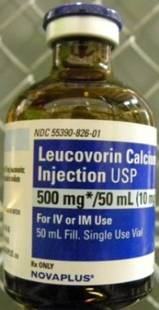
To date, no foreign matter has been identified, both said, and no adverse reactions have been reported in association with any of the recalled lots.
Particulate matter is considered a potential health hazard in that it can case vein irritation and phlebitis, clinically occult pulmonary granulomas, local tissue infarction, severe pulmonary dysfunction, occlusion of capillaries and arteries, anaphylactic shock, and death, according to the FDA and Bedford.
Leucovorin is widely used in oncology, with indications for rescue after high-dose methotrexate administration in osteosarcoma as well as to counteract methotrexate toxicity, impaired methotrexate elimination, and inadvertent overdoses of folic acid antagonists. It is also indicated in the treatment of megaloblastic anemias caused by folic acid deficiency, when oral therapy is not feasible; and in combination with 5-fluorouracil in patients with advanced colorectal cancer.
Leucovorin is one of the generic cancer drugs in short supply, according to an FDA listing of current drug shortages. Bedford Laboratories cited "manufacturing delays" for the limited availability of its leucovorin products in an entry last updated April 10, 2012.
Lot numbers of the recalled products are: 2017620, 2038374, and 2038374A. Health care practitioners are advised to quarantine recalled vials for return to the company.
Adverse reactions associated with the recalled leucovorin lots should be reported to the manufacturer at 800-521-5169 or the FDA at 800-332-1088 or www.fda.gov/medwatch.
Three lots of leucovorin calcium injection manufactured by Bedford Laboratories have been recalled because of crystalline particulate matter that is visible in some vials, the Food and Drug Administration announced on July 6.
The nationwide recall applies to lots that were shipped between January and June 2011, and expire in 2013. The particulate matter identified is the active drug substance, according to the FDA and a statement by the company, a division of Ben Venue Laboratories in Bedford, Ohio.
To date, no foreign matter has been identified, both said, and no adverse reactions have been reported in association with any of the recalled lots.
Particulate matter is considered a potential health hazard in that it can case vein irritation and phlebitis, clinically occult pulmonary granulomas, local tissue infarction, severe pulmonary dysfunction, occlusion of capillaries and arteries, anaphylactic shock, and death, according to the FDA and Bedford.
Leucovorin is widely used in oncology, with indications for rescue after high-dose methotrexate administration in osteosarcoma as well as to counteract methotrexate toxicity, impaired methotrexate elimination, and inadvertent overdoses of folic acid antagonists. It is also indicated in the treatment of megaloblastic anemias caused by folic acid deficiency, when oral therapy is not feasible; and in combination with 5-fluorouracil in patients with advanced colorectal cancer.
Leucovorin is one of the generic cancer drugs in short supply, according to an FDA listing of current drug shortages. Bedford Laboratories cited "manufacturing delays" for the limited availability of its leucovorin products in an entry last updated April 10, 2012.
Lot numbers of the recalled products are: 2017620, 2038374, and 2038374A. Health care practitioners are advised to quarantine recalled vials for return to the company.
Adverse reactions associated with the recalled leucovorin lots should be reported to the manufacturer at 800-521-5169 or the FDA at 800-332-1088 or www.fda.gov/medwatch.
Three lots of leucovorin calcium injection manufactured by Bedford Laboratories have been recalled because of crystalline particulate matter that is visible in some vials, the Food and Drug Administration announced on July 6.
The nationwide recall applies to lots that were shipped between January and June 2011, and expire in 2013. The particulate matter identified is the active drug substance, according to the FDA and a statement by the company, a division of Ben Venue Laboratories in Bedford, Ohio.
To date, no foreign matter has been identified, both said, and no adverse reactions have been reported in association with any of the recalled lots.
Particulate matter is considered a potential health hazard in that it can case vein irritation and phlebitis, clinically occult pulmonary granulomas, local tissue infarction, severe pulmonary dysfunction, occlusion of capillaries and arteries, anaphylactic shock, and death, according to the FDA and Bedford.
Leucovorin is widely used in oncology, with indications for rescue after high-dose methotrexate administration in osteosarcoma as well as to counteract methotrexate toxicity, impaired methotrexate elimination, and inadvertent overdoses of folic acid antagonists. It is also indicated in the treatment of megaloblastic anemias caused by folic acid deficiency, when oral therapy is not feasible; and in combination with 5-fluorouracil in patients with advanced colorectal cancer.
Leucovorin is one of the generic cancer drugs in short supply, according to an FDA listing of current drug shortages. Bedford Laboratories cited "manufacturing delays" for the limited availability of its leucovorin products in an entry last updated April 10, 2012.
Lot numbers of the recalled products are: 2017620, 2038374, and 2038374A. Health care practitioners are advised to quarantine recalled vials for return to the company.
Adverse reactions associated with the recalled leucovorin lots should be reported to the manufacturer at 800-521-5169 or the FDA at 800-332-1088 or www.fda.gov/medwatch.
Elderly Lymphoma Patients Might Be Spared Radiotherapy
AMSTERDAM – Up to 43% of elderly patients with diffuse large B cell lymphoma might be spared radiotherapy for bulky disease, if research suggesting that there is no additional benefit when using a standard chemotherapy regimen is confirmed.
In a prospective study from Germany, patients who achieved a complete remission (CR) or complete remission unconfirmed (CRu) with R-CHOP-14 plus two subsequent doses of rituximab (Rituxan) gained no additional benefit in event-free survival (EFS), progression-free survival (PFS), or overall survival (OS), compared with a historical prospective cohort.

However, patients who did not achieve a CR/CRu following the chemotherapy did appear to benefit from radiotherapy to bulky disease, with higher rates on all three measures in the RICOVER-60-No-Rx trial, a German High Grade Non-Hodgkin’s Lymphoma Study Group (DSHNHL) trial,
"The role of radiotherapy in the treatment of aggressive non-Hodgkin’s lymphoma is rather unclear, especially in the rituximab era, where systemic chemotherapy has become highly effective," Dr. Gerhard Held said at the annual congress of the European Hematology Association.
"The question arises if a local therapeutic modality like radiotherapy provides benefit to patients or [if it is] just adding additional toxicity," Dr. Held of Saarland University Hospital, Homburg, Germany, added.
The RICOVER-60-No-Rx trial resulted from a protocol amendment of the previously reported RICOVER-60 trial conducted in elderly patients with diffuse large B-cell lymphoma (DLBCL). The latter involved more than 1,200 men and women with DLBCL who were aged 61-80 years.
RICOVER-60 had a 2x2 factorial design and compared six or eight cycles of cyclophosphamide, doxorubicin, vincristine, and prednisone given for 14 days (CHOP-14) with or without additional rituximab (R-CHOP-14). Patients with extranodal or bulky disease, defined as a tumor of more than 7.5 cm in diameter, received additional involved-field radiotherapy of 36 Gy.
The trial’s results (Lancet Oncol. 2008;9:105-16) showed a clear benefit of adding rituximab to the CHOP-14 regimen. The aim of the RICOVER-60-No-Rx study was to look more specifically at the role of radiotherapy in patients who had received the chemotherapy regimen.
In total 166 patients received additional chemotherapy without radiotherapy after the protocol amendment, and outcome data on these patients were compared with data on 306 patients who had received R-CHOP-14 plus two additional doses of rituximab and radiotherapy to bulky disease in the RICOVER-60 trial.
Dr. Held reported that, compared with the RICOVER-60 population, those in the RICOVER-60-No-Rx trial were older (median age of 69 vs. 71 years, P = .018), more likely to have advanced (stage III/IV) disease (50% vs. 60%, P = .037), and have extranodal involvement (50% vs. 63%, P = .024). In contrast, patients in the RICOVER-60 study were more likely to have bulky disease (35 vs. 29%, P = .024).
After a median observation time of 39 months, EFS (80% vs. 54%; P = .001), PFS (88% vs. 62%; P less than .001), and OS (90% vs. 65%; P = .001) were initially higher when comparing the RICOVER-60 cohort with the RICOVER-No-Rx cohort. However, taking protocol violations and the differences in demographics into consideration, there was no difference in the three measures between the groups overall (3-year EFS and PFS: 84% vs. 75%; P = .430); OS (87% vs. 79%; P = .839). Only patients who had not adequately responded to R-CHOP 14 appeared to benefit.
This was a not a randomized investigation, Dr. Held noted, and so of course further clarification of the role of radiotherapy in DCLBL is needed. To that end, the DSHNHL UNFOLDER trial is underway; this trial is looking look at the use of radiotherapy to bulky lesions vs. observation after six cycles of treatment with R-CHOP-14 or R-CHOP 21.
Computed tomography rather than positron emission tomography was used to stage patients, Dr. Aaron Polliack, emeritus professor of hematology and former head of the lymphoma and leukemia unit at Hadassah University Hospital in Jerusalem, noted during discussion that followed.
The results of the current trial therefore warrant caution in their interpretation, suggested Dr. Polliack, who is editor in chief of the journal Leukemia and Lymphoma and not involved in the study. He further commented that no decision can truly be made on the value of radiotherapy in this clinical situation until further data from the UNFOLDER and other studies are available.
The RICOVER-60-No-Rx trial was supported by Deutsche Krebshilfe and the original RICOVER-60 trial by Roche. Dr. Held disclosed receiving travel grants from Roche. Dr. Polliack had no conflicts of interest.
AMSTERDAM – Up to 43% of elderly patients with diffuse large B cell lymphoma might be spared radiotherapy for bulky disease, if research suggesting that there is no additional benefit when using a standard chemotherapy regimen is confirmed.
In a prospective study from Germany, patients who achieved a complete remission (CR) or complete remission unconfirmed (CRu) with R-CHOP-14 plus two subsequent doses of rituximab (Rituxan) gained no additional benefit in event-free survival (EFS), progression-free survival (PFS), or overall survival (OS), compared with a historical prospective cohort.
However, patients who did not achieve a CR/CRu following the chemotherapy did appear to benefit from radiotherapy to bulky disease, with higher rates on all three measures in the RICOVER-60-No-Rx trial, a German High Grade Non-Hodgkin’s Lymphoma Study Group (DSHNHL) trial,
"The role of radiotherapy in the treatment of aggressive non-Hodgkin’s lymphoma is rather unclear, especially in the rituximab era, where systemic chemotherapy has become highly effective," Dr. Gerhard Held said at the annual congress of the European Hematology Association.
"The question arises if a local therapeutic modality like radiotherapy provides benefit to patients or [if it is] just adding additional toxicity," Dr. Held of Saarland University Hospital, Homburg, Germany, added.
The RICOVER-60-No-Rx trial resulted from a protocol amendment of the previously reported RICOVER-60 trial conducted in elderly patients with diffuse large B-cell lymphoma (DLBCL). The latter involved more than 1,200 men and women with DLBCL who were aged 61-80 years.
RICOVER-60 had a 2x2 factorial design and compared six or eight cycles of cyclophosphamide, doxorubicin, vincristine, and prednisone given for 14 days (CHOP-14) with or without additional rituximab (R-CHOP-14). Patients with extranodal or bulky disease, defined as a tumor of more than 7.5 cm in diameter, received additional involved-field radiotherapy of 36 Gy.
The trial’s results (Lancet Oncol. 2008;9:105-16) showed a clear benefit of adding rituximab to the CHOP-14 regimen. The aim of the RICOVER-60-No-Rx study was to look more specifically at the role of radiotherapy in patients who had received the chemotherapy regimen.
In total 166 patients received additional chemotherapy without radiotherapy after the protocol amendment, and outcome data on these patients were compared with data on 306 patients who had received R-CHOP-14 plus two additional doses of rituximab and radiotherapy to bulky disease in the RICOVER-60 trial.
Dr. Held reported that, compared with the RICOVER-60 population, those in the RICOVER-60-No-Rx trial were older (median age of 69 vs. 71 years, P = .018), more likely to have advanced (stage III/IV) disease (50% vs. 60%, P = .037), and have extranodal involvement (50% vs. 63%, P = .024). In contrast, patients in the RICOVER-60 study were more likely to have bulky disease (35 vs. 29%, P = .024).
After a median observation time of 39 months, EFS (80% vs. 54%; P = .001), PFS (88% vs. 62%; P less than .001), and OS (90% vs. 65%; P = .001) were initially higher when comparing the RICOVER-60 cohort with the RICOVER-No-Rx cohort. However, taking protocol violations and the differences in demographics into consideration, there was no difference in the three measures between the groups overall (3-year EFS and PFS: 84% vs. 75%; P = .430); OS (87% vs. 79%; P = .839). Only patients who had not adequately responded to R-CHOP 14 appeared to benefit.
This was a not a randomized investigation, Dr. Held noted, and so of course further clarification of the role of radiotherapy in DCLBL is needed. To that end, the DSHNHL UNFOLDER trial is underway; this trial is looking look at the use of radiotherapy to bulky lesions vs. observation after six cycles of treatment with R-CHOP-14 or R-CHOP 21.
Computed tomography rather than positron emission tomography was used to stage patients, Dr. Aaron Polliack, emeritus professor of hematology and former head of the lymphoma and leukemia unit at Hadassah University Hospital in Jerusalem, noted during discussion that followed.
The results of the current trial therefore warrant caution in their interpretation, suggested Dr. Polliack, who is editor in chief of the journal Leukemia and Lymphoma and not involved in the study. He further commented that no decision can truly be made on the value of radiotherapy in this clinical situation until further data from the UNFOLDER and other studies are available.
The RICOVER-60-No-Rx trial was supported by Deutsche Krebshilfe and the original RICOVER-60 trial by Roche. Dr. Held disclosed receiving travel grants from Roche. Dr. Polliack had no conflicts of interest.
AMSTERDAM – Up to 43% of elderly patients with diffuse large B cell lymphoma might be spared radiotherapy for bulky disease, if research suggesting that there is no additional benefit when using a standard chemotherapy regimen is confirmed.
In a prospective study from Germany, patients who achieved a complete remission (CR) or complete remission unconfirmed (CRu) with R-CHOP-14 plus two subsequent doses of rituximab (Rituxan) gained no additional benefit in event-free survival (EFS), progression-free survival (PFS), or overall survival (OS), compared with a historical prospective cohort.
However, patients who did not achieve a CR/CRu following the chemotherapy did appear to benefit from radiotherapy to bulky disease, with higher rates on all three measures in the RICOVER-60-No-Rx trial, a German High Grade Non-Hodgkin’s Lymphoma Study Group (DSHNHL) trial,
"The role of radiotherapy in the treatment of aggressive non-Hodgkin’s lymphoma is rather unclear, especially in the rituximab era, where systemic chemotherapy has become highly effective," Dr. Gerhard Held said at the annual congress of the European Hematology Association.
"The question arises if a local therapeutic modality like radiotherapy provides benefit to patients or [if it is] just adding additional toxicity," Dr. Held of Saarland University Hospital, Homburg, Germany, added.
The RICOVER-60-No-Rx trial resulted from a protocol amendment of the previously reported RICOVER-60 trial conducted in elderly patients with diffuse large B-cell lymphoma (DLBCL). The latter involved more than 1,200 men and women with DLBCL who were aged 61-80 years.
RICOVER-60 had a 2x2 factorial design and compared six or eight cycles of cyclophosphamide, doxorubicin, vincristine, and prednisone given for 14 days (CHOP-14) with or without additional rituximab (R-CHOP-14). Patients with extranodal or bulky disease, defined as a tumor of more than 7.5 cm in diameter, received additional involved-field radiotherapy of 36 Gy.
The trial’s results (Lancet Oncol. 2008;9:105-16) showed a clear benefit of adding rituximab to the CHOP-14 regimen. The aim of the RICOVER-60-No-Rx study was to look more specifically at the role of radiotherapy in patients who had received the chemotherapy regimen.
In total 166 patients received additional chemotherapy without radiotherapy after the protocol amendment, and outcome data on these patients were compared with data on 306 patients who had received R-CHOP-14 plus two additional doses of rituximab and radiotherapy to bulky disease in the RICOVER-60 trial.
Dr. Held reported that, compared with the RICOVER-60 population, those in the RICOVER-60-No-Rx trial were older (median age of 69 vs. 71 years, P = .018), more likely to have advanced (stage III/IV) disease (50% vs. 60%, P = .037), and have extranodal involvement (50% vs. 63%, P = .024). In contrast, patients in the RICOVER-60 study were more likely to have bulky disease (35 vs. 29%, P = .024).
After a median observation time of 39 months, EFS (80% vs. 54%; P = .001), PFS (88% vs. 62%; P less than .001), and OS (90% vs. 65%; P = .001) were initially higher when comparing the RICOVER-60 cohort with the RICOVER-No-Rx cohort. However, taking protocol violations and the differences in demographics into consideration, there was no difference in the three measures between the groups overall (3-year EFS and PFS: 84% vs. 75%; P = .430); OS (87% vs. 79%; P = .839). Only patients who had not adequately responded to R-CHOP 14 appeared to benefit.
This was a not a randomized investigation, Dr. Held noted, and so of course further clarification of the role of radiotherapy in DCLBL is needed. To that end, the DSHNHL UNFOLDER trial is underway; this trial is looking look at the use of radiotherapy to bulky lesions vs. observation after six cycles of treatment with R-CHOP-14 or R-CHOP 21.
Computed tomography rather than positron emission tomography was used to stage patients, Dr. Aaron Polliack, emeritus professor of hematology and former head of the lymphoma and leukemia unit at Hadassah University Hospital in Jerusalem, noted during discussion that followed.
The results of the current trial therefore warrant caution in their interpretation, suggested Dr. Polliack, who is editor in chief of the journal Leukemia and Lymphoma and not involved in the study. He further commented that no decision can truly be made on the value of radiotherapy in this clinical situation until further data from the UNFOLDER and other studies are available.
The RICOVER-60-No-Rx trial was supported by Deutsche Krebshilfe and the original RICOVER-60 trial by Roche. Dr. Held disclosed receiving travel grants from Roche. Dr. Polliack had no conflicts of interest.
AT THE ANNUAL CONGRESS OF THE EUROPEAN HEMATOLOGY ASSOCIATION
Major Finding: After multivariate adjustment, 3-year EFS, PFS, and OS were no different in patients who had received radiotherapy for bulky disease vs. those who had not.
Data Source: RICOVER-60-No-Rx trial of 166 DCBCL patients who did/did not receive 36 Gy of radiotherapy for bulky disease in addition to R-CHOP-14.
Disclosures: The RICOVER-60-No-Rx trial was supported by Deutsche Krebshilfe and the original RICOVER-60 trial by Roche. Dr. Held disclosed receiving travel grants from Roche. Dr. Polliack had no conflicts of interest.
Acyclovir Prophylaxis Against Varicella Zoster Virus Reactivation in Multiple Myeloma Patients Treated With Bortezomib-Based Therapies: A Retrospective Analysis of 100 Patients
Acyclovir Prophylaxis Against Varicella Zoster Virus Reactivation in Multiple Myeloma Patients Treated With Bortezomib-Based Therapies: A Retrospective Analysis of 100 Patients
Acyclovir Prophylaxis Against Varicella Zoster Virus Reactivation in Multiple Myeloma Patients Treated With Bortezomib-Based Therapies: A Retrospective Analysis of 100 Patients
Acyclovir Prophylaxis Against Varicella Zoster Virus Reactivation in Multiple Myeloma Patients Treated With Bortezomib-Based Therapies: A Retrospective Analysis of 100 Patients
Key FDA Panel Endorses Carfilzomib for Myeloma
SILVER SPRING, MD. – Carfilzomib, a second-generation proteasome inhibitor studied in patients with relapsed and refractory multiple myeloma, overcame concerns about cardiotoxicity to win a Food and Drug Administration advisory panel’s support for accelerated approval.
The Oncologic Drugs Advisory Committee (ODAC) voted 11 to 0 with 1 abstention that carfilzomib’s risk-benefit profile is favorable for patients with relapsed and refractory multiple myeloma, who have received at least two prior lines of therapy that included a proteasome inhibitor and an immunomodulatory drug (IMiD) – the indication under review.
If the FDA approves carfilzomib, the manufacturer, Onyx Pharmaceuticals Inc., plans to market the new drug as Kyprolis. It would be the second proteasome inhibitor for multiple myeloma. Bortezomib (Velcade) was approved in 2003, and has had an important role in prolonging the lives of patients with this cancer.
The proposed indication is based on the results of a single-arm phase II study conducted in the United States and Canada. The open label trial enrolled 266 patients who had relapsed or refractory disease and had received at least two prior lines of therapy, including a proteasome inhibitor and an IMiD – either thalidomide or lenalidomide (Revlimid).
Patients started on carfilzomib a median of 5.4 years after they were initially diagnosed; their median age was 63 years. The investigational drug was administered twice weekly for 3 weeks followed by a rest period in a 28-day cycle.
The overall response rate (complete response, very good partial response, and partial responses combined) was 22.9%, in the intent-to-treat population, and the median duration of response was 7.8 months. Though most responses were partial (18%), one patient had a complete response.
Serious toxicities included seven cardiac deaths and a smaller number of life-threatening pulmonary and hepatic adverse events, but it was not clear what role the disease, previous therapies, or carfilzomib had on the adverse event profile, according to the FDA reviewer.
Onyx cited the lack of alternatives for patients who have exhausted all treatment options for multiple myeloma, the "meaningful and durable response" seen in the study, and the well characterized safety profile among reasons that justified an accelerated approval.
Noting that these patients had end-stage multiple myeloma with few, if any, available treatment options, ODAC panelists agreed that the response rate and safety profile observed in the phase II study were acceptable and justified an accelerated approval. ODAC members were also encouraged by the fact that enrollment in a phase III confirmatory trial of carfilzomib, a requirement for drugs that receive accelerated approval, has already been completed.
There is an unmet need for this group of patients, who have run out of options, and the study outcome "is a signal that I believe will be confirmed in clinical trials," said ODAC’s chair, Dr. Wyndham Wilson.
Cardiotoxicity is not a major concern when considering that these heavily pretreated patients had already been exposed to considerable toxicity, said Dr. Wilson, chair of the lymphoma therapeutics section in the metabolism branch of the Center for Cancer Research at the National Cancer Institute. Everything has to be put into context, he said.
"The responses are real and even more importantly, are meaningful in this population," said panelist Dr. Deborah Armstrong of the Sidney Kimmel Comprehensive Cancer Center at Johns Hopkins in Baltimore. Considering what is currently available for these patients, carfilzomib "definitely improves the therapeutic armamentarium" for this population, she added.
Onyx issued a statement immediately after the vote saying it "is committed to bringing Kyprolis to patients as quickly as possible and looks forward to working closely with the FDA as the agency completes its review." The agency must act on the new drug application by July 27, it noted.
In addition, the company hinted that earlier indications will be sought; "Onyx is developing Kyprolis for use in multiple myeloma across a variety of treatment lines," according to the statement.
As a condition of accelerated approval, manufacturers are required to confirm the efficacy and safety of drugs in phase III studies. If those studies fail to confirm the results of the phase II study, the FDA can withdraw approval.
The FDA usually follows the recommendations of its advisory panels, which are not binding. ODAC members were cleared of potential conflicts of interest before the meeting.
SILVER SPRING, MD. – Carfilzomib, a second-generation proteasome inhibitor studied in patients with relapsed and refractory multiple myeloma, overcame concerns about cardiotoxicity to win a Food and Drug Administration advisory panel’s support for accelerated approval.
The Oncologic Drugs Advisory Committee (ODAC) voted 11 to 0 with 1 abstention that carfilzomib’s risk-benefit profile is favorable for patients with relapsed and refractory multiple myeloma, who have received at least two prior lines of therapy that included a proteasome inhibitor and an immunomodulatory drug (IMiD) – the indication under review.
If the FDA approves carfilzomib, the manufacturer, Onyx Pharmaceuticals Inc., plans to market the new drug as Kyprolis. It would be the second proteasome inhibitor for multiple myeloma. Bortezomib (Velcade) was approved in 2003, and has had an important role in prolonging the lives of patients with this cancer.
The proposed indication is based on the results of a single-arm phase II study conducted in the United States and Canada. The open label trial enrolled 266 patients who had relapsed or refractory disease and had received at least two prior lines of therapy, including a proteasome inhibitor and an IMiD – either thalidomide or lenalidomide (Revlimid).
Patients started on carfilzomib a median of 5.4 years after they were initially diagnosed; their median age was 63 years. The investigational drug was administered twice weekly for 3 weeks followed by a rest period in a 28-day cycle.
The overall response rate (complete response, very good partial response, and partial responses combined) was 22.9%, in the intent-to-treat population, and the median duration of response was 7.8 months. Though most responses were partial (18%), one patient had a complete response.
Serious toxicities included seven cardiac deaths and a smaller number of life-threatening pulmonary and hepatic adverse events, but it was not clear what role the disease, previous therapies, or carfilzomib had on the adverse event profile, according to the FDA reviewer.
Onyx cited the lack of alternatives for patients who have exhausted all treatment options for multiple myeloma, the "meaningful and durable response" seen in the study, and the well characterized safety profile among reasons that justified an accelerated approval.
Noting that these patients had end-stage multiple myeloma with few, if any, available treatment options, ODAC panelists agreed that the response rate and safety profile observed in the phase II study were acceptable and justified an accelerated approval. ODAC members were also encouraged by the fact that enrollment in a phase III confirmatory trial of carfilzomib, a requirement for drugs that receive accelerated approval, has already been completed.
There is an unmet need for this group of patients, who have run out of options, and the study outcome "is a signal that I believe will be confirmed in clinical trials," said ODAC’s chair, Dr. Wyndham Wilson.
Cardiotoxicity is not a major concern when considering that these heavily pretreated patients had already been exposed to considerable toxicity, said Dr. Wilson, chair of the lymphoma therapeutics section in the metabolism branch of the Center for Cancer Research at the National Cancer Institute. Everything has to be put into context, he said.
"The responses are real and even more importantly, are meaningful in this population," said panelist Dr. Deborah Armstrong of the Sidney Kimmel Comprehensive Cancer Center at Johns Hopkins in Baltimore. Considering what is currently available for these patients, carfilzomib "definitely improves the therapeutic armamentarium" for this population, she added.
Onyx issued a statement immediately after the vote saying it "is committed to bringing Kyprolis to patients as quickly as possible and looks forward to working closely with the FDA as the agency completes its review." The agency must act on the new drug application by July 27, it noted.
In addition, the company hinted that earlier indications will be sought; "Onyx is developing Kyprolis for use in multiple myeloma across a variety of treatment lines," according to the statement.
As a condition of accelerated approval, manufacturers are required to confirm the efficacy and safety of drugs in phase III studies. If those studies fail to confirm the results of the phase II study, the FDA can withdraw approval.
The FDA usually follows the recommendations of its advisory panels, which are not binding. ODAC members were cleared of potential conflicts of interest before the meeting.
SILVER SPRING, MD. – Carfilzomib, a second-generation proteasome inhibitor studied in patients with relapsed and refractory multiple myeloma, overcame concerns about cardiotoxicity to win a Food and Drug Administration advisory panel’s support for accelerated approval.
The Oncologic Drugs Advisory Committee (ODAC) voted 11 to 0 with 1 abstention that carfilzomib’s risk-benefit profile is favorable for patients with relapsed and refractory multiple myeloma, who have received at least two prior lines of therapy that included a proteasome inhibitor and an immunomodulatory drug (IMiD) – the indication under review.
If the FDA approves carfilzomib, the manufacturer, Onyx Pharmaceuticals Inc., plans to market the new drug as Kyprolis. It would be the second proteasome inhibitor for multiple myeloma. Bortezomib (Velcade) was approved in 2003, and has had an important role in prolonging the lives of patients with this cancer.
The proposed indication is based on the results of a single-arm phase II study conducted in the United States and Canada. The open label trial enrolled 266 patients who had relapsed or refractory disease and had received at least two prior lines of therapy, including a proteasome inhibitor and an IMiD – either thalidomide or lenalidomide (Revlimid).
Patients started on carfilzomib a median of 5.4 years after they were initially diagnosed; their median age was 63 years. The investigational drug was administered twice weekly for 3 weeks followed by a rest period in a 28-day cycle.
The overall response rate (complete response, very good partial response, and partial responses combined) was 22.9%, in the intent-to-treat population, and the median duration of response was 7.8 months. Though most responses were partial (18%), one patient had a complete response.
Serious toxicities included seven cardiac deaths and a smaller number of life-threatening pulmonary and hepatic adverse events, but it was not clear what role the disease, previous therapies, or carfilzomib had on the adverse event profile, according to the FDA reviewer.
Onyx cited the lack of alternatives for patients who have exhausted all treatment options for multiple myeloma, the "meaningful and durable response" seen in the study, and the well characterized safety profile among reasons that justified an accelerated approval.
Noting that these patients had end-stage multiple myeloma with few, if any, available treatment options, ODAC panelists agreed that the response rate and safety profile observed in the phase II study were acceptable and justified an accelerated approval. ODAC members were also encouraged by the fact that enrollment in a phase III confirmatory trial of carfilzomib, a requirement for drugs that receive accelerated approval, has already been completed.
There is an unmet need for this group of patients, who have run out of options, and the study outcome "is a signal that I believe will be confirmed in clinical trials," said ODAC’s chair, Dr. Wyndham Wilson.
Cardiotoxicity is not a major concern when considering that these heavily pretreated patients had already been exposed to considerable toxicity, said Dr. Wilson, chair of the lymphoma therapeutics section in the metabolism branch of the Center for Cancer Research at the National Cancer Institute. Everything has to be put into context, he said.
"The responses are real and even more importantly, are meaningful in this population," said panelist Dr. Deborah Armstrong of the Sidney Kimmel Comprehensive Cancer Center at Johns Hopkins in Baltimore. Considering what is currently available for these patients, carfilzomib "definitely improves the therapeutic armamentarium" for this population, she added.
Onyx issued a statement immediately after the vote saying it "is committed to bringing Kyprolis to patients as quickly as possible and looks forward to working closely with the FDA as the agency completes its review." The agency must act on the new drug application by July 27, it noted.
In addition, the company hinted that earlier indications will be sought; "Onyx is developing Kyprolis for use in multiple myeloma across a variety of treatment lines," according to the statement.
As a condition of accelerated approval, manufacturers are required to confirm the efficacy and safety of drugs in phase III studies. If those studies fail to confirm the results of the phase II study, the FDA can withdraw approval.
The FDA usually follows the recommendations of its advisory panels, which are not binding. ODAC members were cleared of potential conflicts of interest before the meeting.
AT A MEETING OF THE FDA'S ONCOLOGIC DRUGS ADVISORY COMMITTEE
Safety Concerns Weigh on Carfilzomib in Multiple Myeloma
Serious cardiac, pulmonary, and hepatic toxicities associated with Onyx Pharmaceuticals Inc.’s investigational multiple myeloma drug Kyprolis (carfilzomib) may outweigh its benefits in a patient population that has not been shown to be refractory or intolerant to all available treatments, the Food and Drug Administration announced.
In briefing documents released ahead of the Oncologic Drugs Advisory Committee’s June 20 review of carfilzomib, the FDA said it is "very concerned" with the severe toxicities associated with the second-generation proteasome inhibitor and questions whether it is possible to identify patients at high risk for life-threatening, drug-related toxicities.
The agency also questions whether a lone, single-arm phase II trial provides sufficient evidence demonstrating that carfilzomib is beneficial over other available therapies in a relapsed/refractory population. Only a minority of all patients in the study were shown to be unresponsive or intolerant to most of the existing approved treatments for multiple myeloma.
The FDA seeks an ODAC vote on whether carfilzomib’s risk/benefit assessment is favorable for the indication requested. In considering this question, the committee will have to weigh whether accelerated approval is justified now, or whether an approval decision should await data from ongoing phase III trials that are expected to provide more clarity on the drug’s safety and efficacy profile in the relapsed/refractory setting.
Benefit Over Existing Therapies
Onyx is seeking carfilzomib’s approval for treatment of patients with relapsed and refractory multiple myeloma who have received at least two prior lines of therapy that included a proteasome inhibitor and an immunomodulatory agent. The NDA seeking accelerated approval was submitted in September 2011. The FDA denied Onyx’s request for priority review; the user fee goal date under a 10-month standard review is July 27.
The FDA’s briefing documents released on June 18 seek to put carfilzomib’s proposed use into the context of the seven drugs across five classes that are currently approved for treating multiple myeloma. Onyx is seeking approval based upon the results of Study PX-171-003 Part 2 (Study 3), a single-arm, phase II study of 266 patients. Subjects were required to have received prior treatment with bortezomib and either thalidomide or lenalidomide. They also must have received an alkylating agent, either alone or in combination with other multiple myeloma treatments, and an anthracycline, either alone or in combination with other treatments unless not clinically indicated.
The agency’s review notes that accelerated approval is a regulatory pathway for drugs that treat serious or life-threatening illnesses and that provide meaningful therapeutic benefit to patients over existing treatments. "Therefore, it is important to analyze the prior treatment history of each patient entered onto the primary efficacy phase II study (Study 3), and to determine whether each patient had been documented to be unresponsive to or intolerant of each of the drugs which have been approved by the FDA as therapy for multiple myeloma," the FDA said.
"Of the 266 patients enrolled in the study, 35.7% never received anthracyclines, 34.2% never received cyclophosphamide, 15.4% never received melphalan, and only 1.9% of patients were exposed to carmustine," the FDA said. Although 86.8% of patients were documented to be unresponsive or intolerant to both bortezomib and lenalidomide, only 56% were shown to be unresponsive or intolerant to thalidomide. Less than half were shown to be unresponsive or intolerant to anthracyclines (36.8%), cyclophosphamide (34.6%), or melphalan (28.9%).
The trial’s primary end point was overall response rate, as assessed by an independent review committee. The sponsor’s reported ORR was 22.9% in the intent-to-treat population. The FDA analyzed the results according to therapies for which patients were unresponsive or intolerant, and the ORR in these groups ranged from 20.2% to 23.2%.
The sponsor reported a median duration of response of 7.8 months; the FDA used a different definition to calculate duration of response and came up with a median of 6.5 months.
The agency suggested the efficacy results may have been confounded by concomitant use of the steroid dexamethasone in all subjects to reduce transfusion-related reactions. Dexamethasone is routinely given either alone or with other therapies to treat patients with multiple myeloma, the FDA pointed out. Although the dose given in Study 3 was lower than the amount typically given, "a therapeutic effect cannot be ruled out in a single-arm trial. In Study 3, the actual treatment effect of carfilzomib is confounded by the concomitant use of dexamethasone in the study and the response rates may be lower in the absence of steroids."
Deaths, SAEs, and Discontinuations
There were a total of 24 on-study deaths in the trial. Although disease progression accounted for half of these, as many as nine others were directly or possibly related to cardiac causes, the FDA said, and two deaths were blamed on hepatic failure.
Across the 526 multiple myeloma patients enrolled in phase II studies, 8% experienced a cardiac serious adverse event (SAE), and 7% experienced pulmonary toxicity. The majority of these serious adverse events were grade 3 or 4 toxicities. The most frequent cardiac SAEs were heart failure and cardiac arrest. Major adverse events leading to carfilzomib discontinuation across the phase II trials were dyspnea, pneumonia, and heart failure.
The FDA noted that determining whether adverse events are drug related can be problematic in the setting of single-arm trials.
"In general, the cause of adverse events from single-arm trials where the drug effect is unknown must be assigned to the experimental therapy," the FDA said. "Among the safety population of patients with multiple myeloma enrolled in phase II studies, there are several organ systems in which a higher incidence of adverse events has occurred than would be expected in this population of patients with multiple myeloma including cardiac, pulmonary, and hepatic toxicities, which must be assigned to carfilzomib. In addition to significant life-threatening adverse events associated with the heart, lung, and liver, a separate and distinct set of adverse events was associated with the infusion of carfilzomib."
Multiple myeloma patients treated with immunomodulatory agents do not show this pattern of cardiac, pulmonary, and hepatic toxicities, the FDA said. The agency also noted that cardiac and pulmonary toxicities, among others, were seen in preclinical studies of carfilzomib, although the pathogenesis of these toxicities is unknown.
"Since carfilzomib produced an ORR of only 22% in the primary efficacy study, it may not provide an advantage over available therapy," the agency concluded. "FDA is very concerned with the severe toxicities, including deaths that are associated with the use of this agent. The pathogenesis of these toxicities is not understood. Considering these factors, the risks of carfilzomib may not outweigh its benefits."
The tone of the FDA’s briefing documents suggests that Onyx will have to make the case that the toxicities seen with carfilzomib can be managed.
Onyx’s briefing documents do not reflect any plans for a Risk Evaluation and Mitigation Strategy. The company said that carfilzomib was "generally well tolerated" in Study 3. "Although serious AEs were observed, the rates and types of these events were consistent with prior reported outcomes in this end-stage patient population, and treatment risk can be appropriately managed through patient selection, dose reduction algorithms, and other supportive measures."
Phase III Trials Underway
Onyx has taken a risk in pursuing approval based upon the results of a single-arm phase II trial. The existence of two ongoing phase III trials could help garner ODAC’s backing for accelerated approval by giving the committee confidence that further confirmatory data will be forthcoming within a given period of time. Alternatively, ODAC and the FDA could favor waiting on the confirmatory safety and efficacy evidence from these studies before allowing carfilzomib onto the market.
Onyx is currently conducting the ASPIRE study under a Special Protocol Assessment. The phase III, randomized trial is testing a combination of lenalidomide and dexamethasone, with or without carfilzomib, in 792 relapsed multiple myeloma patients who received one to three prior therapies. The primary end point is progression-free survival. The study is fully enrolled, and a final analysis is expected in mid-2014.
The ongoing FOCUS trial was designed pursuant to recommendations from the European Medicines Agency. The randomized trial is comparing carfilzomib to corticosteroids and optional low-dose cyclophosphamide in relapsed/refractory patients who have received three or more lines of therapy. The primary efficacy end point is overall survival. More than half of the targeted 302 patients had been enrolled as of March 2012; final analysis is projected for mid-2014.
Editor’s note: This story appears courtesy of "The Pink Sheet," a weekly Elsevier publication covering pharmaceutical business and policy issues. To learn more, contact customer care at 800-332-2181 or sign up for a free trial.
Serious cardiac, pulmonary, and hepatic toxicities associated with Onyx Pharmaceuticals Inc.’s investigational multiple myeloma drug Kyprolis (carfilzomib) may outweigh its benefits in a patient population that has not been shown to be refractory or intolerant to all available treatments, the Food and Drug Administration announced.
In briefing documents released ahead of the Oncologic Drugs Advisory Committee’s June 20 review of carfilzomib, the FDA said it is "very concerned" with the severe toxicities associated with the second-generation proteasome inhibitor and questions whether it is possible to identify patients at high risk for life-threatening, drug-related toxicities.
The agency also questions whether a lone, single-arm phase II trial provides sufficient evidence demonstrating that carfilzomib is beneficial over other available therapies in a relapsed/refractory population. Only a minority of all patients in the study were shown to be unresponsive or intolerant to most of the existing approved treatments for multiple myeloma.
The FDA seeks an ODAC vote on whether carfilzomib’s risk/benefit assessment is favorable for the indication requested. In considering this question, the committee will have to weigh whether accelerated approval is justified now, or whether an approval decision should await data from ongoing phase III trials that are expected to provide more clarity on the drug’s safety and efficacy profile in the relapsed/refractory setting.
Benefit Over Existing Therapies
Onyx is seeking carfilzomib’s approval for treatment of patients with relapsed and refractory multiple myeloma who have received at least two prior lines of therapy that included a proteasome inhibitor and an immunomodulatory agent. The NDA seeking accelerated approval was submitted in September 2011. The FDA denied Onyx’s request for priority review; the user fee goal date under a 10-month standard review is July 27.
The FDA’s briefing documents released on June 18 seek to put carfilzomib’s proposed use into the context of the seven drugs across five classes that are currently approved for treating multiple myeloma. Onyx is seeking approval based upon the results of Study PX-171-003 Part 2 (Study 3), a single-arm, phase II study of 266 patients. Subjects were required to have received prior treatment with bortezomib and either thalidomide or lenalidomide. They also must have received an alkylating agent, either alone or in combination with other multiple myeloma treatments, and an anthracycline, either alone or in combination with other treatments unless not clinically indicated.
The agency’s review notes that accelerated approval is a regulatory pathway for drugs that treat serious or life-threatening illnesses and that provide meaningful therapeutic benefit to patients over existing treatments. "Therefore, it is important to analyze the prior treatment history of each patient entered onto the primary efficacy phase II study (Study 3), and to determine whether each patient had been documented to be unresponsive to or intolerant of each of the drugs which have been approved by the FDA as therapy for multiple myeloma," the FDA said.
"Of the 266 patients enrolled in the study, 35.7% never received anthracyclines, 34.2% never received cyclophosphamide, 15.4% never received melphalan, and only 1.9% of patients were exposed to carmustine," the FDA said. Although 86.8% of patients were documented to be unresponsive or intolerant to both bortezomib and lenalidomide, only 56% were shown to be unresponsive or intolerant to thalidomide. Less than half were shown to be unresponsive or intolerant to anthracyclines (36.8%), cyclophosphamide (34.6%), or melphalan (28.9%).
The trial’s primary end point was overall response rate, as assessed by an independent review committee. The sponsor’s reported ORR was 22.9% in the intent-to-treat population. The FDA analyzed the results according to therapies for which patients were unresponsive or intolerant, and the ORR in these groups ranged from 20.2% to 23.2%.
The sponsor reported a median duration of response of 7.8 months; the FDA used a different definition to calculate duration of response and came up with a median of 6.5 months.
The agency suggested the efficacy results may have been confounded by concomitant use of the steroid dexamethasone in all subjects to reduce transfusion-related reactions. Dexamethasone is routinely given either alone or with other therapies to treat patients with multiple myeloma, the FDA pointed out. Although the dose given in Study 3 was lower than the amount typically given, "a therapeutic effect cannot be ruled out in a single-arm trial. In Study 3, the actual treatment effect of carfilzomib is confounded by the concomitant use of dexamethasone in the study and the response rates may be lower in the absence of steroids."
Deaths, SAEs, and Discontinuations
There were a total of 24 on-study deaths in the trial. Although disease progression accounted for half of these, as many as nine others were directly or possibly related to cardiac causes, the FDA said, and two deaths were blamed on hepatic failure.
Across the 526 multiple myeloma patients enrolled in phase II studies, 8% experienced a cardiac serious adverse event (SAE), and 7% experienced pulmonary toxicity. The majority of these serious adverse events were grade 3 or 4 toxicities. The most frequent cardiac SAEs were heart failure and cardiac arrest. Major adverse events leading to carfilzomib discontinuation across the phase II trials were dyspnea, pneumonia, and heart failure.
The FDA noted that determining whether adverse events are drug related can be problematic in the setting of single-arm trials.
"In general, the cause of adverse events from single-arm trials where the drug effect is unknown must be assigned to the experimental therapy," the FDA said. "Among the safety population of patients with multiple myeloma enrolled in phase II studies, there are several organ systems in which a higher incidence of adverse events has occurred than would be expected in this population of patients with multiple myeloma including cardiac, pulmonary, and hepatic toxicities, which must be assigned to carfilzomib. In addition to significant life-threatening adverse events associated with the heart, lung, and liver, a separate and distinct set of adverse events was associated with the infusion of carfilzomib."
Multiple myeloma patients treated with immunomodulatory agents do not show this pattern of cardiac, pulmonary, and hepatic toxicities, the FDA said. The agency also noted that cardiac and pulmonary toxicities, among others, were seen in preclinical studies of carfilzomib, although the pathogenesis of these toxicities is unknown.
"Since carfilzomib produced an ORR of only 22% in the primary efficacy study, it may not provide an advantage over available therapy," the agency concluded. "FDA is very concerned with the severe toxicities, including deaths that are associated with the use of this agent. The pathogenesis of these toxicities is not understood. Considering these factors, the risks of carfilzomib may not outweigh its benefits."
The tone of the FDA’s briefing documents suggests that Onyx will have to make the case that the toxicities seen with carfilzomib can be managed.
Onyx’s briefing documents do not reflect any plans for a Risk Evaluation and Mitigation Strategy. The company said that carfilzomib was "generally well tolerated" in Study 3. "Although serious AEs were observed, the rates and types of these events were consistent with prior reported outcomes in this end-stage patient population, and treatment risk can be appropriately managed through patient selection, dose reduction algorithms, and other supportive measures."
Phase III Trials Underway
Onyx has taken a risk in pursuing approval based upon the results of a single-arm phase II trial. The existence of two ongoing phase III trials could help garner ODAC’s backing for accelerated approval by giving the committee confidence that further confirmatory data will be forthcoming within a given period of time. Alternatively, ODAC and the FDA could favor waiting on the confirmatory safety and efficacy evidence from these studies before allowing carfilzomib onto the market.
Onyx is currently conducting the ASPIRE study under a Special Protocol Assessment. The phase III, randomized trial is testing a combination of lenalidomide and dexamethasone, with or without carfilzomib, in 792 relapsed multiple myeloma patients who received one to three prior therapies. The primary end point is progression-free survival. The study is fully enrolled, and a final analysis is expected in mid-2014.
The ongoing FOCUS trial was designed pursuant to recommendations from the European Medicines Agency. The randomized trial is comparing carfilzomib to corticosteroids and optional low-dose cyclophosphamide in relapsed/refractory patients who have received three or more lines of therapy. The primary efficacy end point is overall survival. More than half of the targeted 302 patients had been enrolled as of March 2012; final analysis is projected for mid-2014.
Editor’s note: This story appears courtesy of "The Pink Sheet," a weekly Elsevier publication covering pharmaceutical business and policy issues. To learn more, contact customer care at 800-332-2181 or sign up for a free trial.
Serious cardiac, pulmonary, and hepatic toxicities associated with Onyx Pharmaceuticals Inc.’s investigational multiple myeloma drug Kyprolis (carfilzomib) may outweigh its benefits in a patient population that has not been shown to be refractory or intolerant to all available treatments, the Food and Drug Administration announced.
In briefing documents released ahead of the Oncologic Drugs Advisory Committee’s June 20 review of carfilzomib, the FDA said it is "very concerned" with the severe toxicities associated with the second-generation proteasome inhibitor and questions whether it is possible to identify patients at high risk for life-threatening, drug-related toxicities.
The agency also questions whether a lone, single-arm phase II trial provides sufficient evidence demonstrating that carfilzomib is beneficial over other available therapies in a relapsed/refractory population. Only a minority of all patients in the study were shown to be unresponsive or intolerant to most of the existing approved treatments for multiple myeloma.
The FDA seeks an ODAC vote on whether carfilzomib’s risk/benefit assessment is favorable for the indication requested. In considering this question, the committee will have to weigh whether accelerated approval is justified now, or whether an approval decision should await data from ongoing phase III trials that are expected to provide more clarity on the drug’s safety and efficacy profile in the relapsed/refractory setting.
Benefit Over Existing Therapies
Onyx is seeking carfilzomib’s approval for treatment of patients with relapsed and refractory multiple myeloma who have received at least two prior lines of therapy that included a proteasome inhibitor and an immunomodulatory agent. The NDA seeking accelerated approval was submitted in September 2011. The FDA denied Onyx’s request for priority review; the user fee goal date under a 10-month standard review is July 27.
The FDA’s briefing documents released on June 18 seek to put carfilzomib’s proposed use into the context of the seven drugs across five classes that are currently approved for treating multiple myeloma. Onyx is seeking approval based upon the results of Study PX-171-003 Part 2 (Study 3), a single-arm, phase II study of 266 patients. Subjects were required to have received prior treatment with bortezomib and either thalidomide or lenalidomide. They also must have received an alkylating agent, either alone or in combination with other multiple myeloma treatments, and an anthracycline, either alone or in combination with other treatments unless not clinically indicated.
The agency’s review notes that accelerated approval is a regulatory pathway for drugs that treat serious or life-threatening illnesses and that provide meaningful therapeutic benefit to patients over existing treatments. "Therefore, it is important to analyze the prior treatment history of each patient entered onto the primary efficacy phase II study (Study 3), and to determine whether each patient had been documented to be unresponsive to or intolerant of each of the drugs which have been approved by the FDA as therapy for multiple myeloma," the FDA said.
"Of the 266 patients enrolled in the study, 35.7% never received anthracyclines, 34.2% never received cyclophosphamide, 15.4% never received melphalan, and only 1.9% of patients were exposed to carmustine," the FDA said. Although 86.8% of patients were documented to be unresponsive or intolerant to both bortezomib and lenalidomide, only 56% were shown to be unresponsive or intolerant to thalidomide. Less than half were shown to be unresponsive or intolerant to anthracyclines (36.8%), cyclophosphamide (34.6%), or melphalan (28.9%).
The trial’s primary end point was overall response rate, as assessed by an independent review committee. The sponsor’s reported ORR was 22.9% in the intent-to-treat population. The FDA analyzed the results according to therapies for which patients were unresponsive or intolerant, and the ORR in these groups ranged from 20.2% to 23.2%.
The sponsor reported a median duration of response of 7.8 months; the FDA used a different definition to calculate duration of response and came up with a median of 6.5 months.
The agency suggested the efficacy results may have been confounded by concomitant use of the steroid dexamethasone in all subjects to reduce transfusion-related reactions. Dexamethasone is routinely given either alone or with other therapies to treat patients with multiple myeloma, the FDA pointed out. Although the dose given in Study 3 was lower than the amount typically given, "a therapeutic effect cannot be ruled out in a single-arm trial. In Study 3, the actual treatment effect of carfilzomib is confounded by the concomitant use of dexamethasone in the study and the response rates may be lower in the absence of steroids."
Deaths, SAEs, and Discontinuations
There were a total of 24 on-study deaths in the trial. Although disease progression accounted for half of these, as many as nine others were directly or possibly related to cardiac causes, the FDA said, and two deaths were blamed on hepatic failure.
Across the 526 multiple myeloma patients enrolled in phase II studies, 8% experienced a cardiac serious adverse event (SAE), and 7% experienced pulmonary toxicity. The majority of these serious adverse events were grade 3 or 4 toxicities. The most frequent cardiac SAEs were heart failure and cardiac arrest. Major adverse events leading to carfilzomib discontinuation across the phase II trials were dyspnea, pneumonia, and heart failure.
The FDA noted that determining whether adverse events are drug related can be problematic in the setting of single-arm trials.
"In general, the cause of adverse events from single-arm trials where the drug effect is unknown must be assigned to the experimental therapy," the FDA said. "Among the safety population of patients with multiple myeloma enrolled in phase II studies, there are several organ systems in which a higher incidence of adverse events has occurred than would be expected in this population of patients with multiple myeloma including cardiac, pulmonary, and hepatic toxicities, which must be assigned to carfilzomib. In addition to significant life-threatening adverse events associated with the heart, lung, and liver, a separate and distinct set of adverse events was associated with the infusion of carfilzomib."
Multiple myeloma patients treated with immunomodulatory agents do not show this pattern of cardiac, pulmonary, and hepatic toxicities, the FDA said. The agency also noted that cardiac and pulmonary toxicities, among others, were seen in preclinical studies of carfilzomib, although the pathogenesis of these toxicities is unknown.
"Since carfilzomib produced an ORR of only 22% in the primary efficacy study, it may not provide an advantage over available therapy," the agency concluded. "FDA is very concerned with the severe toxicities, including deaths that are associated with the use of this agent. The pathogenesis of these toxicities is not understood. Considering these factors, the risks of carfilzomib may not outweigh its benefits."
The tone of the FDA’s briefing documents suggests that Onyx will have to make the case that the toxicities seen with carfilzomib can be managed.
Onyx’s briefing documents do not reflect any plans for a Risk Evaluation and Mitigation Strategy. The company said that carfilzomib was "generally well tolerated" in Study 3. "Although serious AEs were observed, the rates and types of these events were consistent with prior reported outcomes in this end-stage patient population, and treatment risk can be appropriately managed through patient selection, dose reduction algorithms, and other supportive measures."
Phase III Trials Underway
Onyx has taken a risk in pursuing approval based upon the results of a single-arm phase II trial. The existence of two ongoing phase III trials could help garner ODAC’s backing for accelerated approval by giving the committee confidence that further confirmatory data will be forthcoming within a given period of time. Alternatively, ODAC and the FDA could favor waiting on the confirmatory safety and efficacy evidence from these studies before allowing carfilzomib onto the market.
Onyx is currently conducting the ASPIRE study under a Special Protocol Assessment. The phase III, randomized trial is testing a combination of lenalidomide and dexamethasone, with or without carfilzomib, in 792 relapsed multiple myeloma patients who received one to three prior therapies. The primary end point is progression-free survival. The study is fully enrolled, and a final analysis is expected in mid-2014.
The ongoing FOCUS trial was designed pursuant to recommendations from the European Medicines Agency. The randomized trial is comparing carfilzomib to corticosteroids and optional low-dose cyclophosphamide in relapsed/refractory patients who have received three or more lines of therapy. The primary efficacy end point is overall survival. More than half of the targeted 302 patients had been enrolled as of March 2012; final analysis is projected for mid-2014.
Editor’s note: This story appears courtesy of "The Pink Sheet," a weekly Elsevier publication covering pharmaceutical business and policy issues. To learn more, contact customer care at 800-332-2181 or sign up for a free trial.