User login
Delaying therapy for HL/NHL likely safe for mom, baby

Photo credit: Vera Kratochvil
A single-center retrospective study of 39 pregnant women diagnosed with Hodgkin lymphoma (HL) or non-Hodgkin lymphoma (NHL) during pregnancy indicates that delaying treatment until the second trimester is “likely safe and results in acceptable” outcomes for both mother and child.
Investigators also found that deferring therapy until after delivery did not adversely affect maternal outcomes.
In order to clarify the sometimes conflicting reports regarding management of lymphoma during pregnancy, investigators at MD Anderson Cancer Center in Houston, Texas, undertook the study to determine whether administering standard chemotherapy during the second and third trimesters has acceptable maternal and fetal outcomes.
Michelle A. Fanale, MD, and colleagues published their findings in JAMA Oncology.
Patient characteristics
Investigators identified 31 women with HL and 8 with NHL who were diagnosed between 1991 and 2014 and had sufficient pregnancy and follow-up data.
The women were a median age of 28 years (range 19-38). The patients with NHL were significantly older, P=0.004.
Approximately 20% of patients had B symptoms. Most were stage II disease (72%), and 80% were ECOG performance status 0 or 1.
About two thirds of patients had hemoglobin levels less than 12 g/dL.
Most patients did not have extranodal nonbone-marrow disease (82%), although there was a significant difference between those with HL (90%) and NHL (50%), P=0.03.
One third of patients had bulky disease, and 88% were in their second or third trimesters at diagnosis.
Three women electively terminated their pregnancies at diagnosis. Of the 36 remaining patients, 24 (61%) began antenatal therapy and 12 (31%) postponed therapy until after delivery.
Four patients received radiation therapy above the diaphragm at a median dose of 40.4 Gy.
Obstetric outcomes
Antenatal therapy was not associated with increased incidence of preterm delivery. Of the 24 women who received treatment during pregnancy, 7 (29%) gave birth prematurely compared with 5 of the 12 women (42%) who postponed treatment until after delivery, P=0.73.
The investigators noted that the miscarriage rate was approximately 10%, which was higher than previous studies.
Four patients had miscarriages, 2 during the first trimester and 2 during the second. Both patients who had miscarriages in the first trimester had received lymphoma treatment during that time.
And one of the patients who had antenatal therapy during the second trimester and had a miscarriage was critically ill, which the investigators believed was a contributing factor.
The second woman who miscarried after therapy in the second trimester had conceived twins through in vitro fertilization and miscarried at 23 weeks after ABVD (doxorubicin, bleomycin, vinblastine, dacarbazine) therapy had been initiated at gestational week 15.
Investigators had fetal outcomes available for 31 of 32 patients who did not terminate or have a miscarriage. And these 31 infants had no anomalies at birth.
The investigators said that although the follow-up time is relatively short, they observed no malformations in the newborns.
Treatment responses and survival
The overall response rate (OR) was 91.7% and the complete response (CR) rate was 75.0% for the 24 patients who started treatment during pregnancy.
And for those 12 women who deferred therapy until delivery, both ORR and CR rates were 91.7%.
The 5-year progression-free survival (PFS) and OS were 74.7% and 82.4%, respectively, for all women. The median follow-up was 67.9 months (range 8.8 to 277.5).
For the 31 women with HL, the 5-year PFS and OS were 69.9% and 80%, respectively.
And for the 8 women with NHL, the 5-year PFS and OS were 85.7% and 83.3%, respectively.
Investigators found no difference in PFS or OS (P=0.84) based on undergoing antenatal lymphoma treatment among the 36 women who did not terminate their pregnancies at diagnosis.
The investigators conducted a univariate analysis and found that for the 36 women who did not electively terminate their pregnancies, the following were associated with increased risk of disease progression:
• Bulky disease—hazard ratio [HR] 3.6, P = 0.06
• Extranodal nonbone marrow involvement—HR 4.2, P = 0.04
• Poor ECOG performance status—HR 3.9, P = 0.005
Poor performance status was also associated with OS, HR 8.88, P = 0.004.
Multivariate analysis revealed significant associations in terms of OS and PFS for extranodal nonbone marrow involvement and performance status:
• Nonbone marrow involvement—OS HR, 73.5, P = 0.02; PFS HR 8.26, P = 0.01
• Performance status—OS HR, 26.7, P = 0.003; PFS HR, 4.89, P = 0.002
The investigators concluded that because they found no differences in PFS or OS according to whether patients received antenatal therapy, they believe that disease factors, rather than treatment-related factors, influence worse maternal outcomes.
They recommended delaying therapy until the second trimester if that can be accomplished without harm to the patient. 
Photo credit: Vera Kratochvil
A single-center retrospective study of 39 pregnant women diagnosed with Hodgkin lymphoma (HL) or non-Hodgkin lymphoma (NHL) during pregnancy indicates that delaying treatment until the second trimester is “likely safe and results in acceptable” outcomes for both mother and child.
Investigators also found that deferring therapy until after delivery did not adversely affect maternal outcomes.
In order to clarify the sometimes conflicting reports regarding management of lymphoma during pregnancy, investigators at MD Anderson Cancer Center in Houston, Texas, undertook the study to determine whether administering standard chemotherapy during the second and third trimesters has acceptable maternal and fetal outcomes.
Michelle A. Fanale, MD, and colleagues published their findings in JAMA Oncology.
Patient characteristics
Investigators identified 31 women with HL and 8 with NHL who were diagnosed between 1991 and 2014 and had sufficient pregnancy and follow-up data.
The women were a median age of 28 years (range 19-38). The patients with NHL were significantly older, P=0.004.
Approximately 20% of patients had B symptoms. Most were stage II disease (72%), and 80% were ECOG performance status 0 or 1.
About two thirds of patients had hemoglobin levels less than 12 g/dL.
Most patients did not have extranodal nonbone-marrow disease (82%), although there was a significant difference between those with HL (90%) and NHL (50%), P=0.03.
One third of patients had bulky disease, and 88% were in their second or third trimesters at diagnosis.
Three women electively terminated their pregnancies at diagnosis. Of the 36 remaining patients, 24 (61%) began antenatal therapy and 12 (31%) postponed therapy until after delivery.
Four patients received radiation therapy above the diaphragm at a median dose of 40.4 Gy.
Obstetric outcomes
Antenatal therapy was not associated with increased incidence of preterm delivery. Of the 24 women who received treatment during pregnancy, 7 (29%) gave birth prematurely compared with 5 of the 12 women (42%) who postponed treatment until after delivery, P=0.73.
The investigators noted that the miscarriage rate was approximately 10%, which was higher than previous studies.
Four patients had miscarriages, 2 during the first trimester and 2 during the second. Both patients who had miscarriages in the first trimester had received lymphoma treatment during that time.
And one of the patients who had antenatal therapy during the second trimester and had a miscarriage was critically ill, which the investigators believed was a contributing factor.
The second woman who miscarried after therapy in the second trimester had conceived twins through in vitro fertilization and miscarried at 23 weeks after ABVD (doxorubicin, bleomycin, vinblastine, dacarbazine) therapy had been initiated at gestational week 15.
Investigators had fetal outcomes available for 31 of 32 patients who did not terminate or have a miscarriage. And these 31 infants had no anomalies at birth.
The investigators said that although the follow-up time is relatively short, they observed no malformations in the newborns.
Treatment responses and survival
The overall response rate (OR) was 91.7% and the complete response (CR) rate was 75.0% for the 24 patients who started treatment during pregnancy.
And for those 12 women who deferred therapy until delivery, both ORR and CR rates were 91.7%.
The 5-year progression-free survival (PFS) and OS were 74.7% and 82.4%, respectively, for all women. The median follow-up was 67.9 months (range 8.8 to 277.5).
For the 31 women with HL, the 5-year PFS and OS were 69.9% and 80%, respectively.
And for the 8 women with NHL, the 5-year PFS and OS were 85.7% and 83.3%, respectively.
Investigators found no difference in PFS or OS (P=0.84) based on undergoing antenatal lymphoma treatment among the 36 women who did not terminate their pregnancies at diagnosis.
The investigators conducted a univariate analysis and found that for the 36 women who did not electively terminate their pregnancies, the following were associated with increased risk of disease progression:
• Bulky disease—hazard ratio [HR] 3.6, P = 0.06
• Extranodal nonbone marrow involvement—HR 4.2, P = 0.04
• Poor ECOG performance status—HR 3.9, P = 0.005
Poor performance status was also associated with OS, HR 8.88, P = 0.004.
Multivariate analysis revealed significant associations in terms of OS and PFS for extranodal nonbone marrow involvement and performance status:
• Nonbone marrow involvement—OS HR, 73.5, P = 0.02; PFS HR 8.26, P = 0.01
• Performance status—OS HR, 26.7, P = 0.003; PFS HR, 4.89, P = 0.002
The investigators concluded that because they found no differences in PFS or OS according to whether patients received antenatal therapy, they believe that disease factors, rather than treatment-related factors, influence worse maternal outcomes.
They recommended delaying therapy until the second trimester if that can be accomplished without harm to the patient.
Photo credit: Vera Kratochvil
A single-center retrospective study of 39 pregnant women diagnosed with Hodgkin lymphoma (HL) or non-Hodgkin lymphoma (NHL) during pregnancy indicates that delaying treatment until the second trimester is “likely safe and results in acceptable” outcomes for both mother and child.
Investigators also found that deferring therapy until after delivery did not adversely affect maternal outcomes.
In order to clarify the sometimes conflicting reports regarding management of lymphoma during pregnancy, investigators at MD Anderson Cancer Center in Houston, Texas, undertook the study to determine whether administering standard chemotherapy during the second and third trimesters has acceptable maternal and fetal outcomes.
Michelle A. Fanale, MD, and colleagues published their findings in JAMA Oncology.
Patient characteristics
Investigators identified 31 women with HL and 8 with NHL who were diagnosed between 1991 and 2014 and had sufficient pregnancy and follow-up data.
The women were a median age of 28 years (range 19-38). The patients with NHL were significantly older, P=0.004.
Approximately 20% of patients had B symptoms. Most were stage II disease (72%), and 80% were ECOG performance status 0 or 1.
About two thirds of patients had hemoglobin levels less than 12 g/dL.
Most patients did not have extranodal nonbone-marrow disease (82%), although there was a significant difference between those with HL (90%) and NHL (50%), P=0.03.
One third of patients had bulky disease, and 88% were in their second or third trimesters at diagnosis.
Three women electively terminated their pregnancies at diagnosis. Of the 36 remaining patients, 24 (61%) began antenatal therapy and 12 (31%) postponed therapy until after delivery.
Four patients received radiation therapy above the diaphragm at a median dose of 40.4 Gy.
Obstetric outcomes
Antenatal therapy was not associated with increased incidence of preterm delivery. Of the 24 women who received treatment during pregnancy, 7 (29%) gave birth prematurely compared with 5 of the 12 women (42%) who postponed treatment until after delivery, P=0.73.
The investigators noted that the miscarriage rate was approximately 10%, which was higher than previous studies.
Four patients had miscarriages, 2 during the first trimester and 2 during the second. Both patients who had miscarriages in the first trimester had received lymphoma treatment during that time.
And one of the patients who had antenatal therapy during the second trimester and had a miscarriage was critically ill, which the investigators believed was a contributing factor.
The second woman who miscarried after therapy in the second trimester had conceived twins through in vitro fertilization and miscarried at 23 weeks after ABVD (doxorubicin, bleomycin, vinblastine, dacarbazine) therapy had been initiated at gestational week 15.
Investigators had fetal outcomes available for 31 of 32 patients who did not terminate or have a miscarriage. And these 31 infants had no anomalies at birth.
The investigators said that although the follow-up time is relatively short, they observed no malformations in the newborns.
Treatment responses and survival
The overall response rate (OR) was 91.7% and the complete response (CR) rate was 75.0% for the 24 patients who started treatment during pregnancy.
And for those 12 women who deferred therapy until delivery, both ORR and CR rates were 91.7%.
The 5-year progression-free survival (PFS) and OS were 74.7% and 82.4%, respectively, for all women. The median follow-up was 67.9 months (range 8.8 to 277.5).
For the 31 women with HL, the 5-year PFS and OS were 69.9% and 80%, respectively.
And for the 8 women with NHL, the 5-year PFS and OS were 85.7% and 83.3%, respectively.
Investigators found no difference in PFS or OS (P=0.84) based on undergoing antenatal lymphoma treatment among the 36 women who did not terminate their pregnancies at diagnosis.
The investigators conducted a univariate analysis and found that for the 36 women who did not electively terminate their pregnancies, the following were associated with increased risk of disease progression:
• Bulky disease—hazard ratio [HR] 3.6, P = 0.06
• Extranodal nonbone marrow involvement—HR 4.2, P = 0.04
• Poor ECOG performance status—HR 3.9, P = 0.005
Poor performance status was also associated with OS, HR 8.88, P = 0.004.
Multivariate analysis revealed significant associations in terms of OS and PFS for extranodal nonbone marrow involvement and performance status:
• Nonbone marrow involvement—OS HR, 73.5, P = 0.02; PFS HR 8.26, P = 0.01
• Performance status—OS HR, 26.7, P = 0.003; PFS HR, 4.89, P = 0.002
The investigators concluded that because they found no differences in PFS or OS according to whether patients received antenatal therapy, they believe that disease factors, rather than treatment-related factors, influence worse maternal outcomes.
They recommended delaying therapy until the second trimester if that can be accomplished without harm to the patient.
New Treatments Offer Hope in Diffuse Large B-Cell Lymphoma
A new class of cancer drugs, SMAC mimetics, induces apoptosis by mimicking a protein that regulates cancer cell survival. The drugs have shown promising results in studies on many fronts. In animal and cell-line studies, the drugs killed cancer cells and shrank tumors. Now National Cancer Institute (NCI) researchers are hoping to put them to the test in clinical trials with patients who have the ABC subtype of diffuse large B-cell lymphoma (DLBCL).
Of the 2 distinct molecular DLBCL subtypes, ABC DLBCL is the least curable, the researchers note. A hallmark of the ABC subtype is the continuous activation of the B-cell receptor (BCR) signaling pathway, which promotes cell growth and survival by overriding signals for apoptosis. When other research suggested that blocking a protein in the NF-ΚB protein complex in the BCR pathway was effective, the NCI researchers also began to look at other potentially targetable proteins.
In preliminary studies, the researchers showed that the proteins cIAP1 and cIAP2 control the activity of the BCR signaling pathway in ABC DLBCL. Birinapant, one of the SMAC mimetics in clinical development, reduced cIAP1 and cIAP2 levels in ABC cell lines. Further research showed that birinapant had the effect only in those cancer cells that depend on BCR signaling for survival.
According to NCI, SMAC mimetics are well tolerated and seem to be safe. In animal studies, birinapant “substantially shrank tumors while causing no evident toxicity.”
A new class of cancer drugs, SMAC mimetics, induces apoptosis by mimicking a protein that regulates cancer cell survival. The drugs have shown promising results in studies on many fronts. In animal and cell-line studies, the drugs killed cancer cells and shrank tumors. Now National Cancer Institute (NCI) researchers are hoping to put them to the test in clinical trials with patients who have the ABC subtype of diffuse large B-cell lymphoma (DLBCL).
Of the 2 distinct molecular DLBCL subtypes, ABC DLBCL is the least curable, the researchers note. A hallmark of the ABC subtype is the continuous activation of the B-cell receptor (BCR) signaling pathway, which promotes cell growth and survival by overriding signals for apoptosis. When other research suggested that blocking a protein in the NF-ΚB protein complex in the BCR pathway was effective, the NCI researchers also began to look at other potentially targetable proteins.
In preliminary studies, the researchers showed that the proteins cIAP1 and cIAP2 control the activity of the BCR signaling pathway in ABC DLBCL. Birinapant, one of the SMAC mimetics in clinical development, reduced cIAP1 and cIAP2 levels in ABC cell lines. Further research showed that birinapant had the effect only in those cancer cells that depend on BCR signaling for survival.
According to NCI, SMAC mimetics are well tolerated and seem to be safe. In animal studies, birinapant “substantially shrank tumors while causing no evident toxicity.”
A new class of cancer drugs, SMAC mimetics, induces apoptosis by mimicking a protein that regulates cancer cell survival. The drugs have shown promising results in studies on many fronts. In animal and cell-line studies, the drugs killed cancer cells and shrank tumors. Now National Cancer Institute (NCI) researchers are hoping to put them to the test in clinical trials with patients who have the ABC subtype of diffuse large B-cell lymphoma (DLBCL).
Of the 2 distinct molecular DLBCL subtypes, ABC DLBCL is the least curable, the researchers note. A hallmark of the ABC subtype is the continuous activation of the B-cell receptor (BCR) signaling pathway, which promotes cell growth and survival by overriding signals for apoptosis. When other research suggested that blocking a protein in the NF-ΚB protein complex in the BCR pathway was effective, the NCI researchers also began to look at other potentially targetable proteins.
In preliminary studies, the researchers showed that the proteins cIAP1 and cIAP2 control the activity of the BCR signaling pathway in ABC DLBCL. Birinapant, one of the SMAC mimetics in clinical development, reduced cIAP1 and cIAP2 levels in ABC cell lines. Further research showed that birinapant had the effect only in those cancer cells that depend on BCR signaling for survival.
According to NCI, SMAC mimetics are well tolerated and seem to be safe. In animal studies, birinapant “substantially shrank tumors while causing no evident toxicity.”
Rituximab plus chemo in kids with B-NHL could be practice changing

© ASCO/Matt Herp
CHICAGO—The first interim analysis of rituximab plus chemotherapy in children and adolescents with high-risk B-cell non-Hodgkin lymphoma (B-NHL) and acute leukemia has yielded results that “will change our clinical practice,” according to Veronique Minard-Colin, MD, PhD, one of the study investigators.
Patients who received rituximab had 13% better event-free survival (EFS) than those who did not. “The new standard of care will be rituximab plus chemotherapy,” she said, for these high-risk patients.
“And it is very unlikely that this outcome will change if the study continues,” she added.
Dr Minard-Colin, of Institut Gustave Roussy in Villejuif, France, presented the interim analysis of the phase 3 Intergroup trial Inter-B-NHL Ritux 2010 at the 2016 ASCO Annual Meeting as abstract 10507.
She explained that when the study was started in 2010, there was a clear need to demonstrate the effectiveness of rituximab in childhood B-NHL.
So the investigators conducted the trial, which took place in 292 sites in 12 countries.
The investigators enrolled 310 patients under the age of 18 years who had mature B-NHL, including Burkitt lymphoma, diffuse large B-cell lymphoma (DLBCL), high-grade B-NHL not otherwise specified, and B-cell acute leukemia (B-AL). The investigators excluded patients with primary mediastinal B-cell lymphoma.
They defined advanced stages as stage III with LDH levels more than twice normal, any stage IV disease, or B-AL.
They randomized patients to receive the French LMB chemotherapy regimen either with or without rituximab—6 doses at 375 mg/m2.
The randomization was stratified based on national group, histology, and therapeutic group. Group B patients were in stage III or IV, with no central nervous system symptoms; group C1 patients were stage IV/B-AL with cerebrospinal fluid (CSF) negative; and group C3 patients were CSF positive.
One hundred fifty-five patients were randomized to receive rituximab, and 155 were randomized to the control arm.
The primary endpoint was improvement in EFS. Secondary endpoints included complete remission (CR) rate, overall survival (OS), safety, immunity status, and long-term risks.
Investigators performed the first interim analysis after 27 events occurred.
Patient characteristics
Patients were a median age of 8.2 years, 45% were stage III with high LDH, and 85% had Burkitt lymphoma.
About half (51%) the patients were in group B, 39% in C1, and 10% in C3.
Toxicity
There were 6 deaths due to toxicity, 3 in each arm.
Dr Minard-Colin indicated that this number reflects the high toxicity of the LMB regimen and is “similar” to the previous rate of toxic deaths observed in the international LMB 96 study.
She added, “Importantly, 5 out of 6 toxic deaths occurred in group C. The only patient who died in group B died of surgical complications after extensive inappropriate surgery at diagnosis.”
Toxicity was similar between the 2 arms except for the high rate of febrile neutropenia after the third course of cytarabine and etoposide in the rituximab arm (50% vs 34%, P=0.012).
Of the 27 events, 20 occurred in the control arm and 7 in the rituximab arm.
The control arm had 17 lymphoma events, while the rituximab arm had 3.
Only 1 patient relapsed in the rituximab arm compared to 12 who relapsed in the control arm. And no patient died of lymphoma in the rituximab arm, while 2 died of lymphoma in the control arm.
One second malignancy, melanoma, occurred in the rituximab arm.
Dr Minard-Colin noted that all events occurred in the first year after randomization
Efficacy
Event-free survival at 1 year was 94.2% in the rituximab arm and 81.5% in the control arm.
However, the investigators could not definitely conclude superiority for the rituximab arm because the P value was higher than the significance level of 0.0014 required for this first interim analysis. The hazard ratio was 0.33 (90%CI: 0.16-0.69), P = 0.006.
The investigators performed additional analyses and found the probability of getting a positive study at final analysis was very high, from 99% – 100%.
This past November, following the recommendation of the independent monitoring committee, sponsors decided to halt the randomization and continue follow-up of all patients so as to have mature data.
And in March of this year, they reopened the study with single-arm rituximab for 120 additional patients to answer the secondary objectives.
Dr Minard-Colin emphasized that the results are consistent with the recently performed LMBA02 trial in adult Burkitt lymphoma, with a gain of 13% in EFS for the rituximab arm. The 3-year EFS was 62% in the control arm compared with 75% in the rituximab arm (HR 0.59).
So while rituximab in high-risk patients appears to be practice changing, “in the standard- risk patients,” she added, “the use of rituximab is questionable.”
Sponsors of the trial are Gustave Roussy Cancer, Children’s Oncology Group, and Roche.
Data analyses will be conducted annually hereafter.
© ASCO/Matt Herp
CHICAGO—The first interim analysis of rituximab plus chemotherapy in children and adolescents with high-risk B-cell non-Hodgkin lymphoma (B-NHL) and acute leukemia has yielded results that “will change our clinical practice,” according to Veronique Minard-Colin, MD, PhD, one of the study investigators.
Patients who received rituximab had 13% better event-free survival (EFS) than those who did not. “The new standard of care will be rituximab plus chemotherapy,” she said, for these high-risk patients.
“And it is very unlikely that this outcome will change if the study continues,” she added.
Dr Minard-Colin, of Institut Gustave Roussy in Villejuif, France, presented the interim analysis of the phase 3 Intergroup trial Inter-B-NHL Ritux 2010 at the 2016 ASCO Annual Meeting as abstract 10507.
She explained that when the study was started in 2010, there was a clear need to demonstrate the effectiveness of rituximab in childhood B-NHL.
So the investigators conducted the trial, which took place in 292 sites in 12 countries.
The investigators enrolled 310 patients under the age of 18 years who had mature B-NHL, including Burkitt lymphoma, diffuse large B-cell lymphoma (DLBCL), high-grade B-NHL not otherwise specified, and B-cell acute leukemia (B-AL). The investigators excluded patients with primary mediastinal B-cell lymphoma.
They defined advanced stages as stage III with LDH levels more than twice normal, any stage IV disease, or B-AL.
They randomized patients to receive the French LMB chemotherapy regimen either with or without rituximab—6 doses at 375 mg/m2.
The randomization was stratified based on national group, histology, and therapeutic group. Group B patients were in stage III or IV, with no central nervous system symptoms; group C1 patients were stage IV/B-AL with cerebrospinal fluid (CSF) negative; and group C3 patients were CSF positive.
One hundred fifty-five patients were randomized to receive rituximab, and 155 were randomized to the control arm.
The primary endpoint was improvement in EFS. Secondary endpoints included complete remission (CR) rate, overall survival (OS), safety, immunity status, and long-term risks.
Investigators performed the first interim analysis after 27 events occurred.
Patient characteristics
Patients were a median age of 8.2 years, 45% were stage III with high LDH, and 85% had Burkitt lymphoma.
About half (51%) the patients were in group B, 39% in C1, and 10% in C3.
Toxicity
There were 6 deaths due to toxicity, 3 in each arm.
Dr Minard-Colin indicated that this number reflects the high toxicity of the LMB regimen and is “similar” to the previous rate of toxic deaths observed in the international LMB 96 study.
She added, “Importantly, 5 out of 6 toxic deaths occurred in group C. The only patient who died in group B died of surgical complications after extensive inappropriate surgery at diagnosis.”
Toxicity was similar between the 2 arms except for the high rate of febrile neutropenia after the third course of cytarabine and etoposide in the rituximab arm (50% vs 34%, P=0.012).
Of the 27 events, 20 occurred in the control arm and 7 in the rituximab arm.
The control arm had 17 lymphoma events, while the rituximab arm had 3.
Only 1 patient relapsed in the rituximab arm compared to 12 who relapsed in the control arm. And no patient died of lymphoma in the rituximab arm, while 2 died of lymphoma in the control arm.
One second malignancy, melanoma, occurred in the rituximab arm.
Dr Minard-Colin noted that all events occurred in the first year after randomization
Efficacy
Event-free survival at 1 year was 94.2% in the rituximab arm and 81.5% in the control arm.
However, the investigators could not definitely conclude superiority for the rituximab arm because the P value was higher than the significance level of 0.0014 required for this first interim analysis. The hazard ratio was 0.33 (90%CI: 0.16-0.69), P = 0.006.
The investigators performed additional analyses and found the probability of getting a positive study at final analysis was very high, from 99% – 100%.
This past November, following the recommendation of the independent monitoring committee, sponsors decided to halt the randomization and continue follow-up of all patients so as to have mature data.
And in March of this year, they reopened the study with single-arm rituximab for 120 additional patients to answer the secondary objectives.
Dr Minard-Colin emphasized that the results are consistent with the recently performed LMBA02 trial in adult Burkitt lymphoma, with a gain of 13% in EFS for the rituximab arm. The 3-year EFS was 62% in the control arm compared with 75% in the rituximab arm (HR 0.59).
So while rituximab in high-risk patients appears to be practice changing, “in the standard- risk patients,” she added, “the use of rituximab is questionable.”
Sponsors of the trial are Gustave Roussy Cancer, Children’s Oncology Group, and Roche.
Data analyses will be conducted annually hereafter.
© ASCO/Matt Herp
CHICAGO—The first interim analysis of rituximab plus chemotherapy in children and adolescents with high-risk B-cell non-Hodgkin lymphoma (B-NHL) and acute leukemia has yielded results that “will change our clinical practice,” according to Veronique Minard-Colin, MD, PhD, one of the study investigators.
Patients who received rituximab had 13% better event-free survival (EFS) than those who did not. “The new standard of care will be rituximab plus chemotherapy,” she said, for these high-risk patients.
“And it is very unlikely that this outcome will change if the study continues,” she added.
Dr Minard-Colin, of Institut Gustave Roussy in Villejuif, France, presented the interim analysis of the phase 3 Intergroup trial Inter-B-NHL Ritux 2010 at the 2016 ASCO Annual Meeting as abstract 10507.
She explained that when the study was started in 2010, there was a clear need to demonstrate the effectiveness of rituximab in childhood B-NHL.
So the investigators conducted the trial, which took place in 292 sites in 12 countries.
The investigators enrolled 310 patients under the age of 18 years who had mature B-NHL, including Burkitt lymphoma, diffuse large B-cell lymphoma (DLBCL), high-grade B-NHL not otherwise specified, and B-cell acute leukemia (B-AL). The investigators excluded patients with primary mediastinal B-cell lymphoma.
They defined advanced stages as stage III with LDH levels more than twice normal, any stage IV disease, or B-AL.
They randomized patients to receive the French LMB chemotherapy regimen either with or without rituximab—6 doses at 375 mg/m2.
The randomization was stratified based on national group, histology, and therapeutic group. Group B patients were in stage III or IV, with no central nervous system symptoms; group C1 patients were stage IV/B-AL with cerebrospinal fluid (CSF) negative; and group C3 patients were CSF positive.
One hundred fifty-five patients were randomized to receive rituximab, and 155 were randomized to the control arm.
The primary endpoint was improvement in EFS. Secondary endpoints included complete remission (CR) rate, overall survival (OS), safety, immunity status, and long-term risks.
Investigators performed the first interim analysis after 27 events occurred.
Patient characteristics
Patients were a median age of 8.2 years, 45% were stage III with high LDH, and 85% had Burkitt lymphoma.
About half (51%) the patients were in group B, 39% in C1, and 10% in C3.
Toxicity
There were 6 deaths due to toxicity, 3 in each arm.
Dr Minard-Colin indicated that this number reflects the high toxicity of the LMB regimen and is “similar” to the previous rate of toxic deaths observed in the international LMB 96 study.
She added, “Importantly, 5 out of 6 toxic deaths occurred in group C. The only patient who died in group B died of surgical complications after extensive inappropriate surgery at diagnosis.”
Toxicity was similar between the 2 arms except for the high rate of febrile neutropenia after the third course of cytarabine and etoposide in the rituximab arm (50% vs 34%, P=0.012).
Of the 27 events, 20 occurred in the control arm and 7 in the rituximab arm.
The control arm had 17 lymphoma events, while the rituximab arm had 3.
Only 1 patient relapsed in the rituximab arm compared to 12 who relapsed in the control arm. And no patient died of lymphoma in the rituximab arm, while 2 died of lymphoma in the control arm.
One second malignancy, melanoma, occurred in the rituximab arm.
Dr Minard-Colin noted that all events occurred in the first year after randomization
Efficacy
Event-free survival at 1 year was 94.2% in the rituximab arm and 81.5% in the control arm.
However, the investigators could not definitely conclude superiority for the rituximab arm because the P value was higher than the significance level of 0.0014 required for this first interim analysis. The hazard ratio was 0.33 (90%CI: 0.16-0.69), P = 0.006.
The investigators performed additional analyses and found the probability of getting a positive study at final analysis was very high, from 99% – 100%.
This past November, following the recommendation of the independent monitoring committee, sponsors decided to halt the randomization and continue follow-up of all patients so as to have mature data.
And in March of this year, they reopened the study with single-arm rituximab for 120 additional patients to answer the secondary objectives.
Dr Minard-Colin emphasized that the results are consistent with the recently performed LMBA02 trial in adult Burkitt lymphoma, with a gain of 13% in EFS for the rituximab arm. The 3-year EFS was 62% in the control arm compared with 75% in the rituximab arm (HR 0.59).
So while rituximab in high-risk patients appears to be practice changing, “in the standard- risk patients,” she added, “the use of rituximab is questionable.”
Sponsors of the trial are Gustave Roussy Cancer, Children’s Oncology Group, and Roche.
Data analyses will be conducted annually hereafter.
Hispanic, black AYA more likely to die of their cancer

© ASCO/Zach Boyden-Holmes
CHICAGO—Hispanic white and non-Hispanic black adolescents and young adults (AYA) are more likely to die of their disease than the same-aged white patients, according to a study presented at the 2016 ASCO Annual Meeting.
If the chance of a young-adult white patient dying within 2 years of receiving a liver cancer diagnosis is a baseline of 1, the chance of a similar Hispanic white patient dying is 1.77 and a non-Hispanic black patient's chance of dying is 1.76.
And this holds true across cancer types, including germ cell tumors, soft tissue sarcomas, lymphomas, and leukemias.
"What this means is that black and Hispanic young adult patients are almost 75% more likely to die after being diagnosed with liver cancer than are white young adult patients," said co-investigator Meryl Colton, a medical student at the University of Colorado.
Using data from the Surveillance, Epidemiologic and End Results (SEER) database, Colton and Adam L. Green, MD, of Children’s Hospital Colorado in Aurora, compared adolescents and young adults between the ages of 15 and 29 to evaluate racial/ethnic disparities in this age population, which is at particular risk for disparities in socioeconomic status and delayed diagnosis.
Even after controlling for insurance status and stage at diagnosis, the researchers determined that there were disparities in death rates for Hispanic whites, non-Hispanic blacks, and Hispanic blacks.
This implies that there is an influence of race/ethnicity independent of financial resources.
For leukemia, the hazard ratio was 1.15 for Hispanic whites and 1.05 for non-Hispanic blacks compared with non-Hispanic whites.
And for lymphoma, the hazard ratio was 1.28 for Hispanic whites and 1.07 for non-Hispanic blacks compared with the control group.
Colton points to 3 possible reasons for the disparity—residual socioeconomic factors that could influence a patient’s diagnosis and/or care, the possibility for genetically distinct forms of the diseases to make cancers more dangerous in certain populations, or the medical system fails to offer equal diagnosis and treatment across racial/ethnic groups.
The researchers presented these findings as abstract 6557. They recommend further exploration to determine the mechanisms of these disparities.
© ASCO/Zach Boyden-Holmes
CHICAGO—Hispanic white and non-Hispanic black adolescents and young adults (AYA) are more likely to die of their disease than the same-aged white patients, according to a study presented at the 2016 ASCO Annual Meeting.
If the chance of a young-adult white patient dying within 2 years of receiving a liver cancer diagnosis is a baseline of 1, the chance of a similar Hispanic white patient dying is 1.77 and a non-Hispanic black patient's chance of dying is 1.76.
And this holds true across cancer types, including germ cell tumors, soft tissue sarcomas, lymphomas, and leukemias.
"What this means is that black and Hispanic young adult patients are almost 75% more likely to die after being diagnosed with liver cancer than are white young adult patients," said co-investigator Meryl Colton, a medical student at the University of Colorado.
Using data from the Surveillance, Epidemiologic and End Results (SEER) database, Colton and Adam L. Green, MD, of Children’s Hospital Colorado in Aurora, compared adolescents and young adults between the ages of 15 and 29 to evaluate racial/ethnic disparities in this age population, which is at particular risk for disparities in socioeconomic status and delayed diagnosis.
Even after controlling for insurance status and stage at diagnosis, the researchers determined that there were disparities in death rates for Hispanic whites, non-Hispanic blacks, and Hispanic blacks.
This implies that there is an influence of race/ethnicity independent of financial resources.
For leukemia, the hazard ratio was 1.15 for Hispanic whites and 1.05 for non-Hispanic blacks compared with non-Hispanic whites.
And for lymphoma, the hazard ratio was 1.28 for Hispanic whites and 1.07 for non-Hispanic blacks compared with the control group.
Colton points to 3 possible reasons for the disparity—residual socioeconomic factors that could influence a patient’s diagnosis and/or care, the possibility for genetically distinct forms of the diseases to make cancers more dangerous in certain populations, or the medical system fails to offer equal diagnosis and treatment across racial/ethnic groups.
The researchers presented these findings as abstract 6557. They recommend further exploration to determine the mechanisms of these disparities.
© ASCO/Zach Boyden-Holmes
CHICAGO—Hispanic white and non-Hispanic black adolescents and young adults (AYA) are more likely to die of their disease than the same-aged white patients, according to a study presented at the 2016 ASCO Annual Meeting.
If the chance of a young-adult white patient dying within 2 years of receiving a liver cancer diagnosis is a baseline of 1, the chance of a similar Hispanic white patient dying is 1.77 and a non-Hispanic black patient's chance of dying is 1.76.
And this holds true across cancer types, including germ cell tumors, soft tissue sarcomas, lymphomas, and leukemias.
"What this means is that black and Hispanic young adult patients are almost 75% more likely to die after being diagnosed with liver cancer than are white young adult patients," said co-investigator Meryl Colton, a medical student at the University of Colorado.
Using data from the Surveillance, Epidemiologic and End Results (SEER) database, Colton and Adam L. Green, MD, of Children’s Hospital Colorado in Aurora, compared adolescents and young adults between the ages of 15 and 29 to evaluate racial/ethnic disparities in this age population, which is at particular risk for disparities in socioeconomic status and delayed diagnosis.
Even after controlling for insurance status and stage at diagnosis, the researchers determined that there were disparities in death rates for Hispanic whites, non-Hispanic blacks, and Hispanic blacks.
This implies that there is an influence of race/ethnicity independent of financial resources.
For leukemia, the hazard ratio was 1.15 for Hispanic whites and 1.05 for non-Hispanic blacks compared with non-Hispanic whites.
And for lymphoma, the hazard ratio was 1.28 for Hispanic whites and 1.07 for non-Hispanic blacks compared with the control group.
Colton points to 3 possible reasons for the disparity—residual socioeconomic factors that could influence a patient’s diagnosis and/or care, the possibility for genetically distinct forms of the diseases to make cancers more dangerous in certain populations, or the medical system fails to offer equal diagnosis and treatment across racial/ethnic groups.
The researchers presented these findings as abstract 6557. They recommend further exploration to determine the mechanisms of these disparities.
Brentuximab vedotin boosted PET-negative rate in Hodgkin
CHICAGO – Brentuximab vedotin appears to be safe and effective in eradicating residual disease after induction chemotherapy and may replace radiation for consolidation in patients with limited stage non-bulky Hodgkin lymphoma, Dr. Steven I. Park reported at the annual meeting of the American Society of Clinical Oncology.
After two cycles of ABVD [doxorubicin (Adriamycin), bleomycin, vinblastine, and dacarbazine], 72% of 40 evaluable patients achieved PET-negative disease. After completing brentuximab vedotin therapy, 90% of patients had PET-negative disease. With a median follow-up of 12 months, the estimated 1-year progression-free survival rate is 91%, and the overall survival rate is 96%.
The current standard therapy for limited stage Hodgkin lymphoma is about 4-6 cycles of chemotherapy with or without consolidative radiation therapy. The goal of the study was to reduce the number of cycles of chemotherapy and avoid radiation therapy, which has an unclear overall survival advantage and risks long-term side effects, noted Dr. Park of the University of North Carolina at Chapel Hill, Lineberger Comprehensive Cancer Center.
In this phase II multicenter study, 41 patients with previously untreated limited stage non-bulky Hodgkin lymphoma received ABVD followed by brentuximab vedotin (NCT01578967). Study patients’ median age was 29 years (range 19-67), and 46% presented with unfavorable disease. Over 90% of patients received four or fewer cycles of ABVD, and one patient received radiation due to disease progression.
Grade 3 or higher toxicities associated with brentuximab vedotin included neutropenia in three patients and peripheral neuropathy and rash in one patient each. One patient developed pancreatitis and died due to sepsis and hepatic failure, a rare complication of brentuximab vedotin that cautions regarding its use in patients with hepatic function limitations, Dr. Park said.
According to Seattle Genetics, the maker of brentuximab vedotin, the drug is an anti-CD30 monoclonal antibody attached by a protease-cleavable linker to the cytotoxic agent monomethyl auristatin E, which leads to target cell death when internalized into CD30-expressing tumor cells.
Dr. Park disclosed research funding from Seattle Genetics, the maker of brentuximab vedotin, as well as Teva.
On Twitter @maryjodales
CHICAGO – Brentuximab vedotin appears to be safe and effective in eradicating residual disease after induction chemotherapy and may replace radiation for consolidation in patients with limited stage non-bulky Hodgkin lymphoma, Dr. Steven I. Park reported at the annual meeting of the American Society of Clinical Oncology.
After two cycles of ABVD [doxorubicin (Adriamycin), bleomycin, vinblastine, and dacarbazine], 72% of 40 evaluable patients achieved PET-negative disease. After completing brentuximab vedotin therapy, 90% of patients had PET-negative disease. With a median follow-up of 12 months, the estimated 1-year progression-free survival rate is 91%, and the overall survival rate is 96%.
The current standard therapy for limited stage Hodgkin lymphoma is about 4-6 cycles of chemotherapy with or without consolidative radiation therapy. The goal of the study was to reduce the number of cycles of chemotherapy and avoid radiation therapy, which has an unclear overall survival advantage and risks long-term side effects, noted Dr. Park of the University of North Carolina at Chapel Hill, Lineberger Comprehensive Cancer Center.
In this phase II multicenter study, 41 patients with previously untreated limited stage non-bulky Hodgkin lymphoma received ABVD followed by brentuximab vedotin (NCT01578967). Study patients’ median age was 29 years (range 19-67), and 46% presented with unfavorable disease. Over 90% of patients received four or fewer cycles of ABVD, and one patient received radiation due to disease progression.
Grade 3 or higher toxicities associated with brentuximab vedotin included neutropenia in three patients and peripheral neuropathy and rash in one patient each. One patient developed pancreatitis and died due to sepsis and hepatic failure, a rare complication of brentuximab vedotin that cautions regarding its use in patients with hepatic function limitations, Dr. Park said.
According to Seattle Genetics, the maker of brentuximab vedotin, the drug is an anti-CD30 monoclonal antibody attached by a protease-cleavable linker to the cytotoxic agent monomethyl auristatin E, which leads to target cell death when internalized into CD30-expressing tumor cells.
Dr. Park disclosed research funding from Seattle Genetics, the maker of brentuximab vedotin, as well as Teva.
On Twitter @maryjodales
CHICAGO – Brentuximab vedotin appears to be safe and effective in eradicating residual disease after induction chemotherapy and may replace radiation for consolidation in patients with limited stage non-bulky Hodgkin lymphoma, Dr. Steven I. Park reported at the annual meeting of the American Society of Clinical Oncology.
After two cycles of ABVD [doxorubicin (Adriamycin), bleomycin, vinblastine, and dacarbazine], 72% of 40 evaluable patients achieved PET-negative disease. After completing brentuximab vedotin therapy, 90% of patients had PET-negative disease. With a median follow-up of 12 months, the estimated 1-year progression-free survival rate is 91%, and the overall survival rate is 96%.
The current standard therapy for limited stage Hodgkin lymphoma is about 4-6 cycles of chemotherapy with or without consolidative radiation therapy. The goal of the study was to reduce the number of cycles of chemotherapy and avoid radiation therapy, which has an unclear overall survival advantage and risks long-term side effects, noted Dr. Park of the University of North Carolina at Chapel Hill, Lineberger Comprehensive Cancer Center.
In this phase II multicenter study, 41 patients with previously untreated limited stage non-bulky Hodgkin lymphoma received ABVD followed by brentuximab vedotin (NCT01578967). Study patients’ median age was 29 years (range 19-67), and 46% presented with unfavorable disease. Over 90% of patients received four or fewer cycles of ABVD, and one patient received radiation due to disease progression.
Grade 3 or higher toxicities associated with brentuximab vedotin included neutropenia in three patients and peripheral neuropathy and rash in one patient each. One patient developed pancreatitis and died due to sepsis and hepatic failure, a rare complication of brentuximab vedotin that cautions regarding its use in patients with hepatic function limitations, Dr. Park said.
According to Seattle Genetics, the maker of brentuximab vedotin, the drug is an anti-CD30 monoclonal antibody attached by a protease-cleavable linker to the cytotoxic agent monomethyl auristatin E, which leads to target cell death when internalized into CD30-expressing tumor cells.
Dr. Park disclosed research funding from Seattle Genetics, the maker of brentuximab vedotin, as well as Teva.
On Twitter @maryjodales
AT THE 2016 ASCO ANNUAL MEETING
Key clinical point: Brentuximab vedotin appears to eradicate residual disease after induction chemotherapy in a small study of patients with limited stage non-bulky Hodgkin lymphoma.
Major finding: In 40 evaluable patients, 72% were PET-negative after two cycles of ABVD; brentuximab vedotin consolidation boosted PET-negative status to 90% of patients.
Data source: A phase II multicenter study of 41 patients with previously untreated limited stage non-bulky Hodgkin lymphoma.
Disclosures: Dr. Park disclosed research funding from Seattle Genetics, the maker of brentuximab vedotin, as well as Teva.
EC broadens indication for ibrutinib
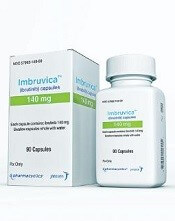
Photo from Janssen Biotech
The European Commission (EC) has broadened the indication for ibrutinib (Imbruvica) to include newly diagnosed patients with chronic lymphocytic leukemia (CLL).
The drug had already been approved in the European Union to treat adults with CLL who have received at least one prior therapy and adults with previously untreated CLL who have 17p deletion or TP53 mutation and are unsuitable for chemo-immunotherapy.
Ibrutinib is now approved for all patients with CLL.
The EC is following the recommendation of the European Medicines Agency’s Committee for Medicinal Products for Human Use (CHMP), which had previously sent its endorsement to the EC.
This approval also follows the decision by the US Food and Drug Administration in March to approve the expanded use of ibrutinib capsules for treatment-naïve patients with CLL.
Ibrutinib is also approved to treat adults with relapsed or refractory mantle cell lymphoma, adults with Waldenström’s macroglobulinemia who have received at least one prior therapy, and previously untreated adults with Waldenström’s macroglobulinemia who are unsuitable for chemo-immunotherapy.
RESONATE-2 trial
The expanded ibrutinib indication is based on data from the phase 3, randomized, open-label RESONATE-2 trial, published in NEJM in 2015.
Results from the RESONATE-2 study showed that ibrutinib significantly prolonged overall survival (OS) (HR=0.16, 95 percent CI 0.05 to 0.56; P=0.001).
Ninety-eight percent of patients were still alive after 2 years, compared to 85% percent for patients randomized to the chlorambucil arm.
Median progression-free survival (PFS) was not reached for patients receiving ibrutinib versus 18.9 months for those in the chlorambucil arm. This represented a statistically significant 84% reduction in the risk of death or progression in the ibrutinib arm (HR=0.16, 95 percent CI 0.09 to 0.28; P<0.001).
“Ibrutinib has shown remarkable improvements in overall survival, progression-free survival, and response rates compared with chlorambucil,” said Paolo Ghia, MD, PhD, one of the RESONATE-2 investigators.
The overall safety of ibrutinib in the treatment-naïve CLL patient population was consistent with previously reported studies.
The most common adverse events for ibrutinib of any grade occurring in 20% or more of the patients were diarrhea (42%), fatigue (30%), cough (22%), and nausea (22%).
“The RESONATE-2 data indicate that ibrutinib can provide a much-needed first line treatment alternative for many patients,” Dr Ghia affirmed.
Ibrutinib is co-developed by Cilag GmbH International, a member of the Janssen Pharmaceutical Companies, and Pharmacyclics LLC, an AbbVie company. Janssen affiliates market ibrutinib in all approved countries except the US. In the US, Janssen Biotech, Inc. and Pharmacyclics co-market it.
Photo from Janssen Biotech
The European Commission (EC) has broadened the indication for ibrutinib (Imbruvica) to include newly diagnosed patients with chronic lymphocytic leukemia (CLL).
The drug had already been approved in the European Union to treat adults with CLL who have received at least one prior therapy and adults with previously untreated CLL who have 17p deletion or TP53 mutation and are unsuitable for chemo-immunotherapy.
Ibrutinib is now approved for all patients with CLL.
The EC is following the recommendation of the European Medicines Agency’s Committee for Medicinal Products for Human Use (CHMP), which had previously sent its endorsement to the EC.
This approval also follows the decision by the US Food and Drug Administration in March to approve the expanded use of ibrutinib capsules for treatment-naïve patients with CLL.
Ibrutinib is also approved to treat adults with relapsed or refractory mantle cell lymphoma, adults with Waldenström’s macroglobulinemia who have received at least one prior therapy, and previously untreated adults with Waldenström’s macroglobulinemia who are unsuitable for chemo-immunotherapy.
RESONATE-2 trial
The expanded ibrutinib indication is based on data from the phase 3, randomized, open-label RESONATE-2 trial, published in NEJM in 2015.
Results from the RESONATE-2 study showed that ibrutinib significantly prolonged overall survival (OS) (HR=0.16, 95 percent CI 0.05 to 0.56; P=0.001).
Ninety-eight percent of patients were still alive after 2 years, compared to 85% percent for patients randomized to the chlorambucil arm.
Median progression-free survival (PFS) was not reached for patients receiving ibrutinib versus 18.9 months for those in the chlorambucil arm. This represented a statistically significant 84% reduction in the risk of death or progression in the ibrutinib arm (HR=0.16, 95 percent CI 0.09 to 0.28; P<0.001).
“Ibrutinib has shown remarkable improvements in overall survival, progression-free survival, and response rates compared with chlorambucil,” said Paolo Ghia, MD, PhD, one of the RESONATE-2 investigators.
The overall safety of ibrutinib in the treatment-naïve CLL patient population was consistent with previously reported studies.
The most common adverse events for ibrutinib of any grade occurring in 20% or more of the patients were diarrhea (42%), fatigue (30%), cough (22%), and nausea (22%).
“The RESONATE-2 data indicate that ibrutinib can provide a much-needed first line treatment alternative for many patients,” Dr Ghia affirmed.
Ibrutinib is co-developed by Cilag GmbH International, a member of the Janssen Pharmaceutical Companies, and Pharmacyclics LLC, an AbbVie company. Janssen affiliates market ibrutinib in all approved countries except the US. In the US, Janssen Biotech, Inc. and Pharmacyclics co-market it.
Photo from Janssen Biotech
The European Commission (EC) has broadened the indication for ibrutinib (Imbruvica) to include newly diagnosed patients with chronic lymphocytic leukemia (CLL).
The drug had already been approved in the European Union to treat adults with CLL who have received at least one prior therapy and adults with previously untreated CLL who have 17p deletion or TP53 mutation and are unsuitable for chemo-immunotherapy.
Ibrutinib is now approved for all patients with CLL.
The EC is following the recommendation of the European Medicines Agency’s Committee for Medicinal Products for Human Use (CHMP), which had previously sent its endorsement to the EC.
This approval also follows the decision by the US Food and Drug Administration in March to approve the expanded use of ibrutinib capsules for treatment-naïve patients with CLL.
Ibrutinib is also approved to treat adults with relapsed or refractory mantle cell lymphoma, adults with Waldenström’s macroglobulinemia who have received at least one prior therapy, and previously untreated adults with Waldenström’s macroglobulinemia who are unsuitable for chemo-immunotherapy.
RESONATE-2 trial
The expanded ibrutinib indication is based on data from the phase 3, randomized, open-label RESONATE-2 trial, published in NEJM in 2015.
Results from the RESONATE-2 study showed that ibrutinib significantly prolonged overall survival (OS) (HR=0.16, 95 percent CI 0.05 to 0.56; P=0.001).
Ninety-eight percent of patients were still alive after 2 years, compared to 85% percent for patients randomized to the chlorambucil arm.
Median progression-free survival (PFS) was not reached for patients receiving ibrutinib versus 18.9 months for those in the chlorambucil arm. This represented a statistically significant 84% reduction in the risk of death or progression in the ibrutinib arm (HR=0.16, 95 percent CI 0.09 to 0.28; P<0.001).
“Ibrutinib has shown remarkable improvements in overall survival, progression-free survival, and response rates compared with chlorambucil,” said Paolo Ghia, MD, PhD, one of the RESONATE-2 investigators.
The overall safety of ibrutinib in the treatment-naïve CLL patient population was consistent with previously reported studies.
The most common adverse events for ibrutinib of any grade occurring in 20% or more of the patients were diarrhea (42%), fatigue (30%), cough (22%), and nausea (22%).
“The RESONATE-2 data indicate that ibrutinib can provide a much-needed first line treatment alternative for many patients,” Dr Ghia affirmed.
Ibrutinib is co-developed by Cilag GmbH International, a member of the Janssen Pharmaceutical Companies, and Pharmacyclics LLC, an AbbVie company. Janssen affiliates market ibrutinib in all approved countries except the US. In the US, Janssen Biotech, Inc. and Pharmacyclics co-market it.
VIDEO: Daratumumab dramatically improves outcomes of myeloma
CHICAGO – The phase III CASTOR trial tested addition of daratumumab—an anti-CD38 antibody—to bortezomib and dexamethasone in patients with relapsed or refractory multiple myeloma. Compared with the dual therapy, the triple therapy reduced the risk of progression or death by 61%, with little increase in toxicity, according to data reported at the annual meeting of the American Society of Clinical Oncology.
In an interview at the meeting, lead author Dr. Antonio Palumbo fielded key questions: Do some patients benefit more than others? Does the antibody prolong overall survival? And how much will it cost?
Dr. Palumbo is chief of the multiple myeloma Unit at the University of Torino, Italy.
The video associated with this article is no longer available on this site. Please view all of our videos on the MDedge YouTube channel
CHICAGO – The phase III CASTOR trial tested addition of daratumumab—an anti-CD38 antibody—to bortezomib and dexamethasone in patients with relapsed or refractory multiple myeloma. Compared with the dual therapy, the triple therapy reduced the risk of progression or death by 61%, with little increase in toxicity, according to data reported at the annual meeting of the American Society of Clinical Oncology.
In an interview at the meeting, lead author Dr. Antonio Palumbo fielded key questions: Do some patients benefit more than others? Does the antibody prolong overall survival? And how much will it cost?
Dr. Palumbo is chief of the multiple myeloma Unit at the University of Torino, Italy.
The video associated with this article is no longer available on this site. Please view all of our videos on the MDedge YouTube channel
CHICAGO – The phase III CASTOR trial tested addition of daratumumab—an anti-CD38 antibody—to bortezomib and dexamethasone in patients with relapsed or refractory multiple myeloma. Compared with the dual therapy, the triple therapy reduced the risk of progression or death by 61%, with little increase in toxicity, according to data reported at the annual meeting of the American Society of Clinical Oncology.
In an interview at the meeting, lead author Dr. Antonio Palumbo fielded key questions: Do some patients benefit more than others? Does the antibody prolong overall survival? And how much will it cost?
Dr. Palumbo is chief of the multiple myeloma Unit at the University of Torino, Italy.
The video associated with this article is no longer available on this site. Please view all of our videos on the MDedge YouTube channel
AT THE 2016 ASCO ANNUAL MEETING

Lenalidomide maintenance prolongs overall survival after ASCT
CHICAGO – Lenalidomide maintenance therapy significantly prolonged overall survival after autologous stem cell transplant in newly diagnosed multiple myeloma patients, including patients who had a complete response to ASCT, based on a meta-analysis presented at the annual meeting of the American Society of Clinical Oncology.
While several studies have indicated that lenalidomide maintenance reduces the risk of disease progression or death compared to a control group, none of the individual studies were powered to detect a significant improvement in overall survival, said Dr. Philip L. McCarthy, director of the Blood and Marrow Transplant Center at Roswell Park Cancer Institute, Buffalo, N.Y., who is a co-author of the meta-analysis and reported the results on behalf of Dr. Michel Attal of University Hospital, Toulouse, France.

The researchers found that three randomized controlled trials using lenalidomide post-ASCT (IFM 2005-02, CALGB 100104 [Alliance], GIMEMA RV-209) met the criteria of having patient-level data, a control arm, and primary efficacy data for newly-diagnosed patients with multiple myeloma.
After induction and single (82%) or tandem (18%) ASCT, 55% of patients in the meta-analysis had complete or very good partial responses.
From 2005 to 2009, 605 patients received lenalidomide either 10 mg/day on days 1-21 of a 28-day cycle (GIMEMA) or on days 1-28 of a 28-day cycle (IFM and CALGB); 604 patients were in a control group. With a median follow-up of 6.6 years, 491 patients (41%) had died.
Median overall survival was not reached in the lenolidamide group and was 86 months in the control group (HR = 0.74; 95% CI, 0.62-0.89; log-rank P = .001). Survival was longer in the lenolidamine group as compared to the control group at 5 years (71% vs 66%), 6 years (65% vs 58%), and 7 years (62% vs 50%), reported Dr. McCarthy.
Dr. McCarthy receives research funding from Celgene, the maker of Revlimid (lenalidomide); and is a consultant or advisor to and receives honoraria from Binding Site; Bristol-Myers Squibb; Celgene; Janssen; Karyopharm Therapeutics; and Sanofi. Dr. Attal had no disclosures.
On Twitter @maryjodales
CHICAGO – Lenalidomide maintenance therapy significantly prolonged overall survival after autologous stem cell transplant in newly diagnosed multiple myeloma patients, including patients who had a complete response to ASCT, based on a meta-analysis presented at the annual meeting of the American Society of Clinical Oncology.
While several studies have indicated that lenalidomide maintenance reduces the risk of disease progression or death compared to a control group, none of the individual studies were powered to detect a significant improvement in overall survival, said Dr. Philip L. McCarthy, director of the Blood and Marrow Transplant Center at Roswell Park Cancer Institute, Buffalo, N.Y., who is a co-author of the meta-analysis and reported the results on behalf of Dr. Michel Attal of University Hospital, Toulouse, France.
The researchers found that three randomized controlled trials using lenalidomide post-ASCT (IFM 2005-02, CALGB 100104 [Alliance], GIMEMA RV-209) met the criteria of having patient-level data, a control arm, and primary efficacy data for newly-diagnosed patients with multiple myeloma.
After induction and single (82%) or tandem (18%) ASCT, 55% of patients in the meta-analysis had complete or very good partial responses.
From 2005 to 2009, 605 patients received lenalidomide either 10 mg/day on days 1-21 of a 28-day cycle (GIMEMA) or on days 1-28 of a 28-day cycle (IFM and CALGB); 604 patients were in a control group. With a median follow-up of 6.6 years, 491 patients (41%) had died.
Median overall survival was not reached in the lenolidamide group and was 86 months in the control group (HR = 0.74; 95% CI, 0.62-0.89; log-rank P = .001). Survival was longer in the lenolidamine group as compared to the control group at 5 years (71% vs 66%), 6 years (65% vs 58%), and 7 years (62% vs 50%), reported Dr. McCarthy.
Dr. McCarthy receives research funding from Celgene, the maker of Revlimid (lenalidomide); and is a consultant or advisor to and receives honoraria from Binding Site; Bristol-Myers Squibb; Celgene; Janssen; Karyopharm Therapeutics; and Sanofi. Dr. Attal had no disclosures.
On Twitter @maryjodales
CHICAGO – Lenalidomide maintenance therapy significantly prolonged overall survival after autologous stem cell transplant in newly diagnosed multiple myeloma patients, including patients who had a complete response to ASCT, based on a meta-analysis presented at the annual meeting of the American Society of Clinical Oncology.
While several studies have indicated that lenalidomide maintenance reduces the risk of disease progression or death compared to a control group, none of the individual studies were powered to detect a significant improvement in overall survival, said Dr. Philip L. McCarthy, director of the Blood and Marrow Transplant Center at Roswell Park Cancer Institute, Buffalo, N.Y., who is a co-author of the meta-analysis and reported the results on behalf of Dr. Michel Attal of University Hospital, Toulouse, France.
The researchers found that three randomized controlled trials using lenalidomide post-ASCT (IFM 2005-02, CALGB 100104 [Alliance], GIMEMA RV-209) met the criteria of having patient-level data, a control arm, and primary efficacy data for newly-diagnosed patients with multiple myeloma.
After induction and single (82%) or tandem (18%) ASCT, 55% of patients in the meta-analysis had complete or very good partial responses.
From 2005 to 2009, 605 patients received lenalidomide either 10 mg/day on days 1-21 of a 28-day cycle (GIMEMA) or on days 1-28 of a 28-day cycle (IFM and CALGB); 604 patients were in a control group. With a median follow-up of 6.6 years, 491 patients (41%) had died.
Median overall survival was not reached in the lenolidamide group and was 86 months in the control group (HR = 0.74; 95% CI, 0.62-0.89; log-rank P = .001). Survival was longer in the lenolidamine group as compared to the control group at 5 years (71% vs 66%), 6 years (65% vs 58%), and 7 years (62% vs 50%), reported Dr. McCarthy.
Dr. McCarthy receives research funding from Celgene, the maker of Revlimid (lenalidomide); and is a consultant or advisor to and receives honoraria from Binding Site; Bristol-Myers Squibb; Celgene; Janssen; Karyopharm Therapeutics; and Sanofi. Dr. Attal had no disclosures.
On Twitter @maryjodales
AT ASCO 2016
Key clinical point: Lenalidomide maintenance therapy significantly prolonged overall survival after autologous stem cell transplant in newly diagnosed multiple myeloma patients.
Major finding: Median overall survival was not reached in the lenolidamide group and was 86 months in the control group (HR = 0.74; 95% CI, 0.62-0.89; log-rank P = .001).
Data source: Meta-analysis of 1,209 patients in three randomized controlled trials using lenalidomide post-ASCT (IFM 2005-02, CALGB 100104 [Alliance], GIMEMA RV-209).
Disclosures: Dr. McCarthy receives research funding from Celgene, the maker of Revlimid (lenalidomide); and is a consultant or advisor to and receives honoraria from Binding Site; Bristol-Myers Squibb; Celgene; Janssen; Karyopharm Therapeutics; and Sanofi. Dr. Attal had no disclosures.

Up-front ASCT superior for fit patients with newly diagnosed myeloma
CHICAGO – Up-front high-dose melphalan and autologous stem cell transplantation (ASCT) was superior to bortezomib-melphalan-prednisone (VMP) for fit patients younger than age 65 years with newly diagnosed multiple myeloma, based on the interim results from a randomized study of the European Myeloma Network.
With more than 1,200 patients, the study is the largest trial yet to show superior progression-free survival for ASCT. Follow-up has been too short to show significance for overall survival.
“Up-front ASCT was associated with a significant improvement in progression-free survival as compared to bortezomib-melphalan-prednisone in the overall patient population, (and the advantage) was retained across prespecified subgroups of patients at low and high risk … (as well as) in a multivariate analysis” of the overall population, Dr. Michele Cavo of the University of Bologna, Italy, reported at the annual meeting of the American Society of Clinical Oncology. “Up-front high-dose melphalan and ASCT continue to be the reference treatment choice for fit patients with newly diagnosed multiple myeloma, even in the novel agent era.”
ASCT was associated with higher rates of grade 3 or more adverse events in nearly every category, however, with the exception of peripheral nephropathy.
For the study, 1,266 patients, stratified by International Staging System stage and FISH (fluorescence in situ hybridization) analysis, were randomized to either VMP (512 pts) or to high-dose melphalan and ASCT (754 pts). At the meeting, Dr. Cavo reported on the study’s interim outcome results in 695 patients who had ASCT and 497 newly diagnosed patients who received VMP.
At 3 years, progression-free survival rates were 66.1% in the ASCT patients and 57.5% in the VMP patients. The median progression-free survival had not yet been reached in the ASCT patients and was 44 months in the bortezomib-melphalan-prednisone patients. (hazard ratio, 95% confidence interval, 0.73 [0.59-0.90]; P = .003).
Stringent complete responses were seen in 18.2% of patients in the VMP group and 17% of the ASCT group; Complete responses occurred in 25.3% of both groups. The main difference observed was in the number of very good partial responses, seen in 30.4% of the VMP group and in 43.2% of the ASCT group. Also, 11.2% of those in the VMP group had less than a partial response while that was the case for only 3.3% of the ASCT group.
Alternatively, the rate of grade 3 or more adverse events was higher in the ASCT group, with 17.5% experiencing febrile neutropenia, 15.6% mucositis, 3.2% sepsis, and 2.6% respiratory infections. The rates of these side effects in the VMP group were 0.2%, 0%, 0%, and 1.7%, respectively. The only grade 3 or more adverse event seen with greater frequency in the VMP group was peripheral neuropathy, seen in 13.8% as compared with 1.6% in the ASCT group.
Dr. Cavo receives honoraria from Amgen, Bristol-Myers Squibb, Celgene, Janssen, and Takeda. He serves as a consultant or advisor to and is on the speakers bureau for Amgen. Celgene, Janssen.
On Twitter @maryjodales
This story was updated on June 10, 2016.
Although novel drug combinations have become a standard of care for newly diagnosed multiple myeloma patients, high-dose melphalan and ASCT improve the depth of remission, regardless of the induction regimen. Four trials comparing differing induction and consolidation regimens to one or more ASCTs now have shown significantly improved progression-free survival. Two of the trials have more than 36 months of follow-up.
Dr. William Bensinger is with the Fred Hutchinson Cancer Research Center and the Swedish Cancer Institute in Seattle.
Although novel drug combinations have become a standard of care for newly diagnosed multiple myeloma patients, high-dose melphalan and ASCT improve the depth of remission, regardless of the induction regimen. Four trials comparing differing induction and consolidation regimens to one or more ASCTs now have shown significantly improved progression-free survival. Two of the trials have more than 36 months of follow-up.
Dr. William Bensinger is with the Fred Hutchinson Cancer Research Center and the Swedish Cancer Institute in Seattle.
Although novel drug combinations have become a standard of care for newly diagnosed multiple myeloma patients, high-dose melphalan and ASCT improve the depth of remission, regardless of the induction regimen. Four trials comparing differing induction and consolidation regimens to one or more ASCTs now have shown significantly improved progression-free survival. Two of the trials have more than 36 months of follow-up.
Dr. William Bensinger is with the Fred Hutchinson Cancer Research Center and the Swedish Cancer Institute in Seattle.
CHICAGO – Up-front high-dose melphalan and autologous stem cell transplantation (ASCT) was superior to bortezomib-melphalan-prednisone (VMP) for fit patients younger than age 65 years with newly diagnosed multiple myeloma, based on the interim results from a randomized study of the European Myeloma Network.
With more than 1,200 patients, the study is the largest trial yet to show superior progression-free survival for ASCT. Follow-up has been too short to show significance for overall survival.
“Up-front ASCT was associated with a significant improvement in progression-free survival as compared to bortezomib-melphalan-prednisone in the overall patient population, (and the advantage) was retained across prespecified subgroups of patients at low and high risk … (as well as) in a multivariate analysis” of the overall population, Dr. Michele Cavo of the University of Bologna, Italy, reported at the annual meeting of the American Society of Clinical Oncology. “Up-front high-dose melphalan and ASCT continue to be the reference treatment choice for fit patients with newly diagnosed multiple myeloma, even in the novel agent era.”
ASCT was associated with higher rates of grade 3 or more adverse events in nearly every category, however, with the exception of peripheral nephropathy.
For the study, 1,266 patients, stratified by International Staging System stage and FISH (fluorescence in situ hybridization) analysis, were randomized to either VMP (512 pts) or to high-dose melphalan and ASCT (754 pts). At the meeting, Dr. Cavo reported on the study’s interim outcome results in 695 patients who had ASCT and 497 newly diagnosed patients who received VMP.
At 3 years, progression-free survival rates were 66.1% in the ASCT patients and 57.5% in the VMP patients. The median progression-free survival had not yet been reached in the ASCT patients and was 44 months in the bortezomib-melphalan-prednisone patients. (hazard ratio, 95% confidence interval, 0.73 [0.59-0.90]; P = .003).
Stringent complete responses were seen in 18.2% of patients in the VMP group and 17% of the ASCT group; Complete responses occurred in 25.3% of both groups. The main difference observed was in the number of very good partial responses, seen in 30.4% of the VMP group and in 43.2% of the ASCT group. Also, 11.2% of those in the VMP group had less than a partial response while that was the case for only 3.3% of the ASCT group.
Alternatively, the rate of grade 3 or more adverse events was higher in the ASCT group, with 17.5% experiencing febrile neutropenia, 15.6% mucositis, 3.2% sepsis, and 2.6% respiratory infections. The rates of these side effects in the VMP group were 0.2%, 0%, 0%, and 1.7%, respectively. The only grade 3 or more adverse event seen with greater frequency in the VMP group was peripheral neuropathy, seen in 13.8% as compared with 1.6% in the ASCT group.
Dr. Cavo receives honoraria from Amgen, Bristol-Myers Squibb, Celgene, Janssen, and Takeda. He serves as a consultant or advisor to and is on the speakers bureau for Amgen. Celgene, Janssen.
On Twitter @maryjodales
This story was updated on June 10, 2016.
CHICAGO – Up-front high-dose melphalan and autologous stem cell transplantation (ASCT) was superior to bortezomib-melphalan-prednisone (VMP) for fit patients younger than age 65 years with newly diagnosed multiple myeloma, based on the interim results from a randomized study of the European Myeloma Network.
With more than 1,200 patients, the study is the largest trial yet to show superior progression-free survival for ASCT. Follow-up has been too short to show significance for overall survival.
“Up-front ASCT was associated with a significant improvement in progression-free survival as compared to bortezomib-melphalan-prednisone in the overall patient population, (and the advantage) was retained across prespecified subgroups of patients at low and high risk … (as well as) in a multivariate analysis” of the overall population, Dr. Michele Cavo of the University of Bologna, Italy, reported at the annual meeting of the American Society of Clinical Oncology. “Up-front high-dose melphalan and ASCT continue to be the reference treatment choice for fit patients with newly diagnosed multiple myeloma, even in the novel agent era.”
ASCT was associated with higher rates of grade 3 or more adverse events in nearly every category, however, with the exception of peripheral nephropathy.
For the study, 1,266 patients, stratified by International Staging System stage and FISH (fluorescence in situ hybridization) analysis, were randomized to either VMP (512 pts) or to high-dose melphalan and ASCT (754 pts). At the meeting, Dr. Cavo reported on the study’s interim outcome results in 695 patients who had ASCT and 497 newly diagnosed patients who received VMP.
At 3 years, progression-free survival rates were 66.1% in the ASCT patients and 57.5% in the VMP patients. The median progression-free survival had not yet been reached in the ASCT patients and was 44 months in the bortezomib-melphalan-prednisone patients. (hazard ratio, 95% confidence interval, 0.73 [0.59-0.90]; P = .003).
Stringent complete responses were seen in 18.2% of patients in the VMP group and 17% of the ASCT group; Complete responses occurred in 25.3% of both groups. The main difference observed was in the number of very good partial responses, seen in 30.4% of the VMP group and in 43.2% of the ASCT group. Also, 11.2% of those in the VMP group had less than a partial response while that was the case for only 3.3% of the ASCT group.
Alternatively, the rate of grade 3 or more adverse events was higher in the ASCT group, with 17.5% experiencing febrile neutropenia, 15.6% mucositis, 3.2% sepsis, and 2.6% respiratory infections. The rates of these side effects in the VMP group were 0.2%, 0%, 0%, and 1.7%, respectively. The only grade 3 or more adverse event seen with greater frequency in the VMP group was peripheral neuropathy, seen in 13.8% as compared with 1.6% in the ASCT group.
Dr. Cavo receives honoraria from Amgen, Bristol-Myers Squibb, Celgene, Janssen, and Takeda. He serves as a consultant or advisor to and is on the speakers bureau for Amgen. Celgene, Janssen.
On Twitter @maryjodales
This story was updated on June 10, 2016.
AT THE 2016 ASCO ANNUAL MEETING
Key clinical point: Up-front high-dose melphalan and autologous stem cell transplantation was superior to bortezomib-melphalan-prednisone for fit patients under age 65 years with newly diagnosed multiple myeloma.
Major finding: At 3 years of follow-up, progression-free survival rates were 66.1% in the ASCT patients and 57.5% in the bortezomib-melphalan-prednisone patients.
Data source: Interim results from a randomized study of over 1200 patients in the European Myeloma Network.
Disclosures: Dr. Cavo receives honoraria from Amgen, Bristol-Myers Squibb, Celgene, Janssen, and Takeda. He serves as a consultant or advisor to and is on the speakers bureau for Amgen. Celgene, Janssen.
AYAs still fare worse than kids with leukemia, lymphoma

patient and her father
Photo by Rhoda Baer
Adolescents and young adults (AYAs) are less likely than children to survive 8 relatively common types of cancer, according to a long-running study of cancer survival across Europe.
The study showed that AYAs had significantly worse survival rates than children if they were diagnosed with acute lymphoblastic leukemia (ALL), acute myeloid leukemia (AML), Hodgkin or non-Hodgkin lymphoma (NHL), and 4 types of solid tumor malignancies.
The study’s authors say that variations in survival between age groups are due to a number of factors, including delays in diagnosis and treatment, a lack of treatment guidelines and clinical trials specifically for AYAs, and differences in the biology of some cancers.
“The good news is that the number of children, adolescents, and young adults surviving for at least 5 years after diagnosis has risen steadily over time in Europe,” said author Annalisa Trama, PhD, of The National Institute of Cancer (Istituto Nazionale dei Tumori: Fondazione IRCCS) in Milan, Italy.
“Across all cancers, the level of improvement is similar in these age groups. This contrasts with earlier results that adolescents and young adults diagnosed up to the 1990s were lagging behind children in terms of survival.”
“However, we found that adolescents and young adults still tend to die earlier than children for several cancers common to these age groups, particularly blood cancers like leukemias and non-Hodgkin’s lymphoma.”
Dr Trama and her colleagues reported these findings in The Lancet Oncology.
The researchers compared survival between AYAs (ages 15 to 39), children (ages 0 to 14), and adults (ages 40 to 69) who were diagnosed from 2000 to 2007 and followed up to at least 2008.
The team analyzed data from population-based cancer registries covering all or part of 27 European countries* and estimated 5-year survival for 56,505 cancer cases in children; 312,483 in AYAs; and 3,567,383 in adults. The researchers also analyzed changes in survival over time from 1999 to 2007.
For AYAs, survival at 5 years from diagnosis for all cancers combined was 82% for 2005-2007, which is up from 79% for 1999-2001 (P<0.0001). In children, survival improved from 76% to 79% over the same time period (P<0.0001).
Survival improved significantly in children and AYAs for ALL (P<0.0001) and NHL (P<0.0001 in AYAs and P=0.023 in children). On the other hand, between 1999 and 2007, survival rates remained unchanged for AYAs with AML (around 50%).
Overall, AYAs had slightly better 5-year survival than children because they were diagnosed more often with cancers with fairly good prognoses—Hodgkin lymphoma, NHL, germ cell tumors, melanoma, thyroid cancer, and breast cancer.
However, the overall survival rates conceal differences between specific cancers. Survival was significantly worse for AYAs than for children when it came to 8 relatively common cancers affecting both age groups:
- ALL—55.6% for AYAs and 85.8% for children (P<0.0001)
- AML—49.8% and 60.5%, respectively (P<0.0001)
- Hodgkin lymphoma—92.9% and 95.1%, respectively (P<0.0001)
- NHL—77.4% and 83.0%, respectively (P<0.0001)
- Astrocytomas—46.4% and 61.9%, respectively (P<0.0001)
- Ewing’s sarcoma of bone—49.3% and 66.6%, respectively (P<0.0001)
- Rhabdomyosarcoma—37.8% and 66.6%, respectively (P<0.0001)
- Osteosarcoma—61.5% and 66.8%, respectively (P=0.011).
AYAs had a survival advantage over adults for almost all major cancers affecting both age groups, supporting the idea that younger patients with few other illnesses are likely to fare better than older patients.
There are only 2 types of cancer for which AYAs were at a survival disadvantage—breast (83.5% vs 87.0%) and prostate (79.9% vs 89.8%).
Dr Trama and her colleagues pointed out that this analysis pre-dates recent initiatives to improve outcomes for AYAs that have been implemented in several European countries.
“The European Network for Teenagers and Young Adults with Cancer is advocating collaboration between pediatric and adult oncologists, greater access to clinical trials and research to improve treatments for this specific age group, as well as developing adolescent and young adult-specific practice guidelines, encouraging healthier lifestyles and the greater involvement of patients and patients support groups,” Dr Trama said.
“This study will provide an important starting point from which to evaluate whether these initiatives will reduce the gulf in survival between European adolescents and young adults and children with cancer.”
*Finland, Iceland, Norway, Sweden, England, Ireland, Northern Ireland, Scotland, Wales, Austria, Belgium, France, Germany, Netherlands, Switzerland, Croatia, Italy, Malta, Portugal, Slovenia, Spain, Bulgaria, Estonia, Latvia, Lithuania, Poland, and Slovakia
patient and her father
Photo by Rhoda Baer
Adolescents and young adults (AYAs) are less likely than children to survive 8 relatively common types of cancer, according to a long-running study of cancer survival across Europe.
The study showed that AYAs had significantly worse survival rates than children if they were diagnosed with acute lymphoblastic leukemia (ALL), acute myeloid leukemia (AML), Hodgkin or non-Hodgkin lymphoma (NHL), and 4 types of solid tumor malignancies.
The study’s authors say that variations in survival between age groups are due to a number of factors, including delays in diagnosis and treatment, a lack of treatment guidelines and clinical trials specifically for AYAs, and differences in the biology of some cancers.
“The good news is that the number of children, adolescents, and young adults surviving for at least 5 years after diagnosis has risen steadily over time in Europe,” said author Annalisa Trama, PhD, of The National Institute of Cancer (Istituto Nazionale dei Tumori: Fondazione IRCCS) in Milan, Italy.
“Across all cancers, the level of improvement is similar in these age groups. This contrasts with earlier results that adolescents and young adults diagnosed up to the 1990s were lagging behind children in terms of survival.”
“However, we found that adolescents and young adults still tend to die earlier than children for several cancers common to these age groups, particularly blood cancers like leukemias and non-Hodgkin’s lymphoma.”
Dr Trama and her colleagues reported these findings in The Lancet Oncology.
The researchers compared survival between AYAs (ages 15 to 39), children (ages 0 to 14), and adults (ages 40 to 69) who were diagnosed from 2000 to 2007 and followed up to at least 2008.
The team analyzed data from population-based cancer registries covering all or part of 27 European countries* and estimated 5-year survival for 56,505 cancer cases in children; 312,483 in AYAs; and 3,567,383 in adults. The researchers also analyzed changes in survival over time from 1999 to 2007.
For AYAs, survival at 5 years from diagnosis for all cancers combined was 82% for 2005-2007, which is up from 79% for 1999-2001 (P<0.0001). In children, survival improved from 76% to 79% over the same time period (P<0.0001).
Survival improved significantly in children and AYAs for ALL (P<0.0001) and NHL (P<0.0001 in AYAs and P=0.023 in children). On the other hand, between 1999 and 2007, survival rates remained unchanged for AYAs with AML (around 50%).
Overall, AYAs had slightly better 5-year survival than children because they were diagnosed more often with cancers with fairly good prognoses—Hodgkin lymphoma, NHL, germ cell tumors, melanoma, thyroid cancer, and breast cancer.
However, the overall survival rates conceal differences between specific cancers. Survival was significantly worse for AYAs than for children when it came to 8 relatively common cancers affecting both age groups:
- ALL—55.6% for AYAs and 85.8% for children (P<0.0001)
- AML—49.8% and 60.5%, respectively (P<0.0001)
- Hodgkin lymphoma—92.9% and 95.1%, respectively (P<0.0001)
- NHL—77.4% and 83.0%, respectively (P<0.0001)
- Astrocytomas—46.4% and 61.9%, respectively (P<0.0001)
- Ewing’s sarcoma of bone—49.3% and 66.6%, respectively (P<0.0001)
- Rhabdomyosarcoma—37.8% and 66.6%, respectively (P<0.0001)
- Osteosarcoma—61.5% and 66.8%, respectively (P=0.011).
AYAs had a survival advantage over adults for almost all major cancers affecting both age groups, supporting the idea that younger patients with few other illnesses are likely to fare better than older patients.
There are only 2 types of cancer for which AYAs were at a survival disadvantage—breast (83.5% vs 87.0%) and prostate (79.9% vs 89.8%).
Dr Trama and her colleagues pointed out that this analysis pre-dates recent initiatives to improve outcomes for AYAs that have been implemented in several European countries.
“The European Network for Teenagers and Young Adults with Cancer is advocating collaboration between pediatric and adult oncologists, greater access to clinical trials and research to improve treatments for this specific age group, as well as developing adolescent and young adult-specific practice guidelines, encouraging healthier lifestyles and the greater involvement of patients and patients support groups,” Dr Trama said.
“This study will provide an important starting point from which to evaluate whether these initiatives will reduce the gulf in survival between European adolescents and young adults and children with cancer.”
*Finland, Iceland, Norway, Sweden, England, Ireland, Northern Ireland, Scotland, Wales, Austria, Belgium, France, Germany, Netherlands, Switzerland, Croatia, Italy, Malta, Portugal, Slovenia, Spain, Bulgaria, Estonia, Latvia, Lithuania, Poland, and Slovakia
patient and her father
Photo by Rhoda Baer
Adolescents and young adults (AYAs) are less likely than children to survive 8 relatively common types of cancer, according to a long-running study of cancer survival across Europe.
The study showed that AYAs had significantly worse survival rates than children if they were diagnosed with acute lymphoblastic leukemia (ALL), acute myeloid leukemia (AML), Hodgkin or non-Hodgkin lymphoma (NHL), and 4 types of solid tumor malignancies.
The study’s authors say that variations in survival between age groups are due to a number of factors, including delays in diagnosis and treatment, a lack of treatment guidelines and clinical trials specifically for AYAs, and differences in the biology of some cancers.
“The good news is that the number of children, adolescents, and young adults surviving for at least 5 years after diagnosis has risen steadily over time in Europe,” said author Annalisa Trama, PhD, of The National Institute of Cancer (Istituto Nazionale dei Tumori: Fondazione IRCCS) in Milan, Italy.
“Across all cancers, the level of improvement is similar in these age groups. This contrasts with earlier results that adolescents and young adults diagnosed up to the 1990s were lagging behind children in terms of survival.”
“However, we found that adolescents and young adults still tend to die earlier than children for several cancers common to these age groups, particularly blood cancers like leukemias and non-Hodgkin’s lymphoma.”
Dr Trama and her colleagues reported these findings in The Lancet Oncology.
The researchers compared survival between AYAs (ages 15 to 39), children (ages 0 to 14), and adults (ages 40 to 69) who were diagnosed from 2000 to 2007 and followed up to at least 2008.
The team analyzed data from population-based cancer registries covering all or part of 27 European countries* and estimated 5-year survival for 56,505 cancer cases in children; 312,483 in AYAs; and 3,567,383 in adults. The researchers also analyzed changes in survival over time from 1999 to 2007.
For AYAs, survival at 5 years from diagnosis for all cancers combined was 82% for 2005-2007, which is up from 79% for 1999-2001 (P<0.0001). In children, survival improved from 76% to 79% over the same time period (P<0.0001).
Survival improved significantly in children and AYAs for ALL (P<0.0001) and NHL (P<0.0001 in AYAs and P=0.023 in children). On the other hand, between 1999 and 2007, survival rates remained unchanged for AYAs with AML (around 50%).
Overall, AYAs had slightly better 5-year survival than children because they were diagnosed more often with cancers with fairly good prognoses—Hodgkin lymphoma, NHL, germ cell tumors, melanoma, thyroid cancer, and breast cancer.
However, the overall survival rates conceal differences between specific cancers. Survival was significantly worse for AYAs than for children when it came to 8 relatively common cancers affecting both age groups:
- ALL—55.6% for AYAs and 85.8% for children (P<0.0001)
- AML—49.8% and 60.5%, respectively (P<0.0001)
- Hodgkin lymphoma—92.9% and 95.1%, respectively (P<0.0001)
- NHL—77.4% and 83.0%, respectively (P<0.0001)
- Astrocytomas—46.4% and 61.9%, respectively (P<0.0001)
- Ewing’s sarcoma of bone—49.3% and 66.6%, respectively (P<0.0001)
- Rhabdomyosarcoma—37.8% and 66.6%, respectively (P<0.0001)
- Osteosarcoma—61.5% and 66.8%, respectively (P=0.011).
AYAs had a survival advantage over adults for almost all major cancers affecting both age groups, supporting the idea that younger patients with few other illnesses are likely to fare better than older patients.
There are only 2 types of cancer for which AYAs were at a survival disadvantage—breast (83.5% vs 87.0%) and prostate (79.9% vs 89.8%).
Dr Trama and her colleagues pointed out that this analysis pre-dates recent initiatives to improve outcomes for AYAs that have been implemented in several European countries.
“The European Network for Teenagers and Young Adults with Cancer is advocating collaboration between pediatric and adult oncologists, greater access to clinical trials and research to improve treatments for this specific age group, as well as developing adolescent and young adult-specific practice guidelines, encouraging healthier lifestyles and the greater involvement of patients and patients support groups,” Dr Trama said.
“This study will provide an important starting point from which to evaluate whether these initiatives will reduce the gulf in survival between European adolescents and young adults and children with cancer.”
*Finland, Iceland, Norway, Sweden, England, Ireland, Northern Ireland, Scotland, Wales, Austria, Belgium, France, Germany, Netherlands, Switzerland, Croatia, Italy, Malta, Portugal, Slovenia, Spain, Bulgaria, Estonia, Latvia, Lithuania, Poland, and Slovakia