User login
Group finds cancer stem cells in MDS patients

Credit: NIH
A new study provides “conclusive evidence” to support the existence of cancer stem cells in patients with myelodysplastic syndromes (MDS), according to researchers.
The group analyzed malignant cells in the bone marrow of MDS patients and identified a distinct subset of cells that showed all the hallmarks of cancer stem cells.
Only these MDS stem cells—none of the other malignant cells—were able to propagate the disease.
The researchers reported these discoveries in Cancer Cell.
Petter Woll, PhD, of the University of Oxford in the UK, and his colleagues conducted this research, analyzing bone marrow cells from 15 patients with low- or intermediate-risk MDS.
The team set out to establish in which cells cancer-driving mutations originated. This led them to a rare subset of MDS cells—Lin-CD34+CD38-CD90+CD45RA- cells—that appeared to have all the properties of cancer stem cells.
These cells sat at the top of a hierarchy of MDS cells, could sustain themselves and replenish the other MDS cells, and were the origin of all stable DNA changes and mutations that drove the progression of MDS.
“This is conclusive evidence for the existence of cancer stem cells in myelodysplastic syndromes,” Dr Woll said. “We have identified a subset of cancer cells [and] shown that these rare cells are invariably the cells in which the cancer originates and also are the only cancer-propagating cells in the patients.”
Study author Sten Eirik W. Jacobsen, MD, PhD, also of the University of Oxford, noted that cancer stem cells have already been reported in a number of malignancies.
But previous findings have remained controversial, since the lab tests used to establish the identity of cancer stem cells have been shown to be unreliable.
“In our studies, we avoided the problem of unreliable lab tests by tracking the origin and development of cancer-driving mutations in MDS patients,” Dr Jacobsen said.
Dr Woll added that this research provides a target for the development of more efficient therapies for MDS.
“We need to understand more about what makes these cancer stem cells unique, what makes them different to all the other cancer cells,” he said. “If we can find biological pathways that are specifically dysregulated in cancer stem cells, we might be able to target them with new drugs.” 
Credit: NIH
A new study provides “conclusive evidence” to support the existence of cancer stem cells in patients with myelodysplastic syndromes (MDS), according to researchers.
The group analyzed malignant cells in the bone marrow of MDS patients and identified a distinct subset of cells that showed all the hallmarks of cancer stem cells.
Only these MDS stem cells—none of the other malignant cells—were able to propagate the disease.
The researchers reported these discoveries in Cancer Cell.
Petter Woll, PhD, of the University of Oxford in the UK, and his colleagues conducted this research, analyzing bone marrow cells from 15 patients with low- or intermediate-risk MDS.
The team set out to establish in which cells cancer-driving mutations originated. This led them to a rare subset of MDS cells—Lin-CD34+CD38-CD90+CD45RA- cells—that appeared to have all the properties of cancer stem cells.
These cells sat at the top of a hierarchy of MDS cells, could sustain themselves and replenish the other MDS cells, and were the origin of all stable DNA changes and mutations that drove the progression of MDS.
“This is conclusive evidence for the existence of cancer stem cells in myelodysplastic syndromes,” Dr Woll said. “We have identified a subset of cancer cells [and] shown that these rare cells are invariably the cells in which the cancer originates and also are the only cancer-propagating cells in the patients.”
Study author Sten Eirik W. Jacobsen, MD, PhD, also of the University of Oxford, noted that cancer stem cells have already been reported in a number of malignancies.
But previous findings have remained controversial, since the lab tests used to establish the identity of cancer stem cells have been shown to be unreliable.
“In our studies, we avoided the problem of unreliable lab tests by tracking the origin and development of cancer-driving mutations in MDS patients,” Dr Jacobsen said.
Dr Woll added that this research provides a target for the development of more efficient therapies for MDS.
“We need to understand more about what makes these cancer stem cells unique, what makes them different to all the other cancer cells,” he said. “If we can find biological pathways that are specifically dysregulated in cancer stem cells, we might be able to target them with new drugs.”
Credit: NIH
A new study provides “conclusive evidence” to support the existence of cancer stem cells in patients with myelodysplastic syndromes (MDS), according to researchers.
The group analyzed malignant cells in the bone marrow of MDS patients and identified a distinct subset of cells that showed all the hallmarks of cancer stem cells.
Only these MDS stem cells—none of the other malignant cells—were able to propagate the disease.
The researchers reported these discoveries in Cancer Cell.
Petter Woll, PhD, of the University of Oxford in the UK, and his colleagues conducted this research, analyzing bone marrow cells from 15 patients with low- or intermediate-risk MDS.
The team set out to establish in which cells cancer-driving mutations originated. This led them to a rare subset of MDS cells—Lin-CD34+CD38-CD90+CD45RA- cells—that appeared to have all the properties of cancer stem cells.
These cells sat at the top of a hierarchy of MDS cells, could sustain themselves and replenish the other MDS cells, and were the origin of all stable DNA changes and mutations that drove the progression of MDS.
“This is conclusive evidence for the existence of cancer stem cells in myelodysplastic syndromes,” Dr Woll said. “We have identified a subset of cancer cells [and] shown that these rare cells are invariably the cells in which the cancer originates and also are the only cancer-propagating cells in the patients.”
Study author Sten Eirik W. Jacobsen, MD, PhD, also of the University of Oxford, noted that cancer stem cells have already been reported in a number of malignancies.
But previous findings have remained controversial, since the lab tests used to establish the identity of cancer stem cells have been shown to be unreliable.
“In our studies, we avoided the problem of unreliable lab tests by tracking the origin and development of cancer-driving mutations in MDS patients,” Dr Jacobsen said.
Dr Woll added that this research provides a target for the development of more efficient therapies for MDS.
“We need to understand more about what makes these cancer stem cells unique, what makes them different to all the other cancer cells,” he said. “If we can find biological pathways that are specifically dysregulated in cancer stem cells, we might be able to target them with new drugs.”
Protein inhibition confers radioprotective effects
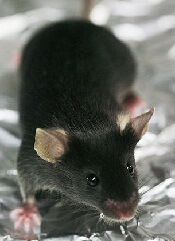
Researchers believe they may have discovered a method for treating and preventing radiation-induced gastrointestinal toxicity.
The investigators found that inhibiting prolyl hydroxylase domain (PHD) proteins in mice could help protect them from radiation-induced toxicity and prolong their life spans.
“We were very surprised by the amount of protection the animals received,” said Amato Giaccia, PhD, of the Stanford University School of Medicine in California.
“The important thing to note is that we didn’t change the amount of damage the intestinal cells sustained as a result of the radiation. We simply changed the physiology of that tissue and how it responded to that damage.”
Dr Giaccia and his colleagues described this research in Science Translational Medicine.
The study began with an interest in hypoxia-inducible factor (HIF) proteins, which are known to help cells survive stressful conditions.
“Previous studies from our group and others have suggested that the HIF proteins are important in protecting cells from many types of stress,” Dr Giaccia said. “So we wondered whether stabilizing HIF proteins, and therefore increasing their levels within the cells, could also protect the intestine from the effects of radiation.”
The researchers inhibited the degradation of HIF proteins in 2 ways. In the first experiment, they engineered mice that were unable to express PHD isoforms, a group of 3 proteins that tag HIF proteins for destruction.
In another experiment, the investigators treated unmodified mice with a small molecule called dimethyloxyallyl glycine (DMOG), which also inhibits the activity of PHD proteins.
In both cases, the levels of HIF1 and HIF2 proteins increased significantly in the manipulated mice, as compared to controls.
In addition, 70% of the genetically modified mice lived for at least 30 days after receiving a normally lethal dose of abdominal radiation, and 27% survived at least 30 days after a normally lethal dose of whole-body radiation.
Sixty-seven percent of DMOG-treated mice survived for at least 60 days after receiving a normally lethal dose of abdominal radiation, and 40% lived for at least 30 days after a normally lethal dose of whole-body radiation.
The control mice in both experiments did not survive longer than 10 days after either type of radiation exposure.
Elucidating the mechanism
Further experiments showed that HIF2, rather than HIF1, is responsible for the radioprotection the researchers observed.
To determine the cause of the treated animals’ prolonged survival, the investigators looked directly at the epithelial cells lining the intestines.
Treated mice exhibited lower levels of cell death in response to abdominal radiation exposure and improved survival of crypts, which host the rapidly dividing stem cells necessary to accommodate the intestines’ need for repeated cell turnover.
The treated animals also experienced less diarrhea and fewer imbalances in fluid and electrolyte levels than untreated animals exposed to the same dose of radiation. And they quickly gained back the weight they had lost as a result of the exposure.
Treatment after radiation exposure
“The animals that survived the abdominal radiation have a life span that is similar to unexposed animals, which was very exciting to us,” Dr Giaccia said. “However, we realized it would be impossible to pretreat humans unexpectedly exposed to large amounts of radiation like at Chernobyl or Fukushima because those exposures are, by nature, unpredictable.”
So Dr Giaccia and his colleagues experimented with treating the mice with DMOG after abdominal radiation exposure. They found that, although the protective qualities of the molecule were diminished, it did help.
When DMOG was given 4 hours after radiation exposure, 45% of the treated mice, but no untreated mice, survived at least 10 days.
After 24 hours, the effect was more subtle. DMOG treatment showed little benefit at higher doses of radiation. But at a lower dose, 75% of the treated animals lived for at least 30 days, compared to 18.2% of the untreated animals.
“We found we were still able to rescue a significant proportion of the animals,” Dr Giaccia said.
Finally, the researchers tested the effect of DMOG treatment 24 hours after total-body irradiation.
They found that 37.5% of the treated mice survived for at least 30 days, but only if the mice were also given a bone marrow transplant to restore blood and immune stem cells killed by the radiation. None of the untreated mice lived beyond 10 days.
The investigators pointed out that, although this study suggests a possible way to mitigate the effects of therapeutic radiation exposure, more work remains. But the next steps are clear.
“There are a number of drug molecules that act in a manner similar to DMOG that are already in clinical trials for unrelated conditions,” Dr Giaccia said. “Our next step will be to test some of these molecules to see if they also offer radioprotection.”
Stanford University has filed a patent application, “Use of Prolyl Hydroxylase Inhibitors as a Radioprotective Drug for the Lower Gastrointestinal Tract” (international application No. PCT/US2012/052232), based on the results of this study.
Researchers believe they may have discovered a method for treating and preventing radiation-induced gastrointestinal toxicity.
The investigators found that inhibiting prolyl hydroxylase domain (PHD) proteins in mice could help protect them from radiation-induced toxicity and prolong their life spans.
“We were very surprised by the amount of protection the animals received,” said Amato Giaccia, PhD, of the Stanford University School of Medicine in California.
“The important thing to note is that we didn’t change the amount of damage the intestinal cells sustained as a result of the radiation. We simply changed the physiology of that tissue and how it responded to that damage.”
Dr Giaccia and his colleagues described this research in Science Translational Medicine.
The study began with an interest in hypoxia-inducible factor (HIF) proteins, which are known to help cells survive stressful conditions.
“Previous studies from our group and others have suggested that the HIF proteins are important in protecting cells from many types of stress,” Dr Giaccia said. “So we wondered whether stabilizing HIF proteins, and therefore increasing their levels within the cells, could also protect the intestine from the effects of radiation.”
The researchers inhibited the degradation of HIF proteins in 2 ways. In the first experiment, they engineered mice that were unable to express PHD isoforms, a group of 3 proteins that tag HIF proteins for destruction.
In another experiment, the investigators treated unmodified mice with a small molecule called dimethyloxyallyl glycine (DMOG), which also inhibits the activity of PHD proteins.
In both cases, the levels of HIF1 and HIF2 proteins increased significantly in the manipulated mice, as compared to controls.
In addition, 70% of the genetically modified mice lived for at least 30 days after receiving a normally lethal dose of abdominal radiation, and 27% survived at least 30 days after a normally lethal dose of whole-body radiation.
Sixty-seven percent of DMOG-treated mice survived for at least 60 days after receiving a normally lethal dose of abdominal radiation, and 40% lived for at least 30 days after a normally lethal dose of whole-body radiation.
The control mice in both experiments did not survive longer than 10 days after either type of radiation exposure.
Elucidating the mechanism
Further experiments showed that HIF2, rather than HIF1, is responsible for the radioprotection the researchers observed.
To determine the cause of the treated animals’ prolonged survival, the investigators looked directly at the epithelial cells lining the intestines.
Treated mice exhibited lower levels of cell death in response to abdominal radiation exposure and improved survival of crypts, which host the rapidly dividing stem cells necessary to accommodate the intestines’ need for repeated cell turnover.
The treated animals also experienced less diarrhea and fewer imbalances in fluid and electrolyte levels than untreated animals exposed to the same dose of radiation. And they quickly gained back the weight they had lost as a result of the exposure.
Treatment after radiation exposure
“The animals that survived the abdominal radiation have a life span that is similar to unexposed animals, which was very exciting to us,” Dr Giaccia said. “However, we realized it would be impossible to pretreat humans unexpectedly exposed to large amounts of radiation like at Chernobyl or Fukushima because those exposures are, by nature, unpredictable.”
So Dr Giaccia and his colleagues experimented with treating the mice with DMOG after abdominal radiation exposure. They found that, although the protective qualities of the molecule were diminished, it did help.
When DMOG was given 4 hours after radiation exposure, 45% of the treated mice, but no untreated mice, survived at least 10 days.
After 24 hours, the effect was more subtle. DMOG treatment showed little benefit at higher doses of radiation. But at a lower dose, 75% of the treated animals lived for at least 30 days, compared to 18.2% of the untreated animals.
“We found we were still able to rescue a significant proportion of the animals,” Dr Giaccia said.
Finally, the researchers tested the effect of DMOG treatment 24 hours after total-body irradiation.
They found that 37.5% of the treated mice survived for at least 30 days, but only if the mice were also given a bone marrow transplant to restore blood and immune stem cells killed by the radiation. None of the untreated mice lived beyond 10 days.
The investigators pointed out that, although this study suggests a possible way to mitigate the effects of therapeutic radiation exposure, more work remains. But the next steps are clear.
“There are a number of drug molecules that act in a manner similar to DMOG that are already in clinical trials for unrelated conditions,” Dr Giaccia said. “Our next step will be to test some of these molecules to see if they also offer radioprotection.”
Stanford University has filed a patent application, “Use of Prolyl Hydroxylase Inhibitors as a Radioprotective Drug for the Lower Gastrointestinal Tract” (international application No. PCT/US2012/052232), based on the results of this study.
Researchers believe they may have discovered a method for treating and preventing radiation-induced gastrointestinal toxicity.
The investigators found that inhibiting prolyl hydroxylase domain (PHD) proteins in mice could help protect them from radiation-induced toxicity and prolong their life spans.
“We were very surprised by the amount of protection the animals received,” said Amato Giaccia, PhD, of the Stanford University School of Medicine in California.
“The important thing to note is that we didn’t change the amount of damage the intestinal cells sustained as a result of the radiation. We simply changed the physiology of that tissue and how it responded to that damage.”
Dr Giaccia and his colleagues described this research in Science Translational Medicine.
The study began with an interest in hypoxia-inducible factor (HIF) proteins, which are known to help cells survive stressful conditions.
“Previous studies from our group and others have suggested that the HIF proteins are important in protecting cells from many types of stress,” Dr Giaccia said. “So we wondered whether stabilizing HIF proteins, and therefore increasing their levels within the cells, could also protect the intestine from the effects of radiation.”
The researchers inhibited the degradation of HIF proteins in 2 ways. In the first experiment, they engineered mice that were unable to express PHD isoforms, a group of 3 proteins that tag HIF proteins for destruction.
In another experiment, the investigators treated unmodified mice with a small molecule called dimethyloxyallyl glycine (DMOG), which also inhibits the activity of PHD proteins.
In both cases, the levels of HIF1 and HIF2 proteins increased significantly in the manipulated mice, as compared to controls.
In addition, 70% of the genetically modified mice lived for at least 30 days after receiving a normally lethal dose of abdominal radiation, and 27% survived at least 30 days after a normally lethal dose of whole-body radiation.
Sixty-seven percent of DMOG-treated mice survived for at least 60 days after receiving a normally lethal dose of abdominal radiation, and 40% lived for at least 30 days after a normally lethal dose of whole-body radiation.
The control mice in both experiments did not survive longer than 10 days after either type of radiation exposure.
Elucidating the mechanism
Further experiments showed that HIF2, rather than HIF1, is responsible for the radioprotection the researchers observed.
To determine the cause of the treated animals’ prolonged survival, the investigators looked directly at the epithelial cells lining the intestines.
Treated mice exhibited lower levels of cell death in response to abdominal radiation exposure and improved survival of crypts, which host the rapidly dividing stem cells necessary to accommodate the intestines’ need for repeated cell turnover.
The treated animals also experienced less diarrhea and fewer imbalances in fluid and electrolyte levels than untreated animals exposed to the same dose of radiation. And they quickly gained back the weight they had lost as a result of the exposure.
Treatment after radiation exposure
“The animals that survived the abdominal radiation have a life span that is similar to unexposed animals, which was very exciting to us,” Dr Giaccia said. “However, we realized it would be impossible to pretreat humans unexpectedly exposed to large amounts of radiation like at Chernobyl or Fukushima because those exposures are, by nature, unpredictable.”
So Dr Giaccia and his colleagues experimented with treating the mice with DMOG after abdominal radiation exposure. They found that, although the protective qualities of the molecule were diminished, it did help.
When DMOG was given 4 hours after radiation exposure, 45% of the treated mice, but no untreated mice, survived at least 10 days.
After 24 hours, the effect was more subtle. DMOG treatment showed little benefit at higher doses of radiation. But at a lower dose, 75% of the treated animals lived for at least 30 days, compared to 18.2% of the untreated animals.
“We found we were still able to rescue a significant proportion of the animals,” Dr Giaccia said.
Finally, the researchers tested the effect of DMOG treatment 24 hours after total-body irradiation.
They found that 37.5% of the treated mice survived for at least 30 days, but only if the mice were also given a bone marrow transplant to restore blood and immune stem cells killed by the radiation. None of the untreated mice lived beyond 10 days.
The investigators pointed out that, although this study suggests a possible way to mitigate the effects of therapeutic radiation exposure, more work remains. But the next steps are clear.
“There are a number of drug molecules that act in a manner similar to DMOG that are already in clinical trials for unrelated conditions,” Dr Giaccia said. “Our next step will be to test some of these molecules to see if they also offer radioprotection.”
Stanford University has filed a patent application, “Use of Prolyl Hydroxylase Inhibitors as a Radioprotective Drug for the Lower Gastrointestinal Tract” (international application No. PCT/US2012/052232), based on the results of this study.
Monoclonal antibody could improve treatment of ALL
Credit: Linda Bartlett
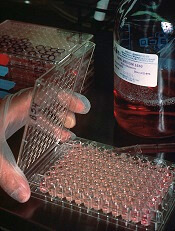
Preclinical research suggests the B-cell activating receptor (BAFF-R) may be a promising therapeutic target for treatment-resistant leukemia.
A monoclonal antibody (mAb) that targets BAFF-R overcame resistance to nilotinib and enhanced the efficacy of both nilotinib and vincristine in vitro.
The mAb, called B-1239, also demonstrated antileukemic effects in mouse models, when given alone. But it did not appear to improve upon the effects of nilotinib when given in combination.
Nora Heisterkamp, PhD, of Children’s Hospital Los Angeles in California, and her colleagues reported these findings in Molecular Cancer Therapeutics.
In a previous study, the researchers had shown that BAFF-R is expressed on pre-B ALL cells but not on their normal counterparts.
“We’ve now demonstrated that BAFF-R is a strong potential therapeutic target for treating chemotherapy-resistant leukemia cells, without damaging healthy cells,” Dr Heisterkamp said.
She and her colleagues began this research by generating pre-B ALL cells from the bone marrow of wild-type mice and BAFF-R-null mice with a retroviral vector carrying the BCR/ABL oncogene. They found that wild-type pre-B-ALL cells expressed high levels of BAFF-R.
The team then treated both wild-type and BAFF-R-deficient leukemic cells with nilotinib. The wild-type cells developed resistance to nilotinib in 9 to 10 days, but the BAFF-R-deficient cells were eradicated by treatment.
The researchers next tested the effects of B-1239, a human codon-optimized anti-BAFF-R mAb. B-1239 bound to BAFF-R on both Ph-positive and Ph-negative ALL cells in vitro, and the mAb inhibited BAFF-R in a dose-dependent manner.
In pre-B-ALL cells, B-1239 alone had little effect on cell viability or proliferation. However, when combined with vincristine or nilotinib, B-1239 reduced cell count and viability more than either agent alone.
The researchers also found that B-1239 stimulated natural killer cell-mediated cytotoxicity in patient-derived ALL cells. And the mAb stimulated phagocytosis by macrophages.
Finally, Dr Heisterkamp and her colleagues tested B-1239 in mice transplanted with TXL2 cells. Mice received human IgG, B-1239 alone, nilotinib alone, or nilotinib and B-1239.
At 12 days after the last treatment, leukemia cell numbers in the circulation of control mice and B-1239-treated mice were comparable.
However, B-1239-treated mice showed significant inhibition of ALL cell growth in the bone marrow and spleen, when compared to control mice. mAb-treated mice also had significantly lower spleen weights than controls.
Nilotinib alone also significantly reduced the ALL cell burden in the peripheral blood, spleen, and bone marrow, when compared to controls. But there was no significant difference in these measures between mice that received nilotinib alone or nilotinib plus B-1239.
Nevertheless, Dr Heisterkamp and her colleagues said they will continue to evaluate the use of B-1239 for the treatment of ALL.
Credit: Linda Bartlett
Preclinical research suggests the B-cell activating receptor (BAFF-R) may be a promising therapeutic target for treatment-resistant leukemia.
A monoclonal antibody (mAb) that targets BAFF-R overcame resistance to nilotinib and enhanced the efficacy of both nilotinib and vincristine in vitro.
The mAb, called B-1239, also demonstrated antileukemic effects in mouse models, when given alone. But it did not appear to improve upon the effects of nilotinib when given in combination.
Nora Heisterkamp, PhD, of Children’s Hospital Los Angeles in California, and her colleagues reported these findings in Molecular Cancer Therapeutics.
In a previous study, the researchers had shown that BAFF-R is expressed on pre-B ALL cells but not on their normal counterparts.
“We’ve now demonstrated that BAFF-R is a strong potential therapeutic target for treating chemotherapy-resistant leukemia cells, without damaging healthy cells,” Dr Heisterkamp said.
She and her colleagues began this research by generating pre-B ALL cells from the bone marrow of wild-type mice and BAFF-R-null mice with a retroviral vector carrying the BCR/ABL oncogene. They found that wild-type pre-B-ALL cells expressed high levels of BAFF-R.
The team then treated both wild-type and BAFF-R-deficient leukemic cells with nilotinib. The wild-type cells developed resistance to nilotinib in 9 to 10 days, but the BAFF-R-deficient cells were eradicated by treatment.
The researchers next tested the effects of B-1239, a human codon-optimized anti-BAFF-R mAb. B-1239 bound to BAFF-R on both Ph-positive and Ph-negative ALL cells in vitro, and the mAb inhibited BAFF-R in a dose-dependent manner.
In pre-B-ALL cells, B-1239 alone had little effect on cell viability or proliferation. However, when combined with vincristine or nilotinib, B-1239 reduced cell count and viability more than either agent alone.
The researchers also found that B-1239 stimulated natural killer cell-mediated cytotoxicity in patient-derived ALL cells. And the mAb stimulated phagocytosis by macrophages.
Finally, Dr Heisterkamp and her colleagues tested B-1239 in mice transplanted with TXL2 cells. Mice received human IgG, B-1239 alone, nilotinib alone, or nilotinib and B-1239.
At 12 days after the last treatment, leukemia cell numbers in the circulation of control mice and B-1239-treated mice were comparable.
However, B-1239-treated mice showed significant inhibition of ALL cell growth in the bone marrow and spleen, when compared to control mice. mAb-treated mice also had significantly lower spleen weights than controls.
Nilotinib alone also significantly reduced the ALL cell burden in the peripheral blood, spleen, and bone marrow, when compared to controls. But there was no significant difference in these measures between mice that received nilotinib alone or nilotinib plus B-1239.
Nevertheless, Dr Heisterkamp and her colleagues said they will continue to evaluate the use of B-1239 for the treatment of ALL.
Credit: Linda Bartlett
Preclinical research suggests the B-cell activating receptor (BAFF-R) may be a promising therapeutic target for treatment-resistant leukemia.
A monoclonal antibody (mAb) that targets BAFF-R overcame resistance to nilotinib and enhanced the efficacy of both nilotinib and vincristine in vitro.
The mAb, called B-1239, also demonstrated antileukemic effects in mouse models, when given alone. But it did not appear to improve upon the effects of nilotinib when given in combination.
Nora Heisterkamp, PhD, of Children’s Hospital Los Angeles in California, and her colleagues reported these findings in Molecular Cancer Therapeutics.
In a previous study, the researchers had shown that BAFF-R is expressed on pre-B ALL cells but not on their normal counterparts.
“We’ve now demonstrated that BAFF-R is a strong potential therapeutic target for treating chemotherapy-resistant leukemia cells, without damaging healthy cells,” Dr Heisterkamp said.
She and her colleagues began this research by generating pre-B ALL cells from the bone marrow of wild-type mice and BAFF-R-null mice with a retroviral vector carrying the BCR/ABL oncogene. They found that wild-type pre-B-ALL cells expressed high levels of BAFF-R.
The team then treated both wild-type and BAFF-R-deficient leukemic cells with nilotinib. The wild-type cells developed resistance to nilotinib in 9 to 10 days, but the BAFF-R-deficient cells were eradicated by treatment.
The researchers next tested the effects of B-1239, a human codon-optimized anti-BAFF-R mAb. B-1239 bound to BAFF-R on both Ph-positive and Ph-negative ALL cells in vitro, and the mAb inhibited BAFF-R in a dose-dependent manner.
In pre-B-ALL cells, B-1239 alone had little effect on cell viability or proliferation. However, when combined with vincristine or nilotinib, B-1239 reduced cell count and viability more than either agent alone.
The researchers also found that B-1239 stimulated natural killer cell-mediated cytotoxicity in patient-derived ALL cells. And the mAb stimulated phagocytosis by macrophages.
Finally, Dr Heisterkamp and her colleagues tested B-1239 in mice transplanted with TXL2 cells. Mice received human IgG, B-1239 alone, nilotinib alone, or nilotinib and B-1239.
At 12 days after the last treatment, leukemia cell numbers in the circulation of control mice and B-1239-treated mice were comparable.
However, B-1239-treated mice showed significant inhibition of ALL cell growth in the bone marrow and spleen, when compared to control mice. mAb-treated mice also had significantly lower spleen weights than controls.
Nilotinib alone also significantly reduced the ALL cell burden in the peripheral blood, spleen, and bone marrow, when compared to controls. But there was no significant difference in these measures between mice that received nilotinib alone or nilotinib plus B-1239.
Nevertheless, Dr Heisterkamp and her colleagues said they will continue to evaluate the use of B-1239 for the treatment of ALL.
Team says antioxidant has no effect on cancer risk, overall health

Contrary to previous findings, a new study suggests the antioxidant resveratrol is not associated with improvements in health, including reducing the risk of cancer.
Researchers found that Italians who consumed a diet rich in resveratrol—a compound in red wine, dark chocolate, and berries—lived no longer than and were just as likely to develop cardiovascular disease or cancer as Italians who consumed smaller amounts of the antioxidant.
However, the investigators said unknown compounds in these foods and drinks may still confer health benefits.
“The story of resveratrol turns out to be another case where you get a lot of hype about health benefits that doesn’t stand the test of time,” said study author Richard D. Semba, MD, MPH, of the Johns Hopkins University School of Medicine in Baltimore, Maryland.
“The thinking was that certain foods are good for you because they contain resveratrol. We didn’t find that at all.”
Dr Semba and his colleagues recounted their findings in JAMA Internal Medicine.
Their study included 783 subjects, all of whom were older than 65 years of age. Participants were part of the Aging in the Chianti Region study, conducted from 1998 to 2009 in 2 Italian villages where supplement use is uncommon and the consumption of red wine is the norm. The subjects were not on any prescribed diet.
The researchers wanted to determine if diet-related resveratrol levels were associated with inflammation, cancer, cardiovascular disease, and death. So they collected urine samples from study participants and used advanced mass spectrometry to analyze the samples for metabolites of resveratrol.
After accounting for such factors as age and gender, the investigators found that subjects with the highest concentration of resveratrol metabolites were no less likely to have died of any cause than subjects with the lowest levels of resveratrol in their urine.
Likewise, the concentration of resveratrol was not associated with inflammatory markers (serum CRP, IL-6, IL-1β,TNF), cardiovascular disease, or cancer rates.
During 9 years of follow-up, 268 participants (34.3%) died. From the lowest to the highest quartile of baseline total urinary resveratrol metabolites, the proportion of subjects who died from all causes was 34.4%, 31.6%, 33.5%, and 37.4%, respectively (P=0.67).
Of the 734 participants who were free of cancer at enrollment, 34 (4.6%) developed cancer during follow-up. The proportions of subjects with incident cancer from the lowest to the highest quartiles of resveratrol were 4.4%, 4.9%, 5.0%, and 4.3%, respectively (P=0.98).
Of the 639 subjects who were free of cardiovascular disease at enrollment, 174 (27.2%) developed cardiovascular disease during follow-up. The proportions of participants with incident cardiovascular disease from the lowest to the highest quartiles of resveratrol were 22.3%, 29.6%, 28.4%, and 28.0%, respectively (P=0.44).
Despite these negative results, Dr Semba noted that studies have shown the consumption of red wine, dark chocolate, and berries does reduce inflammation in some people and still appears to protect the heart.
“It’s just that the benefits, if they are there, must come from other polyphenols or substances found in those foodstuffs,” he said. “These are complex foods, and all we really know from our study is that the benefits are probably not due to resveratrol.”
Contrary to previous findings, a new study suggests the antioxidant resveratrol is not associated with improvements in health, including reducing the risk of cancer.
Researchers found that Italians who consumed a diet rich in resveratrol—a compound in red wine, dark chocolate, and berries—lived no longer than and were just as likely to develop cardiovascular disease or cancer as Italians who consumed smaller amounts of the antioxidant.
However, the investigators said unknown compounds in these foods and drinks may still confer health benefits.
“The story of resveratrol turns out to be another case where you get a lot of hype about health benefits that doesn’t stand the test of time,” said study author Richard D. Semba, MD, MPH, of the Johns Hopkins University School of Medicine in Baltimore, Maryland.
“The thinking was that certain foods are good for you because they contain resveratrol. We didn’t find that at all.”
Dr Semba and his colleagues recounted their findings in JAMA Internal Medicine.
Their study included 783 subjects, all of whom were older than 65 years of age. Participants were part of the Aging in the Chianti Region study, conducted from 1998 to 2009 in 2 Italian villages where supplement use is uncommon and the consumption of red wine is the norm. The subjects were not on any prescribed diet.
The researchers wanted to determine if diet-related resveratrol levels were associated with inflammation, cancer, cardiovascular disease, and death. So they collected urine samples from study participants and used advanced mass spectrometry to analyze the samples for metabolites of resveratrol.
After accounting for such factors as age and gender, the investigators found that subjects with the highest concentration of resveratrol metabolites were no less likely to have died of any cause than subjects with the lowest levels of resveratrol in their urine.
Likewise, the concentration of resveratrol was not associated with inflammatory markers (serum CRP, IL-6, IL-1β,TNF), cardiovascular disease, or cancer rates.
During 9 years of follow-up, 268 participants (34.3%) died. From the lowest to the highest quartile of baseline total urinary resveratrol metabolites, the proportion of subjects who died from all causes was 34.4%, 31.6%, 33.5%, and 37.4%, respectively (P=0.67).
Of the 734 participants who were free of cancer at enrollment, 34 (4.6%) developed cancer during follow-up. The proportions of subjects with incident cancer from the lowest to the highest quartiles of resveratrol were 4.4%, 4.9%, 5.0%, and 4.3%, respectively (P=0.98).
Of the 639 subjects who were free of cardiovascular disease at enrollment, 174 (27.2%) developed cardiovascular disease during follow-up. The proportions of participants with incident cardiovascular disease from the lowest to the highest quartiles of resveratrol were 22.3%, 29.6%, 28.4%, and 28.0%, respectively (P=0.44).
Despite these negative results, Dr Semba noted that studies have shown the consumption of red wine, dark chocolate, and berries does reduce inflammation in some people and still appears to protect the heart.
“It’s just that the benefits, if they are there, must come from other polyphenols or substances found in those foodstuffs,” he said. “These are complex foods, and all we really know from our study is that the benefits are probably not due to resveratrol.”
Contrary to previous findings, a new study suggests the antioxidant resveratrol is not associated with improvements in health, including reducing the risk of cancer.
Researchers found that Italians who consumed a diet rich in resveratrol—a compound in red wine, dark chocolate, and berries—lived no longer than and were just as likely to develop cardiovascular disease or cancer as Italians who consumed smaller amounts of the antioxidant.
However, the investigators said unknown compounds in these foods and drinks may still confer health benefits.
“The story of resveratrol turns out to be another case where you get a lot of hype about health benefits that doesn’t stand the test of time,” said study author Richard D. Semba, MD, MPH, of the Johns Hopkins University School of Medicine in Baltimore, Maryland.
“The thinking was that certain foods are good for you because they contain resveratrol. We didn’t find that at all.”
Dr Semba and his colleagues recounted their findings in JAMA Internal Medicine.
Their study included 783 subjects, all of whom were older than 65 years of age. Participants were part of the Aging in the Chianti Region study, conducted from 1998 to 2009 in 2 Italian villages where supplement use is uncommon and the consumption of red wine is the norm. The subjects were not on any prescribed diet.
The researchers wanted to determine if diet-related resveratrol levels were associated with inflammation, cancer, cardiovascular disease, and death. So they collected urine samples from study participants and used advanced mass spectrometry to analyze the samples for metabolites of resveratrol.
After accounting for such factors as age and gender, the investigators found that subjects with the highest concentration of resveratrol metabolites were no less likely to have died of any cause than subjects with the lowest levels of resveratrol in their urine.
Likewise, the concentration of resveratrol was not associated with inflammatory markers (serum CRP, IL-6, IL-1β,TNF), cardiovascular disease, or cancer rates.
During 9 years of follow-up, 268 participants (34.3%) died. From the lowest to the highest quartile of baseline total urinary resveratrol metabolites, the proportion of subjects who died from all causes was 34.4%, 31.6%, 33.5%, and 37.4%, respectively (P=0.67).
Of the 734 participants who were free of cancer at enrollment, 34 (4.6%) developed cancer during follow-up. The proportions of subjects with incident cancer from the lowest to the highest quartiles of resveratrol were 4.4%, 4.9%, 5.0%, and 4.3%, respectively (P=0.98).
Of the 639 subjects who were free of cardiovascular disease at enrollment, 174 (27.2%) developed cardiovascular disease during follow-up. The proportions of participants with incident cardiovascular disease from the lowest to the highest quartiles of resveratrol were 22.3%, 29.6%, 28.4%, and 28.0%, respectively (P=0.44).
Despite these negative results, Dr Semba noted that studies have shown the consumption of red wine, dark chocolate, and berries does reduce inflammation in some people and still appears to protect the heart.
“It’s just that the benefits, if they are there, must come from other polyphenols or substances found in those foodstuffs,” he said. “These are complex foods, and all we really know from our study is that the benefits are probably not due to resveratrol.”
MRD test can predict HSCT outcomes in ALL patients
Credit: Graham Colm
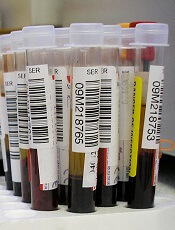
A method of measuring minimal residual disease (MRD) can predict transplant outcomes in adults with acute lymphoblastic leukemia (ALL), according to a study published in Biology of Blood and Marrow Transplantation.
Researchers used the test, called LymphoSIGHT, to evaluate MRD in patient blood samples.
The test successfully predicted both relapse and survival and detected evidence of disease a median of 3 months prior to relapse.
This research was conducted by Aaron C. Logan, MD, PhD, of the University of California, San Francisco, and his colleagues. It was sponsored by Sequenta, Inc., makers of the LymphoSIGHT test.
The researchers used LymphoSIGHT to analyze 237 blood samples from 29 adults who underwent allogeneic hematopoietic stem cell transplant (HSCT) to treat ALL.
The LymphoSIGHT test consists of a 2-step process. First, cancer cell DNA sequences are identified in a diagnostic sample. Follow-up samples are then screened for these sequences to detect MRD.
The results, which are generated in 7 days using Sequenta’s CLIA-certified laboratory, are provided in a report that shows a patient’s MRD status and level, as well as MRD trends over time.
The researchers found the test could quantify MRD in 93% of patients. MRD positivity was defined as more than 1 leukemia cell per 1 million white blood cells.
Patients who were MRD-positive before HSCT conditioning were significantly more likely than MRD-negative patients to relapse after transplant (hazard ratio=7.7, P=0.003).
And patients who were MRD-positive in the first 90 days after transplant had a significantly higher risk of relapse than patients who were MRD-negative (hazard ratio=14; P<0.0001).
Patients who were MRD-positive at any point after HSCT (17 of 25 evaluable patients) all relapsed and died from their disease. Their median survival was 359 days (range, 85-1991 days). The median lead-time from MRD detection to clinical relapse was 89 days (range, 0-207 days).
Of the 8 patients who remained MRD-negative, 6 were still alive at a median of 1853 days post-HSCT (range, 1641-2732). Two patients died from complications of graft-vs-host disease, without evidence of leukemia recurrence.
The researchers said these results suggest the LymphoSIGHT test can help physicians understand treatment responses and patient prognoses, as well as guide treatment decisions.
Credit: Graham Colm
A method of measuring minimal residual disease (MRD) can predict transplant outcomes in adults with acute lymphoblastic leukemia (ALL), according to a study published in Biology of Blood and Marrow Transplantation.
Researchers used the test, called LymphoSIGHT, to evaluate MRD in patient blood samples.
The test successfully predicted both relapse and survival and detected evidence of disease a median of 3 months prior to relapse.
This research was conducted by Aaron C. Logan, MD, PhD, of the University of California, San Francisco, and his colleagues. It was sponsored by Sequenta, Inc., makers of the LymphoSIGHT test.
The researchers used LymphoSIGHT to analyze 237 blood samples from 29 adults who underwent allogeneic hematopoietic stem cell transplant (HSCT) to treat ALL.
The LymphoSIGHT test consists of a 2-step process. First, cancer cell DNA sequences are identified in a diagnostic sample. Follow-up samples are then screened for these sequences to detect MRD.
The results, which are generated in 7 days using Sequenta’s CLIA-certified laboratory, are provided in a report that shows a patient’s MRD status and level, as well as MRD trends over time.
The researchers found the test could quantify MRD in 93% of patients. MRD positivity was defined as more than 1 leukemia cell per 1 million white blood cells.
Patients who were MRD-positive before HSCT conditioning were significantly more likely than MRD-negative patients to relapse after transplant (hazard ratio=7.7, P=0.003).
And patients who were MRD-positive in the first 90 days after transplant had a significantly higher risk of relapse than patients who were MRD-negative (hazard ratio=14; P<0.0001).
Patients who were MRD-positive at any point after HSCT (17 of 25 evaluable patients) all relapsed and died from their disease. Their median survival was 359 days (range, 85-1991 days). The median lead-time from MRD detection to clinical relapse was 89 days (range, 0-207 days).
Of the 8 patients who remained MRD-negative, 6 were still alive at a median of 1853 days post-HSCT (range, 1641-2732). Two patients died from complications of graft-vs-host disease, without evidence of leukemia recurrence.
The researchers said these results suggest the LymphoSIGHT test can help physicians understand treatment responses and patient prognoses, as well as guide treatment decisions.
Credit: Graham Colm
A method of measuring minimal residual disease (MRD) can predict transplant outcomes in adults with acute lymphoblastic leukemia (ALL), according to a study published in Biology of Blood and Marrow Transplantation.
Researchers used the test, called LymphoSIGHT, to evaluate MRD in patient blood samples.
The test successfully predicted both relapse and survival and detected evidence of disease a median of 3 months prior to relapse.
This research was conducted by Aaron C. Logan, MD, PhD, of the University of California, San Francisco, and his colleagues. It was sponsored by Sequenta, Inc., makers of the LymphoSIGHT test.
The researchers used LymphoSIGHT to analyze 237 blood samples from 29 adults who underwent allogeneic hematopoietic stem cell transplant (HSCT) to treat ALL.
The LymphoSIGHT test consists of a 2-step process. First, cancer cell DNA sequences are identified in a diagnostic sample. Follow-up samples are then screened for these sequences to detect MRD.
The results, which are generated in 7 days using Sequenta’s CLIA-certified laboratory, are provided in a report that shows a patient’s MRD status and level, as well as MRD trends over time.
The researchers found the test could quantify MRD in 93% of patients. MRD positivity was defined as more than 1 leukemia cell per 1 million white blood cells.
Patients who were MRD-positive before HSCT conditioning were significantly more likely than MRD-negative patients to relapse after transplant (hazard ratio=7.7, P=0.003).
And patients who were MRD-positive in the first 90 days after transplant had a significantly higher risk of relapse than patients who were MRD-negative (hazard ratio=14; P<0.0001).
Patients who were MRD-positive at any point after HSCT (17 of 25 evaluable patients) all relapsed and died from their disease. Their median survival was 359 days (range, 85-1991 days). The median lead-time from MRD detection to clinical relapse was 89 days (range, 0-207 days).
Of the 8 patients who remained MRD-negative, 6 were still alive at a median of 1853 days post-HSCT (range, 1641-2732). Two patients died from complications of graft-vs-host disease, without evidence of leukemia recurrence.
The researchers said these results suggest the LymphoSIGHT test can help physicians understand treatment responses and patient prognoses, as well as guide treatment decisions.
Method can track circulating cancer cells

Investigators have developed a technique that allowed them to track single tumor circulating in the blood of mice.
The method, described in Chemistry & Biology, involves photoswitchable fluorescent proteins that change color in response to light.
When one laser light hits the circulating tumor cells, they appear to be fluorescent green. A second laser makes the cells appear fluorescent red.
To label cells, the investigators use a violet laser beam aimed at small blood vessels.
The fluorescence from each cell is collected, detected, and reproduced on a computer monitor as real-time signal traces, allowing the team to count and track individual cells in the bloodstream.
“This technology allows for the labeling of just one circulating pathological cell among billions of other normal blood cells by ultrafast changing color of photosensitive proteins inside the cell in response to laser light,” said study author Ekaterina Galanzha, PhD, of the University of Arkansas for Medical Sciences in Little Rock.
In tumor-bearing mice, the investigators could monitor the real-time dynamics of circulating cancer cells released from a primary tumor.
They could also image the various final destinations of individual circulating cells and observe how these cells travel through circulation and colonize healthy tissue, existing sites of metastasis, or the site of the primary tumor.
“Therefore, the approach may give oncologists knowledge on how to intervene and stop circulating cancer cell dissemination that might prevent the development of metastasis,” Dr Galanzha said.
The investigators believe the approach might also prove useful for other areas of medicine—for example, tracking bacteria during infections or immune-related cells during the development of autoimmune disease.
Investigators have developed a technique that allowed them to track single tumor circulating in the blood of mice.
The method, described in Chemistry & Biology, involves photoswitchable fluorescent proteins that change color in response to light.
When one laser light hits the circulating tumor cells, they appear to be fluorescent green. A second laser makes the cells appear fluorescent red.
To label cells, the investigators use a violet laser beam aimed at small blood vessels.
The fluorescence from each cell is collected, detected, and reproduced on a computer monitor as real-time signal traces, allowing the team to count and track individual cells in the bloodstream.
“This technology allows for the labeling of just one circulating pathological cell among billions of other normal blood cells by ultrafast changing color of photosensitive proteins inside the cell in response to laser light,” said study author Ekaterina Galanzha, PhD, of the University of Arkansas for Medical Sciences in Little Rock.
In tumor-bearing mice, the investigators could monitor the real-time dynamics of circulating cancer cells released from a primary tumor.
They could also image the various final destinations of individual circulating cells and observe how these cells travel through circulation and colonize healthy tissue, existing sites of metastasis, or the site of the primary tumor.
“Therefore, the approach may give oncologists knowledge on how to intervene and stop circulating cancer cell dissemination that might prevent the development of metastasis,” Dr Galanzha said.
The investigators believe the approach might also prove useful for other areas of medicine—for example, tracking bacteria during infections or immune-related cells during the development of autoimmune disease.
Investigators have developed a technique that allowed them to track single tumor circulating in the blood of mice.
The method, described in Chemistry & Biology, involves photoswitchable fluorescent proteins that change color in response to light.
When one laser light hits the circulating tumor cells, they appear to be fluorescent green. A second laser makes the cells appear fluorescent red.
To label cells, the investigators use a violet laser beam aimed at small blood vessels.
The fluorescence from each cell is collected, detected, and reproduced on a computer monitor as real-time signal traces, allowing the team to count and track individual cells in the bloodstream.
“This technology allows for the labeling of just one circulating pathological cell among billions of other normal blood cells by ultrafast changing color of photosensitive proteins inside the cell in response to laser light,” said study author Ekaterina Galanzha, PhD, of the University of Arkansas for Medical Sciences in Little Rock.
In tumor-bearing mice, the investigators could monitor the real-time dynamics of circulating cancer cells released from a primary tumor.
They could also image the various final destinations of individual circulating cells and observe how these cells travel through circulation and colonize healthy tissue, existing sites of metastasis, or the site of the primary tumor.
“Therefore, the approach may give oncologists knowledge on how to intervene and stop circulating cancer cell dissemination that might prevent the development of metastasis,” Dr Galanzha said.
The investigators believe the approach might also prove useful for other areas of medicine—for example, tracking bacteria during infections or immune-related cells during the development of autoimmune disease.
Letermovir prevents CMV after hematopoietic-cell transplant
Letermovir prevented cytomegalovirus infection in a small, short-term phase II clinical trial involving adults who had undergone allogeneic hematopoietic-cell transplantation, according to a report published online May 8 in the New England Journal of Medicine.
The efficacy of the new drug, "a highly potent anti-CMV agent with a novel mechanism of action targeting the viral terminase subunit pUL56," increased with increasing dosage. Its safety profile was comparable to that of placebo in this industry-sponsored study, with none of the hematologic or renal toxicities associated with other anti-CMV drugs, said Dr. Roy F. Chemaly of the University of Texas M.D. Anderson Cancer Center, Houston, and his associates.
The investigators tested three daily oral doses of letermovir against placebo at nine transplantation centers in Germany and 10 in the United States over an 18-month period. All the patients had recently received allogeneic transplants from matched related or unrelated donors and had tested negative for CMV viremia. They were randomly assigned to receive 60 mg (33 patients), 120 mg (31 patients), or 240 mg (34 patients) of active drug or matching placebo (33 patients) for 12 weeks.
At the conclusion of treatment, the rate of virologic failure was "markedly" lower in the 240-mg group (6%) than in the 120-mg group (19%) and the 60-mg group (21%); the rate of virologic failure was significantly lower in all three active-treatment groups than in the placebo group (36%). It was discovered that 15 patients given letermovir and 5 given placebo already had active, occult CMV infections at the start of treatment, which had not been detected on viremia testing. When these cases were excluded from a post hoc analysis, rates of virologic failure were 0% with 240-mg letermovir, 6% with 120-mg letermovir, and 15% with 60-mg letermovir, compared with 24% with placebo, the investigators said (N. Engl. J. Med. 2014 May 8 [doi:10.1056/NEJMoa1309533]).
The rate of adverse events considered to be possibly treatment related was lower with letermovir (17%) than with placebo (33%), as was the rate of serious adverse events (31% vs 36%). Patients discontinued the study drug twice as often in the placebo group (58%) as in the active-treatment groups (26%). There was no indication of renal or hematologic toxicity, and the incidence of graft-versus-host disease was similar among the four study groups. In particular, the incidence of neutropenia was nearly identical between letermovir (7%) and placebo (6%) – much lower than the rates as high as 58% reported with other anti-CMV agents, Dr. Chemaly and his associates said.
"These results are consistent with those of a previous phase II proof-of-concept trial involving a small number of recipients of solid-organ transplants," they added.
This study was funded by AiCuris, maker of letermovir. Dr. Chemaly reported receiving grants from AiCuris, Chimerix, ViroPharma, GlaxoSmithKline, and Gilead, and receiving personal fees from Astellas and Merck; his associates reported ties to numerous industry sources.
It will be a welcome development if the "impressive" findings of Chemaly et al. are verified and extended in future research, and we soon have a new class of antiviral drug "with high potency and a low side-effect profile" that can be used in combination with existing therapies, said Dr. Paul D. Griffiths and Vincent C. Emery, Ph.D.
The issues of drug resistance and long-term outcomes still must be addressed. And earlier prophylaxis appears to be warranted with letermovir, given the drug’s safety profile and the fact that several study participants already had occult CMV viremia when they initiated treatment.
Now, the safety and efficacy of letermovir and other inhibitors of this key enzymatic component of the "terminase complex" should be assessed in babies born with congenital CMV infection. Currently the only treatments for these patients are ganciclovir and valganciclovir, which induce serious adverse effects, they said.
Dr. Paul D. Griffiths is at the Centre for Virology at University College London. Dr. Vincent C. Emery is in the department of microbial and cellular sciences at the University of Surrey, Guildford (England). Dr. Griffiths reported ties to AiCuris, Genentech/Roche, Sanofi-Pasteur, ViroPharma, and Microbiotix; Dr. Emery reported ties to Wellcome Trust, Roche, and ViroPharma. These remarks were taken from their editorial accompanying Dr. Chemaly’s report (New Engl. J. Med. 2014 May 8 [doi:10.1056/NEJMe1401567]).
It will be a welcome development if the "impressive" findings of Chemaly et al. are verified and extended in future research, and we soon have a new class of antiviral drug "with high potency and a low side-effect profile" that can be used in combination with existing therapies, said Dr. Paul D. Griffiths and Vincent C. Emery, Ph.D.
The issues of drug resistance and long-term outcomes still must be addressed. And earlier prophylaxis appears to be warranted with letermovir, given the drug’s safety profile and the fact that several study participants already had occult CMV viremia when they initiated treatment.
Now, the safety and efficacy of letermovir and other inhibitors of this key enzymatic component of the "terminase complex" should be assessed in babies born with congenital CMV infection. Currently the only treatments for these patients are ganciclovir and valganciclovir, which induce serious adverse effects, they said.
Dr. Paul D. Griffiths is at the Centre for Virology at University College London. Dr. Vincent C. Emery is in the department of microbial and cellular sciences at the University of Surrey, Guildford (England). Dr. Griffiths reported ties to AiCuris, Genentech/Roche, Sanofi-Pasteur, ViroPharma, and Microbiotix; Dr. Emery reported ties to Wellcome Trust, Roche, and ViroPharma. These remarks were taken from their editorial accompanying Dr. Chemaly’s report (New Engl. J. Med. 2014 May 8 [doi:10.1056/NEJMe1401567]).
It will be a welcome development if the "impressive" findings of Chemaly et al. are verified and extended in future research, and we soon have a new class of antiviral drug "with high potency and a low side-effect profile" that can be used in combination with existing therapies, said Dr. Paul D. Griffiths and Vincent C. Emery, Ph.D.
The issues of drug resistance and long-term outcomes still must be addressed. And earlier prophylaxis appears to be warranted with letermovir, given the drug’s safety profile and the fact that several study participants already had occult CMV viremia when they initiated treatment.
Now, the safety and efficacy of letermovir and other inhibitors of this key enzymatic component of the "terminase complex" should be assessed in babies born with congenital CMV infection. Currently the only treatments for these patients are ganciclovir and valganciclovir, which induce serious adverse effects, they said.
Dr. Paul D. Griffiths is at the Centre for Virology at University College London. Dr. Vincent C. Emery is in the department of microbial and cellular sciences at the University of Surrey, Guildford (England). Dr. Griffiths reported ties to AiCuris, Genentech/Roche, Sanofi-Pasteur, ViroPharma, and Microbiotix; Dr. Emery reported ties to Wellcome Trust, Roche, and ViroPharma. These remarks were taken from their editorial accompanying Dr. Chemaly’s report (New Engl. J. Med. 2014 May 8 [doi:10.1056/NEJMe1401567]).
Letermovir prevented cytomegalovirus infection in a small, short-term phase II clinical trial involving adults who had undergone allogeneic hematopoietic-cell transplantation, according to a report published online May 8 in the New England Journal of Medicine.
The efficacy of the new drug, "a highly potent anti-CMV agent with a novel mechanism of action targeting the viral terminase subunit pUL56," increased with increasing dosage. Its safety profile was comparable to that of placebo in this industry-sponsored study, with none of the hematologic or renal toxicities associated with other anti-CMV drugs, said Dr. Roy F. Chemaly of the University of Texas M.D. Anderson Cancer Center, Houston, and his associates.
The investigators tested three daily oral doses of letermovir against placebo at nine transplantation centers in Germany and 10 in the United States over an 18-month period. All the patients had recently received allogeneic transplants from matched related or unrelated donors and had tested negative for CMV viremia. They were randomly assigned to receive 60 mg (33 patients), 120 mg (31 patients), or 240 mg (34 patients) of active drug or matching placebo (33 patients) for 12 weeks.
At the conclusion of treatment, the rate of virologic failure was "markedly" lower in the 240-mg group (6%) than in the 120-mg group (19%) and the 60-mg group (21%); the rate of virologic failure was significantly lower in all three active-treatment groups than in the placebo group (36%). It was discovered that 15 patients given letermovir and 5 given placebo already had active, occult CMV infections at the start of treatment, which had not been detected on viremia testing. When these cases were excluded from a post hoc analysis, rates of virologic failure were 0% with 240-mg letermovir, 6% with 120-mg letermovir, and 15% with 60-mg letermovir, compared with 24% with placebo, the investigators said (N. Engl. J. Med. 2014 May 8 [doi:10.1056/NEJMoa1309533]).
The rate of adverse events considered to be possibly treatment related was lower with letermovir (17%) than with placebo (33%), as was the rate of serious adverse events (31% vs 36%). Patients discontinued the study drug twice as often in the placebo group (58%) as in the active-treatment groups (26%). There was no indication of renal or hematologic toxicity, and the incidence of graft-versus-host disease was similar among the four study groups. In particular, the incidence of neutropenia was nearly identical between letermovir (7%) and placebo (6%) – much lower than the rates as high as 58% reported with other anti-CMV agents, Dr. Chemaly and his associates said.
"These results are consistent with those of a previous phase II proof-of-concept trial involving a small number of recipients of solid-organ transplants," they added.
This study was funded by AiCuris, maker of letermovir. Dr. Chemaly reported receiving grants from AiCuris, Chimerix, ViroPharma, GlaxoSmithKline, and Gilead, and receiving personal fees from Astellas and Merck; his associates reported ties to numerous industry sources.
Letermovir prevented cytomegalovirus infection in a small, short-term phase II clinical trial involving adults who had undergone allogeneic hematopoietic-cell transplantation, according to a report published online May 8 in the New England Journal of Medicine.
The efficacy of the new drug, "a highly potent anti-CMV agent with a novel mechanism of action targeting the viral terminase subunit pUL56," increased with increasing dosage. Its safety profile was comparable to that of placebo in this industry-sponsored study, with none of the hematologic or renal toxicities associated with other anti-CMV drugs, said Dr. Roy F. Chemaly of the University of Texas M.D. Anderson Cancer Center, Houston, and his associates.
The investigators tested three daily oral doses of letermovir against placebo at nine transplantation centers in Germany and 10 in the United States over an 18-month period. All the patients had recently received allogeneic transplants from matched related or unrelated donors and had tested negative for CMV viremia. They were randomly assigned to receive 60 mg (33 patients), 120 mg (31 patients), or 240 mg (34 patients) of active drug or matching placebo (33 patients) for 12 weeks.
At the conclusion of treatment, the rate of virologic failure was "markedly" lower in the 240-mg group (6%) than in the 120-mg group (19%) and the 60-mg group (21%); the rate of virologic failure was significantly lower in all three active-treatment groups than in the placebo group (36%). It was discovered that 15 patients given letermovir and 5 given placebo already had active, occult CMV infections at the start of treatment, which had not been detected on viremia testing. When these cases were excluded from a post hoc analysis, rates of virologic failure were 0% with 240-mg letermovir, 6% with 120-mg letermovir, and 15% with 60-mg letermovir, compared with 24% with placebo, the investigators said (N. Engl. J. Med. 2014 May 8 [doi:10.1056/NEJMoa1309533]).
The rate of adverse events considered to be possibly treatment related was lower with letermovir (17%) than with placebo (33%), as was the rate of serious adverse events (31% vs 36%). Patients discontinued the study drug twice as often in the placebo group (58%) as in the active-treatment groups (26%). There was no indication of renal or hematologic toxicity, and the incidence of graft-versus-host disease was similar among the four study groups. In particular, the incidence of neutropenia was nearly identical between letermovir (7%) and placebo (6%) – much lower than the rates as high as 58% reported with other anti-CMV agents, Dr. Chemaly and his associates said.
"These results are consistent with those of a previous phase II proof-of-concept trial involving a small number of recipients of solid-organ transplants," they added.
This study was funded by AiCuris, maker of letermovir. Dr. Chemaly reported receiving grants from AiCuris, Chimerix, ViroPharma, GlaxoSmithKline, and Gilead, and receiving personal fees from Astellas and Merck; his associates reported ties to numerous industry sources.
FROM THE NEW ENGLAND JOURNAL OF MEDICINE
Major finding: At the conclusion of treatment, the rate of virologic failure was "markedly" lower in the 240-mg group (6%) than in the 120-mg group (19%) and the 60-mg group (21%); the rate of virologic failure was significantly lower in all three active-treatment groups than in the placebo group (36%).
Data source: An international randomized double-blind phase II clinical trial comparing three doses of prophylactic letermovir against placebo for the prevention of CMV infection in 131 adults who had undergone hematopoietic-cell transplantation.
Disclosures: This study was funded by AiCuris, maker of letermovir. Dr. Chemaly reported receiving grants from AiCuris, Chimerix, ViroPharma, GlaxoSmithKline, and Gilead, and receiving personal fees from Astellas and Merck; his associates reported ties to numerous industry sources.

Protein interaction may be therapeutic target for AML

University of Queensland
Inhibiting the interaction of 2 proteins can prevent the development of acute myeloid leukemia (AML), according to a study published in Blood.
Researchers found evidence to suggest the “docking” of one protein, Myb, with another, p300, is essential for AML development.
“Our data identifies the critical role of this Myb-p300 interaction and shows that the disruption of this interaction could lead to a potential therapeutic strategy,” said Tom Gonda, PhD, of the University of Queensland’s School of Pharmacy in Woolloongabba, Queensland, Australia.
“This finding could lead to our team developing a drug to block this interaction and stop the growth of not only acute myeloid leukemia cells but probably the cells of other types of leukemia as well.”
Dr Gonda and his colleagues conducted this research using cells from Booreana mice, which carry a mutant allele of Myb, as well as cells from wild-type mice.
Experiments showed that the Myb-p300 interaction was necessary for in vitro transformation by the oncogenes AML1-ETO, AML1-ETO9a, MLL-ENL, and MLL-AF9.
The researchers also transduced cells from Booreana mice and wild-type mice with either AML1-ETO9a or MLL-AF9 retroviruses and transplanted the cells into irradiated mice. The cells from wild-type mice generated leukemia in the recipients, but the Booreana cells did not.
Lastly, the team performed gene expression analyses to gain more insight into the Myb-p300 relationship. They found that several genes already implicated in myeloid leukemogenesis and hematopoietic stem cell function are regulated in an Myb-p300-dependent manner.
The researchers therefore concluded that the Myb-p300 interaction is important to myeloid leukemogenesis. And disrupting this interaction could prove useful in the fight against AML.
Dr Gonda pointed out, however, that the Myb protein is produced by the MYB oncogene. And although this oncogene is required for the continued growth of leukemia cells, it is also essential for normal blood cell formation.
“[S]o we need an approach for targeting it that won’t completely disrupt normal blood cell production,” he said. “Our research shows that normal blood cells can continue to form even when the Myb-p300 interaction is unable to occur, suggesting that a drug that blocks the interaction could be safe for use in patients.”
Dr Gonda and his colleagues are also planning to examine the possibility of targeting genes and proteins that work downstream of MYB.
University of Queensland
Inhibiting the interaction of 2 proteins can prevent the development of acute myeloid leukemia (AML), according to a study published in Blood.
Researchers found evidence to suggest the “docking” of one protein, Myb, with another, p300, is essential for AML development.
“Our data identifies the critical role of this Myb-p300 interaction and shows that the disruption of this interaction could lead to a potential therapeutic strategy,” said Tom Gonda, PhD, of the University of Queensland’s School of Pharmacy in Woolloongabba, Queensland, Australia.
“This finding could lead to our team developing a drug to block this interaction and stop the growth of not only acute myeloid leukemia cells but probably the cells of other types of leukemia as well.”
Dr Gonda and his colleagues conducted this research using cells from Booreana mice, which carry a mutant allele of Myb, as well as cells from wild-type mice.
Experiments showed that the Myb-p300 interaction was necessary for in vitro transformation by the oncogenes AML1-ETO, AML1-ETO9a, MLL-ENL, and MLL-AF9.
The researchers also transduced cells from Booreana mice and wild-type mice with either AML1-ETO9a or MLL-AF9 retroviruses and transplanted the cells into irradiated mice. The cells from wild-type mice generated leukemia in the recipients, but the Booreana cells did not.
Lastly, the team performed gene expression analyses to gain more insight into the Myb-p300 relationship. They found that several genes already implicated in myeloid leukemogenesis and hematopoietic stem cell function are regulated in an Myb-p300-dependent manner.
The researchers therefore concluded that the Myb-p300 interaction is important to myeloid leukemogenesis. And disrupting this interaction could prove useful in the fight against AML.
Dr Gonda pointed out, however, that the Myb protein is produced by the MYB oncogene. And although this oncogene is required for the continued growth of leukemia cells, it is also essential for normal blood cell formation.
“[S]o we need an approach for targeting it that won’t completely disrupt normal blood cell production,” he said. “Our research shows that normal blood cells can continue to form even when the Myb-p300 interaction is unable to occur, suggesting that a drug that blocks the interaction could be safe for use in patients.”
Dr Gonda and his colleagues are also planning to examine the possibility of targeting genes and proteins that work downstream of MYB.
University of Queensland
Inhibiting the interaction of 2 proteins can prevent the development of acute myeloid leukemia (AML), according to a study published in Blood.
Researchers found evidence to suggest the “docking” of one protein, Myb, with another, p300, is essential for AML development.
“Our data identifies the critical role of this Myb-p300 interaction and shows that the disruption of this interaction could lead to a potential therapeutic strategy,” said Tom Gonda, PhD, of the University of Queensland’s School of Pharmacy in Woolloongabba, Queensland, Australia.
“This finding could lead to our team developing a drug to block this interaction and stop the growth of not only acute myeloid leukemia cells but probably the cells of other types of leukemia as well.”
Dr Gonda and his colleagues conducted this research using cells from Booreana mice, which carry a mutant allele of Myb, as well as cells from wild-type mice.
Experiments showed that the Myb-p300 interaction was necessary for in vitro transformation by the oncogenes AML1-ETO, AML1-ETO9a, MLL-ENL, and MLL-AF9.
The researchers also transduced cells from Booreana mice and wild-type mice with either AML1-ETO9a or MLL-AF9 retroviruses and transplanted the cells into irradiated mice. The cells from wild-type mice generated leukemia in the recipients, but the Booreana cells did not.
Lastly, the team performed gene expression analyses to gain more insight into the Myb-p300 relationship. They found that several genes already implicated in myeloid leukemogenesis and hematopoietic stem cell function are regulated in an Myb-p300-dependent manner.
The researchers therefore concluded that the Myb-p300 interaction is important to myeloid leukemogenesis. And disrupting this interaction could prove useful in the fight against AML.
Dr Gonda pointed out, however, that the Myb protein is produced by the MYB oncogene. And although this oncogene is required for the continued growth of leukemia cells, it is also essential for normal blood cell formation.
“[S]o we need an approach for targeting it that won’t completely disrupt normal blood cell production,” he said. “Our research shows that normal blood cells can continue to form even when the Myb-p300 interaction is unable to occur, suggesting that a drug that blocks the interaction could be safe for use in patients.”
Dr Gonda and his colleagues are also planning to examine the possibility of targeting genes and proteins that work downstream of MYB.
FDA approves CML drug for home administration

The US Food and Drug Administration (FDA) has expanded the approval of omacetaxine mepesuccinate (Synribo) to include home administration.
The drug is already FDA-approved to treat adults with chronic or accelerated phase chronic myeloid leukemia (CML) who do not respond to or cannot tolerate 2 or more tyrosine kinase inhibitors.
The new approval allows CML patients to self-administer subcutaneous injections of omacetaxine mepesuccinate at home.
“It had been necessary for adults living with chronic or accelerated phase CML who are prescribed Synribo to travel to their doctor’s office twice a day for 2 weeks, which can be extremely burdensome and inconvenient to both patients and their caregivers,” said Meir Wetzler, MD, FACP, Chief of the Leukemia Section at Roswell Park Cancer Institute in Buffalo, New York.
“Now, physicians can decide if their patients are candidates for self-administration and, if so, provide their patients with guidance on how to properly administer reconstituted Synribo in the home.”
The drug’s maker, Teva Pharmaceutical Industries, Ltd., is working to finalize a pharmacy support program that will help facilitate successful home administration of omacetaxine mepesuccinate. The program is expected to “go live” this month or next.
About omacetaxine mepesuccinate
Omacetaxine mepesuccinate is a protein synthesis inhibitor. Although the drug’s mechanism of action is not fully understood, it is known to prevent the production of Bcr-Abl and Mcl-1, which help drive CML.
In October 2012, the FDA granted omacetaxine mepesuccinate accelerated approval for the treatment of adult patients with chronic or accelerated phase CML with resistance and/or intolerance to 2 or more tyrosine kinase inhibitors. Omacetaxine mepesuccinate gained full FDA approval in February.
The drug has been associated with severe and fatal myelosuppression, including thrombocytopenia, neutropenia, and anemia in some patients. So healthcare professionals should monitor patients’ complete blood counts weekly during induction and initial maintenance cycles and every 2 weeks during later maintenance cycles, as clinically indicated.
Omacetaxine mepesuccinate has been known to cause severe thrombocytopenia, which increases the risk of hemorrhage. Fatalities from cerebral hemorrhage have occurred. And severe, non-fatal gastrointestinal hemorrhages have occurred.
So healthcare professionals should monitor platelet counts as part of the complete blood count as recommended. Patients should not receive anticoagulants, aspirin, or non-steroidal anti-inflammatory drugs when their platelet counts are <50,000/μL, as these drugs may increase the risk of bleeding.
Omacetaxine mepesuccinate can induce glucose intolerance as well. So healthcare professionals should monitor blood glucose levels frequently, especially in patients with diabetes or risk factors for diabetes. Patients with poorly controlled diabetes mellitus should not receive omacetaxine mepesuccinate until good glycemic control has been established.
Omacetaxine mepesuccinate can cause fetal harm when administered to a pregnant woman. So women should be advised to avoid becoming pregnant while using the drug.
For more details on omacetaxine mepesuccinate, see the full prescribing information.
The US Food and Drug Administration (FDA) has expanded the approval of omacetaxine mepesuccinate (Synribo) to include home administration.
The drug is already FDA-approved to treat adults with chronic or accelerated phase chronic myeloid leukemia (CML) who do not respond to or cannot tolerate 2 or more tyrosine kinase inhibitors.
The new approval allows CML patients to self-administer subcutaneous injections of omacetaxine mepesuccinate at home.
“It had been necessary for adults living with chronic or accelerated phase CML who are prescribed Synribo to travel to their doctor’s office twice a day for 2 weeks, which can be extremely burdensome and inconvenient to both patients and their caregivers,” said Meir Wetzler, MD, FACP, Chief of the Leukemia Section at Roswell Park Cancer Institute in Buffalo, New York.
“Now, physicians can decide if their patients are candidates for self-administration and, if so, provide their patients with guidance on how to properly administer reconstituted Synribo in the home.”
The drug’s maker, Teva Pharmaceutical Industries, Ltd., is working to finalize a pharmacy support program that will help facilitate successful home administration of omacetaxine mepesuccinate. The program is expected to “go live” this month or next.
About omacetaxine mepesuccinate
Omacetaxine mepesuccinate is a protein synthesis inhibitor. Although the drug’s mechanism of action is not fully understood, it is known to prevent the production of Bcr-Abl and Mcl-1, which help drive CML.
In October 2012, the FDA granted omacetaxine mepesuccinate accelerated approval for the treatment of adult patients with chronic or accelerated phase CML with resistance and/or intolerance to 2 or more tyrosine kinase inhibitors. Omacetaxine mepesuccinate gained full FDA approval in February.
The drug has been associated with severe and fatal myelosuppression, including thrombocytopenia, neutropenia, and anemia in some patients. So healthcare professionals should monitor patients’ complete blood counts weekly during induction and initial maintenance cycles and every 2 weeks during later maintenance cycles, as clinically indicated.
Omacetaxine mepesuccinate has been known to cause severe thrombocytopenia, which increases the risk of hemorrhage. Fatalities from cerebral hemorrhage have occurred. And severe, non-fatal gastrointestinal hemorrhages have occurred.
So healthcare professionals should monitor platelet counts as part of the complete blood count as recommended. Patients should not receive anticoagulants, aspirin, or non-steroidal anti-inflammatory drugs when their platelet counts are <50,000/μL, as these drugs may increase the risk of bleeding.
Omacetaxine mepesuccinate can induce glucose intolerance as well. So healthcare professionals should monitor blood glucose levels frequently, especially in patients with diabetes or risk factors for diabetes. Patients with poorly controlled diabetes mellitus should not receive omacetaxine mepesuccinate until good glycemic control has been established.
Omacetaxine mepesuccinate can cause fetal harm when administered to a pregnant woman. So women should be advised to avoid becoming pregnant while using the drug.
For more details on omacetaxine mepesuccinate, see the full prescribing information.
The US Food and Drug Administration (FDA) has expanded the approval of omacetaxine mepesuccinate (Synribo) to include home administration.
The drug is already FDA-approved to treat adults with chronic or accelerated phase chronic myeloid leukemia (CML) who do not respond to or cannot tolerate 2 or more tyrosine kinase inhibitors.
The new approval allows CML patients to self-administer subcutaneous injections of omacetaxine mepesuccinate at home.
“It had been necessary for adults living with chronic or accelerated phase CML who are prescribed Synribo to travel to their doctor’s office twice a day for 2 weeks, which can be extremely burdensome and inconvenient to both patients and their caregivers,” said Meir Wetzler, MD, FACP, Chief of the Leukemia Section at Roswell Park Cancer Institute in Buffalo, New York.
“Now, physicians can decide if their patients are candidates for self-administration and, if so, provide their patients with guidance on how to properly administer reconstituted Synribo in the home.”
The drug’s maker, Teva Pharmaceutical Industries, Ltd., is working to finalize a pharmacy support program that will help facilitate successful home administration of omacetaxine mepesuccinate. The program is expected to “go live” this month or next.
About omacetaxine mepesuccinate
Omacetaxine mepesuccinate is a protein synthesis inhibitor. Although the drug’s mechanism of action is not fully understood, it is known to prevent the production of Bcr-Abl and Mcl-1, which help drive CML.
In October 2012, the FDA granted omacetaxine mepesuccinate accelerated approval for the treatment of adult patients with chronic or accelerated phase CML with resistance and/or intolerance to 2 or more tyrosine kinase inhibitors. Omacetaxine mepesuccinate gained full FDA approval in February.
The drug has been associated with severe and fatal myelosuppression, including thrombocytopenia, neutropenia, and anemia in some patients. So healthcare professionals should monitor patients’ complete blood counts weekly during induction and initial maintenance cycles and every 2 weeks during later maintenance cycles, as clinically indicated.
Omacetaxine mepesuccinate has been known to cause severe thrombocytopenia, which increases the risk of hemorrhage. Fatalities from cerebral hemorrhage have occurred. And severe, non-fatal gastrointestinal hemorrhages have occurred.
So healthcare professionals should monitor platelet counts as part of the complete blood count as recommended. Patients should not receive anticoagulants, aspirin, or non-steroidal anti-inflammatory drugs when their platelet counts are <50,000/μL, as these drugs may increase the risk of bleeding.
Omacetaxine mepesuccinate can induce glucose intolerance as well. So healthcare professionals should monitor blood glucose levels frequently, especially in patients with diabetes or risk factors for diabetes. Patients with poorly controlled diabetes mellitus should not receive omacetaxine mepesuccinate until good glycemic control has been established.
Omacetaxine mepesuccinate can cause fetal harm when administered to a pregnant woman. So women should be advised to avoid becoming pregnant while using the drug.
For more details on omacetaxine mepesuccinate, see the full prescribing information.
Using chromatin conformation data to classify leukemia
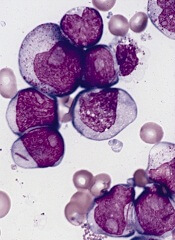
Chromatin conformation can guide the classification of leukemia, according to research published in Genome Biology.
Investigators mapped the conformation of the homeobox A (HOXA) gene cluster—11 genes encoding proteins that are highly relevant to many cancers—in a panel of leukemia cell lines.
And the team found they could use this information to distinguish subtypes of leukemia from one another.
“Previous studies have shown that looking at gene expression—the specific proteins produced by the genes—is a good predictor of whether patients have leukemia,” said study author Mathieu Blanchette, PhD, of McGill University in Montréal, Québec, Canada.
“We found that different types of leukemia cells also have a distinctive chromatin interaction—how the chromatin that makes up the genome is folded.”
The investigators used 5C chromosome conformation capture technology to analyze the HOXA gene cluster and then used the data to train and test a support vector machine classifier called 3D-SP.
They found 3D-SP could distinguish leukemias expressing MLL-fusion proteins from those expressing wild-type MLL. It could also classify leukemia subtypes according to MLL fusion partner.
The team noted that it is not clear whether the genome shape plays a role in causing leukemia or whether the leukemia causes the genome to change shape. And additional studies are needed to determine whether genome shape is as useful for classifying other types of cancer.
“Our study validates a new research avenue: the application of 3D genomics for developing medical diagnostics or treatments that could be explored for diseases where current technologies, including gene expression data, have failed to improve patient care,” said Josée Dostie, PhD, also of McGill University.
“While the use of 3D genomics in the clinic is still remote when considering the technical challenges required for translating the information to the bedside, we discovered a new approach for classifying human disease that must be explored further, if only for what it can reveal about how the human genome works.”
Chromatin conformation can guide the classification of leukemia, according to research published in Genome Biology.
Investigators mapped the conformation of the homeobox A (HOXA) gene cluster—11 genes encoding proteins that are highly relevant to many cancers—in a panel of leukemia cell lines.
And the team found they could use this information to distinguish subtypes of leukemia from one another.
“Previous studies have shown that looking at gene expression—the specific proteins produced by the genes—is a good predictor of whether patients have leukemia,” said study author Mathieu Blanchette, PhD, of McGill University in Montréal, Québec, Canada.
“We found that different types of leukemia cells also have a distinctive chromatin interaction—how the chromatin that makes up the genome is folded.”
The investigators used 5C chromosome conformation capture technology to analyze the HOXA gene cluster and then used the data to train and test a support vector machine classifier called 3D-SP.
They found 3D-SP could distinguish leukemias expressing MLL-fusion proteins from those expressing wild-type MLL. It could also classify leukemia subtypes according to MLL fusion partner.
The team noted that it is not clear whether the genome shape plays a role in causing leukemia or whether the leukemia causes the genome to change shape. And additional studies are needed to determine whether genome shape is as useful for classifying other types of cancer.
“Our study validates a new research avenue: the application of 3D genomics for developing medical diagnostics or treatments that could be explored for diseases where current technologies, including gene expression data, have failed to improve patient care,” said Josée Dostie, PhD, also of McGill University.
“While the use of 3D genomics in the clinic is still remote when considering the technical challenges required for translating the information to the bedside, we discovered a new approach for classifying human disease that must be explored further, if only for what it can reveal about how the human genome works.”
Chromatin conformation can guide the classification of leukemia, according to research published in Genome Biology.
Investigators mapped the conformation of the homeobox A (HOXA) gene cluster—11 genes encoding proteins that are highly relevant to many cancers—in a panel of leukemia cell lines.
And the team found they could use this information to distinguish subtypes of leukemia from one another.
“Previous studies have shown that looking at gene expression—the specific proteins produced by the genes—is a good predictor of whether patients have leukemia,” said study author Mathieu Blanchette, PhD, of McGill University in Montréal, Québec, Canada.
“We found that different types of leukemia cells also have a distinctive chromatin interaction—how the chromatin that makes up the genome is folded.”
The investigators used 5C chromosome conformation capture technology to analyze the HOXA gene cluster and then used the data to train and test a support vector machine classifier called 3D-SP.
They found 3D-SP could distinguish leukemias expressing MLL-fusion proteins from those expressing wild-type MLL. It could also classify leukemia subtypes according to MLL fusion partner.
The team noted that it is not clear whether the genome shape plays a role in causing leukemia or whether the leukemia causes the genome to change shape. And additional studies are needed to determine whether genome shape is as useful for classifying other types of cancer.
“Our study validates a new research avenue: the application of 3D genomics for developing medical diagnostics or treatments that could be explored for diseases where current technologies, including gene expression data, have failed to improve patient care,” said Josée Dostie, PhD, also of McGill University.
“While the use of 3D genomics in the clinic is still remote when considering the technical challenges required for translating the information to the bedside, we discovered a new approach for classifying human disease that must be explored further, if only for what it can reveal about how the human genome works.”