User login
Marathon Runners Are at Low Risk of Cardiac Arrest
Marathon runners’ risk of cardiac arrest is relatively low – equivalent to or lower than that of other athletes engaged in vigorous activity, according to a report in the Jan. 12 issue of the New England Journal of Medicine.
The number of cardiac arrests related to marathon (26.2-mile) and half-marathon (13.1-mile) races has increased in recent years, but that is largely explained by the increase in the number of people who have taken up the sport, said Dr. Jonathan H. Kim of the division of cardiology, Massachusetts General Hospital, Boston, and his associates.

"The growth of long-distance running has been accompanied by studies documenting post-race cardiac dysfunction and numerous reports of race-related cardiac arrest. These unexpected tragedies attract considerable media attention and have led to concerns regarding the health risks of this activity," the researchers wrote.
Until now, no large studies have examined the incidence, clinical profiles, and outcomes of cardiac arrests that occur during or immediately after long-distances races. The Race Associated Cardiac Arrest Event Registry (RACER) collected data to facilitate such studies. It included information on all marathon or half-marathon races held in the United States between 2000 and May 2010.
Dr. Kim and his associates in the RACER study group identified 59 marathon-related cardiac arrests (out of 10.9 million registered marathon runners) during this period and contacted survivors, as well as the next of kin of nonsurvivors, to ascertain demographic data, exercise history, personal and family medical histories, and pertinent medical records.
The overall incidence of cardiac arrest was 1 per 184,000 participants, and that of sudden death was 1 per 259,000 participants. This translates to 0.2 cardiac arrests and 0.14 sudden deaths per 100,000 runner-hours at risk, assuming an average running time of 4 hours for marathons and 2 hours for half-marathons.
"Thus, event rates among marathon and half-marathon runners are relatively low, as compared with other athletic populations, including collegiate athletes (1 death per 43,770 participants per year), triathlon participants (1 death per 52,630 participants), and previously healthy middle-aged joggers (1 death per 7,620 participants)," the researchers wrote (N. Engl. J. Med. 2012;366:130-40).
The absolute number of marathon-related cardiac arrests rose each year during the study period, but the incidence remained stable because of an annual increase in runners from fewer than 1 million in 2000 to approximately 2 million in 2010, according to the investigators.
Men were more likely than were women runners to have a cardiac arrest or sudden death (0.90 per 100,000 vs. 0.16 per 100,000), which the authors noted is "consistent with reports on other populations and reaffirms a male predisposition to exertional cardiac arrest."
The distance of a race was a key determinant of the risk of cardiac arrest, since rates were three to five times higher during marathons (1.01 per 100,000 runners) than during half-marathons (0.27 per 100,000). "A possible explanation is that longer races involve more physiological stress and thus a higher likelihood of precipitating an adverse event in a predisposed participant," the researchers wrote.
The overall case fatality rate was 71%. Sufficient information was available to determine the cause of cardiac arrest in only 31 of the 59 cases.
The most frequent cause of death was hypertrophic cardiomyopathy (8 cases) or possible hypertrophic cardiomyopathy (7 cases). This is also the primary cause of death in young competitive athletes, they pointed out.
"Notably, 9 of the 15 nonsurvivors who had cardiac hypertrophy had an additional clinical factor or postmortem finding: obstructive coronary artery disease (in 3), myocarditis (in 2), bicuspid aortic valve or coronary anomaly (in 2), accessory atrioventricular nodal bypass tract (in 1), or hyperthermia (in 1)," the researchers wrote. The race-related disorders of hyperthermia and hyponatremia, which led to the death of one runner without cardiac hypertrophy, thus are not common causes of cardiac arrest and sudden death, they added.
Among the eight survivors of cardiac arrest, ischemic heart disease was the most frequent cause of the arrest. The strongest predictor of survival of cardiac arrest was bystander-administered CPR, underscoring the importance of onsite medical services.
It was "surprising" that none of the runners with serious coronary atherosclerosis had angiographic evidence of acute plaque rupture or thrombus, because previous studies as well as expert consensus statements have suggest that exercise-induced coronary syndromes result from disruption of atherosclerotic plaque and coronary thrombosis. "In contrast, our findings suggest that demand ischemia (i.e., ischemia due to an imbalance between oxygen supply and demand) may be operative in exercise-related acute coronary events during long-distance running races," they wrote.
This finding also suggests that the practice of taking aspirin before a race to prevent cardiac arrest is likely ineffective, since acute coronary artery thrombosis is not an important cause of marathon-related cardiac arrest, they added.
Physicians called on to evaluate potential marathon participants "should be aware of the risks of hypertrophic cardiomyopathy and atherosclerotic disease in this patient population." Prerace exercise testing may detect physiologically significant coronary artery stenosis or may identify patients with exertion-induced myocardial ischemia, the investigators said.
This study was limited in that the researchers were unable to obtain complete clinical information on 45% of the nonsurvivors or on 53% of the survivors.
Dr. Kim reported no financial conflicts of interest, but two of his coauthors reported ties to industry sources.
Marathon runners’ risk of cardiac arrest is relatively low – equivalent to or lower than that of other athletes engaged in vigorous activity, according to a report in the Jan. 12 issue of the New England Journal of Medicine.
The number of cardiac arrests related to marathon (26.2-mile) and half-marathon (13.1-mile) races has increased in recent years, but that is largely explained by the increase in the number of people who have taken up the sport, said Dr. Jonathan H. Kim of the division of cardiology, Massachusetts General Hospital, Boston, and his associates.
"The growth of long-distance running has been accompanied by studies documenting post-race cardiac dysfunction and numerous reports of race-related cardiac arrest. These unexpected tragedies attract considerable media attention and have led to concerns regarding the health risks of this activity," the researchers wrote.
Until now, no large studies have examined the incidence, clinical profiles, and outcomes of cardiac arrests that occur during or immediately after long-distances races. The Race Associated Cardiac Arrest Event Registry (RACER) collected data to facilitate such studies. It included information on all marathon or half-marathon races held in the United States between 2000 and May 2010.
Dr. Kim and his associates in the RACER study group identified 59 marathon-related cardiac arrests (out of 10.9 million registered marathon runners) during this period and contacted survivors, as well as the next of kin of nonsurvivors, to ascertain demographic data, exercise history, personal and family medical histories, and pertinent medical records.
The overall incidence of cardiac arrest was 1 per 184,000 participants, and that of sudden death was 1 per 259,000 participants. This translates to 0.2 cardiac arrests and 0.14 sudden deaths per 100,000 runner-hours at risk, assuming an average running time of 4 hours for marathons and 2 hours for half-marathons.
"Thus, event rates among marathon and half-marathon runners are relatively low, as compared with other athletic populations, including collegiate athletes (1 death per 43,770 participants per year), triathlon participants (1 death per 52,630 participants), and previously healthy middle-aged joggers (1 death per 7,620 participants)," the researchers wrote (N. Engl. J. Med. 2012;366:130-40).
The absolute number of marathon-related cardiac arrests rose each year during the study period, but the incidence remained stable because of an annual increase in runners from fewer than 1 million in 2000 to approximately 2 million in 2010, according to the investigators.
Men were more likely than were women runners to have a cardiac arrest or sudden death (0.90 per 100,000 vs. 0.16 per 100,000), which the authors noted is "consistent with reports on other populations and reaffirms a male predisposition to exertional cardiac arrest."
The distance of a race was a key determinant of the risk of cardiac arrest, since rates were three to five times higher during marathons (1.01 per 100,000 runners) than during half-marathons (0.27 per 100,000). "A possible explanation is that longer races involve more physiological stress and thus a higher likelihood of precipitating an adverse event in a predisposed participant," the researchers wrote.
The overall case fatality rate was 71%. Sufficient information was available to determine the cause of cardiac arrest in only 31 of the 59 cases.
The most frequent cause of death was hypertrophic cardiomyopathy (8 cases) or possible hypertrophic cardiomyopathy (7 cases). This is also the primary cause of death in young competitive athletes, they pointed out.
"Notably, 9 of the 15 nonsurvivors who had cardiac hypertrophy had an additional clinical factor or postmortem finding: obstructive coronary artery disease (in 3), myocarditis (in 2), bicuspid aortic valve or coronary anomaly (in 2), accessory atrioventricular nodal bypass tract (in 1), or hyperthermia (in 1)," the researchers wrote. The race-related disorders of hyperthermia and hyponatremia, which led to the death of one runner without cardiac hypertrophy, thus are not common causes of cardiac arrest and sudden death, they added.
Among the eight survivors of cardiac arrest, ischemic heart disease was the most frequent cause of the arrest. The strongest predictor of survival of cardiac arrest was bystander-administered CPR, underscoring the importance of onsite medical services.
It was "surprising" that none of the runners with serious coronary atherosclerosis had angiographic evidence of acute plaque rupture or thrombus, because previous studies as well as expert consensus statements have suggest that exercise-induced coronary syndromes result from disruption of atherosclerotic plaque and coronary thrombosis. "In contrast, our findings suggest that demand ischemia (i.e., ischemia due to an imbalance between oxygen supply and demand) may be operative in exercise-related acute coronary events during long-distance running races," they wrote.
This finding also suggests that the practice of taking aspirin before a race to prevent cardiac arrest is likely ineffective, since acute coronary artery thrombosis is not an important cause of marathon-related cardiac arrest, they added.
Physicians called on to evaluate potential marathon participants "should be aware of the risks of hypertrophic cardiomyopathy and atherosclerotic disease in this patient population." Prerace exercise testing may detect physiologically significant coronary artery stenosis or may identify patients with exertion-induced myocardial ischemia, the investigators said.
This study was limited in that the researchers were unable to obtain complete clinical information on 45% of the nonsurvivors or on 53% of the survivors.
Dr. Kim reported no financial conflicts of interest, but two of his coauthors reported ties to industry sources.
Marathon runners’ risk of cardiac arrest is relatively low – equivalent to or lower than that of other athletes engaged in vigorous activity, according to a report in the Jan. 12 issue of the New England Journal of Medicine.
The number of cardiac arrests related to marathon (26.2-mile) and half-marathon (13.1-mile) races has increased in recent years, but that is largely explained by the increase in the number of people who have taken up the sport, said Dr. Jonathan H. Kim of the division of cardiology, Massachusetts General Hospital, Boston, and his associates.
"The growth of long-distance running has been accompanied by studies documenting post-race cardiac dysfunction and numerous reports of race-related cardiac arrest. These unexpected tragedies attract considerable media attention and have led to concerns regarding the health risks of this activity," the researchers wrote.
Until now, no large studies have examined the incidence, clinical profiles, and outcomes of cardiac arrests that occur during or immediately after long-distances races. The Race Associated Cardiac Arrest Event Registry (RACER) collected data to facilitate such studies. It included information on all marathon or half-marathon races held in the United States between 2000 and May 2010.
Dr. Kim and his associates in the RACER study group identified 59 marathon-related cardiac arrests (out of 10.9 million registered marathon runners) during this period and contacted survivors, as well as the next of kin of nonsurvivors, to ascertain demographic data, exercise history, personal and family medical histories, and pertinent medical records.
The overall incidence of cardiac arrest was 1 per 184,000 participants, and that of sudden death was 1 per 259,000 participants. This translates to 0.2 cardiac arrests and 0.14 sudden deaths per 100,000 runner-hours at risk, assuming an average running time of 4 hours for marathons and 2 hours for half-marathons.
"Thus, event rates among marathon and half-marathon runners are relatively low, as compared with other athletic populations, including collegiate athletes (1 death per 43,770 participants per year), triathlon participants (1 death per 52,630 participants), and previously healthy middle-aged joggers (1 death per 7,620 participants)," the researchers wrote (N. Engl. J. Med. 2012;366:130-40).
The absolute number of marathon-related cardiac arrests rose each year during the study period, but the incidence remained stable because of an annual increase in runners from fewer than 1 million in 2000 to approximately 2 million in 2010, according to the investigators.
Men were more likely than were women runners to have a cardiac arrest or sudden death (0.90 per 100,000 vs. 0.16 per 100,000), which the authors noted is "consistent with reports on other populations and reaffirms a male predisposition to exertional cardiac arrest."
The distance of a race was a key determinant of the risk of cardiac arrest, since rates were three to five times higher during marathons (1.01 per 100,000 runners) than during half-marathons (0.27 per 100,000). "A possible explanation is that longer races involve more physiological stress and thus a higher likelihood of precipitating an adverse event in a predisposed participant," the researchers wrote.
The overall case fatality rate was 71%. Sufficient information was available to determine the cause of cardiac arrest in only 31 of the 59 cases.
The most frequent cause of death was hypertrophic cardiomyopathy (8 cases) or possible hypertrophic cardiomyopathy (7 cases). This is also the primary cause of death in young competitive athletes, they pointed out.
"Notably, 9 of the 15 nonsurvivors who had cardiac hypertrophy had an additional clinical factor or postmortem finding: obstructive coronary artery disease (in 3), myocarditis (in 2), bicuspid aortic valve or coronary anomaly (in 2), accessory atrioventricular nodal bypass tract (in 1), or hyperthermia (in 1)," the researchers wrote. The race-related disorders of hyperthermia and hyponatremia, which led to the death of one runner without cardiac hypertrophy, thus are not common causes of cardiac arrest and sudden death, they added.
Among the eight survivors of cardiac arrest, ischemic heart disease was the most frequent cause of the arrest. The strongest predictor of survival of cardiac arrest was bystander-administered CPR, underscoring the importance of onsite medical services.
It was "surprising" that none of the runners with serious coronary atherosclerosis had angiographic evidence of acute plaque rupture or thrombus, because previous studies as well as expert consensus statements have suggest that exercise-induced coronary syndromes result from disruption of atherosclerotic plaque and coronary thrombosis. "In contrast, our findings suggest that demand ischemia (i.e., ischemia due to an imbalance between oxygen supply and demand) may be operative in exercise-related acute coronary events during long-distance running races," they wrote.
This finding also suggests that the practice of taking aspirin before a race to prevent cardiac arrest is likely ineffective, since acute coronary artery thrombosis is not an important cause of marathon-related cardiac arrest, they added.
Physicians called on to evaluate potential marathon participants "should be aware of the risks of hypertrophic cardiomyopathy and atherosclerotic disease in this patient population." Prerace exercise testing may detect physiologically significant coronary artery stenosis or may identify patients with exertion-induced myocardial ischemia, the investigators said.
This study was limited in that the researchers were unable to obtain complete clinical information on 45% of the nonsurvivors or on 53% of the survivors.
Dr. Kim reported no financial conflicts of interest, but two of his coauthors reported ties to industry sources.
FROM THE NEW ENGLAND JOURNAL OF MEDICINE
Major Finding: The overall rate of sudden death during or immediately after marathon and half-marathon races is 1 per 259,000 runners, which compares favorably with rates for collegiate athletics (1 death per 43,770 participants), triathlon participants (1 death per 52,630 participants), and previously healthy middle-aged joggers (1 death per 7,620 participants).
Data Source: Analysis of data in the Race Associated Cardiac Arrest Event Registry (RACER) on 59 cardiac arrests that occurred in marathon and half-marathon runners during 2000-2010.
Disclosures: Dr. Kim reported no financial conflicts of interest, but two of his coauthors reported ties to industry sources.
FDA Approves Ventricular Assist Device for Infants, Children
The long-awaited "Berlin Heart," a ventricular assist device for infants and children with heart failure, has been approved in the United States.
The mechanical pulsatile cardiac assist device, which comes in different sizes to fit children from newborns to teenagers, was approved by the Food and Drug Administration on Dec. 16, the agency announced in a statement.
"This is a step forward, it is the first FDA-approved pulsatile mechanical circulatory support device specifically designed for children," Dr. Susan Cummins, chief pediatric medical officer in the FDA’s Center for Devices and Radiological Health, said in the statement. "Previous adult heart assist devices were too large to be used in critically ill children to keep them alive while they wait to get a new heart."
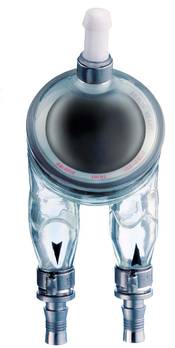
The device, commonly referred to as the Berlin Heart, is the EXCOR Pediatric System, and is manufactured by Berlin Heart, a German company. The device consists of one or two external pneumatic blood pumps, tubes to connect these pumps to the chambers of the heart and the great arteries, and a driving unit, according to the FDA.
Use of the EXCOR device improved survival to transplant among patients in a U.S. study of 48 pediatric patients, compared with those treated with the current standard of care, extracorporeal membrane oxygenation (ECMO), the agency statement said. Stroke is a risk associated with use of the EXCOR device.
It was approved under a Humanitarian Device Exemption, which requires proof that that "the probable benefit from use of the device outweighs the probable risk of illness or injury from its use to obtain the FDA’s approval," the agency said. HDE-approved devices are subjected to certain use restrictions. (Standard approval of devices requires that "reasonable assurance of effectiveness" be shown).
The FDA’s Office of Orphan Products Development designated this product as a Humanitarian Use Device (HUD) because it is intended to benefit patients with a disease or condition that affects fewer than 4,000 people in the United States per year, the definition of an orphan product.
One of the study sites was Texas Children’s Hospital, Houston. In a statement release by the hospital, Dr. Charles D. Fraser Jr., the hospital’s surgeon in chief, said that the approval "ushers in a new era for children with terminal heart failure. The medical community is now able to offer this life-saving device to support desperate children who would not otherwise survive while awaiting donor hearts."
Because of the small number of pediatric-size donor hearts available, the median wait time for a donor heart for infants is 119 days; 12%-17% of children and 23% of infants on heart transplant lists die before a heart becomes available, according to the FDA.
The long-awaited "Berlin Heart," a ventricular assist device for infants and children with heart failure, has been approved in the United States.
The mechanical pulsatile cardiac assist device, which comes in different sizes to fit children from newborns to teenagers, was approved by the Food and Drug Administration on Dec. 16, the agency announced in a statement.
"This is a step forward, it is the first FDA-approved pulsatile mechanical circulatory support device specifically designed for children," Dr. Susan Cummins, chief pediatric medical officer in the FDA’s Center for Devices and Radiological Health, said in the statement. "Previous adult heart assist devices were too large to be used in critically ill children to keep them alive while they wait to get a new heart."
The device, commonly referred to as the Berlin Heart, is the EXCOR Pediatric System, and is manufactured by Berlin Heart, a German company. The device consists of one or two external pneumatic blood pumps, tubes to connect these pumps to the chambers of the heart and the great arteries, and a driving unit, according to the FDA.
Use of the EXCOR device improved survival to transplant among patients in a U.S. study of 48 pediatric patients, compared with those treated with the current standard of care, extracorporeal membrane oxygenation (ECMO), the agency statement said. Stroke is a risk associated with use of the EXCOR device.
It was approved under a Humanitarian Device Exemption, which requires proof that that "the probable benefit from use of the device outweighs the probable risk of illness or injury from its use to obtain the FDA’s approval," the agency said. HDE-approved devices are subjected to certain use restrictions. (Standard approval of devices requires that "reasonable assurance of effectiveness" be shown).
The FDA’s Office of Orphan Products Development designated this product as a Humanitarian Use Device (HUD) because it is intended to benefit patients with a disease or condition that affects fewer than 4,000 people in the United States per year, the definition of an orphan product.
One of the study sites was Texas Children’s Hospital, Houston. In a statement release by the hospital, Dr. Charles D. Fraser Jr., the hospital’s surgeon in chief, said that the approval "ushers in a new era for children with terminal heart failure. The medical community is now able to offer this life-saving device to support desperate children who would not otherwise survive while awaiting donor hearts."
Because of the small number of pediatric-size donor hearts available, the median wait time for a donor heart for infants is 119 days; 12%-17% of children and 23% of infants on heart transplant lists die before a heart becomes available, according to the FDA.
The long-awaited "Berlin Heart," a ventricular assist device for infants and children with heart failure, has been approved in the United States.
The mechanical pulsatile cardiac assist device, which comes in different sizes to fit children from newborns to teenagers, was approved by the Food and Drug Administration on Dec. 16, the agency announced in a statement.
"This is a step forward, it is the first FDA-approved pulsatile mechanical circulatory support device specifically designed for children," Dr. Susan Cummins, chief pediatric medical officer in the FDA’s Center for Devices and Radiological Health, said in the statement. "Previous adult heart assist devices were too large to be used in critically ill children to keep them alive while they wait to get a new heart."
The device, commonly referred to as the Berlin Heart, is the EXCOR Pediatric System, and is manufactured by Berlin Heart, a German company. The device consists of one or two external pneumatic blood pumps, tubes to connect these pumps to the chambers of the heart and the great arteries, and a driving unit, according to the FDA.
Use of the EXCOR device improved survival to transplant among patients in a U.S. study of 48 pediatric patients, compared with those treated with the current standard of care, extracorporeal membrane oxygenation (ECMO), the agency statement said. Stroke is a risk associated with use of the EXCOR device.
It was approved under a Humanitarian Device Exemption, which requires proof that that "the probable benefit from use of the device outweighs the probable risk of illness or injury from its use to obtain the FDA’s approval," the agency said. HDE-approved devices are subjected to certain use restrictions. (Standard approval of devices requires that "reasonable assurance of effectiveness" be shown).
The FDA’s Office of Orphan Products Development designated this product as a Humanitarian Use Device (HUD) because it is intended to benefit patients with a disease or condition that affects fewer than 4,000 people in the United States per year, the definition of an orphan product.
One of the study sites was Texas Children’s Hospital, Houston. In a statement release by the hospital, Dr. Charles D. Fraser Jr., the hospital’s surgeon in chief, said that the approval "ushers in a new era for children with terminal heart failure. The medical community is now able to offer this life-saving device to support desperate children who would not otherwise survive while awaiting donor hearts."
Because of the small number of pediatric-size donor hearts available, the median wait time for a donor heart for infants is 119 days; 12%-17% of children and 23% of infants on heart transplant lists die before a heart becomes available, according to the FDA.
FROM THE FOOD AND DRUG ADMINISTRATION
Medicare Sets Measures for Hospital P4P
Medicare officials are expanding the list of quality measures that hospitals will be judged on as part of a new pay-for-performance program created under the Affordable Care Act.
In a final rule released Nov. 1, detailing Medicare payment rates for hospital outpatient departments, officials at the Centers for Medicare and Medicaid Services announced that they are adding a new clinical process of care measure related to urinary catheters to the Hospital Inpatient Value-Based Purchasing (VBP) Program. The new measure, which will go into effect in October 2013 for fiscal year 2014, will assess whether a urinary catheter inserted during surgery is removed on the first or second postsurgical day. Hospitals will begin reporting data to the CMS on the new measure in 2012.
The new measure will be added to 12 clinical process measures and 1 patient experience measure that were adopted for the first year of the program. The CMS also finalized plans to include three outcome measures related to 30-day mortality for acute myocardial infarction, heart failure, and pneumonia in the program for fiscal year 2014.
At the same time, the CMS is delaying plans to include other measures. The agency had planned to include eight measures on hospital-acquired conditions, two composite measures from the Agency for Healthcare Research and Quality, and a Medicare Spending per Beneficiary measure in the Hospital VBP program in fiscal year 2014. But after receiving public comments noting that performance data had not been publicly available long enough for hospitals to prepare to incorporate the measures, Medicare officials relented.
According to the final rule, the CMS will post hospital performance data on the measures to Medicare’s Hospital Compare website for at least 1 year before requiring hospitals to report data on them.
Under the Hospital VBP program, the CMS will begin making incentive payments to hospitals based on quality on Oct. 1, 2012. The payments are funded by reducing Medicare payments to hospitals by 1% during fiscal year 2013 and 1.25% in fiscal year 2014.
Hospital payments under the program will be based on performance on clinical process-of-care measures, patient satisfaction, and clinical outcomes. In fiscal year 2014, process-of-care measures will be weighted at 45% of the score, patient satisfaction at 30%, and outcomes at 25%. During the first year of the program, process-of-care measures will weighted at 70% and patient satisfaction measures at 30%.
Medicare officials are also moving ahead with plans to require ambulatory surgical centers (ASCs) to report on quality measures next year.
In the final rule, the CMS adopted four clinical outcome measures and one surgical infection control measure that ASCs must report on beginning in October 2012. The final list includes measures related to patient burns; patient falls; wrong site, wrong side, wrong patient, wrong procedure, wrong implant surgery; rate of ASC admissions requiring a hospital transfer/admission upon discharge, and prophylactic intravenous antibiotic timing. The data reported will be used to determine payments for 2014, according to the final rule.
In 2013, ASCs will also have to report on their use of the safe surgery checklist and report data on their facility volume on selected procedures. That information will be used in setting payments for 2015. Additionally, hospitals will be required to report on influenza vaccination coverage among health care workers starting in 2014, which will affect their 2016 payments.
The more than 1,500-page final rule also outlines the 2012 payments to hospitals and ASCs for outpatient services. The CMS estimates that in 2012, it will spend about $41.1 billion to pay the more than 4,000 general acute care hospitals, inpatient rehabilitation facilities, inpatient psychiatric facilities, long-term acute care hospitals, children’s hospitals, and cancer hospitals under Medicare’s Outpatient Prospective Payment System. And the agency will pay another $3.5 billion to about 5,000 ASCs next year.
The final rule increased payments to hospital outpatient departments by 1.9% in 2012. Under the rule, payments to cancer hospitals will go up by 11.3% due to adjustments required under the Affordable Care Act. ACSs will also see their payments increase by 1.6% in 2012.
Medicare officials are expanding the list of quality measures that hospitals will be judged on as part of a new pay-for-performance program created under the Affordable Care Act.
In a final rule released Nov. 1, detailing Medicare payment rates for hospital outpatient departments, officials at the Centers for Medicare and Medicaid Services announced that they are adding a new clinical process of care measure related to urinary catheters to the Hospital Inpatient Value-Based Purchasing (VBP) Program. The new measure, which will go into effect in October 2013 for fiscal year 2014, will assess whether a urinary catheter inserted during surgery is removed on the first or second postsurgical day. Hospitals will begin reporting data to the CMS on the new measure in 2012.
The new measure will be added to 12 clinical process measures and 1 patient experience measure that were adopted for the first year of the program. The CMS also finalized plans to include three outcome measures related to 30-day mortality for acute myocardial infarction, heart failure, and pneumonia in the program for fiscal year 2014.
At the same time, the CMS is delaying plans to include other measures. The agency had planned to include eight measures on hospital-acquired conditions, two composite measures from the Agency for Healthcare Research and Quality, and a Medicare Spending per Beneficiary measure in the Hospital VBP program in fiscal year 2014. But after receiving public comments noting that performance data had not been publicly available long enough for hospitals to prepare to incorporate the measures, Medicare officials relented.
According to the final rule, the CMS will post hospital performance data on the measures to Medicare’s Hospital Compare website for at least 1 year before requiring hospitals to report data on them.
Under the Hospital VBP program, the CMS will begin making incentive payments to hospitals based on quality on Oct. 1, 2012. The payments are funded by reducing Medicare payments to hospitals by 1% during fiscal year 2013 and 1.25% in fiscal year 2014.
Hospital payments under the program will be based on performance on clinical process-of-care measures, patient satisfaction, and clinical outcomes. In fiscal year 2014, process-of-care measures will be weighted at 45% of the score, patient satisfaction at 30%, and outcomes at 25%. During the first year of the program, process-of-care measures will weighted at 70% and patient satisfaction measures at 30%.
Medicare officials are also moving ahead with plans to require ambulatory surgical centers (ASCs) to report on quality measures next year.
In the final rule, the CMS adopted four clinical outcome measures and one surgical infection control measure that ASCs must report on beginning in October 2012. The final list includes measures related to patient burns; patient falls; wrong site, wrong side, wrong patient, wrong procedure, wrong implant surgery; rate of ASC admissions requiring a hospital transfer/admission upon discharge, and prophylactic intravenous antibiotic timing. The data reported will be used to determine payments for 2014, according to the final rule.
In 2013, ASCs will also have to report on their use of the safe surgery checklist and report data on their facility volume on selected procedures. That information will be used in setting payments for 2015. Additionally, hospitals will be required to report on influenza vaccination coverage among health care workers starting in 2014, which will affect their 2016 payments.
The more than 1,500-page final rule also outlines the 2012 payments to hospitals and ASCs for outpatient services. The CMS estimates that in 2012, it will spend about $41.1 billion to pay the more than 4,000 general acute care hospitals, inpatient rehabilitation facilities, inpatient psychiatric facilities, long-term acute care hospitals, children’s hospitals, and cancer hospitals under Medicare’s Outpatient Prospective Payment System. And the agency will pay another $3.5 billion to about 5,000 ASCs next year.
The final rule increased payments to hospital outpatient departments by 1.9% in 2012. Under the rule, payments to cancer hospitals will go up by 11.3% due to adjustments required under the Affordable Care Act. ACSs will also see their payments increase by 1.6% in 2012.
Medicare officials are expanding the list of quality measures that hospitals will be judged on as part of a new pay-for-performance program created under the Affordable Care Act.
In a final rule released Nov. 1, detailing Medicare payment rates for hospital outpatient departments, officials at the Centers for Medicare and Medicaid Services announced that they are adding a new clinical process of care measure related to urinary catheters to the Hospital Inpatient Value-Based Purchasing (VBP) Program. The new measure, which will go into effect in October 2013 for fiscal year 2014, will assess whether a urinary catheter inserted during surgery is removed on the first or second postsurgical day. Hospitals will begin reporting data to the CMS on the new measure in 2012.
The new measure will be added to 12 clinical process measures and 1 patient experience measure that were adopted for the first year of the program. The CMS also finalized plans to include three outcome measures related to 30-day mortality for acute myocardial infarction, heart failure, and pneumonia in the program for fiscal year 2014.
At the same time, the CMS is delaying plans to include other measures. The agency had planned to include eight measures on hospital-acquired conditions, two composite measures from the Agency for Healthcare Research and Quality, and a Medicare Spending per Beneficiary measure in the Hospital VBP program in fiscal year 2014. But after receiving public comments noting that performance data had not been publicly available long enough for hospitals to prepare to incorporate the measures, Medicare officials relented.
According to the final rule, the CMS will post hospital performance data on the measures to Medicare’s Hospital Compare website for at least 1 year before requiring hospitals to report data on them.
Under the Hospital VBP program, the CMS will begin making incentive payments to hospitals based on quality on Oct. 1, 2012. The payments are funded by reducing Medicare payments to hospitals by 1% during fiscal year 2013 and 1.25% in fiscal year 2014.
Hospital payments under the program will be based on performance on clinical process-of-care measures, patient satisfaction, and clinical outcomes. In fiscal year 2014, process-of-care measures will be weighted at 45% of the score, patient satisfaction at 30%, and outcomes at 25%. During the first year of the program, process-of-care measures will weighted at 70% and patient satisfaction measures at 30%.
Medicare officials are also moving ahead with plans to require ambulatory surgical centers (ASCs) to report on quality measures next year.
In the final rule, the CMS adopted four clinical outcome measures and one surgical infection control measure that ASCs must report on beginning in October 2012. The final list includes measures related to patient burns; patient falls; wrong site, wrong side, wrong patient, wrong procedure, wrong implant surgery; rate of ASC admissions requiring a hospital transfer/admission upon discharge, and prophylactic intravenous antibiotic timing. The data reported will be used to determine payments for 2014, according to the final rule.
In 2013, ASCs will also have to report on their use of the safe surgery checklist and report data on their facility volume on selected procedures. That information will be used in setting payments for 2015. Additionally, hospitals will be required to report on influenza vaccination coverage among health care workers starting in 2014, which will affect their 2016 payments.
The more than 1,500-page final rule also outlines the 2012 payments to hospitals and ASCs for outpatient services. The CMS estimates that in 2012, it will spend about $41.1 billion to pay the more than 4,000 general acute care hospitals, inpatient rehabilitation facilities, inpatient psychiatric facilities, long-term acute care hospitals, children’s hospitals, and cancer hospitals under Medicare’s Outpatient Prospective Payment System. And the agency will pay another $3.5 billion to about 5,000 ASCs next year.
The final rule increased payments to hospital outpatient departments by 1.9% in 2012. Under the rule, payments to cancer hospitals will go up by 11.3% due to adjustments required under the Affordable Care Act. ACSs will also see their payments increase by 1.6% in 2012.
ADHD Drugs Showed No Risk of Cardiovascular Events
Case reports that have raised concerns about a possible link between drugs used to treat attention-deficit/hyperactivity disorder and an increased risk of serious cardiovascular events, but no evidence of such a link was found in a large retrospective cohort study involving data from more than 1.2 million children and young adults.
Although case reports from adverse-event reporting systems are important for helping to identify safety signals, they cannot be relied upon to quantify risk, and the findings of the current study, which are consistent with several other studies, suggest that risk is low, according to Dr. William O. Cooper of Vanderbilt University, Nashville, Tenn., and his colleagues.
The findings also raise questions about regulatory and policy decisions that followed a number of adverse-event reports in the United States and Canada.
"In Canada, Health Canada removed and then reinstated marketing of extended-release mixed amphetamine salts. In the United States, three different [Food and Drug Administration] advisory committees considered the issue and recommended a black-box warning for stimulants, as well as a medication guide for patients," the investigators wrote online in the Nov. 1 issue of the New England Journal of Medicine.
These and others policies, they wrote, "led to concern and confusion among health care providers, patients, and families about the risks of these drugs."
The current study involved nearly 2.6 million person-years of follow-up, including more than 373,000 person-years of current use of ADHD drugs. Neither current use nor former use was associated with an increased risk for serious cardiovascular events, compared with non-use. The adjusted hazard ratios were 0.75 for current use and 1.03 for former use (N. Engl. J. Med. 2011 Nov. 1 [doi:10.1056/NEJMoa1110212]).
Furthermore, current use was not associated with an increased risk for any individual end points in the study, including sudden cardiac death, acute myocardial infarction, and stroke. The investigators also saw no increase in risk in current users when former users (rather than nonusers) served as the reference group. That yielded an adjusted hazard ratio of 0.70.
The study cohort included participants aged 2 to 24 years in four large health plans. The investigators matched data from computerized health records to state death certificates and the National Death Index to identify serious cardiovascular events. They compared event rates in users of the ADHD drugs methylphenidate, dexmethylphenidate, dextroamphetamines, amphetamine salts, atomoxetine, and pemoline, and up to two nonuser controls subjects. In all, there were 3.1 serious cardiovascular events per 100,000 person-years.
The point estimates of the relative risks for ADHD drugs in this study did not indicate increased risk, but the upper limit of the 95% confidence interval suggested that a doubling in the risk could not be ruled out. However, several alternative analyses to test the robustness of the findings supported those of the primary analysis, the investigators explained, concluding that "the absolute magnitude of any increased risk would be low."
The Agency for Healthcare Research and Quality, the Department of Health and Human Services, and the Food and Drug Administration funded the study. Some authors reported disclosures other than grant funding from these organizations, including receiving grant funding or owning stock or stock options from various pharmaceutical companies.
Case reports that have raised concerns about a possible link between drugs used to treat attention-deficit/hyperactivity disorder and an increased risk of serious cardiovascular events, but no evidence of such a link was found in a large retrospective cohort study involving data from more than 1.2 million children and young adults.
Although case reports from adverse-event reporting systems are important for helping to identify safety signals, they cannot be relied upon to quantify risk, and the findings of the current study, which are consistent with several other studies, suggest that risk is low, according to Dr. William O. Cooper of Vanderbilt University, Nashville, Tenn., and his colleagues.
The findings also raise questions about regulatory and policy decisions that followed a number of adverse-event reports in the United States and Canada.
"In Canada, Health Canada removed and then reinstated marketing of extended-release mixed amphetamine salts. In the United States, three different [Food and Drug Administration] advisory committees considered the issue and recommended a black-box warning for stimulants, as well as a medication guide for patients," the investigators wrote online in the Nov. 1 issue of the New England Journal of Medicine.
These and others policies, they wrote, "led to concern and confusion among health care providers, patients, and families about the risks of these drugs."
The current study involved nearly 2.6 million person-years of follow-up, including more than 373,000 person-years of current use of ADHD drugs. Neither current use nor former use was associated with an increased risk for serious cardiovascular events, compared with non-use. The adjusted hazard ratios were 0.75 for current use and 1.03 for former use (N. Engl. J. Med. 2011 Nov. 1 [doi:10.1056/NEJMoa1110212]).
Furthermore, current use was not associated with an increased risk for any individual end points in the study, including sudden cardiac death, acute myocardial infarction, and stroke. The investigators also saw no increase in risk in current users when former users (rather than nonusers) served as the reference group. That yielded an adjusted hazard ratio of 0.70.
The study cohort included participants aged 2 to 24 years in four large health plans. The investigators matched data from computerized health records to state death certificates and the National Death Index to identify serious cardiovascular events. They compared event rates in users of the ADHD drugs methylphenidate, dexmethylphenidate, dextroamphetamines, amphetamine salts, atomoxetine, and pemoline, and up to two nonuser controls subjects. In all, there were 3.1 serious cardiovascular events per 100,000 person-years.
The point estimates of the relative risks for ADHD drugs in this study did not indicate increased risk, but the upper limit of the 95% confidence interval suggested that a doubling in the risk could not be ruled out. However, several alternative analyses to test the robustness of the findings supported those of the primary analysis, the investigators explained, concluding that "the absolute magnitude of any increased risk would be low."
The Agency for Healthcare Research and Quality, the Department of Health and Human Services, and the Food and Drug Administration funded the study. Some authors reported disclosures other than grant funding from these organizations, including receiving grant funding or owning stock or stock options from various pharmaceutical companies.
Case reports that have raised concerns about a possible link between drugs used to treat attention-deficit/hyperactivity disorder and an increased risk of serious cardiovascular events, but no evidence of such a link was found in a large retrospective cohort study involving data from more than 1.2 million children and young adults.
Although case reports from adverse-event reporting systems are important for helping to identify safety signals, they cannot be relied upon to quantify risk, and the findings of the current study, which are consistent with several other studies, suggest that risk is low, according to Dr. William O. Cooper of Vanderbilt University, Nashville, Tenn., and his colleagues.
The findings also raise questions about regulatory and policy decisions that followed a number of adverse-event reports in the United States and Canada.
"In Canada, Health Canada removed and then reinstated marketing of extended-release mixed amphetamine salts. In the United States, three different [Food and Drug Administration] advisory committees considered the issue and recommended a black-box warning for stimulants, as well as a medication guide for patients," the investigators wrote online in the Nov. 1 issue of the New England Journal of Medicine.
These and others policies, they wrote, "led to concern and confusion among health care providers, patients, and families about the risks of these drugs."
The current study involved nearly 2.6 million person-years of follow-up, including more than 373,000 person-years of current use of ADHD drugs. Neither current use nor former use was associated with an increased risk for serious cardiovascular events, compared with non-use. The adjusted hazard ratios were 0.75 for current use and 1.03 for former use (N. Engl. J. Med. 2011 Nov. 1 [doi:10.1056/NEJMoa1110212]).
Furthermore, current use was not associated with an increased risk for any individual end points in the study, including sudden cardiac death, acute myocardial infarction, and stroke. The investigators also saw no increase in risk in current users when former users (rather than nonusers) served as the reference group. That yielded an adjusted hazard ratio of 0.70.
The study cohort included participants aged 2 to 24 years in four large health plans. The investigators matched data from computerized health records to state death certificates and the National Death Index to identify serious cardiovascular events. They compared event rates in users of the ADHD drugs methylphenidate, dexmethylphenidate, dextroamphetamines, amphetamine salts, atomoxetine, and pemoline, and up to two nonuser controls subjects. In all, there were 3.1 serious cardiovascular events per 100,000 person-years.
The point estimates of the relative risks for ADHD drugs in this study did not indicate increased risk, but the upper limit of the 95% confidence interval suggested that a doubling in the risk could not be ruled out. However, several alternative analyses to test the robustness of the findings supported those of the primary analysis, the investigators explained, concluding that "the absolute magnitude of any increased risk would be low."
The Agency for Healthcare Research and Quality, the Department of Health and Human Services, and the Food and Drug Administration funded the study. Some authors reported disclosures other than grant funding from these organizations, including receiving grant funding or owning stock or stock options from various pharmaceutical companies.
FROM THE NEW ENGLAND JOURNAL OF MEDICINE
Major Finding: In nearly 2.6 million person-years of follow-up, including more than 373,000 person-years of current use of ADHD drugs, neither current use nor former use was associated with an increased risk for serious cardiovascular events, compared with nonuse (adjusted HR, 0.75 and 1.03, respectively).
Data Source: A retrospective cohort study.
Disclosures: The Agency for Healthcare Research and Quality, the Department of Health and Human Services, and the Food and Drug Administration funded the study. Some authors reported disclosures other than grant funding from these organizations, including receiving grant funding or owning stock or stock options from various pharmaceutical companies.
Measuring Quality of Care
The measurement of quality of care has been the mantra of health policy care for the past decade, and has become as American as apple pie and Chevrolet. Yet there have been few data showing that the institution of quality of care guidelines has had any impact on mortality or morbidity.
Despite this lack of data, hospitals are being financially rewarded or penalized based on their ability to meet guidelines established by the Center for Medicare and Medicaid Services in conjunction with the American College of Cardiology and the American Heart Association. Two recent reports provide insight on the progress we have achieved with guidelines in heart failure and in instituting the shortening of the door-to-balloon time (D2B) for percutaneous coronary artery intervention (PCI) in ST-segment elevation MI.
Decreasing heart failure readmission within 30 days, which occurs in approximately one-third of hospitalized patients, has become a target for the quality improvement process. Using the "Get With the Guidelines Heart Failure" registry, a recent analysis indicates that there is a very poor correlation between the achievement or those standards and the 30 day mortality and readmission rate (Circulation 2011;124:712-9).

The guidelines include measurement of cardiac function, application of the usual heart failure medications, and discharge instructions. Data were collected in almost 20,000 patients in 153 hospitals during 2005. Adherence to these guidelines was quite good and was achieved in more than 75% of the hospitals, yet it was unrelated to the 30 day mortality or hospital readmission.
The authors emphasized that the factors that affect survival and readmission are very heterogeneous. Basing pay-for-performance standards on a single measure (such as readmission rates) may penalize institutions that face impediments that are unrelated to performance measurements. Penalizing hospitals that have high readmission rates as a result of a large populations of vulnerable patients may penalize institutions that actually could benefit from more resources in order to achieve better outcomes.
The effectiveness of PCI, when it is performed in less than 90 minutes in STEMI patients, has been supported by clinical data from selected cardiac centers. The application to the larger patient population of the guideline to shorten D2B time to less than 90 minutes has been championed by the ACC, which launched the D2B Alliance in 2006 and by the AHA in 2007 with its Mission: Lifeline program.
The success of these efforts was reported in August (Circulation 2011;124:1038-45) and indicates that in a selected group of CMS-reporting hospitals, D2B time decreased from 96 minutes in 2005 to 64 minutes in 2010. In addition, the percentage of patients with a D2B time of less than 90 minutes increased from 44% to 91%, and that of patients with D2B of less than 75 minutes rose from 27% to 70%. The success of this effort is to be applauded, but the report is striking for its absence of any information regarding outcomes of the shortened D2B time. Unfortunately, there is little outcome information available, with the exception of data from Michigan on all Medicare providers in that state, which indicates that although D2B time decreased by 90 minutes, there was no significant benefit.
Measurement of quality remains elusive, in spite of the good intentions of physicians and health planners to use a variety of seemingly beneficial criteria for its definition.
As consumers, we know that quality is not easy to measure. Most of us can compare the quality of American automobiles vs. their foreign competitors by "kicking the tires," that is, by doing a little research. But even with this knowledge, we are not always sure that the particular car we buy will be better or last longer. Health care faces the same problem. Establishing quality care measurements will require a great deal of further research before we can reward or penalize hospitals and physicians for their performance.
It is possible that in our zeal to measure what we can, we are confusing process with content. How to put a number on the performance that leads to quality remains uncertain using our current methodology.-
Dr. Sidney Goldstein is professor of medicine at Wayne State University and division head emeritus of cardiovascular medicine at Henry Ford Hospital, both in Detroit. He is on data safety monitoring committees for the National Institutes of Health and several pharmaceutical companies.
The measurement of quality of care has been the mantra of health policy care for the past decade, and has become as American as apple pie and Chevrolet. Yet there have been few data showing that the institution of quality of care guidelines has had any impact on mortality or morbidity.
Despite this lack of data, hospitals are being financially rewarded or penalized based on their ability to meet guidelines established by the Center for Medicare and Medicaid Services in conjunction with the American College of Cardiology and the American Heart Association. Two recent reports provide insight on the progress we have achieved with guidelines in heart failure and in instituting the shortening of the door-to-balloon time (D2B) for percutaneous coronary artery intervention (PCI) in ST-segment elevation MI.
Decreasing heart failure readmission within 30 days, which occurs in approximately one-third of hospitalized patients, has become a target for the quality improvement process. Using the "Get With the Guidelines Heart Failure" registry, a recent analysis indicates that there is a very poor correlation between the achievement or those standards and the 30 day mortality and readmission rate (Circulation 2011;124:712-9).
The guidelines include measurement of cardiac function, application of the usual heart failure medications, and discharge instructions. Data were collected in almost 20,000 patients in 153 hospitals during 2005. Adherence to these guidelines was quite good and was achieved in more than 75% of the hospitals, yet it was unrelated to the 30 day mortality or hospital readmission.
The authors emphasized that the factors that affect survival and readmission are very heterogeneous. Basing pay-for-performance standards on a single measure (such as readmission rates) may penalize institutions that face impediments that are unrelated to performance measurements. Penalizing hospitals that have high readmission rates as a result of a large populations of vulnerable patients may penalize institutions that actually could benefit from more resources in order to achieve better outcomes.
The effectiveness of PCI, when it is performed in less than 90 minutes in STEMI patients, has been supported by clinical data from selected cardiac centers. The application to the larger patient population of the guideline to shorten D2B time to less than 90 minutes has been championed by the ACC, which launched the D2B Alliance in 2006 and by the AHA in 2007 with its Mission: Lifeline program.
The success of these efforts was reported in August (Circulation 2011;124:1038-45) and indicates that in a selected group of CMS-reporting hospitals, D2B time decreased from 96 minutes in 2005 to 64 minutes in 2010. In addition, the percentage of patients with a D2B time of less than 90 minutes increased from 44% to 91%, and that of patients with D2B of less than 75 minutes rose from 27% to 70%. The success of this effort is to be applauded, but the report is striking for its absence of any information regarding outcomes of the shortened D2B time. Unfortunately, there is little outcome information available, with the exception of data from Michigan on all Medicare providers in that state, which indicates that although D2B time decreased by 90 minutes, there was no significant benefit.
Measurement of quality remains elusive, in spite of the good intentions of physicians and health planners to use a variety of seemingly beneficial criteria for its definition.
As consumers, we know that quality is not easy to measure. Most of us can compare the quality of American automobiles vs. their foreign competitors by "kicking the tires," that is, by doing a little research. But even with this knowledge, we are not always sure that the particular car we buy will be better or last longer. Health care faces the same problem. Establishing quality care measurements will require a great deal of further research before we can reward or penalize hospitals and physicians for their performance.
It is possible that in our zeal to measure what we can, we are confusing process with content. How to put a number on the performance that leads to quality remains uncertain using our current methodology.-
Dr. Sidney Goldstein is professor of medicine at Wayne State University and division head emeritus of cardiovascular medicine at Henry Ford Hospital, both in Detroit. He is on data safety monitoring committees for the National Institutes of Health and several pharmaceutical companies.
The measurement of quality of care has been the mantra of health policy care for the past decade, and has become as American as apple pie and Chevrolet. Yet there have been few data showing that the institution of quality of care guidelines has had any impact on mortality or morbidity.
Despite this lack of data, hospitals are being financially rewarded or penalized based on their ability to meet guidelines established by the Center for Medicare and Medicaid Services in conjunction with the American College of Cardiology and the American Heart Association. Two recent reports provide insight on the progress we have achieved with guidelines in heart failure and in instituting the shortening of the door-to-balloon time (D2B) for percutaneous coronary artery intervention (PCI) in ST-segment elevation MI.
Decreasing heart failure readmission within 30 days, which occurs in approximately one-third of hospitalized patients, has become a target for the quality improvement process. Using the "Get With the Guidelines Heart Failure" registry, a recent analysis indicates that there is a very poor correlation between the achievement or those standards and the 30 day mortality and readmission rate (Circulation 2011;124:712-9).
The guidelines include measurement of cardiac function, application of the usual heart failure medications, and discharge instructions. Data were collected in almost 20,000 patients in 153 hospitals during 2005. Adherence to these guidelines was quite good and was achieved in more than 75% of the hospitals, yet it was unrelated to the 30 day mortality or hospital readmission.
The authors emphasized that the factors that affect survival and readmission are very heterogeneous. Basing pay-for-performance standards on a single measure (such as readmission rates) may penalize institutions that face impediments that are unrelated to performance measurements. Penalizing hospitals that have high readmission rates as a result of a large populations of vulnerable patients may penalize institutions that actually could benefit from more resources in order to achieve better outcomes.
The effectiveness of PCI, when it is performed in less than 90 minutes in STEMI patients, has been supported by clinical data from selected cardiac centers. The application to the larger patient population of the guideline to shorten D2B time to less than 90 minutes has been championed by the ACC, which launched the D2B Alliance in 2006 and by the AHA in 2007 with its Mission: Lifeline program.
The success of these efforts was reported in August (Circulation 2011;124:1038-45) and indicates that in a selected group of CMS-reporting hospitals, D2B time decreased from 96 minutes in 2005 to 64 minutes in 2010. In addition, the percentage of patients with a D2B time of less than 90 minutes increased from 44% to 91%, and that of patients with D2B of less than 75 minutes rose from 27% to 70%. The success of this effort is to be applauded, but the report is striking for its absence of any information regarding outcomes of the shortened D2B time. Unfortunately, there is little outcome information available, with the exception of data from Michigan on all Medicare providers in that state, which indicates that although D2B time decreased by 90 minutes, there was no significant benefit.
Measurement of quality remains elusive, in spite of the good intentions of physicians and health planners to use a variety of seemingly beneficial criteria for its definition.
As consumers, we know that quality is not easy to measure. Most of us can compare the quality of American automobiles vs. their foreign competitors by "kicking the tires," that is, by doing a little research. But even with this knowledge, we are not always sure that the particular car we buy will be better or last longer. Health care faces the same problem. Establishing quality care measurements will require a great deal of further research before we can reward or penalize hospitals and physicians for their performance.
It is possible that in our zeal to measure what we can, we are confusing process with content. How to put a number on the performance that leads to quality remains uncertain using our current methodology.-
Dr. Sidney Goldstein is professor of medicine at Wayne State University and division head emeritus of cardiovascular medicine at Henry Ford Hospital, both in Detroit. He is on data safety monitoring committees for the National Institutes of Health and several pharmaceutical companies.
Heart Failure Hospitalization Dropped 30% Across Decade
The rate of hospitalization for heart failure in the United States declined approximately 30% between 1998 and 2008, according to a report in the Oct. 19 issue of JAMA.
This decrease is especially "remarkable" in light of the finding that survival after HF hospitalization also rose slightly at the same time, which means that there likely were more repeat hospitalizations for HF in any given year, said Dr. Jersey Chen of Yale University, New Haven, Conn., and his associates.
The researchers performed "the largest study to date examining trends in HF hospitalization rates across the United States" by analyzing a sample of 320,618,412 Medicare fee-for-service claims during that decade.
The overall risk-adjusted hospitalization rate decreased from 2,845 per 100,000 person-years to 2,007 per 100,000 person-years, a relative decline of 29.5%. In addition, the number of unique patients hospitalized at least once for HF in a given year dropped from 2,014 to 1,462 per 100,000 person-years.
This decrease represents an estimated savings of $4.1 billion in Medicare costs, the investigators said (JAMA 2011;306:1669-78).
Declines in HF hospitalization occurred across all age, sex, and race categories, although the amount of the decrease varied among these groups. For example, black men showed the lowest rate of decline among all categories of race and sex.
In addition, hospitalization for HF varied widely among the states. In 16 states, the decrease was significantly greater than the overall national decrease, while the decrease was significantly smaller in three states.
Dr. Chen and his colleagues also calculated 1-year mortality after HF hospitalization. Overall, this rate, adjusted for patient age, sex, race, and comorbidity, declined from 31.7% to 29.6%, a relative decrease of 6.6%.
The researchers characterized this reduction in HF mortality as "modest."
As with the hospitalization rates, the mortality rates varied substantially by state. Four states showed a more significant drop than the national average, and five showed a significant increase during the study period.
Such decreases were not found in previous studies of earlier time periods, such as the Framingham Heart Study, which examined trends in 1970-1999, and an Olmsted County (Minn.) study, which assessed trends in 1979-2004. "Our results may differ from these earlier studies because HF hospitalizations may have started to decline only recently," Dr. Chen and his associates noted.
Several more recent studies have indicated that HF hospitalization rates began to decline in the 1990s in Sweden, Scotland, Australia, and New Zealand, they added.
As an observational cohort study, this study was unable to determine the reasons for the marked decline in HF hospitalization and the more modest decline in HF mortality. However, the investigators speculated that improvements in underlying coronary artery disease, myocardial salvage after MI, and blood pressure control all may have played a role.
Improvements in secondary prevention also likely reduced HF exacerbations leading to hospitalization, including greater use of beta-blockers, ACE inhibitors, and angiotensin receptor blockers. In addition, clinical practice patterns may have changed, favoring outpatient rather than inpatient management of HF.
This study was limited in that it included only Medicare patients. "Trends in HF hospitalization and mortality may differ in younger patients with different types of insurance," Dr. Chen and his associates said.
The study was supported by the Agency for Healthcare Research and Quality and the National Heart, Lung, and Blood Institute. Dr. Chen’s associates reported ties to United Healthcare and Medtronic.
Although the findings regarding HF hospitalization are encouraging, the postdischarge event rate remains "unacceptably high," said Dr. Mihai Gheorghiade and Dr. Eugene Braunwald.
Several strategies to improve the clinical course after hospitalization should be explored, including a more aggressive approach to "subclinical" congestion; a more involved, systematic evaluation of cardiac abnormalities such as valvular disease, cardiac dyssynchrony, and ischemia; more attention to treating noncardiac comorbidities such as hypertension, renal dysfunction, diabetes, COPD, and sleep apnea; enhanced use of "underused" agents such as digoxin; and the routine scheduling of an office visit immediately after discharge to assess evolving problems such as worsening renal function, increases in weight, and worsening neurohormonal profiles, they said.
Dr. Gheorghiade is at the center for cardiovascular innovation at Northwestern University, Chicago. Dr. Braunwald is with the TIMI Study Group at Brigham and Women’s Hospital and Harvard Medical School, both in Boston. Dr. Gheorghiade reported ties to Bayer, Novartis, Sigma Tau, Johnson & Johnson, Takeda, Otsuka, and Medtronic. These remarks were adapted from their editorial accompanying Dr. Chen’s report (JAMA 2011;306:1705-6).
Although the findings regarding HF hospitalization are encouraging, the postdischarge event rate remains "unacceptably high," said Dr. Mihai Gheorghiade and Dr. Eugene Braunwald.
Several strategies to improve the clinical course after hospitalization should be explored, including a more aggressive approach to "subclinical" congestion; a more involved, systematic evaluation of cardiac abnormalities such as valvular disease, cardiac dyssynchrony, and ischemia; more attention to treating noncardiac comorbidities such as hypertension, renal dysfunction, diabetes, COPD, and sleep apnea; enhanced use of "underused" agents such as digoxin; and the routine scheduling of an office visit immediately after discharge to assess evolving problems such as worsening renal function, increases in weight, and worsening neurohormonal profiles, they said.
Dr. Gheorghiade is at the center for cardiovascular innovation at Northwestern University, Chicago. Dr. Braunwald is with the TIMI Study Group at Brigham and Women’s Hospital and Harvard Medical School, both in Boston. Dr. Gheorghiade reported ties to Bayer, Novartis, Sigma Tau, Johnson & Johnson, Takeda, Otsuka, and Medtronic. These remarks were adapted from their editorial accompanying Dr. Chen’s report (JAMA 2011;306:1705-6).
Although the findings regarding HF hospitalization are encouraging, the postdischarge event rate remains "unacceptably high," said Dr. Mihai Gheorghiade and Dr. Eugene Braunwald.
Several strategies to improve the clinical course after hospitalization should be explored, including a more aggressive approach to "subclinical" congestion; a more involved, systematic evaluation of cardiac abnormalities such as valvular disease, cardiac dyssynchrony, and ischemia; more attention to treating noncardiac comorbidities such as hypertension, renal dysfunction, diabetes, COPD, and sleep apnea; enhanced use of "underused" agents such as digoxin; and the routine scheduling of an office visit immediately after discharge to assess evolving problems such as worsening renal function, increases in weight, and worsening neurohormonal profiles, they said.
Dr. Gheorghiade is at the center for cardiovascular innovation at Northwestern University, Chicago. Dr. Braunwald is with the TIMI Study Group at Brigham and Women’s Hospital and Harvard Medical School, both in Boston. Dr. Gheorghiade reported ties to Bayer, Novartis, Sigma Tau, Johnson & Johnson, Takeda, Otsuka, and Medtronic. These remarks were adapted from their editorial accompanying Dr. Chen’s report (JAMA 2011;306:1705-6).
The rate of hospitalization for heart failure in the United States declined approximately 30% between 1998 and 2008, according to a report in the Oct. 19 issue of JAMA.
This decrease is especially "remarkable" in light of the finding that survival after HF hospitalization also rose slightly at the same time, which means that there likely were more repeat hospitalizations for HF in any given year, said Dr. Jersey Chen of Yale University, New Haven, Conn., and his associates.
The researchers performed "the largest study to date examining trends in HF hospitalization rates across the United States" by analyzing a sample of 320,618,412 Medicare fee-for-service claims during that decade.
The overall risk-adjusted hospitalization rate decreased from 2,845 per 100,000 person-years to 2,007 per 100,000 person-years, a relative decline of 29.5%. In addition, the number of unique patients hospitalized at least once for HF in a given year dropped from 2,014 to 1,462 per 100,000 person-years.
This decrease represents an estimated savings of $4.1 billion in Medicare costs, the investigators said (JAMA 2011;306:1669-78).
Declines in HF hospitalization occurred across all age, sex, and race categories, although the amount of the decrease varied among these groups. For example, black men showed the lowest rate of decline among all categories of race and sex.
In addition, hospitalization for HF varied widely among the states. In 16 states, the decrease was significantly greater than the overall national decrease, while the decrease was significantly smaller in three states.
Dr. Chen and his colleagues also calculated 1-year mortality after HF hospitalization. Overall, this rate, adjusted for patient age, sex, race, and comorbidity, declined from 31.7% to 29.6%, a relative decrease of 6.6%.
The researchers characterized this reduction in HF mortality as "modest."
As with the hospitalization rates, the mortality rates varied substantially by state. Four states showed a more significant drop than the national average, and five showed a significant increase during the study period.
Such decreases were not found in previous studies of earlier time periods, such as the Framingham Heart Study, which examined trends in 1970-1999, and an Olmsted County (Minn.) study, which assessed trends in 1979-2004. "Our results may differ from these earlier studies because HF hospitalizations may have started to decline only recently," Dr. Chen and his associates noted.
Several more recent studies have indicated that HF hospitalization rates began to decline in the 1990s in Sweden, Scotland, Australia, and New Zealand, they added.
As an observational cohort study, this study was unable to determine the reasons for the marked decline in HF hospitalization and the more modest decline in HF mortality. However, the investigators speculated that improvements in underlying coronary artery disease, myocardial salvage after MI, and blood pressure control all may have played a role.
Improvements in secondary prevention also likely reduced HF exacerbations leading to hospitalization, including greater use of beta-blockers, ACE inhibitors, and angiotensin receptor blockers. In addition, clinical practice patterns may have changed, favoring outpatient rather than inpatient management of HF.
This study was limited in that it included only Medicare patients. "Trends in HF hospitalization and mortality may differ in younger patients with different types of insurance," Dr. Chen and his associates said.
The study was supported by the Agency for Healthcare Research and Quality and the National Heart, Lung, and Blood Institute. Dr. Chen’s associates reported ties to United Healthcare and Medtronic.
The rate of hospitalization for heart failure in the United States declined approximately 30% between 1998 and 2008, according to a report in the Oct. 19 issue of JAMA.
This decrease is especially "remarkable" in light of the finding that survival after HF hospitalization also rose slightly at the same time, which means that there likely were more repeat hospitalizations for HF in any given year, said Dr. Jersey Chen of Yale University, New Haven, Conn., and his associates.
The researchers performed "the largest study to date examining trends in HF hospitalization rates across the United States" by analyzing a sample of 320,618,412 Medicare fee-for-service claims during that decade.
The overall risk-adjusted hospitalization rate decreased from 2,845 per 100,000 person-years to 2,007 per 100,000 person-years, a relative decline of 29.5%. In addition, the number of unique patients hospitalized at least once for HF in a given year dropped from 2,014 to 1,462 per 100,000 person-years.
This decrease represents an estimated savings of $4.1 billion in Medicare costs, the investigators said (JAMA 2011;306:1669-78).
Declines in HF hospitalization occurred across all age, sex, and race categories, although the amount of the decrease varied among these groups. For example, black men showed the lowest rate of decline among all categories of race and sex.
In addition, hospitalization for HF varied widely among the states. In 16 states, the decrease was significantly greater than the overall national decrease, while the decrease was significantly smaller in three states.
Dr. Chen and his colleagues also calculated 1-year mortality after HF hospitalization. Overall, this rate, adjusted for patient age, sex, race, and comorbidity, declined from 31.7% to 29.6%, a relative decrease of 6.6%.
The researchers characterized this reduction in HF mortality as "modest."
As with the hospitalization rates, the mortality rates varied substantially by state. Four states showed a more significant drop than the national average, and five showed a significant increase during the study period.
Such decreases were not found in previous studies of earlier time periods, such as the Framingham Heart Study, which examined trends in 1970-1999, and an Olmsted County (Minn.) study, which assessed trends in 1979-2004. "Our results may differ from these earlier studies because HF hospitalizations may have started to decline only recently," Dr. Chen and his associates noted.
Several more recent studies have indicated that HF hospitalization rates began to decline in the 1990s in Sweden, Scotland, Australia, and New Zealand, they added.
As an observational cohort study, this study was unable to determine the reasons for the marked decline in HF hospitalization and the more modest decline in HF mortality. However, the investigators speculated that improvements in underlying coronary artery disease, myocardial salvage after MI, and blood pressure control all may have played a role.
Improvements in secondary prevention also likely reduced HF exacerbations leading to hospitalization, including greater use of beta-blockers, ACE inhibitors, and angiotensin receptor blockers. In addition, clinical practice patterns may have changed, favoring outpatient rather than inpatient management of HF.
This study was limited in that it included only Medicare patients. "Trends in HF hospitalization and mortality may differ in younger patients with different types of insurance," Dr. Chen and his associates said.
The study was supported by the Agency for Healthcare Research and Quality and the National Heart, Lung, and Blood Institute. Dr. Chen’s associates reported ties to United Healthcare and Medtronic.
FROM JAMA
Major Finding: The overall risk-adjusted rate of hospitalization for HF in the United States decreased from 2,845 per 100,000 person-years to 2,007 per 100,000 person years, a relative decline of 29.5%.
Data Source: An observational cohort study of trends in HF hospitalization and mortality in a sample of more than 320,000,000 Medicare cases in 1998-2008.
Disclosures: This study was supported by the Agency for Healthcare Research and Quality and the National Heart, Lung, and Blood Institute. Dr. Chen’s associates reported ties to United Healthcare and Medtronic.
Hospital Readmission Risk Prediction Models Work Poorly
Most models currently used to predict hospital readmission risk perform poorly, and better approaches are needed as policy makers increasingly use hospital readmission rates to calculate and publicize quality of care comparison information.
Twenty-six different methods to calculate readmission risk were reviewed, yet only one model specifically addressed preventable readmissions, according to the study by Dr. Devan Kansagara of the Portland (Ore.) Veterans Affairs Medical Center and colleagues published in the Oct. 16 issue of JAMA. Meanwhile, most models performed poorly when used to predict readmission rates, regardless of whether they were developed to compare hospitals or to improve quality of care, the researchers said.
Still, several of these models are being used in clinical settings, in research projects, and for policy making. "Readmission risk prediction remains a poorly understood and complex endeavor," Dr. Kansagara said. "Although in certain settings such models may prove useful, better approaches are needed to assess hospital performance in discharging patients, as well as to identify patients at greater risk of avoidable readmission."
The analysis broke the models down into three groups: models relying on retrospective administrative data, models using real-time administrative data, and models incorporating primary data collection (JAMA 2001;306:1688-98).
In the group relying on retrospective administrative data, most of the 14 models studied included variables for medical comorbidity and use of prior medical services, while a few models also considered mental health, functional status, and other social variables, all of which may be important when determining readmission risk. All performed poorly except in specific subsets of patients; for example, one model was able to predict some readmissions in asthma patients, the researchers noted.
Three models attempted to identify high-risk patients during their initial hospitalizations in an effort to target them for interventions that might be able to prevent readmissions. Two of these – including a model implemented in one urban U.S. hospital to predict readmissions for heart failure – worked modestly well, especially in certain populations, but none had excellent predictive ability overall, the study said.
Finally, in the group of nine models that incorporated primary data collection, hospitals used questionnaires and other data in an effort to predict potential readmission risks early in patients’ initial hospital stays. Although several of these models had some predictive value, according to the study, none are in wide use, and a couple were developed more than 20 years ago.
Most of the models examined in the study included data on medical comorbidity, but few considered variables associated with illness severity, overall health and function, and socioeconomic factors that can affect a patient’s health, according to the study.
Public reporting of readmission rates, coupled with financial penalties for hospitals with high 30-day readmission rates, both are spurring organizations to implement quality improvement programs, Dr. Kansagara said. However, since the current available models for predicting readmission risk don’t work well, it may not be fair to use them to compare hospitals and possibly penalize them.
"Use of readmission rates as a quality metric assumes that readmissions are related to poor quality care and are potentially preventable," Dr. Kansagara said. "However, the preventability of readmissions remains unclear and understudied. We found only one validated prediction model that explicitly examined potentially preventable readmissions as an outcome, and it found that only about one-quarter of readmissions were clearly preventable."
The researchers noted that hospital and health system–level factors likely contribute to readmission risk, but are not included in any current models used to calculate readmission risk. For example, coordination with the patient’s primary care physician, plus the timing and frequency of postdischarge follow-up visits, can help determine if a patient will be readmitted or not, they said.
No conflicts of interest were reported. The study was supported by funding from the Department of Veterans Affairs and the National Institutes of Health.
Most models currently used to predict hospital readmission risk perform poorly, and better approaches are needed as policy makers increasingly use hospital readmission rates to calculate and publicize quality of care comparison information.
Twenty-six different methods to calculate readmission risk were reviewed, yet only one model specifically addressed preventable readmissions, according to the study by Dr. Devan Kansagara of the Portland (Ore.) Veterans Affairs Medical Center and colleagues published in the Oct. 16 issue of JAMA. Meanwhile, most models performed poorly when used to predict readmission rates, regardless of whether they were developed to compare hospitals or to improve quality of care, the researchers said.
Still, several of these models are being used in clinical settings, in research projects, and for policy making. "Readmission risk prediction remains a poorly understood and complex endeavor," Dr. Kansagara said. "Although in certain settings such models may prove useful, better approaches are needed to assess hospital performance in discharging patients, as well as to identify patients at greater risk of avoidable readmission."
The analysis broke the models down into three groups: models relying on retrospective administrative data, models using real-time administrative data, and models incorporating primary data collection (JAMA 2001;306:1688-98).
In the group relying on retrospective administrative data, most of the 14 models studied included variables for medical comorbidity and use of prior medical services, while a few models also considered mental health, functional status, and other social variables, all of which may be important when determining readmission risk. All performed poorly except in specific subsets of patients; for example, one model was able to predict some readmissions in asthma patients, the researchers noted.
Three models attempted to identify high-risk patients during their initial hospitalizations in an effort to target them for interventions that might be able to prevent readmissions. Two of these – including a model implemented in one urban U.S. hospital to predict readmissions for heart failure – worked modestly well, especially in certain populations, but none had excellent predictive ability overall, the study said.
Finally, in the group of nine models that incorporated primary data collection, hospitals used questionnaires and other data in an effort to predict potential readmission risks early in patients’ initial hospital stays. Although several of these models had some predictive value, according to the study, none are in wide use, and a couple were developed more than 20 years ago.
Most of the models examined in the study included data on medical comorbidity, but few considered variables associated with illness severity, overall health and function, and socioeconomic factors that can affect a patient’s health, according to the study.
Public reporting of readmission rates, coupled with financial penalties for hospitals with high 30-day readmission rates, both are spurring organizations to implement quality improvement programs, Dr. Kansagara said. However, since the current available models for predicting readmission risk don’t work well, it may not be fair to use them to compare hospitals and possibly penalize them.
"Use of readmission rates as a quality metric assumes that readmissions are related to poor quality care and are potentially preventable," Dr. Kansagara said. "However, the preventability of readmissions remains unclear and understudied. We found only one validated prediction model that explicitly examined potentially preventable readmissions as an outcome, and it found that only about one-quarter of readmissions were clearly preventable."
The researchers noted that hospital and health system–level factors likely contribute to readmission risk, but are not included in any current models used to calculate readmission risk. For example, coordination with the patient’s primary care physician, plus the timing and frequency of postdischarge follow-up visits, can help determine if a patient will be readmitted or not, they said.
No conflicts of interest were reported. The study was supported by funding from the Department of Veterans Affairs and the National Institutes of Health.
Most models currently used to predict hospital readmission risk perform poorly, and better approaches are needed as policy makers increasingly use hospital readmission rates to calculate and publicize quality of care comparison information.
Twenty-six different methods to calculate readmission risk were reviewed, yet only one model specifically addressed preventable readmissions, according to the study by Dr. Devan Kansagara of the Portland (Ore.) Veterans Affairs Medical Center and colleagues published in the Oct. 16 issue of JAMA. Meanwhile, most models performed poorly when used to predict readmission rates, regardless of whether they were developed to compare hospitals or to improve quality of care, the researchers said.
Still, several of these models are being used in clinical settings, in research projects, and for policy making. "Readmission risk prediction remains a poorly understood and complex endeavor," Dr. Kansagara said. "Although in certain settings such models may prove useful, better approaches are needed to assess hospital performance in discharging patients, as well as to identify patients at greater risk of avoidable readmission."
The analysis broke the models down into three groups: models relying on retrospective administrative data, models using real-time administrative data, and models incorporating primary data collection (JAMA 2001;306:1688-98).
In the group relying on retrospective administrative data, most of the 14 models studied included variables for medical comorbidity and use of prior medical services, while a few models also considered mental health, functional status, and other social variables, all of which may be important when determining readmission risk. All performed poorly except in specific subsets of patients; for example, one model was able to predict some readmissions in asthma patients, the researchers noted.
Three models attempted to identify high-risk patients during their initial hospitalizations in an effort to target them for interventions that might be able to prevent readmissions. Two of these – including a model implemented in one urban U.S. hospital to predict readmissions for heart failure – worked modestly well, especially in certain populations, but none had excellent predictive ability overall, the study said.
Finally, in the group of nine models that incorporated primary data collection, hospitals used questionnaires and other data in an effort to predict potential readmission risks early in patients’ initial hospital stays. Although several of these models had some predictive value, according to the study, none are in wide use, and a couple were developed more than 20 years ago.
Most of the models examined in the study included data on medical comorbidity, but few considered variables associated with illness severity, overall health and function, and socioeconomic factors that can affect a patient’s health, according to the study.
Public reporting of readmission rates, coupled with financial penalties for hospitals with high 30-day readmission rates, both are spurring organizations to implement quality improvement programs, Dr. Kansagara said. However, since the current available models for predicting readmission risk don’t work well, it may not be fair to use them to compare hospitals and possibly penalize them.
"Use of readmission rates as a quality metric assumes that readmissions are related to poor quality care and are potentially preventable," Dr. Kansagara said. "However, the preventability of readmissions remains unclear and understudied. We found only one validated prediction model that explicitly examined potentially preventable readmissions as an outcome, and it found that only about one-quarter of readmissions were clearly preventable."
The researchers noted that hospital and health system–level factors likely contribute to readmission risk, but are not included in any current models used to calculate readmission risk. For example, coordination with the patient’s primary care physician, plus the timing and frequency of postdischarge follow-up visits, can help determine if a patient will be readmitted or not, they said.
No conflicts of interest were reported. The study was supported by funding from the Department of Veterans Affairs and the National Institutes of Health.
FROM JAMA
Major Finding: Most models that predict the risk of hospital readmission work poorly, even though clinicians and policy makers increasingly are turning to those models to compare hospital quality and to help reduce hospital readmission rates.
Data Source: Database searches were used to identify studies on individual risk prediction models for hospital readmission, and 26 studies were analyzed.
Disclosures: No conflicts of interest were reported. The study was supported by funding from the Department of Veterans Affairs and the National Institutes of Health.
Empowering Patients: Do They REALLY Know What DNR Means?
Just the mention of code status to patients and their families often turns a (sometimes feined) upbeat demeanor into a solemn one. While the mere mention of even a remote possibility of dying understandably makes patients uncomfortable and introspective, the lack of truly understanding the significance of the code status is potentially catastrophic. So teaching our patients the true significance of a DNR order is vital.
It seems as if just about everyone knows or has heard of someone who was inhumanely kept alive far too long, all the while suffering needlessly as a "vegetable." So, naturally, when asked if they would want to be resuscitated should their heart or lungs show signs of giving out, many people quickly answer with a resounding "No!", while others point out that they have an advance directive, not realizing that this legal document is not the appropriate option in all situations. But as physicians, we know that a 3 a.m. run of ventricular tachycardia in a generally healthy woman admitted with severe diarrhea and dehydration may simply be the result of an easy-to-correct electrolyte abnormality, and not an indicator that her heart is giving out.

I have had countless conversations with patients and their family members about code status, and I find it very unfortunate that the general public is so poorly informed on this issue.
I remember a gentleman in his 50s who declared himself a DNR in the ER, not realizing the implications. When I subsequently saw him and explained to him that in many situations, a person’s condition can be completely turned around with appropriate treatment, he changed his mind and revoked his DNR status. Within a few hours, his oxygen saturation plummeted as a result of his pneumonia, and he required intubation. He had no other significant medical problems, and he did very well. Had he not revoked his DNR status, he likely would have succumbed to pneumonia in the hospital. Instead, he was eventually discharged home to go back to his normal life.
Though our workflow is often hectic, taking a few minutes to confirm that patients really understand what a DNR order means, as well as understand the difference between an advance directive and a DNR order, can literally save lives.
Dr. A. Maria Hester is a hospitalist with Baltimore Washington Medical Center, Glen Burnie, Md., who has a passion for empowering patients to partner in their health care.
Just the mention of code status to patients and their families often turns a (sometimes feined) upbeat demeanor into a solemn one. While the mere mention of even a remote possibility of dying understandably makes patients uncomfortable and introspective, the lack of truly understanding the significance of the code status is potentially catastrophic. So teaching our patients the true significance of a DNR order is vital.
It seems as if just about everyone knows or has heard of someone who was inhumanely kept alive far too long, all the while suffering needlessly as a "vegetable." So, naturally, when asked if they would want to be resuscitated should their heart or lungs show signs of giving out, many people quickly answer with a resounding "No!", while others point out that they have an advance directive, not realizing that this legal document is not the appropriate option in all situations. But as physicians, we know that a 3 a.m. run of ventricular tachycardia in a generally healthy woman admitted with severe diarrhea and dehydration may simply be the result of an easy-to-correct electrolyte abnormality, and not an indicator that her heart is giving out.
I have had countless conversations with patients and their family members about code status, and I find it very unfortunate that the general public is so poorly informed on this issue.
I remember a gentleman in his 50s who declared himself a DNR in the ER, not realizing the implications. When I subsequently saw him and explained to him that in many situations, a person’s condition can be completely turned around with appropriate treatment, he changed his mind and revoked his DNR status. Within a few hours, his oxygen saturation plummeted as a result of his pneumonia, and he required intubation. He had no other significant medical problems, and he did very well. Had he not revoked his DNR status, he likely would have succumbed to pneumonia in the hospital. Instead, he was eventually discharged home to go back to his normal life.
Though our workflow is often hectic, taking a few minutes to confirm that patients really understand what a DNR order means, as well as understand the difference between an advance directive and a DNR order, can literally save lives.
Dr. A. Maria Hester is a hospitalist with Baltimore Washington Medical Center, Glen Burnie, Md., who has a passion for empowering patients to partner in their health care.
Just the mention of code status to patients and their families often turns a (sometimes feined) upbeat demeanor into a solemn one. While the mere mention of even a remote possibility of dying understandably makes patients uncomfortable and introspective, the lack of truly understanding the significance of the code status is potentially catastrophic. So teaching our patients the true significance of a DNR order is vital.
It seems as if just about everyone knows or has heard of someone who was inhumanely kept alive far too long, all the while suffering needlessly as a "vegetable." So, naturally, when asked if they would want to be resuscitated should their heart or lungs show signs of giving out, many people quickly answer with a resounding "No!", while others point out that they have an advance directive, not realizing that this legal document is not the appropriate option in all situations. But as physicians, we know that a 3 a.m. run of ventricular tachycardia in a generally healthy woman admitted with severe diarrhea and dehydration may simply be the result of an easy-to-correct electrolyte abnormality, and not an indicator that her heart is giving out.
I have had countless conversations with patients and their family members about code status, and I find it very unfortunate that the general public is so poorly informed on this issue.
I remember a gentleman in his 50s who declared himself a DNR in the ER, not realizing the implications. When I subsequently saw him and explained to him that in many situations, a person’s condition can be completely turned around with appropriate treatment, he changed his mind and revoked his DNR status. Within a few hours, his oxygen saturation plummeted as a result of his pneumonia, and he required intubation. He had no other significant medical problems, and he did very well. Had he not revoked his DNR status, he likely would have succumbed to pneumonia in the hospital. Instead, he was eventually discharged home to go back to his normal life.
Though our workflow is often hectic, taking a few minutes to confirm that patients really understand what a DNR order means, as well as understand the difference between an advance directive and a DNR order, can literally save lives.
Dr. A. Maria Hester is a hospitalist with Baltimore Washington Medical Center, Glen Burnie, Md., who has a passion for empowering patients to partner in their health care.
Ivabradine Reverses Left Ventricular Remodeling in Heart Failure
PARIS – The heart rate lowering agent, ivabradine, significantly improved left ventricular volume indexes and left ventricular ejection fraction in patients with heart failure and systolic dysfunction, according to the findings of an echocardiography substudy of a large randomized controlled trial.
"These results suggest that ivabradine modifies disease progression in patients with heart failure receiving background therapy," Dr. Jean-Claude Tardif said at the annual congress of the European Society of Cardiology. The results are also clinically important because left ventricular enlargement and reduced ejection fraction are powerful predictors of outcomes in heart failure.

Notably, among the 411 patients analyzed, those who had the greatest reduction in heart rate had better remodeling and outcomes.
Investigators reported at last year’s congress that in SHIFT (Systolic Heart Failure Treatment With the If Inhibitor Ivabradine Trial), ivabradine (Procoralan), a selective If channel blocker, led to an 18% reduction in the composite primary end point of cardiovascular death and heart failure hospitalization, compared with placebo, in 6,558 patients with chronic heart failure, a left ventricular ejection fraction (LVEF) of 35% or less, and resting heart rate of at least 70 beats per minute (Lancet 2010;376:875-85).
In the prespecified substudy, echocardiography was used to assess left ventricular modeling in 208 patients treated with ivabradine, 5 mg twice daily, and 203 patients given placebo. Baseline background treatment included beta-blockers (92%), an ACE inhibitor/angiotensin-receptor blocker (96%), or an aldosterone antagonist (72%). Their mean LVEF was 32%.
Eight months of treatment with ivabradine resulted in a statistically significant 7 mL/m2 reduction in the primary end point of left ventricular end-systolic volume index (LVESVI), compared with a 0.9 mL/m2 reduction in the placebo group (P = .0002), reported Dr. Tardif, with the Montreal Heart Institute at the University of Montreal. The change in LVESVI was independent of beta-blocker use, heart failure etiology and baseline LVEF.
A reduction in LVESVI of at least 15% was observed in significantly more patients with ivabradine than placebo (38% vs. 25%, P = .005)
Ivabradine significantly improved the secondary end points of left ventricular end-diastolic volume index (-7.9 mL/m2 vs. -1.8 mL/m2, P = .002) and LVEF (2.4% vs. -0.1%, P = .0003), he said.
Significantly more patients experienced a clinically relevant improvement in LVEF of 5% or more with ivabradine than placebo (36% vs. 23%, P = .003).
"The significant reductions in LV volumes in favor of ivabradine were parallel with the reduction in heart rate at eight months achieved with ivabradine versus placebo [-14.7 bpm vs. -5.8 bpm, P less than .0001]," Dr. Tardif said.
Discussant Dr. Burkert Pieske, with the division of cardiology at the Medical University of Graz (Austria), said that the substudy findings underscore the importance of reverse remodeling as a marker for improved outcome, and provides solid, mechanistic data to encourage the use of ivabradine as an add-on medication in patients in sinus rhythm and a heart rate above 7 beats/minute.
"The reduction in LVESVI of about 6 mL/m2 is more or less comparable with other pharmacologic interventions, and importantly it adds on to the beneficial effect of beta blockers and ACE inhibitors," he said.
In contrast to cardiac resynchronization, ivabradine can be started by every heart failure physician without great expense, Dr. Pieske and his colleague Dr. Friedrich Fruhwald, wrote in an accompanying editorial in the European Heart Journal (Eur. Heart J. 2011 Sept. 2 [doi:10.1093/eurheartj/ehr317]).
They pointed out, however, that ivabradine only works in heart failure patients with sinus rhythm and that relevant reverse modeling was seen in only a third of these patients.
"So, we have to identify the right patients we need to treat with ivabradine," said Dr. Pieske, adding that further testing is warranted in such conditions as acute heart failure or heart failure with preserved ejection fraction.
Findings from a second SHIFT substudy suggest that reduction in heart rate with ivabradine is associated with improved health-related quality of life.
At 12 months, the change from baseline in the Kansas City Cardiomyopathy Questionnaire (KCCQ) overall summary score was significantly greater in the ivabradine group than the placebo group (6.7 vs. 4.3, P less than .001).
This also was true for the KCCQ clinical summary score (5.0 vs. 3.3, P = .018), reported Dr. Inger Ekman from the Institute of Health Care Sciences, Sahlgrenska Academy in Gothenburg, Sweden. A change of 5 units is considered a clinically meaningful change in KCCQ scoring.
The magnitude of heart rate reduction with ivabradine was directly related to the degree of improvement in health-related quality of life, she said.
Among the 1,944 patients in the substudy, the incidence of cardiovascular death or heart failure hospitalization at 12 months was inversely associated with KCCQ scores.
Dr. Ekman pointed out that recommended therapies with survival benefits like beta blockers have no impact on health-related quality of life, while some therapies that improve quality of life like inotropic agents do not improve survival.
Dr. Tardif and Dr. Ekman reported that all the study’s authors have received fees, research grants or both from the study sponsor, Servier. Dr. Pieske reported having no relevant disclosures.
PARIS – The heart rate lowering agent, ivabradine, significantly improved left ventricular volume indexes and left ventricular ejection fraction in patients with heart failure and systolic dysfunction, according to the findings of an echocardiography substudy of a large randomized controlled trial.
"These results suggest that ivabradine modifies disease progression in patients with heart failure receiving background therapy," Dr. Jean-Claude Tardif said at the annual congress of the European Society of Cardiology. The results are also clinically important because left ventricular enlargement and reduced ejection fraction are powerful predictors of outcomes in heart failure.
Notably, among the 411 patients analyzed, those who had the greatest reduction in heart rate had better remodeling and outcomes.
Investigators reported at last year’s congress that in SHIFT (Systolic Heart Failure Treatment With the If Inhibitor Ivabradine Trial), ivabradine (Procoralan), a selective If channel blocker, led to an 18% reduction in the composite primary end point of cardiovascular death and heart failure hospitalization, compared with placebo, in 6,558 patients with chronic heart failure, a left ventricular ejection fraction (LVEF) of 35% or less, and resting heart rate of at least 70 beats per minute (Lancet 2010;376:875-85).
In the prespecified substudy, echocardiography was used to assess left ventricular modeling in 208 patients treated with ivabradine, 5 mg twice daily, and 203 patients given placebo. Baseline background treatment included beta-blockers (92%), an ACE inhibitor/angiotensin-receptor blocker (96%), or an aldosterone antagonist (72%). Their mean LVEF was 32%.
Eight months of treatment with ivabradine resulted in a statistically significant 7 mL/m2 reduction in the primary end point of left ventricular end-systolic volume index (LVESVI), compared with a 0.9 mL/m2 reduction in the placebo group (P = .0002), reported Dr. Tardif, with the Montreal Heart Institute at the University of Montreal. The change in LVESVI was independent of beta-blocker use, heart failure etiology and baseline LVEF.
A reduction in LVESVI of at least 15% was observed in significantly more patients with ivabradine than placebo (38% vs. 25%, P = .005)
Ivabradine significantly improved the secondary end points of left ventricular end-diastolic volume index (-7.9 mL/m2 vs. -1.8 mL/m2, P = .002) and LVEF (2.4% vs. -0.1%, P = .0003), he said.
Significantly more patients experienced a clinically relevant improvement in LVEF of 5% or more with ivabradine than placebo (36% vs. 23%, P = .003).
"The significant reductions in LV volumes in favor of ivabradine were parallel with the reduction in heart rate at eight months achieved with ivabradine versus placebo [-14.7 bpm vs. -5.8 bpm, P less than .0001]," Dr. Tardif said.
Discussant Dr. Burkert Pieske, with the division of cardiology at the Medical University of Graz (Austria), said that the substudy findings underscore the importance of reverse remodeling as a marker for improved outcome, and provides solid, mechanistic data to encourage the use of ivabradine as an add-on medication in patients in sinus rhythm and a heart rate above 7 beats/minute.
"The reduction in LVESVI of about 6 mL/m2 is more or less comparable with other pharmacologic interventions, and importantly it adds on to the beneficial effect of beta blockers and ACE inhibitors," he said.
In contrast to cardiac resynchronization, ivabradine can be started by every heart failure physician without great expense, Dr. Pieske and his colleague Dr. Friedrich Fruhwald, wrote in an accompanying editorial in the European Heart Journal (Eur. Heart J. 2011 Sept. 2 [doi:10.1093/eurheartj/ehr317]).
They pointed out, however, that ivabradine only works in heart failure patients with sinus rhythm and that relevant reverse modeling was seen in only a third of these patients.
"So, we have to identify the right patients we need to treat with ivabradine," said Dr. Pieske, adding that further testing is warranted in such conditions as acute heart failure or heart failure with preserved ejection fraction.
Findings from a second SHIFT substudy suggest that reduction in heart rate with ivabradine is associated with improved health-related quality of life.
At 12 months, the change from baseline in the Kansas City Cardiomyopathy Questionnaire (KCCQ) overall summary score was significantly greater in the ivabradine group than the placebo group (6.7 vs. 4.3, P less than .001).
This also was true for the KCCQ clinical summary score (5.0 vs. 3.3, P = .018), reported Dr. Inger Ekman from the Institute of Health Care Sciences, Sahlgrenska Academy in Gothenburg, Sweden. A change of 5 units is considered a clinically meaningful change in KCCQ scoring.
The magnitude of heart rate reduction with ivabradine was directly related to the degree of improvement in health-related quality of life, she said.
Among the 1,944 patients in the substudy, the incidence of cardiovascular death or heart failure hospitalization at 12 months was inversely associated with KCCQ scores.
Dr. Ekman pointed out that recommended therapies with survival benefits like beta blockers have no impact on health-related quality of life, while some therapies that improve quality of life like inotropic agents do not improve survival.
Dr. Tardif and Dr. Ekman reported that all the study’s authors have received fees, research grants or both from the study sponsor, Servier. Dr. Pieske reported having no relevant disclosures.
PARIS – The heart rate lowering agent, ivabradine, significantly improved left ventricular volume indexes and left ventricular ejection fraction in patients with heart failure and systolic dysfunction, according to the findings of an echocardiography substudy of a large randomized controlled trial.
"These results suggest that ivabradine modifies disease progression in patients with heart failure receiving background therapy," Dr. Jean-Claude Tardif said at the annual congress of the European Society of Cardiology. The results are also clinically important because left ventricular enlargement and reduced ejection fraction are powerful predictors of outcomes in heart failure.
Notably, among the 411 patients analyzed, those who had the greatest reduction in heart rate had better remodeling and outcomes.
Investigators reported at last year’s congress that in SHIFT (Systolic Heart Failure Treatment With the If Inhibitor Ivabradine Trial), ivabradine (Procoralan), a selective If channel blocker, led to an 18% reduction in the composite primary end point of cardiovascular death and heart failure hospitalization, compared with placebo, in 6,558 patients with chronic heart failure, a left ventricular ejection fraction (LVEF) of 35% or less, and resting heart rate of at least 70 beats per minute (Lancet 2010;376:875-85).
In the prespecified substudy, echocardiography was used to assess left ventricular modeling in 208 patients treated with ivabradine, 5 mg twice daily, and 203 patients given placebo. Baseline background treatment included beta-blockers (92%), an ACE inhibitor/angiotensin-receptor blocker (96%), or an aldosterone antagonist (72%). Their mean LVEF was 32%.
Eight months of treatment with ivabradine resulted in a statistically significant 7 mL/m2 reduction in the primary end point of left ventricular end-systolic volume index (LVESVI), compared with a 0.9 mL/m2 reduction in the placebo group (P = .0002), reported Dr. Tardif, with the Montreal Heart Institute at the University of Montreal. The change in LVESVI was independent of beta-blocker use, heart failure etiology and baseline LVEF.
A reduction in LVESVI of at least 15% was observed in significantly more patients with ivabradine than placebo (38% vs. 25%, P = .005)
Ivabradine significantly improved the secondary end points of left ventricular end-diastolic volume index (-7.9 mL/m2 vs. -1.8 mL/m2, P = .002) and LVEF (2.4% vs. -0.1%, P = .0003), he said.
Significantly more patients experienced a clinically relevant improvement in LVEF of 5% or more with ivabradine than placebo (36% vs. 23%, P = .003).
"The significant reductions in LV volumes in favor of ivabradine were parallel with the reduction in heart rate at eight months achieved with ivabradine versus placebo [-14.7 bpm vs. -5.8 bpm, P less than .0001]," Dr. Tardif said.
Discussant Dr. Burkert Pieske, with the division of cardiology at the Medical University of Graz (Austria), said that the substudy findings underscore the importance of reverse remodeling as a marker for improved outcome, and provides solid, mechanistic data to encourage the use of ivabradine as an add-on medication in patients in sinus rhythm and a heart rate above 7 beats/minute.
"The reduction in LVESVI of about 6 mL/m2 is more or less comparable with other pharmacologic interventions, and importantly it adds on to the beneficial effect of beta blockers and ACE inhibitors," he said.
In contrast to cardiac resynchronization, ivabradine can be started by every heart failure physician without great expense, Dr. Pieske and his colleague Dr. Friedrich Fruhwald, wrote in an accompanying editorial in the European Heart Journal (Eur. Heart J. 2011 Sept. 2 [doi:10.1093/eurheartj/ehr317]).
They pointed out, however, that ivabradine only works in heart failure patients with sinus rhythm and that relevant reverse modeling was seen in only a third of these patients.
"So, we have to identify the right patients we need to treat with ivabradine," said Dr. Pieske, adding that further testing is warranted in such conditions as acute heart failure or heart failure with preserved ejection fraction.
Findings from a second SHIFT substudy suggest that reduction in heart rate with ivabradine is associated with improved health-related quality of life.
At 12 months, the change from baseline in the Kansas City Cardiomyopathy Questionnaire (KCCQ) overall summary score was significantly greater in the ivabradine group than the placebo group (6.7 vs. 4.3, P less than .001).
This also was true for the KCCQ clinical summary score (5.0 vs. 3.3, P = .018), reported Dr. Inger Ekman from the Institute of Health Care Sciences, Sahlgrenska Academy in Gothenburg, Sweden. A change of 5 units is considered a clinically meaningful change in KCCQ scoring.
The magnitude of heart rate reduction with ivabradine was directly related to the degree of improvement in health-related quality of life, she said.
Among the 1,944 patients in the substudy, the incidence of cardiovascular death or heart failure hospitalization at 12 months was inversely associated with KCCQ scores.
Dr. Ekman pointed out that recommended therapies with survival benefits like beta blockers have no impact on health-related quality of life, while some therapies that improve quality of life like inotropic agents do not improve survival.
Dr. Tardif and Dr. Ekman reported that all the study’s authors have received fees, research grants or both from the study sponsor, Servier. Dr. Pieske reported having no relevant disclosures.
FROM THE ANNUAL CONGRESS OF THE EUROPEAN SOCIETY OF CARDIOLOGY
Major Finding: At 8 months, left ventricular end-systolic volume index was reduced 7 mL/m2 in the ivabradine group vs. 0.9 mL/m2 in the placebo group (P = .0002).
Data Source: Echocardiography substudy of 411 patients SHIFT (Systolic Heart Failure treatment with the If Inhibitor ivabradine Trial).
Disclosures: Dr. Tardif and Dr. Ekman reported that all the study’s authors have received fees, research grants or both from the study sponsor, Servier. Dr. Pieske reported having no relevant disclosures.
Survival Slips After VAD Bridge to Heart Transplant
PARIS – Worse long-term outcomes after high-emergency heart transplants in patients bridged to transplant with cardiac assist devices seem to be related to more complex transplant procedures for those patients rather than differences in patients or donors, a registry study suggests.
The study compared data on 107 patients who had been supported with short-term ventricular assist devices (VADs) and 597 patients supported with conventional therapy before high-emergency heart transplantation (defined by United Network for Organ Sharing status 1 criteria). Data came from 15 centers in the Spanish National Heart Transplant Registry in 2000-2009.

In the postoperative period, rates of primary graft failure and major bleeding were higher among VAD patients than among the conventional group (39% vs. 22%, and 33% vs. 23%, respectively). Furthermore, 22% in the VAD group and 14% in the conventional group required cardiac reoperation. These differences between groups were statistically significant, Dr. Eduardo Barge-Caballero and his associates reported in a press briefing at the annual congress of the European Society of Cardiology.
There was a trend toward higher risk of in-hospital death after surgery in the VAD group (36%) compared with the conventional group (27%), but this did not reach statistical significance. Approximately 60% of patients in the VAD group survived a year after transplantation compared with about 70% of patients in the conventional group.
Long-term survival rates differed significantly between groups by the first year after heart transplantation after adjustment for confounding variables, but the differences were not significant at 10 years of follow-up, said Dr. Barge-Caballero of Hospital Universitario A Coruña, Spain.
Concerns about potential adverse impacts of short-term VAD on outcomes after high-emergency heart transplantation have been cited previously. It has been suggested that these adverse impacts may have been caused by the VAD patients being in worse clinical condition, undergoing more difficult procedures with bleeding complications and infections caused by removal of the VAD, receiving less-desirable donor hearts, or being at a higher risk of rejection.
The current study, which compared the clinical characteristics of donor hearts and recipients in the VAD and conventional groups, concluded that donors were similar between groups and recipients were "not drastically different" between groups, Dr. Barge-Caballero said.
Two kinds of VADs were implanted: Forty-nine patients got extracorporeal continuous-flow devices, and 58 patients received paracorporeal pulsatile-flow devices. There was a trend toward a higher risk of bleeding with the paracorporeal pulsatile-flow devices, but there were not enough patients in each group to show a significant difference, he said.
Patients supported by VAD were significantly younger than were those receiving conventional bridge therapy (48 vs. 51 years, respectively) and were more likely to be female (37% vs. 17%) and to have had previous cardiac surgery (53% vs. 20%). Before VAD implantation, patients in the VAD group received higher doses of intravenous inotropes than did patients in the conventional group.
Measures of end-organ function such as creatinine and bilirubin were similar between groups. Donor organs were similar between groups in age, cold ischemia time, and other characteristics.
The surgical bypass time was significantly longer in the VAD group (156 minutes) than in the conventional group (133 minutes), which may reflect more complicated heart transplantation surgery in the VAD group, he suggested.
Patients spent a mean of only 5 days on bridge support with VAD or conventional bridge therapy, including intra-aortic balloon pump and/or IV inotropes, invasive mechanical ventilation, and dialysis.
Stable patients awaiting high-emergency heart transplantation in countries with short waiting lists should not routinely get VADs, Dr. Barge-Caballero suggested. Because of their risks, VADs should be reserved for critically ill patients who deteriorate when conventional therapy does not provide adequate peripheral perfusion to avoid irreversible end-organ damage.
"Routine implantation of a short-term VAD is not a good option for all patients undergoing a high-emergency heart transplantation," Dr. Barge-Caballero said. "It’s evident that if the patient is really not doing well, has severe hemodynamic instability, [and] is not well with conventional support, we have to implant a VAD. But it’s not, in our opinion, a good option for all patients."
Dr. Barge-Caballero said the investigators had no relevant conflicts of interest.
This is a very, very intriguing finding. Whether patients who are listed for transplantation should or should not get a VAD is a very critical decision.
There are some differences between practices in the Unites States and Europe. In the United States, cardiologists would rather embrace the idea of putting the patient on a VAD as a bridge to transplantation. These findings are challenging that view.
When artificial hearts came to our clinic 10 years ago, the other specialties would come to our hospital and be intrigued. Now it’s almost routine in many centers worldwide, but it’s fascinating. Spain is one of the leaders in Europe. This Spanish study has large numbers of patients. That’s why this is very important information.
Dr. Frank Ruschitzka is a cardiologist at the University of Zurich. He presented these comments as comoderator of the press briefing.
This is a very, very intriguing finding. Whether patients who are listed for transplantation should or should not get a VAD is a very critical decision.
There are some differences between practices in the Unites States and Europe. In the United States, cardiologists would rather embrace the idea of putting the patient on a VAD as a bridge to transplantation. These findings are challenging that view.
When artificial hearts came to our clinic 10 years ago, the other specialties would come to our hospital and be intrigued. Now it’s almost routine in many centers worldwide, but it’s fascinating. Spain is one of the leaders in Europe. This Spanish study has large numbers of patients. That’s why this is very important information.
Dr. Frank Ruschitzka is a cardiologist at the University of Zurich. He presented these comments as comoderator of the press briefing.
This is a very, very intriguing finding. Whether patients who are listed for transplantation should or should not get a VAD is a very critical decision.
There are some differences between practices in the Unites States and Europe. In the United States, cardiologists would rather embrace the idea of putting the patient on a VAD as a bridge to transplantation. These findings are challenging that view.
When artificial hearts came to our clinic 10 years ago, the other specialties would come to our hospital and be intrigued. Now it’s almost routine in many centers worldwide, but it’s fascinating. Spain is one of the leaders in Europe. This Spanish study has large numbers of patients. That’s why this is very important information.
Dr. Frank Ruschitzka is a cardiologist at the University of Zurich. He presented these comments as comoderator of the press briefing.
PARIS – Worse long-term outcomes after high-emergency heart transplants in patients bridged to transplant with cardiac assist devices seem to be related to more complex transplant procedures for those patients rather than differences in patients or donors, a registry study suggests.
The study compared data on 107 patients who had been supported with short-term ventricular assist devices (VADs) and 597 patients supported with conventional therapy before high-emergency heart transplantation (defined by United Network for Organ Sharing status 1 criteria). Data came from 15 centers in the Spanish National Heart Transplant Registry in 2000-2009.
In the postoperative period, rates of primary graft failure and major bleeding were higher among VAD patients than among the conventional group (39% vs. 22%, and 33% vs. 23%, respectively). Furthermore, 22% in the VAD group and 14% in the conventional group required cardiac reoperation. These differences between groups were statistically significant, Dr. Eduardo Barge-Caballero and his associates reported in a press briefing at the annual congress of the European Society of Cardiology.
There was a trend toward higher risk of in-hospital death after surgery in the VAD group (36%) compared with the conventional group (27%), but this did not reach statistical significance. Approximately 60% of patients in the VAD group survived a year after transplantation compared with about 70% of patients in the conventional group.
Long-term survival rates differed significantly between groups by the first year after heart transplantation after adjustment for confounding variables, but the differences were not significant at 10 years of follow-up, said Dr. Barge-Caballero of Hospital Universitario A Coruña, Spain.
Concerns about potential adverse impacts of short-term VAD on outcomes after high-emergency heart transplantation have been cited previously. It has been suggested that these adverse impacts may have been caused by the VAD patients being in worse clinical condition, undergoing more difficult procedures with bleeding complications and infections caused by removal of the VAD, receiving less-desirable donor hearts, or being at a higher risk of rejection.
The current study, which compared the clinical characteristics of donor hearts and recipients in the VAD and conventional groups, concluded that donors were similar between groups and recipients were "not drastically different" between groups, Dr. Barge-Caballero said.
Two kinds of VADs were implanted: Forty-nine patients got extracorporeal continuous-flow devices, and 58 patients received paracorporeal pulsatile-flow devices. There was a trend toward a higher risk of bleeding with the paracorporeal pulsatile-flow devices, but there were not enough patients in each group to show a significant difference, he said.
Patients supported by VAD were significantly younger than were those receiving conventional bridge therapy (48 vs. 51 years, respectively) and were more likely to be female (37% vs. 17%) and to have had previous cardiac surgery (53% vs. 20%). Before VAD implantation, patients in the VAD group received higher doses of intravenous inotropes than did patients in the conventional group.
Measures of end-organ function such as creatinine and bilirubin were similar between groups. Donor organs were similar between groups in age, cold ischemia time, and other characteristics.
The surgical bypass time was significantly longer in the VAD group (156 minutes) than in the conventional group (133 minutes), which may reflect more complicated heart transplantation surgery in the VAD group, he suggested.
Patients spent a mean of only 5 days on bridge support with VAD or conventional bridge therapy, including intra-aortic balloon pump and/or IV inotropes, invasive mechanical ventilation, and dialysis.
Stable patients awaiting high-emergency heart transplantation in countries with short waiting lists should not routinely get VADs, Dr. Barge-Caballero suggested. Because of their risks, VADs should be reserved for critically ill patients who deteriorate when conventional therapy does not provide adequate peripheral perfusion to avoid irreversible end-organ damage.
"Routine implantation of a short-term VAD is not a good option for all patients undergoing a high-emergency heart transplantation," Dr. Barge-Caballero said. "It’s evident that if the patient is really not doing well, has severe hemodynamic instability, [and] is not well with conventional support, we have to implant a VAD. But it’s not, in our opinion, a good option for all patients."
Dr. Barge-Caballero said the investigators had no relevant conflicts of interest.
PARIS – Worse long-term outcomes after high-emergency heart transplants in patients bridged to transplant with cardiac assist devices seem to be related to more complex transplant procedures for those patients rather than differences in patients or donors, a registry study suggests.
The study compared data on 107 patients who had been supported with short-term ventricular assist devices (VADs) and 597 patients supported with conventional therapy before high-emergency heart transplantation (defined by United Network for Organ Sharing status 1 criteria). Data came from 15 centers in the Spanish National Heart Transplant Registry in 2000-2009.
In the postoperative period, rates of primary graft failure and major bleeding were higher among VAD patients than among the conventional group (39% vs. 22%, and 33% vs. 23%, respectively). Furthermore, 22% in the VAD group and 14% in the conventional group required cardiac reoperation. These differences between groups were statistically significant, Dr. Eduardo Barge-Caballero and his associates reported in a press briefing at the annual congress of the European Society of Cardiology.
There was a trend toward higher risk of in-hospital death after surgery in the VAD group (36%) compared with the conventional group (27%), but this did not reach statistical significance. Approximately 60% of patients in the VAD group survived a year after transplantation compared with about 70% of patients in the conventional group.
Long-term survival rates differed significantly between groups by the first year after heart transplantation after adjustment for confounding variables, but the differences were not significant at 10 years of follow-up, said Dr. Barge-Caballero of Hospital Universitario A Coruña, Spain.
Concerns about potential adverse impacts of short-term VAD on outcomes after high-emergency heart transplantation have been cited previously. It has been suggested that these adverse impacts may have been caused by the VAD patients being in worse clinical condition, undergoing more difficult procedures with bleeding complications and infections caused by removal of the VAD, receiving less-desirable donor hearts, or being at a higher risk of rejection.
The current study, which compared the clinical characteristics of donor hearts and recipients in the VAD and conventional groups, concluded that donors were similar between groups and recipients were "not drastically different" between groups, Dr. Barge-Caballero said.
Two kinds of VADs were implanted: Forty-nine patients got extracorporeal continuous-flow devices, and 58 patients received paracorporeal pulsatile-flow devices. There was a trend toward a higher risk of bleeding with the paracorporeal pulsatile-flow devices, but there were not enough patients in each group to show a significant difference, he said.
Patients supported by VAD were significantly younger than were those receiving conventional bridge therapy (48 vs. 51 years, respectively) and were more likely to be female (37% vs. 17%) and to have had previous cardiac surgery (53% vs. 20%). Before VAD implantation, patients in the VAD group received higher doses of intravenous inotropes than did patients in the conventional group.
Measures of end-organ function such as creatinine and bilirubin were similar between groups. Donor organs were similar between groups in age, cold ischemia time, and other characteristics.
The surgical bypass time was significantly longer in the VAD group (156 minutes) than in the conventional group (133 minutes), which may reflect more complicated heart transplantation surgery in the VAD group, he suggested.
Patients spent a mean of only 5 days on bridge support with VAD or conventional bridge therapy, including intra-aortic balloon pump and/or IV inotropes, invasive mechanical ventilation, and dialysis.
Stable patients awaiting high-emergency heart transplantation in countries with short waiting lists should not routinely get VADs, Dr. Barge-Caballero suggested. Because of their risks, VADs should be reserved for critically ill patients who deteriorate when conventional therapy does not provide adequate peripheral perfusion to avoid irreversible end-organ damage.
"Routine implantation of a short-term VAD is not a good option for all patients undergoing a high-emergency heart transplantation," Dr. Barge-Caballero said. "It’s evident that if the patient is really not doing well, has severe hemodynamic instability, [and] is not well with conventional support, we have to implant a VAD. But it’s not, in our opinion, a good option for all patients."
Dr. Barge-Caballero said the investigators had no relevant conflicts of interest.
FROM THE ANNUAL CONGRESS OF THE EUROPEAN SOCIETY OF CARDIOLOGY
Major Finding: Patients whose bridge therapy to heart transplantation was a VAD had higher rates of primary graft failure (39% vs. 22%), major bleeding (33% vs. 23%), and cardiac reoperations (22% vs. 14%), and lower 1-year survival than did patients who had conventional treatment.
Data Source: Registry data on 704 patients undergoing high-emergency heart transplantation at 15 Spanish centers in 2000-2009.
Disclosures: Dr. Barge-Caballero said the investigators had no relevant conflicts of interest.