User login
Heart failure guidelines: New hope in medical therapy
The newest heart failure management guidelines make a bold statement: Heart failure should no longer be considered a death sentence, but can instead be managed in a way that may add years of quality life for some patients.
“With optimal therapy applied to the right patient in the right manner at the right time, the risk of death can be markedly reduced, perhaps by as much as 50%. Treating fewer than 10 patients with all the correct therapies will easily save at least one life and one or more hospitalizations. Those are real benefits that dwarf the benefit of many of our other cardiovascular therapies,” said Dr. Clyde W. Yancy, chair of the joint guidelines writing committee. The document was published in the June 5 online edition of the Journal of the American College of Cardiology (2013 [doi:10.1016/j.jacc.2013.05.019]).

"For so long, we had assumed that, by definition, heart failure was a fatal diagnosis – that all we could do was tell patients to get their affairs in order and perhaps make them feel a little better, but that death was almost a fait accompli," said Dr. Yancy, the Magerstadt Professor of Medicine and chief of cardiology at Northwestern University, Chicago. "But, in the past few years, a lot of tough work has been done showing there are effective therapies and that when given correctly, major improvements in survival do occur."
A joint effort of the American College of Cardiology Foundation and the American Heart Association, the 2013 Heart Failure Guidelines represent the first update on the topic since 2009, Dr. Yancy said in an interview. Although the years between the documents are few, the strides in research have been many, he said.
"The emergence of new and important datasets generated the impetus for the 2013 guideline not as an update, but as a complete rewrite. All of the previously extant clinical practice guideline statements were subject to reanalysis, a change in level of evidence and most importantly, a change in the class of recommendation," he said.
The document is among the first in the United States to employ the concept of guideline-directed medical therapy (GDMT) – a new designation that allows clinicians to easily determine the best course of heart failure care for an individual patient. Schematic algorithms provide easy-to-follow treatment pathways that should be helpful for anyone who treats heart failure patients, from specialist to primary care provider, said Dr. Yancy.
A major focus of the guideline is treating heart failure with preserved ejection fraction (HFpEF), with the goal of preventing or delaying progression. HFpEF is "a real entity" that constitutes about half of heart failure diagnoses, Dr. Yancy said, but as yet, has no specific intervention.
Until research provides further answers, the best way to manage HFpEF is holistically. "About 90% of these patients have comorbid conditions like hypertension, coronary artery disease, diabetes, renal insufficiency and atrial fibrillation. In the absence of a specific intervention for HFpEF, focusing on these other conditions will provide us the opportunity to modify the natural history of this disease."
Dr. David E. Lanfear, a cardiologist specializing in advanced heart failure and transplantation at Henry Ford Hospital in Detroit, said the guidelines on HFpEF “are very reasonable. The recommendations appear similar to those in previous statements, on blood pressure control, volume control for symptoms, atrial fibrillation, and ischemia, without endorsing specific medications. The statement also eloquently points out the ways in which HFpEF represents a huge gap in the knowledge base.
The guidelines contain "critical" new indications for the use of aldosterone antagonists, Dr. Yancy said. The drugs saw a surge in use in the early 2000s, but the rush to embrace them brought challenges as well. "Some of the applications led to missteps resulting in elevated potassium levels and emergency admissions," Dr. Yancy said. Since then, additional trials have pinpointed the best ways to use aldosterone agonists in patients who have heart failure with reduced ejection fraction or cardiac injury after heart attack. Data now confirm their benefit in patients with mild and moderate disease, as well as those with more advanced disease.
"This is the first document in the United States to embrace the benefit of aldosterone antagonists for these patients," Dr. Yancy said. Provided that patient renal function is "reasonably intact," the drugs are a valuable addition to GDMT.
The guidelines also offer a refinement of the recommendations for cardiac resynchronization device therapy – another change supported by the results of recent, large-scale trials. "We now have three separate, well-done trials that suggest a significant benefit of cardiac resynchronization in patients with mild to moderate disease," Dr. Yancy said.
In addition to recommending the treatment for patients with mild to moderate disease, the guideline targets it more specifically. "We gave the greatest strength of recommendation for patients with a wide QRS interval and left bundle branch block, a modest recommendation for patients with a less wide interval, and an equivocal recommendation for those without left bundle branch block. We think this will allow better discrimination of those who are most likely to benefit from CRT from those unlikely to benefit."
There are also more plentiful data in favor of mechanical circulatory support for patients with advanced heart failure. "This is no longer a proof of concept strategy," Dr. Yancy said. "Left ventricular assist devices for advanced chronic heart failure represent an important component of a contemporary treatment algorithm for heart failure."
The guideline even reaches past the mechanics of heart failure into its possible genetic origins. "We’ve discovered that idiopathic dilated cardiomyopathy may not really be idiopathic, but instead related to genetic abnormality. We’ve coalesced observations and data from this emerging field to come up with recommendations about when we might consider genetic testing in patients and screening in family members. It’s something new, and we’re delighted that it’s presented in this document."
The guidelines also offer a new outlook on reducing heart failure readmissions – a problem that comes with a $25 billion/year price tag, Dr. Yancy said. Four simple, low-tech interventions stood out as practical and effective:
• Using in-hospital systems that identify heart failure patients appropriate for GDMT and prompt physicians to advance this care and assess response.
• Developing transitional care and discharge planning that emphasizes patient education to increase treatment compliance, manage comorbid conditions effectively, and tackle psychosocial barriers to care.
• Harnessing the cooperative power of a nurse-led multidisciplinary heart failure disease management program.
• Following up every patient with a phone call within 3 days of discharge and a physician appointment within 2 weeks.
"The beauty of this is that while everyone is looking for the silver bullet to decrease readmission – including high-tech interventions like device implantation and home electronic monitoring – we believe that these simple, straightforward, evidence-based approaches will work."
Finally, Dr. Yancy said, document places great importance on patient-centric outcomes like quality-of-life issues, shared decision-making, care coordination, and palliative care. Over the past decade, the physician/patient relationship has changed from almost paternalistic to an active partnership. "We need to include the patient’s point of view in this whole process. We need to put a greater emphasis on quality of life, and we need not fear a discussion on quality of death."
Dr. Yancy expressed a firm belief that integrating the guidelines into daily practice could have an enormous impact on the way heart failure patients are treated.
"We have come so far in our understanding and ability to treat these patients. These are dramatically effective interventions. We can shift the culture to the belief that heart failure is something that we can treat – to the idea that you can help your patients feel better and live longer. If we use this correctly, we can make a difference."
Dr. Yancy had no financial declarations.
The newest heart failure management guidelines make a bold statement: Heart failure should no longer be considered a death sentence, but can instead be managed in a way that may add years of quality life for some patients.
“With optimal therapy applied to the right patient in the right manner at the right time, the risk of death can be markedly reduced, perhaps by as much as 50%. Treating fewer than 10 patients with all the correct therapies will easily save at least one life and one or more hospitalizations. Those are real benefits that dwarf the benefit of many of our other cardiovascular therapies,” said Dr. Clyde W. Yancy, chair of the joint guidelines writing committee. The document was published in the June 5 online edition of the Journal of the American College of Cardiology (2013 [doi:10.1016/j.jacc.2013.05.019]).
"For so long, we had assumed that, by definition, heart failure was a fatal diagnosis – that all we could do was tell patients to get their affairs in order and perhaps make them feel a little better, but that death was almost a fait accompli," said Dr. Yancy, the Magerstadt Professor of Medicine and chief of cardiology at Northwestern University, Chicago. "But, in the past few years, a lot of tough work has been done showing there are effective therapies and that when given correctly, major improvements in survival do occur."
A joint effort of the American College of Cardiology Foundation and the American Heart Association, the 2013 Heart Failure Guidelines represent the first update on the topic since 2009, Dr. Yancy said in an interview. Although the years between the documents are few, the strides in research have been many, he said.
"The emergence of new and important datasets generated the impetus for the 2013 guideline not as an update, but as a complete rewrite. All of the previously extant clinical practice guideline statements were subject to reanalysis, a change in level of evidence and most importantly, a change in the class of recommendation," he said.
The document is among the first in the United States to employ the concept of guideline-directed medical therapy (GDMT) – a new designation that allows clinicians to easily determine the best course of heart failure care for an individual patient. Schematic algorithms provide easy-to-follow treatment pathways that should be helpful for anyone who treats heart failure patients, from specialist to primary care provider, said Dr. Yancy.
A major focus of the guideline is treating heart failure with preserved ejection fraction (HFpEF), with the goal of preventing or delaying progression. HFpEF is "a real entity" that constitutes about half of heart failure diagnoses, Dr. Yancy said, but as yet, has no specific intervention.
Until research provides further answers, the best way to manage HFpEF is holistically. "About 90% of these patients have comorbid conditions like hypertension, coronary artery disease, diabetes, renal insufficiency and atrial fibrillation. In the absence of a specific intervention for HFpEF, focusing on these other conditions will provide us the opportunity to modify the natural history of this disease."
Dr. David E. Lanfear, a cardiologist specializing in advanced heart failure and transplantation at Henry Ford Hospital in Detroit, said the guidelines on HFpEF “are very reasonable. The recommendations appear similar to those in previous statements, on blood pressure control, volume control for symptoms, atrial fibrillation, and ischemia, without endorsing specific medications. The statement also eloquently points out the ways in which HFpEF represents a huge gap in the knowledge base.
The guidelines contain "critical" new indications for the use of aldosterone antagonists, Dr. Yancy said. The drugs saw a surge in use in the early 2000s, but the rush to embrace them brought challenges as well. "Some of the applications led to missteps resulting in elevated potassium levels and emergency admissions," Dr. Yancy said. Since then, additional trials have pinpointed the best ways to use aldosterone agonists in patients who have heart failure with reduced ejection fraction or cardiac injury after heart attack. Data now confirm their benefit in patients with mild and moderate disease, as well as those with more advanced disease.
"This is the first document in the United States to embrace the benefit of aldosterone antagonists for these patients," Dr. Yancy said. Provided that patient renal function is "reasonably intact," the drugs are a valuable addition to GDMT.
The guidelines also offer a refinement of the recommendations for cardiac resynchronization device therapy – another change supported by the results of recent, large-scale trials. "We now have three separate, well-done trials that suggest a significant benefit of cardiac resynchronization in patients with mild to moderate disease," Dr. Yancy said.
In addition to recommending the treatment for patients with mild to moderate disease, the guideline targets it more specifically. "We gave the greatest strength of recommendation for patients with a wide QRS interval and left bundle branch block, a modest recommendation for patients with a less wide interval, and an equivocal recommendation for those without left bundle branch block. We think this will allow better discrimination of those who are most likely to benefit from CRT from those unlikely to benefit."
There are also more plentiful data in favor of mechanical circulatory support for patients with advanced heart failure. "This is no longer a proof of concept strategy," Dr. Yancy said. "Left ventricular assist devices for advanced chronic heart failure represent an important component of a contemporary treatment algorithm for heart failure."
The guideline even reaches past the mechanics of heart failure into its possible genetic origins. "We’ve discovered that idiopathic dilated cardiomyopathy may not really be idiopathic, but instead related to genetic abnormality. We’ve coalesced observations and data from this emerging field to come up with recommendations about when we might consider genetic testing in patients and screening in family members. It’s something new, and we’re delighted that it’s presented in this document."
The guidelines also offer a new outlook on reducing heart failure readmissions – a problem that comes with a $25 billion/year price tag, Dr. Yancy said. Four simple, low-tech interventions stood out as practical and effective:
• Using in-hospital systems that identify heart failure patients appropriate for GDMT and prompt physicians to advance this care and assess response.
• Developing transitional care and discharge planning that emphasizes patient education to increase treatment compliance, manage comorbid conditions effectively, and tackle psychosocial barriers to care.
• Harnessing the cooperative power of a nurse-led multidisciplinary heart failure disease management program.
• Following up every patient with a phone call within 3 days of discharge and a physician appointment within 2 weeks.
"The beauty of this is that while everyone is looking for the silver bullet to decrease readmission – including high-tech interventions like device implantation and home electronic monitoring – we believe that these simple, straightforward, evidence-based approaches will work."
Finally, Dr. Yancy said, document places great importance on patient-centric outcomes like quality-of-life issues, shared decision-making, care coordination, and palliative care. Over the past decade, the physician/patient relationship has changed from almost paternalistic to an active partnership. "We need to include the patient’s point of view in this whole process. We need to put a greater emphasis on quality of life, and we need not fear a discussion on quality of death."
Dr. Yancy expressed a firm belief that integrating the guidelines into daily practice could have an enormous impact on the way heart failure patients are treated.
"We have come so far in our understanding and ability to treat these patients. These are dramatically effective interventions. We can shift the culture to the belief that heart failure is something that we can treat – to the idea that you can help your patients feel better and live longer. If we use this correctly, we can make a difference."
Dr. Yancy had no financial declarations.
The newest heart failure management guidelines make a bold statement: Heart failure should no longer be considered a death sentence, but can instead be managed in a way that may add years of quality life for some patients.
“With optimal therapy applied to the right patient in the right manner at the right time, the risk of death can be markedly reduced, perhaps by as much as 50%. Treating fewer than 10 patients with all the correct therapies will easily save at least one life and one or more hospitalizations. Those are real benefits that dwarf the benefit of many of our other cardiovascular therapies,” said Dr. Clyde W. Yancy, chair of the joint guidelines writing committee. The document was published in the June 5 online edition of the Journal of the American College of Cardiology (2013 [doi:10.1016/j.jacc.2013.05.019]).
"For so long, we had assumed that, by definition, heart failure was a fatal diagnosis – that all we could do was tell patients to get their affairs in order and perhaps make them feel a little better, but that death was almost a fait accompli," said Dr. Yancy, the Magerstadt Professor of Medicine and chief of cardiology at Northwestern University, Chicago. "But, in the past few years, a lot of tough work has been done showing there are effective therapies and that when given correctly, major improvements in survival do occur."
A joint effort of the American College of Cardiology Foundation and the American Heart Association, the 2013 Heart Failure Guidelines represent the first update on the topic since 2009, Dr. Yancy said in an interview. Although the years between the documents are few, the strides in research have been many, he said.
"The emergence of new and important datasets generated the impetus for the 2013 guideline not as an update, but as a complete rewrite. All of the previously extant clinical practice guideline statements were subject to reanalysis, a change in level of evidence and most importantly, a change in the class of recommendation," he said.
The document is among the first in the United States to employ the concept of guideline-directed medical therapy (GDMT) – a new designation that allows clinicians to easily determine the best course of heart failure care for an individual patient. Schematic algorithms provide easy-to-follow treatment pathways that should be helpful for anyone who treats heart failure patients, from specialist to primary care provider, said Dr. Yancy.
A major focus of the guideline is treating heart failure with preserved ejection fraction (HFpEF), with the goal of preventing or delaying progression. HFpEF is "a real entity" that constitutes about half of heart failure diagnoses, Dr. Yancy said, but as yet, has no specific intervention.
Until research provides further answers, the best way to manage HFpEF is holistically. "About 90% of these patients have comorbid conditions like hypertension, coronary artery disease, diabetes, renal insufficiency and atrial fibrillation. In the absence of a specific intervention for HFpEF, focusing on these other conditions will provide us the opportunity to modify the natural history of this disease."
Dr. David E. Lanfear, a cardiologist specializing in advanced heart failure and transplantation at Henry Ford Hospital in Detroit, said the guidelines on HFpEF “are very reasonable. The recommendations appear similar to those in previous statements, on blood pressure control, volume control for symptoms, atrial fibrillation, and ischemia, without endorsing specific medications. The statement also eloquently points out the ways in which HFpEF represents a huge gap in the knowledge base.
The guidelines contain "critical" new indications for the use of aldosterone antagonists, Dr. Yancy said. The drugs saw a surge in use in the early 2000s, but the rush to embrace them brought challenges as well. "Some of the applications led to missteps resulting in elevated potassium levels and emergency admissions," Dr. Yancy said. Since then, additional trials have pinpointed the best ways to use aldosterone agonists in patients who have heart failure with reduced ejection fraction or cardiac injury after heart attack. Data now confirm their benefit in patients with mild and moderate disease, as well as those with more advanced disease.
"This is the first document in the United States to embrace the benefit of aldosterone antagonists for these patients," Dr. Yancy said. Provided that patient renal function is "reasonably intact," the drugs are a valuable addition to GDMT.
The guidelines also offer a refinement of the recommendations for cardiac resynchronization device therapy – another change supported by the results of recent, large-scale trials. "We now have three separate, well-done trials that suggest a significant benefit of cardiac resynchronization in patients with mild to moderate disease," Dr. Yancy said.
In addition to recommending the treatment for patients with mild to moderate disease, the guideline targets it more specifically. "We gave the greatest strength of recommendation for patients with a wide QRS interval and left bundle branch block, a modest recommendation for patients with a less wide interval, and an equivocal recommendation for those without left bundle branch block. We think this will allow better discrimination of those who are most likely to benefit from CRT from those unlikely to benefit."
There are also more plentiful data in favor of mechanical circulatory support for patients with advanced heart failure. "This is no longer a proof of concept strategy," Dr. Yancy said. "Left ventricular assist devices for advanced chronic heart failure represent an important component of a contemporary treatment algorithm for heart failure."
The guideline even reaches past the mechanics of heart failure into its possible genetic origins. "We’ve discovered that idiopathic dilated cardiomyopathy may not really be idiopathic, but instead related to genetic abnormality. We’ve coalesced observations and data from this emerging field to come up with recommendations about when we might consider genetic testing in patients and screening in family members. It’s something new, and we’re delighted that it’s presented in this document."
The guidelines also offer a new outlook on reducing heart failure readmissions – a problem that comes with a $25 billion/year price tag, Dr. Yancy said. Four simple, low-tech interventions stood out as practical and effective:
• Using in-hospital systems that identify heart failure patients appropriate for GDMT and prompt physicians to advance this care and assess response.
• Developing transitional care and discharge planning that emphasizes patient education to increase treatment compliance, manage comorbid conditions effectively, and tackle psychosocial barriers to care.
• Harnessing the cooperative power of a nurse-led multidisciplinary heart failure disease management program.
• Following up every patient with a phone call within 3 days of discharge and a physician appointment within 2 weeks.
"The beauty of this is that while everyone is looking for the silver bullet to decrease readmission – including high-tech interventions like device implantation and home electronic monitoring – we believe that these simple, straightforward, evidence-based approaches will work."
Finally, Dr. Yancy said, document places great importance on patient-centric outcomes like quality-of-life issues, shared decision-making, care coordination, and palliative care. Over the past decade, the physician/patient relationship has changed from almost paternalistic to an active partnership. "We need to include the patient’s point of view in this whole process. We need to put a greater emphasis on quality of life, and we need not fear a discussion on quality of death."
Dr. Yancy expressed a firm belief that integrating the guidelines into daily practice could have an enormous impact on the way heart failure patients are treated.
"We have come so far in our understanding and ability to treat these patients. These are dramatically effective interventions. We can shift the culture to the belief that heart failure is something that we can treat – to the idea that you can help your patients feel better and live longer. If we use this correctly, we can make a difference."
Dr. Yancy had no financial declarations.
FROM THE JOURNAL OF THE AMERICAN COLLEGE OF CARDIOLOGY

Wearable defibrillator vest useful as bridge to ICD
DENVER – The LifeVest wearable automatic defibrillator provides a safe and highly effective bridging strategy while physicians decide whether a patient should get an implantable cardioverter defibrillator, according to findings from the WEARIT-II registry.
Experience gleaned from the first 882 of a planned 3,000 patients to be enrolled in this prospective, real-world registry indicates the defibrillator vest consistently recognizes and safely terminates life-threatening arrhythmias while avoiding unnecessary shocks for non–life-threatening arrhythmic events, Dr. Ilan Goldenberg reported at the annual meeting of the Heart Rhythm Society.

Indeed, the inappropriate shock rate in WEARIT-II was a mere 0.3%, far lower than with contemporary implantable cardioverter defibrillator (ICD) therapy, noted Dr. Goldenberg of the University of Rochester (N.Y.).
This bridging strategy deserves broad use in high-risk populations, he said. The WEARIT-II data show that bridging is particularly useful as a means of protecting patients with a transient arrhythmia risk as well as those whose long-term arrhythmia risk is undefined and requires further evaluation. Examples include patients who are post MI, or have new-onset heart failure with a depressed left ventricular ejection fraction (LVEF) of 35% or less, have recently undergone coronary revascularization, or are undergoing detailed evaluation of a possible inherited or congenital arrhythmic disorder.
Guidelines state that an ICD is indicated for primary prevention of sudden cardiac death in patients with an LVEF of 35% or less, but not within 40 days following an MI, or within 3 months after diagnosis of heart failure, or within 90 days following coronary revascularization. The reason for these mandatory delays is that many patients will experience improvement in LVEF in response to medical therapy such that they no longer qualify for ICD implantation. But if their physician is concerned about their arrhythmia risk during that waiting period, the wearable defibrillator is an excellent solution, Dr. Goldenberg continued.
There is a clear need for more selective prescription of ICDs for primary prevention of cardiac arrest. This was already evident more than a decade ago, when the MADIT-II (Multicenter Automatic Defibrillator Trial–II) demonstrated that only one-third of patients received appropriate ICD therapy during 4 years of follow-up (N. Engl. J. Med. 2002;346:877-83). More recently, the MADIT-Reduce Inappropriate Therapy trial reported that participating ICD recipients had a low appropriate shock rate of 3 shocks per 100 patient-years (N. Engl. J. Med. 2012;367:2275-83) . The wearable defibrillator bridging strategy offers a means of safely being more selective in ICD placement. Patients whose risk isn’t yet clearly defined can in effect have a nonpermanent trial run of up to 6 months’ duration using the LifeVest, the electrophysiologist explained.
The LifeVest is commercially available and routinely covered by insurers. It’s a thin, lightweight vest designed to be worn under clothes. It is attached to a waist battery pack. The LifeVest provides continuous heart rhythm monitoring and automatic defibrillation upon detection of a potentially fatal ventricular arrhythmia. The device has an override button that enables a patient experiencing a sustained ventricular tachyarrhythmia (VT) to allow the event to terminate spontaneously, thereby avoiding unnecessary shocks. Should the patient pass out while the VT continues, the LifeVest will deliver shock therapy.
The 882 patients in the WEAR-IT registry had a mean LVEF of 25%. A total of 771 patients had acquired heart conditions, most commonly nonischemic or ischemic cardiomyopathy. The other 111 patients had inherited or congenital conditions, such as long QT syndrome. Patients wore the LifeVest for an average of 81 days and for a mean of 21 hours daily.
Appropriate LifeVest shock therapy that terminated life-threatening fast VT or ventricular fibrillation occurred at a rate of 9 events per 100 patient-years. Sustained VT that was allowed to spontaneously terminate as a result of the patient’s use of the device’s override button occurred at a rate of 27 events per 100 patient-years.
The device also detected nonsustained VT at a rate of 47 events per 100 patient-years, atrial arrhythmias and other supraventricular tachycardias at 64 events per 100 patient-years, and asystole at 3 events per 100 patient-years.
Four deaths occurred. Three of those happened when the patient was not wearing the vest; the fourth was caused by asystole.
Upon ending their use of the LifeVest, 41% of patients did not receive an ICD because their LVEF improved. Moreover, the arrhythmias detected by the LifeVest affected patient disposition: 80% of patients who received an appropriate shock from the vest got an ICD, as did fewer than 40% of those with no arrhythmias detected during vest wear.
Patients within 40 days post MI or 90 days post revascularization had the highest arrhythmic event rates among those with acquired heart conditions; however, the event rate was even higher among those with inherited or congenital conditions.
Dr. Michael R. Gold commented that in his experience, another important group of candidates for the wearable defibrillator are arrhythmia-prone patients who develop a cardiac device infection requiring device removal.
"You’re worried about that patient yet you can’t implant another device because it may take weeks or months to clear the infection," noted Dr. Gold, professor of medicine, chief of cardiology, and medical director of the heart and vascular center at the Medical University of South Carolina, Charleston.
Dr. Goldenberg reported having received research grants from Zoll Medical, which sponsors the WEARIT-II registry and markets the LifeVest, as well as from Boston Scientific.
DENVER – The LifeVest wearable automatic defibrillator provides a safe and highly effective bridging strategy while physicians decide whether a patient should get an implantable cardioverter defibrillator, according to findings from the WEARIT-II registry.
Experience gleaned from the first 882 of a planned 3,000 patients to be enrolled in this prospective, real-world registry indicates the defibrillator vest consistently recognizes and safely terminates life-threatening arrhythmias while avoiding unnecessary shocks for non–life-threatening arrhythmic events, Dr. Ilan Goldenberg reported at the annual meeting of the Heart Rhythm Society.
Indeed, the inappropriate shock rate in WEARIT-II was a mere 0.3%, far lower than with contemporary implantable cardioverter defibrillator (ICD) therapy, noted Dr. Goldenberg of the University of Rochester (N.Y.).
This bridging strategy deserves broad use in high-risk populations, he said. The WEARIT-II data show that bridging is particularly useful as a means of protecting patients with a transient arrhythmia risk as well as those whose long-term arrhythmia risk is undefined and requires further evaluation. Examples include patients who are post MI, or have new-onset heart failure with a depressed left ventricular ejection fraction (LVEF) of 35% or less, have recently undergone coronary revascularization, or are undergoing detailed evaluation of a possible inherited or congenital arrhythmic disorder.
Guidelines state that an ICD is indicated for primary prevention of sudden cardiac death in patients with an LVEF of 35% or less, but not within 40 days following an MI, or within 3 months after diagnosis of heart failure, or within 90 days following coronary revascularization. The reason for these mandatory delays is that many patients will experience improvement in LVEF in response to medical therapy such that they no longer qualify for ICD implantation. But if their physician is concerned about their arrhythmia risk during that waiting period, the wearable defibrillator is an excellent solution, Dr. Goldenberg continued.
There is a clear need for more selective prescription of ICDs for primary prevention of cardiac arrest. This was already evident more than a decade ago, when the MADIT-II (Multicenter Automatic Defibrillator Trial–II) demonstrated that only one-third of patients received appropriate ICD therapy during 4 years of follow-up (N. Engl. J. Med. 2002;346:877-83). More recently, the MADIT-Reduce Inappropriate Therapy trial reported that participating ICD recipients had a low appropriate shock rate of 3 shocks per 100 patient-years (N. Engl. J. Med. 2012;367:2275-83) . The wearable defibrillator bridging strategy offers a means of safely being more selective in ICD placement. Patients whose risk isn’t yet clearly defined can in effect have a nonpermanent trial run of up to 6 months’ duration using the LifeVest, the electrophysiologist explained.
The LifeVest is commercially available and routinely covered by insurers. It’s a thin, lightweight vest designed to be worn under clothes. It is attached to a waist battery pack. The LifeVest provides continuous heart rhythm monitoring and automatic defibrillation upon detection of a potentially fatal ventricular arrhythmia. The device has an override button that enables a patient experiencing a sustained ventricular tachyarrhythmia (VT) to allow the event to terminate spontaneously, thereby avoiding unnecessary shocks. Should the patient pass out while the VT continues, the LifeVest will deliver shock therapy.
The 882 patients in the WEAR-IT registry had a mean LVEF of 25%. A total of 771 patients had acquired heart conditions, most commonly nonischemic or ischemic cardiomyopathy. The other 111 patients had inherited or congenital conditions, such as long QT syndrome. Patients wore the LifeVest for an average of 81 days and for a mean of 21 hours daily.
Appropriate LifeVest shock therapy that terminated life-threatening fast VT or ventricular fibrillation occurred at a rate of 9 events per 100 patient-years. Sustained VT that was allowed to spontaneously terminate as a result of the patient’s use of the device’s override button occurred at a rate of 27 events per 100 patient-years.
The device also detected nonsustained VT at a rate of 47 events per 100 patient-years, atrial arrhythmias and other supraventricular tachycardias at 64 events per 100 patient-years, and asystole at 3 events per 100 patient-years.
Four deaths occurred. Three of those happened when the patient was not wearing the vest; the fourth was caused by asystole.
Upon ending their use of the LifeVest, 41% of patients did not receive an ICD because their LVEF improved. Moreover, the arrhythmias detected by the LifeVest affected patient disposition: 80% of patients who received an appropriate shock from the vest got an ICD, as did fewer than 40% of those with no arrhythmias detected during vest wear.
Patients within 40 days post MI or 90 days post revascularization had the highest arrhythmic event rates among those with acquired heart conditions; however, the event rate was even higher among those with inherited or congenital conditions.
Dr. Michael R. Gold commented that in his experience, another important group of candidates for the wearable defibrillator are arrhythmia-prone patients who develop a cardiac device infection requiring device removal.
"You’re worried about that patient yet you can’t implant another device because it may take weeks or months to clear the infection," noted Dr. Gold, professor of medicine, chief of cardiology, and medical director of the heart and vascular center at the Medical University of South Carolina, Charleston.
Dr. Goldenberg reported having received research grants from Zoll Medical, which sponsors the WEARIT-II registry and markets the LifeVest, as well as from Boston Scientific.
DENVER – The LifeVest wearable automatic defibrillator provides a safe and highly effective bridging strategy while physicians decide whether a patient should get an implantable cardioverter defibrillator, according to findings from the WEARIT-II registry.
Experience gleaned from the first 882 of a planned 3,000 patients to be enrolled in this prospective, real-world registry indicates the defibrillator vest consistently recognizes and safely terminates life-threatening arrhythmias while avoiding unnecessary shocks for non–life-threatening arrhythmic events, Dr. Ilan Goldenberg reported at the annual meeting of the Heart Rhythm Society.
Indeed, the inappropriate shock rate in WEARIT-II was a mere 0.3%, far lower than with contemporary implantable cardioverter defibrillator (ICD) therapy, noted Dr. Goldenberg of the University of Rochester (N.Y.).
This bridging strategy deserves broad use in high-risk populations, he said. The WEARIT-II data show that bridging is particularly useful as a means of protecting patients with a transient arrhythmia risk as well as those whose long-term arrhythmia risk is undefined and requires further evaluation. Examples include patients who are post MI, or have new-onset heart failure with a depressed left ventricular ejection fraction (LVEF) of 35% or less, have recently undergone coronary revascularization, or are undergoing detailed evaluation of a possible inherited or congenital arrhythmic disorder.
Guidelines state that an ICD is indicated for primary prevention of sudden cardiac death in patients with an LVEF of 35% or less, but not within 40 days following an MI, or within 3 months after diagnosis of heart failure, or within 90 days following coronary revascularization. The reason for these mandatory delays is that many patients will experience improvement in LVEF in response to medical therapy such that they no longer qualify for ICD implantation. But if their physician is concerned about their arrhythmia risk during that waiting period, the wearable defibrillator is an excellent solution, Dr. Goldenberg continued.
There is a clear need for more selective prescription of ICDs for primary prevention of cardiac arrest. This was already evident more than a decade ago, when the MADIT-II (Multicenter Automatic Defibrillator Trial–II) demonstrated that only one-third of patients received appropriate ICD therapy during 4 years of follow-up (N. Engl. J. Med. 2002;346:877-83). More recently, the MADIT-Reduce Inappropriate Therapy trial reported that participating ICD recipients had a low appropriate shock rate of 3 shocks per 100 patient-years (N. Engl. J. Med. 2012;367:2275-83) . The wearable defibrillator bridging strategy offers a means of safely being more selective in ICD placement. Patients whose risk isn’t yet clearly defined can in effect have a nonpermanent trial run of up to 6 months’ duration using the LifeVest, the electrophysiologist explained.
The LifeVest is commercially available and routinely covered by insurers. It’s a thin, lightweight vest designed to be worn under clothes. It is attached to a waist battery pack. The LifeVest provides continuous heart rhythm monitoring and automatic defibrillation upon detection of a potentially fatal ventricular arrhythmia. The device has an override button that enables a patient experiencing a sustained ventricular tachyarrhythmia (VT) to allow the event to terminate spontaneously, thereby avoiding unnecessary shocks. Should the patient pass out while the VT continues, the LifeVest will deliver shock therapy.
The 882 patients in the WEAR-IT registry had a mean LVEF of 25%. A total of 771 patients had acquired heart conditions, most commonly nonischemic or ischemic cardiomyopathy. The other 111 patients had inherited or congenital conditions, such as long QT syndrome. Patients wore the LifeVest for an average of 81 days and for a mean of 21 hours daily.
Appropriate LifeVest shock therapy that terminated life-threatening fast VT or ventricular fibrillation occurred at a rate of 9 events per 100 patient-years. Sustained VT that was allowed to spontaneously terminate as a result of the patient’s use of the device’s override button occurred at a rate of 27 events per 100 patient-years.
The device also detected nonsustained VT at a rate of 47 events per 100 patient-years, atrial arrhythmias and other supraventricular tachycardias at 64 events per 100 patient-years, and asystole at 3 events per 100 patient-years.
Four deaths occurred. Three of those happened when the patient was not wearing the vest; the fourth was caused by asystole.
Upon ending their use of the LifeVest, 41% of patients did not receive an ICD because their LVEF improved. Moreover, the arrhythmias detected by the LifeVest affected patient disposition: 80% of patients who received an appropriate shock from the vest got an ICD, as did fewer than 40% of those with no arrhythmias detected during vest wear.
Patients within 40 days post MI or 90 days post revascularization had the highest arrhythmic event rates among those with acquired heart conditions; however, the event rate was even higher among those with inherited or congenital conditions.
Dr. Michael R. Gold commented that in his experience, another important group of candidates for the wearable defibrillator are arrhythmia-prone patients who develop a cardiac device infection requiring device removal.
"You’re worried about that patient yet you can’t implant another device because it may take weeks or months to clear the infection," noted Dr. Gold, professor of medicine, chief of cardiology, and medical director of the heart and vascular center at the Medical University of South Carolina, Charleston.
Dr. Goldenberg reported having received research grants from Zoll Medical, which sponsors the WEARIT-II registry and markets the LifeVest, as well as from Boston Scientific.
AT HEART RHYTHM 2013
Major finding: During an average of 81 days using the LifeVest wearable automatic defibrillator, patients experienced appropriate device shocks to terminate potentially fatal ventricular tachyarrhythmia/ventricular fibrillation at a rate of 9 events per 100 person-years while appropriately avoiding shocks for sustained VT with spontaneous termination at a rate of 27 events per 100 person-years. Only 0.3% of 882 vest users experienced an inappropriate shock.
Data source: The WEARIT-II registry, which to date includes 882 patients who have been prescribed the LifeVest wearable defibrillator.
Disclosures: The registry is sponsored by Zoll Medical, which markets the LifeVest. The presenter said he has received research grants from the company.
Biventricular pacing bests conventional tx in BLOCK HF trial
DENVER – Biventricular pacing rather than the right ventricular pacing recommended in current guidelines results in significantly better quality of life and symptom status, an analysis of secondary outcomes from the BLOCK HF trial have shown.
In a previous report of the trial’s primary outcome (N. Engl. J. Med. 2013;368:1585-93), the biventricular (BiV) pacing group showed a highly significant 26% reduction in risk of a composite of all-cause mortality, an urgent care visit for heart failure requiring intravenous therapy, or a 15% or greater increase in the left ventricular end-systolic volume index during an average of 37 months of follow-up, compared with patients who had right ventricular (RV) pacing.

The new report on prespecified secondary endpoints including quality of life and symptom status was undertaken because of researchers’ and regulatory agencies’ growing appreciation of the importance of such outcomes in patients with a chronic progressive disease such as heart failure, principal investigator Dr. Anne B. Curtis reported at the annual meeting of the Heart Rhythm Society.
BLOCK HF (Biventricular versus Right Ventricular Pacing in Patients with Left Ventricular Dysfunction and Atrioventricular Block) was a randomized, double-blind, prospective, 60-center clinical trial involving 691 patients in the United States and Canada. All had AV block warranting pacemaker therapy as well as New York Heart Association(NYHA) class I-III heart failure with a left ventricular ejection fraction of 50% or less. All participants got a cardiac resynchronization therapy device featuring BiV pacing. Patients were assigned in double-blind fashion for their device to run in BiV or conventional RV pacing mode, explained Dr. Curtis, professor and chair of the department of medicine at the University of Buffalo (N.Y.).
The new secondary analysis tabulated changes in the Packer clinical composite score, NYHA functional class, and quality of life, as measured by the Minnesota Living With Heart Failure Questionnaire, at 6, 12, 18, and 24 months.
The Packer clinical composite score classifies patients as improved, worsened, or unchanged based on patient global assessment, heart failure hospitalization, change in symptoms, and other factors. At all four time points through 24 months, significantly more patients in the BiV group were rated as improved and significantly fewer as worsened than in the RV group. For example, at 6 months 53% of the BiV group were categorized as improved and 23% as worsened, compared with 39% and 28% in the RV group, Dr. Curtis reported.
From a mean baseline quality of life score of 25, the BiV group improved by an average of 5 points at the 6-month assessment compared with a 0.3-point gain in the RV group. At 12 months, the BiV group still showed a 3.9-point improvement, significantly better than the average 0.9-point gain in the RV patients. At 18 and 24 months, however, there was no longer a significant difference between the two groups in terms of quality of life scores. Dr. Curtis attributed this drop-off to the fact that 86 patients in the RV arm crossed over to BiV pacing because of deteriorating heart failure, compared with 15 crossovers in the BiV group. In the intention-to-treat analysis employed in BLOCK HF, those crossovers to BiV pacing are still counted as being part of the RV group.
"If you could mandate that patients stayed in the same arm, I think you’d continue to see differences over time, but you can’t do that," she said.
An analysis of changes in NYHA functional class showed the BiV group had better outcomes at 12 months, but at not the other time points.
The BLOCK HF trial was undertaken in response to evidence suggesting that sustained RV apical pacing can degrade ventricular function, especially in patients with preexisting systolic dysfunction.
At present, cardiac resynchronization therapy devices aren’t approved by the Food and Drug Administration for patients with AV block with left ventricular dysfunction. Medtronic officials have indicated they plan to seek an expanded indication based on the BLOCK HF data.
One audience member, noting that the study outcomes were better with BiV pacing in patients across the full spectrum of depressed ejection fractions, asked Dr. Curtis if she expects an expansion of cardiac resynchronization therapy indications to include patients with heart block and a normal ejection fraction.
"I would anticipate that the guidelines will change for the type of patients studied here. But we didn’t study patients with a normal ejection fraction because the more normal the patient, the larger the sample size and longer the follow-up you’d need to show a difference. So I doubt that this study will change guidelines for patients with normal ejection fractions," she said.
Dr. Curtis reported that she serves as a consultant to Medtronic, which sponsored the BLOCK HF trial,
DENVER – Biventricular pacing rather than the right ventricular pacing recommended in current guidelines results in significantly better quality of life and symptom status, an analysis of secondary outcomes from the BLOCK HF trial have shown.
In a previous report of the trial’s primary outcome (N. Engl. J. Med. 2013;368:1585-93), the biventricular (BiV) pacing group showed a highly significant 26% reduction in risk of a composite of all-cause mortality, an urgent care visit for heart failure requiring intravenous therapy, or a 15% or greater increase in the left ventricular end-systolic volume index during an average of 37 months of follow-up, compared with patients who had right ventricular (RV) pacing.
The new report on prespecified secondary endpoints including quality of life and symptom status was undertaken because of researchers’ and regulatory agencies’ growing appreciation of the importance of such outcomes in patients with a chronic progressive disease such as heart failure, principal investigator Dr. Anne B. Curtis reported at the annual meeting of the Heart Rhythm Society.
BLOCK HF (Biventricular versus Right Ventricular Pacing in Patients with Left Ventricular Dysfunction and Atrioventricular Block) was a randomized, double-blind, prospective, 60-center clinical trial involving 691 patients in the United States and Canada. All had AV block warranting pacemaker therapy as well as New York Heart Association(NYHA) class I-III heart failure with a left ventricular ejection fraction of 50% or less. All participants got a cardiac resynchronization therapy device featuring BiV pacing. Patients were assigned in double-blind fashion for their device to run in BiV or conventional RV pacing mode, explained Dr. Curtis, professor and chair of the department of medicine at the University of Buffalo (N.Y.).
The new secondary analysis tabulated changes in the Packer clinical composite score, NYHA functional class, and quality of life, as measured by the Minnesota Living With Heart Failure Questionnaire, at 6, 12, 18, and 24 months.
The Packer clinical composite score classifies patients as improved, worsened, or unchanged based on patient global assessment, heart failure hospitalization, change in symptoms, and other factors. At all four time points through 24 months, significantly more patients in the BiV group were rated as improved and significantly fewer as worsened than in the RV group. For example, at 6 months 53% of the BiV group were categorized as improved and 23% as worsened, compared with 39% and 28% in the RV group, Dr. Curtis reported.
From a mean baseline quality of life score of 25, the BiV group improved by an average of 5 points at the 6-month assessment compared with a 0.3-point gain in the RV group. At 12 months, the BiV group still showed a 3.9-point improvement, significantly better than the average 0.9-point gain in the RV patients. At 18 and 24 months, however, there was no longer a significant difference between the two groups in terms of quality of life scores. Dr. Curtis attributed this drop-off to the fact that 86 patients in the RV arm crossed over to BiV pacing because of deteriorating heart failure, compared with 15 crossovers in the BiV group. In the intention-to-treat analysis employed in BLOCK HF, those crossovers to BiV pacing are still counted as being part of the RV group.
"If you could mandate that patients stayed in the same arm, I think you’d continue to see differences over time, but you can’t do that," she said.
An analysis of changes in NYHA functional class showed the BiV group had better outcomes at 12 months, but at not the other time points.
The BLOCK HF trial was undertaken in response to evidence suggesting that sustained RV apical pacing can degrade ventricular function, especially in patients with preexisting systolic dysfunction.
At present, cardiac resynchronization therapy devices aren’t approved by the Food and Drug Administration for patients with AV block with left ventricular dysfunction. Medtronic officials have indicated they plan to seek an expanded indication based on the BLOCK HF data.
One audience member, noting that the study outcomes were better with BiV pacing in patients across the full spectrum of depressed ejection fractions, asked Dr. Curtis if she expects an expansion of cardiac resynchronization therapy indications to include patients with heart block and a normal ejection fraction.
"I would anticipate that the guidelines will change for the type of patients studied here. But we didn’t study patients with a normal ejection fraction because the more normal the patient, the larger the sample size and longer the follow-up you’d need to show a difference. So I doubt that this study will change guidelines for patients with normal ejection fractions," she said.
Dr. Curtis reported that she serves as a consultant to Medtronic, which sponsored the BLOCK HF trial,
DENVER – Biventricular pacing rather than the right ventricular pacing recommended in current guidelines results in significantly better quality of life and symptom status, an analysis of secondary outcomes from the BLOCK HF trial have shown.
In a previous report of the trial’s primary outcome (N. Engl. J. Med. 2013;368:1585-93), the biventricular (BiV) pacing group showed a highly significant 26% reduction in risk of a composite of all-cause mortality, an urgent care visit for heart failure requiring intravenous therapy, or a 15% or greater increase in the left ventricular end-systolic volume index during an average of 37 months of follow-up, compared with patients who had right ventricular (RV) pacing.
The new report on prespecified secondary endpoints including quality of life and symptom status was undertaken because of researchers’ and regulatory agencies’ growing appreciation of the importance of such outcomes in patients with a chronic progressive disease such as heart failure, principal investigator Dr. Anne B. Curtis reported at the annual meeting of the Heart Rhythm Society.
BLOCK HF (Biventricular versus Right Ventricular Pacing in Patients with Left Ventricular Dysfunction and Atrioventricular Block) was a randomized, double-blind, prospective, 60-center clinical trial involving 691 patients in the United States and Canada. All had AV block warranting pacemaker therapy as well as New York Heart Association(NYHA) class I-III heart failure with a left ventricular ejection fraction of 50% or less. All participants got a cardiac resynchronization therapy device featuring BiV pacing. Patients were assigned in double-blind fashion for their device to run in BiV or conventional RV pacing mode, explained Dr. Curtis, professor and chair of the department of medicine at the University of Buffalo (N.Y.).
The new secondary analysis tabulated changes in the Packer clinical composite score, NYHA functional class, and quality of life, as measured by the Minnesota Living With Heart Failure Questionnaire, at 6, 12, 18, and 24 months.
The Packer clinical composite score classifies patients as improved, worsened, or unchanged based on patient global assessment, heart failure hospitalization, change in symptoms, and other factors. At all four time points through 24 months, significantly more patients in the BiV group were rated as improved and significantly fewer as worsened than in the RV group. For example, at 6 months 53% of the BiV group were categorized as improved and 23% as worsened, compared with 39% and 28% in the RV group, Dr. Curtis reported.
From a mean baseline quality of life score of 25, the BiV group improved by an average of 5 points at the 6-month assessment compared with a 0.3-point gain in the RV group. At 12 months, the BiV group still showed a 3.9-point improvement, significantly better than the average 0.9-point gain in the RV patients. At 18 and 24 months, however, there was no longer a significant difference between the two groups in terms of quality of life scores. Dr. Curtis attributed this drop-off to the fact that 86 patients in the RV arm crossed over to BiV pacing because of deteriorating heart failure, compared with 15 crossovers in the BiV group. In the intention-to-treat analysis employed in BLOCK HF, those crossovers to BiV pacing are still counted as being part of the RV group.
"If you could mandate that patients stayed in the same arm, I think you’d continue to see differences over time, but you can’t do that," she said.
An analysis of changes in NYHA functional class showed the BiV group had better outcomes at 12 months, but at not the other time points.
The BLOCK HF trial was undertaken in response to evidence suggesting that sustained RV apical pacing can degrade ventricular function, especially in patients with preexisting systolic dysfunction.
At present, cardiac resynchronization therapy devices aren’t approved by the Food and Drug Administration for patients with AV block with left ventricular dysfunction. Medtronic officials have indicated they plan to seek an expanded indication based on the BLOCK HF data.
One audience member, noting that the study outcomes were better with BiV pacing in patients across the full spectrum of depressed ejection fractions, asked Dr. Curtis if she expects an expansion of cardiac resynchronization therapy indications to include patients with heart block and a normal ejection fraction.
"I would anticipate that the guidelines will change for the type of patients studied here. But we didn’t study patients with a normal ejection fraction because the more normal the patient, the larger the sample size and longer the follow-up you’d need to show a difference. So I doubt that this study will change guidelines for patients with normal ejection fractions," she said.
Dr. Curtis reported that she serves as a consultant to Medtronic, which sponsored the BLOCK HF trial,
AT HEART RHYTHM 2013
Major finding: Fifty-three percent of patients with atrioventricular block and systolic dysfunction were rated as "improved" after 6 months of biventricular pacing, compared with just 39% of patients on conventional right ventricular pacing.
Data source: A prespecified secondary analysis of the BLOCK HF trial, a randomized, double-blind, prospective multicenter study involving 691 patients.
Disclosures: The BLOCK HF trial was sponsored by Medtronic. The presenter disclosed that she serves as a paid consultant to the device company.

Type 2 diabetics often harbor undiagnosed heart failure
ROME – Unrecognized heart failure is common among older patients with type 2 diabetes, on the basis of a study of 581 Dutch diabetes patients.
A comprehensive screening examination and assessment of Dutch patients with type 2 diabetes who were at least 60 years old and had no prior history of heart failure identified 161 patients (28%) with heart failure, Dr. Leandra J.M. Boonman-de Winter and her associates reported in a poster at the annual meeting of the European Association for Cardiovascular Prevention and Rehabilitation*.
The newly identified heart failure patients included 28 (5% of the total group screened) with reduced left ventricular function and 133 (23%) with preserved left ventricular function, said Dr. Boonman-de Winter, a researcher at University Medical Center in Utrecht, the Netherlands, and her associates.
To identify these heart failure cases, the researchers performed an extensive work-up on each patient with type 2 diabetes, including a medical history, physical examination, ECG, and echocardiography. A panel of expert cardiologists made the diagnosis of heart failure using criteria of the European Society for Cardiology (Eur. Heart J. 2012;33:1787-847).
The researchers also performed a multivariate analysis to identify demographic and clinical factors that significantly linked with the presence of heart failure in the patients with diabetes. Dyspnea or fatigue linked with a sixfold increased prevalence of heart failure; ankle edema or nocturia, a history of ischemic heart disease, and age greater than 75 years old each linked with a doubled heart-failure prevalence; and hypertension linked with a 70% increased prevalence of heart failure.
These five factors together could account for 80% of the heart failure cases found among the patients with type 2 diabetes, the researchers reported. They recommended using these five factors to identify older patients with diabetes to more thoroughly screen for heart failure.
Dr. Boonman-de Winter and her associates said that they had no disclosures.
On Twitter @mitchelzoler
*Correction, 5/29/2013: An earlier version of this story misstated the meeting name.
ROME – Unrecognized heart failure is common among older patients with type 2 diabetes, on the basis of a study of 581 Dutch diabetes patients.
A comprehensive screening examination and assessment of Dutch patients with type 2 diabetes who were at least 60 years old and had no prior history of heart failure identified 161 patients (28%) with heart failure, Dr. Leandra J.M. Boonman-de Winter and her associates reported in a poster at the annual meeting of the European Association for Cardiovascular Prevention and Rehabilitation*.
The newly identified heart failure patients included 28 (5% of the total group screened) with reduced left ventricular function and 133 (23%) with preserved left ventricular function, said Dr. Boonman-de Winter, a researcher at University Medical Center in Utrecht, the Netherlands, and her associates.
To identify these heart failure cases, the researchers performed an extensive work-up on each patient with type 2 diabetes, including a medical history, physical examination, ECG, and echocardiography. A panel of expert cardiologists made the diagnosis of heart failure using criteria of the European Society for Cardiology (Eur. Heart J. 2012;33:1787-847).
The researchers also performed a multivariate analysis to identify demographic and clinical factors that significantly linked with the presence of heart failure in the patients with diabetes. Dyspnea or fatigue linked with a sixfold increased prevalence of heart failure; ankle edema or nocturia, a history of ischemic heart disease, and age greater than 75 years old each linked with a doubled heart-failure prevalence; and hypertension linked with a 70% increased prevalence of heart failure.
These five factors together could account for 80% of the heart failure cases found among the patients with type 2 diabetes, the researchers reported. They recommended using these five factors to identify older patients with diabetes to more thoroughly screen for heart failure.
Dr. Boonman-de Winter and her associates said that they had no disclosures.
On Twitter @mitchelzoler
*Correction, 5/29/2013: An earlier version of this story misstated the meeting name.
ROME – Unrecognized heart failure is common among older patients with type 2 diabetes, on the basis of a study of 581 Dutch diabetes patients.
A comprehensive screening examination and assessment of Dutch patients with type 2 diabetes who were at least 60 years old and had no prior history of heart failure identified 161 patients (28%) with heart failure, Dr. Leandra J.M. Boonman-de Winter and her associates reported in a poster at the annual meeting of the European Association for Cardiovascular Prevention and Rehabilitation*.
The newly identified heart failure patients included 28 (5% of the total group screened) with reduced left ventricular function and 133 (23%) with preserved left ventricular function, said Dr. Boonman-de Winter, a researcher at University Medical Center in Utrecht, the Netherlands, and her associates.
To identify these heart failure cases, the researchers performed an extensive work-up on each patient with type 2 diabetes, including a medical history, physical examination, ECG, and echocardiography. A panel of expert cardiologists made the diagnosis of heart failure using criteria of the European Society for Cardiology (Eur. Heart J. 2012;33:1787-847).
The researchers also performed a multivariate analysis to identify demographic and clinical factors that significantly linked with the presence of heart failure in the patients with diabetes. Dyspnea or fatigue linked with a sixfold increased prevalence of heart failure; ankle edema or nocturia, a history of ischemic heart disease, and age greater than 75 years old each linked with a doubled heart-failure prevalence; and hypertension linked with a 70% increased prevalence of heart failure.
These five factors together could account for 80% of the heart failure cases found among the patients with type 2 diabetes, the researchers reported. They recommended using these five factors to identify older patients with diabetes to more thoroughly screen for heart failure.
Dr. Boonman-de Winter and her associates said that they had no disclosures.
On Twitter @mitchelzoler
*Correction, 5/29/2013: An earlier version of this story misstated the meeting name.
AT EUROPREVENT 2013
Major finding: Undiagnosed heart failure was found in 28% of type 2 diabetes patients aged 60 years and older.
Data source: A single-center screening study of 581 Dutch patients with type 2 diabetes who were at least 60 years old.
Disclosures: Dr. Boonman-de Winter and her associates said that they had no disclosures.
Single-chamber ICDs better when pacing isn't required
Among patients receiving an implantable cardioverter-defibrillator for primary prevention who don’t have indications for pacing, the use of a dual-chamber rather than a single-chamber ICD doesn’t appear to confer any advantage, according to a report in the May 15 issue of JAMA.
In a nationwide retrospective cohort study involving over 32,000 such patients, there was no significant difference between patients who received single-chamber devices and those who received dual-chamber devices in 1-year mortality, rate of hospitalization for any cause, or rate of hospitalization for heart failure, said Dr. Pamela N. Peterson of the Denver Health Medical Center, and her associates.
However, there was an important disadvantage with the dual-chamber ICDs: They carried a higher rate of complications such as infection and lead displacement. They also were more costly than were single-chamber devices because placement is more complex, and time-consuming and later mechanical dysfunction is more common.
"Therefore, among patients without clear pacing indications, the decision to implant a dual-chamber ICD for primary prevention should be considered carefully," Dr. Peterson and her colleagues said.
They performed this cohort study because of the "lack of clarity" regarding the long-term safety and outcomes of dual-chamber ICDs compared with single-chamber ICDs. "Despite the absence of compelling evidence to support these more costly devices ... current practice is highly variable," they noted.
The investigators used data from the National Cardiovascular Data Registry’s ICD component to identify 32,034 patients who received ICDs at 1,270 hospitals across the country during 2006-2009. A total of 19,788 (62%) received a dual-chamber device and 12,246 (38%) a single-chamber device.
All of these study subjects received the ICDs for primary prevention only, and none had any indications for pacing.
The initial data analysis examined rates of any serious complications, including pneumothorax requiring a chest tube (within 30 days of the placement), hematoma requiring a blood transfusion or evacuation (within 30 days), cardiac tamponade (within 30 days), lead revision (within 90 days), device-related infection (within 90 days), and recurrent ICD implantation (within 90 days).
The unadjusted rate of any such complications were significantly higher with dual-chamber ICDs. The largest difference between single- and dual-chamber devices occurred with the most common complication in this study: mechanical dysfunction of the ICD requiring repeat operation for system revision.
At 1 year, the unadjusted rates of hospitalization for heart failure (14.7% vs 15.5%), of hospitalization for all causes (43.8% vs. 44.9%), and of mortality (9.9% vs. 10.1%) were similar between patients who received a single-chamber device and those who received a dual-chamber device.
The investigators then performed a propensity-matched analysis involving 11,619 patients who received a single-chamber and the same number who received a dual-chamber ICD. In this analysis, the rate of serious complications also was significantly lower with single-chamber devices (3.5%) than with dual-chamber devices (4.7%), with the largest absolute difference again occurring in mechanical complications requiring system revision.
Again, rates of all-cause hospitalization, heart failure hospitalization, and mortality were comparable between the two study groups at 1 year, the investigators said (JAMA 2013;309:2025-34).
The results remained consistent in further analyses of clinically important subgroups of patients, regardless of age, sex, or the presence or absence of renal dysfunction at the time of operation.
These findings indicate that dual-chamber ICDs "do not appear to offer any clinical benefit" over single-chamber ICDs, at least with regard to death or hospital readmission, Dr. Peterson and her associates said.
Their study was limited in that it could not address other important outcomes, such as patients’ quality of life or the development of atrial fibrillation, because no data were available regarding these factors.
This study was supported by the Agency for Healthcare Research and Quality and the American College of Cardiology Foundation’s National Cardiovascular Data Registry. Dr. Peterson reported no financial conflicts of interest; one of her associates reported receiving grant money from Boston Scientific.
Among patients receiving an implantable cardioverter-defibrillator for primary prevention who don’t have indications for pacing, the use of a dual-chamber rather than a single-chamber ICD doesn’t appear to confer any advantage, according to a report in the May 15 issue of JAMA.
In a nationwide retrospective cohort study involving over 32,000 such patients, there was no significant difference between patients who received single-chamber devices and those who received dual-chamber devices in 1-year mortality, rate of hospitalization for any cause, or rate of hospitalization for heart failure, said Dr. Pamela N. Peterson of the Denver Health Medical Center, and her associates.
However, there was an important disadvantage with the dual-chamber ICDs: They carried a higher rate of complications such as infection and lead displacement. They also were more costly than were single-chamber devices because placement is more complex, and time-consuming and later mechanical dysfunction is more common.
"Therefore, among patients without clear pacing indications, the decision to implant a dual-chamber ICD for primary prevention should be considered carefully," Dr. Peterson and her colleagues said.
They performed this cohort study because of the "lack of clarity" regarding the long-term safety and outcomes of dual-chamber ICDs compared with single-chamber ICDs. "Despite the absence of compelling evidence to support these more costly devices ... current practice is highly variable," they noted.
The investigators used data from the National Cardiovascular Data Registry’s ICD component to identify 32,034 patients who received ICDs at 1,270 hospitals across the country during 2006-2009. A total of 19,788 (62%) received a dual-chamber device and 12,246 (38%) a single-chamber device.
All of these study subjects received the ICDs for primary prevention only, and none had any indications for pacing.
The initial data analysis examined rates of any serious complications, including pneumothorax requiring a chest tube (within 30 days of the placement), hematoma requiring a blood transfusion or evacuation (within 30 days), cardiac tamponade (within 30 days), lead revision (within 90 days), device-related infection (within 90 days), and recurrent ICD implantation (within 90 days).
The unadjusted rate of any such complications were significantly higher with dual-chamber ICDs. The largest difference between single- and dual-chamber devices occurred with the most common complication in this study: mechanical dysfunction of the ICD requiring repeat operation for system revision.
At 1 year, the unadjusted rates of hospitalization for heart failure (14.7% vs 15.5%), of hospitalization for all causes (43.8% vs. 44.9%), and of mortality (9.9% vs. 10.1%) were similar between patients who received a single-chamber device and those who received a dual-chamber device.
The investigators then performed a propensity-matched analysis involving 11,619 patients who received a single-chamber and the same number who received a dual-chamber ICD. In this analysis, the rate of serious complications also was significantly lower with single-chamber devices (3.5%) than with dual-chamber devices (4.7%), with the largest absolute difference again occurring in mechanical complications requiring system revision.
Again, rates of all-cause hospitalization, heart failure hospitalization, and mortality were comparable between the two study groups at 1 year, the investigators said (JAMA 2013;309:2025-34).
The results remained consistent in further analyses of clinically important subgroups of patients, regardless of age, sex, or the presence or absence of renal dysfunction at the time of operation.
These findings indicate that dual-chamber ICDs "do not appear to offer any clinical benefit" over single-chamber ICDs, at least with regard to death or hospital readmission, Dr. Peterson and her associates said.
Their study was limited in that it could not address other important outcomes, such as patients’ quality of life or the development of atrial fibrillation, because no data were available regarding these factors.
This study was supported by the Agency for Healthcare Research and Quality and the American College of Cardiology Foundation’s National Cardiovascular Data Registry. Dr. Peterson reported no financial conflicts of interest; one of her associates reported receiving grant money from Boston Scientific.
Among patients receiving an implantable cardioverter-defibrillator for primary prevention who don’t have indications for pacing, the use of a dual-chamber rather than a single-chamber ICD doesn’t appear to confer any advantage, according to a report in the May 15 issue of JAMA.
In a nationwide retrospective cohort study involving over 32,000 such patients, there was no significant difference between patients who received single-chamber devices and those who received dual-chamber devices in 1-year mortality, rate of hospitalization for any cause, or rate of hospitalization for heart failure, said Dr. Pamela N. Peterson of the Denver Health Medical Center, and her associates.
However, there was an important disadvantage with the dual-chamber ICDs: They carried a higher rate of complications such as infection and lead displacement. They also were more costly than were single-chamber devices because placement is more complex, and time-consuming and later mechanical dysfunction is more common.
"Therefore, among patients without clear pacing indications, the decision to implant a dual-chamber ICD for primary prevention should be considered carefully," Dr. Peterson and her colleagues said.
They performed this cohort study because of the "lack of clarity" regarding the long-term safety and outcomes of dual-chamber ICDs compared with single-chamber ICDs. "Despite the absence of compelling evidence to support these more costly devices ... current practice is highly variable," they noted.
The investigators used data from the National Cardiovascular Data Registry’s ICD component to identify 32,034 patients who received ICDs at 1,270 hospitals across the country during 2006-2009. A total of 19,788 (62%) received a dual-chamber device and 12,246 (38%) a single-chamber device.
All of these study subjects received the ICDs for primary prevention only, and none had any indications for pacing.
The initial data analysis examined rates of any serious complications, including pneumothorax requiring a chest tube (within 30 days of the placement), hematoma requiring a blood transfusion or evacuation (within 30 days), cardiac tamponade (within 30 days), lead revision (within 90 days), device-related infection (within 90 days), and recurrent ICD implantation (within 90 days).
The unadjusted rate of any such complications were significantly higher with dual-chamber ICDs. The largest difference between single- and dual-chamber devices occurred with the most common complication in this study: mechanical dysfunction of the ICD requiring repeat operation for system revision.
At 1 year, the unadjusted rates of hospitalization for heart failure (14.7% vs 15.5%), of hospitalization for all causes (43.8% vs. 44.9%), and of mortality (9.9% vs. 10.1%) were similar between patients who received a single-chamber device and those who received a dual-chamber device.
The investigators then performed a propensity-matched analysis involving 11,619 patients who received a single-chamber and the same number who received a dual-chamber ICD. In this analysis, the rate of serious complications also was significantly lower with single-chamber devices (3.5%) than with dual-chamber devices (4.7%), with the largest absolute difference again occurring in mechanical complications requiring system revision.
Again, rates of all-cause hospitalization, heart failure hospitalization, and mortality were comparable between the two study groups at 1 year, the investigators said (JAMA 2013;309:2025-34).
The results remained consistent in further analyses of clinically important subgroups of patients, regardless of age, sex, or the presence or absence of renal dysfunction at the time of operation.
These findings indicate that dual-chamber ICDs "do not appear to offer any clinical benefit" over single-chamber ICDs, at least with regard to death or hospital readmission, Dr. Peterson and her associates said.
Their study was limited in that it could not address other important outcomes, such as patients’ quality of life or the development of atrial fibrillation, because no data were available regarding these factors.
This study was supported by the Agency for Healthcare Research and Quality and the American College of Cardiology Foundation’s National Cardiovascular Data Registry. Dr. Peterson reported no financial conflicts of interest; one of her associates reported receiving grant money from Boston Scientific.
FROM JAMA
Major finding: Rates of 1-year mortality, rehospitalization, and readmission specifically for heart failure were comparable between patients who received single-chamber and those who received dual-chamber ICDs, but complication rates were significantly higher with dual-chamber ICDs.
Data source: A retrospective nationwide cohort study involving 32,034 patients who received either single-chamber or dual-chamber ICDs for primary prevention during a 3-year period.
Disclosures: This study was supported by the Agency for Healthcare Research and Quality and the American College of Cardiology Foundation's National Cardiovascular Data Registry. Dr. Peterson reported no financial conflicts of interest; one of her associates reported receiving grant money from Boston Scientific.
IOM: Cut daily sodium, but not below 2,300 mg
Americans should lower sodium consumption to optimize their health – but not below levels of 2,300 mg per day, according to a new report from the Institute of Medicine.
People aged 51 years and older, African-Americans, and those with hypertension, diabetes, or chronic kidney disease can follow the same advice, according to authors of the report, released during a webinar May 14.

That recommendation is a departure from the current Dietary Guidelines for Americans from the U.S. Department of Health and Human Services, which recommends that these higher-risk groups limit sodium intake to 1,500 mg daily. The HHS guidelines recommend that most other people aged 14-50 years limit sodium intake to 2,300 mg per day.
On average, Americans consume 3,400 mg or more of sodium a day (equivalent to 1.5 teaspoons of salt), despite efforts over the past few decades to reduce sodium consumption, according to the IOM report, which was sponsored by the Centers for Disease Control and Prevention.
"We found no consistent evidence to support an association between sodium intake and either a beneficial or adverse effect on most direct health outcomes," said Dr. Brian L. Strom, George S. Pepper Professor of Public Health and Preventive Medicine at the University of Pennsylvania, Philadelphia, who chaired the committee that released the report.
The committee did not suggest an optimal target range for sodium consumption.
Dr. Strom and his colleagues reviewed medical studies from 2003 to 2012 that evaluated the direct impact of sodium intake on outcomes such as heart disease and death. Although the studies varied widely in the quality of their methodology and data collection, the report’s authors came to the following conclusions:
• There was a positive relationship between higher levels of sodium and risk of heart disease, consistent with previous research looking at sodium’s effects on blood pressure.
• There were insufficient data to determine if lowering sodium intake below 2,300 mg/day conferred any increase or decrease in the risk of heart disease, stroke, or death.
• Sodium intake of 1,840 mg/day or less may increase the risk of adverse health effects such as cardiovascular events or death among people with mid- to late-stage heart failure receiving aggressive treatment.
• Health outcomes studies provide little evidence about the effects of low sodium intake among those with diabetes, kidney disease, and heart disease, suggesting that people affected by these conditions could follow recommendations for the general public.
But the recommendations prompted calls for caution by some health experts.
The IOM report included "weak studies with numerous problems" and did not include evidence on the effects of sodium reduction on blood pressure, "a key determinant of health and the largest determinant of preventable mortality worldwide," Dr. Lawrence Appel, director of the Welch Center for Prevention, Epidemiology, and Clinical Research at Johns Hopkins University, Baltimore, said in an interview.
Dr. Appel said he still supports the recommendations of the Dietary Guidelines, which he helped create. "Middle- and older-aged adults, African Americans, and patients with hypertension, diabetes, and chronic kidney disease are those at greatest risk for blood pressure–related heart disease and stroke," he said, and they stand to benefit from keeping sodium levels to 1,500 mg/day or less.
Americans should lower sodium consumption to optimize their health – but not below levels of 2,300 mg per day, according to a new report from the Institute of Medicine.
People aged 51 years and older, African-Americans, and those with hypertension, diabetes, or chronic kidney disease can follow the same advice, according to authors of the report, released during a webinar May 14.
That recommendation is a departure from the current Dietary Guidelines for Americans from the U.S. Department of Health and Human Services, which recommends that these higher-risk groups limit sodium intake to 1,500 mg daily. The HHS guidelines recommend that most other people aged 14-50 years limit sodium intake to 2,300 mg per day.
On average, Americans consume 3,400 mg or more of sodium a day (equivalent to 1.5 teaspoons of salt), despite efforts over the past few decades to reduce sodium consumption, according to the IOM report, which was sponsored by the Centers for Disease Control and Prevention.
"We found no consistent evidence to support an association between sodium intake and either a beneficial or adverse effect on most direct health outcomes," said Dr. Brian L. Strom, George S. Pepper Professor of Public Health and Preventive Medicine at the University of Pennsylvania, Philadelphia, who chaired the committee that released the report.
The committee did not suggest an optimal target range for sodium consumption.
Dr. Strom and his colleagues reviewed medical studies from 2003 to 2012 that evaluated the direct impact of sodium intake on outcomes such as heart disease and death. Although the studies varied widely in the quality of their methodology and data collection, the report’s authors came to the following conclusions:
• There was a positive relationship between higher levels of sodium and risk of heart disease, consistent with previous research looking at sodium’s effects on blood pressure.
• There were insufficient data to determine if lowering sodium intake below 2,300 mg/day conferred any increase or decrease in the risk of heart disease, stroke, or death.
• Sodium intake of 1,840 mg/day or less may increase the risk of adverse health effects such as cardiovascular events or death among people with mid- to late-stage heart failure receiving aggressive treatment.
• Health outcomes studies provide little evidence about the effects of low sodium intake among those with diabetes, kidney disease, and heart disease, suggesting that people affected by these conditions could follow recommendations for the general public.
But the recommendations prompted calls for caution by some health experts.
The IOM report included "weak studies with numerous problems" and did not include evidence on the effects of sodium reduction on blood pressure, "a key determinant of health and the largest determinant of preventable mortality worldwide," Dr. Lawrence Appel, director of the Welch Center for Prevention, Epidemiology, and Clinical Research at Johns Hopkins University, Baltimore, said in an interview.
Dr. Appel said he still supports the recommendations of the Dietary Guidelines, which he helped create. "Middle- and older-aged adults, African Americans, and patients with hypertension, diabetes, and chronic kidney disease are those at greatest risk for blood pressure–related heart disease and stroke," he said, and they stand to benefit from keeping sodium levels to 1,500 mg/day or less.
Americans should lower sodium consumption to optimize their health – but not below levels of 2,300 mg per day, according to a new report from the Institute of Medicine.
People aged 51 years and older, African-Americans, and those with hypertension, diabetes, or chronic kidney disease can follow the same advice, according to authors of the report, released during a webinar May 14.
That recommendation is a departure from the current Dietary Guidelines for Americans from the U.S. Department of Health and Human Services, which recommends that these higher-risk groups limit sodium intake to 1,500 mg daily. The HHS guidelines recommend that most other people aged 14-50 years limit sodium intake to 2,300 mg per day.
On average, Americans consume 3,400 mg or more of sodium a day (equivalent to 1.5 teaspoons of salt), despite efforts over the past few decades to reduce sodium consumption, according to the IOM report, which was sponsored by the Centers for Disease Control and Prevention.
"We found no consistent evidence to support an association between sodium intake and either a beneficial or adverse effect on most direct health outcomes," said Dr. Brian L. Strom, George S. Pepper Professor of Public Health and Preventive Medicine at the University of Pennsylvania, Philadelphia, who chaired the committee that released the report.
The committee did not suggest an optimal target range for sodium consumption.
Dr. Strom and his colleagues reviewed medical studies from 2003 to 2012 that evaluated the direct impact of sodium intake on outcomes such as heart disease and death. Although the studies varied widely in the quality of their methodology and data collection, the report’s authors came to the following conclusions:
• There was a positive relationship between higher levels of sodium and risk of heart disease, consistent with previous research looking at sodium’s effects on blood pressure.
• There were insufficient data to determine if lowering sodium intake below 2,300 mg/day conferred any increase or decrease in the risk of heart disease, stroke, or death.
• Sodium intake of 1,840 mg/day or less may increase the risk of adverse health effects such as cardiovascular events or death among people with mid- to late-stage heart failure receiving aggressive treatment.
• Health outcomes studies provide little evidence about the effects of low sodium intake among those with diabetes, kidney disease, and heart disease, suggesting that people affected by these conditions could follow recommendations for the general public.
But the recommendations prompted calls for caution by some health experts.
The IOM report included "weak studies with numerous problems" and did not include evidence on the effects of sodium reduction on blood pressure, "a key determinant of health and the largest determinant of preventable mortality worldwide," Dr. Lawrence Appel, director of the Welch Center for Prevention, Epidemiology, and Clinical Research at Johns Hopkins University, Baltimore, said in an interview.
Dr. Appel said he still supports the recommendations of the Dietary Guidelines, which he helped create. "Middle- and older-aged adults, African Americans, and patients with hypertension, diabetes, and chronic kidney disease are those at greatest risk for blood pressure–related heart disease and stroke," he said, and they stand to benefit from keeping sodium levels to 1,500 mg/day or less.

Telemonitored cardiac rehabilitation boosts compliance
ROME – A home-based cardiac rehabilitation program that relies on telemonitoring safely allowed effective training of about 800 elderly cardiac patients at one center in Poland since 2006.
"The advantages of telerehabilitation are the convenience and easy access for elderly patients," Dr. Ewa Piotrowicz said at the annual meeting of the European Association for Cardiovascular Prevention and Rehabilitation*. Telerehabilitation "fosters greater patient independence than hospital-based exercise training, and may reduce patient commute time and costs. Telemedicine may overcome some of the barriers related to aging.
"In our opinion, home-based cardiac rehabilitation is the best option" for older patients, said Dr. Piotrowicz, a cardiologist and head of the telecardiology center of the Institute of Cardiology in Warsaw.
A key to safe and successful home-based rehabilitation training for elderly cardiac patients is a thorough baseline examination to assess cardiac stability. "We don’t do telerehabilitation on unstable patients," she said in an interview. The other major feature is thorough monitoring by a telephone conversation and telephone transmission of vital recordings immediately before and after each at-home rehabilitation session. "Before and after every session the patient sends an ECG recording and answers a series of questions," she explained.
During the 7 years that the institute has run the program, it has enrolled about 500 lower-risk and 300 higher-risk patients, with about 50 in the program at any given time. At entry, each patient undergoes assessment by ECG, an echocardiography examination, 24-hour Holter blood pressure monitoring, and a cardiopulmonary exercise test.
The rehabilitation program involves an individualized exercise training program, and launches with a few sessions at the hospital along with educational sessions. The patient then continues the basic phase of the program with five daily sessions per week for 8 weeks. The program includes walking, running, interval training, and breathing training. Before and immediately after each daily session the patient speaks with a physician at the center, answering questions and sending information on ECG, heart rate, blood pressure, weight, oxygen saturation, respiration rate, and medications taken. Patients must receive approval from a physician before each exercise session starts.
The program achieved a high compliance level. Dr. Piotrowicz said that 95% of the 800 participants completed their 8-week programs. Following that, patients are encouraged to continue exercising on their own.
In 2010, she and her associates reported results from a formal, controlled assessment of compliance among 152 patients with heart failure who were randomized to either a home-based, telemonitored rehabilitation program or a more conventional outpatient program. The home-based telemonitored program produced similar clinical and quality of life improvements compared with the program for the control patients, and the 77 patients randomized to telemonitoring had 100% compliance with the 8-week rehabilitation program, compared with a 20% attrition rate among the patients enrolled in a standard outpatient rehabilitation program (Eur. J. Heart Fail. 2010;12:164-71). Dr. Piotrowicz attributed the high compliance to the daily contact that patients maintain with their health care providers.
"Telerehabilitation is a chance for implementing cardiac rehabilitation, especially in chronic heart failure patients," she said. The next step is a multicenter study of this approach, she added.
Dr. Piotrowicz said that she had no disclosures.
On Twitter @mitchelzoler
*Correction, 5/29/2013: An earlier version of this story misstated the name of the European Association for Cardiovascular Prevention and Rehabilitation.
ROME – A home-based cardiac rehabilitation program that relies on telemonitoring safely allowed effective training of about 800 elderly cardiac patients at one center in Poland since 2006.
"The advantages of telerehabilitation are the convenience and easy access for elderly patients," Dr. Ewa Piotrowicz said at the annual meeting of the European Association for Cardiovascular Prevention and Rehabilitation*. Telerehabilitation "fosters greater patient independence than hospital-based exercise training, and may reduce patient commute time and costs. Telemedicine may overcome some of the barriers related to aging.
"In our opinion, home-based cardiac rehabilitation is the best option" for older patients, said Dr. Piotrowicz, a cardiologist and head of the telecardiology center of the Institute of Cardiology in Warsaw.
A key to safe and successful home-based rehabilitation training for elderly cardiac patients is a thorough baseline examination to assess cardiac stability. "We don’t do telerehabilitation on unstable patients," she said in an interview. The other major feature is thorough monitoring by a telephone conversation and telephone transmission of vital recordings immediately before and after each at-home rehabilitation session. "Before and after every session the patient sends an ECG recording and answers a series of questions," she explained.
During the 7 years that the institute has run the program, it has enrolled about 500 lower-risk and 300 higher-risk patients, with about 50 in the program at any given time. At entry, each patient undergoes assessment by ECG, an echocardiography examination, 24-hour Holter blood pressure monitoring, and a cardiopulmonary exercise test.
The rehabilitation program involves an individualized exercise training program, and launches with a few sessions at the hospital along with educational sessions. The patient then continues the basic phase of the program with five daily sessions per week for 8 weeks. The program includes walking, running, interval training, and breathing training. Before and immediately after each daily session the patient speaks with a physician at the center, answering questions and sending information on ECG, heart rate, blood pressure, weight, oxygen saturation, respiration rate, and medications taken. Patients must receive approval from a physician before each exercise session starts.
The program achieved a high compliance level. Dr. Piotrowicz said that 95% of the 800 participants completed their 8-week programs. Following that, patients are encouraged to continue exercising on their own.
In 2010, she and her associates reported results from a formal, controlled assessment of compliance among 152 patients with heart failure who were randomized to either a home-based, telemonitored rehabilitation program or a more conventional outpatient program. The home-based telemonitored program produced similar clinical and quality of life improvements compared with the program for the control patients, and the 77 patients randomized to telemonitoring had 100% compliance with the 8-week rehabilitation program, compared with a 20% attrition rate among the patients enrolled in a standard outpatient rehabilitation program (Eur. J. Heart Fail. 2010;12:164-71). Dr. Piotrowicz attributed the high compliance to the daily contact that patients maintain with their health care providers.
"Telerehabilitation is a chance for implementing cardiac rehabilitation, especially in chronic heart failure patients," she said. The next step is a multicenter study of this approach, she added.
Dr. Piotrowicz said that she had no disclosures.
On Twitter @mitchelzoler
*Correction, 5/29/2013: An earlier version of this story misstated the name of the European Association for Cardiovascular Prevention and Rehabilitation.
ROME – A home-based cardiac rehabilitation program that relies on telemonitoring safely allowed effective training of about 800 elderly cardiac patients at one center in Poland since 2006.
"The advantages of telerehabilitation are the convenience and easy access for elderly patients," Dr. Ewa Piotrowicz said at the annual meeting of the European Association for Cardiovascular Prevention and Rehabilitation*. Telerehabilitation "fosters greater patient independence than hospital-based exercise training, and may reduce patient commute time and costs. Telemedicine may overcome some of the barriers related to aging.
"In our opinion, home-based cardiac rehabilitation is the best option" for older patients, said Dr. Piotrowicz, a cardiologist and head of the telecardiology center of the Institute of Cardiology in Warsaw.
A key to safe and successful home-based rehabilitation training for elderly cardiac patients is a thorough baseline examination to assess cardiac stability. "We don’t do telerehabilitation on unstable patients," she said in an interview. The other major feature is thorough monitoring by a telephone conversation and telephone transmission of vital recordings immediately before and after each at-home rehabilitation session. "Before and after every session the patient sends an ECG recording and answers a series of questions," she explained.
During the 7 years that the institute has run the program, it has enrolled about 500 lower-risk and 300 higher-risk patients, with about 50 in the program at any given time. At entry, each patient undergoes assessment by ECG, an echocardiography examination, 24-hour Holter blood pressure monitoring, and a cardiopulmonary exercise test.
The rehabilitation program involves an individualized exercise training program, and launches with a few sessions at the hospital along with educational sessions. The patient then continues the basic phase of the program with five daily sessions per week for 8 weeks. The program includes walking, running, interval training, and breathing training. Before and immediately after each daily session the patient speaks with a physician at the center, answering questions and sending information on ECG, heart rate, blood pressure, weight, oxygen saturation, respiration rate, and medications taken. Patients must receive approval from a physician before each exercise session starts.
The program achieved a high compliance level. Dr. Piotrowicz said that 95% of the 800 participants completed their 8-week programs. Following that, patients are encouraged to continue exercising on their own.
In 2010, she and her associates reported results from a formal, controlled assessment of compliance among 152 patients with heart failure who were randomized to either a home-based, telemonitored rehabilitation program or a more conventional outpatient program. The home-based telemonitored program produced similar clinical and quality of life improvements compared with the program for the control patients, and the 77 patients randomized to telemonitoring had 100% compliance with the 8-week rehabilitation program, compared with a 20% attrition rate among the patients enrolled in a standard outpatient rehabilitation program (Eur. J. Heart Fail. 2010;12:164-71). Dr. Piotrowicz attributed the high compliance to the daily contact that patients maintain with their health care providers.
"Telerehabilitation is a chance for implementing cardiac rehabilitation, especially in chronic heart failure patients," she said. The next step is a multicenter study of this approach, she added.
Dr. Piotrowicz said that she had no disclosures.
On Twitter @mitchelzoler
*Correction, 5/29/2013: An earlier version of this story misstated the name of the European Association for Cardiovascular Prevention and Rehabilitation.
AT EUROPREVENT 2013
Major finding: Telemedicine achieved 95% compliance with at-home cardiac rehabilitation among elderly cardiac patients.
Data source: A review of about 800 patients treated by home-based telerehabilitation at one center in Poland during 7 years.
Disclosures: Dr. Piotrowicz said that she had no disclosures.
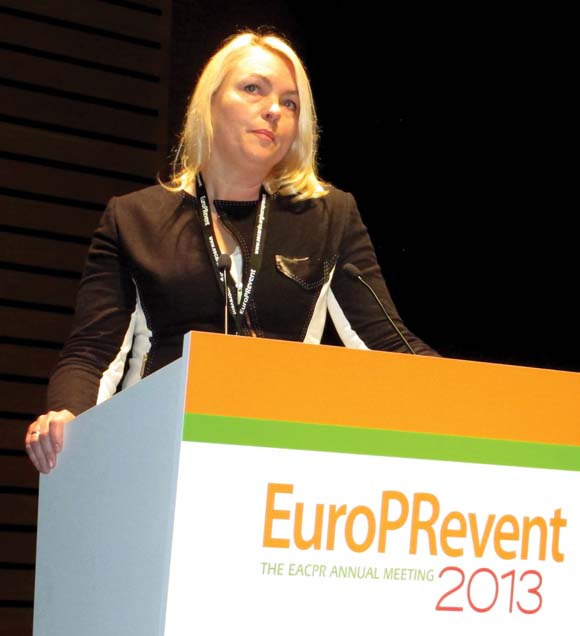
Acute MI patients benefit from early rehabilitation
ROME – Starting cardiac rehabilitation sessions within 2 weeks of an acute myocardial infarction is safe and can improve cardiac perfusion and function, according to results of a randomized, controlled study of 46 patients who had residual myocardial ischemia following an MI and percutaneous coronary revascularization.
"Exercise-induced changes in myocardial perfusion and function were associated with an absence of unfavorable left-ventricular remodeling and an improved cardiovascular functional capacity," Dr. Francesco Giallauria said at the European Association for Cardiovascular Prevention and Rehabilitation* annual meeting. He hypothesized that exercise training begun soon after an MI improves myocardial perfusion by inducing coronary vascular adaptation or enhancing development of collateral cardiac vessels.
The study began with patients who underwent percutaneous coronary intervention (PCI) following an acute ST-elevation MI who were then assessed by dipyridamole stress and gated single-photon emission CT (SPECT) using labeled sestamibi. All 46 included patients had a significant amount of residual myocardial ischemia despite PCI, presumably caused by inadequate perfusion in myocardial regions not vascularized by the PCI-treated coronaries, said Dr. Giallauria, a cardiologist at the University of Naples (Italy). All patients also underwent a cardiopulmonary exercise test at baseline to determine their peak exercise capacity.
The researchers then randomized the patients. Twenty-five entered a hospital outpatient program of supervised, 30-minutes sessions of bicycle exercise three times a week, with an exercise target during each session of 60%-70% of their peak exercise capacity. The program began within 2 weeks of their acute MI. The remaining 21 patients served as controls and received just instructions about maintaining physical exercise and lifestyle modification.
The exercise rehabilitation program continued for 6 months, when all 46 patients underwent a follow-up examination of their myocardial perfusion with gated SPECT and follow-up cardiopulmonary stress testing. The average age of the patients was 54 years, and 87% were men.
The results showed that after 6 months, patients who underwent exercise training had an average 29% increase in peak exercise capacity and a 10% average rise in their peak heart rate compared with baseline, both statistically significant differences. Results from the serial SPECT studies showed that left ventricular ejection fraction rose from an average of 48% at baseline to 52% in the patients who underwent exercise training, a statistically significant rise, and their wall motion and wall thickness scores showed improvements in cardiac shape and function compared with baseline, all differences that were statistically significant. In contrast, the control patients had no significant changes for any of these exercise or cardiac measures during the 6 months of follow-up.
In addition, the SPECT imaging showed that at follow-up the extent of myocardial perfusion defect and ischemia fell by about 50% in the exercise group while remaining virtually unchanged in the control patients.
Dr. Giallauria said that he had no disclosures.
On Twitter @mitchelzoler
*Correction, 5/29/2013: An earlier version of this story misstated the name of the European Association for Cardiovascular Prevention and Rehabilitation annual conference.
ROME – Starting cardiac rehabilitation sessions within 2 weeks of an acute myocardial infarction is safe and can improve cardiac perfusion and function, according to results of a randomized, controlled study of 46 patients who had residual myocardial ischemia following an MI and percutaneous coronary revascularization.
"Exercise-induced changes in myocardial perfusion and function were associated with an absence of unfavorable left-ventricular remodeling and an improved cardiovascular functional capacity," Dr. Francesco Giallauria said at the European Association for Cardiovascular Prevention and Rehabilitation* annual meeting. He hypothesized that exercise training begun soon after an MI improves myocardial perfusion by inducing coronary vascular adaptation or enhancing development of collateral cardiac vessels.
The study began with patients who underwent percutaneous coronary intervention (PCI) following an acute ST-elevation MI who were then assessed by dipyridamole stress and gated single-photon emission CT (SPECT) using labeled sestamibi. All 46 included patients had a significant amount of residual myocardial ischemia despite PCI, presumably caused by inadequate perfusion in myocardial regions not vascularized by the PCI-treated coronaries, said Dr. Giallauria, a cardiologist at the University of Naples (Italy). All patients also underwent a cardiopulmonary exercise test at baseline to determine their peak exercise capacity.
The researchers then randomized the patients. Twenty-five entered a hospital outpatient program of supervised, 30-minutes sessions of bicycle exercise three times a week, with an exercise target during each session of 60%-70% of their peak exercise capacity. The program began within 2 weeks of their acute MI. The remaining 21 patients served as controls and received just instructions about maintaining physical exercise and lifestyle modification.
The exercise rehabilitation program continued for 6 months, when all 46 patients underwent a follow-up examination of their myocardial perfusion with gated SPECT and follow-up cardiopulmonary stress testing. The average age of the patients was 54 years, and 87% were men.
The results showed that after 6 months, patients who underwent exercise training had an average 29% increase in peak exercise capacity and a 10% average rise in their peak heart rate compared with baseline, both statistically significant differences. Results from the serial SPECT studies showed that left ventricular ejection fraction rose from an average of 48% at baseline to 52% in the patients who underwent exercise training, a statistically significant rise, and their wall motion and wall thickness scores showed improvements in cardiac shape and function compared with baseline, all differences that were statistically significant. In contrast, the control patients had no significant changes for any of these exercise or cardiac measures during the 6 months of follow-up.
In addition, the SPECT imaging showed that at follow-up the extent of myocardial perfusion defect and ischemia fell by about 50% in the exercise group while remaining virtually unchanged in the control patients.
Dr. Giallauria said that he had no disclosures.
On Twitter @mitchelzoler
*Correction, 5/29/2013: An earlier version of this story misstated the name of the European Association for Cardiovascular Prevention and Rehabilitation annual conference.
ROME – Starting cardiac rehabilitation sessions within 2 weeks of an acute myocardial infarction is safe and can improve cardiac perfusion and function, according to results of a randomized, controlled study of 46 patients who had residual myocardial ischemia following an MI and percutaneous coronary revascularization.
"Exercise-induced changes in myocardial perfusion and function were associated with an absence of unfavorable left-ventricular remodeling and an improved cardiovascular functional capacity," Dr. Francesco Giallauria said at the European Association for Cardiovascular Prevention and Rehabilitation* annual meeting. He hypothesized that exercise training begun soon after an MI improves myocardial perfusion by inducing coronary vascular adaptation or enhancing development of collateral cardiac vessels.
The study began with patients who underwent percutaneous coronary intervention (PCI) following an acute ST-elevation MI who were then assessed by dipyridamole stress and gated single-photon emission CT (SPECT) using labeled sestamibi. All 46 included patients had a significant amount of residual myocardial ischemia despite PCI, presumably caused by inadequate perfusion in myocardial regions not vascularized by the PCI-treated coronaries, said Dr. Giallauria, a cardiologist at the University of Naples (Italy). All patients also underwent a cardiopulmonary exercise test at baseline to determine their peak exercise capacity.
The researchers then randomized the patients. Twenty-five entered a hospital outpatient program of supervised, 30-minutes sessions of bicycle exercise three times a week, with an exercise target during each session of 60%-70% of their peak exercise capacity. The program began within 2 weeks of their acute MI. The remaining 21 patients served as controls and received just instructions about maintaining physical exercise and lifestyle modification.
The exercise rehabilitation program continued for 6 months, when all 46 patients underwent a follow-up examination of their myocardial perfusion with gated SPECT and follow-up cardiopulmonary stress testing. The average age of the patients was 54 years, and 87% were men.
The results showed that after 6 months, patients who underwent exercise training had an average 29% increase in peak exercise capacity and a 10% average rise in their peak heart rate compared with baseline, both statistically significant differences. Results from the serial SPECT studies showed that left ventricular ejection fraction rose from an average of 48% at baseline to 52% in the patients who underwent exercise training, a statistically significant rise, and their wall motion and wall thickness scores showed improvements in cardiac shape and function compared with baseline, all differences that were statistically significant. In contrast, the control patients had no significant changes for any of these exercise or cardiac measures during the 6 months of follow-up.
In addition, the SPECT imaging showed that at follow-up the extent of myocardial perfusion defect and ischemia fell by about 50% in the exercise group while remaining virtually unchanged in the control patients.
Dr. Giallauria said that he had no disclosures.
On Twitter @mitchelzoler
*Correction, 5/29/2013: An earlier version of this story misstated the name of the European Association for Cardiovascular Prevention and Rehabilitation annual conference.
AT EUROPREVENT 2013
Major finding: Six months of exercise cardiac rehabilitation, started soon after an acute MI, safely boosted exercise capacity by 29%.
Data source: A randomized, controlled, single-center study of 46 patients.
Disclosures: Dr. Giallauria said that he had no disclosures.
DEA scheduling brings weight-loss drug closer to market
Lorcaserin, a serotonin receptor agonist approved as a weight loss agent in 2012, has been scheduled as a schedule IV drug and is expected to be available within weeks, according to the manufacturer, Arena Pharmaceuticals.
The Drug Enforcement Administration (DEA) has placed lorcaserin (Belviq) in the schedule IV category of the Controlled Substances Act, which is for drugs with "a low potential for abuse and low risk of dependence." Other schedule IV drugs are alprazolam (Xanax), diazepam (Valium), and zolpidem (Ambien). Lorcaserin will be available 30 days after the final rule on the scheduling is published in the May 8th Federal Register, according to a May 7 statement issued by Arena.
The final rule in the Federal Register says that, on the basis of a review of the available data, the DEA determined that lorcaserin has a low potential for abuse relative to schedule III drugs, such as ketamine, and that the overall abuse potential of lorcaserin is comparable to schedule IV drugs, such a zolpidem. "Abuse of lorcaserin may lead to limited physical dependence or psychological dependence relative to the drugs or other substances in schedule III. This finding is based on the ability of lorcaserin to produce positive subjective effects at supratherapeutic doses," according to the final rule.
After two FDA advisory panel meetings, the FDA approved lorcaserin in June 2012 as an adjunct to a reduced-calorie diet and increased physical activity for chronic weight management in adult patients with an initial body mass index of at least 30 kg/m2 (obese), or at least 27 kg/m2 (overweight) with at least one weight-related comorbid condition. The drug could not be marketed until the DEA finalized its decision regarding scheduling.
Because of concerns regarding the potential for valvulopathy associated with treatment, the company’s postmarketing commitments include conducting six studies, including a long-term cardiovascular outcomes trial. The prescribing information includes a recommendation to consider discontinuing treatment if patients develop signs to symptoms indicative of valvular heart disease and to evaluate patients for valvulopathy. Lorcaserin activates the serotonin 2C receptor, but at the approved dose of 10 mg twice a day, "does not appear to activate the serotonin 2B receptor," the FDA said in the June 27, 2012, approval announcement.
Weight-loss drugs fenfluramine and dexfenfluramine were taken off the market in 1997 after they were associated with valvular damage that was thought to be related to activation of the serotonin 2B receptor on cardiac tissue, according to the FDA.
Arena will be marketing lorcaserin as Belviq.
Lorcaserin, a serotonin receptor agonist approved as a weight loss agent in 2012, has been scheduled as a schedule IV drug and is expected to be available within weeks, according to the manufacturer, Arena Pharmaceuticals.
The Drug Enforcement Administration (DEA) has placed lorcaserin (Belviq) in the schedule IV category of the Controlled Substances Act, which is for drugs with "a low potential for abuse and low risk of dependence." Other schedule IV drugs are alprazolam (Xanax), diazepam (Valium), and zolpidem (Ambien). Lorcaserin will be available 30 days after the final rule on the scheduling is published in the May 8th Federal Register, according to a May 7 statement issued by Arena.
The final rule in the Federal Register says that, on the basis of a review of the available data, the DEA determined that lorcaserin has a low potential for abuse relative to schedule III drugs, such as ketamine, and that the overall abuse potential of lorcaserin is comparable to schedule IV drugs, such a zolpidem. "Abuse of lorcaserin may lead to limited physical dependence or psychological dependence relative to the drugs or other substances in schedule III. This finding is based on the ability of lorcaserin to produce positive subjective effects at supratherapeutic doses," according to the final rule.
After two FDA advisory panel meetings, the FDA approved lorcaserin in June 2012 as an adjunct to a reduced-calorie diet and increased physical activity for chronic weight management in adult patients with an initial body mass index of at least 30 kg/m2 (obese), or at least 27 kg/m2 (overweight) with at least one weight-related comorbid condition. The drug could not be marketed until the DEA finalized its decision regarding scheduling.
Because of concerns regarding the potential for valvulopathy associated with treatment, the company’s postmarketing commitments include conducting six studies, including a long-term cardiovascular outcomes trial. The prescribing information includes a recommendation to consider discontinuing treatment if patients develop signs to symptoms indicative of valvular heart disease and to evaluate patients for valvulopathy. Lorcaserin activates the serotonin 2C receptor, but at the approved dose of 10 mg twice a day, "does not appear to activate the serotonin 2B receptor," the FDA said in the June 27, 2012, approval announcement.
Weight-loss drugs fenfluramine and dexfenfluramine were taken off the market in 1997 after they were associated with valvular damage that was thought to be related to activation of the serotonin 2B receptor on cardiac tissue, according to the FDA.
Arena will be marketing lorcaserin as Belviq.
Lorcaserin, a serotonin receptor agonist approved as a weight loss agent in 2012, has been scheduled as a schedule IV drug and is expected to be available within weeks, according to the manufacturer, Arena Pharmaceuticals.
The Drug Enforcement Administration (DEA) has placed lorcaserin (Belviq) in the schedule IV category of the Controlled Substances Act, which is for drugs with "a low potential for abuse and low risk of dependence." Other schedule IV drugs are alprazolam (Xanax), diazepam (Valium), and zolpidem (Ambien). Lorcaserin will be available 30 days after the final rule on the scheduling is published in the May 8th Federal Register, according to a May 7 statement issued by Arena.
The final rule in the Federal Register says that, on the basis of a review of the available data, the DEA determined that lorcaserin has a low potential for abuse relative to schedule III drugs, such as ketamine, and that the overall abuse potential of lorcaserin is comparable to schedule IV drugs, such a zolpidem. "Abuse of lorcaserin may lead to limited physical dependence or psychological dependence relative to the drugs or other substances in schedule III. This finding is based on the ability of lorcaserin to produce positive subjective effects at supratherapeutic doses," according to the final rule.
After two FDA advisory panel meetings, the FDA approved lorcaserin in June 2012 as an adjunct to a reduced-calorie diet and increased physical activity for chronic weight management in adult patients with an initial body mass index of at least 30 kg/m2 (obese), or at least 27 kg/m2 (overweight) with at least one weight-related comorbid condition. The drug could not be marketed until the DEA finalized its decision regarding scheduling.
Because of concerns regarding the potential for valvulopathy associated with treatment, the company’s postmarketing commitments include conducting six studies, including a long-term cardiovascular outcomes trial. The prescribing information includes a recommendation to consider discontinuing treatment if patients develop signs to symptoms indicative of valvular heart disease and to evaluate patients for valvulopathy. Lorcaserin activates the serotonin 2C receptor, but at the approved dose of 10 mg twice a day, "does not appear to activate the serotonin 2B receptor," the FDA said in the June 27, 2012, approval announcement.
Weight-loss drugs fenfluramine and dexfenfluramine were taken off the market in 1997 after they were associated with valvular damage that was thought to be related to activation of the serotonin 2B receptor on cardiac tissue, according to the FDA.
Arena will be marketing lorcaserin as Belviq.
Heart rate linked to men's heart failure
ROME – Otherwise healthy, older men with a heart rate of 79 beats per minute or higher had a roughly 50% increased risk of developing heart failure, compared with men with slower heart rates, in a population-based cohort of more than 1,800 Dutch men.
The finding suggests that heart rate, independent of any other cardiovascular risk factor, could boost the risk for developing heart failure, and raises the possibility of trying to dampen this effect by using interventions to reduce heart rate, Dr. David Nanchen said at the annual meeting of the * European Association for Cardiovascular Prevention and Rehabilitation.
But the apparent link between resting heart rate and a boosted incidence of heart failure during follow-up occurred only in men. The analysis also included 2,939 women, who showed no suggestion of an association between baseline heart rate and subsequent development of heart failure.
The work reported by Dr. Nanchen also included an analysis that censored men who had an incident myocardial infarction during a median follow-up of 15 years, thereby eliminating cases of heart failure that occurred following an MI. In this analysis, men with a baseline heart rate of 79 beats per minute or greater had a statistically significant, 56% increased incidence of heart failure compared with men with an entry heart rate of less than 69 beats per minute, said Dr. Nanchen, head of the cardiovascular preventative clinic of the University of Lausanne (Switzerland).
Ruling out MI as a mediator between high heart rate and the development of heart failure means some other pathologic sequence is involved. One possibility is that patients with high heart rates develop tachycardia-induced cardiomyopathy that progresses to heart failure, Dr. Nanchen said in an interview."
His study included 4,768 people aged 55 or older enrolled in the Rotterdam Study from among apparently healthy people living in the Rotterdam area. During a median follow-up of 15 years, 656 enrollees developed heart failure. The analysis excluded people who at baseline had heart failure, coronary heart disease, atrial fibrillation, atrioventricular block, or a pacemaker, or were taking a beta-blocker or calcium channel blocker.
Among the 1,829 men in the study, every increment of 10 beats per minute in resting heart rate at entry into the study was linked with a statistically significant, 16% relative increase in the incidence of heart failure, an association not seen in women. When the researchers divided the men into tertiles based on their baseline heart rate, those in the top tertile with a rate of 79 beats per minute or greater had a 51% increased incidence of heart failure during follow-up, compared with men in the lowest tertile, with a rate of less than 69 beats per minute.
The analysis adjusted for age, smoking status, systolic blood pressure, diabetes, body mass index, total cholesterol level, HDL cholesterol level, and antihypertensive treatment.
The absence of this heart rate and heart failure link in women was a "surprise," Dr. Nanchen said. It’s possible that women’s hearts are more resilient to high heart rates, he suggested.
For the time being, the only intervention to offer otherwise healthy men older than 55 with a high heart rate is intensified control of lifestyle risk factors. Trial results showed that treatment with the heart rate–lowering drug ivabradine (Prooralan) in heart failure patients led to a reduction in heart failure–related hospitalizations (Lancet 2010;376:875-85).That experience makes it attractive to speculate that ivabradine treatment might also improve outcomes in men with high heart rates and no heart failure, but Dr. Nanchen said he had no immediate plans to test that hypothesis.
U.S. physicians won’t get the chance to study ivabradine in clinical practice for some time. Its manufacturer, Servier, has not disclosed any plans to submit a new drug application to the Food and Drug Administration.
Dr. Nanchen said he had no relevant financial disclosures.
On Twitter @mitchelzoler
*Correction (5/29/13): A previous version of this story misstated the name of the meeting from which this presentation was made. This version has been updated.
ROME – Otherwise healthy, older men with a heart rate of 79 beats per minute or higher had a roughly 50% increased risk of developing heart failure, compared with men with slower heart rates, in a population-based cohort of more than 1,800 Dutch men.
The finding suggests that heart rate, independent of any other cardiovascular risk factor, could boost the risk for developing heart failure, and raises the possibility of trying to dampen this effect by using interventions to reduce heart rate, Dr. David Nanchen said at the annual meeting of the * European Association for Cardiovascular Prevention and Rehabilitation.
But the apparent link between resting heart rate and a boosted incidence of heart failure during follow-up occurred only in men. The analysis also included 2,939 women, who showed no suggestion of an association between baseline heart rate and subsequent development of heart failure.
The work reported by Dr. Nanchen also included an analysis that censored men who had an incident myocardial infarction during a median follow-up of 15 years, thereby eliminating cases of heart failure that occurred following an MI. In this analysis, men with a baseline heart rate of 79 beats per minute or greater had a statistically significant, 56% increased incidence of heart failure compared with men with an entry heart rate of less than 69 beats per minute, said Dr. Nanchen, head of the cardiovascular preventative clinic of the University of Lausanne (Switzerland).
Ruling out MI as a mediator between high heart rate and the development of heart failure means some other pathologic sequence is involved. One possibility is that patients with high heart rates develop tachycardia-induced cardiomyopathy that progresses to heart failure, Dr. Nanchen said in an interview."
His study included 4,768 people aged 55 or older enrolled in the Rotterdam Study from among apparently healthy people living in the Rotterdam area. During a median follow-up of 15 years, 656 enrollees developed heart failure. The analysis excluded people who at baseline had heart failure, coronary heart disease, atrial fibrillation, atrioventricular block, or a pacemaker, or were taking a beta-blocker or calcium channel blocker.
Among the 1,829 men in the study, every increment of 10 beats per minute in resting heart rate at entry into the study was linked with a statistically significant, 16% relative increase in the incidence of heart failure, an association not seen in women. When the researchers divided the men into tertiles based on their baseline heart rate, those in the top tertile with a rate of 79 beats per minute or greater had a 51% increased incidence of heart failure during follow-up, compared with men in the lowest tertile, with a rate of less than 69 beats per minute.
The analysis adjusted for age, smoking status, systolic blood pressure, diabetes, body mass index, total cholesterol level, HDL cholesterol level, and antihypertensive treatment.
The absence of this heart rate and heart failure link in women was a "surprise," Dr. Nanchen said. It’s possible that women’s hearts are more resilient to high heart rates, he suggested.
For the time being, the only intervention to offer otherwise healthy men older than 55 with a high heart rate is intensified control of lifestyle risk factors. Trial results showed that treatment with the heart rate–lowering drug ivabradine (Prooralan) in heart failure patients led to a reduction in heart failure–related hospitalizations (Lancet 2010;376:875-85).That experience makes it attractive to speculate that ivabradine treatment might also improve outcomes in men with high heart rates and no heart failure, but Dr. Nanchen said he had no immediate plans to test that hypothesis.
U.S. physicians won’t get the chance to study ivabradine in clinical practice for some time. Its manufacturer, Servier, has not disclosed any plans to submit a new drug application to the Food and Drug Administration.
Dr. Nanchen said he had no relevant financial disclosures.
On Twitter @mitchelzoler
*Correction (5/29/13): A previous version of this story misstated the name of the meeting from which this presentation was made. This version has been updated.
ROME – Otherwise healthy, older men with a heart rate of 79 beats per minute or higher had a roughly 50% increased risk of developing heart failure, compared with men with slower heart rates, in a population-based cohort of more than 1,800 Dutch men.
The finding suggests that heart rate, independent of any other cardiovascular risk factor, could boost the risk for developing heart failure, and raises the possibility of trying to dampen this effect by using interventions to reduce heart rate, Dr. David Nanchen said at the annual meeting of the * European Association for Cardiovascular Prevention and Rehabilitation.
But the apparent link between resting heart rate and a boosted incidence of heart failure during follow-up occurred only in men. The analysis also included 2,939 women, who showed no suggestion of an association between baseline heart rate and subsequent development of heart failure.
The work reported by Dr. Nanchen also included an analysis that censored men who had an incident myocardial infarction during a median follow-up of 15 years, thereby eliminating cases of heart failure that occurred following an MI. In this analysis, men with a baseline heart rate of 79 beats per minute or greater had a statistically significant, 56% increased incidence of heart failure compared with men with an entry heart rate of less than 69 beats per minute, said Dr. Nanchen, head of the cardiovascular preventative clinic of the University of Lausanne (Switzerland).
Ruling out MI as a mediator between high heart rate and the development of heart failure means some other pathologic sequence is involved. One possibility is that patients with high heart rates develop tachycardia-induced cardiomyopathy that progresses to heart failure, Dr. Nanchen said in an interview."
His study included 4,768 people aged 55 or older enrolled in the Rotterdam Study from among apparently healthy people living in the Rotterdam area. During a median follow-up of 15 years, 656 enrollees developed heart failure. The analysis excluded people who at baseline had heart failure, coronary heart disease, atrial fibrillation, atrioventricular block, or a pacemaker, or were taking a beta-blocker or calcium channel blocker.
Among the 1,829 men in the study, every increment of 10 beats per minute in resting heart rate at entry into the study was linked with a statistically significant, 16% relative increase in the incidence of heart failure, an association not seen in women. When the researchers divided the men into tertiles based on their baseline heart rate, those in the top tertile with a rate of 79 beats per minute or greater had a 51% increased incidence of heart failure during follow-up, compared with men in the lowest tertile, with a rate of less than 69 beats per minute.
The analysis adjusted for age, smoking status, systolic blood pressure, diabetes, body mass index, total cholesterol level, HDL cholesterol level, and antihypertensive treatment.
The absence of this heart rate and heart failure link in women was a "surprise," Dr. Nanchen said. It’s possible that women’s hearts are more resilient to high heart rates, he suggested.
For the time being, the only intervention to offer otherwise healthy men older than 55 with a high heart rate is intensified control of lifestyle risk factors. Trial results showed that treatment with the heart rate–lowering drug ivabradine (Prooralan) in heart failure patients led to a reduction in heart failure–related hospitalizations (Lancet 2010;376:875-85).That experience makes it attractive to speculate that ivabradine treatment might also improve outcomes in men with high heart rates and no heart failure, but Dr. Nanchen said he had no immediate plans to test that hypothesis.
U.S. physicians won’t get the chance to study ivabradine in clinical practice for some time. Its manufacturer, Servier, has not disclosed any plans to submit a new drug application to the Food and Drug Administration.
Dr. Nanchen said he had no relevant financial disclosures.
On Twitter @mitchelzoler
*Correction (5/29/13): A previous version of this story misstated the name of the meeting from which this presentation was made. This version has been updated.
AT EUROPREVENT 2013
Major finding: Among healthy men, heart rates of at least 79 beats per minute were linked with a 51% increased incidence of heart failure.
Data source: A prospective follow-up of a population-based cohort of 4,768 people enrolled in the Rotterdam Study.
Disclosures: Dr. Nanchen said he had no relevant financial disclosures.