User login
AMA launches attack against CVD and diabetes
WASHINGTON – The American Medical Association says that it is going to spend millions of dollars over the next 5 years to help physicians and patients do a better job of preventing and managing cardiovascular disease and diabetes.
AMA President Jeremy Lazarus announced the initiative at the National Minority Quality Forum’s Health Disparities Leadership Summit here, in part, because the two conditions disproportionately affect minorities. They have a significant impact on American life. Dr. Lazarus noted that 100 million Americans have prediabetes or diabetes – that’s one-third of the U.S. population. One of every three deaths is caused by cardiovascular disease. The cost of treating diabetes and CVD runs at least $500 billion a year, said Dr. Lazarus.

"The AMA will dedicate resources, expertise and reach to reduce the significant patient suffering and cost burdens associated with these diseases," said Dr. Lazarus.
Initially, the program will focus on helping physicians and patients focus on three risk factors for CVD and diabetes: hypertension, blood glucose, and lipids. The AMA plans to spend $6 million on the initiative in the first year alone, said Dr. Lazarus, in an interview.
The AMA will continue to evaluate the program as it goes along, possibly tweaking the goals, and eventually adding other conditions, said Dr. Lazarus. And, for physicians who participate, there may be another benefit: financial rewards for putting patients on the path to better health. Dr. Lazarus noted that many accountable care organizations and insurers were providing incentives for preventing and managing chronic conditions. "The health care system is moving in this direction," he said.
In hypertension, the AMA seeks to meet or exceed the goal of the Dept. of Health and Human Services’ Million Hearts campaign. That program aims to bring 10 million more Americans under control by 2017. To do that, the AMA has enlisted the Armstrong Institute for Patient Safety and Quality at the Johns Hopkins School of Medicine. The Armstrong Institute, directed by Dr. Peter J. Pronovost, is best known for creating a program to reduce central line-associated bloodstream infections in intensive care units.
The Institute will be sending people out to meet with physicians to figure out what factors in their patient population contributes to high blood pressure, said Dr. Lazarus, in the interview. That information, in conjunction with evidence-based interventions, will be used to help physicians determine how to best help their patients. "We think [physicians] will welcome the opportunity to work with the Armstrong Institute," Dr. Lazarus said.
For diabetes, the AMA is working with the YMCA to increase referrals to the evidence-based prevention program offered by the organization. The AMA wants to have 10,000 additional participants in the program by July 2015.
"Connecting physician practices to the YMCA’s Diabetes Prevention Program will ensure that those at greatest risk have the opportunity to prevent or delay diabetes," said Jonathan Lever, vice president of health innovation and strategy, YMCA of the USA, in a statement. "This novel collaboration between medical practices and community-based programs could prove to be a model for promoting health and wellness."
At the disparities meeting, Dr. Cedric Bright, director of special programs at the University of North Carolina, Chapel Hill, said that YMCA’s are not always in communities of color, and he suggested that the AMA also work with Boys and Girls Clubs. Dr. Lazarus agreed, and said, "We’re going to be looking for all kinds of partners to get the information out."
Dr. Rodney Hood, president of the Multicultural Primary Care Medical Group, an independent practice association in San Diego said he congratulated the AMA for starting the initiative. "Dr. Lazarus, I think this is a big deal," said Dr. Hood.
On Twitter @aliciaault
WASHINGTON – The American Medical Association says that it is going to spend millions of dollars over the next 5 years to help physicians and patients do a better job of preventing and managing cardiovascular disease and diabetes.
AMA President Jeremy Lazarus announced the initiative at the National Minority Quality Forum’s Health Disparities Leadership Summit here, in part, because the two conditions disproportionately affect minorities. They have a significant impact on American life. Dr. Lazarus noted that 100 million Americans have prediabetes or diabetes – that’s one-third of the U.S. population. One of every three deaths is caused by cardiovascular disease. The cost of treating diabetes and CVD runs at least $500 billion a year, said Dr. Lazarus.
"The AMA will dedicate resources, expertise and reach to reduce the significant patient suffering and cost burdens associated with these diseases," said Dr. Lazarus.
Initially, the program will focus on helping physicians and patients focus on three risk factors for CVD and diabetes: hypertension, blood glucose, and lipids. The AMA plans to spend $6 million on the initiative in the first year alone, said Dr. Lazarus, in an interview.
The AMA will continue to evaluate the program as it goes along, possibly tweaking the goals, and eventually adding other conditions, said Dr. Lazarus. And, for physicians who participate, there may be another benefit: financial rewards for putting patients on the path to better health. Dr. Lazarus noted that many accountable care organizations and insurers were providing incentives for preventing and managing chronic conditions. "The health care system is moving in this direction," he said.
In hypertension, the AMA seeks to meet or exceed the goal of the Dept. of Health and Human Services’ Million Hearts campaign. That program aims to bring 10 million more Americans under control by 2017. To do that, the AMA has enlisted the Armstrong Institute for Patient Safety and Quality at the Johns Hopkins School of Medicine. The Armstrong Institute, directed by Dr. Peter J. Pronovost, is best known for creating a program to reduce central line-associated bloodstream infections in intensive care units.
The Institute will be sending people out to meet with physicians to figure out what factors in their patient population contributes to high blood pressure, said Dr. Lazarus, in the interview. That information, in conjunction with evidence-based interventions, will be used to help physicians determine how to best help their patients. "We think [physicians] will welcome the opportunity to work with the Armstrong Institute," Dr. Lazarus said.
For diabetes, the AMA is working with the YMCA to increase referrals to the evidence-based prevention program offered by the organization. The AMA wants to have 10,000 additional participants in the program by July 2015.
"Connecting physician practices to the YMCA’s Diabetes Prevention Program will ensure that those at greatest risk have the opportunity to prevent or delay diabetes," said Jonathan Lever, vice president of health innovation and strategy, YMCA of the USA, in a statement. "This novel collaboration between medical practices and community-based programs could prove to be a model for promoting health and wellness."
At the disparities meeting, Dr. Cedric Bright, director of special programs at the University of North Carolina, Chapel Hill, said that YMCA’s are not always in communities of color, and he suggested that the AMA also work with Boys and Girls Clubs. Dr. Lazarus agreed, and said, "We’re going to be looking for all kinds of partners to get the information out."
Dr. Rodney Hood, president of the Multicultural Primary Care Medical Group, an independent practice association in San Diego said he congratulated the AMA for starting the initiative. "Dr. Lazarus, I think this is a big deal," said Dr. Hood.
On Twitter @aliciaault
WASHINGTON – The American Medical Association says that it is going to spend millions of dollars over the next 5 years to help physicians and patients do a better job of preventing and managing cardiovascular disease and diabetes.
AMA President Jeremy Lazarus announced the initiative at the National Minority Quality Forum’s Health Disparities Leadership Summit here, in part, because the two conditions disproportionately affect minorities. They have a significant impact on American life. Dr. Lazarus noted that 100 million Americans have prediabetes or diabetes – that’s one-third of the U.S. population. One of every three deaths is caused by cardiovascular disease. The cost of treating diabetes and CVD runs at least $500 billion a year, said Dr. Lazarus.
"The AMA will dedicate resources, expertise and reach to reduce the significant patient suffering and cost burdens associated with these diseases," said Dr. Lazarus.
Initially, the program will focus on helping physicians and patients focus on three risk factors for CVD and diabetes: hypertension, blood glucose, and lipids. The AMA plans to spend $6 million on the initiative in the first year alone, said Dr. Lazarus, in an interview.
The AMA will continue to evaluate the program as it goes along, possibly tweaking the goals, and eventually adding other conditions, said Dr. Lazarus. And, for physicians who participate, there may be another benefit: financial rewards for putting patients on the path to better health. Dr. Lazarus noted that many accountable care organizations and insurers were providing incentives for preventing and managing chronic conditions. "The health care system is moving in this direction," he said.
In hypertension, the AMA seeks to meet or exceed the goal of the Dept. of Health and Human Services’ Million Hearts campaign. That program aims to bring 10 million more Americans under control by 2017. To do that, the AMA has enlisted the Armstrong Institute for Patient Safety and Quality at the Johns Hopkins School of Medicine. The Armstrong Institute, directed by Dr. Peter J. Pronovost, is best known for creating a program to reduce central line-associated bloodstream infections in intensive care units.
The Institute will be sending people out to meet with physicians to figure out what factors in their patient population contributes to high blood pressure, said Dr. Lazarus, in the interview. That information, in conjunction with evidence-based interventions, will be used to help physicians determine how to best help their patients. "We think [physicians] will welcome the opportunity to work with the Armstrong Institute," Dr. Lazarus said.
For diabetes, the AMA is working with the YMCA to increase referrals to the evidence-based prevention program offered by the organization. The AMA wants to have 10,000 additional participants in the program by July 2015.
"Connecting physician practices to the YMCA’s Diabetes Prevention Program will ensure that those at greatest risk have the opportunity to prevent or delay diabetes," said Jonathan Lever, vice president of health innovation and strategy, YMCA of the USA, in a statement. "This novel collaboration between medical practices and community-based programs could prove to be a model for promoting health and wellness."
At the disparities meeting, Dr. Cedric Bright, director of special programs at the University of North Carolina, Chapel Hill, said that YMCA’s are not always in communities of color, and he suggested that the AMA also work with Boys and Girls Clubs. Dr. Lazarus agreed, and said, "We’re going to be looking for all kinds of partners to get the information out."
Dr. Rodney Hood, president of the Multicultural Primary Care Medical Group, an independent practice association in San Diego said he congratulated the AMA for starting the initiative. "Dr. Lazarus, I think this is a big deal," said Dr. Hood.
On Twitter @aliciaault
AT THE HEALTH DISPARITIES LEADERSHIP SUMMIT
Cardiac medication errors common after hospitalization
SAN FRANCISCO – Clinically important medication errors occurred in 51% of patients within 3 months of discharge from hospitalization for acute coronary syndrome and/or decompensated heart failure, a study of 851 patients showed.
In addition, the randomized controlled trial found no benefit from a predischarge pharmacist intervention and counseling incorporating tools designed for patients with low health literacy levels, compared with usual care in which the treating health care provider reconciled medications with the help of support software before patient discharge.
Although the trial focused on comparing the pharmacist intervention with usual care, "the biggest take-home message is that medication errors are very common" in these patients after hospitalization, Dr. Cecelia N. Theobald said at the annual meeting of the American College of Physicians.
Patients came from Vanderbilt University Medical Center in Nashville, Tenn., and from Brigham and Women’s Hospital in Boston. The study randomized 423 patients to the intervention and 428 to usual care.
In the intervention group, pharmacists reconciled medications and provided in-depth patient counseling before discharge, including a review of potential drug side effects. The pharmacists had specialized aids to help low-literacy patients adhere to their medication regimens, and they provided tailored follow-up to patients via postdischarge phone calls. In the usual-care group, the treating provider reconciled medications and pharmacist consultation was available on request. The usual-care group did not use the low-literacy aids or phone follow-up.
To assess outcomes, two clinicians reviewed patient records and patients were interviewed by phone 30 days after discharge.
Thirty percent of patients had one or more adverse drug events that were considered to be preventable or ameliorable. Another 30% of patients had at least one potential adverse drug event, she said. Adverse drug events occurred in 47% of patients on cardiovascular agents other than diuretics, 21% of patients on diuretics, and 5% of patients on opioids. Potential adverse drug events were seen in 43% of patients on cardiovascular agents other than diuretics, and in 12% of patients on diuretics (Ann. Intern. Med. 2012;157:1-10).
On a per-patient basis, 0.87 clinically important medication errors occurred in the intervention group, compared with 0.95 events per patient in the usual-care group, a difference that was not statistically significant, reported Dr. Theobald of Vanderbilt University and her associates.
These events included adverse drug events (0.43 per patient in the intervention group and 0.40 per patient in the control group) and potential adverse drug events (0.44 per patient in the intervention group and 0.55 in the control group), rates of which did not differ significantly between groups.
"If we can’t figure out a way to talk to our patients immediately after discharge, these problems will continue," one physician in the audience said during the discussion session after the presentation.
Dr. Theobald noted that the Vanderbilt University system still has pharmacists available to counsel patients before discharge, but only at the request of clinicians, not routinely.
At the start of the study, 41% in the intervention group and 42% in the control group were female, and 61% in both groups had acute coronary syndrome. Congestive heart failure was diagnosed in 32% of the intervention group and 31% of the control group, and both diagnoses were present in 7% of the intervention group and 8% of the control group. Before admission, patients in the intervention group were on a median of eight medications, and those in the control group were taking a median of seven medications.
Health literacy levels were considered marginal in 9% of each group, and inadequate in 12% of the intervention group and 9% of the control group. Twelve percent of patients in the intervention group and 11% of patients in the control group had cognitive impairment.
There were suggestions of benefit from the intervention, compared with usual care, in three prespecified subgroups, but these did not reach statistical significance. With the intervention, clinically important medication errors were 32% less likely in patients with inadequate health literacy, 38% less likely in cognitively impaired patients, and 17% less likely in patients treated at Vanderbilt.
Further work would be needed to determine if high-risk subgroups should be targeted for this kind of intervention, Dr. Theobald said.
In general, 13%-17% of patients develop clinically important medication errors after hospitalization, according to previous studies. An estimated 50%-75% of those errors are preventable or ameliorable, other data suggest. Some studies report that postdischarge medication errors may be more common in patients who are older, are on complex regimens of multiple medications, are cognitively impaired, or have low health literacy. Previous trials of interventions to reduce posthospitalization medication errors have produced mixed results.
The National Heart, Lung, and Blood Institute and the Department of Veterans Affairs funded the study. Dr. Theobald reported having no financial disclosures.
On Twitter @sherryboschert
According to the Institute of Medicine,
gaps in medication information collected at interfaces in care may represent
the most common source of preventable health care error. Studies have shown
that unintentional prescribing discrepancies are common and occur in 60%-90% of
hospital admissions (Arch. Intern. Med.
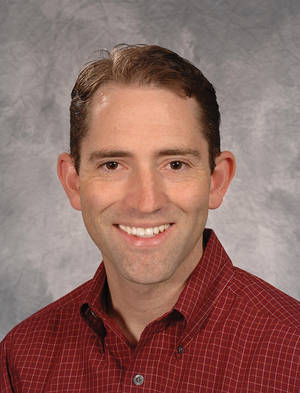
|
| Dr. Blake Lesselroth |
While systematized processes intended to reconcile
medications have been shown to reduce discrepancies by up to 70% and
potentially reduce downstream adverse drug events, most US hospitals
have not yet fully implemented standardized reconciliation practices (BMJ Qual. Saf.
Hospitalists have a particularly critical role to play
in the development and diffusion of reconciliation practices for multiple
reasons (J. Hosp. Med. 2010;5:477-85).
First, patients on hospitalist services tend to be
medically complex and have the most to gain from a structured medication
review. Second, hospitalists are well positioned to recognize problems across a
breadth of specialty domains and marshal resources to triage and manage
potential medication errors. Third, hospitalists have assumed a central role in
the quality improvement movement and possess the skills to lead multi-modal
interventions designed to detect and manage high risk discrepancies. Despite
these disciplinary strengths and opportunities, an alarmingly high proportion
of hospitalists are unconvinced that their time is well spent on reconciliation
efforts or that interventions can improve outcomes (J.
Hosp. Med. 2011;6:329-3; J. Hosp. Med. 2008;3:465-72).
Multidisciplinary approaches that are patient centered,
leverage the unique skills of nurses, pharmacists, and physicians, and
capitalize upon information technologies are most likely to be successful.
Dr. Blake J.
Lesselroth, is a hospitalist-informatician at the Portland Veterans Affairs
Medical Center
in Oregon.
According to the Institute of Medicine,
gaps in medication information collected at interfaces in care may represent
the most common source of preventable health care error. Studies have shown
that unintentional prescribing discrepancies are common and occur in 60%-90% of
hospital admissions (Arch. Intern. Med.
|
|
| Dr. Blake Lesselroth |
While systematized processes intended to reconcile
medications have been shown to reduce discrepancies by up to 70% and
potentially reduce downstream adverse drug events, most US hospitals
have not yet fully implemented standardized reconciliation practices (BMJ Qual. Saf.
Hospitalists have a particularly critical role to play
in the development and diffusion of reconciliation practices for multiple
reasons (J. Hosp. Med. 2010;5:477-85).
First, patients on hospitalist services tend to be
medically complex and have the most to gain from a structured medication
review. Second, hospitalists are well positioned to recognize problems across a
breadth of specialty domains and marshal resources to triage and manage
potential medication errors. Third, hospitalists have assumed a central role in
the quality improvement movement and possess the skills to lead multi-modal
interventions designed to detect and manage high risk discrepancies. Despite
these disciplinary strengths and opportunities, an alarmingly high proportion
of hospitalists are unconvinced that their time is well spent on reconciliation
efforts or that interventions can improve outcomes (J.
Hosp. Med. 2011;6:329-3; J. Hosp. Med. 2008;3:465-72).
Multidisciplinary approaches that are patient centered,
leverage the unique skills of nurses, pharmacists, and physicians, and
capitalize upon information technologies are most likely to be successful.
Dr. Blake J.
Lesselroth, is a hospitalist-informatician at the Portland Veterans Affairs
Medical Center
in Oregon.
According to the Institute of Medicine,
gaps in medication information collected at interfaces in care may represent
the most common source of preventable health care error. Studies have shown
that unintentional prescribing discrepancies are common and occur in 60%-90% of
hospital admissions (Arch. Intern. Med.
|
|
| Dr. Blake Lesselroth |
While systematized processes intended to reconcile
medications have been shown to reduce discrepancies by up to 70% and
potentially reduce downstream adverse drug events, most US hospitals
have not yet fully implemented standardized reconciliation practices (BMJ Qual. Saf.
Hospitalists have a particularly critical role to play
in the development and diffusion of reconciliation practices for multiple
reasons (J. Hosp. Med. 2010;5:477-85).
First, patients on hospitalist services tend to be
medically complex and have the most to gain from a structured medication
review. Second, hospitalists are well positioned to recognize problems across a
breadth of specialty domains and marshal resources to triage and manage
potential medication errors. Third, hospitalists have assumed a central role in
the quality improvement movement and possess the skills to lead multi-modal
interventions designed to detect and manage high risk discrepancies. Despite
these disciplinary strengths and opportunities, an alarmingly high proportion
of hospitalists are unconvinced that their time is well spent on reconciliation
efforts or that interventions can improve outcomes (J.
Hosp. Med. 2011;6:329-3; J. Hosp. Med. 2008;3:465-72).
Multidisciplinary approaches that are patient centered,
leverage the unique skills of nurses, pharmacists, and physicians, and
capitalize upon information technologies are most likely to be successful.
Dr. Blake J.
Lesselroth, is a hospitalist-informatician at the Portland Veterans Affairs
Medical Center
in Oregon.
SAN FRANCISCO – Clinically important medication errors occurred in 51% of patients within 3 months of discharge from hospitalization for acute coronary syndrome and/or decompensated heart failure, a study of 851 patients showed.
In addition, the randomized controlled trial found no benefit from a predischarge pharmacist intervention and counseling incorporating tools designed for patients with low health literacy levels, compared with usual care in which the treating health care provider reconciled medications with the help of support software before patient discharge.
Although the trial focused on comparing the pharmacist intervention with usual care, "the biggest take-home message is that medication errors are very common" in these patients after hospitalization, Dr. Cecelia N. Theobald said at the annual meeting of the American College of Physicians.
Patients came from Vanderbilt University Medical Center in Nashville, Tenn., and from Brigham and Women’s Hospital in Boston. The study randomized 423 patients to the intervention and 428 to usual care.
In the intervention group, pharmacists reconciled medications and provided in-depth patient counseling before discharge, including a review of potential drug side effects. The pharmacists had specialized aids to help low-literacy patients adhere to their medication regimens, and they provided tailored follow-up to patients via postdischarge phone calls. In the usual-care group, the treating provider reconciled medications and pharmacist consultation was available on request. The usual-care group did not use the low-literacy aids or phone follow-up.
To assess outcomes, two clinicians reviewed patient records and patients were interviewed by phone 30 days after discharge.
Thirty percent of patients had one or more adverse drug events that were considered to be preventable or ameliorable. Another 30% of patients had at least one potential adverse drug event, she said. Adverse drug events occurred in 47% of patients on cardiovascular agents other than diuretics, 21% of patients on diuretics, and 5% of patients on opioids. Potential adverse drug events were seen in 43% of patients on cardiovascular agents other than diuretics, and in 12% of patients on diuretics (Ann. Intern. Med. 2012;157:1-10).
On a per-patient basis, 0.87 clinically important medication errors occurred in the intervention group, compared with 0.95 events per patient in the usual-care group, a difference that was not statistically significant, reported Dr. Theobald of Vanderbilt University and her associates.
These events included adverse drug events (0.43 per patient in the intervention group and 0.40 per patient in the control group) and potential adverse drug events (0.44 per patient in the intervention group and 0.55 in the control group), rates of which did not differ significantly between groups.
"If we can’t figure out a way to talk to our patients immediately after discharge, these problems will continue," one physician in the audience said during the discussion session after the presentation.
Dr. Theobald noted that the Vanderbilt University system still has pharmacists available to counsel patients before discharge, but only at the request of clinicians, not routinely.
At the start of the study, 41% in the intervention group and 42% in the control group were female, and 61% in both groups had acute coronary syndrome. Congestive heart failure was diagnosed in 32% of the intervention group and 31% of the control group, and both diagnoses were present in 7% of the intervention group and 8% of the control group. Before admission, patients in the intervention group were on a median of eight medications, and those in the control group were taking a median of seven medications.
Health literacy levels were considered marginal in 9% of each group, and inadequate in 12% of the intervention group and 9% of the control group. Twelve percent of patients in the intervention group and 11% of patients in the control group had cognitive impairment.
There were suggestions of benefit from the intervention, compared with usual care, in three prespecified subgroups, but these did not reach statistical significance. With the intervention, clinically important medication errors were 32% less likely in patients with inadequate health literacy, 38% less likely in cognitively impaired patients, and 17% less likely in patients treated at Vanderbilt.
Further work would be needed to determine if high-risk subgroups should be targeted for this kind of intervention, Dr. Theobald said.
In general, 13%-17% of patients develop clinically important medication errors after hospitalization, according to previous studies. An estimated 50%-75% of those errors are preventable or ameliorable, other data suggest. Some studies report that postdischarge medication errors may be more common in patients who are older, are on complex regimens of multiple medications, are cognitively impaired, or have low health literacy. Previous trials of interventions to reduce posthospitalization medication errors have produced mixed results.
The National Heart, Lung, and Blood Institute and the Department of Veterans Affairs funded the study. Dr. Theobald reported having no financial disclosures.
On Twitter @sherryboschert
SAN FRANCISCO – Clinically important medication errors occurred in 51% of patients within 3 months of discharge from hospitalization for acute coronary syndrome and/or decompensated heart failure, a study of 851 patients showed.
In addition, the randomized controlled trial found no benefit from a predischarge pharmacist intervention and counseling incorporating tools designed for patients with low health literacy levels, compared with usual care in which the treating health care provider reconciled medications with the help of support software before patient discharge.
Although the trial focused on comparing the pharmacist intervention with usual care, "the biggest take-home message is that medication errors are very common" in these patients after hospitalization, Dr. Cecelia N. Theobald said at the annual meeting of the American College of Physicians.
Patients came from Vanderbilt University Medical Center in Nashville, Tenn., and from Brigham and Women’s Hospital in Boston. The study randomized 423 patients to the intervention and 428 to usual care.
In the intervention group, pharmacists reconciled medications and provided in-depth patient counseling before discharge, including a review of potential drug side effects. The pharmacists had specialized aids to help low-literacy patients adhere to their medication regimens, and they provided tailored follow-up to patients via postdischarge phone calls. In the usual-care group, the treating provider reconciled medications and pharmacist consultation was available on request. The usual-care group did not use the low-literacy aids or phone follow-up.
To assess outcomes, two clinicians reviewed patient records and patients were interviewed by phone 30 days after discharge.
Thirty percent of patients had one or more adverse drug events that were considered to be preventable or ameliorable. Another 30% of patients had at least one potential adverse drug event, she said. Adverse drug events occurred in 47% of patients on cardiovascular agents other than diuretics, 21% of patients on diuretics, and 5% of patients on opioids. Potential adverse drug events were seen in 43% of patients on cardiovascular agents other than diuretics, and in 12% of patients on diuretics (Ann. Intern. Med. 2012;157:1-10).
On a per-patient basis, 0.87 clinically important medication errors occurred in the intervention group, compared with 0.95 events per patient in the usual-care group, a difference that was not statistically significant, reported Dr. Theobald of Vanderbilt University and her associates.
These events included adverse drug events (0.43 per patient in the intervention group and 0.40 per patient in the control group) and potential adverse drug events (0.44 per patient in the intervention group and 0.55 in the control group), rates of which did not differ significantly between groups.
"If we can’t figure out a way to talk to our patients immediately after discharge, these problems will continue," one physician in the audience said during the discussion session after the presentation.
Dr. Theobald noted that the Vanderbilt University system still has pharmacists available to counsel patients before discharge, but only at the request of clinicians, not routinely.
At the start of the study, 41% in the intervention group and 42% in the control group were female, and 61% in both groups had acute coronary syndrome. Congestive heart failure was diagnosed in 32% of the intervention group and 31% of the control group, and both diagnoses were present in 7% of the intervention group and 8% of the control group. Before admission, patients in the intervention group were on a median of eight medications, and those in the control group were taking a median of seven medications.
Health literacy levels were considered marginal in 9% of each group, and inadequate in 12% of the intervention group and 9% of the control group. Twelve percent of patients in the intervention group and 11% of patients in the control group had cognitive impairment.
There were suggestions of benefit from the intervention, compared with usual care, in three prespecified subgroups, but these did not reach statistical significance. With the intervention, clinically important medication errors were 32% less likely in patients with inadequate health literacy, 38% less likely in cognitively impaired patients, and 17% less likely in patients treated at Vanderbilt.
Further work would be needed to determine if high-risk subgroups should be targeted for this kind of intervention, Dr. Theobald said.
In general, 13%-17% of patients develop clinically important medication errors after hospitalization, according to previous studies. An estimated 50%-75% of those errors are preventable or ameliorable, other data suggest. Some studies report that postdischarge medication errors may be more common in patients who are older, are on complex regimens of multiple medications, are cognitively impaired, or have low health literacy. Previous trials of interventions to reduce posthospitalization medication errors have produced mixed results.
The National Heart, Lung, and Blood Institute and the Department of Veterans Affairs funded the study. Dr. Theobald reported having no financial disclosures.
On Twitter @sherryboschert
AT ACP INTERNAL MEDICINE 2013
Major finding: After discharge, 0.87 clinically important medication errors occurred per patient in the intervention group, compared with 0.95 events per patient in the usual-care group.
Data source: Randomized controlled trial of a health literacy–sensitive pharmacist intervention in 851 patients at two institutions.
Disclosures: The National Heart, Lung, and Blood Institute and the Veterans Administration funded the study. Dr. Theobald reported having no financial disclosures.

BLOCK-HF published: Biventricular pacing aids certain heart failure patients
Biventricular pacing is superior to conventional right ventricular pacing in patients who have atrioventricular block and left ventricular systolic dysfunction with mild to moderate heart failure, according to a study that was presented at the American Heart Association meeting last November and has now been published online April 24 in the New England Journal of Medicine.
In the industry-sponsored prospective randomized clinical trial, 691 patients at 58 medical centers in the United States and Canada were randomly assigned to receive right ventricular or biventricular pacing using a pacemaker or implantable cardioverter defibrillator (ICD), during an 8-year period, said Dr. Anne B. Curtis, professor and chair of the department of medicine at the University of Buffalo (N.Y.), and her associates.

After a mean follow-up of 37 months, the primary outcome – a composite of death from any cause, an urgent care visit for HF, or an increase of 15% or more in LV end-systolic volume index – occurred in 53.3% of the biventricular group, which was significantly lower than the 64.3% rate in the right ventricular group. This benefit was seen both in patients given a pacemaker and in those given an ICD, with the two devices exerting "a remarkably similar clinical effect" even though there was a marked difference in mean ejection fraction between pacemaker recipients and ICD recipients. This suggests that the benefit of biventricular pacing is not likely to be strongly related to EF, the investigators said (N. Engl. J. Med. 2013 April 24 [doi:10.1056/NEJMoa1210356]).
At the AHA meeting, study discussant Dr. Gerasimos S. Filippatos of the University of Athens said that the BLOCK-HF results would certainly lead to a reconsideration of current European Society of Cardiology and joint American College of Cardiology/AHA/Heart Rhythm Society guidelines for heart failure patients with heart block.
The authors noted that BLOCK-HF adds to the body of evidence suggesting that biventricular pacing in patients with AV block preserves systolic function." Dr. Curtis said while presenting the results in November that one of the key points of BLOCK-HF "was to look at whether or not putting patients through the added difficulty of implanting a biventricular pacing device has clear benefits – and the answer is yes."
This study was funded by Medtronic, which also provided the data collection and analysis. Dr. Curtis and her associates reported numerous ties to industry sources.
Biventricular pacing is superior to conventional right ventricular pacing in patients who have atrioventricular block and left ventricular systolic dysfunction with mild to moderate heart failure, according to a study that was presented at the American Heart Association meeting last November and has now been published online April 24 in the New England Journal of Medicine.
In the industry-sponsored prospective randomized clinical trial, 691 patients at 58 medical centers in the United States and Canada were randomly assigned to receive right ventricular or biventricular pacing using a pacemaker or implantable cardioverter defibrillator (ICD), during an 8-year period, said Dr. Anne B. Curtis, professor and chair of the department of medicine at the University of Buffalo (N.Y.), and her associates.
After a mean follow-up of 37 months, the primary outcome – a composite of death from any cause, an urgent care visit for HF, or an increase of 15% or more in LV end-systolic volume index – occurred in 53.3% of the biventricular group, which was significantly lower than the 64.3% rate in the right ventricular group. This benefit was seen both in patients given a pacemaker and in those given an ICD, with the two devices exerting "a remarkably similar clinical effect" even though there was a marked difference in mean ejection fraction between pacemaker recipients and ICD recipients. This suggests that the benefit of biventricular pacing is not likely to be strongly related to EF, the investigators said (N. Engl. J. Med. 2013 April 24 [doi:10.1056/NEJMoa1210356]).
At the AHA meeting, study discussant Dr. Gerasimos S. Filippatos of the University of Athens said that the BLOCK-HF results would certainly lead to a reconsideration of current European Society of Cardiology and joint American College of Cardiology/AHA/Heart Rhythm Society guidelines for heart failure patients with heart block.
The authors noted that BLOCK-HF adds to the body of evidence suggesting that biventricular pacing in patients with AV block preserves systolic function." Dr. Curtis said while presenting the results in November that one of the key points of BLOCK-HF "was to look at whether or not putting patients through the added difficulty of implanting a biventricular pacing device has clear benefits – and the answer is yes."
This study was funded by Medtronic, which also provided the data collection and analysis. Dr. Curtis and her associates reported numerous ties to industry sources.
Biventricular pacing is superior to conventional right ventricular pacing in patients who have atrioventricular block and left ventricular systolic dysfunction with mild to moderate heart failure, according to a study that was presented at the American Heart Association meeting last November and has now been published online April 24 in the New England Journal of Medicine.
In the industry-sponsored prospective randomized clinical trial, 691 patients at 58 medical centers in the United States and Canada were randomly assigned to receive right ventricular or biventricular pacing using a pacemaker or implantable cardioverter defibrillator (ICD), during an 8-year period, said Dr. Anne B. Curtis, professor and chair of the department of medicine at the University of Buffalo (N.Y.), and her associates.
After a mean follow-up of 37 months, the primary outcome – a composite of death from any cause, an urgent care visit for HF, or an increase of 15% or more in LV end-systolic volume index – occurred in 53.3% of the biventricular group, which was significantly lower than the 64.3% rate in the right ventricular group. This benefit was seen both in patients given a pacemaker and in those given an ICD, with the two devices exerting "a remarkably similar clinical effect" even though there was a marked difference in mean ejection fraction between pacemaker recipients and ICD recipients. This suggests that the benefit of biventricular pacing is not likely to be strongly related to EF, the investigators said (N. Engl. J. Med. 2013 April 24 [doi:10.1056/NEJMoa1210356]).
At the AHA meeting, study discussant Dr. Gerasimos S. Filippatos of the University of Athens said that the BLOCK-HF results would certainly lead to a reconsideration of current European Society of Cardiology and joint American College of Cardiology/AHA/Heart Rhythm Society guidelines for heart failure patients with heart block.
The authors noted that BLOCK-HF adds to the body of evidence suggesting that biventricular pacing in patients with AV block preserves systolic function." Dr. Curtis said while presenting the results in November that one of the key points of BLOCK-HF "was to look at whether or not putting patients through the added difficulty of implanting a biventricular pacing device has clear benefits – and the answer is yes."
This study was funded by Medtronic, which also provided the data collection and analysis. Dr. Curtis and her associates reported numerous ties to industry sources.
FROM THE NEW ENGLAND JOURNAL OF MEDICINE
Major Finding: The rate of death from any cause, an urgent care visit for HF, or an increase of 15% or more in LV end-systolic volume index occurred in 53.3% of the biventricular-pacing group, compared with 64.3% of the right ventricular–pacing group.
Data Source: A prospective multicenter randomized trial involving 349 patients assigned to biventricular and 342 assigned to conventional right ventricular pacing who were followed for a mean of 37 months.
Disclosures: This study was funded by Medtronic, which also provided the data collection and analysis. Dr. Curtis and her associates reported numerous ties to industry sources.

Handheld ultrasound outperforms cardiologist's physical exam
SAN FRANCISCO – Handheld ultrasound proved "vastly superior" to physical examination conducted by cardiologists for the evaluation of a variety of cardiovascular complaints in a head-to-head prospective trial.
All 250 study participants underwent a clinically indicated standard 2-D and Doppler transthoracic echocardiography exam. But first they received an initial clinical assessment with both a point-of-care, handheld ultrasound scan and a physical exam performed by randomly assigned cardiologists who had widely varying degrees of experience. The cardiologists’ physical exam took an average of 5 minutes, while the limited ultrasound evaluation performed with the commercially available VScan device took a mean of 8.2 minutes, Dr. Manish Mehta reported at the annual meeting of the American College of Cardiology.
Ultrasound had a far higher correct-diagnosis rate than did cardiologists’ physical exam for nearly all of the heart conditions the cardiologists encountered. For example, ultrasound correctly diagnosed moderate or severe mitral regurgitation as confirmed by standard echocardiography in 20 of 20 affected patients, compared with 12 of 20 diagnosed correctly as a result of the physical exam. Ultrasound was threefold more accurate than was physical exam in diagnosis of left ventricular dysfunction in the 54 affected patients. It was also significantly more accurate in the diagnosis of right ventricular dysfunction, tricuspid regurgitation, moderate or severe valve abnormalities, and a miscellaneous category comprising 107 patients with pleural, pericardial, aortic, or congenital heart disease.
In the other two diagnostic categories – pulmonary hypertension and elevated right atrial pressure – ultrasound outperformed physical exam, but not by a statistically significant margin, added Dr. Mehta of Oregon Health and Science University, Portland.
"Routine incorporation of a hand-carried ultrasound device into the physical exam facilitates early and accurate diagnosis of cardiac pathology, which can result in more efficient delivery of care and [can] potentially reduce cost," he concluded.
Dr. Mehta said he and his coinvestigators conducted this study because hand-carried ultrasound has not caught on in cardiology practice to date the way they feel it should. They wanted to provide further supporting evidence for its routine use.
The study was funded by GE Healthcare, which markets the VScan system. Dr. Mehta reported having no financial conflicts.
SAN FRANCISCO – Handheld ultrasound proved "vastly superior" to physical examination conducted by cardiologists for the evaluation of a variety of cardiovascular complaints in a head-to-head prospective trial.
All 250 study participants underwent a clinically indicated standard 2-D and Doppler transthoracic echocardiography exam. But first they received an initial clinical assessment with both a point-of-care, handheld ultrasound scan and a physical exam performed by randomly assigned cardiologists who had widely varying degrees of experience. The cardiologists’ physical exam took an average of 5 minutes, while the limited ultrasound evaluation performed with the commercially available VScan device took a mean of 8.2 minutes, Dr. Manish Mehta reported at the annual meeting of the American College of Cardiology.
Ultrasound had a far higher correct-diagnosis rate than did cardiologists’ physical exam for nearly all of the heart conditions the cardiologists encountered. For example, ultrasound correctly diagnosed moderate or severe mitral regurgitation as confirmed by standard echocardiography in 20 of 20 affected patients, compared with 12 of 20 diagnosed correctly as a result of the physical exam. Ultrasound was threefold more accurate than was physical exam in diagnosis of left ventricular dysfunction in the 54 affected patients. It was also significantly more accurate in the diagnosis of right ventricular dysfunction, tricuspid regurgitation, moderate or severe valve abnormalities, and a miscellaneous category comprising 107 patients with pleural, pericardial, aortic, or congenital heart disease.
In the other two diagnostic categories – pulmonary hypertension and elevated right atrial pressure – ultrasound outperformed physical exam, but not by a statistically significant margin, added Dr. Mehta of Oregon Health and Science University, Portland.
"Routine incorporation of a hand-carried ultrasound device into the physical exam facilitates early and accurate diagnosis of cardiac pathology, which can result in more efficient delivery of care and [can] potentially reduce cost," he concluded.
Dr. Mehta said he and his coinvestigators conducted this study because hand-carried ultrasound has not caught on in cardiology practice to date the way they feel it should. They wanted to provide further supporting evidence for its routine use.
The study was funded by GE Healthcare, which markets the VScan system. Dr. Mehta reported having no financial conflicts.
SAN FRANCISCO – Handheld ultrasound proved "vastly superior" to physical examination conducted by cardiologists for the evaluation of a variety of cardiovascular complaints in a head-to-head prospective trial.
All 250 study participants underwent a clinically indicated standard 2-D and Doppler transthoracic echocardiography exam. But first they received an initial clinical assessment with both a point-of-care, handheld ultrasound scan and a physical exam performed by randomly assigned cardiologists who had widely varying degrees of experience. The cardiologists’ physical exam took an average of 5 minutes, while the limited ultrasound evaluation performed with the commercially available VScan device took a mean of 8.2 minutes, Dr. Manish Mehta reported at the annual meeting of the American College of Cardiology.
Ultrasound had a far higher correct-diagnosis rate than did cardiologists’ physical exam for nearly all of the heart conditions the cardiologists encountered. For example, ultrasound correctly diagnosed moderate or severe mitral regurgitation as confirmed by standard echocardiography in 20 of 20 affected patients, compared with 12 of 20 diagnosed correctly as a result of the physical exam. Ultrasound was threefold more accurate than was physical exam in diagnosis of left ventricular dysfunction in the 54 affected patients. It was also significantly more accurate in the diagnosis of right ventricular dysfunction, tricuspid regurgitation, moderate or severe valve abnormalities, and a miscellaneous category comprising 107 patients with pleural, pericardial, aortic, or congenital heart disease.
In the other two diagnostic categories – pulmonary hypertension and elevated right atrial pressure – ultrasound outperformed physical exam, but not by a statistically significant margin, added Dr. Mehta of Oregon Health and Science University, Portland.
"Routine incorporation of a hand-carried ultrasound device into the physical exam facilitates early and accurate diagnosis of cardiac pathology, which can result in more efficient delivery of care and [can] potentially reduce cost," he concluded.
Dr. Mehta said he and his coinvestigators conducted this study because hand-carried ultrasound has not caught on in cardiology practice to date the way they feel it should. They wanted to provide further supporting evidence for its routine use.
The study was funded by GE Healthcare, which markets the VScan system. Dr. Mehta reported having no financial conflicts.
AT ACC 13
Major Finding: Handheld, point-of-care echocardiography proved far more accurate than did physical examination by cardiologists in the initial assessment of patients with a variety of cardiovascular conditions.
Data Source: A prospective head-to-head comparative study in which 250 cardiology inpatients and outpatients underwent a limited scan with a hand-carried ultrasound device as well as a physical exam by a cardiologist prior to a clinically indicated standard 2-D and Doppler transthoracic echo exam, which provided the definitive diagnosis.
Disclosures: The study was funded by GE Healthcare. The presenter reported having no financial conflicts.
Can digoxin get another chance for heart failure?
One of the late-breaker reports at the American College of Cardiology’s annual meeting in March had results from a post hoc analysis of 16-year-old data from the DIG trial, by far the largest study to ever assess digoxin for heart failure, a treatment that precipitously dropped out of favor during the decade following the initial DIG report in 1997. Not your typical back story for a late breaker.
The researchers who ran the new analysis of the old DIG data also took what seem like two sizable leaps by framing their new look as a way to get a sense whether digoxin treatment could cut the large number of Medicare patients with heart failure who need rehospitalization within a month after a hospital discharge.

Dr. Ali Ahmed, a cardiologist from the University of Alabama, Birmingham, who presented this ACC late breaker, noted how clinicians and hospital officials are eager to find safe and effective treatments for cutting heart failure readmissions, especially since last Oct. 1 when the Centers for Medicare and Medicaid Services began penalizing hospitals that accumulate high heart failure readmission numbers.
One leap was that the patients in the 1990s enrolled in the Digitalis Investigation Group (DIG) trial all had chronic, stable heart failure, without recent hospitalization. Although the post hoc analysis that Dr. Ahmed presented showed that the half of the DIG patients who were aged 65 or older had their heart failure hospitalization rate cut by a third while on digoxin, compared with patients on placebo, a statistically significant difference for the analysis’ primary endpoint, Dr. Ahmed admitted in his talk that the relevance of his findings to the new Medicare penalties was doubly limited. First, because the DIG population comprised ambulatory patients rather than ones just out of the hospital, and second because the endpoint examined in DIG was index hospital admission rather than readmission. Two pretty important differences.
On top of that, many heart failure experts who heard the results were quick to question the meaning in 2013 of data collected from heart failure patients back in the mid-1990s whose background regimens completely lacked beta-blockers, aldosterone receptor antagonists (spironolactone and eplerenone), and implanted cardiac devices, treatments that have since become cornerstones of heart failure management.
Digoxin "is not a therapy we should embrace wholeheartedly until there is a new trial with contemporary management," commented Dr. Mariell L. Jessup, a heart failure specialist at the University of Pennsylvania, Philadelphia, who cochaired the late-breaker session in which Dr. Ahmed spoke.
But if it was so questionable to use 16-year old, clearly outdated data to address in a post hoc way an issue – 30-day hospital readmissions for heart failure – with at best tangential relevance to what was examined in the DIG trial, what else might be behind this curious report from a large group of prominent heart-failure specialists? (You can see all their names in the article published online simultaneous to Dr. Ahmed’s ACC report [Am. J. Med. 2013;126 (doi:10.1016/j.amjmed.2013.02.001)]).
The answer seems to be their desire to promote digoxin, keep it current in cardiology chatter, and build pressure for a new, prospective study that reexamines the incremental benefit of digoxin on top everything else that heart failure patients receive today. They see current heart failure management, especially efforts to cut hospitalizations for acute decompensation and also cut the rate at which decompensated patients wind up back in the hospital a second time, as woefully inadequate and stand discouraged after many new agents have failed to make a dent in this problem.
"Dismissing digoxin, which was approved by the FDA only 10 years ago and has been used for 2,000 years, in the face of a high event rate [among heart failure patients] when we cannot find any new drugs, is not a wise clinical decision," said Dr. Mihai Gheorghiade, a cardiologist with Northwestern University, Evanston, Ill., who coauthored the new analysis and is a leader of the movement to resurrect digoxin. Using digoxin "isn’t controversial if you see benefit from it and if we are desperate to find something for these patients," he said during a press conference at the meeting.
Efforts to rehabilitate and reevaluate digoxin in heart failure have been going on since the mid-2000s. Dr. Ahmed, Dr. Gheorghiade, and their associates published their first reanalysis of the DIG data in 2005 (Eur. Heart J. 2006;27:178-86), which was recognized by an editorialist at the time as a call to "rehabilitate" digoxin (Eur. Heart J. 2006;27:127-9). In 2006, Dr. Gheorghiade lamented digoxin’s neglect and fall from standard heart failure management, having been muscled out by treatments with big-pocket backers – beta-blockers, ACE inhibitors, and cardiac resynchronization devices; concerns over digoxin’s safety (which he says is obviated by using low dosages), and most of all the absence of any company with enough of a financial interest in digoxin to promote it and fund more studies (Circulation 2006;113:2556-64).
Houston heart failure expert Dr. Biykem Bozkurt saw the new DIG analysis as part of this decade-long rehabilitation effort. The new analysis "is a call for the reexamination of digoxin in acute heart failure," she said as an ACC panelist who discussed the study.
Digoxin’s proponents seem to recognize their big challenge: A large, new study of dioxin on top of today’s standard treatments is the key to convincing skeptical colleagues, but who will pay for it? "The problem with digoxin is that no company sponsors it," Dr. Gheorghiade said.
Twitter @mitchelzoler
One of the late-breaker reports at the American College of Cardiology’s annual meeting in March had results from a post hoc analysis of 16-year-old data from the DIG trial, by far the largest study to ever assess digoxin for heart failure, a treatment that precipitously dropped out of favor during the decade following the initial DIG report in 1997. Not your typical back story for a late breaker.
The researchers who ran the new analysis of the old DIG data also took what seem like two sizable leaps by framing their new look as a way to get a sense whether digoxin treatment could cut the large number of Medicare patients with heart failure who need rehospitalization within a month after a hospital discharge.
Dr. Ali Ahmed, a cardiologist from the University of Alabama, Birmingham, who presented this ACC late breaker, noted how clinicians and hospital officials are eager to find safe and effective treatments for cutting heart failure readmissions, especially since last Oct. 1 when the Centers for Medicare and Medicaid Services began penalizing hospitals that accumulate high heart failure readmission numbers.
One leap was that the patients in the 1990s enrolled in the Digitalis Investigation Group (DIG) trial all had chronic, stable heart failure, without recent hospitalization. Although the post hoc analysis that Dr. Ahmed presented showed that the half of the DIG patients who were aged 65 or older had their heart failure hospitalization rate cut by a third while on digoxin, compared with patients on placebo, a statistically significant difference for the analysis’ primary endpoint, Dr. Ahmed admitted in his talk that the relevance of his findings to the new Medicare penalties was doubly limited. First, because the DIG population comprised ambulatory patients rather than ones just out of the hospital, and second because the endpoint examined in DIG was index hospital admission rather than readmission. Two pretty important differences.
On top of that, many heart failure experts who heard the results were quick to question the meaning in 2013 of data collected from heart failure patients back in the mid-1990s whose background regimens completely lacked beta-blockers, aldosterone receptor antagonists (spironolactone and eplerenone), and implanted cardiac devices, treatments that have since become cornerstones of heart failure management.
Digoxin "is not a therapy we should embrace wholeheartedly until there is a new trial with contemporary management," commented Dr. Mariell L. Jessup, a heart failure specialist at the University of Pennsylvania, Philadelphia, who cochaired the late-breaker session in which Dr. Ahmed spoke.
But if it was so questionable to use 16-year old, clearly outdated data to address in a post hoc way an issue – 30-day hospital readmissions for heart failure – with at best tangential relevance to what was examined in the DIG trial, what else might be behind this curious report from a large group of prominent heart-failure specialists? (You can see all their names in the article published online simultaneous to Dr. Ahmed’s ACC report [Am. J. Med. 2013;126 (doi:10.1016/j.amjmed.2013.02.001)]).
The answer seems to be their desire to promote digoxin, keep it current in cardiology chatter, and build pressure for a new, prospective study that reexamines the incremental benefit of digoxin on top everything else that heart failure patients receive today. They see current heart failure management, especially efforts to cut hospitalizations for acute decompensation and also cut the rate at which decompensated patients wind up back in the hospital a second time, as woefully inadequate and stand discouraged after many new agents have failed to make a dent in this problem.
"Dismissing digoxin, which was approved by the FDA only 10 years ago and has been used for 2,000 years, in the face of a high event rate [among heart failure patients] when we cannot find any new drugs, is not a wise clinical decision," said Dr. Mihai Gheorghiade, a cardiologist with Northwestern University, Evanston, Ill., who coauthored the new analysis and is a leader of the movement to resurrect digoxin. Using digoxin "isn’t controversial if you see benefit from it and if we are desperate to find something for these patients," he said during a press conference at the meeting.
Efforts to rehabilitate and reevaluate digoxin in heart failure have been going on since the mid-2000s. Dr. Ahmed, Dr. Gheorghiade, and their associates published their first reanalysis of the DIG data in 2005 (Eur. Heart J. 2006;27:178-86), which was recognized by an editorialist at the time as a call to "rehabilitate" digoxin (Eur. Heart J. 2006;27:127-9). In 2006, Dr. Gheorghiade lamented digoxin’s neglect and fall from standard heart failure management, having been muscled out by treatments with big-pocket backers – beta-blockers, ACE inhibitors, and cardiac resynchronization devices; concerns over digoxin’s safety (which he says is obviated by using low dosages), and most of all the absence of any company with enough of a financial interest in digoxin to promote it and fund more studies (Circulation 2006;113:2556-64).
Houston heart failure expert Dr. Biykem Bozkurt saw the new DIG analysis as part of this decade-long rehabilitation effort. The new analysis "is a call for the reexamination of digoxin in acute heart failure," she said as an ACC panelist who discussed the study.
Digoxin’s proponents seem to recognize their big challenge: A large, new study of dioxin on top of today’s standard treatments is the key to convincing skeptical colleagues, but who will pay for it? "The problem with digoxin is that no company sponsors it," Dr. Gheorghiade said.
Twitter @mitchelzoler
One of the late-breaker reports at the American College of Cardiology’s annual meeting in March had results from a post hoc analysis of 16-year-old data from the DIG trial, by far the largest study to ever assess digoxin for heart failure, a treatment that precipitously dropped out of favor during the decade following the initial DIG report in 1997. Not your typical back story for a late breaker.
The researchers who ran the new analysis of the old DIG data also took what seem like two sizable leaps by framing their new look as a way to get a sense whether digoxin treatment could cut the large number of Medicare patients with heart failure who need rehospitalization within a month after a hospital discharge.
Dr. Ali Ahmed, a cardiologist from the University of Alabama, Birmingham, who presented this ACC late breaker, noted how clinicians and hospital officials are eager to find safe and effective treatments for cutting heart failure readmissions, especially since last Oct. 1 when the Centers for Medicare and Medicaid Services began penalizing hospitals that accumulate high heart failure readmission numbers.
One leap was that the patients in the 1990s enrolled in the Digitalis Investigation Group (DIG) trial all had chronic, stable heart failure, without recent hospitalization. Although the post hoc analysis that Dr. Ahmed presented showed that the half of the DIG patients who were aged 65 or older had their heart failure hospitalization rate cut by a third while on digoxin, compared with patients on placebo, a statistically significant difference for the analysis’ primary endpoint, Dr. Ahmed admitted in his talk that the relevance of his findings to the new Medicare penalties was doubly limited. First, because the DIG population comprised ambulatory patients rather than ones just out of the hospital, and second because the endpoint examined in DIG was index hospital admission rather than readmission. Two pretty important differences.
On top of that, many heart failure experts who heard the results were quick to question the meaning in 2013 of data collected from heart failure patients back in the mid-1990s whose background regimens completely lacked beta-blockers, aldosterone receptor antagonists (spironolactone and eplerenone), and implanted cardiac devices, treatments that have since become cornerstones of heart failure management.
Digoxin "is not a therapy we should embrace wholeheartedly until there is a new trial with contemporary management," commented Dr. Mariell L. Jessup, a heart failure specialist at the University of Pennsylvania, Philadelphia, who cochaired the late-breaker session in which Dr. Ahmed spoke.
But if it was so questionable to use 16-year old, clearly outdated data to address in a post hoc way an issue – 30-day hospital readmissions for heart failure – with at best tangential relevance to what was examined in the DIG trial, what else might be behind this curious report from a large group of prominent heart-failure specialists? (You can see all their names in the article published online simultaneous to Dr. Ahmed’s ACC report [Am. J. Med. 2013;126 (doi:10.1016/j.amjmed.2013.02.001)]).
The answer seems to be their desire to promote digoxin, keep it current in cardiology chatter, and build pressure for a new, prospective study that reexamines the incremental benefit of digoxin on top everything else that heart failure patients receive today. They see current heart failure management, especially efforts to cut hospitalizations for acute decompensation and also cut the rate at which decompensated patients wind up back in the hospital a second time, as woefully inadequate and stand discouraged after many new agents have failed to make a dent in this problem.
"Dismissing digoxin, which was approved by the FDA only 10 years ago and has been used for 2,000 years, in the face of a high event rate [among heart failure patients] when we cannot find any new drugs, is not a wise clinical decision," said Dr. Mihai Gheorghiade, a cardiologist with Northwestern University, Evanston, Ill., who coauthored the new analysis and is a leader of the movement to resurrect digoxin. Using digoxin "isn’t controversial if you see benefit from it and if we are desperate to find something for these patients," he said during a press conference at the meeting.
Efforts to rehabilitate and reevaluate digoxin in heart failure have been going on since the mid-2000s. Dr. Ahmed, Dr. Gheorghiade, and their associates published their first reanalysis of the DIG data in 2005 (Eur. Heart J. 2006;27:178-86), which was recognized by an editorialist at the time as a call to "rehabilitate" digoxin (Eur. Heart J. 2006;27:127-9). In 2006, Dr. Gheorghiade lamented digoxin’s neglect and fall from standard heart failure management, having been muscled out by treatments with big-pocket backers – beta-blockers, ACE inhibitors, and cardiac resynchronization devices; concerns over digoxin’s safety (which he says is obviated by using low dosages), and most of all the absence of any company with enough of a financial interest in digoxin to promote it and fund more studies (Circulation 2006;113:2556-64).
Houston heart failure expert Dr. Biykem Bozkurt saw the new DIG analysis as part of this decade-long rehabilitation effort. The new analysis "is a call for the reexamination of digoxin in acute heart failure," she said as an ACC panelist who discussed the study.
Digoxin’s proponents seem to recognize their big challenge: A large, new study of dioxin on top of today’s standard treatments is the key to convincing skeptical colleagues, but who will pay for it? "The problem with digoxin is that no company sponsors it," Dr. Gheorghiade said.
Twitter @mitchelzoler

BNP screening effectively targets heart failure prevention
SAN FRANCISCO – Targeting a comprehensive cardiac-risk reduction program to adults with elevated natriuretic peptide significantly cut the rate of new left ventricular dysfunction, heart failure, and other cardiovascular events in a randomized trial with more than 1,300 patients.
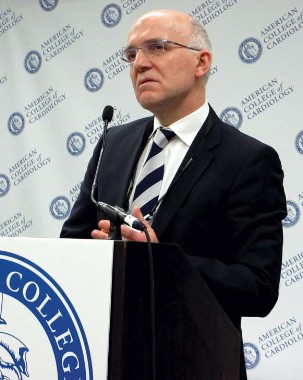
"I think it was the structure of the intervention, the cohesion of care, rather than a specific intervention" that improved clinical outcomes, Dr. Kenneth M. McDonald said at the annual meeting of the American College of Cardiology. "Undoubtedly, a patient’s knowledge [of a high B-type natriuretic peptide level] improved their adherence to therapy." He and his associates ran the study at 39 primary care practices around Dublin that worked in collaboration with the cardiology department at St. Vincent’s University Hospital in Dublin.

The primary care physicians looked for patients at least 40 years old with at least one identified cardiovascular risk factor whose B-type natriuretic peptide (BNP) level rose above 50 pg/mL on an annual screening test. They referred these patients to St. Vincent’s for an intensified testing and management program similar to "the disease management structure we’ve used for several years for patients with heart failure," said Dr. McDonald, a professor of cardiology at St. Vincent’s and director of the heart failure unit. The program included a cardiology review and regular follow-up, echocardiography with Doppler and other cardiovascular investigations as needed, and nurse coaching.
"Routine BNP screening is not recommended in current guidelines. Perhaps this finding is the first step to get guidelines committees to address the use of BNP for screening," commented Dr. Sanjay Kaul, director of the vascular physiology and thrombosis research laboratory at the Burns and Allen Research Institute at Cedars Sinai Medical Center in Los Angeles.
Among the 1,374 patients enrolled in the STOP-HF (Screening to Prevent Heart Failure) trial, annual BNP measurement found 498 (36%) with a BNP level that rose above 50 pg/mL in at least one annual test. This included 235 patients randomized to the control arm and 263 randomized to the intervention group. The overall age of patients in the study averaged 65 years, but the age of those with elevated BNP averaged closer to 70 years.
During average follow-up of just over 4 years, patients referred to the cardiology program had 25 cases (10%) of heart failure or asymptomatic left ventricular dysfunction, compared with 44 cases (19%) in the control arm, a 54% odds ratio reduction that was statistically significant for the study’s primary endpoint. For the entire study group of 1,374 randomized patients, participation in the group eligible for referred care cut the primary endpoint by a relative 41%, compared with the controls, a statistically significant difference.
A secondary efficacy analysis that tallied the combined rate of incident heart failure, arrhythmia, myocardial infarction, unstable angina, cerebrovascular events, peripheral thrombosis, or pulmonary embolism found 51 events (7%) in the entire intervention group compared with 71 events (10%) in the control group, a 46% odds rate reduction that was statistically significant.
A study limitation was the large percentage of patients in both arms either lost to follow-up, 10%; or who withdrew their consent to participate, another 16%. "It challenges interpretation of the results," commented Dr. Kaul.
But Dr. McDonald and his associates were convinced by their findings.
"We believe the results are conclusive enough to roll this out as a clinical program," he said in an interview. "We are now extending this to another region of Ireland, and we will try to get this disseminated nationally."
He also foresees additional refinements to the program, possibly identifying other risk markers that can compliment BNP and further focus intervention.
"We have shown benefit, but a question is the cost of getting that benefit. BNP is clearly a step up from where we were, but that doesn’t mean we are as good as we could make it."
Dr. McDonald said that he had no disclosures.
On Twitter @mitchelzoler
SAN FRANCISCO – Targeting a comprehensive cardiac-risk reduction program to adults with elevated natriuretic peptide significantly cut the rate of new left ventricular dysfunction, heart failure, and other cardiovascular events in a randomized trial with more than 1,300 patients.
"I think it was the structure of the intervention, the cohesion of care, rather than a specific intervention" that improved clinical outcomes, Dr. Kenneth M. McDonald said at the annual meeting of the American College of Cardiology. "Undoubtedly, a patient’s knowledge [of a high B-type natriuretic peptide level] improved their adherence to therapy." He and his associates ran the study at 39 primary care practices around Dublin that worked in collaboration with the cardiology department at St. Vincent’s University Hospital in Dublin.
The primary care physicians looked for patients at least 40 years old with at least one identified cardiovascular risk factor whose B-type natriuretic peptide (BNP) level rose above 50 pg/mL on an annual screening test. They referred these patients to St. Vincent’s for an intensified testing and management program similar to "the disease management structure we’ve used for several years for patients with heart failure," said Dr. McDonald, a professor of cardiology at St. Vincent’s and director of the heart failure unit. The program included a cardiology review and regular follow-up, echocardiography with Doppler and other cardiovascular investigations as needed, and nurse coaching.
"Routine BNP screening is not recommended in current guidelines. Perhaps this finding is the first step to get guidelines committees to address the use of BNP for screening," commented Dr. Sanjay Kaul, director of the vascular physiology and thrombosis research laboratory at the Burns and Allen Research Institute at Cedars Sinai Medical Center in Los Angeles.
Among the 1,374 patients enrolled in the STOP-HF (Screening to Prevent Heart Failure) trial, annual BNP measurement found 498 (36%) with a BNP level that rose above 50 pg/mL in at least one annual test. This included 235 patients randomized to the control arm and 263 randomized to the intervention group. The overall age of patients in the study averaged 65 years, but the age of those with elevated BNP averaged closer to 70 years.
During average follow-up of just over 4 years, patients referred to the cardiology program had 25 cases (10%) of heart failure or asymptomatic left ventricular dysfunction, compared with 44 cases (19%) in the control arm, a 54% odds ratio reduction that was statistically significant for the study’s primary endpoint. For the entire study group of 1,374 randomized patients, participation in the group eligible for referred care cut the primary endpoint by a relative 41%, compared with the controls, a statistically significant difference.
A secondary efficacy analysis that tallied the combined rate of incident heart failure, arrhythmia, myocardial infarction, unstable angina, cerebrovascular events, peripheral thrombosis, or pulmonary embolism found 51 events (7%) in the entire intervention group compared with 71 events (10%) in the control group, a 46% odds rate reduction that was statistically significant.
A study limitation was the large percentage of patients in both arms either lost to follow-up, 10%; or who withdrew their consent to participate, another 16%. "It challenges interpretation of the results," commented Dr. Kaul.
But Dr. McDonald and his associates were convinced by their findings.
"We believe the results are conclusive enough to roll this out as a clinical program," he said in an interview. "We are now extending this to another region of Ireland, and we will try to get this disseminated nationally."
He also foresees additional refinements to the program, possibly identifying other risk markers that can compliment BNP and further focus intervention.
"We have shown benefit, but a question is the cost of getting that benefit. BNP is clearly a step up from where we were, but that doesn’t mean we are as good as we could make it."
Dr. McDonald said that he had no disclosures.
On Twitter @mitchelzoler
SAN FRANCISCO – Targeting a comprehensive cardiac-risk reduction program to adults with elevated natriuretic peptide significantly cut the rate of new left ventricular dysfunction, heart failure, and other cardiovascular events in a randomized trial with more than 1,300 patients.
"I think it was the structure of the intervention, the cohesion of care, rather than a specific intervention" that improved clinical outcomes, Dr. Kenneth M. McDonald said at the annual meeting of the American College of Cardiology. "Undoubtedly, a patient’s knowledge [of a high B-type natriuretic peptide level] improved their adherence to therapy." He and his associates ran the study at 39 primary care practices around Dublin that worked in collaboration with the cardiology department at St. Vincent’s University Hospital in Dublin.
The primary care physicians looked for patients at least 40 years old with at least one identified cardiovascular risk factor whose B-type natriuretic peptide (BNP) level rose above 50 pg/mL on an annual screening test. They referred these patients to St. Vincent’s for an intensified testing and management program similar to "the disease management structure we’ve used for several years for patients with heart failure," said Dr. McDonald, a professor of cardiology at St. Vincent’s and director of the heart failure unit. The program included a cardiology review and regular follow-up, echocardiography with Doppler and other cardiovascular investigations as needed, and nurse coaching.
"Routine BNP screening is not recommended in current guidelines. Perhaps this finding is the first step to get guidelines committees to address the use of BNP for screening," commented Dr. Sanjay Kaul, director of the vascular physiology and thrombosis research laboratory at the Burns and Allen Research Institute at Cedars Sinai Medical Center in Los Angeles.
Among the 1,374 patients enrolled in the STOP-HF (Screening to Prevent Heart Failure) trial, annual BNP measurement found 498 (36%) with a BNP level that rose above 50 pg/mL in at least one annual test. This included 235 patients randomized to the control arm and 263 randomized to the intervention group. The overall age of patients in the study averaged 65 years, but the age of those with elevated BNP averaged closer to 70 years.
During average follow-up of just over 4 years, patients referred to the cardiology program had 25 cases (10%) of heart failure or asymptomatic left ventricular dysfunction, compared with 44 cases (19%) in the control arm, a 54% odds ratio reduction that was statistically significant for the study’s primary endpoint. For the entire study group of 1,374 randomized patients, participation in the group eligible for referred care cut the primary endpoint by a relative 41%, compared with the controls, a statistically significant difference.
A secondary efficacy analysis that tallied the combined rate of incident heart failure, arrhythmia, myocardial infarction, unstable angina, cerebrovascular events, peripheral thrombosis, or pulmonary embolism found 51 events (7%) in the entire intervention group compared with 71 events (10%) in the control group, a 46% odds rate reduction that was statistically significant.
A study limitation was the large percentage of patients in both arms either lost to follow-up, 10%; or who withdrew their consent to participate, another 16%. "It challenges interpretation of the results," commented Dr. Kaul.
But Dr. McDonald and his associates were convinced by their findings.
"We believe the results are conclusive enough to roll this out as a clinical program," he said in an interview. "We are now extending this to another region of Ireland, and we will try to get this disseminated nationally."
He also foresees additional refinements to the program, possibly identifying other risk markers that can compliment BNP and further focus intervention.
"We have shown benefit, but a question is the cost of getting that benefit. BNP is clearly a step up from where we were, but that doesn’t mean we are as good as we could make it."
Dr. McDonald said that he had no disclosures.
On Twitter @mitchelzoler
AT ACC 13
Major finding: BNP-driven referral to intensive preventive care cut heart failures and left ventricular dysfunctions 54%, compared with standard care.
Data source: The STOP-HF trial, which randomized 1,374 adults in 39 primary-care practices around Dublin, Ireland.
Disclosures: Dr. McDonald said that he had no disclosures.
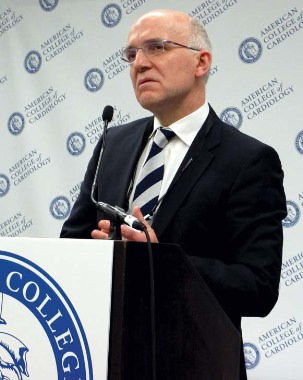
Home discharge with total artificial heart is feasible, safe
LOS ANGELES – Some patients with a total artificial heart can safely go home with the use of a small portable driver while awaiting heart transplantation, according to data from the first U.S. patient cohort in whom this was attempted.
Investigators assessed outcomes in 13 total artificial heart recipients who were stable enough clinically to be transitioned from the usual driver to SynCardia Systems’ investigational portable driver, the Freedom Driver System. The driver weighs 14 pounds and allows several hours of untethered activity.
Eight of the patients were able to go home for an average of 5.5 months, lead investigator Dr. Vigneshwar Kasirajan reported at the annual meeting of the Society of Thoracic Surgeons.

They had a low rate of major bleeding and no major infections. There were roughly five device malfunctions per patient-year, but in all cases, patients were able to switch to a backup driver uneventfully.
Twelve of the 13 total patients ultimately underwent transplantation, for a transplantation rate of 92%.
"The Freedom driver is effective in supporting circulation with a total artificial heart. Discharge home is safe and feasible," commented Dr. Kasirajan, who is director of heart transplantation, heart-lung transplantation, and mechanical circulatory support at Virginia Commonwealth University in Richmond.
"Further data on the completion of this study will help to demonstrate the efficacy and safety of the driver. In addition, important data on exercise capacity and quality of life will be valuable in finally moving the artificial heart technology to more widespread use," he said.
Session comoderator Dr. Todd M. Dewey, a cardiothoracic surgeon with Medical City Specialists in Dallas, noted, "The majority of patients on axial-flow left ventricular assist devices are discharged home. What percentage of total artificial heart patients do you think will ultimately leave the hospital?"
"We are close to 80% of our patients going home right now, at least in high-volume institutions," Dr. Kasirajan replied. Two patients have been at home for more than 2 years without readmissions related to the device, he added.
A pivotal study previously showed that the total artificial heart can be used as a bridge to transplantation in patients with irreversible biventricular failure (N. Engl. J. Med. 2004;351:859-67).
"Unfortunately, ... the widespread use of this technology is limited because of the inability to discharge these patients home, and that relates to the fact that the circulatory support system console has to be powered by compressed air either from the hospital or via a cylinder," Dr. Kasirajan explained.
However, once patients are stable, the driver settings need little adjustment, which spurred development of the portable driver. "The driver has two batteries that allow up to 3 hours of untethered activity. These can be charged in place using an alternating current output or car charger," he said.
The ongoing study of the driver will enroll up to 60 patients from 30 international sites. Patients are required to be wait-listed for heart transplantation and receive a total artificial heart, and to be clinically stable on the circulatory support system, with a cardiac index of at least 2.2 L/min/m2. They are then switched to the portable driver with the intent of discharge from the hospital.
Dr. Kasirajan reported results for the first 13 patients enrolled from four U.S. sites. Overall, 5 of the patients remained in the hospital (because of medical reasons, discharge logistics, or personal preference), whereas 8 went home with the driver. The median duration out of the hospital in the latter group was 162 days (range, 39-437 days).
The 13 patients had maintenance of cardiac function, with a cardiac index averaging 3.3 L/min/m2, and their laboratory values remained stable between baseline and 90 days. "Particularly, there was no evidence of hemolysis that was worse than at the beginning," he noted. "Increasing albumin levels reflect the increasing nutritional status in these patients."
The in-hospital group had a very similar rate of adverse events relative to an earlier comparison cohort of stable patients with a total artificial heart followed as part of postmarket surveillance, according to Dr. Kasirajan.
Within the study population, the out-of-hospital and in-hospital groups had similar rates of major bleeding (1.1 vs. 1.4 events per patient-year). The former had a lower rate of major infection (0 vs. 2.8 events per patient-year) but higher rates of device malfunction (4.6 vs. 0 events per patient-year) and hemolysis (2.3 vs. 0 events per patient-year).
The five device malfunctions in the out-of-hospital group were due to a Valsalva maneuver, a faulty sensor, hypertension, a kink in the driveline while a patient was getting into a car, and dropping of the driver while showering.
"All these patients remained stable and had no changes in cardiac output," Dr. Kasirajan pointed out. "They were able to switch to the backup driver as educated, and returned to the hospital."
Valsalva maneuvers can cause a sudden transient rise in intrathoracic pressure that a device sensor interprets as outside the set parameters, he explained; the software has since been modified to allow for these changes.
"The importance of hypertension management is critical," he commented. "The pump tolerates blood pressures at high levels for brief periods of time; however, prolonged hypertension leads to a decrease in left heart cardiac output and pulmonary edema."
The cases of hemolysis were due to transient rises in plasma free hemoglobin as a result of hemothorax and hydralazine-induced hemolytic anemia.
Only a single patient, in the out-of-hospital group, died before transplantation. This patient was stable on the driver for 437 days, but experienced a fall with a spinal cord hematoma, and developed fatal complications.
Dr. Kasirajan disclosed that he is a consultant to SynCardia Systems.
LOS ANGELES – Some patients with a total artificial heart can safely go home with the use of a small portable driver while awaiting heart transplantation, according to data from the first U.S. patient cohort in whom this was attempted.
Investigators assessed outcomes in 13 total artificial heart recipients who were stable enough clinically to be transitioned from the usual driver to SynCardia Systems’ investigational portable driver, the Freedom Driver System. The driver weighs 14 pounds and allows several hours of untethered activity.
Eight of the patients were able to go home for an average of 5.5 months, lead investigator Dr. Vigneshwar Kasirajan reported at the annual meeting of the Society of Thoracic Surgeons.
They had a low rate of major bleeding and no major infections. There were roughly five device malfunctions per patient-year, but in all cases, patients were able to switch to a backup driver uneventfully.
Twelve of the 13 total patients ultimately underwent transplantation, for a transplantation rate of 92%.
"The Freedom driver is effective in supporting circulation with a total artificial heart. Discharge home is safe and feasible," commented Dr. Kasirajan, who is director of heart transplantation, heart-lung transplantation, and mechanical circulatory support at Virginia Commonwealth University in Richmond.
"Further data on the completion of this study will help to demonstrate the efficacy and safety of the driver. In addition, important data on exercise capacity and quality of life will be valuable in finally moving the artificial heart technology to more widespread use," he said.
Session comoderator Dr. Todd M. Dewey, a cardiothoracic surgeon with Medical City Specialists in Dallas, noted, "The majority of patients on axial-flow left ventricular assist devices are discharged home. What percentage of total artificial heart patients do you think will ultimately leave the hospital?"
"We are close to 80% of our patients going home right now, at least in high-volume institutions," Dr. Kasirajan replied. Two patients have been at home for more than 2 years without readmissions related to the device, he added.
A pivotal study previously showed that the total artificial heart can be used as a bridge to transplantation in patients with irreversible biventricular failure (N. Engl. J. Med. 2004;351:859-67).
"Unfortunately, ... the widespread use of this technology is limited because of the inability to discharge these patients home, and that relates to the fact that the circulatory support system console has to be powered by compressed air either from the hospital or via a cylinder," Dr. Kasirajan explained.
However, once patients are stable, the driver settings need little adjustment, which spurred development of the portable driver. "The driver has two batteries that allow up to 3 hours of untethered activity. These can be charged in place using an alternating current output or car charger," he said.
The ongoing study of the driver will enroll up to 60 patients from 30 international sites. Patients are required to be wait-listed for heart transplantation and receive a total artificial heart, and to be clinically stable on the circulatory support system, with a cardiac index of at least 2.2 L/min/m2. They are then switched to the portable driver with the intent of discharge from the hospital.
Dr. Kasirajan reported results for the first 13 patients enrolled from four U.S. sites. Overall, 5 of the patients remained in the hospital (because of medical reasons, discharge logistics, or personal preference), whereas 8 went home with the driver. The median duration out of the hospital in the latter group was 162 days (range, 39-437 days).
The 13 patients had maintenance of cardiac function, with a cardiac index averaging 3.3 L/min/m2, and their laboratory values remained stable between baseline and 90 days. "Particularly, there was no evidence of hemolysis that was worse than at the beginning," he noted. "Increasing albumin levels reflect the increasing nutritional status in these patients."
The in-hospital group had a very similar rate of adverse events relative to an earlier comparison cohort of stable patients with a total artificial heart followed as part of postmarket surveillance, according to Dr. Kasirajan.
Within the study population, the out-of-hospital and in-hospital groups had similar rates of major bleeding (1.1 vs. 1.4 events per patient-year). The former had a lower rate of major infection (0 vs. 2.8 events per patient-year) but higher rates of device malfunction (4.6 vs. 0 events per patient-year) and hemolysis (2.3 vs. 0 events per patient-year).
The five device malfunctions in the out-of-hospital group were due to a Valsalva maneuver, a faulty sensor, hypertension, a kink in the driveline while a patient was getting into a car, and dropping of the driver while showering.
"All these patients remained stable and had no changes in cardiac output," Dr. Kasirajan pointed out. "They were able to switch to the backup driver as educated, and returned to the hospital."
Valsalva maneuvers can cause a sudden transient rise in intrathoracic pressure that a device sensor interprets as outside the set parameters, he explained; the software has since been modified to allow for these changes.
"The importance of hypertension management is critical," he commented. "The pump tolerates blood pressures at high levels for brief periods of time; however, prolonged hypertension leads to a decrease in left heart cardiac output and pulmonary edema."
The cases of hemolysis were due to transient rises in plasma free hemoglobin as a result of hemothorax and hydralazine-induced hemolytic anemia.
Only a single patient, in the out-of-hospital group, died before transplantation. This patient was stable on the driver for 437 days, but experienced a fall with a spinal cord hematoma, and developed fatal complications.
Dr. Kasirajan disclosed that he is a consultant to SynCardia Systems.
LOS ANGELES – Some patients with a total artificial heart can safely go home with the use of a small portable driver while awaiting heart transplantation, according to data from the first U.S. patient cohort in whom this was attempted.
Investigators assessed outcomes in 13 total artificial heart recipients who were stable enough clinically to be transitioned from the usual driver to SynCardia Systems’ investigational portable driver, the Freedom Driver System. The driver weighs 14 pounds and allows several hours of untethered activity.
Eight of the patients were able to go home for an average of 5.5 months, lead investigator Dr. Vigneshwar Kasirajan reported at the annual meeting of the Society of Thoracic Surgeons.
They had a low rate of major bleeding and no major infections. There were roughly five device malfunctions per patient-year, but in all cases, patients were able to switch to a backup driver uneventfully.
Twelve of the 13 total patients ultimately underwent transplantation, for a transplantation rate of 92%.
"The Freedom driver is effective in supporting circulation with a total artificial heart. Discharge home is safe and feasible," commented Dr. Kasirajan, who is director of heart transplantation, heart-lung transplantation, and mechanical circulatory support at Virginia Commonwealth University in Richmond.
"Further data on the completion of this study will help to demonstrate the efficacy and safety of the driver. In addition, important data on exercise capacity and quality of life will be valuable in finally moving the artificial heart technology to more widespread use," he said.
Session comoderator Dr. Todd M. Dewey, a cardiothoracic surgeon with Medical City Specialists in Dallas, noted, "The majority of patients on axial-flow left ventricular assist devices are discharged home. What percentage of total artificial heart patients do you think will ultimately leave the hospital?"
"We are close to 80% of our patients going home right now, at least in high-volume institutions," Dr. Kasirajan replied. Two patients have been at home for more than 2 years without readmissions related to the device, he added.
A pivotal study previously showed that the total artificial heart can be used as a bridge to transplantation in patients with irreversible biventricular failure (N. Engl. J. Med. 2004;351:859-67).
"Unfortunately, ... the widespread use of this technology is limited because of the inability to discharge these patients home, and that relates to the fact that the circulatory support system console has to be powered by compressed air either from the hospital or via a cylinder," Dr. Kasirajan explained.
However, once patients are stable, the driver settings need little adjustment, which spurred development of the portable driver. "The driver has two batteries that allow up to 3 hours of untethered activity. These can be charged in place using an alternating current output or car charger," he said.
The ongoing study of the driver will enroll up to 60 patients from 30 international sites. Patients are required to be wait-listed for heart transplantation and receive a total artificial heart, and to be clinically stable on the circulatory support system, with a cardiac index of at least 2.2 L/min/m2. They are then switched to the portable driver with the intent of discharge from the hospital.
Dr. Kasirajan reported results for the first 13 patients enrolled from four U.S. sites. Overall, 5 of the patients remained in the hospital (because of medical reasons, discharge logistics, or personal preference), whereas 8 went home with the driver. The median duration out of the hospital in the latter group was 162 days (range, 39-437 days).
The 13 patients had maintenance of cardiac function, with a cardiac index averaging 3.3 L/min/m2, and their laboratory values remained stable between baseline and 90 days. "Particularly, there was no evidence of hemolysis that was worse than at the beginning," he noted. "Increasing albumin levels reflect the increasing nutritional status in these patients."
The in-hospital group had a very similar rate of adverse events relative to an earlier comparison cohort of stable patients with a total artificial heart followed as part of postmarket surveillance, according to Dr. Kasirajan.
Within the study population, the out-of-hospital and in-hospital groups had similar rates of major bleeding (1.1 vs. 1.4 events per patient-year). The former had a lower rate of major infection (0 vs. 2.8 events per patient-year) but higher rates of device malfunction (4.6 vs. 0 events per patient-year) and hemolysis (2.3 vs. 0 events per patient-year).
The five device malfunctions in the out-of-hospital group were due to a Valsalva maneuver, a faulty sensor, hypertension, a kink in the driveline while a patient was getting into a car, and dropping of the driver while showering.
"All these patients remained stable and had no changes in cardiac output," Dr. Kasirajan pointed out. "They were able to switch to the backup driver as educated, and returned to the hospital."
Valsalva maneuvers can cause a sudden transient rise in intrathoracic pressure that a device sensor interprets as outside the set parameters, he explained; the software has since been modified to allow for these changes.
"The importance of hypertension management is critical," he commented. "The pump tolerates blood pressures at high levels for brief periods of time; however, prolonged hypertension leads to a decrease in left heart cardiac output and pulmonary edema."
The cases of hemolysis were due to transient rises in plasma free hemoglobin as a result of hemothorax and hydralazine-induced hemolytic anemia.
Only a single patient, in the out-of-hospital group, died before transplantation. This patient was stable on the driver for 437 days, but experienced a fall with a spinal cord hematoma, and developed fatal complications.
Dr. Kasirajan disclosed that he is a consultant to SynCardia Systems.
AT THE STS ANNUAL MEETING
Major finding: The eight patients who were able to go home had a low rate of major bleeding and no major infections. The rate of device malfunctions was 4.6 events per patient-year, but none of these patients experienced a change in cardiac output.
Data source: An interim analysis of a cohort study among 13 clinically stable patients with a total artificial heart powered by a portable driver.
Disclosures: Dr. Kasirajan disclosed that he is a consultant to SynCardia Systems.

Panel backs approval of percutaneous mitral valve repair device
GAITHERSBURG, MD – An expert panel narrowly voted in favor of recommending Food and Drug Administration approval of a novel, percutaneously implanted device that repairs the mitral valve for use in selected patients with significant symptomatic mitral regurgitation who are poor surgical candidates.
At a meeting on March 20, the FDA’s Circulatory Systems Devices panel, it voted 5-3 that the benefits of the MitraClip Delivery System outweighed the risks for patients who met the criteria specified in the indication under review: "percutaneous reduction of significant symptomatic mitral regurgitation [moderate to severe (3+)MR] in patients who have been determined by a cardiac surgeon to be too high risk for open mitral valve surgery and in whom existing co-morbidities would not preclude the expected benefit from correction of the mitral regurgitation."
The panel was more comfortable with the safety data, unanimously voting that there was "reasonable assurance" that the device was safe for patients who met the criteria in the indication.
Largely because of limitations of the studies submitted by manufacturer Abbott Vascular – which included combining nonpivotal data from two high-risk patient registries – the panel was less confident with the efficacy data, voting 5-4 that there was not reasonable assurance that the device was effective. (The extra vote was the panel chair, who votes in case of a tie, and he voted no.)
The panelists generally agreed with the FDA’s conclusions that there were numerous problems with the data – the basis of the FDA’s conclusion that the device should not be approved at this time – but they said that they had a sense there were patients who could benefit from treatment.
Dr. Craig Selzman, a cardiothoracic surgeon at the University of Utah, Salt Lake City, voted in favor of approval "with trepidation" because he believed the benefit-risk ratio was likely favorable, based on the safety profile and the apparent benefit. He stressed, however, that the device should be limited to "truly inoperable patients" and warned about "indication creep," when a device is rapidly used for treating patients outside the approved indication once it is marketed. He also recommended that the patient should be on optimal medical treatment and that an experienced mitral valve surgeon should identify which patients are candidates for treatment.
Also voting in favor of approval, Dr. George Vetrovec, professor of medicine and director of the adult cardiac catheterization laboratory at the Medical College of Virginia, Richmond, like several others, cited the improvements in New York Heart Association class in those treated with the device, "which got so much better it couldn’t just be happenstance. ... It seemed to me that had to be real and overall risks seemed to be reasonable for a very selected, limited population."
Those voting against approval said that treatment with the device appeared to be potentially beneficial but that it was difficult to identify which patients would benefit from treatment. Therefore, a randomized controlled trial was needed before approval.
The MitraClip system includes a delivery catheter and the MitraClip device, a mechanical clip designed to reduce regurgitation by clipping together the leaflets of the mitral valve.
In its application, Abbott combined two studies of nonpivotal data – a single-arm study of 78 high-risk patients that was an adjunct to EVEREST II (a randomized controlled study of patients with mitral regurgitation who were surgical candidates that did not find a benefit of MitraClip over surgery) and another registry of 273 high-risk patients (REALISM). The 351 patients had functional or degenerative MR, their mean age was 76 years, mean ejection fraction was 48%, 85% were NYHA functional class III/IV, and their mean predicted surgical mortality risk was 18%.
Implantation was successful in about 95% of patients, and the major effectiveness end point, change in left ventricular size from baseline to 1 year, significantly improved, with about a 10% reduction in LV volumes and LV dimensions. Other changes included improvements in NYHA class (including a two-class improvement in 36% of patients at 1 year) and significant improvement in a quality-of-life questionnaire. There were also reductions in heart failure hospitalization rates in the year after implantation, compared with the year before; the mean hospital stay was about 3 days. The primary safety end point, 30-day mortality, was 4.8%, which was lower than the mean predicted mortality risk of 18%, according to the company. Three of the 17 deaths within the first 30 days were device related.
The company also compared mortality in a Duke University cardiovascular database of high-surgical-risk patients who were treated medically (31% at 1 year), with mortality in a matched cohort of 211 MitraClip patients in the registry studies (24%), which the company concluded indicated that there was no increased mortality of the procedure compared with the natural history of the disease.
The FDA reviewers concluded that the device could not be approved, citing multiple problems with the registry data, which were not intended to be used as pivotal data, were difficult to interpret, and could only be considered "hypothesis-generating" at this point.
Abbott recently started two studies – one in the United States involving patients with symptomatic functional mitral regurgitation who are not good surgical candidates, the other a postmarketing study in Europe of patients with severe heart failure – and has plans for postmarketing studies in the United States, including 5-year follow-up of the patients in the combined high-risk registry trials, and a national MitraClip patient registry.
The device received the equivalent of approval in the European Union in 2008 and is marketed in about 30 countries, according to Abbott.
The FDA usually follows the recommendations of its advisory panels. Panelists have been cleared of potential conflicts of interest related to the topic of the meeting. Occasionally, a panelist may be given a waiver, and at this meeting, two such waivers were granted to the panel chair, Dr. Jeffrey Borer, professor of medicine at the State University of New York, Downstate Medical Center in Brooklyn, and Dr. Vetrovec. Dr. Borer also is an adjunct professor at Cornell University, a clinical site of a MitraClip study, but he is not one of the investigators. Dr. Vetrovec reported stockholdings in Abbott and in two firms that make competing products.
GAITHERSBURG, MD – An expert panel narrowly voted in favor of recommending Food and Drug Administration approval of a novel, percutaneously implanted device that repairs the mitral valve for use in selected patients with significant symptomatic mitral regurgitation who are poor surgical candidates.
At a meeting on March 20, the FDA’s Circulatory Systems Devices panel, it voted 5-3 that the benefits of the MitraClip Delivery System outweighed the risks for patients who met the criteria specified in the indication under review: "percutaneous reduction of significant symptomatic mitral regurgitation [moderate to severe (3+)MR] in patients who have been determined by a cardiac surgeon to be too high risk for open mitral valve surgery and in whom existing co-morbidities would not preclude the expected benefit from correction of the mitral regurgitation."
The panel was more comfortable with the safety data, unanimously voting that there was "reasonable assurance" that the device was safe for patients who met the criteria in the indication.
Largely because of limitations of the studies submitted by manufacturer Abbott Vascular – which included combining nonpivotal data from two high-risk patient registries – the panel was less confident with the efficacy data, voting 5-4 that there was not reasonable assurance that the device was effective. (The extra vote was the panel chair, who votes in case of a tie, and he voted no.)
The panelists generally agreed with the FDA’s conclusions that there were numerous problems with the data – the basis of the FDA’s conclusion that the device should not be approved at this time – but they said that they had a sense there were patients who could benefit from treatment.
Dr. Craig Selzman, a cardiothoracic surgeon at the University of Utah, Salt Lake City, voted in favor of approval "with trepidation" because he believed the benefit-risk ratio was likely favorable, based on the safety profile and the apparent benefit. He stressed, however, that the device should be limited to "truly inoperable patients" and warned about "indication creep," when a device is rapidly used for treating patients outside the approved indication once it is marketed. He also recommended that the patient should be on optimal medical treatment and that an experienced mitral valve surgeon should identify which patients are candidates for treatment.
Also voting in favor of approval, Dr. George Vetrovec, professor of medicine and director of the adult cardiac catheterization laboratory at the Medical College of Virginia, Richmond, like several others, cited the improvements in New York Heart Association class in those treated with the device, "which got so much better it couldn’t just be happenstance. ... It seemed to me that had to be real and overall risks seemed to be reasonable for a very selected, limited population."
Those voting against approval said that treatment with the device appeared to be potentially beneficial but that it was difficult to identify which patients would benefit from treatment. Therefore, a randomized controlled trial was needed before approval.
The MitraClip system includes a delivery catheter and the MitraClip device, a mechanical clip designed to reduce regurgitation by clipping together the leaflets of the mitral valve.
In its application, Abbott combined two studies of nonpivotal data – a single-arm study of 78 high-risk patients that was an adjunct to EVEREST II (a randomized controlled study of patients with mitral regurgitation who were surgical candidates that did not find a benefit of MitraClip over surgery) and another registry of 273 high-risk patients (REALISM). The 351 patients had functional or degenerative MR, their mean age was 76 years, mean ejection fraction was 48%, 85% were NYHA functional class III/IV, and their mean predicted surgical mortality risk was 18%.
Implantation was successful in about 95% of patients, and the major effectiveness end point, change in left ventricular size from baseline to 1 year, significantly improved, with about a 10% reduction in LV volumes and LV dimensions. Other changes included improvements in NYHA class (including a two-class improvement in 36% of patients at 1 year) and significant improvement in a quality-of-life questionnaire. There were also reductions in heart failure hospitalization rates in the year after implantation, compared with the year before; the mean hospital stay was about 3 days. The primary safety end point, 30-day mortality, was 4.8%, which was lower than the mean predicted mortality risk of 18%, according to the company. Three of the 17 deaths within the first 30 days were device related.
The company also compared mortality in a Duke University cardiovascular database of high-surgical-risk patients who were treated medically (31% at 1 year), with mortality in a matched cohort of 211 MitraClip patients in the registry studies (24%), which the company concluded indicated that there was no increased mortality of the procedure compared with the natural history of the disease.
The FDA reviewers concluded that the device could not be approved, citing multiple problems with the registry data, which were not intended to be used as pivotal data, were difficult to interpret, and could only be considered "hypothesis-generating" at this point.
Abbott recently started two studies – one in the United States involving patients with symptomatic functional mitral regurgitation who are not good surgical candidates, the other a postmarketing study in Europe of patients with severe heart failure – and has plans for postmarketing studies in the United States, including 5-year follow-up of the patients in the combined high-risk registry trials, and a national MitraClip patient registry.
The device received the equivalent of approval in the European Union in 2008 and is marketed in about 30 countries, according to Abbott.
The FDA usually follows the recommendations of its advisory panels. Panelists have been cleared of potential conflicts of interest related to the topic of the meeting. Occasionally, a panelist may be given a waiver, and at this meeting, two such waivers were granted to the panel chair, Dr. Jeffrey Borer, professor of medicine at the State University of New York, Downstate Medical Center in Brooklyn, and Dr. Vetrovec. Dr. Borer also is an adjunct professor at Cornell University, a clinical site of a MitraClip study, but he is not one of the investigators. Dr. Vetrovec reported stockholdings in Abbott and in two firms that make competing products.
GAITHERSBURG, MD – An expert panel narrowly voted in favor of recommending Food and Drug Administration approval of a novel, percutaneously implanted device that repairs the mitral valve for use in selected patients with significant symptomatic mitral regurgitation who are poor surgical candidates.
At a meeting on March 20, the FDA’s Circulatory Systems Devices panel, it voted 5-3 that the benefits of the MitraClip Delivery System outweighed the risks for patients who met the criteria specified in the indication under review: "percutaneous reduction of significant symptomatic mitral regurgitation [moderate to severe (3+)MR] in patients who have been determined by a cardiac surgeon to be too high risk for open mitral valve surgery and in whom existing co-morbidities would not preclude the expected benefit from correction of the mitral regurgitation."
The panel was more comfortable with the safety data, unanimously voting that there was "reasonable assurance" that the device was safe for patients who met the criteria in the indication.
Largely because of limitations of the studies submitted by manufacturer Abbott Vascular – which included combining nonpivotal data from two high-risk patient registries – the panel was less confident with the efficacy data, voting 5-4 that there was not reasonable assurance that the device was effective. (The extra vote was the panel chair, who votes in case of a tie, and he voted no.)
The panelists generally agreed with the FDA’s conclusions that there were numerous problems with the data – the basis of the FDA’s conclusion that the device should not be approved at this time – but they said that they had a sense there were patients who could benefit from treatment.
Dr. Craig Selzman, a cardiothoracic surgeon at the University of Utah, Salt Lake City, voted in favor of approval "with trepidation" because he believed the benefit-risk ratio was likely favorable, based on the safety profile and the apparent benefit. He stressed, however, that the device should be limited to "truly inoperable patients" and warned about "indication creep," when a device is rapidly used for treating patients outside the approved indication once it is marketed. He also recommended that the patient should be on optimal medical treatment and that an experienced mitral valve surgeon should identify which patients are candidates for treatment.
Also voting in favor of approval, Dr. George Vetrovec, professor of medicine and director of the adult cardiac catheterization laboratory at the Medical College of Virginia, Richmond, like several others, cited the improvements in New York Heart Association class in those treated with the device, "which got so much better it couldn’t just be happenstance. ... It seemed to me that had to be real and overall risks seemed to be reasonable for a very selected, limited population."
Those voting against approval said that treatment with the device appeared to be potentially beneficial but that it was difficult to identify which patients would benefit from treatment. Therefore, a randomized controlled trial was needed before approval.
The MitraClip system includes a delivery catheter and the MitraClip device, a mechanical clip designed to reduce regurgitation by clipping together the leaflets of the mitral valve.
In its application, Abbott combined two studies of nonpivotal data – a single-arm study of 78 high-risk patients that was an adjunct to EVEREST II (a randomized controlled study of patients with mitral regurgitation who were surgical candidates that did not find a benefit of MitraClip over surgery) and another registry of 273 high-risk patients (REALISM). The 351 patients had functional or degenerative MR, their mean age was 76 years, mean ejection fraction was 48%, 85% were NYHA functional class III/IV, and their mean predicted surgical mortality risk was 18%.
Implantation was successful in about 95% of patients, and the major effectiveness end point, change in left ventricular size from baseline to 1 year, significantly improved, with about a 10% reduction in LV volumes and LV dimensions. Other changes included improvements in NYHA class (including a two-class improvement in 36% of patients at 1 year) and significant improvement in a quality-of-life questionnaire. There were also reductions in heart failure hospitalization rates in the year after implantation, compared with the year before; the mean hospital stay was about 3 days. The primary safety end point, 30-day mortality, was 4.8%, which was lower than the mean predicted mortality risk of 18%, according to the company. Three of the 17 deaths within the first 30 days were device related.
The company also compared mortality in a Duke University cardiovascular database of high-surgical-risk patients who were treated medically (31% at 1 year), with mortality in a matched cohort of 211 MitraClip patients in the registry studies (24%), which the company concluded indicated that there was no increased mortality of the procedure compared with the natural history of the disease.
The FDA reviewers concluded that the device could not be approved, citing multiple problems with the registry data, which were not intended to be used as pivotal data, were difficult to interpret, and could only be considered "hypothesis-generating" at this point.
Abbott recently started two studies – one in the United States involving patients with symptomatic functional mitral regurgitation who are not good surgical candidates, the other a postmarketing study in Europe of patients with severe heart failure – and has plans for postmarketing studies in the United States, including 5-year follow-up of the patients in the combined high-risk registry trials, and a national MitraClip patient registry.
The device received the equivalent of approval in the European Union in 2008 and is marketed in about 30 countries, according to Abbott.
The FDA usually follows the recommendations of its advisory panels. Panelists have been cleared of potential conflicts of interest related to the topic of the meeting. Occasionally, a panelist may be given a waiver, and at this meeting, two such waivers were granted to the panel chair, Dr. Jeffrey Borer, professor of medicine at the State University of New York, Downstate Medical Center in Brooklyn, and Dr. Vetrovec. Dr. Borer also is an adjunct professor at Cornell University, a clinical site of a MitraClip study, but he is not one of the investigators. Dr. Vetrovec reported stockholdings in Abbott and in two firms that make competing products.
FROM AN FDA ADVISORY COMMITTEE MEETING

Old gout drug learns new cardiac tricks
SAN FRANCISCO – The venerable antihyperuricemic agent allopurinol has shown early promise for two novel cardiovascular applications: prevention of atrial fibrillation in the setting of heart failure and reduction of left ventricular hypertrophy in patients with type 2 diabetes.
Allopurinol is a xanthine oxidase inhibitor and antigout drug. The rationale for the drug’s use in reducing the incidence of atrial fibrillation in patients with heart failure lies in the observation that serum uric acid has emerged as an independent marker of mortality and a predictor of new-onset atrial fibrillation in heart failure. Xanthine oxidase is not only a source of reactive oxygen species that adversely affect myocardial function, but it also catalyzes the conversion of xanthine to uric acid, Dr. Fernando E. Hernandez explained at the annual meeting of the American College of Cardiology.
He presented a retrospective cohort study involving 603 patients enrolled in the Miami Veterans Affairs heart failure clinic. The 103 on allopurinol, and the 500 who were not, matched up well in terms of baseline characteristics including age, prevalence of coronary artery disease, median left ventricular ejection, left atrial size, and use of guideline-recommended ACE inhibitors and beta-blockers.
During up to 5 years of follow-up, the incidence of new-onset atrial fibrillation was 184 cases/1,000 person-years in the allopurinol users compared with 252/1,000 person-years in controls. In a Cox proportional hazards analysis adjusted for small differences in potential confounders, the use of allopurinol was independently associated with a 47% reduction in the risk of atrial fibrillation (P = .04), reported Dr. Hernandez of the University of Miami.
This intriguing finding needs to be confirmed in randomized prospective trials, he noted.
In a separate presentation, Dr. Benjamin R. Szwejkowski noted that left ventricular hypertrophy (LVH) is common in patients with type 2 diabetes and contributes to their elevated risk of cardiovascular morbidity and mortality.
Based on their hypothesis that LVH is related in part to oxidative stress and reducing that stress via xanthine oxidase inhibition using allopurinol can cause LVH regression, the investigators conducted a randomized, double-blind placebo-controlled clinical trial. Sixty-six patients with type 2 diabetes and echocardiographic evidence of LVH were randomized to allopurinol at 600 mg/day or placebo for 9 months.
The primary study endpoint was change in left ventricular mass between baseline and 9 months, as measured by cardiac MRI. Allopurinol resulted in a significant mean 2.65-g reduction in LV mass, while in the control group LV mass increased by 1.21 g. Similarly, LV mass indexed to body surface area fell significantly by 1.32 g/m2 in the allopurinol group while increasing by 0.65 g/m2 in the placebo arm, reported Dr. Szwejkowski of the University of Dundee(Scotland).
"Allopurinol may be a useful therapy to reduce cardiovascular risk in type 2 diabetic patients with LVH," according to the cardiologist.
Flow-mediated dilatation didn’t change significantly over time in either study group.
Dr. Szwejkowski and Dr. Hernandez reported having no relevant financial conflicts.
SAN FRANCISCO – The venerable antihyperuricemic agent allopurinol has shown early promise for two novel cardiovascular applications: prevention of atrial fibrillation in the setting of heart failure and reduction of left ventricular hypertrophy in patients with type 2 diabetes.
Allopurinol is a xanthine oxidase inhibitor and antigout drug. The rationale for the drug’s use in reducing the incidence of atrial fibrillation in patients with heart failure lies in the observation that serum uric acid has emerged as an independent marker of mortality and a predictor of new-onset atrial fibrillation in heart failure. Xanthine oxidase is not only a source of reactive oxygen species that adversely affect myocardial function, but it also catalyzes the conversion of xanthine to uric acid, Dr. Fernando E. Hernandez explained at the annual meeting of the American College of Cardiology.
He presented a retrospective cohort study involving 603 patients enrolled in the Miami Veterans Affairs heart failure clinic. The 103 on allopurinol, and the 500 who were not, matched up well in terms of baseline characteristics including age, prevalence of coronary artery disease, median left ventricular ejection, left atrial size, and use of guideline-recommended ACE inhibitors and beta-blockers.
During up to 5 years of follow-up, the incidence of new-onset atrial fibrillation was 184 cases/1,000 person-years in the allopurinol users compared with 252/1,000 person-years in controls. In a Cox proportional hazards analysis adjusted for small differences in potential confounders, the use of allopurinol was independently associated with a 47% reduction in the risk of atrial fibrillation (P = .04), reported Dr. Hernandez of the University of Miami.
This intriguing finding needs to be confirmed in randomized prospective trials, he noted.
In a separate presentation, Dr. Benjamin R. Szwejkowski noted that left ventricular hypertrophy (LVH) is common in patients with type 2 diabetes and contributes to their elevated risk of cardiovascular morbidity and mortality.
Based on their hypothesis that LVH is related in part to oxidative stress and reducing that stress via xanthine oxidase inhibition using allopurinol can cause LVH regression, the investigators conducted a randomized, double-blind placebo-controlled clinical trial. Sixty-six patients with type 2 diabetes and echocardiographic evidence of LVH were randomized to allopurinol at 600 mg/day or placebo for 9 months.
The primary study endpoint was change in left ventricular mass between baseline and 9 months, as measured by cardiac MRI. Allopurinol resulted in a significant mean 2.65-g reduction in LV mass, while in the control group LV mass increased by 1.21 g. Similarly, LV mass indexed to body surface area fell significantly by 1.32 g/m2 in the allopurinol group while increasing by 0.65 g/m2 in the placebo arm, reported Dr. Szwejkowski of the University of Dundee(Scotland).
"Allopurinol may be a useful therapy to reduce cardiovascular risk in type 2 diabetic patients with LVH," according to the cardiologist.
Flow-mediated dilatation didn’t change significantly over time in either study group.
Dr. Szwejkowski and Dr. Hernandez reported having no relevant financial conflicts.
SAN FRANCISCO – The venerable antihyperuricemic agent allopurinol has shown early promise for two novel cardiovascular applications: prevention of atrial fibrillation in the setting of heart failure and reduction of left ventricular hypertrophy in patients with type 2 diabetes.
Allopurinol is a xanthine oxidase inhibitor and antigout drug. The rationale for the drug’s use in reducing the incidence of atrial fibrillation in patients with heart failure lies in the observation that serum uric acid has emerged as an independent marker of mortality and a predictor of new-onset atrial fibrillation in heart failure. Xanthine oxidase is not only a source of reactive oxygen species that adversely affect myocardial function, but it also catalyzes the conversion of xanthine to uric acid, Dr. Fernando E. Hernandez explained at the annual meeting of the American College of Cardiology.
He presented a retrospective cohort study involving 603 patients enrolled in the Miami Veterans Affairs heart failure clinic. The 103 on allopurinol, and the 500 who were not, matched up well in terms of baseline characteristics including age, prevalence of coronary artery disease, median left ventricular ejection, left atrial size, and use of guideline-recommended ACE inhibitors and beta-blockers.
During up to 5 years of follow-up, the incidence of new-onset atrial fibrillation was 184 cases/1,000 person-years in the allopurinol users compared with 252/1,000 person-years in controls. In a Cox proportional hazards analysis adjusted for small differences in potential confounders, the use of allopurinol was independently associated with a 47% reduction in the risk of atrial fibrillation (P = .04), reported Dr. Hernandez of the University of Miami.
This intriguing finding needs to be confirmed in randomized prospective trials, he noted.
In a separate presentation, Dr. Benjamin R. Szwejkowski noted that left ventricular hypertrophy (LVH) is common in patients with type 2 diabetes and contributes to their elevated risk of cardiovascular morbidity and mortality.
Based on their hypothesis that LVH is related in part to oxidative stress and reducing that stress via xanthine oxidase inhibition using allopurinol can cause LVH regression, the investigators conducted a randomized, double-blind placebo-controlled clinical trial. Sixty-six patients with type 2 diabetes and echocardiographic evidence of LVH were randomized to allopurinol at 600 mg/day or placebo for 9 months.
The primary study endpoint was change in left ventricular mass between baseline and 9 months, as measured by cardiac MRI. Allopurinol resulted in a significant mean 2.65-g reduction in LV mass, while in the control group LV mass increased by 1.21 g. Similarly, LV mass indexed to body surface area fell significantly by 1.32 g/m2 in the allopurinol group while increasing by 0.65 g/m2 in the placebo arm, reported Dr. Szwejkowski of the University of Dundee(Scotland).
"Allopurinol may be a useful therapy to reduce cardiovascular risk in type 2 diabetic patients with LVH," according to the cardiologist.
Flow-mediated dilatation didn’t change significantly over time in either study group.
Dr. Szwejkowski and Dr. Hernandez reported having no relevant financial conflicts.
AT ACC 13
Major finding: At the end of 5 years of allopurinol use, the incidence of new-onset atrial fibrillation was 184 cases/1,000 person-years in the allopurinol users compared with 252/1,000 person-years in controls.
Data source: A retrospective cohort study involving 603 patients with heart failure.
Disclosures: The study presenters reported having no relevant financial conflicts.
Sildenafil falls short for heart failure with preserved ejection fraction
SAN FRANCISCO – Sildenafil was no better than placebo for improving exercise capacity or clinical status in patients with heart failure and preserved ejection fraction, based on the results of a 24-week randomized trial published online in JAMA Mar. 11 and presented simultaneously at the annual meeting of the American College of Cardiology.
Sildenafil (Viagra), a phosphodiesterase-5 inhibitor, was shown beneficial in a previous single-center study of patients with heart failure and preserved ejection fraction (HFPEF). In the randomized trial, however, sildenafil had no significant effect "on maximal or submaximal exercise capacity, clinical status, quality of life, left ventricular remodeling, diastolic function parameters, or pulmonary artery systolic pressure," wrote lead investigator Dr. Margaret Redfield, professor of medicine at the Mayo Clinic in Rochester, Minn., and her colleagues (JAMA 2013 Mar. 11 [doi:10.1001/jama.2013.2024]).
Further, sildenafil appeared to be associated with poorer outcomes as "renal function worsened more and NT-proBNP [N-terminal fragment of the precursor to brain-type natriuretic peptide], endothelin-1, and uric acid levels increased more in patients treated with sildenafil," the researchers wrote. There was a trend, though not significant, for more patients in the sildenafil group to withdraw consent, die, or be too ill to perform the cardiopulmonary exercise test.
The researchers randomized 113 HFPEF patients to 20 mg of sildenafil three times daily for 12 weeks, followed by 60 mg three times daily for 12 weeks; 103 others were randomized to placebo in the multicenter trial.
At week 24, there were no statistically significant differences between the placebo and sildenafil groups in median changes in peak oxygen consumption (P = 0.90); median clinical status rank score—a composite of quality of life changes and times to death or hospitalization (P = 0.85); or changes in 6-minute walk distance (placebo 15.0 m, sildenafil 5.0 m; P = 0.92).
The median age in the trial was 69 years, 48% of the patients were women, and patients were under treatment for diabetes, atrial fibrillation, kidney disease, and other comorbidities. They were stable at baseline with ejection fractions equal to or greater than 50%, but had reduced exercise capacity, median peak oxygen consumption, and 6-minute walk distances. Their left atrial volumes and other measurements were consistent with chronically elevated left ventricular filling pressures.
A higher incidence of vascular adverse events was seen in the sildenafil group and included headache, flushing, and hypotension. Arterial elasticity and systemic vascular resistance tended to decrease more in sildenafil patients, but there were no significant changes in mean arterial pressure between the two groups.
Cardiac, respiratory, or other serious adverse events occurred in 16 placebo patients (16%) and 25 sildenafil patients (22%). Three people died in the sildenafil arm, but none in the placebo arm.
The "modest but statistically significant worsening of renal function" in sildenafil patients has not been reported before in studies of pulmonary arterial hypertension and erectile dysfunction, the investigators noted.
A previous single-center study found a benefit for sildenafil over placebo in HFPEF for left ventricular diastolic function, right ventricular systolic function, and left ventricular hypertrophy; the effect on exercise capacity was not tested (Circulation 2011;124:164-74).
"In that study, patients with HFPEF had fewer comorbidities and significantly higher blood pressure, left ventricular mass, and pulmonary artery systolic pressure ... [plus] catheterization-documented pulmonary arterial hypertension, profound right ventricular systolic dysfunction, and right ventricular failure. [The] profile [was] somewhat atypical for HFPEF cohorts," the investigators wrote.
"It may be that the primary therapeutic effects of PDE-5 inhibitors in heart failure involve the drugs’ ability to dilate the pulmonary vascular bed, enhance right ventricular contractility, and reduce ventricular interdependence, and that pulmonary arterial hypertension and right ventricular failure must be significant in order to observe clinical benefit in HFPEF," they wrote.
"Although left ventricular hypertrophy was common in participants in this study, it was far less severe than among participants in the [previous] study. ... Conceivably, activation of PDE-5 or of cyclic guanosine monophosphate–sensitive downstream pathways in the left ventricle or other organs may occur only in heart failure associated with advanced left ventricular remodeling," they wrote.
The study was funded by the National Institutes of Health. Pfizer donated the sildenafil and matched placebo. The investigators reported commercial relationships with many companies, including Amgen, Bristol-Myers Squibb, Eli Lilly, GlaxoSmithKline, Merck, Novartis, Pfizer, and Roche.
SAN FRANCISCO – Sildenafil was no better than placebo for improving exercise capacity or clinical status in patients with heart failure and preserved ejection fraction, based on the results of a 24-week randomized trial published online in JAMA Mar. 11 and presented simultaneously at the annual meeting of the American College of Cardiology.
Sildenafil (Viagra), a phosphodiesterase-5 inhibitor, was shown beneficial in a previous single-center study of patients with heart failure and preserved ejection fraction (HFPEF). In the randomized trial, however, sildenafil had no significant effect "on maximal or submaximal exercise capacity, clinical status, quality of life, left ventricular remodeling, diastolic function parameters, or pulmonary artery systolic pressure," wrote lead investigator Dr. Margaret Redfield, professor of medicine at the Mayo Clinic in Rochester, Minn., and her colleagues (JAMA 2013 Mar. 11 [doi:10.1001/jama.2013.2024]).
Further, sildenafil appeared to be associated with poorer outcomes as "renal function worsened more and NT-proBNP [N-terminal fragment of the precursor to brain-type natriuretic peptide], endothelin-1, and uric acid levels increased more in patients treated with sildenafil," the researchers wrote. There was a trend, though not significant, for more patients in the sildenafil group to withdraw consent, die, or be too ill to perform the cardiopulmonary exercise test.
The researchers randomized 113 HFPEF patients to 20 mg of sildenafil three times daily for 12 weeks, followed by 60 mg three times daily for 12 weeks; 103 others were randomized to placebo in the multicenter trial.
At week 24, there were no statistically significant differences between the placebo and sildenafil groups in median changes in peak oxygen consumption (P = 0.90); median clinical status rank score—a composite of quality of life changes and times to death or hospitalization (P = 0.85); or changes in 6-minute walk distance (placebo 15.0 m, sildenafil 5.0 m; P = 0.92).
The median age in the trial was 69 years, 48% of the patients were women, and patients were under treatment for diabetes, atrial fibrillation, kidney disease, and other comorbidities. They were stable at baseline with ejection fractions equal to or greater than 50%, but had reduced exercise capacity, median peak oxygen consumption, and 6-minute walk distances. Their left atrial volumes and other measurements were consistent with chronically elevated left ventricular filling pressures.
A higher incidence of vascular adverse events was seen in the sildenafil group and included headache, flushing, and hypotension. Arterial elasticity and systemic vascular resistance tended to decrease more in sildenafil patients, but there were no significant changes in mean arterial pressure between the two groups.
Cardiac, respiratory, or other serious adverse events occurred in 16 placebo patients (16%) and 25 sildenafil patients (22%). Three people died in the sildenafil arm, but none in the placebo arm.
The "modest but statistically significant worsening of renal function" in sildenafil patients has not been reported before in studies of pulmonary arterial hypertension and erectile dysfunction, the investigators noted.
A previous single-center study found a benefit for sildenafil over placebo in HFPEF for left ventricular diastolic function, right ventricular systolic function, and left ventricular hypertrophy; the effect on exercise capacity was not tested (Circulation 2011;124:164-74).
"In that study, patients with HFPEF had fewer comorbidities and significantly higher blood pressure, left ventricular mass, and pulmonary artery systolic pressure ... [plus] catheterization-documented pulmonary arterial hypertension, profound right ventricular systolic dysfunction, and right ventricular failure. [The] profile [was] somewhat atypical for HFPEF cohorts," the investigators wrote.
"It may be that the primary therapeutic effects of PDE-5 inhibitors in heart failure involve the drugs’ ability to dilate the pulmonary vascular bed, enhance right ventricular contractility, and reduce ventricular interdependence, and that pulmonary arterial hypertension and right ventricular failure must be significant in order to observe clinical benefit in HFPEF," they wrote.
"Although left ventricular hypertrophy was common in participants in this study, it was far less severe than among participants in the [previous] study. ... Conceivably, activation of PDE-5 or of cyclic guanosine monophosphate–sensitive downstream pathways in the left ventricle or other organs may occur only in heart failure associated with advanced left ventricular remodeling," they wrote.
The study was funded by the National Institutes of Health. Pfizer donated the sildenafil and matched placebo. The investigators reported commercial relationships with many companies, including Amgen, Bristol-Myers Squibb, Eli Lilly, GlaxoSmithKline, Merck, Novartis, Pfizer, and Roche.
SAN FRANCISCO – Sildenafil was no better than placebo for improving exercise capacity or clinical status in patients with heart failure and preserved ejection fraction, based on the results of a 24-week randomized trial published online in JAMA Mar. 11 and presented simultaneously at the annual meeting of the American College of Cardiology.
Sildenafil (Viagra), a phosphodiesterase-5 inhibitor, was shown beneficial in a previous single-center study of patients with heart failure and preserved ejection fraction (HFPEF). In the randomized trial, however, sildenafil had no significant effect "on maximal or submaximal exercise capacity, clinical status, quality of life, left ventricular remodeling, diastolic function parameters, or pulmonary artery systolic pressure," wrote lead investigator Dr. Margaret Redfield, professor of medicine at the Mayo Clinic in Rochester, Minn., and her colleagues (JAMA 2013 Mar. 11 [doi:10.1001/jama.2013.2024]).
Further, sildenafil appeared to be associated with poorer outcomes as "renal function worsened more and NT-proBNP [N-terminal fragment of the precursor to brain-type natriuretic peptide], endothelin-1, and uric acid levels increased more in patients treated with sildenafil," the researchers wrote. There was a trend, though not significant, for more patients in the sildenafil group to withdraw consent, die, or be too ill to perform the cardiopulmonary exercise test.
The researchers randomized 113 HFPEF patients to 20 mg of sildenafil three times daily for 12 weeks, followed by 60 mg three times daily for 12 weeks; 103 others were randomized to placebo in the multicenter trial.
At week 24, there were no statistically significant differences between the placebo and sildenafil groups in median changes in peak oxygen consumption (P = 0.90); median clinical status rank score—a composite of quality of life changes and times to death or hospitalization (P = 0.85); or changes in 6-minute walk distance (placebo 15.0 m, sildenafil 5.0 m; P = 0.92).
The median age in the trial was 69 years, 48% of the patients were women, and patients were under treatment for diabetes, atrial fibrillation, kidney disease, and other comorbidities. They were stable at baseline with ejection fractions equal to or greater than 50%, but had reduced exercise capacity, median peak oxygen consumption, and 6-minute walk distances. Their left atrial volumes and other measurements were consistent with chronically elevated left ventricular filling pressures.
A higher incidence of vascular adverse events was seen in the sildenafil group and included headache, flushing, and hypotension. Arterial elasticity and systemic vascular resistance tended to decrease more in sildenafil patients, but there were no significant changes in mean arterial pressure between the two groups.
Cardiac, respiratory, or other serious adverse events occurred in 16 placebo patients (16%) and 25 sildenafil patients (22%). Three people died in the sildenafil arm, but none in the placebo arm.
The "modest but statistically significant worsening of renal function" in sildenafil patients has not been reported before in studies of pulmonary arterial hypertension and erectile dysfunction, the investigators noted.
A previous single-center study found a benefit for sildenafil over placebo in HFPEF for left ventricular diastolic function, right ventricular systolic function, and left ventricular hypertrophy; the effect on exercise capacity was not tested (Circulation 2011;124:164-74).
"In that study, patients with HFPEF had fewer comorbidities and significantly higher blood pressure, left ventricular mass, and pulmonary artery systolic pressure ... [plus] catheterization-documented pulmonary arterial hypertension, profound right ventricular systolic dysfunction, and right ventricular failure. [The] profile [was] somewhat atypical for HFPEF cohorts," the investigators wrote.
"It may be that the primary therapeutic effects of PDE-5 inhibitors in heart failure involve the drugs’ ability to dilate the pulmonary vascular bed, enhance right ventricular contractility, and reduce ventricular interdependence, and that pulmonary arterial hypertension and right ventricular failure must be significant in order to observe clinical benefit in HFPEF," they wrote.
"Although left ventricular hypertrophy was common in participants in this study, it was far less severe than among participants in the [previous] study. ... Conceivably, activation of PDE-5 or of cyclic guanosine monophosphate–sensitive downstream pathways in the left ventricle or other organs may occur only in heart failure associated with advanced left ventricular remodeling," they wrote.
The study was funded by the National Institutes of Health. Pfizer donated the sildenafil and matched placebo. The investigators reported commercial relationships with many companies, including Amgen, Bristol-Myers Squibb, Eli Lilly, GlaxoSmithKline, Merck, Novartis, Pfizer, and Roche.
AT ACC 13
Major finding: At week 24, there were no statistically significant differences in median changes in peak oxygen consumption (P = .90); median clinical status rank score – a composite of quality of life changes and times to death or hospitalization (P = .85); or changes in 6-minute walk distance (placebo 15.0 m, sildenafil 5.0 m; P = .92).
Data source: Randomized, multicenter trial involving 216 subjects
Disclosures: The study was funded by the National Institutes of Health. Pfizer donated the sildenafil and matched placebo. The investigators reported commercial relationships with many companies, including Amgen, Bristol-Myers Squibb, Eli Lilly, GlaxoSmithKline, Merck, Novartis, Pfizer, and Roche.