User login
Early in career, female academic docs earn less than males: study
Worse still, the earning potential of women in most specialties is $214,440 (or 10%) less than their male colleagues over the course of the first 10 years of their careers in academic medicine.
Among the vast majority of subspecialties, women’s starting salaries and their salaries 10 years into their careers were lower than their male colleagues in academic medicine, per the study in JAMA Network Open.
Eva Catenaccio, MD, an epilepsy fellow at Children’s Hospital of Philadelphia and the lead author of the study, told this news organization that the gender disparities in earning potential are “pervasive in academic medicine.” These earnings disparities, which occur in nearly all subspecialties and can reach hundreds of thousands of dollars in the first 10 years of an academic physician’s career, “are largely the result of gender differences in annual salary that start immediately after training,” she said.
Changing the timing of academic promotion and equalizing starting salary and salary growth can help close the salary gap, said Dr. Catenaccio.
The study also reveals that women could face a 1-year delay in promotion from assistant to associate professor, compared with men. This delay could reduce female physicians’ earning potential by a 10-year median of $26,042 (or 2%), whereas failure to be promoted at all could decrease the 10-year earning potential by a median of $218,724 (or 13%).
Across medicine more broadly, male physicians continue to earn 35% more than their female colleagues, according to the 2021 Medscape Physician Compensation Report. The biggest differences in take-home pay exist between male and female specialists, per the report. On average, male physicians earn $376,000, while women’s take-home pay is $283,000.
Medical schools and hospital leaders have a role to play
The earning potential during the first 10 years of post-training employment by gender was the most dramatic in neurosurgery, orthopedic surgery, and cardiology, per the study. Three subspecialties where women and men have similar earning potential include pediatric nephrology, pediatric neurology, and pediatric rheumatology.
The coauthors note that it’s commonly understood that women don’t negotiate as often or as successfully as their male colleagues. A 2019 study in JAMA Surgery of 606 male and female surgery residents revealed that while residents of both genders shared similar career goals, women had lower future salary expectations and a significantly more negative view of the salary negotiation process.
Dr. Catenaccio and her coauthors acknowledge that negotiation skills and financial literacy should be taught during medical school and postgraduate training. “However, the onus for ensuring salary equity should not fall on the individual candidate alone; rather, departmental and hospital leadership should take responsibility to ensure uniform starting salaries and prevent gender-based inequalities,” they wrote in the study.
“We hope that this study encourages academic medical institutions to increase transparency and equity around compensation, particularly for junior faculty,” Dr. Catenaccio said in an interview. “This will require both ensuring equal starting salaries and providing periodic adjustments throughout individuals’ careers to prevent divergence in earning potential by gender or any other individual characteristics.”
Harold Simon, MD, MBA, vice chair for faculty for the department of pediatrics and professor of pediatrics and emergency medicine at Emory University, Atlanta, told this news organization that “[i]ncreased transparency around compensation can enable women to advocate for equitable pay. However, the burden for ensuring equity should not fall on individuals but instead must be the primary responsibility of academic institutions.”
Specifically, Dr. Simon advocates for hospital leaders to “ensure equity among providers including compensation [as] a crucial part of maintaining a diverse workforce and, ultimately, providing balanced access to health care for patients.”
In addition, the authors call for periodic compensation evaluations and adjustments to help prevent gender-based salary differences among female and male physicians in academia. “This is absolutely necessary, both to develop future compensation plans and to address any pre-existing gender-based salary inequities for those women currently well into their careers,” they wrote in the study.
Data analysis was conducted from March to May 2021. Researchers used models to estimate the impacts of promotion timing and potential interventions, which include equalizing starting salaries and annual salary rates.
The study included compensation data for 24,593 female and 29,886 male academic physicians across 45 subspecialties. It relied on publicly available data from the Association of American Medical Colleges’ annual Medical School Faculty Salary Survey report.
A version of this article first appeared on Medscape.com.
Worse still, the earning potential of women in most specialties is $214,440 (or 10%) less than their male colleagues over the course of the first 10 years of their careers in academic medicine.
Among the vast majority of subspecialties, women’s starting salaries and their salaries 10 years into their careers were lower than their male colleagues in academic medicine, per the study in JAMA Network Open.
Eva Catenaccio, MD, an epilepsy fellow at Children’s Hospital of Philadelphia and the lead author of the study, told this news organization that the gender disparities in earning potential are “pervasive in academic medicine.” These earnings disparities, which occur in nearly all subspecialties and can reach hundreds of thousands of dollars in the first 10 years of an academic physician’s career, “are largely the result of gender differences in annual salary that start immediately after training,” she said.
Changing the timing of academic promotion and equalizing starting salary and salary growth can help close the salary gap, said Dr. Catenaccio.
The study also reveals that women could face a 1-year delay in promotion from assistant to associate professor, compared with men. This delay could reduce female physicians’ earning potential by a 10-year median of $26,042 (or 2%), whereas failure to be promoted at all could decrease the 10-year earning potential by a median of $218,724 (or 13%).
Across medicine more broadly, male physicians continue to earn 35% more than their female colleagues, according to the 2021 Medscape Physician Compensation Report. The biggest differences in take-home pay exist between male and female specialists, per the report. On average, male physicians earn $376,000, while women’s take-home pay is $283,000.
Medical schools and hospital leaders have a role to play
The earning potential during the first 10 years of post-training employment by gender was the most dramatic in neurosurgery, orthopedic surgery, and cardiology, per the study. Three subspecialties where women and men have similar earning potential include pediatric nephrology, pediatric neurology, and pediatric rheumatology.
The coauthors note that it’s commonly understood that women don’t negotiate as often or as successfully as their male colleagues. A 2019 study in JAMA Surgery of 606 male and female surgery residents revealed that while residents of both genders shared similar career goals, women had lower future salary expectations and a significantly more negative view of the salary negotiation process.
Dr. Catenaccio and her coauthors acknowledge that negotiation skills and financial literacy should be taught during medical school and postgraduate training. “However, the onus for ensuring salary equity should not fall on the individual candidate alone; rather, departmental and hospital leadership should take responsibility to ensure uniform starting salaries and prevent gender-based inequalities,” they wrote in the study.
“We hope that this study encourages academic medical institutions to increase transparency and equity around compensation, particularly for junior faculty,” Dr. Catenaccio said in an interview. “This will require both ensuring equal starting salaries and providing periodic adjustments throughout individuals’ careers to prevent divergence in earning potential by gender or any other individual characteristics.”
Harold Simon, MD, MBA, vice chair for faculty for the department of pediatrics and professor of pediatrics and emergency medicine at Emory University, Atlanta, told this news organization that “[i]ncreased transparency around compensation can enable women to advocate for equitable pay. However, the burden for ensuring equity should not fall on individuals but instead must be the primary responsibility of academic institutions.”
Specifically, Dr. Simon advocates for hospital leaders to “ensure equity among providers including compensation [as] a crucial part of maintaining a diverse workforce and, ultimately, providing balanced access to health care for patients.”
In addition, the authors call for periodic compensation evaluations and adjustments to help prevent gender-based salary differences among female and male physicians in academia. “This is absolutely necessary, both to develop future compensation plans and to address any pre-existing gender-based salary inequities for those women currently well into their careers,” they wrote in the study.
Data analysis was conducted from March to May 2021. Researchers used models to estimate the impacts of promotion timing and potential interventions, which include equalizing starting salaries and annual salary rates.
The study included compensation data for 24,593 female and 29,886 male academic physicians across 45 subspecialties. It relied on publicly available data from the Association of American Medical Colleges’ annual Medical School Faculty Salary Survey report.
A version of this article first appeared on Medscape.com.
Worse still, the earning potential of women in most specialties is $214,440 (or 10%) less than their male colleagues over the course of the first 10 years of their careers in academic medicine.
Among the vast majority of subspecialties, women’s starting salaries and their salaries 10 years into their careers were lower than their male colleagues in academic medicine, per the study in JAMA Network Open.
Eva Catenaccio, MD, an epilepsy fellow at Children’s Hospital of Philadelphia and the lead author of the study, told this news organization that the gender disparities in earning potential are “pervasive in academic medicine.” These earnings disparities, which occur in nearly all subspecialties and can reach hundreds of thousands of dollars in the first 10 years of an academic physician’s career, “are largely the result of gender differences in annual salary that start immediately after training,” she said.
Changing the timing of academic promotion and equalizing starting salary and salary growth can help close the salary gap, said Dr. Catenaccio.
The study also reveals that women could face a 1-year delay in promotion from assistant to associate professor, compared with men. This delay could reduce female physicians’ earning potential by a 10-year median of $26,042 (or 2%), whereas failure to be promoted at all could decrease the 10-year earning potential by a median of $218,724 (or 13%).
Across medicine more broadly, male physicians continue to earn 35% more than their female colleagues, according to the 2021 Medscape Physician Compensation Report. The biggest differences in take-home pay exist between male and female specialists, per the report. On average, male physicians earn $376,000, while women’s take-home pay is $283,000.
Medical schools and hospital leaders have a role to play
The earning potential during the first 10 years of post-training employment by gender was the most dramatic in neurosurgery, orthopedic surgery, and cardiology, per the study. Three subspecialties where women and men have similar earning potential include pediatric nephrology, pediatric neurology, and pediatric rheumatology.
The coauthors note that it’s commonly understood that women don’t negotiate as often or as successfully as their male colleagues. A 2019 study in JAMA Surgery of 606 male and female surgery residents revealed that while residents of both genders shared similar career goals, women had lower future salary expectations and a significantly more negative view of the salary negotiation process.
Dr. Catenaccio and her coauthors acknowledge that negotiation skills and financial literacy should be taught during medical school and postgraduate training. “However, the onus for ensuring salary equity should not fall on the individual candidate alone; rather, departmental and hospital leadership should take responsibility to ensure uniform starting salaries and prevent gender-based inequalities,” they wrote in the study.
“We hope that this study encourages academic medical institutions to increase transparency and equity around compensation, particularly for junior faculty,” Dr. Catenaccio said in an interview. “This will require both ensuring equal starting salaries and providing periodic adjustments throughout individuals’ careers to prevent divergence in earning potential by gender or any other individual characteristics.”
Harold Simon, MD, MBA, vice chair for faculty for the department of pediatrics and professor of pediatrics and emergency medicine at Emory University, Atlanta, told this news organization that “[i]ncreased transparency around compensation can enable women to advocate for equitable pay. However, the burden for ensuring equity should not fall on individuals but instead must be the primary responsibility of academic institutions.”
Specifically, Dr. Simon advocates for hospital leaders to “ensure equity among providers including compensation [as] a crucial part of maintaining a diverse workforce and, ultimately, providing balanced access to health care for patients.”
In addition, the authors call for periodic compensation evaluations and adjustments to help prevent gender-based salary differences among female and male physicians in academia. “This is absolutely necessary, both to develop future compensation plans and to address any pre-existing gender-based salary inequities for those women currently well into their careers,” they wrote in the study.
Data analysis was conducted from March to May 2021. Researchers used models to estimate the impacts of promotion timing and potential interventions, which include equalizing starting salaries and annual salary rates.
The study included compensation data for 24,593 female and 29,886 male academic physicians across 45 subspecialties. It relied on publicly available data from the Association of American Medical Colleges’ annual Medical School Faculty Salary Survey report.
A version of this article first appeared on Medscape.com.
Group prenatal care had mixed effect on preterm birth disparities
Group prenatal care did not reduce preterm birth among low-income patients compared to patients receiving individual prenatal care, but the different care models did shrink racial disparities in low-birth-weight and preterm births, according to a study presented Feb. 3 at the annual meeting sponsored by the Society for Maternal-Fetal Medicine. Patients who attended more group prenatal care visits also had better outcomes, reported Amy Crockett, MD, professor of ob.gyn. and director of the Maternal-Fetal Medicine Fellowship Program at the University of South Carolina in Greenville.
Though the results did not show group prenatal care to be the “silver bullet” they might have hoped for in reducing preterm birth and low birth weight among Black women, the study did show group prenatal care to have some clinical effect, Dr. Crockett suggested.
Ilina Pluym, MD, assistant professor of maternal-fetal medicine at the University of California Los Angeles, said that preterm birth and low birth weight are complex problems that cannot be solved by a single fix.
“In terms of the racial disparities, it is difficult to prove that 9 months of good access to prenatal care will undo the years of limited health care and life stressors that, as a whole, possibly contribute more to the overall risk profile of the patient,” Dr. Pluym said. “But as providers, we want to intervene and help in the portion that we can, and optimizing prenatal care is one tangible thing we can try.”
The racial disparities that exist in preterm birth, low birth weight, and infant and maternal mortality are not caused by biologic or genetic factors, Dr. Crockett told attendees.
”Rather, they are the result of long-standing systemic racism and discrimination deeply embedded in the culture of the United States,” she said. “To achieve racial equity, we need reform at the societal level.” But she noted that it might be possible for individual practices to play a role as well, which led her to design a study comparing outcomes from group versus individual prenatal care.
The group care model used for the study is called Centering Pregnancy, in which 8-10 pregnant patients who are due in the same month attend 10 two-hour prenatal care sessions together. Dr. Crockett noted that other research has identified potential reductions in preterm birth with group care models, but some are underpowered while others are observational and limited by confounding, selection bias, or small sample sizes.
The researchers aimed to recruit 3,160 patients to ensure an adequately powered study after estimated losses to follow-up, but they were able to recruit only 2,350 patients, resulting in potentially underpowered results. All the patients were receiving care at a single obstetric practice for a medically low-risk singleton pregnancy of 20 or fewer weeks gestation. A total of 1,176 patients were randomly assigned to attend group prenatal care appointments, and 1,174 patients were assigned to individual prenatal care.
The patients in both groups were an average age of 25 with a prepregnancy body mass index of 29. A similar proportion in both the group and individual care were married (24%) patients and had a government payer (96%-97%). Approximately 41%were Black patients, 37% were White patients, and 21% were Hispanic patients in both groups. Rates of chronic hypertension, smoking, vaginal infection in pregnancy, parity, cervix length, and use of cerclage were similar in both groups.
Gestational age outcomes were available for 1,099 group care patients (94%) and 1,120 individual care patients (95%), and birth weight outcomes were available for 1,028 group care patients (87%) and 1,044 individual care patients (89%).
In the individual care group, 8.7% of the patients had a preterm birth, compared to 10.4% who attended group prenatal care, but the findings did not reach significance (odds ratio [OR], 1.22; 95% confidence interval [CI]: 0.92-1.63). The difference between the 9.6% of group care patients and 8.9% of individual care patients who had babies with low birth weights were not significantly different.
While no significant difference in preterm birth occurred between the groups, the secondary outcome looking at racial disparities yielded one statistically significant result. Black women receiving individual prenatal care were twice as likely as were White women to have an infant with a low birth weight (OR, 2.1; 95% CI: 1.29-3.5). Among those receiving group care, however, the 12.5% of Black women and 8.9% of White women whose infants had a low birth weight were not significantly different.
There was a trend toward narrower disparities in preterm birth in the group versus individual care groups. Among those receiving group care, 11.4% of Black women and 10.8% of White women had a preterm birth, compared to 10.2% of Black women and 7.7% of White women in the individual care group.
Then the researchers compared the groups with regard to compliance while adjusting for baseline differences. “We saw decreasing rates of preterm birth for Black patients relative to White patients, particularly after attending five or more sessions in the group care arm with the rates of preterm birth narrowing and the disparity becoming nonsignificant with more exposure to group care,” Dr. Crockett said. “In individual care, the rate of preterm birth remained the highest for Black women regardless of the number of visits attended.”
The idea of trying group prenatal care is appealing, Dr. Pluym said in an interview, though both models have their advantages.
”The strength of individual care is the focus on the patient exam and individual patient questions,” Dr. Pluym said. “The strengths of group prenatal care are the consolidation of the patient education aspect of prenatal care that is uniform for all patients, the sense of community patients feel, and the opportunity to hear other patients questions that you may not have thought of. It sounds like, anecdotally, patients and providers really found the group sessions valuable and they helped dampen implicit bias and build relationships.”
One potential limitation of this randomized controlled trial is that the providers were the same for both group and individual care, potentially causing some confounding, Dr. Pluym noted. But the study does have one clear clinical message, she said.
“My take away is more prenatal care is better – individual or group,” Dr. Pluym said. “Every clinic should evaluate their own structure and see if group care would be feasible for their patient population. There may be a benefit globally, but is it is not the ‘silver bullet,’ as they said, for lowering preterm birth or growth restriction.”
The research was funded by the Institute of Child Health and Development. The study researchers and Dr. Pluym reported no disclosures.
Group prenatal care did not reduce preterm birth among low-income patients compared to patients receiving individual prenatal care, but the different care models did shrink racial disparities in low-birth-weight and preterm births, according to a study presented Feb. 3 at the annual meeting sponsored by the Society for Maternal-Fetal Medicine. Patients who attended more group prenatal care visits also had better outcomes, reported Amy Crockett, MD, professor of ob.gyn. and director of the Maternal-Fetal Medicine Fellowship Program at the University of South Carolina in Greenville.
Though the results did not show group prenatal care to be the “silver bullet” they might have hoped for in reducing preterm birth and low birth weight among Black women, the study did show group prenatal care to have some clinical effect, Dr. Crockett suggested.
Ilina Pluym, MD, assistant professor of maternal-fetal medicine at the University of California Los Angeles, said that preterm birth and low birth weight are complex problems that cannot be solved by a single fix.
“In terms of the racial disparities, it is difficult to prove that 9 months of good access to prenatal care will undo the years of limited health care and life stressors that, as a whole, possibly contribute more to the overall risk profile of the patient,” Dr. Pluym said. “But as providers, we want to intervene and help in the portion that we can, and optimizing prenatal care is one tangible thing we can try.”
The racial disparities that exist in preterm birth, low birth weight, and infant and maternal mortality are not caused by biologic or genetic factors, Dr. Crockett told attendees.
”Rather, they are the result of long-standing systemic racism and discrimination deeply embedded in the culture of the United States,” she said. “To achieve racial equity, we need reform at the societal level.” But she noted that it might be possible for individual practices to play a role as well, which led her to design a study comparing outcomes from group versus individual prenatal care.
The group care model used for the study is called Centering Pregnancy, in which 8-10 pregnant patients who are due in the same month attend 10 two-hour prenatal care sessions together. Dr. Crockett noted that other research has identified potential reductions in preterm birth with group care models, but some are underpowered while others are observational and limited by confounding, selection bias, or small sample sizes.
The researchers aimed to recruit 3,160 patients to ensure an adequately powered study after estimated losses to follow-up, but they were able to recruit only 2,350 patients, resulting in potentially underpowered results. All the patients were receiving care at a single obstetric practice for a medically low-risk singleton pregnancy of 20 or fewer weeks gestation. A total of 1,176 patients were randomly assigned to attend group prenatal care appointments, and 1,174 patients were assigned to individual prenatal care.
The patients in both groups were an average age of 25 with a prepregnancy body mass index of 29. A similar proportion in both the group and individual care were married (24%) patients and had a government payer (96%-97%). Approximately 41%were Black patients, 37% were White patients, and 21% were Hispanic patients in both groups. Rates of chronic hypertension, smoking, vaginal infection in pregnancy, parity, cervix length, and use of cerclage were similar in both groups.
Gestational age outcomes were available for 1,099 group care patients (94%) and 1,120 individual care patients (95%), and birth weight outcomes were available for 1,028 group care patients (87%) and 1,044 individual care patients (89%).
In the individual care group, 8.7% of the patients had a preterm birth, compared to 10.4% who attended group prenatal care, but the findings did not reach significance (odds ratio [OR], 1.22; 95% confidence interval [CI]: 0.92-1.63). The difference between the 9.6% of group care patients and 8.9% of individual care patients who had babies with low birth weights were not significantly different.
While no significant difference in preterm birth occurred between the groups, the secondary outcome looking at racial disparities yielded one statistically significant result. Black women receiving individual prenatal care were twice as likely as were White women to have an infant with a low birth weight (OR, 2.1; 95% CI: 1.29-3.5). Among those receiving group care, however, the 12.5% of Black women and 8.9% of White women whose infants had a low birth weight were not significantly different.
There was a trend toward narrower disparities in preterm birth in the group versus individual care groups. Among those receiving group care, 11.4% of Black women and 10.8% of White women had a preterm birth, compared to 10.2% of Black women and 7.7% of White women in the individual care group.
Then the researchers compared the groups with regard to compliance while adjusting for baseline differences. “We saw decreasing rates of preterm birth for Black patients relative to White patients, particularly after attending five or more sessions in the group care arm with the rates of preterm birth narrowing and the disparity becoming nonsignificant with more exposure to group care,” Dr. Crockett said. “In individual care, the rate of preterm birth remained the highest for Black women regardless of the number of visits attended.”
The idea of trying group prenatal care is appealing, Dr. Pluym said in an interview, though both models have their advantages.
”The strength of individual care is the focus on the patient exam and individual patient questions,” Dr. Pluym said. “The strengths of group prenatal care are the consolidation of the patient education aspect of prenatal care that is uniform for all patients, the sense of community patients feel, and the opportunity to hear other patients questions that you may not have thought of. It sounds like, anecdotally, patients and providers really found the group sessions valuable and they helped dampen implicit bias and build relationships.”
One potential limitation of this randomized controlled trial is that the providers were the same for both group and individual care, potentially causing some confounding, Dr. Pluym noted. But the study does have one clear clinical message, she said.
“My take away is more prenatal care is better – individual or group,” Dr. Pluym said. “Every clinic should evaluate their own structure and see if group care would be feasible for their patient population. There may be a benefit globally, but is it is not the ‘silver bullet,’ as they said, for lowering preterm birth or growth restriction.”
The research was funded by the Institute of Child Health and Development. The study researchers and Dr. Pluym reported no disclosures.
Group prenatal care did not reduce preterm birth among low-income patients compared to patients receiving individual prenatal care, but the different care models did shrink racial disparities in low-birth-weight and preterm births, according to a study presented Feb. 3 at the annual meeting sponsored by the Society for Maternal-Fetal Medicine. Patients who attended more group prenatal care visits also had better outcomes, reported Amy Crockett, MD, professor of ob.gyn. and director of the Maternal-Fetal Medicine Fellowship Program at the University of South Carolina in Greenville.
Though the results did not show group prenatal care to be the “silver bullet” they might have hoped for in reducing preterm birth and low birth weight among Black women, the study did show group prenatal care to have some clinical effect, Dr. Crockett suggested.
Ilina Pluym, MD, assistant professor of maternal-fetal medicine at the University of California Los Angeles, said that preterm birth and low birth weight are complex problems that cannot be solved by a single fix.
“In terms of the racial disparities, it is difficult to prove that 9 months of good access to prenatal care will undo the years of limited health care and life stressors that, as a whole, possibly contribute more to the overall risk profile of the patient,” Dr. Pluym said. “But as providers, we want to intervene and help in the portion that we can, and optimizing prenatal care is one tangible thing we can try.”
The racial disparities that exist in preterm birth, low birth weight, and infant and maternal mortality are not caused by biologic or genetic factors, Dr. Crockett told attendees.
”Rather, they are the result of long-standing systemic racism and discrimination deeply embedded in the culture of the United States,” she said. “To achieve racial equity, we need reform at the societal level.” But she noted that it might be possible for individual practices to play a role as well, which led her to design a study comparing outcomes from group versus individual prenatal care.
The group care model used for the study is called Centering Pregnancy, in which 8-10 pregnant patients who are due in the same month attend 10 two-hour prenatal care sessions together. Dr. Crockett noted that other research has identified potential reductions in preterm birth with group care models, but some are underpowered while others are observational and limited by confounding, selection bias, or small sample sizes.
The researchers aimed to recruit 3,160 patients to ensure an adequately powered study after estimated losses to follow-up, but they were able to recruit only 2,350 patients, resulting in potentially underpowered results. All the patients were receiving care at a single obstetric practice for a medically low-risk singleton pregnancy of 20 or fewer weeks gestation. A total of 1,176 patients were randomly assigned to attend group prenatal care appointments, and 1,174 patients were assigned to individual prenatal care.
The patients in both groups were an average age of 25 with a prepregnancy body mass index of 29. A similar proportion in both the group and individual care were married (24%) patients and had a government payer (96%-97%). Approximately 41%were Black patients, 37% were White patients, and 21% were Hispanic patients in both groups. Rates of chronic hypertension, smoking, vaginal infection in pregnancy, parity, cervix length, and use of cerclage were similar in both groups.
Gestational age outcomes were available for 1,099 group care patients (94%) and 1,120 individual care patients (95%), and birth weight outcomes were available for 1,028 group care patients (87%) and 1,044 individual care patients (89%).
In the individual care group, 8.7% of the patients had a preterm birth, compared to 10.4% who attended group prenatal care, but the findings did not reach significance (odds ratio [OR], 1.22; 95% confidence interval [CI]: 0.92-1.63). The difference between the 9.6% of group care patients and 8.9% of individual care patients who had babies with low birth weights were not significantly different.
While no significant difference in preterm birth occurred between the groups, the secondary outcome looking at racial disparities yielded one statistically significant result. Black women receiving individual prenatal care were twice as likely as were White women to have an infant with a low birth weight (OR, 2.1; 95% CI: 1.29-3.5). Among those receiving group care, however, the 12.5% of Black women and 8.9% of White women whose infants had a low birth weight were not significantly different.
There was a trend toward narrower disparities in preterm birth in the group versus individual care groups. Among those receiving group care, 11.4% of Black women and 10.8% of White women had a preterm birth, compared to 10.2% of Black women and 7.7% of White women in the individual care group.
Then the researchers compared the groups with regard to compliance while adjusting for baseline differences. “We saw decreasing rates of preterm birth for Black patients relative to White patients, particularly after attending five or more sessions in the group care arm with the rates of preterm birth narrowing and the disparity becoming nonsignificant with more exposure to group care,” Dr. Crockett said. “In individual care, the rate of preterm birth remained the highest for Black women regardless of the number of visits attended.”
The idea of trying group prenatal care is appealing, Dr. Pluym said in an interview, though both models have their advantages.
”The strength of individual care is the focus on the patient exam and individual patient questions,” Dr. Pluym said. “The strengths of group prenatal care are the consolidation of the patient education aspect of prenatal care that is uniform for all patients, the sense of community patients feel, and the opportunity to hear other patients questions that you may not have thought of. It sounds like, anecdotally, patients and providers really found the group sessions valuable and they helped dampen implicit bias and build relationships.”
One potential limitation of this randomized controlled trial is that the providers were the same for both group and individual care, potentially causing some confounding, Dr. Pluym noted. But the study does have one clear clinical message, she said.
“My take away is more prenatal care is better – individual or group,” Dr. Pluym said. “Every clinic should evaluate their own structure and see if group care would be feasible for their patient population. There may be a benefit globally, but is it is not the ‘silver bullet,’ as they said, for lowering preterm birth or growth restriction.”
The research was funded by the Institute of Child Health and Development. The study researchers and Dr. Pluym reported no disclosures.
FROM THE PREGNANCY MEETING
Breastfeeding disparities further exacerbated by pending legislation
From the American Medical Association to the Centers for Disease Control and Prevention, health equity is the topic de jour. But how do you get health professionals, lawmakers, lactation providers, and the community on the same page, especially when it comes to addressing breastfeeding disparities?
It depends on who you ask.
In Georgia, a 2018 lawsuit challenging a State Legislature Bill directed toward lactation providers sits on the desk of a trial court judge, with a decision due any day now. The bill requires these providers to be licensed in order to continue to practice and receive compensation, a move that not only threatens the health of mothers and infants, but also jeopardizes a key component of Healthy People 2030: improving breastfeeding initiation, duration, and exclusivity among African American women. A similar bill is in Committee in the New York State Legislature.
“If the Act takes effect, it will force an estimated 800 different practitioners out of business and leave only 162 International Board Certified Lactation Counselors (IBCLCs) for the whole state,” Jaimie Cavanaugh, an attorney at the Institute for Justice and plaintiff coattorney said in an interview.
Ms. Cavanaugh also said that geographical data for the 162 IBCLCs demonstrate that they primarily work in urban vs. rural areas, and mostly in formal settings, factors that will further exacerbate disparities and limit access to much needed resources.
Bridging the breastfeeding divide
While overall breastfeeding initiation rates in the United States have steadily increased over the past decade from 72% to roughly 84%, only a quarter of infants are exclusively breastfed through 6 months, a rate well below the Healthy People 2030 goal of 42.4% (and American Academy of Pediatrics recommendations). Comparatively, breastfeeding initiation (75.8%) and exclusivity (17.2%) rates among African-American women are considerably lower.
The effects are great: Breastfed infants have lower risks for asthma, obesity, and type 1 diabetes, while mothers who breastfeed have lower risks for hypertension, type 2 diabetes, and gynecological cancers. Notably, most of these conditions disproportionately affect African Americans, compared with Whites and other ethnicities.
A key to changing these disparities appears to lie with the type of health care provided as well as the ease by which mothers can access it.
For example, findings of a small cross-sectional study published Jan. 31 in the Journal of Racial and Ethnic Health Disparities highlight the importance of a broad umbrella of support for African American mothers’ feeding choices. Not only does this umbrella include medical professionals and IBCLCs, but also certified lactation counselors (CLCs), peer counselors trained under the National Special Supplemental Nutrition Program for Women, Infants, and Children, partners, family, and the community at-large.

“We thought we were doing it right,” Lydia Furman, MD, lead study author and pediatric specialist at University Hospitals Rainbow Babies & Children’s Ahuja Center for Women & Children in Cleveland, told this news organization. “We have a WIC peer helper, an African American IBCLC and an African American CLC, and a breastfeeding support group twice a week but nobody was using these resources.”
One of the most important findings of the study – which aimed to understand factors driving breastfeeding practices and identify supports – was that women want help when they need it. “It doesn’t mean that you can’t have resources that are available during the day, but it means that a patient support group at 11 a.m. on Tuesday doesn’t help at all if you need it Monday at 2 a.m.” Dr. Furman said.
Take TaNeeka Davis, a 34-year-old mother of three residing outside of Atlanta whose personal experience mimics those of the women in Dr. Furman’s study. “I did breastfeed my first child; when I was in the hospital. I saw lactation one time and he latched perfectly but when I left the hospital, I couldn’t get him to latch anymore,” she said.

Ms. Davis explained that she was told that she would have to wait 2-3 weeks before she was able to meet again with a lactation specialist, so she found herself supplementing with formula, and eventually seeking nontraditional help.
“The traditional medical model does not allow for me to be able to reach out and talk to my doctor immediately, does not allow me to be like, ‘Hey, can you call me back in the next 15-20 minutes or an hour because my baby’s very fussy,’ ” Ms. Davis said. “I don’t have that kind of support.”
It takes a village
A 2017 Cochrane review reinforces the value of providing women with predictable, tailored, and multifaceted breastfeeding support offered by professional or lay/peer people or a combination of both.
This model is embodied in ROSE, a nonprofit organization dedicated to eliminating breastfeeding disparities and barriers experienced by mothers of color, including inadequate medical or family support, lack of shared decision-making, recognition of financial or psychological challenges, and historical antecedents. Many of these women’s ancestors were forced to wet-nurse slave masters’ children instead of breastfeeding their own children.
One of several national organizations solely dedicated to this issue, ROSE offers a variety of services and resources ranging from lactation counseling and peer support training programs to training for health professionals (for example, pediatricians, nurses) that serve communities of color. A companion arm (ROBE, Reaching Our Brothers Everywhere) aims to bring men into the fold through breastfeeding education and peer-to-peer connection. All of these services are provided in a judgment-free, culturally sensitive environment.
“We need to look not only into maternal health issues ... but also offer support to people who are working in the birthing community,” cofounder Mary N. Jackson, a CLC, WIC lactation consultant, and former president of the Georgia Breastfeeding Coalition said in an interview.
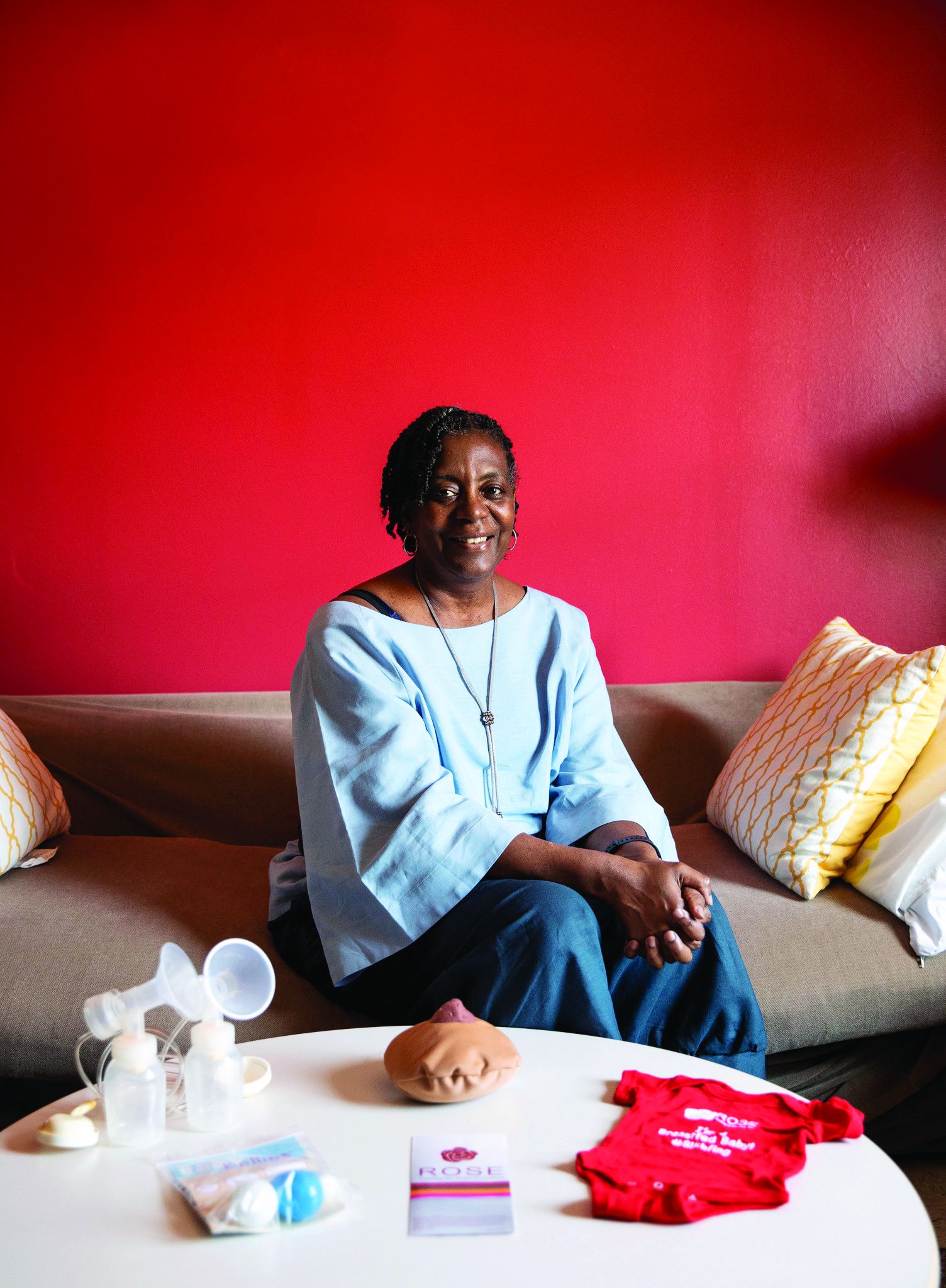
“We have Morehouse pediatricians coming to us just to talk to moms on how they can support them in the community. We have training – Community Transformers – where we talk to moms regardless of their social backgrounds; they’re working in the community helping other moms with breastfeeding, or moms will call them (with) their questions,” Ms. Jackson explained. Ms. Davis is now one of these women.
“Having the women of ROSE support me ... was such a game-changer,” she said. “Sometimes that support that you need, that is helpful, is peer-to-peer,” she noted, adding that ROSE does a lot more than fill in the gaps medically, but also psychologically.”
More pillars, less judgment
TaNeeka Davis pointed out that removing a pillar in the community like ROSE and other grassroots support outside of traditional models will likely have the opposite effect that lawmakers and the lobbyists fighting for certification and licensing aim to achieve, especially if other states adopt the same approach.
“The disparities are going to get even greater, you are going to see bigger gaps, less women even initiating breastfeeding. Why start something that you can’t finish? You can’t tell me that making laws that limit the amount of help we are able to get when it comes to breastfeeding will not have a detrimental effect – health effects – later in life,” she said.
Neither Ms. Jackson nor Ms. Davis believe that medical professionals should be replaced but rather that adjunctive, community-based help is integral for bridging the breastfeeding divide.
As clinicians, “we have to go beyond not judging to trying to figure out where people are, to meet your patients where they are,” said Dr. Furman. “It’s like the difference between cultural competence and cultural humility, which is more of an ongoing process.
Dr. Furman and Ms. Davis report no relevant financial relationships. Ms. Cavanaugh is the coattorney on the lawsuit. Ms. Jackson is employed by ROSE.
*This story was updated on Feb. 11, 2022.
From the American Medical Association to the Centers for Disease Control and Prevention, health equity is the topic de jour. But how do you get health professionals, lawmakers, lactation providers, and the community on the same page, especially when it comes to addressing breastfeeding disparities?
It depends on who you ask.
In Georgia, a 2018 lawsuit challenging a State Legislature Bill directed toward lactation providers sits on the desk of a trial court judge, with a decision due any day now. The bill requires these providers to be licensed in order to continue to practice and receive compensation, a move that not only threatens the health of mothers and infants, but also jeopardizes a key component of Healthy People 2030: improving breastfeeding initiation, duration, and exclusivity among African American women. A similar bill is in Committee in the New York State Legislature.
“If the Act takes effect, it will force an estimated 800 different practitioners out of business and leave only 162 International Board Certified Lactation Counselors (IBCLCs) for the whole state,” Jaimie Cavanaugh, an attorney at the Institute for Justice and plaintiff coattorney said in an interview.
Ms. Cavanaugh also said that geographical data for the 162 IBCLCs demonstrate that they primarily work in urban vs. rural areas, and mostly in formal settings, factors that will further exacerbate disparities and limit access to much needed resources.
Bridging the breastfeeding divide
While overall breastfeeding initiation rates in the United States have steadily increased over the past decade from 72% to roughly 84%, only a quarter of infants are exclusively breastfed through 6 months, a rate well below the Healthy People 2030 goal of 42.4% (and American Academy of Pediatrics recommendations). Comparatively, breastfeeding initiation (75.8%) and exclusivity (17.2%) rates among African-American women are considerably lower.
The effects are great: Breastfed infants have lower risks for asthma, obesity, and type 1 diabetes, while mothers who breastfeed have lower risks for hypertension, type 2 diabetes, and gynecological cancers. Notably, most of these conditions disproportionately affect African Americans, compared with Whites and other ethnicities.
A key to changing these disparities appears to lie with the type of health care provided as well as the ease by which mothers can access it.
For example, findings of a small cross-sectional study published Jan. 31 in the Journal of Racial and Ethnic Health Disparities highlight the importance of a broad umbrella of support for African American mothers’ feeding choices. Not only does this umbrella include medical professionals and IBCLCs, but also certified lactation counselors (CLCs), peer counselors trained under the National Special Supplemental Nutrition Program for Women, Infants, and Children, partners, family, and the community at-large.
“We thought we were doing it right,” Lydia Furman, MD, lead study author and pediatric specialist at University Hospitals Rainbow Babies & Children’s Ahuja Center for Women & Children in Cleveland, told this news organization. “We have a WIC peer helper, an African American IBCLC and an African American CLC, and a breastfeeding support group twice a week but nobody was using these resources.”
One of the most important findings of the study – which aimed to understand factors driving breastfeeding practices and identify supports – was that women want help when they need it. “It doesn’t mean that you can’t have resources that are available during the day, but it means that a patient support group at 11 a.m. on Tuesday doesn’t help at all if you need it Monday at 2 a.m.” Dr. Furman said.
Take TaNeeka Davis, a 34-year-old mother of three residing outside of Atlanta whose personal experience mimics those of the women in Dr. Furman’s study. “I did breastfeed my first child; when I was in the hospital. I saw lactation one time and he latched perfectly but when I left the hospital, I couldn’t get him to latch anymore,” she said.
Ms. Davis explained that she was told that she would have to wait 2-3 weeks before she was able to meet again with a lactation specialist, so she found herself supplementing with formula, and eventually seeking nontraditional help.
“The traditional medical model does not allow for me to be able to reach out and talk to my doctor immediately, does not allow me to be like, ‘Hey, can you call me back in the next 15-20 minutes or an hour because my baby’s very fussy,’ ” Ms. Davis said. “I don’t have that kind of support.”
It takes a village
A 2017 Cochrane review reinforces the value of providing women with predictable, tailored, and multifaceted breastfeeding support offered by professional or lay/peer people or a combination of both.
This model is embodied in ROSE, a nonprofit organization dedicated to eliminating breastfeeding disparities and barriers experienced by mothers of color, including inadequate medical or family support, lack of shared decision-making, recognition of financial or psychological challenges, and historical antecedents. Many of these women’s ancestors were forced to wet-nurse slave masters’ children instead of breastfeeding their own children.
One of several national organizations solely dedicated to this issue, ROSE offers a variety of services and resources ranging from lactation counseling and peer support training programs to training for health professionals (for example, pediatricians, nurses) that serve communities of color. A companion arm (ROBE, Reaching Our Brothers Everywhere) aims to bring men into the fold through breastfeeding education and peer-to-peer connection. All of these services are provided in a judgment-free, culturally sensitive environment.
“We need to look not only into maternal health issues ... but also offer support to people who are working in the birthing community,” cofounder Mary N. Jackson, a CLC, WIC lactation consultant, and former president of the Georgia Breastfeeding Coalition said in an interview.
“We have Morehouse pediatricians coming to us just to talk to moms on how they can support them in the community. We have training – Community Transformers – where we talk to moms regardless of their social backgrounds; they’re working in the community helping other moms with breastfeeding, or moms will call them (with) their questions,” Ms. Jackson explained. Ms. Davis is now one of these women.
“Having the women of ROSE support me ... was such a game-changer,” she said. “Sometimes that support that you need, that is helpful, is peer-to-peer,” she noted, adding that ROSE does a lot more than fill in the gaps medically, but also psychologically.”
More pillars, less judgment
TaNeeka Davis pointed out that removing a pillar in the community like ROSE and other grassroots support outside of traditional models will likely have the opposite effect that lawmakers and the lobbyists fighting for certification and licensing aim to achieve, especially if other states adopt the same approach.
“The disparities are going to get even greater, you are going to see bigger gaps, less women even initiating breastfeeding. Why start something that you can’t finish? You can’t tell me that making laws that limit the amount of help we are able to get when it comes to breastfeeding will not have a detrimental effect – health effects – later in life,” she said.
Neither Ms. Jackson nor Ms. Davis believe that medical professionals should be replaced but rather that adjunctive, community-based help is integral for bridging the breastfeeding divide.
As clinicians, “we have to go beyond not judging to trying to figure out where people are, to meet your patients where they are,” said Dr. Furman. “It’s like the difference between cultural competence and cultural humility, which is more of an ongoing process.
Dr. Furman and Ms. Davis report no relevant financial relationships. Ms. Cavanaugh is the coattorney on the lawsuit. Ms. Jackson is employed by ROSE.
*This story was updated on Feb. 11, 2022.
From the American Medical Association to the Centers for Disease Control and Prevention, health equity is the topic de jour. But how do you get health professionals, lawmakers, lactation providers, and the community on the same page, especially when it comes to addressing breastfeeding disparities?
It depends on who you ask.
In Georgia, a 2018 lawsuit challenging a State Legislature Bill directed toward lactation providers sits on the desk of a trial court judge, with a decision due any day now. The bill requires these providers to be licensed in order to continue to practice and receive compensation, a move that not only threatens the health of mothers and infants, but also jeopardizes a key component of Healthy People 2030: improving breastfeeding initiation, duration, and exclusivity among African American women. A similar bill is in Committee in the New York State Legislature.
“If the Act takes effect, it will force an estimated 800 different practitioners out of business and leave only 162 International Board Certified Lactation Counselors (IBCLCs) for the whole state,” Jaimie Cavanaugh, an attorney at the Institute for Justice and plaintiff coattorney said in an interview.
Ms. Cavanaugh also said that geographical data for the 162 IBCLCs demonstrate that they primarily work in urban vs. rural areas, and mostly in formal settings, factors that will further exacerbate disparities and limit access to much needed resources.
Bridging the breastfeeding divide
While overall breastfeeding initiation rates in the United States have steadily increased over the past decade from 72% to roughly 84%, only a quarter of infants are exclusively breastfed through 6 months, a rate well below the Healthy People 2030 goal of 42.4% (and American Academy of Pediatrics recommendations). Comparatively, breastfeeding initiation (75.8%) and exclusivity (17.2%) rates among African-American women are considerably lower.
The effects are great: Breastfed infants have lower risks for asthma, obesity, and type 1 diabetes, while mothers who breastfeed have lower risks for hypertension, type 2 diabetes, and gynecological cancers. Notably, most of these conditions disproportionately affect African Americans, compared with Whites and other ethnicities.
A key to changing these disparities appears to lie with the type of health care provided as well as the ease by which mothers can access it.
For example, findings of a small cross-sectional study published Jan. 31 in the Journal of Racial and Ethnic Health Disparities highlight the importance of a broad umbrella of support for African American mothers’ feeding choices. Not only does this umbrella include medical professionals and IBCLCs, but also certified lactation counselors (CLCs), peer counselors trained under the National Special Supplemental Nutrition Program for Women, Infants, and Children, partners, family, and the community at-large.
“We thought we were doing it right,” Lydia Furman, MD, lead study author and pediatric specialist at University Hospitals Rainbow Babies & Children’s Ahuja Center for Women & Children in Cleveland, told this news organization. “We have a WIC peer helper, an African American IBCLC and an African American CLC, and a breastfeeding support group twice a week but nobody was using these resources.”
One of the most important findings of the study – which aimed to understand factors driving breastfeeding practices and identify supports – was that women want help when they need it. “It doesn’t mean that you can’t have resources that are available during the day, but it means that a patient support group at 11 a.m. on Tuesday doesn’t help at all if you need it Monday at 2 a.m.” Dr. Furman said.
Take TaNeeka Davis, a 34-year-old mother of three residing outside of Atlanta whose personal experience mimics those of the women in Dr. Furman’s study. “I did breastfeed my first child; when I was in the hospital. I saw lactation one time and he latched perfectly but when I left the hospital, I couldn’t get him to latch anymore,” she said.
Ms. Davis explained that she was told that she would have to wait 2-3 weeks before she was able to meet again with a lactation specialist, so she found herself supplementing with formula, and eventually seeking nontraditional help.
“The traditional medical model does not allow for me to be able to reach out and talk to my doctor immediately, does not allow me to be like, ‘Hey, can you call me back in the next 15-20 minutes or an hour because my baby’s very fussy,’ ” Ms. Davis said. “I don’t have that kind of support.”
It takes a village
A 2017 Cochrane review reinforces the value of providing women with predictable, tailored, and multifaceted breastfeeding support offered by professional or lay/peer people or a combination of both.
This model is embodied in ROSE, a nonprofit organization dedicated to eliminating breastfeeding disparities and barriers experienced by mothers of color, including inadequate medical or family support, lack of shared decision-making, recognition of financial or psychological challenges, and historical antecedents. Many of these women’s ancestors were forced to wet-nurse slave masters’ children instead of breastfeeding their own children.
One of several national organizations solely dedicated to this issue, ROSE offers a variety of services and resources ranging from lactation counseling and peer support training programs to training for health professionals (for example, pediatricians, nurses) that serve communities of color. A companion arm (ROBE, Reaching Our Brothers Everywhere) aims to bring men into the fold through breastfeeding education and peer-to-peer connection. All of these services are provided in a judgment-free, culturally sensitive environment.
“We need to look not only into maternal health issues ... but also offer support to people who are working in the birthing community,” cofounder Mary N. Jackson, a CLC, WIC lactation consultant, and former president of the Georgia Breastfeeding Coalition said in an interview.
“We have Morehouse pediatricians coming to us just to talk to moms on how they can support them in the community. We have training – Community Transformers – where we talk to moms regardless of their social backgrounds; they’re working in the community helping other moms with breastfeeding, or moms will call them (with) their questions,” Ms. Jackson explained. Ms. Davis is now one of these women.
“Having the women of ROSE support me ... was such a game-changer,” she said. “Sometimes that support that you need, that is helpful, is peer-to-peer,” she noted, adding that ROSE does a lot more than fill in the gaps medically, but also psychologically.”
More pillars, less judgment
TaNeeka Davis pointed out that removing a pillar in the community like ROSE and other grassroots support outside of traditional models will likely have the opposite effect that lawmakers and the lobbyists fighting for certification and licensing aim to achieve, especially if other states adopt the same approach.
“The disparities are going to get even greater, you are going to see bigger gaps, less women even initiating breastfeeding. Why start something that you can’t finish? You can’t tell me that making laws that limit the amount of help we are able to get when it comes to breastfeeding will not have a detrimental effect – health effects – later in life,” she said.
Neither Ms. Jackson nor Ms. Davis believe that medical professionals should be replaced but rather that adjunctive, community-based help is integral for bridging the breastfeeding divide.
As clinicians, “we have to go beyond not judging to trying to figure out where people are, to meet your patients where they are,” said Dr. Furman. “It’s like the difference between cultural competence and cultural humility, which is more of an ongoing process.
Dr. Furman and Ms. Davis report no relevant financial relationships. Ms. Cavanaugh is the coattorney on the lawsuit. Ms. Jackson is employed by ROSE.
*This story was updated on Feb. 11, 2022.
Diversity among oncologists has not kept pace with the U.S. population
in these fields, according to a cross-sectional study of data from the Association of American Medical Colleges.
“Creating and maintaining a diverse health care workforce is a priority to help combat societal inequities and health disparities, particularly in light of the evolving demographic characteristics of the general U.S. population,” wrote authors who were led by Sophia C. Kamran, MD, a radiation oncologist with Massachusetts General Hospital, Boston.
The study, which was published Dec. 9 in JAMA Oncology, surveyed full-time U.S.-based faculty in radiation and medical oncology departments from 1970 through 2019.
Improved patient satisfaction, compliance, and outcomes have been documented when a health care workforce better reflects the demographic traits of those whom it serves, Dr. Kamran and associates wrote.
They point to recent increases in the number and urgency of calls for improved diversity in the health care workforce, citing also higher incidence and mortality of new cancer cases among Black, indigenous, and Hispanic populations, compared with their non-Hispanic White counterparts. Prior calls for health care work force diversity have led to some creation of opportunities and pathways for increased representation of women and racial and ethnic minority groups in medicine, and the overall diversity of medical school faculty has been increasing by race and ethnicity and sex.
The change, however, is of lesser magnitude than what has been seen among medical school applicants, students, and graduates, and the gains in medical school faculty diversity have not kept pace with increasing diversity of the U.S. population. It has remained unclear whether corresponding progress has occurred in the composition of radiation oncology and medical oncology departments during the last 5 decades.
Despite lack of diversity, total faculty numbers have increased
Dr. Kamran and associates’ analysis revealed that total faculty numbers increased over time in both radiation oncology and medical oncology, with faculty representation of underrepresented-in-medicine (URM) women proportionally increased by 0.1% per decade in both radiation oncology (95% confidence interval, 0.005%-0.110%; P < . 001 for trend) and medical oncology (95% CI, −0.03% to 0.16%; P = .06 for trend), compared with non–URM women faculty, which increased by 0.4% (95% CI, 0.25%-0.80%) per decade in radiation oncology and 0.7% (95% CI, 0.47%-0.87%) per decade in medical oncology (P < .001 for trend for both). Faculty representation of URM men did not significantly change for radiation oncology (0.03% per decade [95% CI, −0.008% to 0.065%]; P = .09 for trend) or for medical oncology (0.003% per decade [95% CI, −0.13% to 0.14%]; P = .94 for trend).
In both 2009 and 2019, representation of both women and URM individuals for both specialties was less than their representation in the U.S. population. Radiation oncology faculty had the lowest URM representation in 2019 at 5.1%. The number of total URM faculty represented among both medical oncology and radiation oncology remained low for every rank in 2019 (Medical oncology: instructor, 2 of 44 [5%]; assistant professor, 18 of 274 [7%]; associate professor, 13 of 177 [7%]; full professor, 13 of 276 [5%]. Radiation oncology: instructor, 9 of 147 [6%]; assistant professor, 57 of 927 [6%]; associate professor, 20 of 510 [4%]; full professor, 18 of 452 [4%]).
“Our results highlight significant diversity differences along the career ladder in both specialties, with women having lower academic rank than men throughout the study period, and underrepresented [racial and ethnic groups] at every rank,” the authors wrote.
And, although Black, Hispanic, and indigenous people make up about 31% of the U.S. population, their inclusion in the health care workforce trails at all stages in the pipeline, the investigators found.
Diversity among radiation and medical oncologists lags behind that of medical school diversity in general, which has grown through efforts by the Association of American Medical Colleges.
Despite some improvements, the authors suggest the need for more initiatives to retain racial and ethnic minorities in an effort to reflect the diversity of the U.S. cancer population.
“This is a multifactorial issue, with focus not only on increasing diversity of the upstream pipeline but maintaining diversity throughout the entire pipeline, requiring difficult but necessary conversations about racial and ethnic systemic bias, lack of exposure and opportunities, and financial toxicities and pressures, to name a few. Until these factors are further delineated and better addressed, focused and targeted mentorship is key,” the authors wrote.
Small steps can have a collective impact
In a commentary published with the study, Frederick Lansigan, MD, and Charles R. Thomas Jr, MD, both of the Norris Cotton Cancer Center at Dartmouth-Hitchcock Medical Center, Lebanon, N.H., called for a systemic change in hiring practices.
“Any small steps of change that contribute to supporting the issues highlighted by the Kamran et al. study can have a collective positive impact. A holistic evaluation of [underrepresented] applicants at all stages of education and training is paramount, and joining selection committees is necessary to ensure fair processes. Mentoring programs, leadership courses, and addressing microaggressions and mistreatment may improve retention of [underrepresented] medical school matriculants and trainees in oncology. Cancer centers can build and lead visible and tangible diversity, equity, inclusion, justice, and belonging efforts as we are doing at our institution,” the physicians wrote.
But above all, Dr. Lansigan and Dr. Thomas said that the oncology community needs to agree that intentionally increasing the number of underrepresented physicians in the U.S. workforce is necessary to better address health care inequities.
“We need all hands on deck to reduce structural barriers in early education. We need STEM programs that start in elementary school and offer support through college. Oncologists can mentor these early learners to highlight the positive aspects of a career in oncology, the importance of [underrepresented] physicians in oncology, and the resilience required in caring for those with serious illness, many of whom will come from underserved populations. “Physicians and public health experts themselves who are interested in tackling the discrepancy between [underrepresented] and [non-underrepresented] medical school [students] and oncology trainees need to seek and be elected into positions that can start to balance this equation. If more are willing to acknowledge the structural inequities that exist in the oncology workforce pipeline, we can start to solve the complex equation of structural inequities.”
Dr Lansigan reported being the Interim Associate Dean of Diversity, Equity, and Inclusion at the Geisel School of Medicine and the Principal of Diversity, Equity, and Inclusion for the department of medicine at Dartmouth-Hitchcock Medical Center. No other disclosures were reported.
in these fields, according to a cross-sectional study of data from the Association of American Medical Colleges.
“Creating and maintaining a diverse health care workforce is a priority to help combat societal inequities and health disparities, particularly in light of the evolving demographic characteristics of the general U.S. population,” wrote authors who were led by Sophia C. Kamran, MD, a radiation oncologist with Massachusetts General Hospital, Boston.
The study, which was published Dec. 9 in JAMA Oncology, surveyed full-time U.S.-based faculty in radiation and medical oncology departments from 1970 through 2019.
Improved patient satisfaction, compliance, and outcomes have been documented when a health care workforce better reflects the demographic traits of those whom it serves, Dr. Kamran and associates wrote.
They point to recent increases in the number and urgency of calls for improved diversity in the health care workforce, citing also higher incidence and mortality of new cancer cases among Black, indigenous, and Hispanic populations, compared with their non-Hispanic White counterparts. Prior calls for health care work force diversity have led to some creation of opportunities and pathways for increased representation of women and racial and ethnic minority groups in medicine, and the overall diversity of medical school faculty has been increasing by race and ethnicity and sex.
The change, however, is of lesser magnitude than what has been seen among medical school applicants, students, and graduates, and the gains in medical school faculty diversity have not kept pace with increasing diversity of the U.S. population. It has remained unclear whether corresponding progress has occurred in the composition of radiation oncology and medical oncology departments during the last 5 decades.
Despite lack of diversity, total faculty numbers have increased
Dr. Kamran and associates’ analysis revealed that total faculty numbers increased over time in both radiation oncology and medical oncology, with faculty representation of underrepresented-in-medicine (URM) women proportionally increased by 0.1% per decade in both radiation oncology (95% confidence interval, 0.005%-0.110%; P < . 001 for trend) and medical oncology (95% CI, −0.03% to 0.16%; P = .06 for trend), compared with non–URM women faculty, which increased by 0.4% (95% CI, 0.25%-0.80%) per decade in radiation oncology and 0.7% (95% CI, 0.47%-0.87%) per decade in medical oncology (P < .001 for trend for both). Faculty representation of URM men did not significantly change for radiation oncology (0.03% per decade [95% CI, −0.008% to 0.065%]; P = .09 for trend) or for medical oncology (0.003% per decade [95% CI, −0.13% to 0.14%]; P = .94 for trend).
In both 2009 and 2019, representation of both women and URM individuals for both specialties was less than their representation in the U.S. population. Radiation oncology faculty had the lowest URM representation in 2019 at 5.1%. The number of total URM faculty represented among both medical oncology and radiation oncology remained low for every rank in 2019 (Medical oncology: instructor, 2 of 44 [5%]; assistant professor, 18 of 274 [7%]; associate professor, 13 of 177 [7%]; full professor, 13 of 276 [5%]. Radiation oncology: instructor, 9 of 147 [6%]; assistant professor, 57 of 927 [6%]; associate professor, 20 of 510 [4%]; full professor, 18 of 452 [4%]).
“Our results highlight significant diversity differences along the career ladder in both specialties, with women having lower academic rank than men throughout the study period, and underrepresented [racial and ethnic groups] at every rank,” the authors wrote.
And, although Black, Hispanic, and indigenous people make up about 31% of the U.S. population, their inclusion in the health care workforce trails at all stages in the pipeline, the investigators found.
Diversity among radiation and medical oncologists lags behind that of medical school diversity in general, which has grown through efforts by the Association of American Medical Colleges.
Despite some improvements, the authors suggest the need for more initiatives to retain racial and ethnic minorities in an effort to reflect the diversity of the U.S. cancer population.
“This is a multifactorial issue, with focus not only on increasing diversity of the upstream pipeline but maintaining diversity throughout the entire pipeline, requiring difficult but necessary conversations about racial and ethnic systemic bias, lack of exposure and opportunities, and financial toxicities and pressures, to name a few. Until these factors are further delineated and better addressed, focused and targeted mentorship is key,” the authors wrote.
Small steps can have a collective impact
In a commentary published with the study, Frederick Lansigan, MD, and Charles R. Thomas Jr, MD, both of the Norris Cotton Cancer Center at Dartmouth-Hitchcock Medical Center, Lebanon, N.H., called for a systemic change in hiring practices.
“Any small steps of change that contribute to supporting the issues highlighted by the Kamran et al. study can have a collective positive impact. A holistic evaluation of [underrepresented] applicants at all stages of education and training is paramount, and joining selection committees is necessary to ensure fair processes. Mentoring programs, leadership courses, and addressing microaggressions and mistreatment may improve retention of [underrepresented] medical school matriculants and trainees in oncology. Cancer centers can build and lead visible and tangible diversity, equity, inclusion, justice, and belonging efforts as we are doing at our institution,” the physicians wrote.
But above all, Dr. Lansigan and Dr. Thomas said that the oncology community needs to agree that intentionally increasing the number of underrepresented physicians in the U.S. workforce is necessary to better address health care inequities.
“We need all hands on deck to reduce structural barriers in early education. We need STEM programs that start in elementary school and offer support through college. Oncologists can mentor these early learners to highlight the positive aspects of a career in oncology, the importance of [underrepresented] physicians in oncology, and the resilience required in caring for those with serious illness, many of whom will come from underserved populations. “Physicians and public health experts themselves who are interested in tackling the discrepancy between [underrepresented] and [non-underrepresented] medical school [students] and oncology trainees need to seek and be elected into positions that can start to balance this equation. If more are willing to acknowledge the structural inequities that exist in the oncology workforce pipeline, we can start to solve the complex equation of structural inequities.”
Dr Lansigan reported being the Interim Associate Dean of Diversity, Equity, and Inclusion at the Geisel School of Medicine and the Principal of Diversity, Equity, and Inclusion for the department of medicine at Dartmouth-Hitchcock Medical Center. No other disclosures were reported.
in these fields, according to a cross-sectional study of data from the Association of American Medical Colleges.
“Creating and maintaining a diverse health care workforce is a priority to help combat societal inequities and health disparities, particularly in light of the evolving demographic characteristics of the general U.S. population,” wrote authors who were led by Sophia C. Kamran, MD, a radiation oncologist with Massachusetts General Hospital, Boston.
The study, which was published Dec. 9 in JAMA Oncology, surveyed full-time U.S.-based faculty in radiation and medical oncology departments from 1970 through 2019.
Improved patient satisfaction, compliance, and outcomes have been documented when a health care workforce better reflects the demographic traits of those whom it serves, Dr. Kamran and associates wrote.
They point to recent increases in the number and urgency of calls for improved diversity in the health care workforce, citing also higher incidence and mortality of new cancer cases among Black, indigenous, and Hispanic populations, compared with their non-Hispanic White counterparts. Prior calls for health care work force diversity have led to some creation of opportunities and pathways for increased representation of women and racial and ethnic minority groups in medicine, and the overall diversity of medical school faculty has been increasing by race and ethnicity and sex.
The change, however, is of lesser magnitude than what has been seen among medical school applicants, students, and graduates, and the gains in medical school faculty diversity have not kept pace with increasing diversity of the U.S. population. It has remained unclear whether corresponding progress has occurred in the composition of radiation oncology and medical oncology departments during the last 5 decades.
Despite lack of diversity, total faculty numbers have increased
Dr. Kamran and associates’ analysis revealed that total faculty numbers increased over time in both radiation oncology and medical oncology, with faculty representation of underrepresented-in-medicine (URM) women proportionally increased by 0.1% per decade in both radiation oncology (95% confidence interval, 0.005%-0.110%; P < . 001 for trend) and medical oncology (95% CI, −0.03% to 0.16%; P = .06 for trend), compared with non–URM women faculty, which increased by 0.4% (95% CI, 0.25%-0.80%) per decade in radiation oncology and 0.7% (95% CI, 0.47%-0.87%) per decade in medical oncology (P < .001 for trend for both). Faculty representation of URM men did not significantly change for radiation oncology (0.03% per decade [95% CI, −0.008% to 0.065%]; P = .09 for trend) or for medical oncology (0.003% per decade [95% CI, −0.13% to 0.14%]; P = .94 for trend).
In both 2009 and 2019, representation of both women and URM individuals for both specialties was less than their representation in the U.S. population. Radiation oncology faculty had the lowest URM representation in 2019 at 5.1%. The number of total URM faculty represented among both medical oncology and radiation oncology remained low for every rank in 2019 (Medical oncology: instructor, 2 of 44 [5%]; assistant professor, 18 of 274 [7%]; associate professor, 13 of 177 [7%]; full professor, 13 of 276 [5%]. Radiation oncology: instructor, 9 of 147 [6%]; assistant professor, 57 of 927 [6%]; associate professor, 20 of 510 [4%]; full professor, 18 of 452 [4%]).
“Our results highlight significant diversity differences along the career ladder in both specialties, with women having lower academic rank than men throughout the study period, and underrepresented [racial and ethnic groups] at every rank,” the authors wrote.
And, although Black, Hispanic, and indigenous people make up about 31% of the U.S. population, their inclusion in the health care workforce trails at all stages in the pipeline, the investigators found.
Diversity among radiation and medical oncologists lags behind that of medical school diversity in general, which has grown through efforts by the Association of American Medical Colleges.
Despite some improvements, the authors suggest the need for more initiatives to retain racial and ethnic minorities in an effort to reflect the diversity of the U.S. cancer population.
“This is a multifactorial issue, with focus not only on increasing diversity of the upstream pipeline but maintaining diversity throughout the entire pipeline, requiring difficult but necessary conversations about racial and ethnic systemic bias, lack of exposure and opportunities, and financial toxicities and pressures, to name a few. Until these factors are further delineated and better addressed, focused and targeted mentorship is key,” the authors wrote.
Small steps can have a collective impact
In a commentary published with the study, Frederick Lansigan, MD, and Charles R. Thomas Jr, MD, both of the Norris Cotton Cancer Center at Dartmouth-Hitchcock Medical Center, Lebanon, N.H., called for a systemic change in hiring practices.
“Any small steps of change that contribute to supporting the issues highlighted by the Kamran et al. study can have a collective positive impact. A holistic evaluation of [underrepresented] applicants at all stages of education and training is paramount, and joining selection committees is necessary to ensure fair processes. Mentoring programs, leadership courses, and addressing microaggressions and mistreatment may improve retention of [underrepresented] medical school matriculants and trainees in oncology. Cancer centers can build and lead visible and tangible diversity, equity, inclusion, justice, and belonging efforts as we are doing at our institution,” the physicians wrote.
But above all, Dr. Lansigan and Dr. Thomas said that the oncology community needs to agree that intentionally increasing the number of underrepresented physicians in the U.S. workforce is necessary to better address health care inequities.
“We need all hands on deck to reduce structural barriers in early education. We need STEM programs that start in elementary school and offer support through college. Oncologists can mentor these early learners to highlight the positive aspects of a career in oncology, the importance of [underrepresented] physicians in oncology, and the resilience required in caring for those with serious illness, many of whom will come from underserved populations. “Physicians and public health experts themselves who are interested in tackling the discrepancy between [underrepresented] and [non-underrepresented] medical school [students] and oncology trainees need to seek and be elected into positions that can start to balance this equation. If more are willing to acknowledge the structural inequities that exist in the oncology workforce pipeline, we can start to solve the complex equation of structural inequities.”
Dr Lansigan reported being the Interim Associate Dean of Diversity, Equity, and Inclusion at the Geisel School of Medicine and the Principal of Diversity, Equity, and Inclusion for the department of medicine at Dartmouth-Hitchcock Medical Center. No other disclosures were reported.
FROM JAMA ONCOLOGY
Medicaid expansion benefits some colorectal patients, others not so lucky
Two new studies suggest the expansion of Medicaid under the Patient Protection and Affordable Care Act in 2010 may be leading to more frequent diagnosis of colorectal cancer (CRC) among Hispanics.
The studies, presented at the 2022 Gastrointestinal Cancers Symposium, suggest that Medicaid expansion may have a diverse impact on various ethnic groups.

“The take-home message for both physicians and policy makers is that health policy has the capacity to shift health care delivery, yet we need to consider the effects of health policy might influence subgroups of patients differently. This is useful information for providers caring for a diverse group of patients. For policy makers, this study emphasizes the importance of evaluating the impact of health policy among different racial and ethnic subgroups to fully understand the impact of [policy] change,” said study lead author James D. Murphy, MD, MS, assistant vice chair of radiation medicine at the University of California San Diego.
Dr. Murphy and associates cautioned that other factors, not just Medicaid expansion, could be responsible for the uptick in colon cancer diagnoses.
“Our observations could potentially be influenced by other risk factors. Medicaid expansion was not a ‘randomized experiment,’ and states which opted to expand Medicaid might have fundamental differences which could impact colorectal cancer incidence,” he said.
His group’s analysis of the Surveillance, Epidemiology, and End Results database included 21 states where Medicaid was expanded and 16 states where expansion did not occur. Between 2010-2013 and 2014-2018, among patients under 65, overall colorectal cancer incidence rates did not differ by Medicaid expansion status. In nonexpansion states, there was a greater increase in CRC rates among Hispanics (5.4 vs. 1.6 increase per 100,000; P = .002) and Asian/Pacific Islanders (4.3 vs. 0.4 per 100,000; P = .02), but there was no difference among Black or non-Hispanic White individuals.
Early-onset colorectal cancer diagnoses increase under Medicaid expansion
In another study presented at the meeting, researchers examined early-onset CRC data from the National Cancer Database. Among Hispanics, the rate of change of incidence of newly diagnosed cases among patients age 40-49 in Medicaid expansion states increased from 4.3% per year between 2010 and 2014 and 9.8% between 2014 and 2017. That compares with the general background increase in incidence of about 2%. In nonexpansion states, the rate of change decreased from 6.4% to 1% (P = .03). There were no statistically significant differences in the change of incidence among Blacks or Whites between expansion and nonexpansion states.
The reduced rate of change among Hispanics in nonexpansion states was a surprise, and the researchers haven’t determined the reason, according to Sanjay Goel, MD, an oncologist with Montefiore Medical Center, New York, and lead author on the National Cancer Database study. Dr. Goel speculated that some people may have migrated from nonexpansion states to states that expanded Medicaid in order to gain health care coverage.
The apparent benefit seen in Hispanics, but not Black patients, may be caused by greater susceptibility to early-onset CRC among Hispanics, leading to a stronger effect on that population when Medicaid was expanded, Dr. Goel said.
“At this point, with our available data, we do not have the ability to understand the underlying sources of these disparities, though these are questions which deserve additional research,” Dr. Murphy said.
Regardless of the reason, the message is clear, Dr. Goel said. “The bottom we want to state is that politics aside, providing health care coverage to as many people as possible, ideally to everyone, is the right way of going forward.”
The implications of the findings extend beyond policy. “The general advice I give is that, especially if you treat a Hispanic person, regardless of age, with any symptom or sign that could be suggestive of a malignancy, do not take it lightly. Follow the patient closely. I’m not advocating that you refer everybody with lower abdominal pain or bleeding for a colonoscopy, but do factor it in mind. Call them back in a week or 2, or have them make a follow-up appointment in a month so that they don’t get neglected by the system.”
Dr. Murphy and Dr. Goel have no relevant financial disclosures. The Gastrointestinal Cancers Symposium is sponsored by the American Gastroenterological Association, the American Society for Clinical Oncology, the American Society for Radiation Oncology, and the Society of Surgical Oncology.
Two new studies suggest the expansion of Medicaid under the Patient Protection and Affordable Care Act in 2010 may be leading to more frequent diagnosis of colorectal cancer (CRC) among Hispanics.
The studies, presented at the 2022 Gastrointestinal Cancers Symposium, suggest that Medicaid expansion may have a diverse impact on various ethnic groups.
“The take-home message for both physicians and policy makers is that health policy has the capacity to shift health care delivery, yet we need to consider the effects of health policy might influence subgroups of patients differently. This is useful information for providers caring for a diverse group of patients. For policy makers, this study emphasizes the importance of evaluating the impact of health policy among different racial and ethnic subgroups to fully understand the impact of [policy] change,” said study lead author James D. Murphy, MD, MS, assistant vice chair of radiation medicine at the University of California San Diego.
Dr. Murphy and associates cautioned that other factors, not just Medicaid expansion, could be responsible for the uptick in colon cancer diagnoses.
“Our observations could potentially be influenced by other risk factors. Medicaid expansion was not a ‘randomized experiment,’ and states which opted to expand Medicaid might have fundamental differences which could impact colorectal cancer incidence,” he said.
His group’s analysis of the Surveillance, Epidemiology, and End Results database included 21 states where Medicaid was expanded and 16 states where expansion did not occur. Between 2010-2013 and 2014-2018, among patients under 65, overall colorectal cancer incidence rates did not differ by Medicaid expansion status. In nonexpansion states, there was a greater increase in CRC rates among Hispanics (5.4 vs. 1.6 increase per 100,000; P = .002) and Asian/Pacific Islanders (4.3 vs. 0.4 per 100,000; P = .02), but there was no difference among Black or non-Hispanic White individuals.
Early-onset colorectal cancer diagnoses increase under Medicaid expansion
In another study presented at the meeting, researchers examined early-onset CRC data from the National Cancer Database. Among Hispanics, the rate of change of incidence of newly diagnosed cases among patients age 40-49 in Medicaid expansion states increased from 4.3% per year between 2010 and 2014 and 9.8% between 2014 and 2017. That compares with the general background increase in incidence of about 2%. In nonexpansion states, the rate of change decreased from 6.4% to 1% (P = .03). There were no statistically significant differences in the change of incidence among Blacks or Whites between expansion and nonexpansion states.
The reduced rate of change among Hispanics in nonexpansion states was a surprise, and the researchers haven’t determined the reason, according to Sanjay Goel, MD, an oncologist with Montefiore Medical Center, New York, and lead author on the National Cancer Database study. Dr. Goel speculated that some people may have migrated from nonexpansion states to states that expanded Medicaid in order to gain health care coverage.
The apparent benefit seen in Hispanics, but not Black patients, may be caused by greater susceptibility to early-onset CRC among Hispanics, leading to a stronger effect on that population when Medicaid was expanded, Dr. Goel said.
“At this point, with our available data, we do not have the ability to understand the underlying sources of these disparities, though these are questions which deserve additional research,” Dr. Murphy said.
Regardless of the reason, the message is clear, Dr. Goel said. “The bottom we want to state is that politics aside, providing health care coverage to as many people as possible, ideally to everyone, is the right way of going forward.”
The implications of the findings extend beyond policy. “The general advice I give is that, especially if you treat a Hispanic person, regardless of age, with any symptom or sign that could be suggestive of a malignancy, do not take it lightly. Follow the patient closely. I’m not advocating that you refer everybody with lower abdominal pain or bleeding for a colonoscopy, but do factor it in mind. Call them back in a week or 2, or have them make a follow-up appointment in a month so that they don’t get neglected by the system.”
Dr. Murphy and Dr. Goel have no relevant financial disclosures. The Gastrointestinal Cancers Symposium is sponsored by the American Gastroenterological Association, the American Society for Clinical Oncology, the American Society for Radiation Oncology, and the Society of Surgical Oncology.
Two new studies suggest the expansion of Medicaid under the Patient Protection and Affordable Care Act in 2010 may be leading to more frequent diagnosis of colorectal cancer (CRC) among Hispanics.
The studies, presented at the 2022 Gastrointestinal Cancers Symposium, suggest that Medicaid expansion may have a diverse impact on various ethnic groups.
“The take-home message for both physicians and policy makers is that health policy has the capacity to shift health care delivery, yet we need to consider the effects of health policy might influence subgroups of patients differently. This is useful information for providers caring for a diverse group of patients. For policy makers, this study emphasizes the importance of evaluating the impact of health policy among different racial and ethnic subgroups to fully understand the impact of [policy] change,” said study lead author James D. Murphy, MD, MS, assistant vice chair of radiation medicine at the University of California San Diego.
Dr. Murphy and associates cautioned that other factors, not just Medicaid expansion, could be responsible for the uptick in colon cancer diagnoses.
“Our observations could potentially be influenced by other risk factors. Medicaid expansion was not a ‘randomized experiment,’ and states which opted to expand Medicaid might have fundamental differences which could impact colorectal cancer incidence,” he said.
His group’s analysis of the Surveillance, Epidemiology, and End Results database included 21 states where Medicaid was expanded and 16 states where expansion did not occur. Between 2010-2013 and 2014-2018, among patients under 65, overall colorectal cancer incidence rates did not differ by Medicaid expansion status. In nonexpansion states, there was a greater increase in CRC rates among Hispanics (5.4 vs. 1.6 increase per 100,000; P = .002) and Asian/Pacific Islanders (4.3 vs. 0.4 per 100,000; P = .02), but there was no difference among Black or non-Hispanic White individuals.
Early-onset colorectal cancer diagnoses increase under Medicaid expansion
In another study presented at the meeting, researchers examined early-onset CRC data from the National Cancer Database. Among Hispanics, the rate of change of incidence of newly diagnosed cases among patients age 40-49 in Medicaid expansion states increased from 4.3% per year between 2010 and 2014 and 9.8% between 2014 and 2017. That compares with the general background increase in incidence of about 2%. In nonexpansion states, the rate of change decreased from 6.4% to 1% (P = .03). There were no statistically significant differences in the change of incidence among Blacks or Whites between expansion and nonexpansion states.
The reduced rate of change among Hispanics in nonexpansion states was a surprise, and the researchers haven’t determined the reason, according to Sanjay Goel, MD, an oncologist with Montefiore Medical Center, New York, and lead author on the National Cancer Database study. Dr. Goel speculated that some people may have migrated from nonexpansion states to states that expanded Medicaid in order to gain health care coverage.
The apparent benefit seen in Hispanics, but not Black patients, may be caused by greater susceptibility to early-onset CRC among Hispanics, leading to a stronger effect on that population when Medicaid was expanded, Dr. Goel said.
“At this point, with our available data, we do not have the ability to understand the underlying sources of these disparities, though these are questions which deserve additional research,” Dr. Murphy said.
Regardless of the reason, the message is clear, Dr. Goel said. “The bottom we want to state is that politics aside, providing health care coverage to as many people as possible, ideally to everyone, is the right way of going forward.”
The implications of the findings extend beyond policy. “The general advice I give is that, especially if you treat a Hispanic person, regardless of age, with any symptom or sign that could be suggestive of a malignancy, do not take it lightly. Follow the patient closely. I’m not advocating that you refer everybody with lower abdominal pain or bleeding for a colonoscopy, but do factor it in mind. Call them back in a week or 2, or have them make a follow-up appointment in a month so that they don’t get neglected by the system.”
Dr. Murphy and Dr. Goel have no relevant financial disclosures. The Gastrointestinal Cancers Symposium is sponsored by the American Gastroenterological Association, the American Society for Clinical Oncology, the American Society for Radiation Oncology, and the Society of Surgical Oncology.
FROM THE GI CANCERS SYMPOSIUM 2022
Breast cancer now leading cause of cancer death in Black women
Breast cancer has replaced lung cancer as the leading cause of cancer-related death among Black women, but lung cancer remains the leading cause of cancer death in Black men, according to a new report from the American Cancer Society (ACS).
Lung cancer remains the second most commonly diagnosed cancer in both Black women and Black men.
These are among the key findings of the report, Cancer Statistics for African American/Black People 2022 – a triannual compilation of U.S. data on cancer incidence, mortality, survival, screening, and risk factors for Black people – and it marks a major shift as of 2019.
“African American/Black people have a disproportionately high cancer burden compared to other population groups. According to the report, the risk of cancer death for Black individuals remains 19% higher for men and 12% higher for women compared to White individuals,” the ACS says in a statement.
“The gap for breast cancer is more alarming,” it adds. “Black women are 41% more likely to die from breast cancer than White women despite a lower risk of being diagnosed with the disease.”
The new report, published online on Feb. 10 in CA: A Cancer Journal for Clinicians, also notes the following:
An estimated 224,080 new cancer cases and 73,680 cancer deaths will occur among Black people in 2022.
Over the past 5 data years, Black women had an 8% lower overall cancer incidence than White women but 12% higher mortality; Black men have 6% higher cancer incidence than White men but 19% higher cancer mortality.
Prostate cancer mortality among Black men decreased by 1.3% per year from 2015 to 2019 despite a 5% increase in the diagnosis of distant-stage prostate cancer annually since 2012, but the decline was slower than the 5% per year decline from 2010 to 2014.
The overall cancer mortality gap between Black and White people is narrowing. This is due to a steeper drop in prostate, lung, and other smoking-related cancers among Black people.
Colorectal cancer incidence and mortality rates are 21% and 44% higher, respectively, in Black men in comparison with White men and 18% and 31% higher, respectively, in Black women in comparison with White women.
The reasons for the disparities are complex but “largely stem from less access to high-quality care and optimal treatment as a repercussion of long-standing institutional racism,” the report concludes.
“We must address structural racism as a public health issue to close the gaps and advance health equity,” Tawana Thomas-Johnson, senior vice president and chief diversity officer at the ACS, said in the press release.
A version of this article first appeared on Medscape.com.
Breast cancer has replaced lung cancer as the leading cause of cancer-related death among Black women, but lung cancer remains the leading cause of cancer death in Black men, according to a new report from the American Cancer Society (ACS).
Lung cancer remains the second most commonly diagnosed cancer in both Black women and Black men.
These are among the key findings of the report, Cancer Statistics for African American/Black People 2022 – a triannual compilation of U.S. data on cancer incidence, mortality, survival, screening, and risk factors for Black people – and it marks a major shift as of 2019.
“African American/Black people have a disproportionately high cancer burden compared to other population groups. According to the report, the risk of cancer death for Black individuals remains 19% higher for men and 12% higher for women compared to White individuals,” the ACS says in a statement.
“The gap for breast cancer is more alarming,” it adds. “Black women are 41% more likely to die from breast cancer than White women despite a lower risk of being diagnosed with the disease.”
The new report, published online on Feb. 10 in CA: A Cancer Journal for Clinicians, also notes the following:
An estimated 224,080 new cancer cases and 73,680 cancer deaths will occur among Black people in 2022.
Over the past 5 data years, Black women had an 8% lower overall cancer incidence than White women but 12% higher mortality; Black men have 6% higher cancer incidence than White men but 19% higher cancer mortality.
Prostate cancer mortality among Black men decreased by 1.3% per year from 2015 to 2019 despite a 5% increase in the diagnosis of distant-stage prostate cancer annually since 2012, but the decline was slower than the 5% per year decline from 2010 to 2014.
The overall cancer mortality gap between Black and White people is narrowing. This is due to a steeper drop in prostate, lung, and other smoking-related cancers among Black people.
Colorectal cancer incidence and mortality rates are 21% and 44% higher, respectively, in Black men in comparison with White men and 18% and 31% higher, respectively, in Black women in comparison with White women.
The reasons for the disparities are complex but “largely stem from less access to high-quality care and optimal treatment as a repercussion of long-standing institutional racism,” the report concludes.
“We must address structural racism as a public health issue to close the gaps and advance health equity,” Tawana Thomas-Johnson, senior vice president and chief diversity officer at the ACS, said in the press release.
A version of this article first appeared on Medscape.com.
Breast cancer has replaced lung cancer as the leading cause of cancer-related death among Black women, but lung cancer remains the leading cause of cancer death in Black men, according to a new report from the American Cancer Society (ACS).
Lung cancer remains the second most commonly diagnosed cancer in both Black women and Black men.
These are among the key findings of the report, Cancer Statistics for African American/Black People 2022 – a triannual compilation of U.S. data on cancer incidence, mortality, survival, screening, and risk factors for Black people – and it marks a major shift as of 2019.
“African American/Black people have a disproportionately high cancer burden compared to other population groups. According to the report, the risk of cancer death for Black individuals remains 19% higher for men and 12% higher for women compared to White individuals,” the ACS says in a statement.
“The gap for breast cancer is more alarming,” it adds. “Black women are 41% more likely to die from breast cancer than White women despite a lower risk of being diagnosed with the disease.”
The new report, published online on Feb. 10 in CA: A Cancer Journal for Clinicians, also notes the following:
An estimated 224,080 new cancer cases and 73,680 cancer deaths will occur among Black people in 2022.
Over the past 5 data years, Black women had an 8% lower overall cancer incidence than White women but 12% higher mortality; Black men have 6% higher cancer incidence than White men but 19% higher cancer mortality.
Prostate cancer mortality among Black men decreased by 1.3% per year from 2015 to 2019 despite a 5% increase in the diagnosis of distant-stage prostate cancer annually since 2012, but the decline was slower than the 5% per year decline from 2010 to 2014.
The overall cancer mortality gap between Black and White people is narrowing. This is due to a steeper drop in prostate, lung, and other smoking-related cancers among Black people.
Colorectal cancer incidence and mortality rates are 21% and 44% higher, respectively, in Black men in comparison with White men and 18% and 31% higher, respectively, in Black women in comparison with White women.
The reasons for the disparities are complex but “largely stem from less access to high-quality care and optimal treatment as a repercussion of long-standing institutional racism,” the report concludes.
“We must address structural racism as a public health issue to close the gaps and advance health equity,” Tawana Thomas-Johnson, senior vice president and chief diversity officer at the ACS, said in the press release.
A version of this article first appeared on Medscape.com.
Researchers identify growing racial disparity in endometrial cancer mortality
Women in the United States are less likely to die of ovarian cancer, but more likely to die of endometrial cancer than they were 3 decades ago, according to a recent research letter published in Obstetrics & Gynecology.
“This convergence is because of a steady reduction in the death rate for ovarian cancer, partly because of advances in treatment, alongside a steep increase in the death rate for endometrial cancer,” Rebecca L. Siegel, MPH, corresponding author and senior scientific director of surveillance research at the American Cancer Society, said in an interview. “Endometrial cancer has not had any major treatment advances in 40 years.”
However, Ms. Siegel and colleagues also found Black women had a twofold higher endometrial cancer–related mortality rate over the same time frame, compared with White women. The disparity in endometrial cancer mortality rates for Black women compared with White women is alarming, the authors said, and might be an underestimate because of a higher rate of hysterectomy among Black women.
The researchers analyzed endometrial and ovarian cancer mortality rates from the National Cancer Institute’s Surveillance, Epidemiology, and End Results Program (SEER) with the SEER*Stat software, stratifying the data by whether the person belonged to mutually exclusive racial and ethnic categories of White, Asian or Pacific Islander, Black, or Hispanic. They identified 232,957 women who died from endometrial cancer and 419,085 people who died from ovarian cancer between 1990 and 2019.
Ms. Siegel and colleagues found there was a decrease in ovarian cancer mortality rates between 1990 (9.3 per 100,000 women) and 2019 (6.0 per 100,000 women) (average annual percent change, 22.7%; 95% confidence interval, 23.5%-22.0%). While endometrial cancer mortality decreased between 1990 (4.3 per 100,000 women) and 1997 (4.0 per 100,000 women), it increased between 1997 and 2019 (5.1 per 100,000 women) (average annual percent change, 1.7%; 95% CI, 1.3%-2.1%). When measuring ovarian cancer mortality to endometrial cancer mortality from 1990 (9.3 vs. 4.3 per 100,000), compared with 2019 (6.0 vs. 5.1 per 100,000), there is a significant decline in excess deaths from ovarian cancer.
“Three decades ago, women in the United States were almost twice as likely to die from ovarian cancer as they were to die from endometrial cancer,” Ms. Siegel said in an interview. “Today the difference is only 15% higher, or an excess of less than 1 death per of 100,000 women.”
Growing racial disparity in endometrial cancer mortality
While these results persisted for some racial and ethnic subgroups, it did not persist for Black women, who saw an increase in endometrial cancer mortality rate from 7.2 per 100,000 women between 1990 and 1994 to 9.1 per 100,000 women between 2015 and 2019. Compared with White women, there was a significant increase in the mortality rate ratio for uterine cancer for Black women, from 1.83 between 1990 and 1994 (95% CI, 1.77-1.89) to 1.98 between 2015 and 2019 (95% CI, 1.93-2.02) (P < .001).
“Endometrial cancer has one of the largest racial disparities of any cancer. The 5-year relative survival rate for Black women is 63% compared to 84% for White women – a 21% gap in absolute terms. This is largely due to less access to high-quality health care, which is reflected in both later-stage diagnosis and lower survival for every stage of disease,” Ms. Siegel said in an interview. Other factors that contribute include lack of guideline-concordant surgical treatment, and increased risk of aggressive tumor subtypes.
Alex A. Francoeur, MD; and Ritu Salani, MD, MBA, of the department of obstetrics and gynecology at the University of California, Los Angeles, who were not involved in the study, said the research by Ms. Siegel and colleagues “highlights growing disparities in uterine cancer between non-Hispanic Black and non-Hispanic White women.”
“Understanding race as a social, not biological construct, and as a proxy for socioeconomic status, is key to understanding this disparity,” said Dr. Francoeur, a third-year ob.gyn. resident at UCLA Health, and Dr. Salani, an Ob.Gyn. News editorial board member. “For example, many studies cite a more advanced stage at diagnosis as an explanation for racial disparities in endometrial cancer; however, this is a substitute for differences in health care access as well as other socioeconomic factors such as income and education.”
Dr. Francoeur and Dr. Salani also acknowledged other disparities in risk factors may play a role in the differences in endometrial mortality rates such as obesity, which “in non-Hispanic Black women is over 60% greater than non-Hispanic White women.”

In terms of limitations, they noted that SEER’s database is less representative of the population, compared with the United States Cancer Statistics database (36.7% vs. 99%), and that factors such as greater prevalence of hysterectomy may contribute to larger racial disparities.
“Future studies need to examine inequities in treatment by race as well as the importance of health care systems in the stage of diagnosis,” they said.
Ms. Siegel said her team plans to follow the patterns outlined in this analysis and examine factors like cancer subtype, socioeconomic status, and place of residence in the future. “However, health inequalities are rooted in systemic racism, so documentation is necessary but insufficient to effect change, which must occur at the institutional level. A more concerted effort is needed to ensure that every woman receives appropriate treatment, regardless of the color of her skin, and education of providers to reduce racial bias and help increase trust in the health care system should be required.”
The authors reported no relevant financial disclosures. Dr. Francoeur and Dr. Salani reported no relevant financial disclosures.
Women in the United States are less likely to die of ovarian cancer, but more likely to die of endometrial cancer than they were 3 decades ago, according to a recent research letter published in Obstetrics & Gynecology.
“This convergence is because of a steady reduction in the death rate for ovarian cancer, partly because of advances in treatment, alongside a steep increase in the death rate for endometrial cancer,” Rebecca L. Siegel, MPH, corresponding author and senior scientific director of surveillance research at the American Cancer Society, said in an interview. “Endometrial cancer has not had any major treatment advances in 40 years.”
However, Ms. Siegel and colleagues also found Black women had a twofold higher endometrial cancer–related mortality rate over the same time frame, compared with White women. The disparity in endometrial cancer mortality rates for Black women compared with White women is alarming, the authors said, and might be an underestimate because of a higher rate of hysterectomy among Black women.
The researchers analyzed endometrial and ovarian cancer mortality rates from the National Cancer Institute’s Surveillance, Epidemiology, and End Results Program (SEER) with the SEER*Stat software, stratifying the data by whether the person belonged to mutually exclusive racial and ethnic categories of White, Asian or Pacific Islander, Black, or Hispanic. They identified 232,957 women who died from endometrial cancer and 419,085 people who died from ovarian cancer between 1990 and 2019.
Ms. Siegel and colleagues found there was a decrease in ovarian cancer mortality rates between 1990 (9.3 per 100,000 women) and 2019 (6.0 per 100,000 women) (average annual percent change, 22.7%; 95% confidence interval, 23.5%-22.0%). While endometrial cancer mortality decreased between 1990 (4.3 per 100,000 women) and 1997 (4.0 per 100,000 women), it increased between 1997 and 2019 (5.1 per 100,000 women) (average annual percent change, 1.7%; 95% CI, 1.3%-2.1%). When measuring ovarian cancer mortality to endometrial cancer mortality from 1990 (9.3 vs. 4.3 per 100,000), compared with 2019 (6.0 vs. 5.1 per 100,000), there is a significant decline in excess deaths from ovarian cancer.
“Three decades ago, women in the United States were almost twice as likely to die from ovarian cancer as they were to die from endometrial cancer,” Ms. Siegel said in an interview. “Today the difference is only 15% higher, or an excess of less than 1 death per of 100,000 women.”
Growing racial disparity in endometrial cancer mortality
While these results persisted for some racial and ethnic subgroups, it did not persist for Black women, who saw an increase in endometrial cancer mortality rate from 7.2 per 100,000 women between 1990 and 1994 to 9.1 per 100,000 women between 2015 and 2019. Compared with White women, there was a significant increase in the mortality rate ratio for uterine cancer for Black women, from 1.83 between 1990 and 1994 (95% CI, 1.77-1.89) to 1.98 between 2015 and 2019 (95% CI, 1.93-2.02) (P < .001).
“Endometrial cancer has one of the largest racial disparities of any cancer. The 5-year relative survival rate for Black women is 63% compared to 84% for White women – a 21% gap in absolute terms. This is largely due to less access to high-quality health care, which is reflected in both later-stage diagnosis and lower survival for every stage of disease,” Ms. Siegel said in an interview. Other factors that contribute include lack of guideline-concordant surgical treatment, and increased risk of aggressive tumor subtypes.
Alex A. Francoeur, MD; and Ritu Salani, MD, MBA, of the department of obstetrics and gynecology at the University of California, Los Angeles, who were not involved in the study, said the research by Ms. Siegel and colleagues “highlights growing disparities in uterine cancer between non-Hispanic Black and non-Hispanic White women.”
“Understanding race as a social, not biological construct, and as a proxy for socioeconomic status, is key to understanding this disparity,” said Dr. Francoeur, a third-year ob.gyn. resident at UCLA Health, and Dr. Salani, an Ob.Gyn. News editorial board member. “For example, many studies cite a more advanced stage at diagnosis as an explanation for racial disparities in endometrial cancer; however, this is a substitute for differences in health care access as well as other socioeconomic factors such as income and education.”
Dr. Francoeur and Dr. Salani also acknowledged other disparities in risk factors may play a role in the differences in endometrial mortality rates such as obesity, which “in non-Hispanic Black women is over 60% greater than non-Hispanic White women.”
In terms of limitations, they noted that SEER’s database is less representative of the population, compared with the United States Cancer Statistics database (36.7% vs. 99%), and that factors such as greater prevalence of hysterectomy may contribute to larger racial disparities.
“Future studies need to examine inequities in treatment by race as well as the importance of health care systems in the stage of diagnosis,” they said.
Ms. Siegel said her team plans to follow the patterns outlined in this analysis and examine factors like cancer subtype, socioeconomic status, and place of residence in the future. “However, health inequalities are rooted in systemic racism, so documentation is necessary but insufficient to effect change, which must occur at the institutional level. A more concerted effort is needed to ensure that every woman receives appropriate treatment, regardless of the color of her skin, and education of providers to reduce racial bias and help increase trust in the health care system should be required.”
The authors reported no relevant financial disclosures. Dr. Francoeur and Dr. Salani reported no relevant financial disclosures.
Women in the United States are less likely to die of ovarian cancer, but more likely to die of endometrial cancer than they were 3 decades ago, according to a recent research letter published in Obstetrics & Gynecology.
“This convergence is because of a steady reduction in the death rate for ovarian cancer, partly because of advances in treatment, alongside a steep increase in the death rate for endometrial cancer,” Rebecca L. Siegel, MPH, corresponding author and senior scientific director of surveillance research at the American Cancer Society, said in an interview. “Endometrial cancer has not had any major treatment advances in 40 years.”
However, Ms. Siegel and colleagues also found Black women had a twofold higher endometrial cancer–related mortality rate over the same time frame, compared with White women. The disparity in endometrial cancer mortality rates for Black women compared with White women is alarming, the authors said, and might be an underestimate because of a higher rate of hysterectomy among Black women.
The researchers analyzed endometrial and ovarian cancer mortality rates from the National Cancer Institute’s Surveillance, Epidemiology, and End Results Program (SEER) with the SEER*Stat software, stratifying the data by whether the person belonged to mutually exclusive racial and ethnic categories of White, Asian or Pacific Islander, Black, or Hispanic. They identified 232,957 women who died from endometrial cancer and 419,085 people who died from ovarian cancer between 1990 and 2019.
Ms. Siegel and colleagues found there was a decrease in ovarian cancer mortality rates between 1990 (9.3 per 100,000 women) and 2019 (6.0 per 100,000 women) (average annual percent change, 22.7%; 95% confidence interval, 23.5%-22.0%). While endometrial cancer mortality decreased between 1990 (4.3 per 100,000 women) and 1997 (4.0 per 100,000 women), it increased between 1997 and 2019 (5.1 per 100,000 women) (average annual percent change, 1.7%; 95% CI, 1.3%-2.1%). When measuring ovarian cancer mortality to endometrial cancer mortality from 1990 (9.3 vs. 4.3 per 100,000), compared with 2019 (6.0 vs. 5.1 per 100,000), there is a significant decline in excess deaths from ovarian cancer.
“Three decades ago, women in the United States were almost twice as likely to die from ovarian cancer as they were to die from endometrial cancer,” Ms. Siegel said in an interview. “Today the difference is only 15% higher, or an excess of less than 1 death per of 100,000 women.”
Growing racial disparity in endometrial cancer mortality
While these results persisted for some racial and ethnic subgroups, it did not persist for Black women, who saw an increase in endometrial cancer mortality rate from 7.2 per 100,000 women between 1990 and 1994 to 9.1 per 100,000 women between 2015 and 2019. Compared with White women, there was a significant increase in the mortality rate ratio for uterine cancer for Black women, from 1.83 between 1990 and 1994 (95% CI, 1.77-1.89) to 1.98 between 2015 and 2019 (95% CI, 1.93-2.02) (P < .001).
“Endometrial cancer has one of the largest racial disparities of any cancer. The 5-year relative survival rate for Black women is 63% compared to 84% for White women – a 21% gap in absolute terms. This is largely due to less access to high-quality health care, which is reflected in both later-stage diagnosis and lower survival for every stage of disease,” Ms. Siegel said in an interview. Other factors that contribute include lack of guideline-concordant surgical treatment, and increased risk of aggressive tumor subtypes.
Alex A. Francoeur, MD; and Ritu Salani, MD, MBA, of the department of obstetrics and gynecology at the University of California, Los Angeles, who were not involved in the study, said the research by Ms. Siegel and colleagues “highlights growing disparities in uterine cancer between non-Hispanic Black and non-Hispanic White women.”
“Understanding race as a social, not biological construct, and as a proxy for socioeconomic status, is key to understanding this disparity,” said Dr. Francoeur, a third-year ob.gyn. resident at UCLA Health, and Dr. Salani, an Ob.Gyn. News editorial board member. “For example, many studies cite a more advanced stage at diagnosis as an explanation for racial disparities in endometrial cancer; however, this is a substitute for differences in health care access as well as other socioeconomic factors such as income and education.”
Dr. Francoeur and Dr. Salani also acknowledged other disparities in risk factors may play a role in the differences in endometrial mortality rates such as obesity, which “in non-Hispanic Black women is over 60% greater than non-Hispanic White women.”
In terms of limitations, they noted that SEER’s database is less representative of the population, compared with the United States Cancer Statistics database (36.7% vs. 99%), and that factors such as greater prevalence of hysterectomy may contribute to larger racial disparities.
“Future studies need to examine inequities in treatment by race as well as the importance of health care systems in the stage of diagnosis,” they said.
Ms. Siegel said her team plans to follow the patterns outlined in this analysis and examine factors like cancer subtype, socioeconomic status, and place of residence in the future. “However, health inequalities are rooted in systemic racism, so documentation is necessary but insufficient to effect change, which must occur at the institutional level. A more concerted effort is needed to ensure that every woman receives appropriate treatment, regardless of the color of her skin, and education of providers to reduce racial bias and help increase trust in the health care system should be required.”
The authors reported no relevant financial disclosures. Dr. Francoeur and Dr. Salani reported no relevant financial disclosures.
FROM OBSTETRICS & GYNECOLOGY
Spanish-speaking navigators show Hispanic patients path to CRC screening
A Spanish-speaking patient navigator dramatically increased the percentage of Hispanics undergoing colorectal screening with colonoscopies in Providence, R.I.
Screening colonoscopies are a well-established approach to reducing colorectal cancer mortality by identifying and removing polyps. However, Hispanics in the United States lag behind the general population in completion rates for screening colonoscopies.
“Starting colorectal cancer colonoscopy screening at age 45 saves lives. But this life-saving procedure is underutilized by certain populations, not only because of limited access to care but because of cultural, language, and educational barriers that exist,” Abdul Saied Calvino, MD, MPH, program director of the Complex General Surgical Oncology Fellowship at Roger Williams Medical Center, Providence, R.I., told this news organization.
Tailored patient navigation is effective but has not been widely adopted. The new study is one of the first to look at the ‘real-life’ impact of these types of programs in the Hispanic population, Dr. Calvino and his colleagues reported in the journal Cancer.
Colorectal cancer is the second leading cause of cancer-related death in the United States overall and the third-most diagnosed cancer site, according to the American Cancer Society. Among Hispanics, colorectal cancer is the second leading cause of cancer mortality and the second-most diagnosed site of malignancy.
Dr. Calvino and his colleagues sought to learn if a culturally tailored patient navigation program could improve rates of screening colonoscopies among Hispanic residents in Providence.
The hospital hired a dedicated Spanish-speaking navigator/coordinator and enrolled 698 men and women into the program.
The navigator sent introductory letters in Spanish to study participants, made phone calls to educate patients about the importance of cancer screening, and called again to ensure that all potential barriers to colonoscopy were overcome, Dr. Calvino said. Colonoscopy completion, cancellations, and no-shows were recorded. Participants were followed for 28 months.
The program proved highly successful, according to the researchers. At the end of the study period, 85% of patients – exceeding the national goal of 80% set by the National Colorectal Cancer Roundtable – had completed testing, with no differences between men and women; the cancellation rate was 9% and only 6% of patients failed to show up for endoscopy.*
Among the group that underwent colonoscopy, 254 (43%) had polyps removed and eight (1.3%) required colectomy, the researchers reported. Five patients (0.8%) were diagnosed with malignancy.
Dr. Calvino attributed the 15% combined rate of no-shows and cancellations to the cost of the procedure (copayment, out-of-pocket expense, and loss of wages) and the inability to follow-up with those patients. He added that 90% of those who completed the procedure said that without the patient navigation program they would not have completed the screening colonoscopies.
Aimee Afable, PhD, MPH, an expert on health disparities and immigrant health at Downstate Health Science University, New York, called the new study small but “important.”
Dr. Afable said strong evidence supports the ability of patient navigation programs to improve the reach and impact of screening programs aimed at the underserved. However, hospitals typically do not adequately fund such initiatives. (Dr. Calvino said the program at Roger Williams started with a grant from the OLDCO Foundation and is now supported by his institution.)
“In 2022, post-COVID, it is common to see health care support staff leaving institutions, hospitals because they’re not being paid well, and they are overburdened,” Dr. Afable told this news organization. “Patient navigation is not, unfortunately, a routine part of health care in the U.S. despite its central role in ensuring continuity of care.”
Funding for the study was provided by a grant from the OLDCO Foundation. Coauthor John C. Hardaway, MD, PhD, reports being a cancer liaison physician for the American College of Surgeons. The other authors have disclosed no relevant financial relationships. Dr. Afable has no disclosures.
A version of this article first appeared on Medscape.com.
*Correction, 2/9/22: An earlier version of this article misidentified the group that set the national screening goal.
This article was updated 2/18/22.
A Spanish-speaking patient navigator dramatically increased the percentage of Hispanics undergoing colorectal screening with colonoscopies in Providence, R.I.
Screening colonoscopies are a well-established approach to reducing colorectal cancer mortality by identifying and removing polyps. However, Hispanics in the United States lag behind the general population in completion rates for screening colonoscopies.
“Starting colorectal cancer colonoscopy screening at age 45 saves lives. But this life-saving procedure is underutilized by certain populations, not only because of limited access to care but because of cultural, language, and educational barriers that exist,” Abdul Saied Calvino, MD, MPH, program director of the Complex General Surgical Oncology Fellowship at Roger Williams Medical Center, Providence, R.I., told this news organization.
Tailored patient navigation is effective but has not been widely adopted. The new study is one of the first to look at the ‘real-life’ impact of these types of programs in the Hispanic population, Dr. Calvino and his colleagues reported in the journal Cancer.
Colorectal cancer is the second leading cause of cancer-related death in the United States overall and the third-most diagnosed cancer site, according to the American Cancer Society. Among Hispanics, colorectal cancer is the second leading cause of cancer mortality and the second-most diagnosed site of malignancy.
Dr. Calvino and his colleagues sought to learn if a culturally tailored patient navigation program could improve rates of screening colonoscopies among Hispanic residents in Providence.
The hospital hired a dedicated Spanish-speaking navigator/coordinator and enrolled 698 men and women into the program.
The navigator sent introductory letters in Spanish to study participants, made phone calls to educate patients about the importance of cancer screening, and called again to ensure that all potential barriers to colonoscopy were overcome, Dr. Calvino said. Colonoscopy completion, cancellations, and no-shows were recorded. Participants were followed for 28 months.
The program proved highly successful, according to the researchers. At the end of the study period, 85% of patients – exceeding the national goal of 80% set by the National Colorectal Cancer Roundtable – had completed testing, with no differences between men and women; the cancellation rate was 9% and only 6% of patients failed to show up for endoscopy.*
Among the group that underwent colonoscopy, 254 (43%) had polyps removed and eight (1.3%) required colectomy, the researchers reported. Five patients (0.8%) were diagnosed with malignancy.
Dr. Calvino attributed the 15% combined rate of no-shows and cancellations to the cost of the procedure (copayment, out-of-pocket expense, and loss of wages) and the inability to follow-up with those patients. He added that 90% of those who completed the procedure said that without the patient navigation program they would not have completed the screening colonoscopies.
Aimee Afable, PhD, MPH, an expert on health disparities and immigrant health at Downstate Health Science University, New York, called the new study small but “important.”
Dr. Afable said strong evidence supports the ability of patient navigation programs to improve the reach and impact of screening programs aimed at the underserved. However, hospitals typically do not adequately fund such initiatives. (Dr. Calvino said the program at Roger Williams started with a grant from the OLDCO Foundation and is now supported by his institution.)
“In 2022, post-COVID, it is common to see health care support staff leaving institutions, hospitals because they’re not being paid well, and they are overburdened,” Dr. Afable told this news organization. “Patient navigation is not, unfortunately, a routine part of health care in the U.S. despite its central role in ensuring continuity of care.”
Funding for the study was provided by a grant from the OLDCO Foundation. Coauthor John C. Hardaway, MD, PhD, reports being a cancer liaison physician for the American College of Surgeons. The other authors have disclosed no relevant financial relationships. Dr. Afable has no disclosures.
A version of this article first appeared on Medscape.com.
*Correction, 2/9/22: An earlier version of this article misidentified the group that set the national screening goal.
This article was updated 2/18/22.
A Spanish-speaking patient navigator dramatically increased the percentage of Hispanics undergoing colorectal screening with colonoscopies in Providence, R.I.
Screening colonoscopies are a well-established approach to reducing colorectal cancer mortality by identifying and removing polyps. However, Hispanics in the United States lag behind the general population in completion rates for screening colonoscopies.
“Starting colorectal cancer colonoscopy screening at age 45 saves lives. But this life-saving procedure is underutilized by certain populations, not only because of limited access to care but because of cultural, language, and educational barriers that exist,” Abdul Saied Calvino, MD, MPH, program director of the Complex General Surgical Oncology Fellowship at Roger Williams Medical Center, Providence, R.I., told this news organization.
Tailored patient navigation is effective but has not been widely adopted. The new study is one of the first to look at the ‘real-life’ impact of these types of programs in the Hispanic population, Dr. Calvino and his colleagues reported in the journal Cancer.
Colorectal cancer is the second leading cause of cancer-related death in the United States overall and the third-most diagnosed cancer site, according to the American Cancer Society. Among Hispanics, colorectal cancer is the second leading cause of cancer mortality and the second-most diagnosed site of malignancy.
Dr. Calvino and his colleagues sought to learn if a culturally tailored patient navigation program could improve rates of screening colonoscopies among Hispanic residents in Providence.
The hospital hired a dedicated Spanish-speaking navigator/coordinator and enrolled 698 men and women into the program.
The navigator sent introductory letters in Spanish to study participants, made phone calls to educate patients about the importance of cancer screening, and called again to ensure that all potential barriers to colonoscopy were overcome, Dr. Calvino said. Colonoscopy completion, cancellations, and no-shows were recorded. Participants were followed for 28 months.
The program proved highly successful, according to the researchers. At the end of the study period, 85% of patients – exceeding the national goal of 80% set by the National Colorectal Cancer Roundtable – had completed testing, with no differences between men and women; the cancellation rate was 9% and only 6% of patients failed to show up for endoscopy.*
Among the group that underwent colonoscopy, 254 (43%) had polyps removed and eight (1.3%) required colectomy, the researchers reported. Five patients (0.8%) were diagnosed with malignancy.
Dr. Calvino attributed the 15% combined rate of no-shows and cancellations to the cost of the procedure (copayment, out-of-pocket expense, and loss of wages) and the inability to follow-up with those patients. He added that 90% of those who completed the procedure said that without the patient navigation program they would not have completed the screening colonoscopies.
Aimee Afable, PhD, MPH, an expert on health disparities and immigrant health at Downstate Health Science University, New York, called the new study small but “important.”
Dr. Afable said strong evidence supports the ability of patient navigation programs to improve the reach and impact of screening programs aimed at the underserved. However, hospitals typically do not adequately fund such initiatives. (Dr. Calvino said the program at Roger Williams started with a grant from the OLDCO Foundation and is now supported by his institution.)
“In 2022, post-COVID, it is common to see health care support staff leaving institutions, hospitals because they’re not being paid well, and they are overburdened,” Dr. Afable told this news organization. “Patient navigation is not, unfortunately, a routine part of health care in the U.S. despite its central role in ensuring continuity of care.”
Funding for the study was provided by a grant from the OLDCO Foundation. Coauthor John C. Hardaway, MD, PhD, reports being a cancer liaison physician for the American College of Surgeons. The other authors have disclosed no relevant financial relationships. Dr. Afable has no disclosures.
A version of this article first appeared on Medscape.com.
*Correction, 2/9/22: An earlier version of this article misidentified the group that set the national screening goal.
This article was updated 2/18/22.
LGBTQ parents fare worse giving birth
Members of the LGBTQ community who give birth appear to have a greater risk of hypertensive disorders of pregnancy and postpartum hemorrhage, according to new research presented at the annual meeting sponsored by the Society for Maternal-Fetal Medicine.
“Our study found that birthing patients in likely sexual and gender minority partnerships experienced disparities in clinical outcomes,” Stephanie Leonard, PhD, an epidemiology and biostatistics instructor at the Stanford (Calif.) University division of maternal-fetal medicine and obstetrics, told attendees at the meeting. The disparities are likely because of various social determinants and possibly higher use of assisted reproductive technology (ART). The findings establish “how these are significant disparities that have been largely overlooked and set the groundwork for doing further research on maybe ways that we can improve the inclusivity of obstetric care.”
Jenny Mei, MD, a maternal-fetal medicine fellow at the University of California, Los Angeles, who attended the presentation but was not involved in the research, said the findings were “overall unfortunate but not surprising given the existing studies looking at LGBTQ patients and their poorer health outcomes, largely due to lack of access to health care and discrimination in the health care setting.”
Dr. Leonard described the societal, interpersonal, and individual factors that can contribute to health disparities among gender and sexual minority patients.
“At the societal level, there are expectations of what it means to be pregnant, to give birth, and to be a parent. At the community level, there’s the clinical care environment, and at the interpersonal level, there’s an obstetrician’s relationship with the patient,” Dr. Leonard said. “At the individual level, most notably is minority stress, the biological effects of the chronic experience of discrimination.”
It has historically been difficult to collect data on this patient population, but a change in the design of the California birth certificate made it possible to gather more data than previously possible. The updated California birth certificate, issued in 2016, allows the parent not giving birth to check off whether they are the child’s mother, father, parent, or “not specified” instead of defaulting to “father.” In addition, the parent giving birth can select mother, father, parent or not specified instead of being “mother” by default.
The researchers classified sexual and gender minority (SGM) partnerships as those in which the parent giving birth was identified as the father and those where both parents were identified as mothers. Non-SGM minority partnerships were those in which the birthing parent was identified as the mother and the nonbirthing parent was identified as the father.
The population-based cohort study included data from all live birth hospitalizations from 2016-2019 in California, whose annual births represent one in eight babies born each year in the United States. The population of SGM patients different significantly from the non-SGM population in nearly every demographic and clinical factor except rates of pre-existing diabetes. For example, 42% of the SGM birthing patients were age 35 or older, compared with 23% of the non-SGM patients.
SGM patients were more likely to be born in the United States, were more likely to be White, and were less likely to be Asian or Hispanic. SGM patients had higher education levels and were more likely to have private insurance. They were also more likely to be nulliparous and have chronic hypertension. Average body mass index for SGM patients was 33 kg/m2, compared with 30 for non-SGM patients. SGM patients were also much more likely to have multifetal gestation: 7.1% of SGM patients versus 1.5% of non-SGM patients.
In terms of clinical outcomes, 14% of SGM patients had hypertensive disorders of pregnancy, compared with 8% of non-SGM patients. Before adjustment for potential confounders, SGM patients were also twice as likely to have postpartum hemorrhage (8% vs. 4% in non-SGM patients) and postterm birth at 42-44 weeks (0.6% vs 0.3% in non-SGM patients).
“Having increased postterm birth is a matter of declining induction of labor, as it is recommended to have an induction by 41 weeks of gestation in general,” Dr. Mei said in an interview. “It is also possible this patient cohort faces more barriers in access to care and possible discrimination as sexual/gender minority patients.”
Rates of severe preeclampsia, induction of labor, cesarean delivery, preterm birth, low birth weight, and a low Apgar score were also higher among SGM patients, but these associations were no longer significant after adjustment for age, education, payment method, parity, prepregnancy weight, comorbidities, and multifetal gestation. The difference in hypertensive disorders of pregnancy, postpartum hemorrhage, and postterm birth remained statistically significant after adjustment.
Past research has shown that only about a third of cisgender female same-sex marriages used ART, so the disparities cannot be completely explained by ART use, Dr. Leonard said.
“I think the main drivers are structural disparities,” Dr. Leonard said. “Every obstetric clinic is focused in a way that’s about mother-father, and many people who don’t feel like they fit into that paradigm feel excluded and disengage with health care.”
Elliott Main, MD, a clinical professor of obstetrics and gynecology at Stanford University and coauthor of the study noted that discrimination and stigma likely play a substantial role in the disparities.
“Sexual and/or gender minority people face this discrimination at structural and interpersonal levels on a regular basis, which can lead to chronic stress and its harmful physical effects as well as lower-quality health care,” Dr. Main said in an interview.
Another coauthor, Juno Obedin-Maliver, MD, an assistant professor of obstetrics and gynecology at Stanford, emphasized how much room for improvement exists in care for SGM obstetric patients.
“We hope that this study brings needed attention to the disparities in perinatal health experienced by sexual and/or gender minority people,” Dr. Obedin-Maliver said. “There is much we can do to better understand the family building goals of sexual and/or gender minority people and help those to be achieved with healthy outcomes for parents and their children.”
One limitation of the study is that it’s possible to misclassify individuals using the birth certificate data, and not everyone may be comfortable selecting the box that accurately represents their identity, particularly if they aren’t “out” or fear discrimination or stigma, so the population may underrepresent the actual numbers of sexual and gender minority individuals giving birth. Dr. Mei added that it would be helpful to see data on neonatal ICU admissions and use of ART.
It’s difficult to say how generalizable the findings are, Dr. Mei said. “It is possible the findings would be more exaggerated in the rest of the country outside of California, if we assume there is potentially lower health access and more stigma.” The fact that California offers different gender options for the birthing and nonbirthing parent is, by itself, an indication of a potentially more accepting social environment than might be found in other states.
”The take-home message is that this patient population is higher risk, likely partially due to baseline increased risk factors, such as older maternal age and likely use of ART, and partially due to possible lack of health access and stigma,” Dr. Mei said. “Health care providers should be notably cognizant of these increased risks, particularly in the psychosocial context and make efforts to reduce those burdens as much as possible.”
The research was funded by the Stanford Maternal and Child Health Research Institute. Dr. Obedin-Maliver has consulted for Sage Therapeutics, Ibis Reproductive Health, and Hims. Dr. Mei and the other authors had no disclosures.
Members of the LGBTQ community who give birth appear to have a greater risk of hypertensive disorders of pregnancy and postpartum hemorrhage, according to new research presented at the annual meeting sponsored by the Society for Maternal-Fetal Medicine.
“Our study found that birthing patients in likely sexual and gender minority partnerships experienced disparities in clinical outcomes,” Stephanie Leonard, PhD, an epidemiology and biostatistics instructor at the Stanford (Calif.) University division of maternal-fetal medicine and obstetrics, told attendees at the meeting. The disparities are likely because of various social determinants and possibly higher use of assisted reproductive technology (ART). The findings establish “how these are significant disparities that have been largely overlooked and set the groundwork for doing further research on maybe ways that we can improve the inclusivity of obstetric care.”
Jenny Mei, MD, a maternal-fetal medicine fellow at the University of California, Los Angeles, who attended the presentation but was not involved in the research, said the findings were “overall unfortunate but not surprising given the existing studies looking at LGBTQ patients and their poorer health outcomes, largely due to lack of access to health care and discrimination in the health care setting.”
Dr. Leonard described the societal, interpersonal, and individual factors that can contribute to health disparities among gender and sexual minority patients.
“At the societal level, there are expectations of what it means to be pregnant, to give birth, and to be a parent. At the community level, there’s the clinical care environment, and at the interpersonal level, there’s an obstetrician’s relationship with the patient,” Dr. Leonard said. “At the individual level, most notably is minority stress, the biological effects of the chronic experience of discrimination.”
It has historically been difficult to collect data on this patient population, but a change in the design of the California birth certificate made it possible to gather more data than previously possible. The updated California birth certificate, issued in 2016, allows the parent not giving birth to check off whether they are the child’s mother, father, parent, or “not specified” instead of defaulting to “father.” In addition, the parent giving birth can select mother, father, parent or not specified instead of being “mother” by default.
The researchers classified sexual and gender minority (SGM) partnerships as those in which the parent giving birth was identified as the father and those where both parents were identified as mothers. Non-SGM minority partnerships were those in which the birthing parent was identified as the mother and the nonbirthing parent was identified as the father.
The population-based cohort study included data from all live birth hospitalizations from 2016-2019 in California, whose annual births represent one in eight babies born each year in the United States. The population of SGM patients different significantly from the non-SGM population in nearly every demographic and clinical factor except rates of pre-existing diabetes. For example, 42% of the SGM birthing patients were age 35 or older, compared with 23% of the non-SGM patients.
SGM patients were more likely to be born in the United States, were more likely to be White, and were less likely to be Asian or Hispanic. SGM patients had higher education levels and were more likely to have private insurance. They were also more likely to be nulliparous and have chronic hypertension. Average body mass index for SGM patients was 33 kg/m2, compared with 30 for non-SGM patients. SGM patients were also much more likely to have multifetal gestation: 7.1% of SGM patients versus 1.5% of non-SGM patients.
In terms of clinical outcomes, 14% of SGM patients had hypertensive disorders of pregnancy, compared with 8% of non-SGM patients. Before adjustment for potential confounders, SGM patients were also twice as likely to have postpartum hemorrhage (8% vs. 4% in non-SGM patients) and postterm birth at 42-44 weeks (0.6% vs 0.3% in non-SGM patients).
“Having increased postterm birth is a matter of declining induction of labor, as it is recommended to have an induction by 41 weeks of gestation in general,” Dr. Mei said in an interview. “It is also possible this patient cohort faces more barriers in access to care and possible discrimination as sexual/gender minority patients.”
Rates of severe preeclampsia, induction of labor, cesarean delivery, preterm birth, low birth weight, and a low Apgar score were also higher among SGM patients, but these associations were no longer significant after adjustment for age, education, payment method, parity, prepregnancy weight, comorbidities, and multifetal gestation. The difference in hypertensive disorders of pregnancy, postpartum hemorrhage, and postterm birth remained statistically significant after adjustment.
Past research has shown that only about a third of cisgender female same-sex marriages used ART, so the disparities cannot be completely explained by ART use, Dr. Leonard said.
“I think the main drivers are structural disparities,” Dr. Leonard said. “Every obstetric clinic is focused in a way that’s about mother-father, and many people who don’t feel like they fit into that paradigm feel excluded and disengage with health care.”
Elliott Main, MD, a clinical professor of obstetrics and gynecology at Stanford University and coauthor of the study noted that discrimination and stigma likely play a substantial role in the disparities.
“Sexual and/or gender minority people face this discrimination at structural and interpersonal levels on a regular basis, which can lead to chronic stress and its harmful physical effects as well as lower-quality health care,” Dr. Main said in an interview.
Another coauthor, Juno Obedin-Maliver, MD, an assistant professor of obstetrics and gynecology at Stanford, emphasized how much room for improvement exists in care for SGM obstetric patients.
“We hope that this study brings needed attention to the disparities in perinatal health experienced by sexual and/or gender minority people,” Dr. Obedin-Maliver said. “There is much we can do to better understand the family building goals of sexual and/or gender minority people and help those to be achieved with healthy outcomes for parents and their children.”
One limitation of the study is that it’s possible to misclassify individuals using the birth certificate data, and not everyone may be comfortable selecting the box that accurately represents their identity, particularly if they aren’t “out” or fear discrimination or stigma, so the population may underrepresent the actual numbers of sexual and gender minority individuals giving birth. Dr. Mei added that it would be helpful to see data on neonatal ICU admissions and use of ART.
It’s difficult to say how generalizable the findings are, Dr. Mei said. “It is possible the findings would be more exaggerated in the rest of the country outside of California, if we assume there is potentially lower health access and more stigma.” The fact that California offers different gender options for the birthing and nonbirthing parent is, by itself, an indication of a potentially more accepting social environment than might be found in other states.
”The take-home message is that this patient population is higher risk, likely partially due to baseline increased risk factors, such as older maternal age and likely use of ART, and partially due to possible lack of health access and stigma,” Dr. Mei said. “Health care providers should be notably cognizant of these increased risks, particularly in the psychosocial context and make efforts to reduce those burdens as much as possible.”
The research was funded by the Stanford Maternal and Child Health Research Institute. Dr. Obedin-Maliver has consulted for Sage Therapeutics, Ibis Reproductive Health, and Hims. Dr. Mei and the other authors had no disclosures.
Members of the LGBTQ community who give birth appear to have a greater risk of hypertensive disorders of pregnancy and postpartum hemorrhage, according to new research presented at the annual meeting sponsored by the Society for Maternal-Fetal Medicine.
“Our study found that birthing patients in likely sexual and gender minority partnerships experienced disparities in clinical outcomes,” Stephanie Leonard, PhD, an epidemiology and biostatistics instructor at the Stanford (Calif.) University division of maternal-fetal medicine and obstetrics, told attendees at the meeting. The disparities are likely because of various social determinants and possibly higher use of assisted reproductive technology (ART). The findings establish “how these are significant disparities that have been largely overlooked and set the groundwork for doing further research on maybe ways that we can improve the inclusivity of obstetric care.”
Jenny Mei, MD, a maternal-fetal medicine fellow at the University of California, Los Angeles, who attended the presentation but was not involved in the research, said the findings were “overall unfortunate but not surprising given the existing studies looking at LGBTQ patients and their poorer health outcomes, largely due to lack of access to health care and discrimination in the health care setting.”
Dr. Leonard described the societal, interpersonal, and individual factors that can contribute to health disparities among gender and sexual minority patients.
“At the societal level, there are expectations of what it means to be pregnant, to give birth, and to be a parent. At the community level, there’s the clinical care environment, and at the interpersonal level, there’s an obstetrician’s relationship with the patient,” Dr. Leonard said. “At the individual level, most notably is minority stress, the biological effects of the chronic experience of discrimination.”
It has historically been difficult to collect data on this patient population, but a change in the design of the California birth certificate made it possible to gather more data than previously possible. The updated California birth certificate, issued in 2016, allows the parent not giving birth to check off whether they are the child’s mother, father, parent, or “not specified” instead of defaulting to “father.” In addition, the parent giving birth can select mother, father, parent or not specified instead of being “mother” by default.
The researchers classified sexual and gender minority (SGM) partnerships as those in which the parent giving birth was identified as the father and those where both parents were identified as mothers. Non-SGM minority partnerships were those in which the birthing parent was identified as the mother and the nonbirthing parent was identified as the father.
The population-based cohort study included data from all live birth hospitalizations from 2016-2019 in California, whose annual births represent one in eight babies born each year in the United States. The population of SGM patients different significantly from the non-SGM population in nearly every demographic and clinical factor except rates of pre-existing diabetes. For example, 42% of the SGM birthing patients were age 35 or older, compared with 23% of the non-SGM patients.
SGM patients were more likely to be born in the United States, were more likely to be White, and were less likely to be Asian or Hispanic. SGM patients had higher education levels and were more likely to have private insurance. They were also more likely to be nulliparous and have chronic hypertension. Average body mass index for SGM patients was 33 kg/m2, compared with 30 for non-SGM patients. SGM patients were also much more likely to have multifetal gestation: 7.1% of SGM patients versus 1.5% of non-SGM patients.
In terms of clinical outcomes, 14% of SGM patients had hypertensive disorders of pregnancy, compared with 8% of non-SGM patients. Before adjustment for potential confounders, SGM patients were also twice as likely to have postpartum hemorrhage (8% vs. 4% in non-SGM patients) and postterm birth at 42-44 weeks (0.6% vs 0.3% in non-SGM patients).
“Having increased postterm birth is a matter of declining induction of labor, as it is recommended to have an induction by 41 weeks of gestation in general,” Dr. Mei said in an interview. “It is also possible this patient cohort faces more barriers in access to care and possible discrimination as sexual/gender minority patients.”
Rates of severe preeclampsia, induction of labor, cesarean delivery, preterm birth, low birth weight, and a low Apgar score were also higher among SGM patients, but these associations were no longer significant after adjustment for age, education, payment method, parity, prepregnancy weight, comorbidities, and multifetal gestation. The difference in hypertensive disorders of pregnancy, postpartum hemorrhage, and postterm birth remained statistically significant after adjustment.
Past research has shown that only about a third of cisgender female same-sex marriages used ART, so the disparities cannot be completely explained by ART use, Dr. Leonard said.
“I think the main drivers are structural disparities,” Dr. Leonard said. “Every obstetric clinic is focused in a way that’s about mother-father, and many people who don’t feel like they fit into that paradigm feel excluded and disengage with health care.”
Elliott Main, MD, a clinical professor of obstetrics and gynecology at Stanford University and coauthor of the study noted that discrimination and stigma likely play a substantial role in the disparities.
“Sexual and/or gender minority people face this discrimination at structural and interpersonal levels on a regular basis, which can lead to chronic stress and its harmful physical effects as well as lower-quality health care,” Dr. Main said in an interview.
Another coauthor, Juno Obedin-Maliver, MD, an assistant professor of obstetrics and gynecology at Stanford, emphasized how much room for improvement exists in care for SGM obstetric patients.
“We hope that this study brings needed attention to the disparities in perinatal health experienced by sexual and/or gender minority people,” Dr. Obedin-Maliver said. “There is much we can do to better understand the family building goals of sexual and/or gender minority people and help those to be achieved with healthy outcomes for parents and their children.”
One limitation of the study is that it’s possible to misclassify individuals using the birth certificate data, and not everyone may be comfortable selecting the box that accurately represents their identity, particularly if they aren’t “out” or fear discrimination or stigma, so the population may underrepresent the actual numbers of sexual and gender minority individuals giving birth. Dr. Mei added that it would be helpful to see data on neonatal ICU admissions and use of ART.
It’s difficult to say how generalizable the findings are, Dr. Mei said. “It is possible the findings would be more exaggerated in the rest of the country outside of California, if we assume there is potentially lower health access and more stigma.” The fact that California offers different gender options for the birthing and nonbirthing parent is, by itself, an indication of a potentially more accepting social environment than might be found in other states.
”The take-home message is that this patient population is higher risk, likely partially due to baseline increased risk factors, such as older maternal age and likely use of ART, and partially due to possible lack of health access and stigma,” Dr. Mei said. “Health care providers should be notably cognizant of these increased risks, particularly in the psychosocial context and make efforts to reduce those burdens as much as possible.”
The research was funded by the Stanford Maternal and Child Health Research Institute. Dr. Obedin-Maliver has consulted for Sage Therapeutics, Ibis Reproductive Health, and Hims. Dr. Mei and the other authors had no disclosures.
FROM THE PREGNANCY MEETING
How to advance equity, diversity, and inclusion in dermatology: Recommendations from an expert panel
– so he launched community outreach efforts with local businesses to attract patients from diverse backgrounds.
“For instance, I worked with U.S. Bank to give lectures on minorities in medicine and talked about outreach options and possible ways to include more ethnicities in medicine overall,” Dr. Qutub said during a panel discussion on equity, diversity, and inclusion (EDI) that took place at the ODAC Dermatology, Aesthetic & Surgical Conference. “I also did outreach with medical clinics in the area. Once patients are referred to you, they start to talk to people in their communities about you, and before you know it, you get people from their church and family members in your clinic.”

Dr. Qutub, who is ODAC’s director of Equity, Diversity, and Inclusion, kept EDI in mind when hiring staff for his practice, “to include candidates with varying experiences and backgrounds,” he said. “The idea was to make sure that when patients came into the clinic, they saw a varied group of individuals that were working together to help improve their health care outcomes. I found that made patients more comfortable in the clinic. It’s also important to have that representation daily in a larger setting like residency programs or multispecialty groups.”
Educational resources
Another panelist, Adam Friedman, MD, emphasized inclusivity of educational resources to ensure a dermatology workforce that can take care of all patients. “How can we expect the dermatology community to be able to treat anyone who comes through the door of their clinic if we don’t provide the resources that highlight and showcase the nuances and the diversity that skin disease has to offer?” asked Dr. Friedman, professor and chair of dermatology at George Washington University, Washington. “It comes down to educational tools and being purposeful when you’re putting together a talk or writing a paper, to be inclusive and have that on the top of your mind. It’s about saying right here, right now, we have to purposefully make a decision to be inclusive, to be welcoming to all so that we can practice at the highest level of our calling to treat everyone effectively and equitably.”
A unique feature of the atlas “is that we have taken multiple skin conditions, even common features such as erythema, and placed different skin tones side by side at the same angle to appreciate the full spectrum, and highlight those nuances,” Dr. Friedman said. “When you’re in clinic, when you see even common things like acne or seborrheic dermatitis,” he recommended taking photos to create a repository, “because you never know when that will be helpful when you want to show a medical student or a patient what something can look like on someone with a similar skin tone, or even to share with them how diverse skin conditions can appear across populations.”
Clinical research
Another way to help close racial gaps in dermatology is to improve access to mentorships and clinical research, according to panelist Chesahna Kindred, MD, of Kindred Hair & Skin Center in Columbia, Md. “We should be thoroughly embarrassed by the lack of diversity in our clinical trials,” she said.
In her role as chair of the dermatology section of the National Medical Association (NMA Derm), Dr. Kindred helped launch the NMA Derm research committee, which trains members to run clinical trials in their practices – an undertaking that was largely prompted by claims from pharmaceutical industry representatives that they struggle to find Black participants for clinical trials. “The truth of the matter is, if a Black patient doesn’t choose to go to Dr. Smith as a patient, they’re certainly not going to choose to go to Dr. Smith as a research participant,” Dr. Kindred said. “We have to meet those diverse populations where they are. By and large for Black patients, those are Black dermatologists.
In addition to meeting with primary investigators, she has been meeting with industry representatives, who she said are very interested in improving clinical trial diversity. “When a trial does not include a diverse population, we can call it out and say it is subpar,” she said.
In 2020, the Food and Drug Administration announced the availability of a guidance document, “Enhancing the Diversity of Clinical Trial Populations – Eligibility Criteria, Enrollment Practices, and Trial Designs,” which includes recommendations for sponsors on how to increase enrollment of underrepresented populations in their clinical trials of medical products.
Dr. Kindred has created a clinical research unit in her own practice, in partnership with Howard University’s department of dermatology and NMA Dermatology.
Studies Dr. Kindred is involved with include those looking at the relationship between hair care products targeted to Black women and the development of central centrifugal cicatricial alopecia (CCCA). CCCA is getting worse with each generation, “and we think the cause might be environmental,” she said. “Studies show that there are almost zero percent carcinogens in hair care products that target Whites. But close to 100% of hair care products that target Blacks contain carcinogens and endocrine disrupting chemicals, the most common being phthalates, which are found in relaxers, chemicals that patients use to straighten their hair.”
Urinary phthalate concentrations have been found to be much higher in Black women than in White women, and one of the pilot studies she is involved with is checking the urinary phthalate levels in Black women with and without CCCA, to see if there is a correlation.
Mentorships
DiAnne S. Davis, MD, of North Dallas Dermatology Associates, rounded out the panel discussion by underscoring the importance of mentorships for underrepresented minority medical students, which includes providing guidance through the application process. “Mentorship is key to closing some of these gaps, particularly in our field of dermatology,” Dr. Davis said.

Through NMA Derm, Dr. Davis was tasked by one of her mentors, Dr. Kindred, to spearhead a mentorship program that pairs medical students with a mentor in the dermatology field, “so we can help guide them not only on their medical school process but help in coordinating research projects, and make them successful in matching to dermatology,” she said. “When students reach out to you, it’s important to take them under your wing or connect them to somebody you know so that we can increase the number of minority dermatologists.”
None of the panelists reported having disclosures relevant to their presentations.
– so he launched community outreach efforts with local businesses to attract patients from diverse backgrounds.
“For instance, I worked with U.S. Bank to give lectures on minorities in medicine and talked about outreach options and possible ways to include more ethnicities in medicine overall,” Dr. Qutub said during a panel discussion on equity, diversity, and inclusion (EDI) that took place at the ODAC Dermatology, Aesthetic & Surgical Conference. “I also did outreach with medical clinics in the area. Once patients are referred to you, they start to talk to people in their communities about you, and before you know it, you get people from their church and family members in your clinic.”
Dr. Qutub, who is ODAC’s director of Equity, Diversity, and Inclusion, kept EDI in mind when hiring staff for his practice, “to include candidates with varying experiences and backgrounds,” he said. “The idea was to make sure that when patients came into the clinic, they saw a varied group of individuals that were working together to help improve their health care outcomes. I found that made patients more comfortable in the clinic. It’s also important to have that representation daily in a larger setting like residency programs or multispecialty groups.”
Educational resources
Another panelist, Adam Friedman, MD, emphasized inclusivity of educational resources to ensure a dermatology workforce that can take care of all patients. “How can we expect the dermatology community to be able to treat anyone who comes through the door of their clinic if we don’t provide the resources that highlight and showcase the nuances and the diversity that skin disease has to offer?” asked Dr. Friedman, professor and chair of dermatology at George Washington University, Washington. “It comes down to educational tools and being purposeful when you’re putting together a talk or writing a paper, to be inclusive and have that on the top of your mind. It’s about saying right here, right now, we have to purposefully make a decision to be inclusive, to be welcoming to all so that we can practice at the highest level of our calling to treat everyone effectively and equitably.”
A unique feature of the atlas “is that we have taken multiple skin conditions, even common features such as erythema, and placed different skin tones side by side at the same angle to appreciate the full spectrum, and highlight those nuances,” Dr. Friedman said. “When you’re in clinic, when you see even common things like acne or seborrheic dermatitis,” he recommended taking photos to create a repository, “because you never know when that will be helpful when you want to show a medical student or a patient what something can look like on someone with a similar skin tone, or even to share with them how diverse skin conditions can appear across populations.”
Clinical research
Another way to help close racial gaps in dermatology is to improve access to mentorships and clinical research, according to panelist Chesahna Kindred, MD, of Kindred Hair & Skin Center in Columbia, Md. “We should be thoroughly embarrassed by the lack of diversity in our clinical trials,” she said.
In her role as chair of the dermatology section of the National Medical Association (NMA Derm), Dr. Kindred helped launch the NMA Derm research committee, which trains members to run clinical trials in their practices – an undertaking that was largely prompted by claims from pharmaceutical industry representatives that they struggle to find Black participants for clinical trials. “The truth of the matter is, if a Black patient doesn’t choose to go to Dr. Smith as a patient, they’re certainly not going to choose to go to Dr. Smith as a research participant,” Dr. Kindred said. “We have to meet those diverse populations where they are. By and large for Black patients, those are Black dermatologists.
In addition to meeting with primary investigators, she has been meeting with industry representatives, who she said are very interested in improving clinical trial diversity. “When a trial does not include a diverse population, we can call it out and say it is subpar,” she said.
In 2020, the Food and Drug Administration announced the availability of a guidance document, “Enhancing the Diversity of Clinical Trial Populations – Eligibility Criteria, Enrollment Practices, and Trial Designs,” which includes recommendations for sponsors on how to increase enrollment of underrepresented populations in their clinical trials of medical products.
Dr. Kindred has created a clinical research unit in her own practice, in partnership with Howard University’s department of dermatology and NMA Dermatology.
Studies Dr. Kindred is involved with include those looking at the relationship between hair care products targeted to Black women and the development of central centrifugal cicatricial alopecia (CCCA). CCCA is getting worse with each generation, “and we think the cause might be environmental,” she said. “Studies show that there are almost zero percent carcinogens in hair care products that target Whites. But close to 100% of hair care products that target Blacks contain carcinogens and endocrine disrupting chemicals, the most common being phthalates, which are found in relaxers, chemicals that patients use to straighten their hair.”
Urinary phthalate concentrations have been found to be much higher in Black women than in White women, and one of the pilot studies she is involved with is checking the urinary phthalate levels in Black women with and without CCCA, to see if there is a correlation.
Mentorships
DiAnne S. Davis, MD, of North Dallas Dermatology Associates, rounded out the panel discussion by underscoring the importance of mentorships for underrepresented minority medical students, which includes providing guidance through the application process. “Mentorship is key to closing some of these gaps, particularly in our field of dermatology,” Dr. Davis said.
Through NMA Derm, Dr. Davis was tasked by one of her mentors, Dr. Kindred, to spearhead a mentorship program that pairs medical students with a mentor in the dermatology field, “so we can help guide them not only on their medical school process but help in coordinating research projects, and make them successful in matching to dermatology,” she said. “When students reach out to you, it’s important to take them under your wing or connect them to somebody you know so that we can increase the number of minority dermatologists.”
None of the panelists reported having disclosures relevant to their presentations.
– so he launched community outreach efforts with local businesses to attract patients from diverse backgrounds.
“For instance, I worked with U.S. Bank to give lectures on minorities in medicine and talked about outreach options and possible ways to include more ethnicities in medicine overall,” Dr. Qutub said during a panel discussion on equity, diversity, and inclusion (EDI) that took place at the ODAC Dermatology, Aesthetic & Surgical Conference. “I also did outreach with medical clinics in the area. Once patients are referred to you, they start to talk to people in their communities about you, and before you know it, you get people from their church and family members in your clinic.”
Dr. Qutub, who is ODAC’s director of Equity, Diversity, and Inclusion, kept EDI in mind when hiring staff for his practice, “to include candidates with varying experiences and backgrounds,” he said. “The idea was to make sure that when patients came into the clinic, they saw a varied group of individuals that were working together to help improve their health care outcomes. I found that made patients more comfortable in the clinic. It’s also important to have that representation daily in a larger setting like residency programs or multispecialty groups.”
Educational resources
Another panelist, Adam Friedman, MD, emphasized inclusivity of educational resources to ensure a dermatology workforce that can take care of all patients. “How can we expect the dermatology community to be able to treat anyone who comes through the door of their clinic if we don’t provide the resources that highlight and showcase the nuances and the diversity that skin disease has to offer?” asked Dr. Friedman, professor and chair of dermatology at George Washington University, Washington. “It comes down to educational tools and being purposeful when you’re putting together a talk or writing a paper, to be inclusive and have that on the top of your mind. It’s about saying right here, right now, we have to purposefully make a decision to be inclusive, to be welcoming to all so that we can practice at the highest level of our calling to treat everyone effectively and equitably.”
A unique feature of the atlas “is that we have taken multiple skin conditions, even common features such as erythema, and placed different skin tones side by side at the same angle to appreciate the full spectrum, and highlight those nuances,” Dr. Friedman said. “When you’re in clinic, when you see even common things like acne or seborrheic dermatitis,” he recommended taking photos to create a repository, “because you never know when that will be helpful when you want to show a medical student or a patient what something can look like on someone with a similar skin tone, or even to share with them how diverse skin conditions can appear across populations.”
Clinical research
Another way to help close racial gaps in dermatology is to improve access to mentorships and clinical research, according to panelist Chesahna Kindred, MD, of Kindred Hair & Skin Center in Columbia, Md. “We should be thoroughly embarrassed by the lack of diversity in our clinical trials,” she said.
In her role as chair of the dermatology section of the National Medical Association (NMA Derm), Dr. Kindred helped launch the NMA Derm research committee, which trains members to run clinical trials in their practices – an undertaking that was largely prompted by claims from pharmaceutical industry representatives that they struggle to find Black participants for clinical trials. “The truth of the matter is, if a Black patient doesn’t choose to go to Dr. Smith as a patient, they’re certainly not going to choose to go to Dr. Smith as a research participant,” Dr. Kindred said. “We have to meet those diverse populations where they are. By and large for Black patients, those are Black dermatologists.
In addition to meeting with primary investigators, she has been meeting with industry representatives, who she said are very interested in improving clinical trial diversity. “When a trial does not include a diverse population, we can call it out and say it is subpar,” she said.
In 2020, the Food and Drug Administration announced the availability of a guidance document, “Enhancing the Diversity of Clinical Trial Populations – Eligibility Criteria, Enrollment Practices, and Trial Designs,” which includes recommendations for sponsors on how to increase enrollment of underrepresented populations in their clinical trials of medical products.
Dr. Kindred has created a clinical research unit in her own practice, in partnership with Howard University’s department of dermatology and NMA Dermatology.
Studies Dr. Kindred is involved with include those looking at the relationship between hair care products targeted to Black women and the development of central centrifugal cicatricial alopecia (CCCA). CCCA is getting worse with each generation, “and we think the cause might be environmental,” she said. “Studies show that there are almost zero percent carcinogens in hair care products that target Whites. But close to 100% of hair care products that target Blacks contain carcinogens and endocrine disrupting chemicals, the most common being phthalates, which are found in relaxers, chemicals that patients use to straighten their hair.”
Urinary phthalate concentrations have been found to be much higher in Black women than in White women, and one of the pilot studies she is involved with is checking the urinary phthalate levels in Black women with and without CCCA, to see if there is a correlation.
Mentorships
DiAnne S. Davis, MD, of North Dallas Dermatology Associates, rounded out the panel discussion by underscoring the importance of mentorships for underrepresented minority medical students, which includes providing guidance through the application process. “Mentorship is key to closing some of these gaps, particularly in our field of dermatology,” Dr. Davis said.
Through NMA Derm, Dr. Davis was tasked by one of her mentors, Dr. Kindred, to spearhead a mentorship program that pairs medical students with a mentor in the dermatology field, “so we can help guide them not only on their medical school process but help in coordinating research projects, and make them successful in matching to dermatology,” she said. “When students reach out to you, it’s important to take them under your wing or connect them to somebody you know so that we can increase the number of minority dermatologists.”
None of the panelists reported having disclosures relevant to their presentations.
FROM ODAC 2022