User login
Death of pig heart transplant patient is more a beginning than an end
The genetically altered pig’s heart “worked like a rock star, beautifully functioning,” the surgeon who performed the pioneering Jan. 7 xenotransplant procedure said in a press statement on the death of the patient, David Bennett Sr.
“He wasn’t able to overcome what turned out to be devastating – the debilitation from his previous period of heart failure, which was extreme,” said Bartley P. Griffith, MD, clinical director of the cardiac xenotransplantation program at the University of Maryland, Baltimore.
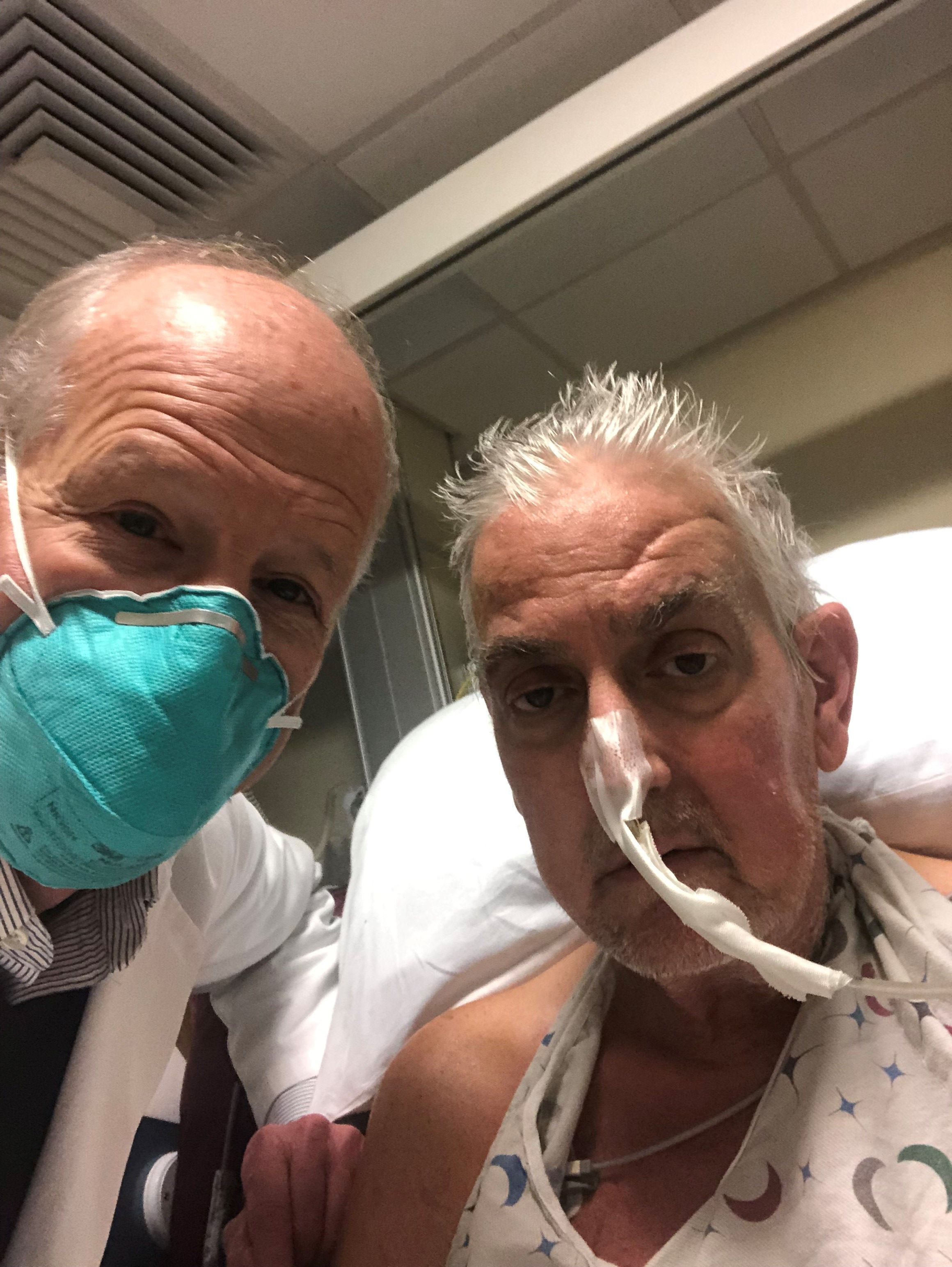
Representatives of the institution aren’t offering many details on the cause of Mr. Bennett’s death on March 8, 60 days after his operation, but said they will elaborate when their findings are formally published. But their comments seem to downplay the unique nature of the implanted heart itself as a culprit and instead implicate the patient’s diminished overall clinical condition and what grew into an ongoing battle with infections.
The 57-year-old Bennett, bedridden with end-stage heart failure, judged a poor candidate for a ventricular assist device, and on extracorporeal membrane oxygenation (ECMO), reportedly was offered the extraordinary surgery after being turned down for a conventional transplant at several major centers.
“Until day 45 or 50, he was doing very well,” Muhammad M. Mohiuddin, MD, the xenotransplantation program’s scientific director, observed in the statement. But infections soon took advantage of his hobbled immune system.
Given his “preexisting condition and how frail his body was,” Dr. Mohiuddin said, “we were having difficulty maintaining a balance between his immunosuppression and controlling his infection.” Mr. Bennett went into multiple organ failure and “I think that resulted in his passing away.”
Beyond wildest dreams
The surgeons confidently framed Mr. Bennett’s experience as a milestone for heart xenotransplantation. “The demonstration that it was possible, beyond the wildest dreams of most people in the field, even, at this point – that we were able to take a genetically engineered organ and watch it function flawlessly for 9 weeks – is pretty positive in terms of the potential of this therapy,” Dr. Griffith said.
But enough questions linger that others were more circumspect, even as they praised the accomplishment. “There’s no question that this is a historic event,” Mandeep R. Mehra, MD, of Harvard Medical School, and director of the Center for Advanced Heart Disease at Brigham and Women’s Hospital, both in Boston, said in an interview.

Still, “I don’t think we should just conclude that it was the patient’s frailty or death from infection,” Dr. Mehra said. With so few details available, “I would be very careful in prematurely concluding that the problem did not reside with the heart but with the patient. We cannot be sure.”
For example, he noted, “6 to 8 weeks is right around the time when some cardiac complications, like accelerated forms of vasculopathy, could become evident.” Immune-mediated cardiac allograft vasculopathy is a common cause of heart transplant failure.
Or, “it could as easily have been the fact that immunosuppression was modified at 6 to 7 weeks in response to potential infection, which could have led to a cardiac compromise,” Dr. Mehra said. “We just don’t know.”
“It’s really important that this be reported in a scientifically accurate way, because we will all learn from this,” Lori J. West, MD, DPhil, said in an interview.
Little seems to be known for sure about the actual cause of death, “but the fact there was not hyperacute rejection is itself a big step forward. And we know, at least from the limited information we have, that it did not occur,” observed Dr. West, who directs the Alberta Transplant Institute, Edmonton, and the Canadian Donation and Transplantation Research Program. She is a professor of pediatrics with adjunct positions in the departments of surgery and microbiology/immunology.
Dr. West also sees Mr. Bennett’s struggle with infections and adjustments to his unique immunosuppressive regimen, at least as characterized by his care team, as in line with the experience of many heart transplant recipients facing the same threat.
“We already walk this tightrope with every transplant patient,” she said. Typically, they’re put on a somewhat standardized immunosuppressant regimen, “and then we modify it a bit, either increasing or decreasing it, depending on the posttransplant course.” The regimen can become especially intense in response to new signs of rejection, “and you know that that’s going to have an impact on susceptibility to all kinds of infections.”
Full circle
The porcine heart was protected along two fronts against assault from Mr. Bennett’s immune system and other inhospitable aspects of his physiology, either of which could also have been obstacles to success: Genetic modification (Revivicor) of the pig that provided the heart, and a singularly aggressive antirejection drug regimen for the patient.
The knockout of three genes targeting specific porcine cell-surface carbohydrates that provoke a strong human antibody response reportedly averted a hyperacute rejection response that would have caused the graft to fail almost immediately.
Other genetic manipulations, some using CRISPR technology, silenced genes encoded for porcine endogenous retroviruses. Others were aimed at controlling myocardial growth and stemming graft microangiopathy.
Mr. Bennett himself was treated with powerful immunosuppressants, including an investigational anti-CD40 monoclonal antibody (KPL-404, Kiniksa Pharmaceuticals) that, according to UMSOM, inhibits a well-recognized pathway critical to B-cell proliferation, T-cell activation, and antibody production.
“I suspect the patient may not have had rejection, but unfortunately, that intense immunosuppression really set him up – even if he had been half that age – for a very difficult time,” David A. Baran, MD, a cardiologist from Sentara Advanced Heart Failure Center, Norfolk, Va., who studies transplant immunology, said in an interview.
“This is in some ways like the original heart transplant in 1967, when the ability to do the surgery evolved before understanding of the immunosuppression needed. Four or 5 years later, heart transplantation almost died out, before the development of better immunosuppressants like cyclosporine and later tacrolimus,” Dr. Baran said.
“The current age, when we use less immunosuppression than ever, is based on 30 years of progressive success,” he noted. This landmark xenotransplantation “basically turns back the clock to a time when the intensity of immunosuppression by definition had to be extremely high, because we really didn’t know what to expect.”
Emerging role of xeno-organs
Xenotransplantation has been touted as potential strategy for expanding the pool of organs available for transplantation. Mr. Bennett’s “breakthrough surgery” takes the world “one step closer to solving the organ shortage crisis,” his surgeon, Dr. Griffith, announced soon after the procedure. “There are simply not enough donor human hearts available to meet the long list of potential recipients.”
But it’s not the only proposed approach. Measures could be taken, for example, to make more efficient use of the human organs that become available, partly by opening the field to additional less-than-ideal hearts and loosening regulatory mandates for projected graft survival.
“Every year, more than two-thirds of donor organs in the United States are discarded. So it’s not actually that we don’t have enough organs, it’s that we don’t have enough organs that people are willing to take,” Dr. Baran said. Still, it’s important to pursue all promising avenues, and “the genetic manipulation pathway is remarkable.”
But “honestly, organs such as kidneys probably make the most sense” for early study of xenotransplantation from pigs, he said. “The waiting list for kidneys is also very long, but if the kidney graft were to fail, the patient wouldn’t die. It would allow us to work out the immunosuppression without putting patients’ lives at risk.”
Often overlooked in assessments of organ demand, Dr. West said, is that “a lot of patients who could benefit from a transplant will never even be listed for a transplant.” It’s not clear why; perhaps they have multiple comorbidities, live too far from a transplant center, “or they’re too big or too small. Even if there were unlimited organs, you could never meet the needs of people who could benefit from transplantation.”
So even if more available donor organs were used, she said, there would still be a gap that xenotransplantation could help fill. “I’m very much in favor of research that allows us to continue to try to find a pathway to xenotransplantation. I think it’s critically important.”
Unquestionably, “we now need to have a dialogue to entertain how a technology like this, using modern medicine with gene editing, is really going to be utilized,” Dr. Mehra said. The Bennett case “does open up the field, but it also raises caution.” There should be broad participation to move the field forward, “coordinated through either societies or nationally allocated advisory committees that oversee the movement of this technology, to the next step.”
Ideally, that next step “would be to do a safety clinical trial in the right patient,” he said. “And the right patient, by definition, would be one who does not have a life-prolonging option, either mechanical circulatory support or allograft transplantation. That would be the goal.”
Dr. Mehra has reported receiving payments to his institution from Abbott for consulting; consulting fees from Janssen, Mesoblast, Broadview Ventures, Natera, Paragonix, Moderna, and the Baim Institute for Clinical Research; and serving on a scientific advisory board NuPulseCV, Leviticus, and FineHeart. Dr. Baran disclosed consulting for Getinge and LivaNova; speaking for Pfizer; and serving on trial steering committees for CareDx and Procyrion, all unrelated to xenotransplantation. Dr. West has declared no relevant conflicts.
A version of this article first appeared on Medscape.com.
The genetically altered pig’s heart “worked like a rock star, beautifully functioning,” the surgeon who performed the pioneering Jan. 7 xenotransplant procedure said in a press statement on the death of the patient, David Bennett Sr.
“He wasn’t able to overcome what turned out to be devastating – the debilitation from his previous period of heart failure, which was extreme,” said Bartley P. Griffith, MD, clinical director of the cardiac xenotransplantation program at the University of Maryland, Baltimore.
Representatives of the institution aren’t offering many details on the cause of Mr. Bennett’s death on March 8, 60 days after his operation, but said they will elaborate when their findings are formally published. But their comments seem to downplay the unique nature of the implanted heart itself as a culprit and instead implicate the patient’s diminished overall clinical condition and what grew into an ongoing battle with infections.
The 57-year-old Bennett, bedridden with end-stage heart failure, judged a poor candidate for a ventricular assist device, and on extracorporeal membrane oxygenation (ECMO), reportedly was offered the extraordinary surgery after being turned down for a conventional transplant at several major centers.
“Until day 45 or 50, he was doing very well,” Muhammad M. Mohiuddin, MD, the xenotransplantation program’s scientific director, observed in the statement. But infections soon took advantage of his hobbled immune system.
Given his “preexisting condition and how frail his body was,” Dr. Mohiuddin said, “we were having difficulty maintaining a balance between his immunosuppression and controlling his infection.” Mr. Bennett went into multiple organ failure and “I think that resulted in his passing away.”
Beyond wildest dreams
The surgeons confidently framed Mr. Bennett’s experience as a milestone for heart xenotransplantation. “The demonstration that it was possible, beyond the wildest dreams of most people in the field, even, at this point – that we were able to take a genetically engineered organ and watch it function flawlessly for 9 weeks – is pretty positive in terms of the potential of this therapy,” Dr. Griffith said.
But enough questions linger that others were more circumspect, even as they praised the accomplishment. “There’s no question that this is a historic event,” Mandeep R. Mehra, MD, of Harvard Medical School, and director of the Center for Advanced Heart Disease at Brigham and Women’s Hospital, both in Boston, said in an interview.
Still, “I don’t think we should just conclude that it was the patient’s frailty or death from infection,” Dr. Mehra said. With so few details available, “I would be very careful in prematurely concluding that the problem did not reside with the heart but with the patient. We cannot be sure.”
For example, he noted, “6 to 8 weeks is right around the time when some cardiac complications, like accelerated forms of vasculopathy, could become evident.” Immune-mediated cardiac allograft vasculopathy is a common cause of heart transplant failure.
Or, “it could as easily have been the fact that immunosuppression was modified at 6 to 7 weeks in response to potential infection, which could have led to a cardiac compromise,” Dr. Mehra said. “We just don’t know.”
“It’s really important that this be reported in a scientifically accurate way, because we will all learn from this,” Lori J. West, MD, DPhil, said in an interview.
Little seems to be known for sure about the actual cause of death, “but the fact there was not hyperacute rejection is itself a big step forward. And we know, at least from the limited information we have, that it did not occur,” observed Dr. West, who directs the Alberta Transplant Institute, Edmonton, and the Canadian Donation and Transplantation Research Program. She is a professor of pediatrics with adjunct positions in the departments of surgery and microbiology/immunology.
Dr. West also sees Mr. Bennett’s struggle with infections and adjustments to his unique immunosuppressive regimen, at least as characterized by his care team, as in line with the experience of many heart transplant recipients facing the same threat.
“We already walk this tightrope with every transplant patient,” she said. Typically, they’re put on a somewhat standardized immunosuppressant regimen, “and then we modify it a bit, either increasing or decreasing it, depending on the posttransplant course.” The regimen can become especially intense in response to new signs of rejection, “and you know that that’s going to have an impact on susceptibility to all kinds of infections.”
Full circle
The porcine heart was protected along two fronts against assault from Mr. Bennett’s immune system and other inhospitable aspects of his physiology, either of which could also have been obstacles to success: Genetic modification (Revivicor) of the pig that provided the heart, and a singularly aggressive antirejection drug regimen for the patient.
The knockout of three genes targeting specific porcine cell-surface carbohydrates that provoke a strong human antibody response reportedly averted a hyperacute rejection response that would have caused the graft to fail almost immediately.
Other genetic manipulations, some using CRISPR technology, silenced genes encoded for porcine endogenous retroviruses. Others were aimed at controlling myocardial growth and stemming graft microangiopathy.
Mr. Bennett himself was treated with powerful immunosuppressants, including an investigational anti-CD40 monoclonal antibody (KPL-404, Kiniksa Pharmaceuticals) that, according to UMSOM, inhibits a well-recognized pathway critical to B-cell proliferation, T-cell activation, and antibody production.
“I suspect the patient may not have had rejection, but unfortunately, that intense immunosuppression really set him up – even if he had been half that age – for a very difficult time,” David A. Baran, MD, a cardiologist from Sentara Advanced Heart Failure Center, Norfolk, Va., who studies transplant immunology, said in an interview.
“This is in some ways like the original heart transplant in 1967, when the ability to do the surgery evolved before understanding of the immunosuppression needed. Four or 5 years later, heart transplantation almost died out, before the development of better immunosuppressants like cyclosporine and later tacrolimus,” Dr. Baran said.
“The current age, when we use less immunosuppression than ever, is based on 30 years of progressive success,” he noted. This landmark xenotransplantation “basically turns back the clock to a time when the intensity of immunosuppression by definition had to be extremely high, because we really didn’t know what to expect.”
Emerging role of xeno-organs
Xenotransplantation has been touted as potential strategy for expanding the pool of organs available for transplantation. Mr. Bennett’s “breakthrough surgery” takes the world “one step closer to solving the organ shortage crisis,” his surgeon, Dr. Griffith, announced soon after the procedure. “There are simply not enough donor human hearts available to meet the long list of potential recipients.”
But it’s not the only proposed approach. Measures could be taken, for example, to make more efficient use of the human organs that become available, partly by opening the field to additional less-than-ideal hearts and loosening regulatory mandates for projected graft survival.
“Every year, more than two-thirds of donor organs in the United States are discarded. So it’s not actually that we don’t have enough organs, it’s that we don’t have enough organs that people are willing to take,” Dr. Baran said. Still, it’s important to pursue all promising avenues, and “the genetic manipulation pathway is remarkable.”
But “honestly, organs such as kidneys probably make the most sense” for early study of xenotransplantation from pigs, he said. “The waiting list for kidneys is also very long, but if the kidney graft were to fail, the patient wouldn’t die. It would allow us to work out the immunosuppression without putting patients’ lives at risk.”
Often overlooked in assessments of organ demand, Dr. West said, is that “a lot of patients who could benefit from a transplant will never even be listed for a transplant.” It’s not clear why; perhaps they have multiple comorbidities, live too far from a transplant center, “or they’re too big or too small. Even if there were unlimited organs, you could never meet the needs of people who could benefit from transplantation.”
So even if more available donor organs were used, she said, there would still be a gap that xenotransplantation could help fill. “I’m very much in favor of research that allows us to continue to try to find a pathway to xenotransplantation. I think it’s critically important.”
Unquestionably, “we now need to have a dialogue to entertain how a technology like this, using modern medicine with gene editing, is really going to be utilized,” Dr. Mehra said. The Bennett case “does open up the field, but it also raises caution.” There should be broad participation to move the field forward, “coordinated through either societies or nationally allocated advisory committees that oversee the movement of this technology, to the next step.”
Ideally, that next step “would be to do a safety clinical trial in the right patient,” he said. “And the right patient, by definition, would be one who does not have a life-prolonging option, either mechanical circulatory support or allograft transplantation. That would be the goal.”
Dr. Mehra has reported receiving payments to his institution from Abbott for consulting; consulting fees from Janssen, Mesoblast, Broadview Ventures, Natera, Paragonix, Moderna, and the Baim Institute for Clinical Research; and serving on a scientific advisory board NuPulseCV, Leviticus, and FineHeart. Dr. Baran disclosed consulting for Getinge and LivaNova; speaking for Pfizer; and serving on trial steering committees for CareDx and Procyrion, all unrelated to xenotransplantation. Dr. West has declared no relevant conflicts.
A version of this article first appeared on Medscape.com.
The genetically altered pig’s heart “worked like a rock star, beautifully functioning,” the surgeon who performed the pioneering Jan. 7 xenotransplant procedure said in a press statement on the death of the patient, David Bennett Sr.
“He wasn’t able to overcome what turned out to be devastating – the debilitation from his previous period of heart failure, which was extreme,” said Bartley P. Griffith, MD, clinical director of the cardiac xenotransplantation program at the University of Maryland, Baltimore.
Representatives of the institution aren’t offering many details on the cause of Mr. Bennett’s death on March 8, 60 days after his operation, but said they will elaborate when their findings are formally published. But their comments seem to downplay the unique nature of the implanted heart itself as a culprit and instead implicate the patient’s diminished overall clinical condition and what grew into an ongoing battle with infections.
The 57-year-old Bennett, bedridden with end-stage heart failure, judged a poor candidate for a ventricular assist device, and on extracorporeal membrane oxygenation (ECMO), reportedly was offered the extraordinary surgery after being turned down for a conventional transplant at several major centers.
“Until day 45 or 50, he was doing very well,” Muhammad M. Mohiuddin, MD, the xenotransplantation program’s scientific director, observed in the statement. But infections soon took advantage of his hobbled immune system.
Given his “preexisting condition and how frail his body was,” Dr. Mohiuddin said, “we were having difficulty maintaining a balance between his immunosuppression and controlling his infection.” Mr. Bennett went into multiple organ failure and “I think that resulted in his passing away.”
Beyond wildest dreams
The surgeons confidently framed Mr. Bennett’s experience as a milestone for heart xenotransplantation. “The demonstration that it was possible, beyond the wildest dreams of most people in the field, even, at this point – that we were able to take a genetically engineered organ and watch it function flawlessly for 9 weeks – is pretty positive in terms of the potential of this therapy,” Dr. Griffith said.
But enough questions linger that others were more circumspect, even as they praised the accomplishment. “There’s no question that this is a historic event,” Mandeep R. Mehra, MD, of Harvard Medical School, and director of the Center for Advanced Heart Disease at Brigham and Women’s Hospital, both in Boston, said in an interview.
Still, “I don’t think we should just conclude that it was the patient’s frailty or death from infection,” Dr. Mehra said. With so few details available, “I would be very careful in prematurely concluding that the problem did not reside with the heart but with the patient. We cannot be sure.”
For example, he noted, “6 to 8 weeks is right around the time when some cardiac complications, like accelerated forms of vasculopathy, could become evident.” Immune-mediated cardiac allograft vasculopathy is a common cause of heart transplant failure.
Or, “it could as easily have been the fact that immunosuppression was modified at 6 to 7 weeks in response to potential infection, which could have led to a cardiac compromise,” Dr. Mehra said. “We just don’t know.”
“It’s really important that this be reported in a scientifically accurate way, because we will all learn from this,” Lori J. West, MD, DPhil, said in an interview.
Little seems to be known for sure about the actual cause of death, “but the fact there was not hyperacute rejection is itself a big step forward. And we know, at least from the limited information we have, that it did not occur,” observed Dr. West, who directs the Alberta Transplant Institute, Edmonton, and the Canadian Donation and Transplantation Research Program. She is a professor of pediatrics with adjunct positions in the departments of surgery and microbiology/immunology.
Dr. West also sees Mr. Bennett’s struggle with infections and adjustments to his unique immunosuppressive regimen, at least as characterized by his care team, as in line with the experience of many heart transplant recipients facing the same threat.
“We already walk this tightrope with every transplant patient,” she said. Typically, they’re put on a somewhat standardized immunosuppressant regimen, “and then we modify it a bit, either increasing or decreasing it, depending on the posttransplant course.” The regimen can become especially intense in response to new signs of rejection, “and you know that that’s going to have an impact on susceptibility to all kinds of infections.”
Full circle
The porcine heart was protected along two fronts against assault from Mr. Bennett’s immune system and other inhospitable aspects of his physiology, either of which could also have been obstacles to success: Genetic modification (Revivicor) of the pig that provided the heart, and a singularly aggressive antirejection drug regimen for the patient.
The knockout of three genes targeting specific porcine cell-surface carbohydrates that provoke a strong human antibody response reportedly averted a hyperacute rejection response that would have caused the graft to fail almost immediately.
Other genetic manipulations, some using CRISPR technology, silenced genes encoded for porcine endogenous retroviruses. Others were aimed at controlling myocardial growth and stemming graft microangiopathy.
Mr. Bennett himself was treated with powerful immunosuppressants, including an investigational anti-CD40 monoclonal antibody (KPL-404, Kiniksa Pharmaceuticals) that, according to UMSOM, inhibits a well-recognized pathway critical to B-cell proliferation, T-cell activation, and antibody production.
“I suspect the patient may not have had rejection, but unfortunately, that intense immunosuppression really set him up – even if he had been half that age – for a very difficult time,” David A. Baran, MD, a cardiologist from Sentara Advanced Heart Failure Center, Norfolk, Va., who studies transplant immunology, said in an interview.
“This is in some ways like the original heart transplant in 1967, when the ability to do the surgery evolved before understanding of the immunosuppression needed. Four or 5 years later, heart transplantation almost died out, before the development of better immunosuppressants like cyclosporine and later tacrolimus,” Dr. Baran said.
“The current age, when we use less immunosuppression than ever, is based on 30 years of progressive success,” he noted. This landmark xenotransplantation “basically turns back the clock to a time when the intensity of immunosuppression by definition had to be extremely high, because we really didn’t know what to expect.”
Emerging role of xeno-organs
Xenotransplantation has been touted as potential strategy for expanding the pool of organs available for transplantation. Mr. Bennett’s “breakthrough surgery” takes the world “one step closer to solving the organ shortage crisis,” his surgeon, Dr. Griffith, announced soon after the procedure. “There are simply not enough donor human hearts available to meet the long list of potential recipients.”
But it’s not the only proposed approach. Measures could be taken, for example, to make more efficient use of the human organs that become available, partly by opening the field to additional less-than-ideal hearts and loosening regulatory mandates for projected graft survival.
“Every year, more than two-thirds of donor organs in the United States are discarded. So it’s not actually that we don’t have enough organs, it’s that we don’t have enough organs that people are willing to take,” Dr. Baran said. Still, it’s important to pursue all promising avenues, and “the genetic manipulation pathway is remarkable.”
But “honestly, organs such as kidneys probably make the most sense” for early study of xenotransplantation from pigs, he said. “The waiting list for kidneys is also very long, but if the kidney graft were to fail, the patient wouldn’t die. It would allow us to work out the immunosuppression without putting patients’ lives at risk.”
Often overlooked in assessments of organ demand, Dr. West said, is that “a lot of patients who could benefit from a transplant will never even be listed for a transplant.” It’s not clear why; perhaps they have multiple comorbidities, live too far from a transplant center, “or they’re too big or too small. Even if there were unlimited organs, you could never meet the needs of people who could benefit from transplantation.”
So even if more available donor organs were used, she said, there would still be a gap that xenotransplantation could help fill. “I’m very much in favor of research that allows us to continue to try to find a pathway to xenotransplantation. I think it’s critically important.”
Unquestionably, “we now need to have a dialogue to entertain how a technology like this, using modern medicine with gene editing, is really going to be utilized,” Dr. Mehra said. The Bennett case “does open up the field, but it also raises caution.” There should be broad participation to move the field forward, “coordinated through either societies or nationally allocated advisory committees that oversee the movement of this technology, to the next step.”
Ideally, that next step “would be to do a safety clinical trial in the right patient,” he said. “And the right patient, by definition, would be one who does not have a life-prolonging option, either mechanical circulatory support or allograft transplantation. That would be the goal.”
Dr. Mehra has reported receiving payments to his institution from Abbott for consulting; consulting fees from Janssen, Mesoblast, Broadview Ventures, Natera, Paragonix, Moderna, and the Baim Institute for Clinical Research; and serving on a scientific advisory board NuPulseCV, Leviticus, and FineHeart. Dr. Baran disclosed consulting for Getinge and LivaNova; speaking for Pfizer; and serving on trial steering committees for CareDx and Procyrion, all unrelated to xenotransplantation. Dr. West has declared no relevant conflicts.
A version of this article first appeared on Medscape.com.
Guidance seeks to improve statin treatment adherence
International experts have created recommendations on ways to improve adherence to statin therapy by offering doctors guidance on how to distinguish between true side effects of statins and those arising due to patients’ expectations of side effects.
A position paper from the International Lipid Expert Panel (ILEP), a group of over 70 experts worldwide, provides a step-by-step approach to diagnosing and managing symptoms, such as muscle aches, and encourages patients to continue the statin therapy they have been prescribed.
The authors described in their paper, published in the Journal of Cachexia, Sarcopenia, and Muscle, how statins are among the most commonly prescribed drugs globally, with “strong and unambiguous evidence” that statin treatment makes a significant difference in preventing cardiovascular disease and dying from it.
They said how, although a recent meta-analysis showed the prevalence of statin intolerance is less than 10%, “as many as 1 in 2 patients stop taking statins, reduce the dose, or take them irregularly because they believe they are responsible for side effects.”
In addition to misattribution of aches and pains, a substantial proportion of statin-associated muscle symptoms (SAMS) result from the action of taking medicines and the expectation that medicines cause side effects. A systematic review of trials estimated that between 38% and 78% of SAMS-related statin intolerance could be attributed to expectation alone.
Nocebo/drucebo effect
President of the ILEP, Professor Maciej Banach, of the Medical University of Lodz and the University of Zielona Góra, both in Poland, who originated these recommendations, said: “There is an enormous worldwide problem with diagnosing statin intolerance correctly. In addition, we know that most diagnosed statin side effects should not, in fact, be attributed to statin therapy.”
He highlighted how as much as 70% of statin side effect symptoms may be due to a psychological phenomenon called the “nocebo” or “drucebo” effect.
“The ‘nocebo/drucebo’ effect is when patients’ expectations that they will experience side effects from the statins result in them actually experiencing these symptoms,” Professor Banach explained. Knowledge gained from the internet, leaflets, friends and family, and other sources, for example, about the most common side effects – muscle pain and liver complaints – can “result in them discontinuing their therapy and, therefore, increasing their risk of heart problems, stroke, and death,” he cautioned.
First author of the paper, Dr. Peter Penson, a reader in Cardiovascular Pharmacology at Liverpool John Moores University, England, said “the benefits of statins are not seen immediately by patients, whilst the associated adverse effects are more tangible, and so many patients stop taking statins, thereby putting themselves at risk of serious illness or death.”
A practical evidence-based guide
The authors expressed hope that their recommendations would help doctors improve patient-centered care for those patients at risk of cardiovascular disease and help these patients understand the reason for their treatment, the benefits, including that statins may prolong their lives, and the potential harms, thus enabling the patient to “make a fully informed decision about commencing and continuing therapy.”
The recommendations include:
- That health care professionals should consider the nocebo/drucebo effect when they first prescribe statins and provide information to patients about the rationale and benefits of the therapy
- The Personalized Lipid Intervention Plan (PLIP) should be used to help this process. It estimates the patient’s 10-year risk of cardiovascular disease with and without statin therapy, as well as providing clear information on adverse side effects, including that muscle symptoms are common but rarely caused by statins
- How to effectively diagnose statin intolerance and exclude nocebo/drucebo effect
- Routine follow-up to check the safety and efficacy of the therapy is recommended, and strategies for managing patients with complete statin intolerance are provided, within the recommendations. Also offered is advice about improving adherence to statin therapy and suggestions for the identification and management of the “relatively small number of patients who have true statin intolerance.”
Dr. Penson emphasized how this was the first paper to deal explicitly with the nocebo/drucebo effect and offers “practical and evidence-based suggestions” to help support individuals who are at risk of cardiovascular disease but who experience adverse effects attributable to their medicines. He added how the PLIP summarizes important lifestyle advice to help patients reduce their risk of heart attacks and strokes and also discusses the evidence for non-statin drugs that can be used to lower cholesterol.
Dr. Penson pointed out how “the vast majority of patients can take statins safely and that the benefits greatly outweigh the potential risk of side effects” and, therefore, an individual’s risk of heart problems, stroke, and death, can be reduced.
A version of this article first appeared on Medscape.com.
International experts have created recommendations on ways to improve adherence to statin therapy by offering doctors guidance on how to distinguish between true side effects of statins and those arising due to patients’ expectations of side effects.
A position paper from the International Lipid Expert Panel (ILEP), a group of over 70 experts worldwide, provides a step-by-step approach to diagnosing and managing symptoms, such as muscle aches, and encourages patients to continue the statin therapy they have been prescribed.
The authors described in their paper, published in the Journal of Cachexia, Sarcopenia, and Muscle, how statins are among the most commonly prescribed drugs globally, with “strong and unambiguous evidence” that statin treatment makes a significant difference in preventing cardiovascular disease and dying from it.
They said how, although a recent meta-analysis showed the prevalence of statin intolerance is less than 10%, “as many as 1 in 2 patients stop taking statins, reduce the dose, or take them irregularly because they believe they are responsible for side effects.”
In addition to misattribution of aches and pains, a substantial proportion of statin-associated muscle symptoms (SAMS) result from the action of taking medicines and the expectation that medicines cause side effects. A systematic review of trials estimated that between 38% and 78% of SAMS-related statin intolerance could be attributed to expectation alone.
Nocebo/drucebo effect
President of the ILEP, Professor Maciej Banach, of the Medical University of Lodz and the University of Zielona Góra, both in Poland, who originated these recommendations, said: “There is an enormous worldwide problem with diagnosing statin intolerance correctly. In addition, we know that most diagnosed statin side effects should not, in fact, be attributed to statin therapy.”
He highlighted how as much as 70% of statin side effect symptoms may be due to a psychological phenomenon called the “nocebo” or “drucebo” effect.
“The ‘nocebo/drucebo’ effect is when patients’ expectations that they will experience side effects from the statins result in them actually experiencing these symptoms,” Professor Banach explained. Knowledge gained from the internet, leaflets, friends and family, and other sources, for example, about the most common side effects – muscle pain and liver complaints – can “result in them discontinuing their therapy and, therefore, increasing their risk of heart problems, stroke, and death,” he cautioned.
First author of the paper, Dr. Peter Penson, a reader in Cardiovascular Pharmacology at Liverpool John Moores University, England, said “the benefits of statins are not seen immediately by patients, whilst the associated adverse effects are more tangible, and so many patients stop taking statins, thereby putting themselves at risk of serious illness or death.”
A practical evidence-based guide
The authors expressed hope that their recommendations would help doctors improve patient-centered care for those patients at risk of cardiovascular disease and help these patients understand the reason for their treatment, the benefits, including that statins may prolong their lives, and the potential harms, thus enabling the patient to “make a fully informed decision about commencing and continuing therapy.”
The recommendations include:
- That health care professionals should consider the nocebo/drucebo effect when they first prescribe statins and provide information to patients about the rationale and benefits of the therapy
- The Personalized Lipid Intervention Plan (PLIP) should be used to help this process. It estimates the patient’s 10-year risk of cardiovascular disease with and without statin therapy, as well as providing clear information on adverse side effects, including that muscle symptoms are common but rarely caused by statins
- How to effectively diagnose statin intolerance and exclude nocebo/drucebo effect
- Routine follow-up to check the safety and efficacy of the therapy is recommended, and strategies for managing patients with complete statin intolerance are provided, within the recommendations. Also offered is advice about improving adherence to statin therapy and suggestions for the identification and management of the “relatively small number of patients who have true statin intolerance.”
Dr. Penson emphasized how this was the first paper to deal explicitly with the nocebo/drucebo effect and offers “practical and evidence-based suggestions” to help support individuals who are at risk of cardiovascular disease but who experience adverse effects attributable to their medicines. He added how the PLIP summarizes important lifestyle advice to help patients reduce their risk of heart attacks and strokes and also discusses the evidence for non-statin drugs that can be used to lower cholesterol.
Dr. Penson pointed out how “the vast majority of patients can take statins safely and that the benefits greatly outweigh the potential risk of side effects” and, therefore, an individual’s risk of heart problems, stroke, and death, can be reduced.
A version of this article first appeared on Medscape.com.
International experts have created recommendations on ways to improve adherence to statin therapy by offering doctors guidance on how to distinguish between true side effects of statins and those arising due to patients’ expectations of side effects.
A position paper from the International Lipid Expert Panel (ILEP), a group of over 70 experts worldwide, provides a step-by-step approach to diagnosing and managing symptoms, such as muscle aches, and encourages patients to continue the statin therapy they have been prescribed.
The authors described in their paper, published in the Journal of Cachexia, Sarcopenia, and Muscle, how statins are among the most commonly prescribed drugs globally, with “strong and unambiguous evidence” that statin treatment makes a significant difference in preventing cardiovascular disease and dying from it.
They said how, although a recent meta-analysis showed the prevalence of statin intolerance is less than 10%, “as many as 1 in 2 patients stop taking statins, reduce the dose, or take them irregularly because they believe they are responsible for side effects.”
In addition to misattribution of aches and pains, a substantial proportion of statin-associated muscle symptoms (SAMS) result from the action of taking medicines and the expectation that medicines cause side effects. A systematic review of trials estimated that between 38% and 78% of SAMS-related statin intolerance could be attributed to expectation alone.
Nocebo/drucebo effect
President of the ILEP, Professor Maciej Banach, of the Medical University of Lodz and the University of Zielona Góra, both in Poland, who originated these recommendations, said: “There is an enormous worldwide problem with diagnosing statin intolerance correctly. In addition, we know that most diagnosed statin side effects should not, in fact, be attributed to statin therapy.”
He highlighted how as much as 70% of statin side effect symptoms may be due to a psychological phenomenon called the “nocebo” or “drucebo” effect.
“The ‘nocebo/drucebo’ effect is when patients’ expectations that they will experience side effects from the statins result in them actually experiencing these symptoms,” Professor Banach explained. Knowledge gained from the internet, leaflets, friends and family, and other sources, for example, about the most common side effects – muscle pain and liver complaints – can “result in them discontinuing their therapy and, therefore, increasing their risk of heart problems, stroke, and death,” he cautioned.
First author of the paper, Dr. Peter Penson, a reader in Cardiovascular Pharmacology at Liverpool John Moores University, England, said “the benefits of statins are not seen immediately by patients, whilst the associated adverse effects are more tangible, and so many patients stop taking statins, thereby putting themselves at risk of serious illness or death.”
A practical evidence-based guide
The authors expressed hope that their recommendations would help doctors improve patient-centered care for those patients at risk of cardiovascular disease and help these patients understand the reason for their treatment, the benefits, including that statins may prolong their lives, and the potential harms, thus enabling the patient to “make a fully informed decision about commencing and continuing therapy.”
The recommendations include:
- That health care professionals should consider the nocebo/drucebo effect when they first prescribe statins and provide information to patients about the rationale and benefits of the therapy
- The Personalized Lipid Intervention Plan (PLIP) should be used to help this process. It estimates the patient’s 10-year risk of cardiovascular disease with and without statin therapy, as well as providing clear information on adverse side effects, including that muscle symptoms are common but rarely caused by statins
- How to effectively diagnose statin intolerance and exclude nocebo/drucebo effect
- Routine follow-up to check the safety and efficacy of the therapy is recommended, and strategies for managing patients with complete statin intolerance are provided, within the recommendations. Also offered is advice about improving adherence to statin therapy and suggestions for the identification and management of the “relatively small number of patients who have true statin intolerance.”
Dr. Penson emphasized how this was the first paper to deal explicitly with the nocebo/drucebo effect and offers “practical and evidence-based suggestions” to help support individuals who are at risk of cardiovascular disease but who experience adverse effects attributable to their medicines. He added how the PLIP summarizes important lifestyle advice to help patients reduce their risk of heart attacks and strokes and also discusses the evidence for non-statin drugs that can be used to lower cholesterol.
Dr. Penson pointed out how “the vast majority of patients can take statins safely and that the benefits greatly outweigh the potential risk of side effects” and, therefore, an individual’s risk of heart problems, stroke, and death, can be reduced.
A version of this article first appeared on Medscape.com.
FROM THE JOURNAL OF CACHEXIA, SARCOPENIA, AND MUSCLE
Big missed opportunities for BP control in premenopausal women
A new report shows considerable gaps in the awareness, treatment, and control of hypertension in premenopausal women in the United States, with a key driver being regular access to health care.
In a nationally representative sample of women ages 35-54 with no prior cardiovascular disease, the prevalence of hypertension increased 8% from an estimated 15.2 million women between 2011 and 2014 to 16.4 million women between 2015 and 2018.
What’s more, the percentage of women with controlled hypertension dropped over the two time periods from 55% to 50%, which is well below the government’s Million Hearts target of 70%.
Missed opportunities for hypertension control in these premenopausal women were a lack of awareness of their hypertension in 23%, ineffective treatment in 34%, and a lack of health care access in 43%; increasing to 51% in non-Hispanic Black patients and 56% in Hispanic patients.
Notably, lack of health care access affected an estimated 3.1 million women (45%) in 2011-2014 and 3.5 million women (43%) in 2015-2018.
Equally stubborn over the two time periods was the lack of effective treatment, affecting 2.1 million (31%) versus 2.8 million (34%) women, and lack of awareness, affecting 1.6 million (24%) versus 1.9 million (23%) women.
“There’s been no improvement over the past decade, and there is evidence of race/ethnic disparities,” study author Susan Hennessy, PhD, said at the recent Epidemiology, Prevention/Lifestyle & Cardiometabolic Health (EPI|Lifestyle) 2022 conference sponsored by the American Heart Association.
The prevalence of uncontrolled hypertension among non-Hispanic Whites was less than that of the U.S. population, at 44%, and most of the missed opportunities were due to uncontrolled blood pressure (BP), noted Dr. Hennessy, a researcher with the University of California, San Francisco School of Medicine.
However, the uncontrolled prevalence was 54% in non-Hispanic Black women and 66% in Hispanic women. “In both of these subgroups, over half of the missed opportunities occur because these women have no regular access to health care,” she said.
In women who identified as “other,” which includes non-Hispanic Asian and mixed-race populations, the uncontrolled prevalence reached 70%, and the biggest missed opportunity was in those who were untreated.
Raising awareness, empowering women, and delivery of guideline-concordant care will help premenopausal women gain control of their blood pressure, Dr. Hennessy said. “But underpinning all of this is ensuring equitable health care access, because if we fail to get women into the system, then we have no opportunity to help them lower their blood pressure.”
She reminded the audience that cardiovascular disease (CVD) is the number one killer of women in the United States and that CVD risk, mediated through hypertension, increases after menopause. Thus, managing hypertension prior to this life event is an important element of primary prevention of CVD and should be a priority.
Session moderator Sadiya S. Khan, MD, Northwestern University Feinberg School of Medicine, Chicago, told this news organization that the findings should raise “alarm and concern that hypertension is not just a disease of the old but very prevalent in younger women, particularly around the time of pregnancy. And this is a clear driver of maternal morbidity and mortality as well.”
“This idea that patients should ‘Know Your Numbers’ is really important, and we talk a lot about that for hypertension, but if you don’t have a doctor, if you don’t have someone to go to, it’s very hard to know or understand what your numbers mean,” she said. “I think that’s really the main message.”
Speaking to this news organization, Dr. Hennessy said there’s no simple solution to the problem, given that some women are not even in the system, whereas others are not being treated effectively, but that increasing opportunities to screen BP would be a start. That could be through community programs, similar to the Barbershop Hypertension trial, or by making BP devices available for home monitoring.
“Again, this is about empowering ourselves to take some level of control, but, as a system, we have to be able to make it equitable for everyone and make sure they have the right equipment, the right cuff size,” she said. “The disparities arise because of the social determinants of health, so if these women are struggling to put food on the table, they aren’t going to be able to afford a blood pressure cuff.”
During a discussion of the findings, audience members noted that the National Health and Nutrition Examination Survey (NHANES) data used for the analysis were somewhat dated. Dr. Hennessy also pointed out that NHANES blood pressure is measured up to three times during a single visit, which differs from clinical practice, and that responses were based on self-report and thus subject to recall bias.
The sample included 3,343 women aged 35-54 years with no prior cardiovascular disease, representing an estimated 31.6 million American women. Hypertension was defined by a systolic BP of at least 140 mm Hg or a diastolic BP of at least 90 mm Hg or current BP medication use.
The authors and Dr. Khan report no relevant financial relationships.
A version of this article first appeared on Medscape.com.
A new report shows considerable gaps in the awareness, treatment, and control of hypertension in premenopausal women in the United States, with a key driver being regular access to health care.
In a nationally representative sample of women ages 35-54 with no prior cardiovascular disease, the prevalence of hypertension increased 8% from an estimated 15.2 million women between 2011 and 2014 to 16.4 million women between 2015 and 2018.
What’s more, the percentage of women with controlled hypertension dropped over the two time periods from 55% to 50%, which is well below the government’s Million Hearts target of 70%.
Missed opportunities for hypertension control in these premenopausal women were a lack of awareness of their hypertension in 23%, ineffective treatment in 34%, and a lack of health care access in 43%; increasing to 51% in non-Hispanic Black patients and 56% in Hispanic patients.
Notably, lack of health care access affected an estimated 3.1 million women (45%) in 2011-2014 and 3.5 million women (43%) in 2015-2018.
Equally stubborn over the two time periods was the lack of effective treatment, affecting 2.1 million (31%) versus 2.8 million (34%) women, and lack of awareness, affecting 1.6 million (24%) versus 1.9 million (23%) women.
“There’s been no improvement over the past decade, and there is evidence of race/ethnic disparities,” study author Susan Hennessy, PhD, said at the recent Epidemiology, Prevention/Lifestyle & Cardiometabolic Health (EPI|Lifestyle) 2022 conference sponsored by the American Heart Association.
The prevalence of uncontrolled hypertension among non-Hispanic Whites was less than that of the U.S. population, at 44%, and most of the missed opportunities were due to uncontrolled blood pressure (BP), noted Dr. Hennessy, a researcher with the University of California, San Francisco School of Medicine.
However, the uncontrolled prevalence was 54% in non-Hispanic Black women and 66% in Hispanic women. “In both of these subgroups, over half of the missed opportunities occur because these women have no regular access to health care,” she said.
In women who identified as “other,” which includes non-Hispanic Asian and mixed-race populations, the uncontrolled prevalence reached 70%, and the biggest missed opportunity was in those who were untreated.
Raising awareness, empowering women, and delivery of guideline-concordant care will help premenopausal women gain control of their blood pressure, Dr. Hennessy said. “But underpinning all of this is ensuring equitable health care access, because if we fail to get women into the system, then we have no opportunity to help them lower their blood pressure.”
She reminded the audience that cardiovascular disease (CVD) is the number one killer of women in the United States and that CVD risk, mediated through hypertension, increases after menopause. Thus, managing hypertension prior to this life event is an important element of primary prevention of CVD and should be a priority.
Session moderator Sadiya S. Khan, MD, Northwestern University Feinberg School of Medicine, Chicago, told this news organization that the findings should raise “alarm and concern that hypertension is not just a disease of the old but very prevalent in younger women, particularly around the time of pregnancy. And this is a clear driver of maternal morbidity and mortality as well.”
“This idea that patients should ‘Know Your Numbers’ is really important, and we talk a lot about that for hypertension, but if you don’t have a doctor, if you don’t have someone to go to, it’s very hard to know or understand what your numbers mean,” she said. “I think that’s really the main message.”
Speaking to this news organization, Dr. Hennessy said there’s no simple solution to the problem, given that some women are not even in the system, whereas others are not being treated effectively, but that increasing opportunities to screen BP would be a start. That could be through community programs, similar to the Barbershop Hypertension trial, or by making BP devices available for home monitoring.
“Again, this is about empowering ourselves to take some level of control, but, as a system, we have to be able to make it equitable for everyone and make sure they have the right equipment, the right cuff size,” she said. “The disparities arise because of the social determinants of health, so if these women are struggling to put food on the table, they aren’t going to be able to afford a blood pressure cuff.”
During a discussion of the findings, audience members noted that the National Health and Nutrition Examination Survey (NHANES) data used for the analysis were somewhat dated. Dr. Hennessy also pointed out that NHANES blood pressure is measured up to three times during a single visit, which differs from clinical practice, and that responses were based on self-report and thus subject to recall bias.
The sample included 3,343 women aged 35-54 years with no prior cardiovascular disease, representing an estimated 31.6 million American women. Hypertension was defined by a systolic BP of at least 140 mm Hg or a diastolic BP of at least 90 mm Hg or current BP medication use.
The authors and Dr. Khan report no relevant financial relationships.
A version of this article first appeared on Medscape.com.
A new report shows considerable gaps in the awareness, treatment, and control of hypertension in premenopausal women in the United States, with a key driver being regular access to health care.
In a nationally representative sample of women ages 35-54 with no prior cardiovascular disease, the prevalence of hypertension increased 8% from an estimated 15.2 million women between 2011 and 2014 to 16.4 million women between 2015 and 2018.
What’s more, the percentage of women with controlled hypertension dropped over the two time periods from 55% to 50%, which is well below the government’s Million Hearts target of 70%.
Missed opportunities for hypertension control in these premenopausal women were a lack of awareness of their hypertension in 23%, ineffective treatment in 34%, and a lack of health care access in 43%; increasing to 51% in non-Hispanic Black patients and 56% in Hispanic patients.
Notably, lack of health care access affected an estimated 3.1 million women (45%) in 2011-2014 and 3.5 million women (43%) in 2015-2018.
Equally stubborn over the two time periods was the lack of effective treatment, affecting 2.1 million (31%) versus 2.8 million (34%) women, and lack of awareness, affecting 1.6 million (24%) versus 1.9 million (23%) women.
“There’s been no improvement over the past decade, and there is evidence of race/ethnic disparities,” study author Susan Hennessy, PhD, said at the recent Epidemiology, Prevention/Lifestyle & Cardiometabolic Health (EPI|Lifestyle) 2022 conference sponsored by the American Heart Association.
The prevalence of uncontrolled hypertension among non-Hispanic Whites was less than that of the U.S. population, at 44%, and most of the missed opportunities were due to uncontrolled blood pressure (BP), noted Dr. Hennessy, a researcher with the University of California, San Francisco School of Medicine.
However, the uncontrolled prevalence was 54% in non-Hispanic Black women and 66% in Hispanic women. “In both of these subgroups, over half of the missed opportunities occur because these women have no regular access to health care,” she said.
In women who identified as “other,” which includes non-Hispanic Asian and mixed-race populations, the uncontrolled prevalence reached 70%, and the biggest missed opportunity was in those who were untreated.
Raising awareness, empowering women, and delivery of guideline-concordant care will help premenopausal women gain control of their blood pressure, Dr. Hennessy said. “But underpinning all of this is ensuring equitable health care access, because if we fail to get women into the system, then we have no opportunity to help them lower their blood pressure.”
She reminded the audience that cardiovascular disease (CVD) is the number one killer of women in the United States and that CVD risk, mediated through hypertension, increases after menopause. Thus, managing hypertension prior to this life event is an important element of primary prevention of CVD and should be a priority.
Session moderator Sadiya S. Khan, MD, Northwestern University Feinberg School of Medicine, Chicago, told this news organization that the findings should raise “alarm and concern that hypertension is not just a disease of the old but very prevalent in younger women, particularly around the time of pregnancy. And this is a clear driver of maternal morbidity and mortality as well.”
“This idea that patients should ‘Know Your Numbers’ is really important, and we talk a lot about that for hypertension, but if you don’t have a doctor, if you don’t have someone to go to, it’s very hard to know or understand what your numbers mean,” she said. “I think that’s really the main message.”
Speaking to this news organization, Dr. Hennessy said there’s no simple solution to the problem, given that some women are not even in the system, whereas others are not being treated effectively, but that increasing opportunities to screen BP would be a start. That could be through community programs, similar to the Barbershop Hypertension trial, or by making BP devices available for home monitoring.
“Again, this is about empowering ourselves to take some level of control, but, as a system, we have to be able to make it equitable for everyone and make sure they have the right equipment, the right cuff size,” she said. “The disparities arise because of the social determinants of health, so if these women are struggling to put food on the table, they aren’t going to be able to afford a blood pressure cuff.”
During a discussion of the findings, audience members noted that the National Health and Nutrition Examination Survey (NHANES) data used for the analysis were somewhat dated. Dr. Hennessy also pointed out that NHANES blood pressure is measured up to three times during a single visit, which differs from clinical practice, and that responses were based on self-report and thus subject to recall bias.
The sample included 3,343 women aged 35-54 years with no prior cardiovascular disease, representing an estimated 31.6 million American women. Hypertension was defined by a systolic BP of at least 140 mm Hg or a diastolic BP of at least 90 mm Hg or current BP medication use.
The authors and Dr. Khan report no relevant financial relationships.
A version of this article first appeared on Medscape.com.
Cardiologist pleads guilty to abusive sexual contact
John Giacomini, MD, has pleaded guilty to one count of abusive sexual contact of a female physician he was supervising, the Department of Justice (DOJ) has announced.
Dr. Giacomini, 73, of Atherton, California, had practiced medicine and cardiology for more than 30 years and served as chief of the cardiology section at the VA Hospital in Palo Alto from 1985 to 2018.
According to the statement from DOJ, starting in the fall of 2017, Dr. Giacomini repeatedly subjected a subordinate doctor to unwanted and unwelcome sexual contact, which included hugging, kissing, and intimate touching while on VA premises.
The victim explicitly told Dr. Giacomini she was not interested in a romantic or sexual relationship with him and forcibly resisted his repeated attempts to kiss her, the statement notes.
The abuse continued, culminating in December 2017 with the incident of abusive sexual contact, the DOJ says.
Afterward, the victim resigned from her position at the VA, citing Dr. Giacomini’s behavior as her principal reason for leaving.
“As a federal employee for well over 30 years, [Dr.] Giacomini was trained throughout his career on the prevention of workplace sexual assault and sexual harassment,” the DOJ says.
“As a supervisor and manager, [Dr.] Giacomini had an obligation to the VA and to his subordinates to prevent workplace sexual harassment and disclose any harassing behavior of which he became aware. He failed to do this,” the DOJ says.
A federal grand jury indicted Dr. Giacomini in March 2020, charging him with one count of abusive sexual contact. Dr. Giacomini has now pleaded guilty to the charge, a felony.
Sentencing is scheduled for July 12. Dr. Giacomini faces a maximum sentence of 2 years in prison, a fine of $250,000, restitution, and supervised release.
A version of this article first appeared on Medscape.com.
John Giacomini, MD, has pleaded guilty to one count of abusive sexual contact of a female physician he was supervising, the Department of Justice (DOJ) has announced.
Dr. Giacomini, 73, of Atherton, California, had practiced medicine and cardiology for more than 30 years and served as chief of the cardiology section at the VA Hospital in Palo Alto from 1985 to 2018.
According to the statement from DOJ, starting in the fall of 2017, Dr. Giacomini repeatedly subjected a subordinate doctor to unwanted and unwelcome sexual contact, which included hugging, kissing, and intimate touching while on VA premises.
The victim explicitly told Dr. Giacomini she was not interested in a romantic or sexual relationship with him and forcibly resisted his repeated attempts to kiss her, the statement notes.
The abuse continued, culminating in December 2017 with the incident of abusive sexual contact, the DOJ says.
Afterward, the victim resigned from her position at the VA, citing Dr. Giacomini’s behavior as her principal reason for leaving.
“As a federal employee for well over 30 years, [Dr.] Giacomini was trained throughout his career on the prevention of workplace sexual assault and sexual harassment,” the DOJ says.
“As a supervisor and manager, [Dr.] Giacomini had an obligation to the VA and to his subordinates to prevent workplace sexual harassment and disclose any harassing behavior of which he became aware. He failed to do this,” the DOJ says.
A federal grand jury indicted Dr. Giacomini in March 2020, charging him with one count of abusive sexual contact. Dr. Giacomini has now pleaded guilty to the charge, a felony.
Sentencing is scheduled for July 12. Dr. Giacomini faces a maximum sentence of 2 years in prison, a fine of $250,000, restitution, and supervised release.
A version of this article first appeared on Medscape.com.
John Giacomini, MD, has pleaded guilty to one count of abusive sexual contact of a female physician he was supervising, the Department of Justice (DOJ) has announced.
Dr. Giacomini, 73, of Atherton, California, had practiced medicine and cardiology for more than 30 years and served as chief of the cardiology section at the VA Hospital in Palo Alto from 1985 to 2018.
According to the statement from DOJ, starting in the fall of 2017, Dr. Giacomini repeatedly subjected a subordinate doctor to unwanted and unwelcome sexual contact, which included hugging, kissing, and intimate touching while on VA premises.
The victim explicitly told Dr. Giacomini she was not interested in a romantic or sexual relationship with him and forcibly resisted his repeated attempts to kiss her, the statement notes.
The abuse continued, culminating in December 2017 with the incident of abusive sexual contact, the DOJ says.
Afterward, the victim resigned from her position at the VA, citing Dr. Giacomini’s behavior as her principal reason for leaving.
“As a federal employee for well over 30 years, [Dr.] Giacomini was trained throughout his career on the prevention of workplace sexual assault and sexual harassment,” the DOJ says.
“As a supervisor and manager, [Dr.] Giacomini had an obligation to the VA and to his subordinates to prevent workplace sexual harassment and disclose any harassing behavior of which he became aware. He failed to do this,” the DOJ says.
A federal grand jury indicted Dr. Giacomini in March 2020, charging him with one count of abusive sexual contact. Dr. Giacomini has now pleaded guilty to the charge, a felony.
Sentencing is scheduled for July 12. Dr. Giacomini faces a maximum sentence of 2 years in prison, a fine of $250,000, restitution, and supervised release.
A version of this article first appeared on Medscape.com.
Resistance exercise may be best workout for a good night’s sleep
CHICAGO – A randomized trial suggests resistance exercise promotes better sleep than other workouts among inactive adults, particularly those who are poor sleepers.
“We thought resistance exercise would be somewhere in the same neighborhood as aerobic exercise or that maybe combined exercise would be a little bit better but, no, it was consistently resistance exercise, on its own, that seemed to show the most benefits across the board,” Angelique Brellenthin, PhD, told this news organization.

The results were presented at the recent Epidemiology, Prevention/Lifestyle & Cardiometabolic Health meeting sponsored by the American Heart Association.
Even before the pandemic and bedtime “doom scrolling” took hold, research showed that a third of Americans regularly get less than 7 hours of sleep. The AHA recommends aerobic exercise to improve sleep and promote cardiovascular health, yet little is known on how it compares with other types of exercise in the general population, she said.
Dr. Brellenthin and coinvestigator Duck-chul Lee, PhD, both of Iowa State University in Ames, recruited 406 inactive adults, aged 35-70 years, who had obesity or overweight (mean body mass index, 31.2 kg/m2) and had elevated or stage 1 hypertension and randomly assigned them to no exercise or 60 minutes of supervised aerobic, resistance, or combination exercise three times per week for 12 months.
The aerobic exercise group could choose among treadmills, upright or recumbent bikes, and ellipticals, and the participants had their heart rate monitored to ensure they were continuously getting moderate- to vigorous-intensity exercise.
The resistance exercise group performed three sets of 8-16 repetitions at 50%-80% of their one-rep maximum on 12 resistance machines: a leg press, chest press, lat pulldown, leg curl, leg extension, biceps curl, triceps pushdown, shoulder press, abdominal crunch, lower back extension, torso rotation, and hip abduction.
The combination group did 30 minutes of aerobic exercise at moderate to vigorous intensity, and then two sets of 8-16 repetitions of resistance exercise on 9 machines instead of 12.
Exercise adherence over the year was 84%, 77%, and 85%, respectively.
Participants also completed the Pittsburgh Sleep Quality Index (PSQI) at baseline and 12 months. Among the 386 participants (53% women) with evaluable data, 35% had poor-quality sleep, as indicated by a global PSQI score of more than 5, and 42% regularly slept less than 7 hours per night.
In adjusted analyses, sleep duration at 12 months, on average, increased by 13 minutes in the resistance-exercise group (P = .009), decreased by 0.6 minute in the aerobic-exercise group, and increased by 2 minutes in the combined-exercise group and by 4 minutes in the control group.
Among participants who got less than 7 hours of sleep at baseline, however, sleep duration increased by 40 minutes (P < .0001), compared with increases of 23 minutes in the aerobic group, 17 minutes in the combined group, and 15 minutes in the control group.
Overall sleep efficiency, or the ratio of total sleep time to time in bed, improved in the resistance (P = .0005) and combined (P = .03) exercise groups, but not in the aerobic or control groups.
Sleep latency, or the time needed to fall asleep, decreased by 3 minutes in the resistance-exercise group, with no notable changes in the other groups.
Sleep quality and the number of sleep disturbances improved in all groups, including the control group. This could be due to simply being part of a health intervention, which included a month of lifestyle education classes, Dr. Brellenthin suggested.
It’s unclear why the aerobic-exercise group didn’t show greater gains, given the wealth of research showing it improves sleep, she said, but it had fewer poor sleepers at baseline than the resistance group (33% vs. 42%). “So it may be that people who were already getting good sleep didn’t have much room to improve.”
Among the poor-quality sleepers at baseline, resistance exercise significantly improved sleep quality (-2.4 vs. -1.0 points; P = .009) and duration (+36 vs. +3 minutes; P = .02), compared with the control group. It also improved sleep efficiency by 9.0%, compared with 0.9% in the control group (P = .002) and 8.0% for the combined-exercise group (P = .01).
“For a lot of people who know their sleep could be a bit better, this could be a place to start without resorting to medications, if they wanted to focus on a lifestyle intervention,” Dr. Brellenthin said.
It’s not fully understood how resistance exercise improves sleep, but it might contribute to better overall mental health and it might enhance the synthesis and release of certain hormones, such as testosterone and human growth hormone, which are associated with better sleep, Dr. Brellenthin said. Another hypothesis is that it causes direct microscopic damage to muscle tissue, forcing that tissue to adapt and grow over time. “So potentially that microscopic damage could provide that extra signal boost to the brain to replenish and repair, and get this person sleep.”
The study was limited by the use of self-reported sleep outcomes and a lack of detailed information on sleep medications, although 81% of participants reported taking no such medications.
The research was supported by a National Institutes of Health/National Heart, Lung, and Blood Institute grant to Dr. Lee. Dr. Brellenthin reports no relevant financial relationships.
A version of this article first appeared on Medscape.com.
CHICAGO – A randomized trial suggests resistance exercise promotes better sleep than other workouts among inactive adults, particularly those who are poor sleepers.
“We thought resistance exercise would be somewhere in the same neighborhood as aerobic exercise or that maybe combined exercise would be a little bit better but, no, it was consistently resistance exercise, on its own, that seemed to show the most benefits across the board,” Angelique Brellenthin, PhD, told this news organization.
The results were presented at the recent Epidemiology, Prevention/Lifestyle & Cardiometabolic Health meeting sponsored by the American Heart Association.
Even before the pandemic and bedtime “doom scrolling” took hold, research showed that a third of Americans regularly get less than 7 hours of sleep. The AHA recommends aerobic exercise to improve sleep and promote cardiovascular health, yet little is known on how it compares with other types of exercise in the general population, she said.
Dr. Brellenthin and coinvestigator Duck-chul Lee, PhD, both of Iowa State University in Ames, recruited 406 inactive adults, aged 35-70 years, who had obesity or overweight (mean body mass index, 31.2 kg/m2) and had elevated or stage 1 hypertension and randomly assigned them to no exercise or 60 minutes of supervised aerobic, resistance, or combination exercise three times per week for 12 months.
The aerobic exercise group could choose among treadmills, upright or recumbent bikes, and ellipticals, and the participants had their heart rate monitored to ensure they were continuously getting moderate- to vigorous-intensity exercise.
The resistance exercise group performed three sets of 8-16 repetitions at 50%-80% of their one-rep maximum on 12 resistance machines: a leg press, chest press, lat pulldown, leg curl, leg extension, biceps curl, triceps pushdown, shoulder press, abdominal crunch, lower back extension, torso rotation, and hip abduction.
The combination group did 30 minutes of aerobic exercise at moderate to vigorous intensity, and then two sets of 8-16 repetitions of resistance exercise on 9 machines instead of 12.
Exercise adherence over the year was 84%, 77%, and 85%, respectively.
Participants also completed the Pittsburgh Sleep Quality Index (PSQI) at baseline and 12 months. Among the 386 participants (53% women) with evaluable data, 35% had poor-quality sleep, as indicated by a global PSQI score of more than 5, and 42% regularly slept less than 7 hours per night.
In adjusted analyses, sleep duration at 12 months, on average, increased by 13 minutes in the resistance-exercise group (P = .009), decreased by 0.6 minute in the aerobic-exercise group, and increased by 2 minutes in the combined-exercise group and by 4 minutes in the control group.
Among participants who got less than 7 hours of sleep at baseline, however, sleep duration increased by 40 minutes (P < .0001), compared with increases of 23 minutes in the aerobic group, 17 minutes in the combined group, and 15 minutes in the control group.
Overall sleep efficiency, or the ratio of total sleep time to time in bed, improved in the resistance (P = .0005) and combined (P = .03) exercise groups, but not in the aerobic or control groups.
Sleep latency, or the time needed to fall asleep, decreased by 3 minutes in the resistance-exercise group, with no notable changes in the other groups.
Sleep quality and the number of sleep disturbances improved in all groups, including the control group. This could be due to simply being part of a health intervention, which included a month of lifestyle education classes, Dr. Brellenthin suggested.
It’s unclear why the aerobic-exercise group didn’t show greater gains, given the wealth of research showing it improves sleep, she said, but it had fewer poor sleepers at baseline than the resistance group (33% vs. 42%). “So it may be that people who were already getting good sleep didn’t have much room to improve.”
Among the poor-quality sleepers at baseline, resistance exercise significantly improved sleep quality (-2.4 vs. -1.0 points; P = .009) and duration (+36 vs. +3 minutes; P = .02), compared with the control group. It also improved sleep efficiency by 9.0%, compared with 0.9% in the control group (P = .002) and 8.0% for the combined-exercise group (P = .01).
“For a lot of people who know their sleep could be a bit better, this could be a place to start without resorting to medications, if they wanted to focus on a lifestyle intervention,” Dr. Brellenthin said.
It’s not fully understood how resistance exercise improves sleep, but it might contribute to better overall mental health and it might enhance the synthesis and release of certain hormones, such as testosterone and human growth hormone, which are associated with better sleep, Dr. Brellenthin said. Another hypothesis is that it causes direct microscopic damage to muscle tissue, forcing that tissue to adapt and grow over time. “So potentially that microscopic damage could provide that extra signal boost to the brain to replenish and repair, and get this person sleep.”
The study was limited by the use of self-reported sleep outcomes and a lack of detailed information on sleep medications, although 81% of participants reported taking no such medications.
The research was supported by a National Institutes of Health/National Heart, Lung, and Blood Institute grant to Dr. Lee. Dr. Brellenthin reports no relevant financial relationships.
A version of this article first appeared on Medscape.com.
CHICAGO – A randomized trial suggests resistance exercise promotes better sleep than other workouts among inactive adults, particularly those who are poor sleepers.
“We thought resistance exercise would be somewhere in the same neighborhood as aerobic exercise or that maybe combined exercise would be a little bit better but, no, it was consistently resistance exercise, on its own, that seemed to show the most benefits across the board,” Angelique Brellenthin, PhD, told this news organization.
The results were presented at the recent Epidemiology, Prevention/Lifestyle & Cardiometabolic Health meeting sponsored by the American Heart Association.
Even before the pandemic and bedtime “doom scrolling” took hold, research showed that a third of Americans regularly get less than 7 hours of sleep. The AHA recommends aerobic exercise to improve sleep and promote cardiovascular health, yet little is known on how it compares with other types of exercise in the general population, she said.
Dr. Brellenthin and coinvestigator Duck-chul Lee, PhD, both of Iowa State University in Ames, recruited 406 inactive adults, aged 35-70 years, who had obesity or overweight (mean body mass index, 31.2 kg/m2) and had elevated or stage 1 hypertension and randomly assigned them to no exercise or 60 minutes of supervised aerobic, resistance, or combination exercise three times per week for 12 months.
The aerobic exercise group could choose among treadmills, upright or recumbent bikes, and ellipticals, and the participants had their heart rate monitored to ensure they were continuously getting moderate- to vigorous-intensity exercise.
The resistance exercise group performed three sets of 8-16 repetitions at 50%-80% of their one-rep maximum on 12 resistance machines: a leg press, chest press, lat pulldown, leg curl, leg extension, biceps curl, triceps pushdown, shoulder press, abdominal crunch, lower back extension, torso rotation, and hip abduction.
The combination group did 30 minutes of aerobic exercise at moderate to vigorous intensity, and then two sets of 8-16 repetitions of resistance exercise on 9 machines instead of 12.
Exercise adherence over the year was 84%, 77%, and 85%, respectively.
Participants also completed the Pittsburgh Sleep Quality Index (PSQI) at baseline and 12 months. Among the 386 participants (53% women) with evaluable data, 35% had poor-quality sleep, as indicated by a global PSQI score of more than 5, and 42% regularly slept less than 7 hours per night.
In adjusted analyses, sleep duration at 12 months, on average, increased by 13 minutes in the resistance-exercise group (P = .009), decreased by 0.6 minute in the aerobic-exercise group, and increased by 2 minutes in the combined-exercise group and by 4 minutes in the control group.
Among participants who got less than 7 hours of sleep at baseline, however, sleep duration increased by 40 minutes (P < .0001), compared with increases of 23 minutes in the aerobic group, 17 minutes in the combined group, and 15 minutes in the control group.
Overall sleep efficiency, or the ratio of total sleep time to time in bed, improved in the resistance (P = .0005) and combined (P = .03) exercise groups, but not in the aerobic or control groups.
Sleep latency, or the time needed to fall asleep, decreased by 3 minutes in the resistance-exercise group, with no notable changes in the other groups.
Sleep quality and the number of sleep disturbances improved in all groups, including the control group. This could be due to simply being part of a health intervention, which included a month of lifestyle education classes, Dr. Brellenthin suggested.
It’s unclear why the aerobic-exercise group didn’t show greater gains, given the wealth of research showing it improves sleep, she said, but it had fewer poor sleepers at baseline than the resistance group (33% vs. 42%). “So it may be that people who were already getting good sleep didn’t have much room to improve.”
Among the poor-quality sleepers at baseline, resistance exercise significantly improved sleep quality (-2.4 vs. -1.0 points; P = .009) and duration (+36 vs. +3 minutes; P = .02), compared with the control group. It also improved sleep efficiency by 9.0%, compared with 0.9% in the control group (P = .002) and 8.0% for the combined-exercise group (P = .01).
“For a lot of people who know their sleep could be a bit better, this could be a place to start without resorting to medications, if they wanted to focus on a lifestyle intervention,” Dr. Brellenthin said.
It’s not fully understood how resistance exercise improves sleep, but it might contribute to better overall mental health and it might enhance the synthesis and release of certain hormones, such as testosterone and human growth hormone, which are associated with better sleep, Dr. Brellenthin said. Another hypothesis is that it causes direct microscopic damage to muscle tissue, forcing that tissue to adapt and grow over time. “So potentially that microscopic damage could provide that extra signal boost to the brain to replenish and repair, and get this person sleep.”
The study was limited by the use of self-reported sleep outcomes and a lack of detailed information on sleep medications, although 81% of participants reported taking no such medications.
The research was supported by a National Institutes of Health/National Heart, Lung, and Blood Institute grant to Dr. Lee. Dr. Brellenthin reports no relevant financial relationships.
A version of this article first appeared on Medscape.com.
REPORTING FROM EPI/LIFESTYLE 2022
Handheld ECGs ease AFib screening in the very elderly
The use of handheld, single-lead electrocardiograms (ECGs) did not increase diagnoses of AFib overall in patients aged 65 and older, but it did in patients 85 and up, researchers reported in Circulation.
“Incorporating single-lead ECGs into routine medical assessments as a new vital sign was widely feasible. Over 90% of people who were offered screening agreed to it and underwent screening,” said Steven Lubitz, MD, of the Cardiac Arrhythmia Service and Cardiovascular Research Center at Massachusetts General Hospital, Boston, who led the study.
Because advanced age is associated with a substantially increased risk of both AFib and stroke, point-of-care screening might be an efficient use of handheld ECGs, Dr. Lubitz said.
“The technology simply requires patients to place their fingers on the device to record an electrocardiogram and can be easily embedded in the routine clinical practice of primary care physicians,” he said in an interview.
The typical person has a 30% lifetime risk of developing AFib, and the chances of experiencing a stroke associated with the arrhythmia can be reduced significantly with anticoagulants, Dr. Lubitz said.
Professional organizations are split about the utility of screening for AFib. The European Society of Cardiology recommends opportunistic screening with either pulse palpation or ECG rhythm strip at clinic visits for patients 65 and older. The National Heart Foundation of Australia and the Cardiac Society of Australia and New Zealand have issued similar guidelines.
However, screening for AFib is not considered standard of care in the United States – although Dr. Lubitz predicted that that would change.
“I think the guidelines in the United States will evolve in the next few years, because I think we’re getting closer to understanding who we should be screening for atrial fibrillation and how we should be screening,” Dr. Lubitz told this news organization.
‘Very reassuring’ results
The randomized controlled trial found that for patients 85 and older, use of handheld ECGs led to a nearly 2% increase in new diagnoses of AFib in the screening group compared to conventional care.
The researchers also demonstrated an increased likelihood of diagnosing AFib during the patient’s primary-care encounter than at other sites, such as the emergency department or inpatient settings that might be more costly and resource-intensive. Moreover, the study reported that point-of-care screening was associated with high rates of oral anticoagulation prescriptions written for patients with newly diagnosed AFib, a finding Dr. Lubitz called “very reassuring.”
The Mass General researchers used single-lead devices attached to a tablet computer to screen more than 35,000 men and women from 16 primary care sites affiliated with the hospital’s practice-based research network.
Half the sites were randomly selected to include the screening intervention, where medical assistants used handheld ECGs at the start of the visit while checking routine vital signs.
The 1-year study screened 91% of eligible patients, demonstrating that single-lead rhythm assessment is feasible as part of routine primary care practice, Dr. Lubitz said. This finding supports other studies suggesting that handheld devices can enable rapid and scalable mass screening.
“We demonstrated that integration into routine practice by clinical personnel – in this case, medical assistants – is feasible. No study has measured and demonstrated such a high integration with routine care, reflecting both patient interest in screening and feasibility of incorporating screening into busy clinical practices,” Dr. Lubitz said.
Mobile ECGs with the handheld device take about 30 seconds to perform. In contrast, standard ECGs used in outpatient practices are bulky, and recording the ECG can take roughly 10 minutes.
Anthony Leazzo, DO, chairman of family practice at Northwestern Medicine Delnor Hospital, in Geneva, Ill., noted that smartwatches provide an alternative technology for detecting AFib.
But “a handheld, one-lead device would be more beneficial and should be more sensitive by measuring electrical activity similar to a normal ECG,” he said.
However, Dr. Leazzo said using such technology would need to be cost-effective because the patients at highest risk for AFib usually are on fixed incomes. Consumer versions of the devices can cost under $100. Dr. Lubitz said the actual cost for devices and a software platform used for a medical enterprise may differ.
Handheld ECGs are gradually being integrated into clinical practices, a trend driven by the rapid growth of telemedicine to remotely assess patients, Dr. Lubitz said.
“Our work affirmed that single-lead devices generate information for the physician that is actionable, though the proportion of newly detected AFib cases using a point-of-care ECG screening approach is likely to be very small,” Dr. Lubitz said in an interview. “For that reason, we think handheld devices are best deployed for people at the highest risk of AFib and stroke, and age is an excellent surrogate for that determination.”
The study was funded by Bristol-Myers Squibb–Pfizer Alliance.
A version of this article first appeared on Medscape.com.
The use of handheld, single-lead electrocardiograms (ECGs) did not increase diagnoses of AFib overall in patients aged 65 and older, but it did in patients 85 and up, researchers reported in Circulation.
“Incorporating single-lead ECGs into routine medical assessments as a new vital sign was widely feasible. Over 90% of people who were offered screening agreed to it and underwent screening,” said Steven Lubitz, MD, of the Cardiac Arrhythmia Service and Cardiovascular Research Center at Massachusetts General Hospital, Boston, who led the study.
Because advanced age is associated with a substantially increased risk of both AFib and stroke, point-of-care screening might be an efficient use of handheld ECGs, Dr. Lubitz said.
“The technology simply requires patients to place their fingers on the device to record an electrocardiogram and can be easily embedded in the routine clinical practice of primary care physicians,” he said in an interview.
The typical person has a 30% lifetime risk of developing AFib, and the chances of experiencing a stroke associated with the arrhythmia can be reduced significantly with anticoagulants, Dr. Lubitz said.
Professional organizations are split about the utility of screening for AFib. The European Society of Cardiology recommends opportunistic screening with either pulse palpation or ECG rhythm strip at clinic visits for patients 65 and older. The National Heart Foundation of Australia and the Cardiac Society of Australia and New Zealand have issued similar guidelines.
However, screening for AFib is not considered standard of care in the United States – although Dr. Lubitz predicted that that would change.
“I think the guidelines in the United States will evolve in the next few years, because I think we’re getting closer to understanding who we should be screening for atrial fibrillation and how we should be screening,” Dr. Lubitz told this news organization.
‘Very reassuring’ results
The randomized controlled trial found that for patients 85 and older, use of handheld ECGs led to a nearly 2% increase in new diagnoses of AFib in the screening group compared to conventional care.
The researchers also demonstrated an increased likelihood of diagnosing AFib during the patient’s primary-care encounter than at other sites, such as the emergency department or inpatient settings that might be more costly and resource-intensive. Moreover, the study reported that point-of-care screening was associated with high rates of oral anticoagulation prescriptions written for patients with newly diagnosed AFib, a finding Dr. Lubitz called “very reassuring.”
The Mass General researchers used single-lead devices attached to a tablet computer to screen more than 35,000 men and women from 16 primary care sites affiliated with the hospital’s practice-based research network.
Half the sites were randomly selected to include the screening intervention, where medical assistants used handheld ECGs at the start of the visit while checking routine vital signs.
The 1-year study screened 91% of eligible patients, demonstrating that single-lead rhythm assessment is feasible as part of routine primary care practice, Dr. Lubitz said. This finding supports other studies suggesting that handheld devices can enable rapid and scalable mass screening.
“We demonstrated that integration into routine practice by clinical personnel – in this case, medical assistants – is feasible. No study has measured and demonstrated such a high integration with routine care, reflecting both patient interest in screening and feasibility of incorporating screening into busy clinical practices,” Dr. Lubitz said.
Mobile ECGs with the handheld device take about 30 seconds to perform. In contrast, standard ECGs used in outpatient practices are bulky, and recording the ECG can take roughly 10 minutes.
Anthony Leazzo, DO, chairman of family practice at Northwestern Medicine Delnor Hospital, in Geneva, Ill., noted that smartwatches provide an alternative technology for detecting AFib.
But “a handheld, one-lead device would be more beneficial and should be more sensitive by measuring electrical activity similar to a normal ECG,” he said.
However, Dr. Leazzo said using such technology would need to be cost-effective because the patients at highest risk for AFib usually are on fixed incomes. Consumer versions of the devices can cost under $100. Dr. Lubitz said the actual cost for devices and a software platform used for a medical enterprise may differ.
Handheld ECGs are gradually being integrated into clinical practices, a trend driven by the rapid growth of telemedicine to remotely assess patients, Dr. Lubitz said.
“Our work affirmed that single-lead devices generate information for the physician that is actionable, though the proportion of newly detected AFib cases using a point-of-care ECG screening approach is likely to be very small,” Dr. Lubitz said in an interview. “For that reason, we think handheld devices are best deployed for people at the highest risk of AFib and stroke, and age is an excellent surrogate for that determination.”
The study was funded by Bristol-Myers Squibb–Pfizer Alliance.
A version of this article first appeared on Medscape.com.
The use of handheld, single-lead electrocardiograms (ECGs) did not increase diagnoses of AFib overall in patients aged 65 and older, but it did in patients 85 and up, researchers reported in Circulation.
“Incorporating single-lead ECGs into routine medical assessments as a new vital sign was widely feasible. Over 90% of people who were offered screening agreed to it and underwent screening,” said Steven Lubitz, MD, of the Cardiac Arrhythmia Service and Cardiovascular Research Center at Massachusetts General Hospital, Boston, who led the study.
Because advanced age is associated with a substantially increased risk of both AFib and stroke, point-of-care screening might be an efficient use of handheld ECGs, Dr. Lubitz said.
“The technology simply requires patients to place their fingers on the device to record an electrocardiogram and can be easily embedded in the routine clinical practice of primary care physicians,” he said in an interview.
The typical person has a 30% lifetime risk of developing AFib, and the chances of experiencing a stroke associated with the arrhythmia can be reduced significantly with anticoagulants, Dr. Lubitz said.
Professional organizations are split about the utility of screening for AFib. The European Society of Cardiology recommends opportunistic screening with either pulse palpation or ECG rhythm strip at clinic visits for patients 65 and older. The National Heart Foundation of Australia and the Cardiac Society of Australia and New Zealand have issued similar guidelines.
However, screening for AFib is not considered standard of care in the United States – although Dr. Lubitz predicted that that would change.
“I think the guidelines in the United States will evolve in the next few years, because I think we’re getting closer to understanding who we should be screening for atrial fibrillation and how we should be screening,” Dr. Lubitz told this news organization.
‘Very reassuring’ results
The randomized controlled trial found that for patients 85 and older, use of handheld ECGs led to a nearly 2% increase in new diagnoses of AFib in the screening group compared to conventional care.
The researchers also demonstrated an increased likelihood of diagnosing AFib during the patient’s primary-care encounter than at other sites, such as the emergency department or inpatient settings that might be more costly and resource-intensive. Moreover, the study reported that point-of-care screening was associated with high rates of oral anticoagulation prescriptions written for patients with newly diagnosed AFib, a finding Dr. Lubitz called “very reassuring.”
The Mass General researchers used single-lead devices attached to a tablet computer to screen more than 35,000 men and women from 16 primary care sites affiliated with the hospital’s practice-based research network.
Half the sites were randomly selected to include the screening intervention, where medical assistants used handheld ECGs at the start of the visit while checking routine vital signs.
The 1-year study screened 91% of eligible patients, demonstrating that single-lead rhythm assessment is feasible as part of routine primary care practice, Dr. Lubitz said. This finding supports other studies suggesting that handheld devices can enable rapid and scalable mass screening.
“We demonstrated that integration into routine practice by clinical personnel – in this case, medical assistants – is feasible. No study has measured and demonstrated such a high integration with routine care, reflecting both patient interest in screening and feasibility of incorporating screening into busy clinical practices,” Dr. Lubitz said.
Mobile ECGs with the handheld device take about 30 seconds to perform. In contrast, standard ECGs used in outpatient practices are bulky, and recording the ECG can take roughly 10 minutes.
Anthony Leazzo, DO, chairman of family practice at Northwestern Medicine Delnor Hospital, in Geneva, Ill., noted that smartwatches provide an alternative technology for detecting AFib.
But “a handheld, one-lead device would be more beneficial and should be more sensitive by measuring electrical activity similar to a normal ECG,” he said.
However, Dr. Leazzo said using such technology would need to be cost-effective because the patients at highest risk for AFib usually are on fixed incomes. Consumer versions of the devices can cost under $100. Dr. Lubitz said the actual cost for devices and a software platform used for a medical enterprise may differ.
Handheld ECGs are gradually being integrated into clinical practices, a trend driven by the rapid growth of telemedicine to remotely assess patients, Dr. Lubitz said.
“Our work affirmed that single-lead devices generate information for the physician that is actionable, though the proportion of newly detected AFib cases using a point-of-care ECG screening approach is likely to be very small,” Dr. Lubitz said in an interview. “For that reason, we think handheld devices are best deployed for people at the highest risk of AFib and stroke, and age is an excellent surrogate for that determination.”
The study was funded by Bristol-Myers Squibb–Pfizer Alliance.
A version of this article first appeared on Medscape.com.
FROM CIRCULATION
COVID-19 often more severe with congenital heart defects
Adults with a congenital heart defect (CHD) are at increased risk for serious illness and death when hospitalized with COVID-19, making vaccination and other preventive measures even important in this population, say researchers with the Centers for Disease Control and Prevention.
“We found that hospitalized patients with heart defects are up to twice as likely to have critical outcomes of COVID-19 illness (admission to the intensive care unit, use of a ventilator to help with breathing, or death) compared to hospitalized COVID-19 patients without heart defects,” Karrie Downing, MPH, epidemiologist, with the CDC’s National Center on Birth Defects and Developmental Disabilities, said in an interview.
“Additionally, we learned that people with hearts defects who were older or who also had other conditions like heart failure, pulmonary hypertension, Down syndrome, diabetes, or obesity were the most likely to have critical COVID-19 illness, but children and adults with heart defects without these other conditions were still at increased risk,” Ms. Downing said.
The message for health care providers is clear: “Encourage your patients with heart defects to get vaccinated and discuss with your patients the need for other preventive measures to avoid infection that may progress to severe COVID-19 illness,” Ms. Downing added.
The study was published online March 7, 2022, in Circulation.
The researchers analyzed data on 235,638 patients hospitalized with COVID-19 between March 2020 and January 2021, including 421 (0.2%) with CHD. Most CHD patients were older than 30 years (73%) and 61% were men, with 55% non-Hispanic white, 19% Hispanic and 16% non-Hispanic Black.
Overall, 68% of CHD patients had at least one comorbidity, as did 59% of patients without CHD.
Rates of ICU admission were higher in the CHD group (54% vs. 43%), as were rates of invasive mechanical ventilation (24% vs. 15%) and in-hospital death (11% vs. 7%).
After accounting for patient characteristics, ICU admission, invasive mechanical ventilation and death were more prevalent among COVID-19 patients with rather than without CHD, with adjusted prevalence ratios of 1.4, 1.8 and 2.0, respectively.
When stratified by high-risk characteristics, prevalence estimates for ICU admission, invasive mechanical ventilation and death remained higher among patients with COVID-19 and CHD across nearly all strata, including younger age groups and those without heart failure, pulmonary hypertension, Down syndrome, diabetes, or obesity, the researchers reported.
Ms. Downing said more work is needed to identify why the clinical course of COVID-19 disease results in admission to the ICU, the need for a ventilator, or death for some hospitalized patients with CHD and not for others.
“There could be a number of social, environmental, economic, medical, and genetic factors playing a role. But staying up to date with COVID-19 vaccines and following preventive measures for COVID-19 are effective ways to reduce the risk of severe illness from COVID-19,” Ms. Downing said.
The study had no specific funding. The authors reported no relevant disclosures.
A version of this article first appeared on Medscape.com.
Adults with a congenital heart defect (CHD) are at increased risk for serious illness and death when hospitalized with COVID-19, making vaccination and other preventive measures even important in this population, say researchers with the Centers for Disease Control and Prevention.
“We found that hospitalized patients with heart defects are up to twice as likely to have critical outcomes of COVID-19 illness (admission to the intensive care unit, use of a ventilator to help with breathing, or death) compared to hospitalized COVID-19 patients without heart defects,” Karrie Downing, MPH, epidemiologist, with the CDC’s National Center on Birth Defects and Developmental Disabilities, said in an interview.
“Additionally, we learned that people with hearts defects who were older or who also had other conditions like heart failure, pulmonary hypertension, Down syndrome, diabetes, or obesity were the most likely to have critical COVID-19 illness, but children and adults with heart defects without these other conditions were still at increased risk,” Ms. Downing said.
The message for health care providers is clear: “Encourage your patients with heart defects to get vaccinated and discuss with your patients the need for other preventive measures to avoid infection that may progress to severe COVID-19 illness,” Ms. Downing added.
The study was published online March 7, 2022, in Circulation.
The researchers analyzed data on 235,638 patients hospitalized with COVID-19 between March 2020 and January 2021, including 421 (0.2%) with CHD. Most CHD patients were older than 30 years (73%) and 61% were men, with 55% non-Hispanic white, 19% Hispanic and 16% non-Hispanic Black.
Overall, 68% of CHD patients had at least one comorbidity, as did 59% of patients without CHD.
Rates of ICU admission were higher in the CHD group (54% vs. 43%), as were rates of invasive mechanical ventilation (24% vs. 15%) and in-hospital death (11% vs. 7%).
After accounting for patient characteristics, ICU admission, invasive mechanical ventilation and death were more prevalent among COVID-19 patients with rather than without CHD, with adjusted prevalence ratios of 1.4, 1.8 and 2.0, respectively.
When stratified by high-risk characteristics, prevalence estimates for ICU admission, invasive mechanical ventilation and death remained higher among patients with COVID-19 and CHD across nearly all strata, including younger age groups and those without heart failure, pulmonary hypertension, Down syndrome, diabetes, or obesity, the researchers reported.
Ms. Downing said more work is needed to identify why the clinical course of COVID-19 disease results in admission to the ICU, the need for a ventilator, or death for some hospitalized patients with CHD and not for others.
“There could be a number of social, environmental, economic, medical, and genetic factors playing a role. But staying up to date with COVID-19 vaccines and following preventive measures for COVID-19 are effective ways to reduce the risk of severe illness from COVID-19,” Ms. Downing said.
The study had no specific funding. The authors reported no relevant disclosures.
A version of this article first appeared on Medscape.com.
Adults with a congenital heart defect (CHD) are at increased risk for serious illness and death when hospitalized with COVID-19, making vaccination and other preventive measures even important in this population, say researchers with the Centers for Disease Control and Prevention.
“We found that hospitalized patients with heart defects are up to twice as likely to have critical outcomes of COVID-19 illness (admission to the intensive care unit, use of a ventilator to help with breathing, or death) compared to hospitalized COVID-19 patients without heart defects,” Karrie Downing, MPH, epidemiologist, with the CDC’s National Center on Birth Defects and Developmental Disabilities, said in an interview.
“Additionally, we learned that people with hearts defects who were older or who also had other conditions like heart failure, pulmonary hypertension, Down syndrome, diabetes, or obesity were the most likely to have critical COVID-19 illness, but children and adults with heart defects without these other conditions were still at increased risk,” Ms. Downing said.
The message for health care providers is clear: “Encourage your patients with heart defects to get vaccinated and discuss with your patients the need for other preventive measures to avoid infection that may progress to severe COVID-19 illness,” Ms. Downing added.
The study was published online March 7, 2022, in Circulation.
The researchers analyzed data on 235,638 patients hospitalized with COVID-19 between March 2020 and January 2021, including 421 (0.2%) with CHD. Most CHD patients were older than 30 years (73%) and 61% were men, with 55% non-Hispanic white, 19% Hispanic and 16% non-Hispanic Black.
Overall, 68% of CHD patients had at least one comorbidity, as did 59% of patients without CHD.
Rates of ICU admission were higher in the CHD group (54% vs. 43%), as were rates of invasive mechanical ventilation (24% vs. 15%) and in-hospital death (11% vs. 7%).
After accounting for patient characteristics, ICU admission, invasive mechanical ventilation and death were more prevalent among COVID-19 patients with rather than without CHD, with adjusted prevalence ratios of 1.4, 1.8 and 2.0, respectively.
When stratified by high-risk characteristics, prevalence estimates for ICU admission, invasive mechanical ventilation and death remained higher among patients with COVID-19 and CHD across nearly all strata, including younger age groups and those without heart failure, pulmonary hypertension, Down syndrome, diabetes, or obesity, the researchers reported.
Ms. Downing said more work is needed to identify why the clinical course of COVID-19 disease results in admission to the ICU, the need for a ventilator, or death for some hospitalized patients with CHD and not for others.
“There could be a number of social, environmental, economic, medical, and genetic factors playing a role. But staying up to date with COVID-19 vaccines and following preventive measures for COVID-19 are effective ways to reduce the risk of severe illness from COVID-19,” Ms. Downing said.
The study had no specific funding. The authors reported no relevant disclosures.
A version of this article first appeared on Medscape.com.
FROM CIRCULATION
Community genetic testing prompts behavior change in patients
that could decrease an individual’s likelihood of developing chronic kidney disease (CKD) and end-stage renal failure (ESRF), a new pilot study suggests.
“Disclosing APOL1 genetic testing results to patients of African ancestry with hypertension and their clinicians was associated with a greater reduction in systolic blood pressure [SBP], increased kidney disease screening, and positive self-reported behavior change in those with high-risk genotypes,” Girish Nadkarni, MD, MPH, Icahn Mount Sinai School of Medicine, New York, and colleagues reported.
“These two measurements – the change in blood pressure and increased kidney function tests – act as hallmarks for detecting beneficial lifestyle change,” Dr. Nadkarni noted in a statement from his institution.
“For many years, researchers have wondered whether reporting APOL1 genetic test results would help improve clinical management. This is the first pragmatic randomized clinical trial to test this out [and] these results suggest we are headed in the right direction,” he added.
The study was published online March 4, 2022, in JAMA Network Open.
A quarter of those with high-risk genotype changed medication behavior
High-risk APOL1 genotypes confer a 5- to 10-fold increased risk for CKD and ESRF caused by hypertension and are found in one out of seven individuals of African ancestry. People of African ancestry also have the highest age-adjusted prevalence of high BP and the lowest rates of BP control, Dr. Nadkarni and colleagues wrote.
They studied a total of 2,050 patients of African ancestry with hypertension but without CKD who were randomized to undergo either immediate APOL1 testing (intervention group) or delayed APOL1 testing (control group).
“Patients randomly assigned to the intervention group received APOL1 genetic testing results from trained staff [while] their clinicians received results through clinical decision support in electronic health records,” the investigators explained.
Control patients received results after 12 months of follow-up. The mean age of the cohort was 53 years and almost two-thirds were female. Mean baseline SBP was significantly higher in patients with high-risk APOL1 genotypes, at 137 mm Hg, compared with those with low-risk APOL1 genotypes, at 134 mm Hg (P = .003), and controls, at 133 mm Hg (P = .001), the authors reported.
At 3 months, “all groups had some decrease in SBP,” Dr. Nadkarni and colleagues observed.
However, patients with high-risk APOL1 genotypes had a significantly greater decrease in SBP, at 6 mm Hg, compared with a mean decrease of 3 mm Hg for those with low-risk APOL1 genotypes (P = .004) as well as controls (P = .01). At 12 months, there was no significant difference in SBP or change in SBP from baseline to 12 months between the three groups.
“All three groups showed a significant increase in the rate of urine protein testing over time,” the authors added.
Again, however, the most significant increase in urine protein testing over time was seen in patients with high-risk APOL1 genotypes, with a 12% increase from baseline, compared with a 6% increase for patients with low-risk APOL1 genotypes and a 7% increase among controls. The difference was significant only between patients with high-risk APOL1 genotypes and controls (P = .01).
Significantly more patients with high-risk APOL1 genotypes, at 59%, reported making positive lifestyle changes as reflected in better dietary and exercise habits after receiving their test results than did those with low-risk APOL1 genotypes, at 37% (P < .001).
Moreover, 24% of those with high-risk genotypes reported that receiving test results changed how they take their BP medication, compared with only 10% of those with low-risk genotypes.
More high-risk genotype carriers also reported taking their medications more often, at 10%, compared with 5% of low-risk genotype carriers (P = .005).
On the other hand, more patients with the high-risk genotype, at 27%, worried that they would develop kidney problems than low-risk carriers, at 17% (P < .001). Although investigators did offer patients the opportunity to speak with a genetic counselor at no cost, none chose to do so, the authors noted.
Small improvements
As the investigators emphasized, the magnitude of BP improvement seen in high-risk APOL1 carriers was small. However, they did not provide specific BP target recommendations or BP-lowering strategies, which, had they done so, may have brought BP down to a greater degree.
Health behavior changes were similarly small and may not have been clinically that meaningful.
Still, “results suggest that the trial clearly influenced those who received positive results and may have had some positive effects on other patients,” Dr. Nadkarni concluded.
Dr. Nadkarni is a cofounder of and has equity in Renalytx, and has been a member of the scientific advisory board and received personal fees from the company. He is also a cofounder of Pensieve Health.
A version of this article first appeared on Medscape.com.
that could decrease an individual’s likelihood of developing chronic kidney disease (CKD) and end-stage renal failure (ESRF), a new pilot study suggests.
“Disclosing APOL1 genetic testing results to patients of African ancestry with hypertension and their clinicians was associated with a greater reduction in systolic blood pressure [SBP], increased kidney disease screening, and positive self-reported behavior change in those with high-risk genotypes,” Girish Nadkarni, MD, MPH, Icahn Mount Sinai School of Medicine, New York, and colleagues reported.
“These two measurements – the change in blood pressure and increased kidney function tests – act as hallmarks for detecting beneficial lifestyle change,” Dr. Nadkarni noted in a statement from his institution.
“For many years, researchers have wondered whether reporting APOL1 genetic test results would help improve clinical management. This is the first pragmatic randomized clinical trial to test this out [and] these results suggest we are headed in the right direction,” he added.
The study was published online March 4, 2022, in JAMA Network Open.
A quarter of those with high-risk genotype changed medication behavior
High-risk APOL1 genotypes confer a 5- to 10-fold increased risk for CKD and ESRF caused by hypertension and are found in one out of seven individuals of African ancestry. People of African ancestry also have the highest age-adjusted prevalence of high BP and the lowest rates of BP control, Dr. Nadkarni and colleagues wrote.
They studied a total of 2,050 patients of African ancestry with hypertension but without CKD who were randomized to undergo either immediate APOL1 testing (intervention group) or delayed APOL1 testing (control group).
“Patients randomly assigned to the intervention group received APOL1 genetic testing results from trained staff [while] their clinicians received results through clinical decision support in electronic health records,” the investigators explained.
Control patients received results after 12 months of follow-up. The mean age of the cohort was 53 years and almost two-thirds were female. Mean baseline SBP was significantly higher in patients with high-risk APOL1 genotypes, at 137 mm Hg, compared with those with low-risk APOL1 genotypes, at 134 mm Hg (P = .003), and controls, at 133 mm Hg (P = .001), the authors reported.
At 3 months, “all groups had some decrease in SBP,” Dr. Nadkarni and colleagues observed.
However, patients with high-risk APOL1 genotypes had a significantly greater decrease in SBP, at 6 mm Hg, compared with a mean decrease of 3 mm Hg for those with low-risk APOL1 genotypes (P = .004) as well as controls (P = .01). At 12 months, there was no significant difference in SBP or change in SBP from baseline to 12 months between the three groups.
“All three groups showed a significant increase in the rate of urine protein testing over time,” the authors added.
Again, however, the most significant increase in urine protein testing over time was seen in patients with high-risk APOL1 genotypes, with a 12% increase from baseline, compared with a 6% increase for patients with low-risk APOL1 genotypes and a 7% increase among controls. The difference was significant only between patients with high-risk APOL1 genotypes and controls (P = .01).
Significantly more patients with high-risk APOL1 genotypes, at 59%, reported making positive lifestyle changes as reflected in better dietary and exercise habits after receiving their test results than did those with low-risk APOL1 genotypes, at 37% (P < .001).
Moreover, 24% of those with high-risk genotypes reported that receiving test results changed how they take their BP medication, compared with only 10% of those with low-risk genotypes.
More high-risk genotype carriers also reported taking their medications more often, at 10%, compared with 5% of low-risk genotype carriers (P = .005).
On the other hand, more patients with the high-risk genotype, at 27%, worried that they would develop kidney problems than low-risk carriers, at 17% (P < .001). Although investigators did offer patients the opportunity to speak with a genetic counselor at no cost, none chose to do so, the authors noted.
Small improvements
As the investigators emphasized, the magnitude of BP improvement seen in high-risk APOL1 carriers was small. However, they did not provide specific BP target recommendations or BP-lowering strategies, which, had they done so, may have brought BP down to a greater degree.
Health behavior changes were similarly small and may not have been clinically that meaningful.
Still, “results suggest that the trial clearly influenced those who received positive results and may have had some positive effects on other patients,” Dr. Nadkarni concluded.
Dr. Nadkarni is a cofounder of and has equity in Renalytx, and has been a member of the scientific advisory board and received personal fees from the company. He is also a cofounder of Pensieve Health.
A version of this article first appeared on Medscape.com.
that could decrease an individual’s likelihood of developing chronic kidney disease (CKD) and end-stage renal failure (ESRF), a new pilot study suggests.
“Disclosing APOL1 genetic testing results to patients of African ancestry with hypertension and their clinicians was associated with a greater reduction in systolic blood pressure [SBP], increased kidney disease screening, and positive self-reported behavior change in those with high-risk genotypes,” Girish Nadkarni, MD, MPH, Icahn Mount Sinai School of Medicine, New York, and colleagues reported.
“These two measurements – the change in blood pressure and increased kidney function tests – act as hallmarks for detecting beneficial lifestyle change,” Dr. Nadkarni noted in a statement from his institution.
“For many years, researchers have wondered whether reporting APOL1 genetic test results would help improve clinical management. This is the first pragmatic randomized clinical trial to test this out [and] these results suggest we are headed in the right direction,” he added.
The study was published online March 4, 2022, in JAMA Network Open.
A quarter of those with high-risk genotype changed medication behavior
High-risk APOL1 genotypes confer a 5- to 10-fold increased risk for CKD and ESRF caused by hypertension and are found in one out of seven individuals of African ancestry. People of African ancestry also have the highest age-adjusted prevalence of high BP and the lowest rates of BP control, Dr. Nadkarni and colleagues wrote.
They studied a total of 2,050 patients of African ancestry with hypertension but without CKD who were randomized to undergo either immediate APOL1 testing (intervention group) or delayed APOL1 testing (control group).
“Patients randomly assigned to the intervention group received APOL1 genetic testing results from trained staff [while] their clinicians received results through clinical decision support in electronic health records,” the investigators explained.
Control patients received results after 12 months of follow-up. The mean age of the cohort was 53 years and almost two-thirds were female. Mean baseline SBP was significantly higher in patients with high-risk APOL1 genotypes, at 137 mm Hg, compared with those with low-risk APOL1 genotypes, at 134 mm Hg (P = .003), and controls, at 133 mm Hg (P = .001), the authors reported.
At 3 months, “all groups had some decrease in SBP,” Dr. Nadkarni and colleagues observed.
However, patients with high-risk APOL1 genotypes had a significantly greater decrease in SBP, at 6 mm Hg, compared with a mean decrease of 3 mm Hg for those with low-risk APOL1 genotypes (P = .004) as well as controls (P = .01). At 12 months, there was no significant difference in SBP or change in SBP from baseline to 12 months between the three groups.
“All three groups showed a significant increase in the rate of urine protein testing over time,” the authors added.
Again, however, the most significant increase in urine protein testing over time was seen in patients with high-risk APOL1 genotypes, with a 12% increase from baseline, compared with a 6% increase for patients with low-risk APOL1 genotypes and a 7% increase among controls. The difference was significant only between patients with high-risk APOL1 genotypes and controls (P = .01).
Significantly more patients with high-risk APOL1 genotypes, at 59%, reported making positive lifestyle changes as reflected in better dietary and exercise habits after receiving their test results than did those with low-risk APOL1 genotypes, at 37% (P < .001).
Moreover, 24% of those with high-risk genotypes reported that receiving test results changed how they take their BP medication, compared with only 10% of those with low-risk genotypes.
More high-risk genotype carriers also reported taking their medications more often, at 10%, compared with 5% of low-risk genotype carriers (P = .005).
On the other hand, more patients with the high-risk genotype, at 27%, worried that they would develop kidney problems than low-risk carriers, at 17% (P < .001). Although investigators did offer patients the opportunity to speak with a genetic counselor at no cost, none chose to do so, the authors noted.
Small improvements
As the investigators emphasized, the magnitude of BP improvement seen in high-risk APOL1 carriers was small. However, they did not provide specific BP target recommendations or BP-lowering strategies, which, had they done so, may have brought BP down to a greater degree.
Health behavior changes were similarly small and may not have been clinically that meaningful.
Still, “results suggest that the trial clearly influenced those who received positive results and may have had some positive effects on other patients,” Dr. Nadkarni concluded.
Dr. Nadkarni is a cofounder of and has equity in Renalytx, and has been a member of the scientific advisory board and received personal fees from the company. He is also a cofounder of Pensieve Health.
A version of this article first appeared on Medscape.com.
FROM JAMA NETWORK OPEN
Man who received first modified pig heart transplant dies
He passed away March 8, according to a statement from the University of Maryland Medical Center (UMMC), Baltimore, where the transplant was performed.
Mr. Bennett received the transplant on January 7 and lived for 2 months following the surgery.
Although not providing the exact cause of his death, UMMC said Mr. Bennett’s condition began deteriorating several days before his death.
When it became clear that he would not recover, he was given compassionate palliative care and was able to communicate with his family during his final hours.
“We are devastated by the loss of Mr. Bennett. He proved to be a brave and noble patient who fought all the way to the end. We extend our sincerest condolences to his family,” Bartley P. Griffith, MD, who performed the transplant, said in the statement.
“We are grateful to Mr. Bennett for his unique and historic role in helping to contribute to a vast array of knowledge to the field of xenotransplantation,” added Muhammad M. Mohiuddin, MD, director of the cardiac xenotransplantation program at University of Maryland School of Medicine.
Before receiving the genetically modified pig heart, Mr. Bennett had required mechanical circulatory support to stay alive but was rejected for standard heart transplantation at UMMC and other centers. He was ineligible for an implanted ventricular assist device due to ventricular arrhythmias.
Following surgery, the transplanted pig heart performed well for several weeks without any signs of rejection. The patient was able to spend time with his family and participate in physical therapy to help regain strength.
“This organ transplant demonstrated for the first time that a genetically modified animal heart can function like a human heart without immediate rejection by the body,” UMMC said in a statement issued 3 days after the surgery.
Thanks to Mr. Bennett, “we have gained invaluable insights learning that the genetically modified pig heart can function well within the human body while the immune system is adequately suppressed,” said Dr. Mohiuddin. “We remain optimistic and plan on continuing our work in future clinical trials.”
The patient’s son, David Bennett Jr, said the family is “profoundly grateful for the life-extending opportunity” provided to his father by the “stellar team” at the University of Maryland School of Medicine and the University of Maryland Medical Center.
“We were able to spend some precious weeks together while he recovered from the transplant surgery, weeks we would not have had without this miraculous effort,” he said.
“We also hope that what was learned from his surgery will benefit future patients and hopefully, one day, end the organ shortage that costs so many lives each year,” he added.
A version of this article first appeared on Medscape.com.
He passed away March 8, according to a statement from the University of Maryland Medical Center (UMMC), Baltimore, where the transplant was performed.
Mr. Bennett received the transplant on January 7 and lived for 2 months following the surgery.
Although not providing the exact cause of his death, UMMC said Mr. Bennett’s condition began deteriorating several days before his death.
When it became clear that he would not recover, he was given compassionate palliative care and was able to communicate with his family during his final hours.
“We are devastated by the loss of Mr. Bennett. He proved to be a brave and noble patient who fought all the way to the end. We extend our sincerest condolences to his family,” Bartley P. Griffith, MD, who performed the transplant, said in the statement.
“We are grateful to Mr. Bennett for his unique and historic role in helping to contribute to a vast array of knowledge to the field of xenotransplantation,” added Muhammad M. Mohiuddin, MD, director of the cardiac xenotransplantation program at University of Maryland School of Medicine.
Before receiving the genetically modified pig heart, Mr. Bennett had required mechanical circulatory support to stay alive but was rejected for standard heart transplantation at UMMC and other centers. He was ineligible for an implanted ventricular assist device due to ventricular arrhythmias.
Following surgery, the transplanted pig heart performed well for several weeks without any signs of rejection. The patient was able to spend time with his family and participate in physical therapy to help regain strength.
“This organ transplant demonstrated for the first time that a genetically modified animal heart can function like a human heart without immediate rejection by the body,” UMMC said in a statement issued 3 days after the surgery.
Thanks to Mr. Bennett, “we have gained invaluable insights learning that the genetically modified pig heart can function well within the human body while the immune system is adequately suppressed,” said Dr. Mohiuddin. “We remain optimistic and plan on continuing our work in future clinical trials.”
The patient’s son, David Bennett Jr, said the family is “profoundly grateful for the life-extending opportunity” provided to his father by the “stellar team” at the University of Maryland School of Medicine and the University of Maryland Medical Center.
“We were able to spend some precious weeks together while he recovered from the transplant surgery, weeks we would not have had without this miraculous effort,” he said.
“We also hope that what was learned from his surgery will benefit future patients and hopefully, one day, end the organ shortage that costs so many lives each year,” he added.
A version of this article first appeared on Medscape.com.
He passed away March 8, according to a statement from the University of Maryland Medical Center (UMMC), Baltimore, where the transplant was performed.
Mr. Bennett received the transplant on January 7 and lived for 2 months following the surgery.
Although not providing the exact cause of his death, UMMC said Mr. Bennett’s condition began deteriorating several days before his death.
When it became clear that he would not recover, he was given compassionate palliative care and was able to communicate with his family during his final hours.
“We are devastated by the loss of Mr. Bennett. He proved to be a brave and noble patient who fought all the way to the end. We extend our sincerest condolences to his family,” Bartley P. Griffith, MD, who performed the transplant, said in the statement.
“We are grateful to Mr. Bennett for his unique and historic role in helping to contribute to a vast array of knowledge to the field of xenotransplantation,” added Muhammad M. Mohiuddin, MD, director of the cardiac xenotransplantation program at University of Maryland School of Medicine.
Before receiving the genetically modified pig heart, Mr. Bennett had required mechanical circulatory support to stay alive but was rejected for standard heart transplantation at UMMC and other centers. He was ineligible for an implanted ventricular assist device due to ventricular arrhythmias.
Following surgery, the transplanted pig heart performed well for several weeks without any signs of rejection. The patient was able to spend time with his family and participate in physical therapy to help regain strength.
“This organ transplant demonstrated for the first time that a genetically modified animal heart can function like a human heart without immediate rejection by the body,” UMMC said in a statement issued 3 days after the surgery.
Thanks to Mr. Bennett, “we have gained invaluable insights learning that the genetically modified pig heart can function well within the human body while the immune system is adequately suppressed,” said Dr. Mohiuddin. “We remain optimistic and plan on continuing our work in future clinical trials.”
The patient’s son, David Bennett Jr, said the family is “profoundly grateful for the life-extending opportunity” provided to his father by the “stellar team” at the University of Maryland School of Medicine and the University of Maryland Medical Center.
“We were able to spend some precious weeks together while he recovered from the transplant surgery, weeks we would not have had without this miraculous effort,” he said.
“We also hope that what was learned from his surgery will benefit future patients and hopefully, one day, end the organ shortage that costs so many lives each year,” he added.
A version of this article first appeared on Medscape.com.
Home blood pressure testing better than at clinics: Study
Everyone’s been there. Which one’s right?
The answer: Perhaps neither. Individual measures of blood pressure are not as accurate as taking multiple readings over a day and averaging them.
Blood pressure varies throughout the day – by about 30 points for systolic pressure, or the pressure when the heart beats – and one or two measurements in a doctor’s office may not accurately reflect the average figure, said Beverly B. Green, MD, a senior investigator at Kaiser Permanente Washington Health Research Institute in Seattle.
Average blood pressure reading is the only measurement on which a doctor can accurately diagnose and treat high blood pressure, she said. A new study by Dr. Green and other researchers at Kaiser Permanente showed that giving patients the chance to monitor their blood pressure at home could help get more reliable measurements.
Nearly one in four adults in the United States with high blood pressure are unaware they have the condition and are not getting treatment to control it. Without treatment, the condition can cause heart attacks, strokes, kidney damage, and other potentially life-threatening health problems.
Current guidelines for diagnosing high blood pressure recommend that patients whose pressure is high in the clinic get tested again to confirm the results. While the guidelines recommend home monitoring before diagnosing high blood pressure, research shows that doctors continue to measure blood pressure in their clinics for the second reading.
In their study, Dr. Green and colleagues found that home readings were more accurate than measurements taken in clinics or at pharmacy kiosks.
“Home blood pressure monitoring was a better option, because it was more accurate” than clinic blood pressure readings, Green said. A companion study found that patients preferred taking their blood pressure at home.
For their study, Dr. Green’s group used Kaiser’s electronic health record system to identify people at high risk for high blood pressure based on a recent clinic visit. They then randomly assigned the participants to get their follow-up blood pressure readings in the clinic, at home, or at kiosks in clinics or pharmacies.
Each participant also received a 24-hour ambulatory blood pressure monitor (ABPM). These devices, which people must wear continuously for 24 hours, have cuffs that inflate every 20-0 minutes during the day and every 30-60 minutes at night. Although ABPMs are the preferred test for accurately diagnosing high blood pressure, they aren’t available for widespread use.
The Kaiser researchers found that people’s systolic BP readings at clinics were generally lower than their ABPM measurements, leading to undiagnosed high BP in more than 50% of cases. Kiosk readings were much higher than the ABPM measurements and tended to overdiagnose high BP.
The value of home monitoring
Branden Villavaso, a 48-year-old attorney in New Orleans who was diagnosed with high BP at age 32, attributes his condition to genetics. He says an at-home monitor plus the occasional use of an ABPM finally provided his doctor with an accurate assessment of his condition.
Thanks to this aggressive approach, over the past 3 years, Mr. Villavaso’s diastolic reading has dropped from a previous range of between 90 and 100 to a healthier but not quite ideal value of about 80. Meanwhile, his systolic pressure has dropped to about 120, well below the goal of 130.
Mr. Villavaso said his doctor has relied on the averages of the BP readings to tailor his medication, and he also credited his wife, Chloe, a clinical nurse specialist, for monitoring his progress.
While previous studies have found similar benefits for measuring BP at home, Dr. Green said the latest study may offer the most powerful evidence to date because of the large number of people who took part, the involvement of primary care clinics, and the use of real-world health care professionals to take measurements instead of people who usually do health research. She said this study is the first to compare kiosk and ABPM results.
“The study indicates that assisting patients with getting access to valid blood pressure readings so they can measure their blood pressure at home will give a better picture of the true burden of [high BP],” said Keith C. Ferdinand, MD, a cardiologist at Tulane University, New Orleans.
He recommended patients select a home monitoring device from www.validatebp.org, a noncommercial website that lists home BP systems that have proven to be accurate.
“We know that [high blood pressure] is the most common and powerful cause of heart disease and death,” Dr. Ferdinand said. “Patients are pleased to participate in shared decision-making and actively assist in the control of a potentially deadly disease.”
A version of this article first appeared on WebMD.com.
Everyone’s been there. Which one’s right?
The answer: Perhaps neither. Individual measures of blood pressure are not as accurate as taking multiple readings over a day and averaging them.
Blood pressure varies throughout the day – by about 30 points for systolic pressure, or the pressure when the heart beats – and one or two measurements in a doctor’s office may not accurately reflect the average figure, said Beverly B. Green, MD, a senior investigator at Kaiser Permanente Washington Health Research Institute in Seattle.
Average blood pressure reading is the only measurement on which a doctor can accurately diagnose and treat high blood pressure, she said. A new study by Dr. Green and other researchers at Kaiser Permanente showed that giving patients the chance to monitor their blood pressure at home could help get more reliable measurements.
Nearly one in four adults in the United States with high blood pressure are unaware they have the condition and are not getting treatment to control it. Without treatment, the condition can cause heart attacks, strokes, kidney damage, and other potentially life-threatening health problems.
Current guidelines for diagnosing high blood pressure recommend that patients whose pressure is high in the clinic get tested again to confirm the results. While the guidelines recommend home monitoring before diagnosing high blood pressure, research shows that doctors continue to measure blood pressure in their clinics for the second reading.
In their study, Dr. Green and colleagues found that home readings were more accurate than measurements taken in clinics or at pharmacy kiosks.
“Home blood pressure monitoring was a better option, because it was more accurate” than clinic blood pressure readings, Green said. A companion study found that patients preferred taking their blood pressure at home.
For their study, Dr. Green’s group used Kaiser’s electronic health record system to identify people at high risk for high blood pressure based on a recent clinic visit. They then randomly assigned the participants to get their follow-up blood pressure readings in the clinic, at home, or at kiosks in clinics or pharmacies.
Each participant also received a 24-hour ambulatory blood pressure monitor (ABPM). These devices, which people must wear continuously for 24 hours, have cuffs that inflate every 20-0 minutes during the day and every 30-60 minutes at night. Although ABPMs are the preferred test for accurately diagnosing high blood pressure, they aren’t available for widespread use.
The Kaiser researchers found that people’s systolic BP readings at clinics were generally lower than their ABPM measurements, leading to undiagnosed high BP in more than 50% of cases. Kiosk readings were much higher than the ABPM measurements and tended to overdiagnose high BP.
The value of home monitoring
Branden Villavaso, a 48-year-old attorney in New Orleans who was diagnosed with high BP at age 32, attributes his condition to genetics. He says an at-home monitor plus the occasional use of an ABPM finally provided his doctor with an accurate assessment of his condition.
Thanks to this aggressive approach, over the past 3 years, Mr. Villavaso’s diastolic reading has dropped from a previous range of between 90 and 100 to a healthier but not quite ideal value of about 80. Meanwhile, his systolic pressure has dropped to about 120, well below the goal of 130.
Mr. Villavaso said his doctor has relied on the averages of the BP readings to tailor his medication, and he also credited his wife, Chloe, a clinical nurse specialist, for monitoring his progress.
While previous studies have found similar benefits for measuring BP at home, Dr. Green said the latest study may offer the most powerful evidence to date because of the large number of people who took part, the involvement of primary care clinics, and the use of real-world health care professionals to take measurements instead of people who usually do health research. She said this study is the first to compare kiosk and ABPM results.
“The study indicates that assisting patients with getting access to valid blood pressure readings so they can measure their blood pressure at home will give a better picture of the true burden of [high BP],” said Keith C. Ferdinand, MD, a cardiologist at Tulane University, New Orleans.
He recommended patients select a home monitoring device from www.validatebp.org, a noncommercial website that lists home BP systems that have proven to be accurate.
“We know that [high blood pressure] is the most common and powerful cause of heart disease and death,” Dr. Ferdinand said. “Patients are pleased to participate in shared decision-making and actively assist in the control of a potentially deadly disease.”
A version of this article first appeared on WebMD.com.
Everyone’s been there. Which one’s right?
The answer: Perhaps neither. Individual measures of blood pressure are not as accurate as taking multiple readings over a day and averaging them.
Blood pressure varies throughout the day – by about 30 points for systolic pressure, or the pressure when the heart beats – and one or two measurements in a doctor’s office may not accurately reflect the average figure, said Beverly B. Green, MD, a senior investigator at Kaiser Permanente Washington Health Research Institute in Seattle.
Average blood pressure reading is the only measurement on which a doctor can accurately diagnose and treat high blood pressure, she said. A new study by Dr. Green and other researchers at Kaiser Permanente showed that giving patients the chance to monitor their blood pressure at home could help get more reliable measurements.
Nearly one in four adults in the United States with high blood pressure are unaware they have the condition and are not getting treatment to control it. Without treatment, the condition can cause heart attacks, strokes, kidney damage, and other potentially life-threatening health problems.
Current guidelines for diagnosing high blood pressure recommend that patients whose pressure is high in the clinic get tested again to confirm the results. While the guidelines recommend home monitoring before diagnosing high blood pressure, research shows that doctors continue to measure blood pressure in their clinics for the second reading.
In their study, Dr. Green and colleagues found that home readings were more accurate than measurements taken in clinics or at pharmacy kiosks.
“Home blood pressure monitoring was a better option, because it was more accurate” than clinic blood pressure readings, Green said. A companion study found that patients preferred taking their blood pressure at home.
For their study, Dr. Green’s group used Kaiser’s electronic health record system to identify people at high risk for high blood pressure based on a recent clinic visit. They then randomly assigned the participants to get their follow-up blood pressure readings in the clinic, at home, or at kiosks in clinics or pharmacies.
Each participant also received a 24-hour ambulatory blood pressure monitor (ABPM). These devices, which people must wear continuously for 24 hours, have cuffs that inflate every 20-0 minutes during the day and every 30-60 minutes at night. Although ABPMs are the preferred test for accurately diagnosing high blood pressure, they aren’t available for widespread use.
The Kaiser researchers found that people’s systolic BP readings at clinics were generally lower than their ABPM measurements, leading to undiagnosed high BP in more than 50% of cases. Kiosk readings were much higher than the ABPM measurements and tended to overdiagnose high BP.
The value of home monitoring
Branden Villavaso, a 48-year-old attorney in New Orleans who was diagnosed with high BP at age 32, attributes his condition to genetics. He says an at-home monitor plus the occasional use of an ABPM finally provided his doctor with an accurate assessment of his condition.
Thanks to this aggressive approach, over the past 3 years, Mr. Villavaso’s diastolic reading has dropped from a previous range of between 90 and 100 to a healthier but not quite ideal value of about 80. Meanwhile, his systolic pressure has dropped to about 120, well below the goal of 130.
Mr. Villavaso said his doctor has relied on the averages of the BP readings to tailor his medication, and he also credited his wife, Chloe, a clinical nurse specialist, for monitoring his progress.
While previous studies have found similar benefits for measuring BP at home, Dr. Green said the latest study may offer the most powerful evidence to date because of the large number of people who took part, the involvement of primary care clinics, and the use of real-world health care professionals to take measurements instead of people who usually do health research. She said this study is the first to compare kiosk and ABPM results.
“The study indicates that assisting patients with getting access to valid blood pressure readings so they can measure their blood pressure at home will give a better picture of the true burden of [high BP],” said Keith C. Ferdinand, MD, a cardiologist at Tulane University, New Orleans.
He recommended patients select a home monitoring device from www.validatebp.org, a noncommercial website that lists home BP systems that have proven to be accurate.
“We know that [high blood pressure] is the most common and powerful cause of heart disease and death,” Dr. Ferdinand said. “Patients are pleased to participate in shared decision-making and actively assist in the control of a potentially deadly disease.”
A version of this article first appeared on WebMD.com.
FROM THE JOURNAL OF GENERAL INTERNAL MEDICINE