User login
Ibrutinib linked to invasive fungal infections
The tyrosine kinase inhibitor ibrutinib (Imbruvica) may be associated with early-onset invasive fungal infections (IFI) in patients with hematologic malignancies, investigators caution.
French investigators identified 33 cases of invasive fungal infections occurring among patients who had been treated with ibrutinib as monotherapy or in combination with other agents. Of the 33 cases, 27 were invasive aspergillosis, and 40% of these were localized in the central nervous system. The findings were published in the journal Blood.
“IFI tend to occur within the first months of treatment and are infrequent thereafter. Whilst it seems difficult at this point to advocate for systematic antifungal prophylaxis in all patients, an increased awareness about the potential risk of IFI after initiating ibrutinib is warranted, especially when other predisposing factors are associated,” wrote David Ghez, MD, PhD, and colleagues at the Gustave Roussy Institute in Villejuif and other centers in France.
Although ibrutinib, an inhibitor of Bruton’s tyrosine kinase, is generally considered to be less immunosuppressive than other therapies, it was associated with five cases of Pneumocystis jirovecii pneumonia in patients with chronic lymphocytic leukemia (CLL) treated with ibrutinib monotherapy in a 2016 report (Blood. 2016;128:1940-3). Of these five patients, four were treatment naive, suggesting that ibrutinib itself could increase risk for invasive opportunistic infections, Dr. Ghez and his colleagues noted.
Based on this finding and on case reports of invasive infections in other patients being treated with ibrutinib, the authors conducted a retrospective survey of centers in the French Innovative Leukemia Organization CLL group.
They identified 33 cases, including 30 patients with CLL (15 of whom had deleterious 17p deletions), 1 with mantle cell lymphoma, and 2 with Waldenstrom macroglobulinemia.
Invasive aspergillosis accounted for 27 of the 33 cases, and 11 cases had CNS localization. There were four cases of disseminated cryptococcosis, and one each of mucormycosis and pneumocystis pneumonia.
The median time between the start of ibrutinib therapy and a diagnosis of invasive fungal infection was 3 months, with some cases occurring as early as 1 month, and others occurring 30 months out. However, the majority of cases – 28 – were diagnosed within 6 months of the start of therapy, including 20 that occurred within 3 months of ibrutinib initiation.
In 21 patients, the diagnosis of an invasive fungal infection led to drug discontinuation. In the remaining patients, the drug was either resumed after resolution of the IFI, or continued at a lower dose because of potential for interaction between ibrutinib and the antifungal agent voriconazole.
Dr. Ghez reported receiving a research grant from Janssen, and coauthor Loic Ysebaert, MD, PhD, reported consultancy fees from the company. All other authors declared no competing financial interests.
hematologynews@frontlinemedcom.com
SOURCE: Ghez D et al., Blood. 2018 Feb 1. doi: 10.1182/blood-2017-11-818286.
The tyrosine kinase inhibitor ibrutinib (Imbruvica) may be associated with early-onset invasive fungal infections (IFI) in patients with hematologic malignancies, investigators caution.
French investigators identified 33 cases of invasive fungal infections occurring among patients who had been treated with ibrutinib as monotherapy or in combination with other agents. Of the 33 cases, 27 were invasive aspergillosis, and 40% of these were localized in the central nervous system. The findings were published in the journal Blood.
“IFI tend to occur within the first months of treatment and are infrequent thereafter. Whilst it seems difficult at this point to advocate for systematic antifungal prophylaxis in all patients, an increased awareness about the potential risk of IFI after initiating ibrutinib is warranted, especially when other predisposing factors are associated,” wrote David Ghez, MD, PhD, and colleagues at the Gustave Roussy Institute in Villejuif and other centers in France.
Although ibrutinib, an inhibitor of Bruton’s tyrosine kinase, is generally considered to be less immunosuppressive than other therapies, it was associated with five cases of Pneumocystis jirovecii pneumonia in patients with chronic lymphocytic leukemia (CLL) treated with ibrutinib monotherapy in a 2016 report (Blood. 2016;128:1940-3). Of these five patients, four were treatment naive, suggesting that ibrutinib itself could increase risk for invasive opportunistic infections, Dr. Ghez and his colleagues noted.
Based on this finding and on case reports of invasive infections in other patients being treated with ibrutinib, the authors conducted a retrospective survey of centers in the French Innovative Leukemia Organization CLL group.
They identified 33 cases, including 30 patients with CLL (15 of whom had deleterious 17p deletions), 1 with mantle cell lymphoma, and 2 with Waldenstrom macroglobulinemia.
Invasive aspergillosis accounted for 27 of the 33 cases, and 11 cases had CNS localization. There were four cases of disseminated cryptococcosis, and one each of mucormycosis and pneumocystis pneumonia.
The median time between the start of ibrutinib therapy and a diagnosis of invasive fungal infection was 3 months, with some cases occurring as early as 1 month, and others occurring 30 months out. However, the majority of cases – 28 – were diagnosed within 6 months of the start of therapy, including 20 that occurred within 3 months of ibrutinib initiation.
In 21 patients, the diagnosis of an invasive fungal infection led to drug discontinuation. In the remaining patients, the drug was either resumed after resolution of the IFI, or continued at a lower dose because of potential for interaction between ibrutinib and the antifungal agent voriconazole.
Dr. Ghez reported receiving a research grant from Janssen, and coauthor Loic Ysebaert, MD, PhD, reported consultancy fees from the company. All other authors declared no competing financial interests.
hematologynews@frontlinemedcom.com
SOURCE: Ghez D et al., Blood. 2018 Feb 1. doi: 10.1182/blood-2017-11-818286.
The tyrosine kinase inhibitor ibrutinib (Imbruvica) may be associated with early-onset invasive fungal infections (IFI) in patients with hematologic malignancies, investigators caution.
French investigators identified 33 cases of invasive fungal infections occurring among patients who had been treated with ibrutinib as monotherapy or in combination with other agents. Of the 33 cases, 27 were invasive aspergillosis, and 40% of these were localized in the central nervous system. The findings were published in the journal Blood.
“IFI tend to occur within the first months of treatment and are infrequent thereafter. Whilst it seems difficult at this point to advocate for systematic antifungal prophylaxis in all patients, an increased awareness about the potential risk of IFI after initiating ibrutinib is warranted, especially when other predisposing factors are associated,” wrote David Ghez, MD, PhD, and colleagues at the Gustave Roussy Institute in Villejuif and other centers in France.
Although ibrutinib, an inhibitor of Bruton’s tyrosine kinase, is generally considered to be less immunosuppressive than other therapies, it was associated with five cases of Pneumocystis jirovecii pneumonia in patients with chronic lymphocytic leukemia (CLL) treated with ibrutinib monotherapy in a 2016 report (Blood. 2016;128:1940-3). Of these five patients, four were treatment naive, suggesting that ibrutinib itself could increase risk for invasive opportunistic infections, Dr. Ghez and his colleagues noted.
Based on this finding and on case reports of invasive infections in other patients being treated with ibrutinib, the authors conducted a retrospective survey of centers in the French Innovative Leukemia Organization CLL group.
They identified 33 cases, including 30 patients with CLL (15 of whom had deleterious 17p deletions), 1 with mantle cell lymphoma, and 2 with Waldenstrom macroglobulinemia.
Invasive aspergillosis accounted for 27 of the 33 cases, and 11 cases had CNS localization. There were four cases of disseminated cryptococcosis, and one each of mucormycosis and pneumocystis pneumonia.
The median time between the start of ibrutinib therapy and a diagnosis of invasive fungal infection was 3 months, with some cases occurring as early as 1 month, and others occurring 30 months out. However, the majority of cases – 28 – were diagnosed within 6 months of the start of therapy, including 20 that occurred within 3 months of ibrutinib initiation.
In 21 patients, the diagnosis of an invasive fungal infection led to drug discontinuation. In the remaining patients, the drug was either resumed after resolution of the IFI, or continued at a lower dose because of potential for interaction between ibrutinib and the antifungal agent voriconazole.
Dr. Ghez reported receiving a research grant from Janssen, and coauthor Loic Ysebaert, MD, PhD, reported consultancy fees from the company. All other authors declared no competing financial interests.
hematologynews@frontlinemedcom.com
SOURCE: Ghez D et al., Blood. 2018 Feb 1. doi: 10.1182/blood-2017-11-818286.
FROM BLOOD
Key clinical point:
Major finding: Of 33 identified cases, 27 were invasive aspergillosis.
Study details: Retrospective review of case reports from 16 French centers.
Disclosures: Dr. Ghez reported receiving a research grant from Janssen, and coauthor Loic Ysebaert, MD, PhD, reported consultancy fees with the company. All other authors declared no competing financial interests.
Source: Ghez D et al. Blood. 2018 Feb 1. doi: 10.1182/blood-2017-11-818286.
Jury’s In: Opioids Are Not Better Than Other Medicines For Chronic Pain
A few years ago, Renea Molden’s doctors told her they wanted to take her off her opioid pills. It did not sound like good idea to her.
“I was mad, I’ll be honest. I was mad. I was frustrated,” said Molden, 40, of Kansas City, Mo. She struggles with fibromyalgia, bulging discs and degenerative disc disease. Her doctors were concerned about her potentially taking hydrocodone for the rest of her life, but to her, the three pills she took each day seemed to be the only way she could make it through work, go shopping or even fix dinner.
“It felt like they were taking a part of my life away from me,” she said.
For many people with chronic pain, opioids can seem like the difference between a full life or one lived in agony. Over the past few decades, they have become go-to drugs for acute pain, but Dr. Erin Krebs, with the Minneapolis Veterans Affairs Health Care System and the University of Minnesota, said research about the effectiveness of opioids for chronic pain was lacking. Even though millions of people take the drugs for long periods of time, there is little evidence to support that use.
“The studies that we had out there were short-term studies and mostly compared opioids to placebo medications,” Krebs said. “From those studies, we knew that opioids can improve pain a little bit more than a placebo, or sugar pill, in the short term, but that’s all we knew.”
But that’s changing. Krebs is the lead author of a new study that looks at the effectiveness of opioids for treating chronic pain over 12 months published Tuesday in the Journal of the American Medical Association.
The study involved 240 veterans with chronic back pain or osteoarthritis of the knee or hip who had pain that was ongoing and intense. Half were treated with opioids and half with non-opioid medications — either common over-the-counter drugs like acetaminophen or naproxen, or prescription drugs like topical lidocaine or meloxicam. Doctors and patients knew what group they were in, said Krebs, and that was deliberate because people’s expectations can influence how they feel.
“We found at the beginning of the study that patients who were enrolled really thought that opioids were far more effective than non-opioid medications,” she said.
But after as little as six months, the non-opioid group reported their pain was slightly less severe than the opioid group’s collective assessment. By the end of the year, Krebs said, “there was really no difference between the groups in terms of pain interference with activities. And over time, the non-opioid group had less pain intensity, and the opioid group had more side effects,” such as constipation, fatigue and nausea.
The study didn’t explore why, but Krebs has a theory: opioid tolerance.
“Within a few weeks or months of taking an opioid on a daily basis, your body gets used to that level of opioid, and you need more and more to get the same level of effect,” she said.
Opioids, of course, also carry the risk of dependence, addiction and overdose. Coming off of opioids gives patients who have developed a dependence flu-like symptoms that can last for days or weeks.
“This study adds the long-term evidence that shows that opioids really don’t have any advantages in terms of pain relief that might outweigh the known harms that they cause,” she said. “The bottom line for people who have chronic back pain or arthritis pain is just that you shouldn’t start opioids.”
But what about patients like Molden who had already been using opioids for a long time? Dr. Muhammed Farhan, medical director of the University of Missouri-Kansas City’s multidisciplinary pain management program, said diplomatic conversations with patients like Molden are part of his daily routine. Farhan also is the medical director of the University Health Pain Management Clinic at Truman Medical Centers, which doesn’t prescribe opioids.
He said he meets patients every day with problems like back pain who’ve reached the end of the line with the drugs.
“Most of the time what I see is that they are taking high doses of opioids and that they are in bed all the time or sleeping and still in pain,” he said.
Farhan said he starts by helping them adjust to the idea that they cannot eliminate pain entirely. He said this expectation can be especially dangerous for people who rely on increasing doses of opioids.
“Our idea of being completely pain-free can lead us to a place when they end up with more pain, no improvement in their quality of life after being on high doses of opioid medications, which can be harmful to the point that they may die,” Farhan said.
He said he tries to help his patients taper off opioids slowly and use alternative drugs and therapies.
Krebs agrees with this approach. “Medications have some role, but they really shouldn’t be the primary way we are treating chronic pain,” she said. “For osteoarthritis pain, the strongly recommended treatments are exercise treatments,” she said, and it’s important to maintain a healthy weight. “The same thing goes for back pain,” she said, where experts recommend exercise, rehabilitation treatments, yoga and cognitive therapies, among others.
Renea Molden said it’s been hard to leave hydrocodone behind, but she’s working at it.
“I know if I can just get through that day — there’s good days and there’s bad days, and you just kind of have to make it through the bad days,” she said.
But even on the worst days, Molden feels good that she’s facing her pain without opioids.
This story is part of a reporting partnership with NPR, KCUR and Kaiser Health News.
Kaiser Health News (KHN) is a national health policy news service. It is an editorially independent program of the Henry J. Kaiser Family Foundation which is not affiliated with Kaiser Permanente.
A few years ago, Renea Molden’s doctors told her they wanted to take her off her opioid pills. It did not sound like good idea to her.
“I was mad, I’ll be honest. I was mad. I was frustrated,” said Molden, 40, of Kansas City, Mo. She struggles with fibromyalgia, bulging discs and degenerative disc disease. Her doctors were concerned about her potentially taking hydrocodone for the rest of her life, but to her, the three pills she took each day seemed to be the only way she could make it through work, go shopping or even fix dinner.
“It felt like they were taking a part of my life away from me,” she said.
For many people with chronic pain, opioids can seem like the difference between a full life or one lived in agony. Over the past few decades, they have become go-to drugs for acute pain, but Dr. Erin Krebs, with the Minneapolis Veterans Affairs Health Care System and the University of Minnesota, said research about the effectiveness of opioids for chronic pain was lacking. Even though millions of people take the drugs for long periods of time, there is little evidence to support that use.
“The studies that we had out there were short-term studies and mostly compared opioids to placebo medications,” Krebs said. “From those studies, we knew that opioids can improve pain a little bit more than a placebo, or sugar pill, in the short term, but that’s all we knew.”
But that’s changing. Krebs is the lead author of a new study that looks at the effectiveness of opioids for treating chronic pain over 12 months published Tuesday in the Journal of the American Medical Association.
The study involved 240 veterans with chronic back pain or osteoarthritis of the knee or hip who had pain that was ongoing and intense. Half were treated with opioids and half with non-opioid medications — either common over-the-counter drugs like acetaminophen or naproxen, or prescription drugs like topical lidocaine or meloxicam. Doctors and patients knew what group they were in, said Krebs, and that was deliberate because people’s expectations can influence how they feel.
“We found at the beginning of the study that patients who were enrolled really thought that opioids were far more effective than non-opioid medications,” she said.
But after as little as six months, the non-opioid group reported their pain was slightly less severe than the opioid group’s collective assessment. By the end of the year, Krebs said, “there was really no difference between the groups in terms of pain interference with activities. And over time, the non-opioid group had less pain intensity, and the opioid group had more side effects,” such as constipation, fatigue and nausea.
The study didn’t explore why, but Krebs has a theory: opioid tolerance.
“Within a few weeks or months of taking an opioid on a daily basis, your body gets used to that level of opioid, and you need more and more to get the same level of effect,” she said.
Opioids, of course, also carry the risk of dependence, addiction and overdose. Coming off of opioids gives patients who have developed a dependence flu-like symptoms that can last for days or weeks.
“This study adds the long-term evidence that shows that opioids really don’t have any advantages in terms of pain relief that might outweigh the known harms that they cause,” she said. “The bottom line for people who have chronic back pain or arthritis pain is just that you shouldn’t start opioids.”
But what about patients like Molden who had already been using opioids for a long time? Dr. Muhammed Farhan, medical director of the University of Missouri-Kansas City’s multidisciplinary pain management program, said diplomatic conversations with patients like Molden are part of his daily routine. Farhan also is the medical director of the University Health Pain Management Clinic at Truman Medical Centers, which doesn’t prescribe opioids.
He said he meets patients every day with problems like back pain who’ve reached the end of the line with the drugs.
“Most of the time what I see is that they are taking high doses of opioids and that they are in bed all the time or sleeping and still in pain,” he said.
Farhan said he starts by helping them adjust to the idea that they cannot eliminate pain entirely. He said this expectation can be especially dangerous for people who rely on increasing doses of opioids.
“Our idea of being completely pain-free can lead us to a place when they end up with more pain, no improvement in their quality of life after being on high doses of opioid medications, which can be harmful to the point that they may die,” Farhan said.
He said he tries to help his patients taper off opioids slowly and use alternative drugs and therapies.
Krebs agrees with this approach. “Medications have some role, but they really shouldn’t be the primary way we are treating chronic pain,” she said. “For osteoarthritis pain, the strongly recommended treatments are exercise treatments,” she said, and it’s important to maintain a healthy weight. “The same thing goes for back pain,” she said, where experts recommend exercise, rehabilitation treatments, yoga and cognitive therapies, among others.
Renea Molden said it’s been hard to leave hydrocodone behind, but she’s working at it.
“I know if I can just get through that day — there’s good days and there’s bad days, and you just kind of have to make it through the bad days,” she said.
But even on the worst days, Molden feels good that she’s facing her pain without opioids.
This story is part of a reporting partnership with NPR, KCUR and Kaiser Health News.
Kaiser Health News (KHN) is a national health policy news service. It is an editorially independent program of the Henry J. Kaiser Family Foundation which is not affiliated with Kaiser Permanente.
A few years ago, Renea Molden’s doctors told her they wanted to take her off her opioid pills. It did not sound like good idea to her.
“I was mad, I’ll be honest. I was mad. I was frustrated,” said Molden, 40, of Kansas City, Mo. She struggles with fibromyalgia, bulging discs and degenerative disc disease. Her doctors were concerned about her potentially taking hydrocodone for the rest of her life, but to her, the three pills she took each day seemed to be the only way she could make it through work, go shopping or even fix dinner.
“It felt like they were taking a part of my life away from me,” she said.
For many people with chronic pain, opioids can seem like the difference between a full life or one lived in agony. Over the past few decades, they have become go-to drugs for acute pain, but Dr. Erin Krebs, with the Minneapolis Veterans Affairs Health Care System and the University of Minnesota, said research about the effectiveness of opioids for chronic pain was lacking. Even though millions of people take the drugs for long periods of time, there is little evidence to support that use.
“The studies that we had out there were short-term studies and mostly compared opioids to placebo medications,” Krebs said. “From those studies, we knew that opioids can improve pain a little bit more than a placebo, or sugar pill, in the short term, but that’s all we knew.”
But that’s changing. Krebs is the lead author of a new study that looks at the effectiveness of opioids for treating chronic pain over 12 months published Tuesday in the Journal of the American Medical Association.
The study involved 240 veterans with chronic back pain or osteoarthritis of the knee or hip who had pain that was ongoing and intense. Half were treated with opioids and half with non-opioid medications — either common over-the-counter drugs like acetaminophen or naproxen, or prescription drugs like topical lidocaine or meloxicam. Doctors and patients knew what group they were in, said Krebs, and that was deliberate because people’s expectations can influence how they feel.
“We found at the beginning of the study that patients who were enrolled really thought that opioids were far more effective than non-opioid medications,” she said.
But after as little as six months, the non-opioid group reported their pain was slightly less severe than the opioid group’s collective assessment. By the end of the year, Krebs said, “there was really no difference between the groups in terms of pain interference with activities. And over time, the non-opioid group had less pain intensity, and the opioid group had more side effects,” such as constipation, fatigue and nausea.
The study didn’t explore why, but Krebs has a theory: opioid tolerance.
“Within a few weeks or months of taking an opioid on a daily basis, your body gets used to that level of opioid, and you need more and more to get the same level of effect,” she said.
Opioids, of course, also carry the risk of dependence, addiction and overdose. Coming off of opioids gives patients who have developed a dependence flu-like symptoms that can last for days or weeks.
“This study adds the long-term evidence that shows that opioids really don’t have any advantages in terms of pain relief that might outweigh the known harms that they cause,” she said. “The bottom line for people who have chronic back pain or arthritis pain is just that you shouldn’t start opioids.”
But what about patients like Molden who had already been using opioids for a long time? Dr. Muhammed Farhan, medical director of the University of Missouri-Kansas City’s multidisciplinary pain management program, said diplomatic conversations with patients like Molden are part of his daily routine. Farhan also is the medical director of the University Health Pain Management Clinic at Truman Medical Centers, which doesn’t prescribe opioids.
He said he meets patients every day with problems like back pain who’ve reached the end of the line with the drugs.
“Most of the time what I see is that they are taking high doses of opioids and that they are in bed all the time or sleeping and still in pain,” he said.
Farhan said he starts by helping them adjust to the idea that they cannot eliminate pain entirely. He said this expectation can be especially dangerous for people who rely on increasing doses of opioids.
“Our idea of being completely pain-free can lead us to a place when they end up with more pain, no improvement in their quality of life after being on high doses of opioid medications, which can be harmful to the point that they may die,” Farhan said.
He said he tries to help his patients taper off opioids slowly and use alternative drugs and therapies.
Krebs agrees with this approach. “Medications have some role, but they really shouldn’t be the primary way we are treating chronic pain,” she said. “For osteoarthritis pain, the strongly recommended treatments are exercise treatments,” she said, and it’s important to maintain a healthy weight. “The same thing goes for back pain,” she said, where experts recommend exercise, rehabilitation treatments, yoga and cognitive therapies, among others.
Renea Molden said it’s been hard to leave hydrocodone behind, but she’s working at it.
“I know if I can just get through that day — there’s good days and there’s bad days, and you just kind of have to make it through the bad days,” she said.
But even on the worst days, Molden feels good that she’s facing her pain without opioids.
This story is part of a reporting partnership with NPR, KCUR and Kaiser Health News.
Kaiser Health News (KHN) is a national health policy news service. It is an editorially independent program of the Henry J. Kaiser Family Foundation which is not affiliated with Kaiser Permanente.
A Rapid Diagnostic Test for Parkinson Disease
National Institute of Health’s researchers conducted a diagnostic assay of 60 cerebral spinal fluid samples: 12 from people with Parkinson disease, 17 from people with dementia with Lewy bodies, and 31 controls, including 16 with Alzheimer disease. The test correctly excluded all the 31 controls and diagnosed both Parkinson disease and dementia with Lewy bodies with 93% accuracy.
Moreover, test results were available within 2 days compared with 13 days for related assays.
Like prion diseases, Parkinson disease and dementia with Lewy bodies cause progressive deterioration of brain functions. The diseases typically progress for years before symptoms appear; once they do, distinguishing one from another can be difficult. The NIH says early, accurate diagnoses are essential for developing treatments and identifying patients eligible for clinical trials.
National Institute of Health’s researchers conducted a diagnostic assay of 60 cerebral spinal fluid samples: 12 from people with Parkinson disease, 17 from people with dementia with Lewy bodies, and 31 controls, including 16 with Alzheimer disease. The test correctly excluded all the 31 controls and diagnosed both Parkinson disease and dementia with Lewy bodies with 93% accuracy.
Moreover, test results were available within 2 days compared with 13 days for related assays.
Like prion diseases, Parkinson disease and dementia with Lewy bodies cause progressive deterioration of brain functions. The diseases typically progress for years before symptoms appear; once they do, distinguishing one from another can be difficult. The NIH says early, accurate diagnoses are essential for developing treatments and identifying patients eligible for clinical trials.
National Institute of Health’s researchers conducted a diagnostic assay of 60 cerebral spinal fluid samples: 12 from people with Parkinson disease, 17 from people with dementia with Lewy bodies, and 31 controls, including 16 with Alzheimer disease. The test correctly excluded all the 31 controls and diagnosed both Parkinson disease and dementia with Lewy bodies with 93% accuracy.
Moreover, test results were available within 2 days compared with 13 days for related assays.
Like prion diseases, Parkinson disease and dementia with Lewy bodies cause progressive deterioration of brain functions. The diseases typically progress for years before symptoms appear; once they do, distinguishing one from another can be difficult. The NIH says early, accurate diagnoses are essential for developing treatments and identifying patients eligible for clinical trials.
CHEST Annual Meeting Highlights 2017
- Sepsis response team not beneficial
- Outcomes better for patients with H1N1 vaccination
- Lung recovery high after ECMO in near-fatal asthma
- Robotic-assisted pulmonary lobectomy removes large tumors
- Aspirin responsiveness improved in some with obstructive sleep apnea
- Solriamfetol improves excessive sleepiness in OSA patients
- Acute kidney injury linked with doubled inpatient VTEs
- Alarm reductions don’t improve ICU response times
- ARDS incidence is declining. Is it a preventable syndrome?
- Balanced crystalloids protect kidney better than saline
- Omalizumab helps asthma COPD overlap patients
- Nebulized glycopyrrolate improves lung function in COPD
- Nebulized LABA safe for long-term use in COPD
- IGRA preferred test for latent TB diagnosis
- Only half of appropriate COPD patients get long-acting bronchodilators
- Rapid influenza test obviates empiric antivirals
- Remimazolam surpasses midazolam
- Revised guidelines raise lung cancer screening age ceiling
- Ultrathin bronchoscopy plus radial EBUS unreliable at making diagnoses
- Phrenic-nerve stimulator maintains benefits for 18 months
- Cardiogenic shock boosts PAH readmissions 10-fold
- Evidence mounts for pulmonary embolism benefit from catheter thrombolysis
- Tracheobronchial tree size changes may predict IPF outcomes
- Shorter walk test predicts IPF outcomes
- Comparing arterial ratios may aid risk assessment in IPF
- FDA’s standards for approving generics are questioned
- Live Streaming at CHEST 2017
- Sepsis response team not beneficial
- Outcomes better for patients with H1N1 vaccination
- Lung recovery high after ECMO in near-fatal asthma
- Robotic-assisted pulmonary lobectomy removes large tumors
- Aspirin responsiveness improved in some with obstructive sleep apnea
- Solriamfetol improves excessive sleepiness in OSA patients
- Acute kidney injury linked with doubled inpatient VTEs
- Alarm reductions don’t improve ICU response times
- ARDS incidence is declining. Is it a preventable syndrome?
- Balanced crystalloids protect kidney better than saline
- Omalizumab helps asthma COPD overlap patients
- Nebulized glycopyrrolate improves lung function in COPD
- Nebulized LABA safe for long-term use in COPD
- IGRA preferred test for latent TB diagnosis
- Only half of appropriate COPD patients get long-acting bronchodilators
- Rapid influenza test obviates empiric antivirals
- Remimazolam surpasses midazolam
- Revised guidelines raise lung cancer screening age ceiling
- Ultrathin bronchoscopy plus radial EBUS unreliable at making diagnoses
- Phrenic-nerve stimulator maintains benefits for 18 months
- Cardiogenic shock boosts PAH readmissions 10-fold
- Evidence mounts for pulmonary embolism benefit from catheter thrombolysis
- Tracheobronchial tree size changes may predict IPF outcomes
- Shorter walk test predicts IPF outcomes
- Comparing arterial ratios may aid risk assessment in IPF
- FDA’s standards for approving generics are questioned
- Live Streaming at CHEST 2017
- Sepsis response team not beneficial
- Outcomes better for patients with H1N1 vaccination
- Lung recovery high after ECMO in near-fatal asthma
- Robotic-assisted pulmonary lobectomy removes large tumors
- Aspirin responsiveness improved in some with obstructive sleep apnea
- Solriamfetol improves excessive sleepiness in OSA patients
- Acute kidney injury linked with doubled inpatient VTEs
- Alarm reductions don’t improve ICU response times
- ARDS incidence is declining. Is it a preventable syndrome?
- Balanced crystalloids protect kidney better than saline
- Omalizumab helps asthma COPD overlap patients
- Nebulized glycopyrrolate improves lung function in COPD
- Nebulized LABA safe for long-term use in COPD
- IGRA preferred test for latent TB diagnosis
- Only half of appropriate COPD patients get long-acting bronchodilators
- Rapid influenza test obviates empiric antivirals
- Remimazolam surpasses midazolam
- Revised guidelines raise lung cancer screening age ceiling
- Ultrathin bronchoscopy plus radial EBUS unreliable at making diagnoses
- Phrenic-nerve stimulator maintains benefits for 18 months
- Cardiogenic shock boosts PAH readmissions 10-fold
- Evidence mounts for pulmonary embolism benefit from catheter thrombolysis
- Tracheobronchial tree size changes may predict IPF outcomes
- Shorter walk test predicts IPF outcomes
- Comparing arterial ratios may aid risk assessment in IPF
- FDA’s standards for approving generics are questioned
- Live Streaming at CHEST 2017
A Quick Test Identifies Risk Factors for Sleep Apnea in Pregnant Women
Snoring on 3 or more nights per week, older maternal age, and obesity—these are risk factors for sleep apnea in pregnancy, according to a National Institutes of Health-funded study. Checking for those factors is an easy, inexpensive way to rapidly identify women who may benefit from further testing, says Uma Reddy, MD, study coauthor.
In the study, 3,264 women in early pregnancy (6 -15 weeks) and 2,512 in mid-pregnancy (22- 29 weeks) responded to questionnaires about their sleep habits, snoring, and daytime sleepiness. Participants also used an at-home monitoring device to test for sleep apnea.
Nearly 4% of the women in early pregnancy and 8.3% of those in mid-pregnancy had sleep apnea. In an earlier study of first-time pregnancies, the researchers found that sleep apnea increases the risk of hypertensive disorders and gestational diabetes. A clinical study of the link between sleep-disordered breathing and adverse pregnancy outcomes is underway, expected to be completed by 2019.
Currently there are no medical guidelines or treatment recommendations for sleep apnea during pregnancy.
Snoring on 3 or more nights per week, older maternal age, and obesity—these are risk factors for sleep apnea in pregnancy, according to a National Institutes of Health-funded study. Checking for those factors is an easy, inexpensive way to rapidly identify women who may benefit from further testing, says Uma Reddy, MD, study coauthor.
In the study, 3,264 women in early pregnancy (6 -15 weeks) and 2,512 in mid-pregnancy (22- 29 weeks) responded to questionnaires about their sleep habits, snoring, and daytime sleepiness. Participants also used an at-home monitoring device to test for sleep apnea.
Nearly 4% of the women in early pregnancy and 8.3% of those in mid-pregnancy had sleep apnea. In an earlier study of first-time pregnancies, the researchers found that sleep apnea increases the risk of hypertensive disorders and gestational diabetes. A clinical study of the link between sleep-disordered breathing and adverse pregnancy outcomes is underway, expected to be completed by 2019.
Currently there are no medical guidelines or treatment recommendations for sleep apnea during pregnancy.
Snoring on 3 or more nights per week, older maternal age, and obesity—these are risk factors for sleep apnea in pregnancy, according to a National Institutes of Health-funded study. Checking for those factors is an easy, inexpensive way to rapidly identify women who may benefit from further testing, says Uma Reddy, MD, study coauthor.
In the study, 3,264 women in early pregnancy (6 -15 weeks) and 2,512 in mid-pregnancy (22- 29 weeks) responded to questionnaires about their sleep habits, snoring, and daytime sleepiness. Participants also used an at-home monitoring device to test for sleep apnea.
Nearly 4% of the women in early pregnancy and 8.3% of those in mid-pregnancy had sleep apnea. In an earlier study of first-time pregnancies, the researchers found that sleep apnea increases the risk of hypertensive disorders and gestational diabetes. A clinical study of the link between sleep-disordered breathing and adverse pregnancy outcomes is underway, expected to be completed by 2019.
Currently there are no medical guidelines or treatment recommendations for sleep apnea during pregnancy.
Does boosting inhaled glucocorticoids avoid asthma exacerbations?
in preventing the exacerbation from occurring, according to the results of two trials in adults and children.
Presented at the joint congress of the American Academy of Allergy, Asthma, and Immunology and the World Asthma Organization and simultaneously published in the March 3 online edition of the New England Journal of Medicine, one study explored the effect of quadrupling the inhaled glucocorticoid dose in adults and adolescents with asthma, while the other looked at quintupling the dose in children.
At 1 year, there was a significantly lower incidence of severe asthma exacerbations in the group who used the higher dose of inhaled glucocorticoids (45% vs. 52%; hazard ratio, 0.80; P = .001) after adjusting for age, sex, and peak flow measures at randomization.
Researchers also saw a lower percentage of participants using systemic glucocorticoids in the quadruple-dose group compared with the normal-dose group (33% vs. 40%), and the quadruple-dose group also showed a 14% lower incidence of unscheduled health care consultations.
At the end of the 12-month follow-up, the estimated mean total dose of inhaled glucocorticoids was 385 mg in the quadruple-dose group and 328 mg in the normal-dose group.
The most common serious adverse event was hospitalization for asthma, which occurred three times in the quadruple-dose group and 18 times in the normal-dose group. However the incidence of oral candidiasis and dysphonia – both potentially treatment related – was significantly higher in the quadruple-dose group (36 events vs. 9 events).
Overall, the number needed to treat with the quadruple dose to prevent one severe asthma exacerbation was 15.
“Given the potential benefit with respect to preventing exacerbations and in view of the toxic effects of inhaled glucocorticoids and the biases that may have been introduced by the absence of blinding, individual practitioners, patients, and guideline committees will need to consider whether the magnitude of the reduction achieved is clinically meaningful,” wrote Tricia McKeever, PhD, from the department of epidemiology and public health at the University of Nottingham (United Kingdom) and her coauthors.
The second study, which was double blinded, investigated whether quintupling the dose of inhaled glucocorticoids might avoid exacerbations in children. They randomized 254 children who had mild-moderate persistent asthma and had had at least one exacerbation treated with systemic glucocorticoids in the previous year to manage “yellow zone” early warning signs with either normal dose or five times their usual dose of inhaled glucocorticoids.
The rate of severe asthma exacerbations did not differ significantly between the quintuple-dose and normal-dose groups at the 1-year follow-up (0.48 vs. 0.37; P = 0.3), nor did the time to the first severe exacerbation or the rate of emergency department or urgent care visits.
The four hospitalizations for asthma all occurred in the high-dose group. However, there was a lower growth rate seen in children in the high-dose group than in the low-dose group (5.43 cm/yr vs. 5.65 cm/yr; P = .06). There were no significant differences between the two groups in other adverse events.
However, Daniel J. Jackson, MD, and his coauthors noted that there were fewer yellow zone episodes and fewer exacerbations in both groups than they had anticipated.
“It is important to recognize that our findings are specific to school-age children with mild-to-moderate persistent asthma regularly treated with daily low-dose inhaled glucocorticoids (with good adherence),” wrote Dr. Jackson from the department of pediatrics at the University of Wisconsin–Madison and his coauthors.
The first study was supported by the National Institute for Health Research. Six authors declared grants, personal fees and other funding and support from the pharmaceutical industry outside the submitted work.
The second study was supported by the National Heart, Lung, and Blood Institute. Fifteen authors declared grants, personal fees and other funding from the pharmaceutical industry, as well as other private industry, outside the submitted work. Several also declared grants from organizations including the National Institutes of Health.
SOURCE: McKeeve T et al. N Engl J Med. 2018 Mar 3. doi: 10.1056/NEJMoa1714257; Jackson DJ et al. N Engl J Med. 2018 Mar 3. doi: 10.1056/NEJM0a1710988.
These two trials address the important question of whether substantial escalation of regularly used inhaled glucocorticoids prevents exacerbations if started at the first sign of deterioration, as this so-called yellow zone has long been thought the perfect time to initiate more aggressive care. However glucocorticoids have serious side effects, and there is some preclinical evidence that they may enhance viral replication
One trial shows that escalating dose in this yellow zone does not prevent exacerbations in children with the early signs of asthma instability. The second trial is more complex and more controversial, as the open-label design may have biased the outcome, and the degree of benefit is debatable.
Together, these studies suggest that high doses of inhaled glucocorticoids either do not prevent exacerbations or only do so in a small subgroup of patients with as-yet-undefined baseline and exacerbation characteristics.
Philip G. Bardin, PhD, is from the Monash Lung and Sleep Unit at the Monash University Medical Centre in Melbourne, Australia. These comments are taken from an accompanying editorial (N Engl J Med. 2018 Mar 3. doi: 10.1056/NEJMe1800152). Dr. Bardin reported personal fees from GlaxoSmithKline outside the submitted work.
These two trials address the important question of whether substantial escalation of regularly used inhaled glucocorticoids prevents exacerbations if started at the first sign of deterioration, as this so-called yellow zone has long been thought the perfect time to initiate more aggressive care. However glucocorticoids have serious side effects, and there is some preclinical evidence that they may enhance viral replication
One trial shows that escalating dose in this yellow zone does not prevent exacerbations in children with the early signs of asthma instability. The second trial is more complex and more controversial, as the open-label design may have biased the outcome, and the degree of benefit is debatable.
Together, these studies suggest that high doses of inhaled glucocorticoids either do not prevent exacerbations or only do so in a small subgroup of patients with as-yet-undefined baseline and exacerbation characteristics.
Philip G. Bardin, PhD, is from the Monash Lung and Sleep Unit at the Monash University Medical Centre in Melbourne, Australia. These comments are taken from an accompanying editorial (N Engl J Med. 2018 Mar 3. doi: 10.1056/NEJMe1800152). Dr. Bardin reported personal fees from GlaxoSmithKline outside the submitted work.
These two trials address the important question of whether substantial escalation of regularly used inhaled glucocorticoids prevents exacerbations if started at the first sign of deterioration, as this so-called yellow zone has long been thought the perfect time to initiate more aggressive care. However glucocorticoids have serious side effects, and there is some preclinical evidence that they may enhance viral replication
One trial shows that escalating dose in this yellow zone does not prevent exacerbations in children with the early signs of asthma instability. The second trial is more complex and more controversial, as the open-label design may have biased the outcome, and the degree of benefit is debatable.
Together, these studies suggest that high doses of inhaled glucocorticoids either do not prevent exacerbations or only do so in a small subgroup of patients with as-yet-undefined baseline and exacerbation characteristics.
Philip G. Bardin, PhD, is from the Monash Lung and Sleep Unit at the Monash University Medical Centre in Melbourne, Australia. These comments are taken from an accompanying editorial (N Engl J Med. 2018 Mar 3. doi: 10.1056/NEJMe1800152). Dr. Bardin reported personal fees from GlaxoSmithKline outside the submitted work.
in preventing the exacerbation from occurring, according to the results of two trials in adults and children.
Presented at the joint congress of the American Academy of Allergy, Asthma, and Immunology and the World Asthma Organization and simultaneously published in the March 3 online edition of the New England Journal of Medicine, one study explored the effect of quadrupling the inhaled glucocorticoid dose in adults and adolescents with asthma, while the other looked at quintupling the dose in children.
At 1 year, there was a significantly lower incidence of severe asthma exacerbations in the group who used the higher dose of inhaled glucocorticoids (45% vs. 52%; hazard ratio, 0.80; P = .001) after adjusting for age, sex, and peak flow measures at randomization.
Researchers also saw a lower percentage of participants using systemic glucocorticoids in the quadruple-dose group compared with the normal-dose group (33% vs. 40%), and the quadruple-dose group also showed a 14% lower incidence of unscheduled health care consultations.
At the end of the 12-month follow-up, the estimated mean total dose of inhaled glucocorticoids was 385 mg in the quadruple-dose group and 328 mg in the normal-dose group.
The most common serious adverse event was hospitalization for asthma, which occurred three times in the quadruple-dose group and 18 times in the normal-dose group. However the incidence of oral candidiasis and dysphonia – both potentially treatment related – was significantly higher in the quadruple-dose group (36 events vs. 9 events).
Overall, the number needed to treat with the quadruple dose to prevent one severe asthma exacerbation was 15.
“Given the potential benefit with respect to preventing exacerbations and in view of the toxic effects of inhaled glucocorticoids and the biases that may have been introduced by the absence of blinding, individual practitioners, patients, and guideline committees will need to consider whether the magnitude of the reduction achieved is clinically meaningful,” wrote Tricia McKeever, PhD, from the department of epidemiology and public health at the University of Nottingham (United Kingdom) and her coauthors.
The second study, which was double blinded, investigated whether quintupling the dose of inhaled glucocorticoids might avoid exacerbations in children. They randomized 254 children who had mild-moderate persistent asthma and had had at least one exacerbation treated with systemic glucocorticoids in the previous year to manage “yellow zone” early warning signs with either normal dose or five times their usual dose of inhaled glucocorticoids.
The rate of severe asthma exacerbations did not differ significantly between the quintuple-dose and normal-dose groups at the 1-year follow-up (0.48 vs. 0.37; P = 0.3), nor did the time to the first severe exacerbation or the rate of emergency department or urgent care visits.
The four hospitalizations for asthma all occurred in the high-dose group. However, there was a lower growth rate seen in children in the high-dose group than in the low-dose group (5.43 cm/yr vs. 5.65 cm/yr; P = .06). There were no significant differences between the two groups in other adverse events.
However, Daniel J. Jackson, MD, and his coauthors noted that there were fewer yellow zone episodes and fewer exacerbations in both groups than they had anticipated.
“It is important to recognize that our findings are specific to school-age children with mild-to-moderate persistent asthma regularly treated with daily low-dose inhaled glucocorticoids (with good adherence),” wrote Dr. Jackson from the department of pediatrics at the University of Wisconsin–Madison and his coauthors.
The first study was supported by the National Institute for Health Research. Six authors declared grants, personal fees and other funding and support from the pharmaceutical industry outside the submitted work.
The second study was supported by the National Heart, Lung, and Blood Institute. Fifteen authors declared grants, personal fees and other funding from the pharmaceutical industry, as well as other private industry, outside the submitted work. Several also declared grants from organizations including the National Institutes of Health.
SOURCE: McKeeve T et al. N Engl J Med. 2018 Mar 3. doi: 10.1056/NEJMoa1714257; Jackson DJ et al. N Engl J Med. 2018 Mar 3. doi: 10.1056/NEJM0a1710988.
in preventing the exacerbation from occurring, according to the results of two trials in adults and children.
Presented at the joint congress of the American Academy of Allergy, Asthma, and Immunology and the World Asthma Organization and simultaneously published in the March 3 online edition of the New England Journal of Medicine, one study explored the effect of quadrupling the inhaled glucocorticoid dose in adults and adolescents with asthma, while the other looked at quintupling the dose in children.
At 1 year, there was a significantly lower incidence of severe asthma exacerbations in the group who used the higher dose of inhaled glucocorticoids (45% vs. 52%; hazard ratio, 0.80; P = .001) after adjusting for age, sex, and peak flow measures at randomization.
Researchers also saw a lower percentage of participants using systemic glucocorticoids in the quadruple-dose group compared with the normal-dose group (33% vs. 40%), and the quadruple-dose group also showed a 14% lower incidence of unscheduled health care consultations.
At the end of the 12-month follow-up, the estimated mean total dose of inhaled glucocorticoids was 385 mg in the quadruple-dose group and 328 mg in the normal-dose group.
The most common serious adverse event was hospitalization for asthma, which occurred three times in the quadruple-dose group and 18 times in the normal-dose group. However the incidence of oral candidiasis and dysphonia – both potentially treatment related – was significantly higher in the quadruple-dose group (36 events vs. 9 events).
Overall, the number needed to treat with the quadruple dose to prevent one severe asthma exacerbation was 15.
“Given the potential benefit with respect to preventing exacerbations and in view of the toxic effects of inhaled glucocorticoids and the biases that may have been introduced by the absence of blinding, individual practitioners, patients, and guideline committees will need to consider whether the magnitude of the reduction achieved is clinically meaningful,” wrote Tricia McKeever, PhD, from the department of epidemiology and public health at the University of Nottingham (United Kingdom) and her coauthors.
The second study, which was double blinded, investigated whether quintupling the dose of inhaled glucocorticoids might avoid exacerbations in children. They randomized 254 children who had mild-moderate persistent asthma and had had at least one exacerbation treated with systemic glucocorticoids in the previous year to manage “yellow zone” early warning signs with either normal dose or five times their usual dose of inhaled glucocorticoids.
The rate of severe asthma exacerbations did not differ significantly between the quintuple-dose and normal-dose groups at the 1-year follow-up (0.48 vs. 0.37; P = 0.3), nor did the time to the first severe exacerbation or the rate of emergency department or urgent care visits.
The four hospitalizations for asthma all occurred in the high-dose group. However, there was a lower growth rate seen in children in the high-dose group than in the low-dose group (5.43 cm/yr vs. 5.65 cm/yr; P = .06). There were no significant differences between the two groups in other adverse events.
However, Daniel J. Jackson, MD, and his coauthors noted that there were fewer yellow zone episodes and fewer exacerbations in both groups than they had anticipated.
“It is important to recognize that our findings are specific to school-age children with mild-to-moderate persistent asthma regularly treated with daily low-dose inhaled glucocorticoids (with good adherence),” wrote Dr. Jackson from the department of pediatrics at the University of Wisconsin–Madison and his coauthors.
The first study was supported by the National Institute for Health Research. Six authors declared grants, personal fees and other funding and support from the pharmaceutical industry outside the submitted work.
The second study was supported by the National Heart, Lung, and Blood Institute. Fifteen authors declared grants, personal fees and other funding from the pharmaceutical industry, as well as other private industry, outside the submitted work. Several also declared grants from organizations including the National Institutes of Health.
SOURCE: McKeeve T et al. N Engl J Med. 2018 Mar 3. doi: 10.1056/NEJMoa1714257; Jackson DJ et al. N Engl J Med. 2018 Mar 3. doi: 10.1056/NEJM0a1710988.
FROM AAAAI/WAO JOINT CONGRESS
Key clinical point: Escalating the dose of inhaled glucocorticoids at the first early warnings of an asthma exacerbation may not significantly reduce the likelihood of the exacerbation occurring.
Major finding: Fifteen individuals would need to quadruple their dose of inhaled glucocorticoids to avoid one asthma exacerbation.
Data source: Two randomized, controlled trials in 1,992 adolescents and adults and 254 children with asthma.
Disclosures: The first study was supported by the National Institute for Health Research. Six authors declared grants, personal fees, and other funding and support from the pharmaceutical industry outside the submitted work. The second study was supported by the National Heart, Lung, and Blood Institute. Fifteen authors declared grants, personal fees, and other funding from the pharmaceutical industry, as well as other private industry, outside the submitted work. Several also declared grants from organizations including the National Institutes of Health. No other conflicts of interest were declared.
Sources: McKeeve T et al. N Engl J Med. 2018 Mar 3. doi: 10.1056/NEJMoa1714257; Jackson DJ et al. N Engl J Med. 2018 Mar 3. doi: 10.1056/NEJM0a1710988.
Acalabrutinib shows less off-target activity in mantle cell lymphoma
A new Bruton tyrosine kinase inhibitor has shown a high response rate and favorable safety profile in the treatment of patients with mantle cell lymphoma.
Researchers reported the results of an open-label, phase 2 study of oral acalabrutinib (100 mg, twice daily) in 124 patients with relapsed or refractory mantle cell lymphoma in The Lancet. Acalabrutinib (Calquence) received accelerated approval from the Food and Drug Administration in October 2017 for treatment of adults with mantle cell lymphoma who have received at least one prior therapy.
The Bruton tyrosine kinase (BTK) inhibitor ibrutinib (Imbruvica), which was approved in 2013 for the treatment of mantle cell lymphoma, has been associated with side effects including atrial fibrillation, infections and bleeding, likely due to its off-target activity against other kinases. But acalabrutinib (ACP-196) “is a highly selective, potent BTK inhibitor developed to minimise off-target activity,” wrote Michael Wang, MD, of the department of lymphoma and myeloma at the University of Texas MD Anderson Cancer Center, Houston, and his colleagues.
After a median follow-up of 15.2 months, 81% of patients in the study achieved an investigator-assessed overall response based on Lugano classification, with 40% achieving a complete response. The results were similar according to an independent review committee evaluation of responses based on CT and PET scans, bone-marrow biopsy specimens, endoscopy results, and clinical data.
There was also a reduction in lymphadenopathy seen in 94% of patients. The patients who showed a complete response took a median of 3.4 months to get there, and the median time to best response was 1.9 months.
The researchers also looked at response rates across a number of prespecified subgroups. Patients with Ann Arbor stage IV disease, those with bone marrow involvement, and those with extranodal disease were less likely to achieve a complete response (29%, 14% and 28% respectively). Patients with lymph nodes 5 cm or larger in diameter showed a 78% response rate.
While the Kaplan-Meier estimated medians for duration of response, progression-free survival, and overall survival were not reached, 87% of patients achieved 12-month overall survival and 67% of patients achieved progression-free survival at 12 months.
Most of the adverse events were grade 1 or 2, and included headache, diarrhea, fatigue, and myalgia.
There were no grade 4 or 5 adverse events, but 10% of patients experienced neutropenia, 9% experienced anemia and 5% experienced pneumonia. There was also one case of grade 3 or worse hemorrhage, but no cases of atrial fibrillation. Lymphocytosis was seen in 31% of patients.
Nearly half of patients (44%) discontinued treatment, mostly because of progressive disease (31%) but 6% discontinued the treatment because of adverse events.
“Overall, treatment with acalabrutinib demonstrated a favourable benefit-risk profile and represents a promising treatment option for patients with relapsed or refractory mantle cell lymphoma,” the researchers wrote. “Data from the ongoing ACE-CL-006 trial directly comparing acalabrutinib with ibrutinib in previously treated patients with high-risk chronic lymphocytic leukaemia will further differentiate the safety profiles of the two treatments.”
The researchers noted a decrease in plasma levels of tumor necrosis factor alpha, the cytokine CXCL13, and other cytokines known to be involved in inflammation and cell trafficking.
“These findings add to the growing body of evidence indicating that BTK inhibition disrupts the tumour microenvironment, limiting the supply of cytokines and chemokines necessary for complex interactions with stromal and accessory cells important for tumour growth and survival.”
The study was sponsored by Acerta Pharma, a member of the AstraZeneca Group. Several study authors reported grants, personal fees and other support from the pharmaceutical industry, including Acerta Pharma, most outside the submitted work. Several authors were also employees of Acerta and some had acalabrutinib patents pending or issued.
hematologynews@frontlinemedcom.com
SOURCE: Wang M et al., Lancet. 2018;391:659-67.
A new Bruton tyrosine kinase inhibitor has shown a high response rate and favorable safety profile in the treatment of patients with mantle cell lymphoma.
Researchers reported the results of an open-label, phase 2 study of oral acalabrutinib (100 mg, twice daily) in 124 patients with relapsed or refractory mantle cell lymphoma in The Lancet. Acalabrutinib (Calquence) received accelerated approval from the Food and Drug Administration in October 2017 for treatment of adults with mantle cell lymphoma who have received at least one prior therapy.
The Bruton tyrosine kinase (BTK) inhibitor ibrutinib (Imbruvica), which was approved in 2013 for the treatment of mantle cell lymphoma, has been associated with side effects including atrial fibrillation, infections and bleeding, likely due to its off-target activity against other kinases. But acalabrutinib (ACP-196) “is a highly selective, potent BTK inhibitor developed to minimise off-target activity,” wrote Michael Wang, MD, of the department of lymphoma and myeloma at the University of Texas MD Anderson Cancer Center, Houston, and his colleagues.
After a median follow-up of 15.2 months, 81% of patients in the study achieved an investigator-assessed overall response based on Lugano classification, with 40% achieving a complete response. The results were similar according to an independent review committee evaluation of responses based on CT and PET scans, bone-marrow biopsy specimens, endoscopy results, and clinical data.
There was also a reduction in lymphadenopathy seen in 94% of patients. The patients who showed a complete response took a median of 3.4 months to get there, and the median time to best response was 1.9 months.
The researchers also looked at response rates across a number of prespecified subgroups. Patients with Ann Arbor stage IV disease, those with bone marrow involvement, and those with extranodal disease were less likely to achieve a complete response (29%, 14% and 28% respectively). Patients with lymph nodes 5 cm or larger in diameter showed a 78% response rate.
While the Kaplan-Meier estimated medians for duration of response, progression-free survival, and overall survival were not reached, 87% of patients achieved 12-month overall survival and 67% of patients achieved progression-free survival at 12 months.
Most of the adverse events were grade 1 or 2, and included headache, diarrhea, fatigue, and myalgia.
There were no grade 4 or 5 adverse events, but 10% of patients experienced neutropenia, 9% experienced anemia and 5% experienced pneumonia. There was also one case of grade 3 or worse hemorrhage, but no cases of atrial fibrillation. Lymphocytosis was seen in 31% of patients.
Nearly half of patients (44%) discontinued treatment, mostly because of progressive disease (31%) but 6% discontinued the treatment because of adverse events.
“Overall, treatment with acalabrutinib demonstrated a favourable benefit-risk profile and represents a promising treatment option for patients with relapsed or refractory mantle cell lymphoma,” the researchers wrote. “Data from the ongoing ACE-CL-006 trial directly comparing acalabrutinib with ibrutinib in previously treated patients with high-risk chronic lymphocytic leukaemia will further differentiate the safety profiles of the two treatments.”
The researchers noted a decrease in plasma levels of tumor necrosis factor alpha, the cytokine CXCL13, and other cytokines known to be involved in inflammation and cell trafficking.
“These findings add to the growing body of evidence indicating that BTK inhibition disrupts the tumour microenvironment, limiting the supply of cytokines and chemokines necessary for complex interactions with stromal and accessory cells important for tumour growth and survival.”
The study was sponsored by Acerta Pharma, a member of the AstraZeneca Group. Several study authors reported grants, personal fees and other support from the pharmaceutical industry, including Acerta Pharma, most outside the submitted work. Several authors were also employees of Acerta and some had acalabrutinib patents pending or issued.
hematologynews@frontlinemedcom.com
SOURCE: Wang M et al., Lancet. 2018;391:659-67.
A new Bruton tyrosine kinase inhibitor has shown a high response rate and favorable safety profile in the treatment of patients with mantle cell lymphoma.
Researchers reported the results of an open-label, phase 2 study of oral acalabrutinib (100 mg, twice daily) in 124 patients with relapsed or refractory mantle cell lymphoma in The Lancet. Acalabrutinib (Calquence) received accelerated approval from the Food and Drug Administration in October 2017 for treatment of adults with mantle cell lymphoma who have received at least one prior therapy.
The Bruton tyrosine kinase (BTK) inhibitor ibrutinib (Imbruvica), which was approved in 2013 for the treatment of mantle cell lymphoma, has been associated with side effects including atrial fibrillation, infections and bleeding, likely due to its off-target activity against other kinases. But acalabrutinib (ACP-196) “is a highly selective, potent BTK inhibitor developed to minimise off-target activity,” wrote Michael Wang, MD, of the department of lymphoma and myeloma at the University of Texas MD Anderson Cancer Center, Houston, and his colleagues.
After a median follow-up of 15.2 months, 81% of patients in the study achieved an investigator-assessed overall response based on Lugano classification, with 40% achieving a complete response. The results were similar according to an independent review committee evaluation of responses based on CT and PET scans, bone-marrow biopsy specimens, endoscopy results, and clinical data.
There was also a reduction in lymphadenopathy seen in 94% of patients. The patients who showed a complete response took a median of 3.4 months to get there, and the median time to best response was 1.9 months.
The researchers also looked at response rates across a number of prespecified subgroups. Patients with Ann Arbor stage IV disease, those with bone marrow involvement, and those with extranodal disease were less likely to achieve a complete response (29%, 14% and 28% respectively). Patients with lymph nodes 5 cm or larger in diameter showed a 78% response rate.
While the Kaplan-Meier estimated medians for duration of response, progression-free survival, and overall survival were not reached, 87% of patients achieved 12-month overall survival and 67% of patients achieved progression-free survival at 12 months.
Most of the adverse events were grade 1 or 2, and included headache, diarrhea, fatigue, and myalgia.
There were no grade 4 or 5 adverse events, but 10% of patients experienced neutropenia, 9% experienced anemia and 5% experienced pneumonia. There was also one case of grade 3 or worse hemorrhage, but no cases of atrial fibrillation. Lymphocytosis was seen in 31% of patients.
Nearly half of patients (44%) discontinued treatment, mostly because of progressive disease (31%) but 6% discontinued the treatment because of adverse events.
“Overall, treatment with acalabrutinib demonstrated a favourable benefit-risk profile and represents a promising treatment option for patients with relapsed or refractory mantle cell lymphoma,” the researchers wrote. “Data from the ongoing ACE-CL-006 trial directly comparing acalabrutinib with ibrutinib in previously treated patients with high-risk chronic lymphocytic leukaemia will further differentiate the safety profiles of the two treatments.”
The researchers noted a decrease in plasma levels of tumor necrosis factor alpha, the cytokine CXCL13, and other cytokines known to be involved in inflammation and cell trafficking.
“These findings add to the growing body of evidence indicating that BTK inhibition disrupts the tumour microenvironment, limiting the supply of cytokines and chemokines necessary for complex interactions with stromal and accessory cells important for tumour growth and survival.”
The study was sponsored by Acerta Pharma, a member of the AstraZeneca Group. Several study authors reported grants, personal fees and other support from the pharmaceutical industry, including Acerta Pharma, most outside the submitted work. Several authors were also employees of Acerta and some had acalabrutinib patents pending or issued.
hematologynews@frontlinemedcom.com
SOURCE: Wang M et al., Lancet. 2018;391:659-67.
FROM THE LANCET
Key clinical point:
Major finding: Eighty-one percent of patients with relapsed or refractory mantle cell lymphoma showed a partial or complete response to Bruton tyrosine kinase inhibitor acalabrutinib.
Study details: An open-label, phase 2 study in 124 patients with relapsed or refractory mantle cell lymphoma.
Disclosures: The study was sponsored by Acerta Pharma, a member of the AstraZeneca Group. Several study authors reported grants, personal fees and other support from the pharmaceutical industry, including Acerta Pharma, most outside the submitted work. Several authors were also employees of Acerta and some had acalabrutinib patents pending or issued.
Source: Wang M et al. Lancet. 2018;391:659-67.
Intermittent dosing cuts time to extubation for surgical patients
SAN ANTONIO – according to a preliminary analysis of a randomized trial.
Additionally, the researchers found that much lower amounts of sedation and analgesia were given to patients who underwent intermittent dosing, compared with patients who received a continuous infusion.
Of the 95 patients in the trial, 39 were randomized to intermittent dosing and 56 to the control group of continuous infusion, with the drugs midazolam and fentanyl having been given to both groups.
Mean mechanical ventilation time was 65 hours in the intermittent dosing arm, versus 111 hours in the continuous infusion arm (P less than 0.03), noted Dr. Sich, a fourth-year general surgery resident at Abington Memorial Hospital, Abington, Pa., during his presentation.
Patients in the continuous infusions arm of the trial received a mean of 73.1 mg of midazolam, compared with 18 mg for the intermittent dosing arm, a difference that approached very closely to statistical significance (P = 0.06) and was thrown off in the latest iteration by an outlier, Dr. Sich explained. The relative difference between the mean fentanyl doses administered was even greater between the two groups, with 5,848 mcg given to patients in the control group, versus the 942 mcg given to participants in the intermittent dosing group (P less than 0.01).
“This is a new way to use an old drug, and it really might be beneficial, and can even be used as first-line therapy and a way to keep patients awake and off the ventilator,” said Dr. Sich, referring to the intermittent dosing. Continuous infusions leave patients oversedated and prolong ventilation time.
“What we propose, rather, is using a sliding-scale intermittent pain and sedation regimen,” he said. “We believe that it won’t compromise patient care and won’t compromise patient comfort, and it will lead to shorter mechanical ventilation times for surgical patients than continuous infusions.”
Dr. Sich also pointed out that there was no difference in time spent at target levels of sedation and analgesia between the two trial groups. Referring to this finding, he noted that “we wanted to make sure that in the intermittent arm we’re giving them less drug, but we don’t want them to be [less comfortable].”
One potential drawback to the intermittent dosing approach is that it is more nursing intensive, according to Dr. Sich, since it is based on a nursing treatment protocol to give medications every hour.
Intermittent dosing is “more hands-on” than a typical continuous infusion approach and so was more challenging for nurses who, per the treatment protocol, had to give medications every hour, he explained. However, “when they saw the data in the months and year as we’ve been going on, they’re actually quite proud of our work and their work.”
Gilman Baker Allen, MD, a pulmonologist and intensivist at the University of Vermont Medical Center, Burlington, said the study was “terrific work” and acknowledged the importance of gauging nurse satisfaction with the protocol.
“I think that when you feed this kind of data back to nursing staff, they may not be satisfied with the intensity of the work, but when they see the rewards at the end, it oftentimes is a very positive experience,” said Dr. Allen, who moderated the session.
Dr. Sich and his colleagues had no financial disclosures or conflicts of interest related to the study.
SOURCE: Sich N et al. CCC47, Abstract 18.
SAN ANTONIO – according to a preliminary analysis of a randomized trial.
Additionally, the researchers found that much lower amounts of sedation and analgesia were given to patients who underwent intermittent dosing, compared with patients who received a continuous infusion.
Of the 95 patients in the trial, 39 were randomized to intermittent dosing and 56 to the control group of continuous infusion, with the drugs midazolam and fentanyl having been given to both groups.
Mean mechanical ventilation time was 65 hours in the intermittent dosing arm, versus 111 hours in the continuous infusion arm (P less than 0.03), noted Dr. Sich, a fourth-year general surgery resident at Abington Memorial Hospital, Abington, Pa., during his presentation.
Patients in the continuous infusions arm of the trial received a mean of 73.1 mg of midazolam, compared with 18 mg for the intermittent dosing arm, a difference that approached very closely to statistical significance (P = 0.06) and was thrown off in the latest iteration by an outlier, Dr. Sich explained. The relative difference between the mean fentanyl doses administered was even greater between the two groups, with 5,848 mcg given to patients in the control group, versus the 942 mcg given to participants in the intermittent dosing group (P less than 0.01).
“This is a new way to use an old drug, and it really might be beneficial, and can even be used as first-line therapy and a way to keep patients awake and off the ventilator,” said Dr. Sich, referring to the intermittent dosing. Continuous infusions leave patients oversedated and prolong ventilation time.
“What we propose, rather, is using a sliding-scale intermittent pain and sedation regimen,” he said. “We believe that it won’t compromise patient care and won’t compromise patient comfort, and it will lead to shorter mechanical ventilation times for surgical patients than continuous infusions.”
Dr. Sich also pointed out that there was no difference in time spent at target levels of sedation and analgesia between the two trial groups. Referring to this finding, he noted that “we wanted to make sure that in the intermittent arm we’re giving them less drug, but we don’t want them to be [less comfortable].”
One potential drawback to the intermittent dosing approach is that it is more nursing intensive, according to Dr. Sich, since it is based on a nursing treatment protocol to give medications every hour.
Intermittent dosing is “more hands-on” than a typical continuous infusion approach and so was more challenging for nurses who, per the treatment protocol, had to give medications every hour, he explained. However, “when they saw the data in the months and year as we’ve been going on, they’re actually quite proud of our work and their work.”
Gilman Baker Allen, MD, a pulmonologist and intensivist at the University of Vermont Medical Center, Burlington, said the study was “terrific work” and acknowledged the importance of gauging nurse satisfaction with the protocol.
“I think that when you feed this kind of data back to nursing staff, they may not be satisfied with the intensity of the work, but when they see the rewards at the end, it oftentimes is a very positive experience,” said Dr. Allen, who moderated the session.
Dr. Sich and his colleagues had no financial disclosures or conflicts of interest related to the study.
SOURCE: Sich N et al. CCC47, Abstract 18.
SAN ANTONIO – according to a preliminary analysis of a randomized trial.
Additionally, the researchers found that much lower amounts of sedation and analgesia were given to patients who underwent intermittent dosing, compared with patients who received a continuous infusion.
Of the 95 patients in the trial, 39 were randomized to intermittent dosing and 56 to the control group of continuous infusion, with the drugs midazolam and fentanyl having been given to both groups.
Mean mechanical ventilation time was 65 hours in the intermittent dosing arm, versus 111 hours in the continuous infusion arm (P less than 0.03), noted Dr. Sich, a fourth-year general surgery resident at Abington Memorial Hospital, Abington, Pa., during his presentation.
Patients in the continuous infusions arm of the trial received a mean of 73.1 mg of midazolam, compared with 18 mg for the intermittent dosing arm, a difference that approached very closely to statistical significance (P = 0.06) and was thrown off in the latest iteration by an outlier, Dr. Sich explained. The relative difference between the mean fentanyl doses administered was even greater between the two groups, with 5,848 mcg given to patients in the control group, versus the 942 mcg given to participants in the intermittent dosing group (P less than 0.01).
“This is a new way to use an old drug, and it really might be beneficial, and can even be used as first-line therapy and a way to keep patients awake and off the ventilator,” said Dr. Sich, referring to the intermittent dosing. Continuous infusions leave patients oversedated and prolong ventilation time.
“What we propose, rather, is using a sliding-scale intermittent pain and sedation regimen,” he said. “We believe that it won’t compromise patient care and won’t compromise patient comfort, and it will lead to shorter mechanical ventilation times for surgical patients than continuous infusions.”
Dr. Sich also pointed out that there was no difference in time spent at target levels of sedation and analgesia between the two trial groups. Referring to this finding, he noted that “we wanted to make sure that in the intermittent arm we’re giving them less drug, but we don’t want them to be [less comfortable].”
One potential drawback to the intermittent dosing approach is that it is more nursing intensive, according to Dr. Sich, since it is based on a nursing treatment protocol to give medications every hour.
Intermittent dosing is “more hands-on” than a typical continuous infusion approach and so was more challenging for nurses who, per the treatment protocol, had to give medications every hour, he explained. However, “when they saw the data in the months and year as we’ve been going on, they’re actually quite proud of our work and their work.”
Gilman Baker Allen, MD, a pulmonologist and intensivist at the University of Vermont Medical Center, Burlington, said the study was “terrific work” and acknowledged the importance of gauging nurse satisfaction with the protocol.
“I think that when you feed this kind of data back to nursing staff, they may not be satisfied with the intensity of the work, but when they see the rewards at the end, it oftentimes is a very positive experience,” said Dr. Allen, who moderated the session.
Dr. Sich and his colleagues had no financial disclosures or conflicts of interest related to the study.
SOURCE: Sich N et al. CCC47, Abstract 18.
Reporting from CCC47
Key clinical point: Among patients requiring ventilation, intermittent administration of sedation and analgesia significantly reduced mechanical ventilation time and total amount of drugs versus a continuous infusion approach.
Major finding: Mean mechanical ventilation time was 65 hours in the intermittent dosing arm, versus 111 hours in the continuous infusion arm (P less than 0.03).
Data source: A single-blinded, randomized, controlled trial of 95 surgical patients requiring ventilation.
Disclosures: The authors reported no financial disclosures or conflicts of interest related to the study.
Source: Sich N et al. CCC47, Abstract 18.
On-demand nebulization in ICU equivalent to standard
SAN ANTONIO – with both medications, according to the results of a randomized clinical trial presented by Frederique Paulus, RN, PhD.
In this study, adverse events such as tachyarrhythmia and agitation were less frequent with the on-demand approach, in which patients receive nebulization based on strict clinical indications, Dr. Paulus reported at the Critical Care Congress sponsored by the Society for Critical Care Medicine. The study was published simultaneously in JAMA.
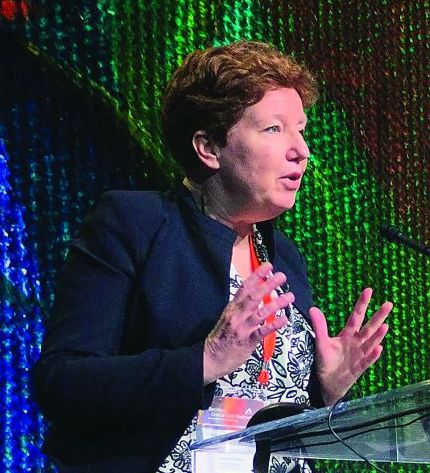
The on-demand approach may also be cost saving, she noted, citing an economic analysis underway that is not yet ready for publication.
“In our ICU, it will save us 350,000 Euros a year,” she said. “In the Netherlands, 40,000 patients will be mechanically ventilated in a year, so it will save us millions in the Netherlands alone.”
The study included adult ICU patients who were expected not to be extubated for at least 24 hours. Dr. Paulus presented the primary analysis of the study, which included data for 922 patients who were randomized either to the on-demand group (n = 455) or the routine nebulization group (n = 467) and completed follow-up.
Patients assigned to the on-demand group received acetylcysteine-containing solutions if they had thick or tenacious secretions, or salbutamol-containing solutions if wheezing was observed or suspected or when findings were suggestive of lower-airway obstruction, according to the paper, published in JAMA.
The primary outcome, number of ventilator-free days at day 28 of the study, was noninferior in the on-demand group versus the routine group, Dr. Paulus said.
The median number of ventilator-free days was 21 for the on-demand group and 20 for the routine group, said the paper.
The length of stay, mortality, and proportion of patients developing pulmonary complications did not differ between the two study arms, the investigators also reported in JAMA.
However, adverse events occurred in just 13.8% of the on-demand group, compared with 29.3% of the routine group (P less than .001), with the difference in adverse events mainly attributable to less tachyarrhythmia and agitation in the experimental group, according to the researchers.
Dr. Paulus and coauthors reported no conflicts of interest related to the study.
SOURCE: Paulus F et al. (van Meenen DMP et al.) JAMA. 2018 Feb. doi: 10.1001/jama.2018.0949.

I would suspect local practice patterns with nebulized acytylcysteine to vary even more widely than bronchodilator administration strategies.
I would suspect local practice patterns with nebulized acytylcysteine to vary even more widely than bronchodilator administration strategies.
I would suspect local practice patterns with nebulized acytylcysteine to vary even more widely than bronchodilator administration strategies.
SAN ANTONIO – with both medications, according to the results of a randomized clinical trial presented by Frederique Paulus, RN, PhD.
In this study, adverse events such as tachyarrhythmia and agitation were less frequent with the on-demand approach, in which patients receive nebulization based on strict clinical indications, Dr. Paulus reported at the Critical Care Congress sponsored by the Society for Critical Care Medicine. The study was published simultaneously in JAMA.
The on-demand approach may also be cost saving, she noted, citing an economic analysis underway that is not yet ready for publication.
“In our ICU, it will save us 350,000 Euros a year,” she said. “In the Netherlands, 40,000 patients will be mechanically ventilated in a year, so it will save us millions in the Netherlands alone.”
The study included adult ICU patients who were expected not to be extubated for at least 24 hours. Dr. Paulus presented the primary analysis of the study, which included data for 922 patients who were randomized either to the on-demand group (n = 455) or the routine nebulization group (n = 467) and completed follow-up.
Patients assigned to the on-demand group received acetylcysteine-containing solutions if they had thick or tenacious secretions, or salbutamol-containing solutions if wheezing was observed or suspected or when findings were suggestive of lower-airway obstruction, according to the paper, published in JAMA.
The primary outcome, number of ventilator-free days at day 28 of the study, was noninferior in the on-demand group versus the routine group, Dr. Paulus said.
The median number of ventilator-free days was 21 for the on-demand group and 20 for the routine group, said the paper.
The length of stay, mortality, and proportion of patients developing pulmonary complications did not differ between the two study arms, the investigators also reported in JAMA.
However, adverse events occurred in just 13.8% of the on-demand group, compared with 29.3% of the routine group (P less than .001), with the difference in adverse events mainly attributable to less tachyarrhythmia and agitation in the experimental group, according to the researchers.
Dr. Paulus and coauthors reported no conflicts of interest related to the study.
SOURCE: Paulus F et al. (van Meenen DMP et al.) JAMA. 2018 Feb. doi: 10.1001/jama.2018.0949.
SAN ANTONIO – with both medications, according to the results of a randomized clinical trial presented by Frederique Paulus, RN, PhD.
In this study, adverse events such as tachyarrhythmia and agitation were less frequent with the on-demand approach, in which patients receive nebulization based on strict clinical indications, Dr. Paulus reported at the Critical Care Congress sponsored by the Society for Critical Care Medicine. The study was published simultaneously in JAMA.
The on-demand approach may also be cost saving, she noted, citing an economic analysis underway that is not yet ready for publication.
“In our ICU, it will save us 350,000 Euros a year,” she said. “In the Netherlands, 40,000 patients will be mechanically ventilated in a year, so it will save us millions in the Netherlands alone.”
The study included adult ICU patients who were expected not to be extubated for at least 24 hours. Dr. Paulus presented the primary analysis of the study, which included data for 922 patients who were randomized either to the on-demand group (n = 455) or the routine nebulization group (n = 467) and completed follow-up.
Patients assigned to the on-demand group received acetylcysteine-containing solutions if they had thick or tenacious secretions, or salbutamol-containing solutions if wheezing was observed or suspected or when findings were suggestive of lower-airway obstruction, according to the paper, published in JAMA.
The primary outcome, number of ventilator-free days at day 28 of the study, was noninferior in the on-demand group versus the routine group, Dr. Paulus said.
The median number of ventilator-free days was 21 for the on-demand group and 20 for the routine group, said the paper.
The length of stay, mortality, and proportion of patients developing pulmonary complications did not differ between the two study arms, the investigators also reported in JAMA.
However, adverse events occurred in just 13.8% of the on-demand group, compared with 29.3% of the routine group (P less than .001), with the difference in adverse events mainly attributable to less tachyarrhythmia and agitation in the experimental group, according to the researchers.
Dr. Paulus and coauthors reported no conflicts of interest related to the study.
SOURCE: Paulus F et al. (van Meenen DMP et al.) JAMA. 2018 Feb. doi: 10.1001/jama.2018.0949.
REPORTING FROM CCC47
Key clinical point: Compared with routine nebulization with acetylcysteine or salbutamol, on-demand nebulization with acetylcysteine or salbutamol was noninferior among patients receiving invasive ventilation in the ICU.
Major finding: At day 28, the median number of ventilator-free days was 21 in the on-demand group and 20 in the routine care group.
Data source: Primary analysis of a randomized clinical trial including 922 adult patients who were expected to need at least 24 hours of invasive ventilation at one of seven ICUs in the Netherlands.
Disclosures: Authors reported no conflicts of interest related to the study.
Source: Paulus F et al. (van Meenen DMP et al.) JAMA. 2018 Feb. doi: 10.1001/jama.2018.0949.
Healthy Food May Come at Higher Price for Native Americans
Healthy foods may be available in grocery stores in rural American Indian communities, but the price can be high. Researchers from University of Washington looked at the availability and cost of 68 food items that comprise the Nutrition Environment Measures Survey in Stores (NEMS-S), which evaluates whether food items adhere to the USDA Thrifty Food Plan (TFP). The TFP “market basket” represents the minimal cost of a healthy diet for a family of 4 for 1 week. The study included 27 stores within a 90-mile radius of the town center of a large American Indian reservation: 13 convenience stores, 10 grocery stores, 3 discount/dollar stores, and 1 discount supermarket. Of the surveyed stores, 10 were on the reservation, including 4 grocery stores.
All NEMS-S foods were available at the discount supermarket, and about 97% of the foods were available at the grocery stores. Convenience and discount/dollar stores were less likely to carry the foods.
The cost of a TFP market basket ranged from 3% lower to 24% higher than the national average. It also varied among the community stores: The TFP cost > 15% at the discount supermarket than at grocery stores ($152.91 vs $179.52). However, the researchers note that the cost of foods that made up the TFP market basket varied across food groups. For instance, the mean cost of dairy products was 43% lower at the discount supermarket than at the grocery stores, while fresh fruits and vegetables were 6% higher.
Healthy foods may be available in grocery stores in rural American Indian communities, but the price can be high. Researchers from University of Washington looked at the availability and cost of 68 food items that comprise the Nutrition Environment Measures Survey in Stores (NEMS-S), which evaluates whether food items adhere to the USDA Thrifty Food Plan (TFP). The TFP “market basket” represents the minimal cost of a healthy diet for a family of 4 for 1 week. The study included 27 stores within a 90-mile radius of the town center of a large American Indian reservation: 13 convenience stores, 10 grocery stores, 3 discount/dollar stores, and 1 discount supermarket. Of the surveyed stores, 10 were on the reservation, including 4 grocery stores.
All NEMS-S foods were available at the discount supermarket, and about 97% of the foods were available at the grocery stores. Convenience and discount/dollar stores were less likely to carry the foods.
The cost of a TFP market basket ranged from 3% lower to 24% higher than the national average. It also varied among the community stores: The TFP cost > 15% at the discount supermarket than at grocery stores ($152.91 vs $179.52). However, the researchers note that the cost of foods that made up the TFP market basket varied across food groups. For instance, the mean cost of dairy products was 43% lower at the discount supermarket than at the grocery stores, while fresh fruits and vegetables were 6% higher.
Healthy foods may be available in grocery stores in rural American Indian communities, but the price can be high. Researchers from University of Washington looked at the availability and cost of 68 food items that comprise the Nutrition Environment Measures Survey in Stores (NEMS-S), which evaluates whether food items adhere to the USDA Thrifty Food Plan (TFP). The TFP “market basket” represents the minimal cost of a healthy diet for a family of 4 for 1 week. The study included 27 stores within a 90-mile radius of the town center of a large American Indian reservation: 13 convenience stores, 10 grocery stores, 3 discount/dollar stores, and 1 discount supermarket. Of the surveyed stores, 10 were on the reservation, including 4 grocery stores.
All NEMS-S foods were available at the discount supermarket, and about 97% of the foods were available at the grocery stores. Convenience and discount/dollar stores were less likely to carry the foods.
The cost of a TFP market basket ranged from 3% lower to 24% higher than the national average. It also varied among the community stores: The TFP cost > 15% at the discount supermarket than at grocery stores ($152.91 vs $179.52). However, the researchers note that the cost of foods that made up the TFP market basket varied across food groups. For instance, the mean cost of dairy products was 43% lower at the discount supermarket than at the grocery stores, while fresh fruits and vegetables were 6% higher.