User login
New antimigraine drugs linked with less risk for adverse events
“[T]he lack of cardiovascular risks of these new classes of migraine-specific treatments may provide alternative treatment options for individuals for whom currently available acute treatments have failed or for those with cardiovascular contraindications,” write lead author Chun-Pai Yang, MD, PhD, of Taichung (Taiwan) Veterans General Hospital and colleagues, in the paper, published online in JAMA Network Open.
Methods
The new study compared the outcomes for acute migraine management using the ditan, lasmiditan (a 5-hydroxytryptamine [5HT]1F–receptor agonist), and the two gepants, rimegepant, and ubrogepant (calcitonin gene–related peptide [CGRP] antagonists), with standard triptan (selective 5-HT1B/1D–receptor agonist) therapy.
The researchers evaluated 64 double-blind randomized clinical trials which included 46,442 patients, the majority of whom (74%-87%) were women with an age range of 36-43 years.
The primary outcome evaluated was the odds ratio for freedom from pain at 2 hours after a single dose and secondary outcomes were the OR for pain relief at 2 hours following a dose, as well as any adverse events.
Results
Dr. Yang and colleagues found that virtually all medications with widespread clinical use, regardless of class, were associated with higher ORs for pain freedom when compared with placebo.
Compared to ditan and gepant agents, however, triptans were associated with significantly higher ORs for pain freedom. The odds ratio ranges were 1.72-3.40 for lasmiditan, 1.58-3.13 for rimegepant, and 1.54-3.05 for ubrogepant.
With respect to pain relief at 2 hours, while all medications were more effective than placebo, triptans were associated with higher ORs when compared with the other drug classes: lasmiditan (range: OR, 1.46; 95% confidence interval, 1.09-1.96 to OR, 3.31; 95% CI, 2.41-4.55), rimegepant (range: OR, 1.33; 95% CI, 1.01-1.76 to OR, 3.01; 95% CI, 2.33-3.88), and ubrogepant (range: OR, 1.38; 95% CI, 1.02-1.88 to OR, 3.13; 95% CI, 2.35-4.15)
When assessing tolerability, the researchers found that overall, triptans were associated with the higher ORs for any adverse events (AE) with a trend of dose-response relationship. Lasmiditan (in the ditan class) was associated with the highest risk for AEs among all treatments. Most of the AEs were mild to moderate and included chest pain, tightness, heaviness, and pressure.
Dr. Yang and colleagues note that, “although these two new classes of antimigraine drugs may not be as efficacious as triptans, these novel abortive agents without cardiovascular risks might offer an alternative to current specific migraine treatments for patients at risk of cardiovascular disease.”
Balancing efficacy and tolerability
“When choosing an acute medication for a patient there is always a balance between efficacy and tolerability,” headache specialist and associate director of North Shore Headache and Spine Lauren Natbony, MD, said in an interview.
“A medication can only be effective if a patient is able to tolerate it and will actually use it,” Dr. Natbony said.
With respect to the current review, Dr. Natbony pointed out, “response to acute therapy can differ between migraine attacks and may be based on variables not controlled for, such as how early in an attack the medication was taken, associated symptoms such as nausea that may make oral medications less efficacious, etc.”
The authors acknowledge that the focus on short-term responses and AEs after a single dose is a limitation of the study. They also pointed out what they considered to be a strength of the study, which was its network meta-analysis design. According to the authors, this design allowed for “multiple direct and indirect comparisons, ranking the efficacy and safety of individual pharmacologic interventions and providing more precise estimates than those of RCTs and traditional meta-analysis.”
Funding for this study was provided through grants from the Ministry of Science and Technology, Taiwan; the Brain Research Center; and National Yang Ming Chiao Tung University.
Dr. Yang has received personal fees and grants from various pharmaceutical companies. He has also received grants from the Taiwan Ministry of Technology and Science, the Brain Research Center, National Yang Ming Chiao Tung University, and Taipei Veterans General Hospital outside the submitted work. The other authors and Dr. Natbony disclosed no relevant financial relationships.
“[T]he lack of cardiovascular risks of these new classes of migraine-specific treatments may provide alternative treatment options for individuals for whom currently available acute treatments have failed or for those with cardiovascular contraindications,” write lead author Chun-Pai Yang, MD, PhD, of Taichung (Taiwan) Veterans General Hospital and colleagues, in the paper, published online in JAMA Network Open.
Methods
The new study compared the outcomes for acute migraine management using the ditan, lasmiditan (a 5-hydroxytryptamine [5HT]1F–receptor agonist), and the two gepants, rimegepant, and ubrogepant (calcitonin gene–related peptide [CGRP] antagonists), with standard triptan (selective 5-HT1B/1D–receptor agonist) therapy.
The researchers evaluated 64 double-blind randomized clinical trials which included 46,442 patients, the majority of whom (74%-87%) were women with an age range of 36-43 years.
The primary outcome evaluated was the odds ratio for freedom from pain at 2 hours after a single dose and secondary outcomes were the OR for pain relief at 2 hours following a dose, as well as any adverse events.
Results
Dr. Yang and colleagues found that virtually all medications with widespread clinical use, regardless of class, were associated with higher ORs for pain freedom when compared with placebo.
Compared to ditan and gepant agents, however, triptans were associated with significantly higher ORs for pain freedom. The odds ratio ranges were 1.72-3.40 for lasmiditan, 1.58-3.13 for rimegepant, and 1.54-3.05 for ubrogepant.
With respect to pain relief at 2 hours, while all medications were more effective than placebo, triptans were associated with higher ORs when compared with the other drug classes: lasmiditan (range: OR, 1.46; 95% confidence interval, 1.09-1.96 to OR, 3.31; 95% CI, 2.41-4.55), rimegepant (range: OR, 1.33; 95% CI, 1.01-1.76 to OR, 3.01; 95% CI, 2.33-3.88), and ubrogepant (range: OR, 1.38; 95% CI, 1.02-1.88 to OR, 3.13; 95% CI, 2.35-4.15)
When assessing tolerability, the researchers found that overall, triptans were associated with the higher ORs for any adverse events (AE) with a trend of dose-response relationship. Lasmiditan (in the ditan class) was associated with the highest risk for AEs among all treatments. Most of the AEs were mild to moderate and included chest pain, tightness, heaviness, and pressure.
Dr. Yang and colleagues note that, “although these two new classes of antimigraine drugs may not be as efficacious as triptans, these novel abortive agents without cardiovascular risks might offer an alternative to current specific migraine treatments for patients at risk of cardiovascular disease.”
Balancing efficacy and tolerability
“When choosing an acute medication for a patient there is always a balance between efficacy and tolerability,” headache specialist and associate director of North Shore Headache and Spine Lauren Natbony, MD, said in an interview.
“A medication can only be effective if a patient is able to tolerate it and will actually use it,” Dr. Natbony said.
With respect to the current review, Dr. Natbony pointed out, “response to acute therapy can differ between migraine attacks and may be based on variables not controlled for, such as how early in an attack the medication was taken, associated symptoms such as nausea that may make oral medications less efficacious, etc.”
The authors acknowledge that the focus on short-term responses and AEs after a single dose is a limitation of the study. They also pointed out what they considered to be a strength of the study, which was its network meta-analysis design. According to the authors, this design allowed for “multiple direct and indirect comparisons, ranking the efficacy and safety of individual pharmacologic interventions and providing more precise estimates than those of RCTs and traditional meta-analysis.”
Funding for this study was provided through grants from the Ministry of Science and Technology, Taiwan; the Brain Research Center; and National Yang Ming Chiao Tung University.
Dr. Yang has received personal fees and grants from various pharmaceutical companies. He has also received grants from the Taiwan Ministry of Technology and Science, the Brain Research Center, National Yang Ming Chiao Tung University, and Taipei Veterans General Hospital outside the submitted work. The other authors and Dr. Natbony disclosed no relevant financial relationships.
“[T]he lack of cardiovascular risks of these new classes of migraine-specific treatments may provide alternative treatment options for individuals for whom currently available acute treatments have failed or for those with cardiovascular contraindications,” write lead author Chun-Pai Yang, MD, PhD, of Taichung (Taiwan) Veterans General Hospital and colleagues, in the paper, published online in JAMA Network Open.
Methods
The new study compared the outcomes for acute migraine management using the ditan, lasmiditan (a 5-hydroxytryptamine [5HT]1F–receptor agonist), and the two gepants, rimegepant, and ubrogepant (calcitonin gene–related peptide [CGRP] antagonists), with standard triptan (selective 5-HT1B/1D–receptor agonist) therapy.
The researchers evaluated 64 double-blind randomized clinical trials which included 46,442 patients, the majority of whom (74%-87%) were women with an age range of 36-43 years.
The primary outcome evaluated was the odds ratio for freedom from pain at 2 hours after a single dose and secondary outcomes were the OR for pain relief at 2 hours following a dose, as well as any adverse events.
Results
Dr. Yang and colleagues found that virtually all medications with widespread clinical use, regardless of class, were associated with higher ORs for pain freedom when compared with placebo.
Compared to ditan and gepant agents, however, triptans were associated with significantly higher ORs for pain freedom. The odds ratio ranges were 1.72-3.40 for lasmiditan, 1.58-3.13 for rimegepant, and 1.54-3.05 for ubrogepant.
With respect to pain relief at 2 hours, while all medications were more effective than placebo, triptans were associated with higher ORs when compared with the other drug classes: lasmiditan (range: OR, 1.46; 95% confidence interval, 1.09-1.96 to OR, 3.31; 95% CI, 2.41-4.55), rimegepant (range: OR, 1.33; 95% CI, 1.01-1.76 to OR, 3.01; 95% CI, 2.33-3.88), and ubrogepant (range: OR, 1.38; 95% CI, 1.02-1.88 to OR, 3.13; 95% CI, 2.35-4.15)
When assessing tolerability, the researchers found that overall, triptans were associated with the higher ORs for any adverse events (AE) with a trend of dose-response relationship. Lasmiditan (in the ditan class) was associated with the highest risk for AEs among all treatments. Most of the AEs were mild to moderate and included chest pain, tightness, heaviness, and pressure.
Dr. Yang and colleagues note that, “although these two new classes of antimigraine drugs may not be as efficacious as triptans, these novel abortive agents without cardiovascular risks might offer an alternative to current specific migraine treatments for patients at risk of cardiovascular disease.”
Balancing efficacy and tolerability
“When choosing an acute medication for a patient there is always a balance between efficacy and tolerability,” headache specialist and associate director of North Shore Headache and Spine Lauren Natbony, MD, said in an interview.
“A medication can only be effective if a patient is able to tolerate it and will actually use it,” Dr. Natbony said.
With respect to the current review, Dr. Natbony pointed out, “response to acute therapy can differ between migraine attacks and may be based on variables not controlled for, such as how early in an attack the medication was taken, associated symptoms such as nausea that may make oral medications less efficacious, etc.”
The authors acknowledge that the focus on short-term responses and AEs after a single dose is a limitation of the study. They also pointed out what they considered to be a strength of the study, which was its network meta-analysis design. According to the authors, this design allowed for “multiple direct and indirect comparisons, ranking the efficacy and safety of individual pharmacologic interventions and providing more precise estimates than those of RCTs and traditional meta-analysis.”
Funding for this study was provided through grants from the Ministry of Science and Technology, Taiwan; the Brain Research Center; and National Yang Ming Chiao Tung University.
Dr. Yang has received personal fees and grants from various pharmaceutical companies. He has also received grants from the Taiwan Ministry of Technology and Science, the Brain Research Center, National Yang Ming Chiao Tung University, and Taipei Veterans General Hospital outside the submitted work. The other authors and Dr. Natbony disclosed no relevant financial relationships.
FROM JAMA NETWORK OPEN
Obstetric care under threat in rural areas
Ready access to maternity services in rural areas is not a given, yet access to obstetric hospitals is associated with decreased rates of preterm birth and neonatal/perinatal mortality.
Little is known, however, about the availability of obstetric centers with respect to birth volume, geographic distribution among states, proximity of obstetric hospitals, and urban adjacency.
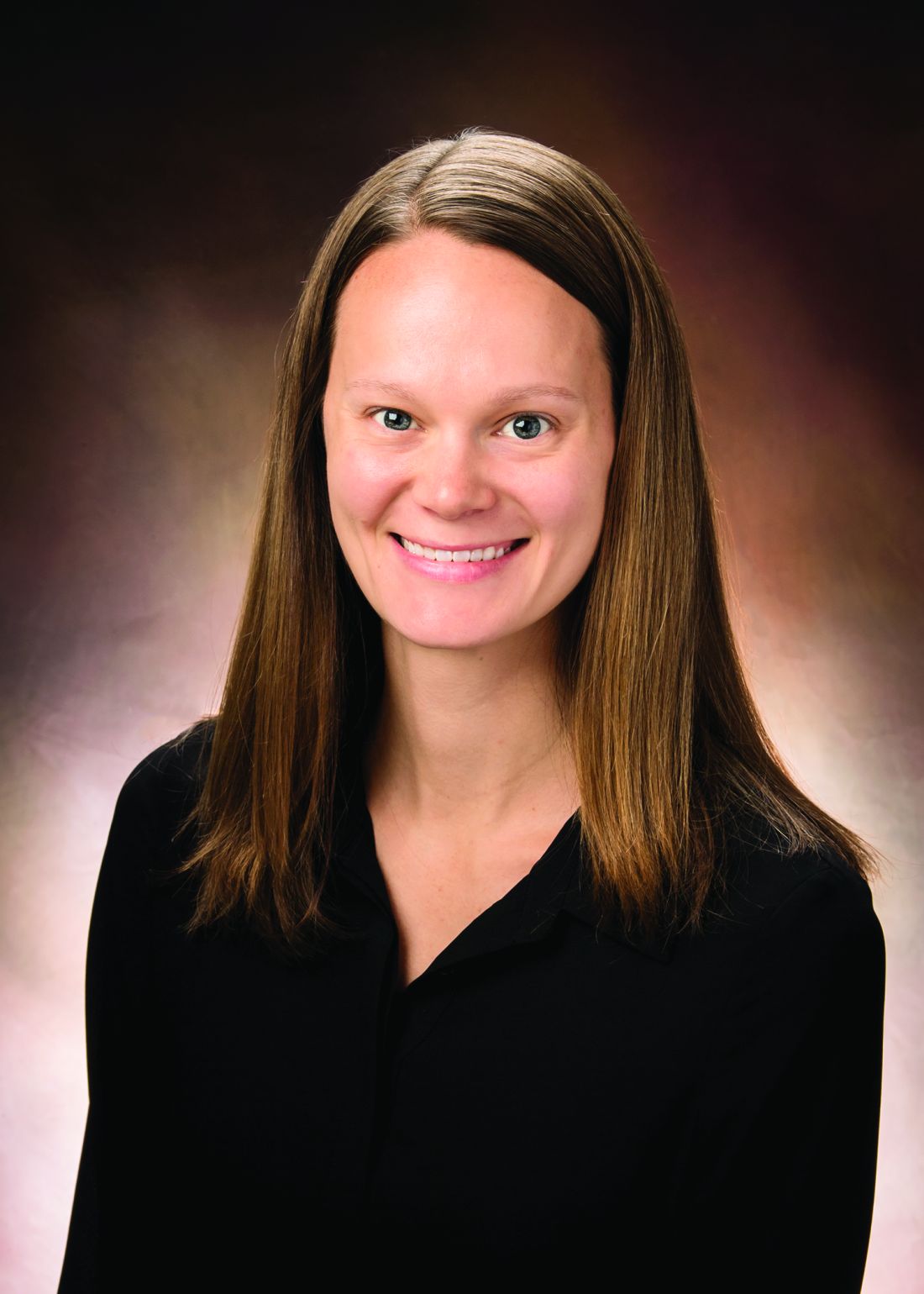
“This knowledge is fundamental to inform clinical and policy efforts to optimize perinatal regionalization, care delivery, and outcomes,” wrote Sara C. Handley, MD, MSCE, of the Roberts Center for Pediatric Research at the Children’s Hospital of Philadelphia, and colleagues, who undertook to fill that information gap in a study. It was published online Oct. 8 in JAMA Network Open.
Her group found birth volumes varied among obstetric hospitals, with many low-volume facilities located in rural, even isolated, areas, which suggests a need to ensure better access to perinatal care for women in these locations.
Using American Hospital Association data, the researchers examined the birth volumes and geographic distributions of 3,207 maternity hospitals from 2010 to 2018. In a cohort of 34,054,951 births, 56.8% occurred in high-volume obstetric facilities, and 37.4% in low-volume hospitals. Among the latter, 18.9% were isolated in location and not within 30 miles of any other obstetric hospital.
Most infants (19,327,487) were born in hospitals with more than 2,000 births per year, the study found, but a substantial 2,528,259, or 7.4%, were born in low-volume centers reporting 10 to 500 births annually.
“We were surprised by the number of low-volume hospitals and the number of births in low-volume hospitals,” Dr. Handley said in an interview. Many low-volume hospitals are in rural areas, which may require patients to drive long distances. These hospitals are at high risk of closure and such closures may further increase travel time.
Among low-volume hospitals, 23.9% were within the study proximity threshold of 30 miles of a hospital with more than 2,000 deliveries per year. “And when you’re in labor, even 30 miles is a long drive,” Dr. Handley said.
According to the authors, these findings highlight the need to balance care availability and sufficient patient volume by ensuring access and referral to high-quality perinatal care. They suggest perinatal care regionalization policies need review to improve maternal and infant outcomes.
But although the need is pressing, meeting it will not happen quickly, Dr. Handley said. “Change will require buy-in from multiple stakeholders and investment at many levels.”
The American College of Obstetrics and Gynecology has previously raised the alarm about general health disparities among women in underserved rural communities.
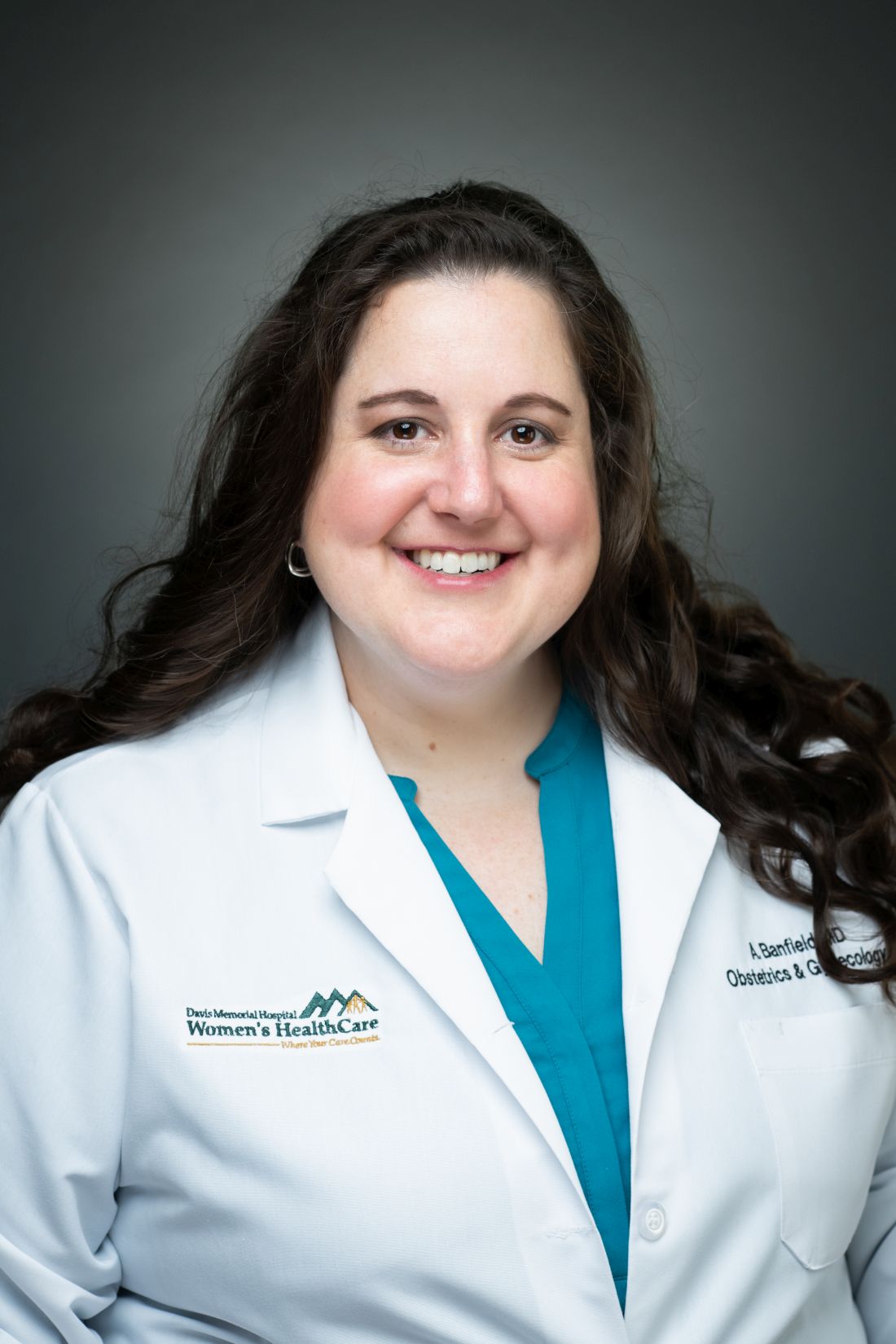
Anne L. Banfield, MD, director of women’s health services at Davis Medical Center in the mountain town of Elkins, W.V., is one obstetrician/gynecologist who is all too familiar with the problem of shrinking perinatal facilities. “Closures have impacted services,” she said in an interview, noting that one hospital in her region closed its birthing unit because of financial considerations. “The next closest facility to ours is 20 miles to the west and more than 60 miles in any other direction,” she said. “And geography can create challenges. Because we’re located in the mountains, it can take 2 hours to get to our facility.”
The hope is that these findings will inform discussions on regionalization policy for perinatal care to improve maternal and infant outcomes and address concerns about isolated obstetric hospitals, the authors said.
Dr. Banfield emphasized that obstetric facilities should be made a priority even if they’re less profitable than other services and not a major contributor to the bottom line. But that will require rethinking reimbursement models to align with community needs. “Everyone has a mother – no one springs from a pod – but the fact is, we’re not paying enough for maternal health care,” she said.
A top priority, she noted, is attracting sufficient staff; not only doctors, but also nurses and midwives with the skill sets required for perinatal care, which differ from those of general surgery and outpatient services. “We have to make financial changes to make this care feasible,” Dr. Banfield said.
In similar recent research, a study published online in the October issue of Health Affairs, showed that with rural hospitals facing increased financial distress, they may merge with other hospitals/systems, potentially reducing service lines that are less profitable or that duplicate services offered by the acquiring institution. Among those often on the chopping block is perinatal care.
“Our analysis of rural hospital discharge data found that merged hospitals were more likely than independent hospitals to eliminate maternal, neonatal, and also surgical care,” lead author Lan Liang, PhD, senior economist at the Agency for Healthcare Research and Quality (AHRQ) in Rockville, Md., said in an interview. This finding was consistent with previous AHRQ research using hospital self-reports, she added.

The study sample comprised 172 rural hospitals that merged during the period 2009-2016 in 32 states and 549 nonmerged comparison hospitals. In the premerger period, 74.5% of hospitals that merged provided maternal/neonatal care. This percentage decreased to 61.1% in the postmerger period. In contrast, the percentage of comparison hospitals providing these services remained stable during both periods (64.3% and 65.1%, respectively).
After weighting and adjusting for variables, the researchers found that from the premerger period to 1 year post merger, the percentage of hospitals providing these services decreased by 6.7 percentage points more for merged than for comparison hospitals (P = .06).
In the second year post merger, the percentage of hospitals providing maternal/neonatal services decreased by 7.2 percentage points more for merged than for comparison hospitals (P = .09).
“We did not, however, see a reduction in the volume of maternity services in rural communities, which suggests that women are just traveling farther to give birth,” Dr. Liang said.
Although mergers might salvage hospitals’ sustainability, the authors wrote, they do not necessarily mean that service lines are retained or that hospitals are as responsive to community needs as they were before the merger.
The analysis concluded that continuing access to maternal/neonatal care in rural areas is not a given. “Stakeholders, including payers, policy makers, and community-based organizations, need to monitor the availability of maternity services to ensure women have options in childbirth providers,” Dr. Liang said.
She and her associates called for payer-supported, multi-stakeholder initiatives to transform rural health care to be both financially sustainable and responsive to population needs.
The study by Dr. Handley and colleagues was supported by the National Institutes of Health (NIH) and the Eunice Shriver National Institute of Child Health and Human Development (NICHD). Dr. Handley reported grants from the NIH outside of the submitted work. Several coauthors reported grants from, variously, the NIH, the NICHD, and the Agency for Healthcare Research and Quality (AHRQ). The study by Dr. Liang and associates was supported by the AHRQ’s Center for Financing, Access, and Cost Trends, and the Healthcare Cost and Utilization Project. The authors disclosed no competing interests.
Ready access to maternity services in rural areas is not a given, yet access to obstetric hospitals is associated with decreased rates of preterm birth and neonatal/perinatal mortality.
Little is known, however, about the availability of obstetric centers with respect to birth volume, geographic distribution among states, proximity of obstetric hospitals, and urban adjacency.
“This knowledge is fundamental to inform clinical and policy efforts to optimize perinatal regionalization, care delivery, and outcomes,” wrote Sara C. Handley, MD, MSCE, of the Roberts Center for Pediatric Research at the Children’s Hospital of Philadelphia, and colleagues, who undertook to fill that information gap in a study. It was published online Oct. 8 in JAMA Network Open.
Her group found birth volumes varied among obstetric hospitals, with many low-volume facilities located in rural, even isolated, areas, which suggests a need to ensure better access to perinatal care for women in these locations.
Using American Hospital Association data, the researchers examined the birth volumes and geographic distributions of 3,207 maternity hospitals from 2010 to 2018. In a cohort of 34,054,951 births, 56.8% occurred in high-volume obstetric facilities, and 37.4% in low-volume hospitals. Among the latter, 18.9% were isolated in location and not within 30 miles of any other obstetric hospital.
Most infants (19,327,487) were born in hospitals with more than 2,000 births per year, the study found, but a substantial 2,528,259, or 7.4%, were born in low-volume centers reporting 10 to 500 births annually.
“We were surprised by the number of low-volume hospitals and the number of births in low-volume hospitals,” Dr. Handley said in an interview. Many low-volume hospitals are in rural areas, which may require patients to drive long distances. These hospitals are at high risk of closure and such closures may further increase travel time.
Among low-volume hospitals, 23.9% were within the study proximity threshold of 30 miles of a hospital with more than 2,000 deliveries per year. “And when you’re in labor, even 30 miles is a long drive,” Dr. Handley said.
According to the authors, these findings highlight the need to balance care availability and sufficient patient volume by ensuring access and referral to high-quality perinatal care. They suggest perinatal care regionalization policies need review to improve maternal and infant outcomes.
But although the need is pressing, meeting it will not happen quickly, Dr. Handley said. “Change will require buy-in from multiple stakeholders and investment at many levels.”
The American College of Obstetrics and Gynecology has previously raised the alarm about general health disparities among women in underserved rural communities.
Anne L. Banfield, MD, director of women’s health services at Davis Medical Center in the mountain town of Elkins, W.V., is one obstetrician/gynecologist who is all too familiar with the problem of shrinking perinatal facilities. “Closures have impacted services,” she said in an interview, noting that one hospital in her region closed its birthing unit because of financial considerations. “The next closest facility to ours is 20 miles to the west and more than 60 miles in any other direction,” she said. “And geography can create challenges. Because we’re located in the mountains, it can take 2 hours to get to our facility.”
The hope is that these findings will inform discussions on regionalization policy for perinatal care to improve maternal and infant outcomes and address concerns about isolated obstetric hospitals, the authors said.
Dr. Banfield emphasized that obstetric facilities should be made a priority even if they’re less profitable than other services and not a major contributor to the bottom line. But that will require rethinking reimbursement models to align with community needs. “Everyone has a mother – no one springs from a pod – but the fact is, we’re not paying enough for maternal health care,” she said.
A top priority, she noted, is attracting sufficient staff; not only doctors, but also nurses and midwives with the skill sets required for perinatal care, which differ from those of general surgery and outpatient services. “We have to make financial changes to make this care feasible,” Dr. Banfield said.
In similar recent research, a study published online in the October issue of Health Affairs, showed that with rural hospitals facing increased financial distress, they may merge with other hospitals/systems, potentially reducing service lines that are less profitable or that duplicate services offered by the acquiring institution. Among those often on the chopping block is perinatal care.
“Our analysis of rural hospital discharge data found that merged hospitals were more likely than independent hospitals to eliminate maternal, neonatal, and also surgical care,” lead author Lan Liang, PhD, senior economist at the Agency for Healthcare Research and Quality (AHRQ) in Rockville, Md., said in an interview. This finding was consistent with previous AHRQ research using hospital self-reports, she added.
The study sample comprised 172 rural hospitals that merged during the period 2009-2016 in 32 states and 549 nonmerged comparison hospitals. In the premerger period, 74.5% of hospitals that merged provided maternal/neonatal care. This percentage decreased to 61.1% in the postmerger period. In contrast, the percentage of comparison hospitals providing these services remained stable during both periods (64.3% and 65.1%, respectively).
After weighting and adjusting for variables, the researchers found that from the premerger period to 1 year post merger, the percentage of hospitals providing these services decreased by 6.7 percentage points more for merged than for comparison hospitals (P = .06).
In the second year post merger, the percentage of hospitals providing maternal/neonatal services decreased by 7.2 percentage points more for merged than for comparison hospitals (P = .09).
“We did not, however, see a reduction in the volume of maternity services in rural communities, which suggests that women are just traveling farther to give birth,” Dr. Liang said.
Although mergers might salvage hospitals’ sustainability, the authors wrote, they do not necessarily mean that service lines are retained or that hospitals are as responsive to community needs as they were before the merger.
The analysis concluded that continuing access to maternal/neonatal care in rural areas is not a given. “Stakeholders, including payers, policy makers, and community-based organizations, need to monitor the availability of maternity services to ensure women have options in childbirth providers,” Dr. Liang said.
She and her associates called for payer-supported, multi-stakeholder initiatives to transform rural health care to be both financially sustainable and responsive to population needs.
The study by Dr. Handley and colleagues was supported by the National Institutes of Health (NIH) and the Eunice Shriver National Institute of Child Health and Human Development (NICHD). Dr. Handley reported grants from the NIH outside of the submitted work. Several coauthors reported grants from, variously, the NIH, the NICHD, and the Agency for Healthcare Research and Quality (AHRQ). The study by Dr. Liang and associates was supported by the AHRQ’s Center for Financing, Access, and Cost Trends, and the Healthcare Cost and Utilization Project. The authors disclosed no competing interests.
Ready access to maternity services in rural areas is not a given, yet access to obstetric hospitals is associated with decreased rates of preterm birth and neonatal/perinatal mortality.
Little is known, however, about the availability of obstetric centers with respect to birth volume, geographic distribution among states, proximity of obstetric hospitals, and urban adjacency.
“This knowledge is fundamental to inform clinical and policy efforts to optimize perinatal regionalization, care delivery, and outcomes,” wrote Sara C. Handley, MD, MSCE, of the Roberts Center for Pediatric Research at the Children’s Hospital of Philadelphia, and colleagues, who undertook to fill that information gap in a study. It was published online Oct. 8 in JAMA Network Open.
Her group found birth volumes varied among obstetric hospitals, with many low-volume facilities located in rural, even isolated, areas, which suggests a need to ensure better access to perinatal care for women in these locations.
Using American Hospital Association data, the researchers examined the birth volumes and geographic distributions of 3,207 maternity hospitals from 2010 to 2018. In a cohort of 34,054,951 births, 56.8% occurred in high-volume obstetric facilities, and 37.4% in low-volume hospitals. Among the latter, 18.9% were isolated in location and not within 30 miles of any other obstetric hospital.
Most infants (19,327,487) were born in hospitals with more than 2,000 births per year, the study found, but a substantial 2,528,259, or 7.4%, were born in low-volume centers reporting 10 to 500 births annually.
“We were surprised by the number of low-volume hospitals and the number of births in low-volume hospitals,” Dr. Handley said in an interview. Many low-volume hospitals are in rural areas, which may require patients to drive long distances. These hospitals are at high risk of closure and such closures may further increase travel time.
Among low-volume hospitals, 23.9% were within the study proximity threshold of 30 miles of a hospital with more than 2,000 deliveries per year. “And when you’re in labor, even 30 miles is a long drive,” Dr. Handley said.
According to the authors, these findings highlight the need to balance care availability and sufficient patient volume by ensuring access and referral to high-quality perinatal care. They suggest perinatal care regionalization policies need review to improve maternal and infant outcomes.
But although the need is pressing, meeting it will not happen quickly, Dr. Handley said. “Change will require buy-in from multiple stakeholders and investment at many levels.”
The American College of Obstetrics and Gynecology has previously raised the alarm about general health disparities among women in underserved rural communities.
Anne L. Banfield, MD, director of women’s health services at Davis Medical Center in the mountain town of Elkins, W.V., is one obstetrician/gynecologist who is all too familiar with the problem of shrinking perinatal facilities. “Closures have impacted services,” she said in an interview, noting that one hospital in her region closed its birthing unit because of financial considerations. “The next closest facility to ours is 20 miles to the west and more than 60 miles in any other direction,” she said. “And geography can create challenges. Because we’re located in the mountains, it can take 2 hours to get to our facility.”
The hope is that these findings will inform discussions on regionalization policy for perinatal care to improve maternal and infant outcomes and address concerns about isolated obstetric hospitals, the authors said.
Dr. Banfield emphasized that obstetric facilities should be made a priority even if they’re less profitable than other services and not a major contributor to the bottom line. But that will require rethinking reimbursement models to align with community needs. “Everyone has a mother – no one springs from a pod – but the fact is, we’re not paying enough for maternal health care,” she said.
A top priority, she noted, is attracting sufficient staff; not only doctors, but also nurses and midwives with the skill sets required for perinatal care, which differ from those of general surgery and outpatient services. “We have to make financial changes to make this care feasible,” Dr. Banfield said.
In similar recent research, a study published online in the October issue of Health Affairs, showed that with rural hospitals facing increased financial distress, they may merge with other hospitals/systems, potentially reducing service lines that are less profitable or that duplicate services offered by the acquiring institution. Among those often on the chopping block is perinatal care.
“Our analysis of rural hospital discharge data found that merged hospitals were more likely than independent hospitals to eliminate maternal, neonatal, and also surgical care,” lead author Lan Liang, PhD, senior economist at the Agency for Healthcare Research and Quality (AHRQ) in Rockville, Md., said in an interview. This finding was consistent with previous AHRQ research using hospital self-reports, she added.
The study sample comprised 172 rural hospitals that merged during the period 2009-2016 in 32 states and 549 nonmerged comparison hospitals. In the premerger period, 74.5% of hospitals that merged provided maternal/neonatal care. This percentage decreased to 61.1% in the postmerger period. In contrast, the percentage of comparison hospitals providing these services remained stable during both periods (64.3% and 65.1%, respectively).
After weighting and adjusting for variables, the researchers found that from the premerger period to 1 year post merger, the percentage of hospitals providing these services decreased by 6.7 percentage points more for merged than for comparison hospitals (P = .06).
In the second year post merger, the percentage of hospitals providing maternal/neonatal services decreased by 7.2 percentage points more for merged than for comparison hospitals (P = .09).
“We did not, however, see a reduction in the volume of maternity services in rural communities, which suggests that women are just traveling farther to give birth,” Dr. Liang said.
Although mergers might salvage hospitals’ sustainability, the authors wrote, they do not necessarily mean that service lines are retained or that hospitals are as responsive to community needs as they were before the merger.
The analysis concluded that continuing access to maternal/neonatal care in rural areas is not a given. “Stakeholders, including payers, policy makers, and community-based organizations, need to monitor the availability of maternity services to ensure women have options in childbirth providers,” Dr. Liang said.
She and her associates called for payer-supported, multi-stakeholder initiatives to transform rural health care to be both financially sustainable and responsive to population needs.
The study by Dr. Handley and colleagues was supported by the National Institutes of Health (NIH) and the Eunice Shriver National Institute of Child Health and Human Development (NICHD). Dr. Handley reported grants from the NIH outside of the submitted work. Several coauthors reported grants from, variously, the NIH, the NICHD, and the Agency for Healthcare Research and Quality (AHRQ). The study by Dr. Liang and associates was supported by the AHRQ’s Center for Financing, Access, and Cost Trends, and the Healthcare Cost and Utilization Project. The authors disclosed no competing interests.
European agency supports marketing of abrocitinib for atopic dermatitis
The
The full indication is for the treatment of moderate to severe AD in adults who are candidates for systemic therapy, according to a summary of the opinion, made on Oct. 14. It will be available as 50-mg, 100-mg, and 200-mg tablets, will be marketed under the name Cibinqo, and “should be prescribed by physicians experienced in the treatment of atopic dermatitis,” the statement said.
“The benefits of Cibinqo are its ability to improve the skin condition as measured by improvements in the Investigator’s Global Assessment 0/1 and Eczema Area and Severity Index 75 response and to reduce itching in patients with atopic dermatitis,” according to the opinion. The most common side effects of abrocitinib are nausea, headache, acne, herpes simplex, increased blood creatine phosphokinase, vomiting, dizziness, and upper abdominal pain, the statement said, and infections are the most serious.
Abrocitinib was first approved for AD in the United Kingdom and in Japan in September, and is under review at the Food and Drug Administration for this indication. The first JAK inhibitor approved for AD in the United States is topical ruxolitinib (Opzelura), approved in September, for the short-term, noncontinuous chronic treatment of mild to moderate AD in nonimmunocompromised patients aged 12 years and older whose disease is not adequately controlled with topical prescription treatments, “or when those therapies are not advisable.”
The
The full indication is for the treatment of moderate to severe AD in adults who are candidates for systemic therapy, according to a summary of the opinion, made on Oct. 14. It will be available as 50-mg, 100-mg, and 200-mg tablets, will be marketed under the name Cibinqo, and “should be prescribed by physicians experienced in the treatment of atopic dermatitis,” the statement said.
“The benefits of Cibinqo are its ability to improve the skin condition as measured by improvements in the Investigator’s Global Assessment 0/1 and Eczema Area and Severity Index 75 response and to reduce itching in patients with atopic dermatitis,” according to the opinion. The most common side effects of abrocitinib are nausea, headache, acne, herpes simplex, increased blood creatine phosphokinase, vomiting, dizziness, and upper abdominal pain, the statement said, and infections are the most serious.
Abrocitinib was first approved for AD in the United Kingdom and in Japan in September, and is under review at the Food and Drug Administration for this indication. The first JAK inhibitor approved for AD in the United States is topical ruxolitinib (Opzelura), approved in September, for the short-term, noncontinuous chronic treatment of mild to moderate AD in nonimmunocompromised patients aged 12 years and older whose disease is not adequately controlled with topical prescription treatments, “or when those therapies are not advisable.”
The
The full indication is for the treatment of moderate to severe AD in adults who are candidates for systemic therapy, according to a summary of the opinion, made on Oct. 14. It will be available as 50-mg, 100-mg, and 200-mg tablets, will be marketed under the name Cibinqo, and “should be prescribed by physicians experienced in the treatment of atopic dermatitis,” the statement said.
“The benefits of Cibinqo are its ability to improve the skin condition as measured by improvements in the Investigator’s Global Assessment 0/1 and Eczema Area and Severity Index 75 response and to reduce itching in patients with atopic dermatitis,” according to the opinion. The most common side effects of abrocitinib are nausea, headache, acne, herpes simplex, increased blood creatine phosphokinase, vomiting, dizziness, and upper abdominal pain, the statement said, and infections are the most serious.
Abrocitinib was first approved for AD in the United Kingdom and in Japan in September, and is under review at the Food and Drug Administration for this indication. The first JAK inhibitor approved for AD in the United States is topical ruxolitinib (Opzelura), approved in September, for the short-term, noncontinuous chronic treatment of mild to moderate AD in nonimmunocompromised patients aged 12 years and older whose disease is not adequately controlled with topical prescription treatments, “or when those therapies are not advisable.”
How the Navajo’s cultural values are driving COVID vaccinations
COVID-19 has killed Native Americans at twice the rate of White Americans, underscoring the health inequities and deep-rooted distrust tribal nations have of federal government entities.

And yet, Native Americans have the highest vaccination rates of any major racial or ethnic group in the United States. Like many other tribal nations, the Navajo had to embrace Western science to reclaim its social customs and ceremonies. “We’re a very social culture, so having to isolate really impacted our mental health,” said Mary Hasbah Roessel, MD, DLFAPA, a Navajo psychiatrist who is affiliated with Santa Fe Indian Hospital in New Mexico.
The Navajo nation occupies the largest Native American reservation in the United States, spanning New Mexico, Arizona, and Utah. As of mid-October, the nation had reported more than 34,000 COVID-19 cases and 1,400 deaths in its jurisdiction.
In an interview with this news organization, Dr. Roessel described the partnerships that mobilized a nation of more than 250,000 individuals to get vaccinated.
Question: Why has the death rate been so high in the Navajo nation?
Answer: A lot of health disparities before the pandemic were blatantly revealed during COVID. Only 40% of people on the reservation had running water. Having to stay home and isolate led to food insecurity. Further insecurity issues affected our ability to stay healthy, such as having good sanitation. There’s a lot of poverty, a high unemployment rate. Some people had to go to work off reservation and were potentially bringing the virus home. A lot of generations live in the same household. Elders were vulnerable to getting the infection, and there was little ability to isolate if someone wasn’t having symptoms. Hospitals nearby didn’t have ICUs.
Therefore, the rate of cases skyrocketed early on. We were disproportionately affected. The Navajo nation per capita had the highest rate of cases in any state.
Q: What changes took place within the Navajo nation to get people vaccinated? What role did the federal Indian Health Service have in promoting this?
A: There had to be a shift in acceptance of the vaccinations.
With the IHS, we went into a disaster response mode with all-hands-on deck meetings. We had to figure out how we could access mass vaccination clinics. Partnering with the Navajo Department of Health, we did that right away with hospitals and small clinics across the Navajo nation. Casinos owned by tribal entities that closed during COVID reopened and were used as vaccination clinics.
Vaccinations were sent to us fairly quickly. I ended up getting vaccinated in December 2020, when it was first rolled out.
Native and Navajo individuals have been reluctant to rely on government services. Because IHS came through with the vaccines, COVID reduced that stigma to access its services. Even the Navajo Department of Health partnered with the Indian Health Service to provide culturally relevant campaigns that explain why the vaccine is valuable.
I think because people were so impacted, they saw something valuable with the vaccine. Given the education and access, people were ready to get vaccinated. They realized if a whole household got vaccinated, they could see early on that they could be social again.
Q: What cultural factors have been contributing to this positive development?
A: In our Navajo culture, we’ve dealt with monsters before. We talk about that in terms of how we teach our young people to be strong and resilient. We talked about this virus as being another monster we had to tackle and control. The teaching was along those lines. We’ve dealt with this before, and we can handle it. We’re resilient. Our culture is very strong in that way. So how do we do it? We have to partner; we have to embrace Western medicine to return back to the ceremonies we want to have again and be social again. We focus on positive things, so if we see something as potentially positive, such as the vaccine, we see that and know that’s something to help us come into our life again.
Q: I would expect that protecting elders in the tribe would be a big incentive in taking the vaccine.
A: Yes, we didn’t want to lose our language and culture, and we wanted to protect our elders. Having a way to do that was very important as well. They were among the first to get vaccinated.
Q: What is the current vaccination rate in the Navajo nation?
A: I think it’s in the upper 80th percentile. It’s very high.
Q: What have been the biggest takeaways so far, and what are your hopes for the future?
A: Even though the Navajo Nation has been impacted and devastated with the loss of elders and knowledge keepers, we still have our culture and ceremonies intact to the point that we know we can be resilient get through this difficult time.
Through collaborations with the federal and state governments and the clinics, we see that things are different now. Going forward, my hope is these partnerships will continue, that we’ll build those relationships and not be so siloed in our care. When the New Mexico Department of Health rolled out its first vaccination clinic, for example, we jumped on and saw how they did it. We were then able to do our own, collaborating with the state.
We also saw how important our culture was, how it helped our Navajo people through these difficult times.
Dr. Roessel, a distinguished fellow of the American Psychiatric Association, has special expertise in cultural psychiatry. Her childhood was spent growing up in the Navajo nation with her grandfather, who was a Navajo medicine man. Her psychiatric practice focuses on integrating Indigenous knowledge and principles.
References
American Public Media Research Lab. “The Color of Coronavirus: COVID-19 Deaths by Race and Ethnicity in the U.S.” 2021 Mar 5.
Centers for Disease Control and Prevention. “Demographic Characteristics of People Receiving COVID-19 Vaccinations in the United States.” Data as of 2021 Oct 14.
Navajo Nation. Indian Health Service. U.S. Department of Health & Human Services.
The Navajo Nation’s Office of the President and Vice President. “11 New Cases, 32,735 Recoveries, and Six Recent Deaths Related to COVID-19.” 2021 Oct 13.
Navajo Nation Government web page.
COVID-19 has killed Native Americans at twice the rate of White Americans, underscoring the health inequities and deep-rooted distrust tribal nations have of federal government entities.
And yet, Native Americans have the highest vaccination rates of any major racial or ethnic group in the United States. Like many other tribal nations, the Navajo had to embrace Western science to reclaim its social customs and ceremonies. “We’re a very social culture, so having to isolate really impacted our mental health,” said Mary Hasbah Roessel, MD, DLFAPA, a Navajo psychiatrist who is affiliated with Santa Fe Indian Hospital in New Mexico.
The Navajo nation occupies the largest Native American reservation in the United States, spanning New Mexico, Arizona, and Utah. As of mid-October, the nation had reported more than 34,000 COVID-19 cases and 1,400 deaths in its jurisdiction.
In an interview with this news organization, Dr. Roessel described the partnerships that mobilized a nation of more than 250,000 individuals to get vaccinated.
Question: Why has the death rate been so high in the Navajo nation?
Answer: A lot of health disparities before the pandemic were blatantly revealed during COVID. Only 40% of people on the reservation had running water. Having to stay home and isolate led to food insecurity. Further insecurity issues affected our ability to stay healthy, such as having good sanitation. There’s a lot of poverty, a high unemployment rate. Some people had to go to work off reservation and were potentially bringing the virus home. A lot of generations live in the same household. Elders were vulnerable to getting the infection, and there was little ability to isolate if someone wasn’t having symptoms. Hospitals nearby didn’t have ICUs.
Therefore, the rate of cases skyrocketed early on. We were disproportionately affected. The Navajo nation per capita had the highest rate of cases in any state.
Q: What changes took place within the Navajo nation to get people vaccinated? What role did the federal Indian Health Service have in promoting this?
A: There had to be a shift in acceptance of the vaccinations.
With the IHS, we went into a disaster response mode with all-hands-on deck meetings. We had to figure out how we could access mass vaccination clinics. Partnering with the Navajo Department of Health, we did that right away with hospitals and small clinics across the Navajo nation. Casinos owned by tribal entities that closed during COVID reopened and were used as vaccination clinics.
Vaccinations were sent to us fairly quickly. I ended up getting vaccinated in December 2020, when it was first rolled out.
Native and Navajo individuals have been reluctant to rely on government services. Because IHS came through with the vaccines, COVID reduced that stigma to access its services. Even the Navajo Department of Health partnered with the Indian Health Service to provide culturally relevant campaigns that explain why the vaccine is valuable.
I think because people were so impacted, they saw something valuable with the vaccine. Given the education and access, people were ready to get vaccinated. They realized if a whole household got vaccinated, they could see early on that they could be social again.
Q: What cultural factors have been contributing to this positive development?
A: In our Navajo culture, we’ve dealt with monsters before. We talk about that in terms of how we teach our young people to be strong and resilient. We talked about this virus as being another monster we had to tackle and control. The teaching was along those lines. We’ve dealt with this before, and we can handle it. We’re resilient. Our culture is very strong in that way. So how do we do it? We have to partner; we have to embrace Western medicine to return back to the ceremonies we want to have again and be social again. We focus on positive things, so if we see something as potentially positive, such as the vaccine, we see that and know that’s something to help us come into our life again.
Q: I would expect that protecting elders in the tribe would be a big incentive in taking the vaccine.
A: Yes, we didn’t want to lose our language and culture, and we wanted to protect our elders. Having a way to do that was very important as well. They were among the first to get vaccinated.
Q: What is the current vaccination rate in the Navajo nation?
A: I think it’s in the upper 80th percentile. It’s very high.
Q: What have been the biggest takeaways so far, and what are your hopes for the future?
A: Even though the Navajo Nation has been impacted and devastated with the loss of elders and knowledge keepers, we still have our culture and ceremonies intact to the point that we know we can be resilient get through this difficult time.
Through collaborations with the federal and state governments and the clinics, we see that things are different now. Going forward, my hope is these partnerships will continue, that we’ll build those relationships and not be so siloed in our care. When the New Mexico Department of Health rolled out its first vaccination clinic, for example, we jumped on and saw how they did it. We were then able to do our own, collaborating with the state.
We also saw how important our culture was, how it helped our Navajo people through these difficult times.
Dr. Roessel, a distinguished fellow of the American Psychiatric Association, has special expertise in cultural psychiatry. Her childhood was spent growing up in the Navajo nation with her grandfather, who was a Navajo medicine man. Her psychiatric practice focuses on integrating Indigenous knowledge and principles.
References
American Public Media Research Lab. “The Color of Coronavirus: COVID-19 Deaths by Race and Ethnicity in the U.S.” 2021 Mar 5.
Centers for Disease Control and Prevention. “Demographic Characteristics of People Receiving COVID-19 Vaccinations in the United States.” Data as of 2021 Oct 14.
Navajo Nation. Indian Health Service. U.S. Department of Health & Human Services.
The Navajo Nation’s Office of the President and Vice President. “11 New Cases, 32,735 Recoveries, and Six Recent Deaths Related to COVID-19.” 2021 Oct 13.
Navajo Nation Government web page.
COVID-19 has killed Native Americans at twice the rate of White Americans, underscoring the health inequities and deep-rooted distrust tribal nations have of federal government entities.
And yet, Native Americans have the highest vaccination rates of any major racial or ethnic group in the United States. Like many other tribal nations, the Navajo had to embrace Western science to reclaim its social customs and ceremonies. “We’re a very social culture, so having to isolate really impacted our mental health,” said Mary Hasbah Roessel, MD, DLFAPA, a Navajo psychiatrist who is affiliated with Santa Fe Indian Hospital in New Mexico.
The Navajo nation occupies the largest Native American reservation in the United States, spanning New Mexico, Arizona, and Utah. As of mid-October, the nation had reported more than 34,000 COVID-19 cases and 1,400 deaths in its jurisdiction.
In an interview with this news organization, Dr. Roessel described the partnerships that mobilized a nation of more than 250,000 individuals to get vaccinated.
Question: Why has the death rate been so high in the Navajo nation?
Answer: A lot of health disparities before the pandemic were blatantly revealed during COVID. Only 40% of people on the reservation had running water. Having to stay home and isolate led to food insecurity. Further insecurity issues affected our ability to stay healthy, such as having good sanitation. There’s a lot of poverty, a high unemployment rate. Some people had to go to work off reservation and were potentially bringing the virus home. A lot of generations live in the same household. Elders were vulnerable to getting the infection, and there was little ability to isolate if someone wasn’t having symptoms. Hospitals nearby didn’t have ICUs.
Therefore, the rate of cases skyrocketed early on. We were disproportionately affected. The Navajo nation per capita had the highest rate of cases in any state.
Q: What changes took place within the Navajo nation to get people vaccinated? What role did the federal Indian Health Service have in promoting this?
A: There had to be a shift in acceptance of the vaccinations.
With the IHS, we went into a disaster response mode with all-hands-on deck meetings. We had to figure out how we could access mass vaccination clinics. Partnering with the Navajo Department of Health, we did that right away with hospitals and small clinics across the Navajo nation. Casinos owned by tribal entities that closed during COVID reopened and were used as vaccination clinics.
Vaccinations were sent to us fairly quickly. I ended up getting vaccinated in December 2020, when it was first rolled out.
Native and Navajo individuals have been reluctant to rely on government services. Because IHS came through with the vaccines, COVID reduced that stigma to access its services. Even the Navajo Department of Health partnered with the Indian Health Service to provide culturally relevant campaigns that explain why the vaccine is valuable.
I think because people were so impacted, they saw something valuable with the vaccine. Given the education and access, people were ready to get vaccinated. They realized if a whole household got vaccinated, they could see early on that they could be social again.
Q: What cultural factors have been contributing to this positive development?
A: In our Navajo culture, we’ve dealt with monsters before. We talk about that in terms of how we teach our young people to be strong and resilient. We talked about this virus as being another monster we had to tackle and control. The teaching was along those lines. We’ve dealt with this before, and we can handle it. We’re resilient. Our culture is very strong in that way. So how do we do it? We have to partner; we have to embrace Western medicine to return back to the ceremonies we want to have again and be social again. We focus on positive things, so if we see something as potentially positive, such as the vaccine, we see that and know that’s something to help us come into our life again.
Q: I would expect that protecting elders in the tribe would be a big incentive in taking the vaccine.
A: Yes, we didn’t want to lose our language and culture, and we wanted to protect our elders. Having a way to do that was very important as well. They were among the first to get vaccinated.
Q: What is the current vaccination rate in the Navajo nation?
A: I think it’s in the upper 80th percentile. It’s very high.
Q: What have been the biggest takeaways so far, and what are your hopes for the future?
A: Even though the Navajo Nation has been impacted and devastated with the loss of elders and knowledge keepers, we still have our culture and ceremonies intact to the point that we know we can be resilient get through this difficult time.
Through collaborations with the federal and state governments and the clinics, we see that things are different now. Going forward, my hope is these partnerships will continue, that we’ll build those relationships and not be so siloed in our care. When the New Mexico Department of Health rolled out its first vaccination clinic, for example, we jumped on and saw how they did it. We were then able to do our own, collaborating with the state.
We also saw how important our culture was, how it helped our Navajo people through these difficult times.
Dr. Roessel, a distinguished fellow of the American Psychiatric Association, has special expertise in cultural psychiatry. Her childhood was spent growing up in the Navajo nation with her grandfather, who was a Navajo medicine man. Her psychiatric practice focuses on integrating Indigenous knowledge and principles.
References
American Public Media Research Lab. “The Color of Coronavirus: COVID-19 Deaths by Race and Ethnicity in the U.S.” 2021 Mar 5.
Centers for Disease Control and Prevention. “Demographic Characteristics of People Receiving COVID-19 Vaccinations in the United States.” Data as of 2021 Oct 14.
Navajo Nation. Indian Health Service. U.S. Department of Health & Human Services.
The Navajo Nation’s Office of the President and Vice President. “11 New Cases, 32,735 Recoveries, and Six Recent Deaths Related to COVID-19.” 2021 Oct 13.
Navajo Nation Government web page.
Docs: Insurers’ payment delays, downcoding a ‘revenue grab’
Despite reporting record profits during the COVID-19 pandemic, major insurance companies are delaying claims payments and making it more difficult for hospitals and physicians to get paid the full amount of claims, observers and physicians say.
Kaiser Health News recently reported that hospitals, in particular, are affected by the slowdown in claims payments from Anthem Blue Cross, the nation’s second largest health insurer. The investigative piece did not focus on outpatient or independent practices. Research by this news organization shows that the health plans’ new policies are also reducing cash flow and raising costs for ambulatory care groups. In addition, it showed that other payers besides Anthem have engaged in the same practices.
“What we’ve seen is that with complex claims, such as those with -25 modifiers, plans are routinely requiring documentation,” Jim Donohue, senior manager and associate principal at ECG Management Consultants, said in an interview. “It’s not a denial, it’s a request for more information for medical records prior to processing payments. That has the effect of slowing down payments.”
This is exactly what one internal medicine group in the Southeast has noticed. The internist who heads the practice, who asked not to be identified, says that about 4-6 months ago, United, Humana, and other payers started to require documentation for prepayment review on a higher percentage of complex claims such as 99214 (established patient), 99204 (new patient), and claims with -25 modifiers. (The latter are appended to evaluation and management [E/M] claims in which patients had comorbidities that were addressed in the same visit as the main complaint.)
“That’s really frustrating, because you have to print out or take the record for that particular visit and computer fax it to them,” the practice leader notes. “And invariably, they’ll say they didn’t get a certain percentage of them. It’s our fault because they lost the claim.”
In the past, he says, health plans would occasionally ask for the note related to a complex visit where they saw issues, and they’ve always done random postpayment chart audits. But the percentage of prepayment reviews has significantly increased in recent months, he says.
Until a plan does this review, the claim can’t be processed because it’s not regarded as a clean claim. And this has implications for insurers’ compliance with laws that, in most states, require them to pay claims within 30-40 days of submission. (Medicare’s limit is 30 days.) According to Mr. Donohue, the clock doesn’t start ticking on this requirement unless and until a claim is clean. So by requiring documentation on complex claims, the plans can not only justify downcoding a claim, but can also delay payment without triggering state penalties.
Insurer admits ‘challenges’ with claims processing
VCU Health, a health system affiliated with Virginia Commonwealth University, recently filed a complaint against Anthem with Virginia’s insurance commissioner, asking that the Virginia Bureau of Insurance investigate the company’s claims-processing delays. The complaint claimed Anthem owes VCU more than $385 million, of which $171 million is over 90 days old. Much of that consists of commercial claims, which are subject to the state’s 40-day claims payment rule.
VCU cited several problems it said Anthem had created that slowed claims payments:
Any claim over a certain dollar limit requires an itemized bill.
Anthem requests detailed medical records prior to considering payment of even clean claims.
Documents must be uploaded to a web portal that has technical problems, and Anthem has lost some documents as a result.
Claims are being incorrectly processed for some professionals, “resulting in multi-million-dollar underpayments of anesthesia, nurse practitioners, pathology, and behavioral health providers.”
In addition, as the Kaiser Health News article points out, hospitals have blamed the increase in payment delays or denials partly on “preauthorization hurdles for routine procedures and requirements that doctors themselves – not support staffers – speak to insurance gatekeepers.”
In response to an inquiry from this news organization, an Anthem spokesman admitted that some payments to providers have been delayed, partly because of changes in the company’s claims-processing system. “We recognize there have been some challenges as we work with care providers to update claims processing, and readjust and adapt to a new set of dynamics as we continue to manage the pandemic,” said the spokesman.
The Kaiser Health News piece reported that Anthem’s CFO had told stock analysts on a conference call that the company had slowed claims payments to build up its financial reserves during the pandemic – a statement that some physicians called “outrageous.” But the Anthem spokesman told this news organization the quote was taken out of context and that the CFO was talking not about reserves but about “days in claims payable.” The spokesman said, “The payment delays that the article focuses on are not the primary driver or even a material driver of the increase in our overall reserves or DCPs [defined contribution plans] relative to historical levels. In fact, the vast majority of our claims are being processed in a timely manner.”
Some claims routinely downcoded
Even if that were the case, it would not explain why some physicians are seeing their higher-cost claims routinely downcoded. Will Sawyer, MD, a family physician in Cincinnati, told this news organization, “Anthem has been downcoding relentlessly since October 2020.” More often than not, when his office submits a claim with a 99214 code (office visit, 30-39 minutes, moderate medical decision-making), it’s changed to 99213 (office visit, 20-29 minutes, low medical decision-making) before processing, he says.
This has resulted in a significant diminution of his income, he notes. Anthem pays him less than Medicare for E/M visits, and the downcoding reduces his payment from $86 to $68 for a complex visit that may have taken half an hour or more.
In some cases where his office manager has noticed the downcoding, Dr. Sawyer says, she has resubmitted the claim with a copy of the encounter form. But Anthem hasn’t budged. And the refiling effort takes a toll on his solo practice, which doesn’t have sufficient staff, as it is.
Dr. Sawyer acknowledges that he has sent in a higher percentage of complex claims in the past year than he did previously. But much of that is the result of two factors beyond his control: First, many patients avoided coming into the office early in the pandemic, and when they returned, their preventive and chronic care needs were greater. Second, he says, “There are many comorbidities and mental health aspects, which exacerbate many issues and become an issue. We’re not dealing with engines here; they’re human beings. And it takes time.”
In response to Dr. Sawyer’s comments, Anthem said that it uses “analytical tools to review evaluation and management (E/M) codes during the claims adjudication and processing process.” Physicians who believe that certain claims should not have been downcoded can dispute these decisions; they must supply a statement explaining why they disagree with the decision along with documentation to support their statement, the company said. Anthem added that it reviews claims to lower costs for its members.
‘Revenue-grab strategy’
Dr. Sawyer believes that what Anthem is doing to him and other physicians reflects its desire to increase profits by netting extra revenue and keeping physicians’ money while it delays payments to them – a practice known in the trade as “the float.” Moreover, he says, the company depends on many practices not keeping track of their finances during the pandemic.
“When practices are running at warp speed, trying to keep people healthy and getting burned out, they aren’t paying as close attention to the details of payment. It’s an absolute revenue-grab strategy that’s unconscionable,” says Dr. Sawyer.
The Southeast internist also thinks that insurance companies other than Anthem – including United and Humana – are profiting from the float. Besides delaying his payments with gratuitous demands for documentation, he said, they also downcode many claims, forcing the practice to refile the claims and appeal. That forces the practice to pay overtime or bring on more claims staff, which raises administrative costs.
The plans’ strategy, the internist says, is this: “If they downcode millions of claims, a certain number of physicians will give up without appealing, and they’ll raise their profits.”
A United spokesperson said in an interview, “We pay claims appropriately under members’ plans and within the required time frame.” Humana had not responded to this news organization’s request for comment at press time.
Challenge to practice economics
Insurer policies that delay payments or downcode claims, ECG’s Mr. Donohue points out, are especially harmful to primary care and other ambulatory practices that have many small-dollar claims.
“That’s where it’s challenging, because it’s not like a $10,000 case where you add $100 to it [to meet records requests]. You’re talking about something that’s relatively low dollar, where the practice makes a small surplus, and when you add administrative costs, it can change the economics,” he says.
While the economic burden on ambulatory care practices may be greater, Anders Gilberg, senior vice president of government affairs for the Medical Group Management Association (MGMA), said that the payment delays and demands for documentation – along with prior authorization – particularly affect inpatient care. The health plans are questioning big-ticket items more than ever, he said, and most of those services occur in hospitals.
However, the greater level of insurer scrutiny also affects physicians who treat patients in the hospital, including surgeons and emergency department physicians who contract with the facilities, he adds.
Mr. Gilberg views the current situation as an exacerbation of the health plan policies that physicians have long struggled with. “It’s not new to have insurers play the float and not pay claims on time. Unfortunately, this is something that medical practices are used to.”
A version of this article first appeared on Medscape.com.
Despite reporting record profits during the COVID-19 pandemic, major insurance companies are delaying claims payments and making it more difficult for hospitals and physicians to get paid the full amount of claims, observers and physicians say.
Kaiser Health News recently reported that hospitals, in particular, are affected by the slowdown in claims payments from Anthem Blue Cross, the nation’s second largest health insurer. The investigative piece did not focus on outpatient or independent practices. Research by this news organization shows that the health plans’ new policies are also reducing cash flow and raising costs for ambulatory care groups. In addition, it showed that other payers besides Anthem have engaged in the same practices.
“What we’ve seen is that with complex claims, such as those with -25 modifiers, plans are routinely requiring documentation,” Jim Donohue, senior manager and associate principal at ECG Management Consultants, said in an interview. “It’s not a denial, it’s a request for more information for medical records prior to processing payments. That has the effect of slowing down payments.”
This is exactly what one internal medicine group in the Southeast has noticed. The internist who heads the practice, who asked not to be identified, says that about 4-6 months ago, United, Humana, and other payers started to require documentation for prepayment review on a higher percentage of complex claims such as 99214 (established patient), 99204 (new patient), and claims with -25 modifiers. (The latter are appended to evaluation and management [E/M] claims in which patients had comorbidities that were addressed in the same visit as the main complaint.)
“That’s really frustrating, because you have to print out or take the record for that particular visit and computer fax it to them,” the practice leader notes. “And invariably, they’ll say they didn’t get a certain percentage of them. It’s our fault because they lost the claim.”
In the past, he says, health plans would occasionally ask for the note related to a complex visit where they saw issues, and they’ve always done random postpayment chart audits. But the percentage of prepayment reviews has significantly increased in recent months, he says.
Until a plan does this review, the claim can’t be processed because it’s not regarded as a clean claim. And this has implications for insurers’ compliance with laws that, in most states, require them to pay claims within 30-40 days of submission. (Medicare’s limit is 30 days.) According to Mr. Donohue, the clock doesn’t start ticking on this requirement unless and until a claim is clean. So by requiring documentation on complex claims, the plans can not only justify downcoding a claim, but can also delay payment without triggering state penalties.
Insurer admits ‘challenges’ with claims processing
VCU Health, a health system affiliated with Virginia Commonwealth University, recently filed a complaint against Anthem with Virginia’s insurance commissioner, asking that the Virginia Bureau of Insurance investigate the company’s claims-processing delays. The complaint claimed Anthem owes VCU more than $385 million, of which $171 million is over 90 days old. Much of that consists of commercial claims, which are subject to the state’s 40-day claims payment rule.
VCU cited several problems it said Anthem had created that slowed claims payments:
Any claim over a certain dollar limit requires an itemized bill.
Anthem requests detailed medical records prior to considering payment of even clean claims.
Documents must be uploaded to a web portal that has technical problems, and Anthem has lost some documents as a result.
Claims are being incorrectly processed for some professionals, “resulting in multi-million-dollar underpayments of anesthesia, nurse practitioners, pathology, and behavioral health providers.”
In addition, as the Kaiser Health News article points out, hospitals have blamed the increase in payment delays or denials partly on “preauthorization hurdles for routine procedures and requirements that doctors themselves – not support staffers – speak to insurance gatekeepers.”
In response to an inquiry from this news organization, an Anthem spokesman admitted that some payments to providers have been delayed, partly because of changes in the company’s claims-processing system. “We recognize there have been some challenges as we work with care providers to update claims processing, and readjust and adapt to a new set of dynamics as we continue to manage the pandemic,” said the spokesman.
The Kaiser Health News piece reported that Anthem’s CFO had told stock analysts on a conference call that the company had slowed claims payments to build up its financial reserves during the pandemic – a statement that some physicians called “outrageous.” But the Anthem spokesman told this news organization the quote was taken out of context and that the CFO was talking not about reserves but about “days in claims payable.” The spokesman said, “The payment delays that the article focuses on are not the primary driver or even a material driver of the increase in our overall reserves or DCPs [defined contribution plans] relative to historical levels. In fact, the vast majority of our claims are being processed in a timely manner.”
Some claims routinely downcoded
Even if that were the case, it would not explain why some physicians are seeing their higher-cost claims routinely downcoded. Will Sawyer, MD, a family physician in Cincinnati, told this news organization, “Anthem has been downcoding relentlessly since October 2020.” More often than not, when his office submits a claim with a 99214 code (office visit, 30-39 minutes, moderate medical decision-making), it’s changed to 99213 (office visit, 20-29 minutes, low medical decision-making) before processing, he says.
This has resulted in a significant diminution of his income, he notes. Anthem pays him less than Medicare for E/M visits, and the downcoding reduces his payment from $86 to $68 for a complex visit that may have taken half an hour or more.
In some cases where his office manager has noticed the downcoding, Dr. Sawyer says, she has resubmitted the claim with a copy of the encounter form. But Anthem hasn’t budged. And the refiling effort takes a toll on his solo practice, which doesn’t have sufficient staff, as it is.
Dr. Sawyer acknowledges that he has sent in a higher percentage of complex claims in the past year than he did previously. But much of that is the result of two factors beyond his control: First, many patients avoided coming into the office early in the pandemic, and when they returned, their preventive and chronic care needs were greater. Second, he says, “There are many comorbidities and mental health aspects, which exacerbate many issues and become an issue. We’re not dealing with engines here; they’re human beings. And it takes time.”
In response to Dr. Sawyer’s comments, Anthem said that it uses “analytical tools to review evaluation and management (E/M) codes during the claims adjudication and processing process.” Physicians who believe that certain claims should not have been downcoded can dispute these decisions; they must supply a statement explaining why they disagree with the decision along with documentation to support their statement, the company said. Anthem added that it reviews claims to lower costs for its members.
‘Revenue-grab strategy’
Dr. Sawyer believes that what Anthem is doing to him and other physicians reflects its desire to increase profits by netting extra revenue and keeping physicians’ money while it delays payments to them – a practice known in the trade as “the float.” Moreover, he says, the company depends on many practices not keeping track of their finances during the pandemic.
“When practices are running at warp speed, trying to keep people healthy and getting burned out, they aren’t paying as close attention to the details of payment. It’s an absolute revenue-grab strategy that’s unconscionable,” says Dr. Sawyer.
The Southeast internist also thinks that insurance companies other than Anthem – including United and Humana – are profiting from the float. Besides delaying his payments with gratuitous demands for documentation, he said, they also downcode many claims, forcing the practice to refile the claims and appeal. That forces the practice to pay overtime or bring on more claims staff, which raises administrative costs.
The plans’ strategy, the internist says, is this: “If they downcode millions of claims, a certain number of physicians will give up without appealing, and they’ll raise their profits.”
A United spokesperson said in an interview, “We pay claims appropriately under members’ plans and within the required time frame.” Humana had not responded to this news organization’s request for comment at press time.
Challenge to practice economics
Insurer policies that delay payments or downcode claims, ECG’s Mr. Donohue points out, are especially harmful to primary care and other ambulatory practices that have many small-dollar claims.
“That’s where it’s challenging, because it’s not like a $10,000 case where you add $100 to it [to meet records requests]. You’re talking about something that’s relatively low dollar, where the practice makes a small surplus, and when you add administrative costs, it can change the economics,” he says.
While the economic burden on ambulatory care practices may be greater, Anders Gilberg, senior vice president of government affairs for the Medical Group Management Association (MGMA), said that the payment delays and demands for documentation – along with prior authorization – particularly affect inpatient care. The health plans are questioning big-ticket items more than ever, he said, and most of those services occur in hospitals.
However, the greater level of insurer scrutiny also affects physicians who treat patients in the hospital, including surgeons and emergency department physicians who contract with the facilities, he adds.
Mr. Gilberg views the current situation as an exacerbation of the health plan policies that physicians have long struggled with. “It’s not new to have insurers play the float and not pay claims on time. Unfortunately, this is something that medical practices are used to.”
A version of this article first appeared on Medscape.com.
Despite reporting record profits during the COVID-19 pandemic, major insurance companies are delaying claims payments and making it more difficult for hospitals and physicians to get paid the full amount of claims, observers and physicians say.
Kaiser Health News recently reported that hospitals, in particular, are affected by the slowdown in claims payments from Anthem Blue Cross, the nation’s second largest health insurer. The investigative piece did not focus on outpatient or independent practices. Research by this news organization shows that the health plans’ new policies are also reducing cash flow and raising costs for ambulatory care groups. In addition, it showed that other payers besides Anthem have engaged in the same practices.
“What we’ve seen is that with complex claims, such as those with -25 modifiers, plans are routinely requiring documentation,” Jim Donohue, senior manager and associate principal at ECG Management Consultants, said in an interview. “It’s not a denial, it’s a request for more information for medical records prior to processing payments. That has the effect of slowing down payments.”
This is exactly what one internal medicine group in the Southeast has noticed. The internist who heads the practice, who asked not to be identified, says that about 4-6 months ago, United, Humana, and other payers started to require documentation for prepayment review on a higher percentage of complex claims such as 99214 (established patient), 99204 (new patient), and claims with -25 modifiers. (The latter are appended to evaluation and management [E/M] claims in which patients had comorbidities that were addressed in the same visit as the main complaint.)
“That’s really frustrating, because you have to print out or take the record for that particular visit and computer fax it to them,” the practice leader notes. “And invariably, they’ll say they didn’t get a certain percentage of them. It’s our fault because they lost the claim.”
In the past, he says, health plans would occasionally ask for the note related to a complex visit where they saw issues, and they’ve always done random postpayment chart audits. But the percentage of prepayment reviews has significantly increased in recent months, he says.
Until a plan does this review, the claim can’t be processed because it’s not regarded as a clean claim. And this has implications for insurers’ compliance with laws that, in most states, require them to pay claims within 30-40 days of submission. (Medicare’s limit is 30 days.) According to Mr. Donohue, the clock doesn’t start ticking on this requirement unless and until a claim is clean. So by requiring documentation on complex claims, the plans can not only justify downcoding a claim, but can also delay payment without triggering state penalties.
Insurer admits ‘challenges’ with claims processing
VCU Health, a health system affiliated with Virginia Commonwealth University, recently filed a complaint against Anthem with Virginia’s insurance commissioner, asking that the Virginia Bureau of Insurance investigate the company’s claims-processing delays. The complaint claimed Anthem owes VCU more than $385 million, of which $171 million is over 90 days old. Much of that consists of commercial claims, which are subject to the state’s 40-day claims payment rule.
VCU cited several problems it said Anthem had created that slowed claims payments:
Any claim over a certain dollar limit requires an itemized bill.
Anthem requests detailed medical records prior to considering payment of even clean claims.
Documents must be uploaded to a web portal that has technical problems, and Anthem has lost some documents as a result.
Claims are being incorrectly processed for some professionals, “resulting in multi-million-dollar underpayments of anesthesia, nurse practitioners, pathology, and behavioral health providers.”
In addition, as the Kaiser Health News article points out, hospitals have blamed the increase in payment delays or denials partly on “preauthorization hurdles for routine procedures and requirements that doctors themselves – not support staffers – speak to insurance gatekeepers.”
In response to an inquiry from this news organization, an Anthem spokesman admitted that some payments to providers have been delayed, partly because of changes in the company’s claims-processing system. “We recognize there have been some challenges as we work with care providers to update claims processing, and readjust and adapt to a new set of dynamics as we continue to manage the pandemic,” said the spokesman.
The Kaiser Health News piece reported that Anthem’s CFO had told stock analysts on a conference call that the company had slowed claims payments to build up its financial reserves during the pandemic – a statement that some physicians called “outrageous.” But the Anthem spokesman told this news organization the quote was taken out of context and that the CFO was talking not about reserves but about “days in claims payable.” The spokesman said, “The payment delays that the article focuses on are not the primary driver or even a material driver of the increase in our overall reserves or DCPs [defined contribution plans] relative to historical levels. In fact, the vast majority of our claims are being processed in a timely manner.”
Some claims routinely downcoded
Even if that were the case, it would not explain why some physicians are seeing their higher-cost claims routinely downcoded. Will Sawyer, MD, a family physician in Cincinnati, told this news organization, “Anthem has been downcoding relentlessly since October 2020.” More often than not, when his office submits a claim with a 99214 code (office visit, 30-39 minutes, moderate medical decision-making), it’s changed to 99213 (office visit, 20-29 minutes, low medical decision-making) before processing, he says.
This has resulted in a significant diminution of his income, he notes. Anthem pays him less than Medicare for E/M visits, and the downcoding reduces his payment from $86 to $68 for a complex visit that may have taken half an hour or more.
In some cases where his office manager has noticed the downcoding, Dr. Sawyer says, she has resubmitted the claim with a copy of the encounter form. But Anthem hasn’t budged. And the refiling effort takes a toll on his solo practice, which doesn’t have sufficient staff, as it is.
Dr. Sawyer acknowledges that he has sent in a higher percentage of complex claims in the past year than he did previously. But much of that is the result of two factors beyond his control: First, many patients avoided coming into the office early in the pandemic, and when they returned, their preventive and chronic care needs were greater. Second, he says, “There are many comorbidities and mental health aspects, which exacerbate many issues and become an issue. We’re not dealing with engines here; they’re human beings. And it takes time.”
In response to Dr. Sawyer’s comments, Anthem said that it uses “analytical tools to review evaluation and management (E/M) codes during the claims adjudication and processing process.” Physicians who believe that certain claims should not have been downcoded can dispute these decisions; they must supply a statement explaining why they disagree with the decision along with documentation to support their statement, the company said. Anthem added that it reviews claims to lower costs for its members.
‘Revenue-grab strategy’
Dr. Sawyer believes that what Anthem is doing to him and other physicians reflects its desire to increase profits by netting extra revenue and keeping physicians’ money while it delays payments to them – a practice known in the trade as “the float.” Moreover, he says, the company depends on many practices not keeping track of their finances during the pandemic.
“When practices are running at warp speed, trying to keep people healthy and getting burned out, they aren’t paying as close attention to the details of payment. It’s an absolute revenue-grab strategy that’s unconscionable,” says Dr. Sawyer.
The Southeast internist also thinks that insurance companies other than Anthem – including United and Humana – are profiting from the float. Besides delaying his payments with gratuitous demands for documentation, he said, they also downcode many claims, forcing the practice to refile the claims and appeal. That forces the practice to pay overtime or bring on more claims staff, which raises administrative costs.
The plans’ strategy, the internist says, is this: “If they downcode millions of claims, a certain number of physicians will give up without appealing, and they’ll raise their profits.”
A United spokesperson said in an interview, “We pay claims appropriately under members’ plans and within the required time frame.” Humana had not responded to this news organization’s request for comment at press time.
Challenge to practice economics
Insurer policies that delay payments or downcode claims, ECG’s Mr. Donohue points out, are especially harmful to primary care and other ambulatory practices that have many small-dollar claims.
“That’s where it’s challenging, because it’s not like a $10,000 case where you add $100 to it [to meet records requests]. You’re talking about something that’s relatively low dollar, where the practice makes a small surplus, and when you add administrative costs, it can change the economics,” he says.
While the economic burden on ambulatory care practices may be greater, Anders Gilberg, senior vice president of government affairs for the Medical Group Management Association (MGMA), said that the payment delays and demands for documentation – along with prior authorization – particularly affect inpatient care. The health plans are questioning big-ticket items more than ever, he said, and most of those services occur in hospitals.
However, the greater level of insurer scrutiny also affects physicians who treat patients in the hospital, including surgeons and emergency department physicians who contract with the facilities, he adds.
Mr. Gilberg views the current situation as an exacerbation of the health plan policies that physicians have long struggled with. “It’s not new to have insurers play the float and not pay claims on time. Unfortunately, this is something that medical practices are used to.”
A version of this article first appeared on Medscape.com.
Pandemic adds more weight to burden of obesity in children
according to a new report from the Robert Wood Johnson Foundation.
“Our nation’s safety net is fragile, outdated, and out of reach for millions of eligible kids and caregivers,” said Jamie Bussel, senior program officer at the RWJF, and senior author of the report. She added that the pandemic further fractured an already broken system that disproportionately overlooks “children of color and those who live farthest from economic opportunity”.
It’s time to think ‘bigger and better’
Ms. Bussel said, during a press conference, that congress responded to the pandemic with “an array of policy solutions,” but it’s now time to think ‘bigger and better.’
“There have been huge flexibilities deployed across the safety net program and these have been really important reliefs, but the fact is many of them are temporary emergency relief measures,” she explained.
For the past 3 years, the RWJF’s annual State of Childhood Obesity report has drawn national and state obesity data from large surveys including the National Survey of Children’s Health, the Youth Risk Behavior Surveillance System, the WIC Participant and Program Characteristics Survey, and the National Health and Nutrition Examination Survey.
Similar to in past years, this year’s data show that rates of obesity and overweight have remained relatively steady and have been highest among minority and low-income populations. For example, data from the 2019-2020 National Survey of Children’s Health, along with an analysis conducted by the Health Resources and Services Administration’s Maternal and Child Health Bureau, show that one in six – or 16.2% – of youth aged 10-17 years have obesity.
While non-Hispanic Asian children had the lowest obesity rate (8.1%), followed by non-Hispanic White children (12.1%), rates were significantly higher for Hispanic (21.4%), non-Hispanic Black (23.8%), and non-Hispanic American Indian/Alaska Native (28.7%) children, according to the report.
“Additional years of data are needed to assess whether obesity rates changed after the onset of the pandemic,” explained Ms. Bussel.
Digging deeper
Other studies included in this year’s report were specifically designed to measure the impact of the pandemic, and show a distinct rise in overweight and obesity, especially in younger children. For example, a retrospective cohort study using data from Kaiser Permanente Southern California showed the rate of overweight and obesity in children aged 5-11 years rose to 45.7% between March 2020 and January 2021, up from 36.2% before the pandemic.
Another of these studies, which was based on national electronic health records of more than 430,000 children, showed the obesity rate crept from 19.3% to 22.4% between August 2019 and August 2020.
“The lid we had been trying desperately to put on the obesity epidemic has come off again,” said Sandra G Hassink, MD, MSc, who is medical director of the American Academy of Pediatrics Institute for Healthy Childhood Weight.
“In the absence of COVID we had been seeing slow upticks in the numbers – and in some groups we’d been thinking maybe we were headed toward stabilization – but these numbers blow that out of the water ... COVID has escalated the rates,” she said in an interview.
“Unfortunately, these two crises – the COVID pandemic, the childhood obesity epidemic – in so many ways have exacerbated one another,” said Ms. Bussel. “It’s not a huge surprise that we’re seeing an increase in childhood obesity rates given the complete and utter disruption of every single system that circumscribes our lives.”
The systems that feed obesity
Addressing childhood obesity requires targeting far beyond healthy eating and physical activity, Ms. Bussel said.
“As important is whether that child has a safe place to call home. Does mom or dad or their care provider have a stable income? Is there reliable transportation? Is their access to health insurance? Is there access to high-quality health care? ... All of those factors influence the child and the family’s opportunities to live well, be healthy, and be at a healthy weight,” she noted.
The report includes a list of five main policy recommendations.
- Making free, universal school meal programs permanent.
- Extending eligibility for WIC, the Special Supplemental Nutrition Program for Women, Infants, and Children, to postpartum mothers and to children through age 6.
- Extending and expanding other programs, such as the Child Tax Credit.
- Closing the Medicaid coverage gap.
- Developing a consistent approach to collecting obesity data organized by race, ethnicity, and income level.
“Collectively, over at least the course of the last generation or two, our policy approach to obesity prevention has not been sufficient. But that doesn’t mean all of our policy approaches have been failures,” Ms. Bussel said during an interview. “Policy change does not always need to be dramatic to have a real impact on families.”
Fighting complacency
For Dr. Hassink, one of the barriers to change is society’s level of acceptance. She said an identifiable explanation for pandemic weight gain doesn’t mean society should simply shrug it off.
“If we regarded childhood obesity as the population level catastrophe that it is for chronic disease maybe people would be activated around these policy changes,” she said.
“We’re accepting a disease process that wreaks havoc on people,” noted Dr. Hassink, who was not involved in the new report. “I think it’s hard for people to realize the magnitude of the disease burden that we’re seeing. If you’re in a weight management clinic or any pediatrician’s office you would see it – you would see kids coming in with liver disease, 9-year-olds on [continuous positive airway pressure] for sleep apnea, kids needing their hips pinned because they had a hip fracture because of obesity.
“So, those of us that see the disease burden see what’s behind those numbers. The sadness of what we’re talking about is we know a lot about what could push the dial and help reduce this epidemic and we’re not doing what we already know,” added Dr. Hassink.
Ms. Bussel and Dr. Hassink reported no conflicts.
according to a new report from the Robert Wood Johnson Foundation.
“Our nation’s safety net is fragile, outdated, and out of reach for millions of eligible kids and caregivers,” said Jamie Bussel, senior program officer at the RWJF, and senior author of the report. She added that the pandemic further fractured an already broken system that disproportionately overlooks “children of color and those who live farthest from economic opportunity”.
It’s time to think ‘bigger and better’
Ms. Bussel said, during a press conference, that congress responded to the pandemic with “an array of policy solutions,” but it’s now time to think ‘bigger and better.’
“There have been huge flexibilities deployed across the safety net program and these have been really important reliefs, but the fact is many of them are temporary emergency relief measures,” she explained.
For the past 3 years, the RWJF’s annual State of Childhood Obesity report has drawn national and state obesity data from large surveys including the National Survey of Children’s Health, the Youth Risk Behavior Surveillance System, the WIC Participant and Program Characteristics Survey, and the National Health and Nutrition Examination Survey.
Similar to in past years, this year’s data show that rates of obesity and overweight have remained relatively steady and have been highest among minority and low-income populations. For example, data from the 2019-2020 National Survey of Children’s Health, along with an analysis conducted by the Health Resources and Services Administration’s Maternal and Child Health Bureau, show that one in six – or 16.2% – of youth aged 10-17 years have obesity.
While non-Hispanic Asian children had the lowest obesity rate (8.1%), followed by non-Hispanic White children (12.1%), rates were significantly higher for Hispanic (21.4%), non-Hispanic Black (23.8%), and non-Hispanic American Indian/Alaska Native (28.7%) children, according to the report.
“Additional years of data are needed to assess whether obesity rates changed after the onset of the pandemic,” explained Ms. Bussel.
Digging deeper
Other studies included in this year’s report were specifically designed to measure the impact of the pandemic, and show a distinct rise in overweight and obesity, especially in younger children. For example, a retrospective cohort study using data from Kaiser Permanente Southern California showed the rate of overweight and obesity in children aged 5-11 years rose to 45.7% between March 2020 and January 2021, up from 36.2% before the pandemic.
Another of these studies, which was based on national electronic health records of more than 430,000 children, showed the obesity rate crept from 19.3% to 22.4% between August 2019 and August 2020.
“The lid we had been trying desperately to put on the obesity epidemic has come off again,” said Sandra G Hassink, MD, MSc, who is medical director of the American Academy of Pediatrics Institute for Healthy Childhood Weight.
“In the absence of COVID we had been seeing slow upticks in the numbers – and in some groups we’d been thinking maybe we were headed toward stabilization – but these numbers blow that out of the water ... COVID has escalated the rates,” she said in an interview.
“Unfortunately, these two crises – the COVID pandemic, the childhood obesity epidemic – in so many ways have exacerbated one another,” said Ms. Bussel. “It’s not a huge surprise that we’re seeing an increase in childhood obesity rates given the complete and utter disruption of every single system that circumscribes our lives.”
The systems that feed obesity
Addressing childhood obesity requires targeting far beyond healthy eating and physical activity, Ms. Bussel said.
“As important is whether that child has a safe place to call home. Does mom or dad or their care provider have a stable income? Is there reliable transportation? Is their access to health insurance? Is there access to high-quality health care? ... All of those factors influence the child and the family’s opportunities to live well, be healthy, and be at a healthy weight,” she noted.
The report includes a list of five main policy recommendations.
- Making free, universal school meal programs permanent.
- Extending eligibility for WIC, the Special Supplemental Nutrition Program for Women, Infants, and Children, to postpartum mothers and to children through age 6.
- Extending and expanding other programs, such as the Child Tax Credit.
- Closing the Medicaid coverage gap.
- Developing a consistent approach to collecting obesity data organized by race, ethnicity, and income level.
“Collectively, over at least the course of the last generation or two, our policy approach to obesity prevention has not been sufficient. But that doesn’t mean all of our policy approaches have been failures,” Ms. Bussel said during an interview. “Policy change does not always need to be dramatic to have a real impact on families.”
Fighting complacency
For Dr. Hassink, one of the barriers to change is society’s level of acceptance. She said an identifiable explanation for pandemic weight gain doesn’t mean society should simply shrug it off.
“If we regarded childhood obesity as the population level catastrophe that it is for chronic disease maybe people would be activated around these policy changes,” she said.
“We’re accepting a disease process that wreaks havoc on people,” noted Dr. Hassink, who was not involved in the new report. “I think it’s hard for people to realize the magnitude of the disease burden that we’re seeing. If you’re in a weight management clinic or any pediatrician’s office you would see it – you would see kids coming in with liver disease, 9-year-olds on [continuous positive airway pressure] for sleep apnea, kids needing their hips pinned because they had a hip fracture because of obesity.
“So, those of us that see the disease burden see what’s behind those numbers. The sadness of what we’re talking about is we know a lot about what could push the dial and help reduce this epidemic and we’re not doing what we already know,” added Dr. Hassink.
Ms. Bussel and Dr. Hassink reported no conflicts.
according to a new report from the Robert Wood Johnson Foundation.
“Our nation’s safety net is fragile, outdated, and out of reach for millions of eligible kids and caregivers,” said Jamie Bussel, senior program officer at the RWJF, and senior author of the report. She added that the pandemic further fractured an already broken system that disproportionately overlooks “children of color and those who live farthest from economic opportunity”.
It’s time to think ‘bigger and better’
Ms. Bussel said, during a press conference, that congress responded to the pandemic with “an array of policy solutions,” but it’s now time to think ‘bigger and better.’
“There have been huge flexibilities deployed across the safety net program and these have been really important reliefs, but the fact is many of them are temporary emergency relief measures,” she explained.
For the past 3 years, the RWJF’s annual State of Childhood Obesity report has drawn national and state obesity data from large surveys including the National Survey of Children’s Health, the Youth Risk Behavior Surveillance System, the WIC Participant and Program Characteristics Survey, and the National Health and Nutrition Examination Survey.
Similar to in past years, this year’s data show that rates of obesity and overweight have remained relatively steady and have been highest among minority and low-income populations. For example, data from the 2019-2020 National Survey of Children’s Health, along with an analysis conducted by the Health Resources and Services Administration’s Maternal and Child Health Bureau, show that one in six – or 16.2% – of youth aged 10-17 years have obesity.
While non-Hispanic Asian children had the lowest obesity rate (8.1%), followed by non-Hispanic White children (12.1%), rates were significantly higher for Hispanic (21.4%), non-Hispanic Black (23.8%), and non-Hispanic American Indian/Alaska Native (28.7%) children, according to the report.
“Additional years of data are needed to assess whether obesity rates changed after the onset of the pandemic,” explained Ms. Bussel.
Digging deeper
Other studies included in this year’s report were specifically designed to measure the impact of the pandemic, and show a distinct rise in overweight and obesity, especially in younger children. For example, a retrospective cohort study using data from Kaiser Permanente Southern California showed the rate of overweight and obesity in children aged 5-11 years rose to 45.7% between March 2020 and January 2021, up from 36.2% before the pandemic.
Another of these studies, which was based on national electronic health records of more than 430,000 children, showed the obesity rate crept from 19.3% to 22.4% between August 2019 and August 2020.
“The lid we had been trying desperately to put on the obesity epidemic has come off again,” said Sandra G Hassink, MD, MSc, who is medical director of the American Academy of Pediatrics Institute for Healthy Childhood Weight.
“In the absence of COVID we had been seeing slow upticks in the numbers – and in some groups we’d been thinking maybe we were headed toward stabilization – but these numbers blow that out of the water ... COVID has escalated the rates,” she said in an interview.
“Unfortunately, these two crises – the COVID pandemic, the childhood obesity epidemic – in so many ways have exacerbated one another,” said Ms. Bussel. “It’s not a huge surprise that we’re seeing an increase in childhood obesity rates given the complete and utter disruption of every single system that circumscribes our lives.”
The systems that feed obesity
Addressing childhood obesity requires targeting far beyond healthy eating and physical activity, Ms. Bussel said.
“As important is whether that child has a safe place to call home. Does mom or dad or their care provider have a stable income? Is there reliable transportation? Is their access to health insurance? Is there access to high-quality health care? ... All of those factors influence the child and the family’s opportunities to live well, be healthy, and be at a healthy weight,” she noted.
The report includes a list of five main policy recommendations.
- Making free, universal school meal programs permanent.
- Extending eligibility for WIC, the Special Supplemental Nutrition Program for Women, Infants, and Children, to postpartum mothers and to children through age 6.
- Extending and expanding other programs, such as the Child Tax Credit.
- Closing the Medicaid coverage gap.
- Developing a consistent approach to collecting obesity data organized by race, ethnicity, and income level.
“Collectively, over at least the course of the last generation or two, our policy approach to obesity prevention has not been sufficient. But that doesn’t mean all of our policy approaches have been failures,” Ms. Bussel said during an interview. “Policy change does not always need to be dramatic to have a real impact on families.”
Fighting complacency
For Dr. Hassink, one of the barriers to change is society’s level of acceptance. She said an identifiable explanation for pandemic weight gain doesn’t mean society should simply shrug it off.
“If we regarded childhood obesity as the population level catastrophe that it is for chronic disease maybe people would be activated around these policy changes,” she said.
“We’re accepting a disease process that wreaks havoc on people,” noted Dr. Hassink, who was not involved in the new report. “I think it’s hard for people to realize the magnitude of the disease burden that we’re seeing. If you’re in a weight management clinic or any pediatrician’s office you would see it – you would see kids coming in with liver disease, 9-year-olds on [continuous positive airway pressure] for sleep apnea, kids needing their hips pinned because they had a hip fracture because of obesity.
“So, those of us that see the disease burden see what’s behind those numbers. The sadness of what we’re talking about is we know a lot about what could push the dial and help reduce this epidemic and we’re not doing what we already know,” added Dr. Hassink.
Ms. Bussel and Dr. Hassink reported no conflicts.
‘Fascinating’ link between Alzheimer’s and COVID-19
The findings could lead to new treatment targets to slow progression and severity of both diseases.
Investigators found that a single genetic variant in the oligoadenylate synthetase 1 (OAS1) gene increases the risk for AD and that related variants in the same gene increase the likelihood of severe COVID-19 outcomes.
“These findings may allow us to identify new drug targets to slow progression of both diseases and reduce their severity,” Dervis Salih, PhD, senior research associate, UK Dementia Research Institute, University College London, said in an interview.
“Our work also suggests new approaches to treat both diseases with the same drugs,” Dr. Salih added.
The study was published online Oct. 7 in Brain.
Shared genetic network
The OAS1 gene is expressed in microglia, a type of immune cell that makes up around 10% of all cells in the brain.
In earlier work, investigators found evidence suggesting a link between the OAS1 gene and AD, but the function of the gene in microglia was unknown.
To further investigate the gene’s link to AD, they sequenced genetic data from 2,547 people – half with AD, and half without.
The genotyping analysis confirmed that the single-nucleotide polymorphism (SNP) rs1131454 within OAS1 is significantly associated with AD.
Given that the same OAS1 locus has recently been linked with severe COVID-19 outcomes, the researchers investigated four variants on the OAS1 gene.
Results indicate that SNPs within OAS1 associated with AD also show linkage to SNP variants associated with critical illness in COVID-19.
The rs1131454 (risk allele A) and rs4766676 (risk allele T) are associated with AD, and rs10735079 (risk allele A) and rs6489867 (risk allele T) are associated with critical illness with COVID-19, the investigators reported. All of these risk alleles dampen expression of OAS1.
“This study also provides strong new evidence that interferon signaling by the innate immune system plays a substantial role in the progression of Alzheimer’s,” said Dr. Salih.
“Identifying this shared genetic network in innate immune cells will allow us with future work to identify new biomarkers to track disease progression and also predict disease risk better for both disorders,” he added.
‘Fascinating’ link
In a statement from the UK nonprofit organization, Science Media Center, Kenneth Baillie, MBChB, with the University of Edinburgh, said this study builds on a discovery he and his colleagues made last year that OAS1 variants are associated with severe COVID-19.
“In the ISARIC4C study, we recently found that this is probably due to a change in the way cell membranes detect viruses, but this mechanism doesn’t explain the fascinating association with Alzheimer’s disease reported in this new work,” Dr. Baillie said.
“It is often the case that the same gene can have different roles in different parts of the body. Importantly, it doesn’t mean that having COVID-19 has any effect on your risk of Alzheimer’s,” he added.
Also weighing in on the new study, Jonathan Schott, MD, professor of neurology, University College London, noted that dementia is the “main preexisting health condition associated with COVID-19 mortality, accounting for about one in four deaths from COVID-19 between March and June 2020.
“While some of this excessive mortality may relate to people with dementia being overrepresented in care homes, which were particularly hard hit by the pandemic, or due to general increased vulnerability to infections, there have been questions as to whether there are common factors that might increase susceptibility both to developing dementia and to dying from COVID-19,” Dr. Schott explained.
This “elegant paper” provides evidence for the latter, “suggesting a common genetic mechanism both for Alzheimer’s disease and for severe COVID-19 infection,” Dr. Schott said.
“The identification of a genetic risk factor and elucidation of inflammatory pathways through which it may increase risk has important implications for our understanding of both diseases, with potential implications for novel treatments,” he added.
The study was funded by the UK Dementia Research Institute. The authors have disclosed no relevant financial relationships. Dr. Schott serves as chief medical officer for Alzheimer’s Research UK and is clinical adviser to the UK Dementia Research Institute. Dr. Baillie has disclosed no relevant financial relationships.
A version of this article first appeared on Medscape.com.
The findings could lead to new treatment targets to slow progression and severity of both diseases.
Investigators found that a single genetic variant in the oligoadenylate synthetase 1 (OAS1) gene increases the risk for AD and that related variants in the same gene increase the likelihood of severe COVID-19 outcomes.
“These findings may allow us to identify new drug targets to slow progression of both diseases and reduce their severity,” Dervis Salih, PhD, senior research associate, UK Dementia Research Institute, University College London, said in an interview.
“Our work also suggests new approaches to treat both diseases with the same drugs,” Dr. Salih added.
The study was published online Oct. 7 in Brain.
Shared genetic network
The OAS1 gene is expressed in microglia, a type of immune cell that makes up around 10% of all cells in the brain.
In earlier work, investigators found evidence suggesting a link between the OAS1 gene and AD, but the function of the gene in microglia was unknown.
To further investigate the gene’s link to AD, they sequenced genetic data from 2,547 people – half with AD, and half without.
The genotyping analysis confirmed that the single-nucleotide polymorphism (SNP) rs1131454 within OAS1 is significantly associated with AD.
Given that the same OAS1 locus has recently been linked with severe COVID-19 outcomes, the researchers investigated four variants on the OAS1 gene.
Results indicate that SNPs within OAS1 associated with AD also show linkage to SNP variants associated with critical illness in COVID-19.
The rs1131454 (risk allele A) and rs4766676 (risk allele T) are associated with AD, and rs10735079 (risk allele A) and rs6489867 (risk allele T) are associated with critical illness with COVID-19, the investigators reported. All of these risk alleles dampen expression of OAS1.
“This study also provides strong new evidence that interferon signaling by the innate immune system plays a substantial role in the progression of Alzheimer’s,” said Dr. Salih.
“Identifying this shared genetic network in innate immune cells will allow us with future work to identify new biomarkers to track disease progression and also predict disease risk better for both disorders,” he added.
‘Fascinating’ link
In a statement from the UK nonprofit organization, Science Media Center, Kenneth Baillie, MBChB, with the University of Edinburgh, said this study builds on a discovery he and his colleagues made last year that OAS1 variants are associated with severe COVID-19.
“In the ISARIC4C study, we recently found that this is probably due to a change in the way cell membranes detect viruses, but this mechanism doesn’t explain the fascinating association with Alzheimer’s disease reported in this new work,” Dr. Baillie said.
“It is often the case that the same gene can have different roles in different parts of the body. Importantly, it doesn’t mean that having COVID-19 has any effect on your risk of Alzheimer’s,” he added.
Also weighing in on the new study, Jonathan Schott, MD, professor of neurology, University College London, noted that dementia is the “main preexisting health condition associated with COVID-19 mortality, accounting for about one in four deaths from COVID-19 between March and June 2020.
“While some of this excessive mortality may relate to people with dementia being overrepresented in care homes, which were particularly hard hit by the pandemic, or due to general increased vulnerability to infections, there have been questions as to whether there are common factors that might increase susceptibility both to developing dementia and to dying from COVID-19,” Dr. Schott explained.
This “elegant paper” provides evidence for the latter, “suggesting a common genetic mechanism both for Alzheimer’s disease and for severe COVID-19 infection,” Dr. Schott said.
“The identification of a genetic risk factor and elucidation of inflammatory pathways through which it may increase risk has important implications for our understanding of both diseases, with potential implications for novel treatments,” he added.
The study was funded by the UK Dementia Research Institute. The authors have disclosed no relevant financial relationships. Dr. Schott serves as chief medical officer for Alzheimer’s Research UK and is clinical adviser to the UK Dementia Research Institute. Dr. Baillie has disclosed no relevant financial relationships.
A version of this article first appeared on Medscape.com.
The findings could lead to new treatment targets to slow progression and severity of both diseases.
Investigators found that a single genetic variant in the oligoadenylate synthetase 1 (OAS1) gene increases the risk for AD and that related variants in the same gene increase the likelihood of severe COVID-19 outcomes.
“These findings may allow us to identify new drug targets to slow progression of both diseases and reduce their severity,” Dervis Salih, PhD, senior research associate, UK Dementia Research Institute, University College London, said in an interview.
“Our work also suggests new approaches to treat both diseases with the same drugs,” Dr. Salih added.
The study was published online Oct. 7 in Brain.
Shared genetic network
The OAS1 gene is expressed in microglia, a type of immune cell that makes up around 10% of all cells in the brain.
In earlier work, investigators found evidence suggesting a link between the OAS1 gene and AD, but the function of the gene in microglia was unknown.
To further investigate the gene’s link to AD, they sequenced genetic data from 2,547 people – half with AD, and half without.
The genotyping analysis confirmed that the single-nucleotide polymorphism (SNP) rs1131454 within OAS1 is significantly associated with AD.
Given that the same OAS1 locus has recently been linked with severe COVID-19 outcomes, the researchers investigated four variants on the OAS1 gene.
Results indicate that SNPs within OAS1 associated with AD also show linkage to SNP variants associated with critical illness in COVID-19.
The rs1131454 (risk allele A) and rs4766676 (risk allele T) are associated with AD, and rs10735079 (risk allele A) and rs6489867 (risk allele T) are associated with critical illness with COVID-19, the investigators reported. All of these risk alleles dampen expression of OAS1.
“This study also provides strong new evidence that interferon signaling by the innate immune system plays a substantial role in the progression of Alzheimer’s,” said Dr. Salih.
“Identifying this shared genetic network in innate immune cells will allow us with future work to identify new biomarkers to track disease progression and also predict disease risk better for both disorders,” he added.
‘Fascinating’ link
In a statement from the UK nonprofit organization, Science Media Center, Kenneth Baillie, MBChB, with the University of Edinburgh, said this study builds on a discovery he and his colleagues made last year that OAS1 variants are associated with severe COVID-19.
“In the ISARIC4C study, we recently found that this is probably due to a change in the way cell membranes detect viruses, but this mechanism doesn’t explain the fascinating association with Alzheimer’s disease reported in this new work,” Dr. Baillie said.
“It is often the case that the same gene can have different roles in different parts of the body. Importantly, it doesn’t mean that having COVID-19 has any effect on your risk of Alzheimer’s,” he added.
Also weighing in on the new study, Jonathan Schott, MD, professor of neurology, University College London, noted that dementia is the “main preexisting health condition associated with COVID-19 mortality, accounting for about one in four deaths from COVID-19 between March and June 2020.
“While some of this excessive mortality may relate to people with dementia being overrepresented in care homes, which were particularly hard hit by the pandemic, or due to general increased vulnerability to infections, there have been questions as to whether there are common factors that might increase susceptibility both to developing dementia and to dying from COVID-19,” Dr. Schott explained.
This “elegant paper” provides evidence for the latter, “suggesting a common genetic mechanism both for Alzheimer’s disease and for severe COVID-19 infection,” Dr. Schott said.
“The identification of a genetic risk factor and elucidation of inflammatory pathways through which it may increase risk has important implications for our understanding of both diseases, with potential implications for novel treatments,” he added.
The study was funded by the UK Dementia Research Institute. The authors have disclosed no relevant financial relationships. Dr. Schott serves as chief medical officer for Alzheimer’s Research UK and is clinical adviser to the UK Dementia Research Institute. Dr. Baillie has disclosed no relevant financial relationships.
A version of this article first appeared on Medscape.com.
Even one vaccinated member can cut family’s COVID risk
The chances are reduced even further with each additional vaccinated or otherwise immune family member, according to new data.
Lead author Peter Nordström, MD, PhD, with the unit of geriatric medicine, Umeå (Sweden) University, said in an interview the message is important for public health: “When you vaccinate, you do not just protect yourself but also your relatives.”
The findings were published online on Oct. 11, 2021, in JAMA Internal Medicine.
Researchers analyzed data from 1,789,728 individuals from 814,806 families from nationwide registries in Sweden. All individuals had acquired immunity either from previously being infected with SARS-CoV-2 or by being fully vaccinated (that is, having received two doses of the Moderna, Pfizer, or Oxford/AstraZeneca vaccines). Persons were considered for inclusion until May 26, 2021.
Each person with immunity was matched in a 1:1 ratio to a person without immunity from a cohort of individuals with families that had from two to five members. Families with more than five members were excluded because of small sample sizes.
Primarily nonimmune families in which there was one immune family member had a 45%-61% lower risk of contracting COVID-19 (hazard ratio, 0.39-0.55; 95% confidence interval, 0.37-0.61; P < .001).
The risk reduction increased to 75%-86% when two family members were immune (HR, 0.14-0.25; 95% CI, 0.11-0.27; P < .001).
It increased to 91%-94% when three family members were immune (HR, 0.06-0.09; 95% CI, 0.04-0.10; P < .001) and to 97% with four immune family members (HR, 0.03; 95% CI, 0.02-0.05; P < .001).
“The results were similar for the outcome of COVID-19 infection that was severe enough to warrant a hospital stay,” the authors wrote. They listed as an example that, in three-member families in which two members were immune, the remaining nonimmune family member had an 80% lower risk for hospitalization (HR, 0.20; 95% CI, 0.10-0.43; P < .001).
Global implications
Dr. Nordström said the team used the family setting because it was more easily identifiable as a cohort with the national registries and because COVID-19 is spread among people in close contact with each other. The findings have implications for other groups that spend large amounts of time together and for herd immunity, he added.
The findings may be particularly welcome in regions of the world where vaccination rates are very low. The authors noted that most of the global population has not yet been vaccinated and that “it is anticipated that most of the population in low-income countries will be unable to receive a vaccine in 2021, with current vaccination rates suggesting that completely inoculating 70%-85% of the global population may take up to 5 years.”
Jill Foster, MD, a pediatric infectious disease specialist at the University of Minnesota, Minneapolis, said in an interview she agrees that the news could encourage countries that have very low vaccination rates.
This study may help motivate areas with few resources to start small, she said: “Even one is better than zero.”
She added that this news could also help ease the minds of families that have immunocompromised members or in which there are children who are too young to be vaccinated.
With these data, she said, people can see there’s something they can do to help protect a family member.
Dr. Foster said that although it’s intuitive to think that the more vaccinated people there are in a family, the safer people are, “it’s really nice to see the data coming out of such a large dataset.”
The authors acknowledged that a limitation of the study is that, at the time the study was conducted, the Delta variant was uncommon in Sweden. It is therefore unclear whether the findings regarding immunity are still relevant in Sweden and elsewhere now that the Delta strain is dominant.
The authors reported no relevant financial relationships. Dr. Foster has received grant support from Moderna.
A version of this article first appeared on Medscape.com.
The chances are reduced even further with each additional vaccinated or otherwise immune family member, according to new data.
Lead author Peter Nordström, MD, PhD, with the unit of geriatric medicine, Umeå (Sweden) University, said in an interview the message is important for public health: “When you vaccinate, you do not just protect yourself but also your relatives.”
The findings were published online on Oct. 11, 2021, in JAMA Internal Medicine.
Researchers analyzed data from 1,789,728 individuals from 814,806 families from nationwide registries in Sweden. All individuals had acquired immunity either from previously being infected with SARS-CoV-2 or by being fully vaccinated (that is, having received two doses of the Moderna, Pfizer, or Oxford/AstraZeneca vaccines). Persons were considered for inclusion until May 26, 2021.
Each person with immunity was matched in a 1:1 ratio to a person without immunity from a cohort of individuals with families that had from two to five members. Families with more than five members were excluded because of small sample sizes.
Primarily nonimmune families in which there was one immune family member had a 45%-61% lower risk of contracting COVID-19 (hazard ratio, 0.39-0.55; 95% confidence interval, 0.37-0.61; P < .001).
The risk reduction increased to 75%-86% when two family members were immune (HR, 0.14-0.25; 95% CI, 0.11-0.27; P < .001).
It increased to 91%-94% when three family members were immune (HR, 0.06-0.09; 95% CI, 0.04-0.10; P < .001) and to 97% with four immune family members (HR, 0.03; 95% CI, 0.02-0.05; P < .001).
“The results were similar for the outcome of COVID-19 infection that was severe enough to warrant a hospital stay,” the authors wrote. They listed as an example that, in three-member families in which two members were immune, the remaining nonimmune family member had an 80% lower risk for hospitalization (HR, 0.20; 95% CI, 0.10-0.43; P < .001).
Global implications
Dr. Nordström said the team used the family setting because it was more easily identifiable as a cohort with the national registries and because COVID-19 is spread among people in close contact with each other. The findings have implications for other groups that spend large amounts of time together and for herd immunity, he added.
The findings may be particularly welcome in regions of the world where vaccination rates are very low. The authors noted that most of the global population has not yet been vaccinated and that “it is anticipated that most of the population in low-income countries will be unable to receive a vaccine in 2021, with current vaccination rates suggesting that completely inoculating 70%-85% of the global population may take up to 5 years.”
Jill Foster, MD, a pediatric infectious disease specialist at the University of Minnesota, Minneapolis, said in an interview she agrees that the news could encourage countries that have very low vaccination rates.
This study may help motivate areas with few resources to start small, she said: “Even one is better than zero.”
She added that this news could also help ease the minds of families that have immunocompromised members or in which there are children who are too young to be vaccinated.
With these data, she said, people can see there’s something they can do to help protect a family member.
Dr. Foster said that although it’s intuitive to think that the more vaccinated people there are in a family, the safer people are, “it’s really nice to see the data coming out of such a large dataset.”
The authors acknowledged that a limitation of the study is that, at the time the study was conducted, the Delta variant was uncommon in Sweden. It is therefore unclear whether the findings regarding immunity are still relevant in Sweden and elsewhere now that the Delta strain is dominant.
The authors reported no relevant financial relationships. Dr. Foster has received grant support from Moderna.
A version of this article first appeared on Medscape.com.
The chances are reduced even further with each additional vaccinated or otherwise immune family member, according to new data.
Lead author Peter Nordström, MD, PhD, with the unit of geriatric medicine, Umeå (Sweden) University, said in an interview the message is important for public health: “When you vaccinate, you do not just protect yourself but also your relatives.”
The findings were published online on Oct. 11, 2021, in JAMA Internal Medicine.
Researchers analyzed data from 1,789,728 individuals from 814,806 families from nationwide registries in Sweden. All individuals had acquired immunity either from previously being infected with SARS-CoV-2 or by being fully vaccinated (that is, having received two doses of the Moderna, Pfizer, or Oxford/AstraZeneca vaccines). Persons were considered for inclusion until May 26, 2021.
Each person with immunity was matched in a 1:1 ratio to a person without immunity from a cohort of individuals with families that had from two to five members. Families with more than five members were excluded because of small sample sizes.
Primarily nonimmune families in which there was one immune family member had a 45%-61% lower risk of contracting COVID-19 (hazard ratio, 0.39-0.55; 95% confidence interval, 0.37-0.61; P < .001).
The risk reduction increased to 75%-86% when two family members were immune (HR, 0.14-0.25; 95% CI, 0.11-0.27; P < .001).
It increased to 91%-94% when three family members were immune (HR, 0.06-0.09; 95% CI, 0.04-0.10; P < .001) and to 97% with four immune family members (HR, 0.03; 95% CI, 0.02-0.05; P < .001).
“The results were similar for the outcome of COVID-19 infection that was severe enough to warrant a hospital stay,” the authors wrote. They listed as an example that, in three-member families in which two members were immune, the remaining nonimmune family member had an 80% lower risk for hospitalization (HR, 0.20; 95% CI, 0.10-0.43; P < .001).
Global implications
Dr. Nordström said the team used the family setting because it was more easily identifiable as a cohort with the national registries and because COVID-19 is spread among people in close contact with each other. The findings have implications for other groups that spend large amounts of time together and for herd immunity, he added.
The findings may be particularly welcome in regions of the world where vaccination rates are very low. The authors noted that most of the global population has not yet been vaccinated and that “it is anticipated that most of the population in low-income countries will be unable to receive a vaccine in 2021, with current vaccination rates suggesting that completely inoculating 70%-85% of the global population may take up to 5 years.”
Jill Foster, MD, a pediatric infectious disease specialist at the University of Minnesota, Minneapolis, said in an interview she agrees that the news could encourage countries that have very low vaccination rates.
This study may help motivate areas with few resources to start small, she said: “Even one is better than zero.”
She added that this news could also help ease the minds of families that have immunocompromised members or in which there are children who are too young to be vaccinated.
With these data, she said, people can see there’s something they can do to help protect a family member.
Dr. Foster said that although it’s intuitive to think that the more vaccinated people there are in a family, the safer people are, “it’s really nice to see the data coming out of such a large dataset.”
The authors acknowledged that a limitation of the study is that, at the time the study was conducted, the Delta variant was uncommon in Sweden. It is therefore unclear whether the findings regarding immunity are still relevant in Sweden and elsewhere now that the Delta strain is dominant.
The authors reported no relevant financial relationships. Dr. Foster has received grant support from Moderna.
A version of this article first appeared on Medscape.com.
CDC: Children just as vulnerable to COVID as adults
The study, which focused on 1,000 schools in Arizona’s Maricopa and Pima counties, found that there were 113 COVID-19 outbreaks in schools without mask requirements in the first month of in-person learning. There were 16 outbreaks in schools with mask requirements.
“Masks in schools work to protect our children, to keep them and their school communities safe, and to keep them in school for in-person learning,” CDC Director Rochelle Walensky, MD, said at an Oct. 13 White House briefing.
But, she said, more than 95% of schools across the country had remained open through the end of September, despite 1,800 school closures affecting nearly 1 million students.
Protection for children in school is just one piece of the puzzle, Dr. Walensky said – there must also be COVID-safe practices at home to limit transmission. A CDC study published in October found that children had similar infection rates, compared with adults, confirming there is risk to people of all ages.
“For those children not yet eligible for vaccination, the best protection we can provide them is to make sure everyone around them in the household is vaccinated and to make sure they’re wearing a mask in school and during indoor extracurricular activities,” Dr. Walensky said.
Meanwhile, Pfizer’s vaccine for children ages 5-11 may be approved by early November. The Food and Drug Administration’s Vaccines and Related Biological Products Advisory Committee will meet Oct. 26 to discuss available data, and the CDC’s Advisory Committee on Immunization Practices will meet Nov. 2. A decision is expected soon after.
A version of this article first appeared on WebMD.com.
The study, which focused on 1,000 schools in Arizona’s Maricopa and Pima counties, found that there were 113 COVID-19 outbreaks in schools without mask requirements in the first month of in-person learning. There were 16 outbreaks in schools with mask requirements.
“Masks in schools work to protect our children, to keep them and their school communities safe, and to keep them in school for in-person learning,” CDC Director Rochelle Walensky, MD, said at an Oct. 13 White House briefing.
But, she said, more than 95% of schools across the country had remained open through the end of September, despite 1,800 school closures affecting nearly 1 million students.
Protection for children in school is just one piece of the puzzle, Dr. Walensky said – there must also be COVID-safe practices at home to limit transmission. A CDC study published in October found that children had similar infection rates, compared with adults, confirming there is risk to people of all ages.
“For those children not yet eligible for vaccination, the best protection we can provide them is to make sure everyone around them in the household is vaccinated and to make sure they’re wearing a mask in school and during indoor extracurricular activities,” Dr. Walensky said.
Meanwhile, Pfizer’s vaccine for children ages 5-11 may be approved by early November. The Food and Drug Administration’s Vaccines and Related Biological Products Advisory Committee will meet Oct. 26 to discuss available data, and the CDC’s Advisory Committee on Immunization Practices will meet Nov. 2. A decision is expected soon after.
A version of this article first appeared on WebMD.com.
The study, which focused on 1,000 schools in Arizona’s Maricopa and Pima counties, found that there were 113 COVID-19 outbreaks in schools without mask requirements in the first month of in-person learning. There were 16 outbreaks in schools with mask requirements.
“Masks in schools work to protect our children, to keep them and their school communities safe, and to keep them in school for in-person learning,” CDC Director Rochelle Walensky, MD, said at an Oct. 13 White House briefing.
But, she said, more than 95% of schools across the country had remained open through the end of September, despite 1,800 school closures affecting nearly 1 million students.
Protection for children in school is just one piece of the puzzle, Dr. Walensky said – there must also be COVID-safe practices at home to limit transmission. A CDC study published in October found that children had similar infection rates, compared with adults, confirming there is risk to people of all ages.
“For those children not yet eligible for vaccination, the best protection we can provide them is to make sure everyone around them in the household is vaccinated and to make sure they’re wearing a mask in school and during indoor extracurricular activities,” Dr. Walensky said.
Meanwhile, Pfizer’s vaccine for children ages 5-11 may be approved by early November. The Food and Drug Administration’s Vaccines and Related Biological Products Advisory Committee will meet Oct. 26 to discuss available data, and the CDC’s Advisory Committee on Immunization Practices will meet Nov. 2. A decision is expected soon after.
A version of this article first appeared on WebMD.com.
New FDA guidance aims to cut sodium in processed foods
The Food and Drug Administration has issued voluntary, short-term sodium reduction targets for food manufacturers, chain restaurants, and food service operators for processed, packaged, and prepared foods, with an eye toward reducing diet-related conditions such as heart disease and obesity.
The new targets seek to decrease average sodium intake from approximately 3,400 mg/day to 3,000 mg/day, about a 12% reduction, over the next 2.5 years, acting FDA Commissioner Janet Woodcock, MD, and Susan Mayne, PhD, director of the FDA’s Center for Food Safety and Applied Nutrition, said in joint statement.
Although this reduction keeps the average intake above the recommended limit of 2,300 mg/day for individuals 14 years and older as per the Dietary Guidelines for Americans, “we know that even these modest reductions made slowly over the next few years will substantially decrease diet-related diseases,” they added.
The FDA first proposed recommendations for reducing sodium content in draft guidance released in 2016.
Since, then a number of companies in the food industry have already made changes to sodium content in their products, “which is encouraging, but additional support across all types of foods to help consumers meet recommended sodium limits is needed,” Dr. Woodcock and Dr. Mayne said.
They emphasized that the new guidance represents short-term goals that the food industry should work to meet as soon as possible to help optimize public health.
“We will continue our discussions with the food industry as we monitor the sodium content of the food supply to evaluate progress. In the future, we plan to issue revised, subsequent targets to further lower the sodium content incrementally and continue to help reduce sodium intake,” Dr. Woodcock and Dr. Mayne said.
AHA: A good first step that does not go far enough
In a statement, the American Heart Association said the new targets will play “a critical role in helping people across the country achieve healthier levels of sodium and improved well-being overall. These targets will be an important driver to reduce sodium consumption, which can have significant health benefits and lead to lower medical costs.”
“Lowering sodium levels in the food supply would reduce risk of hypertension, heart disease, stroke, heart attack, and death in addition to saving billions of dollars in health care costs over the next decade,” the AHA said.
But the AHA also said lowering sodium intake to 3,000 mg/day is not enough.
“Lowering sodium further to 2,300 mg could prevent an estimated 450,000 cases of cardiovascular disease, gain 2 million quality-adjusted life-years, and save approximately $40 billion in health care costs over a 20-year period,” the AHA said.
The AHA is urging the FDA to “follow [this] action with additional targets to further lower the amount of sodium in the food supply and help people in America attain an appropriate sodium intake.”
A version of this article first appeared on Medscape.com.
The Food and Drug Administration has issued voluntary, short-term sodium reduction targets for food manufacturers, chain restaurants, and food service operators for processed, packaged, and prepared foods, with an eye toward reducing diet-related conditions such as heart disease and obesity.
The new targets seek to decrease average sodium intake from approximately 3,400 mg/day to 3,000 mg/day, about a 12% reduction, over the next 2.5 years, acting FDA Commissioner Janet Woodcock, MD, and Susan Mayne, PhD, director of the FDA’s Center for Food Safety and Applied Nutrition, said in joint statement.
Although this reduction keeps the average intake above the recommended limit of 2,300 mg/day for individuals 14 years and older as per the Dietary Guidelines for Americans, “we know that even these modest reductions made slowly over the next few years will substantially decrease diet-related diseases,” they added.
The FDA first proposed recommendations for reducing sodium content in draft guidance released in 2016.
Since, then a number of companies in the food industry have already made changes to sodium content in their products, “which is encouraging, but additional support across all types of foods to help consumers meet recommended sodium limits is needed,” Dr. Woodcock and Dr. Mayne said.
They emphasized that the new guidance represents short-term goals that the food industry should work to meet as soon as possible to help optimize public health.
“We will continue our discussions with the food industry as we monitor the sodium content of the food supply to evaluate progress. In the future, we plan to issue revised, subsequent targets to further lower the sodium content incrementally and continue to help reduce sodium intake,” Dr. Woodcock and Dr. Mayne said.
AHA: A good first step that does not go far enough
In a statement, the American Heart Association said the new targets will play “a critical role in helping people across the country achieve healthier levels of sodium and improved well-being overall. These targets will be an important driver to reduce sodium consumption, which can have significant health benefits and lead to lower medical costs.”
“Lowering sodium levels in the food supply would reduce risk of hypertension, heart disease, stroke, heart attack, and death in addition to saving billions of dollars in health care costs over the next decade,” the AHA said.
But the AHA also said lowering sodium intake to 3,000 mg/day is not enough.
“Lowering sodium further to 2,300 mg could prevent an estimated 450,000 cases of cardiovascular disease, gain 2 million quality-adjusted life-years, and save approximately $40 billion in health care costs over a 20-year period,” the AHA said.
The AHA is urging the FDA to “follow [this] action with additional targets to further lower the amount of sodium in the food supply and help people in America attain an appropriate sodium intake.”
A version of this article first appeared on Medscape.com.
The Food and Drug Administration has issued voluntary, short-term sodium reduction targets for food manufacturers, chain restaurants, and food service operators for processed, packaged, and prepared foods, with an eye toward reducing diet-related conditions such as heart disease and obesity.
The new targets seek to decrease average sodium intake from approximately 3,400 mg/day to 3,000 mg/day, about a 12% reduction, over the next 2.5 years, acting FDA Commissioner Janet Woodcock, MD, and Susan Mayne, PhD, director of the FDA’s Center for Food Safety and Applied Nutrition, said in joint statement.
Although this reduction keeps the average intake above the recommended limit of 2,300 mg/day for individuals 14 years and older as per the Dietary Guidelines for Americans, “we know that even these modest reductions made slowly over the next few years will substantially decrease diet-related diseases,” they added.
The FDA first proposed recommendations for reducing sodium content in draft guidance released in 2016.
Since, then a number of companies in the food industry have already made changes to sodium content in their products, “which is encouraging, but additional support across all types of foods to help consumers meet recommended sodium limits is needed,” Dr. Woodcock and Dr. Mayne said.
They emphasized that the new guidance represents short-term goals that the food industry should work to meet as soon as possible to help optimize public health.
“We will continue our discussions with the food industry as we monitor the sodium content of the food supply to evaluate progress. In the future, we plan to issue revised, subsequent targets to further lower the sodium content incrementally and continue to help reduce sodium intake,” Dr. Woodcock and Dr. Mayne said.
AHA: A good first step that does not go far enough
In a statement, the American Heart Association said the new targets will play “a critical role in helping people across the country achieve healthier levels of sodium and improved well-being overall. These targets will be an important driver to reduce sodium consumption, which can have significant health benefits and lead to lower medical costs.”
“Lowering sodium levels in the food supply would reduce risk of hypertension, heart disease, stroke, heart attack, and death in addition to saving billions of dollars in health care costs over the next decade,” the AHA said.
But the AHA also said lowering sodium intake to 3,000 mg/day is not enough.
“Lowering sodium further to 2,300 mg could prevent an estimated 450,000 cases of cardiovascular disease, gain 2 million quality-adjusted life-years, and save approximately $40 billion in health care costs over a 20-year period,” the AHA said.
The AHA is urging the FDA to “follow [this] action with additional targets to further lower the amount of sodium in the food supply and help people in America attain an appropriate sodium intake.”
A version of this article first appeared on Medscape.com.