User login
MDedge conference coverage features onsite reporting of the latest study results and expert perspectives from leading researchers.
More than one-third of adults in the US could have NAFLD by 2050
, according to investigators.
These findings suggest that health care systems should prepare for “large increases” in cases of hepatocellular carcinoma (HCC) and need for liver transplants, reported lead author Phuc Le, PhD, MPH, of the Cleveland Clinic, and colleagues.

“Following the alarming rise in prevalence of obesity and diabetes, NAFLD is projected to become the leading indication for liver transplant in the United States in the next decade,” Dr. Le and colleagues wrote in their abstract for the annual meeting of the American Association for the Study of Liver Diseases. “A better understanding of the clinical burden associated with NAFLD will enable health systems to prepare to meet this imminent demand from patients.”
To this end, Dr. Le and colleagues developed an agent-based state transition model to predict future prevalence of NAFLD and associated outcomes.
In the first part of the model, the investigators simulated population growth in the United States using Census Bureau data, including new births and immigration, from the year 2000 onward. The second part of the model simulated natural progression of NAFLD in adults via 14 associated conditions and events, including steatosis, nonalcoholic steatohepatitis (NASH), HCC, liver transplants, liver-related mortality, and others.
By first comparing simulated findings with actual findings between 2000 and 2018, the investigators confirmed that their model could reliably predict the intended epidemiological parameters.
Next, they turned their model toward the future.
It predicted that the prevalence of NAFLD among US adults will rise from 27.8% in 2020 to 34.3% in 2050. Over the same timeframe, prevalence of NASH is predicted to increase from 20.0% to 21.8%, proportion of NAFLD cases developing cirrhosis is expected to increase from 1.9% to 3.1%, and liver-related mortality is estimated to rise from 0.4% to 1% of all deaths.
The model also predicted that the burden of HCC will increase from 10,400 to 19,300 new cases per year, while liver transplant burden will more than double, from 1,700 to 4,200 transplants per year.
“Our model forecasts substantial clinical burden of NAFLD over the next three decades,” Dr. Le said in a virtual press conference. “And in the absence of effective treatments, health systems should plan for large increases in the number of liver cancer cases and the need for liver transplant.”
During the press conference, Norah Terrault, MD, president of the AASLD from the University of Southern California, Los Angeles, noted that all of the reported outcomes, including increasing rates of liver cancer, cirrhosis, and transplants are “potentially preventable.”

Dr. Terrault went on to suggest ways of combating this increasing burden of NAFLD, which she referred to as metabolic dysfunction–associated steatotic liver disease (MASLD), the name now recommended by the AASLD.
“There’s no way we’re going to be able to transplant our way out of this,” Dr. Terrault said. “We need to be bringing greater awareness both to patients, as well as to providers about how we seek out the diagnosis. And we need to bring greater awareness to the population around the things that contribute to MASLD.”
Rates of obesity and diabetes continue to rise, Dr. Terrault said, explaining why MASLD is more common than ever. To counteract these trends, she called for greater awareness of driving factors, such as dietary choices and sedentary lifestyle.
“These are all really important messages that we want to get out to the population, and are really the cornerstones for how we approach the management of patients who have MASLD,” Dr. Terrault said.
In discussion with Dr. Terrault, Dr. Le agreed that increased education may help stem the rising tide of disease, while treatment advances could also increase the odds of a brighter future.
“If we improve our management of NAFLD, or NAFLD-related comorbidities, and if we can develop an effective treatment for NAFLD, then obviously the future would not be so dark,” Dr. Le said, noting promising phase 3 data that would be presented at the meeting. “We are hopeful that the future of disease burden will not be as bad as our model predicts.”
The study was funded by the Agency for Healthcare Research and Quality. The investigators disclosed no conflicts of interest.
, according to investigators.
These findings suggest that health care systems should prepare for “large increases” in cases of hepatocellular carcinoma (HCC) and need for liver transplants, reported lead author Phuc Le, PhD, MPH, of the Cleveland Clinic, and colleagues.
“Following the alarming rise in prevalence of obesity and diabetes, NAFLD is projected to become the leading indication for liver transplant in the United States in the next decade,” Dr. Le and colleagues wrote in their abstract for the annual meeting of the American Association for the Study of Liver Diseases. “A better understanding of the clinical burden associated with NAFLD will enable health systems to prepare to meet this imminent demand from patients.”
To this end, Dr. Le and colleagues developed an agent-based state transition model to predict future prevalence of NAFLD and associated outcomes.
In the first part of the model, the investigators simulated population growth in the United States using Census Bureau data, including new births and immigration, from the year 2000 onward. The second part of the model simulated natural progression of NAFLD in adults via 14 associated conditions and events, including steatosis, nonalcoholic steatohepatitis (NASH), HCC, liver transplants, liver-related mortality, and others.
By first comparing simulated findings with actual findings between 2000 and 2018, the investigators confirmed that their model could reliably predict the intended epidemiological parameters.
Next, they turned their model toward the future.
It predicted that the prevalence of NAFLD among US adults will rise from 27.8% in 2020 to 34.3% in 2050. Over the same timeframe, prevalence of NASH is predicted to increase from 20.0% to 21.8%, proportion of NAFLD cases developing cirrhosis is expected to increase from 1.9% to 3.1%, and liver-related mortality is estimated to rise from 0.4% to 1% of all deaths.
The model also predicted that the burden of HCC will increase from 10,400 to 19,300 new cases per year, while liver transplant burden will more than double, from 1,700 to 4,200 transplants per year.
“Our model forecasts substantial clinical burden of NAFLD over the next three decades,” Dr. Le said in a virtual press conference. “And in the absence of effective treatments, health systems should plan for large increases in the number of liver cancer cases and the need for liver transplant.”
During the press conference, Norah Terrault, MD, president of the AASLD from the University of Southern California, Los Angeles, noted that all of the reported outcomes, including increasing rates of liver cancer, cirrhosis, and transplants are “potentially preventable.”
Dr. Terrault went on to suggest ways of combating this increasing burden of NAFLD, which she referred to as metabolic dysfunction–associated steatotic liver disease (MASLD), the name now recommended by the AASLD.
“There’s no way we’re going to be able to transplant our way out of this,” Dr. Terrault said. “We need to be bringing greater awareness both to patients, as well as to providers about how we seek out the diagnosis. And we need to bring greater awareness to the population around the things that contribute to MASLD.”
Rates of obesity and diabetes continue to rise, Dr. Terrault said, explaining why MASLD is more common than ever. To counteract these trends, she called for greater awareness of driving factors, such as dietary choices and sedentary lifestyle.
“These are all really important messages that we want to get out to the population, and are really the cornerstones for how we approach the management of patients who have MASLD,” Dr. Terrault said.
In discussion with Dr. Terrault, Dr. Le agreed that increased education may help stem the rising tide of disease, while treatment advances could also increase the odds of a brighter future.
“If we improve our management of NAFLD, or NAFLD-related comorbidities, and if we can develop an effective treatment for NAFLD, then obviously the future would not be so dark,” Dr. Le said, noting promising phase 3 data that would be presented at the meeting. “We are hopeful that the future of disease burden will not be as bad as our model predicts.”
The study was funded by the Agency for Healthcare Research and Quality. The investigators disclosed no conflicts of interest.
, according to investigators.
These findings suggest that health care systems should prepare for “large increases” in cases of hepatocellular carcinoma (HCC) and need for liver transplants, reported lead author Phuc Le, PhD, MPH, of the Cleveland Clinic, and colleagues.
“Following the alarming rise in prevalence of obesity and diabetes, NAFLD is projected to become the leading indication for liver transplant in the United States in the next decade,” Dr. Le and colleagues wrote in their abstract for the annual meeting of the American Association for the Study of Liver Diseases. “A better understanding of the clinical burden associated with NAFLD will enable health systems to prepare to meet this imminent demand from patients.”
To this end, Dr. Le and colleagues developed an agent-based state transition model to predict future prevalence of NAFLD and associated outcomes.
In the first part of the model, the investigators simulated population growth in the United States using Census Bureau data, including new births and immigration, from the year 2000 onward. The second part of the model simulated natural progression of NAFLD in adults via 14 associated conditions and events, including steatosis, nonalcoholic steatohepatitis (NASH), HCC, liver transplants, liver-related mortality, and others.
By first comparing simulated findings with actual findings between 2000 and 2018, the investigators confirmed that their model could reliably predict the intended epidemiological parameters.
Next, they turned their model toward the future.
It predicted that the prevalence of NAFLD among US adults will rise from 27.8% in 2020 to 34.3% in 2050. Over the same timeframe, prevalence of NASH is predicted to increase from 20.0% to 21.8%, proportion of NAFLD cases developing cirrhosis is expected to increase from 1.9% to 3.1%, and liver-related mortality is estimated to rise from 0.4% to 1% of all deaths.
The model also predicted that the burden of HCC will increase from 10,400 to 19,300 new cases per year, while liver transplant burden will more than double, from 1,700 to 4,200 transplants per year.
“Our model forecasts substantial clinical burden of NAFLD over the next three decades,” Dr. Le said in a virtual press conference. “And in the absence of effective treatments, health systems should plan for large increases in the number of liver cancer cases and the need for liver transplant.”
During the press conference, Norah Terrault, MD, president of the AASLD from the University of Southern California, Los Angeles, noted that all of the reported outcomes, including increasing rates of liver cancer, cirrhosis, and transplants are “potentially preventable.”
Dr. Terrault went on to suggest ways of combating this increasing burden of NAFLD, which she referred to as metabolic dysfunction–associated steatotic liver disease (MASLD), the name now recommended by the AASLD.
“There’s no way we’re going to be able to transplant our way out of this,” Dr. Terrault said. “We need to be bringing greater awareness both to patients, as well as to providers about how we seek out the diagnosis. And we need to bring greater awareness to the population around the things that contribute to MASLD.”
Rates of obesity and diabetes continue to rise, Dr. Terrault said, explaining why MASLD is more common than ever. To counteract these trends, she called for greater awareness of driving factors, such as dietary choices and sedentary lifestyle.
“These are all really important messages that we want to get out to the population, and are really the cornerstones for how we approach the management of patients who have MASLD,” Dr. Terrault said.
In discussion with Dr. Terrault, Dr. Le agreed that increased education may help stem the rising tide of disease, while treatment advances could also increase the odds of a brighter future.
“If we improve our management of NAFLD, or NAFLD-related comorbidities, and if we can develop an effective treatment for NAFLD, then obviously the future would not be so dark,” Dr. Le said, noting promising phase 3 data that would be presented at the meeting. “We are hopeful that the future of disease burden will not be as bad as our model predicts.”
The study was funded by the Agency for Healthcare Research and Quality. The investigators disclosed no conflicts of interest.
AT THE LIVER MEETING
Food insecurity increases risk of adolescent MASLD
, according to a recent study.
These findings suggest that more work is needed to ensure that eligible adolescents can access Supplemental Nutrition Assistance Program (SNAP) benefits and have opportunities to engage in physical activities through school-associated programs, reported principal investigator Zobair M. Younossi, MD, MPH, professor and chairman of the Beatty Liver and Obesity Research Program, Inova Health System, Falls Church, Virginia, and colleagues.
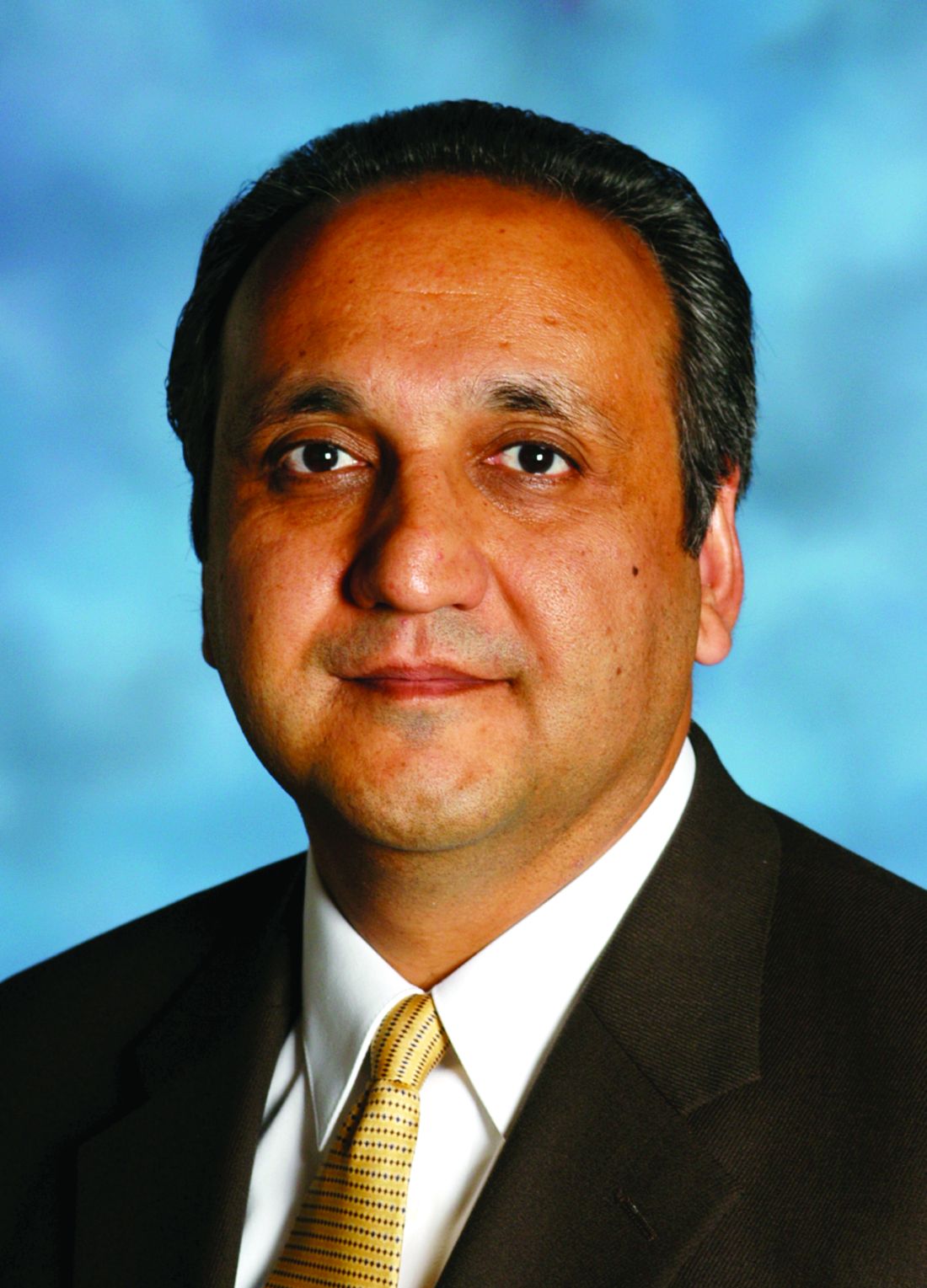
Dr. Younossi presented the findings in November during a press conference at the annual meeting of the American Association for the Study of Liver Diseases.
“Food insecurity among children is about 10.2% in the United States,” Dr. Younossi said. “[Food insecurity has] been shown to be a risk factor for MASLD among adults, but the data and children and adolescents are really lacking at the moment.”
To address this knowledge gap, Dr. Younossi and colleagues analyzed data from 771 adolescents aged 12-18 years in the National Health and Nutrition Examination Survey (2017-2018). Among these participants, 9.8% reported food insecurity and 10.8% had MASLD. Rates of obesity and central obesity were 22.5% and 45.4%, respectively, while 1.0% had diabetes and 20.9% had prediabetes.
Among adolescents facing food insecurity, more than half (51.5%) did not eat enough food, a vast majority (93.2%) could not access a balanced meal, and almost all (98.9%) relied upon low-cost food for daily sustenance.
The prevalence of MASLD in the food insecure group was almost twice as high as in the food secure group (18.7% vs 9.9%), and advanced fibrosis was about 9 times more common (2.8% vs. 0.3%). Food insecure participants were also more likely to come from a low-income household (70.4% vs. 25.7%) and participate in SNAP (62.4% vs. 25.1%).
Adjusting for SNAP participation, demographic factors, and metabolic disease showed that food insecurity independently increased risk of MASLD by more than twofold (odds ratio [OR], 2.62; 95% CI, 1.07–6.41). The negative effect of food insecurity was almost twice as strong in participants living in a low-income household (OR, 4.79; 95% CI, 1.44–15.86).
“The association between food insecurity and MASLD/NAFLD is most likely the result of not being able to eat a balanced meal and more likely having to purchase low-cost food,” Dr. Younossi said. “Together, these factors may lead to a cycle of overeating along with the overconsumption of ultra-processed foods and sugar-sweetened food and beverages.”
He went on to suggest that more work is needed to remove “systemic and structural barriers” that prevent eligible adolescents from participating in SNAP, while offering support so they can participate in “more physical activity in school and in after-school programs.”
Elliot Benjamin Tapper, MD, associate professor of medicine at the University of Michigan, Ann Arbor, recently published a similar study in the Journal of Clinical Gastroenterology linking food scarcity and MASLD in adults.
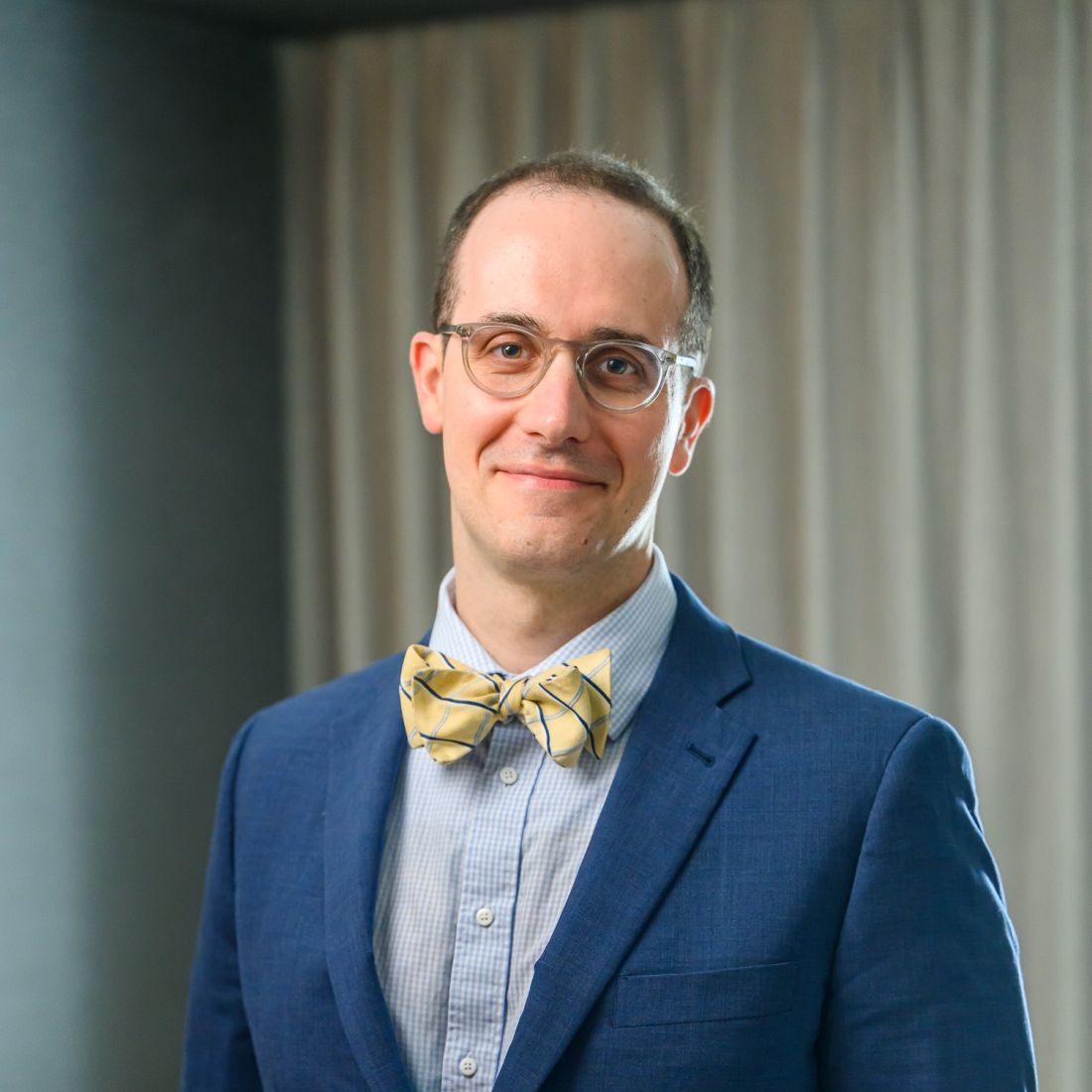
In an interview, Dr. Tapper praised this new study by Dr. Younossi and colleagues because it “identifies a serious unmet need” among younger individuals, who may stand to benefit most from early intervention.
“The goal [of screening] is to prevent the development of progressive disease,” Dr. Tapper said. “Our current guidelines for screening for advanced liver disease and people with risk factors focus exclusively on adults. If you waited longer, then there’s a risk that these [younger] people [in the study] would have progressed to a later stage of disease.”
Dr. Tapper predicted increased enthusiasm for MAFLD screening among adolescents in response to these findings, but he cautioned that conventional educational intervention is unlikely to yield significant benefit.
“If you’re food insecure, you can’t go out and buy salmon and olive oil to follow the Mediterranean diet,” Dr. Tapper said. In this era, where the people who are at risk tomorrow are young and food insecure, we have to come up with a way of tailoring our interventions to the means that are available to these patients.”
To this end, health care providers need to collaborate with individuals who have personally dealt with food scarcity to implement practicable interventions.
“Referral to social work has to be paired with some kind of standard teaching,” Dr. Tapper said. “How would I use social and nutritional assistance programs to eat in a liver-healthy way? What can I avoid? [Educational materials] should be written by and edited by people with lived experience; i.e., people who have food insecurity or have walked a mile in those shoes.”
Dr. Younossi disclosed relationships with Merck, Abbott, AstraZeneca, and others. Dr. Tapper disclosed relationships with Takeda, Novo Nordisk, Madrigal, and others.
, according to a recent study.
These findings suggest that more work is needed to ensure that eligible adolescents can access Supplemental Nutrition Assistance Program (SNAP) benefits and have opportunities to engage in physical activities through school-associated programs, reported principal investigator Zobair M. Younossi, MD, MPH, professor and chairman of the Beatty Liver and Obesity Research Program, Inova Health System, Falls Church, Virginia, and colleagues.
Dr. Younossi presented the findings in November during a press conference at the annual meeting of the American Association for the Study of Liver Diseases.
“Food insecurity among children is about 10.2% in the United States,” Dr. Younossi said. “[Food insecurity has] been shown to be a risk factor for MASLD among adults, but the data and children and adolescents are really lacking at the moment.”
To address this knowledge gap, Dr. Younossi and colleagues analyzed data from 771 adolescents aged 12-18 years in the National Health and Nutrition Examination Survey (2017-2018). Among these participants, 9.8% reported food insecurity and 10.8% had MASLD. Rates of obesity and central obesity were 22.5% and 45.4%, respectively, while 1.0% had diabetes and 20.9% had prediabetes.
Among adolescents facing food insecurity, more than half (51.5%) did not eat enough food, a vast majority (93.2%) could not access a balanced meal, and almost all (98.9%) relied upon low-cost food for daily sustenance.
The prevalence of MASLD in the food insecure group was almost twice as high as in the food secure group (18.7% vs 9.9%), and advanced fibrosis was about 9 times more common (2.8% vs. 0.3%). Food insecure participants were also more likely to come from a low-income household (70.4% vs. 25.7%) and participate in SNAP (62.4% vs. 25.1%).
Adjusting for SNAP participation, demographic factors, and metabolic disease showed that food insecurity independently increased risk of MASLD by more than twofold (odds ratio [OR], 2.62; 95% CI, 1.07–6.41). The negative effect of food insecurity was almost twice as strong in participants living in a low-income household (OR, 4.79; 95% CI, 1.44–15.86).
“The association between food insecurity and MASLD/NAFLD is most likely the result of not being able to eat a balanced meal and more likely having to purchase low-cost food,” Dr. Younossi said. “Together, these factors may lead to a cycle of overeating along with the overconsumption of ultra-processed foods and sugar-sweetened food and beverages.”
He went on to suggest that more work is needed to remove “systemic and structural barriers” that prevent eligible adolescents from participating in SNAP, while offering support so they can participate in “more physical activity in school and in after-school programs.”
Elliot Benjamin Tapper, MD, associate professor of medicine at the University of Michigan, Ann Arbor, recently published a similar study in the Journal of Clinical Gastroenterology linking food scarcity and MASLD in adults.
In an interview, Dr. Tapper praised this new study by Dr. Younossi and colleagues because it “identifies a serious unmet need” among younger individuals, who may stand to benefit most from early intervention.
“The goal [of screening] is to prevent the development of progressive disease,” Dr. Tapper said. “Our current guidelines for screening for advanced liver disease and people with risk factors focus exclusively on adults. If you waited longer, then there’s a risk that these [younger] people [in the study] would have progressed to a later stage of disease.”
Dr. Tapper predicted increased enthusiasm for MAFLD screening among adolescents in response to these findings, but he cautioned that conventional educational intervention is unlikely to yield significant benefit.
“If you’re food insecure, you can’t go out and buy salmon and olive oil to follow the Mediterranean diet,” Dr. Tapper said. In this era, where the people who are at risk tomorrow are young and food insecure, we have to come up with a way of tailoring our interventions to the means that are available to these patients.”
To this end, health care providers need to collaborate with individuals who have personally dealt with food scarcity to implement practicable interventions.
“Referral to social work has to be paired with some kind of standard teaching,” Dr. Tapper said. “How would I use social and nutritional assistance programs to eat in a liver-healthy way? What can I avoid? [Educational materials] should be written by and edited by people with lived experience; i.e., people who have food insecurity or have walked a mile in those shoes.”
Dr. Younossi disclosed relationships with Merck, Abbott, AstraZeneca, and others. Dr. Tapper disclosed relationships with Takeda, Novo Nordisk, Madrigal, and others.
, according to a recent study.
These findings suggest that more work is needed to ensure that eligible adolescents can access Supplemental Nutrition Assistance Program (SNAP) benefits and have opportunities to engage in physical activities through school-associated programs, reported principal investigator Zobair M. Younossi, MD, MPH, professor and chairman of the Beatty Liver and Obesity Research Program, Inova Health System, Falls Church, Virginia, and colleagues.
Dr. Younossi presented the findings in November during a press conference at the annual meeting of the American Association for the Study of Liver Diseases.
“Food insecurity among children is about 10.2% in the United States,” Dr. Younossi said. “[Food insecurity has] been shown to be a risk factor for MASLD among adults, but the data and children and adolescents are really lacking at the moment.”
To address this knowledge gap, Dr. Younossi and colleagues analyzed data from 771 adolescents aged 12-18 years in the National Health and Nutrition Examination Survey (2017-2018). Among these participants, 9.8% reported food insecurity and 10.8% had MASLD. Rates of obesity and central obesity were 22.5% and 45.4%, respectively, while 1.0% had diabetes and 20.9% had prediabetes.
Among adolescents facing food insecurity, more than half (51.5%) did not eat enough food, a vast majority (93.2%) could not access a balanced meal, and almost all (98.9%) relied upon low-cost food for daily sustenance.
The prevalence of MASLD in the food insecure group was almost twice as high as in the food secure group (18.7% vs 9.9%), and advanced fibrosis was about 9 times more common (2.8% vs. 0.3%). Food insecure participants were also more likely to come from a low-income household (70.4% vs. 25.7%) and participate in SNAP (62.4% vs. 25.1%).
Adjusting for SNAP participation, demographic factors, and metabolic disease showed that food insecurity independently increased risk of MASLD by more than twofold (odds ratio [OR], 2.62; 95% CI, 1.07–6.41). The negative effect of food insecurity was almost twice as strong in participants living in a low-income household (OR, 4.79; 95% CI, 1.44–15.86).
“The association between food insecurity and MASLD/NAFLD is most likely the result of not being able to eat a balanced meal and more likely having to purchase low-cost food,” Dr. Younossi said. “Together, these factors may lead to a cycle of overeating along with the overconsumption of ultra-processed foods and sugar-sweetened food and beverages.”
He went on to suggest that more work is needed to remove “systemic and structural barriers” that prevent eligible adolescents from participating in SNAP, while offering support so they can participate in “more physical activity in school and in after-school programs.”
Elliot Benjamin Tapper, MD, associate professor of medicine at the University of Michigan, Ann Arbor, recently published a similar study in the Journal of Clinical Gastroenterology linking food scarcity and MASLD in adults.
In an interview, Dr. Tapper praised this new study by Dr. Younossi and colleagues because it “identifies a serious unmet need” among younger individuals, who may stand to benefit most from early intervention.
“The goal [of screening] is to prevent the development of progressive disease,” Dr. Tapper said. “Our current guidelines for screening for advanced liver disease and people with risk factors focus exclusively on adults. If you waited longer, then there’s a risk that these [younger] people [in the study] would have progressed to a later stage of disease.”
Dr. Tapper predicted increased enthusiasm for MAFLD screening among adolescents in response to these findings, but he cautioned that conventional educational intervention is unlikely to yield significant benefit.
“If you’re food insecure, you can’t go out and buy salmon and olive oil to follow the Mediterranean diet,” Dr. Tapper said. In this era, where the people who are at risk tomorrow are young and food insecure, we have to come up with a way of tailoring our interventions to the means that are available to these patients.”
To this end, health care providers need to collaborate with individuals who have personally dealt with food scarcity to implement practicable interventions.
“Referral to social work has to be paired with some kind of standard teaching,” Dr. Tapper said. “How would I use social and nutritional assistance programs to eat in a liver-healthy way? What can I avoid? [Educational materials] should be written by and edited by people with lived experience; i.e., people who have food insecurity or have walked a mile in those shoes.”
Dr. Younossi disclosed relationships with Merck, Abbott, AstraZeneca, and others. Dr. Tapper disclosed relationships with Takeda, Novo Nordisk, Madrigal, and others.
AT THE LIVER MEETING
PFO closure may reduce migraine days and prevent stroke
, according to a discussion at the 2023 Scottsdale Headache Symposium.
In two clinical trials evaluating whether PFO closure reduces migraine risk, the primary endpoints were not met, but a signal of benefit on secondary endpoints and the association between PFO, migraine, and stroke are among the reasons that PFO closure should be reevaluated, according to Andrew Charles MD, Director of the Goldberg Migraine Program, University of California, Los Angeles.
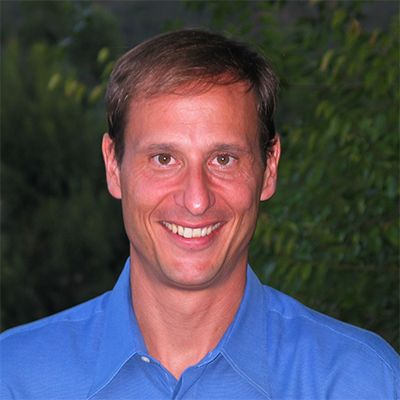
Other right-to-left shunt defects have also been associated with both migraine and stroke, leading Dr. Charles to suggest these defects are more a common denominator.
“Stroke during a migraine is, in fact, very uncommon,” Dr. Charles said. “This raises the possibility that it is not the migraine causing the stroke but rather there is a shared risk factor for stroke and migraine,” said Dr. Charles, referring to PFO as well as other right-to-left shunt defects, such as hereditary hemorrhaging telangiectasia in the lungs.
One Intervention, Two Potential Benefits
Fixing these defects is therefore at least theoretically attractive for preventing both migraine and stroke, but Dr. Charles said the opportunity for preventing both migraine and stroke is most attractive in migraine patients who have additional stroke risk factors.
Use of oral contraceptives, which produce a hypercoagulable state, is an example.
“Are these the people we should really be thinking about if they have PFO and migraine, particularly migraine with aura?” Dr. Charles asked.
The association between right-to-left shunts and migraine is strong. Although PFO is common, presenting in 20%-25% of the adult population, it has been found in up to 50% of individuals who have migraine with aura. In patients with migraine but no aura, the prevalence of PFO has been estimated to be approximately 35% or still somewhat elevated relative to the general population.
Primary Endpoint Missed in Clinical Trials
The question of whether risk of migraine can be reduced with repair of PFO or other right-to-left shunts remains unresolved. In two high-quality randomized trials undertaken in PFO repair, neither met its primary endpoint. In one of these, called PRIMA, which was terminated early for slow enrollment, the reduction in mean headache attacks was not significant relative to medical therapy.
In the second, called PREMIUM, device closure of PFO also failed to significantly reduce migraine attacks over sham procedure although it was associated with complete migraine remission (10% vs 1%).
A pooled analysis of these two studies that was conducted subsequently concluded that PFO closure reduces mean monthly migraine days (-3.1 vs. -1.9 days; P = -.02) and increases the likelihood of complete migraine cessation (9% vs. 0.7%; P < .001), but Dr. Charles pointed out the primary endpoint was migraine attacks not migraine days, so other analyses can only be considered hypothesis-generating.
There are several reasons to relook at the relationship between migraine and PFO but the potential to prevent both migraine and stroke with PFO closure could be one of the most important.
Several years ago, Dr. Charles and his coinvestigators from UCLA evaluated more than 700 ischemic strokes. Of these, 127 strokes were characterized as cryptogenic because of lack of another identifiable etiology. While 59% of these patients had PFO, which is several times higher than the general population, the prevalence of PFO in patients with a cryptogenic stroke and a history of migraine was 79% in this published study.
“So, in this group of patients who did not have any other clear cause for a stroke, a diagnosis of PFO was very much overrepresented,” Dr. Charles said.
Migraine Days Might Be a Better Endpoint
For patients with migraine who have risk factors for stroke, this makes PFO closure an attractive intervention, but a positive randomized trial is needed. Several are underway. Importantly, the trials now enrolling are using migraine days, which was significantly reduced in both PREMIUM and PRIMA, rather than migraine attacks as the primary endpoint.
“Migraine days is now accepted by the Food and Drug Administration as a criterion of benefit,” reported Jonathan Tobis, MD, Research Director, Interventional Cardiology, UCLA David Geffen School of Medicine, Los Angeles.
He explained that the FDA insisted on migraine attacks as the endpoint for the PREMIUM trial, but this was a far more challenging endpoint on which to show a statistical benefit. He emphasized that a new set of trials will now test efficacy on the basis of migraine days.
One of these trials, called RELIEF, which is randomizing patients to device closure of PFO or a sham procedure. Both groups are receiving clopidogrel or prasugrel based on a previous observation that patients who respond to these drugs are also more likely to respond to PFO closure.
Another trial, called COMPETE-2, is comparing PFO closure with a device to aspirin plus a sham closure. This trial is ongoing in China.
Stroke is not being evaluated as an endpoint in either trial, but Dr. Charles suggested that this does warrant attention.
“I would also just put it out there that, apart from simply migraine, this is a therapeutic approach that we might actually think about in terms of helping to prevent stroke in our migraine patients,” he said.
Senior author of a recent meta-analysis of trials evaluating PFO closure and control of migraine, Ling Liu, MD, Department of Neurology, University of Sichuan, Chengdu, China, agreed that PFO closure for the treatment of migraine deserves “a reevaluation.”
In his meta-analysis of three randomized trials, one pooled study, and eight retrospective case series with 1,165 patients, PFO closure was associated with a nearly 75% reduction (odds ratio [OR], 0.259; P = .0048) reduction in migraine days and 50% increase in resolution of migraine in patients with a history of migraine with aura (OR, 1.586; P = .227).
The incidence of stroke was not evaluated in this meta-analysis, but Dr. Liu believes that the evidence of reducing the burden of migraine with PFO closure is compelling. Given the evidence from this meta-analysis that PFO closure is safe, Dr. Liu maintained that a definitive trial is needed “especially for migraine with frequent aura.”
As an interventional cardiologist, Dr. Tobis said that when PFO closures is performed for prevention of stroke in patients with migraine, it often leads to reduced migraine activity and, in some cases, elimination of migraine. Like others, he believes new analyses should be conducted.
“Everyone involved in this field believes there is something there,” Dr. Tobis said. The missing link is a clinical trial to confirm it.
Dr. Charles and Dr. Liu report no potential conflicts of interest. Dr. Tobis reports a financial relationship with Holistick Medical.
, according to a discussion at the 2023 Scottsdale Headache Symposium.
In two clinical trials evaluating whether PFO closure reduces migraine risk, the primary endpoints were not met, but a signal of benefit on secondary endpoints and the association between PFO, migraine, and stroke are among the reasons that PFO closure should be reevaluated, according to Andrew Charles MD, Director of the Goldberg Migraine Program, University of California, Los Angeles.
Other right-to-left shunt defects have also been associated with both migraine and stroke, leading Dr. Charles to suggest these defects are more a common denominator.
“Stroke during a migraine is, in fact, very uncommon,” Dr. Charles said. “This raises the possibility that it is not the migraine causing the stroke but rather there is a shared risk factor for stroke and migraine,” said Dr. Charles, referring to PFO as well as other right-to-left shunt defects, such as hereditary hemorrhaging telangiectasia in the lungs.
One Intervention, Two Potential Benefits
Fixing these defects is therefore at least theoretically attractive for preventing both migraine and stroke, but Dr. Charles said the opportunity for preventing both migraine and stroke is most attractive in migraine patients who have additional stroke risk factors.
Use of oral contraceptives, which produce a hypercoagulable state, is an example.
“Are these the people we should really be thinking about if they have PFO and migraine, particularly migraine with aura?” Dr. Charles asked.
The association between right-to-left shunts and migraine is strong. Although PFO is common, presenting in 20%-25% of the adult population, it has been found in up to 50% of individuals who have migraine with aura. In patients with migraine but no aura, the prevalence of PFO has been estimated to be approximately 35% or still somewhat elevated relative to the general population.
Primary Endpoint Missed in Clinical Trials
The question of whether risk of migraine can be reduced with repair of PFO or other right-to-left shunts remains unresolved. In two high-quality randomized trials undertaken in PFO repair, neither met its primary endpoint. In one of these, called PRIMA, which was terminated early for slow enrollment, the reduction in mean headache attacks was not significant relative to medical therapy.
In the second, called PREMIUM, device closure of PFO also failed to significantly reduce migraine attacks over sham procedure although it was associated with complete migraine remission (10% vs 1%).
A pooled analysis of these two studies that was conducted subsequently concluded that PFO closure reduces mean monthly migraine days (-3.1 vs. -1.9 days; P = -.02) and increases the likelihood of complete migraine cessation (9% vs. 0.7%; P < .001), but Dr. Charles pointed out the primary endpoint was migraine attacks not migraine days, so other analyses can only be considered hypothesis-generating.
There are several reasons to relook at the relationship between migraine and PFO but the potential to prevent both migraine and stroke with PFO closure could be one of the most important.
Several years ago, Dr. Charles and his coinvestigators from UCLA evaluated more than 700 ischemic strokes. Of these, 127 strokes were characterized as cryptogenic because of lack of another identifiable etiology. While 59% of these patients had PFO, which is several times higher than the general population, the prevalence of PFO in patients with a cryptogenic stroke and a history of migraine was 79% in this published study.
“So, in this group of patients who did not have any other clear cause for a stroke, a diagnosis of PFO was very much overrepresented,” Dr. Charles said.
Migraine Days Might Be a Better Endpoint
For patients with migraine who have risk factors for stroke, this makes PFO closure an attractive intervention, but a positive randomized trial is needed. Several are underway. Importantly, the trials now enrolling are using migraine days, which was significantly reduced in both PREMIUM and PRIMA, rather than migraine attacks as the primary endpoint.
“Migraine days is now accepted by the Food and Drug Administration as a criterion of benefit,” reported Jonathan Tobis, MD, Research Director, Interventional Cardiology, UCLA David Geffen School of Medicine, Los Angeles.
He explained that the FDA insisted on migraine attacks as the endpoint for the PREMIUM trial, but this was a far more challenging endpoint on which to show a statistical benefit. He emphasized that a new set of trials will now test efficacy on the basis of migraine days.
One of these trials, called RELIEF, which is randomizing patients to device closure of PFO or a sham procedure. Both groups are receiving clopidogrel or prasugrel based on a previous observation that patients who respond to these drugs are also more likely to respond to PFO closure.
Another trial, called COMPETE-2, is comparing PFO closure with a device to aspirin plus a sham closure. This trial is ongoing in China.
Stroke is not being evaluated as an endpoint in either trial, but Dr. Charles suggested that this does warrant attention.
“I would also just put it out there that, apart from simply migraine, this is a therapeutic approach that we might actually think about in terms of helping to prevent stroke in our migraine patients,” he said.
Senior author of a recent meta-analysis of trials evaluating PFO closure and control of migraine, Ling Liu, MD, Department of Neurology, University of Sichuan, Chengdu, China, agreed that PFO closure for the treatment of migraine deserves “a reevaluation.”
In his meta-analysis of three randomized trials, one pooled study, and eight retrospective case series with 1,165 patients, PFO closure was associated with a nearly 75% reduction (odds ratio [OR], 0.259; P = .0048) reduction in migraine days and 50% increase in resolution of migraine in patients with a history of migraine with aura (OR, 1.586; P = .227).
The incidence of stroke was not evaluated in this meta-analysis, but Dr. Liu believes that the evidence of reducing the burden of migraine with PFO closure is compelling. Given the evidence from this meta-analysis that PFO closure is safe, Dr. Liu maintained that a definitive trial is needed “especially for migraine with frequent aura.”
As an interventional cardiologist, Dr. Tobis said that when PFO closures is performed for prevention of stroke in patients with migraine, it often leads to reduced migraine activity and, in some cases, elimination of migraine. Like others, he believes new analyses should be conducted.
“Everyone involved in this field believes there is something there,” Dr. Tobis said. The missing link is a clinical trial to confirm it.
Dr. Charles and Dr. Liu report no potential conflicts of interest. Dr. Tobis reports a financial relationship with Holistick Medical.
, according to a discussion at the 2023 Scottsdale Headache Symposium.
In two clinical trials evaluating whether PFO closure reduces migraine risk, the primary endpoints were not met, but a signal of benefit on secondary endpoints and the association between PFO, migraine, and stroke are among the reasons that PFO closure should be reevaluated, according to Andrew Charles MD, Director of the Goldberg Migraine Program, University of California, Los Angeles.
Other right-to-left shunt defects have also been associated with both migraine and stroke, leading Dr. Charles to suggest these defects are more a common denominator.
“Stroke during a migraine is, in fact, very uncommon,” Dr. Charles said. “This raises the possibility that it is not the migraine causing the stroke but rather there is a shared risk factor for stroke and migraine,” said Dr. Charles, referring to PFO as well as other right-to-left shunt defects, such as hereditary hemorrhaging telangiectasia in the lungs.
One Intervention, Two Potential Benefits
Fixing these defects is therefore at least theoretically attractive for preventing both migraine and stroke, but Dr. Charles said the opportunity for preventing both migraine and stroke is most attractive in migraine patients who have additional stroke risk factors.
Use of oral contraceptives, which produce a hypercoagulable state, is an example.
“Are these the people we should really be thinking about if they have PFO and migraine, particularly migraine with aura?” Dr. Charles asked.
The association between right-to-left shunts and migraine is strong. Although PFO is common, presenting in 20%-25% of the adult population, it has been found in up to 50% of individuals who have migraine with aura. In patients with migraine but no aura, the prevalence of PFO has been estimated to be approximately 35% or still somewhat elevated relative to the general population.
Primary Endpoint Missed in Clinical Trials
The question of whether risk of migraine can be reduced with repair of PFO or other right-to-left shunts remains unresolved. In two high-quality randomized trials undertaken in PFO repair, neither met its primary endpoint. In one of these, called PRIMA, which was terminated early for slow enrollment, the reduction in mean headache attacks was not significant relative to medical therapy.
In the second, called PREMIUM, device closure of PFO also failed to significantly reduce migraine attacks over sham procedure although it was associated with complete migraine remission (10% vs 1%).
A pooled analysis of these two studies that was conducted subsequently concluded that PFO closure reduces mean monthly migraine days (-3.1 vs. -1.9 days; P = -.02) and increases the likelihood of complete migraine cessation (9% vs. 0.7%; P < .001), but Dr. Charles pointed out the primary endpoint was migraine attacks not migraine days, so other analyses can only be considered hypothesis-generating.
There are several reasons to relook at the relationship between migraine and PFO but the potential to prevent both migraine and stroke with PFO closure could be one of the most important.
Several years ago, Dr. Charles and his coinvestigators from UCLA evaluated more than 700 ischemic strokes. Of these, 127 strokes were characterized as cryptogenic because of lack of another identifiable etiology. While 59% of these patients had PFO, which is several times higher than the general population, the prevalence of PFO in patients with a cryptogenic stroke and a history of migraine was 79% in this published study.
“So, in this group of patients who did not have any other clear cause for a stroke, a diagnosis of PFO was very much overrepresented,” Dr. Charles said.
Migraine Days Might Be a Better Endpoint
For patients with migraine who have risk factors for stroke, this makes PFO closure an attractive intervention, but a positive randomized trial is needed. Several are underway. Importantly, the trials now enrolling are using migraine days, which was significantly reduced in both PREMIUM and PRIMA, rather than migraine attacks as the primary endpoint.
“Migraine days is now accepted by the Food and Drug Administration as a criterion of benefit,” reported Jonathan Tobis, MD, Research Director, Interventional Cardiology, UCLA David Geffen School of Medicine, Los Angeles.
He explained that the FDA insisted on migraine attacks as the endpoint for the PREMIUM trial, but this was a far more challenging endpoint on which to show a statistical benefit. He emphasized that a new set of trials will now test efficacy on the basis of migraine days.
One of these trials, called RELIEF, which is randomizing patients to device closure of PFO or a sham procedure. Both groups are receiving clopidogrel or prasugrel based on a previous observation that patients who respond to these drugs are also more likely to respond to PFO closure.
Another trial, called COMPETE-2, is comparing PFO closure with a device to aspirin plus a sham closure. This trial is ongoing in China.
Stroke is not being evaluated as an endpoint in either trial, but Dr. Charles suggested that this does warrant attention.
“I would also just put it out there that, apart from simply migraine, this is a therapeutic approach that we might actually think about in terms of helping to prevent stroke in our migraine patients,” he said.
Senior author of a recent meta-analysis of trials evaluating PFO closure and control of migraine, Ling Liu, MD, Department of Neurology, University of Sichuan, Chengdu, China, agreed that PFO closure for the treatment of migraine deserves “a reevaluation.”
In his meta-analysis of three randomized trials, one pooled study, and eight retrospective case series with 1,165 patients, PFO closure was associated with a nearly 75% reduction (odds ratio [OR], 0.259; P = .0048) reduction in migraine days and 50% increase in resolution of migraine in patients with a history of migraine with aura (OR, 1.586; P = .227).
The incidence of stroke was not evaluated in this meta-analysis, but Dr. Liu believes that the evidence of reducing the burden of migraine with PFO closure is compelling. Given the evidence from this meta-analysis that PFO closure is safe, Dr. Liu maintained that a definitive trial is needed “especially for migraine with frequent aura.”
As an interventional cardiologist, Dr. Tobis said that when PFO closures is performed for prevention of stroke in patients with migraine, it often leads to reduced migraine activity and, in some cases, elimination of migraine. Like others, he believes new analyses should be conducted.
“Everyone involved in this field believes there is something there,” Dr. Tobis said. The missing link is a clinical trial to confirm it.
Dr. Charles and Dr. Liu report no potential conflicts of interest. Dr. Tobis reports a financial relationship with Holistick Medical.
FROM THE 2023 SCOTTSDALE HEADACHE SYMPOSIUM
Autoimmune Skin Diseases Linked To Risk Of Adverse Pregnancy Outcomes
SAN DIEGO — , results from a large case-control study suggest.
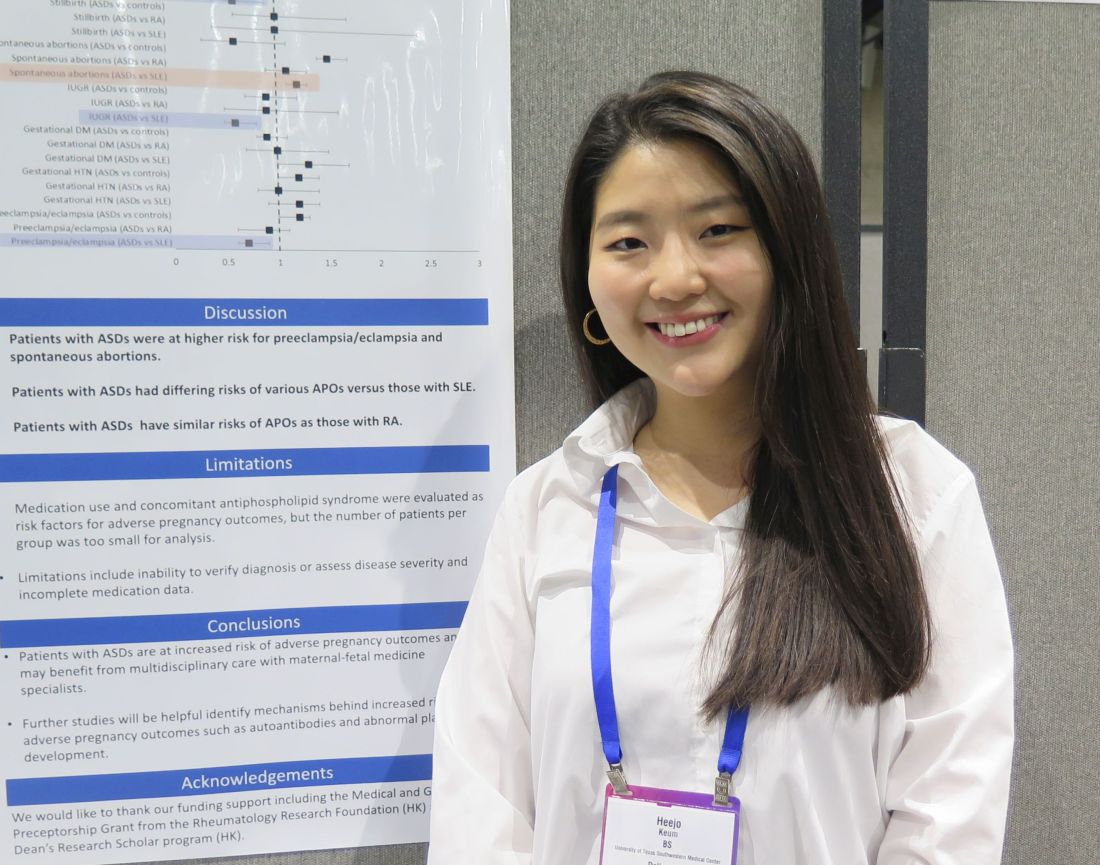
Patients with systemic autoimmune conditions are known to have an increased risk for adverse pregnancy outcomes, “but we weren’t sure if that was the case for patients with autoimmune skin conditions,” presenting study author Heejo Keum, a fourth-year medical student at the University of Texas Southwestern Medical Center, Dallas, said in an interview during a poster session at the American College of Rheumatology (ACR) 2023 annual meeting. “There are case reports or nationwide population-based studies on patients with alopecia areata and vitiligo, but those were outside of the US, so we wanted to see if these outcomes could be studied in a larger population-based study in the US.”
Drawing from the TriNetX US Collaborative Network, a database of electronic medical records of 94 million patients in the United States, the researchers identified pregnant patients aged 15-44 years between January 1, 2016, and December 31, 2021. Cases were defined as patients diagnosed with at least one autoimmune skin disease (ASD) prior to the end of pregnancy, including alopecia areata, bullous pemphigoid, cicatricial pemphigoid, dermatitis herpetiformis, cutaneous lupus erythematosus, epidermolysis bullosa acquisita, morphea, pemphigus foliaceus, pemphigus vulgaris, vitiligo, and amyopathic DM. There were two control groups: healthy controls (those without ASDs, systemic lupus erythematosus or rheumatoid arthritis) and disease controls (those with SLE or RA). The researchers used ICD-10 codes to identify pregnancy endpoints, including live births, spontaneous abortion, and stillbirth. Patients with a history of hidradenitis suppurative were excluded from the analysis, as were those with common autoimmune disease such as Hashimoto’s thyroiditis, Grave’s disease, and type 1 diabetes.
The primary outcomes were adverse pregnancy outcomes defined as spontaneous abortion, gestational hypertension, preeclampsia/eclampsia, gestational diabetes, intrauterine growth restriction (IUGR), preterm premature rupture of membranes (PPROM), and preterm birth. The researchers used 1:1 propensity scoring to match patients with ASDs to controls by age, race, ethnicity, comorbidities, obesity, and substance use, and used odds ratio (OR) analysis with a 95% confidence interval (CI) to calculate each outcome.
Ms. Keum reported results from 3,654 women with ASDs, 3,654 healthy controls, 2,147 women with SLE, and 889 women with RA.
The three most common ASDs were vitiligo (30%), alopecia areata (30%), and cutaneous lupus erythematosus (27%). Compared with healthy controls, patients with ASDs were more likely to have spontaneous abortions (OR=1.5 [1.4-1.7], P<.001), and preeclampsia/eclampsia (OR=1.2 [1.0-1.3], P=.04). Compared with women with SLE, women with ASDs were less likely to have preeclampsia/eclampsia (OR=0.7 [0.6-0.9, P=.001); preterm birth (OR= 0.5 [0.4-0.7], P<.001); PPROM (OR=0.6 [0.4-0.9], P=.004), or an infant with IUGR (OR=0.6 [0.5-0.8], P<.001), but they were more likely to have a spontaneous abortion (OR=1.2 [1.1-1.3], P=.003). Overall, patients with ASDs had similar risks for adverse pregnancy outcomes as patients with RA.
“We found that patients with cutaneous lupus and vitiligo had higher rates of spontaneous abortion, which is interesting because we didn’t expect that,” Ms. Keum told this news organization. “Studies have shown that vitiligo patients might have an increased risk of pregnancy loss, so I think it’s important to have that discussion with those patients. It might benefit them to talk to a maternal-fetal medicine specialist. As for next steps, we want to look at how medication use and disease flare or disease severity play a role in APOs.”
In their poster, the researchers acknowledged limitations of the study, including the inability to verify diagnoses or assess disease severity. Also, while medication use and concomitant antiphospholipid syndrome were evaluated as risk factors for advanced pregnancy outcomes, the number of patients per group was too small for analysis.
Karl Saardi, MD, director of the inpatient dermatology service at George Washington University Hospital, Washington, who was asked to comment on the study, said that in his view, the choice of disease states included in the analysis “is a bit arbitrary.” He added that “it would have been more helpful to compare controls versus discoid lupus versus systemic lupus or controls versus amyopathic dermatomyositis versus dermatomyositis with myopathy.”
The study received funding support from the Rheumatology Research Foundation and the UT Southwestern Dean’s Research Scholar program. Neither Ms. Keum nor Dr. Saardi reported having relevant disclosures.
SAN DIEGO — , results from a large case-control study suggest.
Patients with systemic autoimmune conditions are known to have an increased risk for adverse pregnancy outcomes, “but we weren’t sure if that was the case for patients with autoimmune skin conditions,” presenting study author Heejo Keum, a fourth-year medical student at the University of Texas Southwestern Medical Center, Dallas, said in an interview during a poster session at the American College of Rheumatology (ACR) 2023 annual meeting. “There are case reports or nationwide population-based studies on patients with alopecia areata and vitiligo, but those were outside of the US, so we wanted to see if these outcomes could be studied in a larger population-based study in the US.”
Drawing from the TriNetX US Collaborative Network, a database of electronic medical records of 94 million patients in the United States, the researchers identified pregnant patients aged 15-44 years between January 1, 2016, and December 31, 2021. Cases were defined as patients diagnosed with at least one autoimmune skin disease (ASD) prior to the end of pregnancy, including alopecia areata, bullous pemphigoid, cicatricial pemphigoid, dermatitis herpetiformis, cutaneous lupus erythematosus, epidermolysis bullosa acquisita, morphea, pemphigus foliaceus, pemphigus vulgaris, vitiligo, and amyopathic DM. There were two control groups: healthy controls (those without ASDs, systemic lupus erythematosus or rheumatoid arthritis) and disease controls (those with SLE or RA). The researchers used ICD-10 codes to identify pregnancy endpoints, including live births, spontaneous abortion, and stillbirth. Patients with a history of hidradenitis suppurative were excluded from the analysis, as were those with common autoimmune disease such as Hashimoto’s thyroiditis, Grave’s disease, and type 1 diabetes.
The primary outcomes were adverse pregnancy outcomes defined as spontaneous abortion, gestational hypertension, preeclampsia/eclampsia, gestational diabetes, intrauterine growth restriction (IUGR), preterm premature rupture of membranes (PPROM), and preterm birth. The researchers used 1:1 propensity scoring to match patients with ASDs to controls by age, race, ethnicity, comorbidities, obesity, and substance use, and used odds ratio (OR) analysis with a 95% confidence interval (CI) to calculate each outcome.
Ms. Keum reported results from 3,654 women with ASDs, 3,654 healthy controls, 2,147 women with SLE, and 889 women with RA.
The three most common ASDs were vitiligo (30%), alopecia areata (30%), and cutaneous lupus erythematosus (27%). Compared with healthy controls, patients with ASDs were more likely to have spontaneous abortions (OR=1.5 [1.4-1.7], P<.001), and preeclampsia/eclampsia (OR=1.2 [1.0-1.3], P=.04). Compared with women with SLE, women with ASDs were less likely to have preeclampsia/eclampsia (OR=0.7 [0.6-0.9, P=.001); preterm birth (OR= 0.5 [0.4-0.7], P<.001); PPROM (OR=0.6 [0.4-0.9], P=.004), or an infant with IUGR (OR=0.6 [0.5-0.8], P<.001), but they were more likely to have a spontaneous abortion (OR=1.2 [1.1-1.3], P=.003). Overall, patients with ASDs had similar risks for adverse pregnancy outcomes as patients with RA.
“We found that patients with cutaneous lupus and vitiligo had higher rates of spontaneous abortion, which is interesting because we didn’t expect that,” Ms. Keum told this news organization. “Studies have shown that vitiligo patients might have an increased risk of pregnancy loss, so I think it’s important to have that discussion with those patients. It might benefit them to talk to a maternal-fetal medicine specialist. As for next steps, we want to look at how medication use and disease flare or disease severity play a role in APOs.”
In their poster, the researchers acknowledged limitations of the study, including the inability to verify diagnoses or assess disease severity. Also, while medication use and concomitant antiphospholipid syndrome were evaluated as risk factors for advanced pregnancy outcomes, the number of patients per group was too small for analysis.
Karl Saardi, MD, director of the inpatient dermatology service at George Washington University Hospital, Washington, who was asked to comment on the study, said that in his view, the choice of disease states included in the analysis “is a bit arbitrary.” He added that “it would have been more helpful to compare controls versus discoid lupus versus systemic lupus or controls versus amyopathic dermatomyositis versus dermatomyositis with myopathy.”
The study received funding support from the Rheumatology Research Foundation and the UT Southwestern Dean’s Research Scholar program. Neither Ms. Keum nor Dr. Saardi reported having relevant disclosures.
SAN DIEGO — , results from a large case-control study suggest.
Patients with systemic autoimmune conditions are known to have an increased risk for adverse pregnancy outcomes, “but we weren’t sure if that was the case for patients with autoimmune skin conditions,” presenting study author Heejo Keum, a fourth-year medical student at the University of Texas Southwestern Medical Center, Dallas, said in an interview during a poster session at the American College of Rheumatology (ACR) 2023 annual meeting. “There are case reports or nationwide population-based studies on patients with alopecia areata and vitiligo, but those were outside of the US, so we wanted to see if these outcomes could be studied in a larger population-based study in the US.”
Drawing from the TriNetX US Collaborative Network, a database of electronic medical records of 94 million patients in the United States, the researchers identified pregnant patients aged 15-44 years between January 1, 2016, and December 31, 2021. Cases were defined as patients diagnosed with at least one autoimmune skin disease (ASD) prior to the end of pregnancy, including alopecia areata, bullous pemphigoid, cicatricial pemphigoid, dermatitis herpetiformis, cutaneous lupus erythematosus, epidermolysis bullosa acquisita, morphea, pemphigus foliaceus, pemphigus vulgaris, vitiligo, and amyopathic DM. There were two control groups: healthy controls (those without ASDs, systemic lupus erythematosus or rheumatoid arthritis) and disease controls (those with SLE or RA). The researchers used ICD-10 codes to identify pregnancy endpoints, including live births, spontaneous abortion, and stillbirth. Patients with a history of hidradenitis suppurative were excluded from the analysis, as were those with common autoimmune disease such as Hashimoto’s thyroiditis, Grave’s disease, and type 1 diabetes.
The primary outcomes were adverse pregnancy outcomes defined as spontaneous abortion, gestational hypertension, preeclampsia/eclampsia, gestational diabetes, intrauterine growth restriction (IUGR), preterm premature rupture of membranes (PPROM), and preterm birth. The researchers used 1:1 propensity scoring to match patients with ASDs to controls by age, race, ethnicity, comorbidities, obesity, and substance use, and used odds ratio (OR) analysis with a 95% confidence interval (CI) to calculate each outcome.
Ms. Keum reported results from 3,654 women with ASDs, 3,654 healthy controls, 2,147 women with SLE, and 889 women with RA.
The three most common ASDs were vitiligo (30%), alopecia areata (30%), and cutaneous lupus erythematosus (27%). Compared with healthy controls, patients with ASDs were more likely to have spontaneous abortions (OR=1.5 [1.4-1.7], P<.001), and preeclampsia/eclampsia (OR=1.2 [1.0-1.3], P=.04). Compared with women with SLE, women with ASDs were less likely to have preeclampsia/eclampsia (OR=0.7 [0.6-0.9, P=.001); preterm birth (OR= 0.5 [0.4-0.7], P<.001); PPROM (OR=0.6 [0.4-0.9], P=.004), or an infant with IUGR (OR=0.6 [0.5-0.8], P<.001), but they were more likely to have a spontaneous abortion (OR=1.2 [1.1-1.3], P=.003). Overall, patients with ASDs had similar risks for adverse pregnancy outcomes as patients with RA.
“We found that patients with cutaneous lupus and vitiligo had higher rates of spontaneous abortion, which is interesting because we didn’t expect that,” Ms. Keum told this news organization. “Studies have shown that vitiligo patients might have an increased risk of pregnancy loss, so I think it’s important to have that discussion with those patients. It might benefit them to talk to a maternal-fetal medicine specialist. As for next steps, we want to look at how medication use and disease flare or disease severity play a role in APOs.”
In their poster, the researchers acknowledged limitations of the study, including the inability to verify diagnoses or assess disease severity. Also, while medication use and concomitant antiphospholipid syndrome were evaluated as risk factors for advanced pregnancy outcomes, the number of patients per group was too small for analysis.
Karl Saardi, MD, director of the inpatient dermatology service at George Washington University Hospital, Washington, who was asked to comment on the study, said that in his view, the choice of disease states included in the analysis “is a bit arbitrary.” He added that “it would have been more helpful to compare controls versus discoid lupus versus systemic lupus or controls versus amyopathic dermatomyositis versus dermatomyositis with myopathy.”
The study received funding support from the Rheumatology Research Foundation and the UT Southwestern Dean’s Research Scholar program. Neither Ms. Keum nor Dr. Saardi reported having relevant disclosures.
FROM ACR 2023
Pregnant women with eosinophilic esophagitis show no ill effects from inhaled steroids
, according to new research presented at the annual meeting of the American College of Gastroenterology.
“Currently, there are no specific recommendations about the safe use of steroids in pregnant women with eosinophilic esophagitis (EoE), Julton Tomanguillo Chumbe, MD, said in an interview. “Our recommendations about the use of steroids among this population are based on the safety data extrapolated mainly from pregnant women with asthma.”
In the study, Dr. Chumbe, an internal medicine resident at Charleston Area Medical Center, West Virginia University, Charleston, and colleagues identified pregnant patients aged 18 years and older with a diagnosis of EoE between January 2011 and December 2022 through the TriNetx Global Collaborative Network, which includes 101 health care organizations in 14 countries. The study population consisted of 1,263 individuals.
The researchers used propensity score matching (PSM) to compare the rates of spontaneous abortion, placenta previa, preeclampsia, premature delivery, HELLP syndrome, eclampsia, hyperemesis gravidarum, and major congenital abnormalities between women with EoE who did and did not use steroids during pregnancy. The PSM cohorts included 268 women in each group.
Overall, pregnant women who used steroids were not significantly more likely than were those who did not use steroids to experience spontaneous abortion (3.73% vs. 4.85%, P = .52). Rates of placenta previa, preeclampsia, premature delivery, HELLP syndrome, and hyperemesis gravidarum were equal between the groups (3.73% vs. 3.73%, P = 1.00 for all). No cases of eclampsia occurred in the steroid group, compared with a 3.73% rate in women who did not use steroids.
Incidence of major congenital abnormalities including but not limited to malformations of the eye, ear, face, neck, skull and face bones, and of the circulatory, respiratory, and digestive systems, were similar between the steroid and no steroid groups (7.09% vs. 8.20%, P = .62)
Dr. Chumbe said he was not surprised by the findings, given the robust data about the safe use of steroids in pregnant women with asthma, in terms of pregnancy outcomes and fetal outcomes.
“The findings of this study provide reassurance that the use of steroids in pregnant patients with eosinophilic esophagitis is not significantly associated with an increased risk of worse maternal or fetal outcomes,” he said. “During pregnancy, some patients may discontinue treatment due to safety concerns. However, this study suggests that this may not be necessary.” Consequently, patients can maintain EoE management while reducing the risk of complications.
Looking ahead, “it will be important to have some data about the safe use of dupilumab during pregnancy in patients with eosinophilic esophagitis,” he said.
Pregnant patients can maintain EoE management
“This study is able to address an important concern that many patients have regarding the safety of steroid therapy for EoE, particularly during pregnancy,” said Anita Afzali, MD, MPH, AGAF, a gastroenterologist specializing in inflammatory bowel disease and executive vice chair of internal medicine at the University of Cincinnati. “As EoE impacts over 40% of women, most who are in childbearing age, it is important to review the safety of treatment and management of EoE so a mother does not have to choose between EoE management and pregnancy.”
The results from this study were certainly reassuring, though not surprising, Dr. Afzali said. “Previously, the safety profile of steroids during pregnancy was mostly extrapolated from asthma, and other diseases such as inflammatory bowel disease. The results from this study confirm that there are no significant associations with adverse maternal or birth outcomes among women with EoE treated with steroids during pregnancy,” she said.
The study has some limitations, including the retrospective design and potential for selection bias, Dr. Afzali noted. “Further research is needed for the evaluation of newer therapies in the pipeline for treatment of EoE and its safety profile with pregnancy,” she said.
However, “sharing this information in clinical practice “will allow our patients to feel comfortable with continuation of appropriate steroid therapy for treatment and management of their EoE, without having to choose between family planning or pregnancy and EoE care management,” Dr. Afzali said.
The study received no outside funding. Dr. Chumbe an Dr. Afzali indicated having no relevant financial conflicts to disclose.
, according to new research presented at the annual meeting of the American College of Gastroenterology.
“Currently, there are no specific recommendations about the safe use of steroids in pregnant women with eosinophilic esophagitis (EoE), Julton Tomanguillo Chumbe, MD, said in an interview. “Our recommendations about the use of steroids among this population are based on the safety data extrapolated mainly from pregnant women with asthma.”
In the study, Dr. Chumbe, an internal medicine resident at Charleston Area Medical Center, West Virginia University, Charleston, and colleagues identified pregnant patients aged 18 years and older with a diagnosis of EoE between January 2011 and December 2022 through the TriNetx Global Collaborative Network, which includes 101 health care organizations in 14 countries. The study population consisted of 1,263 individuals.
The researchers used propensity score matching (PSM) to compare the rates of spontaneous abortion, placenta previa, preeclampsia, premature delivery, HELLP syndrome, eclampsia, hyperemesis gravidarum, and major congenital abnormalities between women with EoE who did and did not use steroids during pregnancy. The PSM cohorts included 268 women in each group.
Overall, pregnant women who used steroids were not significantly more likely than were those who did not use steroids to experience spontaneous abortion (3.73% vs. 4.85%, P = .52). Rates of placenta previa, preeclampsia, premature delivery, HELLP syndrome, and hyperemesis gravidarum were equal between the groups (3.73% vs. 3.73%, P = 1.00 for all). No cases of eclampsia occurred in the steroid group, compared with a 3.73% rate in women who did not use steroids.
Incidence of major congenital abnormalities including but not limited to malformations of the eye, ear, face, neck, skull and face bones, and of the circulatory, respiratory, and digestive systems, were similar between the steroid and no steroid groups (7.09% vs. 8.20%, P = .62)
Dr. Chumbe said he was not surprised by the findings, given the robust data about the safe use of steroids in pregnant women with asthma, in terms of pregnancy outcomes and fetal outcomes.
“The findings of this study provide reassurance that the use of steroids in pregnant patients with eosinophilic esophagitis is not significantly associated with an increased risk of worse maternal or fetal outcomes,” he said. “During pregnancy, some patients may discontinue treatment due to safety concerns. However, this study suggests that this may not be necessary.” Consequently, patients can maintain EoE management while reducing the risk of complications.
Looking ahead, “it will be important to have some data about the safe use of dupilumab during pregnancy in patients with eosinophilic esophagitis,” he said.
Pregnant patients can maintain EoE management
“This study is able to address an important concern that many patients have regarding the safety of steroid therapy for EoE, particularly during pregnancy,” said Anita Afzali, MD, MPH, AGAF, a gastroenterologist specializing in inflammatory bowel disease and executive vice chair of internal medicine at the University of Cincinnati. “As EoE impacts over 40% of women, most who are in childbearing age, it is important to review the safety of treatment and management of EoE so a mother does not have to choose between EoE management and pregnancy.”
The results from this study were certainly reassuring, though not surprising, Dr. Afzali said. “Previously, the safety profile of steroids during pregnancy was mostly extrapolated from asthma, and other diseases such as inflammatory bowel disease. The results from this study confirm that there are no significant associations with adverse maternal or birth outcomes among women with EoE treated with steroids during pregnancy,” she said.
The study has some limitations, including the retrospective design and potential for selection bias, Dr. Afzali noted. “Further research is needed for the evaluation of newer therapies in the pipeline for treatment of EoE and its safety profile with pregnancy,” she said.
However, “sharing this information in clinical practice “will allow our patients to feel comfortable with continuation of appropriate steroid therapy for treatment and management of their EoE, without having to choose between family planning or pregnancy and EoE care management,” Dr. Afzali said.
The study received no outside funding. Dr. Chumbe an Dr. Afzali indicated having no relevant financial conflicts to disclose.
, according to new research presented at the annual meeting of the American College of Gastroenterology.
“Currently, there are no specific recommendations about the safe use of steroids in pregnant women with eosinophilic esophagitis (EoE), Julton Tomanguillo Chumbe, MD, said in an interview. “Our recommendations about the use of steroids among this population are based on the safety data extrapolated mainly from pregnant women with asthma.”
In the study, Dr. Chumbe, an internal medicine resident at Charleston Area Medical Center, West Virginia University, Charleston, and colleagues identified pregnant patients aged 18 years and older with a diagnosis of EoE between January 2011 and December 2022 through the TriNetx Global Collaborative Network, which includes 101 health care organizations in 14 countries. The study population consisted of 1,263 individuals.
The researchers used propensity score matching (PSM) to compare the rates of spontaneous abortion, placenta previa, preeclampsia, premature delivery, HELLP syndrome, eclampsia, hyperemesis gravidarum, and major congenital abnormalities between women with EoE who did and did not use steroids during pregnancy. The PSM cohorts included 268 women in each group.
Overall, pregnant women who used steroids were not significantly more likely than were those who did not use steroids to experience spontaneous abortion (3.73% vs. 4.85%, P = .52). Rates of placenta previa, preeclampsia, premature delivery, HELLP syndrome, and hyperemesis gravidarum were equal between the groups (3.73% vs. 3.73%, P = 1.00 for all). No cases of eclampsia occurred in the steroid group, compared with a 3.73% rate in women who did not use steroids.
Incidence of major congenital abnormalities including but not limited to malformations of the eye, ear, face, neck, skull and face bones, and of the circulatory, respiratory, and digestive systems, were similar between the steroid and no steroid groups (7.09% vs. 8.20%, P = .62)
Dr. Chumbe said he was not surprised by the findings, given the robust data about the safe use of steroids in pregnant women with asthma, in terms of pregnancy outcomes and fetal outcomes.
“The findings of this study provide reassurance that the use of steroids in pregnant patients with eosinophilic esophagitis is not significantly associated with an increased risk of worse maternal or fetal outcomes,” he said. “During pregnancy, some patients may discontinue treatment due to safety concerns. However, this study suggests that this may not be necessary.” Consequently, patients can maintain EoE management while reducing the risk of complications.
Looking ahead, “it will be important to have some data about the safe use of dupilumab during pregnancy in patients with eosinophilic esophagitis,” he said.
Pregnant patients can maintain EoE management
“This study is able to address an important concern that many patients have regarding the safety of steroid therapy for EoE, particularly during pregnancy,” said Anita Afzali, MD, MPH, AGAF, a gastroenterologist specializing in inflammatory bowel disease and executive vice chair of internal medicine at the University of Cincinnati. “As EoE impacts over 40% of women, most who are in childbearing age, it is important to review the safety of treatment and management of EoE so a mother does not have to choose between EoE management and pregnancy.”
The results from this study were certainly reassuring, though not surprising, Dr. Afzali said. “Previously, the safety profile of steroids during pregnancy was mostly extrapolated from asthma, and other diseases such as inflammatory bowel disease. The results from this study confirm that there are no significant associations with adverse maternal or birth outcomes among women with EoE treated with steroids during pregnancy,” she said.
The study has some limitations, including the retrospective design and potential for selection bias, Dr. Afzali noted. “Further research is needed for the evaluation of newer therapies in the pipeline for treatment of EoE and its safety profile with pregnancy,” she said.
However, “sharing this information in clinical practice “will allow our patients to feel comfortable with continuation of appropriate steroid therapy for treatment and management of their EoE, without having to choose between family planning or pregnancy and EoE care management,” Dr. Afzali said.
The study received no outside funding. Dr. Chumbe an Dr. Afzali indicated having no relevant financial conflicts to disclose.
FROM ACG 2023
Prognostic tool identifies alcohol relapse risk after liver transplant
, based on data from 140 individuals.
Alcohol relapse after liver transplant ranges from 4% to as high as 95% among patients with alcoholic liver disease (ALD) and better tools are needed to identify those at increased risk, Jiten P. Kothadia, MD, of the University of Tennessee Health Science Center, Memphis, said in a presentation given in October at the annual meeting of the American College of Gastroenterology.
Dr. Kothadia and colleagues evaluated the effectiveness of the Social Determinant Acuity Tool (S-DAT), which stratified patients in terms of successful post-liver transplant outcomes from excellent (S-DAT scores 0-6) to poor candidates (scores 35-40). The S-DAT categories included cognitive function, mental health, social support, coping skills, financial status, compliance, alcohol abuse, substance abuse, reliability, legal issues, understanding the transplant process, and desire for transplant.
The study population included 140 adults with alcoholic liver disease who underwent a liver transplant between January 2016 and November 2021 at a single center. Before surgery, all patients underwent a thorough psychosocial evaluation using the S-DAT. The mean age of the participants was 53.4 years, 107 were male, and 67.9% had abstained from alcohol for more than 6 months prior to transplant.
The primary outcome of post-liver transplant alcohol relapse was defined as any alcohol use regardless of the amount or frequency, based on patient interviews or blood or urine tests.
Overall, the rate of relapse was 23.6%; and the rate within a year was 18.6%. In a multivariate analysis, S-DAT score was a significant predictor of relapse (odds ratio [OR] 1.65, P = .000). Other independent predictors of relapse were post-LT alcohol treatment (OR 7.11, P = .02), smoking history (OR 0.15, P = .03), and marital status (OR 60.28, P = .000). The area under the receiver operative curves (AUROC) for the S-DAT score to predict alcohol relapse within 1 year after LT was 0.77.
The sensitivity of the S-DAT for predicting relapse risk was 96.2%, and specificity was 40.4%; positive and negative predictive values were 26.9% and 97.9%, respectively.
The high sensitivity and negative predictive values of the S-DAT make it a useful screening tool for identifying patients at low risk of alcohol relapse after a liver transplant, Dr. Kothadia said in an interview. “Our score will guide risk-based interventions post-LT to reduce post-LT relapse and improve long-term outcomes.”
The findings included only data from a single center, which may limit generalizability, Dr. Kothadia said. The tool is not yet clinically available, he noted.
“We would like to perform external validation of our S-DAT score as it stresses the importance of these psychosocial variables,” and to confirm the findings in larger, multicenter, prospective clinical trials, he said.
The study received no outside funding. Dr. Kothadia indicated no relevant financial relationships.
, based on data from 140 individuals.
Alcohol relapse after liver transplant ranges from 4% to as high as 95% among patients with alcoholic liver disease (ALD) and better tools are needed to identify those at increased risk, Jiten P. Kothadia, MD, of the University of Tennessee Health Science Center, Memphis, said in a presentation given in October at the annual meeting of the American College of Gastroenterology.
Dr. Kothadia and colleagues evaluated the effectiveness of the Social Determinant Acuity Tool (S-DAT), which stratified patients in terms of successful post-liver transplant outcomes from excellent (S-DAT scores 0-6) to poor candidates (scores 35-40). The S-DAT categories included cognitive function, mental health, social support, coping skills, financial status, compliance, alcohol abuse, substance abuse, reliability, legal issues, understanding the transplant process, and desire for transplant.
The study population included 140 adults with alcoholic liver disease who underwent a liver transplant between January 2016 and November 2021 at a single center. Before surgery, all patients underwent a thorough psychosocial evaluation using the S-DAT. The mean age of the participants was 53.4 years, 107 were male, and 67.9% had abstained from alcohol for more than 6 months prior to transplant.
The primary outcome of post-liver transplant alcohol relapse was defined as any alcohol use regardless of the amount or frequency, based on patient interviews or blood or urine tests.
Overall, the rate of relapse was 23.6%; and the rate within a year was 18.6%. In a multivariate analysis, S-DAT score was a significant predictor of relapse (odds ratio [OR] 1.65, P = .000). Other independent predictors of relapse were post-LT alcohol treatment (OR 7.11, P = .02), smoking history (OR 0.15, P = .03), and marital status (OR 60.28, P = .000). The area under the receiver operative curves (AUROC) for the S-DAT score to predict alcohol relapse within 1 year after LT was 0.77.
The sensitivity of the S-DAT for predicting relapse risk was 96.2%, and specificity was 40.4%; positive and negative predictive values were 26.9% and 97.9%, respectively.
The high sensitivity and negative predictive values of the S-DAT make it a useful screening tool for identifying patients at low risk of alcohol relapse after a liver transplant, Dr. Kothadia said in an interview. “Our score will guide risk-based interventions post-LT to reduce post-LT relapse and improve long-term outcomes.”
The findings included only data from a single center, which may limit generalizability, Dr. Kothadia said. The tool is not yet clinically available, he noted.
“We would like to perform external validation of our S-DAT score as it stresses the importance of these psychosocial variables,” and to confirm the findings in larger, multicenter, prospective clinical trials, he said.
The study received no outside funding. Dr. Kothadia indicated no relevant financial relationships.
, based on data from 140 individuals.
Alcohol relapse after liver transplant ranges from 4% to as high as 95% among patients with alcoholic liver disease (ALD) and better tools are needed to identify those at increased risk, Jiten P. Kothadia, MD, of the University of Tennessee Health Science Center, Memphis, said in a presentation given in October at the annual meeting of the American College of Gastroenterology.
Dr. Kothadia and colleagues evaluated the effectiveness of the Social Determinant Acuity Tool (S-DAT), which stratified patients in terms of successful post-liver transplant outcomes from excellent (S-DAT scores 0-6) to poor candidates (scores 35-40). The S-DAT categories included cognitive function, mental health, social support, coping skills, financial status, compliance, alcohol abuse, substance abuse, reliability, legal issues, understanding the transplant process, and desire for transplant.
The study population included 140 adults with alcoholic liver disease who underwent a liver transplant between January 2016 and November 2021 at a single center. Before surgery, all patients underwent a thorough psychosocial evaluation using the S-DAT. The mean age of the participants was 53.4 years, 107 were male, and 67.9% had abstained from alcohol for more than 6 months prior to transplant.
The primary outcome of post-liver transplant alcohol relapse was defined as any alcohol use regardless of the amount or frequency, based on patient interviews or blood or urine tests.
Overall, the rate of relapse was 23.6%; and the rate within a year was 18.6%. In a multivariate analysis, S-DAT score was a significant predictor of relapse (odds ratio [OR] 1.65, P = .000). Other independent predictors of relapse were post-LT alcohol treatment (OR 7.11, P = .02), smoking history (OR 0.15, P = .03), and marital status (OR 60.28, P = .000). The area under the receiver operative curves (AUROC) for the S-DAT score to predict alcohol relapse within 1 year after LT was 0.77.
The sensitivity of the S-DAT for predicting relapse risk was 96.2%, and specificity was 40.4%; positive and negative predictive values were 26.9% and 97.9%, respectively.
The high sensitivity and negative predictive values of the S-DAT make it a useful screening tool for identifying patients at low risk of alcohol relapse after a liver transplant, Dr. Kothadia said in an interview. “Our score will guide risk-based interventions post-LT to reduce post-LT relapse and improve long-term outcomes.”
The findings included only data from a single center, which may limit generalizability, Dr. Kothadia said. The tool is not yet clinically available, he noted.
“We would like to perform external validation of our S-DAT score as it stresses the importance of these psychosocial variables,” and to confirm the findings in larger, multicenter, prospective clinical trials, he said.
The study received no outside funding. Dr. Kothadia indicated no relevant financial relationships.
FROM ACG 2023
Telemedicine not yet on par with in-person visits for rheumatology patients
TOPLINE:
Patients report higher satisfaction with in-person rheumatology visits over telemedicine appointments, according to new research.
METHODOLOGY:
- Investigators recruited established patients at rheumatology clinics at two tertiary medical centers (the University of Alabama at Birmingham and the University of California, San Francisco) from August 2021 to November 2022.
- 501 patients were randomly assigned to have in-person or telehealth appointments.
- After their visits, patients rated satisfaction using a 10-point Likert scale.
- The investigators compared the two visit types with regard to high post-visit satisfaction (score of 9 or 10).
TAKEAWAY:
- 90.1% of the patients who received in-person appointments were highly satisfied with their visit, compared with 76.7% of the telemedicine group.
- Nearly half of the telemedicine group (47.7%) said they would prefer an in-person visit for their next appointment, and 55.6% of the in-person group wanted the same type of visit for their next encounter.
- Less than 1 in 5 people in either group said they preferred telemedicine for their next visit.
- There was no difference between the two groups in self-efficacy for managing medications or medication adherence.
IN PRACTICE:
There was high satisfaction in both groups, but patients tended to prefer in-person to telemedicine visits for their rheumatology care.
SOURCE:
The study was presented at the annual meeting of the American College of Rheumatology by lead author Lesley E. Jackson, MD, of the University of Alabama at Birmingham.
LIMITATIONS:
The study population was mostly female (84%) and from one geographic area.
DISCLOSURES:
Funding was provided by the Rheumatology Research Foundation Innovative Research Award. The authors disclosed relationships with AbbVie, AstraZeneca, Gilead, Pfizer, and several other biopharmaceutical companies.
A version of this article first appeared on Medscape.com.
TOPLINE:
Patients report higher satisfaction with in-person rheumatology visits over telemedicine appointments, according to new research.
METHODOLOGY:
- Investigators recruited established patients at rheumatology clinics at two tertiary medical centers (the University of Alabama at Birmingham and the University of California, San Francisco) from August 2021 to November 2022.
- 501 patients were randomly assigned to have in-person or telehealth appointments.
- After their visits, patients rated satisfaction using a 10-point Likert scale.
- The investigators compared the two visit types with regard to high post-visit satisfaction (score of 9 or 10).
TAKEAWAY:
- 90.1% of the patients who received in-person appointments were highly satisfied with their visit, compared with 76.7% of the telemedicine group.
- Nearly half of the telemedicine group (47.7%) said they would prefer an in-person visit for their next appointment, and 55.6% of the in-person group wanted the same type of visit for their next encounter.
- Less than 1 in 5 people in either group said they preferred telemedicine for their next visit.
- There was no difference between the two groups in self-efficacy for managing medications or medication adherence.
IN PRACTICE:
There was high satisfaction in both groups, but patients tended to prefer in-person to telemedicine visits for their rheumatology care.
SOURCE:
The study was presented at the annual meeting of the American College of Rheumatology by lead author Lesley E. Jackson, MD, of the University of Alabama at Birmingham.
LIMITATIONS:
The study population was mostly female (84%) and from one geographic area.
DISCLOSURES:
Funding was provided by the Rheumatology Research Foundation Innovative Research Award. The authors disclosed relationships with AbbVie, AstraZeneca, Gilead, Pfizer, and several other biopharmaceutical companies.
A version of this article first appeared on Medscape.com.
TOPLINE:
Patients report higher satisfaction with in-person rheumatology visits over telemedicine appointments, according to new research.
METHODOLOGY:
- Investigators recruited established patients at rheumatology clinics at two tertiary medical centers (the University of Alabama at Birmingham and the University of California, San Francisco) from August 2021 to November 2022.
- 501 patients were randomly assigned to have in-person or telehealth appointments.
- After their visits, patients rated satisfaction using a 10-point Likert scale.
- The investigators compared the two visit types with regard to high post-visit satisfaction (score of 9 or 10).
TAKEAWAY:
- 90.1% of the patients who received in-person appointments were highly satisfied with their visit, compared with 76.7% of the telemedicine group.
- Nearly half of the telemedicine group (47.7%) said they would prefer an in-person visit for their next appointment, and 55.6% of the in-person group wanted the same type of visit for their next encounter.
- Less than 1 in 5 people in either group said they preferred telemedicine for their next visit.
- There was no difference between the two groups in self-efficacy for managing medications or medication adherence.
IN PRACTICE:
There was high satisfaction in both groups, but patients tended to prefer in-person to telemedicine visits for their rheumatology care.
SOURCE:
The study was presented at the annual meeting of the American College of Rheumatology by lead author Lesley E. Jackson, MD, of the University of Alabama at Birmingham.
LIMITATIONS:
The study population was mostly female (84%) and from one geographic area.
DISCLOSURES:
Funding was provided by the Rheumatology Research Foundation Innovative Research Award. The authors disclosed relationships with AbbVie, AstraZeneca, Gilead, Pfizer, and several other biopharmaceutical companies.
A version of this article first appeared on Medscape.com.
Two novel choices for resection defect repair show similar success
shows new research presented in October at the American College of Gastroenterology (ACG) Annual Scientific Meeting.
“We know from previous data that defect closure is beneficial, and reduces complications such as delayed bleeding and delayed perforation,” said Salmaan A. Jawaid, MD, of Baylor College of Medicine, Houston, in a presentation at the meeting.
In the past, defect closure was relatively straightforward; however, “the characteristics of these defects are evolving,” and defects are increasing in size, complexity, and number of locations, he said.
In response, management of resection defects has shifted from a one-step closure to a two-step process with approximation of the widest mucosal edges first, followed by complete resection bed closure, Dr. Jawaid said.
Two novel through the scope (TTS) tissue approximation devices used for the closure of large endoscopic resection defects – the dual-action tissue clip (DAT) and the TTS tack/suture device (TSD) – have not been directly compared on the basis of efficacy and cost, he said.
In the current study, Dr. Jawaid and colleagues randomized 56 adults undergoing tissue approximation and defect closure after endoscopic resection to DAT (31 patients) or TSD (25 patients). The patients were treated at a single center between August 2022 and May 2023 for closures of endoscopic resection defects including gastric, duodenum, and colon lesions greater than 20 mm wide and greater than 30 mm long.
The primary outcomes were technical success of tissue approximation and tissue approximation costs. Secondary outcomes were technical success of complete closure, closure costs, and speed of approximation and closure, as well as safety outcomes. Tissue approximation was defined as less than 15 mm of visible resection bed at the widest margin, and complete closure was defined as no visible resection bed.
Tissue approximation rates were not significantly different between the TSD and DAT groups (88% vs. 83.9%, P = .92). However, approximation cost was significantly lower for DAT compared to TSD ($673.1 vs. $973.6; P = .002).
Similarly, complete closure rates were not significantly different between the TSD and DAT groups (92% vs. 93.5%, P = .83), but closure cost/mm2 was significantly lower for DAT compared to TSD ($1.0/mm2 vs. $1.6/mm2; P = .002).
Notably, the three DAT failures (60%) underwent successful tissue approximation with TSD, and the single TSD failure (33%) underwent successful tissue approximation using DAT.
In terms of speed, the averages for both tissue approximation time and closure speed were significantly faster in the DAT group, compared with the TSD group (12.2 minutes vs. 4 minutes, P < .0001; 72.7 mm2/min vs. 153.5 mm2/min; P = .003).
“The DAT clip was three times faster than the TSD,” Dr. Jawaid said in his presentation. Adverse events including device-related events, post–electrocautery syndrome, and delayed bleeding were similarly low with both devices. However, the DAT can be less effective in some circumstances, such as a closed space or difficult location. In the cases of duodenal defects, TSD was able to approximate all, but DAT was unable to approximate any. Reasons for DAT clip failure in these cases included the resection bed being too large and tissue tearing upon grasping. In the TSD group, the presence of looping was associated with failures for cecum and colon defects.
Data may inform device decisions
“This was an important study conducted to evaluate the different scope devices for defect closure,” said Anita Afzali, MD, MPH, AGAF, a gastroenterologist specializing in inflammatory bowel disease and is executive vice chair of internal medicine at the University of Cincinnati.
“These devices have an impact on risk for delayed bleeding and perforation,” said Dr. Afzali, who served as moderator of the session in which the study was presented.
“With different items now available for defect closure, this randomized controlled study provides guidance on which TTS approximation device should be considered, and help determine effectiveness of defect closure,” she said.
“The results of this randomized controlled trial were very informative,” Dr. Afzali said. The data indicated that both DAT and TSD achieved similar rates of tissue approximation and complete closure, but “what was interesting was that one TSD is equivalent to two DAT for tissue approximation. Further, tissue approximation was three times faster with DAT, and complete closure costs were lower in the DAT-treated group.”
In clinical practice, “the study was able to help identify scenarios, such as resection beds involving greater than 50% circumference or defects located in the duodenum, where TSD is preferred over DAT for defect closure. These suggested scenarios are also important for clinical practice and device considerations,” Dr. Afzali said. “Additional studies with use of both devices, TSD and DAT simultaneously on a defect site may be needed to further assist endoscopists in defect management.”
The study was limited by the small size and use of data from a single center.
However, “based on our interim data, both devices are equally effective for tissue approximation of large endoscopic defects,” and facilitate complete defect closure, Dr. Jawaid said.
Ultimately, “both devices have a role,” with DAT being faster and likely more cost effective, while TSD is likely preferable for defects in the duodenum and those with a circumference greater than 50%, he said.
The study received no outside funding. Dr. Jawaid disclosed a consultancy with Boston Scientific, ConMed, CREO Speedboat, and DiLumen. Dr. Afzali disclosed numerous relationships with pharma including having served as an advisor/consultant for AbbVie, Bristol Myers Squibb/Celgene, Eli Lilly, and Gilead, among others.
shows new research presented in October at the American College of Gastroenterology (ACG) Annual Scientific Meeting.
“We know from previous data that defect closure is beneficial, and reduces complications such as delayed bleeding and delayed perforation,” said Salmaan A. Jawaid, MD, of Baylor College of Medicine, Houston, in a presentation at the meeting.
In the past, defect closure was relatively straightforward; however, “the characteristics of these defects are evolving,” and defects are increasing in size, complexity, and number of locations, he said.
In response, management of resection defects has shifted from a one-step closure to a two-step process with approximation of the widest mucosal edges first, followed by complete resection bed closure, Dr. Jawaid said.
Two novel through the scope (TTS) tissue approximation devices used for the closure of large endoscopic resection defects – the dual-action tissue clip (DAT) and the TTS tack/suture device (TSD) – have not been directly compared on the basis of efficacy and cost, he said.
In the current study, Dr. Jawaid and colleagues randomized 56 adults undergoing tissue approximation and defect closure after endoscopic resection to DAT (31 patients) or TSD (25 patients). The patients were treated at a single center between August 2022 and May 2023 for closures of endoscopic resection defects including gastric, duodenum, and colon lesions greater than 20 mm wide and greater than 30 mm long.
The primary outcomes were technical success of tissue approximation and tissue approximation costs. Secondary outcomes were technical success of complete closure, closure costs, and speed of approximation and closure, as well as safety outcomes. Tissue approximation was defined as less than 15 mm of visible resection bed at the widest margin, and complete closure was defined as no visible resection bed.
Tissue approximation rates were not significantly different between the TSD and DAT groups (88% vs. 83.9%, P = .92). However, approximation cost was significantly lower for DAT compared to TSD ($673.1 vs. $973.6; P = .002).
Similarly, complete closure rates were not significantly different between the TSD and DAT groups (92% vs. 93.5%, P = .83), but closure cost/mm2 was significantly lower for DAT compared to TSD ($1.0/mm2 vs. $1.6/mm2; P = .002).
Notably, the three DAT failures (60%) underwent successful tissue approximation with TSD, and the single TSD failure (33%) underwent successful tissue approximation using DAT.
In terms of speed, the averages for both tissue approximation time and closure speed were significantly faster in the DAT group, compared with the TSD group (12.2 minutes vs. 4 minutes, P < .0001; 72.7 mm2/min vs. 153.5 mm2/min; P = .003).
“The DAT clip was three times faster than the TSD,” Dr. Jawaid said in his presentation. Adverse events including device-related events, post–electrocautery syndrome, and delayed bleeding were similarly low with both devices. However, the DAT can be less effective in some circumstances, such as a closed space or difficult location. In the cases of duodenal defects, TSD was able to approximate all, but DAT was unable to approximate any. Reasons for DAT clip failure in these cases included the resection bed being too large and tissue tearing upon grasping. In the TSD group, the presence of looping was associated with failures for cecum and colon defects.
Data may inform device decisions
“This was an important study conducted to evaluate the different scope devices for defect closure,” said Anita Afzali, MD, MPH, AGAF, a gastroenterologist specializing in inflammatory bowel disease and is executive vice chair of internal medicine at the University of Cincinnati.
“These devices have an impact on risk for delayed bleeding and perforation,” said Dr. Afzali, who served as moderator of the session in which the study was presented.
“With different items now available for defect closure, this randomized controlled study provides guidance on which TTS approximation device should be considered, and help determine effectiveness of defect closure,” she said.
“The results of this randomized controlled trial were very informative,” Dr. Afzali said. The data indicated that both DAT and TSD achieved similar rates of tissue approximation and complete closure, but “what was interesting was that one TSD is equivalent to two DAT for tissue approximation. Further, tissue approximation was three times faster with DAT, and complete closure costs were lower in the DAT-treated group.”
In clinical practice, “the study was able to help identify scenarios, such as resection beds involving greater than 50% circumference or defects located in the duodenum, where TSD is preferred over DAT for defect closure. These suggested scenarios are also important for clinical practice and device considerations,” Dr. Afzali said. “Additional studies with use of both devices, TSD and DAT simultaneously on a defect site may be needed to further assist endoscopists in defect management.”
The study was limited by the small size and use of data from a single center.
However, “based on our interim data, both devices are equally effective for tissue approximation of large endoscopic defects,” and facilitate complete defect closure, Dr. Jawaid said.
Ultimately, “both devices have a role,” with DAT being faster and likely more cost effective, while TSD is likely preferable for defects in the duodenum and those with a circumference greater than 50%, he said.
The study received no outside funding. Dr. Jawaid disclosed a consultancy with Boston Scientific, ConMed, CREO Speedboat, and DiLumen. Dr. Afzali disclosed numerous relationships with pharma including having served as an advisor/consultant for AbbVie, Bristol Myers Squibb/Celgene, Eli Lilly, and Gilead, among others.
shows new research presented in October at the American College of Gastroenterology (ACG) Annual Scientific Meeting.
“We know from previous data that defect closure is beneficial, and reduces complications such as delayed bleeding and delayed perforation,” said Salmaan A. Jawaid, MD, of Baylor College of Medicine, Houston, in a presentation at the meeting.
In the past, defect closure was relatively straightforward; however, “the characteristics of these defects are evolving,” and defects are increasing in size, complexity, and number of locations, he said.
In response, management of resection defects has shifted from a one-step closure to a two-step process with approximation of the widest mucosal edges first, followed by complete resection bed closure, Dr. Jawaid said.
Two novel through the scope (TTS) tissue approximation devices used for the closure of large endoscopic resection defects – the dual-action tissue clip (DAT) and the TTS tack/suture device (TSD) – have not been directly compared on the basis of efficacy and cost, he said.
In the current study, Dr. Jawaid and colleagues randomized 56 adults undergoing tissue approximation and defect closure after endoscopic resection to DAT (31 patients) or TSD (25 patients). The patients were treated at a single center between August 2022 and May 2023 for closures of endoscopic resection defects including gastric, duodenum, and colon lesions greater than 20 mm wide and greater than 30 mm long.
The primary outcomes were technical success of tissue approximation and tissue approximation costs. Secondary outcomes were technical success of complete closure, closure costs, and speed of approximation and closure, as well as safety outcomes. Tissue approximation was defined as less than 15 mm of visible resection bed at the widest margin, and complete closure was defined as no visible resection bed.
Tissue approximation rates were not significantly different between the TSD and DAT groups (88% vs. 83.9%, P = .92). However, approximation cost was significantly lower for DAT compared to TSD ($673.1 vs. $973.6; P = .002).
Similarly, complete closure rates were not significantly different between the TSD and DAT groups (92% vs. 93.5%, P = .83), but closure cost/mm2 was significantly lower for DAT compared to TSD ($1.0/mm2 vs. $1.6/mm2; P = .002).
Notably, the three DAT failures (60%) underwent successful tissue approximation with TSD, and the single TSD failure (33%) underwent successful tissue approximation using DAT.
In terms of speed, the averages for both tissue approximation time and closure speed were significantly faster in the DAT group, compared with the TSD group (12.2 minutes vs. 4 minutes, P < .0001; 72.7 mm2/min vs. 153.5 mm2/min; P = .003).
“The DAT clip was three times faster than the TSD,” Dr. Jawaid said in his presentation. Adverse events including device-related events, post–electrocautery syndrome, and delayed bleeding were similarly low with both devices. However, the DAT can be less effective in some circumstances, such as a closed space or difficult location. In the cases of duodenal defects, TSD was able to approximate all, but DAT was unable to approximate any. Reasons for DAT clip failure in these cases included the resection bed being too large and tissue tearing upon grasping. In the TSD group, the presence of looping was associated with failures for cecum and colon defects.
Data may inform device decisions
“This was an important study conducted to evaluate the different scope devices for defect closure,” said Anita Afzali, MD, MPH, AGAF, a gastroenterologist specializing in inflammatory bowel disease and is executive vice chair of internal medicine at the University of Cincinnati.
“These devices have an impact on risk for delayed bleeding and perforation,” said Dr. Afzali, who served as moderator of the session in which the study was presented.
“With different items now available for defect closure, this randomized controlled study provides guidance on which TTS approximation device should be considered, and help determine effectiveness of defect closure,” she said.
“The results of this randomized controlled trial were very informative,” Dr. Afzali said. The data indicated that both DAT and TSD achieved similar rates of tissue approximation and complete closure, but “what was interesting was that one TSD is equivalent to two DAT for tissue approximation. Further, tissue approximation was three times faster with DAT, and complete closure costs were lower in the DAT-treated group.”
In clinical practice, “the study was able to help identify scenarios, such as resection beds involving greater than 50% circumference or defects located in the duodenum, where TSD is preferred over DAT for defect closure. These suggested scenarios are also important for clinical practice and device considerations,” Dr. Afzali said. “Additional studies with use of both devices, TSD and DAT simultaneously on a defect site may be needed to further assist endoscopists in defect management.”
The study was limited by the small size and use of data from a single center.
However, “based on our interim data, both devices are equally effective for tissue approximation of large endoscopic defects,” and facilitate complete defect closure, Dr. Jawaid said.
Ultimately, “both devices have a role,” with DAT being faster and likely more cost effective, while TSD is likely preferable for defects in the duodenum and those with a circumference greater than 50%, he said.
The study received no outside funding. Dr. Jawaid disclosed a consultancy with Boston Scientific, ConMed, CREO Speedboat, and DiLumen. Dr. Afzali disclosed numerous relationships with pharma including having served as an advisor/consultant for AbbVie, Bristol Myers Squibb/Celgene, Eli Lilly, and Gilead, among others.
FROM ACG 2023
Dietary supplements may play a role in managing vitiligo
, Ammar Ahmed, MD, associate professor of dermatology at Dell Medical School at the University of Texas, Austin, said at the annual Integrative Dermatology Symposium.
Data on the use of dietary supplements for vitiligo are scarce and of limited quality, but existing studies and current understanding of the pathogenesis of vitiligo have convinced Dr. Ahmed to recommend oral Ginkgo biloba, vitamin C, vitamin E, and alpha-lipoic acid – as well as vitamin D if levels are insufficient – for patients receiving phototherapy, and outside of phototherapy when patients express interest, he said.

Melanocyte stress and subsequent autoimmune destruction appear to be “key pathways at play in vitiligo,” with melanocytes exhibiting increased susceptibility to physiologic stress, including a reduced capacity to manage exposure to reactive oxygen species. “It’s more theory than proven science, but if oxidative damage is one of the key factors [affecting] melanocytes, can we ... reverse the damage to those melanocytes with antioxidants?” he said. “I don’t know, but there’s certainly some emerging evidence that we may.”
There are no human data on the effectiveness of an antioxidant-rich diet for vitiligo, but given its theoretical basis of efficacy, it “seems reasonable to recommend,” said Dr. Ahmed. “When my patients ask me, I tell them to eat a colorful diet – with a lot of colorful fruits and vegetables.” In addition, he said, “we know that individuals with vitiligo, just as patients with psoriasis and other inflammatory disorders, appear to have a higher risk for insulin resistance and metabolic syndrome, even after accounting for confounders,” making a healthy diet all the more important.
Two case reports have described improvement with a gluten-free diet, but “that’s it,” he said. “My take is, unless stronger evidence exists, let your patients enjoy their bread.” No other specific diet has been shown to cause, exacerbate, or improve vitiligo, he noted.
Dr. Ahmed offered his views on the literature on this topic, highlighting studies that have caught his eye on antioxidants and other supplements in patients with vitiligo:
Vitamins C and E, and alpha-lipoic acid: In a randomized controlled trial of 35 patients with nonsegmental vitiligo conducted at the San Gallicano Dermatological Institute in Rome, those who received an antioxidant cocktail (alpha-lipoic acid, 100 mg; vitamin C, 100 mg; vitamin E, 40 mg; and polyunsaturated fatty acids) for 2 months before and during narrow-band ultraviolet-B (NB-UVB) therapy had significantly more repigmentation than that of patients who received NB-UVB alone. Forty-seven percent of those in the antioxidant group obtained greater than 75% repigmentation at 6 months vs. 18% in the control arm.
“This is a pretty high-quality trial. They even did in-vitro analysis showing that the antioxidant group had decreased measures of oxidative stress in the melanocytes,” Dr. Ahmed said. A handout he provided to patients receiving UVB therapy includes recommendations for vitamin C, vitamin E, and alpha-lipoic acid supplementation.
Another controlled prospective study of 130 patients with vitiligo, also conducted in Italy, utilized a different antioxidant cocktail in a tablet – Phyllanthus emblica (known as Indian gooseberry), vitamin E, and carotenoids – taken three times a day, in conjunction with standard topical therapy and phototherapy. At 6 months, a significantly higher number of patients receiving the cocktail had mild repigmentation and were less likely to have no repigmentation compared with patients who did not receive the antioxidants. “Nobody did really great, but the cocktail group did a little better,” he said. “So there’s promise.”
Vitamin D: In-vitro studies show that vitamin D may protect melanocytes against oxidative stress, and two small controlled trials showed improvement in vitiligo with vitamin D supplementation (1,500-5,000 IU daily) and no NB-UVB therapy. However, a recent, higher-quality 6-month trial that evaluated 5,000 IU/day of vitamin D in patients with generalized vitiligo showed no advantage over NB-UVB therapy alone. “I tell patients, if you’re insufficient, take vitamin D (supplements) to get your levels up,” Dr. Ahmed sad. “But if you’re already sufficient, I’m not confident there will be a significant benefit.”
Ginkgo biloba: A small double-blind controlled trial randomized 47 patients with limited and slow-spreading vitiligo to receive Ginkgo biloba extract 40 mg three times a day or placebo. At 6 months, 10 patients who received the extract had greater than 75% repigmentation compared with 2 patients in the placebo group. Patients receiving Ginkgo biloba, which has immunomodulatory and antioxidant properties, were also significantly more likely to have disease stabilization.
“I tend to recommend it to patients not doing phototherapy, as well as those receiving phototherapy, especially since the study showed benefit as a monotherapy,” Dr. Ahmed said in an interview after the meeting.
Phenylalanine: Various oral and/or topical formulations of this amino acid and precursor to tyrosine/melanin have been shown to have repigmentation effects when combined with UVA phototherapy or sunlight, but the studies are of limited quality and the oral dosages studied (50 mg/kg per day to 100 mg/kg per day) appear to be a bit high, Dr. Ahmed said at the meeting. “It can add up in cost, and I worry a little about side effects, so I don’t recommend it as much.”
Polypodium leucotomos (PL): This plant extract, from a fern native to Central America and parts of South America, is familiar as a photoprotective supplement, he said, and a few randomized controlled trials show that it may improve repigmentation outcomes, especially on the hands and neck, when combined with NB-UVB in patients with vitiligo.
One of these trials, published in 2021, showed greater than 50% repigmentation at 6 months in 48% of patients with generalized vitiligo who received oral PL (480 mg twice a day) and NB-UVB, versus 22% in patients receiving NB-UVB alone. PL may be “reasonable to consider, though it can get a little pricey,” he said.
Other supplements: Nigella sativa seed oil (black seed oil) and the Ayurvedic herb Picrorhiza kurroa (also known as kutki), have shown some promise and merit further study in vitiligo, Dr. Ahmed said. Data on vitamin B12 and folate are mixed, and there is no evidence of a helpful role of zinc for vitiligo, he noted at the meeting.
Overall, there is a “paucity of large, high-quality trials for [complementary] therapies for vitiligo,” Dr. Ahmed said. “We need big randomized controlled trials ... and we need stratification. The problem is a lot of these studies don’t stratify: Is the patient active or inactive, for instance? Do they have poliosis or not?” Also missing in many studies are data on safety and adverse events. “Is that because of an excellent safety profile or lack of scientific rigor? I don’t know.”
Future approaches to vitiligo management will likely integrate alternative/nutritional modalities with conventional medical treatments, newer targeted therapies, and surgery when necessary, he said. In the case of surgery, he referred to the June 2023 Food and Drug Administration approval of the RECELL Autologous Cell Harvesting Device for repigmentation of stable depigmented vitiligo lesions, an office-based grafting procedure.
The topical Janus kinase (JAK) inhibitor ruxolitinib (Opzelura) approved in 2022 for nonsegmental vitiligo, he said, produced “good, not great” results in two pivotal phase 3 trials . At 24 weeks, about 30% of patients on the treatment achieved at least a 75% improvement in the facial Vitiligo Area Scoring Index (F-VASI75), compared with about 10% of patients in the placebo groups.
Asked to comment on antioxidant pathways and the potential of complementary therapies for vitiligo, Jason Hawkes, MD, a dermatologist in Rocklin, Calif., who also spoke at the IDS meeting, said that oxidative stress is among the processes that may contribute to melanocyte degeneration seen in vitiligo.
The immunopathogenesis of vitiligo is “multilayered and complex,” he said. “While the T lymphocyte plays a central role in this disease, there are other genetic and biologic processes [including oxidative stress] that also contribute to the destruction of melanocytes.”
Reducing oxidative stress in the body and skin via supplements such as vitamin E, coenzyme Q10, and alpha-lipoic acid “may represent complementary treatments used for the treatment of vitiligo,” said Dr. Hawkes. And as more is learned about the pathogenic role of oxidative stress and its impact on diseases of pigmentation, “therapeutic targeting of the antioxidation-related signaling pathways in the skin may represent a novel treatment for vitiligo or other related conditions.”
Dr. Hawkes disclosed ties with AbbVie, Arcutis, Bristol-Myers Squibb, Boehringer Ingelheim, Janssen, LEO, Lilly, Novartis, Pfizer, Regeneron, Sanofi, Sun Pharma, and UCB. Dr. Hawkes disclosed serving as an investigator and advisory board member for Avita and an investigator for Pfizer.
, Ammar Ahmed, MD, associate professor of dermatology at Dell Medical School at the University of Texas, Austin, said at the annual Integrative Dermatology Symposium.
Data on the use of dietary supplements for vitiligo are scarce and of limited quality, but existing studies and current understanding of the pathogenesis of vitiligo have convinced Dr. Ahmed to recommend oral Ginkgo biloba, vitamin C, vitamin E, and alpha-lipoic acid – as well as vitamin D if levels are insufficient – for patients receiving phototherapy, and outside of phototherapy when patients express interest, he said.
Melanocyte stress and subsequent autoimmune destruction appear to be “key pathways at play in vitiligo,” with melanocytes exhibiting increased susceptibility to physiologic stress, including a reduced capacity to manage exposure to reactive oxygen species. “It’s more theory than proven science, but if oxidative damage is one of the key factors [affecting] melanocytes, can we ... reverse the damage to those melanocytes with antioxidants?” he said. “I don’t know, but there’s certainly some emerging evidence that we may.”
There are no human data on the effectiveness of an antioxidant-rich diet for vitiligo, but given its theoretical basis of efficacy, it “seems reasonable to recommend,” said Dr. Ahmed. “When my patients ask me, I tell them to eat a colorful diet – with a lot of colorful fruits and vegetables.” In addition, he said, “we know that individuals with vitiligo, just as patients with psoriasis and other inflammatory disorders, appear to have a higher risk for insulin resistance and metabolic syndrome, even after accounting for confounders,” making a healthy diet all the more important.
Two case reports have described improvement with a gluten-free diet, but “that’s it,” he said. “My take is, unless stronger evidence exists, let your patients enjoy their bread.” No other specific diet has been shown to cause, exacerbate, or improve vitiligo, he noted.
Dr. Ahmed offered his views on the literature on this topic, highlighting studies that have caught his eye on antioxidants and other supplements in patients with vitiligo:
Vitamins C and E, and alpha-lipoic acid: In a randomized controlled trial of 35 patients with nonsegmental vitiligo conducted at the San Gallicano Dermatological Institute in Rome, those who received an antioxidant cocktail (alpha-lipoic acid, 100 mg; vitamin C, 100 mg; vitamin E, 40 mg; and polyunsaturated fatty acids) for 2 months before and during narrow-band ultraviolet-B (NB-UVB) therapy had significantly more repigmentation than that of patients who received NB-UVB alone. Forty-seven percent of those in the antioxidant group obtained greater than 75% repigmentation at 6 months vs. 18% in the control arm.
“This is a pretty high-quality trial. They even did in-vitro analysis showing that the antioxidant group had decreased measures of oxidative stress in the melanocytes,” Dr. Ahmed said. A handout he provided to patients receiving UVB therapy includes recommendations for vitamin C, vitamin E, and alpha-lipoic acid supplementation.
Another controlled prospective study of 130 patients with vitiligo, also conducted in Italy, utilized a different antioxidant cocktail in a tablet – Phyllanthus emblica (known as Indian gooseberry), vitamin E, and carotenoids – taken three times a day, in conjunction with standard topical therapy and phototherapy. At 6 months, a significantly higher number of patients receiving the cocktail had mild repigmentation and were less likely to have no repigmentation compared with patients who did not receive the antioxidants. “Nobody did really great, but the cocktail group did a little better,” he said. “So there’s promise.”
Vitamin D: In-vitro studies show that vitamin D may protect melanocytes against oxidative stress, and two small controlled trials showed improvement in vitiligo with vitamin D supplementation (1,500-5,000 IU daily) and no NB-UVB therapy. However, a recent, higher-quality 6-month trial that evaluated 5,000 IU/day of vitamin D in patients with generalized vitiligo showed no advantage over NB-UVB therapy alone. “I tell patients, if you’re insufficient, take vitamin D (supplements) to get your levels up,” Dr. Ahmed sad. “But if you’re already sufficient, I’m not confident there will be a significant benefit.”
Ginkgo biloba: A small double-blind controlled trial randomized 47 patients with limited and slow-spreading vitiligo to receive Ginkgo biloba extract 40 mg three times a day or placebo. At 6 months, 10 patients who received the extract had greater than 75% repigmentation compared with 2 patients in the placebo group. Patients receiving Ginkgo biloba, which has immunomodulatory and antioxidant properties, were also significantly more likely to have disease stabilization.
“I tend to recommend it to patients not doing phototherapy, as well as those receiving phototherapy, especially since the study showed benefit as a monotherapy,” Dr. Ahmed said in an interview after the meeting.
Phenylalanine: Various oral and/or topical formulations of this amino acid and precursor to tyrosine/melanin have been shown to have repigmentation effects when combined with UVA phototherapy or sunlight, but the studies are of limited quality and the oral dosages studied (50 mg/kg per day to 100 mg/kg per day) appear to be a bit high, Dr. Ahmed said at the meeting. “It can add up in cost, and I worry a little about side effects, so I don’t recommend it as much.”
Polypodium leucotomos (PL): This plant extract, from a fern native to Central America and parts of South America, is familiar as a photoprotective supplement, he said, and a few randomized controlled trials show that it may improve repigmentation outcomes, especially on the hands and neck, when combined with NB-UVB in patients with vitiligo.
One of these trials, published in 2021, showed greater than 50% repigmentation at 6 months in 48% of patients with generalized vitiligo who received oral PL (480 mg twice a day) and NB-UVB, versus 22% in patients receiving NB-UVB alone. PL may be “reasonable to consider, though it can get a little pricey,” he said.
Other supplements: Nigella sativa seed oil (black seed oil) and the Ayurvedic herb Picrorhiza kurroa (also known as kutki), have shown some promise and merit further study in vitiligo, Dr. Ahmed said. Data on vitamin B12 and folate are mixed, and there is no evidence of a helpful role of zinc for vitiligo, he noted at the meeting.
Overall, there is a “paucity of large, high-quality trials for [complementary] therapies for vitiligo,” Dr. Ahmed said. “We need big randomized controlled trials ... and we need stratification. The problem is a lot of these studies don’t stratify: Is the patient active or inactive, for instance? Do they have poliosis or not?” Also missing in many studies are data on safety and adverse events. “Is that because of an excellent safety profile or lack of scientific rigor? I don’t know.”
Future approaches to vitiligo management will likely integrate alternative/nutritional modalities with conventional medical treatments, newer targeted therapies, and surgery when necessary, he said. In the case of surgery, he referred to the June 2023 Food and Drug Administration approval of the RECELL Autologous Cell Harvesting Device for repigmentation of stable depigmented vitiligo lesions, an office-based grafting procedure.
The topical Janus kinase (JAK) inhibitor ruxolitinib (Opzelura) approved in 2022 for nonsegmental vitiligo, he said, produced “good, not great” results in two pivotal phase 3 trials . At 24 weeks, about 30% of patients on the treatment achieved at least a 75% improvement in the facial Vitiligo Area Scoring Index (F-VASI75), compared with about 10% of patients in the placebo groups.
Asked to comment on antioxidant pathways and the potential of complementary therapies for vitiligo, Jason Hawkes, MD, a dermatologist in Rocklin, Calif., who also spoke at the IDS meeting, said that oxidative stress is among the processes that may contribute to melanocyte degeneration seen in vitiligo.
The immunopathogenesis of vitiligo is “multilayered and complex,” he said. “While the T lymphocyte plays a central role in this disease, there are other genetic and biologic processes [including oxidative stress] that also contribute to the destruction of melanocytes.”
Reducing oxidative stress in the body and skin via supplements such as vitamin E, coenzyme Q10, and alpha-lipoic acid “may represent complementary treatments used for the treatment of vitiligo,” said Dr. Hawkes. And as more is learned about the pathogenic role of oxidative stress and its impact on diseases of pigmentation, “therapeutic targeting of the antioxidation-related signaling pathways in the skin may represent a novel treatment for vitiligo or other related conditions.”
Dr. Hawkes disclosed ties with AbbVie, Arcutis, Bristol-Myers Squibb, Boehringer Ingelheim, Janssen, LEO, Lilly, Novartis, Pfizer, Regeneron, Sanofi, Sun Pharma, and UCB. Dr. Hawkes disclosed serving as an investigator and advisory board member for Avita and an investigator for Pfizer.
, Ammar Ahmed, MD, associate professor of dermatology at Dell Medical School at the University of Texas, Austin, said at the annual Integrative Dermatology Symposium.
Data on the use of dietary supplements for vitiligo are scarce and of limited quality, but existing studies and current understanding of the pathogenesis of vitiligo have convinced Dr. Ahmed to recommend oral Ginkgo biloba, vitamin C, vitamin E, and alpha-lipoic acid – as well as vitamin D if levels are insufficient – for patients receiving phototherapy, and outside of phototherapy when patients express interest, he said.
Melanocyte stress and subsequent autoimmune destruction appear to be “key pathways at play in vitiligo,” with melanocytes exhibiting increased susceptibility to physiologic stress, including a reduced capacity to manage exposure to reactive oxygen species. “It’s more theory than proven science, but if oxidative damage is one of the key factors [affecting] melanocytes, can we ... reverse the damage to those melanocytes with antioxidants?” he said. “I don’t know, but there’s certainly some emerging evidence that we may.”
There are no human data on the effectiveness of an antioxidant-rich diet for vitiligo, but given its theoretical basis of efficacy, it “seems reasonable to recommend,” said Dr. Ahmed. “When my patients ask me, I tell them to eat a colorful diet – with a lot of colorful fruits and vegetables.” In addition, he said, “we know that individuals with vitiligo, just as patients with psoriasis and other inflammatory disorders, appear to have a higher risk for insulin resistance and metabolic syndrome, even after accounting for confounders,” making a healthy diet all the more important.
Two case reports have described improvement with a gluten-free diet, but “that’s it,” he said. “My take is, unless stronger evidence exists, let your patients enjoy their bread.” No other specific diet has been shown to cause, exacerbate, or improve vitiligo, he noted.
Dr. Ahmed offered his views on the literature on this topic, highlighting studies that have caught his eye on antioxidants and other supplements in patients with vitiligo:
Vitamins C and E, and alpha-lipoic acid: In a randomized controlled trial of 35 patients with nonsegmental vitiligo conducted at the San Gallicano Dermatological Institute in Rome, those who received an antioxidant cocktail (alpha-lipoic acid, 100 mg; vitamin C, 100 mg; vitamin E, 40 mg; and polyunsaturated fatty acids) for 2 months before and during narrow-band ultraviolet-B (NB-UVB) therapy had significantly more repigmentation than that of patients who received NB-UVB alone. Forty-seven percent of those in the antioxidant group obtained greater than 75% repigmentation at 6 months vs. 18% in the control arm.
“This is a pretty high-quality trial. They even did in-vitro analysis showing that the antioxidant group had decreased measures of oxidative stress in the melanocytes,” Dr. Ahmed said. A handout he provided to patients receiving UVB therapy includes recommendations for vitamin C, vitamin E, and alpha-lipoic acid supplementation.
Another controlled prospective study of 130 patients with vitiligo, also conducted in Italy, utilized a different antioxidant cocktail in a tablet – Phyllanthus emblica (known as Indian gooseberry), vitamin E, and carotenoids – taken three times a day, in conjunction with standard topical therapy and phototherapy. At 6 months, a significantly higher number of patients receiving the cocktail had mild repigmentation and were less likely to have no repigmentation compared with patients who did not receive the antioxidants. “Nobody did really great, but the cocktail group did a little better,” he said. “So there’s promise.”
Vitamin D: In-vitro studies show that vitamin D may protect melanocytes against oxidative stress, and two small controlled trials showed improvement in vitiligo with vitamin D supplementation (1,500-5,000 IU daily) and no NB-UVB therapy. However, a recent, higher-quality 6-month trial that evaluated 5,000 IU/day of vitamin D in patients with generalized vitiligo showed no advantage over NB-UVB therapy alone. “I tell patients, if you’re insufficient, take vitamin D (supplements) to get your levels up,” Dr. Ahmed sad. “But if you’re already sufficient, I’m not confident there will be a significant benefit.”
Ginkgo biloba: A small double-blind controlled trial randomized 47 patients with limited and slow-spreading vitiligo to receive Ginkgo biloba extract 40 mg three times a day or placebo. At 6 months, 10 patients who received the extract had greater than 75% repigmentation compared with 2 patients in the placebo group. Patients receiving Ginkgo biloba, which has immunomodulatory and antioxidant properties, were also significantly more likely to have disease stabilization.
“I tend to recommend it to patients not doing phototherapy, as well as those receiving phototherapy, especially since the study showed benefit as a monotherapy,” Dr. Ahmed said in an interview after the meeting.
Phenylalanine: Various oral and/or topical formulations of this amino acid and precursor to tyrosine/melanin have been shown to have repigmentation effects when combined with UVA phototherapy or sunlight, but the studies are of limited quality and the oral dosages studied (50 mg/kg per day to 100 mg/kg per day) appear to be a bit high, Dr. Ahmed said at the meeting. “It can add up in cost, and I worry a little about side effects, so I don’t recommend it as much.”
Polypodium leucotomos (PL): This plant extract, from a fern native to Central America and parts of South America, is familiar as a photoprotective supplement, he said, and a few randomized controlled trials show that it may improve repigmentation outcomes, especially on the hands and neck, when combined with NB-UVB in patients with vitiligo.
One of these trials, published in 2021, showed greater than 50% repigmentation at 6 months in 48% of patients with generalized vitiligo who received oral PL (480 mg twice a day) and NB-UVB, versus 22% in patients receiving NB-UVB alone. PL may be “reasonable to consider, though it can get a little pricey,” he said.
Other supplements: Nigella sativa seed oil (black seed oil) and the Ayurvedic herb Picrorhiza kurroa (also known as kutki), have shown some promise and merit further study in vitiligo, Dr. Ahmed said. Data on vitamin B12 and folate are mixed, and there is no evidence of a helpful role of zinc for vitiligo, he noted at the meeting.
Overall, there is a “paucity of large, high-quality trials for [complementary] therapies for vitiligo,” Dr. Ahmed said. “We need big randomized controlled trials ... and we need stratification. The problem is a lot of these studies don’t stratify: Is the patient active or inactive, for instance? Do they have poliosis or not?” Also missing in many studies are data on safety and adverse events. “Is that because of an excellent safety profile or lack of scientific rigor? I don’t know.”
Future approaches to vitiligo management will likely integrate alternative/nutritional modalities with conventional medical treatments, newer targeted therapies, and surgery when necessary, he said. In the case of surgery, he referred to the June 2023 Food and Drug Administration approval of the RECELL Autologous Cell Harvesting Device for repigmentation of stable depigmented vitiligo lesions, an office-based grafting procedure.
The topical Janus kinase (JAK) inhibitor ruxolitinib (Opzelura) approved in 2022 for nonsegmental vitiligo, he said, produced “good, not great” results in two pivotal phase 3 trials . At 24 weeks, about 30% of patients on the treatment achieved at least a 75% improvement in the facial Vitiligo Area Scoring Index (F-VASI75), compared with about 10% of patients in the placebo groups.
Asked to comment on antioxidant pathways and the potential of complementary therapies for vitiligo, Jason Hawkes, MD, a dermatologist in Rocklin, Calif., who also spoke at the IDS meeting, said that oxidative stress is among the processes that may contribute to melanocyte degeneration seen in vitiligo.
The immunopathogenesis of vitiligo is “multilayered and complex,” he said. “While the T lymphocyte plays a central role in this disease, there are other genetic and biologic processes [including oxidative stress] that also contribute to the destruction of melanocytes.”
Reducing oxidative stress in the body and skin via supplements such as vitamin E, coenzyme Q10, and alpha-lipoic acid “may represent complementary treatments used for the treatment of vitiligo,” said Dr. Hawkes. And as more is learned about the pathogenic role of oxidative stress and its impact on diseases of pigmentation, “therapeutic targeting of the antioxidation-related signaling pathways in the skin may represent a novel treatment for vitiligo or other related conditions.”
Dr. Hawkes disclosed ties with AbbVie, Arcutis, Bristol-Myers Squibb, Boehringer Ingelheim, Janssen, LEO, Lilly, Novartis, Pfizer, Regeneron, Sanofi, Sun Pharma, and UCB. Dr. Hawkes disclosed serving as an investigator and advisory board member for Avita and an investigator for Pfizer.
FROM IDS 2023
Drugs to prevent versus those to treat migraine might not share targets
, according to experts attempting to put these puzzle pieces together at the 2023 Scottsdale Headache Symposium.
As the details of the complex chain of molecular events become better understood, there is reason to believe that the targets for aborting events early in the process are not necessarily therapeutic at later stages or vice versa, according to Peter Goadsby, MBBS, MD, PhD, director of the National Institute for Health Research and professor of neurology, King’s College, London.

“I think this explains some of the frustration at trigger modulation. I think we are often trying to modulate a process that has already got started,” he said. The analogy might be closing the barn door after the animals have escaped.
Migraine phases might explain pathology
Given the progress in understanding each step that leads from one phase to the next in migraine onset, this premise is not surprising. Increased blood flow, trigeminal activation, and release of calcitonin gene–related peptide (CGRP) are early events in this process, according to Dr. Goadsby, but there is still uncertainty about the triggers of brainstem stimulation and cranial blood flow that precedes these events.
In his talk about the advances that led to the development of CGRP-targeted therapy, Dr. Goadsby explained how and why CGRP inhibition, along with triptans, pituitary adenylate cyclase–activating polypeptide (PACAP) inhibitors, and ditans, have been developed as treatment targets in migraine, while other once-promising targets, such as substance P inhibition and inducible nitric oxide synthase (INOS) inhibition, have not.
Much of this progress has been by trial and error through clinical studies in which efficacy has or has not been seen. Despite the progress in mapping the release of CGRP and its activity, Dr. Goadsby acknowledged that there is still much about its participation in migraine pathophysiology that remains poorly defined.
“Anyone who tells you that they know how CGRP works I think is blowing smoke, frankly,” Dr. Goadsby said. “Clearly these things are complex.”
CGRP is active in the CSF
This includes the site of action. Dr. Goadsby said that it is widely believed that CGRP inhibitors are active in the dura and not in the cerebrospinal fluid (CSF). However, Dr. Goadsby said that a study undertaken with monoclonal antibodies targeting CGRP have produced compelling evidence that CGRP is reduced in the CSF.
“They clearly get into the CSF,” said Dr. Goadsby, noting that the barrier between peripheral blood and the CSF “is different from the blood-brain barrier.”
Widely regarded as playing a pivotal role in the development of CGRP as a therapeutic target in migraine, Dr. Goadsby spent some time speculating about its potential for preventing the earliest steps in the process that leads from the premonitory state to allodynia, prodromal symptoms, migraine, and postdromal recovery.
Of triggers, “light is my favorite example,” he said. He noted that many patients are convinced that light initiates the subsequent steps that end in a migraine. This is fair assumption for those who have seen a sequence of events in which light in the absence of any other symptom always precedes prodromal symptoms and migraine.
“Why would you not think that?” he asked. “Unless you point out that the attack had already started and the reason that you are noticing the light is because of photophobia that started during the premonitory phase.”
It is increasingly clear that CGRP inhibition does have clinical benefit when started at early signs of a coming migraine, according to Dr. Goadsby. He cited a phase 3 study published just days before he spoke at the Scottsdale Headache Symposium. Called PRODROME, the study associated the CGRP receptor antagonist ubrogepant, which is already approved for treatment of migraine, with a significant reduction in the risk of moderate to severe headache relative to placebo when measured 24 hours after randomization (46% vs. 29%; P < .0001).
Brain activity monitoring supports phases
Citing imaging studies in his own laboratory, Todd J. Schwedt, MD, chair of neurology research, Mayo Clinic, Phoenix, substantiated several of the points made by Dr. Goadsby in a separate talk he made on migraine phases. By monitoring brain activity during each phase of migraine, he suggested his data support the role of CGRP in producing an inflammatory response as well as sensitizing the trigeminal cervical system in steps that appear to be important to the pain process.
Dr. Schwedt showed several pieces of evidence suggesting that CGRP is an early mediator even if it is not necessarily the first step in a process for every patient. However, like Dr. Goadsby, Dr. Schwedt also acknowledged that the interplay between events is complex and might differ between patients.
Yet, he says that brain activity on imaging is not the only evidence of the role of CGRP activation early in the process leading toward migraine.
“I am a little biased towards imaging, but it’s not just about imaging,” Dr. Schwedt said.
“If we look at preictal salivary CGRP levels and then follow them into the headache phase, we see the levels increase, but they go back to normal a couple of hours into the attack and then stay normal, presumably, until the patient gets closer to the next attack,” Dr. Schwedt said.
Despite progress there is more to be done to determine why CGRP is released and whether it can be inhibited early to abort migraine before the headache phase, but both Dr. Goadsby and Dr. Schwedt pointed to this as a very early event. This is not to say that others, such as cortical spreading depression, do not have an equally important role in the evolution of migraine, but each expert considers migraine phases to be useful divisions for tracing the sequence of pathogenic events.
The phase of a migraine attack and their corresponding symptoms “can be mapped to altered brain function and release of neuropeptides and neurotransmitters,” Dr. Schwedt said. The implication is that better targets for blocking migraine before it reaches the headache phase might be discovered in these early phases.
Dr. Goadsby and Dr. Schwedt listed more than 10 pharmaceutical companies to which they have financial relationships, but both claimed that none of these relationships posed a potential conflict of interest.
, according to experts attempting to put these puzzle pieces together at the 2023 Scottsdale Headache Symposium.
As the details of the complex chain of molecular events become better understood, there is reason to believe that the targets for aborting events early in the process are not necessarily therapeutic at later stages or vice versa, according to Peter Goadsby, MBBS, MD, PhD, director of the National Institute for Health Research and professor of neurology, King’s College, London.
“I think this explains some of the frustration at trigger modulation. I think we are often trying to modulate a process that has already got started,” he said. The analogy might be closing the barn door after the animals have escaped.
Migraine phases might explain pathology
Given the progress in understanding each step that leads from one phase to the next in migraine onset, this premise is not surprising. Increased blood flow, trigeminal activation, and release of calcitonin gene–related peptide (CGRP) are early events in this process, according to Dr. Goadsby, but there is still uncertainty about the triggers of brainstem stimulation and cranial blood flow that precedes these events.
In his talk about the advances that led to the development of CGRP-targeted therapy, Dr. Goadsby explained how and why CGRP inhibition, along with triptans, pituitary adenylate cyclase–activating polypeptide (PACAP) inhibitors, and ditans, have been developed as treatment targets in migraine, while other once-promising targets, such as substance P inhibition and inducible nitric oxide synthase (INOS) inhibition, have not.
Much of this progress has been by trial and error through clinical studies in which efficacy has or has not been seen. Despite the progress in mapping the release of CGRP and its activity, Dr. Goadsby acknowledged that there is still much about its participation in migraine pathophysiology that remains poorly defined.
“Anyone who tells you that they know how CGRP works I think is blowing smoke, frankly,” Dr. Goadsby said. “Clearly these things are complex.”
CGRP is active in the CSF
This includes the site of action. Dr. Goadsby said that it is widely believed that CGRP inhibitors are active in the dura and not in the cerebrospinal fluid (CSF). However, Dr. Goadsby said that a study undertaken with monoclonal antibodies targeting CGRP have produced compelling evidence that CGRP is reduced in the CSF.
“They clearly get into the CSF,” said Dr. Goadsby, noting that the barrier between peripheral blood and the CSF “is different from the blood-brain barrier.”
Widely regarded as playing a pivotal role in the development of CGRP as a therapeutic target in migraine, Dr. Goadsby spent some time speculating about its potential for preventing the earliest steps in the process that leads from the premonitory state to allodynia, prodromal symptoms, migraine, and postdromal recovery.
Of triggers, “light is my favorite example,” he said. He noted that many patients are convinced that light initiates the subsequent steps that end in a migraine. This is fair assumption for those who have seen a sequence of events in which light in the absence of any other symptom always precedes prodromal symptoms and migraine.
“Why would you not think that?” he asked. “Unless you point out that the attack had already started and the reason that you are noticing the light is because of photophobia that started during the premonitory phase.”
It is increasingly clear that CGRP inhibition does have clinical benefit when started at early signs of a coming migraine, according to Dr. Goadsby. He cited a phase 3 study published just days before he spoke at the Scottsdale Headache Symposium. Called PRODROME, the study associated the CGRP receptor antagonist ubrogepant, which is already approved for treatment of migraine, with a significant reduction in the risk of moderate to severe headache relative to placebo when measured 24 hours after randomization (46% vs. 29%; P < .0001).
Brain activity monitoring supports phases
Citing imaging studies in his own laboratory, Todd J. Schwedt, MD, chair of neurology research, Mayo Clinic, Phoenix, substantiated several of the points made by Dr. Goadsby in a separate talk he made on migraine phases. By monitoring brain activity during each phase of migraine, he suggested his data support the role of CGRP in producing an inflammatory response as well as sensitizing the trigeminal cervical system in steps that appear to be important to the pain process.
Dr. Schwedt showed several pieces of evidence suggesting that CGRP is an early mediator even if it is not necessarily the first step in a process for every patient. However, like Dr. Goadsby, Dr. Schwedt also acknowledged that the interplay between events is complex and might differ between patients.
Yet, he says that brain activity on imaging is not the only evidence of the role of CGRP activation early in the process leading toward migraine.
“I am a little biased towards imaging, but it’s not just about imaging,” Dr. Schwedt said.
“If we look at preictal salivary CGRP levels and then follow them into the headache phase, we see the levels increase, but they go back to normal a couple of hours into the attack and then stay normal, presumably, until the patient gets closer to the next attack,” Dr. Schwedt said.
Despite progress there is more to be done to determine why CGRP is released and whether it can be inhibited early to abort migraine before the headache phase, but both Dr. Goadsby and Dr. Schwedt pointed to this as a very early event. This is not to say that others, such as cortical spreading depression, do not have an equally important role in the evolution of migraine, but each expert considers migraine phases to be useful divisions for tracing the sequence of pathogenic events.
The phase of a migraine attack and their corresponding symptoms “can be mapped to altered brain function and release of neuropeptides and neurotransmitters,” Dr. Schwedt said. The implication is that better targets for blocking migraine before it reaches the headache phase might be discovered in these early phases.
Dr. Goadsby and Dr. Schwedt listed more than 10 pharmaceutical companies to which they have financial relationships, but both claimed that none of these relationships posed a potential conflict of interest.
, according to experts attempting to put these puzzle pieces together at the 2023 Scottsdale Headache Symposium.
As the details of the complex chain of molecular events become better understood, there is reason to believe that the targets for aborting events early in the process are not necessarily therapeutic at later stages or vice versa, according to Peter Goadsby, MBBS, MD, PhD, director of the National Institute for Health Research and professor of neurology, King’s College, London.
“I think this explains some of the frustration at trigger modulation. I think we are often trying to modulate a process that has already got started,” he said. The analogy might be closing the barn door after the animals have escaped.
Migraine phases might explain pathology
Given the progress in understanding each step that leads from one phase to the next in migraine onset, this premise is not surprising. Increased blood flow, trigeminal activation, and release of calcitonin gene–related peptide (CGRP) are early events in this process, according to Dr. Goadsby, but there is still uncertainty about the triggers of brainstem stimulation and cranial blood flow that precedes these events.
In his talk about the advances that led to the development of CGRP-targeted therapy, Dr. Goadsby explained how and why CGRP inhibition, along with triptans, pituitary adenylate cyclase–activating polypeptide (PACAP) inhibitors, and ditans, have been developed as treatment targets in migraine, while other once-promising targets, such as substance P inhibition and inducible nitric oxide synthase (INOS) inhibition, have not.
Much of this progress has been by trial and error through clinical studies in which efficacy has or has not been seen. Despite the progress in mapping the release of CGRP and its activity, Dr. Goadsby acknowledged that there is still much about its participation in migraine pathophysiology that remains poorly defined.
“Anyone who tells you that they know how CGRP works I think is blowing smoke, frankly,” Dr. Goadsby said. “Clearly these things are complex.”
CGRP is active in the CSF
This includes the site of action. Dr. Goadsby said that it is widely believed that CGRP inhibitors are active in the dura and not in the cerebrospinal fluid (CSF). However, Dr. Goadsby said that a study undertaken with monoclonal antibodies targeting CGRP have produced compelling evidence that CGRP is reduced in the CSF.
“They clearly get into the CSF,” said Dr. Goadsby, noting that the barrier between peripheral blood and the CSF “is different from the blood-brain barrier.”
Widely regarded as playing a pivotal role in the development of CGRP as a therapeutic target in migraine, Dr. Goadsby spent some time speculating about its potential for preventing the earliest steps in the process that leads from the premonitory state to allodynia, prodromal symptoms, migraine, and postdromal recovery.
Of triggers, “light is my favorite example,” he said. He noted that many patients are convinced that light initiates the subsequent steps that end in a migraine. This is fair assumption for those who have seen a sequence of events in which light in the absence of any other symptom always precedes prodromal symptoms and migraine.
“Why would you not think that?” he asked. “Unless you point out that the attack had already started and the reason that you are noticing the light is because of photophobia that started during the premonitory phase.”
It is increasingly clear that CGRP inhibition does have clinical benefit when started at early signs of a coming migraine, according to Dr. Goadsby. He cited a phase 3 study published just days before he spoke at the Scottsdale Headache Symposium. Called PRODROME, the study associated the CGRP receptor antagonist ubrogepant, which is already approved for treatment of migraine, with a significant reduction in the risk of moderate to severe headache relative to placebo when measured 24 hours after randomization (46% vs. 29%; P < .0001).
Brain activity monitoring supports phases
Citing imaging studies in his own laboratory, Todd J. Schwedt, MD, chair of neurology research, Mayo Clinic, Phoenix, substantiated several of the points made by Dr. Goadsby in a separate talk he made on migraine phases. By monitoring brain activity during each phase of migraine, he suggested his data support the role of CGRP in producing an inflammatory response as well as sensitizing the trigeminal cervical system in steps that appear to be important to the pain process.
Dr. Schwedt showed several pieces of evidence suggesting that CGRP is an early mediator even if it is not necessarily the first step in a process for every patient. However, like Dr. Goadsby, Dr. Schwedt also acknowledged that the interplay between events is complex and might differ between patients.
Yet, he says that brain activity on imaging is not the only evidence of the role of CGRP activation early in the process leading toward migraine.
“I am a little biased towards imaging, but it’s not just about imaging,” Dr. Schwedt said.
“If we look at preictal salivary CGRP levels and then follow them into the headache phase, we see the levels increase, but they go back to normal a couple of hours into the attack and then stay normal, presumably, until the patient gets closer to the next attack,” Dr. Schwedt said.
Despite progress there is more to be done to determine why CGRP is released and whether it can be inhibited early to abort migraine before the headache phase, but both Dr. Goadsby and Dr. Schwedt pointed to this as a very early event. This is not to say that others, such as cortical spreading depression, do not have an equally important role in the evolution of migraine, but each expert considers migraine phases to be useful divisions for tracing the sequence of pathogenic events.
The phase of a migraine attack and their corresponding symptoms “can be mapped to altered brain function and release of neuropeptides and neurotransmitters,” Dr. Schwedt said. The implication is that better targets for blocking migraine before it reaches the headache phase might be discovered in these early phases.
Dr. Goadsby and Dr. Schwedt listed more than 10 pharmaceutical companies to which they have financial relationships, but both claimed that none of these relationships posed a potential conflict of interest.
FROM THE 2023 SCOTTSDALE HEADACHE SYMPOSIUM