User login
MDedge conference coverage features onsite reporting of the latest study results and expert perspectives from leading researchers.
‘Urgent’ need to understand immunotherapy de-escalation in NSCLC
However, the research to date does not provide a clear picture of which patients will achieve this “exceptional and durable response” and at which point patients can safely reduce or withdraw from treatment, according to Yasushi Goto, MD, PhD, a staff doctor in the Department of Thoracic Oncology, National Cancer Center Hospital, Tokyo.
Dr. Goto presented the latest evidence and explored the current unknowns surrounding immunotherapy de-escalation in NSCLC in a session this week at the virtual World Conference on Lung Cancer.
In addition to a toxicity and quality-of-life benefit for patients, immunotherapy de-escalation could have a significant impact on the costs of care, Dr. Goto stressed. The rising cost of new cancer treatments represents a “crisis” in terms of the affordability of health care, he said, and reducing these costs represents an “urgent global issue.”
Evidence on discontinuing treatment
Dr. Goto kicked off the session by emphasizing how drastically immunotherapy has enhanced outcomes for patients with NSCLC and other cancers.
This success has brought a pressing clinical question to the forefront: How long should we treat patients with immunotherapy?
The question arose over 10 years ago when ipilimumab (Yervoy) was granted FDA approval for patients with metastatic melanoma, but only for a total of four doses because of the drug’s toxicity.
“However, some patients had very lasting efficacy with the drug, even after discontinuation,” Dr. Goto said, which raised the exciting prospect that patients could achieve a functional cure with immunotherapy.
Evidence highlighting this lasting effect among patients with NSCLC soon emerged as well. A 2015 study, for instance, indicated that, despite toxicities, 50% of patients receiving nivolumab (Opdivo) continued to have a treatment effect more than 9 months after their last dose.
A 2021 analysis of patients receiving pembrolizumab (Keytruda) found that 48% of patients were disease-free after 5 years, despite having discontinued treatment after 2 years.
These investigators also found that toxicities accumulated over time – new grade greater than or equal to three toxicities occurred in 10% of patients every 6 months – which makes it particularly important to consider limiting the duration of therapy, Dr. Goto noted.
Only one randomized study to date – the CheckMate 153 trial – has explicitly explored outcomes associated with discontinuing immunotherapy in patients with NSCLC. In this study, patients still receiving nivolumab after 1 year were randomized to continue or stop therapy. Both median progression-free survival and overall survival were significantly longer in patients who continued therapy versus those who stopped at 1 year.
However, Dr. Goto noted that limitations in the study design, including the fact that many patients were censored at an early stage, made the results “nonconfirmatory” and he would like to see more data.
The role of re-treatment
Finding the optimal time to discontinue treatment is critical but even if patients stop treatment before they achieve long-lasting benefits, they can still be retreated successfully.
Two recent studies examined the potential benefits of re-treatment. In the 2021 KEYNOTE-010 analysis, 21 patients received a second course of pembrolizumab, at a response rate of 53% and a disease control rate of 81%.
In another recent study, investigators found that among 78 patients with melanoma who had discontinued either nivolumab or pembrolizumab and were re-treated after disease progression, 15% (5 of 34) receiving a single anti-PD-1 agent responded to retreatment and 25% (11 of 44) escalated to nivolumab plus ipilimumab exhibited a response.
Dr. Goto noted that there are also ongoing randomized studies examining the optimal duration of immunotherapy in advanced melanoma. One that he is involved in, the SAVE study, is enrolling patients with advanced NSCLC who have responded to anti-PD-1 agents for over a year and will compare overall survival in those who stop therapy versus those who continue. In addition, given the “growing importance” of biomarkers as a prediction tool, Dr. Goto plans to integrate circulating tumor DNA testing to help identify patients more likely to benefit from therapy discontinuation.
If successful, such approaches could “disruptively decrease prescribing costs,” by lowering doses or dose frequency, shortening the treatment duration, or by substituting therapies with fewer adverse effects, Dr. Goto said.
Discussing de-escalation in practice
During the discussion period after his talk, session co-chair Loretta Erhunmwunsee, MD, City of Hope Comprehensive Cancer Center, Duarte, California, asked Dr. Goto what his current practice is in regard to de-escalation.
He replied that, in Japan, physicians are allowed to continue immunotherapy beyond 2 years, but “many patients stop their immune checkpoint inhibitor due to toxicity,” even if it is minor.
Exploring evidence surrounding the optimal duration of therapy, session cochair Bishal Gyawali, MD, PhD, Queen’s University, Kingston, Canada, pointed to collaborative studies in colon cancer that looked at chemotherapy duration, for example looking at 3 versus 6 months of treatment.
Dr. Gyawali wondered whether the same could be achieved in lung cancer to test the non-inferiority of shorter duration of immunotherapy versus continuing treatment until disease progression.
Dr. Goto noted that the biggest difference in the current context of NSCLC is the toxicity incurred by both the adjuvant chemotherapy and the immunotherapy, making the overall benefit to the patient “very difficult to show.” Consequently, patients may not be willing to join a randomized trial in which they could experience additional toxicity for uncertain benefit.
City of Hope oncologist H. Jack West, MD, who presented at the session, said he would “love to see more trials looking at de-escalation and seeing whether we do just as well on efficacy with lower toxicity and lower costs.”
Instead, “we are seeing reports of the fourth entrant into the field that just recapitulates things we already know,” which is “terribly disappointing.”
“I really wish we could vote with our feet more and not participate in trials that are completely redundant compared to what we’ve had for years already,” Dr. West said.
No funding for this study was declared. Dr. Goto disclosed relationships with AbbVie, AstraZeneca, Boehringer Ingelheim, Bristol-Myers Squibb, Chugai, Daiichi Sankyo, Eli Lilly, GlaxoSmithKline, Guardant Health, Illumina, Kyorin, MSD, Novartis, Ono Pharmaceutical, Pfizer, Shionogi Pharma, and Taiho Pharmaceutical. Dr. West disclosed relationships with AstraZeneca, EQRx, Genentech/Roche, Merck, Mirati, and Regeneron and is a regular contributor to Medscape Oncology.
A version of this article first appeared on Medscape.com.
However, the research to date does not provide a clear picture of which patients will achieve this “exceptional and durable response” and at which point patients can safely reduce or withdraw from treatment, according to Yasushi Goto, MD, PhD, a staff doctor in the Department of Thoracic Oncology, National Cancer Center Hospital, Tokyo.
Dr. Goto presented the latest evidence and explored the current unknowns surrounding immunotherapy de-escalation in NSCLC in a session this week at the virtual World Conference on Lung Cancer.
In addition to a toxicity and quality-of-life benefit for patients, immunotherapy de-escalation could have a significant impact on the costs of care, Dr. Goto stressed. The rising cost of new cancer treatments represents a “crisis” in terms of the affordability of health care, he said, and reducing these costs represents an “urgent global issue.”
Evidence on discontinuing treatment
Dr. Goto kicked off the session by emphasizing how drastically immunotherapy has enhanced outcomes for patients with NSCLC and other cancers.
This success has brought a pressing clinical question to the forefront: How long should we treat patients with immunotherapy?
The question arose over 10 years ago when ipilimumab (Yervoy) was granted FDA approval for patients with metastatic melanoma, but only for a total of four doses because of the drug’s toxicity.
“However, some patients had very lasting efficacy with the drug, even after discontinuation,” Dr. Goto said, which raised the exciting prospect that patients could achieve a functional cure with immunotherapy.
Evidence highlighting this lasting effect among patients with NSCLC soon emerged as well. A 2015 study, for instance, indicated that, despite toxicities, 50% of patients receiving nivolumab (Opdivo) continued to have a treatment effect more than 9 months after their last dose.
A 2021 analysis of patients receiving pembrolizumab (Keytruda) found that 48% of patients were disease-free after 5 years, despite having discontinued treatment after 2 years.
These investigators also found that toxicities accumulated over time – new grade greater than or equal to three toxicities occurred in 10% of patients every 6 months – which makes it particularly important to consider limiting the duration of therapy, Dr. Goto noted.
Only one randomized study to date – the CheckMate 153 trial – has explicitly explored outcomes associated with discontinuing immunotherapy in patients with NSCLC. In this study, patients still receiving nivolumab after 1 year were randomized to continue or stop therapy. Both median progression-free survival and overall survival were significantly longer in patients who continued therapy versus those who stopped at 1 year.
However, Dr. Goto noted that limitations in the study design, including the fact that many patients were censored at an early stage, made the results “nonconfirmatory” and he would like to see more data.
The role of re-treatment
Finding the optimal time to discontinue treatment is critical but even if patients stop treatment before they achieve long-lasting benefits, they can still be retreated successfully.
Two recent studies examined the potential benefits of re-treatment. In the 2021 KEYNOTE-010 analysis, 21 patients received a second course of pembrolizumab, at a response rate of 53% and a disease control rate of 81%.
In another recent study, investigators found that among 78 patients with melanoma who had discontinued either nivolumab or pembrolizumab and were re-treated after disease progression, 15% (5 of 34) receiving a single anti-PD-1 agent responded to retreatment and 25% (11 of 44) escalated to nivolumab plus ipilimumab exhibited a response.
Dr. Goto noted that there are also ongoing randomized studies examining the optimal duration of immunotherapy in advanced melanoma. One that he is involved in, the SAVE study, is enrolling patients with advanced NSCLC who have responded to anti-PD-1 agents for over a year and will compare overall survival in those who stop therapy versus those who continue. In addition, given the “growing importance” of biomarkers as a prediction tool, Dr. Goto plans to integrate circulating tumor DNA testing to help identify patients more likely to benefit from therapy discontinuation.
If successful, such approaches could “disruptively decrease prescribing costs,” by lowering doses or dose frequency, shortening the treatment duration, or by substituting therapies with fewer adverse effects, Dr. Goto said.
Discussing de-escalation in practice
During the discussion period after his talk, session co-chair Loretta Erhunmwunsee, MD, City of Hope Comprehensive Cancer Center, Duarte, California, asked Dr. Goto what his current practice is in regard to de-escalation.
He replied that, in Japan, physicians are allowed to continue immunotherapy beyond 2 years, but “many patients stop their immune checkpoint inhibitor due to toxicity,” even if it is minor.
Exploring evidence surrounding the optimal duration of therapy, session cochair Bishal Gyawali, MD, PhD, Queen’s University, Kingston, Canada, pointed to collaborative studies in colon cancer that looked at chemotherapy duration, for example looking at 3 versus 6 months of treatment.
Dr. Gyawali wondered whether the same could be achieved in lung cancer to test the non-inferiority of shorter duration of immunotherapy versus continuing treatment until disease progression.
Dr. Goto noted that the biggest difference in the current context of NSCLC is the toxicity incurred by both the adjuvant chemotherapy and the immunotherapy, making the overall benefit to the patient “very difficult to show.” Consequently, patients may not be willing to join a randomized trial in which they could experience additional toxicity for uncertain benefit.
City of Hope oncologist H. Jack West, MD, who presented at the session, said he would “love to see more trials looking at de-escalation and seeing whether we do just as well on efficacy with lower toxicity and lower costs.”
Instead, “we are seeing reports of the fourth entrant into the field that just recapitulates things we already know,” which is “terribly disappointing.”
“I really wish we could vote with our feet more and not participate in trials that are completely redundant compared to what we’ve had for years already,” Dr. West said.
No funding for this study was declared. Dr. Goto disclosed relationships with AbbVie, AstraZeneca, Boehringer Ingelheim, Bristol-Myers Squibb, Chugai, Daiichi Sankyo, Eli Lilly, GlaxoSmithKline, Guardant Health, Illumina, Kyorin, MSD, Novartis, Ono Pharmaceutical, Pfizer, Shionogi Pharma, and Taiho Pharmaceutical. Dr. West disclosed relationships with AstraZeneca, EQRx, Genentech/Roche, Merck, Mirati, and Regeneron and is a regular contributor to Medscape Oncology.
A version of this article first appeared on Medscape.com.
However, the research to date does not provide a clear picture of which patients will achieve this “exceptional and durable response” and at which point patients can safely reduce or withdraw from treatment, according to Yasushi Goto, MD, PhD, a staff doctor in the Department of Thoracic Oncology, National Cancer Center Hospital, Tokyo.
Dr. Goto presented the latest evidence and explored the current unknowns surrounding immunotherapy de-escalation in NSCLC in a session this week at the virtual World Conference on Lung Cancer.
In addition to a toxicity and quality-of-life benefit for patients, immunotherapy de-escalation could have a significant impact on the costs of care, Dr. Goto stressed. The rising cost of new cancer treatments represents a “crisis” in terms of the affordability of health care, he said, and reducing these costs represents an “urgent global issue.”
Evidence on discontinuing treatment
Dr. Goto kicked off the session by emphasizing how drastically immunotherapy has enhanced outcomes for patients with NSCLC and other cancers.
This success has brought a pressing clinical question to the forefront: How long should we treat patients with immunotherapy?
The question arose over 10 years ago when ipilimumab (Yervoy) was granted FDA approval for patients with metastatic melanoma, but only for a total of four doses because of the drug’s toxicity.
“However, some patients had very lasting efficacy with the drug, even after discontinuation,” Dr. Goto said, which raised the exciting prospect that patients could achieve a functional cure with immunotherapy.
Evidence highlighting this lasting effect among patients with NSCLC soon emerged as well. A 2015 study, for instance, indicated that, despite toxicities, 50% of patients receiving nivolumab (Opdivo) continued to have a treatment effect more than 9 months after their last dose.
A 2021 analysis of patients receiving pembrolizumab (Keytruda) found that 48% of patients were disease-free after 5 years, despite having discontinued treatment after 2 years.
These investigators also found that toxicities accumulated over time – new grade greater than or equal to three toxicities occurred in 10% of patients every 6 months – which makes it particularly important to consider limiting the duration of therapy, Dr. Goto noted.
Only one randomized study to date – the CheckMate 153 trial – has explicitly explored outcomes associated with discontinuing immunotherapy in patients with NSCLC. In this study, patients still receiving nivolumab after 1 year were randomized to continue or stop therapy. Both median progression-free survival and overall survival were significantly longer in patients who continued therapy versus those who stopped at 1 year.
However, Dr. Goto noted that limitations in the study design, including the fact that many patients were censored at an early stage, made the results “nonconfirmatory” and he would like to see more data.
The role of re-treatment
Finding the optimal time to discontinue treatment is critical but even if patients stop treatment before they achieve long-lasting benefits, they can still be retreated successfully.
Two recent studies examined the potential benefits of re-treatment. In the 2021 KEYNOTE-010 analysis, 21 patients received a second course of pembrolizumab, at a response rate of 53% and a disease control rate of 81%.
In another recent study, investigators found that among 78 patients with melanoma who had discontinued either nivolumab or pembrolizumab and were re-treated after disease progression, 15% (5 of 34) receiving a single anti-PD-1 agent responded to retreatment and 25% (11 of 44) escalated to nivolumab plus ipilimumab exhibited a response.
Dr. Goto noted that there are also ongoing randomized studies examining the optimal duration of immunotherapy in advanced melanoma. One that he is involved in, the SAVE study, is enrolling patients with advanced NSCLC who have responded to anti-PD-1 agents for over a year and will compare overall survival in those who stop therapy versus those who continue. In addition, given the “growing importance” of biomarkers as a prediction tool, Dr. Goto plans to integrate circulating tumor DNA testing to help identify patients more likely to benefit from therapy discontinuation.
If successful, such approaches could “disruptively decrease prescribing costs,” by lowering doses or dose frequency, shortening the treatment duration, or by substituting therapies with fewer adverse effects, Dr. Goto said.
Discussing de-escalation in practice
During the discussion period after his talk, session co-chair Loretta Erhunmwunsee, MD, City of Hope Comprehensive Cancer Center, Duarte, California, asked Dr. Goto what his current practice is in regard to de-escalation.
He replied that, in Japan, physicians are allowed to continue immunotherapy beyond 2 years, but “many patients stop their immune checkpoint inhibitor due to toxicity,” even if it is minor.
Exploring evidence surrounding the optimal duration of therapy, session cochair Bishal Gyawali, MD, PhD, Queen’s University, Kingston, Canada, pointed to collaborative studies in colon cancer that looked at chemotherapy duration, for example looking at 3 versus 6 months of treatment.
Dr. Gyawali wondered whether the same could be achieved in lung cancer to test the non-inferiority of shorter duration of immunotherapy versus continuing treatment until disease progression.
Dr. Goto noted that the biggest difference in the current context of NSCLC is the toxicity incurred by both the adjuvant chemotherapy and the immunotherapy, making the overall benefit to the patient “very difficult to show.” Consequently, patients may not be willing to join a randomized trial in which they could experience additional toxicity for uncertain benefit.
City of Hope oncologist H. Jack West, MD, who presented at the session, said he would “love to see more trials looking at de-escalation and seeing whether we do just as well on efficacy with lower toxicity and lower costs.”
Instead, “we are seeing reports of the fourth entrant into the field that just recapitulates things we already know,” which is “terribly disappointing.”
“I really wish we could vote with our feet more and not participate in trials that are completely redundant compared to what we’ve had for years already,” Dr. West said.
No funding for this study was declared. Dr. Goto disclosed relationships with AbbVie, AstraZeneca, Boehringer Ingelheim, Bristol-Myers Squibb, Chugai, Daiichi Sankyo, Eli Lilly, GlaxoSmithKline, Guardant Health, Illumina, Kyorin, MSD, Novartis, Ono Pharmaceutical, Pfizer, Shionogi Pharma, and Taiho Pharmaceutical. Dr. West disclosed relationships with AstraZeneca, EQRx, Genentech/Roche, Merck, Mirati, and Regeneron and is a regular contributor to Medscape Oncology.
A version of this article first appeared on Medscape.com.
Tackling grief, loss in patients with advanced lung cancer
Patients with life-limiting advanced lung cancer often experience intense grief and loss.
Palliative care aims “to anticipate, prevent, and reduce suffering, promote adaptive coping, and support the best possible quality of life ... regardless of the stage of the disease or the need for other therapies,” commented Andreas Charalambous, RN, PhD, assistant professor (acting) of oncology and palliative care at the Cyprus University of Technology in Limassol, Cyprus.
He was speaking at the 2021 World Conference on Lung Cancer, where he chaired a special session entitled, “Grief and Loss in Palliative Care.”
Research shows that the use of palliative care is associated with improved quality of life and lower costs of care for patients with cancer. But a 2015 Palliative Care Survey by the National Comprehensive Cancer Network found that although the majority of leading U.S. cancer centers have inpatient palliative care services, most reported insufficient capacity to meet the demand, and that home-based palliative care services and inpatient units were much less common.
Dr. Charalambous emphasized the importance of enhancing the use and quality of palliative care services for patients with advanced lung cancer.
During the session, experts discussed an array of strategies geared towards relieving physical symptoms as well as psychological and spiritual stressors.
Physical activity: Establishing what’s possible
Grief and loss are “natural and normal” reactions to advanced cancer, commented Celia Marston, MPallCare, clinical lead for occupational therapy at Peter MacCallum Cancer Centre in Melbourne, Australia.
Patients experience feelings of loss around their independence, relationships, physical and cognitive functioning, which in turn impacts their sense of identity, daily routines, and plans for the future.
According to Ms. Marston, the rapid physical decline patients experience in the last 3 months of life is particularly “distressing,” which is why helping patients continue to perform everyday tasks is so critical.
In clinical practice, this means providing patients palliative rehabilitation focused on maintaining at least a degree of their normal physical activity, which allows them “to adjust and contend with that decline,” Ms. Marston said. It also requires understanding what is important to patients and supporting those requests.
According to Ms. Marston, optimizing patient function can help maintain or slow that rate of physical decline, or sometimes improve it. But even partial activity can be “equally if not more important” than full participation in an activity. Patients “want to be active, they want to test what they can and can’t do” and establish what is possible, she said.
Nonpharmacological approaches to symptom control
Addressing strategies to relieve physical symptoms in patients with lung cancer, Alex Molassiotis, RN, PhD, chair professor of nursing at Hong Kong Polytechnic University, explored the role nonpharmacological interventions can play.
Dr. Molassiotis highlighted the 2021 American Society of Clinical Oncology guidelines for the Management of Dyspnea in Advanced Cancer, which discuss a range of nonpharmacological strategies to manage respiratory distress, in particular. These include supplemental oxygen and noninvasive ventilation as well as breathing techniques, posture, relaxation, meditation, physical and music therapy, and acupressure or reflexology.
In a 2015 randomized controlled feasibility trial, Dr. Molassiotis explored the effectiveness of one such strategy – inspiratory muscle training – in patients with lung cancer and reported improvements in the respiratory symptom cluster of breathlessness, cough, and fatigue. A 2020 trial of breathing retraining and psychosocial support for managing dyspnea in patients with lung cancer or mesothelioma also showed the intervention improved average dyspnea, control over dyspnea, and anxiety.
However, Dr. Molassiotis cautioned, many other nonpharmacological interventions have only “limited” evidence of effectiveness, and a “stronger evidence base” is required.
Physicians should nevertheless talk to patients about their respiratory symptoms and discuss the available options, taking into account the “major impact” these symptoms have on their quality of life.
Integrating psychological strategies
More than 40% of patients with advanced nonsmall cell lung cancer experience moderate to severe death anxiety, and about one in four patients with any stage of lung cancer experience significant depression and demoralization, research shows.
During the session, Gary Rodin, MD, of the Princess Margaret Cancer Centre in Toronto, stressed the “need to intervene” and outlined approaches relevant to different stages of the disease journey.
At the onset, he said, Emotion and Symptom-Focused Engagement (EASE) can help relieve patients’ physical symptoms and traumatic stress. Those with more advanced disease can receive Meaning-Centered Psychotherapy, or Managing Cancer and Living Meaningfully (CALM), which Dr. Rodin and his colleague Sarah Hales, MD, PhD, developed. And patients at the end of life may benefit from Dignity Therapy, a short form of psychotherapy focused on helping patients find comfort and meaning in their final days.
Dr. Rodin focused on the role of CALM for those with advanced disease. CALM encompasses three to six sessions of a semi-structured intervention given over several months. The intervention focuses on four domains: 1. Symptom management and communication with healthcare providers; 2. Changes in oneself and relationships with others; 3. Spirituality, or finding a sense of meaning and purpose; and 4. Approaches to sustain hope and face mortality.
Dr. Rodin led a 2018 randomized trial comparing CALM with usual care, which showed the intervention was associated with significant reductions in depression symptoms and death anxiety in patients with advanced cancer at three and six months, as well as better patient communication and preparedness for the end of life. Patients reported that the intervention gave them “complete freedom” to communicate about themselves, their condition, and their life.
Evidence-based psychological interventions “should be offered as standard of care” to patients with lung cancer, Dr. Rodin said.
Enhancing patient-doctor communication
Having conversations early on about the goals of cancer care is particularly critical, according to Rachelle E. Bernacki, MD, director of quality initiatives, psychosocial oncology, and palliative care at the Dana-Farber Cancer Institute.
These conversations between physicians, patients, and family members give patients and loved ones time to make informed decisions, improve patients’ quality of care and satisfaction, and increase the likelihood of using hospice care, Dr. Bernacki explained.
But the reality is that these conversations don’t happen often enough. Less than one third of patients with end-stage diagnoses reported having an end-of-life discussion with their physician, and when the topic does arise, it is typically a few weeks before a patient passes away.
Moreover, these conversations “often fail to address key elements of quality discussions,” Dr. Bernacki commented.
Part of the problem is that many doctors lack the necessary training, face time constraints, or are uncertain about when or how to initiate these conversations.
Although challenging, patients want to have these discussions. Nine of 10 Americans believe doctors should talk about end-of-life issues with their patients, and 75% of older patients want to know their prognosis so they can prepare for the future, make informed medical decisions, and optimize the time they have left.
Dr. Bernacki highlighted a framework that can help clinicians have productive end-of-life conversations with patients. The Serious Illness Conversation Guide, developed by Ariadne Labs and the Dana-Farber Cancer Institute, outlines key steps, which include scheduling the conversation, delivering a prognosis, and exploring what matters to the patient. The guide also explores how to communicate effectively with patients, such as asking permission and clarifying questions as well as engaging in active listening.
Above all, Dr. Bernacki stressed that physicians should “listen more than talk” and avoid providing premature assurance when addressing the prognosis. “Many fears will arise that cannot be fixed, but talking about them makes them more bearable for the patient,” she said.
Physicians experience grief, too
Patients with advanced lung cancer are not the only ones who face loss and distress. More than half of physicians treating terminally ill patients can experience burnout, according to Sonia Oyola, MD, assistant professor of family medicine at the University of Chicago Medicine.
In her presentation, Dr. Oyola highlighted strategies physicians can use to manage their grief.
The first step is simply acknowledging feelings of loss. But every physician will have a “unique way of grieving and caring for themselves,” she said.
In general, the literature supports several approaches for managing grief: engaging in death talks and self-attunement or personal awareness training as well as providing end-of-life education in medical schools.
On the personal awareness front, Dr. Oyola highlighted a narrative medicine exercise where physicians write about the patient and reflect on what moved or touched them, what surprised them, and what inspired them.
Pursuing this kind of exercise allows physicians to reflect on their experiences in a way “we often do not have the opportunity to do” and could prevent some of the “devastating consequences in our practices, such as burnout,” Dr. Oyola said.
No funding declared. Dr. Molassiotis has reported a relationship with Helsinn. No other relevant financial relationships declared.
A version of this article first appeared on Medscape.com.
Patients with life-limiting advanced lung cancer often experience intense grief and loss.
Palliative care aims “to anticipate, prevent, and reduce suffering, promote adaptive coping, and support the best possible quality of life ... regardless of the stage of the disease or the need for other therapies,” commented Andreas Charalambous, RN, PhD, assistant professor (acting) of oncology and palliative care at the Cyprus University of Technology in Limassol, Cyprus.
He was speaking at the 2021 World Conference on Lung Cancer, where he chaired a special session entitled, “Grief and Loss in Palliative Care.”
Research shows that the use of palliative care is associated with improved quality of life and lower costs of care for patients with cancer. But a 2015 Palliative Care Survey by the National Comprehensive Cancer Network found that although the majority of leading U.S. cancer centers have inpatient palliative care services, most reported insufficient capacity to meet the demand, and that home-based palliative care services and inpatient units were much less common.
Dr. Charalambous emphasized the importance of enhancing the use and quality of palliative care services for patients with advanced lung cancer.
During the session, experts discussed an array of strategies geared towards relieving physical symptoms as well as psychological and spiritual stressors.
Physical activity: Establishing what’s possible
Grief and loss are “natural and normal” reactions to advanced cancer, commented Celia Marston, MPallCare, clinical lead for occupational therapy at Peter MacCallum Cancer Centre in Melbourne, Australia.
Patients experience feelings of loss around their independence, relationships, physical and cognitive functioning, which in turn impacts their sense of identity, daily routines, and plans for the future.
According to Ms. Marston, the rapid physical decline patients experience in the last 3 months of life is particularly “distressing,” which is why helping patients continue to perform everyday tasks is so critical.
In clinical practice, this means providing patients palliative rehabilitation focused on maintaining at least a degree of their normal physical activity, which allows them “to adjust and contend with that decline,” Ms. Marston said. It also requires understanding what is important to patients and supporting those requests.
According to Ms. Marston, optimizing patient function can help maintain or slow that rate of physical decline, or sometimes improve it. But even partial activity can be “equally if not more important” than full participation in an activity. Patients “want to be active, they want to test what they can and can’t do” and establish what is possible, she said.
Nonpharmacological approaches to symptom control
Addressing strategies to relieve physical symptoms in patients with lung cancer, Alex Molassiotis, RN, PhD, chair professor of nursing at Hong Kong Polytechnic University, explored the role nonpharmacological interventions can play.
Dr. Molassiotis highlighted the 2021 American Society of Clinical Oncology guidelines for the Management of Dyspnea in Advanced Cancer, which discuss a range of nonpharmacological strategies to manage respiratory distress, in particular. These include supplemental oxygen and noninvasive ventilation as well as breathing techniques, posture, relaxation, meditation, physical and music therapy, and acupressure or reflexology.
In a 2015 randomized controlled feasibility trial, Dr. Molassiotis explored the effectiveness of one such strategy – inspiratory muscle training – in patients with lung cancer and reported improvements in the respiratory symptom cluster of breathlessness, cough, and fatigue. A 2020 trial of breathing retraining and psychosocial support for managing dyspnea in patients with lung cancer or mesothelioma also showed the intervention improved average dyspnea, control over dyspnea, and anxiety.
However, Dr. Molassiotis cautioned, many other nonpharmacological interventions have only “limited” evidence of effectiveness, and a “stronger evidence base” is required.
Physicians should nevertheless talk to patients about their respiratory symptoms and discuss the available options, taking into account the “major impact” these symptoms have on their quality of life.
Integrating psychological strategies
More than 40% of patients with advanced nonsmall cell lung cancer experience moderate to severe death anxiety, and about one in four patients with any stage of lung cancer experience significant depression and demoralization, research shows.
During the session, Gary Rodin, MD, of the Princess Margaret Cancer Centre in Toronto, stressed the “need to intervene” and outlined approaches relevant to different stages of the disease journey.
At the onset, he said, Emotion and Symptom-Focused Engagement (EASE) can help relieve patients’ physical symptoms and traumatic stress. Those with more advanced disease can receive Meaning-Centered Psychotherapy, or Managing Cancer and Living Meaningfully (CALM), which Dr. Rodin and his colleague Sarah Hales, MD, PhD, developed. And patients at the end of life may benefit from Dignity Therapy, a short form of psychotherapy focused on helping patients find comfort and meaning in their final days.
Dr. Rodin focused on the role of CALM for those with advanced disease. CALM encompasses three to six sessions of a semi-structured intervention given over several months. The intervention focuses on four domains: 1. Symptom management and communication with healthcare providers; 2. Changes in oneself and relationships with others; 3. Spirituality, or finding a sense of meaning and purpose; and 4. Approaches to sustain hope and face mortality.
Dr. Rodin led a 2018 randomized trial comparing CALM with usual care, which showed the intervention was associated with significant reductions in depression symptoms and death anxiety in patients with advanced cancer at three and six months, as well as better patient communication and preparedness for the end of life. Patients reported that the intervention gave them “complete freedom” to communicate about themselves, their condition, and their life.
Evidence-based psychological interventions “should be offered as standard of care” to patients with lung cancer, Dr. Rodin said.
Enhancing patient-doctor communication
Having conversations early on about the goals of cancer care is particularly critical, according to Rachelle E. Bernacki, MD, director of quality initiatives, psychosocial oncology, and palliative care at the Dana-Farber Cancer Institute.
These conversations between physicians, patients, and family members give patients and loved ones time to make informed decisions, improve patients’ quality of care and satisfaction, and increase the likelihood of using hospice care, Dr. Bernacki explained.
But the reality is that these conversations don’t happen often enough. Less than one third of patients with end-stage diagnoses reported having an end-of-life discussion with their physician, and when the topic does arise, it is typically a few weeks before a patient passes away.
Moreover, these conversations “often fail to address key elements of quality discussions,” Dr. Bernacki commented.
Part of the problem is that many doctors lack the necessary training, face time constraints, or are uncertain about when or how to initiate these conversations.
Although challenging, patients want to have these discussions. Nine of 10 Americans believe doctors should talk about end-of-life issues with their patients, and 75% of older patients want to know their prognosis so they can prepare for the future, make informed medical decisions, and optimize the time they have left.
Dr. Bernacki highlighted a framework that can help clinicians have productive end-of-life conversations with patients. The Serious Illness Conversation Guide, developed by Ariadne Labs and the Dana-Farber Cancer Institute, outlines key steps, which include scheduling the conversation, delivering a prognosis, and exploring what matters to the patient. The guide also explores how to communicate effectively with patients, such as asking permission and clarifying questions as well as engaging in active listening.
Above all, Dr. Bernacki stressed that physicians should “listen more than talk” and avoid providing premature assurance when addressing the prognosis. “Many fears will arise that cannot be fixed, but talking about them makes them more bearable for the patient,” she said.
Physicians experience grief, too
Patients with advanced lung cancer are not the only ones who face loss and distress. More than half of physicians treating terminally ill patients can experience burnout, according to Sonia Oyola, MD, assistant professor of family medicine at the University of Chicago Medicine.
In her presentation, Dr. Oyola highlighted strategies physicians can use to manage their grief.
The first step is simply acknowledging feelings of loss. But every physician will have a “unique way of grieving and caring for themselves,” she said.
In general, the literature supports several approaches for managing grief: engaging in death talks and self-attunement or personal awareness training as well as providing end-of-life education in medical schools.
On the personal awareness front, Dr. Oyola highlighted a narrative medicine exercise where physicians write about the patient and reflect on what moved or touched them, what surprised them, and what inspired them.
Pursuing this kind of exercise allows physicians to reflect on their experiences in a way “we often do not have the opportunity to do” and could prevent some of the “devastating consequences in our practices, such as burnout,” Dr. Oyola said.
No funding declared. Dr. Molassiotis has reported a relationship with Helsinn. No other relevant financial relationships declared.
A version of this article first appeared on Medscape.com.
Patients with life-limiting advanced lung cancer often experience intense grief and loss.
Palliative care aims “to anticipate, prevent, and reduce suffering, promote adaptive coping, and support the best possible quality of life ... regardless of the stage of the disease or the need for other therapies,” commented Andreas Charalambous, RN, PhD, assistant professor (acting) of oncology and palliative care at the Cyprus University of Technology in Limassol, Cyprus.
He was speaking at the 2021 World Conference on Lung Cancer, where he chaired a special session entitled, “Grief and Loss in Palliative Care.”
Research shows that the use of palliative care is associated with improved quality of life and lower costs of care for patients with cancer. But a 2015 Palliative Care Survey by the National Comprehensive Cancer Network found that although the majority of leading U.S. cancer centers have inpatient palliative care services, most reported insufficient capacity to meet the demand, and that home-based palliative care services and inpatient units were much less common.
Dr. Charalambous emphasized the importance of enhancing the use and quality of palliative care services for patients with advanced lung cancer.
During the session, experts discussed an array of strategies geared towards relieving physical symptoms as well as psychological and spiritual stressors.
Physical activity: Establishing what’s possible
Grief and loss are “natural and normal” reactions to advanced cancer, commented Celia Marston, MPallCare, clinical lead for occupational therapy at Peter MacCallum Cancer Centre in Melbourne, Australia.
Patients experience feelings of loss around their independence, relationships, physical and cognitive functioning, which in turn impacts their sense of identity, daily routines, and plans for the future.
According to Ms. Marston, the rapid physical decline patients experience in the last 3 months of life is particularly “distressing,” which is why helping patients continue to perform everyday tasks is so critical.
In clinical practice, this means providing patients palliative rehabilitation focused on maintaining at least a degree of their normal physical activity, which allows them “to adjust and contend with that decline,” Ms. Marston said. It also requires understanding what is important to patients and supporting those requests.
According to Ms. Marston, optimizing patient function can help maintain or slow that rate of physical decline, or sometimes improve it. But even partial activity can be “equally if not more important” than full participation in an activity. Patients “want to be active, they want to test what they can and can’t do” and establish what is possible, she said.
Nonpharmacological approaches to symptom control
Addressing strategies to relieve physical symptoms in patients with lung cancer, Alex Molassiotis, RN, PhD, chair professor of nursing at Hong Kong Polytechnic University, explored the role nonpharmacological interventions can play.
Dr. Molassiotis highlighted the 2021 American Society of Clinical Oncology guidelines for the Management of Dyspnea in Advanced Cancer, which discuss a range of nonpharmacological strategies to manage respiratory distress, in particular. These include supplemental oxygen and noninvasive ventilation as well as breathing techniques, posture, relaxation, meditation, physical and music therapy, and acupressure or reflexology.
In a 2015 randomized controlled feasibility trial, Dr. Molassiotis explored the effectiveness of one such strategy – inspiratory muscle training – in patients with lung cancer and reported improvements in the respiratory symptom cluster of breathlessness, cough, and fatigue. A 2020 trial of breathing retraining and psychosocial support for managing dyspnea in patients with lung cancer or mesothelioma also showed the intervention improved average dyspnea, control over dyspnea, and anxiety.
However, Dr. Molassiotis cautioned, many other nonpharmacological interventions have only “limited” evidence of effectiveness, and a “stronger evidence base” is required.
Physicians should nevertheless talk to patients about their respiratory symptoms and discuss the available options, taking into account the “major impact” these symptoms have on their quality of life.
Integrating psychological strategies
More than 40% of patients with advanced nonsmall cell lung cancer experience moderate to severe death anxiety, and about one in four patients with any stage of lung cancer experience significant depression and demoralization, research shows.
During the session, Gary Rodin, MD, of the Princess Margaret Cancer Centre in Toronto, stressed the “need to intervene” and outlined approaches relevant to different stages of the disease journey.
At the onset, he said, Emotion and Symptom-Focused Engagement (EASE) can help relieve patients’ physical symptoms and traumatic stress. Those with more advanced disease can receive Meaning-Centered Psychotherapy, or Managing Cancer and Living Meaningfully (CALM), which Dr. Rodin and his colleague Sarah Hales, MD, PhD, developed. And patients at the end of life may benefit from Dignity Therapy, a short form of psychotherapy focused on helping patients find comfort and meaning in their final days.
Dr. Rodin focused on the role of CALM for those with advanced disease. CALM encompasses three to six sessions of a semi-structured intervention given over several months. The intervention focuses on four domains: 1. Symptom management and communication with healthcare providers; 2. Changes in oneself and relationships with others; 3. Spirituality, or finding a sense of meaning and purpose; and 4. Approaches to sustain hope and face mortality.
Dr. Rodin led a 2018 randomized trial comparing CALM with usual care, which showed the intervention was associated with significant reductions in depression symptoms and death anxiety in patients with advanced cancer at three and six months, as well as better patient communication and preparedness for the end of life. Patients reported that the intervention gave them “complete freedom” to communicate about themselves, their condition, and their life.
Evidence-based psychological interventions “should be offered as standard of care” to patients with lung cancer, Dr. Rodin said.
Enhancing patient-doctor communication
Having conversations early on about the goals of cancer care is particularly critical, according to Rachelle E. Bernacki, MD, director of quality initiatives, psychosocial oncology, and palliative care at the Dana-Farber Cancer Institute.
These conversations between physicians, patients, and family members give patients and loved ones time to make informed decisions, improve patients’ quality of care and satisfaction, and increase the likelihood of using hospice care, Dr. Bernacki explained.
But the reality is that these conversations don’t happen often enough. Less than one third of patients with end-stage diagnoses reported having an end-of-life discussion with their physician, and when the topic does arise, it is typically a few weeks before a patient passes away.
Moreover, these conversations “often fail to address key elements of quality discussions,” Dr. Bernacki commented.
Part of the problem is that many doctors lack the necessary training, face time constraints, or are uncertain about when or how to initiate these conversations.
Although challenging, patients want to have these discussions. Nine of 10 Americans believe doctors should talk about end-of-life issues with their patients, and 75% of older patients want to know their prognosis so they can prepare for the future, make informed medical decisions, and optimize the time they have left.
Dr. Bernacki highlighted a framework that can help clinicians have productive end-of-life conversations with patients. The Serious Illness Conversation Guide, developed by Ariadne Labs and the Dana-Farber Cancer Institute, outlines key steps, which include scheduling the conversation, delivering a prognosis, and exploring what matters to the patient. The guide also explores how to communicate effectively with patients, such as asking permission and clarifying questions as well as engaging in active listening.
Above all, Dr. Bernacki stressed that physicians should “listen more than talk” and avoid providing premature assurance when addressing the prognosis. “Many fears will arise that cannot be fixed, but talking about them makes them more bearable for the patient,” she said.
Physicians experience grief, too
Patients with advanced lung cancer are not the only ones who face loss and distress. More than half of physicians treating terminally ill patients can experience burnout, according to Sonia Oyola, MD, assistant professor of family medicine at the University of Chicago Medicine.
In her presentation, Dr. Oyola highlighted strategies physicians can use to manage their grief.
The first step is simply acknowledging feelings of loss. But every physician will have a “unique way of grieving and caring for themselves,” she said.
In general, the literature supports several approaches for managing grief: engaging in death talks and self-attunement or personal awareness training as well as providing end-of-life education in medical schools.
On the personal awareness front, Dr. Oyola highlighted a narrative medicine exercise where physicians write about the patient and reflect on what moved or touched them, what surprised them, and what inspired them.
Pursuing this kind of exercise allows physicians to reflect on their experiences in a way “we often do not have the opportunity to do” and could prevent some of the “devastating consequences in our practices, such as burnout,” Dr. Oyola said.
No funding declared. Dr. Molassiotis has reported a relationship with Helsinn. No other relevant financial relationships declared.
A version of this article first appeared on Medscape.com.
Skin ulcers can pose tricky diagnostic challenges
In the clinical opinion of Alex G. Ortega-Loayza, MD, MCR, few absolutes drive the initial assessment of patients who present with skin ulcers.
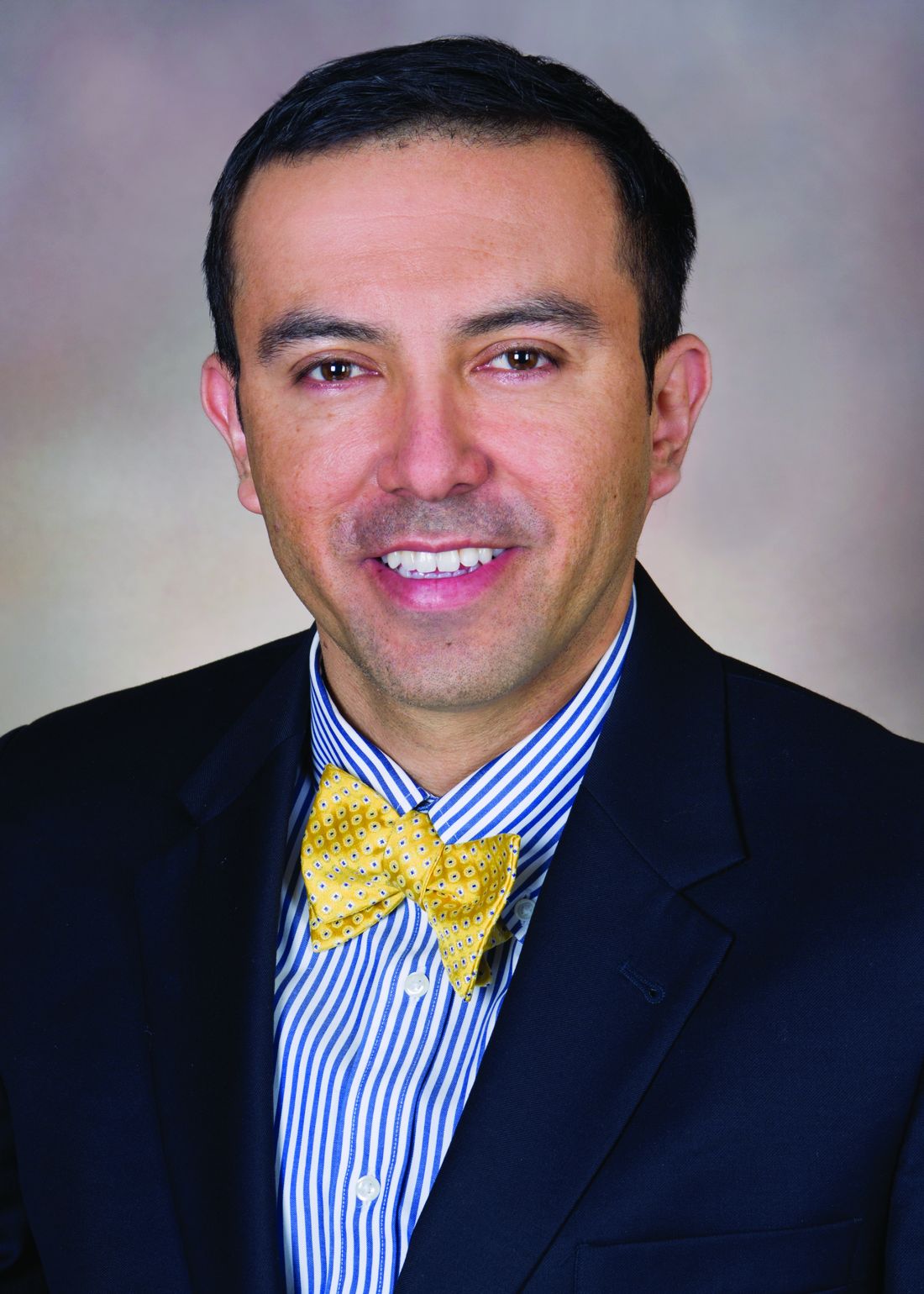
The causes can be neoplastic, infectious, inflammatory, vasculopathic, external, and genetic. “Sometimes they can be of mixed etiology, which make them even more complicated to heal,” Dr. Ortega-Loayza, of the department of dermatology at Oregon Health & Science University, Portland, said during the annual meeting of the Pacific Dermatologic Association.
In a study published in 2019, he and his colleagues at four academic hospitals evaluated characteristics and diagnoses of ulcers in 274 patients with skin ulcers in inpatient dermatology consultation services between July 2015 and July 2018. Most primary teams requesting the consultation (93%) were from nonsurgical specialties. The median age of these patients was 54 years, 45% were male, and 50% had lower-extremity ulcers. Nearly two-thirds of the ulcers (62%) were chronic in nature, while the remaining 38% were acute. The skin ulcer was the chief reason for admission in 49% of cases and 66% were admitted through the ED. In addition, 11% had a superinfected skin ulcer.
The top three etiologies rendered by dermatologists after assessing these patients were pyoderma gangrenosum (17%), infection (13%), and exogenous causes (12%); another 12% remained diagnostically inconclusive after consultation. Diagnostic agreements between the primary team requesting the consultation and the dermatologist were poor to modest.
These data highlights the role of the dermatologists in the workup of skin ulcers of unknown etiology.
“The diagnosis of skin ulcers can be challenging,” Dr. Ortega-Loayza said. “Subjective factors playing a role in the diagnosis of skin ulcers include the type of level of training/experience you’ve had and general awareness and education about skin ulcers.” In addition, there is also a lack of gold-standard diagnostic criteria for atypical/inflammatory ulcers and a lack of specificity of ancillary testing, such as for pyoderma gangrenosum.
Dr. Ortega-Loayza’s basic workup is based on the review of systems and the patient’s comorbidities. Blood work may include CBC, comprehensive metabolic panel, erythrocyte sedimentation rate/C-reactive protein, glucose-6-phosphate dehydrogenase, albumin/prealbumin, autoimmune panels, and hypercoagulable panels. He may order a skin biopsy with H&E staining and microbiological studies, superficial bacterial wound cultures, and vascular studies, such as ankle brachial index (ABI) and chronic venous reflux tests, and Doppler ultrasound, and he might consider an angiogram for certain type of ulcers. Additional imaging studies may include x-ray, CT scan, and/or MRI.
The four key factors to control in patients with skin ulcers, he continued, include effective management of edema (such as compression garments depending on the results of the vascular studies); infection (with topical/oral antibiotics and debridement); the wound microenvironment (with wound dressings), and pain (mainly with nonopioids). “In my practice, we tend to do multilayered compression,” he said. “This can be two- or four-layer. I do light compression if the patient has peripheral arterial disease. I always bring in the patient 2 days later to check on them, or do a telehealth visit, to make sure they are not developing any worsening of the ulcers.”
Infections can be managed with topical antimicrobials such as metronidazole 1% gel and cadexomer iodine. “Iodine can also help dry the wound when you need to do so,” said Dr. Ortega-Loayza, who directs a pyoderma gangrenosum clinic at OHSU. “Debridement can be done with a curette or with commercially available enzymatic products such as Collagenase, PluroGel, and MediHoney.”
When the ulcer is in an active phase (characterized by significant amount of drainage and erythema), he uses one or more of the following products to control the wound microenvironment: zinc oxide, an antimicrobial dressing, a hyperabsorbent dressing, an abdominal pad, and compression.
During the healing phase, with evidence of re-epithelization, he tends to use more foam dressings and continues with compression. His preferred options for managing pain associated with ulcers are medications to control neuropathic pain including initially gabapentin (100 mg-300 mg at bedtime), pregabalin (75 mg twice a day), or duloxetine (extended release, 30 mg once a day). All of these medications can be titrated up based on patients’ needs. Foam dressings with ibuprofen can also provide comfort, he said.
Dr. Ortega-Loayza also provided a few clinical pearls highlighting the role and utility of interleukin-23 inhibitors in the management of patients with pyoderma gangrenosum, oral vitamin K in patients with calciphylaxis, and stanozolol for lipodermatosclerosis. He is also leading the first open-label trial testing a Janus kinase inhibitor – baricitinib – as a treatment for patients with pyoderma gangrenosum.
Dr. Ortega-Loayza disclosed that he is a consultant to Genentech and Guidepoint and is a member of the advisory board for Bristol-Myers Squibb, Boehringer Ingelheim, and Janssen. He also has received research support from Lilly.
In the clinical opinion of Alex G. Ortega-Loayza, MD, MCR, few absolutes drive the initial assessment of patients who present with skin ulcers.
The causes can be neoplastic, infectious, inflammatory, vasculopathic, external, and genetic. “Sometimes they can be of mixed etiology, which make them even more complicated to heal,” Dr. Ortega-Loayza, of the department of dermatology at Oregon Health & Science University, Portland, said during the annual meeting of the Pacific Dermatologic Association.
In a study published in 2019, he and his colleagues at four academic hospitals evaluated characteristics and diagnoses of ulcers in 274 patients with skin ulcers in inpatient dermatology consultation services between July 2015 and July 2018. Most primary teams requesting the consultation (93%) were from nonsurgical specialties. The median age of these patients was 54 years, 45% were male, and 50% had lower-extremity ulcers. Nearly two-thirds of the ulcers (62%) were chronic in nature, while the remaining 38% were acute. The skin ulcer was the chief reason for admission in 49% of cases and 66% were admitted through the ED. In addition, 11% had a superinfected skin ulcer.
The top three etiologies rendered by dermatologists after assessing these patients were pyoderma gangrenosum (17%), infection (13%), and exogenous causes (12%); another 12% remained diagnostically inconclusive after consultation. Diagnostic agreements between the primary team requesting the consultation and the dermatologist were poor to modest.
These data highlights the role of the dermatologists in the workup of skin ulcers of unknown etiology.
“The diagnosis of skin ulcers can be challenging,” Dr. Ortega-Loayza said. “Subjective factors playing a role in the diagnosis of skin ulcers include the type of level of training/experience you’ve had and general awareness and education about skin ulcers.” In addition, there is also a lack of gold-standard diagnostic criteria for atypical/inflammatory ulcers and a lack of specificity of ancillary testing, such as for pyoderma gangrenosum.
Dr. Ortega-Loayza’s basic workup is based on the review of systems and the patient’s comorbidities. Blood work may include CBC, comprehensive metabolic panel, erythrocyte sedimentation rate/C-reactive protein, glucose-6-phosphate dehydrogenase, albumin/prealbumin, autoimmune panels, and hypercoagulable panels. He may order a skin biopsy with H&E staining and microbiological studies, superficial bacterial wound cultures, and vascular studies, such as ankle brachial index (ABI) and chronic venous reflux tests, and Doppler ultrasound, and he might consider an angiogram for certain type of ulcers. Additional imaging studies may include x-ray, CT scan, and/or MRI.
The four key factors to control in patients with skin ulcers, he continued, include effective management of edema (such as compression garments depending on the results of the vascular studies); infection (with topical/oral antibiotics and debridement); the wound microenvironment (with wound dressings), and pain (mainly with nonopioids). “In my practice, we tend to do multilayered compression,” he said. “This can be two- or four-layer. I do light compression if the patient has peripheral arterial disease. I always bring in the patient 2 days later to check on them, or do a telehealth visit, to make sure they are not developing any worsening of the ulcers.”
Infections can be managed with topical antimicrobials such as metronidazole 1% gel and cadexomer iodine. “Iodine can also help dry the wound when you need to do so,” said Dr. Ortega-Loayza, who directs a pyoderma gangrenosum clinic at OHSU. “Debridement can be done with a curette or with commercially available enzymatic products such as Collagenase, PluroGel, and MediHoney.”
When the ulcer is in an active phase (characterized by significant amount of drainage and erythema), he uses one or more of the following products to control the wound microenvironment: zinc oxide, an antimicrobial dressing, a hyperabsorbent dressing, an abdominal pad, and compression.
During the healing phase, with evidence of re-epithelization, he tends to use more foam dressings and continues with compression. His preferred options for managing pain associated with ulcers are medications to control neuropathic pain including initially gabapentin (100 mg-300 mg at bedtime), pregabalin (75 mg twice a day), or duloxetine (extended release, 30 mg once a day). All of these medications can be titrated up based on patients’ needs. Foam dressings with ibuprofen can also provide comfort, he said.
Dr. Ortega-Loayza also provided a few clinical pearls highlighting the role and utility of interleukin-23 inhibitors in the management of patients with pyoderma gangrenosum, oral vitamin K in patients with calciphylaxis, and stanozolol for lipodermatosclerosis. He is also leading the first open-label trial testing a Janus kinase inhibitor – baricitinib – as a treatment for patients with pyoderma gangrenosum.
Dr. Ortega-Loayza disclosed that he is a consultant to Genentech and Guidepoint and is a member of the advisory board for Bristol-Myers Squibb, Boehringer Ingelheim, and Janssen. He also has received research support from Lilly.
In the clinical opinion of Alex G. Ortega-Loayza, MD, MCR, few absolutes drive the initial assessment of patients who present with skin ulcers.
The causes can be neoplastic, infectious, inflammatory, vasculopathic, external, and genetic. “Sometimes they can be of mixed etiology, which make them even more complicated to heal,” Dr. Ortega-Loayza, of the department of dermatology at Oregon Health & Science University, Portland, said during the annual meeting of the Pacific Dermatologic Association.
In a study published in 2019, he and his colleagues at four academic hospitals evaluated characteristics and diagnoses of ulcers in 274 patients with skin ulcers in inpatient dermatology consultation services between July 2015 and July 2018. Most primary teams requesting the consultation (93%) were from nonsurgical specialties. The median age of these patients was 54 years, 45% were male, and 50% had lower-extremity ulcers. Nearly two-thirds of the ulcers (62%) were chronic in nature, while the remaining 38% were acute. The skin ulcer was the chief reason for admission in 49% of cases and 66% were admitted through the ED. In addition, 11% had a superinfected skin ulcer.
The top three etiologies rendered by dermatologists after assessing these patients were pyoderma gangrenosum (17%), infection (13%), and exogenous causes (12%); another 12% remained diagnostically inconclusive after consultation. Diagnostic agreements between the primary team requesting the consultation and the dermatologist were poor to modest.
These data highlights the role of the dermatologists in the workup of skin ulcers of unknown etiology.
“The diagnosis of skin ulcers can be challenging,” Dr. Ortega-Loayza said. “Subjective factors playing a role in the diagnosis of skin ulcers include the type of level of training/experience you’ve had and general awareness and education about skin ulcers.” In addition, there is also a lack of gold-standard diagnostic criteria for atypical/inflammatory ulcers and a lack of specificity of ancillary testing, such as for pyoderma gangrenosum.
Dr. Ortega-Loayza’s basic workup is based on the review of systems and the patient’s comorbidities. Blood work may include CBC, comprehensive metabolic panel, erythrocyte sedimentation rate/C-reactive protein, glucose-6-phosphate dehydrogenase, albumin/prealbumin, autoimmune panels, and hypercoagulable panels. He may order a skin biopsy with H&E staining and microbiological studies, superficial bacterial wound cultures, and vascular studies, such as ankle brachial index (ABI) and chronic venous reflux tests, and Doppler ultrasound, and he might consider an angiogram for certain type of ulcers. Additional imaging studies may include x-ray, CT scan, and/or MRI.
The four key factors to control in patients with skin ulcers, he continued, include effective management of edema (such as compression garments depending on the results of the vascular studies); infection (with topical/oral antibiotics and debridement); the wound microenvironment (with wound dressings), and pain (mainly with nonopioids). “In my practice, we tend to do multilayered compression,” he said. “This can be two- or four-layer. I do light compression if the patient has peripheral arterial disease. I always bring in the patient 2 days later to check on them, or do a telehealth visit, to make sure they are not developing any worsening of the ulcers.”
Infections can be managed with topical antimicrobials such as metronidazole 1% gel and cadexomer iodine. “Iodine can also help dry the wound when you need to do so,” said Dr. Ortega-Loayza, who directs a pyoderma gangrenosum clinic at OHSU. “Debridement can be done with a curette or with commercially available enzymatic products such as Collagenase, PluroGel, and MediHoney.”
When the ulcer is in an active phase (characterized by significant amount of drainage and erythema), he uses one or more of the following products to control the wound microenvironment: zinc oxide, an antimicrobial dressing, a hyperabsorbent dressing, an abdominal pad, and compression.
During the healing phase, with evidence of re-epithelization, he tends to use more foam dressings and continues with compression. His preferred options for managing pain associated with ulcers are medications to control neuropathic pain including initially gabapentin (100 mg-300 mg at bedtime), pregabalin (75 mg twice a day), or duloxetine (extended release, 30 mg once a day). All of these medications can be titrated up based on patients’ needs. Foam dressings with ibuprofen can also provide comfort, he said.
Dr. Ortega-Loayza also provided a few clinical pearls highlighting the role and utility of interleukin-23 inhibitors in the management of patients with pyoderma gangrenosum, oral vitamin K in patients with calciphylaxis, and stanozolol for lipodermatosclerosis. He is also leading the first open-label trial testing a Janus kinase inhibitor – baricitinib – as a treatment for patients with pyoderma gangrenosum.
Dr. Ortega-Loayza disclosed that he is a consultant to Genentech and Guidepoint and is a member of the advisory board for Bristol-Myers Squibb, Boehringer Ingelheim, and Janssen. He also has received research support from Lilly.
FROM PDA 2021
Eurocentric standards of beauty are no longer dominant, experts agree
Addressing current standards of beauty at the Skin of Color Update 2021, dermatologists speaking about attitudes within four ethnic groups recounted a similar story: .
This change is relevant to dermatologists consulting with patients for cosmetic procedures. Four dermatologists who recounted the types of procedures their patients are requesting each reported that more patients are seeking cosmetic enhancements that accentuate rather than modify ethnic features.
Lips in Black, Asian, and Arab ethnic groups are just one example.
“Where several years ago, the conversation was really about lip reductions – how we can deemphasize the lip – I am now seeing lots of women of color coming in to ask about lip augmentation, looking to highlight their lips as a point of beauty,” reported Michelle Henry, MD, a dermatologist who practices in New York City.
She is not alone. Others participating on the same panel spoke of a growing interest among their patients to maintain or even emphasize the same ethnic features – including but not limited to lip shape and size that they were once anxious to modify.
In Asian patients, “the goal is not to Westernize,” agreed Annie Chiu, MD, a dermatologist who practices in North Redondo Beach, Calif. For lips, she spoke of the “50-50 ratio” of upper and lower lip symmetry that is consistent with a traditional Asian characteristic.
Like Dr. Henry, Dr. Chiu said that many requests for cosmetic work now involve accentuating Asian features, such as the oval shape of the face, rather than steps to modify this shape. This is a relatively recent change.
“I am finding that more of my patients want to improve the esthetic balance to optimize the appearance within their own ethnicity,” she said.
In the United Arab Emirates (UAE), Hassan Galadari, MD, an American-trained physician who is assistant professor of dermatology at the UAE University in Dubai, recently conducted a poll of his patients. In order of importance, full lips came after wide eyes, a straight nose, and a sharp jaw line. Full cheeks and a round face completed a list that diverges from the California-blond prototype.
Although Angelina Jolie was selected over several Lebanese actresses as a first choice for an icon of beauty in this same poll, Dr. Galadari pointed out that this actress has many of the features, including wide eyes, a straight nose, and full lips, that are consistent with traditional features of Arab beauty.
Perceptions of beauty are not just changing within ethnic groups but reflected in mass culture. Dr. Henry pointed to a published comparison of the “World’s Most Beautiful” list from People magazine in 2017 relative to 1990. Of the 50 celebrities on the list in 1990, 88% were Fitzpatrick skin types I-III. Only 12% were types IV-VI, which increased to almost 30% of the 135 celebrities on the list in 2017 (P = .01). In 1990, just one celebrity (2%) was of mixed race, which increased to 10.4% in 2017.
Among Hispanic women, the changes in attitude are perhaps best captured among younger relative to older patients requesting cosmetic work, according to Maritza I. Perez, MD, professor of dermatology, University of Connecticut, Farmington. She said that her younger patients are less likely to seek rhinoplasty and blepharoplasty relative to her older patients, a reflection perhaps of comfort with their natural looks.
However, “the celebration of Latinas as beautiful, seductive, and sexual is hardly new,” she said, indicating that younger Hispanic patients are probably not driven to modify their ethnic features because they are already widely admired. “Six of the 10 women crowned Miss Universe in the last decade were from Latin American countries,” she noted.
The general willingness of patients within ethnic groups and society as a whole to see ethnic features as admirable and attractive was generally regarded by all the panelists as a positive development.
Dr. Henry, who said she was “encouraged” by such trends as “the natural hair movement” and diminishing interest among her darker patients in lightening skin pigment, said, “I definitely see a change among my patients in regard to their goals.”
For clinicians offering consults to patients seeking cosmetic work, Dr. Henry recommended being aware and sensitive to this evolution in order to offer appropriate care.
Dr. Chiu, emphasizing the pride that many of her patients take in their Asian features, made the same recommendation. She credited globalization and social media for attitudes that have allowed an embrace of what are now far more inclusive standards of beauty.
Dr. Henry reports financial relationships with Allergan and Merz. Dr. Chiu has financial relationships with AbbVie, Cynosure, Merz, Revance, and Solta. Dr. Galadari reports financial relationships with nine pharmaceutical companies, including Allergan, Merz, Revance, and Fillmed Laboratories. Dr. Perez reports no relevant conflicts of interest.
Addressing current standards of beauty at the Skin of Color Update 2021, dermatologists speaking about attitudes within four ethnic groups recounted a similar story: .
This change is relevant to dermatologists consulting with patients for cosmetic procedures. Four dermatologists who recounted the types of procedures their patients are requesting each reported that more patients are seeking cosmetic enhancements that accentuate rather than modify ethnic features.
Lips in Black, Asian, and Arab ethnic groups are just one example.
“Where several years ago, the conversation was really about lip reductions – how we can deemphasize the lip – I am now seeing lots of women of color coming in to ask about lip augmentation, looking to highlight their lips as a point of beauty,” reported Michelle Henry, MD, a dermatologist who practices in New York City.
She is not alone. Others participating on the same panel spoke of a growing interest among their patients to maintain or even emphasize the same ethnic features – including but not limited to lip shape and size that they were once anxious to modify.
In Asian patients, “the goal is not to Westernize,” agreed Annie Chiu, MD, a dermatologist who practices in North Redondo Beach, Calif. For lips, she spoke of the “50-50 ratio” of upper and lower lip symmetry that is consistent with a traditional Asian characteristic.
Like Dr. Henry, Dr. Chiu said that many requests for cosmetic work now involve accentuating Asian features, such as the oval shape of the face, rather than steps to modify this shape. This is a relatively recent change.
“I am finding that more of my patients want to improve the esthetic balance to optimize the appearance within their own ethnicity,” she said.
In the United Arab Emirates (UAE), Hassan Galadari, MD, an American-trained physician who is assistant professor of dermatology at the UAE University in Dubai, recently conducted a poll of his patients. In order of importance, full lips came after wide eyes, a straight nose, and a sharp jaw line. Full cheeks and a round face completed a list that diverges from the California-blond prototype.
Although Angelina Jolie was selected over several Lebanese actresses as a first choice for an icon of beauty in this same poll, Dr. Galadari pointed out that this actress has many of the features, including wide eyes, a straight nose, and full lips, that are consistent with traditional features of Arab beauty.
Perceptions of beauty are not just changing within ethnic groups but reflected in mass culture. Dr. Henry pointed to a published comparison of the “World’s Most Beautiful” list from People magazine in 2017 relative to 1990. Of the 50 celebrities on the list in 1990, 88% were Fitzpatrick skin types I-III. Only 12% were types IV-VI, which increased to almost 30% of the 135 celebrities on the list in 2017 (P = .01). In 1990, just one celebrity (2%) was of mixed race, which increased to 10.4% in 2017.
Among Hispanic women, the changes in attitude are perhaps best captured among younger relative to older patients requesting cosmetic work, according to Maritza I. Perez, MD, professor of dermatology, University of Connecticut, Farmington. She said that her younger patients are less likely to seek rhinoplasty and blepharoplasty relative to her older patients, a reflection perhaps of comfort with their natural looks.
However, “the celebration of Latinas as beautiful, seductive, and sexual is hardly new,” she said, indicating that younger Hispanic patients are probably not driven to modify their ethnic features because they are already widely admired. “Six of the 10 women crowned Miss Universe in the last decade were from Latin American countries,” she noted.
The general willingness of patients within ethnic groups and society as a whole to see ethnic features as admirable and attractive was generally regarded by all the panelists as a positive development.
Dr. Henry, who said she was “encouraged” by such trends as “the natural hair movement” and diminishing interest among her darker patients in lightening skin pigment, said, “I definitely see a change among my patients in regard to their goals.”
For clinicians offering consults to patients seeking cosmetic work, Dr. Henry recommended being aware and sensitive to this evolution in order to offer appropriate care.
Dr. Chiu, emphasizing the pride that many of her patients take in their Asian features, made the same recommendation. She credited globalization and social media for attitudes that have allowed an embrace of what are now far more inclusive standards of beauty.
Dr. Henry reports financial relationships with Allergan and Merz. Dr. Chiu has financial relationships with AbbVie, Cynosure, Merz, Revance, and Solta. Dr. Galadari reports financial relationships with nine pharmaceutical companies, including Allergan, Merz, Revance, and Fillmed Laboratories. Dr. Perez reports no relevant conflicts of interest.
Addressing current standards of beauty at the Skin of Color Update 2021, dermatologists speaking about attitudes within four ethnic groups recounted a similar story: .
This change is relevant to dermatologists consulting with patients for cosmetic procedures. Four dermatologists who recounted the types of procedures their patients are requesting each reported that more patients are seeking cosmetic enhancements that accentuate rather than modify ethnic features.
Lips in Black, Asian, and Arab ethnic groups are just one example.
“Where several years ago, the conversation was really about lip reductions – how we can deemphasize the lip – I am now seeing lots of women of color coming in to ask about lip augmentation, looking to highlight their lips as a point of beauty,” reported Michelle Henry, MD, a dermatologist who practices in New York City.
She is not alone. Others participating on the same panel spoke of a growing interest among their patients to maintain or even emphasize the same ethnic features – including but not limited to lip shape and size that they were once anxious to modify.
In Asian patients, “the goal is not to Westernize,” agreed Annie Chiu, MD, a dermatologist who practices in North Redondo Beach, Calif. For lips, she spoke of the “50-50 ratio” of upper and lower lip symmetry that is consistent with a traditional Asian characteristic.
Like Dr. Henry, Dr. Chiu said that many requests for cosmetic work now involve accentuating Asian features, such as the oval shape of the face, rather than steps to modify this shape. This is a relatively recent change.
“I am finding that more of my patients want to improve the esthetic balance to optimize the appearance within their own ethnicity,” she said.
In the United Arab Emirates (UAE), Hassan Galadari, MD, an American-trained physician who is assistant professor of dermatology at the UAE University in Dubai, recently conducted a poll of his patients. In order of importance, full lips came after wide eyes, a straight nose, and a sharp jaw line. Full cheeks and a round face completed a list that diverges from the California-blond prototype.
Although Angelina Jolie was selected over several Lebanese actresses as a first choice for an icon of beauty in this same poll, Dr. Galadari pointed out that this actress has many of the features, including wide eyes, a straight nose, and full lips, that are consistent with traditional features of Arab beauty.
Perceptions of beauty are not just changing within ethnic groups but reflected in mass culture. Dr. Henry pointed to a published comparison of the “World’s Most Beautiful” list from People magazine in 2017 relative to 1990. Of the 50 celebrities on the list in 1990, 88% were Fitzpatrick skin types I-III. Only 12% were types IV-VI, which increased to almost 30% of the 135 celebrities on the list in 2017 (P = .01). In 1990, just one celebrity (2%) was of mixed race, which increased to 10.4% in 2017.
Among Hispanic women, the changes in attitude are perhaps best captured among younger relative to older patients requesting cosmetic work, according to Maritza I. Perez, MD, professor of dermatology, University of Connecticut, Farmington. She said that her younger patients are less likely to seek rhinoplasty and blepharoplasty relative to her older patients, a reflection perhaps of comfort with their natural looks.
However, “the celebration of Latinas as beautiful, seductive, and sexual is hardly new,” she said, indicating that younger Hispanic patients are probably not driven to modify their ethnic features because they are already widely admired. “Six of the 10 women crowned Miss Universe in the last decade were from Latin American countries,” she noted.
The general willingness of patients within ethnic groups and society as a whole to see ethnic features as admirable and attractive was generally regarded by all the panelists as a positive development.
Dr. Henry, who said she was “encouraged” by such trends as “the natural hair movement” and diminishing interest among her darker patients in lightening skin pigment, said, “I definitely see a change among my patients in regard to their goals.”
For clinicians offering consults to patients seeking cosmetic work, Dr. Henry recommended being aware and sensitive to this evolution in order to offer appropriate care.
Dr. Chiu, emphasizing the pride that many of her patients take in their Asian features, made the same recommendation. She credited globalization and social media for attitudes that have allowed an embrace of what are now far more inclusive standards of beauty.
Dr. Henry reports financial relationships with Allergan and Merz. Dr. Chiu has financial relationships with AbbVie, Cynosure, Merz, Revance, and Solta. Dr. Galadari reports financial relationships with nine pharmaceutical companies, including Allergan, Merz, Revance, and Fillmed Laboratories. Dr. Perez reports no relevant conflicts of interest.
FROM SOC 2021
ESMO 2021: Impressive clinical research despite pandemic
The meeting, which will be held online from September 16 to 21, will also see headlining results from immunotherapy trials in melanoma, lung cancer, and prostate cancer, as well as studies of the impact of COVID-19 vaccination in cancer patients.
“This is the second year of the virtual ESMO meeting, and this is important because the pandemic and the lockdown have impacted our clinical practice and research,” said conference press spokesman Antonio Passaro, MD, PhD, from the Division of Thoracic Oncology at the European Institute of Oncology, in Milan.
“But when you look at the submitted abstracts and the data that will be presented during ESMO, we can see that clinical research has been ‘resurrected,’“ he told this news organization.
A huge amount of “high-quality” data will be presented, said Dr. Passaro, which is “important,” inasmuch as this is the second year of the pandemic.
He underlined that it is “crucial” to remember that “the pandemic affected not only the lives and quality of life of our patients but also health care systems and the work and quality of life of health care professionals.”
A large amount of the new clinical data to be presented at the meeting will focus on the role of immune checkpoint inhibitors in various types of cancer, Dr. Passaro commented. Many of these will be featured in the three Presidential Symposia that will be held on Saturday, Sunday, and Monday.
These include KEYNOTE-716, a trial comparing the adjuvant use of pembrolizumab (Keytruda) to placebo after complete resection of high-risk stage II melanoma (abstract LBA3), and an analysis of the IMpower010 trial that will investigate the sites of relapse and subsequent therapy with atezolizumab (Tecentriq) in comparison with best supportive care after adjuvant chemotherapy in stage IB-IIIA non–small cell lung cancer (abstract LBA9).
Dr. Passaro commented that it is “interesting to note” that the immunotherapy data at ESMO 2021 will not only be in these “classical diseases in which immunotherapy improves survival” but also in different types of cancer, thus “widening the opportunity for our patients” to benefit.
There will be “important results” for immune checkpoint inhibitors for gynecologic cancers, as well as colorectal and gastric cancers, “which is a key topic for this ESMO meeting,” he said.
Other highlights from the Presidential Symposia include the following:
- Results from the phase 3 KEYNOTE-826 study of pembrolizumab plus chemotherapy versus placebo plus chemotherapy for persistent, recurrent, or metastatic cervical cancer (abstract LBA2_PR)
- Results from the CheckMate 649 study, which examined nivolumab (Opdivo) plus chemotherapy or ipilimumab (Yervoy) in comparison with chemotherapy as first-line treatment for advanced gastric cancer/gastroesophageal junction cancer/esophageal adenocarcinoma (abstract LBA7)
- Results from KRYSTAL-1, a phase 1/2 trial of the investigational agent adagrasib (MRTX849, Mirati Therapeutics) as monotherapy or combined with cetuximab for patients with colorectal cancer harboring a KRASG12C mutation (abstract LBA6)
- Data from FIRSTMAPPP, the first international randomized study of malignant progressive pheochromocytoma and paragangliomas comparing sunitinib (Sutent) with placebo (abstract 567O_PR)
- A combined analysis from the STAMPEDE protocol comparing androgen-deprivation therapy (ADT) alone to abiraterone acetate plus prednisolone, with or without enzalutamide, added to ADT for men with high-risk nonmetastatic prostate cancer (abstract LBA4_PR)
- Results from later-stage disease in men with de novo metastatic castration-sensitive prostate cancer enrolled in PEACE-1, a phase 3 trial investigating overall survival with abiraterone acetate plus prednisone (abstract LBA5_PR)
In addition, Dr. Passaro noted that data will be presented on the impact of the COVID-19 pandemic on cancer patients, as well as “interesting results” on the effect of COVID-19 vaccination on patients and their treatment, which is “crucial for all of us” to know. For example, the CAPTURE substudy of the TRACERx Renal trial will examine adaptive immunity to SARS-CoV-2 infection and vaccination in cancer patients (abstract 1557O).
Also in the same session, data will be presented from the VOICE study on vaccination against SARS-CoV-2 in patients receiving chemotherapy, immunotherapy, or chemo-immunotherapy for solid tumors (abstract LBA8).
At a press conference held ahead of the meeting, Pasi A. Jänne, MD, PhD, from the Dana Farber Cancer Center, Boston, who is the scientific co-chair of ESMO 2021, highlighted precision medicine as a key theme of the meeting.
He said that this is something the oncology community is “actively implementing worldwide to continue to make progress in cancer therapies and as such improve the outcomes of our patients.”
A version of this article first appeared on Medscape.com.
The meeting, which will be held online from September 16 to 21, will also see headlining results from immunotherapy trials in melanoma, lung cancer, and prostate cancer, as well as studies of the impact of COVID-19 vaccination in cancer patients.
“This is the second year of the virtual ESMO meeting, and this is important because the pandemic and the lockdown have impacted our clinical practice and research,” said conference press spokesman Antonio Passaro, MD, PhD, from the Division of Thoracic Oncology at the European Institute of Oncology, in Milan.
“But when you look at the submitted abstracts and the data that will be presented during ESMO, we can see that clinical research has been ‘resurrected,’“ he told this news organization.
A huge amount of “high-quality” data will be presented, said Dr. Passaro, which is “important,” inasmuch as this is the second year of the pandemic.
He underlined that it is “crucial” to remember that “the pandemic affected not only the lives and quality of life of our patients but also health care systems and the work and quality of life of health care professionals.”
A large amount of the new clinical data to be presented at the meeting will focus on the role of immune checkpoint inhibitors in various types of cancer, Dr. Passaro commented. Many of these will be featured in the three Presidential Symposia that will be held on Saturday, Sunday, and Monday.
These include KEYNOTE-716, a trial comparing the adjuvant use of pembrolizumab (Keytruda) to placebo after complete resection of high-risk stage II melanoma (abstract LBA3), and an analysis of the IMpower010 trial that will investigate the sites of relapse and subsequent therapy with atezolizumab (Tecentriq) in comparison with best supportive care after adjuvant chemotherapy in stage IB-IIIA non–small cell lung cancer (abstract LBA9).
Dr. Passaro commented that it is “interesting to note” that the immunotherapy data at ESMO 2021 will not only be in these “classical diseases in which immunotherapy improves survival” but also in different types of cancer, thus “widening the opportunity for our patients” to benefit.
There will be “important results” for immune checkpoint inhibitors for gynecologic cancers, as well as colorectal and gastric cancers, “which is a key topic for this ESMO meeting,” he said.
Other highlights from the Presidential Symposia include the following:
- Results from the phase 3 KEYNOTE-826 study of pembrolizumab plus chemotherapy versus placebo plus chemotherapy for persistent, recurrent, or metastatic cervical cancer (abstract LBA2_PR)
- Results from the CheckMate 649 study, which examined nivolumab (Opdivo) plus chemotherapy or ipilimumab (Yervoy) in comparison with chemotherapy as first-line treatment for advanced gastric cancer/gastroesophageal junction cancer/esophageal adenocarcinoma (abstract LBA7)
- Results from KRYSTAL-1, a phase 1/2 trial of the investigational agent adagrasib (MRTX849, Mirati Therapeutics) as monotherapy or combined with cetuximab for patients with colorectal cancer harboring a KRASG12C mutation (abstract LBA6)
- Data from FIRSTMAPPP, the first international randomized study of malignant progressive pheochromocytoma and paragangliomas comparing sunitinib (Sutent) with placebo (abstract 567O_PR)
- A combined analysis from the STAMPEDE protocol comparing androgen-deprivation therapy (ADT) alone to abiraterone acetate plus prednisolone, with or without enzalutamide, added to ADT for men with high-risk nonmetastatic prostate cancer (abstract LBA4_PR)
- Results from later-stage disease in men with de novo metastatic castration-sensitive prostate cancer enrolled in PEACE-1, a phase 3 trial investigating overall survival with abiraterone acetate plus prednisone (abstract LBA5_PR)
In addition, Dr. Passaro noted that data will be presented on the impact of the COVID-19 pandemic on cancer patients, as well as “interesting results” on the effect of COVID-19 vaccination on patients and their treatment, which is “crucial for all of us” to know. For example, the CAPTURE substudy of the TRACERx Renal trial will examine adaptive immunity to SARS-CoV-2 infection and vaccination in cancer patients (abstract 1557O).
Also in the same session, data will be presented from the VOICE study on vaccination against SARS-CoV-2 in patients receiving chemotherapy, immunotherapy, or chemo-immunotherapy for solid tumors (abstract LBA8).
At a press conference held ahead of the meeting, Pasi A. Jänne, MD, PhD, from the Dana Farber Cancer Center, Boston, who is the scientific co-chair of ESMO 2021, highlighted precision medicine as a key theme of the meeting.
He said that this is something the oncology community is “actively implementing worldwide to continue to make progress in cancer therapies and as such improve the outcomes of our patients.”
A version of this article first appeared on Medscape.com.
The meeting, which will be held online from September 16 to 21, will also see headlining results from immunotherapy trials in melanoma, lung cancer, and prostate cancer, as well as studies of the impact of COVID-19 vaccination in cancer patients.
“This is the second year of the virtual ESMO meeting, and this is important because the pandemic and the lockdown have impacted our clinical practice and research,” said conference press spokesman Antonio Passaro, MD, PhD, from the Division of Thoracic Oncology at the European Institute of Oncology, in Milan.
“But when you look at the submitted abstracts and the data that will be presented during ESMO, we can see that clinical research has been ‘resurrected,’“ he told this news organization.
A huge amount of “high-quality” data will be presented, said Dr. Passaro, which is “important,” inasmuch as this is the second year of the pandemic.
He underlined that it is “crucial” to remember that “the pandemic affected not only the lives and quality of life of our patients but also health care systems and the work and quality of life of health care professionals.”
A large amount of the new clinical data to be presented at the meeting will focus on the role of immune checkpoint inhibitors in various types of cancer, Dr. Passaro commented. Many of these will be featured in the three Presidential Symposia that will be held on Saturday, Sunday, and Monday.
These include KEYNOTE-716, a trial comparing the adjuvant use of pembrolizumab (Keytruda) to placebo after complete resection of high-risk stage II melanoma (abstract LBA3), and an analysis of the IMpower010 trial that will investigate the sites of relapse and subsequent therapy with atezolizumab (Tecentriq) in comparison with best supportive care after adjuvant chemotherapy in stage IB-IIIA non–small cell lung cancer (abstract LBA9).
Dr. Passaro commented that it is “interesting to note” that the immunotherapy data at ESMO 2021 will not only be in these “classical diseases in which immunotherapy improves survival” but also in different types of cancer, thus “widening the opportunity for our patients” to benefit.
There will be “important results” for immune checkpoint inhibitors for gynecologic cancers, as well as colorectal and gastric cancers, “which is a key topic for this ESMO meeting,” he said.
Other highlights from the Presidential Symposia include the following:
- Results from the phase 3 KEYNOTE-826 study of pembrolizumab plus chemotherapy versus placebo plus chemotherapy for persistent, recurrent, or metastatic cervical cancer (abstract LBA2_PR)
- Results from the CheckMate 649 study, which examined nivolumab (Opdivo) plus chemotherapy or ipilimumab (Yervoy) in comparison with chemotherapy as first-line treatment for advanced gastric cancer/gastroesophageal junction cancer/esophageal adenocarcinoma (abstract LBA7)
- Results from KRYSTAL-1, a phase 1/2 trial of the investigational agent adagrasib (MRTX849, Mirati Therapeutics) as monotherapy or combined with cetuximab for patients with colorectal cancer harboring a KRASG12C mutation (abstract LBA6)
- Data from FIRSTMAPPP, the first international randomized study of malignant progressive pheochromocytoma and paragangliomas comparing sunitinib (Sutent) with placebo (abstract 567O_PR)
- A combined analysis from the STAMPEDE protocol comparing androgen-deprivation therapy (ADT) alone to abiraterone acetate plus prednisolone, with or without enzalutamide, added to ADT for men with high-risk nonmetastatic prostate cancer (abstract LBA4_PR)
- Results from later-stage disease in men with de novo metastatic castration-sensitive prostate cancer enrolled in PEACE-1, a phase 3 trial investigating overall survival with abiraterone acetate plus prednisone (abstract LBA5_PR)
In addition, Dr. Passaro noted that data will be presented on the impact of the COVID-19 pandemic on cancer patients, as well as “interesting results” on the effect of COVID-19 vaccination on patients and their treatment, which is “crucial for all of us” to know. For example, the CAPTURE substudy of the TRACERx Renal trial will examine adaptive immunity to SARS-CoV-2 infection and vaccination in cancer patients (abstract 1557O).
Also in the same session, data will be presented from the VOICE study on vaccination against SARS-CoV-2 in patients receiving chemotherapy, immunotherapy, or chemo-immunotherapy for solid tumors (abstract LBA8).
At a press conference held ahead of the meeting, Pasi A. Jänne, MD, PhD, from the Dana Farber Cancer Center, Boston, who is the scientific co-chair of ESMO 2021, highlighted precision medicine as a key theme of the meeting.
He said that this is something the oncology community is “actively implementing worldwide to continue to make progress in cancer therapies and as such improve the outcomes of our patients.”
A version of this article first appeared on Medscape.com.
Earliest 9/11 responders have higher COPD rates
The earliest responders to reach the site of the destroyed twin towers of the World Trade Center on Sept. 11, 2001, are at highest risk for chronic obstructive pulmonary disease and asthma/COPD overlap (ACO) among all those who worked at the site. The 9/11 attack was the deadliest terrorist attack on American soil.
The findings come from a case-control study that included nearly 18,000 emergency responders and volunteers. The investigators found that those who arrived at the site within 48 hours had an approximately 30% higher risk of developing COPD than those who arrived later, after adjustment for smoking and obesity, reported Rafael E de la Hoz, MD, a professor of environmental medicine, public health, and medicine at Mount Sinai Medical Center, New York, and colleagues.
“In this largest World Trade Center occupational cohort, spirometrically defined COPD and ACO were both modestly but significantly associated with World Trade Center exposure intensity, but the association seemed driven by the overlap,” he said in a narrated poster presentation during the European Respiratory Society 2021 International Congress.
“Around the world, we rely on our emergency workers to help when disasters occur,” commented Arzu Yorgancıoğlu, MD, professor and head of the department of pulmonology at Celal Bayar University, Manisa, Turkey, who was not involved in the study.
“This study shows how important it is to keep monitoring the health of workers, like those who attended the World Trade Center site 20 years ago, as occupational exposure to pollutants can lead to COPD. What we can learn from research like this is not only how best to care for emergency workers who operate in dangerous conditions but also how we can protect them in their work in the future,” she said.
Inconsistent findings
Fire and police personnel, emergency medical workers, construction workers, and others who labored amid the lingering pall of toxic dust and smoke at the World Trade Center site have developed asthma and other lower respiratory tract diseases over the ensuing decades.
“As the occupational cohorts age, there are concerns about chronic, longer latency, and disabling respiratory disease,” Dr. de la Hoz and colleagues wrote.
There have been inconsistent reports about the potential associations between COPD and ACO and the intensity of occupational exposure at the World Trade Center site. This prompted the investigators to further explore these associations using spirometry-defined disease.
They assessed data on 17,996 former World Trade Center site workers who had undergone at least two good-quality spirometric evaluations from 2002 to 2018.
To be classified as having COPD, workers had to have fixed airway obstruction. Those in the ACO subgroup were also required to have prebronchodilator obstruction with forced expiratory volume in 1 second of more than 400 mL in response to bronchodilation.
The patients were matched for sex and height within 5 cm using a 1:4 nested case-control design. Missing data were imputed.
Earliest arrivals paid the highest penalty
Of the total cohort, 85.4% were men, and 85.6% were overweight or obese. A total of 586 workers (3.3%) met the case definition for having COPD; 258 (1.4%) met the definition for having ACO.
The investigators found that the prevalence of self-reported ACO was six times higher than the prevalence of spirometry-confirmed disease. Among those who reported an onset date, 56.7% reported having asthma before COPD; the remainder reported having COPD first.
In analyses adjusted for age, sex, cohort entry period, smoking status, body mass index, metabolic syndrome parameters, and eosinophil levels, both COPD and ACO were significantly associated with early arrival at the World Trade Center site, with an adjusted odds ratio for COPD of 1.3 (95% confidence interval, 1.03-1.64), and an OR for ACO of 1.66 (95% CI, 1.1-2.49).
There was no significant interaction between early site arrival and smoking status.
The association between early exposure and COPD was no longer significant when those with ACO were excluded, the authors noted.
“We also observed that COPD more often followed asthma in these workers than the reverse, suggesting that asthma may have been on the path to COPD in most workers affected by the inhaled toxicants at the disaster site,” Dr. de la Hoz and colleagues wrote.
In addition, “our data suggest that self-reported physician diagnoses of COPD, asthma, and ACO are poorly correlated with objective data in this cohort,” they concluded.
The study was supported by the Centers for Disease Control and Prevention and the National Institute for Occupational Safety and Health. The authors and Dr. Yorgancıoğlu disclosed no relevant financial relationships.
A version of this article first appeared on Medscape.com.
The earliest responders to reach the site of the destroyed twin towers of the World Trade Center on Sept. 11, 2001, are at highest risk for chronic obstructive pulmonary disease and asthma/COPD overlap (ACO) among all those who worked at the site. The 9/11 attack was the deadliest terrorist attack on American soil.
The findings come from a case-control study that included nearly 18,000 emergency responders and volunteers. The investigators found that those who arrived at the site within 48 hours had an approximately 30% higher risk of developing COPD than those who arrived later, after adjustment for smoking and obesity, reported Rafael E de la Hoz, MD, a professor of environmental medicine, public health, and medicine at Mount Sinai Medical Center, New York, and colleagues.
“In this largest World Trade Center occupational cohort, spirometrically defined COPD and ACO were both modestly but significantly associated with World Trade Center exposure intensity, but the association seemed driven by the overlap,” he said in a narrated poster presentation during the European Respiratory Society 2021 International Congress.
“Around the world, we rely on our emergency workers to help when disasters occur,” commented Arzu Yorgancıoğlu, MD, professor and head of the department of pulmonology at Celal Bayar University, Manisa, Turkey, who was not involved in the study.
“This study shows how important it is to keep monitoring the health of workers, like those who attended the World Trade Center site 20 years ago, as occupational exposure to pollutants can lead to COPD. What we can learn from research like this is not only how best to care for emergency workers who operate in dangerous conditions but also how we can protect them in their work in the future,” she said.
Inconsistent findings
Fire and police personnel, emergency medical workers, construction workers, and others who labored amid the lingering pall of toxic dust and smoke at the World Trade Center site have developed asthma and other lower respiratory tract diseases over the ensuing decades.
“As the occupational cohorts age, there are concerns about chronic, longer latency, and disabling respiratory disease,” Dr. de la Hoz and colleagues wrote.
There have been inconsistent reports about the potential associations between COPD and ACO and the intensity of occupational exposure at the World Trade Center site. This prompted the investigators to further explore these associations using spirometry-defined disease.
They assessed data on 17,996 former World Trade Center site workers who had undergone at least two good-quality spirometric evaluations from 2002 to 2018.
To be classified as having COPD, workers had to have fixed airway obstruction. Those in the ACO subgroup were also required to have prebronchodilator obstruction with forced expiratory volume in 1 second of more than 400 mL in response to bronchodilation.
The patients were matched for sex and height within 5 cm using a 1:4 nested case-control design. Missing data were imputed.
Earliest arrivals paid the highest penalty
Of the total cohort, 85.4% were men, and 85.6% were overweight or obese. A total of 586 workers (3.3%) met the case definition for having COPD; 258 (1.4%) met the definition for having ACO.
The investigators found that the prevalence of self-reported ACO was six times higher than the prevalence of spirometry-confirmed disease. Among those who reported an onset date, 56.7% reported having asthma before COPD; the remainder reported having COPD first.
In analyses adjusted for age, sex, cohort entry period, smoking status, body mass index, metabolic syndrome parameters, and eosinophil levels, both COPD and ACO were significantly associated with early arrival at the World Trade Center site, with an adjusted odds ratio for COPD of 1.3 (95% confidence interval, 1.03-1.64), and an OR for ACO of 1.66 (95% CI, 1.1-2.49).
There was no significant interaction between early site arrival and smoking status.
The association between early exposure and COPD was no longer significant when those with ACO were excluded, the authors noted.
“We also observed that COPD more often followed asthma in these workers than the reverse, suggesting that asthma may have been on the path to COPD in most workers affected by the inhaled toxicants at the disaster site,” Dr. de la Hoz and colleagues wrote.
In addition, “our data suggest that self-reported physician diagnoses of COPD, asthma, and ACO are poorly correlated with objective data in this cohort,” they concluded.
The study was supported by the Centers for Disease Control and Prevention and the National Institute for Occupational Safety and Health. The authors and Dr. Yorgancıoğlu disclosed no relevant financial relationships.
A version of this article first appeared on Medscape.com.
The earliest responders to reach the site of the destroyed twin towers of the World Trade Center on Sept. 11, 2001, are at highest risk for chronic obstructive pulmonary disease and asthma/COPD overlap (ACO) among all those who worked at the site. The 9/11 attack was the deadliest terrorist attack on American soil.
The findings come from a case-control study that included nearly 18,000 emergency responders and volunteers. The investigators found that those who arrived at the site within 48 hours had an approximately 30% higher risk of developing COPD than those who arrived later, after adjustment for smoking and obesity, reported Rafael E de la Hoz, MD, a professor of environmental medicine, public health, and medicine at Mount Sinai Medical Center, New York, and colleagues.
“In this largest World Trade Center occupational cohort, spirometrically defined COPD and ACO were both modestly but significantly associated with World Trade Center exposure intensity, but the association seemed driven by the overlap,” he said in a narrated poster presentation during the European Respiratory Society 2021 International Congress.
“Around the world, we rely on our emergency workers to help when disasters occur,” commented Arzu Yorgancıoğlu, MD, professor and head of the department of pulmonology at Celal Bayar University, Manisa, Turkey, who was not involved in the study.
“This study shows how important it is to keep monitoring the health of workers, like those who attended the World Trade Center site 20 years ago, as occupational exposure to pollutants can lead to COPD. What we can learn from research like this is not only how best to care for emergency workers who operate in dangerous conditions but also how we can protect them in their work in the future,” she said.
Inconsistent findings
Fire and police personnel, emergency medical workers, construction workers, and others who labored amid the lingering pall of toxic dust and smoke at the World Trade Center site have developed asthma and other lower respiratory tract diseases over the ensuing decades.
“As the occupational cohorts age, there are concerns about chronic, longer latency, and disabling respiratory disease,” Dr. de la Hoz and colleagues wrote.
There have been inconsistent reports about the potential associations between COPD and ACO and the intensity of occupational exposure at the World Trade Center site. This prompted the investigators to further explore these associations using spirometry-defined disease.
They assessed data on 17,996 former World Trade Center site workers who had undergone at least two good-quality spirometric evaluations from 2002 to 2018.
To be classified as having COPD, workers had to have fixed airway obstruction. Those in the ACO subgroup were also required to have prebronchodilator obstruction with forced expiratory volume in 1 second of more than 400 mL in response to bronchodilation.
The patients were matched for sex and height within 5 cm using a 1:4 nested case-control design. Missing data were imputed.
Earliest arrivals paid the highest penalty
Of the total cohort, 85.4% were men, and 85.6% were overweight or obese. A total of 586 workers (3.3%) met the case definition for having COPD; 258 (1.4%) met the definition for having ACO.
The investigators found that the prevalence of self-reported ACO was six times higher than the prevalence of spirometry-confirmed disease. Among those who reported an onset date, 56.7% reported having asthma before COPD; the remainder reported having COPD first.
In analyses adjusted for age, sex, cohort entry period, smoking status, body mass index, metabolic syndrome parameters, and eosinophil levels, both COPD and ACO were significantly associated with early arrival at the World Trade Center site, with an adjusted odds ratio for COPD of 1.3 (95% confidence interval, 1.03-1.64), and an OR for ACO of 1.66 (95% CI, 1.1-2.49).
There was no significant interaction between early site arrival and smoking status.
The association between early exposure and COPD was no longer significant when those with ACO were excluded, the authors noted.
“We also observed that COPD more often followed asthma in these workers than the reverse, suggesting that asthma may have been on the path to COPD in most workers affected by the inhaled toxicants at the disaster site,” Dr. de la Hoz and colleagues wrote.
In addition, “our data suggest that self-reported physician diagnoses of COPD, asthma, and ACO are poorly correlated with objective data in this cohort,” they concluded.
The study was supported by the Centers for Disease Control and Prevention and the National Institute for Occupational Safety and Health. The authors and Dr. Yorgancıoğlu disclosed no relevant financial relationships.
A version of this article first appeared on Medscape.com.
Poor lung function linked to risk for sudden cardiac death
Poor lung function appears to be a stronger marker of risk for sudden cardiac death than for a survivable first coronary event, results of a prospective population-based study suggest.
Among 28,584 adults with no history of acute coronary events who were followed over 4 decades, every standard deviation decrease in forced expiratory volume in 1 second (FEV1) was associated with a 23% increase in risk for sudden cardiac death, reported Suneela Zaigham, PhD, a cardiovascular epidemiology fellow at the University of Lund, Sweden, and colleagues.
“Our main findings and subsequent conclusions are that low FEV1 is associated with both sudden cardiac death and nonfatal coronary events but is consistently more strongly associated with future sudden cardiac death,” Dr. Zaigham said in a narrated poster presented at the European Respiratory Society (ERS) 2021 International Congress, which was held online.
“We propose that measurement with spirometry in early life could aid in the risk stratification of future sudden cardiac death, and our results support the use of spirometry for cardiovascular risk assessment,” she said.
Marc Humbert, MD, PhD, professor of respiratory medicine at Université Paris–Saclay, who was not involved in the study, said that “this is something we can measure fairly easily, meaning that lung function could be used as part of a screening tool.
“We need to do more research to understand the links between lung function and sudden cardiac death and to investigate whether we can use lung function tests to help prevent deaths in the future,” he said.
Fatal vs. nonfatal events
It is well known that poor lung function is a strong predictor of future coronary events, but it was unknown whether patterns of lung impairment differ in their ability to predict future nonfatal coronary events or sudden cardiac death, Dr. Zaigham said.
To see whether measurable differences in lung function could predict risk for both fatal and nonfatal coronary events, the investigators studied 28,584 middle-aged residents of Malmö, Sweden. Baseline spirometry test results were available for all study participants.
The patients were followed for approximately 40 years for sudden cardiac death, defined as death on the day of a coronary event, or nonfatal events, defined as survival for at least 24 hours after an event.
Dr. Zaigham and colleagues used a modified version of Lunn McNeil’s competing risks method to create Cox regression models.
Results of an analysis that was adjusted for potential confounding factors indicated that one standard deviation reduction in FEV1 was associated with a hazard ratio (HR) for sudden cardiac death of 1.23 (95% confidence interval, 1.15-1.31). In contrast, one standard deviation in FEV1 was associated with a lower but still significant risk for nonfatal events, with an HR of 1.08 (95% CI, 1.04-1.13; P for equal associations = .002).
The results remained significant among participants who had never smoked, with an HR for sudden cardiac death of 1.34 (95% CI, 1.15-1.55) and for nonfatal events of 1.11 (95% CI, 1.02-1.21; P for equal associations = .038).
“This study suggests a link between lung health and sudden cardiac death. It shows a higher risk of fatal than nonfatal coronary events even in people whose lung function is moderately lower but may still be within a normal range,” Dr. Humbert said.
The study was supported by the Swedish Heart-Lung Foundation. Dr. Zaigham and Dr. Humbert reported having no relevant financial relationships.
A version of this article first appeared on Medscape.com.
Poor lung function appears to be a stronger marker of risk for sudden cardiac death than for a survivable first coronary event, results of a prospective population-based study suggest.
Among 28,584 adults with no history of acute coronary events who were followed over 4 decades, every standard deviation decrease in forced expiratory volume in 1 second (FEV1) was associated with a 23% increase in risk for sudden cardiac death, reported Suneela Zaigham, PhD, a cardiovascular epidemiology fellow at the University of Lund, Sweden, and colleagues.
“Our main findings and subsequent conclusions are that low FEV1 is associated with both sudden cardiac death and nonfatal coronary events but is consistently more strongly associated with future sudden cardiac death,” Dr. Zaigham said in a narrated poster presented at the European Respiratory Society (ERS) 2021 International Congress, which was held online.
“We propose that measurement with spirometry in early life could aid in the risk stratification of future sudden cardiac death, and our results support the use of spirometry for cardiovascular risk assessment,” she said.
Marc Humbert, MD, PhD, professor of respiratory medicine at Université Paris–Saclay, who was not involved in the study, said that “this is something we can measure fairly easily, meaning that lung function could be used as part of a screening tool.
“We need to do more research to understand the links between lung function and sudden cardiac death and to investigate whether we can use lung function tests to help prevent deaths in the future,” he said.
Fatal vs. nonfatal events
It is well known that poor lung function is a strong predictor of future coronary events, but it was unknown whether patterns of lung impairment differ in their ability to predict future nonfatal coronary events or sudden cardiac death, Dr. Zaigham said.
To see whether measurable differences in lung function could predict risk for both fatal and nonfatal coronary events, the investigators studied 28,584 middle-aged residents of Malmö, Sweden. Baseline spirometry test results were available for all study participants.
The patients were followed for approximately 40 years for sudden cardiac death, defined as death on the day of a coronary event, or nonfatal events, defined as survival for at least 24 hours after an event.
Dr. Zaigham and colleagues used a modified version of Lunn McNeil’s competing risks method to create Cox regression models.
Results of an analysis that was adjusted for potential confounding factors indicated that one standard deviation reduction in FEV1 was associated with a hazard ratio (HR) for sudden cardiac death of 1.23 (95% confidence interval, 1.15-1.31). In contrast, one standard deviation in FEV1 was associated with a lower but still significant risk for nonfatal events, with an HR of 1.08 (95% CI, 1.04-1.13; P for equal associations = .002).
The results remained significant among participants who had never smoked, with an HR for sudden cardiac death of 1.34 (95% CI, 1.15-1.55) and for nonfatal events of 1.11 (95% CI, 1.02-1.21; P for equal associations = .038).
“This study suggests a link between lung health and sudden cardiac death. It shows a higher risk of fatal than nonfatal coronary events even in people whose lung function is moderately lower but may still be within a normal range,” Dr. Humbert said.
The study was supported by the Swedish Heart-Lung Foundation. Dr. Zaigham and Dr. Humbert reported having no relevant financial relationships.
A version of this article first appeared on Medscape.com.
Poor lung function appears to be a stronger marker of risk for sudden cardiac death than for a survivable first coronary event, results of a prospective population-based study suggest.
Among 28,584 adults with no history of acute coronary events who were followed over 4 decades, every standard deviation decrease in forced expiratory volume in 1 second (FEV1) was associated with a 23% increase in risk for sudden cardiac death, reported Suneela Zaigham, PhD, a cardiovascular epidemiology fellow at the University of Lund, Sweden, and colleagues.
“Our main findings and subsequent conclusions are that low FEV1 is associated with both sudden cardiac death and nonfatal coronary events but is consistently more strongly associated with future sudden cardiac death,” Dr. Zaigham said in a narrated poster presented at the European Respiratory Society (ERS) 2021 International Congress, which was held online.
“We propose that measurement with spirometry in early life could aid in the risk stratification of future sudden cardiac death, and our results support the use of spirometry for cardiovascular risk assessment,” she said.
Marc Humbert, MD, PhD, professor of respiratory medicine at Université Paris–Saclay, who was not involved in the study, said that “this is something we can measure fairly easily, meaning that lung function could be used as part of a screening tool.
“We need to do more research to understand the links between lung function and sudden cardiac death and to investigate whether we can use lung function tests to help prevent deaths in the future,” he said.
Fatal vs. nonfatal events
It is well known that poor lung function is a strong predictor of future coronary events, but it was unknown whether patterns of lung impairment differ in their ability to predict future nonfatal coronary events or sudden cardiac death, Dr. Zaigham said.
To see whether measurable differences in lung function could predict risk for both fatal and nonfatal coronary events, the investigators studied 28,584 middle-aged residents of Malmö, Sweden. Baseline spirometry test results were available for all study participants.
The patients were followed for approximately 40 years for sudden cardiac death, defined as death on the day of a coronary event, or nonfatal events, defined as survival for at least 24 hours after an event.
Dr. Zaigham and colleagues used a modified version of Lunn McNeil’s competing risks method to create Cox regression models.
Results of an analysis that was adjusted for potential confounding factors indicated that one standard deviation reduction in FEV1 was associated with a hazard ratio (HR) for sudden cardiac death of 1.23 (95% confidence interval, 1.15-1.31). In contrast, one standard deviation in FEV1 was associated with a lower but still significant risk for nonfatal events, with an HR of 1.08 (95% CI, 1.04-1.13; P for equal associations = .002).
The results remained significant among participants who had never smoked, with an HR for sudden cardiac death of 1.34 (95% CI, 1.15-1.55) and for nonfatal events of 1.11 (95% CI, 1.02-1.21; P for equal associations = .038).
“This study suggests a link between lung health and sudden cardiac death. It shows a higher risk of fatal than nonfatal coronary events even in people whose lung function is moderately lower but may still be within a normal range,” Dr. Humbert said.
The study was supported by the Swedish Heart-Lung Foundation. Dr. Zaigham and Dr. Humbert reported having no relevant financial relationships.
A version of this article first appeared on Medscape.com.
Fibrosis progression flies below the radar in subclinical ILD
Subclinical or preclinical interstitial lung disease in patients with connective tissue diseases is not a benign entity, and many patients may experience progression of lung fibrosis before a diagnosis of ILD is made, investigators caution.
Among patients with connective tissue disease assessed with baseline and follow-up high-resolution CT scans for ILD, nearly one-fourth had evidence of ILD progression over a median of 4.5 years, reported Anna-Maria Hoffmann-Vold, MD, PhD, from Oslo University Hospital.
“Subclinical ILD is frequently present across all connective tissue diseases. It progresses over time in a substantial subgroup of people comparable to patients with clinical ILD, and our findings really question the terms ‘subclinical/preclinical ILD,’ which may potentially lead to a suboptimal watchful waiting management,” she said in an oral abstract presentation during the European Respiratory Society International Congress.
Jesse Roman, MD, CEO at the Jane & Leonard Korman Respiratory Institute at Thomas Jefferson University, Philadelphia, who was not involved in the study, commented that the findings regarding subclinical disease come as no surprise.
“The connective tissue disorders are linked to interstitial lung disease, and we believe that they are the primary causes of interstitial lung diseases in most countries,” he said in an interview.
“Basically, what you’re detecting is that if you can identify these people early, then you can see that they behave like any other patients with interstitial lung disease with progression, so most experts recommend that patients with any kind of connective tissue disorder be followed with either CT scans or pulmonary function tests, or carefully interviewed every time they come to identify any kind of very early interstitial lung disease – particularly in patients with rheumatoid arthritis, in patients with systemic sclerosis, and in patients with dermatomyositis,” Dr. Roman said.
He noted that when patients present with an idiopathic or undiagnosed condition suggestive of ILD, clinicians at his center will order serology tests to detect potential cases of subclinical connective tissue disorders.
Observational study
Dr. Hoffmann-Vold and colleagues looked at 525 patients with connective tissue diseases assessed for ILD at their center, including 296 with systemic sclerosis, 94 with anti-synthetase syndrome, and 135 with mixed connective tissue disease.
They used semiquantitative assessment to determine the prevalence of ILD, defining subclinical disease as ILD extent of less than 5% on high-resolution CT, preserved lung function with forced vital capacity (FVC) greater than 80% of predicted, and no respiratory symptoms.
Clinical ILD was defined as either ILD extent greater than 5%, or ILD extent below 5% but with respiratory symptoms and FVC below 80% of predicted.
They found that 44% of the patients had ILD on high-resolution CT, 43% had no evidence of ILD, and 13% had subclinical ILD.
In a comparison of patients without ILD and those with either clinical or subclinical ILD, they found that, while the mean patient age was about 51 in all three groups, men were more likely than women to have clinical ILD. A higher proportion of patients with clinical ILD (39%) died during the total observation period of about 13 years, compared with 22% of patients without ILD, and 18% of those with subclinical ILD.
As noted before, of 395 patients with baseline and follow-up high-resolution CT, 95 (24%) had evidence of lung fibrosis progression, with 38% of patients with subclinical ILD and 51% of patients with clinical ILD having progression during follow-up.
“In our connective tissue disease patients with ILD, the symptoms-define-disease argument would clearly lead to [the idea] that ILD is not a disease until patients become symptomatic, which we all know is frequently appearing in advanced stages of ILD,” Dr. Hoffmann-Vold said.
The study was funded by Oslo University Hospital. Dr. Hoffmann-Vold and Dr. Roman reported no relevant conflicts of interest to disclose.
Subclinical or preclinical interstitial lung disease in patients with connective tissue diseases is not a benign entity, and many patients may experience progression of lung fibrosis before a diagnosis of ILD is made, investigators caution.
Among patients with connective tissue disease assessed with baseline and follow-up high-resolution CT scans for ILD, nearly one-fourth had evidence of ILD progression over a median of 4.5 years, reported Anna-Maria Hoffmann-Vold, MD, PhD, from Oslo University Hospital.
“Subclinical ILD is frequently present across all connective tissue diseases. It progresses over time in a substantial subgroup of people comparable to patients with clinical ILD, and our findings really question the terms ‘subclinical/preclinical ILD,’ which may potentially lead to a suboptimal watchful waiting management,” she said in an oral abstract presentation during the European Respiratory Society International Congress.
Jesse Roman, MD, CEO at the Jane & Leonard Korman Respiratory Institute at Thomas Jefferson University, Philadelphia, who was not involved in the study, commented that the findings regarding subclinical disease come as no surprise.
“The connective tissue disorders are linked to interstitial lung disease, and we believe that they are the primary causes of interstitial lung diseases in most countries,” he said in an interview.
“Basically, what you’re detecting is that if you can identify these people early, then you can see that they behave like any other patients with interstitial lung disease with progression, so most experts recommend that patients with any kind of connective tissue disorder be followed with either CT scans or pulmonary function tests, or carefully interviewed every time they come to identify any kind of very early interstitial lung disease – particularly in patients with rheumatoid arthritis, in patients with systemic sclerosis, and in patients with dermatomyositis,” Dr. Roman said.
He noted that when patients present with an idiopathic or undiagnosed condition suggestive of ILD, clinicians at his center will order serology tests to detect potential cases of subclinical connective tissue disorders.
Observational study
Dr. Hoffmann-Vold and colleagues looked at 525 patients with connective tissue diseases assessed for ILD at their center, including 296 with systemic sclerosis, 94 with anti-synthetase syndrome, and 135 with mixed connective tissue disease.
They used semiquantitative assessment to determine the prevalence of ILD, defining subclinical disease as ILD extent of less than 5% on high-resolution CT, preserved lung function with forced vital capacity (FVC) greater than 80% of predicted, and no respiratory symptoms.
Clinical ILD was defined as either ILD extent greater than 5%, or ILD extent below 5% but with respiratory symptoms and FVC below 80% of predicted.
They found that 44% of the patients had ILD on high-resolution CT, 43% had no evidence of ILD, and 13% had subclinical ILD.
In a comparison of patients without ILD and those with either clinical or subclinical ILD, they found that, while the mean patient age was about 51 in all three groups, men were more likely than women to have clinical ILD. A higher proportion of patients with clinical ILD (39%) died during the total observation period of about 13 years, compared with 22% of patients without ILD, and 18% of those with subclinical ILD.
As noted before, of 395 patients with baseline and follow-up high-resolution CT, 95 (24%) had evidence of lung fibrosis progression, with 38% of patients with subclinical ILD and 51% of patients with clinical ILD having progression during follow-up.
“In our connective tissue disease patients with ILD, the symptoms-define-disease argument would clearly lead to [the idea] that ILD is not a disease until patients become symptomatic, which we all know is frequently appearing in advanced stages of ILD,” Dr. Hoffmann-Vold said.
The study was funded by Oslo University Hospital. Dr. Hoffmann-Vold and Dr. Roman reported no relevant conflicts of interest to disclose.
Subclinical or preclinical interstitial lung disease in patients with connective tissue diseases is not a benign entity, and many patients may experience progression of lung fibrosis before a diagnosis of ILD is made, investigators caution.
Among patients with connective tissue disease assessed with baseline and follow-up high-resolution CT scans for ILD, nearly one-fourth had evidence of ILD progression over a median of 4.5 years, reported Anna-Maria Hoffmann-Vold, MD, PhD, from Oslo University Hospital.
“Subclinical ILD is frequently present across all connective tissue diseases. It progresses over time in a substantial subgroup of people comparable to patients with clinical ILD, and our findings really question the terms ‘subclinical/preclinical ILD,’ which may potentially lead to a suboptimal watchful waiting management,” she said in an oral abstract presentation during the European Respiratory Society International Congress.
Jesse Roman, MD, CEO at the Jane & Leonard Korman Respiratory Institute at Thomas Jefferson University, Philadelphia, who was not involved in the study, commented that the findings regarding subclinical disease come as no surprise.
“The connective tissue disorders are linked to interstitial lung disease, and we believe that they are the primary causes of interstitial lung diseases in most countries,” he said in an interview.
“Basically, what you’re detecting is that if you can identify these people early, then you can see that they behave like any other patients with interstitial lung disease with progression, so most experts recommend that patients with any kind of connective tissue disorder be followed with either CT scans or pulmonary function tests, or carefully interviewed every time they come to identify any kind of very early interstitial lung disease – particularly in patients with rheumatoid arthritis, in patients with systemic sclerosis, and in patients with dermatomyositis,” Dr. Roman said.
He noted that when patients present with an idiopathic or undiagnosed condition suggestive of ILD, clinicians at his center will order serology tests to detect potential cases of subclinical connective tissue disorders.
Observational study
Dr. Hoffmann-Vold and colleagues looked at 525 patients with connective tissue diseases assessed for ILD at their center, including 296 with systemic sclerosis, 94 with anti-synthetase syndrome, and 135 with mixed connective tissue disease.
They used semiquantitative assessment to determine the prevalence of ILD, defining subclinical disease as ILD extent of less than 5% on high-resolution CT, preserved lung function with forced vital capacity (FVC) greater than 80% of predicted, and no respiratory symptoms.
Clinical ILD was defined as either ILD extent greater than 5%, or ILD extent below 5% but with respiratory symptoms and FVC below 80% of predicted.
They found that 44% of the patients had ILD on high-resolution CT, 43% had no evidence of ILD, and 13% had subclinical ILD.
In a comparison of patients without ILD and those with either clinical or subclinical ILD, they found that, while the mean patient age was about 51 in all three groups, men were more likely than women to have clinical ILD. A higher proportion of patients with clinical ILD (39%) died during the total observation period of about 13 years, compared with 22% of patients without ILD, and 18% of those with subclinical ILD.
As noted before, of 395 patients with baseline and follow-up high-resolution CT, 95 (24%) had evidence of lung fibrosis progression, with 38% of patients with subclinical ILD and 51% of patients with clinical ILD having progression during follow-up.
“In our connective tissue disease patients with ILD, the symptoms-define-disease argument would clearly lead to [the idea] that ILD is not a disease until patients become symptomatic, which we all know is frequently appearing in advanced stages of ILD,” Dr. Hoffmann-Vold said.
The study was funded by Oslo University Hospital. Dr. Hoffmann-Vold and Dr. Roman reported no relevant conflicts of interest to disclose.
FROM ERS 2021
Aspirin and heparin increase bleeding risk during EVT
Treatment with acetylsalicylic acid (ASA) or heparin is associated with an increased risk for symptomatic intracranial hemorrhage (sICH) in patients with ischemic stroke who are undergoing endovascular therapy (EVT), new data show.
In this population, ASA and heparin are each associated with an approximately doubled risk for sICH when administered during EVT.
“We did not find any evidence for a beneficial effect on functional outcome,” investigator Wouter van der Steen, MD, research physician and PhD student at Erasmus University Medical Center, Rotterdam, the Netherlands, told this news organization. The possibility that a positive effect would be observed if the trial were continued was considered negligible, he added.
The researchers stopped the trial for safety reasons and recommend avoiding the evaluated dosages of both medications during EVT for ischemic stroke, said Dr. van der Steen.
He presented the findings from the MR CLEAN-MED trial at the European Stroke Organisation Conference (ESOC) 2021, which was held online.
Trial stopped for safety
Previous research has supported the safety and efficacy of EVT for ischemic stroke. Still, more than 30% of patients do not recover, despite fast and complete recanalization. Incomplete microvascular reperfusion (IMR) could explain this incomplete recovery, the researchers note.
Microthrombi, which occlude distal vessels, and neutrophil extracellular traps can cause IMR. This problem can be reduced through treatment with ASA, which has an antithrombotic effect, or with heparin, which dissolves neutrophil extracellular traps, they add. Although these drugs are associated with good clinical outcomes, they entail an increased risk for sICH.
The investigators conducted the multicenter, randomized controlled MR CLEAN-MED trial to evaluate the effect of intravenous (IV) ASA and heparin, alone or in combination, during EVT for acute ischemic stroke. Treatment was open label, but outcome assessment was blinded. Eligible participants were adults with a National Institutes of Health Stroke Scale (NIHSS) score of greater than or equal to 2 and an anterior circulation large-vessel occlusion for whom EVT could be initiated in fewer than 6 hours.
Investigators randomly assigned patients to receive or not to receive ASA. Within each of these two treatment groups, patients were randomly assigned to receive no heparin, low-dose heparin, or moderate-dose heparin.
ASA was given in a loading dose of 300 mg. Patients who were given low-dose heparin received a loading dose of 5,000 IU followed by 500 IU/h for 6 hours. Patients who received moderate-dose heparin were given a loading dose of 5,000 IU followed by 1,250 IU/h for 6 hours.
The study’s primary outcome was Modified Rankin Scale (mRS) score at 90 days. Secondary outcomes were NIHSS score at 24 hours, NIHSS score at 5 to 7 days, and recanalization grade at 24 hours on CT angiography or MRI. The primary safety outcomes were sICH and death within 90 days.
An independent, unblinded data and safety monitoring board (DSMB) assessed the risk for the primary safety outcomes throughout the trial. The board performed interim analyses of safety and efficacy for every 300 patients.
After the fourth safety assessment, the DSMB recommended that enrollment in the moderate-dose heparin arm be discontinued for safety reasons. Enrollment in other arms continued.
After the second interim analysis, the DSMB advised that the trial steering committee be unblinded to decide whether to stop or continue the trial. The steering committee decided to stop the trial for reasons of safety.
Increased risk for sICH
In all, 628 patients were included in the study. The ASA groups included 310 patients, and the no-ASA groups included 318 patients. In all, 332 participants received heparin, and 296 received no heparin.
The demographic characteristics were well balanced between groups. The population’s median age was 73 years, and about 53% were men. The median baseline NIHSS score was approximately 15. About 74% of patients received IV thrombolysis. The median baseline Alberta Stroke Program Early CT Scan score was 9.
The investigators observed a slight shift toward worse outcome in the ASA group, compared with the no-ASA group (adjusted OR, 0.91). In addition, the ASA group had a significantly increased risk for sICH, compared with the no-ASA group (14% vs. 7.2%; aOR, 1.95).
Patients in the ASA group were less likely to have good functional outcome (mRS of 0 to 2; aOR, 0.76), and the mortality rate tended to be higher.
The researchers found a nonsignificant shift toward a worse functional outcome in the heparin group, compared with the no-heparin group (aOR, 0.81). The risk for sICH was significantly higher in the heparin group, compared with the no-heparin group (13% vs. 7.4%; aOR, 2.00).
Patients in the heparin group were also less likely to have a good functional outcome (aOR, 0.78), and there was a nonsignificant increase in risk for death among those patients.
The rate of sICH was 11% in the group that received low-dose heparin; it was 26% in the group that received moderate-dose heparin (aOR, 6.05). The mortality rate was 23% in the low-dose group and 47% in the moderate-dose group (aOR, 5.45).
There was no significant interaction between ASA and heparin on the primary outcome and on sICH occurrence.
‘A unique trial’
“MR CLEAN-MED is a unique trial because it investigated a widely used treatment but until now without any proof of effectiveness,” said Dr. van der Steen. The researchers expect that their findings will have a strong impact on the management of patients with acute ischemic stroke. They suggest that the administration of antithrombotic agents during EVT be avoided.
“We consider it probable that the increased risk of sICH explains at least a part of the nonsignificant shift towards a worse functional outcome,” co-investigator Bob Roozenbeek, MD, PhD, a neurologist at the Erasmus Medical Center, said in an interview. “However, to make more definite statements, we will have to do more in-depth analyses.”
It remains unclear whether the periprocedural use of lower dosages of antithrombotic agents or of a single bolus of heparin could be safe and effective, said Dr. van der Steen.
To gain insight into these questions, the investigators will evaluate the effect of the medications and dosages examined in this trial on primary hemostasis and coagulation activity in the trial population. They also plan to examine the effect of primary hemostasis and coagulation activity on risk for sICH and functional outcome.
Enhancing the effectiveness of thrombectomy for acute ischemic stroke continues to be an important goal for stroke therapy, said Mark Fisher, MD, professor of neurology and pathology and laboratory medicine at the University of California, Irvine, who commented on the findings for this news organization.
At least three strategies are available: The use of ancillary antithrombotic medications, neuroprotection, and modulation of the vasoconstrictive properties of the microcirculation.
“Results of MR CLEAN-MED argue against the antithrombotic strategy,” said Dr. Fisher. “The alternate strategies remain viable, and results of interventions using those approaches are awaited with great interest.”
The study was funded by the CONTRAST consortium, which is supported by the Netherlands Cardiovascular Research Initiative and the Brain Foundation Netherlands. Funding also was provided by Stryker, Medtronic, and Cerenovus. Dr. van der Steen and Dr. Fisher have disclosed no relevant financial relationships.
A version of this article first appeared on Medscape.com.
Treatment with acetylsalicylic acid (ASA) or heparin is associated with an increased risk for symptomatic intracranial hemorrhage (sICH) in patients with ischemic stroke who are undergoing endovascular therapy (EVT), new data show.
In this population, ASA and heparin are each associated with an approximately doubled risk for sICH when administered during EVT.
“We did not find any evidence for a beneficial effect on functional outcome,” investigator Wouter van der Steen, MD, research physician and PhD student at Erasmus University Medical Center, Rotterdam, the Netherlands, told this news organization. The possibility that a positive effect would be observed if the trial were continued was considered negligible, he added.
The researchers stopped the trial for safety reasons and recommend avoiding the evaluated dosages of both medications during EVT for ischemic stroke, said Dr. van der Steen.
He presented the findings from the MR CLEAN-MED trial at the European Stroke Organisation Conference (ESOC) 2021, which was held online.
Trial stopped for safety
Previous research has supported the safety and efficacy of EVT for ischemic stroke. Still, more than 30% of patients do not recover, despite fast and complete recanalization. Incomplete microvascular reperfusion (IMR) could explain this incomplete recovery, the researchers note.
Microthrombi, which occlude distal vessels, and neutrophil extracellular traps can cause IMR. This problem can be reduced through treatment with ASA, which has an antithrombotic effect, or with heparin, which dissolves neutrophil extracellular traps, they add. Although these drugs are associated with good clinical outcomes, they entail an increased risk for sICH.
The investigators conducted the multicenter, randomized controlled MR CLEAN-MED trial to evaluate the effect of intravenous (IV) ASA and heparin, alone or in combination, during EVT for acute ischemic stroke. Treatment was open label, but outcome assessment was blinded. Eligible participants were adults with a National Institutes of Health Stroke Scale (NIHSS) score of greater than or equal to 2 and an anterior circulation large-vessel occlusion for whom EVT could be initiated in fewer than 6 hours.
Investigators randomly assigned patients to receive or not to receive ASA. Within each of these two treatment groups, patients were randomly assigned to receive no heparin, low-dose heparin, or moderate-dose heparin.
ASA was given in a loading dose of 300 mg. Patients who were given low-dose heparin received a loading dose of 5,000 IU followed by 500 IU/h for 6 hours. Patients who received moderate-dose heparin were given a loading dose of 5,000 IU followed by 1,250 IU/h for 6 hours.
The study’s primary outcome was Modified Rankin Scale (mRS) score at 90 days. Secondary outcomes were NIHSS score at 24 hours, NIHSS score at 5 to 7 days, and recanalization grade at 24 hours on CT angiography or MRI. The primary safety outcomes were sICH and death within 90 days.
An independent, unblinded data and safety monitoring board (DSMB) assessed the risk for the primary safety outcomes throughout the trial. The board performed interim analyses of safety and efficacy for every 300 patients.
After the fourth safety assessment, the DSMB recommended that enrollment in the moderate-dose heparin arm be discontinued for safety reasons. Enrollment in other arms continued.
After the second interim analysis, the DSMB advised that the trial steering committee be unblinded to decide whether to stop or continue the trial. The steering committee decided to stop the trial for reasons of safety.
Increased risk for sICH
In all, 628 patients were included in the study. The ASA groups included 310 patients, and the no-ASA groups included 318 patients. In all, 332 participants received heparin, and 296 received no heparin.
The demographic characteristics were well balanced between groups. The population’s median age was 73 years, and about 53% were men. The median baseline NIHSS score was approximately 15. About 74% of patients received IV thrombolysis. The median baseline Alberta Stroke Program Early CT Scan score was 9.
The investigators observed a slight shift toward worse outcome in the ASA group, compared with the no-ASA group (adjusted OR, 0.91). In addition, the ASA group had a significantly increased risk for sICH, compared with the no-ASA group (14% vs. 7.2%; aOR, 1.95).
Patients in the ASA group were less likely to have good functional outcome (mRS of 0 to 2; aOR, 0.76), and the mortality rate tended to be higher.
The researchers found a nonsignificant shift toward a worse functional outcome in the heparin group, compared with the no-heparin group (aOR, 0.81). The risk for sICH was significantly higher in the heparin group, compared with the no-heparin group (13% vs. 7.4%; aOR, 2.00).
Patients in the heparin group were also less likely to have a good functional outcome (aOR, 0.78), and there was a nonsignificant increase in risk for death among those patients.
The rate of sICH was 11% in the group that received low-dose heparin; it was 26% in the group that received moderate-dose heparin (aOR, 6.05). The mortality rate was 23% in the low-dose group and 47% in the moderate-dose group (aOR, 5.45).
There was no significant interaction between ASA and heparin on the primary outcome and on sICH occurrence.
‘A unique trial’
“MR CLEAN-MED is a unique trial because it investigated a widely used treatment but until now without any proof of effectiveness,” said Dr. van der Steen. The researchers expect that their findings will have a strong impact on the management of patients with acute ischemic stroke. They suggest that the administration of antithrombotic agents during EVT be avoided.
“We consider it probable that the increased risk of sICH explains at least a part of the nonsignificant shift towards a worse functional outcome,” co-investigator Bob Roozenbeek, MD, PhD, a neurologist at the Erasmus Medical Center, said in an interview. “However, to make more definite statements, we will have to do more in-depth analyses.”
It remains unclear whether the periprocedural use of lower dosages of antithrombotic agents or of a single bolus of heparin could be safe and effective, said Dr. van der Steen.
To gain insight into these questions, the investigators will evaluate the effect of the medications and dosages examined in this trial on primary hemostasis and coagulation activity in the trial population. They also plan to examine the effect of primary hemostasis and coagulation activity on risk for sICH and functional outcome.
Enhancing the effectiveness of thrombectomy for acute ischemic stroke continues to be an important goal for stroke therapy, said Mark Fisher, MD, professor of neurology and pathology and laboratory medicine at the University of California, Irvine, who commented on the findings for this news organization.
At least three strategies are available: The use of ancillary antithrombotic medications, neuroprotection, and modulation of the vasoconstrictive properties of the microcirculation.
“Results of MR CLEAN-MED argue against the antithrombotic strategy,” said Dr. Fisher. “The alternate strategies remain viable, and results of interventions using those approaches are awaited with great interest.”
The study was funded by the CONTRAST consortium, which is supported by the Netherlands Cardiovascular Research Initiative and the Brain Foundation Netherlands. Funding also was provided by Stryker, Medtronic, and Cerenovus. Dr. van der Steen and Dr. Fisher have disclosed no relevant financial relationships.
A version of this article first appeared on Medscape.com.
Treatment with acetylsalicylic acid (ASA) or heparin is associated with an increased risk for symptomatic intracranial hemorrhage (sICH) in patients with ischemic stroke who are undergoing endovascular therapy (EVT), new data show.
In this population, ASA and heparin are each associated with an approximately doubled risk for sICH when administered during EVT.
“We did not find any evidence for a beneficial effect on functional outcome,” investigator Wouter van der Steen, MD, research physician and PhD student at Erasmus University Medical Center, Rotterdam, the Netherlands, told this news organization. The possibility that a positive effect would be observed if the trial were continued was considered negligible, he added.
The researchers stopped the trial for safety reasons and recommend avoiding the evaluated dosages of both medications during EVT for ischemic stroke, said Dr. van der Steen.
He presented the findings from the MR CLEAN-MED trial at the European Stroke Organisation Conference (ESOC) 2021, which was held online.
Trial stopped for safety
Previous research has supported the safety and efficacy of EVT for ischemic stroke. Still, more than 30% of patients do not recover, despite fast and complete recanalization. Incomplete microvascular reperfusion (IMR) could explain this incomplete recovery, the researchers note.
Microthrombi, which occlude distal vessels, and neutrophil extracellular traps can cause IMR. This problem can be reduced through treatment with ASA, which has an antithrombotic effect, or with heparin, which dissolves neutrophil extracellular traps, they add. Although these drugs are associated with good clinical outcomes, they entail an increased risk for sICH.
The investigators conducted the multicenter, randomized controlled MR CLEAN-MED trial to evaluate the effect of intravenous (IV) ASA and heparin, alone or in combination, during EVT for acute ischemic stroke. Treatment was open label, but outcome assessment was blinded. Eligible participants were adults with a National Institutes of Health Stroke Scale (NIHSS) score of greater than or equal to 2 and an anterior circulation large-vessel occlusion for whom EVT could be initiated in fewer than 6 hours.
Investigators randomly assigned patients to receive or not to receive ASA. Within each of these two treatment groups, patients were randomly assigned to receive no heparin, low-dose heparin, or moderate-dose heparin.
ASA was given in a loading dose of 300 mg. Patients who were given low-dose heparin received a loading dose of 5,000 IU followed by 500 IU/h for 6 hours. Patients who received moderate-dose heparin were given a loading dose of 5,000 IU followed by 1,250 IU/h for 6 hours.
The study’s primary outcome was Modified Rankin Scale (mRS) score at 90 days. Secondary outcomes were NIHSS score at 24 hours, NIHSS score at 5 to 7 days, and recanalization grade at 24 hours on CT angiography or MRI. The primary safety outcomes were sICH and death within 90 days.
An independent, unblinded data and safety monitoring board (DSMB) assessed the risk for the primary safety outcomes throughout the trial. The board performed interim analyses of safety and efficacy for every 300 patients.
After the fourth safety assessment, the DSMB recommended that enrollment in the moderate-dose heparin arm be discontinued for safety reasons. Enrollment in other arms continued.
After the second interim analysis, the DSMB advised that the trial steering committee be unblinded to decide whether to stop or continue the trial. The steering committee decided to stop the trial for reasons of safety.
Increased risk for sICH
In all, 628 patients were included in the study. The ASA groups included 310 patients, and the no-ASA groups included 318 patients. In all, 332 participants received heparin, and 296 received no heparin.
The demographic characteristics were well balanced between groups. The population’s median age was 73 years, and about 53% were men. The median baseline NIHSS score was approximately 15. About 74% of patients received IV thrombolysis. The median baseline Alberta Stroke Program Early CT Scan score was 9.
The investigators observed a slight shift toward worse outcome in the ASA group, compared with the no-ASA group (adjusted OR, 0.91). In addition, the ASA group had a significantly increased risk for sICH, compared with the no-ASA group (14% vs. 7.2%; aOR, 1.95).
Patients in the ASA group were less likely to have good functional outcome (mRS of 0 to 2; aOR, 0.76), and the mortality rate tended to be higher.
The researchers found a nonsignificant shift toward a worse functional outcome in the heparin group, compared with the no-heparin group (aOR, 0.81). The risk for sICH was significantly higher in the heparin group, compared with the no-heparin group (13% vs. 7.4%; aOR, 2.00).
Patients in the heparin group were also less likely to have a good functional outcome (aOR, 0.78), and there was a nonsignificant increase in risk for death among those patients.
The rate of sICH was 11% in the group that received low-dose heparin; it was 26% in the group that received moderate-dose heparin (aOR, 6.05). The mortality rate was 23% in the low-dose group and 47% in the moderate-dose group (aOR, 5.45).
There was no significant interaction between ASA and heparin on the primary outcome and on sICH occurrence.
‘A unique trial’
“MR CLEAN-MED is a unique trial because it investigated a widely used treatment but until now without any proof of effectiveness,” said Dr. van der Steen. The researchers expect that their findings will have a strong impact on the management of patients with acute ischemic stroke. They suggest that the administration of antithrombotic agents during EVT be avoided.
“We consider it probable that the increased risk of sICH explains at least a part of the nonsignificant shift towards a worse functional outcome,” co-investigator Bob Roozenbeek, MD, PhD, a neurologist at the Erasmus Medical Center, said in an interview. “However, to make more definite statements, we will have to do more in-depth analyses.”
It remains unclear whether the periprocedural use of lower dosages of antithrombotic agents or of a single bolus of heparin could be safe and effective, said Dr. van der Steen.
To gain insight into these questions, the investigators will evaluate the effect of the medications and dosages examined in this trial on primary hemostasis and coagulation activity in the trial population. They also plan to examine the effect of primary hemostasis and coagulation activity on risk for sICH and functional outcome.
Enhancing the effectiveness of thrombectomy for acute ischemic stroke continues to be an important goal for stroke therapy, said Mark Fisher, MD, professor of neurology and pathology and laboratory medicine at the University of California, Irvine, who commented on the findings for this news organization.
At least three strategies are available: The use of ancillary antithrombotic medications, neuroprotection, and modulation of the vasoconstrictive properties of the microcirculation.
“Results of MR CLEAN-MED argue against the antithrombotic strategy,” said Dr. Fisher. “The alternate strategies remain viable, and results of interventions using those approaches are awaited with great interest.”
The study was funded by the CONTRAST consortium, which is supported by the Netherlands Cardiovascular Research Initiative and the Brain Foundation Netherlands. Funding also was provided by Stryker, Medtronic, and Cerenovus. Dr. van der Steen and Dr. Fisher have disclosed no relevant financial relationships.
A version of this article first appeared on Medscape.com.
Texts boost activity, quality of life in patients with heart failure and diabetes
A 3-month lifestyle intervention that used a step counter and regular, personalized text messages to encourage increased mobility and adherence to medications led to a substantial rise in the quality of life in a randomized controlled study with 187 U.S. patients with heart failure and diabetes.

The TARGET-HF-DM study supplied a wrist-worn step counting device to adults with any type of heart failure and any type of diabetes at six U.S. sites and collected data on daily step counts and medication adherence through smartphone-based apps. Researchers randomized the patients to an intervention of thrice-weekly text messages that gave them personalized feedback on their recent activity and adherence and updated activity and adherence goals, or to a control group that only received a once-weekly generic message to wear the step counter.
After 3 months, patients in the intervention arm had an average incremental gain of 313 steps per day from baseline, compared with the controls, a significant difference for the study’s primary endpoint, G. Michael Felker, MD, reported at the annual scientific meeting of the Heart Failure Society of America.
A ‘quite large’ increase in quality of life.
Perhaps more importantly, a secondary analysis assessed quality of life with the Kansas City Cardiomyopathy Questionnaire (KCCQ) overall summary score, which showed after 3 months a 5.5-point average increased improvement among patients in the intervention arm, compared with controls. Score increases of 5 of more points on the KCCQ represent clinically meaningful changes.
This average, incremental KCCQ score improvement was “quite large relative to what we typically see in placebo-controlled trials of effective drugs,” said Dr. Felker, professor of medicine at Duke University, Durham, N.C., and director of cardiovascular research at the Duke Clinical Research Institute. If a similar magnitude change in KCCQ was associated with a drug treatment “we would say it was an incredibly large signal in terms of quality of life, so I think the patients are telling us that [the intervention] is making a clinically important difference.”
But Dr. Felker cautioned that the study was not blinded, raising the possibility that the change in quality of life could have been partially explained by “patients feeling more engaged about doing something for their health.”
His report omitted data on the medication adherence facet of the study, which will come out in a subsequent report, raising the possibility that some of the quality of life benefit as well as the ability of patients to boost their step count was related to more consistent treatment with their prescribed medications, but Dr. Felker discounted this possibility.
“The adherence intervention was basically a digital tool that helped people better remember their medication regimen. While it is possible that this could have influenced the KCCQ data this seems quite unlikely to me,” he said in an interview.
‘Exercise is the new magic’
“Exercise is the new magic,” commented Mariann R. Piano, PhD, a professor at Vanderbilt University, Nashville, Tenn., and cochair of the session where Dr. Felker gave his report. “I love that the trial was pragmatic, randomized, and ran at six sites so the generalizability of the findings is really strong.” Dr. Piano also gave the study high marks for recruiting many African American patients, 47% of the study population, and its assessment of a patient-reported outcome, the KCCQ score.
Patients enrolled in TARGET-HF-DM averaged 59 years of age, about a third were women, and two-thirds had heart failure with a reduced ejection fraction of 40% or less. Eighty percent of participants had New York Heart Association class II functional limitations, and a third also had atrial fibrillation. Their average serum level of the N-terminal of the prohormone brain natriuretic peptide at baseline was 1,309 pg/mL. Most patients were on standard heart failure and diabetes medications, with 88% receiving an ACE inhibitor or angiotensin-receptor blocker (in some cases coupled with sacubitril), 90% were on a beta-blocker, 50% were on a mineralocorticoid receptor antagonist, 54% were on insulin, 47% were on a biguanidine, 25% were on a sulfonylurea, and 7% were on a sodium-glucose cotransporter inhibitor. About half the patients also had an implantable cardioverter defibrillator.
Dr. Felker acknowledged that the 313 average increment in steps per day among patients in the intervention group, compared with controls was modest, but it represented about a 10% increase from baseline among patients who in general had a very sedentary life. All patients had received at the start of the study guidelines from the American Heart Association on appropriate types and levels of physical activity for patients with heart failure and diabetes. The researcher previously published a description of the design and rationale of the study.
The study followed patients for an additional 3 months beyond the end of the intervention period, and the excess step count among people in the intervention arm persisted, although the between-group difference was no longer significant. The researchers also analyzed changes during the intervention phase in abnormal fatty acid metabolites among a subgroup of 110 patients and found that these levels tended to decline among those in the intervention group but not among the controls. These metabolites have been associated with disordered metabolism in patient with heart failure, so the observed reduced levels were consistent with the other outcomes. “The signals all went in the direction of reduced metabolic dysregulation,” said Dr. Felker.
Despite the positive outcomes of the intervention studied, Dr. Felker said that this type of approach needs further refinement and study before it’s ready for widespread use. “I think TARGET-HF-DM is another piece of the puzzle, but like all small trials it needs replication in larger trials before adoption into practice guidelines,” he added.
The study received no commercial funding. Dr. Felker has been a consultant to Amgen, Bristol-Myers Squibb, Cytokinetics, Medtronic, Novartis, Reprieve, and Sequana, and he has received research funding from several companies. Dr. Piano had no disclosures.
A 3-month lifestyle intervention that used a step counter and regular, personalized text messages to encourage increased mobility and adherence to medications led to a substantial rise in the quality of life in a randomized controlled study with 187 U.S. patients with heart failure and diabetes.
The TARGET-HF-DM study supplied a wrist-worn step counting device to adults with any type of heart failure and any type of diabetes at six U.S. sites and collected data on daily step counts and medication adherence through smartphone-based apps. Researchers randomized the patients to an intervention of thrice-weekly text messages that gave them personalized feedback on their recent activity and adherence and updated activity and adherence goals, or to a control group that only received a once-weekly generic message to wear the step counter.
After 3 months, patients in the intervention arm had an average incremental gain of 313 steps per day from baseline, compared with the controls, a significant difference for the study’s primary endpoint, G. Michael Felker, MD, reported at the annual scientific meeting of the Heart Failure Society of America.
A ‘quite large’ increase in quality of life.
Perhaps more importantly, a secondary analysis assessed quality of life with the Kansas City Cardiomyopathy Questionnaire (KCCQ) overall summary score, which showed after 3 months a 5.5-point average increased improvement among patients in the intervention arm, compared with controls. Score increases of 5 of more points on the KCCQ represent clinically meaningful changes.
This average, incremental KCCQ score improvement was “quite large relative to what we typically see in placebo-controlled trials of effective drugs,” said Dr. Felker, professor of medicine at Duke University, Durham, N.C., and director of cardiovascular research at the Duke Clinical Research Institute. If a similar magnitude change in KCCQ was associated with a drug treatment “we would say it was an incredibly large signal in terms of quality of life, so I think the patients are telling us that [the intervention] is making a clinically important difference.”
But Dr. Felker cautioned that the study was not blinded, raising the possibility that the change in quality of life could have been partially explained by “patients feeling more engaged about doing something for their health.”
His report omitted data on the medication adherence facet of the study, which will come out in a subsequent report, raising the possibility that some of the quality of life benefit as well as the ability of patients to boost their step count was related to more consistent treatment with their prescribed medications, but Dr. Felker discounted this possibility.
“The adherence intervention was basically a digital tool that helped people better remember their medication regimen. While it is possible that this could have influenced the KCCQ data this seems quite unlikely to me,” he said in an interview.
‘Exercise is the new magic’
“Exercise is the new magic,” commented Mariann R. Piano, PhD, a professor at Vanderbilt University, Nashville, Tenn., and cochair of the session where Dr. Felker gave his report. “I love that the trial was pragmatic, randomized, and ran at six sites so the generalizability of the findings is really strong.” Dr. Piano also gave the study high marks for recruiting many African American patients, 47% of the study population, and its assessment of a patient-reported outcome, the KCCQ score.
Patients enrolled in TARGET-HF-DM averaged 59 years of age, about a third were women, and two-thirds had heart failure with a reduced ejection fraction of 40% or less. Eighty percent of participants had New York Heart Association class II functional limitations, and a third also had atrial fibrillation. Their average serum level of the N-terminal of the prohormone brain natriuretic peptide at baseline was 1,309 pg/mL. Most patients were on standard heart failure and diabetes medications, with 88% receiving an ACE inhibitor or angiotensin-receptor blocker (in some cases coupled with sacubitril), 90% were on a beta-blocker, 50% were on a mineralocorticoid receptor antagonist, 54% were on insulin, 47% were on a biguanidine, 25% were on a sulfonylurea, and 7% were on a sodium-glucose cotransporter inhibitor. About half the patients also had an implantable cardioverter defibrillator.
Dr. Felker acknowledged that the 313 average increment in steps per day among patients in the intervention group, compared with controls was modest, but it represented about a 10% increase from baseline among patients who in general had a very sedentary life. All patients had received at the start of the study guidelines from the American Heart Association on appropriate types and levels of physical activity for patients with heart failure and diabetes. The researcher previously published a description of the design and rationale of the study.
The study followed patients for an additional 3 months beyond the end of the intervention period, and the excess step count among people in the intervention arm persisted, although the between-group difference was no longer significant. The researchers also analyzed changes during the intervention phase in abnormal fatty acid metabolites among a subgroup of 110 patients and found that these levels tended to decline among those in the intervention group but not among the controls. These metabolites have been associated with disordered metabolism in patient with heart failure, so the observed reduced levels were consistent with the other outcomes. “The signals all went in the direction of reduced metabolic dysregulation,” said Dr. Felker.
Despite the positive outcomes of the intervention studied, Dr. Felker said that this type of approach needs further refinement and study before it’s ready for widespread use. “I think TARGET-HF-DM is another piece of the puzzle, but like all small trials it needs replication in larger trials before adoption into practice guidelines,” he added.
The study received no commercial funding. Dr. Felker has been a consultant to Amgen, Bristol-Myers Squibb, Cytokinetics, Medtronic, Novartis, Reprieve, and Sequana, and he has received research funding from several companies. Dr. Piano had no disclosures.
A 3-month lifestyle intervention that used a step counter and regular, personalized text messages to encourage increased mobility and adherence to medications led to a substantial rise in the quality of life in a randomized controlled study with 187 U.S. patients with heart failure and diabetes.
The TARGET-HF-DM study supplied a wrist-worn step counting device to adults with any type of heart failure and any type of diabetes at six U.S. sites and collected data on daily step counts and medication adherence through smartphone-based apps. Researchers randomized the patients to an intervention of thrice-weekly text messages that gave them personalized feedback on their recent activity and adherence and updated activity and adherence goals, or to a control group that only received a once-weekly generic message to wear the step counter.
After 3 months, patients in the intervention arm had an average incremental gain of 313 steps per day from baseline, compared with the controls, a significant difference for the study’s primary endpoint, G. Michael Felker, MD, reported at the annual scientific meeting of the Heart Failure Society of America.
A ‘quite large’ increase in quality of life.
Perhaps more importantly, a secondary analysis assessed quality of life with the Kansas City Cardiomyopathy Questionnaire (KCCQ) overall summary score, which showed after 3 months a 5.5-point average increased improvement among patients in the intervention arm, compared with controls. Score increases of 5 of more points on the KCCQ represent clinically meaningful changes.
This average, incremental KCCQ score improvement was “quite large relative to what we typically see in placebo-controlled trials of effective drugs,” said Dr. Felker, professor of medicine at Duke University, Durham, N.C., and director of cardiovascular research at the Duke Clinical Research Institute. If a similar magnitude change in KCCQ was associated with a drug treatment “we would say it was an incredibly large signal in terms of quality of life, so I think the patients are telling us that [the intervention] is making a clinically important difference.”
But Dr. Felker cautioned that the study was not blinded, raising the possibility that the change in quality of life could have been partially explained by “patients feeling more engaged about doing something for their health.”
His report omitted data on the medication adherence facet of the study, which will come out in a subsequent report, raising the possibility that some of the quality of life benefit as well as the ability of patients to boost their step count was related to more consistent treatment with their prescribed medications, but Dr. Felker discounted this possibility.
“The adherence intervention was basically a digital tool that helped people better remember their medication regimen. While it is possible that this could have influenced the KCCQ data this seems quite unlikely to me,” he said in an interview.
‘Exercise is the new magic’
“Exercise is the new magic,” commented Mariann R. Piano, PhD, a professor at Vanderbilt University, Nashville, Tenn., and cochair of the session where Dr. Felker gave his report. “I love that the trial was pragmatic, randomized, and ran at six sites so the generalizability of the findings is really strong.” Dr. Piano also gave the study high marks for recruiting many African American patients, 47% of the study population, and its assessment of a patient-reported outcome, the KCCQ score.
Patients enrolled in TARGET-HF-DM averaged 59 years of age, about a third were women, and two-thirds had heart failure with a reduced ejection fraction of 40% or less. Eighty percent of participants had New York Heart Association class II functional limitations, and a third also had atrial fibrillation. Their average serum level of the N-terminal of the prohormone brain natriuretic peptide at baseline was 1,309 pg/mL. Most patients were on standard heart failure and diabetes medications, with 88% receiving an ACE inhibitor or angiotensin-receptor blocker (in some cases coupled with sacubitril), 90% were on a beta-blocker, 50% were on a mineralocorticoid receptor antagonist, 54% were on insulin, 47% were on a biguanidine, 25% were on a sulfonylurea, and 7% were on a sodium-glucose cotransporter inhibitor. About half the patients also had an implantable cardioverter defibrillator.
Dr. Felker acknowledged that the 313 average increment in steps per day among patients in the intervention group, compared with controls was modest, but it represented about a 10% increase from baseline among patients who in general had a very sedentary life. All patients had received at the start of the study guidelines from the American Heart Association on appropriate types and levels of physical activity for patients with heart failure and diabetes. The researcher previously published a description of the design and rationale of the study.
The study followed patients for an additional 3 months beyond the end of the intervention period, and the excess step count among people in the intervention arm persisted, although the between-group difference was no longer significant. The researchers also analyzed changes during the intervention phase in abnormal fatty acid metabolites among a subgroup of 110 patients and found that these levels tended to decline among those in the intervention group but not among the controls. These metabolites have been associated with disordered metabolism in patient with heart failure, so the observed reduced levels were consistent with the other outcomes. “The signals all went in the direction of reduced metabolic dysregulation,” said Dr. Felker.
Despite the positive outcomes of the intervention studied, Dr. Felker said that this type of approach needs further refinement and study before it’s ready for widespread use. “I think TARGET-HF-DM is another piece of the puzzle, but like all small trials it needs replication in larger trials before adoption into practice guidelines,” he added.
The study received no commercial funding. Dr. Felker has been a consultant to Amgen, Bristol-Myers Squibb, Cytokinetics, Medtronic, Novartis, Reprieve, and Sequana, and he has received research funding from several companies. Dr. Piano had no disclosures.
FROM HFSA 2021