User login
Bringing you the latest news, research and reviews, exclusive interviews, podcasts, quizzes, and more.
Powered by CHEST Physician, Clinician Reviews, MDedge Family Medicine, Internal Medicine News, and The Journal of Clinical Outcomes Management.
ED Prescription Failed to Jump-Start Inhaled Steroid for Asthmatic Kids
PHILADELPHIA – Having emergency physicians start children with persistent asthma on a prescription of an inhaled corticosteroid failed to have a significant impact on the rate at which the families filled a second, follow-up prescription for the same drug from their primary care pediatrician, according to a controlled study with 153 children.
But the study results did show, for the first time in a controlled study of children, that intervention with an inhaled corticosteroid can significantly improve asthma symptoms over the short term, Dr. Esther M. Sampayo said at the annual meeting of the Eastern Society for Pediatric Research.
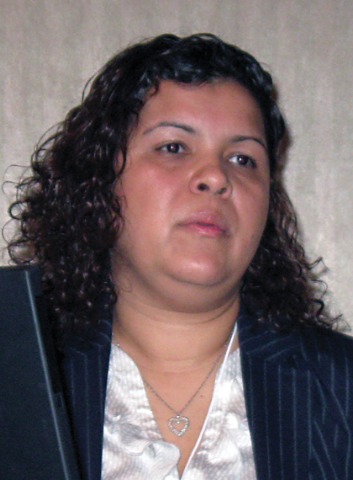
"National guidelines have recommended that emergency physicians consider initiating control medications [for children with asthma] in the emergency department," she said. When children don’t receive such a prescription, it’s "a missed opportunity for children who are high emergency department utilizers," said Dr. Sampayo, a pediatric emergency physician at Children’s Hospital of Philadelphia.
"We found that at 2 months [after the index emergency department visit], fewer than 20% of children actually filled a second prescription for their control medication," with similar rates in both the control and intervention groups of the study. This level of failure occurred even though when each child received the initial prescription, the researchers told the family to fill a follow-up prescription from the child’s primary care pediatrician, each pediatrician received an alert to write the second prescription, and virtually all the families had public or private insurance that covered the drug’s cost.
"We’re now testing a new intervention, sending parents a text message to remind them to refill their child’s prescription," Dr. Sampayo said in an interview.
The findings also highlighted the important role that emergency physicians can play in starting children on an inhaled corticosteroid. In prior studies, researchers asked emergency physicians why they generally did not start children with poorly controlled asthma on control medication. The physicians said that they didn’t view it as their appropriate role, and that this task was best reserved for primary care physicians. "All the pediatricians in our study said that the emergency department physicians should write the prescription. They want the emergency physician to do it," she said.
The study enrolled children seen in the emergency department of Children’s Hospital of Philadelphia with an average age of 5 years (range, 1-18 years) during 2006-2009. After randomization, the families of 74 children received a starter prescription for a 30-day supply of an inhaled corticosteroid, either budesonide for children aged 4 or younger, or fluticasone for those aged 5 or older, as well as educational materials and other standard discharge medications for asthma. The 78 control families received the same educational materials and discharge medications but no prescription for a corticosteroid.
By 8 weeks after the emergency department visit, about 63% of the intervention families had filled their initial corticosteroid prescription, compared with about 27% of the control families, a statistically significant difference. But the rate at which the intervention families filled the second prescription – the one they had to get from the child’s primary care pediatrician – dropped to roughly 20% of the intervention families, no different from the 18% rate among the control families. The researchers have not yet examined whether the breakdown in follow-up prescriptions occurred at the level of the primary care pediatrician or in the family’s failure to fill a second prescription that they received.
The follow-up data also showed that while on the initial course of an inhaled steroid, the children had, on average, a significant 2-day drop in the number of days they coughed while asleep, and a significant halving of the number of days when they experienced shortness of breath.
In addition, the first course of an inhaled corticosteroid led to a significant reduction in the use of albuterol as a rescue medication. Children in the intervention group had a 43% rate of never using albuterol or using it less than twice during follow-up, compared with 21% having this usage rate among the control children. At the other end of the spectrum, children in the intervention group had a 44% rate of using albuterol either daily or every other day during follow-up, compared with a 65% rate of such heavy use by the control children.
Dr. Sampayo said that she and her associates had no relevant financial disclosures.
PHILADELPHIA – Having emergency physicians start children with persistent asthma on a prescription of an inhaled corticosteroid failed to have a significant impact on the rate at which the families filled a second, follow-up prescription for the same drug from their primary care pediatrician, according to a controlled study with 153 children.
But the study results did show, for the first time in a controlled study of children, that intervention with an inhaled corticosteroid can significantly improve asthma symptoms over the short term, Dr. Esther M. Sampayo said at the annual meeting of the Eastern Society for Pediatric Research.
"National guidelines have recommended that emergency physicians consider initiating control medications [for children with asthma] in the emergency department," she said. When children don’t receive such a prescription, it’s "a missed opportunity for children who are high emergency department utilizers," said Dr. Sampayo, a pediatric emergency physician at Children’s Hospital of Philadelphia.
"We found that at 2 months [after the index emergency department visit], fewer than 20% of children actually filled a second prescription for their control medication," with similar rates in both the control and intervention groups of the study. This level of failure occurred even though when each child received the initial prescription, the researchers told the family to fill a follow-up prescription from the child’s primary care pediatrician, each pediatrician received an alert to write the second prescription, and virtually all the families had public or private insurance that covered the drug’s cost.
"We’re now testing a new intervention, sending parents a text message to remind them to refill their child’s prescription," Dr. Sampayo said in an interview.
The findings also highlighted the important role that emergency physicians can play in starting children on an inhaled corticosteroid. In prior studies, researchers asked emergency physicians why they generally did not start children with poorly controlled asthma on control medication. The physicians said that they didn’t view it as their appropriate role, and that this task was best reserved for primary care physicians. "All the pediatricians in our study said that the emergency department physicians should write the prescription. They want the emergency physician to do it," she said.
The study enrolled children seen in the emergency department of Children’s Hospital of Philadelphia with an average age of 5 years (range, 1-18 years) during 2006-2009. After randomization, the families of 74 children received a starter prescription for a 30-day supply of an inhaled corticosteroid, either budesonide for children aged 4 or younger, or fluticasone for those aged 5 or older, as well as educational materials and other standard discharge medications for asthma. The 78 control families received the same educational materials and discharge medications but no prescription for a corticosteroid.
By 8 weeks after the emergency department visit, about 63% of the intervention families had filled their initial corticosteroid prescription, compared with about 27% of the control families, a statistically significant difference. But the rate at which the intervention families filled the second prescription – the one they had to get from the child’s primary care pediatrician – dropped to roughly 20% of the intervention families, no different from the 18% rate among the control families. The researchers have not yet examined whether the breakdown in follow-up prescriptions occurred at the level of the primary care pediatrician or in the family’s failure to fill a second prescription that they received.
The follow-up data also showed that while on the initial course of an inhaled steroid, the children had, on average, a significant 2-day drop in the number of days they coughed while asleep, and a significant halving of the number of days when they experienced shortness of breath.
In addition, the first course of an inhaled corticosteroid led to a significant reduction in the use of albuterol as a rescue medication. Children in the intervention group had a 43% rate of never using albuterol or using it less than twice during follow-up, compared with 21% having this usage rate among the control children. At the other end of the spectrum, children in the intervention group had a 44% rate of using albuterol either daily or every other day during follow-up, compared with a 65% rate of such heavy use by the control children.
Dr. Sampayo said that she and her associates had no relevant financial disclosures.
PHILADELPHIA – Having emergency physicians start children with persistent asthma on a prescription of an inhaled corticosteroid failed to have a significant impact on the rate at which the families filled a second, follow-up prescription for the same drug from their primary care pediatrician, according to a controlled study with 153 children.
But the study results did show, for the first time in a controlled study of children, that intervention with an inhaled corticosteroid can significantly improve asthma symptoms over the short term, Dr. Esther M. Sampayo said at the annual meeting of the Eastern Society for Pediatric Research.
"National guidelines have recommended that emergency physicians consider initiating control medications [for children with asthma] in the emergency department," she said. When children don’t receive such a prescription, it’s "a missed opportunity for children who are high emergency department utilizers," said Dr. Sampayo, a pediatric emergency physician at Children’s Hospital of Philadelphia.
"We found that at 2 months [after the index emergency department visit], fewer than 20% of children actually filled a second prescription for their control medication," with similar rates in both the control and intervention groups of the study. This level of failure occurred even though when each child received the initial prescription, the researchers told the family to fill a follow-up prescription from the child’s primary care pediatrician, each pediatrician received an alert to write the second prescription, and virtually all the families had public or private insurance that covered the drug’s cost.
"We’re now testing a new intervention, sending parents a text message to remind them to refill their child’s prescription," Dr. Sampayo said in an interview.
The findings also highlighted the important role that emergency physicians can play in starting children on an inhaled corticosteroid. In prior studies, researchers asked emergency physicians why they generally did not start children with poorly controlled asthma on control medication. The physicians said that they didn’t view it as their appropriate role, and that this task was best reserved for primary care physicians. "All the pediatricians in our study said that the emergency department physicians should write the prescription. They want the emergency physician to do it," she said.
The study enrolled children seen in the emergency department of Children’s Hospital of Philadelphia with an average age of 5 years (range, 1-18 years) during 2006-2009. After randomization, the families of 74 children received a starter prescription for a 30-day supply of an inhaled corticosteroid, either budesonide for children aged 4 or younger, or fluticasone for those aged 5 or older, as well as educational materials and other standard discharge medications for asthma. The 78 control families received the same educational materials and discharge medications but no prescription for a corticosteroid.
By 8 weeks after the emergency department visit, about 63% of the intervention families had filled their initial corticosteroid prescription, compared with about 27% of the control families, a statistically significant difference. But the rate at which the intervention families filled the second prescription – the one they had to get from the child’s primary care pediatrician – dropped to roughly 20% of the intervention families, no different from the 18% rate among the control families. The researchers have not yet examined whether the breakdown in follow-up prescriptions occurred at the level of the primary care pediatrician or in the family’s failure to fill a second prescription that they received.
The follow-up data also showed that while on the initial course of an inhaled steroid, the children had, on average, a significant 2-day drop in the number of days they coughed while asleep, and a significant halving of the number of days when they experienced shortness of breath.
In addition, the first course of an inhaled corticosteroid led to a significant reduction in the use of albuterol as a rescue medication. Children in the intervention group had a 43% rate of never using albuterol or using it less than twice during follow-up, compared with 21% having this usage rate among the control children. At the other end of the spectrum, children in the intervention group had a 44% rate of using albuterol either daily or every other day during follow-up, compared with a 65% rate of such heavy use by the control children.
Dr. Sampayo said that she and her associates had no relevant financial disclosures.
FROM THE ANNUAL MEETING OF THE EASTERN SOCIETY FOR PEDIATRIC RESEARCH
Major Finding: An emergency department prescription for an inhaled corticosteroid given to children with asthma failed to significantly boost the rate at which the family filled a follow-up prescription from their primary care pediatrician. But the inhaled steroid did improve the children’s asthma symptoms over the short term.
Data Source: Randomized, single-center study of 153 children with asthma seen in the ED of a pediatric hospital.
Disclosures: Dr. Sampayo said that she and her associates had no relevant financial disclosures.
Longer Antibiotic Treatment Linked to Lung Disease in VLBW Neonates
PHILADELPHIA – A weeklong course of empiric antibiotic treatment in neonates may result in a higher subsequent rate of chronic lung disease, compared with infants treated for just 2 days, based on an association seen in a review of more than 900 very low birth weight newborns.
But this finding is not yet ready to definitively guide practice, as it came from a nonrandomized, retrospective study that may have failed to control for all possible confounding variables, Dr. Alexandra Novitsky said at the annual meeting of the Eastern Society for Pediatric Research.

In her adjusted analysis, which controlled for several baseline variables, the 159 very low birth weight (VLBW) neonates who received a "long" course of empiric antibiotic treatment, usually for 7 days, had a statistically significant, twofold higher rate of also having chronic lung disease during follow-up, compared with the 747 neonates who received a "short" antibiotic course, usually for 2 days, said Dr. Novitsky, a neonatologist at Christiana Hospital in Newark, Del.
"It’s too early to draw conclusions about changing therapy," based on this finding, said Dr. David A. Paul, associate director of neonatology at Christiana Hospital, who collaborated on the analysis. "We did our best to control for possible confounders, and it still suggested that longer antibiotic treatment altered outcomes, but there may have been things [for which] we did not control," he said in an interview. The next step is to design a prospective study and determine if changing the duration of empiric antibiotic therapy changes outcomes. "But the current findings raise concern that we should be cautious about the duration of treatment," said Dr. Paul.
In the cases reviewed, each physician delivering care determined the duration of antibiotic treatment. Some may have opted for a longer course of treatment because they were concerned that "not all babies have culture-proven sepsis," Dr. Paul said in an interview. The physicians "may have feared that the babies had infections that were missed in their blood cultures. They treated presumed sepsis," he said.
Dr. Novitsky reviewed all the VLBW infants seen in the neonatal ICU at Christiana Hospital between July 2004 and June 2009. The regimen used on all neonates who received empiric antibiotic treatment consisted of ampicillin and gentamicin. The infants who received a longer antibiotic course had a significantly higher prevalence of several markers of a worse clinical profile, including lower birth weight, younger gestational age, a higher score for neonatal acute physiology (SNAP), and a lower 5-minute Apgar score. They also had higher rates of clinical chorioamnionitis, mechanical ventilation, and endotracheal tube colonization (endotracheal tubes underwent routine, weekly colonization assessments).
The infants who received a longer course of antibiotics also had a higher prevalence of antibiotic-resistant, gram-negative organisms colonizing their endotracheal tubes, a 6% rate, compared with a 2% rate among the infants who received a short course of treatment – a significant difference. The two groups of infants had roughly identical prevalence rates of colonization with antibiotic-resistant gram-positive strains.
Dr. Novitsky defined the primary outcome evaluated in the analysis, chronic lung disease, as the need for supplemental oxygen by the infant at 36 weeks postmenstrual age. This outcome occurred in 185 of the 906 (20%) neonates in the study: 17% of the infants who received a short antibiotic course, and 36% of those who received a long course.
The multivariable analysis adjusted for differences in gestational age, SNAP score, Apgar score, maternal antibiotic treatment, chorioamnionitis, pre-eclampsia, cesarean delivery, prolonged rupture of membranes, and need for mechanical ventilation. After adjustment, the two patient groups failed to show a significant difference in their rates of necrotizing enterocolitis or sepsis.
To further examine the relationship between duration of antibiotic treatment and chronic lung disease, Dr. Novitsky also presented the results of a subgroup analysis that focused on the 418 high-risk neonates in her study group, because of their delivery at 28 weeks’ gestation or younger and their SNAP score of 8 or greater. Within this subgroup, the adjusted rate for developing chronic lung disease ran 70% higher in the 108 infants who received a long course of antibiotics, compared with the 310 who received a short course, also a significant difference.
Dr. Novitsky and Dr. Paul said they had no relevant financial disclosures.
The findings of this analysis suggest that physicians should not treat neonates with antibiotics when not necessary. If they do, they risk making the babies worse.
A neonatologist may be tempted to prescribe a more prolonged course of antibiotics out of fear that the infant may have an infection. To be cautious, she overtreats. These new data suggest that this practice can actually do harm. This is another reason not to overtreat.
Dr. Rita M. Ryan |

It is reasonable to infer that the treating physician had seen something in some of these children to prompt the longer duration of treatment. The infant must have somehow seemed sicker. The physician may have been concerned that if antibiotic treatment stopped sooner, the neonate’s condition would have worsened. The optimal duration of treatment is always something to think about
It is plausible that just a few extra days of antibiotic treatment can make an important difference. A 2-day duration of treatment probably does not change the background flora in the esophagus as much as a 7-day course. Longer exposure to antibiotics can result in a higher rate of fungal infection, which can trigger increased inflammation.
Dr. Rita M. Ryan is chief of neonatology at the Women & Children’s Hospital of Buffalo (N.Y.). She made these comments in an interview. She said that she had no relevant financial disclosures.
The findings of this analysis suggest that physicians should not treat neonates with antibiotics when not necessary. If they do, they risk making the babies worse.
A neonatologist may be tempted to prescribe a more prolonged course of antibiotics out of fear that the infant may have an infection. To be cautious, she overtreats. These new data suggest that this practice can actually do harm. This is another reason not to overtreat.
Dr. Rita M. Ryan |
It is reasonable to infer that the treating physician had seen something in some of these children to prompt the longer duration of treatment. The infant must have somehow seemed sicker. The physician may have been concerned that if antibiotic treatment stopped sooner, the neonate’s condition would have worsened. The optimal duration of treatment is always something to think about
It is plausible that just a few extra days of antibiotic treatment can make an important difference. A 2-day duration of treatment probably does not change the background flora in the esophagus as much as a 7-day course. Longer exposure to antibiotics can result in a higher rate of fungal infection, which can trigger increased inflammation.
Dr. Rita M. Ryan is chief of neonatology at the Women & Children’s Hospital of Buffalo (N.Y.). She made these comments in an interview. She said that she had no relevant financial disclosures.
The findings of this analysis suggest that physicians should not treat neonates with antibiotics when not necessary. If they do, they risk making the babies worse.
A neonatologist may be tempted to prescribe a more prolonged course of antibiotics out of fear that the infant may have an infection. To be cautious, she overtreats. These new data suggest that this practice can actually do harm. This is another reason not to overtreat.
Dr. Rita M. Ryan |
It is reasonable to infer that the treating physician had seen something in some of these children to prompt the longer duration of treatment. The infant must have somehow seemed sicker. The physician may have been concerned that if antibiotic treatment stopped sooner, the neonate’s condition would have worsened. The optimal duration of treatment is always something to think about
It is plausible that just a few extra days of antibiotic treatment can make an important difference. A 2-day duration of treatment probably does not change the background flora in the esophagus as much as a 7-day course. Longer exposure to antibiotics can result in a higher rate of fungal infection, which can trigger increased inflammation.
Dr. Rita M. Ryan is chief of neonatology at the Women & Children’s Hospital of Buffalo (N.Y.). She made these comments in an interview. She said that she had no relevant financial disclosures.
PHILADELPHIA – A weeklong course of empiric antibiotic treatment in neonates may result in a higher subsequent rate of chronic lung disease, compared with infants treated for just 2 days, based on an association seen in a review of more than 900 very low birth weight newborns.
But this finding is not yet ready to definitively guide practice, as it came from a nonrandomized, retrospective study that may have failed to control for all possible confounding variables, Dr. Alexandra Novitsky said at the annual meeting of the Eastern Society for Pediatric Research.
In her adjusted analysis, which controlled for several baseline variables, the 159 very low birth weight (VLBW) neonates who received a "long" course of empiric antibiotic treatment, usually for 7 days, had a statistically significant, twofold higher rate of also having chronic lung disease during follow-up, compared with the 747 neonates who received a "short" antibiotic course, usually for 2 days, said Dr. Novitsky, a neonatologist at Christiana Hospital in Newark, Del.
"It’s too early to draw conclusions about changing therapy," based on this finding, said Dr. David A. Paul, associate director of neonatology at Christiana Hospital, who collaborated on the analysis. "We did our best to control for possible confounders, and it still suggested that longer antibiotic treatment altered outcomes, but there may have been things [for which] we did not control," he said in an interview. The next step is to design a prospective study and determine if changing the duration of empiric antibiotic therapy changes outcomes. "But the current findings raise concern that we should be cautious about the duration of treatment," said Dr. Paul.
In the cases reviewed, each physician delivering care determined the duration of antibiotic treatment. Some may have opted for a longer course of treatment because they were concerned that "not all babies have culture-proven sepsis," Dr. Paul said in an interview. The physicians "may have feared that the babies had infections that were missed in their blood cultures. They treated presumed sepsis," he said.
Dr. Novitsky reviewed all the VLBW infants seen in the neonatal ICU at Christiana Hospital between July 2004 and June 2009. The regimen used on all neonates who received empiric antibiotic treatment consisted of ampicillin and gentamicin. The infants who received a longer antibiotic course had a significantly higher prevalence of several markers of a worse clinical profile, including lower birth weight, younger gestational age, a higher score for neonatal acute physiology (SNAP), and a lower 5-minute Apgar score. They also had higher rates of clinical chorioamnionitis, mechanical ventilation, and endotracheal tube colonization (endotracheal tubes underwent routine, weekly colonization assessments).
The infants who received a longer course of antibiotics also had a higher prevalence of antibiotic-resistant, gram-negative organisms colonizing their endotracheal tubes, a 6% rate, compared with a 2% rate among the infants who received a short course of treatment – a significant difference. The two groups of infants had roughly identical prevalence rates of colonization with antibiotic-resistant gram-positive strains.
Dr. Novitsky defined the primary outcome evaluated in the analysis, chronic lung disease, as the need for supplemental oxygen by the infant at 36 weeks postmenstrual age. This outcome occurred in 185 of the 906 (20%) neonates in the study: 17% of the infants who received a short antibiotic course, and 36% of those who received a long course.
The multivariable analysis adjusted for differences in gestational age, SNAP score, Apgar score, maternal antibiotic treatment, chorioamnionitis, pre-eclampsia, cesarean delivery, prolonged rupture of membranes, and need for mechanical ventilation. After adjustment, the two patient groups failed to show a significant difference in their rates of necrotizing enterocolitis or sepsis.
To further examine the relationship between duration of antibiotic treatment and chronic lung disease, Dr. Novitsky also presented the results of a subgroup analysis that focused on the 418 high-risk neonates in her study group, because of their delivery at 28 weeks’ gestation or younger and their SNAP score of 8 or greater. Within this subgroup, the adjusted rate for developing chronic lung disease ran 70% higher in the 108 infants who received a long course of antibiotics, compared with the 310 who received a short course, also a significant difference.
Dr. Novitsky and Dr. Paul said they had no relevant financial disclosures.
PHILADELPHIA – A weeklong course of empiric antibiotic treatment in neonates may result in a higher subsequent rate of chronic lung disease, compared with infants treated for just 2 days, based on an association seen in a review of more than 900 very low birth weight newborns.
But this finding is not yet ready to definitively guide practice, as it came from a nonrandomized, retrospective study that may have failed to control for all possible confounding variables, Dr. Alexandra Novitsky said at the annual meeting of the Eastern Society for Pediatric Research.
In her adjusted analysis, which controlled for several baseline variables, the 159 very low birth weight (VLBW) neonates who received a "long" course of empiric antibiotic treatment, usually for 7 days, had a statistically significant, twofold higher rate of also having chronic lung disease during follow-up, compared with the 747 neonates who received a "short" antibiotic course, usually for 2 days, said Dr. Novitsky, a neonatologist at Christiana Hospital in Newark, Del.
"It’s too early to draw conclusions about changing therapy," based on this finding, said Dr. David A. Paul, associate director of neonatology at Christiana Hospital, who collaborated on the analysis. "We did our best to control for possible confounders, and it still suggested that longer antibiotic treatment altered outcomes, but there may have been things [for which] we did not control," he said in an interview. The next step is to design a prospective study and determine if changing the duration of empiric antibiotic therapy changes outcomes. "But the current findings raise concern that we should be cautious about the duration of treatment," said Dr. Paul.
In the cases reviewed, each physician delivering care determined the duration of antibiotic treatment. Some may have opted for a longer course of treatment because they were concerned that "not all babies have culture-proven sepsis," Dr. Paul said in an interview. The physicians "may have feared that the babies had infections that were missed in their blood cultures. They treated presumed sepsis," he said.
Dr. Novitsky reviewed all the VLBW infants seen in the neonatal ICU at Christiana Hospital between July 2004 and June 2009. The regimen used on all neonates who received empiric antibiotic treatment consisted of ampicillin and gentamicin. The infants who received a longer antibiotic course had a significantly higher prevalence of several markers of a worse clinical profile, including lower birth weight, younger gestational age, a higher score for neonatal acute physiology (SNAP), and a lower 5-minute Apgar score. They also had higher rates of clinical chorioamnionitis, mechanical ventilation, and endotracheal tube colonization (endotracheal tubes underwent routine, weekly colonization assessments).
The infants who received a longer course of antibiotics also had a higher prevalence of antibiotic-resistant, gram-negative organisms colonizing their endotracheal tubes, a 6% rate, compared with a 2% rate among the infants who received a short course of treatment – a significant difference. The two groups of infants had roughly identical prevalence rates of colonization with antibiotic-resistant gram-positive strains.
Dr. Novitsky defined the primary outcome evaluated in the analysis, chronic lung disease, as the need for supplemental oxygen by the infant at 36 weeks postmenstrual age. This outcome occurred in 185 of the 906 (20%) neonates in the study: 17% of the infants who received a short antibiotic course, and 36% of those who received a long course.
The multivariable analysis adjusted for differences in gestational age, SNAP score, Apgar score, maternal antibiotic treatment, chorioamnionitis, pre-eclampsia, cesarean delivery, prolonged rupture of membranes, and need for mechanical ventilation. After adjustment, the two patient groups failed to show a significant difference in their rates of necrotizing enterocolitis or sepsis.
To further examine the relationship between duration of antibiotic treatment and chronic lung disease, Dr. Novitsky also presented the results of a subgroup analysis that focused on the 418 high-risk neonates in her study group, because of their delivery at 28 weeks’ gestation or younger and their SNAP score of 8 or greater. Within this subgroup, the adjusted rate for developing chronic lung disease ran 70% higher in the 108 infants who received a long course of antibiotics, compared with the 310 who received a short course, also a significant difference.
Dr. Novitsky and Dr. Paul said they had no relevant financial disclosures.
FROM THE EASTERN SOCIETY FOR PEDIATRIC RESEARCH ANNUAL MEETING
Major Finding: Very low birth weight neonates who received a long course of empiric antibiotic therapy, usually for 7 days, had a statistically significant, twofold higher rate of subsequent chronic lung disease, compared with VLBW neonates who received a short course of antibiotic treatment, usually for 2 days, in an adjusted analysis.
Data Source: Retrospective study of 906 VLBW infants who received antibiotic treatment at one medical center during 2004-2009.
Disclosures: Dr. Novitsky and Dr. Paul said they had no relevant financial disclosures.
Collaborative Community Program Improves Asthma Care
SAN FRANCISCO – A collaborative, community-based program to improve care for publicly insured children has reduced emergency department visits, hospitalizations, and costs, thanks in large part to a strong focus on asthma care.
Dr. Tom Peterson and his associates emulated a similar program at Denver Children’s Hospital to start the Children’s Healthcare Access Program (CHAP) for pediatric Medicaid recipients in Grand Rapids, Mich. Their 3-year-old program has been so successful that other Michigan counties are now copying it.
"It’s not just an asthma program, but asthma is the biggest and most collaborative project we’ve pulled together" in CHAP, he said at the annual meeting of the American Academy of Allergy, Asthma, and Immunology.
In its first 3 years, CHAP connected almost 2,000 new Medicaid patients with clinicians and helped those clinicians access approximately $500,000 in provider incentives such as pay-for-performance incentives, he said. Of the approximately 15,300 children covered by CHAP, almost 6,000 were referred for CHAP services, including transportation for patients who might otherwise be no-shows for appointments.
In the CHAP population overall, emergency department visits decreased by 12% and hospitalizations decreased by 14%, reported Dr. Peterson, a pediatrician and executive director of safety, quality, and community health at Helen DeVos Children’s Hospital, Grand Rapids. Much greater decreases were seen in teaching clinics involved in CHAP.
Previous research by Dr. Peterson showed that children with public insurance or no insurance in Michigan were twice as likely to have asthma as were privately insured children (J. Pediatrics 2011;158:313-8.e2).
His hospital partnered with the Asthma Network of West Michigan and a managed care organization to pull together a group consisting of 40 pediatricians; 10-12 family physicians; and midlevel providers from four private practices, nine community- and school-based clinics, a pediatric resident teaching clinic, and a nurse practitioner clinic in CHAP.
The program features a team of six or seven people who help improve the children’s "medical homes" in primary care practices and help clinicians by coordinating the care. "Education is a significant piece of this, not just for the families but also for providers, sites, and patients," Dr. Peterson said.
CHAP can help practices improve efficiencies and scheduling. It helps coordinate care with mental health services, transportation, and other services. Education covers not just asthma but also flu shots, diet and nutrition, and inappropriate use of emergency departments. CHAP also acts as a neutral convener of meetings with community stakeholders (some of whom had never met together) to address systemic issues.
The asthma program within CHAP provides ongoing education and training of health care providers, families, and patients. High-risk children get monthly home-based visits for disease management for the first 6 months, then two visits in the next 6 months. CHAP pays attention to transitions of care between inpatient stays and medical homes, and now includes schools in postdischarge care. Services currently are provided by four certified, culturally skilled, multilingual asthma educators and two social workers, who may visit families to assist with psychosocial barriers to asthma care. CHAP also provides funding for home-based asthma case management through the Asthma Network of West Michigan.
Among seven high-risk children with asthma in CHAP’s case-management program, emergency department visits have decreased by 30% and hospitalizations have decreased by 63%, he said.
CHAP’s asthma team includes five pediatricians, asthma educators, an asthma and allergy specialist, school leaders or nurses, Medicaid health plan representatives and case managers, the Children’s Hospital quality improvement specialist, CHAP’s medical director and manager, and data analysts. "It’s a pretty diverse group of people to get together," Dr. Peterson said.
The CHAP team assesses participating medical practices for 12 characteristics "that we think constitute a really good asthma site," he said. These include asthma in-service training for staff and education for patients, having an in-office asthma educator, referring appropriate patients to CHAP or the Asthma Network of West Michigan, teaching peak flow monitoring, assessing exposure to environmental tobacco, in-office spirometry, use of management plans, the Asthma Control Test and an asthma registry, and routine 6-month asthma visits.
With 1 point allotted for each of the 12 factors, the average score of CHAP practices increased from 6 to 10 in the first 3 years of the program.
Priority Health, a managed care organization, provided kits for the program. CHAP is funded by the hospital and by a variety of private and corporate foundations, including the Douglas and Maria DeVos Foundation, W.K. Kellogg Foundation, Steelcase Foundation, Sebastian Foundation, Early Childhood Investment Corporation, Frey Foundation, Grand Rapids Community Foundation, Heart of West Michigan United Way, O’Donovan Family Foundation, and PNC Grow Up Great. Dr. Peterson said he has no conflicts of interest.
SAN FRANCISCO – A collaborative, community-based program to improve care for publicly insured children has reduced emergency department visits, hospitalizations, and costs, thanks in large part to a strong focus on asthma care.
Dr. Tom Peterson and his associates emulated a similar program at Denver Children’s Hospital to start the Children’s Healthcare Access Program (CHAP) for pediatric Medicaid recipients in Grand Rapids, Mich. Their 3-year-old program has been so successful that other Michigan counties are now copying it.
"It’s not just an asthma program, but asthma is the biggest and most collaborative project we’ve pulled together" in CHAP, he said at the annual meeting of the American Academy of Allergy, Asthma, and Immunology.
In its first 3 years, CHAP connected almost 2,000 new Medicaid patients with clinicians and helped those clinicians access approximately $500,000 in provider incentives such as pay-for-performance incentives, he said. Of the approximately 15,300 children covered by CHAP, almost 6,000 were referred for CHAP services, including transportation for patients who might otherwise be no-shows for appointments.
In the CHAP population overall, emergency department visits decreased by 12% and hospitalizations decreased by 14%, reported Dr. Peterson, a pediatrician and executive director of safety, quality, and community health at Helen DeVos Children’s Hospital, Grand Rapids. Much greater decreases were seen in teaching clinics involved in CHAP.
Previous research by Dr. Peterson showed that children with public insurance or no insurance in Michigan were twice as likely to have asthma as were privately insured children (J. Pediatrics 2011;158:313-8.e2).
His hospital partnered with the Asthma Network of West Michigan and a managed care organization to pull together a group consisting of 40 pediatricians; 10-12 family physicians; and midlevel providers from four private practices, nine community- and school-based clinics, a pediatric resident teaching clinic, and a nurse practitioner clinic in CHAP.
The program features a team of six or seven people who help improve the children’s "medical homes" in primary care practices and help clinicians by coordinating the care. "Education is a significant piece of this, not just for the families but also for providers, sites, and patients," Dr. Peterson said.
CHAP can help practices improve efficiencies and scheduling. It helps coordinate care with mental health services, transportation, and other services. Education covers not just asthma but also flu shots, diet and nutrition, and inappropriate use of emergency departments. CHAP also acts as a neutral convener of meetings with community stakeholders (some of whom had never met together) to address systemic issues.
The asthma program within CHAP provides ongoing education and training of health care providers, families, and patients. High-risk children get monthly home-based visits for disease management for the first 6 months, then two visits in the next 6 months. CHAP pays attention to transitions of care between inpatient stays and medical homes, and now includes schools in postdischarge care. Services currently are provided by four certified, culturally skilled, multilingual asthma educators and two social workers, who may visit families to assist with psychosocial barriers to asthma care. CHAP also provides funding for home-based asthma case management through the Asthma Network of West Michigan.
Among seven high-risk children with asthma in CHAP’s case-management program, emergency department visits have decreased by 30% and hospitalizations have decreased by 63%, he said.
CHAP’s asthma team includes five pediatricians, asthma educators, an asthma and allergy specialist, school leaders or nurses, Medicaid health plan representatives and case managers, the Children’s Hospital quality improvement specialist, CHAP’s medical director and manager, and data analysts. "It’s a pretty diverse group of people to get together," Dr. Peterson said.
The CHAP team assesses participating medical practices for 12 characteristics "that we think constitute a really good asthma site," he said. These include asthma in-service training for staff and education for patients, having an in-office asthma educator, referring appropriate patients to CHAP or the Asthma Network of West Michigan, teaching peak flow monitoring, assessing exposure to environmental tobacco, in-office spirometry, use of management plans, the Asthma Control Test and an asthma registry, and routine 6-month asthma visits.
With 1 point allotted for each of the 12 factors, the average score of CHAP practices increased from 6 to 10 in the first 3 years of the program.
Priority Health, a managed care organization, provided kits for the program. CHAP is funded by the hospital and by a variety of private and corporate foundations, including the Douglas and Maria DeVos Foundation, W.K. Kellogg Foundation, Steelcase Foundation, Sebastian Foundation, Early Childhood Investment Corporation, Frey Foundation, Grand Rapids Community Foundation, Heart of West Michigan United Way, O’Donovan Family Foundation, and PNC Grow Up Great. Dr. Peterson said he has no conflicts of interest.
SAN FRANCISCO – A collaborative, community-based program to improve care for publicly insured children has reduced emergency department visits, hospitalizations, and costs, thanks in large part to a strong focus on asthma care.
Dr. Tom Peterson and his associates emulated a similar program at Denver Children’s Hospital to start the Children’s Healthcare Access Program (CHAP) for pediatric Medicaid recipients in Grand Rapids, Mich. Their 3-year-old program has been so successful that other Michigan counties are now copying it.
"It’s not just an asthma program, but asthma is the biggest and most collaborative project we’ve pulled together" in CHAP, he said at the annual meeting of the American Academy of Allergy, Asthma, and Immunology.
In its first 3 years, CHAP connected almost 2,000 new Medicaid patients with clinicians and helped those clinicians access approximately $500,000 in provider incentives such as pay-for-performance incentives, he said. Of the approximately 15,300 children covered by CHAP, almost 6,000 were referred for CHAP services, including transportation for patients who might otherwise be no-shows for appointments.
In the CHAP population overall, emergency department visits decreased by 12% and hospitalizations decreased by 14%, reported Dr. Peterson, a pediatrician and executive director of safety, quality, and community health at Helen DeVos Children’s Hospital, Grand Rapids. Much greater decreases were seen in teaching clinics involved in CHAP.
Previous research by Dr. Peterson showed that children with public insurance or no insurance in Michigan were twice as likely to have asthma as were privately insured children (J. Pediatrics 2011;158:313-8.e2).
His hospital partnered with the Asthma Network of West Michigan and a managed care organization to pull together a group consisting of 40 pediatricians; 10-12 family physicians; and midlevel providers from four private practices, nine community- and school-based clinics, a pediatric resident teaching clinic, and a nurse practitioner clinic in CHAP.
The program features a team of six or seven people who help improve the children’s "medical homes" in primary care practices and help clinicians by coordinating the care. "Education is a significant piece of this, not just for the families but also for providers, sites, and patients," Dr. Peterson said.
CHAP can help practices improve efficiencies and scheduling. It helps coordinate care with mental health services, transportation, and other services. Education covers not just asthma but also flu shots, diet and nutrition, and inappropriate use of emergency departments. CHAP also acts as a neutral convener of meetings with community stakeholders (some of whom had never met together) to address systemic issues.
The asthma program within CHAP provides ongoing education and training of health care providers, families, and patients. High-risk children get monthly home-based visits for disease management for the first 6 months, then two visits in the next 6 months. CHAP pays attention to transitions of care between inpatient stays and medical homes, and now includes schools in postdischarge care. Services currently are provided by four certified, culturally skilled, multilingual asthma educators and two social workers, who may visit families to assist with psychosocial barriers to asthma care. CHAP also provides funding for home-based asthma case management through the Asthma Network of West Michigan.
Among seven high-risk children with asthma in CHAP’s case-management program, emergency department visits have decreased by 30% and hospitalizations have decreased by 63%, he said.
CHAP’s asthma team includes five pediatricians, asthma educators, an asthma and allergy specialist, school leaders or nurses, Medicaid health plan representatives and case managers, the Children’s Hospital quality improvement specialist, CHAP’s medical director and manager, and data analysts. "It’s a pretty diverse group of people to get together," Dr. Peterson said.
The CHAP team assesses participating medical practices for 12 characteristics "that we think constitute a really good asthma site," he said. These include asthma in-service training for staff and education for patients, having an in-office asthma educator, referring appropriate patients to CHAP or the Asthma Network of West Michigan, teaching peak flow monitoring, assessing exposure to environmental tobacco, in-office spirometry, use of management plans, the Asthma Control Test and an asthma registry, and routine 6-month asthma visits.
With 1 point allotted for each of the 12 factors, the average score of CHAP practices increased from 6 to 10 in the first 3 years of the program.
Priority Health, a managed care organization, provided kits for the program. CHAP is funded by the hospital and by a variety of private and corporate foundations, including the Douglas and Maria DeVos Foundation, W.K. Kellogg Foundation, Steelcase Foundation, Sebastian Foundation, Early Childhood Investment Corporation, Frey Foundation, Grand Rapids Community Foundation, Heart of West Michigan United Way, O’Donovan Family Foundation, and PNC Grow Up Great. Dr. Peterson said he has no conflicts of interest.
FROM THE ANNUAL MEETING OF THE AMERICAN ACADEMY OF ALLERGY, ASTHMA, AND IMMUNOLOGY
Collaborative Community Program Improves Asthma Care
SAN FRANCISCO – A collaborative, community-based program to improve care for publicly insured children has reduced emergency department visits, hospitalizations, and costs, thanks in large part to a strong focus on asthma care.
Dr. Tom Peterson and his associates emulated a similar program at Denver Children’s Hospital to start the Children’s Healthcare Access Program (CHAP) for pediatric Medicaid recipients in Grand Rapids, Mich. Their 3-year-old program has been so successful that other Michigan counties are now copying it.

"It’s not just an asthma program, but asthma is the biggest and most collaborative project we’ve pulled together" in CHAP, he said at the annual meeting of the American Academy of Allergy, Asthma, and Immunology.
In its first 3 years, CHAP connected almost 2,000 new Medicaid patients with clinicians and helped those clinicians access approximately $500,000 in provider incentives such as pay-for-performance incentives, he said. Of the approximately 15,300 children covered by CHAP, almost 6,000 were referred for CHAP services, including transportation for patients who might otherwise be no-shows for appointments.
In the CHAP population overall, emergency department visits decreased by 12% and hospitalizations decreased by 14%, reported Dr. Peterson, a pediatrician and executive director of safety, quality, and community health at Helen DeVos Children’s Hospital, Grand Rapids. Much greater decreases were seen in teaching clinics involved in CHAP.
Previous research by Dr. Peterson showed that children with public insurance or no insurance in Michigan were twice as likely to have asthma as were privately insured children (J. Pediatrics 2011;158:313-8.e2).
His hospital partnered with the Asthma Network of West Michigan and a managed care organization to pull together a group consisting of 40 pediatricians; 10-12 family physicians; and midlevel providers from four private practices, nine community- and school-based clinics, a pediatric resident teaching clinic, and a nurse practitioner clinic in CHAP.
The program features a team of six or seven people who help improve the children’s "medical homes" in primary care practices and help clinicians by coordinating the care. "Education is a significant piece of this, not just for the families but also for providers, sites, and patients," Dr. Peterson said.
CHAP can help practices improve efficiencies and scheduling. It helps coordinate care with mental health services, transportation, and other services. Education covers not just asthma but also flu shots, diet and nutrition, and inappropriate use of emergency departments. CHAP also acts as a neutral convener of meetings with community stakeholders (some of whom had never met together) to address systemic issues.
The asthma program within CHAP provides ongoing education and training of health care providers, families, and patients. High-risk children get monthly home-based visits for disease management for the first 6 months, then two visits in the next 6 months. CHAP pays attention to transitions of care between inpatient stays and medical homes, and now includes schools in postdischarge care. Services currently are provided by four certified, culturally skilled, multilingual asthma educators and two social workers, who may visit families to assist with psychosocial barriers to asthma care. CHAP also provides funding for home-based asthma case management through the Asthma Network of West Michigan.
Among seven high-risk children with asthma in CHAP’s case-management program, emergency department visits have decreased by 30% and hospitalizations have decreased by 63%, he said.
CHAP’s asthma team includes five pediatricians, asthma educators, an asthma and allergy specialist, school leaders or nurses, Medicaid health plan representatives and case managers, the Children’s Hospital quality improvement specialist, CHAP’s medical director and manager, and data analysts. "It’s a pretty diverse group of people to get together," Dr. Peterson said.
The CHAP team assesses participating medical practices for 12 characteristics "that we think constitute a really good asthma site," he said. These include asthma in-service training for staff and education for patients, having an in-office asthma educator, referring appropriate patients to CHAP or the Asthma Network of West Michigan, teaching peak flow monitoring, assessing exposure to environmental tobacco, in-office spirometry, use of management plans, the Asthma Control Test and an asthma registry, and routine 6-month asthma visits.
With 1 point allotted for each of the 12 factors, the average score of CHAP practices increased from 6 to 10 in the first 3 years of the program.
Priority Health, a managed care organization, provided kits for the program. CHAP is funded by the hospital and by a variety of private and corporate foundations, including the Douglas and Maria DeVos Foundation, W.K. Kellogg Foundation, Steelcase Foundation, Sebastian Foundation, Early Childhood Investment Corporation, Frey Foundation, Grand Rapids Community Foundation, Heart of West Michigan United Way, O’Donovan Family Foundation, and PNC Grow Up Great. Dr. Peterson said he has no conflicts of interest.
SAN FRANCISCO – A collaborative, community-based program to improve care for publicly insured children has reduced emergency department visits, hospitalizations, and costs, thanks in large part to a strong focus on asthma care.
Dr. Tom Peterson and his associates emulated a similar program at Denver Children’s Hospital to start the Children’s Healthcare Access Program (CHAP) for pediatric Medicaid recipients in Grand Rapids, Mich. Their 3-year-old program has been so successful that other Michigan counties are now copying it.
"It’s not just an asthma program, but asthma is the biggest and most collaborative project we’ve pulled together" in CHAP, he said at the annual meeting of the American Academy of Allergy, Asthma, and Immunology.
In its first 3 years, CHAP connected almost 2,000 new Medicaid patients with clinicians and helped those clinicians access approximately $500,000 in provider incentives such as pay-for-performance incentives, he said. Of the approximately 15,300 children covered by CHAP, almost 6,000 were referred for CHAP services, including transportation for patients who might otherwise be no-shows for appointments.
In the CHAP population overall, emergency department visits decreased by 12% and hospitalizations decreased by 14%, reported Dr. Peterson, a pediatrician and executive director of safety, quality, and community health at Helen DeVos Children’s Hospital, Grand Rapids. Much greater decreases were seen in teaching clinics involved in CHAP.
Previous research by Dr. Peterson showed that children with public insurance or no insurance in Michigan were twice as likely to have asthma as were privately insured children (J. Pediatrics 2011;158:313-8.e2).
His hospital partnered with the Asthma Network of West Michigan and a managed care organization to pull together a group consisting of 40 pediatricians; 10-12 family physicians; and midlevel providers from four private practices, nine community- and school-based clinics, a pediatric resident teaching clinic, and a nurse practitioner clinic in CHAP.
The program features a team of six or seven people who help improve the children’s "medical homes" in primary care practices and help clinicians by coordinating the care. "Education is a significant piece of this, not just for the families but also for providers, sites, and patients," Dr. Peterson said.
CHAP can help practices improve efficiencies and scheduling. It helps coordinate care with mental health services, transportation, and other services. Education covers not just asthma but also flu shots, diet and nutrition, and inappropriate use of emergency departments. CHAP also acts as a neutral convener of meetings with community stakeholders (some of whom had never met together) to address systemic issues.
The asthma program within CHAP provides ongoing education and training of health care providers, families, and patients. High-risk children get monthly home-based visits for disease management for the first 6 months, then two visits in the next 6 months. CHAP pays attention to transitions of care between inpatient stays and medical homes, and now includes schools in postdischarge care. Services currently are provided by four certified, culturally skilled, multilingual asthma educators and two social workers, who may visit families to assist with psychosocial barriers to asthma care. CHAP also provides funding for home-based asthma case management through the Asthma Network of West Michigan.
Among seven high-risk children with asthma in CHAP’s case-management program, emergency department visits have decreased by 30% and hospitalizations have decreased by 63%, he said.
CHAP’s asthma team includes five pediatricians, asthma educators, an asthma and allergy specialist, school leaders or nurses, Medicaid health plan representatives and case managers, the Children’s Hospital quality improvement specialist, CHAP’s medical director and manager, and data analysts. "It’s a pretty diverse group of people to get together," Dr. Peterson said.
The CHAP team assesses participating medical practices for 12 characteristics "that we think constitute a really good asthma site," he said. These include asthma in-service training for staff and education for patients, having an in-office asthma educator, referring appropriate patients to CHAP or the Asthma Network of West Michigan, teaching peak flow monitoring, assessing exposure to environmental tobacco, in-office spirometry, use of management plans, the Asthma Control Test and an asthma registry, and routine 6-month asthma visits.
With 1 point allotted for each of the 12 factors, the average score of CHAP practices increased from 6 to 10 in the first 3 years of the program.
Priority Health, a managed care organization, provided kits for the program. CHAP is funded by the hospital and by a variety of private and corporate foundations, including the Douglas and Maria DeVos Foundation, W.K. Kellogg Foundation, Steelcase Foundation, Sebastian Foundation, Early Childhood Investment Corporation, Frey Foundation, Grand Rapids Community Foundation, Heart of West Michigan United Way, O’Donovan Family Foundation, and PNC Grow Up Great. Dr. Peterson said he has no conflicts of interest.
SAN FRANCISCO – A collaborative, community-based program to improve care for publicly insured children has reduced emergency department visits, hospitalizations, and costs, thanks in large part to a strong focus on asthma care.
Dr. Tom Peterson and his associates emulated a similar program at Denver Children’s Hospital to start the Children’s Healthcare Access Program (CHAP) for pediatric Medicaid recipients in Grand Rapids, Mich. Their 3-year-old program has been so successful that other Michigan counties are now copying it.
"It’s not just an asthma program, but asthma is the biggest and most collaborative project we’ve pulled together" in CHAP, he said at the annual meeting of the American Academy of Allergy, Asthma, and Immunology.
In its first 3 years, CHAP connected almost 2,000 new Medicaid patients with clinicians and helped those clinicians access approximately $500,000 in provider incentives such as pay-for-performance incentives, he said. Of the approximately 15,300 children covered by CHAP, almost 6,000 were referred for CHAP services, including transportation for patients who might otherwise be no-shows for appointments.
In the CHAP population overall, emergency department visits decreased by 12% and hospitalizations decreased by 14%, reported Dr. Peterson, a pediatrician and executive director of safety, quality, and community health at Helen DeVos Children’s Hospital, Grand Rapids. Much greater decreases were seen in teaching clinics involved in CHAP.
Previous research by Dr. Peterson showed that children with public insurance or no insurance in Michigan were twice as likely to have asthma as were privately insured children (J. Pediatrics 2011;158:313-8.e2).
His hospital partnered with the Asthma Network of West Michigan and a managed care organization to pull together a group consisting of 40 pediatricians; 10-12 family physicians; and midlevel providers from four private practices, nine community- and school-based clinics, a pediatric resident teaching clinic, and a nurse practitioner clinic in CHAP.
The program features a team of six or seven people who help improve the children’s "medical homes" in primary care practices and help clinicians by coordinating the care. "Education is a significant piece of this, not just for the families but also for providers, sites, and patients," Dr. Peterson said.
CHAP can help practices improve efficiencies and scheduling. It helps coordinate care with mental health services, transportation, and other services. Education covers not just asthma but also flu shots, diet and nutrition, and inappropriate use of emergency departments. CHAP also acts as a neutral convener of meetings with community stakeholders (some of whom had never met together) to address systemic issues.
The asthma program within CHAP provides ongoing education and training of health care providers, families, and patients. High-risk children get monthly home-based visits for disease management for the first 6 months, then two visits in the next 6 months. CHAP pays attention to transitions of care between inpatient stays and medical homes, and now includes schools in postdischarge care. Services currently are provided by four certified, culturally skilled, multilingual asthma educators and two social workers, who may visit families to assist with psychosocial barriers to asthma care. CHAP also provides funding for home-based asthma case management through the Asthma Network of West Michigan.
Among seven high-risk children with asthma in CHAP’s case-management program, emergency department visits have decreased by 30% and hospitalizations have decreased by 63%, he said.
CHAP’s asthma team includes five pediatricians, asthma educators, an asthma and allergy specialist, school leaders or nurses, Medicaid health plan representatives and case managers, the Children’s Hospital quality improvement specialist, CHAP’s medical director and manager, and data analysts. "It’s a pretty diverse group of people to get together," Dr. Peterson said.
The CHAP team assesses participating medical practices for 12 characteristics "that we think constitute a really good asthma site," he said. These include asthma in-service training for staff and education for patients, having an in-office asthma educator, referring appropriate patients to CHAP or the Asthma Network of West Michigan, teaching peak flow monitoring, assessing exposure to environmental tobacco, in-office spirometry, use of management plans, the Asthma Control Test and an asthma registry, and routine 6-month asthma visits.
With 1 point allotted for each of the 12 factors, the average score of CHAP practices increased from 6 to 10 in the first 3 years of the program.
Priority Health, a managed care organization, provided kits for the program. CHAP is funded by the hospital and by a variety of private and corporate foundations, including the Douglas and Maria DeVos Foundation, W.K. Kellogg Foundation, Steelcase Foundation, Sebastian Foundation, Early Childhood Investment Corporation, Frey Foundation, Grand Rapids Community Foundation, Heart of West Michigan United Way, O’Donovan Family Foundation, and PNC Grow Up Great. Dr. Peterson said he has no conflicts of interest.
FROM THE ANNUAL MEETING OF THE AMERICAN ACADEMY OF ALLERGY, ASTHMA, AND IMMUNOLOGY
FDA Requires Postsafety Trials for Long-Acting Beta-Agonists
Manufacturers of long-acting beta-agonists will be required to conduct five randomized, double-blind, controlled clinical trials that will compare LABAs and inhaled corticosteroids to inhaled corticosteroids alone, the Food and Drug Administration announced in an April 15 press release.
The clinical trials will begin in 2011, and the FDA expects to receive results in 2017, according to the FDA statement.
Individual clinical trials will address each of the four approved LABAs in patients 12 years of age and older. One trial will evaluate Symbicort (budesonide and formoterol), a second trial will address Advair Diskus (fluticasone and salmeterol), and a third will evaluate Dulera (mometasone and formoterol). The fourth trial will involve Foradil (formoterol) and will also include treatment with fluticasone, which will be provided in a separate inhaler. The adult and adolescent trials will include 11,700 patients in each trial for a total of 46,800 patients.
The fifth clinical trial will involve Advair Diskus and will be conducted in pediatric patients aged 4-11 years. The pediatric trial will include 6,200 patients. Patients in all trials will be treated for 6 months, and the primary end point will be a composite of serious asthma outcomes, including asthma-related death, intubation, or hospitalization. The pediatric trial will also assess other relevant quality of life end points such as days of school missed and emergency department visits because of asthma-related illness.
Last year, the FDA announced it was requiring manufacturers to revise their drug labels because of an increased risk of severe exacerbation of asthma symptoms, leading to hospitalizations, in pediatric and adult patients, as well as death in some patients using LABAs for the treatment of asthma.
LABAs should not be started in patients with acutely deteriorating asthma, the FDA advised. Patients and their families should be told that LABAs do not relieve sudden-onset asthma symptoms. A rescue inhaler, such as an albuterol inhaler, should be prescribed to treat sudden asthma symptoms, and patients should be told to seek immediate medical attention for deteriorating asthma.
For pediatric and adolescent patients who need the addition of a LABA to an inhaled corticosteroid, the FDA recommended prescribing a combination inhaled corticosteroid–LABA product to assure adherence to both medications.
Manufacturers of long-acting beta-agonists will be required to conduct five randomized, double-blind, controlled clinical trials that will compare LABAs and inhaled corticosteroids to inhaled corticosteroids alone, the Food and Drug Administration announced in an April 15 press release.
The clinical trials will begin in 2011, and the FDA expects to receive results in 2017, according to the FDA statement.
Individual clinical trials will address each of the four approved LABAs in patients 12 years of age and older. One trial will evaluate Symbicort (budesonide and formoterol), a second trial will address Advair Diskus (fluticasone and salmeterol), and a third will evaluate Dulera (mometasone and formoterol). The fourth trial will involve Foradil (formoterol) and will also include treatment with fluticasone, which will be provided in a separate inhaler. The adult and adolescent trials will include 11,700 patients in each trial for a total of 46,800 patients.
The fifth clinical trial will involve Advair Diskus and will be conducted in pediatric patients aged 4-11 years. The pediatric trial will include 6,200 patients. Patients in all trials will be treated for 6 months, and the primary end point will be a composite of serious asthma outcomes, including asthma-related death, intubation, or hospitalization. The pediatric trial will also assess other relevant quality of life end points such as days of school missed and emergency department visits because of asthma-related illness.
Last year, the FDA announced it was requiring manufacturers to revise their drug labels because of an increased risk of severe exacerbation of asthma symptoms, leading to hospitalizations, in pediatric and adult patients, as well as death in some patients using LABAs for the treatment of asthma.
LABAs should not be started in patients with acutely deteriorating asthma, the FDA advised. Patients and their families should be told that LABAs do not relieve sudden-onset asthma symptoms. A rescue inhaler, such as an albuterol inhaler, should be prescribed to treat sudden asthma symptoms, and patients should be told to seek immediate medical attention for deteriorating asthma.
For pediatric and adolescent patients who need the addition of a LABA to an inhaled corticosteroid, the FDA recommended prescribing a combination inhaled corticosteroid–LABA product to assure adherence to both medications.
Manufacturers of long-acting beta-agonists will be required to conduct five randomized, double-blind, controlled clinical trials that will compare LABAs and inhaled corticosteroids to inhaled corticosteroids alone, the Food and Drug Administration announced in an April 15 press release.
The clinical trials will begin in 2011, and the FDA expects to receive results in 2017, according to the FDA statement.
Individual clinical trials will address each of the four approved LABAs in patients 12 years of age and older. One trial will evaluate Symbicort (budesonide and formoterol), a second trial will address Advair Diskus (fluticasone and salmeterol), and a third will evaluate Dulera (mometasone and formoterol). The fourth trial will involve Foradil (formoterol) and will also include treatment with fluticasone, which will be provided in a separate inhaler. The adult and adolescent trials will include 11,700 patients in each trial for a total of 46,800 patients.
The fifth clinical trial will involve Advair Diskus and will be conducted in pediatric patients aged 4-11 years. The pediatric trial will include 6,200 patients. Patients in all trials will be treated for 6 months, and the primary end point will be a composite of serious asthma outcomes, including asthma-related death, intubation, or hospitalization. The pediatric trial will also assess other relevant quality of life end points such as days of school missed and emergency department visits because of asthma-related illness.
Last year, the FDA announced it was requiring manufacturers to revise their drug labels because of an increased risk of severe exacerbation of asthma symptoms, leading to hospitalizations, in pediatric and adult patients, as well as death in some patients using LABAs for the treatment of asthma.
LABAs should not be started in patients with acutely deteriorating asthma, the FDA advised. Patients and their families should be told that LABAs do not relieve sudden-onset asthma symptoms. A rescue inhaler, such as an albuterol inhaler, should be prescribed to treat sudden asthma symptoms, and patients should be told to seek immediate medical attention for deteriorating asthma.
For pediatric and adolescent patients who need the addition of a LABA to an inhaled corticosteroid, the FDA recommended prescribing a combination inhaled corticosteroid–LABA product to assure adherence to both medications.
FDA Requires Postsafety Trials for Long-Acting Beta-Agonists
Manufacturers of long-acting beta-agonists will be required to conduct five randomized, double-blind, controlled clinical trials that will compare LABAs and inhaled corticosteroids to inhaled corticosteroids alone, the Food and Drug Administration announced in an April 15 press release.
The clinical trials will begin in 2011, and the FDA expects to receive results in 2017, according to the FDA statement.
Individual clinical trials will address each of the four approved LABAs in patients 12 years of age and older. One trial will evaluate Symbicort (budesonide and formoterol), a second trial will address Advair Diskus (fluticasone and salmeterol), and a third will evaluate Dulera (mometasone and formoterol). The fourth trial will involve Foradil (formoterol) and will also include treatment with fluticasone, which will be provided in a separate inhaler. The adult and adolescent trials will include 11,700 patients in each trial for a total of 46,800 patients.
The fifth clinical trial will involve Advair Diskus and will be conducted in pediatric patients aged 4-11 years. The pediatric trial will include 6,200 patients. Patients in all trials will be treated for 6 months, and the primary end point will be a composite of serious asthma outcomes, including asthma-related death, intubation, or hospitalization. The pediatric trial will also assess other relevant quality of life end points such as days of school missed and emergency department visits because of asthma-related illness.
Last year, the FDA announced it was requiring manufacturers to revise their drug labels because of an increased risk of severe exacerbation of asthma symptoms, leading to hospitalizations, in pediatric and adult patients, as well as death in some patients using LABAs for the treatment of asthma.
LABAs should not be started in patients with acutely deteriorating asthma, the FDA advised. Patients and their families should be told that LABAs do not relieve sudden-onset asthma symptoms. A rescue inhaler, such as an albuterol inhaler, should be prescribed to treat sudden asthma symptoms, and patients should be told to seek immediate medical attention for deteriorating asthma.
For pediatric and adolescent patients who need the addition of a LABA to an inhaled corticosteroid, the FDA recommended prescribing a combination inhaled corticosteroid–LABA product to assure adherence to both medications.
Manufacturers of long-acting beta-agonists will be required to conduct five randomized, double-blind, controlled clinical trials that will compare LABAs and inhaled corticosteroids to inhaled corticosteroids alone, the Food and Drug Administration announced in an April 15 press release.
The clinical trials will begin in 2011, and the FDA expects to receive results in 2017, according to the FDA statement.
Individual clinical trials will address each of the four approved LABAs in patients 12 years of age and older. One trial will evaluate Symbicort (budesonide and formoterol), a second trial will address Advair Diskus (fluticasone and salmeterol), and a third will evaluate Dulera (mometasone and formoterol). The fourth trial will involve Foradil (formoterol) and will also include treatment with fluticasone, which will be provided in a separate inhaler. The adult and adolescent trials will include 11,700 patients in each trial for a total of 46,800 patients.
The fifth clinical trial will involve Advair Diskus and will be conducted in pediatric patients aged 4-11 years. The pediatric trial will include 6,200 patients. Patients in all trials will be treated for 6 months, and the primary end point will be a composite of serious asthma outcomes, including asthma-related death, intubation, or hospitalization. The pediatric trial will also assess other relevant quality of life end points such as days of school missed and emergency department visits because of asthma-related illness.
Last year, the FDA announced it was requiring manufacturers to revise their drug labels because of an increased risk of severe exacerbation of asthma symptoms, leading to hospitalizations, in pediatric and adult patients, as well as death in some patients using LABAs for the treatment of asthma.
LABAs should not be started in patients with acutely deteriorating asthma, the FDA advised. Patients and their families should be told that LABAs do not relieve sudden-onset asthma symptoms. A rescue inhaler, such as an albuterol inhaler, should be prescribed to treat sudden asthma symptoms, and patients should be told to seek immediate medical attention for deteriorating asthma.
For pediatric and adolescent patients who need the addition of a LABA to an inhaled corticosteroid, the FDA recommended prescribing a combination inhaled corticosteroid–LABA product to assure adherence to both medications.
Manufacturers of long-acting beta-agonists will be required to conduct five randomized, double-blind, controlled clinical trials that will compare LABAs and inhaled corticosteroids to inhaled corticosteroids alone, the Food and Drug Administration announced in an April 15 press release.
The clinical trials will begin in 2011, and the FDA expects to receive results in 2017, according to the FDA statement.
Individual clinical trials will address each of the four approved LABAs in patients 12 years of age and older. One trial will evaluate Symbicort (budesonide and formoterol), a second trial will address Advair Diskus (fluticasone and salmeterol), and a third will evaluate Dulera (mometasone and formoterol). The fourth trial will involve Foradil (formoterol) and will also include treatment with fluticasone, which will be provided in a separate inhaler. The adult and adolescent trials will include 11,700 patients in each trial for a total of 46,800 patients.
The fifth clinical trial will involve Advair Diskus and will be conducted in pediatric patients aged 4-11 years. The pediatric trial will include 6,200 patients. Patients in all trials will be treated for 6 months, and the primary end point will be a composite of serious asthma outcomes, including asthma-related death, intubation, or hospitalization. The pediatric trial will also assess other relevant quality of life end points such as days of school missed and emergency department visits because of asthma-related illness.
Last year, the FDA announced it was requiring manufacturers to revise their drug labels because of an increased risk of severe exacerbation of asthma symptoms, leading to hospitalizations, in pediatric and adult patients, as well as death in some patients using LABAs for the treatment of asthma.
LABAs should not be started in patients with acutely deteriorating asthma, the FDA advised. Patients and their families should be told that LABAs do not relieve sudden-onset asthma symptoms. A rescue inhaler, such as an albuterol inhaler, should be prescribed to treat sudden asthma symptoms, and patients should be told to seek immediate medical attention for deteriorating asthma.
For pediatric and adolescent patients who need the addition of a LABA to an inhaled corticosteroid, the FDA recommended prescribing a combination inhaled corticosteroid–LABA product to assure adherence to both medications.
Study Finds Long-Acting Beta-Agonist Combo Safe for Children
SAN FRANCISCO – Adding long-acting beta-agonists to a regimen consisting of inhaled corticosteroids did not increase the rate of admissions to the pediatric intensive care unit, results from a year-long study showed.
"This supports the guidelines from the National Asthma Education and Prevention Program," Dr. Tammy S. Jacobs said in an interview during a poster session at the annual meeting of the American Academy of Allergy, Asthma, and Immunology. "When you fail to have adequate control with inhaled corticosteroids alone, long-acting beta-agonists can be a very good medication to add."

While results from the U.K. Serevent Nationwide Surveillance study and the U.S. Salmeterol Multicenter Asthma Research Trial suggested that long-acting beta-agonists (LABAs) increase the risk of asthma-related mortality, neither trial was adequately powered to study the safety of LABAs when used in conjunction with inhaled corticosteroids (ICS), said Dr. Jacobs, a resident at Children’s Hospital of Pittsburgh. In an effort to evaluate the impact of LABA use in conjunction with inhaled corticosteroids on the risk of near-fatal asthma in children, she and her associates reviewed the medical charts of 363 children aged 4-18 years who were admitted for asthma exacerbations to Children’s Hospital of Pittsburgh in 2005.
Cases and controls were determined by pediatric intensive care (PICU) and floor admissions, respectively. Exposure was defined by LABA use in combination with ICS vs. ICS alone.
After excluding patients with non–asthma-indicated admissions, complicated pneumonias, debilitating comorbid disorders, and multiple admissions, 85 PICU admissions and 96 floor admissions were included in the final analysis. The mean age of patients was 9 years, 54% were male, and 51% were white.
Dr. Jacobs reported that the use of LABA in conjunction with ICS did not significantly increase the risk of PICU admissions (odds ratio, 1.07), compared with ICS alone. After the researchers adjusted for demographics, asthma severity, history of PICU admissions, and concurrent infection, they found that the use of LABA in conjunction with ICS may have decreased the risk of PICU admission, compared with ICS alone (OR, 0.85). No deaths occurred during the study period.
"Although this [study] does not directly evaluate increase in mortality (as in previous trials), risk of ICU admission may actually be a more clinically relevant outcome to evaluate LABA safety," the researchers concluded in their poster. "Findings are generalizable to a population of children with relatively higher-risk asthma/poorer asthma control since all subjects were admitted, and no outpatient subjects were included."
Dr. Jacobs acknowledged certain limitations of the study, including the fact that it was a retrospective chart review with the potential for missing data.
She said that she had no relevant financial conflicts to disclose.
Asthma, Dr. Tammy S. Jacobs, American Academy of Allergy, Asthma, and Immunology, inhaled corticosteroids, U.S. Salmeterol Multicenter Asthma Research Trial, long-acting beta-agonists, LABAs, asthma exacerbations
SAN FRANCISCO – Adding long-acting beta-agonists to a regimen consisting of inhaled corticosteroids did not increase the rate of admissions to the pediatric intensive care unit, results from a year-long study showed.
"This supports the guidelines from the National Asthma Education and Prevention Program," Dr. Tammy S. Jacobs said in an interview during a poster session at the annual meeting of the American Academy of Allergy, Asthma, and Immunology. "When you fail to have adequate control with inhaled corticosteroids alone, long-acting beta-agonists can be a very good medication to add."
While results from the U.K. Serevent Nationwide Surveillance study and the U.S. Salmeterol Multicenter Asthma Research Trial suggested that long-acting beta-agonists (LABAs) increase the risk of asthma-related mortality, neither trial was adequately powered to study the safety of LABAs when used in conjunction with inhaled corticosteroids (ICS), said Dr. Jacobs, a resident at Children’s Hospital of Pittsburgh. In an effort to evaluate the impact of LABA use in conjunction with inhaled corticosteroids on the risk of near-fatal asthma in children, she and her associates reviewed the medical charts of 363 children aged 4-18 years who were admitted for asthma exacerbations to Children’s Hospital of Pittsburgh in 2005.
Cases and controls were determined by pediatric intensive care (PICU) and floor admissions, respectively. Exposure was defined by LABA use in combination with ICS vs. ICS alone.
After excluding patients with non–asthma-indicated admissions, complicated pneumonias, debilitating comorbid disorders, and multiple admissions, 85 PICU admissions and 96 floor admissions were included in the final analysis. The mean age of patients was 9 years, 54% were male, and 51% were white.
Dr. Jacobs reported that the use of LABA in conjunction with ICS did not significantly increase the risk of PICU admissions (odds ratio, 1.07), compared with ICS alone. After the researchers adjusted for demographics, asthma severity, history of PICU admissions, and concurrent infection, they found that the use of LABA in conjunction with ICS may have decreased the risk of PICU admission, compared with ICS alone (OR, 0.85). No deaths occurred during the study period.
"Although this [study] does not directly evaluate increase in mortality (as in previous trials), risk of ICU admission may actually be a more clinically relevant outcome to evaluate LABA safety," the researchers concluded in their poster. "Findings are generalizable to a population of children with relatively higher-risk asthma/poorer asthma control since all subjects were admitted, and no outpatient subjects were included."
Dr. Jacobs acknowledged certain limitations of the study, including the fact that it was a retrospective chart review with the potential for missing data.
She said that she had no relevant financial conflicts to disclose.
SAN FRANCISCO – Adding long-acting beta-agonists to a regimen consisting of inhaled corticosteroids did not increase the rate of admissions to the pediatric intensive care unit, results from a year-long study showed.
"This supports the guidelines from the National Asthma Education and Prevention Program," Dr. Tammy S. Jacobs said in an interview during a poster session at the annual meeting of the American Academy of Allergy, Asthma, and Immunology. "When you fail to have adequate control with inhaled corticosteroids alone, long-acting beta-agonists can be a very good medication to add."
While results from the U.K. Serevent Nationwide Surveillance study and the U.S. Salmeterol Multicenter Asthma Research Trial suggested that long-acting beta-agonists (LABAs) increase the risk of asthma-related mortality, neither trial was adequately powered to study the safety of LABAs when used in conjunction with inhaled corticosteroids (ICS), said Dr. Jacobs, a resident at Children’s Hospital of Pittsburgh. In an effort to evaluate the impact of LABA use in conjunction with inhaled corticosteroids on the risk of near-fatal asthma in children, she and her associates reviewed the medical charts of 363 children aged 4-18 years who were admitted for asthma exacerbations to Children’s Hospital of Pittsburgh in 2005.
Cases and controls were determined by pediatric intensive care (PICU) and floor admissions, respectively. Exposure was defined by LABA use in combination with ICS vs. ICS alone.
After excluding patients with non–asthma-indicated admissions, complicated pneumonias, debilitating comorbid disorders, and multiple admissions, 85 PICU admissions and 96 floor admissions were included in the final analysis. The mean age of patients was 9 years, 54% were male, and 51% were white.
Dr. Jacobs reported that the use of LABA in conjunction with ICS did not significantly increase the risk of PICU admissions (odds ratio, 1.07), compared with ICS alone. After the researchers adjusted for demographics, asthma severity, history of PICU admissions, and concurrent infection, they found that the use of LABA in conjunction with ICS may have decreased the risk of PICU admission, compared with ICS alone (OR, 0.85). No deaths occurred during the study period.
"Although this [study] does not directly evaluate increase in mortality (as in previous trials), risk of ICU admission may actually be a more clinically relevant outcome to evaluate LABA safety," the researchers concluded in their poster. "Findings are generalizable to a population of children with relatively higher-risk asthma/poorer asthma control since all subjects were admitted, and no outpatient subjects were included."
Dr. Jacobs acknowledged certain limitations of the study, including the fact that it was a retrospective chart review with the potential for missing data.
She said that she had no relevant financial conflicts to disclose.
Asthma, Dr. Tammy S. Jacobs, American Academy of Allergy, Asthma, and Immunology, inhaled corticosteroids, U.S. Salmeterol Multicenter Asthma Research Trial, long-acting beta-agonists, LABAs, asthma exacerbations
Asthma, Dr. Tammy S. Jacobs, American Academy of Allergy, Asthma, and Immunology, inhaled corticosteroids, U.S. Salmeterol Multicenter Asthma Research Trial, long-acting beta-agonists, LABAs, asthma exacerbations
FROM THE ANNUAL MEETING OF THE AMERICAN ACADEMY OF ALLERGY, ASTHMA, AND IMMUNOLOGY
Major Finding: The use of long-acting beta-agonists in conjunction with inhaled corticosteroids did not significantly increase the risk of pediatric ICU admissions (odds ratio 1.07) compared with ICS alone. After the researchers adjusted for demographics, asthma severity, history of PICU admissions, and concurrent infection, they found that the use of LABA in conjunction with ICS may have decreased the risk of PICU admission, compared with ICS alone (OR 0.85).
Data Source: A study of 181 children aged 4-18 years who were admitted for asthma exacerbations to Children’s Hospital of Pittsburgh in 2005.
Disclosures: Dr. Jacobs said that she had no relevant financial disclosures to make.
Wheezing in Infancy Raises Risk for Poor Lung Function at School Age
SAN FRANCISCO – Children with recurrent, severe virus-induced wheezing during their first 3 years of life had significantly reduced prebronchodilator lung function at school age, compared with children with no history of wheezing, but no differences were seen on tests of postbronchodilator lung function, based on data from 215 children.
Previous studies have shown that early childhood is a vulnerable time for the development of lung function, and recurrent wheezing can be a major risk factor for reduced lung function when children reach school age, said Dr. Daniel Jackson of the University of Wisconsin, Madison, and his colleagues.
"This is particularly important because loss of lung function is associated with morbidity and limitation due to asthma," Dr. Jackson said in an interview.
The researchers reviewed data from the Childhood Origins of Asthma (COAST) study, a prospective study of children at increased risk for allergies or asthma. They divided the children into four groups according to their wheezing history. The groups consisted of 101 children with no wheezing, 69 children with wheezing who received no oral corticosteroids, 23 children who received corticosteroids with one episode of wheezing, and 22 children who received corticosteroids with two or more episodes of wheezing. Pre- and postbronchodilator spirometry was performed each year to check lung function and compare lung volume among the groups, according to the researchers’ poster, which was presented at the annual meeting of the American Academy of Allergy, Asthma, and Immunology.
Overall, prebronchodilator forced expiratory volume in 0.5- and 1-second (FEV0.5 and FEV1) measures obtained at age 5-8 years were significantly lower in children with histories of multiple wheezing episodes treated with oral corticosteroids, compared with each of the other groups, after the investigators controlled for factors including asthma, age, sex, height, weight, race, and smoke exposure. The children with two or more wheezing episodes treated with oral corticosteroids had an average FEV1 of 1.26 L, compared with 1.37 L in children with no episodes of wheezing, 1.34 L in children who had wheezing without oral corticosteroid treatment, and 1.38 L in children who had wheezing with one oral corticosteroid treatment.
However, postbronchodilator measures taken at 6-8 years were not significantly different in children with repeated wheezing episodes, compared with children with fewer or no wheezing episodes.
The findings suggest that reduced lung function in school-aged children at high risk for asthma is at least partially reversible, the researchers noted. "Whether these severe wheezing episodes caused progressive lung function or were due to low baseline lung function is not known," they wrote. But the results also suggest that preventing severe wheezing in early childhood could reduce later problems caused by a loss of lung function, and new therapeutic strategies are needed to prevent virus-induced wheezing in high-risk children, they added.
The study was supported by grants from the National Institutes of Health. Dr. Jackson said he had no relevant financial disclosures.
SAN FRANCISCO – Children with recurrent, severe virus-induced wheezing during their first 3 years of life had significantly reduced prebronchodilator lung function at school age, compared with children with no history of wheezing, but no differences were seen on tests of postbronchodilator lung function, based on data from 215 children.
Previous studies have shown that early childhood is a vulnerable time for the development of lung function, and recurrent wheezing can be a major risk factor for reduced lung function when children reach school age, said Dr. Daniel Jackson of the University of Wisconsin, Madison, and his colleagues.
"This is particularly important because loss of lung function is associated with morbidity and limitation due to asthma," Dr. Jackson said in an interview.
The researchers reviewed data from the Childhood Origins of Asthma (COAST) study, a prospective study of children at increased risk for allergies or asthma. They divided the children into four groups according to their wheezing history. The groups consisted of 101 children with no wheezing, 69 children with wheezing who received no oral corticosteroids, 23 children who received corticosteroids with one episode of wheezing, and 22 children who received corticosteroids with two or more episodes of wheezing. Pre- and postbronchodilator spirometry was performed each year to check lung function and compare lung volume among the groups, according to the researchers’ poster, which was presented at the annual meeting of the American Academy of Allergy, Asthma, and Immunology.
Overall, prebronchodilator forced expiratory volume in 0.5- and 1-second (FEV0.5 and FEV1) measures obtained at age 5-8 years were significantly lower in children with histories of multiple wheezing episodes treated with oral corticosteroids, compared with each of the other groups, after the investigators controlled for factors including asthma, age, sex, height, weight, race, and smoke exposure. The children with two or more wheezing episodes treated with oral corticosteroids had an average FEV1 of 1.26 L, compared with 1.37 L in children with no episodes of wheezing, 1.34 L in children who had wheezing without oral corticosteroid treatment, and 1.38 L in children who had wheezing with one oral corticosteroid treatment.
However, postbronchodilator measures taken at 6-8 years were not significantly different in children with repeated wheezing episodes, compared with children with fewer or no wheezing episodes.
The findings suggest that reduced lung function in school-aged children at high risk for asthma is at least partially reversible, the researchers noted. "Whether these severe wheezing episodes caused progressive lung function or were due to low baseline lung function is not known," they wrote. But the results also suggest that preventing severe wheezing in early childhood could reduce later problems caused by a loss of lung function, and new therapeutic strategies are needed to prevent virus-induced wheezing in high-risk children, they added.
The study was supported by grants from the National Institutes of Health. Dr. Jackson said he had no relevant financial disclosures.
SAN FRANCISCO – Children with recurrent, severe virus-induced wheezing during their first 3 years of life had significantly reduced prebronchodilator lung function at school age, compared with children with no history of wheezing, but no differences were seen on tests of postbronchodilator lung function, based on data from 215 children.
Previous studies have shown that early childhood is a vulnerable time for the development of lung function, and recurrent wheezing can be a major risk factor for reduced lung function when children reach school age, said Dr. Daniel Jackson of the University of Wisconsin, Madison, and his colleagues.
"This is particularly important because loss of lung function is associated with morbidity and limitation due to asthma," Dr. Jackson said in an interview.
The researchers reviewed data from the Childhood Origins of Asthma (COAST) study, a prospective study of children at increased risk for allergies or asthma. They divided the children into four groups according to their wheezing history. The groups consisted of 101 children with no wheezing, 69 children with wheezing who received no oral corticosteroids, 23 children who received corticosteroids with one episode of wheezing, and 22 children who received corticosteroids with two or more episodes of wheezing. Pre- and postbronchodilator spirometry was performed each year to check lung function and compare lung volume among the groups, according to the researchers’ poster, which was presented at the annual meeting of the American Academy of Allergy, Asthma, and Immunology.
Overall, prebronchodilator forced expiratory volume in 0.5- and 1-second (FEV0.5 and FEV1) measures obtained at age 5-8 years were significantly lower in children with histories of multiple wheezing episodes treated with oral corticosteroids, compared with each of the other groups, after the investigators controlled for factors including asthma, age, sex, height, weight, race, and smoke exposure. The children with two or more wheezing episodes treated with oral corticosteroids had an average FEV1 of 1.26 L, compared with 1.37 L in children with no episodes of wheezing, 1.34 L in children who had wheezing without oral corticosteroid treatment, and 1.38 L in children who had wheezing with one oral corticosteroid treatment.
However, postbronchodilator measures taken at 6-8 years were not significantly different in children with repeated wheezing episodes, compared with children with fewer or no wheezing episodes.
The findings suggest that reduced lung function in school-aged children at high risk for asthma is at least partially reversible, the researchers noted. "Whether these severe wheezing episodes caused progressive lung function or were due to low baseline lung function is not known," they wrote. But the results also suggest that preventing severe wheezing in early childhood could reduce later problems caused by a loss of lung function, and new therapeutic strategies are needed to prevent virus-induced wheezing in high-risk children, they added.
The study was supported by grants from the National Institutes of Health. Dr. Jackson said he had no relevant financial disclosures.
FROM THE ANNUAL MEETING OF THE AMERICAN ACADEMY OF ALLERGY, ASTHMA, AND IMMUNOLOGY
Major Finding: Children at high risk for asthma who had recurrent severe wheezing during their first 3 years of life were more likely to have a potentially reversible reduction in lung function at school age.
Data Source: A review of data from 215 children in the Childhood Origins of Asthma (COAST) study.
Disclosures: The study was supported by grants from the National Institutes of Health. Dr. Jackson said he had no relevant financial disclosures.
Pulmonology Patients Can Travel by Air, but Restrictions Apply
FORT LAUDERDALE, FLA. – Your patients with cystic fibrosis or other pulmonary conditions may ask you if and when it’s safe for them to fly on an airplane.
How you respond can depend in part on their travel history, how long they will be exposed to increased cabin pressure, and if they are immunocompromised or have other risk factors for infection that are related to airborne pathogens, Dr. Susan L. Millard said.

Severe respiratory insufficiency, right heart failure or hemodynamic instability, and active pneumothorax are absolute contraindications to air travel, according to 30 experts who wrote a consensus statement for traveling with cystic fibrosis (J. Cyst. Fibros. 2010;9:385-99).
These first-ever European recommendations are useful because they address preparations for travel (for example, vaccinations and packing medication), important considerations during travel, and issues specific to the immunocompromised, Dr. Millard said at a pediatric pulmonology seminar, which was sponsored by the American College of Chest Physicians and the American Academy of Pediatrics.
Air travel for pulmonology patients can be difficult, Dr. Millard noted, because "the environment is very dangerous." The cabin is pressurized, alveolar partial pressure falls with increasing altitude, and the partial pressure of oxygen is inversely proportional to altitude. Because the Joint Aviation Authorities stipulated that mean cabin pressure match an altitude of 8,000 feet, "this means they want us to all have an oxygen saturation of about 90%."
Supplemental oxygen during air travel can help patients, but identification of appropriate candidates varies. Guidelines from the American Thoracic Society and British Thoracic Society (Thorax 2002;57:289-304)recommend that patients with chronic lung disease be able to maintain an arterial oxygen tension greater than 50 mm Hg or 6.6 kilopascals (kPa), Dr. Millard said. However, because they tend to be younger than COPD (chronic obstructive pulmonary disease) patients and generally have no increased cardiovascular risk, use of such a cutoff value could be an oversimplification for patients with cystic fibrosis, said Dr. Millard, a pediatric pulmonologist at Helen DeVos Children’s Hospital in Grand Rapids, Mich.

Hypoxia during flight is a major concern. Consider whether your patient will be able to sustain hyperventilation that is spurred by hypoxia while on the airplane. Significant bronchospasm, for example, could impede prolonged hyperventilation, Dr. Millard said.
Consider a hypoxia inhalation test in advance of travel. This test requires that patients breathe a hypoxic mixture of 15% oxygen with nitrogen for 20 minutes to predict their reaction to hypoxia at 8,000 feet. Supplemental oxygen is recommended if their arterial oxygen tension drops below 50-55 mm Hg or 6.6-7.4 kPa.
"The hypoxia inhalation test is found to be safe," Dr. Millard said. Applicability outside the clinic setting is a concern, however: "The problem is, they are sitting. This may not fully represent the physical stress and environmental variability of air travel," including Transportation Security Administration screening and walking long distances.
For this reason, some experts advise also screening patients with a walk test prior to their trip, Dr. Millard said. The American Thoracic Society provides guidelines for conducting a functional exercise evaluation called a 6-minute walk test, for example (Am. J. Resp. Crit. Care Med. 2002;166:111-7).
Patients who require supplemental oxygen are permitted to use their own approved portable oxygen concentrator (POC) on all airlines that operate in the United States. POCs weigh 8-10 pounds and batteries last an average of about 4 hours, Dr. Millard said. Also, some POCs are pulse generated, meaning the patient must be able to inspire strongly enough to get oxygen.
Advise your patients or their families to check in advance if their airline requires approval from a physician for POC use, Dr. Millard said. "I had a patient who gave me 48 hours notice that they were going to fly. I had to fill out a form ahead of time for the airline."
Pulmonology patients also may request a travel letter, "which is especially important if they are going through customs," Dr. Millard said. Include their insurance information, your contact information, the telephone number for the clinic, and a list of medications (and approximate quantities required).
Airborne infection risk is another major concern. Most commercial aircraft recirculate 50% of the air delivered to the passenger cabin, Dr. Millard said. Ideally, the aircraft features HEPA (high-efficiency particulate air) filters, although the U.S. Federal Aviation Authority (FAA) and the U.K. Civil Aviation Authority do not mandate this level of filtration.
Dr. Millard cited a study that supports transmission of H1N1 influenza during flight (Epidemiol. Health 2010;32:e2010006). Officials at the Korea Centers for Disease Control and Prevention determined that an infected woman who flew from Los Angeles to Seoul in 2009 infected other passengers. The study includes a seating map of the Boeing 747 that shows where she and other passengers who got sick were seated.
"People are trying to figure this out to make [air travel] safer," Dr. Millard said. For example, one set of researchers assessed the ability of commercially available biosensors to detect airborne pathogens on airplanes (PLoS One 2011;6:e14520). With the current technology, however, only steady-state bacteria concentrations were detected in cases in which at least seven infected passengers either coughed 20 times per hour or sneezed 4 times an hour. And no sensor in the study detected airborne viruses well. Sensors with improved sensitivity and/or the screening of individual patients for respiratory illnesses prior to boarding might reduce the infection risk, Dr. Millard said.
For a list of POC devices that have been approved by the FAA, visit www.faa.gov/about/initiatives/cabin_safety/portable_oxygen/.
For additional guidance from the TSA on traveling with supplemental oxygen or other medical devices, you can refer patients to www.tsa.gov/travelers/airtravel/specialneeds/editorial_1374.shtm.
Dr. Millard said that she had no relevant disclosures.
FORT LAUDERDALE, FLA. – Your patients with cystic fibrosis or other pulmonary conditions may ask you if and when it’s safe for them to fly on an airplane.
How you respond can depend in part on their travel history, how long they will be exposed to increased cabin pressure, and if they are immunocompromised or have other risk factors for infection that are related to airborne pathogens, Dr. Susan L. Millard said.
Severe respiratory insufficiency, right heart failure or hemodynamic instability, and active pneumothorax are absolute contraindications to air travel, according to 30 experts who wrote a consensus statement for traveling with cystic fibrosis (J. Cyst. Fibros. 2010;9:385-99).
These first-ever European recommendations are useful because they address preparations for travel (for example, vaccinations and packing medication), important considerations during travel, and issues specific to the immunocompromised, Dr. Millard said at a pediatric pulmonology seminar, which was sponsored by the American College of Chest Physicians and the American Academy of Pediatrics.
Air travel for pulmonology patients can be difficult, Dr. Millard noted, because "the environment is very dangerous." The cabin is pressurized, alveolar partial pressure falls with increasing altitude, and the partial pressure of oxygen is inversely proportional to altitude. Because the Joint Aviation Authorities stipulated that mean cabin pressure match an altitude of 8,000 feet, "this means they want us to all have an oxygen saturation of about 90%."
Supplemental oxygen during air travel can help patients, but identification of appropriate candidates varies. Guidelines from the American Thoracic Society and British Thoracic Society (Thorax 2002;57:289-304)recommend that patients with chronic lung disease be able to maintain an arterial oxygen tension greater than 50 mm Hg or 6.6 kilopascals (kPa), Dr. Millard said. However, because they tend to be younger than COPD (chronic obstructive pulmonary disease) patients and generally have no increased cardiovascular risk, use of such a cutoff value could be an oversimplification for patients with cystic fibrosis, said Dr. Millard, a pediatric pulmonologist at Helen DeVos Children’s Hospital in Grand Rapids, Mich.
Hypoxia during flight is a major concern. Consider whether your patient will be able to sustain hyperventilation that is spurred by hypoxia while on the airplane. Significant bronchospasm, for example, could impede prolonged hyperventilation, Dr. Millard said.
Consider a hypoxia inhalation test in advance of travel. This test requires that patients breathe a hypoxic mixture of 15% oxygen with nitrogen for 20 minutes to predict their reaction to hypoxia at 8,000 feet. Supplemental oxygen is recommended if their arterial oxygen tension drops below 50-55 mm Hg or 6.6-7.4 kPa.
"The hypoxia inhalation test is found to be safe," Dr. Millard said. Applicability outside the clinic setting is a concern, however: "The problem is, they are sitting. This may not fully represent the physical stress and environmental variability of air travel," including Transportation Security Administration screening and walking long distances.
For this reason, some experts advise also screening patients with a walk test prior to their trip, Dr. Millard said. The American Thoracic Society provides guidelines for conducting a functional exercise evaluation called a 6-minute walk test, for example (Am. J. Resp. Crit. Care Med. 2002;166:111-7).
Patients who require supplemental oxygen are permitted to use their own approved portable oxygen concentrator (POC) on all airlines that operate in the United States. POCs weigh 8-10 pounds and batteries last an average of about 4 hours, Dr. Millard said. Also, some POCs are pulse generated, meaning the patient must be able to inspire strongly enough to get oxygen.
Advise your patients or their families to check in advance if their airline requires approval from a physician for POC use, Dr. Millard said. "I had a patient who gave me 48 hours notice that they were going to fly. I had to fill out a form ahead of time for the airline."
Pulmonology patients also may request a travel letter, "which is especially important if they are going through customs," Dr. Millard said. Include their insurance information, your contact information, the telephone number for the clinic, and a list of medications (and approximate quantities required).
Airborne infection risk is another major concern. Most commercial aircraft recirculate 50% of the air delivered to the passenger cabin, Dr. Millard said. Ideally, the aircraft features HEPA (high-efficiency particulate air) filters, although the U.S. Federal Aviation Authority (FAA) and the U.K. Civil Aviation Authority do not mandate this level of filtration.
Dr. Millard cited a study that supports transmission of H1N1 influenza during flight (Epidemiol. Health 2010;32:e2010006). Officials at the Korea Centers for Disease Control and Prevention determined that an infected woman who flew from Los Angeles to Seoul in 2009 infected other passengers. The study includes a seating map of the Boeing 747 that shows where she and other passengers who got sick were seated.
"People are trying to figure this out to make [air travel] safer," Dr. Millard said. For example, one set of researchers assessed the ability of commercially available biosensors to detect airborne pathogens on airplanes (PLoS One 2011;6:e14520). With the current technology, however, only steady-state bacteria concentrations were detected in cases in which at least seven infected passengers either coughed 20 times per hour or sneezed 4 times an hour. And no sensor in the study detected airborne viruses well. Sensors with improved sensitivity and/or the screening of individual patients for respiratory illnesses prior to boarding might reduce the infection risk, Dr. Millard said.
For a list of POC devices that have been approved by the FAA, visit www.faa.gov/about/initiatives/cabin_safety/portable_oxygen/.
For additional guidance from the TSA on traveling with supplemental oxygen or other medical devices, you can refer patients to www.tsa.gov/travelers/airtravel/specialneeds/editorial_1374.shtm.
Dr. Millard said that she had no relevant disclosures.
FORT LAUDERDALE, FLA. – Your patients with cystic fibrosis or other pulmonary conditions may ask you if and when it’s safe for them to fly on an airplane.
How you respond can depend in part on their travel history, how long they will be exposed to increased cabin pressure, and if they are immunocompromised or have other risk factors for infection that are related to airborne pathogens, Dr. Susan L. Millard said.
Severe respiratory insufficiency, right heart failure or hemodynamic instability, and active pneumothorax are absolute contraindications to air travel, according to 30 experts who wrote a consensus statement for traveling with cystic fibrosis (J. Cyst. Fibros. 2010;9:385-99).
These first-ever European recommendations are useful because they address preparations for travel (for example, vaccinations and packing medication), important considerations during travel, and issues specific to the immunocompromised, Dr. Millard said at a pediatric pulmonology seminar, which was sponsored by the American College of Chest Physicians and the American Academy of Pediatrics.
Air travel for pulmonology patients can be difficult, Dr. Millard noted, because "the environment is very dangerous." The cabin is pressurized, alveolar partial pressure falls with increasing altitude, and the partial pressure of oxygen is inversely proportional to altitude. Because the Joint Aviation Authorities stipulated that mean cabin pressure match an altitude of 8,000 feet, "this means they want us to all have an oxygen saturation of about 90%."
Supplemental oxygen during air travel can help patients, but identification of appropriate candidates varies. Guidelines from the American Thoracic Society and British Thoracic Society (Thorax 2002;57:289-304)recommend that patients with chronic lung disease be able to maintain an arterial oxygen tension greater than 50 mm Hg or 6.6 kilopascals (kPa), Dr. Millard said. However, because they tend to be younger than COPD (chronic obstructive pulmonary disease) patients and generally have no increased cardiovascular risk, use of such a cutoff value could be an oversimplification for patients with cystic fibrosis, said Dr. Millard, a pediatric pulmonologist at Helen DeVos Children’s Hospital in Grand Rapids, Mich.
Hypoxia during flight is a major concern. Consider whether your patient will be able to sustain hyperventilation that is spurred by hypoxia while on the airplane. Significant bronchospasm, for example, could impede prolonged hyperventilation, Dr. Millard said.
Consider a hypoxia inhalation test in advance of travel. This test requires that patients breathe a hypoxic mixture of 15% oxygen with nitrogen for 20 minutes to predict their reaction to hypoxia at 8,000 feet. Supplemental oxygen is recommended if their arterial oxygen tension drops below 50-55 mm Hg or 6.6-7.4 kPa.
"The hypoxia inhalation test is found to be safe," Dr. Millard said. Applicability outside the clinic setting is a concern, however: "The problem is, they are sitting. This may not fully represent the physical stress and environmental variability of air travel," including Transportation Security Administration screening and walking long distances.
For this reason, some experts advise also screening patients with a walk test prior to their trip, Dr. Millard said. The American Thoracic Society provides guidelines for conducting a functional exercise evaluation called a 6-minute walk test, for example (Am. J. Resp. Crit. Care Med. 2002;166:111-7).
Patients who require supplemental oxygen are permitted to use their own approved portable oxygen concentrator (POC) on all airlines that operate in the United States. POCs weigh 8-10 pounds and batteries last an average of about 4 hours, Dr. Millard said. Also, some POCs are pulse generated, meaning the patient must be able to inspire strongly enough to get oxygen.
Advise your patients or their families to check in advance if their airline requires approval from a physician for POC use, Dr. Millard said. "I had a patient who gave me 48 hours notice that they were going to fly. I had to fill out a form ahead of time for the airline."
Pulmonology patients also may request a travel letter, "which is especially important if they are going through customs," Dr. Millard said. Include their insurance information, your contact information, the telephone number for the clinic, and a list of medications (and approximate quantities required).
Airborne infection risk is another major concern. Most commercial aircraft recirculate 50% of the air delivered to the passenger cabin, Dr. Millard said. Ideally, the aircraft features HEPA (high-efficiency particulate air) filters, although the U.S. Federal Aviation Authority (FAA) and the U.K. Civil Aviation Authority do not mandate this level of filtration.
Dr. Millard cited a study that supports transmission of H1N1 influenza during flight (Epidemiol. Health 2010;32:e2010006). Officials at the Korea Centers for Disease Control and Prevention determined that an infected woman who flew from Los Angeles to Seoul in 2009 infected other passengers. The study includes a seating map of the Boeing 747 that shows where she and other passengers who got sick were seated.
"People are trying to figure this out to make [air travel] safer," Dr. Millard said. For example, one set of researchers assessed the ability of commercially available biosensors to detect airborne pathogens on airplanes (PLoS One 2011;6:e14520). With the current technology, however, only steady-state bacteria concentrations were detected in cases in which at least seven infected passengers either coughed 20 times per hour or sneezed 4 times an hour. And no sensor in the study detected airborne viruses well. Sensors with improved sensitivity and/or the screening of individual patients for respiratory illnesses prior to boarding might reduce the infection risk, Dr. Millard said.
For a list of POC devices that have been approved by the FAA, visit www.faa.gov/about/initiatives/cabin_safety/portable_oxygen/.
For additional guidance from the TSA on traveling with supplemental oxygen or other medical devices, you can refer patients to www.tsa.gov/travelers/airtravel/specialneeds/editorial_1374.shtm.
Dr. Millard said that she had no relevant disclosures.
Pulmonology Patients Can Travel by Air, but Restrictions Apply
FORT LAUDERDALE, FLA. – Your patients with cystic fibrosis or other pulmonary conditions may ask you if and when it’s safe for them to fly on an airplane.
How you respond can depend in part on their travel history, how long they will be exposed to increased cabin pressure, and if they are immunocompromised or have other risk factors for infection that are related to airborne pathogens, Dr. Susan L. Millard said.
Severe respiratory insufficiency, right heart failure or hemodynamic instability, and active pneumothorax are absolute contraindications to air travel, according to 30 experts who wrote a consensus statement for traveling with cystic fibrosis (J. Cyst. Fibros. 2010;9:385-99).
These first-ever European recommendations are useful because they address preparations for travel (for example, vaccinations and packing medication), important considerations during travel, and issues specific to the immunocompromised, Dr. Millard said at a pediatric pulmonology seminar, which was sponsored by the American College of Chest Physicians and the American Academy of Pediatrics.
Air travel for pulmonology patients can be difficult, Dr. Millard noted, because "the environment is very dangerous." The cabin is pressurized, alveolar partial pressure falls with increasing altitude, and the partial pressure of oxygen is inversely proportional to altitude. Because the Joint Aviation Authorities stipulated that mean cabin pressure match an altitude of 8,000 feet, "this means they want us to all have an oxygen saturation of about 90%."
Supplemental oxygen during air travel can help patients, but identification of appropriate candidates varies. Guidelines from the American Thoracic Society and British Thoracic Society (Thorax 2002;57:289-304)recommend that patients with chronic lung disease be able to maintain an arterial oxygen tension greater than 50 mm Hg or 6.6 kilopascals (kPa), Dr. Millard said. However, because they tend to be younger than COPD (chronic obstructive pulmonary disease) patients and generally have no increased cardiovascular risk, use of such a cutoff value could be an oversimplification for patients with cystic fibrosis, said Dr. Millard, a pediatric pulmonologist at Helen DeVos Children’s Hospital in Grand Rapids, Mich.
Hypoxia during flight is a major concern. Consider whether your patient will be able to sustain hyperventilation that is spurred by hypoxia while on the airplane. Significant bronchospasm, for example, could impede prolonged hyperventilation, Dr. Millard said.
Consider a hypoxia inhalation test in advance of travel. This test requires that patients breathe a hypoxic mixture of 15% oxygen with nitrogen for 20 minutes to predict their reaction to hypoxia at 8,000 feet. Supplemental oxygen is recommended if their arterial oxygen tension drops below 50-55 mm Hg or 6.6-7.4 kPa.
"The hypoxia inhalation test is found to be safe," Dr. Millard said. Applicability outside the clinic setting is a concern, however: "The problem is, they are sitting. This may not fully represent the physical stress and environmental variability of air travel," including Transportation Security Administration screening and walking long distances.
For this reason, some experts advise also screening patients with a walk test prior to their trip, Dr. Millard said. The American Thoracic Society provides guidelines for conducting a functional exercise evaluation called a 6-minute walk test, for example (Am. J. Resp. Crit. Care Med. 2002;166:111-7).
Patients who require supplemental oxygen are permitted to use their own approved portable oxygen concentrator (POC) on all airlines that operate in the United States. POCs weigh 8-10 pounds and batteries last an average of about 4 hours, Dr. Millard said. Also, some POCs are pulse generated, meaning the patient must be able to inspire strongly enough to get oxygen.
Advise your patients or their families to check in advance if their airline requires approval from a physician for POC use, Dr. Millard said. "I had a patient who gave me 48 hours notice that they were going to fly. I had to fill out a form ahead of time for the airline."
Pulmonology patients also may request a travel letter, "which is especially important if they are going through customs," Dr. Millard said. Include their insurance information, your contact information, the telephone number for the clinic, and a list of medications (and approximate quantities required).
Airborne infection risk is another major concern. Most commercial aircraft recirculate 50% of the air delivered to the passenger cabin, Dr. Millard said. Ideally, the aircraft features HEPA (high-efficiency particulate air) filters, although the U.S. Federal Aviation Authority (FAA) and the U.K. Civil Aviation Authority do not mandate this level of filtration.
Dr. Millard cited a study that supports transmission of H1N1 influenza during flight (Epidemiol. Health 2010;32:e2010006). Officials at the Korea Centers for Disease Control and Prevention determined that an infected woman who flew from Los Angeles to Seoul in 2009 infected other passengers. The study includes a seating map of the Boeing 747 that shows where she and other passengers who got sick were seated.
"People are trying to figure this out to make [air travel] safer," Dr. Millard said. For example, one set of researchers assessed the ability of commercially available biosensors to detect airborne pathogens on airplanes (PLoS One 2011;6:e14520). With the current technology, however, only steady-state bacteria concentrations were detected in cases in which at least seven infected passengers either coughed 20 times per hour or sneezed 4 times an hour. And no sensor in the study detected airborne viruses well. Sensors with improved sensitivity and/or the screening of individual patients for respiratory illnesses prior to boarding might reduce the infection risk, Dr. Millard said.
For a list of POC devices that have been approved by the FAA, visit www.faa.gov/about/initiatives/cabin_safety/portable_oxygen/.
For additional guidance from the TSA on traveling with supplemental oxygen or other medical devices, you can refer patients to www.tsa.gov/travelers/airtravel/specialneeds/editorial_1374.shtm.
Dr. Millard said that she had no relevant disclosures.
FORT LAUDERDALE, FLA. – Your patients with cystic fibrosis or other pulmonary conditions may ask you if and when it’s safe for them to fly on an airplane.
How you respond can depend in part on their travel history, how long they will be exposed to increased cabin pressure, and if they are immunocompromised or have other risk factors for infection that are related to airborne pathogens, Dr. Susan L. Millard said.
Severe respiratory insufficiency, right heart failure or hemodynamic instability, and active pneumothorax are absolute contraindications to air travel, according to 30 experts who wrote a consensus statement for traveling with cystic fibrosis (J. Cyst. Fibros. 2010;9:385-99).
These first-ever European recommendations are useful because they address preparations for travel (for example, vaccinations and packing medication), important considerations during travel, and issues specific to the immunocompromised, Dr. Millard said at a pediatric pulmonology seminar, which was sponsored by the American College of Chest Physicians and the American Academy of Pediatrics.
Air travel for pulmonology patients can be difficult, Dr. Millard noted, because "the environment is very dangerous." The cabin is pressurized, alveolar partial pressure falls with increasing altitude, and the partial pressure of oxygen is inversely proportional to altitude. Because the Joint Aviation Authorities stipulated that mean cabin pressure match an altitude of 8,000 feet, "this means they want us to all have an oxygen saturation of about 90%."
Supplemental oxygen during air travel can help patients, but identification of appropriate candidates varies. Guidelines from the American Thoracic Society and British Thoracic Society (Thorax 2002;57:289-304)recommend that patients with chronic lung disease be able to maintain an arterial oxygen tension greater than 50 mm Hg or 6.6 kilopascals (kPa), Dr. Millard said. However, because they tend to be younger than COPD (chronic obstructive pulmonary disease) patients and generally have no increased cardiovascular risk, use of such a cutoff value could be an oversimplification for patients with cystic fibrosis, said Dr. Millard, a pediatric pulmonologist at Helen DeVos Children’s Hospital in Grand Rapids, Mich.
Hypoxia during flight is a major concern. Consider whether your patient will be able to sustain hyperventilation that is spurred by hypoxia while on the airplane. Significant bronchospasm, for example, could impede prolonged hyperventilation, Dr. Millard said.
Consider a hypoxia inhalation test in advance of travel. This test requires that patients breathe a hypoxic mixture of 15% oxygen with nitrogen for 20 minutes to predict their reaction to hypoxia at 8,000 feet. Supplemental oxygen is recommended if their arterial oxygen tension drops below 50-55 mm Hg or 6.6-7.4 kPa.
"The hypoxia inhalation test is found to be safe," Dr. Millard said. Applicability outside the clinic setting is a concern, however: "The problem is, they are sitting. This may not fully represent the physical stress and environmental variability of air travel," including Transportation Security Administration screening and walking long distances.
For this reason, some experts advise also screening patients with a walk test prior to their trip, Dr. Millard said. The American Thoracic Society provides guidelines for conducting a functional exercise evaluation called a 6-minute walk test, for example (Am. J. Resp. Crit. Care Med. 2002;166:111-7).
Patients who require supplemental oxygen are permitted to use their own approved portable oxygen concentrator (POC) on all airlines that operate in the United States. POCs weigh 8-10 pounds and batteries last an average of about 4 hours, Dr. Millard said. Also, some POCs are pulse generated, meaning the patient must be able to inspire strongly enough to get oxygen.
Advise your patients or their families to check in advance if their airline requires approval from a physician for POC use, Dr. Millard said. "I had a patient who gave me 48 hours notice that they were going to fly. I had to fill out a form ahead of time for the airline."
Pulmonology patients also may request a travel letter, "which is especially important if they are going through customs," Dr. Millard said. Include their insurance information, your contact information, the telephone number for the clinic, and a list of medications (and approximate quantities required).
Airborne infection risk is another major concern. Most commercial aircraft recirculate 50% of the air delivered to the passenger cabin, Dr. Millard said. Ideally, the aircraft features HEPA (high-efficiency particulate air) filters, although the U.S. Federal Aviation Authority (FAA) and the U.K. Civil Aviation Authority do not mandate this level of filtration.
Dr. Millard cited a study that supports transmission of H1N1 influenza during flight (Epidemiol. Health 2010;32:e2010006). Officials at the Korea Centers for Disease Control and Prevention determined that an infected woman who flew from Los Angeles to Seoul in 2009 infected other passengers. The study includes a seating map of the Boeing 747 that shows where she and other passengers who got sick were seated.
"People are trying to figure this out to make [air travel] safer," Dr. Millard said. For example, one set of researchers assessed the ability of commercially available biosensors to detect airborne pathogens on airplanes (PLoS One 2011;6:e14520). With the current technology, however, only steady-state bacteria concentrations were detected in cases in which at least seven infected passengers either coughed 20 times per hour or sneezed 4 times an hour. And no sensor in the study detected airborne viruses well. Sensors with improved sensitivity and/or the screening of individual patients for respiratory illnesses prior to boarding might reduce the infection risk, Dr. Millard said.
For a list of POC devices that have been approved by the FAA, visit www.faa.gov/about/initiatives/cabin_safety/portable_oxygen/.
For additional guidance from the TSA on traveling with supplemental oxygen or other medical devices, you can refer patients to www.tsa.gov/travelers/airtravel/specialneeds/editorial_1374.shtm.
Dr. Millard said that she had no relevant disclosures.
FORT LAUDERDALE, FLA. – Your patients with cystic fibrosis or other pulmonary conditions may ask you if and when it’s safe for them to fly on an airplane.
How you respond can depend in part on their travel history, how long they will be exposed to increased cabin pressure, and if they are immunocompromised or have other risk factors for infection that are related to airborne pathogens, Dr. Susan L. Millard said.
Severe respiratory insufficiency, right heart failure or hemodynamic instability, and active pneumothorax are absolute contraindications to air travel, according to 30 experts who wrote a consensus statement for traveling with cystic fibrosis (J. Cyst. Fibros. 2010;9:385-99).
These first-ever European recommendations are useful because they address preparations for travel (for example, vaccinations and packing medication), important considerations during travel, and issues specific to the immunocompromised, Dr. Millard said at a pediatric pulmonology seminar, which was sponsored by the American College of Chest Physicians and the American Academy of Pediatrics.
Air travel for pulmonology patients can be difficult, Dr. Millard noted, because "the environment is very dangerous." The cabin is pressurized, alveolar partial pressure falls with increasing altitude, and the partial pressure of oxygen is inversely proportional to altitude. Because the Joint Aviation Authorities stipulated that mean cabin pressure match an altitude of 8,000 feet, "this means they want us to all have an oxygen saturation of about 90%."
Supplemental oxygen during air travel can help patients, but identification of appropriate candidates varies. Guidelines from the American Thoracic Society and British Thoracic Society (Thorax 2002;57:289-304)recommend that patients with chronic lung disease be able to maintain an arterial oxygen tension greater than 50 mm Hg or 6.6 kilopascals (kPa), Dr. Millard said. However, because they tend to be younger than COPD (chronic obstructive pulmonary disease) patients and generally have no increased cardiovascular risk, use of such a cutoff value could be an oversimplification for patients with cystic fibrosis, said Dr. Millard, a pediatric pulmonologist at Helen DeVos Children’s Hospital in Grand Rapids, Mich.
Hypoxia during flight is a major concern. Consider whether your patient will be able to sustain hyperventilation that is spurred by hypoxia while on the airplane. Significant bronchospasm, for example, could impede prolonged hyperventilation, Dr. Millard said.
Consider a hypoxia inhalation test in advance of travel. This test requires that patients breathe a hypoxic mixture of 15% oxygen with nitrogen for 20 minutes to predict their reaction to hypoxia at 8,000 feet. Supplemental oxygen is recommended if their arterial oxygen tension drops below 50-55 mm Hg or 6.6-7.4 kPa.
"The hypoxia inhalation test is found to be safe," Dr. Millard said. Applicability outside the clinic setting is a concern, however: "The problem is, they are sitting. This may not fully represent the physical stress and environmental variability of air travel," including Transportation Security Administration screening and walking long distances.
For this reason, some experts advise also screening patients with a walk test prior to their trip, Dr. Millard said. The American Thoracic Society provides guidelines for conducting a functional exercise evaluation called a 6-minute walk test, for example (Am. J. Resp. Crit. Care Med. 2002;166:111-7).
Patients who require supplemental oxygen are permitted to use their own approved portable oxygen concentrator (POC) on all airlines that operate in the United States. POCs weigh 8-10 pounds and batteries last an average of about 4 hours, Dr. Millard said. Also, some POCs are pulse generated, meaning the patient must be able to inspire strongly enough to get oxygen.
Advise your patients or their families to check in advance if their airline requires approval from a physician for POC use, Dr. Millard said. "I had a patient who gave me 48 hours notice that they were going to fly. I had to fill out a form ahead of time for the airline."
Pulmonology patients also may request a travel letter, "which is especially important if they are going through customs," Dr. Millard said. Include their insurance information, your contact information, the telephone number for the clinic, and a list of medications (and approximate quantities required).
Airborne infection risk is another major concern. Most commercial aircraft recirculate 50% of the air delivered to the passenger cabin, Dr. Millard said. Ideally, the aircraft features HEPA (high-efficiency particulate air) filters, although the U.S. Federal Aviation Authority (FAA) and the U.K. Civil Aviation Authority do not mandate this level of filtration.
Dr. Millard cited a study that supports transmission of H1N1 influenza during flight (Epidemiol. Health 2010;32:e2010006). Officials at the Korea Centers for Disease Control and Prevention determined that an infected woman who flew from Los Angeles to Seoul in 2009 infected other passengers. The study includes a seating map of the Boeing 747 that shows where she and other passengers who got sick were seated.
"People are trying to figure this out to make [air travel] safer," Dr. Millard said. For example, one set of researchers assessed the ability of commercially available biosensors to detect airborne pathogens on airplanes (PLoS One 2011;6:e14520). With the current technology, however, only steady-state bacteria concentrations were detected in cases in which at least seven infected passengers either coughed 20 times per hour or sneezed 4 times an hour. And no sensor in the study detected airborne viruses well. Sensors with improved sensitivity and/or the screening of individual patients for respiratory illnesses prior to boarding might reduce the infection risk, Dr. Millard said.
For a list of POC devices that have been approved by the FAA, visit www.faa.gov/about/initiatives/cabin_safety/portable_oxygen/.
For additional guidance from the TSA on traveling with supplemental oxygen or other medical devices, you can refer patients to www.tsa.gov/travelers/airtravel/specialneeds/editorial_1374.shtm.
Dr. Millard said that she had no relevant disclosures.