User login
Bringing you the latest news, research and reviews, exclusive interviews, podcasts, quizzes, and more.
Powered by CHEST Physician, Clinician Reviews, MDedge Family Medicine, Internal Medicine News, and The Journal of Clinical Outcomes Management.
Fostering Meaningful Communication at Life's End
HONOLULU – What do patients in the ICU want at the end of life?
Research has shown that pain control typically ranks at the top of the list, "but they also want to avoid inappropriate prolongation of dying," Dr. Richard Mularski said at the annual meeting of the American College of Chest Physicians.

Patients "want to achieve a sense of control at the end of life," continued Dr. Mularski, a pulmonologist who is a clinical investigator with the Center for Health Research at Kaiser Permanente Northwest, Portland, Ore. "They don’t want to be a burden on their family. We have to offer professional help, which primarily comes from talking with our patients and providing opportunities to strengthen relationships with loved ones. This might mean backing off on sedatives and pain medications so that patients and loved ones can interact before withdrawal of life support."
Dr. Mularski highlighted four key points from a 2009 consensus statement he helped to create on pain management during the palliative and end-of-life experience in the ICU (Chest 2009;135:1360-9). The first point reads that all ICU patients "experience opportunities for discomfort and suffering regardless of prognosis or goals, thus palliative therapy is a requisite approach for every patient, of which pain management is a principal component."
According to the second, third, and fourth key points, "for those dying in the ICU, an explicit shift in management to comfort-oriented care is often warranted and may be the most beneficial treatment the health-care team can offer; communication and cultural sensitivity with the patient-family unit is a principal approach for optimizing palliative and pain management as part of comprehensive ICU care, [and] ethical and legal misconceptions about the escalation of opiates and other palliative therapies should not be barriers to appropriate care, provided the intention of treatment is alleviation of pain and suffering."
Communicating effectively with the patient and family about prognosis in the critical care setting can be difficult "because we’re often limited by what treatments or interventions we can make," Dr. Mularski said. "This creates a certain tension: Patients have a widespread and deeply held desire not to be dead. We have to try to focus on that desire and acknowledge our limitations. Data show we don’t really prognosticate when death will occur very well."
"For those dying in the ICU, an explicit shift in management to comfort-oriented care ... may be the most beneficial treatment the health-care team can offer."
The potential for limited treatment options is only part of the problem. A trial conducted in a university-affiliated ICU found that 54% of families fail to comprehend a diagnosis, a prognosis, or treatment options (Crit. Care Med. 2000;28:3044-9). "We also know that family members experience a fair amount of moderate to severe posttraumatic stress," Dr. Mularski added. "This stress is increased when we provide inadequate information. We have to be careful not to use phrases that suggest abandonment or a failure of medicine to care, such as ‘there’s nothing more we can do,’ or ‘we have nothing to offer.’ We have plenty to offer. Palliative care may be the most important thing we have to offer at the end of life."
Key factors in shared decision making between clinicians and families about end-of-life care include prognosis, level of certainty "which may not be there," and family preferences. "The role of the patient and family is to help us understand patient values and preferences, and for us as clinicians to indicate which treatments might be concurrent with those values and preferences," Dr. Mularski said.
In a 2008 article, "Practical Guidance for Evidence-Based ICU Family Conferences," Dr. J. Randall Curtis and Dr. Douglas B. White offered a five-step approach to improving communication in the ICU with families (Chest 2008;134:835-43). It centers on the mnemonic "VALUE," which stands for value family statements, acknowledge family emotions, listen to the family, understand the patient as a person, and elicit family questions.
At Kaiser Permanente Northwest, Dr. Mularski and his colleagues created pocket cards for critical care staff that contain the VALUE mnemonic to remind them of how to best interact with families of patients in the ICU. He also recommends the book by Dr. Anthony L. Back and colleagues, "Mastering Communication with Seriously Ill Patients: Balancing Honesty with Empathy and Hope" (New York: Cambridge University Press, 2009).
Dr. Mularski disclosed that he has received research funding from several agencies including the Agency for Healthcare Research and Quality, National Cancer Institute, National Quality Forum, and Robert Wood Johnson Foundation. He also has received research support from Novartis and Spiration for unrelated work in chronic obstructive pulmonary disorder.
HONOLULU – What do patients in the ICU want at the end of life?
Research has shown that pain control typically ranks at the top of the list, "but they also want to avoid inappropriate prolongation of dying," Dr. Richard Mularski said at the annual meeting of the American College of Chest Physicians.
Patients "want to achieve a sense of control at the end of life," continued Dr. Mularski, a pulmonologist who is a clinical investigator with the Center for Health Research at Kaiser Permanente Northwest, Portland, Ore. "They don’t want to be a burden on their family. We have to offer professional help, which primarily comes from talking with our patients and providing opportunities to strengthen relationships with loved ones. This might mean backing off on sedatives and pain medications so that patients and loved ones can interact before withdrawal of life support."
Dr. Mularski highlighted four key points from a 2009 consensus statement he helped to create on pain management during the palliative and end-of-life experience in the ICU (Chest 2009;135:1360-9). The first point reads that all ICU patients "experience opportunities for discomfort and suffering regardless of prognosis or goals, thus palliative therapy is a requisite approach for every patient, of which pain management is a principal component."
According to the second, third, and fourth key points, "for those dying in the ICU, an explicit shift in management to comfort-oriented care is often warranted and may be the most beneficial treatment the health-care team can offer; communication and cultural sensitivity with the patient-family unit is a principal approach for optimizing palliative and pain management as part of comprehensive ICU care, [and] ethical and legal misconceptions about the escalation of opiates and other palliative therapies should not be barriers to appropriate care, provided the intention of treatment is alleviation of pain and suffering."
Communicating effectively with the patient and family about prognosis in the critical care setting can be difficult "because we’re often limited by what treatments or interventions we can make," Dr. Mularski said. "This creates a certain tension: Patients have a widespread and deeply held desire not to be dead. We have to try to focus on that desire and acknowledge our limitations. Data show we don’t really prognosticate when death will occur very well."
"For those dying in the ICU, an explicit shift in management to comfort-oriented care ... may be the most beneficial treatment the health-care team can offer."
The potential for limited treatment options is only part of the problem. A trial conducted in a university-affiliated ICU found that 54% of families fail to comprehend a diagnosis, a prognosis, or treatment options (Crit. Care Med. 2000;28:3044-9). "We also know that family members experience a fair amount of moderate to severe posttraumatic stress," Dr. Mularski added. "This stress is increased when we provide inadequate information. We have to be careful not to use phrases that suggest abandonment or a failure of medicine to care, such as ‘there’s nothing more we can do,’ or ‘we have nothing to offer.’ We have plenty to offer. Palliative care may be the most important thing we have to offer at the end of life."
Key factors in shared decision making between clinicians and families about end-of-life care include prognosis, level of certainty "which may not be there," and family preferences. "The role of the patient and family is to help us understand patient values and preferences, and for us as clinicians to indicate which treatments might be concurrent with those values and preferences," Dr. Mularski said.
In a 2008 article, "Practical Guidance for Evidence-Based ICU Family Conferences," Dr. J. Randall Curtis and Dr. Douglas B. White offered a five-step approach to improving communication in the ICU with families (Chest 2008;134:835-43). It centers on the mnemonic "VALUE," which stands for value family statements, acknowledge family emotions, listen to the family, understand the patient as a person, and elicit family questions.
At Kaiser Permanente Northwest, Dr. Mularski and his colleagues created pocket cards for critical care staff that contain the VALUE mnemonic to remind them of how to best interact with families of patients in the ICU. He also recommends the book by Dr. Anthony L. Back and colleagues, "Mastering Communication with Seriously Ill Patients: Balancing Honesty with Empathy and Hope" (New York: Cambridge University Press, 2009).
Dr. Mularski disclosed that he has received research funding from several agencies including the Agency for Healthcare Research and Quality, National Cancer Institute, National Quality Forum, and Robert Wood Johnson Foundation. He also has received research support from Novartis and Spiration for unrelated work in chronic obstructive pulmonary disorder.
HONOLULU – What do patients in the ICU want at the end of life?
Research has shown that pain control typically ranks at the top of the list, "but they also want to avoid inappropriate prolongation of dying," Dr. Richard Mularski said at the annual meeting of the American College of Chest Physicians.
Patients "want to achieve a sense of control at the end of life," continued Dr. Mularski, a pulmonologist who is a clinical investigator with the Center for Health Research at Kaiser Permanente Northwest, Portland, Ore. "They don’t want to be a burden on their family. We have to offer professional help, which primarily comes from talking with our patients and providing opportunities to strengthen relationships with loved ones. This might mean backing off on sedatives and pain medications so that patients and loved ones can interact before withdrawal of life support."
Dr. Mularski highlighted four key points from a 2009 consensus statement he helped to create on pain management during the palliative and end-of-life experience in the ICU (Chest 2009;135:1360-9). The first point reads that all ICU patients "experience opportunities for discomfort and suffering regardless of prognosis or goals, thus palliative therapy is a requisite approach for every patient, of which pain management is a principal component."
According to the second, third, and fourth key points, "for those dying in the ICU, an explicit shift in management to comfort-oriented care is often warranted and may be the most beneficial treatment the health-care team can offer; communication and cultural sensitivity with the patient-family unit is a principal approach for optimizing palliative and pain management as part of comprehensive ICU care, [and] ethical and legal misconceptions about the escalation of opiates and other palliative therapies should not be barriers to appropriate care, provided the intention of treatment is alleviation of pain and suffering."
Communicating effectively with the patient and family about prognosis in the critical care setting can be difficult "because we’re often limited by what treatments or interventions we can make," Dr. Mularski said. "This creates a certain tension: Patients have a widespread and deeply held desire not to be dead. We have to try to focus on that desire and acknowledge our limitations. Data show we don’t really prognosticate when death will occur very well."
"For those dying in the ICU, an explicit shift in management to comfort-oriented care ... may be the most beneficial treatment the health-care team can offer."
The potential for limited treatment options is only part of the problem. A trial conducted in a university-affiliated ICU found that 54% of families fail to comprehend a diagnosis, a prognosis, or treatment options (Crit. Care Med. 2000;28:3044-9). "We also know that family members experience a fair amount of moderate to severe posttraumatic stress," Dr. Mularski added. "This stress is increased when we provide inadequate information. We have to be careful not to use phrases that suggest abandonment or a failure of medicine to care, such as ‘there’s nothing more we can do,’ or ‘we have nothing to offer.’ We have plenty to offer. Palliative care may be the most important thing we have to offer at the end of life."
Key factors in shared decision making between clinicians and families about end-of-life care include prognosis, level of certainty "which may not be there," and family preferences. "The role of the patient and family is to help us understand patient values and preferences, and for us as clinicians to indicate which treatments might be concurrent with those values and preferences," Dr. Mularski said.
In a 2008 article, "Practical Guidance for Evidence-Based ICU Family Conferences," Dr. J. Randall Curtis and Dr. Douglas B. White offered a five-step approach to improving communication in the ICU with families (Chest 2008;134:835-43). It centers on the mnemonic "VALUE," which stands for value family statements, acknowledge family emotions, listen to the family, understand the patient as a person, and elicit family questions.
At Kaiser Permanente Northwest, Dr. Mularski and his colleagues created pocket cards for critical care staff that contain the VALUE mnemonic to remind them of how to best interact with families of patients in the ICU. He also recommends the book by Dr. Anthony L. Back and colleagues, "Mastering Communication with Seriously Ill Patients: Balancing Honesty with Empathy and Hope" (New York: Cambridge University Press, 2009).
Dr. Mularski disclosed that he has received research funding from several agencies including the Agency for Healthcare Research and Quality, National Cancer Institute, National Quality Forum, and Robert Wood Johnson Foundation. He also has received research support from Novartis and Spiration for unrelated work in chronic obstructive pulmonary disorder.
EXPERT ANALYSIS FROM THE ANNUAL MEETING OF THE AMERICAN COLLEGE OF CHEST PHYSICIANS
Sildenafil Found Beneficial in Pediatric PAH
HONOLULU – The use of oral sildenafil helped improve oxygen delivery and exercise capacity in children with pulmonary arterial hypertension, results from a randomized, multicenter trial showed.
The study, which employed cardiopulmonary exercise testing – including assessment of ventilation to carbon dioxide (VE/VCO2) slope – "confirmed our suspicion that ventilatory efficiency, as measured by VE/VCO2, appears to be a sensitive measurement to assess exercise ability in pediatric pulmonary arterial hypertension as long as the children are old enough and developmentally able to exercise reliably," lead investigator Dr. Robyn J. Barst said in an interview in advance of the annual meeting of the American College of Chest Physicians, where the study was presented. Using such measures may allow future trials to determine drug effectiveness and safety with fewer study participants, thus shortening time to approval for new drugs, she said.

The STARTS-1 study included 234 treatment-naive children with pulmonary arterial hypertension (PAH), who were aged 1-17 years and weighed 8 kg or more. Participants were randomized to receive placebo or low, medium, or high doses of oral sildenafil three times a day at 1 of 32 centers in 16 countries, including the United States. Doses were based on weight groups – 8-20 kg, 20-45 kg, and more than 45 kg – with the doses ranging from 10 to 80 mg t.i.d. Sildenafil is approved in the European Union for the treatment of PAH in children at a dose of 10 mg t.i.d. for children who weigh less than 20 kg and a dose of 20 mg t.i.d. for children who weigh more than 20 kg, but is not currently approved in the United States for this population.
The researchers measured peak oxygen consumption (VO2) and VE/VCO2 levels at the beginning of the study and again at 16 weeks in 106 children who could reliably exercise on a bicycle. The primary outcome was percent change in peak VO2. Cardiopulmonary exercise testing, rather than the more frequently used 6-minute walk test, was used to assess exercise capacity, because cardiopulmonary exercise testing is "considered a more sensitive exercise test than the 6-minute walk test; many patients have a fairly good 6-minute walk test despite significant pulmonary arterial hypertension," explained Dr. Barst, professor emeritus of pediatrics at Columbia University, New York.
Although the primary end point of percent change in peak VO2 comparing the combined three sildenafil dose groups with placebo did not meet predefined criteria (P = .056), children in the medium- and high-dose sildenafil groups did have significantly greater improvements in peak VO2 and VE/VCO2 slope, compared with those on placebo, whether the pulmonary arterial hypertension was idiopathic/heritable or associated with congenital heart disease. Upper respiratory tract infections, pyrexia, and vomiting occurred more often with sildenafil than placebo. The majority of adverse events were mild or moderate.
The study demonstrated that cardiopulmonary exercise testing "is a relatively simple exercise test that can be carried out safely in an exercise lab experienced in caring for children and adults with PAH," Dr. Barst said. "Further, measurement of ventilatory efficiency does not require the patient to exercise to maximal exertion. And there now is a more simplified gas analysis system available than what was used in this study to assess these same parameters. It is a miniaturized, simplified, and portable system that has been designed for submaximal exercise testing. Utilizing the [Shape-HF Cardiopulmonary Testing System, Shape Medical Systems] should be useful to clinicians for long-term follow-up assessments to determine if their patients are responding adequately to their current treatments."
Dr. Barst acknowledged certain limitations of the study, including the fact that not all children were old enough or able to perform cardiopulmonary exercise testing. "However, all enrolled patients did have safety assessments, functional capacity evaluations, and pulmonary hemodynamic parameters obtained by invasive right heart catheterization at both baseline and at the end of the 16-week study, to obtain objective parameters of disease severity known to be prognostic for long-term outcomes," she said.
An additional limitation of most controlled studies performed in PAH, she added, is the relatively short study duration – 16 weeks in this case. "When the data from STARTS-1 [were] combined with interim data – more than 2 years – from the ongoing extension STARTS-2 study, in which all patients received active drug, the overall profile [favored] the medium dose," she said. "Further investigation is warranted to determine optimal dosing based on age and body weight."
Pfizer funded the study. Dr. Barst served as a consultant for the company during the July 2010 Food and Drug Administration advisory committee meeting on sildenafil treatment for pediatric pulmonary arterial hypertension. Dr. Barst also has received honoraria from Actelion, Eli Lilly, Gilead, GlaxoSmithKline, Ikaria, Merck, and Novartis for consulting work.
HONOLULU – The use of oral sildenafil helped improve oxygen delivery and exercise capacity in children with pulmonary arterial hypertension, results from a randomized, multicenter trial showed.
The study, which employed cardiopulmonary exercise testing – including assessment of ventilation to carbon dioxide (VE/VCO2) slope – "confirmed our suspicion that ventilatory efficiency, as measured by VE/VCO2, appears to be a sensitive measurement to assess exercise ability in pediatric pulmonary arterial hypertension as long as the children are old enough and developmentally able to exercise reliably," lead investigator Dr. Robyn J. Barst said in an interview in advance of the annual meeting of the American College of Chest Physicians, where the study was presented. Using such measures may allow future trials to determine drug effectiveness and safety with fewer study participants, thus shortening time to approval for new drugs, she said.
The STARTS-1 study included 234 treatment-naive children with pulmonary arterial hypertension (PAH), who were aged 1-17 years and weighed 8 kg or more. Participants were randomized to receive placebo or low, medium, or high doses of oral sildenafil three times a day at 1 of 32 centers in 16 countries, including the United States. Doses were based on weight groups – 8-20 kg, 20-45 kg, and more than 45 kg – with the doses ranging from 10 to 80 mg t.i.d. Sildenafil is approved in the European Union for the treatment of PAH in children at a dose of 10 mg t.i.d. for children who weigh less than 20 kg and a dose of 20 mg t.i.d. for children who weigh more than 20 kg, but is not currently approved in the United States for this population.
The researchers measured peak oxygen consumption (VO2) and VE/VCO2 levels at the beginning of the study and again at 16 weeks in 106 children who could reliably exercise on a bicycle. The primary outcome was percent change in peak VO2. Cardiopulmonary exercise testing, rather than the more frequently used 6-minute walk test, was used to assess exercise capacity, because cardiopulmonary exercise testing is "considered a more sensitive exercise test than the 6-minute walk test; many patients have a fairly good 6-minute walk test despite significant pulmonary arterial hypertension," explained Dr. Barst, professor emeritus of pediatrics at Columbia University, New York.
Although the primary end point of percent change in peak VO2 comparing the combined three sildenafil dose groups with placebo did not meet predefined criteria (P = .056), children in the medium- and high-dose sildenafil groups did have significantly greater improvements in peak VO2 and VE/VCO2 slope, compared with those on placebo, whether the pulmonary arterial hypertension was idiopathic/heritable or associated with congenital heart disease. Upper respiratory tract infections, pyrexia, and vomiting occurred more often with sildenafil than placebo. The majority of adverse events were mild or moderate.
The study demonstrated that cardiopulmonary exercise testing "is a relatively simple exercise test that can be carried out safely in an exercise lab experienced in caring for children and adults with PAH," Dr. Barst said. "Further, measurement of ventilatory efficiency does not require the patient to exercise to maximal exertion. And there now is a more simplified gas analysis system available than what was used in this study to assess these same parameters. It is a miniaturized, simplified, and portable system that has been designed for submaximal exercise testing. Utilizing the [Shape-HF Cardiopulmonary Testing System, Shape Medical Systems] should be useful to clinicians for long-term follow-up assessments to determine if their patients are responding adequately to their current treatments."
Dr. Barst acknowledged certain limitations of the study, including the fact that not all children were old enough or able to perform cardiopulmonary exercise testing. "However, all enrolled patients did have safety assessments, functional capacity evaluations, and pulmonary hemodynamic parameters obtained by invasive right heart catheterization at both baseline and at the end of the 16-week study, to obtain objective parameters of disease severity known to be prognostic for long-term outcomes," she said.
An additional limitation of most controlled studies performed in PAH, she added, is the relatively short study duration – 16 weeks in this case. "When the data from STARTS-1 [were] combined with interim data – more than 2 years – from the ongoing extension STARTS-2 study, in which all patients received active drug, the overall profile [favored] the medium dose," she said. "Further investigation is warranted to determine optimal dosing based on age and body weight."
Pfizer funded the study. Dr. Barst served as a consultant for the company during the July 2010 Food and Drug Administration advisory committee meeting on sildenafil treatment for pediatric pulmonary arterial hypertension. Dr. Barst also has received honoraria from Actelion, Eli Lilly, Gilead, GlaxoSmithKline, Ikaria, Merck, and Novartis for consulting work.
HONOLULU – The use of oral sildenafil helped improve oxygen delivery and exercise capacity in children with pulmonary arterial hypertension, results from a randomized, multicenter trial showed.
The study, which employed cardiopulmonary exercise testing – including assessment of ventilation to carbon dioxide (VE/VCO2) slope – "confirmed our suspicion that ventilatory efficiency, as measured by VE/VCO2, appears to be a sensitive measurement to assess exercise ability in pediatric pulmonary arterial hypertension as long as the children are old enough and developmentally able to exercise reliably," lead investigator Dr. Robyn J. Barst said in an interview in advance of the annual meeting of the American College of Chest Physicians, where the study was presented. Using such measures may allow future trials to determine drug effectiveness and safety with fewer study participants, thus shortening time to approval for new drugs, she said.
The STARTS-1 study included 234 treatment-naive children with pulmonary arterial hypertension (PAH), who were aged 1-17 years and weighed 8 kg or more. Participants were randomized to receive placebo or low, medium, or high doses of oral sildenafil three times a day at 1 of 32 centers in 16 countries, including the United States. Doses were based on weight groups – 8-20 kg, 20-45 kg, and more than 45 kg – with the doses ranging from 10 to 80 mg t.i.d. Sildenafil is approved in the European Union for the treatment of PAH in children at a dose of 10 mg t.i.d. for children who weigh less than 20 kg and a dose of 20 mg t.i.d. for children who weigh more than 20 kg, but is not currently approved in the United States for this population.
The researchers measured peak oxygen consumption (VO2) and VE/VCO2 levels at the beginning of the study and again at 16 weeks in 106 children who could reliably exercise on a bicycle. The primary outcome was percent change in peak VO2. Cardiopulmonary exercise testing, rather than the more frequently used 6-minute walk test, was used to assess exercise capacity, because cardiopulmonary exercise testing is "considered a more sensitive exercise test than the 6-minute walk test; many patients have a fairly good 6-minute walk test despite significant pulmonary arterial hypertension," explained Dr. Barst, professor emeritus of pediatrics at Columbia University, New York.
Although the primary end point of percent change in peak VO2 comparing the combined three sildenafil dose groups with placebo did not meet predefined criteria (P = .056), children in the medium- and high-dose sildenafil groups did have significantly greater improvements in peak VO2 and VE/VCO2 slope, compared with those on placebo, whether the pulmonary arterial hypertension was idiopathic/heritable or associated with congenital heart disease. Upper respiratory tract infections, pyrexia, and vomiting occurred more often with sildenafil than placebo. The majority of adverse events were mild or moderate.
The study demonstrated that cardiopulmonary exercise testing "is a relatively simple exercise test that can be carried out safely in an exercise lab experienced in caring for children and adults with PAH," Dr. Barst said. "Further, measurement of ventilatory efficiency does not require the patient to exercise to maximal exertion. And there now is a more simplified gas analysis system available than what was used in this study to assess these same parameters. It is a miniaturized, simplified, and portable system that has been designed for submaximal exercise testing. Utilizing the [Shape-HF Cardiopulmonary Testing System, Shape Medical Systems] should be useful to clinicians for long-term follow-up assessments to determine if their patients are responding adequately to their current treatments."
Dr. Barst acknowledged certain limitations of the study, including the fact that not all children were old enough or able to perform cardiopulmonary exercise testing. "However, all enrolled patients did have safety assessments, functional capacity evaluations, and pulmonary hemodynamic parameters obtained by invasive right heart catheterization at both baseline and at the end of the 16-week study, to obtain objective parameters of disease severity known to be prognostic for long-term outcomes," she said.
An additional limitation of most controlled studies performed in PAH, she added, is the relatively short study duration – 16 weeks in this case. "When the data from STARTS-1 [were] combined with interim data – more than 2 years – from the ongoing extension STARTS-2 study, in which all patients received active drug, the overall profile [favored] the medium dose," she said. "Further investigation is warranted to determine optimal dosing based on age and body weight."
Pfizer funded the study. Dr. Barst served as a consultant for the company during the July 2010 Food and Drug Administration advisory committee meeting on sildenafil treatment for pediatric pulmonary arterial hypertension. Dr. Barst also has received honoraria from Actelion, Eli Lilly, Gilead, GlaxoSmithKline, Ikaria, Merck, and Novartis for consulting work.
FROM THE ANNUAL MEETING OF THE AMERICAN COLLEGE OF CHEST PHYSICIANS
Major Finding: Children with pulmonary arterial hypertension in the medium- and high-dose sildenafil groups had significantly greater improvements in peak VO2 and VE/VCO2 slope than did those on placebo.
Data Source: A study of 234 children with PAH who were randomized to receive placebo or low, medium, or high doses of oral sildenafil three times a day at 1 of 32 centers in 16 countries, including the United States.
Disclosures: Pfizer funded the study. Dr. Barst served as a consultant for the company during the July 2010 Food and Drug Administration advisory committee meeting on sildenafil treatment for pediatric PAH. Dr. Barst also has received honoraria from Actelion, Eli Lilly, Gilead, GlaxoSmithKline, Ikaria, Merck, and Novartis for consulting work.
Most Smokers Want to Quit; Few Get Help
Most smokers in the United States want to quit, but when they try, they do so without medications or formal counseling from health professionals, according to a new study by the Centers for Disease Control and Prevention.
In 2010, 69% of adult cigarette smokers said they wanted to quit, and 52.4% had recently tried to do so for more than 1 day.

Still, 68.3% of current smokers who tried to quit did so without using evidence-based cessation counseling or medications, and fewer than half (48.3%) of those who saw a health professional in the past year reported receiving advice to quit.
"What this means is that there’s significant room for improvement in this arena because use of these treatments can double or triple success rates," Dr. Tim McAfee, director of the Office of Smoking and Health, said during a press briefing on the report, which appears in the Nov. 11 Morbidity and Mortality Weekly Report (MMWR 2011 Nov. 11;60:1513-9).
Among those who visited a health care provider, women (51.7%) were more likely than were men (44.8%) to have received a health professional’s advice to quit. More than half of those aged 65 years and older (57%) received such advice.
Among the various racial groups, Hispanics were the least likely to have received advice, at 34.7%, compared with 50% of whites and 46% of blacks, according to the study, which was based on 2001-2010 National Health Interview Survey data.
When asked by reporters how the overall 48% counseling rate stacks up with previous years, Dr. McAfee said it’s lower than in their previous surveys, but added that the current survey had changed and that an earlier question on tobacco use had been removed.
"We’re not sure if this is a real trend or an artifact in the way the survey questions were administered," he said.
Ann Malarcher, Ph.D., lead author of the study, said other national data sets that examine whether smokers receive advice to quit are showing no change over time. Those data sets show counseling rates as high as 60%.
One of the more troubling findings in the report is that non-Hispanic blacks had the highest level of interest in quitting and the most quit attempts in the past year, but also the lowest rate of successfully quitting, at 3.3% vs. 6% for whites and 9.5% for Hispanics.
One possible explanation for the lower success rate is that blacks were less likely to use counseling and/or medication than were whites (21.6% vs. 36%). In addition, blacks are three times more likely than whites were to smoke menthol cigarettes (76.7% vs. 23.6%), which has been found to reduce the likelihood of quitting, Dr. McAfee said.
The report, which was released 1 week ahead of the Great American Smokeout set for Nov. 17, also found marked differences in successful smoking cessation by education level and insurance status. Just 3.2% of smokers with less than a high school education quit smoking, compared with 11.4% of those with a college degree. Notably, 7.8% of those with private insurance reported quitting, compared with 4.6% receiving Medicaid, 5.5% with Medicare, and 9.3% in the military.
One encouraging piece of news in the report is that there has been an annual increase in quit attempts over the last 10 years for smokers aged 25-64 years, Dr. McAfee said. During the same period, quit attempts remained stable among younger smokers, aged 18-24 years, and those aged 65 years and older.
Overall, 6.2% of smokers reported stopping smoking. It’s hard to say how this compares with previous years because other surveys didn’t typically ask this, although it is a new measure required for the Healthy People 2020 objective, Dr. Malarcher said.
"Why we added that measure for these objectives is that we really want to look at recent success," she said. "We hope to move the needle and get more people to quit each year over time."
When asked how those who quit smoking did so, Dr. McAfee responded, "We’re not sure, but of those who made a quit attempt, just under one-third received counseling and medication."
He acknowledged the controversy over the use of varenicline (Chantix) and advised smokers to ask their physician. He added that the smoking-cessation drug is effective and that data on the reported neuropsychiatric effects are mixed. Notably, a study reported last week that varenicline was eight times more likely to be linked with suicidal behavior or depression than were other nicotine replacement products (PLoS One 2011 Nov. 2; [doi:10.1371/journal.pone.0027016]), while two recent Food and Drug Administration–sponsored studies found no relationship between varenicline use and the risk of psychiatric hospitalization.
Finally, Dr. McAfee said the study is somewhat reassuring in that it shows that the 45.3 million Americans (19.3%) who still smoke are as interested in quitting as they were 10 years ago.
"What we’re concerned about, honestly, is that society has been losing its enthusiasm for supporting smokers" in their quit attempts, he said. "We’ve seen a degradation in funding by the states over the last 3 years that is deeply concerning, especially considering the increasing amount of money they are bringing in through taxes and the [Tobacco] Master Settlement."
Most smokers in the United States want to quit, but when they try, they do so without medications or formal counseling from health professionals, according to a new study by the Centers for Disease Control and Prevention.
In 2010, 69% of adult cigarette smokers said they wanted to quit, and 52.4% had recently tried to do so for more than 1 day.
Still, 68.3% of current smokers who tried to quit did so without using evidence-based cessation counseling or medications, and fewer than half (48.3%) of those who saw a health professional in the past year reported receiving advice to quit.
"What this means is that there’s significant room for improvement in this arena because use of these treatments can double or triple success rates," Dr. Tim McAfee, director of the Office of Smoking and Health, said during a press briefing on the report, which appears in the Nov. 11 Morbidity and Mortality Weekly Report (MMWR 2011 Nov. 11;60:1513-9).
Among those who visited a health care provider, women (51.7%) were more likely than were men (44.8%) to have received a health professional’s advice to quit. More than half of those aged 65 years and older (57%) received such advice.
Among the various racial groups, Hispanics were the least likely to have received advice, at 34.7%, compared with 50% of whites and 46% of blacks, according to the study, which was based on 2001-2010 National Health Interview Survey data.
When asked by reporters how the overall 48% counseling rate stacks up with previous years, Dr. McAfee said it’s lower than in their previous surveys, but added that the current survey had changed and that an earlier question on tobacco use had been removed.
"We’re not sure if this is a real trend or an artifact in the way the survey questions were administered," he said.
Ann Malarcher, Ph.D., lead author of the study, said other national data sets that examine whether smokers receive advice to quit are showing no change over time. Those data sets show counseling rates as high as 60%.
One of the more troubling findings in the report is that non-Hispanic blacks had the highest level of interest in quitting and the most quit attempts in the past year, but also the lowest rate of successfully quitting, at 3.3% vs. 6% for whites and 9.5% for Hispanics.
One possible explanation for the lower success rate is that blacks were less likely to use counseling and/or medication than were whites (21.6% vs. 36%). In addition, blacks are three times more likely than whites were to smoke menthol cigarettes (76.7% vs. 23.6%), which has been found to reduce the likelihood of quitting, Dr. McAfee said.
The report, which was released 1 week ahead of the Great American Smokeout set for Nov. 17, also found marked differences in successful smoking cessation by education level and insurance status. Just 3.2% of smokers with less than a high school education quit smoking, compared with 11.4% of those with a college degree. Notably, 7.8% of those with private insurance reported quitting, compared with 4.6% receiving Medicaid, 5.5% with Medicare, and 9.3% in the military.
One encouraging piece of news in the report is that there has been an annual increase in quit attempts over the last 10 years for smokers aged 25-64 years, Dr. McAfee said. During the same period, quit attempts remained stable among younger smokers, aged 18-24 years, and those aged 65 years and older.
Overall, 6.2% of smokers reported stopping smoking. It’s hard to say how this compares with previous years because other surveys didn’t typically ask this, although it is a new measure required for the Healthy People 2020 objective, Dr. Malarcher said.
"Why we added that measure for these objectives is that we really want to look at recent success," she said. "We hope to move the needle and get more people to quit each year over time."
When asked how those who quit smoking did so, Dr. McAfee responded, "We’re not sure, but of those who made a quit attempt, just under one-third received counseling and medication."
He acknowledged the controversy over the use of varenicline (Chantix) and advised smokers to ask their physician. He added that the smoking-cessation drug is effective and that data on the reported neuropsychiatric effects are mixed. Notably, a study reported last week that varenicline was eight times more likely to be linked with suicidal behavior or depression than were other nicotine replacement products (PLoS One 2011 Nov. 2; [doi:10.1371/journal.pone.0027016]), while two recent Food and Drug Administration–sponsored studies found no relationship between varenicline use and the risk of psychiatric hospitalization.
Finally, Dr. McAfee said the study is somewhat reassuring in that it shows that the 45.3 million Americans (19.3%) who still smoke are as interested in quitting as they were 10 years ago.
"What we’re concerned about, honestly, is that society has been losing its enthusiasm for supporting smokers" in their quit attempts, he said. "We’ve seen a degradation in funding by the states over the last 3 years that is deeply concerning, especially considering the increasing amount of money they are bringing in through taxes and the [Tobacco] Master Settlement."
Most smokers in the United States want to quit, but when they try, they do so without medications or formal counseling from health professionals, according to a new study by the Centers for Disease Control and Prevention.
In 2010, 69% of adult cigarette smokers said they wanted to quit, and 52.4% had recently tried to do so for more than 1 day.
Still, 68.3% of current smokers who tried to quit did so without using evidence-based cessation counseling or medications, and fewer than half (48.3%) of those who saw a health professional in the past year reported receiving advice to quit.
"What this means is that there’s significant room for improvement in this arena because use of these treatments can double or triple success rates," Dr. Tim McAfee, director of the Office of Smoking and Health, said during a press briefing on the report, which appears in the Nov. 11 Morbidity and Mortality Weekly Report (MMWR 2011 Nov. 11;60:1513-9).
Among those who visited a health care provider, women (51.7%) were more likely than were men (44.8%) to have received a health professional’s advice to quit. More than half of those aged 65 years and older (57%) received such advice.
Among the various racial groups, Hispanics were the least likely to have received advice, at 34.7%, compared with 50% of whites and 46% of blacks, according to the study, which was based on 2001-2010 National Health Interview Survey data.
When asked by reporters how the overall 48% counseling rate stacks up with previous years, Dr. McAfee said it’s lower than in their previous surveys, but added that the current survey had changed and that an earlier question on tobacco use had been removed.
"We’re not sure if this is a real trend or an artifact in the way the survey questions were administered," he said.
Ann Malarcher, Ph.D., lead author of the study, said other national data sets that examine whether smokers receive advice to quit are showing no change over time. Those data sets show counseling rates as high as 60%.
One of the more troubling findings in the report is that non-Hispanic blacks had the highest level of interest in quitting and the most quit attempts in the past year, but also the lowest rate of successfully quitting, at 3.3% vs. 6% for whites and 9.5% for Hispanics.
One possible explanation for the lower success rate is that blacks were less likely to use counseling and/or medication than were whites (21.6% vs. 36%). In addition, blacks are three times more likely than whites were to smoke menthol cigarettes (76.7% vs. 23.6%), which has been found to reduce the likelihood of quitting, Dr. McAfee said.
The report, which was released 1 week ahead of the Great American Smokeout set for Nov. 17, also found marked differences in successful smoking cessation by education level and insurance status. Just 3.2% of smokers with less than a high school education quit smoking, compared with 11.4% of those with a college degree. Notably, 7.8% of those with private insurance reported quitting, compared with 4.6% receiving Medicaid, 5.5% with Medicare, and 9.3% in the military.
One encouraging piece of news in the report is that there has been an annual increase in quit attempts over the last 10 years for smokers aged 25-64 years, Dr. McAfee said. During the same period, quit attempts remained stable among younger smokers, aged 18-24 years, and those aged 65 years and older.
Overall, 6.2% of smokers reported stopping smoking. It’s hard to say how this compares with previous years because other surveys didn’t typically ask this, although it is a new measure required for the Healthy People 2020 objective, Dr. Malarcher said.
"Why we added that measure for these objectives is that we really want to look at recent success," she said. "We hope to move the needle and get more people to quit each year over time."
When asked how those who quit smoking did so, Dr. McAfee responded, "We’re not sure, but of those who made a quit attempt, just under one-third received counseling and medication."
He acknowledged the controversy over the use of varenicline (Chantix) and advised smokers to ask their physician. He added that the smoking-cessation drug is effective and that data on the reported neuropsychiatric effects are mixed. Notably, a study reported last week that varenicline was eight times more likely to be linked with suicidal behavior or depression than were other nicotine replacement products (PLoS One 2011 Nov. 2; [doi:10.1371/journal.pone.0027016]), while two recent Food and Drug Administration–sponsored studies found no relationship between varenicline use and the risk of psychiatric hospitalization.
Finally, Dr. McAfee said the study is somewhat reassuring in that it shows that the 45.3 million Americans (19.3%) who still smoke are as interested in quitting as they were 10 years ago.
"What we’re concerned about, honestly, is that society has been losing its enthusiasm for supporting smokers" in their quit attempts, he said. "We’ve seen a degradation in funding by the states over the last 3 years that is deeply concerning, especially considering the increasing amount of money they are bringing in through taxes and the [Tobacco] Master Settlement."
FROM MORBIDITY AND MORTALITY WEEKLY REPORT
Steroids May Help if Given Early in ALI-ARDS
HONOLULU – The jury is still out on whether patients with acute lung injury and adult respiratory distress syndrome derive any benefit from the use of corticosteroids, according to Dr. Stephen M. Pastores.
"This is probably the most controversial topic in acute lung injury and ARDS," Dr. Pastores of the department of anesthesiology and critical care medicine at Memorial Sloan-Kettering Cancer Center, New York, said at the annual meeting of the American College of Chest Physicians. "For those of us who might believe in the use of corticosteroids, we base that on the pretty good evidence that they are effective anti-inflammatory agents. There have been a few positive trials for the use of prolonged corticosteroid treatment in ALI [acute lung injury]-ARDS, with significantly less side effects in comparison to older trials investigating massive doses," such as methylprednisolone 120 mg/kg per day.
Renewed interest in this topic came about 4 years ago, he said, after publication of a study that evaluated the effects of low-dose methylprednisolone infusion on lung function in 91 patients with early ARDS (within 72 hours). About two-thirds of the patients (66%) had sepsis (Chest 2007;131:954-63). Patients were randomized to receive methylprednisolone infusion (1 mg/kg per day) or placebo for up to 28 days. The primary end point was a 1-point reduction in the lung injury score or successful extubation by day 7.

"An important piece of this study was that [the researchers] did regular infection surveillance with regular bronchoscopies, and they avoided the use of neuromuscular blockers," said Dr. Pastores, who is also professor of medicine and anesthesiology at Cornell University in New York.
The researchers found that patients in the treatment arm had a greater than 1-point drop in their lung injury score. The researchers also found no significant increase in complications such as infection, "and because they avoided neuromuscular blockers, there was hardly any incidence of neuromuscular weakness or neuropathy," Dr. Pastores said.
In a subsequent review of five trials on the use of steroids for the treatment of ARDS that enrolled a total of 518 patients, Dr. Pastores and his associates observed that the steroid dosing and treatment duration were different across the trials, and that infection surveillance was not routine (Intensive Care Med. 2008;34:61-9). However, three of the trials in which patients received steroids before day 14 of ARDS found a slight benefit to this approach, with a number needed to treat of six.
"If you look at the patients who were randomized to the methylprednisolone arm, the mortality rate was 24%, which is about 16% less than the control arm that did not receive steroids," Dr. Pastores said of the 245 patients in these three trials. "From this review, we concluded that prolonged glucocorticoid treatment substantially and significantly improves meaningful patient-centered outcomes in terms of less ventilator days, less days in the ICU, and perhaps a distinct survival benefit – only in patients who have steroids early in the course of acute lung injury, however."
A more recent systematic review that factored in additional trials concluded that prolonged glucocorticoid treatment has a "distinct survival benefit" when initiated before day 14 of ARDS, with a number needed to treat of four (Crit. Care Med. 2009;37:1594-603). No significant differences in the rate of neuromyopathy or other major events were seen between the treatment and control groups. "However, we have to be cautious," Dr. Pastores said of the findings. "There are limitations in all of the systematic reviews on this topic. There are marked differences in study designs, patient characteristics, varying doses of steroids that were used, dosing strategies, and duration of therapy."
In 2008, a task force convened by the American College of Critical Care Medicine concluded that moderate-dose glucocorticoids should be considered in patients with early severe ARDS (PaO2/FiO2 of less than 200) and before day 14 in patients with unresolving ARDS (Crit. Care Med. 2008;36:1937-49). "We could not come to a definitive conclusion or recommendation on patients with less-severe ALI," said Dr. Pastores, who was a member of the task force. "Keep in mind that the recommendation is based on level 2B evidence for a mortality benefit. It’s a weak recommendation because the quality of the evidence was moderate; it wasn’t very strong because we didn’t have enough good randomized, controlled trials. For reduction in duration of mechanical ventilation, however, the evidence is strong (1B), with the aggregate of data showing a doubling of extubation, in comparison to controls, by day 7 and 14."
"Prolonged glucocorticoid treatment substantially and significantly improves meaningful patient-centered outcomes."
He went on to note that physicians should give steroids in conjunction with infection surveillance, "avoiding neuromuscular blockers if you can, and being concerned about the phenomenon of rebound inflammation if you stop steroids abruptly."
Inhaled nitric oxide has also been studied as a nonventilatory strategy in ALI/ARDS. A Cochrane review of 13 randomized, controlled trials involving 1,303 patients found no significant effect with this approach in overall mortality, but did show a transient improvement in oxygenation in the first 24 hours. The review also found that inhaled nitric oxide had no significant effect on duration of ventilation, ventilator-free days, and ICU and hospital length of stay. An increased risk of renal impairment among adults was also noted (Cochrane Database Syst. Rev. 2010 Oct. 23 [doi:10.1002/14651858.CD002787.pub2]).
"The conclusion from this meta-analysis was that there was no mortality benefit, and in fact [nitric oxide] might even be harmful," Dr. Pastores said.
Intriguing findings on the use of neuromuscular blockers in severe, early ARDS were presented in 2010 by French researchers after a multicenter trial of 340 patients who were randomized to IV cisatracurium infusion or placebo for 48 hours (N. Engl. J. Med. 2010;363:1107-16). The primary outcome was 90-day mortality and ventilator-free days.
Patients in the treatment group had lower 90-day mortality and more ventilator-free days, compared with those in the placebo group.
"Neuromuscular blockers may facilitate lung-protective ventilation in this patient population by improving patient-ventilator synchrony," Dr. Pastores said. "They may also improve chest wall compliance and reduce oxygen consumption, and possibly cause a decrease in lung or systemic inflammation."
The study’s limitations were that "it only involved cisatracurium and therefore may not apply to other neuromuscular blockers. There were also no data on conditions known to antagonize or potentiate neuromuscular blockers," he added.
Another treatment strategy for ALI/ARDS – the routine use of aerosolized beta2-agonists – cannot be recommended at this time because of the results of a recent trial in which patients were randomized to 5-mg aerosolized albuterol or saline placebo every 4 hours for up to 10 days. The primary outcome was ventilator-free days. "The trial had to be stopped for futility because there was no improvement in ventilator-free days," Dr. Pastores said. "In fact, there was a suggestion of a slight trend of increasing morbidity among patients in the treatment group. The investigators theorized that the lung-protective ventilation and conservative fluid management reduced lung injury and water to the extent that additional lung fluid clearance with beta2-agonists had no additional beneficial effect."
"This is probably the most controversial topic in acute lung injury and ARDS."
The role of pharmaconutrition has also been studied in this patient population. According to Dr. Pastores, three previous trials of continuous omega-3 enteral feeds showed improved PaO2/FiO2 ratio, shorter ventilator time and ICU stay, and fewer organ failures and lower mortality. However, a more recent randomized, controlled trial of 272 adults found that twice-daily administration of omega-3 fatty acids plus antioxidant supplementation did not improve ventilator-free days or other clinical outcomes (JAMA 2011;306:1574-81). "There was some suggestion that perhaps it was harmful to these patients," Dr. Pastores said. For example, 60-day hospital mortality was higher among the patients in the treatment group, compared with those in the placebo group (27% vs. 16%, respectively; P = .054).
Future nonventilatory therapies that might hold promise for patients with ALI/ARDS, he said, include inhaled protein C, tissue factor inhibition, statins, and the extended use of steroids in severe community-acquired pneumonia.
Dr. Pastores disclosed that he has received grant support from Altor Bioscience Corp. and from Spectral Diagnostics Inc.
HONOLULU – The jury is still out on whether patients with acute lung injury and adult respiratory distress syndrome derive any benefit from the use of corticosteroids, according to Dr. Stephen M. Pastores.
"This is probably the most controversial topic in acute lung injury and ARDS," Dr. Pastores of the department of anesthesiology and critical care medicine at Memorial Sloan-Kettering Cancer Center, New York, said at the annual meeting of the American College of Chest Physicians. "For those of us who might believe in the use of corticosteroids, we base that on the pretty good evidence that they are effective anti-inflammatory agents. There have been a few positive trials for the use of prolonged corticosteroid treatment in ALI [acute lung injury]-ARDS, with significantly less side effects in comparison to older trials investigating massive doses," such as methylprednisolone 120 mg/kg per day.
Renewed interest in this topic came about 4 years ago, he said, after publication of a study that evaluated the effects of low-dose methylprednisolone infusion on lung function in 91 patients with early ARDS (within 72 hours). About two-thirds of the patients (66%) had sepsis (Chest 2007;131:954-63). Patients were randomized to receive methylprednisolone infusion (1 mg/kg per day) or placebo for up to 28 days. The primary end point was a 1-point reduction in the lung injury score or successful extubation by day 7.
"An important piece of this study was that [the researchers] did regular infection surveillance with regular bronchoscopies, and they avoided the use of neuromuscular blockers," said Dr. Pastores, who is also professor of medicine and anesthesiology at Cornell University in New York.
The researchers found that patients in the treatment arm had a greater than 1-point drop in their lung injury score. The researchers also found no significant increase in complications such as infection, "and because they avoided neuromuscular blockers, there was hardly any incidence of neuromuscular weakness or neuropathy," Dr. Pastores said.
In a subsequent review of five trials on the use of steroids for the treatment of ARDS that enrolled a total of 518 patients, Dr. Pastores and his associates observed that the steroid dosing and treatment duration were different across the trials, and that infection surveillance was not routine (Intensive Care Med. 2008;34:61-9). However, three of the trials in which patients received steroids before day 14 of ARDS found a slight benefit to this approach, with a number needed to treat of six.
"If you look at the patients who were randomized to the methylprednisolone arm, the mortality rate was 24%, which is about 16% less than the control arm that did not receive steroids," Dr. Pastores said of the 245 patients in these three trials. "From this review, we concluded that prolonged glucocorticoid treatment substantially and significantly improves meaningful patient-centered outcomes in terms of less ventilator days, less days in the ICU, and perhaps a distinct survival benefit – only in patients who have steroids early in the course of acute lung injury, however."
A more recent systematic review that factored in additional trials concluded that prolonged glucocorticoid treatment has a "distinct survival benefit" when initiated before day 14 of ARDS, with a number needed to treat of four (Crit. Care Med. 2009;37:1594-603). No significant differences in the rate of neuromyopathy or other major events were seen between the treatment and control groups. "However, we have to be cautious," Dr. Pastores said of the findings. "There are limitations in all of the systematic reviews on this topic. There are marked differences in study designs, patient characteristics, varying doses of steroids that were used, dosing strategies, and duration of therapy."
In 2008, a task force convened by the American College of Critical Care Medicine concluded that moderate-dose glucocorticoids should be considered in patients with early severe ARDS (PaO2/FiO2 of less than 200) and before day 14 in patients with unresolving ARDS (Crit. Care Med. 2008;36:1937-49). "We could not come to a definitive conclusion or recommendation on patients with less-severe ALI," said Dr. Pastores, who was a member of the task force. "Keep in mind that the recommendation is based on level 2B evidence for a mortality benefit. It’s a weak recommendation because the quality of the evidence was moderate; it wasn’t very strong because we didn’t have enough good randomized, controlled trials. For reduction in duration of mechanical ventilation, however, the evidence is strong (1B), with the aggregate of data showing a doubling of extubation, in comparison to controls, by day 7 and 14."
"Prolonged glucocorticoid treatment substantially and significantly improves meaningful patient-centered outcomes."
He went on to note that physicians should give steroids in conjunction with infection surveillance, "avoiding neuromuscular blockers if you can, and being concerned about the phenomenon of rebound inflammation if you stop steroids abruptly."
Inhaled nitric oxide has also been studied as a nonventilatory strategy in ALI/ARDS. A Cochrane review of 13 randomized, controlled trials involving 1,303 patients found no significant effect with this approach in overall mortality, but did show a transient improvement in oxygenation in the first 24 hours. The review also found that inhaled nitric oxide had no significant effect on duration of ventilation, ventilator-free days, and ICU and hospital length of stay. An increased risk of renal impairment among adults was also noted (Cochrane Database Syst. Rev. 2010 Oct. 23 [doi:10.1002/14651858.CD002787.pub2]).
"The conclusion from this meta-analysis was that there was no mortality benefit, and in fact [nitric oxide] might even be harmful," Dr. Pastores said.
Intriguing findings on the use of neuromuscular blockers in severe, early ARDS were presented in 2010 by French researchers after a multicenter trial of 340 patients who were randomized to IV cisatracurium infusion or placebo for 48 hours (N. Engl. J. Med. 2010;363:1107-16). The primary outcome was 90-day mortality and ventilator-free days.
Patients in the treatment group had lower 90-day mortality and more ventilator-free days, compared with those in the placebo group.
"Neuromuscular blockers may facilitate lung-protective ventilation in this patient population by improving patient-ventilator synchrony," Dr. Pastores said. "They may also improve chest wall compliance and reduce oxygen consumption, and possibly cause a decrease in lung or systemic inflammation."
The study’s limitations were that "it only involved cisatracurium and therefore may not apply to other neuromuscular blockers. There were also no data on conditions known to antagonize or potentiate neuromuscular blockers," he added.
Another treatment strategy for ALI/ARDS – the routine use of aerosolized beta2-agonists – cannot be recommended at this time because of the results of a recent trial in which patients were randomized to 5-mg aerosolized albuterol or saline placebo every 4 hours for up to 10 days. The primary outcome was ventilator-free days. "The trial had to be stopped for futility because there was no improvement in ventilator-free days," Dr. Pastores said. "In fact, there was a suggestion of a slight trend of increasing morbidity among patients in the treatment group. The investigators theorized that the lung-protective ventilation and conservative fluid management reduced lung injury and water to the extent that additional lung fluid clearance with beta2-agonists had no additional beneficial effect."
"This is probably the most controversial topic in acute lung injury and ARDS."
The role of pharmaconutrition has also been studied in this patient population. According to Dr. Pastores, three previous trials of continuous omega-3 enteral feeds showed improved PaO2/FiO2 ratio, shorter ventilator time and ICU stay, and fewer organ failures and lower mortality. However, a more recent randomized, controlled trial of 272 adults found that twice-daily administration of omega-3 fatty acids plus antioxidant supplementation did not improve ventilator-free days or other clinical outcomes (JAMA 2011;306:1574-81). "There was some suggestion that perhaps it was harmful to these patients," Dr. Pastores said. For example, 60-day hospital mortality was higher among the patients in the treatment group, compared with those in the placebo group (27% vs. 16%, respectively; P = .054).
Future nonventilatory therapies that might hold promise for patients with ALI/ARDS, he said, include inhaled protein C, tissue factor inhibition, statins, and the extended use of steroids in severe community-acquired pneumonia.
Dr. Pastores disclosed that he has received grant support from Altor Bioscience Corp. and from Spectral Diagnostics Inc.
HONOLULU – The jury is still out on whether patients with acute lung injury and adult respiratory distress syndrome derive any benefit from the use of corticosteroids, according to Dr. Stephen M. Pastores.
"This is probably the most controversial topic in acute lung injury and ARDS," Dr. Pastores of the department of anesthesiology and critical care medicine at Memorial Sloan-Kettering Cancer Center, New York, said at the annual meeting of the American College of Chest Physicians. "For those of us who might believe in the use of corticosteroids, we base that on the pretty good evidence that they are effective anti-inflammatory agents. There have been a few positive trials for the use of prolonged corticosteroid treatment in ALI [acute lung injury]-ARDS, with significantly less side effects in comparison to older trials investigating massive doses," such as methylprednisolone 120 mg/kg per day.
Renewed interest in this topic came about 4 years ago, he said, after publication of a study that evaluated the effects of low-dose methylprednisolone infusion on lung function in 91 patients with early ARDS (within 72 hours). About two-thirds of the patients (66%) had sepsis (Chest 2007;131:954-63). Patients were randomized to receive methylprednisolone infusion (1 mg/kg per day) or placebo for up to 28 days. The primary end point was a 1-point reduction in the lung injury score or successful extubation by day 7.
"An important piece of this study was that [the researchers] did regular infection surveillance with regular bronchoscopies, and they avoided the use of neuromuscular blockers," said Dr. Pastores, who is also professor of medicine and anesthesiology at Cornell University in New York.
The researchers found that patients in the treatment arm had a greater than 1-point drop in their lung injury score. The researchers also found no significant increase in complications such as infection, "and because they avoided neuromuscular blockers, there was hardly any incidence of neuromuscular weakness or neuropathy," Dr. Pastores said.
In a subsequent review of five trials on the use of steroids for the treatment of ARDS that enrolled a total of 518 patients, Dr. Pastores and his associates observed that the steroid dosing and treatment duration were different across the trials, and that infection surveillance was not routine (Intensive Care Med. 2008;34:61-9). However, three of the trials in which patients received steroids before day 14 of ARDS found a slight benefit to this approach, with a number needed to treat of six.
"If you look at the patients who were randomized to the methylprednisolone arm, the mortality rate was 24%, which is about 16% less than the control arm that did not receive steroids," Dr. Pastores said of the 245 patients in these three trials. "From this review, we concluded that prolonged glucocorticoid treatment substantially and significantly improves meaningful patient-centered outcomes in terms of less ventilator days, less days in the ICU, and perhaps a distinct survival benefit – only in patients who have steroids early in the course of acute lung injury, however."
A more recent systematic review that factored in additional trials concluded that prolonged glucocorticoid treatment has a "distinct survival benefit" when initiated before day 14 of ARDS, with a number needed to treat of four (Crit. Care Med. 2009;37:1594-603). No significant differences in the rate of neuromyopathy or other major events were seen between the treatment and control groups. "However, we have to be cautious," Dr. Pastores said of the findings. "There are limitations in all of the systematic reviews on this topic. There are marked differences in study designs, patient characteristics, varying doses of steroids that were used, dosing strategies, and duration of therapy."
In 2008, a task force convened by the American College of Critical Care Medicine concluded that moderate-dose glucocorticoids should be considered in patients with early severe ARDS (PaO2/FiO2 of less than 200) and before day 14 in patients with unresolving ARDS (Crit. Care Med. 2008;36:1937-49). "We could not come to a definitive conclusion or recommendation on patients with less-severe ALI," said Dr. Pastores, who was a member of the task force. "Keep in mind that the recommendation is based on level 2B evidence for a mortality benefit. It’s a weak recommendation because the quality of the evidence was moderate; it wasn’t very strong because we didn’t have enough good randomized, controlled trials. For reduction in duration of mechanical ventilation, however, the evidence is strong (1B), with the aggregate of data showing a doubling of extubation, in comparison to controls, by day 7 and 14."
"Prolonged glucocorticoid treatment substantially and significantly improves meaningful patient-centered outcomes."
He went on to note that physicians should give steroids in conjunction with infection surveillance, "avoiding neuromuscular blockers if you can, and being concerned about the phenomenon of rebound inflammation if you stop steroids abruptly."
Inhaled nitric oxide has also been studied as a nonventilatory strategy in ALI/ARDS. A Cochrane review of 13 randomized, controlled trials involving 1,303 patients found no significant effect with this approach in overall mortality, but did show a transient improvement in oxygenation in the first 24 hours. The review also found that inhaled nitric oxide had no significant effect on duration of ventilation, ventilator-free days, and ICU and hospital length of stay. An increased risk of renal impairment among adults was also noted (Cochrane Database Syst. Rev. 2010 Oct. 23 [doi:10.1002/14651858.CD002787.pub2]).
"The conclusion from this meta-analysis was that there was no mortality benefit, and in fact [nitric oxide] might even be harmful," Dr. Pastores said.
Intriguing findings on the use of neuromuscular blockers in severe, early ARDS were presented in 2010 by French researchers after a multicenter trial of 340 patients who were randomized to IV cisatracurium infusion or placebo for 48 hours (N. Engl. J. Med. 2010;363:1107-16). The primary outcome was 90-day mortality and ventilator-free days.
Patients in the treatment group had lower 90-day mortality and more ventilator-free days, compared with those in the placebo group.
"Neuromuscular blockers may facilitate lung-protective ventilation in this patient population by improving patient-ventilator synchrony," Dr. Pastores said. "They may also improve chest wall compliance and reduce oxygen consumption, and possibly cause a decrease in lung or systemic inflammation."
The study’s limitations were that "it only involved cisatracurium and therefore may not apply to other neuromuscular blockers. There were also no data on conditions known to antagonize or potentiate neuromuscular blockers," he added.
Another treatment strategy for ALI/ARDS – the routine use of aerosolized beta2-agonists – cannot be recommended at this time because of the results of a recent trial in which patients were randomized to 5-mg aerosolized albuterol or saline placebo every 4 hours for up to 10 days. The primary outcome was ventilator-free days. "The trial had to be stopped for futility because there was no improvement in ventilator-free days," Dr. Pastores said. "In fact, there was a suggestion of a slight trend of increasing morbidity among patients in the treatment group. The investigators theorized that the lung-protective ventilation and conservative fluid management reduced lung injury and water to the extent that additional lung fluid clearance with beta2-agonists had no additional beneficial effect."
"This is probably the most controversial topic in acute lung injury and ARDS."
The role of pharmaconutrition has also been studied in this patient population. According to Dr. Pastores, three previous trials of continuous omega-3 enteral feeds showed improved PaO2/FiO2 ratio, shorter ventilator time and ICU stay, and fewer organ failures and lower mortality. However, a more recent randomized, controlled trial of 272 adults found that twice-daily administration of omega-3 fatty acids plus antioxidant supplementation did not improve ventilator-free days or other clinical outcomes (JAMA 2011;306:1574-81). "There was some suggestion that perhaps it was harmful to these patients," Dr. Pastores said. For example, 60-day hospital mortality was higher among the patients in the treatment group, compared with those in the placebo group (27% vs. 16%, respectively; P = .054).
Future nonventilatory therapies that might hold promise for patients with ALI/ARDS, he said, include inhaled protein C, tissue factor inhibition, statins, and the extended use of steroids in severe community-acquired pneumonia.
Dr. Pastores disclosed that he has received grant support from Altor Bioscience Corp. and from Spectral Diagnostics Inc.
EXPERT ANALYSIS FROM THE ANNUAL MEETING OF THE AMERICAN COLLEGE OF CHEST PHYSICIANS
A Win for Big Tobacco
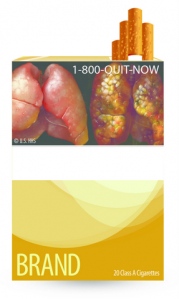
A federal judge has just handed the tobacco industry one of its more salient victories in recent years, having decided that the Food and Drug Administration’s plan to require graphic warnings on cigarette packs violated the manufacturers’ right to free speech.
Richard J. Leon of the U.S. District Court for the District of Columbia issued an order that prohibits the FDA from moving ahead until at least 15 months after he has rendered a final decision.
It’s a firm rebuke to the agency, which had trumpeted the warnings as a crucial means of dissuading Americans from smoking. In June, the FDA shared nine cigarette package prototypes and issued a final rule that ordered manufacturers to comply with the new packaging by Sept. 2012.
A few months later, R.J. Reynolds Tobacco Co., Lorillard Tobacco Co., Commonwealth Brands, Liggett Group, and Santa Fe Natural Tobacco Co. sued the agency. And it’s not just big tobacco that is fighting the regulation. Tobacco marketing is big business.
Not surprisingly, the Association of National Advertisers and the American Advertising Federation filed a friend of the court brief in September. The brief excoriated the government for overreaching. And, the advertising groups likened the effort to a thinly-veiled propaganda attempt.
“If the government can deputize tobacco companies through their product packaging and advertisements to deliver its message, there is no reason it could not do so for other things — and history shows it will not hesitate to do so,” said the brief.
Judge Leon was persuaded, at least in some way, to weigh these First Amendment arguments. According to the New York Times, in his 29-page opinion (which has not been made available online yet), he lambasted the government’s “obvious anti-smoking agenda!”
But activists and others who fought for many years to find a way to regulate tobacco expressed dismay over his stay.
Rep. Henry Waxman (D-Calif.) called the Judge’s ruling “extremely regrettable.” He says that Congress already worked out all the First Amendment issues “to ensure the FDA could act as it has proposed….”
Sen. Tom Harkin (D-Iowa), who in 1998 introduced the first bill to give FDA the power to regulate tobacco products, said that graphic warnings were necessary. “This decision must be appealed so that implementation of the warning label requirement can go forward without delay,” he said, in a statement.
In January, a U.S. District Court Judge in Kentucky upheld FDA’s authority to require warnings in a similar lawsuit. That case is now on appeal.
It may now be years before the legal wrangling is settled.
—Alicia Ault (on Twitter @aliciaault)
A federal judge has just handed the tobacco industry one of its more salient victories in recent years, having decided that the Food and Drug Administration’s plan to require graphic warnings on cigarette packs violated the manufacturers’ right to free speech.
Richard J. Leon of the U.S. District Court for the District of Columbia issued an order that prohibits the FDA from moving ahead until at least 15 months after he has rendered a final decision.
It’s a firm rebuke to the agency, which had trumpeted the warnings as a crucial means of dissuading Americans from smoking. In June, the FDA shared nine cigarette package prototypes and issued a final rule that ordered manufacturers to comply with the new packaging by Sept. 2012.
A few months later, R.J. Reynolds Tobacco Co., Lorillard Tobacco Co., Commonwealth Brands, Liggett Group, and Santa Fe Natural Tobacco Co. sued the agency. And it’s not just big tobacco that is fighting the regulation. Tobacco marketing is big business.
Not surprisingly, the Association of National Advertisers and the American Advertising Federation filed a friend of the court brief in September. The brief excoriated the government for overreaching. And, the advertising groups likened the effort to a thinly-veiled propaganda attempt.
“If the government can deputize tobacco companies through their product packaging and advertisements to deliver its message, there is no reason it could not do so for other things — and history shows it will not hesitate to do so,” said the brief.
Judge Leon was persuaded, at least in some way, to weigh these First Amendment arguments. According to the New York Times, in his 29-page opinion (which has not been made available online yet), he lambasted the government’s “obvious anti-smoking agenda!”
But activists and others who fought for many years to find a way to regulate tobacco expressed dismay over his stay.
Rep. Henry Waxman (D-Calif.) called the Judge’s ruling “extremely regrettable.” He says that Congress already worked out all the First Amendment issues “to ensure the FDA could act as it has proposed….”
Sen. Tom Harkin (D-Iowa), who in 1998 introduced the first bill to give FDA the power to regulate tobacco products, said that graphic warnings were necessary. “This decision must be appealed so that implementation of the warning label requirement can go forward without delay,” he said, in a statement.
In January, a U.S. District Court Judge in Kentucky upheld FDA’s authority to require warnings in a similar lawsuit. That case is now on appeal.
It may now be years before the legal wrangling is settled.
—Alicia Ault (on Twitter @aliciaault)
A federal judge has just handed the tobacco industry one of its more salient victories in recent years, having decided that the Food and Drug Administration’s plan to require graphic warnings on cigarette packs violated the manufacturers’ right to free speech.
Richard J. Leon of the U.S. District Court for the District of Columbia issued an order that prohibits the FDA from moving ahead until at least 15 months after he has rendered a final decision.
It’s a firm rebuke to the agency, which had trumpeted the warnings as a crucial means of dissuading Americans from smoking. In June, the FDA shared nine cigarette package prototypes and issued a final rule that ordered manufacturers to comply with the new packaging by Sept. 2012.
A few months later, R.J. Reynolds Tobacco Co., Lorillard Tobacco Co., Commonwealth Brands, Liggett Group, and Santa Fe Natural Tobacco Co. sued the agency. And it’s not just big tobacco that is fighting the regulation. Tobacco marketing is big business.
Not surprisingly, the Association of National Advertisers and the American Advertising Federation filed a friend of the court brief in September. The brief excoriated the government for overreaching. And, the advertising groups likened the effort to a thinly-veiled propaganda attempt.
“If the government can deputize tobacco companies through their product packaging and advertisements to deliver its message, there is no reason it could not do so for other things — and history shows it will not hesitate to do so,” said the brief.
Judge Leon was persuaded, at least in some way, to weigh these First Amendment arguments. According to the New York Times, in his 29-page opinion (which has not been made available online yet), he lambasted the government’s “obvious anti-smoking agenda!”
But activists and others who fought for many years to find a way to regulate tobacco expressed dismay over his stay.
Rep. Henry Waxman (D-Calif.) called the Judge’s ruling “extremely regrettable.” He says that Congress already worked out all the First Amendment issues “to ensure the FDA could act as it has proposed….”
Sen. Tom Harkin (D-Iowa), who in 1998 introduced the first bill to give FDA the power to regulate tobacco products, said that graphic warnings were necessary. “This decision must be appealed so that implementation of the warning label requirement can go forward without delay,” he said, in a statement.
In January, a U.S. District Court Judge in Kentucky upheld FDA’s authority to require warnings in a similar lawsuit. That case is now on appeal.
It may now be years before the legal wrangling is settled.
—Alicia Ault (on Twitter @aliciaault)
22 Years From One Cystic Fibrosis Breakthrough to Another
Biomedical research progress can be slow, but also relentless.
A report in the Nov. 3 issue of The New England Journal of Medicine has phase III study results showing that treatment with the novel drug ivacaftor produced strikingly good lung function improvement during 48 weeks of therapy in adolescent or adult cystic fibrosis (CF) patients who have at least one of their two mutated cystic fibrosis alleles affected by the G551D mutation.
In a placebo-controlled, randomized study with 161 patients, treatment with ivacaftor when added on top of standard therapy produced an average 10 percentage point rise in FEV1 (forced expiratory volume in 1 second, the study’s primary end point measure) compared with baseline, and an average 11 percentage point rise compared with the placebo group, a statistically significant difference, after the first 24 weeks of treatment (the primary end point) and sustained through 48 weeks of treatment.
This level of lung function improvement is clinically very meaningful for patients, said Dr. Bonnie W. Ramsey, a researcher at Seattle Children’s Hospital and the University of Washington who led the multicenter team that ran the study.
The ivacaftor-treated patients also showed significant benefits in several other secondary efficacy measures. The rate of freedom from pulmonary exacerbations through the 48 weeks of treatment rose from 41% of the placebo group to 67% in those on ivacaftor, while the total number of exacerbations was 55% lower for patients on ivacaftor compared with the placebo group during the 48 weeks. Exacerbations included events such as a need for intravenous antibiotics, hospitalizations, and other important changes in clinical status and treatment, and this effect shows ivacaftor's ability to improve patients’ health and quality of life, Dr. Ramsey told me.

Ivacaftor treatment was well tolerated, with a similar rate of adverse events as in the placebo group, and a reduced number of adverse events leading to study drug discontinuation compared with placebo. The drug is administered as an oral pill given twice daily.
The study population was primarily adult, with about 75% of enrolled patients aged 18 years or older; the average age of the entire study group was about 25 years old, and the youngest patients enrolled in the study were 12 years old.
Last March, Vertex, the company developing ivacaftor, announced preliminary results from a companion, placebo-controlled, phase III study of the drug in 52 children with CF aged 6-11 years old. At 24 weeks, ivacaftor led to significant improvement in lung function compared with placebo. Last June, Vertex announced that the 48-week results remained consistent and produced no safety concerns. Vertex has said that researchers will present the full 48 week pediatric results at a meeting later this week in California. The company also said in a statement that it is currently making the drug available to U.S. CF patients aged 6 or older in an expanded access program.
For the time being, appropriate CF patients to receive ivacaftor remain those who have the G551D mutation in at least one of their two mutated copies of the CF gene, which makes the cystic fibrosis transmembrane conductance regulator (CFTR) protein.
The CFTR protein functions as an epithelial ion channel that regulates absorption and secretion of salt and water. Ivacaftor increases the time that activated CFTR channels remain open, and thereby augments function of the CFTR protein that has the G551D impairment. Only about 5% of CF patients carry at least one G551D mutation. The most common CF-causing mutation of the CFTR gene by far is the DF508, which occurs on at least one CFTR allele in more than 90% of U.S. patients with CF.
Despite ivacaftor’s currently limited clinical applicability, and remaining questions about its long-term safety and safety in infants and young children, Dr. Pamela B. Davis still called ivacaftor a “triumph,” in her editorial that accompanied the Nov. 3 NEJM report. She also noted the drug’s development was “the destination of a long journey” that began 22 years ago, in September 1989, when scientists first reported discovery of the CF gene, the gene encoding the CFTR protein.
It’s easy to recall the excitement and newspaper headlines that surrounded the report of that discovery more than 2 decades ago, first in August 1989 when word initially came out that the CF gene had been found and cloned, and then a couple of weeks later, in early September, when the full data on the gene’s location and the sequence of the DF508 mutation appeared in three articles in the journal Science, written by a team of researchers led by geneticist Lap-Chee Tsui, then at the Hospital for Sick Children in Toronto and now at the University of Hong Kong, and Francis S. Collins, then at the University of Michigan and now director of the National Institutes of Health.
In one newspaper account, Dr. Robert J. Beall, at the time executive vice president for medical affairs of the Cystic Fibrosis Foundation in Bethesda, Md., said: “Parents should be absolutely optimistic and excited about this. We have been in a bottleneck and now we have magnificent opportunities before us.”
Having genetic probes for the CFTR gene and identifying the disease causing mutations, first DF508 and then others, led first to genetic tests that could identify people and fetuses who carried one or two copies of the mutated gene. More slowly, it also helped produce an understanding of what the gene product did, and how it might be fixed. A good account of the long and winding CFTR research road appeared in Nature 2 years ago.
“The initial discovery of the gene was critical,” Dr. Ramsey told me. Without that, “we couldn’t have known what the gene did or what were the problems” with the mutated forms. “Twenty years sounds like a huge amount of time, but when you think of what had to be learned, understood, and developed it’s not long at all. We thought that when the gene was discovered we’d have it done in 5 years, but that wasn’t realistic.”
Treatment for most CF patients, with the DF508 mutation, will be more of a challenge because their mutated protein doesn’t even reach the surface of cells, meaning treatment requires a second agent to get the protein in position where ivacaftor could help it function. The same company, Vertex, has a pair of candidate drugs designed to do this that are now in human tests, said Dr. Ramsey, and she expressed some optimism that with this approach a treatment for most other CF patients may also eventually become possible. With time.
---Mitchel Zoler (on Twitter @mitchelzoler)
Biomedical research progress can be slow, but also relentless.
A report in the Nov. 3 issue of The New England Journal of Medicine has phase III study results showing that treatment with the novel drug ivacaftor produced strikingly good lung function improvement during 48 weeks of therapy in adolescent or adult cystic fibrosis (CF) patients who have at least one of their two mutated cystic fibrosis alleles affected by the G551D mutation.
In a placebo-controlled, randomized study with 161 patients, treatment with ivacaftor when added on top of standard therapy produced an average 10 percentage point rise in FEV1 (forced expiratory volume in 1 second, the study’s primary end point measure) compared with baseline, and an average 11 percentage point rise compared with the placebo group, a statistically significant difference, after the first 24 weeks of treatment (the primary end point) and sustained through 48 weeks of treatment.
This level of lung function improvement is clinically very meaningful for patients, said Dr. Bonnie W. Ramsey, a researcher at Seattle Children’s Hospital and the University of Washington who led the multicenter team that ran the study.
The ivacaftor-treated patients also showed significant benefits in several other secondary efficacy measures. The rate of freedom from pulmonary exacerbations through the 48 weeks of treatment rose from 41% of the placebo group to 67% in those on ivacaftor, while the total number of exacerbations was 55% lower for patients on ivacaftor compared with the placebo group during the 48 weeks. Exacerbations included events such as a need for intravenous antibiotics, hospitalizations, and other important changes in clinical status and treatment, and this effect shows ivacaftor's ability to improve patients’ health and quality of life, Dr. Ramsey told me.
Ivacaftor treatment was well tolerated, with a similar rate of adverse events as in the placebo group, and a reduced number of adverse events leading to study drug discontinuation compared with placebo. The drug is administered as an oral pill given twice daily.
The study population was primarily adult, with about 75% of enrolled patients aged 18 years or older; the average age of the entire study group was about 25 years old, and the youngest patients enrolled in the study were 12 years old.
Last March, Vertex, the company developing ivacaftor, announced preliminary results from a companion, placebo-controlled, phase III study of the drug in 52 children with CF aged 6-11 years old. At 24 weeks, ivacaftor led to significant improvement in lung function compared with placebo. Last June, Vertex announced that the 48-week results remained consistent and produced no safety concerns. Vertex has said that researchers will present the full 48 week pediatric results at a meeting later this week in California. The company also said in a statement that it is currently making the drug available to U.S. CF patients aged 6 or older in an expanded access program.
For the time being, appropriate CF patients to receive ivacaftor remain those who have the G551D mutation in at least one of their two mutated copies of the CF gene, which makes the cystic fibrosis transmembrane conductance regulator (CFTR) protein.
The CFTR protein functions as an epithelial ion channel that regulates absorption and secretion of salt and water. Ivacaftor increases the time that activated CFTR channels remain open, and thereby augments function of the CFTR protein that has the G551D impairment. Only about 5% of CF patients carry at least one G551D mutation. The most common CF-causing mutation of the CFTR gene by far is the DF508, which occurs on at least one CFTR allele in more than 90% of U.S. patients with CF.
Despite ivacaftor’s currently limited clinical applicability, and remaining questions about its long-term safety and safety in infants and young children, Dr. Pamela B. Davis still called ivacaftor a “triumph,” in her editorial that accompanied the Nov. 3 NEJM report. She also noted the drug’s development was “the destination of a long journey” that began 22 years ago, in September 1989, when scientists first reported discovery of the CF gene, the gene encoding the CFTR protein.
It’s easy to recall the excitement and newspaper headlines that surrounded the report of that discovery more than 2 decades ago, first in August 1989 when word initially came out that the CF gene had been found and cloned, and then a couple of weeks later, in early September, when the full data on the gene’s location and the sequence of the DF508 mutation appeared in three articles in the journal Science, written by a team of researchers led by geneticist Lap-Chee Tsui, then at the Hospital for Sick Children in Toronto and now at the University of Hong Kong, and Francis S. Collins, then at the University of Michigan and now director of the National Institutes of Health.
In one newspaper account, Dr. Robert J. Beall, at the time executive vice president for medical affairs of the Cystic Fibrosis Foundation in Bethesda, Md., said: “Parents should be absolutely optimistic and excited about this. We have been in a bottleneck and now we have magnificent opportunities before us.”
Having genetic probes for the CFTR gene and identifying the disease causing mutations, first DF508 and then others, led first to genetic tests that could identify people and fetuses who carried one or two copies of the mutated gene. More slowly, it also helped produce an understanding of what the gene product did, and how it might be fixed. A good account of the long and winding CFTR research road appeared in Nature 2 years ago.
“The initial discovery of the gene was critical,” Dr. Ramsey told me. Without that, “we couldn’t have known what the gene did or what were the problems” with the mutated forms. “Twenty years sounds like a huge amount of time, but when you think of what had to be learned, understood, and developed it’s not long at all. We thought that when the gene was discovered we’d have it done in 5 years, but that wasn’t realistic.”
Treatment for most CF patients, with the DF508 mutation, will be more of a challenge because their mutated protein doesn’t even reach the surface of cells, meaning treatment requires a second agent to get the protein in position where ivacaftor could help it function. The same company, Vertex, has a pair of candidate drugs designed to do this that are now in human tests, said Dr. Ramsey, and she expressed some optimism that with this approach a treatment for most other CF patients may also eventually become possible. With time.
---Mitchel Zoler (on Twitter @mitchelzoler)
Biomedical research progress can be slow, but also relentless.
A report in the Nov. 3 issue of The New England Journal of Medicine has phase III study results showing that treatment with the novel drug ivacaftor produced strikingly good lung function improvement during 48 weeks of therapy in adolescent or adult cystic fibrosis (CF) patients who have at least one of their two mutated cystic fibrosis alleles affected by the G551D mutation.
In a placebo-controlled, randomized study with 161 patients, treatment with ivacaftor when added on top of standard therapy produced an average 10 percentage point rise in FEV1 (forced expiratory volume in 1 second, the study’s primary end point measure) compared with baseline, and an average 11 percentage point rise compared with the placebo group, a statistically significant difference, after the first 24 weeks of treatment (the primary end point) and sustained through 48 weeks of treatment.
This level of lung function improvement is clinically very meaningful for patients, said Dr. Bonnie W. Ramsey, a researcher at Seattle Children’s Hospital and the University of Washington who led the multicenter team that ran the study.
The ivacaftor-treated patients also showed significant benefits in several other secondary efficacy measures. The rate of freedom from pulmonary exacerbations through the 48 weeks of treatment rose from 41% of the placebo group to 67% in those on ivacaftor, while the total number of exacerbations was 55% lower for patients on ivacaftor compared with the placebo group during the 48 weeks. Exacerbations included events such as a need for intravenous antibiotics, hospitalizations, and other important changes in clinical status and treatment, and this effect shows ivacaftor's ability to improve patients’ health and quality of life, Dr. Ramsey told me.
Ivacaftor treatment was well tolerated, with a similar rate of adverse events as in the placebo group, and a reduced number of adverse events leading to study drug discontinuation compared with placebo. The drug is administered as an oral pill given twice daily.
The study population was primarily adult, with about 75% of enrolled patients aged 18 years or older; the average age of the entire study group was about 25 years old, and the youngest patients enrolled in the study were 12 years old.
Last March, Vertex, the company developing ivacaftor, announced preliminary results from a companion, placebo-controlled, phase III study of the drug in 52 children with CF aged 6-11 years old. At 24 weeks, ivacaftor led to significant improvement in lung function compared with placebo. Last June, Vertex announced that the 48-week results remained consistent and produced no safety concerns. Vertex has said that researchers will present the full 48 week pediatric results at a meeting later this week in California. The company also said in a statement that it is currently making the drug available to U.S. CF patients aged 6 or older in an expanded access program.
For the time being, appropriate CF patients to receive ivacaftor remain those who have the G551D mutation in at least one of their two mutated copies of the CF gene, which makes the cystic fibrosis transmembrane conductance regulator (CFTR) protein.
The CFTR protein functions as an epithelial ion channel that regulates absorption and secretion of salt and water. Ivacaftor increases the time that activated CFTR channels remain open, and thereby augments function of the CFTR protein that has the G551D impairment. Only about 5% of CF patients carry at least one G551D mutation. The most common CF-causing mutation of the CFTR gene by far is the DF508, which occurs on at least one CFTR allele in more than 90% of U.S. patients with CF.
Despite ivacaftor’s currently limited clinical applicability, and remaining questions about its long-term safety and safety in infants and young children, Dr. Pamela B. Davis still called ivacaftor a “triumph,” in her editorial that accompanied the Nov. 3 NEJM report. She also noted the drug’s development was “the destination of a long journey” that began 22 years ago, in September 1989, when scientists first reported discovery of the CF gene, the gene encoding the CFTR protein.
It’s easy to recall the excitement and newspaper headlines that surrounded the report of that discovery more than 2 decades ago, first in August 1989 when word initially came out that the CF gene had been found and cloned, and then a couple of weeks later, in early September, when the full data on the gene’s location and the sequence of the DF508 mutation appeared in three articles in the journal Science, written by a team of researchers led by geneticist Lap-Chee Tsui, then at the Hospital for Sick Children in Toronto and now at the University of Hong Kong, and Francis S. Collins, then at the University of Michigan and now director of the National Institutes of Health.
In one newspaper account, Dr. Robert J. Beall, at the time executive vice president for medical affairs of the Cystic Fibrosis Foundation in Bethesda, Md., said: “Parents should be absolutely optimistic and excited about this. We have been in a bottleneck and now we have magnificent opportunities before us.”
Having genetic probes for the CFTR gene and identifying the disease causing mutations, first DF508 and then others, led first to genetic tests that could identify people and fetuses who carried one or two copies of the mutated gene. More slowly, it also helped produce an understanding of what the gene product did, and how it might be fixed. A good account of the long and winding CFTR research road appeared in Nature 2 years ago.
“The initial discovery of the gene was critical,” Dr. Ramsey told me. Without that, “we couldn’t have known what the gene did or what were the problems” with the mutated forms. “Twenty years sounds like a huge amount of time, but when you think of what had to be learned, understood, and developed it’s not long at all. We thought that when the gene was discovered we’d have it done in 5 years, but that wasn’t realistic.”
Treatment for most CF patients, with the DF508 mutation, will be more of a challenge because their mutated protein doesn’t even reach the surface of cells, meaning treatment requires a second agent to get the protein in position where ivacaftor could help it function. The same company, Vertex, has a pair of candidate drugs designed to do this that are now in human tests, said Dr. Ramsey, and she expressed some optimism that with this approach a treatment for most other CF patients may also eventually become possible. With time.
---Mitchel Zoler (on Twitter @mitchelzoler)
Adverse Effects Discourage Imatinib for Treatment of SSc
Treatment for systemic sclerosis–associated active interstitial lung disease with a relatively high dose of imatinib can be effective, but it carries many side effects, judging from findings of a 20-person study.
The study subjects met the American College of Rheumatology criteria for systemic sclerosis (SSc). The mean disease duration was less than 10 years, their mean forced vital capacity (FVC) was less than 85% of predicted, their dyspnea on exertion was at least grade 2 on the magnitude of task component of the Mahler Baseline Dyspnea Index, and high-resolution computed tomography showed the presence of ground-glass opacifications.
Patients with SSc received oral therapy with imatinib up to 600 mg/day for a period of 1 year. The researchers recorded adverse events and tested pulmonary function. In addition, the modified Rodnan skin thickness score (MRSS) was assessed every 3 months, according to Dr. Dinesh Khanna of the University of California at Los Angeles.
Imatinib treatment increased FVC by 1.74%, though this was not statistically significant. In addition, the MRSS increased by 3.9 units. The total lung capacity increased by 4.17% over predicted and the diffusing capacity for carbon monoxide increased improved by 1.46% versus predicted, according to the investigators (Arthritis Rheum. 2011;63:3540-6 [doi 10.1002/art.30548]).
Of the 20 who participated, 5 did not complete the study due to adverse events that were caused by the treatment itself. A further two dropped out due to adverse events caused by SSc, and one was lost due to follow-up. The rest completed the study.
Some of the common adverse events the participants experienced were fatigue, edema of the face and/or lower extremities, nausea and vomiting, diarrhea, generalized rash, and new-onset proteinuria.
Because of its efficacy, the authors suggest further research with smaller doses of imatinib, so as to reduce AEs while maintaining the positive effects.
The researchers reported no relevant financial disclosures. Novartis Pharmaceuticals provided the study drug and partial support for the study.
Treatment for systemic sclerosis–associated active interstitial lung disease with a relatively high dose of imatinib can be effective, but it carries many side effects, judging from findings of a 20-person study.
The study subjects met the American College of Rheumatology criteria for systemic sclerosis (SSc). The mean disease duration was less than 10 years, their mean forced vital capacity (FVC) was less than 85% of predicted, their dyspnea on exertion was at least grade 2 on the magnitude of task component of the Mahler Baseline Dyspnea Index, and high-resolution computed tomography showed the presence of ground-glass opacifications.
Patients with SSc received oral therapy with imatinib up to 600 mg/day for a period of 1 year. The researchers recorded adverse events and tested pulmonary function. In addition, the modified Rodnan skin thickness score (MRSS) was assessed every 3 months, according to Dr. Dinesh Khanna of the University of California at Los Angeles.
Imatinib treatment increased FVC by 1.74%, though this was not statistically significant. In addition, the MRSS increased by 3.9 units. The total lung capacity increased by 4.17% over predicted and the diffusing capacity for carbon monoxide increased improved by 1.46% versus predicted, according to the investigators (Arthritis Rheum. 2011;63:3540-6 [doi 10.1002/art.30548]).
Of the 20 who participated, 5 did not complete the study due to adverse events that were caused by the treatment itself. A further two dropped out due to adverse events caused by SSc, and one was lost due to follow-up. The rest completed the study.
Some of the common adverse events the participants experienced were fatigue, edema of the face and/or lower extremities, nausea and vomiting, diarrhea, generalized rash, and new-onset proteinuria.
Because of its efficacy, the authors suggest further research with smaller doses of imatinib, so as to reduce AEs while maintaining the positive effects.
The researchers reported no relevant financial disclosures. Novartis Pharmaceuticals provided the study drug and partial support for the study.
Treatment for systemic sclerosis–associated active interstitial lung disease with a relatively high dose of imatinib can be effective, but it carries many side effects, judging from findings of a 20-person study.
The study subjects met the American College of Rheumatology criteria for systemic sclerosis (SSc). The mean disease duration was less than 10 years, their mean forced vital capacity (FVC) was less than 85% of predicted, their dyspnea on exertion was at least grade 2 on the magnitude of task component of the Mahler Baseline Dyspnea Index, and high-resolution computed tomography showed the presence of ground-glass opacifications.
Patients with SSc received oral therapy with imatinib up to 600 mg/day for a period of 1 year. The researchers recorded adverse events and tested pulmonary function. In addition, the modified Rodnan skin thickness score (MRSS) was assessed every 3 months, according to Dr. Dinesh Khanna of the University of California at Los Angeles.
Imatinib treatment increased FVC by 1.74%, though this was not statistically significant. In addition, the MRSS increased by 3.9 units. The total lung capacity increased by 4.17% over predicted and the diffusing capacity for carbon monoxide increased improved by 1.46% versus predicted, according to the investigators (Arthritis Rheum. 2011;63:3540-6 [doi 10.1002/art.30548]).
Of the 20 who participated, 5 did not complete the study due to adverse events that were caused by the treatment itself. A further two dropped out due to adverse events caused by SSc, and one was lost due to follow-up. The rest completed the study.
Some of the common adverse events the participants experienced were fatigue, edema of the face and/or lower extremities, nausea and vomiting, diarrhea, generalized rash, and new-onset proteinuria.
Because of its efficacy, the authors suggest further research with smaller doses of imatinib, so as to reduce AEs while maintaining the positive effects.
The researchers reported no relevant financial disclosures. Novartis Pharmaceuticals provided the study drug and partial support for the study.
FROM ARTHRITIS & RHEUMATISM
Major Finding: Five of the 20 patients treated with imatinib discontinued treatment due to adverse side effects. Improvements of 1.74% in the estimated FVC % predicted, 4.17% in the TLC % predicted, and 1.46% in the DLCO % predicted were seen over a 1-year period.
Data Source: The study was conducted on 20 SSc patients at two scleroderma centers in the United States.
Disclosures: The researchers reported no relevant financial disclosures. Novartis Pharmaceuticals provided the study drug and partial support for the study.
Sleep Apnea Worsens Psychiatric Symptoms
SAN FRANCISCO – A simple questionnaire can pick up obstructive sleep apnea in psychiatric patients, according to a small study.
Screening is rare in psychiatric patients at present, but it’s important to diagnose obstructive sleep apnea (OSA) because it can make mental illness worse, contributing to depression and possibly to the risk of manic episodes. Symptoms can mimic mental illness as well, making patients irritable and tired, and OSA makes the use of benzodiazepines and other respiratory depressants problematic, said lead investigator Dr. Vanita Jain, a psychiatry department resident at the University of Utah, Salt Lake City.
"Sleep problems are so integral to psychiatric problems, [and] we wanted to make sure that along with psychiatric disorders, we were treating obstructive sleep apnea, too," she said.
The researchers screened 85 adult community hospital psychiatric inpatients with the STOP-Bang questionnaire, which is typically used as a presurgery screen and takes less than 2 minutes to fill out.
"Sleep problems are so integral to psychiatric problems."
The name refers to the survey’s eight yes/no questions: Do you snore loudly?, Do you often feel tired, fatigued, or sleepy during daytime?, Has anyone observed you stop breathing during your sleep?, Do you have or are you being treated for high blood pressure?, Body mass index more than 35 kg/m2?, Age over 50 years old?, Neck circumference greater than 40 cm?, and Gender male?
Most of the 85 subjects were white, and more than half were men. In all, 46 of the subjects answered yes to at least three of the questions, which is considered a positive screen.
Those patients had overnight pulse oximetry monitoring; 26 desaturated more than 10 times per hour. Fifteen of the 26 – most of the rest had been discharged or refused additional testing – underwent a polysomnography sleep study. Fourteen were ultimately diagnosed with OSA; three had more than 30 apneic episodes per hour.
They would have gone undiagnosed were it not for the questionnaire, Dr. Jain said.
Psychiatric patients can complicate OSA work-up. In the current study, for example, when patients were not coherent enough for an overnight stay in the sleep lab or if they were an escape risk, polysomnography was conducted in their rooms. If patients were "very psychotic or agitated, we just let it be" and asked them to return for an outpatient sleep study, Dr. Jain said.
Treatment options include continuous positive airway pressure (CPAP), special pillows to encourage side or elevated sleeping, dental prostheses to keep the jaw forward during sleep, weight loss, and surgery.
Dr. Jain said she has no disclosures.
SAN FRANCISCO – A simple questionnaire can pick up obstructive sleep apnea in psychiatric patients, according to a small study.
Screening is rare in psychiatric patients at present, but it’s important to diagnose obstructive sleep apnea (OSA) because it can make mental illness worse, contributing to depression and possibly to the risk of manic episodes. Symptoms can mimic mental illness as well, making patients irritable and tired, and OSA makes the use of benzodiazepines and other respiratory depressants problematic, said lead investigator Dr. Vanita Jain, a psychiatry department resident at the University of Utah, Salt Lake City.
"Sleep problems are so integral to psychiatric problems, [and] we wanted to make sure that along with psychiatric disorders, we were treating obstructive sleep apnea, too," she said.
The researchers screened 85 adult community hospital psychiatric inpatients with the STOP-Bang questionnaire, which is typically used as a presurgery screen and takes less than 2 minutes to fill out.
"Sleep problems are so integral to psychiatric problems."
The name refers to the survey’s eight yes/no questions: Do you snore loudly?, Do you often feel tired, fatigued, or sleepy during daytime?, Has anyone observed you stop breathing during your sleep?, Do you have or are you being treated for high blood pressure?, Body mass index more than 35 kg/m2?, Age over 50 years old?, Neck circumference greater than 40 cm?, and Gender male?
Most of the 85 subjects were white, and more than half were men. In all, 46 of the subjects answered yes to at least three of the questions, which is considered a positive screen.
Those patients had overnight pulse oximetry monitoring; 26 desaturated more than 10 times per hour. Fifteen of the 26 – most of the rest had been discharged or refused additional testing – underwent a polysomnography sleep study. Fourteen were ultimately diagnosed with OSA; three had more than 30 apneic episodes per hour.
They would have gone undiagnosed were it not for the questionnaire, Dr. Jain said.
Psychiatric patients can complicate OSA work-up. In the current study, for example, when patients were not coherent enough for an overnight stay in the sleep lab or if they were an escape risk, polysomnography was conducted in their rooms. If patients were "very psychotic or agitated, we just let it be" and asked them to return for an outpatient sleep study, Dr. Jain said.
Treatment options include continuous positive airway pressure (CPAP), special pillows to encourage side or elevated sleeping, dental prostheses to keep the jaw forward during sleep, weight loss, and surgery.
Dr. Jain said she has no disclosures.
SAN FRANCISCO – A simple questionnaire can pick up obstructive sleep apnea in psychiatric patients, according to a small study.
Screening is rare in psychiatric patients at present, but it’s important to diagnose obstructive sleep apnea (OSA) because it can make mental illness worse, contributing to depression and possibly to the risk of manic episodes. Symptoms can mimic mental illness as well, making patients irritable and tired, and OSA makes the use of benzodiazepines and other respiratory depressants problematic, said lead investigator Dr. Vanita Jain, a psychiatry department resident at the University of Utah, Salt Lake City.
"Sleep problems are so integral to psychiatric problems, [and] we wanted to make sure that along with psychiatric disorders, we were treating obstructive sleep apnea, too," she said.
The researchers screened 85 adult community hospital psychiatric inpatients with the STOP-Bang questionnaire, which is typically used as a presurgery screen and takes less than 2 minutes to fill out.
"Sleep problems are so integral to psychiatric problems."
The name refers to the survey’s eight yes/no questions: Do you snore loudly?, Do you often feel tired, fatigued, or sleepy during daytime?, Has anyone observed you stop breathing during your sleep?, Do you have or are you being treated for high blood pressure?, Body mass index more than 35 kg/m2?, Age over 50 years old?, Neck circumference greater than 40 cm?, and Gender male?
Most of the 85 subjects were white, and more than half were men. In all, 46 of the subjects answered yes to at least three of the questions, which is considered a positive screen.
Those patients had overnight pulse oximetry monitoring; 26 desaturated more than 10 times per hour. Fifteen of the 26 – most of the rest had been discharged or refused additional testing – underwent a polysomnography sleep study. Fourteen were ultimately diagnosed with OSA; three had more than 30 apneic episodes per hour.
They would have gone undiagnosed were it not for the questionnaire, Dr. Jain said.
Psychiatric patients can complicate OSA work-up. In the current study, for example, when patients were not coherent enough for an overnight stay in the sleep lab or if they were an escape risk, polysomnography was conducted in their rooms. If patients were "very psychotic or agitated, we just let it be" and asked them to return for an outpatient sleep study, Dr. Jain said.
Treatment options include continuous positive airway pressure (CPAP), special pillows to encourage side or elevated sleeping, dental prostheses to keep the jaw forward during sleep, weight loss, and surgery.
Dr. Jain said she has no disclosures.
FROM THE AMERICAN PSYCHIATRIC ASSOCIATION'S INSTITUTE ON PSYCHIATRIC SERVICES
Major Finding: Of 85 psychiatric patients screened with the STOP-Bang questionnaire, 14 were ultimately diagnosed with obstructive sleep apnea.
Data Source: Screening study of adult community hospital psychiatric inpatients
Disclosures: Dr. Jain said she has no disclosures.
Patient unaware of abnormal scans until it was too late ... For want of steroids, sight is lost ... more
Patient unaware of abnormal scans until it was too late
A COMPUTED TOMOGRAPHY (CT) SCAN of a patient’s chest ordered by his physician revealed a cancerous nodule on the right lung. The physician’s office received the report but didn’t notify the patient of the finding. Nor was the patient informed of the CT report during a visit to the physician 2 months later, or during several visits the following year.
A second CT scan a year after the first showed a larger cancerous area in the lung. The patient and his wife went to the physician several days after the scan to discuss the results. While reviewing the patient’s chart, the doctor asked how long the man had been his patient and said, “We should have been on this a year ago.” He then left the office, and the building, without speaking further to the patient or his wife or explaining his departure. The patient tried unsuccessfully to get a copy of his medical records from the practice.
Two months later, the patient went to the emergency department (ED) with abdominal pain, shortness of breath, and dizziness. He was diagnosed with stage 4 lung cancer. The patient died about 7 weeks later.
PLAINTIFF’S CLAIM No information about the plaintiff’s claim is available.
THE DEFENSE No information about the defense is available.
VERDICT $1 million South Carolina settlement.
COMMENT Fail-safes to assure the appropriate communication of abnormal test results are essential. I was pleased when my personal physician called recently concerning an abnormal lab test; too often timely communication doesn’t occur.
A cystic mass, then breast cancer
AFTER 6 MONTHS OF BREAST PAIN that became worse during menses, a 36-year-old woman, who had recently come to the United States from Iraq, consulted her family physician. The physician had been recommended because she was female, as the patient had requested, and, like the patient, was Iraqi.
The physician palpated the right breast and documented cystic fullness with no discrete masses or axillary nodes. She ordered a screening mammogram but was told by a radiologist that a 36-year-old woman could have screening mammography only if a mass was present. The physician changed the order to a diagnostic mammogram for a painful cystic mass. At the time of the mammogram, the patient told the technician that the lump came and went with her menstrual period. The results were reported as normal.
The physician continued to see the patient over the next 3 years for various health issues. At the patient’s final visit, the physician performed a clinical breast exam, which she documented as negative. The patient claimed that the physician hadn’t done any follow-up related to the right breast between her first visit and the final breast exam 3 years later.
Two years afterward, the now 41-year-old patient was diagnosed with cancer in her right breast after a mammogram, ultrasound, and biopsy. According to records at the hospital where she received the diagnosis, she’d discovered the lump 3 months earlier. The patient underwent a right mastectomy with chemotherapy and radiation and was cancer-free at the time of the trial.
PLAINTIFF’S CLAIM An ultrasound and biopsy should have been performed when the patient first consulted the family physician. The family physician didn’t perform any follow-up on the right breast until 3 years after she diagnosed the cystic fullness.
THE DEFENSE The family physician claimed that she tried twice to perform breast examinations during office visits in the 3 years she saw the patient, but the patient refused. The claim wasn’t documented. The patient’s cancer didn’t become palpable until after she left the doctor’s care. She had a fast-growing tumor, and the location of the cancerous mass differed from the area of cystic fullness the doctor originally discovered.
VERDICT $500,000 Illinois verdict.
COMMENT Failure to diagnose breast cancer continues to be a frequent and vexing allegation. Better documentation and follow-up could help obviate many of these claims.
For want of steroids, sight is lost
A 78-YEAR-OLD MAN was diagnosed with polymyalgia rheumatica (painful inflammation of the arteries, usually in the shoulders and hips) by his longtime primary care physician. The doctor treated the condition with low-dose steroids and monitored the patient’s erythrocyte sedimentation rate and C-reactive protein.
Two years after diagnosis, the patient complained to the physician of jaw pain and transient vision loss in the left eye. Three days later, he called the doctor to say that he had developed a headache. The physician lowered the steroid dosage but didn’t order blood tests or a biopsy. The following day the patient woke up and discovered he’d gone blind.
PLAINTIFF’S CLAIM The patient had giant cell arteritis and should have been treated with high-dose steroids. Starting treatment even one day earlier would have prevented blindness.
THE DEFENSE No information about the defense is available.
VERDICT $3 million Washington settlement.
COMMENT Timely diagnosis and appropriate treatment of temporal arteritis remain essential.
Sudden chest pain, sudden death, but not the usual suspects
SUDDEN ONSET OF CHEST PAIN brought a 41-year-old woman to the ED. Results of an electrocardiogram, chest radiograph, and lab tests were all normal. While in the ED, the patient developed diarrhea and was diagnosed with a gastrointestinal bleed.
She was admitted to the hospital, but no bed was available, so she remained in the ED, where she was found dead 7 hours later. Autopsy revealed a type A dissecting aorta to the level of the renal arteries.
PLAINTIFF’S CLAIM The ED physician failed to rule out all potential life-threatening causes of the chest pain and didn’t order a CT scan, which would have showed the aortic dissection.
DOCTOR’S DEFENSE Aortic dissection is a rare condition; the patient didn’t fit the profile of an individual at risk. A chest radiograph almost always reveals such abnormalities; no duty existed to rule out aortic dissection.
VERDICT $1.4 million Ohio verdict.
COMMENT Even though the details of this case are sketchy—and any death is a tragedy—I can’t help but sympathize with the defendant. While as physicians we should not chase zebras, we still have to consider the possibility of rare conditions.
Misdiagnosed cold foot leads to amputation
NUMBNESS IN HER RIGHT FOOT prompted 2 visits to the emergency department by a woman in her early 40s. The foot was cold and discolored. By the second visit, the patient was screaming with pain. A sprain was diagnosed without consulting a vascular surgeon, and the patient was sent home.
Ten days later, the patient had a computed tomography scan at another hospital, which found a blockage of the popliteal artery. Her right leg was amputated below the knee the following day and she was fitted with a prosthesis.
PLAINTIFF’S CLAIM No information about the plaintiff’s claim is available.
THE DEFENSE No information about the defense is available.
VERDICT $1.25 million New Jersey settlement.
COMMENT I have seen a rash of cases in which peripheral vascular disease was inappropriately diagnosed. One wonders how an alert clinician could miss vascular disease and diagnose a sprain when faced with pain and a cold discolored foot.
Patient unaware of abnormal scans until it was too late
A COMPUTED TOMOGRAPHY (CT) SCAN of a patient’s chest ordered by his physician revealed a cancerous nodule on the right lung. The physician’s office received the report but didn’t notify the patient of the finding. Nor was the patient informed of the CT report during a visit to the physician 2 months later, or during several visits the following year.
A second CT scan a year after the first showed a larger cancerous area in the lung. The patient and his wife went to the physician several days after the scan to discuss the results. While reviewing the patient’s chart, the doctor asked how long the man had been his patient and said, “We should have been on this a year ago.” He then left the office, and the building, without speaking further to the patient or his wife or explaining his departure. The patient tried unsuccessfully to get a copy of his medical records from the practice.
Two months later, the patient went to the emergency department (ED) with abdominal pain, shortness of breath, and dizziness. He was diagnosed with stage 4 lung cancer. The patient died about 7 weeks later.
PLAINTIFF’S CLAIM No information about the plaintiff’s claim is available.
THE DEFENSE No information about the defense is available.
VERDICT $1 million South Carolina settlement.
COMMENT Fail-safes to assure the appropriate communication of abnormal test results are essential. I was pleased when my personal physician called recently concerning an abnormal lab test; too often timely communication doesn’t occur.
A cystic mass, then breast cancer
AFTER 6 MONTHS OF BREAST PAIN that became worse during menses, a 36-year-old woman, who had recently come to the United States from Iraq, consulted her family physician. The physician had been recommended because she was female, as the patient had requested, and, like the patient, was Iraqi.
The physician palpated the right breast and documented cystic fullness with no discrete masses or axillary nodes. She ordered a screening mammogram but was told by a radiologist that a 36-year-old woman could have screening mammography only if a mass was present. The physician changed the order to a diagnostic mammogram for a painful cystic mass. At the time of the mammogram, the patient told the technician that the lump came and went with her menstrual period. The results were reported as normal.
The physician continued to see the patient over the next 3 years for various health issues. At the patient’s final visit, the physician performed a clinical breast exam, which she documented as negative. The patient claimed that the physician hadn’t done any follow-up related to the right breast between her first visit and the final breast exam 3 years later.
Two years afterward, the now 41-year-old patient was diagnosed with cancer in her right breast after a mammogram, ultrasound, and biopsy. According to records at the hospital where she received the diagnosis, she’d discovered the lump 3 months earlier. The patient underwent a right mastectomy with chemotherapy and radiation and was cancer-free at the time of the trial.
PLAINTIFF’S CLAIM An ultrasound and biopsy should have been performed when the patient first consulted the family physician. The family physician didn’t perform any follow-up on the right breast until 3 years after she diagnosed the cystic fullness.
THE DEFENSE The family physician claimed that she tried twice to perform breast examinations during office visits in the 3 years she saw the patient, but the patient refused. The claim wasn’t documented. The patient’s cancer didn’t become palpable until after she left the doctor’s care. She had a fast-growing tumor, and the location of the cancerous mass differed from the area of cystic fullness the doctor originally discovered.
VERDICT $500,000 Illinois verdict.
COMMENT Failure to diagnose breast cancer continues to be a frequent and vexing allegation. Better documentation and follow-up could help obviate many of these claims.
For want of steroids, sight is lost
A 78-YEAR-OLD MAN was diagnosed with polymyalgia rheumatica (painful inflammation of the arteries, usually in the shoulders and hips) by his longtime primary care physician. The doctor treated the condition with low-dose steroids and monitored the patient’s erythrocyte sedimentation rate and C-reactive protein.
Two years after diagnosis, the patient complained to the physician of jaw pain and transient vision loss in the left eye. Three days later, he called the doctor to say that he had developed a headache. The physician lowered the steroid dosage but didn’t order blood tests or a biopsy. The following day the patient woke up and discovered he’d gone blind.
PLAINTIFF’S CLAIM The patient had giant cell arteritis and should have been treated with high-dose steroids. Starting treatment even one day earlier would have prevented blindness.
THE DEFENSE No information about the defense is available.
VERDICT $3 million Washington settlement.
COMMENT Timely diagnosis and appropriate treatment of temporal arteritis remain essential.
Sudden chest pain, sudden death, but not the usual suspects
SUDDEN ONSET OF CHEST PAIN brought a 41-year-old woman to the ED. Results of an electrocardiogram, chest radiograph, and lab tests were all normal. While in the ED, the patient developed diarrhea and was diagnosed with a gastrointestinal bleed.
She was admitted to the hospital, but no bed was available, so she remained in the ED, where she was found dead 7 hours later. Autopsy revealed a type A dissecting aorta to the level of the renal arteries.
PLAINTIFF’S CLAIM The ED physician failed to rule out all potential life-threatening causes of the chest pain and didn’t order a CT scan, which would have showed the aortic dissection.
DOCTOR’S DEFENSE Aortic dissection is a rare condition; the patient didn’t fit the profile of an individual at risk. A chest radiograph almost always reveals such abnormalities; no duty existed to rule out aortic dissection.
VERDICT $1.4 million Ohio verdict.
COMMENT Even though the details of this case are sketchy—and any death is a tragedy—I can’t help but sympathize with the defendant. While as physicians we should not chase zebras, we still have to consider the possibility of rare conditions.
Misdiagnosed cold foot leads to amputation
NUMBNESS IN HER RIGHT FOOT prompted 2 visits to the emergency department by a woman in her early 40s. The foot was cold and discolored. By the second visit, the patient was screaming with pain. A sprain was diagnosed without consulting a vascular surgeon, and the patient was sent home.
Ten days later, the patient had a computed tomography scan at another hospital, which found a blockage of the popliteal artery. Her right leg was amputated below the knee the following day and she was fitted with a prosthesis.
PLAINTIFF’S CLAIM No information about the plaintiff’s claim is available.
THE DEFENSE No information about the defense is available.
VERDICT $1.25 million New Jersey settlement.
COMMENT I have seen a rash of cases in which peripheral vascular disease was inappropriately diagnosed. One wonders how an alert clinician could miss vascular disease and diagnose a sprain when faced with pain and a cold discolored foot.
Patient unaware of abnormal scans until it was too late
A COMPUTED TOMOGRAPHY (CT) SCAN of a patient’s chest ordered by his physician revealed a cancerous nodule on the right lung. The physician’s office received the report but didn’t notify the patient of the finding. Nor was the patient informed of the CT report during a visit to the physician 2 months later, or during several visits the following year.
A second CT scan a year after the first showed a larger cancerous area in the lung. The patient and his wife went to the physician several days after the scan to discuss the results. While reviewing the patient’s chart, the doctor asked how long the man had been his patient and said, “We should have been on this a year ago.” He then left the office, and the building, without speaking further to the patient or his wife or explaining his departure. The patient tried unsuccessfully to get a copy of his medical records from the practice.
Two months later, the patient went to the emergency department (ED) with abdominal pain, shortness of breath, and dizziness. He was diagnosed with stage 4 lung cancer. The patient died about 7 weeks later.
PLAINTIFF’S CLAIM No information about the plaintiff’s claim is available.
THE DEFENSE No information about the defense is available.
VERDICT $1 million South Carolina settlement.
COMMENT Fail-safes to assure the appropriate communication of abnormal test results are essential. I was pleased when my personal physician called recently concerning an abnormal lab test; too often timely communication doesn’t occur.
A cystic mass, then breast cancer
AFTER 6 MONTHS OF BREAST PAIN that became worse during menses, a 36-year-old woman, who had recently come to the United States from Iraq, consulted her family physician. The physician had been recommended because she was female, as the patient had requested, and, like the patient, was Iraqi.
The physician palpated the right breast and documented cystic fullness with no discrete masses or axillary nodes. She ordered a screening mammogram but was told by a radiologist that a 36-year-old woman could have screening mammography only if a mass was present. The physician changed the order to a diagnostic mammogram for a painful cystic mass. At the time of the mammogram, the patient told the technician that the lump came and went with her menstrual period. The results were reported as normal.
The physician continued to see the patient over the next 3 years for various health issues. At the patient’s final visit, the physician performed a clinical breast exam, which she documented as negative. The patient claimed that the physician hadn’t done any follow-up related to the right breast between her first visit and the final breast exam 3 years later.
Two years afterward, the now 41-year-old patient was diagnosed with cancer in her right breast after a mammogram, ultrasound, and biopsy. According to records at the hospital where she received the diagnosis, she’d discovered the lump 3 months earlier. The patient underwent a right mastectomy with chemotherapy and radiation and was cancer-free at the time of the trial.
PLAINTIFF’S CLAIM An ultrasound and biopsy should have been performed when the patient first consulted the family physician. The family physician didn’t perform any follow-up on the right breast until 3 years after she diagnosed the cystic fullness.
THE DEFENSE The family physician claimed that she tried twice to perform breast examinations during office visits in the 3 years she saw the patient, but the patient refused. The claim wasn’t documented. The patient’s cancer didn’t become palpable until after she left the doctor’s care. She had a fast-growing tumor, and the location of the cancerous mass differed from the area of cystic fullness the doctor originally discovered.
VERDICT $500,000 Illinois verdict.
COMMENT Failure to diagnose breast cancer continues to be a frequent and vexing allegation. Better documentation and follow-up could help obviate many of these claims.
For want of steroids, sight is lost
A 78-YEAR-OLD MAN was diagnosed with polymyalgia rheumatica (painful inflammation of the arteries, usually in the shoulders and hips) by his longtime primary care physician. The doctor treated the condition with low-dose steroids and monitored the patient’s erythrocyte sedimentation rate and C-reactive protein.
Two years after diagnosis, the patient complained to the physician of jaw pain and transient vision loss in the left eye. Three days later, he called the doctor to say that he had developed a headache. The physician lowered the steroid dosage but didn’t order blood tests or a biopsy. The following day the patient woke up and discovered he’d gone blind.
PLAINTIFF’S CLAIM The patient had giant cell arteritis and should have been treated with high-dose steroids. Starting treatment even one day earlier would have prevented blindness.
THE DEFENSE No information about the defense is available.
VERDICT $3 million Washington settlement.
COMMENT Timely diagnosis and appropriate treatment of temporal arteritis remain essential.
Sudden chest pain, sudden death, but not the usual suspects
SUDDEN ONSET OF CHEST PAIN brought a 41-year-old woman to the ED. Results of an electrocardiogram, chest radiograph, and lab tests were all normal. While in the ED, the patient developed diarrhea and was diagnosed with a gastrointestinal bleed.
She was admitted to the hospital, but no bed was available, so she remained in the ED, where she was found dead 7 hours later. Autopsy revealed a type A dissecting aorta to the level of the renal arteries.
PLAINTIFF’S CLAIM The ED physician failed to rule out all potential life-threatening causes of the chest pain and didn’t order a CT scan, which would have showed the aortic dissection.
DOCTOR’S DEFENSE Aortic dissection is a rare condition; the patient didn’t fit the profile of an individual at risk. A chest radiograph almost always reveals such abnormalities; no duty existed to rule out aortic dissection.
VERDICT $1.4 million Ohio verdict.
COMMENT Even though the details of this case are sketchy—and any death is a tragedy—I can’t help but sympathize with the defendant. While as physicians we should not chase zebras, we still have to consider the possibility of rare conditions.
Misdiagnosed cold foot leads to amputation
NUMBNESS IN HER RIGHT FOOT prompted 2 visits to the emergency department by a woman in her early 40s. The foot was cold and discolored. By the second visit, the patient was screaming with pain. A sprain was diagnosed without consulting a vascular surgeon, and the patient was sent home.
Ten days later, the patient had a computed tomography scan at another hospital, which found a blockage of the popliteal artery. Her right leg was amputated below the knee the following day and she was fitted with a prosthesis.
PLAINTIFF’S CLAIM No information about the plaintiff’s claim is available.
THE DEFENSE No information about the defense is available.
VERDICT $1.25 million New Jersey settlement.
COMMENT I have seen a rash of cases in which peripheral vascular disease was inappropriately diagnosed. One wonders how an alert clinician could miss vascular disease and diagnose a sprain when faced with pain and a cold discolored foot.
What’s best for croup?
A SINGLE DOSE OF CORTICOSTEROIDS is the first-line treatment for croup, resulting in fewer return visits and hospital admissions, shorter lengths of stay in the emergency department (ED) or hospital, and less need for supplemental medication (strength of recommendation [SOR]: A, meta-analysis and randomized controlled trials [RCTs]). A 0.15 mg/kg dose of oral dexamethasone is as effective as larger doses (SOR: B, small RCTs).
Nebulized racemic or L-epinephrine reduces severity of symptoms in moderate-to-severe croup (SOR: C, limited-quality disease-oriented evidence).
The role of heliox in moderate to severe croup remains uncertain. Studies to date have been inadequate (SOR: C, limited-quality disease-oriented evidence).
Humidified air provides no demonstrable benefit in the acute setting (SOR: A, meta-analysis).
Evidence summary
Standard management for croup has included glucocorticoids, nebulized racemic epinephrine, humidified air, and, for patients with severe respiratory distress and impending respiratory failure, helium-oxygen mixtures.
Glucocorticoids have significant benefits
A 2011 Cochrane review of glucocorticoids in children with croup identified 38 RCTs with 4299 patients.1 Effective treatments included dexamethasone (oral, subcutaneous, intramuscular, nebulized), budesonide (inhaled), and prednisolone (oral). Meta-analysis revealed a significant decrease in the rate of return visits and (re)admissions for patients treated with glucocorticoids compared with placebo (relative risk=0.5; 95% confidence interval [CI], 0.3-0.7). Glucocorticoid-treated children spent less time in the ED or hospital (weighted mean difference=-12 hours; 95% CI, -5 to -19) and were less likely to need epinephrine (risk difference=10%; 95% CI, 1%-20%).
The standardized improvement in the Westley score (TABLE) for all glucocorticoid treatments compared with placebo was -1.2 (95% CI, -1.6 to -0.8) at 6 hours and -1.9 (95% CI, -2.4 to -1.3) at 12 hours. No statistically significant difference was found at 24 hours (-1.3; 95% CI, -2.7 to 0.2). The combined studies favored glucocorticoids over placebo with a number needed to treat of 5. Meta-regression analysis didn’t demonstrate superiority for any single glucocorticoid.
A single 0.15 mg/kg dose of oral dexamethasone proved as effective as higher doses of 0.3 to 0.6 mg/kg in 3 RCTs (N=100, 120, and 99).2-4
TABLE
Westley Croup Score5
| Score | ||||||
|---|---|---|---|---|---|---|
| Symptom | 0 | 1 | 2 | 3 | 4 | 5 |
| Level of consciousness | Normal, including sleep | ________ | __________ | __________ | __________ | Disoriented |
| Cyanosis | None | ________ | __________ | __________ | With agitation | At rest |
| Stridor | None | With agitation | At rest | __________ | __________ | __________ |
| Air entry | Normal | Decreased | Markedly decreased | __________ | __________ | __________ |
| Retractions | None | Mild | Moderate | Severe | __________ | __________ |
| Scoring: Mild croup=≤2; moderate croup=3-7; severe croup=≥8. | ||||||
Nebulized epinephrine improves moderate to severe croup
Three RCTs (N=54, 20, and 13) found that in moderate to severe croup, treatment with nebulized racemic epinephrine improved croup score within 10 to 30 minutes.5
A small RCT (31 children, 6 months to 6 years of age) demonstrated L-epinephrine [1:1000] to be as effective and well tolerated as racemic epinephrine in moderate to severe croup. Improvement in croup score and respiratory rate peaked at 30 minutes. The effect of epinephrine (racemic or L-form) didn’t last beyond 120 minutes.6
In a retrospective study of 50 children with croup who were given aerosolized racemic epinephrine and observed in the ED for 2 hours after treatment, 58% received steroids during observation and 34% were prescribed prednisolone at discharge. Only 1 child required a return visit within 48 hours.7
Effect of helium-oxygen mixtures isn’t clear
A 2010 Cochrane review identified 2 RCTs of heliox in acute croup. No significant differences in croup score changes were found when heliox was compared with 30% oxygen (n=15, mild to moderate croup) and 100% oxygen with prn nebulized racemic epinephrine (n=29, moderate to severe croup).8 Both studies were underpowered and had significant methodological limitations.
Humidified air shows no benefit
A Cochrane review of 3 RCTs comparing humidified air with room air in emergency settings (n=135) found no evidence of benefit in croup score, oxygen saturation, or pulse rate.9
Recommendations
The 2008 Alberta Medical Association guideline recommends that all children with croup be treated with 0.6 mg/kg oral dexamethasone.10 Children with mild croup can be discharged home without further observation. Children with moderate croup should be observed for at least 4 hours. Hospitalization should be considered for children who fail to show adequate improvement. The guideline advises giving both steroids and nebulized epinephrine to children with severe croup.
The Advanced Pediatric Life Support (APLS) course of the American Academy of Pediatrics and the American College of Emergency Physicians recommends treatment with corticosteroids.11 For severe croup, the APLS advocates racemic or L-epinephrine, followed by observation for 3 or 4 hours and hospital admission in the event of inadequate response or recurrence of severe distress.
1. Russell KF, Liang Y, O’Gorman K, et al. Glucocorticoids for croup. Cochrane Database Syst Rev. 2011;(1):CD001955.-
2. Geelhoed GC, Turner J, Macdonald WB. Efficacy of a small single dose of oral dexamethasone for outpatient croup: a double-blind placebo-controlled clinical trial. BMJ. 1996;313:140-142.
3. Geelhoed GC, Macdonald WBG. Oral dexamethasone in the treatment of croup: 0.15 mg/kg versus 0.3 mg/kg versus 0.6 mg/kg. Pediatr Pulmonol. 1995;20:362-368.
4. Fifoot AA, Ting JY. Comparison between single-dose oral prednisolone and oral dexamethasone in the treatment of croup. Emerg Med Australas. 2007;19:51-58.
5. Johnson D. Croup. BMJ Clin Evid [monograph online]. London: BMJ Publishing Group; Updated March 2009. Available at: http://clinicalevidence.com. Accessed July 12, 2010.
6. Waisman Y, Klein BL, Boenning DA, et al. Prospective randomized double-blind study comparing L-epinephrine and racemic epinephrine aerosols in the treatment of laryngotracheitis (croup). Pediatrics. 1992;89:302-306.
7. Kelley PB, Simon JE. Racemic epinephrine use in croup and disposition. Am J Emerg Med. 1992;10:181-183.
8. Vorwerk C, Coats T. Heliox for croup in children. Cochrane Database Syst Rev. 2010;(2):CD006822.-
9. Moore M, Little P. Humidified air inhalation for treating croup. Cochrane Database Syst Rev. 2006;(3):CD002870.-
10. Alberta Medical Association. Guideline for the diagnosis and management of croup. 2008 update. Alberta Medical Association. Available at: www.topalbertadoctors.org. Accessed May 11, 2011.
11. American Academy of Pediatrics and American College of Emergency Physicians APLS: The pediatric emergency medicine Resource (American Academy of Pediatrics). 4th ed, rev. Boston, Mass: Jones and Bartlett Publishers; 2007:61–64.
A SINGLE DOSE OF CORTICOSTEROIDS is the first-line treatment for croup, resulting in fewer return visits and hospital admissions, shorter lengths of stay in the emergency department (ED) or hospital, and less need for supplemental medication (strength of recommendation [SOR]: A, meta-analysis and randomized controlled trials [RCTs]). A 0.15 mg/kg dose of oral dexamethasone is as effective as larger doses (SOR: B, small RCTs).
Nebulized racemic or L-epinephrine reduces severity of symptoms in moderate-to-severe croup (SOR: C, limited-quality disease-oriented evidence).
The role of heliox in moderate to severe croup remains uncertain. Studies to date have been inadequate (SOR: C, limited-quality disease-oriented evidence).
Humidified air provides no demonstrable benefit in the acute setting (SOR: A, meta-analysis).
Evidence summary
Standard management for croup has included glucocorticoids, nebulized racemic epinephrine, humidified air, and, for patients with severe respiratory distress and impending respiratory failure, helium-oxygen mixtures.
Glucocorticoids have significant benefits
A 2011 Cochrane review of glucocorticoids in children with croup identified 38 RCTs with 4299 patients.1 Effective treatments included dexamethasone (oral, subcutaneous, intramuscular, nebulized), budesonide (inhaled), and prednisolone (oral). Meta-analysis revealed a significant decrease in the rate of return visits and (re)admissions for patients treated with glucocorticoids compared with placebo (relative risk=0.5; 95% confidence interval [CI], 0.3-0.7). Glucocorticoid-treated children spent less time in the ED or hospital (weighted mean difference=-12 hours; 95% CI, -5 to -19) and were less likely to need epinephrine (risk difference=10%; 95% CI, 1%-20%).
The standardized improvement in the Westley score (TABLE) for all glucocorticoid treatments compared with placebo was -1.2 (95% CI, -1.6 to -0.8) at 6 hours and -1.9 (95% CI, -2.4 to -1.3) at 12 hours. No statistically significant difference was found at 24 hours (-1.3; 95% CI, -2.7 to 0.2). The combined studies favored glucocorticoids over placebo with a number needed to treat of 5. Meta-regression analysis didn’t demonstrate superiority for any single glucocorticoid.
A single 0.15 mg/kg dose of oral dexamethasone proved as effective as higher doses of 0.3 to 0.6 mg/kg in 3 RCTs (N=100, 120, and 99).2-4
TABLE
Westley Croup Score5
| Score | ||||||
|---|---|---|---|---|---|---|
| Symptom | 0 | 1 | 2 | 3 | 4 | 5 |
| Level of consciousness | Normal, including sleep | ________ | __________ | __________ | __________ | Disoriented |
| Cyanosis | None | ________ | __________ | __________ | With agitation | At rest |
| Stridor | None | With agitation | At rest | __________ | __________ | __________ |
| Air entry | Normal | Decreased | Markedly decreased | __________ | __________ | __________ |
| Retractions | None | Mild | Moderate | Severe | __________ | __________ |
| Scoring: Mild croup=≤2; moderate croup=3-7; severe croup=≥8. | ||||||
Nebulized epinephrine improves moderate to severe croup
Three RCTs (N=54, 20, and 13) found that in moderate to severe croup, treatment with nebulized racemic epinephrine improved croup score within 10 to 30 minutes.5
A small RCT (31 children, 6 months to 6 years of age) demonstrated L-epinephrine [1:1000] to be as effective and well tolerated as racemic epinephrine in moderate to severe croup. Improvement in croup score and respiratory rate peaked at 30 minutes. The effect of epinephrine (racemic or L-form) didn’t last beyond 120 minutes.6
In a retrospective study of 50 children with croup who were given aerosolized racemic epinephrine and observed in the ED for 2 hours after treatment, 58% received steroids during observation and 34% were prescribed prednisolone at discharge. Only 1 child required a return visit within 48 hours.7
Effect of helium-oxygen mixtures isn’t clear
A 2010 Cochrane review identified 2 RCTs of heliox in acute croup. No significant differences in croup score changes were found when heliox was compared with 30% oxygen (n=15, mild to moderate croup) and 100% oxygen with prn nebulized racemic epinephrine (n=29, moderate to severe croup).8 Both studies were underpowered and had significant methodological limitations.
Humidified air shows no benefit
A Cochrane review of 3 RCTs comparing humidified air with room air in emergency settings (n=135) found no evidence of benefit in croup score, oxygen saturation, or pulse rate.9
Recommendations
The 2008 Alberta Medical Association guideline recommends that all children with croup be treated with 0.6 mg/kg oral dexamethasone.10 Children with mild croup can be discharged home without further observation. Children with moderate croup should be observed for at least 4 hours. Hospitalization should be considered for children who fail to show adequate improvement. The guideline advises giving both steroids and nebulized epinephrine to children with severe croup.
The Advanced Pediatric Life Support (APLS) course of the American Academy of Pediatrics and the American College of Emergency Physicians recommends treatment with corticosteroids.11 For severe croup, the APLS advocates racemic or L-epinephrine, followed by observation for 3 or 4 hours and hospital admission in the event of inadequate response or recurrence of severe distress.
A SINGLE DOSE OF CORTICOSTEROIDS is the first-line treatment for croup, resulting in fewer return visits and hospital admissions, shorter lengths of stay in the emergency department (ED) or hospital, and less need for supplemental medication (strength of recommendation [SOR]: A, meta-analysis and randomized controlled trials [RCTs]). A 0.15 mg/kg dose of oral dexamethasone is as effective as larger doses (SOR: B, small RCTs).
Nebulized racemic or L-epinephrine reduces severity of symptoms in moderate-to-severe croup (SOR: C, limited-quality disease-oriented evidence).
The role of heliox in moderate to severe croup remains uncertain. Studies to date have been inadequate (SOR: C, limited-quality disease-oriented evidence).
Humidified air provides no demonstrable benefit in the acute setting (SOR: A, meta-analysis).
Evidence summary
Standard management for croup has included glucocorticoids, nebulized racemic epinephrine, humidified air, and, for patients with severe respiratory distress and impending respiratory failure, helium-oxygen mixtures.
Glucocorticoids have significant benefits
A 2011 Cochrane review of glucocorticoids in children with croup identified 38 RCTs with 4299 patients.1 Effective treatments included dexamethasone (oral, subcutaneous, intramuscular, nebulized), budesonide (inhaled), and prednisolone (oral). Meta-analysis revealed a significant decrease in the rate of return visits and (re)admissions for patients treated with glucocorticoids compared with placebo (relative risk=0.5; 95% confidence interval [CI], 0.3-0.7). Glucocorticoid-treated children spent less time in the ED or hospital (weighted mean difference=-12 hours; 95% CI, -5 to -19) and were less likely to need epinephrine (risk difference=10%; 95% CI, 1%-20%).
The standardized improvement in the Westley score (TABLE) for all glucocorticoid treatments compared with placebo was -1.2 (95% CI, -1.6 to -0.8) at 6 hours and -1.9 (95% CI, -2.4 to -1.3) at 12 hours. No statistically significant difference was found at 24 hours (-1.3; 95% CI, -2.7 to 0.2). The combined studies favored glucocorticoids over placebo with a number needed to treat of 5. Meta-regression analysis didn’t demonstrate superiority for any single glucocorticoid.
A single 0.15 mg/kg dose of oral dexamethasone proved as effective as higher doses of 0.3 to 0.6 mg/kg in 3 RCTs (N=100, 120, and 99).2-4
TABLE
Westley Croup Score5
| Score | ||||||
|---|---|---|---|---|---|---|
| Symptom | 0 | 1 | 2 | 3 | 4 | 5 |
| Level of consciousness | Normal, including sleep | ________ | __________ | __________ | __________ | Disoriented |
| Cyanosis | None | ________ | __________ | __________ | With agitation | At rest |
| Stridor | None | With agitation | At rest | __________ | __________ | __________ |
| Air entry | Normal | Decreased | Markedly decreased | __________ | __________ | __________ |
| Retractions | None | Mild | Moderate | Severe | __________ | __________ |
| Scoring: Mild croup=≤2; moderate croup=3-7; severe croup=≥8. | ||||||
Nebulized epinephrine improves moderate to severe croup
Three RCTs (N=54, 20, and 13) found that in moderate to severe croup, treatment with nebulized racemic epinephrine improved croup score within 10 to 30 minutes.5
A small RCT (31 children, 6 months to 6 years of age) demonstrated L-epinephrine [1:1000] to be as effective and well tolerated as racemic epinephrine in moderate to severe croup. Improvement in croup score and respiratory rate peaked at 30 minutes. The effect of epinephrine (racemic or L-form) didn’t last beyond 120 minutes.6
In a retrospective study of 50 children with croup who were given aerosolized racemic epinephrine and observed in the ED for 2 hours after treatment, 58% received steroids during observation and 34% were prescribed prednisolone at discharge. Only 1 child required a return visit within 48 hours.7
Effect of helium-oxygen mixtures isn’t clear
A 2010 Cochrane review identified 2 RCTs of heliox in acute croup. No significant differences in croup score changes were found when heliox was compared with 30% oxygen (n=15, mild to moderate croup) and 100% oxygen with prn nebulized racemic epinephrine (n=29, moderate to severe croup).8 Both studies were underpowered and had significant methodological limitations.
Humidified air shows no benefit
A Cochrane review of 3 RCTs comparing humidified air with room air in emergency settings (n=135) found no evidence of benefit in croup score, oxygen saturation, or pulse rate.9
Recommendations
The 2008 Alberta Medical Association guideline recommends that all children with croup be treated with 0.6 mg/kg oral dexamethasone.10 Children with mild croup can be discharged home without further observation. Children with moderate croup should be observed for at least 4 hours. Hospitalization should be considered for children who fail to show adequate improvement. The guideline advises giving both steroids and nebulized epinephrine to children with severe croup.
The Advanced Pediatric Life Support (APLS) course of the American Academy of Pediatrics and the American College of Emergency Physicians recommends treatment with corticosteroids.11 For severe croup, the APLS advocates racemic or L-epinephrine, followed by observation for 3 or 4 hours and hospital admission in the event of inadequate response or recurrence of severe distress.
1. Russell KF, Liang Y, O’Gorman K, et al. Glucocorticoids for croup. Cochrane Database Syst Rev. 2011;(1):CD001955.-
2. Geelhoed GC, Turner J, Macdonald WB. Efficacy of a small single dose of oral dexamethasone for outpatient croup: a double-blind placebo-controlled clinical trial. BMJ. 1996;313:140-142.
3. Geelhoed GC, Macdonald WBG. Oral dexamethasone in the treatment of croup: 0.15 mg/kg versus 0.3 mg/kg versus 0.6 mg/kg. Pediatr Pulmonol. 1995;20:362-368.
4. Fifoot AA, Ting JY. Comparison between single-dose oral prednisolone and oral dexamethasone in the treatment of croup. Emerg Med Australas. 2007;19:51-58.
5. Johnson D. Croup. BMJ Clin Evid [monograph online]. London: BMJ Publishing Group; Updated March 2009. Available at: http://clinicalevidence.com. Accessed July 12, 2010.
6. Waisman Y, Klein BL, Boenning DA, et al. Prospective randomized double-blind study comparing L-epinephrine and racemic epinephrine aerosols in the treatment of laryngotracheitis (croup). Pediatrics. 1992;89:302-306.
7. Kelley PB, Simon JE. Racemic epinephrine use in croup and disposition. Am J Emerg Med. 1992;10:181-183.
8. Vorwerk C, Coats T. Heliox for croup in children. Cochrane Database Syst Rev. 2010;(2):CD006822.-
9. Moore M, Little P. Humidified air inhalation for treating croup. Cochrane Database Syst Rev. 2006;(3):CD002870.-
10. Alberta Medical Association. Guideline for the diagnosis and management of croup. 2008 update. Alberta Medical Association. Available at: www.topalbertadoctors.org. Accessed May 11, 2011.
11. American Academy of Pediatrics and American College of Emergency Physicians APLS: The pediatric emergency medicine Resource (American Academy of Pediatrics). 4th ed, rev. Boston, Mass: Jones and Bartlett Publishers; 2007:61–64.
1. Russell KF, Liang Y, O’Gorman K, et al. Glucocorticoids for croup. Cochrane Database Syst Rev. 2011;(1):CD001955.-
2. Geelhoed GC, Turner J, Macdonald WB. Efficacy of a small single dose of oral dexamethasone for outpatient croup: a double-blind placebo-controlled clinical trial. BMJ. 1996;313:140-142.
3. Geelhoed GC, Macdonald WBG. Oral dexamethasone in the treatment of croup: 0.15 mg/kg versus 0.3 mg/kg versus 0.6 mg/kg. Pediatr Pulmonol. 1995;20:362-368.
4. Fifoot AA, Ting JY. Comparison between single-dose oral prednisolone and oral dexamethasone in the treatment of croup. Emerg Med Australas. 2007;19:51-58.
5. Johnson D. Croup. BMJ Clin Evid [monograph online]. London: BMJ Publishing Group; Updated March 2009. Available at: http://clinicalevidence.com. Accessed July 12, 2010.
6. Waisman Y, Klein BL, Boenning DA, et al. Prospective randomized double-blind study comparing L-epinephrine and racemic epinephrine aerosols in the treatment of laryngotracheitis (croup). Pediatrics. 1992;89:302-306.
7. Kelley PB, Simon JE. Racemic epinephrine use in croup and disposition. Am J Emerg Med. 1992;10:181-183.
8. Vorwerk C, Coats T. Heliox for croup in children. Cochrane Database Syst Rev. 2010;(2):CD006822.-
9. Moore M, Little P. Humidified air inhalation for treating croup. Cochrane Database Syst Rev. 2006;(3):CD002870.-
10. Alberta Medical Association. Guideline for the diagnosis and management of croup. 2008 update. Alberta Medical Association. Available at: www.topalbertadoctors.org. Accessed May 11, 2011.
11. American Academy of Pediatrics and American College of Emergency Physicians APLS: The pediatric emergency medicine Resource (American Academy of Pediatrics). 4th ed, rev. Boston, Mass: Jones and Bartlett Publishers; 2007:61–64.
Evidence-based answers from the Family Physicians Inquiries Network