User login
Bringing you the latest news, research and reviews, exclusive interviews, podcasts, quizzes, and more.
Powered by CHEST Physician, Clinician Reviews, MDedge Family Medicine, Internal Medicine News, and The Journal of Clinical Outcomes Management.
Tenecteplase has risks but cuts hemodynamic decompensation in pulmonary embolism
Fibrinolytic therapy with tenecteplase prevents hemodynamic decompensation in patients with intermediate-risk pulmonary embolism but raises the risk of major hemorrhage and stroke, so its use is likely to remain controversial in this patient population, according to a report published online April 9 in the New England Journal of Medicine.
Fibrinolysis is warranted for high-risk pulmonary embolism characterized by hemodynamic instability, but its risks may outweigh its benefits when normotensive patients have acute right ventricular dysfunction and myocardial injury but no overt hemodynamic compromise. The international PEITHO (Pulmonary Embolism Thrombolysis) trial was performed to examine the safety and efficacy of a single-bolus injection of tenecteplase, in addition to standard anticoagulation therapy, in such patients, who were deemed to be at intermediate risk of an adverse outcome, said Dr. Guy Meyer of Université Paris Descartes and his associates.
PEITHO involved 1,006 adults (median age, 70 years) treated at 76 sites in 13 countries; 506 were randomly assigned to receive a tenecteplase infusion plus unfractionated heparin and 500 to receive a matching placebo infusion plus unfractionated heparin, and all were followed for 30 days. The primary efficacy outcome – a composite of death from any cause or hemodynamic decompensation (including hemodynamic collapse) within 7 days – occurred in only 2.6% of the tenecteplase group, which was significantly lower than was the 5.6% rate in the placebo group.
Hemodynamic decompensation occurred in only 1.6% of the tenecteplase group, compared with 5.0% of the placebo group, the investigators wrote (N. Engl. J. Med. 2014 April 9;370:1402-11 [doi:101056/NEJMoa1302097]).
However, major bleeding developed in 11.5% of the tenecteplase group within 7 days, compared with only 2.4% of the placebo group. And the fibrinolytic treatment was associated with a 2.0% risk of hemorrhagic stroke and a 6.3% rate of major extracranial hemorrhage. "Therefore, great caution is warranted when considering fibrinolytic therapy for hemodynamically stable patients with PE," Dr. Meyer and his associates said.
PEITHO was supported by the Programme Hospitalier de Recherche Clinique in France, the Federal Ministry of Education and Research in Germany, and Boehringer Ingelheim. Dr. Meyer reported ties to Boehringer Ingelheim, Leo Pharma, Bayer Healthcare, and Sanofi-Aventis, and his associates reported ties to numerous industry sources.
For the practicing clinician, the results of the PEITHO trial "provide valuable insight but no definitive answer" because they confirm the risks as well as the benefits of fibrinolysis for intermediate-risk PE, said Dr. C. Gregory Elliott.
The findings show that it is relatively safe to withhold fibrinolysis unless hemodynamic decompensation occurs. Perhaps a strategy of initiating anticoagulation but reserving fibrinolysis for cases of hemodynamic decompensation would minimize overall risks for this patient population, he said.
Dr. Elliott is in the department of medicine at the Intermountain Medical Center in Murray (Utah) and at the University of Utah, Salt Lake City. He reported ties to Bayer, Bristol-Myers Squibb, Janssen, and Boehringer Ingelheim. These remarks were taken from his editorial accompanying Dr. Meyer’s report (N. Engl. J. Med. 2014 April 9;370:1457-8 [doi:10.1056/NEJMe1401025]).
For the practicing clinician, the results of the PEITHO trial "provide valuable insight but no definitive answer" because they confirm the risks as well as the benefits of fibrinolysis for intermediate-risk PE, said Dr. C. Gregory Elliott.
The findings show that it is relatively safe to withhold fibrinolysis unless hemodynamic decompensation occurs. Perhaps a strategy of initiating anticoagulation but reserving fibrinolysis for cases of hemodynamic decompensation would minimize overall risks for this patient population, he said.
Dr. Elliott is in the department of medicine at the Intermountain Medical Center in Murray (Utah) and at the University of Utah, Salt Lake City. He reported ties to Bayer, Bristol-Myers Squibb, Janssen, and Boehringer Ingelheim. These remarks were taken from his editorial accompanying Dr. Meyer’s report (N. Engl. J. Med. 2014 April 9;370:1457-8 [doi:10.1056/NEJMe1401025]).
For the practicing clinician, the results of the PEITHO trial "provide valuable insight but no definitive answer" because they confirm the risks as well as the benefits of fibrinolysis for intermediate-risk PE, said Dr. C. Gregory Elliott.
The findings show that it is relatively safe to withhold fibrinolysis unless hemodynamic decompensation occurs. Perhaps a strategy of initiating anticoagulation but reserving fibrinolysis for cases of hemodynamic decompensation would minimize overall risks for this patient population, he said.
Dr. Elliott is in the department of medicine at the Intermountain Medical Center in Murray (Utah) and at the University of Utah, Salt Lake City. He reported ties to Bayer, Bristol-Myers Squibb, Janssen, and Boehringer Ingelheim. These remarks were taken from his editorial accompanying Dr. Meyer’s report (N. Engl. J. Med. 2014 April 9;370:1457-8 [doi:10.1056/NEJMe1401025]).
Fibrinolytic therapy with tenecteplase prevents hemodynamic decompensation in patients with intermediate-risk pulmonary embolism but raises the risk of major hemorrhage and stroke, so its use is likely to remain controversial in this patient population, according to a report published online April 9 in the New England Journal of Medicine.
Fibrinolysis is warranted for high-risk pulmonary embolism characterized by hemodynamic instability, but its risks may outweigh its benefits when normotensive patients have acute right ventricular dysfunction and myocardial injury but no overt hemodynamic compromise. The international PEITHO (Pulmonary Embolism Thrombolysis) trial was performed to examine the safety and efficacy of a single-bolus injection of tenecteplase, in addition to standard anticoagulation therapy, in such patients, who were deemed to be at intermediate risk of an adverse outcome, said Dr. Guy Meyer of Université Paris Descartes and his associates.
PEITHO involved 1,006 adults (median age, 70 years) treated at 76 sites in 13 countries; 506 were randomly assigned to receive a tenecteplase infusion plus unfractionated heparin and 500 to receive a matching placebo infusion plus unfractionated heparin, and all were followed for 30 days. The primary efficacy outcome – a composite of death from any cause or hemodynamic decompensation (including hemodynamic collapse) within 7 days – occurred in only 2.6% of the tenecteplase group, which was significantly lower than was the 5.6% rate in the placebo group.
Hemodynamic decompensation occurred in only 1.6% of the tenecteplase group, compared with 5.0% of the placebo group, the investigators wrote (N. Engl. J. Med. 2014 April 9;370:1402-11 [doi:101056/NEJMoa1302097]).
However, major bleeding developed in 11.5% of the tenecteplase group within 7 days, compared with only 2.4% of the placebo group. And the fibrinolytic treatment was associated with a 2.0% risk of hemorrhagic stroke and a 6.3% rate of major extracranial hemorrhage. "Therefore, great caution is warranted when considering fibrinolytic therapy for hemodynamically stable patients with PE," Dr. Meyer and his associates said.
PEITHO was supported by the Programme Hospitalier de Recherche Clinique in France, the Federal Ministry of Education and Research in Germany, and Boehringer Ingelheim. Dr. Meyer reported ties to Boehringer Ingelheim, Leo Pharma, Bayer Healthcare, and Sanofi-Aventis, and his associates reported ties to numerous industry sources.
Fibrinolytic therapy with tenecteplase prevents hemodynamic decompensation in patients with intermediate-risk pulmonary embolism but raises the risk of major hemorrhage and stroke, so its use is likely to remain controversial in this patient population, according to a report published online April 9 in the New England Journal of Medicine.
Fibrinolysis is warranted for high-risk pulmonary embolism characterized by hemodynamic instability, but its risks may outweigh its benefits when normotensive patients have acute right ventricular dysfunction and myocardial injury but no overt hemodynamic compromise. The international PEITHO (Pulmonary Embolism Thrombolysis) trial was performed to examine the safety and efficacy of a single-bolus injection of tenecteplase, in addition to standard anticoagulation therapy, in such patients, who were deemed to be at intermediate risk of an adverse outcome, said Dr. Guy Meyer of Université Paris Descartes and his associates.
PEITHO involved 1,006 adults (median age, 70 years) treated at 76 sites in 13 countries; 506 were randomly assigned to receive a tenecteplase infusion plus unfractionated heparin and 500 to receive a matching placebo infusion plus unfractionated heparin, and all were followed for 30 days. The primary efficacy outcome – a composite of death from any cause or hemodynamic decompensation (including hemodynamic collapse) within 7 days – occurred in only 2.6% of the tenecteplase group, which was significantly lower than was the 5.6% rate in the placebo group.
Hemodynamic decompensation occurred in only 1.6% of the tenecteplase group, compared with 5.0% of the placebo group, the investigators wrote (N. Engl. J. Med. 2014 April 9;370:1402-11 [doi:101056/NEJMoa1302097]).
However, major bleeding developed in 11.5% of the tenecteplase group within 7 days, compared with only 2.4% of the placebo group. And the fibrinolytic treatment was associated with a 2.0% risk of hemorrhagic stroke and a 6.3% rate of major extracranial hemorrhage. "Therefore, great caution is warranted when considering fibrinolytic therapy for hemodynamically stable patients with PE," Dr. Meyer and his associates said.
PEITHO was supported by the Programme Hospitalier de Recherche Clinique in France, the Federal Ministry of Education and Research in Germany, and Boehringer Ingelheim. Dr. Meyer reported ties to Boehringer Ingelheim, Leo Pharma, Bayer Healthcare, and Sanofi-Aventis, and his associates reported ties to numerous industry sources.
FROM THE NEW ENGLAND JOURNAL OF MEDICINE
Major finding: The primary efficacy outcome – a composite of death from any cause or hemodynamic (including hemodynamic collapse) within 7 days – occurred in only 2.6% of the tenecteplase group, which was significantly lower than the 5.6% rate was in the placebo group.
Data source: An international randomized controlled trial involving 1,006 patients with intermediate-risk PE who received either tenecteplase (506 subjects) or a matching placebo infusion (500 subjects) and were followed for 30 days for death, hemodynamic decompensation, bleeding, stroke, recurrent PE, and serious adverse events.
Disclosures: PEITHO was supported by the Programme Hospitalier de Recherche Clinique in France, the Federal Ministry of Education and Research in Germany, and Boehringer Ingelheim. Dr. Meyer reported ties to Boehringer Ingelheim, Leo Pharma, Bayer Healthcare, and Sanofi-Aventis, and his associates reported ties to numerous industry sources.
A little PT goes a long way in hospitalized COPD patients
MADRID – Adding physical therapy to standard care improved self-reported quality of life in patients hospitalized with an acute exacerbation of chronic obstructive pulmonary disease in a randomized, controlled trial.
Significant gains in health-related quality of life were seen at discharge on all of the EUROQol-5D questionnaire subscales including mobility (mean 2.00 vs. 1.29; P less than .001), self-care (mean 1.76 vs. 1.19; P = .004), usual activities (mean 2.14 vs. 1.43; P = .004), pain/discomfort (mean 1.71 vs. 1.24; P = .014), and anxiety/depression (mean 2.00 vs. 1.38; P less than .001).
Overall health, measured with the EUROQol-5D visual analog scale, also improved significantly from an average score of 57.0 to 74.4 (P = .006), Irene Torres-Sánchez, PT, reported at the world congress of the American College of Chest Physicians.
What stands out is that the average hospital length of stay was just 8.8 days.
The physical therapy protocol included 45 minutes of daily, individualized resistance training targeting the lower limbs and controlled breathing exercises including relaxation exercises, pursed lips breathing, and active expiration, explained Ms. Torres-Sánchez of University of Granada, Spain.
No significant differences were found between the 30 intervention patients and 30 controls at baseline in Saint George's Respiratory Questionnaire values (63.95 vs. 63.00). Their average age was 71 years and body mass index was 27.6 kg/m2.
Improvements were seen in the control group, but they were statistically significant, using a P value of less than .05, only for anxiety/depression (mean 1.96 vs. 1.46; P less than .001). Overall health did not improve significantly from baseline (55.42 vs. 58.96; P = .396), according to the poster presentation (Chest 2014;145:372A [doi:10.1378/chest.1823625]).
In two other posters reported during the same session, the investigators showed that adults hospitalized with acute COPD exacerbation walked only 255 steps per day on average (Chest 2014;145:385A [doi:10.1378/chest.1822986]).
Those who took part in the PT program, however, had improved muscle strength and steadiness and muscle endurance, although it was not uniformly significant for both legs (Chest 2014;145:369A [doi:10.1378/chest.1823630]).
The investigators reported no financial disclosures.
MADRID – Adding physical therapy to standard care improved self-reported quality of life in patients hospitalized with an acute exacerbation of chronic obstructive pulmonary disease in a randomized, controlled trial.
Significant gains in health-related quality of life were seen at discharge on all of the EUROQol-5D questionnaire subscales including mobility (mean 2.00 vs. 1.29; P less than .001), self-care (mean 1.76 vs. 1.19; P = .004), usual activities (mean 2.14 vs. 1.43; P = .004), pain/discomfort (mean 1.71 vs. 1.24; P = .014), and anxiety/depression (mean 2.00 vs. 1.38; P less than .001).
Overall health, measured with the EUROQol-5D visual analog scale, also improved significantly from an average score of 57.0 to 74.4 (P = .006), Irene Torres-Sánchez, PT, reported at the world congress of the American College of Chest Physicians.
What stands out is that the average hospital length of stay was just 8.8 days.
The physical therapy protocol included 45 minutes of daily, individualized resistance training targeting the lower limbs and controlled breathing exercises including relaxation exercises, pursed lips breathing, and active expiration, explained Ms. Torres-Sánchez of University of Granada, Spain.
No significant differences were found between the 30 intervention patients and 30 controls at baseline in Saint George's Respiratory Questionnaire values (63.95 vs. 63.00). Their average age was 71 years and body mass index was 27.6 kg/m2.
Improvements were seen in the control group, but they were statistically significant, using a P value of less than .05, only for anxiety/depression (mean 1.96 vs. 1.46; P less than .001). Overall health did not improve significantly from baseline (55.42 vs. 58.96; P = .396), according to the poster presentation (Chest 2014;145:372A [doi:10.1378/chest.1823625]).
In two other posters reported during the same session, the investigators showed that adults hospitalized with acute COPD exacerbation walked only 255 steps per day on average (Chest 2014;145:385A [doi:10.1378/chest.1822986]).
Those who took part in the PT program, however, had improved muscle strength and steadiness and muscle endurance, although it was not uniformly significant for both legs (Chest 2014;145:369A [doi:10.1378/chest.1823630]).
The investigators reported no financial disclosures.
MADRID – Adding physical therapy to standard care improved self-reported quality of life in patients hospitalized with an acute exacerbation of chronic obstructive pulmonary disease in a randomized, controlled trial.
Significant gains in health-related quality of life were seen at discharge on all of the EUROQol-5D questionnaire subscales including mobility (mean 2.00 vs. 1.29; P less than .001), self-care (mean 1.76 vs. 1.19; P = .004), usual activities (mean 2.14 vs. 1.43; P = .004), pain/discomfort (mean 1.71 vs. 1.24; P = .014), and anxiety/depression (mean 2.00 vs. 1.38; P less than .001).
Overall health, measured with the EUROQol-5D visual analog scale, also improved significantly from an average score of 57.0 to 74.4 (P = .006), Irene Torres-Sánchez, PT, reported at the world congress of the American College of Chest Physicians.
What stands out is that the average hospital length of stay was just 8.8 days.
The physical therapy protocol included 45 minutes of daily, individualized resistance training targeting the lower limbs and controlled breathing exercises including relaxation exercises, pursed lips breathing, and active expiration, explained Ms. Torres-Sánchez of University of Granada, Spain.
No significant differences were found between the 30 intervention patients and 30 controls at baseline in Saint George's Respiratory Questionnaire values (63.95 vs. 63.00). Their average age was 71 years and body mass index was 27.6 kg/m2.
Improvements were seen in the control group, but they were statistically significant, using a P value of less than .05, only for anxiety/depression (mean 1.96 vs. 1.46; P less than .001). Overall health did not improve significantly from baseline (55.42 vs. 58.96; P = .396), according to the poster presentation (Chest 2014;145:372A [doi:10.1378/chest.1823625]).
In two other posters reported during the same session, the investigators showed that adults hospitalized with acute COPD exacerbation walked only 255 steps per day on average (Chest 2014;145:385A [doi:10.1378/chest.1822986]).
Those who took part in the PT program, however, had improved muscle strength and steadiness and muscle endurance, although it was not uniformly significant for both legs (Chest 2014;145:369A [doi:10.1378/chest.1823630]).
The investigators reported no financial disclosures.
AT CHEST WORLD CONGRESS 2014
Key clinical point: Prescribing PT may reduce anxiety and depression in hospitalized COPD patients as well as improve muscle strength and steadiness.
Major finding: Overall health on the EUROQol-5D visual analog scale improved from 57.0 to 74.4 at discharge (P = .006).
Data source: A randomized, single-blind trial in 60 patients hospitalized with COPD.
Disclosures: The investigators reported no financial disclosures.
Aspirin sensitivity signals asthma severity
MADRID – Aspirin sensitivity was strongly associated with asthma severity and the presence of chronic rhinosinusitis with nasal polyps in a prospective, multicenter study.
"Aspirin sensitivity may be considered a clinical marker for severe asthma and for the presence of chronic rhinosinusitis with nasal polyps, and a potential marker for united airway disease," Dr. José Antonio Castillo reported at the world congress of the American College of Chest Physicians.
Aspirin-exacerbated respiratory disease is commonly associated with chronic rhinosinusitis (CRS) with nasal polyps, but little information is available on the correlation between aspirin sensitivity and severe asthma.
To evaluate the presence of aspirin sensitivity and CRS with nasal polyps in a cohort of asthmatic patients, pulmonologists and ear, nose, and throat specialists at 23 hospitals in Spain and Latin America recruited 492 patients, aged 18-70 years, attending outpatient clinics with the diagnosis of asthma for at least 1 year. Aspirin sensitivity was assessed by clinical history and/or aspirin challenge, and CRS with nasal polyps was assessed by nasal symptoms, nasal endoscopy, and sinus computed tomography (CT) scan.
Among 473 evaluable patients, 72 (15%) were aspirin sensitive, 14.6% had no nasosinal disease, 12.6% nonallergic rhinitis, 36.8% allergic rhinitis, 16.6% CRS without nasal polyps, and 19.4% CRS with nasal polyps.
*Aspirin-intolerant asthma was strongly related to asthma severity. In all, 3 of the 72 (4.2%) aspirin-intolerant patients were classified as having intermittent asthma (odds ratio, 1); 17 (23.6%) as mild persistent (OR, 4.3); 21 (29.2%) as moderate persistent (OR, 4.3); and 31 (43%) as severe persistent asthma, which was statistically significant (OR, 7.8; P less than .05), reported Dr. Castillo, with the pneumology service at Chiron Dexeus University Hospital, Barcelona.
The presence of CRS with nasal polyps was also significantly associated (38.9%; 28/72 patients) with aspirin sensitivity (OR, 9.05; P less than .001).
Aspirin sensitivity was present in 4.5% of patients with no nasosinal disease, 18.6% of those with nonallergic rhinitis, 9.2% with allergic rhinitis, 17.5% with CRS with no nasal polyps, and 29.8% with CRS and nasal polyps.
Further, patients with aspirin-intolerant asthma showed significantly higher Lund & McKay CT scores than aspirin-tolerant asthmatic patients, according to the poster presentation.
The current results perhaps could be validated by matching aspirin sensitivity with a biomarker of severe asthma, that is, periostin, but are such that they already use aspirin sensitivity as a clinical marker of severe asthma, Dr. Castillo said in an interview.
Patients in the study had a mean age of 45 years and a mean body mass index of 26.9 kg/m2 (range, 16.8-49.8 kg/m2); 70.5% were female, and 9.6% were smokers.
Asthma was intermittent in 85 patients, mild persistent in 122, moderate persistent in 154, and severe persistent in 131, according to Global Initiative for Asthma (GINA) severity criteria.
Dr. Castillo and his coauthors reported no financial disclosures.
*This article was updated 4/7/14
MADRID – Aspirin sensitivity was strongly associated with asthma severity and the presence of chronic rhinosinusitis with nasal polyps in a prospective, multicenter study.
"Aspirin sensitivity may be considered a clinical marker for severe asthma and for the presence of chronic rhinosinusitis with nasal polyps, and a potential marker for united airway disease," Dr. José Antonio Castillo reported at the world congress of the American College of Chest Physicians.
Aspirin-exacerbated respiratory disease is commonly associated with chronic rhinosinusitis (CRS) with nasal polyps, but little information is available on the correlation between aspirin sensitivity and severe asthma.
To evaluate the presence of aspirin sensitivity and CRS with nasal polyps in a cohort of asthmatic patients, pulmonologists and ear, nose, and throat specialists at 23 hospitals in Spain and Latin America recruited 492 patients, aged 18-70 years, attending outpatient clinics with the diagnosis of asthma for at least 1 year. Aspirin sensitivity was assessed by clinical history and/or aspirin challenge, and CRS with nasal polyps was assessed by nasal symptoms, nasal endoscopy, and sinus computed tomography (CT) scan.
Among 473 evaluable patients, 72 (15%) were aspirin sensitive, 14.6% had no nasosinal disease, 12.6% nonallergic rhinitis, 36.8% allergic rhinitis, 16.6% CRS without nasal polyps, and 19.4% CRS with nasal polyps.
*Aspirin-intolerant asthma was strongly related to asthma severity. In all, 3 of the 72 (4.2%) aspirin-intolerant patients were classified as having intermittent asthma (odds ratio, 1); 17 (23.6%) as mild persistent (OR, 4.3); 21 (29.2%) as moderate persistent (OR, 4.3); and 31 (43%) as severe persistent asthma, which was statistically significant (OR, 7.8; P less than .05), reported Dr. Castillo, with the pneumology service at Chiron Dexeus University Hospital, Barcelona.
The presence of CRS with nasal polyps was also significantly associated (38.9%; 28/72 patients) with aspirin sensitivity (OR, 9.05; P less than .001).
Aspirin sensitivity was present in 4.5% of patients with no nasosinal disease, 18.6% of those with nonallergic rhinitis, 9.2% with allergic rhinitis, 17.5% with CRS with no nasal polyps, and 29.8% with CRS and nasal polyps.
Further, patients with aspirin-intolerant asthma showed significantly higher Lund & McKay CT scores than aspirin-tolerant asthmatic patients, according to the poster presentation.
The current results perhaps could be validated by matching aspirin sensitivity with a biomarker of severe asthma, that is, periostin, but are such that they already use aspirin sensitivity as a clinical marker of severe asthma, Dr. Castillo said in an interview.
Patients in the study had a mean age of 45 years and a mean body mass index of 26.9 kg/m2 (range, 16.8-49.8 kg/m2); 70.5% were female, and 9.6% were smokers.
Asthma was intermittent in 85 patients, mild persistent in 122, moderate persistent in 154, and severe persistent in 131, according to Global Initiative for Asthma (GINA) severity criteria.
Dr. Castillo and his coauthors reported no financial disclosures.
*This article was updated 4/7/14
MADRID – Aspirin sensitivity was strongly associated with asthma severity and the presence of chronic rhinosinusitis with nasal polyps in a prospective, multicenter study.
"Aspirin sensitivity may be considered a clinical marker for severe asthma and for the presence of chronic rhinosinusitis with nasal polyps, and a potential marker for united airway disease," Dr. José Antonio Castillo reported at the world congress of the American College of Chest Physicians.
Aspirin-exacerbated respiratory disease is commonly associated with chronic rhinosinusitis (CRS) with nasal polyps, but little information is available on the correlation between aspirin sensitivity and severe asthma.
To evaluate the presence of aspirin sensitivity and CRS with nasal polyps in a cohort of asthmatic patients, pulmonologists and ear, nose, and throat specialists at 23 hospitals in Spain and Latin America recruited 492 patients, aged 18-70 years, attending outpatient clinics with the diagnosis of asthma for at least 1 year. Aspirin sensitivity was assessed by clinical history and/or aspirin challenge, and CRS with nasal polyps was assessed by nasal symptoms, nasal endoscopy, and sinus computed tomography (CT) scan.
Among 473 evaluable patients, 72 (15%) were aspirin sensitive, 14.6% had no nasosinal disease, 12.6% nonallergic rhinitis, 36.8% allergic rhinitis, 16.6% CRS without nasal polyps, and 19.4% CRS with nasal polyps.
*Aspirin-intolerant asthma was strongly related to asthma severity. In all, 3 of the 72 (4.2%) aspirin-intolerant patients were classified as having intermittent asthma (odds ratio, 1); 17 (23.6%) as mild persistent (OR, 4.3); 21 (29.2%) as moderate persistent (OR, 4.3); and 31 (43%) as severe persistent asthma, which was statistically significant (OR, 7.8; P less than .05), reported Dr. Castillo, with the pneumology service at Chiron Dexeus University Hospital, Barcelona.
The presence of CRS with nasal polyps was also significantly associated (38.9%; 28/72 patients) with aspirin sensitivity (OR, 9.05; P less than .001).
Aspirin sensitivity was present in 4.5% of patients with no nasosinal disease, 18.6% of those with nonallergic rhinitis, 9.2% with allergic rhinitis, 17.5% with CRS with no nasal polyps, and 29.8% with CRS and nasal polyps.
Further, patients with aspirin-intolerant asthma showed significantly higher Lund & McKay CT scores than aspirin-tolerant asthmatic patients, according to the poster presentation.
The current results perhaps could be validated by matching aspirin sensitivity with a biomarker of severe asthma, that is, periostin, but are such that they already use aspirin sensitivity as a clinical marker of severe asthma, Dr. Castillo said in an interview.
Patients in the study had a mean age of 45 years and a mean body mass index of 26.9 kg/m2 (range, 16.8-49.8 kg/m2); 70.5% were female, and 9.6% were smokers.
Asthma was intermittent in 85 patients, mild persistent in 122, moderate persistent in 154, and severe persistent in 131, according to Global Initiative for Asthma (GINA) severity criteria.
Dr. Castillo and his coauthors reported no financial disclosures.
*This article was updated 4/7/14
AT CHEST WORLD CONGRESS 2014
Major finding: Aspirin intolerance was found in 4.2% of patients with intermittent asthma (OR, 1), 23.6% with mild persistent asthma (OR, 4.3), 29.2% with moderate persistent asthma (OR, 4.3), and 43.1% with severe persistent asthma (OR, 7.8).
Data source: A multicenter, prospective study in 492 asthmatic patients.
Disclosures: Dr. Castillo and his coauthors reported no financial disclosures.
Blacks balk at life-saving early lung cancer therapy
MADRID – Blacks may need additional guidance from clinicians to use radiotherapy for potentially curable lung cancer, a retrospective population-based study suggests.
Among 6,628 patients diagnosed with early-stage nonsquamous non–small cell lung cancer (NSCLC), primary radiation therapy doubled median survival from 11 months to 22.6 months for cases not receiving surgery (Log rank P value less than .0001).
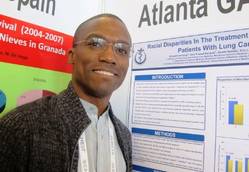
Despite the survival advantage, blacks were significantly more likely than whites were to skip radiotherapy for stage IA NSCLC (46% vs. 37.5%; P = .02), Dr. Eric Flenaugh, chief of pulmonary and critical care medicine and vice chair of the department of medicine at Morehouse School of Medicine, Atlanta, reported at the world congress of the American College of Chest Physicians.
A subgroup analysis of nonsurgical stage IA cases in which surgery was not recommended or was contraindicated showed that 61% of whites went on to radiotherapy, compared with 47% of blacks (P = .007). When surgical resection was recommended but not performed, radiotherapy use was similar between races.
"What this basically says is that if they [blacks] chose not to have surgery, then they weren’t going to have anything," Dr. Flenaugh said in an interview. "We have to look at our approach to discussing with African Americans who have curable-stage cancer, particularly the IAs, that if you’re not a surgical candidate or choose not to have surgery, there are other options like radiotherapy that can improve your survival."
The data did not allow the investigators to determine patients’ chemotherapy status or which factors drove the lower uptake of radiotherapy, but prior research has shown that blacks undergo surgery for lung cancer less often than whites, even after access to care has been demonstrated (J. Clin. Oncol. 2006;24:413-8).
The current analysis, led by internal medicine resident Srinadh Annangi, MBBS, used data from the National Cancer Institute’s SEER (Surveillance, Epidemiology, and End Results) database for 6,628 patients diagnosed with NSCLC between 2004 and 2010, of which 4,210 did not receive surgery. NSCLC was staged as IA, IB, IIA, and IIB according to AJCC (American Joint Committee on Cancer) 6th edition classifications.
A little more than half of the 5,915 whites and 713 African-Americans were male, with a median age of 78 years and 67.5 years, respectively.
The proportion of tumors less than 2 cm in size for stages IA and IIA and less than 5 cm for stages IB and IIB was not significantly different between races, according to the poster presentation.
No significant racial disparities were seen for nonsurgical stage IB, IIA, and IIB cancers.
Among operable NSCLC cases, whites were significantly more likely to have surgery than were blacks (37% vs. 32%; P = .0004), whereas blacks were significantly more likely to have surgery recommended but refused or not performed (9% vs. 6%; P = .012).
Importantly, the proportion of blacks undergoing their recommended surgery was lower for both stage IA (78.3% vs. 86%; P less than .05) and IB cancers (74.6% vs. 81.3%; P less than .05).
The authors note that surgical resection remains the preferred treatment approach for operable stage I and II NSCLC, but conclude that eliminating the racial disparities in radiotherapy for early-stage NSCLC deemed inoperable or where surgery is refused can improve survival in the African American population.
Dr. Flenaugh and his coauthors reported no financial disclosures.
MADRID – Blacks may need additional guidance from clinicians to use radiotherapy for potentially curable lung cancer, a retrospective population-based study suggests.
Among 6,628 patients diagnosed with early-stage nonsquamous non–small cell lung cancer (NSCLC), primary radiation therapy doubled median survival from 11 months to 22.6 months for cases not receiving surgery (Log rank P value less than .0001).
Despite the survival advantage, blacks were significantly more likely than whites were to skip radiotherapy for stage IA NSCLC (46% vs. 37.5%; P = .02), Dr. Eric Flenaugh, chief of pulmonary and critical care medicine and vice chair of the department of medicine at Morehouse School of Medicine, Atlanta, reported at the world congress of the American College of Chest Physicians.
A subgroup analysis of nonsurgical stage IA cases in which surgery was not recommended or was contraindicated showed that 61% of whites went on to radiotherapy, compared with 47% of blacks (P = .007). When surgical resection was recommended but not performed, radiotherapy use was similar between races.
"What this basically says is that if they [blacks] chose not to have surgery, then they weren’t going to have anything," Dr. Flenaugh said in an interview. "We have to look at our approach to discussing with African Americans who have curable-stage cancer, particularly the IAs, that if you’re not a surgical candidate or choose not to have surgery, there are other options like radiotherapy that can improve your survival."
The data did not allow the investigators to determine patients’ chemotherapy status or which factors drove the lower uptake of radiotherapy, but prior research has shown that blacks undergo surgery for lung cancer less often than whites, even after access to care has been demonstrated (J. Clin. Oncol. 2006;24:413-8).
The current analysis, led by internal medicine resident Srinadh Annangi, MBBS, used data from the National Cancer Institute’s SEER (Surveillance, Epidemiology, and End Results) database for 6,628 patients diagnosed with NSCLC between 2004 and 2010, of which 4,210 did not receive surgery. NSCLC was staged as IA, IB, IIA, and IIB according to AJCC (American Joint Committee on Cancer) 6th edition classifications.
A little more than half of the 5,915 whites and 713 African-Americans were male, with a median age of 78 years and 67.5 years, respectively.
The proportion of tumors less than 2 cm in size for stages IA and IIA and less than 5 cm for stages IB and IIB was not significantly different between races, according to the poster presentation.
No significant racial disparities were seen for nonsurgical stage IB, IIA, and IIB cancers.
Among operable NSCLC cases, whites were significantly more likely to have surgery than were blacks (37% vs. 32%; P = .0004), whereas blacks were significantly more likely to have surgery recommended but refused or not performed (9% vs. 6%; P = .012).
Importantly, the proportion of blacks undergoing their recommended surgery was lower for both stage IA (78.3% vs. 86%; P less than .05) and IB cancers (74.6% vs. 81.3%; P less than .05).
The authors note that surgical resection remains the preferred treatment approach for operable stage I and II NSCLC, but conclude that eliminating the racial disparities in radiotherapy for early-stage NSCLC deemed inoperable or where surgery is refused can improve survival in the African American population.
Dr. Flenaugh and his coauthors reported no financial disclosures.
MADRID – Blacks may need additional guidance from clinicians to use radiotherapy for potentially curable lung cancer, a retrospective population-based study suggests.
Among 6,628 patients diagnosed with early-stage nonsquamous non–small cell lung cancer (NSCLC), primary radiation therapy doubled median survival from 11 months to 22.6 months for cases not receiving surgery (Log rank P value less than .0001).
Despite the survival advantage, blacks were significantly more likely than whites were to skip radiotherapy for stage IA NSCLC (46% vs. 37.5%; P = .02), Dr. Eric Flenaugh, chief of pulmonary and critical care medicine and vice chair of the department of medicine at Morehouse School of Medicine, Atlanta, reported at the world congress of the American College of Chest Physicians.
A subgroup analysis of nonsurgical stage IA cases in which surgery was not recommended or was contraindicated showed that 61% of whites went on to radiotherapy, compared with 47% of blacks (P = .007). When surgical resection was recommended but not performed, radiotherapy use was similar between races.
"What this basically says is that if they [blacks] chose not to have surgery, then they weren’t going to have anything," Dr. Flenaugh said in an interview. "We have to look at our approach to discussing with African Americans who have curable-stage cancer, particularly the IAs, that if you’re not a surgical candidate or choose not to have surgery, there are other options like radiotherapy that can improve your survival."
The data did not allow the investigators to determine patients’ chemotherapy status or which factors drove the lower uptake of radiotherapy, but prior research has shown that blacks undergo surgery for lung cancer less often than whites, even after access to care has been demonstrated (J. Clin. Oncol. 2006;24:413-8).
The current analysis, led by internal medicine resident Srinadh Annangi, MBBS, used data from the National Cancer Institute’s SEER (Surveillance, Epidemiology, and End Results) database for 6,628 patients diagnosed with NSCLC between 2004 and 2010, of which 4,210 did not receive surgery. NSCLC was staged as IA, IB, IIA, and IIB according to AJCC (American Joint Committee on Cancer) 6th edition classifications.
A little more than half of the 5,915 whites and 713 African-Americans were male, with a median age of 78 years and 67.5 years, respectively.
The proportion of tumors less than 2 cm in size for stages IA and IIA and less than 5 cm for stages IB and IIB was not significantly different between races, according to the poster presentation.
No significant racial disparities were seen for nonsurgical stage IB, IIA, and IIB cancers.
Among operable NSCLC cases, whites were significantly more likely to have surgery than were blacks (37% vs. 32%; P = .0004), whereas blacks were significantly more likely to have surgery recommended but refused or not performed (9% vs. 6%; P = .012).
Importantly, the proportion of blacks undergoing their recommended surgery was lower for both stage IA (78.3% vs. 86%; P less than .05) and IB cancers (74.6% vs. 81.3%; P less than .05).
The authors note that surgical resection remains the preferred treatment approach for operable stage I and II NSCLC, but conclude that eliminating the racial disparities in radiotherapy for early-stage NSCLC deemed inoperable or where surgery is refused can improve survival in the African American population.
Dr. Flenaugh and his coauthors reported no financial disclosures.
AT CHEST WORLD CONGRESS 2014
Major finding: Blacks were significantly less likely than were whites to receive radiotherapy for stage IA NSCLC (P = .02).
Data source: A population-based cohort study in 6,628 patients with lung cancer.
Disclosures: Dr. Flenaugh and his coauthors reported no financial disclosures.
Dabigatran approved for VTE prevention and treatment
The novel oral anticoagulant dabigatran has been approved for treating and reducing the risk of recurrence of deep venous thrombosis and pulmonary embolism, based on the results of four phase III studies, the manufacturer announced on April 7.
Specifically, the approved indications are for the treatment of deep venous thrombosis (DVT) and pulmonary embolism (PE) in patients who have been treated with a parenteral anticoagulant for 5-10 days, and to reduce the risk of recurrence of DVT and PE in patients who have been previously treated. The dose is administered twice a day.
This is the second approval for dabigatran, a direct thrombin inhibitor marketed as Pradaxa by Boehringer-Ingelheim Pharmaceuticals. It was initially approved in 2010 for reducing the risk of stroke and systemic embolism in patients with nonvalvular atrial fibrillation.

Approval was based on four international phase III studies, according to a statement issued by the company.
The studies are the RE-COVER and RE-COVER II trials and the RE-MEDY and RE-SONATE trials.
Dabigatran is approved with a medication guide, and the prescribing information includes a boxed warning about the increased risk of thrombotic events and spinal/epidural hematoma when it is prematurely discontinued.
The updated prescribing information is available here. Serious adverse events associated with dabigatran should be reported to the Food and Drug Administration’s MedWatch program at 800-332-1088 or www.fda.gov/medwatch.
The novel oral anticoagulant dabigatran has been approved for treating and reducing the risk of recurrence of deep venous thrombosis and pulmonary embolism, based on the results of four phase III studies, the manufacturer announced on April 7.
Specifically, the approved indications are for the treatment of deep venous thrombosis (DVT) and pulmonary embolism (PE) in patients who have been treated with a parenteral anticoagulant for 5-10 days, and to reduce the risk of recurrence of DVT and PE in patients who have been previously treated. The dose is administered twice a day.
This is the second approval for dabigatran, a direct thrombin inhibitor marketed as Pradaxa by Boehringer-Ingelheim Pharmaceuticals. It was initially approved in 2010 for reducing the risk of stroke and systemic embolism in patients with nonvalvular atrial fibrillation.
Approval was based on four international phase III studies, according to a statement issued by the company.
The studies are the RE-COVER and RE-COVER II trials and the RE-MEDY and RE-SONATE trials.
Dabigatran is approved with a medication guide, and the prescribing information includes a boxed warning about the increased risk of thrombotic events and spinal/epidural hematoma when it is prematurely discontinued.
The updated prescribing information is available here. Serious adverse events associated with dabigatran should be reported to the Food and Drug Administration’s MedWatch program at 800-332-1088 or www.fda.gov/medwatch.
The novel oral anticoagulant dabigatran has been approved for treating and reducing the risk of recurrence of deep venous thrombosis and pulmonary embolism, based on the results of four phase III studies, the manufacturer announced on April 7.
Specifically, the approved indications are for the treatment of deep venous thrombosis (DVT) and pulmonary embolism (PE) in patients who have been treated with a parenteral anticoagulant for 5-10 days, and to reduce the risk of recurrence of DVT and PE in patients who have been previously treated. The dose is administered twice a day.
This is the second approval for dabigatran, a direct thrombin inhibitor marketed as Pradaxa by Boehringer-Ingelheim Pharmaceuticals. It was initially approved in 2010 for reducing the risk of stroke and systemic embolism in patients with nonvalvular atrial fibrillation.
Approval was based on four international phase III studies, according to a statement issued by the company.
The studies are the RE-COVER and RE-COVER II trials and the RE-MEDY and RE-SONATE trials.
Dabigatran is approved with a medication guide, and the prescribing information includes a boxed warning about the increased risk of thrombotic events and spinal/epidural hematoma when it is prematurely discontinued.
The updated prescribing information is available here. Serious adverse events associated with dabigatran should be reported to the Food and Drug Administration’s MedWatch program at 800-332-1088 or www.fda.gov/medwatch.

Minority correctly use EpiPen or metered dose inhaler
SAN DIEGO – Only 12% of 91 patients in Texas allergy/immunology clinics knew how to use an epinephrine autoinjector correctly, and only 7% of 41 patients could demonstrate correct use of their metered dose inhaler with a spacer, a small prospective study showed.
That’s not good enough, Dr. Rana S. Bonds said at the annual meeting of the American Academy of Allergy, Asthma, and Immunology. Her team has begun studying interventions to improve correct use of those devices and "will be sharing that data in the near future," she said.

They asked patients to demonstrate the use of an EpiPen or a metered dose inhaler (MDI) and spacer and scored the patients’ adherence to the EpiPen manufacturer’s instructions or published standards for MDI/spacers.
For the EpiPen, 25% of patients missed one of the five steps for correct use, 18% missed two steps, and 19% missed three steps. "It was fairly alarming" to find that 31% got four steps wrong and 8% missed all five steps, said Dr. Bonds of the University of Texas Medical Branch, Galveston. (Percentages total more than 100% because they were rounded.)
The most common mistake with the EpiPen involved the final step. "Once they deployed the epinephrine injection, they didn’t hold it down long enough. They were bouncing it off the thigh or whatever body part they thought they should inject it into," she said.
For the MDI/spacer, 16% of patients performed 1 of 11 steps for use incorrectly, 16% missed 2 steps, 21% missed 3 steps, and 18% missed 4 steps. Another 11% missed 5 steps, 5% missed 6 steps, 11% missed 7 steps, and 3% got all 11 steps wrong, Dr. Bonds and her associates reported. The most common mistake was failing to exhale before triggering the inhaler for inhalation.
The study recruited patients from the university’s main allergy/immunology clinic and its satellite clinics. Trainers are available at each clinic, and patients are supposed to see them before leaving with one of the devices, but the findings raise the question of whether health care providers at the clinics consistently make sure that happens, she said.
Younger patients, males, and patients with a medical background were more likely to show that they could use the EpiPen correctly. Being African American or less educated was associated with a greater likelihood of incorrect use. Correct usage rates differed significantly between some of the clinic sites. Factors that didn’t correlate with correct or incorrect use of the EpiPen included whether a family member also used the device, being prescribed the EpiPen more or less than 1 year ago, and whether patients had ever used the EpiPen (most hadn’t).
The number of patients in the MDI/spacer group was too small to permit risk factors to be analyzed, Dr. Bonds said.
Previously published studies have reported that 22% of food-allergic adolescents could demonstrate correct use of epinephrine and that rates of incorrect inhaler use ranged from 50% to 94%, she said. Other studies have shown that incorrect use reduces the treatment’s clinical efficacy, and that repeated instruction increases the likelihood of correct use.
Dr. Bonds reported having no relevant financial disclosures.
On Twitter @sherryboschert
SAN DIEGO – Only 12% of 91 patients in Texas allergy/immunology clinics knew how to use an epinephrine autoinjector correctly, and only 7% of 41 patients could demonstrate correct use of their metered dose inhaler with a spacer, a small prospective study showed.
That’s not good enough, Dr. Rana S. Bonds said at the annual meeting of the American Academy of Allergy, Asthma, and Immunology. Her team has begun studying interventions to improve correct use of those devices and "will be sharing that data in the near future," she said.
They asked patients to demonstrate the use of an EpiPen or a metered dose inhaler (MDI) and spacer and scored the patients’ adherence to the EpiPen manufacturer’s instructions or published standards for MDI/spacers.
For the EpiPen, 25% of patients missed one of the five steps for correct use, 18% missed two steps, and 19% missed three steps. "It was fairly alarming" to find that 31% got four steps wrong and 8% missed all five steps, said Dr. Bonds of the University of Texas Medical Branch, Galveston. (Percentages total more than 100% because they were rounded.)
The most common mistake with the EpiPen involved the final step. "Once they deployed the epinephrine injection, they didn’t hold it down long enough. They were bouncing it off the thigh or whatever body part they thought they should inject it into," she said.
For the MDI/spacer, 16% of patients performed 1 of 11 steps for use incorrectly, 16% missed 2 steps, 21% missed 3 steps, and 18% missed 4 steps. Another 11% missed 5 steps, 5% missed 6 steps, 11% missed 7 steps, and 3% got all 11 steps wrong, Dr. Bonds and her associates reported. The most common mistake was failing to exhale before triggering the inhaler for inhalation.
The study recruited patients from the university’s main allergy/immunology clinic and its satellite clinics. Trainers are available at each clinic, and patients are supposed to see them before leaving with one of the devices, but the findings raise the question of whether health care providers at the clinics consistently make sure that happens, she said.
Younger patients, males, and patients with a medical background were more likely to show that they could use the EpiPen correctly. Being African American or less educated was associated with a greater likelihood of incorrect use. Correct usage rates differed significantly between some of the clinic sites. Factors that didn’t correlate with correct or incorrect use of the EpiPen included whether a family member also used the device, being prescribed the EpiPen more or less than 1 year ago, and whether patients had ever used the EpiPen (most hadn’t).
The number of patients in the MDI/spacer group was too small to permit risk factors to be analyzed, Dr. Bonds said.
Previously published studies have reported that 22% of food-allergic adolescents could demonstrate correct use of epinephrine and that rates of incorrect inhaler use ranged from 50% to 94%, she said. Other studies have shown that incorrect use reduces the treatment’s clinical efficacy, and that repeated instruction increases the likelihood of correct use.
Dr. Bonds reported having no relevant financial disclosures.
On Twitter @sherryboschert
SAN DIEGO – Only 12% of 91 patients in Texas allergy/immunology clinics knew how to use an epinephrine autoinjector correctly, and only 7% of 41 patients could demonstrate correct use of their metered dose inhaler with a spacer, a small prospective study showed.
That’s not good enough, Dr. Rana S. Bonds said at the annual meeting of the American Academy of Allergy, Asthma, and Immunology. Her team has begun studying interventions to improve correct use of those devices and "will be sharing that data in the near future," she said.
They asked patients to demonstrate the use of an EpiPen or a metered dose inhaler (MDI) and spacer and scored the patients’ adherence to the EpiPen manufacturer’s instructions or published standards for MDI/spacers.
For the EpiPen, 25% of patients missed one of the five steps for correct use, 18% missed two steps, and 19% missed three steps. "It was fairly alarming" to find that 31% got four steps wrong and 8% missed all five steps, said Dr. Bonds of the University of Texas Medical Branch, Galveston. (Percentages total more than 100% because they were rounded.)
The most common mistake with the EpiPen involved the final step. "Once they deployed the epinephrine injection, they didn’t hold it down long enough. They were bouncing it off the thigh or whatever body part they thought they should inject it into," she said.
For the MDI/spacer, 16% of patients performed 1 of 11 steps for use incorrectly, 16% missed 2 steps, 21% missed 3 steps, and 18% missed 4 steps. Another 11% missed 5 steps, 5% missed 6 steps, 11% missed 7 steps, and 3% got all 11 steps wrong, Dr. Bonds and her associates reported. The most common mistake was failing to exhale before triggering the inhaler for inhalation.
The study recruited patients from the university’s main allergy/immunology clinic and its satellite clinics. Trainers are available at each clinic, and patients are supposed to see them before leaving with one of the devices, but the findings raise the question of whether health care providers at the clinics consistently make sure that happens, she said.
Younger patients, males, and patients with a medical background were more likely to show that they could use the EpiPen correctly. Being African American or less educated was associated with a greater likelihood of incorrect use. Correct usage rates differed significantly between some of the clinic sites. Factors that didn’t correlate with correct or incorrect use of the EpiPen included whether a family member also used the device, being prescribed the EpiPen more or less than 1 year ago, and whether patients had ever used the EpiPen (most hadn’t).
The number of patients in the MDI/spacer group was too small to permit risk factors to be analyzed, Dr. Bonds said.
Previously published studies have reported that 22% of food-allergic adolescents could demonstrate correct use of epinephrine and that rates of incorrect inhaler use ranged from 50% to 94%, she said. Other studies have shown that incorrect use reduces the treatment’s clinical efficacy, and that repeated instruction increases the likelihood of correct use.
Dr. Bonds reported having no relevant financial disclosures.
On Twitter @sherryboschert
AT 2014 AAAAI ANNUAL MEETING
Major finding: Twelve percent of patients showed they could use an EpiPen correctly, and 7% knew how to use a metered dose inhaler and spacer.
Data source: A prospective study of 91 patients using EpiPens and 41 using MDI/spacers in Texas allergy/immunology clinics.
Disclosures: Dr. Bonds reported having no relevant financial disclosures.

Depression at least five times more common than PTSD after critical illness
Patients discharged from intensive care units were far more likely to report physical symptoms of depression than posttraumatic distress disorder symptoms, based on research published online April 6 in Lancet Respiratory Medicine.
"Depression and posttraumatic distress disorder are important mental health problems after critical illness, but our findings show that depression is at least five times more common than posttraumatic distress disorder and is largely somatic in nature," said James C. Jackson, Psy.D., at Vanderbilt University in Nashville, Tenn., and his associates. "This finding suggests that physical disability contributes predominantly to this depression, which has implications for the roles of physical rehabilitation vs. antidepressant medications in the prevention and management of depression after ICU admission." Lancet
Respir. Med. 2014 March 6 [doi: 10.1016/S2213-2600(14)70051-7]
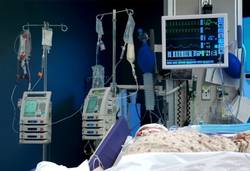
The prospective, multicenter longitudinal cohort study enrolled 821 patients (median age, 61 years) treated in medical and surgical ICUs for respiratory failure, cardiogenic shock, or septic shock.
Data were available for 406 patients 3 months after discharge, of which 37% reported at least mild depression symptoms, while only 7% reported posttraumatic stress disorder (PTSD) symptoms. At 12 months after discharge, 33% of patients reported depression, compared with 7% for PTSD. Depression was primarily somatic in nature and was common even among patients with no past history of the disorder (prevalence, 30% and 29% at 3 and 12 months, respectively). Disabilities in activities of daily living affected from 23%-32% of patients.
"Our data further show that monitoring these outcomes is relevant for survivors of all ages, and that non–pharmacological interventions during the ICU stay (previously assumed to improve physical outcomes in ICU survivors) should be tested in terms of their ability to change mental health and functional outcomes," the investigators concluded.
Dr. Jackson receives grant support from the National Institutes of Health. Ten of his associates reported receiving funding, honoraria, and other support from Hospira; Abbott; Orion Pharma; the Veterans Affairs Clinical Science Research and Development Service; the Tennessee Valley Geriatric Research, Education, and Clinical Center; the National Institutes of Health; and the Vanderbilt Clinical and Translational Research Scholars Program.
Just 15 years ago, the long-term sequelae of severe sepsis and acute respiratory distress syndrome were unknown, said Dr. Hallie C. Prescott and Dr. Theodore J. Iwashyna. But as survival rates in intensive care units improved, "it became clear that something was not right. Survivors were not the same after critical illness. Rather, they had new weaknesses, cognitive impairment, depression, and early death."
But the causes and treatment of post–intensive care syndrome have eluded researchers, said Dr. Prescott and Dr. Iwashyna. The current study’s findings help fill that gap. "By differentiation of depression into cognitive and physical components, Jackson and colleagues have provided an important step towards tailoring of future interventions to specific symptoms subsets, and not the generic diagnosis of depression."
Somatic symptoms among survivors might be from functional limitations and medical comorbidities instead of a neurochemical imbalance, they added. "As such, traditional pharmacologic therapies for depression might be less likely to provide significant benefit alone (or at all). Instead, doctors might need to address the many diagnoses that contribute to poor sleep, impaired concentration, weakness, and fatigue. Although largely absent from the history of post–intensive care syndrome to date, consideration is needed of how common chronic medical conditions such as diabetes, heart failure, and chronic pulmonary disease contribute to the morbidity of survivors of critical illness."
Dr. Prescott is a clinical fellow and Dr. Iwashyna is an assistant professor of internal medicine with the University of Michigan, Ann Arbor. They reported receiving grant support from the National Institutes of Health and the Department of Veterans Affairs. These remarks were taken from their editorial accompanying Dr. Jackson’s report (Lancet 2014 [doi:10.1016/S2213-2600(14)70071-2]).
Just 15 years ago, the long-term sequelae of severe sepsis and acute respiratory distress syndrome were unknown, said Dr. Hallie C. Prescott and Dr. Theodore J. Iwashyna. But as survival rates in intensive care units improved, "it became clear that something was not right. Survivors were not the same after critical illness. Rather, they had new weaknesses, cognitive impairment, depression, and early death."
But the causes and treatment of post–intensive care syndrome have eluded researchers, said Dr. Prescott and Dr. Iwashyna. The current study’s findings help fill that gap. "By differentiation of depression into cognitive and physical components, Jackson and colleagues have provided an important step towards tailoring of future interventions to specific symptoms subsets, and not the generic diagnosis of depression."
Somatic symptoms among survivors might be from functional limitations and medical comorbidities instead of a neurochemical imbalance, they added. "As such, traditional pharmacologic therapies for depression might be less likely to provide significant benefit alone (or at all). Instead, doctors might need to address the many diagnoses that contribute to poor sleep, impaired concentration, weakness, and fatigue. Although largely absent from the history of post–intensive care syndrome to date, consideration is needed of how common chronic medical conditions such as diabetes, heart failure, and chronic pulmonary disease contribute to the morbidity of survivors of critical illness."
Dr. Prescott is a clinical fellow and Dr. Iwashyna is an assistant professor of internal medicine with the University of Michigan, Ann Arbor. They reported receiving grant support from the National Institutes of Health and the Department of Veterans Affairs. These remarks were taken from their editorial accompanying Dr. Jackson’s report (Lancet 2014 [doi:10.1016/S2213-2600(14)70071-2]).
Just 15 years ago, the long-term sequelae of severe sepsis and acute respiratory distress syndrome were unknown, said Dr. Hallie C. Prescott and Dr. Theodore J. Iwashyna. But as survival rates in intensive care units improved, "it became clear that something was not right. Survivors were not the same after critical illness. Rather, they had new weaknesses, cognitive impairment, depression, and early death."
But the causes and treatment of post–intensive care syndrome have eluded researchers, said Dr. Prescott and Dr. Iwashyna. The current study’s findings help fill that gap. "By differentiation of depression into cognitive and physical components, Jackson and colleagues have provided an important step towards tailoring of future interventions to specific symptoms subsets, and not the generic diagnosis of depression."
Somatic symptoms among survivors might be from functional limitations and medical comorbidities instead of a neurochemical imbalance, they added. "As such, traditional pharmacologic therapies for depression might be less likely to provide significant benefit alone (or at all). Instead, doctors might need to address the many diagnoses that contribute to poor sleep, impaired concentration, weakness, and fatigue. Although largely absent from the history of post–intensive care syndrome to date, consideration is needed of how common chronic medical conditions such as diabetes, heart failure, and chronic pulmonary disease contribute to the morbidity of survivors of critical illness."
Dr. Prescott is a clinical fellow and Dr. Iwashyna is an assistant professor of internal medicine with the University of Michigan, Ann Arbor. They reported receiving grant support from the National Institutes of Health and the Department of Veterans Affairs. These remarks were taken from their editorial accompanying Dr. Jackson’s report (Lancet 2014 [doi:10.1016/S2213-2600(14)70071-2]).
Patients discharged from intensive care units were far more likely to report physical symptoms of depression than posttraumatic distress disorder symptoms, based on research published online April 6 in Lancet Respiratory Medicine.
"Depression and posttraumatic distress disorder are important mental health problems after critical illness, but our findings show that depression is at least five times more common than posttraumatic distress disorder and is largely somatic in nature," said James C. Jackson, Psy.D., at Vanderbilt University in Nashville, Tenn., and his associates. "This finding suggests that physical disability contributes predominantly to this depression, which has implications for the roles of physical rehabilitation vs. antidepressant medications in the prevention and management of depression after ICU admission." Lancet
Respir. Med. 2014 March 6 [doi: 10.1016/S2213-2600(14)70051-7]
The prospective, multicenter longitudinal cohort study enrolled 821 patients (median age, 61 years) treated in medical and surgical ICUs for respiratory failure, cardiogenic shock, or septic shock.
Data were available for 406 patients 3 months after discharge, of which 37% reported at least mild depression symptoms, while only 7% reported posttraumatic stress disorder (PTSD) symptoms. At 12 months after discharge, 33% of patients reported depression, compared with 7% for PTSD. Depression was primarily somatic in nature and was common even among patients with no past history of the disorder (prevalence, 30% and 29% at 3 and 12 months, respectively). Disabilities in activities of daily living affected from 23%-32% of patients.
"Our data further show that monitoring these outcomes is relevant for survivors of all ages, and that non–pharmacological interventions during the ICU stay (previously assumed to improve physical outcomes in ICU survivors) should be tested in terms of their ability to change mental health and functional outcomes," the investigators concluded.
Dr. Jackson receives grant support from the National Institutes of Health. Ten of his associates reported receiving funding, honoraria, and other support from Hospira; Abbott; Orion Pharma; the Veterans Affairs Clinical Science Research and Development Service; the Tennessee Valley Geriatric Research, Education, and Clinical Center; the National Institutes of Health; and the Vanderbilt Clinical and Translational Research Scholars Program.
Patients discharged from intensive care units were far more likely to report physical symptoms of depression than posttraumatic distress disorder symptoms, based on research published online April 6 in Lancet Respiratory Medicine.
"Depression and posttraumatic distress disorder are important mental health problems after critical illness, but our findings show that depression is at least five times more common than posttraumatic distress disorder and is largely somatic in nature," said James C. Jackson, Psy.D., at Vanderbilt University in Nashville, Tenn., and his associates. "This finding suggests that physical disability contributes predominantly to this depression, which has implications for the roles of physical rehabilitation vs. antidepressant medications in the prevention and management of depression after ICU admission." Lancet
Respir. Med. 2014 March 6 [doi: 10.1016/S2213-2600(14)70051-7]
The prospective, multicenter longitudinal cohort study enrolled 821 patients (median age, 61 years) treated in medical and surgical ICUs for respiratory failure, cardiogenic shock, or septic shock.
Data were available for 406 patients 3 months after discharge, of which 37% reported at least mild depression symptoms, while only 7% reported posttraumatic stress disorder (PTSD) symptoms. At 12 months after discharge, 33% of patients reported depression, compared with 7% for PTSD. Depression was primarily somatic in nature and was common even among patients with no past history of the disorder (prevalence, 30% and 29% at 3 and 12 months, respectively). Disabilities in activities of daily living affected from 23%-32% of patients.
"Our data further show that monitoring these outcomes is relevant for survivors of all ages, and that non–pharmacological interventions during the ICU stay (previously assumed to improve physical outcomes in ICU survivors) should be tested in terms of their ability to change mental health and functional outcomes," the investigators concluded.
Dr. Jackson receives grant support from the National Institutes of Health. Ten of his associates reported receiving funding, honoraria, and other support from Hospira; Abbott; Orion Pharma; the Veterans Affairs Clinical Science Research and Development Service; the Tennessee Valley Geriatric Research, Education, and Clinical Center; the National Institutes of Health; and the Vanderbilt Clinical and Translational Research Scholars Program.
FROM THE LANCET
Major finding: At 3 months and 12 months after discharge, 37% and 33% of patients reported at least mild depression while only 7% reported symptoms of posttraumatic stress disorder.
Data source: Prospective, multicenter longitudinal cohort study of 821 patients with respiratory failure or shock treated in ICUs, with 448 assessed at 3 months and 382 assessed at 12 months.
Disclosures: Dr. Jackson receives grant support from the National Institutes of Health. Ten of his associates reported receiving funding, honoraria, and other support from Hospira; Abbott; Orion Pharma; the Veterans Affairs Clinical Science Research and Development Service; the Tennessee Valley Geriatric Research, Education, and Clinical Center; the National Institutes of Health; and the Vanderbilt Clinical and Translational Research Scholars Program.
VIDEO: Rethink the VTE prophylaxis mantra
LAS VEGAS – Venous thromboembolism prophylaxis – a sine qua non of the Joint Commission and others – doesn’t seem to prevent deep vein thrombosis or pulmonary embolism in hospitalized medical patients, but it does make them more likely to bleed, according to investigators from the Michigan Hospital Medicine Safety Consortium.
The findings are prompting one of those investigators to reassess his own approach. In an interview at the Society of Hospital Medicine’s 2014 meeting, Dr. Scott Kaatz, chief quality officer at Hurley Medical Center in Flint, Mich., told us how he’s thinking a bit differently these days when it comes to VTE prophylaxis in medical inpatients.
LAS VEGAS – Venous thromboembolism prophylaxis – a sine qua non of the Joint Commission and others – doesn’t seem to prevent deep vein thrombosis or pulmonary embolism in hospitalized medical patients, but it does make them more likely to bleed, according to investigators from the Michigan Hospital Medicine Safety Consortium.
The findings are prompting one of those investigators to reassess his own approach. In an interview at the Society of Hospital Medicine’s 2014 meeting, Dr. Scott Kaatz, chief quality officer at Hurley Medical Center in Flint, Mich., told us how he’s thinking a bit differently these days when it comes to VTE prophylaxis in medical inpatients.
LAS VEGAS – Venous thromboembolism prophylaxis – a sine qua non of the Joint Commission and others – doesn’t seem to prevent deep vein thrombosis or pulmonary embolism in hospitalized medical patients, but it does make them more likely to bleed, according to investigators from the Michigan Hospital Medicine Safety Consortium.
The findings are prompting one of those investigators to reassess his own approach. In an interview at the Society of Hospital Medicine’s 2014 meeting, Dr. Scott Kaatz, chief quality officer at Hurley Medical Center in Flint, Mich., told us how he’s thinking a bit differently these days when it comes to VTE prophylaxis in medical inpatients.
AT HOSPITAL MEDICINE 2014

E-cigarettes trigger sharp rise in poison control center calls
Calls to U.S. poison control centers because of e-cigarette exposure increased from 1 per month in September 2010 to 215 per month in February 2014, according to a new study published in the April 3 edition of the Morbidity and Mortality Weekly Report.
"Calls about exposures to e-cigarettes, which were first marketed in the United States in 2007, now account for 41.7% of combined monthly e-cigarette and cigarette exposure calls to [poison control centers]," wrote the investigators, led by Dr. Kevin Chatham-Stephens of the CDC (MMWR Morb. Mortal. Wkly Rep. 2014;63:291-2).

Researchers from the Centers for Disease Control and Prevention analyzed data from 2,405 e-cigarette calls to poison control centers in all 50 states, the District of Columbia, and U.S. territories from September 2010 to February 2014. Although calls regarding overexposure are much more common with conventional tobacco products (16,248 calls over the same period of time), the investigators noted that 42% of the e-cigarette exposure calls involved people aged 20 years and older, whereas 94.9% of tobacco exposure calls involve children younger than 5 years.
In addition, health care facilities were responsible for significantly more of the e-cigarette exposure calls than for cigarette exposure calls, 12.8% vs. 5.9%. And callers were significantly more likely to report adverse health effects with e-cigarette exposures (57.8% of calls) than with cigarette exposures (36% of calls).
Poisoning cases can occur either from an exposure to the device itself or to the nicotine liquid contained in a small cartridge that the user inserts into the e-cigarette. Exposure to the liquid can occur through inhalation, ingestion, or absorption, and the most common adverse health effects in e-cigarette exposure calls were vomiting, nausea, and eye irritation.
“New data released today from the federal government confirms pediatricians’ concerns about e-cigarettes and their liquid nicotine refills: they are poisoning children at an alarming rate," Dr. James M. Perrin, president of the American Academy of Pediatrics, said in a statement.
“As pediatricians, we do everything in our power to keep our young patients safe from poisonous products, like household cleaners and prescription medications. Why should we act differently when it comes to liquid nicotine? The e-cigarette industry specifically targets children and teens with appealing flavors like cotton candy and gummy bear, and neither these products nor their liquid nicotine refills are currently regulated by the federal government," he said.
"Pediatricians call on the U.S. Department of Health and Human Services to convene Centers for Disease Control and Prevention, Food and Drug Administration, and other federal agencies and develop a national plan of action to keep children safe from e-cigarette poisoning. With more and more children being exposed to these dangerous products each month, we cannot afford to wait another day,” concluded Dr. Perrin, professor of pediatrics at Harvard Medical School, Boston.
Currently, e-cigarettes and their components that are marketed for therapeutic purposes such as smoking cessation are not regulated by the FDA Center for Tobacco Products, but are instead regulated by FDA Center for Drug Evaluation and Research.
*This article was updated 4/3/2014.
Calls to U.S. poison control centers because of e-cigarette exposure increased from 1 per month in September 2010 to 215 per month in February 2014, according to a new study published in the April 3 edition of the Morbidity and Mortality Weekly Report.
"Calls about exposures to e-cigarettes, which were first marketed in the United States in 2007, now account for 41.7% of combined monthly e-cigarette and cigarette exposure calls to [poison control centers]," wrote the investigators, led by Dr. Kevin Chatham-Stephens of the CDC (MMWR Morb. Mortal. Wkly Rep. 2014;63:291-2).
Researchers from the Centers for Disease Control and Prevention analyzed data from 2,405 e-cigarette calls to poison control centers in all 50 states, the District of Columbia, and U.S. territories from September 2010 to February 2014. Although calls regarding overexposure are much more common with conventional tobacco products (16,248 calls over the same period of time), the investigators noted that 42% of the e-cigarette exposure calls involved people aged 20 years and older, whereas 94.9% of tobacco exposure calls involve children younger than 5 years.
In addition, health care facilities were responsible for significantly more of the e-cigarette exposure calls than for cigarette exposure calls, 12.8% vs. 5.9%. And callers were significantly more likely to report adverse health effects with e-cigarette exposures (57.8% of calls) than with cigarette exposures (36% of calls).
Poisoning cases can occur either from an exposure to the device itself or to the nicotine liquid contained in a small cartridge that the user inserts into the e-cigarette. Exposure to the liquid can occur through inhalation, ingestion, or absorption, and the most common adverse health effects in e-cigarette exposure calls were vomiting, nausea, and eye irritation.
“New data released today from the federal government confirms pediatricians’ concerns about e-cigarettes and their liquid nicotine refills: they are poisoning children at an alarming rate," Dr. James M. Perrin, president of the American Academy of Pediatrics, said in a statement.
“As pediatricians, we do everything in our power to keep our young patients safe from poisonous products, like household cleaners and prescription medications. Why should we act differently when it comes to liquid nicotine? The e-cigarette industry specifically targets children and teens with appealing flavors like cotton candy and gummy bear, and neither these products nor their liquid nicotine refills are currently regulated by the federal government," he said.
"Pediatricians call on the U.S. Department of Health and Human Services to convene Centers for Disease Control and Prevention, Food and Drug Administration, and other federal agencies and develop a national plan of action to keep children safe from e-cigarette poisoning. With more and more children being exposed to these dangerous products each month, we cannot afford to wait another day,” concluded Dr. Perrin, professor of pediatrics at Harvard Medical School, Boston.
Currently, e-cigarettes and their components that are marketed for therapeutic purposes such as smoking cessation are not regulated by the FDA Center for Tobacco Products, but are instead regulated by FDA Center for Drug Evaluation and Research.
*This article was updated 4/3/2014.
Calls to U.S. poison control centers because of e-cigarette exposure increased from 1 per month in September 2010 to 215 per month in February 2014, according to a new study published in the April 3 edition of the Morbidity and Mortality Weekly Report.
"Calls about exposures to e-cigarettes, which were first marketed in the United States in 2007, now account for 41.7% of combined monthly e-cigarette and cigarette exposure calls to [poison control centers]," wrote the investigators, led by Dr. Kevin Chatham-Stephens of the CDC (MMWR Morb. Mortal. Wkly Rep. 2014;63:291-2).
Researchers from the Centers for Disease Control and Prevention analyzed data from 2,405 e-cigarette calls to poison control centers in all 50 states, the District of Columbia, and U.S. territories from September 2010 to February 2014. Although calls regarding overexposure are much more common with conventional tobacco products (16,248 calls over the same period of time), the investigators noted that 42% of the e-cigarette exposure calls involved people aged 20 years and older, whereas 94.9% of tobacco exposure calls involve children younger than 5 years.
In addition, health care facilities were responsible for significantly more of the e-cigarette exposure calls than for cigarette exposure calls, 12.8% vs. 5.9%. And callers were significantly more likely to report adverse health effects with e-cigarette exposures (57.8% of calls) than with cigarette exposures (36% of calls).
Poisoning cases can occur either from an exposure to the device itself or to the nicotine liquid contained in a small cartridge that the user inserts into the e-cigarette. Exposure to the liquid can occur through inhalation, ingestion, or absorption, and the most common adverse health effects in e-cigarette exposure calls were vomiting, nausea, and eye irritation.
“New data released today from the federal government confirms pediatricians’ concerns about e-cigarettes and their liquid nicotine refills: they are poisoning children at an alarming rate," Dr. James M. Perrin, president of the American Academy of Pediatrics, said in a statement.
“As pediatricians, we do everything in our power to keep our young patients safe from poisonous products, like household cleaners and prescription medications. Why should we act differently when it comes to liquid nicotine? The e-cigarette industry specifically targets children and teens with appealing flavors like cotton candy and gummy bear, and neither these products nor their liquid nicotine refills are currently regulated by the federal government," he said.
"Pediatricians call on the U.S. Department of Health and Human Services to convene Centers for Disease Control and Prevention, Food and Drug Administration, and other federal agencies and develop a national plan of action to keep children safe from e-cigarette poisoning. With more and more children being exposed to these dangerous products each month, we cannot afford to wait another day,” concluded Dr. Perrin, professor of pediatrics at Harvard Medical School, Boston.
Currently, e-cigarettes and their components that are marketed for therapeutic purposes such as smoking cessation are not regulated by the FDA Center for Tobacco Products, but are instead regulated by FDA Center for Drug Evaluation and Research.
*This article was updated 4/3/2014.
FROM MMWR
Lung transplants in HIV-positive gaining momentum
MADRID – Evidence is mounting that lung transplantation is feasible in highly select patients positive for human immunodeficiency virus.
A retrospective analysis of three patients revealed no long-term resurgence of HIV viremia or profound complications of overt immune suppression. CD4 counts decreased initially in one patient, but recovered after about 1 year with antiretroviral therapy (ART). All patients were adequately controlled on combination ART, had no HIV viremia for 2 years prior to surgery, and had no resistance to standard antiretrovirals.

"Not all HIV-positive patients would be candidates," Dr. Harish Seethamraju said during a late-breaking abstract session at the world congress of the American College of Chest Physicians. "You want to ensure compliance; and an ability to manage complex medication regimens would be the challenge for any person. So, people who have an in-depth knowledge about their disease and are able to manage their HIV well for a prolonged period of time would be ideal candidates."
As with other solid-organ transplants, acute rejection remains a concern and was reported in patient 1, who underwent bilateral transplant for HIV-associated pulmonary arterial hypertension. The patient experienced three episodes of rejection, including bronchiolitis obliterans syndrome and rejection with respiratory syncytial virus pneumonia requiring admission at 15 months, which tipped her course dramatically and resulted in loss of most of her lung function by post-transplant 43 months, he said.
Mild acute rejection occurred in patients 2 and 3, who were transplanted for idiopathic pulmonary fibrosis, but they remain free of acute rejection and are actively employed 15 months and 41 months after transplant.
Surgeons at Houston Methodist Hospital and the University of California, San Francisco, where the transplants were performed, also learned that ART has to be initiated very early on post-transplant, said Dr. Seethamraju, now medical director of the lung transplant program, University of Kentucky, Lexington.
"In patient 2, we found a resurgence of HIV viremia within 10 days, but we just stopped the medication for the first 4 days and that’s all it took for the virus to come back," he said.
The study findings should provide guidance for clinicians considering transplantation in the wake of the recently approved HIV Organ Policy Equity (HOPE) Act, which made it legal in the United States now to transplant HIV-positive organs in HIV-positive patients. HIV patients are often referred for lung transplant because of an increased incidence of pulmonary hypertension and infections, but their HIV status has traditionally been taken as a contraindication due to the potential risks of added immunosuppression, said Dr. Seethamraju. Only one case report has been published of an HIV and hepatitis B virus coinfected patient with cystic fibrosis who underwent successful double lung transplant, he said.
During a discussion of the study, CHEST Congress cochair Dr. Joan Soriano, of Hospital Universitari Son Espases, Palma de Mallorca, Spain, asked whether any of the centers would consider lung transplantation in HIV-positive patients with chronic obstructive pulmonary disease (COPD).
Dr. Seethamraju replied that COPD is the second-most-common indication for transplant after idiopathic pulmonary fibrosis and interstitial lung disease, but that the United Network for Organ Sharing 2005 lung allocation scores are very low for COPD patients, and thus organs would be hard to obtain for this specific group of HIV patients. "But it would be a great candidate for us," he added. "We would definitely do a transplant in that group of patients, irrespective of their HIV status."
Dr. Seethamraju and his coauthors reported no relevant disclosures.
MADRID – Evidence is mounting that lung transplantation is feasible in highly select patients positive for human immunodeficiency virus.
A retrospective analysis of three patients revealed no long-term resurgence of HIV viremia or profound complications of overt immune suppression. CD4 counts decreased initially in one patient, but recovered after about 1 year with antiretroviral therapy (ART). All patients were adequately controlled on combination ART, had no HIV viremia for 2 years prior to surgery, and had no resistance to standard antiretrovirals.
"Not all HIV-positive patients would be candidates," Dr. Harish Seethamraju said during a late-breaking abstract session at the world congress of the American College of Chest Physicians. "You want to ensure compliance; and an ability to manage complex medication regimens would be the challenge for any person. So, people who have an in-depth knowledge about their disease and are able to manage their HIV well for a prolonged period of time would be ideal candidates."
As with other solid-organ transplants, acute rejection remains a concern and was reported in patient 1, who underwent bilateral transplant for HIV-associated pulmonary arterial hypertension. The patient experienced three episodes of rejection, including bronchiolitis obliterans syndrome and rejection with respiratory syncytial virus pneumonia requiring admission at 15 months, which tipped her course dramatically and resulted in loss of most of her lung function by post-transplant 43 months, he said.
Mild acute rejection occurred in patients 2 and 3, who were transplanted for idiopathic pulmonary fibrosis, but they remain free of acute rejection and are actively employed 15 months and 41 months after transplant.
Surgeons at Houston Methodist Hospital and the University of California, San Francisco, where the transplants were performed, also learned that ART has to be initiated very early on post-transplant, said Dr. Seethamraju, now medical director of the lung transplant program, University of Kentucky, Lexington.
"In patient 2, we found a resurgence of HIV viremia within 10 days, but we just stopped the medication for the first 4 days and that’s all it took for the virus to come back," he said.
The study findings should provide guidance for clinicians considering transplantation in the wake of the recently approved HIV Organ Policy Equity (HOPE) Act, which made it legal in the United States now to transplant HIV-positive organs in HIV-positive patients. HIV patients are often referred for lung transplant because of an increased incidence of pulmonary hypertension and infections, but their HIV status has traditionally been taken as a contraindication due to the potential risks of added immunosuppression, said Dr. Seethamraju. Only one case report has been published of an HIV and hepatitis B virus coinfected patient with cystic fibrosis who underwent successful double lung transplant, he said.
During a discussion of the study, CHEST Congress cochair Dr. Joan Soriano, of Hospital Universitari Son Espases, Palma de Mallorca, Spain, asked whether any of the centers would consider lung transplantation in HIV-positive patients with chronic obstructive pulmonary disease (COPD).
Dr. Seethamraju replied that COPD is the second-most-common indication for transplant after idiopathic pulmonary fibrosis and interstitial lung disease, but that the United Network for Organ Sharing 2005 lung allocation scores are very low for COPD patients, and thus organs would be hard to obtain for this specific group of HIV patients. "But it would be a great candidate for us," he added. "We would definitely do a transplant in that group of patients, irrespective of their HIV status."
Dr. Seethamraju and his coauthors reported no relevant disclosures.
MADRID – Evidence is mounting that lung transplantation is feasible in highly select patients positive for human immunodeficiency virus.
A retrospective analysis of three patients revealed no long-term resurgence of HIV viremia or profound complications of overt immune suppression. CD4 counts decreased initially in one patient, but recovered after about 1 year with antiretroviral therapy (ART). All patients were adequately controlled on combination ART, had no HIV viremia for 2 years prior to surgery, and had no resistance to standard antiretrovirals.
"Not all HIV-positive patients would be candidates," Dr. Harish Seethamraju said during a late-breaking abstract session at the world congress of the American College of Chest Physicians. "You want to ensure compliance; and an ability to manage complex medication regimens would be the challenge for any person. So, people who have an in-depth knowledge about their disease and are able to manage their HIV well for a prolonged period of time would be ideal candidates."
As with other solid-organ transplants, acute rejection remains a concern and was reported in patient 1, who underwent bilateral transplant for HIV-associated pulmonary arterial hypertension. The patient experienced three episodes of rejection, including bronchiolitis obliterans syndrome and rejection with respiratory syncytial virus pneumonia requiring admission at 15 months, which tipped her course dramatically and resulted in loss of most of her lung function by post-transplant 43 months, he said.
Mild acute rejection occurred in patients 2 and 3, who were transplanted for idiopathic pulmonary fibrosis, but they remain free of acute rejection and are actively employed 15 months and 41 months after transplant.
Surgeons at Houston Methodist Hospital and the University of California, San Francisco, where the transplants were performed, also learned that ART has to be initiated very early on post-transplant, said Dr. Seethamraju, now medical director of the lung transplant program, University of Kentucky, Lexington.
"In patient 2, we found a resurgence of HIV viremia within 10 days, but we just stopped the medication for the first 4 days and that’s all it took for the virus to come back," he said.
The study findings should provide guidance for clinicians considering transplantation in the wake of the recently approved HIV Organ Policy Equity (HOPE) Act, which made it legal in the United States now to transplant HIV-positive organs in HIV-positive patients. HIV patients are often referred for lung transplant because of an increased incidence of pulmonary hypertension and infections, but their HIV status has traditionally been taken as a contraindication due to the potential risks of added immunosuppression, said Dr. Seethamraju. Only one case report has been published of an HIV and hepatitis B virus coinfected patient with cystic fibrosis who underwent successful double lung transplant, he said.
During a discussion of the study, CHEST Congress cochair Dr. Joan Soriano, of Hospital Universitari Son Espases, Palma de Mallorca, Spain, asked whether any of the centers would consider lung transplantation in HIV-positive patients with chronic obstructive pulmonary disease (COPD).
Dr. Seethamraju replied that COPD is the second-most-common indication for transplant after idiopathic pulmonary fibrosis and interstitial lung disease, but that the United Network for Organ Sharing 2005 lung allocation scores are very low for COPD patients, and thus organs would be hard to obtain for this specific group of HIV patients. "But it would be a great candidate for us," he added. "We would definitely do a transplant in that group of patients, irrespective of their HIV status."
Dr. Seethamraju and his coauthors reported no relevant disclosures.
AT CHEST WORLD CONGRESS 2014
Major finding: Mild acute rejection occurred in two HIV-positive patients who were transplanted for idiopathic pulmonary fibrosis; they have remained free of acute rejection and are actively employed 15 months and 41 months after transplant.
Data source: A retrospective analysis of lung transplantation in three HIV-positive patients.
Disclosures: Dr. Seethamraju and his coauthors reported no relevant disclosures.