User login
Bringing you the latest news, research and reviews, exclusive interviews, podcasts, quizzes, and more.
Powered by CHEST Physician, Clinician Reviews, MDedge Family Medicine, Internal Medicine News, and The Journal of Clinical Outcomes Management.
Illinois man tests positive for MERS CoV after contact with infected patient
An Illinois citizen who came in contact with the first Middle Eastern Respiratory Syndrome Coronavirus patient detected in the United States has tested positive for the virus, according to a statement from the Centers for Disease Control and Prevention on May 17.
"This latest development does not change CDC’s current recommendations to prevent the spread of MERS," Dr. David Swerdlow, who is heading the CDC’s response to the virus, said in the statement. "It’s possible that as the investigation continues others may also test positive for MERS-CoV infection but not get sick. Along with state and local health experts, CDC will investigate those initial cases and if new information is learned that requires us to change our prevention recommendations, we can do so," said Dr. Swerdlow.

The laboratory test results are "preliminary and suggest that the Illinois resident probably got the virus from the Indiana patient and the person’s body developed antibodies to fight the virus," according to the CDC statement.
The previously reported Indiana MERS patient recently had returned from Saudi Arabia when he met with a business associate in Illinois. Shortly after the meeting, the Indiana man was identified as having MERS. The business associate in Illinois, whom the CDC said has no history of travel to the Arabian Peninsula, was tested soon after. Initial results of the Illinois man’s test performed on May 5 were negative, but on May 16, he was found to have antibodies to MERS-CoV.
"At this time he’s reported to have had mild cold-like symptoms, but he did not seek or require medical care since exposure to the Indiana MERS patient. He is currently reported to be feeling well," Dr. Swerdlow told reporters during a CDC telebriefing. "Public health officials have advised him to remain in self-isolation until further tests are completed."
The investigation into the Indiana case is ongoing. "We don’t know exactly when people transmit [the virus]. We do know that the Indiana patient was having symptoms at the time of the interaction [with the Illinois man]", said Dr. Swerdlow.
To date, there have been two confirmed imported cases of MERS in the United States: The first in Indiana on May 2; the second in Florida on May 11.
MERS was first detected in Saudi Arabia in 2012, and has since spread through out the Arabian Peninsula. MERS typically presents in most patients as severe acute respiratory illness with symptoms of fever, cough, and shortness of breath. In some instances, the virus has spread from person to person through close contact. However, at this time, the CDC is not reporting evidence of sustained spread of MERS-CoV in community settings.
On Twitter @whitneymcknight
An Illinois citizen who came in contact with the first Middle Eastern Respiratory Syndrome Coronavirus patient detected in the United States has tested positive for the virus, according to a statement from the Centers for Disease Control and Prevention on May 17.
"This latest development does not change CDC’s current recommendations to prevent the spread of MERS," Dr. David Swerdlow, who is heading the CDC’s response to the virus, said in the statement. "It’s possible that as the investigation continues others may also test positive for MERS-CoV infection but not get sick. Along with state and local health experts, CDC will investigate those initial cases and if new information is learned that requires us to change our prevention recommendations, we can do so," said Dr. Swerdlow.
The laboratory test results are "preliminary and suggest that the Illinois resident probably got the virus from the Indiana patient and the person’s body developed antibodies to fight the virus," according to the CDC statement.
The previously reported Indiana MERS patient recently had returned from Saudi Arabia when he met with a business associate in Illinois. Shortly after the meeting, the Indiana man was identified as having MERS. The business associate in Illinois, whom the CDC said has no history of travel to the Arabian Peninsula, was tested soon after. Initial results of the Illinois man’s test performed on May 5 were negative, but on May 16, he was found to have antibodies to MERS-CoV.
"At this time he’s reported to have had mild cold-like symptoms, but he did not seek or require medical care since exposure to the Indiana MERS patient. He is currently reported to be feeling well," Dr. Swerdlow told reporters during a CDC telebriefing. "Public health officials have advised him to remain in self-isolation until further tests are completed."
The investigation into the Indiana case is ongoing. "We don’t know exactly when people transmit [the virus]. We do know that the Indiana patient was having symptoms at the time of the interaction [with the Illinois man]", said Dr. Swerdlow.
To date, there have been two confirmed imported cases of MERS in the United States: The first in Indiana on May 2; the second in Florida on May 11.
MERS was first detected in Saudi Arabia in 2012, and has since spread through out the Arabian Peninsula. MERS typically presents in most patients as severe acute respiratory illness with symptoms of fever, cough, and shortness of breath. In some instances, the virus has spread from person to person through close contact. However, at this time, the CDC is not reporting evidence of sustained spread of MERS-CoV in community settings.
On Twitter @whitneymcknight
An Illinois citizen who came in contact with the first Middle Eastern Respiratory Syndrome Coronavirus patient detected in the United States has tested positive for the virus, according to a statement from the Centers for Disease Control and Prevention on May 17.
"This latest development does not change CDC’s current recommendations to prevent the spread of MERS," Dr. David Swerdlow, who is heading the CDC’s response to the virus, said in the statement. "It’s possible that as the investigation continues others may also test positive for MERS-CoV infection but not get sick. Along with state and local health experts, CDC will investigate those initial cases and if new information is learned that requires us to change our prevention recommendations, we can do so," said Dr. Swerdlow.
The laboratory test results are "preliminary and suggest that the Illinois resident probably got the virus from the Indiana patient and the person’s body developed antibodies to fight the virus," according to the CDC statement.
The previously reported Indiana MERS patient recently had returned from Saudi Arabia when he met with a business associate in Illinois. Shortly after the meeting, the Indiana man was identified as having MERS. The business associate in Illinois, whom the CDC said has no history of travel to the Arabian Peninsula, was tested soon after. Initial results of the Illinois man’s test performed on May 5 were negative, but on May 16, he was found to have antibodies to MERS-CoV.
"At this time he’s reported to have had mild cold-like symptoms, but he did not seek or require medical care since exposure to the Indiana MERS patient. He is currently reported to be feeling well," Dr. Swerdlow told reporters during a CDC telebriefing. "Public health officials have advised him to remain in self-isolation until further tests are completed."
The investigation into the Indiana case is ongoing. "We don’t know exactly when people transmit [the virus]. We do know that the Indiana patient was having symptoms at the time of the interaction [with the Illinois man]", said Dr. Swerdlow.
To date, there have been two confirmed imported cases of MERS in the United States: The first in Indiana on May 2; the second in Florida on May 11.
MERS was first detected in Saudi Arabia in 2012, and has since spread through out the Arabian Peninsula. MERS typically presents in most patients as severe acute respiratory illness with symptoms of fever, cough, and shortness of breath. In some instances, the virus has spread from person to person through close contact. However, at this time, the CDC is not reporting evidence of sustained spread of MERS-CoV in community settings.
On Twitter @whitneymcknight

Corticosteroid doses reduced with inhalation system protocol
SAN DIEGO – Adults on chronic oral corticosteroids for asthma were able to decrease their doses while maintaining lung function by adding 0.5-1 mg budesonide delivered by an experimental inhaler in a randomized study of 199 patients.
The four-arm phase II/III study compared 18 weeks of twice-daily treatment using the AKITA inhalation system or a conventional nebulizer while tapering oral corticosteroids. The compressor-driven inhalation system is designed to deliver the budesonide suspension to the small airways of the lungs. It is not approved in the United States to treat adults with asthma.

The system delivered budesonide 1 mg, budesonide 0.5 mg, or placebo, compared with an open-label treatment group that used a nebulizer to deliver 1 mg budesonide. Oral corticosteroids were tapered to week 14. Patients were followed to week 20 with lung function parameters measures every 2 weeks.
The mean expiratory volume at 1 second (FEV1) significantly improved in the AKITA 1 mg budesonide group, compared with baseline, Dr. Sebastian Canisius and his associates reported at an international conference of the American Thoracic Society.
The mean FEV1 improved by 239 mL in the 1-mg AKITA group. Mean FEV1 improvements were lower in the other groups: 126 mL in the AKITA 0.5 mg budesonide group, 93 mL in the placebo group, and 137 mL in the nebulizer group.
Another surrogate marker of small airway function improved significantly in the AKITA 1 mg group compared with the placebo group – forced expiratory flow 25%-75% of vital capacity, or FEF (25-75), said Dr. Canisius, director of clinical development and drug safety for the Vectura Group, Kassel Area, Germany, the company that developed the inhalation system.
The FEF (25-75) improved by a mean of 0.2 l/s, compared with baseline in the AKITA 1 mg group and did not change in the placebo group. Improvements in the other two groups were smaller and not significant compared with placebo.
Patients in the AKITA 1 mg group were significantly less likely to develop an asthma exacerbation, compared with the nebulizer group (8% vs. 22%, respectively) and went significantly longer before an exacerbation (96 days vs. 50 days, respectively).
Inhaled budesonide therapy targeted to the small airways, on top of Global Initiative for Asthma step 5 treatment, can help patients decrease their doses of oral corticosteroids, Dr. Canisius concluded. How this works isn’t exactly clear, he added.
Dr. Canisius works for and owns stock in the company that developed the inhalation device.
On Twitter @sherryboschert
SAN DIEGO – Adults on chronic oral corticosteroids for asthma were able to decrease their doses while maintaining lung function by adding 0.5-1 mg budesonide delivered by an experimental inhaler in a randomized study of 199 patients.
The four-arm phase II/III study compared 18 weeks of twice-daily treatment using the AKITA inhalation system or a conventional nebulizer while tapering oral corticosteroids. The compressor-driven inhalation system is designed to deliver the budesonide suspension to the small airways of the lungs. It is not approved in the United States to treat adults with asthma.
The system delivered budesonide 1 mg, budesonide 0.5 mg, or placebo, compared with an open-label treatment group that used a nebulizer to deliver 1 mg budesonide. Oral corticosteroids were tapered to week 14. Patients were followed to week 20 with lung function parameters measures every 2 weeks.
The mean expiratory volume at 1 second (FEV1) significantly improved in the AKITA 1 mg budesonide group, compared with baseline, Dr. Sebastian Canisius and his associates reported at an international conference of the American Thoracic Society.
The mean FEV1 improved by 239 mL in the 1-mg AKITA group. Mean FEV1 improvements were lower in the other groups: 126 mL in the AKITA 0.5 mg budesonide group, 93 mL in the placebo group, and 137 mL in the nebulizer group.
Another surrogate marker of small airway function improved significantly in the AKITA 1 mg group compared with the placebo group – forced expiratory flow 25%-75% of vital capacity, or FEF (25-75), said Dr. Canisius, director of clinical development and drug safety for the Vectura Group, Kassel Area, Germany, the company that developed the inhalation system.
The FEF (25-75) improved by a mean of 0.2 l/s, compared with baseline in the AKITA 1 mg group and did not change in the placebo group. Improvements in the other two groups were smaller and not significant compared with placebo.
Patients in the AKITA 1 mg group were significantly less likely to develop an asthma exacerbation, compared with the nebulizer group (8% vs. 22%, respectively) and went significantly longer before an exacerbation (96 days vs. 50 days, respectively).
Inhaled budesonide therapy targeted to the small airways, on top of Global Initiative for Asthma step 5 treatment, can help patients decrease their doses of oral corticosteroids, Dr. Canisius concluded. How this works isn’t exactly clear, he added.
Dr. Canisius works for and owns stock in the company that developed the inhalation device.
On Twitter @sherryboschert
SAN DIEGO – Adults on chronic oral corticosteroids for asthma were able to decrease their doses while maintaining lung function by adding 0.5-1 mg budesonide delivered by an experimental inhaler in a randomized study of 199 patients.
The four-arm phase II/III study compared 18 weeks of twice-daily treatment using the AKITA inhalation system or a conventional nebulizer while tapering oral corticosteroids. The compressor-driven inhalation system is designed to deliver the budesonide suspension to the small airways of the lungs. It is not approved in the United States to treat adults with asthma.
The system delivered budesonide 1 mg, budesonide 0.5 mg, or placebo, compared with an open-label treatment group that used a nebulizer to deliver 1 mg budesonide. Oral corticosteroids were tapered to week 14. Patients were followed to week 20 with lung function parameters measures every 2 weeks.
The mean expiratory volume at 1 second (FEV1) significantly improved in the AKITA 1 mg budesonide group, compared with baseline, Dr. Sebastian Canisius and his associates reported at an international conference of the American Thoracic Society.
The mean FEV1 improved by 239 mL in the 1-mg AKITA group. Mean FEV1 improvements were lower in the other groups: 126 mL in the AKITA 0.5 mg budesonide group, 93 mL in the placebo group, and 137 mL in the nebulizer group.
Another surrogate marker of small airway function improved significantly in the AKITA 1 mg group compared with the placebo group – forced expiratory flow 25%-75% of vital capacity, or FEF (25-75), said Dr. Canisius, director of clinical development and drug safety for the Vectura Group, Kassel Area, Germany, the company that developed the inhalation system.
The FEF (25-75) improved by a mean of 0.2 l/s, compared with baseline in the AKITA 1 mg group and did not change in the placebo group. Improvements in the other two groups were smaller and not significant compared with placebo.
Patients in the AKITA 1 mg group were significantly less likely to develop an asthma exacerbation, compared with the nebulizer group (8% vs. 22%, respectively) and went significantly longer before an exacerbation (96 days vs. 50 days, respectively).
Inhaled budesonide therapy targeted to the small airways, on top of Global Initiative for Asthma step 5 treatment, can help patients decrease their doses of oral corticosteroids, Dr. Canisius concluded. How this works isn’t exactly clear, he added.
Dr. Canisius works for and owns stock in the company that developed the inhalation device.
On Twitter @sherryboschert
AT ATS 2014
Key clinical point: A novel inhaler that targets small airways can improve budesonide delivery.
Major finding: The mean FEV1 improved significantly in the AKITA 1-mg budesonide group (by 239 mL) compared with baseline.
Data source: A randomized, four-arm placebo-controlled trial comparing budesonide delivery methods in 199 patients.
Disclosures: The study presenter is an employee of and investor in the company that developed the inhalation device.

Home-based OSA testing beats lab-based testing on cost
SAN DIEGO – Home-based testing for obstructive sleep apnea averaged $564 less than laboratory-based testing and did not increase other costs or produce clinically inferior outcomes, based on data from a study of Veterans Affairs patients.
"If you do the home testing approach, that saves you money right off the bat, compared with laboratory testing," Dr. Charles W. Atwood said in an interview in advance of an international conference of the American Thoracic Society, where the research was presented.

"Everything else for the patients is pretty comparable," he said. "That’s a good thing for people in favor of home testing. People don’t have deleterious outcomes because they were evaluated in the home setting, or because treatment was initiated in the home setting instead of a laboratory setting. People don’t generate more health care bills because they were evaluated in the home instead of in a lab."
In what he characterized as the most comprehensive study of its kind, Dr. Atwood, associate professor of medicine at the University of Pittsburgh, and his associates enrolled 296 patients from two VA sites who were randomized to standard in-laboratory polysomnography testing (lab group) or unattended home testing (home group). Patients in the home group underwent overnight recording with an Embla type 3 portable monitor followed by at least three nights of using a Philips Respironics auto-titrating positive airway pressure apparatus.
The researchers obtained data from case report forms, staff logs, and VA records, and categorized the costs as sleep-related, pharmaceutical, lab, hospital, or "other." Next, they estimated costs per category using repeated measure generalized linear models reported in 2010 dollars and discounted at 3% per year.
The majority of study participants (95%) were male. Of the 296 patients, 223 (110 in the lab group and 113 in the home group) were initiated on continuous positive airway pressure (CPAP). Patients in the lab group were slightly younger, compared with their counterparts in the home group (an average of 52 vs. 55 years, respectively; P = .02), but no other baseline characteristics were significantly different between the groups.
After an average follow-up of 2.75 years, the researchers determined that home-based testing costs were $564 lower, compared with lab-based testing (an average per-patient cost of $4,057 vs. $4,621, respectively; P = .007). Differences in the other four categories of cost did not reach statistical significance, with P values ranging between .19 and .82. Results of the Functional Outcomes of Sleep Questionnaire revealed no statistical difference in clinical outcomes between the two groups.
"This is more evidence that supports the use of home sleep apnea testing, followed by initiation of CPAP in the home setting as opposed to the laboratory setting, for people with routine OSA," said Dr. Atwood, who is also director of the sleep disorders program for the VA Pittsburgh Health Care System.
One limitation of the study, he said, is that it was conducted in the VA hospital system and may not be generalizable to other practice settings. Also, "this was done mostly in men; there were relatively few women," he said. "So whether this would work as well in women we can’t really say. We did not exclude people with other comorbid conditions, so that’s actually in our favor. A lot of studies that have been done in the home testing arena have excluded people with a history of mental illness or behavioral health problems, and those with any degree of congestive heart failure or CPOD. We did not exclude people on the basis of those other disorders. In that sense, it’s a broader population than has been typically studied in the home setting."
Embla provided the portable monitors used in the study and Philips Respironics provided the auto-titrating CPAP apparatus. The study was funded by the VA’s Health Research and Development Service. Dr. Atwood said that he had no relevant financial conflicts to disclose.
SAN DIEGO – Home-based testing for obstructive sleep apnea averaged $564 less than laboratory-based testing and did not increase other costs or produce clinically inferior outcomes, based on data from a study of Veterans Affairs patients.
"If you do the home testing approach, that saves you money right off the bat, compared with laboratory testing," Dr. Charles W. Atwood said in an interview in advance of an international conference of the American Thoracic Society, where the research was presented.
"Everything else for the patients is pretty comparable," he said. "That’s a good thing for people in favor of home testing. People don’t have deleterious outcomes because they were evaluated in the home setting, or because treatment was initiated in the home setting instead of a laboratory setting. People don’t generate more health care bills because they were evaluated in the home instead of in a lab."
In what he characterized as the most comprehensive study of its kind, Dr. Atwood, associate professor of medicine at the University of Pittsburgh, and his associates enrolled 296 patients from two VA sites who were randomized to standard in-laboratory polysomnography testing (lab group) or unattended home testing (home group). Patients in the home group underwent overnight recording with an Embla type 3 portable monitor followed by at least three nights of using a Philips Respironics auto-titrating positive airway pressure apparatus.
The researchers obtained data from case report forms, staff logs, and VA records, and categorized the costs as sleep-related, pharmaceutical, lab, hospital, or "other." Next, they estimated costs per category using repeated measure generalized linear models reported in 2010 dollars and discounted at 3% per year.
The majority of study participants (95%) were male. Of the 296 patients, 223 (110 in the lab group and 113 in the home group) were initiated on continuous positive airway pressure (CPAP). Patients in the lab group were slightly younger, compared with their counterparts in the home group (an average of 52 vs. 55 years, respectively; P = .02), but no other baseline characteristics were significantly different between the groups.
After an average follow-up of 2.75 years, the researchers determined that home-based testing costs were $564 lower, compared with lab-based testing (an average per-patient cost of $4,057 vs. $4,621, respectively; P = .007). Differences in the other four categories of cost did not reach statistical significance, with P values ranging between .19 and .82. Results of the Functional Outcomes of Sleep Questionnaire revealed no statistical difference in clinical outcomes between the two groups.
"This is more evidence that supports the use of home sleep apnea testing, followed by initiation of CPAP in the home setting as opposed to the laboratory setting, for people with routine OSA," said Dr. Atwood, who is also director of the sleep disorders program for the VA Pittsburgh Health Care System.
One limitation of the study, he said, is that it was conducted in the VA hospital system and may not be generalizable to other practice settings. Also, "this was done mostly in men; there were relatively few women," he said. "So whether this would work as well in women we can’t really say. We did not exclude people with other comorbid conditions, so that’s actually in our favor. A lot of studies that have been done in the home testing arena have excluded people with a history of mental illness or behavioral health problems, and those with any degree of congestive heart failure or CPOD. We did not exclude people on the basis of those other disorders. In that sense, it’s a broader population than has been typically studied in the home setting."
Embla provided the portable monitors used in the study and Philips Respironics provided the auto-titrating CPAP apparatus. The study was funded by the VA’s Health Research and Development Service. Dr. Atwood said that he had no relevant financial conflicts to disclose.
SAN DIEGO – Home-based testing for obstructive sleep apnea averaged $564 less than laboratory-based testing and did not increase other costs or produce clinically inferior outcomes, based on data from a study of Veterans Affairs patients.
"If you do the home testing approach, that saves you money right off the bat, compared with laboratory testing," Dr. Charles W. Atwood said in an interview in advance of an international conference of the American Thoracic Society, where the research was presented.
"Everything else for the patients is pretty comparable," he said. "That’s a good thing for people in favor of home testing. People don’t have deleterious outcomes because they were evaluated in the home setting, or because treatment was initiated in the home setting instead of a laboratory setting. People don’t generate more health care bills because they were evaluated in the home instead of in a lab."
In what he characterized as the most comprehensive study of its kind, Dr. Atwood, associate professor of medicine at the University of Pittsburgh, and his associates enrolled 296 patients from two VA sites who were randomized to standard in-laboratory polysomnography testing (lab group) or unattended home testing (home group). Patients in the home group underwent overnight recording with an Embla type 3 portable monitor followed by at least three nights of using a Philips Respironics auto-titrating positive airway pressure apparatus.
The researchers obtained data from case report forms, staff logs, and VA records, and categorized the costs as sleep-related, pharmaceutical, lab, hospital, or "other." Next, they estimated costs per category using repeated measure generalized linear models reported in 2010 dollars and discounted at 3% per year.
The majority of study participants (95%) were male. Of the 296 patients, 223 (110 in the lab group and 113 in the home group) were initiated on continuous positive airway pressure (CPAP). Patients in the lab group were slightly younger, compared with their counterparts in the home group (an average of 52 vs. 55 years, respectively; P = .02), but no other baseline characteristics were significantly different between the groups.
After an average follow-up of 2.75 years, the researchers determined that home-based testing costs were $564 lower, compared with lab-based testing (an average per-patient cost of $4,057 vs. $4,621, respectively; P = .007). Differences in the other four categories of cost did not reach statistical significance, with P values ranging between .19 and .82. Results of the Functional Outcomes of Sleep Questionnaire revealed no statistical difference in clinical outcomes between the two groups.
"This is more evidence that supports the use of home sleep apnea testing, followed by initiation of CPAP in the home setting as opposed to the laboratory setting, for people with routine OSA," said Dr. Atwood, who is also director of the sleep disorders program for the VA Pittsburgh Health Care System.
One limitation of the study, he said, is that it was conducted in the VA hospital system and may not be generalizable to other practice settings. Also, "this was done mostly in men; there were relatively few women," he said. "So whether this would work as well in women we can’t really say. We did not exclude people with other comorbid conditions, so that’s actually in our favor. A lot of studies that have been done in the home testing arena have excluded people with a history of mental illness or behavioral health problems, and those with any degree of congestive heart failure or CPOD. We did not exclude people on the basis of those other disorders. In that sense, it’s a broader population than has been typically studied in the home setting."
Embla provided the portable monitors used in the study and Philips Respironics provided the auto-titrating CPAP apparatus. The study was funded by the VA’s Health Research and Development Service. Dr. Atwood said that he had no relevant financial conflicts to disclose.
AT ATS 2014
Key clinical point: Patients did not have poor outcomes because they were evaluated in the home setting, or because treatment was initiated in the home setting instead of a laboratory setting.
Major finding: Home-based testing costs for obstructive sleep apnea were $564 lower, compared with lab-based testing costs, after an average follow-up of 2.75 years (average per-patient cost $4,057 vs. $4,621, respectively; P = .007).
Data source: 296 patients from two VA sites who were randomized to standard in-laboratory polysomnography testing (lab group) or unattended home testing (home group).
Disclosures: Embla provided the portable monitors used in the study and Philips Respironics provided the auto-titrating CPAP apparatus. The study was funded by the VA’s Health Research and Development Service. Dr. Atwood had no relevant financial conflicts to disclose.

PTSD symptoms a common complication of critical illness
SAN DIEGO – About one-fourth of survivors after critical illness are substantially affected by symptoms of posttraumatic stress syndrome up to 1 year after discharge from the ICU, results from a large meta-analysis demonstrated.
"This incidence is as high as PTSD following other traumatic exposures, such as wartime combat," Dr. Ann Parker said in an interview in advance of an international conference of the American Thoracic Society, where the research was presented. "It is important for clinicians to recognize that patients with preexisting psychological symptoms, receiving benzodiazepines for sedation in the ICU or reporting memories of ‘frightening’ ICU experiences are at increased risk of developing PTSD following critical illness."

In a study led by Dr. Dale M. Needham, medical director of Johns Hopkins University’s critical care physical medicine and rehabilitation program, Dr. Parker and fellow first author Dr. Thiti Sricharoenchai searched PubMed and four other databases to perform a systematic review and meta-analysis of the prevalence of and risk factors for PTSD in survivors of critical illness.
"The number of studies investigating PTSD among critical illness survivors has doubled since the publication of prior reviews [in 2007 and 2008]," said Dr. Parker, who is a fellow in pulmonary and critical care medicine at Johns Hopkins University, Baltimore. "With these additional publications, there is greater similarity between studies regarding the timing of and instruments used for PTSD symptom assessment. As a result, we provide the first meta-analysis yielding a pooled prevalence of clinically important PTSD symptoms."
The researchers evaluated the databases from inception through July 15, 2012, for studies that included adult ICU survivors, used a validated PTSD instrument 1 month or more post-ICU discharge, focused on general ICU populations, and included at least 10 patients with substantial PTSD symptoms. In all, 28 articles on 25 unique cohorts representing a total of 3,437 patients were identified. The most common validated PTSD instrument used in the studies was the Impact of Events Scale (IES), a scoring system that ranges from 0-75, with higher scores indicating greater symptoms.
Dr. Parker reported that among 429 patients who were assessed 1-6 months post-ICU discharge, the pooled mean IES score was 19 and the pooled prevalence of clinically important PTSD symptoms ranged from 23% to 42%. Among 698 patients who were assessed 7-12 months post-ICU discharge, the pooled mean IES score was 17 and the pooled prevalence of clinically important PTSD symptoms ranged from 17% to 34%. In other studies the prevalence of PTSD symptoms ranged from 5% to 62%.
Risk factors for PTSD in critical illness survivors included patient-specific factors, such as younger age and preexisting mental health disorders, as well as ICU-specific factors, including sedation with benzodiazepines and memories of "frightening" experiences in the ICU. In addition, PTSD symptoms were associated with worse quality of life.
"It seems that patients’ memories of their ICU experiences after ICU discharge may play a more important role than the duration of their stay in the ICU or the severity of their illness," Dr. Parker said. "Patients who recalled ‘frightening’ memories were more likely to have substantial PTSD symptoms. These memories may be related to delirium in the ICU, but few studies have attempted to evaluate this theory. There are very few interventions with proven efficacy for reducing PTSD symptoms in critical illness survivors. One intervention that has shown promising results in two European studies is the ICU diary, which has not been rigorously evaluated in North America."
She acknowledged certain limitations of the study, including the fact that differences between studies regarding sample populations and PTSD symptom instruments "make direct comparison difficult. However, the use of meta-analysis to pool the results of the 10 studies using the IES for PTSD symptom assessment strengthens the assertion that PTSD symptoms are highly prevalent among general critical illness survivors."
Neither Dr. Parker nor her associates had relevant financial disclosures.
SAN DIEGO – About one-fourth of survivors after critical illness are substantially affected by symptoms of posttraumatic stress syndrome up to 1 year after discharge from the ICU, results from a large meta-analysis demonstrated.
"This incidence is as high as PTSD following other traumatic exposures, such as wartime combat," Dr. Ann Parker said in an interview in advance of an international conference of the American Thoracic Society, where the research was presented. "It is important for clinicians to recognize that patients with preexisting psychological symptoms, receiving benzodiazepines for sedation in the ICU or reporting memories of ‘frightening’ ICU experiences are at increased risk of developing PTSD following critical illness."
In a study led by Dr. Dale M. Needham, medical director of Johns Hopkins University’s critical care physical medicine and rehabilitation program, Dr. Parker and fellow first author Dr. Thiti Sricharoenchai searched PubMed and four other databases to perform a systematic review and meta-analysis of the prevalence of and risk factors for PTSD in survivors of critical illness.
"The number of studies investigating PTSD among critical illness survivors has doubled since the publication of prior reviews [in 2007 and 2008]," said Dr. Parker, who is a fellow in pulmonary and critical care medicine at Johns Hopkins University, Baltimore. "With these additional publications, there is greater similarity between studies regarding the timing of and instruments used for PTSD symptom assessment. As a result, we provide the first meta-analysis yielding a pooled prevalence of clinically important PTSD symptoms."
The researchers evaluated the databases from inception through July 15, 2012, for studies that included adult ICU survivors, used a validated PTSD instrument 1 month or more post-ICU discharge, focused on general ICU populations, and included at least 10 patients with substantial PTSD symptoms. In all, 28 articles on 25 unique cohorts representing a total of 3,437 patients were identified. The most common validated PTSD instrument used in the studies was the Impact of Events Scale (IES), a scoring system that ranges from 0-75, with higher scores indicating greater symptoms.
Dr. Parker reported that among 429 patients who were assessed 1-6 months post-ICU discharge, the pooled mean IES score was 19 and the pooled prevalence of clinically important PTSD symptoms ranged from 23% to 42%. Among 698 patients who were assessed 7-12 months post-ICU discharge, the pooled mean IES score was 17 and the pooled prevalence of clinically important PTSD symptoms ranged from 17% to 34%. In other studies the prevalence of PTSD symptoms ranged from 5% to 62%.
Risk factors for PTSD in critical illness survivors included patient-specific factors, such as younger age and preexisting mental health disorders, as well as ICU-specific factors, including sedation with benzodiazepines and memories of "frightening" experiences in the ICU. In addition, PTSD symptoms were associated with worse quality of life.
"It seems that patients’ memories of their ICU experiences after ICU discharge may play a more important role than the duration of their stay in the ICU or the severity of their illness," Dr. Parker said. "Patients who recalled ‘frightening’ memories were more likely to have substantial PTSD symptoms. These memories may be related to delirium in the ICU, but few studies have attempted to evaluate this theory. There are very few interventions with proven efficacy for reducing PTSD symptoms in critical illness survivors. One intervention that has shown promising results in two European studies is the ICU diary, which has not been rigorously evaluated in North America."
She acknowledged certain limitations of the study, including the fact that differences between studies regarding sample populations and PTSD symptom instruments "make direct comparison difficult. However, the use of meta-analysis to pool the results of the 10 studies using the IES for PTSD symptom assessment strengthens the assertion that PTSD symptoms are highly prevalent among general critical illness survivors."
Neither Dr. Parker nor her associates had relevant financial disclosures.
SAN DIEGO – About one-fourth of survivors after critical illness are substantially affected by symptoms of posttraumatic stress syndrome up to 1 year after discharge from the ICU, results from a large meta-analysis demonstrated.
"This incidence is as high as PTSD following other traumatic exposures, such as wartime combat," Dr. Ann Parker said in an interview in advance of an international conference of the American Thoracic Society, where the research was presented. "It is important for clinicians to recognize that patients with preexisting psychological symptoms, receiving benzodiazepines for sedation in the ICU or reporting memories of ‘frightening’ ICU experiences are at increased risk of developing PTSD following critical illness."
In a study led by Dr. Dale M. Needham, medical director of Johns Hopkins University’s critical care physical medicine and rehabilitation program, Dr. Parker and fellow first author Dr. Thiti Sricharoenchai searched PubMed and four other databases to perform a systematic review and meta-analysis of the prevalence of and risk factors for PTSD in survivors of critical illness.
"The number of studies investigating PTSD among critical illness survivors has doubled since the publication of prior reviews [in 2007 and 2008]," said Dr. Parker, who is a fellow in pulmonary and critical care medicine at Johns Hopkins University, Baltimore. "With these additional publications, there is greater similarity between studies regarding the timing of and instruments used for PTSD symptom assessment. As a result, we provide the first meta-analysis yielding a pooled prevalence of clinically important PTSD symptoms."
The researchers evaluated the databases from inception through July 15, 2012, for studies that included adult ICU survivors, used a validated PTSD instrument 1 month or more post-ICU discharge, focused on general ICU populations, and included at least 10 patients with substantial PTSD symptoms. In all, 28 articles on 25 unique cohorts representing a total of 3,437 patients were identified. The most common validated PTSD instrument used in the studies was the Impact of Events Scale (IES), a scoring system that ranges from 0-75, with higher scores indicating greater symptoms.
Dr. Parker reported that among 429 patients who were assessed 1-6 months post-ICU discharge, the pooled mean IES score was 19 and the pooled prevalence of clinically important PTSD symptoms ranged from 23% to 42%. Among 698 patients who were assessed 7-12 months post-ICU discharge, the pooled mean IES score was 17 and the pooled prevalence of clinically important PTSD symptoms ranged from 17% to 34%. In other studies the prevalence of PTSD symptoms ranged from 5% to 62%.
Risk factors for PTSD in critical illness survivors included patient-specific factors, such as younger age and preexisting mental health disorders, as well as ICU-specific factors, including sedation with benzodiazepines and memories of "frightening" experiences in the ICU. In addition, PTSD symptoms were associated with worse quality of life.
"It seems that patients’ memories of their ICU experiences after ICU discharge may play a more important role than the duration of their stay in the ICU or the severity of their illness," Dr. Parker said. "Patients who recalled ‘frightening’ memories were more likely to have substantial PTSD symptoms. These memories may be related to delirium in the ICU, but few studies have attempted to evaluate this theory. There are very few interventions with proven efficacy for reducing PTSD symptoms in critical illness survivors. One intervention that has shown promising results in two European studies is the ICU diary, which has not been rigorously evaluated in North America."
She acknowledged certain limitations of the study, including the fact that differences between studies regarding sample populations and PTSD symptom instruments "make direct comparison difficult. However, the use of meta-analysis to pool the results of the 10 studies using the IES for PTSD symptom assessment strengthens the assertion that PTSD symptoms are highly prevalent among general critical illness survivors."
Neither Dr. Parker nor her associates had relevant financial disclosures.
AT ATS 2014
Key clinical point: PTSD symptoms affect 25% or more of patients up to a year after a critical illness.
Major finding: Among 429 survivors of critical illness who were assessed 1-6 months post-ICU discharge, the prevalence of clinically important PTSD symptoms ranged from 23% to 42%. Among 698 patients who were assessed 7-12 months post-ICU discharge, prevalence of clinically important PTSD symptoms ranged from 17% to 34%.
Data source: A meta-analysis of 28 articles in the medical literature on 25 unique cohorts representing a total of 3,437 patients.
Disclosures: Neither Dr. Parker nor her associates had relevant financial disclosures.

Less severe hospital sepsis is not being recognized in time
SAN DIEGO – Although hospitals in recent years have done a good job catching severe sepsis, less severe cases are falling through the cracks and ultimately proving fatal, according to a retrospective database study.
That’s probably the main reason investigators at Kaiser Permanente Northern California (KPNC) found that up to half of hospital deaths are sepsis related. Of 14,206 adult inpatient deaths at KPNC hospitals between 2010 and 2012, 36.9% had sepsis-related codes. When the team included patients without sepsis codes but with evidence of both infection and acute organ failure – implying sepsis – the number rose to 55.9%.

Most patients had indications of sepsis at admission, and patients with initially less severe sepsis made up the majority of sepsis deaths. About 56% of sepsis-related deaths were in people with normal blood pressure and normal or intermediate serum lactate levels (less than 4 mmol/L) on admission. Patients who met the criteria for early goal-directed therapy at admission, but for whatever reason did not get it, accounted for 21% of the deaths (JAMA 18 May 2014 [doi:10.1001/jama.2014.5804]).
The story was similar when the team looked at 143,312 deaths in the 2010 Healthcare Cost and Utilization Project Nationwide Inpatient Sample, which captures about 20% of U.S. community hospitals: 34.7% had sepsis codes, and 52% had codes or evidence of both infection and acute organ failure.
Sepsis could have been the final common pathway in already-ill patients, but the numbers hint that at least in some cases, sepsis that could have been extinguished early got out of hand before it was recognized.
The Surviving Sepsis Campaign and other efforts "have had a huge impact on how we treat the most severely ill sepsis patients. We’ve seen about a halving of mortality in the past 15 years. Now we need to broaden our perspective to focus intervention on the less severely ill, who tend to be less severe up front and underidentified," said lead investigator Dr. Liu, with the KPNC division of research, Oakland, Calif.
Based on the results, KPNC has started applying its sepsis bundle to patients with intermediate-lactate levels, "but there is very limited data about the benefit of bundle care in less severe sepsis patients, so we are still tracking our outcomes," he said. There’s also a culture shift involved, which includes heightening clinician awareness, updating communication protocols, and other measures, Dr. Liu said, in presenting the results at an international conference of the American Thoracic Society.
There’s a role for more research dollars as well, and education efforts to make the public aware of sepsis and the need for early intervention, similar to what’s been done for stroke, he said.
The work was funded by the Kaiser Foundation, the Department of Veterans Affairs, and others. One author disclosed personal fees from Pfizer, MedImmune, Eli Lilly, Ferring Pharmaceuticals, and Roche Diagnostics. Dr. Liu and the other authors said they had no financial disclosures.
SAN DIEGO – Although hospitals in recent years have done a good job catching severe sepsis, less severe cases are falling through the cracks and ultimately proving fatal, according to a retrospective database study.
That’s probably the main reason investigators at Kaiser Permanente Northern California (KPNC) found that up to half of hospital deaths are sepsis related. Of 14,206 adult inpatient deaths at KPNC hospitals between 2010 and 2012, 36.9% had sepsis-related codes. When the team included patients without sepsis codes but with evidence of both infection and acute organ failure – implying sepsis – the number rose to 55.9%.
Most patients had indications of sepsis at admission, and patients with initially less severe sepsis made up the majority of sepsis deaths. About 56% of sepsis-related deaths were in people with normal blood pressure and normal or intermediate serum lactate levels (less than 4 mmol/L) on admission. Patients who met the criteria for early goal-directed therapy at admission, but for whatever reason did not get it, accounted for 21% of the deaths (JAMA 18 May 2014 [doi:10.1001/jama.2014.5804]).
The story was similar when the team looked at 143,312 deaths in the 2010 Healthcare Cost and Utilization Project Nationwide Inpatient Sample, which captures about 20% of U.S. community hospitals: 34.7% had sepsis codes, and 52% had codes or evidence of both infection and acute organ failure.
Sepsis could have been the final common pathway in already-ill patients, but the numbers hint that at least in some cases, sepsis that could have been extinguished early got out of hand before it was recognized.
The Surviving Sepsis Campaign and other efforts "have had a huge impact on how we treat the most severely ill sepsis patients. We’ve seen about a halving of mortality in the past 15 years. Now we need to broaden our perspective to focus intervention on the less severely ill, who tend to be less severe up front and underidentified," said lead investigator Dr. Liu, with the KPNC division of research, Oakland, Calif.
Based on the results, KPNC has started applying its sepsis bundle to patients with intermediate-lactate levels, "but there is very limited data about the benefit of bundle care in less severe sepsis patients, so we are still tracking our outcomes," he said. There’s also a culture shift involved, which includes heightening clinician awareness, updating communication protocols, and other measures, Dr. Liu said, in presenting the results at an international conference of the American Thoracic Society.
There’s a role for more research dollars as well, and education efforts to make the public aware of sepsis and the need for early intervention, similar to what’s been done for stroke, he said.
The work was funded by the Kaiser Foundation, the Department of Veterans Affairs, and others. One author disclosed personal fees from Pfizer, MedImmune, Eli Lilly, Ferring Pharmaceuticals, and Roche Diagnostics. Dr. Liu and the other authors said they had no financial disclosures.
SAN DIEGO – Although hospitals in recent years have done a good job catching severe sepsis, less severe cases are falling through the cracks and ultimately proving fatal, according to a retrospective database study.
That’s probably the main reason investigators at Kaiser Permanente Northern California (KPNC) found that up to half of hospital deaths are sepsis related. Of 14,206 adult inpatient deaths at KPNC hospitals between 2010 and 2012, 36.9% had sepsis-related codes. When the team included patients without sepsis codes but with evidence of both infection and acute organ failure – implying sepsis – the number rose to 55.9%.
Most patients had indications of sepsis at admission, and patients with initially less severe sepsis made up the majority of sepsis deaths. About 56% of sepsis-related deaths were in people with normal blood pressure and normal or intermediate serum lactate levels (less than 4 mmol/L) on admission. Patients who met the criteria for early goal-directed therapy at admission, but for whatever reason did not get it, accounted for 21% of the deaths (JAMA 18 May 2014 [doi:10.1001/jama.2014.5804]).
The story was similar when the team looked at 143,312 deaths in the 2010 Healthcare Cost and Utilization Project Nationwide Inpatient Sample, which captures about 20% of U.S. community hospitals: 34.7% had sepsis codes, and 52% had codes or evidence of both infection and acute organ failure.
Sepsis could have been the final common pathway in already-ill patients, but the numbers hint that at least in some cases, sepsis that could have been extinguished early got out of hand before it was recognized.
The Surviving Sepsis Campaign and other efforts "have had a huge impact on how we treat the most severely ill sepsis patients. We’ve seen about a halving of mortality in the past 15 years. Now we need to broaden our perspective to focus intervention on the less severely ill, who tend to be less severe up front and underidentified," said lead investigator Dr. Liu, with the KPNC division of research, Oakland, Calif.
Based on the results, KPNC has started applying its sepsis bundle to patients with intermediate-lactate levels, "but there is very limited data about the benefit of bundle care in less severe sepsis patients, so we are still tracking our outcomes," he said. There’s also a culture shift involved, which includes heightening clinician awareness, updating communication protocols, and other measures, Dr. Liu said, in presenting the results at an international conference of the American Thoracic Society.
There’s a role for more research dollars as well, and education efforts to make the public aware of sepsis and the need for early intervention, similar to what’s been done for stroke, he said.
The work was funded by the Kaiser Foundation, the Department of Veterans Affairs, and others. One author disclosed personal fees from Pfizer, MedImmune, Eli Lilly, Ferring Pharmaceuticals, and Roche Diagnostics. Dr. Liu and the other authors said they had no financial disclosures.
AT ATS 2014
Key clinical point: Have a high index of suspicion for less severe sepsis at hospital admission.
Major finding: About 56% of sepsis-related deaths are in people with normal blood pressure and normal or intermediate serum lactate levels (less than 4 mmol/L) on admission.
Data Source: A retrospective database study of about 7 million adult hospitalizations.
Disclosures: The work was funded by the Kaiser Foundation, the Department of Veterans Affairs, and others. One author disclosed personal fees from Pfizer, MedImmune, Eli Lilly, Ferring, and Roche Diagnostics. Dr. Liu and the other authors said they had no financial disclosures.

EXCLUSIVE VIDEO: MERS – What physicians need to know
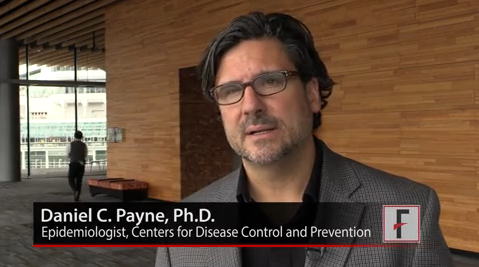
VANCOUVER, B.C. – Dr. Daniel C. Payne has been investigating the Middle East Respiratory Syndrome coronavirus since the first case was reported in the Arabian Peninsula nearly 2 years ago.
An epidemiologist with the Centers for Disease Control and Prevention, Dr. Payne has traveled to the sites of outbreak and has worked with foreign officials to study and track down the virus.
Meanwhile, in the United States, CDC officials have been preparing for the potential arrival of the virus for the past year, Dr. Payne said. So when the first case was confirmed on May 2 in Munster, Ind., all the pieces were in place and health officials were ready.
How big a worry is MERS for U.S. physicians, what critical questions should they ask their patients, and what precautions should they take? Dr. Payne addressed some of these major concerns in a video interview during the annual meeting of the Pediatric Academic Societies and shared the silver lining to the virus’s arrival in the United States.
He also encouraged physicians to check the CDC website for the latest updates and practice protocols. Physicians can also visit the World Health Organization’s website for the latest global updates.
On Twitter @naseemmiller
VANCOUVER, B.C. – Dr. Daniel C. Payne has been investigating the Middle East Respiratory Syndrome coronavirus since the first case was reported in the Arabian Peninsula nearly 2 years ago.
An epidemiologist with the Centers for Disease Control and Prevention, Dr. Payne has traveled to the sites of outbreak and has worked with foreign officials to study and track down the virus.
Meanwhile, in the United States, CDC officials have been preparing for the potential arrival of the virus for the past year, Dr. Payne said. So when the first case was confirmed on May 2 in Munster, Ind., all the pieces were in place and health officials were ready.
How big a worry is MERS for U.S. physicians, what critical questions should they ask their patients, and what precautions should they take? Dr. Payne addressed some of these major concerns in a video interview during the annual meeting of the Pediatric Academic Societies and shared the silver lining to the virus’s arrival in the United States.
He also encouraged physicians to check the CDC website for the latest updates and practice protocols. Physicians can also visit the World Health Organization’s website for the latest global updates.
On Twitter @naseemmiller
VANCOUVER, B.C. – Dr. Daniel C. Payne has been investigating the Middle East Respiratory Syndrome coronavirus since the first case was reported in the Arabian Peninsula nearly 2 years ago.
An epidemiologist with the Centers for Disease Control and Prevention, Dr. Payne has traveled to the sites of outbreak and has worked with foreign officials to study and track down the virus.
Meanwhile, in the United States, CDC officials have been preparing for the potential arrival of the virus for the past year, Dr. Payne said. So when the first case was confirmed on May 2 in Munster, Ind., all the pieces were in place and health officials were ready.
How big a worry is MERS for U.S. physicians, what critical questions should they ask their patients, and what precautions should they take? Dr. Payne addressed some of these major concerns in a video interview during the annual meeting of the Pediatric Academic Societies and shared the silver lining to the virus’s arrival in the United States.
He also encouraged physicians to check the CDC website for the latest updates and practice protocols. Physicians can also visit the World Health Organization’s website for the latest global updates.
On Twitter @naseemmiller
AT THE PAS ANNUAL MEETING
For smokers, prenatal vitamin C improves infants’ lung function
Daily vitamin C during smokers’ pregnancies significantly improved the lung function of their infants at birth and reduced the incidence of wheezing during the first year of life, compared with infants of smokers who weren’t exposed to the vitamin.
Those infants had significantly poorer respiratory outcomes, both at birth and 1 year, according to Dr. Cindy McEvoy and colleagues. The study was presented at an international conference of the American Thoracic Society and simultaneously published in the May 18 issue ofthe Journal of the American Medical Association.

While it’s not entirely clear how vitamin C influences prenatal lung development, there are tantalizing hints, wrote Dr. McEvoy of the Oregon Health and Science University, Portland, and her coinvestigators. "Supplemental vitamin C may act by blocking formation of reactive oxygen species, which stimulate abnormal patterns of airway cell proliferation, resulting in narrowed airways and abnormal airway geometry," they said.
Dr. McEvoy and her team randomized 179 pregnant smokers to either placebo or 500 mg vitamin C daily from week 16 of pregnancy. At birth, they examined two respiratory function measures: the ratio of time to peak expiratory flow/expiratory time (TPTEF:TE) and passive respiratory compliance per kg (Crs/kg). They also compared the incidences of wheezing during the first year. A control group of 76 infants from nonsmokers provided a comparator (JAMA 2014 May 18 [doi:10.1001/jama.2014.5217]).
The women were a mean age of 26 years at baseline. Most were white (about 85%), and 20% had at least some college education. In the placebo group, 36% smoked at least 10 cigarettes a day; in the active group, 41% smoked that many. All smoking mothers were offered the chance to participate in a smoking cessation program; 10% were able to stop.
At birth, infants exposed to vitamin C had significantly better lung function than nonexposed infants on both measures. The TPTEF:TE was 10% better in the exposed group (0.383 vs. 0.345) – similar to the ratio in the comparator group of infants from nonsmoking mothers. The Crs/kg was also significantly better (11%) in the vitamin C group (1.32 vs. 1.20 mL/cmH20/kg).
Almost all of the babies had 1-year follow-up (92%). At that time, the incidence of wheezing during the first year was 21% in the treated group and 40% in the placebo group (adjusted relative risk, 0.56). However, the authors noted, there was no between-group difference in the other lung function measures at 1 year.
A subgroup of 173 mothers was genotyped for two polymorphisms that are strongly associated with a lifelong risk of nicotine addiction, lung cancer, and chronic obstructive pulmonary disease.
The infants of mothers who were heterozygous for one of those (rs16969968), experienced the largest benefit from vitamin C exposure. The incidence of wheezing through 1 year in these infants was 14%, compared with 48% among those randomized to placebo.
The National Heart, Lung, and Blood Institute sponsored the study. Neither Dr. McEvoy nor any of her coauthors had any financial disclosures.
Quitting is the best way for smokers to protect their unborn babies against the harms of tobacco.
But unfortunately, quitting doesn’t always happen. Thus, the finding that vitamin C may offer babies some protection against the harms of tobacco is heartening news. Although the improvement over placebo was rather small (10%), it could have a profound effect.
"Small population-level changes in lung function may lead to significant public health benefits, and the improvements in lung function reported here could be associated with future benefit."
The study was well designed and well executed, and the 1-year endpoints intriguing. However, there is no evidence that vitamin C fully prevents or reverses the effects of maternal smoking during gestation. Thus, prenatal treatment should never be seen as a panacea.
"Achieving smoking cessation should be the primary goal for women who smoke and who intend to become pregnant. By preventing her developing fetus and newborn infant from becoming exposed to tobacco smoke, a pregnant woman can do more for the respiratory health and overall health of her child than any amount of vitamin C may be able to accomplish."
Graham L. Hall, Ph.D., is head of pediatric respiratory physiology and research at the Telethon Kids Institute, University of Western Australia, West Perth. These remarks were taken from his accompanying editorial (JAMA 2014 May 18 [doi:10.1001/jama.2014.5218]).
Quitting is the best way for smokers to protect their unborn babies against the harms of tobacco.
But unfortunately, quitting doesn’t always happen. Thus, the finding that vitamin C may offer babies some protection against the harms of tobacco is heartening news. Although the improvement over placebo was rather small (10%), it could have a profound effect.
"Small population-level changes in lung function may lead to significant public health benefits, and the improvements in lung function reported here could be associated with future benefit."
The study was well designed and well executed, and the 1-year endpoints intriguing. However, there is no evidence that vitamin C fully prevents or reverses the effects of maternal smoking during gestation. Thus, prenatal treatment should never be seen as a panacea.
"Achieving smoking cessation should be the primary goal for women who smoke and who intend to become pregnant. By preventing her developing fetus and newborn infant from becoming exposed to tobacco smoke, a pregnant woman can do more for the respiratory health and overall health of her child than any amount of vitamin C may be able to accomplish."
Graham L. Hall, Ph.D., is head of pediatric respiratory physiology and research at the Telethon Kids Institute, University of Western Australia, West Perth. These remarks were taken from his accompanying editorial (JAMA 2014 May 18 [doi:10.1001/jama.2014.5218]).
Quitting is the best way for smokers to protect their unborn babies against the harms of tobacco.
But unfortunately, quitting doesn’t always happen. Thus, the finding that vitamin C may offer babies some protection against the harms of tobacco is heartening news. Although the improvement over placebo was rather small (10%), it could have a profound effect.
"Small population-level changes in lung function may lead to significant public health benefits, and the improvements in lung function reported here could be associated with future benefit."
The study was well designed and well executed, and the 1-year endpoints intriguing. However, there is no evidence that vitamin C fully prevents or reverses the effects of maternal smoking during gestation. Thus, prenatal treatment should never be seen as a panacea.
"Achieving smoking cessation should be the primary goal for women who smoke and who intend to become pregnant. By preventing her developing fetus and newborn infant from becoming exposed to tobacco smoke, a pregnant woman can do more for the respiratory health and overall health of her child than any amount of vitamin C may be able to accomplish."
Graham L. Hall, Ph.D., is head of pediatric respiratory physiology and research at the Telethon Kids Institute, University of Western Australia, West Perth. These remarks were taken from his accompanying editorial (JAMA 2014 May 18 [doi:10.1001/jama.2014.5218]).
Daily vitamin C during smokers’ pregnancies significantly improved the lung function of their infants at birth and reduced the incidence of wheezing during the first year of life, compared with infants of smokers who weren’t exposed to the vitamin.
Those infants had significantly poorer respiratory outcomes, both at birth and 1 year, according to Dr. Cindy McEvoy and colleagues. The study was presented at an international conference of the American Thoracic Society and simultaneously published in the May 18 issue ofthe Journal of the American Medical Association.
While it’s not entirely clear how vitamin C influences prenatal lung development, there are tantalizing hints, wrote Dr. McEvoy of the Oregon Health and Science University, Portland, and her coinvestigators. "Supplemental vitamin C may act by blocking formation of reactive oxygen species, which stimulate abnormal patterns of airway cell proliferation, resulting in narrowed airways and abnormal airway geometry," they said.
Dr. McEvoy and her team randomized 179 pregnant smokers to either placebo or 500 mg vitamin C daily from week 16 of pregnancy. At birth, they examined two respiratory function measures: the ratio of time to peak expiratory flow/expiratory time (TPTEF:TE) and passive respiratory compliance per kg (Crs/kg). They also compared the incidences of wheezing during the first year. A control group of 76 infants from nonsmokers provided a comparator (JAMA 2014 May 18 [doi:10.1001/jama.2014.5217]).
The women were a mean age of 26 years at baseline. Most were white (about 85%), and 20% had at least some college education. In the placebo group, 36% smoked at least 10 cigarettes a day; in the active group, 41% smoked that many. All smoking mothers were offered the chance to participate in a smoking cessation program; 10% were able to stop.
At birth, infants exposed to vitamin C had significantly better lung function than nonexposed infants on both measures. The TPTEF:TE was 10% better in the exposed group (0.383 vs. 0.345) – similar to the ratio in the comparator group of infants from nonsmoking mothers. The Crs/kg was also significantly better (11%) in the vitamin C group (1.32 vs. 1.20 mL/cmH20/kg).
Almost all of the babies had 1-year follow-up (92%). At that time, the incidence of wheezing during the first year was 21% in the treated group and 40% in the placebo group (adjusted relative risk, 0.56). However, the authors noted, there was no between-group difference in the other lung function measures at 1 year.
A subgroup of 173 mothers was genotyped for two polymorphisms that are strongly associated with a lifelong risk of nicotine addiction, lung cancer, and chronic obstructive pulmonary disease.
The infants of mothers who were heterozygous for one of those (rs16969968), experienced the largest benefit from vitamin C exposure. The incidence of wheezing through 1 year in these infants was 14%, compared with 48% among those randomized to placebo.
The National Heart, Lung, and Blood Institute sponsored the study. Neither Dr. McEvoy nor any of her coauthors had any financial disclosures.
Daily vitamin C during smokers’ pregnancies significantly improved the lung function of their infants at birth and reduced the incidence of wheezing during the first year of life, compared with infants of smokers who weren’t exposed to the vitamin.
Those infants had significantly poorer respiratory outcomes, both at birth and 1 year, according to Dr. Cindy McEvoy and colleagues. The study was presented at an international conference of the American Thoracic Society and simultaneously published in the May 18 issue ofthe Journal of the American Medical Association.
While it’s not entirely clear how vitamin C influences prenatal lung development, there are tantalizing hints, wrote Dr. McEvoy of the Oregon Health and Science University, Portland, and her coinvestigators. "Supplemental vitamin C may act by blocking formation of reactive oxygen species, which stimulate abnormal patterns of airway cell proliferation, resulting in narrowed airways and abnormal airway geometry," they said.
Dr. McEvoy and her team randomized 179 pregnant smokers to either placebo or 500 mg vitamin C daily from week 16 of pregnancy. At birth, they examined two respiratory function measures: the ratio of time to peak expiratory flow/expiratory time (TPTEF:TE) and passive respiratory compliance per kg (Crs/kg). They also compared the incidences of wheezing during the first year. A control group of 76 infants from nonsmokers provided a comparator (JAMA 2014 May 18 [doi:10.1001/jama.2014.5217]).
The women were a mean age of 26 years at baseline. Most were white (about 85%), and 20% had at least some college education. In the placebo group, 36% smoked at least 10 cigarettes a day; in the active group, 41% smoked that many. All smoking mothers were offered the chance to participate in a smoking cessation program; 10% were able to stop.
At birth, infants exposed to vitamin C had significantly better lung function than nonexposed infants on both measures. The TPTEF:TE was 10% better in the exposed group (0.383 vs. 0.345) – similar to the ratio in the comparator group of infants from nonsmoking mothers. The Crs/kg was also significantly better (11%) in the vitamin C group (1.32 vs. 1.20 mL/cmH20/kg).
Almost all of the babies had 1-year follow-up (92%). At that time, the incidence of wheezing during the first year was 21% in the treated group and 40% in the placebo group (adjusted relative risk, 0.56). However, the authors noted, there was no between-group difference in the other lung function measures at 1 year.
A subgroup of 173 mothers was genotyped for two polymorphisms that are strongly associated with a lifelong risk of nicotine addiction, lung cancer, and chronic obstructive pulmonary disease.
The infants of mothers who were heterozygous for one of those (rs16969968), experienced the largest benefit from vitamin C exposure. The incidence of wheezing through 1 year in these infants was 14%, compared with 48% among those randomized to placebo.
The National Heart, Lung, and Blood Institute sponsored the study. Neither Dr. McEvoy nor any of her coauthors had any financial disclosures.
FROM ATS 2014
Key clinical point: Giving Vitamin C to pregnant smokers may improve newborns’ lung health.
Major finding: Lung function at birth was about 10% better in infants’ of smokers 500 mg vitamin C daily during pregnancy, compared to those who did not. The incidence of wheezing during the first year was 21% in the treated group vs. 40% in the placebo group.
Data source: A randomized, placebo-controlled study of 179 pregnant smokers.
Disclosures: The National Heart, Lung, and Blood Institute funded the study. None of the authors had financial disclosures.

No benefit found for acetylcysteine in idiopathic pulmonary fibrosis
SAN DIEGO – Acetylcysteine does not preserve forced vital capacity in idiopathic pulmonary fibrosis patients with mild to moderate lung function impairment, according to a placebo-controlled trial published online May 18 in the New England Journal of Medicine and presented by Dr. Ganesh Raghu at an international conference of the American Thoracic Society.
At 60 weeks, there was no significant difference in the change in FVC between 133 patients who had been randomized to acetylcysteine 600 mg three times daily and 131 randomized to placebo (–0.18 L and –0.19 L, respectively; P = .77). There also were no significant differences between the acetylcysteine group and the placebo group in the rates of death (4.9% vs. 2.5%, respectively; P =.30) or acute exacerbations (2.3% in each group; P greater than .99) (N. Eng. J. Med. 2014 May 18 [doi: 10.1056/NEJMoa1401739]).
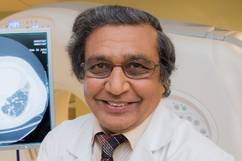
"It must be emphasized that our results are applicable only to patients with idiopathic pulmonary fibrosis who met the inclusion and exclusion criteria of this trial, and not to patients with more advanced disease or other forms of idiopathic interstitial pneumonia or interstitial lung disease," said the investigators, all members of the Idiopathic Pulmonary Fibrosis Clinical Research Network and led by Dr. Raghu, director of the interstitial lung disease/sarcoid/pulmonary fibrosis program at the University of Washington, Seattle.
The study originally included a third arm in which patients received prednisone, azathioprine, and acetylcysteine. A once-promising combination, the arm was halted after the data and safety monitoring board detected an increased risk of hospitalization and death, which led the National Institutes of Health to warn against using the combination for idiopathic pulmonary fibrosis (IPF).
Some clinicians, however, continued to use acetylcysteine, an over-the-counter antioxidant supplement, as monotherapy.
Overall, cardiac problems were more common in the acetylcysteine group than in the placebo patients (6.8% vs. 1.5%; P = .03), but gastrointestinal disorders were less common (0% vs. 4.6%; P = .01).
There were trends favoring acetylcysteine in 6-minute walk distance and quality of life measures. Patients in the acetylcysteine group reported having better mental well-being as well.
Baseline characteristics were well matched in the two study groups. The mean age was 67 years, 22% of the patients were women, and 96% were white. The mean baseline FVC was 73% of the predicted value, and the mean carbon monoxide diffusing capacity was 45% of the predicted value. The mean distance on the 6-minute walk test was 373 m.
At 60 weeks, 90.4% of the acetylcysteine group and 94.4% of the placebo group reported taking more than 80% of the recommended doses of the study drug.
The work was funded by the National Heart, Lung, and Blood Institute, among others. Dr. Raghu reported grant support and personal fees from Gilead; personal fees from Biogen, Boehringer Ingelheim, and other companies; and other support from MedImmune outside the submitted work. The other authors disclosed payments for various services from those or other companies.
"The initial promise of prednisone, azathioprine, and N-acetylcysteine has faded. ... [Now] it appears that acetylcysteine [alone] does not slow the rate of decline in FVC, although it may reduce the toxicity of prednisone and azathioprine in patients with idiopathic pulmonary fibrosis. From these findings, it is reasonable to shift our understanding of the pathogenesis of this disease. It is now clear that idiopathic pulmonary fibrosis is a disease perpetuated by aberrant wound healing, rather than primarily by chronic inflammation. With new understanding comes new hope."
Dr. Gary M. Hunninghake is the director of the sarcoidosis and granulomatous lung disease service at Brigham and Women’s Hospital in Boston. He had no relevant financial disclosures. He made these comments in an editorial published with the study (N. Eng. J. Med. 2014 May 18 [doi: 10.1056/NEJMe1403448]).
"The initial promise of prednisone, azathioprine, and N-acetylcysteine has faded. ... [Now] it appears that acetylcysteine [alone] does not slow the rate of decline in FVC, although it may reduce the toxicity of prednisone and azathioprine in patients with idiopathic pulmonary fibrosis. From these findings, it is reasonable to shift our understanding of the pathogenesis of this disease. It is now clear that idiopathic pulmonary fibrosis is a disease perpetuated by aberrant wound healing, rather than primarily by chronic inflammation. With new understanding comes new hope."
Dr. Gary M. Hunninghake is the director of the sarcoidosis and granulomatous lung disease service at Brigham and Women’s Hospital in Boston. He had no relevant financial disclosures. He made these comments in an editorial published with the study (N. Eng. J. Med. 2014 May 18 [doi: 10.1056/NEJMe1403448]).
"The initial promise of prednisone, azathioprine, and N-acetylcysteine has faded. ... [Now] it appears that acetylcysteine [alone] does not slow the rate of decline in FVC, although it may reduce the toxicity of prednisone and azathioprine in patients with idiopathic pulmonary fibrosis. From these findings, it is reasonable to shift our understanding of the pathogenesis of this disease. It is now clear that idiopathic pulmonary fibrosis is a disease perpetuated by aberrant wound healing, rather than primarily by chronic inflammation. With new understanding comes new hope."
Dr. Gary M. Hunninghake is the director of the sarcoidosis and granulomatous lung disease service at Brigham and Women’s Hospital in Boston. He had no relevant financial disclosures. He made these comments in an editorial published with the study (N. Eng. J. Med. 2014 May 18 [doi: 10.1056/NEJMe1403448]).
SAN DIEGO – Acetylcysteine does not preserve forced vital capacity in idiopathic pulmonary fibrosis patients with mild to moderate lung function impairment, according to a placebo-controlled trial published online May 18 in the New England Journal of Medicine and presented by Dr. Ganesh Raghu at an international conference of the American Thoracic Society.
At 60 weeks, there was no significant difference in the change in FVC between 133 patients who had been randomized to acetylcysteine 600 mg three times daily and 131 randomized to placebo (–0.18 L and –0.19 L, respectively; P = .77). There also were no significant differences between the acetylcysteine group and the placebo group in the rates of death (4.9% vs. 2.5%, respectively; P =.30) or acute exacerbations (2.3% in each group; P greater than .99) (N. Eng. J. Med. 2014 May 18 [doi: 10.1056/NEJMoa1401739]).
"It must be emphasized that our results are applicable only to patients with idiopathic pulmonary fibrosis who met the inclusion and exclusion criteria of this trial, and not to patients with more advanced disease or other forms of idiopathic interstitial pneumonia or interstitial lung disease," said the investigators, all members of the Idiopathic Pulmonary Fibrosis Clinical Research Network and led by Dr. Raghu, director of the interstitial lung disease/sarcoid/pulmonary fibrosis program at the University of Washington, Seattle.
The study originally included a third arm in which patients received prednisone, azathioprine, and acetylcysteine. A once-promising combination, the arm was halted after the data and safety monitoring board detected an increased risk of hospitalization and death, which led the National Institutes of Health to warn against using the combination for idiopathic pulmonary fibrosis (IPF).
Some clinicians, however, continued to use acetylcysteine, an over-the-counter antioxidant supplement, as monotherapy.
Overall, cardiac problems were more common in the acetylcysteine group than in the placebo patients (6.8% vs. 1.5%; P = .03), but gastrointestinal disorders were less common (0% vs. 4.6%; P = .01).
There were trends favoring acetylcysteine in 6-minute walk distance and quality of life measures. Patients in the acetylcysteine group reported having better mental well-being as well.
Baseline characteristics were well matched in the two study groups. The mean age was 67 years, 22% of the patients were women, and 96% were white. The mean baseline FVC was 73% of the predicted value, and the mean carbon monoxide diffusing capacity was 45% of the predicted value. The mean distance on the 6-minute walk test was 373 m.
At 60 weeks, 90.4% of the acetylcysteine group and 94.4% of the placebo group reported taking more than 80% of the recommended doses of the study drug.
The work was funded by the National Heart, Lung, and Blood Institute, among others. Dr. Raghu reported grant support and personal fees from Gilead; personal fees from Biogen, Boehringer Ingelheim, and other companies; and other support from MedImmune outside the submitted work. The other authors disclosed payments for various services from those or other companies.
SAN DIEGO – Acetylcysteine does not preserve forced vital capacity in idiopathic pulmonary fibrosis patients with mild to moderate lung function impairment, according to a placebo-controlled trial published online May 18 in the New England Journal of Medicine and presented by Dr. Ganesh Raghu at an international conference of the American Thoracic Society.
At 60 weeks, there was no significant difference in the change in FVC between 133 patients who had been randomized to acetylcysteine 600 mg three times daily and 131 randomized to placebo (–0.18 L and –0.19 L, respectively; P = .77). There also were no significant differences between the acetylcysteine group and the placebo group in the rates of death (4.9% vs. 2.5%, respectively; P =.30) or acute exacerbations (2.3% in each group; P greater than .99) (N. Eng. J. Med. 2014 May 18 [doi: 10.1056/NEJMoa1401739]).
"It must be emphasized that our results are applicable only to patients with idiopathic pulmonary fibrosis who met the inclusion and exclusion criteria of this trial, and not to patients with more advanced disease or other forms of idiopathic interstitial pneumonia or interstitial lung disease," said the investigators, all members of the Idiopathic Pulmonary Fibrosis Clinical Research Network and led by Dr. Raghu, director of the interstitial lung disease/sarcoid/pulmonary fibrosis program at the University of Washington, Seattle.
The study originally included a third arm in which patients received prednisone, azathioprine, and acetylcysteine. A once-promising combination, the arm was halted after the data and safety monitoring board detected an increased risk of hospitalization and death, which led the National Institutes of Health to warn against using the combination for idiopathic pulmonary fibrosis (IPF).
Some clinicians, however, continued to use acetylcysteine, an over-the-counter antioxidant supplement, as monotherapy.
Overall, cardiac problems were more common in the acetylcysteine group than in the placebo patients (6.8% vs. 1.5%; P = .03), but gastrointestinal disorders were less common (0% vs. 4.6%; P = .01).
There were trends favoring acetylcysteine in 6-minute walk distance and quality of life measures. Patients in the acetylcysteine group reported having better mental well-being as well.
Baseline characteristics were well matched in the two study groups. The mean age was 67 years, 22% of the patients were women, and 96% were white. The mean baseline FVC was 73% of the predicted value, and the mean carbon monoxide diffusing capacity was 45% of the predicted value. The mean distance on the 6-minute walk test was 373 m.
At 60 weeks, 90.4% of the acetylcysteine group and 94.4% of the placebo group reported taking more than 80% of the recommended doses of the study drug.
The work was funded by the National Heart, Lung, and Blood Institute, among others. Dr. Raghu reported grant support and personal fees from Gilead; personal fees from Biogen, Boehringer Ingelheim, and other companies; and other support from MedImmune outside the submitted work. The other authors disclosed payments for various services from those or other companies.
AT ATS 2014
Key clinical point: Acetylcysteine treatment of idiopathic pulmonary fibrosis is no better than placebo.
Major finding: At 60 weeks, there was no significant difference in the change in forced vital capacity between 133 patients who had been randomized to acetylcysteine 600 mg three times daily and 131 randomized to placebo (–0.18 L and –0.19 L, respectively; P = .77).
Data source: Randomized, placebo-controlled trial
Disclosures: The work was funded by the National Heart, Lung, and Blood Institute, among others. Dr. Raghu reported receiving grant support and personal fees from Gilead, as well as personal fees from Biogen, Boehringer Ingelheim, and other companies. The other authors disclosed payments for various services from those or other companies.
Vital capacity preserved in IPF with investigational agent nintedanib
SAN DIEGO – Compared with placebo, the investigative tyrosine kinase inhibitor nintedanib helped preserve forced vital capacity in patients with idiopathic pulmonary fibrosis, according to phase III results published online May 18 in the New England Journal of Medicine and presented at an international conference of the American Thoracic Society.
Across two trials, a total of 1,066 patients were randomized 3:2 to receive 150 mg of nintedanib twice daily or placebo for 52 weeks. In the first trial, dubbed INPULSIS-1, the adjusted annual rate of change in forced vital capacity (FVC) was –114.7 mL with nintedanib versus –239.9 mL with placebo (difference 125.3 mL; 95% confidence interval, 77.7-172.8; P less than .001). In INPULSIS-2, the second trial, the rate of change was –113.6 mL with nintedanib versus –207.3 mL with placebo (difference 93.7 mL; 95% CI, 44.8 to 142.7; P less than 0.001).
"The curves for changes from baseline in FVC over time in the nintedanib and placebo groups separated early in the two studies and continued to diverge over time," said the investigators (N. Engl. J. Med. 2014 May 18 [doi:10.1056/NEJMoa1402584]). Myocardial infarctions were reported in five (1.6%) nintedanib patients and one (0.5%) placebo patient in the first trial and five (1.5%) nintedanib patients and one (0.5%) placebo patient in the second. Two infarctions in the nintedanib groups and one in the placebo groups were fatal. "The clinical significance of this finding is unknown, and further observation in larger cohorts is needed," the investigators said.

Idiopathic pulmonary fibrosis (IPF) "is a very serious disease with a high unmet medical need for which there are currently no FDA-approved treatments. We are all very excited by these data because they suggest evidence of nintedanib’s impact on lung function loss in patients with IPF. Overall, [it’s] a positive message that we are making progress," said lead investigator Dr. Luca Richeldi, chair of interstitial lung disease at the University of Southampton (England).
Results were mixed on secondary endpoints. There was no significant between-group difference in death from any cause or respiratory causes; 5.5% of nintedanib patients and 7.8% of placebo patients died.
Likewise, the time to first acute exacerbation and progression on the St. George’s Respiratory Questionnaire (SGRQ) were significantly delayed only in INPULSIS-2, not INPULSIS-1. On pooled analysis, nintedanib offered no advantage over placebo in time to first exacerbation (Hazard Ratio, 0.64; 95% CI, 0.39-1.05; P = .08) or mean 52-week change from baseline SGRO.
The "difference in the key secondary endpoint between [the trials] was not explained by the differences in baseline characteristics." Regarding exacerbations, they "are relatively rare events in patients with idiopathic pulmonary fibrosis who are in clinical trials and are difficult to assess and categorize, which may explain some of the heterogeneity in our findings," the investigators said.
About 62% of nintedanib patients versus about 18% of placebo patients reported diarrhea, which was usually mild to moderate. Less than 5% of nintedanib patients left the trials because of it. Liver enzyme levels three times above normal were found in about 5% of nintedanib patients versus less than 1% of placebo patients.
The study groups were well matched; about 80% of subjects were men, about 67 years old on average. Baseline FVC was about 80% of predicted value in all study arms.
Boehringer Ingelheim – the maker of nintedanib – funded the work, along with the British National Health Service. Six of the 23 authors are employed by Boehringer Ingelheim. Most of the other authors reported consulting fees and other payments from pharmaceutical companies, including Boehringer Ingelheim in some cases. Dr. Richeldi reported advisory or consulting fees from InterMune, MedImmune, Roche, Takeda, Biogen Idec, Sanofi-Aventis, and ImmuneWorks, plus lecture fees from Shionogi and grant support from InterMune.
Dr. Gary Hunninghake comments: The
magnitude of the effect of nintedanib on preventing acute exacerbations
varied between the two replicate trials, and there was no evidence of
improvement in scores for respiratory symptoms. Although these trials
were not powered to detect statistically significant differences in
mortality, it is comforting that nintedanib resulted in a trend toward a
reduced rate of death that mirrored the reduced rate of decline in lung
function.
Dr. Hunninghake is the director of the sarcoidosis
and granulomatous lung disease service at Brigham and Women’s Hospital
in Boston. He made his comments in an editorial published with the
study, and has no disclosures. (N. Engl. J. Med. 18 May 2014
[doi:10.1056/NEJMe1403448]).
Dr. Gary Hunninghake comments: The
magnitude of the effect of nintedanib on preventing acute exacerbations
varied between the two replicate trials, and there was no evidence of
improvement in scores for respiratory symptoms. Although these trials
were not powered to detect statistically significant differences in
mortality, it is comforting that nintedanib resulted in a trend toward a
reduced rate of death that mirrored the reduced rate of decline in lung
function.
Dr. Hunninghake is the director of the sarcoidosis
and granulomatous lung disease service at Brigham and Women’s Hospital
in Boston. He made his comments in an editorial published with the
study, and has no disclosures. (N. Engl. J. Med. 18 May 2014
[doi:10.1056/NEJMe1403448]).
Dr. Gary Hunninghake comments: The
magnitude of the effect of nintedanib on preventing acute exacerbations
varied between the two replicate trials, and there was no evidence of
improvement in scores for respiratory symptoms. Although these trials
were not powered to detect statistically significant differences in
mortality, it is comforting that nintedanib resulted in a trend toward a
reduced rate of death that mirrored the reduced rate of decline in lung
function.
Dr. Hunninghake is the director of the sarcoidosis
and granulomatous lung disease service at Brigham and Women’s Hospital
in Boston. He made his comments in an editorial published with the
study, and has no disclosures. (N. Engl. J. Med. 18 May 2014
[doi:10.1056/NEJMe1403448]).
SAN DIEGO – Compared with placebo, the investigative tyrosine kinase inhibitor nintedanib helped preserve forced vital capacity in patients with idiopathic pulmonary fibrosis, according to phase III results published online May 18 in the New England Journal of Medicine and presented at an international conference of the American Thoracic Society.
Across two trials, a total of 1,066 patients were randomized 3:2 to receive 150 mg of nintedanib twice daily or placebo for 52 weeks. In the first trial, dubbed INPULSIS-1, the adjusted annual rate of change in forced vital capacity (FVC) was –114.7 mL with nintedanib versus –239.9 mL with placebo (difference 125.3 mL; 95% confidence interval, 77.7-172.8; P less than .001). In INPULSIS-2, the second trial, the rate of change was –113.6 mL with nintedanib versus –207.3 mL with placebo (difference 93.7 mL; 95% CI, 44.8 to 142.7; P less than 0.001).
"The curves for changes from baseline in FVC over time in the nintedanib and placebo groups separated early in the two studies and continued to diverge over time," said the investigators (N. Engl. J. Med. 2014 May 18 [doi:10.1056/NEJMoa1402584]). Myocardial infarctions were reported in five (1.6%) nintedanib patients and one (0.5%) placebo patient in the first trial and five (1.5%) nintedanib patients and one (0.5%) placebo patient in the second. Two infarctions in the nintedanib groups and one in the placebo groups were fatal. "The clinical significance of this finding is unknown, and further observation in larger cohorts is needed," the investigators said.
Idiopathic pulmonary fibrosis (IPF) "is a very serious disease with a high unmet medical need for which there are currently no FDA-approved treatments. We are all very excited by these data because they suggest evidence of nintedanib’s impact on lung function loss in patients with IPF. Overall, [it’s] a positive message that we are making progress," said lead investigator Dr. Luca Richeldi, chair of interstitial lung disease at the University of Southampton (England).
Results were mixed on secondary endpoints. There was no significant between-group difference in death from any cause or respiratory causes; 5.5% of nintedanib patients and 7.8% of placebo patients died.
Likewise, the time to first acute exacerbation and progression on the St. George’s Respiratory Questionnaire (SGRQ) were significantly delayed only in INPULSIS-2, not INPULSIS-1. On pooled analysis, nintedanib offered no advantage over placebo in time to first exacerbation (Hazard Ratio, 0.64; 95% CI, 0.39-1.05; P = .08) or mean 52-week change from baseline SGRO.
The "difference in the key secondary endpoint between [the trials] was not explained by the differences in baseline characteristics." Regarding exacerbations, they "are relatively rare events in patients with idiopathic pulmonary fibrosis who are in clinical trials and are difficult to assess and categorize, which may explain some of the heterogeneity in our findings," the investigators said.
About 62% of nintedanib patients versus about 18% of placebo patients reported diarrhea, which was usually mild to moderate. Less than 5% of nintedanib patients left the trials because of it. Liver enzyme levels three times above normal were found in about 5% of nintedanib patients versus less than 1% of placebo patients.
The study groups were well matched; about 80% of subjects were men, about 67 years old on average. Baseline FVC was about 80% of predicted value in all study arms.
Boehringer Ingelheim – the maker of nintedanib – funded the work, along with the British National Health Service. Six of the 23 authors are employed by Boehringer Ingelheim. Most of the other authors reported consulting fees and other payments from pharmaceutical companies, including Boehringer Ingelheim in some cases. Dr. Richeldi reported advisory or consulting fees from InterMune, MedImmune, Roche, Takeda, Biogen Idec, Sanofi-Aventis, and ImmuneWorks, plus lecture fees from Shionogi and grant support from InterMune.
SAN DIEGO – Compared with placebo, the investigative tyrosine kinase inhibitor nintedanib helped preserve forced vital capacity in patients with idiopathic pulmonary fibrosis, according to phase III results published online May 18 in the New England Journal of Medicine and presented at an international conference of the American Thoracic Society.
Across two trials, a total of 1,066 patients were randomized 3:2 to receive 150 mg of nintedanib twice daily or placebo for 52 weeks. In the first trial, dubbed INPULSIS-1, the adjusted annual rate of change in forced vital capacity (FVC) was –114.7 mL with nintedanib versus –239.9 mL with placebo (difference 125.3 mL; 95% confidence interval, 77.7-172.8; P less than .001). In INPULSIS-2, the second trial, the rate of change was –113.6 mL with nintedanib versus –207.3 mL with placebo (difference 93.7 mL; 95% CI, 44.8 to 142.7; P less than 0.001).
"The curves for changes from baseline in FVC over time in the nintedanib and placebo groups separated early in the two studies and continued to diverge over time," said the investigators (N. Engl. J. Med. 2014 May 18 [doi:10.1056/NEJMoa1402584]). Myocardial infarctions were reported in five (1.6%) nintedanib patients and one (0.5%) placebo patient in the first trial and five (1.5%) nintedanib patients and one (0.5%) placebo patient in the second. Two infarctions in the nintedanib groups and one in the placebo groups were fatal. "The clinical significance of this finding is unknown, and further observation in larger cohorts is needed," the investigators said.
Idiopathic pulmonary fibrosis (IPF) "is a very serious disease with a high unmet medical need for which there are currently no FDA-approved treatments. We are all very excited by these data because they suggest evidence of nintedanib’s impact on lung function loss in patients with IPF. Overall, [it’s] a positive message that we are making progress," said lead investigator Dr. Luca Richeldi, chair of interstitial lung disease at the University of Southampton (England).
Results were mixed on secondary endpoints. There was no significant between-group difference in death from any cause or respiratory causes; 5.5% of nintedanib patients and 7.8% of placebo patients died.
Likewise, the time to first acute exacerbation and progression on the St. George’s Respiratory Questionnaire (SGRQ) were significantly delayed only in INPULSIS-2, not INPULSIS-1. On pooled analysis, nintedanib offered no advantage over placebo in time to first exacerbation (Hazard Ratio, 0.64; 95% CI, 0.39-1.05; P = .08) or mean 52-week change from baseline SGRO.
The "difference in the key secondary endpoint between [the trials] was not explained by the differences in baseline characteristics." Regarding exacerbations, they "are relatively rare events in patients with idiopathic pulmonary fibrosis who are in clinical trials and are difficult to assess and categorize, which may explain some of the heterogeneity in our findings," the investigators said.
About 62% of nintedanib patients versus about 18% of placebo patients reported diarrhea, which was usually mild to moderate. Less than 5% of nintedanib patients left the trials because of it. Liver enzyme levels three times above normal were found in about 5% of nintedanib patients versus less than 1% of placebo patients.
The study groups were well matched; about 80% of subjects were men, about 67 years old on average. Baseline FVC was about 80% of predicted value in all study arms.
Boehringer Ingelheim – the maker of nintedanib – funded the work, along with the British National Health Service. Six of the 23 authors are employed by Boehringer Ingelheim. Most of the other authors reported consulting fees and other payments from pharmaceutical companies, including Boehringer Ingelheim in some cases. Dr. Richeldi reported advisory or consulting fees from InterMune, MedImmune, Roche, Takeda, Biogen Idec, Sanofi-Aventis, and ImmuneWorks, plus lecture fees from Shionogi and grant support from InterMune.
AT ATS 2014
Major finding: In the first trial, the adjusted annual rate of change in FVC was –114.7 mL with nintedanib versus –239.9 mL with placebo. In the second, the rate of change was –113.6 mL with nintedanib versus –207.3 mL with placebo.
Data Source: Randomized, controlled trials in patients with IPF.
Disclosures: Boehringer Ingelheim – the maker of nintedanib – funded the work, along with the British National Health Service. Six of the 23 authors are employed by Boehringer Ingelheim. Most of the other authors reported consulting fees and other payments from pharmaceutical companies, including Boehringer Ingelheim.

Statin helped endothelial function in COPD subgroup
SAN DIEGO – Twelve weeks of rosuvastatin therapy was associated with reduced systemic inflammation, but no improvement in pulmonary function in a randomized, placebo-controlled trial in 99 patients with stable chronic obstructive pulmonary disease.
However, a prespecified analysis of patients with elevated results on high-sensitivity C-reactive protein tests (hsCRP) found that those with levels higher than the median of 1.7 mg/dL at baseline showed improved endothelial function with the statin, compared with placebo, Dr. Anke Neukamm reported at an international conference of the American Thoracic Society.
The findings provided a small ray of positivity for the anti-inflammatory effects of statins in chronic obstructive pulmonary disease (COPD) on a day when two larger randomized, controlled studies reported that rosuvastatin did not reduce mortality in patients with sepsis-associated acute respiratory distress syndrome and simvastatin did not reduce exacerbations in patients with moderate to severe COPD.
Dr. Neukamm’s RODEO study (Effect of Rosuvastatin Treatment in Patients With Stable Chronic Obstructive Pulmonary Disease) randomized patients with stable chronic COPD to once-daily rosuvastatin 10 mg or placebo for 12 weeks. The groups did not differ significantly in the primary endpoint peripheral vasodilator function expressed as a reactive hyperemia ratio. In the subgroup analysis of patients with elevated hsCRP levels, however, the reactive hyperemia index improved from approximately 2.5 at baseline to 2.8 after 12 weeks of rosuvastatin and worsened from 2.6 to 2.5 in the placebo group, leaving a statistically significant difference between groups at the end of treatment, said Dr. Neukamm of Akershus University Hospital, Lørenskog, Norway.
This suggested "a clear improvement of endothelial function in the statin group," she said.
Some physicians in the audience disputed the results, noting that rosuvastatin’s effects would not have reached statistical significance if endothelial function had not worsened in the placebo group.
Dr. Neukamm remained cautiously optimistic. Targeting statin therapy for patients with COPD to those with increased systemic inflammation as indicated by elevated hsCRP levels might improve vascular function, she said in an interview. Patients in the study were "a very select group with a lower cardiovascular risk" than patients in other COPD studies. Without larger prospective trials, "we don’t know if this small improvement in endothelial function would translate" into better clinical outcomes, she said.
Among secondary endpoints, circulating hsCRP levels decreased from 1.4 mg/L at baseline to 1.2 mg/L in the rosuvastatin group, compared with a change from 1.8 mg/L to 2.2 mg/L in the placebo group. The difference between groups was significant. Levels of the inflammatory marker interleukin-6 remained stable at 4.1 pg/mL in the statin group and increased from 3.4 pg/mL to 4.4 pg/mL in the placebo group, also a significant difference between groups.
The trial excluded patients with a history of coronary artery disease, other diagnosed lung disease (except asthma), uncontrolled arterial hypertension, or diabetes, or patients who had used statins in the prior 4 weeks or who had a clear indication for statin use.
Thirty-three adverse events included COPD acute exacerbations, constipation, diarrhea, nausea, myalgia, and vertigo. Seven serious adverse events included hospitalizations for COPD exacerbations, atrial flutter in one patient, and pituitary apoplexy in one patient.
Patients had a mean age of 65 years, 48% were female, and 25% had a history of hypertension. They had a smoking history of a mean 37 pack-years. Baseline patient characteristics were similar between groups except for a higher percentage of current smokers in the placebo group (49%), compared with the rosuvastatin group (26%).
Stable COPD and acute exacerbations have been associated with systemic inflammation as reflected in increased levels of CRP and other inflammatory markers. Cardiovascular disease is a major comorbidity in patients with COPD, and inflammation is a hallmark of the atherosclerotic process, Dr. Neukamm said. Endothelial dysfunction, which is an early predictor of atherosclerosis, has been shown to be increased in patients with COPD.
A previous observational study of 2,708 patients with COPD suggested that long-term statin therapy was associated with a significant 78% decrease in mortality in those with hsCRP levels greater than 3 mg/L and a nonsignificant 21% decreased mortality in those with lower hsCRP levels (Pulm. Pharmacol. Ther. 2013;26:212-7).
The study was funded by the Norwegian Extra Foundation for Health and Rehabilitation and by AstraZeneca, which makes a brand name formulation of rosuvastatin. Dr. Neukamm has been a speaker for AstraZeneca.
On Twitter @sherryboschert
SAN DIEGO – Twelve weeks of rosuvastatin therapy was associated with reduced systemic inflammation, but no improvement in pulmonary function in a randomized, placebo-controlled trial in 99 patients with stable chronic obstructive pulmonary disease.
However, a prespecified analysis of patients with elevated results on high-sensitivity C-reactive protein tests (hsCRP) found that those with levels higher than the median of 1.7 mg/dL at baseline showed improved endothelial function with the statin, compared with placebo, Dr. Anke Neukamm reported at an international conference of the American Thoracic Society.
The findings provided a small ray of positivity for the anti-inflammatory effects of statins in chronic obstructive pulmonary disease (COPD) on a day when two larger randomized, controlled studies reported that rosuvastatin did not reduce mortality in patients with sepsis-associated acute respiratory distress syndrome and simvastatin did not reduce exacerbations in patients with moderate to severe COPD.
Dr. Neukamm’s RODEO study (Effect of Rosuvastatin Treatment in Patients With Stable Chronic Obstructive Pulmonary Disease) randomized patients with stable chronic COPD to once-daily rosuvastatin 10 mg or placebo for 12 weeks. The groups did not differ significantly in the primary endpoint peripheral vasodilator function expressed as a reactive hyperemia ratio. In the subgroup analysis of patients with elevated hsCRP levels, however, the reactive hyperemia index improved from approximately 2.5 at baseline to 2.8 after 12 weeks of rosuvastatin and worsened from 2.6 to 2.5 in the placebo group, leaving a statistically significant difference between groups at the end of treatment, said Dr. Neukamm of Akershus University Hospital, Lørenskog, Norway.
This suggested "a clear improvement of endothelial function in the statin group," she said.
Some physicians in the audience disputed the results, noting that rosuvastatin’s effects would not have reached statistical significance if endothelial function had not worsened in the placebo group.
Dr. Neukamm remained cautiously optimistic. Targeting statin therapy for patients with COPD to those with increased systemic inflammation as indicated by elevated hsCRP levels might improve vascular function, she said in an interview. Patients in the study were "a very select group with a lower cardiovascular risk" than patients in other COPD studies. Without larger prospective trials, "we don’t know if this small improvement in endothelial function would translate" into better clinical outcomes, she said.
Among secondary endpoints, circulating hsCRP levels decreased from 1.4 mg/L at baseline to 1.2 mg/L in the rosuvastatin group, compared with a change from 1.8 mg/L to 2.2 mg/L in the placebo group. The difference between groups was significant. Levels of the inflammatory marker interleukin-6 remained stable at 4.1 pg/mL in the statin group and increased from 3.4 pg/mL to 4.4 pg/mL in the placebo group, also a significant difference between groups.
The trial excluded patients with a history of coronary artery disease, other diagnosed lung disease (except asthma), uncontrolled arterial hypertension, or diabetes, or patients who had used statins in the prior 4 weeks or who had a clear indication for statin use.
Thirty-three adverse events included COPD acute exacerbations, constipation, diarrhea, nausea, myalgia, and vertigo. Seven serious adverse events included hospitalizations for COPD exacerbations, atrial flutter in one patient, and pituitary apoplexy in one patient.
Patients had a mean age of 65 years, 48% were female, and 25% had a history of hypertension. They had a smoking history of a mean 37 pack-years. Baseline patient characteristics were similar between groups except for a higher percentage of current smokers in the placebo group (49%), compared with the rosuvastatin group (26%).
Stable COPD and acute exacerbations have been associated with systemic inflammation as reflected in increased levels of CRP and other inflammatory markers. Cardiovascular disease is a major comorbidity in patients with COPD, and inflammation is a hallmark of the atherosclerotic process, Dr. Neukamm said. Endothelial dysfunction, which is an early predictor of atherosclerosis, has been shown to be increased in patients with COPD.
A previous observational study of 2,708 patients with COPD suggested that long-term statin therapy was associated with a significant 78% decrease in mortality in those with hsCRP levels greater than 3 mg/L and a nonsignificant 21% decreased mortality in those with lower hsCRP levels (Pulm. Pharmacol. Ther. 2013;26:212-7).
The study was funded by the Norwegian Extra Foundation for Health and Rehabilitation and by AstraZeneca, which makes a brand name formulation of rosuvastatin. Dr. Neukamm has been a speaker for AstraZeneca.
On Twitter @sherryboschert
SAN DIEGO – Twelve weeks of rosuvastatin therapy was associated with reduced systemic inflammation, but no improvement in pulmonary function in a randomized, placebo-controlled trial in 99 patients with stable chronic obstructive pulmonary disease.
However, a prespecified analysis of patients with elevated results on high-sensitivity C-reactive protein tests (hsCRP) found that those with levels higher than the median of 1.7 mg/dL at baseline showed improved endothelial function with the statin, compared with placebo, Dr. Anke Neukamm reported at an international conference of the American Thoracic Society.
The findings provided a small ray of positivity for the anti-inflammatory effects of statins in chronic obstructive pulmonary disease (COPD) on a day when two larger randomized, controlled studies reported that rosuvastatin did not reduce mortality in patients with sepsis-associated acute respiratory distress syndrome and simvastatin did not reduce exacerbations in patients with moderate to severe COPD.
Dr. Neukamm’s RODEO study (Effect of Rosuvastatin Treatment in Patients With Stable Chronic Obstructive Pulmonary Disease) randomized patients with stable chronic COPD to once-daily rosuvastatin 10 mg or placebo for 12 weeks. The groups did not differ significantly in the primary endpoint peripheral vasodilator function expressed as a reactive hyperemia ratio. In the subgroup analysis of patients with elevated hsCRP levels, however, the reactive hyperemia index improved from approximately 2.5 at baseline to 2.8 after 12 weeks of rosuvastatin and worsened from 2.6 to 2.5 in the placebo group, leaving a statistically significant difference between groups at the end of treatment, said Dr. Neukamm of Akershus University Hospital, Lørenskog, Norway.
This suggested "a clear improvement of endothelial function in the statin group," she said.
Some physicians in the audience disputed the results, noting that rosuvastatin’s effects would not have reached statistical significance if endothelial function had not worsened in the placebo group.
Dr. Neukamm remained cautiously optimistic. Targeting statin therapy for patients with COPD to those with increased systemic inflammation as indicated by elevated hsCRP levels might improve vascular function, she said in an interview. Patients in the study were "a very select group with a lower cardiovascular risk" than patients in other COPD studies. Without larger prospective trials, "we don’t know if this small improvement in endothelial function would translate" into better clinical outcomes, she said.
Among secondary endpoints, circulating hsCRP levels decreased from 1.4 mg/L at baseline to 1.2 mg/L in the rosuvastatin group, compared with a change from 1.8 mg/L to 2.2 mg/L in the placebo group. The difference between groups was significant. Levels of the inflammatory marker interleukin-6 remained stable at 4.1 pg/mL in the statin group and increased from 3.4 pg/mL to 4.4 pg/mL in the placebo group, also a significant difference between groups.
The trial excluded patients with a history of coronary artery disease, other diagnosed lung disease (except asthma), uncontrolled arterial hypertension, or diabetes, or patients who had used statins in the prior 4 weeks or who had a clear indication for statin use.
Thirty-three adverse events included COPD acute exacerbations, constipation, diarrhea, nausea, myalgia, and vertigo. Seven serious adverse events included hospitalizations for COPD exacerbations, atrial flutter in one patient, and pituitary apoplexy in one patient.
Patients had a mean age of 65 years, 48% were female, and 25% had a history of hypertension. They had a smoking history of a mean 37 pack-years. Baseline patient characteristics were similar between groups except for a higher percentage of current smokers in the placebo group (49%), compared with the rosuvastatin group (26%).
Stable COPD and acute exacerbations have been associated with systemic inflammation as reflected in increased levels of CRP and other inflammatory markers. Cardiovascular disease is a major comorbidity in patients with COPD, and inflammation is a hallmark of the atherosclerotic process, Dr. Neukamm said. Endothelial dysfunction, which is an early predictor of atherosclerosis, has been shown to be increased in patients with COPD.
A previous observational study of 2,708 patients with COPD suggested that long-term statin therapy was associated with a significant 78% decrease in mortality in those with hsCRP levels greater than 3 mg/L and a nonsignificant 21% decreased mortality in those with lower hsCRP levels (Pulm. Pharmacol. Ther. 2013;26:212-7).
The study was funded by the Norwegian Extra Foundation for Health and Rehabilitation and by AstraZeneca, which makes a brand name formulation of rosuvastatin. Dr. Neukamm has been a speaker for AstraZeneca.
On Twitter @sherryboschert
AT ATS 2014
Key clinical point: Focusing statin therapy for COPD patients on those with increased systemic inflammation as indicated by elevated hsCRP might improve vascular function, but larger studies are needed.
Major finding: Rosuvastatin failed to improve pulmonary function overall, but significantly improved peripheral vasodilator function in patients with elevated hsCRP levels at baseline, indicated by a final reactive hyperemia index of 2.8 vs. 2.5 with placebo.
Data source: A randomized, controlled trial of 10 mg of rosuvastatin or placebo for 12 weeks in 99 patients with stable COPD.
Disclosures: The study was funded by the Norwegian Extra Foundation for Health and Rehabilitation and by AstraZeneca, which makes a brand name formulation of rosuvastatin. Dr. Neukamm has been a speaker for AstraZeneca.