User login
Bringing you the latest news, research and reviews, exclusive interviews, podcasts, quizzes, and more.
Powered by CHEST Physician, Clinician Reviews, MDedge Family Medicine, Internal Medicine News, and The Journal of Clinical Outcomes Management.
Teens who sleep less at risk for greater insulin resistance
MINNEAPOLIS – Teens who do not sleep enough may be at risk for gaining weight and increased insulin resistance.
That’s the conclusion of a small pilot study conducted by Dr. Dorit Koren and her colleagues at the University of Chicago.
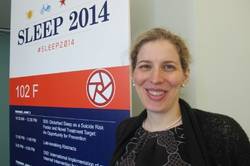
There is already considerable epidemiologic data that lack of sleep is a risk factor for obesity in children and young adults, said Dr. Koren who is with the departments of pediatrics and medicine in the pediatric endocrinology department at the University of Chicago.
There have been studies examining the risk of type 2 diabetes with sleep deprivation in adults, but there has been no population-based data in children examining the risk of type 2 diabetes in children and adolescents – and that’s important because they are not just small adults, she said.
Adolescents tend to be more insulin resistant because of the pubertal growth spurt, and they have a different sleep architecture than do adults, as they tend to be late to bed and late to rise, said Dr. Koren.
Previous studies looking at glucose homeostasis in adolescents have mostly looked at fasting rather than dynamic measures of glucose homeostasis and that is a limitation because fasting measures reflect primarily hepatic insulin sensitivity, she said. Most studies also were conducted in a sleep lab, which is not a natural environment.
She and her colleagues wanted to study adolescents at home and also gauge postprandial glucose metabolism. They enrolled 10 adolescents, aged 13-18 years. A total of 70% were black and 30% were non-Hispanic white. Just under half were male. They were mostly overweight, as measured by body mass index, although some were very lean, and some were very obese, said Dr. Koren.
The patients were first given an overnight polysomnogram, and then told to measure sleep at home through an actigraphy device, and sleep diaries. The actigraphy helped back up the diaries, which are known to be "remarkably inaccurate" among adolescents, said Dr. Koren. They kept track of their sleep for 2 weeks.
The teens then returned for a second visit to the clinic. The researchers analyzed the average bedtime and waking time, and then asked them to restrict their sleep by going to bed an hour later. After returning again, the new measures after sleep restriction were compared with the earlier measures.
There was a strong correlation between weight and sleep duration, with longer sleep associated with less weight. They also saw a trend toward a greater waist circumference in adolescents who slept less.
There was a significant negative association between sleep duration and the 90-minute oral glucose tolerance test, with a P = .036. Restricted sleep also led to greater insulin resistance as measured by the homeostasis model assessment of insulin resistance (P = .091), and the whole-body insulin sensitivity index (P = .091).
Dr. Koren and her colleagues also performed linear regression analyses, controlling for either waist circumference or weight. Sleep deprivation was still the most significant factor as measured on the 90-minute glucose tolerance test and by the whole-body insulin sensitivity index.
"The model suggests that these relationships between home sleep deprivation and insulin resistance or hyperglycemia are independent of obesity, generalized or central," said Dr. Koren.
She cited the example of a 15-year-old female subject, who was lean. Her sleep went from 8.7 hours at baseline to 7.9 hours with the restriction. Her glucose values did not change significantly between baseline and restriction, but her insulin levels were noticeably higher in the sleep-restricted state, said Dr. Koren. Those levels rose an hour into the 90-minute tolerance test, which suggests that she was insulin resistant and needed to secrete more insulin to maintain glycemia.
Dr. Koren and her colleagues hope to replicate the study in a larger cohort.
Dr. Koren reported no relevant financial conflicts.
On Twitter @aliciaault
MINNEAPOLIS – Teens who do not sleep enough may be at risk for gaining weight and increased insulin resistance.
That’s the conclusion of a small pilot study conducted by Dr. Dorit Koren and her colleagues at the University of Chicago.
There is already considerable epidemiologic data that lack of sleep is a risk factor for obesity in children and young adults, said Dr. Koren who is with the departments of pediatrics and medicine in the pediatric endocrinology department at the University of Chicago.
There have been studies examining the risk of type 2 diabetes with sleep deprivation in adults, but there has been no population-based data in children examining the risk of type 2 diabetes in children and adolescents – and that’s important because they are not just small adults, she said.
Adolescents tend to be more insulin resistant because of the pubertal growth spurt, and they have a different sleep architecture than do adults, as they tend to be late to bed and late to rise, said Dr. Koren.
Previous studies looking at glucose homeostasis in adolescents have mostly looked at fasting rather than dynamic measures of glucose homeostasis and that is a limitation because fasting measures reflect primarily hepatic insulin sensitivity, she said. Most studies also were conducted in a sleep lab, which is not a natural environment.
She and her colleagues wanted to study adolescents at home and also gauge postprandial glucose metabolism. They enrolled 10 adolescents, aged 13-18 years. A total of 70% were black and 30% were non-Hispanic white. Just under half were male. They were mostly overweight, as measured by body mass index, although some were very lean, and some were very obese, said Dr. Koren.
The patients were first given an overnight polysomnogram, and then told to measure sleep at home through an actigraphy device, and sleep diaries. The actigraphy helped back up the diaries, which are known to be "remarkably inaccurate" among adolescents, said Dr. Koren. They kept track of their sleep for 2 weeks.
The teens then returned for a second visit to the clinic. The researchers analyzed the average bedtime and waking time, and then asked them to restrict their sleep by going to bed an hour later. After returning again, the new measures after sleep restriction were compared with the earlier measures.
There was a strong correlation between weight and sleep duration, with longer sleep associated with less weight. They also saw a trend toward a greater waist circumference in adolescents who slept less.
There was a significant negative association between sleep duration and the 90-minute oral glucose tolerance test, with a P = .036. Restricted sleep also led to greater insulin resistance as measured by the homeostasis model assessment of insulin resistance (P = .091), and the whole-body insulin sensitivity index (P = .091).
Dr. Koren and her colleagues also performed linear regression analyses, controlling for either waist circumference or weight. Sleep deprivation was still the most significant factor as measured on the 90-minute glucose tolerance test and by the whole-body insulin sensitivity index.
"The model suggests that these relationships between home sleep deprivation and insulin resistance or hyperglycemia are independent of obesity, generalized or central," said Dr. Koren.
She cited the example of a 15-year-old female subject, who was lean. Her sleep went from 8.7 hours at baseline to 7.9 hours with the restriction. Her glucose values did not change significantly between baseline and restriction, but her insulin levels were noticeably higher in the sleep-restricted state, said Dr. Koren. Those levels rose an hour into the 90-minute tolerance test, which suggests that she was insulin resistant and needed to secrete more insulin to maintain glycemia.
Dr. Koren and her colleagues hope to replicate the study in a larger cohort.
Dr. Koren reported no relevant financial conflicts.
On Twitter @aliciaault
MINNEAPOLIS – Teens who do not sleep enough may be at risk for gaining weight and increased insulin resistance.
That’s the conclusion of a small pilot study conducted by Dr. Dorit Koren and her colleagues at the University of Chicago.
There is already considerable epidemiologic data that lack of sleep is a risk factor for obesity in children and young adults, said Dr. Koren who is with the departments of pediatrics and medicine in the pediatric endocrinology department at the University of Chicago.
There have been studies examining the risk of type 2 diabetes with sleep deprivation in adults, but there has been no population-based data in children examining the risk of type 2 diabetes in children and adolescents – and that’s important because they are not just small adults, she said.
Adolescents tend to be more insulin resistant because of the pubertal growth spurt, and they have a different sleep architecture than do adults, as they tend to be late to bed and late to rise, said Dr. Koren.
Previous studies looking at glucose homeostasis in adolescents have mostly looked at fasting rather than dynamic measures of glucose homeostasis and that is a limitation because fasting measures reflect primarily hepatic insulin sensitivity, she said. Most studies also were conducted in a sleep lab, which is not a natural environment.
She and her colleagues wanted to study adolescents at home and also gauge postprandial glucose metabolism. They enrolled 10 adolescents, aged 13-18 years. A total of 70% were black and 30% were non-Hispanic white. Just under half were male. They were mostly overweight, as measured by body mass index, although some were very lean, and some were very obese, said Dr. Koren.
The patients were first given an overnight polysomnogram, and then told to measure sleep at home through an actigraphy device, and sleep diaries. The actigraphy helped back up the diaries, which are known to be "remarkably inaccurate" among adolescents, said Dr. Koren. They kept track of their sleep for 2 weeks.
The teens then returned for a second visit to the clinic. The researchers analyzed the average bedtime and waking time, and then asked them to restrict their sleep by going to bed an hour later. After returning again, the new measures after sleep restriction were compared with the earlier measures.
There was a strong correlation between weight and sleep duration, with longer sleep associated with less weight. They also saw a trend toward a greater waist circumference in adolescents who slept less.
There was a significant negative association between sleep duration and the 90-minute oral glucose tolerance test, with a P = .036. Restricted sleep also led to greater insulin resistance as measured by the homeostasis model assessment of insulin resistance (P = .091), and the whole-body insulin sensitivity index (P = .091).
Dr. Koren and her colleagues also performed linear regression analyses, controlling for either waist circumference or weight. Sleep deprivation was still the most significant factor as measured on the 90-minute glucose tolerance test and by the whole-body insulin sensitivity index.
"The model suggests that these relationships between home sleep deprivation and insulin resistance or hyperglycemia are independent of obesity, generalized or central," said Dr. Koren.
She cited the example of a 15-year-old female subject, who was lean. Her sleep went from 8.7 hours at baseline to 7.9 hours with the restriction. Her glucose values did not change significantly between baseline and restriction, but her insulin levels were noticeably higher in the sleep-restricted state, said Dr. Koren. Those levels rose an hour into the 90-minute tolerance test, which suggests that she was insulin resistant and needed to secrete more insulin to maintain glycemia.
Dr. Koren and her colleagues hope to replicate the study in a larger cohort.
Dr. Koren reported no relevant financial conflicts.
On Twitter @aliciaault
FROM SLEEP 2014
Key clinical point: Sleep restriction can lead to obesity and insulin resistance.
Major finding: Teens who underslept by an hour a night were more likely to be heavier, have a larger weight circumference, and to have greater insulin resistance.
Data source: A 10-patient pilot study of home sleep.
Disclosures: The study was supported by a National Institutes of Health grant. Dr. Koren reported no conflicts.
Azithromycin provides a net benefit in older pneumonia inpatients
Treating pneumonia with azithromycin is linked to lower risk of death but a slightly higher risk of myocardial infarction in older patients, according to a large retrospective cohort study.
Although azithromycin is recommended in combination with macrolides for the first-line treatment of patients hospitalized with pneumonia, recent research suggests it is associated with an increased risk of cardiovascular events. However, the current findings suggest that while it is associated with a slight increase in MI risk (number needed to harm equals 144), it is not associated with "any cardiac event," cardiac arrhythmia, or heart failure, and that the reduction in 90-day mortality risk (number needed to treat of 21) is large enough to provide an overall net benefit.

Dr. Eric M. Mortensen of the Veterans Affairs North Texas Health Care system, Dallas, and his colleagues reported their findings in the June 4 issue of JAMA.
In the current study, 20 in 31,863 patients aged 65 years and older who were exposed to azithromycin were significantly lower than in an equal number of propensity-matched controls who were not exposed (17.4% vs. 22.3%; odds ratio, 0.73).
The risk of myocardial infarction, however, was significantly increased in the azithromycin group (5.1% vs. 4.4%; OR, 1.17), investigators reported.
Azithromycin use was defined as patients’ receipt of at least one dose of azithromycin during the first 48 hours after admission.
Study subjects were older adults with a mean age of 77.8 years in the national Department of Veterans Affairs administrative database who were hospitalized with pneumonia between 2002 and 2012 (JAMA 2014 June 4 [doi:10.1001/jama.2014.4304]). Most patients (98%) were male.
The study had a relatively small number of female subjects and relied "upon ICD-9 diagnosis of cardiovascular events rather than clinical information, which particularly may affect the diagnosis of heart failure,"h the authors said. However, they said, treating physicians were likely to have believed the patients in the study indeed had pneumonia and did not show any bias toward azithromycin.
This study was supported by a grant from the National Institute of Nursing Research. Dr. Mortensen reported having no disclosures. Other researchers reported receiving grants from industry sources.
Azithromycin is a widely used (perhaps too widely) and effective (it's hard to be too effective) antibiotic commonly used in patients with respiratory illnesses. Recent reports, however, have called the safety of this medication into question. The results of this very large study may ease the practitioner's anxiety, at least when treating patients hospitalized with pneumonia.
For a slight increased risk of heart attack, use of azithromycin provides a significantly lower risk of death. As long as the drug is used for the appropriate indication, I'll take that deal in most situations.
Dr. W. Michael Alberts is chief medical officer of the Moffitt Cancer Center and professor of oncology and medicine at the University of South Florida College of Medicine, Tampa.
Azithromycin is a widely used (perhaps too widely) and effective (it's hard to be too effective) antibiotic commonly used in patients with respiratory illnesses. Recent reports, however, have called the safety of this medication into question. The results of this very large study may ease the practitioner's anxiety, at least when treating patients hospitalized with pneumonia.
For a slight increased risk of heart attack, use of azithromycin provides a significantly lower risk of death. As long as the drug is used for the appropriate indication, I'll take that deal in most situations.
Dr. W. Michael Alberts is chief medical officer of the Moffitt Cancer Center and professor of oncology and medicine at the University of South Florida College of Medicine, Tampa.
Azithromycin is a widely used (perhaps too widely) and effective (it's hard to be too effective) antibiotic commonly used in patients with respiratory illnesses. Recent reports, however, have called the safety of this medication into question. The results of this very large study may ease the practitioner's anxiety, at least when treating patients hospitalized with pneumonia.
For a slight increased risk of heart attack, use of azithromycin provides a significantly lower risk of death. As long as the drug is used for the appropriate indication, I'll take that deal in most situations.
Dr. W. Michael Alberts is chief medical officer of the Moffitt Cancer Center and professor of oncology and medicine at the University of South Florida College of Medicine, Tampa.
Treating pneumonia with azithromycin is linked to lower risk of death but a slightly higher risk of myocardial infarction in older patients, according to a large retrospective cohort study.
Although azithromycin is recommended in combination with macrolides for the first-line treatment of patients hospitalized with pneumonia, recent research suggests it is associated with an increased risk of cardiovascular events. However, the current findings suggest that while it is associated with a slight increase in MI risk (number needed to harm equals 144), it is not associated with "any cardiac event," cardiac arrhythmia, or heart failure, and that the reduction in 90-day mortality risk (number needed to treat of 21) is large enough to provide an overall net benefit.
Dr. Eric M. Mortensen of the Veterans Affairs North Texas Health Care system, Dallas, and his colleagues reported their findings in the June 4 issue of JAMA.
In the current study, 20 in 31,863 patients aged 65 years and older who were exposed to azithromycin were significantly lower than in an equal number of propensity-matched controls who were not exposed (17.4% vs. 22.3%; odds ratio, 0.73).
The risk of myocardial infarction, however, was significantly increased in the azithromycin group (5.1% vs. 4.4%; OR, 1.17), investigators reported.
Azithromycin use was defined as patients’ receipt of at least one dose of azithromycin during the first 48 hours after admission.
Study subjects were older adults with a mean age of 77.8 years in the national Department of Veterans Affairs administrative database who were hospitalized with pneumonia between 2002 and 2012 (JAMA 2014 June 4 [doi:10.1001/jama.2014.4304]). Most patients (98%) were male.
The study had a relatively small number of female subjects and relied "upon ICD-9 diagnosis of cardiovascular events rather than clinical information, which particularly may affect the diagnosis of heart failure,"h the authors said. However, they said, treating physicians were likely to have believed the patients in the study indeed had pneumonia and did not show any bias toward azithromycin.
This study was supported by a grant from the National Institute of Nursing Research. Dr. Mortensen reported having no disclosures. Other researchers reported receiving grants from industry sources.
Treating pneumonia with azithromycin is linked to lower risk of death but a slightly higher risk of myocardial infarction in older patients, according to a large retrospective cohort study.
Although azithromycin is recommended in combination with macrolides for the first-line treatment of patients hospitalized with pneumonia, recent research suggests it is associated with an increased risk of cardiovascular events. However, the current findings suggest that while it is associated with a slight increase in MI risk (number needed to harm equals 144), it is not associated with "any cardiac event," cardiac arrhythmia, or heart failure, and that the reduction in 90-day mortality risk (number needed to treat of 21) is large enough to provide an overall net benefit.
Dr. Eric M. Mortensen of the Veterans Affairs North Texas Health Care system, Dallas, and his colleagues reported their findings in the June 4 issue of JAMA.
In the current study, 20 in 31,863 patients aged 65 years and older who were exposed to azithromycin were significantly lower than in an equal number of propensity-matched controls who were not exposed (17.4% vs. 22.3%; odds ratio, 0.73).
The risk of myocardial infarction, however, was significantly increased in the azithromycin group (5.1% vs. 4.4%; OR, 1.17), investigators reported.
Azithromycin use was defined as patients’ receipt of at least one dose of azithromycin during the first 48 hours after admission.
Study subjects were older adults with a mean age of 77.8 years in the national Department of Veterans Affairs administrative database who were hospitalized with pneumonia between 2002 and 2012 (JAMA 2014 June 4 [doi:10.1001/jama.2014.4304]). Most patients (98%) were male.
The study had a relatively small number of female subjects and relied "upon ICD-9 diagnosis of cardiovascular events rather than clinical information, which particularly may affect the diagnosis of heart failure,"h the authors said. However, they said, treating physicians were likely to have believed the patients in the study indeed had pneumonia and did not show any bias toward azithromycin.
This study was supported by a grant from the National Institute of Nursing Research. Dr. Mortensen reported having no disclosures. Other researchers reported receiving grants from industry sources.
FROM JAMA
Key clinical point: The benefit of azithromycin for elderly pneumonia patients outweighs MI risk.
Major finding: Ninety-day mortality in patients receiving azithromycin was 17.4% vs. 22.3% among controls.
Data source: A retrospective cohort study of 63,726 adults aged 65 years or older and hospitalized for pneumonia.
Disclosures: This study was supported by a grant from the National Institute of Nursing Research. Dr. Mortensen reported having no disclosures. Other researchers reported receiving grants from industry sources.

Traditional scoring tool limps as VAP screen in surgical ICU study
BALTIMORE – Screening based on a new chest x-ray infiltrate or fever correctly identified more cases of microbiologically confirmed cases of ventilator-associated pneumonia than a traditional screening tool, in a study of patients in a surgical intensive care unit reported at the annual meeting of the Surgical Infection Society.
In the study, the Clinical Pulmonary Infection Score (CPIS) clinical score (using the threshold of 6) would have missed almost 80% of the cases of microbiologically confirmed VAP. The finding of a new chest x-ray infiltrate was highly sensitive for diagnosing VAP, identifying most cases of VAP, followed by fever as the next most sensitive variable. Each had a sensitivity of about 90%, said Dr. Fredric Pieracci of the department of surgery, Denver Health Medical Center, University of Colorado.

Another notable finding of the study was that the presence of organisms on gram stain in the early VAP window (within 5 days of intubation) was highly sensitive for diagnosing VAP, he added.
VAP is the most common nosocomial infection in intubated, critically ill surgical patients and is the most common reason antibiotics are prescribed in the surgical intensive care unit (SICU), he said. Screening criteria for VAP vary widely, but every algorithm includes some variation of the CPIS, with a score that ranges from 0 to 12. Although the CPIS screening tool, which uses variables that include tracheal secretions and chest x-ray results, has come under scrutiny, it is commonly used, with a result over 6 used as the threshold for both obtaining a lower respiratory tract culture and initiating empiric treatment.
The study analyzed the results of 1,013 bronchoalveolar lavage cultures from 497 SICU patients aged 18-88 years, over a 3-year period (2009-2012). Most of the patients (81%) were males and 71% were trauma patients; cultures were obtained a median of 8 days after intubation (range, 1-109 days), and patients had a median of two cultures. VAP was defined microbiologically as at least 105 CFU/mL if no antibiotics had been given within the previous 72 hours; or at least 104 CFU/mL if antibiotics had been given within the previous 72 hours. CPIS scores were calculated retrospectively.
Of the 1,013 cultures, 438 (43%) met the VAP criteria, and 310 of the 497 patients (62%) had at least one episode of VAP.
Most of the CPIS clinical scores were 4, 5, or 6. When the likelihood of VAP was analyzed, CPIS clinical scores from 1 to 9 all correlated with about a 40% chance of VAP, Dr. Pieracci said. The median CPIS clinical score was 5 for those diagnosed with VAP as well as those not diagnosed with VAP, based on the microbiologic criteria.
The sensitivity of the CPIS clinical score, when the threshold of greater than 6 was used, was only 21%, so by using the CPIS, "we would have missed almost 80% of the VAP cases in this group of patients," he pointed out.
Every case of VAP had at least one of the following: fever, a new chest x-ray infiltrate, or the presence of organisms on gram stain.
Of the individual components of the CPIS, the most sensitive for diagnosing VAP were the new finding on chest x-ray (a sensitivity of 91.1%), and fever (a sensitivity of 89.0%).
When the gram stain results were added to the CPIS clinical score, there was a marginal improvement in sensitivity, "but it was still a very poor screening tool," he said. However, the presence of organisms on the gram stain "was highly sensitive for diagnosing VAP, with a reasonably high negative predictive value" in the early VAP window, when cultures were sent within 5 days of intubation, he said.
The results indicate that the CPIS clinical score in the study "had poor discriminative ability for diagnosing VAP in all the clinical scenarios we tested," and it had a sensitivity that was acceptable only at a threshold lower than 6, Dr. Pieracci said. "Based on these data, we recommend abandoning the CPIS clinical score as a screening tool for VAP," and instead, adopting the three criteria and withholding antibiotic therapy in patients with no organisms on gram stain in the early VAP window.
"What we’ve adopted and are now studying is a screening algorithm that differentiates between the early and late period, and is based on either fever or new chest x-ray finding," Dr. Pieracci said. If the gram stain is negative in the early VAP window, then withholding empiric antibiotics is recommended; this is the only scenario identified in which empiric antibiotics could be safely withheld, he added.
The study was funded through institutional monies. Dr. Pieracci had no relevant disclosures.
BALTIMORE – Screening based on a new chest x-ray infiltrate or fever correctly identified more cases of microbiologically confirmed cases of ventilator-associated pneumonia than a traditional screening tool, in a study of patients in a surgical intensive care unit reported at the annual meeting of the Surgical Infection Society.
In the study, the Clinical Pulmonary Infection Score (CPIS) clinical score (using the threshold of 6) would have missed almost 80% of the cases of microbiologically confirmed VAP. The finding of a new chest x-ray infiltrate was highly sensitive for diagnosing VAP, identifying most cases of VAP, followed by fever as the next most sensitive variable. Each had a sensitivity of about 90%, said Dr. Fredric Pieracci of the department of surgery, Denver Health Medical Center, University of Colorado.
Another notable finding of the study was that the presence of organisms on gram stain in the early VAP window (within 5 days of intubation) was highly sensitive for diagnosing VAP, he added.
VAP is the most common nosocomial infection in intubated, critically ill surgical patients and is the most common reason antibiotics are prescribed in the surgical intensive care unit (SICU), he said. Screening criteria for VAP vary widely, but every algorithm includes some variation of the CPIS, with a score that ranges from 0 to 12. Although the CPIS screening tool, which uses variables that include tracheal secretions and chest x-ray results, has come under scrutiny, it is commonly used, with a result over 6 used as the threshold for both obtaining a lower respiratory tract culture and initiating empiric treatment.
The study analyzed the results of 1,013 bronchoalveolar lavage cultures from 497 SICU patients aged 18-88 years, over a 3-year period (2009-2012). Most of the patients (81%) were males and 71% were trauma patients; cultures were obtained a median of 8 days after intubation (range, 1-109 days), and patients had a median of two cultures. VAP was defined microbiologically as at least 105 CFU/mL if no antibiotics had been given within the previous 72 hours; or at least 104 CFU/mL if antibiotics had been given within the previous 72 hours. CPIS scores were calculated retrospectively.
Of the 1,013 cultures, 438 (43%) met the VAP criteria, and 310 of the 497 patients (62%) had at least one episode of VAP.
Most of the CPIS clinical scores were 4, 5, or 6. When the likelihood of VAP was analyzed, CPIS clinical scores from 1 to 9 all correlated with about a 40% chance of VAP, Dr. Pieracci said. The median CPIS clinical score was 5 for those diagnosed with VAP as well as those not diagnosed with VAP, based on the microbiologic criteria.
The sensitivity of the CPIS clinical score, when the threshold of greater than 6 was used, was only 21%, so by using the CPIS, "we would have missed almost 80% of the VAP cases in this group of patients," he pointed out.
Every case of VAP had at least one of the following: fever, a new chest x-ray infiltrate, or the presence of organisms on gram stain.
Of the individual components of the CPIS, the most sensitive for diagnosing VAP were the new finding on chest x-ray (a sensitivity of 91.1%), and fever (a sensitivity of 89.0%).
When the gram stain results were added to the CPIS clinical score, there was a marginal improvement in sensitivity, "but it was still a very poor screening tool," he said. However, the presence of organisms on the gram stain "was highly sensitive for diagnosing VAP, with a reasonably high negative predictive value" in the early VAP window, when cultures were sent within 5 days of intubation, he said.
The results indicate that the CPIS clinical score in the study "had poor discriminative ability for diagnosing VAP in all the clinical scenarios we tested," and it had a sensitivity that was acceptable only at a threshold lower than 6, Dr. Pieracci said. "Based on these data, we recommend abandoning the CPIS clinical score as a screening tool for VAP," and instead, adopting the three criteria and withholding antibiotic therapy in patients with no organisms on gram stain in the early VAP window.
"What we’ve adopted and are now studying is a screening algorithm that differentiates between the early and late period, and is based on either fever or new chest x-ray finding," Dr. Pieracci said. If the gram stain is negative in the early VAP window, then withholding empiric antibiotics is recommended; this is the only scenario identified in which empiric antibiotics could be safely withheld, he added.
The study was funded through institutional monies. Dr. Pieracci had no relevant disclosures.
BALTIMORE – Screening based on a new chest x-ray infiltrate or fever correctly identified more cases of microbiologically confirmed cases of ventilator-associated pneumonia than a traditional screening tool, in a study of patients in a surgical intensive care unit reported at the annual meeting of the Surgical Infection Society.
In the study, the Clinical Pulmonary Infection Score (CPIS) clinical score (using the threshold of 6) would have missed almost 80% of the cases of microbiologically confirmed VAP. The finding of a new chest x-ray infiltrate was highly sensitive for diagnosing VAP, identifying most cases of VAP, followed by fever as the next most sensitive variable. Each had a sensitivity of about 90%, said Dr. Fredric Pieracci of the department of surgery, Denver Health Medical Center, University of Colorado.
Another notable finding of the study was that the presence of organisms on gram stain in the early VAP window (within 5 days of intubation) was highly sensitive for diagnosing VAP, he added.
VAP is the most common nosocomial infection in intubated, critically ill surgical patients and is the most common reason antibiotics are prescribed in the surgical intensive care unit (SICU), he said. Screening criteria for VAP vary widely, but every algorithm includes some variation of the CPIS, with a score that ranges from 0 to 12. Although the CPIS screening tool, which uses variables that include tracheal secretions and chest x-ray results, has come under scrutiny, it is commonly used, with a result over 6 used as the threshold for both obtaining a lower respiratory tract culture and initiating empiric treatment.
The study analyzed the results of 1,013 bronchoalveolar lavage cultures from 497 SICU patients aged 18-88 years, over a 3-year period (2009-2012). Most of the patients (81%) were males and 71% were trauma patients; cultures were obtained a median of 8 days after intubation (range, 1-109 days), and patients had a median of two cultures. VAP was defined microbiologically as at least 105 CFU/mL if no antibiotics had been given within the previous 72 hours; or at least 104 CFU/mL if antibiotics had been given within the previous 72 hours. CPIS scores were calculated retrospectively.
Of the 1,013 cultures, 438 (43%) met the VAP criteria, and 310 of the 497 patients (62%) had at least one episode of VAP.
Most of the CPIS clinical scores were 4, 5, or 6. When the likelihood of VAP was analyzed, CPIS clinical scores from 1 to 9 all correlated with about a 40% chance of VAP, Dr. Pieracci said. The median CPIS clinical score was 5 for those diagnosed with VAP as well as those not diagnosed with VAP, based on the microbiologic criteria.
The sensitivity of the CPIS clinical score, when the threshold of greater than 6 was used, was only 21%, so by using the CPIS, "we would have missed almost 80% of the VAP cases in this group of patients," he pointed out.
Every case of VAP had at least one of the following: fever, a new chest x-ray infiltrate, or the presence of organisms on gram stain.
Of the individual components of the CPIS, the most sensitive for diagnosing VAP were the new finding on chest x-ray (a sensitivity of 91.1%), and fever (a sensitivity of 89.0%).
When the gram stain results were added to the CPIS clinical score, there was a marginal improvement in sensitivity, "but it was still a very poor screening tool," he said. However, the presence of organisms on the gram stain "was highly sensitive for diagnosing VAP, with a reasonably high negative predictive value" in the early VAP window, when cultures were sent within 5 days of intubation, he said.
The results indicate that the CPIS clinical score in the study "had poor discriminative ability for diagnosing VAP in all the clinical scenarios we tested," and it had a sensitivity that was acceptable only at a threshold lower than 6, Dr. Pieracci said. "Based on these data, we recommend abandoning the CPIS clinical score as a screening tool for VAP," and instead, adopting the three criteria and withholding antibiotic therapy in patients with no organisms on gram stain in the early VAP window.
"What we’ve adopted and are now studying is a screening algorithm that differentiates between the early and late period, and is based on either fever or new chest x-ray finding," Dr. Pieracci said. If the gram stain is negative in the early VAP window, then withholding empiric antibiotics is recommended; this is the only scenario identified in which empiric antibiotics could be safely withheld, he added.
The study was funded through institutional monies. Dr. Pieracci had no relevant disclosures.
AT THE SIS ANNUAL MEETING
Key clinical point: The Clinical Pulmonary Infection Score (CPIS) was less useful than other variables, such as a new chest x-ray infiltrate or fever, in screening surgical ICU patients for VAP and determining the need for empiric antibiotic therapy.
Major finding: The sensitivity of the CPIS tool for VAP in surgical ICU patients was only 21%, compared with 91.1% for a new chest x-ray infiltrate and 89.0% for fever.
Data source: The study evaluated the value of the CPIS and other clinical and gram stain variables in screening for VAP, in 497 adult patients in a surgical ICU.
Disclosures: Dr. Pieracci had no relevant disclosures. The study was funded through institutional monies.
Sleep society: Screen for apnea at first Medicare visit
MINNEAPOLIS – The American Academy of Sleep Medicine is pushing to have a simple sleep apnea questionnaire included in the initial Welcome to Medicare preventive care visit.
Including such a screening tool would help identify obstructive sleep apnea (OSA) when patients first join the Medicare program and thus improve the odds of diagnosing and treating the condition, said Dr. Timothy Morgenthaler, president of the AASM. Getting a handle on OSA could also reduce the potential that the beneficiary will develop related chronic conditions, and that will help Medicare curb expenditures, he said.

An estimated 20% of current Medicare beneficiaries have OSA. That number is expected to grow with the rising obesity rates, he said. Untreated OSA can increase the risk of hypertension, heart disease, type 2 diabetes, and stroke, said Dr. Morgenthaler, who is professor of medicine at the Mayo Clinic in Rochester, Minn.
The AASM has been lobbying Congress to include a validated OSA screen in the initial Medicare visit and found sponsors in Rep. Michael Burgess (R-Tex.) and Rep. Bobby Rush (D-Ill.). The two congressmen introduced a bill (H.R. 4695) that would do just that on May 21.
"This important legislation addresses the barriers that prevent new Medicare beneficiaries from receiving what we know to be required sleep apnea services," Dr. Morgenthaler said at the annual meeting of the Associated Professional Sleep Societies.
Rep. Erik Paulsen (R-Minn.), who recently signed on to the bill as a cosponsor, told AASM attendees that adding an OSA screen to the initial Medicare visit would help increase detection of disease, raise patient awareness, and "improve health care quality and reduce costs to the Medicare program," over the long term.
The AASM is asking its members to back the legislation and educate local lawmakers and patients through the group’s Seniors Sleep Campaign.
The association also wants to make it easier for board-certified sleep medicine specialists to care for Medicare patients from start to finish. Currently, antikickback laws prevent sleep specialists and sleep centers from directly providing therapeutic durable medical equipment to Medicare patients, said Dr. Morgenthaler.
The AASM has developed model language for an exception to that statute, which it hopes legislators or regulators will approve, he said. It would allow board-certified specialists to provide the continuum of care from start to finish, including durable medical equipment such as continuous positive airway pressure devices.
Eliminating the current fragmented system of care would eliminate waste, simplify the work flow, and improve the quality of care and reduce costs, said Dr. Morgenthaler.
On Twitter @aliciaault
MINNEAPOLIS – The American Academy of Sleep Medicine is pushing to have a simple sleep apnea questionnaire included in the initial Welcome to Medicare preventive care visit.
Including such a screening tool would help identify obstructive sleep apnea (OSA) when patients first join the Medicare program and thus improve the odds of diagnosing and treating the condition, said Dr. Timothy Morgenthaler, president of the AASM. Getting a handle on OSA could also reduce the potential that the beneficiary will develop related chronic conditions, and that will help Medicare curb expenditures, he said.
An estimated 20% of current Medicare beneficiaries have OSA. That number is expected to grow with the rising obesity rates, he said. Untreated OSA can increase the risk of hypertension, heart disease, type 2 diabetes, and stroke, said Dr. Morgenthaler, who is professor of medicine at the Mayo Clinic in Rochester, Minn.
The AASM has been lobbying Congress to include a validated OSA screen in the initial Medicare visit and found sponsors in Rep. Michael Burgess (R-Tex.) and Rep. Bobby Rush (D-Ill.). The two congressmen introduced a bill (H.R. 4695) that would do just that on May 21.
"This important legislation addresses the barriers that prevent new Medicare beneficiaries from receiving what we know to be required sleep apnea services," Dr. Morgenthaler said at the annual meeting of the Associated Professional Sleep Societies.
Rep. Erik Paulsen (R-Minn.), who recently signed on to the bill as a cosponsor, told AASM attendees that adding an OSA screen to the initial Medicare visit would help increase detection of disease, raise patient awareness, and "improve health care quality and reduce costs to the Medicare program," over the long term.
The AASM is asking its members to back the legislation and educate local lawmakers and patients through the group’s Seniors Sleep Campaign.
The association also wants to make it easier for board-certified sleep medicine specialists to care for Medicare patients from start to finish. Currently, antikickback laws prevent sleep specialists and sleep centers from directly providing therapeutic durable medical equipment to Medicare patients, said Dr. Morgenthaler.
The AASM has developed model language for an exception to that statute, which it hopes legislators or regulators will approve, he said. It would allow board-certified specialists to provide the continuum of care from start to finish, including durable medical equipment such as continuous positive airway pressure devices.
Eliminating the current fragmented system of care would eliminate waste, simplify the work flow, and improve the quality of care and reduce costs, said Dr. Morgenthaler.
On Twitter @aliciaault
MINNEAPOLIS – The American Academy of Sleep Medicine is pushing to have a simple sleep apnea questionnaire included in the initial Welcome to Medicare preventive care visit.
Including such a screening tool would help identify obstructive sleep apnea (OSA) when patients first join the Medicare program and thus improve the odds of diagnosing and treating the condition, said Dr. Timothy Morgenthaler, president of the AASM. Getting a handle on OSA could also reduce the potential that the beneficiary will develop related chronic conditions, and that will help Medicare curb expenditures, he said.
An estimated 20% of current Medicare beneficiaries have OSA. That number is expected to grow with the rising obesity rates, he said. Untreated OSA can increase the risk of hypertension, heart disease, type 2 diabetes, and stroke, said Dr. Morgenthaler, who is professor of medicine at the Mayo Clinic in Rochester, Minn.
The AASM has been lobbying Congress to include a validated OSA screen in the initial Medicare visit and found sponsors in Rep. Michael Burgess (R-Tex.) and Rep. Bobby Rush (D-Ill.). The two congressmen introduced a bill (H.R. 4695) that would do just that on May 21.
"This important legislation addresses the barriers that prevent new Medicare beneficiaries from receiving what we know to be required sleep apnea services," Dr. Morgenthaler said at the annual meeting of the Associated Professional Sleep Societies.
Rep. Erik Paulsen (R-Minn.), who recently signed on to the bill as a cosponsor, told AASM attendees that adding an OSA screen to the initial Medicare visit would help increase detection of disease, raise patient awareness, and "improve health care quality and reduce costs to the Medicare program," over the long term.
The AASM is asking its members to back the legislation and educate local lawmakers and patients through the group’s Seniors Sleep Campaign.
The association also wants to make it easier for board-certified sleep medicine specialists to care for Medicare patients from start to finish. Currently, antikickback laws prevent sleep specialists and sleep centers from directly providing therapeutic durable medical equipment to Medicare patients, said Dr. Morgenthaler.
The AASM has developed model language for an exception to that statute, which it hopes legislators or regulators will approve, he said. It would allow board-certified specialists to provide the continuum of care from start to finish, including durable medical equipment such as continuous positive airway pressure devices.
Eliminating the current fragmented system of care would eliminate waste, simplify the work flow, and improve the quality of care and reduce costs, said Dr. Morgenthaler.
On Twitter @aliciaault
AT SLEEP 2014

People with SAD have reduced retinal sensitivity to light year round
MINNEAPOLIS – People with seasonal affective disorder (SAD) have reduced retinal sensitivity to light all year long, suggests a study reported at the annual meeting of the Associated Professional Sleep Societies. And such lower sensitivity predicts the night-owl behavioral pattern that is one feature of this disorder.
Individuals with SAD, compared with healthy controls, have impaired cellular responses in a specific neural pathway, Kathryn A. Roecklein, Ph.D., of the University of Pittsburgh, said in an interview. "This neural pathway starts in the retina," with ganglion cells containing the protein melanopsin, "and goes to the central circadian clock in the brain and allows our bodies to synchronize with the environmental light/dark cycle."
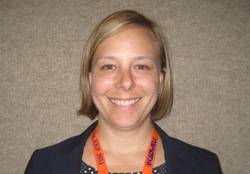
"Surprisingly, melanopsin cell responses were lower in SAD year-round, in summer and winter, compared with controls. This means that impaired melanopsin cell responses are likely to make individuals vulnerable to SAD when light levels are lower on dark, winter days," she added.
In the study, the investigators measured the sensitivity of melanopsin cells to light with the postillumination pupil response (PIPR) test, and they plan to assess whether this test predicts treatment response, according to Dr. Roecklein.
"We are hoping that the PIPR test, which is similar to going to the ophthalmologist, will offer patients and their doctors a quick and easy way to choose from the multiple treatment options for depression: light therapy, antidepressant medication, and psychotherapy," she explained. Such prediction "could improve treatment fidelity, motivation to engage in treatment, and response rates."
The study "was an interesting look at the possible underpinnings of SAD, based on testing on the physiological responses from light coming into the eye," session chair Dr. Douglas B. Kirsch of the Sleep Disorders Service at the Brigham & Women’s Hospital in Boston commented in an interview.
"This novel research may eventually help identify people at risk for SAD and, looking forward, may phenotype the SAD patients most likely to respond to different treatments such as light or antidepressant medication," he agreed.
Previous research has shown that relative to unaffected peers, people with SAD have a reduced melanopsin cell response in winter (Psychiatry Res. 2013;210:150-158), but it is unclear whether this is a season-specific phenomenon.
In their study, the investigators measured postillumination pupil response during summer and winter in 33 individuals with SAD and 17 healthy individuals, using 1-second light exposures to red light and to blue light for testing.
Relative to healthy peers, individuals with SAD had a smaller postillumination pupil response year-round (P = .004). But in addition, going from summer to winter, the response decreased in the SAD group whereas it increased in the healthy group, suggesting that SAD is also due to failure of a normal upregulation that kicks in as light dwindles later in the year, according to Dr. Roecklein.
Additional results showed that individuals with a smaller postillumination pupil response were more likely to be night owls vs. early risers (P less than .00001).
After adjusting for age and sex, the SAD group had more of a night-owl pattern than did the healthy group year round (P less than .001), although within the former group, this pattern was somewhat more pronounced in the winter.
The study was funded by a grant from the National Institutes of Health and supported by the University of Pittsburgh Sleep Medicine Institute, and the Center for the Neural Basis of Cognition, a joint venture between the University of Pittsburgh and Carnegie Mellon University. The authors reported having no financial disclosures.
MINNEAPOLIS – People with seasonal affective disorder (SAD) have reduced retinal sensitivity to light all year long, suggests a study reported at the annual meeting of the Associated Professional Sleep Societies. And such lower sensitivity predicts the night-owl behavioral pattern that is one feature of this disorder.
Individuals with SAD, compared with healthy controls, have impaired cellular responses in a specific neural pathway, Kathryn A. Roecklein, Ph.D., of the University of Pittsburgh, said in an interview. "This neural pathway starts in the retina," with ganglion cells containing the protein melanopsin, "and goes to the central circadian clock in the brain and allows our bodies to synchronize with the environmental light/dark cycle."
"Surprisingly, melanopsin cell responses were lower in SAD year-round, in summer and winter, compared with controls. This means that impaired melanopsin cell responses are likely to make individuals vulnerable to SAD when light levels are lower on dark, winter days," she added.
In the study, the investigators measured the sensitivity of melanopsin cells to light with the postillumination pupil response (PIPR) test, and they plan to assess whether this test predicts treatment response, according to Dr. Roecklein.
"We are hoping that the PIPR test, which is similar to going to the ophthalmologist, will offer patients and their doctors a quick and easy way to choose from the multiple treatment options for depression: light therapy, antidepressant medication, and psychotherapy," she explained. Such prediction "could improve treatment fidelity, motivation to engage in treatment, and response rates."
The study "was an interesting look at the possible underpinnings of SAD, based on testing on the physiological responses from light coming into the eye," session chair Dr. Douglas B. Kirsch of the Sleep Disorders Service at the Brigham & Women’s Hospital in Boston commented in an interview.
"This novel research may eventually help identify people at risk for SAD and, looking forward, may phenotype the SAD patients most likely to respond to different treatments such as light or antidepressant medication," he agreed.
Previous research has shown that relative to unaffected peers, people with SAD have a reduced melanopsin cell response in winter (Psychiatry Res. 2013;210:150-158), but it is unclear whether this is a season-specific phenomenon.
In their study, the investigators measured postillumination pupil response during summer and winter in 33 individuals with SAD and 17 healthy individuals, using 1-second light exposures to red light and to blue light for testing.
Relative to healthy peers, individuals with SAD had a smaller postillumination pupil response year-round (P = .004). But in addition, going from summer to winter, the response decreased in the SAD group whereas it increased in the healthy group, suggesting that SAD is also due to failure of a normal upregulation that kicks in as light dwindles later in the year, according to Dr. Roecklein.
Additional results showed that individuals with a smaller postillumination pupil response were more likely to be night owls vs. early risers (P less than .00001).
After adjusting for age and sex, the SAD group had more of a night-owl pattern than did the healthy group year round (P less than .001), although within the former group, this pattern was somewhat more pronounced in the winter.
The study was funded by a grant from the National Institutes of Health and supported by the University of Pittsburgh Sleep Medicine Institute, and the Center for the Neural Basis of Cognition, a joint venture between the University of Pittsburgh and Carnegie Mellon University. The authors reported having no financial disclosures.
MINNEAPOLIS – People with seasonal affective disorder (SAD) have reduced retinal sensitivity to light all year long, suggests a study reported at the annual meeting of the Associated Professional Sleep Societies. And such lower sensitivity predicts the night-owl behavioral pattern that is one feature of this disorder.
Individuals with SAD, compared with healthy controls, have impaired cellular responses in a specific neural pathway, Kathryn A. Roecklein, Ph.D., of the University of Pittsburgh, said in an interview. "This neural pathway starts in the retina," with ganglion cells containing the protein melanopsin, "and goes to the central circadian clock in the brain and allows our bodies to synchronize with the environmental light/dark cycle."
"Surprisingly, melanopsin cell responses were lower in SAD year-round, in summer and winter, compared with controls. This means that impaired melanopsin cell responses are likely to make individuals vulnerable to SAD when light levels are lower on dark, winter days," she added.
In the study, the investigators measured the sensitivity of melanopsin cells to light with the postillumination pupil response (PIPR) test, and they plan to assess whether this test predicts treatment response, according to Dr. Roecklein.
"We are hoping that the PIPR test, which is similar to going to the ophthalmologist, will offer patients and their doctors a quick and easy way to choose from the multiple treatment options for depression: light therapy, antidepressant medication, and psychotherapy," she explained. Such prediction "could improve treatment fidelity, motivation to engage in treatment, and response rates."
The study "was an interesting look at the possible underpinnings of SAD, based on testing on the physiological responses from light coming into the eye," session chair Dr. Douglas B. Kirsch of the Sleep Disorders Service at the Brigham & Women’s Hospital in Boston commented in an interview.
"This novel research may eventually help identify people at risk for SAD and, looking forward, may phenotype the SAD patients most likely to respond to different treatments such as light or antidepressant medication," he agreed.
Previous research has shown that relative to unaffected peers, people with SAD have a reduced melanopsin cell response in winter (Psychiatry Res. 2013;210:150-158), but it is unclear whether this is a season-specific phenomenon.
In their study, the investigators measured postillumination pupil response during summer and winter in 33 individuals with SAD and 17 healthy individuals, using 1-second light exposures to red light and to blue light for testing.
Relative to healthy peers, individuals with SAD had a smaller postillumination pupil response year-round (P = .004). But in addition, going from summer to winter, the response decreased in the SAD group whereas it increased in the healthy group, suggesting that SAD is also due to failure of a normal upregulation that kicks in as light dwindles later in the year, according to Dr. Roecklein.
Additional results showed that individuals with a smaller postillumination pupil response were more likely to be night owls vs. early risers (P less than .00001).
After adjusting for age and sex, the SAD group had more of a night-owl pattern than did the healthy group year round (P less than .001), although within the former group, this pattern was somewhat more pronounced in the winter.
The study was funded by a grant from the National Institutes of Health and supported by the University of Pittsburgh Sleep Medicine Institute, and the Center for the Neural Basis of Cognition, a joint venture between the University of Pittsburgh and Carnegie Mellon University. The authors reported having no financial disclosures.
AT SLEEP 2014
Key clinical point: Patients with SAD may comply with treatment more willingly once they know the fault is in their pupils.
Major finding: The postillumination pupil response was lower in people with SAD than in healthy people year round (P = .004), and a lower response predicted more of a night-owl chronotype (P less than .00001).
Data source: A cohort study of 33 people with SAD and 17 healthy people tested in both winter and summer.
Disclosures: The study was funded by a grant from the National Institutes of Health and supported by the University of Pittsburgh Sleep Medicine Institute and the Center for the Neural Basis of Cognition, a joint venture between the University of Pittsburgh and Carnegie Mellon University. The authors reported having no financial disclosures.
Ozone increased apnea, bradycardia in healthy sleeping infants
MINNEAPOLIS – Increased exposure to ozone appeared to increase cardiorespiratory events in healthy sleeping infants, based on preliminary data.
Dr. Chana I.C. Chin, a pediatric pulmonology fellow at the Children’s Hospital Los Angeles, and her associates found that for each 10-part-per-billion (ppb) elevation in ozone, there was a 22% higher risk of an apneic or bradycardic event (P = .0012), after adjustment for seasonality, weekday, and individual random effects.
"Air pollution likely increases infant mortality and likely impacts infants to a greater degree than adults," said Dr. Chin. "Infants have small body mass ratio, narrower airways, higher particulate deposition rates, greater volume of air breathed per body weight, and underdeveloped defense mechanisms."

"Infant sleep offers a great way to study the impact of air pollutants. And [infants] sleep 16-18 hours a day and depend on healthy sleep for appropriate growth and development," she added.
Disturbed sleep has been seen in rats exposed to ozone (O3), but human data are scant. Dr. Chin and her associates studied the association between air pollution and sleep-associated cardiopulmonary events in the hopes of elucidating a novel pathway linking early-life exposure to adverse health effects in childhood.
Researchers studied 196 healthy term infants, preterm infants, siblings of SIDS infants, and infants experiencing apparent life-threatening events who were residing in Southern California and recruited in 1994-1998 for the Collaborative Home Infant Monitoring Evaluation Study (CHIME). Home-based monitoring of sleep measured central, obstructive, and mixed apnea and bradycardia aggregated over a 24-hour period.
About 60% of the cohort were preterm, with an overall median gestational age of 33.7 weeks. Historical Environmental Protection Agency air quality data on daily O3, nitrogen dioxide, and particulate matter exposure was assigned to each residential zip code.
A greater adverse effect for ozone was found in the term babies (odds ratio, 1.35), compared with the preterm babies (OR, 1.01; P=.0005 for between-group difference), Dr. Chin reported at the annual meeting of the Associated Professional Sleep Societies.
Nitrogen dioxide and particulate matter exposure were not significantly associated with sleep apnea or bradycardia in these infants.
"We speculate that the observed O3 apnea and bradycardia association implies a possible mechanistic pathway for subsequent adverse morbidity and mortality and merits further investigation," Dr. Chin said.
In response to a query on the relative age of the data (1994-1998), she commented that the CHIME data are so valuable since "we don’t really monitor healthy infants anymore."
"There’s no large trial now where a parent would say, "Yes, put my infant on an apnea monitor when there’s no indication," Dr. Chin added.
This study was supported by a pilot project grant from the National Institute of Environmental Health Sciences–funded USC/UCLA Southern Environmental Health Sciences Center and a seed grant from the American Medical Association. Dr. Chin reported having no disclosures.
MINNEAPOLIS – Increased exposure to ozone appeared to increase cardiorespiratory events in healthy sleeping infants, based on preliminary data.
Dr. Chana I.C. Chin, a pediatric pulmonology fellow at the Children’s Hospital Los Angeles, and her associates found that for each 10-part-per-billion (ppb) elevation in ozone, there was a 22% higher risk of an apneic or bradycardic event (P = .0012), after adjustment for seasonality, weekday, and individual random effects.
"Air pollution likely increases infant mortality and likely impacts infants to a greater degree than adults," said Dr. Chin. "Infants have small body mass ratio, narrower airways, higher particulate deposition rates, greater volume of air breathed per body weight, and underdeveloped defense mechanisms."
"Infant sleep offers a great way to study the impact of air pollutants. And [infants] sleep 16-18 hours a day and depend on healthy sleep for appropriate growth and development," she added.
Disturbed sleep has been seen in rats exposed to ozone (O3), but human data are scant. Dr. Chin and her associates studied the association between air pollution and sleep-associated cardiopulmonary events in the hopes of elucidating a novel pathway linking early-life exposure to adverse health effects in childhood.
Researchers studied 196 healthy term infants, preterm infants, siblings of SIDS infants, and infants experiencing apparent life-threatening events who were residing in Southern California and recruited in 1994-1998 for the Collaborative Home Infant Monitoring Evaluation Study (CHIME). Home-based monitoring of sleep measured central, obstructive, and mixed apnea and bradycardia aggregated over a 24-hour period.
About 60% of the cohort were preterm, with an overall median gestational age of 33.7 weeks. Historical Environmental Protection Agency air quality data on daily O3, nitrogen dioxide, and particulate matter exposure was assigned to each residential zip code.
A greater adverse effect for ozone was found in the term babies (odds ratio, 1.35), compared with the preterm babies (OR, 1.01; P=.0005 for between-group difference), Dr. Chin reported at the annual meeting of the Associated Professional Sleep Societies.
Nitrogen dioxide and particulate matter exposure were not significantly associated with sleep apnea or bradycardia in these infants.
"We speculate that the observed O3 apnea and bradycardia association implies a possible mechanistic pathway for subsequent adverse morbidity and mortality and merits further investigation," Dr. Chin said.
In response to a query on the relative age of the data (1994-1998), she commented that the CHIME data are so valuable since "we don’t really monitor healthy infants anymore."
"There’s no large trial now where a parent would say, "Yes, put my infant on an apnea monitor when there’s no indication," Dr. Chin added.
This study was supported by a pilot project grant from the National Institute of Environmental Health Sciences–funded USC/UCLA Southern Environmental Health Sciences Center and a seed grant from the American Medical Association. Dr. Chin reported having no disclosures.
MINNEAPOLIS – Increased exposure to ozone appeared to increase cardiorespiratory events in healthy sleeping infants, based on preliminary data.
Dr. Chana I.C. Chin, a pediatric pulmonology fellow at the Children’s Hospital Los Angeles, and her associates found that for each 10-part-per-billion (ppb) elevation in ozone, there was a 22% higher risk of an apneic or bradycardic event (P = .0012), after adjustment for seasonality, weekday, and individual random effects.
"Air pollution likely increases infant mortality and likely impacts infants to a greater degree than adults," said Dr. Chin. "Infants have small body mass ratio, narrower airways, higher particulate deposition rates, greater volume of air breathed per body weight, and underdeveloped defense mechanisms."
"Infant sleep offers a great way to study the impact of air pollutants. And [infants] sleep 16-18 hours a day and depend on healthy sleep for appropriate growth and development," she added.
Disturbed sleep has been seen in rats exposed to ozone (O3), but human data are scant. Dr. Chin and her associates studied the association between air pollution and sleep-associated cardiopulmonary events in the hopes of elucidating a novel pathway linking early-life exposure to adverse health effects in childhood.
Researchers studied 196 healthy term infants, preterm infants, siblings of SIDS infants, and infants experiencing apparent life-threatening events who were residing in Southern California and recruited in 1994-1998 for the Collaborative Home Infant Monitoring Evaluation Study (CHIME). Home-based monitoring of sleep measured central, obstructive, and mixed apnea and bradycardia aggregated over a 24-hour period.
About 60% of the cohort were preterm, with an overall median gestational age of 33.7 weeks. Historical Environmental Protection Agency air quality data on daily O3, nitrogen dioxide, and particulate matter exposure was assigned to each residential zip code.
A greater adverse effect for ozone was found in the term babies (odds ratio, 1.35), compared with the preterm babies (OR, 1.01; P=.0005 for between-group difference), Dr. Chin reported at the annual meeting of the Associated Professional Sleep Societies.
Nitrogen dioxide and particulate matter exposure were not significantly associated with sleep apnea or bradycardia in these infants.
"We speculate that the observed O3 apnea and bradycardia association implies a possible mechanistic pathway for subsequent adverse morbidity and mortality and merits further investigation," Dr. Chin said.
In response to a query on the relative age of the data (1994-1998), she commented that the CHIME data are so valuable since "we don’t really monitor healthy infants anymore."
"There’s no large trial now where a parent would say, "Yes, put my infant on an apnea monitor when there’s no indication," Dr. Chin added.
This study was supported by a pilot project grant from the National Institute of Environmental Health Sciences–funded USC/UCLA Southern Environmental Health Sciences Center and a seed grant from the American Medical Association. Dr. Chin reported having no disclosures.
AT SLEEP 2014
Key clinical point: Apnea was more frequent in even healthy babies when ozone was high.
Major finding: In healthy sleeping infants, for every 10-ppb elevation in ozone, a 22% increase was seen in apnea and bradycardia events.
Data source: 205 infants residing in Southern California and recruited in the 1994-1998 for the Collaborative Home Infant Monitoring Evaluation Study.
Disclosures: The study was supported by a pilot project grant from the National Institute of Environmental Health Science–funded USC/UCLA Southern Environmental Health Sciences Center and a seed grant from the American Medical Association. Dr. Chin reported having no disclosures.

Caffeine therapy for apnea of prematurity does not prevent later OSA
MINNEAPOLIS – Caffeine therapy for apnea of prematurity did not prevent the development of persistent and significant obstructive apnea in children by the time they were 9 years old.
"Apnea of prematurity occurs in more than three-quarters of infants born at under 30 weeks’ gestation, and more than half of these apneas are actually obstructive in nature," reported Dr. Carole Marcus, who is director of the sleep center at the Children’s Hospital of Philadelphia, at the annual meeting of the Associated Professional Sleep Societies. "Caffeine is now the most commonly used drug [to treat apnea of prematurity] in the NICU in infants less than 32 weeks’ gestation," she said.
Apnea of prematurity is commonly treated with therapeutic caffeine administration, but the long-term effects of caffeine on sleep in the developing brain are not well understood. In particular, it is not known whether neonatal caffeine administration has permanent adverse effects on sleep architecture and ventilatory control, perhaps increasing the risk of later sleep disorders such as insomnia and obstructive sleep apnea.
In the earlier CAP (Caffeine for Apnea of Prematurity) trial, 793 premature infants with birthweights of 500-1250 g were randomly assigned to receive either caffeine or placebo until therapy for apnea of prematurity was no longer needed.
Caffeine therapy was shown to improve the rate of survival without neurodevelopmental disability at 18 to 21 months in these babies compared to placebo (P = .008) (N. Engl. J. Med. 2007;357:1893-902).
The subsequent axillary long-term CAP-S (Sleep) trial involved 201 CAP subjects and looked at whether neonatal caffeine administration resulted in later sleep abnormalities. The investigators assessed the ex-premature children between ages 5-11 years (mean age, 9 years) using sleep questionnaires, actigraphy, and full ambulatory (home-based) polysomnography.
Of note, the patients assessed in CAP-S were from either Canada or Australia, with a high proportion of white patients, high maternal education, and high socioeconomic status, "which is relevant to our obstructive sleep apnea outcomes," noted Dr. Marcus (SLEEP 2014 abstract supplement;37:abst.#0862).
No significant differences were noted in children who had received caffeine, compared with those who did not in terms of subjective measures of sleep quality or quantity. Total recording time and total sleep time on polysomnography were somewhat longer in the caffeine arm, but there was no difference seen in sleep efficiency between groups (P = .91).
However, obstructive sleep apnea (apnea-hypopnea index of more than two episodes/hour) was common in both groups (8.2% of the caffeine group and 11% of the placebo group; P = .22). In contrast, the prevalence of obstructive sleep apnea in the general pediatric population is between 1%-4%.
Also, 24% of the caffeine group and 29% of the placebo group had either obstructive sleep apnea on polysomnography and/or a history of adenoidectomy/tonsillectomy, again with no difference between groups (P = .35).
A large proportion of subjects in both arms had elevated periodic limb movements (17.5% in the caffeine group and 11% in the placebo groups; P = .27), a proportion that was markedly higher than was the normal prevalence in cases in which the child had more than five episodes of periodic limb movement/hour, which lies between 5% and 8%.
"We think that this study further supports the use of caffeine for apnea of prematurity as it has been shown to have quite a number of beneficial effects and no long-term adverse effects," said Dr. Marcus. "However, further study is needed on the mechanisms underlying the high prevalence of sleep disorders, both [obstructive sleep apnea] and [periodic limb movement syndrome], in ex-preterm infants."
In response to a comment, Dr. Marcus added that there is also a long-term behavioral and neurocognitive outcomes study ongoing on the CAP cohort, but they were unable to combine those results with the sleep study results because the data were collected too far apart.
The study was supported by an National Institutes of Health R01 grant and by the Canadian Institute for Health Research. Philips Respironics provided actigraphy equipment. Dr. Marcus reported that she gets unrelated research support from Philips Respironics and Ventus.
MINNEAPOLIS – Caffeine therapy for apnea of prematurity did not prevent the development of persistent and significant obstructive apnea in children by the time they were 9 years old.
"Apnea of prematurity occurs in more than three-quarters of infants born at under 30 weeks’ gestation, and more than half of these apneas are actually obstructive in nature," reported Dr. Carole Marcus, who is director of the sleep center at the Children’s Hospital of Philadelphia, at the annual meeting of the Associated Professional Sleep Societies. "Caffeine is now the most commonly used drug [to treat apnea of prematurity] in the NICU in infants less than 32 weeks’ gestation," she said.
Apnea of prematurity is commonly treated with therapeutic caffeine administration, but the long-term effects of caffeine on sleep in the developing brain are not well understood. In particular, it is not known whether neonatal caffeine administration has permanent adverse effects on sleep architecture and ventilatory control, perhaps increasing the risk of later sleep disorders such as insomnia and obstructive sleep apnea.
In the earlier CAP (Caffeine for Apnea of Prematurity) trial, 793 premature infants with birthweights of 500-1250 g were randomly assigned to receive either caffeine or placebo until therapy for apnea of prematurity was no longer needed.
Caffeine therapy was shown to improve the rate of survival without neurodevelopmental disability at 18 to 21 months in these babies compared to placebo (P = .008) (N. Engl. J. Med. 2007;357:1893-902).
The subsequent axillary long-term CAP-S (Sleep) trial involved 201 CAP subjects and looked at whether neonatal caffeine administration resulted in later sleep abnormalities. The investigators assessed the ex-premature children between ages 5-11 years (mean age, 9 years) using sleep questionnaires, actigraphy, and full ambulatory (home-based) polysomnography.
Of note, the patients assessed in CAP-S were from either Canada or Australia, with a high proportion of white patients, high maternal education, and high socioeconomic status, "which is relevant to our obstructive sleep apnea outcomes," noted Dr. Marcus (SLEEP 2014 abstract supplement;37:abst.#0862).
No significant differences were noted in children who had received caffeine, compared with those who did not in terms of subjective measures of sleep quality or quantity. Total recording time and total sleep time on polysomnography were somewhat longer in the caffeine arm, but there was no difference seen in sleep efficiency between groups (P = .91).
However, obstructive sleep apnea (apnea-hypopnea index of more than two episodes/hour) was common in both groups (8.2% of the caffeine group and 11% of the placebo group; P = .22). In contrast, the prevalence of obstructive sleep apnea in the general pediatric population is between 1%-4%.
Also, 24% of the caffeine group and 29% of the placebo group had either obstructive sleep apnea on polysomnography and/or a history of adenoidectomy/tonsillectomy, again with no difference between groups (P = .35).
A large proportion of subjects in both arms had elevated periodic limb movements (17.5% in the caffeine group and 11% in the placebo groups; P = .27), a proportion that was markedly higher than was the normal prevalence in cases in which the child had more than five episodes of periodic limb movement/hour, which lies between 5% and 8%.
"We think that this study further supports the use of caffeine for apnea of prematurity as it has been shown to have quite a number of beneficial effects and no long-term adverse effects," said Dr. Marcus. "However, further study is needed on the mechanisms underlying the high prevalence of sleep disorders, both [obstructive sleep apnea] and [periodic limb movement syndrome], in ex-preterm infants."
In response to a comment, Dr. Marcus added that there is also a long-term behavioral and neurocognitive outcomes study ongoing on the CAP cohort, but they were unable to combine those results with the sleep study results because the data were collected too far apart.
The study was supported by an National Institutes of Health R01 grant and by the Canadian Institute for Health Research. Philips Respironics provided actigraphy equipment. Dr. Marcus reported that she gets unrelated research support from Philips Respironics and Ventus.
MINNEAPOLIS – Caffeine therapy for apnea of prematurity did not prevent the development of persistent and significant obstructive apnea in children by the time they were 9 years old.
"Apnea of prematurity occurs in more than three-quarters of infants born at under 30 weeks’ gestation, and more than half of these apneas are actually obstructive in nature," reported Dr. Carole Marcus, who is director of the sleep center at the Children’s Hospital of Philadelphia, at the annual meeting of the Associated Professional Sleep Societies. "Caffeine is now the most commonly used drug [to treat apnea of prematurity] in the NICU in infants less than 32 weeks’ gestation," she said.
Apnea of prematurity is commonly treated with therapeutic caffeine administration, but the long-term effects of caffeine on sleep in the developing brain are not well understood. In particular, it is not known whether neonatal caffeine administration has permanent adverse effects on sleep architecture and ventilatory control, perhaps increasing the risk of later sleep disorders such as insomnia and obstructive sleep apnea.
In the earlier CAP (Caffeine for Apnea of Prematurity) trial, 793 premature infants with birthweights of 500-1250 g were randomly assigned to receive either caffeine or placebo until therapy for apnea of prematurity was no longer needed.
Caffeine therapy was shown to improve the rate of survival without neurodevelopmental disability at 18 to 21 months in these babies compared to placebo (P = .008) (N. Engl. J. Med. 2007;357:1893-902).
The subsequent axillary long-term CAP-S (Sleep) trial involved 201 CAP subjects and looked at whether neonatal caffeine administration resulted in later sleep abnormalities. The investigators assessed the ex-premature children between ages 5-11 years (mean age, 9 years) using sleep questionnaires, actigraphy, and full ambulatory (home-based) polysomnography.
Of note, the patients assessed in CAP-S were from either Canada or Australia, with a high proportion of white patients, high maternal education, and high socioeconomic status, "which is relevant to our obstructive sleep apnea outcomes," noted Dr. Marcus (SLEEP 2014 abstract supplement;37:abst.#0862).
No significant differences were noted in children who had received caffeine, compared with those who did not in terms of subjective measures of sleep quality or quantity. Total recording time and total sleep time on polysomnography were somewhat longer in the caffeine arm, but there was no difference seen in sleep efficiency between groups (P = .91).
However, obstructive sleep apnea (apnea-hypopnea index of more than two episodes/hour) was common in both groups (8.2% of the caffeine group and 11% of the placebo group; P = .22). In contrast, the prevalence of obstructive sleep apnea in the general pediatric population is between 1%-4%.
Also, 24% of the caffeine group and 29% of the placebo group had either obstructive sleep apnea on polysomnography and/or a history of adenoidectomy/tonsillectomy, again with no difference between groups (P = .35).
A large proportion of subjects in both arms had elevated periodic limb movements (17.5% in the caffeine group and 11% in the placebo groups; P = .27), a proportion that was markedly higher than was the normal prevalence in cases in which the child had more than five episodes of periodic limb movement/hour, which lies between 5% and 8%.
"We think that this study further supports the use of caffeine for apnea of prematurity as it has been shown to have quite a number of beneficial effects and no long-term adverse effects," said Dr. Marcus. "However, further study is needed on the mechanisms underlying the high prevalence of sleep disorders, both [obstructive sleep apnea] and [periodic limb movement syndrome], in ex-preterm infants."
In response to a comment, Dr. Marcus added that there is also a long-term behavioral and neurocognitive outcomes study ongoing on the CAP cohort, but they were unable to combine those results with the sleep study results because the data were collected too far apart.
The study was supported by an National Institutes of Health R01 grant and by the Canadian Institute for Health Research. Philips Respironics provided actigraphy equipment. Dr. Marcus reported that she gets unrelated research support from Philips Respironics and Ventus.
AT SLEEP 2014
Key clinical finding: Obstructive apnea remains a significant problem in premature babies as they age, despite caffeine therapy.
Major finding: No differences were seen in later childhood between children with apnea of prematurity treated with caffeine or placebo in terms of sleep pathology, but apnea of prematurity itself increases risk for obstructive sleep apnea and restless sleep in later childhood.
Data source: Long-term follow-up of 201 ex-premature children aged 5-12 years who participated in the Caffeine for Apnea of Prematurity (CAP) trial.
Disclosures: The study was supported by an NIH R01 grant and by the Canadian Institute for Health Research. Philips Respironics provided actigraphy equipment. Dr. Marcus reported that she gets unrelated research support from Philips Respironics and Ventus.
Suicide more likely after midnight
MINNEAPOLIS – Suicide may be more likely after midnight and in particular between 2 a.m. and 3 a.m., according to new research.
"This appears to be the first data to suggest that circadian factors may contribute to suicidality, and help explain why insomnia is also a risk factor for suicidal ideation and behavior," said Michael L. Perlis, Ph.D., of the department of psychiatry and director of the Penn behavioral sleep medicine program at the University of Pennsylvania, Philadelphia.

Dr. Perlis said that it has long been known that insomnia may lead to a certain despair; he found a reference to it in the Lancet in 1914. The anecdotal report said, "The rector of a parish having written the following letter, was found dead in a pool with a bullet wound in the head: ‘Another sleepless night; no real sleep for weeks. Oh, my poor brain, I cannot bear the lengthy, dark hours of the night.’ "
Previous studies have shown that completed suicides rise starting in the morning, and then peak in the afternoon, with trends being lowest from midnight to 4 a.m., Dr. Perlis said at the annual meeting of the Associated Professional Sleep Societies.
He and his colleagues at Penn and the Philadelphia Veteran Affairs Medical Center, also in Philadelphia, decided to take a different look at the data – instead of arraying completed suicides as a percent per hour, they examined the odds of completed suicide by clock hour, accounting for the proportion of the population awake at each hour.
They hypothesized that people with insomnia may be at higher risk for suicidal ideation and behavior because of their chaotic and dysfunctional thoughts and nightmares, in which small problems appear much larger. Further, people who are depressed and suicidal also have higher rates of insomnia.
They looked at 35,332 suicides reported to the National Violent Death Reporting System at the Centers for Disease Control and Prevention. The data come from 18 states and was compiled from 2002 to 2010. The reports included the time of the fatal injury.
A total of 81% (28,704) of the suicides were in men and 84% (29,771) were in non-Hispanic whites. Suicide was highest among 35-44-year-olds and 45-54-year-olds, at about 20% for each age group.
The researchers used existing data on the number of Americans awake at any given hour and plotted the suicides by 1-hour increments.
At 7 a.m., the mean suicide rate was just under 2%. But at midnight, it was 8.3%; at 2 a.m., it was 16%, and at 3 a.m. it was 15%. Rates continued to drop from there, to a little over 2% at 6 a.m.
"Frankly, it makes all the sense in the world that completed suicides would occur more frequently at night," Dr. Perlis said in an interview. At that time, there is an absence of social constraints and social supports, a despair that comes from sleeplessness and easier access to alcohol, substances, and weapons, he said. Impulse control also may be lower (Sleep 2014;vol.237:abstract supplement,abst. 0768)
It is also "likely that being awake at night, when one is biologically prepared to be asleep, may be a risk factor in and of itself," Dr. Perlis said.
As far as why suicides peaked between 2 a.m. and 3 a.m. in their study, Dr. Perlis said that it may be that it’s the time of day "where the pressure to sleep is greatest and as a result this is the time when executive function is most impaired."
Dr. Perlis said that the study, "suggests that interventions for insomnia and nightmares may serve to reduce the risk for completed suicide and likely will also reduce suicidal ideation and behavior."
Short term interventions can include medications and other medical strategies. But Dr. Perlis recommends cognitive-behavioral therapy that targets insomnia and nightmares for longer-term treatment. The Philadelphia Veterans Affairs began system-wide training in CBT for insomnia and nightmares 4 years ago, he said.
The research was supported by the University of Pennsylvania and the National Institutes of Health. Dr. Perlis and his colleagues reported no conflicts.
On Twitter @aliciaault
MINNEAPOLIS – Suicide may be more likely after midnight and in particular between 2 a.m. and 3 a.m., according to new research.
"This appears to be the first data to suggest that circadian factors may contribute to suicidality, and help explain why insomnia is also a risk factor for suicidal ideation and behavior," said Michael L. Perlis, Ph.D., of the department of psychiatry and director of the Penn behavioral sleep medicine program at the University of Pennsylvania, Philadelphia.
Dr. Perlis said that it has long been known that insomnia may lead to a certain despair; he found a reference to it in the Lancet in 1914. The anecdotal report said, "The rector of a parish having written the following letter, was found dead in a pool with a bullet wound in the head: ‘Another sleepless night; no real sleep for weeks. Oh, my poor brain, I cannot bear the lengthy, dark hours of the night.’ "
Previous studies have shown that completed suicides rise starting in the morning, and then peak in the afternoon, with trends being lowest from midnight to 4 a.m., Dr. Perlis said at the annual meeting of the Associated Professional Sleep Societies.
He and his colleagues at Penn and the Philadelphia Veteran Affairs Medical Center, also in Philadelphia, decided to take a different look at the data – instead of arraying completed suicides as a percent per hour, they examined the odds of completed suicide by clock hour, accounting for the proportion of the population awake at each hour.
They hypothesized that people with insomnia may be at higher risk for suicidal ideation and behavior because of their chaotic and dysfunctional thoughts and nightmares, in which small problems appear much larger. Further, people who are depressed and suicidal also have higher rates of insomnia.
They looked at 35,332 suicides reported to the National Violent Death Reporting System at the Centers for Disease Control and Prevention. The data come from 18 states and was compiled from 2002 to 2010. The reports included the time of the fatal injury.
A total of 81% (28,704) of the suicides were in men and 84% (29,771) were in non-Hispanic whites. Suicide was highest among 35-44-year-olds and 45-54-year-olds, at about 20% for each age group.
The researchers used existing data on the number of Americans awake at any given hour and plotted the suicides by 1-hour increments.
At 7 a.m., the mean suicide rate was just under 2%. But at midnight, it was 8.3%; at 2 a.m., it was 16%, and at 3 a.m. it was 15%. Rates continued to drop from there, to a little over 2% at 6 a.m.
"Frankly, it makes all the sense in the world that completed suicides would occur more frequently at night," Dr. Perlis said in an interview. At that time, there is an absence of social constraints and social supports, a despair that comes from sleeplessness and easier access to alcohol, substances, and weapons, he said. Impulse control also may be lower (Sleep 2014;vol.237:abstract supplement,abst. 0768)
It is also "likely that being awake at night, when one is biologically prepared to be asleep, may be a risk factor in and of itself," Dr. Perlis said.
As far as why suicides peaked between 2 a.m. and 3 a.m. in their study, Dr. Perlis said that it may be that it’s the time of day "where the pressure to sleep is greatest and as a result this is the time when executive function is most impaired."
Dr. Perlis said that the study, "suggests that interventions for insomnia and nightmares may serve to reduce the risk for completed suicide and likely will also reduce suicidal ideation and behavior."
Short term interventions can include medications and other medical strategies. But Dr. Perlis recommends cognitive-behavioral therapy that targets insomnia and nightmares for longer-term treatment. The Philadelphia Veterans Affairs began system-wide training in CBT for insomnia and nightmares 4 years ago, he said.
The research was supported by the University of Pennsylvania and the National Institutes of Health. Dr. Perlis and his colleagues reported no conflicts.
On Twitter @aliciaault
MINNEAPOLIS – Suicide may be more likely after midnight and in particular between 2 a.m. and 3 a.m., according to new research.
"This appears to be the first data to suggest that circadian factors may contribute to suicidality, and help explain why insomnia is also a risk factor for suicidal ideation and behavior," said Michael L. Perlis, Ph.D., of the department of psychiatry and director of the Penn behavioral sleep medicine program at the University of Pennsylvania, Philadelphia.
Dr. Perlis said that it has long been known that insomnia may lead to a certain despair; he found a reference to it in the Lancet in 1914. The anecdotal report said, "The rector of a parish having written the following letter, was found dead in a pool with a bullet wound in the head: ‘Another sleepless night; no real sleep for weeks. Oh, my poor brain, I cannot bear the lengthy, dark hours of the night.’ "
Previous studies have shown that completed suicides rise starting in the morning, and then peak in the afternoon, with trends being lowest from midnight to 4 a.m., Dr. Perlis said at the annual meeting of the Associated Professional Sleep Societies.
He and his colleagues at Penn and the Philadelphia Veteran Affairs Medical Center, also in Philadelphia, decided to take a different look at the data – instead of arraying completed suicides as a percent per hour, they examined the odds of completed suicide by clock hour, accounting for the proportion of the population awake at each hour.
They hypothesized that people with insomnia may be at higher risk for suicidal ideation and behavior because of their chaotic and dysfunctional thoughts and nightmares, in which small problems appear much larger. Further, people who are depressed and suicidal also have higher rates of insomnia.
They looked at 35,332 suicides reported to the National Violent Death Reporting System at the Centers for Disease Control and Prevention. The data come from 18 states and was compiled from 2002 to 2010. The reports included the time of the fatal injury.
A total of 81% (28,704) of the suicides were in men and 84% (29,771) were in non-Hispanic whites. Suicide was highest among 35-44-year-olds and 45-54-year-olds, at about 20% for each age group.
The researchers used existing data on the number of Americans awake at any given hour and plotted the suicides by 1-hour increments.
At 7 a.m., the mean suicide rate was just under 2%. But at midnight, it was 8.3%; at 2 a.m., it was 16%, and at 3 a.m. it was 15%. Rates continued to drop from there, to a little over 2% at 6 a.m.
"Frankly, it makes all the sense in the world that completed suicides would occur more frequently at night," Dr. Perlis said in an interview. At that time, there is an absence of social constraints and social supports, a despair that comes from sleeplessness and easier access to alcohol, substances, and weapons, he said. Impulse control also may be lower (Sleep 2014;vol.237:abstract supplement,abst. 0768)
It is also "likely that being awake at night, when one is biologically prepared to be asleep, may be a risk factor in and of itself," Dr. Perlis said.
As far as why suicides peaked between 2 a.m. and 3 a.m. in their study, Dr. Perlis said that it may be that it’s the time of day "where the pressure to sleep is greatest and as a result this is the time when executive function is most impaired."
Dr. Perlis said that the study, "suggests that interventions for insomnia and nightmares may serve to reduce the risk for completed suicide and likely will also reduce suicidal ideation and behavior."
Short term interventions can include medications and other medical strategies. But Dr. Perlis recommends cognitive-behavioral therapy that targets insomnia and nightmares for longer-term treatment. The Philadelphia Veterans Affairs began system-wide training in CBT for insomnia and nightmares 4 years ago, he said.
The research was supported by the University of Pennsylvania and the National Institutes of Health. Dr. Perlis and his colleagues reported no conflicts.
On Twitter @aliciaault
FROM SLEEP 2014
Key clinical point: Nighttime wakefulness is a risk factor for suicide.
Major finding: Suicides rose after midnight, peaking at a mean 16% at 2 a.m.
Data source: The authors analyzed surveillance data on 35,332 completed suicides from the CDC’s National Violent Death Reporting System.
Disclosures: The research was supported by the University of Pennsylvania and the National Institutes of Health. Dr. Perlis and his colleagues reported no conflicts.

CPAP adherence improves with partner support
MINNEAPOLIS – People with obstructive sleep apnea who have spouses or supportive partners tend to use their continuous positive airway pressure devices for longer periods of time.
That’s according to a study to be presented at the annual meeting of the Associated Professional Sleep Societies on June 2 by researchers at the University of Pittsburgh School of Nursing and at National Jewish Health in Denver.

The findings indicate that patients who live alone or do not have a supportive family might benefit from a group setting during the initial use of the CPAP. New, single users could also be paired off with peer "buddies" who can share experience and offer advice, according to principal investigator Faith Luyster, Ph.D.
Dr. Luyster performed a subanalysis of patients enrolled in a larger randomized, controlled trial conducted by Mark Aloia, Ph.D., associate professor of medicine at National Jewish Health, when he was a resident at Brown University in Providence, R.I. That larger study enrolled patients with obstructive sleep apnea (OSA) to determine whether motivational interviewing or intensive education might increase the use of continuous positive airway pressure (CPAP).
Data were analyzed from 253 patients (100 women and 153 men), just starting CPAP. At the start of the study, 185 were part of a couple and 68 were never married; divorced or separated; or widowed. The quality of the relationship was assessed at baseline using the 12-item General Functioning subscale of the McMaster Family Assessment Device.
Study participants used a four-point Likert scale – rating the 12 statements as "strongly agree", "agree," "disagree," and "strongly disagree" to answer statements that included: "In times of crisis we can turn to each other for support;" "We can express feelings to each other;" and "We confide in each other." A high score is associated with poor relationship quality.
CPAP use was recorded by the device itself.
At 3 months, single patients had average CPAP use of 3.3 hours plus or minus 2.5 hours per night, and coupled patients had 4.3 hours plus or minus 2.6 hours per night (P less than .01). Patients who had a higher relationship quality also had better adherence (P less than .05).
"Ideally, physicians want patients to wear [the CPAP mask] all night," said Dr. Luyster. There are "some data to suggest that wearing it 6 to 7 hours a night can improve cognitive functioning and daytime sleepiness."
Having a supportive partner or family member can help, especially in the beginning of CPAP use. The mask may need to be adjusted, and the user needs to get acclimated to sleeping with a mask. "It’s very helpful for patients to have cheerleaders," who can encourage and assist them, remind them to use the device, and help them to clean the CPAP device daily.
And it helps to have someone who’s accepting of the patient when wearing the CPAP mask. In focus groups, men were very concerned about how they would look to their partners, said Dr. Luyster. Women were more concerned that everyone was sleeping well again.
The authors reported no financial conflicts. The study was funded by the National Heart, Lung and Blood Institute.
aault@frontlinemedcom.com
On Twitter @aliciaault
MINNEAPOLIS – People with obstructive sleep apnea who have spouses or supportive partners tend to use their continuous positive airway pressure devices for longer periods of time.
That’s according to a study to be presented at the annual meeting of the Associated Professional Sleep Societies on June 2 by researchers at the University of Pittsburgh School of Nursing and at National Jewish Health in Denver.
The findings indicate that patients who live alone or do not have a supportive family might benefit from a group setting during the initial use of the CPAP. New, single users could also be paired off with peer "buddies" who can share experience and offer advice, according to principal investigator Faith Luyster, Ph.D.
Dr. Luyster performed a subanalysis of patients enrolled in a larger randomized, controlled trial conducted by Mark Aloia, Ph.D., associate professor of medicine at National Jewish Health, when he was a resident at Brown University in Providence, R.I. That larger study enrolled patients with obstructive sleep apnea (OSA) to determine whether motivational interviewing or intensive education might increase the use of continuous positive airway pressure (CPAP).
Data were analyzed from 253 patients (100 women and 153 men), just starting CPAP. At the start of the study, 185 were part of a couple and 68 were never married; divorced or separated; or widowed. The quality of the relationship was assessed at baseline using the 12-item General Functioning subscale of the McMaster Family Assessment Device.
Study participants used a four-point Likert scale – rating the 12 statements as "strongly agree", "agree," "disagree," and "strongly disagree" to answer statements that included: "In times of crisis we can turn to each other for support;" "We can express feelings to each other;" and "We confide in each other." A high score is associated with poor relationship quality.
CPAP use was recorded by the device itself.
At 3 months, single patients had average CPAP use of 3.3 hours plus or minus 2.5 hours per night, and coupled patients had 4.3 hours plus or minus 2.6 hours per night (P less than .01). Patients who had a higher relationship quality also had better adherence (P less than .05).
"Ideally, physicians want patients to wear [the CPAP mask] all night," said Dr. Luyster. There are "some data to suggest that wearing it 6 to 7 hours a night can improve cognitive functioning and daytime sleepiness."
Having a supportive partner or family member can help, especially in the beginning of CPAP use. The mask may need to be adjusted, and the user needs to get acclimated to sleeping with a mask. "It’s very helpful for patients to have cheerleaders," who can encourage and assist them, remind them to use the device, and help them to clean the CPAP device daily.
And it helps to have someone who’s accepting of the patient when wearing the CPAP mask. In focus groups, men were very concerned about how they would look to their partners, said Dr. Luyster. Women were more concerned that everyone was sleeping well again.
The authors reported no financial conflicts. The study was funded by the National Heart, Lung and Blood Institute.
aault@frontlinemedcom.com
On Twitter @aliciaault
MINNEAPOLIS – People with obstructive sleep apnea who have spouses or supportive partners tend to use their continuous positive airway pressure devices for longer periods of time.
That’s according to a study to be presented at the annual meeting of the Associated Professional Sleep Societies on June 2 by researchers at the University of Pittsburgh School of Nursing and at National Jewish Health in Denver.
The findings indicate that patients who live alone or do not have a supportive family might benefit from a group setting during the initial use of the CPAP. New, single users could also be paired off with peer "buddies" who can share experience and offer advice, according to principal investigator Faith Luyster, Ph.D.
Dr. Luyster performed a subanalysis of patients enrolled in a larger randomized, controlled trial conducted by Mark Aloia, Ph.D., associate professor of medicine at National Jewish Health, when he was a resident at Brown University in Providence, R.I. That larger study enrolled patients with obstructive sleep apnea (OSA) to determine whether motivational interviewing or intensive education might increase the use of continuous positive airway pressure (CPAP).
Data were analyzed from 253 patients (100 women and 153 men), just starting CPAP. At the start of the study, 185 were part of a couple and 68 were never married; divorced or separated; or widowed. The quality of the relationship was assessed at baseline using the 12-item General Functioning subscale of the McMaster Family Assessment Device.
Study participants used a four-point Likert scale – rating the 12 statements as "strongly agree", "agree," "disagree," and "strongly disagree" to answer statements that included: "In times of crisis we can turn to each other for support;" "We can express feelings to each other;" and "We confide in each other." A high score is associated with poor relationship quality.
CPAP use was recorded by the device itself.
At 3 months, single patients had average CPAP use of 3.3 hours plus or minus 2.5 hours per night, and coupled patients had 4.3 hours plus or minus 2.6 hours per night (P less than .01). Patients who had a higher relationship quality also had better adherence (P less than .05).
"Ideally, physicians want patients to wear [the CPAP mask] all night," said Dr. Luyster. There are "some data to suggest that wearing it 6 to 7 hours a night can improve cognitive functioning and daytime sleepiness."
Having a supportive partner or family member can help, especially in the beginning of CPAP use. The mask may need to be adjusted, and the user needs to get acclimated to sleeping with a mask. "It’s very helpful for patients to have cheerleaders," who can encourage and assist them, remind them to use the device, and help them to clean the CPAP device daily.
And it helps to have someone who’s accepting of the patient when wearing the CPAP mask. In focus groups, men were very concerned about how they would look to their partners, said Dr. Luyster. Women were more concerned that everyone was sleeping well again.
The authors reported no financial conflicts. The study was funded by the National Heart, Lung and Blood Institute.
aault@frontlinemedcom.com
On Twitter @aliciaault
FROM SLEEP 2014
Key clinical point: Coupled patients have better CPAP adherence.
Major finding: CPAP use was about an hour longer in coupled patients than in single patients, and adherence was related to relationship quality.
Data source: An analysis of 253 patients from a randomized, controlled trial.
Disclosures: The authors reported no financial conflicts. The study was funded by the National Heart, Lung and Blood Institute.

Think twice about nebulizers for asthma attacks
Stop ordering nebulizers to deliver beta-agonists to patients over age 2 with mild or moderate asthma exacerbations. A metered-dose inhaler (MDI) with a spacer produces the same benefits with fewer adverse effects.1
Strength of recommendation
A: Based on an updated Cochrane meta-analysis of 39 randomized controlled trials (RCTs).
Cates CJ, Welsh EJ, Rowe BH. Holding chambers (spacers) versus nebulisers for beta-agonist treatment of acute asthma. Cochrane Database Syst Rev. 2013;9:CD000052.
Illustrative case
A 6-year-old girl with a history of reactive airway disease comes to your office complaining of cough and wheezing. On exam, she has mild retractions, a respiratory rate of 35, and an oxygen saturation of 96% on room air. Her lung fields are diffusely wheezy. Her parents would like to keep her out of the hospital. How should you order her albuterol to decrease her wheezing and minimize adverse effects?
Asthma affects nearly 19 million adults and 7 million children in the United States.2 Asthma exacerbations are the third most common reason for hospitalization in children.2,3 Treatment usually requires multiple agents, including inhaled beta-agonists. These are most effective when delivered to the peripheral airways, which is a challenge during an asthma exacerbation because of airway swelling and rapid breathing. Two devices have been developed to effectively deliver medication to the peripheral airways: nebulizers and MDIs with a holding chamber (spacer).1
Several studies have demonstrated that for mild to moderate asthma exacerbations, administering a beta-agonist via an MDI with a spacer is as effective as using a nebulizer.4,5 Asthma treatment guidelines also state that spacers are either comparable to or preferred over nebulizers for beta-agonist administration in children and adults.6,7 However, based on our experience, physicians still frequently order nebulizer treatments for patients with asthma exacerbations, despite several advantages of MDIs with spacers. Notably, they cost less and don’t require maintenance or a power source. Physicians administered nebulizer therapy at more than 3.6 million emergency department (ED) visits in 2006.8
In this latest Cochrane review, Cates et al1 added 4 new studies to those included in their earlier Cochrane meta-analysis, and looked at what, if any, effect these studies had on our understanding of nebulizers vs MDIs with spacers.
STUDY SUMMARY: Outcomes with nebulizers are no better than those with spacers
This systematic review and meta-analysis pooled the results of RCTs comparing spacers to nebulizers for administering beta-agonists during acute, non-life-threatening asthma exacerbations.1 The authors reviewed studies conducted in EDs, hospitals, and outpatient settings that included children and adults. The primary outcomes were hospital admission rates and duration of hospital stay. Secondary outcomes included time spent in the ED, change in pulse rate, and incidence of tremor.
Cates et al1 analyzed 39 trials that included 1897 children and 729 adults and were conducted primarily in an ED or outpatient setting. The 4 new studies added 295 children and 58 adults to the researchers’ earlier meta-analysis. Studies involving adults and children were pooled separately. Most patients received multiple treatments with beta-agonists titrated to the individual’s response.
No differences in hospitalizations. Rates of hospital admissions did not differ between patients receiving beta-agonists via a spacer compared to a nebulizer in both adults (relative risk [RR]=.94; 95% confidence interval [CI], .61-1.43) and children (RR=.71; 95% CI, .47-1.08). Duration of hospital stay did not differ between the 2 delivery methods in adults (mean difference [MD]=-.60 days; 95% CI, -3.23 to 2.03) and children (MD=.33 days; 95% CI, -.10 to .76).
For kids, spacers meant less time in the ED. Duration in the ED was approximately half an hour shorter for children using spacers (MD=-33.48 minutes; 95% CI, -43.3 to -23.6, P<.001). There was no difference in time spent in the ED observed in adults (MD=1.75 minutes; 95% CI, -23.45 to 26.95). The rate of tremor was lower in children using spacers (RR=.64; 95% CI, .44-.95, P=.027), and was similar in adults (RR=1.12; 95% CI, .66-1.9). The rise in pulse rate was lower in children using spacers (MD=-5.41% change from baseline; 95% CI, -8.34 to -2.48; P<.001), and was similar in adults (MD=-1.23%; 95% CI, -4.06 to 1.60).
WHAT'S NEW: Additional evidence that spacers are as effective as nebulizers
This meta-analysis, which included 4 new studies, should finally dispel the myth that nebulizers deliver beta-agonists more effectively than MDIs with spacers. Additionally, in children, spacers are associated with lower rates of side effects, including tremor and elevated pulse rate.
CAVEATS: Most studies involving children were open label
Although most of the adult trials in this meta-analysis involved a double-dummy design, which allows for effective participant blinding, most of the studies involving children were open label. This open-label design might have been a source of reporting bias for symptom-related outcomes, but should not have affected hospital admission rates or duration of hospital stay.
In the double-dummy studies, adults received both a nebulizer and a spacer, which likely explains the similar time spent in the ED by the treatment and control groups.
CHALLENGES TO IMPLEMENTATION: Old habits are hard to break
Doctors may think that patients view nebulizers as more potent or more effective than spacers and thus be more likely to order them. Some patients may prefer nebulizers because of convenience or other factors.
Acknowledgement
The PURLs Surveillance System was supported in part by Grant Number UL1RR024999 from the National Center For Research Resources, a Clinical Translational Science Award to the University of Chicago. The content is solely the responsibility of the authors and does not necessarily represent the official views of the National Center For Research Resources or the National Institutes of Health.
1. Cates CJ, Welsh EJ, Rowe BH. Holding chambers (spacers) versus nebulisers for beta-agonist treatment of acute asthma. Cochrane Database Syst Rev. 2013;9:CD000052.
2. Barrett ML, Wier LM, Washington R. Trends in pediatric and adult hospital stays for asthma, 2000-2010. HCUP Statistical Brief #169. Available at: http://www.hcup-us.ahrq.gov/reports/statbriefs/sb169-Asthma-Trends-Hospital-Stays.pdf. Published January 2014. Accessed March 18, 2014.
3. Pfuntner A, Wier LM, Stocks C. Most frequent conditions in US hospitals, 2011. HCUP Statistical Brief #162. Available at: http://www.hcup-us.ahrq.gov/reports/statbriefs/sb162.pdf. Published September 2013. Accessed March 18, 2014.
4. Cates CJ, Crilly JA, Rowe BH. Holding chambers (spacers) versus nebulisers for beta-agonist treatment of acute asthma. Cochrane Database Syst Rev. 2006;(2):CD000052.
5. Turner MO, Patel A, Ginsburg S, et al. Bronchodilator delivery in acute airflow obstruction. A meta-analysis. Arch Intern Med. 1997;157:1736-1744.
6. Expert Panel Report 3 (EPR3): Guidelines for the diagnosis and management of asthma. National Heart, Lung, and Blood Institute Web site. Available at: www.nhlbi.nih.gov/guidelines/asthma/asthgdln.htm. Accessed March 18, 2014.
7. British guideline of the management of asthma: A national clinical guideline. British Thoracic Society Web site. Available at: https://www.brit-thoracic.org.uk/document-library/clinical-information/asthma/btssign-guideline-on-the-management-of-asthma/. Published May 2008. Revised January 2012. Accessed March 15, 2014.
8. Pitts SR, Niska RW, Xu J, et al. National Hospital Ambulatory Medical Care Survey: 2006 emergency department summary. Available at: http://www.cdc.gov/nchs/data/nhsr/nhsr007.pdf. Accessed May 8, 2014.
Stop ordering nebulizers to deliver beta-agonists to patients over age 2 with mild or moderate asthma exacerbations. A metered-dose inhaler (MDI) with a spacer produces the same benefits with fewer adverse effects.1
Strength of recommendation
A: Based on an updated Cochrane meta-analysis of 39 randomized controlled trials (RCTs).
Cates CJ, Welsh EJ, Rowe BH. Holding chambers (spacers) versus nebulisers for beta-agonist treatment of acute asthma. Cochrane Database Syst Rev. 2013;9:CD000052.
Illustrative case
A 6-year-old girl with a history of reactive airway disease comes to your office complaining of cough and wheezing. On exam, she has mild retractions, a respiratory rate of 35, and an oxygen saturation of 96% on room air. Her lung fields are diffusely wheezy. Her parents would like to keep her out of the hospital. How should you order her albuterol to decrease her wheezing and minimize adverse effects?
Asthma affects nearly 19 million adults and 7 million children in the United States.2 Asthma exacerbations are the third most common reason for hospitalization in children.2,3 Treatment usually requires multiple agents, including inhaled beta-agonists. These are most effective when delivered to the peripheral airways, which is a challenge during an asthma exacerbation because of airway swelling and rapid breathing. Two devices have been developed to effectively deliver medication to the peripheral airways: nebulizers and MDIs with a holding chamber (spacer).1
Several studies have demonstrated that for mild to moderate asthma exacerbations, administering a beta-agonist via an MDI with a spacer is as effective as using a nebulizer.4,5 Asthma treatment guidelines also state that spacers are either comparable to or preferred over nebulizers for beta-agonist administration in children and adults.6,7 However, based on our experience, physicians still frequently order nebulizer treatments for patients with asthma exacerbations, despite several advantages of MDIs with spacers. Notably, they cost less and don’t require maintenance or a power source. Physicians administered nebulizer therapy at more than 3.6 million emergency department (ED) visits in 2006.8
In this latest Cochrane review, Cates et al1 added 4 new studies to those included in their earlier Cochrane meta-analysis, and looked at what, if any, effect these studies had on our understanding of nebulizers vs MDIs with spacers.
STUDY SUMMARY: Outcomes with nebulizers are no better than those with spacers
This systematic review and meta-analysis pooled the results of RCTs comparing spacers to nebulizers for administering beta-agonists during acute, non-life-threatening asthma exacerbations.1 The authors reviewed studies conducted in EDs, hospitals, and outpatient settings that included children and adults. The primary outcomes were hospital admission rates and duration of hospital stay. Secondary outcomes included time spent in the ED, change in pulse rate, and incidence of tremor.
Cates et al1 analyzed 39 trials that included 1897 children and 729 adults and were conducted primarily in an ED or outpatient setting. The 4 new studies added 295 children and 58 adults to the researchers’ earlier meta-analysis. Studies involving adults and children were pooled separately. Most patients received multiple treatments with beta-agonists titrated to the individual’s response.
No differences in hospitalizations. Rates of hospital admissions did not differ between patients receiving beta-agonists via a spacer compared to a nebulizer in both adults (relative risk [RR]=.94; 95% confidence interval [CI], .61-1.43) and children (RR=.71; 95% CI, .47-1.08). Duration of hospital stay did not differ between the 2 delivery methods in adults (mean difference [MD]=-.60 days; 95% CI, -3.23 to 2.03) and children (MD=.33 days; 95% CI, -.10 to .76).
For kids, spacers meant less time in the ED. Duration in the ED was approximately half an hour shorter for children using spacers (MD=-33.48 minutes; 95% CI, -43.3 to -23.6, P<.001). There was no difference in time spent in the ED observed in adults (MD=1.75 minutes; 95% CI, -23.45 to 26.95). The rate of tremor was lower in children using spacers (RR=.64; 95% CI, .44-.95, P=.027), and was similar in adults (RR=1.12; 95% CI, .66-1.9). The rise in pulse rate was lower in children using spacers (MD=-5.41% change from baseline; 95% CI, -8.34 to -2.48; P<.001), and was similar in adults (MD=-1.23%; 95% CI, -4.06 to 1.60).
WHAT'S NEW: Additional evidence that spacers are as effective as nebulizers
This meta-analysis, which included 4 new studies, should finally dispel the myth that nebulizers deliver beta-agonists more effectively than MDIs with spacers. Additionally, in children, spacers are associated with lower rates of side effects, including tremor and elevated pulse rate.
CAVEATS: Most studies involving children were open label
Although most of the adult trials in this meta-analysis involved a double-dummy design, which allows for effective participant blinding, most of the studies involving children were open label. This open-label design might have been a source of reporting bias for symptom-related outcomes, but should not have affected hospital admission rates or duration of hospital stay.
In the double-dummy studies, adults received both a nebulizer and a spacer, which likely explains the similar time spent in the ED by the treatment and control groups.
CHALLENGES TO IMPLEMENTATION: Old habits are hard to break
Doctors may think that patients view nebulizers as more potent or more effective than spacers and thus be more likely to order them. Some patients may prefer nebulizers because of convenience or other factors.
Acknowledgement
The PURLs Surveillance System was supported in part by Grant Number UL1RR024999 from the National Center For Research Resources, a Clinical Translational Science Award to the University of Chicago. The content is solely the responsibility of the authors and does not necessarily represent the official views of the National Center For Research Resources or the National Institutes of Health.
Stop ordering nebulizers to deliver beta-agonists to patients over age 2 with mild or moderate asthma exacerbations. A metered-dose inhaler (MDI) with a spacer produces the same benefits with fewer adverse effects.1
Strength of recommendation
A: Based on an updated Cochrane meta-analysis of 39 randomized controlled trials (RCTs).
Cates CJ, Welsh EJ, Rowe BH. Holding chambers (spacers) versus nebulisers for beta-agonist treatment of acute asthma. Cochrane Database Syst Rev. 2013;9:CD000052.
Illustrative case
A 6-year-old girl with a history of reactive airway disease comes to your office complaining of cough and wheezing. On exam, she has mild retractions, a respiratory rate of 35, and an oxygen saturation of 96% on room air. Her lung fields are diffusely wheezy. Her parents would like to keep her out of the hospital. How should you order her albuterol to decrease her wheezing and minimize adverse effects?
Asthma affects nearly 19 million adults and 7 million children in the United States.2 Asthma exacerbations are the third most common reason for hospitalization in children.2,3 Treatment usually requires multiple agents, including inhaled beta-agonists. These are most effective when delivered to the peripheral airways, which is a challenge during an asthma exacerbation because of airway swelling and rapid breathing. Two devices have been developed to effectively deliver medication to the peripheral airways: nebulizers and MDIs with a holding chamber (spacer).1
Several studies have demonstrated that for mild to moderate asthma exacerbations, administering a beta-agonist via an MDI with a spacer is as effective as using a nebulizer.4,5 Asthma treatment guidelines also state that spacers are either comparable to or preferred over nebulizers for beta-agonist administration in children and adults.6,7 However, based on our experience, physicians still frequently order nebulizer treatments for patients with asthma exacerbations, despite several advantages of MDIs with spacers. Notably, they cost less and don’t require maintenance or a power source. Physicians administered nebulizer therapy at more than 3.6 million emergency department (ED) visits in 2006.8
In this latest Cochrane review, Cates et al1 added 4 new studies to those included in their earlier Cochrane meta-analysis, and looked at what, if any, effect these studies had on our understanding of nebulizers vs MDIs with spacers.
STUDY SUMMARY: Outcomes with nebulizers are no better than those with spacers
This systematic review and meta-analysis pooled the results of RCTs comparing spacers to nebulizers for administering beta-agonists during acute, non-life-threatening asthma exacerbations.1 The authors reviewed studies conducted in EDs, hospitals, and outpatient settings that included children and adults. The primary outcomes were hospital admission rates and duration of hospital stay. Secondary outcomes included time spent in the ED, change in pulse rate, and incidence of tremor.
Cates et al1 analyzed 39 trials that included 1897 children and 729 adults and were conducted primarily in an ED or outpatient setting. The 4 new studies added 295 children and 58 adults to the researchers’ earlier meta-analysis. Studies involving adults and children were pooled separately. Most patients received multiple treatments with beta-agonists titrated to the individual’s response.
No differences in hospitalizations. Rates of hospital admissions did not differ between patients receiving beta-agonists via a spacer compared to a nebulizer in both adults (relative risk [RR]=.94; 95% confidence interval [CI], .61-1.43) and children (RR=.71; 95% CI, .47-1.08). Duration of hospital stay did not differ between the 2 delivery methods in adults (mean difference [MD]=-.60 days; 95% CI, -3.23 to 2.03) and children (MD=.33 days; 95% CI, -.10 to .76).
For kids, spacers meant less time in the ED. Duration in the ED was approximately half an hour shorter for children using spacers (MD=-33.48 minutes; 95% CI, -43.3 to -23.6, P<.001). There was no difference in time spent in the ED observed in adults (MD=1.75 minutes; 95% CI, -23.45 to 26.95). The rate of tremor was lower in children using spacers (RR=.64; 95% CI, .44-.95, P=.027), and was similar in adults (RR=1.12; 95% CI, .66-1.9). The rise in pulse rate was lower in children using spacers (MD=-5.41% change from baseline; 95% CI, -8.34 to -2.48; P<.001), and was similar in adults (MD=-1.23%; 95% CI, -4.06 to 1.60).
WHAT'S NEW: Additional evidence that spacers are as effective as nebulizers
This meta-analysis, which included 4 new studies, should finally dispel the myth that nebulizers deliver beta-agonists more effectively than MDIs with spacers. Additionally, in children, spacers are associated with lower rates of side effects, including tremor and elevated pulse rate.
CAVEATS: Most studies involving children were open label
Although most of the adult trials in this meta-analysis involved a double-dummy design, which allows for effective participant blinding, most of the studies involving children were open label. This open-label design might have been a source of reporting bias for symptom-related outcomes, but should not have affected hospital admission rates or duration of hospital stay.
In the double-dummy studies, adults received both a nebulizer and a spacer, which likely explains the similar time spent in the ED by the treatment and control groups.
CHALLENGES TO IMPLEMENTATION: Old habits are hard to break
Doctors may think that patients view nebulizers as more potent or more effective than spacers and thus be more likely to order them. Some patients may prefer nebulizers because of convenience or other factors.
Acknowledgement
The PURLs Surveillance System was supported in part by Grant Number UL1RR024999 from the National Center For Research Resources, a Clinical Translational Science Award to the University of Chicago. The content is solely the responsibility of the authors and does not necessarily represent the official views of the National Center For Research Resources or the National Institutes of Health.
1. Cates CJ, Welsh EJ, Rowe BH. Holding chambers (spacers) versus nebulisers for beta-agonist treatment of acute asthma. Cochrane Database Syst Rev. 2013;9:CD000052.
2. Barrett ML, Wier LM, Washington R. Trends in pediatric and adult hospital stays for asthma, 2000-2010. HCUP Statistical Brief #169. Available at: http://www.hcup-us.ahrq.gov/reports/statbriefs/sb169-Asthma-Trends-Hospital-Stays.pdf. Published January 2014. Accessed March 18, 2014.
3. Pfuntner A, Wier LM, Stocks C. Most frequent conditions in US hospitals, 2011. HCUP Statistical Brief #162. Available at: http://www.hcup-us.ahrq.gov/reports/statbriefs/sb162.pdf. Published September 2013. Accessed March 18, 2014.
4. Cates CJ, Crilly JA, Rowe BH. Holding chambers (spacers) versus nebulisers for beta-agonist treatment of acute asthma. Cochrane Database Syst Rev. 2006;(2):CD000052.
5. Turner MO, Patel A, Ginsburg S, et al. Bronchodilator delivery in acute airflow obstruction. A meta-analysis. Arch Intern Med. 1997;157:1736-1744.
6. Expert Panel Report 3 (EPR3): Guidelines for the diagnosis and management of asthma. National Heart, Lung, and Blood Institute Web site. Available at: www.nhlbi.nih.gov/guidelines/asthma/asthgdln.htm. Accessed March 18, 2014.
7. British guideline of the management of asthma: A national clinical guideline. British Thoracic Society Web site. Available at: https://www.brit-thoracic.org.uk/document-library/clinical-information/asthma/btssign-guideline-on-the-management-of-asthma/. Published May 2008. Revised January 2012. Accessed March 15, 2014.
8. Pitts SR, Niska RW, Xu J, et al. National Hospital Ambulatory Medical Care Survey: 2006 emergency department summary. Available at: http://www.cdc.gov/nchs/data/nhsr/nhsr007.pdf. Accessed May 8, 2014.
1. Cates CJ, Welsh EJ, Rowe BH. Holding chambers (spacers) versus nebulisers for beta-agonist treatment of acute asthma. Cochrane Database Syst Rev. 2013;9:CD000052.
2. Barrett ML, Wier LM, Washington R. Trends in pediatric and adult hospital stays for asthma, 2000-2010. HCUP Statistical Brief #169. Available at: http://www.hcup-us.ahrq.gov/reports/statbriefs/sb169-Asthma-Trends-Hospital-Stays.pdf. Published January 2014. Accessed March 18, 2014.
3. Pfuntner A, Wier LM, Stocks C. Most frequent conditions in US hospitals, 2011. HCUP Statistical Brief #162. Available at: http://www.hcup-us.ahrq.gov/reports/statbriefs/sb162.pdf. Published September 2013. Accessed March 18, 2014.
4. Cates CJ, Crilly JA, Rowe BH. Holding chambers (spacers) versus nebulisers for beta-agonist treatment of acute asthma. Cochrane Database Syst Rev. 2006;(2):CD000052.
5. Turner MO, Patel A, Ginsburg S, et al. Bronchodilator delivery in acute airflow obstruction. A meta-analysis. Arch Intern Med. 1997;157:1736-1744.
6. Expert Panel Report 3 (EPR3): Guidelines for the diagnosis and management of asthma. National Heart, Lung, and Blood Institute Web site. Available at: www.nhlbi.nih.gov/guidelines/asthma/asthgdln.htm. Accessed March 18, 2014.
7. British guideline of the management of asthma: A national clinical guideline. British Thoracic Society Web site. Available at: https://www.brit-thoracic.org.uk/document-library/clinical-information/asthma/btssign-guideline-on-the-management-of-asthma/. Published May 2008. Revised January 2012. Accessed March 15, 2014.
8. Pitts SR, Niska RW, Xu J, et al. National Hospital Ambulatory Medical Care Survey: 2006 emergency department summary. Available at: http://www.cdc.gov/nchs/data/nhsr/nhsr007.pdf. Accessed May 8, 2014.
Copyright © 2014 Family Physicians Inquiries Network. All rights reserved.