User login
Bringing you the latest news, research and reviews, exclusive interviews, podcasts, quizzes, and more.
Powered by CHEST Physician, Clinician Reviews, MDedge Family Medicine, Internal Medicine News, and The Journal of Clinical Outcomes Management.
Lupus severity and genotype associated with greater risk of pneumonia
Patients with systemic lupus erythematosus are at significantly greater risk of pneumonia compared with the general population, particularly those with more severe disease and those with the FCGR2A HH genotype, a case-control study has shown.
Data from 232 patients with systemic lupus erythematosus (SLE) showed 15% had experienced one or more episodes of pneumonia – representing a standardized incidence ratio of 5.1 – while there were nearly four times as many patients with a Katz Severity Index equal to or greater than three among the cases compared with 196 controls.
Immunogenetic analysis revealed that the FCGR2A HH genotype was three times more common in SLE patients who experienced pneumonia compared with those who did not, according to a paper published online Aug. 1 in The Journal of Rheumatology (doi: 10.3899/jrheum.131470).
"Remarkably, only 6 patients (13%, 22% considering only pneumonia events after SLE diagnosis) were receiving immunosuppressive therapy at the time of pneumonia," wrote Dr. Iñigo Rúa-Figueroa and colleagues at Hospital Universitario de Gran Canaria Doctor Negrín, Las Palmas de Gran Canaria, Spain.
The study was supported by grants from the Ministerio de Economía y Competitividad, the European Regional Development Fund-European Social Fund, and the Sociedad Española de Neumología y Cirugía Torácica. Two of the investigators received grants from Universidad de Las Palmas de Gran Canaria, and one from the Ministerio de Economía y Competitividad. Hoffmann-La Roche provided funding for translation of the paper. The remaining authors had no relevant financial disclosures.
Patients with systemic lupus erythematosus are at significantly greater risk of pneumonia compared with the general population, particularly those with more severe disease and those with the FCGR2A HH genotype, a case-control study has shown.
Data from 232 patients with systemic lupus erythematosus (SLE) showed 15% had experienced one or more episodes of pneumonia – representing a standardized incidence ratio of 5.1 – while there were nearly four times as many patients with a Katz Severity Index equal to or greater than three among the cases compared with 196 controls.
Immunogenetic analysis revealed that the FCGR2A HH genotype was three times more common in SLE patients who experienced pneumonia compared with those who did not, according to a paper published online Aug. 1 in The Journal of Rheumatology (doi: 10.3899/jrheum.131470).
"Remarkably, only 6 patients (13%, 22% considering only pneumonia events after SLE diagnosis) were receiving immunosuppressive therapy at the time of pneumonia," wrote Dr. Iñigo Rúa-Figueroa and colleagues at Hospital Universitario de Gran Canaria Doctor Negrín, Las Palmas de Gran Canaria, Spain.
The study was supported by grants from the Ministerio de Economía y Competitividad, the European Regional Development Fund-European Social Fund, and the Sociedad Española de Neumología y Cirugía Torácica. Two of the investigators received grants from Universidad de Las Palmas de Gran Canaria, and one from the Ministerio de Economía y Competitividad. Hoffmann-La Roche provided funding for translation of the paper. The remaining authors had no relevant financial disclosures.
Patients with systemic lupus erythematosus are at significantly greater risk of pneumonia compared with the general population, particularly those with more severe disease and those with the FCGR2A HH genotype, a case-control study has shown.
Data from 232 patients with systemic lupus erythematosus (SLE) showed 15% had experienced one or more episodes of pneumonia – representing a standardized incidence ratio of 5.1 – while there were nearly four times as many patients with a Katz Severity Index equal to or greater than three among the cases compared with 196 controls.
Immunogenetic analysis revealed that the FCGR2A HH genotype was three times more common in SLE patients who experienced pneumonia compared with those who did not, according to a paper published online Aug. 1 in The Journal of Rheumatology (doi: 10.3899/jrheum.131470).
"Remarkably, only 6 patients (13%, 22% considering only pneumonia events after SLE diagnosis) were receiving immunosuppressive therapy at the time of pneumonia," wrote Dr. Iñigo Rúa-Figueroa and colleagues at Hospital Universitario de Gran Canaria Doctor Negrín, Las Palmas de Gran Canaria, Spain.
The study was supported by grants from the Ministerio de Economía y Competitividad, the European Regional Development Fund-European Social Fund, and the Sociedad Española de Neumología y Cirugía Torácica. Two of the investigators received grants from Universidad de Las Palmas de Gran Canaria, and one from the Ministerio de Economía y Competitividad. Hoffmann-La Roche provided funding for translation of the paper. The remaining authors had no relevant financial disclosures.
FROM THE JOURNAL OF RHEUMATOLOGY
Key clinical point: Beware pneumonia in patients with severe SLE.
Major finding: Pneumonia is five times more common among patients with systemic lupus erythematosus than among the general population, and individuals with more severe lupus or with the FCGR2A HH genotype are at even greater risk.
Data source: Case-control study of 232 patients with systemic lupus erythematosus, 36 of whom had experienced at least one episode of pneumonia.
Disclosures: The study was supported by grants from the Ministerio de Economía y Competitividad, the European Regional Development Fund-European Social Fund, and the Sociedad Española de Neumología y Cirugía Torácica. Two investigators received grants from Universidad de Las Palmas de Gran Canaria, and one from the Ministerio de Economía y Competitividad. Hoffmann-La Roche provided funding for translation of the paper. The remaining authors had no relevant financial disclosures.
Long-term benzodiazepine use may contribute to risk of Alzheimer’s
Benzodiazepine use for 3 months or more is associated with a significantly increased likelihood of developing Alzheimer’s disease, and longer exposure is associated with greater odds, according to results from a case-control study published Sept. 9 in BMJ.
The authors, led by Sophie Billioti de Gage of Université de Bordeaux (France), conducted a nested case-control study of 1,796 members of a public drug plan in Quebec, Canada, aged 66 years and older who had been diagnosed with Alzheimer’s disease at least 6 years prior, and more than 7,000 non-Alzheimer’s controls matched for age and sex.
Ms. Billioti de Gage and her colleagues found a cumulative dose-effect association between exposure to benzodiazepines at least 5 years before diagnosis and the odds of developing Alzheimer’s disease, with a significantly greater likelihood observed with benzodiazepine use of 90 or more consecutive days (adjusted odds ratio, 1.51; 95% confidence interval, 1.36-1.69) and daily exposure to benzodiazepines for 180 or more days (adjusted OR, 1.84; 95% CI, 1.62-2.08).
The researchers also found that the type of benzodiazepine prescribed affected risk. Drugs with longer half-life, such as diazepam and clonazepam, were associated with greater likelihood of Alzheimer’s disease (OR, 1.70; 95% CI, 1.46-1.98), compared with shorter-acting drugs, such as lorazepam and alprazolam (OR, 1.43; 95% CI, 1.27-1.61). The association between benzodiazepine use and Alzheimer’s persisted even after researchers adjusted for symptoms that could be indicative of a future dementia diagnosis, including depression, anxiety, and insomnia (BMJ 2014 Sept. 9 [doi:10.1136/bmj.g5205]).
While the study authors acknowledged that they could not rule out that anxiety and sleep disorders, two of the main indications for benzodiazepines, "could be associated with early beta amyloid lesions in brain, and persistent mid-life anxiety could be associated with a greater risk of dementia in older people," they also noted that their study was designed to reduce the possibility of reverse causation bias "and to provide additional arguments linking benzodiazepine use with Alzheimer’s disease, such as a dose-effect relation."
The findings, Ms. Billioti de Gage and her colleagues added, argue for "carefully evaluating the indications for use of this drug class ... especially considering the prevalence and chronicity of benzodiazepine use in older people and the high and increasing incidence of dementia in developed countries."
The study was funded by INSERM (Institut National de la Santé et de la Recherche Médicale) and the University of Bordeaux, as well as by unconditional grants from IRESP (Institut de Recherche en Santé Publique), the French Ministry of Health (Direction Générale de la Santé), and the Funding Agency for Health Research of Quebec (Fonds de la Recherche en Santé du Québec). One of the study’s coauthors, Dr. Tobias Kurth, declared payment from BMJ and Cephalalgia; another co-author, Marie Tournier, declared receiving honoraria from AstraZeneca, Bristol-Myers Squibb, and Janssen.
It is not surprising that benzodiazepines are associated with adverse cognitive effects. While one systematic review in 2012 found an association between benzodiazepines and cognitive impairment in 38 of 39 studies, the impairment was presumed to be transient and reversible.

|
|
The findings of the present study challenge such a reversible cognitive effect and suggest that the adverse cognitive outcomes of benzodiazepines might include neurodegenerative disease. Currently, there is no standardized approach to help to identify and monitor the cognitive side effects of drug treatments. As a result, potential long-term consequences of drugs such as benzodiazepines remain hidden and contribute to a growing burden of cognitive impairment among older adults.
Dr. Kristine Yaffe is the Roy and Marie Scola endowed chair and professor of psychiatry at the University of California, San Francisco. She reported financial relationships with Takeda, Novartis and Pfizer. Dr. Malaz Boustani is the Richard M. Fairbanks professor in aging research at Indiana University Center for Aging Research, Indianapolis. He did not report any competing interests. Their comments are taken from an editorial accompanying Ms. Billioti de Gage’s report (BMJ 2014 Sept. 9 [doi:10.1136/bmj.g5312])
It is not surprising that benzodiazepines are associated with adverse cognitive effects. While one systematic review in 2012 found an association between benzodiazepines and cognitive impairment in 38 of 39 studies, the impairment was presumed to be transient and reversible.
|
|
|
The findings of the present study challenge such a reversible cognitive effect and suggest that the adverse cognitive outcomes of benzodiazepines might include neurodegenerative disease. Currently, there is no standardized approach to help to identify and monitor the cognitive side effects of drug treatments. As a result, potential long-term consequences of drugs such as benzodiazepines remain hidden and contribute to a growing burden of cognitive impairment among older adults.
Dr. Kristine Yaffe is the Roy and Marie Scola endowed chair and professor of psychiatry at the University of California, San Francisco. She reported financial relationships with Takeda, Novartis and Pfizer. Dr. Malaz Boustani is the Richard M. Fairbanks professor in aging research at Indiana University Center for Aging Research, Indianapolis. He did not report any competing interests. Their comments are taken from an editorial accompanying Ms. Billioti de Gage’s report (BMJ 2014 Sept. 9 [doi:10.1136/bmj.g5312])
It is not surprising that benzodiazepines are associated with adverse cognitive effects. While one systematic review in 2012 found an association between benzodiazepines and cognitive impairment in 38 of 39 studies, the impairment was presumed to be transient and reversible.
|
|
|
The findings of the present study challenge such a reversible cognitive effect and suggest that the adverse cognitive outcomes of benzodiazepines might include neurodegenerative disease. Currently, there is no standardized approach to help to identify and monitor the cognitive side effects of drug treatments. As a result, potential long-term consequences of drugs such as benzodiazepines remain hidden and contribute to a growing burden of cognitive impairment among older adults.
Dr. Kristine Yaffe is the Roy and Marie Scola endowed chair and professor of psychiatry at the University of California, San Francisco. She reported financial relationships with Takeda, Novartis and Pfizer. Dr. Malaz Boustani is the Richard M. Fairbanks professor in aging research at Indiana University Center for Aging Research, Indianapolis. He did not report any competing interests. Their comments are taken from an editorial accompanying Ms. Billioti de Gage’s report (BMJ 2014 Sept. 9 [doi:10.1136/bmj.g5312])
Benzodiazepine use for 3 months or more is associated with a significantly increased likelihood of developing Alzheimer’s disease, and longer exposure is associated with greater odds, according to results from a case-control study published Sept. 9 in BMJ.
The authors, led by Sophie Billioti de Gage of Université de Bordeaux (France), conducted a nested case-control study of 1,796 members of a public drug plan in Quebec, Canada, aged 66 years and older who had been diagnosed with Alzheimer’s disease at least 6 years prior, and more than 7,000 non-Alzheimer’s controls matched for age and sex.
Ms. Billioti de Gage and her colleagues found a cumulative dose-effect association between exposure to benzodiazepines at least 5 years before diagnosis and the odds of developing Alzheimer’s disease, with a significantly greater likelihood observed with benzodiazepine use of 90 or more consecutive days (adjusted odds ratio, 1.51; 95% confidence interval, 1.36-1.69) and daily exposure to benzodiazepines for 180 or more days (adjusted OR, 1.84; 95% CI, 1.62-2.08).
The researchers also found that the type of benzodiazepine prescribed affected risk. Drugs with longer half-life, such as diazepam and clonazepam, were associated with greater likelihood of Alzheimer’s disease (OR, 1.70; 95% CI, 1.46-1.98), compared with shorter-acting drugs, such as lorazepam and alprazolam (OR, 1.43; 95% CI, 1.27-1.61). The association between benzodiazepine use and Alzheimer’s persisted even after researchers adjusted for symptoms that could be indicative of a future dementia diagnosis, including depression, anxiety, and insomnia (BMJ 2014 Sept. 9 [doi:10.1136/bmj.g5205]).
While the study authors acknowledged that they could not rule out that anxiety and sleep disorders, two of the main indications for benzodiazepines, "could be associated with early beta amyloid lesions in brain, and persistent mid-life anxiety could be associated with a greater risk of dementia in older people," they also noted that their study was designed to reduce the possibility of reverse causation bias "and to provide additional arguments linking benzodiazepine use with Alzheimer’s disease, such as a dose-effect relation."
The findings, Ms. Billioti de Gage and her colleagues added, argue for "carefully evaluating the indications for use of this drug class ... especially considering the prevalence and chronicity of benzodiazepine use in older people and the high and increasing incidence of dementia in developed countries."
The study was funded by INSERM (Institut National de la Santé et de la Recherche Médicale) and the University of Bordeaux, as well as by unconditional grants from IRESP (Institut de Recherche en Santé Publique), the French Ministry of Health (Direction Générale de la Santé), and the Funding Agency for Health Research of Quebec (Fonds de la Recherche en Santé du Québec). One of the study’s coauthors, Dr. Tobias Kurth, declared payment from BMJ and Cephalalgia; another co-author, Marie Tournier, declared receiving honoraria from AstraZeneca, Bristol-Myers Squibb, and Janssen.
Benzodiazepine use for 3 months or more is associated with a significantly increased likelihood of developing Alzheimer’s disease, and longer exposure is associated with greater odds, according to results from a case-control study published Sept. 9 in BMJ.
The authors, led by Sophie Billioti de Gage of Université de Bordeaux (France), conducted a nested case-control study of 1,796 members of a public drug plan in Quebec, Canada, aged 66 years and older who had been diagnosed with Alzheimer’s disease at least 6 years prior, and more than 7,000 non-Alzheimer’s controls matched for age and sex.
Ms. Billioti de Gage and her colleagues found a cumulative dose-effect association between exposure to benzodiazepines at least 5 years before diagnosis and the odds of developing Alzheimer’s disease, with a significantly greater likelihood observed with benzodiazepine use of 90 or more consecutive days (adjusted odds ratio, 1.51; 95% confidence interval, 1.36-1.69) and daily exposure to benzodiazepines for 180 or more days (adjusted OR, 1.84; 95% CI, 1.62-2.08).
The researchers also found that the type of benzodiazepine prescribed affected risk. Drugs with longer half-life, such as diazepam and clonazepam, were associated with greater likelihood of Alzheimer’s disease (OR, 1.70; 95% CI, 1.46-1.98), compared with shorter-acting drugs, such as lorazepam and alprazolam (OR, 1.43; 95% CI, 1.27-1.61). The association between benzodiazepine use and Alzheimer’s persisted even after researchers adjusted for symptoms that could be indicative of a future dementia diagnosis, including depression, anxiety, and insomnia (BMJ 2014 Sept. 9 [doi:10.1136/bmj.g5205]).
While the study authors acknowledged that they could not rule out that anxiety and sleep disorders, two of the main indications for benzodiazepines, "could be associated with early beta amyloid lesions in brain, and persistent mid-life anxiety could be associated with a greater risk of dementia in older people," they also noted that their study was designed to reduce the possibility of reverse causation bias "and to provide additional arguments linking benzodiazepine use with Alzheimer’s disease, such as a dose-effect relation."
The findings, Ms. Billioti de Gage and her colleagues added, argue for "carefully evaluating the indications for use of this drug class ... especially considering the prevalence and chronicity of benzodiazepine use in older people and the high and increasing incidence of dementia in developed countries."
The study was funded by INSERM (Institut National de la Santé et de la Recherche Médicale) and the University of Bordeaux, as well as by unconditional grants from IRESP (Institut de Recherche en Santé Publique), the French Ministry of Health (Direction Générale de la Santé), and the Funding Agency for Health Research of Quebec (Fonds de la Recherche en Santé du Québec). One of the study’s coauthors, Dr. Tobias Kurth, declared payment from BMJ and Cephalalgia; another co-author, Marie Tournier, declared receiving honoraria from AstraZeneca, Bristol-Myers Squibb, and Janssen.
FROM BMJ
Key clinical point: Benzodiazepines should be used for as short a duration as possible, preferably with formulations that have a short half life, to reduce cognitive side effects.
Major finding: There was a significantly greater likelihood of Alzheimer’s disease observed in patients with benzodiazepine use of 90 or more consecutive days (adjusted odds ratio, 1.51; 95% confidence interval, 1.36-1.69) and daily exposure to benzodiazepines for 180 or more days (adjusted OR, 1.84; 95% CI, 1.62-2.08).
Data source: A nested case-control study of 1,796 members of a public drug plan with Alzheimer’s disease and more than 7,000 non-Alzheimer’s controls matched for age and sex.
Disclosures: The study was funded by INSERM (Institut National de la Santé et de la Recherche Médicale) and the University of Bordeaux, as well as by unconditional grants from IRESP (Institut de Recherche en Santé Publique), the French Ministry of Health (Direction Générale de la Santé), and the Funding Agency for Health Research of Quebec (Fonds de la Recherche en Santé du Québec). One of the study’s coauthors, Dr. Tobias Kurth, declared payment from BMJ and Cephalalgia; another co-author, Dr. Marie Tournier, declared receiving honoraria from AstraZeneca, Bristol-Myers Squibb, and Janssen.

NHLBI Expert Panel Issues Guideline on Sickle Cell Disease
The "much anticipated" guideline to help primary care and emergency clinicians improve the management of sickle cell disease includes a consensus treatment protocol for implementing hydroxyurea therapy and more detailed guidance regarding long-term transfusion therapy, according to a summary report published online September 9 in Journal of the American Medical Association.
Sickle cell disease (SCD), a life-threatening genetically transmitted disorder affecting 70,000-100,000 Americans, is associated with a wide array of complex acute and chronic complications that require immediate medical attention. But high-quality data on which to base management decisions are sorely lacking, and clinicians get little in the way of guidance from existing recommendations. One result is that "the two most widely available disease-modifying therapies, hydroxyurea and long-term transfusions, are underused, and hematopoietic stem cell transplantation, the only curative approach, has been used in only a small proportion of affected individuals," said Dr. Barbara P. Yawn and her associates on the National Heart, Lung, and Blood Institute expert panel that issued the summary report.

Even this guideline is somewhat rudimentary due to the dearth of good data "in virtually every area related to SCD management," and cannot help but leave "many uncertainties for health professionals caring for individuals with SCD." But it is hoped that this guideline will furnish a critical foundation for future research and will now begin "to facilitate improved and more accessible care for all affected individuals," said Dr. Yawn, director of research at Olmsted Medical Center, Rochester, Minn., and her associates.
The guideline is based on an extensive literature review of more than 13,000 abstracts and articles, which was winnowed to 1,583 original studies regarding SCD. From this, a team of health care professionals in family medicine, internal medicine, pediatric and adult hematology, psychiatry and mental health, transfusion medicine, obstetrics and gynecology, maternal/fetal medicine, and emergency department nursing compiled the guideline as well as the summary, entitled Evidence-Based Management of Sickle Cell Disease: Expert Panel Report 2014 (JAMA 2014 September 9 [doi:10.1001/jama.2014.10517]).
In addition to establishing a protocol for implementing hydroxyurea therapy, the guideline addresses changes in pneumococcal vaccination recommendations for adults and children; annual transcranial Doppler screening coupled with long-term transfusion therapy when necessary to prevent stroke in children aged 2-16 years; rapid initiation of opioids for severe pain during vasoocclusive crises; analgesics and physical therapy for avascular necrosis; ACE inhibitor treatment for adults with microalbuminuria; referral to specialists for screening and treatment of proliferative retinopathy; echocardiography to assess signs of pulmonary hypertension; and monitoring for iron overload in patients receiving transfusion therapy.
Both the summary report and the full guideline are available at http://www.nhlbi.nih.gov/health-pro/guidelines/sickle-cell-disease-guidelines/.
Yawn et al. have made a monumental effort to produce practical, evidence-based guidelines, but they were hampered at every turn by a pervasive lack of good quality evidence on which to base their recommendations. Still missing from this guideline are suggestions for how often and when to screen for kidney disease, how to screen for and treat the common clinical problem of asthma-like symptoms (when standard therapies are contraindicated in SCD), how to advocate for patients with the common sequelae of silent cerebral infarcts, or when to consider hematopoietic stem-cell transplantation.
The expert panel also failed to include representatives from the people most affected by SCD: patients and their families. Failure to listen to the perspective of the families, understand which of these recommendations are important to them, and deal with the obstacles families face in implementing the recommendations is a critically important omission.
Dr. Michael R. DeBaun is in the department of pediatrics at the Vanderbilt-Meharry Center of Excellence in Sickle Cell Disease, Nashville. He made his remarks in an editorial accompanying Dr. Yawn’s report (JAMA 2014:312;1004-5). Dr. DeBaun reported no financial conflicts of interest.
Yawn et al. have made a monumental effort to produce practical, evidence-based guidelines, but they were hampered at every turn by a pervasive lack of good quality evidence on which to base their recommendations. Still missing from this guideline are suggestions for how often and when to screen for kidney disease, how to screen for and treat the common clinical problem of asthma-like symptoms (when standard therapies are contraindicated in SCD), how to advocate for patients with the common sequelae of silent cerebral infarcts, or when to consider hematopoietic stem-cell transplantation.
The expert panel also failed to include representatives from the people most affected by SCD: patients and their families. Failure to listen to the perspective of the families, understand which of these recommendations are important to them, and deal with the obstacles families face in implementing the recommendations is a critically important omission.
Dr. Michael R. DeBaun is in the department of pediatrics at the Vanderbilt-Meharry Center of Excellence in Sickle Cell Disease, Nashville. He made his remarks in an editorial accompanying Dr. Yawn’s report (JAMA 2014:312;1004-5). Dr. DeBaun reported no financial conflicts of interest.
Yawn et al. have made a monumental effort to produce practical, evidence-based guidelines, but they were hampered at every turn by a pervasive lack of good quality evidence on which to base their recommendations. Still missing from this guideline are suggestions for how often and when to screen for kidney disease, how to screen for and treat the common clinical problem of asthma-like symptoms (when standard therapies are contraindicated in SCD), how to advocate for patients with the common sequelae of silent cerebral infarcts, or when to consider hematopoietic stem-cell transplantation.
The expert panel also failed to include representatives from the people most affected by SCD: patients and their families. Failure to listen to the perspective of the families, understand which of these recommendations are important to them, and deal with the obstacles families face in implementing the recommendations is a critically important omission.
Dr. Michael R. DeBaun is in the department of pediatrics at the Vanderbilt-Meharry Center of Excellence in Sickle Cell Disease, Nashville. He made his remarks in an editorial accompanying Dr. Yawn’s report (JAMA 2014:312;1004-5). Dr. DeBaun reported no financial conflicts of interest.
The "much anticipated" guideline to help primary care and emergency clinicians improve the management of sickle cell disease includes a consensus treatment protocol for implementing hydroxyurea therapy and more detailed guidance regarding long-term transfusion therapy, according to a summary report published online September 9 in Journal of the American Medical Association.
Sickle cell disease (SCD), a life-threatening genetically transmitted disorder affecting 70,000-100,000 Americans, is associated with a wide array of complex acute and chronic complications that require immediate medical attention. But high-quality data on which to base management decisions are sorely lacking, and clinicians get little in the way of guidance from existing recommendations. One result is that "the two most widely available disease-modifying therapies, hydroxyurea and long-term transfusions, are underused, and hematopoietic stem cell transplantation, the only curative approach, has been used in only a small proportion of affected individuals," said Dr. Barbara P. Yawn and her associates on the National Heart, Lung, and Blood Institute expert panel that issued the summary report.
Even this guideline is somewhat rudimentary due to the dearth of good data "in virtually every area related to SCD management," and cannot help but leave "many uncertainties for health professionals caring for individuals with SCD." But it is hoped that this guideline will furnish a critical foundation for future research and will now begin "to facilitate improved and more accessible care for all affected individuals," said Dr. Yawn, director of research at Olmsted Medical Center, Rochester, Minn., and her associates.
The guideline is based on an extensive literature review of more than 13,000 abstracts and articles, which was winnowed to 1,583 original studies regarding SCD. From this, a team of health care professionals in family medicine, internal medicine, pediatric and adult hematology, psychiatry and mental health, transfusion medicine, obstetrics and gynecology, maternal/fetal medicine, and emergency department nursing compiled the guideline as well as the summary, entitled Evidence-Based Management of Sickle Cell Disease: Expert Panel Report 2014 (JAMA 2014 September 9 [doi:10.1001/jama.2014.10517]).
In addition to establishing a protocol for implementing hydroxyurea therapy, the guideline addresses changes in pneumococcal vaccination recommendations for adults and children; annual transcranial Doppler screening coupled with long-term transfusion therapy when necessary to prevent stroke in children aged 2-16 years; rapid initiation of opioids for severe pain during vasoocclusive crises; analgesics and physical therapy for avascular necrosis; ACE inhibitor treatment for adults with microalbuminuria; referral to specialists for screening and treatment of proliferative retinopathy; echocardiography to assess signs of pulmonary hypertension; and monitoring for iron overload in patients receiving transfusion therapy.
Both the summary report and the full guideline are available at http://www.nhlbi.nih.gov/health-pro/guidelines/sickle-cell-disease-guidelines/.
The "much anticipated" guideline to help primary care and emergency clinicians improve the management of sickle cell disease includes a consensus treatment protocol for implementing hydroxyurea therapy and more detailed guidance regarding long-term transfusion therapy, according to a summary report published online September 9 in Journal of the American Medical Association.
Sickle cell disease (SCD), a life-threatening genetically transmitted disorder affecting 70,000-100,000 Americans, is associated with a wide array of complex acute and chronic complications that require immediate medical attention. But high-quality data on which to base management decisions are sorely lacking, and clinicians get little in the way of guidance from existing recommendations. One result is that "the two most widely available disease-modifying therapies, hydroxyurea and long-term transfusions, are underused, and hematopoietic stem cell transplantation, the only curative approach, has been used in only a small proportion of affected individuals," said Dr. Barbara P. Yawn and her associates on the National Heart, Lung, and Blood Institute expert panel that issued the summary report.
Even this guideline is somewhat rudimentary due to the dearth of good data "in virtually every area related to SCD management," and cannot help but leave "many uncertainties for health professionals caring for individuals with SCD." But it is hoped that this guideline will furnish a critical foundation for future research and will now begin "to facilitate improved and more accessible care for all affected individuals," said Dr. Yawn, director of research at Olmsted Medical Center, Rochester, Minn., and her associates.
The guideline is based on an extensive literature review of more than 13,000 abstracts and articles, which was winnowed to 1,583 original studies regarding SCD. From this, a team of health care professionals in family medicine, internal medicine, pediatric and adult hematology, psychiatry and mental health, transfusion medicine, obstetrics and gynecology, maternal/fetal medicine, and emergency department nursing compiled the guideline as well as the summary, entitled Evidence-Based Management of Sickle Cell Disease: Expert Panel Report 2014 (JAMA 2014 September 9 [doi:10.1001/jama.2014.10517]).
In addition to establishing a protocol for implementing hydroxyurea therapy, the guideline addresses changes in pneumococcal vaccination recommendations for adults and children; annual transcranial Doppler screening coupled with long-term transfusion therapy when necessary to prevent stroke in children aged 2-16 years; rapid initiation of opioids for severe pain during vasoocclusive crises; analgesics and physical therapy for avascular necrosis; ACE inhibitor treatment for adults with microalbuminuria; referral to specialists for screening and treatment of proliferative retinopathy; echocardiography to assess signs of pulmonary hypertension; and monitoring for iron overload in patients receiving transfusion therapy.
Both the summary report and the full guideline are available at http://www.nhlbi.nih.gov/health-pro/guidelines/sickle-cell-disease-guidelines/.
FROM JAMA

NHLBI expert panel issues guideline on sickle cell disease
The "much anticipated" guideline to help primary care and emergency clinicians improve the management of sickle cell disease includes a consensus treatment protocol for implementing hydroxyurea therapy and more detailed guidance regarding long-term transfusion therapy, according to a summary report published online September 9 in Journal of the American Medical Association.
Sickle cell disease (SCD), a life-threatening genetically transmitted disorder affecting 70,000-100,000 Americans, is associated with a wide array of complex acute and chronic complications that require immediate medical attention. But high-quality data on which to base management decisions are sorely lacking, and clinicians get little in the way of guidance from existing recommendations. One result is that "the two most widely available disease-modifying therapies, hydroxyurea and long-term transfusions, are underused, and hematopoietic stem cell transplantation, the only curative approach, has been used in only a small proportion of affected individuals," said Dr. Barbara P. Yawn and her associates on the National Heart, Lung, and Blood Institute expert panel that issued the summary report.

Even this guideline is somewhat rudimentary due to the dearth of good data "in virtually every area related to SCD management," and cannot help but leave "many uncertainties for health professionals caring for individuals with SCD." But it is hoped that this guideline will furnish a critical foundation for future research and will now begin "to facilitate improved and more accessible care for all affected individuals," said Dr. Yawn, director of research at Olmsted Medical Center, Rochester, Minn., and her associates.
The guideline is based on an extensive literature review of more than 13,000 abstracts and articles, which was winnowed to 1,583 original studies regarding SCD. From this, a team of health care professionals in family medicine, internal medicine, pediatric and adult hematology, psychiatry and mental health, transfusion medicine, obstetrics and gynecology, maternal/fetal medicine, and emergency department nursing compiled the guideline as well as the summary, entitled Evidence-Based Management of Sickle Cell Disease: Expert Panel Report 2014 (JAMA 2014 September 9 [doi:10.1001/jama.2014.10517]).
In addition to establishing a protocol for implementing hydroxyurea therapy, the guideline addresses changes in pneumococcal vaccination recommendations for adults and children; annual transcranial Doppler screening coupled with long-term transfusion therapy when necessary to prevent stroke in children aged 2-16 years; rapid initiation of opioids for severe pain during vasoocclusive crises; analgesics and physical therapy for avascular necrosis; ACE inhibitor treatment for adults with microalbuminuria; referral to specialists for screening and treatment of proliferative retinopathy; echocardiography to assess signs of pulmonary hypertension; and monitoring for iron overload in patients receiving transfusion therapy.
Both the summary report and the full guideline are available at http://www.nhlbi.nih.gov/health-pro/guidelines/sickle-cell-disease-guidelines/.
Yawn et al. have made a monumental effort to produce practical, evidence-based guidelines, but they were hampered at every turn by a pervasive lack of good quality evidence on which to base their recommendations. Still missing from this guideline are suggestions for how often and when to screen for kidney disease, how to screen for and treat the common clinical problem of asthma-like symptoms (when standard therapies are contraindicated in SCD), how to advocate for patients with the common sequelae of silent cerebral infarcts, or when to consider hematopoietic stem-cell transplantation.
The expert panel also failed to include representatives from the people most affected by SCD: patients and their families. Failure to listen to the perspective of the families, understand which of these recommendations are important to them, and deal with the obstacles families face in implementing the recommendations is a critically important omission.
Dr. Michael R. DeBaun is in the department of pediatrics at the Vanderbilt-Meharry Center of Excellence in Sickle Cell Disease, Nashville. He made his remarks in an editorial accompanying Dr. Yawn’s report (JAMA 2014:312;1004-5). Dr. DeBaun reported no financial conflicts of interest.
Yawn et al. have made a monumental effort to produce practical, evidence-based guidelines, but they were hampered at every turn by a pervasive lack of good quality evidence on which to base their recommendations. Still missing from this guideline are suggestions for how often and when to screen for kidney disease, how to screen for and treat the common clinical problem of asthma-like symptoms (when standard therapies are contraindicated in SCD), how to advocate for patients with the common sequelae of silent cerebral infarcts, or when to consider hematopoietic stem-cell transplantation.
The expert panel also failed to include representatives from the people most affected by SCD: patients and their families. Failure to listen to the perspective of the families, understand which of these recommendations are important to them, and deal with the obstacles families face in implementing the recommendations is a critically important omission.
Dr. Michael R. DeBaun is in the department of pediatrics at the Vanderbilt-Meharry Center of Excellence in Sickle Cell Disease, Nashville. He made his remarks in an editorial accompanying Dr. Yawn’s report (JAMA 2014:312;1004-5). Dr. DeBaun reported no financial conflicts of interest.
Yawn et al. have made a monumental effort to produce practical, evidence-based guidelines, but they were hampered at every turn by a pervasive lack of good quality evidence on which to base their recommendations. Still missing from this guideline are suggestions for how often and when to screen for kidney disease, how to screen for and treat the common clinical problem of asthma-like symptoms (when standard therapies are contraindicated in SCD), how to advocate for patients with the common sequelae of silent cerebral infarcts, or when to consider hematopoietic stem-cell transplantation.
The expert panel also failed to include representatives from the people most affected by SCD: patients and their families. Failure to listen to the perspective of the families, understand which of these recommendations are important to them, and deal with the obstacles families face in implementing the recommendations is a critically important omission.
Dr. Michael R. DeBaun is in the department of pediatrics at the Vanderbilt-Meharry Center of Excellence in Sickle Cell Disease, Nashville. He made his remarks in an editorial accompanying Dr. Yawn’s report (JAMA 2014:312;1004-5). Dr. DeBaun reported no financial conflicts of interest.
The "much anticipated" guideline to help primary care and emergency clinicians improve the management of sickle cell disease includes a consensus treatment protocol for implementing hydroxyurea therapy and more detailed guidance regarding long-term transfusion therapy, according to a summary report published online September 9 in Journal of the American Medical Association.
Sickle cell disease (SCD), a life-threatening genetically transmitted disorder affecting 70,000-100,000 Americans, is associated with a wide array of complex acute and chronic complications that require immediate medical attention. But high-quality data on which to base management decisions are sorely lacking, and clinicians get little in the way of guidance from existing recommendations. One result is that "the two most widely available disease-modifying therapies, hydroxyurea and long-term transfusions, are underused, and hematopoietic stem cell transplantation, the only curative approach, has been used in only a small proportion of affected individuals," said Dr. Barbara P. Yawn and her associates on the National Heart, Lung, and Blood Institute expert panel that issued the summary report.
Even this guideline is somewhat rudimentary due to the dearth of good data "in virtually every area related to SCD management," and cannot help but leave "many uncertainties for health professionals caring for individuals with SCD." But it is hoped that this guideline will furnish a critical foundation for future research and will now begin "to facilitate improved and more accessible care for all affected individuals," said Dr. Yawn, director of research at Olmsted Medical Center, Rochester, Minn., and her associates.
The guideline is based on an extensive literature review of more than 13,000 abstracts and articles, which was winnowed to 1,583 original studies regarding SCD. From this, a team of health care professionals in family medicine, internal medicine, pediatric and adult hematology, psychiatry and mental health, transfusion medicine, obstetrics and gynecology, maternal/fetal medicine, and emergency department nursing compiled the guideline as well as the summary, entitled Evidence-Based Management of Sickle Cell Disease: Expert Panel Report 2014 (JAMA 2014 September 9 [doi:10.1001/jama.2014.10517]).
In addition to establishing a protocol for implementing hydroxyurea therapy, the guideline addresses changes in pneumococcal vaccination recommendations for adults and children; annual transcranial Doppler screening coupled with long-term transfusion therapy when necessary to prevent stroke in children aged 2-16 years; rapid initiation of opioids for severe pain during vasoocclusive crises; analgesics and physical therapy for avascular necrosis; ACE inhibitor treatment for adults with microalbuminuria; referral to specialists for screening and treatment of proliferative retinopathy; echocardiography to assess signs of pulmonary hypertension; and monitoring for iron overload in patients receiving transfusion therapy.
Both the summary report and the full guideline are available at http://www.nhlbi.nih.gov/health-pro/guidelines/sickle-cell-disease-guidelines/.
The "much anticipated" guideline to help primary care and emergency clinicians improve the management of sickle cell disease includes a consensus treatment protocol for implementing hydroxyurea therapy and more detailed guidance regarding long-term transfusion therapy, according to a summary report published online September 9 in Journal of the American Medical Association.
Sickle cell disease (SCD), a life-threatening genetically transmitted disorder affecting 70,000-100,000 Americans, is associated with a wide array of complex acute and chronic complications that require immediate medical attention. But high-quality data on which to base management decisions are sorely lacking, and clinicians get little in the way of guidance from existing recommendations. One result is that "the two most widely available disease-modifying therapies, hydroxyurea and long-term transfusions, are underused, and hematopoietic stem cell transplantation, the only curative approach, has been used in only a small proportion of affected individuals," said Dr. Barbara P. Yawn and her associates on the National Heart, Lung, and Blood Institute expert panel that issued the summary report.
Even this guideline is somewhat rudimentary due to the dearth of good data "in virtually every area related to SCD management," and cannot help but leave "many uncertainties for health professionals caring for individuals with SCD." But it is hoped that this guideline will furnish a critical foundation for future research and will now begin "to facilitate improved and more accessible care for all affected individuals," said Dr. Yawn, director of research at Olmsted Medical Center, Rochester, Minn., and her associates.
The guideline is based on an extensive literature review of more than 13,000 abstracts and articles, which was winnowed to 1,583 original studies regarding SCD. From this, a team of health care professionals in family medicine, internal medicine, pediatric and adult hematology, psychiatry and mental health, transfusion medicine, obstetrics and gynecology, maternal/fetal medicine, and emergency department nursing compiled the guideline as well as the summary, entitled Evidence-Based Management of Sickle Cell Disease: Expert Panel Report 2014 (JAMA 2014 September 9 [doi:10.1001/jama.2014.10517]).
In addition to establishing a protocol for implementing hydroxyurea therapy, the guideline addresses changes in pneumococcal vaccination recommendations for adults and children; annual transcranial Doppler screening coupled with long-term transfusion therapy when necessary to prevent stroke in children aged 2-16 years; rapid initiation of opioids for severe pain during vasoocclusive crises; analgesics and physical therapy for avascular necrosis; ACE inhibitor treatment for adults with microalbuminuria; referral to specialists for screening and treatment of proliferative retinopathy; echocardiography to assess signs of pulmonary hypertension; and monitoring for iron overload in patients receiving transfusion therapy.
Both the summary report and the full guideline are available at http://www.nhlbi.nih.gov/health-pro/guidelines/sickle-cell-disease-guidelines/.
FROM JAMA
Major finding: The two most widely available disease-modifying therapies for SCD, hydroxyurea and long-term transfusions, are underused, in large part because no evidence-based treatment protocols have been devised until now.
Data source: A review of the literature and compilation of management guidelines "to assist health care professionals in the management of common issues of sickle cell disease."
Disclosures: The National Heart, Lung, and Blood Institute sponsored the development of this guideline. All expert panel members served voluntarily. Many reported numerous ties to industry sources.

Mepolizumab shows glucocorticoid-sparing effect in severe asthma patients
The investigational humanized monoclonal antibody mepolizumab had a significant glucocorticoid-sparing effect in patients with severe eosinophilic asthma, researchers report.
Severe asthma patients who added mepolizumab to their maintenance dose of oral glucocorticoids were 2.39 times more likely to tolerate a reduction in glucocorticoid dosage, compared with the placebo group (95% confidence interval, 1.25-4.56; P = .008), Dr. Elisabeth H. Bel and her colleagues from the University of Amsterdam’s department of respiratory medicine found.
The findings of their industry-sponsored Steroid Reduction with Mepolizumab (SIRIUS) study were presented at the annual congress of the European Respiratory Society and published simultaneously in the New England Journal of Medicine.
The phase III trial included 135 adults with severe asthma who had at least a 6-month history of glucocorticoid treatment. Eosinophilic inflammation was defined as a blood eosinophil level of 300 cells/mcL or more before the study, or 150 cells/mcL or more during the optimization phase (doi: 10.1056/NEJMoa1403291).
In the first of four phases, glucocorticoid use was reduced weekly to establish the lowest dose needed to maintain asthma control. In the induction phase, patients were randomized to receive either a 100-mg dose of mepolizumab or placebo, in addition to their optimized glucocorticoid dose. Then, in the reduction phase (weeks 4 to 20), this glucocorticoid dose was gradually reduced by 1.25-10 mg per day every 4 weeks, based on asthma control and adrenal insufficiency. Finally, in the maintenance phase (weeks 20-24), no additional modifications were made to the glucocorticoid dose, and a follow-up safety visit was scheduled. Patients used an electronic diary to record data on peak expiratory flow, asthma symptoms, and scores on the Asthma Control Questionnaire 5 (ACQ-5).
Efficacy was measured by the percentage reduction in daily oral glucocorticoid dose during the maintenance phase, compared with the optimized dose in the first phase.
The primary analysis showed that 23% of patients in the mepolizumab group had a glucocorticoid dose reduction of 90%-100%, compared with just 11% of patients in the placebo group. Additionally, 17% of mepolizumab patients saw a reduction of 70% to less than 90%, compared with 8% of placebo patients. A total of 56% of patients in the placebo group had no reduction in glucocorticoid dose, showed a lack of asthma control, or pulled out of the trial, versus 36% of patients in the mepolizumab group.
Because the use of oral glucocorticoid treatment can lead to serious adverse effects, many patients with severe eosinophilic asthma may take lower doses than is needed to adequately maintain symptom control, the investigators said in the report. The results of this study suggest that adding mepolizumab to this regimen may be a viable option to allow for use of lower glucocorticoid doses in these patients while still achieving symptom control and mitigating severe complications, they added.
Mepolizumab is not currently approved anywhere in the world.
Among potential limitations of their small study, the authors wrote, was that they "assumed a relationship between a worsening of symptoms and an increase in eosinophilic airway inflammation, which may not be valid for all patients. It is possible that if we had mandated evidence of eosinophilic inflammation in the optimization phase, a different drug effect would have been seen."
Several researchers disclosed financial relationships with industry firms, including mepolizumab developer GlaxoSmithKline, the sponsor and designer of the study.
mrajaraman@frontlinemedcom.com
On Twitter @mrajaraman
The investigational humanized monoclonal antibody mepolizumab had a significant glucocorticoid-sparing effect in patients with severe eosinophilic asthma, researchers report.
Severe asthma patients who added mepolizumab to their maintenance dose of oral glucocorticoids were 2.39 times more likely to tolerate a reduction in glucocorticoid dosage, compared with the placebo group (95% confidence interval, 1.25-4.56; P = .008), Dr. Elisabeth H. Bel and her colleagues from the University of Amsterdam’s department of respiratory medicine found.
The findings of their industry-sponsored Steroid Reduction with Mepolizumab (SIRIUS) study were presented at the annual congress of the European Respiratory Society and published simultaneously in the New England Journal of Medicine.
The phase III trial included 135 adults with severe asthma who had at least a 6-month history of glucocorticoid treatment. Eosinophilic inflammation was defined as a blood eosinophil level of 300 cells/mcL or more before the study, or 150 cells/mcL or more during the optimization phase (doi: 10.1056/NEJMoa1403291).
In the first of four phases, glucocorticoid use was reduced weekly to establish the lowest dose needed to maintain asthma control. In the induction phase, patients were randomized to receive either a 100-mg dose of mepolizumab or placebo, in addition to their optimized glucocorticoid dose. Then, in the reduction phase (weeks 4 to 20), this glucocorticoid dose was gradually reduced by 1.25-10 mg per day every 4 weeks, based on asthma control and adrenal insufficiency. Finally, in the maintenance phase (weeks 20-24), no additional modifications were made to the glucocorticoid dose, and a follow-up safety visit was scheduled. Patients used an electronic diary to record data on peak expiratory flow, asthma symptoms, and scores on the Asthma Control Questionnaire 5 (ACQ-5).
Efficacy was measured by the percentage reduction in daily oral glucocorticoid dose during the maintenance phase, compared with the optimized dose in the first phase.
The primary analysis showed that 23% of patients in the mepolizumab group had a glucocorticoid dose reduction of 90%-100%, compared with just 11% of patients in the placebo group. Additionally, 17% of mepolizumab patients saw a reduction of 70% to less than 90%, compared with 8% of placebo patients. A total of 56% of patients in the placebo group had no reduction in glucocorticoid dose, showed a lack of asthma control, or pulled out of the trial, versus 36% of patients in the mepolizumab group.
Because the use of oral glucocorticoid treatment can lead to serious adverse effects, many patients with severe eosinophilic asthma may take lower doses than is needed to adequately maintain symptom control, the investigators said in the report. The results of this study suggest that adding mepolizumab to this regimen may be a viable option to allow for use of lower glucocorticoid doses in these patients while still achieving symptom control and mitigating severe complications, they added.
Mepolizumab is not currently approved anywhere in the world.
Among potential limitations of their small study, the authors wrote, was that they "assumed a relationship between a worsening of symptoms and an increase in eosinophilic airway inflammation, which may not be valid for all patients. It is possible that if we had mandated evidence of eosinophilic inflammation in the optimization phase, a different drug effect would have been seen."
Several researchers disclosed financial relationships with industry firms, including mepolizumab developer GlaxoSmithKline, the sponsor and designer of the study.
mrajaraman@frontlinemedcom.com
On Twitter @mrajaraman
The investigational humanized monoclonal antibody mepolizumab had a significant glucocorticoid-sparing effect in patients with severe eosinophilic asthma, researchers report.
Severe asthma patients who added mepolizumab to their maintenance dose of oral glucocorticoids were 2.39 times more likely to tolerate a reduction in glucocorticoid dosage, compared with the placebo group (95% confidence interval, 1.25-4.56; P = .008), Dr. Elisabeth H. Bel and her colleagues from the University of Amsterdam’s department of respiratory medicine found.
The findings of their industry-sponsored Steroid Reduction with Mepolizumab (SIRIUS) study were presented at the annual congress of the European Respiratory Society and published simultaneously in the New England Journal of Medicine.
The phase III trial included 135 adults with severe asthma who had at least a 6-month history of glucocorticoid treatment. Eosinophilic inflammation was defined as a blood eosinophil level of 300 cells/mcL or more before the study, or 150 cells/mcL or more during the optimization phase (doi: 10.1056/NEJMoa1403291).
In the first of four phases, glucocorticoid use was reduced weekly to establish the lowest dose needed to maintain asthma control. In the induction phase, patients were randomized to receive either a 100-mg dose of mepolizumab or placebo, in addition to their optimized glucocorticoid dose. Then, in the reduction phase (weeks 4 to 20), this glucocorticoid dose was gradually reduced by 1.25-10 mg per day every 4 weeks, based on asthma control and adrenal insufficiency. Finally, in the maintenance phase (weeks 20-24), no additional modifications were made to the glucocorticoid dose, and a follow-up safety visit was scheduled. Patients used an electronic diary to record data on peak expiratory flow, asthma symptoms, and scores on the Asthma Control Questionnaire 5 (ACQ-5).
Efficacy was measured by the percentage reduction in daily oral glucocorticoid dose during the maintenance phase, compared with the optimized dose in the first phase.
The primary analysis showed that 23% of patients in the mepolizumab group had a glucocorticoid dose reduction of 90%-100%, compared with just 11% of patients in the placebo group. Additionally, 17% of mepolizumab patients saw a reduction of 70% to less than 90%, compared with 8% of placebo patients. A total of 56% of patients in the placebo group had no reduction in glucocorticoid dose, showed a lack of asthma control, or pulled out of the trial, versus 36% of patients in the mepolizumab group.
Because the use of oral glucocorticoid treatment can lead to serious adverse effects, many patients with severe eosinophilic asthma may take lower doses than is needed to adequately maintain symptom control, the investigators said in the report. The results of this study suggest that adding mepolizumab to this regimen may be a viable option to allow for use of lower glucocorticoid doses in these patients while still achieving symptom control and mitigating severe complications, they added.
Mepolizumab is not currently approved anywhere in the world.
Among potential limitations of their small study, the authors wrote, was that they "assumed a relationship between a worsening of symptoms and an increase in eosinophilic airway inflammation, which may not be valid for all patients. It is possible that if we had mandated evidence of eosinophilic inflammation in the optimization phase, a different drug effect would have been seen."
Several researchers disclosed financial relationships with industry firms, including mepolizumab developer GlaxoSmithKline, the sponsor and designer of the study.
mrajaraman@frontlinemedcom.com
On Twitter @mrajaraman
FROM THE ERS ANNUAL CONGRESS
Key clinical point: Adding mepolizumab can reduce the need for high-dose oral glucocorticoids.
Major finding: Severe asthma patients receiving mepolizumab in addition to their oral glucocorticoid dose were 2.39 times more likely to tolerate a reduction in glucocorticoid dosage, compared with the placebo group (95% CI, 1.25-4.56; P = .008). A total of 23% of patients in the mepolizumab group had a glucocorticoid dose reduction of 90%-100%.
Data source: A randomized, double-blind study of 135 patients with severe eosinophilic asthma.
Disclosures: Dr. Bel disclosed financial relationships with several industry firms, including mepolizumab developer GlaxoSmithKline, the sponsor and designer of the study.
Rare enterovirus outbreaks sending children to hospitals
A rare enterovirus caused outbreaks of severe pediatric respiratory illness in two U.S. cities and may be active elsewhere, the Centers for Disease Control and Prevention reported.
The CDC found enterovirus D68 (EV-D68) in 19 of 22 (86%) samples it tested from patients in Kansas City, Mo., and in 11 of 14 (79%) samples from Chicago, and is testing samples from other states. Health officials from Alabama, Colorado, Georgia, Illinois, Iowa, Kansas, Kentucky, Missouri, Ohio, Oklahoma, and Utah have contacted the CDC about confirmed cases or suspected cases that are being tested, a CDC spokesman confirmed.
The outbreaks first were noticed in mid-August in Kansas City, Mo., where Children’s Mercy Hospital reported a 25%-30% increase beyond normal seasonal levels in the numbers of children visiting emergency departments and urgent care centers and being hospitalized for respiratory illness, the hospital said in a letter to community physicians. "To date, we have nearly 500 suspected cases including 61 children who were admitted to our intensive care unit presumptively with this viral infection," the letter said.
The University of Chicago Medicine Comer Children’s Hospital contacted the CDC a few days later about a similar outbreak there.
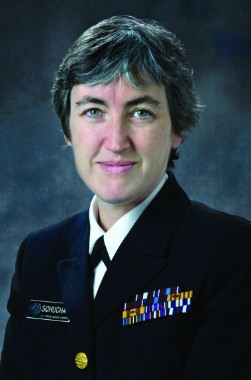
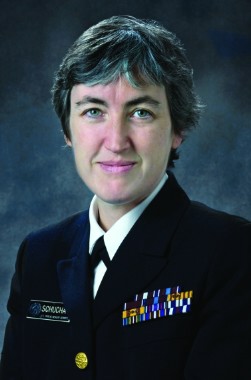
CDC testing shows "it’s not a new strain" of enterovirus, but the same EV-D68 reported in previous years in small numbers in the United States and other countries, Dr. Anne Schuchat said in a press briefing. Dr. Schuchat is director of the National Center for Immunization and Respiratory Diseases.
U.S. national surveillance systems received only 79 reports of EV-D68 during 2009-2013, and small clusters of respiratory illness were associated with EV-D68 infection in 2009-2010, the CDC reported (MMWR 2014;63:1-2). There is no vaccine or specific treatment for EV-D68 infection. Treatment consists of supportive care.
"Clinics across the country need to be on the alert and consider this in the differential diagnosis" of unexplained respiratory illnesses, Dr. Schuchat said. "We believe the unusual occurrences in Kansas City and Chicago may be occurring elsewhere in the weeks ahead." Clinicians should contact local and state health departments if they suspect an outbreak.
No patients in the recent outbreaks have died of the infection, and no cases have been confirmed in adults. The patients affected have been 6 weeks to 16 years of age, with a median age of 4-5 years, she said.
Enteroviruses can cause respiratory illness, febrile rash, and neurologic illness. EV-D68 is thought to cause primarily respiratory illness, but "we don’t know as much about it as we do of other respiratory viruses," Dr. Schuchat said. "The full spectrum of all the illnesses it can cause are not well defined."
More than half of the 30 patients in Kansas City and Chicago with confirmed EV-D68 had a history of asthma or wheezing. Only seven of the patients were febrile, the CDC reported.
Late summer and fall are common times for respiratory infections of many kinds. Patient specimens tested by the CDC that did not find EV-D68 detected rhinovirus or other common respiratory viruses, or were negative for infection.
Physicians should counsel parents to seek medical attention if a child develops difficulty breathing, but not be alarmed by every runny nose or sniffles, Dr. Schuchat said.
"Most of the runny noses out there are not going to turn into this," Dr. Schuchat said.
Keeping asthma under control and getting vaccinated for influenza are important, especially to avoid an overlay of problems if EV-D68 infection leads to illness, she added.
Dr. Schuchat reported having no financial disclosures.
On Twitter @sherryboschert
The Kansas City, Mo., outbreak of severe respiratory illness in children who require intensive care is "unprecedented in number and severity for this time of year," Dr. Mary Anne Jackson said in an interview.

|
|
Her hospital tested specimens from 646 cases and found 498 (77%) positive for "rhinovirus/enterovirus," she said. "Not all were enterovirus D68, but 90% of those with the typical symptoms were confirmed in our initial CDC typing," which confirmed EV-D68 in 19 of 22 specimens. Testing results are preliminary and it’s "difficult to say with certainty what the scope of the outbreak is here, but we appear to be leveling off," with the number of hospitalized children decreasing.
As the number of patients surged, the hospital activated its network of infectious disease providers, pulmonologists, and others to cover pediatricians and handle some of the cases, and the hospital made extra beds available, she said.
"The scope and burden of infection in other communities reporting disease is not clear at this time," Dr. Jackson said, but she advised pediatricians to be alert for "unusually severe manifestations of what appears to be respiratory virus in children with and without asthma. Patients in our initial cohort who required pediatric ICU care appeared to routinely have hypoxemia and respiratory failure."
Health care facilities that see an unusually high burden of respiratory viral disease or unusually severe cases can test for EV-D68 with help from local and state health departments and the Centers for Disease Control and Prevention. Pediatricians can advise parents to treat common cold symptoms with fever control and fluids, she suggested, and to see a physician if the child develops difficulty breathing.
Parents of young children with asthma should have an active asthma management plan and a primary care provider they can call if they have questions. To limit spread of disease, recommend the standard practices of frequent hand washing, cleaning surfaces and toys, shielding coughs, and staying home if the child is ill.
Dr. Mary Anne Jackson is director of the division of infectious diseases at Children’s Mercy Hospital, Kansas City, Mo., and professor of pediatrics at the University of Missouri–Kansas City. She coauthored the Sept. 8, 2014, MMWR report on enterovirus D68. She reported having no financial disclosures.
The Kansas City, Mo., outbreak of severe respiratory illness in children who require intensive care is "unprecedented in number and severity for this time of year," Dr. Mary Anne Jackson said in an interview.
|
|
|
Her hospital tested specimens from 646 cases and found 498 (77%) positive for "rhinovirus/enterovirus," she said. "Not all were enterovirus D68, but 90% of those with the typical symptoms were confirmed in our initial CDC typing," which confirmed EV-D68 in 19 of 22 specimens. Testing results are preliminary and it’s "difficult to say with certainty what the scope of the outbreak is here, but we appear to be leveling off," with the number of hospitalized children decreasing.
As the number of patients surged, the hospital activated its network of infectious disease providers, pulmonologists, and others to cover pediatricians and handle some of the cases, and the hospital made extra beds available, she said.
"The scope and burden of infection in other communities reporting disease is not clear at this time," Dr. Jackson said, but she advised pediatricians to be alert for "unusually severe manifestations of what appears to be respiratory virus in children with and without asthma. Patients in our initial cohort who required pediatric ICU care appeared to routinely have hypoxemia and respiratory failure."
Health care facilities that see an unusually high burden of respiratory viral disease or unusually severe cases can test for EV-D68 with help from local and state health departments and the Centers for Disease Control and Prevention. Pediatricians can advise parents to treat common cold symptoms with fever control and fluids, she suggested, and to see a physician if the child develops difficulty breathing.
Parents of young children with asthma should have an active asthma management plan and a primary care provider they can call if they have questions. To limit spread of disease, recommend the standard practices of frequent hand washing, cleaning surfaces and toys, shielding coughs, and staying home if the child is ill.
Dr. Mary Anne Jackson is director of the division of infectious diseases at Children’s Mercy Hospital, Kansas City, Mo., and professor of pediatrics at the University of Missouri–Kansas City. She coauthored the Sept. 8, 2014, MMWR report on enterovirus D68. She reported having no financial disclosures.
The Kansas City, Mo., outbreak of severe respiratory illness in children who require intensive care is "unprecedented in number and severity for this time of year," Dr. Mary Anne Jackson said in an interview.
|
|
|
Her hospital tested specimens from 646 cases and found 498 (77%) positive for "rhinovirus/enterovirus," she said. "Not all were enterovirus D68, but 90% of those with the typical symptoms were confirmed in our initial CDC typing," which confirmed EV-D68 in 19 of 22 specimens. Testing results are preliminary and it’s "difficult to say with certainty what the scope of the outbreak is here, but we appear to be leveling off," with the number of hospitalized children decreasing.
As the number of patients surged, the hospital activated its network of infectious disease providers, pulmonologists, and others to cover pediatricians and handle some of the cases, and the hospital made extra beds available, she said.
"The scope and burden of infection in other communities reporting disease is not clear at this time," Dr. Jackson said, but she advised pediatricians to be alert for "unusually severe manifestations of what appears to be respiratory virus in children with and without asthma. Patients in our initial cohort who required pediatric ICU care appeared to routinely have hypoxemia and respiratory failure."
Health care facilities that see an unusually high burden of respiratory viral disease or unusually severe cases can test for EV-D68 with help from local and state health departments and the Centers for Disease Control and Prevention. Pediatricians can advise parents to treat common cold symptoms with fever control and fluids, she suggested, and to see a physician if the child develops difficulty breathing.
Parents of young children with asthma should have an active asthma management plan and a primary care provider they can call if they have questions. To limit spread of disease, recommend the standard practices of frequent hand washing, cleaning surfaces and toys, shielding coughs, and staying home if the child is ill.
Dr. Mary Anne Jackson is director of the division of infectious diseases at Children’s Mercy Hospital, Kansas City, Mo., and professor of pediatrics at the University of Missouri–Kansas City. She coauthored the Sept. 8, 2014, MMWR report on enterovirus D68. She reported having no financial disclosures.
A rare enterovirus caused outbreaks of severe pediatric respiratory illness in two U.S. cities and may be active elsewhere, the Centers for Disease Control and Prevention reported.
The CDC found enterovirus D68 (EV-D68) in 19 of 22 (86%) samples it tested from patients in Kansas City, Mo., and in 11 of 14 (79%) samples from Chicago, and is testing samples from other states. Health officials from Alabama, Colorado, Georgia, Illinois, Iowa, Kansas, Kentucky, Missouri, Ohio, Oklahoma, and Utah have contacted the CDC about confirmed cases or suspected cases that are being tested, a CDC spokesman confirmed.
The outbreaks first were noticed in mid-August in Kansas City, Mo., where Children’s Mercy Hospital reported a 25%-30% increase beyond normal seasonal levels in the numbers of children visiting emergency departments and urgent care centers and being hospitalized for respiratory illness, the hospital said in a letter to community physicians. "To date, we have nearly 500 suspected cases including 61 children who were admitted to our intensive care unit presumptively with this viral infection," the letter said.
The University of Chicago Medicine Comer Children’s Hospital contacted the CDC a few days later about a similar outbreak there.
CDC testing shows "it’s not a new strain" of enterovirus, but the same EV-D68 reported in previous years in small numbers in the United States and other countries, Dr. Anne Schuchat said in a press briefing. Dr. Schuchat is director of the National Center for Immunization and Respiratory Diseases.
U.S. national surveillance systems received only 79 reports of EV-D68 during 2009-2013, and small clusters of respiratory illness were associated with EV-D68 infection in 2009-2010, the CDC reported (MMWR 2014;63:1-2). There is no vaccine or specific treatment for EV-D68 infection. Treatment consists of supportive care.
"Clinics across the country need to be on the alert and consider this in the differential diagnosis" of unexplained respiratory illnesses, Dr. Schuchat said. "We believe the unusual occurrences in Kansas City and Chicago may be occurring elsewhere in the weeks ahead." Clinicians should contact local and state health departments if they suspect an outbreak.
No patients in the recent outbreaks have died of the infection, and no cases have been confirmed in adults. The patients affected have been 6 weeks to 16 years of age, with a median age of 4-5 years, she said.
Enteroviruses can cause respiratory illness, febrile rash, and neurologic illness. EV-D68 is thought to cause primarily respiratory illness, but "we don’t know as much about it as we do of other respiratory viruses," Dr. Schuchat said. "The full spectrum of all the illnesses it can cause are not well defined."
More than half of the 30 patients in Kansas City and Chicago with confirmed EV-D68 had a history of asthma or wheezing. Only seven of the patients were febrile, the CDC reported.
Late summer and fall are common times for respiratory infections of many kinds. Patient specimens tested by the CDC that did not find EV-D68 detected rhinovirus or other common respiratory viruses, or were negative for infection.
Physicians should counsel parents to seek medical attention if a child develops difficulty breathing, but not be alarmed by every runny nose or sniffles, Dr. Schuchat said.
"Most of the runny noses out there are not going to turn into this," Dr. Schuchat said.
Keeping asthma under control and getting vaccinated for influenza are important, especially to avoid an overlay of problems if EV-D68 infection leads to illness, she added.
Dr. Schuchat reported having no financial disclosures.
On Twitter @sherryboschert
A rare enterovirus caused outbreaks of severe pediatric respiratory illness in two U.S. cities and may be active elsewhere, the Centers for Disease Control and Prevention reported.
The CDC found enterovirus D68 (EV-D68) in 19 of 22 (86%) samples it tested from patients in Kansas City, Mo., and in 11 of 14 (79%) samples from Chicago, and is testing samples from other states. Health officials from Alabama, Colorado, Georgia, Illinois, Iowa, Kansas, Kentucky, Missouri, Ohio, Oklahoma, and Utah have contacted the CDC about confirmed cases or suspected cases that are being tested, a CDC spokesman confirmed.
The outbreaks first were noticed in mid-August in Kansas City, Mo., where Children’s Mercy Hospital reported a 25%-30% increase beyond normal seasonal levels in the numbers of children visiting emergency departments and urgent care centers and being hospitalized for respiratory illness, the hospital said in a letter to community physicians. "To date, we have nearly 500 suspected cases including 61 children who were admitted to our intensive care unit presumptively with this viral infection," the letter said.
The University of Chicago Medicine Comer Children’s Hospital contacted the CDC a few days later about a similar outbreak there.
CDC testing shows "it’s not a new strain" of enterovirus, but the same EV-D68 reported in previous years in small numbers in the United States and other countries, Dr. Anne Schuchat said in a press briefing. Dr. Schuchat is director of the National Center for Immunization and Respiratory Diseases.
U.S. national surveillance systems received only 79 reports of EV-D68 during 2009-2013, and small clusters of respiratory illness were associated with EV-D68 infection in 2009-2010, the CDC reported (MMWR 2014;63:1-2). There is no vaccine or specific treatment for EV-D68 infection. Treatment consists of supportive care.
"Clinics across the country need to be on the alert and consider this in the differential diagnosis" of unexplained respiratory illnesses, Dr. Schuchat said. "We believe the unusual occurrences in Kansas City and Chicago may be occurring elsewhere in the weeks ahead." Clinicians should contact local and state health departments if they suspect an outbreak.
No patients in the recent outbreaks have died of the infection, and no cases have been confirmed in adults. The patients affected have been 6 weeks to 16 years of age, with a median age of 4-5 years, she said.
Enteroviruses can cause respiratory illness, febrile rash, and neurologic illness. EV-D68 is thought to cause primarily respiratory illness, but "we don’t know as much about it as we do of other respiratory viruses," Dr. Schuchat said. "The full spectrum of all the illnesses it can cause are not well defined."
More than half of the 30 patients in Kansas City and Chicago with confirmed EV-D68 had a history of asthma or wheezing. Only seven of the patients were febrile, the CDC reported.
Late summer and fall are common times for respiratory infections of many kinds. Patient specimens tested by the CDC that did not find EV-D68 detected rhinovirus or other common respiratory viruses, or were negative for infection.
Physicians should counsel parents to seek medical attention if a child develops difficulty breathing, but not be alarmed by every runny nose or sniffles, Dr. Schuchat said.
"Most of the runny noses out there are not going to turn into this," Dr. Schuchat said.
Keeping asthma under control and getting vaccinated for influenza are important, especially to avoid an overlay of problems if EV-D68 infection leads to illness, she added.
Dr. Schuchat reported having no financial disclosures.
On Twitter @sherryboschert
FROM THE MMWR
Key clinical point: Consider enterovirus D68 in the differential diagnosis of unexplained severe respiratory illness.
Major finding: Enterovirus D68 caused severe respiratory illness in 30 of 36 (83%) cases at two U.S. hospitals.
Data source: CDC testing and confirmation of samples from Kansas and Illinois.
Disclosures: Dr. Schuchat reported having no financial disclosures.
Forum looks at ethics in Ebola response
Addressing ethical challenges regarding quarantine, payment of health care workers, and the proper use of personal protective equipment could contribute significantly to the containment of the Ebola outbreak in West Africa, according to experts from Johns Hopkins University, Baltimore.
Citing reports of health care workers fleeing clinics, Nancy Kass, Sc.D., said that the international community is in good position to make sure that doctors, nurses, and other staff members at Ebola treatment centers are properly and regularly paid, noting that many are not.
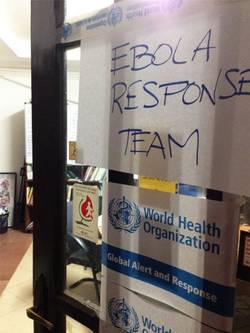
Even before Ebola, "there were so many things going on in these environments that were unethical" in terms of pay and staffing practices, Dr. Kass, deputy director for bioethics and public health at the JHU Berman Institute of Bioethics, said at a forum held by the university.
The international community needs to provide personal protective equipment and training to all involved, she said, "including the person who cleans the floor."
Survivors of Ebola infection could be safely recruited to perform community outreach "and get a ton of money for doing it," Dr. Kass said.
Raising pay as well as service and staffing standards at clinics could also improve compliance with quarantine demands, she said, while also making quarantine fairer to patients and families.
"In a vacuum, we can think of the most ethical ways to manage quarantine," such as allowing family members to hold the patient’s hand through a barrier, Dr. Kass said. But when resources are tight, quarantine can mean a patient is isolated to the point of being deprived of food and water.
Tim Roberton, a fourth-year doctoral student at the university’s Bloomberg School of Public Health returned from Guinea in July. He said that he found that achieving compliance with quarantine could be a delicate matter, particularly in remote villages.
"To tell someone that you have to get to a treatment center when you get sick, that’s serious business. Do we expect people to comply knowing they’ll never see their families again?"
Even pushing for essential changes in burial practices to avoid infection "is really complicated," he said, and requires cooperation from local officials and religious leaders.
Mr. Roberton’s trip was part of a collaboration between the university and the International Foundation for the Red Cross, which has hundreds of volunteers working in Ebola-affected communities to communicate information about the outbreak, manage dead bodies, and disinfect sites.
"What will stop this is working with communities at the village level to help themselves not spread the disease," Mr. Roberton said, noting that resources should not be directed to research at the expense of controlling the outbreak.
Others at the forum, including panelist Dr. Trish Perl, a clinical epidemiologist with the Johns Hopkins Health System, disagreed with the idea that research and outbreak control goals needed to be in conflict.
"Whatever is done, it is incumbent upon all of us to make sure transparency and scientific rigor is inserted into the process," Dr. Perl said. With SARS (Severe Acute Respiratory Syndrome), "many people got steroids – this ended up hurting people, and there was not so much accountability with how that happened. We have to not do harm."
A number of attendees at the forum pressed the presenters on whether current containment strategies needed to be harder-edged or more coercive to be effective. "There is perhaps a time when coercion is necessary, Mr. Roberton acknowledged.
Dr. Perl alluded to a proposed role for the U.S. military in the Ebola crisis, though she stressed that she did not know what specific approach would be employed.
"I am far from the kind of person who would normally advocate" such a response, she said, but with the outbreak maturing and so many affected, "a command and control structure may be what is needed."
With smallpox, Dr. Perl added, "some pretty draconian things were required."
Addressing ethical challenges regarding quarantine, payment of health care workers, and the proper use of personal protective equipment could contribute significantly to the containment of the Ebola outbreak in West Africa, according to experts from Johns Hopkins University, Baltimore.
Citing reports of health care workers fleeing clinics, Nancy Kass, Sc.D., said that the international community is in good position to make sure that doctors, nurses, and other staff members at Ebola treatment centers are properly and regularly paid, noting that many are not.
Even before Ebola, "there were so many things going on in these environments that were unethical" in terms of pay and staffing practices, Dr. Kass, deputy director for bioethics and public health at the JHU Berman Institute of Bioethics, said at a forum held by the university.
The international community needs to provide personal protective equipment and training to all involved, she said, "including the person who cleans the floor."
Survivors of Ebola infection could be safely recruited to perform community outreach "and get a ton of money for doing it," Dr. Kass said.
Raising pay as well as service and staffing standards at clinics could also improve compliance with quarantine demands, she said, while also making quarantine fairer to patients and families.
"In a vacuum, we can think of the most ethical ways to manage quarantine," such as allowing family members to hold the patient’s hand through a barrier, Dr. Kass said. But when resources are tight, quarantine can mean a patient is isolated to the point of being deprived of food and water.
Tim Roberton, a fourth-year doctoral student at the university’s Bloomberg School of Public Health returned from Guinea in July. He said that he found that achieving compliance with quarantine could be a delicate matter, particularly in remote villages.
"To tell someone that you have to get to a treatment center when you get sick, that’s serious business. Do we expect people to comply knowing they’ll never see their families again?"
Even pushing for essential changes in burial practices to avoid infection "is really complicated," he said, and requires cooperation from local officials and religious leaders.
Mr. Roberton’s trip was part of a collaboration between the university and the International Foundation for the Red Cross, which has hundreds of volunteers working in Ebola-affected communities to communicate information about the outbreak, manage dead bodies, and disinfect sites.
"What will stop this is working with communities at the village level to help themselves not spread the disease," Mr. Roberton said, noting that resources should not be directed to research at the expense of controlling the outbreak.
Others at the forum, including panelist Dr. Trish Perl, a clinical epidemiologist with the Johns Hopkins Health System, disagreed with the idea that research and outbreak control goals needed to be in conflict.
"Whatever is done, it is incumbent upon all of us to make sure transparency and scientific rigor is inserted into the process," Dr. Perl said. With SARS (Severe Acute Respiratory Syndrome), "many people got steroids – this ended up hurting people, and there was not so much accountability with how that happened. We have to not do harm."
A number of attendees at the forum pressed the presenters on whether current containment strategies needed to be harder-edged or more coercive to be effective. "There is perhaps a time when coercion is necessary, Mr. Roberton acknowledged.
Dr. Perl alluded to a proposed role for the U.S. military in the Ebola crisis, though she stressed that she did not know what specific approach would be employed.
"I am far from the kind of person who would normally advocate" such a response, she said, but with the outbreak maturing and so many affected, "a command and control structure may be what is needed."
With smallpox, Dr. Perl added, "some pretty draconian things were required."
Addressing ethical challenges regarding quarantine, payment of health care workers, and the proper use of personal protective equipment could contribute significantly to the containment of the Ebola outbreak in West Africa, according to experts from Johns Hopkins University, Baltimore.
Citing reports of health care workers fleeing clinics, Nancy Kass, Sc.D., said that the international community is in good position to make sure that doctors, nurses, and other staff members at Ebola treatment centers are properly and regularly paid, noting that many are not.
Even before Ebola, "there were so many things going on in these environments that were unethical" in terms of pay and staffing practices, Dr. Kass, deputy director for bioethics and public health at the JHU Berman Institute of Bioethics, said at a forum held by the university.
The international community needs to provide personal protective equipment and training to all involved, she said, "including the person who cleans the floor."
Survivors of Ebola infection could be safely recruited to perform community outreach "and get a ton of money for doing it," Dr. Kass said.
Raising pay as well as service and staffing standards at clinics could also improve compliance with quarantine demands, she said, while also making quarantine fairer to patients and families.
"In a vacuum, we can think of the most ethical ways to manage quarantine," such as allowing family members to hold the patient’s hand through a barrier, Dr. Kass said. But when resources are tight, quarantine can mean a patient is isolated to the point of being deprived of food and water.
Tim Roberton, a fourth-year doctoral student at the university’s Bloomberg School of Public Health returned from Guinea in July. He said that he found that achieving compliance with quarantine could be a delicate matter, particularly in remote villages.
"To tell someone that you have to get to a treatment center when you get sick, that’s serious business. Do we expect people to comply knowing they’ll never see their families again?"
Even pushing for essential changes in burial practices to avoid infection "is really complicated," he said, and requires cooperation from local officials and religious leaders.
Mr. Roberton’s trip was part of a collaboration between the university and the International Foundation for the Red Cross, which has hundreds of volunteers working in Ebola-affected communities to communicate information about the outbreak, manage dead bodies, and disinfect sites.
"What will stop this is working with communities at the village level to help themselves not spread the disease," Mr. Roberton said, noting that resources should not be directed to research at the expense of controlling the outbreak.
Others at the forum, including panelist Dr. Trish Perl, a clinical epidemiologist with the Johns Hopkins Health System, disagreed with the idea that research and outbreak control goals needed to be in conflict.
"Whatever is done, it is incumbent upon all of us to make sure transparency and scientific rigor is inserted into the process," Dr. Perl said. With SARS (Severe Acute Respiratory Syndrome), "many people got steroids – this ended up hurting people, and there was not so much accountability with how that happened. We have to not do harm."
A number of attendees at the forum pressed the presenters on whether current containment strategies needed to be harder-edged or more coercive to be effective. "There is perhaps a time when coercion is necessary, Mr. Roberton acknowledged.
Dr. Perl alluded to a proposed role for the U.S. military in the Ebola crisis, though she stressed that she did not know what specific approach would be employed.
"I am far from the kind of person who would normally advocate" such a response, she said, but with the outbreak maturing and so many affected, "a command and control structure may be what is needed."
With smallpox, Dr. Perl added, "some pretty draconian things were required."
EXPERT ANALYSIS FROM A FORUM HELD BY JOHNS HOPKINS UNIVERSITY
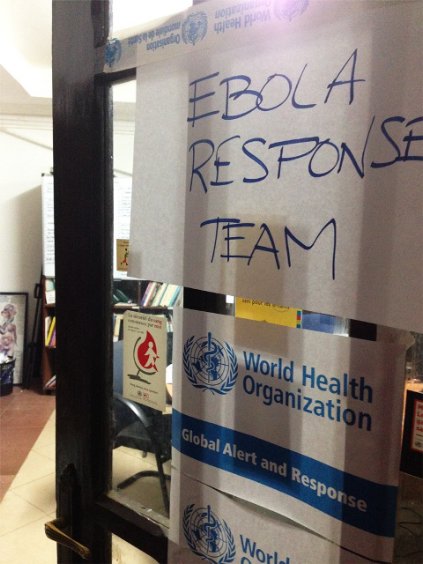
Pathogenic bacteria worsen RSV severity, lengthen ICU stays in infants
WASHINGTON – Potentially pathogenic nasopharyngeal bacterial colonization was associated with more severe respiratory syncytial virus–related bronchiolitis in infants, according to a study.
"We found that [colonization] was significantly more common and almost double in the RSV patients, compared with controls," said Dr. Eleanora Bunsow, a researcher at Nationwide Children’s Hospital in Columbus, Ohio, who presented the data at the annual Interscience Conference on Antimicrobial Agents and Chemotherapy. "And RSV patients were frequently colonized with more than one pathogenic bacteria."
Additionally, the use of polymerase chain reaction (PCR) assays to assess bacterial colonization types and levels was found to outperform the accuracy of cultures.
"The PCR showed an increased capacity for bacteria detection and had the ability to quantitate the bacterial load in infant RSV bronchiolitis," Dr. Bunsow said.
While the majority of infants hospitalized with RSV bronchiolitis are previously healthy with no known risk factors, about 15% will require intensive care. The role of pathogenic bacteria has, until recently, been explored only in animal studies, Dr. Bunsow said.
From December 2010 to May 2012, 294 children (median age, 2.5 years) were enrolled at a single site. Of these, 47 were age-matched healthy controls, 182 were inpatient, and 65 were admitted to the ICU. Both inpatient and ICU admissions tended to include twice as many boys as girls (1.6:1 and 1.7:1, respectively). A total of 47% of the control group were African Americans.
Cultures and PCR assays were performed on all study participants for the detection of gram-positive Staphylococcus aureus and Streptococcus pneumoniae, and gram-negative Moraxella catarrhalis and Haemophilus influenzae.
PCR had a 1.4-fold higher level of sensitivity (95% confidence interval, 91%-98%) and equal specificity when compared with cultures for identifying all four bacteria tested.
Polymicrobial bacterial colonization of both gram-positive and gram-negative species was found in 13% of RSV patients, compared with no potentially pathogenic bacterial colonizations in the control group (P = .004).
Rates of colonization were also higher in those with severe RSV infections of the lower respiratory tract who were admitted to the pediatric ICU (PICU), compared with inpatients with less severe disease (53.8% vs. 39%; P = .038). The median clinical disease severity score for those with potentially pathogenic bacterial colonization was 5, compared with a median score of 4 in those without colonization (P = .187).
Colonization with gram-negative bacteria was associated with a "significantly higher" need for up to 3 days of ICU oxygen support, compared with needing only up to 2 days of oxygen for colonization with gram-positive bacteria (P = .039), Dr. Bunsow noted.
Also, H. influenzae was identified in 54% of PICU patients, compared with 39% of inpatient ones. Higher H. influenzae loads correlated with PICU lengths of stay (P = .03).
"Our future study will include outpatients ... and will analyze the impact of the microbiome in these patients," Dr. Bunsow said.
Dr. Bunsow said she had no relevant disclosures.
On Twitter @whitneymcknight
This article highlights an observed association between severe RSV and colonization by pathogenic bacteria. Further investigations into this subgroup of RSV patients for aberrations in their innate immunity would be interesting. The article does not suggest that treatment of the bacteria would positively impact the clinical outcome of the affected patients.
This article highlights an observed association between severe RSV and colonization by pathogenic bacteria. Further investigations into this subgroup of RSV patients for aberrations in their innate immunity would be interesting. The article does not suggest that treatment of the bacteria would positively impact the clinical outcome of the affected patients.
This article highlights an observed association between severe RSV and colonization by pathogenic bacteria. Further investigations into this subgroup of RSV patients for aberrations in their innate immunity would be interesting. The article does not suggest that treatment of the bacteria would positively impact the clinical outcome of the affected patients.
WASHINGTON – Potentially pathogenic nasopharyngeal bacterial colonization was associated with more severe respiratory syncytial virus–related bronchiolitis in infants, according to a study.
"We found that [colonization] was significantly more common and almost double in the RSV patients, compared with controls," said Dr. Eleanora Bunsow, a researcher at Nationwide Children’s Hospital in Columbus, Ohio, who presented the data at the annual Interscience Conference on Antimicrobial Agents and Chemotherapy. "And RSV patients were frequently colonized with more than one pathogenic bacteria."
Additionally, the use of polymerase chain reaction (PCR) assays to assess bacterial colonization types and levels was found to outperform the accuracy of cultures.
"The PCR showed an increased capacity for bacteria detection and had the ability to quantitate the bacterial load in infant RSV bronchiolitis," Dr. Bunsow said.
While the majority of infants hospitalized with RSV bronchiolitis are previously healthy with no known risk factors, about 15% will require intensive care. The role of pathogenic bacteria has, until recently, been explored only in animal studies, Dr. Bunsow said.
From December 2010 to May 2012, 294 children (median age, 2.5 years) were enrolled at a single site. Of these, 47 were age-matched healthy controls, 182 were inpatient, and 65 were admitted to the ICU. Both inpatient and ICU admissions tended to include twice as many boys as girls (1.6:1 and 1.7:1, respectively). A total of 47% of the control group were African Americans.
Cultures and PCR assays were performed on all study participants for the detection of gram-positive Staphylococcus aureus and Streptococcus pneumoniae, and gram-negative Moraxella catarrhalis and Haemophilus influenzae.
PCR had a 1.4-fold higher level of sensitivity (95% confidence interval, 91%-98%) and equal specificity when compared with cultures for identifying all four bacteria tested.
Polymicrobial bacterial colonization of both gram-positive and gram-negative species was found in 13% of RSV patients, compared with no potentially pathogenic bacterial colonizations in the control group (P = .004).
Rates of colonization were also higher in those with severe RSV infections of the lower respiratory tract who were admitted to the pediatric ICU (PICU), compared with inpatients with less severe disease (53.8% vs. 39%; P = .038). The median clinical disease severity score for those with potentially pathogenic bacterial colonization was 5, compared with a median score of 4 in those without colonization (P = .187).
Colonization with gram-negative bacteria was associated with a "significantly higher" need for up to 3 days of ICU oxygen support, compared with needing only up to 2 days of oxygen for colonization with gram-positive bacteria (P = .039), Dr. Bunsow noted.
Also, H. influenzae was identified in 54% of PICU patients, compared with 39% of inpatient ones. Higher H. influenzae loads correlated with PICU lengths of stay (P = .03).
"Our future study will include outpatients ... and will analyze the impact of the microbiome in these patients," Dr. Bunsow said.
Dr. Bunsow said she had no relevant disclosures.
On Twitter @whitneymcknight
WASHINGTON – Potentially pathogenic nasopharyngeal bacterial colonization was associated with more severe respiratory syncytial virus–related bronchiolitis in infants, according to a study.
"We found that [colonization] was significantly more common and almost double in the RSV patients, compared with controls," said Dr. Eleanora Bunsow, a researcher at Nationwide Children’s Hospital in Columbus, Ohio, who presented the data at the annual Interscience Conference on Antimicrobial Agents and Chemotherapy. "And RSV patients were frequently colonized with more than one pathogenic bacteria."
Additionally, the use of polymerase chain reaction (PCR) assays to assess bacterial colonization types and levels was found to outperform the accuracy of cultures.
"The PCR showed an increased capacity for bacteria detection and had the ability to quantitate the bacterial load in infant RSV bronchiolitis," Dr. Bunsow said.
While the majority of infants hospitalized with RSV bronchiolitis are previously healthy with no known risk factors, about 15% will require intensive care. The role of pathogenic bacteria has, until recently, been explored only in animal studies, Dr. Bunsow said.
From December 2010 to May 2012, 294 children (median age, 2.5 years) were enrolled at a single site. Of these, 47 were age-matched healthy controls, 182 were inpatient, and 65 were admitted to the ICU. Both inpatient and ICU admissions tended to include twice as many boys as girls (1.6:1 and 1.7:1, respectively). A total of 47% of the control group were African Americans.
Cultures and PCR assays were performed on all study participants for the detection of gram-positive Staphylococcus aureus and Streptococcus pneumoniae, and gram-negative Moraxella catarrhalis and Haemophilus influenzae.
PCR had a 1.4-fold higher level of sensitivity (95% confidence interval, 91%-98%) and equal specificity when compared with cultures for identifying all four bacteria tested.
Polymicrobial bacterial colonization of both gram-positive and gram-negative species was found in 13% of RSV patients, compared with no potentially pathogenic bacterial colonizations in the control group (P = .004).
Rates of colonization were also higher in those with severe RSV infections of the lower respiratory tract who were admitted to the pediatric ICU (PICU), compared with inpatients with less severe disease (53.8% vs. 39%; P = .038). The median clinical disease severity score for those with potentially pathogenic bacterial colonization was 5, compared with a median score of 4 in those without colonization (P = .187).
Colonization with gram-negative bacteria was associated with a "significantly higher" need for up to 3 days of ICU oxygen support, compared with needing only up to 2 days of oxygen for colonization with gram-positive bacteria (P = .039), Dr. Bunsow noted.
Also, H. influenzae was identified in 54% of PICU patients, compared with 39% of inpatient ones. Higher H. influenzae loads correlated with PICU lengths of stay (P = .03).
"Our future study will include outpatients ... and will analyze the impact of the microbiome in these patients," Dr. Bunsow said.
Dr. Bunsow said she had no relevant disclosures.
On Twitter @whitneymcknight
AT ICAAC 2014
Key clinical point: Nasopharyngeal colonization with pathogenic bacteria worsens the course of RVS in infants.
Major finding: Polymicrobial bacterial colonization was found in 13% of pediatric patients admitted for RSV, compared with 0% of healthy controls.
Data source: Prospective, single-site study of 247 RSV patients and 47 age-matched healthy controls.
Disclosures: Dr. Bunsow said she had no relevant disclosures.
Novel single-dose flu drug found safe, effective
WASHINGTON – A single injected dose of the neuraminidase inhibitor peramivir safely alleviated flu-like symptoms in adults when administered within 48 hours of onset of illness, an analysis of phase II and phase III clinical trial data indicates.
No single-dose treatment for influenza is currently available in the United States. Approval of the investigational drug would help protect those for whom influenza poses a higher than average risk, such as the elderly, the very young, and those who have other underlying illness such as chronic obstructive pulmonary disease, according to Dr. Richard Whitley, distinguished professor of pediatrics and microbiology at the University of Alabama, Birmingham.

"Historically, we would have said the disease only afflicts [certain populations], but what we learned in the H1N1 pandemic was that ... we can’t ignore influenza. It’s here to stay." He made his comments during a media conference at the annual Interscience Conference on Antimicrobial Agents and Chemotherapy.
In two placebo-controlled, multicenter studies of a combined 427 adults with acute, uncomplicated influenza, peramivir 300 mg reduced flu symptoms within a median of 22 hours, and resolved fever within 24 hours, compared with placebo (both findings were significant). Symptoms included lethargy, cough, sore throat, headache, and myalgia. Though for time-to-symptom reduction, statistical significance fell away (P = .161), after adjustment for smoking behavior, influenza season, and virus type, the peramivir did significantly reduce nasal viral shedding within 48 hours following treatment, compared with placebo, Dr. Whitley reported
Results were based on patient-reported data using a four-point severity scale recorded over 14 days. Prior to injection, all patients were confirmed to have flu using rapid antigen detection testing, and none had any underlying illnesses or compromised autoimmunity. The drug was administered intramuscularly within 48 hours of onset of illness.
"If you ask me to put that into perspective with the other neuraminidase inhibitors, the level of benefit is virtually identical," said Dr. Whitley.
Currently, only two neuraminidase inhibitors are approved by the Food and Drug Administration: oral oseltamivir and inhaled zanamivir. Both are administered twice daily over 5 days.
Peramivir was determined to be generally safe, well tolerated, and with rates of adverse events such as mild to moderate diarrhea and dizziness similar in both the treatment and placebo arms. A separate study of the drug in a pediatric population is underway, said Dr. William Sheridan, chief medical officer of BioCryst, maker of peramivir.
"Influenza is associated with significant mortality and morbidity," Dr. Whitley said. In addition to annual immunization, "we need antivirals to keep people out of hospitals and to keep people from dying."
Annually, about a quarter million Americans are hospitalized with influenza, and nearly 36,000 die from it, according to the Centers for Disease Control and Prevention.
Peramivir has been approved in Japan and Korea since 2010. If approved by the FDA, it would be the first neuraminidase inhibitor approved in this country in more than a decade.
Pain and practicality
According to Dr. Sheridan, a New Drug Application to the FDA is currently under review with an assigned Prescription Drug User Fee Act action date of December 23, 2014. The indication, if approved, will be for influenza in adults. Dr. Sheridan also spoke during the media briefing.
Dr. Sheridan said that the application to the FDA is for an intravenous infusion that is the bioequivalent of the intramuscular version used in the trials because of the lack of practicality of intramuscular delivery.
"It hurts to get an intramuscular injection. In fact, it hurts a fair bit. We had to have our study subjects lay flat because if you stand up and feel faint after an injection like that, it’s probably a bad thing.
‘Real-world issues’ remain
If approved, the drug could also benefit underserved communities, the panelists agreed.

"If you see the patient once, you’re lucky," said Dr. Whitley. "If you give him a prescription, and you expect him to get it filled, the probability of that happening is maybe 20%-25%. So, if you’re worried about that individual, direct-observed therapy in the health care provider’s office is a good way to help solve this problem."
The shelf life of the drug, according to Dr. Sheridan, is about 5 years, if stored at room temperature.
Because there is less work for the end user, including finding a drug store that has sufficient supplies of the antiviral, "this drug, from a public health perspective, sounds even better than the oral medication," said the media briefing’s host, Dr. Michael Schmidt, professor and vice chair of immunology at the Medical University of South Carolina in Charleston.
"Front-line health care providers should have the availability of the medication so they can treat patients right in the office, without having to worry about filling prescriptions," Dr. Whitley said.
In theory, intravenous peramivir should be "relatively easy for any physician’s office that can handle relatively short IV infusions," according to Dr. Sheridan, who said that physicians would have a choice of using either a butterfly needle on the back of the hand, or an IV cannula in any other accessible vein, infusing the drug in between 15 and 30 minutes.
But questions about what to do if a doctor’s schedule can’t accommodate a patient or if the only access to a provider is through a so-called "minute clinic" are the domain of public health officials.
"There are always these real-world issues, and if there is a pandemic, then public health officials will have to look at the trade-offs," Dr. Schmidt said.
Dr. Whitley reported having no relevant disclosures, but noted that he is on the board of Gilead Sciences, maker of oseltamivir. Dr. Sheridan is the chief medical officer of BioCryst Pharmaceuticals, maker of peramivir. The two international studies were funded by the U.S. Department of Health & Human Services and BioCryst and were conducted at multiple centers in consecutive flu seasons between 2006 and 2008.
On Twitter @whitneymcknight
WASHINGTON – A single injected dose of the neuraminidase inhibitor peramivir safely alleviated flu-like symptoms in adults when administered within 48 hours of onset of illness, an analysis of phase II and phase III clinical trial data indicates.
No single-dose treatment for influenza is currently available in the United States. Approval of the investigational drug would help protect those for whom influenza poses a higher than average risk, such as the elderly, the very young, and those who have other underlying illness such as chronic obstructive pulmonary disease, according to Dr. Richard Whitley, distinguished professor of pediatrics and microbiology at the University of Alabama, Birmingham.
"Historically, we would have said the disease only afflicts [certain populations], but what we learned in the H1N1 pandemic was that ... we can’t ignore influenza. It’s here to stay." He made his comments during a media conference at the annual Interscience Conference on Antimicrobial Agents and Chemotherapy.
In two placebo-controlled, multicenter studies of a combined 427 adults with acute, uncomplicated influenza, peramivir 300 mg reduced flu symptoms within a median of 22 hours, and resolved fever within 24 hours, compared with placebo (both findings were significant). Symptoms included lethargy, cough, sore throat, headache, and myalgia. Though for time-to-symptom reduction, statistical significance fell away (P = .161), after adjustment for smoking behavior, influenza season, and virus type, the peramivir did significantly reduce nasal viral shedding within 48 hours following treatment, compared with placebo, Dr. Whitley reported
Results were based on patient-reported data using a four-point severity scale recorded over 14 days. Prior to injection, all patients were confirmed to have flu using rapid antigen detection testing, and none had any underlying illnesses or compromised autoimmunity. The drug was administered intramuscularly within 48 hours of onset of illness.
"If you ask me to put that into perspective with the other neuraminidase inhibitors, the level of benefit is virtually identical," said Dr. Whitley.
Currently, only two neuraminidase inhibitors are approved by the Food and Drug Administration: oral oseltamivir and inhaled zanamivir. Both are administered twice daily over 5 days.
Peramivir was determined to be generally safe, well tolerated, and with rates of adverse events such as mild to moderate diarrhea and dizziness similar in both the treatment and placebo arms. A separate study of the drug in a pediatric population is underway, said Dr. William Sheridan, chief medical officer of BioCryst, maker of peramivir.
"Influenza is associated with significant mortality and morbidity," Dr. Whitley said. In addition to annual immunization, "we need antivirals to keep people out of hospitals and to keep people from dying."
Annually, about a quarter million Americans are hospitalized with influenza, and nearly 36,000 die from it, according to the Centers for Disease Control and Prevention.
Peramivir has been approved in Japan and Korea since 2010. If approved by the FDA, it would be the first neuraminidase inhibitor approved in this country in more than a decade.
Pain and practicality
According to Dr. Sheridan, a New Drug Application to the FDA is currently under review with an assigned Prescription Drug User Fee Act action date of December 23, 2014. The indication, if approved, will be for influenza in adults. Dr. Sheridan also spoke during the media briefing.
Dr. Sheridan said that the application to the FDA is for an intravenous infusion that is the bioequivalent of the intramuscular version used in the trials because of the lack of practicality of intramuscular delivery.
"It hurts to get an intramuscular injection. In fact, it hurts a fair bit. We had to have our study subjects lay flat because if you stand up and feel faint after an injection like that, it’s probably a bad thing.
‘Real-world issues’ remain
If approved, the drug could also benefit underserved communities, the panelists agreed.
"If you see the patient once, you’re lucky," said Dr. Whitley. "If you give him a prescription, and you expect him to get it filled, the probability of that happening is maybe 20%-25%. So, if you’re worried about that individual, direct-observed therapy in the health care provider’s office is a good way to help solve this problem."
The shelf life of the drug, according to Dr. Sheridan, is about 5 years, if stored at room temperature.
Because there is less work for the end user, including finding a drug store that has sufficient supplies of the antiviral, "this drug, from a public health perspective, sounds even better than the oral medication," said the media briefing’s host, Dr. Michael Schmidt, professor and vice chair of immunology at the Medical University of South Carolina in Charleston.
"Front-line health care providers should have the availability of the medication so they can treat patients right in the office, without having to worry about filling prescriptions," Dr. Whitley said.
In theory, intravenous peramivir should be "relatively easy for any physician’s office that can handle relatively short IV infusions," according to Dr. Sheridan, who said that physicians would have a choice of using either a butterfly needle on the back of the hand, or an IV cannula in any other accessible vein, infusing the drug in between 15 and 30 minutes.
But questions about what to do if a doctor’s schedule can’t accommodate a patient or if the only access to a provider is through a so-called "minute clinic" are the domain of public health officials.
"There are always these real-world issues, and if there is a pandemic, then public health officials will have to look at the trade-offs," Dr. Schmidt said.
Dr. Whitley reported having no relevant disclosures, but noted that he is on the board of Gilead Sciences, maker of oseltamivir. Dr. Sheridan is the chief medical officer of BioCryst Pharmaceuticals, maker of peramivir. The two international studies were funded by the U.S. Department of Health & Human Services and BioCryst and were conducted at multiple centers in consecutive flu seasons between 2006 and 2008.
On Twitter @whitneymcknight
WASHINGTON – A single injected dose of the neuraminidase inhibitor peramivir safely alleviated flu-like symptoms in adults when administered within 48 hours of onset of illness, an analysis of phase II and phase III clinical trial data indicates.
No single-dose treatment for influenza is currently available in the United States. Approval of the investigational drug would help protect those for whom influenza poses a higher than average risk, such as the elderly, the very young, and those who have other underlying illness such as chronic obstructive pulmonary disease, according to Dr. Richard Whitley, distinguished professor of pediatrics and microbiology at the University of Alabama, Birmingham.
"Historically, we would have said the disease only afflicts [certain populations], but what we learned in the H1N1 pandemic was that ... we can’t ignore influenza. It’s here to stay." He made his comments during a media conference at the annual Interscience Conference on Antimicrobial Agents and Chemotherapy.
In two placebo-controlled, multicenter studies of a combined 427 adults with acute, uncomplicated influenza, peramivir 300 mg reduced flu symptoms within a median of 22 hours, and resolved fever within 24 hours, compared with placebo (both findings were significant). Symptoms included lethargy, cough, sore throat, headache, and myalgia. Though for time-to-symptom reduction, statistical significance fell away (P = .161), after adjustment for smoking behavior, influenza season, and virus type, the peramivir did significantly reduce nasal viral shedding within 48 hours following treatment, compared with placebo, Dr. Whitley reported
Results were based on patient-reported data using a four-point severity scale recorded over 14 days. Prior to injection, all patients were confirmed to have flu using rapid antigen detection testing, and none had any underlying illnesses or compromised autoimmunity. The drug was administered intramuscularly within 48 hours of onset of illness.
"If you ask me to put that into perspective with the other neuraminidase inhibitors, the level of benefit is virtually identical," said Dr. Whitley.
Currently, only two neuraminidase inhibitors are approved by the Food and Drug Administration: oral oseltamivir and inhaled zanamivir. Both are administered twice daily over 5 days.
Peramivir was determined to be generally safe, well tolerated, and with rates of adverse events such as mild to moderate diarrhea and dizziness similar in both the treatment and placebo arms. A separate study of the drug in a pediatric population is underway, said Dr. William Sheridan, chief medical officer of BioCryst, maker of peramivir.
"Influenza is associated with significant mortality and morbidity," Dr. Whitley said. In addition to annual immunization, "we need antivirals to keep people out of hospitals and to keep people from dying."
Annually, about a quarter million Americans are hospitalized with influenza, and nearly 36,000 die from it, according to the Centers for Disease Control and Prevention.
Peramivir has been approved in Japan and Korea since 2010. If approved by the FDA, it would be the first neuraminidase inhibitor approved in this country in more than a decade.
Pain and practicality
According to Dr. Sheridan, a New Drug Application to the FDA is currently under review with an assigned Prescription Drug User Fee Act action date of December 23, 2014. The indication, if approved, will be for influenza in adults. Dr. Sheridan also spoke during the media briefing.
Dr. Sheridan said that the application to the FDA is for an intravenous infusion that is the bioequivalent of the intramuscular version used in the trials because of the lack of practicality of intramuscular delivery.
"It hurts to get an intramuscular injection. In fact, it hurts a fair bit. We had to have our study subjects lay flat because if you stand up and feel faint after an injection like that, it’s probably a bad thing.
‘Real-world issues’ remain
If approved, the drug could also benefit underserved communities, the panelists agreed.
"If you see the patient once, you’re lucky," said Dr. Whitley. "If you give him a prescription, and you expect him to get it filled, the probability of that happening is maybe 20%-25%. So, if you’re worried about that individual, direct-observed therapy in the health care provider’s office is a good way to help solve this problem."
The shelf life of the drug, according to Dr. Sheridan, is about 5 years, if stored at room temperature.
Because there is less work for the end user, including finding a drug store that has sufficient supplies of the antiviral, "this drug, from a public health perspective, sounds even better than the oral medication," said the media briefing’s host, Dr. Michael Schmidt, professor and vice chair of immunology at the Medical University of South Carolina in Charleston.
"Front-line health care providers should have the availability of the medication so they can treat patients right in the office, without having to worry about filling prescriptions," Dr. Whitley said.
In theory, intravenous peramivir should be "relatively easy for any physician’s office that can handle relatively short IV infusions," according to Dr. Sheridan, who said that physicians would have a choice of using either a butterfly needle on the back of the hand, or an IV cannula in any other accessible vein, infusing the drug in between 15 and 30 minutes.
But questions about what to do if a doctor’s schedule can’t accommodate a patient or if the only access to a provider is through a so-called "minute clinic" are the domain of public health officials.
"There are always these real-world issues, and if there is a pandemic, then public health officials will have to look at the trade-offs," Dr. Schmidt said.
Dr. Whitley reported having no relevant disclosures, but noted that he is on the board of Gilead Sciences, maker of oseltamivir. Dr. Sheridan is the chief medical officer of BioCryst Pharmaceuticals, maker of peramivir. The two international studies were funded by the U.S. Department of Health & Human Services and BioCryst and were conducted at multiple centers in consecutive flu seasons between 2006 and 2008.
On Twitter @whitneymcknight
AT ICAAC 2014
Key clinical point: A single-dose flu treatment could be on the way.
Major finding: Single-dose injectable neuraminidase inhibitor reduced median time to abatement of flu-like symptoms by 22 hours, compared with placebo.
Data source: Retrospective analysis of placebo-controlled data from phase II and phase III studies of a combined 427 adults given a single dose of intramuscular neuraminidase inhibitor within 48 hours of onset of flu-like symptoms (P less than .005). The studies were conducted at multiple centers in consecutive flu seasons between 2006 and 2008
Disclosures: Dr. Whitley said he had no relevant disclosures, but noted that he is on the board of Gilead Sciences, maker of oseltamivir. Dr. Sheridan is the chief medical officer of BioCryst Pharmaceuticals, maker of peramivir. The two international studies were funded by the U.S. Department of Health & Human Services and BioCryst.

May-July epidemic of RSV highest in infants, study shows
WASHINGTON – Respiratory syncytial virus followed an epidemic pattern, particularly in infants, from May through July across 13 years, a study has shown.
The virus also was found more often in infants less than 3 months old who had bronchiolitis or hypoxemia at time of hospital admission, according to Dr. Maria F. Lucion, who presented the data during the annual Interscience Conference on Antimicrobial Agents and Chemotherapy.
"This is a really valuable study with a very large number of cases. We don’t have a lot of information on this virus." Dr. Keith Klugman, director of global health at the Bill and Melinda Gates Foundation, Seattle, said during the discussion after the presentation.

From March 2000 to November 2013, 12,555 patients admitted for suspected acute lower respiratory infections to a single center in Argentina were tested for respiratory syncytial virus (RSV), adenovirus, influenza, and parainfluenza using either assays of nasopharyngeal aspirates or real-time polymerase chain reaction.
Of the 4,798 patients who tested positive for infection, 3,924 of all those admitted were found to have RSV (ranging between 71% and 82% across the years), with an annual seasonal epidemic pattern in evidence from May through July.
Independent predictors of RSV included being 3 months or younger (odds ratio 2.8, P less than .01); having bronchiolitis as a clinical presentation (OR 1.54, P less than .01); and the presence of hypoxemia at time of admission (OR 1.84, P less than .01), said Dr. Lucion of Ricardo Gutierrez Children’s Hospital, Buenos Aires.
The overall hospitalization rate for those with bronchiolitis was 39 per 1,000, with a peak in 2003 of 48 per 1,000. Bronchiolitis as a result of RSV was diagnosed in a median 15 patients per 1,000 (8.0-19.4).
The majority of admissions were male (56%), and the median age was 7 months, although nearly half (43%) were less than 6 months old (74.2% were less than 1 year old). Bronchiolitis occurred 61% of the time, and the nosocomial infection rate was 6.6%. The mortality rate was just under 2% (74/3,888).
"The most frequent complication was respiratory distress requiring the use of a ventilator," Dr. Lucion said. "That was most associated with the children who died."
An additional genetic analysis indicated that RSV subtypes A and B were in the pediatric population, with the exceptions of 2000 when only subtype A was present, and 2005, when only subtype B was present.
"The most common genotypes were GA2, GA5, ON1, and NA1 for subtype A and genotype-BA for subtype B," Dr. Lucion said.
Dr. Lucion said she had no relevant disclosures.
On Twitter @whitneymcknight
WASHINGTON – Respiratory syncytial virus followed an epidemic pattern, particularly in infants, from May through July across 13 years, a study has shown.
The virus also was found more often in infants less than 3 months old who had bronchiolitis or hypoxemia at time of hospital admission, according to Dr. Maria F. Lucion, who presented the data during the annual Interscience Conference on Antimicrobial Agents and Chemotherapy.
"This is a really valuable study with a very large number of cases. We don’t have a lot of information on this virus." Dr. Keith Klugman, director of global health at the Bill and Melinda Gates Foundation, Seattle, said during the discussion after the presentation.
From March 2000 to November 2013, 12,555 patients admitted for suspected acute lower respiratory infections to a single center in Argentina were tested for respiratory syncytial virus (RSV), adenovirus, influenza, and parainfluenza using either assays of nasopharyngeal aspirates or real-time polymerase chain reaction.
Of the 4,798 patients who tested positive for infection, 3,924 of all those admitted were found to have RSV (ranging between 71% and 82% across the years), with an annual seasonal epidemic pattern in evidence from May through July.
Independent predictors of RSV included being 3 months or younger (odds ratio 2.8, P less than .01); having bronchiolitis as a clinical presentation (OR 1.54, P less than .01); and the presence of hypoxemia at time of admission (OR 1.84, P less than .01), said Dr. Lucion of Ricardo Gutierrez Children’s Hospital, Buenos Aires.
The overall hospitalization rate for those with bronchiolitis was 39 per 1,000, with a peak in 2003 of 48 per 1,000. Bronchiolitis as a result of RSV was diagnosed in a median 15 patients per 1,000 (8.0-19.4).
The majority of admissions were male (56%), and the median age was 7 months, although nearly half (43%) were less than 6 months old (74.2% were less than 1 year old). Bronchiolitis occurred 61% of the time, and the nosocomial infection rate was 6.6%. The mortality rate was just under 2% (74/3,888).
"The most frequent complication was respiratory distress requiring the use of a ventilator," Dr. Lucion said. "That was most associated with the children who died."
An additional genetic analysis indicated that RSV subtypes A and B were in the pediatric population, with the exceptions of 2000 when only subtype A was present, and 2005, when only subtype B was present.
"The most common genotypes were GA2, GA5, ON1, and NA1 for subtype A and genotype-BA for subtype B," Dr. Lucion said.
Dr. Lucion said she had no relevant disclosures.
On Twitter @whitneymcknight
WASHINGTON – Respiratory syncytial virus followed an epidemic pattern, particularly in infants, from May through July across 13 years, a study has shown.
The virus also was found more often in infants less than 3 months old who had bronchiolitis or hypoxemia at time of hospital admission, according to Dr. Maria F. Lucion, who presented the data during the annual Interscience Conference on Antimicrobial Agents and Chemotherapy.
"This is a really valuable study with a very large number of cases. We don’t have a lot of information on this virus." Dr. Keith Klugman, director of global health at the Bill and Melinda Gates Foundation, Seattle, said during the discussion after the presentation.
From March 2000 to November 2013, 12,555 patients admitted for suspected acute lower respiratory infections to a single center in Argentina were tested for respiratory syncytial virus (RSV), adenovirus, influenza, and parainfluenza using either assays of nasopharyngeal aspirates or real-time polymerase chain reaction.
Of the 4,798 patients who tested positive for infection, 3,924 of all those admitted were found to have RSV (ranging between 71% and 82% across the years), with an annual seasonal epidemic pattern in evidence from May through July.
Independent predictors of RSV included being 3 months or younger (odds ratio 2.8, P less than .01); having bronchiolitis as a clinical presentation (OR 1.54, P less than .01); and the presence of hypoxemia at time of admission (OR 1.84, P less than .01), said Dr. Lucion of Ricardo Gutierrez Children’s Hospital, Buenos Aires.
The overall hospitalization rate for those with bronchiolitis was 39 per 1,000, with a peak in 2003 of 48 per 1,000. Bronchiolitis as a result of RSV was diagnosed in a median 15 patients per 1,000 (8.0-19.4).
The majority of admissions were male (56%), and the median age was 7 months, although nearly half (43%) were less than 6 months old (74.2% were less than 1 year old). Bronchiolitis occurred 61% of the time, and the nosocomial infection rate was 6.6%. The mortality rate was just under 2% (74/3,888).
"The most frequent complication was respiratory distress requiring the use of a ventilator," Dr. Lucion said. "That was most associated with the children who died."
An additional genetic analysis indicated that RSV subtypes A and B were in the pediatric population, with the exceptions of 2000 when only subtype A was present, and 2005, when only subtype B was present.
"The most common genotypes were GA2, GA5, ON1, and NA1 for subtype A and genotype-BA for subtype B," Dr. Lucion said.
Dr. Lucion said she had no relevant disclosures.
On Twitter @whitneymcknight
AT ICAAC 2014
Key clinical point: Infants less than 3 months old who had RSV tended to present with bronchiolitis or hypoxemia at the time of admission.
Major finding: Forty-three percent of patients with acute lower respiratory infection who tested positive for the respiratory syncytial virus were infants under the age of 7 months, with highest rates occurring May through July (P less than .001).
Data source: A prospective cohort study of 12,555 patients in Argentina admitted for acute lower respiratory infection between 2000 and 2013.
Disclosures: Dr. Lucion said she had no relevant disclosures.