User login
Bringing you the latest news, research and reviews, exclusive interviews, podcasts, quizzes, and more.
Powered by CHEST Physician, Clinician Reviews, MDedge Family Medicine, Internal Medicine News, and The Journal of Clinical Outcomes Management.
Canadian hospital’s Ebola scare exposes lack of readiness
WASHINGTON – While the U.S. waits for its first potential case of Ebola from a traveler, earlier this spring, officials at one hospital in Canada thought that they had a case and found themselves woefully unprepared.
In late March, a man who had returned from Liberia and had a fever of unknown origin, was admitted through the emergency department to the intensive care unit at St. Paul’s Hospital in Saskatoon, Sask. The clinicians suspected Ebola, but weren’t sure and late that night called the Saskatoon regional health department for a consultation.
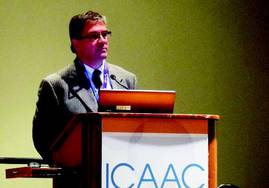
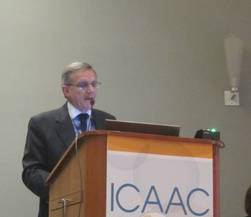
Dr. Joseph Blondeau, interim head of pathology and laboratory medicine for the Saskatoon Health Region and the Royal University Hospital, took the call and set a process in motion that had been established for just such a moment, but later proved to have a variety of shortcomings, said Dr. Blondeau during a presentation at the Interscience Conference on Antimicrobial Agents and Chemotherapy.
Initially, the ICU clinicians treated the man empirically with a third-generation cephalosporin and vancomycin. There were still not enough details to make a definitive diagnosis, but by early the next morning there was a high level of suspicion. The patient was hemorrhaging from his eye, there was blood in his nasogastric tube, some rectal bleeding, and a diffuse and nonspecific rash.
Dr. Blondeau ordered all specimens from the man to be quarantined, and he activated the emergency response system for Canada. At that time, there were 27 cases in Liberia, with a 40% mortality rate.
Alarmingly, one of the patient’s cerebrospinal fluid specimens had leaked in transit from St. Paul’s Hospital to a biocontainment lab at the Royal University hospital. A technician at the lab attempted to clean the container and was potentially exposed.
Both St. Paul and Royal University hospitals decided they needed a communication strategy to help allay fear and anxiety among the staff. Many were questioning why the patient was not elevated to a high infection threat when admitted to the ICU, and why higher-level precautions had not been put into place earlier.
On his way to an emergency meeting at St. Paul’s to discuss these issues, Dr. Blondeau received a call from the director of one of Canada’s biosafety level 4 labs, the National Microbiology Lab in Winnipeg, Man., who said that it was likely the patient had Ebola.
“At that point in time all hell broke loose,” said Dr. Blondeau.
The patient’s specimens needed to be immediately transported for confirmation to that national lab, a 9-hour drive from Saskatoon. The regular couriers weren’t interested. Dr. Blondeau volunteered, initially thinking he would drive them.
The specimens were prepared and packaged for containment, but the government made the decision to transport them by jet instead.
Even so, Dr. Blondeau had to drive the specimens to the air ambulance that was waiting at the Saskatoon airport. He wondered whether that was the right decision. There were questions as to whether law enforcement should be informed of the transport – what if he had an accident? He put a sign in the windshield stating that he was transporting a potential Ebola specimen as a means of making it look official, and so that no one would mistake him for a terrorist. No one had worked out whether he should accompany the specimens to Winnipeg to maintain a chain of control. He did not go.
Simultaneously, the health authorities began trying to track down all of the patient’s contacts, from arrival in the country, through an urgent clinic visit, a busy emergency room, and staff and family visits after ICU admission.
Meanwhile, the patient was deteriorating and was already ventilated and required cardiovascular support. Dr. Blondeau began discussions to bring a more sophisticated mobile lab to Saskatoon so that the patient could be repeatedly tested on-site.
“I can say with certainty that there were not many people in the province of Saskatchewan who fully understood what was about to happen should this patient have tested positive for Ebola,” said Dr. Blondeau. “We were learning as we went.”
The plans were changing by the moment, he said.
And, he said, he still had many concerns about how the situation would be perceived by those inside and outside the hospital. There was a potential for public panic and for a breach of the patient’s and family’s privacy.
Among the staff, “there was tremendous fear and panic,” Dr. Blondeau said. The spouse of the lab technician who had a potential exposure wanted her to quit her job. Another technician was spreading incorrect information, he said.
While staff worried about their own exposure and whether they had exposed their families, the patient was still critically ill and needed care and acute testing.
Then, just 24 hours after the patient had been admitted, it was determined that he did not have Ebola or any other viral hemorrhagic fever.
But “we still didn’t have a diagnosis,” said Dr. Blondeau.
He ordered routine microbiology testing on all the specimens. A day later, it looked like the culprit was Staphylococcus aureus. Further testing confirmed that it was indeed S. aureus and that it was a methicillin-susceptible strain.
Officials and staff went back to routine care processes.
In retrospect, there was much to be concerned about, said Dr. Blondeau. Use of personal protective equipment was inconsistent, which could have led to exposures. There was uncertainty about how to keep the environment clean, including linens and uniforms. For instance, he noted, many health care staff wear uniforms to work or wear them home. “Is this a practice we should be endorsing?” he asked.
There were potential problems with the physical space; for instance, some patient room doors did not close tightly.
On the plus side, no staff refused to care for the patient or to do what was asked, said Dr. Blondeau.
The entire 96-hour experience “was exciting but it was terrifying,” he said.
The lack of preparedness and the lack of a more tightly-knit lab system in the U.S. and Canada are warning signs, he said.
“The reality is we’re only the next landing flight away from a potential infectious disease threat,” said Dr. Blondeau.
On Aug. 1, Saskatoon health authorities received an alert that a passenger on an inbound flight from Senegal had many of the symptoms of a viral hemorrhagic fever: vomiting, diarrhea, and headache. They put their response system in place, and “were much better prepared the second time around,” he said, adding, “but we aren’t where we need to be.”
Dr. Blondeau reported having no conflicts of interest.
On Twitter @aliciaault
WASHINGTON – While the U.S. waits for its first potential case of Ebola from a traveler, earlier this spring, officials at one hospital in Canada thought that they had a case and found themselves woefully unprepared.
In late March, a man who had returned from Liberia and had a fever of unknown origin, was admitted through the emergency department to the intensive care unit at St. Paul’s Hospital in Saskatoon, Sask. The clinicians suspected Ebola, but weren’t sure and late that night called the Saskatoon regional health department for a consultation.
Dr. Joseph Blondeau, interim head of pathology and laboratory medicine for the Saskatoon Health Region and the Royal University Hospital, took the call and set a process in motion that had been established for just such a moment, but later proved to have a variety of shortcomings, said Dr. Blondeau during a presentation at the Interscience Conference on Antimicrobial Agents and Chemotherapy.
Initially, the ICU clinicians treated the man empirically with a third-generation cephalosporin and vancomycin. There were still not enough details to make a definitive diagnosis, but by early the next morning there was a high level of suspicion. The patient was hemorrhaging from his eye, there was blood in his nasogastric tube, some rectal bleeding, and a diffuse and nonspecific rash.
Dr. Blondeau ordered all specimens from the man to be quarantined, and he activated the emergency response system for Canada. At that time, there were 27 cases in Liberia, with a 40% mortality rate.
Alarmingly, one of the patient’s cerebrospinal fluid specimens had leaked in transit from St. Paul’s Hospital to a biocontainment lab at the Royal University hospital. A technician at the lab attempted to clean the container and was potentially exposed.
Both St. Paul and Royal University hospitals decided they needed a communication strategy to help allay fear and anxiety among the staff. Many were questioning why the patient was not elevated to a high infection threat when admitted to the ICU, and why higher-level precautions had not been put into place earlier.
On his way to an emergency meeting at St. Paul’s to discuss these issues, Dr. Blondeau received a call from the director of one of Canada’s biosafety level 4 labs, the National Microbiology Lab in Winnipeg, Man., who said that it was likely the patient had Ebola.
“At that point in time all hell broke loose,” said Dr. Blondeau.
The patient’s specimens needed to be immediately transported for confirmation to that national lab, a 9-hour drive from Saskatoon. The regular couriers weren’t interested. Dr. Blondeau volunteered, initially thinking he would drive them.
The specimens were prepared and packaged for containment, but the government made the decision to transport them by jet instead.
Even so, Dr. Blondeau had to drive the specimens to the air ambulance that was waiting at the Saskatoon airport. He wondered whether that was the right decision. There were questions as to whether law enforcement should be informed of the transport – what if he had an accident? He put a sign in the windshield stating that he was transporting a potential Ebola specimen as a means of making it look official, and so that no one would mistake him for a terrorist. No one had worked out whether he should accompany the specimens to Winnipeg to maintain a chain of control. He did not go.
Simultaneously, the health authorities began trying to track down all of the patient’s contacts, from arrival in the country, through an urgent clinic visit, a busy emergency room, and staff and family visits after ICU admission.
Meanwhile, the patient was deteriorating and was already ventilated and required cardiovascular support. Dr. Blondeau began discussions to bring a more sophisticated mobile lab to Saskatoon so that the patient could be repeatedly tested on-site.
“I can say with certainty that there were not many people in the province of Saskatchewan who fully understood what was about to happen should this patient have tested positive for Ebola,” said Dr. Blondeau. “We were learning as we went.”
The plans were changing by the moment, he said.
And, he said, he still had many concerns about how the situation would be perceived by those inside and outside the hospital. There was a potential for public panic and for a breach of the patient’s and family’s privacy.
Among the staff, “there was tremendous fear and panic,” Dr. Blondeau said. The spouse of the lab technician who had a potential exposure wanted her to quit her job. Another technician was spreading incorrect information, he said.
While staff worried about their own exposure and whether they had exposed their families, the patient was still critically ill and needed care and acute testing.
Then, just 24 hours after the patient had been admitted, it was determined that he did not have Ebola or any other viral hemorrhagic fever.
But “we still didn’t have a diagnosis,” said Dr. Blondeau.
He ordered routine microbiology testing on all the specimens. A day later, it looked like the culprit was Staphylococcus aureus. Further testing confirmed that it was indeed S. aureus and that it was a methicillin-susceptible strain.
Officials and staff went back to routine care processes.
In retrospect, there was much to be concerned about, said Dr. Blondeau. Use of personal protective equipment was inconsistent, which could have led to exposures. There was uncertainty about how to keep the environment clean, including linens and uniforms. For instance, he noted, many health care staff wear uniforms to work or wear them home. “Is this a practice we should be endorsing?” he asked.
There were potential problems with the physical space; for instance, some patient room doors did not close tightly.
On the plus side, no staff refused to care for the patient or to do what was asked, said Dr. Blondeau.
The entire 96-hour experience “was exciting but it was terrifying,” he said.
The lack of preparedness and the lack of a more tightly-knit lab system in the U.S. and Canada are warning signs, he said.
“The reality is we’re only the next landing flight away from a potential infectious disease threat,” said Dr. Blondeau.
On Aug. 1, Saskatoon health authorities received an alert that a passenger on an inbound flight from Senegal had many of the symptoms of a viral hemorrhagic fever: vomiting, diarrhea, and headache. They put their response system in place, and “were much better prepared the second time around,” he said, adding, “but we aren’t where we need to be.”
Dr. Blondeau reported having no conflicts of interest.
On Twitter @aliciaault
WASHINGTON – While the U.S. waits for its first potential case of Ebola from a traveler, earlier this spring, officials at one hospital in Canada thought that they had a case and found themselves woefully unprepared.
In late March, a man who had returned from Liberia and had a fever of unknown origin, was admitted through the emergency department to the intensive care unit at St. Paul’s Hospital in Saskatoon, Sask. The clinicians suspected Ebola, but weren’t sure and late that night called the Saskatoon regional health department for a consultation.
Dr. Joseph Blondeau, interim head of pathology and laboratory medicine for the Saskatoon Health Region and the Royal University Hospital, took the call and set a process in motion that had been established for just such a moment, but later proved to have a variety of shortcomings, said Dr. Blondeau during a presentation at the Interscience Conference on Antimicrobial Agents and Chemotherapy.
Initially, the ICU clinicians treated the man empirically with a third-generation cephalosporin and vancomycin. There were still not enough details to make a definitive diagnosis, but by early the next morning there was a high level of suspicion. The patient was hemorrhaging from his eye, there was blood in his nasogastric tube, some rectal bleeding, and a diffuse and nonspecific rash.
Dr. Blondeau ordered all specimens from the man to be quarantined, and he activated the emergency response system for Canada. At that time, there were 27 cases in Liberia, with a 40% mortality rate.
Alarmingly, one of the patient’s cerebrospinal fluid specimens had leaked in transit from St. Paul’s Hospital to a biocontainment lab at the Royal University hospital. A technician at the lab attempted to clean the container and was potentially exposed.
Both St. Paul and Royal University hospitals decided they needed a communication strategy to help allay fear and anxiety among the staff. Many were questioning why the patient was not elevated to a high infection threat when admitted to the ICU, and why higher-level precautions had not been put into place earlier.
On his way to an emergency meeting at St. Paul’s to discuss these issues, Dr. Blondeau received a call from the director of one of Canada’s biosafety level 4 labs, the National Microbiology Lab in Winnipeg, Man., who said that it was likely the patient had Ebola.
“At that point in time all hell broke loose,” said Dr. Blondeau.
The patient’s specimens needed to be immediately transported for confirmation to that national lab, a 9-hour drive from Saskatoon. The regular couriers weren’t interested. Dr. Blondeau volunteered, initially thinking he would drive them.
The specimens were prepared and packaged for containment, but the government made the decision to transport them by jet instead.
Even so, Dr. Blondeau had to drive the specimens to the air ambulance that was waiting at the Saskatoon airport. He wondered whether that was the right decision. There were questions as to whether law enforcement should be informed of the transport – what if he had an accident? He put a sign in the windshield stating that he was transporting a potential Ebola specimen as a means of making it look official, and so that no one would mistake him for a terrorist. No one had worked out whether he should accompany the specimens to Winnipeg to maintain a chain of control. He did not go.
Simultaneously, the health authorities began trying to track down all of the patient’s contacts, from arrival in the country, through an urgent clinic visit, a busy emergency room, and staff and family visits after ICU admission.
Meanwhile, the patient was deteriorating and was already ventilated and required cardiovascular support. Dr. Blondeau began discussions to bring a more sophisticated mobile lab to Saskatoon so that the patient could be repeatedly tested on-site.
“I can say with certainty that there were not many people in the province of Saskatchewan who fully understood what was about to happen should this patient have tested positive for Ebola,” said Dr. Blondeau. “We were learning as we went.”
The plans were changing by the moment, he said.
And, he said, he still had many concerns about how the situation would be perceived by those inside and outside the hospital. There was a potential for public panic and for a breach of the patient’s and family’s privacy.
Among the staff, “there was tremendous fear and panic,” Dr. Blondeau said. The spouse of the lab technician who had a potential exposure wanted her to quit her job. Another technician was spreading incorrect information, he said.
While staff worried about their own exposure and whether they had exposed their families, the patient was still critically ill and needed care and acute testing.
Then, just 24 hours after the patient had been admitted, it was determined that he did not have Ebola or any other viral hemorrhagic fever.
But “we still didn’t have a diagnosis,” said Dr. Blondeau.
He ordered routine microbiology testing on all the specimens. A day later, it looked like the culprit was Staphylococcus aureus. Further testing confirmed that it was indeed S. aureus and that it was a methicillin-susceptible strain.
Officials and staff went back to routine care processes.
In retrospect, there was much to be concerned about, said Dr. Blondeau. Use of personal protective equipment was inconsistent, which could have led to exposures. There was uncertainty about how to keep the environment clean, including linens and uniforms. For instance, he noted, many health care staff wear uniforms to work or wear them home. “Is this a practice we should be endorsing?” he asked.
There were potential problems with the physical space; for instance, some patient room doors did not close tightly.
On the plus side, no staff refused to care for the patient or to do what was asked, said Dr. Blondeau.
The entire 96-hour experience “was exciting but it was terrifying,” he said.
The lack of preparedness and the lack of a more tightly-knit lab system in the U.S. and Canada are warning signs, he said.
“The reality is we’re only the next landing flight away from a potential infectious disease threat,” said Dr. Blondeau.
On Aug. 1, Saskatoon health authorities received an alert that a passenger on an inbound flight from Senegal had many of the symptoms of a viral hemorrhagic fever: vomiting, diarrhea, and headache. They put their response system in place, and “were much better prepared the second time around,” he said, adding, “but we aren’t where we need to be.”
Dr. Blondeau reported having no conflicts of interest.
On Twitter @aliciaault
AT ICAAC 2014
E-cigarettes don’t help cancer patients quit smoking
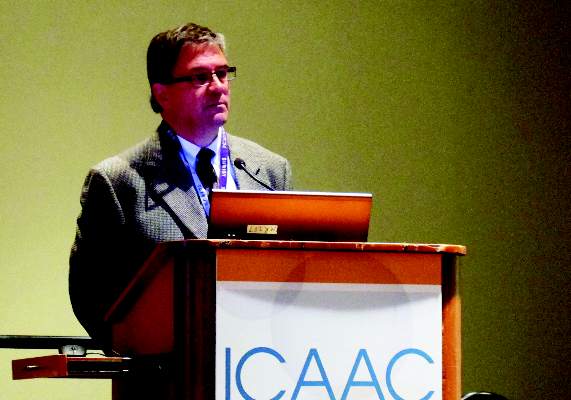
Though e-cigarette use increased among smokers diagnosed with cancer, it did not lead to greater success with tobacco cessation, according to a study among cancer patients referred to a tobacco quit program.
The prospective cohort study of 1,074 cancer patients found the prevalence of e-cigarette use increased from 10.6% of participants enrolled in 2012 to 38.5% of patients in 2013, with 92% of e-cigarette users reporting dual use with traditional cigarettes.

At study entry, e-cigarette users were more nicotine dependent than were nonusers, had more prior quit attempts, and were more likely to be diagnosed with thoracic and head or neck cancers. Smoking cessation outcomes were collected from 414 patients, and after adjustment for nicotine dependence, number of past quit attempts, and cancer diagnosis, e-cigarette users were twice as likely to still be smoking at follow-up (odds ratio, 2.0; 95% confidence interval, 1.2-3.3; P less than .01), Sarah P. Borderud and her colleagues reported online Sept. 22 in Cancer [doi:10.1002/cncr.28811].
“Although we speculate that patients may be drawn to e-cigarette use for harm reduction, the findings of the current study provide no evidence to support oncologists recommending e-cigarette use among patients with cancer who are advised to quit smoking,” wrote Ms. Borderud, an epidemiologist at Memorial Sloan-Kettering Cancer Center, N.Y., and her colleagues.
No conflicts of interest were declared.
Though e-cigarette use increased among smokers diagnosed with cancer, it did not lead to greater success with tobacco cessation, according to a study among cancer patients referred to a tobacco quit program.
The prospective cohort study of 1,074 cancer patients found the prevalence of e-cigarette use increased from 10.6% of participants enrolled in 2012 to 38.5% of patients in 2013, with 92% of e-cigarette users reporting dual use with traditional cigarettes.
At study entry, e-cigarette users were more nicotine dependent than were nonusers, had more prior quit attempts, and were more likely to be diagnosed with thoracic and head or neck cancers. Smoking cessation outcomes were collected from 414 patients, and after adjustment for nicotine dependence, number of past quit attempts, and cancer diagnosis, e-cigarette users were twice as likely to still be smoking at follow-up (odds ratio, 2.0; 95% confidence interval, 1.2-3.3; P less than .01), Sarah P. Borderud and her colleagues reported online Sept. 22 in Cancer [doi:10.1002/cncr.28811].
“Although we speculate that patients may be drawn to e-cigarette use for harm reduction, the findings of the current study provide no evidence to support oncologists recommending e-cigarette use among patients with cancer who are advised to quit smoking,” wrote Ms. Borderud, an epidemiologist at Memorial Sloan-Kettering Cancer Center, N.Y., and her colleagues.
No conflicts of interest were declared.
Though e-cigarette use increased among smokers diagnosed with cancer, it did not lead to greater success with tobacco cessation, according to a study among cancer patients referred to a tobacco quit program.
The prospective cohort study of 1,074 cancer patients found the prevalence of e-cigarette use increased from 10.6% of participants enrolled in 2012 to 38.5% of patients in 2013, with 92% of e-cigarette users reporting dual use with traditional cigarettes.
At study entry, e-cigarette users were more nicotine dependent than were nonusers, had more prior quit attempts, and were more likely to be diagnosed with thoracic and head or neck cancers. Smoking cessation outcomes were collected from 414 patients, and after adjustment for nicotine dependence, number of past quit attempts, and cancer diagnosis, e-cigarette users were twice as likely to still be smoking at follow-up (odds ratio, 2.0; 95% confidence interval, 1.2-3.3; P less than .01), Sarah P. Borderud and her colleagues reported online Sept. 22 in Cancer [doi:10.1002/cncr.28811].
“Although we speculate that patients may be drawn to e-cigarette use for harm reduction, the findings of the current study provide no evidence to support oncologists recommending e-cigarette use among patients with cancer who are advised to quit smoking,” wrote Ms. Borderud, an epidemiologist at Memorial Sloan-Kettering Cancer Center, N.Y., and her colleagues.
No conflicts of interest were declared.
FROM CANCER
Key clinical point: E-cigarette use increased among smoking cancer patients, but users were not more likely to succeed in tobacco quit program.
Major finding: E-cigarette users twice as likely to still be smoking at quit program follow-up.
Data source: Prospective cohort study in 1,074 cancer patients enrolled in a tobacco quit program.
Disclosures: There were no conflicts of interest disclosed.
VIDEO: Experts offer top tips for flu season 2014-2015
WASHINGTON – Options and opportunity are the keys to navigating the 2014-2015 flu season, according to a panel of experts at a press conference sponsored by the National Foundation for Infectious Diseases.
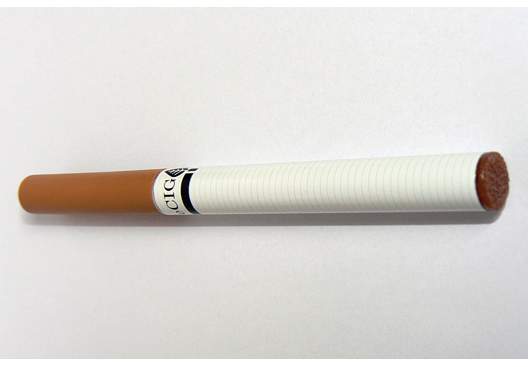
“The easier we make it for people to get vaccinated, the more likely they are to get vaccinated,” said CDC Director Thomas Frieden, who received his flu shot at the press conference.
In interviews at the conference, Dr. Frieden, Dr. Paul A. Offit of the Children’s Hospital of Philadelphia; Dr. Laura E. Riley of Massachusetts General Hospital, Boston; and Dr. William Schaffner of Vanderbilt University, Nashville, Tenn., discussed making the most of opportunities to vaccinate patients, offering reassurance about vaccine safety (especially for pregnant women), setting an example in your practice by getting vaccinated yourself, and ensuring that everyone who works in your office receives a flu vaccine as well.
The video associated with this article is no longer available on this site. Please view all of our videos on the MDedge YouTube channel
The video associated with this article is no longer available on this site. Please view all of our videos on the MDedge YouTube channel
The video associated with this article is no longer available on this site. Please view all of our videos on the MDedge YouTube channel
The video associated with this article is no longer available on this site. Please view all of our videos on the MDedge YouTube channel
WASHINGTON – Options and opportunity are the keys to navigating the 2014-2015 flu season, according to a panel of experts at a press conference sponsored by the National Foundation for Infectious Diseases.
“The easier we make it for people to get vaccinated, the more likely they are to get vaccinated,” said CDC Director Thomas Frieden, who received his flu shot at the press conference.
In interviews at the conference, Dr. Frieden, Dr. Paul A. Offit of the Children’s Hospital of Philadelphia; Dr. Laura E. Riley of Massachusetts General Hospital, Boston; and Dr. William Schaffner of Vanderbilt University, Nashville, Tenn., discussed making the most of opportunities to vaccinate patients, offering reassurance about vaccine safety (especially for pregnant women), setting an example in your practice by getting vaccinated yourself, and ensuring that everyone who works in your office receives a flu vaccine as well.
The video associated with this article is no longer available on this site. Please view all of our videos on the MDedge YouTube channel
The video associated with this article is no longer available on this site. Please view all of our videos on the MDedge YouTube channel
The video associated with this article is no longer available on this site. Please view all of our videos on the MDedge YouTube channel
The video associated with this article is no longer available on this site. Please view all of our videos on the MDedge YouTube channel
WASHINGTON – Options and opportunity are the keys to navigating the 2014-2015 flu season, according to a panel of experts at a press conference sponsored by the National Foundation for Infectious Diseases.
“The easier we make it for people to get vaccinated, the more likely they are to get vaccinated,” said CDC Director Thomas Frieden, who received his flu shot at the press conference.
In interviews at the conference, Dr. Frieden, Dr. Paul A. Offit of the Children’s Hospital of Philadelphia; Dr. Laura E. Riley of Massachusetts General Hospital, Boston; and Dr. William Schaffner of Vanderbilt University, Nashville, Tenn., discussed making the most of opportunities to vaccinate patients, offering reassurance about vaccine safety (especially for pregnant women), setting an example in your practice by getting vaccinated yourself, and ensuring that everyone who works in your office receives a flu vaccine as well.
The video associated with this article is no longer available on this site. Please view all of our videos on the MDedge YouTube channel
The video associated with this article is no longer available on this site. Please view all of our videos on the MDedge YouTube channel
The video associated with this article is no longer available on this site. Please view all of our videos on the MDedge YouTube channel
The video associated with this article is no longer available on this site. Please view all of our videos on the MDedge YouTube channel

VIDEO: Resistant infection risk grows by 1% for each day of hospitalization
WASHINGTON – Length of stay seemed to have the greatest impact on contracting multidrug-resistant strains of gram-negative organisms, with risk maximizing at 10 days of hospitalization. Each day of hospitalization increased the likelihood of contracting an infection with a gram-negative, multidrug-resistant organism by 1%, with risk maximizing at 10 days of hospitalization, said John A. Bosso, Pharm.D.
Researchers led by Dr. Bosso, a professor in the College of Pharmacy at the Medical University of South Carolina, Charleston, analyzed 949 incidents of documented gram-negative infection during 1998-2014. The study is the first to quantify the potential risk of contracting a multidrug-resistant infection based on length of stay.
We caught up with Dr. Bosso, who presented his findings at the annual Interscience Conference on Antimicrobial Agents and Chemotherapy 2014, and asked how health care providers and clinicians can mitigate the risks to patient health. Dr. Bosso said clinicians should be sure to identify which patients are most likely to contract a serious infection, advise patients on the risks associated with long hospital stays, and encourage patients to do their part in getting out of the hospital as quickly as possible.
The video associated with this article is no longer available on this site. Please view all of our videos on the MDedge YouTube channel
WASHINGTON – Length of stay seemed to have the greatest impact on contracting multidrug-resistant strains of gram-negative organisms, with risk maximizing at 10 days of hospitalization. Each day of hospitalization increased the likelihood of contracting an infection with a gram-negative, multidrug-resistant organism by 1%, with risk maximizing at 10 days of hospitalization, said John A. Bosso, Pharm.D.
Researchers led by Dr. Bosso, a professor in the College of Pharmacy at the Medical University of South Carolina, Charleston, analyzed 949 incidents of documented gram-negative infection during 1998-2014. The study is the first to quantify the potential risk of contracting a multidrug-resistant infection based on length of stay.
We caught up with Dr. Bosso, who presented his findings at the annual Interscience Conference on Antimicrobial Agents and Chemotherapy 2014, and asked how health care providers and clinicians can mitigate the risks to patient health. Dr. Bosso said clinicians should be sure to identify which patients are most likely to contract a serious infection, advise patients on the risks associated with long hospital stays, and encourage patients to do their part in getting out of the hospital as quickly as possible.
The video associated with this article is no longer available on this site. Please view all of our videos on the MDedge YouTube channel
WASHINGTON – Length of stay seemed to have the greatest impact on contracting multidrug-resistant strains of gram-negative organisms, with risk maximizing at 10 days of hospitalization. Each day of hospitalization increased the likelihood of contracting an infection with a gram-negative, multidrug-resistant organism by 1%, with risk maximizing at 10 days of hospitalization, said John A. Bosso, Pharm.D.
Researchers led by Dr. Bosso, a professor in the College of Pharmacy at the Medical University of South Carolina, Charleston, analyzed 949 incidents of documented gram-negative infection during 1998-2014. The study is the first to quantify the potential risk of contracting a multidrug-resistant infection based on length of stay.
We caught up with Dr. Bosso, who presented his findings at the annual Interscience Conference on Antimicrobial Agents and Chemotherapy 2014, and asked how health care providers and clinicians can mitigate the risks to patient health. Dr. Bosso said clinicians should be sure to identify which patients are most likely to contract a serious infection, advise patients on the risks associated with long hospital stays, and encourage patients to do their part in getting out of the hospital as quickly as possible.
The video associated with this article is no longer available on this site. Please view all of our videos on the MDedge YouTube channel
AT ICAAC 2014

Bill requiring childproofing of e-cig refills advances
A bill that would require liquid nicotine vials, such as those used to refill electronic cigarettes, to have childproof caps is poised for full Senate consideration.
The Senate Commerce, Science, and Transportation Committee by a unanimous voice vote Sept, 17, approved the Child Nicotine Poisoning Prevention Act of 2014 (S. 2581). The bill is supported by organizations including the American Academy of Pediatricians, American College of Physicians, American College of Cardiology and American Academy of Otolaryngology-Head and Neck Surgery.
If enacted, the legislation would direct the Consumer Product Safety Commission to develop rules requiring childproof containers for liquid nicotine preparations.
“Our first priority is to make sure this stuff isn’t hurting our kids,” Sen. Bill Nelson (D-Fla.), the bill’s sponsor, said in a statement. “Then we can continue to look at whether or not additional steps need to be taken to protect the general public.”
Courtesy of Sen. Bill Nelson
A bill that would require liquid nicotine vials, such as those used to refill electronic cigarettes, to have childproof caps is poised for full Senate consideration.
The Senate Commerce, Science, and Transportation Committee by a unanimous voice vote Sept, 17, approved the Child Nicotine Poisoning Prevention Act of 2014 (S. 2581). The bill is supported by organizations including the American Academy of Pediatricians, American College of Physicians, American College of Cardiology and American Academy of Otolaryngology-Head and Neck Surgery.
If enacted, the legislation would direct the Consumer Product Safety Commission to develop rules requiring childproof containers for liquid nicotine preparations.
“Our first priority is to make sure this stuff isn’t hurting our kids,” Sen. Bill Nelson (D-Fla.), the bill’s sponsor, said in a statement. “Then we can continue to look at whether or not additional steps need to be taken to protect the general public.”
Courtesy of Sen. Bill Nelson
A bill that would require liquid nicotine vials, such as those used to refill electronic cigarettes, to have childproof caps is poised for full Senate consideration.
The Senate Commerce, Science, and Transportation Committee by a unanimous voice vote Sept, 17, approved the Child Nicotine Poisoning Prevention Act of 2014 (S. 2581). The bill is supported by organizations including the American Academy of Pediatricians, American College of Physicians, American College of Cardiology and American Academy of Otolaryngology-Head and Neck Surgery.
If enacted, the legislation would direct the Consumer Product Safety Commission to develop rules requiring childproof containers for liquid nicotine preparations.
“Our first priority is to make sure this stuff isn’t hurting our kids,” Sen. Bill Nelson (D-Fla.), the bill’s sponsor, said in a statement. “Then we can continue to look at whether or not additional steps need to be taken to protect the general public.”
Courtesy of Sen. Bill Nelson
Fluoroquinolone bested other antibiotics in Haemophilus influenzae-related pneumonia
WASHINGTON – For adults with Haemophilus influenzae-related community acquired pneumonia, fluoroquinolones were significantly associated with early clinical response rates that were better than those seen with other antibiotics, based on the findings of a German study.
“Initial treatment with any fluoroquinolone was the only positive predictor of early clinical response, and use of macrolide monotherapy was the only negative predictor of early clinical response,” Dr. Christina Forstner, a researcher at the Medical University of Vienna in Austria, said at the annual Interscience Conference on Antimicrobial Agents and Chemotherapy.

The multi-center, observational, prospective, cohort study was conducted between 2002 and 2012 in 171 adults who had community acquired pneumonia and tested positive for H.influenzae. In 124 patients, H.influenzae was the sole pathogen detected, whereas 47 patients had at least one other co-infection.
The primary end point of the study was an early clinical response ‑ clinical stability by day 4 of treatment. The secondary end point was clinical cure anywhere at day 14. The choice of antimicrobial treatment was left to the discretion of individual clinicians.
Early clinical response rates were seen for 46 of 47 patients (97.6%) given any fluoroquinolone, with 100% clinical cure by day 14. Fluoroquinolone monotherapy achieved a nearly 100% early clinical response rate (39 out of 40 patients), and complete clinical cure was seen in all patients by day 14. The rates were significantly different from those seen with other antibiotics (P = .01).
An early clinical response rate was seen in 92 of 108 patients (85.2%) given any beta-lactam. Beta-lactam monotherapy achieved an early clinical response rate in 63 out of 74 cases, with a clinical cure rate at day 14 in 68 out of 74 cases.
An early clinical response rate was seen in 29 of 36 patients (80.6%) who received any macrolide; an early clinical response rate was seen in 8 of 12 patients given monotherapy with a macrolide. Clinical cure rate at day 14 was 32 out of 36 patients given any macrolide, and 11 out of 12 given macrolide monotherapy.
The median duration of therapy was, according to Dr. Forstner, “quite long” at 10 days. Monotherapy was used in 78.4% of patients, and oral treatments in 63.7%.
The overall early clinical response rate was 88%, with an overall clinical cure of 93% on day 14, and of 95.9% on day 28.
A univariate analysis of age, body mass index, severity of disease, co-infection, and treatments used indicated the only factor associated with an early clinical response was the use of any fluoroquinolone (odds ration, 8.8). Macrolide monotherapy was associated with a negative clinical response (OR, 0.239).
As a young physician, I learned to divide my patients with pneumonia into two categories, those with “typical” and those with “atypical” pneumonia. I was taught that different pathogens were the etiology for these two different syndromes, and that I should tailor my antimicrobial treatment appropriately. Later, I learned that our clinical acumen was insufficient to distinguish causative agents in patients with pneumonia.
I therefore now teach residents to partition their pneumonia patients into different demographic categories, such as “community-acquired pneumonia” (CAP) and “health care–associated pneumonia.” Each category is associated with an evidence-based menu of appropriate antimicrobial strategies.
Results from a new German study suggest that, if clinicians know that they are treating CAP due to Haemophilus influenza, outcomes are improved if fluoroquinolones are administered. I wonder, however, how I could be certain early in the clinical course that my patient has pneumonia due to “H Flu”? Do the results apply to other pathogens? Considering that antimicrobial resistance patterns are different in different geographical regions, do these results from Germany apply to my practice in Detroit?
Dr. Daniel Ouellette, FCCP
As a young physician, I learned to divide my patients with pneumonia into two categories, those with “typical” and those with “atypical” pneumonia. I was taught that different pathogens were the etiology for these two different syndromes, and that I should tailor my antimicrobial treatment appropriately. Later, I learned that our clinical acumen was insufficient to distinguish causative agents in patients with pneumonia.
I therefore now teach residents to partition their pneumonia patients into different demographic categories, such as “community-acquired pneumonia” (CAP) and “health care–associated pneumonia.” Each category is associated with an evidence-based menu of appropriate antimicrobial strategies.
Results from a new German study suggest that, if clinicians know that they are treating CAP due to Haemophilus influenza, outcomes are improved if fluoroquinolones are administered. I wonder, however, how I could be certain early in the clinical course that my patient has pneumonia due to “H Flu”? Do the results apply to other pathogens? Considering that antimicrobial resistance patterns are different in different geographical regions, do these results from Germany apply to my practice in Detroit?
Dr. Daniel Ouellette, FCCP
As a young physician, I learned to divide my patients with pneumonia into two categories, those with “typical” and those with “atypical” pneumonia. I was taught that different pathogens were the etiology for these two different syndromes, and that I should tailor my antimicrobial treatment appropriately. Later, I learned that our clinical acumen was insufficient to distinguish causative agents in patients with pneumonia.
I therefore now teach residents to partition their pneumonia patients into different demographic categories, such as “community-acquired pneumonia” (CAP) and “health care–associated pneumonia.” Each category is associated with an evidence-based menu of appropriate antimicrobial strategies.
Results from a new German study suggest that, if clinicians know that they are treating CAP due to Haemophilus influenza, outcomes are improved if fluoroquinolones are administered. I wonder, however, how I could be certain early in the clinical course that my patient has pneumonia due to “H Flu”? Do the results apply to other pathogens? Considering that antimicrobial resistance patterns are different in different geographical regions, do these results from Germany apply to my practice in Detroit?
Dr. Daniel Ouellette, FCCP
WASHINGTON – For adults with Haemophilus influenzae-related community acquired pneumonia, fluoroquinolones were significantly associated with early clinical response rates that were better than those seen with other antibiotics, based on the findings of a German study.
“Initial treatment with any fluoroquinolone was the only positive predictor of early clinical response, and use of macrolide monotherapy was the only negative predictor of early clinical response,” Dr. Christina Forstner, a researcher at the Medical University of Vienna in Austria, said at the annual Interscience Conference on Antimicrobial Agents and Chemotherapy.
The multi-center, observational, prospective, cohort study was conducted between 2002 and 2012 in 171 adults who had community acquired pneumonia and tested positive for H.influenzae. In 124 patients, H.influenzae was the sole pathogen detected, whereas 47 patients had at least one other co-infection.
The primary end point of the study was an early clinical response ‑ clinical stability by day 4 of treatment. The secondary end point was clinical cure anywhere at day 14. The choice of antimicrobial treatment was left to the discretion of individual clinicians.
Early clinical response rates were seen for 46 of 47 patients (97.6%) given any fluoroquinolone, with 100% clinical cure by day 14. Fluoroquinolone monotherapy achieved a nearly 100% early clinical response rate (39 out of 40 patients), and complete clinical cure was seen in all patients by day 14. The rates were significantly different from those seen with other antibiotics (P = .01).
An early clinical response rate was seen in 92 of 108 patients (85.2%) given any beta-lactam. Beta-lactam monotherapy achieved an early clinical response rate in 63 out of 74 cases, with a clinical cure rate at day 14 in 68 out of 74 cases.
An early clinical response rate was seen in 29 of 36 patients (80.6%) who received any macrolide; an early clinical response rate was seen in 8 of 12 patients given monotherapy with a macrolide. Clinical cure rate at day 14 was 32 out of 36 patients given any macrolide, and 11 out of 12 given macrolide monotherapy.
The median duration of therapy was, according to Dr. Forstner, “quite long” at 10 days. Monotherapy was used in 78.4% of patients, and oral treatments in 63.7%.
The overall early clinical response rate was 88%, with an overall clinical cure of 93% on day 14, and of 95.9% on day 28.
A univariate analysis of age, body mass index, severity of disease, co-infection, and treatments used indicated the only factor associated with an early clinical response was the use of any fluoroquinolone (odds ration, 8.8). Macrolide monotherapy was associated with a negative clinical response (OR, 0.239).
WASHINGTON – For adults with Haemophilus influenzae-related community acquired pneumonia, fluoroquinolones were significantly associated with early clinical response rates that were better than those seen with other antibiotics, based on the findings of a German study.
“Initial treatment with any fluoroquinolone was the only positive predictor of early clinical response, and use of macrolide monotherapy was the only negative predictor of early clinical response,” Dr. Christina Forstner, a researcher at the Medical University of Vienna in Austria, said at the annual Interscience Conference on Antimicrobial Agents and Chemotherapy.
The multi-center, observational, prospective, cohort study was conducted between 2002 and 2012 in 171 adults who had community acquired pneumonia and tested positive for H.influenzae. In 124 patients, H.influenzae was the sole pathogen detected, whereas 47 patients had at least one other co-infection.
The primary end point of the study was an early clinical response ‑ clinical stability by day 4 of treatment. The secondary end point was clinical cure anywhere at day 14. The choice of antimicrobial treatment was left to the discretion of individual clinicians.
Early clinical response rates were seen for 46 of 47 patients (97.6%) given any fluoroquinolone, with 100% clinical cure by day 14. Fluoroquinolone monotherapy achieved a nearly 100% early clinical response rate (39 out of 40 patients), and complete clinical cure was seen in all patients by day 14. The rates were significantly different from those seen with other antibiotics (P = .01).
An early clinical response rate was seen in 92 of 108 patients (85.2%) given any beta-lactam. Beta-lactam monotherapy achieved an early clinical response rate in 63 out of 74 cases, with a clinical cure rate at day 14 in 68 out of 74 cases.
An early clinical response rate was seen in 29 of 36 patients (80.6%) who received any macrolide; an early clinical response rate was seen in 8 of 12 patients given monotherapy with a macrolide. Clinical cure rate at day 14 was 32 out of 36 patients given any macrolide, and 11 out of 12 given macrolide monotherapy.
The median duration of therapy was, according to Dr. Forstner, “quite long” at 10 days. Monotherapy was used in 78.4% of patients, and oral treatments in 63.7%.
The overall early clinical response rate was 88%, with an overall clinical cure of 93% on day 14, and of 95.9% on day 28.
A univariate analysis of age, body mass index, severity of disease, co-infection, and treatments used indicated the only factor associated with an early clinical response was the use of any fluoroquinolone (odds ration, 8.8). Macrolide monotherapy was associated with a negative clinical response (OR, 0.239).
AT ICAAC 2014
Key clinical point: Fluoroquinolones may result in better clinical outcomes in adults with community-acquired pneumonia due to Haemophilus influenzae.
Major finding: Early clinical response rates were seen for 46 of 47 patients (97.6%) given any fluoroquinolone, with 100% clinical cure by day 14.
Data source: A German multicenter, observational, prospective cohort study of 171 adults with verified Haemophilus influenzae CAP.
Disclosures: Dr. Forstner said she had no relevant disclosures. The study was made possible through the German CAPNETZ program.

VIDEO: Single-dose peramivir may simplify flu treatment
WASHINGTON – Peramivir, an investigational single-dose antiviral drug to treat influenza, could deliver multiple benefits for physicians and patients alike, Dr. Richard J. Whitley predicted.
At the 2014 Interscience Conference on Antimicrobial Agents and Chemotherapy meeting in Washington, Dr. Whitley co-presented an analysis of phase II and phase III clinical trials that show the safety and efficacy of peramivir, which is currently under review by the U.S. Food and Drug Administration. Dr. Whitley is distinguished professor of pediatrics and microbiology at the University of Alabama at Birmingham.
In a video interview, Dr. Whitley discusses what this new flu drug could mean for physicians and patients, when the drug might be approved by the FDA, and why a new flu pandemic could be coming sooner rather than later.
The video associated with this article is no longer available on this site. Please view all of our videos on the MDedge YouTube channel
WASHINGTON – Peramivir, an investigational single-dose antiviral drug to treat influenza, could deliver multiple benefits for physicians and patients alike, Dr. Richard J. Whitley predicted.
At the 2014 Interscience Conference on Antimicrobial Agents and Chemotherapy meeting in Washington, Dr. Whitley co-presented an analysis of phase II and phase III clinical trials that show the safety and efficacy of peramivir, which is currently under review by the U.S. Food and Drug Administration. Dr. Whitley is distinguished professor of pediatrics and microbiology at the University of Alabama at Birmingham.
In a video interview, Dr. Whitley discusses what this new flu drug could mean for physicians and patients, when the drug might be approved by the FDA, and why a new flu pandemic could be coming sooner rather than later.
The video associated with this article is no longer available on this site. Please view all of our videos on the MDedge YouTube channel
WASHINGTON – Peramivir, an investigational single-dose antiviral drug to treat influenza, could deliver multiple benefits for physicians and patients alike, Dr. Richard J. Whitley predicted.
At the 2014 Interscience Conference on Antimicrobial Agents and Chemotherapy meeting in Washington, Dr. Whitley co-presented an analysis of phase II and phase III clinical trials that show the safety and efficacy of peramivir, which is currently under review by the U.S. Food and Drug Administration. Dr. Whitley is distinguished professor of pediatrics and microbiology at the University of Alabama at Birmingham.
In a video interview, Dr. Whitley discusses what this new flu drug could mean for physicians and patients, when the drug might be approved by the FDA, and why a new flu pandemic could be coming sooner rather than later.
The video associated with this article is no longer available on this site. Please view all of our videos on the MDedge YouTube channel
AT ICAAC 2014

Maternal Tdap resulted in higher maternal cord sera IgG-PT levels
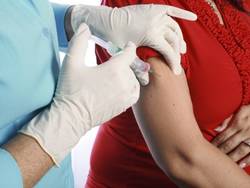
WASHINGTON – Immunizing expectant mothers with the Tdap vaccine booster shot resulted in higher cord serum levels of pertussis toxin antibodies, according to a study from Argentina.
"The results of this study [indicate] that children would be protected from pertussis until they receive the usual immunization schedule," study coauthor Dr. Aurelia Fallo, a researcher at the Hospital de Niños Dr. Ricardo Gutiérrez, Buenos Aires, said in an interview.
The Tdap vaccine for pregnant women was introduced in Argentina in 2012 to help decrease infant morbidity and mortality, according to Dr. Eduardo Lopez, director of pediatric infectious diseases at the hospital, who presented the data during the annual Interscience Conference on Antimicrobial Agents and Chemotherapy.
This was the first Latin American study to measure the effect of maternal vaccination with Tdap, he said. Argentina’s recommended schedule for maternal Tdap vaccination is during the third trimester before gestational week 38. Since 2011, the U.S. Centers for Disease Control and Prevention also has recommended that pregnant women receive the Tdap vaccine, after 20 weeks’ gestation.
At a single site in Buenos Aires, Dr. Fallo, Dr. Lopez, and their colleagues took serum samples and maternal cord serum samples at delivery from 88 mothers immunized with the Tdap vaccine. The investigators also took serum samples and maternal cord serum samples at delivery from 108 pairs of non–Tdap-immunized mothers. Serum samples were drawn from 69 nonpregnant women controls as well.
While all of the study participants, including controls, had received their full Tdap vaccination schedules as children, it wasn’t until 2011 that Argentina added the Tdap booster at 11 years of age to the national immunization schedule; therefore, except for the mothers who had received the maternal booster shot, no one in the study had been immunized against pertussis since the age of 6 years, Dr. Fallo said.
In the United States, the Tdap booster is recommended at age 11 years, with Td booster shots to follow every 10 years.
The mean age for all mothers was 26 years. Mothers who received their Tdap booster did so on average at gestational week 25 (standard deviation, 6 weeks).
Each mother/cord sample pair was blinded and measured for IgG-PT (pertussis toxin) antibodies using a validated enzyme-linked immunosorbent assay (ELISA) test. A measurement of 5 EU/mL was considered protective.
The mean concentration of IgG-PT in maternal cord sera taken from vaccinated mothers was 57.2 EU/mL, versus 12.3 EU/mL in unvaccinated mothers (P less than .001).
The mean concentration of IgG-PT in the vaccinated serum samples taken at delivery was 41.1 EU/mL. For the nonimmunized group, the mean IgG-PT concentration was 10.7 EU/mL (P less than .0001).
In the nonimmunized group, 19% had IgG-PT serum levels of less than 5 EU/mL, compared with 2.3% of the mothers who had been immunized (P = .001). Less than 5 EU/mL of IgG-PT was found in 3% of controls (P = .004).
The placenta antibody ratio in immunized mothers was 1.39, versus 1.1 for nonimmunized mothers (P = .01).
According to Dr. Lopez, there was a significant difference for mothers vaccinated before the third trimester, when the mean concentration of IgG-PT was 25.8 EU/mL, compared with the mean 41.9 EU/mL of IgG-PT for mothers in the third trimester (P = .002).
In all, Dr. Lopez said these data indicated that the maternal Tdap vaccination program in Argentina had greatly reduced infant mortality there. "When you compare the mortality rates from 2011 to 2013 in Argentina, there is an 87% reduction," he said. The number of pertussis-related infant deaths went from 76 in 2011 to 10 in 2013, according to official Argentina Ministry of Health records.
"The key point is that maternal Tdap immunization after 20 weeks of gestation seems to be a good strategy to protect infants," Dr. Fallo said.
On Twitter @whitneymcknight
WASHINGTON – Immunizing expectant mothers with the Tdap vaccine booster shot resulted in higher cord serum levels of pertussis toxin antibodies, according to a study from Argentina.
"The results of this study [indicate] that children would be protected from pertussis until they receive the usual immunization schedule," study coauthor Dr. Aurelia Fallo, a researcher at the Hospital de Niños Dr. Ricardo Gutiérrez, Buenos Aires, said in an interview.
The Tdap vaccine for pregnant women was introduced in Argentina in 2012 to help decrease infant morbidity and mortality, according to Dr. Eduardo Lopez, director of pediatric infectious diseases at the hospital, who presented the data during the annual Interscience Conference on Antimicrobial Agents and Chemotherapy.
This was the first Latin American study to measure the effect of maternal vaccination with Tdap, he said. Argentina’s recommended schedule for maternal Tdap vaccination is during the third trimester before gestational week 38. Since 2011, the U.S. Centers for Disease Control and Prevention also has recommended that pregnant women receive the Tdap vaccine, after 20 weeks’ gestation.
At a single site in Buenos Aires, Dr. Fallo, Dr. Lopez, and their colleagues took serum samples and maternal cord serum samples at delivery from 88 mothers immunized with the Tdap vaccine. The investigators also took serum samples and maternal cord serum samples at delivery from 108 pairs of non–Tdap-immunized mothers. Serum samples were drawn from 69 nonpregnant women controls as well.
While all of the study participants, including controls, had received their full Tdap vaccination schedules as children, it wasn’t until 2011 that Argentina added the Tdap booster at 11 years of age to the national immunization schedule; therefore, except for the mothers who had received the maternal booster shot, no one in the study had been immunized against pertussis since the age of 6 years, Dr. Fallo said.
In the United States, the Tdap booster is recommended at age 11 years, with Td booster shots to follow every 10 years.
The mean age for all mothers was 26 years. Mothers who received their Tdap booster did so on average at gestational week 25 (standard deviation, 6 weeks).
Each mother/cord sample pair was blinded and measured for IgG-PT (pertussis toxin) antibodies using a validated enzyme-linked immunosorbent assay (ELISA) test. A measurement of 5 EU/mL was considered protective.
The mean concentration of IgG-PT in maternal cord sera taken from vaccinated mothers was 57.2 EU/mL, versus 12.3 EU/mL in unvaccinated mothers (P less than .001).
The mean concentration of IgG-PT in the vaccinated serum samples taken at delivery was 41.1 EU/mL. For the nonimmunized group, the mean IgG-PT concentration was 10.7 EU/mL (P less than .0001).
In the nonimmunized group, 19% had IgG-PT serum levels of less than 5 EU/mL, compared with 2.3% of the mothers who had been immunized (P = .001). Less than 5 EU/mL of IgG-PT was found in 3% of controls (P = .004).
The placenta antibody ratio in immunized mothers was 1.39, versus 1.1 for nonimmunized mothers (P = .01).
According to Dr. Lopez, there was a significant difference for mothers vaccinated before the third trimester, when the mean concentration of IgG-PT was 25.8 EU/mL, compared with the mean 41.9 EU/mL of IgG-PT for mothers in the third trimester (P = .002).
In all, Dr. Lopez said these data indicated that the maternal Tdap vaccination program in Argentina had greatly reduced infant mortality there. "When you compare the mortality rates from 2011 to 2013 in Argentina, there is an 87% reduction," he said. The number of pertussis-related infant deaths went from 76 in 2011 to 10 in 2013, according to official Argentina Ministry of Health records.
"The key point is that maternal Tdap immunization after 20 weeks of gestation seems to be a good strategy to protect infants," Dr. Fallo said.
On Twitter @whitneymcknight
WASHINGTON – Immunizing expectant mothers with the Tdap vaccine booster shot resulted in higher cord serum levels of pertussis toxin antibodies, according to a study from Argentina.
"The results of this study [indicate] that children would be protected from pertussis until they receive the usual immunization schedule," study coauthor Dr. Aurelia Fallo, a researcher at the Hospital de Niños Dr. Ricardo Gutiérrez, Buenos Aires, said in an interview.
The Tdap vaccine for pregnant women was introduced in Argentina in 2012 to help decrease infant morbidity and mortality, according to Dr. Eduardo Lopez, director of pediatric infectious diseases at the hospital, who presented the data during the annual Interscience Conference on Antimicrobial Agents and Chemotherapy.
This was the first Latin American study to measure the effect of maternal vaccination with Tdap, he said. Argentina’s recommended schedule for maternal Tdap vaccination is during the third trimester before gestational week 38. Since 2011, the U.S. Centers for Disease Control and Prevention also has recommended that pregnant women receive the Tdap vaccine, after 20 weeks’ gestation.
At a single site in Buenos Aires, Dr. Fallo, Dr. Lopez, and their colleagues took serum samples and maternal cord serum samples at delivery from 88 mothers immunized with the Tdap vaccine. The investigators also took serum samples and maternal cord serum samples at delivery from 108 pairs of non–Tdap-immunized mothers. Serum samples were drawn from 69 nonpregnant women controls as well.
While all of the study participants, including controls, had received their full Tdap vaccination schedules as children, it wasn’t until 2011 that Argentina added the Tdap booster at 11 years of age to the national immunization schedule; therefore, except for the mothers who had received the maternal booster shot, no one in the study had been immunized against pertussis since the age of 6 years, Dr. Fallo said.
In the United States, the Tdap booster is recommended at age 11 years, with Td booster shots to follow every 10 years.
The mean age for all mothers was 26 years. Mothers who received their Tdap booster did so on average at gestational week 25 (standard deviation, 6 weeks).
Each mother/cord sample pair was blinded and measured for IgG-PT (pertussis toxin) antibodies using a validated enzyme-linked immunosorbent assay (ELISA) test. A measurement of 5 EU/mL was considered protective.
The mean concentration of IgG-PT in maternal cord sera taken from vaccinated mothers was 57.2 EU/mL, versus 12.3 EU/mL in unvaccinated mothers (P less than .001).
The mean concentration of IgG-PT in the vaccinated serum samples taken at delivery was 41.1 EU/mL. For the nonimmunized group, the mean IgG-PT concentration was 10.7 EU/mL (P less than .0001).
In the nonimmunized group, 19% had IgG-PT serum levels of less than 5 EU/mL, compared with 2.3% of the mothers who had been immunized (P = .001). Less than 5 EU/mL of IgG-PT was found in 3% of controls (P = .004).
The placenta antibody ratio in immunized mothers was 1.39, versus 1.1 for nonimmunized mothers (P = .01).
According to Dr. Lopez, there was a significant difference for mothers vaccinated before the third trimester, when the mean concentration of IgG-PT was 25.8 EU/mL, compared with the mean 41.9 EU/mL of IgG-PT for mothers in the third trimester (P = .002).
In all, Dr. Lopez said these data indicated that the maternal Tdap vaccination program in Argentina had greatly reduced infant mortality there. "When you compare the mortality rates from 2011 to 2013 in Argentina, there is an 87% reduction," he said. The number of pertussis-related infant deaths went from 76 in 2011 to 10 in 2013, according to official Argentina Ministry of Health records.
"The key point is that maternal Tdap immunization after 20 weeks of gestation seems to be a good strategy to protect infants," Dr. Fallo said.
On Twitter @whitneymcknight
AT ICAAC 2014
Key clinical point: Maternal vaccination with Tdap could help prevent infant pertussis.
Major finding: Mean maternal cord sera levels of IgG-PT in mothers vaccinated with Tdap was 57.2 EU/mL, versus 12.3 EU/mL in unvaccinated mothers (P less than .001).
Data source: Single-site study in Argentina of maternal cord sera from 88 immunized mothers and 108 mothers who were not immunized.
Disclosures: Dr. Fallo and Dr. Lopez said they had no relevant disclosures.
Redundant antibiotics used at 80% of hospitals
Redundant combinations of intravenous antibiotics are used in nearly 8 of 10 hospitals, even though they are very infrequently indicated, said a group of researchers working to promote antimicrobial stewardship in hospitals.
In an article published in the October issue of Infection Control and Hospital Epidemiology, Leslie Schultz, R.N., Ph.D., of Premier Safety Institute in Charlotte, N.C., and colleagues reported that a review of cases from more than 500 U.S. hospitals revealed that about 150,000 days of inappropriate antibiotic therapy were prescribed, at an estimated excess cost of more than $12 million over the 4-year study period. Some 78% of hospitals in the study used the unnecessary drug combinations, they said.

The combination of metronidazole and piperacillin-tazobactam accounted for more than half of the redundant treatments detected in the study, with some 32,500 cases receiving this combination for 2 days or more. Other commonly seen redundant treatments included metronidazole and ampicillin-sulbactam, along with metronidazole and ertapenem, which, together with the metronidazole and piperacillin-tazobactam combination, were seen as responsible for 70% of redundant treatments administered to patients (Infect. Control Hosp. Epidemiol. 2014; 35:1229-35).
In a telephone press conference on Sept. 10, one of Dr. Schultz’s coauthors on the paper, Dr. Arjun Srinivasan of the Centers for Disease Control and Prevention, Atlanta, said that, while concerns about antimicrobial stewardship are not new, the findings came as a surprise. "We would expect the use of these combinations to be vanishingly rare given how often they’re indicated," Dr. Srinivasan said, citing a lack of training in antibiotics as a contributing factor.
"We’ve heard from a lot of clinicians that providers don’t know that piperacillin-tazobactam very effectively kills anaerobic bacteria – but they do know that metronidazole is effective," Dr. Srinivasan said. "People are not as aware as they need to be about what antibiotics kill what bacteria, and we need to make sure people know which antibiotics need to be combined and when – and that with some, you don’t gain anything by adding the second drug. You only increase the risk of side effects."
Another physician taking part in the press conference, Dr. Sara Cosgrove of Johns Hopkins Hospital, Baltimore, agreed. "We have suboptimal training among medical students and house staff about what antibiotics cover what bugs," she said. "We have seen publications suggesting that medical students and residents want more info on antibiotics."
Dr. Cosgrove also noted that changes in hospital work practices may have contributed to the problem. "More people are working in hospitals on shorter shifts, and there are communication issues from one physician to the next. One physician may start an antibiotic and a second physician starts a second. There are many ways we can address the problem of unintended duplicate therapy," she said, including the use of alerts generated when pharmacy receives a request for a redundant drug.
Dr. Srinivasan said that hospitals that have implemented alerts have found them effective. Still, both physicians stressed that whatever the methods used, dedicated antimicrobial stewardship teams in hospitals were essential to ensuring the avoidance of redundant treatments.
"Many hospitals report that they are thinking about having an antimicrobial stewardship program. We’d like to nudge them to actually have one," said Dr. Cosgrove, who is chair of the antimicrobial stewardship committee for the Society for Healthcare Epidemiology of America, which publishes Infection Control and Hospital Epidemiology.
Though Johns Hopkins has had an antimicrobial stewardship team since 2002, most hospitals do not have formal groups in place, she said. The Society for Healthcare Epidemiology of America will publish checklists and guidelines in 2015 to help hospitals set up teams, Dr. Cosgrove said, noting that California has recently passed legislation mandating their creation in all hospitals in that state.
All the coauthors of Dr. Schultz’s study except Dr. Srinivasan are employees of Premier Inc., which is a for-profit research corporation. Dr. Srinivasan reported having no conflicts of interest.
To be honest, before reading this article, I expected the study to find problems with prolonged coverage for presumed MRSA with vancomycin or linezolid, or double anti-pseudomonal coverage when it is not necessary. I was not expecting such a basic mistake as failure to recognize that penicillins and carbapenems provide excellent anaerobic coverage. Clearly, the medical students are correct in wanting more antibiotic training, and practicing physicians throughout the United States should follow suit with CME. Fortunately, antibiotic charts are readily available from a variety of reliable Internet resources, making this information easy to find and to use.
To be honest, before reading this article, I expected the study to find problems with prolonged coverage for presumed MRSA with vancomycin or linezolid, or double anti-pseudomonal coverage when it is not necessary. I was not expecting such a basic mistake as failure to recognize that penicillins and carbapenems provide excellent anaerobic coverage. Clearly, the medical students are correct in wanting more antibiotic training, and practicing physicians throughout the United States should follow suit with CME. Fortunately, antibiotic charts are readily available from a variety of reliable Internet resources, making this information easy to find and to use.
To be honest, before reading this article, I expected the study to find problems with prolonged coverage for presumed MRSA with vancomycin or linezolid, or double anti-pseudomonal coverage when it is not necessary. I was not expecting such a basic mistake as failure to recognize that penicillins and carbapenems provide excellent anaerobic coverage. Clearly, the medical students are correct in wanting more antibiotic training, and practicing physicians throughout the United States should follow suit with CME. Fortunately, antibiotic charts are readily available from a variety of reliable Internet resources, making this information easy to find and to use.
Redundant combinations of intravenous antibiotics are used in nearly 8 of 10 hospitals, even though they are very infrequently indicated, said a group of researchers working to promote antimicrobial stewardship in hospitals.
In an article published in the October issue of Infection Control and Hospital Epidemiology, Leslie Schultz, R.N., Ph.D., of Premier Safety Institute in Charlotte, N.C., and colleagues reported that a review of cases from more than 500 U.S. hospitals revealed that about 150,000 days of inappropriate antibiotic therapy were prescribed, at an estimated excess cost of more than $12 million over the 4-year study period. Some 78% of hospitals in the study used the unnecessary drug combinations, they said.
The combination of metronidazole and piperacillin-tazobactam accounted for more than half of the redundant treatments detected in the study, with some 32,500 cases receiving this combination for 2 days or more. Other commonly seen redundant treatments included metronidazole and ampicillin-sulbactam, along with metronidazole and ertapenem, which, together with the metronidazole and piperacillin-tazobactam combination, were seen as responsible for 70% of redundant treatments administered to patients (Infect. Control Hosp. Epidemiol. 2014; 35:1229-35).
In a telephone press conference on Sept. 10, one of Dr. Schultz’s coauthors on the paper, Dr. Arjun Srinivasan of the Centers for Disease Control and Prevention, Atlanta, said that, while concerns about antimicrobial stewardship are not new, the findings came as a surprise. "We would expect the use of these combinations to be vanishingly rare given how often they’re indicated," Dr. Srinivasan said, citing a lack of training in antibiotics as a contributing factor.
"We’ve heard from a lot of clinicians that providers don’t know that piperacillin-tazobactam very effectively kills anaerobic bacteria – but they do know that metronidazole is effective," Dr. Srinivasan said. "People are not as aware as they need to be about what antibiotics kill what bacteria, and we need to make sure people know which antibiotics need to be combined and when – and that with some, you don’t gain anything by adding the second drug. You only increase the risk of side effects."
Another physician taking part in the press conference, Dr. Sara Cosgrove of Johns Hopkins Hospital, Baltimore, agreed. "We have suboptimal training among medical students and house staff about what antibiotics cover what bugs," she said. "We have seen publications suggesting that medical students and residents want more info on antibiotics."
Dr. Cosgrove also noted that changes in hospital work practices may have contributed to the problem. "More people are working in hospitals on shorter shifts, and there are communication issues from one physician to the next. One physician may start an antibiotic and a second physician starts a second. There are many ways we can address the problem of unintended duplicate therapy," she said, including the use of alerts generated when pharmacy receives a request for a redundant drug.
Dr. Srinivasan said that hospitals that have implemented alerts have found them effective. Still, both physicians stressed that whatever the methods used, dedicated antimicrobial stewardship teams in hospitals were essential to ensuring the avoidance of redundant treatments.
"Many hospitals report that they are thinking about having an antimicrobial stewardship program. We’d like to nudge them to actually have one," said Dr. Cosgrove, who is chair of the antimicrobial stewardship committee for the Society for Healthcare Epidemiology of America, which publishes Infection Control and Hospital Epidemiology.
Though Johns Hopkins has had an antimicrobial stewardship team since 2002, most hospitals do not have formal groups in place, she said. The Society for Healthcare Epidemiology of America will publish checklists and guidelines in 2015 to help hospitals set up teams, Dr. Cosgrove said, noting that California has recently passed legislation mandating their creation in all hospitals in that state.
All the coauthors of Dr. Schultz’s study except Dr. Srinivasan are employees of Premier Inc., which is a for-profit research corporation. Dr. Srinivasan reported having no conflicts of interest.
Redundant combinations of intravenous antibiotics are used in nearly 8 of 10 hospitals, even though they are very infrequently indicated, said a group of researchers working to promote antimicrobial stewardship in hospitals.
In an article published in the October issue of Infection Control and Hospital Epidemiology, Leslie Schultz, R.N., Ph.D., of Premier Safety Institute in Charlotte, N.C., and colleagues reported that a review of cases from more than 500 U.S. hospitals revealed that about 150,000 days of inappropriate antibiotic therapy were prescribed, at an estimated excess cost of more than $12 million over the 4-year study period. Some 78% of hospitals in the study used the unnecessary drug combinations, they said.
The combination of metronidazole and piperacillin-tazobactam accounted for more than half of the redundant treatments detected in the study, with some 32,500 cases receiving this combination for 2 days or more. Other commonly seen redundant treatments included metronidazole and ampicillin-sulbactam, along with metronidazole and ertapenem, which, together with the metronidazole and piperacillin-tazobactam combination, were seen as responsible for 70% of redundant treatments administered to patients (Infect. Control Hosp. Epidemiol. 2014; 35:1229-35).
In a telephone press conference on Sept. 10, one of Dr. Schultz’s coauthors on the paper, Dr. Arjun Srinivasan of the Centers for Disease Control and Prevention, Atlanta, said that, while concerns about antimicrobial stewardship are not new, the findings came as a surprise. "We would expect the use of these combinations to be vanishingly rare given how often they’re indicated," Dr. Srinivasan said, citing a lack of training in antibiotics as a contributing factor.
"We’ve heard from a lot of clinicians that providers don’t know that piperacillin-tazobactam very effectively kills anaerobic bacteria – but they do know that metronidazole is effective," Dr. Srinivasan said. "People are not as aware as they need to be about what antibiotics kill what bacteria, and we need to make sure people know which antibiotics need to be combined and when – and that with some, you don’t gain anything by adding the second drug. You only increase the risk of side effects."
Another physician taking part in the press conference, Dr. Sara Cosgrove of Johns Hopkins Hospital, Baltimore, agreed. "We have suboptimal training among medical students and house staff about what antibiotics cover what bugs," she said. "We have seen publications suggesting that medical students and residents want more info on antibiotics."
Dr. Cosgrove also noted that changes in hospital work practices may have contributed to the problem. "More people are working in hospitals on shorter shifts, and there are communication issues from one physician to the next. One physician may start an antibiotic and a second physician starts a second. There are many ways we can address the problem of unintended duplicate therapy," she said, including the use of alerts generated when pharmacy receives a request for a redundant drug.
Dr. Srinivasan said that hospitals that have implemented alerts have found them effective. Still, both physicians stressed that whatever the methods used, dedicated antimicrobial stewardship teams in hospitals were essential to ensuring the avoidance of redundant treatments.
"Many hospitals report that they are thinking about having an antimicrobial stewardship program. We’d like to nudge them to actually have one," said Dr. Cosgrove, who is chair of the antimicrobial stewardship committee for the Society for Healthcare Epidemiology of America, which publishes Infection Control and Hospital Epidemiology.
Though Johns Hopkins has had an antimicrobial stewardship team since 2002, most hospitals do not have formal groups in place, she said. The Society for Healthcare Epidemiology of America will publish checklists and guidelines in 2015 to help hospitals set up teams, Dr. Cosgrove said, noting that California has recently passed legislation mandating their creation in all hospitals in that state.
All the coauthors of Dr. Schultz’s study except Dr. Srinivasan are employees of Premier Inc., which is a for-profit research corporation. Dr. Srinivasan reported having no conflicts of interest.
FROM INFECTION CONTROL AND HOSPITAL EPIDEMIOLOGY

Sleeping on Animal Skins Might Protect Against Childhood Asthma, Hay Fever
Babies who slept on animal skins during their first 3 months of life were almost 40% less likely to have asthma by the time they were 10 years old, according to a population-based cohort study.
Sleeping on animal skins during infancy also was linked to lower odds of wheezing and hay fever, but did not seem to affect eczema or sensitivity to airborne antigens, Dr. Christina Tischer reported at the annual meeting of the European Respiratory Society.
"Early exposure to animal fur could be a simple, cheap, and effective way to resemble an environment with higher microbial exposure," said Dr. Tischer, a researcher at the German Institute for Environmental Health in Neuherberg, Germany. "It might follow similar protective mechanisms in relation to asthma and allergy as it has been observed in farm and rural environments."
The investigators studied 2,441 children in Germany who were up to 10 years old; parents answered a series of questionnaires about asthma and respiratory risk factors and health outcomes. In all, 55% of the children slept on animal skins or animal furs during their first 3 months of life, Dr. Tischer and her associates reported.
By age 10 years, children who slept on animal skins or animal fur as infants had a 25% lower odds of ever having wheezed (adjusted odds ratio, 0.75), a 38% lower odds of having been diagnosed with asthma (aOR, 0.62), and a 35% lower odds of having been diagnosed with hay fever (aOR, 0.65) compared with children who did not sleep on animals skins or furs as infants, the investigators reported.
Funding information for the study was not available. Dr. Tischer reported no conflicts of interest.
Babies who slept on animal skins during their first 3 months of life were almost 40% less likely to have asthma by the time they were 10 years old, according to a population-based cohort study.
Sleeping on animal skins during infancy also was linked to lower odds of wheezing and hay fever, but did not seem to affect eczema or sensitivity to airborne antigens, Dr. Christina Tischer reported at the annual meeting of the European Respiratory Society.
"Early exposure to animal fur could be a simple, cheap, and effective way to resemble an environment with higher microbial exposure," said Dr. Tischer, a researcher at the German Institute for Environmental Health in Neuherberg, Germany. "It might follow similar protective mechanisms in relation to asthma and allergy as it has been observed in farm and rural environments."
The investigators studied 2,441 children in Germany who were up to 10 years old; parents answered a series of questionnaires about asthma and respiratory risk factors and health outcomes. In all, 55% of the children slept on animal skins or animal furs during their first 3 months of life, Dr. Tischer and her associates reported.
By age 10 years, children who slept on animal skins or animal fur as infants had a 25% lower odds of ever having wheezed (adjusted odds ratio, 0.75), a 38% lower odds of having been diagnosed with asthma (aOR, 0.62), and a 35% lower odds of having been diagnosed with hay fever (aOR, 0.65) compared with children who did not sleep on animals skins or furs as infants, the investigators reported.
Funding information for the study was not available. Dr. Tischer reported no conflicts of interest.
Babies who slept on animal skins during their first 3 months of life were almost 40% less likely to have asthma by the time they were 10 years old, according to a population-based cohort study.
Sleeping on animal skins during infancy also was linked to lower odds of wheezing and hay fever, but did not seem to affect eczema or sensitivity to airborne antigens, Dr. Christina Tischer reported at the annual meeting of the European Respiratory Society.
"Early exposure to animal fur could be a simple, cheap, and effective way to resemble an environment with higher microbial exposure," said Dr. Tischer, a researcher at the German Institute for Environmental Health in Neuherberg, Germany. "It might follow similar protective mechanisms in relation to asthma and allergy as it has been observed in farm and rural environments."
The investigators studied 2,441 children in Germany who were up to 10 years old; parents answered a series of questionnaires about asthma and respiratory risk factors and health outcomes. In all, 55% of the children slept on animal skins or animal furs during their first 3 months of life, Dr. Tischer and her associates reported.
By age 10 years, children who slept on animal skins or animal fur as infants had a 25% lower odds of ever having wheezed (adjusted odds ratio, 0.75), a 38% lower odds of having been diagnosed with asthma (aOR, 0.62), and a 35% lower odds of having been diagnosed with hay fever (aOR, 0.65) compared with children who did not sleep on animals skins or furs as infants, the investigators reported.
Funding information for the study was not available. Dr. Tischer reported no conflicts of interest.
FROM THE EUROPEAN RESPIRATORY SOCIETY INTERNATIONAL CONGRESS
