User login
News and Views that Matter to Pediatricians
The leading independent newspaper covering news and commentary in pediatrics.
Addressing adolescent substance use requires establishing consistent procedures
according to Lucien Gonzalez, MD, assistant professor of psychiatry and behavioral sciences at the University of Minnesota, Minneapolis.
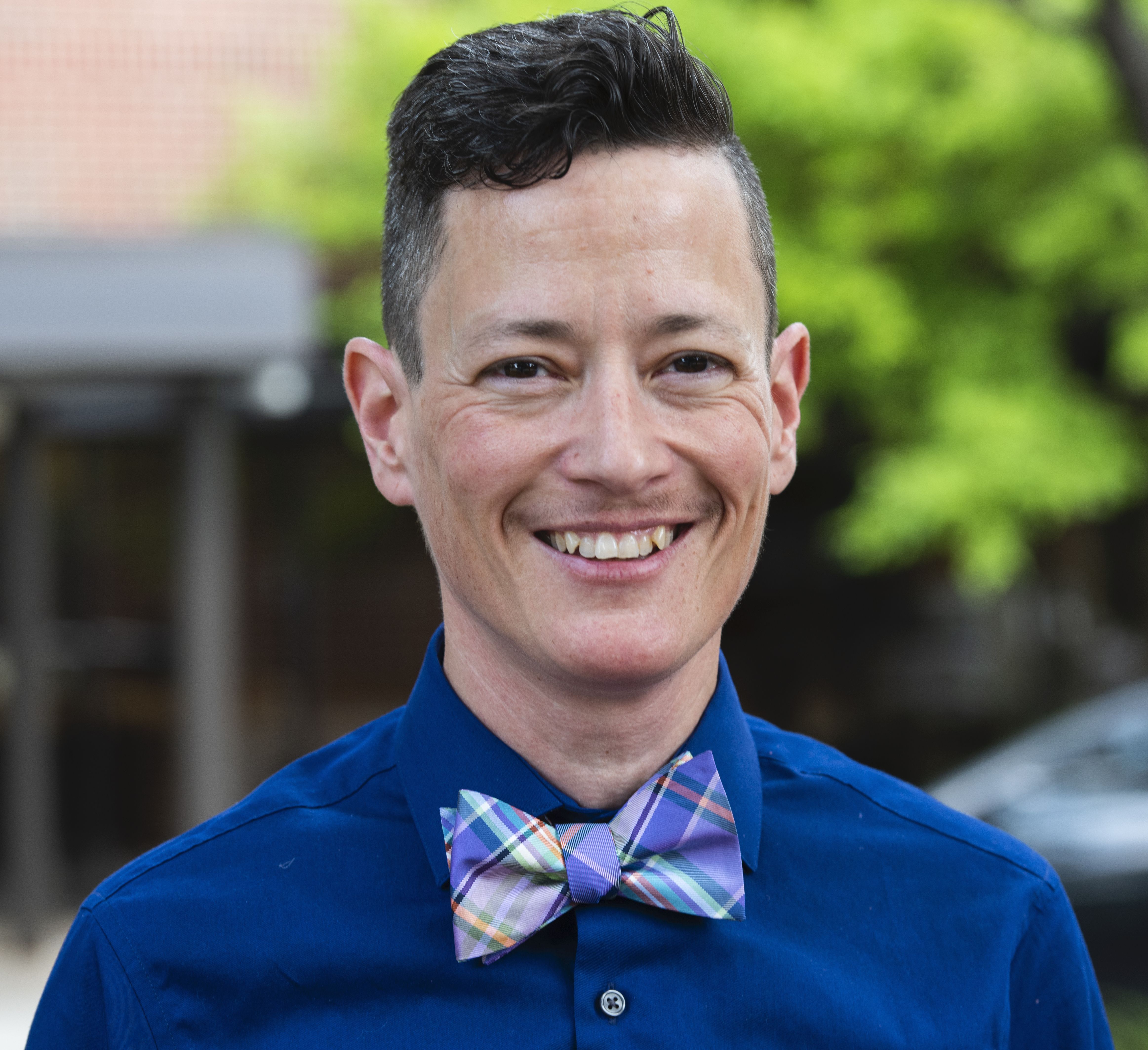
In a presentation at the annual meeting of the American Academy of Pediatrics, held virtually this year, Dr. Gonzalez discussed some of the common challenges pediatricians face in appropriately screening, diagnosing, and managing or referring youth when it comes to substance use.
Substance use screening
One of these included picking the right assessment tool and frequency for screening patients for substance use. A number of validated tools are out there, including the Screening to Brief Intervention (S2BI) and CRAFFT Screening Tool for Adolescent Substance Abuse. Regardless of which screening tool providers choose, “the important thing is to use a tool that is validated in the pediatric population and ideally has frequency results in it,” Dr. Gonzalez said.
In terms of frequency, screening young people at least once a year is fairly standard, but it may be necessary to screen adolescents more often or to screen them at acute visits.
“As many of you who work with adolescents know, you can’t always rely on the yearly well child visit because after a certain age, you start to see drop-off,” Dr. Gonzalez said. “They often aren’t coming for well child visits, and they often are then only showing up for acute visits.”
That means doctors need to think about how their clinics operate, how often they see their teen patients, and other factors – including how much can happen in a single year of adolescence – to ensure that screening captures these patients at least once a year, but more if that works within the practice.
Screening vs. diagnosis
Dr. Gonzalez also addressed the difference between screening and diagnosis, a very familiar distinction to physicians in other areas of medicine but often a source of confusion in the area of substance use.
“Screening is the presumptive identification of unrecognized disease in apparently healthy people who don’t have symptoms, using assessments that can be used rapidly,” Dr. Gonzalez said. “When we move into the diagnostic realm, these are people who present with symptoms or they have positive results on our screening test prompting further investigation.”
Sonia Khan, MD, a pediatrician and the medical director of the substance use disorder counseling program in the department of health and human services in Fremont, Calif., who heard the talk, particularly appreciated this point about screening versus diagnosis.
“As soon as you get a hint that there’s a problem with the kid, you’re no longer screening. You’re doing diagnostic investigation,” Dr. Khan, also the human relations commissioner for the city of Fremont, Calif., said in an interview. “Screening is about the kids you don’t know about. It seems like a small point to make a big deal out of, but it’s not.”
Sometimes a screening tool can serve as an introductory interview guide when beginning a clinical investigation with a patient who already shows symptoms, but that doesn’t mean it’s a screen.
Dr. Gonzalez emphasized the importance of not prescreening.
“A prescreener looks at a kid and decides whether or not they need to be screened,” Dr. Gonzalez said. “We have research that demonstrates that that doesn’t work. Physicians are not good at determining this by eyeballing it, and it’s fraught with bias. Universal screening with a validated screening tool is what works.”
Again, the idea of confronting one’s own personal biases and how they could interfere with screening really resonated with Dr. Khan.
“When it comes to the prescreening, if you’re only screening the ones you [think you] need to screen, you’re introducing bias into your screening,” she said. “It’s usually judgmental. It’s important to focus on really getting the bias out of what you’re doing because it’s a field fraught with bias and expectations.”
Brief interventions
Another area of confusion for many providers is what qualifies as a brief intervention and how to deliver it. The brief intervention needs to focus on increasing the patient’s knowledge, insights, and awareness when it comes to their own substance use and how it affects others. It should also support motivation in the patient to make behavioral changes. “It is always given in a nonjudgmental, supportive manner,” Dr. Gonzalez said.
Though motivational interviewing is often discussed as though it’s a brief intervention, it is actually the mechanism for delivering the intervention – not the intervention itself.
Dr. Gonzalez highly recommended that providers seek motivational interviewing training if they haven’t already. He went on to caution attendees about behavior goals in interventions: They should be the patient’s change goals, not the provider’s, and the provider is there to facilitate the teen’s clarification of those goals.
“It’s very important to use those listening skills that we have and honor their decision-making and listen to their language in establishing their own goals,” he said. It’s also important to keep cultural relevance and respect in mind when delivering the intervention. He shared a chart showing the dominant and nondominant groups along various demographic cultural influences, including age, disability status, faith, race/ethnicity, indigenous heritage, socioeconomic status, national origin, gender and sexuality.
For example, the dominant age groups are the young and middle-aged while the nondominant are children and elderly. The dominant faith in the United States is Christian or secular, and the dominant sexuality is heterosexual; the corresponding nondominant groups would be non-Christian and nonheterosexual. It’s important for providers to consider the child’s needs within that entire behavioral context to understand where they’re coming from.
“Have you ever characterized a kid’s situation with regard to substance use and diagnoses based on certain characteristics?” Dr. Gonzalez asked attendees. “We like to think that we don’t, but research on diagnostic disparities indicates otherwise.”
A way to help avoid this is to know who you are in the room and who you’re with in terms of dominant and nondominant groups. “Oftentimes a kid’s cultural make-up holds a big part of the answer to what they need,” Dr. Gonzalez said. He provided the example of a patient who was witnessing domestic violence in the home. A key part to helping him meet his goal of reducing cannabis and alcohol use was understanding his relationship with his dad, his response to trauma, and his depression, all within his cultural and religious background.
Preserving the medical home
Finally, when it comes to referrals, consider what are you referring a patient for and whom are you referring them to because not all programs and all clinicians are created equal. Create, build, and maintain relationships with as many behavioral health clinicians and practices as you can, he advised.
Further, it’s important to preserve the medical home, though that can require extra effort, particularly with children who have seen a lot of providers. Each physician will need to develop their own strategy for how to do this. Sometimes kids feel passed around and there’s poor communication within programs, leaving kids and their families feeling unwelcome at your practice.
“No child is a hot potato,” he said. Because they may feel like they’re being bounced around among different providers, programs, emergency departments, facilities, and such, it’s important to convey strongly that you want to continue to care for them.
“Whether we’ve been part of that or not, we become part of that,” Dr. Gonzalez said. “They may think that you don’t want to see them again. You want to keep them, and you might have to continue giving repeated messages. Sometimes we need to be very overt and repeat ourselves and say no, ‘I really, really, really want you to come back. This is your home and I want you to come back.’ ”
Dr. Gonzalez and Dr. Khan have no disclosures.
according to Lucien Gonzalez, MD, assistant professor of psychiatry and behavioral sciences at the University of Minnesota, Minneapolis.
In a presentation at the annual meeting of the American Academy of Pediatrics, held virtually this year, Dr. Gonzalez discussed some of the common challenges pediatricians face in appropriately screening, diagnosing, and managing or referring youth when it comes to substance use.
Substance use screening
One of these included picking the right assessment tool and frequency for screening patients for substance use. A number of validated tools are out there, including the Screening to Brief Intervention (S2BI) and CRAFFT Screening Tool for Adolescent Substance Abuse. Regardless of which screening tool providers choose, “the important thing is to use a tool that is validated in the pediatric population and ideally has frequency results in it,” Dr. Gonzalez said.
In terms of frequency, screening young people at least once a year is fairly standard, but it may be necessary to screen adolescents more often or to screen them at acute visits.
“As many of you who work with adolescents know, you can’t always rely on the yearly well child visit because after a certain age, you start to see drop-off,” Dr. Gonzalez said. “They often aren’t coming for well child visits, and they often are then only showing up for acute visits.”
That means doctors need to think about how their clinics operate, how often they see their teen patients, and other factors – including how much can happen in a single year of adolescence – to ensure that screening captures these patients at least once a year, but more if that works within the practice.
Screening vs. diagnosis
Dr. Gonzalez also addressed the difference between screening and diagnosis, a very familiar distinction to physicians in other areas of medicine but often a source of confusion in the area of substance use.
“Screening is the presumptive identification of unrecognized disease in apparently healthy people who don’t have symptoms, using assessments that can be used rapidly,” Dr. Gonzalez said. “When we move into the diagnostic realm, these are people who present with symptoms or they have positive results on our screening test prompting further investigation.”
Sonia Khan, MD, a pediatrician and the medical director of the substance use disorder counseling program in the department of health and human services in Fremont, Calif., who heard the talk, particularly appreciated this point about screening versus diagnosis.
“As soon as you get a hint that there’s a problem with the kid, you’re no longer screening. You’re doing diagnostic investigation,” Dr. Khan, also the human relations commissioner for the city of Fremont, Calif., said in an interview. “Screening is about the kids you don’t know about. It seems like a small point to make a big deal out of, but it’s not.”
Sometimes a screening tool can serve as an introductory interview guide when beginning a clinical investigation with a patient who already shows symptoms, but that doesn’t mean it’s a screen.
Dr. Gonzalez emphasized the importance of not prescreening.
“A prescreener looks at a kid and decides whether or not they need to be screened,” Dr. Gonzalez said. “We have research that demonstrates that that doesn’t work. Physicians are not good at determining this by eyeballing it, and it’s fraught with bias. Universal screening with a validated screening tool is what works.”
Again, the idea of confronting one’s own personal biases and how they could interfere with screening really resonated with Dr. Khan.
“When it comes to the prescreening, if you’re only screening the ones you [think you] need to screen, you’re introducing bias into your screening,” she said. “It’s usually judgmental. It’s important to focus on really getting the bias out of what you’re doing because it’s a field fraught with bias and expectations.”
Brief interventions
Another area of confusion for many providers is what qualifies as a brief intervention and how to deliver it. The brief intervention needs to focus on increasing the patient’s knowledge, insights, and awareness when it comes to their own substance use and how it affects others. It should also support motivation in the patient to make behavioral changes. “It is always given in a nonjudgmental, supportive manner,” Dr. Gonzalez said.
Though motivational interviewing is often discussed as though it’s a brief intervention, it is actually the mechanism for delivering the intervention – not the intervention itself.
Dr. Gonzalez highly recommended that providers seek motivational interviewing training if they haven’t already. He went on to caution attendees about behavior goals in interventions: They should be the patient’s change goals, not the provider’s, and the provider is there to facilitate the teen’s clarification of those goals.
“It’s very important to use those listening skills that we have and honor their decision-making and listen to their language in establishing their own goals,” he said. It’s also important to keep cultural relevance and respect in mind when delivering the intervention. He shared a chart showing the dominant and nondominant groups along various demographic cultural influences, including age, disability status, faith, race/ethnicity, indigenous heritage, socioeconomic status, national origin, gender and sexuality.
For example, the dominant age groups are the young and middle-aged while the nondominant are children and elderly. The dominant faith in the United States is Christian or secular, and the dominant sexuality is heterosexual; the corresponding nondominant groups would be non-Christian and nonheterosexual. It’s important for providers to consider the child’s needs within that entire behavioral context to understand where they’re coming from.
“Have you ever characterized a kid’s situation with regard to substance use and diagnoses based on certain characteristics?” Dr. Gonzalez asked attendees. “We like to think that we don’t, but research on diagnostic disparities indicates otherwise.”
A way to help avoid this is to know who you are in the room and who you’re with in terms of dominant and nondominant groups. “Oftentimes a kid’s cultural make-up holds a big part of the answer to what they need,” Dr. Gonzalez said. He provided the example of a patient who was witnessing domestic violence in the home. A key part to helping him meet his goal of reducing cannabis and alcohol use was understanding his relationship with his dad, his response to trauma, and his depression, all within his cultural and religious background.
Preserving the medical home
Finally, when it comes to referrals, consider what are you referring a patient for and whom are you referring them to because not all programs and all clinicians are created equal. Create, build, and maintain relationships with as many behavioral health clinicians and practices as you can, he advised.
Further, it’s important to preserve the medical home, though that can require extra effort, particularly with children who have seen a lot of providers. Each physician will need to develop their own strategy for how to do this. Sometimes kids feel passed around and there’s poor communication within programs, leaving kids and their families feeling unwelcome at your practice.
“No child is a hot potato,” he said. Because they may feel like they’re being bounced around among different providers, programs, emergency departments, facilities, and such, it’s important to convey strongly that you want to continue to care for them.
“Whether we’ve been part of that or not, we become part of that,” Dr. Gonzalez said. “They may think that you don’t want to see them again. You want to keep them, and you might have to continue giving repeated messages. Sometimes we need to be very overt and repeat ourselves and say no, ‘I really, really, really want you to come back. This is your home and I want you to come back.’ ”
Dr. Gonzalez and Dr. Khan have no disclosures.
according to Lucien Gonzalez, MD, assistant professor of psychiatry and behavioral sciences at the University of Minnesota, Minneapolis.
In a presentation at the annual meeting of the American Academy of Pediatrics, held virtually this year, Dr. Gonzalez discussed some of the common challenges pediatricians face in appropriately screening, diagnosing, and managing or referring youth when it comes to substance use.
Substance use screening
One of these included picking the right assessment tool and frequency for screening patients for substance use. A number of validated tools are out there, including the Screening to Brief Intervention (S2BI) and CRAFFT Screening Tool for Adolescent Substance Abuse. Regardless of which screening tool providers choose, “the important thing is to use a tool that is validated in the pediatric population and ideally has frequency results in it,” Dr. Gonzalez said.
In terms of frequency, screening young people at least once a year is fairly standard, but it may be necessary to screen adolescents more often or to screen them at acute visits.
“As many of you who work with adolescents know, you can’t always rely on the yearly well child visit because after a certain age, you start to see drop-off,” Dr. Gonzalez said. “They often aren’t coming for well child visits, and they often are then only showing up for acute visits.”
That means doctors need to think about how their clinics operate, how often they see their teen patients, and other factors – including how much can happen in a single year of adolescence – to ensure that screening captures these patients at least once a year, but more if that works within the practice.
Screening vs. diagnosis
Dr. Gonzalez also addressed the difference between screening and diagnosis, a very familiar distinction to physicians in other areas of medicine but often a source of confusion in the area of substance use.
“Screening is the presumptive identification of unrecognized disease in apparently healthy people who don’t have symptoms, using assessments that can be used rapidly,” Dr. Gonzalez said. “When we move into the diagnostic realm, these are people who present with symptoms or they have positive results on our screening test prompting further investigation.”
Sonia Khan, MD, a pediatrician and the medical director of the substance use disorder counseling program in the department of health and human services in Fremont, Calif., who heard the talk, particularly appreciated this point about screening versus diagnosis.
“As soon as you get a hint that there’s a problem with the kid, you’re no longer screening. You’re doing diagnostic investigation,” Dr. Khan, also the human relations commissioner for the city of Fremont, Calif., said in an interview. “Screening is about the kids you don’t know about. It seems like a small point to make a big deal out of, but it’s not.”
Sometimes a screening tool can serve as an introductory interview guide when beginning a clinical investigation with a patient who already shows symptoms, but that doesn’t mean it’s a screen.
Dr. Gonzalez emphasized the importance of not prescreening.
“A prescreener looks at a kid and decides whether or not they need to be screened,” Dr. Gonzalez said. “We have research that demonstrates that that doesn’t work. Physicians are not good at determining this by eyeballing it, and it’s fraught with bias. Universal screening with a validated screening tool is what works.”
Again, the idea of confronting one’s own personal biases and how they could interfere with screening really resonated with Dr. Khan.
“When it comes to the prescreening, if you’re only screening the ones you [think you] need to screen, you’re introducing bias into your screening,” she said. “It’s usually judgmental. It’s important to focus on really getting the bias out of what you’re doing because it’s a field fraught with bias and expectations.”
Brief interventions
Another area of confusion for many providers is what qualifies as a brief intervention and how to deliver it. The brief intervention needs to focus on increasing the patient’s knowledge, insights, and awareness when it comes to their own substance use and how it affects others. It should also support motivation in the patient to make behavioral changes. “It is always given in a nonjudgmental, supportive manner,” Dr. Gonzalez said.
Though motivational interviewing is often discussed as though it’s a brief intervention, it is actually the mechanism for delivering the intervention – not the intervention itself.
Dr. Gonzalez highly recommended that providers seek motivational interviewing training if they haven’t already. He went on to caution attendees about behavior goals in interventions: They should be the patient’s change goals, not the provider’s, and the provider is there to facilitate the teen’s clarification of those goals.
“It’s very important to use those listening skills that we have and honor their decision-making and listen to their language in establishing their own goals,” he said. It’s also important to keep cultural relevance and respect in mind when delivering the intervention. He shared a chart showing the dominant and nondominant groups along various demographic cultural influences, including age, disability status, faith, race/ethnicity, indigenous heritage, socioeconomic status, national origin, gender and sexuality.
For example, the dominant age groups are the young and middle-aged while the nondominant are children and elderly. The dominant faith in the United States is Christian or secular, and the dominant sexuality is heterosexual; the corresponding nondominant groups would be non-Christian and nonheterosexual. It’s important for providers to consider the child’s needs within that entire behavioral context to understand where they’re coming from.
“Have you ever characterized a kid’s situation with regard to substance use and diagnoses based on certain characteristics?” Dr. Gonzalez asked attendees. “We like to think that we don’t, but research on diagnostic disparities indicates otherwise.”
A way to help avoid this is to know who you are in the room and who you’re with in terms of dominant and nondominant groups. “Oftentimes a kid’s cultural make-up holds a big part of the answer to what they need,” Dr. Gonzalez said. He provided the example of a patient who was witnessing domestic violence in the home. A key part to helping him meet his goal of reducing cannabis and alcohol use was understanding his relationship with his dad, his response to trauma, and his depression, all within his cultural and religious background.
Preserving the medical home
Finally, when it comes to referrals, consider what are you referring a patient for and whom are you referring them to because not all programs and all clinicians are created equal. Create, build, and maintain relationships with as many behavioral health clinicians and practices as you can, he advised.
Further, it’s important to preserve the medical home, though that can require extra effort, particularly with children who have seen a lot of providers. Each physician will need to develop their own strategy for how to do this. Sometimes kids feel passed around and there’s poor communication within programs, leaving kids and their families feeling unwelcome at your practice.
“No child is a hot potato,” he said. Because they may feel like they’re being bounced around among different providers, programs, emergency departments, facilities, and such, it’s important to convey strongly that you want to continue to care for them.
“Whether we’ve been part of that or not, we become part of that,” Dr. Gonzalez said. “They may think that you don’t want to see them again. You want to keep them, and you might have to continue giving repeated messages. Sometimes we need to be very overt and repeat ourselves and say no, ‘I really, really, really want you to come back. This is your home and I want you to come back.’ ”
Dr. Gonzalez and Dr. Khan have no disclosures.
FROM AAP 2020
Rinse and repeat? Mouthwash might mitigate COVID-19 spread
Listerine Antiseptic led the list of most effective mouthwashes for inactivating the coronavirus. Interestingly, a 1% nasal rinse solution of Johnson’s Baby Shampoo also worked, eliminating up to 99.9% of the viral load in the in vitro experiments.
In contrast, use of a neti pot nasal solution yielded no decrease in virus levels.
The study was published in the Journal of Medical Virology.
Because the mouthwash and hydrogen peroxide oral rinses in the study are widely available and easy to use, “I would recommend the use of the rinses on top of wearing mask and social distancing. This could add a layer of protection for yourself and others,” lead study author Craig Meyers, PhD, professor of microbiology and immunology and obstetrics and gynecology, Penn State College of Medicine in Hershey, Pennsylvania, told Medscape Medical News.
Meyers and colleagues found that efficacy aligned with duration of time the cell cultures were exposed to each mouthwash or rinse product. Although it varied, the products required at least 30 seconds to kill most of the virus. Waiting 1 or 2 minutes tended to fortify results.
“This study adds to and further confirms the recently published evidence from virologists in Germany that mouthwashes can inactivate the virus that causes COVID-19 in a test tube,” Valerie O’Donnell, PhD, co-director of the Systems Immunity Research Institute of Cardiff University, Cardiff, Wales, said when asked to comment on the study.
“While this is great to see, what is still lacking is in vivo evidence, since we know the virus will be continually shed in the mouth,” O’Donnell said. “So, the question now becomes, by how much could mouthwashes reduce viral load in the oropharynx of infected people, and if so, then for how long?”
Meyers noted that studies of people positive for COVID-19 using each product would be informative. It remains unknown, for example, if swishing, gargling, and/or spitting out mouthwash would add or decrease the efficacy demonstrated in the lab.
The investigators used the human coronavirus HCoV‐229e as a surrogate for SARS-CoV-2. They noted HCoV-229e is analogous, and SARS-CoV-2 would have been more expensive, less available, and would have required biosafety level 3 laboratory conditions.
Listerine Antiseptic leads the way
“Surprisingly, we found that several of these common products had strong virucidal properties, inactivating from 2 log10 [or 99%] to greater than 4 log10 [or 99.99%] of infectious human coronavirus,” the researchers note.
The researchers added a small amount of organic material (extra protein) to each product to more closely mimic physiologic conditions in the nasopharynx.
Listerine Antiseptic “historically has claimed numerous antimicrobial properties,” the researchers note. Although the label currently only claims to kill germs that cause bad breath, “our tests show that it is highly effective at inactivating human coronavirus in solution. Even at the lowest contact time of 30 seconds, it inactivated greater than 99.99% of human coronavirus.”
Interestingly, the mouthwashes that contained the same active ingredients as Listerine Antiseptic — Listerine Ultra, Equate Antiseptic, and CVS Antiseptic Mouth Wash — were less efficacious. Meyers said the reason remains unclear, but he and colleagues found the same result when they repeated the comparisons.
Timing of the essence?
Meyers and colleagues also tested a nasal rinse solution of 1% baby shampoo because it is sometimes used to treat people with chronic rhinosinusitis. They found 30 seconds led to < 90% to < 99.99% effectiveness, but that, by 2 minutes, efficacy climbed to > 99.9% to > 99.99%.
“Thirty seconds for some products just was not enough time for the efficacy to be observed,” Meyers said. “Whereas, after a minute or two the active ingredient had enough time to work. Thirty seconds may be at the border to see full efficacy.” More research is needed to confirm the timing and determine which active ingredients are driving the findings.
A future trial could test the efficacy of mouthwash products to reduce the viral load in people with COVID-19. “If we are able to get funding to continue, I would like to see a small clinical trial as the next step,” Meyers said.
Meyers and O’Donnell disclosed no relevant financial relationships.
This article first appeared on Medscape.com.
Listerine Antiseptic led the list of most effective mouthwashes for inactivating the coronavirus. Interestingly, a 1% nasal rinse solution of Johnson’s Baby Shampoo also worked, eliminating up to 99.9% of the viral load in the in vitro experiments.
In contrast, use of a neti pot nasal solution yielded no decrease in virus levels.
The study was published in the Journal of Medical Virology.
Because the mouthwash and hydrogen peroxide oral rinses in the study are widely available and easy to use, “I would recommend the use of the rinses on top of wearing mask and social distancing. This could add a layer of protection for yourself and others,” lead study author Craig Meyers, PhD, professor of microbiology and immunology and obstetrics and gynecology, Penn State College of Medicine in Hershey, Pennsylvania, told Medscape Medical News.
Meyers and colleagues found that efficacy aligned with duration of time the cell cultures were exposed to each mouthwash or rinse product. Although it varied, the products required at least 30 seconds to kill most of the virus. Waiting 1 or 2 minutes tended to fortify results.
“This study adds to and further confirms the recently published evidence from virologists in Germany that mouthwashes can inactivate the virus that causes COVID-19 in a test tube,” Valerie O’Donnell, PhD, co-director of the Systems Immunity Research Institute of Cardiff University, Cardiff, Wales, said when asked to comment on the study.
“While this is great to see, what is still lacking is in vivo evidence, since we know the virus will be continually shed in the mouth,” O’Donnell said. “So, the question now becomes, by how much could mouthwashes reduce viral load in the oropharynx of infected people, and if so, then for how long?”
Meyers noted that studies of people positive for COVID-19 using each product would be informative. It remains unknown, for example, if swishing, gargling, and/or spitting out mouthwash would add or decrease the efficacy demonstrated in the lab.
The investigators used the human coronavirus HCoV‐229e as a surrogate for SARS-CoV-2. They noted HCoV-229e is analogous, and SARS-CoV-2 would have been more expensive, less available, and would have required biosafety level 3 laboratory conditions.
Listerine Antiseptic leads the way
“Surprisingly, we found that several of these common products had strong virucidal properties, inactivating from 2 log10 [or 99%] to greater than 4 log10 [or 99.99%] of infectious human coronavirus,” the researchers note.
The researchers added a small amount of organic material (extra protein) to each product to more closely mimic physiologic conditions in the nasopharynx.
Listerine Antiseptic “historically has claimed numerous antimicrobial properties,” the researchers note. Although the label currently only claims to kill germs that cause bad breath, “our tests show that it is highly effective at inactivating human coronavirus in solution. Even at the lowest contact time of 30 seconds, it inactivated greater than 99.99% of human coronavirus.”
Interestingly, the mouthwashes that contained the same active ingredients as Listerine Antiseptic — Listerine Ultra, Equate Antiseptic, and CVS Antiseptic Mouth Wash — were less efficacious. Meyers said the reason remains unclear, but he and colleagues found the same result when they repeated the comparisons.
Timing of the essence?
Meyers and colleagues also tested a nasal rinse solution of 1% baby shampoo because it is sometimes used to treat people with chronic rhinosinusitis. They found 30 seconds led to < 90% to < 99.99% effectiveness, but that, by 2 minutes, efficacy climbed to > 99.9% to > 99.99%.
“Thirty seconds for some products just was not enough time for the efficacy to be observed,” Meyers said. “Whereas, after a minute or two the active ingredient had enough time to work. Thirty seconds may be at the border to see full efficacy.” More research is needed to confirm the timing and determine which active ingredients are driving the findings.
A future trial could test the efficacy of mouthwash products to reduce the viral load in people with COVID-19. “If we are able to get funding to continue, I would like to see a small clinical trial as the next step,” Meyers said.
Meyers and O’Donnell disclosed no relevant financial relationships.
This article first appeared on Medscape.com.
Listerine Antiseptic led the list of most effective mouthwashes for inactivating the coronavirus. Interestingly, a 1% nasal rinse solution of Johnson’s Baby Shampoo also worked, eliminating up to 99.9% of the viral load in the in vitro experiments.
In contrast, use of a neti pot nasal solution yielded no decrease in virus levels.
The study was published in the Journal of Medical Virology.
Because the mouthwash and hydrogen peroxide oral rinses in the study are widely available and easy to use, “I would recommend the use of the rinses on top of wearing mask and social distancing. This could add a layer of protection for yourself and others,” lead study author Craig Meyers, PhD, professor of microbiology and immunology and obstetrics and gynecology, Penn State College of Medicine in Hershey, Pennsylvania, told Medscape Medical News.
Meyers and colleagues found that efficacy aligned with duration of time the cell cultures were exposed to each mouthwash or rinse product. Although it varied, the products required at least 30 seconds to kill most of the virus. Waiting 1 or 2 minutes tended to fortify results.
“This study adds to and further confirms the recently published evidence from virologists in Germany that mouthwashes can inactivate the virus that causes COVID-19 in a test tube,” Valerie O’Donnell, PhD, co-director of the Systems Immunity Research Institute of Cardiff University, Cardiff, Wales, said when asked to comment on the study.
“While this is great to see, what is still lacking is in vivo evidence, since we know the virus will be continually shed in the mouth,” O’Donnell said. “So, the question now becomes, by how much could mouthwashes reduce viral load in the oropharynx of infected people, and if so, then for how long?”
Meyers noted that studies of people positive for COVID-19 using each product would be informative. It remains unknown, for example, if swishing, gargling, and/or spitting out mouthwash would add or decrease the efficacy demonstrated in the lab.
The investigators used the human coronavirus HCoV‐229e as a surrogate for SARS-CoV-2. They noted HCoV-229e is analogous, and SARS-CoV-2 would have been more expensive, less available, and would have required biosafety level 3 laboratory conditions.
Listerine Antiseptic leads the way
“Surprisingly, we found that several of these common products had strong virucidal properties, inactivating from 2 log10 [or 99%] to greater than 4 log10 [or 99.99%] of infectious human coronavirus,” the researchers note.
The researchers added a small amount of organic material (extra protein) to each product to more closely mimic physiologic conditions in the nasopharynx.
Listerine Antiseptic “historically has claimed numerous antimicrobial properties,” the researchers note. Although the label currently only claims to kill germs that cause bad breath, “our tests show that it is highly effective at inactivating human coronavirus in solution. Even at the lowest contact time of 30 seconds, it inactivated greater than 99.99% of human coronavirus.”
Interestingly, the mouthwashes that contained the same active ingredients as Listerine Antiseptic — Listerine Ultra, Equate Antiseptic, and CVS Antiseptic Mouth Wash — were less efficacious. Meyers said the reason remains unclear, but he and colleagues found the same result when they repeated the comparisons.
Timing of the essence?
Meyers and colleagues also tested a nasal rinse solution of 1% baby shampoo because it is sometimes used to treat people with chronic rhinosinusitis. They found 30 seconds led to < 90% to < 99.99% effectiveness, but that, by 2 minutes, efficacy climbed to > 99.9% to > 99.99%.
“Thirty seconds for some products just was not enough time for the efficacy to be observed,” Meyers said. “Whereas, after a minute or two the active ingredient had enough time to work. Thirty seconds may be at the border to see full efficacy.” More research is needed to confirm the timing and determine which active ingredients are driving the findings.
A future trial could test the efficacy of mouthwash products to reduce the viral load in people with COVID-19. “If we are able to get funding to continue, I would like to see a small clinical trial as the next step,” Meyers said.
Meyers and O’Donnell disclosed no relevant financial relationships.
This article first appeared on Medscape.com.
Is ‘Med Ed’ changing for better or worse?
The next generation of physicians is learning much differently from how established doctors once did. Training has shifted from an acute focus on disease to a wider approach that considers patients within the larger context of their community and society. Although many, like myself, see this as progress, others have expressed doubts about this and many other changes.
Amid the madness that is the year 2020, I’m grateful to have a moment to reflect on this subject. Five years ago, in celebration of Medscape’s 20th anniversary, I spoke with various leaders in medical education to learn how med ed had evolved since they were in school. Since then, I’ve gone from student to faculty. This year, for Medscape’s 25th anniversary, I reached out to current medical trainees to reflect on how much things have changed in such a short time.
From adjustments forced on us by COVID-19 to trends that predated the pandemic – including an increased emphasis on social justice and a decreased emphasis on other material – becoming a doctor no longer looks like it did just a half-decade ago.
Social justice is now in the curricula
More than ever, medical training has shifted toward humanism, population health, and social justice. Students are now being shown not only how to treat the patient in front of them but how to “treat” the larger communities they serve. Research skills around social drivers of health, such as structural racism, are increasingly becoming status quo.
In reflecting on her current experience, Emily Kahoud, a third-year medical student at New Jersey Medical School, Newark, told me about a course she took that was devoted to health equity. She applauded how her professors have incorporated this education into their courses. “It’s so nice and refreshing to be in a community that appreciates that.”
I, too, have seen this change firsthand. In addition to caring for patients and teaching at the University of North Carolina at Chapel Hill, I work with a team that develops curricula around social justice. We strive to integrate this material into existing courses and rotations. I believe that this is not only the right thing to teach trainees in order to help their future patients, but that it also reduces harm that many students experience. The “hidden curriculum” of medical school has long marginalized anyone who isn’t White and/or male.
Children, women, and the elderly were often referred to as “special populations” during my training. Even now, content about social and structural drivers of health is still most often relegated to separate courses rather than integrated into existing material. I hope to help improve this at my institution and that others are doing the same elsewhere.
If the current students I spoke with are any indication, further integration will be a welcomed change. Travis Benson, a third-year medical student at Harvard Medical School, Boston, appreciates where medical training is headed. Specifically, he is interested in inequities in the care of transgender patients. He says he has loved what his school has done with education on issues not previously considered part of med ed. “In the first week of school, we go on tours and spend time in community health centers and learn about the ‘Family Van,’ a mobile health care clinic that offers free care. I even had an opportunity to have a longitudinal clinic experience at a jail.”
While some critics argue that this learning goes too far, others argue that it has not gone far enough fast enough. In general, I consider the progress made in this area since my time in med school to be a very good thing. Medical students are now being taught to think about the science of medicine in the context of the larger human condition.
More technology, less preclinical time and cost
Beyond evolution in curricular content, technical and logistical changes have dramatically reshaped med ed. Since I started my training in 2012, most medical schools now no longer formally require students to attend lectures. Instead, they make them available online for students to view on demand. This undoubtedly makes schedules more flexible, allows students to learn at their own pace, and helps accommodate students with different needs.
Another big change: Preclinical years may now be as short as 1.5 years or less. This is a big draw for some students. Most choose to go to medical school to take care of patients. Shortening the preclinical years means students have more time immersed in patient care and less time dealing with medical minutiae.
That also means that they can spend more time thinking about professional development. Ramie Fathy, a fourth-year student, told me, “I came to Penn [University of Pennsylvania in Philadelphia] because of the shortened preclinical curriculum. That allowed more time on the back end to explore different specialties.” Although some established doctors worry about what scientific details may be left out, providing more hands-on experience sure seems like a good thing to me. Learning from textbooks can only take you so far in this profession.
Another, and more expected, development is the use of ever-advancing technology. Some schools now offer 3D virtual modeling for the study of anatomy, as well as a myriad of electronic visual aids for subjects like pathology and microbiology. Adapting to technological changes can be challenging, however, especially because more nontraditional students are being admitted to medical school each year.
Kahoud is one such nontraditional – older – student. She had some concerns about reliance on newer resources going in. “It [medical school] has become increasingly dependent on technology, even before COVID,” she said. “When you are not well versed in these tools it can definitely be a struggle.”
Thanks to the pandemic, remote learning is now the name of the game for many. As a result, instructors have had to amend their teaching styles to suit distance education, various untested applications and programs have been integrated into the curriculum, and students and administrators alike have had to find alternative ways to build a sense of community.
Is this a glimpse at the future for med ed? And if so, what may be lost or gained from this transition? Tino Delamerced, a third-year student at the Brown University, Providence, R.I., shared a likely very widely held hope: “If the preclinical years can be totally remote permanently, then can tuition be cheaper?”
Med ed debt keeps growing and remains a huge deterrent for potential students, especially those who are the first in their family to pursue medicine, come from a disadvantaged background, or have other people for whom they are financially responsible. Is it possible that the restrictions of COVID-19 could finally lead to cost cutting?
A bigger solution – free medical school – predated the pandemic. Institutions such as New York University have completely eliminated tuition, whereas others such as the Icahn School of Medicine at Mount Sinai (my alma mater) have limited the amount of debt with which a student graduates. You can imagine my frustration that the debt limit policy was enacted after I graduated.
Still, as optimistic as some have been at this movement that developed in the past 5 years, many think this specific evolution is little more than a “pipe dream.”
Current students score big with USMLE change
Beyond med school cost, another universally despised part of medical training that has seen a dramatic change is the licensing examination. My dedicated study period for the United States Medical Licensing Examination (USMLE) Step 1 was my worst time of medical school. Well, it was second to holding a retractor in the operating room for hours at a time.
Like everyone, I suspected that Step 1 would not be an accurate indicator of my ability to actually care for patients. As a practicing physician, I can now tell you for sure that this is the case. How lucky for the next generation, then, that the test is going to a pass/fail grading system.
Step 1 has always been important, as residency programs rely on the score to weed out applicants. Even if that screening emphasis simply gets shifted to scores on other examinations, this change still feels like progress. As Fathy told me, “There will likely be more emphasis on USMLE Step 2. But I think, based on practice questions I’ve done, that is more relevant to clinical abilities.” From my new vantage point, I can confirm that.
Not everyone is excited, though. Delamerced told me that he fears that the pass/fail Step 1 score may disparately affect students outside of allopathic medical schools. He said that the new scoring system “does not allow students to distinguish themselves via a standardized test score. That may hurt IMGs or DO students.”
Even then, Delamerced conceded that the change has some clear benefits. “For med students’ mental health, it’s probably a good thing.” From a population-based perspective, a medical student’s mental health often declines throughout school. Standardized exams are not the only cause, but we all know that it is a big contributor. The Step 1 switch can only help with that.
Finish faster or learn more?
In addition to evolution in the content and methods used to teach and assess current med students, the duration of med ed has also changed. Today’s students can choose to complete medical school in less than 4 years.
At the school where I work, the Fully Integrated Readiness for Service Training (FIRST) program allows certain students to complete their education in just 3 years. This program is for students who already know early on that they want to pursue a specialty included on our curated list. The goal of the program is to ultimately train physicians in family medicine, psychiatry, pediatrics, or general surgery in order to provide crucial care to those who need it most in our state.
Other medical schools offer accelerated MD programs for students based on various admissions criteria and specialty interest. The benefit of these programs is that shortening training time cuts down on debt for students.
Accelerated MD programs also aim to quickly increase the number of practicing physicians. This is especially important for primary care, which expects to see a growing gap in the years to come. That aim has come under some criticism, as some believe that the 4-year program was the standard for a reason. But when I reflect on it, I often wonder whether my fourth year was really worth $60,000. I spent a lot of that year traveling for residency interviews and watching Netflix between clinic electives.
Instead of finishing medical school faster, some students now have an opportunity to integrate additional training and education. Benson told me that, at Harvard, many students take a year off to pursue other opportunities. He said, “About 40% of students end up taking a fifth year to do either a master’s degree, global health, or research.” Benson said the additional learning opportunities are broad. “Some classmates even go to other schools altogether to get additional education.” Widened areas of learning are likely to produce better doctors, in my opinion.
This chance to look back on medical education has shown me that the ways in which it has changed rapidly in just the past few years are largely positive. Although COVID-19 has been an unwanted bane, it has also forced schools to integrate new technology and has placed an even brighter spotlight on health inequities and other areas in which education further improved. I hope that, when I look back on med ed in another 5 years, it has grown even more flexible and nimble in meeting the ever-changing needs of students and patients alike.
Alexa Mieses Malchuk, MD, MPH, was born and raised in Queens, New York. Social justice is what drew her to family medicine. As an academic physician at the University of North Carolina, she practices inpatient and outpatient medicine and serves as a medical educator for students and residents.
This article first appeared on Medscape.com.
The next generation of physicians is learning much differently from how established doctors once did. Training has shifted from an acute focus on disease to a wider approach that considers patients within the larger context of their community and society. Although many, like myself, see this as progress, others have expressed doubts about this and many other changes.
Amid the madness that is the year 2020, I’m grateful to have a moment to reflect on this subject. Five years ago, in celebration of Medscape’s 20th anniversary, I spoke with various leaders in medical education to learn how med ed had evolved since they were in school. Since then, I’ve gone from student to faculty. This year, for Medscape’s 25th anniversary, I reached out to current medical trainees to reflect on how much things have changed in such a short time.
From adjustments forced on us by COVID-19 to trends that predated the pandemic – including an increased emphasis on social justice and a decreased emphasis on other material – becoming a doctor no longer looks like it did just a half-decade ago.
Social justice is now in the curricula
More than ever, medical training has shifted toward humanism, population health, and social justice. Students are now being shown not only how to treat the patient in front of them but how to “treat” the larger communities they serve. Research skills around social drivers of health, such as structural racism, are increasingly becoming status quo.
In reflecting on her current experience, Emily Kahoud, a third-year medical student at New Jersey Medical School, Newark, told me about a course she took that was devoted to health equity. She applauded how her professors have incorporated this education into their courses. “It’s so nice and refreshing to be in a community that appreciates that.”
I, too, have seen this change firsthand. In addition to caring for patients and teaching at the University of North Carolina at Chapel Hill, I work with a team that develops curricula around social justice. We strive to integrate this material into existing courses and rotations. I believe that this is not only the right thing to teach trainees in order to help their future patients, but that it also reduces harm that many students experience. The “hidden curriculum” of medical school has long marginalized anyone who isn’t White and/or male.
Children, women, and the elderly were often referred to as “special populations” during my training. Even now, content about social and structural drivers of health is still most often relegated to separate courses rather than integrated into existing material. I hope to help improve this at my institution and that others are doing the same elsewhere.
If the current students I spoke with are any indication, further integration will be a welcomed change. Travis Benson, a third-year medical student at Harvard Medical School, Boston, appreciates where medical training is headed. Specifically, he is interested in inequities in the care of transgender patients. He says he has loved what his school has done with education on issues not previously considered part of med ed. “In the first week of school, we go on tours and spend time in community health centers and learn about the ‘Family Van,’ a mobile health care clinic that offers free care. I even had an opportunity to have a longitudinal clinic experience at a jail.”
While some critics argue that this learning goes too far, others argue that it has not gone far enough fast enough. In general, I consider the progress made in this area since my time in med school to be a very good thing. Medical students are now being taught to think about the science of medicine in the context of the larger human condition.
More technology, less preclinical time and cost
Beyond evolution in curricular content, technical and logistical changes have dramatically reshaped med ed. Since I started my training in 2012, most medical schools now no longer formally require students to attend lectures. Instead, they make them available online for students to view on demand. This undoubtedly makes schedules more flexible, allows students to learn at their own pace, and helps accommodate students with different needs.
Another big change: Preclinical years may now be as short as 1.5 years or less. This is a big draw for some students. Most choose to go to medical school to take care of patients. Shortening the preclinical years means students have more time immersed in patient care and less time dealing with medical minutiae.
That also means that they can spend more time thinking about professional development. Ramie Fathy, a fourth-year student, told me, “I came to Penn [University of Pennsylvania in Philadelphia] because of the shortened preclinical curriculum. That allowed more time on the back end to explore different specialties.” Although some established doctors worry about what scientific details may be left out, providing more hands-on experience sure seems like a good thing to me. Learning from textbooks can only take you so far in this profession.
Another, and more expected, development is the use of ever-advancing technology. Some schools now offer 3D virtual modeling for the study of anatomy, as well as a myriad of electronic visual aids for subjects like pathology and microbiology. Adapting to technological changes can be challenging, however, especially because more nontraditional students are being admitted to medical school each year.
Kahoud is one such nontraditional – older – student. She had some concerns about reliance on newer resources going in. “It [medical school] has become increasingly dependent on technology, even before COVID,” she said. “When you are not well versed in these tools it can definitely be a struggle.”
Thanks to the pandemic, remote learning is now the name of the game for many. As a result, instructors have had to amend their teaching styles to suit distance education, various untested applications and programs have been integrated into the curriculum, and students and administrators alike have had to find alternative ways to build a sense of community.
Is this a glimpse at the future for med ed? And if so, what may be lost or gained from this transition? Tino Delamerced, a third-year student at the Brown University, Providence, R.I., shared a likely very widely held hope: “If the preclinical years can be totally remote permanently, then can tuition be cheaper?”
Med ed debt keeps growing and remains a huge deterrent for potential students, especially those who are the first in their family to pursue medicine, come from a disadvantaged background, or have other people for whom they are financially responsible. Is it possible that the restrictions of COVID-19 could finally lead to cost cutting?
A bigger solution – free medical school – predated the pandemic. Institutions such as New York University have completely eliminated tuition, whereas others such as the Icahn School of Medicine at Mount Sinai (my alma mater) have limited the amount of debt with which a student graduates. You can imagine my frustration that the debt limit policy was enacted after I graduated.
Still, as optimistic as some have been at this movement that developed in the past 5 years, many think this specific evolution is little more than a “pipe dream.”
Current students score big with USMLE change
Beyond med school cost, another universally despised part of medical training that has seen a dramatic change is the licensing examination. My dedicated study period for the United States Medical Licensing Examination (USMLE) Step 1 was my worst time of medical school. Well, it was second to holding a retractor in the operating room for hours at a time.
Like everyone, I suspected that Step 1 would not be an accurate indicator of my ability to actually care for patients. As a practicing physician, I can now tell you for sure that this is the case. How lucky for the next generation, then, that the test is going to a pass/fail grading system.
Step 1 has always been important, as residency programs rely on the score to weed out applicants. Even if that screening emphasis simply gets shifted to scores on other examinations, this change still feels like progress. As Fathy told me, “There will likely be more emphasis on USMLE Step 2. But I think, based on practice questions I’ve done, that is more relevant to clinical abilities.” From my new vantage point, I can confirm that.
Not everyone is excited, though. Delamerced told me that he fears that the pass/fail Step 1 score may disparately affect students outside of allopathic medical schools. He said that the new scoring system “does not allow students to distinguish themselves via a standardized test score. That may hurt IMGs or DO students.”
Even then, Delamerced conceded that the change has some clear benefits. “For med students’ mental health, it’s probably a good thing.” From a population-based perspective, a medical student’s mental health often declines throughout school. Standardized exams are not the only cause, but we all know that it is a big contributor. The Step 1 switch can only help with that.
Finish faster or learn more?
In addition to evolution in the content and methods used to teach and assess current med students, the duration of med ed has also changed. Today’s students can choose to complete medical school in less than 4 years.
At the school where I work, the Fully Integrated Readiness for Service Training (FIRST) program allows certain students to complete their education in just 3 years. This program is for students who already know early on that they want to pursue a specialty included on our curated list. The goal of the program is to ultimately train physicians in family medicine, psychiatry, pediatrics, or general surgery in order to provide crucial care to those who need it most in our state.
Other medical schools offer accelerated MD programs for students based on various admissions criteria and specialty interest. The benefit of these programs is that shortening training time cuts down on debt for students.
Accelerated MD programs also aim to quickly increase the number of practicing physicians. This is especially important for primary care, which expects to see a growing gap in the years to come. That aim has come under some criticism, as some believe that the 4-year program was the standard for a reason. But when I reflect on it, I often wonder whether my fourth year was really worth $60,000. I spent a lot of that year traveling for residency interviews and watching Netflix between clinic electives.
Instead of finishing medical school faster, some students now have an opportunity to integrate additional training and education. Benson told me that, at Harvard, many students take a year off to pursue other opportunities. He said, “About 40% of students end up taking a fifth year to do either a master’s degree, global health, or research.” Benson said the additional learning opportunities are broad. “Some classmates even go to other schools altogether to get additional education.” Widened areas of learning are likely to produce better doctors, in my opinion.
This chance to look back on medical education has shown me that the ways in which it has changed rapidly in just the past few years are largely positive. Although COVID-19 has been an unwanted bane, it has also forced schools to integrate new technology and has placed an even brighter spotlight on health inequities and other areas in which education further improved. I hope that, when I look back on med ed in another 5 years, it has grown even more flexible and nimble in meeting the ever-changing needs of students and patients alike.
Alexa Mieses Malchuk, MD, MPH, was born and raised in Queens, New York. Social justice is what drew her to family medicine. As an academic physician at the University of North Carolina, she practices inpatient and outpatient medicine and serves as a medical educator for students and residents.
This article first appeared on Medscape.com.
The next generation of physicians is learning much differently from how established doctors once did. Training has shifted from an acute focus on disease to a wider approach that considers patients within the larger context of their community and society. Although many, like myself, see this as progress, others have expressed doubts about this and many other changes.
Amid the madness that is the year 2020, I’m grateful to have a moment to reflect on this subject. Five years ago, in celebration of Medscape’s 20th anniversary, I spoke with various leaders in medical education to learn how med ed had evolved since they were in school. Since then, I’ve gone from student to faculty. This year, for Medscape’s 25th anniversary, I reached out to current medical trainees to reflect on how much things have changed in such a short time.
From adjustments forced on us by COVID-19 to trends that predated the pandemic – including an increased emphasis on social justice and a decreased emphasis on other material – becoming a doctor no longer looks like it did just a half-decade ago.
Social justice is now in the curricula
More than ever, medical training has shifted toward humanism, population health, and social justice. Students are now being shown not only how to treat the patient in front of them but how to “treat” the larger communities they serve. Research skills around social drivers of health, such as structural racism, are increasingly becoming status quo.
In reflecting on her current experience, Emily Kahoud, a third-year medical student at New Jersey Medical School, Newark, told me about a course she took that was devoted to health equity. She applauded how her professors have incorporated this education into their courses. “It’s so nice and refreshing to be in a community that appreciates that.”
I, too, have seen this change firsthand. In addition to caring for patients and teaching at the University of North Carolina at Chapel Hill, I work with a team that develops curricula around social justice. We strive to integrate this material into existing courses and rotations. I believe that this is not only the right thing to teach trainees in order to help their future patients, but that it also reduces harm that many students experience. The “hidden curriculum” of medical school has long marginalized anyone who isn’t White and/or male.
Children, women, and the elderly were often referred to as “special populations” during my training. Even now, content about social and structural drivers of health is still most often relegated to separate courses rather than integrated into existing material. I hope to help improve this at my institution and that others are doing the same elsewhere.
If the current students I spoke with are any indication, further integration will be a welcomed change. Travis Benson, a third-year medical student at Harvard Medical School, Boston, appreciates where medical training is headed. Specifically, he is interested in inequities in the care of transgender patients. He says he has loved what his school has done with education on issues not previously considered part of med ed. “In the first week of school, we go on tours and spend time in community health centers and learn about the ‘Family Van,’ a mobile health care clinic that offers free care. I even had an opportunity to have a longitudinal clinic experience at a jail.”
While some critics argue that this learning goes too far, others argue that it has not gone far enough fast enough. In general, I consider the progress made in this area since my time in med school to be a very good thing. Medical students are now being taught to think about the science of medicine in the context of the larger human condition.
More technology, less preclinical time and cost
Beyond evolution in curricular content, technical and logistical changes have dramatically reshaped med ed. Since I started my training in 2012, most medical schools now no longer formally require students to attend lectures. Instead, they make them available online for students to view on demand. This undoubtedly makes schedules more flexible, allows students to learn at their own pace, and helps accommodate students with different needs.
Another big change: Preclinical years may now be as short as 1.5 years or less. This is a big draw for some students. Most choose to go to medical school to take care of patients. Shortening the preclinical years means students have more time immersed in patient care and less time dealing with medical minutiae.
That also means that they can spend more time thinking about professional development. Ramie Fathy, a fourth-year student, told me, “I came to Penn [University of Pennsylvania in Philadelphia] because of the shortened preclinical curriculum. That allowed more time on the back end to explore different specialties.” Although some established doctors worry about what scientific details may be left out, providing more hands-on experience sure seems like a good thing to me. Learning from textbooks can only take you so far in this profession.
Another, and more expected, development is the use of ever-advancing technology. Some schools now offer 3D virtual modeling for the study of anatomy, as well as a myriad of electronic visual aids for subjects like pathology and microbiology. Adapting to technological changes can be challenging, however, especially because more nontraditional students are being admitted to medical school each year.
Kahoud is one such nontraditional – older – student. She had some concerns about reliance on newer resources going in. “It [medical school] has become increasingly dependent on technology, even before COVID,” she said. “When you are not well versed in these tools it can definitely be a struggle.”
Thanks to the pandemic, remote learning is now the name of the game for many. As a result, instructors have had to amend their teaching styles to suit distance education, various untested applications and programs have been integrated into the curriculum, and students and administrators alike have had to find alternative ways to build a sense of community.
Is this a glimpse at the future for med ed? And if so, what may be lost or gained from this transition? Tino Delamerced, a third-year student at the Brown University, Providence, R.I., shared a likely very widely held hope: “If the preclinical years can be totally remote permanently, then can tuition be cheaper?”
Med ed debt keeps growing and remains a huge deterrent for potential students, especially those who are the first in their family to pursue medicine, come from a disadvantaged background, or have other people for whom they are financially responsible. Is it possible that the restrictions of COVID-19 could finally lead to cost cutting?
A bigger solution – free medical school – predated the pandemic. Institutions such as New York University have completely eliminated tuition, whereas others such as the Icahn School of Medicine at Mount Sinai (my alma mater) have limited the amount of debt with which a student graduates. You can imagine my frustration that the debt limit policy was enacted after I graduated.
Still, as optimistic as some have been at this movement that developed in the past 5 years, many think this specific evolution is little more than a “pipe dream.”
Current students score big with USMLE change
Beyond med school cost, another universally despised part of medical training that has seen a dramatic change is the licensing examination. My dedicated study period for the United States Medical Licensing Examination (USMLE) Step 1 was my worst time of medical school. Well, it was second to holding a retractor in the operating room for hours at a time.
Like everyone, I suspected that Step 1 would not be an accurate indicator of my ability to actually care for patients. As a practicing physician, I can now tell you for sure that this is the case. How lucky for the next generation, then, that the test is going to a pass/fail grading system.
Step 1 has always been important, as residency programs rely on the score to weed out applicants. Even if that screening emphasis simply gets shifted to scores on other examinations, this change still feels like progress. As Fathy told me, “There will likely be more emphasis on USMLE Step 2. But I think, based on practice questions I’ve done, that is more relevant to clinical abilities.” From my new vantage point, I can confirm that.
Not everyone is excited, though. Delamerced told me that he fears that the pass/fail Step 1 score may disparately affect students outside of allopathic medical schools. He said that the new scoring system “does not allow students to distinguish themselves via a standardized test score. That may hurt IMGs or DO students.”
Even then, Delamerced conceded that the change has some clear benefits. “For med students’ mental health, it’s probably a good thing.” From a population-based perspective, a medical student’s mental health often declines throughout school. Standardized exams are not the only cause, but we all know that it is a big contributor. The Step 1 switch can only help with that.
Finish faster or learn more?
In addition to evolution in the content and methods used to teach and assess current med students, the duration of med ed has also changed. Today’s students can choose to complete medical school in less than 4 years.
At the school where I work, the Fully Integrated Readiness for Service Training (FIRST) program allows certain students to complete their education in just 3 years. This program is for students who already know early on that they want to pursue a specialty included on our curated list. The goal of the program is to ultimately train physicians in family medicine, psychiatry, pediatrics, or general surgery in order to provide crucial care to those who need it most in our state.
Other medical schools offer accelerated MD programs for students based on various admissions criteria and specialty interest. The benefit of these programs is that shortening training time cuts down on debt for students.
Accelerated MD programs also aim to quickly increase the number of practicing physicians. This is especially important for primary care, which expects to see a growing gap in the years to come. That aim has come under some criticism, as some believe that the 4-year program was the standard for a reason. But when I reflect on it, I often wonder whether my fourth year was really worth $60,000. I spent a lot of that year traveling for residency interviews and watching Netflix between clinic electives.
Instead of finishing medical school faster, some students now have an opportunity to integrate additional training and education. Benson told me that, at Harvard, many students take a year off to pursue other opportunities. He said, “About 40% of students end up taking a fifth year to do either a master’s degree, global health, or research.” Benson said the additional learning opportunities are broad. “Some classmates even go to other schools altogether to get additional education.” Widened areas of learning are likely to produce better doctors, in my opinion.
This chance to look back on medical education has shown me that the ways in which it has changed rapidly in just the past few years are largely positive. Although COVID-19 has been an unwanted bane, it has also forced schools to integrate new technology and has placed an even brighter spotlight on health inequities and other areas in which education further improved. I hope that, when I look back on med ed in another 5 years, it has grown even more flexible and nimble in meeting the ever-changing needs of students and patients alike.
Alexa Mieses Malchuk, MD, MPH, was born and raised in Queens, New York. Social justice is what drew her to family medicine. As an academic physician at the University of North Carolina, she practices inpatient and outpatient medicine and serves as a medical educator for students and residents.
This article first appeared on Medscape.com.
Patients can read your clinical notes starting Nov. 2
Starting Nov. 2, all patients in the United States will have immediate access to clinical notes and thus will be able to read their doctors’ writings, as well as test results and reports from pathology and imaging.

The 21st Century Cures Act mandates that patients have fast, electronic access to the following types of notes: consultations, discharge summaries, history, physical examination findings, imaging narratives, laboratory and pathology report narratives, and procedure and progress notes.
But this federal mandate, called “open notes” by many, is potentially confusing and frightening for patients, say some physicians. Others worry that the change will increase workload as clinicians tailor notes for patients and answer related questions.
The law means that inpatient and outpatient notes will be released immediately and that patients will have immediate access to testing and imaging results, including results from sexually transmitted disease tests, Pap tests, cancer biopsies, CT and PET scans, fetal ultrasounds, pneumonia cultures, and mammograms.
Such notes could contain sensitive information, and there is concern that patients could be shocked, confused, or annoyed by what they read, even with more run-of-the-mill notes.
Champions of open notes say that the benefits, including better provider-patient communication, greatly outweigh such risks.
“This is about convenience – a bit like online banking,” commented Charlotte Blease, PhD, resident scholar at OpenNotes, an advocacy nonprofit organization headquartered at the Beth Israel–Deaconess Medical Center in Boston. “But it’s a culture shift for doctors,” she said in an interview.
“It turns physician paternalism on its head,” said C. T. Lin, MD, chief medical information officer, UCHealth, Denver. The change requires “some letting go of old traditions” in medicine, he wrote in an August blog post, referring to the fact that a computer screen – and not a physician – may tell patients about a new health problem.
Dr. Lin summarized the experience at the University of Colorado Cancer Center, which has allowed patients to have access to oncology notes for the past 5 years: “No issues and highly appreciated by patients. We have nothing to fear but fear itself.”
A new audience
Other institutions have also been voluntarily implementing open notes.
UC Davis Health in Sacramento, Calif., has run an optional program for the past year. However, only about two dozen of approximately 1,000 staff physicians opted in to the program.
“This illustrates the point that it’s a new thing that physicians aren’t used to doing. They’ve traditionally written notes for the benefit of their colleagues, for billing, for their own reference,” Scott MacDonald, MD, an internist and electronic health record medical director at UC Davis Health, told this news organization.
“They’ve never –until recently – had the patient as one of the audiences for a note,” he said.
Liam Keating, MD, an otolaryngologist in Martinez, Calif., recalls that he once wrote “globus hystericus,” and the patient wanted to sue him for saying that the patient was hysterical. “I now just code ‘Globus’ (if I don’t jump straight to LPD [lateral pharyngeal diverticulum]),” he commented in response to a commentary on open notes.
Sensitive information occurs more often in certain specialties, for example, psychiatry, genetics, adolescent medicine, and oncology, experts say.
“Cancer is an area that is highly charged for patients and doctors alike,” Dr. MacDonald pointed out. When reading pathology or imaging notes, patients may learn that they have been diagnosed with cancer or that they have a recurrence “without the physician being able to contextualize it and explain things – that’s just new and scary,” he said.
California law dictates that providers cannot post cancer test results without talking with the patient first, said Dr. MacDonald, but not all states have such laws.
Adjustments needed – or not – with open notes
At UCHealth in Aurora, Colo., Robert Breeze, MD, vice-chair of neurosurgery, said he has adjusted his practice to accommodate open notes and to anticipate trouble spots.*
“When I order imaging or send pathology specimens, I have already discussed with the patient the possibilities, including cancer, and what we will do next. Patients deeply appreciate these discussions, before they see the results,” he commented in an institutional white paper issued in anticipation of the changes on Nov. 2.
This is called precounseling, said Trent Rosenbloom, MD, MPH, director of patient portals at Vanderbilt University Medical Center, Nashville, Tenn., which has been a pioneer in information sharing with patients. Their system does delay the release of information in the case of “complicated” results, such as from cancer biopsies, he said in an interview.
However, Christiaan Hoff, MD, PhD, a surgeon at the Medical Center Leeuwarden (the Netherlands), wonders how important it is for the physician to be present when the patient receives bad news, including news about cancer. “We may overestimate our added value in these situations,” he suggested.
“Our empathy may not outweigh” the disadvantages of the situation, and the “finer points of our explanation will often go unnoticed” by the stressed patient, he commented. Dr. Hoff was also responding to the commentary about open notes.
In that commentary, Jack West, MD, a medical oncologist at City of Hope Cancer Center, Duarte, Calif., was concerned about misunderstandings. Oncology is complex, and patients can struggle to understand their prognosis and planned treatment efficacy, especially in cases of metastatic disease, he wrote.
This concern is somewhat refuted by a study published Oct. 5 in Cancer Cell. Responses to two surveys involving 96 oncology clinicians at three U.S. centers found that almost half (44%) believed that their patients “would be confused” by open notes.
However, only 4% of the 3,418 cancer patients from the same surveys reported being confused by open notes. (A majority of participants had more than a high school education, and English was their primary language.)
“Patient and clinician views about open notes in oncology are not aligned, with patients expressing considerably more enthusiasm,” wrote the authors, led by Liz Salmi, senior strategist at OpenNotes, who has been treated for brain cancer.
“All clinicians are anxious at first,” Ms. Salmi told this news organization. “Those patients who have more serious or chronic conditions … are more likely to read their notes.”
The survey results echo the early experience reported from Sweden, where open notes was launched in 2012. “Patients have loved it from the beginning,” said Maria Haggland, PhD, of Uppsala MedTech Science Innovation Center.
However, when the scheme first launched, it was considered to be “very controversial,” and “there were a lot of complaints, from health care professionals, especially,” she added.
Over time, clinicians have embraced open notes, and the program has 7.2 million patient accounts in a country of 10 million people, she observed during an Oct. 5 webinar on open notes.
More work for already overworked clinicians?
An outstanding concern about open notes is that it will cause more work for health care professionals.
Traditionally, doctors have written notes using medical lexicon, including a lot of abbreviations and jargon for efficiency’s sake. Now that patients will read the notes, will clinicians have to spell out things in lay terms, alter their writing so as not to offend, and generally do more work?
William Harvey, MD, chief medical information officer, Tufts Medical Center, Boston, acknowledged that that may be the case.
In a forthcoming note to staff about the Nov. 2 start of open notes, Dr. Harvey will include a reminder to accommodate the patient as a reader. But that may or may not mean an increase in work volume, depending on the provider. “Clinical note writing is highly personal. There’s an art to it,” he said in an interview. “So it’s hard to give standard advice.”
Steven Reidbord, MD, a psychiatrist in private practice in San Francisco and a lecturer at California Pacific Medical Center, is particularly concerned about the impact of open notes on progress notes, which he calls a tool to develop strategies and make observations while working with a patient.
By watering down the language for patients, “you are trading away the technical precision and other advantages of having a professional language,” he told this news organization.
“These notes serve many masters already,” he said, referring to purposes such as utilization review and billing. “The more masters they serve, the less useful they are to get medical work done.”
Dr. MacDonald, the medical information officer, said the new law doesn’t mandate a change in writing style.
In a study published last year, researchers analyzed notes written by oncologists before and after adoption of open notes. They found that, on average, clinicians did not change their note writing. The investigators analyzed more than 100,000 clinical notes written by 35 oncologists at a single center.
Advocates for open notes emphasize that there are benefits for clinicians.
“Doctors are overworked. They’re overburdened. But empowered patients can help the doctor,” said OpenNotes’ Dr. Blease. She cited survey data that show that patients better understand their treatment plan and medication, which can cut down on physician workload.
Open notes are “what you make of it,” said Marlene Millen, MD, an internist at UC San Diego Health, which has had a pilot program for 3 years. Each day, Dr. Millen discusses a shared note with two or three patients. “I actually end all of my appointments with, ‘Don’t forget to read your note later,’ ” she told this news organization.
“I was a little afraid of this initially,” she said, but within the first 3 months of the pilot, about 15 patients gave her direct feedback on how much they appreciated her notes. “It seemed to really reassure them that they were getting good care.”
The persons quoted in this article have disclosed no relevant financial relationships.
Correction, 10/23/20: An earlier version of this article misstated the campus' location.
A version of this article originally appeared on Medscape.com.
Starting Nov. 2, all patients in the United States will have immediate access to clinical notes and thus will be able to read their doctors’ writings, as well as test results and reports from pathology and imaging.
The 21st Century Cures Act mandates that patients have fast, electronic access to the following types of notes: consultations, discharge summaries, history, physical examination findings, imaging narratives, laboratory and pathology report narratives, and procedure and progress notes.
But this federal mandate, called “open notes” by many, is potentially confusing and frightening for patients, say some physicians. Others worry that the change will increase workload as clinicians tailor notes for patients and answer related questions.
The law means that inpatient and outpatient notes will be released immediately and that patients will have immediate access to testing and imaging results, including results from sexually transmitted disease tests, Pap tests, cancer biopsies, CT and PET scans, fetal ultrasounds, pneumonia cultures, and mammograms.
Such notes could contain sensitive information, and there is concern that patients could be shocked, confused, or annoyed by what they read, even with more run-of-the-mill notes.
Champions of open notes say that the benefits, including better provider-patient communication, greatly outweigh such risks.
“This is about convenience – a bit like online banking,” commented Charlotte Blease, PhD, resident scholar at OpenNotes, an advocacy nonprofit organization headquartered at the Beth Israel–Deaconess Medical Center in Boston. “But it’s a culture shift for doctors,” she said in an interview.
“It turns physician paternalism on its head,” said C. T. Lin, MD, chief medical information officer, UCHealth, Denver. The change requires “some letting go of old traditions” in medicine, he wrote in an August blog post, referring to the fact that a computer screen – and not a physician – may tell patients about a new health problem.
Dr. Lin summarized the experience at the University of Colorado Cancer Center, which has allowed patients to have access to oncology notes for the past 5 years: “No issues and highly appreciated by patients. We have nothing to fear but fear itself.”
A new audience
Other institutions have also been voluntarily implementing open notes.
UC Davis Health in Sacramento, Calif., has run an optional program for the past year. However, only about two dozen of approximately 1,000 staff physicians opted in to the program.
“This illustrates the point that it’s a new thing that physicians aren’t used to doing. They’ve traditionally written notes for the benefit of their colleagues, for billing, for their own reference,” Scott MacDonald, MD, an internist and electronic health record medical director at UC Davis Health, told this news organization.
“They’ve never –until recently – had the patient as one of the audiences for a note,” he said.
Liam Keating, MD, an otolaryngologist in Martinez, Calif., recalls that he once wrote “globus hystericus,” and the patient wanted to sue him for saying that the patient was hysterical. “I now just code ‘Globus’ (if I don’t jump straight to LPD [lateral pharyngeal diverticulum]),” he commented in response to a commentary on open notes.
Sensitive information occurs more often in certain specialties, for example, psychiatry, genetics, adolescent medicine, and oncology, experts say.
“Cancer is an area that is highly charged for patients and doctors alike,” Dr. MacDonald pointed out. When reading pathology or imaging notes, patients may learn that they have been diagnosed with cancer or that they have a recurrence “without the physician being able to contextualize it and explain things – that’s just new and scary,” he said.
California law dictates that providers cannot post cancer test results without talking with the patient first, said Dr. MacDonald, but not all states have such laws.
Adjustments needed – or not – with open notes
At UCHealth in Aurora, Colo., Robert Breeze, MD, vice-chair of neurosurgery, said he has adjusted his practice to accommodate open notes and to anticipate trouble spots.*
“When I order imaging or send pathology specimens, I have already discussed with the patient the possibilities, including cancer, and what we will do next. Patients deeply appreciate these discussions, before they see the results,” he commented in an institutional white paper issued in anticipation of the changes on Nov. 2.
This is called precounseling, said Trent Rosenbloom, MD, MPH, director of patient portals at Vanderbilt University Medical Center, Nashville, Tenn., which has been a pioneer in information sharing with patients. Their system does delay the release of information in the case of “complicated” results, such as from cancer biopsies, he said in an interview.
However, Christiaan Hoff, MD, PhD, a surgeon at the Medical Center Leeuwarden (the Netherlands), wonders how important it is for the physician to be present when the patient receives bad news, including news about cancer. “We may overestimate our added value in these situations,” he suggested.
“Our empathy may not outweigh” the disadvantages of the situation, and the “finer points of our explanation will often go unnoticed” by the stressed patient, he commented. Dr. Hoff was also responding to the commentary about open notes.
In that commentary, Jack West, MD, a medical oncologist at City of Hope Cancer Center, Duarte, Calif., was concerned about misunderstandings. Oncology is complex, and patients can struggle to understand their prognosis and planned treatment efficacy, especially in cases of metastatic disease, he wrote.
This concern is somewhat refuted by a study published Oct. 5 in Cancer Cell. Responses to two surveys involving 96 oncology clinicians at three U.S. centers found that almost half (44%) believed that their patients “would be confused” by open notes.
However, only 4% of the 3,418 cancer patients from the same surveys reported being confused by open notes. (A majority of participants had more than a high school education, and English was their primary language.)
“Patient and clinician views about open notes in oncology are not aligned, with patients expressing considerably more enthusiasm,” wrote the authors, led by Liz Salmi, senior strategist at OpenNotes, who has been treated for brain cancer.
“All clinicians are anxious at first,” Ms. Salmi told this news organization. “Those patients who have more serious or chronic conditions … are more likely to read their notes.”
The survey results echo the early experience reported from Sweden, where open notes was launched in 2012. “Patients have loved it from the beginning,” said Maria Haggland, PhD, of Uppsala MedTech Science Innovation Center.
However, when the scheme first launched, it was considered to be “very controversial,” and “there were a lot of complaints, from health care professionals, especially,” she added.
Over time, clinicians have embraced open notes, and the program has 7.2 million patient accounts in a country of 10 million people, she observed during an Oct. 5 webinar on open notes.
More work for already overworked clinicians?
An outstanding concern about open notes is that it will cause more work for health care professionals.
Traditionally, doctors have written notes using medical lexicon, including a lot of abbreviations and jargon for efficiency’s sake. Now that patients will read the notes, will clinicians have to spell out things in lay terms, alter their writing so as not to offend, and generally do more work?
William Harvey, MD, chief medical information officer, Tufts Medical Center, Boston, acknowledged that that may be the case.
In a forthcoming note to staff about the Nov. 2 start of open notes, Dr. Harvey will include a reminder to accommodate the patient as a reader. But that may or may not mean an increase in work volume, depending on the provider. “Clinical note writing is highly personal. There’s an art to it,” he said in an interview. “So it’s hard to give standard advice.”
Steven Reidbord, MD, a psychiatrist in private practice in San Francisco and a lecturer at California Pacific Medical Center, is particularly concerned about the impact of open notes on progress notes, which he calls a tool to develop strategies and make observations while working with a patient.
By watering down the language for patients, “you are trading away the technical precision and other advantages of having a professional language,” he told this news organization.
“These notes serve many masters already,” he said, referring to purposes such as utilization review and billing. “The more masters they serve, the less useful they are to get medical work done.”
Dr. MacDonald, the medical information officer, said the new law doesn’t mandate a change in writing style.
In a study published last year, researchers analyzed notes written by oncologists before and after adoption of open notes. They found that, on average, clinicians did not change their note writing. The investigators analyzed more than 100,000 clinical notes written by 35 oncologists at a single center.
Advocates for open notes emphasize that there are benefits for clinicians.
“Doctors are overworked. They’re overburdened. But empowered patients can help the doctor,” said OpenNotes’ Dr. Blease. She cited survey data that show that patients better understand their treatment plan and medication, which can cut down on physician workload.
Open notes are “what you make of it,” said Marlene Millen, MD, an internist at UC San Diego Health, which has had a pilot program for 3 years. Each day, Dr. Millen discusses a shared note with two or three patients. “I actually end all of my appointments with, ‘Don’t forget to read your note later,’ ” she told this news organization.
“I was a little afraid of this initially,” she said, but within the first 3 months of the pilot, about 15 patients gave her direct feedback on how much they appreciated her notes. “It seemed to really reassure them that they were getting good care.”
The persons quoted in this article have disclosed no relevant financial relationships.
Correction, 10/23/20: An earlier version of this article misstated the campus' location.
A version of this article originally appeared on Medscape.com.
Starting Nov. 2, all patients in the United States will have immediate access to clinical notes and thus will be able to read their doctors’ writings, as well as test results and reports from pathology and imaging.
The 21st Century Cures Act mandates that patients have fast, electronic access to the following types of notes: consultations, discharge summaries, history, physical examination findings, imaging narratives, laboratory and pathology report narratives, and procedure and progress notes.
But this federal mandate, called “open notes” by many, is potentially confusing and frightening for patients, say some physicians. Others worry that the change will increase workload as clinicians tailor notes for patients and answer related questions.
The law means that inpatient and outpatient notes will be released immediately and that patients will have immediate access to testing and imaging results, including results from sexually transmitted disease tests, Pap tests, cancer biopsies, CT and PET scans, fetal ultrasounds, pneumonia cultures, and mammograms.
Such notes could contain sensitive information, and there is concern that patients could be shocked, confused, or annoyed by what they read, even with more run-of-the-mill notes.
Champions of open notes say that the benefits, including better provider-patient communication, greatly outweigh such risks.
“This is about convenience – a bit like online banking,” commented Charlotte Blease, PhD, resident scholar at OpenNotes, an advocacy nonprofit organization headquartered at the Beth Israel–Deaconess Medical Center in Boston. “But it’s a culture shift for doctors,” she said in an interview.
“It turns physician paternalism on its head,” said C. T. Lin, MD, chief medical information officer, UCHealth, Denver. The change requires “some letting go of old traditions” in medicine, he wrote in an August blog post, referring to the fact that a computer screen – and not a physician – may tell patients about a new health problem.
Dr. Lin summarized the experience at the University of Colorado Cancer Center, which has allowed patients to have access to oncology notes for the past 5 years: “No issues and highly appreciated by patients. We have nothing to fear but fear itself.”
A new audience
Other institutions have also been voluntarily implementing open notes.
UC Davis Health in Sacramento, Calif., has run an optional program for the past year. However, only about two dozen of approximately 1,000 staff physicians opted in to the program.
“This illustrates the point that it’s a new thing that physicians aren’t used to doing. They’ve traditionally written notes for the benefit of their colleagues, for billing, for their own reference,” Scott MacDonald, MD, an internist and electronic health record medical director at UC Davis Health, told this news organization.
“They’ve never –until recently – had the patient as one of the audiences for a note,” he said.
Liam Keating, MD, an otolaryngologist in Martinez, Calif., recalls that he once wrote “globus hystericus,” and the patient wanted to sue him for saying that the patient was hysterical. “I now just code ‘Globus’ (if I don’t jump straight to LPD [lateral pharyngeal diverticulum]),” he commented in response to a commentary on open notes.
Sensitive information occurs more often in certain specialties, for example, psychiatry, genetics, adolescent medicine, and oncology, experts say.
“Cancer is an area that is highly charged for patients and doctors alike,” Dr. MacDonald pointed out. When reading pathology or imaging notes, patients may learn that they have been diagnosed with cancer or that they have a recurrence “without the physician being able to contextualize it and explain things – that’s just new and scary,” he said.
California law dictates that providers cannot post cancer test results without talking with the patient first, said Dr. MacDonald, but not all states have such laws.
Adjustments needed – or not – with open notes
At UCHealth in Aurora, Colo., Robert Breeze, MD, vice-chair of neurosurgery, said he has adjusted his practice to accommodate open notes and to anticipate trouble spots.*
“When I order imaging or send pathology specimens, I have already discussed with the patient the possibilities, including cancer, and what we will do next. Patients deeply appreciate these discussions, before they see the results,” he commented in an institutional white paper issued in anticipation of the changes on Nov. 2.
This is called precounseling, said Trent Rosenbloom, MD, MPH, director of patient portals at Vanderbilt University Medical Center, Nashville, Tenn., which has been a pioneer in information sharing with patients. Their system does delay the release of information in the case of “complicated” results, such as from cancer biopsies, he said in an interview.
However, Christiaan Hoff, MD, PhD, a surgeon at the Medical Center Leeuwarden (the Netherlands), wonders how important it is for the physician to be present when the patient receives bad news, including news about cancer. “We may overestimate our added value in these situations,” he suggested.
“Our empathy may not outweigh” the disadvantages of the situation, and the “finer points of our explanation will often go unnoticed” by the stressed patient, he commented. Dr. Hoff was also responding to the commentary about open notes.
In that commentary, Jack West, MD, a medical oncologist at City of Hope Cancer Center, Duarte, Calif., was concerned about misunderstandings. Oncology is complex, and patients can struggle to understand their prognosis and planned treatment efficacy, especially in cases of metastatic disease, he wrote.
This concern is somewhat refuted by a study published Oct. 5 in Cancer Cell. Responses to two surveys involving 96 oncology clinicians at three U.S. centers found that almost half (44%) believed that their patients “would be confused” by open notes.
However, only 4% of the 3,418 cancer patients from the same surveys reported being confused by open notes. (A majority of participants had more than a high school education, and English was their primary language.)
“Patient and clinician views about open notes in oncology are not aligned, with patients expressing considerably more enthusiasm,” wrote the authors, led by Liz Salmi, senior strategist at OpenNotes, who has been treated for brain cancer.
“All clinicians are anxious at first,” Ms. Salmi told this news organization. “Those patients who have more serious or chronic conditions … are more likely to read their notes.”
The survey results echo the early experience reported from Sweden, where open notes was launched in 2012. “Patients have loved it from the beginning,” said Maria Haggland, PhD, of Uppsala MedTech Science Innovation Center.
However, when the scheme first launched, it was considered to be “very controversial,” and “there were a lot of complaints, from health care professionals, especially,” she added.
Over time, clinicians have embraced open notes, and the program has 7.2 million patient accounts in a country of 10 million people, she observed during an Oct. 5 webinar on open notes.
More work for already overworked clinicians?
An outstanding concern about open notes is that it will cause more work for health care professionals.
Traditionally, doctors have written notes using medical lexicon, including a lot of abbreviations and jargon for efficiency’s sake. Now that patients will read the notes, will clinicians have to spell out things in lay terms, alter their writing so as not to offend, and generally do more work?
William Harvey, MD, chief medical information officer, Tufts Medical Center, Boston, acknowledged that that may be the case.
In a forthcoming note to staff about the Nov. 2 start of open notes, Dr. Harvey will include a reminder to accommodate the patient as a reader. But that may or may not mean an increase in work volume, depending on the provider. “Clinical note writing is highly personal. There’s an art to it,” he said in an interview. “So it’s hard to give standard advice.”
Steven Reidbord, MD, a psychiatrist in private practice in San Francisco and a lecturer at California Pacific Medical Center, is particularly concerned about the impact of open notes on progress notes, which he calls a tool to develop strategies and make observations while working with a patient.
By watering down the language for patients, “you are trading away the technical precision and other advantages of having a professional language,” he told this news organization.
“These notes serve many masters already,” he said, referring to purposes such as utilization review and billing. “The more masters they serve, the less useful they are to get medical work done.”
Dr. MacDonald, the medical information officer, said the new law doesn’t mandate a change in writing style.
In a study published last year, researchers analyzed notes written by oncologists before and after adoption of open notes. They found that, on average, clinicians did not change their note writing. The investigators analyzed more than 100,000 clinical notes written by 35 oncologists at a single center.
Advocates for open notes emphasize that there are benefits for clinicians.
“Doctors are overworked. They’re overburdened. But empowered patients can help the doctor,” said OpenNotes’ Dr. Blease. She cited survey data that show that patients better understand their treatment plan and medication, which can cut down on physician workload.
Open notes are “what you make of it,” said Marlene Millen, MD, an internist at UC San Diego Health, which has had a pilot program for 3 years. Each day, Dr. Millen discusses a shared note with two or three patients. “I actually end all of my appointments with, ‘Don’t forget to read your note later,’ ” she told this news organization.
“I was a little afraid of this initially,” she said, but within the first 3 months of the pilot, about 15 patients gave her direct feedback on how much they appreciated her notes. “It seemed to really reassure them that they were getting good care.”
The persons quoted in this article have disclosed no relevant financial relationships.
Correction, 10/23/20: An earlier version of this article misstated the campus' location.
A version of this article originally appeared on Medscape.com.
Popularity of virtual conferences may mean a permanent shift
Fifteen days. That’s how much time the American College of Cardiology (ACC) had to convert its annual conference, scheduled for the end of March this year in Chicago, into a virtual meeting for the estimated 17,000 people who had planned to attend.
Because of the coronavirus pandemic, Illinois announced restrictions on the size of gatherings on March 13, causing the ACC to pivot to an online-only model.
“One big advantage was that we already had all of our content planned,” Janice Sibley, the ACC’s executive vice president of education, told Medscape Medical News. “We knew who the faculty would be for different sessions, and many of them had already planned their slides.”
But determining how to present those hundreds of presentations at an online conference, not to mention addressing the logistics related to registrations, tech platforms, exhibit hall sponsors, and other aspects of an annual meeting, would be no small task.
But according to a Medscape poll, many physicians think that, while the virtual experience is worthwhile and getting better, it’s never going to be the same as spending several days on site, immersed in the experience of an annual meeting.
As one respondent commented, “I miss the intellectual excitement, the electricity in the room, when there is a live presentation that announces a major breakthrough.”
Large medical societies have an advantage
As ACC rapidly prepared for its virtual conference, the society first refunded all registration and expo fees and worked with the vendor partners to resolve the cancellation of rental space, food and beverage services, and decorating. Then they organized a team of 15 people split into three groups. One group focused on the intellectual, scientific, and educational elements of the virtual conference. They chose 24 sessions to livestream and decided to prerecord the rest for on-demand access, limiting the number of presenters they needed to train for online presentation.
A second team focused on business and worked with industry partners on how to translate a large expo into digital offerings. They developed virtual pages, advertisements, promotions, and industry-sponsored education.
The third team’s focus, Ms. Sibley said, was most critical, and the hardest: addressing socio-emotional needs.
“That group was responsible for trying to create the buzz and excitement we would have had at the event,” she said, “pivoting that experience we would have had in a live event to a virtual environment. What we were worried about was, would anyone even come?”
But ACC built it, and they did indeed come. Within a half hour of the opening session, nearly 13,000 people logged on from around the world. “It worked beautifully,” Ms. Sibley said.
By the end of the 3-day event, approximately 34,000 unique visitors had logged in for live or prerecorded sessions. Although ACC worried at first about technical glitches and bandwidth needs, everything ran smoothly. By 90 days after the meeting, 63,000 unique users had logged in to access the conference content.
ACC was among the first organizations forced to switch from an in-person to all-online meeting, but dozens of other organizations have now done the same, discovering the benefits and drawbacks of a virtual environment while experimenting with different formats and offerings. Talks with a few large medical societies about the experience revealed several common themes, including the following:
- Finding new ways to attract and measure attendance.
- Ensuring the actual scientific content was as robust online as in person.
- Realizing the value of social media in enhancing the socio-emotional experience.
- Believing that virtual meetings will become a permanent fixture in a future of “hybrid” conferences.
New ways of attracting and measuring attendance
Previous ways to measure meeting attendance were straightforward: number of registrations and number of people physically walking into sessions. An online conference, however, offers dozens of ways to measure attendance. While the number of registrations remained one tool – and all the organizations interviewed reported record numbers of registrations – organizations also used other metrics to measure success, such as “participation,” “engagement,” and “viewing time.”
ACC defined “participation” as a unique user logging in, and it defined “engagement” as sticking around for a while, possibly using chat functions or discussing the content on social media. The American Society of Clinical Oncology (ASCO) annual conference in May, which attracted more than 44,000 registered attendees, also measured total content views – more than 2.5 million during the meeting – and monitored social media. More than 8,800 Twitter users posted more than 45,000 tweets with the #ASCO20 hashtag during the meeting, generating 750 million likes, shares, and comments. The European League Against Rheumatism (EULAR) annual congress registered a record 18,700 delegates – up from 14,500 in 2019 – but it also measured attendance by average viewing time and visits by congress day and by category.
Organizations shifted fee structures as well. While ACC refunded fees for its first online meeting, it has since developed tiers to match fees to anticipated value, such as charging more for livestreamed sessions that allow interactivity than for viewing recordings. ASCO offered a one-time fee waiver for members plus free registration to cancer survivors and caregivers, discounted registration for patient advocates, and reduced fees for other categories. But adjusting how to measure attendance and charge for events were the easy parts of transitioning to online.
Priority for having robust content
The biggest difficulty for most organizations was the short time they had to move online, with a host of challenges accompanying the switch, said the executive director of EULAR, Julia Rautenstrauch, DrMed. These included technical requirements, communication, training, finances, legal issues, compliance rules, and other logistics.
“The year 2020 will be remembered for being the year of unexpected transformation,” said a spokesperson from European Society for Medical Oncology (ESMO), who declined to be named. “The number of fundamental questions we had to ask ourselves is pages long. The solutions we have implemented so far have been successful, but we won’t rest on our laurels.”
ASCO had an advantage in the pivot, despite only 6 weeks to make the switch, because they already had a robust online platform to build on. “We weren’t starting from scratch, but we were sure changing the way we prepared,” ASCO CEO Clifford Hudis, MD, said.
All of the organizations made the breadth and quality of scientific and educational content a top priority, and those who have already hosted meetings this year report positive feedback.
“The rating of the scientific content was excellent, and the event did indeed fulfill the educational goals and expected learning outcomes for the vast majority of delegates,” EULAR’s Dr. Rautenstrauch said.
“Our goal, when we went into this, was that, in the future when somebody looks back at ASCO20, they should not be able to tell that it was a different year from any other in terms of the science,” Dr. Hudis said.
Missing out on networking and social interaction
Even when logistics run smoothly, virtual conferences must overcome two other challenges: the loss of in-person interactions and the potential for “Zoom burnout.”
“You do miss that human contact, the unsaid reactions in the room when you’re speaking or providing a controversial statement, even the facial expression or seeing people lean in or being distracted,” Ms. Sibley said.
Taher Modarressi, MD, an endocrinologist with Diabetes and Endocrine Associates of Hunterdon in Flemington, N.J., said all the digital conferences he has attended were missing those key social elements: “seeing old friends, sideline discussions that generate new ideas, and meeting new colleagues. However, this has been partly alleviated with the robust rise of social media and ‘MedTwitter,’ in particular, where these discussions and interactions continue.”
To attempt to meet that need for social interaction, societies came up with a variety of options. EULAR offered chatrooms, “Meet the Expert” sessions, and other virtual opportunities for live interaction. ASCO hosted discussion groups with subsets of participants, such as virtual meetings with oncology fellows, and it plans to offer networking sessions and “poster walks” during future meetings.
“The value of an in-person meeting is connecting with people, exchanging ideas over coffee, and making new contacts,” ASCO’s Dr. Hudis said. While virtual meetings lose many of those personal interactions, knowledge can also be shared with more people, he said.
The key to combating digital fatigue is focusing on opportunities for interactivity, ACC’s Ms. Sibley said. “When you are creating a virtual environment, it’s important that you offer choices.” Online learners tend to have shorter attention spans than in-person learners, so people need opportunities to flip between sessions, like flipping between TV channels. Different engagement options are also essential, such as chat functions on the video platforms, asking questions of presenters orally or in writing, and using the familiar hashtags for social media discussion.
“We set up all those different ways to interact, and you allow the user to choose,” Ms. Sibley said.
Some conferences, however, had less time or fewer resources to adjust to a virtual format and couldn’t make up for the lost social interaction. Andy Bowman, MD, a neonatologist in Lubbock, Tex., was supposed to attend the Neonatal & Pediatric Airborne Transport Conference sponsored by International Biomed in the spring, but it was canceled at the last minute. Several weeks later, the organizers released videos of scheduled speakers giving their talks, but it was less engaging and too easy to get distracted, Dr. Bowman said.
“There is a noticeable decrease in energy – you can’t look around to feed off other’s reactions when a speaker says something off the wall, or new, or contrary to expectations,” he said. He also especially missed the social interactions, such as “missing out on the chance encounters in the hallway or seeing the same face in back-to-back sessions and figuring out you have shared interest.” He was also sorry to miss the expo because neonatal transport requires a lot of specialty equipment, and he appreciates the chance to actually touch and see it in person.
Advantages of an online meeting
Despite the challenges, online meetings can overcome obstacles of in-person meetings, particularly for those in low- and middle-income countries, such as travel and registration costs, the hardships of being away from practice, and visa restrictions.
“You really have the potential to broaden your reach,” Ms. Sibley said, noting that people in 157 countries participated in ACC.20.
Another advantage is keeping the experience available to people after the livestreamed event.
“Virtual events have demonstrated the potential for a more democratic conference world, expanding the dissemination of information to a much wider community of stakeholders,” ESMO’s spokesperson said.
Not traveling can actually mean getting more out of the conference, said Atisha Patel Manhas, MD, a hematologist/oncologist in Dallas, who attended ASCO. “I have really enjoyed the access aspect – on the virtual platform there is so much more content available to you, and travel time doesn’t cut into conference time,” she said, though she also missed the interaction with colleagues.
Others found that virtual conferences provided more engagement than in-person conferences. Marwah Abdalla, MD, MPH, an assistant professor of medicine and director of education for the Cardiac Intensive Care Unit at Columbia University Medical Center, New York, felt that moderated Q&A sessions offered more interaction among participants. She attended and spoke on a panel during virtual SLEEP 2020, a joint meeting of the American Academy of Sleep Medicine (AASM) and the Sleep Research Society (SRS).
“Usually during in-person sessions, only a few questions are possible, and participants rarely have an opportunity to discuss the presentations within the session due to time limits,” Dr. Abdalla said. “Because the conference presentations can also be viewed asynchronously, participants have been able to comment on lectures and continue the discussion offline, either via social media or via email.” She acknowledged drawbacks of the virtual experience, such as an inability to socialize in person and participate in activities but appreciated the new opportunities to network and learn from international colleagues who would not have been able to attend in person.
Ritu Thamman, MD, assistant professor of medicine at the University of Pittsburgh School of Medicine, pointed out that many institutions have cut their travel budgets, and physicians would be unable to attend in-person conferences for financial or other reasons. She especially appreciated that the European Society of Cardiology had no registration fee for ESC 2020 and made their content free for all of September, which led to more than 100,000 participants.
“That meant anyone anywhere could learn,” she said. “It makes it much more diverse and more egalitarian. That feels like a good step in the right direction for all of us.”
Dr. Modarressi, who found ESC “exhilarating,” similarly noted the benefit of such an equitably accessible conference. “Decreasing barriers and improving access to top-line results and up-to-date information has always been a challenge to the global health community,” he said, noting that the map of attendance for the virtual meeting was “astonishing.”
Given these benefits, organizers said they expect a future of hybrid conferences: physical meetings for those able to attend in person and virtual ones for those who cannot.
“We also expect that the hybrid congress will cater to the needs of people on-site by allowing them additional access to more scientific content than by physical attendance alone,” Dr. Rautenstrauch said.
Everyone has been in reactive mode this year, Ms. Sibley said, but the future looks bright as they seek ways to overcome challenges such as socio-emotional needs and virtual expo spaces.
“We’ve been thrust into the virtual world much faster than we expected, but we’re finding it’s opening more opportunities than we had live,” Ms. Sibley said. “This has catapulted us, for better or worse, into a new way to deliver education and other types of information.
“I think, if we’re smart, we’ll continue to think of ways this can augment our live environment and not replace it.”
A version of this article originally appeared on Medscape.com.
Fifteen days. That’s how much time the American College of Cardiology (ACC) had to convert its annual conference, scheduled for the end of March this year in Chicago, into a virtual meeting for the estimated 17,000 people who had planned to attend.
Because of the coronavirus pandemic, Illinois announced restrictions on the size of gatherings on March 13, causing the ACC to pivot to an online-only model.
“One big advantage was that we already had all of our content planned,” Janice Sibley, the ACC’s executive vice president of education, told Medscape Medical News. “We knew who the faculty would be for different sessions, and many of them had already planned their slides.”
But determining how to present those hundreds of presentations at an online conference, not to mention addressing the logistics related to registrations, tech platforms, exhibit hall sponsors, and other aspects of an annual meeting, would be no small task.
But according to a Medscape poll, many physicians think that, while the virtual experience is worthwhile and getting better, it’s never going to be the same as spending several days on site, immersed in the experience of an annual meeting.
As one respondent commented, “I miss the intellectual excitement, the electricity in the room, when there is a live presentation that announces a major breakthrough.”
Large medical societies have an advantage
As ACC rapidly prepared for its virtual conference, the society first refunded all registration and expo fees and worked with the vendor partners to resolve the cancellation of rental space, food and beverage services, and decorating. Then they organized a team of 15 people split into three groups. One group focused on the intellectual, scientific, and educational elements of the virtual conference. They chose 24 sessions to livestream and decided to prerecord the rest for on-demand access, limiting the number of presenters they needed to train for online presentation.
A second team focused on business and worked with industry partners on how to translate a large expo into digital offerings. They developed virtual pages, advertisements, promotions, and industry-sponsored education.
The third team’s focus, Ms. Sibley said, was most critical, and the hardest: addressing socio-emotional needs.
“That group was responsible for trying to create the buzz and excitement we would have had at the event,” she said, “pivoting that experience we would have had in a live event to a virtual environment. What we were worried about was, would anyone even come?”
But ACC built it, and they did indeed come. Within a half hour of the opening session, nearly 13,000 people logged on from around the world. “It worked beautifully,” Ms. Sibley said.
By the end of the 3-day event, approximately 34,000 unique visitors had logged in for live or prerecorded sessions. Although ACC worried at first about technical glitches and bandwidth needs, everything ran smoothly. By 90 days after the meeting, 63,000 unique users had logged in to access the conference content.
ACC was among the first organizations forced to switch from an in-person to all-online meeting, but dozens of other organizations have now done the same, discovering the benefits and drawbacks of a virtual environment while experimenting with different formats and offerings. Talks with a few large medical societies about the experience revealed several common themes, including the following:
- Finding new ways to attract and measure attendance.
- Ensuring the actual scientific content was as robust online as in person.
- Realizing the value of social media in enhancing the socio-emotional experience.
- Believing that virtual meetings will become a permanent fixture in a future of “hybrid” conferences.
New ways of attracting and measuring attendance
Previous ways to measure meeting attendance were straightforward: number of registrations and number of people physically walking into sessions. An online conference, however, offers dozens of ways to measure attendance. While the number of registrations remained one tool – and all the organizations interviewed reported record numbers of registrations – organizations also used other metrics to measure success, such as “participation,” “engagement,” and “viewing time.”
ACC defined “participation” as a unique user logging in, and it defined “engagement” as sticking around for a while, possibly using chat functions or discussing the content on social media. The American Society of Clinical Oncology (ASCO) annual conference in May, which attracted more than 44,000 registered attendees, also measured total content views – more than 2.5 million during the meeting – and monitored social media. More than 8,800 Twitter users posted more than 45,000 tweets with the #ASCO20 hashtag during the meeting, generating 750 million likes, shares, and comments. The European League Against Rheumatism (EULAR) annual congress registered a record 18,700 delegates – up from 14,500 in 2019 – but it also measured attendance by average viewing time and visits by congress day and by category.
Organizations shifted fee structures as well. While ACC refunded fees for its first online meeting, it has since developed tiers to match fees to anticipated value, such as charging more for livestreamed sessions that allow interactivity than for viewing recordings. ASCO offered a one-time fee waiver for members plus free registration to cancer survivors and caregivers, discounted registration for patient advocates, and reduced fees for other categories. But adjusting how to measure attendance and charge for events were the easy parts of transitioning to online.
Priority for having robust content
The biggest difficulty for most organizations was the short time they had to move online, with a host of challenges accompanying the switch, said the executive director of EULAR, Julia Rautenstrauch, DrMed. These included technical requirements, communication, training, finances, legal issues, compliance rules, and other logistics.
“The year 2020 will be remembered for being the year of unexpected transformation,” said a spokesperson from European Society for Medical Oncology (ESMO), who declined to be named. “The number of fundamental questions we had to ask ourselves is pages long. The solutions we have implemented so far have been successful, but we won’t rest on our laurels.”
ASCO had an advantage in the pivot, despite only 6 weeks to make the switch, because they already had a robust online platform to build on. “We weren’t starting from scratch, but we were sure changing the way we prepared,” ASCO CEO Clifford Hudis, MD, said.
All of the organizations made the breadth and quality of scientific and educational content a top priority, and those who have already hosted meetings this year report positive feedback.
“The rating of the scientific content was excellent, and the event did indeed fulfill the educational goals and expected learning outcomes for the vast majority of delegates,” EULAR’s Dr. Rautenstrauch said.
“Our goal, when we went into this, was that, in the future when somebody looks back at ASCO20, they should not be able to tell that it was a different year from any other in terms of the science,” Dr. Hudis said.
Missing out on networking and social interaction
Even when logistics run smoothly, virtual conferences must overcome two other challenges: the loss of in-person interactions and the potential for “Zoom burnout.”
“You do miss that human contact, the unsaid reactions in the room when you’re speaking or providing a controversial statement, even the facial expression or seeing people lean in or being distracted,” Ms. Sibley said.
Taher Modarressi, MD, an endocrinologist with Diabetes and Endocrine Associates of Hunterdon in Flemington, N.J., said all the digital conferences he has attended were missing those key social elements: “seeing old friends, sideline discussions that generate new ideas, and meeting new colleagues. However, this has been partly alleviated with the robust rise of social media and ‘MedTwitter,’ in particular, where these discussions and interactions continue.”
To attempt to meet that need for social interaction, societies came up with a variety of options. EULAR offered chatrooms, “Meet the Expert” sessions, and other virtual opportunities for live interaction. ASCO hosted discussion groups with subsets of participants, such as virtual meetings with oncology fellows, and it plans to offer networking sessions and “poster walks” during future meetings.
“The value of an in-person meeting is connecting with people, exchanging ideas over coffee, and making new contacts,” ASCO’s Dr. Hudis said. While virtual meetings lose many of those personal interactions, knowledge can also be shared with more people, he said.
The key to combating digital fatigue is focusing on opportunities for interactivity, ACC’s Ms. Sibley said. “When you are creating a virtual environment, it’s important that you offer choices.” Online learners tend to have shorter attention spans than in-person learners, so people need opportunities to flip between sessions, like flipping between TV channels. Different engagement options are also essential, such as chat functions on the video platforms, asking questions of presenters orally or in writing, and using the familiar hashtags for social media discussion.
“We set up all those different ways to interact, and you allow the user to choose,” Ms. Sibley said.
Some conferences, however, had less time or fewer resources to adjust to a virtual format and couldn’t make up for the lost social interaction. Andy Bowman, MD, a neonatologist in Lubbock, Tex., was supposed to attend the Neonatal & Pediatric Airborne Transport Conference sponsored by International Biomed in the spring, but it was canceled at the last minute. Several weeks later, the organizers released videos of scheduled speakers giving their talks, but it was less engaging and too easy to get distracted, Dr. Bowman said.
“There is a noticeable decrease in energy – you can’t look around to feed off other’s reactions when a speaker says something off the wall, or new, or contrary to expectations,” he said. He also especially missed the social interactions, such as “missing out on the chance encounters in the hallway or seeing the same face in back-to-back sessions and figuring out you have shared interest.” He was also sorry to miss the expo because neonatal transport requires a lot of specialty equipment, and he appreciates the chance to actually touch and see it in person.
Advantages of an online meeting
Despite the challenges, online meetings can overcome obstacles of in-person meetings, particularly for those in low- and middle-income countries, such as travel and registration costs, the hardships of being away from practice, and visa restrictions.
“You really have the potential to broaden your reach,” Ms. Sibley said, noting that people in 157 countries participated in ACC.20.
Another advantage is keeping the experience available to people after the livestreamed event.
“Virtual events have demonstrated the potential for a more democratic conference world, expanding the dissemination of information to a much wider community of stakeholders,” ESMO’s spokesperson said.
Not traveling can actually mean getting more out of the conference, said Atisha Patel Manhas, MD, a hematologist/oncologist in Dallas, who attended ASCO. “I have really enjoyed the access aspect – on the virtual platform there is so much more content available to you, and travel time doesn’t cut into conference time,” she said, though she also missed the interaction with colleagues.
Others found that virtual conferences provided more engagement than in-person conferences. Marwah Abdalla, MD, MPH, an assistant professor of medicine and director of education for the Cardiac Intensive Care Unit at Columbia University Medical Center, New York, felt that moderated Q&A sessions offered more interaction among participants. She attended and spoke on a panel during virtual SLEEP 2020, a joint meeting of the American Academy of Sleep Medicine (AASM) and the Sleep Research Society (SRS).
“Usually during in-person sessions, only a few questions are possible, and participants rarely have an opportunity to discuss the presentations within the session due to time limits,” Dr. Abdalla said. “Because the conference presentations can also be viewed asynchronously, participants have been able to comment on lectures and continue the discussion offline, either via social media or via email.” She acknowledged drawbacks of the virtual experience, such as an inability to socialize in person and participate in activities but appreciated the new opportunities to network and learn from international colleagues who would not have been able to attend in person.
Ritu Thamman, MD, assistant professor of medicine at the University of Pittsburgh School of Medicine, pointed out that many institutions have cut their travel budgets, and physicians would be unable to attend in-person conferences for financial or other reasons. She especially appreciated that the European Society of Cardiology had no registration fee for ESC 2020 and made their content free for all of September, which led to more than 100,000 participants.
“That meant anyone anywhere could learn,” she said. “It makes it much more diverse and more egalitarian. That feels like a good step in the right direction for all of us.”
Dr. Modarressi, who found ESC “exhilarating,” similarly noted the benefit of such an equitably accessible conference. “Decreasing barriers and improving access to top-line results and up-to-date information has always been a challenge to the global health community,” he said, noting that the map of attendance for the virtual meeting was “astonishing.”
Given these benefits, organizers said they expect a future of hybrid conferences: physical meetings for those able to attend in person and virtual ones for those who cannot.
“We also expect that the hybrid congress will cater to the needs of people on-site by allowing them additional access to more scientific content than by physical attendance alone,” Dr. Rautenstrauch said.
Everyone has been in reactive mode this year, Ms. Sibley said, but the future looks bright as they seek ways to overcome challenges such as socio-emotional needs and virtual expo spaces.
“We’ve been thrust into the virtual world much faster than we expected, but we’re finding it’s opening more opportunities than we had live,” Ms. Sibley said. “This has catapulted us, for better or worse, into a new way to deliver education and other types of information.
“I think, if we’re smart, we’ll continue to think of ways this can augment our live environment and not replace it.”
A version of this article originally appeared on Medscape.com.
Fifteen days. That’s how much time the American College of Cardiology (ACC) had to convert its annual conference, scheduled for the end of March this year in Chicago, into a virtual meeting for the estimated 17,000 people who had planned to attend.
Because of the coronavirus pandemic, Illinois announced restrictions on the size of gatherings on March 13, causing the ACC to pivot to an online-only model.
“One big advantage was that we already had all of our content planned,” Janice Sibley, the ACC’s executive vice president of education, told Medscape Medical News. “We knew who the faculty would be for different sessions, and many of them had already planned their slides.”
But determining how to present those hundreds of presentations at an online conference, not to mention addressing the logistics related to registrations, tech platforms, exhibit hall sponsors, and other aspects of an annual meeting, would be no small task.
But according to a Medscape poll, many physicians think that, while the virtual experience is worthwhile and getting better, it’s never going to be the same as spending several days on site, immersed in the experience of an annual meeting.
As one respondent commented, “I miss the intellectual excitement, the electricity in the room, when there is a live presentation that announces a major breakthrough.”
Large medical societies have an advantage
As ACC rapidly prepared for its virtual conference, the society first refunded all registration and expo fees and worked with the vendor partners to resolve the cancellation of rental space, food and beverage services, and decorating. Then they organized a team of 15 people split into three groups. One group focused on the intellectual, scientific, and educational elements of the virtual conference. They chose 24 sessions to livestream and decided to prerecord the rest for on-demand access, limiting the number of presenters they needed to train for online presentation.
A second team focused on business and worked with industry partners on how to translate a large expo into digital offerings. They developed virtual pages, advertisements, promotions, and industry-sponsored education.
The third team’s focus, Ms. Sibley said, was most critical, and the hardest: addressing socio-emotional needs.
“That group was responsible for trying to create the buzz and excitement we would have had at the event,” she said, “pivoting that experience we would have had in a live event to a virtual environment. What we were worried about was, would anyone even come?”
But ACC built it, and they did indeed come. Within a half hour of the opening session, nearly 13,000 people logged on from around the world. “It worked beautifully,” Ms. Sibley said.
By the end of the 3-day event, approximately 34,000 unique visitors had logged in for live or prerecorded sessions. Although ACC worried at first about technical glitches and bandwidth needs, everything ran smoothly. By 90 days after the meeting, 63,000 unique users had logged in to access the conference content.
ACC was among the first organizations forced to switch from an in-person to all-online meeting, but dozens of other organizations have now done the same, discovering the benefits and drawbacks of a virtual environment while experimenting with different formats and offerings. Talks with a few large medical societies about the experience revealed several common themes, including the following:
- Finding new ways to attract and measure attendance.
- Ensuring the actual scientific content was as robust online as in person.
- Realizing the value of social media in enhancing the socio-emotional experience.
- Believing that virtual meetings will become a permanent fixture in a future of “hybrid” conferences.
New ways of attracting and measuring attendance
Previous ways to measure meeting attendance were straightforward: number of registrations and number of people physically walking into sessions. An online conference, however, offers dozens of ways to measure attendance. While the number of registrations remained one tool – and all the organizations interviewed reported record numbers of registrations – organizations also used other metrics to measure success, such as “participation,” “engagement,” and “viewing time.”
ACC defined “participation” as a unique user logging in, and it defined “engagement” as sticking around for a while, possibly using chat functions or discussing the content on social media. The American Society of Clinical Oncology (ASCO) annual conference in May, which attracted more than 44,000 registered attendees, also measured total content views – more than 2.5 million during the meeting – and monitored social media. More than 8,800 Twitter users posted more than 45,000 tweets with the #ASCO20 hashtag during the meeting, generating 750 million likes, shares, and comments. The European League Against Rheumatism (EULAR) annual congress registered a record 18,700 delegates – up from 14,500 in 2019 – but it also measured attendance by average viewing time and visits by congress day and by category.
Organizations shifted fee structures as well. While ACC refunded fees for its first online meeting, it has since developed tiers to match fees to anticipated value, such as charging more for livestreamed sessions that allow interactivity than for viewing recordings. ASCO offered a one-time fee waiver for members plus free registration to cancer survivors and caregivers, discounted registration for patient advocates, and reduced fees for other categories. But adjusting how to measure attendance and charge for events were the easy parts of transitioning to online.
Priority for having robust content
The biggest difficulty for most organizations was the short time they had to move online, with a host of challenges accompanying the switch, said the executive director of EULAR, Julia Rautenstrauch, DrMed. These included technical requirements, communication, training, finances, legal issues, compliance rules, and other logistics.
“The year 2020 will be remembered for being the year of unexpected transformation,” said a spokesperson from European Society for Medical Oncology (ESMO), who declined to be named. “The number of fundamental questions we had to ask ourselves is pages long. The solutions we have implemented so far have been successful, but we won’t rest on our laurels.”
ASCO had an advantage in the pivot, despite only 6 weeks to make the switch, because they already had a robust online platform to build on. “We weren’t starting from scratch, but we were sure changing the way we prepared,” ASCO CEO Clifford Hudis, MD, said.
All of the organizations made the breadth and quality of scientific and educational content a top priority, and those who have already hosted meetings this year report positive feedback.
“The rating of the scientific content was excellent, and the event did indeed fulfill the educational goals and expected learning outcomes for the vast majority of delegates,” EULAR’s Dr. Rautenstrauch said.
“Our goal, when we went into this, was that, in the future when somebody looks back at ASCO20, they should not be able to tell that it was a different year from any other in terms of the science,” Dr. Hudis said.
Missing out on networking and social interaction
Even when logistics run smoothly, virtual conferences must overcome two other challenges: the loss of in-person interactions and the potential for “Zoom burnout.”
“You do miss that human contact, the unsaid reactions in the room when you’re speaking or providing a controversial statement, even the facial expression or seeing people lean in or being distracted,” Ms. Sibley said.
Taher Modarressi, MD, an endocrinologist with Diabetes and Endocrine Associates of Hunterdon in Flemington, N.J., said all the digital conferences he has attended were missing those key social elements: “seeing old friends, sideline discussions that generate new ideas, and meeting new colleagues. However, this has been partly alleviated with the robust rise of social media and ‘MedTwitter,’ in particular, where these discussions and interactions continue.”
To attempt to meet that need for social interaction, societies came up with a variety of options. EULAR offered chatrooms, “Meet the Expert” sessions, and other virtual opportunities for live interaction. ASCO hosted discussion groups with subsets of participants, such as virtual meetings with oncology fellows, and it plans to offer networking sessions and “poster walks” during future meetings.
“The value of an in-person meeting is connecting with people, exchanging ideas over coffee, and making new contacts,” ASCO’s Dr. Hudis said. While virtual meetings lose many of those personal interactions, knowledge can also be shared with more people, he said.
The key to combating digital fatigue is focusing on opportunities for interactivity, ACC’s Ms. Sibley said. “When you are creating a virtual environment, it’s important that you offer choices.” Online learners tend to have shorter attention spans than in-person learners, so people need opportunities to flip between sessions, like flipping between TV channels. Different engagement options are also essential, such as chat functions on the video platforms, asking questions of presenters orally or in writing, and using the familiar hashtags for social media discussion.
“We set up all those different ways to interact, and you allow the user to choose,” Ms. Sibley said.
Some conferences, however, had less time or fewer resources to adjust to a virtual format and couldn’t make up for the lost social interaction. Andy Bowman, MD, a neonatologist in Lubbock, Tex., was supposed to attend the Neonatal & Pediatric Airborne Transport Conference sponsored by International Biomed in the spring, but it was canceled at the last minute. Several weeks later, the organizers released videos of scheduled speakers giving their talks, but it was less engaging and too easy to get distracted, Dr. Bowman said.
“There is a noticeable decrease in energy – you can’t look around to feed off other’s reactions when a speaker says something off the wall, or new, or contrary to expectations,” he said. He also especially missed the social interactions, such as “missing out on the chance encounters in the hallway or seeing the same face in back-to-back sessions and figuring out you have shared interest.” He was also sorry to miss the expo because neonatal transport requires a lot of specialty equipment, and he appreciates the chance to actually touch and see it in person.
Advantages of an online meeting
Despite the challenges, online meetings can overcome obstacles of in-person meetings, particularly for those in low- and middle-income countries, such as travel and registration costs, the hardships of being away from practice, and visa restrictions.
“You really have the potential to broaden your reach,” Ms. Sibley said, noting that people in 157 countries participated in ACC.20.
Another advantage is keeping the experience available to people after the livestreamed event.
“Virtual events have demonstrated the potential for a more democratic conference world, expanding the dissemination of information to a much wider community of stakeholders,” ESMO’s spokesperson said.
Not traveling can actually mean getting more out of the conference, said Atisha Patel Manhas, MD, a hematologist/oncologist in Dallas, who attended ASCO. “I have really enjoyed the access aspect – on the virtual platform there is so much more content available to you, and travel time doesn’t cut into conference time,” she said, though she also missed the interaction with colleagues.
Others found that virtual conferences provided more engagement than in-person conferences. Marwah Abdalla, MD, MPH, an assistant professor of medicine and director of education for the Cardiac Intensive Care Unit at Columbia University Medical Center, New York, felt that moderated Q&A sessions offered more interaction among participants. She attended and spoke on a panel during virtual SLEEP 2020, a joint meeting of the American Academy of Sleep Medicine (AASM) and the Sleep Research Society (SRS).
“Usually during in-person sessions, only a few questions are possible, and participants rarely have an opportunity to discuss the presentations within the session due to time limits,” Dr. Abdalla said. “Because the conference presentations can also be viewed asynchronously, participants have been able to comment on lectures and continue the discussion offline, either via social media or via email.” She acknowledged drawbacks of the virtual experience, such as an inability to socialize in person and participate in activities but appreciated the new opportunities to network and learn from international colleagues who would not have been able to attend in person.
Ritu Thamman, MD, assistant professor of medicine at the University of Pittsburgh School of Medicine, pointed out that many institutions have cut their travel budgets, and physicians would be unable to attend in-person conferences for financial or other reasons. She especially appreciated that the European Society of Cardiology had no registration fee for ESC 2020 and made their content free for all of September, which led to more than 100,000 participants.
“That meant anyone anywhere could learn,” she said. “It makes it much more diverse and more egalitarian. That feels like a good step in the right direction for all of us.”
Dr. Modarressi, who found ESC “exhilarating,” similarly noted the benefit of such an equitably accessible conference. “Decreasing barriers and improving access to top-line results and up-to-date information has always been a challenge to the global health community,” he said, noting that the map of attendance for the virtual meeting was “astonishing.”
Given these benefits, organizers said they expect a future of hybrid conferences: physical meetings for those able to attend in person and virtual ones for those who cannot.
“We also expect that the hybrid congress will cater to the needs of people on-site by allowing them additional access to more scientific content than by physical attendance alone,” Dr. Rautenstrauch said.
Everyone has been in reactive mode this year, Ms. Sibley said, but the future looks bright as they seek ways to overcome challenges such as socio-emotional needs and virtual expo spaces.
“We’ve been thrust into the virtual world much faster than we expected, but we’re finding it’s opening more opportunities than we had live,” Ms. Sibley said. “This has catapulted us, for better or worse, into a new way to deliver education and other types of information.
“I think, if we’re smart, we’ll continue to think of ways this can augment our live environment and not replace it.”
A version of this article originally appeared on Medscape.com.
Pediatricians called to action in addressing children’s trauma from police brutality
Pediatricians and other health care professionals who care for children are uniquely situated and qualified to educate the rest of the nation on how police brutality and overpolicing traumatizes children and teens and why those issues must be addressed, said Cornell William Brooks, JD, MDiv, a professor of public leadership and social justice at the Harvard Kennedy School of Government in Cambridge, Mass.
Mr. Brooks, also former president and CEO of the National Association for the Advancement of Colored People (NAACP), delivered an impassioned call to action during a plenary session at the annual meeting of the American Academy of Pediatrics, held virtually this year.
“In this moment, you enjoy an extraordinary measure of trust,” Mr. Brooks said. “As a consequence, I would argue that history and circumstance call upon to you to speak to this moment with a voice that is distinctive as a measure of expertise and unique as a measure of trust and credibility.”
The flood of comments throughout his live talk testified to how inspirational the AAP attendees found his words.
“We, as pediatricians, have a very powerful voice together,” wrote AAP President-elect Lee Savio Beers, MD.
“As pediatric staff we need to have our voices heard beyond the walls of our clinics, in our schools, in our legislative bodies and communities as a whole!” wrote Michelle Bucknor, MD, MBA, chief medical officer of United Healthcare of North Carolina.
Mr. Brooks opened his talk with images of Tamir Rice, Emmett Till, and George Floyd, explaining how images of Emmett Till’s dead body galvanized a movement in the same way that Rice, Floyd, Breonna Taylor, and other victims of police brutality are doing today.
“Emmett Till was killed by white racists in 1955 in Mississippi on the eve of the Montgomery boycott, and his death and his tragic image in death animated and inspired the Civil Rights movement,” Mr. Brooks said. Now “the country is divided along the fissures of class and the fault lines of race in a moment of generationally unprecedented policing. These images, tragic as they are, represent the countenance, the face of police brutality in this moment. “
How police brutality affects children
Since the death of George Floyd, at least 27 million Americans have participated in protests and demonstrations throughout at least 550 jurisdictions in the United States and throughout the world, Mr. Brooks said. But the harm of police brutality extends beyond police homicide victims.
“The harm is a matter of overpoliced patients and untreated children,” he said. Children are watching and listening as the nation grapples with police brutality and overpolicing, and the experience is traumatizing them in ways that shows up in school performance and health.
He shared findings from multiple different studies showing that exposure to police violence in the community is associated with declines in grade point averages, lower test scores, and poorer attendance. Risk of emotional disturbance is 15% greater in children exposed to police violence, and youth who have had contact with the police have reported worse health than those who hadn’t. Some of these effects increased with age, and they disproportionately fell almost entirely on Black and Hispanic students.
“Because of this trauma, school attendance and college enrollment declines,” Mr. Brooks said. “Police brutality has an impact on your patients, and beyond the patients who are right in front of you, there is a sea of millions of untreated, unattended children, and this trauma is reflected in the tremor of their voices, the trepidation, the apprehension, the fear that can be discerned in their spirits.”
Mr. Brooks shared several quotes from two qualitative studies that attempted to capture the experience of youths living in overpoliced communities and whose daily routines are criminalized. One respondent in this research said, “Sometimes I think to myself that I probably look suspicious, but I, like, shouldn’t think like that ‘cause I’m a human being.” Another said when he sees the police come around when there are groups of boys out, “I have my phone ready to record. I’m just waiting for something to happen.”
The voice of pediatricians
The voices of pediatric providers have a key role in the national discussion about this issue, Mr. Brooks said, because medical professionals have so much of America’s truth. One Pew Research Center survey found that 74% of Americans had a mostly positive view of medical doctors, compared with only 35% with a positive view of elected officials and 47% of the news media.
“As health care professionals dedicated to pediatrics, you are uniquely qualified, circumstantially and historically called in this moment to respond to this tragedy and trauma of police brutality as visited upon our children because you have been entrusted with America’s trust and credibility,” Mr. Brooks said.
He described several ways pediatricians can use storytelling to shift how the country perceives the issue of police brutality and the impact on children.
“Some children we deem to be sufficiently perfect that we can have sympathy and empathy for them,” Mr. Brooks said. “Other children are deemed to be so imperfect that we cannot have sympathy and empathy for them.” Within days of Michael Brown’s death by police in Ferguson, Mo., for example, a “post mortem character assassination” deemed Mr. Brown “too imperfect for empathy,” Mr. Brooks said.
“Dr. Brooks hit the nail on the head,” attendee Jeanette Callahan, MD, a pediatrician with Cambridge Health Alliance in Massachusetts, wrote during the session. “We must tell the stories that we hear every day from our patients.”
Pediatricians also can bring science and research into the public conversation to help people better understand children, just as the amicus briefs of pediatricians and neuroscientists in U.S. Supreme Court cases led the court to declare the death penalty and life sentences without parole as unconstitutional for minors.
“You as pediatricians, as physicians, as nurses, as health care professionals have the ability to cast doubt on things that people believe to be true and give them conviction with respect to things we know to be true as a consequence of data and our moral understanding,” Mr. Brooks said. He encouraged pediatricians to “engage in storytelling and justice-seeking by expanding and diversifying the resources we bring to public policy,” including science, data, and expertise.
Two recent examples of this professional activism include Massachusetts pediatrician Fiona Danaher’s testimony to the U.S. House of Representatives regarding current immigration policies’ impact on children and the work of Michigan pediatrician Mona Hanna-Attisha’s in exposing the Flint water crisis. Mr. Brooks shared a quote from Dr. Danaher: “For me, treating children humanely is a question of basic morality. I knew I couldn’t sit on the sidelines.”
Neither can pediatricians sit on the sidelines now with the issue of police brutality, Mr. Brooks said.
“You as pediatricians can call on America to engage in a Hippocratic approach to policing, that is to say, do no harm,” he said. “It’s not enough for us to content ourselves with children not becoming hashtags, not becoming police homicides. We have to also consider the trauma of overpolicing and oversurveilling our communities of color.”
He also recommended pediatricians remind the country that addressing social determinants of health also addresses social determinants of crime, providing an opportunity to disrupt the school-to-prison pipeline.
In the comments, attendees shared other ways pediatricians can influence policy in favor of children.
“Pediatricians can reach out to police departments, prosecutors, and public defender offices, the local judiciary, and local attorney associations, etc., to describe and explain the effects of policing on children and adolescents,” wrote Trina Anglin, MD, PhD, who retired in August 2019 as chief of the Adolescent Health Branch in the Health Resources and Services Administration’s Maternal and Child Health Bureau. “We can bring the voices of young people to others. At the community level, each professional group meets on a regular basis; each group also talks to the other groups.”
Others echoed these suggestions. “Expand your voice outside your office,” wrote Jimmell Felder, MD, of Pediatric Associates Greenwood in South Carolina. “Attend city council meetings and discuss the stories of our patients with the people who make the policies. It is part of our job to advocate for our patients.”
Joanna Betancourt, MD, a pediatrician with Salud Pediatrics in Algonquin, Ill., encouraged fellow attendees to “vote locally and nationally for people that are open to change legislation that supports the well-being of all children.”
Given all the trauma of 2020, Patricia Deffer-Valley, MD, of the University of Wisconsin School of Medicine and Public Health in Madison, said pediatricians cannot have “moral paralysis.”
Mr. Brooks had no relevant financial disclosures. Disclosure information was unavailable for others quoted in this article
Pediatricians and other health care professionals who care for children are uniquely situated and qualified to educate the rest of the nation on how police brutality and overpolicing traumatizes children and teens and why those issues must be addressed, said Cornell William Brooks, JD, MDiv, a professor of public leadership and social justice at the Harvard Kennedy School of Government in Cambridge, Mass.
Mr. Brooks, also former president and CEO of the National Association for the Advancement of Colored People (NAACP), delivered an impassioned call to action during a plenary session at the annual meeting of the American Academy of Pediatrics, held virtually this year.
“In this moment, you enjoy an extraordinary measure of trust,” Mr. Brooks said. “As a consequence, I would argue that history and circumstance call upon to you to speak to this moment with a voice that is distinctive as a measure of expertise and unique as a measure of trust and credibility.”
The flood of comments throughout his live talk testified to how inspirational the AAP attendees found his words.
“We, as pediatricians, have a very powerful voice together,” wrote AAP President-elect Lee Savio Beers, MD.
“As pediatric staff we need to have our voices heard beyond the walls of our clinics, in our schools, in our legislative bodies and communities as a whole!” wrote Michelle Bucknor, MD, MBA, chief medical officer of United Healthcare of North Carolina.
Mr. Brooks opened his talk with images of Tamir Rice, Emmett Till, and George Floyd, explaining how images of Emmett Till’s dead body galvanized a movement in the same way that Rice, Floyd, Breonna Taylor, and other victims of police brutality are doing today.
“Emmett Till was killed by white racists in 1955 in Mississippi on the eve of the Montgomery boycott, and his death and his tragic image in death animated and inspired the Civil Rights movement,” Mr. Brooks said. Now “the country is divided along the fissures of class and the fault lines of race in a moment of generationally unprecedented policing. These images, tragic as they are, represent the countenance, the face of police brutality in this moment. “
How police brutality affects children
Since the death of George Floyd, at least 27 million Americans have participated in protests and demonstrations throughout at least 550 jurisdictions in the United States and throughout the world, Mr. Brooks said. But the harm of police brutality extends beyond police homicide victims.
“The harm is a matter of overpoliced patients and untreated children,” he said. Children are watching and listening as the nation grapples with police brutality and overpolicing, and the experience is traumatizing them in ways that shows up in school performance and health.
He shared findings from multiple different studies showing that exposure to police violence in the community is associated with declines in grade point averages, lower test scores, and poorer attendance. Risk of emotional disturbance is 15% greater in children exposed to police violence, and youth who have had contact with the police have reported worse health than those who hadn’t. Some of these effects increased with age, and they disproportionately fell almost entirely on Black and Hispanic students.
“Because of this trauma, school attendance and college enrollment declines,” Mr. Brooks said. “Police brutality has an impact on your patients, and beyond the patients who are right in front of you, there is a sea of millions of untreated, unattended children, and this trauma is reflected in the tremor of their voices, the trepidation, the apprehension, the fear that can be discerned in their spirits.”
Mr. Brooks shared several quotes from two qualitative studies that attempted to capture the experience of youths living in overpoliced communities and whose daily routines are criminalized. One respondent in this research said, “Sometimes I think to myself that I probably look suspicious, but I, like, shouldn’t think like that ‘cause I’m a human being.” Another said when he sees the police come around when there are groups of boys out, “I have my phone ready to record. I’m just waiting for something to happen.”
The voice of pediatricians
The voices of pediatric providers have a key role in the national discussion about this issue, Mr. Brooks said, because medical professionals have so much of America’s truth. One Pew Research Center survey found that 74% of Americans had a mostly positive view of medical doctors, compared with only 35% with a positive view of elected officials and 47% of the news media.
“As health care professionals dedicated to pediatrics, you are uniquely qualified, circumstantially and historically called in this moment to respond to this tragedy and trauma of police brutality as visited upon our children because you have been entrusted with America’s trust and credibility,” Mr. Brooks said.
He described several ways pediatricians can use storytelling to shift how the country perceives the issue of police brutality and the impact on children.
“Some children we deem to be sufficiently perfect that we can have sympathy and empathy for them,” Mr. Brooks said. “Other children are deemed to be so imperfect that we cannot have sympathy and empathy for them.” Within days of Michael Brown’s death by police in Ferguson, Mo., for example, a “post mortem character assassination” deemed Mr. Brown “too imperfect for empathy,” Mr. Brooks said.
“Dr. Brooks hit the nail on the head,” attendee Jeanette Callahan, MD, a pediatrician with Cambridge Health Alliance in Massachusetts, wrote during the session. “We must tell the stories that we hear every day from our patients.”
Pediatricians also can bring science and research into the public conversation to help people better understand children, just as the amicus briefs of pediatricians and neuroscientists in U.S. Supreme Court cases led the court to declare the death penalty and life sentences without parole as unconstitutional for minors.
“You as pediatricians, as physicians, as nurses, as health care professionals have the ability to cast doubt on things that people believe to be true and give them conviction with respect to things we know to be true as a consequence of data and our moral understanding,” Mr. Brooks said. He encouraged pediatricians to “engage in storytelling and justice-seeking by expanding and diversifying the resources we bring to public policy,” including science, data, and expertise.
Two recent examples of this professional activism include Massachusetts pediatrician Fiona Danaher’s testimony to the U.S. House of Representatives regarding current immigration policies’ impact on children and the work of Michigan pediatrician Mona Hanna-Attisha’s in exposing the Flint water crisis. Mr. Brooks shared a quote from Dr. Danaher: “For me, treating children humanely is a question of basic morality. I knew I couldn’t sit on the sidelines.”
Neither can pediatricians sit on the sidelines now with the issue of police brutality, Mr. Brooks said.
“You as pediatricians can call on America to engage in a Hippocratic approach to policing, that is to say, do no harm,” he said. “It’s not enough for us to content ourselves with children not becoming hashtags, not becoming police homicides. We have to also consider the trauma of overpolicing and oversurveilling our communities of color.”
He also recommended pediatricians remind the country that addressing social determinants of health also addresses social determinants of crime, providing an opportunity to disrupt the school-to-prison pipeline.
In the comments, attendees shared other ways pediatricians can influence policy in favor of children.
“Pediatricians can reach out to police departments, prosecutors, and public defender offices, the local judiciary, and local attorney associations, etc., to describe and explain the effects of policing on children and adolescents,” wrote Trina Anglin, MD, PhD, who retired in August 2019 as chief of the Adolescent Health Branch in the Health Resources and Services Administration’s Maternal and Child Health Bureau. “We can bring the voices of young people to others. At the community level, each professional group meets on a regular basis; each group also talks to the other groups.”
Others echoed these suggestions. “Expand your voice outside your office,” wrote Jimmell Felder, MD, of Pediatric Associates Greenwood in South Carolina. “Attend city council meetings and discuss the stories of our patients with the people who make the policies. It is part of our job to advocate for our patients.”
Joanna Betancourt, MD, a pediatrician with Salud Pediatrics in Algonquin, Ill., encouraged fellow attendees to “vote locally and nationally for people that are open to change legislation that supports the well-being of all children.”
Given all the trauma of 2020, Patricia Deffer-Valley, MD, of the University of Wisconsin School of Medicine and Public Health in Madison, said pediatricians cannot have “moral paralysis.”
Mr. Brooks had no relevant financial disclosures. Disclosure information was unavailable for others quoted in this article
Pediatricians and other health care professionals who care for children are uniquely situated and qualified to educate the rest of the nation on how police brutality and overpolicing traumatizes children and teens and why those issues must be addressed, said Cornell William Brooks, JD, MDiv, a professor of public leadership and social justice at the Harvard Kennedy School of Government in Cambridge, Mass.
Mr. Brooks, also former president and CEO of the National Association for the Advancement of Colored People (NAACP), delivered an impassioned call to action during a plenary session at the annual meeting of the American Academy of Pediatrics, held virtually this year.
“In this moment, you enjoy an extraordinary measure of trust,” Mr. Brooks said. “As a consequence, I would argue that history and circumstance call upon to you to speak to this moment with a voice that is distinctive as a measure of expertise and unique as a measure of trust and credibility.”
The flood of comments throughout his live talk testified to how inspirational the AAP attendees found his words.
“We, as pediatricians, have a very powerful voice together,” wrote AAP President-elect Lee Savio Beers, MD.
“As pediatric staff we need to have our voices heard beyond the walls of our clinics, in our schools, in our legislative bodies and communities as a whole!” wrote Michelle Bucknor, MD, MBA, chief medical officer of United Healthcare of North Carolina.
Mr. Brooks opened his talk with images of Tamir Rice, Emmett Till, and George Floyd, explaining how images of Emmett Till’s dead body galvanized a movement in the same way that Rice, Floyd, Breonna Taylor, and other victims of police brutality are doing today.
“Emmett Till was killed by white racists in 1955 in Mississippi on the eve of the Montgomery boycott, and his death and his tragic image in death animated and inspired the Civil Rights movement,” Mr. Brooks said. Now “the country is divided along the fissures of class and the fault lines of race in a moment of generationally unprecedented policing. These images, tragic as they are, represent the countenance, the face of police brutality in this moment. “
How police brutality affects children
Since the death of George Floyd, at least 27 million Americans have participated in protests and demonstrations throughout at least 550 jurisdictions in the United States and throughout the world, Mr. Brooks said. But the harm of police brutality extends beyond police homicide victims.
“The harm is a matter of overpoliced patients and untreated children,” he said. Children are watching and listening as the nation grapples with police brutality and overpolicing, and the experience is traumatizing them in ways that shows up in school performance and health.
He shared findings from multiple different studies showing that exposure to police violence in the community is associated with declines in grade point averages, lower test scores, and poorer attendance. Risk of emotional disturbance is 15% greater in children exposed to police violence, and youth who have had contact with the police have reported worse health than those who hadn’t. Some of these effects increased with age, and they disproportionately fell almost entirely on Black and Hispanic students.
“Because of this trauma, school attendance and college enrollment declines,” Mr. Brooks said. “Police brutality has an impact on your patients, and beyond the patients who are right in front of you, there is a sea of millions of untreated, unattended children, and this trauma is reflected in the tremor of their voices, the trepidation, the apprehension, the fear that can be discerned in their spirits.”
Mr. Brooks shared several quotes from two qualitative studies that attempted to capture the experience of youths living in overpoliced communities and whose daily routines are criminalized. One respondent in this research said, “Sometimes I think to myself that I probably look suspicious, but I, like, shouldn’t think like that ‘cause I’m a human being.” Another said when he sees the police come around when there are groups of boys out, “I have my phone ready to record. I’m just waiting for something to happen.”
The voice of pediatricians
The voices of pediatric providers have a key role in the national discussion about this issue, Mr. Brooks said, because medical professionals have so much of America’s truth. One Pew Research Center survey found that 74% of Americans had a mostly positive view of medical doctors, compared with only 35% with a positive view of elected officials and 47% of the news media.
“As health care professionals dedicated to pediatrics, you are uniquely qualified, circumstantially and historically called in this moment to respond to this tragedy and trauma of police brutality as visited upon our children because you have been entrusted with America’s trust and credibility,” Mr. Brooks said.
He described several ways pediatricians can use storytelling to shift how the country perceives the issue of police brutality and the impact on children.
“Some children we deem to be sufficiently perfect that we can have sympathy and empathy for them,” Mr. Brooks said. “Other children are deemed to be so imperfect that we cannot have sympathy and empathy for them.” Within days of Michael Brown’s death by police in Ferguson, Mo., for example, a “post mortem character assassination” deemed Mr. Brown “too imperfect for empathy,” Mr. Brooks said.
“Dr. Brooks hit the nail on the head,” attendee Jeanette Callahan, MD, a pediatrician with Cambridge Health Alliance in Massachusetts, wrote during the session. “We must tell the stories that we hear every day from our patients.”
Pediatricians also can bring science and research into the public conversation to help people better understand children, just as the amicus briefs of pediatricians and neuroscientists in U.S. Supreme Court cases led the court to declare the death penalty and life sentences without parole as unconstitutional for minors.
“You as pediatricians, as physicians, as nurses, as health care professionals have the ability to cast doubt on things that people believe to be true and give them conviction with respect to things we know to be true as a consequence of data and our moral understanding,” Mr. Brooks said. He encouraged pediatricians to “engage in storytelling and justice-seeking by expanding and diversifying the resources we bring to public policy,” including science, data, and expertise.
Two recent examples of this professional activism include Massachusetts pediatrician Fiona Danaher’s testimony to the U.S. House of Representatives regarding current immigration policies’ impact on children and the work of Michigan pediatrician Mona Hanna-Attisha’s in exposing the Flint water crisis. Mr. Brooks shared a quote from Dr. Danaher: “For me, treating children humanely is a question of basic morality. I knew I couldn’t sit on the sidelines.”
Neither can pediatricians sit on the sidelines now with the issue of police brutality, Mr. Brooks said.
“You as pediatricians can call on America to engage in a Hippocratic approach to policing, that is to say, do no harm,” he said. “It’s not enough for us to content ourselves with children not becoming hashtags, not becoming police homicides. We have to also consider the trauma of overpolicing and oversurveilling our communities of color.”
He also recommended pediatricians remind the country that addressing social determinants of health also addresses social determinants of crime, providing an opportunity to disrupt the school-to-prison pipeline.
In the comments, attendees shared other ways pediatricians can influence policy in favor of children.
“Pediatricians can reach out to police departments, prosecutors, and public defender offices, the local judiciary, and local attorney associations, etc., to describe and explain the effects of policing on children and adolescents,” wrote Trina Anglin, MD, PhD, who retired in August 2019 as chief of the Adolescent Health Branch in the Health Resources and Services Administration’s Maternal and Child Health Bureau. “We can bring the voices of young people to others. At the community level, each professional group meets on a regular basis; each group also talks to the other groups.”
Others echoed these suggestions. “Expand your voice outside your office,” wrote Jimmell Felder, MD, of Pediatric Associates Greenwood in South Carolina. “Attend city council meetings and discuss the stories of our patients with the people who make the policies. It is part of our job to advocate for our patients.”
Joanna Betancourt, MD, a pediatrician with Salud Pediatrics in Algonquin, Ill., encouraged fellow attendees to “vote locally and nationally for people that are open to change legislation that supports the well-being of all children.”
Given all the trauma of 2020, Patricia Deffer-Valley, MD, of the University of Wisconsin School of Medicine and Public Health in Madison, said pediatricians cannot have “moral paralysis.”
Mr. Brooks had no relevant financial disclosures. Disclosure information was unavailable for others quoted in this article
FROM AAP 2020
Integrating ADHD care into pediatric practice is doable and essential
Integrating ADHD care into practice work flows is vitally important for all practitioners who care for children, said Herschel Lessin, MD, a senior partner of the Children’s Medical Group in Poughkeepsie, N.Y.

Although not necessarily “easy” to do, it’s far less overwhelming than it seems when doctors take the time to thoughtfully set up protocols, train others in the office, and use the ADHD Toolkit sold by the American Academy of Pediatrics, Dr. Lessin told attendees at the annual meeting of the AAP, held virtually this year. Dr. Lessin is a coeditor of the AAP’s ADHD Toolkit 3rd Ed., although he does not receive royalties from it. The toolkit includes patient handouts, clinicians tools, and rating scales that help practices incorporate ADHD care into their practices.
“The biggest complaint is: ‘But I don’t have enough time to do all of this stuff,’ ” Dr. Lessin said. “The reality is, once you’re comfortable with the visits and you know how they progress and flow, they can be done much more quickly.” He emphasized that
Dr. Lessin gave multiple reasons it’s important to integrate ADHD care into practices, starting with the condition’s prevalence and the importance of building a medical home for patients.
“ADHD affects 8%-10% of your patient population, a truly enormous number, yet many pediatricians do not treat ADHD in their practices, depriving their patients of needed care and depriving themselves from economic benefits of the visits and the revenue,” he said. The pediatrician added that more than 80% of ADHD care takes place in pediatric offices, but much of it is “badly diagnosed and poorly treated” in both primary care and specialty offices.
Jesse Hackell, MD, a private practice pediatrician in a suburb of New York City and vice president of the New York AAP Chapter 3, attended the session and agreed with Dr. Lessin that pediatricians are best suited to manage ADHD over other practitioners.
“One of the things he pointed out is that it’s a pediatric issue,” Dr. Hackell said. “We’re better at this than psychiatrists, than neurologists, than psychologists because we’re really focused on the whole lifestyle of the child, how it impacts them at home, how it impacts them at school, and how it impacts them in the social sphere.”
There’s also been a substantial increase in mental health issues as a proportion of visits, particularly recently with the pandemic and accompanying lockdowns. Youth already have limited access to mental health resources, making general pediatricians’ roles even more important. “Who else is going to provide this much needed service if not pediatricians?” Dr. Lessin asked.
Again, Dr. Hackell agreed, noting that the AAP’s toolkit is especially helpful in providing this care.
“It’s something that pediatricians have often been afraid to deal with and who farm them out to these other specialties, and I don’t think the children are served as well,” Dr. Hackell said. “If you do the right forms and questionnaires, you can actually make it work for the kids and work it for your office, which generates a lot of visits and generates revenue.”
Where to start
Dr. Lessin began by recommending that all pediatricians read the AAP’s clinical practice guidelines for ADHD along with its supplemental material (Process of Care Algorithm, and Systemic Barriers to Care of Children and Adolescents with ADHD).
“The first thing is you must educate yourself,” he said. “You have to learn the medicine and what are you able and comfortable doing because few of us were ever trained in our residency programs about ADHD care.”
Providers also need to learn to manage barriers to care, including referral sources and insurance company and medication hassles. Then you need to figure out how to structure the visits, determine the most appropriate visit settings, and learn to document and code appropriately. These are not quick 10-minute visits, Dr. Lessin said. Doctors must schedule enough time for them, although they may be able to do them faster with practice.
Dr. Lessin offered encouraging words for those feeling overwhelmed: “Overcome your anxiety. This is not as hard as it seems. It’s a little bit harder with comorbidities, but many chronic diseases we manage are far worse.”
In addition to reading the guidelines and review articles, seeking out mental health training programs, and learning the medications available, Dr. Lessin told attendees to get comfortable with the fact that a lot of treatment comes down to trial and error.
Again, he emphasized the value of the toolkit, which Dr. Hackell echoed.
“It’s a really nice roadmap to be able to follow and to explain how it requires two or three or four visits to treat these children well and get them started on treatment,” Dr. Hackell said. “It’s something that I recommend people use if they have not already done so to integrate ADHD care into their practices.”
Beginning the process
In figuring out how to structure visits, avoid addressing ADHD as a “by-the-way” issue, such as when a parent mentions it at the end of an appointment, Dr. Lessin said. Instead, start with an intake visit to determine whether you’re the right person to evaluate the child and hand out Parent and Teacher Evaluation scales to begin the process. Next, do the evaluation, discuss the process with the family, determine how treatment will work, and then look at comorbidities.
Visit settings can be traditional face-to-face visits, which are particularly helpful for intake visits, Dr. Lessin said, or telehealth, especially during the pandemic. In-person visits allow you more easily to make eye contact with the child and observe the parent and child behaviors and interactions, but telehealth often is adequate for titrating medication, discussing side effects, monitoring, and similar follow-up.
“Coding practices are absolutely necessary to make your practice viable, much less make money,” Dr. Lessin said. “Doing good for people and doing well for yourself are not mutually exclusive. You have to figure out a way to make it work economically for the practice or else you’re just not going to do it.”
He reminded pediatricians to code for evaluation, monitoring scales, and care coordination, and to be prepared for the big change of new coding rules coming in 2021.
“For better or worse, documentation is the key to survival in medical practice these days,” Dr. Lessin said. “This is true for all medical care these days, but it’s particularly true for ADHD because visits are all high intensity codes and should be coded as such.”
Templates are fine, he said, but box-checking isn’t enough; leave space for a narrative that explains the case complexity and decision-making.
Training staff is essential
It’s utterly essential to train all office staff, Dr. Lessin said. “I can’t tell you how important this step is because no matter how much you know or how well you understand what you want to do, you’re going to be frustrated at every turn if your staff and colleagues don’t get this stuff.”
That includes training those who make appointments, front desk staff, clinical staff, and practice colleagues regarding coding, scheduling, visit protocols, and similar procedures. Cheat sheets can be helpful here.
“They must understand the structure of the visits, what happens at each visit, the time requirements for each visit, and the standard follow-up,” including, for clinical staff, what handouts and rating scales to use, he said. “And if they aren’t sure what the parents needs or what you want, make sure they know to contact you.”
Colleagues also need to learn to properly document visits to justify coding and complexity, and not dump all patients on you.
One challenge that Dr. Lessin acknowledged as a common problem is that many pediatricians don’t have subspecialists they can refer patients to.
“Sadly, this is true almost everywhere, in rural and in big cities, near big medical centers and only local hospitals,” Dr. Lessin said. “This another reason why I think you need to learn and treat this illness to the extent you can. Your families need you.”
Dr. Hackell particularly appreciated this point, emphasizing again how important it is that pediatricians manage ADHD care of their patients.
“We see their day-to-day life, and that’s where this impacts these kids and families,” he said. “It’s really rewarding to do from my personal experience because you can really make a really big difference in these kids’ lives when they’re younger and even as they get older. When you get the rewards, it makes the work all worthwhile.”
Dr. Lessin and Dr. Hackell said they have no relevant financial disclosures.
Integrating ADHD care into practice work flows is vitally important for all practitioners who care for children, said Herschel Lessin, MD, a senior partner of the Children’s Medical Group in Poughkeepsie, N.Y.
Although not necessarily “easy” to do, it’s far less overwhelming than it seems when doctors take the time to thoughtfully set up protocols, train others in the office, and use the ADHD Toolkit sold by the American Academy of Pediatrics, Dr. Lessin told attendees at the annual meeting of the AAP, held virtually this year. Dr. Lessin is a coeditor of the AAP’s ADHD Toolkit 3rd Ed., although he does not receive royalties from it. The toolkit includes patient handouts, clinicians tools, and rating scales that help practices incorporate ADHD care into their practices.
“The biggest complaint is: ‘But I don’t have enough time to do all of this stuff,’ ” Dr. Lessin said. “The reality is, once you’re comfortable with the visits and you know how they progress and flow, they can be done much more quickly.” He emphasized that
Dr. Lessin gave multiple reasons it’s important to integrate ADHD care into practices, starting with the condition’s prevalence and the importance of building a medical home for patients.
“ADHD affects 8%-10% of your patient population, a truly enormous number, yet many pediatricians do not treat ADHD in their practices, depriving their patients of needed care and depriving themselves from economic benefits of the visits and the revenue,” he said. The pediatrician added that more than 80% of ADHD care takes place in pediatric offices, but much of it is “badly diagnosed and poorly treated” in both primary care and specialty offices.
Jesse Hackell, MD, a private practice pediatrician in a suburb of New York City and vice president of the New York AAP Chapter 3, attended the session and agreed with Dr. Lessin that pediatricians are best suited to manage ADHD over other practitioners.
“One of the things he pointed out is that it’s a pediatric issue,” Dr. Hackell said. “We’re better at this than psychiatrists, than neurologists, than psychologists because we’re really focused on the whole lifestyle of the child, how it impacts them at home, how it impacts them at school, and how it impacts them in the social sphere.”
There’s also been a substantial increase in mental health issues as a proportion of visits, particularly recently with the pandemic and accompanying lockdowns. Youth already have limited access to mental health resources, making general pediatricians’ roles even more important. “Who else is going to provide this much needed service if not pediatricians?” Dr. Lessin asked.
Again, Dr. Hackell agreed, noting that the AAP’s toolkit is especially helpful in providing this care.
“It’s something that pediatricians have often been afraid to deal with and who farm them out to these other specialties, and I don’t think the children are served as well,” Dr. Hackell said. “If you do the right forms and questionnaires, you can actually make it work for the kids and work it for your office, which generates a lot of visits and generates revenue.”
Where to start
Dr. Lessin began by recommending that all pediatricians read the AAP’s clinical practice guidelines for ADHD along with its supplemental material (Process of Care Algorithm, and Systemic Barriers to Care of Children and Adolescents with ADHD).
“The first thing is you must educate yourself,” he said. “You have to learn the medicine and what are you able and comfortable doing because few of us were ever trained in our residency programs about ADHD care.”
Providers also need to learn to manage barriers to care, including referral sources and insurance company and medication hassles. Then you need to figure out how to structure the visits, determine the most appropriate visit settings, and learn to document and code appropriately. These are not quick 10-minute visits, Dr. Lessin said. Doctors must schedule enough time for them, although they may be able to do them faster with practice.
Dr. Lessin offered encouraging words for those feeling overwhelmed: “Overcome your anxiety. This is not as hard as it seems. It’s a little bit harder with comorbidities, but many chronic diseases we manage are far worse.”
In addition to reading the guidelines and review articles, seeking out mental health training programs, and learning the medications available, Dr. Lessin told attendees to get comfortable with the fact that a lot of treatment comes down to trial and error.
Again, he emphasized the value of the toolkit, which Dr. Hackell echoed.
“It’s a really nice roadmap to be able to follow and to explain how it requires two or three or four visits to treat these children well and get them started on treatment,” Dr. Hackell said. “It’s something that I recommend people use if they have not already done so to integrate ADHD care into their practices.”
Beginning the process
In figuring out how to structure visits, avoid addressing ADHD as a “by-the-way” issue, such as when a parent mentions it at the end of an appointment, Dr. Lessin said. Instead, start with an intake visit to determine whether you’re the right person to evaluate the child and hand out Parent and Teacher Evaluation scales to begin the process. Next, do the evaluation, discuss the process with the family, determine how treatment will work, and then look at comorbidities.
Visit settings can be traditional face-to-face visits, which are particularly helpful for intake visits, Dr. Lessin said, or telehealth, especially during the pandemic. In-person visits allow you more easily to make eye contact with the child and observe the parent and child behaviors and interactions, but telehealth often is adequate for titrating medication, discussing side effects, monitoring, and similar follow-up.
“Coding practices are absolutely necessary to make your practice viable, much less make money,” Dr. Lessin said. “Doing good for people and doing well for yourself are not mutually exclusive. You have to figure out a way to make it work economically for the practice or else you’re just not going to do it.”
He reminded pediatricians to code for evaluation, monitoring scales, and care coordination, and to be prepared for the big change of new coding rules coming in 2021.
“For better or worse, documentation is the key to survival in medical practice these days,” Dr. Lessin said. “This is true for all medical care these days, but it’s particularly true for ADHD because visits are all high intensity codes and should be coded as such.”
Templates are fine, he said, but box-checking isn’t enough; leave space for a narrative that explains the case complexity and decision-making.
Training staff is essential
It’s utterly essential to train all office staff, Dr. Lessin said. “I can’t tell you how important this step is because no matter how much you know or how well you understand what you want to do, you’re going to be frustrated at every turn if your staff and colleagues don’t get this stuff.”
That includes training those who make appointments, front desk staff, clinical staff, and practice colleagues regarding coding, scheduling, visit protocols, and similar procedures. Cheat sheets can be helpful here.
“They must understand the structure of the visits, what happens at each visit, the time requirements for each visit, and the standard follow-up,” including, for clinical staff, what handouts and rating scales to use, he said. “And if they aren’t sure what the parents needs or what you want, make sure they know to contact you.”
Colleagues also need to learn to properly document visits to justify coding and complexity, and not dump all patients on you.
One challenge that Dr. Lessin acknowledged as a common problem is that many pediatricians don’t have subspecialists they can refer patients to.
“Sadly, this is true almost everywhere, in rural and in big cities, near big medical centers and only local hospitals,” Dr. Lessin said. “This another reason why I think you need to learn and treat this illness to the extent you can. Your families need you.”
Dr. Hackell particularly appreciated this point, emphasizing again how important it is that pediatricians manage ADHD care of their patients.
“We see their day-to-day life, and that’s where this impacts these kids and families,” he said. “It’s really rewarding to do from my personal experience because you can really make a really big difference in these kids’ lives when they’re younger and even as they get older. When you get the rewards, it makes the work all worthwhile.”
Dr. Lessin and Dr. Hackell said they have no relevant financial disclosures.
Integrating ADHD care into practice work flows is vitally important for all practitioners who care for children, said Herschel Lessin, MD, a senior partner of the Children’s Medical Group in Poughkeepsie, N.Y.
Although not necessarily “easy” to do, it’s far less overwhelming than it seems when doctors take the time to thoughtfully set up protocols, train others in the office, and use the ADHD Toolkit sold by the American Academy of Pediatrics, Dr. Lessin told attendees at the annual meeting of the AAP, held virtually this year. Dr. Lessin is a coeditor of the AAP’s ADHD Toolkit 3rd Ed., although he does not receive royalties from it. The toolkit includes patient handouts, clinicians tools, and rating scales that help practices incorporate ADHD care into their practices.
“The biggest complaint is: ‘But I don’t have enough time to do all of this stuff,’ ” Dr. Lessin said. “The reality is, once you’re comfortable with the visits and you know how they progress and flow, they can be done much more quickly.” He emphasized that
Dr. Lessin gave multiple reasons it’s important to integrate ADHD care into practices, starting with the condition’s prevalence and the importance of building a medical home for patients.
“ADHD affects 8%-10% of your patient population, a truly enormous number, yet many pediatricians do not treat ADHD in their practices, depriving their patients of needed care and depriving themselves from economic benefits of the visits and the revenue,” he said. The pediatrician added that more than 80% of ADHD care takes place in pediatric offices, but much of it is “badly diagnosed and poorly treated” in both primary care and specialty offices.
Jesse Hackell, MD, a private practice pediatrician in a suburb of New York City and vice president of the New York AAP Chapter 3, attended the session and agreed with Dr. Lessin that pediatricians are best suited to manage ADHD over other practitioners.
“One of the things he pointed out is that it’s a pediatric issue,” Dr. Hackell said. “We’re better at this than psychiatrists, than neurologists, than psychologists because we’re really focused on the whole lifestyle of the child, how it impacts them at home, how it impacts them at school, and how it impacts them in the social sphere.”
There’s also been a substantial increase in mental health issues as a proportion of visits, particularly recently with the pandemic and accompanying lockdowns. Youth already have limited access to mental health resources, making general pediatricians’ roles even more important. “Who else is going to provide this much needed service if not pediatricians?” Dr. Lessin asked.
Again, Dr. Hackell agreed, noting that the AAP’s toolkit is especially helpful in providing this care.
“It’s something that pediatricians have often been afraid to deal with and who farm them out to these other specialties, and I don’t think the children are served as well,” Dr. Hackell said. “If you do the right forms and questionnaires, you can actually make it work for the kids and work it for your office, which generates a lot of visits and generates revenue.”
Where to start
Dr. Lessin began by recommending that all pediatricians read the AAP’s clinical practice guidelines for ADHD along with its supplemental material (Process of Care Algorithm, and Systemic Barriers to Care of Children and Adolescents with ADHD).
“The first thing is you must educate yourself,” he said. “You have to learn the medicine and what are you able and comfortable doing because few of us were ever trained in our residency programs about ADHD care.”
Providers also need to learn to manage barriers to care, including referral sources and insurance company and medication hassles. Then you need to figure out how to structure the visits, determine the most appropriate visit settings, and learn to document and code appropriately. These are not quick 10-minute visits, Dr. Lessin said. Doctors must schedule enough time for them, although they may be able to do them faster with practice.
Dr. Lessin offered encouraging words for those feeling overwhelmed: “Overcome your anxiety. This is not as hard as it seems. It’s a little bit harder with comorbidities, but many chronic diseases we manage are far worse.”
In addition to reading the guidelines and review articles, seeking out mental health training programs, and learning the medications available, Dr. Lessin told attendees to get comfortable with the fact that a lot of treatment comes down to trial and error.
Again, he emphasized the value of the toolkit, which Dr. Hackell echoed.
“It’s a really nice roadmap to be able to follow and to explain how it requires two or three or four visits to treat these children well and get them started on treatment,” Dr. Hackell said. “It’s something that I recommend people use if they have not already done so to integrate ADHD care into their practices.”
Beginning the process
In figuring out how to structure visits, avoid addressing ADHD as a “by-the-way” issue, such as when a parent mentions it at the end of an appointment, Dr. Lessin said. Instead, start with an intake visit to determine whether you’re the right person to evaluate the child and hand out Parent and Teacher Evaluation scales to begin the process. Next, do the evaluation, discuss the process with the family, determine how treatment will work, and then look at comorbidities.
Visit settings can be traditional face-to-face visits, which are particularly helpful for intake visits, Dr. Lessin said, or telehealth, especially during the pandemic. In-person visits allow you more easily to make eye contact with the child and observe the parent and child behaviors and interactions, but telehealth often is adequate for titrating medication, discussing side effects, monitoring, and similar follow-up.
“Coding practices are absolutely necessary to make your practice viable, much less make money,” Dr. Lessin said. “Doing good for people and doing well for yourself are not mutually exclusive. You have to figure out a way to make it work economically for the practice or else you’re just not going to do it.”
He reminded pediatricians to code for evaluation, monitoring scales, and care coordination, and to be prepared for the big change of new coding rules coming in 2021.
“For better or worse, documentation is the key to survival in medical practice these days,” Dr. Lessin said. “This is true for all medical care these days, but it’s particularly true for ADHD because visits are all high intensity codes and should be coded as such.”
Templates are fine, he said, but box-checking isn’t enough; leave space for a narrative that explains the case complexity and decision-making.
Training staff is essential
It’s utterly essential to train all office staff, Dr. Lessin said. “I can’t tell you how important this step is because no matter how much you know or how well you understand what you want to do, you’re going to be frustrated at every turn if your staff and colleagues don’t get this stuff.”
That includes training those who make appointments, front desk staff, clinical staff, and practice colleagues regarding coding, scheduling, visit protocols, and similar procedures. Cheat sheets can be helpful here.
“They must understand the structure of the visits, what happens at each visit, the time requirements for each visit, and the standard follow-up,” including, for clinical staff, what handouts and rating scales to use, he said. “And if they aren’t sure what the parents needs or what you want, make sure they know to contact you.”
Colleagues also need to learn to properly document visits to justify coding and complexity, and not dump all patients on you.
One challenge that Dr. Lessin acknowledged as a common problem is that many pediatricians don’t have subspecialists they can refer patients to.
“Sadly, this is true almost everywhere, in rural and in big cities, near big medical centers and only local hospitals,” Dr. Lessin said. “This another reason why I think you need to learn and treat this illness to the extent you can. Your families need you.”
Dr. Hackell particularly appreciated this point, emphasizing again how important it is that pediatricians manage ADHD care of their patients.
“We see their day-to-day life, and that’s where this impacts these kids and families,” he said. “It’s really rewarding to do from my personal experience because you can really make a really big difference in these kids’ lives when they’re younger and even as they get older. When you get the rewards, it makes the work all worthwhile.”
Dr. Lessin and Dr. Hackell said they have no relevant financial disclosures.
FROM AAP 2020
Cardiogenic shock rate soars in COVID-positive ACS
COVID-19–positive patients undergoing an invasive strategy for acute coronary syndrome presented hours later than uninfected historical controls, had a far higher incidence of cardiogenic shock, and their in-hospital mortality rate was four- to fivefold greater, according to data from the Global Multicenter Prospective COVID–ACS Registry. These phenomena are probably interrelated, according to Anthony Gershlick, MBBS, who presented the registry results at the Transcatheter Cardiovascular Therapeutics virtual annual meeting.
“We know that increasing ischemic time leads to bigger infarcts. And we know that bigger infarcts lead to cardiogenic shock, with its known higher mortality,” said Dr. Gershlick, professor of interventional cardiology at the University of Leicester (England).
“These data suggest that patients may have presented late, likely due to COVID concerns, and they had worse outcomes. If these data are borne out, future public information strategies need to be reassuring, proactive, simple, and more effective because we think patients stayed away,” the cardiologist added. “There are important public information messages to be taken from these data about getting patients to come to hospital during such pandemics.”
He presented prospectively collected registry data on 144 patients with confirmed ST-elevation MI (STEMI) and 122 with non-ST–elevation MI (NSTEMI), all COVID-19 positive on presentation at 85 hospitals in the United Kingdom, Europe, and North America during March through August of 2020. Since the initial message to the public early in the pandemic in many places was to try to avoid the hospital, the investigators selected for their no-COVID comparison group the data on more than 22,000 STEMI and NSTEMI patients included in two British national databases covering 2018-2019.
The COVID-positive STEMI patients were significantly younger, had more comorbidities, and had a higher mean heart rate and lower systolic blood pressure at admission than the non-COVID STEMI control group. Their median time from symptom onset to admission was 339 minutes, compared with 178 minutes in controls. Their door-to-balloon time averaged 83 minutes, versus 37 minutes in the era before the pandemic.
“I suspect that’s got something to do with the donning and doffing of personal protective equipment,” he said at the meeting sponsored by the Cardiovascular Research Foundation.
The in-hospital mortality rates were strikingly different: 27.1% in COVID-positive STEMI patients versus 5.7% in controls. Bleeding Academic Research Consortium type 3-5 bleeding was increased as well, by a margin of 2.8% to 0.3%. So was stroke, with a 2.1% in-hospital incidence in COVID-positive STEMI patients and a 0.1% rate in the comparator arm.
“But the biggest headline here for me was that the cardiogenic shock rate was 20.1% in the COVID-positive patients versus 8.7% in the non-COVID STEMI patients,” the cardiologist continued.
The same pattern held true among the COVID-positive NSTEMI patients: They were younger, sicker, and slower to present to the hospital than the non-COVID group. The in-hospital mortality rate was 6.6% in the COVID-positive NSTEMI patients, compared with 1.2% in the reference group. The COVID-positive patients had a 2.5% bleeding rate versus 0.1% in the controls. And the incidence of cardiogenic shock was 5%, compared with 1.4% in the controls from before the pandemic.
“Even though NSTEMI is traditionally regarded as lower risk, this is really quite dramatic. These are sick patients,” Dr. Gershlick observed.
Nearly two-thirds of in-hospital deaths in COVID-positive ACS patients were cardiovascular, and three-quarters of those cardiovascular deaths occurred in patients with cardiogenic shock. Thirty-two percent of deaths in COVID-positive ACS patients were of respiratory causes, and 4.9% were neurologic.
Notably, the ischemic time of patients with cardiogenic shock who died – that is, the time from symptom onset to balloon deployment – averaged 1,271 minutes, compared with 441 minutes in those who died without being in cardiogenic shock.
Session comoderator Sahil A. Parikh, MD, director of endovascular services at Columbia University Medical Center in New York, commented, “One of the striking things that is resonating with me is the high incidence of cardiogenic shock and the mortality. It’s akin to what we’ve seen in New York.”
Discussant Valentin Fuster, MD, PhD, said he doubts that the increased in-hospital mortality in the COVID–ACS registry is related to the prolonged time to presentation at the hospital. More likely, it’s related to the greater thrombotic burden various studies have shown accompanies COVID-positive ACS. It might even be caused by a direct effect of the virus on the myocardium, added Dr. Fuster, director of the Zena and Michael A. Wiener Cardiovascular Institute and professor of medicine at the Icahn School of Medicine at Mount Sinai in New York.
“I have to say I absolutely disagree,” responded Dr. Gershlick. “I think it’s important that we try to understand all the mechanisms, but we know that patients with COVID are anxious, and I think one of the messages from this registry is patients took longer to come to hospital, they were sicker, they had more cardiogenic shock, and they died. And I don’t think it’s anything more complicated than that.”
Another discussant, Mamas Mamas, MD, is involved with a 500-patient U.K. pandemic ACS registry nearing publication. The findings, he said, are similar to what Dr. Gershlick reported in terms of the high rate of presentation with cardiogenic shock and elevated in-hospital mortality. The COVID-positive ACS patients were also more likely to present with out-of-hospital cardiac arrest. But like Dr. Fuster, he is skeptical that their worse outcomes can be explained by a delay in seeking care.
“I don’t think the delay in presentation is really associated with the high mortality rate that we see. The delay in our U.K. registry is maybe half an hour for STEMIs and maybe 2-3 hours for NSTEMIs. And I don’t think that can produce a 30%-40% increase in mortality,” asserted Dr. Mamas, professor of cardiology at Keele University in Staffordshire, England.
Dr. Gershlick reported having no financial conflicts regarding his presentation.
COVID-19–positive patients undergoing an invasive strategy for acute coronary syndrome presented hours later than uninfected historical controls, had a far higher incidence of cardiogenic shock, and their in-hospital mortality rate was four- to fivefold greater, according to data from the Global Multicenter Prospective COVID–ACS Registry. These phenomena are probably interrelated, according to Anthony Gershlick, MBBS, who presented the registry results at the Transcatheter Cardiovascular Therapeutics virtual annual meeting.
“We know that increasing ischemic time leads to bigger infarcts. And we know that bigger infarcts lead to cardiogenic shock, with its known higher mortality,” said Dr. Gershlick, professor of interventional cardiology at the University of Leicester (England).
“These data suggest that patients may have presented late, likely due to COVID concerns, and they had worse outcomes. If these data are borne out, future public information strategies need to be reassuring, proactive, simple, and more effective because we think patients stayed away,” the cardiologist added. “There are important public information messages to be taken from these data about getting patients to come to hospital during such pandemics.”
He presented prospectively collected registry data on 144 patients with confirmed ST-elevation MI (STEMI) and 122 with non-ST–elevation MI (NSTEMI), all COVID-19 positive on presentation at 85 hospitals in the United Kingdom, Europe, and North America during March through August of 2020. Since the initial message to the public early in the pandemic in many places was to try to avoid the hospital, the investigators selected for their no-COVID comparison group the data on more than 22,000 STEMI and NSTEMI patients included in two British national databases covering 2018-2019.
The COVID-positive STEMI patients were significantly younger, had more comorbidities, and had a higher mean heart rate and lower systolic blood pressure at admission than the non-COVID STEMI control group. Their median time from symptom onset to admission was 339 minutes, compared with 178 minutes in controls. Their door-to-balloon time averaged 83 minutes, versus 37 minutes in the era before the pandemic.
“I suspect that’s got something to do with the donning and doffing of personal protective equipment,” he said at the meeting sponsored by the Cardiovascular Research Foundation.
The in-hospital mortality rates were strikingly different: 27.1% in COVID-positive STEMI patients versus 5.7% in controls. Bleeding Academic Research Consortium type 3-5 bleeding was increased as well, by a margin of 2.8% to 0.3%. So was stroke, with a 2.1% in-hospital incidence in COVID-positive STEMI patients and a 0.1% rate in the comparator arm.
“But the biggest headline here for me was that the cardiogenic shock rate was 20.1% in the COVID-positive patients versus 8.7% in the non-COVID STEMI patients,” the cardiologist continued.
The same pattern held true among the COVID-positive NSTEMI patients: They were younger, sicker, and slower to present to the hospital than the non-COVID group. The in-hospital mortality rate was 6.6% in the COVID-positive NSTEMI patients, compared with 1.2% in the reference group. The COVID-positive patients had a 2.5% bleeding rate versus 0.1% in the controls. And the incidence of cardiogenic shock was 5%, compared with 1.4% in the controls from before the pandemic.
“Even though NSTEMI is traditionally regarded as lower risk, this is really quite dramatic. These are sick patients,” Dr. Gershlick observed.
Nearly two-thirds of in-hospital deaths in COVID-positive ACS patients were cardiovascular, and three-quarters of those cardiovascular deaths occurred in patients with cardiogenic shock. Thirty-two percent of deaths in COVID-positive ACS patients were of respiratory causes, and 4.9% were neurologic.
Notably, the ischemic time of patients with cardiogenic shock who died – that is, the time from symptom onset to balloon deployment – averaged 1,271 minutes, compared with 441 minutes in those who died without being in cardiogenic shock.
Session comoderator Sahil A. Parikh, MD, director of endovascular services at Columbia University Medical Center in New York, commented, “One of the striking things that is resonating with me is the high incidence of cardiogenic shock and the mortality. It’s akin to what we’ve seen in New York.”
Discussant Valentin Fuster, MD, PhD, said he doubts that the increased in-hospital mortality in the COVID–ACS registry is related to the prolonged time to presentation at the hospital. More likely, it’s related to the greater thrombotic burden various studies have shown accompanies COVID-positive ACS. It might even be caused by a direct effect of the virus on the myocardium, added Dr. Fuster, director of the Zena and Michael A. Wiener Cardiovascular Institute and professor of medicine at the Icahn School of Medicine at Mount Sinai in New York.
“I have to say I absolutely disagree,” responded Dr. Gershlick. “I think it’s important that we try to understand all the mechanisms, but we know that patients with COVID are anxious, and I think one of the messages from this registry is patients took longer to come to hospital, they were sicker, they had more cardiogenic shock, and they died. And I don’t think it’s anything more complicated than that.”
Another discussant, Mamas Mamas, MD, is involved with a 500-patient U.K. pandemic ACS registry nearing publication. The findings, he said, are similar to what Dr. Gershlick reported in terms of the high rate of presentation with cardiogenic shock and elevated in-hospital mortality. The COVID-positive ACS patients were also more likely to present with out-of-hospital cardiac arrest. But like Dr. Fuster, he is skeptical that their worse outcomes can be explained by a delay in seeking care.
“I don’t think the delay in presentation is really associated with the high mortality rate that we see. The delay in our U.K. registry is maybe half an hour for STEMIs and maybe 2-3 hours for NSTEMIs. And I don’t think that can produce a 30%-40% increase in mortality,” asserted Dr. Mamas, professor of cardiology at Keele University in Staffordshire, England.
Dr. Gershlick reported having no financial conflicts regarding his presentation.
COVID-19–positive patients undergoing an invasive strategy for acute coronary syndrome presented hours later than uninfected historical controls, had a far higher incidence of cardiogenic shock, and their in-hospital mortality rate was four- to fivefold greater, according to data from the Global Multicenter Prospective COVID–ACS Registry. These phenomena are probably interrelated, according to Anthony Gershlick, MBBS, who presented the registry results at the Transcatheter Cardiovascular Therapeutics virtual annual meeting.
“We know that increasing ischemic time leads to bigger infarcts. And we know that bigger infarcts lead to cardiogenic shock, with its known higher mortality,” said Dr. Gershlick, professor of interventional cardiology at the University of Leicester (England).
“These data suggest that patients may have presented late, likely due to COVID concerns, and they had worse outcomes. If these data are borne out, future public information strategies need to be reassuring, proactive, simple, and more effective because we think patients stayed away,” the cardiologist added. “There are important public information messages to be taken from these data about getting patients to come to hospital during such pandemics.”
He presented prospectively collected registry data on 144 patients with confirmed ST-elevation MI (STEMI) and 122 with non-ST–elevation MI (NSTEMI), all COVID-19 positive on presentation at 85 hospitals in the United Kingdom, Europe, and North America during March through August of 2020. Since the initial message to the public early in the pandemic in many places was to try to avoid the hospital, the investigators selected for their no-COVID comparison group the data on more than 22,000 STEMI and NSTEMI patients included in two British national databases covering 2018-2019.
The COVID-positive STEMI patients were significantly younger, had more comorbidities, and had a higher mean heart rate and lower systolic blood pressure at admission than the non-COVID STEMI control group. Their median time from symptom onset to admission was 339 minutes, compared with 178 minutes in controls. Their door-to-balloon time averaged 83 minutes, versus 37 minutes in the era before the pandemic.
“I suspect that’s got something to do with the donning and doffing of personal protective equipment,” he said at the meeting sponsored by the Cardiovascular Research Foundation.
The in-hospital mortality rates were strikingly different: 27.1% in COVID-positive STEMI patients versus 5.7% in controls. Bleeding Academic Research Consortium type 3-5 bleeding was increased as well, by a margin of 2.8% to 0.3%. So was stroke, with a 2.1% in-hospital incidence in COVID-positive STEMI patients and a 0.1% rate in the comparator arm.
“But the biggest headline here for me was that the cardiogenic shock rate was 20.1% in the COVID-positive patients versus 8.7% in the non-COVID STEMI patients,” the cardiologist continued.
The same pattern held true among the COVID-positive NSTEMI patients: They were younger, sicker, and slower to present to the hospital than the non-COVID group. The in-hospital mortality rate was 6.6% in the COVID-positive NSTEMI patients, compared with 1.2% in the reference group. The COVID-positive patients had a 2.5% bleeding rate versus 0.1% in the controls. And the incidence of cardiogenic shock was 5%, compared with 1.4% in the controls from before the pandemic.
“Even though NSTEMI is traditionally regarded as lower risk, this is really quite dramatic. These are sick patients,” Dr. Gershlick observed.
Nearly two-thirds of in-hospital deaths in COVID-positive ACS patients were cardiovascular, and three-quarters of those cardiovascular deaths occurred in patients with cardiogenic shock. Thirty-two percent of deaths in COVID-positive ACS patients were of respiratory causes, and 4.9% were neurologic.
Notably, the ischemic time of patients with cardiogenic shock who died – that is, the time from symptom onset to balloon deployment – averaged 1,271 minutes, compared with 441 minutes in those who died without being in cardiogenic shock.
Session comoderator Sahil A. Parikh, MD, director of endovascular services at Columbia University Medical Center in New York, commented, “One of the striking things that is resonating with me is the high incidence of cardiogenic shock and the mortality. It’s akin to what we’ve seen in New York.”
Discussant Valentin Fuster, MD, PhD, said he doubts that the increased in-hospital mortality in the COVID–ACS registry is related to the prolonged time to presentation at the hospital. More likely, it’s related to the greater thrombotic burden various studies have shown accompanies COVID-positive ACS. It might even be caused by a direct effect of the virus on the myocardium, added Dr. Fuster, director of the Zena and Michael A. Wiener Cardiovascular Institute and professor of medicine at the Icahn School of Medicine at Mount Sinai in New York.
“I have to say I absolutely disagree,” responded Dr. Gershlick. “I think it’s important that we try to understand all the mechanisms, but we know that patients with COVID are anxious, and I think one of the messages from this registry is patients took longer to come to hospital, they were sicker, they had more cardiogenic shock, and they died. And I don’t think it’s anything more complicated than that.”
Another discussant, Mamas Mamas, MD, is involved with a 500-patient U.K. pandemic ACS registry nearing publication. The findings, he said, are similar to what Dr. Gershlick reported in terms of the high rate of presentation with cardiogenic shock and elevated in-hospital mortality. The COVID-positive ACS patients were also more likely to present with out-of-hospital cardiac arrest. But like Dr. Fuster, he is skeptical that their worse outcomes can be explained by a delay in seeking care.
“I don’t think the delay in presentation is really associated with the high mortality rate that we see. The delay in our U.K. registry is maybe half an hour for STEMIs and maybe 2-3 hours for NSTEMIs. And I don’t think that can produce a 30%-40% increase in mortality,” asserted Dr. Mamas, professor of cardiology at Keele University in Staffordshire, England.
Dr. Gershlick reported having no financial conflicts regarding his presentation.
FROM TCT 2020
Brazil confirms death of volunteer in COVID-19 vaccine trial
The Brazilian National Health Surveillance Agency (Anvisa) announced Oct. 21 that it is investigating data received on the death of a volunteer in a clinical trial of the COVID-19 vaccine developed by Oxford University and the pharmaceutical company AstraZeneca.
In an email sent to Medscape Medical News, the agency states that it was formally informed of the death on October 19. It has already received data regarding the investigation of the case, which is now being conducted by the Brazilian International Security Assessment Committee.
The identity of the volunteer and cause of death have not yet been confirmed by any official source linked to the study. In the email, Anvisa reiterated that “according to national and international regulations on good clinical practices, data on clinical research volunteers must be kept confidential, in accordance with the principles of confidentiality, human dignity, and protection of participants.”
A report in the Brazilian newspaper O Globo, however, states that the patient who died is a 28-year-old doctor, recently graduated, who worked on the front line of combating COVID-19 in three hospitals in Rio de Janeiro. . Due to the study design, it is impossible to know whether the volunteer received the vaccine or placebo.
It is imperative to wait for the results of the investigations, said Sergio Cimerman, MD, the scientific coordinator of the Brazilian Society of Infectious Diseases (SBI), because death is possible during any vaccine trial, even more so in cases in which the final goal is to immunize the population in record time.
“It is precisely the phase 3 study that assesses efficacy and safety so that the vaccine can be used for the entire population. We cannot let ourselves lose hope, and we must move forward, as safely as possible, in search of an ideal vaccine,” said Cimerman, who works at the Instituto de Infectologia Emílio Ribas and is also an advisor to the Portuguese edition of Medscape.
This article was translated and adapted from the Portuguese edition of Medscape.
The Brazilian National Health Surveillance Agency (Anvisa) announced Oct. 21 that it is investigating data received on the death of a volunteer in a clinical trial of the COVID-19 vaccine developed by Oxford University and the pharmaceutical company AstraZeneca.
In an email sent to Medscape Medical News, the agency states that it was formally informed of the death on October 19. It has already received data regarding the investigation of the case, which is now being conducted by the Brazilian International Security Assessment Committee.
The identity of the volunteer and cause of death have not yet been confirmed by any official source linked to the study. In the email, Anvisa reiterated that “according to national and international regulations on good clinical practices, data on clinical research volunteers must be kept confidential, in accordance with the principles of confidentiality, human dignity, and protection of participants.”
A report in the Brazilian newspaper O Globo, however, states that the patient who died is a 28-year-old doctor, recently graduated, who worked on the front line of combating COVID-19 in three hospitals in Rio de Janeiro. . Due to the study design, it is impossible to know whether the volunteer received the vaccine or placebo.
It is imperative to wait for the results of the investigations, said Sergio Cimerman, MD, the scientific coordinator of the Brazilian Society of Infectious Diseases (SBI), because death is possible during any vaccine trial, even more so in cases in which the final goal is to immunize the population in record time.
“It is precisely the phase 3 study that assesses efficacy and safety so that the vaccine can be used for the entire population. We cannot let ourselves lose hope, and we must move forward, as safely as possible, in search of an ideal vaccine,” said Cimerman, who works at the Instituto de Infectologia Emílio Ribas and is also an advisor to the Portuguese edition of Medscape.
This article was translated and adapted from the Portuguese edition of Medscape.
The Brazilian National Health Surveillance Agency (Anvisa) announced Oct. 21 that it is investigating data received on the death of a volunteer in a clinical trial of the COVID-19 vaccine developed by Oxford University and the pharmaceutical company AstraZeneca.
In an email sent to Medscape Medical News, the agency states that it was formally informed of the death on October 19. It has already received data regarding the investigation of the case, which is now being conducted by the Brazilian International Security Assessment Committee.
The identity of the volunteer and cause of death have not yet been confirmed by any official source linked to the study. In the email, Anvisa reiterated that “according to national and international regulations on good clinical practices, data on clinical research volunteers must be kept confidential, in accordance with the principles of confidentiality, human dignity, and protection of participants.”
A report in the Brazilian newspaper O Globo, however, states that the patient who died is a 28-year-old doctor, recently graduated, who worked on the front line of combating COVID-19 in three hospitals in Rio de Janeiro. . Due to the study design, it is impossible to know whether the volunteer received the vaccine or placebo.
It is imperative to wait for the results of the investigations, said Sergio Cimerman, MD, the scientific coordinator of the Brazilian Society of Infectious Diseases (SBI), because death is possible during any vaccine trial, even more so in cases in which the final goal is to immunize the population in record time.
“It is precisely the phase 3 study that assesses efficacy and safety so that the vaccine can be used for the entire population. We cannot let ourselves lose hope, and we must move forward, as safely as possible, in search of an ideal vaccine,” said Cimerman, who works at the Instituto de Infectologia Emílio Ribas and is also an advisor to the Portuguese edition of Medscape.
This article was translated and adapted from the Portuguese edition of Medscape.
COVID-19 experience forced residents to quickly improve patient communication skills
While the spring peak of COVID-19 was tough and traumatic for many residents and interns in a New York City health system, the experience may have accelerated their patient communication skills regarding difficult goals-of-care discussions, results of a recent survey suggest.
Breaking bad news was an everyday or every-other-day occurrence at the peak of the pandemic for nearly all of 50 of the trainees surveyed, who had worked at hospitals affiliated with the internal medicine residency program at the at the Icahn School of Medicine at Mount Sinai from March to June 2020.
However, trainees became significantly more comfortable and fluent in goals-of-care discussions during the pandemic, according to Patrick Tobin-Schnittger, MBBS, a third-year internal medicine resident in the Mount Sinai program.
“COVID-19 has obviously made a huge impact on the world, but I think it’s also made a huge impact on a whole generation of junior doctors,” said Dr. Tobin-Schnittger, who presented the findings in a late-breaking abstract session at the CHEST Annual Meeting, held virtually this year.
“It’ll be interesting to see what happens in the future as that generation matures, and I think one of the things is that we’re a lot more comfortable with end-of-life care,” he said in an interview conducted during the conference.
Nevertheless, coping with death may still be a challenge for many residents, according to Dr. Tobin-Schnittger. In the survey, internal medicine residents who had rarely encountered patient deaths suddenly found themselves experiencing deaths weekly, with more than one in five saying they were encountering it every day.
When asked to self-rate themselves according to Bugen’s Coping With Death scale, most participants had scores that suggested their ability to cope was suboptimal, the researcher said.
To help trainees cope with local COVID-19 surges, internal medicine residency programs should be implementing “breaking bad news” workshops and educating house staff on resilience in times of crisis, especially if it can be done virtually, according to Dr. Tobin-Schnittger.
“That could be done pretty quickly, and it could be done remotely so people could practice this from home,” he explained. “They wouldn’t even need to congregate in a big room.”
As a “mini-surge” of COVID-19 cases hits the United States, teaching self-care and coping techniques may also be important, said Mangala Narasimhan, DO, FCCP, director of critical care services at Northwell Health in New York City.

“We’ve had several sessions in our health system of letting people vent, talk about what happened, and tell stories about patients that they are still thinking about and haunted by – there was so much death,” Dr. Narasimhan said in an interview.
“People will be suffering for a long time thinking about what happened in March and April and May, so I think our focus now needs to be how to fix that in any way we can and to support people, as we’re dealing with these increases in numbers,” she said. “I think everyone’s panicking over the increase in numbers, but they’re panicking because of the fear of going through what they went through before.”
Dr. Tobin-Schnittger and colleagues sent their survey to 94 residents and interns in the Mount Sinai program who had worked through the peak of the pandemic. They received 50 responses. Of those individuals, the mean age was 29.5 years, and about 46% had worked for more than 3 years.
Before the pandemic, only 3 of the 50 respondents reported having goals-of-care conversations every day or every other day, while during the pandemic, those conversations were happening at least every other day for 38 of the respondents, survey data show.
Self-reported fluency and comfort with those discussions increased significantly, from a mean of about 50 on a scale of 100 before the pandemic to more than 75 during the pandemic, according to Dr. Tobin-Schnittger.
When asked how they remembered coping with patient death, one respondent described holding up a phone so a dying patient could hear his daughter’s voice. Another reported not being able to sleep at night.
“I constantly would have dreams that my patients were dying and there was nothing I could do about it,” the respondent said in a survey response.
A third respondent described the experience as ”humbling” but said there were rewarding aspects in patient care during the peak of the pandemic, which helped in being able to focus during difficult days.
Three participants (7.7%) said they changed their career plans as a result of the pandemic experience, the researchers reported.
Negative consequences of the peak pandemic experience included anger, anxiety, professional strain, trauma, and emotional distancing, some respondents reported.
However, others called attention to positive outcomes, such as more professional pride, resilience, confidence, and camaraderie.
“While we did encounter a lot of traumatic experiences, overall, there’s a huge sense that there is a lot more camaraderie within our department, but also within other departments,” said Dr. Tobin-Schnittger. “So I think there are some positives that come from this, and I think there’s been a bit of a culture change.”
Dr. Tobin-Schnittger said that he and his coauthors had no conflicts of interest or relationships with commercial interests to report.
SOURCE: Tobin-Schnittger P. CHEST 2020. Late-breaking abstract. doi: 10.1016/j.chest.2020.09.040.
While the spring peak of COVID-19 was tough and traumatic for many residents and interns in a New York City health system, the experience may have accelerated their patient communication skills regarding difficult goals-of-care discussions, results of a recent survey suggest.
Breaking bad news was an everyday or every-other-day occurrence at the peak of the pandemic for nearly all of 50 of the trainees surveyed, who had worked at hospitals affiliated with the internal medicine residency program at the at the Icahn School of Medicine at Mount Sinai from March to June 2020.
However, trainees became significantly more comfortable and fluent in goals-of-care discussions during the pandemic, according to Patrick Tobin-Schnittger, MBBS, a third-year internal medicine resident in the Mount Sinai program.
“COVID-19 has obviously made a huge impact on the world, but I think it’s also made a huge impact on a whole generation of junior doctors,” said Dr. Tobin-Schnittger, who presented the findings in a late-breaking abstract session at the CHEST Annual Meeting, held virtually this year.
“It’ll be interesting to see what happens in the future as that generation matures, and I think one of the things is that we’re a lot more comfortable with end-of-life care,” he said in an interview conducted during the conference.
Nevertheless, coping with death may still be a challenge for many residents, according to Dr. Tobin-Schnittger. In the survey, internal medicine residents who had rarely encountered patient deaths suddenly found themselves experiencing deaths weekly, with more than one in five saying they were encountering it every day.
When asked to self-rate themselves according to Bugen’s Coping With Death scale, most participants had scores that suggested their ability to cope was suboptimal, the researcher said.
To help trainees cope with local COVID-19 surges, internal medicine residency programs should be implementing “breaking bad news” workshops and educating house staff on resilience in times of crisis, especially if it can be done virtually, according to Dr. Tobin-Schnittger.
“That could be done pretty quickly, and it could be done remotely so people could practice this from home,” he explained. “They wouldn’t even need to congregate in a big room.”
As a “mini-surge” of COVID-19 cases hits the United States, teaching self-care and coping techniques may also be important, said Mangala Narasimhan, DO, FCCP, director of critical care services at Northwell Health in New York City.
“We’ve had several sessions in our health system of letting people vent, talk about what happened, and tell stories about patients that they are still thinking about and haunted by – there was so much death,” Dr. Narasimhan said in an interview.
“People will be suffering for a long time thinking about what happened in March and April and May, so I think our focus now needs to be how to fix that in any way we can and to support people, as we’re dealing with these increases in numbers,” she said. “I think everyone’s panicking over the increase in numbers, but they’re panicking because of the fear of going through what they went through before.”
Dr. Tobin-Schnittger and colleagues sent their survey to 94 residents and interns in the Mount Sinai program who had worked through the peak of the pandemic. They received 50 responses. Of those individuals, the mean age was 29.5 years, and about 46% had worked for more than 3 years.
Before the pandemic, only 3 of the 50 respondents reported having goals-of-care conversations every day or every other day, while during the pandemic, those conversations were happening at least every other day for 38 of the respondents, survey data show.
Self-reported fluency and comfort with those discussions increased significantly, from a mean of about 50 on a scale of 100 before the pandemic to more than 75 during the pandemic, according to Dr. Tobin-Schnittger.
When asked how they remembered coping with patient death, one respondent described holding up a phone so a dying patient could hear his daughter’s voice. Another reported not being able to sleep at night.
“I constantly would have dreams that my patients were dying and there was nothing I could do about it,” the respondent said in a survey response.
A third respondent described the experience as ”humbling” but said there were rewarding aspects in patient care during the peak of the pandemic, which helped in being able to focus during difficult days.
Three participants (7.7%) said they changed their career plans as a result of the pandemic experience, the researchers reported.
Negative consequences of the peak pandemic experience included anger, anxiety, professional strain, trauma, and emotional distancing, some respondents reported.
However, others called attention to positive outcomes, such as more professional pride, resilience, confidence, and camaraderie.
“While we did encounter a lot of traumatic experiences, overall, there’s a huge sense that there is a lot more camaraderie within our department, but also within other departments,” said Dr. Tobin-Schnittger. “So I think there are some positives that come from this, and I think there’s been a bit of a culture change.”
Dr. Tobin-Schnittger said that he and his coauthors had no conflicts of interest or relationships with commercial interests to report.
SOURCE: Tobin-Schnittger P. CHEST 2020. Late-breaking abstract. doi: 10.1016/j.chest.2020.09.040.
While the spring peak of COVID-19 was tough and traumatic for many residents and interns in a New York City health system, the experience may have accelerated their patient communication skills regarding difficult goals-of-care discussions, results of a recent survey suggest.
Breaking bad news was an everyday or every-other-day occurrence at the peak of the pandemic for nearly all of 50 of the trainees surveyed, who had worked at hospitals affiliated with the internal medicine residency program at the at the Icahn School of Medicine at Mount Sinai from March to June 2020.
However, trainees became significantly more comfortable and fluent in goals-of-care discussions during the pandemic, according to Patrick Tobin-Schnittger, MBBS, a third-year internal medicine resident in the Mount Sinai program.
“COVID-19 has obviously made a huge impact on the world, but I think it’s also made a huge impact on a whole generation of junior doctors,” said Dr. Tobin-Schnittger, who presented the findings in a late-breaking abstract session at the CHEST Annual Meeting, held virtually this year.
“It’ll be interesting to see what happens in the future as that generation matures, and I think one of the things is that we’re a lot more comfortable with end-of-life care,” he said in an interview conducted during the conference.
Nevertheless, coping with death may still be a challenge for many residents, according to Dr. Tobin-Schnittger. In the survey, internal medicine residents who had rarely encountered patient deaths suddenly found themselves experiencing deaths weekly, with more than one in five saying they were encountering it every day.
When asked to self-rate themselves according to Bugen’s Coping With Death scale, most participants had scores that suggested their ability to cope was suboptimal, the researcher said.
To help trainees cope with local COVID-19 surges, internal medicine residency programs should be implementing “breaking bad news” workshops and educating house staff on resilience in times of crisis, especially if it can be done virtually, according to Dr. Tobin-Schnittger.
“That could be done pretty quickly, and it could be done remotely so people could practice this from home,” he explained. “They wouldn’t even need to congregate in a big room.”
As a “mini-surge” of COVID-19 cases hits the United States, teaching self-care and coping techniques may also be important, said Mangala Narasimhan, DO, FCCP, director of critical care services at Northwell Health in New York City.
“We’ve had several sessions in our health system of letting people vent, talk about what happened, and tell stories about patients that they are still thinking about and haunted by – there was so much death,” Dr. Narasimhan said in an interview.
“People will be suffering for a long time thinking about what happened in March and April and May, so I think our focus now needs to be how to fix that in any way we can and to support people, as we’re dealing with these increases in numbers,” she said. “I think everyone’s panicking over the increase in numbers, but they’re panicking because of the fear of going through what they went through before.”
Dr. Tobin-Schnittger and colleagues sent their survey to 94 residents and interns in the Mount Sinai program who had worked through the peak of the pandemic. They received 50 responses. Of those individuals, the mean age was 29.5 years, and about 46% had worked for more than 3 years.
Before the pandemic, only 3 of the 50 respondents reported having goals-of-care conversations every day or every other day, while during the pandemic, those conversations were happening at least every other day for 38 of the respondents, survey data show.
Self-reported fluency and comfort with those discussions increased significantly, from a mean of about 50 on a scale of 100 before the pandemic to more than 75 during the pandemic, according to Dr. Tobin-Schnittger.
When asked how they remembered coping with patient death, one respondent described holding up a phone so a dying patient could hear his daughter’s voice. Another reported not being able to sleep at night.
“I constantly would have dreams that my patients were dying and there was nothing I could do about it,” the respondent said in a survey response.
A third respondent described the experience as ”humbling” but said there were rewarding aspects in patient care during the peak of the pandemic, which helped in being able to focus during difficult days.
Three participants (7.7%) said they changed their career plans as a result of the pandemic experience, the researchers reported.
Negative consequences of the peak pandemic experience included anger, anxiety, professional strain, trauma, and emotional distancing, some respondents reported.
However, others called attention to positive outcomes, such as more professional pride, resilience, confidence, and camaraderie.
“While we did encounter a lot of traumatic experiences, overall, there’s a huge sense that there is a lot more camaraderie within our department, but also within other departments,” said Dr. Tobin-Schnittger. “So I think there are some positives that come from this, and I think there’s been a bit of a culture change.”
Dr. Tobin-Schnittger said that he and his coauthors had no conflicts of interest or relationships with commercial interests to report.
SOURCE: Tobin-Schnittger P. CHEST 2020. Late-breaking abstract. doi: 10.1016/j.chest.2020.09.040.
FROM CHEST 2020