User login
Providing culturally competent postpartum care for South Asian women
As do women from a wide range of cultures, South Asian (SA) women frequently report feelings of shame associated with receiving a psychiatric diagnosis during the postpartum period because they fear it may reflect poorly on their ability to be good mothers or negatively impact their family’s
Be aware of psychosomatic presentations. SA mothers who develop postpartum psychiatric symptoms might not present with complaints of dysphoria, crying, low energy, or suicidal thoughts. They may instead describe psychosomatic symptoms such as headaches and body pains.
Consider their hesitation to use psychiatric terms. SA women may not be comfortable using psychiatric terms such as depression or anxiety. Instead, they might respond more positively when their preferred descriptive terms (ie, sadness, worry, stress) are used by the clinicians who treat them.
Engage the partner and/or family. SA women may emphasize that they are part of a family unit, rather than regarding themselves as individuals. Thus, including family members in the treatment plan may help improve adherence.
Screen for suicide risk. Evidence suggests that young SA women have a higher rate of suicide and suicide attempts than young SA men or non-SA women.1,2 Further, they may be less willing to speak openly about it.
Ask questions about cultural or traditional forms of treatment. SA mothers, particularly those who are breastfeeding, might be wary of Western medicine and may be familiar with traditional Indian medicine practices such as herbal, homeopathic, or Ayurvedic approaches.3 These interventions may include a specified diet, use of herbal treatments, exercise, and lifestyle recommendations.When taking the patient’s history, find out which treatments she is currently using, and discuss whether she can safely continue to use them.
Do not mistake poor eye contact for lack of engagement. Because SA patients may view a physician as a source of authority, they might regard direct eye contact with a physician as being somewhat disrespectful, and they may avoid eye contact altogether.
Continue to: Maintain an active approach
Maintain an active approach. SA women may prefer to view the physician as an expert, rather than a partner with whom to develop a collaborative relationship. Thus, they may feel more comfortable with direct feedback rather than a passive or reflective approach.
Suggest a postpartum support group. In a U.K. study of 17 SA postpartum women, age 20 to 45, group therapy improved health outcomes and overall satisfaction.4 It may be particularly helpful to SA patients if group therapy is facilitated by a culturally sensitive moderator.
Help patients overcome logistical barriers. Lack of transportation, childcare difficulties, and financial limitations are common deterrents to treatment. These barriers may be particularly challenging for SA women of lower socioeconomic status. Postpartum mothers who feel overtasked with caring for their children and undertaking household duties may feel less able to complete therapy.
Screen for adherence. Although SA patients may view clinicians as authority figures, adherence with medications or treatment plans should not be assumed. Many patients may quietly avoid treatments or recommendations instead of discussing their ambivalence with their clinicians.
1. Anand AS, Cochrane R. The mental health status of South Asian women in Britain. A review of the UK literature. Psychol Dev Soc J. 2005;17(2):195-214.
2. Bhugra D, Desai M. Attempted suicide in South Asian women. Advances in Psychiatric Treatment. 2002;8(6):418-423.
3. Chopra A, Doiphode VV. Ayurvedic medicine. Core concept, therapeutic principles, and current relevance. Med Clin North Am. 2002;86(1):75-89,vii.
4. Masood Y, Lovell K, Lunat F, et al. Group psychological intervention for postnatal depression: a nested qualitative study with British South Asian women. BMC Womens Health. 2015;25(15):109.
As do women from a wide range of cultures, South Asian (SA) women frequently report feelings of shame associated with receiving a psychiatric diagnosis during the postpartum period because they fear it may reflect poorly on their ability to be good mothers or negatively impact their family’s
Be aware of psychosomatic presentations. SA mothers who develop postpartum psychiatric symptoms might not present with complaints of dysphoria, crying, low energy, or suicidal thoughts. They may instead describe psychosomatic symptoms such as headaches and body pains.
Consider their hesitation to use psychiatric terms. SA women may not be comfortable using psychiatric terms such as depression or anxiety. Instead, they might respond more positively when their preferred descriptive terms (ie, sadness, worry, stress) are used by the clinicians who treat them.
Engage the partner and/or family. SA women may emphasize that they are part of a family unit, rather than regarding themselves as individuals. Thus, including family members in the treatment plan may help improve adherence.
Screen for suicide risk. Evidence suggests that young SA women have a higher rate of suicide and suicide attempts than young SA men or non-SA women.1,2 Further, they may be less willing to speak openly about it.
Ask questions about cultural or traditional forms of treatment. SA mothers, particularly those who are breastfeeding, might be wary of Western medicine and may be familiar with traditional Indian medicine practices such as herbal, homeopathic, or Ayurvedic approaches.3 These interventions may include a specified diet, use of herbal treatments, exercise, and lifestyle recommendations.When taking the patient’s history, find out which treatments she is currently using, and discuss whether she can safely continue to use them.
Do not mistake poor eye contact for lack of engagement. Because SA patients may view a physician as a source of authority, they might regard direct eye contact with a physician as being somewhat disrespectful, and they may avoid eye contact altogether.
Continue to: Maintain an active approach
Maintain an active approach. SA women may prefer to view the physician as an expert, rather than a partner with whom to develop a collaborative relationship. Thus, they may feel more comfortable with direct feedback rather than a passive or reflective approach.
Suggest a postpartum support group. In a U.K. study of 17 SA postpartum women, age 20 to 45, group therapy improved health outcomes and overall satisfaction.4 It may be particularly helpful to SA patients if group therapy is facilitated by a culturally sensitive moderator.
Help patients overcome logistical barriers. Lack of transportation, childcare difficulties, and financial limitations are common deterrents to treatment. These barriers may be particularly challenging for SA women of lower socioeconomic status. Postpartum mothers who feel overtasked with caring for their children and undertaking household duties may feel less able to complete therapy.
Screen for adherence. Although SA patients may view clinicians as authority figures, adherence with medications or treatment plans should not be assumed. Many patients may quietly avoid treatments or recommendations instead of discussing their ambivalence with their clinicians.
As do women from a wide range of cultures, South Asian (SA) women frequently report feelings of shame associated with receiving a psychiatric diagnosis during the postpartum period because they fear it may reflect poorly on their ability to be good mothers or negatively impact their family’s
Be aware of psychosomatic presentations. SA mothers who develop postpartum psychiatric symptoms might not present with complaints of dysphoria, crying, low energy, or suicidal thoughts. They may instead describe psychosomatic symptoms such as headaches and body pains.
Consider their hesitation to use psychiatric terms. SA women may not be comfortable using psychiatric terms such as depression or anxiety. Instead, they might respond more positively when their preferred descriptive terms (ie, sadness, worry, stress) are used by the clinicians who treat them.
Engage the partner and/or family. SA women may emphasize that they are part of a family unit, rather than regarding themselves as individuals. Thus, including family members in the treatment plan may help improve adherence.
Screen for suicide risk. Evidence suggests that young SA women have a higher rate of suicide and suicide attempts than young SA men or non-SA women.1,2 Further, they may be less willing to speak openly about it.
Ask questions about cultural or traditional forms of treatment. SA mothers, particularly those who are breastfeeding, might be wary of Western medicine and may be familiar with traditional Indian medicine practices such as herbal, homeopathic, or Ayurvedic approaches.3 These interventions may include a specified diet, use of herbal treatments, exercise, and lifestyle recommendations.When taking the patient’s history, find out which treatments she is currently using, and discuss whether she can safely continue to use them.
Do not mistake poor eye contact for lack of engagement. Because SA patients may view a physician as a source of authority, they might regard direct eye contact with a physician as being somewhat disrespectful, and they may avoid eye contact altogether.
Continue to: Maintain an active approach
Maintain an active approach. SA women may prefer to view the physician as an expert, rather than a partner with whom to develop a collaborative relationship. Thus, they may feel more comfortable with direct feedback rather than a passive or reflective approach.
Suggest a postpartum support group. In a U.K. study of 17 SA postpartum women, age 20 to 45, group therapy improved health outcomes and overall satisfaction.4 It may be particularly helpful to SA patients if group therapy is facilitated by a culturally sensitive moderator.
Help patients overcome logistical barriers. Lack of transportation, childcare difficulties, and financial limitations are common deterrents to treatment. These barriers may be particularly challenging for SA women of lower socioeconomic status. Postpartum mothers who feel overtasked with caring for their children and undertaking household duties may feel less able to complete therapy.
Screen for adherence. Although SA patients may view clinicians as authority figures, adherence with medications or treatment plans should not be assumed. Many patients may quietly avoid treatments or recommendations instead of discussing their ambivalence with their clinicians.
1. Anand AS, Cochrane R. The mental health status of South Asian women in Britain. A review of the UK literature. Psychol Dev Soc J. 2005;17(2):195-214.
2. Bhugra D, Desai M. Attempted suicide in South Asian women. Advances in Psychiatric Treatment. 2002;8(6):418-423.
3. Chopra A, Doiphode VV. Ayurvedic medicine. Core concept, therapeutic principles, and current relevance. Med Clin North Am. 2002;86(1):75-89,vii.
4. Masood Y, Lovell K, Lunat F, et al. Group psychological intervention for postnatal depression: a nested qualitative study with British South Asian women. BMC Womens Health. 2015;25(15):109.
1. Anand AS, Cochrane R. The mental health status of South Asian women in Britain. A review of the UK literature. Psychol Dev Soc J. 2005;17(2):195-214.
2. Bhugra D, Desai M. Attempted suicide in South Asian women. Advances in Psychiatric Treatment. 2002;8(6):418-423.
3. Chopra A, Doiphode VV. Ayurvedic medicine. Core concept, therapeutic principles, and current relevance. Med Clin North Am. 2002;86(1):75-89,vii.
4. Masood Y, Lovell K, Lunat F, et al. Group psychological intervention for postnatal depression: a nested qualitative study with British South Asian women. BMC Womens Health. 2015;25(15):109.

Hernia registries need uniform data collection
Hernia registries have proliferated in recent years but would contribute more to the evaluation of treatments and outcomes of hernia repair if the data quality was uniform, according to a study of one U.S.-based and six European registries.

The CORE (Comparison of Hernia Registries in Europe) project was initiated in 2015 by a group of to survey the defining characteristics of each registry and compare their features. Each registry has a unique profile of data collected, basis of participation, and financial support.
“Despite the differences in the way data are collected for each of the listed hernia registries, the data are indispensable in clinical research. As a consequence of the numerous innovations in hernia surgery (surgical procedures, meshes, fixation devices), hardly any other area of surgical study has such a high need for clinical trials and data collection, comparison and analysis. Registries play a vital role in this innovation process,” the CORE investigators wrote.
The project collected information about the Danish Hernia Database (DHDB, the Netherlands), Swedish Hernia Registry (SHR), Herniamed (Germany, Switzerland, Austria), EuraHS (Belgium), Club Hernie (CH, France), EVEREG (Spain) and the Americas Hernia Society Quality Collaborative (AHSQC, the United States). Representatives of each registry provided details of the size of database, the types of cases contained in the registry, the terms of participation, operative data collected, and registry sponsors.
The DHDB and the SHR have the longest histories (created 1992 and 1998, respectively) and contain the largest number of cases (more than 200,000). The SHR has data from more than 95% of all national inguinal cases, and about 15% of ventral and parastomal cases). The DHDB covers 90% of all inguinal cases and 80% of all ventral and other types of hernia. These two registries are publicly funded, nonprofit institutions.
The other registries are of more recent origin (2007-2015), cover a lower percentage of the hernia cases in each country, but nonetheless have accumulated a large number of cases (for example, Herniamed has data on more than 290,000 inguinal cases and almost 200,000 ventral and other types of hernias). These registries are industry funded and participation by surgical centers is voluntary.
These seven registry differ primarily in the kinds of data they collect. The DHDB collects far less data than do the others on complications and, in particular, no data on mesh complications or pain. And although each of the other registries covers a long list of complications, the lists are far from identical, according to the CORE project investigators.
Follow-up protocol also varies considerably among the registries. The CORE investigators note that the “limitation of all data analysis from registries is always selection and input bias,” and the potential of combining the data from all of the registries into one database could only be accomplished if the uniform quality and consistency in data collection were assured.
The CORE project was initiated with registry representatives and each was were responsible for the information about their registry. Conflicts are reported for each contributor on the Hernia website.
SOURCE: Kyle-Leinhase I et al. Hernia 2018;22(4):561-75.
Hernia registries have proliferated in recent years but would contribute more to the evaluation of treatments and outcomes of hernia repair if the data quality was uniform, according to a study of one U.S.-based and six European registries.
The CORE (Comparison of Hernia Registries in Europe) project was initiated in 2015 by a group of to survey the defining characteristics of each registry and compare their features. Each registry has a unique profile of data collected, basis of participation, and financial support.
“Despite the differences in the way data are collected for each of the listed hernia registries, the data are indispensable in clinical research. As a consequence of the numerous innovations in hernia surgery (surgical procedures, meshes, fixation devices), hardly any other area of surgical study has such a high need for clinical trials and data collection, comparison and analysis. Registries play a vital role in this innovation process,” the CORE investigators wrote.
The project collected information about the Danish Hernia Database (DHDB, the Netherlands), Swedish Hernia Registry (SHR), Herniamed (Germany, Switzerland, Austria), EuraHS (Belgium), Club Hernie (CH, France), EVEREG (Spain) and the Americas Hernia Society Quality Collaborative (AHSQC, the United States). Representatives of each registry provided details of the size of database, the types of cases contained in the registry, the terms of participation, operative data collected, and registry sponsors.
The DHDB and the SHR have the longest histories (created 1992 and 1998, respectively) and contain the largest number of cases (more than 200,000). The SHR has data from more than 95% of all national inguinal cases, and about 15% of ventral and parastomal cases). The DHDB covers 90% of all inguinal cases and 80% of all ventral and other types of hernia. These two registries are publicly funded, nonprofit institutions.
The other registries are of more recent origin (2007-2015), cover a lower percentage of the hernia cases in each country, but nonetheless have accumulated a large number of cases (for example, Herniamed has data on more than 290,000 inguinal cases and almost 200,000 ventral and other types of hernias). These registries are industry funded and participation by surgical centers is voluntary.
These seven registry differ primarily in the kinds of data they collect. The DHDB collects far less data than do the others on complications and, in particular, no data on mesh complications or pain. And although each of the other registries covers a long list of complications, the lists are far from identical, according to the CORE project investigators.
Follow-up protocol also varies considerably among the registries. The CORE investigators note that the “limitation of all data analysis from registries is always selection and input bias,” and the potential of combining the data from all of the registries into one database could only be accomplished if the uniform quality and consistency in data collection were assured.
The CORE project was initiated with registry representatives and each was were responsible for the information about their registry. Conflicts are reported for each contributor on the Hernia website.
SOURCE: Kyle-Leinhase I et al. Hernia 2018;22(4):561-75.
Hernia registries have proliferated in recent years but would contribute more to the evaluation of treatments and outcomes of hernia repair if the data quality was uniform, according to a study of one U.S.-based and six European registries.
The CORE (Comparison of Hernia Registries in Europe) project was initiated in 2015 by a group of to survey the defining characteristics of each registry and compare their features. Each registry has a unique profile of data collected, basis of participation, and financial support.
“Despite the differences in the way data are collected for each of the listed hernia registries, the data are indispensable in clinical research. As a consequence of the numerous innovations in hernia surgery (surgical procedures, meshes, fixation devices), hardly any other area of surgical study has such a high need for clinical trials and data collection, comparison and analysis. Registries play a vital role in this innovation process,” the CORE investigators wrote.
The project collected information about the Danish Hernia Database (DHDB, the Netherlands), Swedish Hernia Registry (SHR), Herniamed (Germany, Switzerland, Austria), EuraHS (Belgium), Club Hernie (CH, France), EVEREG (Spain) and the Americas Hernia Society Quality Collaborative (AHSQC, the United States). Representatives of each registry provided details of the size of database, the types of cases contained in the registry, the terms of participation, operative data collected, and registry sponsors.
The DHDB and the SHR have the longest histories (created 1992 and 1998, respectively) and contain the largest number of cases (more than 200,000). The SHR has data from more than 95% of all national inguinal cases, and about 15% of ventral and parastomal cases). The DHDB covers 90% of all inguinal cases and 80% of all ventral and other types of hernia. These two registries are publicly funded, nonprofit institutions.
The other registries are of more recent origin (2007-2015), cover a lower percentage of the hernia cases in each country, but nonetheless have accumulated a large number of cases (for example, Herniamed has data on more than 290,000 inguinal cases and almost 200,000 ventral and other types of hernias). These registries are industry funded and participation by surgical centers is voluntary.
These seven registry differ primarily in the kinds of data they collect. The DHDB collects far less data than do the others on complications and, in particular, no data on mesh complications or pain. And although each of the other registries covers a long list of complications, the lists are far from identical, according to the CORE project investigators.
Follow-up protocol also varies considerably among the registries. The CORE investigators note that the “limitation of all data analysis from registries is always selection and input bias,” and the potential of combining the data from all of the registries into one database could only be accomplished if the uniform quality and consistency in data collection were assured.
The CORE project was initiated with registry representatives and each was were responsible for the information about their registry. Conflicts are reported for each contributor on the Hernia website.
SOURCE: Kyle-Leinhase I et al. Hernia 2018;22(4):561-75.
FROM HERNIA

Should PCPs take over chronic HCV treatment?
ESTES PARK, COLO. – Direct-acting antiviral (DAA) therapy for chronic hepatitis C virus (HCV) infection has progressed to the point that it’s time for primary care physicians to take on the treatment of all affected patients who don’t have advanced fibrosis or other complex forms of the disease, Michael Kriss, MD, asserted at a conference on internal medicine sponsored by the University of Colorado.

declared Dr. Kriss, a gastroenterologist at the university.
Referral to a specialist should be reserved for those more complex patients with stage 3 or 4 fibrosis, hepatocellular carcinoma, coinfection with HIV or hepatitis B virus, end-stage organ disease being considered for transplantation, prior exposure to an NS5A inhibitor, or concomitant secondary liver disease, such as nonalcoholic steatohepatitis, he continued.
Treatment of chronic HCV now entails just 8-12 weeks of DAA therapy, with a cure rate greater than 95% and almost no side effects. The costs have come down, too, because of increased competition.
The epidemiology of HCV infection is changing. The opioid epidemic is driving an increased incidence of acute infection, with nearly 34,000 new cases per year, most of which will go on to chronic infection. Moreover, 93% of acutely infected individuals and half of the estimated 3.5 million Americans with chronic HCV are unaware they are infected. The scope of the problem is too big for gastroenterologists and infectious disease specialists to handle alone, according to Dr. Kriss.
Contemporary treatment of HCV involves a 6-step program that’s simpler than that of many of the diseases primary care physicians currently manage.
1) Confirm chronicity by two measurements of HCV RNA obtained 6 months apart.
2) Stage the patient’s fibrosis.
3) Order a baseline cross-sectional ultrasound to exclude cirrhosis or hepatocellular carcinoma, since the fibrosis staging methods aren’t foolproof.
4) Make sure the patient is still positive for HCV RNA prior to therapy.
5) Commence DAA therapy. The simplest regimen is 8 weeks of glecaprevir/pibrentasvir (Mavyret), provided it’s approved by the patient’s insurance.
6) Get a repeat HCV RNA 12 weeks after conclusion of treatment to confirm there is a sustained virologic response.
The critical part is step 2 because that’s how primary care physicians will decide which patients to treat in their office and which to refer to a specialist. Many biomarkers are available, some proprietary and others gratis. Dr. Kriss is particularly partial to the free Fibrosis-4 (Fib-4) calculator, which provides an estimate of the amount of liver scarring based upon the patient’s age, liver enzyme levels, and platelet count.
“This is really a valuable, extremely well-validated tool that any of you can use in your clinic,” he said.
The American Association for the Study of Liver Disease/Infectious Diseases Society of America hepatitis C guidelines state that the nonproprietary biomarker assays are equivalent to transient elastography for staging fibrosis. Those guidelines are an “outstanding” and extremely user-friendly resource for primary care physicians interested in taking on the treatment of chronic HCV, Dr. Kriss added.
In selecting a DAA, another key resource is the HEP Drug Interactions website, which enables physicians to identify potentially problematic drug-drug interactions. The two most important interactions involve statins or proton pump inhibitors.
Recent studies have shown that the benefits of achieving a sustained virologic response include a clinically meaningful regression of advanced fibrosis at 1 year after treatment in roughly half of patients (Dig Dis Sci. 2018 Feb;63[2]:486-92) and a reduced risk of developing hepatocellular carcinoma (Hepatology. 2018 Jun;67[6]:2244-53).
Models of remote consultation pathways to link primary care providers with consultant HCV specialists are being developed. In a study of 600 patients at federally qualified community health centers in Washington, the risk-adjusted cure rate was 90.4% among patients assigned to a nurse practitioner, 87.6% if DAA therapy was prescribed by a primary care physician, and 84.8% if treated by a specialist. Treatment visit adherence followed the same pattern and correlated with cure rates (Ann Intern Med. 2017 Sep 5;167[5]:311-8).
“Patients might be better off seeing someone they know instead of somebody like me who they’re only going to see one time,” Dr. Kriss observed.
Turning to a couple of controversial expansions of DAA into new populations, Dr. Kriss noted that the AASLD/IDSA guidelines state that active intravenous drug use should not be considered a contraindication to HCV therapy.
“Scaling up HCV treatment in persons who inject drugs is necessary to positively impact the HCV epidemic in the U.S. and globally,” according to the guidelines.
This message was recently underscored by the positive results of the seven-country SIMPLIFY trial, in which 12 weeks of velpatasvir-sofosbuvir (Epclusa) in a population of recent IV drug users achieved a 97% cure rate, with only one reinfection in this high-risk population (Lancet Gastroenterol Hepatol. 2018 Mar;3[3]:153-61).
The hottest controversy in hepatology has been whether to place HCV-positive donor organs in HCV-negative recipients.
“This is intentionally giving hepatitis C to the recipient knowing that he can be cured. Because treatment cure rates are so high, I predict this will become the standard of care in the next year or two,” Dr. Kriss said.
He reported having no financial conflicts regarding his presentation.
.
ESTES PARK, COLO. – Direct-acting antiviral (DAA) therapy for chronic hepatitis C virus (HCV) infection has progressed to the point that it’s time for primary care physicians to take on the treatment of all affected patients who don’t have advanced fibrosis or other complex forms of the disease, Michael Kriss, MD, asserted at a conference on internal medicine sponsored by the University of Colorado.
declared Dr. Kriss, a gastroenterologist at the university.
Referral to a specialist should be reserved for those more complex patients with stage 3 or 4 fibrosis, hepatocellular carcinoma, coinfection with HIV or hepatitis B virus, end-stage organ disease being considered for transplantation, prior exposure to an NS5A inhibitor, or concomitant secondary liver disease, such as nonalcoholic steatohepatitis, he continued.
Treatment of chronic HCV now entails just 8-12 weeks of DAA therapy, with a cure rate greater than 95% and almost no side effects. The costs have come down, too, because of increased competition.
The epidemiology of HCV infection is changing. The opioid epidemic is driving an increased incidence of acute infection, with nearly 34,000 new cases per year, most of which will go on to chronic infection. Moreover, 93% of acutely infected individuals and half of the estimated 3.5 million Americans with chronic HCV are unaware they are infected. The scope of the problem is too big for gastroenterologists and infectious disease specialists to handle alone, according to Dr. Kriss.
Contemporary treatment of HCV involves a 6-step program that’s simpler than that of many of the diseases primary care physicians currently manage.
1) Confirm chronicity by two measurements of HCV RNA obtained 6 months apart.
2) Stage the patient’s fibrosis.
3) Order a baseline cross-sectional ultrasound to exclude cirrhosis or hepatocellular carcinoma, since the fibrosis staging methods aren’t foolproof.
4) Make sure the patient is still positive for HCV RNA prior to therapy.
5) Commence DAA therapy. The simplest regimen is 8 weeks of glecaprevir/pibrentasvir (Mavyret), provided it’s approved by the patient’s insurance.
6) Get a repeat HCV RNA 12 weeks after conclusion of treatment to confirm there is a sustained virologic response.
The critical part is step 2 because that’s how primary care physicians will decide which patients to treat in their office and which to refer to a specialist. Many biomarkers are available, some proprietary and others gratis. Dr. Kriss is particularly partial to the free Fibrosis-4 (Fib-4) calculator, which provides an estimate of the amount of liver scarring based upon the patient’s age, liver enzyme levels, and platelet count.
“This is really a valuable, extremely well-validated tool that any of you can use in your clinic,” he said.
The American Association for the Study of Liver Disease/Infectious Diseases Society of America hepatitis C guidelines state that the nonproprietary biomarker assays are equivalent to transient elastography for staging fibrosis. Those guidelines are an “outstanding” and extremely user-friendly resource for primary care physicians interested in taking on the treatment of chronic HCV, Dr. Kriss added.
In selecting a DAA, another key resource is the HEP Drug Interactions website, which enables physicians to identify potentially problematic drug-drug interactions. The two most important interactions involve statins or proton pump inhibitors.
Recent studies have shown that the benefits of achieving a sustained virologic response include a clinically meaningful regression of advanced fibrosis at 1 year after treatment in roughly half of patients (Dig Dis Sci. 2018 Feb;63[2]:486-92) and a reduced risk of developing hepatocellular carcinoma (Hepatology. 2018 Jun;67[6]:2244-53).
Models of remote consultation pathways to link primary care providers with consultant HCV specialists are being developed. In a study of 600 patients at federally qualified community health centers in Washington, the risk-adjusted cure rate was 90.4% among patients assigned to a nurse practitioner, 87.6% if DAA therapy was prescribed by a primary care physician, and 84.8% if treated by a specialist. Treatment visit adherence followed the same pattern and correlated with cure rates (Ann Intern Med. 2017 Sep 5;167[5]:311-8).
“Patients might be better off seeing someone they know instead of somebody like me who they’re only going to see one time,” Dr. Kriss observed.
Turning to a couple of controversial expansions of DAA into new populations, Dr. Kriss noted that the AASLD/IDSA guidelines state that active intravenous drug use should not be considered a contraindication to HCV therapy.
“Scaling up HCV treatment in persons who inject drugs is necessary to positively impact the HCV epidemic in the U.S. and globally,” according to the guidelines.
This message was recently underscored by the positive results of the seven-country SIMPLIFY trial, in which 12 weeks of velpatasvir-sofosbuvir (Epclusa) in a population of recent IV drug users achieved a 97% cure rate, with only one reinfection in this high-risk population (Lancet Gastroenterol Hepatol. 2018 Mar;3[3]:153-61).
The hottest controversy in hepatology has been whether to place HCV-positive donor organs in HCV-negative recipients.
“This is intentionally giving hepatitis C to the recipient knowing that he can be cured. Because treatment cure rates are so high, I predict this will become the standard of care in the next year or two,” Dr. Kriss said.
He reported having no financial conflicts regarding his presentation.
.
ESTES PARK, COLO. – Direct-acting antiviral (DAA) therapy for chronic hepatitis C virus (HCV) infection has progressed to the point that it’s time for primary care physicians to take on the treatment of all affected patients who don’t have advanced fibrosis or other complex forms of the disease, Michael Kriss, MD, asserted at a conference on internal medicine sponsored by the University of Colorado.
declared Dr. Kriss, a gastroenterologist at the university.
Referral to a specialist should be reserved for those more complex patients with stage 3 or 4 fibrosis, hepatocellular carcinoma, coinfection with HIV or hepatitis B virus, end-stage organ disease being considered for transplantation, prior exposure to an NS5A inhibitor, or concomitant secondary liver disease, such as nonalcoholic steatohepatitis, he continued.
Treatment of chronic HCV now entails just 8-12 weeks of DAA therapy, with a cure rate greater than 95% and almost no side effects. The costs have come down, too, because of increased competition.
The epidemiology of HCV infection is changing. The opioid epidemic is driving an increased incidence of acute infection, with nearly 34,000 new cases per year, most of which will go on to chronic infection. Moreover, 93% of acutely infected individuals and half of the estimated 3.5 million Americans with chronic HCV are unaware they are infected. The scope of the problem is too big for gastroenterologists and infectious disease specialists to handle alone, according to Dr. Kriss.
Contemporary treatment of HCV involves a 6-step program that’s simpler than that of many of the diseases primary care physicians currently manage.
1) Confirm chronicity by two measurements of HCV RNA obtained 6 months apart.
2) Stage the patient’s fibrosis.
3) Order a baseline cross-sectional ultrasound to exclude cirrhosis or hepatocellular carcinoma, since the fibrosis staging methods aren’t foolproof.
4) Make sure the patient is still positive for HCV RNA prior to therapy.
5) Commence DAA therapy. The simplest regimen is 8 weeks of glecaprevir/pibrentasvir (Mavyret), provided it’s approved by the patient’s insurance.
6) Get a repeat HCV RNA 12 weeks after conclusion of treatment to confirm there is a sustained virologic response.
The critical part is step 2 because that’s how primary care physicians will decide which patients to treat in their office and which to refer to a specialist. Many biomarkers are available, some proprietary and others gratis. Dr. Kriss is particularly partial to the free Fibrosis-4 (Fib-4) calculator, which provides an estimate of the amount of liver scarring based upon the patient’s age, liver enzyme levels, and platelet count.
“This is really a valuable, extremely well-validated tool that any of you can use in your clinic,” he said.
The American Association for the Study of Liver Disease/Infectious Diseases Society of America hepatitis C guidelines state that the nonproprietary biomarker assays are equivalent to transient elastography for staging fibrosis. Those guidelines are an “outstanding” and extremely user-friendly resource for primary care physicians interested in taking on the treatment of chronic HCV, Dr. Kriss added.
In selecting a DAA, another key resource is the HEP Drug Interactions website, which enables physicians to identify potentially problematic drug-drug interactions. The two most important interactions involve statins or proton pump inhibitors.
Recent studies have shown that the benefits of achieving a sustained virologic response include a clinically meaningful regression of advanced fibrosis at 1 year after treatment in roughly half of patients (Dig Dis Sci. 2018 Feb;63[2]:486-92) and a reduced risk of developing hepatocellular carcinoma (Hepatology. 2018 Jun;67[6]:2244-53).
Models of remote consultation pathways to link primary care providers with consultant HCV specialists are being developed. In a study of 600 patients at federally qualified community health centers in Washington, the risk-adjusted cure rate was 90.4% among patients assigned to a nurse practitioner, 87.6% if DAA therapy was prescribed by a primary care physician, and 84.8% if treated by a specialist. Treatment visit adherence followed the same pattern and correlated with cure rates (Ann Intern Med. 2017 Sep 5;167[5]:311-8).
“Patients might be better off seeing someone they know instead of somebody like me who they’re only going to see one time,” Dr. Kriss observed.
Turning to a couple of controversial expansions of DAA into new populations, Dr. Kriss noted that the AASLD/IDSA guidelines state that active intravenous drug use should not be considered a contraindication to HCV therapy.
“Scaling up HCV treatment in persons who inject drugs is necessary to positively impact the HCV epidemic in the U.S. and globally,” according to the guidelines.
This message was recently underscored by the positive results of the seven-country SIMPLIFY trial, in which 12 weeks of velpatasvir-sofosbuvir (Epclusa) in a population of recent IV drug users achieved a 97% cure rate, with only one reinfection in this high-risk population (Lancet Gastroenterol Hepatol. 2018 Mar;3[3]:153-61).
The hottest controversy in hepatology has been whether to place HCV-positive donor organs in HCV-negative recipients.
“This is intentionally giving hepatitis C to the recipient knowing that he can be cured. Because treatment cure rates are so high, I predict this will become the standard of care in the next year or two,” Dr. Kriss said.
He reported having no financial conflicts regarding his presentation.
.
REPORTING FROM COLORADO IM

Marzeptacog alfa reduces bleeding episodes in hemophilia with inhibitors
The activated factor VIIa variant according to researchers.
To date, the trial has enrolled five patients with hemophilia A or B and inhibitors. Catalyst would not disclose how many patients have hemophilia A and how many have hemophilia B. Three patients have completed dosing with marzeptacog alfa in a phase 2/3 study. None of these patients experienced bleeding during treatment, and none have developed antidrug antibodies or reported injection site reactions. As for the other two patients enrolled in this study, one withdrew consent, and one died of an adverse event unrelated to marzeptacog alfa.
Howard Levy, chief medical officer of Catalyst Biosciences, which has been developing this drug and sponsored the trial, presented these data at the 2018 Hemophilia Drug Development Summit in Boston.
The goal of this ongoing trial is to determine whether daily subcutaneous injections of marzeptacog alfa can eliminate or minimize spontaneous bleeding episodes. The primary endpoint is a reduction in annualized bleed rate (ABR), compared with each individual’s recorded historical ABR.
One patient with a historic ABR of 26.7 experienced a bleed on day 46 when receiving marzeptacog alfa at 30 mcg/kg but then had no bleeds after 50 days of treatment with marzeptacog alfa at 60 mcg/kg. This patient did experience a bleed 16 days after the end of dosing at 60 mcg/kg.
A second patient with a historic ABR of 16.6 had no bleeds when receiving marzeptacog alfa at 30 mcg/kg for 50 days.
And a third patient with a historic ABR of 15.9 had no bleeds when receiving marzeptacog alfa at 30 mcg/kg for 44 days.
“The data from these 3 individuals support the efficacy of [marzeptacog alfa] to reduce annualized bleed rates after daily subcutaneous injections,” said Nassim Usman, PhD, chief executive officer of Catalyst Biosciences. “Importantly, to date, we have not observed any injection site reactions nor any antidrug antibodies after more than 200 subcutaneous doses of [marzeptacog alfa].”
A fourth patient with a historic ABR of 18.3 had a fatal hemorrhagic stroke on day 11 that was considered unrelated to marzeptacog alfa. The patient had previously treated hypertension that was going untreated at the time of death.
A fifth patient with a historic ABR of 12.2 withdrew consent.
The activated factor VIIa variant according to researchers.
To date, the trial has enrolled five patients with hemophilia A or B and inhibitors. Catalyst would not disclose how many patients have hemophilia A and how many have hemophilia B. Three patients have completed dosing with marzeptacog alfa in a phase 2/3 study. None of these patients experienced bleeding during treatment, and none have developed antidrug antibodies or reported injection site reactions. As for the other two patients enrolled in this study, one withdrew consent, and one died of an adverse event unrelated to marzeptacog alfa.
Howard Levy, chief medical officer of Catalyst Biosciences, which has been developing this drug and sponsored the trial, presented these data at the 2018 Hemophilia Drug Development Summit in Boston.
The goal of this ongoing trial is to determine whether daily subcutaneous injections of marzeptacog alfa can eliminate or minimize spontaneous bleeding episodes. The primary endpoint is a reduction in annualized bleed rate (ABR), compared with each individual’s recorded historical ABR.
One patient with a historic ABR of 26.7 experienced a bleed on day 46 when receiving marzeptacog alfa at 30 mcg/kg but then had no bleeds after 50 days of treatment with marzeptacog alfa at 60 mcg/kg. This patient did experience a bleed 16 days after the end of dosing at 60 mcg/kg.
A second patient with a historic ABR of 16.6 had no bleeds when receiving marzeptacog alfa at 30 mcg/kg for 50 days.
And a third patient with a historic ABR of 15.9 had no bleeds when receiving marzeptacog alfa at 30 mcg/kg for 44 days.
“The data from these 3 individuals support the efficacy of [marzeptacog alfa] to reduce annualized bleed rates after daily subcutaneous injections,” said Nassim Usman, PhD, chief executive officer of Catalyst Biosciences. “Importantly, to date, we have not observed any injection site reactions nor any antidrug antibodies after more than 200 subcutaneous doses of [marzeptacog alfa].”
A fourth patient with a historic ABR of 18.3 had a fatal hemorrhagic stroke on day 11 that was considered unrelated to marzeptacog alfa. The patient had previously treated hypertension that was going untreated at the time of death.
A fifth patient with a historic ABR of 12.2 withdrew consent.
The activated factor VIIa variant according to researchers.
To date, the trial has enrolled five patients with hemophilia A or B and inhibitors. Catalyst would not disclose how many patients have hemophilia A and how many have hemophilia B. Three patients have completed dosing with marzeptacog alfa in a phase 2/3 study. None of these patients experienced bleeding during treatment, and none have developed antidrug antibodies or reported injection site reactions. As for the other two patients enrolled in this study, one withdrew consent, and one died of an adverse event unrelated to marzeptacog alfa.
Howard Levy, chief medical officer of Catalyst Biosciences, which has been developing this drug and sponsored the trial, presented these data at the 2018 Hemophilia Drug Development Summit in Boston.
The goal of this ongoing trial is to determine whether daily subcutaneous injections of marzeptacog alfa can eliminate or minimize spontaneous bleeding episodes. The primary endpoint is a reduction in annualized bleed rate (ABR), compared with each individual’s recorded historical ABR.
One patient with a historic ABR of 26.7 experienced a bleed on day 46 when receiving marzeptacog alfa at 30 mcg/kg but then had no bleeds after 50 days of treatment with marzeptacog alfa at 60 mcg/kg. This patient did experience a bleed 16 days after the end of dosing at 60 mcg/kg.
A second patient with a historic ABR of 16.6 had no bleeds when receiving marzeptacog alfa at 30 mcg/kg for 50 days.
And a third patient with a historic ABR of 15.9 had no bleeds when receiving marzeptacog alfa at 30 mcg/kg for 44 days.
“The data from these 3 individuals support the efficacy of [marzeptacog alfa] to reduce annualized bleed rates after daily subcutaneous injections,” said Nassim Usman, PhD, chief executive officer of Catalyst Biosciences. “Importantly, to date, we have not observed any injection site reactions nor any antidrug antibodies after more than 200 subcutaneous doses of [marzeptacog alfa].”
A fourth patient with a historic ABR of 18.3 had a fatal hemorrhagic stroke on day 11 that was considered unrelated to marzeptacog alfa. The patient had previously treated hypertension that was going untreated at the time of death.
A fifth patient with a historic ABR of 12.2 withdrew consent.
How Does Provider Attire Impact Perceived Care and Infection Risk in the Clinical Setting?


Schools’ cell phone policies: What’s best for students?
Schools across the country – or around the world, for that matter – are grappling with policies and regulations tied to their students’ use of cell phones during school hours.

These policies run the gamut, from allowing students to use smartphones as learning tools to requiring them to keep the devices turned off. One public high school’s action on cell phones, initiated this year by a parent, has prompted one parent’s thumbs-up. This school is phasing in a lock-up-your-cell-phone policy.
NPR reporter Jennifer Ludden said that when the idea was first floated toward the end of the last school year, it provoked a parental outcry at her sons’ school. “My generation is used to 24/7 access to our kids, wherever they are. I confess, I’ve texted mine at school. It was about a doctor’s appointment,” Ms. Ludden says.
Meanwhile, she says, some asked: “ ‘What if there’s an emergency?’ It’s a fair question. We’ve all heard about students hiding from a gunman, posting updates, and texting to let friends and family know they’re safe,” she says.
Yet, evidence suggests that a cell-free classroom is a safer classroom, without the distraction of that screen to divert attention instructions that come in the wake of a school emergency. And, in a chilling mental image, a phone’s ringtone or vibration on a desk could be a beacon for a shooter.
Putting aside the horrific potential of school violence, a no-phone policy could have other tangible benefits that would help students in real life. The rejigging of adolescent brains away from the umbilical cord of their phone would be welcome. Imagine social interactions, instead of that face-down, thumbs-poised posture that is everywhere! And it could also help curb the electronic version of passing notes during tests.
Ms. Ludden mentions another benefit. “ Invaluable time to relax, and connect, without phones. I’m grateful to see some schools investing in that,” Ms. Ludden says.
Click here to listen to Ms. Ludden’s take.
Schools across the country – or around the world, for that matter – are grappling with policies and regulations tied to their students’ use of cell phones during school hours.
These policies run the gamut, from allowing students to use smartphones as learning tools to requiring them to keep the devices turned off. One public high school’s action on cell phones, initiated this year by a parent, has prompted one parent’s thumbs-up. This school is phasing in a lock-up-your-cell-phone policy.
NPR reporter Jennifer Ludden said that when the idea was first floated toward the end of the last school year, it provoked a parental outcry at her sons’ school. “My generation is used to 24/7 access to our kids, wherever they are. I confess, I’ve texted mine at school. It was about a doctor’s appointment,” Ms. Ludden says.
Meanwhile, she says, some asked: “ ‘What if there’s an emergency?’ It’s a fair question. We’ve all heard about students hiding from a gunman, posting updates, and texting to let friends and family know they’re safe,” she says.
Yet, evidence suggests that a cell-free classroom is a safer classroom, without the distraction of that screen to divert attention instructions that come in the wake of a school emergency. And, in a chilling mental image, a phone’s ringtone or vibration on a desk could be a beacon for a shooter.
Putting aside the horrific potential of school violence, a no-phone policy could have other tangible benefits that would help students in real life. The rejigging of adolescent brains away from the umbilical cord of their phone would be welcome. Imagine social interactions, instead of that face-down, thumbs-poised posture that is everywhere! And it could also help curb the electronic version of passing notes during tests.
Ms. Ludden mentions another benefit. “ Invaluable time to relax, and connect, without phones. I’m grateful to see some schools investing in that,” Ms. Ludden says.
Click here to listen to Ms. Ludden’s take.
Schools across the country – or around the world, for that matter – are grappling with policies and regulations tied to their students’ use of cell phones during school hours.
These policies run the gamut, from allowing students to use smartphones as learning tools to requiring them to keep the devices turned off. One public high school’s action on cell phones, initiated this year by a parent, has prompted one parent’s thumbs-up. This school is phasing in a lock-up-your-cell-phone policy.
NPR reporter Jennifer Ludden said that when the idea was first floated toward the end of the last school year, it provoked a parental outcry at her sons’ school. “My generation is used to 24/7 access to our kids, wherever they are. I confess, I’ve texted mine at school. It was about a doctor’s appointment,” Ms. Ludden says.
Meanwhile, she says, some asked: “ ‘What if there’s an emergency?’ It’s a fair question. We’ve all heard about students hiding from a gunman, posting updates, and texting to let friends and family know they’re safe,” she says.
Yet, evidence suggests that a cell-free classroom is a safer classroom, without the distraction of that screen to divert attention instructions that come in the wake of a school emergency. And, in a chilling mental image, a phone’s ringtone or vibration on a desk could be a beacon for a shooter.
Putting aside the horrific potential of school violence, a no-phone policy could have other tangible benefits that would help students in real life. The rejigging of adolescent brains away from the umbilical cord of their phone would be welcome. Imagine social interactions, instead of that face-down, thumbs-poised posture that is everywhere! And it could also help curb the electronic version of passing notes during tests.
Ms. Ludden mentions another benefit. “ Invaluable time to relax, and connect, without phones. I’m grateful to see some schools investing in that,” Ms. Ludden says.
Click here to listen to Ms. Ludden’s take.

Hypofractionated radiation has untapped potential as RCC mets therapy
Hypofractionated radiation therapy (RT) may be a more viable treatment option for oligometastatic renal cell carcinoma (RCC) than is generally recognized, a recent literature review has suggested.
Advances in stereotactic RT offer “new opportunities in RCC management” with limited toxicity, reported Francesca De Felice, PhD, of Sapienza University in Rome and her coauthor. The authors suggested that future studies investigate RT in combination with immunotherapy.
“Due to the assumption that RCC is a radioresistant tumor,” the authors wrote in Critical Reviews in Oncology/Hematology, “RT has long been considered a futile approach to manage primary disease” and is predominantly used for treatment of distant metastases with palliative intent. “This review provides highlights in current RCC strategies to potentially suggest a more tailored treatment approach in clinical daily practice.”
The investigators concluded that hypofractionated RT (greater than 3 Gy/fraction) deserves more serious consideration. “It has enormous advantages,” the authors wrote, “assuring ablative doses to the target meanwhile preserving surrounding normal tissues. Using stereotactic technique, surprising high local control rates have been achieved in several tumors (such as lung, liver, and bone), in both primary and oligometastatic setting[s].”
In five studies, single-dose RT (ranging from 8 to 24 Gy) was used to treat patients with RCC and extracranial metastases. Of the patients in these studies, 89% of them achieved local control, median overall survival (OS) ranged from 11.7 months to 21 months, and severe RT-related toxicity occurred 0%-4% of the time.
“Although [there is a] high level of data heterogeneity,” the authors wrote, “this systematic review suggested that stereotactic RT is associated with excellent local control rates and low toxicity incidence. Thus, if feasible, stereotactic RT represents an effective and safe approach to treat RCC metastasis.”
The authors cautioned that “the optimal high dose required for local tumor control has not yet been defined.”
The authors suggested that, in the future, immunotherapy in combination with RT may “produce synergistic effects, resulting in better response rate and duration, given the known immune-modulated abscopal effect of RT.” First, questions about treatment sequencing, dosing, and patient selection would need to be answered. “Further research should be aimed at these clinical needs in order to achieve the maximum benefit to RCC patient[s].”
This study did not receive specific funding.
SOURCE: Felice F et al. Crit Rev Oncol Hematol. 2018 Aug 1. doi: 10.1016/j.critrevonc.2018.06.002
Hypofractionated radiation therapy (RT) may be a more viable treatment option for oligometastatic renal cell carcinoma (RCC) than is generally recognized, a recent literature review has suggested.
Advances in stereotactic RT offer “new opportunities in RCC management” with limited toxicity, reported Francesca De Felice, PhD, of Sapienza University in Rome and her coauthor. The authors suggested that future studies investigate RT in combination with immunotherapy.
“Due to the assumption that RCC is a radioresistant tumor,” the authors wrote in Critical Reviews in Oncology/Hematology, “RT has long been considered a futile approach to manage primary disease” and is predominantly used for treatment of distant metastases with palliative intent. “This review provides highlights in current RCC strategies to potentially suggest a more tailored treatment approach in clinical daily practice.”
The investigators concluded that hypofractionated RT (greater than 3 Gy/fraction) deserves more serious consideration. “It has enormous advantages,” the authors wrote, “assuring ablative doses to the target meanwhile preserving surrounding normal tissues. Using stereotactic technique, surprising high local control rates have been achieved in several tumors (such as lung, liver, and bone), in both primary and oligometastatic setting[s].”
In five studies, single-dose RT (ranging from 8 to 24 Gy) was used to treat patients with RCC and extracranial metastases. Of the patients in these studies, 89% of them achieved local control, median overall survival (OS) ranged from 11.7 months to 21 months, and severe RT-related toxicity occurred 0%-4% of the time.
“Although [there is a] high level of data heterogeneity,” the authors wrote, “this systematic review suggested that stereotactic RT is associated with excellent local control rates and low toxicity incidence. Thus, if feasible, stereotactic RT represents an effective and safe approach to treat RCC metastasis.”
The authors cautioned that “the optimal high dose required for local tumor control has not yet been defined.”
The authors suggested that, in the future, immunotherapy in combination with RT may “produce synergistic effects, resulting in better response rate and duration, given the known immune-modulated abscopal effect of RT.” First, questions about treatment sequencing, dosing, and patient selection would need to be answered. “Further research should be aimed at these clinical needs in order to achieve the maximum benefit to RCC patient[s].”
This study did not receive specific funding.
SOURCE: Felice F et al. Crit Rev Oncol Hematol. 2018 Aug 1. doi: 10.1016/j.critrevonc.2018.06.002
Hypofractionated radiation therapy (RT) may be a more viable treatment option for oligometastatic renal cell carcinoma (RCC) than is generally recognized, a recent literature review has suggested.
Advances in stereotactic RT offer “new opportunities in RCC management” with limited toxicity, reported Francesca De Felice, PhD, of Sapienza University in Rome and her coauthor. The authors suggested that future studies investigate RT in combination with immunotherapy.
“Due to the assumption that RCC is a radioresistant tumor,” the authors wrote in Critical Reviews in Oncology/Hematology, “RT has long been considered a futile approach to manage primary disease” and is predominantly used for treatment of distant metastases with palliative intent. “This review provides highlights in current RCC strategies to potentially suggest a more tailored treatment approach in clinical daily practice.”
The investigators concluded that hypofractionated RT (greater than 3 Gy/fraction) deserves more serious consideration. “It has enormous advantages,” the authors wrote, “assuring ablative doses to the target meanwhile preserving surrounding normal tissues. Using stereotactic technique, surprising high local control rates have been achieved in several tumors (such as lung, liver, and bone), in both primary and oligometastatic setting[s].”
In five studies, single-dose RT (ranging from 8 to 24 Gy) was used to treat patients with RCC and extracranial metastases. Of the patients in these studies, 89% of them achieved local control, median overall survival (OS) ranged from 11.7 months to 21 months, and severe RT-related toxicity occurred 0%-4% of the time.
“Although [there is a] high level of data heterogeneity,” the authors wrote, “this systematic review suggested that stereotactic RT is associated with excellent local control rates and low toxicity incidence. Thus, if feasible, stereotactic RT represents an effective and safe approach to treat RCC metastasis.”
The authors cautioned that “the optimal high dose required for local tumor control has not yet been defined.”
The authors suggested that, in the future, immunotherapy in combination with RT may “produce synergistic effects, resulting in better response rate and duration, given the known immune-modulated abscopal effect of RT.” First, questions about treatment sequencing, dosing, and patient selection would need to be answered. “Further research should be aimed at these clinical needs in order to achieve the maximum benefit to RCC patient[s].”
This study did not receive specific funding.
SOURCE: Felice F et al. Crit Rev Oncol Hematol. 2018 Aug 1. doi: 10.1016/j.critrevonc.2018.06.002
FROM CRITICAL REVIEWS IN ONCOLOGY/HEMATOLOGY
Key clinical point: Hypofractionated radiation therapy (RT) is a safe and efficient treatment strategy in patients with oligometastatic renal cell carcinoma (RCC).
Major finding: In five studies, single-dose RT was used to treat patients with RCC and extracranial metastases; 89% of patients achieved local control, median overall survival (OS) was as high as 21 months, and severe RT-related toxicity occurred 0%-4% of the time.
Study details: A literature review of radiation therapy for RCC.
Disclosures: None.
Source: Felice F et al. Crit Rev Oncol Hematol. 2018 Aug 1. doi: 10.1016/j.critrevonc.2018.06.002.
Blood disorders researcher is finalist for Trailblazer Prize
Daniel Bauer, MD, PhD, a pediatric hematologist and blood disorders researcher in Boston, is one of three finalists for the inaugural Trailblazer Prize for Clinician-Scientists, which is awarded by the Foundation for the National Institutes of Health.
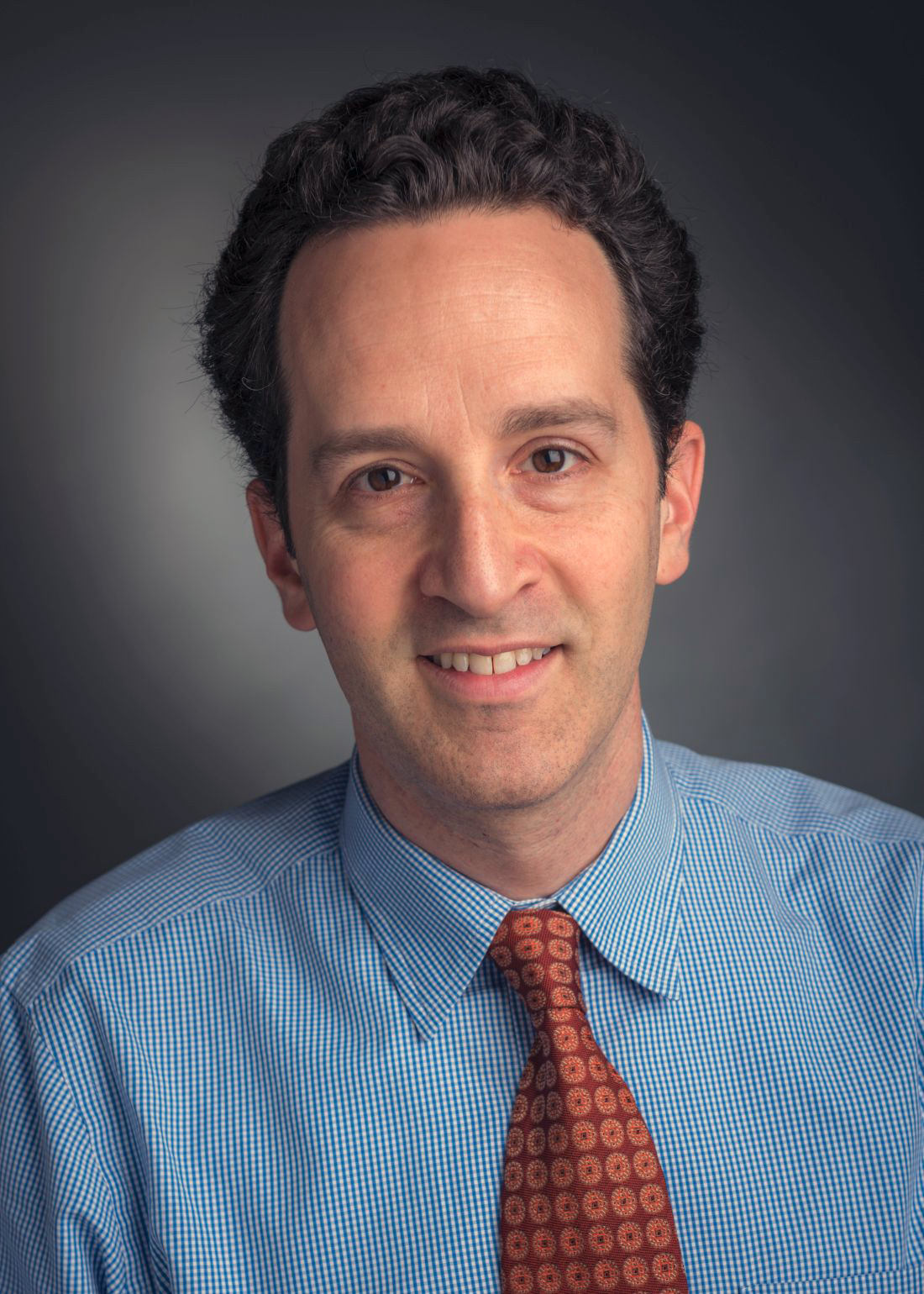
Dr. Bauer, of Dana-Farber/Boston Children’s Cancer and Blood Disorders Center and Harvard Medical School, was selected based on his research using genome editing to tease out the causes of blood disorders, such as sickle cell disease and beta-thalassemia.
All three finalists for the Trailblazer Prize are early career clinician-scientists whose work has the potential to or has led to innovations in patient care, according to the Foundation for the National Institutes of Health.
The other two finalists are Jaehyuk Choi, MD, PhD, of Northwestern University in Chicago and Michael Fox, MD, PhD, of Beth Israel Deaconess Medical Center in Boston.
Dr. Choi was selected for using genomics to identify mutations in skin cells that can lead to autoinflammatory diseases and cancer. Dr. Fox was selected for the development of innovative techniques to map human brain connectivity that can be used in novel treatments for Parkinson’s disease and depression.
The winner will be announced during a ceremony in Washington on Oct. 24, 2018, and will receive a $10,000 honorarium.
Daniel Bauer, MD, PhD, a pediatric hematologist and blood disorders researcher in Boston, is one of three finalists for the inaugural Trailblazer Prize for Clinician-Scientists, which is awarded by the Foundation for the National Institutes of Health.
Dr. Bauer, of Dana-Farber/Boston Children’s Cancer and Blood Disorders Center and Harvard Medical School, was selected based on his research using genome editing to tease out the causes of blood disorders, such as sickle cell disease and beta-thalassemia.
All three finalists for the Trailblazer Prize are early career clinician-scientists whose work has the potential to or has led to innovations in patient care, according to the Foundation for the National Institutes of Health.
The other two finalists are Jaehyuk Choi, MD, PhD, of Northwestern University in Chicago and Michael Fox, MD, PhD, of Beth Israel Deaconess Medical Center in Boston.
Dr. Choi was selected for using genomics to identify mutations in skin cells that can lead to autoinflammatory diseases and cancer. Dr. Fox was selected for the development of innovative techniques to map human brain connectivity that can be used in novel treatments for Parkinson’s disease and depression.
The winner will be announced during a ceremony in Washington on Oct. 24, 2018, and will receive a $10,000 honorarium.
Daniel Bauer, MD, PhD, a pediatric hematologist and blood disorders researcher in Boston, is one of three finalists for the inaugural Trailblazer Prize for Clinician-Scientists, which is awarded by the Foundation for the National Institutes of Health.
Dr. Bauer, of Dana-Farber/Boston Children’s Cancer and Blood Disorders Center and Harvard Medical School, was selected based on his research using genome editing to tease out the causes of blood disorders, such as sickle cell disease and beta-thalassemia.
All three finalists for the Trailblazer Prize are early career clinician-scientists whose work has the potential to or has led to innovations in patient care, according to the Foundation for the National Institutes of Health.
The other two finalists are Jaehyuk Choi, MD, PhD, of Northwestern University in Chicago and Michael Fox, MD, PhD, of Beth Israel Deaconess Medical Center in Boston.
Dr. Choi was selected for using genomics to identify mutations in skin cells that can lead to autoinflammatory diseases and cancer. Dr. Fox was selected for the development of innovative techniques to map human brain connectivity that can be used in novel treatments for Parkinson’s disease and depression.
The winner will be announced during a ceremony in Washington on Oct. 24, 2018, and will receive a $10,000 honorarium.
Increasing incidence of metastatic RCC raises concerns for SREs
The incidence of metastatic renal cell carcinoma (RCC) continues to rise, according to a recent study. In turn, skeletal-related events are also becoming more common.
Many patients with metastatic disease have skeletal involvement, so knowledge of skeletal-related events (SREs) is more important than ever, reported Masood Umer, MD, of Aga Khan University Hospital in Karachi, Pakistan, and his coauthors. SREs include nerve compression, hypercalcemia, impending fractures, and pathological fractures, any one of which may require medical or surgical intervention.
Beyond SREs, “bone metastases in RCC [have a] negative impact on progression-free survival and overall survival of patients treated with systemic therapies,” the authors wrote in Annals of Medicine and Surgery.
The authors conducted a literature review of skeletal metastasis in RCC, which included 947 patients, assessing incidence and discussing appropriate medical and surgical interventions.
A total of 26.7% of patients with RCC also had skeletal metastasis. The most common sites of metastasis were the proximal femur, pelvis, and spine. It was estimated that 85% of patients with metastatic RCC may experience SREs and related complications, with an average of more than two events per individual.
A multimodal approach is required, potentially involving surgical and medical interventions. For isolated bony metastases and fractures, surgery is often beneficial. Denosumab is the leading medical treatment; compared with zoledronic acid, denosumab prolongs time to first SRE by a median of approximately 8 months and reduces risk of first SRE by almost 20%. Risks of osteonecrosis are similar between agents.
The authors noted that research concerning the impact of targeted therapies on rates of bone metastasis and SREs is limited by patient exclusions in clinical trials. Granted, these agents have likely made for better outcomes.
“Advancement in targeted therapy in recent decades [has] made some improvement in treatment of SREs and has helped in improving patent’s quality of life, but still we are in need of further improvement in treatment modalities,” they concluded
This study did not receive specific funding.
SOURCE: Umer M et al. Ann Med Surg. 2018 Jan 21. doi: 10.1016/j.amsu.2018.01.002.
The incidence of metastatic renal cell carcinoma (RCC) continues to rise, according to a recent study. In turn, skeletal-related events are also becoming more common.
Many patients with metastatic disease have skeletal involvement, so knowledge of skeletal-related events (SREs) is more important than ever, reported Masood Umer, MD, of Aga Khan University Hospital in Karachi, Pakistan, and his coauthors. SREs include nerve compression, hypercalcemia, impending fractures, and pathological fractures, any one of which may require medical or surgical intervention.
Beyond SREs, “bone metastases in RCC [have a] negative impact on progression-free survival and overall survival of patients treated with systemic therapies,” the authors wrote in Annals of Medicine and Surgery.
The authors conducted a literature review of skeletal metastasis in RCC, which included 947 patients, assessing incidence and discussing appropriate medical and surgical interventions.
A total of 26.7% of patients with RCC also had skeletal metastasis. The most common sites of metastasis were the proximal femur, pelvis, and spine. It was estimated that 85% of patients with metastatic RCC may experience SREs and related complications, with an average of more than two events per individual.
A multimodal approach is required, potentially involving surgical and medical interventions. For isolated bony metastases and fractures, surgery is often beneficial. Denosumab is the leading medical treatment; compared with zoledronic acid, denosumab prolongs time to first SRE by a median of approximately 8 months and reduces risk of first SRE by almost 20%. Risks of osteonecrosis are similar between agents.
The authors noted that research concerning the impact of targeted therapies on rates of bone metastasis and SREs is limited by patient exclusions in clinical trials. Granted, these agents have likely made for better outcomes.
“Advancement in targeted therapy in recent decades [has] made some improvement in treatment of SREs and has helped in improving patent’s quality of life, but still we are in need of further improvement in treatment modalities,” they concluded
This study did not receive specific funding.
SOURCE: Umer M et al. Ann Med Surg. 2018 Jan 21. doi: 10.1016/j.amsu.2018.01.002.
The incidence of metastatic renal cell carcinoma (RCC) continues to rise, according to a recent study. In turn, skeletal-related events are also becoming more common.
Many patients with metastatic disease have skeletal involvement, so knowledge of skeletal-related events (SREs) is more important than ever, reported Masood Umer, MD, of Aga Khan University Hospital in Karachi, Pakistan, and his coauthors. SREs include nerve compression, hypercalcemia, impending fractures, and pathological fractures, any one of which may require medical or surgical intervention.
Beyond SREs, “bone metastases in RCC [have a] negative impact on progression-free survival and overall survival of patients treated with systemic therapies,” the authors wrote in Annals of Medicine and Surgery.
The authors conducted a literature review of skeletal metastasis in RCC, which included 947 patients, assessing incidence and discussing appropriate medical and surgical interventions.
A total of 26.7% of patients with RCC also had skeletal metastasis. The most common sites of metastasis were the proximal femur, pelvis, and spine. It was estimated that 85% of patients with metastatic RCC may experience SREs and related complications, with an average of more than two events per individual.
A multimodal approach is required, potentially involving surgical and medical interventions. For isolated bony metastases and fractures, surgery is often beneficial. Denosumab is the leading medical treatment; compared with zoledronic acid, denosumab prolongs time to first SRE by a median of approximately 8 months and reduces risk of first SRE by almost 20%. Risks of osteonecrosis are similar between agents.
The authors noted that research concerning the impact of targeted therapies on rates of bone metastasis and SREs is limited by patient exclusions in clinical trials. Granted, these agents have likely made for better outcomes.
“Advancement in targeted therapy in recent decades [has] made some improvement in treatment of SREs and has helped in improving patent’s quality of life, but still we are in need of further improvement in treatment modalities,” they concluded
This study did not receive specific funding.
SOURCE: Umer M et al. Ann Med Surg. 2018 Jan 21. doi: 10.1016/j.amsu.2018.01.002.
FROM ANNALS OF MEDICINE AND SURGERY
Key clinical point: As the incidence of metastatic renal cell carcinoma (RCC) continues to rise, knowledge of skeletal-related events and appropriate interventions is essential.
Major finding: About 85% of patients with metastatic RCC experience skeletal-related events and associated complications.
Study details: A literature review of skeletal metastasis in RCC.
Disclosures: The study did not receive specific funding.
Source: Umer M et al. Ann Med Surg. 2018 Jan 21. doi: 10.1016/j.amsu.2018.01.002.
Dr. Eric Howell joins SHM as chief operating officer
Veteran hospitalist will help define organizational goals
The Society of Hospital Medicine has announced the appointment of Eric Howell, MD, MHM, to the position of chief operating officer (COO).
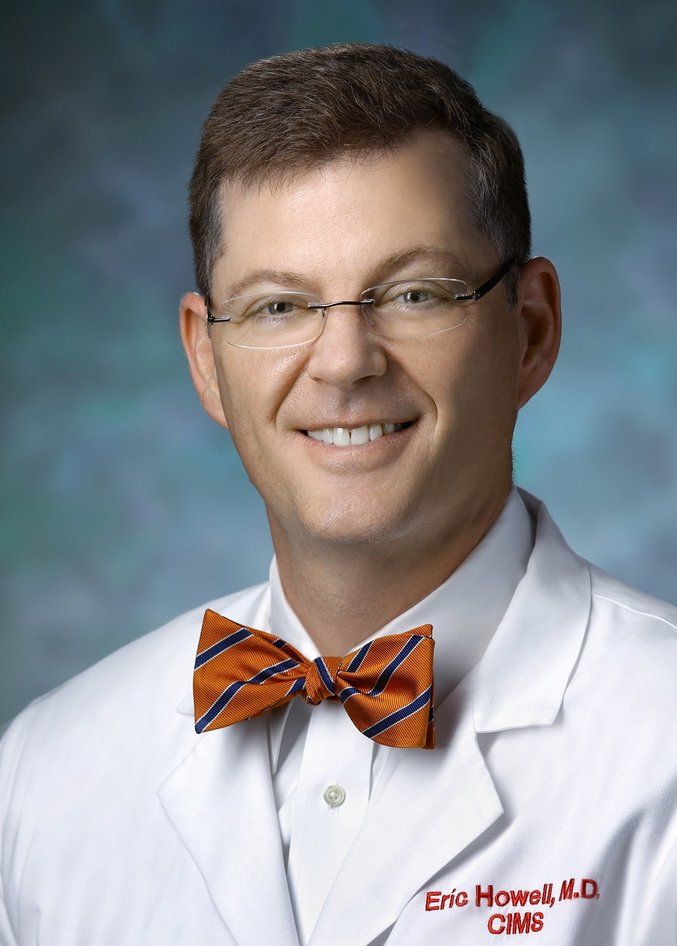
“Having been involved with SHM in many capacities since first joining, I am honored to now transition to chief operating officer,” Dr. Howell said. “I always tell everyone that my goal is to make the world a better place, and I know that SHM’s staff will be able to do just that through the development and deployment of a variety of products, tools, and services to help hospitalists improve patient care.”
In his new role as COO at SHM, Dr. Howell will lead senior management’s strategic planning as well as define organizational goals to drive extensive, sustainable growth. In addition to serving as SHM’s COO, Dr. Howell will continue his role as director of the hospital medicine division of Johns Hopkins Bayview Medical Center in Baltimore and professor of medicine in the department of medicine at Johns Hopkins University, also in Baltimore. Dr. Howell joined the Johns Hopkins Bayview hospitalist program in 2000, began the Howard County (Md.) General Hospital hospitalist program in 2010, and now oversees more than 200 physicians and clinical staff providing patient care in three hospitals.
“Eric has the perfect background to take SHM, its staff, and its membership to the next level,” said Laurence Wellikson, MD, MHM, chief executive officer of SHM. “His foundational leadership in the hospital medicine movement makes him the ideal person to lead SHM forward in its quest to provide hospitalists with the tools necessary to make a noteworthy difference in their institutions and in the lives of their patients.”
Dr. Howell is also a past president of SHM, the course director for the SHM Leadership Academies, and most recently, served as the senior physician advisor to SHM’s Center for Quality Improvement, which conducts quality improvement programs for hospitalist teams. He received his electrical engineering degree from the University of Maryland, which he said has served as an instrumental piece of his background for managing and implementing change in the hospital. His research has focused on the relationship between the emergency department and medicine floors, improving communication, throughput, and patient outcomes.
Veteran hospitalist will help define organizational goals
Veteran hospitalist will help define organizational goals
The Society of Hospital Medicine has announced the appointment of Eric Howell, MD, MHM, to the position of chief operating officer (COO).
“Having been involved with SHM in many capacities since first joining, I am honored to now transition to chief operating officer,” Dr. Howell said. “I always tell everyone that my goal is to make the world a better place, and I know that SHM’s staff will be able to do just that through the development and deployment of a variety of products, tools, and services to help hospitalists improve patient care.”
In his new role as COO at SHM, Dr. Howell will lead senior management’s strategic planning as well as define organizational goals to drive extensive, sustainable growth. In addition to serving as SHM’s COO, Dr. Howell will continue his role as director of the hospital medicine division of Johns Hopkins Bayview Medical Center in Baltimore and professor of medicine in the department of medicine at Johns Hopkins University, also in Baltimore. Dr. Howell joined the Johns Hopkins Bayview hospitalist program in 2000, began the Howard County (Md.) General Hospital hospitalist program in 2010, and now oversees more than 200 physicians and clinical staff providing patient care in three hospitals.
“Eric has the perfect background to take SHM, its staff, and its membership to the next level,” said Laurence Wellikson, MD, MHM, chief executive officer of SHM. “His foundational leadership in the hospital medicine movement makes him the ideal person to lead SHM forward in its quest to provide hospitalists with the tools necessary to make a noteworthy difference in their institutions and in the lives of their patients.”
Dr. Howell is also a past president of SHM, the course director for the SHM Leadership Academies, and most recently, served as the senior physician advisor to SHM’s Center for Quality Improvement, which conducts quality improvement programs for hospitalist teams. He received his electrical engineering degree from the University of Maryland, which he said has served as an instrumental piece of his background for managing and implementing change in the hospital. His research has focused on the relationship between the emergency department and medicine floors, improving communication, throughput, and patient outcomes.
The Society of Hospital Medicine has announced the appointment of Eric Howell, MD, MHM, to the position of chief operating officer (COO).
“Having been involved with SHM in many capacities since first joining, I am honored to now transition to chief operating officer,” Dr. Howell said. “I always tell everyone that my goal is to make the world a better place, and I know that SHM’s staff will be able to do just that through the development and deployment of a variety of products, tools, and services to help hospitalists improve patient care.”
In his new role as COO at SHM, Dr. Howell will lead senior management’s strategic planning as well as define organizational goals to drive extensive, sustainable growth. In addition to serving as SHM’s COO, Dr. Howell will continue his role as director of the hospital medicine division of Johns Hopkins Bayview Medical Center in Baltimore and professor of medicine in the department of medicine at Johns Hopkins University, also in Baltimore. Dr. Howell joined the Johns Hopkins Bayview hospitalist program in 2000, began the Howard County (Md.) General Hospital hospitalist program in 2010, and now oversees more than 200 physicians and clinical staff providing patient care in three hospitals.
“Eric has the perfect background to take SHM, its staff, and its membership to the next level,” said Laurence Wellikson, MD, MHM, chief executive officer of SHM. “His foundational leadership in the hospital medicine movement makes him the ideal person to lead SHM forward in its quest to provide hospitalists with the tools necessary to make a noteworthy difference in their institutions and in the lives of their patients.”
Dr. Howell is also a past president of SHM, the course director for the SHM Leadership Academies, and most recently, served as the senior physician advisor to SHM’s Center for Quality Improvement, which conducts quality improvement programs for hospitalist teams. He received his electrical engineering degree from the University of Maryland, which he said has served as an instrumental piece of his background for managing and implementing change in the hospital. His research has focused on the relationship between the emergency department and medicine floors, improving communication, throughput, and patient outcomes.