User login
Chatbots Seem More Empathetic Than Docs in Cancer Discussions
Large language models (LLM) such as ChatGPT have shown mixed results in the quality of their responses to consumer questions about cancer.
One recent study found AI chatbots to churn out incomplete, inaccurate, or even nonsensical cancer treatment recommendations, while another found them to generate largely accurate — if technical — responses to the most common cancer questions.
While researchers have seen success with purpose-built chatbots created to address patient concerns about specific cancers, the consensus to date has been that the generalized models like ChatGPT remain works in progress and that physicians should avoid pointing patients to them, for now.
Yet new findings suggest that these chatbots may do better than individual physicians, at least on some measures, when it comes to answering queries about cancer. For research published May 16 in JAMA Oncology (doi: 10.1001/jamaoncol.2024.0836), David Chen, a medical student at the University of Toronto, and his colleagues, isolated a random sample of 200 questions related to cancer care addressed to doctors on the public online forum Reddit. They then compared responses from oncologists with responses generated by three different AI chatbots. The blinded responses were rated for quality, readability, and empathy by six physicians, including oncologists and palliative and supportive care specialists.
Mr. Chen and colleagues’ research was modeled after a 2023 study that measured the quality of physician responses compared with chatbots for general medicine questions addressed to doctors on Reddit. That study found that the chatbots produced more empathetic-sounding answers, something Mr. Chen’s study also found. : quality, empathy, and readability.
Q&A With Author of New Research
Mr. Chen discussed his new study’s implications during an interview with this news organization.
Question: What is novel about this study?
Mr. Chen: We’ve seen many evaluations of chatbots that test for medical accuracy, but this study occurs in the domain of oncology care, where there are unique psychosocial and emotional considerations that are not precisely reflected in a general medicine setting. In effect, this study is putting these chatbots through a harder challenge.
Question: Why would chatbot responses seem more empathetic than those of physicians?
Mr. Chen: With the physician responses that we observed in our sample data set, we saw that there was very high variation of amount of apparent effort [in the physician responses]. Some physicians would put in a lot of time and effort, thinking through their response, and others wouldn’t do so as much. These chatbots don’t face fatigue the way humans do, or burnout. So they’re able to consistently provide responses with less variation in empathy.
Question: Do chatbots just seem empathetic because they are chattier?
Mr. Chen: We did think of verbosity as a potential confounder in this study. So we set a word count limit for the chatbot responses to keep it in the range of the physician responses. That way, verbosity was no longer a significant factor.
Question: How were quality and empathy measured by the reviewers?
Mr. Chen: For our study we used two teams of readers, each team composed of three physicians. In terms of the actual metrics we used, they were pilot metrics. There are no well-defined measurement scales or checklists that we could use to measure empathy. This is an emerging field of research. So we came up by consensus with our own set of ratings, and we feel that this is an area for the research to define a standardized set of guidelines.
Another novel aspect of this study is that we separated out different dimensions of quality and empathy. A quality response didn’t just mean it was medically accurate — quality also had to do with the focus and completeness of the response.
With empathy there are cognitive and emotional dimensions. Cognitive empathy uses critical thinking to understand the person’s emotions and thoughts and then adjusting a response to fit that. A patient may not want the best medically indicated treatment for their condition, because they want to preserve their quality of life. The chatbot may be able to adjust its recommendation with consideration of some of those humanistic elements that the patient is presenting with.
Emotional empathy is more about being supportive of the patient’s emotions by using expressions like ‘I understand where you’re coming from.’ or, ‘I can see how that makes you feel.’
Question: Why would physicians, not patients, be the best evaluators of empathy?
Mr. Chen: We’re actually very interested in evaluating patient ratings of empathy. We are conducting a follow-up study that evaluates patient ratings of empathy to the same set of chatbot and physician responses,to see if there are differences.
Question: Should cancer patients go ahead and consult chatbots?
Mr. Chen: Although we did observe increases in all of the metrics compared with physicians, this is a very specialized evaluation scenario where we’re using these Reddit questions and responses.
Naturally, we would need to do a trial, a head to head randomized comparison of physicians versus chatbots.
This pilot study does highlight the promising potential of these chatbots to suggest responses. But we can’t fully recommend that they should be used as standalone clinical tools without physicians.
This Q&A was edited for clarity.
Large language models (LLM) such as ChatGPT have shown mixed results in the quality of their responses to consumer questions about cancer.
One recent study found AI chatbots to churn out incomplete, inaccurate, or even nonsensical cancer treatment recommendations, while another found them to generate largely accurate — if technical — responses to the most common cancer questions.
While researchers have seen success with purpose-built chatbots created to address patient concerns about specific cancers, the consensus to date has been that the generalized models like ChatGPT remain works in progress and that physicians should avoid pointing patients to them, for now.
Yet new findings suggest that these chatbots may do better than individual physicians, at least on some measures, when it comes to answering queries about cancer. For research published May 16 in JAMA Oncology (doi: 10.1001/jamaoncol.2024.0836), David Chen, a medical student at the University of Toronto, and his colleagues, isolated a random sample of 200 questions related to cancer care addressed to doctors on the public online forum Reddit. They then compared responses from oncologists with responses generated by three different AI chatbots. The blinded responses were rated for quality, readability, and empathy by six physicians, including oncologists and palliative and supportive care specialists.
Mr. Chen and colleagues’ research was modeled after a 2023 study that measured the quality of physician responses compared with chatbots for general medicine questions addressed to doctors on Reddit. That study found that the chatbots produced more empathetic-sounding answers, something Mr. Chen’s study also found. : quality, empathy, and readability.
Q&A With Author of New Research
Mr. Chen discussed his new study’s implications during an interview with this news organization.
Question: What is novel about this study?
Mr. Chen: We’ve seen many evaluations of chatbots that test for medical accuracy, but this study occurs in the domain of oncology care, where there are unique psychosocial and emotional considerations that are not precisely reflected in a general medicine setting. In effect, this study is putting these chatbots through a harder challenge.
Question: Why would chatbot responses seem more empathetic than those of physicians?
Mr. Chen: With the physician responses that we observed in our sample data set, we saw that there was very high variation of amount of apparent effort [in the physician responses]. Some physicians would put in a lot of time and effort, thinking through their response, and others wouldn’t do so as much. These chatbots don’t face fatigue the way humans do, or burnout. So they’re able to consistently provide responses with less variation in empathy.
Question: Do chatbots just seem empathetic because they are chattier?
Mr. Chen: We did think of verbosity as a potential confounder in this study. So we set a word count limit for the chatbot responses to keep it in the range of the physician responses. That way, verbosity was no longer a significant factor.
Question: How were quality and empathy measured by the reviewers?
Mr. Chen: For our study we used two teams of readers, each team composed of three physicians. In terms of the actual metrics we used, they were pilot metrics. There are no well-defined measurement scales or checklists that we could use to measure empathy. This is an emerging field of research. So we came up by consensus with our own set of ratings, and we feel that this is an area for the research to define a standardized set of guidelines.
Another novel aspect of this study is that we separated out different dimensions of quality and empathy. A quality response didn’t just mean it was medically accurate — quality also had to do with the focus and completeness of the response.
With empathy there are cognitive and emotional dimensions. Cognitive empathy uses critical thinking to understand the person’s emotions and thoughts and then adjusting a response to fit that. A patient may not want the best medically indicated treatment for their condition, because they want to preserve their quality of life. The chatbot may be able to adjust its recommendation with consideration of some of those humanistic elements that the patient is presenting with.
Emotional empathy is more about being supportive of the patient’s emotions by using expressions like ‘I understand where you’re coming from.’ or, ‘I can see how that makes you feel.’
Question: Why would physicians, not patients, be the best evaluators of empathy?
Mr. Chen: We’re actually very interested in evaluating patient ratings of empathy. We are conducting a follow-up study that evaluates patient ratings of empathy to the same set of chatbot and physician responses,to see if there are differences.
Question: Should cancer patients go ahead and consult chatbots?
Mr. Chen: Although we did observe increases in all of the metrics compared with physicians, this is a very specialized evaluation scenario where we’re using these Reddit questions and responses.
Naturally, we would need to do a trial, a head to head randomized comparison of physicians versus chatbots.
This pilot study does highlight the promising potential of these chatbots to suggest responses. But we can’t fully recommend that they should be used as standalone clinical tools without physicians.
This Q&A was edited for clarity.
Large language models (LLM) such as ChatGPT have shown mixed results in the quality of their responses to consumer questions about cancer.
One recent study found AI chatbots to churn out incomplete, inaccurate, or even nonsensical cancer treatment recommendations, while another found them to generate largely accurate — if technical — responses to the most common cancer questions.
While researchers have seen success with purpose-built chatbots created to address patient concerns about specific cancers, the consensus to date has been that the generalized models like ChatGPT remain works in progress and that physicians should avoid pointing patients to them, for now.
Yet new findings suggest that these chatbots may do better than individual physicians, at least on some measures, when it comes to answering queries about cancer. For research published May 16 in JAMA Oncology (doi: 10.1001/jamaoncol.2024.0836), David Chen, a medical student at the University of Toronto, and his colleagues, isolated a random sample of 200 questions related to cancer care addressed to doctors on the public online forum Reddit. They then compared responses from oncologists with responses generated by three different AI chatbots. The blinded responses were rated for quality, readability, and empathy by six physicians, including oncologists and palliative and supportive care specialists.
Mr. Chen and colleagues’ research was modeled after a 2023 study that measured the quality of physician responses compared with chatbots for general medicine questions addressed to doctors on Reddit. That study found that the chatbots produced more empathetic-sounding answers, something Mr. Chen’s study also found. : quality, empathy, and readability.
Q&A With Author of New Research
Mr. Chen discussed his new study’s implications during an interview with this news organization.
Question: What is novel about this study?
Mr. Chen: We’ve seen many evaluations of chatbots that test for medical accuracy, but this study occurs in the domain of oncology care, where there are unique psychosocial and emotional considerations that are not precisely reflected in a general medicine setting. In effect, this study is putting these chatbots through a harder challenge.
Question: Why would chatbot responses seem more empathetic than those of physicians?
Mr. Chen: With the physician responses that we observed in our sample data set, we saw that there was very high variation of amount of apparent effort [in the physician responses]. Some physicians would put in a lot of time and effort, thinking through their response, and others wouldn’t do so as much. These chatbots don’t face fatigue the way humans do, or burnout. So they’re able to consistently provide responses with less variation in empathy.
Question: Do chatbots just seem empathetic because they are chattier?
Mr. Chen: We did think of verbosity as a potential confounder in this study. So we set a word count limit for the chatbot responses to keep it in the range of the physician responses. That way, verbosity was no longer a significant factor.
Question: How were quality and empathy measured by the reviewers?
Mr. Chen: For our study we used two teams of readers, each team composed of three physicians. In terms of the actual metrics we used, they were pilot metrics. There are no well-defined measurement scales or checklists that we could use to measure empathy. This is an emerging field of research. So we came up by consensus with our own set of ratings, and we feel that this is an area for the research to define a standardized set of guidelines.
Another novel aspect of this study is that we separated out different dimensions of quality and empathy. A quality response didn’t just mean it was medically accurate — quality also had to do with the focus and completeness of the response.
With empathy there are cognitive and emotional dimensions. Cognitive empathy uses critical thinking to understand the person’s emotions and thoughts and then adjusting a response to fit that. A patient may not want the best medically indicated treatment for their condition, because they want to preserve their quality of life. The chatbot may be able to adjust its recommendation with consideration of some of those humanistic elements that the patient is presenting with.
Emotional empathy is more about being supportive of the patient’s emotions by using expressions like ‘I understand where you’re coming from.’ or, ‘I can see how that makes you feel.’
Question: Why would physicians, not patients, be the best evaluators of empathy?
Mr. Chen: We’re actually very interested in evaluating patient ratings of empathy. We are conducting a follow-up study that evaluates patient ratings of empathy to the same set of chatbot and physician responses,to see if there are differences.
Question: Should cancer patients go ahead and consult chatbots?
Mr. Chen: Although we did observe increases in all of the metrics compared with physicians, this is a very specialized evaluation scenario where we’re using these Reddit questions and responses.
Naturally, we would need to do a trial, a head to head randomized comparison of physicians versus chatbots.
This pilot study does highlight the promising potential of these chatbots to suggest responses. But we can’t fully recommend that they should be used as standalone clinical tools without physicians.
This Q&A was edited for clarity.
FROM JAMA ONCOLOGY
Scientists Create First Map of a Human Ovary: What to Know
For years, scientists have sought to create a human artificial ovary, restoring fertility in patients without other options. The first cellular map of a human ovary, recently developed at the University of Michigan, Ann Arbor, represents a big leap forward in that quest.
“You cannot build something if you don’t have the blueprint,” said biomedical engineer Ariella Shikanov, PhD, associate professor at University of Michigan, who helped create what she and colleagues call an atlas of the ovary. “By creating a map or an atlas, we can now follow what nature created and engineer the building blocks of an ovary — and build a nature-like structure.”
So far, the concept of an artificial ovary has been successful only in mice, with the development of a 3D-printed prosthetic ovary that enabled sterilized mice to have pups. Researchers hope that artificial human ovary technology could someday help women left infertile after cancer treatment, as well as patients who don›t respond to fertility treatments and those with premature ovarian failure.
But Dr. Shikanov believes this research will go even further, providing a valuable resource to scientists studying diseases and other conditions related to the ovary.
“Whenever people think about the ovary, if they think about it at all, they usually think about fertility,” said Dr. Shikanov. The ovary is so much more.
Besides producing and carrying a woman’s unfertilized eggs during her lifetime, the ovary is also responsible for endocrine function — the production of estrogen and progesterone, which in addition to supporting reproductive health, help maintain a woman’s cardiovascular, bone, and mental health.
“We don’t really understand everything that is happening in the ovary yet,” Dr. Shikanov said. “But we know it is an important organ.”
Mapping the Ovary
Because people don’t typically donate their ovaries, there are not many available for research, especially from younger reproductive age women, said Dr. Shikanov. So, the scientists set out to build a resource. They described their work in Science Advances.
To create their atlas, the researchers studied two premenopausal donor ovaries, profiling 18,000 genes in 257 regions. From three additional donor ovaries, they also generated single-cell RNA sequencing data for 21,198 cells.
“We identified four major cell types and four immune cell subtypes in the ovary,” said Dr. Shikanov. Taking samples from different areas of the ovary revealed distinct gene activities for oocytes, theca cells, and granulosa cells — expanding scientists’ understanding of the molecular programs driving ovarian follicle development.
What’s unique about their work is the focus on both single cell and spatial analysis, said study coauthor Jun Z. Li, PhD, associate chair of the University of Michigan’s department of computational medicine and bioinformatics. Specifically, they used a relatively new method called spatial transcriptomics, which allows them to see which genes are being activated and where.
“We are constructing the spatial arrangement of the cells in the ovary,” said Dr. Li. “This spatial analysis is like saying, ‘Let me look at where you are and who your neighbor is.’ ”
Their findings are built on other genetic and cellular research in the field, Dr. Li noted. Biomedical engineers in other areas of medicine are applying similar technologies to other organs including the heart, the breast, and bone — part of a larger project called the Human Cell Atlas.
Advancing Women’s Health Research
Historically, women’s health research has been underfunded and underrepresented, but the authors believe their atlas of the ovary is a significant step forward.
“There are a lot of biological questions that we don’t know the answers to about the ovary,” said Dr. Shikanov.
One of the biggest mysteries is why so many eggs never become fertilizable. Each human female is born with about one to two million ovarian follicles. Each follicle carries one immature egg. Around puberty, two thirds of these follicles die off. And most that are left never develop into fertilizable eggs.
“The majority of these follicles either just grow and secrete hormones or undergo atresia,” Dr. Shikanov said. “One question that we wanted to understand is, what determines an egg that can grow, ovulate, and become a fertilizable egg and potentially develop into a new human being from one that does not?”
Another big question researchers have is, what’s happening with other types of cells in the ovary — the supporting cells that produce endocrine hormones? Where are they located and what proteins and RNA are they making? Their research begins to unravel some of these questions and lays a foundation for future studies.
“We wanted to analyze the transcriptional signatures from specific regions and then do bioinformatical analysis and really combine structure, function, and transcriptional signatures,” Dr. Shikanov said.
Knowing the transcriptional signatures can help researchers understand disease mechanisms and then go on to develop treatments for these diseases.
Winifred Mak, MD, PhD, a reproductive endocrinologist and infertility specialist at Dell Medical School, University of Texas, Austin, studies cancer fertility preservation. “For me, it is interesting to see that there are so many different clusters of cells in the ovary that have been identified by this study that we were not necessarily aware of before,” said Dr. Mak, who is not involved in the new research. “Also, the identification of new genes not previously studied in the human ovary.”
What’s Next
Dozens of scientists who study reproductive health are already reaching out to the researchers about their work, Dr. Shikanov said.
“We get contacted almost every day from researchers all around the world asking for data sets or asking for details from this paper,” she said, “from people who study ovarian cancer, for example.”
Dr. Mak said having a map of a normal ovary could also help researchers who study premature ovarian insufficiency — why the ovary sometimes goes into premature menopause — and polycystic ovarian syndrome.
Another big area of research interest is ovarian aging. “Women live so much longer now, but we still reach menopause at the age of 50,” Dr. Shikanov said. “So, there are efforts going toward understanding ovarian aging and maybe preventing it to extend ovarian longevity.”
Dr. Mak said it will enable scientists to “look at different age women and see what genes change across the reproductive lifespan.”
The atlas may also eventually lead to treatments that help restore fertility in individuals who had and were treated for cancer as children, people who undergo sex transitions, and those whose reproductive organs have been impacted by trauma in conflict settings or accidents, Dr. Li said.
The applications are numerous and exciting, Dr. Shikanov said. “Our atlas is like a benchmark. Now researchers can collect ovaries from individuals with these diseases and conditions and try to compare what’s different.”
A version of this article appeared on Medscape.com.
For years, scientists have sought to create a human artificial ovary, restoring fertility in patients without other options. The first cellular map of a human ovary, recently developed at the University of Michigan, Ann Arbor, represents a big leap forward in that quest.
“You cannot build something if you don’t have the blueprint,” said biomedical engineer Ariella Shikanov, PhD, associate professor at University of Michigan, who helped create what she and colleagues call an atlas of the ovary. “By creating a map or an atlas, we can now follow what nature created and engineer the building blocks of an ovary — and build a nature-like structure.”
So far, the concept of an artificial ovary has been successful only in mice, with the development of a 3D-printed prosthetic ovary that enabled sterilized mice to have pups. Researchers hope that artificial human ovary technology could someday help women left infertile after cancer treatment, as well as patients who don›t respond to fertility treatments and those with premature ovarian failure.
But Dr. Shikanov believes this research will go even further, providing a valuable resource to scientists studying diseases and other conditions related to the ovary.
“Whenever people think about the ovary, if they think about it at all, they usually think about fertility,” said Dr. Shikanov. The ovary is so much more.
Besides producing and carrying a woman’s unfertilized eggs during her lifetime, the ovary is also responsible for endocrine function — the production of estrogen and progesterone, which in addition to supporting reproductive health, help maintain a woman’s cardiovascular, bone, and mental health.
“We don’t really understand everything that is happening in the ovary yet,” Dr. Shikanov said. “But we know it is an important organ.”
Mapping the Ovary
Because people don’t typically donate their ovaries, there are not many available for research, especially from younger reproductive age women, said Dr. Shikanov. So, the scientists set out to build a resource. They described their work in Science Advances.
To create their atlas, the researchers studied two premenopausal donor ovaries, profiling 18,000 genes in 257 regions. From three additional donor ovaries, they also generated single-cell RNA sequencing data for 21,198 cells.
“We identified four major cell types and four immune cell subtypes in the ovary,” said Dr. Shikanov. Taking samples from different areas of the ovary revealed distinct gene activities for oocytes, theca cells, and granulosa cells — expanding scientists’ understanding of the molecular programs driving ovarian follicle development.
What’s unique about their work is the focus on both single cell and spatial analysis, said study coauthor Jun Z. Li, PhD, associate chair of the University of Michigan’s department of computational medicine and bioinformatics. Specifically, they used a relatively new method called spatial transcriptomics, which allows them to see which genes are being activated and where.
“We are constructing the spatial arrangement of the cells in the ovary,” said Dr. Li. “This spatial analysis is like saying, ‘Let me look at where you are and who your neighbor is.’ ”
Their findings are built on other genetic and cellular research in the field, Dr. Li noted. Biomedical engineers in other areas of medicine are applying similar technologies to other organs including the heart, the breast, and bone — part of a larger project called the Human Cell Atlas.
Advancing Women’s Health Research
Historically, women’s health research has been underfunded and underrepresented, but the authors believe their atlas of the ovary is a significant step forward.
“There are a lot of biological questions that we don’t know the answers to about the ovary,” said Dr. Shikanov.
One of the biggest mysteries is why so many eggs never become fertilizable. Each human female is born with about one to two million ovarian follicles. Each follicle carries one immature egg. Around puberty, two thirds of these follicles die off. And most that are left never develop into fertilizable eggs.
“The majority of these follicles either just grow and secrete hormones or undergo atresia,” Dr. Shikanov said. “One question that we wanted to understand is, what determines an egg that can grow, ovulate, and become a fertilizable egg and potentially develop into a new human being from one that does not?”
Another big question researchers have is, what’s happening with other types of cells in the ovary — the supporting cells that produce endocrine hormones? Where are they located and what proteins and RNA are they making? Their research begins to unravel some of these questions and lays a foundation for future studies.
“We wanted to analyze the transcriptional signatures from specific regions and then do bioinformatical analysis and really combine structure, function, and transcriptional signatures,” Dr. Shikanov said.
Knowing the transcriptional signatures can help researchers understand disease mechanisms and then go on to develop treatments for these diseases.
Winifred Mak, MD, PhD, a reproductive endocrinologist and infertility specialist at Dell Medical School, University of Texas, Austin, studies cancer fertility preservation. “For me, it is interesting to see that there are so many different clusters of cells in the ovary that have been identified by this study that we were not necessarily aware of before,” said Dr. Mak, who is not involved in the new research. “Also, the identification of new genes not previously studied in the human ovary.”
What’s Next
Dozens of scientists who study reproductive health are already reaching out to the researchers about their work, Dr. Shikanov said.
“We get contacted almost every day from researchers all around the world asking for data sets or asking for details from this paper,” she said, “from people who study ovarian cancer, for example.”
Dr. Mak said having a map of a normal ovary could also help researchers who study premature ovarian insufficiency — why the ovary sometimes goes into premature menopause — and polycystic ovarian syndrome.
Another big area of research interest is ovarian aging. “Women live so much longer now, but we still reach menopause at the age of 50,” Dr. Shikanov said. “So, there are efforts going toward understanding ovarian aging and maybe preventing it to extend ovarian longevity.”
Dr. Mak said it will enable scientists to “look at different age women and see what genes change across the reproductive lifespan.”
The atlas may also eventually lead to treatments that help restore fertility in individuals who had and were treated for cancer as children, people who undergo sex transitions, and those whose reproductive organs have been impacted by trauma in conflict settings or accidents, Dr. Li said.
The applications are numerous and exciting, Dr. Shikanov said. “Our atlas is like a benchmark. Now researchers can collect ovaries from individuals with these diseases and conditions and try to compare what’s different.”
A version of this article appeared on Medscape.com.
For years, scientists have sought to create a human artificial ovary, restoring fertility in patients without other options. The first cellular map of a human ovary, recently developed at the University of Michigan, Ann Arbor, represents a big leap forward in that quest.
“You cannot build something if you don’t have the blueprint,” said biomedical engineer Ariella Shikanov, PhD, associate professor at University of Michigan, who helped create what she and colleagues call an atlas of the ovary. “By creating a map or an atlas, we can now follow what nature created and engineer the building blocks of an ovary — and build a nature-like structure.”
So far, the concept of an artificial ovary has been successful only in mice, with the development of a 3D-printed prosthetic ovary that enabled sterilized mice to have pups. Researchers hope that artificial human ovary technology could someday help women left infertile after cancer treatment, as well as patients who don›t respond to fertility treatments and those with premature ovarian failure.
But Dr. Shikanov believes this research will go even further, providing a valuable resource to scientists studying diseases and other conditions related to the ovary.
“Whenever people think about the ovary, if they think about it at all, they usually think about fertility,” said Dr. Shikanov. The ovary is so much more.
Besides producing and carrying a woman’s unfertilized eggs during her lifetime, the ovary is also responsible for endocrine function — the production of estrogen and progesterone, which in addition to supporting reproductive health, help maintain a woman’s cardiovascular, bone, and mental health.
“We don’t really understand everything that is happening in the ovary yet,” Dr. Shikanov said. “But we know it is an important organ.”
Mapping the Ovary
Because people don’t typically donate their ovaries, there are not many available for research, especially from younger reproductive age women, said Dr. Shikanov. So, the scientists set out to build a resource. They described their work in Science Advances.
To create their atlas, the researchers studied two premenopausal donor ovaries, profiling 18,000 genes in 257 regions. From three additional donor ovaries, they also generated single-cell RNA sequencing data for 21,198 cells.
“We identified four major cell types and four immune cell subtypes in the ovary,” said Dr. Shikanov. Taking samples from different areas of the ovary revealed distinct gene activities for oocytes, theca cells, and granulosa cells — expanding scientists’ understanding of the molecular programs driving ovarian follicle development.
What’s unique about their work is the focus on both single cell and spatial analysis, said study coauthor Jun Z. Li, PhD, associate chair of the University of Michigan’s department of computational medicine and bioinformatics. Specifically, they used a relatively new method called spatial transcriptomics, which allows them to see which genes are being activated and where.
“We are constructing the spatial arrangement of the cells in the ovary,” said Dr. Li. “This spatial analysis is like saying, ‘Let me look at where you are and who your neighbor is.’ ”
Their findings are built on other genetic and cellular research in the field, Dr. Li noted. Biomedical engineers in other areas of medicine are applying similar technologies to other organs including the heart, the breast, and bone — part of a larger project called the Human Cell Atlas.
Advancing Women’s Health Research
Historically, women’s health research has been underfunded and underrepresented, but the authors believe their atlas of the ovary is a significant step forward.
“There are a lot of biological questions that we don’t know the answers to about the ovary,” said Dr. Shikanov.
One of the biggest mysteries is why so many eggs never become fertilizable. Each human female is born with about one to two million ovarian follicles. Each follicle carries one immature egg. Around puberty, two thirds of these follicles die off. And most that are left never develop into fertilizable eggs.
“The majority of these follicles either just grow and secrete hormones or undergo atresia,” Dr. Shikanov said. “One question that we wanted to understand is, what determines an egg that can grow, ovulate, and become a fertilizable egg and potentially develop into a new human being from one that does not?”
Another big question researchers have is, what’s happening with other types of cells in the ovary — the supporting cells that produce endocrine hormones? Where are they located and what proteins and RNA are they making? Their research begins to unravel some of these questions and lays a foundation for future studies.
“We wanted to analyze the transcriptional signatures from specific regions and then do bioinformatical analysis and really combine structure, function, and transcriptional signatures,” Dr. Shikanov said.
Knowing the transcriptional signatures can help researchers understand disease mechanisms and then go on to develop treatments for these diseases.
Winifred Mak, MD, PhD, a reproductive endocrinologist and infertility specialist at Dell Medical School, University of Texas, Austin, studies cancer fertility preservation. “For me, it is interesting to see that there are so many different clusters of cells in the ovary that have been identified by this study that we were not necessarily aware of before,” said Dr. Mak, who is not involved in the new research. “Also, the identification of new genes not previously studied in the human ovary.”
What’s Next
Dozens of scientists who study reproductive health are already reaching out to the researchers about their work, Dr. Shikanov said.
“We get contacted almost every day from researchers all around the world asking for data sets or asking for details from this paper,” she said, “from people who study ovarian cancer, for example.”
Dr. Mak said having a map of a normal ovary could also help researchers who study premature ovarian insufficiency — why the ovary sometimes goes into premature menopause — and polycystic ovarian syndrome.
Another big area of research interest is ovarian aging. “Women live so much longer now, but we still reach menopause at the age of 50,” Dr. Shikanov said. “So, there are efforts going toward understanding ovarian aging and maybe preventing it to extend ovarian longevity.”
Dr. Mak said it will enable scientists to “look at different age women and see what genes change across the reproductive lifespan.”
The atlas may also eventually lead to treatments that help restore fertility in individuals who had and were treated for cancer as children, people who undergo sex transitions, and those whose reproductive organs have been impacted by trauma in conflict settings or accidents, Dr. Li said.
The applications are numerous and exciting, Dr. Shikanov said. “Our atlas is like a benchmark. Now researchers can collect ovaries from individuals with these diseases and conditions and try to compare what’s different.”
A version of this article appeared on Medscape.com.
Collaboration Tackles Steroid-Induced Adrenal Insufficiency
Endocrinologists in Europe and the United States have come together to produce joint guidance to help clinicians manage patients who have, or are a at risk for, glucocorticoid-induced adrenal insufficiency (GC-AI).
Publication of the guidance marks the first time that the European Society of Endocrinology (ESE) and the Endocrine Society have cooperated in producing a guideline.
The guideline “Diagnosis and therapy of glucocorticoid-induced adrenal insufficiency” is published in the May 2024 issues of the societies respective journals, the European Journal of Endocrinology and The Journal of Clinical Endocrinology & Metabolism.
Felix Beuschlein, PhD, from the ESE, who cochaired the clinical committee, told this news organization: “You would hope that this leads to a common ground for a very large number of patients.”
The risk for GC-AI is dependent on the dose, duration, and potency of the glucocorticoid; route of administration; as well as susceptibility of the individual patient. Once it develops or is suspected, careful education and management of affected patients is required.
Glucocorticoids Commonly Prescribed
“Glucocorticoid-induced adrenal insufficiency is actually a potential concern for a lot of patients,” coauthor Tobias Else, MD, of the department of internal medicine at the University of Michigan, Ann Arbor, explained to this news organization. “Roughly 1% of all people are being treated with glucocorticoids at any given time.”
“That’s a tremendous number, and it gives the scale of the situation,” added Dr. Beuschlein, director of the department of endocrinology, diabetology, and clinical nutrition at University Hospital Zürich in Switzerland. “Now, fortunately, only a very small proportion of patients who are treated with glucocorticoids do have endocrine problems, and this is what this guideline is actually concentrating on.”
Glucocorticoids are effective agents for treating autoimmune and inflammatory disorders. However, they can cause adverse reactions, particularly when administered at high doses and/or for a prolonged period.
Some studies have reported that even low-dose glucocorticoid use, such as prednisone at 2.5-7.5 mg/d, can increase the risk for cardiovascular disease, severe infections, hypertension, diabetes, osteoporosis, and fractures, as well as increase overall mortality with concurrent type 2 diabetes.
Tapering glucocorticoids can be challenging when symptoms of glucocorticoid withdrawal develop, which overlap with those of adrenal insufficiency, the guidelines stated. In general, tapering of glucocorticoids can occur more rapidly within a supraphysiological range, followed by a slower taper when on physiological glucocorticoid dosing.
The degree and persistence of hypothalamic-pituitary-adrenal (HPA) axis suppression after glucocorticoid therapy is stopped depends on overall exposure and recovery of adrenal function. “This is a quite individual situation, as you can imagine, because it’s about sex, age, and comorbidities, the kind of glucocorticoid or other medications that you’re giving,” said Dr. Beuschlein. To cover contingencies, the paper presents tables to explain management covering various eventualities.
Leonie van Hulsteijn, MD, from the department of clinical epidemiology, Leiden University Medical Center, Leiden, the Netherlands, said: “There are so many other specialties prescribing glucocorticoids; so especially the rheumatologist, the pulmonologist, the general practitioners.”
Asked by this news organization whether the guidelines might dissuade some clinicians from offering glucocorticoids, Dr. van Hulsteijn, who contributed to the guidance, said, “I don’t think it will keep them from prescribing it, but I really hope it will make them aware if somebody, after using long-term glucocorticoids, presents with complaints of adrenal insufficiency, that they will be aware and take immediate action.”
Evidence Gaps
The review team took around 2.5 years to draw up the guidance amid some concerns about the quality of the evidence base, which they mainly rated as “low” or “very low.” “I think we all, going through the literature, were quite astonished at how bad the evidence is for a problem as global as that,” said Dr. Beuschlein. “But that’s how it is — sometimes, even in the absence of strong evidence, you have to give some kind of guidance.”
Nevertheless, the authors have called for more research to establish risk factors contributing to the development of and susceptibility to adrenal insufficiency, a greater understanding of glucocorticoid withdrawal, and identification of glucocorticoids retaining immunosuppressive and anti-inflammatory properties that have less effect on HPA axis suppression and an improved adverse effect profile.
Patient-facing materials on GC-AI are also in development and will be made available via the ESE Patient Zone this month.
Next year, the societies plan to publish a joint guideline on diabetes in pregnancy. That will be followed in 2026 by guidance on arginine vasopressin resistance and arginine vasopressin deficiency and a guideline on male hypogonadism in 2027.
Funding for the development of joint guidelines was provided by the societies and did not involve support from other bodies.
Dr. Beuschlein declared funding from the German Research Funding Agency, the Swiss National Science Foundation, University Medicine Zürich, the Vontobel Foundation, the Swiss Heart Foundation, and consultancy work for Bayer AG. Dr. Else declared membership of the advisory board of Merck and Company. Dr. van Hulsteijn declared no conflicts of interest.
A version of this article appeared on Medscape.com.
Endocrinologists in Europe and the United States have come together to produce joint guidance to help clinicians manage patients who have, or are a at risk for, glucocorticoid-induced adrenal insufficiency (GC-AI).
Publication of the guidance marks the first time that the European Society of Endocrinology (ESE) and the Endocrine Society have cooperated in producing a guideline.
The guideline “Diagnosis and therapy of glucocorticoid-induced adrenal insufficiency” is published in the May 2024 issues of the societies respective journals, the European Journal of Endocrinology and The Journal of Clinical Endocrinology & Metabolism.
Felix Beuschlein, PhD, from the ESE, who cochaired the clinical committee, told this news organization: “You would hope that this leads to a common ground for a very large number of patients.”
The risk for GC-AI is dependent on the dose, duration, and potency of the glucocorticoid; route of administration; as well as susceptibility of the individual patient. Once it develops or is suspected, careful education and management of affected patients is required.
Glucocorticoids Commonly Prescribed
“Glucocorticoid-induced adrenal insufficiency is actually a potential concern for a lot of patients,” coauthor Tobias Else, MD, of the department of internal medicine at the University of Michigan, Ann Arbor, explained to this news organization. “Roughly 1% of all people are being treated with glucocorticoids at any given time.”
“That’s a tremendous number, and it gives the scale of the situation,” added Dr. Beuschlein, director of the department of endocrinology, diabetology, and clinical nutrition at University Hospital Zürich in Switzerland. “Now, fortunately, only a very small proportion of patients who are treated with glucocorticoids do have endocrine problems, and this is what this guideline is actually concentrating on.”
Glucocorticoids are effective agents for treating autoimmune and inflammatory disorders. However, they can cause adverse reactions, particularly when administered at high doses and/or for a prolonged period.
Some studies have reported that even low-dose glucocorticoid use, such as prednisone at 2.5-7.5 mg/d, can increase the risk for cardiovascular disease, severe infections, hypertension, diabetes, osteoporosis, and fractures, as well as increase overall mortality with concurrent type 2 diabetes.
Tapering glucocorticoids can be challenging when symptoms of glucocorticoid withdrawal develop, which overlap with those of adrenal insufficiency, the guidelines stated. In general, tapering of glucocorticoids can occur more rapidly within a supraphysiological range, followed by a slower taper when on physiological glucocorticoid dosing.
The degree and persistence of hypothalamic-pituitary-adrenal (HPA) axis suppression after glucocorticoid therapy is stopped depends on overall exposure and recovery of adrenal function. “This is a quite individual situation, as you can imagine, because it’s about sex, age, and comorbidities, the kind of glucocorticoid or other medications that you’re giving,” said Dr. Beuschlein. To cover contingencies, the paper presents tables to explain management covering various eventualities.
Leonie van Hulsteijn, MD, from the department of clinical epidemiology, Leiden University Medical Center, Leiden, the Netherlands, said: “There are so many other specialties prescribing glucocorticoids; so especially the rheumatologist, the pulmonologist, the general practitioners.”
Asked by this news organization whether the guidelines might dissuade some clinicians from offering glucocorticoids, Dr. van Hulsteijn, who contributed to the guidance, said, “I don’t think it will keep them from prescribing it, but I really hope it will make them aware if somebody, after using long-term glucocorticoids, presents with complaints of adrenal insufficiency, that they will be aware and take immediate action.”
Evidence Gaps
The review team took around 2.5 years to draw up the guidance amid some concerns about the quality of the evidence base, which they mainly rated as “low” or “very low.” “I think we all, going through the literature, were quite astonished at how bad the evidence is for a problem as global as that,” said Dr. Beuschlein. “But that’s how it is — sometimes, even in the absence of strong evidence, you have to give some kind of guidance.”
Nevertheless, the authors have called for more research to establish risk factors contributing to the development of and susceptibility to adrenal insufficiency, a greater understanding of glucocorticoid withdrawal, and identification of glucocorticoids retaining immunosuppressive and anti-inflammatory properties that have less effect on HPA axis suppression and an improved adverse effect profile.
Patient-facing materials on GC-AI are also in development and will be made available via the ESE Patient Zone this month.
Next year, the societies plan to publish a joint guideline on diabetes in pregnancy. That will be followed in 2026 by guidance on arginine vasopressin resistance and arginine vasopressin deficiency and a guideline on male hypogonadism in 2027.
Funding for the development of joint guidelines was provided by the societies and did not involve support from other bodies.
Dr. Beuschlein declared funding from the German Research Funding Agency, the Swiss National Science Foundation, University Medicine Zürich, the Vontobel Foundation, the Swiss Heart Foundation, and consultancy work for Bayer AG. Dr. Else declared membership of the advisory board of Merck and Company. Dr. van Hulsteijn declared no conflicts of interest.
A version of this article appeared on Medscape.com.
Endocrinologists in Europe and the United States have come together to produce joint guidance to help clinicians manage patients who have, or are a at risk for, glucocorticoid-induced adrenal insufficiency (GC-AI).
Publication of the guidance marks the first time that the European Society of Endocrinology (ESE) and the Endocrine Society have cooperated in producing a guideline.
The guideline “Diagnosis and therapy of glucocorticoid-induced adrenal insufficiency” is published in the May 2024 issues of the societies respective journals, the European Journal of Endocrinology and The Journal of Clinical Endocrinology & Metabolism.
Felix Beuschlein, PhD, from the ESE, who cochaired the clinical committee, told this news organization: “You would hope that this leads to a common ground for a very large number of patients.”
The risk for GC-AI is dependent on the dose, duration, and potency of the glucocorticoid; route of administration; as well as susceptibility of the individual patient. Once it develops or is suspected, careful education and management of affected patients is required.
Glucocorticoids Commonly Prescribed
“Glucocorticoid-induced adrenal insufficiency is actually a potential concern for a lot of patients,” coauthor Tobias Else, MD, of the department of internal medicine at the University of Michigan, Ann Arbor, explained to this news organization. “Roughly 1% of all people are being treated with glucocorticoids at any given time.”
“That’s a tremendous number, and it gives the scale of the situation,” added Dr. Beuschlein, director of the department of endocrinology, diabetology, and clinical nutrition at University Hospital Zürich in Switzerland. “Now, fortunately, only a very small proportion of patients who are treated with glucocorticoids do have endocrine problems, and this is what this guideline is actually concentrating on.”
Glucocorticoids are effective agents for treating autoimmune and inflammatory disorders. However, they can cause adverse reactions, particularly when administered at high doses and/or for a prolonged period.
Some studies have reported that even low-dose glucocorticoid use, such as prednisone at 2.5-7.5 mg/d, can increase the risk for cardiovascular disease, severe infections, hypertension, diabetes, osteoporosis, and fractures, as well as increase overall mortality with concurrent type 2 diabetes.
Tapering glucocorticoids can be challenging when symptoms of glucocorticoid withdrawal develop, which overlap with those of adrenal insufficiency, the guidelines stated. In general, tapering of glucocorticoids can occur more rapidly within a supraphysiological range, followed by a slower taper when on physiological glucocorticoid dosing.
The degree and persistence of hypothalamic-pituitary-adrenal (HPA) axis suppression after glucocorticoid therapy is stopped depends on overall exposure and recovery of adrenal function. “This is a quite individual situation, as you can imagine, because it’s about sex, age, and comorbidities, the kind of glucocorticoid or other medications that you’re giving,” said Dr. Beuschlein. To cover contingencies, the paper presents tables to explain management covering various eventualities.
Leonie van Hulsteijn, MD, from the department of clinical epidemiology, Leiden University Medical Center, Leiden, the Netherlands, said: “There are so many other specialties prescribing glucocorticoids; so especially the rheumatologist, the pulmonologist, the general practitioners.”
Asked by this news organization whether the guidelines might dissuade some clinicians from offering glucocorticoids, Dr. van Hulsteijn, who contributed to the guidance, said, “I don’t think it will keep them from prescribing it, but I really hope it will make them aware if somebody, after using long-term glucocorticoids, presents with complaints of adrenal insufficiency, that they will be aware and take immediate action.”
Evidence Gaps
The review team took around 2.5 years to draw up the guidance amid some concerns about the quality of the evidence base, which they mainly rated as “low” or “very low.” “I think we all, going through the literature, were quite astonished at how bad the evidence is for a problem as global as that,” said Dr. Beuschlein. “But that’s how it is — sometimes, even in the absence of strong evidence, you have to give some kind of guidance.”
Nevertheless, the authors have called for more research to establish risk factors contributing to the development of and susceptibility to adrenal insufficiency, a greater understanding of glucocorticoid withdrawal, and identification of glucocorticoids retaining immunosuppressive and anti-inflammatory properties that have less effect on HPA axis suppression and an improved adverse effect profile.
Patient-facing materials on GC-AI are also in development and will be made available via the ESE Patient Zone this month.
Next year, the societies plan to publish a joint guideline on diabetes in pregnancy. That will be followed in 2026 by guidance on arginine vasopressin resistance and arginine vasopressin deficiency and a guideline on male hypogonadism in 2027.
Funding for the development of joint guidelines was provided by the societies and did not involve support from other bodies.
Dr. Beuschlein declared funding from the German Research Funding Agency, the Swiss National Science Foundation, University Medicine Zürich, the Vontobel Foundation, the Swiss Heart Foundation, and consultancy work for Bayer AG. Dr. Else declared membership of the advisory board of Merck and Company. Dr. van Hulsteijn declared no conflicts of interest.
A version of this article appeared on Medscape.com.
CPAP Underperforms: The Sequel
A few months ago, I posted a column on continuous positive airway pressure (CPAP) with the title, “CPAP Oversells and Underperforms.” To date, it has 299 likes and 90 comments, which are almost all negative. I’m glad to see that it’s generated interest, and I’d like to address some of the themes expressed in the posts.
Most comments were personal testimonies to the miracles of CPAP. These are important, and the point deserves emphasis. CPAP can provide significant improvements in daytime sleepiness and quality of life. I closed the original piece by acknowledging this important fact. Readers can be forgiven for missing it given that the title and text were otherwise disparaging of CPAP.
But several comments warrant a more in-depth discussion. The original piece focuses on CPAP and cardiovascular (CV) outcomes but made no mention of atrial fibrillation (AF) or ejection fraction (EF). The effects of CPAP on each are touted by cardiologists and PAP-pushers alike and are drivers of frequent referrals. It›s my fault for omitting them from the discussion.
AF is easy. The data is identical to all other things CPAP and CV. Based on biologic plausibility alone, the likelihood of a relationship between AF and obstructive sleep apnea (OSA) is similar to the odds that the Celtics raise an 18th banner come June. There’s hypoxia, intrathoracic pressure swings, sympathetic surges, and sleep state disruptions. It’s easy to get from there to arrhythmogenesis. There’s lots of observational noise, too, but no randomized proof that CPAP alters this relationship.
I found four randomized controlled trials (RCTs) that tested CPAP’s effect on AF. I’ll save you the suspense; they were all negative. One even found a signal for more adverse events in the CPAP group. These studies have several positive qualities: They enrolled patients with moderate to severe sleep apnea and high oxygen desaturation indices, adherence averaged more than 4 hours across all groups in all trials, and the methods for assessing the AF outcomes differed slightly. There’s also a lot not to like: The sample sizes were small, only one trial enrolled “sleepy” patients (as assessed by the Epworth Sleepiness Score), and follow-up was short.
To paraphrase Carl Sagan, “absence of evidence does not equal evidence of absence.” As a statistician would say, type II error cannot be excluded by these RCTs. In medicine, however, the burden of proof falls on demonstrating efficacy. If we treat before concluding that a therapy works, we risk wasting time, money, medical resources, and the most precious of patient commodities: the energy required for behavior change. In their response to letters to the editor, the authors of the third RCT summarize the CPAP, AF, and CV disease data far better than I ever could. They sound the same words of caution and come out against screening patients with AF for OSA.
The story for CPAP’s effects on EF is similar though muddier. The American College of Cardiology (ACC)/American Heart Association (AHA) guidelines for heart failure cite a meta-analysis showing that CPAP improves left ventricular EF. In 2019, the American Academy of Sleep Medicine (AASM) CPAP guidelines included a systematic review and meta-analysis that found that CPAP has no effect on left ventricular EF in patients with or without heart failure.
There are a million reasons why two systematic reviews on the same topic might come to different conclusions. In this case, the included studies only partially overlap, and broadly speaking, it appears the authors made trade-offs. The review cited by the ACC/AHA had broader inclusion and significantly more patients and paid for it in heterogeneity (I2 in the 80%-90% range). The AASM analysis achieved 0% heterogeneity but limited inclusion to fewer than 100 patients. Across both, the improvement in EF was 2%- 5% at a minimally clinically important difference of 4%. Hardly convincing.
In summary, the road to negative trials and patient harm has always been paved with observational signal and biologic plausibility. Throw in some intellectual and academic bias, and you’ve created the perfect storm of therapeutic overconfidence.
Dr. Holley is a professor in the department of medicine, Uniformed Services University, Bethesda, Maryland, and a physician at Pulmonary/Sleep and Critical Care Medicine, MedStar Washington Hospital Center, Washington. He disclosed ties to Metapharm Inc., CHEST College, and WebMD.
A version of this article appeared on Medscape.com .
A few months ago, I posted a column on continuous positive airway pressure (CPAP) with the title, “CPAP Oversells and Underperforms.” To date, it has 299 likes and 90 comments, which are almost all negative. I’m glad to see that it’s generated interest, and I’d like to address some of the themes expressed in the posts.
Most comments were personal testimonies to the miracles of CPAP. These are important, and the point deserves emphasis. CPAP can provide significant improvements in daytime sleepiness and quality of life. I closed the original piece by acknowledging this important fact. Readers can be forgiven for missing it given that the title and text were otherwise disparaging of CPAP.
But several comments warrant a more in-depth discussion. The original piece focuses on CPAP and cardiovascular (CV) outcomes but made no mention of atrial fibrillation (AF) or ejection fraction (EF). The effects of CPAP on each are touted by cardiologists and PAP-pushers alike and are drivers of frequent referrals. It›s my fault for omitting them from the discussion.
AF is easy. The data is identical to all other things CPAP and CV. Based on biologic plausibility alone, the likelihood of a relationship between AF and obstructive sleep apnea (OSA) is similar to the odds that the Celtics raise an 18th banner come June. There’s hypoxia, intrathoracic pressure swings, sympathetic surges, and sleep state disruptions. It’s easy to get from there to arrhythmogenesis. There’s lots of observational noise, too, but no randomized proof that CPAP alters this relationship.
I found four randomized controlled trials (RCTs) that tested CPAP’s effect on AF. I’ll save you the suspense; they were all negative. One even found a signal for more adverse events in the CPAP group. These studies have several positive qualities: They enrolled patients with moderate to severe sleep apnea and high oxygen desaturation indices, adherence averaged more than 4 hours across all groups in all trials, and the methods for assessing the AF outcomes differed slightly. There’s also a lot not to like: The sample sizes were small, only one trial enrolled “sleepy” patients (as assessed by the Epworth Sleepiness Score), and follow-up was short.
To paraphrase Carl Sagan, “absence of evidence does not equal evidence of absence.” As a statistician would say, type II error cannot be excluded by these RCTs. In medicine, however, the burden of proof falls on demonstrating efficacy. If we treat before concluding that a therapy works, we risk wasting time, money, medical resources, and the most precious of patient commodities: the energy required for behavior change. In their response to letters to the editor, the authors of the third RCT summarize the CPAP, AF, and CV disease data far better than I ever could. They sound the same words of caution and come out against screening patients with AF for OSA.
The story for CPAP’s effects on EF is similar though muddier. The American College of Cardiology (ACC)/American Heart Association (AHA) guidelines for heart failure cite a meta-analysis showing that CPAP improves left ventricular EF. In 2019, the American Academy of Sleep Medicine (AASM) CPAP guidelines included a systematic review and meta-analysis that found that CPAP has no effect on left ventricular EF in patients with or without heart failure.
There are a million reasons why two systematic reviews on the same topic might come to different conclusions. In this case, the included studies only partially overlap, and broadly speaking, it appears the authors made trade-offs. The review cited by the ACC/AHA had broader inclusion and significantly more patients and paid for it in heterogeneity (I2 in the 80%-90% range). The AASM analysis achieved 0% heterogeneity but limited inclusion to fewer than 100 patients. Across both, the improvement in EF was 2%- 5% at a minimally clinically important difference of 4%. Hardly convincing.
In summary, the road to negative trials and patient harm has always been paved with observational signal and biologic plausibility. Throw in some intellectual and academic bias, and you’ve created the perfect storm of therapeutic overconfidence.
Dr. Holley is a professor in the department of medicine, Uniformed Services University, Bethesda, Maryland, and a physician at Pulmonary/Sleep and Critical Care Medicine, MedStar Washington Hospital Center, Washington. He disclosed ties to Metapharm Inc., CHEST College, and WebMD.
A version of this article appeared on Medscape.com .
A few months ago, I posted a column on continuous positive airway pressure (CPAP) with the title, “CPAP Oversells and Underperforms.” To date, it has 299 likes and 90 comments, which are almost all negative. I’m glad to see that it’s generated interest, and I’d like to address some of the themes expressed in the posts.
Most comments were personal testimonies to the miracles of CPAP. These are important, and the point deserves emphasis. CPAP can provide significant improvements in daytime sleepiness and quality of life. I closed the original piece by acknowledging this important fact. Readers can be forgiven for missing it given that the title and text were otherwise disparaging of CPAP.
But several comments warrant a more in-depth discussion. The original piece focuses on CPAP and cardiovascular (CV) outcomes but made no mention of atrial fibrillation (AF) or ejection fraction (EF). The effects of CPAP on each are touted by cardiologists and PAP-pushers alike and are drivers of frequent referrals. It›s my fault for omitting them from the discussion.
AF is easy. The data is identical to all other things CPAP and CV. Based on biologic plausibility alone, the likelihood of a relationship between AF and obstructive sleep apnea (OSA) is similar to the odds that the Celtics raise an 18th banner come June. There’s hypoxia, intrathoracic pressure swings, sympathetic surges, and sleep state disruptions. It’s easy to get from there to arrhythmogenesis. There’s lots of observational noise, too, but no randomized proof that CPAP alters this relationship.
I found four randomized controlled trials (RCTs) that tested CPAP’s effect on AF. I’ll save you the suspense; they were all negative. One even found a signal for more adverse events in the CPAP group. These studies have several positive qualities: They enrolled patients with moderate to severe sleep apnea and high oxygen desaturation indices, adherence averaged more than 4 hours across all groups in all trials, and the methods for assessing the AF outcomes differed slightly. There’s also a lot not to like: The sample sizes were small, only one trial enrolled “sleepy” patients (as assessed by the Epworth Sleepiness Score), and follow-up was short.
To paraphrase Carl Sagan, “absence of evidence does not equal evidence of absence.” As a statistician would say, type II error cannot be excluded by these RCTs. In medicine, however, the burden of proof falls on demonstrating efficacy. If we treat before concluding that a therapy works, we risk wasting time, money, medical resources, and the most precious of patient commodities: the energy required for behavior change. In their response to letters to the editor, the authors of the third RCT summarize the CPAP, AF, and CV disease data far better than I ever could. They sound the same words of caution and come out against screening patients with AF for OSA.
The story for CPAP’s effects on EF is similar though muddier. The American College of Cardiology (ACC)/American Heart Association (AHA) guidelines for heart failure cite a meta-analysis showing that CPAP improves left ventricular EF. In 2019, the American Academy of Sleep Medicine (AASM) CPAP guidelines included a systematic review and meta-analysis that found that CPAP has no effect on left ventricular EF in patients with or without heart failure.
There are a million reasons why two systematic reviews on the same topic might come to different conclusions. In this case, the included studies only partially overlap, and broadly speaking, it appears the authors made trade-offs. The review cited by the ACC/AHA had broader inclusion and significantly more patients and paid for it in heterogeneity (I2 in the 80%-90% range). The AASM analysis achieved 0% heterogeneity but limited inclusion to fewer than 100 patients. Across both, the improvement in EF was 2%- 5% at a minimally clinically important difference of 4%. Hardly convincing.
In summary, the road to negative trials and patient harm has always been paved with observational signal and biologic plausibility. Throw in some intellectual and academic bias, and you’ve created the perfect storm of therapeutic overconfidence.
Dr. Holley is a professor in the department of medicine, Uniformed Services University, Bethesda, Maryland, and a physician at Pulmonary/Sleep and Critical Care Medicine, MedStar Washington Hospital Center, Washington. He disclosed ties to Metapharm Inc., CHEST College, and WebMD.
A version of this article appeared on Medscape.com .
FDA Broadens Breyanzi’s Follicular Lymphoma Indication
The approval broadens the use of the CAR T-cell therapy for follicular lymphoma. Previous approval was limited to relapsed/refractory grade 3B disease. Lisocabtagene maraleucel also carries relapsed/refractory B-cell lymphoma and lymphocytic leukemia indications.
The new approval was based on the phase 2 single-arm TRANSCEND FL trial in 94 patients with relapsed/refractory follicular lymphoma after two or more lines of systemic therapy, including an anti-CD20 antibody and an alkylating agent.
Adequate bone marrow function and a performance score of 0-1 were required.
Patients received a single dose 2-7 days after completing lymphodepleting chemotherapy.
The overall response rate was 95.7%. The median duration of response was not reached after a median follow-up of 16.8 months.
The most common nonlaboratory adverse events, occurring in at least 20% of patients, were cytokine release syndrome, headache, musculoskeletal pain, fatigue, constipation, and fever.
Lisocabtagene maraleucel is available only through a Risk Evaluation and Mitigation Strategy program due to the risk for fatal cytokine release syndrome and neurologic toxicities.
A single treatment is almost a half million dollars, according to drugs.com.
A version of this article appeared on Medscape.com.
The approval broadens the use of the CAR T-cell therapy for follicular lymphoma. Previous approval was limited to relapsed/refractory grade 3B disease. Lisocabtagene maraleucel also carries relapsed/refractory B-cell lymphoma and lymphocytic leukemia indications.
The new approval was based on the phase 2 single-arm TRANSCEND FL trial in 94 patients with relapsed/refractory follicular lymphoma after two or more lines of systemic therapy, including an anti-CD20 antibody and an alkylating agent.
Adequate bone marrow function and a performance score of 0-1 were required.
Patients received a single dose 2-7 days after completing lymphodepleting chemotherapy.
The overall response rate was 95.7%. The median duration of response was not reached after a median follow-up of 16.8 months.
The most common nonlaboratory adverse events, occurring in at least 20% of patients, were cytokine release syndrome, headache, musculoskeletal pain, fatigue, constipation, and fever.
Lisocabtagene maraleucel is available only through a Risk Evaluation and Mitigation Strategy program due to the risk for fatal cytokine release syndrome and neurologic toxicities.
A single treatment is almost a half million dollars, according to drugs.com.
A version of this article appeared on Medscape.com.
The approval broadens the use of the CAR T-cell therapy for follicular lymphoma. Previous approval was limited to relapsed/refractory grade 3B disease. Lisocabtagene maraleucel also carries relapsed/refractory B-cell lymphoma and lymphocytic leukemia indications.
The new approval was based on the phase 2 single-arm TRANSCEND FL trial in 94 patients with relapsed/refractory follicular lymphoma after two or more lines of systemic therapy, including an anti-CD20 antibody and an alkylating agent.
Adequate bone marrow function and a performance score of 0-1 were required.
Patients received a single dose 2-7 days after completing lymphodepleting chemotherapy.
The overall response rate was 95.7%. The median duration of response was not reached after a median follow-up of 16.8 months.
The most common nonlaboratory adverse events, occurring in at least 20% of patients, were cytokine release syndrome, headache, musculoskeletal pain, fatigue, constipation, and fever.
Lisocabtagene maraleucel is available only through a Risk Evaluation and Mitigation Strategy program due to the risk for fatal cytokine release syndrome and neurologic toxicities.
A single treatment is almost a half million dollars, according to drugs.com.
A version of this article appeared on Medscape.com.
Pediatric Dermatologists Beat ChatGPT on Board Questions
In an experiment that pitted the wits of results from a small single-center study showed.
“We were relieved to find that the pediatric dermatologists in our study performed better than ChatGPT on both multiple choice and case-based questions; however, the latest iteration of ChatGPT (4.0) was very close,” one of the study’s first authors Charles Huang, a fourth-year medical student at Thomas Jefferson University, Philadelphia, said in an interview. “Something else that was interesting in our data was that the pediatric dermatologists performed much better than ChatGPT on questions related to procedural dermatology/surgical techniques, perhaps indicating that knowledge/reasoning gained through practical experience isn’t easily replicated in AI tools such as ChatGPT.”
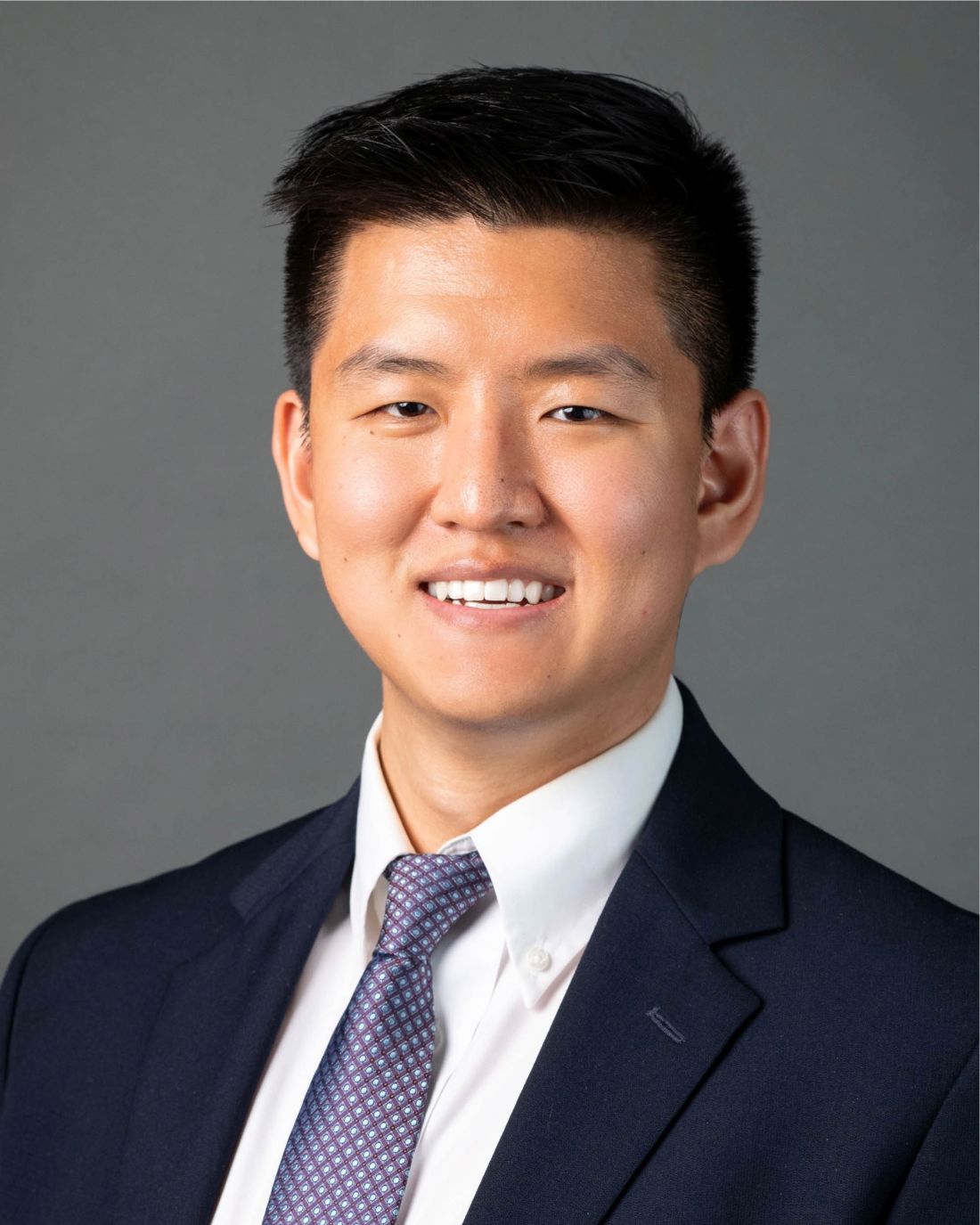
For the study, which was published on May 9 in Pediatric Dermatology, Mr. Huang, and co-first author Esther Zhang, BS, a medical student at the University of Pennsylvania, Philadelphia, and coauthors from the Department of Dermatology, Children’s Hospital of Philadelphia, asked five pediatric dermatologists to answer 24 text-based questions including 16 single-answer, multiple-choice questions and two multiple answer questions drawn from the American Board of Dermatology 2021 Certification Sample Test and six free-response case-based questions drawn from the “Photoquiz” section of Pediatric Dermatology between July 2022 and July 2023. The researchers then processed the same set of questions through ChatGPT versions 3.5 and 4.0 and used statistical analysis to compare responses between the pediatric dermatologists and ChatGPT. A 5-point scale adapted from current AI tools was used to score replies to case-based questions.
On average, study participants had 5.6 years of clinical experience. Pediatric dermatologists performed significantly better than ChatGPT version 3.5 on multiple-choice and multiple answer questions (91.4% vs 76.2%, respectively; P = .021) but not significantly better than ChatGPT version 4.0 (90.5%; P = .44). As for replies to case-based questions, the average performance based on the 5-point scale was 3.81 for pediatric dermatologists and 3.53 for ChatGPT overall. The mean scores were significantly greater for pediatric dermatologists than for ChatGPT version 3.5 (P = .039) but not ChatGPT version 4.0 (P = .43).
The researchers acknowledged certain limitations of the analysis, including the evolving nature of AI tools, which may affect the reproducibility of results with subsequent model updates. And, while participating pediatric dermatologists said they were unfamiliar with the questions and cases used in the study, “there is potential for prior exposure through other dermatology board examination review processes,” they wrote.
“AI tools such as ChatGPT and similar large language models can be a valuable tool in your clinical practice, but be aware of potential pitfalls such as patient privacy, medical inaccuracies, [and] intrinsic biases in the tools,” Mr. Huang told this news organization. “As these technologies continue to advance, it is essential for all of us as medical clinicians to gain familiarity and stay abreast of new developments, just as we adapted to electronic health records and the use of the Internet.”
Maria Buethe, MD, PhD, a pediatric dermatology fellow at Rady Children’s Hospital–San Diego, who was asked to comment on the study, said she found it “interesting” that ChatGPT’s version 4.0 started to produce comparable results to clinician responses in some of the tested scenarios.

“The authors propose a set of best practices for pediatric dermatology clinicians using ChatGPT and other AI tools,” said Dr. Buethe, who was senior author of a recent literature review on AI and its application to pediatric dermatology. It was published in SKIN The Journal of Cutaneous Medicine. “One interesting recommended use for AI tools is to utilize it to generate differential diagnosis, which can broaden the list of pathologies previously considered.”
Asked to comment on the study, Erum Ilyas, MD, who practices dermatology in King of Prussia, Pennsylvania, and is a member of the Society for Pediatric Dermatology, said she was not surprised that ChatGPT “can perform fairly well on multiple-choice questions as we find available in testing circumstances,” as presented in the study. “Just as board questions only support testing a base of medical knowledge and facts for clinicians to master, they do not necessarily provide real-life circumstances that apply to caring for patients, which is inherently nuanced.”

In addition, the study “highlights that ChatGPT can be an aid to support thinking through differentials based on data entered by a clinician who understands how to phrase queries, especially if provided with enough data while respecting patient privacy, in the context of fact checking responses,” Dr. Ilyas said. “This underscores the fact that AI tools can be helpful to clinicians in assimilating various data points entered. However, ultimately, the tool is only able to support an output based on the information it has access to.” She added, “ChatGPT cannot be relied on to provide a single diagnosis with the clinician still responsible for making a final diagnosis. The tool is not definitive and cannot assimilate data that is not entered correctly.”
The study was not funded, and the study authors reported having no disclosures. Dr. Buethe and Dr. Ilyas, who were not involved with the study, had no disclosures.
A version of this article appeared on Medscape.com .
In an experiment that pitted the wits of results from a small single-center study showed.
“We were relieved to find that the pediatric dermatologists in our study performed better than ChatGPT on both multiple choice and case-based questions; however, the latest iteration of ChatGPT (4.0) was very close,” one of the study’s first authors Charles Huang, a fourth-year medical student at Thomas Jefferson University, Philadelphia, said in an interview. “Something else that was interesting in our data was that the pediatric dermatologists performed much better than ChatGPT on questions related to procedural dermatology/surgical techniques, perhaps indicating that knowledge/reasoning gained through practical experience isn’t easily replicated in AI tools such as ChatGPT.”
For the study, which was published on May 9 in Pediatric Dermatology, Mr. Huang, and co-first author Esther Zhang, BS, a medical student at the University of Pennsylvania, Philadelphia, and coauthors from the Department of Dermatology, Children’s Hospital of Philadelphia, asked five pediatric dermatologists to answer 24 text-based questions including 16 single-answer, multiple-choice questions and two multiple answer questions drawn from the American Board of Dermatology 2021 Certification Sample Test and six free-response case-based questions drawn from the “Photoquiz” section of Pediatric Dermatology between July 2022 and July 2023. The researchers then processed the same set of questions through ChatGPT versions 3.5 and 4.0 and used statistical analysis to compare responses between the pediatric dermatologists and ChatGPT. A 5-point scale adapted from current AI tools was used to score replies to case-based questions.
On average, study participants had 5.6 years of clinical experience. Pediatric dermatologists performed significantly better than ChatGPT version 3.5 on multiple-choice and multiple answer questions (91.4% vs 76.2%, respectively; P = .021) but not significantly better than ChatGPT version 4.0 (90.5%; P = .44). As for replies to case-based questions, the average performance based on the 5-point scale was 3.81 for pediatric dermatologists and 3.53 for ChatGPT overall. The mean scores were significantly greater for pediatric dermatologists than for ChatGPT version 3.5 (P = .039) but not ChatGPT version 4.0 (P = .43).
The researchers acknowledged certain limitations of the analysis, including the evolving nature of AI tools, which may affect the reproducibility of results with subsequent model updates. And, while participating pediatric dermatologists said they were unfamiliar with the questions and cases used in the study, “there is potential for prior exposure through other dermatology board examination review processes,” they wrote.
“AI tools such as ChatGPT and similar large language models can be a valuable tool in your clinical practice, but be aware of potential pitfalls such as patient privacy, medical inaccuracies, [and] intrinsic biases in the tools,” Mr. Huang told this news organization. “As these technologies continue to advance, it is essential for all of us as medical clinicians to gain familiarity and stay abreast of new developments, just as we adapted to electronic health records and the use of the Internet.”
Maria Buethe, MD, PhD, a pediatric dermatology fellow at Rady Children’s Hospital–San Diego, who was asked to comment on the study, said she found it “interesting” that ChatGPT’s version 4.0 started to produce comparable results to clinician responses in some of the tested scenarios.
“The authors propose a set of best practices for pediatric dermatology clinicians using ChatGPT and other AI tools,” said Dr. Buethe, who was senior author of a recent literature review on AI and its application to pediatric dermatology. It was published in SKIN The Journal of Cutaneous Medicine. “One interesting recommended use for AI tools is to utilize it to generate differential diagnosis, which can broaden the list of pathologies previously considered.”
Asked to comment on the study, Erum Ilyas, MD, who practices dermatology in King of Prussia, Pennsylvania, and is a member of the Society for Pediatric Dermatology, said she was not surprised that ChatGPT “can perform fairly well on multiple-choice questions as we find available in testing circumstances,” as presented in the study. “Just as board questions only support testing a base of medical knowledge and facts for clinicians to master, they do not necessarily provide real-life circumstances that apply to caring for patients, which is inherently nuanced.”
In addition, the study “highlights that ChatGPT can be an aid to support thinking through differentials based on data entered by a clinician who understands how to phrase queries, especially if provided with enough data while respecting patient privacy, in the context of fact checking responses,” Dr. Ilyas said. “This underscores the fact that AI tools can be helpful to clinicians in assimilating various data points entered. However, ultimately, the tool is only able to support an output based on the information it has access to.” She added, “ChatGPT cannot be relied on to provide a single diagnosis with the clinician still responsible for making a final diagnosis. The tool is not definitive and cannot assimilate data that is not entered correctly.”
The study was not funded, and the study authors reported having no disclosures. Dr. Buethe and Dr. Ilyas, who were not involved with the study, had no disclosures.
A version of this article appeared on Medscape.com .
In an experiment that pitted the wits of results from a small single-center study showed.
“We were relieved to find that the pediatric dermatologists in our study performed better than ChatGPT on both multiple choice and case-based questions; however, the latest iteration of ChatGPT (4.0) was very close,” one of the study’s first authors Charles Huang, a fourth-year medical student at Thomas Jefferson University, Philadelphia, said in an interview. “Something else that was interesting in our data was that the pediatric dermatologists performed much better than ChatGPT on questions related to procedural dermatology/surgical techniques, perhaps indicating that knowledge/reasoning gained through practical experience isn’t easily replicated in AI tools such as ChatGPT.”
For the study, which was published on May 9 in Pediatric Dermatology, Mr. Huang, and co-first author Esther Zhang, BS, a medical student at the University of Pennsylvania, Philadelphia, and coauthors from the Department of Dermatology, Children’s Hospital of Philadelphia, asked five pediatric dermatologists to answer 24 text-based questions including 16 single-answer, multiple-choice questions and two multiple answer questions drawn from the American Board of Dermatology 2021 Certification Sample Test and six free-response case-based questions drawn from the “Photoquiz” section of Pediatric Dermatology between July 2022 and July 2023. The researchers then processed the same set of questions through ChatGPT versions 3.5 and 4.0 and used statistical analysis to compare responses between the pediatric dermatologists and ChatGPT. A 5-point scale adapted from current AI tools was used to score replies to case-based questions.
On average, study participants had 5.6 years of clinical experience. Pediatric dermatologists performed significantly better than ChatGPT version 3.5 on multiple-choice and multiple answer questions (91.4% vs 76.2%, respectively; P = .021) but not significantly better than ChatGPT version 4.0 (90.5%; P = .44). As for replies to case-based questions, the average performance based on the 5-point scale was 3.81 for pediatric dermatologists and 3.53 for ChatGPT overall. The mean scores were significantly greater for pediatric dermatologists than for ChatGPT version 3.5 (P = .039) but not ChatGPT version 4.0 (P = .43).
The researchers acknowledged certain limitations of the analysis, including the evolving nature of AI tools, which may affect the reproducibility of results with subsequent model updates. And, while participating pediatric dermatologists said they were unfamiliar with the questions and cases used in the study, “there is potential for prior exposure through other dermatology board examination review processes,” they wrote.
“AI tools such as ChatGPT and similar large language models can be a valuable tool in your clinical practice, but be aware of potential pitfalls such as patient privacy, medical inaccuracies, [and] intrinsic biases in the tools,” Mr. Huang told this news organization. “As these technologies continue to advance, it is essential for all of us as medical clinicians to gain familiarity and stay abreast of new developments, just as we adapted to electronic health records and the use of the Internet.”
Maria Buethe, MD, PhD, a pediatric dermatology fellow at Rady Children’s Hospital–San Diego, who was asked to comment on the study, said she found it “interesting” that ChatGPT’s version 4.0 started to produce comparable results to clinician responses in some of the tested scenarios.
“The authors propose a set of best practices for pediatric dermatology clinicians using ChatGPT and other AI tools,” said Dr. Buethe, who was senior author of a recent literature review on AI and its application to pediatric dermatology. It was published in SKIN The Journal of Cutaneous Medicine. “One interesting recommended use for AI tools is to utilize it to generate differential diagnosis, which can broaden the list of pathologies previously considered.”
Asked to comment on the study, Erum Ilyas, MD, who practices dermatology in King of Prussia, Pennsylvania, and is a member of the Society for Pediatric Dermatology, said she was not surprised that ChatGPT “can perform fairly well on multiple-choice questions as we find available in testing circumstances,” as presented in the study. “Just as board questions only support testing a base of medical knowledge and facts for clinicians to master, they do not necessarily provide real-life circumstances that apply to caring for patients, which is inherently nuanced.”
In addition, the study “highlights that ChatGPT can be an aid to support thinking through differentials based on data entered by a clinician who understands how to phrase queries, especially if provided with enough data while respecting patient privacy, in the context of fact checking responses,” Dr. Ilyas said. “This underscores the fact that AI tools can be helpful to clinicians in assimilating various data points entered. However, ultimately, the tool is only able to support an output based on the information it has access to.” She added, “ChatGPT cannot be relied on to provide a single diagnosis with the clinician still responsible for making a final diagnosis. The tool is not definitive and cannot assimilate data that is not entered correctly.”
The study was not funded, and the study authors reported having no disclosures. Dr. Buethe and Dr. Ilyas, who were not involved with the study, had no disclosures.
A version of this article appeared on Medscape.com .
Unplanned Pregnancy With Weight Loss Drugs: Fact or Fiction?
Claudia* was a charming 27-year-old newlywed. She and her husband wanted to start a family — with one small catch. She had recently gained 30 pounds. During COVID, she and her husband spent 18 months camped out in her parents’ guest room in upstate New York and had eaten their emotions with abandon. They ate when they were happy and ate more when they were sad. They ate when they felt isolated and again when they felt anxious. It didn’t help that her mother was a Culinary Institute–trained amateur chef. They both worked from home and logged long hours on Zoom calls. Because there was no home gym, they replaced their usual fitness club workouts in the city with leisurely strolls around the local lake. When I met her, Claudia categorically refused to entertain the notion of pregnancy until she reached her pre-COVID weight.
At the time, this all seemed quite reasonable to me. We outlined a plan including semaglutide (Wegovy) until she reached her target weight and then a minimum of 2 months off Wegovy prior to conception. We also lined up sessions with a dietitian and trainer and renewed her birth control pill. There was one detail I failed to mention to her: Birth control pills are less effective while on incretin hormones like semaglutide. The reason for my omission is that the medical community at large wasn’t yet aware of this issue.
About 12 weeks into treatment, Claudia had lost 20 of the 30 pounds. She had canceled several appointments with the trainer and dietitian due to work conflicts. She messaged me over the weekend in a panic. Her period was late, and her pregnancy test was positive.
She had three pressing questions for me:
Q: How had this happened while she had taken the birth control pills faithfully?
A: I answered that the scientific reasons for the decrease in efficacy of birth control pills while on semaglutide medications are threefold:
- Weight loss can improve menstrual cycle irregularities and improve fertility. In fact, I have been using semaglutide-like medications to treat polycystic ovary syndrome for decades, well before these medications became mainstream.
- The delayed gastric emptying inherent to incretins leads to decreased absorption of birth control pills.
- Finally, while this did not apply to Claudia, no medicine is particularly efficacious if vomited up shortly after taking. Wegovy is known to cause nausea and vomiting in a sizable percentage of patients.
Q: Would she have a healthy pregnancy given the lingering effects of Wegovy?
A: The short answer is: most likely yes. A review of the package insert revealed something fascinating. It was not strictly contraindicated. It advised doctors to weigh the risks and benefits of the medication during pregnancy. Animal studies have shown that semaglutide increases the risk for fetal death, birth defects, and growth issues, but this is probably due to restrictive eating patterns rather than a direct effect of the medication. A recent study of health records of more than 50,000 women with diabetes who had been inadvertently taking these medications in early pregnancy showed no increase in birth defects when compared with women who took insulin.
Q: What would happen to her weight loss efforts?
A: To address her third concern, I tried to offset the risk for rebound weight gain by stopping Wegovy and giving her metformin in the second and third trimesters. Considered a safe medication in pregnancy, metformin is thought to support weight loss, but it proved to be ineffective against the rebound weight gain from stopping Wegovy. Claudia had not resumed regular exercise and quickly fell into the age-old eating-for-two trap. She gained nearly 50 pounds over the course of her pregnancy.
After a short and unfulfilling attempt at nursing, Claudia restarted Wegovy, this time in conjunction with a Mediterranean meal plan and regular sessions at a fitness club. After losing the pregnancy weight, she has been able to successfully maintain her ideal body weight for the past year, and her baby is perfectly healthy and beautiful.
*Patient’s name changed.
A version of this article appeared on Medscape.com.
Claudia* was a charming 27-year-old newlywed. She and her husband wanted to start a family — with one small catch. She had recently gained 30 pounds. During COVID, she and her husband spent 18 months camped out in her parents’ guest room in upstate New York and had eaten their emotions with abandon. They ate when they were happy and ate more when they were sad. They ate when they felt isolated and again when they felt anxious. It didn’t help that her mother was a Culinary Institute–trained amateur chef. They both worked from home and logged long hours on Zoom calls. Because there was no home gym, they replaced their usual fitness club workouts in the city with leisurely strolls around the local lake. When I met her, Claudia categorically refused to entertain the notion of pregnancy until she reached her pre-COVID weight.
At the time, this all seemed quite reasonable to me. We outlined a plan including semaglutide (Wegovy) until she reached her target weight and then a minimum of 2 months off Wegovy prior to conception. We also lined up sessions with a dietitian and trainer and renewed her birth control pill. There was one detail I failed to mention to her: Birth control pills are less effective while on incretin hormones like semaglutide. The reason for my omission is that the medical community at large wasn’t yet aware of this issue.
About 12 weeks into treatment, Claudia had lost 20 of the 30 pounds. She had canceled several appointments with the trainer and dietitian due to work conflicts. She messaged me over the weekend in a panic. Her period was late, and her pregnancy test was positive.
She had three pressing questions for me:
Q: How had this happened while she had taken the birth control pills faithfully?
A: I answered that the scientific reasons for the decrease in efficacy of birth control pills while on semaglutide medications are threefold:
- Weight loss can improve menstrual cycle irregularities and improve fertility. In fact, I have been using semaglutide-like medications to treat polycystic ovary syndrome for decades, well before these medications became mainstream.
- The delayed gastric emptying inherent to incretins leads to decreased absorption of birth control pills.
- Finally, while this did not apply to Claudia, no medicine is particularly efficacious if vomited up shortly after taking. Wegovy is known to cause nausea and vomiting in a sizable percentage of patients.
Q: Would she have a healthy pregnancy given the lingering effects of Wegovy?
A: The short answer is: most likely yes. A review of the package insert revealed something fascinating. It was not strictly contraindicated. It advised doctors to weigh the risks and benefits of the medication during pregnancy. Animal studies have shown that semaglutide increases the risk for fetal death, birth defects, and growth issues, but this is probably due to restrictive eating patterns rather than a direct effect of the medication. A recent study of health records of more than 50,000 women with diabetes who had been inadvertently taking these medications in early pregnancy showed no increase in birth defects when compared with women who took insulin.
Q: What would happen to her weight loss efforts?
A: To address her third concern, I tried to offset the risk for rebound weight gain by stopping Wegovy and giving her metformin in the second and third trimesters. Considered a safe medication in pregnancy, metformin is thought to support weight loss, but it proved to be ineffective against the rebound weight gain from stopping Wegovy. Claudia had not resumed regular exercise and quickly fell into the age-old eating-for-two trap. She gained nearly 50 pounds over the course of her pregnancy.
After a short and unfulfilling attempt at nursing, Claudia restarted Wegovy, this time in conjunction with a Mediterranean meal plan and regular sessions at a fitness club. After losing the pregnancy weight, she has been able to successfully maintain her ideal body weight for the past year, and her baby is perfectly healthy and beautiful.
*Patient’s name changed.
A version of this article appeared on Medscape.com.
Claudia* was a charming 27-year-old newlywed. She and her husband wanted to start a family — with one small catch. She had recently gained 30 pounds. During COVID, she and her husband spent 18 months camped out in her parents’ guest room in upstate New York and had eaten their emotions with abandon. They ate when they were happy and ate more when they were sad. They ate when they felt isolated and again when they felt anxious. It didn’t help that her mother was a Culinary Institute–trained amateur chef. They both worked from home and logged long hours on Zoom calls. Because there was no home gym, they replaced their usual fitness club workouts in the city with leisurely strolls around the local lake. When I met her, Claudia categorically refused to entertain the notion of pregnancy until she reached her pre-COVID weight.
At the time, this all seemed quite reasonable to me. We outlined a plan including semaglutide (Wegovy) until she reached her target weight and then a minimum of 2 months off Wegovy prior to conception. We also lined up sessions with a dietitian and trainer and renewed her birth control pill. There was one detail I failed to mention to her: Birth control pills are less effective while on incretin hormones like semaglutide. The reason for my omission is that the medical community at large wasn’t yet aware of this issue.
About 12 weeks into treatment, Claudia had lost 20 of the 30 pounds. She had canceled several appointments with the trainer and dietitian due to work conflicts. She messaged me over the weekend in a panic. Her period was late, and her pregnancy test was positive.
She had three pressing questions for me:
Q: How had this happened while she had taken the birth control pills faithfully?
A: I answered that the scientific reasons for the decrease in efficacy of birth control pills while on semaglutide medications are threefold:
- Weight loss can improve menstrual cycle irregularities and improve fertility. In fact, I have been using semaglutide-like medications to treat polycystic ovary syndrome for decades, well before these medications became mainstream.
- The delayed gastric emptying inherent to incretins leads to decreased absorption of birth control pills.
- Finally, while this did not apply to Claudia, no medicine is particularly efficacious if vomited up shortly after taking. Wegovy is known to cause nausea and vomiting in a sizable percentage of patients.
Q: Would she have a healthy pregnancy given the lingering effects of Wegovy?
A: The short answer is: most likely yes. A review of the package insert revealed something fascinating. It was not strictly contraindicated. It advised doctors to weigh the risks and benefits of the medication during pregnancy. Animal studies have shown that semaglutide increases the risk for fetal death, birth defects, and growth issues, but this is probably due to restrictive eating patterns rather than a direct effect of the medication. A recent study of health records of more than 50,000 women with diabetes who had been inadvertently taking these medications in early pregnancy showed no increase in birth defects when compared with women who took insulin.
Q: What would happen to her weight loss efforts?
A: To address her third concern, I tried to offset the risk for rebound weight gain by stopping Wegovy and giving her metformin in the second and third trimesters. Considered a safe medication in pregnancy, metformin is thought to support weight loss, but it proved to be ineffective against the rebound weight gain from stopping Wegovy. Claudia had not resumed regular exercise and quickly fell into the age-old eating-for-two trap. She gained nearly 50 pounds over the course of her pregnancy.
After a short and unfulfilling attempt at nursing, Claudia restarted Wegovy, this time in conjunction with a Mediterranean meal plan and regular sessions at a fitness club. After losing the pregnancy weight, she has been able to successfully maintain her ideal body weight for the past year, and her baby is perfectly healthy and beautiful.
*Patient’s name changed.
A version of this article appeared on Medscape.com.
Global Analysis Identifies Drugs Associated With SJS-TEN in Children
TOPLINE:
METHODOLOGY:
- SJS and TEN are rare, life-threatening mucocutaneous reactions mainly associated with medications, but large pharmacovigilance studies of drugs associated with SJS-TEN in the pediatric population are still lacking.
- Using the WHO’s pharmacovigilance database (VigiBase) containing individual case safety reports from January 1967 to July 2022, researchers identified 7342 adverse drug reaction reports of SJS-TEN in children (younger than 18 years; median age, 9 years) in all six continents. Median onset was 5 days, and 3.2% were fatal.
- They analyzed drugs reported as suspected treatments, and for each molecule, they performed a case–non-case study to assess a potential pharmacovigilance signal by computing the information component (IC).
- A positive IC value suggested more frequent reporting of a specific drug-adverse reaction pair. A positive IC025, a traditional threshold for statistical signal detection, is suggestive of a potential pharmacovigilance signal.
TAKEAWAY:
- Overall, 165 drugs were associated with a diagnosis of SJS-TEN; antiepileptic and anti-infectious drugs were the most common drug classes represented.
- The five most frequently reported drugs were carbamazepine (11.7%), lamotrigine (10.6%), sulfamethoxazole-trimethoprim (9%), acetaminophen (8.4%), and phenytoin (6.6%). The five drugs with the highest IC025 were lamotrigine, carbamazepine, phenobarbital, phenytoin, and nimesulide.
- All antiepileptics, many antibiotic families, dapsone, antiretroviral drugs, some antifungal drugs, and nonsteroidal anti-inflammatory drugs were identified in reports, with penicillins the most frequently reported antibiotic family and sulfonamides having the strongest pharmacovigilance signal.
- Vaccines were not associated with significant signals.
IN PRACTICE:
The study provides an update on “the spectrum of drugs potentially associated with SJS-TEN in the pediatric population,” the authors concluded, and “underlines the importance of reporting to pharmacovigilance the suspicion of this severe side effect of drugs with the most precise and detailed clinical description possible.”
SOURCE:
The study, led by Pauline Bataille, MD, of the Department of Pediatric Dermatology, Hôpital Necker-Enfants Malades, Paris City University, France, was published online in the Journal of the European Academy of Dermatology and Venereology.
LIMITATIONS:
Limitations include the possibility that some cases could have had an infectious or idiopathic cause not related to a drug and the lack of detailed clinical data in the database.
DISCLOSURES:
This study did not receive any funding. The authors declared no conflict of interest.
A version of this article first appeared on Medscape.com.
TOPLINE:
METHODOLOGY:
- SJS and TEN are rare, life-threatening mucocutaneous reactions mainly associated with medications, but large pharmacovigilance studies of drugs associated with SJS-TEN in the pediatric population are still lacking.
- Using the WHO’s pharmacovigilance database (VigiBase) containing individual case safety reports from January 1967 to July 2022, researchers identified 7342 adverse drug reaction reports of SJS-TEN in children (younger than 18 years; median age, 9 years) in all six continents. Median onset was 5 days, and 3.2% were fatal.
- They analyzed drugs reported as suspected treatments, and for each molecule, they performed a case–non-case study to assess a potential pharmacovigilance signal by computing the information component (IC).
- A positive IC value suggested more frequent reporting of a specific drug-adverse reaction pair. A positive IC025, a traditional threshold for statistical signal detection, is suggestive of a potential pharmacovigilance signal.
TAKEAWAY:
- Overall, 165 drugs were associated with a diagnosis of SJS-TEN; antiepileptic and anti-infectious drugs were the most common drug classes represented.
- The five most frequently reported drugs were carbamazepine (11.7%), lamotrigine (10.6%), sulfamethoxazole-trimethoprim (9%), acetaminophen (8.4%), and phenytoin (6.6%). The five drugs with the highest IC025 were lamotrigine, carbamazepine, phenobarbital, phenytoin, and nimesulide.
- All antiepileptics, many antibiotic families, dapsone, antiretroviral drugs, some antifungal drugs, and nonsteroidal anti-inflammatory drugs were identified in reports, with penicillins the most frequently reported antibiotic family and sulfonamides having the strongest pharmacovigilance signal.
- Vaccines were not associated with significant signals.
IN PRACTICE:
The study provides an update on “the spectrum of drugs potentially associated with SJS-TEN in the pediatric population,” the authors concluded, and “underlines the importance of reporting to pharmacovigilance the suspicion of this severe side effect of drugs with the most precise and detailed clinical description possible.”
SOURCE:
The study, led by Pauline Bataille, MD, of the Department of Pediatric Dermatology, Hôpital Necker-Enfants Malades, Paris City University, France, was published online in the Journal of the European Academy of Dermatology and Venereology.
LIMITATIONS:
Limitations include the possibility that some cases could have had an infectious or idiopathic cause not related to a drug and the lack of detailed clinical data in the database.
DISCLOSURES:
This study did not receive any funding. The authors declared no conflict of interest.
A version of this article first appeared on Medscape.com.
TOPLINE:
METHODOLOGY:
- SJS and TEN are rare, life-threatening mucocutaneous reactions mainly associated with medications, but large pharmacovigilance studies of drugs associated with SJS-TEN in the pediatric population are still lacking.
- Using the WHO’s pharmacovigilance database (VigiBase) containing individual case safety reports from January 1967 to July 2022, researchers identified 7342 adverse drug reaction reports of SJS-TEN in children (younger than 18 years; median age, 9 years) in all six continents. Median onset was 5 days, and 3.2% were fatal.
- They analyzed drugs reported as suspected treatments, and for each molecule, they performed a case–non-case study to assess a potential pharmacovigilance signal by computing the information component (IC).
- A positive IC value suggested more frequent reporting of a specific drug-adverse reaction pair. A positive IC025, a traditional threshold for statistical signal detection, is suggestive of a potential pharmacovigilance signal.
TAKEAWAY:
- Overall, 165 drugs were associated with a diagnosis of SJS-TEN; antiepileptic and anti-infectious drugs were the most common drug classes represented.
- The five most frequently reported drugs were carbamazepine (11.7%), lamotrigine (10.6%), sulfamethoxazole-trimethoprim (9%), acetaminophen (8.4%), and phenytoin (6.6%). The five drugs with the highest IC025 were lamotrigine, carbamazepine, phenobarbital, phenytoin, and nimesulide.
- All antiepileptics, many antibiotic families, dapsone, antiretroviral drugs, some antifungal drugs, and nonsteroidal anti-inflammatory drugs were identified in reports, with penicillins the most frequently reported antibiotic family and sulfonamides having the strongest pharmacovigilance signal.
- Vaccines were not associated with significant signals.
IN PRACTICE:
The study provides an update on “the spectrum of drugs potentially associated with SJS-TEN in the pediatric population,” the authors concluded, and “underlines the importance of reporting to pharmacovigilance the suspicion of this severe side effect of drugs with the most precise and detailed clinical description possible.”
SOURCE:
The study, led by Pauline Bataille, MD, of the Department of Pediatric Dermatology, Hôpital Necker-Enfants Malades, Paris City University, France, was published online in the Journal of the European Academy of Dermatology and Venereology.
LIMITATIONS:
Limitations include the possibility that some cases could have had an infectious or idiopathic cause not related to a drug and the lack of detailed clinical data in the database.
DISCLOSURES:
This study did not receive any funding. The authors declared no conflict of interest.
A version of this article first appeared on Medscape.com.
Tucatinib-Trastuzumab Benefit ‘Remarkable’ in HER2-positive mCRC
Only about 3% to 5% of patients with metastatic colorectal cancer have tumors that are positive for human epidermal growth factor receptor 2 (HER2), and until recently there was no treatment approved by the US Food and Drug Administration (FDA) for this subset of patients.
That all changed, in January of 2023. At that time, the FDA granted accelerated approval to tucatinib (Tukysa) in combination with trastuzumab for RAS wild-type HER2-positive unresectable or metastatic colorectal cancer that has progressed following fluoropyrimidine-, oxaliplatin-, and irinotecan-based chemotherapy.
The combination was the first FDA-approved treatment for this patient population.
The only other FDA-approved therapy for metastatic HER2-positive CRC is the antibody-drug conjugate trastuzumab deruxtecan (Enhertu). That drug received accelerated approval from the FDA for metastatic HER2-positive CRC for which no other suitable therapeutic option exists, on April 5, 2024. This FDA action represented an expansion of the drug’s earlier approvals for treating several cancer types, including certain patients with unresectable or metastatic HER2-positive breast cancer and adults with locally advanced or metastatic HER2-positive gastric or gastroesophageal junction adenocarcinoma who had received a prior trastuzumab-based regimen.
Drug Combo’s Use With Capecitabine in Breast Cancer
Tucatinib is a potent oral tyrosine kinase inhibitor (TKI) that has been shown to be highly selective for HER2. Prior to approval of the colorectal cancer indication, tucatinib had received FDA approval (in April 2020) in combination with trastuzumab and capecitabine for the treatment of patients with advanced unresectable or metastatic HER2-positive breast cancer, including patients with brain metastases, who had received one or more prior anti-HER2-based regimens in the metastatic setting.
In these patients the combination was associated with significant improvements in both progression-free survival (PFS) and overall survival compared with trastuzumab and capecitabine.
Approval for the colorectal cancer indication was based on results of the phase 2 MOUNTAINEER trial, which were published in The Lancet Oncology.
Real-World Setting
Clinical experience with the combination in a real-world setting is still limited due to the relatively uncommon RAS wild-type HER2-positive CRC subtype, so most of what’s known about the efficacy and safety of tucatinib plus trastuzumab comes from clinical trials. But oncologists interviewed for this article emphasized that the tucatinib-trastuzumab combination nonetheless represents a major breakthrough.
“The population of RAS wild-type HER2-positive is small in colorectal cancer, but the benefit of this treatment is really remarkable. With this combination therapy there was a 38% response rate, and there was a very respectable duration of response. So the population is small, but the benefit of the treatment is by no means small,” said Afsaneh Barzi, MD, PhD, a medical oncologist specializing in gastrointestinal cancers at City of Hope in Duarte, California.
Another medical oncologist interviewed for this piece, who treats patients with HER2-positive metastatic CRC, said that the performance of tucatinib in the real-world setting is in keeping with the efficacy seen in clinical trials.
“There is a group of patients who have a very good response to HER2 [targeted] therapy. Often these are patients who have higher degrees of HER2 amplification, and they do not have concomitant other mutations that activate the pathway, such as RAS mutations,” said Kanwal PS Raghav, MD, MBBS, from the University of Texas MD Anderson Cancer Center in Houston.
Why It Works
In an interview, MOUNTAINEER coinvestigator Tanios S. Bekaii-Saab, MD, from the Mayo Clinic Comprehensive Cancer Center in Phoenix, Arizona, explained why dual HER2 blockade with tucatinib and trastuzumab is an important breakthrough for this population.
“HER2 as a target was already well established in breast cancer and in gastric cancer. In colon cancer we had signals [of anti-HER2 efficacy] but these signals were primarily with dual targeted therapy,” he said.
“What’s unique about tucatinib versus neratinib [Nerlynx], lapatinib [Tykerb] and some of the others is that this is a highly selective tyrosine kinase inhibitor, meaning it is potent just against HER2 and has limited activity against other receptors, classically EGFR, which also goes by the name of HER1,” said MOUNTAINEER trial chair John H. Strickler, MD, of Duke Cancer Center in Durham, North Carolina.
“The reason why that’s valuable is that when you inhibit other receptors like HER1 or EGFR, you can cause significant skin rash and other symptoms that can limit tolerability, which limits your ability to give the full dose. With tucatinib you can more completely inhibit HER2 with fewer side effects,” Dr. Strickler said in an interview.
Dr. Raghav noted that the primary adverse events of therapy with tucatinib have been diarrhea and fatigue, and other common side effects include abdominal pain, fever, nausea, rash, and infusion reactions.
Barriers to Treatment
Dr. Barzi pointed out that in the day-to-day practice setting there are two potential barriers to treatment with tucatinib and trastuzumab for patients with HER2-positive colorectal cancer, hurdles that they would not encounter if they were enrolled in clinical trials.
The first barrier is the requirement for HER2 testing, either through immunohistochemistry or fluorescence in situ hybridization.
“The adoption of HER2 testing in colorectal cancer lags behind other molecular testing, such as testing for KRAS or BRAF, so the provider needs to be aware that HER2 positivity is a possibility,” she said.
The second and more difficult-to-surmount barrier is imposed by the healthcare system. Although the combination is included in National Comprehensive Cancer Network guidelines and, therefore, should not be subject to restrictions or denials by insurers, “the challenge is that this is an oral and IV drug combination,” Dr. Barzi said.
While patients in real-world settings receive intravenous drugs such as trastuzumab in treatment centers, the oral drug component, tucatinib, is dispensed by pharmacies, and patients are often required to shell out high copays for such agents.
Dr. Barzi cited as an example the case of one of her patients who was receiving an oral agent — not tucatinib — for treatment of a different type of colorectal cancer.
“He has very good insurance, and after insurance his out-of-pocket cost on a monthly basis to obtain the drug is $275,” she said.
What’s Next
In colorectal cancer the combination of tucatinib and trastuzumab is approved only in the metastatic setting, but it is also being explored as a first-line therapy in combination with the mFOLFOX6 regimen (5-Fluorouracil, leucovorin, and oxaliplatin) in the MOUNTAINEER-03 trial, which is currently recruiting.
MOUNTAINEER was sponsored by Seagen and Merck. Dr. Strickler reported support from Seagen for the Lancet Oncology manuscript; institutional grants, consulting fees, and travel support from Seagen, and similar relationships with other companies. Dr. Bekaii-Saab reported institutional research and consulting fees from various companies, including Merck, personal consulting fees from various companies, and independent monitoring board/scientific advisory board activities. Dr. Raghav disclosed honoraria and an advisory/consulting role for Seagen and others. Dr. Barzi reported no relevant conflicts of interest.
Only about 3% to 5% of patients with metastatic colorectal cancer have tumors that are positive for human epidermal growth factor receptor 2 (HER2), and until recently there was no treatment approved by the US Food and Drug Administration (FDA) for this subset of patients.
That all changed, in January of 2023. At that time, the FDA granted accelerated approval to tucatinib (Tukysa) in combination with trastuzumab for RAS wild-type HER2-positive unresectable or metastatic colorectal cancer that has progressed following fluoropyrimidine-, oxaliplatin-, and irinotecan-based chemotherapy.
The combination was the first FDA-approved treatment for this patient population.
The only other FDA-approved therapy for metastatic HER2-positive CRC is the antibody-drug conjugate trastuzumab deruxtecan (Enhertu). That drug received accelerated approval from the FDA for metastatic HER2-positive CRC for which no other suitable therapeutic option exists, on April 5, 2024. This FDA action represented an expansion of the drug’s earlier approvals for treating several cancer types, including certain patients with unresectable or metastatic HER2-positive breast cancer and adults with locally advanced or metastatic HER2-positive gastric or gastroesophageal junction adenocarcinoma who had received a prior trastuzumab-based regimen.
Drug Combo’s Use With Capecitabine in Breast Cancer
Tucatinib is a potent oral tyrosine kinase inhibitor (TKI) that has been shown to be highly selective for HER2. Prior to approval of the colorectal cancer indication, tucatinib had received FDA approval (in April 2020) in combination with trastuzumab and capecitabine for the treatment of patients with advanced unresectable or metastatic HER2-positive breast cancer, including patients with brain metastases, who had received one or more prior anti-HER2-based regimens in the metastatic setting.
In these patients the combination was associated with significant improvements in both progression-free survival (PFS) and overall survival compared with trastuzumab and capecitabine.
Approval for the colorectal cancer indication was based on results of the phase 2 MOUNTAINEER trial, which were published in The Lancet Oncology.
Real-World Setting
Clinical experience with the combination in a real-world setting is still limited due to the relatively uncommon RAS wild-type HER2-positive CRC subtype, so most of what’s known about the efficacy and safety of tucatinib plus trastuzumab comes from clinical trials. But oncologists interviewed for this article emphasized that the tucatinib-trastuzumab combination nonetheless represents a major breakthrough.
“The population of RAS wild-type HER2-positive is small in colorectal cancer, but the benefit of this treatment is really remarkable. With this combination therapy there was a 38% response rate, and there was a very respectable duration of response. So the population is small, but the benefit of the treatment is by no means small,” said Afsaneh Barzi, MD, PhD, a medical oncologist specializing in gastrointestinal cancers at City of Hope in Duarte, California.
Another medical oncologist interviewed for this piece, who treats patients with HER2-positive metastatic CRC, said that the performance of tucatinib in the real-world setting is in keeping with the efficacy seen in clinical trials.
“There is a group of patients who have a very good response to HER2 [targeted] therapy. Often these are patients who have higher degrees of HER2 amplification, and they do not have concomitant other mutations that activate the pathway, such as RAS mutations,” said Kanwal PS Raghav, MD, MBBS, from the University of Texas MD Anderson Cancer Center in Houston.
Why It Works
In an interview, MOUNTAINEER coinvestigator Tanios S. Bekaii-Saab, MD, from the Mayo Clinic Comprehensive Cancer Center in Phoenix, Arizona, explained why dual HER2 blockade with tucatinib and trastuzumab is an important breakthrough for this population.
“HER2 as a target was already well established in breast cancer and in gastric cancer. In colon cancer we had signals [of anti-HER2 efficacy] but these signals were primarily with dual targeted therapy,” he said.
“What’s unique about tucatinib versus neratinib [Nerlynx], lapatinib [Tykerb] and some of the others is that this is a highly selective tyrosine kinase inhibitor, meaning it is potent just against HER2 and has limited activity against other receptors, classically EGFR, which also goes by the name of HER1,” said MOUNTAINEER trial chair John H. Strickler, MD, of Duke Cancer Center in Durham, North Carolina.
“The reason why that’s valuable is that when you inhibit other receptors like HER1 or EGFR, you can cause significant skin rash and other symptoms that can limit tolerability, which limits your ability to give the full dose. With tucatinib you can more completely inhibit HER2 with fewer side effects,” Dr. Strickler said in an interview.
Dr. Raghav noted that the primary adverse events of therapy with tucatinib have been diarrhea and fatigue, and other common side effects include abdominal pain, fever, nausea, rash, and infusion reactions.
Barriers to Treatment
Dr. Barzi pointed out that in the day-to-day practice setting there are two potential barriers to treatment with tucatinib and trastuzumab for patients with HER2-positive colorectal cancer, hurdles that they would not encounter if they were enrolled in clinical trials.
The first barrier is the requirement for HER2 testing, either through immunohistochemistry or fluorescence in situ hybridization.
“The adoption of HER2 testing in colorectal cancer lags behind other molecular testing, such as testing for KRAS or BRAF, so the provider needs to be aware that HER2 positivity is a possibility,” she said.
The second and more difficult-to-surmount barrier is imposed by the healthcare system. Although the combination is included in National Comprehensive Cancer Network guidelines and, therefore, should not be subject to restrictions or denials by insurers, “the challenge is that this is an oral and IV drug combination,” Dr. Barzi said.
While patients in real-world settings receive intravenous drugs such as trastuzumab in treatment centers, the oral drug component, tucatinib, is dispensed by pharmacies, and patients are often required to shell out high copays for such agents.
Dr. Barzi cited as an example the case of one of her patients who was receiving an oral agent — not tucatinib — for treatment of a different type of colorectal cancer.
“He has very good insurance, and after insurance his out-of-pocket cost on a monthly basis to obtain the drug is $275,” she said.
What’s Next
In colorectal cancer the combination of tucatinib and trastuzumab is approved only in the metastatic setting, but it is also being explored as a first-line therapy in combination with the mFOLFOX6 regimen (5-Fluorouracil, leucovorin, and oxaliplatin) in the MOUNTAINEER-03 trial, which is currently recruiting.
MOUNTAINEER was sponsored by Seagen and Merck. Dr. Strickler reported support from Seagen for the Lancet Oncology manuscript; institutional grants, consulting fees, and travel support from Seagen, and similar relationships with other companies. Dr. Bekaii-Saab reported institutional research and consulting fees from various companies, including Merck, personal consulting fees from various companies, and independent monitoring board/scientific advisory board activities. Dr. Raghav disclosed honoraria and an advisory/consulting role for Seagen and others. Dr. Barzi reported no relevant conflicts of interest.
Only about 3% to 5% of patients with metastatic colorectal cancer have tumors that are positive for human epidermal growth factor receptor 2 (HER2), and until recently there was no treatment approved by the US Food and Drug Administration (FDA) for this subset of patients.
That all changed, in January of 2023. At that time, the FDA granted accelerated approval to tucatinib (Tukysa) in combination with trastuzumab for RAS wild-type HER2-positive unresectable or metastatic colorectal cancer that has progressed following fluoropyrimidine-, oxaliplatin-, and irinotecan-based chemotherapy.
The combination was the first FDA-approved treatment for this patient population.
The only other FDA-approved therapy for metastatic HER2-positive CRC is the antibody-drug conjugate trastuzumab deruxtecan (Enhertu). That drug received accelerated approval from the FDA for metastatic HER2-positive CRC for which no other suitable therapeutic option exists, on April 5, 2024. This FDA action represented an expansion of the drug’s earlier approvals for treating several cancer types, including certain patients with unresectable or metastatic HER2-positive breast cancer and adults with locally advanced or metastatic HER2-positive gastric or gastroesophageal junction adenocarcinoma who had received a prior trastuzumab-based regimen.
Drug Combo’s Use With Capecitabine in Breast Cancer
Tucatinib is a potent oral tyrosine kinase inhibitor (TKI) that has been shown to be highly selective for HER2. Prior to approval of the colorectal cancer indication, tucatinib had received FDA approval (in April 2020) in combination with trastuzumab and capecitabine for the treatment of patients with advanced unresectable or metastatic HER2-positive breast cancer, including patients with brain metastases, who had received one or more prior anti-HER2-based regimens in the metastatic setting.
In these patients the combination was associated with significant improvements in both progression-free survival (PFS) and overall survival compared with trastuzumab and capecitabine.
Approval for the colorectal cancer indication was based on results of the phase 2 MOUNTAINEER trial, which were published in The Lancet Oncology.
Real-World Setting
Clinical experience with the combination in a real-world setting is still limited due to the relatively uncommon RAS wild-type HER2-positive CRC subtype, so most of what’s known about the efficacy and safety of tucatinib plus trastuzumab comes from clinical trials. But oncologists interviewed for this article emphasized that the tucatinib-trastuzumab combination nonetheless represents a major breakthrough.
“The population of RAS wild-type HER2-positive is small in colorectal cancer, but the benefit of this treatment is really remarkable. With this combination therapy there was a 38% response rate, and there was a very respectable duration of response. So the population is small, but the benefit of the treatment is by no means small,” said Afsaneh Barzi, MD, PhD, a medical oncologist specializing in gastrointestinal cancers at City of Hope in Duarte, California.
Another medical oncologist interviewed for this piece, who treats patients with HER2-positive metastatic CRC, said that the performance of tucatinib in the real-world setting is in keeping with the efficacy seen in clinical trials.
“There is a group of patients who have a very good response to HER2 [targeted] therapy. Often these are patients who have higher degrees of HER2 amplification, and they do not have concomitant other mutations that activate the pathway, such as RAS mutations,” said Kanwal PS Raghav, MD, MBBS, from the University of Texas MD Anderson Cancer Center in Houston.
Why It Works
In an interview, MOUNTAINEER coinvestigator Tanios S. Bekaii-Saab, MD, from the Mayo Clinic Comprehensive Cancer Center in Phoenix, Arizona, explained why dual HER2 blockade with tucatinib and trastuzumab is an important breakthrough for this population.
“HER2 as a target was already well established in breast cancer and in gastric cancer. In colon cancer we had signals [of anti-HER2 efficacy] but these signals were primarily with dual targeted therapy,” he said.
“What’s unique about tucatinib versus neratinib [Nerlynx], lapatinib [Tykerb] and some of the others is that this is a highly selective tyrosine kinase inhibitor, meaning it is potent just against HER2 and has limited activity against other receptors, classically EGFR, which also goes by the name of HER1,” said MOUNTAINEER trial chair John H. Strickler, MD, of Duke Cancer Center in Durham, North Carolina.
“The reason why that’s valuable is that when you inhibit other receptors like HER1 or EGFR, you can cause significant skin rash and other symptoms that can limit tolerability, which limits your ability to give the full dose. With tucatinib you can more completely inhibit HER2 with fewer side effects,” Dr. Strickler said in an interview.
Dr. Raghav noted that the primary adverse events of therapy with tucatinib have been diarrhea and fatigue, and other common side effects include abdominal pain, fever, nausea, rash, and infusion reactions.
Barriers to Treatment
Dr. Barzi pointed out that in the day-to-day practice setting there are two potential barriers to treatment with tucatinib and trastuzumab for patients with HER2-positive colorectal cancer, hurdles that they would not encounter if they were enrolled in clinical trials.
The first barrier is the requirement for HER2 testing, either through immunohistochemistry or fluorescence in situ hybridization.
“The adoption of HER2 testing in colorectal cancer lags behind other molecular testing, such as testing for KRAS or BRAF, so the provider needs to be aware that HER2 positivity is a possibility,” she said.
The second and more difficult-to-surmount barrier is imposed by the healthcare system. Although the combination is included in National Comprehensive Cancer Network guidelines and, therefore, should not be subject to restrictions or denials by insurers, “the challenge is that this is an oral and IV drug combination,” Dr. Barzi said.
While patients in real-world settings receive intravenous drugs such as trastuzumab in treatment centers, the oral drug component, tucatinib, is dispensed by pharmacies, and patients are often required to shell out high copays for such agents.
Dr. Barzi cited as an example the case of one of her patients who was receiving an oral agent — not tucatinib — for treatment of a different type of colorectal cancer.
“He has very good insurance, and after insurance his out-of-pocket cost on a monthly basis to obtain the drug is $275,” she said.
What’s Next
In colorectal cancer the combination of tucatinib and trastuzumab is approved only in the metastatic setting, but it is also being explored as a first-line therapy in combination with the mFOLFOX6 regimen (5-Fluorouracil, leucovorin, and oxaliplatin) in the MOUNTAINEER-03 trial, which is currently recruiting.
MOUNTAINEER was sponsored by Seagen and Merck. Dr. Strickler reported support from Seagen for the Lancet Oncology manuscript; institutional grants, consulting fees, and travel support from Seagen, and similar relationships with other companies. Dr. Bekaii-Saab reported institutional research and consulting fees from various companies, including Merck, personal consulting fees from various companies, and independent monitoring board/scientific advisory board activities. Dr. Raghav disclosed honoraria and an advisory/consulting role for Seagen and others. Dr. Barzi reported no relevant conflicts of interest.
Online, Self-Help Program May Curb Binge Eating
An online program aimed at helping those with binge-eating disorder (BED), based on completing cognitive-behavioral therapy (CBT) modules, showed positive results in a randomized, controlled trial. The findings were published in JAMA Network Open.
In the study, led by Luise Pruessner, MS, with the Department of Psychology at Heidelberg University in Germany, 154 patients (96% female; average age 35.9) who met the criteria for BED were randomized 1-to-1 to the intervention or control group.
12-Week CBT Program with 6 Modules
The intervention group had access to a 12-week CBT online program with a core curriculum of six mandatory modules of texts and videos, focused on self-monitoring of binge eating, psychoeducation, and regulating emotion. Each could be accessed only after the previous module was completed. Participants also chose six specialization areas to personalize the experience. Email reminders were sent to participants who delayed starting the program to boost initial and continuing engagement.
The control group had no access to the program and participants were told they were on a 12-week waiting list for it. They could explore other treatments during that time, an option that mimics real-world experiences. The design choice also helped navigate the ethics of withholding a potentially effective treatment.
Significant Improvement in Outcomes
The intervention group had a significant reduction in binge-eating episodes, the primary outcome, compared with the control group. In the intervention group, the average number of episodes decreased from 14.79 at baseline to 6.07 (95% confidence interval, −11.31 to −6.72; P < .001). The reduction surpassed the clinically meaningful threshold of 3.97 episodes. The control group, as expected, had no significant reductions in episodes.
The intervention group also showed improvement in outcomes including well-being, self-esteem, and emotional regulation and reductions in clinical impairment, depression, and anxiety. “However, there were no meaningful between-group differences regarding changes in work capacity,” the authors noted.
In an invited commentary, Andrea Graham, PhD, with the Center for Behavioral Intervention Technologies at the Feinberg School of Medicine, Northwestern University, Chicago, noted that BED “is a prevalent, serious, and impairing psychiatric illness.”
The study authors pointed out that BED is one of the most prevalent eating disorders, affecting “1.0% to 2.8% of the population over their lifetimes.”
Dr. Graham notes that while there are evidence-based, face-to-face psychological treatments, many patients have considerable barriers to accessing those services.
Digital Intervention Advantages
“Digital interventions, such as the one evaluated by Pruessner and colleagues, have the potential to curb the mental health crisis by reaching large numbers of people in need” in the moments they need help most, she wrote.
She added that with BED, eating decisions and signals for dysregulated eating occur frequently throughout the day, highlighting the need for on-demand and immediate access to self-help, like the solution Ms. Pruessner and colleagues describe.
“The importance of Pruessner and colleagues’ findings is strengthened because their digital intervention did not rely on human support for delivery,” she wrote. Relying on human intervention poses financial challenges for achieving scale.
“Therefore, self-help interventions that achieve clinically significant improvements in outcomes present an important opportunity for closing the treatment gap for binge eating. Given its effectiveness, the critical next step is to learn where and how to implement this intervention to broadly reach individuals in need,” Dr. Graham wrote.
Primary care clinicians don’t typically intervene in eating disorders and a self-help intervention might help address that gap, she added.
“However, a first step would require increasing screening for eating disorders in primary care,” Dr. Graham pointed out.
The authors report no relevant financial relationships. Dr. Graham reports grants from the National Institute of Mental Health, the National Institute of Diabetes and Digestive and Kidney Diseases (NIDDK), and the Agency for Healthcare Research and Quality. She reports receiving a grant from the NIDDK-funded Chicago Center for Diabetes Translation Research, Dean’s Office of the Biological Sciences Division of the University of Chicago and Feinberg School of Medicine at Northwestern University; and being an adviser to Alavida Health.
An online program aimed at helping those with binge-eating disorder (BED), based on completing cognitive-behavioral therapy (CBT) modules, showed positive results in a randomized, controlled trial. The findings were published in JAMA Network Open.
In the study, led by Luise Pruessner, MS, with the Department of Psychology at Heidelberg University in Germany, 154 patients (96% female; average age 35.9) who met the criteria for BED were randomized 1-to-1 to the intervention or control group.
12-Week CBT Program with 6 Modules
The intervention group had access to a 12-week CBT online program with a core curriculum of six mandatory modules of texts and videos, focused on self-monitoring of binge eating, psychoeducation, and regulating emotion. Each could be accessed only after the previous module was completed. Participants also chose six specialization areas to personalize the experience. Email reminders were sent to participants who delayed starting the program to boost initial and continuing engagement.
The control group had no access to the program and participants were told they were on a 12-week waiting list for it. They could explore other treatments during that time, an option that mimics real-world experiences. The design choice also helped navigate the ethics of withholding a potentially effective treatment.
Significant Improvement in Outcomes
The intervention group had a significant reduction in binge-eating episodes, the primary outcome, compared with the control group. In the intervention group, the average number of episodes decreased from 14.79 at baseline to 6.07 (95% confidence interval, −11.31 to −6.72; P < .001). The reduction surpassed the clinically meaningful threshold of 3.97 episodes. The control group, as expected, had no significant reductions in episodes.
The intervention group also showed improvement in outcomes including well-being, self-esteem, and emotional regulation and reductions in clinical impairment, depression, and anxiety. “However, there were no meaningful between-group differences regarding changes in work capacity,” the authors noted.
In an invited commentary, Andrea Graham, PhD, with the Center for Behavioral Intervention Technologies at the Feinberg School of Medicine, Northwestern University, Chicago, noted that BED “is a prevalent, serious, and impairing psychiatric illness.”
The study authors pointed out that BED is one of the most prevalent eating disorders, affecting “1.0% to 2.8% of the population over their lifetimes.”
Dr. Graham notes that while there are evidence-based, face-to-face psychological treatments, many patients have considerable barriers to accessing those services.
Digital Intervention Advantages
“Digital interventions, such as the one evaluated by Pruessner and colleagues, have the potential to curb the mental health crisis by reaching large numbers of people in need” in the moments they need help most, she wrote.
She added that with BED, eating decisions and signals for dysregulated eating occur frequently throughout the day, highlighting the need for on-demand and immediate access to self-help, like the solution Ms. Pruessner and colleagues describe.
“The importance of Pruessner and colleagues’ findings is strengthened because their digital intervention did not rely on human support for delivery,” she wrote. Relying on human intervention poses financial challenges for achieving scale.
“Therefore, self-help interventions that achieve clinically significant improvements in outcomes present an important opportunity for closing the treatment gap for binge eating. Given its effectiveness, the critical next step is to learn where and how to implement this intervention to broadly reach individuals in need,” Dr. Graham wrote.
Primary care clinicians don’t typically intervene in eating disorders and a self-help intervention might help address that gap, she added.
“However, a first step would require increasing screening for eating disorders in primary care,” Dr. Graham pointed out.
The authors report no relevant financial relationships. Dr. Graham reports grants from the National Institute of Mental Health, the National Institute of Diabetes and Digestive and Kidney Diseases (NIDDK), and the Agency for Healthcare Research and Quality. She reports receiving a grant from the NIDDK-funded Chicago Center for Diabetes Translation Research, Dean’s Office of the Biological Sciences Division of the University of Chicago and Feinberg School of Medicine at Northwestern University; and being an adviser to Alavida Health.
An online program aimed at helping those with binge-eating disorder (BED), based on completing cognitive-behavioral therapy (CBT) modules, showed positive results in a randomized, controlled trial. The findings were published in JAMA Network Open.
In the study, led by Luise Pruessner, MS, with the Department of Psychology at Heidelberg University in Germany, 154 patients (96% female; average age 35.9) who met the criteria for BED were randomized 1-to-1 to the intervention or control group.
12-Week CBT Program with 6 Modules
The intervention group had access to a 12-week CBT online program with a core curriculum of six mandatory modules of texts and videos, focused on self-monitoring of binge eating, psychoeducation, and regulating emotion. Each could be accessed only after the previous module was completed. Participants also chose six specialization areas to personalize the experience. Email reminders were sent to participants who delayed starting the program to boost initial and continuing engagement.
The control group had no access to the program and participants were told they were on a 12-week waiting list for it. They could explore other treatments during that time, an option that mimics real-world experiences. The design choice also helped navigate the ethics of withholding a potentially effective treatment.
Significant Improvement in Outcomes
The intervention group had a significant reduction in binge-eating episodes, the primary outcome, compared with the control group. In the intervention group, the average number of episodes decreased from 14.79 at baseline to 6.07 (95% confidence interval, −11.31 to −6.72; P < .001). The reduction surpassed the clinically meaningful threshold of 3.97 episodes. The control group, as expected, had no significant reductions in episodes.
The intervention group also showed improvement in outcomes including well-being, self-esteem, and emotional regulation and reductions in clinical impairment, depression, and anxiety. “However, there were no meaningful between-group differences regarding changes in work capacity,” the authors noted.
In an invited commentary, Andrea Graham, PhD, with the Center for Behavioral Intervention Technologies at the Feinberg School of Medicine, Northwestern University, Chicago, noted that BED “is a prevalent, serious, and impairing psychiatric illness.”
The study authors pointed out that BED is one of the most prevalent eating disorders, affecting “1.0% to 2.8% of the population over their lifetimes.”
Dr. Graham notes that while there are evidence-based, face-to-face psychological treatments, many patients have considerable barriers to accessing those services.
Digital Intervention Advantages
“Digital interventions, such as the one evaluated by Pruessner and colleagues, have the potential to curb the mental health crisis by reaching large numbers of people in need” in the moments they need help most, she wrote.
She added that with BED, eating decisions and signals for dysregulated eating occur frequently throughout the day, highlighting the need for on-demand and immediate access to self-help, like the solution Ms. Pruessner and colleagues describe.
“The importance of Pruessner and colleagues’ findings is strengthened because their digital intervention did not rely on human support for delivery,” she wrote. Relying on human intervention poses financial challenges for achieving scale.
“Therefore, self-help interventions that achieve clinically significant improvements in outcomes present an important opportunity for closing the treatment gap for binge eating. Given its effectiveness, the critical next step is to learn where and how to implement this intervention to broadly reach individuals in need,” Dr. Graham wrote.
Primary care clinicians don’t typically intervene in eating disorders and a self-help intervention might help address that gap, she added.
“However, a first step would require increasing screening for eating disorders in primary care,” Dr. Graham pointed out.
The authors report no relevant financial relationships. Dr. Graham reports grants from the National Institute of Mental Health, the National Institute of Diabetes and Digestive and Kidney Diseases (NIDDK), and the Agency for Healthcare Research and Quality. She reports receiving a grant from the NIDDK-funded Chicago Center for Diabetes Translation Research, Dean’s Office of the Biological Sciences Division of the University of Chicago and Feinberg School of Medicine at Northwestern University; and being an adviser to Alavida Health.
FROM JAMA NETWORK OPEN