User login
AGA Clinical Practice Update: Surveillance and screening in Barrett’s esophagus
(BE). It also suggests that patients with no symptoms of chronic reflux can be considered for screening, which could significantly increase the number of people eligible for screening.
Current AGA guidelines support endoscopic screening for BE followed by surveillance for the early detection of BE, dysplasia, and neoplasia. However, fewer than 20% of patients eventually diagnosed with esophageal adenocarcinoma (EAC) were previously diagnosed with BE, suggesting that many opportunities for early detection are missed.
The clinical practice update, published online in Clinical Gastroenterology and Hepatology, represents an effort to highlight advances in screening and surveillance with the goal of improving uptake. The main thrust of the document is risk factors other than gastroesophageal reflux disease (GERD) when considering candidates for screening.
In practice, physicians are already starting to employ other risk factors to select patients for screening, according to coauthor Srinadh Komanduri, MD, who is a professor of medicine and surgery at Northwestern University, Chicago. Specifically, the update suggests screening for individuals with at least three established risk factors for EAC and BE. Risk factors include male sex, non-Hispanic White race, age over 50 years, history of smoking, chronic GERD, obesity, or a family history of BE or EAC.
Another purpose of the update is to highlight noninvasive screening tools, especially nonendoscopic cell collection devices. The authors stress that upper endoscopy with biopsies remains the preferred method for BE diagnosis, but methods that are simple, patient-friendly, and cost-effective have the potential to increase the screened population. One option is transnasal endoscopy, which can be performed in the office with no sedation, but this is expensive and requires expertise.
Recently developed nonendoscopic cell collection devices include Cytosponge (Medtronic GI Solutions), EsoCheck (Lucid Diagnostics), and EsophaCap (Capnostics). All are safe and well-tolerated, and they have good sensitivity for BE. The Cytosponge consists of a swallowable piece of polyurethane foam fitted into a capsule that is attached to suture. The capsule dissolves and the foam expands, collecting cells, and is then withdrawn. It has undergone extensive testing in BE screening in the United Kingdom and was found to have a sensitivity of 80% and specificity of 92.2%. A primary care study showed a 10-fold increase in BE detection compared with usual care.
The EsophaCap works similarly to the Cytosponge but with a smaller diameter. It has 93% sensitivity and 93% specificity for intestinal metaplasia when combined with a panel of five methylated DNA biomarkers.
The EsoCheck device consists of a balloon attached to a catheter, which is inflated and withdrawn. Ridges on the balloon surface capture cells for analysis. A pilot study using two biomarkers found a 90.3% sensitivity and 91.7% specificity.
The update also advises use of high-definition white light endoscopy (HD-WLE) and virtual chromoendoscopy (VC) for screening and surveillance. An updated meta-analysis showed the two methods combined led to a higher detection rate of high grade dysplasia/EAC than HD-WLE alone (14.7% versus 10.1%; relative risk, 1.44). VC and traditional chromoendoscopy have similar dysplasia detection rates, but the former is recommended since it is readily available, requires no extra costs, and avoids issues that can affect dye-based chromoendoscopy. VC from any manufacturer is acceptable, but most data supporting its utility focuses on narrow-band imaging only.
The authors of the update did not suggest a minimum procedure time because of insufficient data, but they noted that the European Society for Gastrointestinal Endoscopy and United European Gastroenterology recommend a minimum of 7 minutes for upper endoscopy and a minimum of 1 minute per centimeter of the circumferential extent of the Barrett’s mucosa.
The update advises use of the Seattle biopsy protocol for sample during screening and surveillance exams. This includes four-quadrant biopsies taken every 1-2 cm, as well as biopsies from visible lesions. This protocol, however, is not followed in up to 20% of procedures, according to one study. Conceding that fact, the authors also suggest the use of wide area transepithelial sampling (WATS-3D) as a supplementary technique for BE segment sampling.
The Seattle biopsy protocol is associated with a higher dysplasia detection rate (RR, 2.75). This criterion can still be met even if an endoscopist chooses to send a patient for endoscopic resection rather than sample a visible lesion.
(BE). It also suggests that patients with no symptoms of chronic reflux can be considered for screening, which could significantly increase the number of people eligible for screening.
Current AGA guidelines support endoscopic screening for BE followed by surveillance for the early detection of BE, dysplasia, and neoplasia. However, fewer than 20% of patients eventually diagnosed with esophageal adenocarcinoma (EAC) were previously diagnosed with BE, suggesting that many opportunities for early detection are missed.
The clinical practice update, published online in Clinical Gastroenterology and Hepatology, represents an effort to highlight advances in screening and surveillance with the goal of improving uptake. The main thrust of the document is risk factors other than gastroesophageal reflux disease (GERD) when considering candidates for screening.
In practice, physicians are already starting to employ other risk factors to select patients for screening, according to coauthor Srinadh Komanduri, MD, who is a professor of medicine and surgery at Northwestern University, Chicago. Specifically, the update suggests screening for individuals with at least three established risk factors for EAC and BE. Risk factors include male sex, non-Hispanic White race, age over 50 years, history of smoking, chronic GERD, obesity, or a family history of BE or EAC.
Another purpose of the update is to highlight noninvasive screening tools, especially nonendoscopic cell collection devices. The authors stress that upper endoscopy with biopsies remains the preferred method for BE diagnosis, but methods that are simple, patient-friendly, and cost-effective have the potential to increase the screened population. One option is transnasal endoscopy, which can be performed in the office with no sedation, but this is expensive and requires expertise.
Recently developed nonendoscopic cell collection devices include Cytosponge (Medtronic GI Solutions), EsoCheck (Lucid Diagnostics), and EsophaCap (Capnostics). All are safe and well-tolerated, and they have good sensitivity for BE. The Cytosponge consists of a swallowable piece of polyurethane foam fitted into a capsule that is attached to suture. The capsule dissolves and the foam expands, collecting cells, and is then withdrawn. It has undergone extensive testing in BE screening in the United Kingdom and was found to have a sensitivity of 80% and specificity of 92.2%. A primary care study showed a 10-fold increase in BE detection compared with usual care.
The EsophaCap works similarly to the Cytosponge but with a smaller diameter. It has 93% sensitivity and 93% specificity for intestinal metaplasia when combined with a panel of five methylated DNA biomarkers.
The EsoCheck device consists of a balloon attached to a catheter, which is inflated and withdrawn. Ridges on the balloon surface capture cells for analysis. A pilot study using two biomarkers found a 90.3% sensitivity and 91.7% specificity.
The update also advises use of high-definition white light endoscopy (HD-WLE) and virtual chromoendoscopy (VC) for screening and surveillance. An updated meta-analysis showed the two methods combined led to a higher detection rate of high grade dysplasia/EAC than HD-WLE alone (14.7% versus 10.1%; relative risk, 1.44). VC and traditional chromoendoscopy have similar dysplasia detection rates, but the former is recommended since it is readily available, requires no extra costs, and avoids issues that can affect dye-based chromoendoscopy. VC from any manufacturer is acceptable, but most data supporting its utility focuses on narrow-band imaging only.
The authors of the update did not suggest a minimum procedure time because of insufficient data, but they noted that the European Society for Gastrointestinal Endoscopy and United European Gastroenterology recommend a minimum of 7 minutes for upper endoscopy and a minimum of 1 minute per centimeter of the circumferential extent of the Barrett’s mucosa.
The update advises use of the Seattle biopsy protocol for sample during screening and surveillance exams. This includes four-quadrant biopsies taken every 1-2 cm, as well as biopsies from visible lesions. This protocol, however, is not followed in up to 20% of procedures, according to one study. Conceding that fact, the authors also suggest the use of wide area transepithelial sampling (WATS-3D) as a supplementary technique for BE segment sampling.
The Seattle biopsy protocol is associated with a higher dysplasia detection rate (RR, 2.75). This criterion can still be met even if an endoscopist chooses to send a patient for endoscopic resection rather than sample a visible lesion.
(BE). It also suggests that patients with no symptoms of chronic reflux can be considered for screening, which could significantly increase the number of people eligible for screening.
Current AGA guidelines support endoscopic screening for BE followed by surveillance for the early detection of BE, dysplasia, and neoplasia. However, fewer than 20% of patients eventually diagnosed with esophageal adenocarcinoma (EAC) were previously diagnosed with BE, suggesting that many opportunities for early detection are missed.
The clinical practice update, published online in Clinical Gastroenterology and Hepatology, represents an effort to highlight advances in screening and surveillance with the goal of improving uptake. The main thrust of the document is risk factors other than gastroesophageal reflux disease (GERD) when considering candidates for screening.
In practice, physicians are already starting to employ other risk factors to select patients for screening, according to coauthor Srinadh Komanduri, MD, who is a professor of medicine and surgery at Northwestern University, Chicago. Specifically, the update suggests screening for individuals with at least three established risk factors for EAC and BE. Risk factors include male sex, non-Hispanic White race, age over 50 years, history of smoking, chronic GERD, obesity, or a family history of BE or EAC.
Another purpose of the update is to highlight noninvasive screening tools, especially nonendoscopic cell collection devices. The authors stress that upper endoscopy with biopsies remains the preferred method for BE diagnosis, but methods that are simple, patient-friendly, and cost-effective have the potential to increase the screened population. One option is transnasal endoscopy, which can be performed in the office with no sedation, but this is expensive and requires expertise.
Recently developed nonendoscopic cell collection devices include Cytosponge (Medtronic GI Solutions), EsoCheck (Lucid Diagnostics), and EsophaCap (Capnostics). All are safe and well-tolerated, and they have good sensitivity for BE. The Cytosponge consists of a swallowable piece of polyurethane foam fitted into a capsule that is attached to suture. The capsule dissolves and the foam expands, collecting cells, and is then withdrawn. It has undergone extensive testing in BE screening in the United Kingdom and was found to have a sensitivity of 80% and specificity of 92.2%. A primary care study showed a 10-fold increase in BE detection compared with usual care.
The EsophaCap works similarly to the Cytosponge but with a smaller diameter. It has 93% sensitivity and 93% specificity for intestinal metaplasia when combined with a panel of five methylated DNA biomarkers.
The EsoCheck device consists of a balloon attached to a catheter, which is inflated and withdrawn. Ridges on the balloon surface capture cells for analysis. A pilot study using two biomarkers found a 90.3% sensitivity and 91.7% specificity.
The update also advises use of high-definition white light endoscopy (HD-WLE) and virtual chromoendoscopy (VC) for screening and surveillance. An updated meta-analysis showed the two methods combined led to a higher detection rate of high grade dysplasia/EAC than HD-WLE alone (14.7% versus 10.1%; relative risk, 1.44). VC and traditional chromoendoscopy have similar dysplasia detection rates, but the former is recommended since it is readily available, requires no extra costs, and avoids issues that can affect dye-based chromoendoscopy. VC from any manufacturer is acceptable, but most data supporting its utility focuses on narrow-band imaging only.
The authors of the update did not suggest a minimum procedure time because of insufficient data, but they noted that the European Society for Gastrointestinal Endoscopy and United European Gastroenterology recommend a minimum of 7 minutes for upper endoscopy and a minimum of 1 minute per centimeter of the circumferential extent of the Barrett’s mucosa.
The update advises use of the Seattle biopsy protocol for sample during screening and surveillance exams. This includes four-quadrant biopsies taken every 1-2 cm, as well as biopsies from visible lesions. This protocol, however, is not followed in up to 20% of procedures, according to one study. Conceding that fact, the authors also suggest the use of wide area transepithelial sampling (WATS-3D) as a supplementary technique for BE segment sampling.
The Seattle biopsy protocol is associated with a higher dysplasia detection rate (RR, 2.75). This criterion can still be met even if an endoscopist chooses to send a patient for endoscopic resection rather than sample a visible lesion.
FROM CLINICAL GASTROENTEROLOGY AND HEPATOLOGY
Wide variance described in lab monitoring of conventional synthetic DMARDs
Rheumatologists tend to order the same types of tests to monitor their patients’ responses to conventional synthetic disease-modifying antirheumatic drugs (csDMARDs), but they vary widely in how often they order tests and how they respond to abnormal results, responses to a survey suggest.
“The study found that, although guidelines exist, people didn’t follow them consistently. They also responded to abnormal test results in wildly different ways,” senior study author Philip C. Robinson, MBChB, PhD, of the University of Queensland, Herston, Australia, said in an interview.

“The take-home message of this study is that everyone is doing something different, which means that the system likely has a lot of low-value activity and that money is being wasted,” he added. “However, we don’t have the evidence to guide people to make better choices.”
The literature on laboratory monitoring of people taking csDMARDs for rheumatic disease is scant, the authors wrote in BMC Rheumatology, and current guidelines on csDMARD monitoring vary, likely because of the lack of high-quality evidence for specific monitoring regimens.
“An enormous amount of money is spent on DMARD monitoring with little evidence to support current practices,” Dr. Robinson said. So he and his colleagues asked rheumatologists and rheumatology trainees about their attitudes and practices related to laboratory monitoring of csDMARDs in an online questionnaire.
They used the Australian Rheumatology Association newsletter to invite around 530 Australian rheumatologists and trainees, around 4,500 of Dr. Robinson’s Twitter followers, and 25 Australian and overseas email contacts, to respond to questions about csDMARDs they prescribed, frequency and patterns of monitoring, influences of additional factors and combination therapy, responses to abnormal tests, and attitudes toward monitoring frequency.
The researchers based their questions on csDMARD monitoring guidelines published by the American College of Rheumatology (which recommends monitoring every 2-4 weeks from initiation to 3 months, every 8-12 weeks during months 3-6, and every 12 weeks from 6 months onward), and from the British Society for Rheumatology (whose guidance is similar but bases monitoring frequency on how long DMARD doses remain stable).
The 221 valid responses they collected included 53 from Australia and 39 from the United States. Overall, 53% of respondents were in public practice, 56% were women, and 56% had practiced rheumatology for 11 or more years.
Respondents reported more frequent monitoring of patients with multiple comorbidities and those taking csDMARD combinations, including methotrexate and leflunomide. Responses to abnormal monitoring results varied widely, and 40% of respondents reported that monitoring tests are performed too often. Compared with females, males reported greater tolerance of significant test abnormalities before acting. They also were more likely to report that guidelines recommend, and doctors perform, tests too frequently.
Testing, monitoring patterns can differ from current guidelines
Rheumatologists who were asked to comment on the survey welcomed its results.

They came as no surprise to Daniel E. Furst, MD, professor emeritus of medicine at the University of California, Los Angeles.
“Most guidelines point out in the introduction that they are recommendations and need to be modified by specific patient and environmental needs,” he noted in an interview.
Stephen Myers, MD, assistant professor of clinical medicine in the division of rheumatology at the University of Southern California, Los Angeles, said: “The findings seem generally consistent with my observed practices and those of my peers, with the exception of sulfasalazine, which we tend to monitor every 3 months, similar to the way we monitor other csDMARDs.”
Caoilfhionn Connolly, MD, MSc, postdoctoral fellow in rheumatology at Johns Hopkins University, Baltimore, called “the variability in monitoring somewhat surprising given that both the American College of Rheumatology and the British Society for Rheumatology provide guidance statements on optimal monitoring.

“As the authors highlight,” she added, “the variability in monitoring and response to lab abnormalities is likely driven by the lack of a high-quality evidence base, which should ideally be derived from clinical trials.”
Medication monitoring is critical to ensuring patient safety in rheumatology and other specialties, said Puja Khanna, MD, MPH, a rheumatologist and clinical associate professor of medicine at the University of Michigan, Ann Arbor.
Dr. Khanna described how in 2018, the Michigan Medicine health care system revisited its processes and protocols for medication monitoring.
Previously, “we were reliant on society guidelines that were not used consistently across the academic and community rheumatology practices,” she said. “Using lean thinking methodology, we found that we lacked familiarity with laboratory monitoring protocols amongst the interdisciplinary teams involved in the process and that we had a clear need for consensus.

“A consistent departmental protocol was created to help streamline the workflow for ancillary support staff, to close identified operational gaps, and to reduce delays in monitoring that impacted safe practice patterns,” Dr. Khanna added.
“We developed standardized medication- and disease-based monitoring protocols for eight medical specialties, where the person who writes a prescription that requires monitoring can utilize standard work flows to enroll the patient in the medication monitoring program and have dedicated ancillary support staff follow the results periodically and alert clinicians in a timely manner,” she explained. “Almost 15,000 patients are currently monitored in this collaborative program involving clinicians, nurses, pharmacists, and IT and administrative teams.”
Guidelines may not capture clinical realities of csDMARD monitoring
Dr. Myers and colleagues may monitor testing more intensively if, for example, a patient becomes ill, has side effects, or has taken medication incorrectly. But they’ll less intensively monitor a patient who’s been stable on a csDMARD.

“In my current academic practice, deciding lab monitoring frequency is left up to physicians. In my previous private practice experience, lab monitoring seemed to be more frequent than the current guidelines for many patients, compared to public or academic practice,” he said. “It would be interesting to compare monitoring practices in private, public, and academic settings.
“The clinical reality is that frequent monitoring depends on the regular follow-up, which for some patients is difficult, due to socioeconomic factors including lack of childcare and public transport,” Dr. Myers added.
Dr. Khanna mentioned that “guidelines tend to provide details of extant practice patterns, usually taken from evidence-based data. With monitoring, however, that is tough to achieve, unless substantial data can be found in large national registries of patients on immunosuppressive medications.”
Experience and comfort with using immunosuppressive medications, and medicolegal liability considerations, especially because many immunomodulatory agents confer adverse effects, can contribute to clinicians’ behaviors varying from guidelines, she added.
A good scoping review, and further research needed
“This article did what it was supposed to do: Define the various approaches to monitoring,” Dr. Furst said. “It is the next steps that will make a difference in practice.
“Next steps ... may require delving into large observational data sets such as registries to ascertain the consequences of different monitoring strategies for various patient groups and disparate drugs and drug combinations,” added Dr. Furst, who coauthored a 2017 review summarizing guidelines for laboratory monitoring in patients with rheumatoid arthritis.
“A significant oversight is the lack of consideration regarding monitoring for corticosteroids, which are well known to have very consequential adverse events and require careful monitoring,” Dr. Furst observed.
“The difference between men’s and women’s monitoring strategies is of some interest,” he added, “but will only be important if it leads to an understanding of and change in monitoring recommendations.”
Dr. Connolly also noted the differences in strategies between male and female respondents.
“Of interest, male respondents were more likely to feel that monitoring was performed too frequently and were also more tolerant of significant abnormalities,” she said. “This begs the question of whether rheumatologist gender differentially impacts other areas of clinical practice.”
Despite the small sample size that limits generalizability, the results provide preliminary insight into the varied practices among rheumatologists worldwide, Dr. Connolly added.
“Given the frequency of csDMARD prescription, the study highlights the clinical unmet need for a more robust evidence base to guide clinical practice,” she said. “The study also adds to important efforts to provide high-value care to patients with rheumatic diseases and may form the basis for larger studies to facilitate the pragmatic utilization of lab monitoring and ultimately optimize both the quality and value of rheumatological care globally.”
Dr. Robinson and coauthors urged further research. “We need more studies of higher quality to help inform the best strategy for protecting our patients from harm from our commonly used rheumatic medicines,” he said.
Dr. Robinson and two coauthors reported relationships with pharmaceutical companies. The remaining authors and all uninvolved sources, who commented by email, reported no relevant relationships. The study received no funding.
Rheumatologists tend to order the same types of tests to monitor their patients’ responses to conventional synthetic disease-modifying antirheumatic drugs (csDMARDs), but they vary widely in how often they order tests and how they respond to abnormal results, responses to a survey suggest.
“The study found that, although guidelines exist, people didn’t follow them consistently. They also responded to abnormal test results in wildly different ways,” senior study author Philip C. Robinson, MBChB, PhD, of the University of Queensland, Herston, Australia, said in an interview.
“The take-home message of this study is that everyone is doing something different, which means that the system likely has a lot of low-value activity and that money is being wasted,” he added. “However, we don’t have the evidence to guide people to make better choices.”
The literature on laboratory monitoring of people taking csDMARDs for rheumatic disease is scant, the authors wrote in BMC Rheumatology, and current guidelines on csDMARD monitoring vary, likely because of the lack of high-quality evidence for specific monitoring regimens.
“An enormous amount of money is spent on DMARD monitoring with little evidence to support current practices,” Dr. Robinson said. So he and his colleagues asked rheumatologists and rheumatology trainees about their attitudes and practices related to laboratory monitoring of csDMARDs in an online questionnaire.
They used the Australian Rheumatology Association newsletter to invite around 530 Australian rheumatologists and trainees, around 4,500 of Dr. Robinson’s Twitter followers, and 25 Australian and overseas email contacts, to respond to questions about csDMARDs they prescribed, frequency and patterns of monitoring, influences of additional factors and combination therapy, responses to abnormal tests, and attitudes toward monitoring frequency.
The researchers based their questions on csDMARD monitoring guidelines published by the American College of Rheumatology (which recommends monitoring every 2-4 weeks from initiation to 3 months, every 8-12 weeks during months 3-6, and every 12 weeks from 6 months onward), and from the British Society for Rheumatology (whose guidance is similar but bases monitoring frequency on how long DMARD doses remain stable).
The 221 valid responses they collected included 53 from Australia and 39 from the United States. Overall, 53% of respondents were in public practice, 56% were women, and 56% had practiced rheumatology for 11 or more years.
Respondents reported more frequent monitoring of patients with multiple comorbidities and those taking csDMARD combinations, including methotrexate and leflunomide. Responses to abnormal monitoring results varied widely, and 40% of respondents reported that monitoring tests are performed too often. Compared with females, males reported greater tolerance of significant test abnormalities before acting. They also were more likely to report that guidelines recommend, and doctors perform, tests too frequently.
Testing, monitoring patterns can differ from current guidelines
Rheumatologists who were asked to comment on the survey welcomed its results.
They came as no surprise to Daniel E. Furst, MD, professor emeritus of medicine at the University of California, Los Angeles.
“Most guidelines point out in the introduction that they are recommendations and need to be modified by specific patient and environmental needs,” he noted in an interview.
Stephen Myers, MD, assistant professor of clinical medicine in the division of rheumatology at the University of Southern California, Los Angeles, said: “The findings seem generally consistent with my observed practices and those of my peers, with the exception of sulfasalazine, which we tend to monitor every 3 months, similar to the way we monitor other csDMARDs.”
Caoilfhionn Connolly, MD, MSc, postdoctoral fellow in rheumatology at Johns Hopkins University, Baltimore, called “the variability in monitoring somewhat surprising given that both the American College of Rheumatology and the British Society for Rheumatology provide guidance statements on optimal monitoring.
“As the authors highlight,” she added, “the variability in monitoring and response to lab abnormalities is likely driven by the lack of a high-quality evidence base, which should ideally be derived from clinical trials.”
Medication monitoring is critical to ensuring patient safety in rheumatology and other specialties, said Puja Khanna, MD, MPH, a rheumatologist and clinical associate professor of medicine at the University of Michigan, Ann Arbor.
Dr. Khanna described how in 2018, the Michigan Medicine health care system revisited its processes and protocols for medication monitoring.
Previously, “we were reliant on society guidelines that were not used consistently across the academic and community rheumatology practices,” she said. “Using lean thinking methodology, we found that we lacked familiarity with laboratory monitoring protocols amongst the interdisciplinary teams involved in the process and that we had a clear need for consensus.
“A consistent departmental protocol was created to help streamline the workflow for ancillary support staff, to close identified operational gaps, and to reduce delays in monitoring that impacted safe practice patterns,” Dr. Khanna added.
“We developed standardized medication- and disease-based monitoring protocols for eight medical specialties, where the person who writes a prescription that requires monitoring can utilize standard work flows to enroll the patient in the medication monitoring program and have dedicated ancillary support staff follow the results periodically and alert clinicians in a timely manner,” she explained. “Almost 15,000 patients are currently monitored in this collaborative program involving clinicians, nurses, pharmacists, and IT and administrative teams.”
Guidelines may not capture clinical realities of csDMARD monitoring
Dr. Myers and colleagues may monitor testing more intensively if, for example, a patient becomes ill, has side effects, or has taken medication incorrectly. But they’ll less intensively monitor a patient who’s been stable on a csDMARD.
“In my current academic practice, deciding lab monitoring frequency is left up to physicians. In my previous private practice experience, lab monitoring seemed to be more frequent than the current guidelines for many patients, compared to public or academic practice,” he said. “It would be interesting to compare monitoring practices in private, public, and academic settings.
“The clinical reality is that frequent monitoring depends on the regular follow-up, which for some patients is difficult, due to socioeconomic factors including lack of childcare and public transport,” Dr. Myers added.
Dr. Khanna mentioned that “guidelines tend to provide details of extant practice patterns, usually taken from evidence-based data. With monitoring, however, that is tough to achieve, unless substantial data can be found in large national registries of patients on immunosuppressive medications.”
Experience and comfort with using immunosuppressive medications, and medicolegal liability considerations, especially because many immunomodulatory agents confer adverse effects, can contribute to clinicians’ behaviors varying from guidelines, she added.
A good scoping review, and further research needed
“This article did what it was supposed to do: Define the various approaches to monitoring,” Dr. Furst said. “It is the next steps that will make a difference in practice.
“Next steps ... may require delving into large observational data sets such as registries to ascertain the consequences of different monitoring strategies for various patient groups and disparate drugs and drug combinations,” added Dr. Furst, who coauthored a 2017 review summarizing guidelines for laboratory monitoring in patients with rheumatoid arthritis.
“A significant oversight is the lack of consideration regarding monitoring for corticosteroids, which are well known to have very consequential adverse events and require careful monitoring,” Dr. Furst observed.
“The difference between men’s and women’s monitoring strategies is of some interest,” he added, “but will only be important if it leads to an understanding of and change in monitoring recommendations.”
Dr. Connolly also noted the differences in strategies between male and female respondents.
“Of interest, male respondents were more likely to feel that monitoring was performed too frequently and were also more tolerant of significant abnormalities,” she said. “This begs the question of whether rheumatologist gender differentially impacts other areas of clinical practice.”
Despite the small sample size that limits generalizability, the results provide preliminary insight into the varied practices among rheumatologists worldwide, Dr. Connolly added.
“Given the frequency of csDMARD prescription, the study highlights the clinical unmet need for a more robust evidence base to guide clinical practice,” she said. “The study also adds to important efforts to provide high-value care to patients with rheumatic diseases and may form the basis for larger studies to facilitate the pragmatic utilization of lab monitoring and ultimately optimize both the quality and value of rheumatological care globally.”
Dr. Robinson and coauthors urged further research. “We need more studies of higher quality to help inform the best strategy for protecting our patients from harm from our commonly used rheumatic medicines,” he said.
Dr. Robinson and two coauthors reported relationships with pharmaceutical companies. The remaining authors and all uninvolved sources, who commented by email, reported no relevant relationships. The study received no funding.
Rheumatologists tend to order the same types of tests to monitor their patients’ responses to conventional synthetic disease-modifying antirheumatic drugs (csDMARDs), but they vary widely in how often they order tests and how they respond to abnormal results, responses to a survey suggest.
“The study found that, although guidelines exist, people didn’t follow them consistently. They also responded to abnormal test results in wildly different ways,” senior study author Philip C. Robinson, MBChB, PhD, of the University of Queensland, Herston, Australia, said in an interview.
“The take-home message of this study is that everyone is doing something different, which means that the system likely has a lot of low-value activity and that money is being wasted,” he added. “However, we don’t have the evidence to guide people to make better choices.”
The literature on laboratory monitoring of people taking csDMARDs for rheumatic disease is scant, the authors wrote in BMC Rheumatology, and current guidelines on csDMARD monitoring vary, likely because of the lack of high-quality evidence for specific monitoring regimens.
“An enormous amount of money is spent on DMARD monitoring with little evidence to support current practices,” Dr. Robinson said. So he and his colleagues asked rheumatologists and rheumatology trainees about their attitudes and practices related to laboratory monitoring of csDMARDs in an online questionnaire.
They used the Australian Rheumatology Association newsletter to invite around 530 Australian rheumatologists and trainees, around 4,500 of Dr. Robinson’s Twitter followers, and 25 Australian and overseas email contacts, to respond to questions about csDMARDs they prescribed, frequency and patterns of monitoring, influences of additional factors and combination therapy, responses to abnormal tests, and attitudes toward monitoring frequency.
The researchers based their questions on csDMARD monitoring guidelines published by the American College of Rheumatology (which recommends monitoring every 2-4 weeks from initiation to 3 months, every 8-12 weeks during months 3-6, and every 12 weeks from 6 months onward), and from the British Society for Rheumatology (whose guidance is similar but bases monitoring frequency on how long DMARD doses remain stable).
The 221 valid responses they collected included 53 from Australia and 39 from the United States. Overall, 53% of respondents were in public practice, 56% were women, and 56% had practiced rheumatology for 11 or more years.
Respondents reported more frequent monitoring of patients with multiple comorbidities and those taking csDMARD combinations, including methotrexate and leflunomide. Responses to abnormal monitoring results varied widely, and 40% of respondents reported that monitoring tests are performed too often. Compared with females, males reported greater tolerance of significant test abnormalities before acting. They also were more likely to report that guidelines recommend, and doctors perform, tests too frequently.
Testing, monitoring patterns can differ from current guidelines
Rheumatologists who were asked to comment on the survey welcomed its results.
They came as no surprise to Daniel E. Furst, MD, professor emeritus of medicine at the University of California, Los Angeles.
“Most guidelines point out in the introduction that they are recommendations and need to be modified by specific patient and environmental needs,” he noted in an interview.
Stephen Myers, MD, assistant professor of clinical medicine in the division of rheumatology at the University of Southern California, Los Angeles, said: “The findings seem generally consistent with my observed practices and those of my peers, with the exception of sulfasalazine, which we tend to monitor every 3 months, similar to the way we monitor other csDMARDs.”
Caoilfhionn Connolly, MD, MSc, postdoctoral fellow in rheumatology at Johns Hopkins University, Baltimore, called “the variability in monitoring somewhat surprising given that both the American College of Rheumatology and the British Society for Rheumatology provide guidance statements on optimal monitoring.
“As the authors highlight,” she added, “the variability in monitoring and response to lab abnormalities is likely driven by the lack of a high-quality evidence base, which should ideally be derived from clinical trials.”
Medication monitoring is critical to ensuring patient safety in rheumatology and other specialties, said Puja Khanna, MD, MPH, a rheumatologist and clinical associate professor of medicine at the University of Michigan, Ann Arbor.
Dr. Khanna described how in 2018, the Michigan Medicine health care system revisited its processes and protocols for medication monitoring.
Previously, “we were reliant on society guidelines that were not used consistently across the academic and community rheumatology practices,” she said. “Using lean thinking methodology, we found that we lacked familiarity with laboratory monitoring protocols amongst the interdisciplinary teams involved in the process and that we had a clear need for consensus.
“A consistent departmental protocol was created to help streamline the workflow for ancillary support staff, to close identified operational gaps, and to reduce delays in monitoring that impacted safe practice patterns,” Dr. Khanna added.
“We developed standardized medication- and disease-based monitoring protocols for eight medical specialties, where the person who writes a prescription that requires monitoring can utilize standard work flows to enroll the patient in the medication monitoring program and have dedicated ancillary support staff follow the results periodically and alert clinicians in a timely manner,” she explained. “Almost 15,000 patients are currently monitored in this collaborative program involving clinicians, nurses, pharmacists, and IT and administrative teams.”
Guidelines may not capture clinical realities of csDMARD monitoring
Dr. Myers and colleagues may monitor testing more intensively if, for example, a patient becomes ill, has side effects, or has taken medication incorrectly. But they’ll less intensively monitor a patient who’s been stable on a csDMARD.
“In my current academic practice, deciding lab monitoring frequency is left up to physicians. In my previous private practice experience, lab monitoring seemed to be more frequent than the current guidelines for many patients, compared to public or academic practice,” he said. “It would be interesting to compare monitoring practices in private, public, and academic settings.
“The clinical reality is that frequent monitoring depends on the regular follow-up, which for some patients is difficult, due to socioeconomic factors including lack of childcare and public transport,” Dr. Myers added.
Dr. Khanna mentioned that “guidelines tend to provide details of extant practice patterns, usually taken from evidence-based data. With monitoring, however, that is tough to achieve, unless substantial data can be found in large national registries of patients on immunosuppressive medications.”
Experience and comfort with using immunosuppressive medications, and medicolegal liability considerations, especially because many immunomodulatory agents confer adverse effects, can contribute to clinicians’ behaviors varying from guidelines, she added.
A good scoping review, and further research needed
“This article did what it was supposed to do: Define the various approaches to monitoring,” Dr. Furst said. “It is the next steps that will make a difference in practice.
“Next steps ... may require delving into large observational data sets such as registries to ascertain the consequences of different monitoring strategies for various patient groups and disparate drugs and drug combinations,” added Dr. Furst, who coauthored a 2017 review summarizing guidelines for laboratory monitoring in patients with rheumatoid arthritis.
“A significant oversight is the lack of consideration regarding monitoring for corticosteroids, which are well known to have very consequential adverse events and require careful monitoring,” Dr. Furst observed.
“The difference between men’s and women’s monitoring strategies is of some interest,” he added, “but will only be important if it leads to an understanding of and change in monitoring recommendations.”
Dr. Connolly also noted the differences in strategies between male and female respondents.
“Of interest, male respondents were more likely to feel that monitoring was performed too frequently and were also more tolerant of significant abnormalities,” she said. “This begs the question of whether rheumatologist gender differentially impacts other areas of clinical practice.”
Despite the small sample size that limits generalizability, the results provide preliminary insight into the varied practices among rheumatologists worldwide, Dr. Connolly added.
“Given the frequency of csDMARD prescription, the study highlights the clinical unmet need for a more robust evidence base to guide clinical practice,” she said. “The study also adds to important efforts to provide high-value care to patients with rheumatic diseases and may form the basis for larger studies to facilitate the pragmatic utilization of lab monitoring and ultimately optimize both the quality and value of rheumatological care globally.”
Dr. Robinson and coauthors urged further research. “We need more studies of higher quality to help inform the best strategy for protecting our patients from harm from our commonly used rheumatic medicines,” he said.
Dr. Robinson and two coauthors reported relationships with pharmaceutical companies. The remaining authors and all uninvolved sources, who commented by email, reported no relevant relationships. The study received no funding.
FROM BMC RHEUMATOLOGY

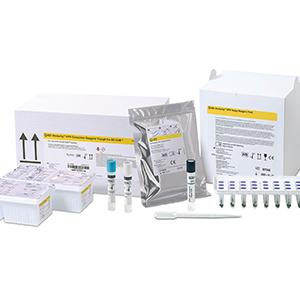
Product update: HPV assay
BD ONCLARITYTM HPV ASSAY
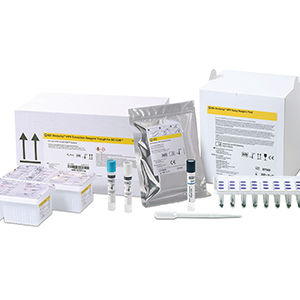
FOR MORE INFORMATION, VISIT: https://womens-health-solutions.bd.com/
BD ONCLARITYTM HPV ASSAY
FOR MORE INFORMATION, VISIT: https://womens-health-solutions.bd.com/
BD ONCLARITYTM HPV ASSAY
FOR MORE INFORMATION, VISIT: https://womens-health-solutions.bd.com/
Commentary: Evaluating colonoscopy in CRC, December 2022

As usual, several provocative additions to the colorectal cancer literature were published last month, but I will review only one today: the NordICC trial. This trial evaluated the use of screening colonoscopy to reduce the incidence of colorectal cancer, death from colorectal cancer, and all-cause mortality.
We have long accepted that colonoscopy is the gold standard for detection of colorectal cancer, but until the publication of this study there has never been a prospective, randomized controlled clinical trial to evaluate the efficacy of the test. Nearly 85,000 men and women from Nordic nations were randomly assigned to receive an invitation for either screening colonoscopy or usual care (ie, no colonoscopy). In the intention-to-screen analysis, colonoscopy reduced the risk for colorectal cancer over a period of 10 years by 18% (relative risk [RR] 0.82; 95% CI 0.70-0.93). However, the reduction in risk for death from colorectal cancer failed to reach statistical significance (RR 0.90; 95% CI 0.64-1.16).
These results were especially disappointing because sigmoidoscopy, a test that evaluates only the rectum and left colon, has been shown in multiple studies to reduce risk for colorectal cancer death and all-cause mortality. It is difficult for me to think of a biologically plausible explanation for colonoscopy to be less effective than sigmoidoscopy in the prevention of cause-specific and all-cause death. However, potential explanations are hidden in the study data. Most glaringly, only 42% of the colonoscopy invitees received a colonoscopy as compared with a much larger percentage of patients (58%-87%) in the sigmoidoscopy trials. While this might be an important real-world data point, it is far less than the estimated 60% of patients in the United States who adhere to the recommendation for screening colonoscopy from ages 45 to 55. Additionally, the study had only 10 years of follow-up. It is possible that this is just not long enough for the benefits of screening colonoscopy to be fully realized. Finally, 29% of endoscopists had an adenoma detection below the recommended threshold of 25%, suggesting that poor colonoscopic technique may have played a role in the limited efficacy of colonoscopy found in the study.
Regardless of what we think of these results, the study was generally well designed and, therefore, very important. Studies like this give us critical information that we, as a nation, need to determine how best to allot our limited healthcare resources. While this study does not change my perception of the efficacy of colonoscopy, it makes me think twice about its societal utility.
As usual, several provocative additions to the colorectal cancer literature were published last month, but I will review only one today: the NordICC trial. This trial evaluated the use of screening colonoscopy to reduce the incidence of colorectal cancer, death from colorectal cancer, and all-cause mortality.
We have long accepted that colonoscopy is the gold standard for detection of colorectal cancer, but until the publication of this study there has never been a prospective, randomized controlled clinical trial to evaluate the efficacy of the test. Nearly 85,000 men and women from Nordic nations were randomly assigned to receive an invitation for either screening colonoscopy or usual care (ie, no colonoscopy). In the intention-to-screen analysis, colonoscopy reduced the risk for colorectal cancer over a period of 10 years by 18% (relative risk [RR] 0.82; 95% CI 0.70-0.93). However, the reduction in risk for death from colorectal cancer failed to reach statistical significance (RR 0.90; 95% CI 0.64-1.16).
These results were especially disappointing because sigmoidoscopy, a test that evaluates only the rectum and left colon, has been shown in multiple studies to reduce risk for colorectal cancer death and all-cause mortality. It is difficult for me to think of a biologically plausible explanation for colonoscopy to be less effective than sigmoidoscopy in the prevention of cause-specific and all-cause death. However, potential explanations are hidden in the study data. Most glaringly, only 42% of the colonoscopy invitees received a colonoscopy as compared with a much larger percentage of patients (58%-87%) in the sigmoidoscopy trials. While this might be an important real-world data point, it is far less than the estimated 60% of patients in the United States who adhere to the recommendation for screening colonoscopy from ages 45 to 55. Additionally, the study had only 10 years of follow-up. It is possible that this is just not long enough for the benefits of screening colonoscopy to be fully realized. Finally, 29% of endoscopists had an adenoma detection below the recommended threshold of 25%, suggesting that poor colonoscopic technique may have played a role in the limited efficacy of colonoscopy found in the study.
Regardless of what we think of these results, the study was generally well designed and, therefore, very important. Studies like this give us critical information that we, as a nation, need to determine how best to allot our limited healthcare resources. While this study does not change my perception of the efficacy of colonoscopy, it makes me think twice about its societal utility.
As usual, several provocative additions to the colorectal cancer literature were published last month, but I will review only one today: the NordICC trial. This trial evaluated the use of screening colonoscopy to reduce the incidence of colorectal cancer, death from colorectal cancer, and all-cause mortality.
We have long accepted that colonoscopy is the gold standard for detection of colorectal cancer, but until the publication of this study there has never been a prospective, randomized controlled clinical trial to evaluate the efficacy of the test. Nearly 85,000 men and women from Nordic nations were randomly assigned to receive an invitation for either screening colonoscopy or usual care (ie, no colonoscopy). In the intention-to-screen analysis, colonoscopy reduced the risk for colorectal cancer over a period of 10 years by 18% (relative risk [RR] 0.82; 95% CI 0.70-0.93). However, the reduction in risk for death from colorectal cancer failed to reach statistical significance (RR 0.90; 95% CI 0.64-1.16).
These results were especially disappointing because sigmoidoscopy, a test that evaluates only the rectum and left colon, has been shown in multiple studies to reduce risk for colorectal cancer death and all-cause mortality. It is difficult for me to think of a biologically plausible explanation for colonoscopy to be less effective than sigmoidoscopy in the prevention of cause-specific and all-cause death. However, potential explanations are hidden in the study data. Most glaringly, only 42% of the colonoscopy invitees received a colonoscopy as compared with a much larger percentage of patients (58%-87%) in the sigmoidoscopy trials. While this might be an important real-world data point, it is far less than the estimated 60% of patients in the United States who adhere to the recommendation for screening colonoscopy from ages 45 to 55. Additionally, the study had only 10 years of follow-up. It is possible that this is just not long enough for the benefits of screening colonoscopy to be fully realized. Finally, 29% of endoscopists had an adenoma detection below the recommended threshold of 25%, suggesting that poor colonoscopic technique may have played a role in the limited efficacy of colonoscopy found in the study.
Regardless of what we think of these results, the study was generally well designed and, therefore, very important. Studies like this give us critical information that we, as a nation, need to determine how best to allot our limited healthcare resources. While this study does not change my perception of the efficacy of colonoscopy, it makes me think twice about its societal utility.
Clinical Implications of Partial Response to Antidepressants
Only about one third of patients with major depressive disorder achieve full remission with antidepressant therapy. Another third are considered nonresponders, and the remaining one third are partial responders. The latter group of patients are those who have seen some improvement but have not achieved full remission.
Dr Michael Thase at the Perelman School of Medicine, University of Pennsylvania, discusses the symptomatic burden and risk for relapse faced by partial responders, who present a significant treatment challenge.
Dr Thase explores the therapeutic options available when a first-choice treatment option proves incompletely effective. In addition to medication optimization, adjunctive treatment and alternative approaches are considered.
--
Michael E. Thase, MD, Professor, Department of Psychiatry, Mood and Anxiety Disorders Treatment and Research Program, Perelman School of Medicine, University of Pennsylvania, Philadelphia, Pennsylvania
Michael E. Thase, MD, has disclosed the following relevant financial relationships:
Serve(d) as an advisor or consultant for: Acadia, Inc; Akili, Inc;
Alkermes PLC; Allergan, Inc; Axsome Therapeutics, Inc; BioHaven, Inc; Bocemtium Consulting, SL; Boehringer Ingelheim International; CatalYm GmbH; Clexio Biosciences; Gerson Lehrman Group, Inc; H Lundbeck, A/S; Jazz Pharmaceuticals; Janssen; Johnson & Johnson; Luye Pharma Group, Ltd; Merck & Company, Inc; Otsuka Pharmaceuticals Company, Ltd; Pfizer, Inc; Sage Pharmaceuicals; Seelos Pharmaceuticals; Sunovion Pharmaceuticals, Inc; Takeda Pharmaceutical Company, Ltd
Receive research funding from: Acadia, Inc; Allergan, Inc; AssureRx; Axsome Therapeutics, Inc; BioHaven, Inc; Intracellular, Inc; Johnson & Johnson; Otsuka Pharmaceuticals Company, Ltd; Patient-Centered Outcomes Research Institute (PCORI); Takeda Pharmaceutical Company, Ltd
Receive royalties from: American Psychiatric Foundation; Guilford Publications; Herald House; Kluwer-Wolters; W W Norton & Company, Inc
Only about one third of patients with major depressive disorder achieve full remission with antidepressant therapy. Another third are considered nonresponders, and the remaining one third are partial responders. The latter group of patients are those who have seen some improvement but have not achieved full remission.
Dr Michael Thase at the Perelman School of Medicine, University of Pennsylvania, discusses the symptomatic burden and risk for relapse faced by partial responders, who present a significant treatment challenge.
Dr Thase explores the therapeutic options available when a first-choice treatment option proves incompletely effective. In addition to medication optimization, adjunctive treatment and alternative approaches are considered.
--
Michael E. Thase, MD, Professor, Department of Psychiatry, Mood and Anxiety Disorders Treatment and Research Program, Perelman School of Medicine, University of Pennsylvania, Philadelphia, Pennsylvania
Michael E. Thase, MD, has disclosed the following relevant financial relationships:
Serve(d) as an advisor or consultant for: Acadia, Inc; Akili, Inc;
Alkermes PLC; Allergan, Inc; Axsome Therapeutics, Inc; BioHaven, Inc; Bocemtium Consulting, SL; Boehringer Ingelheim International; CatalYm GmbH; Clexio Biosciences; Gerson Lehrman Group, Inc; H Lundbeck, A/S; Jazz Pharmaceuticals; Janssen; Johnson & Johnson; Luye Pharma Group, Ltd; Merck & Company, Inc; Otsuka Pharmaceuticals Company, Ltd; Pfizer, Inc; Sage Pharmaceuicals; Seelos Pharmaceuticals; Sunovion Pharmaceuticals, Inc; Takeda Pharmaceutical Company, Ltd
Receive research funding from: Acadia, Inc; Allergan, Inc; AssureRx; Axsome Therapeutics, Inc; BioHaven, Inc; Intracellular, Inc; Johnson & Johnson; Otsuka Pharmaceuticals Company, Ltd; Patient-Centered Outcomes Research Institute (PCORI); Takeda Pharmaceutical Company, Ltd
Receive royalties from: American Psychiatric Foundation; Guilford Publications; Herald House; Kluwer-Wolters; W W Norton & Company, Inc
Only about one third of patients with major depressive disorder achieve full remission with antidepressant therapy. Another third are considered nonresponders, and the remaining one third are partial responders. The latter group of patients are those who have seen some improvement but have not achieved full remission.
Dr Michael Thase at the Perelman School of Medicine, University of Pennsylvania, discusses the symptomatic burden and risk for relapse faced by partial responders, who present a significant treatment challenge.
Dr Thase explores the therapeutic options available when a first-choice treatment option proves incompletely effective. In addition to medication optimization, adjunctive treatment and alternative approaches are considered.
--
Michael E. Thase, MD, Professor, Department of Psychiatry, Mood and Anxiety Disorders Treatment and Research Program, Perelman School of Medicine, University of Pennsylvania, Philadelphia, Pennsylvania
Michael E. Thase, MD, has disclosed the following relevant financial relationships:
Serve(d) as an advisor or consultant for: Acadia, Inc; Akili, Inc;
Alkermes PLC; Allergan, Inc; Axsome Therapeutics, Inc; BioHaven, Inc; Bocemtium Consulting, SL; Boehringer Ingelheim International; CatalYm GmbH; Clexio Biosciences; Gerson Lehrman Group, Inc; H Lundbeck, A/S; Jazz Pharmaceuticals; Janssen; Johnson & Johnson; Luye Pharma Group, Ltd; Merck & Company, Inc; Otsuka Pharmaceuticals Company, Ltd; Pfizer, Inc; Sage Pharmaceuicals; Seelos Pharmaceuticals; Sunovion Pharmaceuticals, Inc; Takeda Pharmaceutical Company, Ltd
Receive research funding from: Acadia, Inc; Allergan, Inc; AssureRx; Axsome Therapeutics, Inc; BioHaven, Inc; Intracellular, Inc; Johnson & Johnson; Otsuka Pharmaceuticals Company, Ltd; Patient-Centered Outcomes Research Institute (PCORI); Takeda Pharmaceutical Company, Ltd
Receive royalties from: American Psychiatric Foundation; Guilford Publications; Herald House; Kluwer-Wolters; W W Norton & Company, Inc

Therapeutic Considerations in Adults With Hidradenitis Suppurativa
Hidradenitis suppurativa (HS) is a chronic inflammatory skin condition characterized by recurrent boils, abscesses, and nodules that can progress to narrow channels that form under the skin. An estimated 1%-4% of the US population has the condition, and women are affected more commonly than men.
Treatment of HS is challenging and the pathogenesis is still under investigation. Many believe that the disease involves follicular occlusion that leads to perifollicular cyst development followed by ruptures of the cyst contents. Many drug classes, including antibiotics and topical therapies, as well as lifestyle modifications, have been used to successfully treat mild to moderate HS. Management of moderate to severe HS has been less successful, however.
Dr Jennifer Hsiao, from the University of Southern California, highlights the various approaches to HS treatment, including medical, procedural, and emerging options.
--
Jennifer Hsiao, MD, Associate Professor, Physician, Department of Dermatology, University of Southern California, Los Angeles, California
Jennifer Hsiao, MD, has disclosed the following relevant financial relationships:
Serve(d) as a director, officer, partner, employee, advisor, consultant, or trustee for: AbbVie; Novartis; UCB
Serve(d) as a speaker or a member of a speakers bureau for: AbbVie
Hidradenitis suppurativa (HS) is a chronic inflammatory skin condition characterized by recurrent boils, abscesses, and nodules that can progress to narrow channels that form under the skin. An estimated 1%-4% of the US population has the condition, and women are affected more commonly than men.
Treatment of HS is challenging and the pathogenesis is still under investigation. Many believe that the disease involves follicular occlusion that leads to perifollicular cyst development followed by ruptures of the cyst contents. Many drug classes, including antibiotics and topical therapies, as well as lifestyle modifications, have been used to successfully treat mild to moderate HS. Management of moderate to severe HS has been less successful, however.
Dr Jennifer Hsiao, from the University of Southern California, highlights the various approaches to HS treatment, including medical, procedural, and emerging options.
--
Jennifer Hsiao, MD, Associate Professor, Physician, Department of Dermatology, University of Southern California, Los Angeles, California
Jennifer Hsiao, MD, has disclosed the following relevant financial relationships:
Serve(d) as a director, officer, partner, employee, advisor, consultant, or trustee for: AbbVie; Novartis; UCB
Serve(d) as a speaker or a member of a speakers bureau for: AbbVie
Hidradenitis suppurativa (HS) is a chronic inflammatory skin condition characterized by recurrent boils, abscesses, and nodules that can progress to narrow channels that form under the skin. An estimated 1%-4% of the US population has the condition, and women are affected more commonly than men.
Treatment of HS is challenging and the pathogenesis is still under investigation. Many believe that the disease involves follicular occlusion that leads to perifollicular cyst development followed by ruptures of the cyst contents. Many drug classes, including antibiotics and topical therapies, as well as lifestyle modifications, have been used to successfully treat mild to moderate HS. Management of moderate to severe HS has been less successful, however.
Dr Jennifer Hsiao, from the University of Southern California, highlights the various approaches to HS treatment, including medical, procedural, and emerging options.
--
Jennifer Hsiao, MD, Associate Professor, Physician, Department of Dermatology, University of Southern California, Los Angeles, California
Jennifer Hsiao, MD, has disclosed the following relevant financial relationships:
Serve(d) as a director, officer, partner, employee, advisor, consultant, or trustee for: AbbVie; Novartis; UCB
Serve(d) as a speaker or a member of a speakers bureau for: AbbVie

Joint society task force releases strategic plan on climate change
Key takeaway: As a procedure-intense subspecialty, gastroenterology, and in particular endoscopy, is a major contributor to health care’s carbon footprint and other environmental impacts. Endoscopy is the third largest generator of medical waste in a hospital (2 kg total waste per procedure) with most ending in landfills. With this strategic plan, the participating societies are committed to promoting and supporting a sustainable, high-quality GI practice.
The U.S. GI multisociety strategic plan, which has also been endorsed by 23 GI societies globally, is a collaborative effort that invites members to undertake initiatives to establish an environmentally sustainable, high-quality practice and promote planetary health. Each society will prioritize and adapt their initiatives in accordance with their individual societal goals. Some initiatives may be undertaken by a single society, whereas other objectives and initiatives may be approached jointly. It is a 5-year plan that covers seven major domains:
- Clinical setting.
- Education.
- Research.
- Society efforts.
- Intersociety efforts.
- Industry.
- Advocacy.
The plan was developed by the U.S. Multi-GI Society Task Force on Climate Change, which is composed of leading experts from AASLD, ACG, AGA, and ASGE.
For more information, view the full publication: GI Multisociety Strategic Plan on Environmental Sustainability, published in Gastroenterology, Gastrointestinal Endoscopy, HEPATOLOGY, and The American Journal of Gastroenterology.
Key takeaway: As a procedure-intense subspecialty, gastroenterology, and in particular endoscopy, is a major contributor to health care’s carbon footprint and other environmental impacts. Endoscopy is the third largest generator of medical waste in a hospital (2 kg total waste per procedure) with most ending in landfills. With this strategic plan, the participating societies are committed to promoting and supporting a sustainable, high-quality GI practice.
The U.S. GI multisociety strategic plan, which has also been endorsed by 23 GI societies globally, is a collaborative effort that invites members to undertake initiatives to establish an environmentally sustainable, high-quality practice and promote planetary health. Each society will prioritize and adapt their initiatives in accordance with their individual societal goals. Some initiatives may be undertaken by a single society, whereas other objectives and initiatives may be approached jointly. It is a 5-year plan that covers seven major domains:
- Clinical setting.
- Education.
- Research.
- Society efforts.
- Intersociety efforts.
- Industry.
- Advocacy.
The plan was developed by the U.S. Multi-GI Society Task Force on Climate Change, which is composed of leading experts from AASLD, ACG, AGA, and ASGE.
For more information, view the full publication: GI Multisociety Strategic Plan on Environmental Sustainability, published in Gastroenterology, Gastrointestinal Endoscopy, HEPATOLOGY, and The American Journal of Gastroenterology.
Key takeaway: As a procedure-intense subspecialty, gastroenterology, and in particular endoscopy, is a major contributor to health care’s carbon footprint and other environmental impacts. Endoscopy is the third largest generator of medical waste in a hospital (2 kg total waste per procedure) with most ending in landfills. With this strategic plan, the participating societies are committed to promoting and supporting a sustainable, high-quality GI practice.
The U.S. GI multisociety strategic plan, which has also been endorsed by 23 GI societies globally, is a collaborative effort that invites members to undertake initiatives to establish an environmentally sustainable, high-quality practice and promote planetary health. Each society will prioritize and adapt their initiatives in accordance with their individual societal goals. Some initiatives may be undertaken by a single society, whereas other objectives and initiatives may be approached jointly. It is a 5-year plan that covers seven major domains:
- Clinical setting.
- Education.
- Research.
- Society efforts.
- Intersociety efforts.
- Industry.
- Advocacy.
The plan was developed by the U.S. Multi-GI Society Task Force on Climate Change, which is composed of leading experts from AASLD, ACG, AGA, and ASGE.
For more information, view the full publication: GI Multisociety Strategic Plan on Environmental Sustainability, published in Gastroenterology, Gastrointestinal Endoscopy, HEPATOLOGY, and The American Journal of Gastroenterology.
What to know about 2023 Medicare payments
The Centers for Medicare and Medicaid Services released its final rules for 2023 Medicare payments.
Good news! The full CRC continuum will be covered in Medicare.
In a win for patients and thanks to our collective advocacy efforts from AGA and partner societies, CMS expanded the regulatory definition of “colorectal cancer screening tests” and will waive cost sharing for a necessary follow-up colonoscopy after a positive stool-based screening test.
Bad news: Looming cuts on the horizon, GI societies to take action.
The rule finalizes more than 4% in mandated Medicare physician reimbursement cuts through decreases in the conversion factor and expiration of temporary fixes passed by Congress. The CY 2023 conversion factor is $33.06, an unacceptable cut for our members. The GI societies continue to work with a coalition of national and state medical societies to urge Congress to prevent these cuts before Jan. 1, 2023.
Good news: ASC + hospital payments on the rise.
ASC payments and facility fee payments increase 3.8% for institutions that meet quality reporting requirements. The CY 2023 ASC conversion factor is $51.854 and the hospital outpatient conversion factor is $85.585.
CMS removed motility codes 91117 and 91122 from APC 5731, where their payments would have been cut 21%, and finalized their placement in APC 5722, where they get a 3% payment increase beginning Jan. 1, 2023. Thank you to the motility community for helping us secure this win.
CMS raises the hospital payment for ESD code C9779 to $3,260.69, a $765.65 increase from 2022. We continue to work with CMS on our request for separate codes for lower ESD and upper ESD and payments that better reflect their unique resource costs.
The Centers for Medicare and Medicaid Services released its final rules for 2023 Medicare payments.
Good news! The full CRC continuum will be covered in Medicare.
In a win for patients and thanks to our collective advocacy efforts from AGA and partner societies, CMS expanded the regulatory definition of “colorectal cancer screening tests” and will waive cost sharing for a necessary follow-up colonoscopy after a positive stool-based screening test.
Bad news: Looming cuts on the horizon, GI societies to take action.
The rule finalizes more than 4% in mandated Medicare physician reimbursement cuts through decreases in the conversion factor and expiration of temporary fixes passed by Congress. The CY 2023 conversion factor is $33.06, an unacceptable cut for our members. The GI societies continue to work with a coalition of national and state medical societies to urge Congress to prevent these cuts before Jan. 1, 2023.
Good news: ASC + hospital payments on the rise.
ASC payments and facility fee payments increase 3.8% for institutions that meet quality reporting requirements. The CY 2023 ASC conversion factor is $51.854 and the hospital outpatient conversion factor is $85.585.
CMS removed motility codes 91117 and 91122 from APC 5731, where their payments would have been cut 21%, and finalized their placement in APC 5722, where they get a 3% payment increase beginning Jan. 1, 2023. Thank you to the motility community for helping us secure this win.
CMS raises the hospital payment for ESD code C9779 to $3,260.69, a $765.65 increase from 2022. We continue to work with CMS on our request for separate codes for lower ESD and upper ESD and payments that better reflect their unique resource costs.
The Centers for Medicare and Medicaid Services released its final rules for 2023 Medicare payments.
Good news! The full CRC continuum will be covered in Medicare.
In a win for patients and thanks to our collective advocacy efforts from AGA and partner societies, CMS expanded the regulatory definition of “colorectal cancer screening tests” and will waive cost sharing for a necessary follow-up colonoscopy after a positive stool-based screening test.
Bad news: Looming cuts on the horizon, GI societies to take action.
The rule finalizes more than 4% in mandated Medicare physician reimbursement cuts through decreases in the conversion factor and expiration of temporary fixes passed by Congress. The CY 2023 conversion factor is $33.06, an unacceptable cut for our members. The GI societies continue to work with a coalition of national and state medical societies to urge Congress to prevent these cuts before Jan. 1, 2023.
Good news: ASC + hospital payments on the rise.
ASC payments and facility fee payments increase 3.8% for institutions that meet quality reporting requirements. The CY 2023 ASC conversion factor is $51.854 and the hospital outpatient conversion factor is $85.585.
CMS removed motility codes 91117 and 91122 from APC 5731, where their payments would have been cut 21%, and finalized their placement in APC 5722, where they get a 3% payment increase beginning Jan. 1, 2023. Thank you to the motility community for helping us secure this win.
CMS raises the hospital payment for ESD code C9779 to $3,260.69, a $765.65 increase from 2022. We continue to work with CMS on our request for separate codes for lower ESD and upper ESD and payments that better reflect their unique resource costs.
New AGA guideline ranks the most effective drugs for weight loss
The following medications, paired with healthy eating and regular physical activity, are first-line medical options and result in moderate weight loss as noted as a percentage of body weight (reported as the difference compared to percent weight loss observed in the placebo group).
- Semaglutide (Wegovy®), weight loss percentage: 10.8%
- Phentermine-topiramate ER (Qsymia®), weight loss percentage: 8.5%
- Liraglutide (Saxenda®), weight loss percentage: 4.8%
- Naltrexone-bupropion ER (Contrave®), weight loss percentage: 3.0%
Read the AGA Clinical Guidelines on Pharmacological Interventions for Adults with Obesity for the complete recommendations.
The following medications, paired with healthy eating and regular physical activity, are first-line medical options and result in moderate weight loss as noted as a percentage of body weight (reported as the difference compared to percent weight loss observed in the placebo group).
- Semaglutide (Wegovy®), weight loss percentage: 10.8%
- Phentermine-topiramate ER (Qsymia®), weight loss percentage: 8.5%
- Liraglutide (Saxenda®), weight loss percentage: 4.8%
- Naltrexone-bupropion ER (Contrave®), weight loss percentage: 3.0%
Read the AGA Clinical Guidelines on Pharmacological Interventions for Adults with Obesity for the complete recommendations.
The following medications, paired with healthy eating and regular physical activity, are first-line medical options and result in moderate weight loss as noted as a percentage of body weight (reported as the difference compared to percent weight loss observed in the placebo group).
- Semaglutide (Wegovy®), weight loss percentage: 10.8%
- Phentermine-topiramate ER (Qsymia®), weight loss percentage: 8.5%
- Liraglutide (Saxenda®), weight loss percentage: 4.8%
- Naltrexone-bupropion ER (Contrave®), weight loss percentage: 3.0%
Read the AGA Clinical Guidelines on Pharmacological Interventions for Adults with Obesity for the complete recommendations.
An appeal from Michael Camilleri, MD, DSc, AGAF
This holiday season is a good time to reflect on our many blessings and thank those who have helped make our lives and careers worthwhile, successful, and prosperous. What better way than to pass on something to those who will ensure that gastroenterology will advance in decades to come?
Progress in this lifesaving work is made possible by the generosity of many supporters, like you, who understand the devastating physical, emotional, and financial costs of digestive diseases. We simply cannot allow a slowdown in the pace of GI research, and we cannot afford to lose talent when research offers so much promise for the future.
You can make a difference to ensure the progress continues.
The AGA Research Foundation funds promising young investigators who might not receive funding otherwise at crucial times in their early careers. The research of these talented individuals, while important to the field, if left unfunded, could end prematurely. That’s something the field can’t afford, and that’s why I’ve supported the AGA Research Foundation over the years through my donations.
We must maintain a robust pipeline of research that will help safeguard the success of clinical medicine. I urge you to support the future of GI with a generous donation to the AGA Research Foundation. Your investment of $100, $250, $500, $1,000, or any amount you can give today will make a difference.
Help close the gap in research funding and make a difference. Make your tax-deductible donation online at www.gastro.org/donateonline.
Thank you in advance for support and best wishes for a happy, healthy holiday season and prosperous New Year.
Three easy ways to give
Online: www.gastro.org/donateonline
Through the mail:
AGA Research Foundation
4930 Del Ray Avenue
Bethesda, MD 20814
Over the phone: 301-222-4002
Dr. Camilleri is chair of the AGA Research Foundation, past-president of the AGA Institute, and a consultant in the division of gastroenterology and hepatology, Mayo Clinic, Rochester, Minn.
This holiday season is a good time to reflect on our many blessings and thank those who have helped make our lives and careers worthwhile, successful, and prosperous. What better way than to pass on something to those who will ensure that gastroenterology will advance in decades to come?
Progress in this lifesaving work is made possible by the generosity of many supporters, like you, who understand the devastating physical, emotional, and financial costs of digestive diseases. We simply cannot allow a slowdown in the pace of GI research, and we cannot afford to lose talent when research offers so much promise for the future.
You can make a difference to ensure the progress continues.
The AGA Research Foundation funds promising young investigators who might not receive funding otherwise at crucial times in their early careers. The research of these talented individuals, while important to the field, if left unfunded, could end prematurely. That’s something the field can’t afford, and that’s why I’ve supported the AGA Research Foundation over the years through my donations.
We must maintain a robust pipeline of research that will help safeguard the success of clinical medicine. I urge you to support the future of GI with a generous donation to the AGA Research Foundation. Your investment of $100, $250, $500, $1,000, or any amount you can give today will make a difference.
Help close the gap in research funding and make a difference. Make your tax-deductible donation online at www.gastro.org/donateonline.
Thank you in advance for support and best wishes for a happy, healthy holiday season and prosperous New Year.
Three easy ways to give
Online: www.gastro.org/donateonline
Through the mail:
AGA Research Foundation
4930 Del Ray Avenue
Bethesda, MD 20814
Over the phone: 301-222-4002
Dr. Camilleri is chair of the AGA Research Foundation, past-president of the AGA Institute, and a consultant in the division of gastroenterology and hepatology, Mayo Clinic, Rochester, Minn.
This holiday season is a good time to reflect on our many blessings and thank those who have helped make our lives and careers worthwhile, successful, and prosperous. What better way than to pass on something to those who will ensure that gastroenterology will advance in decades to come?
Progress in this lifesaving work is made possible by the generosity of many supporters, like you, who understand the devastating physical, emotional, and financial costs of digestive diseases. We simply cannot allow a slowdown in the pace of GI research, and we cannot afford to lose talent when research offers so much promise for the future.
You can make a difference to ensure the progress continues.
The AGA Research Foundation funds promising young investigators who might not receive funding otherwise at crucial times in their early careers. The research of these talented individuals, while important to the field, if left unfunded, could end prematurely. That’s something the field can’t afford, and that’s why I’ve supported the AGA Research Foundation over the years through my donations.
We must maintain a robust pipeline of research that will help safeguard the success of clinical medicine. I urge you to support the future of GI with a generous donation to the AGA Research Foundation. Your investment of $100, $250, $500, $1,000, or any amount you can give today will make a difference.
Help close the gap in research funding and make a difference. Make your tax-deductible donation online at www.gastro.org/donateonline.
Thank you in advance for support and best wishes for a happy, healthy holiday season and prosperous New Year.
Three easy ways to give
Online: www.gastro.org/donateonline
Through the mail:
AGA Research Foundation
4930 Del Ray Avenue
Bethesda, MD 20814
Over the phone: 301-222-4002
Dr. Camilleri is chair of the AGA Research Foundation, past-president of the AGA Institute, and a consultant in the division of gastroenterology and hepatology, Mayo Clinic, Rochester, Minn.