User login
Key research on TNBC: Top five picks from SABCS
SAN ANTONIO – While , research highlighting new findings in triple-negative breast cancer (TNBC) stood out as well.
This news organization spoke with SABCS program director Virginia Kaklamani, MD, leader of the Breast Cancer Program at UT Health, San Antonio, and Kevin Kalinsky, MD, a medical oncologist and director of the Glenn Family Breast Center at the Winship Cancer Institute of Emory University in Atlanta, about the TNBC data that caught their eye and what the findings could mean for clinical practice.
1. Carboplatin for TNBC
Dr. Kalinsky’s first pick was a study on the impact of platinum therapy on long-term TNBC outcomes.
The phase 3 randomized controlled trial, presented in general session (GS) 5-01, explored whether adding carboplatin to sequential taxane-anthracycline neoadjuvant chemotherapy for patients with TNBC improved disease-free survival, pathologic complete response, or overall survival.
Overall, 365 patients received carboplatin, and 355 did not. At a median follow-up of 67.6 months, the 5-year disease-free survival rate was 70.6% in the carboplatin group vs. 64.5% in the control arm (hazard ratio, 0.79); the 5-year overall survival was also higher in the carboplatin group (74.0% vs. 66.7%; HR, 0.75). Pathologic complete response occurred in 55.2% of carboplatin patients, vs. 41.5% of control patients.
“These results are important,” Dr. Kalinsky said. “The results of this study suggest that there is a benefit to the TNBC population from being treated with carboplatin.”
Dr. Kalinsky cautioned, however, that despite the encouraging results, it remains unclear whether there is a specific biomarker for selecting patients who may derive the most benefit from treatment with carboplatin. “This remains an outstanding question,” he said.
2. Risk of contralateral breast cancer
Women with breast cancer who have germline pathogenic variants in BRCA1, BRCA2, CHEK2, or PALB2 had nearly double the risk of contralateral breast cancer in comparison with patients without those variants, according to recent data presented at the meeting (GS4-04).
Researchers estimated the risk of contralateral breast cancer in women with pathogenic variants in comparison with control patients. They found that having ATM does not increase this risk.
“The reason this study is important is that many women with these mutations want to have a bilateral mastectomy, but thus far, the data have been unclear, and the question is, are they going to benefit from having a bilateral mastectomy?” said Dr. Kaklamani. “The results of this study help shine a light on what mutations might warrant a bilateral mastectomy. Most of these patients are going to be triple negative.”
Hal Burstein, MD, also weighed in, saying the “data should allow many to avoid prophylactic mastectomy.”
3. Cemiplimab plus LAG-3 inhibitor in TNBC
Another session that caught Dr. Kalinsky’s attention explored results from the I-SPY2 trial (GS5-03), which evaluated the use of the checkpoint inhibitior cemiplimab in combination with LAG-3 inhibitor REGN3767 for patients with early-stage, high-risk, HER2-negative breast cancer.
Among the 73 patients with HER2-negative disease who received cemiplimab plus REGN3767, 33 had TNBC. The control group included 357 patients with HER2-negative tumors, of whom 156 had TNBC. Overall, the combination of a LAG-3 and anti-PD1 inhibitor resulted in a pathologic complete response rate of 60% for patients with TNBC and 37% for patients with HR-positive disease.
“We know that checkpoint inhibitors benefit patients with TNBC, and there has been a lot of interest in looking beyond checkpoint inhibition,” said Dr. Kalinsky, who is a coinvestigator on the I-SPY trial. “LAG-3 has been a target of interest, and this is the first study looking in the neoadjuvant setting of giving a LAG-3 inhibitor along with a checkpoint inhibitor.”
4. Efficacy vs. side effect profile of cemiplimab
Taking adverse events of immune checkpoint inhibitors into account is also important. Dr. Kalinsky and colleagues presented research on the efficacy as well as the side-effect profile associated with cemiplimab (PD11-01) among patients in the I-SPY trial.
Overall, cemiplimab was associated with a higher pathologic complete response rate for patients with TNBC (55%), compared with control patients who received paclitaxel followed by doxorubicin/cyclophosphamide (29%). The rate of immune-related adverse events was higher in the cemiplimab group: hypothyroidism, 3% vs. 0%; adrenal insufficiency, 6% vs. 0%; hyperthyroid, 8% vs. 0%; and thyroiditis, 3% vs. 0%. However, only one case of grade 3 adrenal insufficiency occurred in the cemiplimab arm.
“I really think the key takeaway is not just the efficacy that is seen in the HER2-negative population but also what the side-effect profile is going to be,” Dr. Kalinsky said.
5. Olaparib or carboplatinum?
Dr. Kaklamani highlighted data from the GeparOLA study (GS5-02), which evaluated the efficacy and safety of using olaparib instead of carboplatinum along with paclitaxel as neoadjuvant chemotherapy in early-stage HER2-negative breast cancer.
The results of the study indicate that among patients in the cohort with HER2-negative homologous recombination deficiency tumors – those with a g/tBRCA mutation – the two groups had similar pathologic complete responses. Overall, patients in the olaparib group had more invasive disease-free survival events (15 vs. 3), more distant disease-free survival events (11 vs. 2), and more deaths (6 vs. 1). However, when comparing patients with a g/tBRCA mutation, outcomes were comparable in both arms.
“The majority of these patients were triple negative, and I think the importance here is that this [study] shows us whether we should be adding olaparib in some patients who have a homologous recombination deficiency,” Dr. Kaklamani said.
A version of this article first appeared on Medscape.com.
SAN ANTONIO – While , research highlighting new findings in triple-negative breast cancer (TNBC) stood out as well.
This news organization spoke with SABCS program director Virginia Kaklamani, MD, leader of the Breast Cancer Program at UT Health, San Antonio, and Kevin Kalinsky, MD, a medical oncologist and director of the Glenn Family Breast Center at the Winship Cancer Institute of Emory University in Atlanta, about the TNBC data that caught their eye and what the findings could mean for clinical practice.
1. Carboplatin for TNBC
Dr. Kalinsky’s first pick was a study on the impact of platinum therapy on long-term TNBC outcomes.
The phase 3 randomized controlled trial, presented in general session (GS) 5-01, explored whether adding carboplatin to sequential taxane-anthracycline neoadjuvant chemotherapy for patients with TNBC improved disease-free survival, pathologic complete response, or overall survival.
Overall, 365 patients received carboplatin, and 355 did not. At a median follow-up of 67.6 months, the 5-year disease-free survival rate was 70.6% in the carboplatin group vs. 64.5% in the control arm (hazard ratio, 0.79); the 5-year overall survival was also higher in the carboplatin group (74.0% vs. 66.7%; HR, 0.75). Pathologic complete response occurred in 55.2% of carboplatin patients, vs. 41.5% of control patients.
“These results are important,” Dr. Kalinsky said. “The results of this study suggest that there is a benefit to the TNBC population from being treated with carboplatin.”
Dr. Kalinsky cautioned, however, that despite the encouraging results, it remains unclear whether there is a specific biomarker for selecting patients who may derive the most benefit from treatment with carboplatin. “This remains an outstanding question,” he said.
2. Risk of contralateral breast cancer
Women with breast cancer who have germline pathogenic variants in BRCA1, BRCA2, CHEK2, or PALB2 had nearly double the risk of contralateral breast cancer in comparison with patients without those variants, according to recent data presented at the meeting (GS4-04).
Researchers estimated the risk of contralateral breast cancer in women with pathogenic variants in comparison with control patients. They found that having ATM does not increase this risk.
“The reason this study is important is that many women with these mutations want to have a bilateral mastectomy, but thus far, the data have been unclear, and the question is, are they going to benefit from having a bilateral mastectomy?” said Dr. Kaklamani. “The results of this study help shine a light on what mutations might warrant a bilateral mastectomy. Most of these patients are going to be triple negative.”
Hal Burstein, MD, also weighed in, saying the “data should allow many to avoid prophylactic mastectomy.”
3. Cemiplimab plus LAG-3 inhibitor in TNBC
Another session that caught Dr. Kalinsky’s attention explored results from the I-SPY2 trial (GS5-03), which evaluated the use of the checkpoint inhibitior cemiplimab in combination with LAG-3 inhibitor REGN3767 for patients with early-stage, high-risk, HER2-negative breast cancer.
Among the 73 patients with HER2-negative disease who received cemiplimab plus REGN3767, 33 had TNBC. The control group included 357 patients with HER2-negative tumors, of whom 156 had TNBC. Overall, the combination of a LAG-3 and anti-PD1 inhibitor resulted in a pathologic complete response rate of 60% for patients with TNBC and 37% for patients with HR-positive disease.
“We know that checkpoint inhibitors benefit patients with TNBC, and there has been a lot of interest in looking beyond checkpoint inhibition,” said Dr. Kalinsky, who is a coinvestigator on the I-SPY trial. “LAG-3 has been a target of interest, and this is the first study looking in the neoadjuvant setting of giving a LAG-3 inhibitor along with a checkpoint inhibitor.”
4. Efficacy vs. side effect profile of cemiplimab
Taking adverse events of immune checkpoint inhibitors into account is also important. Dr. Kalinsky and colleagues presented research on the efficacy as well as the side-effect profile associated with cemiplimab (PD11-01) among patients in the I-SPY trial.
Overall, cemiplimab was associated with a higher pathologic complete response rate for patients with TNBC (55%), compared with control patients who received paclitaxel followed by doxorubicin/cyclophosphamide (29%). The rate of immune-related adverse events was higher in the cemiplimab group: hypothyroidism, 3% vs. 0%; adrenal insufficiency, 6% vs. 0%; hyperthyroid, 8% vs. 0%; and thyroiditis, 3% vs. 0%. However, only one case of grade 3 adrenal insufficiency occurred in the cemiplimab arm.
“I really think the key takeaway is not just the efficacy that is seen in the HER2-negative population but also what the side-effect profile is going to be,” Dr. Kalinsky said.
5. Olaparib or carboplatinum?
Dr. Kaklamani highlighted data from the GeparOLA study (GS5-02), which evaluated the efficacy and safety of using olaparib instead of carboplatinum along with paclitaxel as neoadjuvant chemotherapy in early-stage HER2-negative breast cancer.
The results of the study indicate that among patients in the cohort with HER2-negative homologous recombination deficiency tumors – those with a g/tBRCA mutation – the two groups had similar pathologic complete responses. Overall, patients in the olaparib group had more invasive disease-free survival events (15 vs. 3), more distant disease-free survival events (11 vs. 2), and more deaths (6 vs. 1). However, when comparing patients with a g/tBRCA mutation, outcomes were comparable in both arms.
“The majority of these patients were triple negative, and I think the importance here is that this [study] shows us whether we should be adding olaparib in some patients who have a homologous recombination deficiency,” Dr. Kaklamani said.
A version of this article first appeared on Medscape.com.
SAN ANTONIO – While , research highlighting new findings in triple-negative breast cancer (TNBC) stood out as well.
This news organization spoke with SABCS program director Virginia Kaklamani, MD, leader of the Breast Cancer Program at UT Health, San Antonio, and Kevin Kalinsky, MD, a medical oncologist and director of the Glenn Family Breast Center at the Winship Cancer Institute of Emory University in Atlanta, about the TNBC data that caught their eye and what the findings could mean for clinical practice.
1. Carboplatin for TNBC
Dr. Kalinsky’s first pick was a study on the impact of platinum therapy on long-term TNBC outcomes.
The phase 3 randomized controlled trial, presented in general session (GS) 5-01, explored whether adding carboplatin to sequential taxane-anthracycline neoadjuvant chemotherapy for patients with TNBC improved disease-free survival, pathologic complete response, or overall survival.
Overall, 365 patients received carboplatin, and 355 did not. At a median follow-up of 67.6 months, the 5-year disease-free survival rate was 70.6% in the carboplatin group vs. 64.5% in the control arm (hazard ratio, 0.79); the 5-year overall survival was also higher in the carboplatin group (74.0% vs. 66.7%; HR, 0.75). Pathologic complete response occurred in 55.2% of carboplatin patients, vs. 41.5% of control patients.
“These results are important,” Dr. Kalinsky said. “The results of this study suggest that there is a benefit to the TNBC population from being treated with carboplatin.”
Dr. Kalinsky cautioned, however, that despite the encouraging results, it remains unclear whether there is a specific biomarker for selecting patients who may derive the most benefit from treatment with carboplatin. “This remains an outstanding question,” he said.
2. Risk of contralateral breast cancer
Women with breast cancer who have germline pathogenic variants in BRCA1, BRCA2, CHEK2, or PALB2 had nearly double the risk of contralateral breast cancer in comparison with patients without those variants, according to recent data presented at the meeting (GS4-04).
Researchers estimated the risk of contralateral breast cancer in women with pathogenic variants in comparison with control patients. They found that having ATM does not increase this risk.
“The reason this study is important is that many women with these mutations want to have a bilateral mastectomy, but thus far, the data have been unclear, and the question is, are they going to benefit from having a bilateral mastectomy?” said Dr. Kaklamani. “The results of this study help shine a light on what mutations might warrant a bilateral mastectomy. Most of these patients are going to be triple negative.”
Hal Burstein, MD, also weighed in, saying the “data should allow many to avoid prophylactic mastectomy.”
3. Cemiplimab plus LAG-3 inhibitor in TNBC
Another session that caught Dr. Kalinsky’s attention explored results from the I-SPY2 trial (GS5-03), which evaluated the use of the checkpoint inhibitior cemiplimab in combination with LAG-3 inhibitor REGN3767 for patients with early-stage, high-risk, HER2-negative breast cancer.
Among the 73 patients with HER2-negative disease who received cemiplimab plus REGN3767, 33 had TNBC. The control group included 357 patients with HER2-negative tumors, of whom 156 had TNBC. Overall, the combination of a LAG-3 and anti-PD1 inhibitor resulted in a pathologic complete response rate of 60% for patients with TNBC and 37% for patients with HR-positive disease.
“We know that checkpoint inhibitors benefit patients with TNBC, and there has been a lot of interest in looking beyond checkpoint inhibition,” said Dr. Kalinsky, who is a coinvestigator on the I-SPY trial. “LAG-3 has been a target of interest, and this is the first study looking in the neoadjuvant setting of giving a LAG-3 inhibitor along with a checkpoint inhibitor.”
4. Efficacy vs. side effect profile of cemiplimab
Taking adverse events of immune checkpoint inhibitors into account is also important. Dr. Kalinsky and colleagues presented research on the efficacy as well as the side-effect profile associated with cemiplimab (PD11-01) among patients in the I-SPY trial.
Overall, cemiplimab was associated with a higher pathologic complete response rate for patients with TNBC (55%), compared with control patients who received paclitaxel followed by doxorubicin/cyclophosphamide (29%). The rate of immune-related adverse events was higher in the cemiplimab group: hypothyroidism, 3% vs. 0%; adrenal insufficiency, 6% vs. 0%; hyperthyroid, 8% vs. 0%; and thyroiditis, 3% vs. 0%. However, only one case of grade 3 adrenal insufficiency occurred in the cemiplimab arm.
“I really think the key takeaway is not just the efficacy that is seen in the HER2-negative population but also what the side-effect profile is going to be,” Dr. Kalinsky said.
5. Olaparib or carboplatinum?
Dr. Kaklamani highlighted data from the GeparOLA study (GS5-02), which evaluated the efficacy and safety of using olaparib instead of carboplatinum along with paclitaxel as neoadjuvant chemotherapy in early-stage HER2-negative breast cancer.
The results of the study indicate that among patients in the cohort with HER2-negative homologous recombination deficiency tumors – those with a g/tBRCA mutation – the two groups had similar pathologic complete responses. Overall, patients in the olaparib group had more invasive disease-free survival events (15 vs. 3), more distant disease-free survival events (11 vs. 2), and more deaths (6 vs. 1). However, when comparing patients with a g/tBRCA mutation, outcomes were comparable in both arms.
“The majority of these patients were triple negative, and I think the importance here is that this [study] shows us whether we should be adding olaparib in some patients who have a homologous recombination deficiency,” Dr. Kaklamani said.
A version of this article first appeared on Medscape.com.
AT SABCS 2022
Ustekinumab matches TNF inhibitors for psoriatic arthritis in 3-year, real-world study
The interleukin-12/23 inhibitor ustekinumab (Stelara) is nearly as effective as a tumor necrosis factor (TNF) inhibitor for psoriatic arthritis, and patients are slightly more likely to persist with it and have a lower rate of adverse events, a 3-year, real-world study has found.
In a paper published online in Annals of the Rheumatic Diseases, researchers presented the outcomes of the prospective, observational PsABio study of 895 adults with psoriatic arthritis, who were starting treatment for the first time with either ustekinumab or a TNF inhibitor as first-, second-, or third-line treatment.
At 3 years after starting therapy, 49.9% of the 439 patients prescribed ustekinumab were still on that treatment, compared with 47.8% of the 456 patients prescribed a TNF inhibitor. However, there were differences in persistence based on clinical presentation. Patients who had severe skin involvement who were treated with ustekinumab stayed on the drug for longer than did those with severe skin involvement treated with a TNF inhibitor, and they were more likely to persist with their treatment for the 3 years of the study. However, there were numerically more patients with mild or moderate skin involvement taking a TNF inhibitor who stayed persistent with the treatment, compared with those taking ustekinumab, although the differences were not statistically significant.
“In the ustekinumab group, skin response was an important reason for prolonged persistence, with more patients in the ustekinumab group stopping/switching due to lack of effectiveness,” wrote Laure Gossec, MD, of Pitié-Salpêtrière Hospital and Sorbonne University, Paris, and coauthors. “This is expected, as psoriasis can significantly affect morbidity, and successfully treating skin symptoms improves patients’ health-related quality of life.”

The authors also noted that patients on ustekinumab monotherapy had the highest rate of persistence and stayed on treatment longer than did those on TNF inhibitor monotherapy, or on dual therapy with either drug combined with methotrexate. They suggested this could be because patients on TNF inhibitor monotherapy may be more likely to develop antidrug antibodies than those on ustekinumab monotherapy. It could also be because adding methotrexate may increase the risk of adverse events, but without necessarily increasing the effectiveness of ustekinumab on skin involvement.
In terms of efficacy, researchers saw that 69.8% of patients in the TNF inhibitor group had achieved low disease activity and 45% had achieved remission, compared with 58.6% of patients in the ustekinumab group who achieved low disease activity and 31.4% who achieved remission.
A similar pattern was seen for minimal disease activity and very low disease activity, which were achieved by 54.2% and 26.9% respectively of those in the TNF inhibitor group, and 41.4% and 19.2% respectively of those in the ustekinumab group.
Because the study was observational and real-world, the choice of therapy was made by the treating rheumatologist rather than patients being randomized. There were some baseline differences between the ustekinumab and TNF inhibitor groups; for example, patients in ustekinumab group were generally older and with more comorbidities, and were more likely to have previous been treated with biologics. However, they were also less likely to be concurrently treated with methotrexate and NSAIDs, and more likely to have severe skin involvement.
The study saw a higher rate of adverse events in the TNF inhibitor group, compared with the ustekinumab, with 39.7% of patients treated with TNF inhibitor and 34.6% of those treated with ustekinumab reporting at least one adverse event. The rates of serious adverse events and malignancies were similar for the two groups, but overall the ustekinumab group had a lower rate of clinically-relevant adverse events including infections.
The study was sponsored by Janssen, which markets ustekinumab. Ten authors declared personal fees, grants, and nonfinancial support from the pharmaceutical sector, including Janssen. One author was an employee of Janssen, one an employee of Johnson & Johnson, and two are editorial board members of Annals of the Rheumatic Diseases.
The interleukin-12/23 inhibitor ustekinumab (Stelara) is nearly as effective as a tumor necrosis factor (TNF) inhibitor for psoriatic arthritis, and patients are slightly more likely to persist with it and have a lower rate of adverse events, a 3-year, real-world study has found.
In a paper published online in Annals of the Rheumatic Diseases, researchers presented the outcomes of the prospective, observational PsABio study of 895 adults with psoriatic arthritis, who were starting treatment for the first time with either ustekinumab or a TNF inhibitor as first-, second-, or third-line treatment.
At 3 years after starting therapy, 49.9% of the 439 patients prescribed ustekinumab were still on that treatment, compared with 47.8% of the 456 patients prescribed a TNF inhibitor. However, there were differences in persistence based on clinical presentation. Patients who had severe skin involvement who were treated with ustekinumab stayed on the drug for longer than did those with severe skin involvement treated with a TNF inhibitor, and they were more likely to persist with their treatment for the 3 years of the study. However, there were numerically more patients with mild or moderate skin involvement taking a TNF inhibitor who stayed persistent with the treatment, compared with those taking ustekinumab, although the differences were not statistically significant.
“In the ustekinumab group, skin response was an important reason for prolonged persistence, with more patients in the ustekinumab group stopping/switching due to lack of effectiveness,” wrote Laure Gossec, MD, of Pitié-Salpêtrière Hospital and Sorbonne University, Paris, and coauthors. “This is expected, as psoriasis can significantly affect morbidity, and successfully treating skin symptoms improves patients’ health-related quality of life.”
The authors also noted that patients on ustekinumab monotherapy had the highest rate of persistence and stayed on treatment longer than did those on TNF inhibitor monotherapy, or on dual therapy with either drug combined with methotrexate. They suggested this could be because patients on TNF inhibitor monotherapy may be more likely to develop antidrug antibodies than those on ustekinumab monotherapy. It could also be because adding methotrexate may increase the risk of adverse events, but without necessarily increasing the effectiveness of ustekinumab on skin involvement.
In terms of efficacy, researchers saw that 69.8% of patients in the TNF inhibitor group had achieved low disease activity and 45% had achieved remission, compared with 58.6% of patients in the ustekinumab group who achieved low disease activity and 31.4% who achieved remission.
A similar pattern was seen for minimal disease activity and very low disease activity, which were achieved by 54.2% and 26.9% respectively of those in the TNF inhibitor group, and 41.4% and 19.2% respectively of those in the ustekinumab group.
Because the study was observational and real-world, the choice of therapy was made by the treating rheumatologist rather than patients being randomized. There were some baseline differences between the ustekinumab and TNF inhibitor groups; for example, patients in ustekinumab group were generally older and with more comorbidities, and were more likely to have previous been treated with biologics. However, they were also less likely to be concurrently treated with methotrexate and NSAIDs, and more likely to have severe skin involvement.
The study saw a higher rate of adverse events in the TNF inhibitor group, compared with the ustekinumab, with 39.7% of patients treated with TNF inhibitor and 34.6% of those treated with ustekinumab reporting at least one adverse event. The rates of serious adverse events and malignancies were similar for the two groups, but overall the ustekinumab group had a lower rate of clinically-relevant adverse events including infections.
The study was sponsored by Janssen, which markets ustekinumab. Ten authors declared personal fees, grants, and nonfinancial support from the pharmaceutical sector, including Janssen. One author was an employee of Janssen, one an employee of Johnson & Johnson, and two are editorial board members of Annals of the Rheumatic Diseases.
The interleukin-12/23 inhibitor ustekinumab (Stelara) is nearly as effective as a tumor necrosis factor (TNF) inhibitor for psoriatic arthritis, and patients are slightly more likely to persist with it and have a lower rate of adverse events, a 3-year, real-world study has found.
In a paper published online in Annals of the Rheumatic Diseases, researchers presented the outcomes of the prospective, observational PsABio study of 895 adults with psoriatic arthritis, who were starting treatment for the first time with either ustekinumab or a TNF inhibitor as first-, second-, or third-line treatment.
At 3 years after starting therapy, 49.9% of the 439 patients prescribed ustekinumab were still on that treatment, compared with 47.8% of the 456 patients prescribed a TNF inhibitor. However, there were differences in persistence based on clinical presentation. Patients who had severe skin involvement who were treated with ustekinumab stayed on the drug for longer than did those with severe skin involvement treated with a TNF inhibitor, and they were more likely to persist with their treatment for the 3 years of the study. However, there were numerically more patients with mild or moderate skin involvement taking a TNF inhibitor who stayed persistent with the treatment, compared with those taking ustekinumab, although the differences were not statistically significant.
“In the ustekinumab group, skin response was an important reason for prolonged persistence, with more patients in the ustekinumab group stopping/switching due to lack of effectiveness,” wrote Laure Gossec, MD, of Pitié-Salpêtrière Hospital and Sorbonne University, Paris, and coauthors. “This is expected, as psoriasis can significantly affect morbidity, and successfully treating skin symptoms improves patients’ health-related quality of life.”
The authors also noted that patients on ustekinumab monotherapy had the highest rate of persistence and stayed on treatment longer than did those on TNF inhibitor monotherapy, or on dual therapy with either drug combined with methotrexate. They suggested this could be because patients on TNF inhibitor monotherapy may be more likely to develop antidrug antibodies than those on ustekinumab monotherapy. It could also be because adding methotrexate may increase the risk of adverse events, but without necessarily increasing the effectiveness of ustekinumab on skin involvement.
In terms of efficacy, researchers saw that 69.8% of patients in the TNF inhibitor group had achieved low disease activity and 45% had achieved remission, compared with 58.6% of patients in the ustekinumab group who achieved low disease activity and 31.4% who achieved remission.
A similar pattern was seen for minimal disease activity and very low disease activity, which were achieved by 54.2% and 26.9% respectively of those in the TNF inhibitor group, and 41.4% and 19.2% respectively of those in the ustekinumab group.
Because the study was observational and real-world, the choice of therapy was made by the treating rheumatologist rather than patients being randomized. There were some baseline differences between the ustekinumab and TNF inhibitor groups; for example, patients in ustekinumab group were generally older and with more comorbidities, and were more likely to have previous been treated with biologics. However, they were also less likely to be concurrently treated with methotrexate and NSAIDs, and more likely to have severe skin involvement.
The study saw a higher rate of adverse events in the TNF inhibitor group, compared with the ustekinumab, with 39.7% of patients treated with TNF inhibitor and 34.6% of those treated with ustekinumab reporting at least one adverse event. The rates of serious adverse events and malignancies were similar for the two groups, but overall the ustekinumab group had a lower rate of clinically-relevant adverse events including infections.
The study was sponsored by Janssen, which markets ustekinumab. Ten authors declared personal fees, grants, and nonfinancial support from the pharmaceutical sector, including Janssen. One author was an employee of Janssen, one an employee of Johnson & Johnson, and two are editorial board members of Annals of the Rheumatic Diseases.
FROM ANNALS OF THE RHEUMATIC DISEASES

Perspectives on Hypercortisolism Diagnosis and Management in Community and Academic Centers
Lewis Blevins, MD; Richard Auchus, MD, PhD; David Brown, MD, PhD; Amir Hamrahian, MD; and Smita Kargutkar, MD share their insights and real-world perspectives on hypercortisolism diagnosis and management, including:
• The understanding of hypercortisolism has evolved significantly over the past decades to extend beyond classic physical manifestations (e.g., central obesity, facial plethora, buffalo hump, purple striae)
• Early identification of patients with mild autonomous cortisol secretion is important as hypercortisolism can lead to age-inappropriate and treatment-resistant metabolic syndrome
• Patient identification and management approaches for hypercortisolism can differ between academic and community settings due to differences in available resources and multidisciplinary management teams
• Educating primary care providers and community endocrinologists about the consequences of hypercortisolism can be beneficial in bridging the gap between academic and community settings

Lewis Blevins, MD | 
Richard Auchus, MD, PhD
| 
David Brown, MD, PhD
|
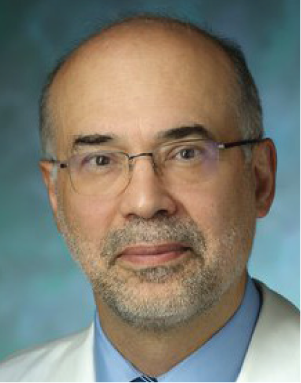
Amir Hamrahian, MD | 
Smita Kargutkar, MD |
Click HERE to read the supplement.
©2022 Corcept Therapeutics Incorporated. All Rights Reserved. DSE-00997 DEC 2022
Lewis Blevins, MD; Richard Auchus, MD, PhD; David Brown, MD, PhD; Amir Hamrahian, MD; and Smita Kargutkar, MD share their insights and real-world perspectives on hypercortisolism diagnosis and management, including:
• The understanding of hypercortisolism has evolved significantly over the past decades to extend beyond classic physical manifestations (e.g., central obesity, facial plethora, buffalo hump, purple striae)
• Early identification of patients with mild autonomous cortisol secretion is important as hypercortisolism can lead to age-inappropriate and treatment-resistant metabolic syndrome
• Patient identification and management approaches for hypercortisolism can differ between academic and community settings due to differences in available resources and multidisciplinary management teams
• Educating primary care providers and community endocrinologists about the consequences of hypercortisolism can be beneficial in bridging the gap between academic and community settings
|
Lewis Blevins, MD |
Richard Auchus, MD, PhD
|
David Brown, MD, PhD
|
|
Amir Hamrahian, MD |
Smita Kargutkar, MD |
Click HERE to read the supplement.
©2022 Corcept Therapeutics Incorporated. All Rights Reserved. DSE-00997 DEC 2022
Lewis Blevins, MD; Richard Auchus, MD, PhD; David Brown, MD, PhD; Amir Hamrahian, MD; and Smita Kargutkar, MD share their insights and real-world perspectives on hypercortisolism diagnosis and management, including:
• The understanding of hypercortisolism has evolved significantly over the past decades to extend beyond classic physical manifestations (e.g., central obesity, facial plethora, buffalo hump, purple striae)
• Early identification of patients with mild autonomous cortisol secretion is important as hypercortisolism can lead to age-inappropriate and treatment-resistant metabolic syndrome
• Patient identification and management approaches for hypercortisolism can differ between academic and community settings due to differences in available resources and multidisciplinary management teams
• Educating primary care providers and community endocrinologists about the consequences of hypercortisolism can be beneficial in bridging the gap between academic and community settings
|
Lewis Blevins, MD |
Richard Auchus, MD, PhD
|
David Brown, MD, PhD
|
|
Amir Hamrahian, MD |
Smita Kargutkar, MD |
Click HERE to read the supplement.
©2022 Corcept Therapeutics Incorporated. All Rights Reserved. DSE-00997 DEC 2022
Intermittent fasting can lead to type 2 diabetes remission
In a small randomized controlled trial of patients with type 2 diabetes in China, close to half of those who followed a novel intermittent fasting program for 3 months had diabetes remission (A1c less than 6.5% without taking antidiabetic drugs) that persisted for 1 year.
Importantly, “this study was performed under real-life conditions, and the intervention was delivered by trained nurses in primary care rather than by specialized staff at a research institute, making it a more practical and achievable way to manage” type 2 diabetes, the authors report.
Moreover, 65% of the patients in the intervention group who achieved diabetes remission had had diabetes for more than 6 years, which “suggests the possibility of remission for patients with longer duration” of diabetes, they note.

In addition, antidiabetic medication costs decreased by 77%, compared with baseline, in patients in the intermittent-fasting intervention group.
Although intermittent fasting has been studied for weight loss, it had not been investigated for effectiveness for diabetes remission.
These findings suggest that intermittent fasting “could be a paradigm shift in the management goals in diabetes care,” Xiao Yang and colleagues conclude in their study, published online in The Journal of Clinical Endocrinology & Metabolism.
“Type 2 diabetes is not necessarily a permanent, lifelong disease,” senior author Dongbo Liu, PhD, from the Hunan Agricultural University, Changsha, China, added in a press release from The Endocrine Society.
“Diabetes remission is possible if patients lose weight by changing their diet and exercise habits,” Dr. Liu said.
‘Excellent outcome’
Invited to comment, Amy E. Rothberg, MD, PhD, who was not involved with the research, agreed that the study indicates that intermittent fasting works for diabetes remission.
“We know that diabetes remission is possible with calorie restriction and subsequent weight loss, and intermittent fasting is just one of the many [dietary] approaches that may be suitable, appealing, and sustainable to some individuals, and usually results in calorie restriction and therefore weight loss,” she said.
The most studied types of intermittent fasting diets are alternate-day fasting, the 5:2 diet, and time-restricted consumption, Dr. Rothberg told this news organization.
This study presented a novel type of intermittent fasting, she noted. The intervention consisted of 6 cycles (3 months) of 5 fasting days followed by 10 ad libitum days, and then 3 months of follow-up (with no fasting days).
After 3 months of the intervention plus 3 months of follow-up, 47% of the 36 patients in the intervention group achieved diabetes remission (with a mean A1c of 5.66%), compared with only 2.8% of the 36 patients in the control group.
At 12 months, 44% of patients in the intervention group had sustained diabetes remission (with a mean A1c of 6.33%).
This was “an excellent outcome,” said Dr. Rothberg, professor of nutritional sciences, School of Public Health, University of Michigan, Ann Arbor, and a co-author of an international consensus statement that defined diabetes remission.
On average, patients in the intermittent fasting group lost 5.93 kg (13.0 lb) in 3 months, which was sustained over 12 months. “The large amount of weight reduction is key to continuing to achieve diabetes remission,” she noted.
This contrasted with an average weight loss of just 0.27 kg (0.6 lb) in the control group.
Participants who were prescribed fewer antidiabetic medications were more likely to achieve diabetes remission. The researchers acknowledge that the study was not blinded, and they did not record physical activity (although participants were encouraged to maintain their usual physical activity).
This was a small study, Dr. Rothberg acknowledged. The researchers did not specify which specific antidiabetic drugs patients were taking, and they did not determine waist or hip circumference or assess lipids.
The diet was culturally sensitive, appropriate, and feasible in this Chinese population and would not be generalizable to non-Asians.
Nevertheless, a similar approach could be used in any population if the diet is tailored to the individual, according to Dr. Rothberg. Importantly, patients would need to receive guidance from a dietician to make sure their diet comprises all the necessary micronutrients, vitamins, and minerals on fasting days, and they would need to maintain a relatively balanced diet and not gorge themselves on feast days.
“I think we should campaign widely about lifestyle approaches to achieve diabetes remission,” she urged.
72 patients with diabetes for an average of 6.6 years
“Despite a widespread public consensus that [type 2 diabetes] is irreversible and requires drug treatment escalation, there is some evidence of the possibility of remission,” Dr. Yang and colleagues write in their article.
They aimed to evaluate the effectiveness of intermittent fasting for diabetes remission and the durability of diabetes remission at 1 year.
Diabetes remission was defined having a stable A1c less than 6.5% for at least 3 months after discontinuing all antidiabetic medications, confirmed in at least annual A1c measurements (according to a 2021 consensus statement initiated by the American Diabetes Association).
Between 2019 and 2020, the researchers enrolled 72 participants aged 38-72 years who had had type 2 diabetes (duration 1 to 11 years) and a body mass index (BMI) of 19.1-30.4 kg/m2. Patients were randomized 1:1 to the intermittent fasting group or control group.
Baseline characteristics were similar in both groups. Patients were a mean age of 53 years and roughly 60% were men. They had a mean BMI of 24 kg/m2, a mean duration of diabetes of 6.6 years, and a mean A1c of 7.6%, and they were taking an average of 1.8 glucose-lowering medications.
On fasting days, patients in the intervention group received a Chinese Medical Nutrition Therapy kit that provided approximately 840 kcal/day (46% carbohydrates, 46% fat, 8% protein). The kit included a breakfast of a fruit and vegetable gruel, lunch of a solid beverage plus a nutritional rice composite, and dinner of a solid beverage and a meal replacement biscuit, which participants reconstituted by mixing with boiling water. They were allowed to consume noncaloric beverages.
On nonfasting days, patients chose foods ad libitum based on the 2017 Dietary Guidelines for Diabetes in China, which recommend approximately 50%-65% of total energy intake from carbohydrates, 15%-20% from protein, and 20%-30% from fat, and had greater than or equal to 5 g fiber per serving.
Patients in the control group chose foods ad libitum from the dietary guidelines during the entire study.
The study received funding from the National Natural Science Foundation of China. The authors have reported no relevant financial disclosures.
A version of this article first appeared on Medscape.com.
In a small randomized controlled trial of patients with type 2 diabetes in China, close to half of those who followed a novel intermittent fasting program for 3 months had diabetes remission (A1c less than 6.5% without taking antidiabetic drugs) that persisted for 1 year.
Importantly, “this study was performed under real-life conditions, and the intervention was delivered by trained nurses in primary care rather than by specialized staff at a research institute, making it a more practical and achievable way to manage” type 2 diabetes, the authors report.
Moreover, 65% of the patients in the intervention group who achieved diabetes remission had had diabetes for more than 6 years, which “suggests the possibility of remission for patients with longer duration” of diabetes, they note.
In addition, antidiabetic medication costs decreased by 77%, compared with baseline, in patients in the intermittent-fasting intervention group.
Although intermittent fasting has been studied for weight loss, it had not been investigated for effectiveness for diabetes remission.
These findings suggest that intermittent fasting “could be a paradigm shift in the management goals in diabetes care,” Xiao Yang and colleagues conclude in their study, published online in The Journal of Clinical Endocrinology & Metabolism.
“Type 2 diabetes is not necessarily a permanent, lifelong disease,” senior author Dongbo Liu, PhD, from the Hunan Agricultural University, Changsha, China, added in a press release from The Endocrine Society.
“Diabetes remission is possible if patients lose weight by changing their diet and exercise habits,” Dr. Liu said.
‘Excellent outcome’
Invited to comment, Amy E. Rothberg, MD, PhD, who was not involved with the research, agreed that the study indicates that intermittent fasting works for diabetes remission.
“We know that diabetes remission is possible with calorie restriction and subsequent weight loss, and intermittent fasting is just one of the many [dietary] approaches that may be suitable, appealing, and sustainable to some individuals, and usually results in calorie restriction and therefore weight loss,” she said.
The most studied types of intermittent fasting diets are alternate-day fasting, the 5:2 diet, and time-restricted consumption, Dr. Rothberg told this news organization.
This study presented a novel type of intermittent fasting, she noted. The intervention consisted of 6 cycles (3 months) of 5 fasting days followed by 10 ad libitum days, and then 3 months of follow-up (with no fasting days).
After 3 months of the intervention plus 3 months of follow-up, 47% of the 36 patients in the intervention group achieved diabetes remission (with a mean A1c of 5.66%), compared with only 2.8% of the 36 patients in the control group.
At 12 months, 44% of patients in the intervention group had sustained diabetes remission (with a mean A1c of 6.33%).
This was “an excellent outcome,” said Dr. Rothberg, professor of nutritional sciences, School of Public Health, University of Michigan, Ann Arbor, and a co-author of an international consensus statement that defined diabetes remission.
On average, patients in the intermittent fasting group lost 5.93 kg (13.0 lb) in 3 months, which was sustained over 12 months. “The large amount of weight reduction is key to continuing to achieve diabetes remission,” she noted.
This contrasted with an average weight loss of just 0.27 kg (0.6 lb) in the control group.
Participants who were prescribed fewer antidiabetic medications were more likely to achieve diabetes remission. The researchers acknowledge that the study was not blinded, and they did not record physical activity (although participants were encouraged to maintain their usual physical activity).
This was a small study, Dr. Rothberg acknowledged. The researchers did not specify which specific antidiabetic drugs patients were taking, and they did not determine waist or hip circumference or assess lipids.
The diet was culturally sensitive, appropriate, and feasible in this Chinese population and would not be generalizable to non-Asians.
Nevertheless, a similar approach could be used in any population if the diet is tailored to the individual, according to Dr. Rothberg. Importantly, patients would need to receive guidance from a dietician to make sure their diet comprises all the necessary micronutrients, vitamins, and minerals on fasting days, and they would need to maintain a relatively balanced diet and not gorge themselves on feast days.
“I think we should campaign widely about lifestyle approaches to achieve diabetes remission,” she urged.
72 patients with diabetes for an average of 6.6 years
“Despite a widespread public consensus that [type 2 diabetes] is irreversible and requires drug treatment escalation, there is some evidence of the possibility of remission,” Dr. Yang and colleagues write in their article.
They aimed to evaluate the effectiveness of intermittent fasting for diabetes remission and the durability of diabetes remission at 1 year.
Diabetes remission was defined having a stable A1c less than 6.5% for at least 3 months after discontinuing all antidiabetic medications, confirmed in at least annual A1c measurements (according to a 2021 consensus statement initiated by the American Diabetes Association).
Between 2019 and 2020, the researchers enrolled 72 participants aged 38-72 years who had had type 2 diabetes (duration 1 to 11 years) and a body mass index (BMI) of 19.1-30.4 kg/m2. Patients were randomized 1:1 to the intermittent fasting group or control group.
Baseline characteristics were similar in both groups. Patients were a mean age of 53 years and roughly 60% were men. They had a mean BMI of 24 kg/m2, a mean duration of diabetes of 6.6 years, and a mean A1c of 7.6%, and they were taking an average of 1.8 glucose-lowering medications.
On fasting days, patients in the intervention group received a Chinese Medical Nutrition Therapy kit that provided approximately 840 kcal/day (46% carbohydrates, 46% fat, 8% protein). The kit included a breakfast of a fruit and vegetable gruel, lunch of a solid beverage plus a nutritional rice composite, and dinner of a solid beverage and a meal replacement biscuit, which participants reconstituted by mixing with boiling water. They were allowed to consume noncaloric beverages.
On nonfasting days, patients chose foods ad libitum based on the 2017 Dietary Guidelines for Diabetes in China, which recommend approximately 50%-65% of total energy intake from carbohydrates, 15%-20% from protein, and 20%-30% from fat, and had greater than or equal to 5 g fiber per serving.
Patients in the control group chose foods ad libitum from the dietary guidelines during the entire study.
The study received funding from the National Natural Science Foundation of China. The authors have reported no relevant financial disclosures.
A version of this article first appeared on Medscape.com.
In a small randomized controlled trial of patients with type 2 diabetes in China, close to half of those who followed a novel intermittent fasting program for 3 months had diabetes remission (A1c less than 6.5% without taking antidiabetic drugs) that persisted for 1 year.
Importantly, “this study was performed under real-life conditions, and the intervention was delivered by trained nurses in primary care rather than by specialized staff at a research institute, making it a more practical and achievable way to manage” type 2 diabetes, the authors report.
Moreover, 65% of the patients in the intervention group who achieved diabetes remission had had diabetes for more than 6 years, which “suggests the possibility of remission for patients with longer duration” of diabetes, they note.
In addition, antidiabetic medication costs decreased by 77%, compared with baseline, in patients in the intermittent-fasting intervention group.
Although intermittent fasting has been studied for weight loss, it had not been investigated for effectiveness for diabetes remission.
These findings suggest that intermittent fasting “could be a paradigm shift in the management goals in diabetes care,” Xiao Yang and colleagues conclude in their study, published online in The Journal of Clinical Endocrinology & Metabolism.
“Type 2 diabetes is not necessarily a permanent, lifelong disease,” senior author Dongbo Liu, PhD, from the Hunan Agricultural University, Changsha, China, added in a press release from The Endocrine Society.
“Diabetes remission is possible if patients lose weight by changing their diet and exercise habits,” Dr. Liu said.
‘Excellent outcome’
Invited to comment, Amy E. Rothberg, MD, PhD, who was not involved with the research, agreed that the study indicates that intermittent fasting works for diabetes remission.
“We know that diabetes remission is possible with calorie restriction and subsequent weight loss, and intermittent fasting is just one of the many [dietary] approaches that may be suitable, appealing, and sustainable to some individuals, and usually results in calorie restriction and therefore weight loss,” she said.
The most studied types of intermittent fasting diets are alternate-day fasting, the 5:2 diet, and time-restricted consumption, Dr. Rothberg told this news organization.
This study presented a novel type of intermittent fasting, she noted. The intervention consisted of 6 cycles (3 months) of 5 fasting days followed by 10 ad libitum days, and then 3 months of follow-up (with no fasting days).
After 3 months of the intervention plus 3 months of follow-up, 47% of the 36 patients in the intervention group achieved diabetes remission (with a mean A1c of 5.66%), compared with only 2.8% of the 36 patients in the control group.
At 12 months, 44% of patients in the intervention group had sustained diabetes remission (with a mean A1c of 6.33%).
This was “an excellent outcome,” said Dr. Rothberg, professor of nutritional sciences, School of Public Health, University of Michigan, Ann Arbor, and a co-author of an international consensus statement that defined diabetes remission.
On average, patients in the intermittent fasting group lost 5.93 kg (13.0 lb) in 3 months, which was sustained over 12 months. “The large amount of weight reduction is key to continuing to achieve diabetes remission,” she noted.
This contrasted with an average weight loss of just 0.27 kg (0.6 lb) in the control group.
Participants who were prescribed fewer antidiabetic medications were more likely to achieve diabetes remission. The researchers acknowledge that the study was not blinded, and they did not record physical activity (although participants were encouraged to maintain their usual physical activity).
This was a small study, Dr. Rothberg acknowledged. The researchers did not specify which specific antidiabetic drugs patients were taking, and they did not determine waist or hip circumference or assess lipids.
The diet was culturally sensitive, appropriate, and feasible in this Chinese population and would not be generalizable to non-Asians.
Nevertheless, a similar approach could be used in any population if the diet is tailored to the individual, according to Dr. Rothberg. Importantly, patients would need to receive guidance from a dietician to make sure their diet comprises all the necessary micronutrients, vitamins, and minerals on fasting days, and they would need to maintain a relatively balanced diet and not gorge themselves on feast days.
“I think we should campaign widely about lifestyle approaches to achieve diabetes remission,” she urged.
72 patients with diabetes for an average of 6.6 years
“Despite a widespread public consensus that [type 2 diabetes] is irreversible and requires drug treatment escalation, there is some evidence of the possibility of remission,” Dr. Yang and colleagues write in their article.
They aimed to evaluate the effectiveness of intermittent fasting for diabetes remission and the durability of diabetes remission at 1 year.
Diabetes remission was defined having a stable A1c less than 6.5% for at least 3 months after discontinuing all antidiabetic medications, confirmed in at least annual A1c measurements (according to a 2021 consensus statement initiated by the American Diabetes Association).
Between 2019 and 2020, the researchers enrolled 72 participants aged 38-72 years who had had type 2 diabetes (duration 1 to 11 years) and a body mass index (BMI) of 19.1-30.4 kg/m2. Patients were randomized 1:1 to the intermittent fasting group or control group.
Baseline characteristics were similar in both groups. Patients were a mean age of 53 years and roughly 60% were men. They had a mean BMI of 24 kg/m2, a mean duration of diabetes of 6.6 years, and a mean A1c of 7.6%, and they were taking an average of 1.8 glucose-lowering medications.
On fasting days, patients in the intervention group received a Chinese Medical Nutrition Therapy kit that provided approximately 840 kcal/day (46% carbohydrates, 46% fat, 8% protein). The kit included a breakfast of a fruit and vegetable gruel, lunch of a solid beverage plus a nutritional rice composite, and dinner of a solid beverage and a meal replacement biscuit, which participants reconstituted by mixing with boiling water. They were allowed to consume noncaloric beverages.
On nonfasting days, patients chose foods ad libitum based on the 2017 Dietary Guidelines for Diabetes in China, which recommend approximately 50%-65% of total energy intake from carbohydrates, 15%-20% from protein, and 20%-30% from fat, and had greater than or equal to 5 g fiber per serving.
Patients in the control group chose foods ad libitum from the dietary guidelines during the entire study.
The study received funding from the National Natural Science Foundation of China. The authors have reported no relevant financial disclosures.
A version of this article first appeared on Medscape.com.

DELIVER subanalysis ‘seals deal’ for dapagliflozin in HF
A prespecified analysis of a large global trial of patients with symptomatic heart failure with mildly reduced and preserved ejection fraction “seals the deal” on the efficacy of sodium-glucose cotransporter 2 (SGLT2) inhibitors to manage and improve their symptoms.
The prespecified analysis of the DELIVER (Dapagliflozin Evaluation to Improve the Lives of Patients with Preserved Ejection Fraction Heart Failure) trial included 5,795 patients with mildly reduced and preserved ejection fraction who completed the Kansas City Cardiomyopathy Questionnaire (KCCQ) after taking the SGLT2 inhibitor dapagliflozin or placebo. The results were published online in the Journal of the American College of Cardiology.
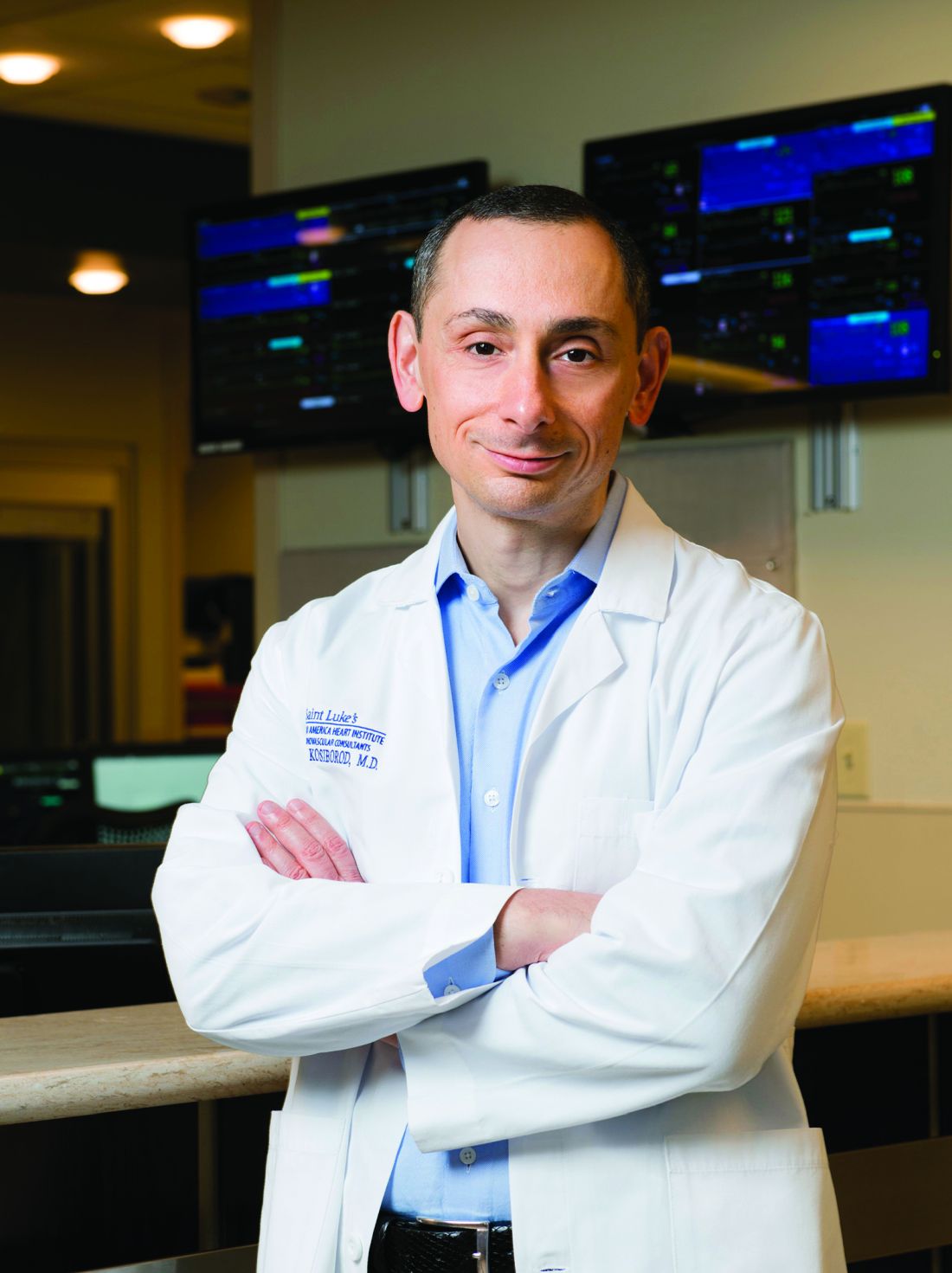
“We’ve known from studies prior to DELIVER that SGLT2 inhibitors have been shown to improve health status, patient symptoms and quality of life among those that are living with heart failure and mildly reduced [HFmrEF] and preserved [HFpEF] ejection fraction,” lead author Mikhail N. Kosiborod, MD, vice president for research at Saint Luke’s Health System, and codirector of the St. Luke’s Michael and Marly Haverty Cardiometabolic Center of Excellence at St. Luke’s Mid America Heart Institute, Kansas City, Mo., said in an interview. “But the picture was incomplete for a number of different reasons, partly because the previous studies were either relatively modest in size, geographically limited, or suggested potential attenuation of these benefits in patients with completely normal ejection fraction.”
Specifically, the study authors noted the EMPEROR-Preserved trial of the SGLT2 inhibitor empagliflozin showed improvement in health status vs. placebo across the range of EF except in those with normal EF of 65% or greater. The PRESERVED-HF trial of dapagliflozin demonstrated a more robust response than EMPEROR-Preserved or DELIVER, but PRESERVED-HF patients were recruited only in the United States and had more debilitating HF symptoms at baseline.
“Because of the results of the DELIVER trial and because of how large, extensive, and inclusive the trial was, it really seals the deal on the value of SGLT2 inhibitors in patients with heart failure,” said Dr. Kosiborod, who is also a professor of medicine at the University of Missouri–Kansas City.
The DELIVER analysis found that the effects of dapagliflozin on reducing cardiovascular death and worsening HF were greatest in patients who had the most debilitating symptoms at baseline, measured as KCCQ total symptom score (TSS) as 63 or less, the lowest of three tertiles used in the analysis. At baseline, these patients had the highest rates of CV death or worsening HF than those in the other two tertiles: KCCQ-TSS of 63-84, and greater than 84.
Compared with placebo, treated patients in the lowest KCCQ-TSS quartile had a 30% reduction in risk for the primary composite outcome, which consisted of time to first CV death or HF event (hazard ratio, 0.70; 95% confidence interval, 0.58-0.84; P < .001). In the second tertile, the relative risk reduction was 19% (HR, 0.81; 95% CI, 0.65-1.01; P < .006), and the highest quartile showed no significant difference between treatment and placebo (HR, 1.07; 95% CI, 0.83-1.37; P < .62).
“The most important take home message is that the SGLT2 inhibitor dapagliflozin significantly improved patient symptoms as measured by the Kansas City Cardiomyopathy Questionnaire symptom score,” Dr. Kosiborod said. “It improved those symptoms within 1 month and those benefits were sustained out to 8 months.”
DELIVER patients also showed improvement in all other key KCCQ domains across the board, he added. “In addition, dapagliflozin also improved the proportion of patients who had small, moderate, and large improvements in a responder analysis. So really, by every measure that we had, dapagliflozin had a significant beneficial effect.”
The DELIVER results taken collectively with the EMPEROR-Preserved and PRESERVED-HF trials cinch the deal for SGLT2 inhibitors, Dr. Kosiborod said. “They deliver on the triple goal of care in patients with heart failure. They reduce the risk of cardiovascular death and worsening heart failure and they improve patient symptoms, function and quality of life – and they accomplish that across the entire continuum of heart failure regardless of ejection fraction, regardless of whether patients are hospitalized or in an ambulatory setting, regardless of age or background therapies or other comorbidities.”
He added: “It’s a pretty historic development because we haven’t had that before.”
AstraZeneca funded the DELIVER trial. Dr. Kosiborod disclosed financial relationships with Alnylam, Amgen, Applied Therapeutics, Bayer, Boehringer Ingelheim, Cytokinetics, Dexcom, Eli Lilly, Esperion Therapeutics, Janssen, Lexicon, Merck (Diabetes and Cardiovascular), Novo Nordisk, Sanofi, Pharmacosmos and Vifor Pharma.
A prespecified analysis of a large global trial of patients with symptomatic heart failure with mildly reduced and preserved ejection fraction “seals the deal” on the efficacy of sodium-glucose cotransporter 2 (SGLT2) inhibitors to manage and improve their symptoms.
The prespecified analysis of the DELIVER (Dapagliflozin Evaluation to Improve the Lives of Patients with Preserved Ejection Fraction Heart Failure) trial included 5,795 patients with mildly reduced and preserved ejection fraction who completed the Kansas City Cardiomyopathy Questionnaire (KCCQ) after taking the SGLT2 inhibitor dapagliflozin or placebo. The results were published online in the Journal of the American College of Cardiology.
“We’ve known from studies prior to DELIVER that SGLT2 inhibitors have been shown to improve health status, patient symptoms and quality of life among those that are living with heart failure and mildly reduced [HFmrEF] and preserved [HFpEF] ejection fraction,” lead author Mikhail N. Kosiborod, MD, vice president for research at Saint Luke’s Health System, and codirector of the St. Luke’s Michael and Marly Haverty Cardiometabolic Center of Excellence at St. Luke’s Mid America Heart Institute, Kansas City, Mo., said in an interview. “But the picture was incomplete for a number of different reasons, partly because the previous studies were either relatively modest in size, geographically limited, or suggested potential attenuation of these benefits in patients with completely normal ejection fraction.”
Specifically, the study authors noted the EMPEROR-Preserved trial of the SGLT2 inhibitor empagliflozin showed improvement in health status vs. placebo across the range of EF except in those with normal EF of 65% or greater. The PRESERVED-HF trial of dapagliflozin demonstrated a more robust response than EMPEROR-Preserved or DELIVER, but PRESERVED-HF patients were recruited only in the United States and had more debilitating HF symptoms at baseline.
“Because of the results of the DELIVER trial and because of how large, extensive, and inclusive the trial was, it really seals the deal on the value of SGLT2 inhibitors in patients with heart failure,” said Dr. Kosiborod, who is also a professor of medicine at the University of Missouri–Kansas City.
The DELIVER analysis found that the effects of dapagliflozin on reducing cardiovascular death and worsening HF were greatest in patients who had the most debilitating symptoms at baseline, measured as KCCQ total symptom score (TSS) as 63 or less, the lowest of three tertiles used in the analysis. At baseline, these patients had the highest rates of CV death or worsening HF than those in the other two tertiles: KCCQ-TSS of 63-84, and greater than 84.
Compared with placebo, treated patients in the lowest KCCQ-TSS quartile had a 30% reduction in risk for the primary composite outcome, which consisted of time to first CV death or HF event (hazard ratio, 0.70; 95% confidence interval, 0.58-0.84; P < .001). In the second tertile, the relative risk reduction was 19% (HR, 0.81; 95% CI, 0.65-1.01; P < .006), and the highest quartile showed no significant difference between treatment and placebo (HR, 1.07; 95% CI, 0.83-1.37; P < .62).
“The most important take home message is that the SGLT2 inhibitor dapagliflozin significantly improved patient symptoms as measured by the Kansas City Cardiomyopathy Questionnaire symptom score,” Dr. Kosiborod said. “It improved those symptoms within 1 month and those benefits were sustained out to 8 months.”
DELIVER patients also showed improvement in all other key KCCQ domains across the board, he added. “In addition, dapagliflozin also improved the proportion of patients who had small, moderate, and large improvements in a responder analysis. So really, by every measure that we had, dapagliflozin had a significant beneficial effect.”
The DELIVER results taken collectively with the EMPEROR-Preserved and PRESERVED-HF trials cinch the deal for SGLT2 inhibitors, Dr. Kosiborod said. “They deliver on the triple goal of care in patients with heart failure. They reduce the risk of cardiovascular death and worsening heart failure and they improve patient symptoms, function and quality of life – and they accomplish that across the entire continuum of heart failure regardless of ejection fraction, regardless of whether patients are hospitalized or in an ambulatory setting, regardless of age or background therapies or other comorbidities.”
He added: “It’s a pretty historic development because we haven’t had that before.”
AstraZeneca funded the DELIVER trial. Dr. Kosiborod disclosed financial relationships with Alnylam, Amgen, Applied Therapeutics, Bayer, Boehringer Ingelheim, Cytokinetics, Dexcom, Eli Lilly, Esperion Therapeutics, Janssen, Lexicon, Merck (Diabetes and Cardiovascular), Novo Nordisk, Sanofi, Pharmacosmos and Vifor Pharma.
A prespecified analysis of a large global trial of patients with symptomatic heart failure with mildly reduced and preserved ejection fraction “seals the deal” on the efficacy of sodium-glucose cotransporter 2 (SGLT2) inhibitors to manage and improve their symptoms.
The prespecified analysis of the DELIVER (Dapagliflozin Evaluation to Improve the Lives of Patients with Preserved Ejection Fraction Heart Failure) trial included 5,795 patients with mildly reduced and preserved ejection fraction who completed the Kansas City Cardiomyopathy Questionnaire (KCCQ) after taking the SGLT2 inhibitor dapagliflozin or placebo. The results were published online in the Journal of the American College of Cardiology.
“We’ve known from studies prior to DELIVER that SGLT2 inhibitors have been shown to improve health status, patient symptoms and quality of life among those that are living with heart failure and mildly reduced [HFmrEF] and preserved [HFpEF] ejection fraction,” lead author Mikhail N. Kosiborod, MD, vice president for research at Saint Luke’s Health System, and codirector of the St. Luke’s Michael and Marly Haverty Cardiometabolic Center of Excellence at St. Luke’s Mid America Heart Institute, Kansas City, Mo., said in an interview. “But the picture was incomplete for a number of different reasons, partly because the previous studies were either relatively modest in size, geographically limited, or suggested potential attenuation of these benefits in patients with completely normal ejection fraction.”
Specifically, the study authors noted the EMPEROR-Preserved trial of the SGLT2 inhibitor empagliflozin showed improvement in health status vs. placebo across the range of EF except in those with normal EF of 65% or greater. The PRESERVED-HF trial of dapagliflozin demonstrated a more robust response than EMPEROR-Preserved or DELIVER, but PRESERVED-HF patients were recruited only in the United States and had more debilitating HF symptoms at baseline.
“Because of the results of the DELIVER trial and because of how large, extensive, and inclusive the trial was, it really seals the deal on the value of SGLT2 inhibitors in patients with heart failure,” said Dr. Kosiborod, who is also a professor of medicine at the University of Missouri–Kansas City.
The DELIVER analysis found that the effects of dapagliflozin on reducing cardiovascular death and worsening HF were greatest in patients who had the most debilitating symptoms at baseline, measured as KCCQ total symptom score (TSS) as 63 or less, the lowest of three tertiles used in the analysis. At baseline, these patients had the highest rates of CV death or worsening HF than those in the other two tertiles: KCCQ-TSS of 63-84, and greater than 84.
Compared with placebo, treated patients in the lowest KCCQ-TSS quartile had a 30% reduction in risk for the primary composite outcome, which consisted of time to first CV death or HF event (hazard ratio, 0.70; 95% confidence interval, 0.58-0.84; P < .001). In the second tertile, the relative risk reduction was 19% (HR, 0.81; 95% CI, 0.65-1.01; P < .006), and the highest quartile showed no significant difference between treatment and placebo (HR, 1.07; 95% CI, 0.83-1.37; P < .62).
“The most important take home message is that the SGLT2 inhibitor dapagliflozin significantly improved patient symptoms as measured by the Kansas City Cardiomyopathy Questionnaire symptom score,” Dr. Kosiborod said. “It improved those symptoms within 1 month and those benefits were sustained out to 8 months.”
DELIVER patients also showed improvement in all other key KCCQ domains across the board, he added. “In addition, dapagliflozin also improved the proportion of patients who had small, moderate, and large improvements in a responder analysis. So really, by every measure that we had, dapagliflozin had a significant beneficial effect.”
The DELIVER results taken collectively with the EMPEROR-Preserved and PRESERVED-HF trials cinch the deal for SGLT2 inhibitors, Dr. Kosiborod said. “They deliver on the triple goal of care in patients with heart failure. They reduce the risk of cardiovascular death and worsening heart failure and they improve patient symptoms, function and quality of life – and they accomplish that across the entire continuum of heart failure regardless of ejection fraction, regardless of whether patients are hospitalized or in an ambulatory setting, regardless of age or background therapies or other comorbidities.”
He added: “It’s a pretty historic development because we haven’t had that before.”
AstraZeneca funded the DELIVER trial. Dr. Kosiborod disclosed financial relationships with Alnylam, Amgen, Applied Therapeutics, Bayer, Boehringer Ingelheim, Cytokinetics, Dexcom, Eli Lilly, Esperion Therapeutics, Janssen, Lexicon, Merck (Diabetes and Cardiovascular), Novo Nordisk, Sanofi, Pharmacosmos and Vifor Pharma.
FROM THE JOURNAL OF THE AMERICAN COLLEGE OF CARDIOLOGY
Updated materials and mentoring can boost diversity in dermatology
LAS VEGAS – in the specialty.
The growing ethnic minority population in the United States “underscores the need for medical education to ensure dermatologists are prepared to provide quality care for patients of diverse racial and ethnic backgrounds,” said Dr. Taylor, the Bernett L. Johnson Jr., MD, Professor, and vice chair for diversity, equity, and inclusion in the department of dermatology at the University of Pennsylvania.

Improving education includes diversifying resource material, she said. A recent study in the Journal of the American Academy of Dermatology showed the representation of skin tones on Google searches for skin conditions was mostly light skin (91.7%), although non-Hispanic Whites account for less than two-thirds (approximately 60%) of the U.S. population, she said. Many people with darker skin tones “are not finding people who look like themselves” when they search skin conditions online, she noted.
The lack of diversity in images occurs not only on Google, “but in our textbooks, which are the foundational resources for our students,” said Nada M. Elbuluk, MD, founder and director of the Skin of Color and Pigmentary Disorders Program at the University of Southern California, Los Angeles. She also established the Dermatology Diversity and Inclusion Program at USC.

The underrepresentation of teaching images, combined with the lack of data on epidemiology and treatment, can translate to poorer quality of care for skin of color patients and contribute to more misdiagnoses in these populations, Dr. Elbuluk emphasized.
Cultural competency and workforce diversity are ongoing issues in dermatology, added Valerie D. Callender, MD, professor of dermatology at Howard University, Washington, and medical director of the Callender Dermatology & Cosmetic Center in Glenn Dale, Md.
“We know that patients of color seek physicians of color,” she said. “We need to target our residents’ interest in dermatology,” and all physicians need to be comfortable with treating patients of all races, she added.
Although more than 13% of Americans are Black, only 3% of dermatologists in the United States are Black, Dr. Callender noted. Similarly, 4.2% of dermatologists in the United States are Hispanic or Latino, but these groups make up more than 18% of the general U.S. population, according to a recent study, she said.
Cheryl M. Burgess, MD, founder and medical director of the Center for Dermatology and Dermatologic Surgery in Washington, presented a roadmap of strategies for improving diversity in dermatology, starting with increasing STEM education at the high school and college levels among all populations and increasing the pipeline of underrepresented students to medical schools.

Then, faculty should work to increase interest in dermatology among underrepresented medical students and increase the numbers of underrepresented medical students in dermatology residency programs, said Dr. Burgess, assistant clinical professor of dermatology at Georgetown University and George Washington University, Washington.
“The more diversity we have in our specialty, the more we learn from each other,” and increased diversity can promote new research questions, said Andrew F. Alexis, MD, vice chair for diversity and inclusion in the department of dermatology and professor of clinical dermatology at Weill Cornell Medicine, New York.

Increasing the diversity of populations in clinical trials is another important strategy to improve diversity in dermatology, he emphasized.
Mentoring is an excellent way to help underrepresented students develop and pursue a career in dermatology, the panelists agreed. Time is precious for everyone, so don’t hesitate to use Zoom and other technology to help connect with mentees, Dr. Burgess advised.
Dr. Taylor added that mentoring doesn’t have to be a huge time commitment, it can be as simple as volunteering once a year at a school career forum. “It is so gratifying to have these young people looking up to you,” she said.
The panelists disclosed relationships with multiple companies, but none were relevant to this panel discussion. MedscapeLive and this news organization are owned by the same parent company.
LAS VEGAS – in the specialty.
The growing ethnic minority population in the United States “underscores the need for medical education to ensure dermatologists are prepared to provide quality care for patients of diverse racial and ethnic backgrounds,” said Dr. Taylor, the Bernett L. Johnson Jr., MD, Professor, and vice chair for diversity, equity, and inclusion in the department of dermatology at the University of Pennsylvania.
Improving education includes diversifying resource material, she said. A recent study in the Journal of the American Academy of Dermatology showed the representation of skin tones on Google searches for skin conditions was mostly light skin (91.7%), although non-Hispanic Whites account for less than two-thirds (approximately 60%) of the U.S. population, she said. Many people with darker skin tones “are not finding people who look like themselves” when they search skin conditions online, she noted.
The lack of diversity in images occurs not only on Google, “but in our textbooks, which are the foundational resources for our students,” said Nada M. Elbuluk, MD, founder and director of the Skin of Color and Pigmentary Disorders Program at the University of Southern California, Los Angeles. She also established the Dermatology Diversity and Inclusion Program at USC.
The underrepresentation of teaching images, combined with the lack of data on epidemiology and treatment, can translate to poorer quality of care for skin of color patients and contribute to more misdiagnoses in these populations, Dr. Elbuluk emphasized.
Cultural competency and workforce diversity are ongoing issues in dermatology, added Valerie D. Callender, MD, professor of dermatology at Howard University, Washington, and medical director of the Callender Dermatology & Cosmetic Center in Glenn Dale, Md.
“We know that patients of color seek physicians of color,” she said. “We need to target our residents’ interest in dermatology,” and all physicians need to be comfortable with treating patients of all races, she added.
Although more than 13% of Americans are Black, only 3% of dermatologists in the United States are Black, Dr. Callender noted. Similarly, 4.2% of dermatologists in the United States are Hispanic or Latino, but these groups make up more than 18% of the general U.S. population, according to a recent study, she said.
Cheryl M. Burgess, MD, founder and medical director of the Center for Dermatology and Dermatologic Surgery in Washington, presented a roadmap of strategies for improving diversity in dermatology, starting with increasing STEM education at the high school and college levels among all populations and increasing the pipeline of underrepresented students to medical schools.
Then, faculty should work to increase interest in dermatology among underrepresented medical students and increase the numbers of underrepresented medical students in dermatology residency programs, said Dr. Burgess, assistant clinical professor of dermatology at Georgetown University and George Washington University, Washington.
“The more diversity we have in our specialty, the more we learn from each other,” and increased diversity can promote new research questions, said Andrew F. Alexis, MD, vice chair for diversity and inclusion in the department of dermatology and professor of clinical dermatology at Weill Cornell Medicine, New York.
Increasing the diversity of populations in clinical trials is another important strategy to improve diversity in dermatology, he emphasized.
Mentoring is an excellent way to help underrepresented students develop and pursue a career in dermatology, the panelists agreed. Time is precious for everyone, so don’t hesitate to use Zoom and other technology to help connect with mentees, Dr. Burgess advised.
Dr. Taylor added that mentoring doesn’t have to be a huge time commitment, it can be as simple as volunteering once a year at a school career forum. “It is so gratifying to have these young people looking up to you,” she said.
The panelists disclosed relationships with multiple companies, but none were relevant to this panel discussion. MedscapeLive and this news organization are owned by the same parent company.
LAS VEGAS – in the specialty.
The growing ethnic minority population in the United States “underscores the need for medical education to ensure dermatologists are prepared to provide quality care for patients of diverse racial and ethnic backgrounds,” said Dr. Taylor, the Bernett L. Johnson Jr., MD, Professor, and vice chair for diversity, equity, and inclusion in the department of dermatology at the University of Pennsylvania.
Improving education includes diversifying resource material, she said. A recent study in the Journal of the American Academy of Dermatology showed the representation of skin tones on Google searches for skin conditions was mostly light skin (91.7%), although non-Hispanic Whites account for less than two-thirds (approximately 60%) of the U.S. population, she said. Many people with darker skin tones “are not finding people who look like themselves” when they search skin conditions online, she noted.
The lack of diversity in images occurs not only on Google, “but in our textbooks, which are the foundational resources for our students,” said Nada M. Elbuluk, MD, founder and director of the Skin of Color and Pigmentary Disorders Program at the University of Southern California, Los Angeles. She also established the Dermatology Diversity and Inclusion Program at USC.
The underrepresentation of teaching images, combined with the lack of data on epidemiology and treatment, can translate to poorer quality of care for skin of color patients and contribute to more misdiagnoses in these populations, Dr. Elbuluk emphasized.
Cultural competency and workforce diversity are ongoing issues in dermatology, added Valerie D. Callender, MD, professor of dermatology at Howard University, Washington, and medical director of the Callender Dermatology & Cosmetic Center in Glenn Dale, Md.
“We know that patients of color seek physicians of color,” she said. “We need to target our residents’ interest in dermatology,” and all physicians need to be comfortable with treating patients of all races, she added.
Although more than 13% of Americans are Black, only 3% of dermatologists in the United States are Black, Dr. Callender noted. Similarly, 4.2% of dermatologists in the United States are Hispanic or Latino, but these groups make up more than 18% of the general U.S. population, according to a recent study, she said.
Cheryl M. Burgess, MD, founder and medical director of the Center for Dermatology and Dermatologic Surgery in Washington, presented a roadmap of strategies for improving diversity in dermatology, starting with increasing STEM education at the high school and college levels among all populations and increasing the pipeline of underrepresented students to medical schools.
Then, faculty should work to increase interest in dermatology among underrepresented medical students and increase the numbers of underrepresented medical students in dermatology residency programs, said Dr. Burgess, assistant clinical professor of dermatology at Georgetown University and George Washington University, Washington.
“The more diversity we have in our specialty, the more we learn from each other,” and increased diversity can promote new research questions, said Andrew F. Alexis, MD, vice chair for diversity and inclusion in the department of dermatology and professor of clinical dermatology at Weill Cornell Medicine, New York.
Increasing the diversity of populations in clinical trials is another important strategy to improve diversity in dermatology, he emphasized.
Mentoring is an excellent way to help underrepresented students develop and pursue a career in dermatology, the panelists agreed. Time is precious for everyone, so don’t hesitate to use Zoom and other technology to help connect with mentees, Dr. Burgess advised.
Dr. Taylor added that mentoring doesn’t have to be a huge time commitment, it can be as simple as volunteering once a year at a school career forum. “It is so gratifying to have these young people looking up to you,” she said.
The panelists disclosed relationships with multiple companies, but none were relevant to this panel discussion. MedscapeLive and this news organization are owned by the same parent company.
AT INNOVATIONS IN DERMATOLOGY