User login
Anxiety and Depression Association of America (ADAA): Annual Conference
Start older patients with GAD on medication early
LA JOLLA, CALIF. – When older patients with generalized anxiety disorder refuse to begin a course of medication treatment for their symptoms, Julie Wetherell, Ph.D., builds a case for why they should reconsider.
"I’ll say something like, ‘We can try to approach your problem without medication, but the evidence suggests that a pharmacotherapy approach carefully tailored and closely monitored may be more helpful for you than what we’re going to be able to do without medication,’ " she told people attending the annual conference of the Anxiety and Depression Association of America.
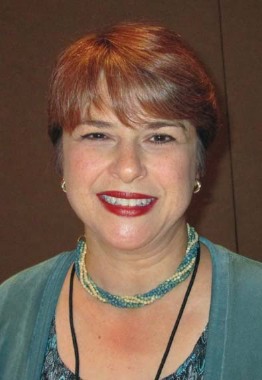
"After seeing enough data and enough cases where it was really difficult for me to make a dent without some kind of medication on board, I have come to a realization that I need to start that discussion up front. And if they’re willing to try a medication, I refer them to a geriatric psychiatrist colleague to make sure that the medication they end up taking is safe and appropriate."
Dr. Wetherell, a psychotherapist in the psychiatry department at the University of California, San Diego, likes to begin older patients with generalized anxiety disorder (GAD) on a course of relaxation training, "because it seems to be as effective, if not more so, than the full CBT [cognitive-behavioral therapy] package for GAD in later life," she said. "For panic disorder in older adults, the data are starting to look more positive. A recent study found that CBT was as effective as an SSRI [selective serotonin reuptake inhibitor] medication. Unfortunately, we still don’t know a lot about the effects of CBT on PTSD [post-traumatic stress disorder] and phobias in older people."
For those who do not respond to psychotherapy alone, Dr. Wetherell often employs motivational interviewing techniques, because anxious older adults "are often reluctant to take medication because of sensitivity to somatic sensations and worry about possible negative effects," she said. "In motivational interviewing, I frame the situation to note that taking medication is a way of taking charge of their health; it’s empowering. Many times for people who are anxious, the issue is a feeling that they are not in control of their environment and bad things could happen."
Informing patients that it might be possible to discontinue medication after a short-term course of treatment in conjunction with psychotherapy also is plausible, Dr. Wetherell said. "When people find out this isn’t something they necessarily need to be on forever, they can view the medication more like an antibiotic rather than like their blood pressure medication, which they know they’re likely to have to take for the rest of their lives."
She advises against prescribing medication for GAD patients on Fridays, because "someone can take the medication, experience something that they interpret as a side effect, not be able to get ahold of anyone, and then stop the medication over the weekend," she explained. "Call or have someone in your office call the patient 1 day after they start the medication and 4 days later, and try to see that person for a visit after 1 week. Talk about how it’s going and address any concerns, side effects, or sensations that may be troublesome."
Useful questions to consider about side effects include: "How bad is it right now, at this moment?" And "is it incapacitating?" "Usually, the answer is that it’s not too bad while they’re talking to you, so you can use that to encourage them to stay the course," Dr. Wetherell said. "And because I don’t prescribe medications myself, I always call the prescriber right away and ask them to call the patient within 24 hours to make sure that any medical issues are addressed."
Providing a phone number where patients can reach you 24/7 is a good practice, she continued, because anxious older adults "are often really sweet, and they don’t want to impose on anyone or be a burden. I’ve never had anyone call me after hours, but I think the idea that ‘we’re here for you if you have a problem’ is reassuring."
When conducting psychotherapy with older people, involving the family "can be really important," Dr. Wetherell said. "Working at a slower pace with repetition enhances learning. I like to use multimodal approaches if possible." This might include giving instructions or educational material in writing, or even audiotaping treatment sessions to afford them another opportunity to digest what was discussed.
Dr. Wetherell underscored the importance of collaborating with clinicians in other specialties to care for this patient population. "The model of a psychotherapist in a silo seeing an older person come and go doesn’t work," she said. "It’s vital that we work with colleagues not only in psychiatry but also in primary care and in rehabilitation. Unfortunately, we’re not all embedded in systems where that is easy, but it’s important to reach out to our medical colleagues and enlist them as allies, because mental health problems like anxiety or depression are going to affect the conditions that other providers are treating as well."
Dr. Wetherell said that she had no relevant financial conflicts to disclose.
LA JOLLA, CALIF. – When older patients with generalized anxiety disorder refuse to begin a course of medication treatment for their symptoms, Julie Wetherell, Ph.D., builds a case for why they should reconsider.
"I’ll say something like, ‘We can try to approach your problem without medication, but the evidence suggests that a pharmacotherapy approach carefully tailored and closely monitored may be more helpful for you than what we’re going to be able to do without medication,’ " she told people attending the annual conference of the Anxiety and Depression Association of America.
"After seeing enough data and enough cases where it was really difficult for me to make a dent without some kind of medication on board, I have come to a realization that I need to start that discussion up front. And if they’re willing to try a medication, I refer them to a geriatric psychiatrist colleague to make sure that the medication they end up taking is safe and appropriate."
Dr. Wetherell, a psychotherapist in the psychiatry department at the University of California, San Diego, likes to begin older patients with generalized anxiety disorder (GAD) on a course of relaxation training, "because it seems to be as effective, if not more so, than the full CBT [cognitive-behavioral therapy] package for GAD in later life," she said. "For panic disorder in older adults, the data are starting to look more positive. A recent study found that CBT was as effective as an SSRI [selective serotonin reuptake inhibitor] medication. Unfortunately, we still don’t know a lot about the effects of CBT on PTSD [post-traumatic stress disorder] and phobias in older people."
For those who do not respond to psychotherapy alone, Dr. Wetherell often employs motivational interviewing techniques, because anxious older adults "are often reluctant to take medication because of sensitivity to somatic sensations and worry about possible negative effects," she said. "In motivational interviewing, I frame the situation to note that taking medication is a way of taking charge of their health; it’s empowering. Many times for people who are anxious, the issue is a feeling that they are not in control of their environment and bad things could happen."
Informing patients that it might be possible to discontinue medication after a short-term course of treatment in conjunction with psychotherapy also is plausible, Dr. Wetherell said. "When people find out this isn’t something they necessarily need to be on forever, they can view the medication more like an antibiotic rather than like their blood pressure medication, which they know they’re likely to have to take for the rest of their lives."
She advises against prescribing medication for GAD patients on Fridays, because "someone can take the medication, experience something that they interpret as a side effect, not be able to get ahold of anyone, and then stop the medication over the weekend," she explained. "Call or have someone in your office call the patient 1 day after they start the medication and 4 days later, and try to see that person for a visit after 1 week. Talk about how it’s going and address any concerns, side effects, or sensations that may be troublesome."
Useful questions to consider about side effects include: "How bad is it right now, at this moment?" And "is it incapacitating?" "Usually, the answer is that it’s not too bad while they’re talking to you, so you can use that to encourage them to stay the course," Dr. Wetherell said. "And because I don’t prescribe medications myself, I always call the prescriber right away and ask them to call the patient within 24 hours to make sure that any medical issues are addressed."
Providing a phone number where patients can reach you 24/7 is a good practice, she continued, because anxious older adults "are often really sweet, and they don’t want to impose on anyone or be a burden. I’ve never had anyone call me after hours, but I think the idea that ‘we’re here for you if you have a problem’ is reassuring."
When conducting psychotherapy with older people, involving the family "can be really important," Dr. Wetherell said. "Working at a slower pace with repetition enhances learning. I like to use multimodal approaches if possible." This might include giving instructions or educational material in writing, or even audiotaping treatment sessions to afford them another opportunity to digest what was discussed.
Dr. Wetherell underscored the importance of collaborating with clinicians in other specialties to care for this patient population. "The model of a psychotherapist in a silo seeing an older person come and go doesn’t work," she said. "It’s vital that we work with colleagues not only in psychiatry but also in primary care and in rehabilitation. Unfortunately, we’re not all embedded in systems where that is easy, but it’s important to reach out to our medical colleagues and enlist them as allies, because mental health problems like anxiety or depression are going to affect the conditions that other providers are treating as well."
Dr. Wetherell said that she had no relevant financial conflicts to disclose.
LA JOLLA, CALIF. – When older patients with generalized anxiety disorder refuse to begin a course of medication treatment for their symptoms, Julie Wetherell, Ph.D., builds a case for why they should reconsider.
"I’ll say something like, ‘We can try to approach your problem without medication, but the evidence suggests that a pharmacotherapy approach carefully tailored and closely monitored may be more helpful for you than what we’re going to be able to do without medication,’ " she told people attending the annual conference of the Anxiety and Depression Association of America.
"After seeing enough data and enough cases where it was really difficult for me to make a dent without some kind of medication on board, I have come to a realization that I need to start that discussion up front. And if they’re willing to try a medication, I refer them to a geriatric psychiatrist colleague to make sure that the medication they end up taking is safe and appropriate."
Dr. Wetherell, a psychotherapist in the psychiatry department at the University of California, San Diego, likes to begin older patients with generalized anxiety disorder (GAD) on a course of relaxation training, "because it seems to be as effective, if not more so, than the full CBT [cognitive-behavioral therapy] package for GAD in later life," she said. "For panic disorder in older adults, the data are starting to look more positive. A recent study found that CBT was as effective as an SSRI [selective serotonin reuptake inhibitor] medication. Unfortunately, we still don’t know a lot about the effects of CBT on PTSD [post-traumatic stress disorder] and phobias in older people."
For those who do not respond to psychotherapy alone, Dr. Wetherell often employs motivational interviewing techniques, because anxious older adults "are often reluctant to take medication because of sensitivity to somatic sensations and worry about possible negative effects," she said. "In motivational interviewing, I frame the situation to note that taking medication is a way of taking charge of their health; it’s empowering. Many times for people who are anxious, the issue is a feeling that they are not in control of their environment and bad things could happen."
Informing patients that it might be possible to discontinue medication after a short-term course of treatment in conjunction with psychotherapy also is plausible, Dr. Wetherell said. "When people find out this isn’t something they necessarily need to be on forever, they can view the medication more like an antibiotic rather than like their blood pressure medication, which they know they’re likely to have to take for the rest of their lives."
She advises against prescribing medication for GAD patients on Fridays, because "someone can take the medication, experience something that they interpret as a side effect, not be able to get ahold of anyone, and then stop the medication over the weekend," she explained. "Call or have someone in your office call the patient 1 day after they start the medication and 4 days later, and try to see that person for a visit after 1 week. Talk about how it’s going and address any concerns, side effects, or sensations that may be troublesome."
Useful questions to consider about side effects include: "How bad is it right now, at this moment?" And "is it incapacitating?" "Usually, the answer is that it’s not too bad while they’re talking to you, so you can use that to encourage them to stay the course," Dr. Wetherell said. "And because I don’t prescribe medications myself, I always call the prescriber right away and ask them to call the patient within 24 hours to make sure that any medical issues are addressed."
Providing a phone number where patients can reach you 24/7 is a good practice, she continued, because anxious older adults "are often really sweet, and they don’t want to impose on anyone or be a burden. I’ve never had anyone call me after hours, but I think the idea that ‘we’re here for you if you have a problem’ is reassuring."
When conducting psychotherapy with older people, involving the family "can be really important," Dr. Wetherell said. "Working at a slower pace with repetition enhances learning. I like to use multimodal approaches if possible." This might include giving instructions or educational material in writing, or even audiotaping treatment sessions to afford them another opportunity to digest what was discussed.
Dr. Wetherell underscored the importance of collaborating with clinicians in other specialties to care for this patient population. "The model of a psychotherapist in a silo seeing an older person come and go doesn’t work," she said. "It’s vital that we work with colleagues not only in psychiatry but also in primary care and in rehabilitation. Unfortunately, we’re not all embedded in systems where that is easy, but it’s important to reach out to our medical colleagues and enlist them as allies, because mental health problems like anxiety or depression are going to affect the conditions that other providers are treating as well."
Dr. Wetherell said that she had no relevant financial conflicts to disclose.
EXPERT ANALYSIS AT THE ADAA ANNUAL CONFERENCE
Try antidepressants and CBT for anxiety in older adults
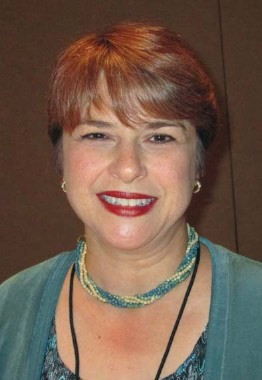
LA JOLLA, CALIF. – When older adults with generalized anxiety disorder ask Julie Wetherell, Ph.D., for a nonmedication approach to deal with their symptoms, she faces a certain quandary.
"One of the most striking things to me as a psychotherapist working with older adults is how relatively ineffective psychotherapy is for anxiety in later life, as compared to psychotherapy for geriatric depression or psychotherapy for anxiety in younger or middle-aged people," Dr. Wetherell, of the psychiatry department at the University of California, San Diego (UCSD), said at the annual meeting of the Anxiety and Depression Association of America.
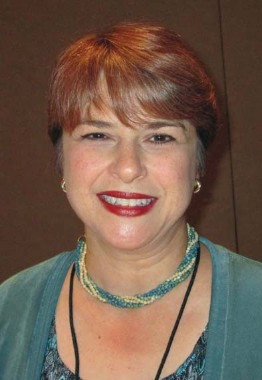
"When older people come to me with depression and they say, ‘I want a nonmedication approach,’ I say, ‘Fine. I have 10 or 12 interventions I can try and I’m confident they will work.’ But when someone comes to me and their primary problem is anxiety, I feel anxious, because I don’t have that level of confidence."
Data from a meta-analysis of 89 studies comparing psychotherapy with medication for depression found no significant difference between the two approaches (Am. J. Psych. 2006;163:1493-1501). However, a meta-analysis of 32 studies comparing psychotherapy with medication for anxiety found that patients treated with medication fared significantly better on clinician-rated outcome measures (P less than .001) (Am J. Geriatr. Psych. 2007;15:639-51). "The difference is not in the medications," said Dr. Wetherell, who was not involved with either study. "The odd man out is the psychotherapy for older adults with anxiety. Cognitive-behavioral therapy for generalized anxiety in older adults is better than nothing, but it’s not much better than nothing. We’re really not getting the results we would like to see with CBT for older people with GAD [generalized anxiety disorder]."
In a study soon to be published in the American Journal of Psychiatry, Dr. Wetherell and Dr. Eric Lenze conducted a randomized controlled trial that combined the selective serotonin reuptake inhibitor (SSRI) escitalopram with CBT in 73 older adults with GAD.
"We proposed a model by which older adults with GAD would first be treated with an SSRI to help with acute levels of distress and somatization," explained Dr. Lenze, a geriatric psychiatrist affiliated with the psychiatry department at Washington University in St. Louis, who specializes in anxiety disorders. "Then, after those benefits are realized with medication, [we would] continue the medication but add a course of CBT to address some of the underlying pathological worry that doesn’t seem particularly responsive to medication, and to improve coping skills as well."
Measures for the trial, which was carried out at the University of Pittsburgh, Washington University, and UCSD, included the Hamilton Anxiety Rating Scale and the Penn State Worry Questionnaire. All study participants started out with escitalopram and did well after 12 weeks in terms of reductions in the Hamilton Anxiety Rating Scale with the drug alone, "which is not surprising," Dr. Lenze said. "We did not see a whole lot of reduction in worry pathology as measured by the Penn State Worry Questionnaire."
At 12 weeks, patients remained on escitalopram and were then randomized to individual CBT or continued medication without CBT. "There was not a whole lot more reduction in the Hamilton Anxiety Rating Scale, but those who received CBT had a significant reduction in the Penn State Worry Questionnaire," Dr. Lenze said. The researchers further randomized individuals in a 28-week maintenance phase to either receive a taper down to placebo or to remain on escitalopram. None of the patients who received augmenting CBT and stayed on escitalopram and received further booster sessions of CBT relapsed.

"They had the best outcome as a group," Dr. Lenze said. "The group that didn’t receive CBT but stayed on medication had a nearly equal outcome." The findings suggest that while CBT often "doesn’t work well as a monotherapy, it seems to have some augmentation benefits and also some relapse prevention benefits, such that many older adults can get off medication and remain well."
In his opinion, benzodiazepines and nighttime sedatives such as zolpidem and eszopiclone particularly interfere with therapy for GAD. Side effects from these medications can include patients "forgetting what you said from session to session," Dr. Lenze said. "They may fall asleep during therapy or be in some phase between sleeping and waking. These side effects are true for all ages, but older adults are more susceptible to the cognitive and sedative effects of benzodiazepines and other sedatives."
Elderly patients are more difficult to treat safely, he added, because pharmacokinetic changes that occur with aging result in higher and more variable drug concentrations. "Watch out for megadoses of medications, which sometimes practitioners still use – doses well above the FDA-approved range – as well as drugs with nonlinear pharmacokinetics or drugs that inhibit metabolism, such a paroxetine or fluoxetine."
In addition, pharmacodynamic changes might result in increased sensitivity to a given drug, including treatment resistance. "Another problem is polypharmacy, such as someone who takes bupropion with paroxetine or fluoxetine, Dr. Lenze said. "Those two drugs interact, sometimes pushing the levels of bupropion to toxic ranges. The other bad kind of polypharmacy is taking multiple anticholinergics or sedatives that provide cumulative risk."
Dr. Wetherell said she had no relevant financial conflicts to disclose.
Dr. Lenze disclosed that he has received grant support from Roche, Lundbeck, and Johnson & Johnson.
LA JOLLA, CALIF. – When older adults with generalized anxiety disorder ask Julie Wetherell, Ph.D., for a nonmedication approach to deal with their symptoms, she faces a certain quandary.
"One of the most striking things to me as a psychotherapist working with older adults is how relatively ineffective psychotherapy is for anxiety in later life, as compared to psychotherapy for geriatric depression or psychotherapy for anxiety in younger or middle-aged people," Dr. Wetherell, of the psychiatry department at the University of California, San Diego (UCSD), said at the annual meeting of the Anxiety and Depression Association of America.
"When older people come to me with depression and they say, ‘I want a nonmedication approach,’ I say, ‘Fine. I have 10 or 12 interventions I can try and I’m confident they will work.’ But when someone comes to me and their primary problem is anxiety, I feel anxious, because I don’t have that level of confidence."
Data from a meta-analysis of 89 studies comparing psychotherapy with medication for depression found no significant difference between the two approaches (Am. J. Psych. 2006;163:1493-1501). However, a meta-analysis of 32 studies comparing psychotherapy with medication for anxiety found that patients treated with medication fared significantly better on clinician-rated outcome measures (P less than .001) (Am J. Geriatr. Psych. 2007;15:639-51). "The difference is not in the medications," said Dr. Wetherell, who was not involved with either study. "The odd man out is the psychotherapy for older adults with anxiety. Cognitive-behavioral therapy for generalized anxiety in older adults is better than nothing, but it’s not much better than nothing. We’re really not getting the results we would like to see with CBT for older people with GAD [generalized anxiety disorder]."
In a study soon to be published in the American Journal of Psychiatry, Dr. Wetherell and Dr. Eric Lenze conducted a randomized controlled trial that combined the selective serotonin reuptake inhibitor (SSRI) escitalopram with CBT in 73 older adults with GAD.
"We proposed a model by which older adults with GAD would first be treated with an SSRI to help with acute levels of distress and somatization," explained Dr. Lenze, a geriatric psychiatrist affiliated with the psychiatry department at Washington University in St. Louis, who specializes in anxiety disorders. "Then, after those benefits are realized with medication, [we would] continue the medication but add a course of CBT to address some of the underlying pathological worry that doesn’t seem particularly responsive to medication, and to improve coping skills as well."
Measures for the trial, which was carried out at the University of Pittsburgh, Washington University, and UCSD, included the Hamilton Anxiety Rating Scale and the Penn State Worry Questionnaire. All study participants started out with escitalopram and did well after 12 weeks in terms of reductions in the Hamilton Anxiety Rating Scale with the drug alone, "which is not surprising," Dr. Lenze said. "We did not see a whole lot of reduction in worry pathology as measured by the Penn State Worry Questionnaire."
At 12 weeks, patients remained on escitalopram and were then randomized to individual CBT or continued medication without CBT. "There was not a whole lot more reduction in the Hamilton Anxiety Rating Scale, but those who received CBT had a significant reduction in the Penn State Worry Questionnaire," Dr. Lenze said. The researchers further randomized individuals in a 28-week maintenance phase to either receive a taper down to placebo or to remain on escitalopram. None of the patients who received augmenting CBT and stayed on escitalopram and received further booster sessions of CBT relapsed.
"They had the best outcome as a group," Dr. Lenze said. "The group that didn’t receive CBT but stayed on medication had a nearly equal outcome." The findings suggest that while CBT often "doesn’t work well as a monotherapy, it seems to have some augmentation benefits and also some relapse prevention benefits, such that many older adults can get off medication and remain well."
In his opinion, benzodiazepines and nighttime sedatives such as zolpidem and eszopiclone particularly interfere with therapy for GAD. Side effects from these medications can include patients "forgetting what you said from session to session," Dr. Lenze said. "They may fall asleep during therapy or be in some phase between sleeping and waking. These side effects are true for all ages, but older adults are more susceptible to the cognitive and sedative effects of benzodiazepines and other sedatives."
Elderly patients are more difficult to treat safely, he added, because pharmacokinetic changes that occur with aging result in higher and more variable drug concentrations. "Watch out for megadoses of medications, which sometimes practitioners still use – doses well above the FDA-approved range – as well as drugs with nonlinear pharmacokinetics or drugs that inhibit metabolism, such a paroxetine or fluoxetine."
In addition, pharmacodynamic changes might result in increased sensitivity to a given drug, including treatment resistance. "Another problem is polypharmacy, such as someone who takes bupropion with paroxetine or fluoxetine, Dr. Lenze said. "Those two drugs interact, sometimes pushing the levels of bupropion to toxic ranges. The other bad kind of polypharmacy is taking multiple anticholinergics or sedatives that provide cumulative risk."
Dr. Wetherell said she had no relevant financial conflicts to disclose.
Dr. Lenze disclosed that he has received grant support from Roche, Lundbeck, and Johnson & Johnson.
LA JOLLA, CALIF. – When older adults with generalized anxiety disorder ask Julie Wetherell, Ph.D., for a nonmedication approach to deal with their symptoms, she faces a certain quandary.
"One of the most striking things to me as a psychotherapist working with older adults is how relatively ineffective psychotherapy is for anxiety in later life, as compared to psychotherapy for geriatric depression or psychotherapy for anxiety in younger or middle-aged people," Dr. Wetherell, of the psychiatry department at the University of California, San Diego (UCSD), said at the annual meeting of the Anxiety and Depression Association of America.
"When older people come to me with depression and they say, ‘I want a nonmedication approach,’ I say, ‘Fine. I have 10 or 12 interventions I can try and I’m confident they will work.’ But when someone comes to me and their primary problem is anxiety, I feel anxious, because I don’t have that level of confidence."
Data from a meta-analysis of 89 studies comparing psychotherapy with medication for depression found no significant difference between the two approaches (Am. J. Psych. 2006;163:1493-1501). However, a meta-analysis of 32 studies comparing psychotherapy with medication for anxiety found that patients treated with medication fared significantly better on clinician-rated outcome measures (P less than .001) (Am J. Geriatr. Psych. 2007;15:639-51). "The difference is not in the medications," said Dr. Wetherell, who was not involved with either study. "The odd man out is the psychotherapy for older adults with anxiety. Cognitive-behavioral therapy for generalized anxiety in older adults is better than nothing, but it’s not much better than nothing. We’re really not getting the results we would like to see with CBT for older people with GAD [generalized anxiety disorder]."
In a study soon to be published in the American Journal of Psychiatry, Dr. Wetherell and Dr. Eric Lenze conducted a randomized controlled trial that combined the selective serotonin reuptake inhibitor (SSRI) escitalopram with CBT in 73 older adults with GAD.
"We proposed a model by which older adults with GAD would first be treated with an SSRI to help with acute levels of distress and somatization," explained Dr. Lenze, a geriatric psychiatrist affiliated with the psychiatry department at Washington University in St. Louis, who specializes in anxiety disorders. "Then, after those benefits are realized with medication, [we would] continue the medication but add a course of CBT to address some of the underlying pathological worry that doesn’t seem particularly responsive to medication, and to improve coping skills as well."
Measures for the trial, which was carried out at the University of Pittsburgh, Washington University, and UCSD, included the Hamilton Anxiety Rating Scale and the Penn State Worry Questionnaire. All study participants started out with escitalopram and did well after 12 weeks in terms of reductions in the Hamilton Anxiety Rating Scale with the drug alone, "which is not surprising," Dr. Lenze said. "We did not see a whole lot of reduction in worry pathology as measured by the Penn State Worry Questionnaire."
At 12 weeks, patients remained on escitalopram and were then randomized to individual CBT or continued medication without CBT. "There was not a whole lot more reduction in the Hamilton Anxiety Rating Scale, but those who received CBT had a significant reduction in the Penn State Worry Questionnaire," Dr. Lenze said. The researchers further randomized individuals in a 28-week maintenance phase to either receive a taper down to placebo or to remain on escitalopram. None of the patients who received augmenting CBT and stayed on escitalopram and received further booster sessions of CBT relapsed.
"They had the best outcome as a group," Dr. Lenze said. "The group that didn’t receive CBT but stayed on medication had a nearly equal outcome." The findings suggest that while CBT often "doesn’t work well as a monotherapy, it seems to have some augmentation benefits and also some relapse prevention benefits, such that many older adults can get off medication and remain well."
In his opinion, benzodiazepines and nighttime sedatives such as zolpidem and eszopiclone particularly interfere with therapy for GAD. Side effects from these medications can include patients "forgetting what you said from session to session," Dr. Lenze said. "They may fall asleep during therapy or be in some phase between sleeping and waking. These side effects are true for all ages, but older adults are more susceptible to the cognitive and sedative effects of benzodiazepines and other sedatives."
Elderly patients are more difficult to treat safely, he added, because pharmacokinetic changes that occur with aging result in higher and more variable drug concentrations. "Watch out for megadoses of medications, which sometimes practitioners still use – doses well above the FDA-approved range – as well as drugs with nonlinear pharmacokinetics or drugs that inhibit metabolism, such a paroxetine or fluoxetine."
In addition, pharmacodynamic changes might result in increased sensitivity to a given drug, including treatment resistance. "Another problem is polypharmacy, such as someone who takes bupropion with paroxetine or fluoxetine, Dr. Lenze said. "Those two drugs interact, sometimes pushing the levels of bupropion to toxic ranges. The other bad kind of polypharmacy is taking multiple anticholinergics or sedatives that provide cumulative risk."
Dr. Wetherell said she had no relevant financial conflicts to disclose.
Dr. Lenze disclosed that he has received grant support from Roche, Lundbeck, and Johnson & Johnson.
EXPERT ANALYSIS AT THE ADAA ANNUAL CONFERENCE
Involving parents in exposure therapy tricky at times
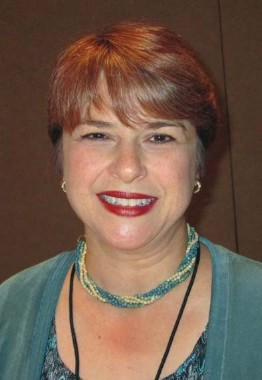
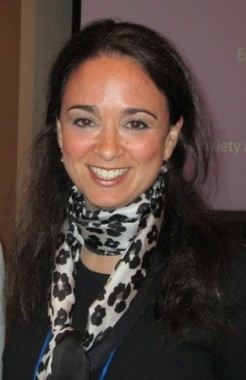
LA JOLLA, CALIF. – In the clinical opinion of Andrea Barmish Mazza, Ph.D., involving parents in some capacity is important to enhance exposure therapy in children with anxiety disorders.
"There are a number of different reasons for this," said Dr. Mazza, a clinical psychologist at the Deerfield, Ill.–based Center for Anxiety and OCD. "Children with anxiety disorders often have parents with anxiety disorders. There’s a high risk of modeling anxiety, or accidental reinforcement of anxiety, and parent overprotection."
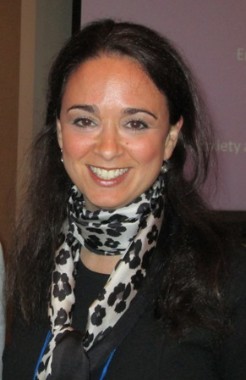
At the annual conference of the Anxiety and Depression Association of America, Dr. Mazza and her colleague, Erica Wagner-Heimann, Psy.D., acknowledged that the path to achieving buy-in from parents for exposure therapy – which is considered the best treatment for anxiety – can be a rocky one. Common "sound bites" they hear from parents include the following: "I don’t want to upset him this week. He has finals!" "Isn’t she supposed to take ownership of this?" "We’ve done CBT before, and it doesn’t work." "I don’t have time to come in, too. I’m just dropping him off."
One common barrier to effective parental participation stems from misunderstanding the rationale for exposure. Using the analogy of jumping into a cold swimming pool is often an effective way to describe exposure therapy, Dr. Wagner-Heimann said. "When you first jump in, what does it feel like?" she’ll ask her clients and their parents. "It may feel cold at first, but what happens if you swim around for awhile? You start to get used to it, and it doesn’t feel as cold anymore even though the temperature of the water didn’t change."
She also describes exposure therapy as akin to learning a new sport: "The more you practice, the easier it gets." The phrase "if you change the way you look at things, the things you look at change," also captures the notion that changing one’s perception can be helpful when facing fears.
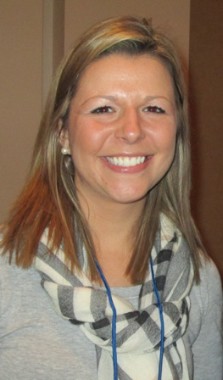
Unrealistic expectations from parents about exposure therapy also can pose a barrier. This might include comments such as "My child should feel better," Dr. Wagner-Heimann said. "Oftentimes, we’ll say to parents ‘it’s not about feeling better, it’s about getting better at feeling – being able to tolerate the anxiety, the distress.’ " Other sentiments commonly expressed by parents include "It’s a self-esteem issue." "We need to wait until my child feels ready to [whatever]." "Fix it." "This is taking too long."
The parents’ own anxiety or difficulty tolerating their child’s distress also can impede their involvement. Other factors that might come into play include overscheduled families/kids, parental psychopathology, marital conflict, financial concerns, siblings, or a medical problem in the family.
"An important point is not to mistake some of these barriers as a lack of willingness by parents to involve themselves," Dr. Mazza noted. "Being mindful of these barriers prior to starting therapy is important. That doesn’t necessarily mean you won’t be addressing some of these barriers throughout treatment, but there is a lot of groundwork you can do to set the foundation to minimize the interfering behaviors and to maximize effective parent involvement, even in the most provocative of exposure tasks."
In a thorough assessment of the parent and the child, barriers "will come to the forefront," Dr. Wagner-Heimann said. The first step in addressing barriers involves "setting a good foundation from the get-go, and figuring out how to talk to parents about exposure therapy so you can set yourself up for success as well as the parent and the child," she explained. Other steps in the process include deciding the appropriate level of parent involvement, considering the child’s developmental stage and diagnosis, and determining the format and structure of sessions. Then it’s time to "empower the child to build skills and be brave," she said.
Neither Dr. Mazza nor Dr. Wagner-Heimann had relevant financial conflicts to disclose.
LA JOLLA, CALIF. – In the clinical opinion of Andrea Barmish Mazza, Ph.D., involving parents in some capacity is important to enhance exposure therapy in children with anxiety disorders.
"There are a number of different reasons for this," said Dr. Mazza, a clinical psychologist at the Deerfield, Ill.–based Center for Anxiety and OCD. "Children with anxiety disorders often have parents with anxiety disorders. There’s a high risk of modeling anxiety, or accidental reinforcement of anxiety, and parent overprotection."
At the annual conference of the Anxiety and Depression Association of America, Dr. Mazza and her colleague, Erica Wagner-Heimann, Psy.D., acknowledged that the path to achieving buy-in from parents for exposure therapy – which is considered the best treatment for anxiety – can be a rocky one. Common "sound bites" they hear from parents include the following: "I don’t want to upset him this week. He has finals!" "Isn’t she supposed to take ownership of this?" "We’ve done CBT before, and it doesn’t work." "I don’t have time to come in, too. I’m just dropping him off."
One common barrier to effective parental participation stems from misunderstanding the rationale for exposure. Using the analogy of jumping into a cold swimming pool is often an effective way to describe exposure therapy, Dr. Wagner-Heimann said. "When you first jump in, what does it feel like?" she’ll ask her clients and their parents. "It may feel cold at first, but what happens if you swim around for awhile? You start to get used to it, and it doesn’t feel as cold anymore even though the temperature of the water didn’t change."
She also describes exposure therapy as akin to learning a new sport: "The more you practice, the easier it gets." The phrase "if you change the way you look at things, the things you look at change," also captures the notion that changing one’s perception can be helpful when facing fears.
Unrealistic expectations from parents about exposure therapy also can pose a barrier. This might include comments such as "My child should feel better," Dr. Wagner-Heimann said. "Oftentimes, we’ll say to parents ‘it’s not about feeling better, it’s about getting better at feeling – being able to tolerate the anxiety, the distress.’ " Other sentiments commonly expressed by parents include "It’s a self-esteem issue." "We need to wait until my child feels ready to [whatever]." "Fix it." "This is taking too long."
The parents’ own anxiety or difficulty tolerating their child’s distress also can impede their involvement. Other factors that might come into play include overscheduled families/kids, parental psychopathology, marital conflict, financial concerns, siblings, or a medical problem in the family.
"An important point is not to mistake some of these barriers as a lack of willingness by parents to involve themselves," Dr. Mazza noted. "Being mindful of these barriers prior to starting therapy is important. That doesn’t necessarily mean you won’t be addressing some of these barriers throughout treatment, but there is a lot of groundwork you can do to set the foundation to minimize the interfering behaviors and to maximize effective parent involvement, even in the most provocative of exposure tasks."
In a thorough assessment of the parent and the child, barriers "will come to the forefront," Dr. Wagner-Heimann said. The first step in addressing barriers involves "setting a good foundation from the get-go, and figuring out how to talk to parents about exposure therapy so you can set yourself up for success as well as the parent and the child," she explained. Other steps in the process include deciding the appropriate level of parent involvement, considering the child’s developmental stage and diagnosis, and determining the format and structure of sessions. Then it’s time to "empower the child to build skills and be brave," she said.
Neither Dr. Mazza nor Dr. Wagner-Heimann had relevant financial conflicts to disclose.
LA JOLLA, CALIF. – In the clinical opinion of Andrea Barmish Mazza, Ph.D., involving parents in some capacity is important to enhance exposure therapy in children with anxiety disorders.
"There are a number of different reasons for this," said Dr. Mazza, a clinical psychologist at the Deerfield, Ill.–based Center for Anxiety and OCD. "Children with anxiety disorders often have parents with anxiety disorders. There’s a high risk of modeling anxiety, or accidental reinforcement of anxiety, and parent overprotection."
At the annual conference of the Anxiety and Depression Association of America, Dr. Mazza and her colleague, Erica Wagner-Heimann, Psy.D., acknowledged that the path to achieving buy-in from parents for exposure therapy – which is considered the best treatment for anxiety – can be a rocky one. Common "sound bites" they hear from parents include the following: "I don’t want to upset him this week. He has finals!" "Isn’t she supposed to take ownership of this?" "We’ve done CBT before, and it doesn’t work." "I don’t have time to come in, too. I’m just dropping him off."
One common barrier to effective parental participation stems from misunderstanding the rationale for exposure. Using the analogy of jumping into a cold swimming pool is often an effective way to describe exposure therapy, Dr. Wagner-Heimann said. "When you first jump in, what does it feel like?" she’ll ask her clients and their parents. "It may feel cold at first, but what happens if you swim around for awhile? You start to get used to it, and it doesn’t feel as cold anymore even though the temperature of the water didn’t change."
She also describes exposure therapy as akin to learning a new sport: "The more you practice, the easier it gets." The phrase "if you change the way you look at things, the things you look at change," also captures the notion that changing one’s perception can be helpful when facing fears.
Unrealistic expectations from parents about exposure therapy also can pose a barrier. This might include comments such as "My child should feel better," Dr. Wagner-Heimann said. "Oftentimes, we’ll say to parents ‘it’s not about feeling better, it’s about getting better at feeling – being able to tolerate the anxiety, the distress.’ " Other sentiments commonly expressed by parents include "It’s a self-esteem issue." "We need to wait until my child feels ready to [whatever]." "Fix it." "This is taking too long."
The parents’ own anxiety or difficulty tolerating their child’s distress also can impede their involvement. Other factors that might come into play include overscheduled families/kids, parental psychopathology, marital conflict, financial concerns, siblings, or a medical problem in the family.
"An important point is not to mistake some of these barriers as a lack of willingness by parents to involve themselves," Dr. Mazza noted. "Being mindful of these barriers prior to starting therapy is important. That doesn’t necessarily mean you won’t be addressing some of these barriers throughout treatment, but there is a lot of groundwork you can do to set the foundation to minimize the interfering behaviors and to maximize effective parent involvement, even in the most provocative of exposure tasks."
In a thorough assessment of the parent and the child, barriers "will come to the forefront," Dr. Wagner-Heimann said. The first step in addressing barriers involves "setting a good foundation from the get-go, and figuring out how to talk to parents about exposure therapy so you can set yourself up for success as well as the parent and the child," she explained. Other steps in the process include deciding the appropriate level of parent involvement, considering the child’s developmental stage and diagnosis, and determining the format and structure of sessions. Then it’s time to "empower the child to build skills and be brave," she said.
Neither Dr. Mazza nor Dr. Wagner-Heimann had relevant financial conflicts to disclose.
EXPERT ANALYSIS FROM THE ADAA ANNUAL CONFERENCE
Program provides computer-based CBT training for clinicians
LA JOLLA, CALIF. – Clinicians looking to become proficient in delivering cognitive-behavioral therapy need look no further than firing up their computer.
A treatment called CALM Tools for Living uses a computer program designed to help clinicians who are not experts in cognitive-behavioral therapy deliver the intervention to patients with anxiety or mood disorders. "The program was designed to help novice clinicians, those who are not very experienced or very well trained in cognitive-behavioral therapy," Michelle G. Craske, Ph.D., director of the Anxiety Disorders Research Center at the University of California, Los Angeles (UCLA), explained at the annual conference of the Anxiety and Depression Association of America.
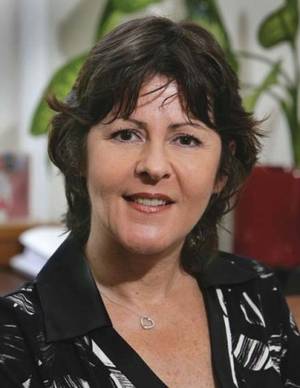
"Our goal was for this to be a tool that could identify and treat anxiety disorders in the primary care setting, but it’s something that would be applicable to a wide range of health and mental health settings," Dr. Craske said. "It’s not limited to primary care."
The brainchild of Dr. Craske in collaboration with her UCLA colleague Raphael D. Rose, Ph.D., CALM Tools for Living is available via a license from the University of Washington. The CALM program is built to treat the major anxiety disorders: social anxiety, post-traumatic stress disorder, generalized anxiety disorder, and panic disorder, as well as depression. The program is organized into modules that are combined over eight sessions that last 45-50 minutes each. Some of the modules are the same for anxiety disorders and depression, while others contain content tailored specifically to each disorder. There are sections for the clinicians and patients to fill out independently, as well as sections for both parties to fill out while sitting together in front of a computer screen.
"This is not a generic program that’s applied broadly in the same way to everyone," said Dr. Craske, who also is a professor of psychology and of psychiatry and biobehavioral sciences at UCLA. "Rather, it’s a program that takes principles and applies them to each individual’s presentation of anxiety or depression."
For example, the CALM Action Module reviews the issue of avoidance behavior, and how it contributes to anxiety and depression in the long run. Each individual’s identified patterns of avoidance are then used in their treatment plan. The CALM Get Moving Module explains the connection between anxious and/or depressive symptoms and activity levels. Patients then devise a plan to increase their activity, as well as include pleasurable activities.
One published study found that at 12 months, participants who were randomized to the CALM intervention had higher response and remission rates, as well as greater improvements in anxiety, depression, functional status, and quality of life, compared with those who were randomized to usual care (JAMA 2010;303:1921-8). "The beauty of this program is that it guides the therapist as well as the patient in a way that maintains fidelity to CBT," said Dr. Craske, who was one of the authors of that study. "There is room for flexibility, but at the same time it gives assurance that what we think are essential elements of CBT are actually delivered.
"In fact, the program gives you measures of that. So administrators and supervisors can see how much of each component was actually delivered to the patient."
Although studies of CALM to date have involved adults, Dr. Craske said she thinks adolescents will love the program because of their love for computers. She also envisions the CALM program expanding into care for patients with chronic pain.
For information about upcoming CALM training sessions, visit www.calmtoolsforliving.org.
Dr. Craske said she had no relevant financial conflicts to disclose.
LA JOLLA, CALIF. – Clinicians looking to become proficient in delivering cognitive-behavioral therapy need look no further than firing up their computer.
A treatment called CALM Tools for Living uses a computer program designed to help clinicians who are not experts in cognitive-behavioral therapy deliver the intervention to patients with anxiety or mood disorders. "The program was designed to help novice clinicians, those who are not very experienced or very well trained in cognitive-behavioral therapy," Michelle G. Craske, Ph.D., director of the Anxiety Disorders Research Center at the University of California, Los Angeles (UCLA), explained at the annual conference of the Anxiety and Depression Association of America.
"Our goal was for this to be a tool that could identify and treat anxiety disorders in the primary care setting, but it’s something that would be applicable to a wide range of health and mental health settings," Dr. Craske said. "It’s not limited to primary care."
The brainchild of Dr. Craske in collaboration with her UCLA colleague Raphael D. Rose, Ph.D., CALM Tools for Living is available via a license from the University of Washington. The CALM program is built to treat the major anxiety disorders: social anxiety, post-traumatic stress disorder, generalized anxiety disorder, and panic disorder, as well as depression. The program is organized into modules that are combined over eight sessions that last 45-50 minutes each. Some of the modules are the same for anxiety disorders and depression, while others contain content tailored specifically to each disorder. There are sections for the clinicians and patients to fill out independently, as well as sections for both parties to fill out while sitting together in front of a computer screen.
"This is not a generic program that’s applied broadly in the same way to everyone," said Dr. Craske, who also is a professor of psychology and of psychiatry and biobehavioral sciences at UCLA. "Rather, it’s a program that takes principles and applies them to each individual’s presentation of anxiety or depression."
For example, the CALM Action Module reviews the issue of avoidance behavior, and how it contributes to anxiety and depression in the long run. Each individual’s identified patterns of avoidance are then used in their treatment plan. The CALM Get Moving Module explains the connection between anxious and/or depressive symptoms and activity levels. Patients then devise a plan to increase their activity, as well as include pleasurable activities.
One published study found that at 12 months, participants who were randomized to the CALM intervention had higher response and remission rates, as well as greater improvements in anxiety, depression, functional status, and quality of life, compared with those who were randomized to usual care (JAMA 2010;303:1921-8). "The beauty of this program is that it guides the therapist as well as the patient in a way that maintains fidelity to CBT," said Dr. Craske, who was one of the authors of that study. "There is room for flexibility, but at the same time it gives assurance that what we think are essential elements of CBT are actually delivered.
"In fact, the program gives you measures of that. So administrators and supervisors can see how much of each component was actually delivered to the patient."
Although studies of CALM to date have involved adults, Dr. Craske said she thinks adolescents will love the program because of their love for computers. She also envisions the CALM program expanding into care for patients with chronic pain.
For information about upcoming CALM training sessions, visit www.calmtoolsforliving.org.
Dr. Craske said she had no relevant financial conflicts to disclose.
LA JOLLA, CALIF. – Clinicians looking to become proficient in delivering cognitive-behavioral therapy need look no further than firing up their computer.
A treatment called CALM Tools for Living uses a computer program designed to help clinicians who are not experts in cognitive-behavioral therapy deliver the intervention to patients with anxiety or mood disorders. "The program was designed to help novice clinicians, those who are not very experienced or very well trained in cognitive-behavioral therapy," Michelle G. Craske, Ph.D., director of the Anxiety Disorders Research Center at the University of California, Los Angeles (UCLA), explained at the annual conference of the Anxiety and Depression Association of America.
"Our goal was for this to be a tool that could identify and treat anxiety disorders in the primary care setting, but it’s something that would be applicable to a wide range of health and mental health settings," Dr. Craske said. "It’s not limited to primary care."
The brainchild of Dr. Craske in collaboration with her UCLA colleague Raphael D. Rose, Ph.D., CALM Tools for Living is available via a license from the University of Washington. The CALM program is built to treat the major anxiety disorders: social anxiety, post-traumatic stress disorder, generalized anxiety disorder, and panic disorder, as well as depression. The program is organized into modules that are combined over eight sessions that last 45-50 minutes each. Some of the modules are the same for anxiety disorders and depression, while others contain content tailored specifically to each disorder. There are sections for the clinicians and patients to fill out independently, as well as sections for both parties to fill out while sitting together in front of a computer screen.
"This is not a generic program that’s applied broadly in the same way to everyone," said Dr. Craske, who also is a professor of psychology and of psychiatry and biobehavioral sciences at UCLA. "Rather, it’s a program that takes principles and applies them to each individual’s presentation of anxiety or depression."
For example, the CALM Action Module reviews the issue of avoidance behavior, and how it contributes to anxiety and depression in the long run. Each individual’s identified patterns of avoidance are then used in their treatment plan. The CALM Get Moving Module explains the connection between anxious and/or depressive symptoms and activity levels. Patients then devise a plan to increase their activity, as well as include pleasurable activities.
One published study found that at 12 months, participants who were randomized to the CALM intervention had higher response and remission rates, as well as greater improvements in anxiety, depression, functional status, and quality of life, compared with those who were randomized to usual care (JAMA 2010;303:1921-8). "The beauty of this program is that it guides the therapist as well as the patient in a way that maintains fidelity to CBT," said Dr. Craske, who was one of the authors of that study. "There is room for flexibility, but at the same time it gives assurance that what we think are essential elements of CBT are actually delivered.
"In fact, the program gives you measures of that. So administrators and supervisors can see how much of each component was actually delivered to the patient."
Although studies of CALM to date have involved adults, Dr. Craske said she thinks adolescents will love the program because of their love for computers. She also envisions the CALM program expanding into care for patients with chronic pain.
For information about upcoming CALM training sessions, visit www.calmtoolsforliving.org.
Dr. Craske said she had no relevant financial conflicts to disclose.
EXPERT ANALYSIS FROM THE ADAA ANNUAL CONFERENCE
Symptoms of postpartum depression wide-ranging
LA JOLLA, CALIF. – More than 20 years ago Diana Lynn Barnes, Psy.D., then a new mom to a baby girl, found herself hospitalized four different times for stays that lasted 2-3 weeks each time.
"No one knew what was wrong with me," she told an audience at the annual conference of the Anxiety and Depression Association of America. "I had numerous treatments and saw many doctors, and yet the words ‘postpartum depression’ were never used. It was a full year after my daughter’s birth before I even heard the words postpartum depression."
Having endured a full year of illness before being diagnosed with depression, "I was in such a fragile state that I continued to relapse for the next 2 years, in and out of the hospital," said Dr. Barnes, a licensed psychotherapist at the Center for Postpartum Health in Sherman Oaks, Calif. "What should have been a very short course of treatment, probably 12-16 weeks, took 3 years out of my life."
Her own experience with postpartum depression illustrates how difficult it can be for clinicians to recognize the illness, which can present in many ways. "Despite the myths that pregnancy is blissful, that women have never felt better, that they’ve never looked better, about 10% to 15% of women are going to experience some kind of depression or anxiety during their pregnancies," Dr. Barnes said. "This is significant, because when it’s not treated, we know that those babies are at higher risk for low birth weight, prematurity, the possibility of organ malformation, the possibility of stillbirth, or placental abruption. There is a whole range of consequences when a mom has an untreated depression or anxiety during her pregnancy.
"We also know that the attachment relationship starts in utero. Stress hormones cross the placenta. That has an impact on the developing brain of the fetus."
She made a distinction between the so-called baby blues and postpartum depression. The baby blues, she explained, affects about three-quarters of new mothers and is characterized by symptoms that commonly occur during a menstrual cycle: tearfulness, anxiety, and mood swings. "We consider the baby blues a normal part of postpartum adjustment, but the symptoms are mild and they’re transient," she said. "They come up around the third or fourth day post partum, and they’re generally gone by about 2-3 weeks from the outset. They don’t generally require any intervention. With reassurance, enough support, and good self-care, women will get through this quite well."
Symptoms of postpartum depression lurk longer than those of the baby blues and can be more wide-ranging. Anxiety occurs in 15-20% of women with the illness and "can be paralyzing," Dr. Barnes said. "We’re now coming to think that the numbers are even greater. The anxiety really stops women in their tracks. It’s not that they don’t want to respond to their babies, it’s that they can’t. The anxiety impairs them in such a dramatic way that they are unable to function."
About 10% of women with postpartum depression will experience panic-related symptoms that range from waking out of sleep with their heart pounding to difficulty breathing, while 3%-5% will experience obsessive-compulsive symptoms. "There may be repetitive kinds of behaviors, so we will see women checking things or counting things repetitively," she said. "One of the other things we see is intruding images or thoughts about harm coming to self or, generally, the images and thoughts are about harm coming to the baby. It is very disturbing to many of these women."
Sometimes clinicians confuse intruding thoughts and images with postpartum psychosis. "But what we tend to see in women with obsessive-compulsive symptoms is that they are very disturbed by these thoughts," Dr. Barnes said. "In some cases they are embarrassed or ashamed by these thoughts. They’re saying to themselves, ‘What kind of a mom could I possibly be that I have these kinds of crazy thoughts?’ They don’t want to talk about them. In my practice, I often say, ‘It is very normal among women with postpartum depression to have intruding thoughts and images. Does that ever happen to you?’ Once I say it’s common, it normalizes the situation a little bit, enough to open the door so women feel safe talking about it. So often, women are afraid if they tell anyone that they’re really thinking that their children will be taken away from them."
One of the common intruding thoughts and images consists of a knife slipping, "either about what happens if the knife slips and it cuts their baby, or they will actually picture themselves with a knife," she said. "Another common thought is dropping the baby." Such thoughts "are caused by alterations in brain chemistry and are generally very responsive to medication, but it is not postpartum psychosis. In postpartum psychosis, when women have these intruding thoughts and images, it is part of their new reality. There is limited recognition that there is something wrong."
Postpartum psychosis is rare – occurring in 1-2 out of every 1,000 women who give birth – "but it is a life-threatening medical emergency. We know that when a woman has postpartum psychosis, the risk for suicide goes up to 5% while the risk for infanticide goes up to 4%. I’m often retained by defense counsel on cases of infanticide, neonaticide, and pregnancy denial. I have seen the extreme end of what happens when these illnesses are not properly treated."
In her clinical opinion, group therapy is particularly helpful to women with postpartum depression "because there is a sense of isolation that these women experience, the notion that ‘no one else feels like this’ or ‘I am the only one who’s going through this.’ Group therapy lessens that sense that they’re alone in their experience. There’s connection with others, which can be healing."
Dr. Barnes said she had no relevant financial conflicts to disclose.
LA JOLLA, CALIF. – More than 20 years ago Diana Lynn Barnes, Psy.D., then a new mom to a baby girl, found herself hospitalized four different times for stays that lasted 2-3 weeks each time.
"No one knew what was wrong with me," she told an audience at the annual conference of the Anxiety and Depression Association of America. "I had numerous treatments and saw many doctors, and yet the words ‘postpartum depression’ were never used. It was a full year after my daughter’s birth before I even heard the words postpartum depression."
Having endured a full year of illness before being diagnosed with depression, "I was in such a fragile state that I continued to relapse for the next 2 years, in and out of the hospital," said Dr. Barnes, a licensed psychotherapist at the Center for Postpartum Health in Sherman Oaks, Calif. "What should have been a very short course of treatment, probably 12-16 weeks, took 3 years out of my life."
Her own experience with postpartum depression illustrates how difficult it can be for clinicians to recognize the illness, which can present in many ways. "Despite the myths that pregnancy is blissful, that women have never felt better, that they’ve never looked better, about 10% to 15% of women are going to experience some kind of depression or anxiety during their pregnancies," Dr. Barnes said. "This is significant, because when it’s not treated, we know that those babies are at higher risk for low birth weight, prematurity, the possibility of organ malformation, the possibility of stillbirth, or placental abruption. There is a whole range of consequences when a mom has an untreated depression or anxiety during her pregnancy.
"We also know that the attachment relationship starts in utero. Stress hormones cross the placenta. That has an impact on the developing brain of the fetus."
She made a distinction between the so-called baby blues and postpartum depression. The baby blues, she explained, affects about three-quarters of new mothers and is characterized by symptoms that commonly occur during a menstrual cycle: tearfulness, anxiety, and mood swings. "We consider the baby blues a normal part of postpartum adjustment, but the symptoms are mild and they’re transient," she said. "They come up around the third or fourth day post partum, and they’re generally gone by about 2-3 weeks from the outset. They don’t generally require any intervention. With reassurance, enough support, and good self-care, women will get through this quite well."
Symptoms of postpartum depression lurk longer than those of the baby blues and can be more wide-ranging. Anxiety occurs in 15-20% of women with the illness and "can be paralyzing," Dr. Barnes said. "We’re now coming to think that the numbers are even greater. The anxiety really stops women in their tracks. It’s not that they don’t want to respond to their babies, it’s that they can’t. The anxiety impairs them in such a dramatic way that they are unable to function."
About 10% of women with postpartum depression will experience panic-related symptoms that range from waking out of sleep with their heart pounding to difficulty breathing, while 3%-5% will experience obsessive-compulsive symptoms. "There may be repetitive kinds of behaviors, so we will see women checking things or counting things repetitively," she said. "One of the other things we see is intruding images or thoughts about harm coming to self or, generally, the images and thoughts are about harm coming to the baby. It is very disturbing to many of these women."
Sometimes clinicians confuse intruding thoughts and images with postpartum psychosis. "But what we tend to see in women with obsessive-compulsive symptoms is that they are very disturbed by these thoughts," Dr. Barnes said. "In some cases they are embarrassed or ashamed by these thoughts. They’re saying to themselves, ‘What kind of a mom could I possibly be that I have these kinds of crazy thoughts?’ They don’t want to talk about them. In my practice, I often say, ‘It is very normal among women with postpartum depression to have intruding thoughts and images. Does that ever happen to you?’ Once I say it’s common, it normalizes the situation a little bit, enough to open the door so women feel safe talking about it. So often, women are afraid if they tell anyone that they’re really thinking that their children will be taken away from them."
One of the common intruding thoughts and images consists of a knife slipping, "either about what happens if the knife slips and it cuts their baby, or they will actually picture themselves with a knife," she said. "Another common thought is dropping the baby." Such thoughts "are caused by alterations in brain chemistry and are generally very responsive to medication, but it is not postpartum psychosis. In postpartum psychosis, when women have these intruding thoughts and images, it is part of their new reality. There is limited recognition that there is something wrong."
Postpartum psychosis is rare – occurring in 1-2 out of every 1,000 women who give birth – "but it is a life-threatening medical emergency. We know that when a woman has postpartum psychosis, the risk for suicide goes up to 5% while the risk for infanticide goes up to 4%. I’m often retained by defense counsel on cases of infanticide, neonaticide, and pregnancy denial. I have seen the extreme end of what happens when these illnesses are not properly treated."
In her clinical opinion, group therapy is particularly helpful to women with postpartum depression "because there is a sense of isolation that these women experience, the notion that ‘no one else feels like this’ or ‘I am the only one who’s going through this.’ Group therapy lessens that sense that they’re alone in their experience. There’s connection with others, which can be healing."
Dr. Barnes said she had no relevant financial conflicts to disclose.
LA JOLLA, CALIF. – More than 20 years ago Diana Lynn Barnes, Psy.D., then a new mom to a baby girl, found herself hospitalized four different times for stays that lasted 2-3 weeks each time.
"No one knew what was wrong with me," she told an audience at the annual conference of the Anxiety and Depression Association of America. "I had numerous treatments and saw many doctors, and yet the words ‘postpartum depression’ were never used. It was a full year after my daughter’s birth before I even heard the words postpartum depression."
Having endured a full year of illness before being diagnosed with depression, "I was in such a fragile state that I continued to relapse for the next 2 years, in and out of the hospital," said Dr. Barnes, a licensed psychotherapist at the Center for Postpartum Health in Sherman Oaks, Calif. "What should have been a very short course of treatment, probably 12-16 weeks, took 3 years out of my life."
Her own experience with postpartum depression illustrates how difficult it can be for clinicians to recognize the illness, which can present in many ways. "Despite the myths that pregnancy is blissful, that women have never felt better, that they’ve never looked better, about 10% to 15% of women are going to experience some kind of depression or anxiety during their pregnancies," Dr. Barnes said. "This is significant, because when it’s not treated, we know that those babies are at higher risk for low birth weight, prematurity, the possibility of organ malformation, the possibility of stillbirth, or placental abruption. There is a whole range of consequences when a mom has an untreated depression or anxiety during her pregnancy.
"We also know that the attachment relationship starts in utero. Stress hormones cross the placenta. That has an impact on the developing brain of the fetus."
She made a distinction between the so-called baby blues and postpartum depression. The baby blues, she explained, affects about three-quarters of new mothers and is characterized by symptoms that commonly occur during a menstrual cycle: tearfulness, anxiety, and mood swings. "We consider the baby blues a normal part of postpartum adjustment, but the symptoms are mild and they’re transient," she said. "They come up around the third or fourth day post partum, and they’re generally gone by about 2-3 weeks from the outset. They don’t generally require any intervention. With reassurance, enough support, and good self-care, women will get through this quite well."
Symptoms of postpartum depression lurk longer than those of the baby blues and can be more wide-ranging. Anxiety occurs in 15-20% of women with the illness and "can be paralyzing," Dr. Barnes said. "We’re now coming to think that the numbers are even greater. The anxiety really stops women in their tracks. It’s not that they don’t want to respond to their babies, it’s that they can’t. The anxiety impairs them in such a dramatic way that they are unable to function."
About 10% of women with postpartum depression will experience panic-related symptoms that range from waking out of sleep with their heart pounding to difficulty breathing, while 3%-5% will experience obsessive-compulsive symptoms. "There may be repetitive kinds of behaviors, so we will see women checking things or counting things repetitively," she said. "One of the other things we see is intruding images or thoughts about harm coming to self or, generally, the images and thoughts are about harm coming to the baby. It is very disturbing to many of these women."
Sometimes clinicians confuse intruding thoughts and images with postpartum psychosis. "But what we tend to see in women with obsessive-compulsive symptoms is that they are very disturbed by these thoughts," Dr. Barnes said. "In some cases they are embarrassed or ashamed by these thoughts. They’re saying to themselves, ‘What kind of a mom could I possibly be that I have these kinds of crazy thoughts?’ They don’t want to talk about them. In my practice, I often say, ‘It is very normal among women with postpartum depression to have intruding thoughts and images. Does that ever happen to you?’ Once I say it’s common, it normalizes the situation a little bit, enough to open the door so women feel safe talking about it. So often, women are afraid if they tell anyone that they’re really thinking that their children will be taken away from them."
One of the common intruding thoughts and images consists of a knife slipping, "either about what happens if the knife slips and it cuts their baby, or they will actually picture themselves with a knife," she said. "Another common thought is dropping the baby." Such thoughts "are caused by alterations in brain chemistry and are generally very responsive to medication, but it is not postpartum psychosis. In postpartum psychosis, when women have these intruding thoughts and images, it is part of their new reality. There is limited recognition that there is something wrong."
Postpartum psychosis is rare – occurring in 1-2 out of every 1,000 women who give birth – "but it is a life-threatening medical emergency. We know that when a woman has postpartum psychosis, the risk for suicide goes up to 5% while the risk for infanticide goes up to 4%. I’m often retained by defense counsel on cases of infanticide, neonaticide, and pregnancy denial. I have seen the extreme end of what happens when these illnesses are not properly treated."
In her clinical opinion, group therapy is particularly helpful to women with postpartum depression "because there is a sense of isolation that these women experience, the notion that ‘no one else feels like this’ or ‘I am the only one who’s going through this.’ Group therapy lessens that sense that they’re alone in their experience. There’s connection with others, which can be healing."
Dr. Barnes said she had no relevant financial conflicts to disclose.
EXPERT ANALYSIS FROM THE ADAA ANNUAL CONFERENCE

Barriers to care numerous for prenatal, postpartum mental health
LA JOLLA, CALIF. – An estimated one in five pregnant and postpartum women have significant mental health problems, yet few seek help, Pec Indman, Ed.D., M.F.T., said at the annual meeting of the Anxiety and Depression Association of America.
"Many things get in the way of women getting the help they need, including the cost of treatment," said Dr. Indman, a women’s mental health counselor who practices in San Jose, Calif. "They wonder how they’re going to pay for it. Many people don’t think that health insurance will cover mental health, particularly something related to pregnancy or postpartum. Usually there is coverage."

Limited time is another perceived barrier. With a new baby in your life, "who has time if you’re working or if you have other children in the home?" she said. "There’s also the potential loss of pay from work. How can you miss work to get the help you need if you go back to work after your maternity leave?"
Then there’s the concern about child care coverage. "I can’t tell you how many women are relieved when I say, ‘If you need to bring the baby [to your next treatment session], you’re welcome to,’ " Dr. Indman said. "The assumption that they can’t bring their baby to treatment really gets in the way of their ability to take the next steps."
Lack of clinician knowledge about prenatal and postpartum depression and anxiety is another big obstacle to treatment. During her own training, Dr. Indman said, "no one ever mentioned anything related to pregnancy or postpartum mental health issues. One of the things we’re working to do is train providers in this very specific field." Organizations such as Postpartum Support International provide resources for social support and professional education.
Psychological barriers also affect a woman’s ability to seek help. "The illness itself gets in the way," noted Dr. Indman, director of women’s health for RegroupTherapy.com, which offers online video support groups and psychotherapy. "The nature of depressive thinking is that ‘I’m helpless. There is no hope for me. I’m doomed.’ There’s also a certain social stigma about postpartum depression and the fear of admitting you’re having a hard time, the fear of not knowing what to expect with psychotherapy or with [seeing] a psychiatrist. Often there is a lack of support and opposition to treatment, including medication. I have had [clients] kicked out of community organizations and churches for seeking treatment."
In Dr. Indman’s opinion, telemedicine holds great promise as a way to assist women with mental health issues by "helping them understand that they’re not alone" in their struggles. She pointed to a Veterans Affairs study that tracked the impact of telemental health services among 98,609 patients between 2006 and 2010 (Psychiatr. Serv. 2012;63:383-5). It found that the use of telemedicine reduced the psychiatric admissions by an average of 24% and the number of hospitalization days by an average of 27%.
"Improving access to health care really makes a difference," she said of her experience facilitating treatment sessions via RegroupTherapy.com. "I have found that you can do therapy quite effectively, including group therapy."
Dr. Indman said she had no relevant financial conflicts to disclose.
LA JOLLA, CALIF. – An estimated one in five pregnant and postpartum women have significant mental health problems, yet few seek help, Pec Indman, Ed.D., M.F.T., said at the annual meeting of the Anxiety and Depression Association of America.
"Many things get in the way of women getting the help they need, including the cost of treatment," said Dr. Indman, a women’s mental health counselor who practices in San Jose, Calif. "They wonder how they’re going to pay for it. Many people don’t think that health insurance will cover mental health, particularly something related to pregnancy or postpartum. Usually there is coverage."
Limited time is another perceived barrier. With a new baby in your life, "who has time if you’re working or if you have other children in the home?" she said. "There’s also the potential loss of pay from work. How can you miss work to get the help you need if you go back to work after your maternity leave?"
Then there’s the concern about child care coverage. "I can’t tell you how many women are relieved when I say, ‘If you need to bring the baby [to your next treatment session], you’re welcome to,’ " Dr. Indman said. "The assumption that they can’t bring their baby to treatment really gets in the way of their ability to take the next steps."
Lack of clinician knowledge about prenatal and postpartum depression and anxiety is another big obstacle to treatment. During her own training, Dr. Indman said, "no one ever mentioned anything related to pregnancy or postpartum mental health issues. One of the things we’re working to do is train providers in this very specific field." Organizations such as Postpartum Support International provide resources for social support and professional education.
Psychological barriers also affect a woman’s ability to seek help. "The illness itself gets in the way," noted Dr. Indman, director of women’s health for RegroupTherapy.com, which offers online video support groups and psychotherapy. "The nature of depressive thinking is that ‘I’m helpless. There is no hope for me. I’m doomed.’ There’s also a certain social stigma about postpartum depression and the fear of admitting you’re having a hard time, the fear of not knowing what to expect with psychotherapy or with [seeing] a psychiatrist. Often there is a lack of support and opposition to treatment, including medication. I have had [clients] kicked out of community organizations and churches for seeking treatment."
In Dr. Indman’s opinion, telemedicine holds great promise as a way to assist women with mental health issues by "helping them understand that they’re not alone" in their struggles. She pointed to a Veterans Affairs study that tracked the impact of telemental health services among 98,609 patients between 2006 and 2010 (Psychiatr. Serv. 2012;63:383-5). It found that the use of telemedicine reduced the psychiatric admissions by an average of 24% and the number of hospitalization days by an average of 27%.
"Improving access to health care really makes a difference," she said of her experience facilitating treatment sessions via RegroupTherapy.com. "I have found that you can do therapy quite effectively, including group therapy."
Dr. Indman said she had no relevant financial conflicts to disclose.
LA JOLLA, CALIF. – An estimated one in five pregnant and postpartum women have significant mental health problems, yet few seek help, Pec Indman, Ed.D., M.F.T., said at the annual meeting of the Anxiety and Depression Association of America.
"Many things get in the way of women getting the help they need, including the cost of treatment," said Dr. Indman, a women’s mental health counselor who practices in San Jose, Calif. "They wonder how they’re going to pay for it. Many people don’t think that health insurance will cover mental health, particularly something related to pregnancy or postpartum. Usually there is coverage."
Limited time is another perceived barrier. With a new baby in your life, "who has time if you’re working or if you have other children in the home?" she said. "There’s also the potential loss of pay from work. How can you miss work to get the help you need if you go back to work after your maternity leave?"
Then there’s the concern about child care coverage. "I can’t tell you how many women are relieved when I say, ‘If you need to bring the baby [to your next treatment session], you’re welcome to,’ " Dr. Indman said. "The assumption that they can’t bring their baby to treatment really gets in the way of their ability to take the next steps."
Lack of clinician knowledge about prenatal and postpartum depression and anxiety is another big obstacle to treatment. During her own training, Dr. Indman said, "no one ever mentioned anything related to pregnancy or postpartum mental health issues. One of the things we’re working to do is train providers in this very specific field." Organizations such as Postpartum Support International provide resources for social support and professional education.
Psychological barriers also affect a woman’s ability to seek help. "The illness itself gets in the way," noted Dr. Indman, director of women’s health for RegroupTherapy.com, which offers online video support groups and psychotherapy. "The nature of depressive thinking is that ‘I’m helpless. There is no hope for me. I’m doomed.’ There’s also a certain social stigma about postpartum depression and the fear of admitting you’re having a hard time, the fear of not knowing what to expect with psychotherapy or with [seeing] a psychiatrist. Often there is a lack of support and opposition to treatment, including medication. I have had [clients] kicked out of community organizations and churches for seeking treatment."
In Dr. Indman’s opinion, telemedicine holds great promise as a way to assist women with mental health issues by "helping them understand that they’re not alone" in their struggles. She pointed to a Veterans Affairs study that tracked the impact of telemental health services among 98,609 patients between 2006 and 2010 (Psychiatr. Serv. 2012;63:383-5). It found that the use of telemedicine reduced the psychiatric admissions by an average of 24% and the number of hospitalization days by an average of 27%.
"Improving access to health care really makes a difference," she said of her experience facilitating treatment sessions via RegroupTherapy.com. "I have found that you can do therapy quite effectively, including group therapy."
Dr. Indman said she had no relevant financial conflicts to disclose.
EXPERT ANALYSIS FROM THE AADA ANNUAL CONFERENCE