User login
The Journal of Clinical Outcomes Management® is an independent, peer-reviewed journal offering evidence-based, practical information for improving the quality, safety, and value of health care.
div[contains(@class, 'header__large-screen')]
div[contains(@class, 'read-next-article')]
div[contains(@class, 'nav-primary')]
nav[contains(@class, 'nav-primary')]
section[contains(@class, 'footer-nav-section-wrapper')]
footer[@id='footer']
div[contains(@class, 'main-prefix')]
section[contains(@class, 'nav-hidden')]
div[contains(@class, 'ce-card-content')]
nav[contains(@class, 'nav-ce-stack')]
Two factors linked to higher risk of long COVID in IBD
Two features are significantly associated with a higher risk for developing long COVID symptoms among people with inflammatory bowel disease (IBD), according to a large Danish population study.
People with Crohn’s disease (CD) who experienced adverse acute COVID-19, defined as requiring hospitalization, were nearly three times more likely to report persistent symptoms 12 weeks after acute infection.
“Long-term, persisting symptoms following COVID-19 is a frequently occurring problem, which is probably underappreciated. IBD specialists should therefore be aware of any of these symptoms and actively ask patients whether they have these problems,” lead author Mohamed Attauabi, MD, PhD, said in an interview.
Dr. Attauabi and colleagues also found that people with ulcerative colitis (UC) who discontinued immunosuppressive agents because of COVID-19 were 1.5 times more likely to experience long COVID symptoms, a result that surprised the researchers.
“This has not been shown before and remains to be confirmed,” said Dr. Attauabi, a fellow in the department of gastroenterology at Herlev Hospital at the University of Copenhagen.
Attauabi presented the results as a digital oral presentation at the 17th congress of the European Crohn’s and Colitis Organisation.
A closer look at IBD and COVID-19
Large, hospital-based studies of symptoms consistent with long COVID reveal a high prevalence of fatigue, sleep difficulties, and anxiety at 12 weeks or more post acute infection. However, these were not specific to people with CD or UC, Dr. Attauabi said.
“In patients with IBD, the risk of long-term sequelae of COVID-19 remains to be investigated,” he said.
Dr. Attauabi and colleagues studied 197 people with CD and 319 with UC, all of whom had polymerase chain reaction–confirmed COVID-19. Participants were prospectively enrolled in the population-based Danish IBD-COVID registry from January 28, 2020 to April 1, 2021. At a median of 5.1 months, a subset of 85 people with CD and 137 with UC agreed to report any post-COVID symptoms.
Older age, smoking, IBD disease activity, and presence of comorbidities were not associated with a significantly elevated risk of long COVID.
In a multivariate analysis, hospitalization for COVID-19 among people with CD was significantly associated with long COVID (odds ratio, 2.76; 95% confidence interval, 1.05-3.90; P = .04).
Furthermore, people with UC who stopped taking immunosuppressive agents also had a significantly higher risk (OR, 1.50; 95% CI, 1.07-10.22; P = .01).
“However, IBD medications such as systemic steroids were not associated with this outcome,” Dr. Attauabi said.
Fatigue most common long COVID symptom
Fatigue was the most common long COVID symptom, reported by 37% of patients with CD and 36% with UC.
Anosmia and ageusia were also common, reported by 29% and 28% of patients with CD, and 27% and 19% of those with UC, respectively.
“In our cohort of patients with UC or CD who developed COVID-19, the long-term health effects of COVID-19 did not appear to differ among patients with UC or CD nor according to IBD medications,” Dr. Attauabi said.
That is a “great study,” said session cochair Torsten Kucharzik, MD, PhD, head of internal medicine and gastroenterology at Lueneburg (Germany) Hospital.
When Dr. Kucharzik asked about smoking, Dr. Attauabi responded that they collected information on current and previous smoking, but they chose not to include the data because it was not statistically significant.
Dr. Attauabi has reported no relevant financial relationships. Dr. Kucharzik has reported receiving grants from Takeda and personal fees from companies including MSD/Essex, AbbVie, Falk Foundation, Biogen, Bristol-Myers Squibb, Arena, Celgene, Celltrion, Ferring, Janssen, Galapagos, Olympus, Mundipharma, Takeda, Amgen, Pfizer, Roche, and Vifor Pharma.
A version of this article first appeared on Medscape.com.
Two features are significantly associated with a higher risk for developing long COVID symptoms among people with inflammatory bowel disease (IBD), according to a large Danish population study.
People with Crohn’s disease (CD) who experienced adverse acute COVID-19, defined as requiring hospitalization, were nearly three times more likely to report persistent symptoms 12 weeks after acute infection.
“Long-term, persisting symptoms following COVID-19 is a frequently occurring problem, which is probably underappreciated. IBD specialists should therefore be aware of any of these symptoms and actively ask patients whether they have these problems,” lead author Mohamed Attauabi, MD, PhD, said in an interview.
Dr. Attauabi and colleagues also found that people with ulcerative colitis (UC) who discontinued immunosuppressive agents because of COVID-19 were 1.5 times more likely to experience long COVID symptoms, a result that surprised the researchers.
“This has not been shown before and remains to be confirmed,” said Dr. Attauabi, a fellow in the department of gastroenterology at Herlev Hospital at the University of Copenhagen.
Attauabi presented the results as a digital oral presentation at the 17th congress of the European Crohn’s and Colitis Organisation.
A closer look at IBD and COVID-19
Large, hospital-based studies of symptoms consistent with long COVID reveal a high prevalence of fatigue, sleep difficulties, and anxiety at 12 weeks or more post acute infection. However, these were not specific to people with CD or UC, Dr. Attauabi said.
“In patients with IBD, the risk of long-term sequelae of COVID-19 remains to be investigated,” he said.
Dr. Attauabi and colleagues studied 197 people with CD and 319 with UC, all of whom had polymerase chain reaction–confirmed COVID-19. Participants were prospectively enrolled in the population-based Danish IBD-COVID registry from January 28, 2020 to April 1, 2021. At a median of 5.1 months, a subset of 85 people with CD and 137 with UC agreed to report any post-COVID symptoms.
Older age, smoking, IBD disease activity, and presence of comorbidities were not associated with a significantly elevated risk of long COVID.
In a multivariate analysis, hospitalization for COVID-19 among people with CD was significantly associated with long COVID (odds ratio, 2.76; 95% confidence interval, 1.05-3.90; P = .04).
Furthermore, people with UC who stopped taking immunosuppressive agents also had a significantly higher risk (OR, 1.50; 95% CI, 1.07-10.22; P = .01).
“However, IBD medications such as systemic steroids were not associated with this outcome,” Dr. Attauabi said.
Fatigue most common long COVID symptom
Fatigue was the most common long COVID symptom, reported by 37% of patients with CD and 36% with UC.
Anosmia and ageusia were also common, reported by 29% and 28% of patients with CD, and 27% and 19% of those with UC, respectively.
“In our cohort of patients with UC or CD who developed COVID-19, the long-term health effects of COVID-19 did not appear to differ among patients with UC or CD nor according to IBD medications,” Dr. Attauabi said.
That is a “great study,” said session cochair Torsten Kucharzik, MD, PhD, head of internal medicine and gastroenterology at Lueneburg (Germany) Hospital.
When Dr. Kucharzik asked about smoking, Dr. Attauabi responded that they collected information on current and previous smoking, but they chose not to include the data because it was not statistically significant.
Dr. Attauabi has reported no relevant financial relationships. Dr. Kucharzik has reported receiving grants from Takeda and personal fees from companies including MSD/Essex, AbbVie, Falk Foundation, Biogen, Bristol-Myers Squibb, Arena, Celgene, Celltrion, Ferring, Janssen, Galapagos, Olympus, Mundipharma, Takeda, Amgen, Pfizer, Roche, and Vifor Pharma.
A version of this article first appeared on Medscape.com.
Two features are significantly associated with a higher risk for developing long COVID symptoms among people with inflammatory bowel disease (IBD), according to a large Danish population study.
People with Crohn’s disease (CD) who experienced adverse acute COVID-19, defined as requiring hospitalization, were nearly three times more likely to report persistent symptoms 12 weeks after acute infection.
“Long-term, persisting symptoms following COVID-19 is a frequently occurring problem, which is probably underappreciated. IBD specialists should therefore be aware of any of these symptoms and actively ask patients whether they have these problems,” lead author Mohamed Attauabi, MD, PhD, said in an interview.
Dr. Attauabi and colleagues also found that people with ulcerative colitis (UC) who discontinued immunosuppressive agents because of COVID-19 were 1.5 times more likely to experience long COVID symptoms, a result that surprised the researchers.
“This has not been shown before and remains to be confirmed,” said Dr. Attauabi, a fellow in the department of gastroenterology at Herlev Hospital at the University of Copenhagen.
Attauabi presented the results as a digital oral presentation at the 17th congress of the European Crohn’s and Colitis Organisation.
A closer look at IBD and COVID-19
Large, hospital-based studies of symptoms consistent with long COVID reveal a high prevalence of fatigue, sleep difficulties, and anxiety at 12 weeks or more post acute infection. However, these were not specific to people with CD or UC, Dr. Attauabi said.
“In patients with IBD, the risk of long-term sequelae of COVID-19 remains to be investigated,” he said.
Dr. Attauabi and colleagues studied 197 people with CD and 319 with UC, all of whom had polymerase chain reaction–confirmed COVID-19. Participants were prospectively enrolled in the population-based Danish IBD-COVID registry from January 28, 2020 to April 1, 2021. At a median of 5.1 months, a subset of 85 people with CD and 137 with UC agreed to report any post-COVID symptoms.
Older age, smoking, IBD disease activity, and presence of comorbidities were not associated with a significantly elevated risk of long COVID.
In a multivariate analysis, hospitalization for COVID-19 among people with CD was significantly associated with long COVID (odds ratio, 2.76; 95% confidence interval, 1.05-3.90; P = .04).
Furthermore, people with UC who stopped taking immunosuppressive agents also had a significantly higher risk (OR, 1.50; 95% CI, 1.07-10.22; P = .01).
“However, IBD medications such as systemic steroids were not associated with this outcome,” Dr. Attauabi said.
Fatigue most common long COVID symptom
Fatigue was the most common long COVID symptom, reported by 37% of patients with CD and 36% with UC.
Anosmia and ageusia were also common, reported by 29% and 28% of patients with CD, and 27% and 19% of those with UC, respectively.
“In our cohort of patients with UC or CD who developed COVID-19, the long-term health effects of COVID-19 did not appear to differ among patients with UC or CD nor according to IBD medications,” Dr. Attauabi said.
That is a “great study,” said session cochair Torsten Kucharzik, MD, PhD, head of internal medicine and gastroenterology at Lueneburg (Germany) Hospital.
When Dr. Kucharzik asked about smoking, Dr. Attauabi responded that they collected information on current and previous smoking, but they chose not to include the data because it was not statistically significant.
Dr. Attauabi has reported no relevant financial relationships. Dr. Kucharzik has reported receiving grants from Takeda and personal fees from companies including MSD/Essex, AbbVie, Falk Foundation, Biogen, Bristol-Myers Squibb, Arena, Celgene, Celltrion, Ferring, Janssen, Galapagos, Olympus, Mundipharma, Takeda, Amgen, Pfizer, Roche, and Vifor Pharma.
A version of this article first appeared on Medscape.com.
FROM ECCO 2022
Spironolactone not linked to increased cancer risk in systematic review and meta-analysis
covering seven observational studies and a total population of over 4.5 million people.
The data, published in JAMA Dermatology, are “reassuring,” the authors reported, considering that the spironolactone label carries a Food and Drug Administration warning regarding possible tumorigenicity, which is based on animal studies of doses up to 150-fold greater than doses used for humans. The drug’s antiandrogenic properties have driven its off-label use as a treatment for acne, hidradenitis, androgenetic alopecia, and hirsutism.
Spironolactone, a synthetic 17-lactone steroid, is approved for the treatment of heart failure, edema and ascites, hypertension, and primary hyperaldosteronism. Off label, it is also frequently used in gender-affirming care and is included in Endocrine Society guidelines as part of hormonal regimens for transgender women, the authors noted.
The seven eligible studies looked at the occurrence of cancer in men and women who had any exposure to the drug, regardless of the primary indication. Sample sizes ranged from 18,035 to 2.3 million, and the mean age across all studies was 62.6-72 years.
The researchers synthesized the studies, mostly of European individuals, using random effects meta-analysis and found no statistically significant association between spironolactone use and risk of breast cancer (risk ratio, 1.04; 95% confidence interval, 0.86-1.22). Three of the seven studies investigated breast cancer.
There was also no significant association between spironolactone use and risk of ovarian cancer (two studies), bladder cancer (three studies), kidney cancer (two studies), gastric cancer (two studies), or esophageal cancer (two studies).
For prostate cancer, investigated in four studies, use of the drug was associated with decreased risk (RR, 0.79, 95% CI, 0.68-0.90).
Kanthi Bommareddy, MD, of the University of Miami and coauthors concluded that all studies were at low risk of bias after appraising each one using a scale that looks at selection bias, confounding bias, and detection and outcome bias.
In dermatology, the results should “help us to take a collective sigh of relief,” said Julie C. Harper, MD, of the Dermatology and Skin Care Center of Birmingham, Ala., who was asked to comment on the study. The drug has been “safe and effective in our clinics and it is affordable and accessible to our patients,” she said, but with the FDA’s warning and the drug’s antiandrogen capacity, “there has been concern that we might be putting our patients at increased risk of breast cancer [in particular].”
The pooling of seven large studies together and the finding of no substantive increased risk of cancer “gives us evidence and comfort that spironolactone does not increase the risk of cancer in our dermatology patients,” said Dr. Harper, a past president of the American Acne & Rosacea Society.
“With every passing year,” she noted, “dermatologists are prescribing more and more spironolactone for acne, hidradenitis, androgenetic alopecia, and hirsutism.”
Four of the seven studies stratified analyses by sex, and in those without stratification by sex, women accounted for 17.2%-54.4% of the samples.
The studies had long follow-up periods of 5-20 years, but certainty of the evidence was low and since many of the studies included mostly older individuals, “they may not generalize to younger populations, such as those treated with spironolactone for acne,” the investigators wrote.
The authors also noted they were unable to look for dose-dependent associations between spironolactone and cancer risk, and that confidence intervals for rarer cancers like ovarian cancer were wide. “We cannot entirely exclude the potential for a meaningful increase in cancer risk,” and future studies are needed, in populations that include younger patients and those with acne or hirsutism.
Dr. Bommareddy reported no disclosures. Other coauthors reported grants from the National Cancer Institute outside the submitted work, and personal fees as a Cancer Prevention and Research Institute of Texas Scholar in Cancer Research. There was no funding reported for the study. Dr. Harper said she had no disclosures.
covering seven observational studies and a total population of over 4.5 million people.
The data, published in JAMA Dermatology, are “reassuring,” the authors reported, considering that the spironolactone label carries a Food and Drug Administration warning regarding possible tumorigenicity, which is based on animal studies of doses up to 150-fold greater than doses used for humans. The drug’s antiandrogenic properties have driven its off-label use as a treatment for acne, hidradenitis, androgenetic alopecia, and hirsutism.
Spironolactone, a synthetic 17-lactone steroid, is approved for the treatment of heart failure, edema and ascites, hypertension, and primary hyperaldosteronism. Off label, it is also frequently used in gender-affirming care and is included in Endocrine Society guidelines as part of hormonal regimens for transgender women, the authors noted.
The seven eligible studies looked at the occurrence of cancer in men and women who had any exposure to the drug, regardless of the primary indication. Sample sizes ranged from 18,035 to 2.3 million, and the mean age across all studies was 62.6-72 years.
The researchers synthesized the studies, mostly of European individuals, using random effects meta-analysis and found no statistically significant association between spironolactone use and risk of breast cancer (risk ratio, 1.04; 95% confidence interval, 0.86-1.22). Three of the seven studies investigated breast cancer.
There was also no significant association between spironolactone use and risk of ovarian cancer (two studies), bladder cancer (three studies), kidney cancer (two studies), gastric cancer (two studies), or esophageal cancer (two studies).
For prostate cancer, investigated in four studies, use of the drug was associated with decreased risk (RR, 0.79, 95% CI, 0.68-0.90).
Kanthi Bommareddy, MD, of the University of Miami and coauthors concluded that all studies were at low risk of bias after appraising each one using a scale that looks at selection bias, confounding bias, and detection and outcome bias.
In dermatology, the results should “help us to take a collective sigh of relief,” said Julie C. Harper, MD, of the Dermatology and Skin Care Center of Birmingham, Ala., who was asked to comment on the study. The drug has been “safe and effective in our clinics and it is affordable and accessible to our patients,” she said, but with the FDA’s warning and the drug’s antiandrogen capacity, “there has been concern that we might be putting our patients at increased risk of breast cancer [in particular].”
The pooling of seven large studies together and the finding of no substantive increased risk of cancer “gives us evidence and comfort that spironolactone does not increase the risk of cancer in our dermatology patients,” said Dr. Harper, a past president of the American Acne & Rosacea Society.
“With every passing year,” she noted, “dermatologists are prescribing more and more spironolactone for acne, hidradenitis, androgenetic alopecia, and hirsutism.”
Four of the seven studies stratified analyses by sex, and in those without stratification by sex, women accounted for 17.2%-54.4% of the samples.
The studies had long follow-up periods of 5-20 years, but certainty of the evidence was low and since many of the studies included mostly older individuals, “they may not generalize to younger populations, such as those treated with spironolactone for acne,” the investigators wrote.
The authors also noted they were unable to look for dose-dependent associations between spironolactone and cancer risk, and that confidence intervals for rarer cancers like ovarian cancer were wide. “We cannot entirely exclude the potential for a meaningful increase in cancer risk,” and future studies are needed, in populations that include younger patients and those with acne or hirsutism.
Dr. Bommareddy reported no disclosures. Other coauthors reported grants from the National Cancer Institute outside the submitted work, and personal fees as a Cancer Prevention and Research Institute of Texas Scholar in Cancer Research. There was no funding reported for the study. Dr. Harper said she had no disclosures.
covering seven observational studies and a total population of over 4.5 million people.
The data, published in JAMA Dermatology, are “reassuring,” the authors reported, considering that the spironolactone label carries a Food and Drug Administration warning regarding possible tumorigenicity, which is based on animal studies of doses up to 150-fold greater than doses used for humans. The drug’s antiandrogenic properties have driven its off-label use as a treatment for acne, hidradenitis, androgenetic alopecia, and hirsutism.
Spironolactone, a synthetic 17-lactone steroid, is approved for the treatment of heart failure, edema and ascites, hypertension, and primary hyperaldosteronism. Off label, it is also frequently used in gender-affirming care and is included in Endocrine Society guidelines as part of hormonal regimens for transgender women, the authors noted.
The seven eligible studies looked at the occurrence of cancer in men and women who had any exposure to the drug, regardless of the primary indication. Sample sizes ranged from 18,035 to 2.3 million, and the mean age across all studies was 62.6-72 years.
The researchers synthesized the studies, mostly of European individuals, using random effects meta-analysis and found no statistically significant association between spironolactone use and risk of breast cancer (risk ratio, 1.04; 95% confidence interval, 0.86-1.22). Three of the seven studies investigated breast cancer.
There was also no significant association between spironolactone use and risk of ovarian cancer (two studies), bladder cancer (three studies), kidney cancer (two studies), gastric cancer (two studies), or esophageal cancer (two studies).
For prostate cancer, investigated in four studies, use of the drug was associated with decreased risk (RR, 0.79, 95% CI, 0.68-0.90).
Kanthi Bommareddy, MD, of the University of Miami and coauthors concluded that all studies were at low risk of bias after appraising each one using a scale that looks at selection bias, confounding bias, and detection and outcome bias.
In dermatology, the results should “help us to take a collective sigh of relief,” said Julie C. Harper, MD, of the Dermatology and Skin Care Center of Birmingham, Ala., who was asked to comment on the study. The drug has been “safe and effective in our clinics and it is affordable and accessible to our patients,” she said, but with the FDA’s warning and the drug’s antiandrogen capacity, “there has been concern that we might be putting our patients at increased risk of breast cancer [in particular].”
The pooling of seven large studies together and the finding of no substantive increased risk of cancer “gives us evidence and comfort that spironolactone does not increase the risk of cancer in our dermatology patients,” said Dr. Harper, a past president of the American Acne & Rosacea Society.
“With every passing year,” she noted, “dermatologists are prescribing more and more spironolactone for acne, hidradenitis, androgenetic alopecia, and hirsutism.”
Four of the seven studies stratified analyses by sex, and in those without stratification by sex, women accounted for 17.2%-54.4% of the samples.
The studies had long follow-up periods of 5-20 years, but certainty of the evidence was low and since many of the studies included mostly older individuals, “they may not generalize to younger populations, such as those treated with spironolactone for acne,” the investigators wrote.
The authors also noted they were unable to look for dose-dependent associations between spironolactone and cancer risk, and that confidence intervals for rarer cancers like ovarian cancer were wide. “We cannot entirely exclude the potential for a meaningful increase in cancer risk,” and future studies are needed, in populations that include younger patients and those with acne or hirsutism.
Dr. Bommareddy reported no disclosures. Other coauthors reported grants from the National Cancer Institute outside the submitted work, and personal fees as a Cancer Prevention and Research Institute of Texas Scholar in Cancer Research. There was no funding reported for the study. Dr. Harper said she had no disclosures.
FROM JAMA DERMATOLOGY
Ivermectin does not stop progression to severe COVID: randomized trial
Ivermectin treatment given to high-risk patients with mild-to-moderate COVID-19 during the first week of illness did not prevent progression to severe disease, according to results from a randomized clinical trial.
“The study findings do not support the use of ivermectin for patients with COVID-19,” researchers conclude in the paper published online in JAMA Internal Medicine.
The open-label trial was conducted at 20 public hospitals and a COVID-19 quarantine center in Malaysia between May 31 and Oct. 25, 2021. It was led by Steven Chee Loon Lim, MRCP, department of medicine, Raja Permaisuri Bainun Hospital, Perak, Malaysia.
Among 490 patients in the primary analysis, 52 of 241 patients (21.6%) in the ivermectin group and 43 of 249 patients (17.3%) in the control group progressed to severe disease (relative risk, 1.25; 95% confidence interval, 0.87-1.80; P = .25). All major ethnic groups in Malaysia were well represented, the researchers write.
Participants (average age 62.5 and 54.5% women) were randomly assigned 1:1 to receive either a 5-day course of oral ivermectin (0.4 mg/kg body weight daily for 5 days) plus standard of care (n = 241) or standard of care alone (n = 249). Standard of care included symptomatic therapy and monitoring for early deterioration based on clinical findings, laboratory tests, and chest imaging.
Secondary outcomes
Secondary outcomes included rates of mechanical ventilation, intensive care unit (ICU) admission, 28-day in-hospital mortality, and side effects.
In all the secondary outcomes, there were no significant differences between groups.
Mechanical ventilation occurred in four patients on the ivermectin protocol (1.7%) versus 10 patients in the control group (4.0%) (RR, 0.41; 95% CI, 0.13-1.30; P = .17); ICU admission occurred in six (2.4%) versus eight (3.2%) (RR, 0.78; 95% CI, 0.27-2.20; P = .79); and 28-day in-hospital death occurred in three (1.2%) versus 10 (4.0%) (RR, 0.31; 95% CI, 0.09-1.11; P = .09).
The most common adverse event was diarrhea, reported by 5.8% in the ivermectin group and 1.6% in the control group.
No difference by vaccine status
The researchers conducted a subgroup analysis to evaluate any differences in whether participants were vaccinated. They said that analysis was “unremarkable.”
Just more than half of participants (51.8%) were fully vaccinated, with two doses of COVID-19 vaccines. Among the fully vaccinated patients, 17.7% in the ivermectin group and 9.2% in the control group developed severe disease (RR, 1.92; 95% CI, 0.99-3.71; P = .06).
Ivermectin, an inexpensive and widely available antiparasitic drug, is prescribed to treat COVID-19 but has not been approved by the U.S. Food and Drug Administration for that purpose. Evidence-based data for or against use has been sparse.
The authors write that “although some early clinical studies suggested the potential efficacy of ivermectin in the treatment and prevention of COVID-19, these studies had methodologic weaknesses.”
Dr. Lim and colleagues point out that their findings are consistent with those of the IVERCOR-COVID19 trial, which found ivermectin ineffective in reducing hospitalization risk.
Previous randomized trials of ivermectin for COVID-19 patients that have included at least 400 patients have focused on outpatients.
In the current study, the authors note, patients were hospitalized, which allowed investigators to observe administration of ivermectin with a high adherence rate. Additionally, the researchers used clearly defined criteria for determining progression to severe disease.
Limitations of the current study include that the open-label design might lead to under-reporting of adverse events in the control group while overestimating the drug effects of ivermectin. The study was also not designed to assess the effects of ivermectin on mortality from COVID-19.
A version of this article first appeared on Medscape.com.
Ivermectin treatment given to high-risk patients with mild-to-moderate COVID-19 during the first week of illness did not prevent progression to severe disease, according to results from a randomized clinical trial.
“The study findings do not support the use of ivermectin for patients with COVID-19,” researchers conclude in the paper published online in JAMA Internal Medicine.
The open-label trial was conducted at 20 public hospitals and a COVID-19 quarantine center in Malaysia between May 31 and Oct. 25, 2021. It was led by Steven Chee Loon Lim, MRCP, department of medicine, Raja Permaisuri Bainun Hospital, Perak, Malaysia.
Among 490 patients in the primary analysis, 52 of 241 patients (21.6%) in the ivermectin group and 43 of 249 patients (17.3%) in the control group progressed to severe disease (relative risk, 1.25; 95% confidence interval, 0.87-1.80; P = .25). All major ethnic groups in Malaysia were well represented, the researchers write.
Participants (average age 62.5 and 54.5% women) were randomly assigned 1:1 to receive either a 5-day course of oral ivermectin (0.4 mg/kg body weight daily for 5 days) plus standard of care (n = 241) or standard of care alone (n = 249). Standard of care included symptomatic therapy and monitoring for early deterioration based on clinical findings, laboratory tests, and chest imaging.
Secondary outcomes
Secondary outcomes included rates of mechanical ventilation, intensive care unit (ICU) admission, 28-day in-hospital mortality, and side effects.
In all the secondary outcomes, there were no significant differences between groups.
Mechanical ventilation occurred in four patients on the ivermectin protocol (1.7%) versus 10 patients in the control group (4.0%) (RR, 0.41; 95% CI, 0.13-1.30; P = .17); ICU admission occurred in six (2.4%) versus eight (3.2%) (RR, 0.78; 95% CI, 0.27-2.20; P = .79); and 28-day in-hospital death occurred in three (1.2%) versus 10 (4.0%) (RR, 0.31; 95% CI, 0.09-1.11; P = .09).
The most common adverse event was diarrhea, reported by 5.8% in the ivermectin group and 1.6% in the control group.
No difference by vaccine status
The researchers conducted a subgroup analysis to evaluate any differences in whether participants were vaccinated. They said that analysis was “unremarkable.”
Just more than half of participants (51.8%) were fully vaccinated, with two doses of COVID-19 vaccines. Among the fully vaccinated patients, 17.7% in the ivermectin group and 9.2% in the control group developed severe disease (RR, 1.92; 95% CI, 0.99-3.71; P = .06).
Ivermectin, an inexpensive and widely available antiparasitic drug, is prescribed to treat COVID-19 but has not been approved by the U.S. Food and Drug Administration for that purpose. Evidence-based data for or against use has been sparse.
The authors write that “although some early clinical studies suggested the potential efficacy of ivermectin in the treatment and prevention of COVID-19, these studies had methodologic weaknesses.”
Dr. Lim and colleagues point out that their findings are consistent with those of the IVERCOR-COVID19 trial, which found ivermectin ineffective in reducing hospitalization risk.
Previous randomized trials of ivermectin for COVID-19 patients that have included at least 400 patients have focused on outpatients.
In the current study, the authors note, patients were hospitalized, which allowed investigators to observe administration of ivermectin with a high adherence rate. Additionally, the researchers used clearly defined criteria for determining progression to severe disease.
Limitations of the current study include that the open-label design might lead to under-reporting of adverse events in the control group while overestimating the drug effects of ivermectin. The study was also not designed to assess the effects of ivermectin on mortality from COVID-19.
A version of this article first appeared on Medscape.com.
Ivermectin treatment given to high-risk patients with mild-to-moderate COVID-19 during the first week of illness did not prevent progression to severe disease, according to results from a randomized clinical trial.
“The study findings do not support the use of ivermectin for patients with COVID-19,” researchers conclude in the paper published online in JAMA Internal Medicine.
The open-label trial was conducted at 20 public hospitals and a COVID-19 quarantine center in Malaysia between May 31 and Oct. 25, 2021. It was led by Steven Chee Loon Lim, MRCP, department of medicine, Raja Permaisuri Bainun Hospital, Perak, Malaysia.
Among 490 patients in the primary analysis, 52 of 241 patients (21.6%) in the ivermectin group and 43 of 249 patients (17.3%) in the control group progressed to severe disease (relative risk, 1.25; 95% confidence interval, 0.87-1.80; P = .25). All major ethnic groups in Malaysia were well represented, the researchers write.
Participants (average age 62.5 and 54.5% women) were randomly assigned 1:1 to receive either a 5-day course of oral ivermectin (0.4 mg/kg body weight daily for 5 days) plus standard of care (n = 241) or standard of care alone (n = 249). Standard of care included symptomatic therapy and monitoring for early deterioration based on clinical findings, laboratory tests, and chest imaging.
Secondary outcomes
Secondary outcomes included rates of mechanical ventilation, intensive care unit (ICU) admission, 28-day in-hospital mortality, and side effects.
In all the secondary outcomes, there were no significant differences between groups.
Mechanical ventilation occurred in four patients on the ivermectin protocol (1.7%) versus 10 patients in the control group (4.0%) (RR, 0.41; 95% CI, 0.13-1.30; P = .17); ICU admission occurred in six (2.4%) versus eight (3.2%) (RR, 0.78; 95% CI, 0.27-2.20; P = .79); and 28-day in-hospital death occurred in three (1.2%) versus 10 (4.0%) (RR, 0.31; 95% CI, 0.09-1.11; P = .09).
The most common adverse event was diarrhea, reported by 5.8% in the ivermectin group and 1.6% in the control group.
No difference by vaccine status
The researchers conducted a subgroup analysis to evaluate any differences in whether participants were vaccinated. They said that analysis was “unremarkable.”
Just more than half of participants (51.8%) were fully vaccinated, with two doses of COVID-19 vaccines. Among the fully vaccinated patients, 17.7% in the ivermectin group and 9.2% in the control group developed severe disease (RR, 1.92; 95% CI, 0.99-3.71; P = .06).
Ivermectin, an inexpensive and widely available antiparasitic drug, is prescribed to treat COVID-19 but has not been approved by the U.S. Food and Drug Administration for that purpose. Evidence-based data for or against use has been sparse.
The authors write that “although some early clinical studies suggested the potential efficacy of ivermectin in the treatment and prevention of COVID-19, these studies had methodologic weaknesses.”
Dr. Lim and colleagues point out that their findings are consistent with those of the IVERCOR-COVID19 trial, which found ivermectin ineffective in reducing hospitalization risk.
Previous randomized trials of ivermectin for COVID-19 patients that have included at least 400 patients have focused on outpatients.
In the current study, the authors note, patients were hospitalized, which allowed investigators to observe administration of ivermectin with a high adherence rate. Additionally, the researchers used clearly defined criteria for determining progression to severe disease.
Limitations of the current study include that the open-label design might lead to under-reporting of adverse events in the control group while overestimating the drug effects of ivermectin. The study was also not designed to assess the effects of ivermectin on mortality from COVID-19.
A version of this article first appeared on Medscape.com.
FROM JAMA INTERNAL MEDICNE
Early in career, female academic docs earn less than males: study
Worse still, the earning potential of women in most specialties is $214,440 (or 10%) less than their male colleagues over the course of the first 10 years of their careers in academic medicine.
Among the vast majority of subspecialties, women’s starting salaries and their salaries 10 years into their careers were lower than their male colleagues in academic medicine, per the study in JAMA Network Open.
Eva Catenaccio, MD, an epilepsy fellow at Children’s Hospital of Philadelphia and the lead author of the study, told this news organization that the gender disparities in earning potential are “pervasive in academic medicine.” These earnings disparities, which occur in nearly all subspecialties and can reach hundreds of thousands of dollars in the first 10 years of an academic physician’s career, “are largely the result of gender differences in annual salary that start immediately after training,” she said.
Changing the timing of academic promotion and equalizing starting salary and salary growth can help close the salary gap, said Dr. Catenaccio.
The study also reveals that women could face a 1-year delay in promotion from assistant to associate professor, compared with men. This delay could reduce female physicians’ earning potential by a 10-year median of $26,042 (or 2%), whereas failure to be promoted at all could decrease the 10-year earning potential by a median of $218,724 (or 13%).
Across medicine more broadly, male physicians continue to earn 35% more than their female colleagues, according to the 2021 Medscape Physician Compensation Report. The biggest differences in take-home pay exist between male and female specialists, per the report. On average, male physicians earn $376,000, while women’s take-home pay is $283,000.
Medical schools and hospital leaders have a role to play
The earning potential during the first 10 years of post-training employment by gender was the most dramatic in neurosurgery, orthopedic surgery, and cardiology, per the study. Three subspecialties where women and men have similar earning potential include pediatric nephrology, pediatric neurology, and pediatric rheumatology.
The coauthors note that it’s commonly understood that women don’t negotiate as often or as successfully as their male colleagues. A 2019 study in JAMA Surgery of 606 male and female surgery residents revealed that while residents of both genders shared similar career goals, women had lower future salary expectations and a significantly more negative view of the salary negotiation process.
Dr. Catenaccio and her coauthors acknowledge that negotiation skills and financial literacy should be taught during medical school and postgraduate training. “However, the onus for ensuring salary equity should not fall on the individual candidate alone; rather, departmental and hospital leadership should take responsibility to ensure uniform starting salaries and prevent gender-based inequalities,” they wrote in the study.
“We hope that this study encourages academic medical institutions to increase transparency and equity around compensation, particularly for junior faculty,” Dr. Catenaccio said in an interview. “This will require both ensuring equal starting salaries and providing periodic adjustments throughout individuals’ careers to prevent divergence in earning potential by gender or any other individual characteristics.”
Harold Simon, MD, MBA, vice chair for faculty for the department of pediatrics and professor of pediatrics and emergency medicine at Emory University, Atlanta, told this news organization that “[i]ncreased transparency around compensation can enable women to advocate for equitable pay. However, the burden for ensuring equity should not fall on individuals but instead must be the primary responsibility of academic institutions.”
Specifically, Dr. Simon advocates for hospital leaders to “ensure equity among providers including compensation [as] a crucial part of maintaining a diverse workforce and, ultimately, providing balanced access to health care for patients.”
In addition, the authors call for periodic compensation evaluations and adjustments to help prevent gender-based salary differences among female and male physicians in academia. “This is absolutely necessary, both to develop future compensation plans and to address any pre-existing gender-based salary inequities for those women currently well into their careers,” they wrote in the study.
Data analysis was conducted from March to May 2021. Researchers used models to estimate the impacts of promotion timing and potential interventions, which include equalizing starting salaries and annual salary rates.
The study included compensation data for 24,593 female and 29,886 male academic physicians across 45 subspecialties. It relied on publicly available data from the Association of American Medical Colleges’ annual Medical School Faculty Salary Survey report.
A version of this article first appeared on Medscape.com.
Worse still, the earning potential of women in most specialties is $214,440 (or 10%) less than their male colleagues over the course of the first 10 years of their careers in academic medicine.
Among the vast majority of subspecialties, women’s starting salaries and their salaries 10 years into their careers were lower than their male colleagues in academic medicine, per the study in JAMA Network Open.
Eva Catenaccio, MD, an epilepsy fellow at Children’s Hospital of Philadelphia and the lead author of the study, told this news organization that the gender disparities in earning potential are “pervasive in academic medicine.” These earnings disparities, which occur in nearly all subspecialties and can reach hundreds of thousands of dollars in the first 10 years of an academic physician’s career, “are largely the result of gender differences in annual salary that start immediately after training,” she said.
Changing the timing of academic promotion and equalizing starting salary and salary growth can help close the salary gap, said Dr. Catenaccio.
The study also reveals that women could face a 1-year delay in promotion from assistant to associate professor, compared with men. This delay could reduce female physicians’ earning potential by a 10-year median of $26,042 (or 2%), whereas failure to be promoted at all could decrease the 10-year earning potential by a median of $218,724 (or 13%).
Across medicine more broadly, male physicians continue to earn 35% more than their female colleagues, according to the 2021 Medscape Physician Compensation Report. The biggest differences in take-home pay exist between male and female specialists, per the report. On average, male physicians earn $376,000, while women’s take-home pay is $283,000.
Medical schools and hospital leaders have a role to play
The earning potential during the first 10 years of post-training employment by gender was the most dramatic in neurosurgery, orthopedic surgery, and cardiology, per the study. Three subspecialties where women and men have similar earning potential include pediatric nephrology, pediatric neurology, and pediatric rheumatology.
The coauthors note that it’s commonly understood that women don’t negotiate as often or as successfully as their male colleagues. A 2019 study in JAMA Surgery of 606 male and female surgery residents revealed that while residents of both genders shared similar career goals, women had lower future salary expectations and a significantly more negative view of the salary negotiation process.
Dr. Catenaccio and her coauthors acknowledge that negotiation skills and financial literacy should be taught during medical school and postgraduate training. “However, the onus for ensuring salary equity should not fall on the individual candidate alone; rather, departmental and hospital leadership should take responsibility to ensure uniform starting salaries and prevent gender-based inequalities,” they wrote in the study.
“We hope that this study encourages academic medical institutions to increase transparency and equity around compensation, particularly for junior faculty,” Dr. Catenaccio said in an interview. “This will require both ensuring equal starting salaries and providing periodic adjustments throughout individuals’ careers to prevent divergence in earning potential by gender or any other individual characteristics.”
Harold Simon, MD, MBA, vice chair for faculty for the department of pediatrics and professor of pediatrics and emergency medicine at Emory University, Atlanta, told this news organization that “[i]ncreased transparency around compensation can enable women to advocate for equitable pay. However, the burden for ensuring equity should not fall on individuals but instead must be the primary responsibility of academic institutions.”
Specifically, Dr. Simon advocates for hospital leaders to “ensure equity among providers including compensation [as] a crucial part of maintaining a diverse workforce and, ultimately, providing balanced access to health care for patients.”
In addition, the authors call for periodic compensation evaluations and adjustments to help prevent gender-based salary differences among female and male physicians in academia. “This is absolutely necessary, both to develop future compensation plans and to address any pre-existing gender-based salary inequities for those women currently well into their careers,” they wrote in the study.
Data analysis was conducted from March to May 2021. Researchers used models to estimate the impacts of promotion timing and potential interventions, which include equalizing starting salaries and annual salary rates.
The study included compensation data for 24,593 female and 29,886 male academic physicians across 45 subspecialties. It relied on publicly available data from the Association of American Medical Colleges’ annual Medical School Faculty Salary Survey report.
A version of this article first appeared on Medscape.com.
Worse still, the earning potential of women in most specialties is $214,440 (or 10%) less than their male colleagues over the course of the first 10 years of their careers in academic medicine.
Among the vast majority of subspecialties, women’s starting salaries and their salaries 10 years into their careers were lower than their male colleagues in academic medicine, per the study in JAMA Network Open.
Eva Catenaccio, MD, an epilepsy fellow at Children’s Hospital of Philadelphia and the lead author of the study, told this news organization that the gender disparities in earning potential are “pervasive in academic medicine.” These earnings disparities, which occur in nearly all subspecialties and can reach hundreds of thousands of dollars in the first 10 years of an academic physician’s career, “are largely the result of gender differences in annual salary that start immediately after training,” she said.
Changing the timing of academic promotion and equalizing starting salary and salary growth can help close the salary gap, said Dr. Catenaccio.
The study also reveals that women could face a 1-year delay in promotion from assistant to associate professor, compared with men. This delay could reduce female physicians’ earning potential by a 10-year median of $26,042 (or 2%), whereas failure to be promoted at all could decrease the 10-year earning potential by a median of $218,724 (or 13%).
Across medicine more broadly, male physicians continue to earn 35% more than their female colleagues, according to the 2021 Medscape Physician Compensation Report. The biggest differences in take-home pay exist between male and female specialists, per the report. On average, male physicians earn $376,000, while women’s take-home pay is $283,000.
Medical schools and hospital leaders have a role to play
The earning potential during the first 10 years of post-training employment by gender was the most dramatic in neurosurgery, orthopedic surgery, and cardiology, per the study. Three subspecialties where women and men have similar earning potential include pediatric nephrology, pediatric neurology, and pediatric rheumatology.
The coauthors note that it’s commonly understood that women don’t negotiate as often or as successfully as their male colleagues. A 2019 study in JAMA Surgery of 606 male and female surgery residents revealed that while residents of both genders shared similar career goals, women had lower future salary expectations and a significantly more negative view of the salary negotiation process.
Dr. Catenaccio and her coauthors acknowledge that negotiation skills and financial literacy should be taught during medical school and postgraduate training. “However, the onus for ensuring salary equity should not fall on the individual candidate alone; rather, departmental and hospital leadership should take responsibility to ensure uniform starting salaries and prevent gender-based inequalities,” they wrote in the study.
“We hope that this study encourages academic medical institutions to increase transparency and equity around compensation, particularly for junior faculty,” Dr. Catenaccio said in an interview. “This will require both ensuring equal starting salaries and providing periodic adjustments throughout individuals’ careers to prevent divergence in earning potential by gender or any other individual characteristics.”
Harold Simon, MD, MBA, vice chair for faculty for the department of pediatrics and professor of pediatrics and emergency medicine at Emory University, Atlanta, told this news organization that “[i]ncreased transparency around compensation can enable women to advocate for equitable pay. However, the burden for ensuring equity should not fall on individuals but instead must be the primary responsibility of academic institutions.”
Specifically, Dr. Simon advocates for hospital leaders to “ensure equity among providers including compensation [as] a crucial part of maintaining a diverse workforce and, ultimately, providing balanced access to health care for patients.”
In addition, the authors call for periodic compensation evaluations and adjustments to help prevent gender-based salary differences among female and male physicians in academia. “This is absolutely necessary, both to develop future compensation plans and to address any pre-existing gender-based salary inequities for those women currently well into their careers,” they wrote in the study.
Data analysis was conducted from March to May 2021. Researchers used models to estimate the impacts of promotion timing and potential interventions, which include equalizing starting salaries and annual salary rates.
The study included compensation data for 24,593 female and 29,886 male academic physicians across 45 subspecialties. It relied on publicly available data from the Association of American Medical Colleges’ annual Medical School Faculty Salary Survey report.
A version of this article first appeared on Medscape.com.
New ivermectin, HCQ scripts highest in GOP-dominated counties
New prescriptions of hydroxychloroquine (HCQ) and ivermectin increased in 2020, driven particularly by rates in counties with the highest proportion of Republican votes in the 2020 U.S. presidential election, according to a cross-sectional study published in JAMA Internal Medicine.
“Our findings are consistent with the hypothesis that U.S. prescribing of hydroxychloroquine and ivermectin during the COVID-19 pandemic may have been influenced by political affiliation,” wrote Michael L. Barnett, MD, of the Harvard T.H. Chan School of Public Health in Boston and colleagues.
The researchers used data from the OptumLabs Data Warehouse to analyze commercial and Medicare Advantage medical claims from January 2019 through December 2020 for more than 18.5 million adults living in counties with at least 50 enrollees.
Using U.S. Census data and 2020 presidential election results, the researchers classified counties according to their proportion of Republican voters and then examined whether those proportions were associated with that county’s rates of new prescriptions for HCQ, ivermectin, methotrexate sodium, and albendazole. Methotrexate is prescribed for similar conditions and indications as HCQ, and albendazole is prescribed for similar reasons as ivermectin, although neither of the comparison drugs has been considered for COVID-19 treatment.
The Food and Drug Administration issued an emergency use authorization (EUA) for HCQ as a COVID-19 treatment on March 28, 2020, but the agency revoked the EUA 3 months later on June 15. Ivermectin never received an EUA for COVID treatment, but an in vitro study published April 3, 2020 claimed it had an antiviral effect.
The National Institutes of Health recommended against using ivermectin as a COVID-19 treatment on Aug. 1, 2020, but a few months later, on Nov. 13, a flawed clinical trial – later retracted – claimed ivermectin was 90% effective in treating COVID-19. Despite the lack of evidence for ivermectin’s efficacy, a Senate committee meeting on Dec. 8, 2020, included testimony from a physician who promoted its use.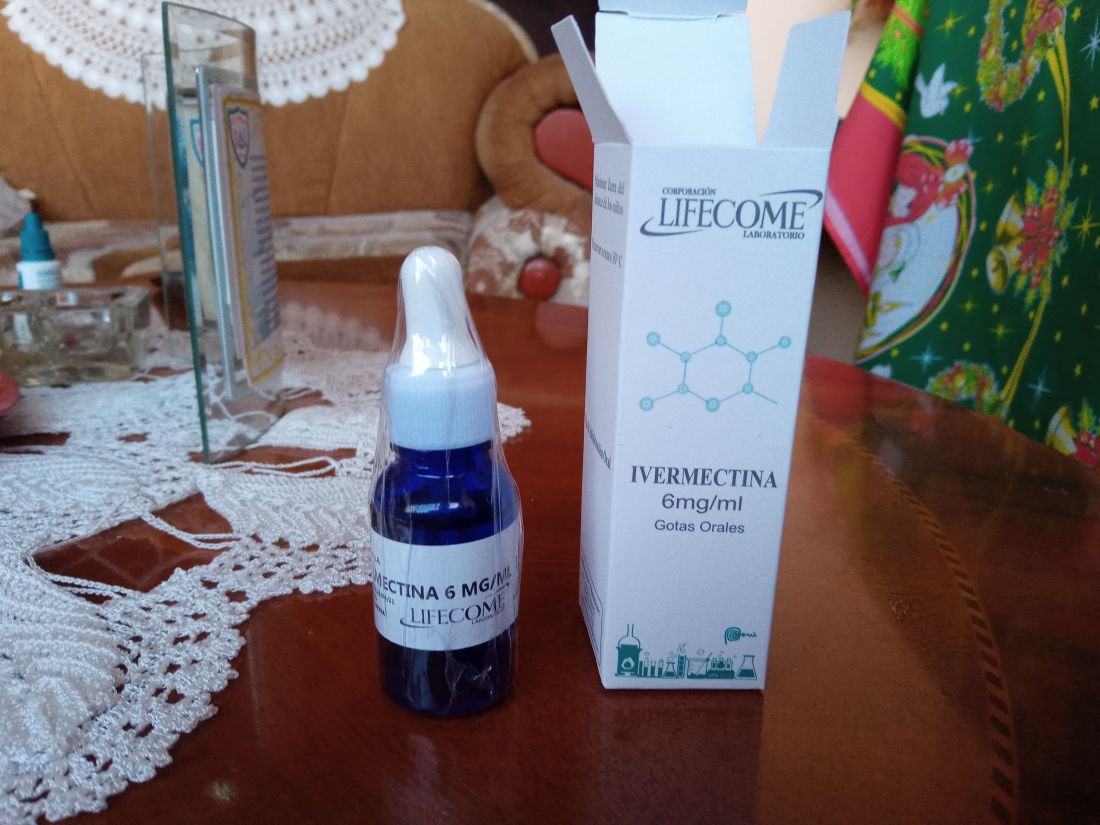
In comparing ivermectin and HCQ prescription rates with counties’ political composition, the researchers adjusted their findings to account for differences in the counties’ racial composition and COVID-19 incidence as well as enrollees’ age, sex, insurance type, income, comorbidity burden, and home in a rural or urban area.
The results showed an average of 20 new HCQ prescriptions per 100,000 enrollees in 2019, but 2020 saw a sharp increase and drop in new HCQ prescriptions in March-April 2020, independent of counties’ breakdown of political affiliation.
“However, after June 2020, coinciding with the revocation of the U.S. Food and Drug Administration’s emergency use authorization for hydroxychloroquine, prescribing volume was significantly higher in the highest vs. lowest Republican vote share counties,” the authors report. The gradual increase from June through December 2020 averaged to 42 new prescriptions per 100,000, a 146% increase over 2019 rates that was driven largely by the 25% of counties with the highest proportion of Republican voters.
Similarly, rates of new ivermectin prescriptions in December 2020 were more than nine times higher in counties with the highest Republican vote share, compared with new prescriptions throughout 2019. The researchers found no differences in new prescriptions for methotrexate or albendazole in 2020 based on counties’ proportion of Republican votes.
Since the study is an ecological, observational one, it cannot show causation or shed light on what role patients, physicians, or other factors might have played in prescribing patterns. Nevertheless, the authors noted the potentially negative implications of their findings.
“Because political affiliation should not be a factor in clinical treatment decisions, our findings raise concerns for public trust in a nonpartisan health care system,” the authors write.
Coauthor Ateev Mehrotra, MD, MPH, reported personal fees from Sanofi-Aventis, and coauthor Anupam B. Jena, MD, PhD, reported personal fees from Bioverativ, Merck, Janssen, Edwards Lifesciences, Novartis, Amgen, Eisai, Otsuka, Vertex, Celgene, Sanofi-Aventis, Precision Health Economics (now PRECISIONheor), Analysis Group, and Doubleday and hosting the podcast Freakonomics, M.D. The other coauthors have disclosed no relevant financial relationships. No external funding source was noted.
A version of this article first appeared on Medscape.com.
New prescriptions of hydroxychloroquine (HCQ) and ivermectin increased in 2020, driven particularly by rates in counties with the highest proportion of Republican votes in the 2020 U.S. presidential election, according to a cross-sectional study published in JAMA Internal Medicine.
“Our findings are consistent with the hypothesis that U.S. prescribing of hydroxychloroquine and ivermectin during the COVID-19 pandemic may have been influenced by political affiliation,” wrote Michael L. Barnett, MD, of the Harvard T.H. Chan School of Public Health in Boston and colleagues.
The researchers used data from the OptumLabs Data Warehouse to analyze commercial and Medicare Advantage medical claims from January 2019 through December 2020 for more than 18.5 million adults living in counties with at least 50 enrollees.
Using U.S. Census data and 2020 presidential election results, the researchers classified counties according to their proportion of Republican voters and then examined whether those proportions were associated with that county’s rates of new prescriptions for HCQ, ivermectin, methotrexate sodium, and albendazole. Methotrexate is prescribed for similar conditions and indications as HCQ, and albendazole is prescribed for similar reasons as ivermectin, although neither of the comparison drugs has been considered for COVID-19 treatment.
The Food and Drug Administration issued an emergency use authorization (EUA) for HCQ as a COVID-19 treatment on March 28, 2020, but the agency revoked the EUA 3 months later on June 15. Ivermectin never received an EUA for COVID treatment, but an in vitro study published April 3, 2020 claimed it had an antiviral effect.
The National Institutes of Health recommended against using ivermectin as a COVID-19 treatment on Aug. 1, 2020, but a few months later, on Nov. 13, a flawed clinical trial – later retracted – claimed ivermectin was 90% effective in treating COVID-19. Despite the lack of evidence for ivermectin’s efficacy, a Senate committee meeting on Dec. 8, 2020, included testimony from a physician who promoted its use.
In comparing ivermectin and HCQ prescription rates with counties’ political composition, the researchers adjusted their findings to account for differences in the counties’ racial composition and COVID-19 incidence as well as enrollees’ age, sex, insurance type, income, comorbidity burden, and home in a rural or urban area.
The results showed an average of 20 new HCQ prescriptions per 100,000 enrollees in 2019, but 2020 saw a sharp increase and drop in new HCQ prescriptions in March-April 2020, independent of counties’ breakdown of political affiliation.
“However, after June 2020, coinciding with the revocation of the U.S. Food and Drug Administration’s emergency use authorization for hydroxychloroquine, prescribing volume was significantly higher in the highest vs. lowest Republican vote share counties,” the authors report. The gradual increase from June through December 2020 averaged to 42 new prescriptions per 100,000, a 146% increase over 2019 rates that was driven largely by the 25% of counties with the highest proportion of Republican voters.
Similarly, rates of new ivermectin prescriptions in December 2020 were more than nine times higher in counties with the highest Republican vote share, compared with new prescriptions throughout 2019. The researchers found no differences in new prescriptions for methotrexate or albendazole in 2020 based on counties’ proportion of Republican votes.
Since the study is an ecological, observational one, it cannot show causation or shed light on what role patients, physicians, or other factors might have played in prescribing patterns. Nevertheless, the authors noted the potentially negative implications of their findings.
“Because political affiliation should not be a factor in clinical treatment decisions, our findings raise concerns for public trust in a nonpartisan health care system,” the authors write.
Coauthor Ateev Mehrotra, MD, MPH, reported personal fees from Sanofi-Aventis, and coauthor Anupam B. Jena, MD, PhD, reported personal fees from Bioverativ, Merck, Janssen, Edwards Lifesciences, Novartis, Amgen, Eisai, Otsuka, Vertex, Celgene, Sanofi-Aventis, Precision Health Economics (now PRECISIONheor), Analysis Group, and Doubleday and hosting the podcast Freakonomics, M.D. The other coauthors have disclosed no relevant financial relationships. No external funding source was noted.
A version of this article first appeared on Medscape.com.
New prescriptions of hydroxychloroquine (HCQ) and ivermectin increased in 2020, driven particularly by rates in counties with the highest proportion of Republican votes in the 2020 U.S. presidential election, according to a cross-sectional study published in JAMA Internal Medicine.
“Our findings are consistent with the hypothesis that U.S. prescribing of hydroxychloroquine and ivermectin during the COVID-19 pandemic may have been influenced by political affiliation,” wrote Michael L. Barnett, MD, of the Harvard T.H. Chan School of Public Health in Boston and colleagues.
The researchers used data from the OptumLabs Data Warehouse to analyze commercial and Medicare Advantage medical claims from January 2019 through December 2020 for more than 18.5 million adults living in counties with at least 50 enrollees.
Using U.S. Census data and 2020 presidential election results, the researchers classified counties according to their proportion of Republican voters and then examined whether those proportions were associated with that county’s rates of new prescriptions for HCQ, ivermectin, methotrexate sodium, and albendazole. Methotrexate is prescribed for similar conditions and indications as HCQ, and albendazole is prescribed for similar reasons as ivermectin, although neither of the comparison drugs has been considered for COVID-19 treatment.
The Food and Drug Administration issued an emergency use authorization (EUA) for HCQ as a COVID-19 treatment on March 28, 2020, but the agency revoked the EUA 3 months later on June 15. Ivermectin never received an EUA for COVID treatment, but an in vitro study published April 3, 2020 claimed it had an antiviral effect.
The National Institutes of Health recommended against using ivermectin as a COVID-19 treatment on Aug. 1, 2020, but a few months later, on Nov. 13, a flawed clinical trial – later retracted – claimed ivermectin was 90% effective in treating COVID-19. Despite the lack of evidence for ivermectin’s efficacy, a Senate committee meeting on Dec. 8, 2020, included testimony from a physician who promoted its use.
In comparing ivermectin and HCQ prescription rates with counties’ political composition, the researchers adjusted their findings to account for differences in the counties’ racial composition and COVID-19 incidence as well as enrollees’ age, sex, insurance type, income, comorbidity burden, and home in a rural or urban area.
The results showed an average of 20 new HCQ prescriptions per 100,000 enrollees in 2019, but 2020 saw a sharp increase and drop in new HCQ prescriptions in March-April 2020, independent of counties’ breakdown of political affiliation.
“However, after June 2020, coinciding with the revocation of the U.S. Food and Drug Administration’s emergency use authorization for hydroxychloroquine, prescribing volume was significantly higher in the highest vs. lowest Republican vote share counties,” the authors report. The gradual increase from June through December 2020 averaged to 42 new prescriptions per 100,000, a 146% increase over 2019 rates that was driven largely by the 25% of counties with the highest proportion of Republican voters.
Similarly, rates of new ivermectin prescriptions in December 2020 were more than nine times higher in counties with the highest Republican vote share, compared with new prescriptions throughout 2019. The researchers found no differences in new prescriptions for methotrexate or albendazole in 2020 based on counties’ proportion of Republican votes.
Since the study is an ecological, observational one, it cannot show causation or shed light on what role patients, physicians, or other factors might have played in prescribing patterns. Nevertheless, the authors noted the potentially negative implications of their findings.
“Because political affiliation should not be a factor in clinical treatment decisions, our findings raise concerns for public trust in a nonpartisan health care system,” the authors write.
Coauthor Ateev Mehrotra, MD, MPH, reported personal fees from Sanofi-Aventis, and coauthor Anupam B. Jena, MD, PhD, reported personal fees from Bioverativ, Merck, Janssen, Edwards Lifesciences, Novartis, Amgen, Eisai, Otsuka, Vertex, Celgene, Sanofi-Aventis, Precision Health Economics (now PRECISIONheor), Analysis Group, and Doubleday and hosting the podcast Freakonomics, M.D. The other coauthors have disclosed no relevant financial relationships. No external funding source was noted.
A version of this article first appeared on Medscape.com.
FROM JAMA INTERNAL MEDICINE

Tenecteplase for stroke thrombolysis up to 24 hours?
, a new trial from China suggests.
The phase 2a CHABLIS trial was presented at the International Stroke Conference by Xin Cheng, MD, associate professor of neurology at the Huashan Hospital of Fudan University and the National Center for Neurological Disorders in Shanghai, China.
“These results are the first to be reported with tenecteplase in the extended time window and suggest that it may be feasible to extend the time window of intravenous thrombolysis to 24 hours after last known well through perfusion imaging selection,” she concluded at the conference presented by the American Stroke Association, a division of the American Heart Association.
Dr. Cheng noted that alteplase (tissue plasminogen activator) is the standard of care for thrombolysis in stroke, with a time window of up to 4.5 hours after stroke onset. However, the recent EXTEND trial suggested benefit of alteplase in patients who were between 4.5 and 9 hours of stroke onset and who had hypoperfused but salvageable regions of brain detected on automated perfusion imaging.
Tenecteplase is a genetically modified variant of alteplase. It has received regulatory approval for treatment of myocardial infarction. Dr. Cheng said there is increasing interest in tenecteplase as an alternative to alteplase, mainly because of its practical advantages (single bolus, rather than 1-hour infusion) and its having a number of hypothetical advantages over alteplase, including greater fibrin specificity and lesser likelihood of fibrinogen depletion.
Until now, studies of tenecteplase in stroke have included patients in the traditional time window, which has been no longer than 6 hours from stroke onset, she added.
For the current CHABLIS trial, the Chinese researchers investigated the use of tenecteplase administered to ischemic stroke patients at 4.5-24 hours from time of their being last seen well who were selected by significant penumbral mismatch on perfusion imaging. The trial included 86 patients who had an anterior large-vessel occlusion or severe stenosis identified on head and neck CT angiography and penumbral mismatch on CT perfusion imaging. They were randomized to one of two doses of tenecteplase, 0.25 mg/kg or 0.32 mg/kg.
The primary outcome was the achievement of reperfusion without symptomatic intracranial hemorrhage at 24-48 hours after thrombolysis. This occurred in 32% of the 0.25-mg/kg group versus 23.3% of the 0.32-mg/kg group.
Recanalization at 4-6 hours occurred in 44% of both groups.
In terms of neurologic outcomes, an excellent functional outcome, defined as a Modified Rankin Scale (mRS) score of 0-1 at 90 days, was achieved in 28% of the 0.25-mg/kg group and 49% of the 0.32-mg/kg group. A good functional outcome (mRS, 0-2) occurred in 46% of the 0.25-mg/kg group versus 60% of the 0.32-mg/kg group.
Limitations of the study included a small sample size and the lack of a control group. In addition, the study included only Chinese patients, who are known to have different stroke etiologies in comparison with White patients, Dr. Cheng noted.
In the subset of patients who received tenecteplase and who underwent endovascular therapy, fewer patients (8.8%) reached the primary outcome measure of reperfusion without symptomatic ICH, compared with those who received only tenecteplase (40.4%).
“In our study, tenecteplase seems to be quite effective and safe in patients who do not need endovascular therapy,” Dr. Cheng said. “More research is needed to understand why tenecteplase was less effective in restoring blood flow and more likely to result in symptomatic brain bleeding among those who had endovascular therapy.”
The researchers have now started a phase 2b trial, CHABLIS-2. This is a randomized, multicenter, controlled, open-label study of the 0.25-mg/kg dose of tenecteplase.
Commenting on the current study at an ISC press conference, Tudor G. Jovin, MD, chair of neurology at Cooper University Hospital, Cherry Hill, New Jersey, said: “This is very important study looking at the question of using thrombolysis out to 24 hours, and it does suggest a benefit, but we don’t know the best dose yet.”
He noted that his hospital system has already switched from alteplase to tenecteplase in the treatment of stroke, and several other centers are also making this switch. “In our center, we use the 0.25-mg/kg dose, but we don’t routinely treat patients beyond the 4.5-hour time window,” Dr. Jovin reported.
“The signals are there for a longer treatment window,” he said. “But this study was not aiming to directly answer whether tenecteplase is better than no treatment or alteplase, or its use with endovascular therapy.”
Noting that there are similar randomized trials ongoing in the United States and other countries exploring the same doses of tenecteplase, he said he thought the “dose and approach is applicable to U.S. practice.”
The CHABLIS study was funded by national key research and development program of China from the Science and Technology Ministry. Tenecteplase was provided by Guangzhou Recomgen Biotech.
A version of this article first appeared on Medscape.com.
, a new trial from China suggests.
The phase 2a CHABLIS trial was presented at the International Stroke Conference by Xin Cheng, MD, associate professor of neurology at the Huashan Hospital of Fudan University and the National Center for Neurological Disorders in Shanghai, China.
“These results are the first to be reported with tenecteplase in the extended time window and suggest that it may be feasible to extend the time window of intravenous thrombolysis to 24 hours after last known well through perfusion imaging selection,” she concluded at the conference presented by the American Stroke Association, a division of the American Heart Association.
Dr. Cheng noted that alteplase (tissue plasminogen activator) is the standard of care for thrombolysis in stroke, with a time window of up to 4.5 hours after stroke onset. However, the recent EXTEND trial suggested benefit of alteplase in patients who were between 4.5 and 9 hours of stroke onset and who had hypoperfused but salvageable regions of brain detected on automated perfusion imaging.
Tenecteplase is a genetically modified variant of alteplase. It has received regulatory approval for treatment of myocardial infarction. Dr. Cheng said there is increasing interest in tenecteplase as an alternative to alteplase, mainly because of its practical advantages (single bolus, rather than 1-hour infusion) and its having a number of hypothetical advantages over alteplase, including greater fibrin specificity and lesser likelihood of fibrinogen depletion.
Until now, studies of tenecteplase in stroke have included patients in the traditional time window, which has been no longer than 6 hours from stroke onset, she added.
For the current CHABLIS trial, the Chinese researchers investigated the use of tenecteplase administered to ischemic stroke patients at 4.5-24 hours from time of their being last seen well who were selected by significant penumbral mismatch on perfusion imaging. The trial included 86 patients who had an anterior large-vessel occlusion or severe stenosis identified on head and neck CT angiography and penumbral mismatch on CT perfusion imaging. They were randomized to one of two doses of tenecteplase, 0.25 mg/kg or 0.32 mg/kg.
The primary outcome was the achievement of reperfusion without symptomatic intracranial hemorrhage at 24-48 hours after thrombolysis. This occurred in 32% of the 0.25-mg/kg group versus 23.3% of the 0.32-mg/kg group.
Recanalization at 4-6 hours occurred in 44% of both groups.
In terms of neurologic outcomes, an excellent functional outcome, defined as a Modified Rankin Scale (mRS) score of 0-1 at 90 days, was achieved in 28% of the 0.25-mg/kg group and 49% of the 0.32-mg/kg group. A good functional outcome (mRS, 0-2) occurred in 46% of the 0.25-mg/kg group versus 60% of the 0.32-mg/kg group.
Limitations of the study included a small sample size and the lack of a control group. In addition, the study included only Chinese patients, who are known to have different stroke etiologies in comparison with White patients, Dr. Cheng noted.
In the subset of patients who received tenecteplase and who underwent endovascular therapy, fewer patients (8.8%) reached the primary outcome measure of reperfusion without symptomatic ICH, compared with those who received only tenecteplase (40.4%).
“In our study, tenecteplase seems to be quite effective and safe in patients who do not need endovascular therapy,” Dr. Cheng said. “More research is needed to understand why tenecteplase was less effective in restoring blood flow and more likely to result in symptomatic brain bleeding among those who had endovascular therapy.”
The researchers have now started a phase 2b trial, CHABLIS-2. This is a randomized, multicenter, controlled, open-label study of the 0.25-mg/kg dose of tenecteplase.
Commenting on the current study at an ISC press conference, Tudor G. Jovin, MD, chair of neurology at Cooper University Hospital, Cherry Hill, New Jersey, said: “This is very important study looking at the question of using thrombolysis out to 24 hours, and it does suggest a benefit, but we don’t know the best dose yet.”
He noted that his hospital system has already switched from alteplase to tenecteplase in the treatment of stroke, and several other centers are also making this switch. “In our center, we use the 0.25-mg/kg dose, but we don’t routinely treat patients beyond the 4.5-hour time window,” Dr. Jovin reported.
“The signals are there for a longer treatment window,” he said. “But this study was not aiming to directly answer whether tenecteplase is better than no treatment or alteplase, or its use with endovascular therapy.”
Noting that there are similar randomized trials ongoing in the United States and other countries exploring the same doses of tenecteplase, he said he thought the “dose and approach is applicable to U.S. practice.”
The CHABLIS study was funded by national key research and development program of China from the Science and Technology Ministry. Tenecteplase was provided by Guangzhou Recomgen Biotech.
A version of this article first appeared on Medscape.com.
, a new trial from China suggests.
The phase 2a CHABLIS trial was presented at the International Stroke Conference by Xin Cheng, MD, associate professor of neurology at the Huashan Hospital of Fudan University and the National Center for Neurological Disorders in Shanghai, China.
“These results are the first to be reported with tenecteplase in the extended time window and suggest that it may be feasible to extend the time window of intravenous thrombolysis to 24 hours after last known well through perfusion imaging selection,” she concluded at the conference presented by the American Stroke Association, a division of the American Heart Association.
Dr. Cheng noted that alteplase (tissue plasminogen activator) is the standard of care for thrombolysis in stroke, with a time window of up to 4.5 hours after stroke onset. However, the recent EXTEND trial suggested benefit of alteplase in patients who were between 4.5 and 9 hours of stroke onset and who had hypoperfused but salvageable regions of brain detected on automated perfusion imaging.
Tenecteplase is a genetically modified variant of alteplase. It has received regulatory approval for treatment of myocardial infarction. Dr. Cheng said there is increasing interest in tenecteplase as an alternative to alteplase, mainly because of its practical advantages (single bolus, rather than 1-hour infusion) and its having a number of hypothetical advantages over alteplase, including greater fibrin specificity and lesser likelihood of fibrinogen depletion.
Until now, studies of tenecteplase in stroke have included patients in the traditional time window, which has been no longer than 6 hours from stroke onset, she added.
For the current CHABLIS trial, the Chinese researchers investigated the use of tenecteplase administered to ischemic stroke patients at 4.5-24 hours from time of their being last seen well who were selected by significant penumbral mismatch on perfusion imaging. The trial included 86 patients who had an anterior large-vessel occlusion or severe stenosis identified on head and neck CT angiography and penumbral mismatch on CT perfusion imaging. They were randomized to one of two doses of tenecteplase, 0.25 mg/kg or 0.32 mg/kg.
The primary outcome was the achievement of reperfusion without symptomatic intracranial hemorrhage at 24-48 hours after thrombolysis. This occurred in 32% of the 0.25-mg/kg group versus 23.3% of the 0.32-mg/kg group.
Recanalization at 4-6 hours occurred in 44% of both groups.
In terms of neurologic outcomes, an excellent functional outcome, defined as a Modified Rankin Scale (mRS) score of 0-1 at 90 days, was achieved in 28% of the 0.25-mg/kg group and 49% of the 0.32-mg/kg group. A good functional outcome (mRS, 0-2) occurred in 46% of the 0.25-mg/kg group versus 60% of the 0.32-mg/kg group.
Limitations of the study included a small sample size and the lack of a control group. In addition, the study included only Chinese patients, who are known to have different stroke etiologies in comparison with White patients, Dr. Cheng noted.
In the subset of patients who received tenecteplase and who underwent endovascular therapy, fewer patients (8.8%) reached the primary outcome measure of reperfusion without symptomatic ICH, compared with those who received only tenecteplase (40.4%).
“In our study, tenecteplase seems to be quite effective and safe in patients who do not need endovascular therapy,” Dr. Cheng said. “More research is needed to understand why tenecteplase was less effective in restoring blood flow and more likely to result in symptomatic brain bleeding among those who had endovascular therapy.”
The researchers have now started a phase 2b trial, CHABLIS-2. This is a randomized, multicenter, controlled, open-label study of the 0.25-mg/kg dose of tenecteplase.
Commenting on the current study at an ISC press conference, Tudor G. Jovin, MD, chair of neurology at Cooper University Hospital, Cherry Hill, New Jersey, said: “This is very important study looking at the question of using thrombolysis out to 24 hours, and it does suggest a benefit, but we don’t know the best dose yet.”
He noted that his hospital system has already switched from alteplase to tenecteplase in the treatment of stroke, and several other centers are also making this switch. “In our center, we use the 0.25-mg/kg dose, but we don’t routinely treat patients beyond the 4.5-hour time window,” Dr. Jovin reported.
“The signals are there for a longer treatment window,” he said. “But this study was not aiming to directly answer whether tenecteplase is better than no treatment or alteplase, or its use with endovascular therapy.”
Noting that there are similar randomized trials ongoing in the United States and other countries exploring the same doses of tenecteplase, he said he thought the “dose and approach is applicable to U.S. practice.”
The CHABLIS study was funded by national key research and development program of China from the Science and Technology Ministry. Tenecteplase was provided by Guangzhou Recomgen Biotech.
A version of this article first appeared on Medscape.com.
FROM ISC 2022
Tirofiban does not improve outcomes of endovascular treatment in stroke
, new data suggest.
In a randomized, phase 3 trial of more than 900 patients with acute ischemic stroke who underwent endovascular treatment, the median Modified Rankin Scale (mRS) score at 90 days was 3 both in patients who received tirofiban and those who received placebo.
“There was treatment-effect modification by stroke etiology, where patients with large-artery atherosclerosis [LAA] seemed to benefit from the treatment,” said investigator Raul Nogueira, MD, director of the University of Pittsburgh Medical Center Stroke Institute, during his presentation. “Tirofiban may improve endovascular treatment outcomes in LAA strokes. This obviously requires further investigation in future trials to confirm these findings.”
Results of the RESCUE BT trial were presented at the hybrid International Stroke Conference (ISC) 2022, which was held in New Orleans, Louisiana, and online.
Multicenter trial
Endovascular treatment greatly increases the rate of reperfusion and improves functional outcomes in patients with large-vessel occlusion stroke, the researchers note. But mechanical thrombectomy devices may injure the vessel wall, which can lead to clot formation and vessel reocclusion.
Platelet inhibition is a potential tactic for improving outcomes in this setting. Tirofiban, a glycoprotein IIb/IIIa receptor inhibitor, is a reversible antiplatelet drug with a rapid onset of action and a short half-life. The drug’s safety and efficacy in acute coronary syndrome are well established. There has been little evidence to date, however, on whether tirofiban improves outcomes among patients with large-vessel occlusion stroke.
The investigators conducted the Endovascular Treatment With Versus Without Tirofiban for Stroke Patients With Large Vessel Occlusion (RESCUE BT) trial to evaluate the safety and efficacy of IV tirofiban therapy before endovascular treatment in patients with large-vessel occlusion stroke. They recruited consecutive patients at 55 thrombectomy-capable hospitals in China.
Eligible patients were aged 18 years or older and presented within 24 hours of the time they were last seen when well. Baseline National Institutes of Health Stroke Scale (NIHSS) score was required to be 30 or lower, and all patients were required to have plans to undergo endovascular treatment. Eligible patients also had a baseline Alberta Stroke Program Early CT Score of 6 or greater.
Patients were randomized in groups of equal size to placebo or tirofiban and stratified by NIHSS score and occlusion site. Tirofiban was administered in a 10-mcg/kg bolus followed by continuous infusion (0.15 mcg/kg per min) for 24 hours. All patients underwent rapid endovascular treatment.
At the 20th hour after treatment initiation, antiplatelets were administered orally. IV study drug was stopped at the 24th hour.
The study’s primary endpoint was disability level, as measured by overall distribution of the 90-day mRS score. The primary safety endpoints were symptomatic intracranial hemorrhage (ICH) at 48 hours and mortality at 90 days.
Increased ICH risk
The investigators screened 1,970 patients and enrolled 950 into their study. The population’s median age was 67 years, and 58.8% of participants were men. In all, 463 participants were randomly assigned to tirofiban, and 485 to placebo. Two patients withdrew consent, and none were lost to follow-up.
Baseline characteristics were well balanced in both groups. One difference, however, was that large-vessel occlusion was less prevalent in the tirofiban group (42.6%) than in the control group (49.1%).
The primary endpoint did not differ between treatment groups. The adjusted common odds ratio was 1.09 (P = .46). “There is perhaps a sign that there is maybe a favorable effect of tirofiban,” said Dr. Nogueira. “However, this did not reach statistical significance.”
The rates of symptomatic ICH and mortality at 90 days did not differ significantly between groups. There was a trend toward a higher rate of symptomatic ICH in the tirofiban group, however. Moreover, the rate of any ICH was 34.9% in the tirofiban group and 28.0% in the control group (P = .02).
In prespecified subgroup analysis, the researchers found that, among patients with large-vessel occlusion, the adjusted common odds ratio was 1.43 favoring tirofiban treatment. No other subgroups showed significant differences.
“In the intention-to-treat analysis, tirofiban did not improve clinical outcomes in the overall study population,” said Dr. Nogueira. “It did increase the rate of any ICH and potentially increased the rate of symptomatic ICH as well.”
The ongoing RESCUE BT2 trial is examining the safety and efficacy of tirofiban in patients with acute ischemic stroke with non–large-vessel occlusion. As of Jan. 20, 781 patients had been assigned randomly to treatment, said Dr. Nogueira.
Patient selection crucial
Louise McCullough, MD, PhD, professor and chair of neurology at the University of Texas Health Science Center at Houston, said that the study was well designed.
“The concern with any kind of platelet therapy or adjunctive therapy is hemorrhage,” said Dr. McCullough, who was not involved in the research. The results in the overall population support this concern.
The location of the trial sites may have influenced the results. “It was a multicenter trial, but it was predominantly done in Asia, and we know that there are higher levels of intracranial atherosclerosis in that population,” said Dr. McCullough.
The results indicate a potential benefit of tirofiban in patients with large-vessel occlusion, yet this finding raises practical questions. “It’s often difficult to know if these patients have atherosclerosis until you’re actually in the vessel,” said Dr. McCullough.
The findings may not have immediate practical implications. “I don’t think that in routine clinical practice it’s something that we would offer until we can decide how safe it is,” said Dr. McCullough. The question will be how to select the populations in whom the drug will have the most efficacy.
The study was funded by the National Natural Science Foundation of China, Army Medical University, and Lunan Pharmaceutical Group, the manufacturer of tirofiban. Dr. Nogueira reported holding stock in Brainomix, Viz-AI, Corindus Vascular Robotics, Vesalio, Viz-AI, and Ceretrieve. He has received research support from Corindus Vascular Robotics. Dr. Nogueira reported other financial relationships related to Stryker Neurovascular, Medtronic, Cerenovus, and Phenox. Dr. McCullough has disclosed no relevant financial relationships.
A version of this article first appeared on Medscape.com.
, new data suggest.
In a randomized, phase 3 trial of more than 900 patients with acute ischemic stroke who underwent endovascular treatment, the median Modified Rankin Scale (mRS) score at 90 days was 3 both in patients who received tirofiban and those who received placebo.
“There was treatment-effect modification by stroke etiology, where patients with large-artery atherosclerosis [LAA] seemed to benefit from the treatment,” said investigator Raul Nogueira, MD, director of the University of Pittsburgh Medical Center Stroke Institute, during his presentation. “Tirofiban may improve endovascular treatment outcomes in LAA strokes. This obviously requires further investigation in future trials to confirm these findings.”
Results of the RESCUE BT trial were presented at the hybrid International Stroke Conference (ISC) 2022, which was held in New Orleans, Louisiana, and online.
Multicenter trial
Endovascular treatment greatly increases the rate of reperfusion and improves functional outcomes in patients with large-vessel occlusion stroke, the researchers note. But mechanical thrombectomy devices may injure the vessel wall, which can lead to clot formation and vessel reocclusion.
Platelet inhibition is a potential tactic for improving outcomes in this setting. Tirofiban, a glycoprotein IIb/IIIa receptor inhibitor, is a reversible antiplatelet drug with a rapid onset of action and a short half-life. The drug’s safety and efficacy in acute coronary syndrome are well established. There has been little evidence to date, however, on whether tirofiban improves outcomes among patients with large-vessel occlusion stroke.
The investigators conducted the Endovascular Treatment With Versus Without Tirofiban for Stroke Patients With Large Vessel Occlusion (RESCUE BT) trial to evaluate the safety and efficacy of IV tirofiban therapy before endovascular treatment in patients with large-vessel occlusion stroke. They recruited consecutive patients at 55 thrombectomy-capable hospitals in China.
Eligible patients were aged 18 years or older and presented within 24 hours of the time they were last seen when well. Baseline National Institutes of Health Stroke Scale (NIHSS) score was required to be 30 or lower, and all patients were required to have plans to undergo endovascular treatment. Eligible patients also had a baseline Alberta Stroke Program Early CT Score of 6 or greater.
Patients were randomized in groups of equal size to placebo or tirofiban and stratified by NIHSS score and occlusion site. Tirofiban was administered in a 10-mcg/kg bolus followed by continuous infusion (0.15 mcg/kg per min) for 24 hours. All patients underwent rapid endovascular treatment.
At the 20th hour after treatment initiation, antiplatelets were administered orally. IV study drug was stopped at the 24th hour.
The study’s primary endpoint was disability level, as measured by overall distribution of the 90-day mRS score. The primary safety endpoints were symptomatic intracranial hemorrhage (ICH) at 48 hours and mortality at 90 days.
Increased ICH risk
The investigators screened 1,970 patients and enrolled 950 into their study. The population’s median age was 67 years, and 58.8% of participants were men. In all, 463 participants were randomly assigned to tirofiban, and 485 to placebo. Two patients withdrew consent, and none were lost to follow-up.
Baseline characteristics were well balanced in both groups. One difference, however, was that large-vessel occlusion was less prevalent in the tirofiban group (42.6%) than in the control group (49.1%).
The primary endpoint did not differ between treatment groups. The adjusted common odds ratio was 1.09 (P = .46). “There is perhaps a sign that there is maybe a favorable effect of tirofiban,” said Dr. Nogueira. “However, this did not reach statistical significance.”
The rates of symptomatic ICH and mortality at 90 days did not differ significantly between groups. There was a trend toward a higher rate of symptomatic ICH in the tirofiban group, however. Moreover, the rate of any ICH was 34.9% in the tirofiban group and 28.0% in the control group (P = .02).
In prespecified subgroup analysis, the researchers found that, among patients with large-vessel occlusion, the adjusted common odds ratio was 1.43 favoring tirofiban treatment. No other subgroups showed significant differences.
“In the intention-to-treat analysis, tirofiban did not improve clinical outcomes in the overall study population,” said Dr. Nogueira. “It did increase the rate of any ICH and potentially increased the rate of symptomatic ICH as well.”
The ongoing RESCUE BT2 trial is examining the safety and efficacy of tirofiban in patients with acute ischemic stroke with non–large-vessel occlusion. As of Jan. 20, 781 patients had been assigned randomly to treatment, said Dr. Nogueira.
Patient selection crucial
Louise McCullough, MD, PhD, professor and chair of neurology at the University of Texas Health Science Center at Houston, said that the study was well designed.
“The concern with any kind of platelet therapy or adjunctive therapy is hemorrhage,” said Dr. McCullough, who was not involved in the research. The results in the overall population support this concern.
The location of the trial sites may have influenced the results. “It was a multicenter trial, but it was predominantly done in Asia, and we know that there are higher levels of intracranial atherosclerosis in that population,” said Dr. McCullough.
The results indicate a potential benefit of tirofiban in patients with large-vessel occlusion, yet this finding raises practical questions. “It’s often difficult to know if these patients have atherosclerosis until you’re actually in the vessel,” said Dr. McCullough.
The findings may not have immediate practical implications. “I don’t think that in routine clinical practice it’s something that we would offer until we can decide how safe it is,” said Dr. McCullough. The question will be how to select the populations in whom the drug will have the most efficacy.
The study was funded by the National Natural Science Foundation of China, Army Medical University, and Lunan Pharmaceutical Group, the manufacturer of tirofiban. Dr. Nogueira reported holding stock in Brainomix, Viz-AI, Corindus Vascular Robotics, Vesalio, Viz-AI, and Ceretrieve. He has received research support from Corindus Vascular Robotics. Dr. Nogueira reported other financial relationships related to Stryker Neurovascular, Medtronic, Cerenovus, and Phenox. Dr. McCullough has disclosed no relevant financial relationships.
A version of this article first appeared on Medscape.com.
, new data suggest.
In a randomized, phase 3 trial of more than 900 patients with acute ischemic stroke who underwent endovascular treatment, the median Modified Rankin Scale (mRS) score at 90 days was 3 both in patients who received tirofiban and those who received placebo.
“There was treatment-effect modification by stroke etiology, where patients with large-artery atherosclerosis [LAA] seemed to benefit from the treatment,” said investigator Raul Nogueira, MD, director of the University of Pittsburgh Medical Center Stroke Institute, during his presentation. “Tirofiban may improve endovascular treatment outcomes in LAA strokes. This obviously requires further investigation in future trials to confirm these findings.”
Results of the RESCUE BT trial were presented at the hybrid International Stroke Conference (ISC) 2022, which was held in New Orleans, Louisiana, and online.
Multicenter trial
Endovascular treatment greatly increases the rate of reperfusion and improves functional outcomes in patients with large-vessel occlusion stroke, the researchers note. But mechanical thrombectomy devices may injure the vessel wall, which can lead to clot formation and vessel reocclusion.
Platelet inhibition is a potential tactic for improving outcomes in this setting. Tirofiban, a glycoprotein IIb/IIIa receptor inhibitor, is a reversible antiplatelet drug with a rapid onset of action and a short half-life. The drug’s safety and efficacy in acute coronary syndrome are well established. There has been little evidence to date, however, on whether tirofiban improves outcomes among patients with large-vessel occlusion stroke.
The investigators conducted the Endovascular Treatment With Versus Without Tirofiban for Stroke Patients With Large Vessel Occlusion (RESCUE BT) trial to evaluate the safety and efficacy of IV tirofiban therapy before endovascular treatment in patients with large-vessel occlusion stroke. They recruited consecutive patients at 55 thrombectomy-capable hospitals in China.
Eligible patients were aged 18 years or older and presented within 24 hours of the time they were last seen when well. Baseline National Institutes of Health Stroke Scale (NIHSS) score was required to be 30 or lower, and all patients were required to have plans to undergo endovascular treatment. Eligible patients also had a baseline Alberta Stroke Program Early CT Score of 6 or greater.
Patients were randomized in groups of equal size to placebo or tirofiban and stratified by NIHSS score and occlusion site. Tirofiban was administered in a 10-mcg/kg bolus followed by continuous infusion (0.15 mcg/kg per min) for 24 hours. All patients underwent rapid endovascular treatment.
At the 20th hour after treatment initiation, antiplatelets were administered orally. IV study drug was stopped at the 24th hour.
The study’s primary endpoint was disability level, as measured by overall distribution of the 90-day mRS score. The primary safety endpoints were symptomatic intracranial hemorrhage (ICH) at 48 hours and mortality at 90 days.
Increased ICH risk
The investigators screened 1,970 patients and enrolled 950 into their study. The population’s median age was 67 years, and 58.8% of participants were men. In all, 463 participants were randomly assigned to tirofiban, and 485 to placebo. Two patients withdrew consent, and none were lost to follow-up.
Baseline characteristics were well balanced in both groups. One difference, however, was that large-vessel occlusion was less prevalent in the tirofiban group (42.6%) than in the control group (49.1%).
The primary endpoint did not differ between treatment groups. The adjusted common odds ratio was 1.09 (P = .46). “There is perhaps a sign that there is maybe a favorable effect of tirofiban,” said Dr. Nogueira. “However, this did not reach statistical significance.”
The rates of symptomatic ICH and mortality at 90 days did not differ significantly between groups. There was a trend toward a higher rate of symptomatic ICH in the tirofiban group, however. Moreover, the rate of any ICH was 34.9% in the tirofiban group and 28.0% in the control group (P = .02).
In prespecified subgroup analysis, the researchers found that, among patients with large-vessel occlusion, the adjusted common odds ratio was 1.43 favoring tirofiban treatment. No other subgroups showed significant differences.
“In the intention-to-treat analysis, tirofiban did not improve clinical outcomes in the overall study population,” said Dr. Nogueira. “It did increase the rate of any ICH and potentially increased the rate of symptomatic ICH as well.”
The ongoing RESCUE BT2 trial is examining the safety and efficacy of tirofiban in patients with acute ischemic stroke with non–large-vessel occlusion. As of Jan. 20, 781 patients had been assigned randomly to treatment, said Dr. Nogueira.
Patient selection crucial
Louise McCullough, MD, PhD, professor and chair of neurology at the University of Texas Health Science Center at Houston, said that the study was well designed.
“The concern with any kind of platelet therapy or adjunctive therapy is hemorrhage,” said Dr. McCullough, who was not involved in the research. The results in the overall population support this concern.
The location of the trial sites may have influenced the results. “It was a multicenter trial, but it was predominantly done in Asia, and we know that there are higher levels of intracranial atherosclerosis in that population,” said Dr. McCullough.
The results indicate a potential benefit of tirofiban in patients with large-vessel occlusion, yet this finding raises practical questions. “It’s often difficult to know if these patients have atherosclerosis until you’re actually in the vessel,” said Dr. McCullough.
The findings may not have immediate practical implications. “I don’t think that in routine clinical practice it’s something that we would offer until we can decide how safe it is,” said Dr. McCullough. The question will be how to select the populations in whom the drug will have the most efficacy.
The study was funded by the National Natural Science Foundation of China, Army Medical University, and Lunan Pharmaceutical Group, the manufacturer of tirofiban. Dr. Nogueira reported holding stock in Brainomix, Viz-AI, Corindus Vascular Robotics, Vesalio, Viz-AI, and Ceretrieve. He has received research support from Corindus Vascular Robotics. Dr. Nogueira reported other financial relationships related to Stryker Neurovascular, Medtronic, Cerenovus, and Phenox. Dr. McCullough has disclosed no relevant financial relationships.
A version of this article first appeared on Medscape.com.
FROM ISC 2022
Psilocybin’s antidepressant effects rapid, durable
The substantial antidepressant effects of psilocybin-assisted therapy may be durable up to at least 1 year in some patients with major depressive disorder (MDD), new research indicates.
, report researchers with the Center for Psychedelic and Consciousness Research at Johns Hopkins University School of Medicine, Baltimore.
“We have not yet collected formal data past 1 year in our sample, [but] some participants in our study have stayed in touch and report continued improvements in mood,” study investigator Natalie Gukasyan, MD, told this news organization.
“A previous study of psilocybin-assisted therapy in patients with cancer-related depression and anxiety symptoms found that improvements in mood and well-being may persist up to 4.5 years following treatment,” Dr. Gukasyan noted.
The study was published online Feb. 15 in the Journal of Psychopharmacology.
Enduring benefit
Preliminary data suggest that psilocybin-assisted treatment produces substantial and rapid antidepressant effects in patients with MDD, but the durability of the effects are unclear.
Investigators examined the efficacy and safety of psilocybin through 12 months in 24 adults who met criteria for a moderate to severe episode of MDD as defined by a score of 17 or greater on the GRID-Hamilton Depression Rating Scale (GRID-HAMD) assessed by blinded clinician raters.
Following 6-8 hours of preparatory meetings, participants received two doses of psilocybin at 20 mg/70 kg and 30 mg/70 kg spaced roughly 2 weeks apart. Psilocybin was administered in a comfortable room under supervision following established safety guidelines.
Depression, as measured by GRID-HAMD, decreased substantially after treatment and remained low through 12 months post-treatment, the investigators report.
For most participants, GRID-HAMD scores decreased from 22.8 at baseline to 8.7 at 1 week, 8.9 at 4 weeks, 9.3 at 3 months, 7 at 6 months, and 7.7 at 12 months after treatment.
“The effect size at 12 months was very large (Cohen d = 2.4). Likewise, high and stable rates of response and remission occurred throughout the follow-up period (75% response and 58% remission at 12 months),” the investigators note.
Two patient-rated measures of depression – the Quick Inventory of Depressive Symptoms (QIDS) and the Beck Depression Inventory II (BDI-II) – showed similar “large magnitude and stable” antidepressant effects on mean scores and on response and remission rates, they add.
Response and remission rates at 12 months on the QIDS were 79% and 67%, respectively, and 83% and 75%, respectively, on the BDI-II.
“Psilocybin not only produces significant and immediate effects, it also has a long duration, which suggests that it may be a uniquely useful new treatment for depression,” study investigator Roland Griffiths, PhD, founding director of the Center for Psychedelic and Consciousness Research, says in a statement.
“Compared to standard antidepressants, which must be taken for long stretches of time, psilocybin has the potential to enduringly relieve the symptoms of depression with one or two treatments,” Dr. Griffiths adds.
Better than ketamine?
There were no serious adverse events judged to be related to psilocybin during long-term follow-up. Depression symptoms were not significantly exacerbated in any participant, and there was no reported use of psilocybin or other psychedelic drug use during the follow-up period.
The finding that two doses of psilocybin provides antidepressant effects that last through at least 12 months is well beyond the duration of effects reported to date with ketamine, the investigators write.
“In general, treatment with ketamine requires a greater number of drug administrations, and it may be more challenging to get durable therapeutic efficacy without repeated dosing. The longer-term risks of repeated ketamine use are not well characterized,” Dr. Gukasyan told this news organization.
She noted that psilocybin and related compounds are still not available for clinical use under the controlled substances act.
“Some clinics are currently offering ketamine, or ketamine-assisted therapy in a manner that resembles the treatment approach used with psilocybin, but there is less high-quality research to support that practice,” she said.
The study was funded in part by a crowdsourced campaign organized by Tim Ferriss and by grants from the Riverstyx Foundation and Dave Morin. Other support was provided by a grant from the National Institutes of Health and the Center for Psychedelic and Consciousness Research. Dr. Gukasyan is an investigator for a multisite trial of psilocybin-assisted therapy for major depressive disorder sponsored by Usona Institute. A complete list of author disclosures is available with the original article.
A version of this article first appeared on Medscape.com.
The substantial antidepressant effects of psilocybin-assisted therapy may be durable up to at least 1 year in some patients with major depressive disorder (MDD), new research indicates.
, report researchers with the Center for Psychedelic and Consciousness Research at Johns Hopkins University School of Medicine, Baltimore.
“We have not yet collected formal data past 1 year in our sample, [but] some participants in our study have stayed in touch and report continued improvements in mood,” study investigator Natalie Gukasyan, MD, told this news organization.
“A previous study of psilocybin-assisted therapy in patients with cancer-related depression and anxiety symptoms found that improvements in mood and well-being may persist up to 4.5 years following treatment,” Dr. Gukasyan noted.
The study was published online Feb. 15 in the Journal of Psychopharmacology.
Enduring benefit
Preliminary data suggest that psilocybin-assisted treatment produces substantial and rapid antidepressant effects in patients with MDD, but the durability of the effects are unclear.
Investigators examined the efficacy and safety of psilocybin through 12 months in 24 adults who met criteria for a moderate to severe episode of MDD as defined by a score of 17 or greater on the GRID-Hamilton Depression Rating Scale (GRID-HAMD) assessed by blinded clinician raters.
Following 6-8 hours of preparatory meetings, participants received two doses of psilocybin at 20 mg/70 kg and 30 mg/70 kg spaced roughly 2 weeks apart. Psilocybin was administered in a comfortable room under supervision following established safety guidelines.
Depression, as measured by GRID-HAMD, decreased substantially after treatment and remained low through 12 months post-treatment, the investigators report.
For most participants, GRID-HAMD scores decreased from 22.8 at baseline to 8.7 at 1 week, 8.9 at 4 weeks, 9.3 at 3 months, 7 at 6 months, and 7.7 at 12 months after treatment.
“The effect size at 12 months was very large (Cohen d = 2.4). Likewise, high and stable rates of response and remission occurred throughout the follow-up period (75% response and 58% remission at 12 months),” the investigators note.
Two patient-rated measures of depression – the Quick Inventory of Depressive Symptoms (QIDS) and the Beck Depression Inventory II (BDI-II) – showed similar “large magnitude and stable” antidepressant effects on mean scores and on response and remission rates, they add.
Response and remission rates at 12 months on the QIDS were 79% and 67%, respectively, and 83% and 75%, respectively, on the BDI-II.
“Psilocybin not only produces significant and immediate effects, it also has a long duration, which suggests that it may be a uniquely useful new treatment for depression,” study investigator Roland Griffiths, PhD, founding director of the Center for Psychedelic and Consciousness Research, says in a statement.
“Compared to standard antidepressants, which must be taken for long stretches of time, psilocybin has the potential to enduringly relieve the symptoms of depression with one or two treatments,” Dr. Griffiths adds.
Better than ketamine?
There were no serious adverse events judged to be related to psilocybin during long-term follow-up. Depression symptoms were not significantly exacerbated in any participant, and there was no reported use of psilocybin or other psychedelic drug use during the follow-up period.
The finding that two doses of psilocybin provides antidepressant effects that last through at least 12 months is well beyond the duration of effects reported to date with ketamine, the investigators write.
“In general, treatment with ketamine requires a greater number of drug administrations, and it may be more challenging to get durable therapeutic efficacy without repeated dosing. The longer-term risks of repeated ketamine use are not well characterized,” Dr. Gukasyan told this news organization.
She noted that psilocybin and related compounds are still not available for clinical use under the controlled substances act.
“Some clinics are currently offering ketamine, or ketamine-assisted therapy in a manner that resembles the treatment approach used with psilocybin, but there is less high-quality research to support that practice,” she said.
The study was funded in part by a crowdsourced campaign organized by Tim Ferriss and by grants from the Riverstyx Foundation and Dave Morin. Other support was provided by a grant from the National Institutes of Health and the Center for Psychedelic and Consciousness Research. Dr. Gukasyan is an investigator for a multisite trial of psilocybin-assisted therapy for major depressive disorder sponsored by Usona Institute. A complete list of author disclosures is available with the original article.
A version of this article first appeared on Medscape.com.
The substantial antidepressant effects of psilocybin-assisted therapy may be durable up to at least 1 year in some patients with major depressive disorder (MDD), new research indicates.
, report researchers with the Center for Psychedelic and Consciousness Research at Johns Hopkins University School of Medicine, Baltimore.
“We have not yet collected formal data past 1 year in our sample, [but] some participants in our study have stayed in touch and report continued improvements in mood,” study investigator Natalie Gukasyan, MD, told this news organization.
“A previous study of psilocybin-assisted therapy in patients with cancer-related depression and anxiety symptoms found that improvements in mood and well-being may persist up to 4.5 years following treatment,” Dr. Gukasyan noted.
The study was published online Feb. 15 in the Journal of Psychopharmacology.
Enduring benefit
Preliminary data suggest that psilocybin-assisted treatment produces substantial and rapid antidepressant effects in patients with MDD, but the durability of the effects are unclear.
Investigators examined the efficacy and safety of psilocybin through 12 months in 24 adults who met criteria for a moderate to severe episode of MDD as defined by a score of 17 or greater on the GRID-Hamilton Depression Rating Scale (GRID-HAMD) assessed by blinded clinician raters.
Following 6-8 hours of preparatory meetings, participants received two doses of psilocybin at 20 mg/70 kg and 30 mg/70 kg spaced roughly 2 weeks apart. Psilocybin was administered in a comfortable room under supervision following established safety guidelines.
Depression, as measured by GRID-HAMD, decreased substantially after treatment and remained low through 12 months post-treatment, the investigators report.
For most participants, GRID-HAMD scores decreased from 22.8 at baseline to 8.7 at 1 week, 8.9 at 4 weeks, 9.3 at 3 months, 7 at 6 months, and 7.7 at 12 months after treatment.
“The effect size at 12 months was very large (Cohen d = 2.4). Likewise, high and stable rates of response and remission occurred throughout the follow-up period (75% response and 58% remission at 12 months),” the investigators note.
Two patient-rated measures of depression – the Quick Inventory of Depressive Symptoms (QIDS) and the Beck Depression Inventory II (BDI-II) – showed similar “large magnitude and stable” antidepressant effects on mean scores and on response and remission rates, they add.
Response and remission rates at 12 months on the QIDS were 79% and 67%, respectively, and 83% and 75%, respectively, on the BDI-II.
“Psilocybin not only produces significant and immediate effects, it also has a long duration, which suggests that it may be a uniquely useful new treatment for depression,” study investigator Roland Griffiths, PhD, founding director of the Center for Psychedelic and Consciousness Research, says in a statement.
“Compared to standard antidepressants, which must be taken for long stretches of time, psilocybin has the potential to enduringly relieve the symptoms of depression with one or two treatments,” Dr. Griffiths adds.
Better than ketamine?
There were no serious adverse events judged to be related to psilocybin during long-term follow-up. Depression symptoms were not significantly exacerbated in any participant, and there was no reported use of psilocybin or other psychedelic drug use during the follow-up period.
The finding that two doses of psilocybin provides antidepressant effects that last through at least 12 months is well beyond the duration of effects reported to date with ketamine, the investigators write.
“In general, treatment with ketamine requires a greater number of drug administrations, and it may be more challenging to get durable therapeutic efficacy without repeated dosing. The longer-term risks of repeated ketamine use are not well characterized,” Dr. Gukasyan told this news organization.
She noted that psilocybin and related compounds are still not available for clinical use under the controlled substances act.
“Some clinics are currently offering ketamine, or ketamine-assisted therapy in a manner that resembles the treatment approach used with psilocybin, but there is less high-quality research to support that practice,” she said.
The study was funded in part by a crowdsourced campaign organized by Tim Ferriss and by grants from the Riverstyx Foundation and Dave Morin. Other support was provided by a grant from the National Institutes of Health and the Center for Psychedelic and Consciousness Research. Dr. Gukasyan is an investigator for a multisite trial of psilocybin-assisted therapy for major depressive disorder sponsored by Usona Institute. A complete list of author disclosures is available with the original article.
A version of this article first appeared on Medscape.com.
Mixed results for cardiologists in stroke thrombectomy
Outcomes were mixed among ischemic stroke patients with large vessel occlusion who underwent thrombectomy by an interventional cardiologist as part of a multidisciplinary stroke team, in a single-center, prospective study from Poland.
Results from the 2-year experience show mechanical thrombectomy took longer when carried out by interventional cardiologists than by vascular surgeons and neuroradiologists (120 minutes vs. 105 minutes; P = .020).
The procedures were also less likely to achieve angiographic success, defined as a Thrombolysis in Cerebral Infarction (TICI) scale score of 2b or 3 (55.7% vs. 71.7%; P = .013), reported Krystian Wita, MD, PhD, Medical University of Silesia, Katowice, Poland, and colleagues.
The differences in duration and recanalization require further attention, they noted, and are related to a learning curve, more time dedicated to decision-making and, in some cases, needing a second opinion. Cardiologists performed 80 procedures compared with 116 for vascular surgeons and 52 for neuroradiologists, and treated twice as many patients with a previous stroke (13.9% vs. 6.5%).
Still, the interventional cardiologist- and noncardiologist-treated groups had similar functional independence at 3 months, defined by a modified Rankin Scale (mRS) score of 0 to 2 (44.4% vs. 54.8%; P = .275). Mortality was also similar at 3 months (31.3% vs. 28.0%; P = .595).
“This is the first analysis to prove the noninferiority of the cardiology services in the treatment of stroke with mechanical thrombectomy,” the authors reported in JACC: Cardiovascular Interventions.
But commenting for this news organization, J Mocco, MD, senior vice chair of neurosurgery and director of the Cerebrovascular Center at Mount Sinai Health System, New York, said this study isn’t designed as a noninferiority trial, is “grossly underpowered,” and the comparator cohort is not a gold standard comparator cohort.
“More importantly, they show that the cardiologists got significantly worse technical results and took longer, and we know that technical outcomes and the time to treatment are the two strongest predictors of outcome, which completely correlates with the fact that patients had 11% worse outcomes overall,” he said.
“It’s dumbfounding to me that this has been presented as evidence [that] an interventional cardiologist should be performing thrombectomy,” added Dr. Mocco, president-elect of the Society of NeuroInterventional Surgery.
Dr. Wita and coauthor Andrzej Kulach, MD, PhD, also with the Medical University of Silesia, told this news organization that timing is critical in mechanical thrombectomy (MT) and the sooner it’s performed, the better. But it cannot be performed by just any interventional cardiologist (IC).
“The IC must be trained in the procedure and cooperate with the neurologist to get good results,” they said. “We would like to stress that it is not a procedure for any cath lab and any cardiologist on duty. A network of cardiologists trained in MT must be organized and the stroke teams developed for the local unit to make the strategy reasonable and safe.”
The study was conducted from 2019 to 2020 and to participate, interventional cardiologists had to have performed a minimum of 700 angioplasties and 1,500 coronary angiographies and undergone complex training in thrombectomy, including 14-day training in a reference center and certified courses on a phantom and an animal model. They were also experienced in carotid angioplasty and participated as the second operators in neurointerventions.
“Considering the cardiologists are acting here in a multidisciplinary team led by neurologists, the findings are not surprising,” Dr. Wita and Dr. Kulach said. “What was surprising, is a certain level of skepticism among neurologists when cardiologists are to be involved in the procedure. We hope the quality of cardiology services will help to get over it.”
Major thrombectomy trials such as PRAGUE-16 have supported a role for interventional cardiologists to help meet demand for stroke thrombectomy. Dr. Wita and Dr. Kulach said there’s a lack of trained neuroradiologists and developed infrastructure for thrombectomy, whereas there’s a sufficient network of catheterization laboratories and trained cardiologists who could be involved.
The take-home message from the study, they said, is to “use the existing infrastructure to optimize the treatment of stroke. Building one from the very beginning is more time and resources-consuming.”
Dr. Mocco said a physician’s training is not a factor in the pathway to neurointerventional expertise, as long as they’re willing to put in the appropriate amount of specialization and training.
“There’s no way this represents a turf war or the neurology community somehow protecting its space, which is often used as a distraction, just like the idea that there’s not enough people,” he said. “It’s just not the case. Neurointervention is the most multispecialty space that I’m aware of.”
In the United States, at least, the problem isn’t a lack of resources or people to provide the service, but in getting patients to the correct hospitals, Dr. Mocco said. “We don’t have regionalized stroke care in the United States for the most part, so patients go to any hospital that says they provide stroke care rather than necessarily being triaged to capable centers that can provide the care.”
A 2021 Medicare analysis by Dr. Mocco and colleagues found that higher physician and hospital stroke thrombectomy volumes were associated with lower inpatient mortality and better outcomes.
Efforts are underway to regionalize care and delivery of patients in Los Angeles County and New York City, for example, where ambulances preferentially take patients with suspected large vessel occlusion to thrombectomy-capable stroke centers certified by independent organizations, Dr. Mocco said. In New York, “they’ve shown it has improved outcomes.”
Estêvão Carvalho de Campos Martins, MD, Hospital de Força Aérea do Galeão, Rio de Janeiro, and Fernando Luiz de Melo Bernardi, MD, Hospital Regional do Oeste, Chapecó, Brazil, noted in an accompanying editorial that the observational study is “hypothesis-generating only” and that the disconnect between technical and clinical outcomes is due to a type II error of low power.
They suggest that collaboration between specialties will be “essential for defining the optimal training program, so that ICs can reach solid procedural results.
“The accumulated experience with virtual simulation-based training for stroke could act as an educational accelerator but should be inserted in a prespecified program,” the editorialists said. “How to train and how to insert ICs into [an] MT interdisciplinary team is the current debate; meanwhile ICs are here, and many of them already contributing.”
Dr. Mocco is the principal investigator on research trials funded by Stryker Neurovascular, Microvention, and Penumbra; and is an investor in Cerebrotech, Imperative Care, Endostream, Viseon, BlinkTBI, Myra Medical, Serenity, Vastrax, NTI, RIST, Viz.ai , Synchron, Radical, and Truvic. He serves, or has recently served, as a consultant for: Cerebrotech, Viseon, Endostream, Vastrax, RIST, Synchron, Viz.ai , Perflow, and CVAid. Dr. Carvalho de Campos Martins and Dr. Luiz de Melo Bernardi have disclosed no relevant financial relationships.
A version of this article first appeared on Medscape.com.
Outcomes were mixed among ischemic stroke patients with large vessel occlusion who underwent thrombectomy by an interventional cardiologist as part of a multidisciplinary stroke team, in a single-center, prospective study from Poland.
Results from the 2-year experience show mechanical thrombectomy took longer when carried out by interventional cardiologists than by vascular surgeons and neuroradiologists (120 minutes vs. 105 minutes; P = .020).
The procedures were also less likely to achieve angiographic success, defined as a Thrombolysis in Cerebral Infarction (TICI) scale score of 2b or 3 (55.7% vs. 71.7%; P = .013), reported Krystian Wita, MD, PhD, Medical University of Silesia, Katowice, Poland, and colleagues.
The differences in duration and recanalization require further attention, they noted, and are related to a learning curve, more time dedicated to decision-making and, in some cases, needing a second opinion. Cardiologists performed 80 procedures compared with 116 for vascular surgeons and 52 for neuroradiologists, and treated twice as many patients with a previous stroke (13.9% vs. 6.5%).
Still, the interventional cardiologist- and noncardiologist-treated groups had similar functional independence at 3 months, defined by a modified Rankin Scale (mRS) score of 0 to 2 (44.4% vs. 54.8%; P = .275). Mortality was also similar at 3 months (31.3% vs. 28.0%; P = .595).
“This is the first analysis to prove the noninferiority of the cardiology services in the treatment of stroke with mechanical thrombectomy,” the authors reported in JACC: Cardiovascular Interventions.
But commenting for this news organization, J Mocco, MD, senior vice chair of neurosurgery and director of the Cerebrovascular Center at Mount Sinai Health System, New York, said this study isn’t designed as a noninferiority trial, is “grossly underpowered,” and the comparator cohort is not a gold standard comparator cohort.
“More importantly, they show that the cardiologists got significantly worse technical results and took longer, and we know that technical outcomes and the time to treatment are the two strongest predictors of outcome, which completely correlates with the fact that patients had 11% worse outcomes overall,” he said.
“It’s dumbfounding to me that this has been presented as evidence [that] an interventional cardiologist should be performing thrombectomy,” added Dr. Mocco, president-elect of the Society of NeuroInterventional Surgery.
Dr. Wita and coauthor Andrzej Kulach, MD, PhD, also with the Medical University of Silesia, told this news organization that timing is critical in mechanical thrombectomy (MT) and the sooner it’s performed, the better. But it cannot be performed by just any interventional cardiologist (IC).
“The IC must be trained in the procedure and cooperate with the neurologist to get good results,” they said. “We would like to stress that it is not a procedure for any cath lab and any cardiologist on duty. A network of cardiologists trained in MT must be organized and the stroke teams developed for the local unit to make the strategy reasonable and safe.”
The study was conducted from 2019 to 2020 and to participate, interventional cardiologists had to have performed a minimum of 700 angioplasties and 1,500 coronary angiographies and undergone complex training in thrombectomy, including 14-day training in a reference center and certified courses on a phantom and an animal model. They were also experienced in carotid angioplasty and participated as the second operators in neurointerventions.
“Considering the cardiologists are acting here in a multidisciplinary team led by neurologists, the findings are not surprising,” Dr. Wita and Dr. Kulach said. “What was surprising, is a certain level of skepticism among neurologists when cardiologists are to be involved in the procedure. We hope the quality of cardiology services will help to get over it.”
Major thrombectomy trials such as PRAGUE-16 have supported a role for interventional cardiologists to help meet demand for stroke thrombectomy. Dr. Wita and Dr. Kulach said there’s a lack of trained neuroradiologists and developed infrastructure for thrombectomy, whereas there’s a sufficient network of catheterization laboratories and trained cardiologists who could be involved.
The take-home message from the study, they said, is to “use the existing infrastructure to optimize the treatment of stroke. Building one from the very beginning is more time and resources-consuming.”
Dr. Mocco said a physician’s training is not a factor in the pathway to neurointerventional expertise, as long as they’re willing to put in the appropriate amount of specialization and training.
“There’s no way this represents a turf war or the neurology community somehow protecting its space, which is often used as a distraction, just like the idea that there’s not enough people,” he said. “It’s just not the case. Neurointervention is the most multispecialty space that I’m aware of.”
In the United States, at least, the problem isn’t a lack of resources or people to provide the service, but in getting patients to the correct hospitals, Dr. Mocco said. “We don’t have regionalized stroke care in the United States for the most part, so patients go to any hospital that says they provide stroke care rather than necessarily being triaged to capable centers that can provide the care.”
A 2021 Medicare analysis by Dr. Mocco and colleagues found that higher physician and hospital stroke thrombectomy volumes were associated with lower inpatient mortality and better outcomes.
Efforts are underway to regionalize care and delivery of patients in Los Angeles County and New York City, for example, where ambulances preferentially take patients with suspected large vessel occlusion to thrombectomy-capable stroke centers certified by independent organizations, Dr. Mocco said. In New York, “they’ve shown it has improved outcomes.”
Estêvão Carvalho de Campos Martins, MD, Hospital de Força Aérea do Galeão, Rio de Janeiro, and Fernando Luiz de Melo Bernardi, MD, Hospital Regional do Oeste, Chapecó, Brazil, noted in an accompanying editorial that the observational study is “hypothesis-generating only” and that the disconnect between technical and clinical outcomes is due to a type II error of low power.
They suggest that collaboration between specialties will be “essential for defining the optimal training program, so that ICs can reach solid procedural results.
“The accumulated experience with virtual simulation-based training for stroke could act as an educational accelerator but should be inserted in a prespecified program,” the editorialists said. “How to train and how to insert ICs into [an] MT interdisciplinary team is the current debate; meanwhile ICs are here, and many of them already contributing.”
Dr. Mocco is the principal investigator on research trials funded by Stryker Neurovascular, Microvention, and Penumbra; and is an investor in Cerebrotech, Imperative Care, Endostream, Viseon, BlinkTBI, Myra Medical, Serenity, Vastrax, NTI, RIST, Viz.ai , Synchron, Radical, and Truvic. He serves, or has recently served, as a consultant for: Cerebrotech, Viseon, Endostream, Vastrax, RIST, Synchron, Viz.ai , Perflow, and CVAid. Dr. Carvalho de Campos Martins and Dr. Luiz de Melo Bernardi have disclosed no relevant financial relationships.
A version of this article first appeared on Medscape.com.
Outcomes were mixed among ischemic stroke patients with large vessel occlusion who underwent thrombectomy by an interventional cardiologist as part of a multidisciplinary stroke team, in a single-center, prospective study from Poland.
Results from the 2-year experience show mechanical thrombectomy took longer when carried out by interventional cardiologists than by vascular surgeons and neuroradiologists (120 minutes vs. 105 minutes; P = .020).
The procedures were also less likely to achieve angiographic success, defined as a Thrombolysis in Cerebral Infarction (TICI) scale score of 2b or 3 (55.7% vs. 71.7%; P = .013), reported Krystian Wita, MD, PhD, Medical University of Silesia, Katowice, Poland, and colleagues.
The differences in duration and recanalization require further attention, they noted, and are related to a learning curve, more time dedicated to decision-making and, in some cases, needing a second opinion. Cardiologists performed 80 procedures compared with 116 for vascular surgeons and 52 for neuroradiologists, and treated twice as many patients with a previous stroke (13.9% vs. 6.5%).
Still, the interventional cardiologist- and noncardiologist-treated groups had similar functional independence at 3 months, defined by a modified Rankin Scale (mRS) score of 0 to 2 (44.4% vs. 54.8%; P = .275). Mortality was also similar at 3 months (31.3% vs. 28.0%; P = .595).
“This is the first analysis to prove the noninferiority of the cardiology services in the treatment of stroke with mechanical thrombectomy,” the authors reported in JACC: Cardiovascular Interventions.
But commenting for this news organization, J Mocco, MD, senior vice chair of neurosurgery and director of the Cerebrovascular Center at Mount Sinai Health System, New York, said this study isn’t designed as a noninferiority trial, is “grossly underpowered,” and the comparator cohort is not a gold standard comparator cohort.
“More importantly, they show that the cardiologists got significantly worse technical results and took longer, and we know that technical outcomes and the time to treatment are the two strongest predictors of outcome, which completely correlates with the fact that patients had 11% worse outcomes overall,” he said.
“It’s dumbfounding to me that this has been presented as evidence [that] an interventional cardiologist should be performing thrombectomy,” added Dr. Mocco, president-elect of the Society of NeuroInterventional Surgery.
Dr. Wita and coauthor Andrzej Kulach, MD, PhD, also with the Medical University of Silesia, told this news organization that timing is critical in mechanical thrombectomy (MT) and the sooner it’s performed, the better. But it cannot be performed by just any interventional cardiologist (IC).
“The IC must be trained in the procedure and cooperate with the neurologist to get good results,” they said. “We would like to stress that it is not a procedure for any cath lab and any cardiologist on duty. A network of cardiologists trained in MT must be organized and the stroke teams developed for the local unit to make the strategy reasonable and safe.”
The study was conducted from 2019 to 2020 and to participate, interventional cardiologists had to have performed a minimum of 700 angioplasties and 1,500 coronary angiographies and undergone complex training in thrombectomy, including 14-day training in a reference center and certified courses on a phantom and an animal model. They were also experienced in carotid angioplasty and participated as the second operators in neurointerventions.
“Considering the cardiologists are acting here in a multidisciplinary team led by neurologists, the findings are not surprising,” Dr. Wita and Dr. Kulach said. “What was surprising, is a certain level of skepticism among neurologists when cardiologists are to be involved in the procedure. We hope the quality of cardiology services will help to get over it.”
Major thrombectomy trials such as PRAGUE-16 have supported a role for interventional cardiologists to help meet demand for stroke thrombectomy. Dr. Wita and Dr. Kulach said there’s a lack of trained neuroradiologists and developed infrastructure for thrombectomy, whereas there’s a sufficient network of catheterization laboratories and trained cardiologists who could be involved.
The take-home message from the study, they said, is to “use the existing infrastructure to optimize the treatment of stroke. Building one from the very beginning is more time and resources-consuming.”
Dr. Mocco said a physician’s training is not a factor in the pathway to neurointerventional expertise, as long as they’re willing to put in the appropriate amount of specialization and training.
“There’s no way this represents a turf war or the neurology community somehow protecting its space, which is often used as a distraction, just like the idea that there’s not enough people,” he said. “It’s just not the case. Neurointervention is the most multispecialty space that I’m aware of.”
In the United States, at least, the problem isn’t a lack of resources or people to provide the service, but in getting patients to the correct hospitals, Dr. Mocco said. “We don’t have regionalized stroke care in the United States for the most part, so patients go to any hospital that says they provide stroke care rather than necessarily being triaged to capable centers that can provide the care.”
A 2021 Medicare analysis by Dr. Mocco and colleagues found that higher physician and hospital stroke thrombectomy volumes were associated with lower inpatient mortality and better outcomes.
Efforts are underway to regionalize care and delivery of patients in Los Angeles County and New York City, for example, where ambulances preferentially take patients with suspected large vessel occlusion to thrombectomy-capable stroke centers certified by independent organizations, Dr. Mocco said. In New York, “they’ve shown it has improved outcomes.”
Estêvão Carvalho de Campos Martins, MD, Hospital de Força Aérea do Galeão, Rio de Janeiro, and Fernando Luiz de Melo Bernardi, MD, Hospital Regional do Oeste, Chapecó, Brazil, noted in an accompanying editorial that the observational study is “hypothesis-generating only” and that the disconnect between technical and clinical outcomes is due to a type II error of low power.
They suggest that collaboration between specialties will be “essential for defining the optimal training program, so that ICs can reach solid procedural results.
“The accumulated experience with virtual simulation-based training for stroke could act as an educational accelerator but should be inserted in a prespecified program,” the editorialists said. “How to train and how to insert ICs into [an] MT interdisciplinary team is the current debate; meanwhile ICs are here, and many of them already contributing.”
Dr. Mocco is the principal investigator on research trials funded by Stryker Neurovascular, Microvention, and Penumbra; and is an investor in Cerebrotech, Imperative Care, Endostream, Viseon, BlinkTBI, Myra Medical, Serenity, Vastrax, NTI, RIST, Viz.ai , Synchron, Radical, and Truvic. He serves, or has recently served, as a consultant for: Cerebrotech, Viseon, Endostream, Vastrax, RIST, Synchron, Viz.ai , Perflow, and CVAid. Dr. Carvalho de Campos Martins and Dr. Luiz de Melo Bernardi have disclosed no relevant financial relationships.
A version of this article first appeared on Medscape.com.
Full results of anal cancer study point to barriers to care
Reports based on a press release in October 2021 suggested it, but now the full data tell the story:
“We now show, for the first time, that treatment of anal HSIL is effective in reducing the incidence of anal cancer,” said Joel Palefsky, MD, lead investigator of the Anal Cancer/HSIL Outcomes Research (ANCHOR) study and founder/director of the Anal Neoplasia Clinic at the University of California, San Francisco. “These data should be included in an overall assessment for inclusion of screening for and treating HSIL as standard of care in people living with HIV.”
Dr. Palefsky presented the full results in a special session at the Conference on Retroviruses and Opportunistic Infections, which drew excitement, gratitude, and relief from both researchers and clinicians, who flocked to the session.
But it’s not just people with HIV who will benefit from this research. Dr. Palefsky suggested that the findings should also be considered as guides for other people at high-risk for anal cancer, such as people who are immunocompromised for other reasons, including those with lupus, ulcerative colitis, Crohn’s disease, or cisgender women who have had vulvar or cervical cancer or precancer.
“If we can show efficacy in the most challenging group of all, which are people living with HIV, we think the results can be as good, if not even better, in the other groups at high risk of anal cancer,” Dr. Palefsky said.
But to serve anyone – whether living with HIV or not – infrastructure, algorithms, and workforce training are going be needed to meet the currently unserved people through use of high-resolution anoscopy (HRA) and other screening technology, he said.
Dr. Palefsy and colleagues screened 10,723 people living with HIV being served at 15 clinics nationwide. More than half, 52.2%, had anal HSIL – 53.3% of the cisgender men living with HIV in the trial, 45.8% of the cis women living with HIV, and a full 62.5% of transgender participants.
Those 4,446 participants were split evenly between the treatment arm and the control arm. Those in the treatment arm received treatment for HSIL on their first study visit via one of five options: hyfrecation, office-based electrocautery ablation, infrared coagulation, topical 5-fluorouracil cream, or topical imiquimod. Then, every 6 months after that, they came in for HRA, blood tests, anal Pap smears, and biopsies to check for any lingering or new HSIL. If clinicians found such cells, they received treatment again. If biopsies still showed HSIL and clinician and participant were worried about cancer, they could come in as frequently as every 3 months and receive treatment each time.
The active-monitoring control group still received an anal Pap smear, blood tests, biopsy, and HRA every 6 months – a level of care that is currently not mandated anywhere for people living with HIV, Dr. Palefsky said in an interview. They were also able to come in for more frequent monitoring (every 3 months) if clinicians were worried about cancer.
“Those in both arms would have been getting more attention than if they had not participated in the study,” he said.
In addition, during screening, researchers found that cancer was already present in 17 other people, who skipped the study to go right to treatment.
Participants reflected the demographics of the HIV epidemic in the United States. They were older (median age, 51 years), mostly gay (78%), and cisgender male (80%). Close to half, 42%, were Black, and 16% were Latinx. In addition, cisgender women made up 16% of the participants and transgender people, and nonbinary individuals accounted for more than 3% of the participants. In addition, one in three smoked.
The vast majority of participants had well-controlled HIV and healthy immune systems, though half in each arm had a history of AIDS, defined as lowest-ever CD4 immune cell counts below 200. Today, more than 80% of participants had undetectable viral loads, defined as a viral load less than 50 copies/mL, and another 7% had HIV viral loads below 200. In total, 9.3% in the treatment arm and 10.9% in the control arm had HIV viral loads higher than that. At time of enrollment, CD4 counts were above 600 in each group, indicating healthy immune systems.
Although all participants were there because they had anal HSIL, more than 1 in 10 – 13% – had abnormal cells so extensive that they covered more than half of the anal canal or the perianal region.
Once everyone was enrolled, researchers began monitoring and treatment, looking specifically for 31 cases of cancer – a number the team had determined that they’d need in order to draw any conclusions. Dr. Palefsky didn’t have to wait long. They were still trying to enroll the last 1,000 participants to have the power necessary to reach that number when the cancer diagnoses came in.
Dr. Palefsky told this news organization that the reason for that is unclear. It could be that some of those cases would have resolved on their own, and so the swiftness with which they reached the required number of cancer cases belies their seriousness. It could also be that the particular people who enrolled in this trial were engaging in behaviors that put them at even higher risk for anal cancer than the population of people living with HIV in the United States.
Or it could be that symptom-based screening is missing a lot of cancers that currently go untreated.
“So perhaps we will be seeing an increase in anal cancer reported in the future compared to the currently reported rates,” he said. “We don’t really know.”
Regardless of the reason for the speed to cases of cancer, the results were definitive: Nine participants were diagnosed with invasive anal cancer in the treatment arm, while 21 were diagnosed with invasive anal cancer in the control arm. That’s a 57% reduction in cancer occurrence between the arms. Or, to put it another way, the rate of anal cancer among people in the treatment arm was 173 per 100,000 people-years. In the active monitoring arm, it was 402 per 100,000 person-years. For context, the overall rate of anal cancer among people living with HIV is 50 per 100,000 person-years. The rate in the general U.S. population is 8 per 100,000 people-years.
The experimental treatment was such a definitive success that the investigators stopped the trial and shifted all participants in the control arm to treatment.
‘We have to build’
Before Dr. Palefsky was even done presenting the data, clinicians, people living with HIV, and experts at the session were already brainstorming as to how to get these results into practice.
“These data are what we have long needed to fuel some action on this important problem, including medical cost reimbursement through insurance and increasing the number of persons trained and capable in anal cancer screening,” John Brooks, MD, head of the epidemiology research team at the Centers for Disease Control and Prevention’s division of HIV/AIDS prevention, wrote in the virtual chat.
Jeff Taylor, a member of the ANCHOR advisory board and a person living with HIV who participated in one of the first azidothymidine trials in the late 1980s, responded quickly.
“What kind of advocacy from researchers, HIV clinicians and [people living with HIV] is needed to get this on treatment guidelines, HRA providers trained and certified, and payors to cover this so [people living with HIV] actually have access to lifesaving screening and [treatment]?” Mr. Taylor asked.
It’s a serious challenge. David Malebranche, MD, an Atlanta-based internal medicine physician who specializes in sexual health and HIV, commented in an interview. When he saw the initial press release last year on the ANCHOR findings, his first reaction was: “Thank god. We finally have some data to show what we’ve been trying to get people to do” all along.
But then he wondered, who is going to perform these tests? It’s a fair question. Currently, the wait for an HRA is 6-12 months in many parts of the country. And Dr. Malebranche can’t imagine this being added to his already full plate as a primary care provider.
“If you tell a primary care provider now that they have to do a rectal Pap smear, that’s going to be a problem while you’re also asking them to screen each patient for depression, anxiety, domestic abuse, intimate partner violence, all the healthcare maintenance and all the other screening tests – and then you deal with not only the urgent complaint but then all the complex medical issues on top of that – in a 15-minute or 10-minute visit,” he said.
Now that we have these data, he said, “we have to build.”
Dr. Palefsky agreed. Very few centers have enough people skilled at performing HRAs to meet the current demand, and it’s not realistic to expect clinicians to perform an HRA every 6 months like the study team did. There need to be algorithms put in place to help practitioners figure out who among their patients living with HIV could benefit from this increased screening, as well as biomarkers to identify HSIL progression and regression without the use of HRA, Dr. Palefsky told attendees. And more clinicians need to be recruited and trained to read HRAs, which can be difficult for the untrained eye to decipher.
Dr. Malebranche added another, more fundamental thing that needs to be built. Dr. Malebranche has worked in HIV clinics where the majority of his patients qualify for insurance under the Ryan White Program and get their medications through the AIDS Drug Assistance Program. While Ryan White programs can provide critical wraparound care, Dr. Malebranche has had to refer out for something like an HRA or cancer treatment. But the people who only access care through such programs may not have coverage with the clinics that perform HRA or that treat cancer. And that’s if they can even find someone to see them.
“If I live in a state like Georgia, which doesn’t have Medicaid expansion and we have people who are uninsured, where do you send them?” Dr. Malebranche asked. “This isn’t theoretical. I ran into this problem when I was working at the AIDS Healthcare Foundation last year. ... This is a call for infrastructure.”
The study was funded by the National Cancer Institute. Dr. Brooks reported no relevant financial relationships. Dr. Palefsky has received consultant fees from Merck, Vir Biotechnology, Virion Therapeutics, and Antiva Bioscience, as well as speaker fees from Merck. Dr. Malebranche has received consulting and advising fees from ViiV Healthcare.
A version of this article first appeared on Medscape.com.
Reports based on a press release in October 2021 suggested it, but now the full data tell the story:
“We now show, for the first time, that treatment of anal HSIL is effective in reducing the incidence of anal cancer,” said Joel Palefsky, MD, lead investigator of the Anal Cancer/HSIL Outcomes Research (ANCHOR) study and founder/director of the Anal Neoplasia Clinic at the University of California, San Francisco. “These data should be included in an overall assessment for inclusion of screening for and treating HSIL as standard of care in people living with HIV.”
Dr. Palefsky presented the full results in a special session at the Conference on Retroviruses and Opportunistic Infections, which drew excitement, gratitude, and relief from both researchers and clinicians, who flocked to the session.
But it’s not just people with HIV who will benefit from this research. Dr. Palefsky suggested that the findings should also be considered as guides for other people at high-risk for anal cancer, such as people who are immunocompromised for other reasons, including those with lupus, ulcerative colitis, Crohn’s disease, or cisgender women who have had vulvar or cervical cancer or precancer.
“If we can show efficacy in the most challenging group of all, which are people living with HIV, we think the results can be as good, if not even better, in the other groups at high risk of anal cancer,” Dr. Palefsky said.
But to serve anyone – whether living with HIV or not – infrastructure, algorithms, and workforce training are going be needed to meet the currently unserved people through use of high-resolution anoscopy (HRA) and other screening technology, he said.
Dr. Palefsy and colleagues screened 10,723 people living with HIV being served at 15 clinics nationwide. More than half, 52.2%, had anal HSIL – 53.3% of the cisgender men living with HIV in the trial, 45.8% of the cis women living with HIV, and a full 62.5% of transgender participants.
Those 4,446 participants were split evenly between the treatment arm and the control arm. Those in the treatment arm received treatment for HSIL on their first study visit via one of five options: hyfrecation, office-based electrocautery ablation, infrared coagulation, topical 5-fluorouracil cream, or topical imiquimod. Then, every 6 months after that, they came in for HRA, blood tests, anal Pap smears, and biopsies to check for any lingering or new HSIL. If clinicians found such cells, they received treatment again. If biopsies still showed HSIL and clinician and participant were worried about cancer, they could come in as frequently as every 3 months and receive treatment each time.
The active-monitoring control group still received an anal Pap smear, blood tests, biopsy, and HRA every 6 months – a level of care that is currently not mandated anywhere for people living with HIV, Dr. Palefsky said in an interview. They were also able to come in for more frequent monitoring (every 3 months) if clinicians were worried about cancer.
“Those in both arms would have been getting more attention than if they had not participated in the study,” he said.
In addition, during screening, researchers found that cancer was already present in 17 other people, who skipped the study to go right to treatment.
Participants reflected the demographics of the HIV epidemic in the United States. They were older (median age, 51 years), mostly gay (78%), and cisgender male (80%). Close to half, 42%, were Black, and 16% were Latinx. In addition, cisgender women made up 16% of the participants and transgender people, and nonbinary individuals accounted for more than 3% of the participants. In addition, one in three smoked.
The vast majority of participants had well-controlled HIV and healthy immune systems, though half in each arm had a history of AIDS, defined as lowest-ever CD4 immune cell counts below 200. Today, more than 80% of participants had undetectable viral loads, defined as a viral load less than 50 copies/mL, and another 7% had HIV viral loads below 200. In total, 9.3% in the treatment arm and 10.9% in the control arm had HIV viral loads higher than that. At time of enrollment, CD4 counts were above 600 in each group, indicating healthy immune systems.
Although all participants were there because they had anal HSIL, more than 1 in 10 – 13% – had abnormal cells so extensive that they covered more than half of the anal canal or the perianal region.
Once everyone was enrolled, researchers began monitoring and treatment, looking specifically for 31 cases of cancer – a number the team had determined that they’d need in order to draw any conclusions. Dr. Palefsky didn’t have to wait long. They were still trying to enroll the last 1,000 participants to have the power necessary to reach that number when the cancer diagnoses came in.
Dr. Palefsky told this news organization that the reason for that is unclear. It could be that some of those cases would have resolved on their own, and so the swiftness with which they reached the required number of cancer cases belies their seriousness. It could also be that the particular people who enrolled in this trial were engaging in behaviors that put them at even higher risk for anal cancer than the population of people living with HIV in the United States.
Or it could be that symptom-based screening is missing a lot of cancers that currently go untreated.
“So perhaps we will be seeing an increase in anal cancer reported in the future compared to the currently reported rates,” he said. “We don’t really know.”
Regardless of the reason for the speed to cases of cancer, the results were definitive: Nine participants were diagnosed with invasive anal cancer in the treatment arm, while 21 were diagnosed with invasive anal cancer in the control arm. That’s a 57% reduction in cancer occurrence between the arms. Or, to put it another way, the rate of anal cancer among people in the treatment arm was 173 per 100,000 people-years. In the active monitoring arm, it was 402 per 100,000 person-years. For context, the overall rate of anal cancer among people living with HIV is 50 per 100,000 person-years. The rate in the general U.S. population is 8 per 100,000 people-years.
The experimental treatment was such a definitive success that the investigators stopped the trial and shifted all participants in the control arm to treatment.
‘We have to build’
Before Dr. Palefsky was even done presenting the data, clinicians, people living with HIV, and experts at the session were already brainstorming as to how to get these results into practice.
“These data are what we have long needed to fuel some action on this important problem, including medical cost reimbursement through insurance and increasing the number of persons trained and capable in anal cancer screening,” John Brooks, MD, head of the epidemiology research team at the Centers for Disease Control and Prevention’s division of HIV/AIDS prevention, wrote in the virtual chat.
Jeff Taylor, a member of the ANCHOR advisory board and a person living with HIV who participated in one of the first azidothymidine trials in the late 1980s, responded quickly.
“What kind of advocacy from researchers, HIV clinicians and [people living with HIV] is needed to get this on treatment guidelines, HRA providers trained and certified, and payors to cover this so [people living with HIV] actually have access to lifesaving screening and [treatment]?” Mr. Taylor asked.
It’s a serious challenge. David Malebranche, MD, an Atlanta-based internal medicine physician who specializes in sexual health and HIV, commented in an interview. When he saw the initial press release last year on the ANCHOR findings, his first reaction was: “Thank god. We finally have some data to show what we’ve been trying to get people to do” all along.
But then he wondered, who is going to perform these tests? It’s a fair question. Currently, the wait for an HRA is 6-12 months in many parts of the country. And Dr. Malebranche can’t imagine this being added to his already full plate as a primary care provider.
“If you tell a primary care provider now that they have to do a rectal Pap smear, that’s going to be a problem while you’re also asking them to screen each patient for depression, anxiety, domestic abuse, intimate partner violence, all the healthcare maintenance and all the other screening tests – and then you deal with not only the urgent complaint but then all the complex medical issues on top of that – in a 15-minute or 10-minute visit,” he said.
Now that we have these data, he said, “we have to build.”
Dr. Palefsky agreed. Very few centers have enough people skilled at performing HRAs to meet the current demand, and it’s not realistic to expect clinicians to perform an HRA every 6 months like the study team did. There need to be algorithms put in place to help practitioners figure out who among their patients living with HIV could benefit from this increased screening, as well as biomarkers to identify HSIL progression and regression without the use of HRA, Dr. Palefsky told attendees. And more clinicians need to be recruited and trained to read HRAs, which can be difficult for the untrained eye to decipher.
Dr. Malebranche added another, more fundamental thing that needs to be built. Dr. Malebranche has worked in HIV clinics where the majority of his patients qualify for insurance under the Ryan White Program and get their medications through the AIDS Drug Assistance Program. While Ryan White programs can provide critical wraparound care, Dr. Malebranche has had to refer out for something like an HRA or cancer treatment. But the people who only access care through such programs may not have coverage with the clinics that perform HRA or that treat cancer. And that’s if they can even find someone to see them.
“If I live in a state like Georgia, which doesn’t have Medicaid expansion and we have people who are uninsured, where do you send them?” Dr. Malebranche asked. “This isn’t theoretical. I ran into this problem when I was working at the AIDS Healthcare Foundation last year. ... This is a call for infrastructure.”
The study was funded by the National Cancer Institute. Dr. Brooks reported no relevant financial relationships. Dr. Palefsky has received consultant fees from Merck, Vir Biotechnology, Virion Therapeutics, and Antiva Bioscience, as well as speaker fees from Merck. Dr. Malebranche has received consulting and advising fees from ViiV Healthcare.
A version of this article first appeared on Medscape.com.
Reports based on a press release in October 2021 suggested it, but now the full data tell the story:
“We now show, for the first time, that treatment of anal HSIL is effective in reducing the incidence of anal cancer,” said Joel Palefsky, MD, lead investigator of the Anal Cancer/HSIL Outcomes Research (ANCHOR) study and founder/director of the Anal Neoplasia Clinic at the University of California, San Francisco. “These data should be included in an overall assessment for inclusion of screening for and treating HSIL as standard of care in people living with HIV.”
Dr. Palefsky presented the full results in a special session at the Conference on Retroviruses and Opportunistic Infections, which drew excitement, gratitude, and relief from both researchers and clinicians, who flocked to the session.
But it’s not just people with HIV who will benefit from this research. Dr. Palefsky suggested that the findings should also be considered as guides for other people at high-risk for anal cancer, such as people who are immunocompromised for other reasons, including those with lupus, ulcerative colitis, Crohn’s disease, or cisgender women who have had vulvar or cervical cancer or precancer.
“If we can show efficacy in the most challenging group of all, which are people living with HIV, we think the results can be as good, if not even better, in the other groups at high risk of anal cancer,” Dr. Palefsky said.
But to serve anyone – whether living with HIV or not – infrastructure, algorithms, and workforce training are going be needed to meet the currently unserved people through use of high-resolution anoscopy (HRA) and other screening technology, he said.
Dr. Palefsy and colleagues screened 10,723 people living with HIV being served at 15 clinics nationwide. More than half, 52.2%, had anal HSIL – 53.3% of the cisgender men living with HIV in the trial, 45.8% of the cis women living with HIV, and a full 62.5% of transgender participants.
Those 4,446 participants were split evenly between the treatment arm and the control arm. Those in the treatment arm received treatment for HSIL on their first study visit via one of five options: hyfrecation, office-based electrocautery ablation, infrared coagulation, topical 5-fluorouracil cream, or topical imiquimod. Then, every 6 months after that, they came in for HRA, blood tests, anal Pap smears, and biopsies to check for any lingering or new HSIL. If clinicians found such cells, they received treatment again. If biopsies still showed HSIL and clinician and participant were worried about cancer, they could come in as frequently as every 3 months and receive treatment each time.
The active-monitoring control group still received an anal Pap smear, blood tests, biopsy, and HRA every 6 months – a level of care that is currently not mandated anywhere for people living with HIV, Dr. Palefsky said in an interview. They were also able to come in for more frequent monitoring (every 3 months) if clinicians were worried about cancer.
“Those in both arms would have been getting more attention than if they had not participated in the study,” he said.
In addition, during screening, researchers found that cancer was already present in 17 other people, who skipped the study to go right to treatment.
Participants reflected the demographics of the HIV epidemic in the United States. They were older (median age, 51 years), mostly gay (78%), and cisgender male (80%). Close to half, 42%, were Black, and 16% were Latinx. In addition, cisgender women made up 16% of the participants and transgender people, and nonbinary individuals accounted for more than 3% of the participants. In addition, one in three smoked.
The vast majority of participants had well-controlled HIV and healthy immune systems, though half in each arm had a history of AIDS, defined as lowest-ever CD4 immune cell counts below 200. Today, more than 80% of participants had undetectable viral loads, defined as a viral load less than 50 copies/mL, and another 7% had HIV viral loads below 200. In total, 9.3% in the treatment arm and 10.9% in the control arm had HIV viral loads higher than that. At time of enrollment, CD4 counts were above 600 in each group, indicating healthy immune systems.
Although all participants were there because they had anal HSIL, more than 1 in 10 – 13% – had abnormal cells so extensive that they covered more than half of the anal canal or the perianal region.
Once everyone was enrolled, researchers began monitoring and treatment, looking specifically for 31 cases of cancer – a number the team had determined that they’d need in order to draw any conclusions. Dr. Palefsky didn’t have to wait long. They were still trying to enroll the last 1,000 participants to have the power necessary to reach that number when the cancer diagnoses came in.
Dr. Palefsky told this news organization that the reason for that is unclear. It could be that some of those cases would have resolved on their own, and so the swiftness with which they reached the required number of cancer cases belies their seriousness. It could also be that the particular people who enrolled in this trial were engaging in behaviors that put them at even higher risk for anal cancer than the population of people living with HIV in the United States.
Or it could be that symptom-based screening is missing a lot of cancers that currently go untreated.
“So perhaps we will be seeing an increase in anal cancer reported in the future compared to the currently reported rates,” he said. “We don’t really know.”
Regardless of the reason for the speed to cases of cancer, the results were definitive: Nine participants were diagnosed with invasive anal cancer in the treatment arm, while 21 were diagnosed with invasive anal cancer in the control arm. That’s a 57% reduction in cancer occurrence between the arms. Or, to put it another way, the rate of anal cancer among people in the treatment arm was 173 per 100,000 people-years. In the active monitoring arm, it was 402 per 100,000 person-years. For context, the overall rate of anal cancer among people living with HIV is 50 per 100,000 person-years. The rate in the general U.S. population is 8 per 100,000 people-years.
The experimental treatment was such a definitive success that the investigators stopped the trial and shifted all participants in the control arm to treatment.
‘We have to build’
Before Dr. Palefsky was even done presenting the data, clinicians, people living with HIV, and experts at the session were already brainstorming as to how to get these results into practice.
“These data are what we have long needed to fuel some action on this important problem, including medical cost reimbursement through insurance and increasing the number of persons trained and capable in anal cancer screening,” John Brooks, MD, head of the epidemiology research team at the Centers for Disease Control and Prevention’s division of HIV/AIDS prevention, wrote in the virtual chat.
Jeff Taylor, a member of the ANCHOR advisory board and a person living with HIV who participated in one of the first azidothymidine trials in the late 1980s, responded quickly.
“What kind of advocacy from researchers, HIV clinicians and [people living with HIV] is needed to get this on treatment guidelines, HRA providers trained and certified, and payors to cover this so [people living with HIV] actually have access to lifesaving screening and [treatment]?” Mr. Taylor asked.
It’s a serious challenge. David Malebranche, MD, an Atlanta-based internal medicine physician who specializes in sexual health and HIV, commented in an interview. When he saw the initial press release last year on the ANCHOR findings, his first reaction was: “Thank god. We finally have some data to show what we’ve been trying to get people to do” all along.
But then he wondered, who is going to perform these tests? It’s a fair question. Currently, the wait for an HRA is 6-12 months in many parts of the country. And Dr. Malebranche can’t imagine this being added to his already full plate as a primary care provider.
“If you tell a primary care provider now that they have to do a rectal Pap smear, that’s going to be a problem while you’re also asking them to screen each patient for depression, anxiety, domestic abuse, intimate partner violence, all the healthcare maintenance and all the other screening tests – and then you deal with not only the urgent complaint but then all the complex medical issues on top of that – in a 15-minute or 10-minute visit,” he said.
Now that we have these data, he said, “we have to build.”
Dr. Palefsky agreed. Very few centers have enough people skilled at performing HRAs to meet the current demand, and it’s not realistic to expect clinicians to perform an HRA every 6 months like the study team did. There need to be algorithms put in place to help practitioners figure out who among their patients living with HIV could benefit from this increased screening, as well as biomarkers to identify HSIL progression and regression without the use of HRA, Dr. Palefsky told attendees. And more clinicians need to be recruited and trained to read HRAs, which can be difficult for the untrained eye to decipher.
Dr. Malebranche added another, more fundamental thing that needs to be built. Dr. Malebranche has worked in HIV clinics where the majority of his patients qualify for insurance under the Ryan White Program and get their medications through the AIDS Drug Assistance Program. While Ryan White programs can provide critical wraparound care, Dr. Malebranche has had to refer out for something like an HRA or cancer treatment. But the people who only access care through such programs may not have coverage with the clinics that perform HRA or that treat cancer. And that’s if they can even find someone to see them.
“If I live in a state like Georgia, which doesn’t have Medicaid expansion and we have people who are uninsured, where do you send them?” Dr. Malebranche asked. “This isn’t theoretical. I ran into this problem when I was working at the AIDS Healthcare Foundation last year. ... This is a call for infrastructure.”
The study was funded by the National Cancer Institute. Dr. Brooks reported no relevant financial relationships. Dr. Palefsky has received consultant fees from Merck, Vir Biotechnology, Virion Therapeutics, and Antiva Bioscience, as well as speaker fees from Merck. Dr. Malebranche has received consulting and advising fees from ViiV Healthcare.
A version of this article first appeared on Medscape.com.
FROM CROI 2022