User login
AVAHO
div[contains(@class, 'header__large-screen')]
div[contains(@class, 'read-next-article')]
div[contains(@class, 'nav-primary')]
nav[contains(@class, 'nav-primary')]
section[contains(@class, 'footer-nav-section-wrapper')]
footer[@id='footer']
div[contains(@class, 'main-prefix')]
section[contains(@class, 'nav-hidden')]
div[contains(@class, 'ce-card-content')]
nav[contains(@class, 'nav-ce-stack')]

Oncologists often misinterpret posttreatment HNSCC scan details
Patient outcomes could be threatened because of misinterpretation by oncologic surgeons of free-form posttreatment radiological reports in head and neck squamous cell carcinoma (HNSCC), a new study finds.
“Clinician perception of patient response from the post-RT [radiation treament] PET/CT free-form report is unreliable and does not consistently reflect the radiologist’s intended meaning, which was strongly associated with survival,” researchers wrote in a study published Aug. 18 in JAMA Otolaryngology-Head & Neck Surgery. They found “minimal agreement between clinicians’ consensus perspective on the patient’s response status derived from free-form imaging reports and the criterion standard response category assigned by a nuclear medicine specialist after PET/CT image review.”
According to radiation oncologist Ryan T. Hughes, MD, and colleagues at Wake Forest University, Winston-Salem, N.C., it’s common for patients with HNSCC to get PET, CT, or PET/CT imaging following treatment in order to assess how patients responded. Accurate communication about the results is essential to determining next steps, they write.
However, they write, “to our knowledge there is no universally accepted standardized method for communicating results,” such as whether there’s been a complete or partial response. Discrepancies between a radiological posttreatment report and an oncologist’s perception of the findings “may contribute to unnecessary patient care complexities, including elevated patient anxiety, unnecessary follow-up testing/procedures, and failure to recognize and adequately treat residual, recurrent, or progressive disease,” the researchers write.
For the new study, the authors tracked 171 patients (26.3% women, median age 61 years, ethnicity not provided), mainly (87%) with stage III-IV disease. Most (89%) received concurrent chemotherapy, and 30% received radiotherapy following operations.
Four oncologists reviewed free-form radiologic reports and determined whether the patient had a complete, indeterminate or partial response, or progressive disease. “Next, the group conferred to assign a consensus clinician MDS [modified Deauville score] and associated response category to assess the percentage of agreement with the criterion standard nuclear medicine physician MDS response derived from PET/CT image review.”
The researchers found that “interrater reliability of clinician-perceived post-RT PET/CT response was moderate [k = 0.680; 95% confidence interval, 0.638-0.721], and there was minimal reliability and low rate of agreement between clinician perception and radiologist-intended PET/CT response [63.7%; k = 0.365; 95% CI, 0.251-0.478).”
The clinicians were more likely to perceive patients as having an indeterminate response (28.1%), compared with the radiologists (9.3%). “There were 16 instances of significant discordance: 7 patients for whom the clinician perception MDS was 1 to 2 and nuclear medicine MDS 3 to 4, and 9 patients for whom the clinician perception MDS was 3 to 4 and nuclear medicine MDS 1 to 2.”
Due to statistical limitations, the researchers were unable to link the MDS scores to prognoses. The researchers suggest it’s time to further standardize the assessment of posttreatment responses to therapy. They add that “the decision to use a standardized interpretation and reporting system rather than free-form reporting is more important than the specific system selected.”
As for next steps, the researchers report that “prospective studies of post-RT PET/CT standardized reporting among patients with HNSCC are warranted, and a prospective implementation study of this workflow is planned at our institution.”
The study was funded by the National Center for Advancing Translational Sciences and National Institutes of Health. The authors had no disclosures.
Patient outcomes could be threatened because of misinterpretation by oncologic surgeons of free-form posttreatment radiological reports in head and neck squamous cell carcinoma (HNSCC), a new study finds.
“Clinician perception of patient response from the post-RT [radiation treament] PET/CT free-form report is unreliable and does not consistently reflect the radiologist’s intended meaning, which was strongly associated with survival,” researchers wrote in a study published Aug. 18 in JAMA Otolaryngology-Head & Neck Surgery. They found “minimal agreement between clinicians’ consensus perspective on the patient’s response status derived from free-form imaging reports and the criterion standard response category assigned by a nuclear medicine specialist after PET/CT image review.”
According to radiation oncologist Ryan T. Hughes, MD, and colleagues at Wake Forest University, Winston-Salem, N.C., it’s common for patients with HNSCC to get PET, CT, or PET/CT imaging following treatment in order to assess how patients responded. Accurate communication about the results is essential to determining next steps, they write.
However, they write, “to our knowledge there is no universally accepted standardized method for communicating results,” such as whether there’s been a complete or partial response. Discrepancies between a radiological posttreatment report and an oncologist’s perception of the findings “may contribute to unnecessary patient care complexities, including elevated patient anxiety, unnecessary follow-up testing/procedures, and failure to recognize and adequately treat residual, recurrent, or progressive disease,” the researchers write.
For the new study, the authors tracked 171 patients (26.3% women, median age 61 years, ethnicity not provided), mainly (87%) with stage III-IV disease. Most (89%) received concurrent chemotherapy, and 30% received radiotherapy following operations.
Four oncologists reviewed free-form radiologic reports and determined whether the patient had a complete, indeterminate or partial response, or progressive disease. “Next, the group conferred to assign a consensus clinician MDS [modified Deauville score] and associated response category to assess the percentage of agreement with the criterion standard nuclear medicine physician MDS response derived from PET/CT image review.”
The researchers found that “interrater reliability of clinician-perceived post-RT PET/CT response was moderate [k = 0.680; 95% confidence interval, 0.638-0.721], and there was minimal reliability and low rate of agreement between clinician perception and radiologist-intended PET/CT response [63.7%; k = 0.365; 95% CI, 0.251-0.478).”
The clinicians were more likely to perceive patients as having an indeterminate response (28.1%), compared with the radiologists (9.3%). “There were 16 instances of significant discordance: 7 patients for whom the clinician perception MDS was 1 to 2 and nuclear medicine MDS 3 to 4, and 9 patients for whom the clinician perception MDS was 3 to 4 and nuclear medicine MDS 1 to 2.”
Due to statistical limitations, the researchers were unable to link the MDS scores to prognoses. The researchers suggest it’s time to further standardize the assessment of posttreatment responses to therapy. They add that “the decision to use a standardized interpretation and reporting system rather than free-form reporting is more important than the specific system selected.”
As for next steps, the researchers report that “prospective studies of post-RT PET/CT standardized reporting among patients with HNSCC are warranted, and a prospective implementation study of this workflow is planned at our institution.”
The study was funded by the National Center for Advancing Translational Sciences and National Institutes of Health. The authors had no disclosures.
Patient outcomes could be threatened because of misinterpretation by oncologic surgeons of free-form posttreatment radiological reports in head and neck squamous cell carcinoma (HNSCC), a new study finds.
“Clinician perception of patient response from the post-RT [radiation treament] PET/CT free-form report is unreliable and does not consistently reflect the radiologist’s intended meaning, which was strongly associated with survival,” researchers wrote in a study published Aug. 18 in JAMA Otolaryngology-Head & Neck Surgery. They found “minimal agreement between clinicians’ consensus perspective on the patient’s response status derived from free-form imaging reports and the criterion standard response category assigned by a nuclear medicine specialist after PET/CT image review.”
According to radiation oncologist Ryan T. Hughes, MD, and colleagues at Wake Forest University, Winston-Salem, N.C., it’s common for patients with HNSCC to get PET, CT, or PET/CT imaging following treatment in order to assess how patients responded. Accurate communication about the results is essential to determining next steps, they write.
However, they write, “to our knowledge there is no universally accepted standardized method for communicating results,” such as whether there’s been a complete or partial response. Discrepancies between a radiological posttreatment report and an oncologist’s perception of the findings “may contribute to unnecessary patient care complexities, including elevated patient anxiety, unnecessary follow-up testing/procedures, and failure to recognize and adequately treat residual, recurrent, or progressive disease,” the researchers write.
For the new study, the authors tracked 171 patients (26.3% women, median age 61 years, ethnicity not provided), mainly (87%) with stage III-IV disease. Most (89%) received concurrent chemotherapy, and 30% received radiotherapy following operations.
Four oncologists reviewed free-form radiologic reports and determined whether the patient had a complete, indeterminate or partial response, or progressive disease. “Next, the group conferred to assign a consensus clinician MDS [modified Deauville score] and associated response category to assess the percentage of agreement with the criterion standard nuclear medicine physician MDS response derived from PET/CT image review.”
The researchers found that “interrater reliability of clinician-perceived post-RT PET/CT response was moderate [k = 0.680; 95% confidence interval, 0.638-0.721], and there was minimal reliability and low rate of agreement between clinician perception and radiologist-intended PET/CT response [63.7%; k = 0.365; 95% CI, 0.251-0.478).”
The clinicians were more likely to perceive patients as having an indeterminate response (28.1%), compared with the radiologists (9.3%). “There were 16 instances of significant discordance: 7 patients for whom the clinician perception MDS was 1 to 2 and nuclear medicine MDS 3 to 4, and 9 patients for whom the clinician perception MDS was 3 to 4 and nuclear medicine MDS 1 to 2.”
Due to statistical limitations, the researchers were unable to link the MDS scores to prognoses. The researchers suggest it’s time to further standardize the assessment of posttreatment responses to therapy. They add that “the decision to use a standardized interpretation and reporting system rather than free-form reporting is more important than the specific system selected.”
As for next steps, the researchers report that “prospective studies of post-RT PET/CT standardized reporting among patients with HNSCC are warranted, and a prospective implementation study of this workflow is planned at our institution.”
The study was funded by the National Center for Advancing Translational Sciences and National Institutes of Health. The authors had no disclosures.
FROM JAMA OTOLARYNGOLOGY–HEAD & NECK SURGERY
Thyroid autoimmunity linked to cancer, but screening not advised
A new study provides more evidence that people with thyroid autoimmunity are more likely than are others to develop papillary thyroid cancer (odds ratio [OR] = 1.90, 95% confidence interval [CI], 1.33-2.70), although the overall risk remains very low.
Researchers aren't recommending routine screening in all patients with thyroid autoimmunity, but they're calling for more research into whether it's a good idea in severe cases. "This is the one circumstance where screening for subclinical disease could make sense," said Donald McLeod, MPH, PhD, an epidemiologist at Royal Brisbane & Women's Hospital in Australia and lead author of the study, published in the Journal of Clinical Oncology. "However, more research is needed because our study is the first to show this result, and we need to prove that screening would make a difference to the prognosis of these patients."
According to Dr. McLeod, "doctors and patients have been wondering about the connection between thyroid autoimmunity and thyroid cancer for many years. In fact, the first report was in 1955. While the association was plausible, all previous studies had potential for biases that could have influenced the results."
For example, he said, multiple studies didn't control for confounders, while others didn't account for the possibility that cancer could have triggered an immune response. "Other case-control studies could have been affected by selection bias, where a diagnosis of thyroid autoimmunity leads to thyroid cancer identification and entry into the study," he said. "Finally, medical surveillance of people diagnosed with thyroid autoimmunity could lead to overdiagnosis, where small, subclinical cancers are diagnosed in those patients but not identified in people who are not under medical follow-up."
For the new retrospective case-control study, researchers compared 451 active-duty members of the U.S. military who developed papillary thyroid cancer from the period of 1996-2014 to matched controls (61% of all subjects were men and the mean age was 36). Those with cancer had their serum collected 3-5 years and 7-10 years before the date of diagnosis - the index date for all subjects. Some of those considered to have thyroid autoimmunity had conditions such as Graves' disease and Hashimoto's thyroiditis.
"Eighty-five percent of cases (379 of 451) had a thyroid-related diagnosis recorded ... before their index date, compared with 5% of controls," the researchers reported. "Most cases (80%) had classical papillary thyroid cancer, with the rest having the follicular variant of papillary thyroid cancer."
After adjustment to account for various confounders, those who were positive for thyroid peroxidase antibodies 7-10 years prior to the index date were more likely to have developed thyroid cancer (OR = 1.90, 95% CI, 1.33-2.70). "The results could not be fully explained by diagnosis of thyroid autoimmunity," the researchers reported, "although when autoimmunity had been identified, thyroid cancers were diagnosed at a very early stage."
Two groups - those with the highest thyroid antibody levels and women - faced the greatest risk, Dr. McLeod said. The results regarding women were the most surprising in the study, he said. "This is the first time this has been found. We think this result needs to be confirmed. If true, it could explain why women have a three-times-higher risk of thyroid cancer than men."
The overall incidence of thyroid cancer in the U.S. was estimated at 13.49 per 100,000 person-years in 2018, with women (76% of cases) and Whites (81%) accounting for the majority. Rates have nearly doubled since 2000. The authors of a 2022 report that disclosed these numbers suggest the rise is due to overdiagnosis of small tumors.
It's not clear why thyroid autoimmunity and thyroid cancer may be linked. "Chronic inflammation from thyroid autoimmunity could cause thyroid cancer, as chronic inflammation in other organs precedes cancers at those sites," Dr. McLeod said. "Alternatively, thyroid autoimmunity could appear to be associated with thyroid cancer because of biases inherent in previous studies, including previous diagnosis of autoimmunity. Thyroid cancer could also induce an immune response, which mimics thyroid autoimmunity and could bias assessment."
As for screening of patients with thyroid autoimmunity, "the main danger is that you will commonly identify small thyroid cancers that would never become clinically apparent," he said. "This leads to unnecessary treatments that can cause complications and give people a cancer label, which can also cause harm. Diagnosis and treatment guidelines recommend against screening the general population for this reason."
Many of those with thyroid autoimmunity developed small cancers, he said, most likely "detected from ultrasound being performed because autoimmune thyroid disease was known. If all patients with thyroid autoimmunity were screened for thyroid cancer, the likelihood is that many people's cancers would be overdiagnosed."
The study was funded by the Walton Family Foundation. Dr. McLeod reports no disclosures. Some of the authors report various relationships with industry.
A new study provides more evidence that people with thyroid autoimmunity are more likely than are others to develop papillary thyroid cancer (odds ratio [OR] = 1.90, 95% confidence interval [CI], 1.33-2.70), although the overall risk remains very low.
Researchers aren't recommending routine screening in all patients with thyroid autoimmunity, but they're calling for more research into whether it's a good idea in severe cases. "This is the one circumstance where screening for subclinical disease could make sense," said Donald McLeod, MPH, PhD, an epidemiologist at Royal Brisbane & Women's Hospital in Australia and lead author of the study, published in the Journal of Clinical Oncology. "However, more research is needed because our study is the first to show this result, and we need to prove that screening would make a difference to the prognosis of these patients."
According to Dr. McLeod, "doctors and patients have been wondering about the connection between thyroid autoimmunity and thyroid cancer for many years. In fact, the first report was in 1955. While the association was plausible, all previous studies had potential for biases that could have influenced the results."
For example, he said, multiple studies didn't control for confounders, while others didn't account for the possibility that cancer could have triggered an immune response. "Other case-control studies could have been affected by selection bias, where a diagnosis of thyroid autoimmunity leads to thyroid cancer identification and entry into the study," he said. "Finally, medical surveillance of people diagnosed with thyroid autoimmunity could lead to overdiagnosis, where small, subclinical cancers are diagnosed in those patients but not identified in people who are not under medical follow-up."
For the new retrospective case-control study, researchers compared 451 active-duty members of the U.S. military who developed papillary thyroid cancer from the period of 1996-2014 to matched controls (61% of all subjects were men and the mean age was 36). Those with cancer had their serum collected 3-5 years and 7-10 years before the date of diagnosis - the index date for all subjects. Some of those considered to have thyroid autoimmunity had conditions such as Graves' disease and Hashimoto's thyroiditis.
"Eighty-five percent of cases (379 of 451) had a thyroid-related diagnosis recorded ... before their index date, compared with 5% of controls," the researchers reported. "Most cases (80%) had classical papillary thyroid cancer, with the rest having the follicular variant of papillary thyroid cancer."
After adjustment to account for various confounders, those who were positive for thyroid peroxidase antibodies 7-10 years prior to the index date were more likely to have developed thyroid cancer (OR = 1.90, 95% CI, 1.33-2.70). "The results could not be fully explained by diagnosis of thyroid autoimmunity," the researchers reported, "although when autoimmunity had been identified, thyroid cancers were diagnosed at a very early stage."
Two groups - those with the highest thyroid antibody levels and women - faced the greatest risk, Dr. McLeod said. The results regarding women were the most surprising in the study, he said. "This is the first time this has been found. We think this result needs to be confirmed. If true, it could explain why women have a three-times-higher risk of thyroid cancer than men."
The overall incidence of thyroid cancer in the U.S. was estimated at 13.49 per 100,000 person-years in 2018, with women (76% of cases) and Whites (81%) accounting for the majority. Rates have nearly doubled since 2000. The authors of a 2022 report that disclosed these numbers suggest the rise is due to overdiagnosis of small tumors.
It's not clear why thyroid autoimmunity and thyroid cancer may be linked. "Chronic inflammation from thyroid autoimmunity could cause thyroid cancer, as chronic inflammation in other organs precedes cancers at those sites," Dr. McLeod said. "Alternatively, thyroid autoimmunity could appear to be associated with thyroid cancer because of biases inherent in previous studies, including previous diagnosis of autoimmunity. Thyroid cancer could also induce an immune response, which mimics thyroid autoimmunity and could bias assessment."
As for screening of patients with thyroid autoimmunity, "the main danger is that you will commonly identify small thyroid cancers that would never become clinically apparent," he said. "This leads to unnecessary treatments that can cause complications and give people a cancer label, which can also cause harm. Diagnosis and treatment guidelines recommend against screening the general population for this reason."
Many of those with thyroid autoimmunity developed small cancers, he said, most likely "detected from ultrasound being performed because autoimmune thyroid disease was known. If all patients with thyroid autoimmunity were screened for thyroid cancer, the likelihood is that many people's cancers would be overdiagnosed."
The study was funded by the Walton Family Foundation. Dr. McLeod reports no disclosures. Some of the authors report various relationships with industry.
A new study provides more evidence that people with thyroid autoimmunity are more likely than are others to develop papillary thyroid cancer (odds ratio [OR] = 1.90, 95% confidence interval [CI], 1.33-2.70), although the overall risk remains very low.
Researchers aren't recommending routine screening in all patients with thyroid autoimmunity, but they're calling for more research into whether it's a good idea in severe cases. "This is the one circumstance where screening for subclinical disease could make sense," said Donald McLeod, MPH, PhD, an epidemiologist at Royal Brisbane & Women's Hospital in Australia and lead author of the study, published in the Journal of Clinical Oncology. "However, more research is needed because our study is the first to show this result, and we need to prove that screening would make a difference to the prognosis of these patients."
According to Dr. McLeod, "doctors and patients have been wondering about the connection between thyroid autoimmunity and thyroid cancer for many years. In fact, the first report was in 1955. While the association was plausible, all previous studies had potential for biases that could have influenced the results."
For example, he said, multiple studies didn't control for confounders, while others didn't account for the possibility that cancer could have triggered an immune response. "Other case-control studies could have been affected by selection bias, where a diagnosis of thyroid autoimmunity leads to thyroid cancer identification and entry into the study," he said. "Finally, medical surveillance of people diagnosed with thyroid autoimmunity could lead to overdiagnosis, where small, subclinical cancers are diagnosed in those patients but not identified in people who are not under medical follow-up."
For the new retrospective case-control study, researchers compared 451 active-duty members of the U.S. military who developed papillary thyroid cancer from the period of 1996-2014 to matched controls (61% of all subjects were men and the mean age was 36). Those with cancer had their serum collected 3-5 years and 7-10 years before the date of diagnosis - the index date for all subjects. Some of those considered to have thyroid autoimmunity had conditions such as Graves' disease and Hashimoto's thyroiditis.
"Eighty-five percent of cases (379 of 451) had a thyroid-related diagnosis recorded ... before their index date, compared with 5% of controls," the researchers reported. "Most cases (80%) had classical papillary thyroid cancer, with the rest having the follicular variant of papillary thyroid cancer."
After adjustment to account for various confounders, those who were positive for thyroid peroxidase antibodies 7-10 years prior to the index date were more likely to have developed thyroid cancer (OR = 1.90, 95% CI, 1.33-2.70). "The results could not be fully explained by diagnosis of thyroid autoimmunity," the researchers reported, "although when autoimmunity had been identified, thyroid cancers were diagnosed at a very early stage."
Two groups - those with the highest thyroid antibody levels and women - faced the greatest risk, Dr. McLeod said. The results regarding women were the most surprising in the study, he said. "This is the first time this has been found. We think this result needs to be confirmed. If true, it could explain why women have a three-times-higher risk of thyroid cancer than men."
The overall incidence of thyroid cancer in the U.S. was estimated at 13.49 per 100,000 person-years in 2018, with women (76% of cases) and Whites (81%) accounting for the majority. Rates have nearly doubled since 2000. The authors of a 2022 report that disclosed these numbers suggest the rise is due to overdiagnosis of small tumors.
It's not clear why thyroid autoimmunity and thyroid cancer may be linked. "Chronic inflammation from thyroid autoimmunity could cause thyroid cancer, as chronic inflammation in other organs precedes cancers at those sites," Dr. McLeod said. "Alternatively, thyroid autoimmunity could appear to be associated with thyroid cancer because of biases inherent in previous studies, including previous diagnosis of autoimmunity. Thyroid cancer could also induce an immune response, which mimics thyroid autoimmunity and could bias assessment."
As for screening of patients with thyroid autoimmunity, "the main danger is that you will commonly identify small thyroid cancers that would never become clinically apparent," he said. "This leads to unnecessary treatments that can cause complications and give people a cancer label, which can also cause harm. Diagnosis and treatment guidelines recommend against screening the general population for this reason."
Many of those with thyroid autoimmunity developed small cancers, he said, most likely "detected from ultrasound being performed because autoimmune thyroid disease was known. If all patients with thyroid autoimmunity were screened for thyroid cancer, the likelihood is that many people's cancers would be overdiagnosed."
The study was funded by the Walton Family Foundation. Dr. McLeod reports no disclosures. Some of the authors report various relationships with industry.
FROM THE JOURNAL OF CLINICAL ONCOLOGY
Tumor-bed radiotherapy boost reduces DCIS recurrence risk
Giving a boost radiation dose to the tumor bed following breast-conserving surgery and whole breast irradiation (WBI) has been shown to be effective at reducing recurrence of invasive breast cancer, and now a multinational randomized trial has shown that it can do the same for patients with non–low-risk ductal carcinoma in situ (DCIS).
“ wrote the authors, led by Boon H. Chua, PhD, from the University of New South Wales, Sydney.
Among 1,608 patients with DCIS with at least one clinical or pathological marker for increased risk of local recurrence, 5-year rates of freedom from local recurrence were 97.1% for patients assigned to received a tumor bed boost versus 92.7% for patients who did not receive a boost dose. This difference translated into a hazard ratio for recurrence with radiation boost of 0.47 (P < .001).
“Our results support the use of tumor-bed boost radiation after postoperative WBI in patients with non–low-risk DCIS to optimize local control, and the adoption of moderately hypofractionated whole breast irradiation in practice to improve the balance of local control, toxicity, and socioeconomic burdens of treatment,” the authors wrote in a study published in The Lancet.
The investigators, from cancer centers in Australia, Europe, and Canada, noted that the advent of screening mammography was followed by a substantial increase in the diagnosis of DCIS. They also noted that patients who undergo breast-conserving surgery for DCIS are at risk for local recurrence, and half of recurrences present as invasive disease.
In addition, they said, there were high recurrence rates in randomized clinical for patients with DCIS who received conventionally fractionated WBI without a tumor boost following surgery.
“Further, the inconvenience of a 5- to 6-week course of conventionally fractionated WBI decreased the quality of life of patients. Thus, tailoring radiation dose fractionation according to recurrence risk is a prominent controversy in the radiation treatment of DCIS,” they wrote.
Four-way trial
To see whether a tumor-bed boost following WBI and alternative WBI fractionation schedules could improve outcomes for patients with non–low-risk DCIS, the researchers enrolled patients and assigned them on an equal basis to one of four groups, in which they would receive either conventional or hypofractionated WBI with or without a tumor-bed boost.
The conventional WBI regimen consisted of a total of 50 Gy delivered over 25 fractions. The hypofractionated regimen consisted of a total dose of 42.5 Gy delivered in 16 fractions. Patients assigned to get a boost dose to the tumor bed received an additional 16 Gy in eight fractions after WBI.
Of the 1,608 patients enrolled who eligible for randomization, 803 received a boost dose and 805 did not. As noted before, the risk of recurrence at 5 years was significantly lower with boosting, with 5-year free-from-local-recurrence rates of 97.1%, compared with 92.7% for patients who did not get a tumor-bed boost.
There were no significant differences according to fractionation schedule, however: among all randomly assigned patients the rate of 5-year freedom from recurrence was 94.9% for both the conventionally fractionated and hypofractionated WBI groups.
Not surprisingly, patients who received the boost dose had higher rates of grade 2 or greater toxicities, including breast pain (14% vs. 10%; P = .03) and induration (14% vs. 6%; P < .001).
The study was supported by the National Health and Medical Research Council of Australia, Susan G. Komen for the Cure, Breast Cancer Now, OncoSuisse, Dutch Cancer Society, and Canadian Cancer Trials Group. Dr. Chua disclosed grant support from the organizations and others.
Giving a boost radiation dose to the tumor bed following breast-conserving surgery and whole breast irradiation (WBI) has been shown to be effective at reducing recurrence of invasive breast cancer, and now a multinational randomized trial has shown that it can do the same for patients with non–low-risk ductal carcinoma in situ (DCIS).
“ wrote the authors, led by Boon H. Chua, PhD, from the University of New South Wales, Sydney.
Among 1,608 patients with DCIS with at least one clinical or pathological marker for increased risk of local recurrence, 5-year rates of freedom from local recurrence were 97.1% for patients assigned to received a tumor bed boost versus 92.7% for patients who did not receive a boost dose. This difference translated into a hazard ratio for recurrence with radiation boost of 0.47 (P < .001).
“Our results support the use of tumor-bed boost radiation after postoperative WBI in patients with non–low-risk DCIS to optimize local control, and the adoption of moderately hypofractionated whole breast irradiation in practice to improve the balance of local control, toxicity, and socioeconomic burdens of treatment,” the authors wrote in a study published in The Lancet.
The investigators, from cancer centers in Australia, Europe, and Canada, noted that the advent of screening mammography was followed by a substantial increase in the diagnosis of DCIS. They also noted that patients who undergo breast-conserving surgery for DCIS are at risk for local recurrence, and half of recurrences present as invasive disease.
In addition, they said, there were high recurrence rates in randomized clinical for patients with DCIS who received conventionally fractionated WBI without a tumor boost following surgery.
“Further, the inconvenience of a 5- to 6-week course of conventionally fractionated WBI decreased the quality of life of patients. Thus, tailoring radiation dose fractionation according to recurrence risk is a prominent controversy in the radiation treatment of DCIS,” they wrote.
Four-way trial
To see whether a tumor-bed boost following WBI and alternative WBI fractionation schedules could improve outcomes for patients with non–low-risk DCIS, the researchers enrolled patients and assigned them on an equal basis to one of four groups, in which they would receive either conventional or hypofractionated WBI with or without a tumor-bed boost.
The conventional WBI regimen consisted of a total of 50 Gy delivered over 25 fractions. The hypofractionated regimen consisted of a total dose of 42.5 Gy delivered in 16 fractions. Patients assigned to get a boost dose to the tumor bed received an additional 16 Gy in eight fractions after WBI.
Of the 1,608 patients enrolled who eligible for randomization, 803 received a boost dose and 805 did not. As noted before, the risk of recurrence at 5 years was significantly lower with boosting, with 5-year free-from-local-recurrence rates of 97.1%, compared with 92.7% for patients who did not get a tumor-bed boost.
There were no significant differences according to fractionation schedule, however: among all randomly assigned patients the rate of 5-year freedom from recurrence was 94.9% for both the conventionally fractionated and hypofractionated WBI groups.
Not surprisingly, patients who received the boost dose had higher rates of grade 2 or greater toxicities, including breast pain (14% vs. 10%; P = .03) and induration (14% vs. 6%; P < .001).
The study was supported by the National Health and Medical Research Council of Australia, Susan G. Komen for the Cure, Breast Cancer Now, OncoSuisse, Dutch Cancer Society, and Canadian Cancer Trials Group. Dr. Chua disclosed grant support from the organizations and others.
Giving a boost radiation dose to the tumor bed following breast-conserving surgery and whole breast irradiation (WBI) has been shown to be effective at reducing recurrence of invasive breast cancer, and now a multinational randomized trial has shown that it can do the same for patients with non–low-risk ductal carcinoma in situ (DCIS).
“ wrote the authors, led by Boon H. Chua, PhD, from the University of New South Wales, Sydney.
Among 1,608 patients with DCIS with at least one clinical or pathological marker for increased risk of local recurrence, 5-year rates of freedom from local recurrence were 97.1% for patients assigned to received a tumor bed boost versus 92.7% for patients who did not receive a boost dose. This difference translated into a hazard ratio for recurrence with radiation boost of 0.47 (P < .001).
“Our results support the use of tumor-bed boost radiation after postoperative WBI in patients with non–low-risk DCIS to optimize local control, and the adoption of moderately hypofractionated whole breast irradiation in practice to improve the balance of local control, toxicity, and socioeconomic burdens of treatment,” the authors wrote in a study published in The Lancet.
The investigators, from cancer centers in Australia, Europe, and Canada, noted that the advent of screening mammography was followed by a substantial increase in the diagnosis of DCIS. They also noted that patients who undergo breast-conserving surgery for DCIS are at risk for local recurrence, and half of recurrences present as invasive disease.
In addition, they said, there were high recurrence rates in randomized clinical for patients with DCIS who received conventionally fractionated WBI without a tumor boost following surgery.
“Further, the inconvenience of a 5- to 6-week course of conventionally fractionated WBI decreased the quality of life of patients. Thus, tailoring radiation dose fractionation according to recurrence risk is a prominent controversy in the radiation treatment of DCIS,” they wrote.
Four-way trial
To see whether a tumor-bed boost following WBI and alternative WBI fractionation schedules could improve outcomes for patients with non–low-risk DCIS, the researchers enrolled patients and assigned them on an equal basis to one of four groups, in which they would receive either conventional or hypofractionated WBI with or without a tumor-bed boost.
The conventional WBI regimen consisted of a total of 50 Gy delivered over 25 fractions. The hypofractionated regimen consisted of a total dose of 42.5 Gy delivered in 16 fractions. Patients assigned to get a boost dose to the tumor bed received an additional 16 Gy in eight fractions after WBI.
Of the 1,608 patients enrolled who eligible for randomization, 803 received a boost dose and 805 did not. As noted before, the risk of recurrence at 5 years was significantly lower with boosting, with 5-year free-from-local-recurrence rates of 97.1%, compared with 92.7% for patients who did not get a tumor-bed boost.
There were no significant differences according to fractionation schedule, however: among all randomly assigned patients the rate of 5-year freedom from recurrence was 94.9% for both the conventionally fractionated and hypofractionated WBI groups.
Not surprisingly, patients who received the boost dose had higher rates of grade 2 or greater toxicities, including breast pain (14% vs. 10%; P = .03) and induration (14% vs. 6%; P < .001).
The study was supported by the National Health and Medical Research Council of Australia, Susan G. Komen for the Cure, Breast Cancer Now, OncoSuisse, Dutch Cancer Society, and Canadian Cancer Trials Group. Dr. Chua disclosed grant support from the organizations and others.
FROM THE LANCET
Fine-needle aspiration alternative allows closer look at pancreatic cystic lesions
Endoscopic ultrasound (EUS)–guided through-the-needle biopsies (TTNBs) of pancreatic cystic lesions are sufficient for accurate molecular analysis, which offers a superior alternative to cyst fluid obtained via fine-needle aspiration, based on a prospective study.
For highest diagnostic clarity, next-generation sequencing (NGS) of TTNBs can be paired with histology, lead author Charlotte Vestrup Rift, MD, PhD, of Copenhagen University Hospital, and colleagues reported.
“The diagnostic algorithm for the management of [pancreatic cystic lesions] includes endoscopic ultrasound examination with aspiration of cyst fluid for cytology,” the investigators wrote in Gastrointestinal Endoscopy. “However, the reported sensitivity of cytology is low [at 54%]. A new microforceps, introduced through a 19-gauge needle, has proven useful for procurement of [TTNBs] that represent both the epithelial and stromal component of the cyst wall. TTNBs have a high sensitivity of 86% for the diagnosis of mucinous cysts.”
Dr. Rift and colleagues evaluated the impact of introducing NGS to the diagnostic process. They noted that concomitant mutations in GNAS and KRAS are diagnostic for intraductal papillary mucinous neoplasms (IPMNs), while other mutations have been linked with progression to cancer.
The study involved 101 patients with pancreatic cystic lesions larger than 15 mm in diameter, mean age of 68 years, among whom 91 had residual TTNBs available after microscopic analysis. These samples underwent a 51-gene NGS panel that included the “most prevalent hot-spot mutations.” Diagnoses were sorted into four categories: neoplastic cyst, mucinous cyst, IPMN, or serous cystic neoplasm.
The primary endpoint was diagnostic yield, both for molecular analysis of TTNBs and for molecular analysis plus histopathology of TTNBs. Sensitivity and specificity of NGS were also determined using histopathology as the gold standard.
Relying on NGS alone, diagnostic yields were 44.5% and 27.7% for detecting a mucinous cyst and determining type of cyst, respectively. These yields rose to 73.3% and 70.3%, respectively, when NGS was used with microscopic evaluation. Continuing with this combined approach, sensitivity and specificity were 83.7% and 81.8%, respectively, for the diagnosis of a mucinous cyst. Sensitivity and specificity were higher still, at 87.2% and 84.6%, respectively, for identifying IPMNs.
The adverse-event rate was 9.9%, with a risk of postprocedure acute pancreatitis of 8.9 % and procedure-associated intracystic bleeding of 3%, according to the authors.
Limitations of the study include the relatively small sample size and the single-center design.
“TTNB-NGS is not sufficient as a stand-alone diagnostic tool as of yet but has a high diagnostic yield when combined with microscopic evaluation and subtyping by immunohistochemistry,” the investigators concluded. “The advantage of EUS-TTNB over EUS–[fine-needle aspiration] is the ability to perform detailed cyst subtyping and the high technical success rate of the procedure. ... However, the procedure comes with a risk of adverse events and thus should be offered to patients where the value of an exact diagnosis outweighs the risks.”
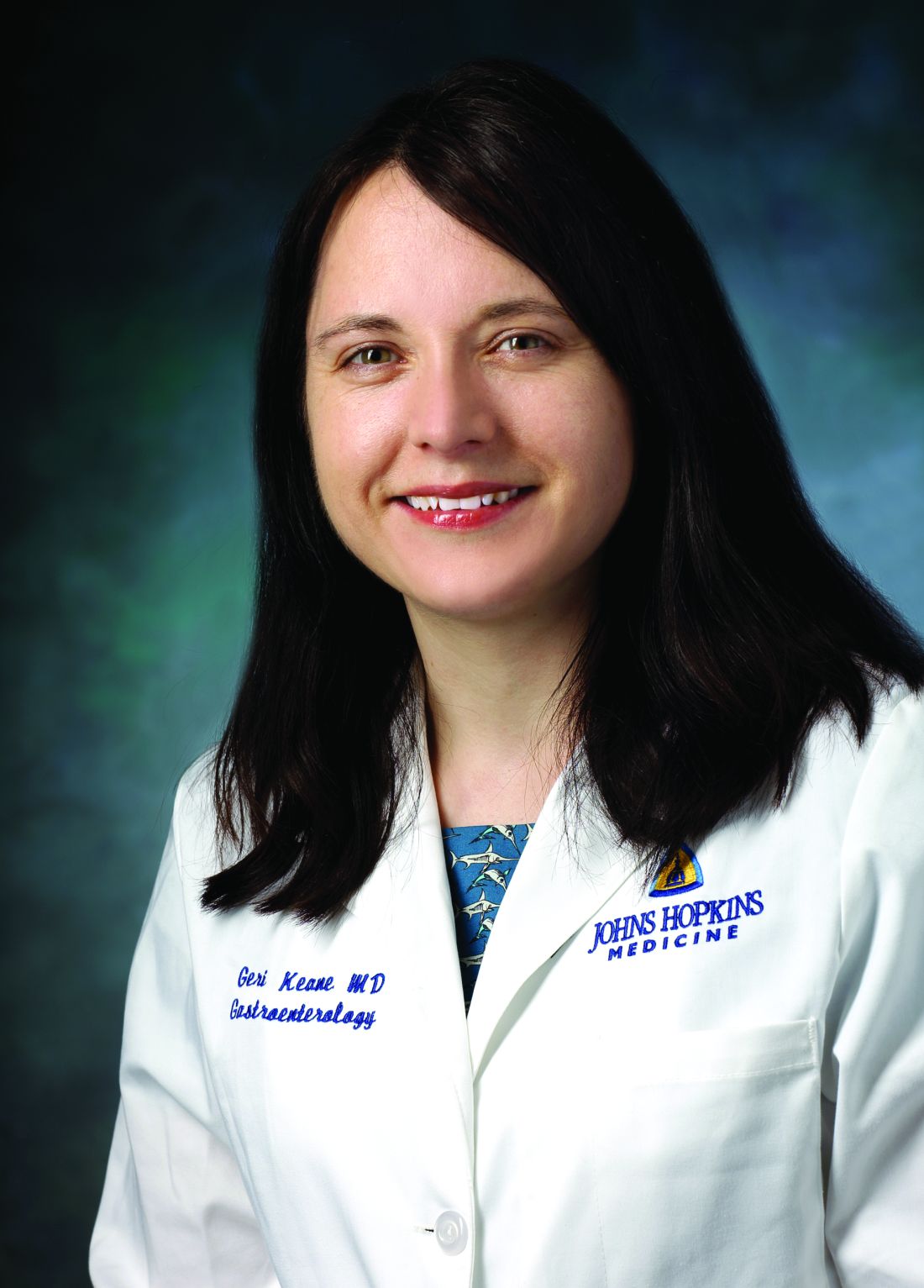
“Molecular subtyping is emerging as a useful clinical test for diagnosing pancreatic cysts,” said Margaret Geraldine Keane, MBBS, MSc, of Johns Hopkins Medicine, Baltimore, although she noted that NGS remains expensive and sporadically available, “which limits its clinical utility and incorporation into diagnostic algorithms for pancreatic cysts. In the future, as the cost of sequencing reduces, and availability improves, this may change.”
For now, Dr. Keane advised physicians to reserve molecular subtyping for cases in which “accurate cyst subtyping will change management ... or when other tests have not provided a clear diagnosis.”
She said the present study is valuable because better diagnostic tests are badly needed for patients with pancreatic cysts, considering the high rate of surgical overtreatment.
“Having more diagnostic tests, such as those described in this publication [to be used on their own or in combination] to decide which patients need surgery, is important,” Dr. Keane said who was not involved in the study.
Better diagnostic tests could also improve outcomes for patients with pancreatic cancer, she said, noting a 5-year survival rate of 10%.
“This outcome is in large part attributable to the late stage at which the majority of patients are diagnosed,” Dr. Keane said. “If patients can be diagnosed earlier, survival dramatically improves. Improvements in diagnostic tests for premalignant pancreatic cystic lesions are therefore vital.”
The study was supported by Rigshospitalets Research Foundation, The Novo Nordisk Foundation, The Danish Cancer Society, and others, although they did not have a role in conducting the study or preparing the manuscript. One investigator disclosed a relationship with MediGlobe. The other investigators reported no conflicts of interest. Dr. Keane disclosed no conflicts of interest.
Endoscopic ultrasound (EUS)–guided through-the-needle biopsies (TTNBs) of pancreatic cystic lesions are sufficient for accurate molecular analysis, which offers a superior alternative to cyst fluid obtained via fine-needle aspiration, based on a prospective study.
For highest diagnostic clarity, next-generation sequencing (NGS) of TTNBs can be paired with histology, lead author Charlotte Vestrup Rift, MD, PhD, of Copenhagen University Hospital, and colleagues reported.
“The diagnostic algorithm for the management of [pancreatic cystic lesions] includes endoscopic ultrasound examination with aspiration of cyst fluid for cytology,” the investigators wrote in Gastrointestinal Endoscopy. “However, the reported sensitivity of cytology is low [at 54%]. A new microforceps, introduced through a 19-gauge needle, has proven useful for procurement of [TTNBs] that represent both the epithelial and stromal component of the cyst wall. TTNBs have a high sensitivity of 86% for the diagnosis of mucinous cysts.”
Dr. Rift and colleagues evaluated the impact of introducing NGS to the diagnostic process. They noted that concomitant mutations in GNAS and KRAS are diagnostic for intraductal papillary mucinous neoplasms (IPMNs), while other mutations have been linked with progression to cancer.
The study involved 101 patients with pancreatic cystic lesions larger than 15 mm in diameter, mean age of 68 years, among whom 91 had residual TTNBs available after microscopic analysis. These samples underwent a 51-gene NGS panel that included the “most prevalent hot-spot mutations.” Diagnoses were sorted into four categories: neoplastic cyst, mucinous cyst, IPMN, or serous cystic neoplasm.
The primary endpoint was diagnostic yield, both for molecular analysis of TTNBs and for molecular analysis plus histopathology of TTNBs. Sensitivity and specificity of NGS were also determined using histopathology as the gold standard.
Relying on NGS alone, diagnostic yields were 44.5% and 27.7% for detecting a mucinous cyst and determining type of cyst, respectively. These yields rose to 73.3% and 70.3%, respectively, when NGS was used with microscopic evaluation. Continuing with this combined approach, sensitivity and specificity were 83.7% and 81.8%, respectively, for the diagnosis of a mucinous cyst. Sensitivity and specificity were higher still, at 87.2% and 84.6%, respectively, for identifying IPMNs.
The adverse-event rate was 9.9%, with a risk of postprocedure acute pancreatitis of 8.9 % and procedure-associated intracystic bleeding of 3%, according to the authors.
Limitations of the study include the relatively small sample size and the single-center design.
“TTNB-NGS is not sufficient as a stand-alone diagnostic tool as of yet but has a high diagnostic yield when combined with microscopic evaluation and subtyping by immunohistochemistry,” the investigators concluded. “The advantage of EUS-TTNB over EUS–[fine-needle aspiration] is the ability to perform detailed cyst subtyping and the high technical success rate of the procedure. ... However, the procedure comes with a risk of adverse events and thus should be offered to patients where the value of an exact diagnosis outweighs the risks.”
“Molecular subtyping is emerging as a useful clinical test for diagnosing pancreatic cysts,” said Margaret Geraldine Keane, MBBS, MSc, of Johns Hopkins Medicine, Baltimore, although she noted that NGS remains expensive and sporadically available, “which limits its clinical utility and incorporation into diagnostic algorithms for pancreatic cysts. In the future, as the cost of sequencing reduces, and availability improves, this may change.”
For now, Dr. Keane advised physicians to reserve molecular subtyping for cases in which “accurate cyst subtyping will change management ... or when other tests have not provided a clear diagnosis.”
She said the present study is valuable because better diagnostic tests are badly needed for patients with pancreatic cysts, considering the high rate of surgical overtreatment.
“Having more diagnostic tests, such as those described in this publication [to be used on their own or in combination] to decide which patients need surgery, is important,” Dr. Keane said who was not involved in the study.
Better diagnostic tests could also improve outcomes for patients with pancreatic cancer, she said, noting a 5-year survival rate of 10%.
“This outcome is in large part attributable to the late stage at which the majority of patients are diagnosed,” Dr. Keane said. “If patients can be diagnosed earlier, survival dramatically improves. Improvements in diagnostic tests for premalignant pancreatic cystic lesions are therefore vital.”
The study was supported by Rigshospitalets Research Foundation, The Novo Nordisk Foundation, The Danish Cancer Society, and others, although they did not have a role in conducting the study or preparing the manuscript. One investigator disclosed a relationship with MediGlobe. The other investigators reported no conflicts of interest. Dr. Keane disclosed no conflicts of interest.
Endoscopic ultrasound (EUS)–guided through-the-needle biopsies (TTNBs) of pancreatic cystic lesions are sufficient for accurate molecular analysis, which offers a superior alternative to cyst fluid obtained via fine-needle aspiration, based on a prospective study.
For highest diagnostic clarity, next-generation sequencing (NGS) of TTNBs can be paired with histology, lead author Charlotte Vestrup Rift, MD, PhD, of Copenhagen University Hospital, and colleagues reported.
“The diagnostic algorithm for the management of [pancreatic cystic lesions] includes endoscopic ultrasound examination with aspiration of cyst fluid for cytology,” the investigators wrote in Gastrointestinal Endoscopy. “However, the reported sensitivity of cytology is low [at 54%]. A new microforceps, introduced through a 19-gauge needle, has proven useful for procurement of [TTNBs] that represent both the epithelial and stromal component of the cyst wall. TTNBs have a high sensitivity of 86% for the diagnosis of mucinous cysts.”
Dr. Rift and colleagues evaluated the impact of introducing NGS to the diagnostic process. They noted that concomitant mutations in GNAS and KRAS are diagnostic for intraductal papillary mucinous neoplasms (IPMNs), while other mutations have been linked with progression to cancer.
The study involved 101 patients with pancreatic cystic lesions larger than 15 mm in diameter, mean age of 68 years, among whom 91 had residual TTNBs available after microscopic analysis. These samples underwent a 51-gene NGS panel that included the “most prevalent hot-spot mutations.” Diagnoses were sorted into four categories: neoplastic cyst, mucinous cyst, IPMN, or serous cystic neoplasm.
The primary endpoint was diagnostic yield, both for molecular analysis of TTNBs and for molecular analysis plus histopathology of TTNBs. Sensitivity and specificity of NGS were also determined using histopathology as the gold standard.
Relying on NGS alone, diagnostic yields were 44.5% and 27.7% for detecting a mucinous cyst and determining type of cyst, respectively. These yields rose to 73.3% and 70.3%, respectively, when NGS was used with microscopic evaluation. Continuing with this combined approach, sensitivity and specificity were 83.7% and 81.8%, respectively, for the diagnosis of a mucinous cyst. Sensitivity and specificity were higher still, at 87.2% and 84.6%, respectively, for identifying IPMNs.
The adverse-event rate was 9.9%, with a risk of postprocedure acute pancreatitis of 8.9 % and procedure-associated intracystic bleeding of 3%, according to the authors.
Limitations of the study include the relatively small sample size and the single-center design.
“TTNB-NGS is not sufficient as a stand-alone diagnostic tool as of yet but has a high diagnostic yield when combined with microscopic evaluation and subtyping by immunohistochemistry,” the investigators concluded. “The advantage of EUS-TTNB over EUS–[fine-needle aspiration] is the ability to perform detailed cyst subtyping and the high technical success rate of the procedure. ... However, the procedure comes with a risk of adverse events and thus should be offered to patients where the value of an exact diagnosis outweighs the risks.”
“Molecular subtyping is emerging as a useful clinical test for diagnosing pancreatic cysts,” said Margaret Geraldine Keane, MBBS, MSc, of Johns Hopkins Medicine, Baltimore, although she noted that NGS remains expensive and sporadically available, “which limits its clinical utility and incorporation into diagnostic algorithms for pancreatic cysts. In the future, as the cost of sequencing reduces, and availability improves, this may change.”
For now, Dr. Keane advised physicians to reserve molecular subtyping for cases in which “accurate cyst subtyping will change management ... or when other tests have not provided a clear diagnosis.”
She said the present study is valuable because better diagnostic tests are badly needed for patients with pancreatic cysts, considering the high rate of surgical overtreatment.
“Having more diagnostic tests, such as those described in this publication [to be used on their own or in combination] to decide which patients need surgery, is important,” Dr. Keane said who was not involved in the study.
Better diagnostic tests could also improve outcomes for patients with pancreatic cancer, she said, noting a 5-year survival rate of 10%.
“This outcome is in large part attributable to the late stage at which the majority of patients are diagnosed,” Dr. Keane said. “If patients can be diagnosed earlier, survival dramatically improves. Improvements in diagnostic tests for premalignant pancreatic cystic lesions are therefore vital.”
The study was supported by Rigshospitalets Research Foundation, The Novo Nordisk Foundation, The Danish Cancer Society, and others, although they did not have a role in conducting the study or preparing the manuscript. One investigator disclosed a relationship with MediGlobe. The other investigators reported no conflicts of interest. Dr. Keane disclosed no conflicts of interest.
FROM GASTROINTESTINAL ENDOSCOPY
‘Molecular map’ of CLL yields fresh genetic insights
Released in a report in Nature Genetics, the map has doubled the number of genetic traits linked the disease from around 100 to 202, lead author Binyamin A. Knisbacher, PhD, a postdoctoral fellow at the Broad Institute of MIT and Harvard Medical Schoo, Boston, said in an interview.
“It also delineated the molecular landscape of the two immunoglobulin gene (IGHV) subtypes, refined CLL subtyping, and built richer genetic prognostic models,” he said.
According to Dr. Knisbacher, CLL “has been at the forefront of genomic discovery,” and research has shown that there’s a wide variety of somatic mutations that drive CLL initiation across the patient population. However, as many as 10% of cases don’t appear to be driven by any known genetic variation, he said, and there’s a need to identify more subtypes and “build richer prognostic models of patient survival” based on genetics and multiomics such as genomics, transcriptomics, and epigenomics.
For the new study, researchers analyzed RNA and DNA from 1,095 patients with CLL and 54 patients with monoclonal B cell lymphocytosis and built what they say is the largest CLL dataset in existence. It’s twice the size of previous datasets, Dr. Knisbacher said.
“We found that RNA expression data was extremely informative for characterizing CLL,” Dr. Knisbacher said. “The RNA expression subtypes refined the ‘classic’ two IGHV subtypes. It is well documented that patients with U-CLL (IGHV-unmutated CLL) have substantially worse clinical outcome in comparison to M-CLL patients (IGHV-mutated CLLs). We found that M-CLLs that have RNA expression profiles similar to U-CLLs have worse survival than M-CLLs with a typical expression profile. Failure-free survival was 50% shorter – 5.3 versus 10.7 years median failure-free survival.”
In addition, he said, “U-CLLs with expression similar to M-CLLs had better survival than U-CLLs with an RNA expression profile typical to U-CLLs.”
The researchers have made their molecular map publicly available at https://cllmap.org/. Researchers can use it “to discover more about each subtype of CLL, and these future studies can help to improve clinical prognosis for the benefit of the patient,” Dr. Knisbacher said.
The study authors added that “this molecular foundation may allow for better prediction of response to therapy or provide the basis for rational combination of novel agents.”
Lee Greenberger, PhD, chief science officer of the Leukemia & Lymphoma Society, said in an interview that the study “provides foundational data further subtyping CLL patients and outcomes. It identifies new targets for therapy or diagnostic predictions in the future. This type of foundational work has proven invaluable in the development of new medicines for cancer in general.”
While there are many medications that have improved therapeutic outcomes in CLL, he added, “cures – or life-long disease control –remain elusive for many patients. Therefore, new molecular insights are needed that could personalize therapies or even lead to entirely new therapies.”
In addition, he said, although prevention of CLL still remains elusive, “it is conceivable that some of the mutations found in this paper occur early in the CLL trajectory, perhaps even before the disease is presented clinically.”
The study was funded by the National Institutes of Health and the Broad/IBM Cancer Resistance Research Project. Dr. Knisbacher and several other authors disclose that they are inventors on a patent related to CLL. Several authors report various relationships with industry. Dr. Greenberger has no disclosures.
Released in a report in Nature Genetics, the map has doubled the number of genetic traits linked the disease from around 100 to 202, lead author Binyamin A. Knisbacher, PhD, a postdoctoral fellow at the Broad Institute of MIT and Harvard Medical Schoo, Boston, said in an interview.
“It also delineated the molecular landscape of the two immunoglobulin gene (IGHV) subtypes, refined CLL subtyping, and built richer genetic prognostic models,” he said.
According to Dr. Knisbacher, CLL “has been at the forefront of genomic discovery,” and research has shown that there’s a wide variety of somatic mutations that drive CLL initiation across the patient population. However, as many as 10% of cases don’t appear to be driven by any known genetic variation, he said, and there’s a need to identify more subtypes and “build richer prognostic models of patient survival” based on genetics and multiomics such as genomics, transcriptomics, and epigenomics.
For the new study, researchers analyzed RNA and DNA from 1,095 patients with CLL and 54 patients with monoclonal B cell lymphocytosis and built what they say is the largest CLL dataset in existence. It’s twice the size of previous datasets, Dr. Knisbacher said.
“We found that RNA expression data was extremely informative for characterizing CLL,” Dr. Knisbacher said. “The RNA expression subtypes refined the ‘classic’ two IGHV subtypes. It is well documented that patients with U-CLL (IGHV-unmutated CLL) have substantially worse clinical outcome in comparison to M-CLL patients (IGHV-mutated CLLs). We found that M-CLLs that have RNA expression profiles similar to U-CLLs have worse survival than M-CLLs with a typical expression profile. Failure-free survival was 50% shorter – 5.3 versus 10.7 years median failure-free survival.”
In addition, he said, “U-CLLs with expression similar to M-CLLs had better survival than U-CLLs with an RNA expression profile typical to U-CLLs.”
The researchers have made their molecular map publicly available at https://cllmap.org/. Researchers can use it “to discover more about each subtype of CLL, and these future studies can help to improve clinical prognosis for the benefit of the patient,” Dr. Knisbacher said.
The study authors added that “this molecular foundation may allow for better prediction of response to therapy or provide the basis for rational combination of novel agents.”
Lee Greenberger, PhD, chief science officer of the Leukemia & Lymphoma Society, said in an interview that the study “provides foundational data further subtyping CLL patients and outcomes. It identifies new targets for therapy or diagnostic predictions in the future. This type of foundational work has proven invaluable in the development of new medicines for cancer in general.”
While there are many medications that have improved therapeutic outcomes in CLL, he added, “cures – or life-long disease control –remain elusive for many patients. Therefore, new molecular insights are needed that could personalize therapies or even lead to entirely new therapies.”
In addition, he said, although prevention of CLL still remains elusive, “it is conceivable that some of the mutations found in this paper occur early in the CLL trajectory, perhaps even before the disease is presented clinically.”
The study was funded by the National Institutes of Health and the Broad/IBM Cancer Resistance Research Project. Dr. Knisbacher and several other authors disclose that they are inventors on a patent related to CLL. Several authors report various relationships with industry. Dr. Greenberger has no disclosures.
Released in a report in Nature Genetics, the map has doubled the number of genetic traits linked the disease from around 100 to 202, lead author Binyamin A. Knisbacher, PhD, a postdoctoral fellow at the Broad Institute of MIT and Harvard Medical Schoo, Boston, said in an interview.
“It also delineated the molecular landscape of the two immunoglobulin gene (IGHV) subtypes, refined CLL subtyping, and built richer genetic prognostic models,” he said.
According to Dr. Knisbacher, CLL “has been at the forefront of genomic discovery,” and research has shown that there’s a wide variety of somatic mutations that drive CLL initiation across the patient population. However, as many as 10% of cases don’t appear to be driven by any known genetic variation, he said, and there’s a need to identify more subtypes and “build richer prognostic models of patient survival” based on genetics and multiomics such as genomics, transcriptomics, and epigenomics.
For the new study, researchers analyzed RNA and DNA from 1,095 patients with CLL and 54 patients with monoclonal B cell lymphocytosis and built what they say is the largest CLL dataset in existence. It’s twice the size of previous datasets, Dr. Knisbacher said.
“We found that RNA expression data was extremely informative for characterizing CLL,” Dr. Knisbacher said. “The RNA expression subtypes refined the ‘classic’ two IGHV subtypes. It is well documented that patients with U-CLL (IGHV-unmutated CLL) have substantially worse clinical outcome in comparison to M-CLL patients (IGHV-mutated CLLs). We found that M-CLLs that have RNA expression profiles similar to U-CLLs have worse survival than M-CLLs with a typical expression profile. Failure-free survival was 50% shorter – 5.3 versus 10.7 years median failure-free survival.”
In addition, he said, “U-CLLs with expression similar to M-CLLs had better survival than U-CLLs with an RNA expression profile typical to U-CLLs.”
The researchers have made their molecular map publicly available at https://cllmap.org/. Researchers can use it “to discover more about each subtype of CLL, and these future studies can help to improve clinical prognosis for the benefit of the patient,” Dr. Knisbacher said.
The study authors added that “this molecular foundation may allow for better prediction of response to therapy or provide the basis for rational combination of novel agents.”
Lee Greenberger, PhD, chief science officer of the Leukemia & Lymphoma Society, said in an interview that the study “provides foundational data further subtyping CLL patients and outcomes. It identifies new targets for therapy or diagnostic predictions in the future. This type of foundational work has proven invaluable in the development of new medicines for cancer in general.”
While there are many medications that have improved therapeutic outcomes in CLL, he added, “cures – or life-long disease control –remain elusive for many patients. Therefore, new molecular insights are needed that could personalize therapies or even lead to entirely new therapies.”
In addition, he said, although prevention of CLL still remains elusive, “it is conceivable that some of the mutations found in this paper occur early in the CLL trajectory, perhaps even before the disease is presented clinically.”
The study was funded by the National Institutes of Health and the Broad/IBM Cancer Resistance Research Project. Dr. Knisbacher and several other authors disclose that they are inventors on a patent related to CLL. Several authors report various relationships with industry. Dr. Greenberger has no disclosures.
FROM NATURE GENETICS
In denial: When patients don’t want to believe they have cancer
In June, Rebecca A. Shatsky, MD, a medical oncologist, turned to Twitter for advice: “What do you do/say when a patient won’t believe you that they have #CANCER. As an oncologist this comes up every now and then and proves very difficult, looking to hear how others have dealt and what works best to help patients here.”
About a dozen people weighed in, offering various thoughts on how to approach these thorny situations. One oncologist suggested revisiting the conversation a few days later, after the patient has more time to process; others suggested sharing the pathology report or images with their patient.
Another person simply noted that “if a [patient] doesn’t want to believe they have cancer, no amount of evidence will change that.”
Based on the initial responses, “it appears there is a paucity of answers sadly,” wrote Dr. Shatsky, a breast cancer specialist at University of California, San Diego.
But for Dr. Shatsky, these incidents spoke to another alarming trend: a rampant mistrust of the medical community that is “becoming MORE common instead of less.”
‘Erosion of trust’
Overall, experts say that situations like the one Dr. Shatsky described – patients who don’t believe their cancer diagnosis – occur infrequently.
But denial comes in many forms, and complete disbelief is probably the most extreme.
Like Dr. Shatsky, these experts say they are also seeing a troubling increase in patients who don’t believe their physicians or don’t trust their recommendations.
“I think there’s an erosion of trust in expertise, in general,” said Ronald M. Epstein, MD, professor of family medicine and psychiatry & oncology at the University of Rochester (N.Y.). “People distrust science more than they did maybe 20 or 30 years ago, or at least that seems to be the case.”
Denial and distrust in cancer care are not new. These responses – along with wishful thinking, distraction, and minimization – are long-established responses among oncology patients. In 1972, Avery D. Weisman, MD, a psychiatrist at Harvard Medical School, Boston, wrote his book “On Dying and Denying,” and ever since, denial and similar responses have been explored in the oncology literature.
Much of this research has focused on the latter stages of illness, but denial can be present at diagnosis as well. One study of patients with breast cancer, carried out nearly 30 years ago, suggested that denial of diagnosis generally occurs early in a patient’s course of illness and decreases over time, but may arise again in the terminal phase of cancer. Another analysis, evaluating this phenomenon across 13 studies, found that the prevalence of denial at diagnosis ranged from 4% to as high as 47%.
An oncologist delivers somewhere between 10,000 to 30,000 episodes of bad news over the course of a career, so there’s always a chance that a patient will respond in a way that’s on the “spectrum of disbelief,” said Paul Helft, MD, professor of medicine and recently retired director of the ethics center at Indiana University, Indianapolis.
Diane Meier, MD, said denial and disbelief are natural, protective responses to difficult or frightening news.
When patients exhibit denial, Dr. Meier advises patience and time. Physicians can also ask the patient if there’s a person they trust – a family member or faith leader, for example – who could speak on their behalf about possible next steps.
“The main thing is not to find ourselves in opposition to the patient ... or threaten them with what will happen if they don’t listen to us,” said Dr. Meier, a professor of geriatrics and palliative medicine at the Icahn School of Medicine at Mount Sinai, New York.
And physicians should be careful when they feel themselves wanting to argue with or lecture a patient.
“The minute we feel that urge coming on, that’s a signal to us to stop and realize that something is going on inside the patient that we don’t understand,” she said. “Forcing information on a person who is signaling in every way that they don’t want it and can’t handle it is not a recipe for trust or a high-quality relationship.”
Refusing expert advice
Jennifer Lycette, MD, has encountered a growing number of patients who don’t believe their disease should be treated the way she or other oncologists recommend. Some patients remain adamant about sticking with alternative medicine or doing nothing, despite growing sicker.
“I’ve even had situations where the tumor might be visible, like growing through the skin, and people still double down that whatever they’re doing is working,” said Dr. Lycette, a hematologist and medical oncologist at the Providence Seaside Cancer Center in Seaside, Ore.
She encourages these patients to get a second opinion and tries to keep an open mind about alternative approaches. If she’s not familiar with something a patient is considering, she’ll research it with them.
But she makes sure to point out any risks associated with these approaches. While some alternative therapies can support patients through standard treatment, she strongly cautions patients against using these therapies in place of standard treatment.
“The bottom line is to keep the lines of communication open,” she said.
Like Dr. Lycette, Dr. Helft has been encountering more patients with alternative health beliefs who rely on people outside of the medical system for elements of their care.
In the past, he used to tell these patients that science is incomplete, and physicians don’t know everything. But he’s changed his tune.
“I’ve taken to just telling them what I believe, which is that the majority of things that they hear and are being sold are almost certainly ineffective and a waste of money,” he said. “I’ve come to accept that people are adults, and they make their own decisions, and sometimes they make decisions that are not the ones that I would make or want them to make.”
Delivering bad news
Dr. Helft often sees patients seeking a second or third opinion on their cancer. These patients may not all be in denial about having cancer, but they typically don’t want to hear bad news, which can make treatment a challenge.
To handle these scenarios, Dr. Helft has developed a system of responses for engaging with patients. He borrows an approach described in 2008 where he acknowledges a patient’s emotional distress and tries to understand why they may not want to know more.
For instance, he might tell a patient: “I have formulated an opinion about your situation, but it sounds as if you have heard many negative descriptions previously. I don’t want to burden you with one more if you don’t feel prepared to talk about it.”
Trying to understand why a patient is resistant to hearing about their condition may also help build trust. “If you could help me understand your thinking about why you would rather not talk about prognosis, it will help me know more about how to discuss other serious issues,” is one approach highlighted in the 2008 guide.
Behind the scenes, Dr. Helft will privately assess how much information about a patient’s prognosis is salient to their decision making, especially if the patient appears to misunderstand their prognosis or if there are various options for treatment over the long-term.
Dr. Helft will also ask patients how much they want to know. Do they want to discuss no options? A few? All and in detail?
This approach implicitly recognizes that the information is highly stressful but avoids being overly blunt, he notes. It can also help steer patients on the right treatment track and minimize poor decision making.
Samantha Winemaker, MD, a palliative care physician in Hamilton, Ont., finds patients often go through an adjustment period after learning about a new diagnosis. The reaction tends to range from needing time to accept the diagnosis as real to jumping in to understand as much as possible.
Dr. Winemaker, who cohosts “The Waiting Room Revolution” podcast that focuses on helping people deal with a serious illness, encourages physicians to be realistic with patients about their prognosis and deliver news with a dose of gentle truth from the start.
“We should invite patients ‘into the know’ as early as possible, while maintaining hope,” she said.
She calls this approach of balancing hope and reality “walking two roads” and said it extends throughout the illness journey. This way, patients are less likely to be surprised if things make a turn for the worse.
“We should never wait until the 11th hour to give someone bad news,” she said.
‘We all want to hope’
Dr. Epstein has listened to hundreds of hours of discussion between doctors and patients as part of his research on communication. He often hears doctors initiate difficult conversations by lecturing a patient.
Many physicians mistakenly believe that, if they say something authoritatively, patients will believe it, he said. But the opposite often happens – patients shut down and instinctively distrust the physician.
Dr. Epstein teaches doctors to establish trust before providing difficult information. Even when a patient expresses outlandish ideas about their illness, treat them with dignity and respect, he advised. “If people don’t feel respected, you don’t have a leg to stand on and there’s no point in trying to convince them.”
Patients and physicians often leave conversations with discordant views of what’s ahead. In one study, two-thirds of patients held wildly different views on their prognosis, compared with their doctors, and most had no idea they were at odds with their physician.
In the past, Dr. Epstein has tried to close the gap between his understanding of a patient’s prognosis and the patient’s. But more recently he has become less convinced of the need to do so.
“What I try to do now is focus more on the uncertainty there,” he said. He uses phrases like: “Given that we don’t know how long you will live, I just need to know what you would want me to do if things took a turn for the worse” or “I’m worried that if you don’t have the surgery, you might experience more pain in the future.”
He urged doctors to pay attention to their word choices. Use care with the phrase “response rate” – patients sometimes mistake this to mean that they are being cured. And, instead of telling patients they “must” do something, he says that he worries about consequences for them if they don’t.
He asks patients what they’re hearing from other people in their lives or online. Sometimes patients say that people close to them are encouraging them to stop medical treatment or pursue alternative therapies. When that happens, Dr. Epstein asks to meet with that person to talk to them about his concerns for their loved one.
He also acknowledges calculated uncertainty often exists in medicine. That, he says, leaves open the potential for exceptional circumstances.
“And we all want to hope,” Dr. Epstein said.
A version of this article first appeared on Medscape.com.
In June, Rebecca A. Shatsky, MD, a medical oncologist, turned to Twitter for advice: “What do you do/say when a patient won’t believe you that they have #CANCER. As an oncologist this comes up every now and then and proves very difficult, looking to hear how others have dealt and what works best to help patients here.”
About a dozen people weighed in, offering various thoughts on how to approach these thorny situations. One oncologist suggested revisiting the conversation a few days later, after the patient has more time to process; others suggested sharing the pathology report or images with their patient.
Another person simply noted that “if a [patient] doesn’t want to believe they have cancer, no amount of evidence will change that.”
Based on the initial responses, “it appears there is a paucity of answers sadly,” wrote Dr. Shatsky, a breast cancer specialist at University of California, San Diego.
But for Dr. Shatsky, these incidents spoke to another alarming trend: a rampant mistrust of the medical community that is “becoming MORE common instead of less.”
‘Erosion of trust’
Overall, experts say that situations like the one Dr. Shatsky described – patients who don’t believe their cancer diagnosis – occur infrequently.
But denial comes in many forms, and complete disbelief is probably the most extreme.
Like Dr. Shatsky, these experts say they are also seeing a troubling increase in patients who don’t believe their physicians or don’t trust their recommendations.
“I think there’s an erosion of trust in expertise, in general,” said Ronald M. Epstein, MD, professor of family medicine and psychiatry & oncology at the University of Rochester (N.Y.). “People distrust science more than they did maybe 20 or 30 years ago, or at least that seems to be the case.”
Denial and distrust in cancer care are not new. These responses – along with wishful thinking, distraction, and minimization – are long-established responses among oncology patients. In 1972, Avery D. Weisman, MD, a psychiatrist at Harvard Medical School, Boston, wrote his book “On Dying and Denying,” and ever since, denial and similar responses have been explored in the oncology literature.
Much of this research has focused on the latter stages of illness, but denial can be present at diagnosis as well. One study of patients with breast cancer, carried out nearly 30 years ago, suggested that denial of diagnosis generally occurs early in a patient’s course of illness and decreases over time, but may arise again in the terminal phase of cancer. Another analysis, evaluating this phenomenon across 13 studies, found that the prevalence of denial at diagnosis ranged from 4% to as high as 47%.
An oncologist delivers somewhere between 10,000 to 30,000 episodes of bad news over the course of a career, so there’s always a chance that a patient will respond in a way that’s on the “spectrum of disbelief,” said Paul Helft, MD, professor of medicine and recently retired director of the ethics center at Indiana University, Indianapolis.
Diane Meier, MD, said denial and disbelief are natural, protective responses to difficult or frightening news.
When patients exhibit denial, Dr. Meier advises patience and time. Physicians can also ask the patient if there’s a person they trust – a family member or faith leader, for example – who could speak on their behalf about possible next steps.
“The main thing is not to find ourselves in opposition to the patient ... or threaten them with what will happen if they don’t listen to us,” said Dr. Meier, a professor of geriatrics and palliative medicine at the Icahn School of Medicine at Mount Sinai, New York.
And physicians should be careful when they feel themselves wanting to argue with or lecture a patient.
“The minute we feel that urge coming on, that’s a signal to us to stop and realize that something is going on inside the patient that we don’t understand,” she said. “Forcing information on a person who is signaling in every way that they don’t want it and can’t handle it is not a recipe for trust or a high-quality relationship.”
Refusing expert advice
Jennifer Lycette, MD, has encountered a growing number of patients who don’t believe their disease should be treated the way she or other oncologists recommend. Some patients remain adamant about sticking with alternative medicine or doing nothing, despite growing sicker.
“I’ve even had situations where the tumor might be visible, like growing through the skin, and people still double down that whatever they’re doing is working,” said Dr. Lycette, a hematologist and medical oncologist at the Providence Seaside Cancer Center in Seaside, Ore.
She encourages these patients to get a second opinion and tries to keep an open mind about alternative approaches. If she’s not familiar with something a patient is considering, she’ll research it with them.
But she makes sure to point out any risks associated with these approaches. While some alternative therapies can support patients through standard treatment, she strongly cautions patients against using these therapies in place of standard treatment.
“The bottom line is to keep the lines of communication open,” she said.
Like Dr. Lycette, Dr. Helft has been encountering more patients with alternative health beliefs who rely on people outside of the medical system for elements of their care.
In the past, he used to tell these patients that science is incomplete, and physicians don’t know everything. But he’s changed his tune.
“I’ve taken to just telling them what I believe, which is that the majority of things that they hear and are being sold are almost certainly ineffective and a waste of money,” he said. “I’ve come to accept that people are adults, and they make their own decisions, and sometimes they make decisions that are not the ones that I would make or want them to make.”
Delivering bad news
Dr. Helft often sees patients seeking a second or third opinion on their cancer. These patients may not all be in denial about having cancer, but they typically don’t want to hear bad news, which can make treatment a challenge.
To handle these scenarios, Dr. Helft has developed a system of responses for engaging with patients. He borrows an approach described in 2008 where he acknowledges a patient’s emotional distress and tries to understand why they may not want to know more.
For instance, he might tell a patient: “I have formulated an opinion about your situation, but it sounds as if you have heard many negative descriptions previously. I don’t want to burden you with one more if you don’t feel prepared to talk about it.”
Trying to understand why a patient is resistant to hearing about their condition may also help build trust. “If you could help me understand your thinking about why you would rather not talk about prognosis, it will help me know more about how to discuss other serious issues,” is one approach highlighted in the 2008 guide.
Behind the scenes, Dr. Helft will privately assess how much information about a patient’s prognosis is salient to their decision making, especially if the patient appears to misunderstand their prognosis or if there are various options for treatment over the long-term.
Dr. Helft will also ask patients how much they want to know. Do they want to discuss no options? A few? All and in detail?
This approach implicitly recognizes that the information is highly stressful but avoids being overly blunt, he notes. It can also help steer patients on the right treatment track and minimize poor decision making.
Samantha Winemaker, MD, a palliative care physician in Hamilton, Ont., finds patients often go through an adjustment period after learning about a new diagnosis. The reaction tends to range from needing time to accept the diagnosis as real to jumping in to understand as much as possible.
Dr. Winemaker, who cohosts “The Waiting Room Revolution” podcast that focuses on helping people deal with a serious illness, encourages physicians to be realistic with patients about their prognosis and deliver news with a dose of gentle truth from the start.
“We should invite patients ‘into the know’ as early as possible, while maintaining hope,” she said.
She calls this approach of balancing hope and reality “walking two roads” and said it extends throughout the illness journey. This way, patients are less likely to be surprised if things make a turn for the worse.
“We should never wait until the 11th hour to give someone bad news,” she said.
‘We all want to hope’
Dr. Epstein has listened to hundreds of hours of discussion between doctors and patients as part of his research on communication. He often hears doctors initiate difficult conversations by lecturing a patient.
Many physicians mistakenly believe that, if they say something authoritatively, patients will believe it, he said. But the opposite often happens – patients shut down and instinctively distrust the physician.
Dr. Epstein teaches doctors to establish trust before providing difficult information. Even when a patient expresses outlandish ideas about their illness, treat them with dignity and respect, he advised. “If people don’t feel respected, you don’t have a leg to stand on and there’s no point in trying to convince them.”
Patients and physicians often leave conversations with discordant views of what’s ahead. In one study, two-thirds of patients held wildly different views on their prognosis, compared with their doctors, and most had no idea they were at odds with their physician.
In the past, Dr. Epstein has tried to close the gap between his understanding of a patient’s prognosis and the patient’s. But more recently he has become less convinced of the need to do so.
“What I try to do now is focus more on the uncertainty there,” he said. He uses phrases like: “Given that we don’t know how long you will live, I just need to know what you would want me to do if things took a turn for the worse” or “I’m worried that if you don’t have the surgery, you might experience more pain in the future.”
He urged doctors to pay attention to their word choices. Use care with the phrase “response rate” – patients sometimes mistake this to mean that they are being cured. And, instead of telling patients they “must” do something, he says that he worries about consequences for them if they don’t.
He asks patients what they’re hearing from other people in their lives or online. Sometimes patients say that people close to them are encouraging them to stop medical treatment or pursue alternative therapies. When that happens, Dr. Epstein asks to meet with that person to talk to them about his concerns for their loved one.
He also acknowledges calculated uncertainty often exists in medicine. That, he says, leaves open the potential for exceptional circumstances.
“And we all want to hope,” Dr. Epstein said.
A version of this article first appeared on Medscape.com.
In June, Rebecca A. Shatsky, MD, a medical oncologist, turned to Twitter for advice: “What do you do/say when a patient won’t believe you that they have #CANCER. As an oncologist this comes up every now and then and proves very difficult, looking to hear how others have dealt and what works best to help patients here.”
About a dozen people weighed in, offering various thoughts on how to approach these thorny situations. One oncologist suggested revisiting the conversation a few days later, after the patient has more time to process; others suggested sharing the pathology report or images with their patient.
Another person simply noted that “if a [patient] doesn’t want to believe they have cancer, no amount of evidence will change that.”
Based on the initial responses, “it appears there is a paucity of answers sadly,” wrote Dr. Shatsky, a breast cancer specialist at University of California, San Diego.
But for Dr. Shatsky, these incidents spoke to another alarming trend: a rampant mistrust of the medical community that is “becoming MORE common instead of less.”
‘Erosion of trust’
Overall, experts say that situations like the one Dr. Shatsky described – patients who don’t believe their cancer diagnosis – occur infrequently.
But denial comes in many forms, and complete disbelief is probably the most extreme.
Like Dr. Shatsky, these experts say they are also seeing a troubling increase in patients who don’t believe their physicians or don’t trust their recommendations.
“I think there’s an erosion of trust in expertise, in general,” said Ronald M. Epstein, MD, professor of family medicine and psychiatry & oncology at the University of Rochester (N.Y.). “People distrust science more than they did maybe 20 or 30 years ago, or at least that seems to be the case.”
Denial and distrust in cancer care are not new. These responses – along with wishful thinking, distraction, and minimization – are long-established responses among oncology patients. In 1972, Avery D. Weisman, MD, a psychiatrist at Harvard Medical School, Boston, wrote his book “On Dying and Denying,” and ever since, denial and similar responses have been explored in the oncology literature.
Much of this research has focused on the latter stages of illness, but denial can be present at diagnosis as well. One study of patients with breast cancer, carried out nearly 30 years ago, suggested that denial of diagnosis generally occurs early in a patient’s course of illness and decreases over time, but may arise again in the terminal phase of cancer. Another analysis, evaluating this phenomenon across 13 studies, found that the prevalence of denial at diagnosis ranged from 4% to as high as 47%.
An oncologist delivers somewhere between 10,000 to 30,000 episodes of bad news over the course of a career, so there’s always a chance that a patient will respond in a way that’s on the “spectrum of disbelief,” said Paul Helft, MD, professor of medicine and recently retired director of the ethics center at Indiana University, Indianapolis.
Diane Meier, MD, said denial and disbelief are natural, protective responses to difficult or frightening news.
When patients exhibit denial, Dr. Meier advises patience and time. Physicians can also ask the patient if there’s a person they trust – a family member or faith leader, for example – who could speak on their behalf about possible next steps.
“The main thing is not to find ourselves in opposition to the patient ... or threaten them with what will happen if they don’t listen to us,” said Dr. Meier, a professor of geriatrics and palliative medicine at the Icahn School of Medicine at Mount Sinai, New York.
And physicians should be careful when they feel themselves wanting to argue with or lecture a patient.
“The minute we feel that urge coming on, that’s a signal to us to stop and realize that something is going on inside the patient that we don’t understand,” she said. “Forcing information on a person who is signaling in every way that they don’t want it and can’t handle it is not a recipe for trust or a high-quality relationship.”
Refusing expert advice
Jennifer Lycette, MD, has encountered a growing number of patients who don’t believe their disease should be treated the way she or other oncologists recommend. Some patients remain adamant about sticking with alternative medicine or doing nothing, despite growing sicker.
“I’ve even had situations where the tumor might be visible, like growing through the skin, and people still double down that whatever they’re doing is working,” said Dr. Lycette, a hematologist and medical oncologist at the Providence Seaside Cancer Center in Seaside, Ore.
She encourages these patients to get a second opinion and tries to keep an open mind about alternative approaches. If she’s not familiar with something a patient is considering, she’ll research it with them.
But she makes sure to point out any risks associated with these approaches. While some alternative therapies can support patients through standard treatment, she strongly cautions patients against using these therapies in place of standard treatment.
“The bottom line is to keep the lines of communication open,” she said.
Like Dr. Lycette, Dr. Helft has been encountering more patients with alternative health beliefs who rely on people outside of the medical system for elements of their care.
In the past, he used to tell these patients that science is incomplete, and physicians don’t know everything. But he’s changed his tune.
“I’ve taken to just telling them what I believe, which is that the majority of things that they hear and are being sold are almost certainly ineffective and a waste of money,” he said. “I’ve come to accept that people are adults, and they make their own decisions, and sometimes they make decisions that are not the ones that I would make or want them to make.”
Delivering bad news
Dr. Helft often sees patients seeking a second or third opinion on their cancer. These patients may not all be in denial about having cancer, but they typically don’t want to hear bad news, which can make treatment a challenge.
To handle these scenarios, Dr. Helft has developed a system of responses for engaging with patients. He borrows an approach described in 2008 where he acknowledges a patient’s emotional distress and tries to understand why they may not want to know more.
For instance, he might tell a patient: “I have formulated an opinion about your situation, but it sounds as if you have heard many negative descriptions previously. I don’t want to burden you with one more if you don’t feel prepared to talk about it.”
Trying to understand why a patient is resistant to hearing about their condition may also help build trust. “If you could help me understand your thinking about why you would rather not talk about prognosis, it will help me know more about how to discuss other serious issues,” is one approach highlighted in the 2008 guide.
Behind the scenes, Dr. Helft will privately assess how much information about a patient’s prognosis is salient to their decision making, especially if the patient appears to misunderstand their prognosis or if there are various options for treatment over the long-term.
Dr. Helft will also ask patients how much they want to know. Do they want to discuss no options? A few? All and in detail?
This approach implicitly recognizes that the information is highly stressful but avoids being overly blunt, he notes. It can also help steer patients on the right treatment track and minimize poor decision making.
Samantha Winemaker, MD, a palliative care physician in Hamilton, Ont., finds patients often go through an adjustment period after learning about a new diagnosis. The reaction tends to range from needing time to accept the diagnosis as real to jumping in to understand as much as possible.
Dr. Winemaker, who cohosts “The Waiting Room Revolution” podcast that focuses on helping people deal with a serious illness, encourages physicians to be realistic with patients about their prognosis and deliver news with a dose of gentle truth from the start.
“We should invite patients ‘into the know’ as early as possible, while maintaining hope,” she said.
She calls this approach of balancing hope and reality “walking two roads” and said it extends throughout the illness journey. This way, patients are less likely to be surprised if things make a turn for the worse.
“We should never wait until the 11th hour to give someone bad news,” she said.
‘We all want to hope’
Dr. Epstein has listened to hundreds of hours of discussion between doctors and patients as part of his research on communication. He often hears doctors initiate difficult conversations by lecturing a patient.
Many physicians mistakenly believe that, if they say something authoritatively, patients will believe it, he said. But the opposite often happens – patients shut down and instinctively distrust the physician.
Dr. Epstein teaches doctors to establish trust before providing difficult information. Even when a patient expresses outlandish ideas about their illness, treat them with dignity and respect, he advised. “If people don’t feel respected, you don’t have a leg to stand on and there’s no point in trying to convince them.”
Patients and physicians often leave conversations with discordant views of what’s ahead. In one study, two-thirds of patients held wildly different views on their prognosis, compared with their doctors, and most had no idea they were at odds with their physician.
In the past, Dr. Epstein has tried to close the gap between his understanding of a patient’s prognosis and the patient’s. But more recently he has become less convinced of the need to do so.
“What I try to do now is focus more on the uncertainty there,” he said. He uses phrases like: “Given that we don’t know how long you will live, I just need to know what you would want me to do if things took a turn for the worse” or “I’m worried that if you don’t have the surgery, you might experience more pain in the future.”
He urged doctors to pay attention to their word choices. Use care with the phrase “response rate” – patients sometimes mistake this to mean that they are being cured. And, instead of telling patients they “must” do something, he says that he worries about consequences for them if they don’t.
He asks patients what they’re hearing from other people in their lives or online. Sometimes patients say that people close to them are encouraging them to stop medical treatment or pursue alternative therapies. When that happens, Dr. Epstein asks to meet with that person to talk to them about his concerns for their loved one.
He also acknowledges calculated uncertainty often exists in medicine. That, he says, leaves open the potential for exceptional circumstances.
“And we all want to hope,” Dr. Epstein said.
A version of this article first appeared on Medscape.com.
‘Flat denial’ can leave breast cancer patients with lasting scars
Six years ago, Kim Bowles had a double mastectomy after being diagnosed with stage 3 breast cancer. Instead of opting for reconstruction, she decided to go “flat.” At 35, she had already breast fed both of her children, and didn’t want breasts anymore.
She asked her surgeon for an aesthetic flat closure, showing him photos of a smooth chest with no excess skin flaps. Although he agreed to her request in the office, he reneged in the operating room.
As the anesthesia took effect he said,
When Ms. Bowles woke up, she saw excess tissue instead of the smooth chest she had requested. When she was eventually well enough, she staged a topless sit-in at the hospital and marched outside with a placard, baring her breastless, disfigured chest.
“Do I need a B-cup side-boob?” she asked, pulling at her lateral excess tissue, often referred to as dog ears. “You would never think that a surgeon would leave somebody looking like that,” she said in an interview.
Based on her experience, Ms. Bowles coined the term “flat denial” to describe what her surgeon did.
The weight of flat denial
In a recent study, Deanna Attai, MD, a breast surgeon at University of California, Los Angeles, discovered that more than one in five women who want a flat closure experience flat denial.
But well before that survey, Dr. Attai first came across flat denial more than a decade ago when a patient came to her for a second opinion after another surgeon insisted the patient see a psychiatrist when she requested a flat closure. Dr. Attai performed the flat closure for her instead.
But Dr. Attai said flat denial can take many forms. Some experiences may closely match the paternalistic encounter Ms. Bowles had, where a surgeon disregards a patient’s request. Other surgeons may simply be ignorant that a flat closure can be achieved aesthetically or that patients would even want this option.
This resistance aligns with Hester Schnipper’s experience as an oncology social worker. In her 45-year career, she has often found herself pushing back against breast surgeons who present reconstruction as if it were the only option for patients after mastectomy.
“And because most women are so overwhelmed, so scared, so stressed, they tend to go with whatever the doctor suggests,” said Ms. Schnipper.
Whatever form flat denial takes, the outcome can be damaging to the patient.
“This isn’t just ‘my scar’s a little thick.’ This is much more,” Dr. Attai said. “How do you even put a prosthesis on that? And if you’re not going to do a prosthesis in a bra, how do you even wear a shirt with all of that? It becomes a cleaning issue and depending on how things scar down you can get irregular fibrosis.”
What’s more, the harms of flat denial can extend beyond the physical scars.
Like Ms. Bowles, Anne Marie Champagne had made her desire for a flat closure clear to her surgeon before undergoing a mastectomy in 2009. The surgeon also reneged in the operating room while Champagne was unconscious and unable to object.
Ms. Champagne told The Washington Post that her surgeon’s justification for his actions left her feeling “profound grief, a combination of heartache and anger.
“I couldn’t believe that my surgeon would make a decision for me while I was under anesthesia that went against everything we had discussed – what I had consented to.”
Although it’s not clear how often women experience flat denial, discussions surrounding the issue have increased in recent years.
Ms. Bowles started a patient advocacy organization called “Not Putting on A Shirt” to help other women. And Dr. Attai moderates a Twitter group, called #BCSM or Breast Cancer Social Media, where patients share their experiences of breast cancer treatment, including in some cases flat denial.
“In getting to know so many women in the online space, an early observation was that the conversations online were different than what we had in the office,” Dr. Attai said. Online, “women were less guarded and more open about sharing the entirety of their breast cancer experience, including the more painful and raw moments.”
Being immersed in these moments, it also became clear to Dr. Attai that members of the treatment team don’t always recognize what is most important to a patient. “We might not ask, we might not allow them the time to express their preferences, or we might not really hear them,” she said.
An evolving awareness
National figures on the prevalence of flat closures remain elusive, but it has always been an option. And data indicate that many women choose no reconstruction after mastectomy.
One U.S. survey of women undergoing mastectomy between 2005 and 2007 found that 58% opted not to receive reconstruction, and a more recent British National Mastectomy and Breast Reconstruction Audit from 2011 found 70% chose no reconstruction.
“I definitely have seen more patients requesting to go flat after mastectomy, likely as they feel more empowered to make this decision,” Roshni Rao, MD, chief of breast surgery at Columbia University Medical Center, New York, told The Washington Post.
But to better understand the scope of flat denial, Dr. Attai and colleagues conducted a survey, published in Annals of Surgical Oncology. In it, she found that, among 931 women who had opted to go flat after mastectomy, 22% had experienced flat denial. That meant not being offered the option of going flat, not being supported in their choice to go flat, or not receiving the flat closure surgery initially agreed upon.
In the spring of 2022, Dr. Attai, past president of the American Society of Breast Surgeons, took her results to the society’s annual meeting. The goal was to bring to light aesthetic flat closure techniques as well as the harms of flat denial, presenting photos of the sagging, shriveled skin flaps alongside her analysis.
“No one ever goes into an operation intending it to look like those horrible pictures,” she said.
Asking for “no breast mound reconstruction” should imply a nice neat flat closure, or an aesthetic flat closure, Dr. Attai explained. “A patient should not have to specify she wants the surgeon to make all efforts to remove redundant and excess skin and fat, but I do think having the discussion and making preferences very clear is important, especially as we’ve seen that some patients are not getting the desired outcome.”
To help improve education and communication, the board of “No Putting on a Shirt” also had an exhibitor’s booth focused on aesthetic flat closures at the ASBrS meeting.
And given this growing awareness, the National Accreditation Program for Breast Centers has begun asking breast centers to report their process for shared decision-making on postmastectomy choices and provide proof that patients’ closure choices are being heard and followed.
A shift toward aesthetics
Despite a growing interest in flat closure aesthetics, the landscape shift is still relatively new.
The traditional mastectomy training Dr. Attai and colleagues went through in the 1990s did not emphasize aesthetics.
“I just removed the breast and then I left the room,” she said, explaining that the plastic surgeon took charge of the reconstruction. “We never really learned how to make a nice, neat closure.”
Abhishek Chatterjee, MD, MBA, a breast surgical oncologist and board-certified plastic surgeon, agreed that aesthetics have become more central in the field.
“A decade ago, I would argue that ... it wasn’t in the training program,” but today breast surgery fellowships now include “flat closures that are aesthetically appropriate,” said Dr. Chatterjee, who works at Tufts Medical Center in Boston and is vice chair of the ASBrS oncoplastics committee.
“In my mind, and in any surgeon’s mind, when you do something, you have to do it well ... and with that, aesthetics should be presumed,” he added.
But the term “aesthetic flat closure” was only adopted by the National Cancer Institute in 2020. The NCI, which considers an aesthetic flat closure reconstructive not cosmetic surgery, defines it as rebuilding the shape of the chest wall after breasts are removed, and involves contouring and eliminating excess tissue to create a smooth, flat chest wall.
Achieving this smooth look requires a skilled surgeon trained in flat closure reconstruction, which is not necessarily a guarantee. To help women find a surgeon, “Not Putting on A Shirt” has a flat friendly directory where patients can recommend surgeons who provide aesthetic flat closures. As of August 2022, the list has now grown to over 300 surgeons.
Dr. Chatterjee said the ASBrS is actively involved in training surgeons in aesthetic flat closure. Given this shift, he said most general or breast surgeons should have the skill set to design mastectomy flaps that enable a flat closure with no excess skin, but there are some caveats.
For instance, he noted, if a woman has a lot of breast tissue and excess skin in the outer, lateral folds of the axilla, “it is very, very hard to get a flat closure” and in those rare circumstances, a breast surgeon may need assistance from a plastic surgeon.
But Dr. Attai found a significant gap still exists between what should be done and what is being done in practice.
Part of that disconnect may stem from the lack of a standard of care.
In a recent publication, a team of plastic surgeons from New York University noted that, to date, “there is no plastic surgery literature on specific techniques to achieve an aesthetic flat closure after mastectomy.”
And Dr. Attai added, “there is really no way to know at this point what women are getting when they choose no breast mound reconstruction.”
Physicians may also simply not understand what their patients want.
Dr. Attai said she was “blown away” by the reaction to her presentation on flat denial at ASBrS in April. “I had a lot of members come up to me afterwards and say ‘I had no idea that patients would want this. I am guilty of not offering this.’ ”
In addition, Dr. Chatterjee said, patients may now have “much higher” expectations for a smooth, symmetrical look “versus an outcome with excess skin and bumps.”
But Ms. Bowles said the desire for a more aesthetically pleasing look is nothing new.
“Women have always cared about how they look, they are just shamed into accepting a lesser result,” she argued. “If you look at why women go flat, the primary reason is they don’t want more surgery, not ‘I don’t care what I look like.’ ”
Three years after the mastectomy that left flaps of skin hanging from her chest, Ms. Bowles finally had a revision surgery to achieve the flat closure aesthetic she had wanted from the get-go.
“Nobody expects perfection, but I think the important thing is to have a standard of care that’s optimal,” said Ms. Bowles. “A patient like me should not have needed another surgery.”
A version of this article first appeared on Medscape.com.
Six years ago, Kim Bowles had a double mastectomy after being diagnosed with stage 3 breast cancer. Instead of opting for reconstruction, she decided to go “flat.” At 35, she had already breast fed both of her children, and didn’t want breasts anymore.
She asked her surgeon for an aesthetic flat closure, showing him photos of a smooth chest with no excess skin flaps. Although he agreed to her request in the office, he reneged in the operating room.
As the anesthesia took effect he said,
When Ms. Bowles woke up, she saw excess tissue instead of the smooth chest she had requested. When she was eventually well enough, she staged a topless sit-in at the hospital and marched outside with a placard, baring her breastless, disfigured chest.
“Do I need a B-cup side-boob?” she asked, pulling at her lateral excess tissue, often referred to as dog ears. “You would never think that a surgeon would leave somebody looking like that,” she said in an interview.
Based on her experience, Ms. Bowles coined the term “flat denial” to describe what her surgeon did.
The weight of flat denial
In a recent study, Deanna Attai, MD, a breast surgeon at University of California, Los Angeles, discovered that more than one in five women who want a flat closure experience flat denial.
But well before that survey, Dr. Attai first came across flat denial more than a decade ago when a patient came to her for a second opinion after another surgeon insisted the patient see a psychiatrist when she requested a flat closure. Dr. Attai performed the flat closure for her instead.
But Dr. Attai said flat denial can take many forms. Some experiences may closely match the paternalistic encounter Ms. Bowles had, where a surgeon disregards a patient’s request. Other surgeons may simply be ignorant that a flat closure can be achieved aesthetically or that patients would even want this option.
This resistance aligns with Hester Schnipper’s experience as an oncology social worker. In her 45-year career, she has often found herself pushing back against breast surgeons who present reconstruction as if it were the only option for patients after mastectomy.
“And because most women are so overwhelmed, so scared, so stressed, they tend to go with whatever the doctor suggests,” said Ms. Schnipper.
Whatever form flat denial takes, the outcome can be damaging to the patient.
“This isn’t just ‘my scar’s a little thick.’ This is much more,” Dr. Attai said. “How do you even put a prosthesis on that? And if you’re not going to do a prosthesis in a bra, how do you even wear a shirt with all of that? It becomes a cleaning issue and depending on how things scar down you can get irregular fibrosis.”
What’s more, the harms of flat denial can extend beyond the physical scars.
Like Ms. Bowles, Anne Marie Champagne had made her desire for a flat closure clear to her surgeon before undergoing a mastectomy in 2009. The surgeon also reneged in the operating room while Champagne was unconscious and unable to object.
Ms. Champagne told The Washington Post that her surgeon’s justification for his actions left her feeling “profound grief, a combination of heartache and anger.
“I couldn’t believe that my surgeon would make a decision for me while I was under anesthesia that went against everything we had discussed – what I had consented to.”
Although it’s not clear how often women experience flat denial, discussions surrounding the issue have increased in recent years.
Ms. Bowles started a patient advocacy organization called “Not Putting on A Shirt” to help other women. And Dr. Attai moderates a Twitter group, called #BCSM or Breast Cancer Social Media, where patients share their experiences of breast cancer treatment, including in some cases flat denial.
“In getting to know so many women in the online space, an early observation was that the conversations online were different than what we had in the office,” Dr. Attai said. Online, “women were less guarded and more open about sharing the entirety of their breast cancer experience, including the more painful and raw moments.”
Being immersed in these moments, it also became clear to Dr. Attai that members of the treatment team don’t always recognize what is most important to a patient. “We might not ask, we might not allow them the time to express their preferences, or we might not really hear them,” she said.
An evolving awareness
National figures on the prevalence of flat closures remain elusive, but it has always been an option. And data indicate that many women choose no reconstruction after mastectomy.
One U.S. survey of women undergoing mastectomy between 2005 and 2007 found that 58% opted not to receive reconstruction, and a more recent British National Mastectomy and Breast Reconstruction Audit from 2011 found 70% chose no reconstruction.
“I definitely have seen more patients requesting to go flat after mastectomy, likely as they feel more empowered to make this decision,” Roshni Rao, MD, chief of breast surgery at Columbia University Medical Center, New York, told The Washington Post.
But to better understand the scope of flat denial, Dr. Attai and colleagues conducted a survey, published in Annals of Surgical Oncology. In it, she found that, among 931 women who had opted to go flat after mastectomy, 22% had experienced flat denial. That meant not being offered the option of going flat, not being supported in their choice to go flat, or not receiving the flat closure surgery initially agreed upon.
In the spring of 2022, Dr. Attai, past president of the American Society of Breast Surgeons, took her results to the society’s annual meeting. The goal was to bring to light aesthetic flat closure techniques as well as the harms of flat denial, presenting photos of the sagging, shriveled skin flaps alongside her analysis.
“No one ever goes into an operation intending it to look like those horrible pictures,” she said.
Asking for “no breast mound reconstruction” should imply a nice neat flat closure, or an aesthetic flat closure, Dr. Attai explained. “A patient should not have to specify she wants the surgeon to make all efforts to remove redundant and excess skin and fat, but I do think having the discussion and making preferences very clear is important, especially as we’ve seen that some patients are not getting the desired outcome.”
To help improve education and communication, the board of “No Putting on a Shirt” also had an exhibitor’s booth focused on aesthetic flat closures at the ASBrS meeting.
And given this growing awareness, the National Accreditation Program for Breast Centers has begun asking breast centers to report their process for shared decision-making on postmastectomy choices and provide proof that patients’ closure choices are being heard and followed.
A shift toward aesthetics
Despite a growing interest in flat closure aesthetics, the landscape shift is still relatively new.
The traditional mastectomy training Dr. Attai and colleagues went through in the 1990s did not emphasize aesthetics.
“I just removed the breast and then I left the room,” she said, explaining that the plastic surgeon took charge of the reconstruction. “We never really learned how to make a nice, neat closure.”
Abhishek Chatterjee, MD, MBA, a breast surgical oncologist and board-certified plastic surgeon, agreed that aesthetics have become more central in the field.
“A decade ago, I would argue that ... it wasn’t in the training program,” but today breast surgery fellowships now include “flat closures that are aesthetically appropriate,” said Dr. Chatterjee, who works at Tufts Medical Center in Boston and is vice chair of the ASBrS oncoplastics committee.
“In my mind, and in any surgeon’s mind, when you do something, you have to do it well ... and with that, aesthetics should be presumed,” he added.
But the term “aesthetic flat closure” was only adopted by the National Cancer Institute in 2020. The NCI, which considers an aesthetic flat closure reconstructive not cosmetic surgery, defines it as rebuilding the shape of the chest wall after breasts are removed, and involves contouring and eliminating excess tissue to create a smooth, flat chest wall.
Achieving this smooth look requires a skilled surgeon trained in flat closure reconstruction, which is not necessarily a guarantee. To help women find a surgeon, “Not Putting on A Shirt” has a flat friendly directory where patients can recommend surgeons who provide aesthetic flat closures. As of August 2022, the list has now grown to over 300 surgeons.
Dr. Chatterjee said the ASBrS is actively involved in training surgeons in aesthetic flat closure. Given this shift, he said most general or breast surgeons should have the skill set to design mastectomy flaps that enable a flat closure with no excess skin, but there are some caveats.
For instance, he noted, if a woman has a lot of breast tissue and excess skin in the outer, lateral folds of the axilla, “it is very, very hard to get a flat closure” and in those rare circumstances, a breast surgeon may need assistance from a plastic surgeon.
But Dr. Attai found a significant gap still exists between what should be done and what is being done in practice.
Part of that disconnect may stem from the lack of a standard of care.
In a recent publication, a team of plastic surgeons from New York University noted that, to date, “there is no plastic surgery literature on specific techniques to achieve an aesthetic flat closure after mastectomy.”
And Dr. Attai added, “there is really no way to know at this point what women are getting when they choose no breast mound reconstruction.”
Physicians may also simply not understand what their patients want.
Dr. Attai said she was “blown away” by the reaction to her presentation on flat denial at ASBrS in April. “I had a lot of members come up to me afterwards and say ‘I had no idea that patients would want this. I am guilty of not offering this.’ ”
In addition, Dr. Chatterjee said, patients may now have “much higher” expectations for a smooth, symmetrical look “versus an outcome with excess skin and bumps.”
But Ms. Bowles said the desire for a more aesthetically pleasing look is nothing new.
“Women have always cared about how they look, they are just shamed into accepting a lesser result,” she argued. “If you look at why women go flat, the primary reason is they don’t want more surgery, not ‘I don’t care what I look like.’ ”
Three years after the mastectomy that left flaps of skin hanging from her chest, Ms. Bowles finally had a revision surgery to achieve the flat closure aesthetic she had wanted from the get-go.
“Nobody expects perfection, but I think the important thing is to have a standard of care that’s optimal,” said Ms. Bowles. “A patient like me should not have needed another surgery.”
A version of this article first appeared on Medscape.com.
Six years ago, Kim Bowles had a double mastectomy after being diagnosed with stage 3 breast cancer. Instead of opting for reconstruction, she decided to go “flat.” At 35, she had already breast fed both of her children, and didn’t want breasts anymore.
She asked her surgeon for an aesthetic flat closure, showing him photos of a smooth chest with no excess skin flaps. Although he agreed to her request in the office, he reneged in the operating room.
As the anesthesia took effect he said,
When Ms. Bowles woke up, she saw excess tissue instead of the smooth chest she had requested. When she was eventually well enough, she staged a topless sit-in at the hospital and marched outside with a placard, baring her breastless, disfigured chest.
“Do I need a B-cup side-boob?” she asked, pulling at her lateral excess tissue, often referred to as dog ears. “You would never think that a surgeon would leave somebody looking like that,” she said in an interview.
Based on her experience, Ms. Bowles coined the term “flat denial” to describe what her surgeon did.
The weight of flat denial
In a recent study, Deanna Attai, MD, a breast surgeon at University of California, Los Angeles, discovered that more than one in five women who want a flat closure experience flat denial.
But well before that survey, Dr. Attai first came across flat denial more than a decade ago when a patient came to her for a second opinion after another surgeon insisted the patient see a psychiatrist when she requested a flat closure. Dr. Attai performed the flat closure for her instead.
But Dr. Attai said flat denial can take many forms. Some experiences may closely match the paternalistic encounter Ms. Bowles had, where a surgeon disregards a patient’s request. Other surgeons may simply be ignorant that a flat closure can be achieved aesthetically or that patients would even want this option.
This resistance aligns with Hester Schnipper’s experience as an oncology social worker. In her 45-year career, she has often found herself pushing back against breast surgeons who present reconstruction as if it were the only option for patients after mastectomy.
“And because most women are so overwhelmed, so scared, so stressed, they tend to go with whatever the doctor suggests,” said Ms. Schnipper.
Whatever form flat denial takes, the outcome can be damaging to the patient.
“This isn’t just ‘my scar’s a little thick.’ This is much more,” Dr. Attai said. “How do you even put a prosthesis on that? And if you’re not going to do a prosthesis in a bra, how do you even wear a shirt with all of that? It becomes a cleaning issue and depending on how things scar down you can get irregular fibrosis.”
What’s more, the harms of flat denial can extend beyond the physical scars.
Like Ms. Bowles, Anne Marie Champagne had made her desire for a flat closure clear to her surgeon before undergoing a mastectomy in 2009. The surgeon also reneged in the operating room while Champagne was unconscious and unable to object.
Ms. Champagne told The Washington Post that her surgeon’s justification for his actions left her feeling “profound grief, a combination of heartache and anger.
“I couldn’t believe that my surgeon would make a decision for me while I was under anesthesia that went against everything we had discussed – what I had consented to.”
Although it’s not clear how often women experience flat denial, discussions surrounding the issue have increased in recent years.
Ms. Bowles started a patient advocacy organization called “Not Putting on A Shirt” to help other women. And Dr. Attai moderates a Twitter group, called #BCSM or Breast Cancer Social Media, where patients share their experiences of breast cancer treatment, including in some cases flat denial.
“In getting to know so many women in the online space, an early observation was that the conversations online were different than what we had in the office,” Dr. Attai said. Online, “women were less guarded and more open about sharing the entirety of their breast cancer experience, including the more painful and raw moments.”
Being immersed in these moments, it also became clear to Dr. Attai that members of the treatment team don’t always recognize what is most important to a patient. “We might not ask, we might not allow them the time to express their preferences, or we might not really hear them,” she said.
An evolving awareness
National figures on the prevalence of flat closures remain elusive, but it has always been an option. And data indicate that many women choose no reconstruction after mastectomy.
One U.S. survey of women undergoing mastectomy between 2005 and 2007 found that 58% opted not to receive reconstruction, and a more recent British National Mastectomy and Breast Reconstruction Audit from 2011 found 70% chose no reconstruction.
“I definitely have seen more patients requesting to go flat after mastectomy, likely as they feel more empowered to make this decision,” Roshni Rao, MD, chief of breast surgery at Columbia University Medical Center, New York, told The Washington Post.
But to better understand the scope of flat denial, Dr. Attai and colleagues conducted a survey, published in Annals of Surgical Oncology. In it, she found that, among 931 women who had opted to go flat after mastectomy, 22% had experienced flat denial. That meant not being offered the option of going flat, not being supported in their choice to go flat, or not receiving the flat closure surgery initially agreed upon.
In the spring of 2022, Dr. Attai, past president of the American Society of Breast Surgeons, took her results to the society’s annual meeting. The goal was to bring to light aesthetic flat closure techniques as well as the harms of flat denial, presenting photos of the sagging, shriveled skin flaps alongside her analysis.
“No one ever goes into an operation intending it to look like those horrible pictures,” she said.
Asking for “no breast mound reconstruction” should imply a nice neat flat closure, or an aesthetic flat closure, Dr. Attai explained. “A patient should not have to specify she wants the surgeon to make all efforts to remove redundant and excess skin and fat, but I do think having the discussion and making preferences very clear is important, especially as we’ve seen that some patients are not getting the desired outcome.”
To help improve education and communication, the board of “No Putting on a Shirt” also had an exhibitor’s booth focused on aesthetic flat closures at the ASBrS meeting.
And given this growing awareness, the National Accreditation Program for Breast Centers has begun asking breast centers to report their process for shared decision-making on postmastectomy choices and provide proof that patients’ closure choices are being heard and followed.
A shift toward aesthetics
Despite a growing interest in flat closure aesthetics, the landscape shift is still relatively new.
The traditional mastectomy training Dr. Attai and colleagues went through in the 1990s did not emphasize aesthetics.
“I just removed the breast and then I left the room,” she said, explaining that the plastic surgeon took charge of the reconstruction. “We never really learned how to make a nice, neat closure.”
Abhishek Chatterjee, MD, MBA, a breast surgical oncologist and board-certified plastic surgeon, agreed that aesthetics have become more central in the field.
“A decade ago, I would argue that ... it wasn’t in the training program,” but today breast surgery fellowships now include “flat closures that are aesthetically appropriate,” said Dr. Chatterjee, who works at Tufts Medical Center in Boston and is vice chair of the ASBrS oncoplastics committee.
“In my mind, and in any surgeon’s mind, when you do something, you have to do it well ... and with that, aesthetics should be presumed,” he added.
But the term “aesthetic flat closure” was only adopted by the National Cancer Institute in 2020. The NCI, which considers an aesthetic flat closure reconstructive not cosmetic surgery, defines it as rebuilding the shape of the chest wall after breasts are removed, and involves contouring and eliminating excess tissue to create a smooth, flat chest wall.
Achieving this smooth look requires a skilled surgeon trained in flat closure reconstruction, which is not necessarily a guarantee. To help women find a surgeon, “Not Putting on A Shirt” has a flat friendly directory where patients can recommend surgeons who provide aesthetic flat closures. As of August 2022, the list has now grown to over 300 surgeons.
Dr. Chatterjee said the ASBrS is actively involved in training surgeons in aesthetic flat closure. Given this shift, he said most general or breast surgeons should have the skill set to design mastectomy flaps that enable a flat closure with no excess skin, but there are some caveats.
For instance, he noted, if a woman has a lot of breast tissue and excess skin in the outer, lateral folds of the axilla, “it is very, very hard to get a flat closure” and in those rare circumstances, a breast surgeon may need assistance from a plastic surgeon.
But Dr. Attai found a significant gap still exists between what should be done and what is being done in practice.
Part of that disconnect may stem from the lack of a standard of care.
In a recent publication, a team of plastic surgeons from New York University noted that, to date, “there is no plastic surgery literature on specific techniques to achieve an aesthetic flat closure after mastectomy.”
And Dr. Attai added, “there is really no way to know at this point what women are getting when they choose no breast mound reconstruction.”
Physicians may also simply not understand what their patients want.
Dr. Attai said she was “blown away” by the reaction to her presentation on flat denial at ASBrS in April. “I had a lot of members come up to me afterwards and say ‘I had no idea that patients would want this. I am guilty of not offering this.’ ”
In addition, Dr. Chatterjee said, patients may now have “much higher” expectations for a smooth, symmetrical look “versus an outcome with excess skin and bumps.”
But Ms. Bowles said the desire for a more aesthetically pleasing look is nothing new.
“Women have always cared about how they look, they are just shamed into accepting a lesser result,” she argued. “If you look at why women go flat, the primary reason is they don’t want more surgery, not ‘I don’t care what I look like.’ ”
Three years after the mastectomy that left flaps of skin hanging from her chest, Ms. Bowles finally had a revision surgery to achieve the flat closure aesthetic she had wanted from the get-go.
“Nobody expects perfection, but I think the important thing is to have a standard of care that’s optimal,” said Ms. Bowles. “A patient like me should not have needed another surgery.”
A version of this article first appeared on Medscape.com.
How did cancer survivors fare early in the COVID-19 pandemic?
In addition, the prevalence of unhealthy behaviors, including smoking and poor sleep habits, appeared to decline among cancer survivors as well as adults who had no history of cancer during this period.
“Our findings suggest that the pandemic may have motivated people to adopt certain healthier behaviors,” Xuesong Han, PhD, American Cancer Society, Atlanta, said in a statement. In addition, policies implemented in response to the pandemic regarding insurance coverage, unemployment benefits, and financial assistance “may have contributed to the observed positive changes.”
Dr. Han and colleagues noted that “to the best of our knowledge, our study provides the first nationally representative estimates of the effects of the first year of the COVID-19 pandemic on cancer survivors in the United States.”
The study was published online in Cancer.
Given the considerable upheaval caused by the COVID-19 pandemic, Dr. Han and colleagues wanted to explore how cancer survivors, in particular, were affected during the first year.
The analysis included 57,132 cancer survivors and 1,044,585 adults without cancer who were involved in the Behavioral Risk Factor Surveillance System.
The researchers found that the unemployment rate in 2020 increased by 43% among cancer survivors and by 57% among adults without a cancer history compared with the previous 2 years.
However, the rate of uninsured cancer survivors aged 18-64 years remained relatively stable in 2020 at 8%, compared with 8.8% in 2017-2019.
Notably, the prevalence of insufficient sleep decreased among cancer survivors (43% to 39%), as did smoking (22% to 19%). Among adults without a history of cancer, there was a decline in insufficient sleep (37% to 34.3%) and smoking (16% to 15%). The prevalence of binge drinking decreased among adults with and those without a history of cancer as well.
Obesity rates, however, increased during the first year of the pandemic among cancer survivors (36.5% to 40%) as well as among those with no cancer history (30.8% to 32.7%). In addition, more adults without a cancer history reported an increase in mental distress in 2020 compared with before the COVID-19 pandemic.
The authors suggest that some of the positive trends observed could be explained, in part, by increased enrollment in the Affordable Care Act and by the Families First Coronavirus Response Act, which increased the federal government’s share of Medicaid costs and prevented states from terminating Medicaid coverage during the pandemic.
“These provisions likely compensated for the loss in employer-sponsored insurance,” the authors noted.
But, they added, “as policies related to the public health emergency expire, ongoing monitoring of long-term effects of the COVID-19 pandemic on cancer survivorship is warranted.”
Dr. Han has received a grant from AstraZeneca outside of the current study.
A version of this article first appeared on Medscape.com.
In addition, the prevalence of unhealthy behaviors, including smoking and poor sleep habits, appeared to decline among cancer survivors as well as adults who had no history of cancer during this period.
“Our findings suggest that the pandemic may have motivated people to adopt certain healthier behaviors,” Xuesong Han, PhD, American Cancer Society, Atlanta, said in a statement. In addition, policies implemented in response to the pandemic regarding insurance coverage, unemployment benefits, and financial assistance “may have contributed to the observed positive changes.”
Dr. Han and colleagues noted that “to the best of our knowledge, our study provides the first nationally representative estimates of the effects of the first year of the COVID-19 pandemic on cancer survivors in the United States.”
The study was published online in Cancer.
Given the considerable upheaval caused by the COVID-19 pandemic, Dr. Han and colleagues wanted to explore how cancer survivors, in particular, were affected during the first year.
The analysis included 57,132 cancer survivors and 1,044,585 adults without cancer who were involved in the Behavioral Risk Factor Surveillance System.
The researchers found that the unemployment rate in 2020 increased by 43% among cancer survivors and by 57% among adults without a cancer history compared with the previous 2 years.
However, the rate of uninsured cancer survivors aged 18-64 years remained relatively stable in 2020 at 8%, compared with 8.8% in 2017-2019.
Notably, the prevalence of insufficient sleep decreased among cancer survivors (43% to 39%), as did smoking (22% to 19%). Among adults without a history of cancer, there was a decline in insufficient sleep (37% to 34.3%) and smoking (16% to 15%). The prevalence of binge drinking decreased among adults with and those without a history of cancer as well.
Obesity rates, however, increased during the first year of the pandemic among cancer survivors (36.5% to 40%) as well as among those with no cancer history (30.8% to 32.7%). In addition, more adults without a cancer history reported an increase in mental distress in 2020 compared with before the COVID-19 pandemic.
The authors suggest that some of the positive trends observed could be explained, in part, by increased enrollment in the Affordable Care Act and by the Families First Coronavirus Response Act, which increased the federal government’s share of Medicaid costs and prevented states from terminating Medicaid coverage during the pandemic.
“These provisions likely compensated for the loss in employer-sponsored insurance,” the authors noted.
But, they added, “as policies related to the public health emergency expire, ongoing monitoring of long-term effects of the COVID-19 pandemic on cancer survivorship is warranted.”
Dr. Han has received a grant from AstraZeneca outside of the current study.
A version of this article first appeared on Medscape.com.
In addition, the prevalence of unhealthy behaviors, including smoking and poor sleep habits, appeared to decline among cancer survivors as well as adults who had no history of cancer during this period.
“Our findings suggest that the pandemic may have motivated people to adopt certain healthier behaviors,” Xuesong Han, PhD, American Cancer Society, Atlanta, said in a statement. In addition, policies implemented in response to the pandemic regarding insurance coverage, unemployment benefits, and financial assistance “may have contributed to the observed positive changes.”
Dr. Han and colleagues noted that “to the best of our knowledge, our study provides the first nationally representative estimates of the effects of the first year of the COVID-19 pandemic on cancer survivors in the United States.”
The study was published online in Cancer.
Given the considerable upheaval caused by the COVID-19 pandemic, Dr. Han and colleagues wanted to explore how cancer survivors, in particular, were affected during the first year.
The analysis included 57,132 cancer survivors and 1,044,585 adults without cancer who were involved in the Behavioral Risk Factor Surveillance System.
The researchers found that the unemployment rate in 2020 increased by 43% among cancer survivors and by 57% among adults without a cancer history compared with the previous 2 years.
However, the rate of uninsured cancer survivors aged 18-64 years remained relatively stable in 2020 at 8%, compared with 8.8% in 2017-2019.
Notably, the prevalence of insufficient sleep decreased among cancer survivors (43% to 39%), as did smoking (22% to 19%). Among adults without a history of cancer, there was a decline in insufficient sleep (37% to 34.3%) and smoking (16% to 15%). The prevalence of binge drinking decreased among adults with and those without a history of cancer as well.
Obesity rates, however, increased during the first year of the pandemic among cancer survivors (36.5% to 40%) as well as among those with no cancer history (30.8% to 32.7%). In addition, more adults without a cancer history reported an increase in mental distress in 2020 compared with before the COVID-19 pandemic.
The authors suggest that some of the positive trends observed could be explained, in part, by increased enrollment in the Affordable Care Act and by the Families First Coronavirus Response Act, which increased the federal government’s share of Medicaid costs and prevented states from terminating Medicaid coverage during the pandemic.
“These provisions likely compensated for the loss in employer-sponsored insurance,” the authors noted.
But, they added, “as policies related to the public health emergency expire, ongoing monitoring of long-term effects of the COVID-19 pandemic on cancer survivorship is warranted.”
Dr. Han has received a grant from AstraZeneca outside of the current study.
A version of this article first appeared on Medscape.com.
FROM CANCER
Reducing alcohol intake may reduce cancer risk
Alcohol is a major preventable risk factor for cancer. New data suggest that reducing alcohol intake reduces the risk of developing an alcohol-related cancer.
The findings, from a large population-based study conducted in Korea, underscore the importance of encouraging individuals to quit drinking or to reduce alcohol consumption to help reduce cancer risk, the authors noted.
The study was published online in JAMA Network Open.
It provides evidence “suggesting that cancer risk can be meaningfully altered by changing the amount of alcoholic beverages consumed,” wrote the authors of an accompanying editorial, Neal D. Freedman, PhD, and Christian C. Abnet, PhD, of the division of cancer epidemiology and genetics at the National Cancer Institute, Rockville, Md.
they wrote, adding that a “well examined dose-response association has been reported, with highest risks observed among people who drink 3 alcoholic beverages per day and higher.”
The new study shows that a “reduction in use was associated with lower risk, particularly among participants who started drinking at a heavy level,” they noted.
Previous studies have estimated that alcohol use accounts for nearly 4% of newly diagnosed cancers worldwide and nearly 5% of U.S. cancer cases overall.
But the figures are much higher for some specific cancers. That same U.S. study found that alcohol accounts for at least 45% of oral cavity/pharyngeal cancers and at least 25% of laryngeal cancers, as well as 12.1% of female breast cancers, 11.1% of colorectal cancers, 10.5% of liver cancers, and 7.7% of esophageal cancers, as previously reported by this news organization.
New findings on reducing intake
This latest study involved an analysis of data on 4.5 million individuals who were adult beneficiaries of the Korean National Health Insurance Service. The median age of the participants was 53.6 years, and they underwent a national health screening in 2009 and 2011.
During median follow-up of 6.4 years, the cancer incidence rate was 7.7 per 1,000 person-years.
Information on alcohol consumption was collected from self-administered questionnaires completed during the health screenings. Participants were categorized on the basis of alcohol consumption: none (0 g/d), mild ( less than 15 g/d), moderate (15-29.9 g/d), and heavy (30 or more g/d).
Compared with those who sustained their alcohol consumption level during the study period, those who increased their level were at higher risk of alcohol-related cancers and all cancers, the investigators found.
The increase in alcohol-related cancer incidence was dose dependent: Those who changed from nondrinking to mild, moderate, or heavy drinking were at increasingly higher risk for alcohol-related cancer, compared with those who remained nondrinkers (adjusted hazard ratios [aHRs], 1.03, 1.10, and 1.34, respectively).
Participants who were mild drinkers at baseline and who quit drinking were at lower risk of alcohol-related cancer, compared with those whose drinking level was sustained (aHR, 0.96). Those with moderate or heavy drinking levels who quit drinking were at higher overall cancer risk than were those who sustained their drinking levels. However, this difference was negated when quitting was sustained, the authors noted.
For heavy drinkers who reduced their drinking levels, cancer incidence was reduced, compared with those who sustained heavy drinking levels. This was true for those who changed from heavy to moderate drinking (aHR, 0.91 for alcohol-related cancers; 0.96 for alcohol-related cancers) and those who changed from heavy to mild drinking (aHR, 0.92 for alcohol-related cancers and all cancers).
“Alcohol cessation and reduction should be reinforced for the prevention of cancer,” concluded the authors.
Implications and future directions
The editorialists noted that the study is limited by several factors, such as a short interval between assessments and relatively short follow-up. There is also no information on participants’ alcohol consumption earlier in life or about other healthy lifestyle changes during the study period. In addition, there is no mention of a genetic variant affecting aldehyde dehydrogenase that leads to alcohol-induced flushing, which is common among East Asians.
Despite of these limitations, the study provides “important new findings about the potential role of changes in alcohol consumption in cancer risk,” Dr. Freedman and Dr. Abnet noted. Future studies should examine the association between alcohol intake and cancer risk in other populations and use longer intervals between assessments, they suggested.
“Such studies are needed to move the field forward and inform public health guidance on cancer prevention,” the editorialists concluded.
The authors of the study and the editorialists have disclosed no relevant financial relationships.
A version of this article first appeared on Medscape.com.
Alcohol is a major preventable risk factor for cancer. New data suggest that reducing alcohol intake reduces the risk of developing an alcohol-related cancer.
The findings, from a large population-based study conducted in Korea, underscore the importance of encouraging individuals to quit drinking or to reduce alcohol consumption to help reduce cancer risk, the authors noted.
The study was published online in JAMA Network Open.
It provides evidence “suggesting that cancer risk can be meaningfully altered by changing the amount of alcoholic beverages consumed,” wrote the authors of an accompanying editorial, Neal D. Freedman, PhD, and Christian C. Abnet, PhD, of the division of cancer epidemiology and genetics at the National Cancer Institute, Rockville, Md.
they wrote, adding that a “well examined dose-response association has been reported, with highest risks observed among people who drink 3 alcoholic beverages per day and higher.”
The new study shows that a “reduction in use was associated with lower risk, particularly among participants who started drinking at a heavy level,” they noted.
Previous studies have estimated that alcohol use accounts for nearly 4% of newly diagnosed cancers worldwide and nearly 5% of U.S. cancer cases overall.
But the figures are much higher for some specific cancers. That same U.S. study found that alcohol accounts for at least 45% of oral cavity/pharyngeal cancers and at least 25% of laryngeal cancers, as well as 12.1% of female breast cancers, 11.1% of colorectal cancers, 10.5% of liver cancers, and 7.7% of esophageal cancers, as previously reported by this news organization.
New findings on reducing intake
This latest study involved an analysis of data on 4.5 million individuals who were adult beneficiaries of the Korean National Health Insurance Service. The median age of the participants was 53.6 years, and they underwent a national health screening in 2009 and 2011.
During median follow-up of 6.4 years, the cancer incidence rate was 7.7 per 1,000 person-years.
Information on alcohol consumption was collected from self-administered questionnaires completed during the health screenings. Participants were categorized on the basis of alcohol consumption: none (0 g/d), mild ( less than 15 g/d), moderate (15-29.9 g/d), and heavy (30 or more g/d).
Compared with those who sustained their alcohol consumption level during the study period, those who increased their level were at higher risk of alcohol-related cancers and all cancers, the investigators found.
The increase in alcohol-related cancer incidence was dose dependent: Those who changed from nondrinking to mild, moderate, or heavy drinking were at increasingly higher risk for alcohol-related cancer, compared with those who remained nondrinkers (adjusted hazard ratios [aHRs], 1.03, 1.10, and 1.34, respectively).
Participants who were mild drinkers at baseline and who quit drinking were at lower risk of alcohol-related cancer, compared with those whose drinking level was sustained (aHR, 0.96). Those with moderate or heavy drinking levels who quit drinking were at higher overall cancer risk than were those who sustained their drinking levels. However, this difference was negated when quitting was sustained, the authors noted.
For heavy drinkers who reduced their drinking levels, cancer incidence was reduced, compared with those who sustained heavy drinking levels. This was true for those who changed from heavy to moderate drinking (aHR, 0.91 for alcohol-related cancers; 0.96 for alcohol-related cancers) and those who changed from heavy to mild drinking (aHR, 0.92 for alcohol-related cancers and all cancers).
“Alcohol cessation and reduction should be reinforced for the prevention of cancer,” concluded the authors.
Implications and future directions
The editorialists noted that the study is limited by several factors, such as a short interval between assessments and relatively short follow-up. There is also no information on participants’ alcohol consumption earlier in life or about other healthy lifestyle changes during the study period. In addition, there is no mention of a genetic variant affecting aldehyde dehydrogenase that leads to alcohol-induced flushing, which is common among East Asians.
Despite of these limitations, the study provides “important new findings about the potential role of changes in alcohol consumption in cancer risk,” Dr. Freedman and Dr. Abnet noted. Future studies should examine the association between alcohol intake and cancer risk in other populations and use longer intervals between assessments, they suggested.
“Such studies are needed to move the field forward and inform public health guidance on cancer prevention,” the editorialists concluded.
The authors of the study and the editorialists have disclosed no relevant financial relationships.
A version of this article first appeared on Medscape.com.
Alcohol is a major preventable risk factor for cancer. New data suggest that reducing alcohol intake reduces the risk of developing an alcohol-related cancer.
The findings, from a large population-based study conducted in Korea, underscore the importance of encouraging individuals to quit drinking or to reduce alcohol consumption to help reduce cancer risk, the authors noted.
The study was published online in JAMA Network Open.
It provides evidence “suggesting that cancer risk can be meaningfully altered by changing the amount of alcoholic beverages consumed,” wrote the authors of an accompanying editorial, Neal D. Freedman, PhD, and Christian C. Abnet, PhD, of the division of cancer epidemiology and genetics at the National Cancer Institute, Rockville, Md.
they wrote, adding that a “well examined dose-response association has been reported, with highest risks observed among people who drink 3 alcoholic beverages per day and higher.”
The new study shows that a “reduction in use was associated with lower risk, particularly among participants who started drinking at a heavy level,” they noted.
Previous studies have estimated that alcohol use accounts for nearly 4% of newly diagnosed cancers worldwide and nearly 5% of U.S. cancer cases overall.
But the figures are much higher for some specific cancers. That same U.S. study found that alcohol accounts for at least 45% of oral cavity/pharyngeal cancers and at least 25% of laryngeal cancers, as well as 12.1% of female breast cancers, 11.1% of colorectal cancers, 10.5% of liver cancers, and 7.7% of esophageal cancers, as previously reported by this news organization.
New findings on reducing intake
This latest study involved an analysis of data on 4.5 million individuals who were adult beneficiaries of the Korean National Health Insurance Service. The median age of the participants was 53.6 years, and they underwent a national health screening in 2009 and 2011.
During median follow-up of 6.4 years, the cancer incidence rate was 7.7 per 1,000 person-years.
Information on alcohol consumption was collected from self-administered questionnaires completed during the health screenings. Participants were categorized on the basis of alcohol consumption: none (0 g/d), mild ( less than 15 g/d), moderate (15-29.9 g/d), and heavy (30 or more g/d).
Compared with those who sustained their alcohol consumption level during the study period, those who increased their level were at higher risk of alcohol-related cancers and all cancers, the investigators found.
The increase in alcohol-related cancer incidence was dose dependent: Those who changed from nondrinking to mild, moderate, or heavy drinking were at increasingly higher risk for alcohol-related cancer, compared with those who remained nondrinkers (adjusted hazard ratios [aHRs], 1.03, 1.10, and 1.34, respectively).
Participants who were mild drinkers at baseline and who quit drinking were at lower risk of alcohol-related cancer, compared with those whose drinking level was sustained (aHR, 0.96). Those with moderate or heavy drinking levels who quit drinking were at higher overall cancer risk than were those who sustained their drinking levels. However, this difference was negated when quitting was sustained, the authors noted.
For heavy drinkers who reduced their drinking levels, cancer incidence was reduced, compared with those who sustained heavy drinking levels. This was true for those who changed from heavy to moderate drinking (aHR, 0.91 for alcohol-related cancers; 0.96 for alcohol-related cancers) and those who changed from heavy to mild drinking (aHR, 0.92 for alcohol-related cancers and all cancers).
“Alcohol cessation and reduction should be reinforced for the prevention of cancer,” concluded the authors.
Implications and future directions
The editorialists noted that the study is limited by several factors, such as a short interval between assessments and relatively short follow-up. There is also no information on participants’ alcohol consumption earlier in life or about other healthy lifestyle changes during the study period. In addition, there is no mention of a genetic variant affecting aldehyde dehydrogenase that leads to alcohol-induced flushing, which is common among East Asians.
Despite of these limitations, the study provides “important new findings about the potential role of changes in alcohol consumption in cancer risk,” Dr. Freedman and Dr. Abnet noted. Future studies should examine the association between alcohol intake and cancer risk in other populations and use longer intervals between assessments, they suggested.
“Such studies are needed to move the field forward and inform public health guidance on cancer prevention,” the editorialists concluded.
The authors of the study and the editorialists have disclosed no relevant financial relationships.
A version of this article first appeared on Medscape.com.
Erlotinib promising for cancer prevention in familial adenomatous polyposis
“If existing data are confirmed and extended through future research, this strategy has the potential for substantial impact on clinical practice by decreasing, delaying, or augmenting endoscopic and surgical interventions as the mainstay for duodenal cancer prevention in this high-risk patient population,” the study team says.
FAP is a rare genetic condition that markedly raises the risk for colorectal polyps and cancer.
“The biological pathway that leads to the development of polyps and colon cancer in patients with FAP is the same biological pathway as patients in the general population,” study investigator Niloy Jewel Samadder, MD, with the Mayo Clinic, Rochester, Minn., said in a news release.
“Our trial looked at opportunities to use chemoprevention agents in patients with FAP to inhibit the development of precancerous polyps in the small bowel and colorectum,” Dr. Samadder explains.
In an earlier study, the researchers found that the combination of the COX-2 inhibitor sulindac (150 mg twice daily) and erlotinib (75 mg daily) reduced duodenal polyp burden.
However, the dual-drug strategy was associated with a relatively high adverse event (AE) rate, which may limit use of the combination for chemoprevention, as reported previously.
This phase 2 study tested whether erlotinib’s AE profile would be improved with a once-weekly dosing schedule while still reducing polyp burden.
The study was first published online in the journal Gut.
In the single-arm, multicenter study, 46 adults with FAP (mean age, 44 years; 48% women) self-administered 350 mg of erlotinib by mouth one time per week for 6 months. All but four participants completed the 6-month study.
After 6 months of weekly erlotinib, duodenal polyp burden was significantly reduced, with a mean percent reduction of 29.6% (95% confidence interval: –39.6% to –19.7%; P < .0001).
The benefit was observed in patients with either Spigelman 2 or Spigelman 3 duodenal polyp burden.
“Though only 12% of patients noted a decrease in Spigelman stage from 3 to 2 associated with therapy, the majority of patients (86%) had stable disease while on treatment,” the study team reports.
GI polyp number (a secondary outcome) was also decreased after 6 months of treatment with erlotinib (median decrease of 30.8%; P = .0256).
While once-weekly erlotinib was “generally” well tolerated, grade 2 or 3 AEs were reported in 72% of patients; two suffered grade 3 toxicity. Nonetheless, the AE rate was significantly more than the expected null hypothesis rate of 50%, the study team states.
Four patients withdrew from the study because of drug-induced AEs, which included grade 3 rash acneiform, grade 2 infections (hand, foot, and mouth disease), grade 1 fatigue, and grade 1 rash acneiform. No grade 4 AEs were reported.
The most common AE was an erlotinib-induced acneiform-like rash, which occurred in 56.5% of study patients. The rash was managed with topical cortisone and/or clindamycin. Additional erlotinib-induced AEs included oral mucositis (6.5%), diarrhea (50%), and nausea (26.1%).
Summing up, Dr. Samadder and colleagues note that FAP “portends a heritable, systemic predisposition to cancer, and the ultimate goal of cancer preventive intervention is to interrupt the development of neoplasia, need for surgery, and ultimately death from cancer, with an acceptable AE profile.”
The findings from this phase 2 trial support further study of erlotinib as “an effective, acceptable cancer preventive agent for FAP-associated gastrointestinal polyposis,” they conclude.
The study was sponsored by the National Cancer Institute. Dr. Samadder is a consultant for Janssen Research and Development, Recursion Pharmaceuticals, and Cancer Prevention Pharmaceuticals.
A version of this article first appeared on Medscape.com.
“If existing data are confirmed and extended through future research, this strategy has the potential for substantial impact on clinical practice by decreasing, delaying, or augmenting endoscopic and surgical interventions as the mainstay for duodenal cancer prevention in this high-risk patient population,” the study team says.
FAP is a rare genetic condition that markedly raises the risk for colorectal polyps and cancer.
“The biological pathway that leads to the development of polyps and colon cancer in patients with FAP is the same biological pathway as patients in the general population,” study investigator Niloy Jewel Samadder, MD, with the Mayo Clinic, Rochester, Minn., said in a news release.
“Our trial looked at opportunities to use chemoprevention agents in patients with FAP to inhibit the development of precancerous polyps in the small bowel and colorectum,” Dr. Samadder explains.
In an earlier study, the researchers found that the combination of the COX-2 inhibitor sulindac (150 mg twice daily) and erlotinib (75 mg daily) reduced duodenal polyp burden.
However, the dual-drug strategy was associated with a relatively high adverse event (AE) rate, which may limit use of the combination for chemoprevention, as reported previously.
This phase 2 study tested whether erlotinib’s AE profile would be improved with a once-weekly dosing schedule while still reducing polyp burden.
The study was first published online in the journal Gut.
In the single-arm, multicenter study, 46 adults with FAP (mean age, 44 years; 48% women) self-administered 350 mg of erlotinib by mouth one time per week for 6 months. All but four participants completed the 6-month study.
After 6 months of weekly erlotinib, duodenal polyp burden was significantly reduced, with a mean percent reduction of 29.6% (95% confidence interval: –39.6% to –19.7%; P < .0001).
The benefit was observed in patients with either Spigelman 2 or Spigelman 3 duodenal polyp burden.
“Though only 12% of patients noted a decrease in Spigelman stage from 3 to 2 associated with therapy, the majority of patients (86%) had stable disease while on treatment,” the study team reports.
GI polyp number (a secondary outcome) was also decreased after 6 months of treatment with erlotinib (median decrease of 30.8%; P = .0256).
While once-weekly erlotinib was “generally” well tolerated, grade 2 or 3 AEs were reported in 72% of patients; two suffered grade 3 toxicity. Nonetheless, the AE rate was significantly more than the expected null hypothesis rate of 50%, the study team states.
Four patients withdrew from the study because of drug-induced AEs, which included grade 3 rash acneiform, grade 2 infections (hand, foot, and mouth disease), grade 1 fatigue, and grade 1 rash acneiform. No grade 4 AEs were reported.
The most common AE was an erlotinib-induced acneiform-like rash, which occurred in 56.5% of study patients. The rash was managed with topical cortisone and/or clindamycin. Additional erlotinib-induced AEs included oral mucositis (6.5%), diarrhea (50%), and nausea (26.1%).
Summing up, Dr. Samadder and colleagues note that FAP “portends a heritable, systemic predisposition to cancer, and the ultimate goal of cancer preventive intervention is to interrupt the development of neoplasia, need for surgery, and ultimately death from cancer, with an acceptable AE profile.”
The findings from this phase 2 trial support further study of erlotinib as “an effective, acceptable cancer preventive agent for FAP-associated gastrointestinal polyposis,” they conclude.
The study was sponsored by the National Cancer Institute. Dr. Samadder is a consultant for Janssen Research and Development, Recursion Pharmaceuticals, and Cancer Prevention Pharmaceuticals.
A version of this article first appeared on Medscape.com.
“If existing data are confirmed and extended through future research, this strategy has the potential for substantial impact on clinical practice by decreasing, delaying, or augmenting endoscopic and surgical interventions as the mainstay for duodenal cancer prevention in this high-risk patient population,” the study team says.
FAP is a rare genetic condition that markedly raises the risk for colorectal polyps and cancer.
“The biological pathway that leads to the development of polyps and colon cancer in patients with FAP is the same biological pathway as patients in the general population,” study investigator Niloy Jewel Samadder, MD, with the Mayo Clinic, Rochester, Minn., said in a news release.
“Our trial looked at opportunities to use chemoprevention agents in patients with FAP to inhibit the development of precancerous polyps in the small bowel and colorectum,” Dr. Samadder explains.
In an earlier study, the researchers found that the combination of the COX-2 inhibitor sulindac (150 mg twice daily) and erlotinib (75 mg daily) reduced duodenal polyp burden.
However, the dual-drug strategy was associated with a relatively high adverse event (AE) rate, which may limit use of the combination for chemoprevention, as reported previously.
This phase 2 study tested whether erlotinib’s AE profile would be improved with a once-weekly dosing schedule while still reducing polyp burden.
The study was first published online in the journal Gut.
In the single-arm, multicenter study, 46 adults with FAP (mean age, 44 years; 48% women) self-administered 350 mg of erlotinib by mouth one time per week for 6 months. All but four participants completed the 6-month study.
After 6 months of weekly erlotinib, duodenal polyp burden was significantly reduced, with a mean percent reduction of 29.6% (95% confidence interval: –39.6% to –19.7%; P < .0001).
The benefit was observed in patients with either Spigelman 2 or Spigelman 3 duodenal polyp burden.
“Though only 12% of patients noted a decrease in Spigelman stage from 3 to 2 associated with therapy, the majority of patients (86%) had stable disease while on treatment,” the study team reports.
GI polyp number (a secondary outcome) was also decreased after 6 months of treatment with erlotinib (median decrease of 30.8%; P = .0256).
While once-weekly erlotinib was “generally” well tolerated, grade 2 or 3 AEs were reported in 72% of patients; two suffered grade 3 toxicity. Nonetheless, the AE rate was significantly more than the expected null hypothesis rate of 50%, the study team states.
Four patients withdrew from the study because of drug-induced AEs, which included grade 3 rash acneiform, grade 2 infections (hand, foot, and mouth disease), grade 1 fatigue, and grade 1 rash acneiform. No grade 4 AEs were reported.
The most common AE was an erlotinib-induced acneiform-like rash, which occurred in 56.5% of study patients. The rash was managed with topical cortisone and/or clindamycin. Additional erlotinib-induced AEs included oral mucositis (6.5%), diarrhea (50%), and nausea (26.1%).
Summing up, Dr. Samadder and colleagues note that FAP “portends a heritable, systemic predisposition to cancer, and the ultimate goal of cancer preventive intervention is to interrupt the development of neoplasia, need for surgery, and ultimately death from cancer, with an acceptable AE profile.”
The findings from this phase 2 trial support further study of erlotinib as “an effective, acceptable cancer preventive agent for FAP-associated gastrointestinal polyposis,” they conclude.
The study was sponsored by the National Cancer Institute. Dr. Samadder is a consultant for Janssen Research and Development, Recursion Pharmaceuticals, and Cancer Prevention Pharmaceuticals.
A version of this article first appeared on Medscape.com.
FROM GUT