User login
Think Raynaud's When Nursing Moms Say "Ouch!"
NEW YORK – Raynaud’s phenomenon can cause nipple pain in breastfeeding mothers – but a small case series found that it is almost always misdiagnosed.
Of 86 women in the series – the largest ever accrued – 24 patients had Raynaud’s, all of whom were misdiagnosed as having fungal mastitis, Dr. Honor Fullerton Stone and her colleagues reported in a poster presented at the American Academy of Dermatology’s Summer Academy Meeting.
Although the physical exam can be complicated by other factors – a flare of atopic dermatitis or a fungal or bacterial superinfection – Raynaud’s should always be considered in the differential diagnosis of lactating women with nipple pain, according to Dr. Fullerton Stone of Stanford (Calif.) University.
She presented a chart review of 86 lactating women complaining of nipple pain; the cases were accrued from 2004 to 2010 in a single medical center. Of these, 24 (28%) were diagnosed with Raynaud’s, based on the presence of at least two of the following diagnostic characteristics:
– Color changes of the nipple (blue, white, or red), especially with exposure to cold.
– Cold sensitivity or color changes of acral surfaces with cold exposure.
– Chronic deep breast pain for 4 weeks or longer and failed therapy with oral antifungals and/or antibiotics.
All 24 women with Raynaud’s presented with enlarged breasts, mild to moderate erythema of the areola, and desquamation of one or both nipples. Two also had plugged milk ducts.
All were initially diagnosed as having a candida breast infection. Ten of them reported that their babies had experienced an episode of oral thrush. And 20 of the 24 (83%) had been unsuccessfully treated with topical or oral antifungals, including at least one course of fluconazole (18; 75%).
Two also had a skin superinfection, growing Staphylococcus aureus on a bacterial culture; these women also received a course of oral antibiotics.
After being diagnosed with Raynaud’s, about 16 (67%) received a course of nifedipine; 3 discontinued the drug because of headache, dizziness, or nausea. Of the 13 who continued the drug, 10 (77%) reported a decrease or elimination of their nipple pain.
Other Raynaud’s-specific treatment included advice to wear warm clothing, to take hot showers before nursing, and to avoid caffeine and other vasoconstrictive drugs that could precipitate symptoms.
In addition to the Raynaud’s-specific treatment, all of the women were treated for accompanying issues, including breast dermatitis and antifungal therapy.
All received a prescription for a low- or moderate-strength hydrocortisone butyrate cream or alclometasone dipropionate to be applied twice a day for 2 weeks. They were also told to apply Aquaphor two or three times daily, over the steroid cream. Most (23) also had an additional standard course of oral fluconazole (400 mg on day 1 followed by 200 mg daily for the next 8-10 days).
Twenty women participated in a follow-up survey. Most (15, 75%) also reported that they had cold sensitivity or color changes in their hands and feet. Two reported having been diagnosed with an autoimmune disease – either lupus or Sjögren’s syndrome, and two reported having had a breast cyst removed.
They also described the pain they experienced during a Raynaud’s episode of the nipple. All said the pain continued throughout breastfeeding; 25% said that the pain increased during the beginning of lactation. Most, however, (75%) said the pain occurred before, during, and after breastfeeding.
Since the physical exam may be inconclusive, the quality of the pain can be a diagnostic clue to Raynaud’s in the nursing mother, Dr. Fullerton Stone noted. Letdown pain is more common in the weeks after birth, and usually improves. It is typically experienced as a mild pain during the first minutes of breast feeding, which may continue for 12-15 minutes afterward.
Candida infections are described as causing moderate, burning pain that is worse when the baby latches on for a nursing session. The pain can radiate from the nipple throughout the breast; it typically improves dramatically within the first few days of oral antifungal treatment.
Raynaud’s is usually described as moderate sharp, shocking-type, or throbbing pain before, during, and after nursing. As is typically observed with Raynaud’s of the hands and feet, there is a color change that signifies the vasoconstriction characteristic of the disorder.
Dr. Fullerton Stone said she had no financial declarations with regard to her work.
NEW YORK – Raynaud’s phenomenon can cause nipple pain in breastfeeding mothers – but a small case series found that it is almost always misdiagnosed.
Of 86 women in the series – the largest ever accrued – 24 patients had Raynaud’s, all of whom were misdiagnosed as having fungal mastitis, Dr. Honor Fullerton Stone and her colleagues reported in a poster presented at the American Academy of Dermatology’s Summer Academy Meeting.
Although the physical exam can be complicated by other factors – a flare of atopic dermatitis or a fungal or bacterial superinfection – Raynaud’s should always be considered in the differential diagnosis of lactating women with nipple pain, according to Dr. Fullerton Stone of Stanford (Calif.) University.
She presented a chart review of 86 lactating women complaining of nipple pain; the cases were accrued from 2004 to 2010 in a single medical center. Of these, 24 (28%) were diagnosed with Raynaud’s, based on the presence of at least two of the following diagnostic characteristics:
– Color changes of the nipple (blue, white, or red), especially with exposure to cold.
– Cold sensitivity or color changes of acral surfaces with cold exposure.
– Chronic deep breast pain for 4 weeks or longer and failed therapy with oral antifungals and/or antibiotics.
All 24 women with Raynaud’s presented with enlarged breasts, mild to moderate erythema of the areola, and desquamation of one or both nipples. Two also had plugged milk ducts.
All were initially diagnosed as having a candida breast infection. Ten of them reported that their babies had experienced an episode of oral thrush. And 20 of the 24 (83%) had been unsuccessfully treated with topical or oral antifungals, including at least one course of fluconazole (18; 75%).
Two also had a skin superinfection, growing Staphylococcus aureus on a bacterial culture; these women also received a course of oral antibiotics.
After being diagnosed with Raynaud’s, about 16 (67%) received a course of nifedipine; 3 discontinued the drug because of headache, dizziness, or nausea. Of the 13 who continued the drug, 10 (77%) reported a decrease or elimination of their nipple pain.
Other Raynaud’s-specific treatment included advice to wear warm clothing, to take hot showers before nursing, and to avoid caffeine and other vasoconstrictive drugs that could precipitate symptoms.
In addition to the Raynaud’s-specific treatment, all of the women were treated for accompanying issues, including breast dermatitis and antifungal therapy.
All received a prescription for a low- or moderate-strength hydrocortisone butyrate cream or alclometasone dipropionate to be applied twice a day for 2 weeks. They were also told to apply Aquaphor two or three times daily, over the steroid cream. Most (23) also had an additional standard course of oral fluconazole (400 mg on day 1 followed by 200 mg daily for the next 8-10 days).
Twenty women participated in a follow-up survey. Most (15, 75%) also reported that they had cold sensitivity or color changes in their hands and feet. Two reported having been diagnosed with an autoimmune disease – either lupus or Sjögren’s syndrome, and two reported having had a breast cyst removed.
They also described the pain they experienced during a Raynaud’s episode of the nipple. All said the pain continued throughout breastfeeding; 25% said that the pain increased during the beginning of lactation. Most, however, (75%) said the pain occurred before, during, and after breastfeeding.
Since the physical exam may be inconclusive, the quality of the pain can be a diagnostic clue to Raynaud’s in the nursing mother, Dr. Fullerton Stone noted. Letdown pain is more common in the weeks after birth, and usually improves. It is typically experienced as a mild pain during the first minutes of breast feeding, which may continue for 12-15 minutes afterward.
Candida infections are described as causing moderate, burning pain that is worse when the baby latches on for a nursing session. The pain can radiate from the nipple throughout the breast; it typically improves dramatically within the first few days of oral antifungal treatment.
Raynaud’s is usually described as moderate sharp, shocking-type, or throbbing pain before, during, and after nursing. As is typically observed with Raynaud’s of the hands and feet, there is a color change that signifies the vasoconstriction characteristic of the disorder.
Dr. Fullerton Stone said she had no financial declarations with regard to her work.
NEW YORK – Raynaud’s phenomenon can cause nipple pain in breastfeeding mothers – but a small case series found that it is almost always misdiagnosed.
Of 86 women in the series – the largest ever accrued – 24 patients had Raynaud’s, all of whom were misdiagnosed as having fungal mastitis, Dr. Honor Fullerton Stone and her colleagues reported in a poster presented at the American Academy of Dermatology’s Summer Academy Meeting.
Although the physical exam can be complicated by other factors – a flare of atopic dermatitis or a fungal or bacterial superinfection – Raynaud’s should always be considered in the differential diagnosis of lactating women with nipple pain, according to Dr. Fullerton Stone of Stanford (Calif.) University.
She presented a chart review of 86 lactating women complaining of nipple pain; the cases were accrued from 2004 to 2010 in a single medical center. Of these, 24 (28%) were diagnosed with Raynaud’s, based on the presence of at least two of the following diagnostic characteristics:
– Color changes of the nipple (blue, white, or red), especially with exposure to cold.
– Cold sensitivity or color changes of acral surfaces with cold exposure.
– Chronic deep breast pain for 4 weeks or longer and failed therapy with oral antifungals and/or antibiotics.
All 24 women with Raynaud’s presented with enlarged breasts, mild to moderate erythema of the areola, and desquamation of one or both nipples. Two also had plugged milk ducts.
All were initially diagnosed as having a candida breast infection. Ten of them reported that their babies had experienced an episode of oral thrush. And 20 of the 24 (83%) had been unsuccessfully treated with topical or oral antifungals, including at least one course of fluconazole (18; 75%).
Two also had a skin superinfection, growing Staphylococcus aureus on a bacterial culture; these women also received a course of oral antibiotics.
After being diagnosed with Raynaud’s, about 16 (67%) received a course of nifedipine; 3 discontinued the drug because of headache, dizziness, or nausea. Of the 13 who continued the drug, 10 (77%) reported a decrease or elimination of their nipple pain.
Other Raynaud’s-specific treatment included advice to wear warm clothing, to take hot showers before nursing, and to avoid caffeine and other vasoconstrictive drugs that could precipitate symptoms.
In addition to the Raynaud’s-specific treatment, all of the women were treated for accompanying issues, including breast dermatitis and antifungal therapy.
All received a prescription for a low- or moderate-strength hydrocortisone butyrate cream or alclometasone dipropionate to be applied twice a day for 2 weeks. They were also told to apply Aquaphor two or three times daily, over the steroid cream. Most (23) also had an additional standard course of oral fluconazole (400 mg on day 1 followed by 200 mg daily for the next 8-10 days).
Twenty women participated in a follow-up survey. Most (15, 75%) also reported that they had cold sensitivity or color changes in their hands and feet. Two reported having been diagnosed with an autoimmune disease – either lupus or Sjögren’s syndrome, and two reported having had a breast cyst removed.
They also described the pain they experienced during a Raynaud’s episode of the nipple. All said the pain continued throughout breastfeeding; 25% said that the pain increased during the beginning of lactation. Most, however, (75%) said the pain occurred before, during, and after breastfeeding.
Since the physical exam may be inconclusive, the quality of the pain can be a diagnostic clue to Raynaud’s in the nursing mother, Dr. Fullerton Stone noted. Letdown pain is more common in the weeks after birth, and usually improves. It is typically experienced as a mild pain during the first minutes of breast feeding, which may continue for 12-15 minutes afterward.
Candida infections are described as causing moderate, burning pain that is worse when the baby latches on for a nursing session. The pain can radiate from the nipple throughout the breast; it typically improves dramatically within the first few days of oral antifungal treatment.
Raynaud’s is usually described as moderate sharp, shocking-type, or throbbing pain before, during, and after nursing. As is typically observed with Raynaud’s of the hands and feet, there is a color change that signifies the vasoconstriction characteristic of the disorder.
Dr. Fullerton Stone said she had no financial declarations with regard to her work.
FROM THE AMERICAN ACADEMY OF DERMATOLOGY'S SUMMER ACADEMY MEETING
Major Finding: All (24) lactating women with Raynaud’s of the nipple were initially diagnosed as having a fungal breast infection.
Data Source: A retrospective review of 86 lactating women with a complaint of nipple pain; the cases were accrued from 2004 to 2010 in a single medical center.
Disclosures: Dr. Fullerton Stone had no financial disclosures.
Forgo Live Vaccines in Children With Rheumatic Disease When Possible
The decision to use vaccines in children with rheumatic diseases must be guided by what ongoing therapy they are on, with an eye to timing the vaccination before initiation of particularly immunosuppressive treatments when possible. Follow-up titers should be assessed in some cases to document that the child has mounted a protective response, according to guidelines issued by a task force convened by the European League Against Rheumatism.
These are among the recommendations on use of vaccines in children with rheumatic diseases that the panel made after a systematic literature review of MEDLINE in December 2009, MEDLINE and EMBASE in November 2010, and abstracts from EULAR and American College of Rheumatology meetings in 2008 and 2009 (Ann. Rheum. Dis. 2011 Aug. 3 [doi:10.1136/ard.2011.150193]).
Lead by Dr. M.W. Heijstek of Wilhelmina Children’s Hospital, University Medical Center, Utrecht, the task force reviewed 67 papers, combining the search terms "vaccinations" with "immunosuppressive drugs" and 147 papers using "vaccinations" and "pediatric autoinflammatory or rheumatic disease."
Their first set of guidelines address vaccination in children on immunosuppressive medications:
• Pediatric patients who use glucocorticosteroids, disease-modifying antirheumatic drugs (DMARDs), and/or anti–tumor necrosis factor-alpha (anti-TNF-alpha) therapy can receive nonlive vaccines, when indicated according to national guidelines.
• Clinicians should determine pathogen-specific antibody concentrations after vaccination in patients who are taking either high-dose glucocorticosteroids (daily dose of 2 mg/kg higher or a total dose of at least 20 mg/day for 2 weeks or more) or rituximab and possibly in patients using an anti–TNF-alpha agent.
• The pneumococcal or influenza vaccine should be given before patients initiate treatment with rituximab.
• Tetanus immunoglobulin is indicated when patients who have been taking rituximab within the past 6 months develop a contaminated wound.
• Physicians should determine pneumococcal serotype–specific antibody concentrations after pneumococcal polysaccharide vaccine 23 vaccination in patients on methotrexate at the time of vaccination.
The panel also developed recommendations for use of live attenuated and nonlive composite vaccines in pediatric patients with rheumatic disease. For live attenuated vaccines, the panel recommends that clinicians:
• Withhold them in patients using high-doses of DMARDs or glucocorticosteroids or biological agents.
• Adhere to national vaccination guidelines for live-attenuated vaccines in patients unless they are are on high-dose DMARD, high-dose glucocorticosteroids or biological agents.
• Consider booster vaccinations against varicella zoster virus (VZV); measles, mumps and rubella (MMR); and yellow fever in patients using less than 15mg/m2 methotrexate per week or low-dose glucocorticosteroids.
• Withhold bacillus Calmette-Guerin (BCG) vaccination during active Kawasaki disease.
• Assess VZV infection and vaccination history, especially in those patients likely to use high-dose immunosuppressive therapy or biological agents. In history is negative for VZV infection or vaccination, consider using the vaccine before initiating immunosuppressive therapy.
In the case of non-live composite vaccines, the guidelines recommend that clinicians:
• Administer the tetanus toxoid (TT) vaccine to patients with juvenile systemic lupus erythematosus (SLE) and juvenile idiopathic arthritis (JIA) according to national vaccination guidelines.
• Adhere to national vaccination guidelines for vaccination against the following: hepatitis A and B viruses, tetanus, diphtheria, pertussis, Haemophilus influenzae type B (Hib), pneumococci and meningococci, cholera, Japanese and tickborne encephalitis, poliovirus, rabies, encephalitis, typhoid fever, and human papillomavirus (HPV).
• If vaccinations against Hib, pneumococci, and meningococci are not included in the national vaccination programs, these vaccinations are recommended for children with rheumatic diseases who have low complement levels or functional asplenia. These vaccinations can be considered in patients on high-dose immunosuppressive drugs or biologic agents before therapy.
• Vaccinate female patients with SLE against HPV during adolescence, as they are at higher risk for HPV, but remain vigilant for potential thromboembolic events.
• Consider annual influenza vaccination in all pediatric patients with rheumatic disease.
The recommendations often refer to national vaccination guidelines, which consider local epidemiology, programmatic issues, resources, and policies, the authors say.
"Generally, the immunogenicity of vaccines is good in [children with rheumatic diseases]," they added. "There are some exceptions, depending on the type of dose of immunosuppressive treatment and type of vaccine."
The researchers also studied disease activity and adverse events. Most studies were underpowered to assess safety, they say, meaning that additional safety studies are warranted.
Finally, the authors recommend that these guidelines be updated regularly as new evidence on vaccinating pediatric patients on immunomodulating drugs becomes available.
The authors have no conflicts to disclose. The study was funded by EULAR.
pediatric rheumatology, DMARDs rheumatoid arthritis, immunogenicity of vaccines
The decision to use vaccines in children with rheumatic diseases must be guided by what ongoing therapy they are on, with an eye to timing the vaccination before initiation of particularly immunosuppressive treatments when possible. Follow-up titers should be assessed in some cases to document that the child has mounted a protective response, according to guidelines issued by a task force convened by the European League Against Rheumatism.
These are among the recommendations on use of vaccines in children with rheumatic diseases that the panel made after a systematic literature review of MEDLINE in December 2009, MEDLINE and EMBASE in November 2010, and abstracts from EULAR and American College of Rheumatology meetings in 2008 and 2009 (Ann. Rheum. Dis. 2011 Aug. 3 [doi:10.1136/ard.2011.150193]).
Lead by Dr. M.W. Heijstek of Wilhelmina Children’s Hospital, University Medical Center, Utrecht, the task force reviewed 67 papers, combining the search terms "vaccinations" with "immunosuppressive drugs" and 147 papers using "vaccinations" and "pediatric autoinflammatory or rheumatic disease."
Their first set of guidelines address vaccination in children on immunosuppressive medications:
• Pediatric patients who use glucocorticosteroids, disease-modifying antirheumatic drugs (DMARDs), and/or anti–tumor necrosis factor-alpha (anti-TNF-alpha) therapy can receive nonlive vaccines, when indicated according to national guidelines.
• Clinicians should determine pathogen-specific antibody concentrations after vaccination in patients who are taking either high-dose glucocorticosteroids (daily dose of 2 mg/kg higher or a total dose of at least 20 mg/day for 2 weeks or more) or rituximab and possibly in patients using an anti–TNF-alpha agent.
• The pneumococcal or influenza vaccine should be given before patients initiate treatment with rituximab.
• Tetanus immunoglobulin is indicated when patients who have been taking rituximab within the past 6 months develop a contaminated wound.
• Physicians should determine pneumococcal serotype–specific antibody concentrations after pneumococcal polysaccharide vaccine 23 vaccination in patients on methotrexate at the time of vaccination.
The panel also developed recommendations for use of live attenuated and nonlive composite vaccines in pediatric patients with rheumatic disease. For live attenuated vaccines, the panel recommends that clinicians:
• Withhold them in patients using high-doses of DMARDs or glucocorticosteroids or biological agents.
• Adhere to national vaccination guidelines for live-attenuated vaccines in patients unless they are are on high-dose DMARD, high-dose glucocorticosteroids or biological agents.
• Consider booster vaccinations against varicella zoster virus (VZV); measles, mumps and rubella (MMR); and yellow fever in patients using less than 15mg/m2 methotrexate per week or low-dose glucocorticosteroids.
• Withhold bacillus Calmette-Guerin (BCG) vaccination during active Kawasaki disease.
• Assess VZV infection and vaccination history, especially in those patients likely to use high-dose immunosuppressive therapy or biological agents. In history is negative for VZV infection or vaccination, consider using the vaccine before initiating immunosuppressive therapy.
In the case of non-live composite vaccines, the guidelines recommend that clinicians:
• Administer the tetanus toxoid (TT) vaccine to patients with juvenile systemic lupus erythematosus (SLE) and juvenile idiopathic arthritis (JIA) according to national vaccination guidelines.
• Adhere to national vaccination guidelines for vaccination against the following: hepatitis A and B viruses, tetanus, diphtheria, pertussis, Haemophilus influenzae type B (Hib), pneumococci and meningococci, cholera, Japanese and tickborne encephalitis, poliovirus, rabies, encephalitis, typhoid fever, and human papillomavirus (HPV).
• If vaccinations against Hib, pneumococci, and meningococci are not included in the national vaccination programs, these vaccinations are recommended for children with rheumatic diseases who have low complement levels or functional asplenia. These vaccinations can be considered in patients on high-dose immunosuppressive drugs or biologic agents before therapy.
• Vaccinate female patients with SLE against HPV during adolescence, as they are at higher risk for HPV, but remain vigilant for potential thromboembolic events.
• Consider annual influenza vaccination in all pediatric patients with rheumatic disease.
The recommendations often refer to national vaccination guidelines, which consider local epidemiology, programmatic issues, resources, and policies, the authors say.
"Generally, the immunogenicity of vaccines is good in [children with rheumatic diseases]," they added. "There are some exceptions, depending on the type of dose of immunosuppressive treatment and type of vaccine."
The researchers also studied disease activity and adverse events. Most studies were underpowered to assess safety, they say, meaning that additional safety studies are warranted.
Finally, the authors recommend that these guidelines be updated regularly as new evidence on vaccinating pediatric patients on immunomodulating drugs becomes available.
The authors have no conflicts to disclose. The study was funded by EULAR.
The decision to use vaccines in children with rheumatic diseases must be guided by what ongoing therapy they are on, with an eye to timing the vaccination before initiation of particularly immunosuppressive treatments when possible. Follow-up titers should be assessed in some cases to document that the child has mounted a protective response, according to guidelines issued by a task force convened by the European League Against Rheumatism.
These are among the recommendations on use of vaccines in children with rheumatic diseases that the panel made after a systematic literature review of MEDLINE in December 2009, MEDLINE and EMBASE in November 2010, and abstracts from EULAR and American College of Rheumatology meetings in 2008 and 2009 (Ann. Rheum. Dis. 2011 Aug. 3 [doi:10.1136/ard.2011.150193]).
Lead by Dr. M.W. Heijstek of Wilhelmina Children’s Hospital, University Medical Center, Utrecht, the task force reviewed 67 papers, combining the search terms "vaccinations" with "immunosuppressive drugs" and 147 papers using "vaccinations" and "pediatric autoinflammatory or rheumatic disease."
Their first set of guidelines address vaccination in children on immunosuppressive medications:
• Pediatric patients who use glucocorticosteroids, disease-modifying antirheumatic drugs (DMARDs), and/or anti–tumor necrosis factor-alpha (anti-TNF-alpha) therapy can receive nonlive vaccines, when indicated according to national guidelines.
• Clinicians should determine pathogen-specific antibody concentrations after vaccination in patients who are taking either high-dose glucocorticosteroids (daily dose of 2 mg/kg higher or a total dose of at least 20 mg/day for 2 weeks or more) or rituximab and possibly in patients using an anti–TNF-alpha agent.
• The pneumococcal or influenza vaccine should be given before patients initiate treatment with rituximab.
• Tetanus immunoglobulin is indicated when patients who have been taking rituximab within the past 6 months develop a contaminated wound.
• Physicians should determine pneumococcal serotype–specific antibody concentrations after pneumococcal polysaccharide vaccine 23 vaccination in patients on methotrexate at the time of vaccination.
The panel also developed recommendations for use of live attenuated and nonlive composite vaccines in pediatric patients with rheumatic disease. For live attenuated vaccines, the panel recommends that clinicians:
• Withhold them in patients using high-doses of DMARDs or glucocorticosteroids or biological agents.
• Adhere to national vaccination guidelines for live-attenuated vaccines in patients unless they are are on high-dose DMARD, high-dose glucocorticosteroids or biological agents.
• Consider booster vaccinations against varicella zoster virus (VZV); measles, mumps and rubella (MMR); and yellow fever in patients using less than 15mg/m2 methotrexate per week or low-dose glucocorticosteroids.
• Withhold bacillus Calmette-Guerin (BCG) vaccination during active Kawasaki disease.
• Assess VZV infection and vaccination history, especially in those patients likely to use high-dose immunosuppressive therapy or biological agents. In history is negative for VZV infection or vaccination, consider using the vaccine before initiating immunosuppressive therapy.
In the case of non-live composite vaccines, the guidelines recommend that clinicians:
• Administer the tetanus toxoid (TT) vaccine to patients with juvenile systemic lupus erythematosus (SLE) and juvenile idiopathic arthritis (JIA) according to national vaccination guidelines.
• Adhere to national vaccination guidelines for vaccination against the following: hepatitis A and B viruses, tetanus, diphtheria, pertussis, Haemophilus influenzae type B (Hib), pneumococci and meningococci, cholera, Japanese and tickborne encephalitis, poliovirus, rabies, encephalitis, typhoid fever, and human papillomavirus (HPV).
• If vaccinations against Hib, pneumococci, and meningococci are not included in the national vaccination programs, these vaccinations are recommended for children with rheumatic diseases who have low complement levels or functional asplenia. These vaccinations can be considered in patients on high-dose immunosuppressive drugs or biologic agents before therapy.
• Vaccinate female patients with SLE against HPV during adolescence, as they are at higher risk for HPV, but remain vigilant for potential thromboembolic events.
• Consider annual influenza vaccination in all pediatric patients with rheumatic disease.
The recommendations often refer to national vaccination guidelines, which consider local epidemiology, programmatic issues, resources, and policies, the authors say.
"Generally, the immunogenicity of vaccines is good in [children with rheumatic diseases]," they added. "There are some exceptions, depending on the type of dose of immunosuppressive treatment and type of vaccine."
The researchers also studied disease activity and adverse events. Most studies were underpowered to assess safety, they say, meaning that additional safety studies are warranted.
Finally, the authors recommend that these guidelines be updated regularly as new evidence on vaccinating pediatric patients on immunomodulating drugs becomes available.
The authors have no conflicts to disclose. The study was funded by EULAR.
pediatric rheumatology, DMARDs rheumatoid arthritis, immunogenicity of vaccines
pediatric rheumatology, DMARDs rheumatoid arthritis, immunogenicity of vaccines
FROM ANNALS OF THE RHEUMATIC DISEASES
Ask the Expert: Catastrophic Antiphospholipid Syndrome
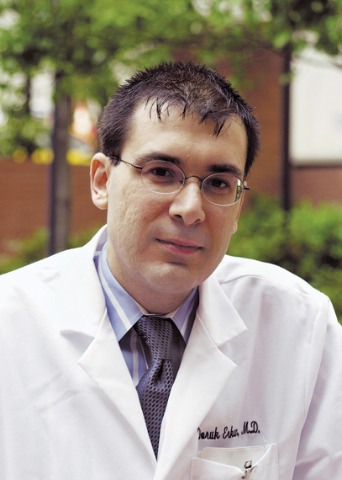
Catastrophic antiphospholipid syndrome is a potentially fatal thrombotic disease that develops in a subset of patients with antiphospholipid syndrome. Survival of patients with the rare condition, which is characterized by the development of multiple organ thromboses over a short period of time, depends on the vigilance of the treating clinicians, early diagnosis, and aggressive therapy, all of which can be compromised by multiple factors including the overlap of clinical and laboratory features with other autoimmune and infectious conditions, according to rheumatologist Dr. Doruk Erkan.
Dr. Erkan (along with Dr. Gerard Espinosa and Dr. Ricard Cervera of the Hospital Clinic Barcelona) recently published a summary of the diagnostic challenges associated with catastrophic antiphospholipid syndrome (APS) and proposed updated diagnostic algorithms to streamline its management (Autoimmun. Rev. 2010;10:74-9). In this column, Dr. Erkan discusses the critical diagnostic and management considerations necessary to improve the outcomes of catastrophic APS patients.
SKIN & ALLERGY NEWS: What are the characteristic signs and symptoms of catastrophic APS?
DR. ERKAN: Multiple organ dysfunction, driven mainly by thrombotic microangiopathy, is responsible for the majority of the clinical events in catastrophic APS, although large venous or arterial thrombosis can also occur. The three most commonly involved organs are kidneys (renal thrombotic microangiopathy, and renal artery/vein thrombosis), lungs (pulmonary infarction and/or hemorrhage, and acute respiratory distress syndrome), and brain (stroke, seizure, and encephalopathy). However, thromboses in atypical locations are common in catastrophic APS patients. Any organ system can be involved, including the myocardial, skin, hepatic, and adrenal systems. Intestinal infarctions and peripheral gangrene can also develop, and hematologic manifestations such as thrombocytopenia and schistocytic hemolytic anemia commonly occur, creating a diagnostic challenge for physicians.
SAN: What risk factors, if any, have been identified for catastrophic APS?
DR. ERKAN: The presence of multiple thrombosis risk factors is associated with a higher risk of thrombosis in individuals with antiphospholipid antibodies (aPL) and even in aPL-negative populations. A "trigger event" such as surgery, pregnancy, infection, or oral contraceptive use is commonly identified in aPL-positive patients when they develop thrombosis. Similarly, about 50%-60% of patients with catastrophic APS have an identifiable "trigger event." However, it is not well understood why some aPL-positive patients develop only single-vessel thrombosis and others go on to develop the rapidly progressive microthrombosis and organ failure that are seen in catastrophic APS. Potential genetic risk factors that may predispose aPL-positive patients to catastrophic APS are under investigation (Am. J. Med. 2011;124:290-6).
SAN: What are the key elements for establishing a timely, accurate diagnosis of catastrophic APS?
DR. ERKAN: The first step in diagnosis is to obtain an accurate history. Previous APS diagnosis and/or persistent clinically significant aPL positivity (as determined by a positive lupus anticoagulant [LA] test and/or moderate- to high-titer aPL on ELISA) is of great importance for diagnosis. However, almost half of the patients who develop catastrophic APS do not have any previous history of a thrombosis or aPL positivity. In this group of patients, the diagnosis is a particular challenge as multiple factors can impede the timely diagnosis, as in the following examples:
• A positive aPL test can be associated with infections (usually low-titer aPL ELISA) or anticoagulation (positive LA test); thus, at times it can be difficult to exclude the possibility that positive aPL tests are occurring as bystanders, not necessarily as contributors for thrombosis.
• False-negative aPL results may occur during acute catastrophic APS events.
• A continuum of thrombotic microangiopathic conditions exists, accounting for patients with thrombotic thrombocytopenic purpura (TTP), hemolytic uremic syndrome (HUS), HELLP (hemolysis, elevated liver enzymes, low platelets) syndrome, and catastrophic APS.
• Both sepsis and heparin-induced thrombocytopenia share similarities with catastrophic APS, and these three conditions may overlap.
For these reasons, the timely diagnosis of catastrophic APS can be challenging. At times, the differential diagnosis cannot be narrowed to a single disease during the acute period, and thus continuous assessment of patients is warranted. The most recent updated algorithms provide a "step-by-step" approach for clinicians in the assessment of patients with multiorgan thrombosis. Important steps of the diagnostic algorithms include the assessment of a history of APS or persistent aPL positivity; three or more new organ new thromboses developing in less than a week; biopsy diagnosis of microthrombosis; and other explanations for multiple organ thromboses and/or microthrombosis.
SAN: Once a diagnosis has been established, what are the most important management considerations?
DR. ERKAN: If catastrophic APS is suspected, aggressive multimodal treatment is required without any delay. The most important treatment consideration is the timely administration of the right combination of medications in addition to the elimination of the potential triggers. Although there are no controlled studies, based on the analysis of the International CAPS (catastrophic APS) Registry, patients who receive the combination of anticoagulation plus corticosteroids plus plasma exchange or intravenous immunoglobulins have the highest survival rate. In the case of a deteriorating clinical situation, an additional agent, such as cyclophosphamide (especially in lupus patients) or rituximab (especially in patients with severe thrombocytopenia or hemolytic anemia) can be considered. Despite optimal therapy, the mortality rate is estimated to be approximately 30%, and may be higher if publication bias is considered.
The most pressing treatment challenges in catastrophic APS include delay in diagnosis for the reasons discussed above, ongoing thrombosis despite anticoagulation, high risk of simultaneous thrombosis and bleeding, and high prevalence of accompanying comorbidities (such as sepsis) that directly affect the mortality.
SAN: How has the availability of the International CAPS Registry changed the understanding and management of catastrophic APS?
DR. ERKAN: Our current knowledge of catastrophic APS is mostly based on the international Web-based registry, coordinated by Dr. Cervera. Patients with a catastrophic APS diagnosis have been included in this registry since 2000 through published or voluntary physician reports. The registry, which can be acc essed freely contains clinical, laboratory, and therapeutic data on all reported cases of catastrophic APS, with approximately 300 patients as of May 2011; the most recent descriptive analysis of the registry reported by Dr. Cervera on behalf of the CAPS Registry group was published in April 2010 (Lupus 2010;19:412-8).
Because of the rarity of catastrophic APS, it is very difficult to study this life-threatening disease. The CAPS Registry is currently the only source that allows researchers to systematically analyze the demographic and clinical characteristics of these patients. Furthermore, there are no randomized, controlled trials evaluating the efficacy of various therapies, and the treatment outcome data are also based on the analysis of the registry. Thus, the registry has been crucial in our understanding as well as the management of catastrophic APS.
Dr. Erkan is an associate physician-scientist at the Barbara Volcker Center for Women and Rheumatic Diseases; assistant attending rheumatologist and clinical researcher at Hospital for Special Surgery; and assistant professor of medicine at Weill Cornell Medical College in New York. Dr. Erkan disclosed having a research grant from Genentech.
--Reported and written by Diana Mahoney
Catastrophic antiphospholipid syndrome is a potentially fatal thrombotic disease that develops in a subset of patients with antiphospholipid syndrome. Survival of patients with the rare condition, which is characterized by the development of multiple organ thromboses over a short period of time, depends on the vigilance of the treating clinicians, early diagnosis, and aggressive therapy, all of which can be compromised by multiple factors including the overlap of clinical and laboratory features with other autoimmune and infectious conditions, according to rheumatologist Dr. Doruk Erkan.
Dr. Erkan (along with Dr. Gerard Espinosa and Dr. Ricard Cervera of the Hospital Clinic Barcelona) recently published a summary of the diagnostic challenges associated with catastrophic antiphospholipid syndrome (APS) and proposed updated diagnostic algorithms to streamline its management (Autoimmun. Rev. 2010;10:74-9). In this column, Dr. Erkan discusses the critical diagnostic and management considerations necessary to improve the outcomes of catastrophic APS patients.
SKIN & ALLERGY NEWS: What are the characteristic signs and symptoms of catastrophic APS?
DR. ERKAN: Multiple organ dysfunction, driven mainly by thrombotic microangiopathy, is responsible for the majority of the clinical events in catastrophic APS, although large venous or arterial thrombosis can also occur. The three most commonly involved organs are kidneys (renal thrombotic microangiopathy, and renal artery/vein thrombosis), lungs (pulmonary infarction and/or hemorrhage, and acute respiratory distress syndrome), and brain (stroke, seizure, and encephalopathy). However, thromboses in atypical locations are common in catastrophic APS patients. Any organ system can be involved, including the myocardial, skin, hepatic, and adrenal systems. Intestinal infarctions and peripheral gangrene can also develop, and hematologic manifestations such as thrombocytopenia and schistocytic hemolytic anemia commonly occur, creating a diagnostic challenge for physicians.
SAN: What risk factors, if any, have been identified for catastrophic APS?
DR. ERKAN: The presence of multiple thrombosis risk factors is associated with a higher risk of thrombosis in individuals with antiphospholipid antibodies (aPL) and even in aPL-negative populations. A "trigger event" such as surgery, pregnancy, infection, or oral contraceptive use is commonly identified in aPL-positive patients when they develop thrombosis. Similarly, about 50%-60% of patients with catastrophic APS have an identifiable "trigger event." However, it is not well understood why some aPL-positive patients develop only single-vessel thrombosis and others go on to develop the rapidly progressive microthrombosis and organ failure that are seen in catastrophic APS. Potential genetic risk factors that may predispose aPL-positive patients to catastrophic APS are under investigation (Am. J. Med. 2011;124:290-6).
SAN: What are the key elements for establishing a timely, accurate diagnosis of catastrophic APS?
DR. ERKAN: The first step in diagnosis is to obtain an accurate history. Previous APS diagnosis and/or persistent clinically significant aPL positivity (as determined by a positive lupus anticoagulant [LA] test and/or moderate- to high-titer aPL on ELISA) is of great importance for diagnosis. However, almost half of the patients who develop catastrophic APS do not have any previous history of a thrombosis or aPL positivity. In this group of patients, the diagnosis is a particular challenge as multiple factors can impede the timely diagnosis, as in the following examples:
• A positive aPL test can be associated with infections (usually low-titer aPL ELISA) or anticoagulation (positive LA test); thus, at times it can be difficult to exclude the possibility that positive aPL tests are occurring as bystanders, not necessarily as contributors for thrombosis.
• False-negative aPL results may occur during acute catastrophic APS events.
• A continuum of thrombotic microangiopathic conditions exists, accounting for patients with thrombotic thrombocytopenic purpura (TTP), hemolytic uremic syndrome (HUS), HELLP (hemolysis, elevated liver enzymes, low platelets) syndrome, and catastrophic APS.
• Both sepsis and heparin-induced thrombocytopenia share similarities with catastrophic APS, and these three conditions may overlap.
For these reasons, the timely diagnosis of catastrophic APS can be challenging. At times, the differential diagnosis cannot be narrowed to a single disease during the acute period, and thus continuous assessment of patients is warranted. The most recent updated algorithms provide a "step-by-step" approach for clinicians in the assessment of patients with multiorgan thrombosis. Important steps of the diagnostic algorithms include the assessment of a history of APS or persistent aPL positivity; three or more new organ new thromboses developing in less than a week; biopsy diagnosis of microthrombosis; and other explanations for multiple organ thromboses and/or microthrombosis.
SAN: Once a diagnosis has been established, what are the most important management considerations?
DR. ERKAN: If catastrophic APS is suspected, aggressive multimodal treatment is required without any delay. The most important treatment consideration is the timely administration of the right combination of medications in addition to the elimination of the potential triggers. Although there are no controlled studies, based on the analysis of the International CAPS (catastrophic APS) Registry, patients who receive the combination of anticoagulation plus corticosteroids plus plasma exchange or intravenous immunoglobulins have the highest survival rate. In the case of a deteriorating clinical situation, an additional agent, such as cyclophosphamide (especially in lupus patients) or rituximab (especially in patients with severe thrombocytopenia or hemolytic anemia) can be considered. Despite optimal therapy, the mortality rate is estimated to be approximately 30%, and may be higher if publication bias is considered.
The most pressing treatment challenges in catastrophic APS include delay in diagnosis for the reasons discussed above, ongoing thrombosis despite anticoagulation, high risk of simultaneous thrombosis and bleeding, and high prevalence of accompanying comorbidities (such as sepsis) that directly affect the mortality.
SAN: How has the availability of the International CAPS Registry changed the understanding and management of catastrophic APS?
DR. ERKAN: Our current knowledge of catastrophic APS is mostly based on the international Web-based registry, coordinated by Dr. Cervera. Patients with a catastrophic APS diagnosis have been included in this registry since 2000 through published or voluntary physician reports. The registry, which can be acc essed freely contains clinical, laboratory, and therapeutic data on all reported cases of catastrophic APS, with approximately 300 patients as of May 2011; the most recent descriptive analysis of the registry reported by Dr. Cervera on behalf of the CAPS Registry group was published in April 2010 (Lupus 2010;19:412-8).
Because of the rarity of catastrophic APS, it is very difficult to study this life-threatening disease. The CAPS Registry is currently the only source that allows researchers to systematically analyze the demographic and clinical characteristics of these patients. Furthermore, there are no randomized, controlled trials evaluating the efficacy of various therapies, and the treatment outcome data are also based on the analysis of the registry. Thus, the registry has been crucial in our understanding as well as the management of catastrophic APS.
Dr. Erkan is an associate physician-scientist at the Barbara Volcker Center for Women and Rheumatic Diseases; assistant attending rheumatologist and clinical researcher at Hospital for Special Surgery; and assistant professor of medicine at Weill Cornell Medical College in New York. Dr. Erkan disclosed having a research grant from Genentech.
--Reported and written by Diana Mahoney
Catastrophic antiphospholipid syndrome is a potentially fatal thrombotic disease that develops in a subset of patients with antiphospholipid syndrome. Survival of patients with the rare condition, which is characterized by the development of multiple organ thromboses over a short period of time, depends on the vigilance of the treating clinicians, early diagnosis, and aggressive therapy, all of which can be compromised by multiple factors including the overlap of clinical and laboratory features with other autoimmune and infectious conditions, according to rheumatologist Dr. Doruk Erkan.
Dr. Erkan (along with Dr. Gerard Espinosa and Dr. Ricard Cervera of the Hospital Clinic Barcelona) recently published a summary of the diagnostic challenges associated with catastrophic antiphospholipid syndrome (APS) and proposed updated diagnostic algorithms to streamline its management (Autoimmun. Rev. 2010;10:74-9). In this column, Dr. Erkan discusses the critical diagnostic and management considerations necessary to improve the outcomes of catastrophic APS patients.
SKIN & ALLERGY NEWS: What are the characteristic signs and symptoms of catastrophic APS?
DR. ERKAN: Multiple organ dysfunction, driven mainly by thrombotic microangiopathy, is responsible for the majority of the clinical events in catastrophic APS, although large venous or arterial thrombosis can also occur. The three most commonly involved organs are kidneys (renal thrombotic microangiopathy, and renal artery/vein thrombosis), lungs (pulmonary infarction and/or hemorrhage, and acute respiratory distress syndrome), and brain (stroke, seizure, and encephalopathy). However, thromboses in atypical locations are common in catastrophic APS patients. Any organ system can be involved, including the myocardial, skin, hepatic, and adrenal systems. Intestinal infarctions and peripheral gangrene can also develop, and hematologic manifestations such as thrombocytopenia and schistocytic hemolytic anemia commonly occur, creating a diagnostic challenge for physicians.
SAN: What risk factors, if any, have been identified for catastrophic APS?
DR. ERKAN: The presence of multiple thrombosis risk factors is associated with a higher risk of thrombosis in individuals with antiphospholipid antibodies (aPL) and even in aPL-negative populations. A "trigger event" such as surgery, pregnancy, infection, or oral contraceptive use is commonly identified in aPL-positive patients when they develop thrombosis. Similarly, about 50%-60% of patients with catastrophic APS have an identifiable "trigger event." However, it is not well understood why some aPL-positive patients develop only single-vessel thrombosis and others go on to develop the rapidly progressive microthrombosis and organ failure that are seen in catastrophic APS. Potential genetic risk factors that may predispose aPL-positive patients to catastrophic APS are under investigation (Am. J. Med. 2011;124:290-6).
SAN: What are the key elements for establishing a timely, accurate diagnosis of catastrophic APS?
DR. ERKAN: The first step in diagnosis is to obtain an accurate history. Previous APS diagnosis and/or persistent clinically significant aPL positivity (as determined by a positive lupus anticoagulant [LA] test and/or moderate- to high-titer aPL on ELISA) is of great importance for diagnosis. However, almost half of the patients who develop catastrophic APS do not have any previous history of a thrombosis or aPL positivity. In this group of patients, the diagnosis is a particular challenge as multiple factors can impede the timely diagnosis, as in the following examples:
• A positive aPL test can be associated with infections (usually low-titer aPL ELISA) or anticoagulation (positive LA test); thus, at times it can be difficult to exclude the possibility that positive aPL tests are occurring as bystanders, not necessarily as contributors for thrombosis.
• False-negative aPL results may occur during acute catastrophic APS events.
• A continuum of thrombotic microangiopathic conditions exists, accounting for patients with thrombotic thrombocytopenic purpura (TTP), hemolytic uremic syndrome (HUS), HELLP (hemolysis, elevated liver enzymes, low platelets) syndrome, and catastrophic APS.
• Both sepsis and heparin-induced thrombocytopenia share similarities with catastrophic APS, and these three conditions may overlap.
For these reasons, the timely diagnosis of catastrophic APS can be challenging. At times, the differential diagnosis cannot be narrowed to a single disease during the acute period, and thus continuous assessment of patients is warranted. The most recent updated algorithms provide a "step-by-step" approach for clinicians in the assessment of patients with multiorgan thrombosis. Important steps of the diagnostic algorithms include the assessment of a history of APS or persistent aPL positivity; three or more new organ new thromboses developing in less than a week; biopsy diagnosis of microthrombosis; and other explanations for multiple organ thromboses and/or microthrombosis.
SAN: Once a diagnosis has been established, what are the most important management considerations?
DR. ERKAN: If catastrophic APS is suspected, aggressive multimodal treatment is required without any delay. The most important treatment consideration is the timely administration of the right combination of medications in addition to the elimination of the potential triggers. Although there are no controlled studies, based on the analysis of the International CAPS (catastrophic APS) Registry, patients who receive the combination of anticoagulation plus corticosteroids plus plasma exchange or intravenous immunoglobulins have the highest survival rate. In the case of a deteriorating clinical situation, an additional agent, such as cyclophosphamide (especially in lupus patients) or rituximab (especially in patients with severe thrombocytopenia or hemolytic anemia) can be considered. Despite optimal therapy, the mortality rate is estimated to be approximately 30%, and may be higher if publication bias is considered.
The most pressing treatment challenges in catastrophic APS include delay in diagnosis for the reasons discussed above, ongoing thrombosis despite anticoagulation, high risk of simultaneous thrombosis and bleeding, and high prevalence of accompanying comorbidities (such as sepsis) that directly affect the mortality.
SAN: How has the availability of the International CAPS Registry changed the understanding and management of catastrophic APS?
DR. ERKAN: Our current knowledge of catastrophic APS is mostly based on the international Web-based registry, coordinated by Dr. Cervera. Patients with a catastrophic APS diagnosis have been included in this registry since 2000 through published or voluntary physician reports. The registry, which can be acc essed freely contains clinical, laboratory, and therapeutic data on all reported cases of catastrophic APS, with approximately 300 patients as of May 2011; the most recent descriptive analysis of the registry reported by Dr. Cervera on behalf of the CAPS Registry group was published in April 2010 (Lupus 2010;19:412-8).
Because of the rarity of catastrophic APS, it is very difficult to study this life-threatening disease. The CAPS Registry is currently the only source that allows researchers to systematically analyze the demographic and clinical characteristics of these patients. Furthermore, there are no randomized, controlled trials evaluating the efficacy of various therapies, and the treatment outcome data are also based on the analysis of the registry. Thus, the registry has been crucial in our understanding as well as the management of catastrophic APS.
Dr. Erkan is an associate physician-scientist at the Barbara Volcker Center for Women and Rheumatic Diseases; assistant attending rheumatologist and clinical researcher at Hospital for Special Surgery; and assistant professor of medicine at Weill Cornell Medical College in New York. Dr. Erkan disclosed having a research grant from Genentech.
--Reported and written by Diana Mahoney
Cutaneous Lupus Over Age 50 Probably Drug Induced
SEOUL, SOUTH KOREA – Onset of subacute cutaneous lupus erythematosus after the age of 50 years is a good clue it is more likely to be drug induced, findings from two recent studies indicate.
Prompt recognition of drug-induced subacute cutaneous lupus erythematosus (SCLE) by physicians prevents significant morbidity, both by quelling the number and activity of skin lesions and by sparing affected patients from exposure to the potent immunosuppressive agents that are often used in idiopathic SCLE.
In drug-induced SCLE, the treatment of choice is withdrawal of the offending medication and nothing more, Dr. Christopher B. Hansen said at the World Congress of Dermatology.
"The important thing is stopping the medication. Most patients don't require additional therapy," emphasized Dr. Hansen of the University of Utah in Salt Lake City.
He and his coinvestigators recently combed the medical literature and published a systematic review of 117 cases of drug-induced SCLE, the largest series to date (Br. J. Dermatol. 2011;164:465-72). One of the standout findings was that the average age of onset was 58 years, compared with just 43 years in patients with idiopathic SCLE culled from the literature.
Strikingly, this 15-year age gap was identical to that reported in a recent study by investigators at the University of Milan, Dr. Hansen noted. In the Italian series, the average age of onset of drug-induced SCLE was 67 years, or 15 years more than the 52 years in 79 patients with idiopathic SCLE.
The Italian investigators described several key cutaneous features that helped differentiate drug-induced from idiopathic SCLE. Lesions were widespread in 82% of patients with drug-induced SCLE, compared with just 6% of those with the idiopathic form. Malar rash occurred in 45% of drug-induced SCLE patients versus 6% with idiopathic SCLE. Bullous and erythema multiforme-like lesions were present in 45% of the drug-induced SCLE cohort, compared with just 1% of those with idiopathic SCLE. Vasculitic lesions were noted in 45% of patients with drug-induced SCLE but only 3% of those with idiopathic SCLE (Br. J. Dermatol. 2011 May 12 [doi:10.1111/j.1365-2133.2011.10397.x]).
Internal organ involvement was notably absent in patients with drug-induced SCLE, both in Dr. Hansen’s study and in the Italian investigation. That's an important point of distinction between drug-induced SCLE and drug-induced systemic lupus erythematosus (SLE).
Also, the drugs implicated in causing SCLE are generally different from those that trigger drug-induced SLE, which is probably an indication of fundamentally different underlying mechanisms of disease, he continued.
The list of medications linked to drug-induced SCLE is lengthy. Topping the list are antihypertensive agents, responsible for 34% of cases in the study by Dr. Hansen and his colleagues, and antifungals, which triggered another 26%. Terbinafine, thiazide diuretics, and calcium channel blockers were particularly common offenders. Chemotherapeutic agents were a distant third category of triggering medications, responsible for 9% of cases, followed closely by antihistamines at 8% and immunomodulators at 7%.
A defining characteristic of drug-induced SCLE is the lengthy incubation and resolution times compared with most drug eruptions. After stopping the offending drug, it took a median of 4 weeks and a mean of 7.3 weeks for the skin lesions to go away, according to Dr. Hansen.
Anti-Ro/SSA autoantibodies were present in 81% of patients at diagnosis. Two-thirds of patients remained autoantibody-positive at testing conducted 6 weeks to 3 years after resolution of the rash.
Several theories have been put forth regarding the pathogenesis of drug-induced SCLE. One is that it is a photosensitivity reaction, given that many of the drugs linked to the condition are known to be photosensitizers.
Another theory is that the skin disease results from a drug-induced disruption of T-cell function and immune tolerance. Still another theory holds that the drug or its metabolite causes direct cytotoxicity.
Asked for tips on how to discover the offending medication in older patients on many drugs, he said the best approach is to start by trying to eliminate any medications that have been started within the past month or two. Secondly, he added, take a close look at any remaining medications the patient is on that have been reported as triggers most frequently in the literature.
Dr. Hansen declared having no financial conflicts of interest.
SEOUL, SOUTH KOREA – Onset of subacute cutaneous lupus erythematosus after the age of 50 years is a good clue it is more likely to be drug induced, findings from two recent studies indicate.
Prompt recognition of drug-induced subacute cutaneous lupus erythematosus (SCLE) by physicians prevents significant morbidity, both by quelling the number and activity of skin lesions and by sparing affected patients from exposure to the potent immunosuppressive agents that are often used in idiopathic SCLE.
In drug-induced SCLE, the treatment of choice is withdrawal of the offending medication and nothing more, Dr. Christopher B. Hansen said at the World Congress of Dermatology.
"The important thing is stopping the medication. Most patients don't require additional therapy," emphasized Dr. Hansen of the University of Utah in Salt Lake City.
He and his coinvestigators recently combed the medical literature and published a systematic review of 117 cases of drug-induced SCLE, the largest series to date (Br. J. Dermatol. 2011;164:465-72). One of the standout findings was that the average age of onset was 58 years, compared with just 43 years in patients with idiopathic SCLE culled from the literature.
Strikingly, this 15-year age gap was identical to that reported in a recent study by investigators at the University of Milan, Dr. Hansen noted. In the Italian series, the average age of onset of drug-induced SCLE was 67 years, or 15 years more than the 52 years in 79 patients with idiopathic SCLE.
The Italian investigators described several key cutaneous features that helped differentiate drug-induced from idiopathic SCLE. Lesions were widespread in 82% of patients with drug-induced SCLE, compared with just 6% of those with the idiopathic form. Malar rash occurred in 45% of drug-induced SCLE patients versus 6% with idiopathic SCLE. Bullous and erythema multiforme-like lesions were present in 45% of the drug-induced SCLE cohort, compared with just 1% of those with idiopathic SCLE. Vasculitic lesions were noted in 45% of patients with drug-induced SCLE but only 3% of those with idiopathic SCLE (Br. J. Dermatol. 2011 May 12 [doi:10.1111/j.1365-2133.2011.10397.x]).
Internal organ involvement was notably absent in patients with drug-induced SCLE, both in Dr. Hansen’s study and in the Italian investigation. That's an important point of distinction between drug-induced SCLE and drug-induced systemic lupus erythematosus (SLE).
Also, the drugs implicated in causing SCLE are generally different from those that trigger drug-induced SLE, which is probably an indication of fundamentally different underlying mechanisms of disease, he continued.
The list of medications linked to drug-induced SCLE is lengthy. Topping the list are antihypertensive agents, responsible for 34% of cases in the study by Dr. Hansen and his colleagues, and antifungals, which triggered another 26%. Terbinafine, thiazide diuretics, and calcium channel blockers were particularly common offenders. Chemotherapeutic agents were a distant third category of triggering medications, responsible for 9% of cases, followed closely by antihistamines at 8% and immunomodulators at 7%.
A defining characteristic of drug-induced SCLE is the lengthy incubation and resolution times compared with most drug eruptions. After stopping the offending drug, it took a median of 4 weeks and a mean of 7.3 weeks for the skin lesions to go away, according to Dr. Hansen.
Anti-Ro/SSA autoantibodies were present in 81% of patients at diagnosis. Two-thirds of patients remained autoantibody-positive at testing conducted 6 weeks to 3 years after resolution of the rash.
Several theories have been put forth regarding the pathogenesis of drug-induced SCLE. One is that it is a photosensitivity reaction, given that many of the drugs linked to the condition are known to be photosensitizers.
Another theory is that the skin disease results from a drug-induced disruption of T-cell function and immune tolerance. Still another theory holds that the drug or its metabolite causes direct cytotoxicity.
Asked for tips on how to discover the offending medication in older patients on many drugs, he said the best approach is to start by trying to eliminate any medications that have been started within the past month or two. Secondly, he added, take a close look at any remaining medications the patient is on that have been reported as triggers most frequently in the literature.
Dr. Hansen declared having no financial conflicts of interest.
SEOUL, SOUTH KOREA – Onset of subacute cutaneous lupus erythematosus after the age of 50 years is a good clue it is more likely to be drug induced, findings from two recent studies indicate.
Prompt recognition of drug-induced subacute cutaneous lupus erythematosus (SCLE) by physicians prevents significant morbidity, both by quelling the number and activity of skin lesions and by sparing affected patients from exposure to the potent immunosuppressive agents that are often used in idiopathic SCLE.
In drug-induced SCLE, the treatment of choice is withdrawal of the offending medication and nothing more, Dr. Christopher B. Hansen said at the World Congress of Dermatology.
"The important thing is stopping the medication. Most patients don't require additional therapy," emphasized Dr. Hansen of the University of Utah in Salt Lake City.
He and his coinvestigators recently combed the medical literature and published a systematic review of 117 cases of drug-induced SCLE, the largest series to date (Br. J. Dermatol. 2011;164:465-72). One of the standout findings was that the average age of onset was 58 years, compared with just 43 years in patients with idiopathic SCLE culled from the literature.
Strikingly, this 15-year age gap was identical to that reported in a recent study by investigators at the University of Milan, Dr. Hansen noted. In the Italian series, the average age of onset of drug-induced SCLE was 67 years, or 15 years more than the 52 years in 79 patients with idiopathic SCLE.
The Italian investigators described several key cutaneous features that helped differentiate drug-induced from idiopathic SCLE. Lesions were widespread in 82% of patients with drug-induced SCLE, compared with just 6% of those with the idiopathic form. Malar rash occurred in 45% of drug-induced SCLE patients versus 6% with idiopathic SCLE. Bullous and erythema multiforme-like lesions were present in 45% of the drug-induced SCLE cohort, compared with just 1% of those with idiopathic SCLE. Vasculitic lesions were noted in 45% of patients with drug-induced SCLE but only 3% of those with idiopathic SCLE (Br. J. Dermatol. 2011 May 12 [doi:10.1111/j.1365-2133.2011.10397.x]).
Internal organ involvement was notably absent in patients with drug-induced SCLE, both in Dr. Hansen’s study and in the Italian investigation. That's an important point of distinction between drug-induced SCLE and drug-induced systemic lupus erythematosus (SLE).
Also, the drugs implicated in causing SCLE are generally different from those that trigger drug-induced SLE, which is probably an indication of fundamentally different underlying mechanisms of disease, he continued.
The list of medications linked to drug-induced SCLE is lengthy. Topping the list are antihypertensive agents, responsible for 34% of cases in the study by Dr. Hansen and his colleagues, and antifungals, which triggered another 26%. Terbinafine, thiazide diuretics, and calcium channel blockers were particularly common offenders. Chemotherapeutic agents were a distant third category of triggering medications, responsible for 9% of cases, followed closely by antihistamines at 8% and immunomodulators at 7%.
A defining characteristic of drug-induced SCLE is the lengthy incubation and resolution times compared with most drug eruptions. After stopping the offending drug, it took a median of 4 weeks and a mean of 7.3 weeks for the skin lesions to go away, according to Dr. Hansen.
Anti-Ro/SSA autoantibodies were present in 81% of patients at diagnosis. Two-thirds of patients remained autoantibody-positive at testing conducted 6 weeks to 3 years after resolution of the rash.
Several theories have been put forth regarding the pathogenesis of drug-induced SCLE. One is that it is a photosensitivity reaction, given that many of the drugs linked to the condition are known to be photosensitizers.
Another theory is that the skin disease results from a drug-induced disruption of T-cell function and immune tolerance. Still another theory holds that the drug or its metabolite causes direct cytotoxicity.
Asked for tips on how to discover the offending medication in older patients on many drugs, he said the best approach is to start by trying to eliminate any medications that have been started within the past month or two. Secondly, he added, take a close look at any remaining medications the patient is on that have been reported as triggers most frequently in the literature.
Dr. Hansen declared having no financial conflicts of interest.
EXPERT ANALYSIS FROM THE WORLD CONGRESS OF DERMATOLOGY
Consider Infliximab for Refractory Cutaneous Sarcoidosis
SEOUL, SOUTH KOREA – Infliximab appears to be an effective corticosteroid-sparing treatment for patients with refractory cutaneous sarcoidosis, albeit an off-label one.
"Infliximab seems to be a good candidate as third-line therapy for refractory cutaneous sarcoidosis. We recommend a continuous evaluation of clinical response and an increase in infliximab dosing up to 10 mg/kg every 4 weeks in cases of insufficient response [as well as] the use of concomitant low-dose methotrexate to increase infliximab efficacy and prevent the development of anti-infliximab antibodies," noted Dr. Fabien Guibal at the World Congress of Dermatology.
Skin involvement is common in sarcoidosis, affecting up to 30% of patients. It carries substantial morbidity, and treatment options are limited. Systemic corticosteroids are the mainstay, but the associated side effects are well known. Methotrexate is a good second-line therapy, although the response is highly variable. Azathioprine, antimalarials, and thalidomide are among the alternative options, noted Dr. Guibal of Hôpital Saint-Louis, Paris.
He presented a retrospective, single-center study involving nine patients placed on infliximab (Remicade) for refractory cutaneous sarcoidosis. Participants had failed to improve on a median of five prior immunosuppressive drugs.
The subjects (eight women and one man) were a median of 43 years old when diagnosed with sarcoidosis, and 51 years of age when they started on infliximab. The cutaneous lesions consisted of lupus pernio in eight patients, disseminated papules in seven, and a large facial plaque in one. All patients had extracutaneous disease, including pulmonary sarcoidosis in eight individuals and CNS involvement in one.
The impetus for turning to the tumor necrosis factor–alpha inhibitor in these nine patients was the fact that TNF-alpha is known to be a critical cytokine in the formation and maintenance of granulomas. Plus, there have been several reports of favorable treatment responses in patients with pulmonary sarcoidosis and other internal organ involvement.
Three of nine patients experienced resolution of cutaneous lesions on their first course of infliximab. Another four had near-resolution, and the remaining two patients showed partial improvement. The median lag time until maximal response was 12 weeks (range, 2-22 weeks).
When infliximab was eventually discontinued in six patients, five relapsed after a median 9 weeks off the drug. The sole patient who didn’t relapse had successfully replaced the biologic agent with methotrexate.
The five relapsers underwent a second course of infliximab. Four experienced near-resolution of their cutaneous disease, and the fifth showed lesion stabilization. Three of them eventually discontinued infliximab, one because of loss of efficacy, another who remained relapse free while replacing the biologic with methotrexate, and a third who was lost to follow-up.
After a median 34 months of follow-up, five of the nine patients remain on infliximab. Their average oral prednisone dose is half of the 12 mg/day it was before they started taking infliximab. No serious adverse effects have occurred.
Dr. Guibal declared having no relevant financial relationships.
SEOUL, SOUTH KOREA – Infliximab appears to be an effective corticosteroid-sparing treatment for patients with refractory cutaneous sarcoidosis, albeit an off-label one.
"Infliximab seems to be a good candidate as third-line therapy for refractory cutaneous sarcoidosis. We recommend a continuous evaluation of clinical response and an increase in infliximab dosing up to 10 mg/kg every 4 weeks in cases of insufficient response [as well as] the use of concomitant low-dose methotrexate to increase infliximab efficacy and prevent the development of anti-infliximab antibodies," noted Dr. Fabien Guibal at the World Congress of Dermatology.
Skin involvement is common in sarcoidosis, affecting up to 30% of patients. It carries substantial morbidity, and treatment options are limited. Systemic corticosteroids are the mainstay, but the associated side effects are well known. Methotrexate is a good second-line therapy, although the response is highly variable. Azathioprine, antimalarials, and thalidomide are among the alternative options, noted Dr. Guibal of Hôpital Saint-Louis, Paris.
He presented a retrospective, single-center study involving nine patients placed on infliximab (Remicade) for refractory cutaneous sarcoidosis. Participants had failed to improve on a median of five prior immunosuppressive drugs.
The subjects (eight women and one man) were a median of 43 years old when diagnosed with sarcoidosis, and 51 years of age when they started on infliximab. The cutaneous lesions consisted of lupus pernio in eight patients, disseminated papules in seven, and a large facial plaque in one. All patients had extracutaneous disease, including pulmonary sarcoidosis in eight individuals and CNS involvement in one.
The impetus for turning to the tumor necrosis factor–alpha inhibitor in these nine patients was the fact that TNF-alpha is known to be a critical cytokine in the formation and maintenance of granulomas. Plus, there have been several reports of favorable treatment responses in patients with pulmonary sarcoidosis and other internal organ involvement.
Three of nine patients experienced resolution of cutaneous lesions on their first course of infliximab. Another four had near-resolution, and the remaining two patients showed partial improvement. The median lag time until maximal response was 12 weeks (range, 2-22 weeks).
When infliximab was eventually discontinued in six patients, five relapsed after a median 9 weeks off the drug. The sole patient who didn’t relapse had successfully replaced the biologic agent with methotrexate.
The five relapsers underwent a second course of infliximab. Four experienced near-resolution of their cutaneous disease, and the fifth showed lesion stabilization. Three of them eventually discontinued infliximab, one because of loss of efficacy, another who remained relapse free while replacing the biologic with methotrexate, and a third who was lost to follow-up.
After a median 34 months of follow-up, five of the nine patients remain on infliximab. Their average oral prednisone dose is half of the 12 mg/day it was before they started taking infliximab. No serious adverse effects have occurred.
Dr. Guibal declared having no relevant financial relationships.
SEOUL, SOUTH KOREA – Infliximab appears to be an effective corticosteroid-sparing treatment for patients with refractory cutaneous sarcoidosis, albeit an off-label one.
"Infliximab seems to be a good candidate as third-line therapy for refractory cutaneous sarcoidosis. We recommend a continuous evaluation of clinical response and an increase in infliximab dosing up to 10 mg/kg every 4 weeks in cases of insufficient response [as well as] the use of concomitant low-dose methotrexate to increase infliximab efficacy and prevent the development of anti-infliximab antibodies," noted Dr. Fabien Guibal at the World Congress of Dermatology.
Skin involvement is common in sarcoidosis, affecting up to 30% of patients. It carries substantial morbidity, and treatment options are limited. Systemic corticosteroids are the mainstay, but the associated side effects are well known. Methotrexate is a good second-line therapy, although the response is highly variable. Azathioprine, antimalarials, and thalidomide are among the alternative options, noted Dr. Guibal of Hôpital Saint-Louis, Paris.
He presented a retrospective, single-center study involving nine patients placed on infliximab (Remicade) for refractory cutaneous sarcoidosis. Participants had failed to improve on a median of five prior immunosuppressive drugs.
The subjects (eight women and one man) were a median of 43 years old when diagnosed with sarcoidosis, and 51 years of age when they started on infliximab. The cutaneous lesions consisted of lupus pernio in eight patients, disseminated papules in seven, and a large facial plaque in one. All patients had extracutaneous disease, including pulmonary sarcoidosis in eight individuals and CNS involvement in one.
The impetus for turning to the tumor necrosis factor–alpha inhibitor in these nine patients was the fact that TNF-alpha is known to be a critical cytokine in the formation and maintenance of granulomas. Plus, there have been several reports of favorable treatment responses in patients with pulmonary sarcoidosis and other internal organ involvement.
Three of nine patients experienced resolution of cutaneous lesions on their first course of infliximab. Another four had near-resolution, and the remaining two patients showed partial improvement. The median lag time until maximal response was 12 weeks (range, 2-22 weeks).
When infliximab was eventually discontinued in six patients, five relapsed after a median 9 weeks off the drug. The sole patient who didn’t relapse had successfully replaced the biologic agent with methotrexate.
The five relapsers underwent a second course of infliximab. Four experienced near-resolution of their cutaneous disease, and the fifth showed lesion stabilization. Three of them eventually discontinued infliximab, one because of loss of efficacy, another who remained relapse free while replacing the biologic with methotrexate, and a third who was lost to follow-up.
After a median 34 months of follow-up, five of the nine patients remain on infliximab. Their average oral prednisone dose is half of the 12 mg/day it was before they started taking infliximab. No serious adverse effects have occurred.
Dr. Guibal declared having no relevant financial relationships.
FROM THE WORLD CONGRESS OF DERMATOLOGY
Major Finding: Lesions of cutaneous sarcoidosis resolved in three of nine patients after a course of infliximab therapy.
Data Source: A retrospective, single-center study involving nine patients who were placed on infliximab for refractory cutaneous sarcoidosis.
Disclosures: Dr. Guibal declared having no relevant financial relationships.
HPV Vaccine Does Not Induce Lupus Flares
LONDON – The quadrivalent human papillomavirus vaccine is safe for patients with systemic lupus erythematosus and should be considered for women with inactive disease who receive stable doses of standard immunomodulatory therapy, according to data presented by Dr. Chi Chiu Mok at the annual European Congress of Rheumatology.
Multiple studies have demonstrated higher rates of persistent HPV infections and precancerous lesions in women with SLE, compared with women in the general population, said Dr. Mok. Although the increased risk of HPV infection suggests that SLE patients would be good candidates for immunization against the virus, it has been hypothesized that immune dysfunction related to SLE or to treatment-induced immune suppression may prevent patients with the condition from being able to produce an effective immune response to the vaccine, and could possibly lead to disease flares or the production of new autoantibodies, he explained.
The recombinant quadrivalent HPV vaccine (Gardisil) provides protection against infection of the HPV serotypes 6, 11, 16, and 18, and it has been demonstrated to be safe and efficacious in female patients in the general population aged 9-26 years, according to Dr. Mok. Along with colleagues at Tuen Mun Hospital in Hong Kong, Dr. Mok sought to evaluate the safety and immunogenicity of the vaccine in a cohort of SLE patients.
Toward this end, the investigators recruited 50 female patients aged 18-35 years who fulfilled at least four American College of Rheumatology criteria for SLE, and who had received a stable dose of prednisolone or other immunosuppressive agent within the previous 3 months, to participate in the prospective investigation. The mean age of the study participants was 25.8 years, and their mean disease duration was 6.6 years, he reported.
All of the study subjects received intramuscular injections of the vaccine and were evaluated at baseline and at 2 and 6 months post vaccination via the SLEDAI (SLE Disease Activity Index), PGA (Physicians’ Global Assessment), and the SELENA (Safety of Estrogens in Lupus Erythematosus – National Assessment) disease flare index. Additionally, complement levels (C3 and C4) and anti-dsDNA (anti–double-stranded DNA) titers were assessed and patient-reported adverse events were recorded at the same time points, said Dr. Mok. With respect to baseline disease characteristics, the median SLEDAI score was 4; the mean anti-dsDNA titers, C3 levels, and C4 levels were 139 IU/mL, 0.81 g/dL, and 0.15 g/dL, respectively; and none of the patients had SELENA flares at baseline compared to preceding status, he said.
There were no significant changes in anti-dsDNA titers, C3 or C4 levels, or SLEDAI and PGA scores at any of the time points, Dr. Mok reported. "There were three mild to moderate mucocutaneous flares during the study period (one at month 2 and two at month 6), all of which were controlled with usual treatment," he said. "It’s unclear whether a causal relationship exists between the vaccination and the three lupus flares, but the rate of flares [0.08 per patient per year] was lower than the rate observed in our lupus cohort during the previous 5 years [0.10 per patient per year], and no other adverse events associated with the vaccination were reported."
The study findings indicate that the vaccine is safe in SLE patients, and the lack of significant alterations in the various SLE antibody measures suggests it does not induce an increased incidence of lupus flares, Dr. Mok stated. Considering the increased susceptibility to HPV infection in these patients and the link between HPV infection and cervical cancer, "vaccination is an important consideration in protecting them," he said.
Dr. Mok disclosed having no financial conflicts of interest.
LONDON – The quadrivalent human papillomavirus vaccine is safe for patients with systemic lupus erythematosus and should be considered for women with inactive disease who receive stable doses of standard immunomodulatory therapy, according to data presented by Dr. Chi Chiu Mok at the annual European Congress of Rheumatology.
Multiple studies have demonstrated higher rates of persistent HPV infections and precancerous lesions in women with SLE, compared with women in the general population, said Dr. Mok. Although the increased risk of HPV infection suggests that SLE patients would be good candidates for immunization against the virus, it has been hypothesized that immune dysfunction related to SLE or to treatment-induced immune suppression may prevent patients with the condition from being able to produce an effective immune response to the vaccine, and could possibly lead to disease flares or the production of new autoantibodies, he explained.
The recombinant quadrivalent HPV vaccine (Gardisil) provides protection against infection of the HPV serotypes 6, 11, 16, and 18, and it has been demonstrated to be safe and efficacious in female patients in the general population aged 9-26 years, according to Dr. Mok. Along with colleagues at Tuen Mun Hospital in Hong Kong, Dr. Mok sought to evaluate the safety and immunogenicity of the vaccine in a cohort of SLE patients.
Toward this end, the investigators recruited 50 female patients aged 18-35 years who fulfilled at least four American College of Rheumatology criteria for SLE, and who had received a stable dose of prednisolone or other immunosuppressive agent within the previous 3 months, to participate in the prospective investigation. The mean age of the study participants was 25.8 years, and their mean disease duration was 6.6 years, he reported.
All of the study subjects received intramuscular injections of the vaccine and were evaluated at baseline and at 2 and 6 months post vaccination via the SLEDAI (SLE Disease Activity Index), PGA (Physicians’ Global Assessment), and the SELENA (Safety of Estrogens in Lupus Erythematosus – National Assessment) disease flare index. Additionally, complement levels (C3 and C4) and anti-dsDNA (anti–double-stranded DNA) titers were assessed and patient-reported adverse events were recorded at the same time points, said Dr. Mok. With respect to baseline disease characteristics, the median SLEDAI score was 4; the mean anti-dsDNA titers, C3 levels, and C4 levels were 139 IU/mL, 0.81 g/dL, and 0.15 g/dL, respectively; and none of the patients had SELENA flares at baseline compared to preceding status, he said.
There were no significant changes in anti-dsDNA titers, C3 or C4 levels, or SLEDAI and PGA scores at any of the time points, Dr. Mok reported. "There were three mild to moderate mucocutaneous flares during the study period (one at month 2 and two at month 6), all of which were controlled with usual treatment," he said. "It’s unclear whether a causal relationship exists between the vaccination and the three lupus flares, but the rate of flares [0.08 per patient per year] was lower than the rate observed in our lupus cohort during the previous 5 years [0.10 per patient per year], and no other adverse events associated with the vaccination were reported."
The study findings indicate that the vaccine is safe in SLE patients, and the lack of significant alterations in the various SLE antibody measures suggests it does not induce an increased incidence of lupus flares, Dr. Mok stated. Considering the increased susceptibility to HPV infection in these patients and the link between HPV infection and cervical cancer, "vaccination is an important consideration in protecting them," he said.
Dr. Mok disclosed having no financial conflicts of interest.
LONDON – The quadrivalent human papillomavirus vaccine is safe for patients with systemic lupus erythematosus and should be considered for women with inactive disease who receive stable doses of standard immunomodulatory therapy, according to data presented by Dr. Chi Chiu Mok at the annual European Congress of Rheumatology.
Multiple studies have demonstrated higher rates of persistent HPV infections and precancerous lesions in women with SLE, compared with women in the general population, said Dr. Mok. Although the increased risk of HPV infection suggests that SLE patients would be good candidates for immunization against the virus, it has been hypothesized that immune dysfunction related to SLE or to treatment-induced immune suppression may prevent patients with the condition from being able to produce an effective immune response to the vaccine, and could possibly lead to disease flares or the production of new autoantibodies, he explained.
The recombinant quadrivalent HPV vaccine (Gardisil) provides protection against infection of the HPV serotypes 6, 11, 16, and 18, and it has been demonstrated to be safe and efficacious in female patients in the general population aged 9-26 years, according to Dr. Mok. Along with colleagues at Tuen Mun Hospital in Hong Kong, Dr. Mok sought to evaluate the safety and immunogenicity of the vaccine in a cohort of SLE patients.
Toward this end, the investigators recruited 50 female patients aged 18-35 years who fulfilled at least four American College of Rheumatology criteria for SLE, and who had received a stable dose of prednisolone or other immunosuppressive agent within the previous 3 months, to participate in the prospective investigation. The mean age of the study participants was 25.8 years, and their mean disease duration was 6.6 years, he reported.
All of the study subjects received intramuscular injections of the vaccine and were evaluated at baseline and at 2 and 6 months post vaccination via the SLEDAI (SLE Disease Activity Index), PGA (Physicians’ Global Assessment), and the SELENA (Safety of Estrogens in Lupus Erythematosus – National Assessment) disease flare index. Additionally, complement levels (C3 and C4) and anti-dsDNA (anti–double-stranded DNA) titers were assessed and patient-reported adverse events were recorded at the same time points, said Dr. Mok. With respect to baseline disease characteristics, the median SLEDAI score was 4; the mean anti-dsDNA titers, C3 levels, and C4 levels were 139 IU/mL, 0.81 g/dL, and 0.15 g/dL, respectively; and none of the patients had SELENA flares at baseline compared to preceding status, he said.
There were no significant changes in anti-dsDNA titers, C3 or C4 levels, or SLEDAI and PGA scores at any of the time points, Dr. Mok reported. "There were three mild to moderate mucocutaneous flares during the study period (one at month 2 and two at month 6), all of which were controlled with usual treatment," he said. "It’s unclear whether a causal relationship exists between the vaccination and the three lupus flares, but the rate of flares [0.08 per patient per year] was lower than the rate observed in our lupus cohort during the previous 5 years [0.10 per patient per year], and no other adverse events associated with the vaccination were reported."
The study findings indicate that the vaccine is safe in SLE patients, and the lack of significant alterations in the various SLE antibody measures suggests it does not induce an increased incidence of lupus flares, Dr. Mok stated. Considering the increased susceptibility to HPV infection in these patients and the link between HPV infection and cervical cancer, "vaccination is an important consideration in protecting them," he said.
Dr. Mok disclosed having no financial conflicts of interest.
FROM THE ANNUAL EUROPEAN CONGRESS OF RHEUMATOLOGY
Major Finding: The quadrivalent human papillomavirus vaccine does not exacerbate disease activity in women with SLE.
Data Source: A prospective study of 50 female SLE patients and an unvaccinated cohort of SLE patients who were observed over a 5-year period at the same institution.
Disclosures: Dr. Mok disclosed having no financial conflicts of interest.
Etanercept Earns High Marks as Scalp Psoriasis Treatment
SEOUL, SOUTH KOREA – Nearly two-thirds of patients treated with etanercept for scalp psoriasis had a 90% improvement in Psoriasis Scalp Severity Index score at week 12, compared with just 7% of controls, in a phase IV, double-blind, placebo-controlled randomized trial.
Topical scalp psoriasis treatments are often messy and inconvenient, and earn low marks for patient satisfaction and compliance. That is why Dr. Stephen K. Tyring said he and his coinvestigators conducted the phase IV trial of the tumor necrosis factor inhibitor etanercept (Enbrel) for moderate-to-severe scalp psoriasis.
The 124 participants had a baseline mean 64% scalp surface area involvement with a Psoriasis Scalp Severity Index (PSSI) score of 34.5, a 22.3% body surface area involvement, and a Psoriasis Area and Severity Index of 17.5.
Half of the subjects were randomized to etanercept at 50 mg twice weekly for 12 weeks, followed by once-weekly etanercept at 50 mg plus a subcutaneous placebo injection for another 12 weeks. The controls got 12 weeks of twice-weekly placebo injections, followed by 12 weeks of twice-weekly etanercept at 50 mg per dose.
The prespecified primary study end point was the mean percentage improvement in PSSI from baseline through week 12, which was 87% in the etanercept arm and 20% among controls. At week 12, 63% of the etanercept group had a PSSI 90 response – that is, at least a 90% improvement in PSSI – compared with just 7% of controls. A significant difference between the two study arms was evident as early as week 4, Dr. Tyring reported at the World Congress of Dermatology.
A week 12 PSSI 75 response was noted in 86% of the etanercept group, compared with 11% of controls. The etanercept group had a mean 74% reduction in PASI score at week 12, versus an 11% improvement among controls.
The improvement in scalp itch seen with etanercept was particularly impressive, he said. At baseline, less than 2% of patients had a Scalp Pruritus Score of 0, but by week 12 this was the case for 42% of the etanercept group and 8% of controls, noted Dr. Tyring, a dermatologist at the University of Texas in Houston.
The improvements in scalp and skin psoriasis seen with 12 weeks of twice-weekly etanercept were maintained through week 24, despite the switch to a lower dose. Moreover, patients initially assigned to 12 weeks of placebo showed improvements at week 24 – after 12 weeks on etanercept – similar to those seen at 12 weeks among patients assigned to the tumor necrosis factor inhibitor from the start.
For example, at week 24 a PASI 90 was achieved in 68% of the all-etanercept group and 67% in patients on 12 weeks of placebo followed by etanercept. At week 24, PASI 75 response was noted in 69% of the all-etanercept group and 59% of those on etanercept after placebo. And at week 24, a Scalp Pruritus Score of 0 was documented in 47% of patients on etanercept throughout the study and 49% of those on the biologic alone for the last 12 weeks.
The most common adverse events among study participants were upper respiratory infections in 12%, nasopharyngitis in 8%, and injection site reactions in 6%.
The clinical trial was sponsored by Amgen. Dr. Tyring has received research funding from, and has been a speaker for, the company.
SEOUL, SOUTH KOREA – Nearly two-thirds of patients treated with etanercept for scalp psoriasis had a 90% improvement in Psoriasis Scalp Severity Index score at week 12, compared with just 7% of controls, in a phase IV, double-blind, placebo-controlled randomized trial.
Topical scalp psoriasis treatments are often messy and inconvenient, and earn low marks for patient satisfaction and compliance. That is why Dr. Stephen K. Tyring said he and his coinvestigators conducted the phase IV trial of the tumor necrosis factor inhibitor etanercept (Enbrel) for moderate-to-severe scalp psoriasis.
The 124 participants had a baseline mean 64% scalp surface area involvement with a Psoriasis Scalp Severity Index (PSSI) score of 34.5, a 22.3% body surface area involvement, and a Psoriasis Area and Severity Index of 17.5.
Half of the subjects were randomized to etanercept at 50 mg twice weekly for 12 weeks, followed by once-weekly etanercept at 50 mg plus a subcutaneous placebo injection for another 12 weeks. The controls got 12 weeks of twice-weekly placebo injections, followed by 12 weeks of twice-weekly etanercept at 50 mg per dose.
The prespecified primary study end point was the mean percentage improvement in PSSI from baseline through week 12, which was 87% in the etanercept arm and 20% among controls. At week 12, 63% of the etanercept group had a PSSI 90 response – that is, at least a 90% improvement in PSSI – compared with just 7% of controls. A significant difference between the two study arms was evident as early as week 4, Dr. Tyring reported at the World Congress of Dermatology.
A week 12 PSSI 75 response was noted in 86% of the etanercept group, compared with 11% of controls. The etanercept group had a mean 74% reduction in PASI score at week 12, versus an 11% improvement among controls.
The improvement in scalp itch seen with etanercept was particularly impressive, he said. At baseline, less than 2% of patients had a Scalp Pruritus Score of 0, but by week 12 this was the case for 42% of the etanercept group and 8% of controls, noted Dr. Tyring, a dermatologist at the University of Texas in Houston.
The improvements in scalp and skin psoriasis seen with 12 weeks of twice-weekly etanercept were maintained through week 24, despite the switch to a lower dose. Moreover, patients initially assigned to 12 weeks of placebo showed improvements at week 24 – after 12 weeks on etanercept – similar to those seen at 12 weeks among patients assigned to the tumor necrosis factor inhibitor from the start.
For example, at week 24 a PASI 90 was achieved in 68% of the all-etanercept group and 67% in patients on 12 weeks of placebo followed by etanercept. At week 24, PASI 75 response was noted in 69% of the all-etanercept group and 59% of those on etanercept after placebo. And at week 24, a Scalp Pruritus Score of 0 was documented in 47% of patients on etanercept throughout the study and 49% of those on the biologic alone for the last 12 weeks.
The most common adverse events among study participants were upper respiratory infections in 12%, nasopharyngitis in 8%, and injection site reactions in 6%.
The clinical trial was sponsored by Amgen. Dr. Tyring has received research funding from, and has been a speaker for, the company.
SEOUL, SOUTH KOREA – Nearly two-thirds of patients treated with etanercept for scalp psoriasis had a 90% improvement in Psoriasis Scalp Severity Index score at week 12, compared with just 7% of controls, in a phase IV, double-blind, placebo-controlled randomized trial.
Topical scalp psoriasis treatments are often messy and inconvenient, and earn low marks for patient satisfaction and compliance. That is why Dr. Stephen K. Tyring said he and his coinvestigators conducted the phase IV trial of the tumor necrosis factor inhibitor etanercept (Enbrel) for moderate-to-severe scalp psoriasis.
The 124 participants had a baseline mean 64% scalp surface area involvement with a Psoriasis Scalp Severity Index (PSSI) score of 34.5, a 22.3% body surface area involvement, and a Psoriasis Area and Severity Index of 17.5.
Half of the subjects were randomized to etanercept at 50 mg twice weekly for 12 weeks, followed by once-weekly etanercept at 50 mg plus a subcutaneous placebo injection for another 12 weeks. The controls got 12 weeks of twice-weekly placebo injections, followed by 12 weeks of twice-weekly etanercept at 50 mg per dose.
The prespecified primary study end point was the mean percentage improvement in PSSI from baseline through week 12, which was 87% in the etanercept arm and 20% among controls. At week 12, 63% of the etanercept group had a PSSI 90 response – that is, at least a 90% improvement in PSSI – compared with just 7% of controls. A significant difference between the two study arms was evident as early as week 4, Dr. Tyring reported at the World Congress of Dermatology.
A week 12 PSSI 75 response was noted in 86% of the etanercept group, compared with 11% of controls. The etanercept group had a mean 74% reduction in PASI score at week 12, versus an 11% improvement among controls.
The improvement in scalp itch seen with etanercept was particularly impressive, he said. At baseline, less than 2% of patients had a Scalp Pruritus Score of 0, but by week 12 this was the case for 42% of the etanercept group and 8% of controls, noted Dr. Tyring, a dermatologist at the University of Texas in Houston.
The improvements in scalp and skin psoriasis seen with 12 weeks of twice-weekly etanercept were maintained through week 24, despite the switch to a lower dose. Moreover, patients initially assigned to 12 weeks of placebo showed improvements at week 24 – after 12 weeks on etanercept – similar to those seen at 12 weeks among patients assigned to the tumor necrosis factor inhibitor from the start.
For example, at week 24 a PASI 90 was achieved in 68% of the all-etanercept group and 67% in patients on 12 weeks of placebo followed by etanercept. At week 24, PASI 75 response was noted in 69% of the all-etanercept group and 59% of those on etanercept after placebo. And at week 24, a Scalp Pruritus Score of 0 was documented in 47% of patients on etanercept throughout the study and 49% of those on the biologic alone for the last 12 weeks.
The most common adverse events among study participants were upper respiratory infections in 12%, nasopharyngitis in 8%, and injection site reactions in 6%.
The clinical trial was sponsored by Amgen. Dr. Tyring has received research funding from, and has been a speaker for, the company.
FROM THE WORLD CONGRESS OF DERMATOLOGY
Major Finding: The mean percentage improvement in PSSI from baseline through week 12 was 87% in the etanercept arm and 20% among controls.
Data Source: A phase IV, double-blind, placebo-controlled randomized trial of etanercept in 124 patients with a baseline mean of 64% scalp surface area involvement.
Disclosures: The clinical trial was sponsored by Amgen. Dr. Tyring said he has received research funding from, and been a speaker for, the company.
SLE: Belimumab Safety, Efficacy Sustained Over 6 Years
LONDON – Belimumab therapy in patients with active systemic lupus erythematosus was well tolerated and associated with sustained disease improvement over 6 years, judging from the findings of a continuation study of a phase II randomized controlled trial.
Hyped regularly as the first new drug approved for the treatment of systemic lupus erythematosus (SLE) in 50 years, belimumab has been shown to reduce disease activity and flares in serologically active patients when combined with standard therapy versus placebo, Dr. Michelle A. Petri reported at the annual European Congress of Rheumatology. Belimumab inhibits B-lymphocyte stimulator. Among the "unanswered questions" about the recently approved monoclonal antibody, however, are the durability of the disease improvement and the drug’s safety over time, said Dr. Petri, director of the lupus center at Johns Hopkins University, Baltimore.
To examine long-term safety and efficacy of the drug, Dr. Petri and her colleagues conducted a follow-up study of patients who participated in a 1-year phase II randomized controlled trial (Arthritis Rheum. 2009;61:1168-78) and who continued treatment for up to 6 years. After the randomized phase of the trial, all of the patients entered the open-label extension phase of the trial during which they were continued on one of three belimumab (Benlysta) doses – 1 mg/kg, 4 mg/kg, or 10 mg/kg. At study week 80, a total of 296 of the patients entered the continuation phase during which they all received 10 mg/kg doses of the drug, Dr. Petri explained. As of July 2010, a total of 200 patients remained in the study, she said.
Focusing specifically on the subset of seropositive SLE patients (positive for antineutrophil antibody or positive for anti–double-stranded DNA ) in whom the B-cell–directed therapy is considered to be most effective, the investigators measured disease activity using the SLE Flare Index (SFI), the British Isles Lupus Assessment Group(BILAG) 1A/2B flares, the SLE responder Index (SRI), and biomarkers (complement and autoantibodies), and assessed adverse events at each study visit, Dr. Petri said. "Over 6 years, patient response rates improved, the frequency of new flares decreased significantly, and the rate of adverse events remained stable or declined, compared to year 1," she said.
Specifically, the SRI rate increased from 46% at year 1 to 55%-61% through year 6; the frequency of 1 new BILAG A or 2 new B flares decreased from 35% at 1 year to 11% at year 6; and the frequency of SFI flares decreased from 76% at 1 year to 42% at year 6, Dr. Petri said. Additionally, the rate of severe flares, which was 17% at year 1, decreased to 5% at year 6. "Patients had to be really sick to get into this study in the first place, so to see the severe flares disappear to that degree is really clinically important," she explained.
The proportion of patients with increased complement 3 or 4 and decreased anti-Sm, anti–double-stranded DNA, and anticardiolipin antibodies increased over time, suggesting a sustained or improved therapeutic response, Dr. Petri said. Additionally, concomitant corticosteroid use decreased by a mean of 34% from baseline, with an absolute reduction of 4.7 mg/day at year 6, compared with baseline.
Belimumab is not indicated as a stand-alone, first-line therapy but rather as an adjunct therapy in patients who have not responded to the standard of care, "especially in whom there is evidence that B-cells are driving disease activity, such as anti-DNA or low complement," Dr. Petri said.
The findings of this study are limited by the potential for self-selection bias, in that patients not responding positively to the belimumab may have dropped out during the course of the study, while those benefiting from the drug would be more likely to continue treatment, Dr. Petri said. Even so, the safety and tolerability data suggest that, in "the appropriately targeted SLE population, belimumab has the potential to be a widely used, steroid-sparing background therapy."
Yet to be addressed "meaningfully" in clinical trials are the safety and efficacy of belimumab in black patients, as well as the drug’s effects on patients with lupus nephritis or central nervous system involvement – both of which were excluded from this and the pivotal trials that led to FDA approval of the drug – as well as pediatric and pregnant patients, Dr. Petri said in an interview.
Dr. Petri disclosed receiving research support and consultancy fees for Human Genome Sciences/GlaxoSmithKline.
LONDON – Belimumab therapy in patients with active systemic lupus erythematosus was well tolerated and associated with sustained disease improvement over 6 years, judging from the findings of a continuation study of a phase II randomized controlled trial.
Hyped regularly as the first new drug approved for the treatment of systemic lupus erythematosus (SLE) in 50 years, belimumab has been shown to reduce disease activity and flares in serologically active patients when combined with standard therapy versus placebo, Dr. Michelle A. Petri reported at the annual European Congress of Rheumatology. Belimumab inhibits B-lymphocyte stimulator. Among the "unanswered questions" about the recently approved monoclonal antibody, however, are the durability of the disease improvement and the drug’s safety over time, said Dr. Petri, director of the lupus center at Johns Hopkins University, Baltimore.
To examine long-term safety and efficacy of the drug, Dr. Petri and her colleagues conducted a follow-up study of patients who participated in a 1-year phase II randomized controlled trial (Arthritis Rheum. 2009;61:1168-78) and who continued treatment for up to 6 years. After the randomized phase of the trial, all of the patients entered the open-label extension phase of the trial during which they were continued on one of three belimumab (Benlysta) doses – 1 mg/kg, 4 mg/kg, or 10 mg/kg. At study week 80, a total of 296 of the patients entered the continuation phase during which they all received 10 mg/kg doses of the drug, Dr. Petri explained. As of July 2010, a total of 200 patients remained in the study, she said.
Focusing specifically on the subset of seropositive SLE patients (positive for antineutrophil antibody or positive for anti–double-stranded DNA ) in whom the B-cell–directed therapy is considered to be most effective, the investigators measured disease activity using the SLE Flare Index (SFI), the British Isles Lupus Assessment Group(BILAG) 1A/2B flares, the SLE responder Index (SRI), and biomarkers (complement and autoantibodies), and assessed adverse events at each study visit, Dr. Petri said. "Over 6 years, patient response rates improved, the frequency of new flares decreased significantly, and the rate of adverse events remained stable or declined, compared to year 1," she said.
Specifically, the SRI rate increased from 46% at year 1 to 55%-61% through year 6; the frequency of 1 new BILAG A or 2 new B flares decreased from 35% at 1 year to 11% at year 6; and the frequency of SFI flares decreased from 76% at 1 year to 42% at year 6, Dr. Petri said. Additionally, the rate of severe flares, which was 17% at year 1, decreased to 5% at year 6. "Patients had to be really sick to get into this study in the first place, so to see the severe flares disappear to that degree is really clinically important," she explained.
The proportion of patients with increased complement 3 or 4 and decreased anti-Sm, anti–double-stranded DNA, and anticardiolipin antibodies increased over time, suggesting a sustained or improved therapeutic response, Dr. Petri said. Additionally, concomitant corticosteroid use decreased by a mean of 34% from baseline, with an absolute reduction of 4.7 mg/day at year 6, compared with baseline.
Belimumab is not indicated as a stand-alone, first-line therapy but rather as an adjunct therapy in patients who have not responded to the standard of care, "especially in whom there is evidence that B-cells are driving disease activity, such as anti-DNA or low complement," Dr. Petri said.
The findings of this study are limited by the potential for self-selection bias, in that patients not responding positively to the belimumab may have dropped out during the course of the study, while those benefiting from the drug would be more likely to continue treatment, Dr. Petri said. Even so, the safety and tolerability data suggest that, in "the appropriately targeted SLE population, belimumab has the potential to be a widely used, steroid-sparing background therapy."
Yet to be addressed "meaningfully" in clinical trials are the safety and efficacy of belimumab in black patients, as well as the drug’s effects on patients with lupus nephritis or central nervous system involvement – both of which were excluded from this and the pivotal trials that led to FDA approval of the drug – as well as pediatric and pregnant patients, Dr. Petri said in an interview.
Dr. Petri disclosed receiving research support and consultancy fees for Human Genome Sciences/GlaxoSmithKline.
LONDON – Belimumab therapy in patients with active systemic lupus erythematosus was well tolerated and associated with sustained disease improvement over 6 years, judging from the findings of a continuation study of a phase II randomized controlled trial.
Hyped regularly as the first new drug approved for the treatment of systemic lupus erythematosus (SLE) in 50 years, belimumab has been shown to reduce disease activity and flares in serologically active patients when combined with standard therapy versus placebo, Dr. Michelle A. Petri reported at the annual European Congress of Rheumatology. Belimumab inhibits B-lymphocyte stimulator. Among the "unanswered questions" about the recently approved monoclonal antibody, however, are the durability of the disease improvement and the drug’s safety over time, said Dr. Petri, director of the lupus center at Johns Hopkins University, Baltimore.
To examine long-term safety and efficacy of the drug, Dr. Petri and her colleagues conducted a follow-up study of patients who participated in a 1-year phase II randomized controlled trial (Arthritis Rheum. 2009;61:1168-78) and who continued treatment for up to 6 years. After the randomized phase of the trial, all of the patients entered the open-label extension phase of the trial during which they were continued on one of three belimumab (Benlysta) doses – 1 mg/kg, 4 mg/kg, or 10 mg/kg. At study week 80, a total of 296 of the patients entered the continuation phase during which they all received 10 mg/kg doses of the drug, Dr. Petri explained. As of July 2010, a total of 200 patients remained in the study, she said.
Focusing specifically on the subset of seropositive SLE patients (positive for antineutrophil antibody or positive for anti–double-stranded DNA ) in whom the B-cell–directed therapy is considered to be most effective, the investigators measured disease activity using the SLE Flare Index (SFI), the British Isles Lupus Assessment Group(BILAG) 1A/2B flares, the SLE responder Index (SRI), and biomarkers (complement and autoantibodies), and assessed adverse events at each study visit, Dr. Petri said. "Over 6 years, patient response rates improved, the frequency of new flares decreased significantly, and the rate of adverse events remained stable or declined, compared to year 1," she said.
Specifically, the SRI rate increased from 46% at year 1 to 55%-61% through year 6; the frequency of 1 new BILAG A or 2 new B flares decreased from 35% at 1 year to 11% at year 6; and the frequency of SFI flares decreased from 76% at 1 year to 42% at year 6, Dr. Petri said. Additionally, the rate of severe flares, which was 17% at year 1, decreased to 5% at year 6. "Patients had to be really sick to get into this study in the first place, so to see the severe flares disappear to that degree is really clinically important," she explained.
The proportion of patients with increased complement 3 or 4 and decreased anti-Sm, anti–double-stranded DNA, and anticardiolipin antibodies increased over time, suggesting a sustained or improved therapeutic response, Dr. Petri said. Additionally, concomitant corticosteroid use decreased by a mean of 34% from baseline, with an absolute reduction of 4.7 mg/day at year 6, compared with baseline.
Belimumab is not indicated as a stand-alone, first-line therapy but rather as an adjunct therapy in patients who have not responded to the standard of care, "especially in whom there is evidence that B-cells are driving disease activity, such as anti-DNA or low complement," Dr. Petri said.
The findings of this study are limited by the potential for self-selection bias, in that patients not responding positively to the belimumab may have dropped out during the course of the study, while those benefiting from the drug would be more likely to continue treatment, Dr. Petri said. Even so, the safety and tolerability data suggest that, in "the appropriately targeted SLE population, belimumab has the potential to be a widely used, steroid-sparing background therapy."
Yet to be addressed "meaningfully" in clinical trials are the safety and efficacy of belimumab in black patients, as well as the drug’s effects on patients with lupus nephritis or central nervous system involvement – both of which were excluded from this and the pivotal trials that led to FDA approval of the drug – as well as pediatric and pregnant patients, Dr. Petri said in an interview.
Dr. Petri disclosed receiving research support and consultancy fees for Human Genome Sciences/GlaxoSmithKline.
FROM THE ANNUAL EUROPEAN CONGRESS OF RHEUMATOLOGY
Major Finding: The rate of severe disease flares in seropositive patients treated with belimumab decreased from 17% at year 1 to 5% at year 6 with no increase in the adverse event rate during that period.
Data Source: An open-label continuation study of a phase II randomized controlled trial of belimumab in patients with serologically active systemic lupus erythematosus to assess safety and efficacy at 6 years.
Disclosures: Dr. Petri disclosed receiving research support and consultancy fees for Human Genome Sciences/GlaxoSmithKline.
Early- and Late-Onset Psoriasis Differ Genetically
SEOUL, SOUTH KOREA – Early- and late-onset psoriasis are genetically and immunologically distinct diseases that happen to look similar clinically, according to Dr. Christopher E. Griffiths.
"All the research funding in psoriasis that has been spent in trying to understand the genetics of the disease comes down to one key finding: early-onset psoriasis, occurring before age 40, is strikingly associated with the HLA-Cw6 allele or something close to it," Dr. Griffiths said at the World Congress of Dermatology.
The class I human leukocyte antigen, HLA-Cw6, is found in 55%-80% of patients with psoriasis beginning before the age of 40. Early-onset disease accounts for 75% of all cases of psoriasis.

Late-onset psoriasis peaks in occurrence at the ages of 55-60. The frequency of the HLA-Cw6 allele in patients with late-onset disease is 15%-20%, comparable to that in the general population, said Dr. Griffiths, professor of dermatology at the University of Manchester (England).
Multiple genetic studies have shown that guttate psoriasis is predominantly found in patients who are HLA-Cw6 positive. An Icelandic study found that Cw6-positive patients also tended to have more severe psoriasis, a greater incidence of Koebner’s phenomenon, and more extensive plaques on their trunk, arms, and legs, while Cw6-negative status was associated with an increased likelihood of nail dystrophy, psoriatic arthritis, and later age of psoriasis onset (J. Invest. Dermatol. 2002;118:362-5).
Dr. Griffiths and his coworkers demonstrated that patients with early- and late-onset psoriasis also differ in terms of epidermal Langerhans cell function. These cells comprise the outermost surveillance post of the immune system. They are tasked with identifying invading pathogens and foreign antigens and transporting them from the epidermis to draining lymph nodes. Normally, this migration to lymph nodes is highly dependent upon two cytokines: interleukin-1 (IL-1) beta and tumor necrosis factor (TNF).
Dr. Griffiths and his co-investigators demonstrated that epidermal Langerhans cell mobilization and migration are greatly impaired in nonlesional skin of early-onset psoriasis patients, as compared to individuals without psoriasis.
Intradermal injection of TNF-alpha or IL-1 beta stimulated Langerhans cell migration in patients without psoriasis, but it had little or no effect on Langerhans cell function in uninvolved skin of patients with early-onset psoriasis.
In contrast, Langerhans cell migration was normal in response to intradermal injection of IL-1 beta in uninvolved skin of late-onset psoriasis patients. However, Langerhans cell migration in nonlesional skin was impaired in response to administration of TNF-alpha in the patients with late-onset psoriasis (J. Invest. Dermatol. 2010;130:1940-2).
University of Utah investigators have identified two different forms of chronic plaque psoriasis based not upon genetic or immunologic distinctions, but upon plaque morphology. In a prospective study involving 500 patients in the Utah Psoriasis Initiative, 29% of subjects characterized their plaques as thick when their psoriasis was at its most severe, while 25% rated the plaques as thin.
Thick-plaque patients were more likely to be male and have a higher body mass index, larger plaques affecting a greater body surface area, and an increased likelihood of nail dystrophy and psoriatic arthritis. Patients with thin plaques were more likely to have an eczematous component, were more prone to develop skin cancer, and were more likely to have had guttate psoriasis at some stage (J. Invest. Dermatol. 2006;126:2397-413).
"Until we understand much more about the pathogenesis and the immunology and the genetics of psoriasis, this simple clinical characterization would actually be very helpful in the clinic," said Dr. Griffiths. "I had a medical student working with me a couple of summers ago whose main task was to classify the patterns of disease in all the patients we saw in our psoriasis clinic; he could reliably differentiate 10 different forms of chronic plaque psoriasis."
Soon, it may be possible to classify plaque psoriasis by molecular phenotyping, which will help in matching the best possible treatment for a given individual, he said.
Dr. Griffiths disclosed that he has been a consultant to or has received research funds from numerous companies that manufacture drugs used in treating psoriasis.
SEOUL, SOUTH KOREA – Early- and late-onset psoriasis are genetically and immunologically distinct diseases that happen to look similar clinically, according to Dr. Christopher E. Griffiths.
"All the research funding in psoriasis that has been spent in trying to understand the genetics of the disease comes down to one key finding: early-onset psoriasis, occurring before age 40, is strikingly associated with the HLA-Cw6 allele or something close to it," Dr. Griffiths said at the World Congress of Dermatology.
The class I human leukocyte antigen, HLA-Cw6, is found in 55%-80% of patients with psoriasis beginning before the age of 40. Early-onset disease accounts for 75% of all cases of psoriasis.
Late-onset psoriasis peaks in occurrence at the ages of 55-60. The frequency of the HLA-Cw6 allele in patients with late-onset disease is 15%-20%, comparable to that in the general population, said Dr. Griffiths, professor of dermatology at the University of Manchester (England).
Multiple genetic studies have shown that guttate psoriasis is predominantly found in patients who are HLA-Cw6 positive. An Icelandic study found that Cw6-positive patients also tended to have more severe psoriasis, a greater incidence of Koebner’s phenomenon, and more extensive plaques on their trunk, arms, and legs, while Cw6-negative status was associated with an increased likelihood of nail dystrophy, psoriatic arthritis, and later age of psoriasis onset (J. Invest. Dermatol. 2002;118:362-5).
Dr. Griffiths and his coworkers demonstrated that patients with early- and late-onset psoriasis also differ in terms of epidermal Langerhans cell function. These cells comprise the outermost surveillance post of the immune system. They are tasked with identifying invading pathogens and foreign antigens and transporting them from the epidermis to draining lymph nodes. Normally, this migration to lymph nodes is highly dependent upon two cytokines: interleukin-1 (IL-1) beta and tumor necrosis factor (TNF).
Dr. Griffiths and his co-investigators demonstrated that epidermal Langerhans cell mobilization and migration are greatly impaired in nonlesional skin of early-onset psoriasis patients, as compared to individuals without psoriasis.
Intradermal injection of TNF-alpha or IL-1 beta stimulated Langerhans cell migration in patients without psoriasis, but it had little or no effect on Langerhans cell function in uninvolved skin of patients with early-onset psoriasis.
In contrast, Langerhans cell migration was normal in response to intradermal injection of IL-1 beta in uninvolved skin of late-onset psoriasis patients. However, Langerhans cell migration in nonlesional skin was impaired in response to administration of TNF-alpha in the patients with late-onset psoriasis (J. Invest. Dermatol. 2010;130:1940-2).
University of Utah investigators have identified two different forms of chronic plaque psoriasis based not upon genetic or immunologic distinctions, but upon plaque morphology. In a prospective study involving 500 patients in the Utah Psoriasis Initiative, 29% of subjects characterized their plaques as thick when their psoriasis was at its most severe, while 25% rated the plaques as thin.
Thick-plaque patients were more likely to be male and have a higher body mass index, larger plaques affecting a greater body surface area, and an increased likelihood of nail dystrophy and psoriatic arthritis. Patients with thin plaques were more likely to have an eczematous component, were more prone to develop skin cancer, and were more likely to have had guttate psoriasis at some stage (J. Invest. Dermatol. 2006;126:2397-413).
"Until we understand much more about the pathogenesis and the immunology and the genetics of psoriasis, this simple clinical characterization would actually be very helpful in the clinic," said Dr. Griffiths. "I had a medical student working with me a couple of summers ago whose main task was to classify the patterns of disease in all the patients we saw in our psoriasis clinic; he could reliably differentiate 10 different forms of chronic plaque psoriasis."
Soon, it may be possible to classify plaque psoriasis by molecular phenotyping, which will help in matching the best possible treatment for a given individual, he said.
Dr. Griffiths disclosed that he has been a consultant to or has received research funds from numerous companies that manufacture drugs used in treating psoriasis.
SEOUL, SOUTH KOREA – Early- and late-onset psoriasis are genetically and immunologically distinct diseases that happen to look similar clinically, according to Dr. Christopher E. Griffiths.
"All the research funding in psoriasis that has been spent in trying to understand the genetics of the disease comes down to one key finding: early-onset psoriasis, occurring before age 40, is strikingly associated with the HLA-Cw6 allele or something close to it," Dr. Griffiths said at the World Congress of Dermatology.
The class I human leukocyte antigen, HLA-Cw6, is found in 55%-80% of patients with psoriasis beginning before the age of 40. Early-onset disease accounts for 75% of all cases of psoriasis.
Late-onset psoriasis peaks in occurrence at the ages of 55-60. The frequency of the HLA-Cw6 allele in patients with late-onset disease is 15%-20%, comparable to that in the general population, said Dr. Griffiths, professor of dermatology at the University of Manchester (England).
Multiple genetic studies have shown that guttate psoriasis is predominantly found in patients who are HLA-Cw6 positive. An Icelandic study found that Cw6-positive patients also tended to have more severe psoriasis, a greater incidence of Koebner’s phenomenon, and more extensive plaques on their trunk, arms, and legs, while Cw6-negative status was associated with an increased likelihood of nail dystrophy, psoriatic arthritis, and later age of psoriasis onset (J. Invest. Dermatol. 2002;118:362-5).
Dr. Griffiths and his coworkers demonstrated that patients with early- and late-onset psoriasis also differ in terms of epidermal Langerhans cell function. These cells comprise the outermost surveillance post of the immune system. They are tasked with identifying invading pathogens and foreign antigens and transporting them from the epidermis to draining lymph nodes. Normally, this migration to lymph nodes is highly dependent upon two cytokines: interleukin-1 (IL-1) beta and tumor necrosis factor (TNF).
Dr. Griffiths and his co-investigators demonstrated that epidermal Langerhans cell mobilization and migration are greatly impaired in nonlesional skin of early-onset psoriasis patients, as compared to individuals without psoriasis.
Intradermal injection of TNF-alpha or IL-1 beta stimulated Langerhans cell migration in patients without psoriasis, but it had little or no effect on Langerhans cell function in uninvolved skin of patients with early-onset psoriasis.
In contrast, Langerhans cell migration was normal in response to intradermal injection of IL-1 beta in uninvolved skin of late-onset psoriasis patients. However, Langerhans cell migration in nonlesional skin was impaired in response to administration of TNF-alpha in the patients with late-onset psoriasis (J. Invest. Dermatol. 2010;130:1940-2).
University of Utah investigators have identified two different forms of chronic plaque psoriasis based not upon genetic or immunologic distinctions, but upon plaque morphology. In a prospective study involving 500 patients in the Utah Psoriasis Initiative, 29% of subjects characterized their plaques as thick when their psoriasis was at its most severe, while 25% rated the plaques as thin.
Thick-plaque patients were more likely to be male and have a higher body mass index, larger plaques affecting a greater body surface area, and an increased likelihood of nail dystrophy and psoriatic arthritis. Patients with thin plaques were more likely to have an eczematous component, were more prone to develop skin cancer, and were more likely to have had guttate psoriasis at some stage (J. Invest. Dermatol. 2006;126:2397-413).
"Until we understand much more about the pathogenesis and the immunology and the genetics of psoriasis, this simple clinical characterization would actually be very helpful in the clinic," said Dr. Griffiths. "I had a medical student working with me a couple of summers ago whose main task was to classify the patterns of disease in all the patients we saw in our psoriasis clinic; he could reliably differentiate 10 different forms of chronic plaque psoriasis."
Soon, it may be possible to classify plaque psoriasis by molecular phenotyping, which will help in matching the best possible treatment for a given individual, he said.
Dr. Griffiths disclosed that he has been a consultant to or has received research funds from numerous companies that manufacture drugs used in treating psoriasis.
EXPERT ANALYSIS FROM THE WORLD CONGRESS OF DERMATOLOGY
Alefacept Plus UVB Yields Sustained Benefit in Psoriasis
SEOUL, SOUTH KOREA – Alefacept in combination with narrow-band UVB was found to be more effective than alefacept monotherapy, as demonstrated in the Canadian Alefacept Phototherapy Psoriasis Study.
The combination therapy group had a PASI 75 response rate twice that seen with alefacept (Amevive) monotherapy, along with impressively long improvement after completing a 12-week course of treatment, Dr. Wayne Gulliver said at the World Congress of Dermatology.

"I think the value of this combination is you get sustained improvement for many weeks and months off therapy," he observed. "I have some patients who take a course every 2 years, and they're happy with that."
The multicenter, open-label, blinded-assessment Canadian clinical trial involved 98 patients with moderate to severe chronic plaque psoriasis who were randomized to alefacept 15 mg IM once weekly alone or in combination with narrow-band UVB phototherapy thrice weekly for 12 weeks, followed by a 24-week observation period.
The primary outcome measure was a PASI 75 response at week 16. This occurred in 45% of patients receiving combination therapy, compared with 22% receiving alefacept monotherapy, according to Dr. Gulliver, professor of dermatology and chairman of medicine at Memorial University of Newfoundland, St. John's.
Ten patients in the dual-therapy group achieved a PASI 90 response at week 16, compared with 4 on alefacept alone. Twenty-nine patients in the combination treatment arm were rated as clear or almost clear by Physician's Global Assessment at any time during the study, compared with 17 patients on monotherapy.
PASI 50 and PASI 75 improvements often occurred several months earlier with alefacept plus narrow-band UVB. The combination was "extremely well tolerated," with a side-effect profile quite similar to that of alefacept alone, he said.
He added that he considers this combination especially useful in patients who have failed numerous other potent therapies. "This gives us one more option for patients who really are running out of options," Dr. Gulliver said.
The other situation in which he finds alefacept in combination with narrow-band UVB particularly advantageous is for patients who would like to be off of systemic therapy for a long while, such as women who are interested in having a baby.
Dr. Gulliver disclosed that has been a consultant to and/or has been paid for clinical trials for 20 pharmaceutical companies, including Astellas Pharma Canada, which markets alefacept.
SEOUL, SOUTH KOREA – Alefacept in combination with narrow-band UVB was found to be more effective than alefacept monotherapy, as demonstrated in the Canadian Alefacept Phototherapy Psoriasis Study.
The combination therapy group had a PASI 75 response rate twice that seen with alefacept (Amevive) monotherapy, along with impressively long improvement after completing a 12-week course of treatment, Dr. Wayne Gulliver said at the World Congress of Dermatology.
"I think the value of this combination is you get sustained improvement for many weeks and months off therapy," he observed. "I have some patients who take a course every 2 years, and they're happy with that."
The multicenter, open-label, blinded-assessment Canadian clinical trial involved 98 patients with moderate to severe chronic plaque psoriasis who were randomized to alefacept 15 mg IM once weekly alone or in combination with narrow-band UVB phototherapy thrice weekly for 12 weeks, followed by a 24-week observation period.
The primary outcome measure was a PASI 75 response at week 16. This occurred in 45% of patients receiving combination therapy, compared with 22% receiving alefacept monotherapy, according to Dr. Gulliver, professor of dermatology and chairman of medicine at Memorial University of Newfoundland, St. John's.
Ten patients in the dual-therapy group achieved a PASI 90 response at week 16, compared with 4 on alefacept alone. Twenty-nine patients in the combination treatment arm were rated as clear or almost clear by Physician's Global Assessment at any time during the study, compared with 17 patients on monotherapy.
PASI 50 and PASI 75 improvements often occurred several months earlier with alefacept plus narrow-band UVB. The combination was "extremely well tolerated," with a side-effect profile quite similar to that of alefacept alone, he said.
He added that he considers this combination especially useful in patients who have failed numerous other potent therapies. "This gives us one more option for patients who really are running out of options," Dr. Gulliver said.
The other situation in which he finds alefacept in combination with narrow-band UVB particularly advantageous is for patients who would like to be off of systemic therapy for a long while, such as women who are interested in having a baby.
Dr. Gulliver disclosed that has been a consultant to and/or has been paid for clinical trials for 20 pharmaceutical companies, including Astellas Pharma Canada, which markets alefacept.
SEOUL, SOUTH KOREA – Alefacept in combination with narrow-band UVB was found to be more effective than alefacept monotherapy, as demonstrated in the Canadian Alefacept Phototherapy Psoriasis Study.
The combination therapy group had a PASI 75 response rate twice that seen with alefacept (Amevive) monotherapy, along with impressively long improvement after completing a 12-week course of treatment, Dr. Wayne Gulliver said at the World Congress of Dermatology.
"I think the value of this combination is you get sustained improvement for many weeks and months off therapy," he observed. "I have some patients who take a course every 2 years, and they're happy with that."
The multicenter, open-label, blinded-assessment Canadian clinical trial involved 98 patients with moderate to severe chronic plaque psoriasis who were randomized to alefacept 15 mg IM once weekly alone or in combination with narrow-band UVB phototherapy thrice weekly for 12 weeks, followed by a 24-week observation period.
The primary outcome measure was a PASI 75 response at week 16. This occurred in 45% of patients receiving combination therapy, compared with 22% receiving alefacept monotherapy, according to Dr. Gulliver, professor of dermatology and chairman of medicine at Memorial University of Newfoundland, St. John's.
Ten patients in the dual-therapy group achieved a PASI 90 response at week 16, compared with 4 on alefacept alone. Twenty-nine patients in the combination treatment arm were rated as clear or almost clear by Physician's Global Assessment at any time during the study, compared with 17 patients on monotherapy.
PASI 50 and PASI 75 improvements often occurred several months earlier with alefacept plus narrow-band UVB. The combination was "extremely well tolerated," with a side-effect profile quite similar to that of alefacept alone, he said.
He added that he considers this combination especially useful in patients who have failed numerous other potent therapies. "This gives us one more option for patients who really are running out of options," Dr. Gulliver said.
The other situation in which he finds alefacept in combination with narrow-band UVB particularly advantageous is for patients who would like to be off of systemic therapy for a long while, such as women who are interested in having a baby.
Dr. Gulliver disclosed that has been a consultant to and/or has been paid for clinical trials for 20 pharmaceutical companies, including Astellas Pharma Canada, which markets alefacept.
FROM THE WORLD CONGRESS OF DERMATOLOGY
Major Finding: A PASI 75 response at week 16 was achieved in 45% of patients who received combination therapy, compared with 22% with alefacept monotherapy.
Data Source: A multicenter, open-label, blinded-assessment Canadian clinical trial of 98 patients with moderate to severe chronic plaque psoriasis.
Disclosures: Dr. Gulliver disclosed that has been a consultant to and/or has been paid for clinical trials for 20 pharmaceutical companies, including Astellas Pharma Canada, which markets alefacept.