User login
Oleuropein is a phenolic compound derived from the leaves and oil of the olive tree Olea europaea as well as the leaves of the privet shrub. In the ancient world, olive oil was viewed as an essential substance and has been used for centuries in a wide variety of cutaneous treatments. Ancient Greeks bathed with olive oil (Phytother. Res. 2003;17:987-1,000), and ancient Egyptians and Romans used it in food, cosmetics, massage preparations for athletes, anointing substances, and salves for wounds.
Dietary Role of Olive Oil
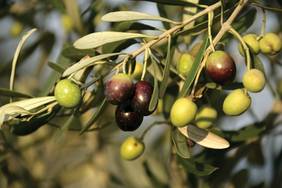
The Mediterranean diet, reputed to be among the world's healthiest, features olive oil. Epidemiologic evidence now suggests that the Mediterranean diet, which also includes fruits, vegetables, and fish, is associated with reduced cancer and coronary heart disease risk. In addition, recent studies suggest that the olive oil-rich Mediterranean diet contributes to healthier aging and greater longevity (Eur. J. Clin. Invest. 2005;35:421-4).
The benefits of the Mediterranean diet have been partly attributed to the protective activity of the phenolic constituents caffeic acid and oleuropein present in extra-virgin olive oil (Med. Clin. (Barc) 2003;120:128-31). Oleuropein and hydroxytyrosol (a phenolic component of olive oil and a metabolite of oleuropein) have been found in vivo and in vitro to be potent antioxidants that confer significant biologic benefits, including cardioprotective effects (Med. Res. Rev. 2002;22:65-75; Curr. Atheroscler. Rep. 2001;3:64-7; Crit. Rev. Food Sci. Nutr. 2002;42:209-21).Visioli et al. have also shown that both compounds are strong scavengers of superoxide radicals and inhibitors of neutrophil respiratory burst (Biochem. Biophys. Res. Commun. 1998;247:60-4).
Benefits of Phenolic Compounds
Olive oils' phenolic compounds have demonstrated antimicrobial activity against several bacterial strains associated with intestinal and respiratory infections (Altern. Med. Rev. 2007;12:331-42; J. Nutr. Biochem. 2002;13:636-44). Bioavailable in humans, these compounds have also shown the ability to improve endothelial function as well as to modify hemostasis, exhibiting antithrombotic properties (Eur. J. Clin. Invest. 2005;35:421-4). Oleuropein is known to display numerous biologic properties, many of which have been ascribed to its antioxidant activities (Int. J. Cosmet. Sci. 2008;30:113-20). In addition to antioxidant and antibacterial properties, oleuropein is thought to possess antiviral and antifungal qualities.
The polyphenols oleuropein, tyrosol, hydroxytyrosol, and caffeic acid are the primary components of the polar fraction of virgin olive oil (Z. Naturforsch [C] 2000;55:814-9). A decade ago, de la Puerta et al. set out to ascertain the antieicosanoid and antioxidant effects in leukocytes of these olive oil constituents.
All four suppressed leukotriene B4 generation at the 5-lipoxygenase level in intact rat peritoneal leukocytes stimulated with calcium ionophore. None of the compounds was toxic to leukocytes at tested concentrations, and none significantly inhibited thromboxane generation through the cyclooxygenase pathway. The investigators concluded that oleuropein and the other phenolics present in virgin olive oil exhibit various antioxidant, lipoxygenase-inhibitory, and prostaglandin activities (Biochem. Pharmacol. 1999;57:445-9).
Slightly less than a decade ago, researchers showed that all three different classes of phenolic constituents in olive oil, including simple phenols (hydroxytyrosol, tyrosol), secoiridoids (oleuropein, the aglycone of ligstroside, and their respective decarboxylated dialdehyde derivatives), and lignans [(+)-1-acetoxypinoresinol and pinoresinol], exhibit potent antioxidant activity. They stressed that consuming extra-virgin olive oil, which is laden with these phenolic antioxidants in addition to squalene and oleic acid, should hinder oxidative stress and thus yield significant protection against various cancers (such as colon, breast, and skin), coronary heart disease, and aging (Lancet Oncol. 2000;1:107-12).
In 2000, de la Puerta et al. investigated the anti-inflammatory effects of the unsaponifiable fraction of virgin olive oil and of the phenolic compounds of the polar fraction on edema in mice induced by arachidonic acid or 12-O-tetradecanoylphorbol-13- acetate (TPA). Of the phenolic constituents, oleuropein provoked the greatest inhibition of arachidonic acid-induced edema, similar to the reference drug dexamethasone. Varying degrees of anti-inflammatory activity were seen in both assays after the topical application of the olive oil compounds. The investigators concluded that both fractions may play a role in exerting the beneficial activity against various diseases that has been associated with olive oil (Z. Naturforsch [C] 2000;55:814-9).
In 2005, investigators studied the effects of several phenolic compounds (vanillic, p-coumaric, syringic, homovanillic and caffeic acids, kaempferol, oleuropein glycoside, and tyrosol) present in extra-virgin olive oil on inflammatory mediator production by human mononuclear cells. They stimulated diluted human blood cultures with lipopolysaccharide in the presence of the phenolics at various concentrations. Enzyme-linked immunosorbent assays were used to measure inflammatory cytokine concentration. Results showed that oleuropein glycoside and caffeic acid reduced the concentration of interleukin-1 beta by 80% and 40%, respectively. The investigators concluded that the effects seen from some phenolic compounds, including oleuropein, found in extra-virgin olive oil may play a role in the antiatherogenic activity attributed to the oil (Nutrition 2005;21:389-94).
Cosmetic Benefits
In 2008, researchers assessed the cosmetic activity of oleuropein against UVB-induced erythema by preparing an emulsion and emulgel that included the phenolic compound and then applying it on healthy volunteers exposed to UVB. Barrier function, skin color, and microcirculation were evaluated in the study, which considered protective effects delivered via preirradiation topical applications and mitigating effects after erythema induction. The investigators reported that the oleuropein preparations performed well, decreasing erythema, transepidermal water loss, and blood flow by 22%, 35%, and 30%, respectively. They concluded that oleuropein has the potential to be effective in combination with other active ingredients to mend the damage caused by UV radiation (Int. J. Cosmet. Sci. 2008;30:113-20).
In a study of olive oil and its disease-preventive capacity through the modulation of cell signaling, Wahle et al. suggested that the antioxidant effects of olive oil are likely multifactorial, resulting from a combination of its high oleic acid content (low oxidation potential in comparison to linoleic acid) and its high composition of various phenolic antioxidants, especially oleuropein, hydroxytyrosol, and tyrosol (Lipids 2004;39:1223-31).
Oleuropein is high on the long list of ingredients of Innovative Skincare's iS Clinical Moisturizing Treatment Sunscreen SPF 25, which, according to the manufacturer, incorporates innovative technology and several potent antioxidants to protect against sunburn and cutaneous aging. Innovative Skincare's Pro-Heal Serum also contains oleuropein--along with vitamins A, C, and E; kojic acid; and zinc sulfate--in a formulation intended to protect against UV damage and for the treatment of acne and rosacea. Oleuropein is also included among a cocktail of botanical ingredients, such as kaolin, glycolic acid, echinacea, peppermint, rosemary, and green tea extracts, in the Cellex-C Betaplex Clear Complexion Mask, which is designed to offer gentle exfoliation.
Conclusion
As is the case with numerous botanical ingredients, olive oil was used extensively in the ancient world, and its benefits are being relearned by the modern world.
Oleuropein is a key ingredient in olive oil, which is now known to be an integral part of the healthy Mediterranean diet and is used orally and topically to confer various health benefits. Indeed, oleuropein is one of the several key constituents in olive oil that have been demonstrated to impart antioxidant, antibacterial, anti-inflammatory, and anticarcinogenic effects.
Current data provide reasons for optimism, particularly if oleuropein, other olive oil components, and olive oil itself can be shown in topical form to consistently deliver such benefits. Nevertheless, much remains to be learned about oleuropein and the other constituents of olive oil in terms of mechanisms of action and the full range of health benefits they may confer.
Oleuropein is a phenolic compound derived from the leaves and oil of the olive tree Olea europaea as well as the leaves of the privet shrub. In the ancient world, olive oil was viewed as an essential substance and has been used for centuries in a wide variety of cutaneous treatments. Ancient Greeks bathed with olive oil (Phytother. Res. 2003;17:987-1,000), and ancient Egyptians and Romans used it in food, cosmetics, massage preparations for athletes, anointing substances, and salves for wounds.
Dietary Role of Olive Oil
The Mediterranean diet, reputed to be among the world's healthiest, features olive oil. Epidemiologic evidence now suggests that the Mediterranean diet, which also includes fruits, vegetables, and fish, is associated with reduced cancer and coronary heart disease risk. In addition, recent studies suggest that the olive oil-rich Mediterranean diet contributes to healthier aging and greater longevity (Eur. J. Clin. Invest. 2005;35:421-4).
The benefits of the Mediterranean diet have been partly attributed to the protective activity of the phenolic constituents caffeic acid and oleuropein present in extra-virgin olive oil (Med. Clin. (Barc) 2003;120:128-31). Oleuropein and hydroxytyrosol (a phenolic component of olive oil and a metabolite of oleuropein) have been found in vivo and in vitro to be potent antioxidants that confer significant biologic benefits, including cardioprotective effects (Med. Res. Rev. 2002;22:65-75; Curr. Atheroscler. Rep. 2001;3:64-7; Crit. Rev. Food Sci. Nutr. 2002;42:209-21).Visioli et al. have also shown that both compounds are strong scavengers of superoxide radicals and inhibitors of neutrophil respiratory burst (Biochem. Biophys. Res. Commun. 1998;247:60-4).
Benefits of Phenolic Compounds
Olive oils' phenolic compounds have demonstrated antimicrobial activity against several bacterial strains associated with intestinal and respiratory infections (Altern. Med. Rev. 2007;12:331-42; J. Nutr. Biochem. 2002;13:636-44). Bioavailable in humans, these compounds have also shown the ability to improve endothelial function as well as to modify hemostasis, exhibiting antithrombotic properties (Eur. J. Clin. Invest. 2005;35:421-4). Oleuropein is known to display numerous biologic properties, many of which have been ascribed to its antioxidant activities (Int. J. Cosmet. Sci. 2008;30:113-20). In addition to antioxidant and antibacterial properties, oleuropein is thought to possess antiviral and antifungal qualities.
The polyphenols oleuropein, tyrosol, hydroxytyrosol, and caffeic acid are the primary components of the polar fraction of virgin olive oil (Z. Naturforsch [C] 2000;55:814-9). A decade ago, de la Puerta et al. set out to ascertain the antieicosanoid and antioxidant effects in leukocytes of these olive oil constituents.
All four suppressed leukotriene B4 generation at the 5-lipoxygenase level in intact rat peritoneal leukocytes stimulated with calcium ionophore. None of the compounds was toxic to leukocytes at tested concentrations, and none significantly inhibited thromboxane generation through the cyclooxygenase pathway. The investigators concluded that oleuropein and the other phenolics present in virgin olive oil exhibit various antioxidant, lipoxygenase-inhibitory, and prostaglandin activities (Biochem. Pharmacol. 1999;57:445-9).
Slightly less than a decade ago, researchers showed that all three different classes of phenolic constituents in olive oil, including simple phenols (hydroxytyrosol, tyrosol), secoiridoids (oleuropein, the aglycone of ligstroside, and their respective decarboxylated dialdehyde derivatives), and lignans [(+)-1-acetoxypinoresinol and pinoresinol], exhibit potent antioxidant activity. They stressed that consuming extra-virgin olive oil, which is laden with these phenolic antioxidants in addition to squalene and oleic acid, should hinder oxidative stress and thus yield significant protection against various cancers (such as colon, breast, and skin), coronary heart disease, and aging (Lancet Oncol. 2000;1:107-12).
In 2000, de la Puerta et al. investigated the anti-inflammatory effects of the unsaponifiable fraction of virgin olive oil and of the phenolic compounds of the polar fraction on edema in mice induced by arachidonic acid or 12-O-tetradecanoylphorbol-13- acetate (TPA). Of the phenolic constituents, oleuropein provoked the greatest inhibition of arachidonic acid-induced edema, similar to the reference drug dexamethasone. Varying degrees of anti-inflammatory activity were seen in both assays after the topical application of the olive oil compounds. The investigators concluded that both fractions may play a role in exerting the beneficial activity against various diseases that has been associated with olive oil (Z. Naturforsch [C] 2000;55:814-9).
In 2005, investigators studied the effects of several phenolic compounds (vanillic, p-coumaric, syringic, homovanillic and caffeic acids, kaempferol, oleuropein glycoside, and tyrosol) present in extra-virgin olive oil on inflammatory mediator production by human mononuclear cells. They stimulated diluted human blood cultures with lipopolysaccharide in the presence of the phenolics at various concentrations. Enzyme-linked immunosorbent assays were used to measure inflammatory cytokine concentration. Results showed that oleuropein glycoside and caffeic acid reduced the concentration of interleukin-1 beta by 80% and 40%, respectively. The investigators concluded that the effects seen from some phenolic compounds, including oleuropein, found in extra-virgin olive oil may play a role in the antiatherogenic activity attributed to the oil (Nutrition 2005;21:389-94).
Cosmetic Benefits
In 2008, researchers assessed the cosmetic activity of oleuropein against UVB-induced erythema by preparing an emulsion and emulgel that included the phenolic compound and then applying it on healthy volunteers exposed to UVB. Barrier function, skin color, and microcirculation were evaluated in the study, which considered protective effects delivered via preirradiation topical applications and mitigating effects after erythema induction. The investigators reported that the oleuropein preparations performed well, decreasing erythema, transepidermal water loss, and blood flow by 22%, 35%, and 30%, respectively. They concluded that oleuropein has the potential to be effective in combination with other active ingredients to mend the damage caused by UV radiation (Int. J. Cosmet. Sci. 2008;30:113-20).
In a study of olive oil and its disease-preventive capacity through the modulation of cell signaling, Wahle et al. suggested that the antioxidant effects of olive oil are likely multifactorial, resulting from a combination of its high oleic acid content (low oxidation potential in comparison to linoleic acid) and its high composition of various phenolic antioxidants, especially oleuropein, hydroxytyrosol, and tyrosol (Lipids 2004;39:1223-31).
Oleuropein is high on the long list of ingredients of Innovative Skincare's iS Clinical Moisturizing Treatment Sunscreen SPF 25, which, according to the manufacturer, incorporates innovative technology and several potent antioxidants to protect against sunburn and cutaneous aging. Innovative Skincare's Pro-Heal Serum also contains oleuropein--along with vitamins A, C, and E; kojic acid; and zinc sulfate--in a formulation intended to protect against UV damage and for the treatment of acne and rosacea. Oleuropein is also included among a cocktail of botanical ingredients, such as kaolin, glycolic acid, echinacea, peppermint, rosemary, and green tea extracts, in the Cellex-C Betaplex Clear Complexion Mask, which is designed to offer gentle exfoliation.
Conclusion
As is the case with numerous botanical ingredients, olive oil was used extensively in the ancient world, and its benefits are being relearned by the modern world.
Oleuropein is a key ingredient in olive oil, which is now known to be an integral part of the healthy Mediterranean diet and is used orally and topically to confer various health benefits. Indeed, oleuropein is one of the several key constituents in olive oil that have been demonstrated to impart antioxidant, antibacterial, anti-inflammatory, and anticarcinogenic effects.
Current data provide reasons for optimism, particularly if oleuropein, other olive oil components, and olive oil itself can be shown in topical form to consistently deliver such benefits. Nevertheless, much remains to be learned about oleuropein and the other constituents of olive oil in terms of mechanisms of action and the full range of health benefits they may confer.
Oleuropein is a phenolic compound derived from the leaves and oil of the olive tree Olea europaea as well as the leaves of the privet shrub. In the ancient world, olive oil was viewed as an essential substance and has been used for centuries in a wide variety of cutaneous treatments. Ancient Greeks bathed with olive oil (Phytother. Res. 2003;17:987-1,000), and ancient Egyptians and Romans used it in food, cosmetics, massage preparations for athletes, anointing substances, and salves for wounds.
Dietary Role of Olive Oil
The Mediterranean diet, reputed to be among the world's healthiest, features olive oil. Epidemiologic evidence now suggests that the Mediterranean diet, which also includes fruits, vegetables, and fish, is associated with reduced cancer and coronary heart disease risk. In addition, recent studies suggest that the olive oil-rich Mediterranean diet contributes to healthier aging and greater longevity (Eur. J. Clin. Invest. 2005;35:421-4).
The benefits of the Mediterranean diet have been partly attributed to the protective activity of the phenolic constituents caffeic acid and oleuropein present in extra-virgin olive oil (Med. Clin. (Barc) 2003;120:128-31). Oleuropein and hydroxytyrosol (a phenolic component of olive oil and a metabolite of oleuropein) have been found in vivo and in vitro to be potent antioxidants that confer significant biologic benefits, including cardioprotective effects (Med. Res. Rev. 2002;22:65-75; Curr. Atheroscler. Rep. 2001;3:64-7; Crit. Rev. Food Sci. Nutr. 2002;42:209-21).Visioli et al. have also shown that both compounds are strong scavengers of superoxide radicals and inhibitors of neutrophil respiratory burst (Biochem. Biophys. Res. Commun. 1998;247:60-4).
Benefits of Phenolic Compounds
Olive oils' phenolic compounds have demonstrated antimicrobial activity against several bacterial strains associated with intestinal and respiratory infections (Altern. Med. Rev. 2007;12:331-42; J. Nutr. Biochem. 2002;13:636-44). Bioavailable in humans, these compounds have also shown the ability to improve endothelial function as well as to modify hemostasis, exhibiting antithrombotic properties (Eur. J. Clin. Invest. 2005;35:421-4). Oleuropein is known to display numerous biologic properties, many of which have been ascribed to its antioxidant activities (Int. J. Cosmet. Sci. 2008;30:113-20). In addition to antioxidant and antibacterial properties, oleuropein is thought to possess antiviral and antifungal qualities.
The polyphenols oleuropein, tyrosol, hydroxytyrosol, and caffeic acid are the primary components of the polar fraction of virgin olive oil (Z. Naturforsch [C] 2000;55:814-9). A decade ago, de la Puerta et al. set out to ascertain the antieicosanoid and antioxidant effects in leukocytes of these olive oil constituents.
All four suppressed leukotriene B4 generation at the 5-lipoxygenase level in intact rat peritoneal leukocytes stimulated with calcium ionophore. None of the compounds was toxic to leukocytes at tested concentrations, and none significantly inhibited thromboxane generation through the cyclooxygenase pathway. The investigators concluded that oleuropein and the other phenolics present in virgin olive oil exhibit various antioxidant, lipoxygenase-inhibitory, and prostaglandin activities (Biochem. Pharmacol. 1999;57:445-9).
Slightly less than a decade ago, researchers showed that all three different classes of phenolic constituents in olive oil, including simple phenols (hydroxytyrosol, tyrosol), secoiridoids (oleuropein, the aglycone of ligstroside, and their respective decarboxylated dialdehyde derivatives), and lignans [(+)-1-acetoxypinoresinol and pinoresinol], exhibit potent antioxidant activity. They stressed that consuming extra-virgin olive oil, which is laden with these phenolic antioxidants in addition to squalene and oleic acid, should hinder oxidative stress and thus yield significant protection against various cancers (such as colon, breast, and skin), coronary heart disease, and aging (Lancet Oncol. 2000;1:107-12).
In 2000, de la Puerta et al. investigated the anti-inflammatory effects of the unsaponifiable fraction of virgin olive oil and of the phenolic compounds of the polar fraction on edema in mice induced by arachidonic acid or 12-O-tetradecanoylphorbol-13- acetate (TPA). Of the phenolic constituents, oleuropein provoked the greatest inhibition of arachidonic acid-induced edema, similar to the reference drug dexamethasone. Varying degrees of anti-inflammatory activity were seen in both assays after the topical application of the olive oil compounds. The investigators concluded that both fractions may play a role in exerting the beneficial activity against various diseases that has been associated with olive oil (Z. Naturforsch [C] 2000;55:814-9).
In 2005, investigators studied the effects of several phenolic compounds (vanillic, p-coumaric, syringic, homovanillic and caffeic acids, kaempferol, oleuropein glycoside, and tyrosol) present in extra-virgin olive oil on inflammatory mediator production by human mononuclear cells. They stimulated diluted human blood cultures with lipopolysaccharide in the presence of the phenolics at various concentrations. Enzyme-linked immunosorbent assays were used to measure inflammatory cytokine concentration. Results showed that oleuropein glycoside and caffeic acid reduced the concentration of interleukin-1 beta by 80% and 40%, respectively. The investigators concluded that the effects seen from some phenolic compounds, including oleuropein, found in extra-virgin olive oil may play a role in the antiatherogenic activity attributed to the oil (Nutrition 2005;21:389-94).
Cosmetic Benefits
In 2008, researchers assessed the cosmetic activity of oleuropein against UVB-induced erythema by preparing an emulsion and emulgel that included the phenolic compound and then applying it on healthy volunteers exposed to UVB. Barrier function, skin color, and microcirculation were evaluated in the study, which considered protective effects delivered via preirradiation topical applications and mitigating effects after erythema induction. The investigators reported that the oleuropein preparations performed well, decreasing erythema, transepidermal water loss, and blood flow by 22%, 35%, and 30%, respectively. They concluded that oleuropein has the potential to be effective in combination with other active ingredients to mend the damage caused by UV radiation (Int. J. Cosmet. Sci. 2008;30:113-20).
In a study of olive oil and its disease-preventive capacity through the modulation of cell signaling, Wahle et al. suggested that the antioxidant effects of olive oil are likely multifactorial, resulting from a combination of its high oleic acid content (low oxidation potential in comparison to linoleic acid) and its high composition of various phenolic antioxidants, especially oleuropein, hydroxytyrosol, and tyrosol (Lipids 2004;39:1223-31).
Oleuropein is high on the long list of ingredients of Innovative Skincare's iS Clinical Moisturizing Treatment Sunscreen SPF 25, which, according to the manufacturer, incorporates innovative technology and several potent antioxidants to protect against sunburn and cutaneous aging. Innovative Skincare's Pro-Heal Serum also contains oleuropein--along with vitamins A, C, and E; kojic acid; and zinc sulfate--in a formulation intended to protect against UV damage and for the treatment of acne and rosacea. Oleuropein is also included among a cocktail of botanical ingredients, such as kaolin, glycolic acid, echinacea, peppermint, rosemary, and green tea extracts, in the Cellex-C Betaplex Clear Complexion Mask, which is designed to offer gentle exfoliation.
Conclusion
As is the case with numerous botanical ingredients, olive oil was used extensively in the ancient world, and its benefits are being relearned by the modern world.
Oleuropein is a key ingredient in olive oil, which is now known to be an integral part of the healthy Mediterranean diet and is used orally and topically to confer various health benefits. Indeed, oleuropein is one of the several key constituents in olive oil that have been demonstrated to impart antioxidant, antibacterial, anti-inflammatory, and anticarcinogenic effects.
Current data provide reasons for optimism, particularly if oleuropein, other olive oil components, and olive oil itself can be shown in topical form to consistently deliver such benefits. Nevertheless, much remains to be learned about oleuropein and the other constituents of olive oil in terms of mechanisms of action and the full range of health benefits they may confer.