User login
Astragalus membranaceus has a millennia-long tradition of medicinal use in China, but has only recently been considered and investigated by Western medicine. Preliminary indications suggest that this herb offers significant potential, with few side effects, as an alternative or adjuvant therapy for several conditions, including dermatologic.
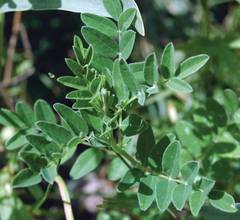
Native to Mongolia, and northern and eastern China, A. membranaceus, a member of the pea family, is a perennial herb that has been used in Traditional Chinese Medicine (TCM) as a tonic for thousands of years (Zhonghua Shi Yan He Lin Chuang Bing Du Xue Za Zhi 1998;12:269-71). The dried root of the plant has been traditionally used to treat various digestive ailments, stomach ulcers, colds and influenza, fever, allergies, anemia, uterine bleeding and prolapsed uterus, as well as wounds, and, in combination with other herbs, to treat dry or peeling skin, bruises and other minor skin conditions.
Recently, the herb has come to be recognized for its medical potential as an antioxidant and for its immunomodulatory activity (Yao Xue Xue Bao 1992;27:5-9). In fact, the effectiveness of Astragalus to boost the immune system has been well established over the last several years (Integr. Cancer Ther. 2003;2:247-67; J. Clin. Lab. Immunol. 1988;25:119-23; J. Clin. Lab.Immunol. 1988;25:125-9).
Antioxidant Properties of A. membranaceus
A study conducted of 21 species of herbs used for medicinal purposes to evaluate relative antioxidant as well as nicotine degradation activity revealed that A. membranaceus exhibited significant antioxidant activity and nicotine degradation activity. The herb was subsequently included in a medicinal tea (with 10 other species) and studied, displaying success as a smoking cessation treatment in 100 human males (Am. J.Chin. Med. 2005;33:127-38). Antioxidant effects have also been associated with the polysaccharides of the A. membranaceus variant A. mongholicus. The effects of Astragalus polysaccharide, an active component, on Escherichia coli endotoxin–induced liver damage in mice were found to increase longevity, as the most significant of several benefits. The protective effects of Astragalus polysaccharide were ascribed to its antioxidant activity (Yao Xue Xue Bao 1992;27:5-9). A. mongholicus, also used for centuries in TCM, has been shown in animal models and clinical trials to exhibit immunomodulating activity (Mem. Inst Oswaldo Cruz 1991;86 Suppl 2:159-64). In addition, a novel lectin, isolated from the roots of A. mongholicus, was recently found to exert antifungal activity against Botrytis cincerea, Fusarium oxysporum, Colletorichum sp., and Drechslera turcia (Arch. Biochem. Biophys. 2005;442:72-81)
Astragalus is an adaptogen and is usually used in conjunction with other herbs such as ginseng and echinacea.
Anti-aging Properties and Cutaneous Applications
In a recent study, investigators evaluated the anti-aging effects of astragalosides (AST), major active components of Astragalus species, by ascertaining the influence of AST on motor and memory manifestations of D-galactose (D-gal)–induced senescent and middle-aged mice.
Ten-week treatment with AST was found to improve age-related changes in memory and motor response, as well as ameliorate the diminished cellular immunity in the murine test subjects. Investigators concluded from the enhanced brain activity and immunomodulatory results that AST confers an anti-aging effect on D-gal–induced senescent and middle-aged mice (Acta Pharmacol. Sin. 2003;24:230-4). An earlier investigation of the hairy root of A. membranaceus (HRA), in which the extract was administered over 50 days to senescent mice treated with D-galactose, revealed several benefits. The hairy root was found to enhance memory, elevate superoxide dismutase antioxidant activity in brain and liver, and foster natural killer (NK) cell activity in immunocompromised mice as well as reduce malondialdehyde content in rat ischemia-reperfusion kidney and lower the creatinine level in rat blood. Investigators concluded that HRA is similar to natural A. membranaceus in its antioxidant capacity as well as its immunomodulatory and senility-preventing activity (Zhongguo Zhong Yao Za Zhi 1999;24:619-21, 639).
In a study evaluating 15 extracts of herbs used in TCM, investigators found that A. membranaceus was one of three botanicals to inhibit 5-lipoxygenase, one of the enzymes, along with elastase, considered important therapeutic targets in the treatment of psoriasis and other cutaneous conditions (J Pharm Pharmacol. 2003;55:1275-82).
Antiviral Properties of A. membranaceus
Astragalus extract has also been shown to impart an anticarcinogenic effect in mice by spurring cytotoxic activity and cytokine production (Cancer Invest. 1999;17:30-5).
Investigators conducted a study on the anti-herpes simplex virus activity of A. membranaceus (in suppository or ointment form) combined with recombinant human interferon (IFN) alpha 2b in human diploid cell culture. Results showed that combination treatment was significantly more effective than placebo or IFN alone. The authors concluded that this combination treatment including A. membranaceus was suitable in suppository form for the treatment of cervicitis and, in ointment form, for the treatment of herpetic lesions on the skin (Zhonghua Shi Yan He Lin Chuang Bing Du Xue Za Zhi 1998;12:269-71). More recent studies have also demonstrated clear HSV-1 inhibiting activity and low cytotoxicity exhibited by A. membranaceus (Di Yi Jun Yi Da Xue Xue Bao 2004;24:57-8). In a study with 106 patients with herpes simplex keratitis, evidence showed that A. membranaceus significantly improved imbalances in serum cytokines and enhanced immune function (Zhongguo Zhong Xi Yi Jie He Za Zhi 2004;24:121-3).
A. membranaceus was also shown to exert significant anti-viral activity in a study on mice infected with coxsackie B-3 virus (CVB3) as the herb was demonstrated to suppress viral replication in a viral myocarditis model (Chin. Med.Sci. J. 1995;10:146-50).
In an examination of the effects of 14 Chinese medicinal herbs on lipid peroxidation, investigators found that A. membranaceus conferred significant protection of rat heart mitochondria, inhibiting oxygen consumption and malondialdehyde production (Am J Chin Med. 1994;22:63-70).
In a study over 15 years ago, anti-senility effects were demonstrated by the Chinese herbal formulation Shou Xing Bu Zhi (composed of 13 herbs, including A. membranaceus) in mice. After 3 months of oral administration, liver and brain tissue lipofuscin was markedly decreased in young (1 month old) and adult (11 months) animals, lipid peroxidation was similarly diminished in adult mice, and hydroxyproline of skin was reduced in young and adult mice. Investigators concluded that the herbal combination agent was effective in retarding several markers of aging (Zhong Xi Yi Jie He Za Zhi 1989;9:226-7, 198).
A TCM decoction containing Angelica sinensis and A. membranaceus used for stimulating red blood cell production and bolstering cardiovascular function was shown in a rat model to confer myocardial protection against ischemia-reperfusion injury (Phytother.Res. 2000;14:195-9).
Various other herbal formulations containing Astragalus have been found to exert a range of health benefits. Injection of Qi-Xue, a Chinese herb combination that contains A. monogholicus, along with Angelica sinensis and Panax ginseng, is thought to prevent severe hypoxic pulmonary hypertension by enhancing heart function (Zhongguo Yi Xue Ke Xue Yuan Xue Bao 1990;12:51-5). A. membranaceus root is also among a cocktail of herbs contained in Hochuekkito, a Kampo (traditional Japanese herbal) medication recently found in a study of 95 patients to be effective, in combination with dietary changes, in treating recalcitrant atopic dermatitis (Drugs Exp. Clin. Res. 2004;30:197-202). An open-label study of a drug mixture containing five Chinese medicinal herbs including A. membranaceus for treatment of people living with HIV has shown some promise, but requires more investigation. The study revealed that the formulation was safe and effective at decreasing viral load, but an immunologic response in the form of an elevated CD4 count was not established (J. Med .Assoc. Thai. 2004;87:1065-70).
Finally, A. membranaceus has also been demonstrated, in vitro, to significantly improve human sperm motility (Am. J. Chin. Med. 1992;20:289-94).
Astragalus root is available in several forms, including oral, injectable (in the clinical setting), and topical.
Conclusion
Research on A. membranaceus has revealed a remarkable array of medicinal properties, many of which have clear potential for dermatological applications. Much more research is necessary, though, to determine the appropriate medicinal role(s) for this ancient herb.
Astragalus membranaceus has a millennia-long tradition of medicinal use in China, but has only recently been considered and investigated by Western medicine. Preliminary indications suggest that this herb offers significant potential, with few side effects, as an alternative or adjuvant therapy for several conditions, including dermatologic.
Native to Mongolia, and northern and eastern China, A. membranaceus, a member of the pea family, is a perennial herb that has been used in Traditional Chinese Medicine (TCM) as a tonic for thousands of years (Zhonghua Shi Yan He Lin Chuang Bing Du Xue Za Zhi 1998;12:269-71). The dried root of the plant has been traditionally used to treat various digestive ailments, stomach ulcers, colds and influenza, fever, allergies, anemia, uterine bleeding and prolapsed uterus, as well as wounds, and, in combination with other herbs, to treat dry or peeling skin, bruises and other minor skin conditions.
Recently, the herb has come to be recognized for its medical potential as an antioxidant and for its immunomodulatory activity (Yao Xue Xue Bao 1992;27:5-9). In fact, the effectiveness of Astragalus to boost the immune system has been well established over the last several years (Integr. Cancer Ther. 2003;2:247-67; J. Clin. Lab. Immunol. 1988;25:119-23; J. Clin. Lab.Immunol. 1988;25:125-9).
Antioxidant Properties of A. membranaceus
A study conducted of 21 species of herbs used for medicinal purposes to evaluate relative antioxidant as well as nicotine degradation activity revealed that A. membranaceus exhibited significant antioxidant activity and nicotine degradation activity. The herb was subsequently included in a medicinal tea (with 10 other species) and studied, displaying success as a smoking cessation treatment in 100 human males (Am. J.Chin. Med. 2005;33:127-38). Antioxidant effects have also been associated with the polysaccharides of the A. membranaceus variant A. mongholicus. The effects of Astragalus polysaccharide, an active component, on Escherichia coli endotoxin–induced liver damage in mice were found to increase longevity, as the most significant of several benefits. The protective effects of Astragalus polysaccharide were ascribed to its antioxidant activity (Yao Xue Xue Bao 1992;27:5-9). A. mongholicus, also used for centuries in TCM, has been shown in animal models and clinical trials to exhibit immunomodulating activity (Mem. Inst Oswaldo Cruz 1991;86 Suppl 2:159-64). In addition, a novel lectin, isolated from the roots of A. mongholicus, was recently found to exert antifungal activity against Botrytis cincerea, Fusarium oxysporum, Colletorichum sp., and Drechslera turcia (Arch. Biochem. Biophys. 2005;442:72-81)
Astragalus is an adaptogen and is usually used in conjunction with other herbs such as ginseng and echinacea.
Anti-aging Properties and Cutaneous Applications
In a recent study, investigators evaluated the anti-aging effects of astragalosides (AST), major active components of Astragalus species, by ascertaining the influence of AST on motor and memory manifestations of D-galactose (D-gal)–induced senescent and middle-aged mice.
Ten-week treatment with AST was found to improve age-related changes in memory and motor response, as well as ameliorate the diminished cellular immunity in the murine test subjects. Investigators concluded from the enhanced brain activity and immunomodulatory results that AST confers an anti-aging effect on D-gal–induced senescent and middle-aged mice (Acta Pharmacol. Sin. 2003;24:230-4). An earlier investigation of the hairy root of A. membranaceus (HRA), in which the extract was administered over 50 days to senescent mice treated with D-galactose, revealed several benefits. The hairy root was found to enhance memory, elevate superoxide dismutase antioxidant activity in brain and liver, and foster natural killer (NK) cell activity in immunocompromised mice as well as reduce malondialdehyde content in rat ischemia-reperfusion kidney and lower the creatinine level in rat blood. Investigators concluded that HRA is similar to natural A. membranaceus in its antioxidant capacity as well as its immunomodulatory and senility-preventing activity (Zhongguo Zhong Yao Za Zhi 1999;24:619-21, 639).
In a study evaluating 15 extracts of herbs used in TCM, investigators found that A. membranaceus was one of three botanicals to inhibit 5-lipoxygenase, one of the enzymes, along with elastase, considered important therapeutic targets in the treatment of psoriasis and other cutaneous conditions (J Pharm Pharmacol. 2003;55:1275-82).
Antiviral Properties of A. membranaceus
Astragalus extract has also been shown to impart an anticarcinogenic effect in mice by spurring cytotoxic activity and cytokine production (Cancer Invest. 1999;17:30-5).
Investigators conducted a study on the anti-herpes simplex virus activity of A. membranaceus (in suppository or ointment form) combined with recombinant human interferon (IFN) alpha 2b in human diploid cell culture. Results showed that combination treatment was significantly more effective than placebo or IFN alone. The authors concluded that this combination treatment including A. membranaceus was suitable in suppository form for the treatment of cervicitis and, in ointment form, for the treatment of herpetic lesions on the skin (Zhonghua Shi Yan He Lin Chuang Bing Du Xue Za Zhi 1998;12:269-71). More recent studies have also demonstrated clear HSV-1 inhibiting activity and low cytotoxicity exhibited by A. membranaceus (Di Yi Jun Yi Da Xue Xue Bao 2004;24:57-8). In a study with 106 patients with herpes simplex keratitis, evidence showed that A. membranaceus significantly improved imbalances in serum cytokines and enhanced immune function (Zhongguo Zhong Xi Yi Jie He Za Zhi 2004;24:121-3).
A. membranaceus was also shown to exert significant anti-viral activity in a study on mice infected with coxsackie B-3 virus (CVB3) as the herb was demonstrated to suppress viral replication in a viral myocarditis model (Chin. Med.Sci. J. 1995;10:146-50).
In an examination of the effects of 14 Chinese medicinal herbs on lipid peroxidation, investigators found that A. membranaceus conferred significant protection of rat heart mitochondria, inhibiting oxygen consumption and malondialdehyde production (Am J Chin Med. 1994;22:63-70).
In a study over 15 years ago, anti-senility effects were demonstrated by the Chinese herbal formulation Shou Xing Bu Zhi (composed of 13 herbs, including A. membranaceus) in mice. After 3 months of oral administration, liver and brain tissue lipofuscin was markedly decreased in young (1 month old) and adult (11 months) animals, lipid peroxidation was similarly diminished in adult mice, and hydroxyproline of skin was reduced in young and adult mice. Investigators concluded that the herbal combination agent was effective in retarding several markers of aging (Zhong Xi Yi Jie He Za Zhi 1989;9:226-7, 198).
A TCM decoction containing Angelica sinensis and A. membranaceus used for stimulating red blood cell production and bolstering cardiovascular function was shown in a rat model to confer myocardial protection against ischemia-reperfusion injury (Phytother.Res. 2000;14:195-9).
Various other herbal formulations containing Astragalus have been found to exert a range of health benefits. Injection of Qi-Xue, a Chinese herb combination that contains A. monogholicus, along with Angelica sinensis and Panax ginseng, is thought to prevent severe hypoxic pulmonary hypertension by enhancing heart function (Zhongguo Yi Xue Ke Xue Yuan Xue Bao 1990;12:51-5). A. membranaceus root is also among a cocktail of herbs contained in Hochuekkito, a Kampo (traditional Japanese herbal) medication recently found in a study of 95 patients to be effective, in combination with dietary changes, in treating recalcitrant atopic dermatitis (Drugs Exp. Clin. Res. 2004;30:197-202). An open-label study of a drug mixture containing five Chinese medicinal herbs including A. membranaceus for treatment of people living with HIV has shown some promise, but requires more investigation. The study revealed that the formulation was safe and effective at decreasing viral load, but an immunologic response in the form of an elevated CD4 count was not established (J. Med .Assoc. Thai. 2004;87:1065-70).
Finally, A. membranaceus has also been demonstrated, in vitro, to significantly improve human sperm motility (Am. J. Chin. Med. 1992;20:289-94).
Astragalus root is available in several forms, including oral, injectable (in the clinical setting), and topical.
Conclusion
Research on A. membranaceus has revealed a remarkable array of medicinal properties, many of which have clear potential for dermatological applications. Much more research is necessary, though, to determine the appropriate medicinal role(s) for this ancient herb.
Astragalus membranaceus has a millennia-long tradition of medicinal use in China, but has only recently been considered and investigated by Western medicine. Preliminary indications suggest that this herb offers significant potential, with few side effects, as an alternative or adjuvant therapy for several conditions, including dermatologic.
Native to Mongolia, and northern and eastern China, A. membranaceus, a member of the pea family, is a perennial herb that has been used in Traditional Chinese Medicine (TCM) as a tonic for thousands of years (Zhonghua Shi Yan He Lin Chuang Bing Du Xue Za Zhi 1998;12:269-71). The dried root of the plant has been traditionally used to treat various digestive ailments, stomach ulcers, colds and influenza, fever, allergies, anemia, uterine bleeding and prolapsed uterus, as well as wounds, and, in combination with other herbs, to treat dry or peeling skin, bruises and other minor skin conditions.
Recently, the herb has come to be recognized for its medical potential as an antioxidant and for its immunomodulatory activity (Yao Xue Xue Bao 1992;27:5-9). In fact, the effectiveness of Astragalus to boost the immune system has been well established over the last several years (Integr. Cancer Ther. 2003;2:247-67; J. Clin. Lab. Immunol. 1988;25:119-23; J. Clin. Lab.Immunol. 1988;25:125-9).
Antioxidant Properties of A. membranaceus
A study conducted of 21 species of herbs used for medicinal purposes to evaluate relative antioxidant as well as nicotine degradation activity revealed that A. membranaceus exhibited significant antioxidant activity and nicotine degradation activity. The herb was subsequently included in a medicinal tea (with 10 other species) and studied, displaying success as a smoking cessation treatment in 100 human males (Am. J.Chin. Med. 2005;33:127-38). Antioxidant effects have also been associated with the polysaccharides of the A. membranaceus variant A. mongholicus. The effects of Astragalus polysaccharide, an active component, on Escherichia coli endotoxin–induced liver damage in mice were found to increase longevity, as the most significant of several benefits. The protective effects of Astragalus polysaccharide were ascribed to its antioxidant activity (Yao Xue Xue Bao 1992;27:5-9). A. mongholicus, also used for centuries in TCM, has been shown in animal models and clinical trials to exhibit immunomodulating activity (Mem. Inst Oswaldo Cruz 1991;86 Suppl 2:159-64). In addition, a novel lectin, isolated from the roots of A. mongholicus, was recently found to exert antifungal activity against Botrytis cincerea, Fusarium oxysporum, Colletorichum sp., and Drechslera turcia (Arch. Biochem. Biophys. 2005;442:72-81)
Astragalus is an adaptogen and is usually used in conjunction with other herbs such as ginseng and echinacea.
Anti-aging Properties and Cutaneous Applications
In a recent study, investigators evaluated the anti-aging effects of astragalosides (AST), major active components of Astragalus species, by ascertaining the influence of AST on motor and memory manifestations of D-galactose (D-gal)–induced senescent and middle-aged mice.
Ten-week treatment with AST was found to improve age-related changes in memory and motor response, as well as ameliorate the diminished cellular immunity in the murine test subjects. Investigators concluded from the enhanced brain activity and immunomodulatory results that AST confers an anti-aging effect on D-gal–induced senescent and middle-aged mice (Acta Pharmacol. Sin. 2003;24:230-4). An earlier investigation of the hairy root of A. membranaceus (HRA), in which the extract was administered over 50 days to senescent mice treated with D-galactose, revealed several benefits. The hairy root was found to enhance memory, elevate superoxide dismutase antioxidant activity in brain and liver, and foster natural killer (NK) cell activity in immunocompromised mice as well as reduce malondialdehyde content in rat ischemia-reperfusion kidney and lower the creatinine level in rat blood. Investigators concluded that HRA is similar to natural A. membranaceus in its antioxidant capacity as well as its immunomodulatory and senility-preventing activity (Zhongguo Zhong Yao Za Zhi 1999;24:619-21, 639).
In a study evaluating 15 extracts of herbs used in TCM, investigators found that A. membranaceus was one of three botanicals to inhibit 5-lipoxygenase, one of the enzymes, along with elastase, considered important therapeutic targets in the treatment of psoriasis and other cutaneous conditions (J Pharm Pharmacol. 2003;55:1275-82).
Antiviral Properties of A. membranaceus
Astragalus extract has also been shown to impart an anticarcinogenic effect in mice by spurring cytotoxic activity and cytokine production (Cancer Invest. 1999;17:30-5).
Investigators conducted a study on the anti-herpes simplex virus activity of A. membranaceus (in suppository or ointment form) combined with recombinant human interferon (IFN) alpha 2b in human diploid cell culture. Results showed that combination treatment was significantly more effective than placebo or IFN alone. The authors concluded that this combination treatment including A. membranaceus was suitable in suppository form for the treatment of cervicitis and, in ointment form, for the treatment of herpetic lesions on the skin (Zhonghua Shi Yan He Lin Chuang Bing Du Xue Za Zhi 1998;12:269-71). More recent studies have also demonstrated clear HSV-1 inhibiting activity and low cytotoxicity exhibited by A. membranaceus (Di Yi Jun Yi Da Xue Xue Bao 2004;24:57-8). In a study with 106 patients with herpes simplex keratitis, evidence showed that A. membranaceus significantly improved imbalances in serum cytokines and enhanced immune function (Zhongguo Zhong Xi Yi Jie He Za Zhi 2004;24:121-3).
A. membranaceus was also shown to exert significant anti-viral activity in a study on mice infected with coxsackie B-3 virus (CVB3) as the herb was demonstrated to suppress viral replication in a viral myocarditis model (Chin. Med.Sci. J. 1995;10:146-50).
In an examination of the effects of 14 Chinese medicinal herbs on lipid peroxidation, investigators found that A. membranaceus conferred significant protection of rat heart mitochondria, inhibiting oxygen consumption and malondialdehyde production (Am J Chin Med. 1994;22:63-70).
In a study over 15 years ago, anti-senility effects were demonstrated by the Chinese herbal formulation Shou Xing Bu Zhi (composed of 13 herbs, including A. membranaceus) in mice. After 3 months of oral administration, liver and brain tissue lipofuscin was markedly decreased in young (1 month old) and adult (11 months) animals, lipid peroxidation was similarly diminished in adult mice, and hydroxyproline of skin was reduced in young and adult mice. Investigators concluded that the herbal combination agent was effective in retarding several markers of aging (Zhong Xi Yi Jie He Za Zhi 1989;9:226-7, 198).
A TCM decoction containing Angelica sinensis and A. membranaceus used for stimulating red blood cell production and bolstering cardiovascular function was shown in a rat model to confer myocardial protection against ischemia-reperfusion injury (Phytother.Res. 2000;14:195-9).
Various other herbal formulations containing Astragalus have been found to exert a range of health benefits. Injection of Qi-Xue, a Chinese herb combination that contains A. monogholicus, along with Angelica sinensis and Panax ginseng, is thought to prevent severe hypoxic pulmonary hypertension by enhancing heart function (Zhongguo Yi Xue Ke Xue Yuan Xue Bao 1990;12:51-5). A. membranaceus root is also among a cocktail of herbs contained in Hochuekkito, a Kampo (traditional Japanese herbal) medication recently found in a study of 95 patients to be effective, in combination with dietary changes, in treating recalcitrant atopic dermatitis (Drugs Exp. Clin. Res. 2004;30:197-202). An open-label study of a drug mixture containing five Chinese medicinal herbs including A. membranaceus for treatment of people living with HIV has shown some promise, but requires more investigation. The study revealed that the formulation was safe and effective at decreasing viral load, but an immunologic response in the form of an elevated CD4 count was not established (J. Med .Assoc. Thai. 2004;87:1065-70).
Finally, A. membranaceus has also been demonstrated, in vitro, to significantly improve human sperm motility (Am. J. Chin. Med. 1992;20:289-94).
Astragalus root is available in several forms, including oral, injectable (in the clinical setting), and topical.
Conclusion
Research on A. membranaceus has revealed a remarkable array of medicinal properties, many of which have clear potential for dermatological applications. Much more research is necessary, though, to determine the appropriate medicinal role(s) for this ancient herb.