User login
PD-L1 blockers take center stage at ASCO 2013
The following reports are based on presentations at the annual meeting of the American Society of Clinical Oncology held May 31-June 4 in Chicago. Many of the presentations heralded a new era of precision medicine, that is, treatment based on patient and tumor genetics, rather than tumor location alone, according to outgoing ASCO president Sandra Swain, MD. Immunotherapies, specifically the PD-L1 antibodies featured prominently.
*Click on the link to the left for a PDF of the full article.
The following reports are based on presentations at the annual meeting of the American Society of Clinical Oncology held May 31-June 4 in Chicago. Many of the presentations heralded a new era of precision medicine, that is, treatment based on patient and tumor genetics, rather than tumor location alone, according to outgoing ASCO president Sandra Swain, MD. Immunotherapies, specifically the PD-L1 antibodies featured prominently.
*Click on the link to the left for a PDF of the full article.
The following reports are based on presentations at the annual meeting of the American Society of Clinical Oncology held May 31-June 4 in Chicago. Many of the presentations heralded a new era of precision medicine, that is, treatment based on patient and tumor genetics, rather than tumor location alone, according to outgoing ASCO president Sandra Swain, MD. Immunotherapies, specifically the PD-L1 antibodies featured prominently.
*Click on the link to the left for a PDF of the full article.
TASTE: Thrombus aspiration has no mortality benefit in STEMI
Manual thrombus aspiration before percutaneous coronary intervention provided no significant benefit to early mortality over PCI alone in patients with ST-segment elevation myocardial infarction in the registry-based, randomized TASTE trial.
Among 7,244 patients with STEMI, the primary endpoint of all-cause mortality at 30 days was 2.8% with thrombus aspiration plus PCI and 3.0% with PCI alone, a nonsignificant difference. The per-protocol analysis was also similar, at 2.6% and 2.9%, respectively.

Further, there was no significant effect of thrombus aspiration on any of the prespecified secondary outcomes, according to results presented at the annual congress of the European Society of Cardiology by Dr. Ole Fröbert and simultaneously published online (N. Engl. J. Med. 2013 [doi:10.1056/NEJMoa1308789]).
The multicenter TASTE (Thrombus Aspiration in ST-Elevation Myocardial Infarction in Scandinavia) trial provides intriguing results, but is unlikely to settle the debate over the benefits of using manual thrombus aspiration in this setting.
Based on the current TASTE results, the mortality benefit observed with thrombus aspiration in earlier clinical trials "may have been a chance finding," interventional cardiologists Dr. Robert A. Byrne and Dr. Adnan Kastrati, with the German heart center, Technical University of Munich, wrote in an accompanying editorial (N. Engl. J. Med. 2013 [doi:10.1056/NEJMe1310361]).
However, "many interventional cardiologists will continue to perform thrombus aspiration for now, contending that the results of the TASTE trial do not entirely exclude the possibility of a potential benefit of the procedure."
The editorialists, as well as Dr. Fröbert, pointed to the need for an updated analysis of outcomes at 12 months since it wasn’t until 12 months of follow-up that a significant mortality benefit emerged in the single-center Thrombus Aspiration during Percutaneous Coronary Intervention in Acute Myocardial Infarction Study (TAPAS).
In addition, the reinfarction rate in TASTE was 40% lower with thrombus aspiration, and this magnitude of effect was significant at 1 year in TAPAS, said Dr. Fröbert of the department of cardiology, Örebro (Sweden) University Hospital.
The TASTE investigators enrolled 7,244 participants with STEMI or left bundle branch block from the online national Swedish Coronary Angiography and Angioplasty Registry (SCAAR), and randomized them 1:1 to manual thrombus aspiration followed by PCI or PCI alone. The use of platelet inhibitors or anticoagulants was at physician discretion.
SCAAR is part of the SWEDEHEART (Swedish Web System for Enhancement and Development of Evidence-Based Care in Heart Disease Evaluated According to Recommended Therapies) registry of consecutive patients from all 29 Swedish coronary intervention centers and 1 Icelandic center. An additional center in Denmark was also included in the trial.
At 30 days, the aspiration-plus-PCI and PCI-only groups had similar rates of stent thrombosis (0.2% vs. 0.5%), target lesion revascularization (1.2% vs. 1.6%), and target vessel revascularization (1.8% vs. 2.2%), Dr. Fröbert reported.
Although a recent meta-analysis of 21 randomized trials identified a trend toward a higher risk of stroke with thrombectomy in STEMI patients undergoing primary angioplasty (Int. J. Cardiol. 2013;166:606-12), stroke and neurologic complications at discharge were identical at 0.5% (19 events vs. 18 events; odds ratio,1.06; P = .87).
In subgroup analyses, the results for 30-day mortality were consistent across all prespecified subgroups, including high-risk patients such as those with a TIMI (Thrombolysis in Myocardial Infarction) flow grade 0 or 1, thrombus grade 4 or 5 on a 5-point scale, and smokers, Dr. Fröbert reported.
The current results contrast with those of other studies, however, including a 2010 report by Dr. Fröbert showing higher mortality, after adjustment, with thrombus aspiration than PCI alone among a Swedish population (Int. J. Cardiol. 2010;145:572-3).
The inconsistent findings may be attributable to differences in follow-up, duration of symptoms, number of participating centers, and the finding that mechanical thrombectomy devices may be inferior to manual aspiration catheters, he noted in the article. Clot-busting drugs may also be more effective, as suggested by the INFUSE-AMI trial.
Further insights are expected from another larger manual thrombectomy trial, TOTAL, with a composite end point of cardiovascular death, recurrent myocardial infarction, cardiogenic shock, or new or worsening heart failure at 180 days.
Still, the TASTE trial is being heralded for its design and low-cost approach as a breakthrough in research that "can potentially release us from the circular (and expensive) trap of the randomized-versus-registry debate," wrote Dr. Michael S. Lauer, director, division of cardiovascular sciences, National Heart, Lung, and Blood Institute and Ralph D’Agostino Sr., Ph.D., professor of mathematics/Statistics, biostatistics, and epidemiology, Boston University, in a second editorial accompanying the study (N. Engl. J. Med. 2013 [doi:10.1056/NEJMe1310102]).
They acknowledged that a variety of hurdles must be overcome, including undertaking randomized registry trials in places where health care and clinical data are fragmented and of lower quality, but also that society can no longer afford to undertake randomized effectiveness trials that cost tens or hundreds of millions of dollars at a time when registries and other powerful digital platforms are available.
"Today it may be possible to design and conduct megatrials with what we have: bigger data and smaller budgets," they wrote. "Yet we must also recognize and acknowledge the daunting challenges that diverse groups of researchers and stakeholders must overcome to get there."
TASTE was funded by the Swedish Research Council and Swedish Association of Local Authorities and Regions. Dr. Fröbert also reported unrestricted grants from Terumo, Medtronic, and Vascular Solutions, and consultancy for Stentys and Biotronik. His coauthors reported financial ties with numerous research and commercial entities. Dr. Lauer, Dr. D’Agostino, and Dr. Byrne reported having no relevant financial conflicts. Dr. Kastrati reported receiving fees from Biotronik, the Medicines, Astra-Zeneca, MSD, St. Jude Medical, and Biosensors.
Manual thrombus aspiration before percutaneous coronary intervention provided no significant benefit to early mortality over PCI alone in patients with ST-segment elevation myocardial infarction in the registry-based, randomized TASTE trial.
Among 7,244 patients with STEMI, the primary endpoint of all-cause mortality at 30 days was 2.8% with thrombus aspiration plus PCI and 3.0% with PCI alone, a nonsignificant difference. The per-protocol analysis was also similar, at 2.6% and 2.9%, respectively.
Further, there was no significant effect of thrombus aspiration on any of the prespecified secondary outcomes, according to results presented at the annual congress of the European Society of Cardiology by Dr. Ole Fröbert and simultaneously published online (N. Engl. J. Med. 2013 [doi:10.1056/NEJMoa1308789]).
The multicenter TASTE (Thrombus Aspiration in ST-Elevation Myocardial Infarction in Scandinavia) trial provides intriguing results, but is unlikely to settle the debate over the benefits of using manual thrombus aspiration in this setting.
Based on the current TASTE results, the mortality benefit observed with thrombus aspiration in earlier clinical trials "may have been a chance finding," interventional cardiologists Dr. Robert A. Byrne and Dr. Adnan Kastrati, with the German heart center, Technical University of Munich, wrote in an accompanying editorial (N. Engl. J. Med. 2013 [doi:10.1056/NEJMe1310361]).
However, "many interventional cardiologists will continue to perform thrombus aspiration for now, contending that the results of the TASTE trial do not entirely exclude the possibility of a potential benefit of the procedure."
The editorialists, as well as Dr. Fröbert, pointed to the need for an updated analysis of outcomes at 12 months since it wasn’t until 12 months of follow-up that a significant mortality benefit emerged in the single-center Thrombus Aspiration during Percutaneous Coronary Intervention in Acute Myocardial Infarction Study (TAPAS).
In addition, the reinfarction rate in TASTE was 40% lower with thrombus aspiration, and this magnitude of effect was significant at 1 year in TAPAS, said Dr. Fröbert of the department of cardiology, Örebro (Sweden) University Hospital.
The TASTE investigators enrolled 7,244 participants with STEMI or left bundle branch block from the online national Swedish Coronary Angiography and Angioplasty Registry (SCAAR), and randomized them 1:1 to manual thrombus aspiration followed by PCI or PCI alone. The use of platelet inhibitors or anticoagulants was at physician discretion.
SCAAR is part of the SWEDEHEART (Swedish Web System for Enhancement and Development of Evidence-Based Care in Heart Disease Evaluated According to Recommended Therapies) registry of consecutive patients from all 29 Swedish coronary intervention centers and 1 Icelandic center. An additional center in Denmark was also included in the trial.
At 30 days, the aspiration-plus-PCI and PCI-only groups had similar rates of stent thrombosis (0.2% vs. 0.5%), target lesion revascularization (1.2% vs. 1.6%), and target vessel revascularization (1.8% vs. 2.2%), Dr. Fröbert reported.
Although a recent meta-analysis of 21 randomized trials identified a trend toward a higher risk of stroke with thrombectomy in STEMI patients undergoing primary angioplasty (Int. J. Cardiol. 2013;166:606-12), stroke and neurologic complications at discharge were identical at 0.5% (19 events vs. 18 events; odds ratio,1.06; P = .87).
In subgroup analyses, the results for 30-day mortality were consistent across all prespecified subgroups, including high-risk patients such as those with a TIMI (Thrombolysis in Myocardial Infarction) flow grade 0 or 1, thrombus grade 4 or 5 on a 5-point scale, and smokers, Dr. Fröbert reported.
The current results contrast with those of other studies, however, including a 2010 report by Dr. Fröbert showing higher mortality, after adjustment, with thrombus aspiration than PCI alone among a Swedish population (Int. J. Cardiol. 2010;145:572-3).
The inconsistent findings may be attributable to differences in follow-up, duration of symptoms, number of participating centers, and the finding that mechanical thrombectomy devices may be inferior to manual aspiration catheters, he noted in the article. Clot-busting drugs may also be more effective, as suggested by the INFUSE-AMI trial.
Further insights are expected from another larger manual thrombectomy trial, TOTAL, with a composite end point of cardiovascular death, recurrent myocardial infarction, cardiogenic shock, or new or worsening heart failure at 180 days.
Still, the TASTE trial is being heralded for its design and low-cost approach as a breakthrough in research that "can potentially release us from the circular (and expensive) trap of the randomized-versus-registry debate," wrote Dr. Michael S. Lauer, director, division of cardiovascular sciences, National Heart, Lung, and Blood Institute and Ralph D’Agostino Sr., Ph.D., professor of mathematics/Statistics, biostatistics, and epidemiology, Boston University, in a second editorial accompanying the study (N. Engl. J. Med. 2013 [doi:10.1056/NEJMe1310102]).
They acknowledged that a variety of hurdles must be overcome, including undertaking randomized registry trials in places where health care and clinical data are fragmented and of lower quality, but also that society can no longer afford to undertake randomized effectiveness trials that cost tens or hundreds of millions of dollars at a time when registries and other powerful digital platforms are available.
"Today it may be possible to design and conduct megatrials with what we have: bigger data and smaller budgets," they wrote. "Yet we must also recognize and acknowledge the daunting challenges that diverse groups of researchers and stakeholders must overcome to get there."
TASTE was funded by the Swedish Research Council and Swedish Association of Local Authorities and Regions. Dr. Fröbert also reported unrestricted grants from Terumo, Medtronic, and Vascular Solutions, and consultancy for Stentys and Biotronik. His coauthors reported financial ties with numerous research and commercial entities. Dr. Lauer, Dr. D’Agostino, and Dr. Byrne reported having no relevant financial conflicts. Dr. Kastrati reported receiving fees from Biotronik, the Medicines, Astra-Zeneca, MSD, St. Jude Medical, and Biosensors.
Manual thrombus aspiration before percutaneous coronary intervention provided no significant benefit to early mortality over PCI alone in patients with ST-segment elevation myocardial infarction in the registry-based, randomized TASTE trial.
Among 7,244 patients with STEMI, the primary endpoint of all-cause mortality at 30 days was 2.8% with thrombus aspiration plus PCI and 3.0% with PCI alone, a nonsignificant difference. The per-protocol analysis was also similar, at 2.6% and 2.9%, respectively.
Further, there was no significant effect of thrombus aspiration on any of the prespecified secondary outcomes, according to results presented at the annual congress of the European Society of Cardiology by Dr. Ole Fröbert and simultaneously published online (N. Engl. J. Med. 2013 [doi:10.1056/NEJMoa1308789]).
The multicenter TASTE (Thrombus Aspiration in ST-Elevation Myocardial Infarction in Scandinavia) trial provides intriguing results, but is unlikely to settle the debate over the benefits of using manual thrombus aspiration in this setting.
Based on the current TASTE results, the mortality benefit observed with thrombus aspiration in earlier clinical trials "may have been a chance finding," interventional cardiologists Dr. Robert A. Byrne and Dr. Adnan Kastrati, with the German heart center, Technical University of Munich, wrote in an accompanying editorial (N. Engl. J. Med. 2013 [doi:10.1056/NEJMe1310361]).
However, "many interventional cardiologists will continue to perform thrombus aspiration for now, contending that the results of the TASTE trial do not entirely exclude the possibility of a potential benefit of the procedure."
The editorialists, as well as Dr. Fröbert, pointed to the need for an updated analysis of outcomes at 12 months since it wasn’t until 12 months of follow-up that a significant mortality benefit emerged in the single-center Thrombus Aspiration during Percutaneous Coronary Intervention in Acute Myocardial Infarction Study (TAPAS).
In addition, the reinfarction rate in TASTE was 40% lower with thrombus aspiration, and this magnitude of effect was significant at 1 year in TAPAS, said Dr. Fröbert of the department of cardiology, Örebro (Sweden) University Hospital.
The TASTE investigators enrolled 7,244 participants with STEMI or left bundle branch block from the online national Swedish Coronary Angiography and Angioplasty Registry (SCAAR), and randomized them 1:1 to manual thrombus aspiration followed by PCI or PCI alone. The use of platelet inhibitors or anticoagulants was at physician discretion.
SCAAR is part of the SWEDEHEART (Swedish Web System for Enhancement and Development of Evidence-Based Care in Heart Disease Evaluated According to Recommended Therapies) registry of consecutive patients from all 29 Swedish coronary intervention centers and 1 Icelandic center. An additional center in Denmark was also included in the trial.
At 30 days, the aspiration-plus-PCI and PCI-only groups had similar rates of stent thrombosis (0.2% vs. 0.5%), target lesion revascularization (1.2% vs. 1.6%), and target vessel revascularization (1.8% vs. 2.2%), Dr. Fröbert reported.
Although a recent meta-analysis of 21 randomized trials identified a trend toward a higher risk of stroke with thrombectomy in STEMI patients undergoing primary angioplasty (Int. J. Cardiol. 2013;166:606-12), stroke and neurologic complications at discharge were identical at 0.5% (19 events vs. 18 events; odds ratio,1.06; P = .87).
In subgroup analyses, the results for 30-day mortality were consistent across all prespecified subgroups, including high-risk patients such as those with a TIMI (Thrombolysis in Myocardial Infarction) flow grade 0 or 1, thrombus grade 4 or 5 on a 5-point scale, and smokers, Dr. Fröbert reported.
The current results contrast with those of other studies, however, including a 2010 report by Dr. Fröbert showing higher mortality, after adjustment, with thrombus aspiration than PCI alone among a Swedish population (Int. J. Cardiol. 2010;145:572-3).
The inconsistent findings may be attributable to differences in follow-up, duration of symptoms, number of participating centers, and the finding that mechanical thrombectomy devices may be inferior to manual aspiration catheters, he noted in the article. Clot-busting drugs may also be more effective, as suggested by the INFUSE-AMI trial.
Further insights are expected from another larger manual thrombectomy trial, TOTAL, with a composite end point of cardiovascular death, recurrent myocardial infarction, cardiogenic shock, or new or worsening heart failure at 180 days.
Still, the TASTE trial is being heralded for its design and low-cost approach as a breakthrough in research that "can potentially release us from the circular (and expensive) trap of the randomized-versus-registry debate," wrote Dr. Michael S. Lauer, director, division of cardiovascular sciences, National Heart, Lung, and Blood Institute and Ralph D’Agostino Sr., Ph.D., professor of mathematics/Statistics, biostatistics, and epidemiology, Boston University, in a second editorial accompanying the study (N. Engl. J. Med. 2013 [doi:10.1056/NEJMe1310102]).
They acknowledged that a variety of hurdles must be overcome, including undertaking randomized registry trials in places where health care and clinical data are fragmented and of lower quality, but also that society can no longer afford to undertake randomized effectiveness trials that cost tens or hundreds of millions of dollars at a time when registries and other powerful digital platforms are available.
"Today it may be possible to design and conduct megatrials with what we have: bigger data and smaller budgets," they wrote. "Yet we must also recognize and acknowledge the daunting challenges that diverse groups of researchers and stakeholders must overcome to get there."
TASTE was funded by the Swedish Research Council and Swedish Association of Local Authorities and Regions. Dr. Fröbert also reported unrestricted grants from Terumo, Medtronic, and Vascular Solutions, and consultancy for Stentys and Biotronik. His coauthors reported financial ties with numerous research and commercial entities. Dr. Lauer, Dr. D’Agostino, and Dr. Byrne reported having no relevant financial conflicts. Dr. Kastrati reported receiving fees from Biotronik, the Medicines, Astra-Zeneca, MSD, St. Jude Medical, and Biosensors.
FROM THE ESC CONGRESS 2013
Major finding: All-cause mortality at 30 days was 2.8% with thrombus aspiration plus PCI vs. 3.0% with PCI alone, a nonsignificant difference.
Data source: A registry-based, randomized trial in 7,244 patients with STEMI undergoing PCI.
Disclosures: TASTE was funded by the Swedish Research Council and Swedish Association of Local Authorities and Regions. Dr. Fröbert also reported unrestricted grants from Terumo, Medtronic, and Vascular Solutions, and consultancy for Stentys and Biotronik. His coauthors reported financial ties with numerous research and commercial entities. Dr. Lauer, Dr. D’Agostino, and Dr. Byrne reported having no relevant financial conflicts. Dr. Kastrati reported receiving fees from Biotronik, the Medicines, Astra-Zeneca, MSD, St. Jude Medical, and Biosensors.

Motives for nonmedical opioid use examined
Nonmedical opioid use for reasons other than pain relief is common among middle-aged adults in residential addictions treatment.
Moreover, this type of opioid use was associated with more extensive use of other controlled substances and select street drugs, and poorer mental health, than was opioid use motivated by pain relief alone, a study shows (Addict. Behav. 2013;38:1776-81).
"Collectively, these data provide further evidence that individuals who use opioids nonmedically for reasons other than pain relief constitute a group that is particularly high risk for poor health outcomes," asserted Amy S. B. Bohnert, Ph.D., of the department of psychiatry, University of Michigan, Ann Arbor.
Two prior studies showed that nonmedical opioid use for reasons other than pain relief is more common than is opioid use for pain relief only, but the studies were among adolescents and relatively high functioning young adults, such as college students.
The current study involved older adults with more established patterns of substance abuse, reaching an average of 10.8 years of regular alcohol use to intoxication, 8.1 years for cocaine, and 6.2 years for heroin.
The average age of the cohort was 35.6 years, placing them into an age group (35-54 years) at particularly high risk of opioid overdose (NCHS Data Brief 2009;22:1-8).
"The present findings highlight the need to understand gender differences in pain and opioid response and how these may result in reasons for opioid use..."
Dr. Bohnert and her associates surveyed 351 individuals in a large residential addictions treatment center. Of these 351, 24% were female. Alcohol was the primary substance for seeking treatment in 30.2%, followed by heroin (19.4%), cocaine (16%), marijuana (9.7%), other opiates (4%), and other/missing (21%).
Primary analyses were restricted to 238 patients (68%), who reported nonmedical use of prescription opioids in the previous month, based on responses to the 17-item Current Opioid Misuse Measure (COMM).
Overall, 66% of respondents reported using nonmedical prescription opioids for reasons other than pain relief, such as to get high or relax, compared with 34% who were motivated to use opioids only for pain relief, Dr. Bohnert reported.
Respondents who used opioids for non–pain relief reasons were significantly more likely to be heavy opioid users (43% vs. 11%), defined as a response of "very often" on any of six core COMM items.
Patients who used opioids for reasons other than pain were significantly more likely to be female (33.3% vs. 16.5%), and white (77% vs. 59.3%), and to have a history of overdose (40.7% vs. 21.3%), she said. The association remained significant for all three variables after adjustment. Notably, prior research suggests women might have a more robust response to analgesics.
"The present findings highlight the need to understand gender differences in pain and opioid response and how these may result in reasons for opioid use," Dr. Bohnert wrote.
In adjusted analyses, patients who turned to prescription opioids for non–pain relief reasons had significantly increased odds of having used barbiturates (odds ratio 6.44), other sedatives (OR 5.80), and heroin (OR 4.08) in the past 30 days, although cocaine and cannabis use were similar.
Current suicidal ideation also was similar between groups, although overall mental health and depressive symptoms were more common in the non–pain relief group, suggesting they had poorer mental health.
Patients using opioids for non–pain relief reasons and those motivated by pain relief alone had similar pain severity scores (3.0 vs. 2.9) on the West Haven–Yale Multidimensional Pain Inventory, Dr. Bohnert observed.
"Thus, assessment of pain level or pain conditions will not necessarily distinguish between individuals whose opioid use is strictly related to pain care and individuals who use at least some of the time for other reasons," she said.
The authors concluded that the high rate of nonmedical opioid use observed in the sample "may signal an emerging and potentially critical issue in addiction treatment programs."
Dr. Bohnert and her colleagues called for future research to explore how diversion behaviors relate to motives for opioid use, and to examine differences in the success of addictions and pain management treatments between those using nonmedical opioids for reasons other than pain and those using for pain relief only.
Dr. Bohnert and her coauthors reported having no financial disclosures. Grants from the National Institutes of Health and Department of Veterans Affairs, in addition to funding from the University of Michigan, were used in the development of the investigators’ article.
Nonmedical opioid use for reasons other than pain relief is common among middle-aged adults in residential addictions treatment.
Moreover, this type of opioid use was associated with more extensive use of other controlled substances and select street drugs, and poorer mental health, than was opioid use motivated by pain relief alone, a study shows (Addict. Behav. 2013;38:1776-81).
"Collectively, these data provide further evidence that individuals who use opioids nonmedically for reasons other than pain relief constitute a group that is particularly high risk for poor health outcomes," asserted Amy S. B. Bohnert, Ph.D., of the department of psychiatry, University of Michigan, Ann Arbor.
Two prior studies showed that nonmedical opioid use for reasons other than pain relief is more common than is opioid use for pain relief only, but the studies were among adolescents and relatively high functioning young adults, such as college students.
The current study involved older adults with more established patterns of substance abuse, reaching an average of 10.8 years of regular alcohol use to intoxication, 8.1 years for cocaine, and 6.2 years for heroin.
The average age of the cohort was 35.6 years, placing them into an age group (35-54 years) at particularly high risk of opioid overdose (NCHS Data Brief 2009;22:1-8).
"The present findings highlight the need to understand gender differences in pain and opioid response and how these may result in reasons for opioid use..."
Dr. Bohnert and her associates surveyed 351 individuals in a large residential addictions treatment center. Of these 351, 24% were female. Alcohol was the primary substance for seeking treatment in 30.2%, followed by heroin (19.4%), cocaine (16%), marijuana (9.7%), other opiates (4%), and other/missing (21%).
Primary analyses were restricted to 238 patients (68%), who reported nonmedical use of prescription opioids in the previous month, based on responses to the 17-item Current Opioid Misuse Measure (COMM).
Overall, 66% of respondents reported using nonmedical prescription opioids for reasons other than pain relief, such as to get high or relax, compared with 34% who were motivated to use opioids only for pain relief, Dr. Bohnert reported.
Respondents who used opioids for non–pain relief reasons were significantly more likely to be heavy opioid users (43% vs. 11%), defined as a response of "very often" on any of six core COMM items.
Patients who used opioids for reasons other than pain were significantly more likely to be female (33.3% vs. 16.5%), and white (77% vs. 59.3%), and to have a history of overdose (40.7% vs. 21.3%), she said. The association remained significant for all three variables after adjustment. Notably, prior research suggests women might have a more robust response to analgesics.
"The present findings highlight the need to understand gender differences in pain and opioid response and how these may result in reasons for opioid use," Dr. Bohnert wrote.
In adjusted analyses, patients who turned to prescription opioids for non–pain relief reasons had significantly increased odds of having used barbiturates (odds ratio 6.44), other sedatives (OR 5.80), and heroin (OR 4.08) in the past 30 days, although cocaine and cannabis use were similar.
Current suicidal ideation also was similar between groups, although overall mental health and depressive symptoms were more common in the non–pain relief group, suggesting they had poorer mental health.
Patients using opioids for non–pain relief reasons and those motivated by pain relief alone had similar pain severity scores (3.0 vs. 2.9) on the West Haven–Yale Multidimensional Pain Inventory, Dr. Bohnert observed.
"Thus, assessment of pain level or pain conditions will not necessarily distinguish between individuals whose opioid use is strictly related to pain care and individuals who use at least some of the time for other reasons," she said.
The authors concluded that the high rate of nonmedical opioid use observed in the sample "may signal an emerging and potentially critical issue in addiction treatment programs."
Dr. Bohnert and her colleagues called for future research to explore how diversion behaviors relate to motives for opioid use, and to examine differences in the success of addictions and pain management treatments between those using nonmedical opioids for reasons other than pain and those using for pain relief only.
Dr. Bohnert and her coauthors reported having no financial disclosures. Grants from the National Institutes of Health and Department of Veterans Affairs, in addition to funding from the University of Michigan, were used in the development of the investigators’ article.
Nonmedical opioid use for reasons other than pain relief is common among middle-aged adults in residential addictions treatment.
Moreover, this type of opioid use was associated with more extensive use of other controlled substances and select street drugs, and poorer mental health, than was opioid use motivated by pain relief alone, a study shows (Addict. Behav. 2013;38:1776-81).
"Collectively, these data provide further evidence that individuals who use opioids nonmedically for reasons other than pain relief constitute a group that is particularly high risk for poor health outcomes," asserted Amy S. B. Bohnert, Ph.D., of the department of psychiatry, University of Michigan, Ann Arbor.
Two prior studies showed that nonmedical opioid use for reasons other than pain relief is more common than is opioid use for pain relief only, but the studies were among adolescents and relatively high functioning young adults, such as college students.
The current study involved older adults with more established patterns of substance abuse, reaching an average of 10.8 years of regular alcohol use to intoxication, 8.1 years for cocaine, and 6.2 years for heroin.
The average age of the cohort was 35.6 years, placing them into an age group (35-54 years) at particularly high risk of opioid overdose (NCHS Data Brief 2009;22:1-8).
"The present findings highlight the need to understand gender differences in pain and opioid response and how these may result in reasons for opioid use..."
Dr. Bohnert and her associates surveyed 351 individuals in a large residential addictions treatment center. Of these 351, 24% were female. Alcohol was the primary substance for seeking treatment in 30.2%, followed by heroin (19.4%), cocaine (16%), marijuana (9.7%), other opiates (4%), and other/missing (21%).
Primary analyses were restricted to 238 patients (68%), who reported nonmedical use of prescription opioids in the previous month, based on responses to the 17-item Current Opioid Misuse Measure (COMM).
Overall, 66% of respondents reported using nonmedical prescription opioids for reasons other than pain relief, such as to get high or relax, compared with 34% who were motivated to use opioids only for pain relief, Dr. Bohnert reported.
Respondents who used opioids for non–pain relief reasons were significantly more likely to be heavy opioid users (43% vs. 11%), defined as a response of "very often" on any of six core COMM items.
Patients who used opioids for reasons other than pain were significantly more likely to be female (33.3% vs. 16.5%), and white (77% vs. 59.3%), and to have a history of overdose (40.7% vs. 21.3%), she said. The association remained significant for all three variables after adjustment. Notably, prior research suggests women might have a more robust response to analgesics.
"The present findings highlight the need to understand gender differences in pain and opioid response and how these may result in reasons for opioid use," Dr. Bohnert wrote.
In adjusted analyses, patients who turned to prescription opioids for non–pain relief reasons had significantly increased odds of having used barbiturates (odds ratio 6.44), other sedatives (OR 5.80), and heroin (OR 4.08) in the past 30 days, although cocaine and cannabis use were similar.
Current suicidal ideation also was similar between groups, although overall mental health and depressive symptoms were more common in the non–pain relief group, suggesting they had poorer mental health.
Patients using opioids for non–pain relief reasons and those motivated by pain relief alone had similar pain severity scores (3.0 vs. 2.9) on the West Haven–Yale Multidimensional Pain Inventory, Dr. Bohnert observed.
"Thus, assessment of pain level or pain conditions will not necessarily distinguish between individuals whose opioid use is strictly related to pain care and individuals who use at least some of the time for other reasons," she said.
The authors concluded that the high rate of nonmedical opioid use observed in the sample "may signal an emerging and potentially critical issue in addiction treatment programs."
Dr. Bohnert and her colleagues called for future research to explore how diversion behaviors relate to motives for opioid use, and to examine differences in the success of addictions and pain management treatments between those using nonmedical opioids for reasons other than pain and those using for pain relief only.
Dr. Bohnert and her coauthors reported having no financial disclosures. Grants from the National Institutes of Health and Department of Veterans Affairs, in addition to funding from the University of Michigan, were used in the development of the investigators’ article.
FROM ADDICTIVE BEHAVIORS
Major finding: Sixty-six percent of patients reported nonmedical prescription opioid use for reasons other than pain relief, vs. 34% motivated by pain relief alone.
Data source: Cross-sectional study of 238 adults in residential addictions treatment.
Disclosures: Dr. Bohnert and her coauthors reported having no financial disclosures. Grants from the National Institutes of Health and Department of Veterans Affairs, in addition to funding from the University of Michigan, were used in the development of the investigators’ article.
Pazopanib cuts resource utilization in advanced renal cell carcinoma
Patients with metastatic clear cell renal cell carcinoma treated with first-line pazopanib used fewer medical resources than did those receiving sunitinib, according to new details from the phase III COMPARZ trial.
Over the first 6 months of treatment, patients on pazopanib (Votrient) had significantly fewer emergency department visits (cumulative mean, 0.037 vs. 0.067; P = .003) and monthly telephone consultations (mean, 0.279 vs. 0.312; P = .04) than did those receiving first-line sunitinib (Sutent).
Pazopanib patients also had a nonsignificant trend toward fewer days in hospital (mean, 0.402 vs. 0.562; P = .10) and non–study-related medical visits (0.726 vs. 0.779; P = .07), according to the full results of COMPARZ (Comparing the Efficacy, Safety and Tolerability of Pazopanib vs. Sunitinib) published today in the New England Journal of Medicine (2013, Aug. 22;369:722-31).

"Our study showed lower monthly use of medical resources with pazopanib then with sunitinib," wrote lead author Dr. Robert J. Motzer of Memorial Sloan-Kettering Cancer Center in New York. "These endpoints, plus health-related quality of life and the safety profile, assume special importance in comparative-effectiveness research when clinically similar (noninferior) treatments are being considered."
Data presented by Dr. Motzer at the 2012 European Society for Medical Oncology (ESMO) Congress and reported by The Oncology Report show a median progression-free survival of 8.4 months with pazopanib and 9.5 months with sunitinib. Median overall survival also was similar at 28.4 months vs. 29.3 months, respectively.
Where pazopanib appeared to have the advantage was in the secondary endpoints of safety and quality of life. Patients treated with sunitinib had significantly more fatigue (63% vs. 55%), hand-foot syndrome (50% vs. 29%), and thrombocytopenia (78% vs. 41%), while those given pazopanib had a higher incidence of elevated alanine aminotransferase (60% vs. 43%), weight loss (15% vs. 6%), and changes in hair color (30% vs. 10%). The authors noted that fatigue, gastrointestinal events, hand-foot syndrome, and liver toxicity have been highlighted as "adverse events of particular concern to patients."
The article expands on the quality-of-life analyses, but the bottom line is that significant differences favored pazopanib over sunitinib for 11 of 14 comparisons. Two other studies, including the PISCES trial also reported at ESMO 2012, support the health-related quality of life results.
"Many oncologists, including the group at MSKCC, have switched their preferred first-line drug from sunitinib to pazopanib," Dr. Motzer said in an interview.
The renal cancer treatment field is crowded, with competitors, however, including sorafenib (Nexavar), bevacizumab (Avastin), temsirolimus (Torisel), and more recently, tivozanib. The hepatotoxicity associated with pazopanib may also deter some clinicians from making the switch.
As for whom sunitinib remains the best option for first-line therapy, Dr. Motzer said, "Sunitinib could be considered the preferred treatment, in my opinion, in patients with underlying liver dysfunction, and in non–clear cell subtypes of kidney cancer."
Officials at GlaxoSmithKline would not comment on the impact of the COMPARZ trial on pazopanib’s market share, noting that they are not marketing against it or using the data in the pazopanib label. Still, U.S. sales figures show pazopanib sales have increased steadily over the last year, doubling from $25 million in the first quarter of 2012 to $51 million for the same period in 2013. Sales in the second quarter of 2013 hit $56 million, according to Bernadette King, director of GSK’s U.S. external communications for oncology.
Earlier this month, GSK filed with the European Medicines Agency for an additional indication for pazopanib as maintenance treatment for advanced stage II-IV ovarian, fallopian tube, or primary peritoneal cancer. Phase III data reported earlier this year show pazopanib maintenance therapy extends progression-free survival by an average of 5.6 months, compared with placebo.
Pazopanib already is recommended by the National Institute for Health and Clinical Excellence (NICE) as first-line treatment for patients in the U.K. with advanced kidney cancer, after GSK officials agreed to a 12.5% discount on the list price and a possible second rebate following the outcome of COMPARZ.
GSK officials are in discussion with U.K. officials on that second "risk-sharing" agreement now that the COMPARZ data are published, but no details are available, Ms. King said.
She noted that the negotiations will not affect the price of pazopanib in the United States, but that GSK offers a range of patient assistance programs for eligible patients in the U.S. The average wholesale acquisition cost for a 30-day supply of pazopanib at the 800-mg dose used in COMPARZ is $7,163. A total of 1,110 patients were randomized to a continuous dose of pazopanib 800 mg once daily or sunitinib 50 mg once daily for 4 weeks, followed by a 2-week drug holiday.
GlaxoSmithKline Pharmaceuticals sponsored the trial. Dr. Motzer and his coauthors report financial relationships with several firms, including Pfizer and GSK, the manufacturer of pazopanib.
Patients with metastatic clear cell renal cell carcinoma treated with first-line pazopanib used fewer medical resources than did those receiving sunitinib, according to new details from the phase III COMPARZ trial.
Over the first 6 months of treatment, patients on pazopanib (Votrient) had significantly fewer emergency department visits (cumulative mean, 0.037 vs. 0.067; P = .003) and monthly telephone consultations (mean, 0.279 vs. 0.312; P = .04) than did those receiving first-line sunitinib (Sutent).
Pazopanib patients also had a nonsignificant trend toward fewer days in hospital (mean, 0.402 vs. 0.562; P = .10) and non–study-related medical visits (0.726 vs. 0.779; P = .07), according to the full results of COMPARZ (Comparing the Efficacy, Safety and Tolerability of Pazopanib vs. Sunitinib) published today in the New England Journal of Medicine (2013, Aug. 22;369:722-31).
"Our study showed lower monthly use of medical resources with pazopanib then with sunitinib," wrote lead author Dr. Robert J. Motzer of Memorial Sloan-Kettering Cancer Center in New York. "These endpoints, plus health-related quality of life and the safety profile, assume special importance in comparative-effectiveness research when clinically similar (noninferior) treatments are being considered."
Data presented by Dr. Motzer at the 2012 European Society for Medical Oncology (ESMO) Congress and reported by The Oncology Report show a median progression-free survival of 8.4 months with pazopanib and 9.5 months with sunitinib. Median overall survival also was similar at 28.4 months vs. 29.3 months, respectively.
Where pazopanib appeared to have the advantage was in the secondary endpoints of safety and quality of life. Patients treated with sunitinib had significantly more fatigue (63% vs. 55%), hand-foot syndrome (50% vs. 29%), and thrombocytopenia (78% vs. 41%), while those given pazopanib had a higher incidence of elevated alanine aminotransferase (60% vs. 43%), weight loss (15% vs. 6%), and changes in hair color (30% vs. 10%). The authors noted that fatigue, gastrointestinal events, hand-foot syndrome, and liver toxicity have been highlighted as "adverse events of particular concern to patients."
The article expands on the quality-of-life analyses, but the bottom line is that significant differences favored pazopanib over sunitinib for 11 of 14 comparisons. Two other studies, including the PISCES trial also reported at ESMO 2012, support the health-related quality of life results.
"Many oncologists, including the group at MSKCC, have switched their preferred first-line drug from sunitinib to pazopanib," Dr. Motzer said in an interview.
The renal cancer treatment field is crowded, with competitors, however, including sorafenib (Nexavar), bevacizumab (Avastin), temsirolimus (Torisel), and more recently, tivozanib. The hepatotoxicity associated with pazopanib may also deter some clinicians from making the switch.
As for whom sunitinib remains the best option for first-line therapy, Dr. Motzer said, "Sunitinib could be considered the preferred treatment, in my opinion, in patients with underlying liver dysfunction, and in non–clear cell subtypes of kidney cancer."
Officials at GlaxoSmithKline would not comment on the impact of the COMPARZ trial on pazopanib’s market share, noting that they are not marketing against it or using the data in the pazopanib label. Still, U.S. sales figures show pazopanib sales have increased steadily over the last year, doubling from $25 million in the first quarter of 2012 to $51 million for the same period in 2013. Sales in the second quarter of 2013 hit $56 million, according to Bernadette King, director of GSK’s U.S. external communications for oncology.
Earlier this month, GSK filed with the European Medicines Agency for an additional indication for pazopanib as maintenance treatment for advanced stage II-IV ovarian, fallopian tube, or primary peritoneal cancer. Phase III data reported earlier this year show pazopanib maintenance therapy extends progression-free survival by an average of 5.6 months, compared with placebo.
Pazopanib already is recommended by the National Institute for Health and Clinical Excellence (NICE) as first-line treatment for patients in the U.K. with advanced kidney cancer, after GSK officials agreed to a 12.5% discount on the list price and a possible second rebate following the outcome of COMPARZ.
GSK officials are in discussion with U.K. officials on that second "risk-sharing" agreement now that the COMPARZ data are published, but no details are available, Ms. King said.
She noted that the negotiations will not affect the price of pazopanib in the United States, but that GSK offers a range of patient assistance programs for eligible patients in the U.S. The average wholesale acquisition cost for a 30-day supply of pazopanib at the 800-mg dose used in COMPARZ is $7,163. A total of 1,110 patients were randomized to a continuous dose of pazopanib 800 mg once daily or sunitinib 50 mg once daily for 4 weeks, followed by a 2-week drug holiday.
GlaxoSmithKline Pharmaceuticals sponsored the trial. Dr. Motzer and his coauthors report financial relationships with several firms, including Pfizer and GSK, the manufacturer of pazopanib.
Patients with metastatic clear cell renal cell carcinoma treated with first-line pazopanib used fewer medical resources than did those receiving sunitinib, according to new details from the phase III COMPARZ trial.
Over the first 6 months of treatment, patients on pazopanib (Votrient) had significantly fewer emergency department visits (cumulative mean, 0.037 vs. 0.067; P = .003) and monthly telephone consultations (mean, 0.279 vs. 0.312; P = .04) than did those receiving first-line sunitinib (Sutent).
Pazopanib patients also had a nonsignificant trend toward fewer days in hospital (mean, 0.402 vs. 0.562; P = .10) and non–study-related medical visits (0.726 vs. 0.779; P = .07), according to the full results of COMPARZ (Comparing the Efficacy, Safety and Tolerability of Pazopanib vs. Sunitinib) published today in the New England Journal of Medicine (2013, Aug. 22;369:722-31).
"Our study showed lower monthly use of medical resources with pazopanib then with sunitinib," wrote lead author Dr. Robert J. Motzer of Memorial Sloan-Kettering Cancer Center in New York. "These endpoints, plus health-related quality of life and the safety profile, assume special importance in comparative-effectiveness research when clinically similar (noninferior) treatments are being considered."
Data presented by Dr. Motzer at the 2012 European Society for Medical Oncology (ESMO) Congress and reported by The Oncology Report show a median progression-free survival of 8.4 months with pazopanib and 9.5 months with sunitinib. Median overall survival also was similar at 28.4 months vs. 29.3 months, respectively.
Where pazopanib appeared to have the advantage was in the secondary endpoints of safety and quality of life. Patients treated with sunitinib had significantly more fatigue (63% vs. 55%), hand-foot syndrome (50% vs. 29%), and thrombocytopenia (78% vs. 41%), while those given pazopanib had a higher incidence of elevated alanine aminotransferase (60% vs. 43%), weight loss (15% vs. 6%), and changes in hair color (30% vs. 10%). The authors noted that fatigue, gastrointestinal events, hand-foot syndrome, and liver toxicity have been highlighted as "adverse events of particular concern to patients."
The article expands on the quality-of-life analyses, but the bottom line is that significant differences favored pazopanib over sunitinib for 11 of 14 comparisons. Two other studies, including the PISCES trial also reported at ESMO 2012, support the health-related quality of life results.
"Many oncologists, including the group at MSKCC, have switched their preferred first-line drug from sunitinib to pazopanib," Dr. Motzer said in an interview.
The renal cancer treatment field is crowded, with competitors, however, including sorafenib (Nexavar), bevacizumab (Avastin), temsirolimus (Torisel), and more recently, tivozanib. The hepatotoxicity associated with pazopanib may also deter some clinicians from making the switch.
As for whom sunitinib remains the best option for first-line therapy, Dr. Motzer said, "Sunitinib could be considered the preferred treatment, in my opinion, in patients with underlying liver dysfunction, and in non–clear cell subtypes of kidney cancer."
Officials at GlaxoSmithKline would not comment on the impact of the COMPARZ trial on pazopanib’s market share, noting that they are not marketing against it or using the data in the pazopanib label. Still, U.S. sales figures show pazopanib sales have increased steadily over the last year, doubling from $25 million in the first quarter of 2012 to $51 million for the same period in 2013. Sales in the second quarter of 2013 hit $56 million, according to Bernadette King, director of GSK’s U.S. external communications for oncology.
Earlier this month, GSK filed with the European Medicines Agency for an additional indication for pazopanib as maintenance treatment for advanced stage II-IV ovarian, fallopian tube, or primary peritoneal cancer. Phase III data reported earlier this year show pazopanib maintenance therapy extends progression-free survival by an average of 5.6 months, compared with placebo.
Pazopanib already is recommended by the National Institute for Health and Clinical Excellence (NICE) as first-line treatment for patients in the U.K. with advanced kidney cancer, after GSK officials agreed to a 12.5% discount on the list price and a possible second rebate following the outcome of COMPARZ.
GSK officials are in discussion with U.K. officials on that second "risk-sharing" agreement now that the COMPARZ data are published, but no details are available, Ms. King said.
She noted that the negotiations will not affect the price of pazopanib in the United States, but that GSK offers a range of patient assistance programs for eligible patients in the U.S. The average wholesale acquisition cost for a 30-day supply of pazopanib at the 800-mg dose used in COMPARZ is $7,163. A total of 1,110 patients were randomized to a continuous dose of pazopanib 800 mg once daily or sunitinib 50 mg once daily for 4 weeks, followed by a 2-week drug holiday.
GlaxoSmithKline Pharmaceuticals sponsored the trial. Dr. Motzer and his coauthors report financial relationships with several firms, including Pfizer and GSK, the manufacturer of pazopanib.
FROM THE NEW ENGLAND JOURNAL OF MEDICINE
Major finding: Patients on pazopanib had significantly fewer ED visits (cumulative mean, 0.037 vs. 0.067; P = .003) and monthly telephone consultations (mean, 0.279 vs. 0.312; P = .04) than did those receiving sunitinib.
Data source: Phase III, randomized, controlled trial of pazopanib and sunitinib in first-line renal cell carcinoma.
Disclosures: GlaxoSmithKline Pharmaceuticals sponsored the trial. Dr. Motzer and his coauthors report financial relationships with several firms, including Pfizer and GSK, the manufacturer of pazopanib.

Smooth sailing for pediatric hospitalists in nitrous oxide, ketamine sedation
NEW ORLEANS – Pediatric hospitalists were able to safely and effectively deliver nitrous oxide and ketamine sedation to children of all ages in a review of more than 8,000 sedations.
The procedure completion rates were more than 99%.
No patient experienced a major complication defined as death, need for CPR, unplanned intubations, suspected aspirations, or emergency anesthesia consultations. Two unplanned admissions occurred each for nitrous oxide and ketamine, putting the overall rate of major complications at 0.05%.
"This is comparable to the rates by other providers such as pediatric ED physicians or pediatric intensivists in other studies," Dr. Mythili Srinivasan said at Pediatric Hospital Medicine 2013.
Although several studies have illustrated the safe use of ketamine and nitrous oxide for procedural sedation by ED physicians and intensivists, this is the first study to demonstrate the safe and effective use of these agents by pediatric hospitalists.
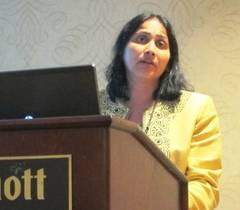
Patrice Wendling/IMNG Medical Media
|
"This is important to show since there are barriers in many institutions for pediatric hospitalists to provide deep sedation," she said. "These barriers result in procedures, such as incision and drainage of abscesses, being performed in the operating room by anesthesiologists, which not only raises costs significantly, but also exposes patients to the unnecessary risks of general anesthesia."
The retrospective study was based on the hospitalist sedation program at St. Louis Children’s Hospital, which consists of 50 pediatric hospitalists who provide procedural sedation at multiple settings in the hospital including the emergency department, ambulatory procedure center, and pediatric acute wound service. A variety of sedation agents are used depending on the hospitalist’s training and sedation credentialing.
Dr. Srinivasan analyzed all 8,870 sedations performed by pediatric hospitalists using ketamine and nitrous oxide in the hospital’s quality improvement database from February 2007 to February 2013. Of these, 5,339 involved ketamine (60%) and 3,531 nitrous oxide.
Almost all sedations were deep sedations, with either inhaled 70% nitrous oxide or IV ketamine, usually after pre-medication with a high dose of oxycodone,
said Dr. Srinivasan of Washington University in St. Louis.
Sedation was used in a wide age range of children (6 months through 18 years), with about 72% of children between 1 and 12 years. Almost half of ketamine sedations and more than three-fourths of nitrous oxide sedations were performed in the pediatric acute wound clinic.
Abscess incision and drainage was the most common procedure requiring sedation, followed by other wound debridement/laceration repair, fracture reduction/casting, and radiologic imaging.
Only 0.12% of sedations were not completed due to inadequate sedation, Dr. Srinivasan said at the meeting, cosponsored by the Society of Hospital Medicine, American Academy of Pediatrics, and Academic Pediatric Association. The desired sedation level was not achieved in 1.71% of sedations.
The overall rate of respiratory events was 2.15% for ketamine and 0.91% for nitrous oxide, with airway obstruction reported in 0.97% and 0.57% of patients, respectively. To put this in perspective, a large, pooled analysis involving 8,282 pediatric ketamine sedations by ED physicians reported an airway and respiratory event rate of 3.9% (Ann. Emerg. Med. 2009;54:158-68.e1-4), she said.
Overall rates for airway interventions were low for both ketamine and nitrous oxide including airway repositioning (4% and 1%, respectively), blow-by oxygen/oxygen by nasal cannula/flow mask (2.3%, 0.33%), and mask ventilation or continuous positive airway pressure (0.43%, 0.08%).
During a discussion of the study, an attendee questioned the generalizability of the results noting that the St. Louis group probably does more pediatric sedations than any other hospitalist group in the United States. It was also noted that the hospital has an extensive training program for pediatric hospitalist sedation (J. Hosp. Med. 2012;7:335-9).
Dr. Srinivasan said a collaborative relationship with anesthesia is important, and that clinicians who don’t do many sedations can find it difficult to judge which patients to sedate.
"I think the most important thing is to judge when you should be sedating and when you should be sending them over to anesthesia, and I think that knowledge comes with experience from sedating more and more children," she said.
As pediatric hospitalists take on more and more sedations, however, they may find this collaborative relationship has its limits. When asked whether hospitalists get reimbursed differently for sedations than anesthesiologists, Dr. Srinivasan said deep sedations by pediatric hospitalists are billed as deep sedations, but likely generate less income than those performed by anesthesiologists.
"We were generating the same income when we were doing our propofol sedations, and so that’s how we had a conflict; they really wanted that revenue back," she added, to a round of laughter.
Dr. Srinivasan reported having no relevant financial disclosures.
*This story was updated August 26, 2013.
NEW ORLEANS – Pediatric hospitalists were able to safely and effectively deliver nitrous oxide and ketamine sedation to children of all ages in a review of more than 8,000 sedations.
The procedure completion rates were more than 99%.
No patient experienced a major complication defined as death, need for CPR, unplanned intubations, suspected aspirations, or emergency anesthesia consultations. Two unplanned admissions occurred each for nitrous oxide and ketamine, putting the overall rate of major complications at 0.05%.
"This is comparable to the rates by other providers such as pediatric ED physicians or pediatric intensivists in other studies," Dr. Mythili Srinivasan said at Pediatric Hospital Medicine 2013.
Although several studies have illustrated the safe use of ketamine and nitrous oxide for procedural sedation by ED physicians and intensivists, this is the first study to demonstrate the safe and effective use of these agents by pediatric hospitalists.
Patrice Wendling/IMNG Medical Media
|
"This is important to show since there are barriers in many institutions for pediatric hospitalists to provide deep sedation," she said. "These barriers result in procedures, such as incision and drainage of abscesses, being performed in the operating room by anesthesiologists, which not only raises costs significantly, but also exposes patients to the unnecessary risks of general anesthesia."
The retrospective study was based on the hospitalist sedation program at St. Louis Children’s Hospital, which consists of 50 pediatric hospitalists who provide procedural sedation at multiple settings in the hospital including the emergency department, ambulatory procedure center, and pediatric acute wound service. A variety of sedation agents are used depending on the hospitalist’s training and sedation credentialing.
Dr. Srinivasan analyzed all 8,870 sedations performed by pediatric hospitalists using ketamine and nitrous oxide in the hospital’s quality improvement database from February 2007 to February 2013. Of these, 5,339 involved ketamine (60%) and 3,531 nitrous oxide.
Almost all sedations were deep sedations, with either inhaled 70% nitrous oxide or IV ketamine, usually after pre-medication with a high dose of oxycodone,
said Dr. Srinivasan of Washington University in St. Louis.
Sedation was used in a wide age range of children (6 months through 18 years), with about 72% of children between 1 and 12 years. Almost half of ketamine sedations and more than three-fourths of nitrous oxide sedations were performed in the pediatric acute wound clinic.
Abscess incision and drainage was the most common procedure requiring sedation, followed by other wound debridement/laceration repair, fracture reduction/casting, and radiologic imaging.
Only 0.12% of sedations were not completed due to inadequate sedation, Dr. Srinivasan said at the meeting, cosponsored by the Society of Hospital Medicine, American Academy of Pediatrics, and Academic Pediatric Association. The desired sedation level was not achieved in 1.71% of sedations.
The overall rate of respiratory events was 2.15% for ketamine and 0.91% for nitrous oxide, with airway obstruction reported in 0.97% and 0.57% of patients, respectively. To put this in perspective, a large, pooled analysis involving 8,282 pediatric ketamine sedations by ED physicians reported an airway and respiratory event rate of 3.9% (Ann. Emerg. Med. 2009;54:158-68.e1-4), she said.
Overall rates for airway interventions were low for both ketamine and nitrous oxide including airway repositioning (4% and 1%, respectively), blow-by oxygen/oxygen by nasal cannula/flow mask (2.3%, 0.33%), and mask ventilation or continuous positive airway pressure (0.43%, 0.08%).
During a discussion of the study, an attendee questioned the generalizability of the results noting that the St. Louis group probably does more pediatric sedations than any other hospitalist group in the United States. It was also noted that the hospital has an extensive training program for pediatric hospitalist sedation (J. Hosp. Med. 2012;7:335-9).
Dr. Srinivasan said a collaborative relationship with anesthesia is important, and that clinicians who don’t do many sedations can find it difficult to judge which patients to sedate.
"I think the most important thing is to judge when you should be sedating and when you should be sending them over to anesthesia, and I think that knowledge comes with experience from sedating more and more children," she said.
As pediatric hospitalists take on more and more sedations, however, they may find this collaborative relationship has its limits. When asked whether hospitalists get reimbursed differently for sedations than anesthesiologists, Dr. Srinivasan said deep sedations by pediatric hospitalists are billed as deep sedations, but likely generate less income than those performed by anesthesiologists.
"We were generating the same income when we were doing our propofol sedations, and so that’s how we had a conflict; they really wanted that revenue back," she added, to a round of laughter.
Dr. Srinivasan reported having no relevant financial disclosures.
*This story was updated August 26, 2013.
NEW ORLEANS – Pediatric hospitalists were able to safely and effectively deliver nitrous oxide and ketamine sedation to children of all ages in a review of more than 8,000 sedations.
The procedure completion rates were more than 99%.
No patient experienced a major complication defined as death, need for CPR, unplanned intubations, suspected aspirations, or emergency anesthesia consultations. Two unplanned admissions occurred each for nitrous oxide and ketamine, putting the overall rate of major complications at 0.05%.
"This is comparable to the rates by other providers such as pediatric ED physicians or pediatric intensivists in other studies," Dr. Mythili Srinivasan said at Pediatric Hospital Medicine 2013.
Although several studies have illustrated the safe use of ketamine and nitrous oxide for procedural sedation by ED physicians and intensivists, this is the first study to demonstrate the safe and effective use of these agents by pediatric hospitalists.
Patrice Wendling/IMNG Medical Media
|
"This is important to show since there are barriers in many institutions for pediatric hospitalists to provide deep sedation," she said. "These barriers result in procedures, such as incision and drainage of abscesses, being performed in the operating room by anesthesiologists, which not only raises costs significantly, but also exposes patients to the unnecessary risks of general anesthesia."
The retrospective study was based on the hospitalist sedation program at St. Louis Children’s Hospital, which consists of 50 pediatric hospitalists who provide procedural sedation at multiple settings in the hospital including the emergency department, ambulatory procedure center, and pediatric acute wound service. A variety of sedation agents are used depending on the hospitalist’s training and sedation credentialing.
Dr. Srinivasan analyzed all 8,870 sedations performed by pediatric hospitalists using ketamine and nitrous oxide in the hospital’s quality improvement database from February 2007 to February 2013. Of these, 5,339 involved ketamine (60%) and 3,531 nitrous oxide.
Almost all sedations were deep sedations, with either inhaled 70% nitrous oxide or IV ketamine, usually after pre-medication with a high dose of oxycodone,
said Dr. Srinivasan of Washington University in St. Louis.
Sedation was used in a wide age range of children (6 months through 18 years), with about 72% of children between 1 and 12 years. Almost half of ketamine sedations and more than three-fourths of nitrous oxide sedations were performed in the pediatric acute wound clinic.
Abscess incision and drainage was the most common procedure requiring sedation, followed by other wound debridement/laceration repair, fracture reduction/casting, and radiologic imaging.
Only 0.12% of sedations were not completed due to inadequate sedation, Dr. Srinivasan said at the meeting, cosponsored by the Society of Hospital Medicine, American Academy of Pediatrics, and Academic Pediatric Association. The desired sedation level was not achieved in 1.71% of sedations.
The overall rate of respiratory events was 2.15% for ketamine and 0.91% for nitrous oxide, with airway obstruction reported in 0.97% and 0.57% of patients, respectively. To put this in perspective, a large, pooled analysis involving 8,282 pediatric ketamine sedations by ED physicians reported an airway and respiratory event rate of 3.9% (Ann. Emerg. Med. 2009;54:158-68.e1-4), she said.
Overall rates for airway interventions were low for both ketamine and nitrous oxide including airway repositioning (4% and 1%, respectively), blow-by oxygen/oxygen by nasal cannula/flow mask (2.3%, 0.33%), and mask ventilation or continuous positive airway pressure (0.43%, 0.08%).
During a discussion of the study, an attendee questioned the generalizability of the results noting that the St. Louis group probably does more pediatric sedations than any other hospitalist group in the United States. It was also noted that the hospital has an extensive training program for pediatric hospitalist sedation (J. Hosp. Med. 2012;7:335-9).
Dr. Srinivasan said a collaborative relationship with anesthesia is important, and that clinicians who don’t do many sedations can find it difficult to judge which patients to sedate.
"I think the most important thing is to judge when you should be sedating and when you should be sending them over to anesthesia, and I think that knowledge comes with experience from sedating more and more children," she said.
As pediatric hospitalists take on more and more sedations, however, they may find this collaborative relationship has its limits. When asked whether hospitalists get reimbursed differently for sedations than anesthesiologists, Dr. Srinivasan said deep sedations by pediatric hospitalists are billed as deep sedations, but likely generate less income than those performed by anesthesiologists.
"We were generating the same income when we were doing our propofol sedations, and so that’s how we had a conflict; they really wanted that revenue back," she added, to a round of laughter.
Dr. Srinivasan reported having no relevant financial disclosures.
*This story was updated August 26, 2013.
EXPERT ANALYSIS FROM PEDIATRIC HOSPITAL MEDICINE 2013
Major finding: The procedure completion rates were more than 99%.
Data source: A retrospective study of 8,870 pediatric sedations by pediatric hospitalists.
Disclosures: Dr. Srinivasan reported having no relevant financial conflicts.
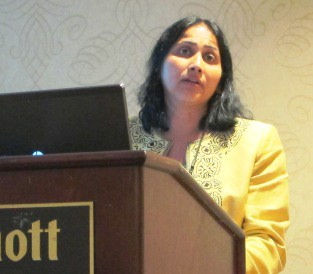
Bronchiolitis guidelines ease resource use
NEW ORLEANS – Implementing bronchiolitis clinical practice guidelines at a large, academic children’s hospital resulted in significant reductions in chest X-rays, bronchodilator use, and length of stay, but failed to trim back antibiotic use.
Among 2,403 children younger than 2 years old with bronchiolitis, the antibiotic rate remained flat at 37% before implementation and 35.2% afterward (P = .34), Dr. Vineeta Mittal reported at Pediatric Hospital Medicine 2013.
The reason for the lack of improvement is unclear, but she observed that while detailed clinical practice guideline (CPG)–specific order sets have been developed for 7 of the 10 guideline recommendations, this has yet to be done for antibiotics.
"All we said is that routine use of antibiotics is not recommended; so maybe we need to specifically say that pneumonia is rare and educate about otitis media because that’s the most commonly abused reason why people give antibiotics," she said.

The CPG was developed by a multidisciplinary task force at the University of Texas Southwestern Medical Center and Children’s Medical Center in Dallas, and closely follow those set forth for the management of bronchiolitis by the American Academy of Pediatrics (AAP). Implementation began in September 2011 and involved provider education, developing CPG-specific order sets, providing Web access to the CPG, and tracking and sharing outcome metrics.
Members of the task force, which included physicians, nurses, respiratory therapists, and informatics and quality improvement staff, also met monthly to review data, discuss barriers/challenges to implementation, and strategies for improvement, said Dr. Mittal of the department of pediatrics at UT Southwestern.
In all, 1,376 children, under age 2, were admitted for bronchiolitis from September 2010 to April 2011 and 1,301 children were admitted from September 2011 to April 2012. Children with complex medical cases, intensive care admissions, and outside facility transfers were excluded, leaving 1,244 pre- and 1,159 postimplementation CPG-eligible cases.
Chest x-ray use declined from 59.6% before implementation to 45.1% after implementation, while use of more than two doses of bronchodilator medication fell significantly, from 27% to 20%, Dr. Mittal said.
Length of stay declined significantly from an average of 2.42 days to 1.79 days.
All-cause 7-day readmissions rates were similar (2.3% vs. 1.8%), she said at the meeting, cosponsored by the Society of Hospital Medicine, AAP, and Academic Pediatric Association.
Limitations of the study are that the single-center results may not generalize to other hospitals, other concurrent quality improvement projects may have impacted outcomes, and hypertonic saline nebulization use was not measured.
When asked by an attendee whether there have been any negative repercussions to the new CPG, Dr. Mittal said there have not and that it’s currently being used by about 75% of staff.
The most difficult aspect was getting buy in from frontline providers and changing physician behaviors, she said in an interview. "With education, data sharing and transparence, collaborative teamwork, and perseverance, we were able to change behaviors and get better buy in," she added.
Session comoderator Dr. Joanna Layenaar of Tufts Medical Center in Framingham, Mass., said in an interview that Dr. Mittal’s study aligns with an increasing body of research showing that institutional guidelines have more impact than national guidelines alone.
Fellow moderator Dr. Jack Percelay, a pediatrician in New York City, said bronchiolitis CPGs are "bread and butter stuff" that pediatric hospitalists and pediatric emergency medicine physicians need to develop together to address care in both the emergency room and inpatient unit.
Dr. Mittal said in the future they hope to use this kind of collaborative teamwork model, with data sharing and transparency, to reduce utilization in other disease conditions and improve processes such as hospital discharge and handoffs between providers and community physicians.
Dr. Mittal reported having no relevant financial disclosures.
NEW ORLEANS – Implementing bronchiolitis clinical practice guidelines at a large, academic children’s hospital resulted in significant reductions in chest X-rays, bronchodilator use, and length of stay, but failed to trim back antibiotic use.
Among 2,403 children younger than 2 years old with bronchiolitis, the antibiotic rate remained flat at 37% before implementation and 35.2% afterward (P = .34), Dr. Vineeta Mittal reported at Pediatric Hospital Medicine 2013.
The reason for the lack of improvement is unclear, but she observed that while detailed clinical practice guideline (CPG)–specific order sets have been developed for 7 of the 10 guideline recommendations, this has yet to be done for antibiotics.
"All we said is that routine use of antibiotics is not recommended; so maybe we need to specifically say that pneumonia is rare and educate about otitis media because that’s the most commonly abused reason why people give antibiotics," she said.
The CPG was developed by a multidisciplinary task force at the University of Texas Southwestern Medical Center and Children’s Medical Center in Dallas, and closely follow those set forth for the management of bronchiolitis by the American Academy of Pediatrics (AAP). Implementation began in September 2011 and involved provider education, developing CPG-specific order sets, providing Web access to the CPG, and tracking and sharing outcome metrics.
Members of the task force, which included physicians, nurses, respiratory therapists, and informatics and quality improvement staff, also met monthly to review data, discuss barriers/challenges to implementation, and strategies for improvement, said Dr. Mittal of the department of pediatrics at UT Southwestern.
In all, 1,376 children, under age 2, were admitted for bronchiolitis from September 2010 to April 2011 and 1,301 children were admitted from September 2011 to April 2012. Children with complex medical cases, intensive care admissions, and outside facility transfers were excluded, leaving 1,244 pre- and 1,159 postimplementation CPG-eligible cases.
Chest x-ray use declined from 59.6% before implementation to 45.1% after implementation, while use of more than two doses of bronchodilator medication fell significantly, from 27% to 20%, Dr. Mittal said.
Length of stay declined significantly from an average of 2.42 days to 1.79 days.
All-cause 7-day readmissions rates were similar (2.3% vs. 1.8%), she said at the meeting, cosponsored by the Society of Hospital Medicine, AAP, and Academic Pediatric Association.
Limitations of the study are that the single-center results may not generalize to other hospitals, other concurrent quality improvement projects may have impacted outcomes, and hypertonic saline nebulization use was not measured.
When asked by an attendee whether there have been any negative repercussions to the new CPG, Dr. Mittal said there have not and that it’s currently being used by about 75% of staff.
The most difficult aspect was getting buy in from frontline providers and changing physician behaviors, she said in an interview. "With education, data sharing and transparence, collaborative teamwork, and perseverance, we were able to change behaviors and get better buy in," she added.
Session comoderator Dr. Joanna Layenaar of Tufts Medical Center in Framingham, Mass., said in an interview that Dr. Mittal’s study aligns with an increasing body of research showing that institutional guidelines have more impact than national guidelines alone.
Fellow moderator Dr. Jack Percelay, a pediatrician in New York City, said bronchiolitis CPGs are "bread and butter stuff" that pediatric hospitalists and pediatric emergency medicine physicians need to develop together to address care in both the emergency room and inpatient unit.
Dr. Mittal said in the future they hope to use this kind of collaborative teamwork model, with data sharing and transparency, to reduce utilization in other disease conditions and improve processes such as hospital discharge and handoffs between providers and community physicians.
Dr. Mittal reported having no relevant financial disclosures.
NEW ORLEANS – Implementing bronchiolitis clinical practice guidelines at a large, academic children’s hospital resulted in significant reductions in chest X-rays, bronchodilator use, and length of stay, but failed to trim back antibiotic use.
Among 2,403 children younger than 2 years old with bronchiolitis, the antibiotic rate remained flat at 37% before implementation and 35.2% afterward (P = .34), Dr. Vineeta Mittal reported at Pediatric Hospital Medicine 2013.
The reason for the lack of improvement is unclear, but she observed that while detailed clinical practice guideline (CPG)–specific order sets have been developed for 7 of the 10 guideline recommendations, this has yet to be done for antibiotics.
"All we said is that routine use of antibiotics is not recommended; so maybe we need to specifically say that pneumonia is rare and educate about otitis media because that’s the most commonly abused reason why people give antibiotics," she said.
The CPG was developed by a multidisciplinary task force at the University of Texas Southwestern Medical Center and Children’s Medical Center in Dallas, and closely follow those set forth for the management of bronchiolitis by the American Academy of Pediatrics (AAP). Implementation began in September 2011 and involved provider education, developing CPG-specific order sets, providing Web access to the CPG, and tracking and sharing outcome metrics.
Members of the task force, which included physicians, nurses, respiratory therapists, and informatics and quality improvement staff, also met monthly to review data, discuss barriers/challenges to implementation, and strategies for improvement, said Dr. Mittal of the department of pediatrics at UT Southwestern.
In all, 1,376 children, under age 2, were admitted for bronchiolitis from September 2010 to April 2011 and 1,301 children were admitted from September 2011 to April 2012. Children with complex medical cases, intensive care admissions, and outside facility transfers were excluded, leaving 1,244 pre- and 1,159 postimplementation CPG-eligible cases.
Chest x-ray use declined from 59.6% before implementation to 45.1% after implementation, while use of more than two doses of bronchodilator medication fell significantly, from 27% to 20%, Dr. Mittal said.
Length of stay declined significantly from an average of 2.42 days to 1.79 days.
All-cause 7-day readmissions rates were similar (2.3% vs. 1.8%), she said at the meeting, cosponsored by the Society of Hospital Medicine, AAP, and Academic Pediatric Association.
Limitations of the study are that the single-center results may not generalize to other hospitals, other concurrent quality improvement projects may have impacted outcomes, and hypertonic saline nebulization use was not measured.
When asked by an attendee whether there have been any negative repercussions to the new CPG, Dr. Mittal said there have not and that it’s currently being used by about 75% of staff.
The most difficult aspect was getting buy in from frontline providers and changing physician behaviors, she said in an interview. "With education, data sharing and transparence, collaborative teamwork, and perseverance, we were able to change behaviors and get better buy in," she added.
Session comoderator Dr. Joanna Layenaar of Tufts Medical Center in Framingham, Mass., said in an interview that Dr. Mittal’s study aligns with an increasing body of research showing that institutional guidelines have more impact than national guidelines alone.
Fellow moderator Dr. Jack Percelay, a pediatrician in New York City, said bronchiolitis CPGs are "bread and butter stuff" that pediatric hospitalists and pediatric emergency medicine physicians need to develop together to address care in both the emergency room and inpatient unit.
Dr. Mittal said in the future they hope to use this kind of collaborative teamwork model, with data sharing and transparency, to reduce utilization in other disease conditions and improve processes such as hospital discharge and handoffs between providers and community physicians.
Dr. Mittal reported having no relevant financial disclosures.
AT PEDIATRIC HOSPITAL MEDICINE 2013
Major finding: Significant postintervention declines occurred for chest x-ray use (59.6% vs. 45.1%), bronchodilator use (27% vs. 20%), and length of stay (2.42 vs. 1.79 days), but not for antibiotic use (37% vs. 35.2%).
Data source: A pre- and postintervention study involving 2,403 pediatric bronchiolitis admissions.
Disclosures: Dr. Mittal reported having no relevant financial disclosures.
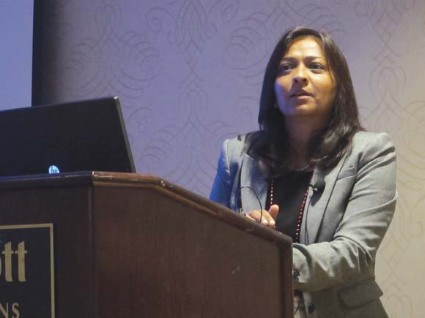
3M algorithm overestimates preventable pediatric readmissions
NEW ORLEANS – The 3M Potentially Preventable Readmissions algorithm is not ready for prime time as a tool to assess preventable pediatric readmissions, preliminary data from an analysis of 1.7 million admissions suggests.
The analysis found that only about 20% of all pediatric readmissions are potentially preventable, whereas the PPR algorithm put that number at about 40%, Dr. James Gay said at the Pediatric Hospital Medicine 2013 meeting.
The results are concerning because the PPR algorithm has been used by several state Medicaid programs as the basis for levying financial penalties on hospitals with high readmission rates, including some children’s hospitals.
"We’re not at the point where children’s hospitals should be penalized by any system that’s judging readmission preventable, because we just don’t have the tools for that to be fair," he said. "I’m hoping 3M will use this [data] to apply overlays to their algorithm – socioeconomic overlays, preventability scoring factors – but this will take a lot more work to decide what’s really preventable or not."

The 3M algorithm was designed for use in patients of all ages and uses administrative data to identify "potentially preventable" readmissions based on the relationship between All Patient Refined Diagnosis Related Groups (APR-DRGs) of the index admission and readmissions. It is thought to have a potential advantage over an "all-cause" approach because it has many predefined exclusions such as APR-DRGs for chemotherapy and cystic fibrosis.
The problem is the algorithm may not be sensitive to pediatric readmissions, which differ from those in adults in diagnoses, rates, and preventability, said Dr. Gay, with the Monroe Carell Jr. Children’s Hospital at Vanderbilt, in Nashville.
The investigators analyzed data from 1,719,617 hospitalizations for 1,496,470 patients admitted at 58 Children’s Hospital Association hospitals from 2009 to 2011. They compared the PPR algorithm readmission rates with all-cause readmission rates at 7, 15, and 30 days, determined which diagnoses accounted for the largest volume and cost of readmission by both methods, and accessed the financial impact of the readmissions.
At 7, 15, and 30 days, the PPR algorithm readmission rates were 2.5%, 4.1%, and 6.3% or almost exactly half of the all-cause readmission rates of 5%, 8.7%, and 13.3%, respectively, Dr. Gay said.
The same was true for the total number of PPR admissions at 11,898, 19,724, and 30,226, respectively, versus all-cause readmissions of 28,755, 49,982, and 76,245, respectively.
For each time period, the overall percentage of potentially preventable readmissions with the PPR algorithm hovered around 40%, with very little variability, Dr. Gay said at the meeting, which was sponsored by the Society of Hospital Medicine, the American Academy of Pediatrics, and the Academic Pediatric Association.
"This runs somewhat contrary to the common notion that a readmission is more likely to be preventable the earlier it occurs after discharge, but the PPR system does not pick up on that," he observed.
Notably, the PPR algorithm considered at least 80% of readmissions preventable for six APR-DRGs: sickle cell crisis (81%), asthma (81%), bronchiolitis (83%), ventricular shunt procedures (86%), connective tissue disorders (87%), and appendectomy (100%).
"Parenthetically, there are a number of pediatricians that might argue about 80% of bronchiolitis readmissions being preventable," he quipped.
Finally, the total annual cost for admissions in the study was $11.6 billion, of which $1.7 billion (14.7%) was related to all-cause readmissions and $533 million (4.6%) to PPR algorithm readmissions.
If the data are extrapolated, the estimated nationwide annual cost for pediatric hospitalizations is $33.6 billion, with a potential savings of $1.5 billion per year (4.6%) if all PPR readmissions could be prevented. Based on a crude back-of-the-envelope calculation, the $1.5 billion pales in comparison to the $25 billion projected to be saved annually in preventable Medicare readmissions, Dr. Gay observed.
"The financial yield in preventing PPR readmissions in pediatric populations is relatively small, and efforts should continue to assure the highest-quality inpatient care and discharge planning," he said.
"Further research is needed to validate the applicability and appropriateness of PPR inclusions and exclusions in pediatric populations before it can be recommended for such consequential purposes as financial penalties to children’s hospitals."
During a discussion of the findings, an attendee asked whether this type of research was worth burning up so many bright minds, given that the data have repeatedly shown that pediatric readmission rates are so low. Dr. Gay responded, saying that, quite frankly, the work is necessary to avoid financial penalties and to drive home the point that quality improvement measures focused on pediatric readmissions are "bogus."
In a statement responding to Dr. Gay’s analysis, 3M Health Information Systems’ senior vice president of clinical and economic research, Richard Averill, said, "In payment applications, the number of PPRs for each provider is compared on a risk-adjusted basis to identify those providers with an ‘excess’ number of readmissions that are potentially preventable. Any payment adjustment for readmission is based only on the extent of excess readmissions.
"If all providers had the same PPR rate, no provider would have any excess PPRs and there would be no payment adjustment for readmission. Unfortunately, Dr. Gay’s comments omit any mention of how PPRs are actually being used and that they are not intended to provide a direct measure of the number of preventable readmissions."
Mr. Averill noted that Dr. Gay’s analysis observes that "half of readmissions detected by an ‘all-cause’ method would not be considered potentially preventable using PPRs. An examination of excess PPR rates across children’s hospitals can be an important quality improvement tool," he said.
In a separate interview, Dr. Shawn Ralston, chief of the pediatrics section, Dartmouth-Hitchcock Medical Center, Lebanon, N.H., agreed with Dr. Gay and said there are more pressing issues in pediatric clinical quality that deserve attention.
"I want meaningful quality measures developed by people with pediatric expertise and not things extrapolated from adult patients," Dr. Ralston added.
Dr. Gay reported serving as the medical consultant to the Children’s Hospital Association.
NEW ORLEANS – The 3M Potentially Preventable Readmissions algorithm is not ready for prime time as a tool to assess preventable pediatric readmissions, preliminary data from an analysis of 1.7 million admissions suggests.
The analysis found that only about 20% of all pediatric readmissions are potentially preventable, whereas the PPR algorithm put that number at about 40%, Dr. James Gay said at the Pediatric Hospital Medicine 2013 meeting.
The results are concerning because the PPR algorithm has been used by several state Medicaid programs as the basis for levying financial penalties on hospitals with high readmission rates, including some children’s hospitals.
"We’re not at the point where children’s hospitals should be penalized by any system that’s judging readmission preventable, because we just don’t have the tools for that to be fair," he said. "I’m hoping 3M will use this [data] to apply overlays to their algorithm – socioeconomic overlays, preventability scoring factors – but this will take a lot more work to decide what’s really preventable or not."
The 3M algorithm was designed for use in patients of all ages and uses administrative data to identify "potentially preventable" readmissions based on the relationship between All Patient Refined Diagnosis Related Groups (APR-DRGs) of the index admission and readmissions. It is thought to have a potential advantage over an "all-cause" approach because it has many predefined exclusions such as APR-DRGs for chemotherapy and cystic fibrosis.
The problem is the algorithm may not be sensitive to pediatric readmissions, which differ from those in adults in diagnoses, rates, and preventability, said Dr. Gay, with the Monroe Carell Jr. Children’s Hospital at Vanderbilt, in Nashville.
The investigators analyzed data from 1,719,617 hospitalizations for 1,496,470 patients admitted at 58 Children’s Hospital Association hospitals from 2009 to 2011. They compared the PPR algorithm readmission rates with all-cause readmission rates at 7, 15, and 30 days, determined which diagnoses accounted for the largest volume and cost of readmission by both methods, and accessed the financial impact of the readmissions.
At 7, 15, and 30 days, the PPR algorithm readmission rates were 2.5%, 4.1%, and 6.3% or almost exactly half of the all-cause readmission rates of 5%, 8.7%, and 13.3%, respectively, Dr. Gay said.
The same was true for the total number of PPR admissions at 11,898, 19,724, and 30,226, respectively, versus all-cause readmissions of 28,755, 49,982, and 76,245, respectively.
For each time period, the overall percentage of potentially preventable readmissions with the PPR algorithm hovered around 40%, with very little variability, Dr. Gay said at the meeting, which was sponsored by the Society of Hospital Medicine, the American Academy of Pediatrics, and the Academic Pediatric Association.
"This runs somewhat contrary to the common notion that a readmission is more likely to be preventable the earlier it occurs after discharge, but the PPR system does not pick up on that," he observed.
Notably, the PPR algorithm considered at least 80% of readmissions preventable for six APR-DRGs: sickle cell crisis (81%), asthma (81%), bronchiolitis (83%), ventricular shunt procedures (86%), connective tissue disorders (87%), and appendectomy (100%).
"Parenthetically, there are a number of pediatricians that might argue about 80% of bronchiolitis readmissions being preventable," he quipped.
Finally, the total annual cost for admissions in the study was $11.6 billion, of which $1.7 billion (14.7%) was related to all-cause readmissions and $533 million (4.6%) to PPR algorithm readmissions.
If the data are extrapolated, the estimated nationwide annual cost for pediatric hospitalizations is $33.6 billion, with a potential savings of $1.5 billion per year (4.6%) if all PPR readmissions could be prevented. Based on a crude back-of-the-envelope calculation, the $1.5 billion pales in comparison to the $25 billion projected to be saved annually in preventable Medicare readmissions, Dr. Gay observed.
"The financial yield in preventing PPR readmissions in pediatric populations is relatively small, and efforts should continue to assure the highest-quality inpatient care and discharge planning," he said.
"Further research is needed to validate the applicability and appropriateness of PPR inclusions and exclusions in pediatric populations before it can be recommended for such consequential purposes as financial penalties to children’s hospitals."
During a discussion of the findings, an attendee asked whether this type of research was worth burning up so many bright minds, given that the data have repeatedly shown that pediatric readmission rates are so low. Dr. Gay responded, saying that, quite frankly, the work is necessary to avoid financial penalties and to drive home the point that quality improvement measures focused on pediatric readmissions are "bogus."
In a statement responding to Dr. Gay’s analysis, 3M Health Information Systems’ senior vice president of clinical and economic research, Richard Averill, said, "In payment applications, the number of PPRs for each provider is compared on a risk-adjusted basis to identify those providers with an ‘excess’ number of readmissions that are potentially preventable. Any payment adjustment for readmission is based only on the extent of excess readmissions.
"If all providers had the same PPR rate, no provider would have any excess PPRs and there would be no payment adjustment for readmission. Unfortunately, Dr. Gay’s comments omit any mention of how PPRs are actually being used and that they are not intended to provide a direct measure of the number of preventable readmissions."
Mr. Averill noted that Dr. Gay’s analysis observes that "half of readmissions detected by an ‘all-cause’ method would not be considered potentially preventable using PPRs. An examination of excess PPR rates across children’s hospitals can be an important quality improvement tool," he said.
In a separate interview, Dr. Shawn Ralston, chief of the pediatrics section, Dartmouth-Hitchcock Medical Center, Lebanon, N.H., agreed with Dr. Gay and said there are more pressing issues in pediatric clinical quality that deserve attention.
"I want meaningful quality measures developed by people with pediatric expertise and not things extrapolated from adult patients," Dr. Ralston added.
Dr. Gay reported serving as the medical consultant to the Children’s Hospital Association.
NEW ORLEANS – The 3M Potentially Preventable Readmissions algorithm is not ready for prime time as a tool to assess preventable pediatric readmissions, preliminary data from an analysis of 1.7 million admissions suggests.
The analysis found that only about 20% of all pediatric readmissions are potentially preventable, whereas the PPR algorithm put that number at about 40%, Dr. James Gay said at the Pediatric Hospital Medicine 2013 meeting.
The results are concerning because the PPR algorithm has been used by several state Medicaid programs as the basis for levying financial penalties on hospitals with high readmission rates, including some children’s hospitals.
"We’re not at the point where children’s hospitals should be penalized by any system that’s judging readmission preventable, because we just don’t have the tools for that to be fair," he said. "I’m hoping 3M will use this [data] to apply overlays to their algorithm – socioeconomic overlays, preventability scoring factors – but this will take a lot more work to decide what’s really preventable or not."
The 3M algorithm was designed for use in patients of all ages and uses administrative data to identify "potentially preventable" readmissions based on the relationship between All Patient Refined Diagnosis Related Groups (APR-DRGs) of the index admission and readmissions. It is thought to have a potential advantage over an "all-cause" approach because it has many predefined exclusions such as APR-DRGs for chemotherapy and cystic fibrosis.
The problem is the algorithm may not be sensitive to pediatric readmissions, which differ from those in adults in diagnoses, rates, and preventability, said Dr. Gay, with the Monroe Carell Jr. Children’s Hospital at Vanderbilt, in Nashville.
The investigators analyzed data from 1,719,617 hospitalizations for 1,496,470 patients admitted at 58 Children’s Hospital Association hospitals from 2009 to 2011. They compared the PPR algorithm readmission rates with all-cause readmission rates at 7, 15, and 30 days, determined which diagnoses accounted for the largest volume and cost of readmission by both methods, and accessed the financial impact of the readmissions.
At 7, 15, and 30 days, the PPR algorithm readmission rates were 2.5%, 4.1%, and 6.3% or almost exactly half of the all-cause readmission rates of 5%, 8.7%, and 13.3%, respectively, Dr. Gay said.
The same was true for the total number of PPR admissions at 11,898, 19,724, and 30,226, respectively, versus all-cause readmissions of 28,755, 49,982, and 76,245, respectively.
For each time period, the overall percentage of potentially preventable readmissions with the PPR algorithm hovered around 40%, with very little variability, Dr. Gay said at the meeting, which was sponsored by the Society of Hospital Medicine, the American Academy of Pediatrics, and the Academic Pediatric Association.
"This runs somewhat contrary to the common notion that a readmission is more likely to be preventable the earlier it occurs after discharge, but the PPR system does not pick up on that," he observed.
Notably, the PPR algorithm considered at least 80% of readmissions preventable for six APR-DRGs: sickle cell crisis (81%), asthma (81%), bronchiolitis (83%), ventricular shunt procedures (86%), connective tissue disorders (87%), and appendectomy (100%).
"Parenthetically, there are a number of pediatricians that might argue about 80% of bronchiolitis readmissions being preventable," he quipped.
Finally, the total annual cost for admissions in the study was $11.6 billion, of which $1.7 billion (14.7%) was related to all-cause readmissions and $533 million (4.6%) to PPR algorithm readmissions.
If the data are extrapolated, the estimated nationwide annual cost for pediatric hospitalizations is $33.6 billion, with a potential savings of $1.5 billion per year (4.6%) if all PPR readmissions could be prevented. Based on a crude back-of-the-envelope calculation, the $1.5 billion pales in comparison to the $25 billion projected to be saved annually in preventable Medicare readmissions, Dr. Gay observed.
"The financial yield in preventing PPR readmissions in pediatric populations is relatively small, and efforts should continue to assure the highest-quality inpatient care and discharge planning," he said.
"Further research is needed to validate the applicability and appropriateness of PPR inclusions and exclusions in pediatric populations before it can be recommended for such consequential purposes as financial penalties to children’s hospitals."
During a discussion of the findings, an attendee asked whether this type of research was worth burning up so many bright minds, given that the data have repeatedly shown that pediatric readmission rates are so low. Dr. Gay responded, saying that, quite frankly, the work is necessary to avoid financial penalties and to drive home the point that quality improvement measures focused on pediatric readmissions are "bogus."
In a statement responding to Dr. Gay’s analysis, 3M Health Information Systems’ senior vice president of clinical and economic research, Richard Averill, said, "In payment applications, the number of PPRs for each provider is compared on a risk-adjusted basis to identify those providers with an ‘excess’ number of readmissions that are potentially preventable. Any payment adjustment for readmission is based only on the extent of excess readmissions.
"If all providers had the same PPR rate, no provider would have any excess PPRs and there would be no payment adjustment for readmission. Unfortunately, Dr. Gay’s comments omit any mention of how PPRs are actually being used and that they are not intended to provide a direct measure of the number of preventable readmissions."
Mr. Averill noted that Dr. Gay’s analysis observes that "half of readmissions detected by an ‘all-cause’ method would not be considered potentially preventable using PPRs. An examination of excess PPR rates across children’s hospitals can be an important quality improvement tool," he said.
In a separate interview, Dr. Shawn Ralston, chief of the pediatrics section, Dartmouth-Hitchcock Medical Center, Lebanon, N.H., agreed with Dr. Gay and said there are more pressing issues in pediatric clinical quality that deserve attention.
"I want meaningful quality measures developed by people with pediatric expertise and not things extrapolated from adult patients," Dr. Ralston added.
Dr. Gay reported serving as the medical consultant to the Children’s Hospital Association.
AT PEDIATRIC HOSPITAL MEDICINE 2013

Spot checks suffice for monitoring pediatric bronchiolitis
NEW ORLEANS – Intermittent spot checks are as safe as continuous pulse oximetry monitoring in children hospitalized with bronchiolitis, according to interim results from an ongoing randomized controlled trial.
Among 104 patients, the average length of stay was 1.9 days with intermittent monitoring and 2.0 days with continuous monitoring (P = .98).
There was no difference in ICU admissions and no deaths, Dr. Russell McCulloh said at the Pediatric Hospital Medicine 2013 meeting.
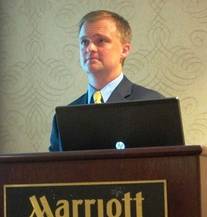
The Choosing Wisely campaign recommends against continuous pulse oximetry use in otherwise healthy children hospitalized with bronchiolitis. Still, a variety of monitoring strategies exist for pulse oximetry in hospitalized patients, with rates of hospitalization more than tripling after institutionalization of pulse oximetry in emergency departments. Prior studies have also shown that pulse oximetry increases readmission rates and may prolong time to discharge, he said.
Dr. McCulloh and his associates in Rhode Island, Texas, and Missouri sequentially and separately randomized 104 patients within 24 hours of floor admission to continuous monitoring with a pulse oximeter in place, regardless of oxygen saturation status, or to intermittent monitoring with scheduled nursing vital signs checks every 4 hours, supplemental oxygen and continuous monitoring if blood oxygen saturation was consistently below 90%, and a return to spot checks once the patient was weaned from oxygen. Pulse oximetry was monitored at the bedside, not centrally.
The intermittent and continuous monitoring groups had similar rates of utilization of diagnostic tests including chest x-rays (58% vs. 48%, respectively), multiplex viral testing (34.6% vs. 46.2%), rapid respiratory syncytial virus testing (25% vs. 29%), and blood cultures (29% vs. 25%), said Dr McCulloh, who started the study while an infectious disease fellow at Rhode Island Hospital in Providence and is now with Children’s Mercy Hospital in Kansas City, Mo.
Therapeutic measures were also similar in the two groups, including use of IV fluids (65.4% intermittent vs. 73% continuous), supplemental oxygen (33% vs. 36.5%), bronchodilators (88.5% vs. 90.4%), and antibiotics (21.2% vs. 17.3%).
Children monitored continuously incurred no additional health care costs compared with those intermittently monitored, Dr. McCulloh said at the meeting, cosponsored by the Society of Hospital Medicine, the American Academy of Pediatrics, and the Academic Pediatric Association. The average cost of all diagnostic testing, including pulse oximetry monitoring, was similar: $203.80 for continuous monitoring and $179.80 for intermittent monitoring (P = .19). The lack of a significant difference is not surprising since the children didn’t enter the study until after they were admitted to the hospital, and much of the diagnostic testing occurs in the emergency department and not on the hospital floor, he said in an interview.
Dr. McCulloh observed that parental acceptance of the monitoring strategy varied by patient age. Parents of younger children were happier with continuous monitoring, while those with older children were more comfortable with intermittent spot checks.
At baseline, children monitored intermittently were significantly older (6.6 months vs. 3.5 months), more likely to have otitis media on admission (23% vs. 7.7%), and less likely to be admitted by a hospitalist (44.2% vs. 65%). A family history of wheeze was similar in both groups (54% vs. 40.4%), as was tobacco exposure (31% vs. 25%).
Among staff, experience played a key role in monitoring adherence and acceptance.
"We tended to have newer nurses coming on to the floor who were very uncomfortable with children of any age going onto the intermittent arm," Dr. McCulloh said. "Most of the older nurses were like, ‘Of course.’
"We’re not talking about not doing cardiac apnea monitoring if someone wants to do that; we’re just saying don’t do continuous monitoring."
Random checks on the floor and outreach with respiratory and nursing staff helped maximize adherence, he noted.
The study is expanding to include Children’s Mercy Hospital, with a goal of 266 patients and completion anticipated in spring 2014.
Dr. McCulloh reported that the study is supported by a Thrasher Research Fund Early Career Award.
The Choosing Wisely campaign, readmission rates
NEW ORLEANS – Intermittent spot checks are as safe as continuous pulse oximetry monitoring in children hospitalized with bronchiolitis, according to interim results from an ongoing randomized controlled trial.
Among 104 patients, the average length of stay was 1.9 days with intermittent monitoring and 2.0 days with continuous monitoring (P = .98).
There was no difference in ICU admissions and no deaths, Dr. Russell McCulloh said at the Pediatric Hospital Medicine 2013 meeting.
The Choosing Wisely campaign recommends against continuous pulse oximetry use in otherwise healthy children hospitalized with bronchiolitis. Still, a variety of monitoring strategies exist for pulse oximetry in hospitalized patients, with rates of hospitalization more than tripling after institutionalization of pulse oximetry in emergency departments. Prior studies have also shown that pulse oximetry increases readmission rates and may prolong time to discharge, he said.
Dr. McCulloh and his associates in Rhode Island, Texas, and Missouri sequentially and separately randomized 104 patients within 24 hours of floor admission to continuous monitoring with a pulse oximeter in place, regardless of oxygen saturation status, or to intermittent monitoring with scheduled nursing vital signs checks every 4 hours, supplemental oxygen and continuous monitoring if blood oxygen saturation was consistently below 90%, and a return to spot checks once the patient was weaned from oxygen. Pulse oximetry was monitored at the bedside, not centrally.
The intermittent and continuous monitoring groups had similar rates of utilization of diagnostic tests including chest x-rays (58% vs. 48%, respectively), multiplex viral testing (34.6% vs. 46.2%), rapid respiratory syncytial virus testing (25% vs. 29%), and blood cultures (29% vs. 25%), said Dr McCulloh, who started the study while an infectious disease fellow at Rhode Island Hospital in Providence and is now with Children’s Mercy Hospital in Kansas City, Mo.
Therapeutic measures were also similar in the two groups, including use of IV fluids (65.4% intermittent vs. 73% continuous), supplemental oxygen (33% vs. 36.5%), bronchodilators (88.5% vs. 90.4%), and antibiotics (21.2% vs. 17.3%).
Children monitored continuously incurred no additional health care costs compared with those intermittently monitored, Dr. McCulloh said at the meeting, cosponsored by the Society of Hospital Medicine, the American Academy of Pediatrics, and the Academic Pediatric Association. The average cost of all diagnostic testing, including pulse oximetry monitoring, was similar: $203.80 for continuous monitoring and $179.80 for intermittent monitoring (P = .19). The lack of a significant difference is not surprising since the children didn’t enter the study until after they were admitted to the hospital, and much of the diagnostic testing occurs in the emergency department and not on the hospital floor, he said in an interview.
Dr. McCulloh observed that parental acceptance of the monitoring strategy varied by patient age. Parents of younger children were happier with continuous monitoring, while those with older children were more comfortable with intermittent spot checks.
At baseline, children monitored intermittently were significantly older (6.6 months vs. 3.5 months), more likely to have otitis media on admission (23% vs. 7.7%), and less likely to be admitted by a hospitalist (44.2% vs. 65%). A family history of wheeze was similar in both groups (54% vs. 40.4%), as was tobacco exposure (31% vs. 25%).
Among staff, experience played a key role in monitoring adherence and acceptance.
"We tended to have newer nurses coming on to the floor who were very uncomfortable with children of any age going onto the intermittent arm," Dr. McCulloh said. "Most of the older nurses were like, ‘Of course.’
"We’re not talking about not doing cardiac apnea monitoring if someone wants to do that; we’re just saying don’t do continuous monitoring."
Random checks on the floor and outreach with respiratory and nursing staff helped maximize adherence, he noted.
The study is expanding to include Children’s Mercy Hospital, with a goal of 266 patients and completion anticipated in spring 2014.
Dr. McCulloh reported that the study is supported by a Thrasher Research Fund Early Career Award.
NEW ORLEANS – Intermittent spot checks are as safe as continuous pulse oximetry monitoring in children hospitalized with bronchiolitis, according to interim results from an ongoing randomized controlled trial.
Among 104 patients, the average length of stay was 1.9 days with intermittent monitoring and 2.0 days with continuous monitoring (P = .98).
There was no difference in ICU admissions and no deaths, Dr. Russell McCulloh said at the Pediatric Hospital Medicine 2013 meeting.
The Choosing Wisely campaign recommends against continuous pulse oximetry use in otherwise healthy children hospitalized with bronchiolitis. Still, a variety of monitoring strategies exist for pulse oximetry in hospitalized patients, with rates of hospitalization more than tripling after institutionalization of pulse oximetry in emergency departments. Prior studies have also shown that pulse oximetry increases readmission rates and may prolong time to discharge, he said.
Dr. McCulloh and his associates in Rhode Island, Texas, and Missouri sequentially and separately randomized 104 patients within 24 hours of floor admission to continuous monitoring with a pulse oximeter in place, regardless of oxygen saturation status, or to intermittent monitoring with scheduled nursing vital signs checks every 4 hours, supplemental oxygen and continuous monitoring if blood oxygen saturation was consistently below 90%, and a return to spot checks once the patient was weaned from oxygen. Pulse oximetry was monitored at the bedside, not centrally.
The intermittent and continuous monitoring groups had similar rates of utilization of diagnostic tests including chest x-rays (58% vs. 48%, respectively), multiplex viral testing (34.6% vs. 46.2%), rapid respiratory syncytial virus testing (25% vs. 29%), and blood cultures (29% vs. 25%), said Dr McCulloh, who started the study while an infectious disease fellow at Rhode Island Hospital in Providence and is now with Children’s Mercy Hospital in Kansas City, Mo.
Therapeutic measures were also similar in the two groups, including use of IV fluids (65.4% intermittent vs. 73% continuous), supplemental oxygen (33% vs. 36.5%), bronchodilators (88.5% vs. 90.4%), and antibiotics (21.2% vs. 17.3%).
Children monitored continuously incurred no additional health care costs compared with those intermittently monitored, Dr. McCulloh said at the meeting, cosponsored by the Society of Hospital Medicine, the American Academy of Pediatrics, and the Academic Pediatric Association. The average cost of all diagnostic testing, including pulse oximetry monitoring, was similar: $203.80 for continuous monitoring and $179.80 for intermittent monitoring (P = .19). The lack of a significant difference is not surprising since the children didn’t enter the study until after they were admitted to the hospital, and much of the diagnostic testing occurs in the emergency department and not on the hospital floor, he said in an interview.
Dr. McCulloh observed that parental acceptance of the monitoring strategy varied by patient age. Parents of younger children were happier with continuous monitoring, while those with older children were more comfortable with intermittent spot checks.
At baseline, children monitored intermittently were significantly older (6.6 months vs. 3.5 months), more likely to have otitis media on admission (23% vs. 7.7%), and less likely to be admitted by a hospitalist (44.2% vs. 65%). A family history of wheeze was similar in both groups (54% vs. 40.4%), as was tobacco exposure (31% vs. 25%).
Among staff, experience played a key role in monitoring adherence and acceptance.
"We tended to have newer nurses coming on to the floor who were very uncomfortable with children of any age going onto the intermittent arm," Dr. McCulloh said. "Most of the older nurses were like, ‘Of course.’
"We’re not talking about not doing cardiac apnea monitoring if someone wants to do that; we’re just saying don’t do continuous monitoring."
Random checks on the floor and outreach with respiratory and nursing staff helped maximize adherence, he noted.
The study is expanding to include Children’s Mercy Hospital, with a goal of 266 patients and completion anticipated in spring 2014.
Dr. McCulloh reported that the study is supported by a Thrasher Research Fund Early Career Award.
The Choosing Wisely campaign, readmission rates
The Choosing Wisely campaign, readmission rates
AT PEDIATRIC HOSPITAL MEDICINE 2013
Major finding: The average length of stay was 1.9 days with intermittent monitoring and 2.0 days with continuous monitoring (P = .98).
Data source: Ongoing randomized controlled trial involving 104 children with bronchiolitis.
Disclosures: Dr. McCulloh reported the study is supported by a Thrasher Research Fund Early Career Award.

CABG mortality goal elusive without process improvements
MINNEAPOLIS – Achieving a 1% or less operative mortality for primary, isolated coronary artery bypass grafting is feasible only in highly selected patients, according to a multicenter Society for Thoracic Surgery database analysis.
"This goal may only be achievable in less than 60% of CABG patients without other improvements in processes of care," said Dr. Damien LaPar, chief resident in the department of surgery, University of Virginia, Charlottesville.
Dr. Michael J. Mack threw down the gauntlet in his presidential address at the STS annual meeting last year, challenging the surgical community to achieve a CABG mortality rate of 1% or less nationwide in the next 5 years (Ann. Thor. Surg. 2012;94:1044-52).
Operative mortality currently stands at about 2% for CABG versus about 1% for percutaneous coronary intervention (PCI). Use of CABG has fallen off as first-line treatment for coronary artery disease with advances in PCI technology.

Dr. LaPar and his associates used the Society of Thoracic Surgery (STS) database for adult cardiac surgery to analyze the records of 34,416 patients who had undergone CABG from 2001 to 2011 at 17 cardiac surgery centers in Virginia, representing 99% of all cardiac surgeries performed in the state. Multiple logistic regression modeling was used to identify patient populations in which the 1% mortality goal was achievable, relative to the STS Predicted Risk of Mortality (PROM) score.
The patients’ average age was 64 years and 27% were female. The median number of CABG operations performed over the 10-year study period was 544, with an operative mortality of 1.87% (644 deaths), Dr. LaPar reported at the annual meeting of the American Association for Thoracic Surgery.
The STS PROM was highly associated with CABG mortality in both linear (odds ratio 1.89; P less than .0001) and nonlinear (OR 6.59; P less than .0001) models, after adjustment for operative year and surgeon volume.
Upon closer inspection, an STS PROM score of 1.27% or less was found to correlate with a probability of CABG death of 1% or less, he said. The predictive ability of the STS scoring tool appeared to wane, however, for those patients with an estimated risk exceeding 25%.
The investigators then evaluated the risk-adjusted association between mortality and 30 variables used to calculate the STS PROM and process-of-care measures such as internal mammary artery grafting and perioperative/discharge medications.
Several process-of-care, surgeon, and operative factors were correlated with CABG death among all patients, although the relationship was stronger in those at lower risk with an STS PROM score of 1.27% or less, Dr. LaPar said.
Among the 14,687 higher-risk patients with an STS score exceeding 1.27%, the median STS score was significantly higher among decedents than survivors (4.6% vs. 2.4%; P less than .001).
Higher-risk patients who died during CABG were significantly more likely to be older (72.3 years vs. 70.4 years), to have renal dysfunction/dialysis (11.3% vs. 5.3%), peripheral vascular disease (32% vs. 24%), heart failure (37.3% vs. 21%), New York Heart Association class IV (41.6% vs. 26%), and atrial fibrillation (11% vs. 7%), and to have undergone emergent surgery (17% vs. 7.3; all P less than .001).
Higher-risk decedents were also less likely to be on such process measures at discharge as beta-blocker therapy (20% vs. 86%), anti-platelets (21% vs. 94.5%), and lipid-lowering medications (19.5% vs. 85%; all P less than .001), Dr. LaPar said.
"The STS Predicted Risk of Mortality score can be used to strongly identify patients with a threshold value of estimated mortality risk of less than or equal to 1.27% to achieve this [1% mortality] goal," he noted.
During a discussion of the results, some members of the audience raised concerns about whether patients continued on aspirin therapy until the day of surgery or were using tranexamic acid, as these agents could impact interpretation of the results. Dr. LaPar said that aspirin was allowed up to the day of surgery, but that the analyses corrected for this, and that all patients received epsilon-aminocaproic acid (Amicar), not tranexamic acid.
Dr. LaPar reported having no financial disclosures.
MINNEAPOLIS – Achieving a 1% or less operative mortality for primary, isolated coronary artery bypass grafting is feasible only in highly selected patients, according to a multicenter Society for Thoracic Surgery database analysis.
"This goal may only be achievable in less than 60% of CABG patients without other improvements in processes of care," said Dr. Damien LaPar, chief resident in the department of surgery, University of Virginia, Charlottesville.
Dr. Michael J. Mack threw down the gauntlet in his presidential address at the STS annual meeting last year, challenging the surgical community to achieve a CABG mortality rate of 1% or less nationwide in the next 5 years (Ann. Thor. Surg. 2012;94:1044-52).
Operative mortality currently stands at about 2% for CABG versus about 1% for percutaneous coronary intervention (PCI). Use of CABG has fallen off as first-line treatment for coronary artery disease with advances in PCI technology.
Dr. LaPar and his associates used the Society of Thoracic Surgery (STS) database for adult cardiac surgery to analyze the records of 34,416 patients who had undergone CABG from 2001 to 2011 at 17 cardiac surgery centers in Virginia, representing 99% of all cardiac surgeries performed in the state. Multiple logistic regression modeling was used to identify patient populations in which the 1% mortality goal was achievable, relative to the STS Predicted Risk of Mortality (PROM) score.
The patients’ average age was 64 years and 27% were female. The median number of CABG operations performed over the 10-year study period was 544, with an operative mortality of 1.87% (644 deaths), Dr. LaPar reported at the annual meeting of the American Association for Thoracic Surgery.
The STS PROM was highly associated with CABG mortality in both linear (odds ratio 1.89; P less than .0001) and nonlinear (OR 6.59; P less than .0001) models, after adjustment for operative year and surgeon volume.
Upon closer inspection, an STS PROM score of 1.27% or less was found to correlate with a probability of CABG death of 1% or less, he said. The predictive ability of the STS scoring tool appeared to wane, however, for those patients with an estimated risk exceeding 25%.
The investigators then evaluated the risk-adjusted association between mortality and 30 variables used to calculate the STS PROM and process-of-care measures such as internal mammary artery grafting and perioperative/discharge medications.
Several process-of-care, surgeon, and operative factors were correlated with CABG death among all patients, although the relationship was stronger in those at lower risk with an STS PROM score of 1.27% or less, Dr. LaPar said.
Among the 14,687 higher-risk patients with an STS score exceeding 1.27%, the median STS score was significantly higher among decedents than survivors (4.6% vs. 2.4%; P less than .001).
Higher-risk patients who died during CABG were significantly more likely to be older (72.3 years vs. 70.4 years), to have renal dysfunction/dialysis (11.3% vs. 5.3%), peripheral vascular disease (32% vs. 24%), heart failure (37.3% vs. 21%), New York Heart Association class IV (41.6% vs. 26%), and atrial fibrillation (11% vs. 7%), and to have undergone emergent surgery (17% vs. 7.3; all P less than .001).
Higher-risk decedents were also less likely to be on such process measures at discharge as beta-blocker therapy (20% vs. 86%), anti-platelets (21% vs. 94.5%), and lipid-lowering medications (19.5% vs. 85%; all P less than .001), Dr. LaPar said.
"The STS Predicted Risk of Mortality score can be used to strongly identify patients with a threshold value of estimated mortality risk of less than or equal to 1.27% to achieve this [1% mortality] goal," he noted.
During a discussion of the results, some members of the audience raised concerns about whether patients continued on aspirin therapy until the day of surgery or were using tranexamic acid, as these agents could impact interpretation of the results. Dr. LaPar said that aspirin was allowed up to the day of surgery, but that the analyses corrected for this, and that all patients received epsilon-aminocaproic acid (Amicar), not tranexamic acid.
Dr. LaPar reported having no financial disclosures.
MINNEAPOLIS – Achieving a 1% or less operative mortality for primary, isolated coronary artery bypass grafting is feasible only in highly selected patients, according to a multicenter Society for Thoracic Surgery database analysis.
"This goal may only be achievable in less than 60% of CABG patients without other improvements in processes of care," said Dr. Damien LaPar, chief resident in the department of surgery, University of Virginia, Charlottesville.
Dr. Michael J. Mack threw down the gauntlet in his presidential address at the STS annual meeting last year, challenging the surgical community to achieve a CABG mortality rate of 1% or less nationwide in the next 5 years (Ann. Thor. Surg. 2012;94:1044-52).
Operative mortality currently stands at about 2% for CABG versus about 1% for percutaneous coronary intervention (PCI). Use of CABG has fallen off as first-line treatment for coronary artery disease with advances in PCI technology.
Dr. LaPar and his associates used the Society of Thoracic Surgery (STS) database for adult cardiac surgery to analyze the records of 34,416 patients who had undergone CABG from 2001 to 2011 at 17 cardiac surgery centers in Virginia, representing 99% of all cardiac surgeries performed in the state. Multiple logistic regression modeling was used to identify patient populations in which the 1% mortality goal was achievable, relative to the STS Predicted Risk of Mortality (PROM) score.
The patients’ average age was 64 years and 27% were female. The median number of CABG operations performed over the 10-year study period was 544, with an operative mortality of 1.87% (644 deaths), Dr. LaPar reported at the annual meeting of the American Association for Thoracic Surgery.
The STS PROM was highly associated with CABG mortality in both linear (odds ratio 1.89; P less than .0001) and nonlinear (OR 6.59; P less than .0001) models, after adjustment for operative year and surgeon volume.
Upon closer inspection, an STS PROM score of 1.27% or less was found to correlate with a probability of CABG death of 1% or less, he said. The predictive ability of the STS scoring tool appeared to wane, however, for those patients with an estimated risk exceeding 25%.
The investigators then evaluated the risk-adjusted association between mortality and 30 variables used to calculate the STS PROM and process-of-care measures such as internal mammary artery grafting and perioperative/discharge medications.
Several process-of-care, surgeon, and operative factors were correlated with CABG death among all patients, although the relationship was stronger in those at lower risk with an STS PROM score of 1.27% or less, Dr. LaPar said.
Among the 14,687 higher-risk patients with an STS score exceeding 1.27%, the median STS score was significantly higher among decedents than survivors (4.6% vs. 2.4%; P less than .001).
Higher-risk patients who died during CABG were significantly more likely to be older (72.3 years vs. 70.4 years), to have renal dysfunction/dialysis (11.3% vs. 5.3%), peripheral vascular disease (32% vs. 24%), heart failure (37.3% vs. 21%), New York Heart Association class IV (41.6% vs. 26%), and atrial fibrillation (11% vs. 7%), and to have undergone emergent surgery (17% vs. 7.3; all P less than .001).
Higher-risk decedents were also less likely to be on such process measures at discharge as beta-blocker therapy (20% vs. 86%), anti-platelets (21% vs. 94.5%), and lipid-lowering medications (19.5% vs. 85%; all P less than .001), Dr. LaPar said.
"The STS Predicted Risk of Mortality score can be used to strongly identify patients with a threshold value of estimated mortality risk of less than or equal to 1.27% to achieve this [1% mortality] goal," he noted.
During a discussion of the results, some members of the audience raised concerns about whether patients continued on aspirin therapy until the day of surgery or were using tranexamic acid, as these agents could impact interpretation of the results. Dr. LaPar said that aspirin was allowed up to the day of surgery, but that the analyses corrected for this, and that all patients received epsilon-aminocaproic acid (Amicar), not tranexamic acid.
Dr. LaPar reported having no financial disclosures.
AT THE AATS ANNUAL MEETING
Major finding: The STS PROM was significantly correlated with coronary artery bypass grafting mortality in both linear (odds ratio 1.89; P less than .0001) and nonlinear (OR 6.59; P less than .0001) models, after adjustment for operative year and surgeon volume.
Data source: Retrospective analysis of 34,416 patients who underwent CABG from 2001 to 2011 in STS database.
Disclosures: Dr. LaPar reported having no financial disclosures.

‘Weekend effect’ extends to pediatric readmissions
NEW ORLEANS – Children admitted to the hospital on the weekend are more likely to bounce back for an unplanned readmission, according to a retrospective study of 40,961 pediatric admissions.
Being admitted to a pediatric hospital on the weekend was associated with higher odds of readmission at 30 days than a weekday admission (odds ratio, 1.14; 95% confidence interval, 1.04-1.25.)
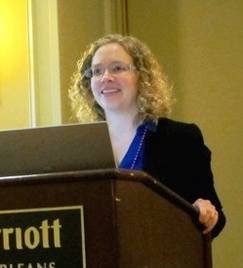
The association remained significant even after adjustment for the child’s age, gender, insurance status, race, length of stay, and primary discharge diagnosis group (OR, 1.15; CI, 1.05-1.27).
"Higher readmission in children admitted on the weekend may indicate decreased in-hospital quality, although certainly this needs to be verified at other institutions," Dr. Katherine Auger said.
She noted that little is known about the "weekend effect" in pediatrics, although studies have shown that adults admitted to the emergency department or who have surgery on the weekend are more likely to die, and that readmissions are higher for certain acute conditions with a weekend admission.
Dr. Auger and her associates analyzed 46,187 admissions at the University of Michigan C.S. Mott Children’s Hospital, Ann Arbor, from January 2008 to December 2012. After excluding 5,226 index admissions for newborns staying less than 5 days and patients who left against medical advice, transferred out, entered hospice care, or died as an inpatient, 40,961 admissions for 24,558 patients remained. Weekend admissions accounted for 6,144 of the cases.
Planned versus unplanned readmissions were identified by hospital admitting category, which in a separate chart review of 200 readmissions demonstrated a 98% specificity for identifying unplanned readmissions and a sensitivity of 86%, said Dr. Auger, now with Cincinnati Children’s Hospital.
At the index admission, 46% of patients were female, 76% were white, 65% had private insurance, and 32.3% stayed at the hospital for 2-3 days.
The 30-day all-cause readmission rate was 14.7% and the unplanned readmission rate 10.2%.
The unplanned 30-day readmission rate was quite a bit higher than reported at national levels using chart review rather than administrative data, she observed. In a recent study (JAMA 2013;309:372-80) involving 568,845 admissions at 72 acute care pediatric hospitals, the 30-day unplanned readmission rate was just 6.5%, but the study excluded many readmissions for specific diagnoses such as when a child was readmitted after chemotherapy.
In the current analysis, unplanned readmissions peaked on Saturday and Sunday at about 11.5%, compared with about 10.5%, for example, on Monday.
Unplanned readmissions were highest in children with an index admission for chemotherapy (32.1%), diseases of the blood (21%), neoplasms (16.2%), and diseases of the gastrointestinal tract (13.2%), Dr. Auger said at the meeting, which was sponsored by the Society of Hospital Medicine, the American Academy of Pediatrics, and the Academic Pediatric Association.
Interestingly, children being discharged on Saturday or Sunday had the lowest rates of readmission. In logistic regression analyses, being discharged on the weekend was actually associated with a decreased likelihood of readmission in the unadjusted model (OR, 0.90; CI, 0.83-0.97), but this was no longer significant in the adjusted model (OR, 0.94; CI, 0.87-1.02), she said.
During a discussion of the results, Dr. Auger said follow-up analyses could be performed to stratify the data by diagnosis or by complex versus uncomplicated conditions. "Kids that are in for cancer may be very different from those in for bronchiolitis," she noted.
Dr. Auger reported salary support from the Robert Wood Johnson Foundation Clinical Scholars program. The study was funded by a grant from the Blue Cross Blue Shield of Michigan Foundation.
NEW ORLEANS – Children admitted to the hospital on the weekend are more likely to bounce back for an unplanned readmission, according to a retrospective study of 40,961 pediatric admissions.
Being admitted to a pediatric hospital on the weekend was associated with higher odds of readmission at 30 days than a weekday admission (odds ratio, 1.14; 95% confidence interval, 1.04-1.25.)
The association remained significant even after adjustment for the child’s age, gender, insurance status, race, length of stay, and primary discharge diagnosis group (OR, 1.15; CI, 1.05-1.27).
"Higher readmission in children admitted on the weekend may indicate decreased in-hospital quality, although certainly this needs to be verified at other institutions," Dr. Katherine Auger said.
She noted that little is known about the "weekend effect" in pediatrics, although studies have shown that adults admitted to the emergency department or who have surgery on the weekend are more likely to die, and that readmissions are higher for certain acute conditions with a weekend admission.
Dr. Auger and her associates analyzed 46,187 admissions at the University of Michigan C.S. Mott Children’s Hospital, Ann Arbor, from January 2008 to December 2012. After excluding 5,226 index admissions for newborns staying less than 5 days and patients who left against medical advice, transferred out, entered hospice care, or died as an inpatient, 40,961 admissions for 24,558 patients remained. Weekend admissions accounted for 6,144 of the cases.
Planned versus unplanned readmissions were identified by hospital admitting category, which in a separate chart review of 200 readmissions demonstrated a 98% specificity for identifying unplanned readmissions and a sensitivity of 86%, said Dr. Auger, now with Cincinnati Children’s Hospital.
At the index admission, 46% of patients were female, 76% were white, 65% had private insurance, and 32.3% stayed at the hospital for 2-3 days.
The 30-day all-cause readmission rate was 14.7% and the unplanned readmission rate 10.2%.
The unplanned 30-day readmission rate was quite a bit higher than reported at national levels using chart review rather than administrative data, she observed. In a recent study (JAMA 2013;309:372-80) involving 568,845 admissions at 72 acute care pediatric hospitals, the 30-day unplanned readmission rate was just 6.5%, but the study excluded many readmissions for specific diagnoses such as when a child was readmitted after chemotherapy.
In the current analysis, unplanned readmissions peaked on Saturday and Sunday at about 11.5%, compared with about 10.5%, for example, on Monday.
Unplanned readmissions were highest in children with an index admission for chemotherapy (32.1%), diseases of the blood (21%), neoplasms (16.2%), and diseases of the gastrointestinal tract (13.2%), Dr. Auger said at the meeting, which was sponsored by the Society of Hospital Medicine, the American Academy of Pediatrics, and the Academic Pediatric Association.
Interestingly, children being discharged on Saturday or Sunday had the lowest rates of readmission. In logistic regression analyses, being discharged on the weekend was actually associated with a decreased likelihood of readmission in the unadjusted model (OR, 0.90; CI, 0.83-0.97), but this was no longer significant in the adjusted model (OR, 0.94; CI, 0.87-1.02), she said.
During a discussion of the results, Dr. Auger said follow-up analyses could be performed to stratify the data by diagnosis or by complex versus uncomplicated conditions. "Kids that are in for cancer may be very different from those in for bronchiolitis," she noted.
Dr. Auger reported salary support from the Robert Wood Johnson Foundation Clinical Scholars program. The study was funded by a grant from the Blue Cross Blue Shield of Michigan Foundation.
NEW ORLEANS – Children admitted to the hospital on the weekend are more likely to bounce back for an unplanned readmission, according to a retrospective study of 40,961 pediatric admissions.
Being admitted to a pediatric hospital on the weekend was associated with higher odds of readmission at 30 days than a weekday admission (odds ratio, 1.14; 95% confidence interval, 1.04-1.25.)
The association remained significant even after adjustment for the child’s age, gender, insurance status, race, length of stay, and primary discharge diagnosis group (OR, 1.15; CI, 1.05-1.27).
"Higher readmission in children admitted on the weekend may indicate decreased in-hospital quality, although certainly this needs to be verified at other institutions," Dr. Katherine Auger said.
She noted that little is known about the "weekend effect" in pediatrics, although studies have shown that adults admitted to the emergency department or who have surgery on the weekend are more likely to die, and that readmissions are higher for certain acute conditions with a weekend admission.
Dr. Auger and her associates analyzed 46,187 admissions at the University of Michigan C.S. Mott Children’s Hospital, Ann Arbor, from January 2008 to December 2012. After excluding 5,226 index admissions for newborns staying less than 5 days and patients who left against medical advice, transferred out, entered hospice care, or died as an inpatient, 40,961 admissions for 24,558 patients remained. Weekend admissions accounted for 6,144 of the cases.
Planned versus unplanned readmissions were identified by hospital admitting category, which in a separate chart review of 200 readmissions demonstrated a 98% specificity for identifying unplanned readmissions and a sensitivity of 86%, said Dr. Auger, now with Cincinnati Children’s Hospital.
At the index admission, 46% of patients were female, 76% were white, 65% had private insurance, and 32.3% stayed at the hospital for 2-3 days.
The 30-day all-cause readmission rate was 14.7% and the unplanned readmission rate 10.2%.
The unplanned 30-day readmission rate was quite a bit higher than reported at national levels using chart review rather than administrative data, she observed. In a recent study (JAMA 2013;309:372-80) involving 568,845 admissions at 72 acute care pediatric hospitals, the 30-day unplanned readmission rate was just 6.5%, but the study excluded many readmissions for specific diagnoses such as when a child was readmitted after chemotherapy.
In the current analysis, unplanned readmissions peaked on Saturday and Sunday at about 11.5%, compared with about 10.5%, for example, on Monday.
Unplanned readmissions were highest in children with an index admission for chemotherapy (32.1%), diseases of the blood (21%), neoplasms (16.2%), and diseases of the gastrointestinal tract (13.2%), Dr. Auger said at the meeting, which was sponsored by the Society of Hospital Medicine, the American Academy of Pediatrics, and the Academic Pediatric Association.
Interestingly, children being discharged on Saturday or Sunday had the lowest rates of readmission. In logistic regression analyses, being discharged on the weekend was actually associated with a decreased likelihood of readmission in the unadjusted model (OR, 0.90; CI, 0.83-0.97), but this was no longer significant in the adjusted model (OR, 0.94; CI, 0.87-1.02), she said.
During a discussion of the results, Dr. Auger said follow-up analyses could be performed to stratify the data by diagnosis or by complex versus uncomplicated conditions. "Kids that are in for cancer may be very different from those in for bronchiolitis," she noted.
Dr. Auger reported salary support from the Robert Wood Johnson Foundation Clinical Scholars program. The study was funded by a grant from the Blue Cross Blue Shield of Michigan Foundation.
AT PEDIATRIC HOSPITAL MEDICINE 2013
Major finding: The 30-day all-cause readmission rate was 14.7% and the unplanned readmission rate 10.2%.
Data source: Retrospective administrative data and chart review of 40,961 admissions in 24,558 children.
Disclosures: Dr. Auger reported salary support from the Robert Wood Johnson Foundation Clinical Scholars program. The study was funded by a grant from the Blue Cross Blue Shield of Michigan Foundation.