User login
Anticoagulation reaped survival benefit in leukemia patients with DVT
NEW ORLEANS – Continued anticoagulation proved surprisingly beneficial in acute leukemia patients with catheter-related deep vein thrombosis, based on a small retrospective study.
Significantly more patients on anticoagulation had DVT improvement than did those without anticoagulation (17/20 vs. 5/15; P = .03), but they also had significantly better survival (4/20 vs. 4/15).
Median survival has not been reached in the anticoagulation group and was 9 months in controls after a median follow-up of 6 months (P = .02), coauthors Dr. Briana Short and Dr. Nora Oliver reported at the annual meeting of the American Society of Hematology.
The study is one of few to tackle the risks and benefits of anticoagulation in leukemia patients who develop catheter-related DVTs.
There are no currently available guidelines, and the issue remains controversial because catheters increase the risk of DVT and pulmonary embolism, but anticoagulation raises the risk of bleeding in leukemia patients, particularly those with thrombocytopenia, the investigators noted. At many hospitals, the catheter is temporarily removed until the DVT resolves, but this can delay treatment and carries added risks with reinsertion of a central venous catheter.
Nonfatal bleeding events were more common with anticoagulation than without it, but the difference did not reach significance (5 patients vs. 1 patient; P = .21), according to Dr. Short and Dr. Oliver, chief residents at the University of Maryland, Baltimore.
The mechanism behind the increased survival is unknown, but it may be that leukemia patients who experience a DVT have microthrombi or inflammation after chemotherapy, said senior author and colleague Dr. Ashkan Emadi, who developed the novel strategy and also is at the university. A more favorable risk profile among anticoagulated patients was also a very real possibility, prompting the researchers to perform a slew of sensitivity analyses.
"We excluded people with APL [acute promyelocytic leukemia], and the data were still the same. We excluded people with bad cytogenetics, and the data still showed an overall survival benefit," he said in an interview. "We did a lot of rigorous, stingy sensitivity analyses, but wherever we looked, the survival advantage was still there."
The study, which attracted a crowd during the poster session, included 37 patients with acute leukemia who developed a DVT associated with a PICC (peripherally inserted central catheter) line. Half of these occurred within 18 days of catheter placement.
During hospitalization, 21 of the 22 patients in the anticoagulation group were started on unfractionated heparin or low-molecular-weight heparin (LMWH), with the remaining patient started on anticoagulation upon discharge. Two patients were anticoagulated with fondaparinux (Arixtra) and excluded from the analysis.
Two of the 15 controls were initially started on anticoagulation, but the therapies were discontinued during their hospital stay.
At discharge, 7 patients received enoxaparin (Lovenox) LMWH 0.5-0.75 mg/kg per day, and 13 received enoxaparin 1.0-1.5 mg/kg per day, both for 3 months. Patients were maintained at a platelet count of 50 x 103/mcL, and received platelet transfusions to decrease the risk of bleeding, if counts fell below this level. Controls were monitored post discharge by the treating physician without receiving any anticoagulation.
At baseline, the anticoagulated patients and controls were similar with respect to age (median, 56 vs. 51 years); presence of acute myeloid leukemia (12 each), acute promyelocytic leukemia (6 vs. 2 patients), or acute lymphoblastic leukemia (2 vs. 1 patient); poor-risk karyotype (5 vs. 4 patients); initial median white cell count (8.7 x 10³/mcL vs. 7.6 x 10³/mcL); and initial median platelet count (59 x 103/mcL vs. 45 x 103/mcL).
Though provocative, the findings need to be replicated in a prospective study, currently under discussion with researchers from Johns Hopkins Hospital, Baltimore, and Massachusetts General Hospital, Boston, Dr. Emadi said.
The authors reported having no financial disclosures.
NEW ORLEANS – Continued anticoagulation proved surprisingly beneficial in acute leukemia patients with catheter-related deep vein thrombosis, based on a small retrospective study.
Significantly more patients on anticoagulation had DVT improvement than did those without anticoagulation (17/20 vs. 5/15; P = .03), but they also had significantly better survival (4/20 vs. 4/15).
Median survival has not been reached in the anticoagulation group and was 9 months in controls after a median follow-up of 6 months (P = .02), coauthors Dr. Briana Short and Dr. Nora Oliver reported at the annual meeting of the American Society of Hematology.
The study is one of few to tackle the risks and benefits of anticoagulation in leukemia patients who develop catheter-related DVTs.
There are no currently available guidelines, and the issue remains controversial because catheters increase the risk of DVT and pulmonary embolism, but anticoagulation raises the risk of bleeding in leukemia patients, particularly those with thrombocytopenia, the investigators noted. At many hospitals, the catheter is temporarily removed until the DVT resolves, but this can delay treatment and carries added risks with reinsertion of a central venous catheter.
Nonfatal bleeding events were more common with anticoagulation than without it, but the difference did not reach significance (5 patients vs. 1 patient; P = .21), according to Dr. Short and Dr. Oliver, chief residents at the University of Maryland, Baltimore.
The mechanism behind the increased survival is unknown, but it may be that leukemia patients who experience a DVT have microthrombi or inflammation after chemotherapy, said senior author and colleague Dr. Ashkan Emadi, who developed the novel strategy and also is at the university. A more favorable risk profile among anticoagulated patients was also a very real possibility, prompting the researchers to perform a slew of sensitivity analyses.
"We excluded people with APL [acute promyelocytic leukemia], and the data were still the same. We excluded people with bad cytogenetics, and the data still showed an overall survival benefit," he said in an interview. "We did a lot of rigorous, stingy sensitivity analyses, but wherever we looked, the survival advantage was still there."
The study, which attracted a crowd during the poster session, included 37 patients with acute leukemia who developed a DVT associated with a PICC (peripherally inserted central catheter) line. Half of these occurred within 18 days of catheter placement.
During hospitalization, 21 of the 22 patients in the anticoagulation group were started on unfractionated heparin or low-molecular-weight heparin (LMWH), with the remaining patient started on anticoagulation upon discharge. Two patients were anticoagulated with fondaparinux (Arixtra) and excluded from the analysis.
Two of the 15 controls were initially started on anticoagulation, but the therapies were discontinued during their hospital stay.
At discharge, 7 patients received enoxaparin (Lovenox) LMWH 0.5-0.75 mg/kg per day, and 13 received enoxaparin 1.0-1.5 mg/kg per day, both for 3 months. Patients were maintained at a platelet count of 50 x 103/mcL, and received platelet transfusions to decrease the risk of bleeding, if counts fell below this level. Controls were monitored post discharge by the treating physician without receiving any anticoagulation.
At baseline, the anticoagulated patients and controls were similar with respect to age (median, 56 vs. 51 years); presence of acute myeloid leukemia (12 each), acute promyelocytic leukemia (6 vs. 2 patients), or acute lymphoblastic leukemia (2 vs. 1 patient); poor-risk karyotype (5 vs. 4 patients); initial median white cell count (8.7 x 10³/mcL vs. 7.6 x 10³/mcL); and initial median platelet count (59 x 103/mcL vs. 45 x 103/mcL).
Though provocative, the findings need to be replicated in a prospective study, currently under discussion with researchers from Johns Hopkins Hospital, Baltimore, and Massachusetts General Hospital, Boston, Dr. Emadi said.
The authors reported having no financial disclosures.
NEW ORLEANS – Continued anticoagulation proved surprisingly beneficial in acute leukemia patients with catheter-related deep vein thrombosis, based on a small retrospective study.
Significantly more patients on anticoagulation had DVT improvement than did those without anticoagulation (17/20 vs. 5/15; P = .03), but they also had significantly better survival (4/20 vs. 4/15).
Median survival has not been reached in the anticoagulation group and was 9 months in controls after a median follow-up of 6 months (P = .02), coauthors Dr. Briana Short and Dr. Nora Oliver reported at the annual meeting of the American Society of Hematology.
The study is one of few to tackle the risks and benefits of anticoagulation in leukemia patients who develop catheter-related DVTs.
There are no currently available guidelines, and the issue remains controversial because catheters increase the risk of DVT and pulmonary embolism, but anticoagulation raises the risk of bleeding in leukemia patients, particularly those with thrombocytopenia, the investigators noted. At many hospitals, the catheter is temporarily removed until the DVT resolves, but this can delay treatment and carries added risks with reinsertion of a central venous catheter.
Nonfatal bleeding events were more common with anticoagulation than without it, but the difference did not reach significance (5 patients vs. 1 patient; P = .21), according to Dr. Short and Dr. Oliver, chief residents at the University of Maryland, Baltimore.
The mechanism behind the increased survival is unknown, but it may be that leukemia patients who experience a DVT have microthrombi or inflammation after chemotherapy, said senior author and colleague Dr. Ashkan Emadi, who developed the novel strategy and also is at the university. A more favorable risk profile among anticoagulated patients was also a very real possibility, prompting the researchers to perform a slew of sensitivity analyses.
"We excluded people with APL [acute promyelocytic leukemia], and the data were still the same. We excluded people with bad cytogenetics, and the data still showed an overall survival benefit," he said in an interview. "We did a lot of rigorous, stingy sensitivity analyses, but wherever we looked, the survival advantage was still there."
The study, which attracted a crowd during the poster session, included 37 patients with acute leukemia who developed a DVT associated with a PICC (peripherally inserted central catheter) line. Half of these occurred within 18 days of catheter placement.
During hospitalization, 21 of the 22 patients in the anticoagulation group were started on unfractionated heparin or low-molecular-weight heparin (LMWH), with the remaining patient started on anticoagulation upon discharge. Two patients were anticoagulated with fondaparinux (Arixtra) and excluded from the analysis.
Two of the 15 controls were initially started on anticoagulation, but the therapies were discontinued during their hospital stay.
At discharge, 7 patients received enoxaparin (Lovenox) LMWH 0.5-0.75 mg/kg per day, and 13 received enoxaparin 1.0-1.5 mg/kg per day, both for 3 months. Patients were maintained at a platelet count of 50 x 103/mcL, and received platelet transfusions to decrease the risk of bleeding, if counts fell below this level. Controls were monitored post discharge by the treating physician without receiving any anticoagulation.
At baseline, the anticoagulated patients and controls were similar with respect to age (median, 56 vs. 51 years); presence of acute myeloid leukemia (12 each), acute promyelocytic leukemia (6 vs. 2 patients), or acute lymphoblastic leukemia (2 vs. 1 patient); poor-risk karyotype (5 vs. 4 patients); initial median white cell count (8.7 x 10³/mcL vs. 7.6 x 10³/mcL); and initial median platelet count (59 x 103/mcL vs. 45 x 103/mcL).
Though provocative, the findings need to be replicated in a prospective study, currently under discussion with researchers from Johns Hopkins Hospital, Baltimore, and Massachusetts General Hospital, Boston, Dr. Emadi said.
The authors reported having no financial disclosures.
AT ASH 2013
Major finding: Median survival has not been reached in the anticoagulation group and was 9 months in controls (P = .02).
Data source: A retrospective study of 37 patients with acute leukemia and catheter-related DVT.
Disclosures: The authors reported having no financial disclosures.
Radiation exposure: Unwanted baggage in the endo suite
CHICAGO – The growing number of endovascular interventions over the past 2 decades has changed the face of surgery, but also has brought with it increased radiation exposure for patients, surgeons, and medical personnel involved in patient care.
"It’s unwanted baggage. The downside of more endovascular procedures is more radiation exposure" said Dr. Raghu L. Motaganahalli, with Indiana University School of Medicine, in Indianapolis.
The most recent 2009 report from the National Council on Radiation Protection and Measurements says the average effective dose received by Americans from medical uses, excluding radiotherapy, is 3.0 millisieverts or essentially the same as that received from natural background radiation.

Still, the use of computed tomography imaging has doubled every 2 years since the early 1980s to nearly 70 million scans in 2007 and at least 2% of all cancers are estimated to caused by CT radiation scan exposure, he said.
While patient exposure garners the lion’s share of attention, Dr. Motaganahalli urged surgeons at the annual meeting of the Midwestern Vascular Surgical Society to play a more active role in reducing radiation exposure. Personal monitoring is the first step, with the nonprofit International Commission on Radiological Protection recommending the use of two dosimeters – one at the neck and the second under the lead shielding at the waist – for the greatest measurement accuracy.
Lead aprons should be worn by all medical staff within about six feet of the patient, while thyroid collars and lead glasses also should be part of protective gear to reduce the risk of cancers or cataracts.
Distance from the radiation source in the interventional suite is also critical, he said. A recent study demonstrated that radiation doses vary widely around the perimeter of the angiography table and change according to the imaging angle (J. Vasc. Surg. 2013 [doi:10.1016/j.jvs.2013.01.025]).
The highest radiation doses were seen on the emitter side of the table, and thus, special emphasis should be paid to moving staff away from the scatter source, that is the patient, when standing on this side of the table, Dr. Motaganahalli said.
Other efforts to reduce radiation scatter to staff include minimizing the use of fluoroscopy and digital acquisition ("cine") times. The dose rate during a cine run is 10-20 times that during fluoroscopy. Using the "last image hold" capabilities may reduce the need for additional fluoroscopic time.
Pulsed fluoroscopy is also a better option than continuous fluoroscopy because the short bursts of x-ray decrease the exposure time and radiation exposure to the patient, he said. If the pulse rate is increased to approximately 30 pulses per second, however, the dose rate is virtually equivalent to that of continuous fluoroscopy.
High-dose fluoroscopy should be reserved for procedures requiring very high levels of detail because it allows exposure rates of up to 20 roentgens (R) per minute, whereas the normal operating mode is limited to 10 R/min., the Food and Drug Administration limit, Dr. Motaganahalli said.
Similarly, the use of magnification modes should be limited to the extent practicable because higher magnification modes result in higher radiation doses to smaller areas of the skin.
The "good news" is that vascular surgeons are exposed to about 70% of the ICRP occupational exposure limits over a 1-year-period (J. Vasc. Surg. 2000;32:704-10), he said. A more recent study reports even lower effective eye and hand doses, even after adjustments for longer fluoroscopy time, possibly because of extra protective devices such as a table-side lead shield and mobile lead shield reducing scatter radiation (J. Vasc. Surg. 2007;46:455-9).
A number of protection devices have been created including portable shields, under-table shields, lead caps, and zero gravity lead suits, although audience members commented that the suit has proven too unwieldy for practical use.
Dr. Motaganahalli reported having no conflicts of interest.
CHICAGO – The growing number of endovascular interventions over the past 2 decades has changed the face of surgery, but also has brought with it increased radiation exposure for patients, surgeons, and medical personnel involved in patient care.
"It’s unwanted baggage. The downside of more endovascular procedures is more radiation exposure" said Dr. Raghu L. Motaganahalli, with Indiana University School of Medicine, in Indianapolis.
The most recent 2009 report from the National Council on Radiation Protection and Measurements says the average effective dose received by Americans from medical uses, excluding radiotherapy, is 3.0 millisieverts or essentially the same as that received from natural background radiation.
Still, the use of computed tomography imaging has doubled every 2 years since the early 1980s to nearly 70 million scans in 2007 and at least 2% of all cancers are estimated to caused by CT radiation scan exposure, he said.
While patient exposure garners the lion’s share of attention, Dr. Motaganahalli urged surgeons at the annual meeting of the Midwestern Vascular Surgical Society to play a more active role in reducing radiation exposure. Personal monitoring is the first step, with the nonprofit International Commission on Radiological Protection recommending the use of two dosimeters – one at the neck and the second under the lead shielding at the waist – for the greatest measurement accuracy.
Lead aprons should be worn by all medical staff within about six feet of the patient, while thyroid collars and lead glasses also should be part of protective gear to reduce the risk of cancers or cataracts.
Distance from the radiation source in the interventional suite is also critical, he said. A recent study demonstrated that radiation doses vary widely around the perimeter of the angiography table and change according to the imaging angle (J. Vasc. Surg. 2013 [doi:10.1016/j.jvs.2013.01.025]).
The highest radiation doses were seen on the emitter side of the table, and thus, special emphasis should be paid to moving staff away from the scatter source, that is the patient, when standing on this side of the table, Dr. Motaganahalli said.
Other efforts to reduce radiation scatter to staff include minimizing the use of fluoroscopy and digital acquisition ("cine") times. The dose rate during a cine run is 10-20 times that during fluoroscopy. Using the "last image hold" capabilities may reduce the need for additional fluoroscopic time.
Pulsed fluoroscopy is also a better option than continuous fluoroscopy because the short bursts of x-ray decrease the exposure time and radiation exposure to the patient, he said. If the pulse rate is increased to approximately 30 pulses per second, however, the dose rate is virtually equivalent to that of continuous fluoroscopy.
High-dose fluoroscopy should be reserved for procedures requiring very high levels of detail because it allows exposure rates of up to 20 roentgens (R) per minute, whereas the normal operating mode is limited to 10 R/min., the Food and Drug Administration limit, Dr. Motaganahalli said.
Similarly, the use of magnification modes should be limited to the extent practicable because higher magnification modes result in higher radiation doses to smaller areas of the skin.
The "good news" is that vascular surgeons are exposed to about 70% of the ICRP occupational exposure limits over a 1-year-period (J. Vasc. Surg. 2000;32:704-10), he said. A more recent study reports even lower effective eye and hand doses, even after adjustments for longer fluoroscopy time, possibly because of extra protective devices such as a table-side lead shield and mobile lead shield reducing scatter radiation (J. Vasc. Surg. 2007;46:455-9).
A number of protection devices have been created including portable shields, under-table shields, lead caps, and zero gravity lead suits, although audience members commented that the suit has proven too unwieldy for practical use.
Dr. Motaganahalli reported having no conflicts of interest.
CHICAGO – The growing number of endovascular interventions over the past 2 decades has changed the face of surgery, but also has brought with it increased radiation exposure for patients, surgeons, and medical personnel involved in patient care.
"It’s unwanted baggage. The downside of more endovascular procedures is more radiation exposure" said Dr. Raghu L. Motaganahalli, with Indiana University School of Medicine, in Indianapolis.
The most recent 2009 report from the National Council on Radiation Protection and Measurements says the average effective dose received by Americans from medical uses, excluding radiotherapy, is 3.0 millisieverts or essentially the same as that received from natural background radiation.
Still, the use of computed tomography imaging has doubled every 2 years since the early 1980s to nearly 70 million scans in 2007 and at least 2% of all cancers are estimated to caused by CT radiation scan exposure, he said.
While patient exposure garners the lion’s share of attention, Dr. Motaganahalli urged surgeons at the annual meeting of the Midwestern Vascular Surgical Society to play a more active role in reducing radiation exposure. Personal monitoring is the first step, with the nonprofit International Commission on Radiological Protection recommending the use of two dosimeters – one at the neck and the second under the lead shielding at the waist – for the greatest measurement accuracy.
Lead aprons should be worn by all medical staff within about six feet of the patient, while thyroid collars and lead glasses also should be part of protective gear to reduce the risk of cancers or cataracts.
Distance from the radiation source in the interventional suite is also critical, he said. A recent study demonstrated that radiation doses vary widely around the perimeter of the angiography table and change according to the imaging angle (J. Vasc. Surg. 2013 [doi:10.1016/j.jvs.2013.01.025]).
The highest radiation doses were seen on the emitter side of the table, and thus, special emphasis should be paid to moving staff away from the scatter source, that is the patient, when standing on this side of the table, Dr. Motaganahalli said.
Other efforts to reduce radiation scatter to staff include minimizing the use of fluoroscopy and digital acquisition ("cine") times. The dose rate during a cine run is 10-20 times that during fluoroscopy. Using the "last image hold" capabilities may reduce the need for additional fluoroscopic time.
Pulsed fluoroscopy is also a better option than continuous fluoroscopy because the short bursts of x-ray decrease the exposure time and radiation exposure to the patient, he said. If the pulse rate is increased to approximately 30 pulses per second, however, the dose rate is virtually equivalent to that of continuous fluoroscopy.
High-dose fluoroscopy should be reserved for procedures requiring very high levels of detail because it allows exposure rates of up to 20 roentgens (R) per minute, whereas the normal operating mode is limited to 10 R/min., the Food and Drug Administration limit, Dr. Motaganahalli said.
Similarly, the use of magnification modes should be limited to the extent practicable because higher magnification modes result in higher radiation doses to smaller areas of the skin.
The "good news" is that vascular surgeons are exposed to about 70% of the ICRP occupational exposure limits over a 1-year-period (J. Vasc. Surg. 2000;32:704-10), he said. A more recent study reports even lower effective eye and hand doses, even after adjustments for longer fluoroscopy time, possibly because of extra protective devices such as a table-side lead shield and mobile lead shield reducing scatter radiation (J. Vasc. Surg. 2007;46:455-9).
A number of protection devices have been created including portable shields, under-table shields, lead caps, and zero gravity lead suits, although audience members commented that the suit has proven too unwieldy for practical use.
Dr. Motaganahalli reported having no conflicts of interest.

So far, so good with dasatinib plus chemo in core binding factor AML
NEW ORLEANS – Adding dasatinib to standard first-line chemotherapy and continuing the KIT inhibitor as maintenance therapy are tolerable in core binding factor acute myeloid leukemia, even for older patients, a phase II study shows.
There were no unexpected toxicities, and clinical outcomes were at least comparable to those historically achieved in this population, Dr. Guido Marcucci said at the annual meeting of the American Society of Hematology.
Core binding factor (CBL) acute myeloid leukemia (AML) has a relatively favorable prognosis, though about 40% of patients will eventually relapse.

The Cancer and Leukemia Group B (CALGB) 10801 study investigators hypothesized that adding dasatinib (Sprycel) to chemotherapy would improve patient outcomes, because KIT mutations are present in about 25%-30% of CBL AML patients and are associated with a higher frequency of relapse, said Dr. Marcucci, professor of hematology at the Ohio State University, Columbus.
Molecular screening confirmed CBF AML in 69 patients, with 61 starting induction therapy with daunorubicin 60 mg/m2 per day on days 1-3, cytarabine 200 mg/m2 per day on days 1-7, and oral dasatinib 100 mg/day on days 8-21. Patients with residual disease on day 21 underwent reinduction chemotherapy, while those achieving complete remission received consolidation therapy with high-dose cytarabine and dasatinib for four cycles. Patients remaining in remission were maintained on dasatinib at 100 mg/day for 12 months.
The median age in the study was 51 years (range, 20-85 years), 65% were positive for the CBFB-MYH11 gene fusion, and 35% were positive for the RUNX1-RUNX1T1 gene fusion.
After a median follow-up of 14 months, 30-day survival was 97%. The complete remission rate was 89% overall – 91% for patients younger than 60 years, and 80% for those older than 60 years – Dr. Marcucci said.
To date, 20 patients remain on treatment and only 2 have relapsed. Four patients died during induction/consolidation therapy, and four died during follow-up (two after relapse).
Among 58 patients evaluable for toxicity, the most common grade 4 toxicities were sepsis (6 cases), increased alanine aminotransferase (3 cases), and 2 events each of pleural effusion, lung infection, elevated aspartate aminotransferase, hypocalcemia, and dyspnea. Grade 5 toxicities included sepsis in two patients and one respiratory failure. Nine patients discontinued treatment due to adverse events.
"We did not really see any adverse events that have not been seen before with chemotherapy or dasatinib," Dr. Marcucci said.
By 12 months, event-free survival was 85% and overall survival was 89%. So far, no survival difference has been seen between patients with chromosome 21 translocations and those with chromosome 16 inversions; however, younger patients seem to have better outcomes than older patients, he said.
The KIT inhibition strategy makes sense scientifically, but the follow-up is too short to enable investigators to draw conclusions, since the bulk of AML patients will relapse within 2 years, said Dr. Peter D. Emanuel, director of the Winthrop P. Rockefeller Cancer Institute at the University of Arkansas, Little Rock.
"At least so far, in early follow-up, it looks like they haven’t done any damage and time will tell if they’ve done good or not," he said in an interview.
Dr. Marcucci concluded that rapid screening for CBF AML is feasible within a cooperative group, noting that patients entered the trial at a median of just 4 days from diagnosis. This may not be feasible, just yet, in clinical practice.
"Most private practice hem/oncs send off the chromosomes from the bone marrow, and you’ll be way into induction chemo by the time you get those results back," Dr. Emanuel observed. "It’s got to be ramped up so it’s in a real-world setting beyond the university setting. I think we’ll get there because there are more and more labs capable of doing this."
The National Cancer Institute sponsored CALGB 10801. Dr. Marcucci reported research funding from Boehringer Ingelheim.
Core binding factor (CBL) acute myeloid leukemia (AML),
The Cancer and Leukemia Group B (CALGB) 10801 study, dasatinib, Sprycel, chemotherapy, improve patient outcomes, CBF AML, induction therapy with daunorubicin, cytarabine, oral dasatinib,
NEW ORLEANS – Adding dasatinib to standard first-line chemotherapy and continuing the KIT inhibitor as maintenance therapy are tolerable in core binding factor acute myeloid leukemia, even for older patients, a phase II study shows.
There were no unexpected toxicities, and clinical outcomes were at least comparable to those historically achieved in this population, Dr. Guido Marcucci said at the annual meeting of the American Society of Hematology.
Core binding factor (CBL) acute myeloid leukemia (AML) has a relatively favorable prognosis, though about 40% of patients will eventually relapse.
The Cancer and Leukemia Group B (CALGB) 10801 study investigators hypothesized that adding dasatinib (Sprycel) to chemotherapy would improve patient outcomes, because KIT mutations are present in about 25%-30% of CBL AML patients and are associated with a higher frequency of relapse, said Dr. Marcucci, professor of hematology at the Ohio State University, Columbus.
Molecular screening confirmed CBF AML in 69 patients, with 61 starting induction therapy with daunorubicin 60 mg/m2 per day on days 1-3, cytarabine 200 mg/m2 per day on days 1-7, and oral dasatinib 100 mg/day on days 8-21. Patients with residual disease on day 21 underwent reinduction chemotherapy, while those achieving complete remission received consolidation therapy with high-dose cytarabine and dasatinib for four cycles. Patients remaining in remission were maintained on dasatinib at 100 mg/day for 12 months.
The median age in the study was 51 years (range, 20-85 years), 65% were positive for the CBFB-MYH11 gene fusion, and 35% were positive for the RUNX1-RUNX1T1 gene fusion.
After a median follow-up of 14 months, 30-day survival was 97%. The complete remission rate was 89% overall – 91% for patients younger than 60 years, and 80% for those older than 60 years – Dr. Marcucci said.
To date, 20 patients remain on treatment and only 2 have relapsed. Four patients died during induction/consolidation therapy, and four died during follow-up (two after relapse).
Among 58 patients evaluable for toxicity, the most common grade 4 toxicities were sepsis (6 cases), increased alanine aminotransferase (3 cases), and 2 events each of pleural effusion, lung infection, elevated aspartate aminotransferase, hypocalcemia, and dyspnea. Grade 5 toxicities included sepsis in two patients and one respiratory failure. Nine patients discontinued treatment due to adverse events.
"We did not really see any adverse events that have not been seen before with chemotherapy or dasatinib," Dr. Marcucci said.
By 12 months, event-free survival was 85% and overall survival was 89%. So far, no survival difference has been seen between patients with chromosome 21 translocations and those with chromosome 16 inversions; however, younger patients seem to have better outcomes than older patients, he said.
The KIT inhibition strategy makes sense scientifically, but the follow-up is too short to enable investigators to draw conclusions, since the bulk of AML patients will relapse within 2 years, said Dr. Peter D. Emanuel, director of the Winthrop P. Rockefeller Cancer Institute at the University of Arkansas, Little Rock.
"At least so far, in early follow-up, it looks like they haven’t done any damage and time will tell if they’ve done good or not," he said in an interview.
Dr. Marcucci concluded that rapid screening for CBF AML is feasible within a cooperative group, noting that patients entered the trial at a median of just 4 days from diagnosis. This may not be feasible, just yet, in clinical practice.
"Most private practice hem/oncs send off the chromosomes from the bone marrow, and you’ll be way into induction chemo by the time you get those results back," Dr. Emanuel observed. "It’s got to be ramped up so it’s in a real-world setting beyond the university setting. I think we’ll get there because there are more and more labs capable of doing this."
The National Cancer Institute sponsored CALGB 10801. Dr. Marcucci reported research funding from Boehringer Ingelheim.
NEW ORLEANS – Adding dasatinib to standard first-line chemotherapy and continuing the KIT inhibitor as maintenance therapy are tolerable in core binding factor acute myeloid leukemia, even for older patients, a phase II study shows.
There were no unexpected toxicities, and clinical outcomes were at least comparable to those historically achieved in this population, Dr. Guido Marcucci said at the annual meeting of the American Society of Hematology.
Core binding factor (CBL) acute myeloid leukemia (AML) has a relatively favorable prognosis, though about 40% of patients will eventually relapse.
The Cancer and Leukemia Group B (CALGB) 10801 study investigators hypothesized that adding dasatinib (Sprycel) to chemotherapy would improve patient outcomes, because KIT mutations are present in about 25%-30% of CBL AML patients and are associated with a higher frequency of relapse, said Dr. Marcucci, professor of hematology at the Ohio State University, Columbus.
Molecular screening confirmed CBF AML in 69 patients, with 61 starting induction therapy with daunorubicin 60 mg/m2 per day on days 1-3, cytarabine 200 mg/m2 per day on days 1-7, and oral dasatinib 100 mg/day on days 8-21. Patients with residual disease on day 21 underwent reinduction chemotherapy, while those achieving complete remission received consolidation therapy with high-dose cytarabine and dasatinib for four cycles. Patients remaining in remission were maintained on dasatinib at 100 mg/day for 12 months.
The median age in the study was 51 years (range, 20-85 years), 65% were positive for the CBFB-MYH11 gene fusion, and 35% were positive for the RUNX1-RUNX1T1 gene fusion.
After a median follow-up of 14 months, 30-day survival was 97%. The complete remission rate was 89% overall – 91% for patients younger than 60 years, and 80% for those older than 60 years – Dr. Marcucci said.
To date, 20 patients remain on treatment and only 2 have relapsed. Four patients died during induction/consolidation therapy, and four died during follow-up (two after relapse).
Among 58 patients evaluable for toxicity, the most common grade 4 toxicities were sepsis (6 cases), increased alanine aminotransferase (3 cases), and 2 events each of pleural effusion, lung infection, elevated aspartate aminotransferase, hypocalcemia, and dyspnea. Grade 5 toxicities included sepsis in two patients and one respiratory failure. Nine patients discontinued treatment due to adverse events.
"We did not really see any adverse events that have not been seen before with chemotherapy or dasatinib," Dr. Marcucci said.
By 12 months, event-free survival was 85% and overall survival was 89%. So far, no survival difference has been seen between patients with chromosome 21 translocations and those with chromosome 16 inversions; however, younger patients seem to have better outcomes than older patients, he said.
The KIT inhibition strategy makes sense scientifically, but the follow-up is too short to enable investigators to draw conclusions, since the bulk of AML patients will relapse within 2 years, said Dr. Peter D. Emanuel, director of the Winthrop P. Rockefeller Cancer Institute at the University of Arkansas, Little Rock.
"At least so far, in early follow-up, it looks like they haven’t done any damage and time will tell if they’ve done good or not," he said in an interview.
Dr. Marcucci concluded that rapid screening for CBF AML is feasible within a cooperative group, noting that patients entered the trial at a median of just 4 days from diagnosis. This may not be feasible, just yet, in clinical practice.
"Most private practice hem/oncs send off the chromosomes from the bone marrow, and you’ll be way into induction chemo by the time you get those results back," Dr. Emanuel observed. "It’s got to be ramped up so it’s in a real-world setting beyond the university setting. I think we’ll get there because there are more and more labs capable of doing this."
The National Cancer Institute sponsored CALGB 10801. Dr. Marcucci reported research funding from Boehringer Ingelheim.
Core binding factor (CBL) acute myeloid leukemia (AML),
The Cancer and Leukemia Group B (CALGB) 10801 study, dasatinib, Sprycel, chemotherapy, improve patient outcomes, CBF AML, induction therapy with daunorubicin, cytarabine, oral dasatinib,
Core binding factor (CBL) acute myeloid leukemia (AML),
The Cancer and Leukemia Group B (CALGB) 10801 study, dasatinib, Sprycel, chemotherapy, improve patient outcomes, CBF AML, induction therapy with daunorubicin, cytarabine, oral dasatinib,
AT ASH 2013
Major finding: At 12 months, event-free survival was 85% and overall survival was 89%.
Data source: A prospective phase II study in 61 patients with core binding factor acute myeloid leukemia.
Disclosures: The National Cancer Institute sponsored CALGB 10801. Dr. Marcucci reported research funding from Boehringer Ingelheim.

Endovascular coiling aids pelvic congestion syndrome
CHICAGO – Endovascular coiling should be offered to women with pelvic congestion syndrome as an effective treatment.
"The technical success rate is high, pain scores were significantly improved, and most importantly, the patient satisfaction with resolution of their symptoms is very high," Dr. Axel Thors said at the annual meeting of the Midwestern Vascular Surgical Society.

He reported on a 4-year review involving 15 women with pelvic congestion syndrome (PCS) who underwent endovenous coil embolization (n = 14) or stenting of the iliac vein (n = 1).
The diagnosis of PCS was made clinically by the presence of chronic pelvic pain for 6 months or more, sensations of pelvic fullness, dyspareunia, or perineal varicosities. There was no evidence of nutcracker syndrome or perirenal varicosities. Other pathologies had been previously ruled out.
"By the time these women got to us, we were probably the last provider they had seen and they had all undergone extensive evaluation for their pelvic pain, all the way from their primary providers to the ob.gyns.," said Dr. Thors of Ohio State University, Columbus.
Their average age was 36 years. Fourteen patients had a previous pregnancy, with an average parity of two.
Twelve patients presented with symptomatic vulvar varices and three with imaging or laproscopic findings of tubo-ovarian varices. All had complaints of chronic pelvic pain.
"Lower extremity venous insufficiency was closely associated with the incidence [of PCS], as was chronic dyspareunia," Dr. Thors said.
Gonadal vein venograms were performed during normal breath and the Valsalva maneuver. Embolization was performed if there was gonadal vein incompetence, congestion of the ovarian venous plexus, uterine venous congestion, cross-pelvic congestion, or marked enlargement of gonadal veins (minimum 6 mm). The average venality size was 7.3 mm.
In all, 13 gonadal veins were embolized with an average of three coils, ranging in size from 6 mm to 12 mm, Dr. Thors said.
Four gonadal veins were occluded using an Amplatzer plug (range 12-18 mm). One iliac vein was stented with a 16 mm by 60 mm stent.
Lower-extremity venous insufficiency was treated with ablation and subsequently followed clinically, he said.
Pain scores on a 10-point visual analog scale declined significantly from baseline for eight evaluable patients for pelvic pain (9.3 vs. 1.8), dyspareunia (8.875 vs. 1.5), painful vulvar varices (9.2 vs. 1.2), and lower extremity venous insufficiency (7 vs. 1), he said.
Two patients had recurrence, and their baseline pain score of 1.2 increased to 4.0 after a mean of 21 months.
All eight patients reported that they were "satisfied" or "very satisfied" with their procedure.
"Patients with chronic pelvic pain, vulvar varices, multiparity, and lower extremity venous insufficiency should be offered endovascular evaluation and treatment," Dr. Thors concluded.
Audience members said that the study represents an important concept in the management of these patients. It is a validation of a very old treatment that sometimes is not offered because of a lack of knowledge or perceived lack of data. A 2012 Agency for Healthcare Research and Quality review estimated that outpatient management of chronic pelvic pain cost $1.2 billion annually. The AHRQ review of 36 studies concluded that there is insufficient evidence to demonstrate the effectiveness of surgical approaches for chronic pelvic pain.
Dr. Thors and his coauthors reported having no financial disclosures.
Pelvic venous congestion is misunderstood and frequently overlooked. Unfortunately pelvic pain is multifactorial. Even with significant reflux findings and encouraging results these patients, much like patients with other areas of venous insufficiency, frequently recur if followed longitudinally. Good markers to predict who will benefit from intervention and which interventions should be undertaken do not exist. This is an area that needs further study and development of standard outcome measures that can be followed sequentially.
Dr. Joann M. Lohr is associate program director, Good Samaritan Hospital Vascular Surgery Program She is also an associate medical editor for Vascular Specialist.
Pelvic venous congestion is misunderstood and frequently overlooked. Unfortunately pelvic pain is multifactorial. Even with significant reflux findings and encouraging results these patients, much like patients with other areas of venous insufficiency, frequently recur if followed longitudinally. Good markers to predict who will benefit from intervention and which interventions should be undertaken do not exist. This is an area that needs further study and development of standard outcome measures that can be followed sequentially.
Dr. Joann M. Lohr is associate program director, Good Samaritan Hospital Vascular Surgery Program She is also an associate medical editor for Vascular Specialist.
Pelvic venous congestion is misunderstood and frequently overlooked. Unfortunately pelvic pain is multifactorial. Even with significant reflux findings and encouraging results these patients, much like patients with other areas of venous insufficiency, frequently recur if followed longitudinally. Good markers to predict who will benefit from intervention and which interventions should be undertaken do not exist. This is an area that needs further study and development of standard outcome measures that can be followed sequentially.
Dr. Joann M. Lohr is associate program director, Good Samaritan Hospital Vascular Surgery Program She is also an associate medical editor for Vascular Specialist.
CHICAGO – Endovascular coiling should be offered to women with pelvic congestion syndrome as an effective treatment.
"The technical success rate is high, pain scores were significantly improved, and most importantly, the patient satisfaction with resolution of their symptoms is very high," Dr. Axel Thors said at the annual meeting of the Midwestern Vascular Surgical Society.
He reported on a 4-year review involving 15 women with pelvic congestion syndrome (PCS) who underwent endovenous coil embolization (n = 14) or stenting of the iliac vein (n = 1).
The diagnosis of PCS was made clinically by the presence of chronic pelvic pain for 6 months or more, sensations of pelvic fullness, dyspareunia, or perineal varicosities. There was no evidence of nutcracker syndrome or perirenal varicosities. Other pathologies had been previously ruled out.
"By the time these women got to us, we were probably the last provider they had seen and they had all undergone extensive evaluation for their pelvic pain, all the way from their primary providers to the ob.gyns.," said Dr. Thors of Ohio State University, Columbus.
Their average age was 36 years. Fourteen patients had a previous pregnancy, with an average parity of two.
Twelve patients presented with symptomatic vulvar varices and three with imaging or laproscopic findings of tubo-ovarian varices. All had complaints of chronic pelvic pain.
"Lower extremity venous insufficiency was closely associated with the incidence [of PCS], as was chronic dyspareunia," Dr. Thors said.
Gonadal vein venograms were performed during normal breath and the Valsalva maneuver. Embolization was performed if there was gonadal vein incompetence, congestion of the ovarian venous plexus, uterine venous congestion, cross-pelvic congestion, or marked enlargement of gonadal veins (minimum 6 mm). The average venality size was 7.3 mm.
In all, 13 gonadal veins were embolized with an average of three coils, ranging in size from 6 mm to 12 mm, Dr. Thors said.
Four gonadal veins were occluded using an Amplatzer plug (range 12-18 mm). One iliac vein was stented with a 16 mm by 60 mm stent.
Lower-extremity venous insufficiency was treated with ablation and subsequently followed clinically, he said.
Pain scores on a 10-point visual analog scale declined significantly from baseline for eight evaluable patients for pelvic pain (9.3 vs. 1.8), dyspareunia (8.875 vs. 1.5), painful vulvar varices (9.2 vs. 1.2), and lower extremity venous insufficiency (7 vs. 1), he said.
Two patients had recurrence, and their baseline pain score of 1.2 increased to 4.0 after a mean of 21 months.
All eight patients reported that they were "satisfied" or "very satisfied" with their procedure.
"Patients with chronic pelvic pain, vulvar varices, multiparity, and lower extremity venous insufficiency should be offered endovascular evaluation and treatment," Dr. Thors concluded.
Audience members said that the study represents an important concept in the management of these patients. It is a validation of a very old treatment that sometimes is not offered because of a lack of knowledge or perceived lack of data. A 2012 Agency for Healthcare Research and Quality review estimated that outpatient management of chronic pelvic pain cost $1.2 billion annually. The AHRQ review of 36 studies concluded that there is insufficient evidence to demonstrate the effectiveness of surgical approaches for chronic pelvic pain.
Dr. Thors and his coauthors reported having no financial disclosures.
CHICAGO – Endovascular coiling should be offered to women with pelvic congestion syndrome as an effective treatment.
"The technical success rate is high, pain scores were significantly improved, and most importantly, the patient satisfaction with resolution of their symptoms is very high," Dr. Axel Thors said at the annual meeting of the Midwestern Vascular Surgical Society.
He reported on a 4-year review involving 15 women with pelvic congestion syndrome (PCS) who underwent endovenous coil embolization (n = 14) or stenting of the iliac vein (n = 1).
The diagnosis of PCS was made clinically by the presence of chronic pelvic pain for 6 months or more, sensations of pelvic fullness, dyspareunia, or perineal varicosities. There was no evidence of nutcracker syndrome or perirenal varicosities. Other pathologies had been previously ruled out.
"By the time these women got to us, we were probably the last provider they had seen and they had all undergone extensive evaluation for their pelvic pain, all the way from their primary providers to the ob.gyns.," said Dr. Thors of Ohio State University, Columbus.
Their average age was 36 years. Fourteen patients had a previous pregnancy, with an average parity of two.
Twelve patients presented with symptomatic vulvar varices and three with imaging or laproscopic findings of tubo-ovarian varices. All had complaints of chronic pelvic pain.
"Lower extremity venous insufficiency was closely associated with the incidence [of PCS], as was chronic dyspareunia," Dr. Thors said.
Gonadal vein venograms were performed during normal breath and the Valsalva maneuver. Embolization was performed if there was gonadal vein incompetence, congestion of the ovarian venous plexus, uterine venous congestion, cross-pelvic congestion, or marked enlargement of gonadal veins (minimum 6 mm). The average venality size was 7.3 mm.
In all, 13 gonadal veins were embolized with an average of three coils, ranging in size from 6 mm to 12 mm, Dr. Thors said.
Four gonadal veins were occluded using an Amplatzer plug (range 12-18 mm). One iliac vein was stented with a 16 mm by 60 mm stent.
Lower-extremity venous insufficiency was treated with ablation and subsequently followed clinically, he said.
Pain scores on a 10-point visual analog scale declined significantly from baseline for eight evaluable patients for pelvic pain (9.3 vs. 1.8), dyspareunia (8.875 vs. 1.5), painful vulvar varices (9.2 vs. 1.2), and lower extremity venous insufficiency (7 vs. 1), he said.
Two patients had recurrence, and their baseline pain score of 1.2 increased to 4.0 after a mean of 21 months.
All eight patients reported that they were "satisfied" or "very satisfied" with their procedure.
"Patients with chronic pelvic pain, vulvar varices, multiparity, and lower extremity venous insufficiency should be offered endovascular evaluation and treatment," Dr. Thors concluded.
Audience members said that the study represents an important concept in the management of these patients. It is a validation of a very old treatment that sometimes is not offered because of a lack of knowledge or perceived lack of data. A 2012 Agency for Healthcare Research and Quality review estimated that outpatient management of chronic pelvic pain cost $1.2 billion annually. The AHRQ review of 36 studies concluded that there is insufficient evidence to demonstrate the effectiveness of surgical approaches for chronic pelvic pain.
Dr. Thors and his coauthors reported having no financial disclosures.
AT MIDWESTERN VASCULAR 2013
Major finding: Key numerical finding (e.g., number needed to treat to prevent one death/event; number lived or died as result of intervention). Maximum 10 words/1 sentence.
Data source: Review of 15 women treated for pelvic congestion syndrome.
Disclosures: Dr. Thors and his coauthors reported having no financial disclosures.

VIDEO: Brain's iron levels may be ADHD biomarker
CHICAGO – Iron levels in the brain could be a diagnostic biomarker for attention deficit hyperactivity disorder, new research shows, and magnetic field correlation imaging might be an effective, noninvasive method to measure those levels and gauge response to ADHD treatments.
In an interview at the Radiological Society of North America's annual meeting, Vitria Adisetiyo, Ph.D., discusses that research, including findings that children with untreated ADHD had lower brain iron levels than children without ADHD, while children being treated for ADHD had brain iron levels similar to those without ADHD.
The video associated with this article is no longer available on this site. Please view all of our videos on the MDedge YouTube channel
CHICAGO – Iron levels in the brain could be a diagnostic biomarker for attention deficit hyperactivity disorder, new research shows, and magnetic field correlation imaging might be an effective, noninvasive method to measure those levels and gauge response to ADHD treatments.
In an interview at the Radiological Society of North America's annual meeting, Vitria Adisetiyo, Ph.D., discusses that research, including findings that children with untreated ADHD had lower brain iron levels than children without ADHD, while children being treated for ADHD had brain iron levels similar to those without ADHD.
The video associated with this article is no longer available on this site. Please view all of our videos on the MDedge YouTube channel
CHICAGO – Iron levels in the brain could be a diagnostic biomarker for attention deficit hyperactivity disorder, new research shows, and magnetic field correlation imaging might be an effective, noninvasive method to measure those levels and gauge response to ADHD treatments.
In an interview at the Radiological Society of North America's annual meeting, Vitria Adisetiyo, Ph.D., discusses that research, including findings that children with untreated ADHD had lower brain iron levels than children without ADHD, while children being treated for ADHD had brain iron levels similar to those without ADHD.
The video associated with this article is no longer available on this site. Please view all of our videos on the MDedge YouTube channel

Idelalisib plus rituximab boosts survival in relapsed chronic lymphocytic leukemia
NEW ORLEANS – Adding idelalisib to rituximab significantly extends survival in patients with heavily pretreated relapsed chronic lymphocytic leukemia unsuitable for chemotherapy, according to results from Study 116.
The primary endpoint of median progression-free survival (PFS) was 5.5 months with rituximab (Rituxan) plus placebo and had not been reached with rituximab plus idelalisib (hazard ratio, 0.15; P less than .0001).
The PFS advantage was seen across all subgroups including patients with the 17p deletion and TP53 mutations, Dr. Richard R. Furman reported during a late-breaking abstract session at the annual meeting of the American Society of Hematology.
Overall survival was not reached in either group, but was also significantly longer with idelalisib (HR, 0.28; P = .018).
New therapies are needed for relapsed chronic lymphocytic leukemia patients (CLL), especially those who are unfit for chemoimmunotherapy, observed Dr. Furman, head of the CLL and Waldenström’s macroglobulinemia program at Cornell University, New York

Relapsed CLL responds poorly to available therapies, and older patients and those with comorbidities or poor renal/bone marrow function often cannot tolerate standard chemoimmunotherapy.
A new drug application for refractory indolent non-Hodgkin lymphoma was submitted in September for idelalisib and the oral phosphoinositide 3-kinase–delta inhibitor was subsequently granted breakthrough therapy status for relapsed CLL based on the Study 116 findings.
The positive findings also prompted the phase III trial to be halted early in November.
Idelalisib had an acceptable safety profile, with adverse events leading 9 patients to stop idelalisib combination therapy vs. 11 controls, Dr. Furman said.
Infusion-related reactions were also lower, possibly because idelalisib had an impact on the tolerability of rituximab, he said. No patient on idelalisib had a grade 3 or higher infusion reaction vs. four on rituximab alone.
As seen in another idelalisib trial reported at the meeting, grade 3/4 transaminase elevations were more common with the addition of idelalisib to rituximab (six patients vs. one patient). Four of the six idelalisib patients with this event were successfully rechallenged, he said.
Concerns were raised by the audience, however, about whether single-agent rituximab was an appropriate comparator since 88% of controls had already been treated with rituximab.
In response to the criticism, Dr. Furman reminded the audience that all patients were unfit for chemotherapy and that physicians had to be comfortable with the protocol in order to enroll patients.
"You have to remember rituximab is actually, in practice, the most commonly used agent for these patients and by giving sort of a stepped-up dosing, they’d hopefully be getting sufficient therapy to better the patients’ outcome," he added.
Commenting on the results, Dr. Wendy Stock of the University of Chicago, who was a session co-moderator, said the choice of the control arm was her one concern, but that the study design would likely have not been improved if the previous standard, chlorambucil chemotherapy, had been used as the control.
"I think the data are very compelling in terms of the efficacy of this new agent, and we’ll have to see now how it gets incorporated with other novel agents and/or moved into the United States and Europe evenly randomized 220 patients to eight infusions of rituximab over 24 weeks plus either idelalisib 150 mg or placebo twice daily until disease progression. Rituximab was dosed at 375 mg/m2 in week 1, 500 mg/m2 every 2 weeks for four doses, followed by 500 mg/m2 every 4 weeks for three more doses.
Patients had received a median of three prior therapies, a median Cumulative Illness Rating Scale score of 8, and a median age of 71 years.
The addition of idelalisib to rituximab increased the overall response rate from 13% to 81% (P less than .0001) and the number of patients achieving at least a 50% reduction in lymph nodes from 4% to 93% (P less than .0001), Dr. Furman said.
Idelalisib is currently being evaluated in more than a dozen studies including a phase II study of combination therapy with the experimental spleen tyrosine kinase inhibitor GS-9973 in a variety of relapsed or refractory hematologic malignancies.
Dr. Furman reported research funding from and board of directors or advisory committee membership with Gilead Sciences, which is developing idelalisib.
NEW ORLEANS – Adding idelalisib to rituximab significantly extends survival in patients with heavily pretreated relapsed chronic lymphocytic leukemia unsuitable for chemotherapy, according to results from Study 116.
The primary endpoint of median progression-free survival (PFS) was 5.5 months with rituximab (Rituxan) plus placebo and had not been reached with rituximab plus idelalisib (hazard ratio, 0.15; P less than .0001).
The PFS advantage was seen across all subgroups including patients with the 17p deletion and TP53 mutations, Dr. Richard R. Furman reported during a late-breaking abstract session at the annual meeting of the American Society of Hematology.
Overall survival was not reached in either group, but was also significantly longer with idelalisib (HR, 0.28; P = .018).
New therapies are needed for relapsed chronic lymphocytic leukemia patients (CLL), especially those who are unfit for chemoimmunotherapy, observed Dr. Furman, head of the CLL and Waldenström’s macroglobulinemia program at Cornell University, New York
Relapsed CLL responds poorly to available therapies, and older patients and those with comorbidities or poor renal/bone marrow function often cannot tolerate standard chemoimmunotherapy.
A new drug application for refractory indolent non-Hodgkin lymphoma was submitted in September for idelalisib and the oral phosphoinositide 3-kinase–delta inhibitor was subsequently granted breakthrough therapy status for relapsed CLL based on the Study 116 findings.
The positive findings also prompted the phase III trial to be halted early in November.
Idelalisib had an acceptable safety profile, with adverse events leading 9 patients to stop idelalisib combination therapy vs. 11 controls, Dr. Furman said.
Infusion-related reactions were also lower, possibly because idelalisib had an impact on the tolerability of rituximab, he said. No patient on idelalisib had a grade 3 or higher infusion reaction vs. four on rituximab alone.
As seen in another idelalisib trial reported at the meeting, grade 3/4 transaminase elevations were more common with the addition of idelalisib to rituximab (six patients vs. one patient). Four of the six idelalisib patients with this event were successfully rechallenged, he said.
Concerns were raised by the audience, however, about whether single-agent rituximab was an appropriate comparator since 88% of controls had already been treated with rituximab.
In response to the criticism, Dr. Furman reminded the audience that all patients were unfit for chemotherapy and that physicians had to be comfortable with the protocol in order to enroll patients.
"You have to remember rituximab is actually, in practice, the most commonly used agent for these patients and by giving sort of a stepped-up dosing, they’d hopefully be getting sufficient therapy to better the patients’ outcome," he added.
Commenting on the results, Dr. Wendy Stock of the University of Chicago, who was a session co-moderator, said the choice of the control arm was her one concern, but that the study design would likely have not been improved if the previous standard, chlorambucil chemotherapy, had been used as the control.
"I think the data are very compelling in terms of the efficacy of this new agent, and we’ll have to see now how it gets incorporated with other novel agents and/or moved into the United States and Europe evenly randomized 220 patients to eight infusions of rituximab over 24 weeks plus either idelalisib 150 mg or placebo twice daily until disease progression. Rituximab was dosed at 375 mg/m2 in week 1, 500 mg/m2 every 2 weeks for four doses, followed by 500 mg/m2 every 4 weeks for three more doses.
Patients had received a median of three prior therapies, a median Cumulative Illness Rating Scale score of 8, and a median age of 71 years.
The addition of idelalisib to rituximab increased the overall response rate from 13% to 81% (P less than .0001) and the number of patients achieving at least a 50% reduction in lymph nodes from 4% to 93% (P less than .0001), Dr. Furman said.
Idelalisib is currently being evaluated in more than a dozen studies including a phase II study of combination therapy with the experimental spleen tyrosine kinase inhibitor GS-9973 in a variety of relapsed or refractory hematologic malignancies.
Dr. Furman reported research funding from and board of directors or advisory committee membership with Gilead Sciences, which is developing idelalisib.
NEW ORLEANS – Adding idelalisib to rituximab significantly extends survival in patients with heavily pretreated relapsed chronic lymphocytic leukemia unsuitable for chemotherapy, according to results from Study 116.
The primary endpoint of median progression-free survival (PFS) was 5.5 months with rituximab (Rituxan) plus placebo and had not been reached with rituximab plus idelalisib (hazard ratio, 0.15; P less than .0001).
The PFS advantage was seen across all subgroups including patients with the 17p deletion and TP53 mutations, Dr. Richard R. Furman reported during a late-breaking abstract session at the annual meeting of the American Society of Hematology.
Overall survival was not reached in either group, but was also significantly longer with idelalisib (HR, 0.28; P = .018).
New therapies are needed for relapsed chronic lymphocytic leukemia patients (CLL), especially those who are unfit for chemoimmunotherapy, observed Dr. Furman, head of the CLL and Waldenström’s macroglobulinemia program at Cornell University, New York
Relapsed CLL responds poorly to available therapies, and older patients and those with comorbidities or poor renal/bone marrow function often cannot tolerate standard chemoimmunotherapy.
A new drug application for refractory indolent non-Hodgkin lymphoma was submitted in September for idelalisib and the oral phosphoinositide 3-kinase–delta inhibitor was subsequently granted breakthrough therapy status for relapsed CLL based on the Study 116 findings.
The positive findings also prompted the phase III trial to be halted early in November.
Idelalisib had an acceptable safety profile, with adverse events leading 9 patients to stop idelalisib combination therapy vs. 11 controls, Dr. Furman said.
Infusion-related reactions were also lower, possibly because idelalisib had an impact on the tolerability of rituximab, he said. No patient on idelalisib had a grade 3 or higher infusion reaction vs. four on rituximab alone.
As seen in another idelalisib trial reported at the meeting, grade 3/4 transaminase elevations were more common with the addition of idelalisib to rituximab (six patients vs. one patient). Four of the six idelalisib patients with this event were successfully rechallenged, he said.
Concerns were raised by the audience, however, about whether single-agent rituximab was an appropriate comparator since 88% of controls had already been treated with rituximab.
In response to the criticism, Dr. Furman reminded the audience that all patients were unfit for chemotherapy and that physicians had to be comfortable with the protocol in order to enroll patients.
"You have to remember rituximab is actually, in practice, the most commonly used agent for these patients and by giving sort of a stepped-up dosing, they’d hopefully be getting sufficient therapy to better the patients’ outcome," he added.
Commenting on the results, Dr. Wendy Stock of the University of Chicago, who was a session co-moderator, said the choice of the control arm was her one concern, but that the study design would likely have not been improved if the previous standard, chlorambucil chemotherapy, had been used as the control.
"I think the data are very compelling in terms of the efficacy of this new agent, and we’ll have to see now how it gets incorporated with other novel agents and/or moved into the United States and Europe evenly randomized 220 patients to eight infusions of rituximab over 24 weeks plus either idelalisib 150 mg or placebo twice daily until disease progression. Rituximab was dosed at 375 mg/m2 in week 1, 500 mg/m2 every 2 weeks for four doses, followed by 500 mg/m2 every 4 weeks for three more doses.
Patients had received a median of three prior therapies, a median Cumulative Illness Rating Scale score of 8, and a median age of 71 years.
The addition of idelalisib to rituximab increased the overall response rate from 13% to 81% (P less than .0001) and the number of patients achieving at least a 50% reduction in lymph nodes from 4% to 93% (P less than .0001), Dr. Furman said.
Idelalisib is currently being evaluated in more than a dozen studies including a phase II study of combination therapy with the experimental spleen tyrosine kinase inhibitor GS-9973 in a variety of relapsed or refractory hematologic malignancies.
Dr. Furman reported research funding from and board of directors or advisory committee membership with Gilead Sciences, which is developing idelalisib.
AT ASH 2013
Major finding: Median progression-free survival was 5.5 months with rituximab and placebo and has not been reached with idelalisib plus rituximab. (P less than .0001).
Data source: A prospective phase III study of 220 patients with relapsed CLL unfit for chemotherapy.
Disclosures: Dr. Furman reported research funding from and board of directors or advisory committee membership with Gilead Sciences, which is developing idelalisib.

VIDEO: Idelalisib shows promise in refractory non-Hodgkin lymphoma
NEW ORLEANS – When indolent B-cell non-Hodgkin lymphoma becomes refractory to rituximab and alkylating agents, few therapeutic options remain. But the PI3kd inhibitor idelalisib may someday offer a new treatment choice. Dr. Ajay Gopal discusses the promising findings from a phase II trial of idelalisib, including a 57% response rate.
The video associated with this article is no longer available on this site. Please view all of our videos on the MDedge YouTube channel
NEW ORLEANS – When indolent B-cell non-Hodgkin lymphoma becomes refractory to rituximab and alkylating agents, few therapeutic options remain. But the PI3kd inhibitor idelalisib may someday offer a new treatment choice. Dr. Ajay Gopal discusses the promising findings from a phase II trial of idelalisib, including a 57% response rate.
The video associated with this article is no longer available on this site. Please view all of our videos on the MDedge YouTube channel
NEW ORLEANS – When indolent B-cell non-Hodgkin lymphoma becomes refractory to rituximab and alkylating agents, few therapeutic options remain. But the PI3kd inhibitor idelalisib may someday offer a new treatment choice. Dr. Ajay Gopal discusses the promising findings from a phase II trial of idelalisib, including a 57% response rate.
The video associated with this article is no longer available on this site. Please view all of our videos on the MDedge YouTube channel

Obinutuzumab routs rituximab in older chronic lymphocytic leukemia patients
NEW ORLEANS – The glycoengineered CD20-antibody obinutuzumab is already being hailed as a breakthrough first-line therapy for chronic lymphocytic leukemia, and clinicians finally got to see the full data behind the accolades and its recent approval.
In the CLL11 study of older chronic lymphocytic leukemia (CLL) patients with coexisting medical problems, obinutuzumab (Gazyva) pushed the overall response rate to 78%, compared with 65% with rituximab (Rituxan) (P less than .0001). Both drugs were used in combination with chlorambucil chemotherapy.
The video associated with this article is no longer available on this site. Please view all of our videos on the MDedge YouTube channel
Complete remission occurred in 21% of patients given obinutuzumab, formerly known as GA101, and 7% on rituximab.
More patients receiving obinutuzumab also achieved minimal residual disease in bone marrow (19.5% vs. 2.6%) and blood (37.7% vs. 3.3%); both differences were statistically significant at P less than .0001), Dr. Valentin Goede reported during a plenary session at the annual meeting of the American Society of Hematology.
Obinutuzumab significantly extended the study’s primary endpoint of progression-free survival to 26.7 months from 15.2 months with combination rituximab (hazard ratio, 0.39; P less than .0001), and delivered a huge 15-month advantage in median progression-free survival over chlorambucil alone(11.1 months vs. 26.7 months; HR, 0.18; P less than .0001).
Overall survival data are still immature at about 18 months but look promising, with 28 deaths on obinutuzumab (8%) and 41 (12%) on rituximab (HR, 0.66; P = .08), said Dr. Goede of the German CLL Study Group and University Hospital Cologne, Germany.
During a press conference, he described the results of the CLL11 trial as practice-changing for older CLL patients, who comprise the bulk of patients clinicians see, but not for all patients with CLL.
"If we combine GA101 or rituximab with a weaker chemotherapy backbone, GA101 obviously is superior to rituximab in this setting, and will substitute for rituximab," he said. "It is more difficult to give an estimation for younger patients, where as you know, rituximab is combined with much more aggressive chemotherapy backbones. We know that these therapies are very effective in these patients and we don’t know how much GA101 adds to the efficacy when replacing rituximab."
Dr. Jennifer R. Brown, press briefing moderator and director of the chronic lymphocytic leukemia center at the Dana-Farber Cancer Institute in Boston, said there has been a great deal of skepticism prior to CLL11 that any CD20 antibody would beat rituximab so definitively in a head-to-head study.
"The results are very impressive and in this patient population, obinutuzumab clearly beat rituximab. So going forward, it will be of great interest to study [obinutuzumab] in other contexts," she said.
Almost 40% of the 663 patients in the head-to-head comparison were older than 75 years (median age, 73 years) and all had common comorbidities such as cardiovascular disease, diabetes mellitus, dyslipidemia, and chronic obstructive pulmonary disease.
All 781 patients in the CLL11 study had previously untreated CLL and a total Cumulative Illness Rating Scale score of more than 6 and/or a creatinine clearance rate of less than 70 mL/min.
Results from the first stage of the phase III study comparing chlorambucil alone with obinutuzumab were reported earlier this year at the annual meeting of the American Society of Clinical Oncology.
Obinutuzumab was approved in November in combination with chlorambucil for the first-line treatment of CLL, and carries boxed warnings regarding the potential for hepatitis B reactivation and progressive multifocal leukoencephalopathy, which have been reported in rare cases in other obinutuzumab trials. These adverse events have not been seen so far in CLL11, but were added to the label because they are known risks with other monoclonal antibodies including rituximab, Dr. Goede said in an interview.
Overall grade 3/4 adverse events were more common with obinutuzumab than rituximab (70% vs. 55%), primarily driven by infusion-related reactions (20% vs. 4%). These reactions occurred only during the first infusion and should be managed with corticosteroid prophylaxis and a slow initial infusion rate, he said. Neutropenia was also increased (33% vs. 28%) but did not lead to an increase in infections.
Dr. Goede reported honoraria from Mundipharma and Hoffman-La Roche; several coauthors reported financial relationships including board membership and employment with Roche, parent company of Genentech, which makes obinutuzumab.
NEW ORLEANS – The glycoengineered CD20-antibody obinutuzumab is already being hailed as a breakthrough first-line therapy for chronic lymphocytic leukemia, and clinicians finally got to see the full data behind the accolades and its recent approval.
In the CLL11 study of older chronic lymphocytic leukemia (CLL) patients with coexisting medical problems, obinutuzumab (Gazyva) pushed the overall response rate to 78%, compared with 65% with rituximab (Rituxan) (P less than .0001). Both drugs were used in combination with chlorambucil chemotherapy.
The video associated with this article is no longer available on this site. Please view all of our videos on the MDedge YouTube channel
Complete remission occurred in 21% of patients given obinutuzumab, formerly known as GA101, and 7% on rituximab.
More patients receiving obinutuzumab also achieved minimal residual disease in bone marrow (19.5% vs. 2.6%) and blood (37.7% vs. 3.3%); both differences were statistically significant at P less than .0001), Dr. Valentin Goede reported during a plenary session at the annual meeting of the American Society of Hematology.
Obinutuzumab significantly extended the study’s primary endpoint of progression-free survival to 26.7 months from 15.2 months with combination rituximab (hazard ratio, 0.39; P less than .0001), and delivered a huge 15-month advantage in median progression-free survival over chlorambucil alone(11.1 months vs. 26.7 months; HR, 0.18; P less than .0001).
Overall survival data are still immature at about 18 months but look promising, with 28 deaths on obinutuzumab (8%) and 41 (12%) on rituximab (HR, 0.66; P = .08), said Dr. Goede of the German CLL Study Group and University Hospital Cologne, Germany.
During a press conference, he described the results of the CLL11 trial as practice-changing for older CLL patients, who comprise the bulk of patients clinicians see, but not for all patients with CLL.
"If we combine GA101 or rituximab with a weaker chemotherapy backbone, GA101 obviously is superior to rituximab in this setting, and will substitute for rituximab," he said. "It is more difficult to give an estimation for younger patients, where as you know, rituximab is combined with much more aggressive chemotherapy backbones. We know that these therapies are very effective in these patients and we don’t know how much GA101 adds to the efficacy when replacing rituximab."
Dr. Jennifer R. Brown, press briefing moderator and director of the chronic lymphocytic leukemia center at the Dana-Farber Cancer Institute in Boston, said there has been a great deal of skepticism prior to CLL11 that any CD20 antibody would beat rituximab so definitively in a head-to-head study.
"The results are very impressive and in this patient population, obinutuzumab clearly beat rituximab. So going forward, it will be of great interest to study [obinutuzumab] in other contexts," she said.
Almost 40% of the 663 patients in the head-to-head comparison were older than 75 years (median age, 73 years) and all had common comorbidities such as cardiovascular disease, diabetes mellitus, dyslipidemia, and chronic obstructive pulmonary disease.
All 781 patients in the CLL11 study had previously untreated CLL and a total Cumulative Illness Rating Scale score of more than 6 and/or a creatinine clearance rate of less than 70 mL/min.
Results from the first stage of the phase III study comparing chlorambucil alone with obinutuzumab were reported earlier this year at the annual meeting of the American Society of Clinical Oncology.
Obinutuzumab was approved in November in combination with chlorambucil for the first-line treatment of CLL, and carries boxed warnings regarding the potential for hepatitis B reactivation and progressive multifocal leukoencephalopathy, which have been reported in rare cases in other obinutuzumab trials. These adverse events have not been seen so far in CLL11, but were added to the label because they are known risks with other monoclonal antibodies including rituximab, Dr. Goede said in an interview.
Overall grade 3/4 adverse events were more common with obinutuzumab than rituximab (70% vs. 55%), primarily driven by infusion-related reactions (20% vs. 4%). These reactions occurred only during the first infusion and should be managed with corticosteroid prophylaxis and a slow initial infusion rate, he said. Neutropenia was also increased (33% vs. 28%) but did not lead to an increase in infections.
Dr. Goede reported honoraria from Mundipharma and Hoffman-La Roche; several coauthors reported financial relationships including board membership and employment with Roche, parent company of Genentech, which makes obinutuzumab.
NEW ORLEANS – The glycoengineered CD20-antibody obinutuzumab is already being hailed as a breakthrough first-line therapy for chronic lymphocytic leukemia, and clinicians finally got to see the full data behind the accolades and its recent approval.
In the CLL11 study of older chronic lymphocytic leukemia (CLL) patients with coexisting medical problems, obinutuzumab (Gazyva) pushed the overall response rate to 78%, compared with 65% with rituximab (Rituxan) (P less than .0001). Both drugs were used in combination with chlorambucil chemotherapy.
The video associated with this article is no longer available on this site. Please view all of our videos on the MDedge YouTube channel
Complete remission occurred in 21% of patients given obinutuzumab, formerly known as GA101, and 7% on rituximab.
More patients receiving obinutuzumab also achieved minimal residual disease in bone marrow (19.5% vs. 2.6%) and blood (37.7% vs. 3.3%); both differences were statistically significant at P less than .0001), Dr. Valentin Goede reported during a plenary session at the annual meeting of the American Society of Hematology.
Obinutuzumab significantly extended the study’s primary endpoint of progression-free survival to 26.7 months from 15.2 months with combination rituximab (hazard ratio, 0.39; P less than .0001), and delivered a huge 15-month advantage in median progression-free survival over chlorambucil alone(11.1 months vs. 26.7 months; HR, 0.18; P less than .0001).
Overall survival data are still immature at about 18 months but look promising, with 28 deaths on obinutuzumab (8%) and 41 (12%) on rituximab (HR, 0.66; P = .08), said Dr. Goede of the German CLL Study Group and University Hospital Cologne, Germany.
During a press conference, he described the results of the CLL11 trial as practice-changing for older CLL patients, who comprise the bulk of patients clinicians see, but not for all patients with CLL.
"If we combine GA101 or rituximab with a weaker chemotherapy backbone, GA101 obviously is superior to rituximab in this setting, and will substitute for rituximab," he said. "It is more difficult to give an estimation for younger patients, where as you know, rituximab is combined with much more aggressive chemotherapy backbones. We know that these therapies are very effective in these patients and we don’t know how much GA101 adds to the efficacy when replacing rituximab."
Dr. Jennifer R. Brown, press briefing moderator and director of the chronic lymphocytic leukemia center at the Dana-Farber Cancer Institute in Boston, said there has been a great deal of skepticism prior to CLL11 that any CD20 antibody would beat rituximab so definitively in a head-to-head study.
"The results are very impressive and in this patient population, obinutuzumab clearly beat rituximab. So going forward, it will be of great interest to study [obinutuzumab] in other contexts," she said.
Almost 40% of the 663 patients in the head-to-head comparison were older than 75 years (median age, 73 years) and all had common comorbidities such as cardiovascular disease, diabetes mellitus, dyslipidemia, and chronic obstructive pulmonary disease.
All 781 patients in the CLL11 study had previously untreated CLL and a total Cumulative Illness Rating Scale score of more than 6 and/or a creatinine clearance rate of less than 70 mL/min.
Results from the first stage of the phase III study comparing chlorambucil alone with obinutuzumab were reported earlier this year at the annual meeting of the American Society of Clinical Oncology.
Obinutuzumab was approved in November in combination with chlorambucil for the first-line treatment of CLL, and carries boxed warnings regarding the potential for hepatitis B reactivation and progressive multifocal leukoencephalopathy, which have been reported in rare cases in other obinutuzumab trials. These adverse events have not been seen so far in CLL11, but were added to the label because they are known risks with other monoclonal antibodies including rituximab, Dr. Goede said in an interview.
Overall grade 3/4 adverse events were more common with obinutuzumab than rituximab (70% vs. 55%), primarily driven by infusion-related reactions (20% vs. 4%). These reactions occurred only during the first infusion and should be managed with corticosteroid prophylaxis and a slow initial infusion rate, he said. Neutropenia was also increased (33% vs. 28%) but did not lead to an increase in infections.
Dr. Goede reported honoraria from Mundipharma and Hoffman-La Roche; several coauthors reported financial relationships including board membership and employment with Roche, parent company of Genentech, which makes obinutuzumab.
AT ASH 2013
Major finding: Progression-free survival was 15.2 months with combination rituximab vs. 26.7 months with combination obinutuzumab (HR, 0.39; P less than .0001).
Data source: A prospective phase III study of obinutuzumab vs. rituximab, both plus chlorambucil, in first-line therapy for chronic lymphocytic leukemia with coexisting comorbidities.
Disclosures: Dr. Goede reported honoraria from Mundipharma and Hoffman-La Roche; several coauthors reported financial relationships including board membership and employment with Roche, parent company of Genentech, which makes obinutuzumab.
Age barrier falls for half-matched bone marrow transplants
NEW ORLEANS – Older patients with hematologic malignancies should be offered reduced-intensity haploidentical bone marrow transplants if followed with high-dose cyclophosphamide, a study indicates.
Overall outcomes and toxicities were not only comparable between patients in their 50s, 60s and 70s, but similar to those seen with matched bone marrow transplantation (BMT), Dr. Yvette Kasamon reported at the annual meeting of the American Society of Hematology.
"Since many elderly patients may lack a suitable matched sibling donor, the haplo option becomes even more attractive," Dr. Kasamon, with the Sidney Kimmel Comprehensive Cancer Center at Johns Hopkins Hospital, Baltimore, said during a press briefing.
The current results are likely to spark a dramatic expansion in related haploidentical -- or half-matched -- transplants, which are performed at relatively few transplant centers because of concerns of excessive risk.
"What this adds is another option that is safe in the elderly — and that’s a lot of people," commented Dr. Jeffrey S. Miller, with the University of Minnesota Blood and Marrow Transplant Clinic in Minneapolis. "The incidence of AML goes up with age. So you’re talking about a population, at least with acute myeloid leukemia, where the elderly are the target population for the disease and typically those patients would not get transplants. Now we’re hearing that this is actually the treatment of choice and the outcomes are better."

Recent advances such as cord blood transplants and reduced-intensity conditioning BMT have increased transplants, but another major advance was the introduction of high-dose, post-transplant cyclophosphamide for graft-versus-host disease prophylaxis, Dr. Kasamon said. With post-transplant cyclophosphamide, reduced-intensity haplo BMT has been shown to be safe and effective (Blood 2011;118:282-8).
To examine the impact of older age on this approach, Dr. Kasamon and her colleagues retrospectively analyzed 273 consecutive patients, aged 50-75 years, treated at Johns Hopkins for poor-risk lymphoma (n=153), acute leukemia or myelodysplastic syndrome (n=96), and other hematologic malignancies (n=24). The preconditioning regimen was comprised of cyclophosphamide, fludarabine, and 200 cGy of total body irradiation, with two doses of cyclophosphamide post-transplant. No prior allogeneic* BMT was allowed and post-BMT rituximab (Rituxan) was used in 55 of 126 patients with B-cell lymphoma.
Patients in their 50s, 60s, and 70s had similar estimated 2-year progression-free survival (39%, 36%,and 39%, respectively) and overall survival (51%, 56%, and 44%, respectively).
The risk of non-relapse death was similar at 6 months (11% overall) and the risk was only 3% for severe acute graft-versus-host disease, which makes these risks comparable to what is seen in patients with matched transplants, Dr. Kasamon said.
"With recent advances in how we do these transplants, haploidentical transplants are a very reasonable consideration for patients who don’t have matched donors and who are otherwise in desperate need of transplant," she said.
The procedure will also reduce the time spent hunting for an unrelated match, which is a 50-50 chance for some and even worse odds for African-Americans, who have a limited chance of an unrelated match. Almost every patient has at least one haploidentical relative, often sitting alongside their bed, Dr. Kasamon said.
Based on the data, Johns Hopkins recently lifted its upper age limit of 75 years for transplants, and now looks to performance status and overall functioning to determine a patient’s fitness for transplant. "As long as they can meet our criteria, age is no longer a barrier at our institution," she noted.
Dr. Kasamon and her co-authors reported having no financial disclosures.
pwendling@frontlinemedcom.com
*Correction, 12/16/2013: An earlier version of this story did not specify that patients with prior allogenic bone marrow transplants were excluded from the study. Details related to the risk of non-relapse death also were misstated.
NEW ORLEANS – Older patients with hematologic malignancies should be offered reduced-intensity haploidentical bone marrow transplants if followed with high-dose cyclophosphamide, a study indicates.
Overall outcomes and toxicities were not only comparable between patients in their 50s, 60s and 70s, but similar to those seen with matched bone marrow transplantation (BMT), Dr. Yvette Kasamon reported at the annual meeting of the American Society of Hematology.
"Since many elderly patients may lack a suitable matched sibling donor, the haplo option becomes even more attractive," Dr. Kasamon, with the Sidney Kimmel Comprehensive Cancer Center at Johns Hopkins Hospital, Baltimore, said during a press briefing.
The current results are likely to spark a dramatic expansion in related haploidentical -- or half-matched -- transplants, which are performed at relatively few transplant centers because of concerns of excessive risk.
"What this adds is another option that is safe in the elderly — and that’s a lot of people," commented Dr. Jeffrey S. Miller, with the University of Minnesota Blood and Marrow Transplant Clinic in Minneapolis. "The incidence of AML goes up with age. So you’re talking about a population, at least with acute myeloid leukemia, where the elderly are the target population for the disease and typically those patients would not get transplants. Now we’re hearing that this is actually the treatment of choice and the outcomes are better."
Recent advances such as cord blood transplants and reduced-intensity conditioning BMT have increased transplants, but another major advance was the introduction of high-dose, post-transplant cyclophosphamide for graft-versus-host disease prophylaxis, Dr. Kasamon said. With post-transplant cyclophosphamide, reduced-intensity haplo BMT has been shown to be safe and effective (Blood 2011;118:282-8).
To examine the impact of older age on this approach, Dr. Kasamon and her colleagues retrospectively analyzed 273 consecutive patients, aged 50-75 years, treated at Johns Hopkins for poor-risk lymphoma (n=153), acute leukemia or myelodysplastic syndrome (n=96), and other hematologic malignancies (n=24). The preconditioning regimen was comprised of cyclophosphamide, fludarabine, and 200 cGy of total body irradiation, with two doses of cyclophosphamide post-transplant. No prior allogeneic* BMT was allowed and post-BMT rituximab (Rituxan) was used in 55 of 126 patients with B-cell lymphoma.
Patients in their 50s, 60s, and 70s had similar estimated 2-year progression-free survival (39%, 36%,and 39%, respectively) and overall survival (51%, 56%, and 44%, respectively).
The risk of non-relapse death was similar at 6 months (11% overall) and the risk was only 3% for severe acute graft-versus-host disease, which makes these risks comparable to what is seen in patients with matched transplants, Dr. Kasamon said.
"With recent advances in how we do these transplants, haploidentical transplants are a very reasonable consideration for patients who don’t have matched donors and who are otherwise in desperate need of transplant," she said.
The procedure will also reduce the time spent hunting for an unrelated match, which is a 50-50 chance for some and even worse odds for African-Americans, who have a limited chance of an unrelated match. Almost every patient has at least one haploidentical relative, often sitting alongside their bed, Dr. Kasamon said.
Based on the data, Johns Hopkins recently lifted its upper age limit of 75 years for transplants, and now looks to performance status and overall functioning to determine a patient’s fitness for transplant. "As long as they can meet our criteria, age is no longer a barrier at our institution," she noted.
Dr. Kasamon and her co-authors reported having no financial disclosures.
pwendling@frontlinemedcom.com
*Correction, 12/16/2013: An earlier version of this story did not specify that patients with prior allogenic bone marrow transplants were excluded from the study. Details related to the risk of non-relapse death also were misstated.
NEW ORLEANS – Older patients with hematologic malignancies should be offered reduced-intensity haploidentical bone marrow transplants if followed with high-dose cyclophosphamide, a study indicates.
Overall outcomes and toxicities were not only comparable between patients in their 50s, 60s and 70s, but similar to those seen with matched bone marrow transplantation (BMT), Dr. Yvette Kasamon reported at the annual meeting of the American Society of Hematology.
"Since many elderly patients may lack a suitable matched sibling donor, the haplo option becomes even more attractive," Dr. Kasamon, with the Sidney Kimmel Comprehensive Cancer Center at Johns Hopkins Hospital, Baltimore, said during a press briefing.
The current results are likely to spark a dramatic expansion in related haploidentical -- or half-matched -- transplants, which are performed at relatively few transplant centers because of concerns of excessive risk.
"What this adds is another option that is safe in the elderly — and that’s a lot of people," commented Dr. Jeffrey S. Miller, with the University of Minnesota Blood and Marrow Transplant Clinic in Minneapolis. "The incidence of AML goes up with age. So you’re talking about a population, at least with acute myeloid leukemia, where the elderly are the target population for the disease and typically those patients would not get transplants. Now we’re hearing that this is actually the treatment of choice and the outcomes are better."
Recent advances such as cord blood transplants and reduced-intensity conditioning BMT have increased transplants, but another major advance was the introduction of high-dose, post-transplant cyclophosphamide for graft-versus-host disease prophylaxis, Dr. Kasamon said. With post-transplant cyclophosphamide, reduced-intensity haplo BMT has been shown to be safe and effective (Blood 2011;118:282-8).
To examine the impact of older age on this approach, Dr. Kasamon and her colleagues retrospectively analyzed 273 consecutive patients, aged 50-75 years, treated at Johns Hopkins for poor-risk lymphoma (n=153), acute leukemia or myelodysplastic syndrome (n=96), and other hematologic malignancies (n=24). The preconditioning regimen was comprised of cyclophosphamide, fludarabine, and 200 cGy of total body irradiation, with two doses of cyclophosphamide post-transplant. No prior allogeneic* BMT was allowed and post-BMT rituximab (Rituxan) was used in 55 of 126 patients with B-cell lymphoma.
Patients in their 50s, 60s, and 70s had similar estimated 2-year progression-free survival (39%, 36%,and 39%, respectively) and overall survival (51%, 56%, and 44%, respectively).
The risk of non-relapse death was similar at 6 months (11% overall) and the risk was only 3% for severe acute graft-versus-host disease, which makes these risks comparable to what is seen in patients with matched transplants, Dr. Kasamon said.
"With recent advances in how we do these transplants, haploidentical transplants are a very reasonable consideration for patients who don’t have matched donors and who are otherwise in desperate need of transplant," she said.
The procedure will also reduce the time spent hunting for an unrelated match, which is a 50-50 chance for some and even worse odds for African-Americans, who have a limited chance of an unrelated match. Almost every patient has at least one haploidentical relative, often sitting alongside their bed, Dr. Kasamon said.
Based on the data, Johns Hopkins recently lifted its upper age limit of 75 years for transplants, and now looks to performance status and overall functioning to determine a patient’s fitness for transplant. "As long as they can meet our criteria, age is no longer a barrier at our institution," she noted.
Dr. Kasamon and her co-authors reported having no financial disclosures.
pwendling@frontlinemedcom.com
*Correction, 12/16/2013: An earlier version of this story did not specify that patients with prior allogenic bone marrow transplants were excluded from the study. Details related to the risk of non-relapse death also were misstated.
AT ASH 2013
Major finding: Patients in their 50s, 60s, and 70s had similar estimated 2-year progression-free survival (39%, 36%, 39%) and overall survival (51%, 56%, 44%).
Data source: A retrospective study of 273 consecutive patients with leukemia or lymphoma.
Disclosures: Dr. Kasamon and her co-authors reported having no financial disclosures.
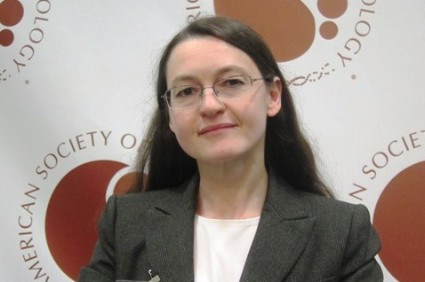
Radioimmunotherapy Eyed as Possible HIV Treatment
Radioimmunotherapy targeting the HIV gp41 glycoprotein destroyed residual reservoirs of HIV infected cells in the blood samples of patients treated with antiretrovirals. In an interview at the annual meeting of the Radiological Society of North America, Dr. Ekaterina Dadachova discusses the findings and the next steps for testing the approach in patients with HIV.
The video associated with this article is no longer available on this site. Please view all of our videos on the MDedge YouTube channel
Radioimmunotherapy targeting the HIV gp41 glycoprotein destroyed residual reservoirs of HIV infected cells in the blood samples of patients treated with antiretrovirals. In an interview at the annual meeting of the Radiological Society of North America, Dr. Ekaterina Dadachova discusses the findings and the next steps for testing the approach in patients with HIV.
The video associated with this article is no longer available on this site. Please view all of our videos on the MDedge YouTube channel
Radioimmunotherapy targeting the HIV gp41 glycoprotein destroyed residual reservoirs of HIV infected cells in the blood samples of patients treated with antiretrovirals. In an interview at the annual meeting of the Radiological Society of North America, Dr. Ekaterina Dadachova discusses the findings and the next steps for testing the approach in patients with HIV.