User login
Protocol Shrinks Ruptured Abdominal Aortic Aneurysm Treatment Time
CHICAGO – A dedicated protocol that streamlines the care pathway dramatically improved the timely care of patients with life-threatening ruptured abdominal aortic aneurysms, although overall outcomes held relatively steady.
Among 62 patients, the median overall door-to-treatment time decreased significantly from a preprotocol 183.5 minutes to 157 minutes post protocol (P = .05).
That included a significant drop in median emergency department-to-operating room time (35 minutes vs. 23 minutes; P = .035) and nonsignificant reductions in time spent at the referring hospital (150.5 minutes vs. 110 minutes) and in transit (52 minutes vs. 35 minutes), Dr. Raghu Motaganahalli reported on behalf of his colleagues at Indiana University, Indianapolis.
Data available on three-fourths of the patients suggest that the expedited care improved immediate outcomes. The percentage of patients who had a Glasgow Aneurysm Score greater than 100 and survived increased from 20% to 69% post-implementation, Dr. Motaganahalli said at the annual meeting of the Peripheral Vascular Surgery Society.
"Various therapeutic interventions, including endovascular therapy, have added to patient mortality," he said. "However, there’s still a need to have a dedicated protocol that enables early recognition by increasing awareness, effective communication, and rapid transfer to centers taking care of patients with ruptured aneurysms."
The Protocol at Indiana University Methodist Hospital
The level I vascular emergency program at Indiana University Methodist Hospital instituted a protocol for acute aortic emergencies, as well as limb-threatening ischemia, in August 2009. The transferring emergency department (ED) or attending physician initiates the process by calling a Lifeline Telecom toll-free number.
Lifeline Telecom arranges the transportation of the patient and calls the hospital operator, who sends out a burst page to the on-call vascular surgeon, OR charge nurse and vascular fellow, as well as the emergency medicine and trauma center (EMTC) charge nurse, cardiovascular critical care charge nurse, patient access team leader, level I vascular coordinator, main admission office, transfer center, chaplain, and security.
Meanwhile, the transferring ED faxes the patient’s face sheet to Lifeline, and the referring ED nurse calls in the patient report to the receiving ED charge nurse, Dr. Motaganahalli explained.
Upon receiving the page, the receiving surgeon and OR charge nurse call the same Lifeline number and hold a conference call with the transferring ED physician to determine whether the patient should go to the ED or directly to an OR. The surgeon then directs the OR charge nurse on the type of procedure to prepare, and the nurse sends a burst page to the OR team.
The surgeon is transferred by the operator to the EMTC physician, who reads the CT scans if they’re available. Indiana University Methodist Hospital is developing a central site where referring hospitals can upload images directly to its website, but for now, the hospital relies on transmission via CV Express or discs that arrive with the patient, Dr. Motaganahalli said.
The patients are mostly male, are transported by air, and have CT scans obtained at the referring facility. Of the 90 patients who have been treated since the protocol was adopted through November 2010, eight have died in transit or upon arrival.
Although all 26 preprotocol patients were treated with open repair, 36% of the 36 postprotocol patients have undergone endovascular repair, he said.
In all, 8 (30.7%) preprotocol patients died, compared with 11 (30.5%) postprotocol patients, including 3 who were treated endovascularly. Hospital length of stay and patient disposition were also similar.
Invited discussant Dr. Ravi Veeraswamy, a vascular surgeon from Emory University in Atlanta, asked whether there is a protocol in place for endovascular repair, and why shorter treatment times didn’t translate into a greater improvement in outcomes. Dr. Motaganahalli replied that the university is attracting more sick patients from across the state who previously would have died, and that these patients have worse hemodynamic values when they arrive.
He added that endovascular repair is based on purely anatomical criteria, and that they may use aortic balloon occlusion to temporarily obtain hemodynamic stability, but that these patients go on to open repair.
The authors reported no disclosures.
CHICAGO – A dedicated protocol that streamlines the care pathway dramatically improved the timely care of patients with life-threatening ruptured abdominal aortic aneurysms, although overall outcomes held relatively steady.
Among 62 patients, the median overall door-to-treatment time decreased significantly from a preprotocol 183.5 minutes to 157 minutes post protocol (P = .05).
That included a significant drop in median emergency department-to-operating room time (35 minutes vs. 23 minutes; P = .035) and nonsignificant reductions in time spent at the referring hospital (150.5 minutes vs. 110 minutes) and in transit (52 minutes vs. 35 minutes), Dr. Raghu Motaganahalli reported on behalf of his colleagues at Indiana University, Indianapolis.
Data available on three-fourths of the patients suggest that the expedited care improved immediate outcomes. The percentage of patients who had a Glasgow Aneurysm Score greater than 100 and survived increased from 20% to 69% post-implementation, Dr. Motaganahalli said at the annual meeting of the Peripheral Vascular Surgery Society.
"Various therapeutic interventions, including endovascular therapy, have added to patient mortality," he said. "However, there’s still a need to have a dedicated protocol that enables early recognition by increasing awareness, effective communication, and rapid transfer to centers taking care of patients with ruptured aneurysms."
The Protocol at Indiana University Methodist Hospital
The level I vascular emergency program at Indiana University Methodist Hospital instituted a protocol for acute aortic emergencies, as well as limb-threatening ischemia, in August 2009. The transferring emergency department (ED) or attending physician initiates the process by calling a Lifeline Telecom toll-free number.
Lifeline Telecom arranges the transportation of the patient and calls the hospital operator, who sends out a burst page to the on-call vascular surgeon, OR charge nurse and vascular fellow, as well as the emergency medicine and trauma center (EMTC) charge nurse, cardiovascular critical care charge nurse, patient access team leader, level I vascular coordinator, main admission office, transfer center, chaplain, and security.
Meanwhile, the transferring ED faxes the patient’s face sheet to Lifeline, and the referring ED nurse calls in the patient report to the receiving ED charge nurse, Dr. Motaganahalli explained.
Upon receiving the page, the receiving surgeon and OR charge nurse call the same Lifeline number and hold a conference call with the transferring ED physician to determine whether the patient should go to the ED or directly to an OR. The surgeon then directs the OR charge nurse on the type of procedure to prepare, and the nurse sends a burst page to the OR team.
The surgeon is transferred by the operator to the EMTC physician, who reads the CT scans if they’re available. Indiana University Methodist Hospital is developing a central site where referring hospitals can upload images directly to its website, but for now, the hospital relies on transmission via CV Express or discs that arrive with the patient, Dr. Motaganahalli said.
The patients are mostly male, are transported by air, and have CT scans obtained at the referring facility. Of the 90 patients who have been treated since the protocol was adopted through November 2010, eight have died in transit or upon arrival.
Although all 26 preprotocol patients were treated with open repair, 36% of the 36 postprotocol patients have undergone endovascular repair, he said.
In all, 8 (30.7%) preprotocol patients died, compared with 11 (30.5%) postprotocol patients, including 3 who were treated endovascularly. Hospital length of stay and patient disposition were also similar.
Invited discussant Dr. Ravi Veeraswamy, a vascular surgeon from Emory University in Atlanta, asked whether there is a protocol in place for endovascular repair, and why shorter treatment times didn’t translate into a greater improvement in outcomes. Dr. Motaganahalli replied that the university is attracting more sick patients from across the state who previously would have died, and that these patients have worse hemodynamic values when they arrive.
He added that endovascular repair is based on purely anatomical criteria, and that they may use aortic balloon occlusion to temporarily obtain hemodynamic stability, but that these patients go on to open repair.
The authors reported no disclosures.
CHICAGO – A dedicated protocol that streamlines the care pathway dramatically improved the timely care of patients with life-threatening ruptured abdominal aortic aneurysms, although overall outcomes held relatively steady.
Among 62 patients, the median overall door-to-treatment time decreased significantly from a preprotocol 183.5 minutes to 157 minutes post protocol (P = .05).
That included a significant drop in median emergency department-to-operating room time (35 minutes vs. 23 minutes; P = .035) and nonsignificant reductions in time spent at the referring hospital (150.5 minutes vs. 110 minutes) and in transit (52 minutes vs. 35 minutes), Dr. Raghu Motaganahalli reported on behalf of his colleagues at Indiana University, Indianapolis.
Data available on three-fourths of the patients suggest that the expedited care improved immediate outcomes. The percentage of patients who had a Glasgow Aneurysm Score greater than 100 and survived increased from 20% to 69% post-implementation, Dr. Motaganahalli said at the annual meeting of the Peripheral Vascular Surgery Society.
"Various therapeutic interventions, including endovascular therapy, have added to patient mortality," he said. "However, there’s still a need to have a dedicated protocol that enables early recognition by increasing awareness, effective communication, and rapid transfer to centers taking care of patients with ruptured aneurysms."
The Protocol at Indiana University Methodist Hospital
The level I vascular emergency program at Indiana University Methodist Hospital instituted a protocol for acute aortic emergencies, as well as limb-threatening ischemia, in August 2009. The transferring emergency department (ED) or attending physician initiates the process by calling a Lifeline Telecom toll-free number.
Lifeline Telecom arranges the transportation of the patient and calls the hospital operator, who sends out a burst page to the on-call vascular surgeon, OR charge nurse and vascular fellow, as well as the emergency medicine and trauma center (EMTC) charge nurse, cardiovascular critical care charge nurse, patient access team leader, level I vascular coordinator, main admission office, transfer center, chaplain, and security.
Meanwhile, the transferring ED faxes the patient’s face sheet to Lifeline, and the referring ED nurse calls in the patient report to the receiving ED charge nurse, Dr. Motaganahalli explained.
Upon receiving the page, the receiving surgeon and OR charge nurse call the same Lifeline number and hold a conference call with the transferring ED physician to determine whether the patient should go to the ED or directly to an OR. The surgeon then directs the OR charge nurse on the type of procedure to prepare, and the nurse sends a burst page to the OR team.
The surgeon is transferred by the operator to the EMTC physician, who reads the CT scans if they’re available. Indiana University Methodist Hospital is developing a central site where referring hospitals can upload images directly to its website, but for now, the hospital relies on transmission via CV Express or discs that arrive with the patient, Dr. Motaganahalli said.
The patients are mostly male, are transported by air, and have CT scans obtained at the referring facility. Of the 90 patients who have been treated since the protocol was adopted through November 2010, eight have died in transit or upon arrival.
Although all 26 preprotocol patients were treated with open repair, 36% of the 36 postprotocol patients have undergone endovascular repair, he said.
In all, 8 (30.7%) preprotocol patients died, compared with 11 (30.5%) postprotocol patients, including 3 who were treated endovascularly. Hospital length of stay and patient disposition were also similar.
Invited discussant Dr. Ravi Veeraswamy, a vascular surgeon from Emory University in Atlanta, asked whether there is a protocol in place for endovascular repair, and why shorter treatment times didn’t translate into a greater improvement in outcomes. Dr. Motaganahalli replied that the university is attracting more sick patients from across the state who previously would have died, and that these patients have worse hemodynamic values when they arrive.
He added that endovascular repair is based on purely anatomical criteria, and that they may use aortic balloon occlusion to temporarily obtain hemodynamic stability, but that these patients go on to open repair.
The authors reported no disclosures.
FROM THE ANNUAL MEETING OF THE PERIPHERAL VASCULAR SURGERY SOCIETY
Major Finding: Median overall door-to-treatment time significantly decreased from a preprotocol 183.5 minutes to 157 minutes post protocol.
Data Source: A retrospective analysis of 62 patients with ruptured abdominal aortic aneurysms.
Disclosures: The authors reported no disclosures.
Mutation Testing Guided Erlotinib Prescribing in Lung Cancer
CHICAGO – The newly minted Lung Cancer Mutation Consortium detected a driver mutation in 54% of lung adenocarcinoma tumors, allowing clinicians to use the information in real time to select erlotinib as initial therapy or to direct patients to trials targeting their specific mutation.
The collaborative effort points to the revolutionary changes taking place in the management of lung adenocarcinoma and the potential for personalized treatment in routine practice.

"While an individual mutation may be quite rare, having a mutation of some kind that is actionable is very common in adenocarcinoma," said Dr. Mark G. Kris, who presented the findings at the annual meeting of the American Society of Clinical Oncology (ASCO).
Earlier this year, the National Comprehensive Cancer Network and ASCO recommended epidermal growth factor receptor (EGFR) mutation testing to identify patients with advanced non-small cell lung cancer (NSCLC) who may benefit from EGFR tyrosine kinase inhibitors such as erlotinib (Tarceva) and gefitinib (Iressa). Adenocarcinoma is the most common form of NSCLC, accounting for up to 50% of cases in the United States.
Dr. Kris said new mutations can be quickly added to the testing process and that they plan to maintain and expand the scope of the consortium when federal funding ends for the National Cancer Institute–sponsored initiative made up of 14 cancer centers across the country.
"I think this can serve as a model for other institutions developing similar programs in lung cancer and for other cancers," said Dr. Kris, chief of thoracic oncology at Memorial Sloan-Kettering Cancer Center in New York.
A total of 1,234 patients with stage IV lung adenocarcinoma agreed to undergo testing for 10 known mutations using standard multiplexed assays and fluorescence in situ hybridization. Inadequate tissue in 170 patients (14%) resulted in a study group of 1,064 patients. Mutations were identified in 280 (54%) of 516 tumor specimens tested to date (95% confidence interval 50%-59%).
As suspected, the most common mutations were KRAS (22%), EGFR (17%), and EML4-ALK rearrangement (7%), Dr. Kris said. Other mutations were: BRAF (2%) and PIK3CA, HER2, MET amplification, MEK1, NRAS, and AKT1.
The vast majority (97%) of mutations were mutually exclusive. Of the 14 double-mutant tumors, the two molecular lesions most commonly seen together were MET amplification and PIK3CA, he said.
Four sites had testing available prior to the study, with seven additional sites now able to provide multiplex mutation testing. Preliminary data from 121 patients enrolled at a single site show that driver mutations were found in 60 (59%) of 102 patients in whom testing was completed. That information was used to direct therapy in 30% of patients – 19 to receive erlotinib up front and 16 to go on a trial of an agent targeting their specific mutation.
"In truth, we used it for every patient because when we did not find an EGFR mutation, we did not give them erlotinib," Dr. Kris said.
The turnaround time for mutational testing varied by site, but generally took only a few days. The great majority of time is in specimen acquisition, preparation, and submission to the molecular lab.
"Those are formidable obstacles that we all have to face," Dr. Kris said. "But I think with programs like this, we’ll get over those."
Invited discussant Dr. Ramaswamy Govindan, a professor of medicine at Washington University in St. Louis, said EGFR mutation testing is ready for routine clinical use and that EML4 ALK fusion testing will soon be ready. He pointed out that there are more than 15,000 NSCLC mutations alone in the Catalog of Somatic Mutations in Cancer database and that many questions remain, including the cost-effectiveness of mutational testing.
"It’s important to remember that not all mutations are created equal," he said.
Dr. Govindan described the most important aspect of the presentation as the linking of the consortium to targeted clinical trials. Last year he was coauthor of a review that found only 8% of nearly 500 ongoing clinical trials in NSCLC used biomarkers for patient selection (J Thorac. Oncol. 2010 Aug;5:1116-9). He contrasted that study with the observation that no fewer than 112 drugs were discussed at this year’s Targeted Therapies in Lung Cancer meeting.
Some of the agents being evaluated in trials linked to the consortium include: crizotinib for EML4-ALK rearrangements, tivantinib plus erlotinib for KRAS mutations, erlotinib plus the investigational agents OSI 906 or MM 121 for EFGR mutations and an afatinib trial targeting HER2 led by Dr. Kris.
The Lung Cancer Mutation Consortium was funded by an American Recovery and Relief grant. Dr. Kris reports consulting for ArQule, BI, Chugai Pharma and Pfizer. Dr. Govindan reports consulting for Taiho and honoraria from AstraZeneca, GlaxoSmithKline, and BI.
CHICAGO – The newly minted Lung Cancer Mutation Consortium detected a driver mutation in 54% of lung adenocarcinoma tumors, allowing clinicians to use the information in real time to select erlotinib as initial therapy or to direct patients to trials targeting their specific mutation.
The collaborative effort points to the revolutionary changes taking place in the management of lung adenocarcinoma and the potential for personalized treatment in routine practice.
"While an individual mutation may be quite rare, having a mutation of some kind that is actionable is very common in adenocarcinoma," said Dr. Mark G. Kris, who presented the findings at the annual meeting of the American Society of Clinical Oncology (ASCO).
Earlier this year, the National Comprehensive Cancer Network and ASCO recommended epidermal growth factor receptor (EGFR) mutation testing to identify patients with advanced non-small cell lung cancer (NSCLC) who may benefit from EGFR tyrosine kinase inhibitors such as erlotinib (Tarceva) and gefitinib (Iressa). Adenocarcinoma is the most common form of NSCLC, accounting for up to 50% of cases in the United States.
Dr. Kris said new mutations can be quickly added to the testing process and that they plan to maintain and expand the scope of the consortium when federal funding ends for the National Cancer Institute–sponsored initiative made up of 14 cancer centers across the country.
"I think this can serve as a model for other institutions developing similar programs in lung cancer and for other cancers," said Dr. Kris, chief of thoracic oncology at Memorial Sloan-Kettering Cancer Center in New York.
A total of 1,234 patients with stage IV lung adenocarcinoma agreed to undergo testing for 10 known mutations using standard multiplexed assays and fluorescence in situ hybridization. Inadequate tissue in 170 patients (14%) resulted in a study group of 1,064 patients. Mutations were identified in 280 (54%) of 516 tumor specimens tested to date (95% confidence interval 50%-59%).
As suspected, the most common mutations were KRAS (22%), EGFR (17%), and EML4-ALK rearrangement (7%), Dr. Kris said. Other mutations were: BRAF (2%) and PIK3CA, HER2, MET amplification, MEK1, NRAS, and AKT1.
The vast majority (97%) of mutations were mutually exclusive. Of the 14 double-mutant tumors, the two molecular lesions most commonly seen together were MET amplification and PIK3CA, he said.
Four sites had testing available prior to the study, with seven additional sites now able to provide multiplex mutation testing. Preliminary data from 121 patients enrolled at a single site show that driver mutations were found in 60 (59%) of 102 patients in whom testing was completed. That information was used to direct therapy in 30% of patients – 19 to receive erlotinib up front and 16 to go on a trial of an agent targeting their specific mutation.
"In truth, we used it for every patient because when we did not find an EGFR mutation, we did not give them erlotinib," Dr. Kris said.
The turnaround time for mutational testing varied by site, but generally took only a few days. The great majority of time is in specimen acquisition, preparation, and submission to the molecular lab.
"Those are formidable obstacles that we all have to face," Dr. Kris said. "But I think with programs like this, we’ll get over those."
Invited discussant Dr. Ramaswamy Govindan, a professor of medicine at Washington University in St. Louis, said EGFR mutation testing is ready for routine clinical use and that EML4 ALK fusion testing will soon be ready. He pointed out that there are more than 15,000 NSCLC mutations alone in the Catalog of Somatic Mutations in Cancer database and that many questions remain, including the cost-effectiveness of mutational testing.
"It’s important to remember that not all mutations are created equal," he said.
Dr. Govindan described the most important aspect of the presentation as the linking of the consortium to targeted clinical trials. Last year he was coauthor of a review that found only 8% of nearly 500 ongoing clinical trials in NSCLC used biomarkers for patient selection (J Thorac. Oncol. 2010 Aug;5:1116-9). He contrasted that study with the observation that no fewer than 112 drugs were discussed at this year’s Targeted Therapies in Lung Cancer meeting.
Some of the agents being evaluated in trials linked to the consortium include: crizotinib for EML4-ALK rearrangements, tivantinib plus erlotinib for KRAS mutations, erlotinib plus the investigational agents OSI 906 or MM 121 for EFGR mutations and an afatinib trial targeting HER2 led by Dr. Kris.
The Lung Cancer Mutation Consortium was funded by an American Recovery and Relief grant. Dr. Kris reports consulting for ArQule, BI, Chugai Pharma and Pfizer. Dr. Govindan reports consulting for Taiho and honoraria from AstraZeneca, GlaxoSmithKline, and BI.
CHICAGO – The newly minted Lung Cancer Mutation Consortium detected a driver mutation in 54% of lung adenocarcinoma tumors, allowing clinicians to use the information in real time to select erlotinib as initial therapy or to direct patients to trials targeting their specific mutation.
The collaborative effort points to the revolutionary changes taking place in the management of lung adenocarcinoma and the potential for personalized treatment in routine practice.
"While an individual mutation may be quite rare, having a mutation of some kind that is actionable is very common in adenocarcinoma," said Dr. Mark G. Kris, who presented the findings at the annual meeting of the American Society of Clinical Oncology (ASCO).
Earlier this year, the National Comprehensive Cancer Network and ASCO recommended epidermal growth factor receptor (EGFR) mutation testing to identify patients with advanced non-small cell lung cancer (NSCLC) who may benefit from EGFR tyrosine kinase inhibitors such as erlotinib (Tarceva) and gefitinib (Iressa). Adenocarcinoma is the most common form of NSCLC, accounting for up to 50% of cases in the United States.
Dr. Kris said new mutations can be quickly added to the testing process and that they plan to maintain and expand the scope of the consortium when federal funding ends for the National Cancer Institute–sponsored initiative made up of 14 cancer centers across the country.
"I think this can serve as a model for other institutions developing similar programs in lung cancer and for other cancers," said Dr. Kris, chief of thoracic oncology at Memorial Sloan-Kettering Cancer Center in New York.
A total of 1,234 patients with stage IV lung adenocarcinoma agreed to undergo testing for 10 known mutations using standard multiplexed assays and fluorescence in situ hybridization. Inadequate tissue in 170 patients (14%) resulted in a study group of 1,064 patients. Mutations were identified in 280 (54%) of 516 tumor specimens tested to date (95% confidence interval 50%-59%).
As suspected, the most common mutations were KRAS (22%), EGFR (17%), and EML4-ALK rearrangement (7%), Dr. Kris said. Other mutations were: BRAF (2%) and PIK3CA, HER2, MET amplification, MEK1, NRAS, and AKT1.
The vast majority (97%) of mutations were mutually exclusive. Of the 14 double-mutant tumors, the two molecular lesions most commonly seen together were MET amplification and PIK3CA, he said.
Four sites had testing available prior to the study, with seven additional sites now able to provide multiplex mutation testing. Preliminary data from 121 patients enrolled at a single site show that driver mutations were found in 60 (59%) of 102 patients in whom testing was completed. That information was used to direct therapy in 30% of patients – 19 to receive erlotinib up front and 16 to go on a trial of an agent targeting their specific mutation.
"In truth, we used it for every patient because when we did not find an EGFR mutation, we did not give them erlotinib," Dr. Kris said.
The turnaround time for mutational testing varied by site, but generally took only a few days. The great majority of time is in specimen acquisition, preparation, and submission to the molecular lab.
"Those are formidable obstacles that we all have to face," Dr. Kris said. "But I think with programs like this, we’ll get over those."
Invited discussant Dr. Ramaswamy Govindan, a professor of medicine at Washington University in St. Louis, said EGFR mutation testing is ready for routine clinical use and that EML4 ALK fusion testing will soon be ready. He pointed out that there are more than 15,000 NSCLC mutations alone in the Catalog of Somatic Mutations in Cancer database and that many questions remain, including the cost-effectiveness of mutational testing.
"It’s important to remember that not all mutations are created equal," he said.
Dr. Govindan described the most important aspect of the presentation as the linking of the consortium to targeted clinical trials. Last year he was coauthor of a review that found only 8% of nearly 500 ongoing clinical trials in NSCLC used biomarkers for patient selection (J Thorac. Oncol. 2010 Aug;5:1116-9). He contrasted that study with the observation that no fewer than 112 drugs were discussed at this year’s Targeted Therapies in Lung Cancer meeting.
Some of the agents being evaluated in trials linked to the consortium include: crizotinib for EML4-ALK rearrangements, tivantinib plus erlotinib for KRAS mutations, erlotinib plus the investigational agents OSI 906 or MM 121 for EFGR mutations and an afatinib trial targeting HER2 led by Dr. Kris.
The Lung Cancer Mutation Consortium was funded by an American Recovery and Relief grant. Dr. Kris reports consulting for ArQule, BI, Chugai Pharma and Pfizer. Dr. Govindan reports consulting for Taiho and honoraria from AstraZeneca, GlaxoSmithKline, and BI.
FROM THE ANNUAL MEETING OF THE AMERICAN SOCIETY OF CLINICAL ONCOLOGY
Major Finding: Driver mutations were detected in 54% of 516 lung adenocarcinoma tumors.
Data Source: Prospective mutational analysis of 1,064 patients with advanced lung adenocarcinoma.
Disclosures: The Lung Cancer Mutation Consortium was funded by an American Recovery and Relief Act grant. Dr. Kris reports consulting for ArQule, Boehringer Ingelheim (BI), Chugai Pharma, and Pfizer. Dr. Govindan reports consulting for Taiho and honoraria from AstraZeneca, GlaxoSmithKline, and BI.
Retrospective Analysis Supports Link Between PPIs and Hypomagnesemia
CHICAGO – Proton pump inhibitor use was significantly associated with hypomagnesemia in a large, retrospective analysis of 1,317 hospitalized adults.
The potential effects of PPI use on serum magnesium levels did not appear to be dose related, Dr. Jen-Tzer Gau and his colleagues reported at the annual Digestive Disease Week.
In a safety announcement released in earlier this year, the Food and Drug Administration warned that prolonged use of prescription proton pump inhibitors (PPIs) can reduce magnesium levels, possibly leading to serious adverse events including tetany, arrhythmias, and seizures.
The agency recommends that providers obtain serum magnesium levels prior to initiating PPI therapy, and then periodically check levels in patients who are on prolonged PPI treatment or who take PPIs with digoxin or drugs such as diuretics that may cause hypomagnesemia.
The safety alert was based on 38 cases in the Adverse Event Reporting System and 23 cases in the literature (at least 8 of which were included in the 38 in AERS), and it notes that hypomagnesemia is likely underrecognized and underreported.
The current study involved 1,317 patients at a rural community hospital in southeast Ohio, of whom 464 were PPI users and 853 were not. Hypomagnesemia was defined as a magnesium level of less than 1.7 mg/dL.
The mean magnesium level on admission was 1.91 mg/dL among PPI users, compared with 2.00 mg/dL among nonusers (P = .004), said Dr. Gau, chair of geriatric medicine/gerontology at Ohio University College of Osteopathic Medicine in Athens. PPI users and nonusers were similar with regard to age (mean 73 years), gender (62% female), past smoking history (roughly 22%), length of stay (mean 4.5 days), and discharge diagnosis, although PPI users had significantly more GI illness, as would be expected (31% vs. 26%, P = .02).
In logistic regression analyses, PPI therapy was associated with an increased risk of hypomagnesemia occurrence (crude odds ratio 2.41), and the association remained significant after adjustment for all confounders (OR 2.41, 95% confidence interval 1.34-4.34), Dr. Gau said.
The odds ratio was 2.29 after adjustment for age, sex, and serum albumin levels (model 1; 95% CI 1.35-3.89) and was 2.21 after researchers also adjusted for serum levels of potassium, calcium, and creatinine; supplementation with potassium and magnesium; history of diabetes and chronic obstructive pulmonary disease; and diuretic use (model 2; 95% CI 1.27-3.85). The fully adjusted model included all of the above variables plus history of heart failure and coronary artery disease, a diagnosis of acute GI illness, and use of iron supplements, antipsychotics, antihistamines, narcotics, NSAIDs, antidepressants, beta2-agonist bronchodilators, inhaled corticosteroids, and oral laxatives.
In an analysis of variance that evaluated PPI dosage, the mean magnesium level was 2.0 mg/dL with a defined daily dose (DDD) of 0, 1.89 mg/dL with a DDD of 1, and 1.92 mg/dL with a DDD of 2 or more (P = .026), Dr. Gau said.
In a regression analysis, however, no significant association between hypomagnesemia and PPI use was observed for the higher PPI dose compared with no PPI use (DDD 2 or more vs. DDD 0) in the adjusted model 2 (OR 1.80; CI 0.98-3.30). Otherwise, there were significant associations observed in the rest of the models between hypomagnesemia and PPI use.
During a discussion of the study at the meeting, an attendee asked why the association with hypomagnesemia was not more profound at higher levels of PPI use. Dr. Gau replied that the finding that both higher and lower DDD units appeared to significantly increase the risk for hypomagnesemia is consistent with other case reports suggesting that it was a non–dose related or time-related adverse drug reaction.
Patients with lower serum albumin levels had significantly lower magnesium levels and an increased risk for hypomagnesemia (adjusted OR 2.31; CI 1.28-4.16). Dr. Gau said serum potassium levels were also associated with lower serum magnesium levels, but he did not provide specific data.
Limitations of the study include the fact that most of the patients were white, the lack of data on duration of PPI use (although most patients were probably long-term users), he said, and the potential for unmeasured confounders. The FDA noted that PPI-treated patients with reported hypomagnesemia had typically taken PPIs for more than 1 year.
Given the potential for additional confounders in a hospital-based population, one attendee suggested that a community-based cohort would have been more meaningful.
Dr. Gau said that future work should address the potential underlying mechanism for lower magnesium levels among PPI users. The exact mechanism is unknown, although it is thought that PPIs may interfere with magnesium absorption from the GI tract.
Dr. Gau and his coauthors reported no conflicts of interest.
CHICAGO – Proton pump inhibitor use was significantly associated with hypomagnesemia in a large, retrospective analysis of 1,317 hospitalized adults.
The potential effects of PPI use on serum magnesium levels did not appear to be dose related, Dr. Jen-Tzer Gau and his colleagues reported at the annual Digestive Disease Week.
In a safety announcement released in earlier this year, the Food and Drug Administration warned that prolonged use of prescription proton pump inhibitors (PPIs) can reduce magnesium levels, possibly leading to serious adverse events including tetany, arrhythmias, and seizures.
The agency recommends that providers obtain serum magnesium levels prior to initiating PPI therapy, and then periodically check levels in patients who are on prolonged PPI treatment or who take PPIs with digoxin or drugs such as diuretics that may cause hypomagnesemia.
The safety alert was based on 38 cases in the Adverse Event Reporting System and 23 cases in the literature (at least 8 of which were included in the 38 in AERS), and it notes that hypomagnesemia is likely underrecognized and underreported.
The current study involved 1,317 patients at a rural community hospital in southeast Ohio, of whom 464 were PPI users and 853 were not. Hypomagnesemia was defined as a magnesium level of less than 1.7 mg/dL.
The mean magnesium level on admission was 1.91 mg/dL among PPI users, compared with 2.00 mg/dL among nonusers (P = .004), said Dr. Gau, chair of geriatric medicine/gerontology at Ohio University College of Osteopathic Medicine in Athens. PPI users and nonusers were similar with regard to age (mean 73 years), gender (62% female), past smoking history (roughly 22%), length of stay (mean 4.5 days), and discharge diagnosis, although PPI users had significantly more GI illness, as would be expected (31% vs. 26%, P = .02).
In logistic regression analyses, PPI therapy was associated with an increased risk of hypomagnesemia occurrence (crude odds ratio 2.41), and the association remained significant after adjustment for all confounders (OR 2.41, 95% confidence interval 1.34-4.34), Dr. Gau said.
The odds ratio was 2.29 after adjustment for age, sex, and serum albumin levels (model 1; 95% CI 1.35-3.89) and was 2.21 after researchers also adjusted for serum levels of potassium, calcium, and creatinine; supplementation with potassium and magnesium; history of diabetes and chronic obstructive pulmonary disease; and diuretic use (model 2; 95% CI 1.27-3.85). The fully adjusted model included all of the above variables plus history of heart failure and coronary artery disease, a diagnosis of acute GI illness, and use of iron supplements, antipsychotics, antihistamines, narcotics, NSAIDs, antidepressants, beta2-agonist bronchodilators, inhaled corticosteroids, and oral laxatives.
In an analysis of variance that evaluated PPI dosage, the mean magnesium level was 2.0 mg/dL with a defined daily dose (DDD) of 0, 1.89 mg/dL with a DDD of 1, and 1.92 mg/dL with a DDD of 2 or more (P = .026), Dr. Gau said.
In a regression analysis, however, no significant association between hypomagnesemia and PPI use was observed for the higher PPI dose compared with no PPI use (DDD 2 or more vs. DDD 0) in the adjusted model 2 (OR 1.80; CI 0.98-3.30). Otherwise, there were significant associations observed in the rest of the models between hypomagnesemia and PPI use.
During a discussion of the study at the meeting, an attendee asked why the association with hypomagnesemia was not more profound at higher levels of PPI use. Dr. Gau replied that the finding that both higher and lower DDD units appeared to significantly increase the risk for hypomagnesemia is consistent with other case reports suggesting that it was a non–dose related or time-related adverse drug reaction.
Patients with lower serum albumin levels had significantly lower magnesium levels and an increased risk for hypomagnesemia (adjusted OR 2.31; CI 1.28-4.16). Dr. Gau said serum potassium levels were also associated with lower serum magnesium levels, but he did not provide specific data.
Limitations of the study include the fact that most of the patients were white, the lack of data on duration of PPI use (although most patients were probably long-term users), he said, and the potential for unmeasured confounders. The FDA noted that PPI-treated patients with reported hypomagnesemia had typically taken PPIs for more than 1 year.
Given the potential for additional confounders in a hospital-based population, one attendee suggested that a community-based cohort would have been more meaningful.
Dr. Gau said that future work should address the potential underlying mechanism for lower magnesium levels among PPI users. The exact mechanism is unknown, although it is thought that PPIs may interfere with magnesium absorption from the GI tract.
Dr. Gau and his coauthors reported no conflicts of interest.
CHICAGO – Proton pump inhibitor use was significantly associated with hypomagnesemia in a large, retrospective analysis of 1,317 hospitalized adults.
The potential effects of PPI use on serum magnesium levels did not appear to be dose related, Dr. Jen-Tzer Gau and his colleagues reported at the annual Digestive Disease Week.
In a safety announcement released in earlier this year, the Food and Drug Administration warned that prolonged use of prescription proton pump inhibitors (PPIs) can reduce magnesium levels, possibly leading to serious adverse events including tetany, arrhythmias, and seizures.
The agency recommends that providers obtain serum magnesium levels prior to initiating PPI therapy, and then periodically check levels in patients who are on prolonged PPI treatment or who take PPIs with digoxin or drugs such as diuretics that may cause hypomagnesemia.
The safety alert was based on 38 cases in the Adverse Event Reporting System and 23 cases in the literature (at least 8 of which were included in the 38 in AERS), and it notes that hypomagnesemia is likely underrecognized and underreported.
The current study involved 1,317 patients at a rural community hospital in southeast Ohio, of whom 464 were PPI users and 853 were not. Hypomagnesemia was defined as a magnesium level of less than 1.7 mg/dL.
The mean magnesium level on admission was 1.91 mg/dL among PPI users, compared with 2.00 mg/dL among nonusers (P = .004), said Dr. Gau, chair of geriatric medicine/gerontology at Ohio University College of Osteopathic Medicine in Athens. PPI users and nonusers were similar with regard to age (mean 73 years), gender (62% female), past smoking history (roughly 22%), length of stay (mean 4.5 days), and discharge diagnosis, although PPI users had significantly more GI illness, as would be expected (31% vs. 26%, P = .02).
In logistic regression analyses, PPI therapy was associated with an increased risk of hypomagnesemia occurrence (crude odds ratio 2.41), and the association remained significant after adjustment for all confounders (OR 2.41, 95% confidence interval 1.34-4.34), Dr. Gau said.
The odds ratio was 2.29 after adjustment for age, sex, and serum albumin levels (model 1; 95% CI 1.35-3.89) and was 2.21 after researchers also adjusted for serum levels of potassium, calcium, and creatinine; supplementation with potassium and magnesium; history of diabetes and chronic obstructive pulmonary disease; and diuretic use (model 2; 95% CI 1.27-3.85). The fully adjusted model included all of the above variables plus history of heart failure and coronary artery disease, a diagnosis of acute GI illness, and use of iron supplements, antipsychotics, antihistamines, narcotics, NSAIDs, antidepressants, beta2-agonist bronchodilators, inhaled corticosteroids, and oral laxatives.
In an analysis of variance that evaluated PPI dosage, the mean magnesium level was 2.0 mg/dL with a defined daily dose (DDD) of 0, 1.89 mg/dL with a DDD of 1, and 1.92 mg/dL with a DDD of 2 or more (P = .026), Dr. Gau said.
In a regression analysis, however, no significant association between hypomagnesemia and PPI use was observed for the higher PPI dose compared with no PPI use (DDD 2 or more vs. DDD 0) in the adjusted model 2 (OR 1.80; CI 0.98-3.30). Otherwise, there were significant associations observed in the rest of the models between hypomagnesemia and PPI use.
During a discussion of the study at the meeting, an attendee asked why the association with hypomagnesemia was not more profound at higher levels of PPI use. Dr. Gau replied that the finding that both higher and lower DDD units appeared to significantly increase the risk for hypomagnesemia is consistent with other case reports suggesting that it was a non–dose related or time-related adverse drug reaction.
Patients with lower serum albumin levels had significantly lower magnesium levels and an increased risk for hypomagnesemia (adjusted OR 2.31; CI 1.28-4.16). Dr. Gau said serum potassium levels were also associated with lower serum magnesium levels, but he did not provide specific data.
Limitations of the study include the fact that most of the patients were white, the lack of data on duration of PPI use (although most patients were probably long-term users), he said, and the potential for unmeasured confounders. The FDA noted that PPI-treated patients with reported hypomagnesemia had typically taken PPIs for more than 1 year.
Given the potential for additional confounders in a hospital-based population, one attendee suggested that a community-based cohort would have been more meaningful.
Dr. Gau said that future work should address the potential underlying mechanism for lower magnesium levels among PPI users. The exact mechanism is unknown, although it is thought that PPIs may interfere with magnesium absorption from the GI tract.
Dr. Gau and his coauthors reported no conflicts of interest.
FROM THE ANNUAL DIGESTIVE DISEASE WEEK
Major Finding: The mean serum magnesium level was 1.91 mg/dL among PPI users and 2.00 mg/dL among nonusers (P = .004).
Data Source: Retrospective analysis of 1,317 hospital-based adult patients.
Disclosures: The authors reported no conflicts.
Retrospective Analysis Supports Link Between PPIs and Hypomagnesemia
CHICAGO – Proton pump inhibitor use was significantly associated with hypomagnesemia in a large, retrospective analysis of 1,317 hospitalized adults.
The potential effects of PPI use on serum magnesium levels did not appear to be dose related, Dr. Jen-Tzer Gau and his colleagues reported at the annual Digestive Disease Week.
In a safety announcement released in earlier this year, the Food and Drug Administration warned that prolonged use of prescription proton pump inhibitors (PPIs) can reduce magnesium levels, possibly leading to serious adverse events including tetany, arrhythmias, and seizures.
The agency recommends that providers obtain serum magnesium levels prior to initiating PPI therapy, and then periodically check levels in patients who are on prolonged PPI treatment or who take PPIs with digoxin or drugs such as diuretics that may cause hypomagnesemia.
The safety alert was based on 38 cases in the Adverse Event Reporting System and 23 cases in the literature (at least 8 of which were included in the 38 in AERS), and it notes that hypomagnesemia is likely underrecognized and underreported.
The current study involved 1,317 patients at a rural community hospital in southeast Ohio, of whom 464 were PPI users and 853 were not. Hypomagnesemia was defined as a magnesium level of less than 1.7 mg/dL.
The mean magnesium level on admission was 1.91 mg/dL among PPI users, compared with 2.00 mg/dL among nonusers (P = .004), said Dr. Gau, chair of geriatric medicine/gerontology at Ohio University College of Osteopathic Medicine in Athens. PPI users and nonusers were similar with regard to age (mean 73 years), gender (62% female), past smoking history (roughly 22%), length of stay (mean 4.5 days), and discharge diagnosis, although PPI users had significantly more GI illness, as would be expected (31% vs. 26%, P = .02).
In logistic regression analyses, PPI therapy was associated with an increased risk of hypomagnesemia occurrence (crude odds ratio 2.41), and the association remained significant after adjustment for all confounders (OR 2.41, 95% confidence interval 1.34-4.34), Dr. Gau said.
The odds ratio was 2.29 after adjustment for age, sex, and serum albumin levels (model 1; 95% CI 1.35-3.89) and was 2.21 after researchers also adjusted for serum levels of potassium, calcium, and creatinine; supplementation with potassium and magnesium; history of diabetes and chronic obstructive pulmonary disease; and diuretic use (model 2; 95% CI 1.27-3.85). The fully adjusted model included all of the above variables plus history of heart failure and coronary artery disease, a diagnosis of acute GI illness, and use of iron supplements, antipsychotics, antihistamines, narcotics, NSAIDs, antidepressants, beta2-agonist bronchodilators, inhaled corticosteroids, and oral laxatives.
In an analysis of variance that evaluated PPI dosage, the mean magnesium level was 2.0 mg/dL with a defined daily dose (DDD) of 0, 1.89 mg/dL with a DDD of 1, and 1.92 mg/dL with a DDD of 2 or more (P = .026), Dr. Gau said.
In a regression analysis, however, no significant association between hypomagnesemia and PPI use was observed for the higher PPI dose compared with no PPI use (DDD 2 or more vs. DDD 0) in the adjusted model 2 (OR 1.80; CI 0.98-3.30). Otherwise, there were significant associations observed in the rest of the models between hypomagnesemia and PPI use.
During a discussion of the study at the meeting, an attendee asked why the association with hypomagnesemia was not more profound at higher levels of PPI use. Dr. Gau replied that the finding that both higher and lower DDD units appeared to significantly increase the risk for hypomagnesemia is consistent with other case reports suggesting that it was a non–dose related or time-related adverse drug reaction.
Patients with lower serum albumin levels had significantly lower magnesium levels and an increased risk for hypomagnesemia (adjusted OR 2.31; CI 1.28-4.16). Dr. Gau said serum potassium levels were also associated with lower serum magnesium levels, but he did not provide specific data.
Limitations of the study include the fact that most of the patients were white, the lack of data on duration of PPI use (although most patients were probably long-term users), he said, and the potential for unmeasured confounders. The FDA noted that PPI-treated patients with reported hypomagnesemia had typically taken PPIs for more than 1 year.
Given the potential for additional confounders in a hospital-based population, one attendee suggested that a community-based cohort would have been more meaningful.
Dr. Gau said that future work should address the potential underlying mechanism for lower magnesium levels among PPI users. The exact mechanism is unknown, although it is thought that PPIs may interfere with magnesium absorption from the GI tract.
Dr. Gau and his coauthors reported no conflicts of interest.
CHICAGO – Proton pump inhibitor use was significantly associated with hypomagnesemia in a large, retrospective analysis of 1,317 hospitalized adults.
The potential effects of PPI use on serum magnesium levels did not appear to be dose related, Dr. Jen-Tzer Gau and his colleagues reported at the annual Digestive Disease Week.
In a safety announcement released in earlier this year, the Food and Drug Administration warned that prolonged use of prescription proton pump inhibitors (PPIs) can reduce magnesium levels, possibly leading to serious adverse events including tetany, arrhythmias, and seizures.
The agency recommends that providers obtain serum magnesium levels prior to initiating PPI therapy, and then periodically check levels in patients who are on prolonged PPI treatment or who take PPIs with digoxin or drugs such as diuretics that may cause hypomagnesemia.
The safety alert was based on 38 cases in the Adverse Event Reporting System and 23 cases in the literature (at least 8 of which were included in the 38 in AERS), and it notes that hypomagnesemia is likely underrecognized and underreported.
The current study involved 1,317 patients at a rural community hospital in southeast Ohio, of whom 464 were PPI users and 853 were not. Hypomagnesemia was defined as a magnesium level of less than 1.7 mg/dL.
The mean magnesium level on admission was 1.91 mg/dL among PPI users, compared with 2.00 mg/dL among nonusers (P = .004), said Dr. Gau, chair of geriatric medicine/gerontology at Ohio University College of Osteopathic Medicine in Athens. PPI users and nonusers were similar with regard to age (mean 73 years), gender (62% female), past smoking history (roughly 22%), length of stay (mean 4.5 days), and discharge diagnosis, although PPI users had significantly more GI illness, as would be expected (31% vs. 26%, P = .02).
In logistic regression analyses, PPI therapy was associated with an increased risk of hypomagnesemia occurrence (crude odds ratio 2.41), and the association remained significant after adjustment for all confounders (OR 2.41, 95% confidence interval 1.34-4.34), Dr. Gau said.
The odds ratio was 2.29 after adjustment for age, sex, and serum albumin levels (model 1; 95% CI 1.35-3.89) and was 2.21 after researchers also adjusted for serum levels of potassium, calcium, and creatinine; supplementation with potassium and magnesium; history of diabetes and chronic obstructive pulmonary disease; and diuretic use (model 2; 95% CI 1.27-3.85). The fully adjusted model included all of the above variables plus history of heart failure and coronary artery disease, a diagnosis of acute GI illness, and use of iron supplements, antipsychotics, antihistamines, narcotics, NSAIDs, antidepressants, beta2-agonist bronchodilators, inhaled corticosteroids, and oral laxatives.
In an analysis of variance that evaluated PPI dosage, the mean magnesium level was 2.0 mg/dL with a defined daily dose (DDD) of 0, 1.89 mg/dL with a DDD of 1, and 1.92 mg/dL with a DDD of 2 or more (P = .026), Dr. Gau said.
In a regression analysis, however, no significant association between hypomagnesemia and PPI use was observed for the higher PPI dose compared with no PPI use (DDD 2 or more vs. DDD 0) in the adjusted model 2 (OR 1.80; CI 0.98-3.30). Otherwise, there were significant associations observed in the rest of the models between hypomagnesemia and PPI use.
During a discussion of the study at the meeting, an attendee asked why the association with hypomagnesemia was not more profound at higher levels of PPI use. Dr. Gau replied that the finding that both higher and lower DDD units appeared to significantly increase the risk for hypomagnesemia is consistent with other case reports suggesting that it was a non–dose related or time-related adverse drug reaction.
Patients with lower serum albumin levels had significantly lower magnesium levels and an increased risk for hypomagnesemia (adjusted OR 2.31; CI 1.28-4.16). Dr. Gau said serum potassium levels were also associated with lower serum magnesium levels, but he did not provide specific data.
Limitations of the study include the fact that most of the patients were white, the lack of data on duration of PPI use (although most patients were probably long-term users), he said, and the potential for unmeasured confounders. The FDA noted that PPI-treated patients with reported hypomagnesemia had typically taken PPIs for more than 1 year.
Given the potential for additional confounders in a hospital-based population, one attendee suggested that a community-based cohort would have been more meaningful.
Dr. Gau said that future work should address the potential underlying mechanism for lower magnesium levels among PPI users. The exact mechanism is unknown, although it is thought that PPIs may interfere with magnesium absorption from the GI tract.
Dr. Gau and his coauthors reported no conflicts of interest.
CHICAGO – Proton pump inhibitor use was significantly associated with hypomagnesemia in a large, retrospective analysis of 1,317 hospitalized adults.
The potential effects of PPI use on serum magnesium levels did not appear to be dose related, Dr. Jen-Tzer Gau and his colleagues reported at the annual Digestive Disease Week.
In a safety announcement released in earlier this year, the Food and Drug Administration warned that prolonged use of prescription proton pump inhibitors (PPIs) can reduce magnesium levels, possibly leading to serious adverse events including tetany, arrhythmias, and seizures.
The agency recommends that providers obtain serum magnesium levels prior to initiating PPI therapy, and then periodically check levels in patients who are on prolonged PPI treatment or who take PPIs with digoxin or drugs such as diuretics that may cause hypomagnesemia.
The safety alert was based on 38 cases in the Adverse Event Reporting System and 23 cases in the literature (at least 8 of which were included in the 38 in AERS), and it notes that hypomagnesemia is likely underrecognized and underreported.
The current study involved 1,317 patients at a rural community hospital in southeast Ohio, of whom 464 were PPI users and 853 were not. Hypomagnesemia was defined as a magnesium level of less than 1.7 mg/dL.
The mean magnesium level on admission was 1.91 mg/dL among PPI users, compared with 2.00 mg/dL among nonusers (P = .004), said Dr. Gau, chair of geriatric medicine/gerontology at Ohio University College of Osteopathic Medicine in Athens. PPI users and nonusers were similar with regard to age (mean 73 years), gender (62% female), past smoking history (roughly 22%), length of stay (mean 4.5 days), and discharge diagnosis, although PPI users had significantly more GI illness, as would be expected (31% vs. 26%, P = .02).
In logistic regression analyses, PPI therapy was associated with an increased risk of hypomagnesemia occurrence (crude odds ratio 2.41), and the association remained significant after adjustment for all confounders (OR 2.41, 95% confidence interval 1.34-4.34), Dr. Gau said.
The odds ratio was 2.29 after adjustment for age, sex, and serum albumin levels (model 1; 95% CI 1.35-3.89) and was 2.21 after researchers also adjusted for serum levels of potassium, calcium, and creatinine; supplementation with potassium and magnesium; history of diabetes and chronic obstructive pulmonary disease; and diuretic use (model 2; 95% CI 1.27-3.85). The fully adjusted model included all of the above variables plus history of heart failure and coronary artery disease, a diagnosis of acute GI illness, and use of iron supplements, antipsychotics, antihistamines, narcotics, NSAIDs, antidepressants, beta2-agonist bronchodilators, inhaled corticosteroids, and oral laxatives.
In an analysis of variance that evaluated PPI dosage, the mean magnesium level was 2.0 mg/dL with a defined daily dose (DDD) of 0, 1.89 mg/dL with a DDD of 1, and 1.92 mg/dL with a DDD of 2 or more (P = .026), Dr. Gau said.
In a regression analysis, however, no significant association between hypomagnesemia and PPI use was observed for the higher PPI dose compared with no PPI use (DDD 2 or more vs. DDD 0) in the adjusted model 2 (OR 1.80; CI 0.98-3.30). Otherwise, there were significant associations observed in the rest of the models between hypomagnesemia and PPI use.
During a discussion of the study at the meeting, an attendee asked why the association with hypomagnesemia was not more profound at higher levels of PPI use. Dr. Gau replied that the finding that both higher and lower DDD units appeared to significantly increase the risk for hypomagnesemia is consistent with other case reports suggesting that it was a non–dose related or time-related adverse drug reaction.
Patients with lower serum albumin levels had significantly lower magnesium levels and an increased risk for hypomagnesemia (adjusted OR 2.31; CI 1.28-4.16). Dr. Gau said serum potassium levels were also associated with lower serum magnesium levels, but he did not provide specific data.
Limitations of the study include the fact that most of the patients were white, the lack of data on duration of PPI use (although most patients were probably long-term users), he said, and the potential for unmeasured confounders. The FDA noted that PPI-treated patients with reported hypomagnesemia had typically taken PPIs for more than 1 year.
Given the potential for additional confounders in a hospital-based population, one attendee suggested that a community-based cohort would have been more meaningful.
Dr. Gau said that future work should address the potential underlying mechanism for lower magnesium levels among PPI users. The exact mechanism is unknown, although it is thought that PPIs may interfere with magnesium absorption from the GI tract.
Dr. Gau and his coauthors reported no conflicts of interest.
FROM THE ANNUAL DIGESTIVE DISEASE WEEK
Retrospective Analysis Supports Link Between PPIs and Hypomagnesemia
CHICAGO – Proton pump inhibitor use was significantly associated with hypomagnesemia in a large, retrospective analysis of 1,317 hospitalized adults.
The potential effects of PPI use on serum magnesium levels did not appear to be dose related, Dr. Jen-Tzer Gau and his colleagues reported at the annual Digestive Disease Week.
In a safety announcement released in earlier this year, the Food and Drug Administration warned that prolonged use of prescription proton pump inhibitors (PPIs) can reduce magnesium levels, possibly leading to serious adverse events including tetany, arrhythmias, and seizures.
The agency recommends that providers obtain serum magnesium levels prior to initiating PPI therapy, and then periodically check levels in patients who are on prolonged PPI treatment or who take PPIs with digoxin or drugs such as diuretics that may cause hypomagnesemia.
The safety alert was based on 38 cases in the Adverse Event Reporting System and 23 cases in the literature (at least 8 of which were included in the 38 in AERS), and it notes that hypomagnesemia is likely underrecognized and underreported.
The current study involved 1,317 patients at a rural community hospital in southeast Ohio, of whom 464 were PPI users and 853 were not. Hypomagnesemia was defined as a magnesium level of less than 1.7 mg/dL.
The mean magnesium level on admission was 1.91 mg/dL among PPI users, compared with 2.00 mg/dL among nonusers (P = .004), said Dr. Gau, chair of geriatric medicine/gerontology at Ohio University College of Osteopathic Medicine in Athens. PPI users and nonusers were similar with regard to age (mean 73 years), gender (62% female), past smoking history (roughly 22%), length of stay (mean 4.5 days), and discharge diagnosis, although PPI users had significantly more GI illness, as would be expected (31% vs. 26%, P = .02).
In logistic regression analyses, PPI therapy was associated with an increased risk of hypomagnesemia occurrence (crude odds ratio 2.41), and the association remained significant after adjustment for all confounders (OR 2.41, 95% confidence interval 1.34-4.34), Dr. Gau said.
The odds ratio was 2.29 after adjustment for age, sex, and serum albumin levels (model 1; 95% CI 1.35-3.89) and was 2.21 after researchers also adjusted for serum levels of potassium, calcium, and creatinine; supplementation with potassium and magnesium; history of diabetes and chronic obstructive pulmonary disease; and diuretic use (model 2; 95% CI 1.27-3.85). The fully adjusted model included all of the above variables plus history of heart failure and coronary artery disease, a diagnosis of acute GI illness, and use of iron supplements, antipsychotics, antihistamines, narcotics, NSAIDs, antidepressants, beta2-agonist bronchodilators, inhaled corticosteroids, and oral laxatives.
In an analysis of variance that evaluated PPI dosage, the mean magnesium level was 2.0 mg/dL with a defined daily dose (DDD) of 0, 1.89 mg/dL with a DDD of 1, and 1.92 mg/dL with a DDD of 2 or more (P = .026), Dr. Gau said.
In a regression analysis, however, no significant association between hypomagnesemia and PPI use was observed for the higher PPI dose compared with no PPI use (DDD 2 or more vs. DDD 0) in the adjusted model 2 (OR 1.80; CI 0.98-3.30). Otherwise, there were significant associations observed in the rest of the models between hypomagnesemia and PPI use.
During a discussion of the study at the meeting, an attendee asked why the association with hypomagnesemia was not more profound at higher levels of PPI use. Dr. Gau replied that the finding that both higher and lower DDD units appeared to significantly increase the risk for hypomagnesemia is consistent with other case reports suggesting that it was a non–dose related or time-related adverse drug reaction.
Patients with lower serum albumin levels had significantly lower magnesium levels and an increased risk for hypomagnesemia (adjusted OR 2.31; CI 1.28-4.16). Dr. Gau said serum potassium levels were also associated with lower serum magnesium levels, but he did not provide specific data.
Limitations of the study include the fact that most of the patients were white, the lack of data on duration of PPI use (although most patients were probably long-term users), he said, and the potential for unmeasured confounders. The FDA noted that PPI-treated patients with reported hypomagnesemia had typically taken PPIs for more than 1 year.
Given the potential for additional confounders in a hospital-based population, one attendee suggested that a community-based cohort would have been more meaningful.
Dr. Gau said that future work should address the potential underlying mechanism for lower magnesium levels among PPI users. The exact mechanism is unknown, although it is thought that PPIs may interfere with magnesium absorption from the GI tract.
Dr. Gau and his coauthors reported no conflicts of interest.
CHICAGO – Proton pump inhibitor use was significantly associated with hypomagnesemia in a large, retrospective analysis of 1,317 hospitalized adults.
The potential effects of PPI use on serum magnesium levels did not appear to be dose related, Dr. Jen-Tzer Gau and his colleagues reported at the annual Digestive Disease Week.
In a safety announcement released in earlier this year, the Food and Drug Administration warned that prolonged use of prescription proton pump inhibitors (PPIs) can reduce magnesium levels, possibly leading to serious adverse events including tetany, arrhythmias, and seizures.
The agency recommends that providers obtain serum magnesium levels prior to initiating PPI therapy, and then periodically check levels in patients who are on prolonged PPI treatment or who take PPIs with digoxin or drugs such as diuretics that may cause hypomagnesemia.
The safety alert was based on 38 cases in the Adverse Event Reporting System and 23 cases in the literature (at least 8 of which were included in the 38 in AERS), and it notes that hypomagnesemia is likely underrecognized and underreported.
The current study involved 1,317 patients at a rural community hospital in southeast Ohio, of whom 464 were PPI users and 853 were not. Hypomagnesemia was defined as a magnesium level of less than 1.7 mg/dL.
The mean magnesium level on admission was 1.91 mg/dL among PPI users, compared with 2.00 mg/dL among nonusers (P = .004), said Dr. Gau, chair of geriatric medicine/gerontology at Ohio University College of Osteopathic Medicine in Athens. PPI users and nonusers were similar with regard to age (mean 73 years), gender (62% female), past smoking history (roughly 22%), length of stay (mean 4.5 days), and discharge diagnosis, although PPI users had significantly more GI illness, as would be expected (31% vs. 26%, P = .02).
In logistic regression analyses, PPI therapy was associated with an increased risk of hypomagnesemia occurrence (crude odds ratio 2.41), and the association remained significant after adjustment for all confounders (OR 2.41, 95% confidence interval 1.34-4.34), Dr. Gau said.
The odds ratio was 2.29 after adjustment for age, sex, and serum albumin levels (model 1; 95% CI 1.35-3.89) and was 2.21 after researchers also adjusted for serum levels of potassium, calcium, and creatinine; supplementation with potassium and magnesium; history of diabetes and chronic obstructive pulmonary disease; and diuretic use (model 2; 95% CI 1.27-3.85). The fully adjusted model included all of the above variables plus history of heart failure and coronary artery disease, a diagnosis of acute GI illness, and use of iron supplements, antipsychotics, antihistamines, narcotics, NSAIDs, antidepressants, beta2-agonist bronchodilators, inhaled corticosteroids, and oral laxatives.
In an analysis of variance that evaluated PPI dosage, the mean magnesium level was 2.0 mg/dL with a defined daily dose (DDD) of 0, 1.89 mg/dL with a DDD of 1, and 1.92 mg/dL with a DDD of 2 or more (P = .026), Dr. Gau said.
In a regression analysis, however, no significant association between hypomagnesemia and PPI use was observed for the higher PPI dose compared with no PPI use (DDD 2 or more vs. DDD 0) in the adjusted model 2 (OR 1.80; CI 0.98-3.30). Otherwise, there were significant associations observed in the rest of the models between hypomagnesemia and PPI use.
During a discussion of the study at the meeting, an attendee asked why the association with hypomagnesemia was not more profound at higher levels of PPI use. Dr. Gau replied that the finding that both higher and lower DDD units appeared to significantly increase the risk for hypomagnesemia is consistent with other case reports suggesting that it was a non–dose related or time-related adverse drug reaction.
Patients with lower serum albumin levels had significantly lower magnesium levels and an increased risk for hypomagnesemia (adjusted OR 2.31; CI 1.28-4.16). Dr. Gau said serum potassium levels were also associated with lower serum magnesium levels, but he did not provide specific data.
Limitations of the study include the fact that most of the patients were white, the lack of data on duration of PPI use (although most patients were probably long-term users), he said, and the potential for unmeasured confounders. The FDA noted that PPI-treated patients with reported hypomagnesemia had typically taken PPIs for more than 1 year.
Given the potential for additional confounders in a hospital-based population, one attendee suggested that a community-based cohort would have been more meaningful.
Dr. Gau said that future work should address the potential underlying mechanism for lower magnesium levels among PPI users. The exact mechanism is unknown, although it is thought that PPIs may interfere with magnesium absorption from the GI tract.
Dr. Gau and his coauthors reported no conflicts of interest.
CHICAGO – Proton pump inhibitor use was significantly associated with hypomagnesemia in a large, retrospective analysis of 1,317 hospitalized adults.
The potential effects of PPI use on serum magnesium levels did not appear to be dose related, Dr. Jen-Tzer Gau and his colleagues reported at the annual Digestive Disease Week.
In a safety announcement released in earlier this year, the Food and Drug Administration warned that prolonged use of prescription proton pump inhibitors (PPIs) can reduce magnesium levels, possibly leading to serious adverse events including tetany, arrhythmias, and seizures.
The agency recommends that providers obtain serum magnesium levels prior to initiating PPI therapy, and then periodically check levels in patients who are on prolonged PPI treatment or who take PPIs with digoxin or drugs such as diuretics that may cause hypomagnesemia.
The safety alert was based on 38 cases in the Adverse Event Reporting System and 23 cases in the literature (at least 8 of which were included in the 38 in AERS), and it notes that hypomagnesemia is likely underrecognized and underreported.
The current study involved 1,317 patients at a rural community hospital in southeast Ohio, of whom 464 were PPI users and 853 were not. Hypomagnesemia was defined as a magnesium level of less than 1.7 mg/dL.
The mean magnesium level on admission was 1.91 mg/dL among PPI users, compared with 2.00 mg/dL among nonusers (P = .004), said Dr. Gau, chair of geriatric medicine/gerontology at Ohio University College of Osteopathic Medicine in Athens. PPI users and nonusers were similar with regard to age (mean 73 years), gender (62% female), past smoking history (roughly 22%), length of stay (mean 4.5 days), and discharge diagnosis, although PPI users had significantly more GI illness, as would be expected (31% vs. 26%, P = .02).
In logistic regression analyses, PPI therapy was associated with an increased risk of hypomagnesemia occurrence (crude odds ratio 2.41), and the association remained significant after adjustment for all confounders (OR 2.41, 95% confidence interval 1.34-4.34), Dr. Gau said.
The odds ratio was 2.29 after adjustment for age, sex, and serum albumin levels (model 1; 95% CI 1.35-3.89) and was 2.21 after researchers also adjusted for serum levels of potassium, calcium, and creatinine; supplementation with potassium and magnesium; history of diabetes and chronic obstructive pulmonary disease; and diuretic use (model 2; 95% CI 1.27-3.85). The fully adjusted model included all of the above variables plus history of heart failure and coronary artery disease, a diagnosis of acute GI illness, and use of iron supplements, antipsychotics, antihistamines, narcotics, NSAIDs, antidepressants, beta2-agonist bronchodilators, inhaled corticosteroids, and oral laxatives.
In an analysis of variance that evaluated PPI dosage, the mean magnesium level was 2.0 mg/dL with a defined daily dose (DDD) of 0, 1.89 mg/dL with a DDD of 1, and 1.92 mg/dL with a DDD of 2 or more (P = .026), Dr. Gau said.
In a regression analysis, however, no significant association between hypomagnesemia and PPI use was observed for the higher PPI dose compared with no PPI use (DDD 2 or more vs. DDD 0) in the adjusted model 2 (OR 1.80; CI 0.98-3.30). Otherwise, there were significant associations observed in the rest of the models between hypomagnesemia and PPI use.
During a discussion of the study at the meeting, an attendee asked why the association with hypomagnesemia was not more profound at higher levels of PPI use. Dr. Gau replied that the finding that both higher and lower DDD units appeared to significantly increase the risk for hypomagnesemia is consistent with other case reports suggesting that it was a non–dose related or time-related adverse drug reaction.
Patients with lower serum albumin levels had significantly lower magnesium levels and an increased risk for hypomagnesemia (adjusted OR 2.31; CI 1.28-4.16). Dr. Gau said serum potassium levels were also associated with lower serum magnesium levels, but he did not provide specific data.
Limitations of the study include the fact that most of the patients were white, the lack of data on duration of PPI use (although most patients were probably long-term users), he said, and the potential for unmeasured confounders. The FDA noted that PPI-treated patients with reported hypomagnesemia had typically taken PPIs for more than 1 year.
Given the potential for additional confounders in a hospital-based population, one attendee suggested that a community-based cohort would have been more meaningful.
Dr. Gau said that future work should address the potential underlying mechanism for lower magnesium levels among PPI users. The exact mechanism is unknown, although it is thought that PPIs may interfere with magnesium absorption from the GI tract.
Dr. Gau and his coauthors reported no conflicts of interest.
FROM THE ANNUAL DIGESTIVE DISEASE WEEK
Major Finding: The mean serum magnesium level was 1.91 mg/dL among PPI users and 2.00 mg/dL among nonusers (P = .004).
Data Source: Retrospective analysis of 1,317 hospital-based adult patients.
Disclosures: The authors reported no conflicts.
Recurrent PID Ups Risk of Adverse Long-Term Outcomes
CHICAGO – Women with recurrent pelvic inflammatory disease are significantly more likely to report infertility and chronic pelvic pain long term than are those without recurrent PID, according to a secondary analysis of the PEACH study.
Rates of pregnancy (odds ratio, 1.0) and live births (OR, 0.7) were similar at 84 months after adjustment for age, race, parity, prior history of PID, and gonorrhea and chlamydia infection among 831 women with mild to moderate PID enrolled in the PID Evaluation and Clinical Health (PEACH) study. Women with recurrent PID, however, were 1.8 times more likely to report infertility and 4.2 times more likely to report chronic pelvic pain than were those without recurrent episodes of PID, lead author Dr. Maria Trent said at the meeting.
Women with a subsequent sexually transmitted infection (STI) of the lower genital tract were 2.3 times more likely to have chronic pelvic pain than were those without an STI, but not more likely to have infertility, said Dr. Trent, director of interdisciplinary education at the Johns Hopkins Children's Center in Baltimore.
She explained that much of the current knowledge of the longitudinal outcomes of women with PID has been driven by research on a Scandinavian cohort of PID inpatients enrolled between 1960 and 1984. Since that time, however, there has been a shift in biological organisms causing PID and in clinical management to the outpatient setting. Previously, 60% of patients with PID had noncoccal or chlamydial disease, whereas newer data demonstrate that as few as 30% of PID patients have noncoccal or chlamydial disease and that newer organisms such as Mycoplasma genitalium are emerging.
In the main PEACH study analysis, there was no difference in outcomes among the 831 women, aged 14–38 years, randomized to inpatient treatment initially using intravenous cefoxitin and doxycycline, or outpatient treatment with a single intramuscular injection of cefoxitin and oral doxycycline (Obstet. Gynecol. 2005;106:573–80). Participants were primarily African American (74.5%), uninsured (43.8%) or on public insurance (33.5%), and had regular access to care (65%).
At 84 months, 21% of women reported recurrent PID, 19% were categorized as infertile, 43% reported chronic pelvic pain, 57% became pregnant, and 42% had a live birth. Among the 209 adolescents, 71% had a pregnancy, 51% had a live birth, 18% were characterized as infertile, and 39% had chronic pelvic pain.
Dr. Maria Trent and her associates said they had no relevant financial disclosures.
CHICAGO – Women with recurrent pelvic inflammatory disease are significantly more likely to report infertility and chronic pelvic pain long term than are those without recurrent PID, according to a secondary analysis of the PEACH study.
Rates of pregnancy (odds ratio, 1.0) and live births (OR, 0.7) were similar at 84 months after adjustment for age, race, parity, prior history of PID, and gonorrhea and chlamydia infection among 831 women with mild to moderate PID enrolled in the PID Evaluation and Clinical Health (PEACH) study. Women with recurrent PID, however, were 1.8 times more likely to report infertility and 4.2 times more likely to report chronic pelvic pain than were those without recurrent episodes of PID, lead author Dr. Maria Trent said at the meeting.
Women with a subsequent sexually transmitted infection (STI) of the lower genital tract were 2.3 times more likely to have chronic pelvic pain than were those without an STI, but not more likely to have infertility, said Dr. Trent, director of interdisciplinary education at the Johns Hopkins Children's Center in Baltimore.
She explained that much of the current knowledge of the longitudinal outcomes of women with PID has been driven by research on a Scandinavian cohort of PID inpatients enrolled between 1960 and 1984. Since that time, however, there has been a shift in biological organisms causing PID and in clinical management to the outpatient setting. Previously, 60% of patients with PID had noncoccal or chlamydial disease, whereas newer data demonstrate that as few as 30% of PID patients have noncoccal or chlamydial disease and that newer organisms such as Mycoplasma genitalium are emerging.
In the main PEACH study analysis, there was no difference in outcomes among the 831 women, aged 14–38 years, randomized to inpatient treatment initially using intravenous cefoxitin and doxycycline, or outpatient treatment with a single intramuscular injection of cefoxitin and oral doxycycline (Obstet. Gynecol. 2005;106:573–80). Participants were primarily African American (74.5%), uninsured (43.8%) or on public insurance (33.5%), and had regular access to care (65%).
At 84 months, 21% of women reported recurrent PID, 19% were categorized as infertile, 43% reported chronic pelvic pain, 57% became pregnant, and 42% had a live birth. Among the 209 adolescents, 71% had a pregnancy, 51% had a live birth, 18% were characterized as infertile, and 39% had chronic pelvic pain.
Dr. Maria Trent and her associates said they had no relevant financial disclosures.
CHICAGO – Women with recurrent pelvic inflammatory disease are significantly more likely to report infertility and chronic pelvic pain long term than are those without recurrent PID, according to a secondary analysis of the PEACH study.
Rates of pregnancy (odds ratio, 1.0) and live births (OR, 0.7) were similar at 84 months after adjustment for age, race, parity, prior history of PID, and gonorrhea and chlamydia infection among 831 women with mild to moderate PID enrolled in the PID Evaluation and Clinical Health (PEACH) study. Women with recurrent PID, however, were 1.8 times more likely to report infertility and 4.2 times more likely to report chronic pelvic pain than were those without recurrent episodes of PID, lead author Dr. Maria Trent said at the meeting.
Women with a subsequent sexually transmitted infection (STI) of the lower genital tract were 2.3 times more likely to have chronic pelvic pain than were those without an STI, but not more likely to have infertility, said Dr. Trent, director of interdisciplinary education at the Johns Hopkins Children's Center in Baltimore.
She explained that much of the current knowledge of the longitudinal outcomes of women with PID has been driven by research on a Scandinavian cohort of PID inpatients enrolled between 1960 and 1984. Since that time, however, there has been a shift in biological organisms causing PID and in clinical management to the outpatient setting. Previously, 60% of patients with PID had noncoccal or chlamydial disease, whereas newer data demonstrate that as few as 30% of PID patients have noncoccal or chlamydial disease and that newer organisms such as Mycoplasma genitalium are emerging.
In the main PEACH study analysis, there was no difference in outcomes among the 831 women, aged 14–38 years, randomized to inpatient treatment initially using intravenous cefoxitin and doxycycline, or outpatient treatment with a single intramuscular injection of cefoxitin and oral doxycycline (Obstet. Gynecol. 2005;106:573–80). Participants were primarily African American (74.5%), uninsured (43.8%) or on public insurance (33.5%), and had regular access to care (65%).
At 84 months, 21% of women reported recurrent PID, 19% were categorized as infertile, 43% reported chronic pelvic pain, 57% became pregnant, and 42% had a live birth. Among the 209 adolescents, 71% had a pregnancy, 51% had a live birth, 18% were characterized as infertile, and 39% had chronic pelvic pain.
Dr. Maria Trent and her associates said they had no relevant financial disclosures.
FROM THE ANNUAL MEETING OF THE NORTH AMERICAN SOCIETY FOR PEDIATRIC AND ADOLESCENT GYNECOLOGY
Transfer to PCI Hospital Slows STEMI Treatment
Major Finding: The recommended door-in to door-out time of 30 minutes or less was observed in only 11% of transferred STEMI patients requiring revascularization.
Data Source: Retrospective analysis of 14,821 patients with STEMI transferred to 298 STEMI receiving hospitals for primary PCI.
Disclosures: The American College of Cardiology Foundation's National Cardiovascular Data Registry sponsored the study. The ACTION Registry-GWTG is supported in part by the Bristol-Myers Squibb partnership. Dr. Wang reports receiving research grants from the BMS/Sanofi partnership, Schering Plough/Merck, The Medicines Company, Heartscape, Canyon Pharmaceuticals, and Eli Lilly/Daiichi Sankyo Alliance, as well as consulting fees/honoraria from Medco and Astra Zeneca. Four of her coauthors report financial relationships with several drug firms.
Only 11% of patients with ST-elevation myocardial infarction who presented at a hospital without acute percutaneous coronary intervention capability got in and out of the referral hospital within the recommended benchmark of 30 minutes or less, in a retrospective analysis of 14,821 patients.
Moreover, STEMI patients who had a door-in to door-out (DIDO) time of more than 30 minutes had significantly higher in-hospital mortality of 5.9% compared with 2.7% for patients with a DIDO time of 30 minutes or less (see chart).
This mortality risk remained significant even after adjustment for differences in baseline patient characteristics and presenting features (adjusted odds ratio 1.56), Dr. Tracy Y. Wang and her associates reported (JAMA 2011;305:2540-7).
“DIDO time is a useful performance measure attributable to STEMI referral hospitals that can be used to assess and iteratively improve effectiveness of regional STEMI networks and may further emerge as a quality benchmark to ascertain performance and accountability,” the authors wrote.
They go on to suggest that “further attention and improvement of this performance measure will translate into substantial improvement in the timeliness of primary PCI and clinical outcomes for transferred STEMI patients.”
Hospitals typically focus on shortening overall door-to-balloon (DTB) times as a way to improve the outcomes of STEMI patients, but little has been known about the impact of DIDO times as a component of the interhospital transfer process.
DIDO times are increasingly being advocated as a new quality of care metric for transferred STEMI patients, with a national benchmark of 30 minutes or less recommended by the 2008 American College of Cardiology/American Heart Association performance measures for acute myocardial infarction (J. Am. Coll. Cardiol. 2008;52:2046-99).
Dr. Wang and her associates identified 14,821 STEMI patients transferred to 298 STEMI receiving hospitals for primary PCI in the ACTION (Acute Coronary Treatment and Intervention Outcomes Network) Registry–Get With the Guidelines during January 2007–March 2010. The median DIDO time was 68 minutes (interquartile range 43-120 minutes).
Only 11% (1,627) of patients had a DIDO time of 30 minutes or less, while 56% had a DIDO time greater than 60 minutes, and more than one-third (35%) had a DIDO time greater than 90 minutes, reported Dr. Wang of Duke Clinical Research Institute, Durham, N.C.
Patients with a DIDO time of more than 30 minutes were significantly more likely than were those with shorter DIDO times to be older; to be female; to have comorbidities such as hypertension, diabetes, and prior heart failure or stroke; and to present during off hours.
A left bundle branch block or signs of posterior myocardial infarction on the presenting ECG were also more common in those with prolonged DIDO times.
Notably, only a small minority of patients with a prolonged DIDO time (less than 1%) had contraindications to fibrinolytic therapy, which is the preferred reperfusion strategy for STEMI when access to timely primary PCI is not a viable option, Dr. Wang pointed out.
The percentage of patients achieving the guideline-recommended overall door-to-balloon time of 90 minutes or less was significantly higher for patients with a DIDO time of 30 minutes or less, compared with patients with a DIDO time greater than 30 minutes (60% vs. 13%), she reported. Accordingly, the median DTB times were significantly shorter, at 85 minutes vs. 127 minutes, respectively.
The observed in-hospital mortality rate was 5.5% during the study period. The median length of hospitalization was 3 days among all patients.
Using patients with a DIDO time of 30 minutes or less as the reference, risk-adjusted mortality increased as DIDO times lengthened from a range of 31-60 minutes (OR 1.34) to 61-90 minutes (OR 1.41) and beyond 90 minutes (OR 1.86).
“Our results underscore the importance of optimizing regional and statewide networks for STEMI systems of care,” Dr. Wang wrote.
Most American hospitals lack round-the-clock PCI capacity, although a substantial proportion of contemporary STEMI patients require interhospital transfer for primary PCI. An analysis reported earlier this year by the same group revealed that between 2005 and 2007, fewer than 10% of transferred patients with STEMI met the metric of overall door-to-balloon time of less than 90 minutes (Am. Heart J. 2011;161:76-83, e1).
Finally, the current analysis is not without a sliver of good news.
The researchers observed that overall DTB time has further improved for transferred patients with STEMI, with about one in five patients treated within a DTB time of less than 90 minutes. The proportion of patients with a DIDO time of 30 minutes or less also showed improvement over time, with median DIDO times falling from 90 minutes in January 2007 to 58 minutes in March 2010.
The authors noted that the proportion of STEMI patients that required interhospital transfer for primary PCI was very likely underestimated, because reperfusion is known to be underutilized in routine practice.

VITALS
Source Elsevier Global Medical News
View on the News
EMS Efficiencies Key in Rural Areas
The most important modifiable predictor of outcome in ST-elevation myocardial infarction is time to treatment with reperfusion therapy. Primary percutaneous coronary intervention is preferred over fibrinolytic therapy as a reperfusion strategy when the delay in time to treatment is short and the patient presents to a high-volume, well-equipped center with expert interventional cardiologists. However, most hospitals do not have PCI capability. Their options are to transfer patients quickly for primary PCI or give the patient fibrinolytic therapy and keep the patient or transfer for urgent or delayed PCI.
Patients transferred from STEMI referral hospitals to STEMI receiving hospitals for primary PCI have substantial delays that prolong total myocardial ischemia time and increase complication and mortality rates. DIDO time of less than 30 minutes is a new performance measure meant to reduce system delays in interhospital transfer for primary PCI by referral hospitals, similar to the use of door-to-balloon times to reduce in-hospital system delays in receiving hospitals.
In this report from the ACTION Registry-GWTG, the authors emphasize that the median DIDO time was 68 minutes and only 11% of patients were within 30 minutes. However, the good news is that median DIDO times decreased from 90 minutes in January 2007 to 58 minutes in March 2010. Moreover, although only 19% achieved first door-to-balloon time within the 90 minutes, the U.S. target, 50% were within the 2- hour European target.
Unfortunately, the rural referral hospital does not have control of limited emergency transport services or geographic challenges that prolong transfer times. Therefore, this quality metric will probably have more utility in urban and suburban referral hospitals for walk-in patients where shorter interhospital transfer times are possible.
A better primary PCI strategy for these communities, however, is early triage by emergency medical services, rapid diagnosis with prehospital electrocardiography, destination protocols that bypass hospitals without PCI capability, and prehospital activation of the cardiac catheterization laboratory.
ERIC BATES, M.D., is professor of internal medicine at the University of Michigan Health System in Ann Arbor. He also chairs Mission: Lifeline Science Task Force and co-chairs the Mission: Lifeline program in Michigan. He has no relevant disclosures.

Major Finding: The recommended door-in to door-out time of 30 minutes or less was observed in only 11% of transferred STEMI patients requiring revascularization.
Data Source: Retrospective analysis of 14,821 patients with STEMI transferred to 298 STEMI receiving hospitals for primary PCI.
Disclosures: The American College of Cardiology Foundation's National Cardiovascular Data Registry sponsored the study. The ACTION Registry-GWTG is supported in part by the Bristol-Myers Squibb partnership. Dr. Wang reports receiving research grants from the BMS/Sanofi partnership, Schering Plough/Merck, The Medicines Company, Heartscape, Canyon Pharmaceuticals, and Eli Lilly/Daiichi Sankyo Alliance, as well as consulting fees/honoraria from Medco and Astra Zeneca. Four of her coauthors report financial relationships with several drug firms.
Only 11% of patients with ST-elevation myocardial infarction who presented at a hospital without acute percutaneous coronary intervention capability got in and out of the referral hospital within the recommended benchmark of 30 minutes or less, in a retrospective analysis of 14,821 patients.
Moreover, STEMI patients who had a door-in to door-out (DIDO) time of more than 30 minutes had significantly higher in-hospital mortality of 5.9% compared with 2.7% for patients with a DIDO time of 30 minutes or less (see chart).
This mortality risk remained significant even after adjustment for differences in baseline patient characteristics and presenting features (adjusted odds ratio 1.56), Dr. Tracy Y. Wang and her associates reported (JAMA 2011;305:2540-7).
“DIDO time is a useful performance measure attributable to STEMI referral hospitals that can be used to assess and iteratively improve effectiveness of regional STEMI networks and may further emerge as a quality benchmark to ascertain performance and accountability,” the authors wrote.
They go on to suggest that “further attention and improvement of this performance measure will translate into substantial improvement in the timeliness of primary PCI and clinical outcomes for transferred STEMI patients.”
Hospitals typically focus on shortening overall door-to-balloon (DTB) times as a way to improve the outcomes of STEMI patients, but little has been known about the impact of DIDO times as a component of the interhospital transfer process.
DIDO times are increasingly being advocated as a new quality of care metric for transferred STEMI patients, with a national benchmark of 30 minutes or less recommended by the 2008 American College of Cardiology/American Heart Association performance measures for acute myocardial infarction (J. Am. Coll. Cardiol. 2008;52:2046-99).
Dr. Wang and her associates identified 14,821 STEMI patients transferred to 298 STEMI receiving hospitals for primary PCI in the ACTION (Acute Coronary Treatment and Intervention Outcomes Network) Registry–Get With the Guidelines during January 2007–March 2010. The median DIDO time was 68 minutes (interquartile range 43-120 minutes).
Only 11% (1,627) of patients had a DIDO time of 30 minutes or less, while 56% had a DIDO time greater than 60 minutes, and more than one-third (35%) had a DIDO time greater than 90 minutes, reported Dr. Wang of Duke Clinical Research Institute, Durham, N.C.
Patients with a DIDO time of more than 30 minutes were significantly more likely than were those with shorter DIDO times to be older; to be female; to have comorbidities such as hypertension, diabetes, and prior heart failure or stroke; and to present during off hours.
A left bundle branch block or signs of posterior myocardial infarction on the presenting ECG were also more common in those with prolonged DIDO times.
Notably, only a small minority of patients with a prolonged DIDO time (less than 1%) had contraindications to fibrinolytic therapy, which is the preferred reperfusion strategy for STEMI when access to timely primary PCI is not a viable option, Dr. Wang pointed out.
The percentage of patients achieving the guideline-recommended overall door-to-balloon time of 90 minutes or less was significantly higher for patients with a DIDO time of 30 minutes or less, compared with patients with a DIDO time greater than 30 minutes (60% vs. 13%), she reported. Accordingly, the median DTB times were significantly shorter, at 85 minutes vs. 127 minutes, respectively.
The observed in-hospital mortality rate was 5.5% during the study period. The median length of hospitalization was 3 days among all patients.
Using patients with a DIDO time of 30 minutes or less as the reference, risk-adjusted mortality increased as DIDO times lengthened from a range of 31-60 minutes (OR 1.34) to 61-90 minutes (OR 1.41) and beyond 90 minutes (OR 1.86).
“Our results underscore the importance of optimizing regional and statewide networks for STEMI systems of care,” Dr. Wang wrote.
Most American hospitals lack round-the-clock PCI capacity, although a substantial proportion of contemporary STEMI patients require interhospital transfer for primary PCI. An analysis reported earlier this year by the same group revealed that between 2005 and 2007, fewer than 10% of transferred patients with STEMI met the metric of overall door-to-balloon time of less than 90 minutes (Am. Heart J. 2011;161:76-83, e1).
Finally, the current analysis is not without a sliver of good news.
The researchers observed that overall DTB time has further improved for transferred patients with STEMI, with about one in five patients treated within a DTB time of less than 90 minutes. The proportion of patients with a DIDO time of 30 minutes or less also showed improvement over time, with median DIDO times falling from 90 minutes in January 2007 to 58 minutes in March 2010.
The authors noted that the proportion of STEMI patients that required interhospital transfer for primary PCI was very likely underestimated, because reperfusion is known to be underutilized in routine practice.
VITALS
Source Elsevier Global Medical News
View on the News
EMS Efficiencies Key in Rural Areas
The most important modifiable predictor of outcome in ST-elevation myocardial infarction is time to treatment with reperfusion therapy. Primary percutaneous coronary intervention is preferred over fibrinolytic therapy as a reperfusion strategy when the delay in time to treatment is short and the patient presents to a high-volume, well-equipped center with expert interventional cardiologists. However, most hospitals do not have PCI capability. Their options are to transfer patients quickly for primary PCI or give the patient fibrinolytic therapy and keep the patient or transfer for urgent or delayed PCI.
Patients transferred from STEMI referral hospitals to STEMI receiving hospitals for primary PCI have substantial delays that prolong total myocardial ischemia time and increase complication and mortality rates. DIDO time of less than 30 minutes is a new performance measure meant to reduce system delays in interhospital transfer for primary PCI by referral hospitals, similar to the use of door-to-balloon times to reduce in-hospital system delays in receiving hospitals.
In this report from the ACTION Registry-GWTG, the authors emphasize that the median DIDO time was 68 minutes and only 11% of patients were within 30 minutes. However, the good news is that median DIDO times decreased from 90 minutes in January 2007 to 58 minutes in March 2010. Moreover, although only 19% achieved first door-to-balloon time within the 90 minutes, the U.S. target, 50% were within the 2- hour European target.
Unfortunately, the rural referral hospital does not have control of limited emergency transport services or geographic challenges that prolong transfer times. Therefore, this quality metric will probably have more utility in urban and suburban referral hospitals for walk-in patients where shorter interhospital transfer times are possible.
A better primary PCI strategy for these communities, however, is early triage by emergency medical services, rapid diagnosis with prehospital electrocardiography, destination protocols that bypass hospitals without PCI capability, and prehospital activation of the cardiac catheterization laboratory.
ERIC BATES, M.D., is professor of internal medicine at the University of Michigan Health System in Ann Arbor. He also chairs Mission: Lifeline Science Task Force and co-chairs the Mission: Lifeline program in Michigan. He has no relevant disclosures.
Major Finding: The recommended door-in to door-out time of 30 minutes or less was observed in only 11% of transferred STEMI patients requiring revascularization.
Data Source: Retrospective analysis of 14,821 patients with STEMI transferred to 298 STEMI receiving hospitals for primary PCI.
Disclosures: The American College of Cardiology Foundation's National Cardiovascular Data Registry sponsored the study. The ACTION Registry-GWTG is supported in part by the Bristol-Myers Squibb partnership. Dr. Wang reports receiving research grants from the BMS/Sanofi partnership, Schering Plough/Merck, The Medicines Company, Heartscape, Canyon Pharmaceuticals, and Eli Lilly/Daiichi Sankyo Alliance, as well as consulting fees/honoraria from Medco and Astra Zeneca. Four of her coauthors report financial relationships with several drug firms.
Only 11% of patients with ST-elevation myocardial infarction who presented at a hospital without acute percutaneous coronary intervention capability got in and out of the referral hospital within the recommended benchmark of 30 minutes or less, in a retrospective analysis of 14,821 patients.
Moreover, STEMI patients who had a door-in to door-out (DIDO) time of more than 30 minutes had significantly higher in-hospital mortality of 5.9% compared with 2.7% for patients with a DIDO time of 30 minutes or less (see chart).
This mortality risk remained significant even after adjustment for differences in baseline patient characteristics and presenting features (adjusted odds ratio 1.56), Dr. Tracy Y. Wang and her associates reported (JAMA 2011;305:2540-7).
“DIDO time is a useful performance measure attributable to STEMI referral hospitals that can be used to assess and iteratively improve effectiveness of regional STEMI networks and may further emerge as a quality benchmark to ascertain performance and accountability,” the authors wrote.
They go on to suggest that “further attention and improvement of this performance measure will translate into substantial improvement in the timeliness of primary PCI and clinical outcomes for transferred STEMI patients.”
Hospitals typically focus on shortening overall door-to-balloon (DTB) times as a way to improve the outcomes of STEMI patients, but little has been known about the impact of DIDO times as a component of the interhospital transfer process.
DIDO times are increasingly being advocated as a new quality of care metric for transferred STEMI patients, with a national benchmark of 30 minutes or less recommended by the 2008 American College of Cardiology/American Heart Association performance measures for acute myocardial infarction (J. Am. Coll. Cardiol. 2008;52:2046-99).
Dr. Wang and her associates identified 14,821 STEMI patients transferred to 298 STEMI receiving hospitals for primary PCI in the ACTION (Acute Coronary Treatment and Intervention Outcomes Network) Registry–Get With the Guidelines during January 2007–March 2010. The median DIDO time was 68 minutes (interquartile range 43-120 minutes).
Only 11% (1,627) of patients had a DIDO time of 30 minutes or less, while 56% had a DIDO time greater than 60 minutes, and more than one-third (35%) had a DIDO time greater than 90 minutes, reported Dr. Wang of Duke Clinical Research Institute, Durham, N.C.
Patients with a DIDO time of more than 30 minutes were significantly more likely than were those with shorter DIDO times to be older; to be female; to have comorbidities such as hypertension, diabetes, and prior heart failure or stroke; and to present during off hours.
A left bundle branch block or signs of posterior myocardial infarction on the presenting ECG were also more common in those with prolonged DIDO times.
Notably, only a small minority of patients with a prolonged DIDO time (less than 1%) had contraindications to fibrinolytic therapy, which is the preferred reperfusion strategy for STEMI when access to timely primary PCI is not a viable option, Dr. Wang pointed out.
The percentage of patients achieving the guideline-recommended overall door-to-balloon time of 90 minutes or less was significantly higher for patients with a DIDO time of 30 minutes or less, compared with patients with a DIDO time greater than 30 minutes (60% vs. 13%), she reported. Accordingly, the median DTB times were significantly shorter, at 85 minutes vs. 127 minutes, respectively.
The observed in-hospital mortality rate was 5.5% during the study period. The median length of hospitalization was 3 days among all patients.
Using patients with a DIDO time of 30 minutes or less as the reference, risk-adjusted mortality increased as DIDO times lengthened from a range of 31-60 minutes (OR 1.34) to 61-90 minutes (OR 1.41) and beyond 90 minutes (OR 1.86).
“Our results underscore the importance of optimizing regional and statewide networks for STEMI systems of care,” Dr. Wang wrote.
Most American hospitals lack round-the-clock PCI capacity, although a substantial proportion of contemporary STEMI patients require interhospital transfer for primary PCI. An analysis reported earlier this year by the same group revealed that between 2005 and 2007, fewer than 10% of transferred patients with STEMI met the metric of overall door-to-balloon time of less than 90 minutes (Am. Heart J. 2011;161:76-83, e1).
Finally, the current analysis is not without a sliver of good news.
The researchers observed that overall DTB time has further improved for transferred patients with STEMI, with about one in five patients treated within a DTB time of less than 90 minutes. The proportion of patients with a DIDO time of 30 minutes or less also showed improvement over time, with median DIDO times falling from 90 minutes in January 2007 to 58 minutes in March 2010.
The authors noted that the proportion of STEMI patients that required interhospital transfer for primary PCI was very likely underestimated, because reperfusion is known to be underutilized in routine practice.
VITALS
Source Elsevier Global Medical News
View on the News
EMS Efficiencies Key in Rural Areas
The most important modifiable predictor of outcome in ST-elevation myocardial infarction is time to treatment with reperfusion therapy. Primary percutaneous coronary intervention is preferred over fibrinolytic therapy as a reperfusion strategy when the delay in time to treatment is short and the patient presents to a high-volume, well-equipped center with expert interventional cardiologists. However, most hospitals do not have PCI capability. Their options are to transfer patients quickly for primary PCI or give the patient fibrinolytic therapy and keep the patient or transfer for urgent or delayed PCI.
Patients transferred from STEMI referral hospitals to STEMI receiving hospitals for primary PCI have substantial delays that prolong total myocardial ischemia time and increase complication and mortality rates. DIDO time of less than 30 minutes is a new performance measure meant to reduce system delays in interhospital transfer for primary PCI by referral hospitals, similar to the use of door-to-balloon times to reduce in-hospital system delays in receiving hospitals.
In this report from the ACTION Registry-GWTG, the authors emphasize that the median DIDO time was 68 minutes and only 11% of patients were within 30 minutes. However, the good news is that median DIDO times decreased from 90 minutes in January 2007 to 58 minutes in March 2010. Moreover, although only 19% achieved first door-to-balloon time within the 90 minutes, the U.S. target, 50% were within the 2- hour European target.
Unfortunately, the rural referral hospital does not have control of limited emergency transport services or geographic challenges that prolong transfer times. Therefore, this quality metric will probably have more utility in urban and suburban referral hospitals for walk-in patients where shorter interhospital transfer times are possible.
A better primary PCI strategy for these communities, however, is early triage by emergency medical services, rapid diagnosis with prehospital electrocardiography, destination protocols that bypass hospitals without PCI capability, and prehospital activation of the cardiac catheterization laboratory.
ERIC BATES, M.D., is professor of internal medicine at the University of Michigan Health System in Ann Arbor. He also chairs Mission: Lifeline Science Task Force and co-chairs the Mission: Lifeline program in Michigan. He has no relevant disclosures.
Linaclotide Offers Relief for IBS With Constipation
CHICAGO – The investigational agent linaclotide brought relief from the symptoms of irritable bowel syndrome with constipation in a randomized phase III trial of 800 patients.
Linaclotide significantly improved all 4 primary efficacy end points and all 10 secondary efficacy end points when it was compared with placebo in the 16-week trial, Dr. Satish S.C. Rao reported at the annual Digestive Disease Week.
The study sponsors (Ironwood Pharmaceuticals and Forest Laboratories) reported that they are on track to submit a New Drug Application later this year to the Food and Drug Administration for the indications of irritable bowel syndrome with constipation (IBS-C) and chronic constipation. European partner Almirall S.A. is expected to file for the IBS-C indication in Europe in the second half of 2011. During the 2-week pretreatment baseline period, patients in the study met modified Rome II criteria for IBS-C, and had an average of fewer than three complete spontaneous bowel movements (CSBMs) per week, and five or fewer spontaneous bowel movements per week, plus abdominal pain rated as a 3 or higher on a 10-point severity scale. Most (91%) of the 800 patients were female, and 77% were white. During the pretreatment period, 88% of patients experienced abdominal pain every day.
Patients were randomized to linaclotide 266 mcg or placebo (405 and 395 patients, respectively) once daily for 12 weeks, followed by a 4-week randomized withdrawal period during which the linaclotide group either continued on treatment or switched to placebo, and placebo patients switched to active treatment.
In all, 19.5% of patients on linaclotide were able to have at least three CSBMs and at least one additional bowel movement per week for at least 9 of 12 weeks, compared with only 6.3% of patients on placebo (P less than .0001), reported Dr. Rao, professor and director of neurogastroenterology and motility at the University of Iowa in Iowa City.
For at least 9 of 12 weeks, 34.3% of linaclotide-treated patients experienced at least a 30% reduction in abdominal pain, as did 27.1% of controls, a significant difference (P less than .05).
Both of these end points were achieved for at least 9 of 12 weeks by 12% of the linaclotide patients and 5% of controls (P less than .001).
The fourth primary end point, created by the FDA last year to provide guidance for the industry, required at least a 30% reduction in abdominal pain and an increase of at least one CSBM per week, both for at least 6 of 12 weeks. In all, 33.6% of the linaclotide patients and 21% of controls achieved this end point (P less than .0001).
The linaclotide group experienced significant improvements, compared with the placebo group, on all secondary end points including bloating severity scores, abdominal discomfort severity scores, CSBMs per week, and straining scores, he said.
Patients who continued on or switched to linaclotide improved, whereas patients who switched from linaclotide to placebo showed a relapse of symptoms.
Linaclotide is a 14–amino acid investigational peptide that increases generation of cyclic guanosine monophosphate (cGMP) in patients with IBS. Based on preclinical data, cGMP is thought to increase luminal fluid secretion and also to enhance intestinal transit and reduce visceral pain by modulating the activity of afferent nerves, Dr. Rao explained.
The only other FDA-approved drug for this disorder is lubiprostone (Amitiza), which is a chloride channel activator. The mechanism of action, efficacy, and adverse events associated with linaclotide appear to be different from those of lubiprostone, Dr. Rao said in an interview.
Diarrhea was the most common adverse event, occurring in 19.5% of linaclotide and 3.5% of placebo patients. Rates of other adverse events were similar with linaclotide and placebo, including abdominal pain (5.4% vs. 2.5%), headache (5% vs. 3.5%), and flatulence (5% vs. 1.5%).
Dr. Rao said that patients in clinical practice would need to remain on continuous linaclotide, but noted that a long-term study, also presented at DDW, included data for 6 months showing persistent improvement.
Ironwood Pharmaceuticals and Forest Laboratories sponsored the trial. Dr. Rao disclosed consulting and serving as an advisor or review panel member for Forest, Takeda Pharmaceuticals, and the Dannon Co. His coauthors reported financial relationships with Ironwood and Forest.
CHICAGO – The investigational agent linaclotide brought relief from the symptoms of irritable bowel syndrome with constipation in a randomized phase III trial of 800 patients.
Linaclotide significantly improved all 4 primary efficacy end points and all 10 secondary efficacy end points when it was compared with placebo in the 16-week trial, Dr. Satish S.C. Rao reported at the annual Digestive Disease Week.
The study sponsors (Ironwood Pharmaceuticals and Forest Laboratories) reported that they are on track to submit a New Drug Application later this year to the Food and Drug Administration for the indications of irritable bowel syndrome with constipation (IBS-C) and chronic constipation. European partner Almirall S.A. is expected to file for the IBS-C indication in Europe in the second half of 2011. During the 2-week pretreatment baseline period, patients in the study met modified Rome II criteria for IBS-C, and had an average of fewer than three complete spontaneous bowel movements (CSBMs) per week, and five or fewer spontaneous bowel movements per week, plus abdominal pain rated as a 3 or higher on a 10-point severity scale. Most (91%) of the 800 patients were female, and 77% were white. During the pretreatment period, 88% of patients experienced abdominal pain every day.
Patients were randomized to linaclotide 266 mcg or placebo (405 and 395 patients, respectively) once daily for 12 weeks, followed by a 4-week randomized withdrawal period during which the linaclotide group either continued on treatment or switched to placebo, and placebo patients switched to active treatment.
In all, 19.5% of patients on linaclotide were able to have at least three CSBMs and at least one additional bowel movement per week for at least 9 of 12 weeks, compared with only 6.3% of patients on placebo (P less than .0001), reported Dr. Rao, professor and director of neurogastroenterology and motility at the University of Iowa in Iowa City.
For at least 9 of 12 weeks, 34.3% of linaclotide-treated patients experienced at least a 30% reduction in abdominal pain, as did 27.1% of controls, a significant difference (P less than .05).
Both of these end points were achieved for at least 9 of 12 weeks by 12% of the linaclotide patients and 5% of controls (P less than .001).
The fourth primary end point, created by the FDA last year to provide guidance for the industry, required at least a 30% reduction in abdominal pain and an increase of at least one CSBM per week, both for at least 6 of 12 weeks. In all, 33.6% of the linaclotide patients and 21% of controls achieved this end point (P less than .0001).
The linaclotide group experienced significant improvements, compared with the placebo group, on all secondary end points including bloating severity scores, abdominal discomfort severity scores, CSBMs per week, and straining scores, he said.
Patients who continued on or switched to linaclotide improved, whereas patients who switched from linaclotide to placebo showed a relapse of symptoms.
Linaclotide is a 14–amino acid investigational peptide that increases generation of cyclic guanosine monophosphate (cGMP) in patients with IBS. Based on preclinical data, cGMP is thought to increase luminal fluid secretion and also to enhance intestinal transit and reduce visceral pain by modulating the activity of afferent nerves, Dr. Rao explained.
The only other FDA-approved drug for this disorder is lubiprostone (Amitiza), which is a chloride channel activator. The mechanism of action, efficacy, and adverse events associated with linaclotide appear to be different from those of lubiprostone, Dr. Rao said in an interview.
Diarrhea was the most common adverse event, occurring in 19.5% of linaclotide and 3.5% of placebo patients. Rates of other adverse events were similar with linaclotide and placebo, including abdominal pain (5.4% vs. 2.5%), headache (5% vs. 3.5%), and flatulence (5% vs. 1.5%).
Dr. Rao said that patients in clinical practice would need to remain on continuous linaclotide, but noted that a long-term study, also presented at DDW, included data for 6 months showing persistent improvement.
Ironwood Pharmaceuticals and Forest Laboratories sponsored the trial. Dr. Rao disclosed consulting and serving as an advisor or review panel member for Forest, Takeda Pharmaceuticals, and the Dannon Co. His coauthors reported financial relationships with Ironwood and Forest.
CHICAGO – The investigational agent linaclotide brought relief from the symptoms of irritable bowel syndrome with constipation in a randomized phase III trial of 800 patients.
Linaclotide significantly improved all 4 primary efficacy end points and all 10 secondary efficacy end points when it was compared with placebo in the 16-week trial, Dr. Satish S.C. Rao reported at the annual Digestive Disease Week.
The study sponsors (Ironwood Pharmaceuticals and Forest Laboratories) reported that they are on track to submit a New Drug Application later this year to the Food and Drug Administration for the indications of irritable bowel syndrome with constipation (IBS-C) and chronic constipation. European partner Almirall S.A. is expected to file for the IBS-C indication in Europe in the second half of 2011. During the 2-week pretreatment baseline period, patients in the study met modified Rome II criteria for IBS-C, and had an average of fewer than three complete spontaneous bowel movements (CSBMs) per week, and five or fewer spontaneous bowel movements per week, plus abdominal pain rated as a 3 or higher on a 10-point severity scale. Most (91%) of the 800 patients were female, and 77% were white. During the pretreatment period, 88% of patients experienced abdominal pain every day.
Patients were randomized to linaclotide 266 mcg or placebo (405 and 395 patients, respectively) once daily for 12 weeks, followed by a 4-week randomized withdrawal period during which the linaclotide group either continued on treatment or switched to placebo, and placebo patients switched to active treatment.
In all, 19.5% of patients on linaclotide were able to have at least three CSBMs and at least one additional bowel movement per week for at least 9 of 12 weeks, compared with only 6.3% of patients on placebo (P less than .0001), reported Dr. Rao, professor and director of neurogastroenterology and motility at the University of Iowa in Iowa City.
For at least 9 of 12 weeks, 34.3% of linaclotide-treated patients experienced at least a 30% reduction in abdominal pain, as did 27.1% of controls, a significant difference (P less than .05).
Both of these end points were achieved for at least 9 of 12 weeks by 12% of the linaclotide patients and 5% of controls (P less than .001).
The fourth primary end point, created by the FDA last year to provide guidance for the industry, required at least a 30% reduction in abdominal pain and an increase of at least one CSBM per week, both for at least 6 of 12 weeks. In all, 33.6% of the linaclotide patients and 21% of controls achieved this end point (P less than .0001).
The linaclotide group experienced significant improvements, compared with the placebo group, on all secondary end points including bloating severity scores, abdominal discomfort severity scores, CSBMs per week, and straining scores, he said.
Patients who continued on or switched to linaclotide improved, whereas patients who switched from linaclotide to placebo showed a relapse of symptoms.
Linaclotide is a 14–amino acid investigational peptide that increases generation of cyclic guanosine monophosphate (cGMP) in patients with IBS. Based on preclinical data, cGMP is thought to increase luminal fluid secretion and also to enhance intestinal transit and reduce visceral pain by modulating the activity of afferent nerves, Dr. Rao explained.
The only other FDA-approved drug for this disorder is lubiprostone (Amitiza), which is a chloride channel activator. The mechanism of action, efficacy, and adverse events associated with linaclotide appear to be different from those of lubiprostone, Dr. Rao said in an interview.
Diarrhea was the most common adverse event, occurring in 19.5% of linaclotide and 3.5% of placebo patients. Rates of other adverse events were similar with linaclotide and placebo, including abdominal pain (5.4% vs. 2.5%), headache (5% vs. 3.5%), and flatulence (5% vs. 1.5%).
Dr. Rao said that patients in clinical practice would need to remain on continuous linaclotide, but noted that a long-term study, also presented at DDW, included data for 6 months showing persistent improvement.
Ironwood Pharmaceuticals and Forest Laboratories sponsored the trial. Dr. Rao disclosed consulting and serving as an advisor or review panel member for Forest, Takeda Pharmaceuticals, and the Dannon Co. His coauthors reported financial relationships with Ironwood and Forest.
FROM THE ANNUAL DIGESTIVE DISEASE WEEK
Major Finding: Linaclotide significantly improved all 4 primary end points and all 10 secondary end points, compared with placebo, including the end point of a 30% or greater reduction in abdominal pain for at least 9 of 12 weeks (34.3% vs. 27.1%, respectively, met this criterion).
Data Source: A phase III randomized trial in 800 patients who had IBS with constipation.
Disclosures: Ironwood Pharmaceuticals and Forest Laboratories sponsored the trial. Dr. Rao disclosed consulting and serving as an advisor or review panel member for Forest, Takeda Pharmaceuticals, and the Dannon Co. His coauthors reported financial relationships with Ironwood and Forest.
Link Between PPIs and C. difficile Inconsistent
CHICAGO – The effect of proton pump inhibitors on Clostridium difficile infection was neither strong nor consistent in a longitudinal hospital cohort of 61,834 patients.
Previously conducted case-control studies reported that PPIs were associated with a two- to threefold increase in the risk of C. difficile infection (CDI), but these latest findings suggest that the impact of PPIs may be overstated, Dr. Kyoung Sup Hong said at the annual Digestive Disease Week.
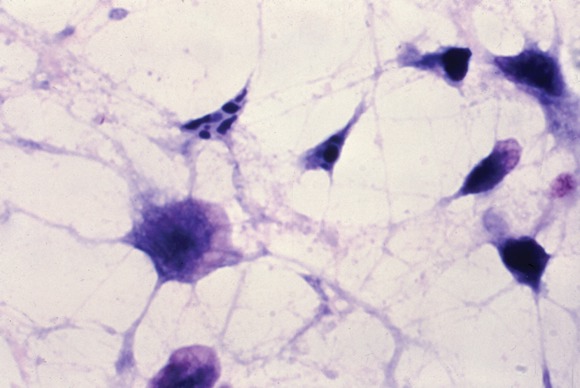
In his study, CDI incidence per 1,000 person-years was 3.5 in patients receiving PPIs for less than 3 months (group 1), 7.4 in those on PPIs for 3 months, but less than 1 year, (group 2), and 4.5 in those on PPIs for at least 1 year (group 3).
In logistic regression analysis that adjusted for PPI exposure, age, comorbid conditions, and antibiotic use in the previous 8 weeks, the association between PPI duration and CDI was significant, increasing from an odds ratio of 1 in group 1 (reference) to 2.59 in group 2 (P value less than .01), and to 2.17 in group 3 (P less than .01), Dr. Hong said.
Notably, the use of antibiotics in the previous 8 weeks significantly increased the risk of C. difficile infection to a whopping odds ratio of 31.73 (P less than .01).
In a Cox proportional hazard model that further adjusted for the interval between PPI start to CDI attack or last follow-up, however, the association between PPI use and CDI was significant only for group 2 (hazard ratio 1.94, P less than .001) and not group 3 (HR. 1.22, P = .25), said Dr. Hong of Seoul (South Korea) National University.
"We conclude that PPIs’ impact on CDI is neither strong nor consistent; therefore, PPIs seem to be an important confounder rather than a cause of CDI," he said.

A recent study among hospital discharges (Arch. Intern. Med. 2010;170:784-90) reported a dose-response effect with acid suppression and the risk of CDI, but Dr. Hong noted that it provided no information about medications before admission. In that study, the risk of CDI on or after the third hospital day increased from 0.3% in nonusers to 0.6% in those receiving histamine2 receptor antagonist therapy, to 0.9% in those receiving daily PPI therapy, and to 1.4% in those receiving more-frequent PPI therapy.
Dr. Hong and his colleagues aimed to evaluate the effect of PPI treatment duration on CDI development among all adults, older than age 20 years, who visited the Seoul National University Hospital and took a prescription PPI from January 2005 to December 2009.
Among the 61,834 patients, there were 534 CDI cases, of which 5 were identified with endoscopy only, and the remaining 529 by a positive C. difficile toxin assay.
CDI was reported in 319 of the 50,534 (.63%) patients in group 1; 176 of the 9,122 (1.94%) patients in group 2; and 38 of the 2,178 (1.74%) patients in group 3. The average follow-up time from the first PPI prescription until the last visit was 22 months, 32 months, and 47 months, respectively.
Patients infected with C. difficile were significantly older (61 years) than those without CDI at (56 years) (P less than .01). Age remained a significant risk factor for CDI in both multivariate logistic regression (OR 1.016, P less than .001) and Cox proportional (HR 1.018, P less than .001) analyses.
Dr. Hong acknowledged that the study was limited by use of a hospital cohort, and thus the data could not be translated directly to the community.
Dr. Hong and his colleagues reported no conflicts of interest.
CHICAGO – The effect of proton pump inhibitors on Clostridium difficile infection was neither strong nor consistent in a longitudinal hospital cohort of 61,834 patients.
Previously conducted case-control studies reported that PPIs were associated with a two- to threefold increase in the risk of C. difficile infection (CDI), but these latest findings suggest that the impact of PPIs may be overstated, Dr. Kyoung Sup Hong said at the annual Digestive Disease Week.
In his study, CDI incidence per 1,000 person-years was 3.5 in patients receiving PPIs for less than 3 months (group 1), 7.4 in those on PPIs for 3 months, but less than 1 year, (group 2), and 4.5 in those on PPIs for at least 1 year (group 3).
In logistic regression analysis that adjusted for PPI exposure, age, comorbid conditions, and antibiotic use in the previous 8 weeks, the association between PPI duration and CDI was significant, increasing from an odds ratio of 1 in group 1 (reference) to 2.59 in group 2 (P value less than .01), and to 2.17 in group 3 (P less than .01), Dr. Hong said.
Notably, the use of antibiotics in the previous 8 weeks significantly increased the risk of C. difficile infection to a whopping odds ratio of 31.73 (P less than .01).
In a Cox proportional hazard model that further adjusted for the interval between PPI start to CDI attack or last follow-up, however, the association between PPI use and CDI was significant only for group 2 (hazard ratio 1.94, P less than .001) and not group 3 (HR. 1.22, P = .25), said Dr. Hong of Seoul (South Korea) National University.
"We conclude that PPIs’ impact on CDI is neither strong nor consistent; therefore, PPIs seem to be an important confounder rather than a cause of CDI," he said.
A recent study among hospital discharges (Arch. Intern. Med. 2010;170:784-90) reported a dose-response effect with acid suppression and the risk of CDI, but Dr. Hong noted that it provided no information about medications before admission. In that study, the risk of CDI on or after the third hospital day increased from 0.3% in nonusers to 0.6% in those receiving histamine2 receptor antagonist therapy, to 0.9% in those receiving daily PPI therapy, and to 1.4% in those receiving more-frequent PPI therapy.
Dr. Hong and his colleagues aimed to evaluate the effect of PPI treatment duration on CDI development among all adults, older than age 20 years, who visited the Seoul National University Hospital and took a prescription PPI from January 2005 to December 2009.
Among the 61,834 patients, there were 534 CDI cases, of which 5 were identified with endoscopy only, and the remaining 529 by a positive C. difficile toxin assay.
CDI was reported in 319 of the 50,534 (.63%) patients in group 1; 176 of the 9,122 (1.94%) patients in group 2; and 38 of the 2,178 (1.74%) patients in group 3. The average follow-up time from the first PPI prescription until the last visit was 22 months, 32 months, and 47 months, respectively.
Patients infected with C. difficile were significantly older (61 years) than those without CDI at (56 years) (P less than .01). Age remained a significant risk factor for CDI in both multivariate logistic regression (OR 1.016, P less than .001) and Cox proportional (HR 1.018, P less than .001) analyses.
Dr. Hong acknowledged that the study was limited by use of a hospital cohort, and thus the data could not be translated directly to the community.
Dr. Hong and his colleagues reported no conflicts of interest.
CHICAGO – The effect of proton pump inhibitors on Clostridium difficile infection was neither strong nor consistent in a longitudinal hospital cohort of 61,834 patients.
Previously conducted case-control studies reported that PPIs were associated with a two- to threefold increase in the risk of C. difficile infection (CDI), but these latest findings suggest that the impact of PPIs may be overstated, Dr. Kyoung Sup Hong said at the annual Digestive Disease Week.
In his study, CDI incidence per 1,000 person-years was 3.5 in patients receiving PPIs for less than 3 months (group 1), 7.4 in those on PPIs for 3 months, but less than 1 year, (group 2), and 4.5 in those on PPIs for at least 1 year (group 3).
In logistic regression analysis that adjusted for PPI exposure, age, comorbid conditions, and antibiotic use in the previous 8 weeks, the association between PPI duration and CDI was significant, increasing from an odds ratio of 1 in group 1 (reference) to 2.59 in group 2 (P value less than .01), and to 2.17 in group 3 (P less than .01), Dr. Hong said.
Notably, the use of antibiotics in the previous 8 weeks significantly increased the risk of C. difficile infection to a whopping odds ratio of 31.73 (P less than .01).
In a Cox proportional hazard model that further adjusted for the interval between PPI start to CDI attack or last follow-up, however, the association between PPI use and CDI was significant only for group 2 (hazard ratio 1.94, P less than .001) and not group 3 (HR. 1.22, P = .25), said Dr. Hong of Seoul (South Korea) National University.
"We conclude that PPIs’ impact on CDI is neither strong nor consistent; therefore, PPIs seem to be an important confounder rather than a cause of CDI," he said.
A recent study among hospital discharges (Arch. Intern. Med. 2010;170:784-90) reported a dose-response effect with acid suppression and the risk of CDI, but Dr. Hong noted that it provided no information about medications before admission. In that study, the risk of CDI on or after the third hospital day increased from 0.3% in nonusers to 0.6% in those receiving histamine2 receptor antagonist therapy, to 0.9% in those receiving daily PPI therapy, and to 1.4% in those receiving more-frequent PPI therapy.
Dr. Hong and his colleagues aimed to evaluate the effect of PPI treatment duration on CDI development among all adults, older than age 20 years, who visited the Seoul National University Hospital and took a prescription PPI from January 2005 to December 2009.
Among the 61,834 patients, there were 534 CDI cases, of which 5 were identified with endoscopy only, and the remaining 529 by a positive C. difficile toxin assay.
CDI was reported in 319 of the 50,534 (.63%) patients in group 1; 176 of the 9,122 (1.94%) patients in group 2; and 38 of the 2,178 (1.74%) patients in group 3. The average follow-up time from the first PPI prescription until the last visit was 22 months, 32 months, and 47 months, respectively.
Patients infected with C. difficile were significantly older (61 years) than those without CDI at (56 years) (P less than .01). Age remained a significant risk factor for CDI in both multivariate logistic regression (OR 1.016, P less than .001) and Cox proportional (HR 1.018, P less than .001) analyses.
Dr. Hong acknowledged that the study was limited by use of a hospital cohort, and thus the data could not be translated directly to the community.
Dr. Hong and his colleagues reported no conflicts of interest.
FROM THE ANNUAL DIGESTIVE DISEASE WEEK
Major Finding: In an adjusted Cox proportional hazard model, the association between proton pump inhibitor use and C. difficile infection was significant for patients on PPIs for 3 months, but less than 1 year, (hazard ratio, 1.94), but not for those on PPIs for at least 1 year (HR, 1.22).
Data Source: Longitudinal hospital cohort study of 61,834 patients treated at Seoul (South Korea) National University Hospital.
Disclosures: Dr. Hong and his colleagues reported no conflicts of interest.
Link Between PPIs and C. difficile Inconsistent
CHICAGO – The effect of proton pump inhibitors on Clostridium difficile infection was neither strong nor consistent in a longitudinal hospital cohort of 61,834 patients.
Previously conducted case-control studies reported that PPIs were associated with a two- to threefold increase in the risk of C. difficile infection (CDI), but these latest findings suggest that the impact of PPIs may be overstated, Dr. Kyoung Sup Hong said at the annual Digestive Disease Week.
In his study, CDI incidence per 1,000 person-years was 3.5 in patients receiving PPIs for less than 3 months (group 1), 7.4 in those on PPIs for 3 months, but less than 1 year, (group 2), and 4.5 in those on PPIs for at least 1 year (group 3).
In logistic regression analysis that adjusted for PPI exposure, age, comorbid conditions, and antibiotic use in the previous 8 weeks, the association between PPI duration and CDI was significant, increasing from an odds ratio of 1 in group 1 (reference) to 2.59 in group 2 (P value less than .01), and to 2.17 in group 3 (P less than .01), Dr. Hong said.
Notably, the use of antibiotics in the previous 8 weeks significantly increased the risk of C. difficile infection to a whopping odds ratio of 31.73 (P less than .01).
In a Cox proportional hazard model that further adjusted for the interval between PPI start to CDI attack or last follow-up, however, the association between PPI use and CDI was significant only for group 2 (hazard ratio 1.94, P less than .001) and not group 3 (HR. 1.22, P = .25), said Dr. Hong of Seoul (South Korea) National University.
"We conclude that PPIs’ impact on CDI is neither strong nor consistent; therefore, PPIs seem to be an important confounder rather than a cause of CDI," he said.
A recent study among hospital discharges (Arch. Intern. Med. 2010;170:784-90) reported a dose-response effect with acid suppression and the risk of CDI, but Dr. Hong noted that it provided no information about medications before admission. In that study, the risk of CDI on or after the third hospital day increased from 0.3% in nonusers to 0.6% in those receiving histamine2 receptor antagonist therapy, to 0.9% in those receiving daily PPI therapy, and to 1.4% in those receiving more-frequent PPI therapy.
Dr. Hong and his colleagues aimed to evaluate the effect of PPI treatment duration on CDI development among all adults, older than age 20 years, who visited the Seoul National University Hospital and took a prescription PPI from January 2005 to December 2009.
Among the 61,834 patients, there were 534 CDI cases, of which 5 were identified with endoscopy only, and the remaining 529 by a positive C. difficile toxin assay.
CDI was reported in 319 of the 50,534 (.63%) patients in group 1; 176 of the 9,122 (1.94%) patients in group 2; and 38 of the 2,178 (1.74%) patients in group 3. The average follow-up time from the first PPI prescription until the last visit was 22 months, 32 months, and 47 months, respectively.
Patients infected with C. difficile were significantly older (61 years) than those without CDI at (56 years) (P less than .01). Age remained a significant risk factor for CDI in both multivariate logistic regression (OR 1.016, P less than .001) and Cox proportional (HR 1.018, P less than .001) analyses.
Dr. Hong acknowledged that the study was limited by use of a hospital cohort, and thus the data could not be translated directly to the community.
Dr. Hong and his colleagues reported no conflicts of interest.
CHICAGO – The effect of proton pump inhibitors on Clostridium difficile infection was neither strong nor consistent in a longitudinal hospital cohort of 61,834 patients.
Previously conducted case-control studies reported that PPIs were associated with a two- to threefold increase in the risk of C. difficile infection (CDI), but these latest findings suggest that the impact of PPIs may be overstated, Dr. Kyoung Sup Hong said at the annual Digestive Disease Week.
In his study, CDI incidence per 1,000 person-years was 3.5 in patients receiving PPIs for less than 3 months (group 1), 7.4 in those on PPIs for 3 months, but less than 1 year, (group 2), and 4.5 in those on PPIs for at least 1 year (group 3).
In logistic regression analysis that adjusted for PPI exposure, age, comorbid conditions, and antibiotic use in the previous 8 weeks, the association between PPI duration and CDI was significant, increasing from an odds ratio of 1 in group 1 (reference) to 2.59 in group 2 (P value less than .01), and to 2.17 in group 3 (P less than .01), Dr. Hong said.
Notably, the use of antibiotics in the previous 8 weeks significantly increased the risk of C. difficile infection to a whopping odds ratio of 31.73 (P less than .01).
In a Cox proportional hazard model that further adjusted for the interval between PPI start to CDI attack or last follow-up, however, the association between PPI use and CDI was significant only for group 2 (hazard ratio 1.94, P less than .001) and not group 3 (HR. 1.22, P = .25), said Dr. Hong of Seoul (South Korea) National University.
"We conclude that PPIs’ impact on CDI is neither strong nor consistent; therefore, PPIs seem to be an important confounder rather than a cause of CDI," he said.
A recent study among hospital discharges (Arch. Intern. Med. 2010;170:784-90) reported a dose-response effect with acid suppression and the risk of CDI, but Dr. Hong noted that it provided no information about medications before admission. In that study, the risk of CDI on or after the third hospital day increased from 0.3% in nonusers to 0.6% in those receiving histamine2 receptor antagonist therapy, to 0.9% in those receiving daily PPI therapy, and to 1.4% in those receiving more-frequent PPI therapy.
Dr. Hong and his colleagues aimed to evaluate the effect of PPI treatment duration on CDI development among all adults, older than age 20 years, who visited the Seoul National University Hospital and took a prescription PPI from January 2005 to December 2009.
Among the 61,834 patients, there were 534 CDI cases, of which 5 were identified with endoscopy only, and the remaining 529 by a positive C. difficile toxin assay.
CDI was reported in 319 of the 50,534 (.63%) patients in group 1; 176 of the 9,122 (1.94%) patients in group 2; and 38 of the 2,178 (1.74%) patients in group 3. The average follow-up time from the first PPI prescription until the last visit was 22 months, 32 months, and 47 months, respectively.
Patients infected with C. difficile were significantly older (61 years) than those without CDI at (56 years) (P less than .01). Age remained a significant risk factor for CDI in both multivariate logistic regression (OR 1.016, P less than .001) and Cox proportional (HR 1.018, P less than .001) analyses.
Dr. Hong acknowledged that the study was limited by use of a hospital cohort, and thus the data could not be translated directly to the community.
Dr. Hong and his colleagues reported no conflicts of interest.
CHICAGO – The effect of proton pump inhibitors on Clostridium difficile infection was neither strong nor consistent in a longitudinal hospital cohort of 61,834 patients.
Previously conducted case-control studies reported that PPIs were associated with a two- to threefold increase in the risk of C. difficile infection (CDI), but these latest findings suggest that the impact of PPIs may be overstated, Dr. Kyoung Sup Hong said at the annual Digestive Disease Week.
In his study, CDI incidence per 1,000 person-years was 3.5 in patients receiving PPIs for less than 3 months (group 1), 7.4 in those on PPIs for 3 months, but less than 1 year, (group 2), and 4.5 in those on PPIs for at least 1 year (group 3).
In logistic regression analysis that adjusted for PPI exposure, age, comorbid conditions, and antibiotic use in the previous 8 weeks, the association between PPI duration and CDI was significant, increasing from an odds ratio of 1 in group 1 (reference) to 2.59 in group 2 (P value less than .01), and to 2.17 in group 3 (P less than .01), Dr. Hong said.
Notably, the use of antibiotics in the previous 8 weeks significantly increased the risk of C. difficile infection to a whopping odds ratio of 31.73 (P less than .01).
In a Cox proportional hazard model that further adjusted for the interval between PPI start to CDI attack or last follow-up, however, the association between PPI use and CDI was significant only for group 2 (hazard ratio 1.94, P less than .001) and not group 3 (HR. 1.22, P = .25), said Dr. Hong of Seoul (South Korea) National University.
"We conclude that PPIs’ impact on CDI is neither strong nor consistent; therefore, PPIs seem to be an important confounder rather than a cause of CDI," he said.
A recent study among hospital discharges (Arch. Intern. Med. 2010;170:784-90) reported a dose-response effect with acid suppression and the risk of CDI, but Dr. Hong noted that it provided no information about medications before admission. In that study, the risk of CDI on or after the third hospital day increased from 0.3% in nonusers to 0.6% in those receiving histamine2 receptor antagonist therapy, to 0.9% in those receiving daily PPI therapy, and to 1.4% in those receiving more-frequent PPI therapy.
Dr. Hong and his colleagues aimed to evaluate the effect of PPI treatment duration on CDI development among all adults, older than age 20 years, who visited the Seoul National University Hospital and took a prescription PPI from January 2005 to December 2009.
Among the 61,834 patients, there were 534 CDI cases, of which 5 were identified with endoscopy only, and the remaining 529 by a positive C. difficile toxin assay.
CDI was reported in 319 of the 50,534 (.63%) patients in group 1; 176 of the 9,122 (1.94%) patients in group 2; and 38 of the 2,178 (1.74%) patients in group 3. The average follow-up time from the first PPI prescription until the last visit was 22 months, 32 months, and 47 months, respectively.
Patients infected with C. difficile were significantly older (61 years) than those without CDI at (56 years) (P less than .01). Age remained a significant risk factor for CDI in both multivariate logistic regression (OR 1.016, P less than .001) and Cox proportional (HR 1.018, P less than .001) analyses.
Dr. Hong acknowledged that the study was limited by use of a hospital cohort, and thus the data could not be translated directly to the community.
Dr. Hong and his colleagues reported no conflicts of interest.
FROM THE ANNUAL DIGESTIVE DISEASE WEEK