User login
Study Predicts Growing Demand for Diabetes Educators
LAS VEGAS – The demand for diabetes educators is projected to increase by at least 60% by 2025, according to a study presented at the annual meeting of the American Association of Diabetes Educators.
"We have a diabetes epidemic. We need to increase the number of diabetes educators, and we also need to be flexible in our roles," AADE President Donna Tomky, NP, CDE, said in an interview at the meeting.

"We also have to keep collecting and tracking our outcomes to be ready for pay for performance. We already have clear evidence that [diabetes education] improves metabolic outcomes, lowers hospitalization rates, and reduces cost," said Ms. Tomky of ABQ Health Partners, Albuquerque, N.M.
The study, conducted by Dobson DaVanzo & Associates LLC for the association, comprised several sources, including a literature review, a systematic search of employment Web sites to examine job postings for diabetes educators, a claims analysis using Medicare claims from the years 2006-2009, and the development of a quantitative workforce model of the supply and demand for educators through the year 2025 under several scenarios.
The research modeled the current provision of diabetes education and estimated current demand to be for 43,000 diabetes educators. By 2025, on the basis of the incidence of diabetes in the population, demand was estimated to reach 54,000, assuming no changes in how care is currently delivered. This assumes insurance availability, delivery system structure, benefit structure, allocation of diabetes educators across different care settings, distribution of full-time/part-time diabetes educators, and the fact that diabetes education is reimbursable for people with diagnosed diabetes, not those with prediabetes.
For the supply of diabetes educators to be commensurate with the estimated level of demand (about 1.5% growth per year), the number of diabetes educators would have to increase by 4% per year between now and 2025, Ms. Tomky reported.

The survey also indicated that the range of work settings for diabetes educators will broaden to include not only the traditional hospital outpatient and physician office positions but also nontraditional settings, such as industry sales positions, retail clinics, management consulting, medical weight management and other specialty clinics, community health centers, home health and long-term care facilities, and workplace wellness programs.
The research was funded entirely by AADE as one of the organization’s research initiatives. "We felt this was very important to understand so we can move forward as an organization," she said in the interview.
"We have to understand what the workforce looks like now, what we will need in the future, and how to fill that void. I think the role of the diabetes educator is changing, with more supervisory roles in management and lower level roles that do the education. The AADE will develop a strategic plan out of this, to best assess how to meet these demands, and provide the tools and the training."
Ms. Tomky is on the speaker’s bureau for Novo-Nordisk and is an advisory board member for Can-AM Care.
certified diabetes educators, American Association of Diabetes Educators
LAS VEGAS – The demand for diabetes educators is projected to increase by at least 60% by 2025, according to a study presented at the annual meeting of the American Association of Diabetes Educators.
"We have a diabetes epidemic. We need to increase the number of diabetes educators, and we also need to be flexible in our roles," AADE President Donna Tomky, NP, CDE, said in an interview at the meeting.
"We also have to keep collecting and tracking our outcomes to be ready for pay for performance. We already have clear evidence that [diabetes education] improves metabolic outcomes, lowers hospitalization rates, and reduces cost," said Ms. Tomky of ABQ Health Partners, Albuquerque, N.M.
The study, conducted by Dobson DaVanzo & Associates LLC for the association, comprised several sources, including a literature review, a systematic search of employment Web sites to examine job postings for diabetes educators, a claims analysis using Medicare claims from the years 2006-2009, and the development of a quantitative workforce model of the supply and demand for educators through the year 2025 under several scenarios.
The research modeled the current provision of diabetes education and estimated current demand to be for 43,000 diabetes educators. By 2025, on the basis of the incidence of diabetes in the population, demand was estimated to reach 54,000, assuming no changes in how care is currently delivered. This assumes insurance availability, delivery system structure, benefit structure, allocation of diabetes educators across different care settings, distribution of full-time/part-time diabetes educators, and the fact that diabetes education is reimbursable for people with diagnosed diabetes, not those with prediabetes.
For the supply of diabetes educators to be commensurate with the estimated level of demand (about 1.5% growth per year), the number of diabetes educators would have to increase by 4% per year between now and 2025, Ms. Tomky reported.
The survey also indicated that the range of work settings for diabetes educators will broaden to include not only the traditional hospital outpatient and physician office positions but also nontraditional settings, such as industry sales positions, retail clinics, management consulting, medical weight management and other specialty clinics, community health centers, home health and long-term care facilities, and workplace wellness programs.
The research was funded entirely by AADE as one of the organization’s research initiatives. "We felt this was very important to understand so we can move forward as an organization," she said in the interview.
"We have to understand what the workforce looks like now, what we will need in the future, and how to fill that void. I think the role of the diabetes educator is changing, with more supervisory roles in management and lower level roles that do the education. The AADE will develop a strategic plan out of this, to best assess how to meet these demands, and provide the tools and the training."
Ms. Tomky is on the speaker’s bureau for Novo-Nordisk and is an advisory board member for Can-AM Care.
LAS VEGAS – The demand for diabetes educators is projected to increase by at least 60% by 2025, according to a study presented at the annual meeting of the American Association of Diabetes Educators.
"We have a diabetes epidemic. We need to increase the number of diabetes educators, and we also need to be flexible in our roles," AADE President Donna Tomky, NP, CDE, said in an interview at the meeting.
"We also have to keep collecting and tracking our outcomes to be ready for pay for performance. We already have clear evidence that [diabetes education] improves metabolic outcomes, lowers hospitalization rates, and reduces cost," said Ms. Tomky of ABQ Health Partners, Albuquerque, N.M.
The study, conducted by Dobson DaVanzo & Associates LLC for the association, comprised several sources, including a literature review, a systematic search of employment Web sites to examine job postings for diabetes educators, a claims analysis using Medicare claims from the years 2006-2009, and the development of a quantitative workforce model of the supply and demand for educators through the year 2025 under several scenarios.
The research modeled the current provision of diabetes education and estimated current demand to be for 43,000 diabetes educators. By 2025, on the basis of the incidence of diabetes in the population, demand was estimated to reach 54,000, assuming no changes in how care is currently delivered. This assumes insurance availability, delivery system structure, benefit structure, allocation of diabetes educators across different care settings, distribution of full-time/part-time diabetes educators, and the fact that diabetes education is reimbursable for people with diagnosed diabetes, not those with prediabetes.
For the supply of diabetes educators to be commensurate with the estimated level of demand (about 1.5% growth per year), the number of diabetes educators would have to increase by 4% per year between now and 2025, Ms. Tomky reported.
The survey also indicated that the range of work settings for diabetes educators will broaden to include not only the traditional hospital outpatient and physician office positions but also nontraditional settings, such as industry sales positions, retail clinics, management consulting, medical weight management and other specialty clinics, community health centers, home health and long-term care facilities, and workplace wellness programs.
The research was funded entirely by AADE as one of the organization’s research initiatives. "We felt this was very important to understand so we can move forward as an organization," she said in the interview.
"We have to understand what the workforce looks like now, what we will need in the future, and how to fill that void. I think the role of the diabetes educator is changing, with more supervisory roles in management and lower level roles that do the education. The AADE will develop a strategic plan out of this, to best assess how to meet these demands, and provide the tools and the training."
Ms. Tomky is on the speaker’s bureau for Novo-Nordisk and is an advisory board member for Can-AM Care.
certified diabetes educators, American Association of Diabetes Educators
certified diabetes educators, American Association of Diabetes Educators
FROM THE ANNUAL MEETING OF THE AMERICAN ASSOCIATION OF DIABETES EDUCATORS
'Low Glucose Suspend' Insulin Pump Cuts Hypoglycemia in Children
SAN DIEGO – The "low glucose suspend" insulin pump feature reduced the risk of hypoglycemia without any severe hyperglycemia or diabetic ketoacidosis in a German study of 21 children with type 1 diabetes.
Medtronic’s sensor-augmented insulin pump, the Paradigm Veo system, comprises an insulin pump, a continuous glucose monitor, and a component that first issues a "pre-alarm" if the sensor detects a reading below a preset level. If there is no response on the part of the patient and the glucose level continues to drop to a second preset level, the pump then alerts again and stops the basal insulin infusion for 2 hours or until there is a response. At 2 hours, the basal infusion resumes. If the glucose level is still too low at 4 hours after resumption, the cycle begins again.
The patient can interrupt the low glucose suspend (LGS) feature at any time, said Dr. Thomas Danne, head of the diabetes center for children and adolescents at the Kinderkrankenhaus auf der Bult in Hanover, Germany.
The Veo system is sold in 45 countries, including Canada, South Africa, Australia, and countries in Europe and Central and South America. It is not currently available in the United States. The U.S. Food and Drug Administration recently issued a guidance for manufacturers that are developing LGS systems, specifying the types of testing that must take place to address safety issues, including a concern that the device might overcorrect the hypoglycemia, resulting in hyperglycemia and/or diabetic ketoacidosis (DKA).
The Medtronic-sponsored study, conducted in three German pediatric diabetes centers, initially enrolled 24 patients aged 1-21 years (mean, 10.8 years) who had type 1 diabetes and had been on insulin pump therapy for an average of 3.6 years. Their mean baseline hemoglobin A1c was 7.8%. After patients wore the Veo without the LGS and pre-alerts for 2 weeks, those features were then turned on for the subsequent 6 weeks. The hypoglycemia alert was set at 75 mg/dL, and the LGS alert at 70 mg/dL. Complete data were available for 21 of the children.
A total of 1,298 alerts occurred, of which 853 (66%) were shorter than 5 minutes because the patients reacted immediately and there was no automatic interruption of insulin delivery. The frequency of alerts was 2.56 per patient per day, of which 78% occurred during the day (6:00 a.m.–10:00 p.m.). However, because the patients were far less likely to respond to the alarms while sleeping, the frequency of insulin delivery disruptions was far more common during the night (92 vs. 17, or 0.175 vs. 0.032 per patient per day), said Dr. Danne.
During the time of the LGS suspension, glucose levels rose an average of 35 mg/dL per hour, totaling 68.4 mg/dL per hour for the entire 120-minute period. The mean blood glucose level during the 6-week LGS period was 148 mg/dL, which was nearly identical to the 145 mg/dL recorded during the initial 2-week phase without the LGS. Standard deviations were 56 mg/dL and 55 mg/dL, respectively, and the time spent with hyperglycemia (defined as greater than 140 mg/dL) also was not significantly different (639 vs. 651 minutes). There were no cases of DKA during either time period, Dr. Danne reported.
But hypoglycemia rates did differ significantly. The amount of time spent with blood glucose levels less than 70 mg/dL was 58 minutes per day with the LGS, compared with 101 minutes without, a highly statistically significant difference (P = .002). Excursions of hypoglycemia below 40 mg/dL were also much lower with the LGS (0.13 vs. 0.28 per patient per day; P = .005) during both the daytime and overnight hours. The LGS cut the amount of time spent with blood glucose levels lower than both 70 mg/dL and 40 mg/dL by about 50%.
On a 7-point satisfaction survey, patients’ responses ranged from a high of 6.3 for "information on the Veo was valuable," to a low of 4.1 for "LGS prevented severe hypoglycemic episodes." The latter score was brought down by two very-well-controlled patients who didn’t feel that their risk for severe low blood glucose was high to begin with, Dr. Danne explained.
Dr. Danne received funding from Medtronic to conduct this trial.
SAN DIEGO – The "low glucose suspend" insulin pump feature reduced the risk of hypoglycemia without any severe hyperglycemia or diabetic ketoacidosis in a German study of 21 children with type 1 diabetes.
Medtronic’s sensor-augmented insulin pump, the Paradigm Veo system, comprises an insulin pump, a continuous glucose monitor, and a component that first issues a "pre-alarm" if the sensor detects a reading below a preset level. If there is no response on the part of the patient and the glucose level continues to drop to a second preset level, the pump then alerts again and stops the basal insulin infusion for 2 hours or until there is a response. At 2 hours, the basal infusion resumes. If the glucose level is still too low at 4 hours after resumption, the cycle begins again.
The patient can interrupt the low glucose suspend (LGS) feature at any time, said Dr. Thomas Danne, head of the diabetes center for children and adolescents at the Kinderkrankenhaus auf der Bult in Hanover, Germany.
The Veo system is sold in 45 countries, including Canada, South Africa, Australia, and countries in Europe and Central and South America. It is not currently available in the United States. The U.S. Food and Drug Administration recently issued a guidance for manufacturers that are developing LGS systems, specifying the types of testing that must take place to address safety issues, including a concern that the device might overcorrect the hypoglycemia, resulting in hyperglycemia and/or diabetic ketoacidosis (DKA).
The Medtronic-sponsored study, conducted in three German pediatric diabetes centers, initially enrolled 24 patients aged 1-21 years (mean, 10.8 years) who had type 1 diabetes and had been on insulin pump therapy for an average of 3.6 years. Their mean baseline hemoglobin A1c was 7.8%. After patients wore the Veo without the LGS and pre-alerts for 2 weeks, those features were then turned on for the subsequent 6 weeks. The hypoglycemia alert was set at 75 mg/dL, and the LGS alert at 70 mg/dL. Complete data were available for 21 of the children.
A total of 1,298 alerts occurred, of which 853 (66%) were shorter than 5 minutes because the patients reacted immediately and there was no automatic interruption of insulin delivery. The frequency of alerts was 2.56 per patient per day, of which 78% occurred during the day (6:00 a.m.–10:00 p.m.). However, because the patients were far less likely to respond to the alarms while sleeping, the frequency of insulin delivery disruptions was far more common during the night (92 vs. 17, or 0.175 vs. 0.032 per patient per day), said Dr. Danne.
During the time of the LGS suspension, glucose levels rose an average of 35 mg/dL per hour, totaling 68.4 mg/dL per hour for the entire 120-minute period. The mean blood glucose level during the 6-week LGS period was 148 mg/dL, which was nearly identical to the 145 mg/dL recorded during the initial 2-week phase without the LGS. Standard deviations were 56 mg/dL and 55 mg/dL, respectively, and the time spent with hyperglycemia (defined as greater than 140 mg/dL) also was not significantly different (639 vs. 651 minutes). There were no cases of DKA during either time period, Dr. Danne reported.
But hypoglycemia rates did differ significantly. The amount of time spent with blood glucose levels less than 70 mg/dL was 58 minutes per day with the LGS, compared with 101 minutes without, a highly statistically significant difference (P = .002). Excursions of hypoglycemia below 40 mg/dL were also much lower with the LGS (0.13 vs. 0.28 per patient per day; P = .005) during both the daytime and overnight hours. The LGS cut the amount of time spent with blood glucose levels lower than both 70 mg/dL and 40 mg/dL by about 50%.
On a 7-point satisfaction survey, patients’ responses ranged from a high of 6.3 for "information on the Veo was valuable," to a low of 4.1 for "LGS prevented severe hypoglycemic episodes." The latter score was brought down by two very-well-controlled patients who didn’t feel that their risk for severe low blood glucose was high to begin with, Dr. Danne explained.
Dr. Danne received funding from Medtronic to conduct this trial.
SAN DIEGO – The "low glucose suspend" insulin pump feature reduced the risk of hypoglycemia without any severe hyperglycemia or diabetic ketoacidosis in a German study of 21 children with type 1 diabetes.
Medtronic’s sensor-augmented insulin pump, the Paradigm Veo system, comprises an insulin pump, a continuous glucose monitor, and a component that first issues a "pre-alarm" if the sensor detects a reading below a preset level. If there is no response on the part of the patient and the glucose level continues to drop to a second preset level, the pump then alerts again and stops the basal insulin infusion for 2 hours or until there is a response. At 2 hours, the basal infusion resumes. If the glucose level is still too low at 4 hours after resumption, the cycle begins again.
The patient can interrupt the low glucose suspend (LGS) feature at any time, said Dr. Thomas Danne, head of the diabetes center for children and adolescents at the Kinderkrankenhaus auf der Bult in Hanover, Germany.
The Veo system is sold in 45 countries, including Canada, South Africa, Australia, and countries in Europe and Central and South America. It is not currently available in the United States. The U.S. Food and Drug Administration recently issued a guidance for manufacturers that are developing LGS systems, specifying the types of testing that must take place to address safety issues, including a concern that the device might overcorrect the hypoglycemia, resulting in hyperglycemia and/or diabetic ketoacidosis (DKA).
The Medtronic-sponsored study, conducted in three German pediatric diabetes centers, initially enrolled 24 patients aged 1-21 years (mean, 10.8 years) who had type 1 diabetes and had been on insulin pump therapy for an average of 3.6 years. Their mean baseline hemoglobin A1c was 7.8%. After patients wore the Veo without the LGS and pre-alerts for 2 weeks, those features were then turned on for the subsequent 6 weeks. The hypoglycemia alert was set at 75 mg/dL, and the LGS alert at 70 mg/dL. Complete data were available for 21 of the children.
A total of 1,298 alerts occurred, of which 853 (66%) were shorter than 5 minutes because the patients reacted immediately and there was no automatic interruption of insulin delivery. The frequency of alerts was 2.56 per patient per day, of which 78% occurred during the day (6:00 a.m.–10:00 p.m.). However, because the patients were far less likely to respond to the alarms while sleeping, the frequency of insulin delivery disruptions was far more common during the night (92 vs. 17, or 0.175 vs. 0.032 per patient per day), said Dr. Danne.
During the time of the LGS suspension, glucose levels rose an average of 35 mg/dL per hour, totaling 68.4 mg/dL per hour for the entire 120-minute period. The mean blood glucose level during the 6-week LGS period was 148 mg/dL, which was nearly identical to the 145 mg/dL recorded during the initial 2-week phase without the LGS. Standard deviations were 56 mg/dL and 55 mg/dL, respectively, and the time spent with hyperglycemia (defined as greater than 140 mg/dL) also was not significantly different (639 vs. 651 minutes). There were no cases of DKA during either time period, Dr. Danne reported.
But hypoglycemia rates did differ significantly. The amount of time spent with blood glucose levels less than 70 mg/dL was 58 minutes per day with the LGS, compared with 101 minutes without, a highly statistically significant difference (P = .002). Excursions of hypoglycemia below 40 mg/dL were also much lower with the LGS (0.13 vs. 0.28 per patient per day; P = .005) during both the daytime and overnight hours. The LGS cut the amount of time spent with blood glucose levels lower than both 70 mg/dL and 40 mg/dL by about 50%.
On a 7-point satisfaction survey, patients’ responses ranged from a high of 6.3 for "information on the Veo was valuable," to a low of 4.1 for "LGS prevented severe hypoglycemic episodes." The latter score was brought down by two very-well-controlled patients who didn’t feel that their risk for severe low blood glucose was high to begin with, Dr. Danne explained.
Dr. Danne received funding from Medtronic to conduct this trial.
FROM THE ANNUAL SCIENTIFIC SESSIONS OF THE AMERICAN DIABETES ASSOCIATION
Major Finding: Mean blood glucose levels were nearly identical with and without the LGS (148 vs. 145 mg/dL, respectively), whereas the amount of time spent with blood glucose levels of less than 70 mg/dL and excursions of hypoglycemia below 40 mg/dL were reduced by about 50% with the LGS.
Data Source: A study of 21 children at three German pediatric diabetes centers.
Disclosures: Dr. Danne received funding from Medtronic to conduct this trial.
Revised Yale ICU Protocol Maintains Target Glycemia
SAN DIEGO – An updated version of the Yale Insulin Infusion Protocol for intensive care unit management of hyperglycemia provided effective and safe targeted blood glucose control in compliance with national guidelines among 115 patients in Yale’s medical ICU.
Yale–New Haven (Conn.) Hospital has used a standardized intravenous insulin infusion protocol (IIP) in its medical ICU since 2003. The initial glucose target was 100-140 mg/dL, based on a 2001 study demonstrating the benefits of glycemic control in that range among critically ill patients (N. Engl. J. Med. 2001;345:1359-67). In 2005, the target was further lowered to 90-120 mg/dL. Both of those protocols were validated and published, and are used in many U.S. hospitals, said Dr. Shilpa Shetty, an academic hospitalist at Griffin Hospital, Derby, Conn., an affiliate of Yale–New Haven Hospital.
A change was prompted in 2009, when the Normoglycemia in Intensive Care Evaluation-Survival Using Glucose Algorithm Regulation (NICE-SUGAR) study demonstrated significantly increased mortality among ICU patients undergoing intensive insulin therapy (N. Engl. J. Med. 2009;360:1283-97). Following that, the American Association of Clinical Endocrinologists and the American Diabetes Association issued a joint consensus statement endorsing a less stringent blood glucose target of 140-180 mg/dL in critically ill patients (Endocr. Prac 2009;15:353-69).
Subsequently, the Yale Protocol was revised yet again to a target blood glucose range of 120-160 mg/dL. That range was chosen because the AACE/ADA consensus statement had said that there might be additional benefit in keeping patients at the lower end of the recommended 140-180 mg/dL range, and with prior validated protocols the median blood glucose values always ended up at the upper end of the target range.
"We expected to stay at the lower end of the AACE/ADA target, which we did," Dr. Shetty said in an interview.
In the current study, clinical responses to the first 115 drips using the latest revised protocol were tracked for validation at Yale–New Haven Hospital. Minimal inservicing was required, since the nurses were already fully trained in the previous protocols. The protocol was triggered when a registered nurse identified a patient with two blood glucose values above 180 mg/dL.
The responsible physician then placed the order for the drip. Insulin was delivered via infusion pumps in 0.5 units/hour increments, with bolus and initial infusion rates determined by a formula based on the patient’s blood glucose value. While on the infusion, the protocol specifies that the patients’ blood glucose be checked hourly until glucose levels stabilize – defined as three consecutive values in target range – at which point the checks could be done less frequently.
Data were collected during September 2009 through January 2010. The 115 consecutive insulin infusions included 17 patients who were placed on the drip more than once. The patients had a mean age of 62 years, with a mean body mass index of 31.8 kg/m2. About half (51%) were male, 65% were white, 17% black, 13% Hispanic, and 5% Asian. Two-thirds (64%) had a prior diagnosis of diabetes, and 44% had been using insulin at home prior to entering the ICU.
Admitting diagnoses included acute respiratory failure in 29%, sepsis in 25%, and bacterial pneumonia in 11%. Mean length of ICU stay was 19.5 days, and hospital stay, 36.4 days. The mean Acute Physiology and Chronic Health Evaluation II (APACHE II) score – a well-validated severity of illness scoring system that predicts mortality with a 0-71 scale – was 24 (higher numbers mean worse prognosis). In NICE-SUGAR, the mean APACHE score was 21, compared with 9 for the 2001 study that led to the original Yale Protocol, Dr. Shetty noted.
Starting at a mean pre-infusion blood glucose of 306.1 mg/dL, the infusion brought the blood glucose down to a mean of 155.9 mg/dL once the target of less than 160 mg/dL was reached, in a mean of 8.3 hours. During the infusion, the mean nadir glucose value was 92.5 mg/dL. Patients spent a mean of 95 hours on the infusion, with a mean infusion dose of 3.9 units per hour. Once the target was achieved, the protocol maintained 42% of subsequent blood glucose values within the target 120-160 mg/dL, and 76% were less than 180 mg/dL, she reported.
Hypoglycemia was rare. Of a total 8,272 recorded blood glucose readings, just 0.3% were less than 70 mg/dL, and 0.02% were below 40 mg/dL. No deleterious effects attributable to low blood sugar were noted. These low rates of hypoglycemia were comparable to prior Yale ICU protocols. The proportion of patients experiencing blood glucose values of 40 mg/dL or less was just 1.7%, compared with a mean 2.1% in seven previous insulin infusion studies, she noted.
The new Yale protocol was "readily accepted and easily implemented by the medical ICU nursing staff, and can be easily implemented by hospitals that are currently utilizing one of the original Yale protocols," Dr. Shetty concluded.
Dr. Shetty stated that she has no conflicts of interest.
This study reaffirms that achieving the currently recommended glycemic targets with minimal risk of hypoglycemia is possible, and that utilizing a validated insulin infusion protocol is the key to success.
Although intravenous insulin infusion is the best method for managing hyperglycemia in critical care units, this approach has unfortunately not been universally adopted. The medical community must continue its effort toward improving glycemic control in all hospitalized patients, but especially for those in the critical care setting.
Etie S. Moghissi, M.D., of the University of California, Los Angeles, chaired the American Association of Clinical Endocrinologists/American Diabetes Association task force that wrote the 2009 Consensus Statement on Inpatient Glycemic Control (Diabetes Care 2009;32:1119-31). She has no relevant disclosures.
This study reaffirms that achieving the currently recommended glycemic targets with minimal risk of hypoglycemia is possible, and that utilizing a validated insulin infusion protocol is the key to success.
Although intravenous insulin infusion is the best method for managing hyperglycemia in critical care units, this approach has unfortunately not been universally adopted. The medical community must continue its effort toward improving glycemic control in all hospitalized patients, but especially for those in the critical care setting.
Etie S. Moghissi, M.D., of the University of California, Los Angeles, chaired the American Association of Clinical Endocrinologists/American Diabetes Association task force that wrote the 2009 Consensus Statement on Inpatient Glycemic Control (Diabetes Care 2009;32:1119-31). She has no relevant disclosures.
This study reaffirms that achieving the currently recommended glycemic targets with minimal risk of hypoglycemia is possible, and that utilizing a validated insulin infusion protocol is the key to success.
Although intravenous insulin infusion is the best method for managing hyperglycemia in critical care units, this approach has unfortunately not been universally adopted. The medical community must continue its effort toward improving glycemic control in all hospitalized patients, but especially for those in the critical care setting.
Etie S. Moghissi, M.D., of the University of California, Los Angeles, chaired the American Association of Clinical Endocrinologists/American Diabetes Association task force that wrote the 2009 Consensus Statement on Inpatient Glycemic Control (Diabetes Care 2009;32:1119-31). She has no relevant disclosures.
SAN DIEGO – An updated version of the Yale Insulin Infusion Protocol for intensive care unit management of hyperglycemia provided effective and safe targeted blood glucose control in compliance with national guidelines among 115 patients in Yale’s medical ICU.
Yale–New Haven (Conn.) Hospital has used a standardized intravenous insulin infusion protocol (IIP) in its medical ICU since 2003. The initial glucose target was 100-140 mg/dL, based on a 2001 study demonstrating the benefits of glycemic control in that range among critically ill patients (N. Engl. J. Med. 2001;345:1359-67). In 2005, the target was further lowered to 90-120 mg/dL. Both of those protocols were validated and published, and are used in many U.S. hospitals, said Dr. Shilpa Shetty, an academic hospitalist at Griffin Hospital, Derby, Conn., an affiliate of Yale–New Haven Hospital.
A change was prompted in 2009, when the Normoglycemia in Intensive Care Evaluation-Survival Using Glucose Algorithm Regulation (NICE-SUGAR) study demonstrated significantly increased mortality among ICU patients undergoing intensive insulin therapy (N. Engl. J. Med. 2009;360:1283-97). Following that, the American Association of Clinical Endocrinologists and the American Diabetes Association issued a joint consensus statement endorsing a less stringent blood glucose target of 140-180 mg/dL in critically ill patients (Endocr. Prac 2009;15:353-69).
Subsequently, the Yale Protocol was revised yet again to a target blood glucose range of 120-160 mg/dL. That range was chosen because the AACE/ADA consensus statement had said that there might be additional benefit in keeping patients at the lower end of the recommended 140-180 mg/dL range, and with prior validated protocols the median blood glucose values always ended up at the upper end of the target range.
"We expected to stay at the lower end of the AACE/ADA target, which we did," Dr. Shetty said in an interview.
In the current study, clinical responses to the first 115 drips using the latest revised protocol were tracked for validation at Yale–New Haven Hospital. Minimal inservicing was required, since the nurses were already fully trained in the previous protocols. The protocol was triggered when a registered nurse identified a patient with two blood glucose values above 180 mg/dL.
The responsible physician then placed the order for the drip. Insulin was delivered via infusion pumps in 0.5 units/hour increments, with bolus and initial infusion rates determined by a formula based on the patient’s blood glucose value. While on the infusion, the protocol specifies that the patients’ blood glucose be checked hourly until glucose levels stabilize – defined as three consecutive values in target range – at which point the checks could be done less frequently.
Data were collected during September 2009 through January 2010. The 115 consecutive insulin infusions included 17 patients who were placed on the drip more than once. The patients had a mean age of 62 years, with a mean body mass index of 31.8 kg/m2. About half (51%) were male, 65% were white, 17% black, 13% Hispanic, and 5% Asian. Two-thirds (64%) had a prior diagnosis of diabetes, and 44% had been using insulin at home prior to entering the ICU.
Admitting diagnoses included acute respiratory failure in 29%, sepsis in 25%, and bacterial pneumonia in 11%. Mean length of ICU stay was 19.5 days, and hospital stay, 36.4 days. The mean Acute Physiology and Chronic Health Evaluation II (APACHE II) score – a well-validated severity of illness scoring system that predicts mortality with a 0-71 scale – was 24 (higher numbers mean worse prognosis). In NICE-SUGAR, the mean APACHE score was 21, compared with 9 for the 2001 study that led to the original Yale Protocol, Dr. Shetty noted.
Starting at a mean pre-infusion blood glucose of 306.1 mg/dL, the infusion brought the blood glucose down to a mean of 155.9 mg/dL once the target of less than 160 mg/dL was reached, in a mean of 8.3 hours. During the infusion, the mean nadir glucose value was 92.5 mg/dL. Patients spent a mean of 95 hours on the infusion, with a mean infusion dose of 3.9 units per hour. Once the target was achieved, the protocol maintained 42% of subsequent blood glucose values within the target 120-160 mg/dL, and 76% were less than 180 mg/dL, she reported.
Hypoglycemia was rare. Of a total 8,272 recorded blood glucose readings, just 0.3% were less than 70 mg/dL, and 0.02% were below 40 mg/dL. No deleterious effects attributable to low blood sugar were noted. These low rates of hypoglycemia were comparable to prior Yale ICU protocols. The proportion of patients experiencing blood glucose values of 40 mg/dL or less was just 1.7%, compared with a mean 2.1% in seven previous insulin infusion studies, she noted.
The new Yale protocol was "readily accepted and easily implemented by the medical ICU nursing staff, and can be easily implemented by hospitals that are currently utilizing one of the original Yale protocols," Dr. Shetty concluded.
Dr. Shetty stated that she has no conflicts of interest.
SAN DIEGO – An updated version of the Yale Insulin Infusion Protocol for intensive care unit management of hyperglycemia provided effective and safe targeted blood glucose control in compliance with national guidelines among 115 patients in Yale’s medical ICU.
Yale–New Haven (Conn.) Hospital has used a standardized intravenous insulin infusion protocol (IIP) in its medical ICU since 2003. The initial glucose target was 100-140 mg/dL, based on a 2001 study demonstrating the benefits of glycemic control in that range among critically ill patients (N. Engl. J. Med. 2001;345:1359-67). In 2005, the target was further lowered to 90-120 mg/dL. Both of those protocols were validated and published, and are used in many U.S. hospitals, said Dr. Shilpa Shetty, an academic hospitalist at Griffin Hospital, Derby, Conn., an affiliate of Yale–New Haven Hospital.
A change was prompted in 2009, when the Normoglycemia in Intensive Care Evaluation-Survival Using Glucose Algorithm Regulation (NICE-SUGAR) study demonstrated significantly increased mortality among ICU patients undergoing intensive insulin therapy (N. Engl. J. Med. 2009;360:1283-97). Following that, the American Association of Clinical Endocrinologists and the American Diabetes Association issued a joint consensus statement endorsing a less stringent blood glucose target of 140-180 mg/dL in critically ill patients (Endocr. Prac 2009;15:353-69).
Subsequently, the Yale Protocol was revised yet again to a target blood glucose range of 120-160 mg/dL. That range was chosen because the AACE/ADA consensus statement had said that there might be additional benefit in keeping patients at the lower end of the recommended 140-180 mg/dL range, and with prior validated protocols the median blood glucose values always ended up at the upper end of the target range.
"We expected to stay at the lower end of the AACE/ADA target, which we did," Dr. Shetty said in an interview.
In the current study, clinical responses to the first 115 drips using the latest revised protocol were tracked for validation at Yale–New Haven Hospital. Minimal inservicing was required, since the nurses were already fully trained in the previous protocols. The protocol was triggered when a registered nurse identified a patient with two blood glucose values above 180 mg/dL.
The responsible physician then placed the order for the drip. Insulin was delivered via infusion pumps in 0.5 units/hour increments, with bolus and initial infusion rates determined by a formula based on the patient’s blood glucose value. While on the infusion, the protocol specifies that the patients’ blood glucose be checked hourly until glucose levels stabilize – defined as three consecutive values in target range – at which point the checks could be done less frequently.
Data were collected during September 2009 through January 2010. The 115 consecutive insulin infusions included 17 patients who were placed on the drip more than once. The patients had a mean age of 62 years, with a mean body mass index of 31.8 kg/m2. About half (51%) were male, 65% were white, 17% black, 13% Hispanic, and 5% Asian. Two-thirds (64%) had a prior diagnosis of diabetes, and 44% had been using insulin at home prior to entering the ICU.
Admitting diagnoses included acute respiratory failure in 29%, sepsis in 25%, and bacterial pneumonia in 11%. Mean length of ICU stay was 19.5 days, and hospital stay, 36.4 days. The mean Acute Physiology and Chronic Health Evaluation II (APACHE II) score – a well-validated severity of illness scoring system that predicts mortality with a 0-71 scale – was 24 (higher numbers mean worse prognosis). In NICE-SUGAR, the mean APACHE score was 21, compared with 9 for the 2001 study that led to the original Yale Protocol, Dr. Shetty noted.
Starting at a mean pre-infusion blood glucose of 306.1 mg/dL, the infusion brought the blood glucose down to a mean of 155.9 mg/dL once the target of less than 160 mg/dL was reached, in a mean of 8.3 hours. During the infusion, the mean nadir glucose value was 92.5 mg/dL. Patients spent a mean of 95 hours on the infusion, with a mean infusion dose of 3.9 units per hour. Once the target was achieved, the protocol maintained 42% of subsequent blood glucose values within the target 120-160 mg/dL, and 76% were less than 180 mg/dL, she reported.
Hypoglycemia was rare. Of a total 8,272 recorded blood glucose readings, just 0.3% were less than 70 mg/dL, and 0.02% were below 40 mg/dL. No deleterious effects attributable to low blood sugar were noted. These low rates of hypoglycemia were comparable to prior Yale ICU protocols. The proportion of patients experiencing blood glucose values of 40 mg/dL or less was just 1.7%, compared with a mean 2.1% in seven previous insulin infusion studies, she noted.
The new Yale protocol was "readily accepted and easily implemented by the medical ICU nursing staff, and can be easily implemented by hospitals that are currently utilizing one of the original Yale protocols," Dr. Shetty concluded.
Dr. Shetty stated that she has no conflicts of interest.
FROM THE ANNUAL SCIENTIFIC SESSIONS OF THE AMERICAN DIABETES ASSOCIATION
Major Finding: Once a blood glucose value of less than 160 mg/dL was achieved, the protocol maintained 42% of subsequent blood glucose values within the target 120-160 mg/dL, and 76% were less than 180 mg/dL. Of a total 8,272 recorded blood glucose readings, 0.3% were less than 70 mg/dL, and 0.02% were less than 40 mg/dL.
Data Source: The first consecutive 115 insulin infusions following institution of Yale’s 2011 revised protocol.
Disclosures: Dr. Shetty stated that she has no conflicts of interest.
Recombinant Hyaluronidase Speeds Insulin Absorption
SAN DIEGO – Recombinant human hyaluronidase combined with human regular insulin yielded comparable glycemic responses to lispro insulin in a study of 46 patients with well-controlled type 1 diabetes.
Recombinant human hyaluronidase (rHuPH20) is approved by the Food and Drug Administration to increase the dispersion and absorption of other injected drugs. This randomized, open-label, crossover study investigated whether a combination of rHuPH20 with human regular insulin (Halozyme Therapeutics' investigational Insulin-PH20) could produce glycemic control comparable to that of the currently available rapid-acting analogues. The ultimate aim is to combine it with those to make an even faster-acting analogue, Dr. Satish K. Garg said at the meeting.
“If we really want to achieve euglycemia in the postprandial phase, especially 1 and 2 hours after meals, we need an ultra–fast-acting insulin, and we don't have that,” said Dr. Garg, professor of medicine and pediatrics at the University of Colorado, Denver.
The 46 patients had a mean age of 42 years, a mean body mass index of 26 kg/m
The prespecified primary end point was a noninferiority margin of post-prandial glucose values not exceeding 21.6 mg/dL for three meals over 3 days. The difference in glycemic excursions between the two insulin formulations was 2.4 mg/dL, clearly meeting the end point, Dr. Garg said.
HbA1c was maintained for both groups in the trial, 7.0% for Insulin-PH20 and 6.9% for lispro, meeting the commonly applied noninferiority margin of 0.4%. Continuous glucose monitoring during the last 2 weeks of each treatment period showed similar mean glucose values (153 vs. 143 mg/dL), with similar amounts of time spent in the target range of 70-130 mg/dL (39% vs. 44%).
There were no significant differences in overall hypoglycemia, defined as blood glucose value of 70 mg/dL or below.
Dr. Garg has received grants and honoraria from Halozyme Therapeutics, Sanofi-Aventis, Novo-Nordisk, Dexcom, and Eli Lilly.
To view an interview with Dr. Garg, simply scan this QR code using your smartphone.
SAN DIEGO – Recombinant human hyaluronidase combined with human regular insulin yielded comparable glycemic responses to lispro insulin in a study of 46 patients with well-controlled type 1 diabetes.
Recombinant human hyaluronidase (rHuPH20) is approved by the Food and Drug Administration to increase the dispersion and absorption of other injected drugs. This randomized, open-label, crossover study investigated whether a combination of rHuPH20 with human regular insulin (Halozyme Therapeutics' investigational Insulin-PH20) could produce glycemic control comparable to that of the currently available rapid-acting analogues. The ultimate aim is to combine it with those to make an even faster-acting analogue, Dr. Satish K. Garg said at the meeting.
“If we really want to achieve euglycemia in the postprandial phase, especially 1 and 2 hours after meals, we need an ultra–fast-acting insulin, and we don't have that,” said Dr. Garg, professor of medicine and pediatrics at the University of Colorado, Denver.
The 46 patients had a mean age of 42 years, a mean body mass index of 26 kg/m
The prespecified primary end point was a noninferiority margin of post-prandial glucose values not exceeding 21.6 mg/dL for three meals over 3 days. The difference in glycemic excursions between the two insulin formulations was 2.4 mg/dL, clearly meeting the end point, Dr. Garg said.
HbA1c was maintained for both groups in the trial, 7.0% for Insulin-PH20 and 6.9% for lispro, meeting the commonly applied noninferiority margin of 0.4%. Continuous glucose monitoring during the last 2 weeks of each treatment period showed similar mean glucose values (153 vs. 143 mg/dL), with similar amounts of time spent in the target range of 70-130 mg/dL (39% vs. 44%).
There were no significant differences in overall hypoglycemia, defined as blood glucose value of 70 mg/dL or below.
Dr. Garg has received grants and honoraria from Halozyme Therapeutics, Sanofi-Aventis, Novo-Nordisk, Dexcom, and Eli Lilly.
To view an interview with Dr. Garg, simply scan this QR code using your smartphone.
SAN DIEGO – Recombinant human hyaluronidase combined with human regular insulin yielded comparable glycemic responses to lispro insulin in a study of 46 patients with well-controlled type 1 diabetes.
Recombinant human hyaluronidase (rHuPH20) is approved by the Food and Drug Administration to increase the dispersion and absorption of other injected drugs. This randomized, open-label, crossover study investigated whether a combination of rHuPH20 with human regular insulin (Halozyme Therapeutics' investigational Insulin-PH20) could produce glycemic control comparable to that of the currently available rapid-acting analogues. The ultimate aim is to combine it with those to make an even faster-acting analogue, Dr. Satish K. Garg said at the meeting.
“If we really want to achieve euglycemia in the postprandial phase, especially 1 and 2 hours after meals, we need an ultra–fast-acting insulin, and we don't have that,” said Dr. Garg, professor of medicine and pediatrics at the University of Colorado, Denver.
The 46 patients had a mean age of 42 years, a mean body mass index of 26 kg/m
The prespecified primary end point was a noninferiority margin of post-prandial glucose values not exceeding 21.6 mg/dL for three meals over 3 days. The difference in glycemic excursions between the two insulin formulations was 2.4 mg/dL, clearly meeting the end point, Dr. Garg said.
HbA1c was maintained for both groups in the trial, 7.0% for Insulin-PH20 and 6.9% for lispro, meeting the commonly applied noninferiority margin of 0.4%. Continuous glucose monitoring during the last 2 weeks of each treatment period showed similar mean glucose values (153 vs. 143 mg/dL), with similar amounts of time spent in the target range of 70-130 mg/dL (39% vs. 44%).
There were no significant differences in overall hypoglycemia, defined as blood glucose value of 70 mg/dL or below.
Dr. Garg has received grants and honoraria from Halozyme Therapeutics, Sanofi-Aventis, Novo-Nordisk, Dexcom, and Eli Lilly.
To view an interview with Dr. Garg, simply scan this QR code using your smartphone.
From the Annual Scientific Sessions of the American Diabetes Association
Inhaled Treprostinil Aids Children With PAH
DENVER – Inhaled treprostinil was well tolerated and tied to gains in exercise capacity and functional class when added to background therapy in a retrospective study of 18 children with pulmonary arterial hypertension.
Inhaled treprostinil (iTRE; brand name, Tyvaso) was approved in 2009 but has not been previously studied in children with PAH, said Dr. Erika B. Rosenzweig, director of the pulmonary hypertension center at Columbia University Medical Center in New York.
This study included 6 girls and 12 boys with PAH who were seen at either the Columbia center or the Children's Hospital in Aurora, Colo., during September 2009–January 2011. They had a mean age of 11 years, a mean weight of 42 kg, and a mean body mass index of 19.4 kg/m
World Health Organization functional class improvements were seen in 11 of the 18 children. Of the seven children who were able to complete the 6-minute walk test, the mean improvement was from 446 to 472 meters, a significant difference. Of four who completed cardiopulmonary exercise testing, the mean workload improved from 59 to 74 watts and mean peak oxygen consumption from 20 to 22 mL/kg per minute. Neither of those findings was statistically significant.
Dr. Rosenzweig has received research support and consulting fees from for United Therapeutics, the maker of Tyvaso.
DENVER – Inhaled treprostinil was well tolerated and tied to gains in exercise capacity and functional class when added to background therapy in a retrospective study of 18 children with pulmonary arterial hypertension.
Inhaled treprostinil (iTRE; brand name, Tyvaso) was approved in 2009 but has not been previously studied in children with PAH, said Dr. Erika B. Rosenzweig, director of the pulmonary hypertension center at Columbia University Medical Center in New York.
This study included 6 girls and 12 boys with PAH who were seen at either the Columbia center or the Children's Hospital in Aurora, Colo., during September 2009–January 2011. They had a mean age of 11 years, a mean weight of 42 kg, and a mean body mass index of 19.4 kg/m
World Health Organization functional class improvements were seen in 11 of the 18 children. Of the seven children who were able to complete the 6-minute walk test, the mean improvement was from 446 to 472 meters, a significant difference. Of four who completed cardiopulmonary exercise testing, the mean workload improved from 59 to 74 watts and mean peak oxygen consumption from 20 to 22 mL/kg per minute. Neither of those findings was statistically significant.
Dr. Rosenzweig has received research support and consulting fees from for United Therapeutics, the maker of Tyvaso.
DENVER – Inhaled treprostinil was well tolerated and tied to gains in exercise capacity and functional class when added to background therapy in a retrospective study of 18 children with pulmonary arterial hypertension.
Inhaled treprostinil (iTRE; brand name, Tyvaso) was approved in 2009 but has not been previously studied in children with PAH, said Dr. Erika B. Rosenzweig, director of the pulmonary hypertension center at Columbia University Medical Center in New York.
This study included 6 girls and 12 boys with PAH who were seen at either the Columbia center or the Children's Hospital in Aurora, Colo., during September 2009–January 2011. They had a mean age of 11 years, a mean weight of 42 kg, and a mean body mass index of 19.4 kg/m
World Health Organization functional class improvements were seen in 11 of the 18 children. Of the seven children who were able to complete the 6-minute walk test, the mean improvement was from 446 to 472 meters, a significant difference. Of four who completed cardiopulmonary exercise testing, the mean workload improved from 59 to 74 watts and mean peak oxygen consumption from 20 to 22 mL/kg per minute. Neither of those findings was statistically significant.
Dr. Rosenzweig has received research support and consulting fees from for United Therapeutics, the maker of Tyvaso.
LDH Levels May Predict Bronchiolitis Severity
Major Finding: For the entire 0- to 8,400-U/mL range, higher LDH values were associated with a lower rate of admission for 24 hours or longer.
Data Source: Prospective, observational, multicenter cohort study of samples from 277 children under 2 years of age who presented to the emergency department with bronchiolitis.
Disclosures: Dr. Mansbach said he had no relevant financial disclosures.
BOSTON – Higher levels of nasopharyngeal lactate dehydrogenase were associated with decreased odds of hospitalization in a prospective, observational, multicenter cohort study of samples from 277 children under 2 years of age who presented to the emergency department with bronchiolitis.
“Despite identified risk factors for severe disease, the difficulty and uncertainty of determining the appropriate level of supportive care for children with bronchiolitis is well documented by the large variability in hospital admission practices.
“Admission rates for infants with bronchiolitis are significantly different between pediatric and general EDs and even among pediatric ED attending physicians. There is also wide variation in thresholds for pediatric intensive care unit admission and intubation,” said Dr. Jonathan M. Mansbach, a hospitalist physician at Children's Hospital Boston.
Recent studies suggest that lactate dehydrogenase (LDH), a membrane-associated protein released from injured cells that is a marker of inflammatory response, correlates with innate immunity and could therefore be used as a predictor of disease severity.
In one recent single-center study of 98 children aged less than 2 years presenting to the ED with bronchiolitis, serum LDH was not predictive of admission, but higher levels of nasopharyngeal LDH were associated with an 81% reduced risk of hospital admission (Pediatrics 2010;125:e225-33).
The current study is part of the larger Multicenter Airway Research Collaboration (MARC), a program of the Emergency Medicine Network.
The primary aim of the MARC-25 Virology Study is to describe virology of children presenting to the ED with bronchiolitis using nasopharyngeal aspirate (NPA) samples (Acad. Emerg. Med. 2008;15:111-8).
Nasopharyngeal aspirate samples were collected between December 2005 and March 2006 at 14 centers in 10 states.
The 277 children had a median age of 6 months. More than half (61%) were boys; 37% were Hispanic, 31% white, 28% black, and 4% other.
The median value of NPA LDH was 7 U/mL but the range was wide, 0-8,400 U/mL.
“Nasopharyngeal LDH is a new test. Therefore, when considering the actual values for LDH, please remember that there are no known standards,” Dr. Mansbach commented.
Of the study cohort, 45% (125 children) were admitted to the hospital, and of those, 74% (93) were admitted for longer than 24 hours.
For the entire 0- to 8,400-U/mL range, higher LDH values were associated with a lower rate of admission for 24 hours or longer.
However, there were two outlier patients. With those two removed, the LDH range dropped to 0-1,000 and the inverse relationship between LDH and admission remained, but there was a blunting of the association at higher levels of LDH.
The rest of the analysis was limited to patients with the two most common viral etiologies, respiratory syncytial virus (64%) and rhinovirus (16%).
The low frequency of infections with human metapneumovirus and influenza did not affect the results, he noted.
In the 176 children with RSV, the median LDH values were higher but not significantly higher than in the 101 children without RSV, 8 vs. 4 U/mL (P = .53).
However, in the 44 children with rhinovirus, median LDH values were significantly higher than in children without rhinovirus, 14 vs. 5 U/mL (P = .03).
Moving from the first to the third LDH quartile after adjustment for common variables associated with illness severity (age less than 2 months, sex, history of intubation, retractions, oxygen saturation 94% or below), there was a fairly linear drop in the odds of admission.
With the quartile of 1.33 U/mL and below as the referent 1.0, those with LDH levels 1.34-6.6 U/mL had an adjusted odds ratio of admission of 0.58 (P = .23, confidence interval 0.24-1.4), while the adjusted odds ratio for those with LDH 6.7-43.2 U/mL was 0.23 (P = .002, CI 0.09-0.58).
The difference was no longer significant for LDH of 43.3 U/mL or above (P = .33, CI 0.28-1.5).
Stratification by virus or site did not change the outcomes, Dr. Mansbach added.
“We do not know why the association is blunted at the highest level of LDH, and more research will be needed to sort through this aspect of our findings.
“Remember that the test still shows that higher levels of LDH are associated with fewer admissions. It was just blunted, with slightly lower magnitude, so it could still be clinically useful,” he said in an interview.
Major Finding: For the entire 0- to 8,400-U/mL range, higher LDH values were associated with a lower rate of admission for 24 hours or longer.
Data Source: Prospective, observational, multicenter cohort study of samples from 277 children under 2 years of age who presented to the emergency department with bronchiolitis.
Disclosures: Dr. Mansbach said he had no relevant financial disclosures.
BOSTON – Higher levels of nasopharyngeal lactate dehydrogenase were associated with decreased odds of hospitalization in a prospective, observational, multicenter cohort study of samples from 277 children under 2 years of age who presented to the emergency department with bronchiolitis.
“Despite identified risk factors for severe disease, the difficulty and uncertainty of determining the appropriate level of supportive care for children with bronchiolitis is well documented by the large variability in hospital admission practices.
“Admission rates for infants with bronchiolitis are significantly different between pediatric and general EDs and even among pediatric ED attending physicians. There is also wide variation in thresholds for pediatric intensive care unit admission and intubation,” said Dr. Jonathan M. Mansbach, a hospitalist physician at Children's Hospital Boston.
Recent studies suggest that lactate dehydrogenase (LDH), a membrane-associated protein released from injured cells that is a marker of inflammatory response, correlates with innate immunity and could therefore be used as a predictor of disease severity.
In one recent single-center study of 98 children aged less than 2 years presenting to the ED with bronchiolitis, serum LDH was not predictive of admission, but higher levels of nasopharyngeal LDH were associated with an 81% reduced risk of hospital admission (Pediatrics 2010;125:e225-33).
The current study is part of the larger Multicenter Airway Research Collaboration (MARC), a program of the Emergency Medicine Network.
The primary aim of the MARC-25 Virology Study is to describe virology of children presenting to the ED with bronchiolitis using nasopharyngeal aspirate (NPA) samples (Acad. Emerg. Med. 2008;15:111-8).
Nasopharyngeal aspirate samples were collected between December 2005 and March 2006 at 14 centers in 10 states.
The 277 children had a median age of 6 months. More than half (61%) were boys; 37% were Hispanic, 31% white, 28% black, and 4% other.
The median value of NPA LDH was 7 U/mL but the range was wide, 0-8,400 U/mL.
“Nasopharyngeal LDH is a new test. Therefore, when considering the actual values for LDH, please remember that there are no known standards,” Dr. Mansbach commented.
Of the study cohort, 45% (125 children) were admitted to the hospital, and of those, 74% (93) were admitted for longer than 24 hours.
For the entire 0- to 8,400-U/mL range, higher LDH values were associated with a lower rate of admission for 24 hours or longer.
However, there were two outlier patients. With those two removed, the LDH range dropped to 0-1,000 and the inverse relationship between LDH and admission remained, but there was a blunting of the association at higher levels of LDH.
The rest of the analysis was limited to patients with the two most common viral etiologies, respiratory syncytial virus (64%) and rhinovirus (16%).
The low frequency of infections with human metapneumovirus and influenza did not affect the results, he noted.
In the 176 children with RSV, the median LDH values were higher but not significantly higher than in the 101 children without RSV, 8 vs. 4 U/mL (P = .53).
However, in the 44 children with rhinovirus, median LDH values were significantly higher than in children without rhinovirus, 14 vs. 5 U/mL (P = .03).
Moving from the first to the third LDH quartile after adjustment for common variables associated with illness severity (age less than 2 months, sex, history of intubation, retractions, oxygen saturation 94% or below), there was a fairly linear drop in the odds of admission.
With the quartile of 1.33 U/mL and below as the referent 1.0, those with LDH levels 1.34-6.6 U/mL had an adjusted odds ratio of admission of 0.58 (P = .23, confidence interval 0.24-1.4), while the adjusted odds ratio for those with LDH 6.7-43.2 U/mL was 0.23 (P = .002, CI 0.09-0.58).
The difference was no longer significant for LDH of 43.3 U/mL or above (P = .33, CI 0.28-1.5).
Stratification by virus or site did not change the outcomes, Dr. Mansbach added.
“We do not know why the association is blunted at the highest level of LDH, and more research will be needed to sort through this aspect of our findings.
“Remember that the test still shows that higher levels of LDH are associated with fewer admissions. It was just blunted, with slightly lower magnitude, so it could still be clinically useful,” he said in an interview.
Major Finding: For the entire 0- to 8,400-U/mL range, higher LDH values were associated with a lower rate of admission for 24 hours or longer.
Data Source: Prospective, observational, multicenter cohort study of samples from 277 children under 2 years of age who presented to the emergency department with bronchiolitis.
Disclosures: Dr. Mansbach said he had no relevant financial disclosures.
BOSTON – Higher levels of nasopharyngeal lactate dehydrogenase were associated with decreased odds of hospitalization in a prospective, observational, multicenter cohort study of samples from 277 children under 2 years of age who presented to the emergency department with bronchiolitis.
“Despite identified risk factors for severe disease, the difficulty and uncertainty of determining the appropriate level of supportive care for children with bronchiolitis is well documented by the large variability in hospital admission practices.
“Admission rates for infants with bronchiolitis are significantly different between pediatric and general EDs and even among pediatric ED attending physicians. There is also wide variation in thresholds for pediatric intensive care unit admission and intubation,” said Dr. Jonathan M. Mansbach, a hospitalist physician at Children's Hospital Boston.
Recent studies suggest that lactate dehydrogenase (LDH), a membrane-associated protein released from injured cells that is a marker of inflammatory response, correlates with innate immunity and could therefore be used as a predictor of disease severity.
In one recent single-center study of 98 children aged less than 2 years presenting to the ED with bronchiolitis, serum LDH was not predictive of admission, but higher levels of nasopharyngeal LDH were associated with an 81% reduced risk of hospital admission (Pediatrics 2010;125:e225-33).
The current study is part of the larger Multicenter Airway Research Collaboration (MARC), a program of the Emergency Medicine Network.
The primary aim of the MARC-25 Virology Study is to describe virology of children presenting to the ED with bronchiolitis using nasopharyngeal aspirate (NPA) samples (Acad. Emerg. Med. 2008;15:111-8).
Nasopharyngeal aspirate samples were collected between December 2005 and March 2006 at 14 centers in 10 states.
The 277 children had a median age of 6 months. More than half (61%) were boys; 37% were Hispanic, 31% white, 28% black, and 4% other.
The median value of NPA LDH was 7 U/mL but the range was wide, 0-8,400 U/mL.
“Nasopharyngeal LDH is a new test. Therefore, when considering the actual values for LDH, please remember that there are no known standards,” Dr. Mansbach commented.
Of the study cohort, 45% (125 children) were admitted to the hospital, and of those, 74% (93) were admitted for longer than 24 hours.
For the entire 0- to 8,400-U/mL range, higher LDH values were associated with a lower rate of admission for 24 hours or longer.
However, there were two outlier patients. With those two removed, the LDH range dropped to 0-1,000 and the inverse relationship between LDH and admission remained, but there was a blunting of the association at higher levels of LDH.
The rest of the analysis was limited to patients with the two most common viral etiologies, respiratory syncytial virus (64%) and rhinovirus (16%).
The low frequency of infections with human metapneumovirus and influenza did not affect the results, he noted.
In the 176 children with RSV, the median LDH values were higher but not significantly higher than in the 101 children without RSV, 8 vs. 4 U/mL (P = .53).
However, in the 44 children with rhinovirus, median LDH values were significantly higher than in children without rhinovirus, 14 vs. 5 U/mL (P = .03).
Moving from the first to the third LDH quartile after adjustment for common variables associated with illness severity (age less than 2 months, sex, history of intubation, retractions, oxygen saturation 94% or below), there was a fairly linear drop in the odds of admission.
With the quartile of 1.33 U/mL and below as the referent 1.0, those with LDH levels 1.34-6.6 U/mL had an adjusted odds ratio of admission of 0.58 (P = .23, confidence interval 0.24-1.4), while the adjusted odds ratio for those with LDH 6.7-43.2 U/mL was 0.23 (P = .002, CI 0.09-0.58).
The difference was no longer significant for LDH of 43.3 U/mL or above (P = .33, CI 0.28-1.5).
Stratification by virus or site did not change the outcomes, Dr. Mansbach added.
“We do not know why the association is blunted at the highest level of LDH, and more research will be needed to sort through this aspect of our findings.
“Remember that the test still shows that higher levels of LDH are associated with fewer admissions. It was just blunted, with slightly lower magnitude, so it could still be clinically useful,” he said in an interview.
RSV, Rhinovirus Coinfection Linked to Longer Hospital Stays
Major Finding: Of 564 children infected with rhinovirus, 70% had RSV coinfection. Rhinovirus alone was associated with a lower chance of being hospitalized 3 or more days compared with RSV-A or RSV-B alone (odds ratio 0.4). RSV-RV coinfection was associated with a significantly greater chance of being hospitalized for 3 or more days, compared with RSV-A or RSV-B alone (OR 1.3).
Data Source: Prospective multicenter study of 2,207 children under 2 years of age who were hospitalized for bronchiolitis.
Disclosures: Dr. Mansbach reported no relevant financial disclosures.
BOSTON – Coinfection with both respiratory syncytial virus and rhinovirus was common and associated with increased length of stay in a prospective multicenter study of over 2,000 children under 2 years of age who were hospitalized with bronchiolitis.
The clinical value of testing for an infectious etiology in a child with bronchiolitis is unclear. Indeed, the recommendation is not to test (Pediatrics 2006;118:1774-93).
Some experts argue however, that testing may be useful for the influenza treatment or to identify the beginning of the viral “seasons” and which viruses are circulating, Dr. Jonathan M. Mansbach, a hospitalist physician at Children's Hospital Boston, said at the meeting.
Additionally, Dr. Mansbach said that the 70% frequency of coinfection seen in this study raises questions about the effectiveness of inpatient cohorting by viral etiology, which some researchers contend is of use. Moreover, the findings suggest that hospitals consider adding RV to respiratory viral panels, the hospitalist commented.
The 16-center study enrolled consecutive children between November and March during 2007-2010.
Of the total 2,207 children enrolled, 83% were located on the ward while 17% were admitted to the intensive care unit. Of those 377, 42% were intubated or given continuous positive airway pressure. Overall mean length of stay was 2 days.
The patients had a median age of 4 months; 59% were male, 61% were white, 24% black, and 15% other races. A third (36%) were of Hispanic ethnicity.
The three most common viral etiologies identified by polymerase chain reaction were RSV-A (43%) RSV-B (30%), and RV (26%). Adenovirus, human metapneumovirus, and the coronaviruses were all 7%-8%, and only 6% of the children had no virus detected. (These figures add up to more than 100 because of a 30% rate of coinfections.) The low-frequency infections did not affect results, so subsequent analysis focused on RSV (subtypes A and B) and RV, Dr. Mansbach said.
Of the 940 children in whom RSV-A was identified, it was the only virus in 66%, while one or more additional viruses were identified in the other 34%. Similarly, 68% of the 664 RSV-B infected patients had only one virus identified, while 32% were coinfected.
Rhinovirus was somewhat different, however, in that just 30% of 564 had only that and 70% had coinfections.
For children with both RSV-A and RSV-B, the likelihood of having a length of stay of 3 or more days did not differ between those who had the single virus infection and those who were coinfected (48% vs. 49%, respectively, for RSV-A, and 47% and 54% for RSV-B). There was a significant difference with rhinovirus, however, with 28% of those with the single infection and 46% with coinfections hospitalized 3 or more days, after comparing with RSV-A or RSV-B alone (odds ratio 1.3).
Rhinovirus alone was associated with a lower chance of being hospitalized 3 or more days compared with RSV-A or RSV-B alone (OR 0.4).
Clustering by site did not affect the results.
In a preliminary analysis, controlling for acute severity as defined by ICU, continuous positive airway pressure, or intubation also did not materially change the results, Dr. Mansbach said.
Major Finding: Of 564 children infected with rhinovirus, 70% had RSV coinfection. Rhinovirus alone was associated with a lower chance of being hospitalized 3 or more days compared with RSV-A or RSV-B alone (odds ratio 0.4). RSV-RV coinfection was associated with a significantly greater chance of being hospitalized for 3 or more days, compared with RSV-A or RSV-B alone (OR 1.3).
Data Source: Prospective multicenter study of 2,207 children under 2 years of age who were hospitalized for bronchiolitis.
Disclosures: Dr. Mansbach reported no relevant financial disclosures.
BOSTON – Coinfection with both respiratory syncytial virus and rhinovirus was common and associated with increased length of stay in a prospective multicenter study of over 2,000 children under 2 years of age who were hospitalized with bronchiolitis.
The clinical value of testing for an infectious etiology in a child with bronchiolitis is unclear. Indeed, the recommendation is not to test (Pediatrics 2006;118:1774-93).
Some experts argue however, that testing may be useful for the influenza treatment or to identify the beginning of the viral “seasons” and which viruses are circulating, Dr. Jonathan M. Mansbach, a hospitalist physician at Children's Hospital Boston, said at the meeting.
Additionally, Dr. Mansbach said that the 70% frequency of coinfection seen in this study raises questions about the effectiveness of inpatient cohorting by viral etiology, which some researchers contend is of use. Moreover, the findings suggest that hospitals consider adding RV to respiratory viral panels, the hospitalist commented.
The 16-center study enrolled consecutive children between November and March during 2007-2010.
Of the total 2,207 children enrolled, 83% were located on the ward while 17% were admitted to the intensive care unit. Of those 377, 42% were intubated or given continuous positive airway pressure. Overall mean length of stay was 2 days.
The patients had a median age of 4 months; 59% were male, 61% were white, 24% black, and 15% other races. A third (36%) were of Hispanic ethnicity.
The three most common viral etiologies identified by polymerase chain reaction were RSV-A (43%) RSV-B (30%), and RV (26%). Adenovirus, human metapneumovirus, and the coronaviruses were all 7%-8%, and only 6% of the children had no virus detected. (These figures add up to more than 100 because of a 30% rate of coinfections.) The low-frequency infections did not affect results, so subsequent analysis focused on RSV (subtypes A and B) and RV, Dr. Mansbach said.
Of the 940 children in whom RSV-A was identified, it was the only virus in 66%, while one or more additional viruses were identified in the other 34%. Similarly, 68% of the 664 RSV-B infected patients had only one virus identified, while 32% were coinfected.
Rhinovirus was somewhat different, however, in that just 30% of 564 had only that and 70% had coinfections.
For children with both RSV-A and RSV-B, the likelihood of having a length of stay of 3 or more days did not differ between those who had the single virus infection and those who were coinfected (48% vs. 49%, respectively, for RSV-A, and 47% and 54% for RSV-B). There was a significant difference with rhinovirus, however, with 28% of those with the single infection and 46% with coinfections hospitalized 3 or more days, after comparing with RSV-A or RSV-B alone (odds ratio 1.3).
Rhinovirus alone was associated with a lower chance of being hospitalized 3 or more days compared with RSV-A or RSV-B alone (OR 0.4).
Clustering by site did not affect the results.
In a preliminary analysis, controlling for acute severity as defined by ICU, continuous positive airway pressure, or intubation also did not materially change the results, Dr. Mansbach said.
Major Finding: Of 564 children infected with rhinovirus, 70% had RSV coinfection. Rhinovirus alone was associated with a lower chance of being hospitalized 3 or more days compared with RSV-A or RSV-B alone (odds ratio 0.4). RSV-RV coinfection was associated with a significantly greater chance of being hospitalized for 3 or more days, compared with RSV-A or RSV-B alone (OR 1.3).
Data Source: Prospective multicenter study of 2,207 children under 2 years of age who were hospitalized for bronchiolitis.
Disclosures: Dr. Mansbach reported no relevant financial disclosures.
BOSTON – Coinfection with both respiratory syncytial virus and rhinovirus was common and associated with increased length of stay in a prospective multicenter study of over 2,000 children under 2 years of age who were hospitalized with bronchiolitis.
The clinical value of testing for an infectious etiology in a child with bronchiolitis is unclear. Indeed, the recommendation is not to test (Pediatrics 2006;118:1774-93).
Some experts argue however, that testing may be useful for the influenza treatment or to identify the beginning of the viral “seasons” and which viruses are circulating, Dr. Jonathan M. Mansbach, a hospitalist physician at Children's Hospital Boston, said at the meeting.
Additionally, Dr. Mansbach said that the 70% frequency of coinfection seen in this study raises questions about the effectiveness of inpatient cohorting by viral etiology, which some researchers contend is of use. Moreover, the findings suggest that hospitals consider adding RV to respiratory viral panels, the hospitalist commented.
The 16-center study enrolled consecutive children between November and March during 2007-2010.
Of the total 2,207 children enrolled, 83% were located on the ward while 17% were admitted to the intensive care unit. Of those 377, 42% were intubated or given continuous positive airway pressure. Overall mean length of stay was 2 days.
The patients had a median age of 4 months; 59% were male, 61% were white, 24% black, and 15% other races. A third (36%) were of Hispanic ethnicity.
The three most common viral etiologies identified by polymerase chain reaction were RSV-A (43%) RSV-B (30%), and RV (26%). Adenovirus, human metapneumovirus, and the coronaviruses were all 7%-8%, and only 6% of the children had no virus detected. (These figures add up to more than 100 because of a 30% rate of coinfections.) The low-frequency infections did not affect results, so subsequent analysis focused on RSV (subtypes A and B) and RV, Dr. Mansbach said.
Of the 940 children in whom RSV-A was identified, it was the only virus in 66%, while one or more additional viruses were identified in the other 34%. Similarly, 68% of the 664 RSV-B infected patients had only one virus identified, while 32% were coinfected.
Rhinovirus was somewhat different, however, in that just 30% of 564 had only that and 70% had coinfections.
For children with both RSV-A and RSV-B, the likelihood of having a length of stay of 3 or more days did not differ between those who had the single virus infection and those who were coinfected (48% vs. 49%, respectively, for RSV-A, and 47% and 54% for RSV-B). There was a significant difference with rhinovirus, however, with 28% of those with the single infection and 46% with coinfections hospitalized 3 or more days, after comparing with RSV-A or RSV-B alone (odds ratio 1.3).
Rhinovirus alone was associated with a lower chance of being hospitalized 3 or more days compared with RSV-A or RSV-B alone (OR 0.4).
Clustering by site did not affect the results.
In a preliminary analysis, controlling for acute severity as defined by ICU, continuous positive airway pressure, or intubation also did not materially change the results, Dr. Mansbach said.
EDs Admitting More Previously Hospitalized Patients
Rates of hospital readmission from the emergency department of patients who were recently hospitalized are on the rise, according to an analysis of 2005-2008 data from the National Hospital Ambulatory Medical Care Survey.
"Patients who return to the emergency department within 7 days of hospitalization have both relatively high and increasing rates of readmission. ... Policies and programs aimed at reducing hospital readmissions should consider the role of the ED in determining the disposition of recently hospitalized patients," said Dr. Zachary F. Meisel of the University of Pennsylvania, Philadelphia.
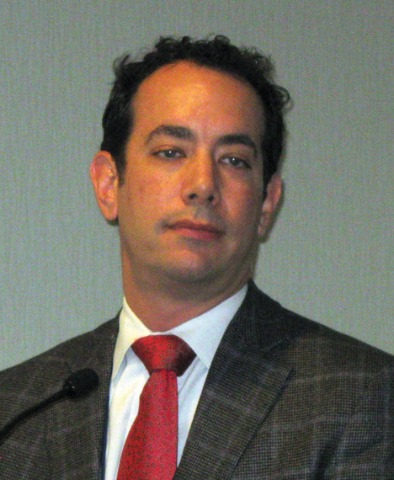
The analysis of the nationwide NHAMCS included all patients aged older than 18 years and excluded only those who were transferred, left against medical advice, or died in the ED. In all, 2.4% of ED visits – an estimated 2.3 million per year – were by patients who had been hospitalized in the previous 7 days. Admission rates for recently hospitalized patients increased for each study year, from 28.6% in 2005 to 38.0% in 2008. In contrast, admission rates for visits by patients who were not recently hospitalized increased only slightly, from 15.7% to 16.2%, Dr. Meisel reported at the annual meeting of the Society for Academic Emergency Medicine.
After adjustment for age and triage acuity, the odds ratio of hospital admission for those who had been hospitalized within the previous 7 days was 2.59, compared with those not previously hospitalized. Older age, higher triage acuity, and visits to hospitals in metropolitan areas were also associated with increased odds of admission but did not confound or modify the interaction between recent hospitalization and admission for any year.
The rising rate of readmission was somewhat surprising, given the recent financial pressures being placed on hospitals to reduce those rates. One possible explanation is that hospitals are now discharging sicker patients. "Even though I adjusted for triage acuity, that doesn’t capture all the factors that make a patient sick," Dr. Meisel said in an interview.
However, he pointed out that even though the percentages of ED patients admitted after recent hospitalization rose by about 10%, compared with the baseline admission rate over the 4-year period, two-thirds of patients who were recently hospitalized are still being evaluated in the ED and discharged rather than admitted. "So, clearly we’re doing something in the ED to mitigate readmissions. Whether it’s pain control, reassurance, addressing questions about prescriptions, arranging follow-up, or other measures, hospitals should be analyzing what’s going on in the ED and our role in preventing hospital readmission."
Dr. Meisel stated that he had no relevant financial disclosures.
Rates of hospital readmission from the emergency department of patients who were recently hospitalized are on the rise, according to an analysis of 2005-2008 data from the National Hospital Ambulatory Medical Care Survey.
"Patients who return to the emergency department within 7 days of hospitalization have both relatively high and increasing rates of readmission. ... Policies and programs aimed at reducing hospital readmissions should consider the role of the ED in determining the disposition of recently hospitalized patients," said Dr. Zachary F. Meisel of the University of Pennsylvania, Philadelphia.
The analysis of the nationwide NHAMCS included all patients aged older than 18 years and excluded only those who were transferred, left against medical advice, or died in the ED. In all, 2.4% of ED visits – an estimated 2.3 million per year – were by patients who had been hospitalized in the previous 7 days. Admission rates for recently hospitalized patients increased for each study year, from 28.6% in 2005 to 38.0% in 2008. In contrast, admission rates for visits by patients who were not recently hospitalized increased only slightly, from 15.7% to 16.2%, Dr. Meisel reported at the annual meeting of the Society for Academic Emergency Medicine.
After adjustment for age and triage acuity, the odds ratio of hospital admission for those who had been hospitalized within the previous 7 days was 2.59, compared with those not previously hospitalized. Older age, higher triage acuity, and visits to hospitals in metropolitan areas were also associated with increased odds of admission but did not confound or modify the interaction between recent hospitalization and admission for any year.
The rising rate of readmission was somewhat surprising, given the recent financial pressures being placed on hospitals to reduce those rates. One possible explanation is that hospitals are now discharging sicker patients. "Even though I adjusted for triage acuity, that doesn’t capture all the factors that make a patient sick," Dr. Meisel said in an interview.
However, he pointed out that even though the percentages of ED patients admitted after recent hospitalization rose by about 10%, compared with the baseline admission rate over the 4-year period, two-thirds of patients who were recently hospitalized are still being evaluated in the ED and discharged rather than admitted. "So, clearly we’re doing something in the ED to mitigate readmissions. Whether it’s pain control, reassurance, addressing questions about prescriptions, arranging follow-up, or other measures, hospitals should be analyzing what’s going on in the ED and our role in preventing hospital readmission."
Dr. Meisel stated that he had no relevant financial disclosures.
Rates of hospital readmission from the emergency department of patients who were recently hospitalized are on the rise, according to an analysis of 2005-2008 data from the National Hospital Ambulatory Medical Care Survey.
"Patients who return to the emergency department within 7 days of hospitalization have both relatively high and increasing rates of readmission. ... Policies and programs aimed at reducing hospital readmissions should consider the role of the ED in determining the disposition of recently hospitalized patients," said Dr. Zachary F. Meisel of the University of Pennsylvania, Philadelphia.
The analysis of the nationwide NHAMCS included all patients aged older than 18 years and excluded only those who were transferred, left against medical advice, or died in the ED. In all, 2.4% of ED visits – an estimated 2.3 million per year – were by patients who had been hospitalized in the previous 7 days. Admission rates for recently hospitalized patients increased for each study year, from 28.6% in 2005 to 38.0% in 2008. In contrast, admission rates for visits by patients who were not recently hospitalized increased only slightly, from 15.7% to 16.2%, Dr. Meisel reported at the annual meeting of the Society for Academic Emergency Medicine.
After adjustment for age and triage acuity, the odds ratio of hospital admission for those who had been hospitalized within the previous 7 days was 2.59, compared with those not previously hospitalized. Older age, higher triage acuity, and visits to hospitals in metropolitan areas were also associated with increased odds of admission but did not confound or modify the interaction between recent hospitalization and admission for any year.
The rising rate of readmission was somewhat surprising, given the recent financial pressures being placed on hospitals to reduce those rates. One possible explanation is that hospitals are now discharging sicker patients. "Even though I adjusted for triage acuity, that doesn’t capture all the factors that make a patient sick," Dr. Meisel said in an interview.
However, he pointed out that even though the percentages of ED patients admitted after recent hospitalization rose by about 10%, compared with the baseline admission rate over the 4-year period, two-thirds of patients who were recently hospitalized are still being evaluated in the ED and discharged rather than admitted. "So, clearly we’re doing something in the ED to mitigate readmissions. Whether it’s pain control, reassurance, addressing questions about prescriptions, arranging follow-up, or other measures, hospitals should be analyzing what’s going on in the ED and our role in preventing hospital readmission."
Dr. Meisel stated that he had no relevant financial disclosures.
FROM THE ANNUAL MEETING OF THE SOCIETY FOR ACADEMIC EMERGENCY MEDICINE
Dapagliflozin Benefit Tempered by Cancer, Infection Rates
SAN DIEGO – The investigational glucose-lowering agent dapagliflozin produced sustained glycemic efficacy and weight loss after 2 years in a phase III extension study of 624 patients with type 2 diabetes.
Genital and urinary tract infections were increased during the initial 52 weeks and through the 2-year extension. New data on cancers showed no overall excess, but there were increases in certain types of cancers, Dr. Michael A. Nauck reported in a late-breaking poster presentation at the annual scientific sessions of the American Diabetes Association.

Bristol-Myers Squibb and AstraZeneca’s dapagliflozin is a selective SGLT2 inhibitor that reduces hyperglycemia independently of insulin by promoting urinary glucose excretion. In the initial 52-week double-blind trial presented last fall at the meeting of the European Association for the Study of Diabetes, a total of 814 patients with type 2 diabetes who were inadequately controlled on metformin alone were randomized to up to 10 mg/day of dapagliflozin or up to 20 mg/day of glipizide as add-on therapy to 2,000 mg/day of metformin.
In both groups, there were identical mean reductions in hemoglobin A1c of 0.52 percentage points from a baseline mean of 7.72% (the primary end point of noninferiority). However, dapagliflozin was associated with a 3.2 kg mean weight loss, whereas the glipizide group gained an average of 1.4 kg. Hypoglycemia was also dramatically less with dapagliflozin than with glipizide, 3.5% vs. 40.8%, Dr. Nauck, head of the Diabetes Center, Bad Lauterberg, Germany, reported at EASD.
In the extension study, which was primarily aimed at assessing safety, patients continued to receive dapagliflozin (n = 315) or glipizide (n = 309) added to metformin. At the end of year 2, there was a 0.32 percentage point drop from baseline in HbA1c with dapagliflozin, compared with just 0.14 with glipizide. Body weight loss was also sustained, at 3.70 kg, compared with a gain of 1.36 kg with glipizide. Just as at 1 year, hypoglycemia was significantly lower at 2 years with dapagliflozin, 4.2%, compared with 45.8% with glipizide.
On active questioning, the proportion of patients who reported signs, symptoms, and events suggestive of urinary tract infection was 13.5% for dapagliflozin, compared with 9.1% for glipizide. And for signs, symptoms, and events suggesting genital infections, the difference was 14.8% vs. 2.9%, respectively. The difference was even greater for the women, with 23.3% reporting genital infection, compared with 5.9% with glipizide. However, most infections occurred during the first year, were mild to moderate in intensity, and responded to standard care. There was one discontinuation in each arm because of a UTI and three in the dapagliflozin arm because of genital infection in the first year. There were no discontinuations from either type of infection during the second year, Dr. Nauck reported.
In all dapagliflozin studies to date, there have been no imbalances in malignant tumors. However, there were increases in two specific tumor types. Nine bladder cancers occurred among 5,478 patients on dapagliflozin and in one of 3,156 patients in control groups. A total of 6 of these 10 had hematuria at baseline and 5 were diagnosed within a year after the study start. Nine breast cancers have also occurred in 2,223 women on dapagliflozin and one in 1,053 women in control groups. All were diagnosed within a year after study start.
In preclinical studies, dapagliflozin was not shown to be genotoxic or carcinogenic and the agent has no known off-target pharmacology. The SGLT2 receptor is not expressed in the breast or in the bladder, Dr. Nauck noted.
These clinical and preclinical data have been shared with the Food and Drug Administration and other health authorities and were reviewed fully at the scheduled Endocrinologic and Metabolic Drugs Advisory Committee on July 19. In a 9-6 vote, the committee recommended against approval, citing concerns about bladder and breast cancer incidence among treated patients in the clinical trial, compared with controls.
Dr. Nauck said that patients who are at risk for more urinary tract and genital infections from diabetes plus glycosuria would need to be defined, and that dapagliflozin should be preferentially used in those at low risk. "Attempts to define strata for low and high risk are urgently needed, because generally, infection rates up to more than 20% are hardly acceptable. It should be noted that, as with all novel diabetes medications, clinical studies aiming at a reduction in diabetic complications have yet to be started and are not currently available."
As for the tumor findings, "a numerical excess was found in dapagliflozin vs. comparator-treated patients regarding bladder and breast cancer. These findings, based on the small numbers and short follow-up do not prove a causal relationship, but warrant further studies to finally assess any risk concerning the promotion of tumor growth. Also, a true benefit needs to be shown in large-scale studies assessing clinical outcomes, because one needs to judge the benefits and risks in relation to each other."
Both the initial 52-week study and the 2-year extension trial were funded by BMS and AstraZeneca.
Dr. Nauck has been member on advisory boards or has consulted with AstraZeneca, Boehringer Ingelheim, Eli Lilly, GlaxoSmithKline, Hoffman La Roche, Menarini/Berlin-Chemie, Merck, Sharp & Dohme, Novo Nordisk, and Versatis. He has received grant support from and served on the speakers bureau of Eli Lilly, Menarini/Berlin-Chemie, Merck, Sharp & Dohme as well as serving on the speakers bureau of AstraZeneca, Boehringer Ingelheim, Hoffman La Roche, and Novo Nordisk.
SAN DIEGO – The investigational glucose-lowering agent dapagliflozin produced sustained glycemic efficacy and weight loss after 2 years in a phase III extension study of 624 patients with type 2 diabetes.
Genital and urinary tract infections were increased during the initial 52 weeks and through the 2-year extension. New data on cancers showed no overall excess, but there were increases in certain types of cancers, Dr. Michael A. Nauck reported in a late-breaking poster presentation at the annual scientific sessions of the American Diabetes Association.
Bristol-Myers Squibb and AstraZeneca’s dapagliflozin is a selective SGLT2 inhibitor that reduces hyperglycemia independently of insulin by promoting urinary glucose excretion. In the initial 52-week double-blind trial presented last fall at the meeting of the European Association for the Study of Diabetes, a total of 814 patients with type 2 diabetes who were inadequately controlled on metformin alone were randomized to up to 10 mg/day of dapagliflozin or up to 20 mg/day of glipizide as add-on therapy to 2,000 mg/day of metformin.
In both groups, there were identical mean reductions in hemoglobin A1c of 0.52 percentage points from a baseline mean of 7.72% (the primary end point of noninferiority). However, dapagliflozin was associated with a 3.2 kg mean weight loss, whereas the glipizide group gained an average of 1.4 kg. Hypoglycemia was also dramatically less with dapagliflozin than with glipizide, 3.5% vs. 40.8%, Dr. Nauck, head of the Diabetes Center, Bad Lauterberg, Germany, reported at EASD.
In the extension study, which was primarily aimed at assessing safety, patients continued to receive dapagliflozin (n = 315) or glipizide (n = 309) added to metformin. At the end of year 2, there was a 0.32 percentage point drop from baseline in HbA1c with dapagliflozin, compared with just 0.14 with glipizide. Body weight loss was also sustained, at 3.70 kg, compared with a gain of 1.36 kg with glipizide. Just as at 1 year, hypoglycemia was significantly lower at 2 years with dapagliflozin, 4.2%, compared with 45.8% with glipizide.
On active questioning, the proportion of patients who reported signs, symptoms, and events suggestive of urinary tract infection was 13.5% for dapagliflozin, compared with 9.1% for glipizide. And for signs, symptoms, and events suggesting genital infections, the difference was 14.8% vs. 2.9%, respectively. The difference was even greater for the women, with 23.3% reporting genital infection, compared with 5.9% with glipizide. However, most infections occurred during the first year, were mild to moderate in intensity, and responded to standard care. There was one discontinuation in each arm because of a UTI and three in the dapagliflozin arm because of genital infection in the first year. There were no discontinuations from either type of infection during the second year, Dr. Nauck reported.
In all dapagliflozin studies to date, there have been no imbalances in malignant tumors. However, there were increases in two specific tumor types. Nine bladder cancers occurred among 5,478 patients on dapagliflozin and in one of 3,156 patients in control groups. A total of 6 of these 10 had hematuria at baseline and 5 were diagnosed within a year after the study start. Nine breast cancers have also occurred in 2,223 women on dapagliflozin and one in 1,053 women in control groups. All were diagnosed within a year after study start.
In preclinical studies, dapagliflozin was not shown to be genotoxic or carcinogenic and the agent has no known off-target pharmacology. The SGLT2 receptor is not expressed in the breast or in the bladder, Dr. Nauck noted.
These clinical and preclinical data have been shared with the Food and Drug Administration and other health authorities and were reviewed fully at the scheduled Endocrinologic and Metabolic Drugs Advisory Committee on July 19. In a 9-6 vote, the committee recommended against approval, citing concerns about bladder and breast cancer incidence among treated patients in the clinical trial, compared with controls.
Dr. Nauck said that patients who are at risk for more urinary tract and genital infections from diabetes plus glycosuria would need to be defined, and that dapagliflozin should be preferentially used in those at low risk. "Attempts to define strata for low and high risk are urgently needed, because generally, infection rates up to more than 20% are hardly acceptable. It should be noted that, as with all novel diabetes medications, clinical studies aiming at a reduction in diabetic complications have yet to be started and are not currently available."
As for the tumor findings, "a numerical excess was found in dapagliflozin vs. comparator-treated patients regarding bladder and breast cancer. These findings, based on the small numbers and short follow-up do not prove a causal relationship, but warrant further studies to finally assess any risk concerning the promotion of tumor growth. Also, a true benefit needs to be shown in large-scale studies assessing clinical outcomes, because one needs to judge the benefits and risks in relation to each other."
Both the initial 52-week study and the 2-year extension trial were funded by BMS and AstraZeneca.
Dr. Nauck has been member on advisory boards or has consulted with AstraZeneca, Boehringer Ingelheim, Eli Lilly, GlaxoSmithKline, Hoffman La Roche, Menarini/Berlin-Chemie, Merck, Sharp & Dohme, Novo Nordisk, and Versatis. He has received grant support from and served on the speakers bureau of Eli Lilly, Menarini/Berlin-Chemie, Merck, Sharp & Dohme as well as serving on the speakers bureau of AstraZeneca, Boehringer Ingelheim, Hoffman La Roche, and Novo Nordisk.
SAN DIEGO – The investigational glucose-lowering agent dapagliflozin produced sustained glycemic efficacy and weight loss after 2 years in a phase III extension study of 624 patients with type 2 diabetes.
Genital and urinary tract infections were increased during the initial 52 weeks and through the 2-year extension. New data on cancers showed no overall excess, but there were increases in certain types of cancers, Dr. Michael A. Nauck reported in a late-breaking poster presentation at the annual scientific sessions of the American Diabetes Association.
Bristol-Myers Squibb and AstraZeneca’s dapagliflozin is a selective SGLT2 inhibitor that reduces hyperglycemia independently of insulin by promoting urinary glucose excretion. In the initial 52-week double-blind trial presented last fall at the meeting of the European Association for the Study of Diabetes, a total of 814 patients with type 2 diabetes who were inadequately controlled on metformin alone were randomized to up to 10 mg/day of dapagliflozin or up to 20 mg/day of glipizide as add-on therapy to 2,000 mg/day of metformin.
In both groups, there were identical mean reductions in hemoglobin A1c of 0.52 percentage points from a baseline mean of 7.72% (the primary end point of noninferiority). However, dapagliflozin was associated with a 3.2 kg mean weight loss, whereas the glipizide group gained an average of 1.4 kg. Hypoglycemia was also dramatically less with dapagliflozin than with glipizide, 3.5% vs. 40.8%, Dr. Nauck, head of the Diabetes Center, Bad Lauterberg, Germany, reported at EASD.
In the extension study, which was primarily aimed at assessing safety, patients continued to receive dapagliflozin (n = 315) or glipizide (n = 309) added to metformin. At the end of year 2, there was a 0.32 percentage point drop from baseline in HbA1c with dapagliflozin, compared with just 0.14 with glipizide. Body weight loss was also sustained, at 3.70 kg, compared with a gain of 1.36 kg with glipizide. Just as at 1 year, hypoglycemia was significantly lower at 2 years with dapagliflozin, 4.2%, compared with 45.8% with glipizide.
On active questioning, the proportion of patients who reported signs, symptoms, and events suggestive of urinary tract infection was 13.5% for dapagliflozin, compared with 9.1% for glipizide. And for signs, symptoms, and events suggesting genital infections, the difference was 14.8% vs. 2.9%, respectively. The difference was even greater for the women, with 23.3% reporting genital infection, compared with 5.9% with glipizide. However, most infections occurred during the first year, were mild to moderate in intensity, and responded to standard care. There was one discontinuation in each arm because of a UTI and three in the dapagliflozin arm because of genital infection in the first year. There were no discontinuations from either type of infection during the second year, Dr. Nauck reported.
In all dapagliflozin studies to date, there have been no imbalances in malignant tumors. However, there were increases in two specific tumor types. Nine bladder cancers occurred among 5,478 patients on dapagliflozin and in one of 3,156 patients in control groups. A total of 6 of these 10 had hematuria at baseline and 5 were diagnosed within a year after the study start. Nine breast cancers have also occurred in 2,223 women on dapagliflozin and one in 1,053 women in control groups. All were diagnosed within a year after study start.
In preclinical studies, dapagliflozin was not shown to be genotoxic or carcinogenic and the agent has no known off-target pharmacology. The SGLT2 receptor is not expressed in the breast or in the bladder, Dr. Nauck noted.
These clinical and preclinical data have been shared with the Food and Drug Administration and other health authorities and were reviewed fully at the scheduled Endocrinologic and Metabolic Drugs Advisory Committee on July 19. In a 9-6 vote, the committee recommended against approval, citing concerns about bladder and breast cancer incidence among treated patients in the clinical trial, compared with controls.
Dr. Nauck said that patients who are at risk for more urinary tract and genital infections from diabetes plus glycosuria would need to be defined, and that dapagliflozin should be preferentially used in those at low risk. "Attempts to define strata for low and high risk are urgently needed, because generally, infection rates up to more than 20% are hardly acceptable. It should be noted that, as with all novel diabetes medications, clinical studies aiming at a reduction in diabetic complications have yet to be started and are not currently available."
As for the tumor findings, "a numerical excess was found in dapagliflozin vs. comparator-treated patients regarding bladder and breast cancer. These findings, based on the small numbers and short follow-up do not prove a causal relationship, but warrant further studies to finally assess any risk concerning the promotion of tumor growth. Also, a true benefit needs to be shown in large-scale studies assessing clinical outcomes, because one needs to judge the benefits and risks in relation to each other."
Both the initial 52-week study and the 2-year extension trial were funded by BMS and AstraZeneca.
Dr. Nauck has been member on advisory boards or has consulted with AstraZeneca, Boehringer Ingelheim, Eli Lilly, GlaxoSmithKline, Hoffman La Roche, Menarini/Berlin-Chemie, Merck, Sharp & Dohme, Novo Nordisk, and Versatis. He has received grant support from and served on the speakers bureau of Eli Lilly, Menarini/Berlin-Chemie, Merck, Sharp & Dohme as well as serving on the speakers bureau of AstraZeneca, Boehringer Ingelheim, Hoffman La Roche, and Novo Nordisk.
FROM THE ANNUAL SCIENTIFIC SESSIONS OF THE AMERICAN DIABETES ASSOCIATION
Etomidate Not Associated With Longer Vasopressor Duration
BOSTON – Etomidate did not significantly increase vasopressor requirements, compared with midazolam, in a double-blind randomized trial of 122 patients with suspected sepsis who presented to a single emergency department over an 18-month period.
Etomidate is widely used for sedation before endotracheal intubation. One recent post hoc analysis showed that prolonged use of etomidate was associated with increased mortality (N. Engl. J. Med. 2008;358:111-24), while another post hoc analysis demonstrated a significant increase in mortality in septic patients given etomidate for rapid-sequence intubation irrespective of steroid supplementation (Crit. Care Med. 2007;35:1012-8). In a small study, single-dose etomidate use was associated with adrenal suppression that may have contributed to longer hospital length of stay, more ventilator days, and more days in intensive care (J. Trauma 2008;65:573-9).
However, the clinical relevance of the adrenal suppression is not yet clear, and the studies showing increased mortality were not randomized, noted Dr. David Barounis, an emergency physician at Advocate Christ Medical Center, Oak Lawn, Ill.

In the current study, a post hoc analysis of data from a prospectively randomized double-blind study performed between November 2007 and May 2009 at a single tertiary care center’s emergency department (ED), 303 patients met the enrollment criteria of age greater than 18 years and intubation in the ED with suspected infectious etiology for their illness. Of 122 who could be enrolled in the study, 96 were later confirmed to be septic following intubation. Of those, 45 were randomized to etomidate while 51 received midazolam.
Baseline characteristics did not differ significantly between the two groups, although there was a nonsignificant trend among the etomidate patients toward greater use of vasopressors in the ED (53% vs. 43% of the midazolam group) and total vasopressor use (66% vs. 51%; 95% confidence interval of difference, -4% to 34%). The difference in total number of hours septic patients received vasopressors was not significant: 38 hours with etomidate vs. 32 hours with midazolam (P = .65).
Limiting the analysis to just the 26 etomidate and 23 midazolam patients who received vasopressors within the first 48 hours of ED arrival (95% CI, 7% to 31%) did not change the results, with 58% vasopressor use with etomidate vs. 45% with midazolam (95% CI, -7% to 31%) and with 64 vs. 51 total hours, respectively, of vasopressor use in this subgroup (P = .44).
Norepinephrine was the most common vasopressor used for both groups, and there were no differences in sedative use by type of vasopressor, Dr. Barounis said at the annual meeting of the Society for Academic Emergency Medicine.
"Based on our results, etomidate does not result in a statistically significant increase in length of vasopressor duration when used as a bolus dose during rapid sequence intubation," he said. However, he added, due to the relatively small number of patients who could be enrolled at one center over 18 months, a multicenter prospective trial powered to detect clinically significant mortality and secondary outcome differences should be undertaken.
Dr. Barounis stated that he had no financial disclosures.
BOSTON – Etomidate did not significantly increase vasopressor requirements, compared with midazolam, in a double-blind randomized trial of 122 patients with suspected sepsis who presented to a single emergency department over an 18-month period.
Etomidate is widely used for sedation before endotracheal intubation. One recent post hoc analysis showed that prolonged use of etomidate was associated with increased mortality (N. Engl. J. Med. 2008;358:111-24), while another post hoc analysis demonstrated a significant increase in mortality in septic patients given etomidate for rapid-sequence intubation irrespective of steroid supplementation (Crit. Care Med. 2007;35:1012-8). In a small study, single-dose etomidate use was associated with adrenal suppression that may have contributed to longer hospital length of stay, more ventilator days, and more days in intensive care (J. Trauma 2008;65:573-9).
However, the clinical relevance of the adrenal suppression is not yet clear, and the studies showing increased mortality were not randomized, noted Dr. David Barounis, an emergency physician at Advocate Christ Medical Center, Oak Lawn, Ill.
In the current study, a post hoc analysis of data from a prospectively randomized double-blind study performed between November 2007 and May 2009 at a single tertiary care center’s emergency department (ED), 303 patients met the enrollment criteria of age greater than 18 years and intubation in the ED with suspected infectious etiology for their illness. Of 122 who could be enrolled in the study, 96 were later confirmed to be septic following intubation. Of those, 45 were randomized to etomidate while 51 received midazolam.
Baseline characteristics did not differ significantly between the two groups, although there was a nonsignificant trend among the etomidate patients toward greater use of vasopressors in the ED (53% vs. 43% of the midazolam group) and total vasopressor use (66% vs. 51%; 95% confidence interval of difference, -4% to 34%). The difference in total number of hours septic patients received vasopressors was not significant: 38 hours with etomidate vs. 32 hours with midazolam (P = .65).
Limiting the analysis to just the 26 etomidate and 23 midazolam patients who received vasopressors within the first 48 hours of ED arrival (95% CI, 7% to 31%) did not change the results, with 58% vasopressor use with etomidate vs. 45% with midazolam (95% CI, -7% to 31%) and with 64 vs. 51 total hours, respectively, of vasopressor use in this subgroup (P = .44).
Norepinephrine was the most common vasopressor used for both groups, and there were no differences in sedative use by type of vasopressor, Dr. Barounis said at the annual meeting of the Society for Academic Emergency Medicine.
"Based on our results, etomidate does not result in a statistically significant increase in length of vasopressor duration when used as a bolus dose during rapid sequence intubation," he said. However, he added, due to the relatively small number of patients who could be enrolled at one center over 18 months, a multicenter prospective trial powered to detect clinically significant mortality and secondary outcome differences should be undertaken.
Dr. Barounis stated that he had no financial disclosures.
BOSTON – Etomidate did not significantly increase vasopressor requirements, compared with midazolam, in a double-blind randomized trial of 122 patients with suspected sepsis who presented to a single emergency department over an 18-month period.
Etomidate is widely used for sedation before endotracheal intubation. One recent post hoc analysis showed that prolonged use of etomidate was associated with increased mortality (N. Engl. J. Med. 2008;358:111-24), while another post hoc analysis demonstrated a significant increase in mortality in septic patients given etomidate for rapid-sequence intubation irrespective of steroid supplementation (Crit. Care Med. 2007;35:1012-8). In a small study, single-dose etomidate use was associated with adrenal suppression that may have contributed to longer hospital length of stay, more ventilator days, and more days in intensive care (J. Trauma 2008;65:573-9).
However, the clinical relevance of the adrenal suppression is not yet clear, and the studies showing increased mortality were not randomized, noted Dr. David Barounis, an emergency physician at Advocate Christ Medical Center, Oak Lawn, Ill.
In the current study, a post hoc analysis of data from a prospectively randomized double-blind study performed between November 2007 and May 2009 at a single tertiary care center’s emergency department (ED), 303 patients met the enrollment criteria of age greater than 18 years and intubation in the ED with suspected infectious etiology for their illness. Of 122 who could be enrolled in the study, 96 were later confirmed to be septic following intubation. Of those, 45 were randomized to etomidate while 51 received midazolam.
Baseline characteristics did not differ significantly between the two groups, although there was a nonsignificant trend among the etomidate patients toward greater use of vasopressors in the ED (53% vs. 43% of the midazolam group) and total vasopressor use (66% vs. 51%; 95% confidence interval of difference, -4% to 34%). The difference in total number of hours septic patients received vasopressors was not significant: 38 hours with etomidate vs. 32 hours with midazolam (P = .65).
Limiting the analysis to just the 26 etomidate and 23 midazolam patients who received vasopressors within the first 48 hours of ED arrival (95% CI, 7% to 31%) did not change the results, with 58% vasopressor use with etomidate vs. 45% with midazolam (95% CI, -7% to 31%) and with 64 vs. 51 total hours, respectively, of vasopressor use in this subgroup (P = .44).
Norepinephrine was the most common vasopressor used for both groups, and there were no differences in sedative use by type of vasopressor, Dr. Barounis said at the annual meeting of the Society for Academic Emergency Medicine.
"Based on our results, etomidate does not result in a statistically significant increase in length of vasopressor duration when used as a bolus dose during rapid sequence intubation," he said. However, he added, due to the relatively small number of patients who could be enrolled at one center over 18 months, a multicenter prospective trial powered to detect clinically significant mortality and secondary outcome differences should be undertaken.
Dr. Barounis stated that he had no financial disclosures.
FROM THE ANNUAL MEETING OF THE SOCIETY FOR ACADEMIC EMERGENCY MEDICINE
Major Finding: The difference in total number of hours septic patients received vasopressors was nonsignificant: 38 hours with etomidate vs. 32 hours with midazolam (P = .65).
Data Source: A post hoc analysis of data from a double-blind study performed between November 2007 and May 2009 at a single tertiary care center’s ED, in which 96 intubated patients with confirmed sepsis were prospectively randomized to either etomidate or midazolam.
Disclosures: Dr. Barounis has no disclosures.