User login
States Prepare to Revamp Relicensing Requirements
State medical boards are eyeing ways to overhaul the relicensure process so that it better measures a physician's efforts to stay abreast of clinical developments.
Currently, while the public assumes that state licensure means that a physician remains competent, that's just not the case, according to Richard A. Whitehouse, the executive director of the State Medical Board of Ohio.
"There is really no measure once someone is initially licensed and has met the threshold requirements for licensure," he said. "Absent CME requirements, there's really nothing you can point to, to say that this person is maintaining their competency."
Officials involved in the redesign process, however, emphasize that the new requirements won't be a burden on practicing physicians and that most doctors are already doing enough to meet the standards under development.
The Federation of State Medical Boards (FSMB), which represents the nation's state medical boards, has been promoting the need to make relicensure a more robust process for several years.
Last spring, the organization's House of Delegates approved a framework that lays out what the maintenance of licensure process would look like in general. And over the past few months, an implementation group made up of physicians and medical board officials has been filling in the details.
The expectation is that new maintenance of licensure requirements will involve three major components: a reflective self-assessment that calls for physicians to complete a certain number of accredited continuing medical education courses; an assessment of knowledge and skills, which could be a formal exam; and some measurement of performance in practice, in which physicians would compare their practice data to those for peers and to national benchmarks.
Dr. Humayun Chaudhry, president and CEO of the FSMB, said that one of the goals in redesigning the relicensure process is to minimize the burden on practicing physicians. To that end, the FSMB implementation group's draft report calls on state medical boards to accept participation in maintenance of certification through the American Board of Medical Specialties, or osteopathic continuous certification through the American Osteopathic Association, as substantially meeting the requirements for maintenance of licensure. "That's a big advance because a significant plurality of physicians are involved in those programs," Dr. Chaudhry said.
More than 300,000 physicians are engaged in maintenance of certification through the various boards of the American Board of Medical Specialties, and that number increases by about 50,000 physicians each year, according to Dr. Kevin B. Weiss, ABMS president and CEO.
Officials at the ABMS have been working closely with states for years on the issue of maintenance of licensure and plan to continue to be involved as states begin to pilot the concept over the next several months to ensure that board-certified physicians aren’t asked to do any "double work," Dr. Weiss said.
"We're going to be very active in trying to help our physician community on a state-by-state basis," he said.
Officials at the FSMB are being careful to point out that maintenance of licensure and maintenance of certification are not meant to be equivalent. While maintenance of certification and osteopathic continuous certification could comply with the more robust relicensure requirements, board certification goes "above and beyond" basic licensure, Dr. Chaudhry said.
For the hundreds of thousands of physicians who aren't engaged in some type of maintenance of certification process, the FSMB is working with states to develop alternative pathways to demonstrate ongoing clinical competence.
The timeline for the new requirements is fairly long, Dr. Chaudhry said. The FSMB is recommending that state medical boards implement the new approach in phases that in total could take up to 10 years. The first step for any state medical board that plans to go forward with maintenance of licensure is to spend the first year educating physicians, the public, and lawmakers about what is planned and why. And each of the three components of the process should take another 2-3 years to implement, he said.
"The vast majority of physicians are already doing things to stay up to date," Dr. Chaudhry said. "In that sense, [maintenance of licensure] is simply a means by which those physicians can demonstrate what it is that they are doing."
Dr. Whitehouse, who also serves on the FSMB's implementation group on maintenance of licensure, agrees that the process will not be onerous for physicians who are making an effort to keep their clinical skills current.
Ohio is one of a handful of state medical boards that already has plans to move forward with maintenance of licensure. Mr. Whitehouse said that the medical boards have a responsibility to the public to make relicensure more meaningful. But making the process more robust is also beneficial to physicians because the medical board then becomes a reliable resource where patients can get objective assessments based on practice data, he said, rather than relying on anecdotal reports.
State medical boards are eyeing ways to overhaul the relicensure process so that it better measures a physician's efforts to stay abreast of clinical developments.
Currently, while the public assumes that state licensure means that a physician remains competent, that's just not the case, according to Richard A. Whitehouse, the executive director of the State Medical Board of Ohio.
"There is really no measure once someone is initially licensed and has met the threshold requirements for licensure," he said. "Absent CME requirements, there's really nothing you can point to, to say that this person is maintaining their competency."
Officials involved in the redesign process, however, emphasize that the new requirements won't be a burden on practicing physicians and that most doctors are already doing enough to meet the standards under development.
The Federation of State Medical Boards (FSMB), which represents the nation's state medical boards, has been promoting the need to make relicensure a more robust process for several years.
Last spring, the organization's House of Delegates approved a framework that lays out what the maintenance of licensure process would look like in general. And over the past few months, an implementation group made up of physicians and medical board officials has been filling in the details.
The expectation is that new maintenance of licensure requirements will involve three major components: a reflective self-assessment that calls for physicians to complete a certain number of accredited continuing medical education courses; an assessment of knowledge and skills, which could be a formal exam; and some measurement of performance in practice, in which physicians would compare their practice data to those for peers and to national benchmarks.
Dr. Humayun Chaudhry, president and CEO of the FSMB, said that one of the goals in redesigning the relicensure process is to minimize the burden on practicing physicians. To that end, the FSMB implementation group's draft report calls on state medical boards to accept participation in maintenance of certification through the American Board of Medical Specialties, or osteopathic continuous certification through the American Osteopathic Association, as substantially meeting the requirements for maintenance of licensure. "That's a big advance because a significant plurality of physicians are involved in those programs," Dr. Chaudhry said.
More than 300,000 physicians are engaged in maintenance of certification through the various boards of the American Board of Medical Specialties, and that number increases by about 50,000 physicians each year, according to Dr. Kevin B. Weiss, ABMS president and CEO.
Officials at the ABMS have been working closely with states for years on the issue of maintenance of licensure and plan to continue to be involved as states begin to pilot the concept over the next several months to ensure that board-certified physicians aren’t asked to do any "double work," Dr. Weiss said.
"We're going to be very active in trying to help our physician community on a state-by-state basis," he said.
Officials at the FSMB are being careful to point out that maintenance of licensure and maintenance of certification are not meant to be equivalent. While maintenance of certification and osteopathic continuous certification could comply with the more robust relicensure requirements, board certification goes "above and beyond" basic licensure, Dr. Chaudhry said.
For the hundreds of thousands of physicians who aren't engaged in some type of maintenance of certification process, the FSMB is working with states to develop alternative pathways to demonstrate ongoing clinical competence.
The timeline for the new requirements is fairly long, Dr. Chaudhry said. The FSMB is recommending that state medical boards implement the new approach in phases that in total could take up to 10 years. The first step for any state medical board that plans to go forward with maintenance of licensure is to spend the first year educating physicians, the public, and lawmakers about what is planned and why. And each of the three components of the process should take another 2-3 years to implement, he said.
"The vast majority of physicians are already doing things to stay up to date," Dr. Chaudhry said. "In that sense, [maintenance of licensure] is simply a means by which those physicians can demonstrate what it is that they are doing."
Dr. Whitehouse, who also serves on the FSMB's implementation group on maintenance of licensure, agrees that the process will not be onerous for physicians who are making an effort to keep their clinical skills current.
Ohio is one of a handful of state medical boards that already has plans to move forward with maintenance of licensure. Mr. Whitehouse said that the medical boards have a responsibility to the public to make relicensure more meaningful. But making the process more robust is also beneficial to physicians because the medical board then becomes a reliable resource where patients can get objective assessments based on practice data, he said, rather than relying on anecdotal reports.
State medical boards are eyeing ways to overhaul the relicensure process so that it better measures a physician's efforts to stay abreast of clinical developments.
Currently, while the public assumes that state licensure means that a physician remains competent, that's just not the case, according to Richard A. Whitehouse, the executive director of the State Medical Board of Ohio.
"There is really no measure once someone is initially licensed and has met the threshold requirements for licensure," he said. "Absent CME requirements, there's really nothing you can point to, to say that this person is maintaining their competency."
Officials involved in the redesign process, however, emphasize that the new requirements won't be a burden on practicing physicians and that most doctors are already doing enough to meet the standards under development.
The Federation of State Medical Boards (FSMB), which represents the nation's state medical boards, has been promoting the need to make relicensure a more robust process for several years.
Last spring, the organization's House of Delegates approved a framework that lays out what the maintenance of licensure process would look like in general. And over the past few months, an implementation group made up of physicians and medical board officials has been filling in the details.
The expectation is that new maintenance of licensure requirements will involve three major components: a reflective self-assessment that calls for physicians to complete a certain number of accredited continuing medical education courses; an assessment of knowledge and skills, which could be a formal exam; and some measurement of performance in practice, in which physicians would compare their practice data to those for peers and to national benchmarks.
Dr. Humayun Chaudhry, president and CEO of the FSMB, said that one of the goals in redesigning the relicensure process is to minimize the burden on practicing physicians. To that end, the FSMB implementation group's draft report calls on state medical boards to accept participation in maintenance of certification through the American Board of Medical Specialties, or osteopathic continuous certification through the American Osteopathic Association, as substantially meeting the requirements for maintenance of licensure. "That's a big advance because a significant plurality of physicians are involved in those programs," Dr. Chaudhry said.
More than 300,000 physicians are engaged in maintenance of certification through the various boards of the American Board of Medical Specialties, and that number increases by about 50,000 physicians each year, according to Dr. Kevin B. Weiss, ABMS president and CEO.
Officials at the ABMS have been working closely with states for years on the issue of maintenance of licensure and plan to continue to be involved as states begin to pilot the concept over the next several months to ensure that board-certified physicians aren’t asked to do any "double work," Dr. Weiss said.
"We're going to be very active in trying to help our physician community on a state-by-state basis," he said.
Officials at the FSMB are being careful to point out that maintenance of licensure and maintenance of certification are not meant to be equivalent. While maintenance of certification and osteopathic continuous certification could comply with the more robust relicensure requirements, board certification goes "above and beyond" basic licensure, Dr. Chaudhry said.
For the hundreds of thousands of physicians who aren't engaged in some type of maintenance of certification process, the FSMB is working with states to develop alternative pathways to demonstrate ongoing clinical competence.
The timeline for the new requirements is fairly long, Dr. Chaudhry said. The FSMB is recommending that state medical boards implement the new approach in phases that in total could take up to 10 years. The first step for any state medical board that plans to go forward with maintenance of licensure is to spend the first year educating physicians, the public, and lawmakers about what is planned and why. And each of the three components of the process should take another 2-3 years to implement, he said.
"The vast majority of physicians are already doing things to stay up to date," Dr. Chaudhry said. "In that sense, [maintenance of licensure] is simply a means by which those physicians can demonstrate what it is that they are doing."
Dr. Whitehouse, who also serves on the FSMB's implementation group on maintenance of licensure, agrees that the process will not be onerous for physicians who are making an effort to keep their clinical skills current.
Ohio is one of a handful of state medical boards that already has plans to move forward with maintenance of licensure. Mr. Whitehouse said that the medical boards have a responsibility to the public to make relicensure more meaningful. But making the process more robust is also beneficial to physicians because the medical board then becomes a reliable resource where patients can get objective assessments based on practice data, he said, rather than relying on anecdotal reports.
States Prepare to Revamp Relicensing Requirements
State medical boards are eyeing ways to overhaul the relicensure process so that it better measures a physician’s efforts to stay abreast of clinical developments.
Currently, while the public assumes that state licensure means that a physician remains competent, that’s just not the case, according to Richard A. Whitehouse, the executive director of the State Medical Board of Ohio.
"There is really no measure once someone is initially licensed and has met the threshold requirements for licensure," he said. "Absent CME requirements, there’s really nothing you can point to, to say that this person is maintaining their competency."
Officials involved in the redesign process, however, emphasize that the new requirements won’t be a burden on practicing physicians and that most doctors are already doing enough to meet the standards under development.
The Federation of State Medical Boards (FSMB), which represents the nation’s state medical boards, has been promoting the need to make relicensure a more robust process for several years.
Last spring, the organization’s House of Delegates approved a framework that lays out what the maintenance of licensure process would look like in general. And over the past few months, an implementation group made up of physicians and medical board officials has been filling in the details.
The expectation is that new maintenance of licensure requirements will involve three major components: a reflective self-assessment that calls for physicians to complete a certain number of accredited continuing medical education courses; an assessment of knowledge and skills, which could be a formal exam; and some measurement of performance in practice, in which physicians would compare their practice data to those for peers and to national benchmarks.
Dr. Humayun Chaudhry, president and CEO of the FSMB, said that one of the goals in redesigning the relicensure process is to minimize the burden on practicing physicians. To that end, the FSMB implementation group’s draft report calls on state medical boards to accept participation in maintenance of certification through the American Board of Medical Specialties, or osteopathic continuous certification through the American Osteopathic Association, as substantially meeting the requirements for maintenance of licensure. "That’s a big advance because a significant plurality of physicians are involved in those programs," Dr. Chaudhry said.
More than 300,000 physicians are engaged in maintenance of certification through the various boards of the American Board of Medical Specialties, and that number increases by about 50,000 physicians each year, according to Dr. Kevin B. Weiss, ABMS president and CEO.
Officials at the ABMS have been working closely with states for years on the issue of maintenance of licensure and plan to continue to be involved as states begin to pilot the concept over the next several months to ensure that board-certified physicians aren’t asked to do any "double work," Dr. Weiss said.
"We’re going to be very active in trying to help our physician community on a state-by-state basis," he said.
Officials at the FSMB are being careful to point out that maintenance of licensure and maintenance of certification are not meant to be equivalent. While maintenance of certification and osteopathic continuous certification could comply with the more robust relicensure requirements, board certification goes "above and beyond" basic licensure, Dr. Chaudhry said.
For the hundreds of thousands of physicians who aren’t engaged in some type of maintenance of certification process, the FSMB is working with states to develop alternative pathways to demonstrate ongoing clinical competence.
The timeline for the new requirements is fairly long, Dr. Chaudhry said. The FSMB is recommending that state medical boards implement the new approach in phases that in total could take up to 10 years. The first step for any state medical board that plans to go forward with maintenance of licensure is to spend the first year educating physicians, the public, and lawmakers about what is planned and why. And each of the three components of the process should take another 2-3 years to implement, he said.
"The vast majority of physicians are already doing things to stay up to date," Dr. Chaudhry said. "In that sense, [maintenance of licensure] is simply a means by which those physicians can demonstrate what it is that they are doing."
Dr. Whitehouse, who also serves on the FSMB’s implementation group on maintenance of licensure, agrees that the process will not be onerous for physicians who are making an effort to keep their clinical skills current.
Ohio is one of a handful of state medical boards that already has plans to move forward with maintenance of licensure. Mr. Whitehouse said that the medical boards have a responsibility to the public to make relicensure more meaningful. But making the process more robust is also beneficial to physicians because the medical board then becomes a reliable resource where patients can get objective assessments based on practice data, he said, rather than relying on anecdotal reports.
State medical boards are eyeing ways to overhaul the relicensure process so that it better measures a physician’s efforts to stay abreast of clinical developments.
Currently, while the public assumes that state licensure means that a physician remains competent, that’s just not the case, according to Richard A. Whitehouse, the executive director of the State Medical Board of Ohio.
"There is really no measure once someone is initially licensed and has met the threshold requirements for licensure," he said. "Absent CME requirements, there’s really nothing you can point to, to say that this person is maintaining their competency."
Officials involved in the redesign process, however, emphasize that the new requirements won’t be a burden on practicing physicians and that most doctors are already doing enough to meet the standards under development.
The Federation of State Medical Boards (FSMB), which represents the nation’s state medical boards, has been promoting the need to make relicensure a more robust process for several years.
Last spring, the organization’s House of Delegates approved a framework that lays out what the maintenance of licensure process would look like in general. And over the past few months, an implementation group made up of physicians and medical board officials has been filling in the details.
The expectation is that new maintenance of licensure requirements will involve three major components: a reflective self-assessment that calls for physicians to complete a certain number of accredited continuing medical education courses; an assessment of knowledge and skills, which could be a formal exam; and some measurement of performance in practice, in which physicians would compare their practice data to those for peers and to national benchmarks.
Dr. Humayun Chaudhry, president and CEO of the FSMB, said that one of the goals in redesigning the relicensure process is to minimize the burden on practicing physicians. To that end, the FSMB implementation group’s draft report calls on state medical boards to accept participation in maintenance of certification through the American Board of Medical Specialties, or osteopathic continuous certification through the American Osteopathic Association, as substantially meeting the requirements for maintenance of licensure. "That’s a big advance because a significant plurality of physicians are involved in those programs," Dr. Chaudhry said.
More than 300,000 physicians are engaged in maintenance of certification through the various boards of the American Board of Medical Specialties, and that number increases by about 50,000 physicians each year, according to Dr. Kevin B. Weiss, ABMS president and CEO.
Officials at the ABMS have been working closely with states for years on the issue of maintenance of licensure and plan to continue to be involved as states begin to pilot the concept over the next several months to ensure that board-certified physicians aren’t asked to do any "double work," Dr. Weiss said.
"We’re going to be very active in trying to help our physician community on a state-by-state basis," he said.
Officials at the FSMB are being careful to point out that maintenance of licensure and maintenance of certification are not meant to be equivalent. While maintenance of certification and osteopathic continuous certification could comply with the more robust relicensure requirements, board certification goes "above and beyond" basic licensure, Dr. Chaudhry said.
For the hundreds of thousands of physicians who aren’t engaged in some type of maintenance of certification process, the FSMB is working with states to develop alternative pathways to demonstrate ongoing clinical competence.
The timeline for the new requirements is fairly long, Dr. Chaudhry said. The FSMB is recommending that state medical boards implement the new approach in phases that in total could take up to 10 years. The first step for any state medical board that plans to go forward with maintenance of licensure is to spend the first year educating physicians, the public, and lawmakers about what is planned and why. And each of the three components of the process should take another 2-3 years to implement, he said.
"The vast majority of physicians are already doing things to stay up to date," Dr. Chaudhry said. "In that sense, [maintenance of licensure] is simply a means by which those physicians can demonstrate what it is that they are doing."
Dr. Whitehouse, who also serves on the FSMB’s implementation group on maintenance of licensure, agrees that the process will not be onerous for physicians who are making an effort to keep their clinical skills current.
Ohio is one of a handful of state medical boards that already has plans to move forward with maintenance of licensure. Mr. Whitehouse said that the medical boards have a responsibility to the public to make relicensure more meaningful. But making the process more robust is also beneficial to physicians because the medical board then becomes a reliable resource where patients can get objective assessments based on practice data, he said, rather than relying on anecdotal reports.
State medical boards are eyeing ways to overhaul the relicensure process so that it better measures a physician’s efforts to stay abreast of clinical developments.
Currently, while the public assumes that state licensure means that a physician remains competent, that’s just not the case, according to Richard A. Whitehouse, the executive director of the State Medical Board of Ohio.
"There is really no measure once someone is initially licensed and has met the threshold requirements for licensure," he said. "Absent CME requirements, there’s really nothing you can point to, to say that this person is maintaining their competency."
Officials involved in the redesign process, however, emphasize that the new requirements won’t be a burden on practicing physicians and that most doctors are already doing enough to meet the standards under development.
The Federation of State Medical Boards (FSMB), which represents the nation’s state medical boards, has been promoting the need to make relicensure a more robust process for several years.
Last spring, the organization’s House of Delegates approved a framework that lays out what the maintenance of licensure process would look like in general. And over the past few months, an implementation group made up of physicians and medical board officials has been filling in the details.
The expectation is that new maintenance of licensure requirements will involve three major components: a reflective self-assessment that calls for physicians to complete a certain number of accredited continuing medical education courses; an assessment of knowledge and skills, which could be a formal exam; and some measurement of performance in practice, in which physicians would compare their practice data to those for peers and to national benchmarks.
Dr. Humayun Chaudhry, president and CEO of the FSMB, said that one of the goals in redesigning the relicensure process is to minimize the burden on practicing physicians. To that end, the FSMB implementation group’s draft report calls on state medical boards to accept participation in maintenance of certification through the American Board of Medical Specialties, or osteopathic continuous certification through the American Osteopathic Association, as substantially meeting the requirements for maintenance of licensure. "That’s a big advance because a significant plurality of physicians are involved in those programs," Dr. Chaudhry said.
More than 300,000 physicians are engaged in maintenance of certification through the various boards of the American Board of Medical Specialties, and that number increases by about 50,000 physicians each year, according to Dr. Kevin B. Weiss, ABMS president and CEO.
Officials at the ABMS have been working closely with states for years on the issue of maintenance of licensure and plan to continue to be involved as states begin to pilot the concept over the next several months to ensure that board-certified physicians aren’t asked to do any "double work," Dr. Weiss said.
"We’re going to be very active in trying to help our physician community on a state-by-state basis," he said.
Officials at the FSMB are being careful to point out that maintenance of licensure and maintenance of certification are not meant to be equivalent. While maintenance of certification and osteopathic continuous certification could comply with the more robust relicensure requirements, board certification goes "above and beyond" basic licensure, Dr. Chaudhry said.
For the hundreds of thousands of physicians who aren’t engaged in some type of maintenance of certification process, the FSMB is working with states to develop alternative pathways to demonstrate ongoing clinical competence.
The timeline for the new requirements is fairly long, Dr. Chaudhry said. The FSMB is recommending that state medical boards implement the new approach in phases that in total could take up to 10 years. The first step for any state medical board that plans to go forward with maintenance of licensure is to spend the first year educating physicians, the public, and lawmakers about what is planned and why. And each of the three components of the process should take another 2-3 years to implement, he said.
"The vast majority of physicians are already doing things to stay up to date," Dr. Chaudhry said. "In that sense, [maintenance of licensure] is simply a means by which those physicians can demonstrate what it is that they are doing."
Dr. Whitehouse, who also serves on the FSMB’s implementation group on maintenance of licensure, agrees that the process will not be onerous for physicians who are making an effort to keep their clinical skills current.
Ohio is one of a handful of state medical boards that already has plans to move forward with maintenance of licensure. Mr. Whitehouse said that the medical boards have a responsibility to the public to make relicensure more meaningful. But making the process more robust is also beneficial to physicians because the medical board then becomes a reliable resource where patients can get objective assessments based on practice data, he said, rather than relying on anecdotal reports.
Groups Urge Med Schools to Teach Care Coordination
Medical schools should devote more time to teaching students about care coordination, population health, and electronic health records so that students will be ready to be a part of the patient-centered medical home, according to a new report.
In a joint principles document released Jan. 18, the American Academy of Family Physicians, American Academy of Pediatrics, American College of Physicians, and American Osteopathic Association outlined how all medical schools can provide students with a foundation in the elements of the medical home, regardless of whether they plan to pursue a career in primary care.
The groups recommend that students learn about the principles of the medical home, such as being a personal physician, leading a team of providers, providing care for the "whole person," coordinating care across the health care system, improving the quality and safety of care, and providing enhanced access.
For example, as part of the principle of whole-person orientation, the groups recommend that medical students practice motivational interviewing as way of encouraging behavioral change. They also recommend that students work with health coaches who support the care of patients with complex conditions.
In learning about care coordination, the groups call for students to become familiar with electronic health records, e-visits, and electronic billing; learn to access online medical information; and use health information technology to support their own continuing education.
The report also recommends that medical schools teach students about various physician payment methodologies and current trends in health care costs.
For many medical schools this will be a shift, said Dr. O. Marion Burton, president of the American Academy of Pediatrics and associate dean for clinical affairs at the University of South Carolina, Columbia. While medical schools today teach some elements of the medical home model, such as the continuum of care, there's not a focus on the medical home itself, he said.
Dr. Burton said that he expects medical schools to embrace the recommendations for teaching the medical home, but that it will take 3-4 years for most institutions to do so. The first step, which could take a year or more, will be to recruit new faculty members with experience with the medical home concepts. The next step will be to determine exactly how to teach the model, whether through lectures or more hands-on training, or some combination of approaches. And it may take another year to integrate the subject matter into the existing curriculum, he said.
"I don't see this as [happening] overnight," Dr. Burton said in an interview.
The major sticking point may simply be finding the time in an already packed curriculum, said Dr. Michael S. Barr, a senior vice president at the American College of Physicians. The challenge for medical school officials, Dr. Barr said in an interview, will be figuring out what to take out of the current curriculum while still ensuring that physicians are prepared to enter residency training.
Medical schools should devote more time to teaching students about care coordination, population health, and electronic health records so that students will be ready to be a part of the patient-centered medical home, according to a new report.
In a joint principles document released Jan. 18, the American Academy of Family Physicians, American Academy of Pediatrics, American College of Physicians, and American Osteopathic Association outlined how all medical schools can provide students with a foundation in the elements of the medical home, regardless of whether they plan to pursue a career in primary care.
The groups recommend that students learn about the principles of the medical home, such as being a personal physician, leading a team of providers, providing care for the "whole person," coordinating care across the health care system, improving the quality and safety of care, and providing enhanced access.
For example, as part of the principle of whole-person orientation, the groups recommend that medical students practice motivational interviewing as way of encouraging behavioral change. They also recommend that students work with health coaches who support the care of patients with complex conditions.
In learning about care coordination, the groups call for students to become familiar with electronic health records, e-visits, and electronic billing; learn to access online medical information; and use health information technology to support their own continuing education.
The report also recommends that medical schools teach students about various physician payment methodologies and current trends in health care costs.
For many medical schools this will be a shift, said Dr. O. Marion Burton, president of the American Academy of Pediatrics and associate dean for clinical affairs at the University of South Carolina, Columbia. While medical schools today teach some elements of the medical home model, such as the continuum of care, there's not a focus on the medical home itself, he said.
Dr. Burton said that he expects medical schools to embrace the recommendations for teaching the medical home, but that it will take 3-4 years for most institutions to do so. The first step, which could take a year or more, will be to recruit new faculty members with experience with the medical home concepts. The next step will be to determine exactly how to teach the model, whether through lectures or more hands-on training, or some combination of approaches. And it may take another year to integrate the subject matter into the existing curriculum, he said.
"I don't see this as [happening] overnight," Dr. Burton said in an interview.
The major sticking point may simply be finding the time in an already packed curriculum, said Dr. Michael S. Barr, a senior vice president at the American College of Physicians. The challenge for medical school officials, Dr. Barr said in an interview, will be figuring out what to take out of the current curriculum while still ensuring that physicians are prepared to enter residency training.
Medical schools should devote more time to teaching students about care coordination, population health, and electronic health records so that students will be ready to be a part of the patient-centered medical home, according to a new report.
In a joint principles document released Jan. 18, the American Academy of Family Physicians, American Academy of Pediatrics, American College of Physicians, and American Osteopathic Association outlined how all medical schools can provide students with a foundation in the elements of the medical home, regardless of whether they plan to pursue a career in primary care.
The groups recommend that students learn about the principles of the medical home, such as being a personal physician, leading a team of providers, providing care for the "whole person," coordinating care across the health care system, improving the quality and safety of care, and providing enhanced access.
For example, as part of the principle of whole-person orientation, the groups recommend that medical students practice motivational interviewing as way of encouraging behavioral change. They also recommend that students work with health coaches who support the care of patients with complex conditions.
In learning about care coordination, the groups call for students to become familiar with electronic health records, e-visits, and electronic billing; learn to access online medical information; and use health information technology to support their own continuing education.
The report also recommends that medical schools teach students about various physician payment methodologies and current trends in health care costs.
For many medical schools this will be a shift, said Dr. O. Marion Burton, president of the American Academy of Pediatrics and associate dean for clinical affairs at the University of South Carolina, Columbia. While medical schools today teach some elements of the medical home model, such as the continuum of care, there's not a focus on the medical home itself, he said.
Dr. Burton said that he expects medical schools to embrace the recommendations for teaching the medical home, but that it will take 3-4 years for most institutions to do so. The first step, which could take a year or more, will be to recruit new faculty members with experience with the medical home concepts. The next step will be to determine exactly how to teach the model, whether through lectures or more hands-on training, or some combination of approaches. And it may take another year to integrate the subject matter into the existing curriculum, he said.
"I don't see this as [happening] overnight," Dr. Burton said in an interview.
The major sticking point may simply be finding the time in an already packed curriculum, said Dr. Michael S. Barr, a senior vice president at the American College of Physicians. The challenge for medical school officials, Dr. Barr said in an interview, will be figuring out what to take out of the current curriculum while still ensuring that physicians are prepared to enter residency training.
FROM JOINT PRINCIPLES ISSUED BY PRIMARY CARE PHYSICIANS' ORGANIZATIONS
Primary Care Groups Urge Med Schools to Teach the Medical Home
Medical schools should devote more time to teaching students about care coordination, population health, and electronic health records so that students will be ready to be a part of the patient-centered medical home, according to a new report from four groups representing primary care physicians.
In a joint principles document released Jan. 18, the American Academy of Family Physicians, American Academy of Pediatrics, American College of Physicians, and American Osteopathic Association outlined how all medical schools can provide students with a foundation in the elements of the medical home, regardless of whether they plan to pursue a career in primary care.
The groups recommend that students learn about the principles of the medical home, such as being a personal physician, leading a team of providers, providing care for the "whole person," coordinating care across the health care system, improving the quality and safety of care, and providing enhanced access.
For example, as part of the principle of whole-person orientation, the groups recommend that medical students practice motivational interviewing as way of encouraging behavioral change. They also recommend that students work with health coaches who support the care of patients with complex conditions.
In learning about care coordination, the groups call for students to become familiar with electronic health records, e-visits, and electronic billing; learn to access online medical information; and use health information technology to support their own continuing education.
The report also recommends that medical schools teach students about various physician payment methodologies and current trends in health care costs.
For many medical schools this will be a shift, said Dr. O. Marion Burton, president of the American Academy of Pediatrics and associate dean for clinical affairs at the University of South Carolina, Columbia. While medical schools today teach some elements of the medical home model, such as the continuum of care, there’s not a focus on the medical home itself, he said.
Dr. Burton said that he expects medical schools to embrace the recommendations for teaching the medical home, but that it will take 3-4 years for most institutions to do so. The first step, which could take a year or more, will be to recruit new faculty members with experience with the medical home concepts. The next step will be to determine exactly how to teach the model, whether through lectures or more hands-on training, or some combination of approaches. And it may take another year to integrate the subject matter into the existing curriculum, he said.
"I don’t see this as [happening] overnight," Dr. Burton said in an interview.
Dr. Boyd R. Buser, vice president and dean of the Pikeville (Ky.) College School of Osteopathic Medicine, said that he believes it will be challenging to find faculty with expertise in the medical home elements.
Students, however, should not have a problem with the medical home concept, he said, adding that medical students are likely to be much more comfortable with the technology of the medical home, from using electronic health records to providing e-visits. "I think the students will embrace it," he said in an interview.
The major sticking point may simply be finding the time in an already packed curriculum, said Dr. Michael S. Barr, a senior vice president at the American College of Physicians. The challenge for medical school officials, Dr. Barr said in an interview, will be figuring out what to take out of the current curriculum while still ensuring that physicians are prepared to enter residency training.
Medical schools should devote more time to teaching students about care coordination, population health, and electronic health records so that students will be ready to be a part of the patient-centered medical home, according to a new report from four groups representing primary care physicians.
In a joint principles document released Jan. 18, the American Academy of Family Physicians, American Academy of Pediatrics, American College of Physicians, and American Osteopathic Association outlined how all medical schools can provide students with a foundation in the elements of the medical home, regardless of whether they plan to pursue a career in primary care.
The groups recommend that students learn about the principles of the medical home, such as being a personal physician, leading a team of providers, providing care for the "whole person," coordinating care across the health care system, improving the quality and safety of care, and providing enhanced access.
For example, as part of the principle of whole-person orientation, the groups recommend that medical students practice motivational interviewing as way of encouraging behavioral change. They also recommend that students work with health coaches who support the care of patients with complex conditions.
In learning about care coordination, the groups call for students to become familiar with electronic health records, e-visits, and electronic billing; learn to access online medical information; and use health information technology to support their own continuing education.
The report also recommends that medical schools teach students about various physician payment methodologies and current trends in health care costs.
For many medical schools this will be a shift, said Dr. O. Marion Burton, president of the American Academy of Pediatrics and associate dean for clinical affairs at the University of South Carolina, Columbia. While medical schools today teach some elements of the medical home model, such as the continuum of care, there’s not a focus on the medical home itself, he said.
Dr. Burton said that he expects medical schools to embrace the recommendations for teaching the medical home, but that it will take 3-4 years for most institutions to do so. The first step, which could take a year or more, will be to recruit new faculty members with experience with the medical home concepts. The next step will be to determine exactly how to teach the model, whether through lectures or more hands-on training, or some combination of approaches. And it may take another year to integrate the subject matter into the existing curriculum, he said.
"I don’t see this as [happening] overnight," Dr. Burton said in an interview.
Dr. Boyd R. Buser, vice president and dean of the Pikeville (Ky.) College School of Osteopathic Medicine, said that he believes it will be challenging to find faculty with expertise in the medical home elements.
Students, however, should not have a problem with the medical home concept, he said, adding that medical students are likely to be much more comfortable with the technology of the medical home, from using electronic health records to providing e-visits. "I think the students will embrace it," he said in an interview.
The major sticking point may simply be finding the time in an already packed curriculum, said Dr. Michael S. Barr, a senior vice president at the American College of Physicians. The challenge for medical school officials, Dr. Barr said in an interview, will be figuring out what to take out of the current curriculum while still ensuring that physicians are prepared to enter residency training.
Medical schools should devote more time to teaching students about care coordination, population health, and electronic health records so that students will be ready to be a part of the patient-centered medical home, according to a new report from four groups representing primary care physicians.
In a joint principles document released Jan. 18, the American Academy of Family Physicians, American Academy of Pediatrics, American College of Physicians, and American Osteopathic Association outlined how all medical schools can provide students with a foundation in the elements of the medical home, regardless of whether they plan to pursue a career in primary care.
The groups recommend that students learn about the principles of the medical home, such as being a personal physician, leading a team of providers, providing care for the "whole person," coordinating care across the health care system, improving the quality and safety of care, and providing enhanced access.
For example, as part of the principle of whole-person orientation, the groups recommend that medical students practice motivational interviewing as way of encouraging behavioral change. They also recommend that students work with health coaches who support the care of patients with complex conditions.
In learning about care coordination, the groups call for students to become familiar with electronic health records, e-visits, and electronic billing; learn to access online medical information; and use health information technology to support their own continuing education.
The report also recommends that medical schools teach students about various physician payment methodologies and current trends in health care costs.
For many medical schools this will be a shift, said Dr. O. Marion Burton, president of the American Academy of Pediatrics and associate dean for clinical affairs at the University of South Carolina, Columbia. While medical schools today teach some elements of the medical home model, such as the continuum of care, there’s not a focus on the medical home itself, he said.
Dr. Burton said that he expects medical schools to embrace the recommendations for teaching the medical home, but that it will take 3-4 years for most institutions to do so. The first step, which could take a year or more, will be to recruit new faculty members with experience with the medical home concepts. The next step will be to determine exactly how to teach the model, whether through lectures or more hands-on training, or some combination of approaches. And it may take another year to integrate the subject matter into the existing curriculum, he said.
"I don’t see this as [happening] overnight," Dr. Burton said in an interview.
Dr. Boyd R. Buser, vice president and dean of the Pikeville (Ky.) College School of Osteopathic Medicine, said that he believes it will be challenging to find faculty with expertise in the medical home elements.
Students, however, should not have a problem with the medical home concept, he said, adding that medical students are likely to be much more comfortable with the technology of the medical home, from using electronic health records to providing e-visits. "I think the students will embrace it," he said in an interview.
The major sticking point may simply be finding the time in an already packed curriculum, said Dr. Michael S. Barr, a senior vice president at the American College of Physicians. The challenge for medical school officials, Dr. Barr said in an interview, will be figuring out what to take out of the current curriculum while still ensuring that physicians are prepared to enter residency training.
FROM JOINT PRINCIPLES ISSUED BY PRIMARY CARE PHYSICIANS' ORGANIZATIONS
Primary Care Groups Urge Med Schools to Teach the Medical Home
Medical schools should devote more time to teaching students about care coordination, population health, and electronic health records so that students will be ready to be a part of the patient-centered medical home, according to a new report from four groups representing primary care physicians.
In a joint principles document released Jan. 18, the American Academy of Family Physicians, American Academy of Pediatrics, American College of Physicians, and American Osteopathic Association outlined how all medical schools can provide students with a foundation in the elements of the medical home, regardless of whether they plan to pursue a career in primary care.
The groups recommend that students learn about the principles of the medical home, such as being a personal physician, leading a team of providers, providing care for the "whole person," coordinating care across the health care system, improving the quality and safety of care, and providing enhanced access.
For example, as part of the principle of whole-person orientation, the groups recommend that medical students practice motivational interviewing as way of encouraging behavioral change. They also recommend that students work with health coaches who support the care of patients with complex conditions.
In learning about care coordination, the groups call for students to become familiar with electronic health records, e-visits, and electronic billing; learn to access online medical information; and use health information technology to support their own continuing education.
The report also recommends that medical schools teach students about various physician payment methodologies and current trends in health care costs.
For many medical schools this will be a shift, said Dr. O. Marion Burton, president of the American Academy of Pediatrics and associate dean for clinical affairs at the University of South Carolina, Columbia. While medical schools today teach some elements of the medical home model, such as the continuum of care, there’s not a focus on the medical home itself, he said.
Dr. Burton said that he expects medical schools to embrace the recommendations for teaching the medical home, but that it will take 3-4 years for most institutions to do so. The first step, which could take a year or more, will be to recruit new faculty members with experience with the medical home concepts. The next step will be to determine exactly how to teach the model, whether through lectures or more hands-on training, or some combination of approaches. And it may take another year to integrate the subject matter into the existing curriculum, he said.
"I don’t see this as [happening] overnight," Dr. Burton said in an interview.
Dr. Boyd R. Buser, vice president and dean of the Pikeville (Ky.) College School of Osteopathic Medicine, said that he believes it will be challenging to find faculty with expertise in the medical home elements.
Students, however, should not have a problem with the medical home concept, he said, adding that medical students are likely to be much more comfortable with the technology of the medical home, from using electronic health records to providing e-visits. "I think the students will embrace it," he said in an interview.
The major sticking point may simply be finding the time in an already packed curriculum, said Dr. Michael S. Barr, a senior vice president at the American College of Physicians. The challenge for medical school officials, Dr. Barr said in an interview, will be figuring out what to take out of the current curriculum while still ensuring that physicians are prepared to enter residency training.
Medical schools should devote more time to teaching students about care coordination, population health, and electronic health records so that students will be ready to be a part of the patient-centered medical home, according to a new report from four groups representing primary care physicians.
In a joint principles document released Jan. 18, the American Academy of Family Physicians, American Academy of Pediatrics, American College of Physicians, and American Osteopathic Association outlined how all medical schools can provide students with a foundation in the elements of the medical home, regardless of whether they plan to pursue a career in primary care.
The groups recommend that students learn about the principles of the medical home, such as being a personal physician, leading a team of providers, providing care for the "whole person," coordinating care across the health care system, improving the quality and safety of care, and providing enhanced access.
For example, as part of the principle of whole-person orientation, the groups recommend that medical students practice motivational interviewing as way of encouraging behavioral change. They also recommend that students work with health coaches who support the care of patients with complex conditions.
In learning about care coordination, the groups call for students to become familiar with electronic health records, e-visits, and electronic billing; learn to access online medical information; and use health information technology to support their own continuing education.
The report also recommends that medical schools teach students about various physician payment methodologies and current trends in health care costs.
For many medical schools this will be a shift, said Dr. O. Marion Burton, president of the American Academy of Pediatrics and associate dean for clinical affairs at the University of South Carolina, Columbia. While medical schools today teach some elements of the medical home model, such as the continuum of care, there’s not a focus on the medical home itself, he said.
Dr. Burton said that he expects medical schools to embrace the recommendations for teaching the medical home, but that it will take 3-4 years for most institutions to do so. The first step, which could take a year or more, will be to recruit new faculty members with experience with the medical home concepts. The next step will be to determine exactly how to teach the model, whether through lectures or more hands-on training, or some combination of approaches. And it may take another year to integrate the subject matter into the existing curriculum, he said.
"I don’t see this as [happening] overnight," Dr. Burton said in an interview.
Dr. Boyd R. Buser, vice president and dean of the Pikeville (Ky.) College School of Osteopathic Medicine, said that he believes it will be challenging to find faculty with expertise in the medical home elements.
Students, however, should not have a problem with the medical home concept, he said, adding that medical students are likely to be much more comfortable with the technology of the medical home, from using electronic health records to providing e-visits. "I think the students will embrace it," he said in an interview.
The major sticking point may simply be finding the time in an already packed curriculum, said Dr. Michael S. Barr, a senior vice president at the American College of Physicians. The challenge for medical school officials, Dr. Barr said in an interview, will be figuring out what to take out of the current curriculum while still ensuring that physicians are prepared to enter residency training.
Medical schools should devote more time to teaching students about care coordination, population health, and electronic health records so that students will be ready to be a part of the patient-centered medical home, according to a new report from four groups representing primary care physicians.
In a joint principles document released Jan. 18, the American Academy of Family Physicians, American Academy of Pediatrics, American College of Physicians, and American Osteopathic Association outlined how all medical schools can provide students with a foundation in the elements of the medical home, regardless of whether they plan to pursue a career in primary care.
The groups recommend that students learn about the principles of the medical home, such as being a personal physician, leading a team of providers, providing care for the "whole person," coordinating care across the health care system, improving the quality and safety of care, and providing enhanced access.
For example, as part of the principle of whole-person orientation, the groups recommend that medical students practice motivational interviewing as way of encouraging behavioral change. They also recommend that students work with health coaches who support the care of patients with complex conditions.
In learning about care coordination, the groups call for students to become familiar with electronic health records, e-visits, and electronic billing; learn to access online medical information; and use health information technology to support their own continuing education.
The report also recommends that medical schools teach students about various physician payment methodologies and current trends in health care costs.
For many medical schools this will be a shift, said Dr. O. Marion Burton, president of the American Academy of Pediatrics and associate dean for clinical affairs at the University of South Carolina, Columbia. While medical schools today teach some elements of the medical home model, such as the continuum of care, there’s not a focus on the medical home itself, he said.
Dr. Burton said that he expects medical schools to embrace the recommendations for teaching the medical home, but that it will take 3-4 years for most institutions to do so. The first step, which could take a year or more, will be to recruit new faculty members with experience with the medical home concepts. The next step will be to determine exactly how to teach the model, whether through lectures or more hands-on training, or some combination of approaches. And it may take another year to integrate the subject matter into the existing curriculum, he said.
"I don’t see this as [happening] overnight," Dr. Burton said in an interview.
Dr. Boyd R. Buser, vice president and dean of the Pikeville (Ky.) College School of Osteopathic Medicine, said that he believes it will be challenging to find faculty with expertise in the medical home elements.
Students, however, should not have a problem with the medical home concept, he said, adding that medical students are likely to be much more comfortable with the technology of the medical home, from using electronic health records to providing e-visits. "I think the students will embrace it," he said in an interview.
The major sticking point may simply be finding the time in an already packed curriculum, said Dr. Michael S. Barr, a senior vice president at the American College of Physicians. The challenge for medical school officials, Dr. Barr said in an interview, will be figuring out what to take out of the current curriculum while still ensuring that physicians are prepared to enter residency training.
FROM JOINT PRINCIPLES ISSUED BY PRIMARY CARE PHYSICIANS' ORGANIZATIONS
Physicians Push for More Control of Drug Talks
With lawsuits and regulatory scrutiny increasing, pharmaceutical companies are tightening the reins on their promotional programs. But now physicians are pushing back, asserting their right to go off the script even when they're being paid by the drug companies.
"No respectable speaker wants to recite a company's [slide] deck," said Dr. Selim R. Benbadis, director of the comprehensive epilepsy program at the University of South Florida and Tampa General Hospital, who also does promotional speaking for drug companies at so-called dinner talks.
For Dr. Benbadis, getting the drug companies to give back some of the control over these promotional talks has become a "crusade" of sorts. He has reached out to many notable physicians in the epilepsy community and to the drug companies themselves in effort to find some common ground.
Last fall, he and five other academic epilepsy specialists penned an open letter to the pharmaceutical industry, telling them in no uncertain terms that they would not simply present a company's slide deck. "No expertise is needed to recite the company's slides, and this can be easily done by pharmaceutical representatives ('drug reps')," they wrote. "We want to educate physicians more broadly, and believe it can be done ethically and legally while still delivering a useful message for both sides." The letter was published in the November issue of the journal Epilepsy & Behavior (Epilepsy Behav. 2010;19:544-5).
Although most drug companies have long maintained an official policy that their slides be presented without editing, the common practice of speakers has been to add some of their own slides to try to craft a talk that was broader and more informative than a presentation on a single drug.
"The companies never liked this, but they had what I call a 'don't ask, don't tell' policy," Dr. Benbadis said.
But in the last couple of years, largely because of lawsuits about off-label promotion, the companies have begun to enforce their existing policies. That shift has been frustrating for many physicians who give these types of promotional talks, Dr. Benbadis said. The lack of freedom makes physicians less likely to want to give the talks, he said, but it also makes the talks much less interesting for attendees.
The Pharmaceutical Research and Manufacturers of America (PhRMA), which represents the drug and biotechnology industry, said that companies provide physician speakers with materials to ensure that the content of these talks complies with language approved by the Food and Drug Administration. "While companies take great pains to ensure that the physicians they engage to speak on their behalf are experts in their field, the companies themselves remain responsible for the content of the program," Diane Bieri, PhRMA executive vice president and general counsel, said in a statement. "At the end of the day, [the FDA] expects and demands compliance, and rightly so."
The open letter published in Epilepsy & Behavior offered a few suggestions for new ways to approach these talks. The preferred option, the authors wrote, would be for drug companies to give unrestricted educational grants to CME-granting institutions for educational programs for physicians. Short of that, the companies could make the faculty responsible for the content of the talk. For example, companies could ask their faculty speakers to sign a waiver exonerating the company of liability for any claims they make. Another possibility would be to create a new type of educational event that would be not quite CME but not quite a promotional program. Finally, the authors suggested that companies could allow a two-part program with a promotional portion and an educational portion.
Since the letter was published, there has been some progress, Dr. Benbadis said. In general, representatives from the drug companies agree that some type of accommodation needs to be made, he said, although some are more willing than others to do this. A couple of the companies are working with their speakers to create a large set of company-approved slides that include not only promotional material on the drug, but also disease-state slides. That would allow speakers to put together a talk from a larger and more diverse pool of company-approved materials. Meanwhile, other companies have signaled their willingness to allow speakers to create different talks and have approved those talks on an individual basis. But because the process is time consuming, Dr. Benbadis said those companies aren’t advertising the availability of that option.
A shift back toward greater flexibility is critical if these talks are going to survive, Dr. Benbadis said. "These talks serve a purpose, I think, for the companies and for us and for the community."
But other physicians see CME talks as a better alternative for physician education. Dr. Jacqueline A. French, a professor of neurology at New York University and the president of the Epilepsy Study Consortium, said that the restrictions currently in place regarding the dinner talks make it very difficult to provide open and unbiased information.
Promotional talks do help to fill a gap in education. Dr. French, who does not give promotional talks, said that a cessation of the dinner talks would make it harder for physicians in private practice to get practical information about drug treatments. Generally, physicians in private practice don’t attend grand rounds–type lectures, which are usually focused on the science behind a disease rather than on therapeutics. But restrictions on what physicians can say about off-label prescribing severely limit what can be discussed at a dinner talk, she said, making such talks a less-viable option.
The situation highlights the gap that exists in medical education, she said. Educators need to start thinking of creative ways to get information out to physicians so they can stay up to date on new therapeutics, Dr. French said.
Susan Chimonas, Ph.D., codirector of research at the Institute on Medicine as a Profession at Columbia University, New York, agrees that providing medical education under the umbrella of CME is a better option. Although the authors of the open letter are well intentioned, Dr. Chimonas said, there are many proposals for better ways to organize medical education, and physicians would be better served by working toward that goal rather than trying to figure out how to tweak the industry talks so that they are "less offensive."
Promotional talks are useful for the drug companies, but they tend to undermine public trust in the medical profession and put physicians into the uncomfortable position of being drug marketers, she said.
"I suspect that this practice is sticking around because it works for industry and it works for the people who participate in it," Dr. Chimonas said. "If you take it away, industry will move on and figure out other ways to influence and physicians will find other ways, that are probably better, to stay up to date," she said.
With lawsuits and regulatory scrutiny increasing, pharmaceutical companies are tightening the reins on their promotional programs. But now physicians are pushing back, asserting their right to go off the script even when they're being paid by the drug companies.
"No respectable speaker wants to recite a company's [slide] deck," said Dr. Selim R. Benbadis, director of the comprehensive epilepsy program at the University of South Florida and Tampa General Hospital, who also does promotional speaking for drug companies at so-called dinner talks.
For Dr. Benbadis, getting the drug companies to give back some of the control over these promotional talks has become a "crusade" of sorts. He has reached out to many notable physicians in the epilepsy community and to the drug companies themselves in effort to find some common ground.
Last fall, he and five other academic epilepsy specialists penned an open letter to the pharmaceutical industry, telling them in no uncertain terms that they would not simply present a company's slide deck. "No expertise is needed to recite the company's slides, and this can be easily done by pharmaceutical representatives ('drug reps')," they wrote. "We want to educate physicians more broadly, and believe it can be done ethically and legally while still delivering a useful message for both sides." The letter was published in the November issue of the journal Epilepsy & Behavior (Epilepsy Behav. 2010;19:544-5).
Although most drug companies have long maintained an official policy that their slides be presented without editing, the common practice of speakers has been to add some of their own slides to try to craft a talk that was broader and more informative than a presentation on a single drug.
"The companies never liked this, but they had what I call a 'don't ask, don't tell' policy," Dr. Benbadis said.
But in the last couple of years, largely because of lawsuits about off-label promotion, the companies have begun to enforce their existing policies. That shift has been frustrating for many physicians who give these types of promotional talks, Dr. Benbadis said. The lack of freedom makes physicians less likely to want to give the talks, he said, but it also makes the talks much less interesting for attendees.
The Pharmaceutical Research and Manufacturers of America (PhRMA), which represents the drug and biotechnology industry, said that companies provide physician speakers with materials to ensure that the content of these talks complies with language approved by the Food and Drug Administration. "While companies take great pains to ensure that the physicians they engage to speak on their behalf are experts in their field, the companies themselves remain responsible for the content of the program," Diane Bieri, PhRMA executive vice president and general counsel, said in a statement. "At the end of the day, [the FDA] expects and demands compliance, and rightly so."
The open letter published in Epilepsy & Behavior offered a few suggestions for new ways to approach these talks. The preferred option, the authors wrote, would be for drug companies to give unrestricted educational grants to CME-granting institutions for educational programs for physicians. Short of that, the companies could make the faculty responsible for the content of the talk. For example, companies could ask their faculty speakers to sign a waiver exonerating the company of liability for any claims they make. Another possibility would be to create a new type of educational event that would be not quite CME but not quite a promotional program. Finally, the authors suggested that companies could allow a two-part program with a promotional portion and an educational portion.
Since the letter was published, there has been some progress, Dr. Benbadis said. In general, representatives from the drug companies agree that some type of accommodation needs to be made, he said, although some are more willing than others to do this. A couple of the companies are working with their speakers to create a large set of company-approved slides that include not only promotional material on the drug, but also disease-state slides. That would allow speakers to put together a talk from a larger and more diverse pool of company-approved materials. Meanwhile, other companies have signaled their willingness to allow speakers to create different talks and have approved those talks on an individual basis. But because the process is time consuming, Dr. Benbadis said those companies aren’t advertising the availability of that option.
A shift back toward greater flexibility is critical if these talks are going to survive, Dr. Benbadis said. "These talks serve a purpose, I think, for the companies and for us and for the community."
But other physicians see CME talks as a better alternative for physician education. Dr. Jacqueline A. French, a professor of neurology at New York University and the president of the Epilepsy Study Consortium, said that the restrictions currently in place regarding the dinner talks make it very difficult to provide open and unbiased information.
Promotional talks do help to fill a gap in education. Dr. French, who does not give promotional talks, said that a cessation of the dinner talks would make it harder for physicians in private practice to get practical information about drug treatments. Generally, physicians in private practice don’t attend grand rounds–type lectures, which are usually focused on the science behind a disease rather than on therapeutics. But restrictions on what physicians can say about off-label prescribing severely limit what can be discussed at a dinner talk, she said, making such talks a less-viable option.
The situation highlights the gap that exists in medical education, she said. Educators need to start thinking of creative ways to get information out to physicians so they can stay up to date on new therapeutics, Dr. French said.
Susan Chimonas, Ph.D., codirector of research at the Institute on Medicine as a Profession at Columbia University, New York, agrees that providing medical education under the umbrella of CME is a better option. Although the authors of the open letter are well intentioned, Dr. Chimonas said, there are many proposals for better ways to organize medical education, and physicians would be better served by working toward that goal rather than trying to figure out how to tweak the industry talks so that they are "less offensive."
Promotional talks are useful for the drug companies, but they tend to undermine public trust in the medical profession and put physicians into the uncomfortable position of being drug marketers, she said.
"I suspect that this practice is sticking around because it works for industry and it works for the people who participate in it," Dr. Chimonas said. "If you take it away, industry will move on and figure out other ways to influence and physicians will find other ways, that are probably better, to stay up to date," she said.
With lawsuits and regulatory scrutiny increasing, pharmaceutical companies are tightening the reins on their promotional programs. But now physicians are pushing back, asserting their right to go off the script even when they're being paid by the drug companies.
"No respectable speaker wants to recite a company's [slide] deck," said Dr. Selim R. Benbadis, director of the comprehensive epilepsy program at the University of South Florida and Tampa General Hospital, who also does promotional speaking for drug companies at so-called dinner talks.
For Dr. Benbadis, getting the drug companies to give back some of the control over these promotional talks has become a "crusade" of sorts. He has reached out to many notable physicians in the epilepsy community and to the drug companies themselves in effort to find some common ground.
Last fall, he and five other academic epilepsy specialists penned an open letter to the pharmaceutical industry, telling them in no uncertain terms that they would not simply present a company's slide deck. "No expertise is needed to recite the company's slides, and this can be easily done by pharmaceutical representatives ('drug reps')," they wrote. "We want to educate physicians more broadly, and believe it can be done ethically and legally while still delivering a useful message for both sides." The letter was published in the November issue of the journal Epilepsy & Behavior (Epilepsy Behav. 2010;19:544-5).
Although most drug companies have long maintained an official policy that their slides be presented without editing, the common practice of speakers has been to add some of their own slides to try to craft a talk that was broader and more informative than a presentation on a single drug.
"The companies never liked this, but they had what I call a 'don't ask, don't tell' policy," Dr. Benbadis said.
But in the last couple of years, largely because of lawsuits about off-label promotion, the companies have begun to enforce their existing policies. That shift has been frustrating for many physicians who give these types of promotional talks, Dr. Benbadis said. The lack of freedom makes physicians less likely to want to give the talks, he said, but it also makes the talks much less interesting for attendees.
The Pharmaceutical Research and Manufacturers of America (PhRMA), which represents the drug and biotechnology industry, said that companies provide physician speakers with materials to ensure that the content of these talks complies with language approved by the Food and Drug Administration. "While companies take great pains to ensure that the physicians they engage to speak on their behalf are experts in their field, the companies themselves remain responsible for the content of the program," Diane Bieri, PhRMA executive vice president and general counsel, said in a statement. "At the end of the day, [the FDA] expects and demands compliance, and rightly so."
The open letter published in Epilepsy & Behavior offered a few suggestions for new ways to approach these talks. The preferred option, the authors wrote, would be for drug companies to give unrestricted educational grants to CME-granting institutions for educational programs for physicians. Short of that, the companies could make the faculty responsible for the content of the talk. For example, companies could ask their faculty speakers to sign a waiver exonerating the company of liability for any claims they make. Another possibility would be to create a new type of educational event that would be not quite CME but not quite a promotional program. Finally, the authors suggested that companies could allow a two-part program with a promotional portion and an educational portion.
Since the letter was published, there has been some progress, Dr. Benbadis said. In general, representatives from the drug companies agree that some type of accommodation needs to be made, he said, although some are more willing than others to do this. A couple of the companies are working with their speakers to create a large set of company-approved slides that include not only promotional material on the drug, but also disease-state slides. That would allow speakers to put together a talk from a larger and more diverse pool of company-approved materials. Meanwhile, other companies have signaled their willingness to allow speakers to create different talks and have approved those talks on an individual basis. But because the process is time consuming, Dr. Benbadis said those companies aren’t advertising the availability of that option.
A shift back toward greater flexibility is critical if these talks are going to survive, Dr. Benbadis said. "These talks serve a purpose, I think, for the companies and for us and for the community."
But other physicians see CME talks as a better alternative for physician education. Dr. Jacqueline A. French, a professor of neurology at New York University and the president of the Epilepsy Study Consortium, said that the restrictions currently in place regarding the dinner talks make it very difficult to provide open and unbiased information.
Promotional talks do help to fill a gap in education. Dr. French, who does not give promotional talks, said that a cessation of the dinner talks would make it harder for physicians in private practice to get practical information about drug treatments. Generally, physicians in private practice don’t attend grand rounds–type lectures, which are usually focused on the science behind a disease rather than on therapeutics. But restrictions on what physicians can say about off-label prescribing severely limit what can be discussed at a dinner talk, she said, making such talks a less-viable option.
The situation highlights the gap that exists in medical education, she said. Educators need to start thinking of creative ways to get information out to physicians so they can stay up to date on new therapeutics, Dr. French said.
Susan Chimonas, Ph.D., codirector of research at the Institute on Medicine as a Profession at Columbia University, New York, agrees that providing medical education under the umbrella of CME is a better option. Although the authors of the open letter are well intentioned, Dr. Chimonas said, there are many proposals for better ways to organize medical education, and physicians would be better served by working toward that goal rather than trying to figure out how to tweak the industry talks so that they are "less offensive."
Promotional talks are useful for the drug companies, but they tend to undermine public trust in the medical profession and put physicians into the uncomfortable position of being drug marketers, she said.
"I suspect that this practice is sticking around because it works for industry and it works for the people who participate in it," Dr. Chimonas said. "If you take it away, industry will move on and figure out other ways to influence and physicians will find other ways, that are probably better, to stay up to date," she said.
Physicians Seek Greater Control of Drug Talks
With lawsuits and regulatory scrutiny increasing, pharmaceutical companies are tightening the reins on their promotional programs. But now physicians are pushing back, asserting their right to go off the script even when they’re being paid by the drug companies.
"No respectable speaker wants to recite a company’s [slide] deck," said Dr. Selim R. Benbadis, director of the comprehensive epilepsy program at the University of South Florida and Tampa General Hospital, who also does promotional speaking for drug companies at so-called "dinner talks."
For Dr. Benbadis, getting the drug companies to give back some of the control over these promotional talks has become a "crusade" of sorts. He has reached out to many notable physicians in the epilepsy community and to the drug companies themselves in effort to find some common ground.
Last fall, he and five other academic epilepsy specialists penned an open letter to the pharmaceutical industry, telling them in no uncertain terms that they would not simply present a company’s slide deck. "No expertise is needed to recite the company’s slides, and this can be easily done by pharmaceutical representatives (‘drug reps’)," they wrote. "We want to educate physicians more broadly, and believe it can be done ethically and legally while still delivering a useful message for both sides." The letter was published in the November issue of the journal Epilepsy & Behavior (Epilepsy Behav. 2010;19:544-5).
Although most drug companies have long maintained an official policy that their slides be presented without editing, the common practice of speakers has been to add some of their own slides to try to craft a talk that was broader and more informative than a presentation on a single drug.
"The companies never liked this, but they had what I call a ‘don’t ask, don’t tell’ policy," Dr. Benbadis said.
But in the last couple of years, largely because of lawsuits about off-label promotion, the companies have begun to enforce their existing policies. That shift has been frustrating for many physicians who give these types of promotional talks, Dr. Benbadis said. The lack of freedom makes physicians less likely to want to give the talks, he said, but it also makes the talks much less interesting for attendees.
The Pharmaceutical Research and Manufacturers of America (PhRMA), which represents the drug and biotechnology industry, said that companies provide physician speakers with materials to ensure that the content of these talks complies with language approved by the Food and Drug Administration. "While companies take great pains to ensure that the physicians they engage to speak on their behalf are experts in their field, the companies themselves remain responsible for the content of the program," Diane Bieri, PhRMA executive vice president and general counsel, said in a statement. "At the end of the day, [the FDA] expects and demands compliance, and rightly so."
The open letter published in Epilepsy & Behavior offered a few suggestions for new ways to approach these talks. The preferred option, the authors wrote, would be for drug companies to give unrestricted educational grants to CME-granting institutions for educational programs for physicians. Short of that, the companies could make the faculty responsible for the content of the talk. For example, companies could ask their faculty speakers to sign a waiver exonerating the company of liability for any claims they make. Another possibility would be to create a new type of educational event that would be not quite CME but not quite a promotional program. Finally, the authors suggested that companies could allow a two-part program with a promotional portion and an educational portion.
Since the letter was published, there has been some progress, Dr. Benbadis said. In general, representatives from the drug companies agree that some type of accommodation needs to be made, he said, although some are more willing than others to do this. A couple of the companies are working with their speakers to create a large set of company-approved slides that include not only promotional material on the drug, but also disease-state slides. That would allow speakers to put together a talk from a larger and more diverse pool of company-approved materials. Meanwhile, other companies have signaled their willingness to allow speakers to create different talks and have approved those talks on an individual basis. But because the process is time consuming, Dr. Benbadis said those companies aren’t advertising the availability of that option.
A shift back toward greater flexibility is critical if these talks are going to survive, Dr. Benbadis said. "These talks serve a purpose, I think, for the companies and for us and for the community."
But other physicians see CME talks as a better alternative for physician education. Dr. Jacqueline A. French, a professor of neurology at New York University and the president of the Epilepsy Study Consortium, said that the restrictions currently in place regarding the dinner talks make it very difficult to provide open and unbiased information.
Promotional talks do help to fill a gap in education. Dr. French, who does not give promotional talks, said that a cessation of the dinner talks would make it harder for physicians in private practice to get practical information about drug treatments. Generally, physicians in private practice don’t attend grand rounds–type lectures, which are usually focused on the science behind a disease rather than on therapeutics. But restrictions on what physicians can say about off-label prescribing severely limit what can be discussed at a dinner talk, she said, making such talks a less-viable option.
The situation highlights the gap that exists in medical education, she said. Educators need to start thinking of creative ways to get information out to physicians so they can stay up to date on new therapeutics, Dr. French said.
Susan Chimonas, Ph.D., codirector of research at the Institute on Medicine as a Profession at Columbia University, New York, agrees that providing medical education under the umbrella of CME is a better option. Although the authors of the open letter are well intentioned, Dr. Chimonas said, there are many proposals for better ways to organize medical education, and physicians would be better served by working toward that goal rather than trying to figure out how to tweak the industry talks so that they are "less offensive."
Promotional talks are useful for the drug companies, but they tend to undermine public trust in the medical profession and put physicians into the uncomfortable position of being drug marketers, she said.
"I suspect that this practice is sticking around because it works for industry and it works for the people who participate in it," Dr. Chimonas said. "If you take it away, industry will move on and figure out other ways to influence and physicians will find other ways, that are probably better, to stay up to date," she said.
With lawsuits and regulatory scrutiny increasing, pharmaceutical companies are tightening the reins on their promotional programs. But now physicians are pushing back, asserting their right to go off the script even when they’re being paid by the drug companies.
"No respectable speaker wants to recite a company’s [slide] deck," said Dr. Selim R. Benbadis, director of the comprehensive epilepsy program at the University of South Florida and Tampa General Hospital, who also does promotional speaking for drug companies at so-called "dinner talks."
For Dr. Benbadis, getting the drug companies to give back some of the control over these promotional talks has become a "crusade" of sorts. He has reached out to many notable physicians in the epilepsy community and to the drug companies themselves in effort to find some common ground.
Last fall, he and five other academic epilepsy specialists penned an open letter to the pharmaceutical industry, telling them in no uncertain terms that they would not simply present a company’s slide deck. "No expertise is needed to recite the company’s slides, and this can be easily done by pharmaceutical representatives (‘drug reps’)," they wrote. "We want to educate physicians more broadly, and believe it can be done ethically and legally while still delivering a useful message for both sides." The letter was published in the November issue of the journal Epilepsy & Behavior (Epilepsy Behav. 2010;19:544-5).
Although most drug companies have long maintained an official policy that their slides be presented without editing, the common practice of speakers has been to add some of their own slides to try to craft a talk that was broader and more informative than a presentation on a single drug.
"The companies never liked this, but they had what I call a ‘don’t ask, don’t tell’ policy," Dr. Benbadis said.
But in the last couple of years, largely because of lawsuits about off-label promotion, the companies have begun to enforce their existing policies. That shift has been frustrating for many physicians who give these types of promotional talks, Dr. Benbadis said. The lack of freedom makes physicians less likely to want to give the talks, he said, but it also makes the talks much less interesting for attendees.
The Pharmaceutical Research and Manufacturers of America (PhRMA), which represents the drug and biotechnology industry, said that companies provide physician speakers with materials to ensure that the content of these talks complies with language approved by the Food and Drug Administration. "While companies take great pains to ensure that the physicians they engage to speak on their behalf are experts in their field, the companies themselves remain responsible for the content of the program," Diane Bieri, PhRMA executive vice president and general counsel, said in a statement. "At the end of the day, [the FDA] expects and demands compliance, and rightly so."
The open letter published in Epilepsy & Behavior offered a few suggestions for new ways to approach these talks. The preferred option, the authors wrote, would be for drug companies to give unrestricted educational grants to CME-granting institutions for educational programs for physicians. Short of that, the companies could make the faculty responsible for the content of the talk. For example, companies could ask their faculty speakers to sign a waiver exonerating the company of liability for any claims they make. Another possibility would be to create a new type of educational event that would be not quite CME but not quite a promotional program. Finally, the authors suggested that companies could allow a two-part program with a promotional portion and an educational portion.
Since the letter was published, there has been some progress, Dr. Benbadis said. In general, representatives from the drug companies agree that some type of accommodation needs to be made, he said, although some are more willing than others to do this. A couple of the companies are working with their speakers to create a large set of company-approved slides that include not only promotional material on the drug, but also disease-state slides. That would allow speakers to put together a talk from a larger and more diverse pool of company-approved materials. Meanwhile, other companies have signaled their willingness to allow speakers to create different talks and have approved those talks on an individual basis. But because the process is time consuming, Dr. Benbadis said those companies aren’t advertising the availability of that option.
A shift back toward greater flexibility is critical if these talks are going to survive, Dr. Benbadis said. "These talks serve a purpose, I think, for the companies and for us and for the community."
But other physicians see CME talks as a better alternative for physician education. Dr. Jacqueline A. French, a professor of neurology at New York University and the president of the Epilepsy Study Consortium, said that the restrictions currently in place regarding the dinner talks make it very difficult to provide open and unbiased information.
Promotional talks do help to fill a gap in education. Dr. French, who does not give promotional talks, said that a cessation of the dinner talks would make it harder for physicians in private practice to get practical information about drug treatments. Generally, physicians in private practice don’t attend grand rounds–type lectures, which are usually focused on the science behind a disease rather than on therapeutics. But restrictions on what physicians can say about off-label prescribing severely limit what can be discussed at a dinner talk, she said, making such talks a less-viable option.
The situation highlights the gap that exists in medical education, she said. Educators need to start thinking of creative ways to get information out to physicians so they can stay up to date on new therapeutics, Dr. French said.
Susan Chimonas, Ph.D., codirector of research at the Institute on Medicine as a Profession at Columbia University, New York, agrees that providing medical education under the umbrella of CME is a better option. Although the authors of the open letter are well intentioned, Dr. Chimonas said, there are many proposals for better ways to organize medical education, and physicians would be better served by working toward that goal rather than trying to figure out how to tweak the industry talks so that they are "less offensive."
Promotional talks are useful for the drug companies, but they tend to undermine public trust in the medical profession and put physicians into the uncomfortable position of being drug marketers, she said.
"I suspect that this practice is sticking around because it works for industry and it works for the people who participate in it," Dr. Chimonas said. "If you take it away, industry will move on and figure out other ways to influence and physicians will find other ways, that are probably better, to stay up to date," she said.
With lawsuits and regulatory scrutiny increasing, pharmaceutical companies are tightening the reins on their promotional programs. But now physicians are pushing back, asserting their right to go off the script even when they’re being paid by the drug companies.
"No respectable speaker wants to recite a company’s [slide] deck," said Dr. Selim R. Benbadis, director of the comprehensive epilepsy program at the University of South Florida and Tampa General Hospital, who also does promotional speaking for drug companies at so-called "dinner talks."
For Dr. Benbadis, getting the drug companies to give back some of the control over these promotional talks has become a "crusade" of sorts. He has reached out to many notable physicians in the epilepsy community and to the drug companies themselves in effort to find some common ground.
Last fall, he and five other academic epilepsy specialists penned an open letter to the pharmaceutical industry, telling them in no uncertain terms that they would not simply present a company’s slide deck. "No expertise is needed to recite the company’s slides, and this can be easily done by pharmaceutical representatives (‘drug reps’)," they wrote. "We want to educate physicians more broadly, and believe it can be done ethically and legally while still delivering a useful message for both sides." The letter was published in the November issue of the journal Epilepsy & Behavior (Epilepsy Behav. 2010;19:544-5).
Although most drug companies have long maintained an official policy that their slides be presented without editing, the common practice of speakers has been to add some of their own slides to try to craft a talk that was broader and more informative than a presentation on a single drug.
"The companies never liked this, but they had what I call a ‘don’t ask, don’t tell’ policy," Dr. Benbadis said.
But in the last couple of years, largely because of lawsuits about off-label promotion, the companies have begun to enforce their existing policies. That shift has been frustrating for many physicians who give these types of promotional talks, Dr. Benbadis said. The lack of freedom makes physicians less likely to want to give the talks, he said, but it also makes the talks much less interesting for attendees.
The Pharmaceutical Research and Manufacturers of America (PhRMA), which represents the drug and biotechnology industry, said that companies provide physician speakers with materials to ensure that the content of these talks complies with language approved by the Food and Drug Administration. "While companies take great pains to ensure that the physicians they engage to speak on their behalf are experts in their field, the companies themselves remain responsible for the content of the program," Diane Bieri, PhRMA executive vice president and general counsel, said in a statement. "At the end of the day, [the FDA] expects and demands compliance, and rightly so."
The open letter published in Epilepsy & Behavior offered a few suggestions for new ways to approach these talks. The preferred option, the authors wrote, would be for drug companies to give unrestricted educational grants to CME-granting institutions for educational programs for physicians. Short of that, the companies could make the faculty responsible for the content of the talk. For example, companies could ask their faculty speakers to sign a waiver exonerating the company of liability for any claims they make. Another possibility would be to create a new type of educational event that would be not quite CME but not quite a promotional program. Finally, the authors suggested that companies could allow a two-part program with a promotional portion and an educational portion.
Since the letter was published, there has been some progress, Dr. Benbadis said. In general, representatives from the drug companies agree that some type of accommodation needs to be made, he said, although some are more willing than others to do this. A couple of the companies are working with their speakers to create a large set of company-approved slides that include not only promotional material on the drug, but also disease-state slides. That would allow speakers to put together a talk from a larger and more diverse pool of company-approved materials. Meanwhile, other companies have signaled their willingness to allow speakers to create different talks and have approved those talks on an individual basis. But because the process is time consuming, Dr. Benbadis said those companies aren’t advertising the availability of that option.
A shift back toward greater flexibility is critical if these talks are going to survive, Dr. Benbadis said. "These talks serve a purpose, I think, for the companies and for us and for the community."
But other physicians see CME talks as a better alternative for physician education. Dr. Jacqueline A. French, a professor of neurology at New York University and the president of the Epilepsy Study Consortium, said that the restrictions currently in place regarding the dinner talks make it very difficult to provide open and unbiased information.
Promotional talks do help to fill a gap in education. Dr. French, who does not give promotional talks, said that a cessation of the dinner talks would make it harder for physicians in private practice to get practical information about drug treatments. Generally, physicians in private practice don’t attend grand rounds–type lectures, which are usually focused on the science behind a disease rather than on therapeutics. But restrictions on what physicians can say about off-label prescribing severely limit what can be discussed at a dinner talk, she said, making such talks a less-viable option.
The situation highlights the gap that exists in medical education, she said. Educators need to start thinking of creative ways to get information out to physicians so they can stay up to date on new therapeutics, Dr. French said.
Susan Chimonas, Ph.D., codirector of research at the Institute on Medicine as a Profession at Columbia University, New York, agrees that providing medical education under the umbrella of CME is a better option. Although the authors of the open letter are well intentioned, Dr. Chimonas said, there are many proposals for better ways to organize medical education, and physicians would be better served by working toward that goal rather than trying to figure out how to tweak the industry talks so that they are "less offensive."
Promotional talks are useful for the drug companies, but they tend to undermine public trust in the medical profession and put physicians into the uncomfortable position of being drug marketers, she said.
"I suspect that this practice is sticking around because it works for industry and it works for the people who participate in it," Dr. Chimonas said. "If you take it away, industry will move on and figure out other ways to influence and physicians will find other ways, that are probably better, to stay up to date," she said.
Physicians Seek Greater Control of Drug Talks
With lawsuits and regulatory scrutiny increasing, pharmaceutical companies are tightening the reins on their promotional programs. But now physicians are pushing back, asserting their right to go off the script even when they’re being paid by the drug companies.
"No respectable speaker wants to recite a company’s [slide] deck," said Dr. Selim R. Benbadis, director of the comprehensive epilepsy program at the University of South Florida and Tampa General Hospital, who also does promotional speaking for drug companies at so-called "dinner talks."
For Dr. Benbadis, getting the drug companies to give back some of the control over these promotional talks has become a "crusade" of sorts. He has reached out to many notable physicians in the epilepsy community and to the drug companies themselves in effort to find some common ground.
Last fall, he and five other academic epilepsy specialists penned an open letter to the pharmaceutical industry, telling them in no uncertain terms that they would not simply present a company’s slide deck. "No expertise is needed to recite the company’s slides, and this can be easily done by pharmaceutical representatives (‘drug reps’)," they wrote. "We want to educate physicians more broadly, and believe it can be done ethically and legally while still delivering a useful message for both sides." The letter was published in the November issue of the journal Epilepsy & Behavior (Epilepsy Behav. 2010;19:544-5).
Although most drug companies have long maintained an official policy that their slides be presented without editing, the common practice of speakers has been to add some of their own slides to try to craft a talk that was broader and more informative than a presentation on a single drug.
"The companies never liked this, but they had what I call a ‘don’t ask, don’t tell’ policy," Dr. Benbadis said.
But in the last couple of years, largely because of lawsuits about off-label promotion, the companies have begun to enforce their existing policies. That shift has been frustrating for many physicians who give these types of promotional talks, Dr. Benbadis said. The lack of freedom makes physicians less likely to want to give the talks, he said, but it also makes the talks much less interesting for attendees.
The Pharmaceutical Research and Manufacturers of America (PhRMA), which represents the drug and biotechnology industry, said that companies provide physician speakers with materials to ensure that the content of these talks complies with language approved by the Food and Drug Administration. "While companies take great pains to ensure that the physicians they engage to speak on their behalf are experts in their field, the companies themselves remain responsible for the content of the program," Diane Bieri, PhRMA executive vice president and general counsel, said in a statement. "At the end of the day, [the FDA] expects and demands compliance, and rightly so."
The open letter published in Epilepsy & Behavior offered a few suggestions for new ways to approach these talks. The preferred option, the authors wrote, would be for drug companies to give unrestricted educational grants to CME-granting institutions for educational programs for physicians. Short of that, the companies could make the faculty responsible for the content of the talk. For example, companies could ask their faculty speakers to sign a waiver exonerating the company of liability for any claims they make. Another possibility would be to create a new type of educational event that would be not quite CME but not quite a promotional program. Finally, the authors suggested that companies could allow a two-part program with a promotional portion and an educational portion.
Since the letter was published, there has been some progress, Dr. Benbadis said. In general, representatives from the drug companies agree that some type of accommodation needs to be made, he said, although some are more willing than others to do this. A couple of the companies are working with their speakers to create a large set of company-approved slides that include not only promotional material on the drug, but also disease-state slides. That would allow speakers to put together a talk from a larger and more diverse pool of company-approved materials. Meanwhile, other companies have signaled their willingness to allow speakers to create different talks and have approved those talks on an individual basis. But because the process is time consuming, Dr. Benbadis said those companies aren’t advertising the availability of that option.
A shift back toward greater flexibility is critical if these talks are going to survive, Dr. Benbadis said. "These talks serve a purpose, I think, for the companies and for us and for the community."
But other physicians see CME talks as a better alternative for physician education. Dr. Jacqueline A. French, a professor of neurology at New York University and the president of the Epilepsy Study Consortium, said that the restrictions currently in place regarding the dinner talks make it very difficult to provide open and unbiased information.
Promotional talks do help to fill a gap in education. Dr. French, who does not give promotional talks, said that a cessation of the dinner talks would make it harder for physicians in private practice to get practical information about drug treatments. Generally, physicians in private practice don’t attend grand rounds–type lectures, which are usually focused on the science behind a disease rather than on therapeutics. But restrictions on what physicians can say about off-label prescribing severely limit what can be discussed at a dinner talk, she said, making such talks a less-viable option.
The situation highlights the gap that exists in medical education, she said. Educators need to start thinking of creative ways to get information out to physicians so they can stay up to date on new therapeutics, Dr. French said.
Susan Chimonas, Ph.D., codirector of research at the Institute on Medicine as a Profession at Columbia University, New York, agrees that providing medical education under the umbrella of CME is a better option. Although the authors of the open letter are well intentioned, Dr. Chimonas said, there are many proposals for better ways to organize medical education, and physicians would be better served by working toward that goal rather than trying to figure out how to tweak the industry talks so that they are "less offensive."
Promotional talks are useful for the drug companies, but they tend to undermine public trust in the medical profession and put physicians into the uncomfortable position of being drug marketers, she said.
"I suspect that this practice is sticking around because it works for industry and it works for the people who participate in it," Dr. Chimonas said. "If you take it away, industry will move on and figure out other ways to influence and physicians will find other ways, that are probably better, to stay up to date," she said.
With lawsuits and regulatory scrutiny increasing, pharmaceutical companies are tightening the reins on their promotional programs. But now physicians are pushing back, asserting their right to go off the script even when they’re being paid by the drug companies.
"No respectable speaker wants to recite a company’s [slide] deck," said Dr. Selim R. Benbadis, director of the comprehensive epilepsy program at the University of South Florida and Tampa General Hospital, who also does promotional speaking for drug companies at so-called "dinner talks."
For Dr. Benbadis, getting the drug companies to give back some of the control over these promotional talks has become a "crusade" of sorts. He has reached out to many notable physicians in the epilepsy community and to the drug companies themselves in effort to find some common ground.
Last fall, he and five other academic epilepsy specialists penned an open letter to the pharmaceutical industry, telling them in no uncertain terms that they would not simply present a company’s slide deck. "No expertise is needed to recite the company’s slides, and this can be easily done by pharmaceutical representatives (‘drug reps’)," they wrote. "We want to educate physicians more broadly, and believe it can be done ethically and legally while still delivering a useful message for both sides." The letter was published in the November issue of the journal Epilepsy & Behavior (Epilepsy Behav. 2010;19:544-5).
Although most drug companies have long maintained an official policy that their slides be presented without editing, the common practice of speakers has been to add some of their own slides to try to craft a talk that was broader and more informative than a presentation on a single drug.
"The companies never liked this, but they had what I call a ‘don’t ask, don’t tell’ policy," Dr. Benbadis said.
But in the last couple of years, largely because of lawsuits about off-label promotion, the companies have begun to enforce their existing policies. That shift has been frustrating for many physicians who give these types of promotional talks, Dr. Benbadis said. The lack of freedom makes physicians less likely to want to give the talks, he said, but it also makes the talks much less interesting for attendees.
The Pharmaceutical Research and Manufacturers of America (PhRMA), which represents the drug and biotechnology industry, said that companies provide physician speakers with materials to ensure that the content of these talks complies with language approved by the Food and Drug Administration. "While companies take great pains to ensure that the physicians they engage to speak on their behalf are experts in their field, the companies themselves remain responsible for the content of the program," Diane Bieri, PhRMA executive vice president and general counsel, said in a statement. "At the end of the day, [the FDA] expects and demands compliance, and rightly so."
The open letter published in Epilepsy & Behavior offered a few suggestions for new ways to approach these talks. The preferred option, the authors wrote, would be for drug companies to give unrestricted educational grants to CME-granting institutions for educational programs for physicians. Short of that, the companies could make the faculty responsible for the content of the talk. For example, companies could ask their faculty speakers to sign a waiver exonerating the company of liability for any claims they make. Another possibility would be to create a new type of educational event that would be not quite CME but not quite a promotional program. Finally, the authors suggested that companies could allow a two-part program with a promotional portion and an educational portion.
Since the letter was published, there has been some progress, Dr. Benbadis said. In general, representatives from the drug companies agree that some type of accommodation needs to be made, he said, although some are more willing than others to do this. A couple of the companies are working with their speakers to create a large set of company-approved slides that include not only promotional material on the drug, but also disease-state slides. That would allow speakers to put together a talk from a larger and more diverse pool of company-approved materials. Meanwhile, other companies have signaled their willingness to allow speakers to create different talks and have approved those talks on an individual basis. But because the process is time consuming, Dr. Benbadis said those companies aren’t advertising the availability of that option.
A shift back toward greater flexibility is critical if these talks are going to survive, Dr. Benbadis said. "These talks serve a purpose, I think, for the companies and for us and for the community."
But other physicians see CME talks as a better alternative for physician education. Dr. Jacqueline A. French, a professor of neurology at New York University and the president of the Epilepsy Study Consortium, said that the restrictions currently in place regarding the dinner talks make it very difficult to provide open and unbiased information.
Promotional talks do help to fill a gap in education. Dr. French, who does not give promotional talks, said that a cessation of the dinner talks would make it harder for physicians in private practice to get practical information about drug treatments. Generally, physicians in private practice don’t attend grand rounds–type lectures, which are usually focused on the science behind a disease rather than on therapeutics. But restrictions on what physicians can say about off-label prescribing severely limit what can be discussed at a dinner talk, she said, making such talks a less-viable option.
The situation highlights the gap that exists in medical education, she said. Educators need to start thinking of creative ways to get information out to physicians so they can stay up to date on new therapeutics, Dr. French said.
Susan Chimonas, Ph.D., codirector of research at the Institute on Medicine as a Profession at Columbia University, New York, agrees that providing medical education under the umbrella of CME is a better option. Although the authors of the open letter are well intentioned, Dr. Chimonas said, there are many proposals for better ways to organize medical education, and physicians would be better served by working toward that goal rather than trying to figure out how to tweak the industry talks so that they are "less offensive."
Promotional talks are useful for the drug companies, but they tend to undermine public trust in the medical profession and put physicians into the uncomfortable position of being drug marketers, she said.
"I suspect that this practice is sticking around because it works for industry and it works for the people who participate in it," Dr. Chimonas said. "If you take it away, industry will move on and figure out other ways to influence and physicians will find other ways, that are probably better, to stay up to date," she said.
With lawsuits and regulatory scrutiny increasing, pharmaceutical companies are tightening the reins on their promotional programs. But now physicians are pushing back, asserting their right to go off the script even when they’re being paid by the drug companies.
"No respectable speaker wants to recite a company’s [slide] deck," said Dr. Selim R. Benbadis, director of the comprehensive epilepsy program at the University of South Florida and Tampa General Hospital, who also does promotional speaking for drug companies at so-called "dinner talks."
For Dr. Benbadis, getting the drug companies to give back some of the control over these promotional talks has become a "crusade" of sorts. He has reached out to many notable physicians in the epilepsy community and to the drug companies themselves in effort to find some common ground.
Last fall, he and five other academic epilepsy specialists penned an open letter to the pharmaceutical industry, telling them in no uncertain terms that they would not simply present a company’s slide deck. "No expertise is needed to recite the company’s slides, and this can be easily done by pharmaceutical representatives (‘drug reps’)," they wrote. "We want to educate physicians more broadly, and believe it can be done ethically and legally while still delivering a useful message for both sides." The letter was published in the November issue of the journal Epilepsy & Behavior (Epilepsy Behav. 2010;19:544-5).
Although most drug companies have long maintained an official policy that their slides be presented without editing, the common practice of speakers has been to add some of their own slides to try to craft a talk that was broader and more informative than a presentation on a single drug.
"The companies never liked this, but they had what I call a ‘don’t ask, don’t tell’ policy," Dr. Benbadis said.
But in the last couple of years, largely because of lawsuits about off-label promotion, the companies have begun to enforce their existing policies. That shift has been frustrating for many physicians who give these types of promotional talks, Dr. Benbadis said. The lack of freedom makes physicians less likely to want to give the talks, he said, but it also makes the talks much less interesting for attendees.
The Pharmaceutical Research and Manufacturers of America (PhRMA), which represents the drug and biotechnology industry, said that companies provide physician speakers with materials to ensure that the content of these talks complies with language approved by the Food and Drug Administration. "While companies take great pains to ensure that the physicians they engage to speak on their behalf are experts in their field, the companies themselves remain responsible for the content of the program," Diane Bieri, PhRMA executive vice president and general counsel, said in a statement. "At the end of the day, [the FDA] expects and demands compliance, and rightly so."
The open letter published in Epilepsy & Behavior offered a few suggestions for new ways to approach these talks. The preferred option, the authors wrote, would be for drug companies to give unrestricted educational grants to CME-granting institutions for educational programs for physicians. Short of that, the companies could make the faculty responsible for the content of the talk. For example, companies could ask their faculty speakers to sign a waiver exonerating the company of liability for any claims they make. Another possibility would be to create a new type of educational event that would be not quite CME but not quite a promotional program. Finally, the authors suggested that companies could allow a two-part program with a promotional portion and an educational portion.
Since the letter was published, there has been some progress, Dr. Benbadis said. In general, representatives from the drug companies agree that some type of accommodation needs to be made, he said, although some are more willing than others to do this. A couple of the companies are working with their speakers to create a large set of company-approved slides that include not only promotional material on the drug, but also disease-state slides. That would allow speakers to put together a talk from a larger and more diverse pool of company-approved materials. Meanwhile, other companies have signaled their willingness to allow speakers to create different talks and have approved those talks on an individual basis. But because the process is time consuming, Dr. Benbadis said those companies aren’t advertising the availability of that option.
A shift back toward greater flexibility is critical if these talks are going to survive, Dr. Benbadis said. "These talks serve a purpose, I think, for the companies and for us and for the community."
But other physicians see CME talks as a better alternative for physician education. Dr. Jacqueline A. French, a professor of neurology at New York University and the president of the Epilepsy Study Consortium, said that the restrictions currently in place regarding the dinner talks make it very difficult to provide open and unbiased information.
Promotional talks do help to fill a gap in education. Dr. French, who does not give promotional talks, said that a cessation of the dinner talks would make it harder for physicians in private practice to get practical information about drug treatments. Generally, physicians in private practice don’t attend grand rounds–type lectures, which are usually focused on the science behind a disease rather than on therapeutics. But restrictions on what physicians can say about off-label prescribing severely limit what can be discussed at a dinner talk, she said, making such talks a less-viable option.
The situation highlights the gap that exists in medical education, she said. Educators need to start thinking of creative ways to get information out to physicians so they can stay up to date on new therapeutics, Dr. French said.
Susan Chimonas, Ph.D., codirector of research at the Institute on Medicine as a Profession at Columbia University, New York, agrees that providing medical education under the umbrella of CME is a better option. Although the authors of the open letter are well intentioned, Dr. Chimonas said, there are many proposals for better ways to organize medical education, and physicians would be better served by working toward that goal rather than trying to figure out how to tweak the industry talks so that they are "less offensive."
Promotional talks are useful for the drug companies, but they tend to undermine public trust in the medical profession and put physicians into the uncomfortable position of being drug marketers, she said.
"I suspect that this practice is sticking around because it works for industry and it works for the people who participate in it," Dr. Chimonas said. "If you take it away, industry will move on and figure out other ways to influence and physicians will find other ways, that are probably better, to stay up to date," she said.
CDC: Health Disparities Persist Across Range of Conditions
Racial and ethnic minorities and lower income individuals continue to experience worse health outcomes and less access to health care services in the United States, according to a Jan. 13 report from the Centers for Disease Control and Prevention.
The report found persistent health disparities in a range of areas including infant mortality, coronary heart disease, potentially preventable hospitalizations, and new HIV infections.
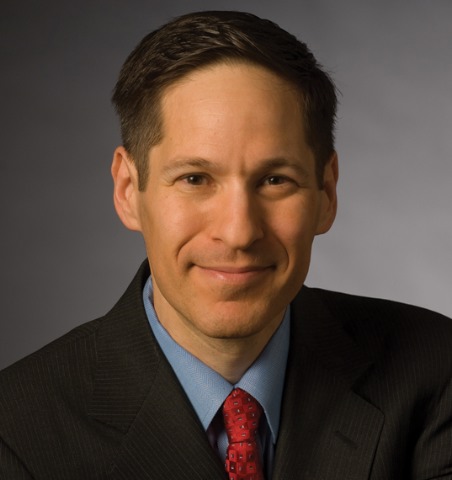
The report, "CDC Health Disparities and Inequalities in the United States–2011," is the first in a series of reports that will catalogue disparities in certain social and health indicators (MMWR 2011, Jan 14;60(suppl.):[1-116]). It compiles the most recent national data on disparities in mortality, morbidity, behavioral risk factors, health care access, and preventive health services.
"This first of its kind analysis and reporting of recent trends is designed to spur action and accountability at the federal, tribal, state, and local levels to achieve health equity in this country," Dr. Thomas R. Frieden, CDC Director, said in a statement.
Key among the findings:
• Racial and ethnic minorities continue to experience higher rates of infant deaths. In 2006, the highest infant mortality rate was among non-Hispanic black women at 13.35/1,000 live births, compared with the national average of 6.68 and a rate of 5.58 among non-Hispanic white women. Rates were higher for American Indian/Alaska Native women (8.28) and Puerto Rican women (8.01) than among white women.
• Death from coronary heart disease was highest among blacks, compared with whites, Asian/Pacific Islanders, and American Indian/Alaska Natives. In 2006, the age-adjusted mortality rate for blacks was 161.6/100,000 population, vs. 134.2 among whites. Rates were lower among the other racial groups. Similarly, the age-adjusted mortality rate for stroke was 32.3% higher for blacks than for whites (61.6 vs. 41.7). Hispanics had lower death rates for both coronary heart disease and stroke than did non-Hispanics.
• From 2004 through 2007, the rate of hospitalizations that potentially could have been prevented by better primary care was higher among non-Hispanic blacks and Hispanics than among non-Hispanic whites. Americans with lower incomes also had more potentially preventable hospitalizations, according to the report.
• In 2008, blacks had the highest estimated rate of HIV diagnoses at 73.7/100,000 population, compared with 8.2 among whites. The next highest rate of diagnoses was among Hispanic/Latino individuals at 25/100,000.
The new CDC report is intended to be a benchmark to help officials measure future trends.
Racial and ethnic minorities and lower income individuals continue to experience worse health outcomes and less access to health care services in the United States, according to a Jan. 13 report from the Centers for Disease Control and Prevention.
The report found persistent health disparities in a range of areas including infant mortality, coronary heart disease, potentially preventable hospitalizations, and new HIV infections.
The report, "CDC Health Disparities and Inequalities in the United States–2011," is the first in a series of reports that will catalogue disparities in certain social and health indicators (MMWR 2011, Jan 14;60(suppl.):[1-116]). It compiles the most recent national data on disparities in mortality, morbidity, behavioral risk factors, health care access, and preventive health services.
"This first of its kind analysis and reporting of recent trends is designed to spur action and accountability at the federal, tribal, state, and local levels to achieve health equity in this country," Dr. Thomas R. Frieden, CDC Director, said in a statement.
Key among the findings:
• Racial and ethnic minorities continue to experience higher rates of infant deaths. In 2006, the highest infant mortality rate was among non-Hispanic black women at 13.35/1,000 live births, compared with the national average of 6.68 and a rate of 5.58 among non-Hispanic white women. Rates were higher for American Indian/Alaska Native women (8.28) and Puerto Rican women (8.01) than among white women.
• Death from coronary heart disease was highest among blacks, compared with whites, Asian/Pacific Islanders, and American Indian/Alaska Natives. In 2006, the age-adjusted mortality rate for blacks was 161.6/100,000 population, vs. 134.2 among whites. Rates were lower among the other racial groups. Similarly, the age-adjusted mortality rate for stroke was 32.3% higher for blacks than for whites (61.6 vs. 41.7). Hispanics had lower death rates for both coronary heart disease and stroke than did non-Hispanics.
• From 2004 through 2007, the rate of hospitalizations that potentially could have been prevented by better primary care was higher among non-Hispanic blacks and Hispanics than among non-Hispanic whites. Americans with lower incomes also had more potentially preventable hospitalizations, according to the report.
• In 2008, blacks had the highest estimated rate of HIV diagnoses at 73.7/100,000 population, compared with 8.2 among whites. The next highest rate of diagnoses was among Hispanic/Latino individuals at 25/100,000.
The new CDC report is intended to be a benchmark to help officials measure future trends.
Racial and ethnic minorities and lower income individuals continue to experience worse health outcomes and less access to health care services in the United States, according to a Jan. 13 report from the Centers for Disease Control and Prevention.
The report found persistent health disparities in a range of areas including infant mortality, coronary heart disease, potentially preventable hospitalizations, and new HIV infections.
The report, "CDC Health Disparities and Inequalities in the United States–2011," is the first in a series of reports that will catalogue disparities in certain social and health indicators (MMWR 2011, Jan 14;60(suppl.):[1-116]). It compiles the most recent national data on disparities in mortality, morbidity, behavioral risk factors, health care access, and preventive health services.
"This first of its kind analysis and reporting of recent trends is designed to spur action and accountability at the federal, tribal, state, and local levels to achieve health equity in this country," Dr. Thomas R. Frieden, CDC Director, said in a statement.
Key among the findings:
• Racial and ethnic minorities continue to experience higher rates of infant deaths. In 2006, the highest infant mortality rate was among non-Hispanic black women at 13.35/1,000 live births, compared with the national average of 6.68 and a rate of 5.58 among non-Hispanic white women. Rates were higher for American Indian/Alaska Native women (8.28) and Puerto Rican women (8.01) than among white women.
• Death from coronary heart disease was highest among blacks, compared with whites, Asian/Pacific Islanders, and American Indian/Alaska Natives. In 2006, the age-adjusted mortality rate for blacks was 161.6/100,000 population, vs. 134.2 among whites. Rates were lower among the other racial groups. Similarly, the age-adjusted mortality rate for stroke was 32.3% higher for blacks than for whites (61.6 vs. 41.7). Hispanics had lower death rates for both coronary heart disease and stroke than did non-Hispanics.
• From 2004 through 2007, the rate of hospitalizations that potentially could have been prevented by better primary care was higher among non-Hispanic blacks and Hispanics than among non-Hispanic whites. Americans with lower incomes also had more potentially preventable hospitalizations, according to the report.
• In 2008, blacks had the highest estimated rate of HIV diagnoses at 73.7/100,000 population, compared with 8.2 among whites. The next highest rate of diagnoses was among Hispanic/Latino individuals at 25/100,000.
The new CDC report is intended to be a benchmark to help officials measure future trends.
FROM MORBIDITY AND MORTALITY WEEKLY REPORT
CDC: Health Disparities Persist for Poor, Minorities
Racial and ethnic minorities and lower income individuals continue to experience worse health outcomes and less access to health care services in the United States, according to a Jan. 13 report from the Centers for Disease Control and Prevention.
The report found persistent health disparities in a range of areas including infant mortality, coronary heart disease, potentially preventable hospitalizations, and new HIV infections.
The report, "CDC Health Disparities and Inequalities in the United States–2011," is the first in a series of reports that will catalogue disparities in certain social and health indicators (MMWR 2011, Jan 14;60(suppl.):[1-116]). It compiles the most recent national data on disparities in mortality, morbidity, behavioral risk factors, health care access, and preventive health services.
"This first of its kind analysis and reporting of recent trends is designed to spur action and accountability at the federal, tribal, state, and local levels to achieve health equity in this country," Dr. Thomas R. Frieden, CDC Director, said in a statement.

Key among the findings:
• Racial and ethnic minorities continue to experience higher rates of infant deaths. In 2006, the highest infant mortality rate was among non-Hispanic black women at 13.35/1,000 live births, compared with the national average of 6.68 and a rate of 5.58 among non-Hispanic white women. Rates were higher for American Indian/Alaska Native women (8.28) and Puerto Rican women (8.01) than among white women.
• Death from coronary heart disease was highest among blacks, compared with whites, Asian/Pacific Islanders, and American Indian/Alaska Natives. In 2006, the age-adjusted mortality rate for blacks was 161.6/100,000 population, vs. 134.2 among whites. Rates were lower among the other racial groups. Similarly, the age-adjusted mortality rate for stroke was 32.3% higher for blacks than for whites (61.6 vs. 41.7). Hispanics had lower death rates for both coronary heart disease and stroke than did non-Hispanics.
• From 2004 through 2007, the rate of hospitalizations that potentially could have been prevented by better primary care was higher among non-Hispanic blacks and Hispanics than among non-Hispanic whites. Americans with lower incomes also had more potentially preventable hospitalizations, according to the report.
• In 2008, blacks had the highest estimated rate of HIV diagnoses at 73.7/100,000 population, compared with 8.2 among whites. The next highest rate of diagnoses was among Hispanic/Latino individuals at 25/100,000.
The new CDC report is intended to be a benchmark to help officials measure future trends.
Racial and ethnic minorities and lower income individuals continue to experience worse health outcomes and less access to health care services in the United States, according to a Jan. 13 report from the Centers for Disease Control and Prevention.
The report found persistent health disparities in a range of areas including infant mortality, coronary heart disease, potentially preventable hospitalizations, and new HIV infections.
The report, "CDC Health Disparities and Inequalities in the United States–2011," is the first in a series of reports that will catalogue disparities in certain social and health indicators (MMWR 2011, Jan 14;60(suppl.):[1-116]). It compiles the most recent national data on disparities in mortality, morbidity, behavioral risk factors, health care access, and preventive health services.
"This first of its kind analysis and reporting of recent trends is designed to spur action and accountability at the federal, tribal, state, and local levels to achieve health equity in this country," Dr. Thomas R. Frieden, CDC Director, said in a statement.
Key among the findings:
• Racial and ethnic minorities continue to experience higher rates of infant deaths. In 2006, the highest infant mortality rate was among non-Hispanic black women at 13.35/1,000 live births, compared with the national average of 6.68 and a rate of 5.58 among non-Hispanic white women. Rates were higher for American Indian/Alaska Native women (8.28) and Puerto Rican women (8.01) than among white women.
• Death from coronary heart disease was highest among blacks, compared with whites, Asian/Pacific Islanders, and American Indian/Alaska Natives. In 2006, the age-adjusted mortality rate for blacks was 161.6/100,000 population, vs. 134.2 among whites. Rates were lower among the other racial groups. Similarly, the age-adjusted mortality rate for stroke was 32.3% higher for blacks than for whites (61.6 vs. 41.7). Hispanics had lower death rates for both coronary heart disease and stroke than did non-Hispanics.
• From 2004 through 2007, the rate of hospitalizations that potentially could have been prevented by better primary care was higher among non-Hispanic blacks and Hispanics than among non-Hispanic whites. Americans with lower incomes also had more potentially preventable hospitalizations, according to the report.
• In 2008, blacks had the highest estimated rate of HIV diagnoses at 73.7/100,000 population, compared with 8.2 among whites. The next highest rate of diagnoses was among Hispanic/Latino individuals at 25/100,000.
The new CDC report is intended to be a benchmark to help officials measure future trends.
Racial and ethnic minorities and lower income individuals continue to experience worse health outcomes and less access to health care services in the United States, according to a Jan. 13 report from the Centers for Disease Control and Prevention.
The report found persistent health disparities in a range of areas including infant mortality, coronary heart disease, potentially preventable hospitalizations, and new HIV infections.
The report, "CDC Health Disparities and Inequalities in the United States–2011," is the first in a series of reports that will catalogue disparities in certain social and health indicators (MMWR 2011, Jan 14;60(suppl.):[1-116]). It compiles the most recent national data on disparities in mortality, morbidity, behavioral risk factors, health care access, and preventive health services.
"This first of its kind analysis and reporting of recent trends is designed to spur action and accountability at the federal, tribal, state, and local levels to achieve health equity in this country," Dr. Thomas R. Frieden, CDC Director, said in a statement.
Key among the findings:
• Racial and ethnic minorities continue to experience higher rates of infant deaths. In 2006, the highest infant mortality rate was among non-Hispanic black women at 13.35/1,000 live births, compared with the national average of 6.68 and a rate of 5.58 among non-Hispanic white women. Rates were higher for American Indian/Alaska Native women (8.28) and Puerto Rican women (8.01) than among white women.
• Death from coronary heart disease was highest among blacks, compared with whites, Asian/Pacific Islanders, and American Indian/Alaska Natives. In 2006, the age-adjusted mortality rate for blacks was 161.6/100,000 population, vs. 134.2 among whites. Rates were lower among the other racial groups. Similarly, the age-adjusted mortality rate for stroke was 32.3% higher for blacks than for whites (61.6 vs. 41.7). Hispanics had lower death rates for both coronary heart disease and stroke than did non-Hispanics.
• From 2004 through 2007, the rate of hospitalizations that potentially could have been prevented by better primary care was higher among non-Hispanic blacks and Hispanics than among non-Hispanic whites. Americans with lower incomes also had more potentially preventable hospitalizations, according to the report.
• In 2008, blacks had the highest estimated rate of HIV diagnoses at 73.7/100,000 population, compared with 8.2 among whites. The next highest rate of diagnoses was among Hispanic/Latino individuals at 25/100,000.
The new CDC report is intended to be a benchmark to help officials measure future trends.
FROM MORBIDITY AND MORTALITY WEEKLY REPORT