User login
FDA Cracks Down on Unapproved Prescription Cold, Cough, Allergy Drugs
Drug manufacturers have 90 days to stop making unapproved prescription medications to treat cold, cough, and allergy symptoms, officials at the Food and Drug Administration announced on March 2.
The FDA issued a list of about 500 unapproved prescription products that should be pulled from the market. These products were never evaluated by the FDA but continue to be prescribed. In many cases, they have been on the market for years, are listed in the Physicians’ Desk Reference, and are advertised in medical journals. Physicians may not be aware that the drugs were not approved, Deborah M. Autor, director of the Office of Compliance at the FDA’s Center for Drug Evaluation and Research, said during a press conference.
"This action is necessary to protect consumers from the potential risks posed by unapproved drugs because we don’t know what’s in them, whether they work properly, or how they are made," Ms. Autor said.
The FDA announcement is part of a broader crackdown on unapproved drugs that began in 2006. But Ms. Autor said that agency officials have particular concerns about these cold, cough, and allergy medications. For example, some of the drugs are labeled as time-release formulations, but without evaluation by the FDA, it’s unclear whether the drugs are delivering their active ingredients as labeled, Ms. Autor said. The active ingredient may be released too slowly, too quickly, or not at all, she said.
Ms. Autor said that the FDA is also concerned because some of the unapproved drugs are labeled for use in children younger than age 2 years. Some of the unapproved drugs also have names that are similar to the names of other drugs, which could lead to confusion when prescriptions are filled. And some of the drugs on the FDA’s list contain combinations of the same types of ingredients, such as two or more antihistamines, which can lead to oversedation.
If a company has registered its unapproved products with the FDA, it will have 90 days to stop manufacturing and 180 days to stop shipping all products. However, FDA officials said there are likely more unapproved prescription drugs that have never been registered with the agency. Those products must be pulled from the market immediately.
"We do not anticipate today’s action will have a major negative impact on consumers or health professionals because there are multiple other products available to treat cough, cold, and allergy symptoms, either as an FDA-approved prescription drug or an over-the-counter drug that follows appropriate FDA standards," Ms. Autor said. "We do anticipate that today’s action will have a significant positive impact by improving the safety of the American drug supply."
Drug manufacturers have 90 days to stop making unapproved prescription medications to treat cold, cough, and allergy symptoms, officials at the Food and Drug Administration announced on March 2.
The FDA issued a list of about 500 unapproved prescription products that should be pulled from the market. These products were never evaluated by the FDA but continue to be prescribed. In many cases, they have been on the market for years, are listed in the Physicians’ Desk Reference, and are advertised in medical journals. Physicians may not be aware that the drugs were not approved, Deborah M. Autor, director of the Office of Compliance at the FDA’s Center for Drug Evaluation and Research, said during a press conference.
"This action is necessary to protect consumers from the potential risks posed by unapproved drugs because we don’t know what’s in them, whether they work properly, or how they are made," Ms. Autor said.
The FDA announcement is part of a broader crackdown on unapproved drugs that began in 2006. But Ms. Autor said that agency officials have particular concerns about these cold, cough, and allergy medications. For example, some of the drugs are labeled as time-release formulations, but without evaluation by the FDA, it’s unclear whether the drugs are delivering their active ingredients as labeled, Ms. Autor said. The active ingredient may be released too slowly, too quickly, or not at all, she said.
Ms. Autor said that the FDA is also concerned because some of the unapproved drugs are labeled for use in children younger than age 2 years. Some of the unapproved drugs also have names that are similar to the names of other drugs, which could lead to confusion when prescriptions are filled. And some of the drugs on the FDA’s list contain combinations of the same types of ingredients, such as two or more antihistamines, which can lead to oversedation.
If a company has registered its unapproved products with the FDA, it will have 90 days to stop manufacturing and 180 days to stop shipping all products. However, FDA officials said there are likely more unapproved prescription drugs that have never been registered with the agency. Those products must be pulled from the market immediately.
"We do not anticipate today’s action will have a major negative impact on consumers or health professionals because there are multiple other products available to treat cough, cold, and allergy symptoms, either as an FDA-approved prescription drug or an over-the-counter drug that follows appropriate FDA standards," Ms. Autor said. "We do anticipate that today’s action will have a significant positive impact by improving the safety of the American drug supply."
Drug manufacturers have 90 days to stop making unapproved prescription medications to treat cold, cough, and allergy symptoms, officials at the Food and Drug Administration announced on March 2.
The FDA issued a list of about 500 unapproved prescription products that should be pulled from the market. These products were never evaluated by the FDA but continue to be prescribed. In many cases, they have been on the market for years, are listed in the Physicians’ Desk Reference, and are advertised in medical journals. Physicians may not be aware that the drugs were not approved, Deborah M. Autor, director of the Office of Compliance at the FDA’s Center for Drug Evaluation and Research, said during a press conference.
"This action is necessary to protect consumers from the potential risks posed by unapproved drugs because we don’t know what’s in them, whether they work properly, or how they are made," Ms. Autor said.
The FDA announcement is part of a broader crackdown on unapproved drugs that began in 2006. But Ms. Autor said that agency officials have particular concerns about these cold, cough, and allergy medications. For example, some of the drugs are labeled as time-release formulations, but without evaluation by the FDA, it’s unclear whether the drugs are delivering their active ingredients as labeled, Ms. Autor said. The active ingredient may be released too slowly, too quickly, or not at all, she said.
Ms. Autor said that the FDA is also concerned because some of the unapproved drugs are labeled for use in children younger than age 2 years. Some of the unapproved drugs also have names that are similar to the names of other drugs, which could lead to confusion when prescriptions are filled. And some of the drugs on the FDA’s list contain combinations of the same types of ingredients, such as two or more antihistamines, which can lead to oversedation.
If a company has registered its unapproved products with the FDA, it will have 90 days to stop manufacturing and 180 days to stop shipping all products. However, FDA officials said there are likely more unapproved prescription drugs that have never been registered with the agency. Those products must be pulled from the market immediately.
"We do not anticipate today’s action will have a major negative impact on consumers or health professionals because there are multiple other products available to treat cough, cold, and allergy symptoms, either as an FDA-approved prescription drug or an over-the-counter drug that follows appropriate FDA standards," Ms. Autor said. "We do anticipate that today’s action will have a significant positive impact by improving the safety of the American drug supply."
FROM THE FDA
FDA Cracks Down on Unapproved Prescription Cold, Cough, Allergy Drugs
Drug manufacturers have 90 days to stop making unapproved prescription medications to treat cold, cough, and allergy symptoms, officials at the Food and Drug Administration announced on March 2.
The FDA issued a list of about 500 unapproved prescription products that should be pulled from the market. These products were never evaluated by the FDA but continue to be prescribed. In many cases, they have been on the market for years, are listed in the Physicians’ Desk Reference, and are advertised in medical journals. Physicians may not be aware that the drugs were not approved, Deborah M. Autor, director of the Office of Compliance at the FDA’s Center for Drug Evaluation and Research, said during a press conference.
"This action is necessary to protect consumers from the potential risks posed by unapproved drugs because we don’t know what’s in them, whether they work properly, or how they are made," Ms. Autor said.
The FDA announcement is part of a broader crackdown on unapproved drugs that began in 2006. But Ms. Autor said that agency officials have particular concerns about these cold, cough, and allergy medications. For example, some of the drugs are labeled as time-release formulations, but without evaluation by the FDA, it’s unclear whether the drugs are delivering their active ingredients as labeled, Ms. Autor said. The active ingredient may be released too slowly, too quickly, or not at all, she said.
Ms. Autor said that the FDA is also concerned because some of the unapproved drugs are labeled for use in children younger than age 2 years. Some of the unapproved drugs also have names that are similar to the names of other drugs, which could lead to confusion when prescriptions are filled. And some of the drugs on the FDA’s list contain combinations of the same types of ingredients, such as two or more antihistamines, which can lead to oversedation.
If a company has registered its unapproved products with the FDA, it will have 90 days to stop manufacturing and 180 days to stop shipping all products. However, FDA officials said there are likely more unapproved prescription drugs that have never been registered with the agency. Those products must be pulled from the market immediately.
"We do not anticipate today’s action will have a major negative impact on consumers or health professionals because there are multiple other products available to treat cough, cold, and allergy symptoms, either as an FDA-approved prescription drug or an over-the-counter drug that follows appropriate FDA standards," Ms. Autor said. "We do anticipate that today’s action will have a significant positive impact by improving the safety of the American drug supply."
Drug manufacturers have 90 days to stop making unapproved prescription medications to treat cold, cough, and allergy symptoms, officials at the Food and Drug Administration announced on March 2.
The FDA issued a list of about 500 unapproved prescription products that should be pulled from the market. These products were never evaluated by the FDA but continue to be prescribed. In many cases, they have been on the market for years, are listed in the Physicians’ Desk Reference, and are advertised in medical journals. Physicians may not be aware that the drugs were not approved, Deborah M. Autor, director of the Office of Compliance at the FDA’s Center for Drug Evaluation and Research, said during a press conference.
"This action is necessary to protect consumers from the potential risks posed by unapproved drugs because we don’t know what’s in them, whether they work properly, or how they are made," Ms. Autor said.
The FDA announcement is part of a broader crackdown on unapproved drugs that began in 2006. But Ms. Autor said that agency officials have particular concerns about these cold, cough, and allergy medications. For example, some of the drugs are labeled as time-release formulations, but without evaluation by the FDA, it’s unclear whether the drugs are delivering their active ingredients as labeled, Ms. Autor said. The active ingredient may be released too slowly, too quickly, or not at all, she said.
Ms. Autor said that the FDA is also concerned because some of the unapproved drugs are labeled for use in children younger than age 2 years. Some of the unapproved drugs also have names that are similar to the names of other drugs, which could lead to confusion when prescriptions are filled. And some of the drugs on the FDA’s list contain combinations of the same types of ingredients, such as two or more antihistamines, which can lead to oversedation.
If a company has registered its unapproved products with the FDA, it will have 90 days to stop manufacturing and 180 days to stop shipping all products. However, FDA officials said there are likely more unapproved prescription drugs that have never been registered with the agency. Those products must be pulled from the market immediately.
"We do not anticipate today’s action will have a major negative impact on consumers or health professionals because there are multiple other products available to treat cough, cold, and allergy symptoms, either as an FDA-approved prescription drug or an over-the-counter drug that follows appropriate FDA standards," Ms. Autor said. "We do anticipate that today’s action will have a significant positive impact by improving the safety of the American drug supply."
Drug manufacturers have 90 days to stop making unapproved prescription medications to treat cold, cough, and allergy symptoms, officials at the Food and Drug Administration announced on March 2.
The FDA issued a list of about 500 unapproved prescription products that should be pulled from the market. These products were never evaluated by the FDA but continue to be prescribed. In many cases, they have been on the market for years, are listed in the Physicians’ Desk Reference, and are advertised in medical journals. Physicians may not be aware that the drugs were not approved, Deborah M. Autor, director of the Office of Compliance at the FDA’s Center for Drug Evaluation and Research, said during a press conference.
"This action is necessary to protect consumers from the potential risks posed by unapproved drugs because we don’t know what’s in them, whether they work properly, or how they are made," Ms. Autor said.
The FDA announcement is part of a broader crackdown on unapproved drugs that began in 2006. But Ms. Autor said that agency officials have particular concerns about these cold, cough, and allergy medications. For example, some of the drugs are labeled as time-release formulations, but without evaluation by the FDA, it’s unclear whether the drugs are delivering their active ingredients as labeled, Ms. Autor said. The active ingredient may be released too slowly, too quickly, or not at all, she said.
Ms. Autor said that the FDA is also concerned because some of the unapproved drugs are labeled for use in children younger than age 2 years. Some of the unapproved drugs also have names that are similar to the names of other drugs, which could lead to confusion when prescriptions are filled. And some of the drugs on the FDA’s list contain combinations of the same types of ingredients, such as two or more antihistamines, which can lead to oversedation.
If a company has registered its unapproved products with the FDA, it will have 90 days to stop manufacturing and 180 days to stop shipping all products. However, FDA officials said there are likely more unapproved prescription drugs that have never been registered with the agency. Those products must be pulled from the market immediately.
"We do not anticipate today’s action will have a major negative impact on consumers or health professionals because there are multiple other products available to treat cough, cold, and allergy symptoms, either as an FDA-approved prescription drug or an over-the-counter drug that follows appropriate FDA standards," Ms. Autor said. "We do anticipate that today’s action will have a significant positive impact by improving the safety of the American drug supply."
FROM THE FDA
Leaders: Hospitalists Lead Care Team, Improve Systems
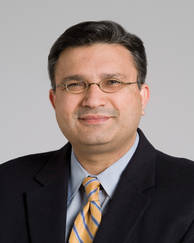
Dr. Amir K. Jaffer, who serves as the division chief of hospital medicine at the University of Miami, came to the program in 2007 when it had only five physicians. Just 2 years later, he had expanded the program to 26 hospitalists.
Today, Dr. Jaffer is involved in patient care, teaching, quality improvement, administration, and research. He also heads up a continuing medical education conference each year in March that focuses on perioperative medicine. Hospitalist News spoke with Dr. Jaffer about some of the challenges facing the specialty and what he enjoys about hospital medicine.
HN: What were some of the biggest challenges you faced in expanding the hospitalist program at the University of Miami?
Dr. Jaffer: First, we needed financial support from the health system hospitals. Second, we needed to show value for the work that we do. We had to show how we were valuable in terms of having a 24-7 presence and in delivering high-quality care with utmost satisfaction for both patients and our referring physicians. We also worked hard to set up an infrastructure where we were able to communicate with our referring physicians and subspecialist physicians, making sure we were able to send them an admission note, as well as a discharge summary about their patients. Establishing strong clinical operations was a very important aspect of putting together this division of hospital medicine.
HN: You’ve worked to make hospital medicine a more academic discipline. Why is this important?
Dr. Jaffer: I believe that there is need for it at academic centers and the specialty can drive innovations surrounding inpatient health care delivery systems, education, and quality improvement. The academic part helps us study interventions, new delivery systems, and implement them in practice. In the process, it allows us to publish the work and advance the specialty. I have always felt that as part of the academic mission, we really need to not only take care of patients, but also teach, innovate, and advance the specialty, thereby setting ourselves apart from community hospital medicine programs by being the “trendsetter.” For example, early on in our program, we set up a program where in an apprenticeship model we had medical students in their fourth year work one-on-one with hospitalists to do sub-internships in medicine. We also set up a hospital medicine track to help train future hospitalists by educating them in the core competencies areas that they don’t receive enough training for, such as patient safety, quality improvement, palliative care, perioperative medicine, procedures, neurology, and practice administration. On the systems side, we put together a procedure service to teach residents how to do procedures by first having them work on models, then observing them, and finally performing them on patients.
HN: What advice do you give to your students about becoming hospitalists?
I have checked the following facts in my story: (Please initial each.)
Dr. Jaffer: It is a challenging and young field, but high impact. You really need to enjoy interacting with patients, nurses, specialists, and health care professionals in the hospital. You are akin to the conductor of an orchestra in terms of getting all your musicians to play together. Although the patient and their families are your focus, you need to work with a multidisciplinary team to produce the best results. What I tell them is that they need to enjoy this aspect of medicine. As a hospitalist, that is what you do.
HN: How do you see the hospital medicine field changing in the next 5 years, especially in light of the implementation of the Affordable Care Act?
Dr. Jaffer: Although, there will be a huge number of changes that will be brought about with the Affordable Care Act, some specific ones that focus on the inpatient setting and in which hospitalists will be asked to help, include reducing Medicare payments to hospitals for readmissions and for hospital-acquired conditions. So there will be more and more focus on how hospitals can develop systems to cut down readmissions, improve discharge safety, or prevent hospital-acquired conditions. I feel like hospitalists will be the architects in creating these systems and solutions to help their institutions. <[qm]
Dr. Amir K. Jaffer, who serves as the division chief of hospital medicine at the University of Miami, came to the program in 2007 when it had only five physicians. Just 2 years later, he had expanded the program to 26 hospitalists.
Today, Dr. Jaffer is involved in patient care, teaching, quality improvement, administration, and research. He also heads up a continuing medical education conference each year in March that focuses on perioperative medicine. Hospitalist News spoke with Dr. Jaffer about some of the challenges facing the specialty and what he enjoys about hospital medicine.
HN: What were some of the biggest challenges you faced in expanding the hospitalist program at the University of Miami?
Dr. Jaffer: First, we needed financial support from the health system hospitals. Second, we needed to show value for the work that we do. We had to show how we were valuable in terms of having a 24-7 presence and in delivering high-quality care with utmost satisfaction for both patients and our referring physicians. We also worked hard to set up an infrastructure where we were able to communicate with our referring physicians and subspecialist physicians, making sure we were able to send them an admission note, as well as a discharge summary about their patients. Establishing strong clinical operations was a very important aspect of putting together this division of hospital medicine.
HN: You’ve worked to make hospital medicine a more academic discipline. Why is this important?
Dr. Jaffer: I believe that there is need for it at academic centers and the specialty can drive innovations surrounding inpatient health care delivery systems, education, and quality improvement. The academic part helps us study interventions, new delivery systems, and implement them in practice. In the process, it allows us to publish the work and advance the specialty. I have always felt that as part of the academic mission, we really need to not only take care of patients, but also teach, innovate, and advance the specialty, thereby setting ourselves apart from community hospital medicine programs by being the “trendsetter.” For example, early on in our program, we set up a program where in an apprenticeship model we had medical students in their fourth year work one-on-one with hospitalists to do sub-internships in medicine. We also set up a hospital medicine track to help train future hospitalists by educating them in the core competencies areas that they don’t receive enough training for, such as patient safety, quality improvement, palliative care, perioperative medicine, procedures, neurology, and practice administration. On the systems side, we put together a procedure service to teach residents how to do procedures by first having them work on models, then observing them, and finally performing them on patients.
HN: What advice do you give to your students about becoming hospitalists?
I have checked the following facts in my story: (Please initial each.)
Dr. Jaffer: It is a challenging and young field, but high impact. You really need to enjoy interacting with patients, nurses, specialists, and health care professionals in the hospital. You are akin to the conductor of an orchestra in terms of getting all your musicians to play together. Although the patient and their families are your focus, you need to work with a multidisciplinary team to produce the best results. What I tell them is that they need to enjoy this aspect of medicine. As a hospitalist, that is what you do.
HN: How do you see the hospital medicine field changing in the next 5 years, especially in light of the implementation of the Affordable Care Act?
Dr. Jaffer: Although, there will be a huge number of changes that will be brought about with the Affordable Care Act, some specific ones that focus on the inpatient setting and in which hospitalists will be asked to help, include reducing Medicare payments to hospitals for readmissions and for hospital-acquired conditions. So there will be more and more focus on how hospitals can develop systems to cut down readmissions, improve discharge safety, or prevent hospital-acquired conditions. I feel like hospitalists will be the architects in creating these systems and solutions to help their institutions. <[qm]
Dr. Amir K. Jaffer, who serves as the division chief of hospital medicine at the University of Miami, came to the program in 2007 when it had only five physicians. Just 2 years later, he had expanded the program to 26 hospitalists.
Today, Dr. Jaffer is involved in patient care, teaching, quality improvement, administration, and research. He also heads up a continuing medical education conference each year in March that focuses on perioperative medicine. Hospitalist News spoke with Dr. Jaffer about some of the challenges facing the specialty and what he enjoys about hospital medicine.
HN: What were some of the biggest challenges you faced in expanding the hospitalist program at the University of Miami?
Dr. Jaffer: First, we needed financial support from the health system hospitals. Second, we needed to show value for the work that we do. We had to show how we were valuable in terms of having a 24-7 presence and in delivering high-quality care with utmost satisfaction for both patients and our referring physicians. We also worked hard to set up an infrastructure where we were able to communicate with our referring physicians and subspecialist physicians, making sure we were able to send them an admission note, as well as a discharge summary about their patients. Establishing strong clinical operations was a very important aspect of putting together this division of hospital medicine.
HN: You’ve worked to make hospital medicine a more academic discipline. Why is this important?
Dr. Jaffer: I believe that there is need for it at academic centers and the specialty can drive innovations surrounding inpatient health care delivery systems, education, and quality improvement. The academic part helps us study interventions, new delivery systems, and implement them in practice. In the process, it allows us to publish the work and advance the specialty. I have always felt that as part of the academic mission, we really need to not only take care of patients, but also teach, innovate, and advance the specialty, thereby setting ourselves apart from community hospital medicine programs by being the “trendsetter.” For example, early on in our program, we set up a program where in an apprenticeship model we had medical students in their fourth year work one-on-one with hospitalists to do sub-internships in medicine. We also set up a hospital medicine track to help train future hospitalists by educating them in the core competencies areas that they don’t receive enough training for, such as patient safety, quality improvement, palliative care, perioperative medicine, procedures, neurology, and practice administration. On the systems side, we put together a procedure service to teach residents how to do procedures by first having them work on models, then observing them, and finally performing them on patients.
HN: What advice do you give to your students about becoming hospitalists?
I have checked the following facts in my story: (Please initial each.)
Dr. Jaffer: It is a challenging and young field, but high impact. You really need to enjoy interacting with patients, nurses, specialists, and health care professionals in the hospital. You are akin to the conductor of an orchestra in terms of getting all your musicians to play together. Although the patient and their families are your focus, you need to work with a multidisciplinary team to produce the best results. What I tell them is that they need to enjoy this aspect of medicine. As a hospitalist, that is what you do.
HN: How do you see the hospital medicine field changing in the next 5 years, especially in light of the implementation of the Affordable Care Act?
Dr. Jaffer: Although, there will be a huge number of changes that will be brought about with the Affordable Care Act, some specific ones that focus on the inpatient setting and in which hospitalists will be asked to help, include reducing Medicare payments to hospitals for readmissions and for hospital-acquired conditions. So there will be more and more focus on how hospitals can develop systems to cut down readmissions, improve discharge safety, or prevent hospital-acquired conditions. I feel like hospitalists will be the architects in creating these systems and solutions to help their institutions. <[qm]
Big Drop Seen in Central Line-Associated Bloodstream Infections
The number of central line–associated bloodstream infections occurring in intensive care units across the United States dropped by about 25,000 or 58% from 2001 to 2009, according to new data from the Centers for Disease Control and Prevention.
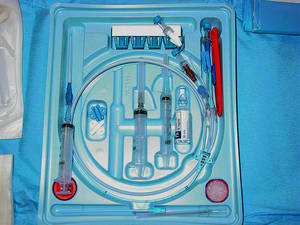
This decrease in infections means that about 3,000 to 6,000 lives were likely saved and about $414 million saved in ICUs in 2009 alone. The data was published in the March 1 issue of the Morbidity and Mortality Weekly report (MMWR 2011;60:1-6). Researchers at the CDC estimate that during 2001-2009, the prevention of central line–associated bloodstream infections in ICUs resulted in total savings of about $1.8 billion and as many as 27,000 lives saved.
Researchers found the greatest decrease in central line–associated bloodstream infections in the ICU were for Staphylococcus aureus infections, which dropped 73% between 2009 and 2001. Gram-negative pathogens such as Escherichia coli, Acinetobacter baumannii, Pseudomonas aeruginosa, and Klebsiella spp., were reduced by about 37% during the 9-year time period. Candida spp. infections were reduced by 46% and Enterococcus spp. infections dropped by 55% as well.

The findings demonstrate a shift within the medical community, which had for many years considered central line infections a regular and acceptable part of practice, said Dr. Thomas R. Frieden, CDC director, during a press conference on March 1. "We now have a new normal in health care where central line infections are unacceptable," he said.
To estimate the total number of central line–associated bloodstream infections in the United States, researchers at the CDC multiplied central line use and infection rates by estimates of the total number of patient-days in ICUs, inpatient wards, and outpatient hemodialysis centers.
The data shows that in 2009, there were about 18,000 central line–associated bloodstream infections in ICUs, compared with 23,000 in inpatient wards. Also, data from 2008 shows that outpatient hemodialysis facilities had about 37,000 central line–associated bloodstream infections.
While infections have dropped dramatically within ICUs, Dr. Frieden said health care providers and researchers must now turn their attention to hemodialysis centers, where about 1 out of every 10 patients on dialysis gets a life-threatening infection. Reducing infections in hemodialysis centers is especially important, he said, because the number of patients on dialysis is expected to double over the next decade.
And Dr. Frieden had a message for health care providers in all settings: Use central lines only when they are essential and, if they are used, get them out as quickly as possible. For example, in hemodialysis, arteriovenous fistulas, or arteriovenous grafts can be used instead of central lines in many cases, according to the study.
The number of central line–associated bloodstream infections occurring in intensive care units across the United States dropped by about 25,000 or 58% from 2001 to 2009, according to new data from the Centers for Disease Control and Prevention.
This decrease in infections means that about 3,000 to 6,000 lives were likely saved and about $414 million saved in ICUs in 2009 alone. The data was published in the March 1 issue of the Morbidity and Mortality Weekly report (MMWR 2011;60:1-6). Researchers at the CDC estimate that during 2001-2009, the prevention of central line–associated bloodstream infections in ICUs resulted in total savings of about $1.8 billion and as many as 27,000 lives saved.
Researchers found the greatest decrease in central line–associated bloodstream infections in the ICU were for Staphylococcus aureus infections, which dropped 73% between 2009 and 2001. Gram-negative pathogens such as Escherichia coli, Acinetobacter baumannii, Pseudomonas aeruginosa, and Klebsiella spp., were reduced by about 37% during the 9-year time period. Candida spp. infections were reduced by 46% and Enterococcus spp. infections dropped by 55% as well.
The findings demonstrate a shift within the medical community, which had for many years considered central line infections a regular and acceptable part of practice, said Dr. Thomas R. Frieden, CDC director, during a press conference on March 1. "We now have a new normal in health care where central line infections are unacceptable," he said.
To estimate the total number of central line–associated bloodstream infections in the United States, researchers at the CDC multiplied central line use and infection rates by estimates of the total number of patient-days in ICUs, inpatient wards, and outpatient hemodialysis centers.
The data shows that in 2009, there were about 18,000 central line–associated bloodstream infections in ICUs, compared with 23,000 in inpatient wards. Also, data from 2008 shows that outpatient hemodialysis facilities had about 37,000 central line–associated bloodstream infections.
While infections have dropped dramatically within ICUs, Dr. Frieden said health care providers and researchers must now turn their attention to hemodialysis centers, where about 1 out of every 10 patients on dialysis gets a life-threatening infection. Reducing infections in hemodialysis centers is especially important, he said, because the number of patients on dialysis is expected to double over the next decade.
And Dr. Frieden had a message for health care providers in all settings: Use central lines only when they are essential and, if they are used, get them out as quickly as possible. For example, in hemodialysis, arteriovenous fistulas, or arteriovenous grafts can be used instead of central lines in many cases, according to the study.
The number of central line–associated bloodstream infections occurring in intensive care units across the United States dropped by about 25,000 or 58% from 2001 to 2009, according to new data from the Centers for Disease Control and Prevention.
This decrease in infections means that about 3,000 to 6,000 lives were likely saved and about $414 million saved in ICUs in 2009 alone. The data was published in the March 1 issue of the Morbidity and Mortality Weekly report (MMWR 2011;60:1-6). Researchers at the CDC estimate that during 2001-2009, the prevention of central line–associated bloodstream infections in ICUs resulted in total savings of about $1.8 billion and as many as 27,000 lives saved.
Researchers found the greatest decrease in central line–associated bloodstream infections in the ICU were for Staphylococcus aureus infections, which dropped 73% between 2009 and 2001. Gram-negative pathogens such as Escherichia coli, Acinetobacter baumannii, Pseudomonas aeruginosa, and Klebsiella spp., were reduced by about 37% during the 9-year time period. Candida spp. infections were reduced by 46% and Enterococcus spp. infections dropped by 55% as well.
The findings demonstrate a shift within the medical community, which had for many years considered central line infections a regular and acceptable part of practice, said Dr. Thomas R. Frieden, CDC director, during a press conference on March 1. "We now have a new normal in health care where central line infections are unacceptable," he said.
To estimate the total number of central line–associated bloodstream infections in the United States, researchers at the CDC multiplied central line use and infection rates by estimates of the total number of patient-days in ICUs, inpatient wards, and outpatient hemodialysis centers.
The data shows that in 2009, there were about 18,000 central line–associated bloodstream infections in ICUs, compared with 23,000 in inpatient wards. Also, data from 2008 shows that outpatient hemodialysis facilities had about 37,000 central line–associated bloodstream infections.
While infections have dropped dramatically within ICUs, Dr. Frieden said health care providers and researchers must now turn their attention to hemodialysis centers, where about 1 out of every 10 patients on dialysis gets a life-threatening infection. Reducing infections in hemodialysis centers is especially important, he said, because the number of patients on dialysis is expected to double over the next decade.
And Dr. Frieden had a message for health care providers in all settings: Use central lines only when they are essential and, if they are used, get them out as quickly as possible. For example, in hemodialysis, arteriovenous fistulas, or arteriovenous grafts can be used instead of central lines in many cases, according to the study.
Major Finding: The number of central line–associated bloodstream infections dropped 58% between 2001 and 2009.
Data Source: The CDC’s Morbidity and Mortality Weekly Report.
Disclosures: The analysis was conducted by researchers at the CDC. They reported no relevant financial disclosures.
Big Drop Seen in Central Line-Associated Bloodstream Infections
The number of central line–associated bloodstream infections occurring in intensive care units across the United States dropped by about 25,000 or 58% from 2001 to 2009, according to new data from the Centers for Disease Control and Prevention.
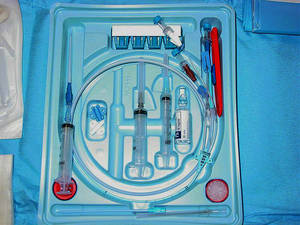
This decrease in infections means that about 3,000 to 6,000 lives were likely saved and about $414 million saved in ICUs in 2009 alone. The data was published in the March 1 issue of the Morbidity and Mortality Weekly report (MMWR 2011;60:1-6). Researchers at the CDC estimate that during 2001-2009, the prevention of central line–associated bloodstream infections in ICUs resulted in total savings of about $1.8 billion and as many as 27,000 lives saved.
Researchers found the greatest decrease in central line–associated bloodstream infections in the ICU were for Staphylococcus aureus infections, which dropped 73% between 2009 and 2001. Gram-negative pathogens such as Escherichia coli, Acinetobacter baumannii, Pseudomonas aeruginosa, and Klebsiella spp., were reduced by about 37% during the 9-year time period. Candida spp. infections were reduced by 46% and Enterococcus spp. infections dropped by 55% as well.
The findings demonstrate a shift within the medical community, which had for many years considered central line infections a regular and acceptable part of practice, said Dr. Thomas R. Frieden, CDC director, during a press conference on March 1. "We now have a new normal in health care where central line infections are unacceptable," he said.
To estimate the total number of central line–associated bloodstream infections in the United States, researchers at the CDC multiplied central line use and infection rates by estimates of the total number of patient-days in ICUs, inpatient wards, and outpatient hemodialysis centers.
The data shows that in 2009, there were about 18,000 central line–associated bloodstream infections in ICUs, compared with 23,000 in inpatient wards. Also, data from 2008 shows that outpatient hemodialysis facilities had about 37,000 central line–associated bloodstream infections.
While infections have dropped dramatically within ICUs, Dr. Frieden said health care providers and researchers must now turn their attention to hemodialysis centers, where about 1 out of every 10 patients on dialysis gets a life-threatening infection. Reducing infections in hemodialysis centers is especially important, he said, because the number of patients on dialysis is expected to double over the next decade.
And Dr. Frieden had a message for health care providers in all settings: Use central lines only when they are essential and, if they are used, get them out as quickly as possible. For example, in hemodialysis, arteriovenous fistulas, or arteriovenous grafts can be used instead of central lines in many cases, according to the study.
The number of central line–associated bloodstream infections occurring in intensive care units across the United States dropped by about 25,000 or 58% from 2001 to 2009, according to new data from the Centers for Disease Control and Prevention.
This decrease in infections means that about 3,000 to 6,000 lives were likely saved and about $414 million saved in ICUs in 2009 alone. The data was published in the March 1 issue of the Morbidity and Mortality Weekly report (MMWR 2011;60:1-6). Researchers at the CDC estimate that during 2001-2009, the prevention of central line–associated bloodstream infections in ICUs resulted in total savings of about $1.8 billion and as many as 27,000 lives saved.
Researchers found the greatest decrease in central line–associated bloodstream infections in the ICU were for Staphylococcus aureus infections, which dropped 73% between 2009 and 2001. Gram-negative pathogens such as Escherichia coli, Acinetobacter baumannii, Pseudomonas aeruginosa, and Klebsiella spp., were reduced by about 37% during the 9-year time period. Candida spp. infections were reduced by 46% and Enterococcus spp. infections dropped by 55% as well.
The findings demonstrate a shift within the medical community, which had for many years considered central line infections a regular and acceptable part of practice, said Dr. Thomas R. Frieden, CDC director, during a press conference on March 1. "We now have a new normal in health care where central line infections are unacceptable," he said.
To estimate the total number of central line–associated bloodstream infections in the United States, researchers at the CDC multiplied central line use and infection rates by estimates of the total number of patient-days in ICUs, inpatient wards, and outpatient hemodialysis centers.
The data shows that in 2009, there were about 18,000 central line–associated bloodstream infections in ICUs, compared with 23,000 in inpatient wards. Also, data from 2008 shows that outpatient hemodialysis facilities had about 37,000 central line–associated bloodstream infections.
While infections have dropped dramatically within ICUs, Dr. Frieden said health care providers and researchers must now turn their attention to hemodialysis centers, where about 1 out of every 10 patients on dialysis gets a life-threatening infection. Reducing infections in hemodialysis centers is especially important, he said, because the number of patients on dialysis is expected to double over the next decade.
And Dr. Frieden had a message for health care providers in all settings: Use central lines only when they are essential and, if they are used, get them out as quickly as possible. For example, in hemodialysis, arteriovenous fistulas, or arteriovenous grafts can be used instead of central lines in many cases, according to the study.
The number of central line–associated bloodstream infections occurring in intensive care units across the United States dropped by about 25,000 or 58% from 2001 to 2009, according to new data from the Centers for Disease Control and Prevention.
This decrease in infections means that about 3,000 to 6,000 lives were likely saved and about $414 million saved in ICUs in 2009 alone. The data was published in the March 1 issue of the Morbidity and Mortality Weekly report (MMWR 2011;60:1-6). Researchers at the CDC estimate that during 2001-2009, the prevention of central line–associated bloodstream infections in ICUs resulted in total savings of about $1.8 billion and as many as 27,000 lives saved.
Researchers found the greatest decrease in central line–associated bloodstream infections in the ICU were for Staphylococcus aureus infections, which dropped 73% between 2009 and 2001. Gram-negative pathogens such as Escherichia coli, Acinetobacter baumannii, Pseudomonas aeruginosa, and Klebsiella spp., were reduced by about 37% during the 9-year time period. Candida spp. infections were reduced by 46% and Enterococcus spp. infections dropped by 55% as well.
The findings demonstrate a shift within the medical community, which had for many years considered central line infections a regular and acceptable part of practice, said Dr. Thomas R. Frieden, CDC director, during a press conference on March 1. "We now have a new normal in health care where central line infections are unacceptable," he said.
To estimate the total number of central line–associated bloodstream infections in the United States, researchers at the CDC multiplied central line use and infection rates by estimates of the total number of patient-days in ICUs, inpatient wards, and outpatient hemodialysis centers.
The data shows that in 2009, there were about 18,000 central line–associated bloodstream infections in ICUs, compared with 23,000 in inpatient wards. Also, data from 2008 shows that outpatient hemodialysis facilities had about 37,000 central line–associated bloodstream infections.
While infections have dropped dramatically within ICUs, Dr. Frieden said health care providers and researchers must now turn their attention to hemodialysis centers, where about 1 out of every 10 patients on dialysis gets a life-threatening infection. Reducing infections in hemodialysis centers is especially important, he said, because the number of patients on dialysis is expected to double over the next decade.
And Dr. Frieden had a message for health care providers in all settings: Use central lines only when they are essential and, if they are used, get them out as quickly as possible. For example, in hemodialysis, arteriovenous fistulas, or arteriovenous grafts can be used instead of central lines in many cases, according to the study.
Big Drop Seen in Central Line-Associated Bloodstream Infections
The number of central line–associated bloodstream infections occurring in intensive care units across the United States dropped by about 25,000 or 58% from 2001 to 2009, according to new data from the Centers for Disease Control and Prevention.
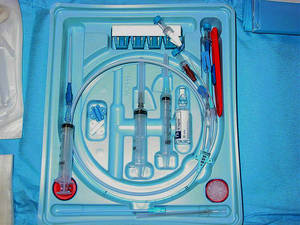
This decrease in infections means that about 3,000 to 6,000 lives were likely saved and about $414 million saved in ICUs in 2009 alone. The data was published in the March 1 issue of the Morbidity and Mortality Weekly report (MMWR 2011;60:1-6). Researchers at the CDC estimate that during 2001-2009, the prevention of central line–associated bloodstream infections in ICUs resulted in total savings of about $1.8 billion and as many as 27,000 lives saved.
Researchers found the greatest decrease in central line–associated bloodstream infections in the ICU were for Staphylococcus aureus infections, which dropped 73% between 2009 and 2001. Gram-negative pathogens such as Escherichia coli, Acinetobacter baumannii, Pseudomonas aeruginosa, and Klebsiella spp., were reduced by about 37% during the 9-year time period. Candida spp. infections were reduced by 46% and Enterococcus spp. infections dropped by 55% as well.
The findings demonstrate a shift within the medical community, which had for many years considered central line infections a regular and acceptable part of practice, said Dr. Thomas R. Frieden, CDC director, during a press conference on March 1. "We now have a new normal in health care where central line infections are unacceptable," he said.
To estimate the total number of central line–associated bloodstream infections in the United States, researchers at the CDC multiplied central line use and infection rates by estimates of the total number of patient-days in ICUs, inpatient wards, and outpatient hemodialysis centers.
The data shows that in 2009, there were about 18,000 central line–associated bloodstream infections in ICUs, compared with 23,000 in inpatient wards. Also, data from 2008 shows that outpatient hemodialysis facilities had about 37,000 central line–associated bloodstream infections.
While infections have dropped dramatically within ICUs, Dr. Frieden said health care providers and researchers must now turn their attention to hemodialysis centers, where about 1 out of every 10 patients on dialysis gets a life-threatening infection. Reducing infections in hemodialysis centers is especially important, he said, because the number of patients on dialysis is expected to double over the next decade.
And Dr. Frieden had a message for health care providers in all settings: Use central lines only when they are essential and, if they are used, get them out as quickly as possible. For example, in hemodialysis, arteriovenous fistulas, or arteriovenous grafts can be used instead of central lines in many cases, according to the study.
The number of central line–associated bloodstream infections occurring in intensive care units across the United States dropped by about 25,000 or 58% from 2001 to 2009, according to new data from the Centers for Disease Control and Prevention.
This decrease in infections means that about 3,000 to 6,000 lives were likely saved and about $414 million saved in ICUs in 2009 alone. The data was published in the March 1 issue of the Morbidity and Mortality Weekly report (MMWR 2011;60:1-6). Researchers at the CDC estimate that during 2001-2009, the prevention of central line–associated bloodstream infections in ICUs resulted in total savings of about $1.8 billion and as many as 27,000 lives saved.
Researchers found the greatest decrease in central line–associated bloodstream infections in the ICU were for Staphylococcus aureus infections, which dropped 73% between 2009 and 2001. Gram-negative pathogens such as Escherichia coli, Acinetobacter baumannii, Pseudomonas aeruginosa, and Klebsiella spp., were reduced by about 37% during the 9-year time period. Candida spp. infections were reduced by 46% and Enterococcus spp. infections dropped by 55% as well.
The findings demonstrate a shift within the medical community, which had for many years considered central line infections a regular and acceptable part of practice, said Dr. Thomas R. Frieden, CDC director, during a press conference on March 1. "We now have a new normal in health care where central line infections are unacceptable," he said.
To estimate the total number of central line–associated bloodstream infections in the United States, researchers at the CDC multiplied central line use and infection rates by estimates of the total number of patient-days in ICUs, inpatient wards, and outpatient hemodialysis centers.
The data shows that in 2009, there were about 18,000 central line–associated bloodstream infections in ICUs, compared with 23,000 in inpatient wards. Also, data from 2008 shows that outpatient hemodialysis facilities had about 37,000 central line–associated bloodstream infections.
While infections have dropped dramatically within ICUs, Dr. Frieden said health care providers and researchers must now turn their attention to hemodialysis centers, where about 1 out of every 10 patients on dialysis gets a life-threatening infection. Reducing infections in hemodialysis centers is especially important, he said, because the number of patients on dialysis is expected to double over the next decade.
And Dr. Frieden had a message for health care providers in all settings: Use central lines only when they are essential and, if they are used, get them out as quickly as possible. For example, in hemodialysis, arteriovenous fistulas, or arteriovenous grafts can be used instead of central lines in many cases, according to the study.
The number of central line–associated bloodstream infections occurring in intensive care units across the United States dropped by about 25,000 or 58% from 2001 to 2009, according to new data from the Centers for Disease Control and Prevention.
This decrease in infections means that about 3,000 to 6,000 lives were likely saved and about $414 million saved in ICUs in 2009 alone. The data was published in the March 1 issue of the Morbidity and Mortality Weekly report (MMWR 2011;60:1-6). Researchers at the CDC estimate that during 2001-2009, the prevention of central line–associated bloodstream infections in ICUs resulted in total savings of about $1.8 billion and as many as 27,000 lives saved.
Researchers found the greatest decrease in central line–associated bloodstream infections in the ICU were for Staphylococcus aureus infections, which dropped 73% between 2009 and 2001. Gram-negative pathogens such as Escherichia coli, Acinetobacter baumannii, Pseudomonas aeruginosa, and Klebsiella spp., were reduced by about 37% during the 9-year time period. Candida spp. infections were reduced by 46% and Enterococcus spp. infections dropped by 55% as well.
The findings demonstrate a shift within the medical community, which had for many years considered central line infections a regular and acceptable part of practice, said Dr. Thomas R. Frieden, CDC director, during a press conference on March 1. "We now have a new normal in health care where central line infections are unacceptable," he said.
To estimate the total number of central line–associated bloodstream infections in the United States, researchers at the CDC multiplied central line use and infection rates by estimates of the total number of patient-days in ICUs, inpatient wards, and outpatient hemodialysis centers.
The data shows that in 2009, there were about 18,000 central line–associated bloodstream infections in ICUs, compared with 23,000 in inpatient wards. Also, data from 2008 shows that outpatient hemodialysis facilities had about 37,000 central line–associated bloodstream infections.
While infections have dropped dramatically within ICUs, Dr. Frieden said health care providers and researchers must now turn their attention to hemodialysis centers, where about 1 out of every 10 patients on dialysis gets a life-threatening infection. Reducing infections in hemodialysis centers is especially important, he said, because the number of patients on dialysis is expected to double over the next decade.
And Dr. Frieden had a message for health care providers in all settings: Use central lines only when they are essential and, if they are used, get them out as quickly as possible. For example, in hemodialysis, arteriovenous fistulas, or arteriovenous grafts can be used instead of central lines in many cases, according to the study.
Major Finding: The number of central line–associated bloodstream infections dropped 58% between 2001 and 2009.
Data Source: The CDC’s Morbidity and Mortality Weekly Report.
Disclosures: The analysis was conducted by researchers at the CDC. They reported no relevant financial disclosures.
Medical Home Standards Focus on Patients
The National Committee for Quality Assurance has released new standards for practices seeking recognition as a medical home.
The standards now require practices to demonstrate continuity of care by allowing patients to select a personal physician, offering after-hour access to appointments and medical advice, and having interpreters available and making sure forms and other documents are in the patient's preferred language. The standards also were redesigned to better echo the requirements of the new Medicare and Medicaid programs offering incentives for the implementation of electronic health records.
Most practices are still physician centric, said Dr. Xavier Sevilla, a pediatrician in Lakewood Ranch, Fla., and a member of the NCQA Patient-Centered Medical Home Advisory Committee. For example, practices typically open their doors when it's convenient for physicians and offer standard 15-minute appointments for the same reason.
With some of the new standards, NCQA officials are looking to get physicians thinking about things from the patient's point of view, he said.
“There is a big gap between where we want to go, which is that advanced primary care patient-centered medical home, and what we have right now,” Dr. Sevilla said in an interview.
This is the first time the standards have been revamped since they were issued in January 2008. As with the earlier version of the recognition program, the NCQA offers practices three levels of recognition based on points earned for each element of the standards. However, all recognition levels require practices to comply with six “must-pass” elements: access during office hours, using data for population management, care management, supporting the self-care process, tracking referrals and follow-up, and implementing continuous quality improvement.
Starting in 2012, participating practices will receive extra credit if they report the results of a new, standardized patient experience survey. The survey is being developed in collaboration with the Agency for Healthcare Research and Quality and will be a medical home version of the Consumer Assessment of Healthcare Providers and Systems (CAHPS) Clinician & Group Survey. It is expected to be released later this year.
Practices will get credit for reporting in 2012, but the NCQA expects to evaluate practices on results in the future.
The updated standards also include more requirements for the use of health information technology and are closely modeled on the federal EHR incentive program that began earlier this year.
For example, the NCQA standards require practices to use an electronic prescribing system that generates and transmits at least 40% of eligible prescriptions to pharmacies. The NCQA also calls on practices to use an electronic system to record up-to-date problem lists, allergies and adverse reactions, smoking status, and a list of prescription medications.
The revised standards are a “paragon of 21st century primary care,” NCQA President Margaret E. O'Kane said in a statement. “By emphasizing access, health information technology, and partnerships between clinicians and patients to improve health, these new standards raise the bar in defining high-quality care.”
Officials at the NCQA rewrote the standards to be clearer and more specific, but also to be more challenging. Dr. Sevilla, who also serves as chair of the American Academy of Pediatrics Steering Committee of Quality Improvement and Management, advises practices to try to qualify for NCQA recognition in terms of where they are today as a medical home, then use the standards as a “road map” for continuing to improve. But earning 100 points from the start will be very difficult, he said.
The NCQA's medical home recognition program is the organization's fastest growing program. Since December 2008, the number of clinicians recognized through the program has climbed from 214 to 7,676 at the end of 2010. Over the same period, the number of practices recognized as medical homes has risen from 28 to 1,506.
The National Committee for Quality Assurance has released new standards for practices seeking recognition as a medical home.
The standards now require practices to demonstrate continuity of care by allowing patients to select a personal physician, offering after-hour access to appointments and medical advice, and having interpreters available and making sure forms and other documents are in the patient's preferred language. The standards also were redesigned to better echo the requirements of the new Medicare and Medicaid programs offering incentives for the implementation of electronic health records.
Most practices are still physician centric, said Dr. Xavier Sevilla, a pediatrician in Lakewood Ranch, Fla., and a member of the NCQA Patient-Centered Medical Home Advisory Committee. For example, practices typically open their doors when it's convenient for physicians and offer standard 15-minute appointments for the same reason.
With some of the new standards, NCQA officials are looking to get physicians thinking about things from the patient's point of view, he said.
“There is a big gap between where we want to go, which is that advanced primary care patient-centered medical home, and what we have right now,” Dr. Sevilla said in an interview.
This is the first time the standards have been revamped since they were issued in January 2008. As with the earlier version of the recognition program, the NCQA offers practices three levels of recognition based on points earned for each element of the standards. However, all recognition levels require practices to comply with six “must-pass” elements: access during office hours, using data for population management, care management, supporting the self-care process, tracking referrals and follow-up, and implementing continuous quality improvement.
Starting in 2012, participating practices will receive extra credit if they report the results of a new, standardized patient experience survey. The survey is being developed in collaboration with the Agency for Healthcare Research and Quality and will be a medical home version of the Consumer Assessment of Healthcare Providers and Systems (CAHPS) Clinician & Group Survey. It is expected to be released later this year.
Practices will get credit for reporting in 2012, but the NCQA expects to evaluate practices on results in the future.
The updated standards also include more requirements for the use of health information technology and are closely modeled on the federal EHR incentive program that began earlier this year.
For example, the NCQA standards require practices to use an electronic prescribing system that generates and transmits at least 40% of eligible prescriptions to pharmacies. The NCQA also calls on practices to use an electronic system to record up-to-date problem lists, allergies and adverse reactions, smoking status, and a list of prescription medications.
The revised standards are a “paragon of 21st century primary care,” NCQA President Margaret E. O'Kane said in a statement. “By emphasizing access, health information technology, and partnerships between clinicians and patients to improve health, these new standards raise the bar in defining high-quality care.”
Officials at the NCQA rewrote the standards to be clearer and more specific, but also to be more challenging. Dr. Sevilla, who also serves as chair of the American Academy of Pediatrics Steering Committee of Quality Improvement and Management, advises practices to try to qualify for NCQA recognition in terms of where they are today as a medical home, then use the standards as a “road map” for continuing to improve. But earning 100 points from the start will be very difficult, he said.
The NCQA's medical home recognition program is the organization's fastest growing program. Since December 2008, the number of clinicians recognized through the program has climbed from 214 to 7,676 at the end of 2010. Over the same period, the number of practices recognized as medical homes has risen from 28 to 1,506.
The National Committee for Quality Assurance has released new standards for practices seeking recognition as a medical home.
The standards now require practices to demonstrate continuity of care by allowing patients to select a personal physician, offering after-hour access to appointments and medical advice, and having interpreters available and making sure forms and other documents are in the patient's preferred language. The standards also were redesigned to better echo the requirements of the new Medicare and Medicaid programs offering incentives for the implementation of electronic health records.
Most practices are still physician centric, said Dr. Xavier Sevilla, a pediatrician in Lakewood Ranch, Fla., and a member of the NCQA Patient-Centered Medical Home Advisory Committee. For example, practices typically open their doors when it's convenient for physicians and offer standard 15-minute appointments for the same reason.
With some of the new standards, NCQA officials are looking to get physicians thinking about things from the patient's point of view, he said.
“There is a big gap between where we want to go, which is that advanced primary care patient-centered medical home, and what we have right now,” Dr. Sevilla said in an interview.
This is the first time the standards have been revamped since they were issued in January 2008. As with the earlier version of the recognition program, the NCQA offers practices three levels of recognition based on points earned for each element of the standards. However, all recognition levels require practices to comply with six “must-pass” elements: access during office hours, using data for population management, care management, supporting the self-care process, tracking referrals and follow-up, and implementing continuous quality improvement.
Starting in 2012, participating practices will receive extra credit if they report the results of a new, standardized patient experience survey. The survey is being developed in collaboration with the Agency for Healthcare Research and Quality and will be a medical home version of the Consumer Assessment of Healthcare Providers and Systems (CAHPS) Clinician & Group Survey. It is expected to be released later this year.
Practices will get credit for reporting in 2012, but the NCQA expects to evaluate practices on results in the future.
The updated standards also include more requirements for the use of health information technology and are closely modeled on the federal EHR incentive program that began earlier this year.
For example, the NCQA standards require practices to use an electronic prescribing system that generates and transmits at least 40% of eligible prescriptions to pharmacies. The NCQA also calls on practices to use an electronic system to record up-to-date problem lists, allergies and adverse reactions, smoking status, and a list of prescription medications.
The revised standards are a “paragon of 21st century primary care,” NCQA President Margaret E. O'Kane said in a statement. “By emphasizing access, health information technology, and partnerships between clinicians and patients to improve health, these new standards raise the bar in defining high-quality care.”
Officials at the NCQA rewrote the standards to be clearer and more specific, but also to be more challenging. Dr. Sevilla, who also serves as chair of the American Academy of Pediatrics Steering Committee of Quality Improvement and Management, advises practices to try to qualify for NCQA recognition in terms of where they are today as a medical home, then use the standards as a “road map” for continuing to improve. But earning 100 points from the start will be very difficult, he said.
The NCQA's medical home recognition program is the organization's fastest growing program. Since December 2008, the number of clinicians recognized through the program has climbed from 214 to 7,676 at the end of 2010. Over the same period, the number of practices recognized as medical homes has risen from 28 to 1,506.
Iowa, Massachusetts Ranked Best for Kids' Health
Children living in states in New England and the Upper Midwest are more likely to have health insurance and to receive recommended medical care than are children in other parts of the United States, according to a new scorecard from the nonprofit organization.
In the report, “Securing a Healthy Future: The Commonwealth Fund State Scorecard of Child Health System Performance, 2011,” researchers report on 20 indicators for how the nation's health care system is performing for children, based on the most recent data available. The report ranks states on access and affordability, prevention, and treatment, the potential to lead healthy lives, and equity.
“Where children lives matters, and it shouldn't,” Cathy Schoen, Commonwealth Fund senior vice president and coauthor of the report, said in a press briefing.
Massachusetts and Iowa ranked first overall among the states; Massachusetts had the lowest rate (3.3%) of uninsured children under age 19 years. Vermont, Maine, and New Hampshire rounded out the five top-performing states overall. The rest of the top 10 consisted of Rhode Island, Hawaii, Minnesota, Connecticut, and North Dakota. These states had consistently good scores, the report noted, but no state finished in the top half for all indicators.
States in the South and Southwest were the worst performers, with Nevada, Mississippi, Arizona, Texas, and Florida achieving the lowest scores, according to the report.
But exceptions to these geographic trends were found. For example, while the Southern states were generally ranked lower, Alabama had a high insurance rate for children, with 94% of the children there insured. And North Carolina had the highest rate of developmental screening.
The report also found that many states have been taking advantage of funding from the federal government to expand insurance opportunities for children.
These actions helped to stabilize insurance rates for children even as many of their parents lost insurance coverage during the recent recession. Insurance coverage rates for parents declined in 41 states over the last decade, while coverage rates for children increased in 35 states during the same time period.
But going forward, expansion of coverage to the rest of the family will be important, according to the Commonwealth Fund. When parents also have insurance, they are more likely to bring their children in for needed medical care, Ms. Schoen said.
The report offers examples of innovative children's health programs that can be models for other states. “States, we hope, will learn from each other,” said Commonwealth Fund president Karen Davis.
For example, in Colorado, which ranked 20th overall on the scorecard, the nonprofit Colorado Children's Healthcare Access Program works with primary care practices to negotiate with Medicaid for enhanced payments for certain preventive services for children. The additional reimbursement makes it feasible for those practices to accept more children enrolled in Medicaid and the Children's Health Insurance Program, giving more low-income children access to a medical home.
Children living in states in New England and the Upper Midwest are more likely to have health insurance and to receive recommended medical care than are children in other parts of the United States, according to a new scorecard from the nonprofit organization.
In the report, “Securing a Healthy Future: The Commonwealth Fund State Scorecard of Child Health System Performance, 2011,” researchers report on 20 indicators for how the nation's health care system is performing for children, based on the most recent data available. The report ranks states on access and affordability, prevention, and treatment, the potential to lead healthy lives, and equity.
“Where children lives matters, and it shouldn't,” Cathy Schoen, Commonwealth Fund senior vice president and coauthor of the report, said in a press briefing.
Massachusetts and Iowa ranked first overall among the states; Massachusetts had the lowest rate (3.3%) of uninsured children under age 19 years. Vermont, Maine, and New Hampshire rounded out the five top-performing states overall. The rest of the top 10 consisted of Rhode Island, Hawaii, Minnesota, Connecticut, and North Dakota. These states had consistently good scores, the report noted, but no state finished in the top half for all indicators.
States in the South and Southwest were the worst performers, with Nevada, Mississippi, Arizona, Texas, and Florida achieving the lowest scores, according to the report.
But exceptions to these geographic trends were found. For example, while the Southern states were generally ranked lower, Alabama had a high insurance rate for children, with 94% of the children there insured. And North Carolina had the highest rate of developmental screening.
The report also found that many states have been taking advantage of funding from the federal government to expand insurance opportunities for children.
These actions helped to stabilize insurance rates for children even as many of their parents lost insurance coverage during the recent recession. Insurance coverage rates for parents declined in 41 states over the last decade, while coverage rates for children increased in 35 states during the same time period.
But going forward, expansion of coverage to the rest of the family will be important, according to the Commonwealth Fund. When parents also have insurance, they are more likely to bring their children in for needed medical care, Ms. Schoen said.
The report offers examples of innovative children's health programs that can be models for other states. “States, we hope, will learn from each other,” said Commonwealth Fund president Karen Davis.
For example, in Colorado, which ranked 20th overall on the scorecard, the nonprofit Colorado Children's Healthcare Access Program works with primary care practices to negotiate with Medicaid for enhanced payments for certain preventive services for children. The additional reimbursement makes it feasible for those practices to accept more children enrolled in Medicaid and the Children's Health Insurance Program, giving more low-income children access to a medical home.
Children living in states in New England and the Upper Midwest are more likely to have health insurance and to receive recommended medical care than are children in other parts of the United States, according to a new scorecard from the nonprofit organization.
In the report, “Securing a Healthy Future: The Commonwealth Fund State Scorecard of Child Health System Performance, 2011,” researchers report on 20 indicators for how the nation's health care system is performing for children, based on the most recent data available. The report ranks states on access and affordability, prevention, and treatment, the potential to lead healthy lives, and equity.
“Where children lives matters, and it shouldn't,” Cathy Schoen, Commonwealth Fund senior vice president and coauthor of the report, said in a press briefing.
Massachusetts and Iowa ranked first overall among the states; Massachusetts had the lowest rate (3.3%) of uninsured children under age 19 years. Vermont, Maine, and New Hampshire rounded out the five top-performing states overall. The rest of the top 10 consisted of Rhode Island, Hawaii, Minnesota, Connecticut, and North Dakota. These states had consistently good scores, the report noted, but no state finished in the top half for all indicators.
States in the South and Southwest were the worst performers, with Nevada, Mississippi, Arizona, Texas, and Florida achieving the lowest scores, according to the report.
But exceptions to these geographic trends were found. For example, while the Southern states were generally ranked lower, Alabama had a high insurance rate for children, with 94% of the children there insured. And North Carolina had the highest rate of developmental screening.
The report also found that many states have been taking advantage of funding from the federal government to expand insurance opportunities for children.
These actions helped to stabilize insurance rates for children even as many of their parents lost insurance coverage during the recent recession. Insurance coverage rates for parents declined in 41 states over the last decade, while coverage rates for children increased in 35 states during the same time period.
But going forward, expansion of coverage to the rest of the family will be important, according to the Commonwealth Fund. When parents also have insurance, they are more likely to bring their children in for needed medical care, Ms. Schoen said.
The report offers examples of innovative children's health programs that can be models for other states. “States, we hope, will learn from each other,” said Commonwealth Fund president Karen Davis.
For example, in Colorado, which ranked 20th overall on the scorecard, the nonprofit Colorado Children's Healthcare Access Program works with primary care practices to negotiate with Medicaid for enhanced payments for certain preventive services for children. The additional reimbursement makes it feasible for those practices to accept more children enrolled in Medicaid and the Children's Health Insurance Program, giving more low-income children access to a medical home.
From the Commonwealth Fund
Policy & Practice : Want more health reform news? Subscribe to our podcast – search 'Policy & Practice' in the iTunes store
Breastfeeding Gets Boost From IRS
Women who buy breast pumps and other supplies to assist with breastfeeding will be able to pay for them using pretax dollars in flexible spending accounts and health savings accounts, according to the Internal Revenue Service. Also, if a woman's total medical expenses exceed 7.5% of her adjusted gross income, she can deduct the cost of breast pumps and other lactation supplies as medical expenses, the IRS announced. Officials at the American Academy of Pediatrics praised the decision, saying it would make breastfeeding a “more practical option for new and working mothers.”<
Family Histories Recommended
Ob.gyns. should take a family history of all their patients to determine their risk of inherited diseases, according to a new policy statement from the American College of Obstetricians and Gynecologists published in the March issue of Obstetrics & Gynecology (Obstet. Gynecol. 2011;117:747-50). ACOG's Committee on Genetics said that family histories are especially important when screening women who are planning to become pregnant. The preconception period is the ideal time to give women personalized recommendations based on their family histories, the policy states. Physicians should obtain family and medical histories from both the patient and her partner that include ethnic backgrounds, adverse pregnancy outcomes, and any known causes of infertility. Being able to offer genetic counseling and testing before conception gives couples more time and options if they are at risk for heritable disease, according to the ACOG policy. For example, couples may choose not to conceive, use a gamete donor, or obtain preimplantation genetic diagnosis.
Teens Favor Home STD Testing
Internet access to free, confidential, at-home testing for sexually transmitted diseases is the best way to reach young adults, according to infectious disease experts at Johns Hopkins University in Baltimore. The team launched a Web site (
Most Partners Support Abortions
Most women seeking abortions say that their male partners know about it and support their decision, according to research from the Guttmacher Institute. In a survey of more than 4,700 women who obtained abortions in 1998, 82% said that the man who impregnated them knew about the abortion. Married women and women who were living with their male partners were the most likely to report that the men knew about the abortion, compared with women who were divorced or separated from their partners. More than two-thirds of women said that their partners supported having an abortion, and again, that response was higher among married women and women living with their partners. Based on data from the 2008 Abortion Patient Survey, the study will appear in the March issue of Women's Health Issues and is available online at
www.guttmacher.org/pubs/journals/j.whi.2020.10.007.pdf
Senator Prods FDA on Drug Labels
Sen. Herb Kohl (D-Wis.) is asking the Food and Drug Administration to hurry up and finalize regulations that would change the way drug labels display safety information related to pregnancy and breastfeeding. The FDA issued a proposed rule in 1998 that would have eliminated the current system of using categories A, B, C, D, and X to rate a drug's effects on pregnancy and reproduction. The proposal called for more detailed, narrative descriptions of the drug's effect on fertility, pregnancy, and breastfeeding, but it is still under review by staff in the FDA's Center for Drug Evaluation and Research. In a letter to Health and Human Services Secretary Kathleen Sebelius, who oversees the FDA, Sen. Kohl urged the agency to issue a final regulation soon. “Without improved drug labeling, doctors and patients are forced to make treatment decisions with limited information and research,” Sen. Kohl wrote. “Too much time has passed and continued delay in finalizing the proposed rule will only add to unnecessary exposure to ineffective drugs or ineffective dosing of effective drugs, both of which prevent patients from receiving appropriate therapies.”
Breastfeeding Gets Boost From IRS
Women who buy breast pumps and other supplies to assist with breastfeeding will be able to pay for them using pretax dollars in flexible spending accounts and health savings accounts, according to the Internal Revenue Service. Also, if a woman's total medical expenses exceed 7.5% of her adjusted gross income, she can deduct the cost of breast pumps and other lactation supplies as medical expenses, the IRS announced. Officials at the American Academy of Pediatrics praised the decision, saying it would make breastfeeding a “more practical option for new and working mothers.”<
Family Histories Recommended
Ob.gyns. should take a family history of all their patients to determine their risk of inherited diseases, according to a new policy statement from the American College of Obstetricians and Gynecologists published in the March issue of Obstetrics & Gynecology (Obstet. Gynecol. 2011;117:747-50). ACOG's Committee on Genetics said that family histories are especially important when screening women who are planning to become pregnant. The preconception period is the ideal time to give women personalized recommendations based on their family histories, the policy states. Physicians should obtain family and medical histories from both the patient and her partner that include ethnic backgrounds, adverse pregnancy outcomes, and any known causes of infertility. Being able to offer genetic counseling and testing before conception gives couples more time and options if they are at risk for heritable disease, according to the ACOG policy. For example, couples may choose not to conceive, use a gamete donor, or obtain preimplantation genetic diagnosis.
Teens Favor Home STD Testing
Internet access to free, confidential, at-home testing for sexually transmitted diseases is the best way to reach young adults, according to infectious disease experts at Johns Hopkins University in Baltimore. The team launched a Web site (
Most Partners Support Abortions
Most women seeking abortions say that their male partners know about it and support their decision, according to research from the Guttmacher Institute. In a survey of more than 4,700 women who obtained abortions in 1998, 82% said that the man who impregnated them knew about the abortion. Married women and women who were living with their male partners were the most likely to report that the men knew about the abortion, compared with women who were divorced or separated from their partners. More than two-thirds of women said that their partners supported having an abortion, and again, that response was higher among married women and women living with their partners. Based on data from the 2008 Abortion Patient Survey, the study will appear in the March issue of Women's Health Issues and is available online at
www.guttmacher.org/pubs/journals/j.whi.2020.10.007.pdf
Senator Prods FDA on Drug Labels
Sen. Herb Kohl (D-Wis.) is asking the Food and Drug Administration to hurry up and finalize regulations that would change the way drug labels display safety information related to pregnancy and breastfeeding. The FDA issued a proposed rule in 1998 that would have eliminated the current system of using categories A, B, C, D, and X to rate a drug's effects on pregnancy and reproduction. The proposal called for more detailed, narrative descriptions of the drug's effect on fertility, pregnancy, and breastfeeding, but it is still under review by staff in the FDA's Center for Drug Evaluation and Research. In a letter to Health and Human Services Secretary Kathleen Sebelius, who oversees the FDA, Sen. Kohl urged the agency to issue a final regulation soon. “Without improved drug labeling, doctors and patients are forced to make treatment decisions with limited information and research,” Sen. Kohl wrote. “Too much time has passed and continued delay in finalizing the proposed rule will only add to unnecessary exposure to ineffective drugs or ineffective dosing of effective drugs, both of which prevent patients from receiving appropriate therapies.”
Breastfeeding Gets Boost From IRS
Women who buy breast pumps and other supplies to assist with breastfeeding will be able to pay for them using pretax dollars in flexible spending accounts and health savings accounts, according to the Internal Revenue Service. Also, if a woman's total medical expenses exceed 7.5% of her adjusted gross income, she can deduct the cost of breast pumps and other lactation supplies as medical expenses, the IRS announced. Officials at the American Academy of Pediatrics praised the decision, saying it would make breastfeeding a “more practical option for new and working mothers.”<
Family Histories Recommended
Ob.gyns. should take a family history of all their patients to determine their risk of inherited diseases, according to a new policy statement from the American College of Obstetricians and Gynecologists published in the March issue of Obstetrics & Gynecology (Obstet. Gynecol. 2011;117:747-50). ACOG's Committee on Genetics said that family histories are especially important when screening women who are planning to become pregnant. The preconception period is the ideal time to give women personalized recommendations based on their family histories, the policy states. Physicians should obtain family and medical histories from both the patient and her partner that include ethnic backgrounds, adverse pregnancy outcomes, and any known causes of infertility. Being able to offer genetic counseling and testing before conception gives couples more time and options if they are at risk for heritable disease, according to the ACOG policy. For example, couples may choose not to conceive, use a gamete donor, or obtain preimplantation genetic diagnosis.
Teens Favor Home STD Testing
Internet access to free, confidential, at-home testing for sexually transmitted diseases is the best way to reach young adults, according to infectious disease experts at Johns Hopkins University in Baltimore. The team launched a Web site (
Most Partners Support Abortions
Most women seeking abortions say that their male partners know about it and support their decision, according to research from the Guttmacher Institute. In a survey of more than 4,700 women who obtained abortions in 1998, 82% said that the man who impregnated them knew about the abortion. Married women and women who were living with their male partners were the most likely to report that the men knew about the abortion, compared with women who were divorced or separated from their partners. More than two-thirds of women said that their partners supported having an abortion, and again, that response was higher among married women and women living with their partners. Based on data from the 2008 Abortion Patient Survey, the study will appear in the March issue of Women's Health Issues and is available online at
www.guttmacher.org/pubs/journals/j.whi.2020.10.007.pdf
Senator Prods FDA on Drug Labels
Sen. Herb Kohl (D-Wis.) is asking the Food and Drug Administration to hurry up and finalize regulations that would change the way drug labels display safety information related to pregnancy and breastfeeding. The FDA issued a proposed rule in 1998 that would have eliminated the current system of using categories A, B, C, D, and X to rate a drug's effects on pregnancy and reproduction. The proposal called for more detailed, narrative descriptions of the drug's effect on fertility, pregnancy, and breastfeeding, but it is still under review by staff in the FDA's Center for Drug Evaluation and Research. In a letter to Health and Human Services Secretary Kathleen Sebelius, who oversees the FDA, Sen. Kohl urged the agency to issue a final regulation soon. “Without improved drug labeling, doctors and patients are forced to make treatment decisions with limited information and research,” Sen. Kohl wrote. “Too much time has passed and continued delay in finalizing the proposed rule will only add to unnecessary exposure to ineffective drugs or ineffective dosing of effective drugs, both of which prevent patients from receiving appropriate therapies.”
Federal EHR Incentive Programs Are Open
A new federal initiative offering bonus payments to physicians who successfully implement electronic health records launched Jan. 3, and early signs indicate it could help spur adoption of the technology.
Officials in the Office of the National Coordinator for Health Information Technology recently released two surveys showing that more than 40% of office-based physicians and 80% of hospitals plan to seek federal incentives for the adoption and use of EHRs under Medicare and Medicaid.
The incentive programs, which launched at the start of the year, offer payments to physicians for using health information technology (HIT) to improve patient care. The federal government recently issued regulations detailing how physicians and hospitals can meet standards for “meaningful use” of the technology. Physicians who meet the criteria are eligible to receive up to $44,000 over 5 years under the Medicare program or $63,750 in 6 years under the Medicaid program. Eligible hospitals could receive millions of dollars, according to the Centers for Medicare and Medicaid Services (CMS).
The survey of office-based physicians, conducted by the Centers for Disease Control and Prevention, found that 41% plan to achieve meaningful use and seek federal incentive payments. Of those, about 80% said that they plan to enroll during first stage of the program, this year or next.
A separate survey, conducted by the American Hospital Association, found that 81% of hospitals plan to achieve meaningful use and apply for incentive payments, with about 65% enrolling in the same time frame.
While the federal government has promoted these incentives for more than a year, it was uncertain whether physicians would choose to participate.
Officials at the American Academy of Family Physicians said that while they do not have concrete data, informal polls of their members show high interest in the incentives. Dr. Steven Waldren, director of the Center for Health IT at the AAFP, said that among physicians who attended lectures on meaningful use at the group's annual meeting last fall, about 80% reported that they currently use an EHR in their practice and about 90% said they plan to try to achieve meaningful use this year.
It's a biased sample, Dr. Waldren said, but it still paints a picture. “What it kind of tells us is that there are a lot of doctors out there, especially those that have adopted the technology, [who] are trying to figure out how to be meaningful users in 2011.”
The big question is how many physicians will be able to convert their interest in the program into the ability to achieve meaningful use of EHRs, he added.
Dr. Waldren said most physicians will be able to meet the current thresholds for functions like electronic prescribing, which are outlined in the meaningful use criteria. However, the greater challenge will come in capturing and reporting that data to the government, he said.
Dr. Waldren recommended that physicians seek out the Regional Extension Centers set up by the federal government. These centers have been established around the country and are specifically charged with aiding small practices, primary care physicians, and those working in underserved areas. But he also cautioned that the level of expertise may vary by center.
While many of the barriers to EHR adoption remain the same, the financial incentives seem to be helping physicians who were “on the fence,” move in the direction of purchasing a system, said Dr. Michael S. Barr, a senior vice president at the American College of Physicians.
The success of the program can't be judged, he said, at least until figures are available on how many physicians met the stage 1 meaningful use standards, said Dr. Barr, who also serves on the Health IT Policy Committee's meaningful use workgroup. As the incentive program progresses and the quality measures become more robust, the data that are reported should also show whether the program has resulted in improvements in clinical quality of care, Dr. Barr said.

How many physicians will convert their interest in the program into meaningful EHR use?
Source DR. WALDREN
A new federal initiative offering bonus payments to physicians who successfully implement electronic health records launched Jan. 3, and early signs indicate it could help spur adoption of the technology.
Officials in the Office of the National Coordinator for Health Information Technology recently released two surveys showing that more than 40% of office-based physicians and 80% of hospitals plan to seek federal incentives for the adoption and use of EHRs under Medicare and Medicaid.
The incentive programs, which launched at the start of the year, offer payments to physicians for using health information technology (HIT) to improve patient care. The federal government recently issued regulations detailing how physicians and hospitals can meet standards for “meaningful use” of the technology. Physicians who meet the criteria are eligible to receive up to $44,000 over 5 years under the Medicare program or $63,750 in 6 years under the Medicaid program. Eligible hospitals could receive millions of dollars, according to the Centers for Medicare and Medicaid Services (CMS).
The survey of office-based physicians, conducted by the Centers for Disease Control and Prevention, found that 41% plan to achieve meaningful use and seek federal incentive payments. Of those, about 80% said that they plan to enroll during first stage of the program, this year or next.
A separate survey, conducted by the American Hospital Association, found that 81% of hospitals plan to achieve meaningful use and apply for incentive payments, with about 65% enrolling in the same time frame.
While the federal government has promoted these incentives for more than a year, it was uncertain whether physicians would choose to participate.
Officials at the American Academy of Family Physicians said that while they do not have concrete data, informal polls of their members show high interest in the incentives. Dr. Steven Waldren, director of the Center for Health IT at the AAFP, said that among physicians who attended lectures on meaningful use at the group's annual meeting last fall, about 80% reported that they currently use an EHR in their practice and about 90% said they plan to try to achieve meaningful use this year.
It's a biased sample, Dr. Waldren said, but it still paints a picture. “What it kind of tells us is that there are a lot of doctors out there, especially those that have adopted the technology, [who] are trying to figure out how to be meaningful users in 2011.”
The big question is how many physicians will be able to convert their interest in the program into the ability to achieve meaningful use of EHRs, he added.
Dr. Waldren said most physicians will be able to meet the current thresholds for functions like electronic prescribing, which are outlined in the meaningful use criteria. However, the greater challenge will come in capturing and reporting that data to the government, he said.
Dr. Waldren recommended that physicians seek out the Regional Extension Centers set up by the federal government. These centers have been established around the country and are specifically charged with aiding small practices, primary care physicians, and those working in underserved areas. But he also cautioned that the level of expertise may vary by center.
While many of the barriers to EHR adoption remain the same, the financial incentives seem to be helping physicians who were “on the fence,” move in the direction of purchasing a system, said Dr. Michael S. Barr, a senior vice president at the American College of Physicians.
The success of the program can't be judged, he said, at least until figures are available on how many physicians met the stage 1 meaningful use standards, said Dr. Barr, who also serves on the Health IT Policy Committee's meaningful use workgroup. As the incentive program progresses and the quality measures become more robust, the data that are reported should also show whether the program has resulted in improvements in clinical quality of care, Dr. Barr said.
How many physicians will convert their interest in the program into meaningful EHR use?
Source DR. WALDREN
A new federal initiative offering bonus payments to physicians who successfully implement electronic health records launched Jan. 3, and early signs indicate it could help spur adoption of the technology.
Officials in the Office of the National Coordinator for Health Information Technology recently released two surveys showing that more than 40% of office-based physicians and 80% of hospitals plan to seek federal incentives for the adoption and use of EHRs under Medicare and Medicaid.
The incentive programs, which launched at the start of the year, offer payments to physicians for using health information technology (HIT) to improve patient care. The federal government recently issued regulations detailing how physicians and hospitals can meet standards for “meaningful use” of the technology. Physicians who meet the criteria are eligible to receive up to $44,000 over 5 years under the Medicare program or $63,750 in 6 years under the Medicaid program. Eligible hospitals could receive millions of dollars, according to the Centers for Medicare and Medicaid Services (CMS).
The survey of office-based physicians, conducted by the Centers for Disease Control and Prevention, found that 41% plan to achieve meaningful use and seek federal incentive payments. Of those, about 80% said that they plan to enroll during first stage of the program, this year or next.
A separate survey, conducted by the American Hospital Association, found that 81% of hospitals plan to achieve meaningful use and apply for incentive payments, with about 65% enrolling in the same time frame.
While the federal government has promoted these incentives for more than a year, it was uncertain whether physicians would choose to participate.
Officials at the American Academy of Family Physicians said that while they do not have concrete data, informal polls of their members show high interest in the incentives. Dr. Steven Waldren, director of the Center for Health IT at the AAFP, said that among physicians who attended lectures on meaningful use at the group's annual meeting last fall, about 80% reported that they currently use an EHR in their practice and about 90% said they plan to try to achieve meaningful use this year.
It's a biased sample, Dr. Waldren said, but it still paints a picture. “What it kind of tells us is that there are a lot of doctors out there, especially those that have adopted the technology, [who] are trying to figure out how to be meaningful users in 2011.”
The big question is how many physicians will be able to convert their interest in the program into the ability to achieve meaningful use of EHRs, he added.
Dr. Waldren said most physicians will be able to meet the current thresholds for functions like electronic prescribing, which are outlined in the meaningful use criteria. However, the greater challenge will come in capturing and reporting that data to the government, he said.
Dr. Waldren recommended that physicians seek out the Regional Extension Centers set up by the federal government. These centers have been established around the country and are specifically charged with aiding small practices, primary care physicians, and those working in underserved areas. But he also cautioned that the level of expertise may vary by center.
While many of the barriers to EHR adoption remain the same, the financial incentives seem to be helping physicians who were “on the fence,” move in the direction of purchasing a system, said Dr. Michael S. Barr, a senior vice president at the American College of Physicians.
The success of the program can't be judged, he said, at least until figures are available on how many physicians met the stage 1 meaningful use standards, said Dr. Barr, who also serves on the Health IT Policy Committee's meaningful use workgroup. As the incentive program progresses and the quality measures become more robust, the data that are reported should also show whether the program has resulted in improvements in clinical quality of care, Dr. Barr said.
How many physicians will convert their interest in the program into meaningful EHR use?
Source DR. WALDREN