User login
Interest Builds in Primary Care in Resident Match
For the second year in a row, more U.S. medical students are choosing careers in primary care, according to this year's National Residency Matching Program data.
The number of U.S. medical school seniors choosing family medicine rose by 11% over last year. Overall, 2,708 family medicine residency positions were offered this year. Of those, 94.4% were filled, with 48% filled by U.S. medical graduates. This is the highest ever overall fill rate for the specialty, according to the American Academy of Family Physicians.
More U.S. medical school seniors also matched to internal medicine residencies, with the overall fill rate remaining roughly the same as in 2010. Overall, 5,121 internal medicine positions were offered in 2011. Of those, 98.9% were filled, with 57.4% of the slots being taken by U.S. medical graduates. In 2010, 54.5% of the 4,999 positions offered were filled by U.S. medical graduates.
In pediatrics, interest by U.S. medical students rose about 3% from 2010. This year, 98.2% of the total 2,482 positions offered were filled. U.S. medical graduates filled 71.2% of the pediatric positions in 2011.
Leaders in primary care said the growing interest by medical students is likely due to the increased attention to primary care and the importance being placed on it, in part due to last year’s passage of the Affordable Care Act.
Dr. Steven E. Weinberger, executive vice president and CEO of the American College of Physicians, said students may be drawn to the idea of coordinating care and being the principal source of care for patients.
"Whenever an area of health careers is more important to the future, it’s going to resonate with student choice," said Dr. Roland A. Goertz, president of the American Academy of Family Physicians.
Emergency medicine, anesthesiology, and neurology were also more popular among U.S. medical graduates in this year’s match. For example, of the 266 PGY-1 positions offered in neurology in 2011, 59.8% went to U.S. medical graduates. This is up from 49.6% last year, when 228 positions were offered.
This year's residency match offered more first- and second-year positions than in 2010. Overall, there were 638 more residency slots available. Of the first-year positions offered, more than 95% were filled.
For the second year in a row, more U.S. medical students are choosing careers in primary care, according to this year's National Residency Matching Program data.
The number of U.S. medical school seniors choosing family medicine rose by 11% over last year. Overall, 2,708 family medicine residency positions were offered this year. Of those, 94.4% were filled, with 48% filled by U.S. medical graduates. This is the highest ever overall fill rate for the specialty, according to the American Academy of Family Physicians.
More U.S. medical school seniors also matched to internal medicine residencies, with the overall fill rate remaining roughly the same as in 2010. Overall, 5,121 internal medicine positions were offered in 2011. Of those, 98.9% were filled, with 57.4% of the slots being taken by U.S. medical graduates. In 2010, 54.5% of the 4,999 positions offered were filled by U.S. medical graduates.
In pediatrics, interest by U.S. medical students rose about 3% from 2010. This year, 98.2% of the total 2,482 positions offered were filled. U.S. medical graduates filled 71.2% of the pediatric positions in 2011.
Leaders in primary care said the growing interest by medical students is likely due to the increased attention to primary care and the importance being placed on it, in part due to last year’s passage of the Affordable Care Act.
Dr. Steven E. Weinberger, executive vice president and CEO of the American College of Physicians, said students may be drawn to the idea of coordinating care and being the principal source of care for patients.
"Whenever an area of health careers is more important to the future, it’s going to resonate with student choice," said Dr. Roland A. Goertz, president of the American Academy of Family Physicians.
Emergency medicine, anesthesiology, and neurology were also more popular among U.S. medical graduates in this year’s match. For example, of the 266 PGY-1 positions offered in neurology in 2011, 59.8% went to U.S. medical graduates. This is up from 49.6% last year, when 228 positions were offered.
This year's residency match offered more first- and second-year positions than in 2010. Overall, there were 638 more residency slots available. Of the first-year positions offered, more than 95% were filled.
For the second year in a row, more U.S. medical students are choosing careers in primary care, according to this year's National Residency Matching Program data.
The number of U.S. medical school seniors choosing family medicine rose by 11% over last year. Overall, 2,708 family medicine residency positions were offered this year. Of those, 94.4% were filled, with 48% filled by U.S. medical graduates. This is the highest ever overall fill rate for the specialty, according to the American Academy of Family Physicians.
More U.S. medical school seniors also matched to internal medicine residencies, with the overall fill rate remaining roughly the same as in 2010. Overall, 5,121 internal medicine positions were offered in 2011. Of those, 98.9% were filled, with 57.4% of the slots being taken by U.S. medical graduates. In 2010, 54.5% of the 4,999 positions offered were filled by U.S. medical graduates.
In pediatrics, interest by U.S. medical students rose about 3% from 2010. This year, 98.2% of the total 2,482 positions offered were filled. U.S. medical graduates filled 71.2% of the pediatric positions in 2011.
Leaders in primary care said the growing interest by medical students is likely due to the increased attention to primary care and the importance being placed on it, in part due to last year’s passage of the Affordable Care Act.
Dr. Steven E. Weinberger, executive vice president and CEO of the American College of Physicians, said students may be drawn to the idea of coordinating care and being the principal source of care for patients.
"Whenever an area of health careers is more important to the future, it’s going to resonate with student choice," said Dr. Roland A. Goertz, president of the American Academy of Family Physicians.
Emergency medicine, anesthesiology, and neurology were also more popular among U.S. medical graduates in this year’s match. For example, of the 266 PGY-1 positions offered in neurology in 2011, 59.8% went to U.S. medical graduates. This is up from 49.6% last year, when 228 positions were offered.
This year's residency match offered more first- and second-year positions than in 2010. Overall, there were 638 more residency slots available. Of the first-year positions offered, more than 95% were filled.
FROM THE NATIONAL RESIDENCY MATCHING PROGRAM
Interest Builds in Primary Care in Resident Match
For the second year in a row, more U.S. medical students are choosing careers in primary care, according to this year’s National Residency Matching Program data.
The number of U.S. medical school seniors choosing family medicine rose by 11% over last year. Overall, 2,708 family medicine residency positions were offered this year. Of those, 94.4% were filled, with 48% filled by U.S. medical graduates. This is the highest ever overall fill rate for the specialty, according to the American Academy of Family Physicians.
More U.S. medical school seniors also matched to internal medicine residencies, with the overall fill rate remaining roughly the same as in 2010. Overall, 5,121 internal medicine positions were offered in 2011. Of those, 98.9% were filled, with 57.4% of the slots being taken by U.S. medical graduates. In 2010, 54.5% of the 4,999 positions offered were filled by U.S. medical graduates.
In pediatrics, interest by U.S. medical students rose about 3% from 2010. This year, 98.2% of the total 2,482 positions offered were filled. U.S. medical graduates filled 71.2% of the pediatric positions in 2011.
Leaders in primary care said the growing interest by medical students is likely due to the increased attention to primary care and the importance being placed on it, in part due to last year’s passage of the Affordable Care Act.
Dr. Steven E. Weinberger, executive vice president and CEO of the American College of Physicians, said students may be drawn to the idea of coordinating care and being the principal source of care for patients.
"Whenever an area of health careers is more important to the future, it’s going to resonate with student choice," said Dr. Roland A. Goertz, president of the American Academy of Family Physicians.
Emergency medicine, anesthesiology, and neurology were also more popular among U.S. medical graduates in this year’s match. For example, of the 266 PGY-1 positions offered in neurology in 2011, 59.8% went to U.S. medical graduates. This is up from 49.6% last year, when 228 positions were offered.
This year’s residency match offered more first- and second-year positions than in 2010. Overall, there were 638 more residency slots available. Of the first-year positions offered, more than 95% were filled.
For the second year in a row, more U.S. medical students are choosing careers in primary care, according to this year’s National Residency Matching Program data.
The number of U.S. medical school seniors choosing family medicine rose by 11% over last year. Overall, 2,708 family medicine residency positions were offered this year. Of those, 94.4% were filled, with 48% filled by U.S. medical graduates. This is the highest ever overall fill rate for the specialty, according to the American Academy of Family Physicians.
More U.S. medical school seniors also matched to internal medicine residencies, with the overall fill rate remaining roughly the same as in 2010. Overall, 5,121 internal medicine positions were offered in 2011. Of those, 98.9% were filled, with 57.4% of the slots being taken by U.S. medical graduates. In 2010, 54.5% of the 4,999 positions offered were filled by U.S. medical graduates.
In pediatrics, interest by U.S. medical students rose about 3% from 2010. This year, 98.2% of the total 2,482 positions offered were filled. U.S. medical graduates filled 71.2% of the pediatric positions in 2011.
Leaders in primary care said the growing interest by medical students is likely due to the increased attention to primary care and the importance being placed on it, in part due to last year’s passage of the Affordable Care Act.
Dr. Steven E. Weinberger, executive vice president and CEO of the American College of Physicians, said students may be drawn to the idea of coordinating care and being the principal source of care for patients.
"Whenever an area of health careers is more important to the future, it’s going to resonate with student choice," said Dr. Roland A. Goertz, president of the American Academy of Family Physicians.
Emergency medicine, anesthesiology, and neurology were also more popular among U.S. medical graduates in this year’s match. For example, of the 266 PGY-1 positions offered in neurology in 2011, 59.8% went to U.S. medical graduates. This is up from 49.6% last year, when 228 positions were offered.
This year’s residency match offered more first- and second-year positions than in 2010. Overall, there were 638 more residency slots available. Of the first-year positions offered, more than 95% were filled.
For the second year in a row, more U.S. medical students are choosing careers in primary care, according to this year’s National Residency Matching Program data.
The number of U.S. medical school seniors choosing family medicine rose by 11% over last year. Overall, 2,708 family medicine residency positions were offered this year. Of those, 94.4% were filled, with 48% filled by U.S. medical graduates. This is the highest ever overall fill rate for the specialty, according to the American Academy of Family Physicians.
More U.S. medical school seniors also matched to internal medicine residencies, with the overall fill rate remaining roughly the same as in 2010. Overall, 5,121 internal medicine positions were offered in 2011. Of those, 98.9% were filled, with 57.4% of the slots being taken by U.S. medical graduates. In 2010, 54.5% of the 4,999 positions offered were filled by U.S. medical graduates.
In pediatrics, interest by U.S. medical students rose about 3% from 2010. This year, 98.2% of the total 2,482 positions offered were filled. U.S. medical graduates filled 71.2% of the pediatric positions in 2011.
Leaders in primary care said the growing interest by medical students is likely due to the increased attention to primary care and the importance being placed on it, in part due to last year’s passage of the Affordable Care Act.
Dr. Steven E. Weinberger, executive vice president and CEO of the American College of Physicians, said students may be drawn to the idea of coordinating care and being the principal source of care for patients.
"Whenever an area of health careers is more important to the future, it’s going to resonate with student choice," said Dr. Roland A. Goertz, president of the American Academy of Family Physicians.
Emergency medicine, anesthesiology, and neurology were also more popular among U.S. medical graduates in this year’s match. For example, of the 266 PGY-1 positions offered in neurology in 2011, 59.8% went to U.S. medical graduates. This is up from 49.6% last year, when 228 positions were offered.
This year’s residency match offered more first- and second-year positions than in 2010. Overall, there were 638 more residency slots available. Of the first-year positions offered, more than 95% were filled.
FROM THE NATIONAL RESIDENCY MATCHING PROGRAM
High Medical Costs Fuel Missed Care
More than 40% of adults in the United States went without necessary medical care in 2010 due to cost, up from 29% a decade ago, according to the Commonwealth Fund’s Biennial Health Insurance Survey.
Skipping needed care such as prescription drugs, specialist visits, and follow-up treatment is even more common among moderate- and low-income groups. For example, 56% of Americans with household incomes under 200% of the federal poverty level went without necessary care last year, according to the survey, which was released on March 16.
The survey, which was conducted from July through November 2010, is based on phone interviews with a nationally representative sample of more than 4,000 U.S. adults aged 19 and older. The analysis is limited to the approximately 3,000 adults aged 19-64 years who responded to the survey.
Cost was an issue for those with and without health insurance. About two-thirds of adults who were uninsured during 2010 said they had trouble accessing care due to cost; 31% of insured respondents reported the same problem.
Preventive care also took a hit in 2010. Only half of adults surveyed reported that they were up to date on five recommended screening tests: blood pressure and cholesterol tests, mammograms, colon cancer screenings, and Pap tests. Those with lower incomes were less likely to get screened: While 65% of adults with a household income at or above 400% of the federal poverty level were up-to-date, only 36% of adults at less than 133% of the federal poverty level were.
"The survey findings paint a dire picture of the degree to which low- and moderate-income families are currently burdened by costs of care and the degree to which a severe economic crisis can affect the health security of working families," Sara R. Collins, Ph.D., vice president for Affordable Health Insurance at the Commonwealth Fund, said during a press conference to release the findings.
Dr. Collins said the controversial Affordable Care Act will help to address some of the problems highlighted in the survey by alleviating the cost burden on the lowest-income Americans. She cited the expansion of the Medicaid program and federal subsidies to purchase private health coverage, both of which begin in 2014, as ways to reduce out-of-pocket costs and improve access to care.
The Commonwealth Fund report also noted worsening trends in insurance coverage and medical debt over the last decade:
- About 28% of adults in the United States were uninsured for part of 2010, up from 24% in 2001.
- About 40% of adults reported that they had problems paying their medical bills in 2010, up from 34% in 2005.
- About 32% of Americans spent 10% or more of their household income on out-of-pocket costs and premiums in 2010. This is up from 23% in 2005 and 21% in 2001.
More than 40% of adults in the United States went without necessary medical care in 2010 due to cost, up from 29% a decade ago, according to the Commonwealth Fund’s Biennial Health Insurance Survey.
Skipping needed care such as prescription drugs, specialist visits, and follow-up treatment is even more common among moderate- and low-income groups. For example, 56% of Americans with household incomes under 200% of the federal poverty level went without necessary care last year, according to the survey, which was released on March 16.
The survey, which was conducted from July through November 2010, is based on phone interviews with a nationally representative sample of more than 4,000 U.S. adults aged 19 and older. The analysis is limited to the approximately 3,000 adults aged 19-64 years who responded to the survey.
Cost was an issue for those with and without health insurance. About two-thirds of adults who were uninsured during 2010 said they had trouble accessing care due to cost; 31% of insured respondents reported the same problem.
Preventive care also took a hit in 2010. Only half of adults surveyed reported that they were up to date on five recommended screening tests: blood pressure and cholesterol tests, mammograms, colon cancer screenings, and Pap tests. Those with lower incomes were less likely to get screened: While 65% of adults with a household income at or above 400% of the federal poverty level were up-to-date, only 36% of adults at less than 133% of the federal poverty level were.
"The survey findings paint a dire picture of the degree to which low- and moderate-income families are currently burdened by costs of care and the degree to which a severe economic crisis can affect the health security of working families," Sara R. Collins, Ph.D., vice president for Affordable Health Insurance at the Commonwealth Fund, said during a press conference to release the findings.
Dr. Collins said the controversial Affordable Care Act will help to address some of the problems highlighted in the survey by alleviating the cost burden on the lowest-income Americans. She cited the expansion of the Medicaid program and federal subsidies to purchase private health coverage, both of which begin in 2014, as ways to reduce out-of-pocket costs and improve access to care.
The Commonwealth Fund report also noted worsening trends in insurance coverage and medical debt over the last decade:
- About 28% of adults in the United States were uninsured for part of 2010, up from 24% in 2001.
- About 40% of adults reported that they had problems paying their medical bills in 2010, up from 34% in 2005.
- About 32% of Americans spent 10% or more of their household income on out-of-pocket costs and premiums in 2010. This is up from 23% in 2005 and 21% in 2001.
More than 40% of adults in the United States went without necessary medical care in 2010 due to cost, up from 29% a decade ago, according to the Commonwealth Fund’s Biennial Health Insurance Survey.
Skipping needed care such as prescription drugs, specialist visits, and follow-up treatment is even more common among moderate- and low-income groups. For example, 56% of Americans with household incomes under 200% of the federal poverty level went without necessary care last year, according to the survey, which was released on March 16.
The survey, which was conducted from July through November 2010, is based on phone interviews with a nationally representative sample of more than 4,000 U.S. adults aged 19 and older. The analysis is limited to the approximately 3,000 adults aged 19-64 years who responded to the survey.
Cost was an issue for those with and without health insurance. About two-thirds of adults who were uninsured during 2010 said they had trouble accessing care due to cost; 31% of insured respondents reported the same problem.
Preventive care also took a hit in 2010. Only half of adults surveyed reported that they were up to date on five recommended screening tests: blood pressure and cholesterol tests, mammograms, colon cancer screenings, and Pap tests. Those with lower incomes were less likely to get screened: While 65% of adults with a household income at or above 400% of the federal poverty level were up-to-date, only 36% of adults at less than 133% of the federal poverty level were.
"The survey findings paint a dire picture of the degree to which low- and moderate-income families are currently burdened by costs of care and the degree to which a severe economic crisis can affect the health security of working families," Sara R. Collins, Ph.D., vice president for Affordable Health Insurance at the Commonwealth Fund, said during a press conference to release the findings.
Dr. Collins said the controversial Affordable Care Act will help to address some of the problems highlighted in the survey by alleviating the cost burden on the lowest-income Americans. She cited the expansion of the Medicaid program and federal subsidies to purchase private health coverage, both of which begin in 2014, as ways to reduce out-of-pocket costs and improve access to care.
The Commonwealth Fund report also noted worsening trends in insurance coverage and medical debt over the last decade:
- About 28% of adults in the United States were uninsured for part of 2010, up from 24% in 2001.
- About 40% of adults reported that they had problems paying their medical bills in 2010, up from 34% in 2005.
- About 32% of Americans spent 10% or more of their household income on out-of-pocket costs and premiums in 2010. This is up from 23% in 2005 and 21% in 2001.
High Medical Costs Fuel Missed Care
More than 40% of adults in the United States went without necessary medical care in 2010 due to cost, up from 29% a decade ago, according to the Commonwealth Fund’s Biennial Health Insurance Survey.
Skipping needed care such as prescription drugs, specialist visits, and follow-up treatment is even more common among moderate- and low-income groups. For example, 56% of Americans with household incomes under 200% of the federal poverty level went without necessary care last year, according to the survey, which was released on March 16.
The survey, which was conducted from July through November 2010, is based on phone interviews with a nationally representative sample of more than 4,000 U.S. adults aged 19 and older. The analysis is limited to the approximately 3,000 adults aged 19-64 years who responded to the survey.
Cost was an issue for those with and without health insurance. About two-thirds of adults who were uninsured during 2010 said they had trouble accessing care due to cost; 31% of insured respondents reported the same problem.
Preventive care also took a hit in 2010. Only half of adults surveyed reported that they were up to date on five recommended screening tests: blood pressure and cholesterol tests, mammograms, colon cancer screenings, and Pap tests. Those with lower incomes were less likely to get screened: While 65% of adults with a household income at or above 400% of the federal poverty level were up-to-date, only 36% of adults at less than 133% of the federal poverty level were.
"The survey findings paint a dire picture of the degree to which low- and moderate-income families are currently burdened by costs of care and the degree to which a severe economic crisis can affect the health security of working families," Sara R. Collins, Ph.D., vice president for Affordable Health Insurance at the Commonwealth Fund, said during a press conference to release the findings.
Dr. Collins said the controversial Affordable Care Act will help to address some of the problems highlighted in the survey by alleviating the cost burden on the lowest-income Americans. She cited the expansion of the Medicaid program and federal subsidies to purchase private health coverage, both of which begin in 2014, as ways to reduce out-of-pocket costs and improve access to care.
The Commonwealth Fund report also noted worsening trends in insurance coverage and medical debt over the last decade:
- About 28% of adults in the United States were uninsured for part of 2010, up from 24% in 2001.
- About 40% of adults reported that they had problems paying their medical bills in 2010, up from 34% in 2005.
- About 32% of Americans spent 10% or more of their household income on out-of-pocket costs and premiums in 2010. This is up from 23% in 2005 and 21% in 2001.
More than 40% of adults in the United States went without necessary medical care in 2010 due to cost, up from 29% a decade ago, according to the Commonwealth Fund’s Biennial Health Insurance Survey.
Skipping needed care such as prescription drugs, specialist visits, and follow-up treatment is even more common among moderate- and low-income groups. For example, 56% of Americans with household incomes under 200% of the federal poverty level went without necessary care last year, according to the survey, which was released on March 16.
The survey, which was conducted from July through November 2010, is based on phone interviews with a nationally representative sample of more than 4,000 U.S. adults aged 19 and older. The analysis is limited to the approximately 3,000 adults aged 19-64 years who responded to the survey.
Cost was an issue for those with and without health insurance. About two-thirds of adults who were uninsured during 2010 said they had trouble accessing care due to cost; 31% of insured respondents reported the same problem.
Preventive care also took a hit in 2010. Only half of adults surveyed reported that they were up to date on five recommended screening tests: blood pressure and cholesterol tests, mammograms, colon cancer screenings, and Pap tests. Those with lower incomes were less likely to get screened: While 65% of adults with a household income at or above 400% of the federal poverty level were up-to-date, only 36% of adults at less than 133% of the federal poverty level were.
"The survey findings paint a dire picture of the degree to which low- and moderate-income families are currently burdened by costs of care and the degree to which a severe economic crisis can affect the health security of working families," Sara R. Collins, Ph.D., vice president for Affordable Health Insurance at the Commonwealth Fund, said during a press conference to release the findings.
Dr. Collins said the controversial Affordable Care Act will help to address some of the problems highlighted in the survey by alleviating the cost burden on the lowest-income Americans. She cited the expansion of the Medicaid program and federal subsidies to purchase private health coverage, both of which begin in 2014, as ways to reduce out-of-pocket costs and improve access to care.
The Commonwealth Fund report also noted worsening trends in insurance coverage and medical debt over the last decade:
- About 28% of adults in the United States were uninsured for part of 2010, up from 24% in 2001.
- About 40% of adults reported that they had problems paying their medical bills in 2010, up from 34% in 2005.
- About 32% of Americans spent 10% or more of their household income on out-of-pocket costs and premiums in 2010. This is up from 23% in 2005 and 21% in 2001.
More than 40% of adults in the United States went without necessary medical care in 2010 due to cost, up from 29% a decade ago, according to the Commonwealth Fund’s Biennial Health Insurance Survey.
Skipping needed care such as prescription drugs, specialist visits, and follow-up treatment is even more common among moderate- and low-income groups. For example, 56% of Americans with household incomes under 200% of the federal poverty level went without necessary care last year, according to the survey, which was released on March 16.
The survey, which was conducted from July through November 2010, is based on phone interviews with a nationally representative sample of more than 4,000 U.S. adults aged 19 and older. The analysis is limited to the approximately 3,000 adults aged 19-64 years who responded to the survey.
Cost was an issue for those with and without health insurance. About two-thirds of adults who were uninsured during 2010 said they had trouble accessing care due to cost; 31% of insured respondents reported the same problem.
Preventive care also took a hit in 2010. Only half of adults surveyed reported that they were up to date on five recommended screening tests: blood pressure and cholesterol tests, mammograms, colon cancer screenings, and Pap tests. Those with lower incomes were less likely to get screened: While 65% of adults with a household income at or above 400% of the federal poverty level were up-to-date, only 36% of adults at less than 133% of the federal poverty level were.
"The survey findings paint a dire picture of the degree to which low- and moderate-income families are currently burdened by costs of care and the degree to which a severe economic crisis can affect the health security of working families," Sara R. Collins, Ph.D., vice president for Affordable Health Insurance at the Commonwealth Fund, said during a press conference to release the findings.
Dr. Collins said the controversial Affordable Care Act will help to address some of the problems highlighted in the survey by alleviating the cost burden on the lowest-income Americans. She cited the expansion of the Medicaid program and federal subsidies to purchase private health coverage, both of which begin in 2014, as ways to reduce out-of-pocket costs and improve access to care.
The Commonwealth Fund report also noted worsening trends in insurance coverage and medical debt over the last decade:
- About 28% of adults in the United States were uninsured for part of 2010, up from 24% in 2001.
- About 40% of adults reported that they had problems paying their medical bills in 2010, up from 34% in 2005.
- About 32% of Americans spent 10% or more of their household income on out-of-pocket costs and premiums in 2010. This is up from 23% in 2005 and 21% in 2001.
High Medical Costs Fuel Missed Care
More than 40% of adults in the United States went without necessary medical care in 2010 due to cost, up from 29% a decade ago, according to the Commonwealth Fund’s Biennial Health Insurance Survey.
Skipping needed care such as prescription drugs, specialist visits, and follow-up treatment is even more common among moderate- and low-income groups. For example, 56% of Americans with household incomes under 200% of the federal poverty level went without necessary care last year, according to the survey, which was released on March 16.
The survey, which was conducted from July through November 2010, is based on phone interviews with a nationally representative sample of more than 4,000 U.S. adults aged 19 and older. The analysis is limited to the approximately 3,000 adults aged 19-64 years who responded to the survey.
Cost was an issue for those with and without health insurance. About two-thirds of adults who were uninsured during 2010 said they had trouble accessing care due to cost; 31% of insured respondents reported the same problem.
Preventive care also took a hit in 2010. Only half of adults surveyed reported that they were up to date on five recommended screening tests: blood pressure and cholesterol tests, mammograms, colon cancer screenings, and Pap tests. Those with lower incomes were less likely to get screened: While 65% of adults with a household income at or above 400% of the federal poverty level were up-to-date, only 36% of adults at less than 133% of the federal poverty level were.
"The survey findings paint a dire picture of the degree to which low- and moderate-income families are currently burdened by costs of care and the degree to which a severe economic crisis can affect the health security of working families," Sara R. Collins, Ph.D., vice president for Affordable Health Insurance at the Commonwealth Fund, said during a press conference to release the findings.
Dr. Collins said the controversial Affordable Care Act will help to address some of the problems highlighted in the survey by alleviating the cost burden on the lowest-income Americans. She cited the expansion of the Medicaid program and federal subsidies to purchase private health coverage, both of which begin in 2014, as ways to reduce out-of-pocket costs and improve access to care.
The Commonwealth Fund report also noted worsening trends in insurance coverage and medical debt over the last decade:
- About 28% of adults in the United States were uninsured for part of 2010, up from 24% in 2001.
- About 40% of adults reported that they had problems paying their medical bills in 2010, up from 34% in 2005.
- About 32% of Americans spent 10% or more of their household income on out-of-pocket costs and premiums in 2010. This is up from 23% in 2005 and 21% in 2001.
More than 40% of adults in the United States went without necessary medical care in 2010 due to cost, up from 29% a decade ago, according to the Commonwealth Fund’s Biennial Health Insurance Survey.
Skipping needed care such as prescription drugs, specialist visits, and follow-up treatment is even more common among moderate- and low-income groups. For example, 56% of Americans with household incomes under 200% of the federal poverty level went without necessary care last year, according to the survey, which was released on March 16.
The survey, which was conducted from July through November 2010, is based on phone interviews with a nationally representative sample of more than 4,000 U.S. adults aged 19 and older. The analysis is limited to the approximately 3,000 adults aged 19-64 years who responded to the survey.
Cost was an issue for those with and without health insurance. About two-thirds of adults who were uninsured during 2010 said they had trouble accessing care due to cost; 31% of insured respondents reported the same problem.
Preventive care also took a hit in 2010. Only half of adults surveyed reported that they were up to date on five recommended screening tests: blood pressure and cholesterol tests, mammograms, colon cancer screenings, and Pap tests. Those with lower incomes were less likely to get screened: While 65% of adults with a household income at or above 400% of the federal poverty level were up-to-date, only 36% of adults at less than 133% of the federal poverty level were.
"The survey findings paint a dire picture of the degree to which low- and moderate-income families are currently burdened by costs of care and the degree to which a severe economic crisis can affect the health security of working families," Sara R. Collins, Ph.D., vice president for Affordable Health Insurance at the Commonwealth Fund, said during a press conference to release the findings.
Dr. Collins said the controversial Affordable Care Act will help to address some of the problems highlighted in the survey by alleviating the cost burden on the lowest-income Americans. She cited the expansion of the Medicaid program and federal subsidies to purchase private health coverage, both of which begin in 2014, as ways to reduce out-of-pocket costs and improve access to care.
The Commonwealth Fund report also noted worsening trends in insurance coverage and medical debt over the last decade:
- About 28% of adults in the United States were uninsured for part of 2010, up from 24% in 2001.
- About 40% of adults reported that they had problems paying their medical bills in 2010, up from 34% in 2005.
- About 32% of Americans spent 10% or more of their household income on out-of-pocket costs and premiums in 2010. This is up from 23% in 2005 and 21% in 2001.
More than 40% of adults in the United States went without necessary medical care in 2010 due to cost, up from 29% a decade ago, according to the Commonwealth Fund’s Biennial Health Insurance Survey.
Skipping needed care such as prescription drugs, specialist visits, and follow-up treatment is even more common among moderate- and low-income groups. For example, 56% of Americans with household incomes under 200% of the federal poverty level went without necessary care last year, according to the survey, which was released on March 16.
The survey, which was conducted from July through November 2010, is based on phone interviews with a nationally representative sample of more than 4,000 U.S. adults aged 19 and older. The analysis is limited to the approximately 3,000 adults aged 19-64 years who responded to the survey.
Cost was an issue for those with and without health insurance. About two-thirds of adults who were uninsured during 2010 said they had trouble accessing care due to cost; 31% of insured respondents reported the same problem.
Preventive care also took a hit in 2010. Only half of adults surveyed reported that they were up to date on five recommended screening tests: blood pressure and cholesterol tests, mammograms, colon cancer screenings, and Pap tests. Those with lower incomes were less likely to get screened: While 65% of adults with a household income at or above 400% of the federal poverty level were up-to-date, only 36% of adults at less than 133% of the federal poverty level were.
"The survey findings paint a dire picture of the degree to which low- and moderate-income families are currently burdened by costs of care and the degree to which a severe economic crisis can affect the health security of working families," Sara R. Collins, Ph.D., vice president for Affordable Health Insurance at the Commonwealth Fund, said during a press conference to release the findings.
Dr. Collins said the controversial Affordable Care Act will help to address some of the problems highlighted in the survey by alleviating the cost burden on the lowest-income Americans. She cited the expansion of the Medicaid program and federal subsidies to purchase private health coverage, both of which begin in 2014, as ways to reduce out-of-pocket costs and improve access to care.
The Commonwealth Fund report also noted worsening trends in insurance coverage and medical debt over the last decade:
- About 28% of adults in the United States were uninsured for part of 2010, up from 24% in 2001.
- About 40% of adults reported that they had problems paying their medical bills in 2010, up from 34% in 2005.
- About 32% of Americans spent 10% or more of their household income on out-of-pocket costs and premiums in 2010. This is up from 23% in 2005 and 21% in 2001.
High Medical Costs Fuel Missed Care
More than 40% of adults in the United States went without necessary medical care in 2010 due to cost, up from 29% a decade ago, according to the Commonwealth Fund’s Biennial Health Insurance Survey.
Skipping needed care such as prescription drugs, specialist visits, and follow-up treatment is even more common among moderate- and low-income groups. For example, 56% of Americans with household incomes under 200% of the federal poverty level went without necessary care last year, according to the survey, which was released on March 16.
The survey, which was conducted from July through November 2010, is based on phone interviews with a nationally representative sample of more than 4,000 U.S. adults aged 19 and older. The analysis is limited to the approximately 3,000 adults aged 19-64 years who responded to the survey.
Cost was an issue for those with and without health insurance. About two-thirds of adults who were uninsured during 2010 said they had trouble accessing care due to cost; 31% of insured respondents reported the same problem.
Preventive care also took a hit in 2010. Only half of adults surveyed reported that they were up to date on five recommended screening tests: blood pressure and cholesterol tests, mammograms, colon cancer screenings, and Pap tests. Those with lower incomes were less likely to get screened: While 65% of adults with a household income at or above 400% of the federal poverty level were up-to-date, only 36% of adults at less than 133% of the federal poverty level were.
"The survey findings paint a dire picture of the degree to which low- and moderate-income families are currently burdened by costs of care and the degree to which a severe economic crisis can affect the health security of working families," Sara R. Collins, Ph.D., vice president for Affordable Health Insurance at the Commonwealth Fund, said during a press conference to release the findings.
Dr. Collins said the controversial Affordable Care Act will help to address some of the problems highlighted in the survey by alleviating the cost burden on the lowest-income Americans. She cited the expansion of the Medicaid program and federal subsidies to purchase private health coverage, both of which begin in 2014, as ways to reduce out-of-pocket costs and improve access to care.
The Commonwealth Fund report also noted worsening trends in insurance coverage and medical debt over the last decade:
- About 28% of adults in the United States were uninsured for part of 2010, up from 24% in 2001.
- About 40% of adults reported that they had problems paying their medical bills in 2010, up from 34% in 2005.
- About 32% of Americans spent 10% or more of their household income on out-of-pocket costs and premiums in 2010. This is up from 23% in 2005 and 21% in 2001.
More than 40% of adults in the United States went without necessary medical care in 2010 due to cost, up from 29% a decade ago, according to the Commonwealth Fund’s Biennial Health Insurance Survey.
Skipping needed care such as prescription drugs, specialist visits, and follow-up treatment is even more common among moderate- and low-income groups. For example, 56% of Americans with household incomes under 200% of the federal poverty level went without necessary care last year, according to the survey, which was released on March 16.
The survey, which was conducted from July through November 2010, is based on phone interviews with a nationally representative sample of more than 4,000 U.S. adults aged 19 and older. The analysis is limited to the approximately 3,000 adults aged 19-64 years who responded to the survey.
Cost was an issue for those with and without health insurance. About two-thirds of adults who were uninsured during 2010 said they had trouble accessing care due to cost; 31% of insured respondents reported the same problem.
Preventive care also took a hit in 2010. Only half of adults surveyed reported that they were up to date on five recommended screening tests: blood pressure and cholesterol tests, mammograms, colon cancer screenings, and Pap tests. Those with lower incomes were less likely to get screened: While 65% of adults with a household income at or above 400% of the federal poverty level were up-to-date, only 36% of adults at less than 133% of the federal poverty level were.
"The survey findings paint a dire picture of the degree to which low- and moderate-income families are currently burdened by costs of care and the degree to which a severe economic crisis can affect the health security of working families," Sara R. Collins, Ph.D., vice president for Affordable Health Insurance at the Commonwealth Fund, said during a press conference to release the findings.
Dr. Collins said the controversial Affordable Care Act will help to address some of the problems highlighted in the survey by alleviating the cost burden on the lowest-income Americans. She cited the expansion of the Medicaid program and federal subsidies to purchase private health coverage, both of which begin in 2014, as ways to reduce out-of-pocket costs and improve access to care.
The Commonwealth Fund report also noted worsening trends in insurance coverage and medical debt over the last decade:
- About 28% of adults in the United States were uninsured for part of 2010, up from 24% in 2001.
- About 40% of adults reported that they had problems paying their medical bills in 2010, up from 34% in 2005.
- About 32% of Americans spent 10% or more of their household income on out-of-pocket costs and premiums in 2010. This is up from 23% in 2005 and 21% in 2001.
More than 40% of adults in the United States went without necessary medical care in 2010 due to cost, up from 29% a decade ago, according to the Commonwealth Fund’s Biennial Health Insurance Survey.
Skipping needed care such as prescription drugs, specialist visits, and follow-up treatment is even more common among moderate- and low-income groups. For example, 56% of Americans with household incomes under 200% of the federal poverty level went without necessary care last year, according to the survey, which was released on March 16.
The survey, which was conducted from July through November 2010, is based on phone interviews with a nationally representative sample of more than 4,000 U.S. adults aged 19 and older. The analysis is limited to the approximately 3,000 adults aged 19-64 years who responded to the survey.
Cost was an issue for those with and without health insurance. About two-thirds of adults who were uninsured during 2010 said they had trouble accessing care due to cost; 31% of insured respondents reported the same problem.
Preventive care also took a hit in 2010. Only half of adults surveyed reported that they were up to date on five recommended screening tests: blood pressure and cholesterol tests, mammograms, colon cancer screenings, and Pap tests. Those with lower incomes were less likely to get screened: While 65% of adults with a household income at or above 400% of the federal poverty level were up-to-date, only 36% of adults at less than 133% of the federal poverty level were.
"The survey findings paint a dire picture of the degree to which low- and moderate-income families are currently burdened by costs of care and the degree to which a severe economic crisis can affect the health security of working families," Sara R. Collins, Ph.D., vice president for Affordable Health Insurance at the Commonwealth Fund, said during a press conference to release the findings.
Dr. Collins said the controversial Affordable Care Act will help to address some of the problems highlighted in the survey by alleviating the cost burden on the lowest-income Americans. She cited the expansion of the Medicaid program and federal subsidies to purchase private health coverage, both of which begin in 2014, as ways to reduce out-of-pocket costs and improve access to care.
The Commonwealth Fund report also noted worsening trends in insurance coverage and medical debt over the last decade:
- About 28% of adults in the United States were uninsured for part of 2010, up from 24% in 2001.
- About 40% of adults reported that they had problems paying their medical bills in 2010, up from 34% in 2005.
- About 32% of Americans spent 10% or more of their household income on out-of-pocket costs and premiums in 2010. This is up from 23% in 2005 and 21% in 2001.
High Medical Costs Fuel Missed Care
More than 40% of adults in the United States went without necessary medical care in 2010 due to cost, up from 29% a decade ago, according to the Commonwealth Fund’s Biennial Health Insurance Survey.
Skipping needed care such as prescription drugs, specialist visits, and follow-up treatment is even more common among moderate- and low-income groups. For example, 56% of Americans with household incomes under 200% of the federal poverty level went without necessary care last year, according to the survey, which was released on March 16.
The survey, which was conducted from July through November 2010, is based on phone interviews with a nationally representative sample of more than 4,000 U.S. adults aged 19 and older. The analysis is limited to the approximately 3,000 adults aged 19-64 years who responded to the survey.
Cost was an issue for those with and without health insurance. About two-thirds of adults who were uninsured during 2010 said they had trouble accessing care due to cost; 31% of insured respondents reported the same problem.
Preventive care also took a hit in 2010. Only half of adults surveyed reported that they were up to date on five recommended screening tests: blood pressure and cholesterol tests, mammograms, colon cancer screenings, and Pap tests. Those with lower incomes were less likely to get screened: While 65% of adults with a household income at or above 400% of the federal poverty level were up-to-date, only 36% of adults at less than 133% of the federal poverty level were.
"The survey findings paint a dire picture of the degree to which low- and moderate-income families are currently burdened by costs of care and the degree to which a severe economic crisis can affect the health security of working families," Sara R. Collins, Ph.D., vice president for Affordable Health Insurance at the Commonwealth Fund, said during a press conference to release the findings.
Dr. Collins said the controversial Affordable Care Act will help to address some of the problems highlighted in the survey by alleviating the cost burden on the lowest-income Americans. She cited the expansion of the Medicaid program and federal subsidies to purchase private health coverage, both of which begin in 2014, as ways to reduce out-of-pocket costs and improve access to care.
The Commonwealth Fund report also noted worsening trends in insurance coverage and medical debt over the last decade:
- About 28% of adults in the United States were uninsured for part of 2010, up from 24% in 2001.
- About 40% of adults reported that they had problems paying their medical bills in 2010, up from 34% in 2005.
- About 32% of Americans spent 10% or more of their household income on out-of-pocket costs and premiums in 2010. This is up from 23% in 2005 and 21% in 2001.
More than 40% of adults in the United States went without necessary medical care in 2010 due to cost, up from 29% a decade ago, according to the Commonwealth Fund’s Biennial Health Insurance Survey.
Skipping needed care such as prescription drugs, specialist visits, and follow-up treatment is even more common among moderate- and low-income groups. For example, 56% of Americans with household incomes under 200% of the federal poverty level went without necessary care last year, according to the survey, which was released on March 16.
The survey, which was conducted from July through November 2010, is based on phone interviews with a nationally representative sample of more than 4,000 U.S. adults aged 19 and older. The analysis is limited to the approximately 3,000 adults aged 19-64 years who responded to the survey.
Cost was an issue for those with and without health insurance. About two-thirds of adults who were uninsured during 2010 said they had trouble accessing care due to cost; 31% of insured respondents reported the same problem.
Preventive care also took a hit in 2010. Only half of adults surveyed reported that they were up to date on five recommended screening tests: blood pressure and cholesterol tests, mammograms, colon cancer screenings, and Pap tests. Those with lower incomes were less likely to get screened: While 65% of adults with a household income at or above 400% of the federal poverty level were up-to-date, only 36% of adults at less than 133% of the federal poverty level were.
"The survey findings paint a dire picture of the degree to which low- and moderate-income families are currently burdened by costs of care and the degree to which a severe economic crisis can affect the health security of working families," Sara R. Collins, Ph.D., vice president for Affordable Health Insurance at the Commonwealth Fund, said during a press conference to release the findings.
Dr. Collins said the controversial Affordable Care Act will help to address some of the problems highlighted in the survey by alleviating the cost burden on the lowest-income Americans. She cited the expansion of the Medicaid program and federal subsidies to purchase private health coverage, both of which begin in 2014, as ways to reduce out-of-pocket costs and improve access to care.
The Commonwealth Fund report also noted worsening trends in insurance coverage and medical debt over the last decade:
- About 28% of adults in the United States were uninsured for part of 2010, up from 24% in 2001.
- About 40% of adults reported that they had problems paying their medical bills in 2010, up from 34% in 2005.
- About 32% of Americans spent 10% or more of their household income on out-of-pocket costs and premiums in 2010. This is up from 23% in 2005 and 21% in 2001.
More than 40% of adults in the United States went without necessary medical care in 2010 due to cost, up from 29% a decade ago, according to the Commonwealth Fund’s Biennial Health Insurance Survey.
Skipping needed care such as prescription drugs, specialist visits, and follow-up treatment is even more common among moderate- and low-income groups. For example, 56% of Americans with household incomes under 200% of the federal poverty level went without necessary care last year, according to the survey, which was released on March 16.
The survey, which was conducted from July through November 2010, is based on phone interviews with a nationally representative sample of more than 4,000 U.S. adults aged 19 and older. The analysis is limited to the approximately 3,000 adults aged 19-64 years who responded to the survey.
Cost was an issue for those with and without health insurance. About two-thirds of adults who were uninsured during 2010 said they had trouble accessing care due to cost; 31% of insured respondents reported the same problem.
Preventive care also took a hit in 2010. Only half of adults surveyed reported that they were up to date on five recommended screening tests: blood pressure and cholesterol tests, mammograms, colon cancer screenings, and Pap tests. Those with lower incomes were less likely to get screened: While 65% of adults with a household income at or above 400% of the federal poverty level were up-to-date, only 36% of adults at less than 133% of the federal poverty level were.
"The survey findings paint a dire picture of the degree to which low- and moderate-income families are currently burdened by costs of care and the degree to which a severe economic crisis can affect the health security of working families," Sara R. Collins, Ph.D., vice president for Affordable Health Insurance at the Commonwealth Fund, said during a press conference to release the findings.
Dr. Collins said the controversial Affordable Care Act will help to address some of the problems highlighted in the survey by alleviating the cost burden on the lowest-income Americans. She cited the expansion of the Medicaid program and federal subsidies to purchase private health coverage, both of which begin in 2014, as ways to reduce out-of-pocket costs and improve access to care.
The Commonwealth Fund report also noted worsening trends in insurance coverage and medical debt over the last decade:
- About 28% of adults in the United States were uninsured for part of 2010, up from 24% in 2001.
- About 40% of adults reported that they had problems paying their medical bills in 2010, up from 34% in 2005.
- About 32% of Americans spent 10% or more of their household income on out-of-pocket costs and premiums in 2010. This is up from 23% in 2005 and 21% in 2001.
FROM THE COMMONWEALTH FUND'S BIENNIAL HEALTH INSURANCE SURVEY
SDEF: Weigh Costs Versus Benefits of "Meaningful Use"
Dermatologists should think long and hard about costs and potential benefits before attempting "meaningful use" under the Centers for Medicare and Medicaid Services' electronic health record incentive program, according to Dr. Daniel M. Siegel, president-elect of the American Academy of Dermatology.
The program, launched in January, offers payments to physicians for using health information technology to improve patient care. The federal government recently issued regulations detailing how physicians and hospitals can meet standards for "meaningful use" of the technology. Physicians who meet the criteria are eligible to receive up to $44,000 over 5 years under the Medicare program or $63,750 in 6 years under the Medicaid program, he reported at the Hawaii Dermatology Seminar sponsored by Skin Disease Education Foundation (SDEF).
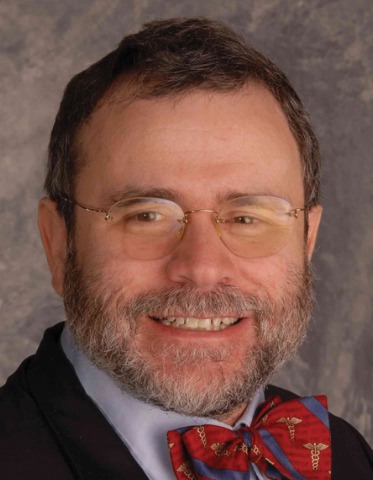
But the payments don't necessarily make up for the added work, said Dr. Siegel, clinical professor of medicine at State University of New York (SUNY) Downstate in Brooklyn, N.Y. For example, the criteria ask physicians to report on items that most dermatologists don't deal with, such as body mass index and vaccinations. Physicians can opt out of items they never perform, but if they occasionally do them, they must report on them often enough to meet the government-established criteria.
For example, if a dermatologist occasionally takes vital signs, they must be reported for more than 50% of all unique patients aged 2 and older, as structured data, to qualify for the incentives. "It really can be a big hassle," he said in an interview.
The decision about whether to participate in the program should be made on a practice-by-practice basis, he said. For those physicians who already have certified EHRs, it probably makes sense to participate, at least this year, for the 90 consecutive days required. For others, it may be less expensive to accept the 1% penalty that begins in 2015 than it is to purchase and implement a system that could slow down work flow in the office. For someone who is retiring in the next 5-7 years, it would be more expensive and more time consuming to participate. "They're not really offering you that much," he said.
The key, Dr. Siegel said, is not to be intimidated. And don't expect that the program will remain the same. This is the first year that physicians can qualify for incentives under the program, but penalties won't go into effect until 2015. By then, there will have been two congressional and one presidential election. "There is a good chance that some of these things could be parceled away," he said.
Dr. Siegel is a consultant with Encite, Logical Images, and Vivacare and is a shareholder in DermFirst. SDEF and this news organization are owned by Elsevier.
Dermatologists should think long and hard about costs and potential benefits before attempting "meaningful use" under the Centers for Medicare and Medicaid Services' electronic health record incentive program, according to Dr. Daniel M. Siegel, president-elect of the American Academy of Dermatology.
The program, launched in January, offers payments to physicians for using health information technology to improve patient care. The federal government recently issued regulations detailing how physicians and hospitals can meet standards for "meaningful use" of the technology. Physicians who meet the criteria are eligible to receive up to $44,000 over 5 years under the Medicare program or $63,750 in 6 years under the Medicaid program, he reported at the Hawaii Dermatology Seminar sponsored by Skin Disease Education Foundation (SDEF).
But the payments don't necessarily make up for the added work, said Dr. Siegel, clinical professor of medicine at State University of New York (SUNY) Downstate in Brooklyn, N.Y. For example, the criteria ask physicians to report on items that most dermatologists don't deal with, such as body mass index and vaccinations. Physicians can opt out of items they never perform, but if they occasionally do them, they must report on them often enough to meet the government-established criteria.
For example, if a dermatologist occasionally takes vital signs, they must be reported for more than 50% of all unique patients aged 2 and older, as structured data, to qualify for the incentives. "It really can be a big hassle," he said in an interview.
The decision about whether to participate in the program should be made on a practice-by-practice basis, he said. For those physicians who already have certified EHRs, it probably makes sense to participate, at least this year, for the 90 consecutive days required. For others, it may be less expensive to accept the 1% penalty that begins in 2015 than it is to purchase and implement a system that could slow down work flow in the office. For someone who is retiring in the next 5-7 years, it would be more expensive and more time consuming to participate. "They're not really offering you that much," he said.
The key, Dr. Siegel said, is not to be intimidated. And don't expect that the program will remain the same. This is the first year that physicians can qualify for incentives under the program, but penalties won't go into effect until 2015. By then, there will have been two congressional and one presidential election. "There is a good chance that some of these things could be parceled away," he said.
Dr. Siegel is a consultant with Encite, Logical Images, and Vivacare and is a shareholder in DermFirst. SDEF and this news organization are owned by Elsevier.
Dermatologists should think long and hard about costs and potential benefits before attempting "meaningful use" under the Centers for Medicare and Medicaid Services' electronic health record incentive program, according to Dr. Daniel M. Siegel, president-elect of the American Academy of Dermatology.
The program, launched in January, offers payments to physicians for using health information technology to improve patient care. The federal government recently issued regulations detailing how physicians and hospitals can meet standards for "meaningful use" of the technology. Physicians who meet the criteria are eligible to receive up to $44,000 over 5 years under the Medicare program or $63,750 in 6 years under the Medicaid program, he reported at the Hawaii Dermatology Seminar sponsored by Skin Disease Education Foundation (SDEF).
But the payments don't necessarily make up for the added work, said Dr. Siegel, clinical professor of medicine at State University of New York (SUNY) Downstate in Brooklyn, N.Y. For example, the criteria ask physicians to report on items that most dermatologists don't deal with, such as body mass index and vaccinations. Physicians can opt out of items they never perform, but if they occasionally do them, they must report on them often enough to meet the government-established criteria.
For example, if a dermatologist occasionally takes vital signs, they must be reported for more than 50% of all unique patients aged 2 and older, as structured data, to qualify for the incentives. "It really can be a big hassle," he said in an interview.
The decision about whether to participate in the program should be made on a practice-by-practice basis, he said. For those physicians who already have certified EHRs, it probably makes sense to participate, at least this year, for the 90 consecutive days required. For others, it may be less expensive to accept the 1% penalty that begins in 2015 than it is to purchase and implement a system that could slow down work flow in the office. For someone who is retiring in the next 5-7 years, it would be more expensive and more time consuming to participate. "They're not really offering you that much," he said.
The key, Dr. Siegel said, is not to be intimidated. And don't expect that the program will remain the same. This is the first year that physicians can qualify for incentives under the program, but penalties won't go into effect until 2015. By then, there will have been two congressional and one presidential election. "There is a good chance that some of these things could be parceled away," he said.
Dr. Siegel is a consultant with Encite, Logical Images, and Vivacare and is a shareholder in DermFirst. SDEF and this news organization are owned by Elsevier.
EXPERT ANALYSIS FROM SDEF HAWAII DERMATOLOGY SEMINAR
AAFP, Other Groups Offer Guidance on Medical Home Recognition
Guidance from a coalition of primary care organizations aims to bring cohesion to the multitude of recognition programs that are springing up to accredit patient-centered medical homes.
The American Academy of Family Physicians, the American Academy of Pediatrics, the American College of Physicians, and the American Osteopathic Association released the guidelines, which outline the 13 elements that they consider "essential" to an effective medical home recognition program. For example, the guidelines state that all recognition programs should incorporate the 2007 joint principles for a patient-centered medical home issued by the coalition.

Recognition programs also should address the complete scope of primary care services, align standards with the new federal meaningful-use requirements for electronic health records, and acknowledge care coordination in a "medical neighborhood," the guidelines state.
The groups also called on recognition programs to be transparent in their structure and scoring, to apply reasonable documentation and data collection requirements, and to conduct evaluations of the program’s effectiveness.
"If we are to know the value of a patient-centered medical home’s accreditation, we need to be assured the accrediting program itself has met appropriate standards," Dr. Roland Goertz, AAFP president, said in a statement.
"The consideration of these joint guidelines for [patient-centered medical home] recognition programs will help ensure that recognized practices truly provide patient-centered care that is effectively integrated and of high quality," Dr. J. Fred Ralston Jr., ACP president, said in the same statement.

The guidelines will help to provide consistency among the various accreditation and recognition programs, according to the coalition. That’s important, they noted, because physicians may need to comply with more than one recognition program. Standardization of programs also will help researchers who are studying the impact of the medical home.
The National Committee for Quality Assurance, the Accreditation Association for Ambulatory Health Care, and URAC (formerly the Utilization Review Accreditation Commission) already have recognition or accreditation programs related to the medical home. The Joint Commission is slated to launch its own program later this year. In addition, some private and public payers may develop their own recognition programs.
The interest of these large, established organizations in the medical home is encouraging, according to AAP President O. Marion Burton, because it shows that the concept is one that is here to stay. "It does, to some extent, give us some reassurance and validation," he said in an interview.
The National Committee for Quality Assurance, the Accreditation Association for Ambulatory Health Care, URAC, O. Marion Burton,
Guidance from a coalition of primary care organizations aims to bring cohesion to the multitude of recognition programs that are springing up to accredit patient-centered medical homes.
The American Academy of Family Physicians, the American Academy of Pediatrics, the American College of Physicians, and the American Osteopathic Association released the guidelines, which outline the 13 elements that they consider "essential" to an effective medical home recognition program. For example, the guidelines state that all recognition programs should incorporate the 2007 joint principles for a patient-centered medical home issued by the coalition.
Recognition programs also should address the complete scope of primary care services, align standards with the new federal meaningful-use requirements for electronic health records, and acknowledge care coordination in a "medical neighborhood," the guidelines state.
The groups also called on recognition programs to be transparent in their structure and scoring, to apply reasonable documentation and data collection requirements, and to conduct evaluations of the program’s effectiveness.
"If we are to know the value of a patient-centered medical home’s accreditation, we need to be assured the accrediting program itself has met appropriate standards," Dr. Roland Goertz, AAFP president, said in a statement.
"The consideration of these joint guidelines for [patient-centered medical home] recognition programs will help ensure that recognized practices truly provide patient-centered care that is effectively integrated and of high quality," Dr. J. Fred Ralston Jr., ACP president, said in the same statement.
The guidelines will help to provide consistency among the various accreditation and recognition programs, according to the coalition. That’s important, they noted, because physicians may need to comply with more than one recognition program. Standardization of programs also will help researchers who are studying the impact of the medical home.
The National Committee for Quality Assurance, the Accreditation Association for Ambulatory Health Care, and URAC (formerly the Utilization Review Accreditation Commission) already have recognition or accreditation programs related to the medical home. The Joint Commission is slated to launch its own program later this year. In addition, some private and public payers may develop their own recognition programs.
The interest of these large, established organizations in the medical home is encouraging, according to AAP President O. Marion Burton, because it shows that the concept is one that is here to stay. "It does, to some extent, give us some reassurance and validation," he said in an interview.
Guidance from a coalition of primary care organizations aims to bring cohesion to the multitude of recognition programs that are springing up to accredit patient-centered medical homes.
The American Academy of Family Physicians, the American Academy of Pediatrics, the American College of Physicians, and the American Osteopathic Association released the guidelines, which outline the 13 elements that they consider "essential" to an effective medical home recognition program. For example, the guidelines state that all recognition programs should incorporate the 2007 joint principles for a patient-centered medical home issued by the coalition.
Recognition programs also should address the complete scope of primary care services, align standards with the new federal meaningful-use requirements for electronic health records, and acknowledge care coordination in a "medical neighborhood," the guidelines state.
The groups also called on recognition programs to be transparent in their structure and scoring, to apply reasonable documentation and data collection requirements, and to conduct evaluations of the program’s effectiveness.
"If we are to know the value of a patient-centered medical home’s accreditation, we need to be assured the accrediting program itself has met appropriate standards," Dr. Roland Goertz, AAFP president, said in a statement.
"The consideration of these joint guidelines for [patient-centered medical home] recognition programs will help ensure that recognized practices truly provide patient-centered care that is effectively integrated and of high quality," Dr. J. Fred Ralston Jr., ACP president, said in the same statement.
The guidelines will help to provide consistency among the various accreditation and recognition programs, according to the coalition. That’s important, they noted, because physicians may need to comply with more than one recognition program. Standardization of programs also will help researchers who are studying the impact of the medical home.
The National Committee for Quality Assurance, the Accreditation Association for Ambulatory Health Care, and URAC (formerly the Utilization Review Accreditation Commission) already have recognition or accreditation programs related to the medical home. The Joint Commission is slated to launch its own program later this year. In addition, some private and public payers may develop their own recognition programs.
The interest of these large, established organizations in the medical home is encouraging, according to AAP President O. Marion Burton, because it shows that the concept is one that is here to stay. "It does, to some extent, give us some reassurance and validation," he said in an interview.
The National Committee for Quality Assurance, the Accreditation Association for Ambulatory Health Care, URAC, O. Marion Burton,
The National Committee for Quality Assurance, the Accreditation Association for Ambulatory Health Care, URAC, O. Marion Burton,
Groups Offer Guidance on Medical Home Recognition
Guidance from a coalition of primary care organizations aims to bring cohesion to the multitude of recognition programs that are springing up to accredit patient-centered medical homes.
The American Academy of Family Physicians, the American Academy of Pediatrics, the American College of Physicians, and the American Osteopathic Association released the guidelines, which outline the 13 elements that they consider "essential" to an effective medical home recognition program. For example, the guidelines state that all recognition programs should incorporate the 2007 joint principles for a patient-centered medical home issued by the coalition.
Recognition programs also should address the complete scope of primary care services, align standards with the new federal meaningful-use requirements for electronic health records, and acknowledge care coordination in a "medical neighborhood," the guidelines state.
The groups also called on recognition programs to be transparent in their structure and scoring, to apply reasonable documentation and data collection requirements, and to conduct evaluations of the program’s effectiveness.
"If we are to know the value of a patient-centered medical home’s accreditation, we need to be assured the accrediting program itself has met appropriate standards," Dr. Roland Goertz, AAFP president, said in a statement.
"The consideration of these joint guidelines for [patient-centered medical home] recognition programs will help ensure that recognized practices truly provide patient-centered care that is effectively integrated and of high quality," Dr. J. Fred Ralston Jr., ACP president, said in the same statement.
The guidelines will help to provide consistency among the various accreditation and recognition programs, according to the coalition. That’s important, they noted, because physicians may need to comply with more than one recognition program. Standardization of programs also will help researchers who are studying the impact of the medical home.
The National Committee for Quality Assurance, the Accreditation Association for Ambulatory Health Care, and URAC (formerly the Utilization Review Accreditation Commission) already have recognition or accreditation programs related to the medical home. The Joint Commission is slated to launch its own program later this year. In addition, some private and public payers may develop their own recognition programs.
The interest of these large, established organizations in the medical home is encouraging, according to AAP President O. Marion Burton, because it shows that the concept is one that is here to stay. "It does, to some extent, give us some reassurance and validation," he said in an interview.
The National Committee for Quality Assurance, the Accreditation Association for Ambulatory Health Care, URAC, O. Marion Burton,
Guidance from a coalition of primary care organizations aims to bring cohesion to the multitude of recognition programs that are springing up to accredit patient-centered medical homes.
The American Academy of Family Physicians, the American Academy of Pediatrics, the American College of Physicians, and the American Osteopathic Association released the guidelines, which outline the 13 elements that they consider "essential" to an effective medical home recognition program. For example, the guidelines state that all recognition programs should incorporate the 2007 joint principles for a patient-centered medical home issued by the coalition.
Recognition programs also should address the complete scope of primary care services, align standards with the new federal meaningful-use requirements for electronic health records, and acknowledge care coordination in a "medical neighborhood," the guidelines state.
The groups also called on recognition programs to be transparent in their structure and scoring, to apply reasonable documentation and data collection requirements, and to conduct evaluations of the program’s effectiveness.
"If we are to know the value of a patient-centered medical home’s accreditation, we need to be assured the accrediting program itself has met appropriate standards," Dr. Roland Goertz, AAFP president, said in a statement.
"The consideration of these joint guidelines for [patient-centered medical home] recognition programs will help ensure that recognized practices truly provide patient-centered care that is effectively integrated and of high quality," Dr. J. Fred Ralston Jr., ACP president, said in the same statement.
The guidelines will help to provide consistency among the various accreditation and recognition programs, according to the coalition. That’s important, they noted, because physicians may need to comply with more than one recognition program. Standardization of programs also will help researchers who are studying the impact of the medical home.
The National Committee for Quality Assurance, the Accreditation Association for Ambulatory Health Care, and URAC (formerly the Utilization Review Accreditation Commission) already have recognition or accreditation programs related to the medical home. The Joint Commission is slated to launch its own program later this year. In addition, some private and public payers may develop their own recognition programs.
The interest of these large, established organizations in the medical home is encouraging, according to AAP President O. Marion Burton, because it shows that the concept is one that is here to stay. "It does, to some extent, give us some reassurance and validation," he said in an interview.
Guidance from a coalition of primary care organizations aims to bring cohesion to the multitude of recognition programs that are springing up to accredit patient-centered medical homes.
The American Academy of Family Physicians, the American Academy of Pediatrics, the American College of Physicians, and the American Osteopathic Association released the guidelines, which outline the 13 elements that they consider "essential" to an effective medical home recognition program. For example, the guidelines state that all recognition programs should incorporate the 2007 joint principles for a patient-centered medical home issued by the coalition.
Recognition programs also should address the complete scope of primary care services, align standards with the new federal meaningful-use requirements for electronic health records, and acknowledge care coordination in a "medical neighborhood," the guidelines state.
The groups also called on recognition programs to be transparent in their structure and scoring, to apply reasonable documentation and data collection requirements, and to conduct evaluations of the program’s effectiveness.
"If we are to know the value of a patient-centered medical home’s accreditation, we need to be assured the accrediting program itself has met appropriate standards," Dr. Roland Goertz, AAFP president, said in a statement.
"The consideration of these joint guidelines for [patient-centered medical home] recognition programs will help ensure that recognized practices truly provide patient-centered care that is effectively integrated and of high quality," Dr. J. Fred Ralston Jr., ACP president, said in the same statement.
The guidelines will help to provide consistency among the various accreditation and recognition programs, according to the coalition. That’s important, they noted, because physicians may need to comply with more than one recognition program. Standardization of programs also will help researchers who are studying the impact of the medical home.
The National Committee for Quality Assurance, the Accreditation Association for Ambulatory Health Care, and URAC (formerly the Utilization Review Accreditation Commission) already have recognition or accreditation programs related to the medical home. The Joint Commission is slated to launch its own program later this year. In addition, some private and public payers may develop their own recognition programs.
The interest of these large, established organizations in the medical home is encouraging, according to AAP President O. Marion Burton, because it shows that the concept is one that is here to stay. "It does, to some extent, give us some reassurance and validation," he said in an interview.
The National Committee for Quality Assurance, the Accreditation Association for Ambulatory Health Care, URAC, O. Marion Burton,
The National Committee for Quality Assurance, the Accreditation Association for Ambulatory Health Care, URAC, O. Marion Burton,