User login
Ultrasound Has Advantages for Rheumatologists
NEW YORK – Using ultrasound to guide the diagnosis and treatment of rheumatologic conditions has been the standard of care in Europe for several years, and now the practice is becoming more common in the United States, according to Dr. Jonathan Samuels.
In 2008, Dr. Samuels and his colleagues at New York University surveyed members of the American College of Rheumatology and rheumatology fellow trainees across the country. They found that although about 20% said they were currently using ultrasound, more than 75% said it should be a standard clinical tool in the specialty (Bull. NYU Hosp. Jt. Dis. 2010;68:292-8). This suggests a trend that more rheumatologists are using ultrasound than a decade ago, said Dr. Samuels at a rheumatology meeting sponsored by NYU.
Ultrasound is also being introduced into many U.S. fellowship programs and academic departments for both clinical and research purposes, he said, adding that physicians have an increasing number of opportunities to train in the best ways to use ultrasound for rheumatologic conditions. There are now a number of weekend courses sponsored by universities that rheumatologists can take. And the ACR has launched its own series of courses on using ultrasound. Rheumatologists can also get online education and guidance through the USSONAR (Ultrasound School of North American Rheumatologists). For the last 2 years, this institution has conducted an annual competency exam.
Meanwhile, the issue of certification remains up in the air. The ACR Musculoskeletal Ultrasound Task Force has been working to determine if and how it should certify its members in the use of ultrasound. ACR officials are currently surveying their members on this issue, said Dr. Samuels, a rheumatologist at New York University.
According to another source, the ACR is being forced into undertaking the credentialing of musculoskeletal ultrasound, if only because there is no one else to step up to do it.
Dr. Samuels said that for rheumatologists who use ultrasound in the office, this particular imaging technology offers a number of advantages. The procedure is painless, and there’s no claustrophobia or anxiety associated with it, as there may be with other imaging modalities. There’s also no need for patients to be still for long periods of time and no radiation exposure. Ultrasound is much less expensive than other imaging alternatives.
Ultrasound also allows physicians to perform a dynamic assessment, he said. With ultrasound, physicians can move the probe from side to side and patients can view the assessment as it happens rather than looking at a still image later. Another advantage is that physicians can evaluate multiple joints from multiple views in a single imaging session. In some cases, ultrasound can eliminate the need to perform an MRI, but it can also be supplemental, Dr. Samuels said.
There are a number of potential uses for ultrasound in rheumatology, such as in diagnosing and evaluating treatment for inflammatory arthritis, crystal disease, and osteoarthritis. "If used properly, ultrasound can be an extension of our clinical exam," Dr. Samuels said.
In inflammatory arthritis, ultrasound can help with diagnosis and prognosis by detecting erosions, synovitis, effusions, tenosynovitis, enthesopathy, and productive changes such as nodules and tophi. Rheumatologists can also evaluate treatment response by rescanning after prolonged treatment, he said.
In rheumatoid arthritis, clinicians can easily use ultrasound to look for erosions, Dr. Samuels said, and it is more sensitive than using conventional radiography. A study published in 2000 shows that in 40 patients with early RA, the number of erosions detected was more than sixfold greater with ultrasound than with x-ray (Arthritis. Rheum. 2000;43:2762-70). And a review of available evidence on ultrasound in rheumatoid arthritis found that it is comparable to MRI in terms of both inflammatory and destructive changes in RA finger and toe joints (Scand. J. Rheumatol. 2003;32:63-73).
Ultrasound can help to detect RA earlier by investigating synovitis. The ultrasound allows the physicians to identify synovitis through synovial fluid, synovial hypertrophy, and power Doppler signal, Dr. Samuels said.
Ultrasound can also be used to help with aspiration and injections. For example, rheumatologists can use ultrasound to detect whether they need to aspirate an effusion in patients with knee osteoarthritis. It can also help to guide injections that might otherwise be contraindicated if they were to be done blindly in the office, such as hip injections.
Dr. Samuels reported that he had no financial conflicts of interest.
NEW YORK – Using ultrasound to guide the diagnosis and treatment of rheumatologic conditions has been the standard of care in Europe for several years, and now the practice is becoming more common in the United States, according to Dr. Jonathan Samuels.
In 2008, Dr. Samuels and his colleagues at New York University surveyed members of the American College of Rheumatology and rheumatology fellow trainees across the country. They found that although about 20% said they were currently using ultrasound, more than 75% said it should be a standard clinical tool in the specialty (Bull. NYU Hosp. Jt. Dis. 2010;68:292-8). This suggests a trend that more rheumatologists are using ultrasound than a decade ago, said Dr. Samuels at a rheumatology meeting sponsored by NYU.
Ultrasound is also being introduced into many U.S. fellowship programs and academic departments for both clinical and research purposes, he said, adding that physicians have an increasing number of opportunities to train in the best ways to use ultrasound for rheumatologic conditions. There are now a number of weekend courses sponsored by universities that rheumatologists can take. And the ACR has launched its own series of courses on using ultrasound. Rheumatologists can also get online education and guidance through the USSONAR (Ultrasound School of North American Rheumatologists). For the last 2 years, this institution has conducted an annual competency exam.
Meanwhile, the issue of certification remains up in the air. The ACR Musculoskeletal Ultrasound Task Force has been working to determine if and how it should certify its members in the use of ultrasound. ACR officials are currently surveying their members on this issue, said Dr. Samuels, a rheumatologist at New York University.
According to another source, the ACR is being forced into undertaking the credentialing of musculoskeletal ultrasound, if only because there is no one else to step up to do it.
Dr. Samuels said that for rheumatologists who use ultrasound in the office, this particular imaging technology offers a number of advantages. The procedure is painless, and there’s no claustrophobia or anxiety associated with it, as there may be with other imaging modalities. There’s also no need for patients to be still for long periods of time and no radiation exposure. Ultrasound is much less expensive than other imaging alternatives.
Ultrasound also allows physicians to perform a dynamic assessment, he said. With ultrasound, physicians can move the probe from side to side and patients can view the assessment as it happens rather than looking at a still image later. Another advantage is that physicians can evaluate multiple joints from multiple views in a single imaging session. In some cases, ultrasound can eliminate the need to perform an MRI, but it can also be supplemental, Dr. Samuels said.
There are a number of potential uses for ultrasound in rheumatology, such as in diagnosing and evaluating treatment for inflammatory arthritis, crystal disease, and osteoarthritis. "If used properly, ultrasound can be an extension of our clinical exam," Dr. Samuels said.
In inflammatory arthritis, ultrasound can help with diagnosis and prognosis by detecting erosions, synovitis, effusions, tenosynovitis, enthesopathy, and productive changes such as nodules and tophi. Rheumatologists can also evaluate treatment response by rescanning after prolonged treatment, he said.
In rheumatoid arthritis, clinicians can easily use ultrasound to look for erosions, Dr. Samuels said, and it is more sensitive than using conventional radiography. A study published in 2000 shows that in 40 patients with early RA, the number of erosions detected was more than sixfold greater with ultrasound than with x-ray (Arthritis. Rheum. 2000;43:2762-70). And a review of available evidence on ultrasound in rheumatoid arthritis found that it is comparable to MRI in terms of both inflammatory and destructive changes in RA finger and toe joints (Scand. J. Rheumatol. 2003;32:63-73).
Ultrasound can help to detect RA earlier by investigating synovitis. The ultrasound allows the physicians to identify synovitis through synovial fluid, synovial hypertrophy, and power Doppler signal, Dr. Samuels said.
Ultrasound can also be used to help with aspiration and injections. For example, rheumatologists can use ultrasound to detect whether they need to aspirate an effusion in patients with knee osteoarthritis. It can also help to guide injections that might otherwise be contraindicated if they were to be done blindly in the office, such as hip injections.
Dr. Samuels reported that he had no financial conflicts of interest.
NEW YORK – Using ultrasound to guide the diagnosis and treatment of rheumatologic conditions has been the standard of care in Europe for several years, and now the practice is becoming more common in the United States, according to Dr. Jonathan Samuels.
In 2008, Dr. Samuels and his colleagues at New York University surveyed members of the American College of Rheumatology and rheumatology fellow trainees across the country. They found that although about 20% said they were currently using ultrasound, more than 75% said it should be a standard clinical tool in the specialty (Bull. NYU Hosp. Jt. Dis. 2010;68:292-8). This suggests a trend that more rheumatologists are using ultrasound than a decade ago, said Dr. Samuels at a rheumatology meeting sponsored by NYU.
Ultrasound is also being introduced into many U.S. fellowship programs and academic departments for both clinical and research purposes, he said, adding that physicians have an increasing number of opportunities to train in the best ways to use ultrasound for rheumatologic conditions. There are now a number of weekend courses sponsored by universities that rheumatologists can take. And the ACR has launched its own series of courses on using ultrasound. Rheumatologists can also get online education and guidance through the USSONAR (Ultrasound School of North American Rheumatologists). For the last 2 years, this institution has conducted an annual competency exam.
Meanwhile, the issue of certification remains up in the air. The ACR Musculoskeletal Ultrasound Task Force has been working to determine if and how it should certify its members in the use of ultrasound. ACR officials are currently surveying their members on this issue, said Dr. Samuels, a rheumatologist at New York University.
According to another source, the ACR is being forced into undertaking the credentialing of musculoskeletal ultrasound, if only because there is no one else to step up to do it.
Dr. Samuels said that for rheumatologists who use ultrasound in the office, this particular imaging technology offers a number of advantages. The procedure is painless, and there’s no claustrophobia or anxiety associated with it, as there may be with other imaging modalities. There’s also no need for patients to be still for long periods of time and no radiation exposure. Ultrasound is much less expensive than other imaging alternatives.
Ultrasound also allows physicians to perform a dynamic assessment, he said. With ultrasound, physicians can move the probe from side to side and patients can view the assessment as it happens rather than looking at a still image later. Another advantage is that physicians can evaluate multiple joints from multiple views in a single imaging session. In some cases, ultrasound can eliminate the need to perform an MRI, but it can also be supplemental, Dr. Samuels said.
There are a number of potential uses for ultrasound in rheumatology, such as in diagnosing and evaluating treatment for inflammatory arthritis, crystal disease, and osteoarthritis. "If used properly, ultrasound can be an extension of our clinical exam," Dr. Samuels said.
In inflammatory arthritis, ultrasound can help with diagnosis and prognosis by detecting erosions, synovitis, effusions, tenosynovitis, enthesopathy, and productive changes such as nodules and tophi. Rheumatologists can also evaluate treatment response by rescanning after prolonged treatment, he said.
In rheumatoid arthritis, clinicians can easily use ultrasound to look for erosions, Dr. Samuels said, and it is more sensitive than using conventional radiography. A study published in 2000 shows that in 40 patients with early RA, the number of erosions detected was more than sixfold greater with ultrasound than with x-ray (Arthritis. Rheum. 2000;43:2762-70). And a review of available evidence on ultrasound in rheumatoid arthritis found that it is comparable to MRI in terms of both inflammatory and destructive changes in RA finger and toe joints (Scand. J. Rheumatol. 2003;32:63-73).
Ultrasound can help to detect RA earlier by investigating synovitis. The ultrasound allows the physicians to identify synovitis through synovial fluid, synovial hypertrophy, and power Doppler signal, Dr. Samuels said.
Ultrasound can also be used to help with aspiration and injections. For example, rheumatologists can use ultrasound to detect whether they need to aspirate an effusion in patients with knee osteoarthritis. It can also help to guide injections that might otherwise be contraindicated if they were to be done blindly in the office, such as hip injections.
Dr. Samuels reported that he had no financial conflicts of interest.
Ultrasound Has Advantages for Rheumatologists
NEW YORK – Using ultrasound to guide the diagnosis and treatment of rheumatologic conditions has been the standard of care in Europe for several years, and now the practice is becoming more common in the United States, according to Dr. Jonathan Samuels.
In 2008, Dr. Samuels and his colleagues at New York University surveyed members of the American College of Rheumatology and rheumatology fellow trainees across the country. They found that although about 20% said they were currently using ultrasound, more than 75% said it should be a standard clinical tool in the specialty (Bull. NYU Hosp. Jt. Dis. 2010;68:292-8). This suggests a trend that more rheumatologists are using ultrasound than a decade ago, said Dr. Samuels at a rheumatology meeting sponsored by NYU.
Ultrasound is also being introduced into many U.S. fellowship programs and academic departments for both clinical and research purposes, he said, adding that physicians have an increasing number of opportunities to train in the best ways to use ultrasound for rheumatologic conditions. There are now a number of weekend courses sponsored by universities that rheumatologists can take. And the ACR has launched its own series of courses on using ultrasound. Rheumatologists can also get online education and guidance through the USSONAR (Ultrasound School of North American Rheumatologists). For the last 2 years, this institution has conducted an annual competency exam.
Meanwhile, the issue of certification remains up in the air. The ACR Musculoskeletal Ultrasound Task Force has been working to determine if and how it should certify its members in the use of ultrasound. ACR officials are currently surveying their members on this issue, said Dr. Samuels, a rheumatologist at New York University.
According to another source, the ACR is being forced into undertaking the credentialing of musculoskeletal ultrasound, if only because there is no one else to step up to do it.
Dr. Samuels said that for rheumatologists who use ultrasound in the office, this particular imaging technology offers a number of advantages. The procedure is painless, and there’s no claustrophobia or anxiety associated with it, as there may be with other imaging modalities. There’s also no need for patients to be still for long periods of time and no radiation exposure. Ultrasound is much less expensive than other imaging alternatives.
Ultrasound also allows physicians to perform a dynamic assessment, he said. With ultrasound, physicians can move the probe from side to side and patients can view the assessment as it happens rather than looking at a still image later. Another advantage is that physicians can evaluate multiple joints from multiple views in a single imaging session. In some cases, ultrasound can eliminate the need to perform an MRI, but it can also be supplemental, Dr. Samuels said.
There are a number of potential uses for ultrasound in rheumatology, such as in diagnosing and evaluating treatment for inflammatory arthritis, crystal disease, and osteoarthritis. "If used properly, ultrasound can be an extension of our clinical exam," Dr. Samuels said.
In inflammatory arthritis, ultrasound can help with diagnosis and prognosis by detecting erosions, synovitis, effusions, tenosynovitis, enthesopathy, and productive changes such as nodules and tophi. Rheumatologists can also evaluate treatment response by rescanning after prolonged treatment, he said.
In rheumatoid arthritis, clinicians can easily use ultrasound to look for erosions, Dr. Samuels said, and it is more sensitive than using conventional radiography. A study published in 2000 shows that in 40 patients with early RA, the number of erosions detected was more than sixfold greater with ultrasound than with x-ray (Arthritis. Rheum. 2000;43:2762-70). And a review of available evidence on ultrasound in rheumatoid arthritis found that it is comparable to MRI in terms of both inflammatory and destructive changes in RA finger and toe joints (Scand. J. Rheumatol. 2003;32:63-73).
Ultrasound can help to detect RA earlier by investigating synovitis. The ultrasound allows the physicians to identify synovitis through synovial fluid, synovial hypertrophy, and power Doppler signal, Dr. Samuels said.
Ultrasound can also be used to help with aspiration and injections. For example, rheumatologists can use ultrasound to detect whether they need to aspirate an effusion in patients with knee osteoarthritis. It can also help to guide injections that might otherwise be contraindicated if they were to be done blindly in the office, such as hip injections.
Dr. Samuels reported that he had no financial conflicts of interest.
NEW YORK – Using ultrasound to guide the diagnosis and treatment of rheumatologic conditions has been the standard of care in Europe for several years, and now the practice is becoming more common in the United States, according to Dr. Jonathan Samuels.
In 2008, Dr. Samuels and his colleagues at New York University surveyed members of the American College of Rheumatology and rheumatology fellow trainees across the country. They found that although about 20% said they were currently using ultrasound, more than 75% said it should be a standard clinical tool in the specialty (Bull. NYU Hosp. Jt. Dis. 2010;68:292-8). This suggests a trend that more rheumatologists are using ultrasound than a decade ago, said Dr. Samuels at a rheumatology meeting sponsored by NYU.
Ultrasound is also being introduced into many U.S. fellowship programs and academic departments for both clinical and research purposes, he said, adding that physicians have an increasing number of opportunities to train in the best ways to use ultrasound for rheumatologic conditions. There are now a number of weekend courses sponsored by universities that rheumatologists can take. And the ACR has launched its own series of courses on using ultrasound. Rheumatologists can also get online education and guidance through the USSONAR (Ultrasound School of North American Rheumatologists). For the last 2 years, this institution has conducted an annual competency exam.
Meanwhile, the issue of certification remains up in the air. The ACR Musculoskeletal Ultrasound Task Force has been working to determine if and how it should certify its members in the use of ultrasound. ACR officials are currently surveying their members on this issue, said Dr. Samuels, a rheumatologist at New York University.
According to another source, the ACR is being forced into undertaking the credentialing of musculoskeletal ultrasound, if only because there is no one else to step up to do it.
Dr. Samuels said that for rheumatologists who use ultrasound in the office, this particular imaging technology offers a number of advantages. The procedure is painless, and there’s no claustrophobia or anxiety associated with it, as there may be with other imaging modalities. There’s also no need for patients to be still for long periods of time and no radiation exposure. Ultrasound is much less expensive than other imaging alternatives.
Ultrasound also allows physicians to perform a dynamic assessment, he said. With ultrasound, physicians can move the probe from side to side and patients can view the assessment as it happens rather than looking at a still image later. Another advantage is that physicians can evaluate multiple joints from multiple views in a single imaging session. In some cases, ultrasound can eliminate the need to perform an MRI, but it can also be supplemental, Dr. Samuels said.
There are a number of potential uses for ultrasound in rheumatology, such as in diagnosing and evaluating treatment for inflammatory arthritis, crystal disease, and osteoarthritis. "If used properly, ultrasound can be an extension of our clinical exam," Dr. Samuels said.
In inflammatory arthritis, ultrasound can help with diagnosis and prognosis by detecting erosions, synovitis, effusions, tenosynovitis, enthesopathy, and productive changes such as nodules and tophi. Rheumatologists can also evaluate treatment response by rescanning after prolonged treatment, he said.
In rheumatoid arthritis, clinicians can easily use ultrasound to look for erosions, Dr. Samuels said, and it is more sensitive than using conventional radiography. A study published in 2000 shows that in 40 patients with early RA, the number of erosions detected was more than sixfold greater with ultrasound than with x-ray (Arthritis. Rheum. 2000;43:2762-70). And a review of available evidence on ultrasound in rheumatoid arthritis found that it is comparable to MRI in terms of both inflammatory and destructive changes in RA finger and toe joints (Scand. J. Rheumatol. 2003;32:63-73).
Ultrasound can help to detect RA earlier by investigating synovitis. The ultrasound allows the physicians to identify synovitis through synovial fluid, synovial hypertrophy, and power Doppler signal, Dr. Samuels said.
Ultrasound can also be used to help with aspiration and injections. For example, rheumatologists can use ultrasound to detect whether they need to aspirate an effusion in patients with knee osteoarthritis. It can also help to guide injections that might otherwise be contraindicated if they were to be done blindly in the office, such as hip injections.
Dr. Samuels reported that he had no financial conflicts of interest.
NEW YORK – Using ultrasound to guide the diagnosis and treatment of rheumatologic conditions has been the standard of care in Europe for several years, and now the practice is becoming more common in the United States, according to Dr. Jonathan Samuels.
In 2008, Dr. Samuels and his colleagues at New York University surveyed members of the American College of Rheumatology and rheumatology fellow trainees across the country. They found that although about 20% said they were currently using ultrasound, more than 75% said it should be a standard clinical tool in the specialty (Bull. NYU Hosp. Jt. Dis. 2010;68:292-8). This suggests a trend that more rheumatologists are using ultrasound than a decade ago, said Dr. Samuels at a rheumatology meeting sponsored by NYU.
Ultrasound is also being introduced into many U.S. fellowship programs and academic departments for both clinical and research purposes, he said, adding that physicians have an increasing number of opportunities to train in the best ways to use ultrasound for rheumatologic conditions. There are now a number of weekend courses sponsored by universities that rheumatologists can take. And the ACR has launched its own series of courses on using ultrasound. Rheumatologists can also get online education and guidance through the USSONAR (Ultrasound School of North American Rheumatologists). For the last 2 years, this institution has conducted an annual competency exam.
Meanwhile, the issue of certification remains up in the air. The ACR Musculoskeletal Ultrasound Task Force has been working to determine if and how it should certify its members in the use of ultrasound. ACR officials are currently surveying their members on this issue, said Dr. Samuels, a rheumatologist at New York University.
According to another source, the ACR is being forced into undertaking the credentialing of musculoskeletal ultrasound, if only because there is no one else to step up to do it.
Dr. Samuels said that for rheumatologists who use ultrasound in the office, this particular imaging technology offers a number of advantages. The procedure is painless, and there’s no claustrophobia or anxiety associated with it, as there may be with other imaging modalities. There’s also no need for patients to be still for long periods of time and no radiation exposure. Ultrasound is much less expensive than other imaging alternatives.
Ultrasound also allows physicians to perform a dynamic assessment, he said. With ultrasound, physicians can move the probe from side to side and patients can view the assessment as it happens rather than looking at a still image later. Another advantage is that physicians can evaluate multiple joints from multiple views in a single imaging session. In some cases, ultrasound can eliminate the need to perform an MRI, but it can also be supplemental, Dr. Samuels said.
There are a number of potential uses for ultrasound in rheumatology, such as in diagnosing and evaluating treatment for inflammatory arthritis, crystal disease, and osteoarthritis. "If used properly, ultrasound can be an extension of our clinical exam," Dr. Samuels said.
In inflammatory arthritis, ultrasound can help with diagnosis and prognosis by detecting erosions, synovitis, effusions, tenosynovitis, enthesopathy, and productive changes such as nodules and tophi. Rheumatologists can also evaluate treatment response by rescanning after prolonged treatment, he said.
In rheumatoid arthritis, clinicians can easily use ultrasound to look for erosions, Dr. Samuels said, and it is more sensitive than using conventional radiography. A study published in 2000 shows that in 40 patients with early RA, the number of erosions detected was more than sixfold greater with ultrasound than with x-ray (Arthritis. Rheum. 2000;43:2762-70). And a review of available evidence on ultrasound in rheumatoid arthritis found that it is comparable to MRI in terms of both inflammatory and destructive changes in RA finger and toe joints (Scand. J. Rheumatol. 2003;32:63-73).
Ultrasound can help to detect RA earlier by investigating synovitis. The ultrasound allows the physicians to identify synovitis through synovial fluid, synovial hypertrophy, and power Doppler signal, Dr. Samuels said.
Ultrasound can also be used to help with aspiration and injections. For example, rheumatologists can use ultrasound to detect whether they need to aspirate an effusion in patients with knee osteoarthritis. It can also help to guide injections that might otherwise be contraindicated if they were to be done blindly in the office, such as hip injections.
Dr. Samuels reported that he had no financial conflicts of interest.
Project BOOST Models Ways to Improve Care Transitions
With the Affordable Care Act’s focus on reducing hospital readmissions, the Society of Hospital Medicine’s Project BOOST is gaining attention from hospitals and payers as a possible model for improving hospital care and the discharge process.
Project BOOST (Better Outcomes for Older Adults Through Safe Transitions), launched by the Society of Hospital Medicine in December 2008, aims to reduce unnecessary readmissions and improve overall quality of care by better identifying patients who are the most at risk for returning to the hospital. The program uses a tool kit and mentors to guide hospital staff as they identify patients most in need of extra care as they prepare to leave the hospital. For example, the interventions include calling high-risk patients within 72 hours after hospital discharge to see if they have questions about their medications.
"These follow-up calls can identify and catch a lot of things that are happening or not happening," said Dr. Janet Nagamine, a hospitalist at Kaiser Permanente Hospital in Santa Clara, Calif., and a coinvestigator with Project BOOST. She chairs the California BOOST Collaborative.
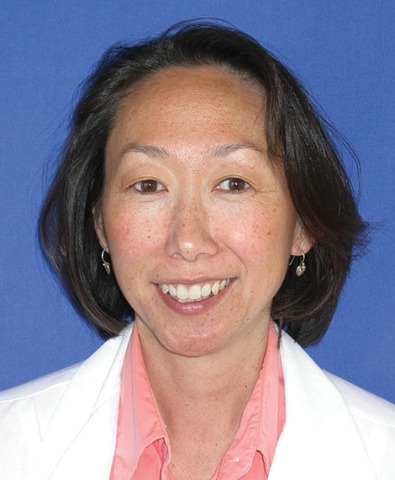
Dr. Nagamine said the Project BOOST team has learned a lot since starting in 2008 and has begun to work with large payers to try to get those lessons applied in more places. They have already shared their results and lessons learned with officials from the Centers for Medicare and Medicaid Services. Medicare officials are currently working on implementing provisions of the Affordable Care Act that call for decreasing Medicare payments to hospitals with higher-than-expected readmission rates for certain conditions starting in 2013.
So far about 80 sites have enrolled in Project BOOST and pay a fee to work with a mentor for a year to implement the program’s interventions. In addition, more than 1,600 sites have downloaded the tool kit for free. And the overall results look promising. Preliminary data from some of the first sites to implement Project BOOST show that they were able to reduce their 30-day readmission rates from 14.2% before implementation to 11.2% after implementation, a 21% reduction in 30-day all-cause readmission rates.
One of the biggest challenges in successfully implementing Project BOOST is finding the time to devote to it, Dr. Nagamine said. "Nobody in the hospital these days is looking for more to do and people are quite resistant to change," she said.
The hospitals that have the greatest success in implementing the program are the ones where the senior leadership makes it a priority and gives the frontline staff the time and resources to do it, in part by freeing them of some of their other responsibilities. "The sites that keep adding more work on top of your already full plate don’t tend to do as well," Dr. Nagamine said.
The mentors who work with the BOOST sites also try to keep hospital staff from getting off track if part of the project hits a snag, Dr. Nagamine said. For instance, some hospitals might try to incorporate the BOOST tool into a new electronic health record system. If that system is going live for the first time it can slow down the BOOST initiative. In situations like that, the mentors have been working with the hospital staff to figure out what other parts of the project they can work on to make sure they continue to make progress, she said.
For hospitals that haven’t enrolled in Project BOOST but are looking to implement the tools on their own, Dr. Nagamine advised them to take it slowly. The first thing to do is to get buy-in from senior leadership at the hospital, she said. Sometimes frontline staff and case managers will see the tool and try to jump right into implementation, she said, but there’s a lot of prework that goes into making this successful. "That’s something that people sometimes forget." She suggested that clinicians instead take a look at the baseline data on readmissions and come up with a plan for what they want to do and what level of resources they will need. Then they can take that plan to the hospital leadership, she said.
Project BOOST was developed with support from The John A. Hartford Foundation. The Blue Cross Blue Shield Association of Michigan and the California Health Care Foundation have also provided funding for the program.
With the Affordable Care Act’s focus on reducing hospital readmissions, the Society of Hospital Medicine’s Project BOOST is gaining attention from hospitals and payers as a possible model for improving hospital care and the discharge process.
Project BOOST (Better Outcomes for Older Adults Through Safe Transitions), launched by the Society of Hospital Medicine in December 2008, aims to reduce unnecessary readmissions and improve overall quality of care by better identifying patients who are the most at risk for returning to the hospital. The program uses a tool kit and mentors to guide hospital staff as they identify patients most in need of extra care as they prepare to leave the hospital. For example, the interventions include calling high-risk patients within 72 hours after hospital discharge to see if they have questions about their medications.
"These follow-up calls can identify and catch a lot of things that are happening or not happening," said Dr. Janet Nagamine, a hospitalist at Kaiser Permanente Hospital in Santa Clara, Calif., and a coinvestigator with Project BOOST. She chairs the California BOOST Collaborative.
Dr. Nagamine said the Project BOOST team has learned a lot since starting in 2008 and has begun to work with large payers to try to get those lessons applied in more places. They have already shared their results and lessons learned with officials from the Centers for Medicare and Medicaid Services. Medicare officials are currently working on implementing provisions of the Affordable Care Act that call for decreasing Medicare payments to hospitals with higher-than-expected readmission rates for certain conditions starting in 2013.
So far about 80 sites have enrolled in Project BOOST and pay a fee to work with a mentor for a year to implement the program’s interventions. In addition, more than 1,600 sites have downloaded the tool kit for free. And the overall results look promising. Preliminary data from some of the first sites to implement Project BOOST show that they were able to reduce their 30-day readmission rates from 14.2% before implementation to 11.2% after implementation, a 21% reduction in 30-day all-cause readmission rates.
One of the biggest challenges in successfully implementing Project BOOST is finding the time to devote to it, Dr. Nagamine said. "Nobody in the hospital these days is looking for more to do and people are quite resistant to change," she said.
The hospitals that have the greatest success in implementing the program are the ones where the senior leadership makes it a priority and gives the frontline staff the time and resources to do it, in part by freeing them of some of their other responsibilities. "The sites that keep adding more work on top of your already full plate don’t tend to do as well," Dr. Nagamine said.
The mentors who work with the BOOST sites also try to keep hospital staff from getting off track if part of the project hits a snag, Dr. Nagamine said. For instance, some hospitals might try to incorporate the BOOST tool into a new electronic health record system. If that system is going live for the first time it can slow down the BOOST initiative. In situations like that, the mentors have been working with the hospital staff to figure out what other parts of the project they can work on to make sure they continue to make progress, she said.
For hospitals that haven’t enrolled in Project BOOST but are looking to implement the tools on their own, Dr. Nagamine advised them to take it slowly. The first thing to do is to get buy-in from senior leadership at the hospital, she said. Sometimes frontline staff and case managers will see the tool and try to jump right into implementation, she said, but there’s a lot of prework that goes into making this successful. "That’s something that people sometimes forget." She suggested that clinicians instead take a look at the baseline data on readmissions and come up with a plan for what they want to do and what level of resources they will need. Then they can take that plan to the hospital leadership, she said.
Project BOOST was developed with support from The John A. Hartford Foundation. The Blue Cross Blue Shield Association of Michigan and the California Health Care Foundation have also provided funding for the program.
With the Affordable Care Act’s focus on reducing hospital readmissions, the Society of Hospital Medicine’s Project BOOST is gaining attention from hospitals and payers as a possible model for improving hospital care and the discharge process.
Project BOOST (Better Outcomes for Older Adults Through Safe Transitions), launched by the Society of Hospital Medicine in December 2008, aims to reduce unnecessary readmissions and improve overall quality of care by better identifying patients who are the most at risk for returning to the hospital. The program uses a tool kit and mentors to guide hospital staff as they identify patients most in need of extra care as they prepare to leave the hospital. For example, the interventions include calling high-risk patients within 72 hours after hospital discharge to see if they have questions about their medications.
"These follow-up calls can identify and catch a lot of things that are happening or not happening," said Dr. Janet Nagamine, a hospitalist at Kaiser Permanente Hospital in Santa Clara, Calif., and a coinvestigator with Project BOOST. She chairs the California BOOST Collaborative.
Dr. Nagamine said the Project BOOST team has learned a lot since starting in 2008 and has begun to work with large payers to try to get those lessons applied in more places. They have already shared their results and lessons learned with officials from the Centers for Medicare and Medicaid Services. Medicare officials are currently working on implementing provisions of the Affordable Care Act that call for decreasing Medicare payments to hospitals with higher-than-expected readmission rates for certain conditions starting in 2013.
So far about 80 sites have enrolled in Project BOOST and pay a fee to work with a mentor for a year to implement the program’s interventions. In addition, more than 1,600 sites have downloaded the tool kit for free. And the overall results look promising. Preliminary data from some of the first sites to implement Project BOOST show that they were able to reduce their 30-day readmission rates from 14.2% before implementation to 11.2% after implementation, a 21% reduction in 30-day all-cause readmission rates.
One of the biggest challenges in successfully implementing Project BOOST is finding the time to devote to it, Dr. Nagamine said. "Nobody in the hospital these days is looking for more to do and people are quite resistant to change," she said.
The hospitals that have the greatest success in implementing the program are the ones where the senior leadership makes it a priority and gives the frontline staff the time and resources to do it, in part by freeing them of some of their other responsibilities. "The sites that keep adding more work on top of your already full plate don’t tend to do as well," Dr. Nagamine said.
The mentors who work with the BOOST sites also try to keep hospital staff from getting off track if part of the project hits a snag, Dr. Nagamine said. For instance, some hospitals might try to incorporate the BOOST tool into a new electronic health record system. If that system is going live for the first time it can slow down the BOOST initiative. In situations like that, the mentors have been working with the hospital staff to figure out what other parts of the project they can work on to make sure they continue to make progress, she said.
For hospitals that haven’t enrolled in Project BOOST but are looking to implement the tools on their own, Dr. Nagamine advised them to take it slowly. The first thing to do is to get buy-in from senior leadership at the hospital, she said. Sometimes frontline staff and case managers will see the tool and try to jump right into implementation, she said, but there’s a lot of prework that goes into making this successful. "That’s something that people sometimes forget." She suggested that clinicians instead take a look at the baseline data on readmissions and come up with a plan for what they want to do and what level of resources they will need. Then they can take that plan to the hospital leadership, she said.
Project BOOST was developed with support from The John A. Hartford Foundation. The Blue Cross Blue Shield Association of Michigan and the California Health Care Foundation have also provided funding for the program.
Project BOOST Models Ways to Improve Care Transitions
With the Affordable Care Act’s focus on reducing hospital readmissions, the Society of Hospital Medicine’s Project BOOST is gaining attention from hospitals and payers as a possible model for improving hospital care and the discharge process.
Project BOOST (Better Outcomes for Older Adults Through Safe Transitions), launched by the Society of Hospital Medicine in December 2008, aims to reduce unnecessary readmissions and improve overall quality of care by better identifying patients who are the most at risk for returning to the hospital. The program uses a tool kit and mentors to guide hospital staff as they identify patients most in need of extra care as they prepare to leave the hospital. For example, the interventions include calling high-risk patients within 72 hours after hospital discharge to see if they have questions about their medications.
"These follow-up calls can identify and catch a lot of things that are happening or not happening," said Dr. Janet Nagamine, a hospitalist at Kaiser Permanente Hospital in Santa Clara, Calif., and a coinvestigator with Project BOOST. She chairs the California BOOST Collaborative.
Dr. Nagamine said the Project BOOST team has learned a lot since starting in 2008 and has begun to work with large payers to try to get those lessons applied in more places. They have already shared their results and lessons learned with officials from the Centers for Medicare and Medicaid Services. Medicare officials are currently working on implementing provisions of the Affordable Care Act that call for decreasing Medicare payments to hospitals with higher-than-expected readmission rates for certain conditions starting in 2013.
So far about 80 sites have enrolled in Project BOOST and pay a fee to work with a mentor for a year to implement the program’s interventions. In addition, more than 1,600 sites have downloaded the tool kit for free. And the overall results look promising. Preliminary data from some of the first sites to implement Project BOOST show that they were able to reduce their 30-day readmission rates from 14.2% before implementation to 11.2% after implementation, a 21% reduction in 30-day all-cause readmission rates.
One of the biggest challenges in successfully implementing Project BOOST is finding the time to devote to it, Dr. Nagamine said. "Nobody in the hospital these days is looking for more to do and people are quite resistant to change," she said.
The hospitals that have the greatest success in implementing the program are the ones where the senior leadership makes it a priority and gives the frontline staff the time and resources to do it, in part by freeing them of some of their other responsibilities. "The sites that keep adding more work on top of your already full plate don’t tend to do as well," Dr. Nagamine said.
The mentors who work with the BOOST sites also try to keep hospital staff from getting off track if part of the project hits a snag, Dr. Nagamine said. For instance, some hospitals might try to incorporate the BOOST tool into a new electronic health record system. If that system is going live for the first time it can slow down the BOOST initiative. In situations like that, the mentors have been working with the hospital staff to figure out what other parts of the project they can work on to make sure they continue to make progress, she said.
For hospitals that haven’t enrolled in Project BOOST but are looking to implement the tools on their own, Dr. Nagamine advised them to take it slowly. The first thing to do is to get buy-in from senior leadership at the hospital, she said. Sometimes frontline staff and case managers will see the tool and try to jump right into implementation, she said, but there’s a lot of prework that goes into making this successful. "That’s something that people sometimes forget." She suggested that clinicians instead take a look at the baseline data on readmissions and come up with a plan for what they want to do and what level of resources they will need. Then they can take that plan to the hospital leadership, she said.
Project BOOST was developed with support from The John A. Hartford Foundation. The Blue Cross Blue Shield Association of Michigan and the California Health Care Foundation have also provided funding for the program.
With the Affordable Care Act’s focus on reducing hospital readmissions, the Society of Hospital Medicine’s Project BOOST is gaining attention from hospitals and payers as a possible model for improving hospital care and the discharge process.
Project BOOST (Better Outcomes for Older Adults Through Safe Transitions), launched by the Society of Hospital Medicine in December 2008, aims to reduce unnecessary readmissions and improve overall quality of care by better identifying patients who are the most at risk for returning to the hospital. The program uses a tool kit and mentors to guide hospital staff as they identify patients most in need of extra care as they prepare to leave the hospital. For example, the interventions include calling high-risk patients within 72 hours after hospital discharge to see if they have questions about their medications.
"These follow-up calls can identify and catch a lot of things that are happening or not happening," said Dr. Janet Nagamine, a hospitalist at Kaiser Permanente Hospital in Santa Clara, Calif., and a coinvestigator with Project BOOST. She chairs the California BOOST Collaborative.
Dr. Nagamine said the Project BOOST team has learned a lot since starting in 2008 and has begun to work with large payers to try to get those lessons applied in more places. They have already shared their results and lessons learned with officials from the Centers for Medicare and Medicaid Services. Medicare officials are currently working on implementing provisions of the Affordable Care Act that call for decreasing Medicare payments to hospitals with higher-than-expected readmission rates for certain conditions starting in 2013.
So far about 80 sites have enrolled in Project BOOST and pay a fee to work with a mentor for a year to implement the program’s interventions. In addition, more than 1,600 sites have downloaded the tool kit for free. And the overall results look promising. Preliminary data from some of the first sites to implement Project BOOST show that they were able to reduce their 30-day readmission rates from 14.2% before implementation to 11.2% after implementation, a 21% reduction in 30-day all-cause readmission rates.
One of the biggest challenges in successfully implementing Project BOOST is finding the time to devote to it, Dr. Nagamine said. "Nobody in the hospital these days is looking for more to do and people are quite resistant to change," she said.
The hospitals that have the greatest success in implementing the program are the ones where the senior leadership makes it a priority and gives the frontline staff the time and resources to do it, in part by freeing them of some of their other responsibilities. "The sites that keep adding more work on top of your already full plate don’t tend to do as well," Dr. Nagamine said.
The mentors who work with the BOOST sites also try to keep hospital staff from getting off track if part of the project hits a snag, Dr. Nagamine said. For instance, some hospitals might try to incorporate the BOOST tool into a new electronic health record system. If that system is going live for the first time it can slow down the BOOST initiative. In situations like that, the mentors have been working with the hospital staff to figure out what other parts of the project they can work on to make sure they continue to make progress, she said.
For hospitals that haven’t enrolled in Project BOOST but are looking to implement the tools on their own, Dr. Nagamine advised them to take it slowly. The first thing to do is to get buy-in from senior leadership at the hospital, she said. Sometimes frontline staff and case managers will see the tool and try to jump right into implementation, she said, but there’s a lot of prework that goes into making this successful. "That’s something that people sometimes forget." She suggested that clinicians instead take a look at the baseline data on readmissions and come up with a plan for what they want to do and what level of resources they will need. Then they can take that plan to the hospital leadership, she said.
Project BOOST was developed with support from The John A. Hartford Foundation. The Blue Cross Blue Shield Association of Michigan and the California Health Care Foundation have also provided funding for the program.
With the Affordable Care Act’s focus on reducing hospital readmissions, the Society of Hospital Medicine’s Project BOOST is gaining attention from hospitals and payers as a possible model for improving hospital care and the discharge process.
Project BOOST (Better Outcomes for Older Adults Through Safe Transitions), launched by the Society of Hospital Medicine in December 2008, aims to reduce unnecessary readmissions and improve overall quality of care by better identifying patients who are the most at risk for returning to the hospital. The program uses a tool kit and mentors to guide hospital staff as they identify patients most in need of extra care as they prepare to leave the hospital. For example, the interventions include calling high-risk patients within 72 hours after hospital discharge to see if they have questions about their medications.
"These follow-up calls can identify and catch a lot of things that are happening or not happening," said Dr. Janet Nagamine, a hospitalist at Kaiser Permanente Hospital in Santa Clara, Calif., and a coinvestigator with Project BOOST. She chairs the California BOOST Collaborative.
Dr. Nagamine said the Project BOOST team has learned a lot since starting in 2008 and has begun to work with large payers to try to get those lessons applied in more places. They have already shared their results and lessons learned with officials from the Centers for Medicare and Medicaid Services. Medicare officials are currently working on implementing provisions of the Affordable Care Act that call for decreasing Medicare payments to hospitals with higher-than-expected readmission rates for certain conditions starting in 2013.
So far about 80 sites have enrolled in Project BOOST and pay a fee to work with a mentor for a year to implement the program’s interventions. In addition, more than 1,600 sites have downloaded the tool kit for free. And the overall results look promising. Preliminary data from some of the first sites to implement Project BOOST show that they were able to reduce their 30-day readmission rates from 14.2% before implementation to 11.2% after implementation, a 21% reduction in 30-day all-cause readmission rates.
One of the biggest challenges in successfully implementing Project BOOST is finding the time to devote to it, Dr. Nagamine said. "Nobody in the hospital these days is looking for more to do and people are quite resistant to change," she said.
The hospitals that have the greatest success in implementing the program are the ones where the senior leadership makes it a priority and gives the frontline staff the time and resources to do it, in part by freeing them of some of their other responsibilities. "The sites that keep adding more work on top of your already full plate don’t tend to do as well," Dr. Nagamine said.
The mentors who work with the BOOST sites also try to keep hospital staff from getting off track if part of the project hits a snag, Dr. Nagamine said. For instance, some hospitals might try to incorporate the BOOST tool into a new electronic health record system. If that system is going live for the first time it can slow down the BOOST initiative. In situations like that, the mentors have been working with the hospital staff to figure out what other parts of the project they can work on to make sure they continue to make progress, she said.
For hospitals that haven’t enrolled in Project BOOST but are looking to implement the tools on their own, Dr. Nagamine advised them to take it slowly. The first thing to do is to get buy-in from senior leadership at the hospital, she said. Sometimes frontline staff and case managers will see the tool and try to jump right into implementation, she said, but there’s a lot of prework that goes into making this successful. "That’s something that people sometimes forget." She suggested that clinicians instead take a look at the baseline data on readmissions and come up with a plan for what they want to do and what level of resources they will need. Then they can take that plan to the hospital leadership, she said.
Project BOOST was developed with support from The John A. Hartford Foundation. The Blue Cross Blue Shield Association of Michigan and the California Health Care Foundation have also provided funding for the program.
Project BOOST Models Ways to Improve Care Transitions
With the Affordable Care Act’s focus on reducing hospital readmissions, the Society of Hospital Medicine’s Project BOOST is gaining attention from hospitals and payers as a possible model for improving hospital care and the discharge process.
Project BOOST (Better Outcomes for Older Adults Through Safe Transitions), launched by the Society of Hospital Medicine in December 2008, aims to reduce unnecessary readmissions and improve overall quality of care by better identifying patients who are the most at risk for returning to the hospital. The program uses a tool kit and mentors to guide hospital staff as they identify patients most in need of extra care as they prepare to leave the hospital. For example, the interventions include calling high-risk patients within 72 hours after hospital discharge to see if they have questions about their medications.
"These follow-up calls can identify and catch a lot of things that are happening or not happening," said Dr. Janet Nagamine, a hospitalist at Kaiser Permanente Hospital in Santa Clara, Calif., and a coinvestigator with Project BOOST. She chairs the California BOOST Collaborative.
Dr. Nagamine said the Project BOOST team has learned a lot since starting in 2008 and has begun to work with large payers to try to get those lessons applied in more places. They have already shared their results and lessons learned with officials from the Centers for Medicare and Medicaid Services. Medicare officials are currently working on implementing provisions of the Affordable Care Act that call for decreasing Medicare payments to hospitals with higher-than-expected readmission rates for certain conditions starting in 2013.
So far about 80 sites have enrolled in Project BOOST and pay a fee to work with a mentor for a year to implement the program’s interventions. In addition, more than 1,600 sites have downloaded the tool kit for free. And the overall results look promising. Preliminary data from some of the first sites to implement Project BOOST show that they were able to reduce their 30-day readmission rates from 14.2% before implementation to 11.2% after implementation, a 21% reduction in 30-day all-cause readmission rates.
One of the biggest challenges in successfully implementing Project BOOST is finding the time to devote to it, Dr. Nagamine said. "Nobody in the hospital these days is looking for more to do and people are quite resistant to change," she said.
The hospitals that have the greatest success in implementing the program are the ones where the senior leadership makes it a priority and gives the frontline staff the time and resources to do it, in part by freeing them of some of their other responsibilities. "The sites that keep adding more work on top of your already full plate don’t tend to do as well," Dr. Nagamine said.
The mentors who work with the BOOST sites also try to keep hospital staff from getting off track if part of the project hits a snag, Dr. Nagamine said. For instance, some hospitals might try to incorporate the BOOST tool into a new electronic health record system. If that system is going live for the first time it can slow down the BOOST initiative. In situations like that, the mentors have been working with the hospital staff to figure out what other parts of the project they can work on to make sure they continue to make progress, she said.
For hospitals that haven’t enrolled in Project BOOST but are looking to implement the tools on their own, Dr. Nagamine advised them to take it slowly. The first thing to do is to get buy-in from senior leadership at the hospital, she said. Sometimes frontline staff and case managers will see the tool and try to jump right into implementation, she said, but there’s a lot of prework that goes into making this successful. "That’s something that people sometimes forget." She suggested that clinicians instead take a look at the baseline data on readmissions and come up with a plan for what they want to do and what level of resources they will need. Then they can take that plan to the hospital leadership, she said.
Project BOOST was developed with support from The John A. Hartford Foundation. The Blue Cross Blue Shield Association of Michigan and the California Health Care Foundation have also provided funding for the program.
With the Affordable Care Act’s focus on reducing hospital readmissions, the Society of Hospital Medicine’s Project BOOST is gaining attention from hospitals and payers as a possible model for improving hospital care and the discharge process.
Project BOOST (Better Outcomes for Older Adults Through Safe Transitions), launched by the Society of Hospital Medicine in December 2008, aims to reduce unnecessary readmissions and improve overall quality of care by better identifying patients who are the most at risk for returning to the hospital. The program uses a tool kit and mentors to guide hospital staff as they identify patients most in need of extra care as they prepare to leave the hospital. For example, the interventions include calling high-risk patients within 72 hours after hospital discharge to see if they have questions about their medications.
"These follow-up calls can identify and catch a lot of things that are happening or not happening," said Dr. Janet Nagamine, a hospitalist at Kaiser Permanente Hospital in Santa Clara, Calif., and a coinvestigator with Project BOOST. She chairs the California BOOST Collaborative.
Dr. Nagamine said the Project BOOST team has learned a lot since starting in 2008 and has begun to work with large payers to try to get those lessons applied in more places. They have already shared their results and lessons learned with officials from the Centers for Medicare and Medicaid Services. Medicare officials are currently working on implementing provisions of the Affordable Care Act that call for decreasing Medicare payments to hospitals with higher-than-expected readmission rates for certain conditions starting in 2013.
So far about 80 sites have enrolled in Project BOOST and pay a fee to work with a mentor for a year to implement the program’s interventions. In addition, more than 1,600 sites have downloaded the tool kit for free. And the overall results look promising. Preliminary data from some of the first sites to implement Project BOOST show that they were able to reduce their 30-day readmission rates from 14.2% before implementation to 11.2% after implementation, a 21% reduction in 30-day all-cause readmission rates.
One of the biggest challenges in successfully implementing Project BOOST is finding the time to devote to it, Dr. Nagamine said. "Nobody in the hospital these days is looking for more to do and people are quite resistant to change," she said.
The hospitals that have the greatest success in implementing the program are the ones where the senior leadership makes it a priority and gives the frontline staff the time and resources to do it, in part by freeing them of some of their other responsibilities. "The sites that keep adding more work on top of your already full plate don’t tend to do as well," Dr. Nagamine said.
The mentors who work with the BOOST sites also try to keep hospital staff from getting off track if part of the project hits a snag, Dr. Nagamine said. For instance, some hospitals might try to incorporate the BOOST tool into a new electronic health record system. If that system is going live for the first time it can slow down the BOOST initiative. In situations like that, the mentors have been working with the hospital staff to figure out what other parts of the project they can work on to make sure they continue to make progress, she said.
For hospitals that haven’t enrolled in Project BOOST but are looking to implement the tools on their own, Dr. Nagamine advised them to take it slowly. The first thing to do is to get buy-in from senior leadership at the hospital, she said. Sometimes frontline staff and case managers will see the tool and try to jump right into implementation, she said, but there’s a lot of prework that goes into making this successful. "That’s something that people sometimes forget." She suggested that clinicians instead take a look at the baseline data on readmissions and come up with a plan for what they want to do and what level of resources they will need. Then they can take that plan to the hospital leadership, she said.
Project BOOST was developed with support from The John A. Hartford Foundation. The Blue Cross Blue Shield Association of Michigan and the California Health Care Foundation have also provided funding for the program.
With the Affordable Care Act’s focus on reducing hospital readmissions, the Society of Hospital Medicine’s Project BOOST is gaining attention from hospitals and payers as a possible model for improving hospital care and the discharge process.
Project BOOST (Better Outcomes for Older Adults Through Safe Transitions), launched by the Society of Hospital Medicine in December 2008, aims to reduce unnecessary readmissions and improve overall quality of care by better identifying patients who are the most at risk for returning to the hospital. The program uses a tool kit and mentors to guide hospital staff as they identify patients most in need of extra care as they prepare to leave the hospital. For example, the interventions include calling high-risk patients within 72 hours after hospital discharge to see if they have questions about their medications.
"These follow-up calls can identify and catch a lot of things that are happening or not happening," said Dr. Janet Nagamine, a hospitalist at Kaiser Permanente Hospital in Santa Clara, Calif., and a coinvestigator with Project BOOST. She chairs the California BOOST Collaborative.
Dr. Nagamine said the Project BOOST team has learned a lot since starting in 2008 and has begun to work with large payers to try to get those lessons applied in more places. They have already shared their results and lessons learned with officials from the Centers for Medicare and Medicaid Services. Medicare officials are currently working on implementing provisions of the Affordable Care Act that call for decreasing Medicare payments to hospitals with higher-than-expected readmission rates for certain conditions starting in 2013.
So far about 80 sites have enrolled in Project BOOST and pay a fee to work with a mentor for a year to implement the program’s interventions. In addition, more than 1,600 sites have downloaded the tool kit for free. And the overall results look promising. Preliminary data from some of the first sites to implement Project BOOST show that they were able to reduce their 30-day readmission rates from 14.2% before implementation to 11.2% after implementation, a 21% reduction in 30-day all-cause readmission rates.
One of the biggest challenges in successfully implementing Project BOOST is finding the time to devote to it, Dr. Nagamine said. "Nobody in the hospital these days is looking for more to do and people are quite resistant to change," she said.
The hospitals that have the greatest success in implementing the program are the ones where the senior leadership makes it a priority and gives the frontline staff the time and resources to do it, in part by freeing them of some of their other responsibilities. "The sites that keep adding more work on top of your already full plate don’t tend to do as well," Dr. Nagamine said.
The mentors who work with the BOOST sites also try to keep hospital staff from getting off track if part of the project hits a snag, Dr. Nagamine said. For instance, some hospitals might try to incorporate the BOOST tool into a new electronic health record system. If that system is going live for the first time it can slow down the BOOST initiative. In situations like that, the mentors have been working with the hospital staff to figure out what other parts of the project they can work on to make sure they continue to make progress, she said.
For hospitals that haven’t enrolled in Project BOOST but are looking to implement the tools on their own, Dr. Nagamine advised them to take it slowly. The first thing to do is to get buy-in from senior leadership at the hospital, she said. Sometimes frontline staff and case managers will see the tool and try to jump right into implementation, she said, but there’s a lot of prework that goes into making this successful. "That’s something that people sometimes forget." She suggested that clinicians instead take a look at the baseline data on readmissions and come up with a plan for what they want to do and what level of resources they will need. Then they can take that plan to the hospital leadership, she said.
Project BOOST was developed with support from The John A. Hartford Foundation. The Blue Cross Blue Shield Association of Michigan and the California Health Care Foundation have also provided funding for the program.
Project BOOST Models Ways to Improve Care Transitions
With the Affordable Care Act’s focus on reducing hospital readmissions, the Society of Hospital Medicine’s Project BOOST is gaining attention from hospitals and payers as a possible model for improving hospital care and the discharge process.
Project BOOST (Better Outcomes for Older Adults Through Safe Transitions), launched by the Society of Hospital Medicine in December 2008, aims to reduce unnecessary readmissions and improve overall quality of care by better identifying patients who are the most at risk for returning to the hospital. The program uses a tool kit and mentors to guide hospital staff as they identify patients most in need of extra care as they prepare to leave the hospital. For example, the interventions include calling high-risk patients within 72 hours after hospital discharge to see if they have questions about their medications.
"These follow-up calls can identify and catch a lot of things that are happening or not happening," said Dr. Janet Nagamine, a hospitalist at Kaiser Permanente Hospital in Santa Clara, Calif., and a coinvestigator with Project BOOST. She chairs the California BOOST Collaborative.
Dr. Nagamine said the Project BOOST team has learned a lot since starting in 2008 and has begun to work with large payers to try to get those lessons applied in more places. They have already shared their results and lessons learned with officials from the Centers for Medicare and Medicaid Services. Medicare officials are currently working on implementing provisions of the Affordable Care Act that call for decreasing Medicare payments to hospitals with higher-than-expected readmission rates for certain conditions starting in 2013.
So far about 80 sites have enrolled in Project BOOST and pay a fee to work with a mentor for a year to implement the program’s interventions. In addition, more than 1,600 sites have downloaded the tool kit for free. And the overall results look promising. Preliminary data from some of the first sites to implement Project BOOST show that they were able to reduce their 30-day readmission rates from 14.2% before implementation to 11.2% after implementation, a 21% reduction in 30-day all-cause readmission rates.
One of the biggest challenges in successfully implementing Project BOOST is finding the time to devote to it, Dr. Nagamine said. "Nobody in the hospital these days is looking for more to do and people are quite resistant to change," she said.
The hospitals that have the greatest success in implementing the program are the ones where the senior leadership makes it a priority and gives the frontline staff the time and resources to do it, in part by freeing them of some of their other responsibilities. "The sites that keep adding more work on top of your already full plate don’t tend to do as well," Dr. Nagamine said.
The mentors who work with the BOOST sites also try to keep hospital staff from getting off track if part of the project hits a snag, Dr. Nagamine said. For instance, some hospitals might try to incorporate the BOOST tool into a new electronic health record system. If that system is going live for the first time it can slow down the BOOST initiative. In situations like that, the mentors have been working with the hospital staff to figure out what other parts of the project they can work on to make sure they continue to make progress, she said.
For hospitals that haven’t enrolled in Project BOOST but are looking to implement the tools on their own, Dr. Nagamine advised them to take it slowly. The first thing to do is to get buy-in from senior leadership at the hospital, she said. Sometimes frontline staff and case managers will see the tool and try to jump right into implementation, she said, but there’s a lot of prework that goes into making this successful. "That’s something that people sometimes forget." She suggested that clinicians instead take a look at the baseline data on readmissions and come up with a plan for what they want to do and what level of resources they will need. Then they can take that plan to the hospital leadership, she said.
Project BOOST was developed with support from The John A. Hartford Foundation. The Blue Cross Blue Shield Association of Michigan and the California Health Care Foundation have also provided funding for the program.
With the Affordable Care Act’s focus on reducing hospital readmissions, the Society of Hospital Medicine’s Project BOOST is gaining attention from hospitals and payers as a possible model for improving hospital care and the discharge process.
Project BOOST (Better Outcomes for Older Adults Through Safe Transitions), launched by the Society of Hospital Medicine in December 2008, aims to reduce unnecessary readmissions and improve overall quality of care by better identifying patients who are the most at risk for returning to the hospital. The program uses a tool kit and mentors to guide hospital staff as they identify patients most in need of extra care as they prepare to leave the hospital. For example, the interventions include calling high-risk patients within 72 hours after hospital discharge to see if they have questions about their medications.
"These follow-up calls can identify and catch a lot of things that are happening or not happening," said Dr. Janet Nagamine, a hospitalist at Kaiser Permanente Hospital in Santa Clara, Calif., and a coinvestigator with Project BOOST. She chairs the California BOOST Collaborative.
Dr. Nagamine said the Project BOOST team has learned a lot since starting in 2008 and has begun to work with large payers to try to get those lessons applied in more places. They have already shared their results and lessons learned with officials from the Centers for Medicare and Medicaid Services. Medicare officials are currently working on implementing provisions of the Affordable Care Act that call for decreasing Medicare payments to hospitals with higher-than-expected readmission rates for certain conditions starting in 2013.
So far about 80 sites have enrolled in Project BOOST and pay a fee to work with a mentor for a year to implement the program’s interventions. In addition, more than 1,600 sites have downloaded the tool kit for free. And the overall results look promising. Preliminary data from some of the first sites to implement Project BOOST show that they were able to reduce their 30-day readmission rates from 14.2% before implementation to 11.2% after implementation, a 21% reduction in 30-day all-cause readmission rates.
One of the biggest challenges in successfully implementing Project BOOST is finding the time to devote to it, Dr. Nagamine said. "Nobody in the hospital these days is looking for more to do and people are quite resistant to change," she said.
The hospitals that have the greatest success in implementing the program are the ones where the senior leadership makes it a priority and gives the frontline staff the time and resources to do it, in part by freeing them of some of their other responsibilities. "The sites that keep adding more work on top of your already full plate don’t tend to do as well," Dr. Nagamine said.
The mentors who work with the BOOST sites also try to keep hospital staff from getting off track if part of the project hits a snag, Dr. Nagamine said. For instance, some hospitals might try to incorporate the BOOST tool into a new electronic health record system. If that system is going live for the first time it can slow down the BOOST initiative. In situations like that, the mentors have been working with the hospital staff to figure out what other parts of the project they can work on to make sure they continue to make progress, she said.
For hospitals that haven’t enrolled in Project BOOST but are looking to implement the tools on their own, Dr. Nagamine advised them to take it slowly. The first thing to do is to get buy-in from senior leadership at the hospital, she said. Sometimes frontline staff and case managers will see the tool and try to jump right into implementation, she said, but there’s a lot of prework that goes into making this successful. "That’s something that people sometimes forget." She suggested that clinicians instead take a look at the baseline data on readmissions and come up with a plan for what they want to do and what level of resources they will need. Then they can take that plan to the hospital leadership, she said.
Project BOOST was developed with support from The John A. Hartford Foundation. The Blue Cross Blue Shield Association of Michigan and the California Health Care Foundation have also provided funding for the program.
With the Affordable Care Act’s focus on reducing hospital readmissions, the Society of Hospital Medicine’s Project BOOST is gaining attention from hospitals and payers as a possible model for improving hospital care and the discharge process.
Project BOOST (Better Outcomes for Older Adults Through Safe Transitions), launched by the Society of Hospital Medicine in December 2008, aims to reduce unnecessary readmissions and improve overall quality of care by better identifying patients who are the most at risk for returning to the hospital. The program uses a tool kit and mentors to guide hospital staff as they identify patients most in need of extra care as they prepare to leave the hospital. For example, the interventions include calling high-risk patients within 72 hours after hospital discharge to see if they have questions about their medications.
"These follow-up calls can identify and catch a lot of things that are happening or not happening," said Dr. Janet Nagamine, a hospitalist at Kaiser Permanente Hospital in Santa Clara, Calif., and a coinvestigator with Project BOOST. She chairs the California BOOST Collaborative.
Dr. Nagamine said the Project BOOST team has learned a lot since starting in 2008 and has begun to work with large payers to try to get those lessons applied in more places. They have already shared their results and lessons learned with officials from the Centers for Medicare and Medicaid Services. Medicare officials are currently working on implementing provisions of the Affordable Care Act that call for decreasing Medicare payments to hospitals with higher-than-expected readmission rates for certain conditions starting in 2013.
So far about 80 sites have enrolled in Project BOOST and pay a fee to work with a mentor for a year to implement the program’s interventions. In addition, more than 1,600 sites have downloaded the tool kit for free. And the overall results look promising. Preliminary data from some of the first sites to implement Project BOOST show that they were able to reduce their 30-day readmission rates from 14.2% before implementation to 11.2% after implementation, a 21% reduction in 30-day all-cause readmission rates.
One of the biggest challenges in successfully implementing Project BOOST is finding the time to devote to it, Dr. Nagamine said. "Nobody in the hospital these days is looking for more to do and people are quite resistant to change," she said.
The hospitals that have the greatest success in implementing the program are the ones where the senior leadership makes it a priority and gives the frontline staff the time and resources to do it, in part by freeing them of some of their other responsibilities. "The sites that keep adding more work on top of your already full plate don’t tend to do as well," Dr. Nagamine said.
The mentors who work with the BOOST sites also try to keep hospital staff from getting off track if part of the project hits a snag, Dr. Nagamine said. For instance, some hospitals might try to incorporate the BOOST tool into a new electronic health record system. If that system is going live for the first time it can slow down the BOOST initiative. In situations like that, the mentors have been working with the hospital staff to figure out what other parts of the project they can work on to make sure they continue to make progress, she said.
For hospitals that haven’t enrolled in Project BOOST but are looking to implement the tools on their own, Dr. Nagamine advised them to take it slowly. The first thing to do is to get buy-in from senior leadership at the hospital, she said. Sometimes frontline staff and case managers will see the tool and try to jump right into implementation, she said, but there’s a lot of prework that goes into making this successful. "That’s something that people sometimes forget." She suggested that clinicians instead take a look at the baseline data on readmissions and come up with a plan for what they want to do and what level of resources they will need. Then they can take that plan to the hospital leadership, she said.
Project BOOST was developed with support from The John A. Hartford Foundation. The Blue Cross Blue Shield Association of Michigan and the California Health Care Foundation have also provided funding for the program.
Project BOOST Models Ways to Improve Care Transitions
With the Affordable Care Act’s focus on reducing hospital readmissions, the Society of Hospital Medicine’s Project BOOST is gaining attention from hospitals and payers as a possible model for improving hospital care and the discharge process.
Project BOOST (Better Outcomes for Older Adults Through Safe Transitions), launched by the Society of Hospital Medicine in December 2008, aims to reduce unnecessary readmissions and improve overall quality of care by better identifying patients who are the most at risk for returning to the hospital. The program uses a tool kit and mentors to guide hospital staff as they identify patients most in need of extra care as they prepare to leave the hospital. For example, the interventions include calling high-risk patients within 72 hours after hospital discharge to see if they have questions about their medications.
"These follow-up calls can identify and catch a lot of things that are happening or not happening," said Dr. Janet Nagamine, a hospitalist at Kaiser Permanente Hospital in Santa Clara, Calif., and a coinvestigator with Project BOOST. She chairs the California BOOST Collaborative.
Dr. Nagamine said the Project BOOST team has learned a lot since starting in 2008 and has begun to work with large payers to try to get those lessons applied in more places. They have already shared their results and lessons learned with officials from the Centers for Medicare and Medicaid Services. Medicare officials are currently working on implementing provisions of the Affordable Care Act that call for decreasing Medicare payments to hospitals with higher-than-expected readmission rates for certain conditions starting in 2013.
So far about 80 sites have enrolled in Project BOOST and pay a fee to work with a mentor for a year to implement the program’s interventions. In addition, more than 1,600 sites have downloaded the tool kit for free. And the overall results look promising. Preliminary data from some of the first sites to implement Project BOOST show that they were able to reduce their 30-day readmission rates from 14.2% before implementation to 11.2% after implementation, a 21% reduction in 30-day all-cause readmission rates.
One of the biggest challenges in successfully implementing Project BOOST is finding the time to devote to it, Dr. Nagamine said. "Nobody in the hospital these days is looking for more to do and people are quite resistant to change," she said.
The hospitals that have the greatest success in implementing the program are the ones where the senior leadership makes it a priority and gives the frontline staff the time and resources to do it, in part by freeing them of some of their other responsibilities. "The sites that keep adding more work on top of your already full plate don’t tend to do as well," Dr. Nagamine said.
The mentors who work with the BOOST sites also try to keep hospital staff from getting off track if part of the project hits a snag, Dr. Nagamine said. For instance, some hospitals might try to incorporate the BOOST tool into a new electronic health record system. If that system is going live for the first time it can slow down the BOOST initiative. In situations like that, the mentors have been working with the hospital staff to figure out what other parts of the project they can work on to make sure they continue to make progress, she said.
For hospitals that haven’t enrolled in Project BOOST but are looking to implement the tools on their own, Dr. Nagamine advised them to take it slowly. The first thing to do is to get buy-in from senior leadership at the hospital, she said. Sometimes frontline staff and case managers will see the tool and try to jump right into implementation, she said, but there’s a lot of prework that goes into making this successful. "That’s something that people sometimes forget." She suggested that clinicians instead take a look at the baseline data on readmissions and come up with a plan for what they want to do and what level of resources they will need. Then they can take that plan to the hospital leadership, she said.
Project BOOST was developed with support from The John A. Hartford Foundation. The Blue Cross Blue Shield Association of Michigan and the California Health Care Foundation have also provided funding for the program.
With the Affordable Care Act’s focus on reducing hospital readmissions, the Society of Hospital Medicine’s Project BOOST is gaining attention from hospitals and payers as a possible model for improving hospital care and the discharge process.
Project BOOST (Better Outcomes for Older Adults Through Safe Transitions), launched by the Society of Hospital Medicine in December 2008, aims to reduce unnecessary readmissions and improve overall quality of care by better identifying patients who are the most at risk for returning to the hospital. The program uses a tool kit and mentors to guide hospital staff as they identify patients most in need of extra care as they prepare to leave the hospital. For example, the interventions include calling high-risk patients within 72 hours after hospital discharge to see if they have questions about their medications.
"These follow-up calls can identify and catch a lot of things that are happening or not happening," said Dr. Janet Nagamine, a hospitalist at Kaiser Permanente Hospital in Santa Clara, Calif., and a coinvestigator with Project BOOST. She chairs the California BOOST Collaborative.
Dr. Nagamine said the Project BOOST team has learned a lot since starting in 2008 and has begun to work with large payers to try to get those lessons applied in more places. They have already shared their results and lessons learned with officials from the Centers for Medicare and Medicaid Services. Medicare officials are currently working on implementing provisions of the Affordable Care Act that call for decreasing Medicare payments to hospitals with higher-than-expected readmission rates for certain conditions starting in 2013.
So far about 80 sites have enrolled in Project BOOST and pay a fee to work with a mentor for a year to implement the program’s interventions. In addition, more than 1,600 sites have downloaded the tool kit for free. And the overall results look promising. Preliminary data from some of the first sites to implement Project BOOST show that they were able to reduce their 30-day readmission rates from 14.2% before implementation to 11.2% after implementation, a 21% reduction in 30-day all-cause readmission rates.
One of the biggest challenges in successfully implementing Project BOOST is finding the time to devote to it, Dr. Nagamine said. "Nobody in the hospital these days is looking for more to do and people are quite resistant to change," she said.
The hospitals that have the greatest success in implementing the program are the ones where the senior leadership makes it a priority and gives the frontline staff the time and resources to do it, in part by freeing them of some of their other responsibilities. "The sites that keep adding more work on top of your already full plate don’t tend to do as well," Dr. Nagamine said.
The mentors who work with the BOOST sites also try to keep hospital staff from getting off track if part of the project hits a snag, Dr. Nagamine said. For instance, some hospitals might try to incorporate the BOOST tool into a new electronic health record system. If that system is going live for the first time it can slow down the BOOST initiative. In situations like that, the mentors have been working with the hospital staff to figure out what other parts of the project they can work on to make sure they continue to make progress, she said.
For hospitals that haven’t enrolled in Project BOOST but are looking to implement the tools on their own, Dr. Nagamine advised them to take it slowly. The first thing to do is to get buy-in from senior leadership at the hospital, she said. Sometimes frontline staff and case managers will see the tool and try to jump right into implementation, she said, but there’s a lot of prework that goes into making this successful. "That’s something that people sometimes forget." She suggested that clinicians instead take a look at the baseline data on readmissions and come up with a plan for what they want to do and what level of resources they will need. Then they can take that plan to the hospital leadership, she said.
Project BOOST was developed with support from The John A. Hartford Foundation. The Blue Cross Blue Shield Association of Michigan and the California Health Care Foundation have also provided funding for the program.
With the Affordable Care Act’s focus on reducing hospital readmissions, the Society of Hospital Medicine’s Project BOOST is gaining attention from hospitals and payers as a possible model for improving hospital care and the discharge process.
Project BOOST (Better Outcomes for Older Adults Through Safe Transitions), launched by the Society of Hospital Medicine in December 2008, aims to reduce unnecessary readmissions and improve overall quality of care by better identifying patients who are the most at risk for returning to the hospital. The program uses a tool kit and mentors to guide hospital staff as they identify patients most in need of extra care as they prepare to leave the hospital. For example, the interventions include calling high-risk patients within 72 hours after hospital discharge to see if they have questions about their medications.
"These follow-up calls can identify and catch a lot of things that are happening or not happening," said Dr. Janet Nagamine, a hospitalist at Kaiser Permanente Hospital in Santa Clara, Calif., and a coinvestigator with Project BOOST. She chairs the California BOOST Collaborative.
Dr. Nagamine said the Project BOOST team has learned a lot since starting in 2008 and has begun to work with large payers to try to get those lessons applied in more places. They have already shared their results and lessons learned with officials from the Centers for Medicare and Medicaid Services. Medicare officials are currently working on implementing provisions of the Affordable Care Act that call for decreasing Medicare payments to hospitals with higher-than-expected readmission rates for certain conditions starting in 2013.
So far about 80 sites have enrolled in Project BOOST and pay a fee to work with a mentor for a year to implement the program’s interventions. In addition, more than 1,600 sites have downloaded the tool kit for free. And the overall results look promising. Preliminary data from some of the first sites to implement Project BOOST show that they were able to reduce their 30-day readmission rates from 14.2% before implementation to 11.2% after implementation, a 21% reduction in 30-day all-cause readmission rates.
One of the biggest challenges in successfully implementing Project BOOST is finding the time to devote to it, Dr. Nagamine said. "Nobody in the hospital these days is looking for more to do and people are quite resistant to change," she said.
The hospitals that have the greatest success in implementing the program are the ones where the senior leadership makes it a priority and gives the frontline staff the time and resources to do it, in part by freeing them of some of their other responsibilities. "The sites that keep adding more work on top of your already full plate don’t tend to do as well," Dr. Nagamine said.
The mentors who work with the BOOST sites also try to keep hospital staff from getting off track if part of the project hits a snag, Dr. Nagamine said. For instance, some hospitals might try to incorporate the BOOST tool into a new electronic health record system. If that system is going live for the first time it can slow down the BOOST initiative. In situations like that, the mentors have been working with the hospital staff to figure out what other parts of the project they can work on to make sure they continue to make progress, she said.
For hospitals that haven’t enrolled in Project BOOST but are looking to implement the tools on their own, Dr. Nagamine advised them to take it slowly. The first thing to do is to get buy-in from senior leadership at the hospital, she said. Sometimes frontline staff and case managers will see the tool and try to jump right into implementation, she said, but there’s a lot of prework that goes into making this successful. "That’s something that people sometimes forget." She suggested that clinicians instead take a look at the baseline data on readmissions and come up with a plan for what they want to do and what level of resources they will need. Then they can take that plan to the hospital leadership, she said.
Project BOOST was developed with support from The John A. Hartford Foundation. The Blue Cross Blue Shield Association of Michigan and the California Health Care Foundation have also provided funding for the program.
Leaders: Monitoring Health Reform's Impact on Pediatrics
Dr. Daniel Rauch, the associate director of pediatrics at Elmhurst Hospital Center in Queens, N.Y., and an associate professor of pediatrics at Mount Sinai School of Medicine, is one of the founders of the pediatric hospital medicine movement. He is the current chair of the American Academy of Pediatrics’ Section of Hospital Medicine and served on the planning committees for the first five national Pediatric Hospital Medicine Conferences.
Hospitalist News spoke with Dr. Rauch about the importance of mentoring and the potential impact of the controversial health reform law.

Hospitalist News: What advice do you give to people who are thinking about becoming pediatric hospitalists or have chosen it and are looking for ways to excel?
Dr. Rauch: I think for residents, they should ask the people whom they are working with what their life is like. A lot of people see the clinical role, and they don’t see what else the hospitalists do when they disappear from the floor. So they don’t have a full appreciation of the committee work, and the quality improvement work, and the research work. If that still appeals to you, then I think when you’re looking for a job the most important thing you need is some type of mentorship. A lot of people think that’s only applicable to an academic career. I would say that’s incorrect.
I think you need a mentor to move forward in your professional career, whatever that is. At the very least, you need someone who is a hospitalist who is going to help you clinically. If you’re going to be alone for all of your shifts and there’s no one to call, what are you going to do when you see a rash that you’ve never seen before? Likewise, a lot of being a hospitalist is leadership: leading the team on the floor, leading the nurses to develop new protocols, leading a committee in the hospital on safety. Those aren’t intuitive skills.
HN: How do you see pediatric hospitalists being potentially affected by some of the changes made by the Affordable Care Act?
Dr. Rauch: I’m in favor of the Affordable Care Act as a whole. I think it’s done tremendous things, and if it stays intact it will do tremendous things for children’s health across the board. But I am concerned about unintended consequences specific to pediatric hospitalists. I think the problem is going to be the way the law is set up to finance hospitalization costs. It’s going to squeeze pediatric beds in non-children’s hospitals. Pediatric beds give you the least return to begin with, so for a community hospital that’s on a tight budget, are they going to continue their pediatric beds or are they going to convert those to adult beds? We know that the anticipated growth in adult hospitalizations far exceeds that in pediatric hospitalizations. So from a pure financial standpoint, I think there’s going to be an issue.
While I hope there will be better access to primary care, I’m not sure how that’s going to affect access to care for the hospitalized child. I think it’s something that we have to monitor very carefully, and I am worried about it.
HN: What research projects are you working on now?
Dr. Rauch: I’m trying to work with some people to get an idea of what the national pediatric bed census is today. I want to establish standards and see if there have been trends over time. There’s a lot of local data. For instance, California has lost 18% of its pediatric bed capacity over the last 10 years. In New York City, there’s been a huge decrement in the number of pediatric beds. But I don’t know how full those beds were beforehand. We may be closing beds that weren’t utilized. On the other hand, a previous study by the American Academy of Pediatrics documented that community providers were having a more difficult time hospitalizing their patients.
I get a sense that a squeeze is happening, but we need to document it and then we need to follow it forward. We’ll be enlisting the help of pediatric hospitalists nationally to tell us their experience. If we think it’s something that’s affecting the care of children, we’ll lobby appropriately.
This column, "Leaders," appears regularly in Hospitalist News, a publication of Elsevier.
Dr. Daniel Rauch, the associate director of pediatrics at Elmhurst Hospital Center in Queens, N.Y., and an associate professor of pediatrics at Mount Sinai School of Medicine, is one of the founders of the pediatric hospital medicine movement. He is the current chair of the American Academy of Pediatrics’ Section of Hospital Medicine and served on the planning committees for the first five national Pediatric Hospital Medicine Conferences.
Hospitalist News spoke with Dr. Rauch about the importance of mentoring and the potential impact of the controversial health reform law.
Hospitalist News: What advice do you give to people who are thinking about becoming pediatric hospitalists or have chosen it and are looking for ways to excel?
Dr. Rauch: I think for residents, they should ask the people whom they are working with what their life is like. A lot of people see the clinical role, and they don’t see what else the hospitalists do when they disappear from the floor. So they don’t have a full appreciation of the committee work, and the quality improvement work, and the research work. If that still appeals to you, then I think when you’re looking for a job the most important thing you need is some type of mentorship. A lot of people think that’s only applicable to an academic career. I would say that’s incorrect.
I think you need a mentor to move forward in your professional career, whatever that is. At the very least, you need someone who is a hospitalist who is going to help you clinically. If you’re going to be alone for all of your shifts and there’s no one to call, what are you going to do when you see a rash that you’ve never seen before? Likewise, a lot of being a hospitalist is leadership: leading the team on the floor, leading the nurses to develop new protocols, leading a committee in the hospital on safety. Those aren’t intuitive skills.
HN: How do you see pediatric hospitalists being potentially affected by some of the changes made by the Affordable Care Act?
Dr. Rauch: I’m in favor of the Affordable Care Act as a whole. I think it’s done tremendous things, and if it stays intact it will do tremendous things for children’s health across the board. But I am concerned about unintended consequences specific to pediatric hospitalists. I think the problem is going to be the way the law is set up to finance hospitalization costs. It’s going to squeeze pediatric beds in non-children’s hospitals. Pediatric beds give you the least return to begin with, so for a community hospital that’s on a tight budget, are they going to continue their pediatric beds or are they going to convert those to adult beds? We know that the anticipated growth in adult hospitalizations far exceeds that in pediatric hospitalizations. So from a pure financial standpoint, I think there’s going to be an issue.
While I hope there will be better access to primary care, I’m not sure how that’s going to affect access to care for the hospitalized child. I think it’s something that we have to monitor very carefully, and I am worried about it.
HN: What research projects are you working on now?
Dr. Rauch: I’m trying to work with some people to get an idea of what the national pediatric bed census is today. I want to establish standards and see if there have been trends over time. There’s a lot of local data. For instance, California has lost 18% of its pediatric bed capacity over the last 10 years. In New York City, there’s been a huge decrement in the number of pediatric beds. But I don’t know how full those beds were beforehand. We may be closing beds that weren’t utilized. On the other hand, a previous study by the American Academy of Pediatrics documented that community providers were having a more difficult time hospitalizing their patients.
I get a sense that a squeeze is happening, but we need to document it and then we need to follow it forward. We’ll be enlisting the help of pediatric hospitalists nationally to tell us their experience. If we think it’s something that’s affecting the care of children, we’ll lobby appropriately.
This column, "Leaders," appears regularly in Hospitalist News, a publication of Elsevier.
Dr. Daniel Rauch, the associate director of pediatrics at Elmhurst Hospital Center in Queens, N.Y., and an associate professor of pediatrics at Mount Sinai School of Medicine, is one of the founders of the pediatric hospital medicine movement. He is the current chair of the American Academy of Pediatrics’ Section of Hospital Medicine and served on the planning committees for the first five national Pediatric Hospital Medicine Conferences.
Hospitalist News spoke with Dr. Rauch about the importance of mentoring and the potential impact of the controversial health reform law.
Hospitalist News: What advice do you give to people who are thinking about becoming pediatric hospitalists or have chosen it and are looking for ways to excel?
Dr. Rauch: I think for residents, they should ask the people whom they are working with what their life is like. A lot of people see the clinical role, and they don’t see what else the hospitalists do when they disappear from the floor. So they don’t have a full appreciation of the committee work, and the quality improvement work, and the research work. If that still appeals to you, then I think when you’re looking for a job the most important thing you need is some type of mentorship. A lot of people think that’s only applicable to an academic career. I would say that’s incorrect.
I think you need a mentor to move forward in your professional career, whatever that is. At the very least, you need someone who is a hospitalist who is going to help you clinically. If you’re going to be alone for all of your shifts and there’s no one to call, what are you going to do when you see a rash that you’ve never seen before? Likewise, a lot of being a hospitalist is leadership: leading the team on the floor, leading the nurses to develop new protocols, leading a committee in the hospital on safety. Those aren’t intuitive skills.
HN: How do you see pediatric hospitalists being potentially affected by some of the changes made by the Affordable Care Act?
Dr. Rauch: I’m in favor of the Affordable Care Act as a whole. I think it’s done tremendous things, and if it stays intact it will do tremendous things for children’s health across the board. But I am concerned about unintended consequences specific to pediatric hospitalists. I think the problem is going to be the way the law is set up to finance hospitalization costs. It’s going to squeeze pediatric beds in non-children’s hospitals. Pediatric beds give you the least return to begin with, so for a community hospital that’s on a tight budget, are they going to continue their pediatric beds or are they going to convert those to adult beds? We know that the anticipated growth in adult hospitalizations far exceeds that in pediatric hospitalizations. So from a pure financial standpoint, I think there’s going to be an issue.
While I hope there will be better access to primary care, I’m not sure how that’s going to affect access to care for the hospitalized child. I think it’s something that we have to monitor very carefully, and I am worried about it.
HN: What research projects are you working on now?
Dr. Rauch: I’m trying to work with some people to get an idea of what the national pediatric bed census is today. I want to establish standards and see if there have been trends over time. There’s a lot of local data. For instance, California has lost 18% of its pediatric bed capacity over the last 10 years. In New York City, there’s been a huge decrement in the number of pediatric beds. But I don’t know how full those beds were beforehand. We may be closing beds that weren’t utilized. On the other hand, a previous study by the American Academy of Pediatrics documented that community providers were having a more difficult time hospitalizing their patients.
I get a sense that a squeeze is happening, but we need to document it and then we need to follow it forward. We’ll be enlisting the help of pediatric hospitalists nationally to tell us their experience. If we think it’s something that’s affecting the care of children, we’ll lobby appropriately.
This column, "Leaders," appears regularly in Hospitalist News, a publication of Elsevier.
Interest Builds for Primary Care Residencies
For the second year in a row, more U.S. medical students are choosing careers in primary care, according to this year's National Resident Matching Program data.
The number of U.S. medical school seniors choosing family medicine rose by 11% over last year. Overall, 2,708 family medicine residency positions were offered this year. Of those, 94.4% were filled, with 48% filled by U.S. medical graduates. This is the highest ever overall fill rate for the specialty, according to the American Academy of Family Physicians.
More U.S. medical school seniors also matched to internal medicine residencies, with the overall fill rate remaining roughly the same as in 2010.
Overall, 5,121 internal medicine positions were offered in 2011. Of those, 98.9% were filled, with 57.4% of the slots being taken by U.S. medical graduates. In 2010, 54.5% of the 4,999 positions offered were filled by U.S. medical graduates.
In pediatrics, interest by U.S. medical students rose about 3% from 2010. This year, 98.2% of the total 2,482 positions offered were filled. U.S. medical graduates filled 71.2% of the pediatric positions in 2011.
Leaders in primary care said the growing interest by medical students is likely due to the increased attention to primary care and the importance being placed on it, in part due to last year's passage of the Affordable Care Act.
Dr. Steven E. Weinberger, executive vice president and CEO of the American College of Physicians, said students may be drawn to the idea of coordinating care and being the principal source of care for patients.
“Whenever an area of health careers is more important to the future, it's going to resonate with student choice,” said Dr. Roland A. Goertz, who is president of the American Academy of Family Physicians.
Emergency medicine, anesthesiology, and neurology were also more popular among U.S. medical graduates in this year's match. For example, of the 266 PGY-1 positions that were offered in neurology in 2011, 59.8% went to U.S. medical graduates. This is up from 49.6% last year, when 228 positions were offered.
This year's residency match offered more first- and second-year positions than in 2010. Overall, there were 638 more residency slots available. Of the first-year positions offered, more than 95% were filled.
For the second year in a row, more U.S. medical students are choosing careers in primary care, according to this year's National Resident Matching Program data.
The number of U.S. medical school seniors choosing family medicine rose by 11% over last year. Overall, 2,708 family medicine residency positions were offered this year. Of those, 94.4% were filled, with 48% filled by U.S. medical graduates. This is the highest ever overall fill rate for the specialty, according to the American Academy of Family Physicians.
More U.S. medical school seniors also matched to internal medicine residencies, with the overall fill rate remaining roughly the same as in 2010.
Overall, 5,121 internal medicine positions were offered in 2011. Of those, 98.9% were filled, with 57.4% of the slots being taken by U.S. medical graduates. In 2010, 54.5% of the 4,999 positions offered were filled by U.S. medical graduates.
In pediatrics, interest by U.S. medical students rose about 3% from 2010. This year, 98.2% of the total 2,482 positions offered were filled. U.S. medical graduates filled 71.2% of the pediatric positions in 2011.
Leaders in primary care said the growing interest by medical students is likely due to the increased attention to primary care and the importance being placed on it, in part due to last year's passage of the Affordable Care Act.
Dr. Steven E. Weinberger, executive vice president and CEO of the American College of Physicians, said students may be drawn to the idea of coordinating care and being the principal source of care for patients.
“Whenever an area of health careers is more important to the future, it's going to resonate with student choice,” said Dr. Roland A. Goertz, who is president of the American Academy of Family Physicians.
Emergency medicine, anesthesiology, and neurology were also more popular among U.S. medical graduates in this year's match. For example, of the 266 PGY-1 positions that were offered in neurology in 2011, 59.8% went to U.S. medical graduates. This is up from 49.6% last year, when 228 positions were offered.
This year's residency match offered more first- and second-year positions than in 2010. Overall, there were 638 more residency slots available. Of the first-year positions offered, more than 95% were filled.
For the second year in a row, more U.S. medical students are choosing careers in primary care, according to this year's National Resident Matching Program data.
The number of U.S. medical school seniors choosing family medicine rose by 11% over last year. Overall, 2,708 family medicine residency positions were offered this year. Of those, 94.4% were filled, with 48% filled by U.S. medical graduates. This is the highest ever overall fill rate for the specialty, according to the American Academy of Family Physicians.
More U.S. medical school seniors also matched to internal medicine residencies, with the overall fill rate remaining roughly the same as in 2010.
Overall, 5,121 internal medicine positions were offered in 2011. Of those, 98.9% were filled, with 57.4% of the slots being taken by U.S. medical graduates. In 2010, 54.5% of the 4,999 positions offered were filled by U.S. medical graduates.
In pediatrics, interest by U.S. medical students rose about 3% from 2010. This year, 98.2% of the total 2,482 positions offered were filled. U.S. medical graduates filled 71.2% of the pediatric positions in 2011.
Leaders in primary care said the growing interest by medical students is likely due to the increased attention to primary care and the importance being placed on it, in part due to last year's passage of the Affordable Care Act.
Dr. Steven E. Weinberger, executive vice president and CEO of the American College of Physicians, said students may be drawn to the idea of coordinating care and being the principal source of care for patients.
“Whenever an area of health careers is more important to the future, it's going to resonate with student choice,” said Dr. Roland A. Goertz, who is president of the American Academy of Family Physicians.
Emergency medicine, anesthesiology, and neurology were also more popular among U.S. medical graduates in this year's match. For example, of the 266 PGY-1 positions that were offered in neurology in 2011, 59.8% went to U.S. medical graduates. This is up from 49.6% last year, when 228 positions were offered.
This year's residency match offered more first- and second-year positions than in 2010. Overall, there were 638 more residency slots available. Of the first-year positions offered, more than 95% were filled.
From the National Resident Matching Program
Senate Supports Repeal of 1099 Requirement
The Senate signaled its intention to repeal from the health reform law a tax-reporting requirement that has been labeled as overly burdensome by the medical and business communities.
The Affordable Care Act currently includes a provision requiring businesses – including physician practices – to file a 1099 tax form with the Internal Revenue Service for all vendor payments of more than $600 per year. The requirement is set to take effect in 2012.
Sen. Debbie Stabenow (D-Mich.) proposed repealing the 1099 requirement as an amendment to an air transportation modernization bill (S. 223). The amendment passed by a vote of 81–17. The American Medical Association has been lobbying against the 1099 requirement, noting that compliance would negatively impact physicians' practices.
“It is estimated that paperwork already takes up as much as a third of a physician's workday – time that could be better spent with patients – and this provision would only increase that burden,” AMA President Cecil B. Wilson said in a statement.
The Senate signaled its intention to repeal from the health reform law a tax-reporting requirement that has been labeled as overly burdensome by the medical and business communities.
The Affordable Care Act currently includes a provision requiring businesses – including physician practices – to file a 1099 tax form with the Internal Revenue Service for all vendor payments of more than $600 per year. The requirement is set to take effect in 2012.
Sen. Debbie Stabenow (D-Mich.) proposed repealing the 1099 requirement as an amendment to an air transportation modernization bill (S. 223). The amendment passed by a vote of 81–17. The American Medical Association has been lobbying against the 1099 requirement, noting that compliance would negatively impact physicians' practices.
“It is estimated that paperwork already takes up as much as a third of a physician's workday – time that could be better spent with patients – and this provision would only increase that burden,” AMA President Cecil B. Wilson said in a statement.
The Senate signaled its intention to repeal from the health reform law a tax-reporting requirement that has been labeled as overly burdensome by the medical and business communities.
The Affordable Care Act currently includes a provision requiring businesses – including physician practices – to file a 1099 tax form with the Internal Revenue Service for all vendor payments of more than $600 per year. The requirement is set to take effect in 2012.
Sen. Debbie Stabenow (D-Mich.) proposed repealing the 1099 requirement as an amendment to an air transportation modernization bill (S. 223). The amendment passed by a vote of 81–17. The American Medical Association has been lobbying against the 1099 requirement, noting that compliance would negatively impact physicians' practices.
“It is estimated that paperwork already takes up as much as a third of a physician's workday – time that could be better spent with patients – and this provision would only increase that burden,” AMA President Cecil B. Wilson said in a statement.