User login
Primary Care Ready to Rumble Over RUC
Leaders at the American Academy of Family Physicians are calling on the American Medical Association to give primary care a greater voice on the committee that recommends how much physicians should be paid for Medicare services.
The Specialty Society Relative Value Scale Update Committee, or RUC, which is operated by the AMA, makes annual recommendations to the Centers for Medicare and Medicaid Services for how to value a number of physician services under Medicare. The 29-member panel includes representatives from various medical specialties and primary care.
CMS officials are under no obligation to accept the RUC’s suggestions, but for nearly 20 years they have followed more than 90% of the panel’s recommendations – making it a powerful actor in setting physician pay.
In June, the American Academy of Family Physicians (AAFP) issued a statement officially requesting that the RUC add more seats for family medicine, general internal medicine, and general pediatric medicine. In addition, they requested three new seats for new external representatives such as consumers, employers, and health plans, as well as a permanent seat for geriatric medicine. They also called for the elimination of the existing rotating subspecialty seats. And they asked the RUC to be more open about its voting process.
The AAFP gave the RUC until March 1, 2012, to make a decision on the changes. RUC chairwoman Dr. Barbara Levy said the RUC has received the AAFP’s suggestions and will review them.
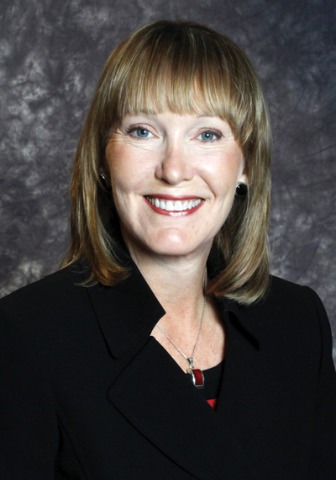
"In this country, we do not value the services of primary care appropriately," said Dr. Lori J. Heim, the AAFP’s board chair. The RUC’s response will help the AAFP board of directors to determine whether to continue to participate in the RUC, Dr. Heim noted.
In the meantime, the board also formed a task force that will develop a methodology that can be used to value primary care cognitive services. The task force will report back to the board in 6-9 months.
Wreck the RUC? The AAFP board has been examining its participation in the RUC for years, Dr. Heim said. But the latest announcement is also a response to the growing public discussion about the role of the RUC and recent calls from AAFP state chapters to take a closer look at the RUC, with some calling on the AAFP to leave the body entirely.
Dr. Heim said they have tried to be realistic in their approach with the RUC. If they were to pull out of the RUC without having an alternative process in place, family medicine could be worse off, she said.
Dr. Paul M. Fischer, a family physician in Augusta, Ga., who has started his own campaign to replace the RUC, said the AAFP announcement falls far short and is likely to cost the organization members. "It’s a pathetic response," he said.
Dr. Fischer recently teamed up with health care writer and consultant Brian Klepper, Ph.D., and penned an open letter to physicians making the case to get rid of the RUC. The letter charges that the RUC’s decisions have led to an explosion in health care costs, have contributed to the pay disparity between primary care physicians and specialists, and are responsible for fewer medical students choosing to enter primary care.
Dr. Fischer and Dr. Klepper have also launched a website to publicize their efforts – www.replacetheruc.org – and are encouraging physicians to sign their online petition, which urges primary care societies to abandon the RUC.
Primary Care Allies for Change. For its part, the leadership at the American College of Physicians, which represents primary care physicians and subspecialists, has accepted an invitation from the AAFP to serve on its task force, which will look at alternative ways to value primary care services.
Over the years, the ACP has recommended changes to the RUC. In a 2009 position paper, the ACP expressed concerns that the RUC is not well suited to identify and address services that may be overvalued. The ACP recommended that the federal government establish a group of independent experts to review relative value units, with a focus on potentially overvalued services. That group could supplement the advice from the RUC, the ACP wrote. The ACP also noted that the RUC composition is skewed toward specialties.
Despite their criticisms of the RUC, the ACP and the AAFP don’t appear ready to abandon the process. But that won’t stop Dr. Fischer and Dr. Klepper in their quest to replace the RUC.
Instead, they are moving forward with a lawsuit against the CMS. They have retained a lawyer and are formulating a case against the CMS, on both statutory and constitutional grounds.
They plan to argue, among other things, that the RUC has become increasingly arbitrary in its decisions, and that over time, this has led to a significant undervaluing of primary care services. They will also argue that the RUC is an illegal advisory committee to the CMS, Dr. Fischer said.
He said they plan to file the lawsuit July 15, with the goal of getting a court decision in time to influence the valuing of next year’s Medicare codes.
Congress Takes Notice. Dr. Fischer and Dr. Klepper aren’t alone in their criticism of the RUC. Rep. Jim McDermott (D-Wash.), a member of the House Ways and Means Committee, recently introduced legislation aimed at increasing the transparency and accountability of the RUC’s process.
Specifically, the bill, the Medicare Physician Payment Transparency and Assessment Act of 2011 (H.R. 1256), would require the CMS to consider the recommendations of independent, analytic contractors that would identify and analyze misvalued Medicare physician services. The bill would require the review of misvalued services to occur yearly.
AMA: RUC’s Okay. Despite the criticism, the AMA stands by the RUC and its treatment of primary care.
RUC chairwoman Dr. Levy, a gynecologist in Federal Way, Wash., said the panel has made a number of recommendations in recent years to the CMS that would favor primary care. And Medicare payments for primary care services have risen more than 20% since 2006, she said.
In addition, in some cases the RUC has advocated for coding changes that would benefit primary care, such as paying for telephone consultations and coordination of care functions, Dr. Levy noted, but those recommendations were not adopted by the CMS.
Dr. Levy added that the RUC’s role in regard to primary care has really been "overblown." She said private insurers play a much larger role in determining the income of primary care physicians.
Replacing the RUC would be a mistake, she cautioned. If the panel goes away, so does the physician expertise that it brings with it.
"The RUC is the physician’s voice," Dr. Levy said. "No one knows more about what’s involved in providing services to Medicare patients than the physicians who care for them."
Dr. Levy acknowledged that many physicians don’t understand the RUC. But regardless of the public perception, all medical specialties, including primary care, are very active participants in the RUC process, she said.
And the RUC process isn’t stagnant. Dr. Levy said the RUC is constantly evolving to ensure that what panel members review is data driven and fair across the entire fee schedule. In the last 2 years, the RUC took on the task of reviewing and identifying potentially misvalued services for the first time.
So far, the panel has identified more than 900 potentially overvalued services and recommended substantial redistributions in Medicare physician payments, she said.
Leaders at the American Academy of Family Physicians are calling on the American Medical Association to give primary care a greater voice on the committee that recommends how much physicians should be paid for Medicare services.
The Specialty Society Relative Value Scale Update Committee, or RUC, which is operated by the AMA, makes annual recommendations to the Centers for Medicare and Medicaid Services for how to value a number of physician services under Medicare. The 29-member panel includes representatives from various medical specialties and primary care.
CMS officials are under no obligation to accept the RUC’s suggestions, but for nearly 20 years they have followed more than 90% of the panel’s recommendations – making it a powerful actor in setting physician pay.
In June, the American Academy of Family Physicians (AAFP) issued a statement officially requesting that the RUC add more seats for family medicine, general internal medicine, and general pediatric medicine. In addition, they requested three new seats for new external representatives such as consumers, employers, and health plans, as well as a permanent seat for geriatric medicine. They also called for the elimination of the existing rotating subspecialty seats. And they asked the RUC to be more open about its voting process.
The AAFP gave the RUC until March 1, 2012, to make a decision on the changes. RUC chairwoman Dr. Barbara Levy said the RUC has received the AAFP’s suggestions and will review them.
"In this country, we do not value the services of primary care appropriately," said Dr. Lori J. Heim, the AAFP’s board chair. The RUC’s response will help the AAFP board of directors to determine whether to continue to participate in the RUC, Dr. Heim noted.
In the meantime, the board also formed a task force that will develop a methodology that can be used to value primary care cognitive services. The task force will report back to the board in 6-9 months.
Wreck the RUC? The AAFP board has been examining its participation in the RUC for years, Dr. Heim said. But the latest announcement is also a response to the growing public discussion about the role of the RUC and recent calls from AAFP state chapters to take a closer look at the RUC, with some calling on the AAFP to leave the body entirely.
Dr. Heim said they have tried to be realistic in their approach with the RUC. If they were to pull out of the RUC without having an alternative process in place, family medicine could be worse off, she said.
Dr. Paul M. Fischer, a family physician in Augusta, Ga., who has started his own campaign to replace the RUC, said the AAFP announcement falls far short and is likely to cost the organization members. "It’s a pathetic response," he said.
Dr. Fischer recently teamed up with health care writer and consultant Brian Klepper, Ph.D., and penned an open letter to physicians making the case to get rid of the RUC. The letter charges that the RUC’s decisions have led to an explosion in health care costs, have contributed to the pay disparity between primary care physicians and specialists, and are responsible for fewer medical students choosing to enter primary care.
Dr. Fischer and Dr. Klepper have also launched a website to publicize their efforts – www.replacetheruc.org – and are encouraging physicians to sign their online petition, which urges primary care societies to abandon the RUC.
Primary Care Allies for Change. For its part, the leadership at the American College of Physicians, which represents primary care physicians and subspecialists, has accepted an invitation from the AAFP to serve on its task force, which will look at alternative ways to value primary care services.
Over the years, the ACP has recommended changes to the RUC. In a 2009 position paper, the ACP expressed concerns that the RUC is not well suited to identify and address services that may be overvalued. The ACP recommended that the federal government establish a group of independent experts to review relative value units, with a focus on potentially overvalued services. That group could supplement the advice from the RUC, the ACP wrote. The ACP also noted that the RUC composition is skewed toward specialties.
Despite their criticisms of the RUC, the ACP and the AAFP don’t appear ready to abandon the process. But that won’t stop Dr. Fischer and Dr. Klepper in their quest to replace the RUC.
Instead, they are moving forward with a lawsuit against the CMS. They have retained a lawyer and are formulating a case against the CMS, on both statutory and constitutional grounds.
They plan to argue, among other things, that the RUC has become increasingly arbitrary in its decisions, and that over time, this has led to a significant undervaluing of primary care services. They will also argue that the RUC is an illegal advisory committee to the CMS, Dr. Fischer said.
He said they plan to file the lawsuit July 15, with the goal of getting a court decision in time to influence the valuing of next year’s Medicare codes.
Congress Takes Notice. Dr. Fischer and Dr. Klepper aren’t alone in their criticism of the RUC. Rep. Jim McDermott (D-Wash.), a member of the House Ways and Means Committee, recently introduced legislation aimed at increasing the transparency and accountability of the RUC’s process.
Specifically, the bill, the Medicare Physician Payment Transparency and Assessment Act of 2011 (H.R. 1256), would require the CMS to consider the recommendations of independent, analytic contractors that would identify and analyze misvalued Medicare physician services. The bill would require the review of misvalued services to occur yearly.
AMA: RUC’s Okay. Despite the criticism, the AMA stands by the RUC and its treatment of primary care.
RUC chairwoman Dr. Levy, a gynecologist in Federal Way, Wash., said the panel has made a number of recommendations in recent years to the CMS that would favor primary care. And Medicare payments for primary care services have risen more than 20% since 2006, she said.
In addition, in some cases the RUC has advocated for coding changes that would benefit primary care, such as paying for telephone consultations and coordination of care functions, Dr. Levy noted, but those recommendations were not adopted by the CMS.
Dr. Levy added that the RUC’s role in regard to primary care has really been "overblown." She said private insurers play a much larger role in determining the income of primary care physicians.
Replacing the RUC would be a mistake, she cautioned. If the panel goes away, so does the physician expertise that it brings with it.
"The RUC is the physician’s voice," Dr. Levy said. "No one knows more about what’s involved in providing services to Medicare patients than the physicians who care for them."
Dr. Levy acknowledged that many physicians don’t understand the RUC. But regardless of the public perception, all medical specialties, including primary care, are very active participants in the RUC process, she said.
And the RUC process isn’t stagnant. Dr. Levy said the RUC is constantly evolving to ensure that what panel members review is data driven and fair across the entire fee schedule. In the last 2 years, the RUC took on the task of reviewing and identifying potentially misvalued services for the first time.
So far, the panel has identified more than 900 potentially overvalued services and recommended substantial redistributions in Medicare physician payments, she said.
Leaders at the American Academy of Family Physicians are calling on the American Medical Association to give primary care a greater voice on the committee that recommends how much physicians should be paid for Medicare services.
The Specialty Society Relative Value Scale Update Committee, or RUC, which is operated by the AMA, makes annual recommendations to the Centers for Medicare and Medicaid Services for how to value a number of physician services under Medicare. The 29-member panel includes representatives from various medical specialties and primary care.
CMS officials are under no obligation to accept the RUC’s suggestions, but for nearly 20 years they have followed more than 90% of the panel’s recommendations – making it a powerful actor in setting physician pay.
In June, the American Academy of Family Physicians (AAFP) issued a statement officially requesting that the RUC add more seats for family medicine, general internal medicine, and general pediatric medicine. In addition, they requested three new seats for new external representatives such as consumers, employers, and health plans, as well as a permanent seat for geriatric medicine. They also called for the elimination of the existing rotating subspecialty seats. And they asked the RUC to be more open about its voting process.
The AAFP gave the RUC until March 1, 2012, to make a decision on the changes. RUC chairwoman Dr. Barbara Levy said the RUC has received the AAFP’s suggestions and will review them.
"In this country, we do not value the services of primary care appropriately," said Dr. Lori J. Heim, the AAFP’s board chair. The RUC’s response will help the AAFP board of directors to determine whether to continue to participate in the RUC, Dr. Heim noted.
In the meantime, the board also formed a task force that will develop a methodology that can be used to value primary care cognitive services. The task force will report back to the board in 6-9 months.
Wreck the RUC? The AAFP board has been examining its participation in the RUC for years, Dr. Heim said. But the latest announcement is also a response to the growing public discussion about the role of the RUC and recent calls from AAFP state chapters to take a closer look at the RUC, with some calling on the AAFP to leave the body entirely.
Dr. Heim said they have tried to be realistic in their approach with the RUC. If they were to pull out of the RUC without having an alternative process in place, family medicine could be worse off, she said.
Dr. Paul M. Fischer, a family physician in Augusta, Ga., who has started his own campaign to replace the RUC, said the AAFP announcement falls far short and is likely to cost the organization members. "It’s a pathetic response," he said.
Dr. Fischer recently teamed up with health care writer and consultant Brian Klepper, Ph.D., and penned an open letter to physicians making the case to get rid of the RUC. The letter charges that the RUC’s decisions have led to an explosion in health care costs, have contributed to the pay disparity between primary care physicians and specialists, and are responsible for fewer medical students choosing to enter primary care.
Dr. Fischer and Dr. Klepper have also launched a website to publicize their efforts – www.replacetheruc.org – and are encouraging physicians to sign their online petition, which urges primary care societies to abandon the RUC.
Primary Care Allies for Change. For its part, the leadership at the American College of Physicians, which represents primary care physicians and subspecialists, has accepted an invitation from the AAFP to serve on its task force, which will look at alternative ways to value primary care services.
Over the years, the ACP has recommended changes to the RUC. In a 2009 position paper, the ACP expressed concerns that the RUC is not well suited to identify and address services that may be overvalued. The ACP recommended that the federal government establish a group of independent experts to review relative value units, with a focus on potentially overvalued services. That group could supplement the advice from the RUC, the ACP wrote. The ACP also noted that the RUC composition is skewed toward specialties.
Despite their criticisms of the RUC, the ACP and the AAFP don’t appear ready to abandon the process. But that won’t stop Dr. Fischer and Dr. Klepper in their quest to replace the RUC.
Instead, they are moving forward with a lawsuit against the CMS. They have retained a lawyer and are formulating a case against the CMS, on both statutory and constitutional grounds.
They plan to argue, among other things, that the RUC has become increasingly arbitrary in its decisions, and that over time, this has led to a significant undervaluing of primary care services. They will also argue that the RUC is an illegal advisory committee to the CMS, Dr. Fischer said.
He said they plan to file the lawsuit July 15, with the goal of getting a court decision in time to influence the valuing of next year’s Medicare codes.
Congress Takes Notice. Dr. Fischer and Dr. Klepper aren’t alone in their criticism of the RUC. Rep. Jim McDermott (D-Wash.), a member of the House Ways and Means Committee, recently introduced legislation aimed at increasing the transparency and accountability of the RUC’s process.
Specifically, the bill, the Medicare Physician Payment Transparency and Assessment Act of 2011 (H.R. 1256), would require the CMS to consider the recommendations of independent, analytic contractors that would identify and analyze misvalued Medicare physician services. The bill would require the review of misvalued services to occur yearly.
AMA: RUC’s Okay. Despite the criticism, the AMA stands by the RUC and its treatment of primary care.
RUC chairwoman Dr. Levy, a gynecologist in Federal Way, Wash., said the panel has made a number of recommendations in recent years to the CMS that would favor primary care. And Medicare payments for primary care services have risen more than 20% since 2006, she said.
In addition, in some cases the RUC has advocated for coding changes that would benefit primary care, such as paying for telephone consultations and coordination of care functions, Dr. Levy noted, but those recommendations were not adopted by the CMS.
Dr. Levy added that the RUC’s role in regard to primary care has really been "overblown." She said private insurers play a much larger role in determining the income of primary care physicians.
Replacing the RUC would be a mistake, she cautioned. If the panel goes away, so does the physician expertise that it brings with it.
"The RUC is the physician’s voice," Dr. Levy said. "No one knows more about what’s involved in providing services to Medicare patients than the physicians who care for them."
Dr. Levy acknowledged that many physicians don’t understand the RUC. But regardless of the public perception, all medical specialties, including primary care, are very active participants in the RUC process, she said.
And the RUC process isn’t stagnant. Dr. Levy said the RUC is constantly evolving to ensure that what panel members review is data driven and fair across the entire fee schedule. In the last 2 years, the RUC took on the task of reviewing and identifying potentially misvalued services for the first time.
So far, the panel has identified more than 900 potentially overvalued services and recommended substantial redistributions in Medicare physician payments, she said.
Alternatives May Be Built in for Tackling MOC Needs
GRAPEVINE, TEX. – Hospitalists don’t need to go out and do a lot of extra work to complete the Performance Practice Assessment portion of their maintenance of certification requirements.
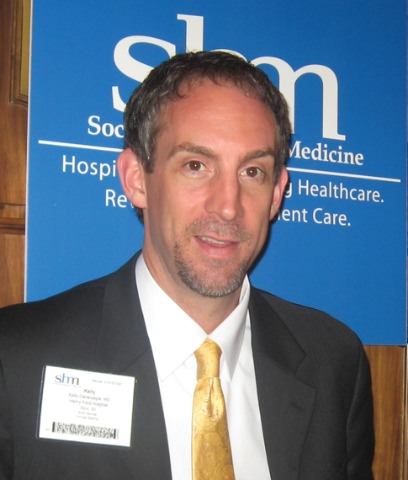
Dr. Kelly J. Caverzagie, a hospitalist at Henry Ford Hospital who consults with the American Board of Internal Medicine on maintenance of certification (MOC) issues, said hospitalists can generally use work they are already doing to complete the Performance Practice Assessment, or Part 4, of the MOC process. Part 4 requires physicians to earn 20 points by completing either a Practice Improvement Module (PIM) or an Approved Quality Improvement (AQI) Pathway.
For hospitalists who are involved in a large-scale quality improvement project like the Society of Hospital Medicine’s Project BOOST (Better Outcomes for Older Adults Through Safe Transitions), they only need to complete the AQI project report, provide a description of the project, and report on their experience and the project’s impact. Physicians must have participated in the activity within the past 24 months and the sponsoring organization must verify their participation.
"The goal is to reduce the redundancy," Dr. Caverzagie said at the annual meeting of the Society of Hospital Medicine.
So far, the ABIM has preapproved Project BOOST, as well as the SHM’s VTE Prevention Collaborative and Glycemic Control Initiative project for the AQI Pathway. ABIM has approved a number of other quality improvement projects in other specialty areas.
Hospitalists also can receive MOC credit for quality improvement activities that are specific to their hospitals. For example, physicians who have access to aggregate quality data and are getting ready to begin a quality improvement project in their hospital can use the ABIM’s Self-Directed PIM. Those physicians who have completed their project within the past 24 months can use the Completed Project PIM.
With both of these PIMs, physicians have the chance to choose their own measures, as long as they have been approved or endorsed by a national organization like the National Quality Forum, are drawn from evidence-based guidelines, or are locally developed resource-use or process-efficiency measures. In addition to the hospital’s own data, physicians who are completing either the Self-Director or Completed-Project PIMs also can use data from health plans, medical societies, national or regional registries, and physician recognition programs, Dr. Caverzagie said.
Hospitalists also can use the hospital-based PIM, but that is being phased out and will eventually be rolled into the Self-Directed and Completed Project PIMs, Dr. Caverzagie advised.
Other PIMs that could be useful for hospitalists include the Clinical Supervision PIM for physicians who supervise trainees; the Communication With Referring Physicians PIM, which is helpful for hospitalists who work in a comanagement service or a preoperative clinic; and the Essentials of Quality Improvement PIM, which allows physicians with purely research or administrative roles to fulfill Part 4 requirements.
Dr. Caverzagie said that he had no conflicts to disclose.
GRAPEVINE, TEX. – Hospitalists don’t need to go out and do a lot of extra work to complete the Performance Practice Assessment portion of their maintenance of certification requirements.
Dr. Kelly J. Caverzagie, a hospitalist at Henry Ford Hospital who consults with the American Board of Internal Medicine on maintenance of certification (MOC) issues, said hospitalists can generally use work they are already doing to complete the Performance Practice Assessment, or Part 4, of the MOC process. Part 4 requires physicians to earn 20 points by completing either a Practice Improvement Module (PIM) or an Approved Quality Improvement (AQI) Pathway.
For hospitalists who are involved in a large-scale quality improvement project like the Society of Hospital Medicine’s Project BOOST (Better Outcomes for Older Adults Through Safe Transitions), they only need to complete the AQI project report, provide a description of the project, and report on their experience and the project’s impact. Physicians must have participated in the activity within the past 24 months and the sponsoring organization must verify their participation.
"The goal is to reduce the redundancy," Dr. Caverzagie said at the annual meeting of the Society of Hospital Medicine.
So far, the ABIM has preapproved Project BOOST, as well as the SHM’s VTE Prevention Collaborative and Glycemic Control Initiative project for the AQI Pathway. ABIM has approved a number of other quality improvement projects in other specialty areas.
Hospitalists also can receive MOC credit for quality improvement activities that are specific to their hospitals. For example, physicians who have access to aggregate quality data and are getting ready to begin a quality improvement project in their hospital can use the ABIM’s Self-Directed PIM. Those physicians who have completed their project within the past 24 months can use the Completed Project PIM.
With both of these PIMs, physicians have the chance to choose their own measures, as long as they have been approved or endorsed by a national organization like the National Quality Forum, are drawn from evidence-based guidelines, or are locally developed resource-use or process-efficiency measures. In addition to the hospital’s own data, physicians who are completing either the Self-Director or Completed-Project PIMs also can use data from health plans, medical societies, national or regional registries, and physician recognition programs, Dr. Caverzagie said.
Hospitalists also can use the hospital-based PIM, but that is being phased out and will eventually be rolled into the Self-Directed and Completed Project PIMs, Dr. Caverzagie advised.
Other PIMs that could be useful for hospitalists include the Clinical Supervision PIM for physicians who supervise trainees; the Communication With Referring Physicians PIM, which is helpful for hospitalists who work in a comanagement service or a preoperative clinic; and the Essentials of Quality Improvement PIM, which allows physicians with purely research or administrative roles to fulfill Part 4 requirements.
Dr. Caverzagie said that he had no conflicts to disclose.
GRAPEVINE, TEX. – Hospitalists don’t need to go out and do a lot of extra work to complete the Performance Practice Assessment portion of their maintenance of certification requirements.
Dr. Kelly J. Caverzagie, a hospitalist at Henry Ford Hospital who consults with the American Board of Internal Medicine on maintenance of certification (MOC) issues, said hospitalists can generally use work they are already doing to complete the Performance Practice Assessment, or Part 4, of the MOC process. Part 4 requires physicians to earn 20 points by completing either a Practice Improvement Module (PIM) or an Approved Quality Improvement (AQI) Pathway.
For hospitalists who are involved in a large-scale quality improvement project like the Society of Hospital Medicine’s Project BOOST (Better Outcomes for Older Adults Through Safe Transitions), they only need to complete the AQI project report, provide a description of the project, and report on their experience and the project’s impact. Physicians must have participated in the activity within the past 24 months and the sponsoring organization must verify their participation.
"The goal is to reduce the redundancy," Dr. Caverzagie said at the annual meeting of the Society of Hospital Medicine.
So far, the ABIM has preapproved Project BOOST, as well as the SHM’s VTE Prevention Collaborative and Glycemic Control Initiative project for the AQI Pathway. ABIM has approved a number of other quality improvement projects in other specialty areas.
Hospitalists also can receive MOC credit for quality improvement activities that are specific to their hospitals. For example, physicians who have access to aggregate quality data and are getting ready to begin a quality improvement project in their hospital can use the ABIM’s Self-Directed PIM. Those physicians who have completed their project within the past 24 months can use the Completed Project PIM.
With both of these PIMs, physicians have the chance to choose their own measures, as long as they have been approved or endorsed by a national organization like the National Quality Forum, are drawn from evidence-based guidelines, or are locally developed resource-use or process-efficiency measures. In addition to the hospital’s own data, physicians who are completing either the Self-Director or Completed-Project PIMs also can use data from health plans, medical societies, national or regional registries, and physician recognition programs, Dr. Caverzagie said.
Hospitalists also can use the hospital-based PIM, but that is being phased out and will eventually be rolled into the Self-Directed and Completed Project PIMs, Dr. Caverzagie advised.
Other PIMs that could be useful for hospitalists include the Clinical Supervision PIM for physicians who supervise trainees; the Communication With Referring Physicians PIM, which is helpful for hospitalists who work in a comanagement service or a preoperative clinic; and the Essentials of Quality Improvement PIM, which allows physicians with purely research or administrative roles to fulfill Part 4 requirements.
Dr. Caverzagie said that he had no conflicts to disclose.
EXPERT ANALYSIS FROM THE ANNUAL MEETING OF THE SOCIETY OF HOSPITAL MEDICINE
HHS Promotes Medicare’s Free Preventive Services
More than 5.5 million Medicare beneficiaries have taken advantage of the free preventive services offered under the Affordable Care Act, but that number is far short of the 33 million who are eligible under the new law, according to a new report from Medicare officials.
Beginning this year, Medicare beneficiaries have been eligible to receive recommended preventive services ranging from mammograms to smoking cessation counseling with no copayments or deductibles under Medicare Part B. Also among the new benefits this year is an annual wellness visit at no cost to beneficiaries.
Between Jan. 1 and June 10, more than 780,000 people on Medicare had an annual wellness visit, according to the report from the Centers for Medicare and Medicaid Services (CMS). Mammograms, bone density screenings, and prostate cancer screenings were among the most popular preventives services so far this year.
On June 20, federal officials launched a public outreach campaign aimed at making more beneficiaries and physicians aware of the new benefits. The campaign, called "Share the News, Share the Health," includes television and radio advertisements, information on the Medicare.gov website, and a letter to physicians urging them to discuss the preventive services with their patients.

"People trust their doctors," CMS Administrator Dr. Donald Berwick said during a press briefing held by the CMS.
Dr. Berwick predicted that visits to physicians, particularly those in primary care, will increase substantially once more patients are aware that preventive services are available for free.
"These are very important benefits, and I expect we’re going to see a lot of increasing interest, especially now that barriers have been lowered," he said.
This is part of an overall shift toward prevention within health care, Dr. Berwick noted. The federal government recently released its first-ever National Prevention Strategy, which brings together several government agencies to focus not only on improving access to health care services, but also on other factors such as air quality, drug abuse, and violence.
More than 5.5 million Medicare beneficiaries have taken advantage of the free preventive services offered under the Affordable Care Act, but that number is far short of the 33 million who are eligible under the new law, according to a new report from Medicare officials.
Beginning this year, Medicare beneficiaries have been eligible to receive recommended preventive services ranging from mammograms to smoking cessation counseling with no copayments or deductibles under Medicare Part B. Also among the new benefits this year is an annual wellness visit at no cost to beneficiaries.
Between Jan. 1 and June 10, more than 780,000 people on Medicare had an annual wellness visit, according to the report from the Centers for Medicare and Medicaid Services (CMS). Mammograms, bone density screenings, and prostate cancer screenings were among the most popular preventives services so far this year.
On June 20, federal officials launched a public outreach campaign aimed at making more beneficiaries and physicians aware of the new benefits. The campaign, called "Share the News, Share the Health," includes television and radio advertisements, information on the Medicare.gov website, and a letter to physicians urging them to discuss the preventive services with their patients.
"People trust their doctors," CMS Administrator Dr. Donald Berwick said during a press briefing held by the CMS.
Dr. Berwick predicted that visits to physicians, particularly those in primary care, will increase substantially once more patients are aware that preventive services are available for free.
"These are very important benefits, and I expect we’re going to see a lot of increasing interest, especially now that barriers have been lowered," he said.
This is part of an overall shift toward prevention within health care, Dr. Berwick noted. The federal government recently released its first-ever National Prevention Strategy, which brings together several government agencies to focus not only on improving access to health care services, but also on other factors such as air quality, drug abuse, and violence.
More than 5.5 million Medicare beneficiaries have taken advantage of the free preventive services offered under the Affordable Care Act, but that number is far short of the 33 million who are eligible under the new law, according to a new report from Medicare officials.
Beginning this year, Medicare beneficiaries have been eligible to receive recommended preventive services ranging from mammograms to smoking cessation counseling with no copayments or deductibles under Medicare Part B. Also among the new benefits this year is an annual wellness visit at no cost to beneficiaries.
Between Jan. 1 and June 10, more than 780,000 people on Medicare had an annual wellness visit, according to the report from the Centers for Medicare and Medicaid Services (CMS). Mammograms, bone density screenings, and prostate cancer screenings were among the most popular preventives services so far this year.
On June 20, federal officials launched a public outreach campaign aimed at making more beneficiaries and physicians aware of the new benefits. The campaign, called "Share the News, Share the Health," includes television and radio advertisements, information on the Medicare.gov website, and a letter to physicians urging them to discuss the preventive services with their patients.
"People trust their doctors," CMS Administrator Dr. Donald Berwick said during a press briefing held by the CMS.
Dr. Berwick predicted that visits to physicians, particularly those in primary care, will increase substantially once more patients are aware that preventive services are available for free.
"These are very important benefits, and I expect we’re going to see a lot of increasing interest, especially now that barriers have been lowered," he said.
This is part of an overall shift toward prevention within health care, Dr. Berwick noted. The federal government recently released its first-ever National Prevention Strategy, which brings together several government agencies to focus not only on improving access to health care services, but also on other factors such as air quality, drug abuse, and violence.
FROM A BRIEFING HELD BY THE CENTERS FOR MEDICARE AND MEDICAID SERVICES
HHS Promotes Medicare’s Free Preventive Services
More than 5.5 million Medicare beneficiaries have taken advantage of the free preventive services offered under the Affordable Care Act, but that number is far short of the 33 million who are eligible under the new law, according to a new report from Medicare officials.
Beginning this year, Medicare beneficiaries have been eligible to receive recommended preventive services ranging from mammograms to smoking cessation counseling with no copayments or deductibles under Medicare Part B. Also among the new benefits this year is an annual wellness visit at no cost to beneficiaries.
Between Jan. 1 and June 10, more than 780,000 people on Medicare had an annual wellness visit, according to the report from the Centers for Medicare and Medicaid Services (CMS). Mammograms, bone density screenings, and prostate cancer screenings were among the most popular preventives services so far this year.
On June 20, federal officials launched a public outreach campaign aimed at making more beneficiaries and physicians aware of the new benefits. The campaign, called "Share the News, Share the Health," includes television and radio advertisements, information on the Medicare.gov website, and a letter to physicians urging them to discuss the preventive services with their patients.
"People trust their doctors," CMS Administrator Dr. Donald Berwick said during a press briefing held by the CMS.
Dr. Berwick predicted that visits to physicians, particularly those in primary care, will increase substantially once more patients are aware that preventive services are available for free.
"These are very important benefits, and I expect we’re going to see a lot of increasing interest, especially now that barriers have been lowered," he said.
This is part of an overall shift toward prevention within health care, Dr. Berwick noted. The federal government recently released its first-ever National Prevention Strategy, which brings together several government agencies to focus not only on improving access to health care services, but also on other factors such as air quality, drug abuse, and violence.
More than 5.5 million Medicare beneficiaries have taken advantage of the free preventive services offered under the Affordable Care Act, but that number is far short of the 33 million who are eligible under the new law, according to a new report from Medicare officials.
Beginning this year, Medicare beneficiaries have been eligible to receive recommended preventive services ranging from mammograms to smoking cessation counseling with no copayments or deductibles under Medicare Part B. Also among the new benefits this year is an annual wellness visit at no cost to beneficiaries.
Between Jan. 1 and June 10, more than 780,000 people on Medicare had an annual wellness visit, according to the report from the Centers for Medicare and Medicaid Services (CMS). Mammograms, bone density screenings, and prostate cancer screenings were among the most popular preventives services so far this year.
On June 20, federal officials launched a public outreach campaign aimed at making more beneficiaries and physicians aware of the new benefits. The campaign, called "Share the News, Share the Health," includes television and radio advertisements, information on the Medicare.gov website, and a letter to physicians urging them to discuss the preventive services with their patients.
"People trust their doctors," CMS Administrator Dr. Donald Berwick said during a press briefing held by the CMS.
Dr. Berwick predicted that visits to physicians, particularly those in primary care, will increase substantially once more patients are aware that preventive services are available for free.
"These are very important benefits, and I expect we’re going to see a lot of increasing interest, especially now that barriers have been lowered," he said.
This is part of an overall shift toward prevention within health care, Dr. Berwick noted. The federal government recently released its first-ever National Prevention Strategy, which brings together several government agencies to focus not only on improving access to health care services, but also on other factors such as air quality, drug abuse, and violence.
More than 5.5 million Medicare beneficiaries have taken advantage of the free preventive services offered under the Affordable Care Act, but that number is far short of the 33 million who are eligible under the new law, according to a new report from Medicare officials.
Beginning this year, Medicare beneficiaries have been eligible to receive recommended preventive services ranging from mammograms to smoking cessation counseling with no copayments or deductibles under Medicare Part B. Also among the new benefits this year is an annual wellness visit at no cost to beneficiaries.
Between Jan. 1 and June 10, more than 780,000 people on Medicare had an annual wellness visit, according to the report from the Centers for Medicare and Medicaid Services (CMS). Mammograms, bone density screenings, and prostate cancer screenings were among the most popular preventives services so far this year.
On June 20, federal officials launched a public outreach campaign aimed at making more beneficiaries and physicians aware of the new benefits. The campaign, called "Share the News, Share the Health," includes television and radio advertisements, information on the Medicare.gov website, and a letter to physicians urging them to discuss the preventive services with their patients.
"People trust their doctors," CMS Administrator Dr. Donald Berwick said during a press briefing held by the CMS.
Dr. Berwick predicted that visits to physicians, particularly those in primary care, will increase substantially once more patients are aware that preventive services are available for free.
"These are very important benefits, and I expect we’re going to see a lot of increasing interest, especially now that barriers have been lowered," he said.
This is part of an overall shift toward prevention within health care, Dr. Berwick noted. The federal government recently released its first-ever National Prevention Strategy, which brings together several government agencies to focus not only on improving access to health care services, but also on other factors such as air quality, drug abuse, and violence.
FROM A BRIEFING HELD BY THE CENTERS FOR MEDICARE AND MEDICAID SERVICES
Feds Release First-Ever National Prevention Strategy
The federal government plans to help Americans live healthier lives not only by focusing on improving access to health care services, but also by reducing pollution, keeping children from abusing drugs, and serving nutritious school lunches. That’s according to the first-ever National Prevention Strategy, released June 16.
The new strategy was mandated under the Affordable Care Act (ACA), and with it federal officials have created a blueprint for themselves, as well as states, businesses, and community leaders to follow in building healthier communities. The 122-page document lays out seven priority areas based on evidence-based recommendations for improving health and prolonging life: tobacco-free living, preventing drug abuse and excessive alcohol use, healthy eating, active living, injury- and violence-free living, reproductive and sexual health, and mental and emotional well-being.
The strategy document sets a number of goals and 10-year targets for measuring progress. For example, as part of the effort to increase the use of preventive services in the health care system, the strategy calls on physicians to inform patients about the benefits of preventive services, adopt and use certified electronic health records and personal health records, and adopt medical home or team-based care models. One 10-year target is to increase the proportion of medical practices that use electronic health records from 25% to 27.5%.
Health and Human Services Secretary Kathleen Sebelius said the strategy was part of a "new focus on prevention" started by President Obama. The National Prevention Strategy will build off earlier efforts, some of which were included in the ACA, to curb tobacco use and give Americans free or low-cost access to preventive services such as mammograms.
"We know that prevention helps people live long and productive lives and can help combat rising health care costs," Ms. Sebelius said.
The work on prevention was praised by Sen. Tom Harkin (D-Iowa), chair of the Senate Health, Education, Labor, and Pensions Committee, who has been a long-time advocate of moving the U.S. health care system away from a sick care system and toward a well care system.
The ACA created the National Prevention, Health Promotion, and Public Health Council (National Prevention Council), which developed the National Prevention Strategy, along with input from outside advisers. The council is made up of the heads of 17 federal agencies and is chaired by the U.S. Surgeon General. Along with the council, the ACA authorized the Prevention and Public Health Fund, which provides nearly $18 billion for public health programs. That fund is an important source of money for state and local governments looking to make improvements to their communities, Sen. Harkin said.
But the Prevention and Public Health Fund has been caught up in political fighting over the ACA. Earlier this year, Rep. Joe Pitts (R-Pa.) sponsored legislation (H.R. 1217) to eliminate the fund, calling it an "Obamacare slush fund." In April, the House approved the legislation but the bill has not been taken up in the Senate, where Democrats hold the majority.
The federal government plans to help Americans live healthier lives not only by focusing on improving access to health care services, but also by reducing pollution, keeping children from abusing drugs, and serving nutritious school lunches. That’s according to the first-ever National Prevention Strategy, released June 16.
The new strategy was mandated under the Affordable Care Act (ACA), and with it federal officials have created a blueprint for themselves, as well as states, businesses, and community leaders to follow in building healthier communities. The 122-page document lays out seven priority areas based on evidence-based recommendations for improving health and prolonging life: tobacco-free living, preventing drug abuse and excessive alcohol use, healthy eating, active living, injury- and violence-free living, reproductive and sexual health, and mental and emotional well-being.
The strategy document sets a number of goals and 10-year targets for measuring progress. For example, as part of the effort to increase the use of preventive services in the health care system, the strategy calls on physicians to inform patients about the benefits of preventive services, adopt and use certified electronic health records and personal health records, and adopt medical home or team-based care models. One 10-year target is to increase the proportion of medical practices that use electronic health records from 25% to 27.5%.
Health and Human Services Secretary Kathleen Sebelius said the strategy was part of a "new focus on prevention" started by President Obama. The National Prevention Strategy will build off earlier efforts, some of which were included in the ACA, to curb tobacco use and give Americans free or low-cost access to preventive services such as mammograms.
"We know that prevention helps people live long and productive lives and can help combat rising health care costs," Ms. Sebelius said.
The work on prevention was praised by Sen. Tom Harkin (D-Iowa), chair of the Senate Health, Education, Labor, and Pensions Committee, who has been a long-time advocate of moving the U.S. health care system away from a sick care system and toward a well care system.
The ACA created the National Prevention, Health Promotion, and Public Health Council (National Prevention Council), which developed the National Prevention Strategy, along with input from outside advisers. The council is made up of the heads of 17 federal agencies and is chaired by the U.S. Surgeon General. Along with the council, the ACA authorized the Prevention and Public Health Fund, which provides nearly $18 billion for public health programs. That fund is an important source of money for state and local governments looking to make improvements to their communities, Sen. Harkin said.
But the Prevention and Public Health Fund has been caught up in political fighting over the ACA. Earlier this year, Rep. Joe Pitts (R-Pa.) sponsored legislation (H.R. 1217) to eliminate the fund, calling it an "Obamacare slush fund." In April, the House approved the legislation but the bill has not been taken up in the Senate, where Democrats hold the majority.
The federal government plans to help Americans live healthier lives not only by focusing on improving access to health care services, but also by reducing pollution, keeping children from abusing drugs, and serving nutritious school lunches. That’s according to the first-ever National Prevention Strategy, released June 16.
The new strategy was mandated under the Affordable Care Act (ACA), and with it federal officials have created a blueprint for themselves, as well as states, businesses, and community leaders to follow in building healthier communities. The 122-page document lays out seven priority areas based on evidence-based recommendations for improving health and prolonging life: tobacco-free living, preventing drug abuse and excessive alcohol use, healthy eating, active living, injury- and violence-free living, reproductive and sexual health, and mental and emotional well-being.
The strategy document sets a number of goals and 10-year targets for measuring progress. For example, as part of the effort to increase the use of preventive services in the health care system, the strategy calls on physicians to inform patients about the benefits of preventive services, adopt and use certified electronic health records and personal health records, and adopt medical home or team-based care models. One 10-year target is to increase the proportion of medical practices that use electronic health records from 25% to 27.5%.
Health and Human Services Secretary Kathleen Sebelius said the strategy was part of a "new focus on prevention" started by President Obama. The National Prevention Strategy will build off earlier efforts, some of which were included in the ACA, to curb tobacco use and give Americans free or low-cost access to preventive services such as mammograms.
"We know that prevention helps people live long and productive lives and can help combat rising health care costs," Ms. Sebelius said.
The work on prevention was praised by Sen. Tom Harkin (D-Iowa), chair of the Senate Health, Education, Labor, and Pensions Committee, who has been a long-time advocate of moving the U.S. health care system away from a sick care system and toward a well care system.
The ACA created the National Prevention, Health Promotion, and Public Health Council (National Prevention Council), which developed the National Prevention Strategy, along with input from outside advisers. The council is made up of the heads of 17 federal agencies and is chaired by the U.S. Surgeon General. Along with the council, the ACA authorized the Prevention and Public Health Fund, which provides nearly $18 billion for public health programs. That fund is an important source of money for state and local governments looking to make improvements to their communities, Sen. Harkin said.
But the Prevention and Public Health Fund has been caught up in political fighting over the ACA. Earlier this year, Rep. Joe Pitts (R-Pa.) sponsored legislation (H.R. 1217) to eliminate the fund, calling it an "Obamacare slush fund." In April, the House approved the legislation but the bill has not been taken up in the Senate, where Democrats hold the majority.
FROM THE NATIONAL PREVENTION COUNCIL
Feds Release First-Ever National Prevention Strategy
The federal government plans to help Americans live healthier lives not only by focusing on improving access to health care services, but also by reducing pollution, keeping children from abusing drugs, and serving nutritious school lunches. That’s according to the first-ever National Prevention Strategy, released June 16.
The new strategy was mandated under the Affordable Care Act (ACA), and with it federal officials have created a blueprint for themselves, as well as states, businesses, and community leaders to follow in building healthier communities. The 122-page document lays out seven priority areas based on evidence-based recommendations for improving health and prolonging life: tobacco-free living, preventing drug abuse and excessive alcohol use, healthy eating, active living, injury- and violence-free living, reproductive and sexual health, and mental and emotional well-being.
The strategy document sets a number of goals and 10-year targets for measuring progress. For example, as part of the effort to increase the use of preventive services in the health care system, the strategy calls on physicians to inform patients about the benefits of preventive services, adopt and use certified electronic health records and personal health records, and adopt medical home or team-based care models. One 10-year target is to increase the proportion of medical practices that use electronic health records from 25% to 27.5%.
Health and Human Services Secretary Kathleen Sebelius said the strategy was part of a "new focus on prevention" started by President Obama. The National Prevention Strategy will build off earlier efforts, some of which were included in the ACA, to curb tobacco use and give Americans free or low-cost access to preventive services such as mammograms.
"We know that prevention helps people live long and productive lives and can help combat rising health care costs," Ms. Sebelius said.
The work on prevention was praised by Sen. Tom Harkin (D-Iowa), chair of the Senate Health, Education, Labor, and Pensions Committee, who has been a long-time advocate of moving the U.S. health care system away from a sick care system and toward a well care system.
The ACA created the National Prevention, Health Promotion, and Public Health Council (National Prevention Council), which developed the National Prevention Strategy, along with input from outside advisers. The council is made up of the heads of 17 federal agencies and is chaired by the U.S. Surgeon General. Along with the council, the ACA authorized the Prevention and Public Health Fund, which provides nearly $18 billion for public health programs. That fund is an important source of money for state and local governments looking to make improvements to their communities, Sen. Harkin said.
But the Prevention and Public Health Fund has been caught up in political fighting over the ACA. Earlier this year, Rep. Joe Pitts (R-Pa.) sponsored legislation (H.R. 1217) to eliminate the fund, calling it an "Obamacare slush fund." In April, the House approved the legislation but the bill has not been taken up in the Senate, where Democrats hold the majority.
The federal government plans to help Americans live healthier lives not only by focusing on improving access to health care services, but also by reducing pollution, keeping children from abusing drugs, and serving nutritious school lunches. That’s according to the first-ever National Prevention Strategy, released June 16.
The new strategy was mandated under the Affordable Care Act (ACA), and with it federal officials have created a blueprint for themselves, as well as states, businesses, and community leaders to follow in building healthier communities. The 122-page document lays out seven priority areas based on evidence-based recommendations for improving health and prolonging life: tobacco-free living, preventing drug abuse and excessive alcohol use, healthy eating, active living, injury- and violence-free living, reproductive and sexual health, and mental and emotional well-being.
The strategy document sets a number of goals and 10-year targets for measuring progress. For example, as part of the effort to increase the use of preventive services in the health care system, the strategy calls on physicians to inform patients about the benefits of preventive services, adopt and use certified electronic health records and personal health records, and adopt medical home or team-based care models. One 10-year target is to increase the proportion of medical practices that use electronic health records from 25% to 27.5%.
Health and Human Services Secretary Kathleen Sebelius said the strategy was part of a "new focus on prevention" started by President Obama. The National Prevention Strategy will build off earlier efforts, some of which were included in the ACA, to curb tobacco use and give Americans free or low-cost access to preventive services such as mammograms.
"We know that prevention helps people live long and productive lives and can help combat rising health care costs," Ms. Sebelius said.
The work on prevention was praised by Sen. Tom Harkin (D-Iowa), chair of the Senate Health, Education, Labor, and Pensions Committee, who has been a long-time advocate of moving the U.S. health care system away from a sick care system and toward a well care system.
The ACA created the National Prevention, Health Promotion, and Public Health Council (National Prevention Council), which developed the National Prevention Strategy, along with input from outside advisers. The council is made up of the heads of 17 federal agencies and is chaired by the U.S. Surgeon General. Along with the council, the ACA authorized the Prevention and Public Health Fund, which provides nearly $18 billion for public health programs. That fund is an important source of money for state and local governments looking to make improvements to their communities, Sen. Harkin said.
But the Prevention and Public Health Fund has been caught up in political fighting over the ACA. Earlier this year, Rep. Joe Pitts (R-Pa.) sponsored legislation (H.R. 1217) to eliminate the fund, calling it an "Obamacare slush fund." In April, the House approved the legislation but the bill has not been taken up in the Senate, where Democrats hold the majority.
The federal government plans to help Americans live healthier lives not only by focusing on improving access to health care services, but also by reducing pollution, keeping children from abusing drugs, and serving nutritious school lunches. That’s according to the first-ever National Prevention Strategy, released June 16.
The new strategy was mandated under the Affordable Care Act (ACA), and with it federal officials have created a blueprint for themselves, as well as states, businesses, and community leaders to follow in building healthier communities. The 122-page document lays out seven priority areas based on evidence-based recommendations for improving health and prolonging life: tobacco-free living, preventing drug abuse and excessive alcohol use, healthy eating, active living, injury- and violence-free living, reproductive and sexual health, and mental and emotional well-being.
The strategy document sets a number of goals and 10-year targets for measuring progress. For example, as part of the effort to increase the use of preventive services in the health care system, the strategy calls on physicians to inform patients about the benefits of preventive services, adopt and use certified electronic health records and personal health records, and adopt medical home or team-based care models. One 10-year target is to increase the proportion of medical practices that use electronic health records from 25% to 27.5%.
Health and Human Services Secretary Kathleen Sebelius said the strategy was part of a "new focus on prevention" started by President Obama. The National Prevention Strategy will build off earlier efforts, some of which were included in the ACA, to curb tobacco use and give Americans free or low-cost access to preventive services such as mammograms.
"We know that prevention helps people live long and productive lives and can help combat rising health care costs," Ms. Sebelius said.
The work on prevention was praised by Sen. Tom Harkin (D-Iowa), chair of the Senate Health, Education, Labor, and Pensions Committee, who has been a long-time advocate of moving the U.S. health care system away from a sick care system and toward a well care system.
The ACA created the National Prevention, Health Promotion, and Public Health Council (National Prevention Council), which developed the National Prevention Strategy, along with input from outside advisers. The council is made up of the heads of 17 federal agencies and is chaired by the U.S. Surgeon General. Along with the council, the ACA authorized the Prevention and Public Health Fund, which provides nearly $18 billion for public health programs. That fund is an important source of money for state and local governments looking to make improvements to their communities, Sen. Harkin said.
But the Prevention and Public Health Fund has been caught up in political fighting over the ACA. Earlier this year, Rep. Joe Pitts (R-Pa.) sponsored legislation (H.R. 1217) to eliminate the fund, calling it an "Obamacare slush fund." In April, the House approved the legislation but the bill has not been taken up in the Senate, where Democrats hold the majority.
FROM THE NATIONAL PREVENTION COUNCIL
Feds Release First-Ever National Prevention Strategy
The federal government plans to help Americans live healthier lives not only by focusing on improving access to health care services, but also by reducing pollution, keeping children from abusing drugs, and serving nutritious school lunches. That’s according to the first-ever National Prevention Strategy, released June 16.
The new strategy was mandated under the Affordable Care Act (ACA), and with it federal officials have created a blueprint for themselves, as well as states, businesses, and community leaders to follow in building healthier communities. The 122-page document lays out seven priority areas based on evidence-based recommendations for improving health and prolonging life: tobacco-free living, preventing drug abuse and excessive alcohol use, healthy eating, active living, injury- and violence-free living, reproductive and sexual health, and mental and emotional well-being.
The strategy document sets a number of goals and 10-year targets for measuring progress. For example, as part of the effort to increase the use of preventive services in the health care system, the strategy calls on physicians to inform patients about the benefits of preventive services, adopt and use certified electronic health records and personal health records, and adopt medical home or team-based care models. One 10-year target is to increase the proportion of medical practices that use electronic health records from 25% to 27.5%.
Health and Human Services Secretary Kathleen Sebelius said the strategy was part of a "new focus on prevention" started by President Obama. The National Prevention Strategy will build off earlier efforts, some of which were included in the ACA, to curb tobacco use and give Americans free or low-cost access to preventive services such as mammograms.
"We know that prevention helps people live long and productive lives and can help combat rising health care costs," Ms. Sebelius said.
The work on prevention was praised by Sen. Tom Harkin (D-Iowa), chair of the Senate Health, Education, Labor, and Pensions Committee, who has been a long-time advocate of moving the U.S. health care system away from a sick care system and toward a well care system.
The ACA created the National Prevention, Health Promotion, and Public Health Council (National Prevention Council), which developed the National Prevention Strategy, along with input from outside advisers. The council is made up of the heads of 17 federal agencies and is chaired by the U.S. Surgeon General. Along with the council, the ACA authorized the Prevention and Public Health Fund, which provides nearly $18 billion for public health programs. That fund is an important source of money for state and local governments looking to make improvements to their communities, Sen. Harkin said.
But the Prevention and Public Health Fund has been caught up in political fighting over the ACA. Earlier this year, Rep. Joe Pitts (R-Pa.) sponsored legislation (H.R. 1217) to eliminate the fund, calling it an "Obamacare slush fund." In April, the House approved the legislation but the bill has not been taken up in the Senate, where Democrats hold the majority.
The federal government plans to help Americans live healthier lives not only by focusing on improving access to health care services, but also by reducing pollution, keeping children from abusing drugs, and serving nutritious school lunches. That’s according to the first-ever National Prevention Strategy, released June 16.
The new strategy was mandated under the Affordable Care Act (ACA), and with it federal officials have created a blueprint for themselves, as well as states, businesses, and community leaders to follow in building healthier communities. The 122-page document lays out seven priority areas based on evidence-based recommendations for improving health and prolonging life: tobacco-free living, preventing drug abuse and excessive alcohol use, healthy eating, active living, injury- and violence-free living, reproductive and sexual health, and mental and emotional well-being.
The strategy document sets a number of goals and 10-year targets for measuring progress. For example, as part of the effort to increase the use of preventive services in the health care system, the strategy calls on physicians to inform patients about the benefits of preventive services, adopt and use certified electronic health records and personal health records, and adopt medical home or team-based care models. One 10-year target is to increase the proportion of medical practices that use electronic health records from 25% to 27.5%.
Health and Human Services Secretary Kathleen Sebelius said the strategy was part of a "new focus on prevention" started by President Obama. The National Prevention Strategy will build off earlier efforts, some of which were included in the ACA, to curb tobacco use and give Americans free or low-cost access to preventive services such as mammograms.
"We know that prevention helps people live long and productive lives and can help combat rising health care costs," Ms. Sebelius said.
The work on prevention was praised by Sen. Tom Harkin (D-Iowa), chair of the Senate Health, Education, Labor, and Pensions Committee, who has been a long-time advocate of moving the U.S. health care system away from a sick care system and toward a well care system.
The ACA created the National Prevention, Health Promotion, and Public Health Council (National Prevention Council), which developed the National Prevention Strategy, along with input from outside advisers. The council is made up of the heads of 17 federal agencies and is chaired by the U.S. Surgeon General. Along with the council, the ACA authorized the Prevention and Public Health Fund, which provides nearly $18 billion for public health programs. That fund is an important source of money for state and local governments looking to make improvements to their communities, Sen. Harkin said.
But the Prevention and Public Health Fund has been caught up in political fighting over the ACA. Earlier this year, Rep. Joe Pitts (R-Pa.) sponsored legislation (H.R. 1217) to eliminate the fund, calling it an "Obamacare slush fund." In April, the House approved the legislation but the bill has not been taken up in the Senate, where Democrats hold the majority.
The federal government plans to help Americans live healthier lives not only by focusing on improving access to health care services, but also by reducing pollution, keeping children from abusing drugs, and serving nutritious school lunches. That’s according to the first-ever National Prevention Strategy, released June 16.
The new strategy was mandated under the Affordable Care Act (ACA), and with it federal officials have created a blueprint for themselves, as well as states, businesses, and community leaders to follow in building healthier communities. The 122-page document lays out seven priority areas based on evidence-based recommendations for improving health and prolonging life: tobacco-free living, preventing drug abuse and excessive alcohol use, healthy eating, active living, injury- and violence-free living, reproductive and sexual health, and mental and emotional well-being.
The strategy document sets a number of goals and 10-year targets for measuring progress. For example, as part of the effort to increase the use of preventive services in the health care system, the strategy calls on physicians to inform patients about the benefits of preventive services, adopt and use certified electronic health records and personal health records, and adopt medical home or team-based care models. One 10-year target is to increase the proportion of medical practices that use electronic health records from 25% to 27.5%.
Health and Human Services Secretary Kathleen Sebelius said the strategy was part of a "new focus on prevention" started by President Obama. The National Prevention Strategy will build off earlier efforts, some of which were included in the ACA, to curb tobacco use and give Americans free or low-cost access to preventive services such as mammograms.
"We know that prevention helps people live long and productive lives and can help combat rising health care costs," Ms. Sebelius said.
The work on prevention was praised by Sen. Tom Harkin (D-Iowa), chair of the Senate Health, Education, Labor, and Pensions Committee, who has been a long-time advocate of moving the U.S. health care system away from a sick care system and toward a well care system.
The ACA created the National Prevention, Health Promotion, and Public Health Council (National Prevention Council), which developed the National Prevention Strategy, along with input from outside advisers. The council is made up of the heads of 17 federal agencies and is chaired by the U.S. Surgeon General. Along with the council, the ACA authorized the Prevention and Public Health Fund, which provides nearly $18 billion for public health programs. That fund is an important source of money for state and local governments looking to make improvements to their communities, Sen. Harkin said.
But the Prevention and Public Health Fund has been caught up in political fighting over the ACA. Earlier this year, Rep. Joe Pitts (R-Pa.) sponsored legislation (H.R. 1217) to eliminate the fund, calling it an "Obamacare slush fund." In April, the House approved the legislation but the bill has not been taken up in the Senate, where Democrats hold the majority.
FROM THE NATIONAL PREVENTION COUNCIL
Feds Release First-Ever National Prevention Strategy
The federal government plans to help Americans live healthier lives not only by focusing on improving access to health care services, but also by reducing pollution, keeping children from abusing drugs, and serving nutritious school lunches. That’s according to the first-ever National Prevention Strategy, released June 16.
The new strategy was mandated under the Affordable Care Act (ACA), and with it federal officials have created a blueprint for themselves, as well as states, businesses, and community leaders to follow in building healthier communities. The 122-page document lays out seven priority areas based on evidence-based recommendations for improving health and prolonging life: tobacco-free living, preventing drug abuse and excessive alcohol use, healthy eating, active living, injury- and violence-free living, reproductive and sexual health, and mental and emotional well-being.
The strategy document sets a number of goals and 10-year targets for measuring progress. For example, as part of the effort to increase the use of preventive services in the health care system, the strategy calls on physicians to inform patients about the benefits of preventive services, adopt and use certified electronic health records and personal health records, and adopt medical home or team-based care models. One 10-year target is to increase the proportion of medical practices that use electronic health records from 25% to 27.5%.
Health and Human Services Secretary Kathleen Sebelius said the strategy was part of a "new focus on prevention" started by President Obama. The National Prevention Strategy will build off earlier efforts, some of which were included in the ACA, to curb tobacco use and give Americans free or low-cost access to preventive services such as mammograms.
"We know that prevention helps people live long and productive lives and can help combat rising health care costs," Ms. Sebelius said.
The work on prevention was praised by Sen. Tom Harkin (D-Iowa), chair of the Senate Health, Education, Labor, and Pensions Committee, who has been a long-time advocate of moving the U.S. health care system away from a sick care system and toward a well care system.
The ACA created the National Prevention, Health Promotion, and Public Health Council (National Prevention Council), which developed the National Prevention Strategy, along with input from outside advisers. The council is made up of the heads of 17 federal agencies and is chaired by the U.S. Surgeon General. Along with the council, the ACA authorized the Prevention and Public Health Fund, which provides nearly $18 billion for public health programs. That fund is an important source of money for state and local governments looking to make improvements to their communities, Sen. Harkin said.
But the Prevention and Public Health Fund has been caught up in political fighting over the ACA. Earlier this year, Rep. Joe Pitts (R-Pa.) sponsored legislation (H.R. 1217) to eliminate the fund, calling it an "Obamacare slush fund." In April, the House approved the legislation but the bill has not been taken up in the Senate, where Democrats hold the majority.
The federal government plans to help Americans live healthier lives not only by focusing on improving access to health care services, but also by reducing pollution, keeping children from abusing drugs, and serving nutritious school lunches. That’s according to the first-ever National Prevention Strategy, released June 16.
The new strategy was mandated under the Affordable Care Act (ACA), and with it federal officials have created a blueprint for themselves, as well as states, businesses, and community leaders to follow in building healthier communities. The 122-page document lays out seven priority areas based on evidence-based recommendations for improving health and prolonging life: tobacco-free living, preventing drug abuse and excessive alcohol use, healthy eating, active living, injury- and violence-free living, reproductive and sexual health, and mental and emotional well-being.
The strategy document sets a number of goals and 10-year targets for measuring progress. For example, as part of the effort to increase the use of preventive services in the health care system, the strategy calls on physicians to inform patients about the benefits of preventive services, adopt and use certified electronic health records and personal health records, and adopt medical home or team-based care models. One 10-year target is to increase the proportion of medical practices that use electronic health records from 25% to 27.5%.
Health and Human Services Secretary Kathleen Sebelius said the strategy was part of a "new focus on prevention" started by President Obama. The National Prevention Strategy will build off earlier efforts, some of which were included in the ACA, to curb tobacco use and give Americans free or low-cost access to preventive services such as mammograms.
"We know that prevention helps people live long and productive lives and can help combat rising health care costs," Ms. Sebelius said.
The work on prevention was praised by Sen. Tom Harkin (D-Iowa), chair of the Senate Health, Education, Labor, and Pensions Committee, who has been a long-time advocate of moving the U.S. health care system away from a sick care system and toward a well care system.
The ACA created the National Prevention, Health Promotion, and Public Health Council (National Prevention Council), which developed the National Prevention Strategy, along with input from outside advisers. The council is made up of the heads of 17 federal agencies and is chaired by the U.S. Surgeon General. Along with the council, the ACA authorized the Prevention and Public Health Fund, which provides nearly $18 billion for public health programs. That fund is an important source of money for state and local governments looking to make improvements to their communities, Sen. Harkin said.
But the Prevention and Public Health Fund has been caught up in political fighting over the ACA. Earlier this year, Rep. Joe Pitts (R-Pa.) sponsored legislation (H.R. 1217) to eliminate the fund, calling it an "Obamacare slush fund." In April, the House approved the legislation but the bill has not been taken up in the Senate, where Democrats hold the majority.
The federal government plans to help Americans live healthier lives not only by focusing on improving access to health care services, but also by reducing pollution, keeping children from abusing drugs, and serving nutritious school lunches. That’s according to the first-ever National Prevention Strategy, released June 16.
The new strategy was mandated under the Affordable Care Act (ACA), and with it federal officials have created a blueprint for themselves, as well as states, businesses, and community leaders to follow in building healthier communities. The 122-page document lays out seven priority areas based on evidence-based recommendations for improving health and prolonging life: tobacco-free living, preventing drug abuse and excessive alcohol use, healthy eating, active living, injury- and violence-free living, reproductive and sexual health, and mental and emotional well-being.
The strategy document sets a number of goals and 10-year targets for measuring progress. For example, as part of the effort to increase the use of preventive services in the health care system, the strategy calls on physicians to inform patients about the benefits of preventive services, adopt and use certified electronic health records and personal health records, and adopt medical home or team-based care models. One 10-year target is to increase the proportion of medical practices that use electronic health records from 25% to 27.5%.
Health and Human Services Secretary Kathleen Sebelius said the strategy was part of a "new focus on prevention" started by President Obama. The National Prevention Strategy will build off earlier efforts, some of which were included in the ACA, to curb tobacco use and give Americans free or low-cost access to preventive services such as mammograms.
"We know that prevention helps people live long and productive lives and can help combat rising health care costs," Ms. Sebelius said.
The work on prevention was praised by Sen. Tom Harkin (D-Iowa), chair of the Senate Health, Education, Labor, and Pensions Committee, who has been a long-time advocate of moving the U.S. health care system away from a sick care system and toward a well care system.
The ACA created the National Prevention, Health Promotion, and Public Health Council (National Prevention Council), which developed the National Prevention Strategy, along with input from outside advisers. The council is made up of the heads of 17 federal agencies and is chaired by the U.S. Surgeon General. Along with the council, the ACA authorized the Prevention and Public Health Fund, which provides nearly $18 billion for public health programs. That fund is an important source of money for state and local governments looking to make improvements to their communities, Sen. Harkin said.
But the Prevention and Public Health Fund has been caught up in political fighting over the ACA. Earlier this year, Rep. Joe Pitts (R-Pa.) sponsored legislation (H.R. 1217) to eliminate the fund, calling it an "Obamacare slush fund." In April, the House approved the legislation but the bill has not been taken up in the Senate, where Democrats hold the majority.
FROM THE NATIONAL PREVENTION COUNCIL
Feds Release First-Ever National Prevention Strategy
The federal government plans to help Americans live healthier lives not only by focusing on improving access to health care services, but also by reducing pollution, keeping children from abusing drugs, and serving nutritious school lunches. That’s according to the first-ever National Prevention Strategy, released June 16.
The new strategy was mandated under the Affordable Care Act (ACA), and with it federal officials have created a blueprint for themselves, as well as states, businesses, and community leaders to follow in building healthier communities. The 122-page document lays out seven priority areas based on evidence-based recommendations for improving health and prolonging life: tobacco-free living, preventing drug abuse and excessive alcohol use, healthy eating, active living, injury- and violence-free living, reproductive and sexual health, and mental and emotional well-being.
The strategy document sets a number of goals and 10-year targets for measuring progress. For example, as part of the effort to increase the use of preventive services in the health care system, the strategy calls on physicians to inform patients about the benefits of preventive services, adopt and use certified electronic health records and personal health records, and adopt medical home or team-based care models. One 10-year target is to increase the proportion of medical practices that use electronic health records from 25% to 27.5%.
Health and Human Services Secretary Kathleen Sebelius said the strategy was part of a "new focus on prevention" started by President Obama. The National Prevention Strategy will build off earlier efforts, some of which were included in the ACA, to curb tobacco use and give Americans free or low-cost access to preventive services such as mammograms.
"We know that prevention helps people live long and productive lives and can help combat rising health care costs," Ms. Sebelius said.
The work on prevention was praised by Sen. Tom Harkin (D-Iowa), chair of the Senate Health, Education, Labor, and Pensions Committee, who has been a long-time advocate of moving the U.S. health care system away from a sick care system and toward a well care system.
The ACA created the National Prevention, Health Promotion, and Public Health Council (National Prevention Council), which developed the National Prevention Strategy, along with input from outside advisers. The council is made up of the heads of 17 federal agencies and is chaired by the U.S. Surgeon General. Along with the council, the ACA authorized the Prevention and Public Health Fund, which provides nearly $18 billion for public health programs. That fund is an important source of money for state and local governments looking to make improvements to their communities, Sen. Harkin said.
But the Prevention and Public Health Fund has been caught up in political fighting over the ACA. Earlier this year, Rep. Joe Pitts (R-Pa.) sponsored legislation (H.R. 1217) to eliminate the fund, calling it an "Obamacare slush fund." In April, the House approved the legislation but the bill has not been taken up in the Senate, where Democrats hold the majority.
The federal government plans to help Americans live healthier lives not only by focusing on improving access to health care services, but also by reducing pollution, keeping children from abusing drugs, and serving nutritious school lunches. That’s according to the first-ever National Prevention Strategy, released June 16.
The new strategy was mandated under the Affordable Care Act (ACA), and with it federal officials have created a blueprint for themselves, as well as states, businesses, and community leaders to follow in building healthier communities. The 122-page document lays out seven priority areas based on evidence-based recommendations for improving health and prolonging life: tobacco-free living, preventing drug abuse and excessive alcohol use, healthy eating, active living, injury- and violence-free living, reproductive and sexual health, and mental and emotional well-being.
The strategy document sets a number of goals and 10-year targets for measuring progress. For example, as part of the effort to increase the use of preventive services in the health care system, the strategy calls on physicians to inform patients about the benefits of preventive services, adopt and use certified electronic health records and personal health records, and adopt medical home or team-based care models. One 10-year target is to increase the proportion of medical practices that use electronic health records from 25% to 27.5%.
Health and Human Services Secretary Kathleen Sebelius said the strategy was part of a "new focus on prevention" started by President Obama. The National Prevention Strategy will build off earlier efforts, some of which were included in the ACA, to curb tobacco use and give Americans free or low-cost access to preventive services such as mammograms.
"We know that prevention helps people live long and productive lives and can help combat rising health care costs," Ms. Sebelius said.
The work on prevention was praised by Sen. Tom Harkin (D-Iowa), chair of the Senate Health, Education, Labor, and Pensions Committee, who has been a long-time advocate of moving the U.S. health care system away from a sick care system and toward a well care system.
The ACA created the National Prevention, Health Promotion, and Public Health Council (National Prevention Council), which developed the National Prevention Strategy, along with input from outside advisers. The council is made up of the heads of 17 federal agencies and is chaired by the U.S. Surgeon General. Along with the council, the ACA authorized the Prevention and Public Health Fund, which provides nearly $18 billion for public health programs. That fund is an important source of money for state and local governments looking to make improvements to their communities, Sen. Harkin said.
But the Prevention and Public Health Fund has been caught up in political fighting over the ACA. Earlier this year, Rep. Joe Pitts (R-Pa.) sponsored legislation (H.R. 1217) to eliminate the fund, calling it an "Obamacare slush fund." In April, the House approved the legislation but the bill has not been taken up in the Senate, where Democrats hold the majority.
The federal government plans to help Americans live healthier lives not only by focusing on improving access to health care services, but also by reducing pollution, keeping children from abusing drugs, and serving nutritious school lunches. That’s according to the first-ever National Prevention Strategy, released June 16.
The new strategy was mandated under the Affordable Care Act (ACA), and with it federal officials have created a blueprint for themselves, as well as states, businesses, and community leaders to follow in building healthier communities. The 122-page document lays out seven priority areas based on evidence-based recommendations for improving health and prolonging life: tobacco-free living, preventing drug abuse and excessive alcohol use, healthy eating, active living, injury- and violence-free living, reproductive and sexual health, and mental and emotional well-being.
The strategy document sets a number of goals and 10-year targets for measuring progress. For example, as part of the effort to increase the use of preventive services in the health care system, the strategy calls on physicians to inform patients about the benefits of preventive services, adopt and use certified electronic health records and personal health records, and adopt medical home or team-based care models. One 10-year target is to increase the proportion of medical practices that use electronic health records from 25% to 27.5%.
Health and Human Services Secretary Kathleen Sebelius said the strategy was part of a "new focus on prevention" started by President Obama. The National Prevention Strategy will build off earlier efforts, some of which were included in the ACA, to curb tobacco use and give Americans free or low-cost access to preventive services such as mammograms.
"We know that prevention helps people live long and productive lives and can help combat rising health care costs," Ms. Sebelius said.
The work on prevention was praised by Sen. Tom Harkin (D-Iowa), chair of the Senate Health, Education, Labor, and Pensions Committee, who has been a long-time advocate of moving the U.S. health care system away from a sick care system and toward a well care system.
The ACA created the National Prevention, Health Promotion, and Public Health Council (National Prevention Council), which developed the National Prevention Strategy, along with input from outside advisers. The council is made up of the heads of 17 federal agencies and is chaired by the U.S. Surgeon General. Along with the council, the ACA authorized the Prevention and Public Health Fund, which provides nearly $18 billion for public health programs. That fund is an important source of money for state and local governments looking to make improvements to their communities, Sen. Harkin said.
But the Prevention and Public Health Fund has been caught up in political fighting over the ACA. Earlier this year, Rep. Joe Pitts (R-Pa.) sponsored legislation (H.R. 1217) to eliminate the fund, calling it an "Obamacare slush fund." In April, the House approved the legislation but the bill has not been taken up in the Senate, where Democrats hold the majority.
FROM THE NATIONAL PREVENTION COUNCIL
Health Reform Law Gives Hospitalists a Chance to Shine
GRAPEVINE, TEX. – Hospitalists will have new opportunities to show just how indispensable they are as the provisions of the Affordable Care Act go into effect, according to Dr. Robert Kocher, who helped formulate the health reform law that was enacted last year.
Dr. Kocher, an internist who previously served as a member of President Obama’s National Economic Council, said that hospital administrators will probably be looking to hospitalists to help them cope with elements of the health reform law, such as requirements to reduce readmissions and possible participation in accountable care organizations.
The Affordable Care Act also makes "productivity adjustments" that cut Medicare payments to hospitals, he said. As a result, hospitals will be under pressure to be as efficient as possible and hospitalists will be in a position to help cut costs in a number of ways, from reducing redundancies on care teams to improving hand offs, said Dr. Kocher, a principal at the Center for U.S. Health System Reform at McKinsey & Company.
Hospitalists also have an opportunity to show their worth as hospitals try to better use technology to drive down costs. "Technology lowers prices in every other part of the economy, but it doesn’t in health care," Dr. Kocher said. "There’s no reason why that shouldn’t be possible in health care."
And physicians shouldn’t drag their feet when it comes to preparing for the implementation of the Affordable Care Act, because, despite efforts to repeal the law, Dr. Kocher predicted that it is here to stay. "I doubt this Congress is going to meaningfully change the law," he said.
The one place where the law could be threatened right now is in the courts, he said. There are several challenges to the law winding their way through the federal court system, and legal experts expect that the issue of the law’s constitutionality will end up before the Supreme Court at some point.
A ruling from the high court is likely to be very close, but it’s unclear what direction it will go in, Dr. Kocher said. But even if the court were to strike down the law’s mandate that individuals purchase health insurance, there are other ways, short of a mandate, that the government could use to incentivize people to buy coverage, he added.
GRAPEVINE, TEX. – Hospitalists will have new opportunities to show just how indispensable they are as the provisions of the Affordable Care Act go into effect, according to Dr. Robert Kocher, who helped formulate the health reform law that was enacted last year.
Dr. Kocher, an internist who previously served as a member of President Obama’s National Economic Council, said that hospital administrators will probably be looking to hospitalists to help them cope with elements of the health reform law, such as requirements to reduce readmissions and possible participation in accountable care organizations.
The Affordable Care Act also makes "productivity adjustments" that cut Medicare payments to hospitals, he said. As a result, hospitals will be under pressure to be as efficient as possible and hospitalists will be in a position to help cut costs in a number of ways, from reducing redundancies on care teams to improving hand offs, said Dr. Kocher, a principal at the Center for U.S. Health System Reform at McKinsey & Company.
Hospitalists also have an opportunity to show their worth as hospitals try to better use technology to drive down costs. "Technology lowers prices in every other part of the economy, but it doesn’t in health care," Dr. Kocher said. "There’s no reason why that shouldn’t be possible in health care."
And physicians shouldn’t drag their feet when it comes to preparing for the implementation of the Affordable Care Act, because, despite efforts to repeal the law, Dr. Kocher predicted that it is here to stay. "I doubt this Congress is going to meaningfully change the law," he said.
The one place where the law could be threatened right now is in the courts, he said. There are several challenges to the law winding their way through the federal court system, and legal experts expect that the issue of the law’s constitutionality will end up before the Supreme Court at some point.
A ruling from the high court is likely to be very close, but it’s unclear what direction it will go in, Dr. Kocher said. But even if the court were to strike down the law’s mandate that individuals purchase health insurance, there are other ways, short of a mandate, that the government could use to incentivize people to buy coverage, he added.
GRAPEVINE, TEX. – Hospitalists will have new opportunities to show just how indispensable they are as the provisions of the Affordable Care Act go into effect, according to Dr. Robert Kocher, who helped formulate the health reform law that was enacted last year.
Dr. Kocher, an internist who previously served as a member of President Obama’s National Economic Council, said that hospital administrators will probably be looking to hospitalists to help them cope with elements of the health reform law, such as requirements to reduce readmissions and possible participation in accountable care organizations.
The Affordable Care Act also makes "productivity adjustments" that cut Medicare payments to hospitals, he said. As a result, hospitals will be under pressure to be as efficient as possible and hospitalists will be in a position to help cut costs in a number of ways, from reducing redundancies on care teams to improving hand offs, said Dr. Kocher, a principal at the Center for U.S. Health System Reform at McKinsey & Company.
Hospitalists also have an opportunity to show their worth as hospitals try to better use technology to drive down costs. "Technology lowers prices in every other part of the economy, but it doesn’t in health care," Dr. Kocher said. "There’s no reason why that shouldn’t be possible in health care."
And physicians shouldn’t drag their feet when it comes to preparing for the implementation of the Affordable Care Act, because, despite efforts to repeal the law, Dr. Kocher predicted that it is here to stay. "I doubt this Congress is going to meaningfully change the law," he said.
The one place where the law could be threatened right now is in the courts, he said. There are several challenges to the law winding their way through the federal court system, and legal experts expect that the issue of the law’s constitutionality will end up before the Supreme Court at some point.
A ruling from the high court is likely to be very close, but it’s unclear what direction it will go in, Dr. Kocher said. But even if the court were to strike down the law’s mandate that individuals purchase health insurance, there are other ways, short of a mandate, that the government could use to incentivize people to buy coverage, he added.
FROM THE ANNUAL MEETING OF THE SOCIETY OF HOSPITAL MEDICINE