User login
Patients Report Poor Experiences at Safety-Net Hospitals
Patients at safety-net hospitals rated their hospital experience as markedly poorer on 9 of 10 measures than did those at other hospitals in a nationwide study published online July 17 in Archives of Internal Medicine.
These gaps in performance between safety-net and other hospitals "were sizeable and persistent over time," said Paula Chatterjee, of the department of health policy and management, Harvard School of Public Health, and a medical student at Harvard Medical School, both in Boston, and her associates.

Safety-net hospitals play a critical role in providing medical care to vulnerable, typically poor populations, and they are essential to medical education. Given that hospital reimbursement is now tied to performance, these study findings may portend the financial ruin of these institutions, the researchers said.
Their results "should renew our focus on helping these hospitals improve," they added.
Ms. Chatterjee and her colleagues analyzed data from the Hospital Consumer Assessment of Healthcare Providers and Systems (HCAHPS) surveys of 3,096 acute-care U.S. hospitals in 2007 and 2010. These included 769 safety-net hospitals.
The surveys queried patients who had recently been hospitalized about their experience on eight specific measures:
• Communication with physicians.
• Communication with nurses.
• Communication about medications.
• Quality of nursing services.
• Presence of discharge planning.
• Pain management.
• Cleanliness.
• Quietness of the hospital environment.
Patients also responded to two global measures of their experience: an overall rating on a scale from 1 to 10, and whether they would recommend the hospital to family and friends.
Safety-net hospitals scored considerably lower than did other hospitals on all of these measures except quietness of the hospital environment, the investigators said (Arch. Intern. Med. 2012 July 17 [doi: 10.1001/archinternmed.2012.3158]).
In 2010, 26% of the best-performing hospitals scored at or above the median on the eight specific measures of patient experience, while only 11% of safety-net hospitals did so. The median is an important cutoff for hospital reimbursement under Medicare’s Value-Based Purchasing Program.
Safety-net hospitals had a 60% lower odds of achieving this key pay-for-performance benchmark than did other hospitals – a "striking disparity" indicating that these already financially strapped facilities stand to lose even more money, the researchers noted.
All hospitals showed some improvement in the measures of patient experience between 2007 and 2010, but safety-net hospitals showed the smallest improvement.
However, it is possible that hospitals’ efforts to improve their performance in this area may take longer to produce results. "Tracking how this group of hospitals fares over time will be critically important," Ms. Chatterjee and her associates said.
The researchers reported having no financial conflicts of interest.
It would be "a tragedy" if pay-for-performance rules "push[ed] safety-net hospitals closer to the brink of bankruptcy," said Dr. Katherine Neuhausen and Dr. Mitchell H. Katz.
Even after the Affordable Care Act goes into effect, safety-net hospitals will be crucial to the care of an estimated 23 million patients who will still be uninsured. Closure of safety-net hospitals would devastate medical education, "and would also be detrimental to the millions of insured Americans who rely on them for specialized services such as trauma care, disaster relief, burn treatment, neonatal intensive care, psychiatric care, and substance abuse treatment," they noted.
Katherine Neuhausen, M.D., is at the University of California, Los Angeles. Mitchell H. Katz, M.D., is at the Los Angeles County Department of Health Services. They reported no financial conflicts of interest. These remarks were taken from their editorial comment accompanying Ms. Chatterjee’s report (Arch. Intern. Med. 2012 July 17 [doi:10.1001/archinternmed.2012.3175]).
It would be "a tragedy" if pay-for-performance rules "push[ed] safety-net hospitals closer to the brink of bankruptcy," said Dr. Katherine Neuhausen and Dr. Mitchell H. Katz.
Even after the Affordable Care Act goes into effect, safety-net hospitals will be crucial to the care of an estimated 23 million patients who will still be uninsured. Closure of safety-net hospitals would devastate medical education, "and would also be detrimental to the millions of insured Americans who rely on them for specialized services such as trauma care, disaster relief, burn treatment, neonatal intensive care, psychiatric care, and substance abuse treatment," they noted.
Katherine Neuhausen, M.D., is at the University of California, Los Angeles. Mitchell H. Katz, M.D., is at the Los Angeles County Department of Health Services. They reported no financial conflicts of interest. These remarks were taken from their editorial comment accompanying Ms. Chatterjee’s report (Arch. Intern. Med. 2012 July 17 [doi:10.1001/archinternmed.2012.3175]).
It would be "a tragedy" if pay-for-performance rules "push[ed] safety-net hospitals closer to the brink of bankruptcy," said Dr. Katherine Neuhausen and Dr. Mitchell H. Katz.
Even after the Affordable Care Act goes into effect, safety-net hospitals will be crucial to the care of an estimated 23 million patients who will still be uninsured. Closure of safety-net hospitals would devastate medical education, "and would also be detrimental to the millions of insured Americans who rely on them for specialized services such as trauma care, disaster relief, burn treatment, neonatal intensive care, psychiatric care, and substance abuse treatment," they noted.
Katherine Neuhausen, M.D., is at the University of California, Los Angeles. Mitchell H. Katz, M.D., is at the Los Angeles County Department of Health Services. They reported no financial conflicts of interest. These remarks were taken from their editorial comment accompanying Ms. Chatterjee’s report (Arch. Intern. Med. 2012 July 17 [doi:10.1001/archinternmed.2012.3175]).
Patients at safety-net hospitals rated their hospital experience as markedly poorer on 9 of 10 measures than did those at other hospitals in a nationwide study published online July 17 in Archives of Internal Medicine.
These gaps in performance between safety-net and other hospitals "were sizeable and persistent over time," said Paula Chatterjee, of the department of health policy and management, Harvard School of Public Health, and a medical student at Harvard Medical School, both in Boston, and her associates.
Safety-net hospitals play a critical role in providing medical care to vulnerable, typically poor populations, and they are essential to medical education. Given that hospital reimbursement is now tied to performance, these study findings may portend the financial ruin of these institutions, the researchers said.
Their results "should renew our focus on helping these hospitals improve," they added.
Ms. Chatterjee and her colleagues analyzed data from the Hospital Consumer Assessment of Healthcare Providers and Systems (HCAHPS) surveys of 3,096 acute-care U.S. hospitals in 2007 and 2010. These included 769 safety-net hospitals.
The surveys queried patients who had recently been hospitalized about their experience on eight specific measures:
• Communication with physicians.
• Communication with nurses.
• Communication about medications.
• Quality of nursing services.
• Presence of discharge planning.
• Pain management.
• Cleanliness.
• Quietness of the hospital environment.
Patients also responded to two global measures of their experience: an overall rating on a scale from 1 to 10, and whether they would recommend the hospital to family and friends.
Safety-net hospitals scored considerably lower than did other hospitals on all of these measures except quietness of the hospital environment, the investigators said (Arch. Intern. Med. 2012 July 17 [doi: 10.1001/archinternmed.2012.3158]).
In 2010, 26% of the best-performing hospitals scored at or above the median on the eight specific measures of patient experience, while only 11% of safety-net hospitals did so. The median is an important cutoff for hospital reimbursement under Medicare’s Value-Based Purchasing Program.
Safety-net hospitals had a 60% lower odds of achieving this key pay-for-performance benchmark than did other hospitals – a "striking disparity" indicating that these already financially strapped facilities stand to lose even more money, the researchers noted.
All hospitals showed some improvement in the measures of patient experience between 2007 and 2010, but safety-net hospitals showed the smallest improvement.
However, it is possible that hospitals’ efforts to improve their performance in this area may take longer to produce results. "Tracking how this group of hospitals fares over time will be critically important," Ms. Chatterjee and her associates said.
The researchers reported having no financial conflicts of interest.
Patients at safety-net hospitals rated their hospital experience as markedly poorer on 9 of 10 measures than did those at other hospitals in a nationwide study published online July 17 in Archives of Internal Medicine.
These gaps in performance between safety-net and other hospitals "were sizeable and persistent over time," said Paula Chatterjee, of the department of health policy and management, Harvard School of Public Health, and a medical student at Harvard Medical School, both in Boston, and her associates.
Safety-net hospitals play a critical role in providing medical care to vulnerable, typically poor populations, and they are essential to medical education. Given that hospital reimbursement is now tied to performance, these study findings may portend the financial ruin of these institutions, the researchers said.
Their results "should renew our focus on helping these hospitals improve," they added.
Ms. Chatterjee and her colleagues analyzed data from the Hospital Consumer Assessment of Healthcare Providers and Systems (HCAHPS) surveys of 3,096 acute-care U.S. hospitals in 2007 and 2010. These included 769 safety-net hospitals.
The surveys queried patients who had recently been hospitalized about their experience on eight specific measures:
• Communication with physicians.
• Communication with nurses.
• Communication about medications.
• Quality of nursing services.
• Presence of discharge planning.
• Pain management.
• Cleanliness.
• Quietness of the hospital environment.
Patients also responded to two global measures of their experience: an overall rating on a scale from 1 to 10, and whether they would recommend the hospital to family and friends.
Safety-net hospitals scored considerably lower than did other hospitals on all of these measures except quietness of the hospital environment, the investigators said (Arch. Intern. Med. 2012 July 17 [doi: 10.1001/archinternmed.2012.3158]).
In 2010, 26% of the best-performing hospitals scored at or above the median on the eight specific measures of patient experience, while only 11% of safety-net hospitals did so. The median is an important cutoff for hospital reimbursement under Medicare’s Value-Based Purchasing Program.
Safety-net hospitals had a 60% lower odds of achieving this key pay-for-performance benchmark than did other hospitals – a "striking disparity" indicating that these already financially strapped facilities stand to lose even more money, the researchers noted.
All hospitals showed some improvement in the measures of patient experience between 2007 and 2010, but safety-net hospitals showed the smallest improvement.
However, it is possible that hospitals’ efforts to improve their performance in this area may take longer to produce results. "Tracking how this group of hospitals fares over time will be critically important," Ms. Chatterjee and her associates said.
The researchers reported having no financial conflicts of interest.
FROM ARCHIVES OF INTERNAL MEDICINE

2-D Echo Is Inadequate Cardiomyopathy Screen in Childhood Cancer Survivors
Transthoracic two-dimensional echocardiography appears to be inadequate for identifying cardiomyopathy in adults who survive childhood cancer, according to a cross-sectional study published online July 16 in the Journal of Clinical Oncology.
Compared with cardiac magnetic resonance imaging (CMRI), which is considered the reference standard to which other cardiac imaging techniques are compared, 2-D echocardiography had a sensitivity of only 25% and a false-negative rate of 75% in identifying cardiomyopathy in a study of 134 adult survivors of childhood cancer, said Dr. Gregory T. Armstrong of the department of epidemiology and cancer control at St. Jude Children’s Research Hospital, Memphis, and his associates.
In these relatively young and apparently healthy study subjects who had never been diagnosed as having any cardiac abnormality, nearly half (48%) were found to have the reduced cardiac mass indicative of cancer therapy–related injury. And fully 11% of subjects who were judged to have a normal ejection fraction (EF) on 2-D echocardiography were actually proved to have an EF of less than 50% on CMRI, the researchers noted.
That number easily could have been higher, but there happened to be a low absolute number of patients (16) with this degree of EF impairment in the small cohort, they pointed out.
Adults who survive childhood cancer are at risk for cardiomyopathy because of their exposure to chemotherapy and radiotherapy. Current guidelines recommend screening such adults by transthoracic 2-D echocardiography because it is noninvasive, widely available, and less expensive than other techniques.
However, the quality of the acoustic windows obtained on 2-D echo varies widely, and the method depends on geometric assumptions that may not be valid in patients who have dilated or remodeled ventricles. Three-dimensional echocardiography yields somewhat more accurate results but is not as widely available. CMRI is the most accurate noninvasive imaging technique, but is more expensive and is even less widely available, Dr. Armstrong and his colleagues explained.
They assessed the accuracy of 2-D and 3-D echocardiography against CMRI as a screen for cardiomyopathy in a longitudinal cohort of 134 adults who had been treated at St. Jude’s for childhood cancer 18-38 years earlier. All had received chest-directed radiotherapy and/or anthracycline chemotherapy, both of which are known to impair cardiac function during treatment and to raise the risk of reduced left ventricular function later in life.
The most common pediatric malignancies were acute lymphoblastic leukemia (44 subjects) and Hodgkin’s lymphoma (37 subjects).
The median age at echocardiographic screening in adulthood was 39 years (range, 22-53 years).
Of the study subjects, 20 were unable to complete CMRI for a variety of reasons. Future studies that compare imaging techniques should take into consideration this relatively high noncompletion rate (15%) for CMRI, especially in cost-benefit analyses, Dr. Armstrong and his colleagues said (J. Clin. Oncol. 2012 July 16 [doi:10.1200/JCO.2011.40.3584]).
In the remaining 114 subjects, 2-D echocardiography consistently overestimated left ventricular ejection fraction (LVEF) and underestimated both end-systolic and end-diastolic ventricular volumes.
In all, 16 subjects were identified as having markedly decreased LVEF (50% or more) by CMRI, but only 4 of them were so identified by 2-D echocardiography and only 11 of them by 3-D echocardiography.
Compared with CMRI, the sensitivity of 2-D echocardiography was only 25%; that of 3-D echo was better but still inadequate, at only 53%. And false-negative rates were high with both 2-D echocardiography (75%) and 3-D echocardiography (47%).
Of particular concern was the finding that on CMRI, 32% of the study subjects had an LVEF that was well below normal. The rate in the subgroup of patients who had received both chest irradiation and anthracycline during childhood cancer treatment was even higher, at 42%.
A total of 48% of the study subjects had a cardiac mass that was at least 2 standard deviations below normal for their age and sex, a clear sign of cardiotoxicity from their childhood cancer treatment. "Notably, even patients who received less than 150 mg/m2 of anthracyclines had a high prevalence of reduced EF (27%), stroke volume (29%), or cardiac mass (56%)," the investigators said.
Estimates derived from Medicare data suggest that at roughly $449 each, CMRI examinations cost about $217 more than does echocardiography ($232 each). Given the high rate of cardiomyopathy discovered in this cohort, and the poor sensitivity of echocardiography as a screening tool, this cost difference may be small enough to warrant a switch in the current screening recommendations from echocardiography to CMRI.
The additional cost of a CMRI-only screening strategy per case of cardiotoxicity correctly identified would be only $1,973, they noted.
The study findings suggest that in this high-risk patient population that was exposed to cardiotoxic therapy during childhood, "consideration should be given to referring survivors with an EF of 50%-59% on [2-D echocardiography] for comprehensive cardiology assessment that includes cardiac history, symptom index, and examination; biomarker assessment; consideration of [CMRI]; functional assessment by treadmill testing; and possibly medical therapy to prevent progression of disease," Dr. Armstrong and his associates said.
This study was supported by the American Society of Clinical Oncology and the American Lebanese-Syrian Associated Charities. Dr. Armstrong’s associates reported ties to General Electric and Philips Healthcare.
Transthoracic two-dimensional echocardiography appears to be inadequate for identifying cardiomyopathy in adults who survive childhood cancer, according to a cross-sectional study published online July 16 in the Journal of Clinical Oncology.
Compared with cardiac magnetic resonance imaging (CMRI), which is considered the reference standard to which other cardiac imaging techniques are compared, 2-D echocardiography had a sensitivity of only 25% and a false-negative rate of 75% in identifying cardiomyopathy in a study of 134 adult survivors of childhood cancer, said Dr. Gregory T. Armstrong of the department of epidemiology and cancer control at St. Jude Children’s Research Hospital, Memphis, and his associates.
In these relatively young and apparently healthy study subjects who had never been diagnosed as having any cardiac abnormality, nearly half (48%) were found to have the reduced cardiac mass indicative of cancer therapy–related injury. And fully 11% of subjects who were judged to have a normal ejection fraction (EF) on 2-D echocardiography were actually proved to have an EF of less than 50% on CMRI, the researchers noted.
That number easily could have been higher, but there happened to be a low absolute number of patients (16) with this degree of EF impairment in the small cohort, they pointed out.
Adults who survive childhood cancer are at risk for cardiomyopathy because of their exposure to chemotherapy and radiotherapy. Current guidelines recommend screening such adults by transthoracic 2-D echocardiography because it is noninvasive, widely available, and less expensive than other techniques.
However, the quality of the acoustic windows obtained on 2-D echo varies widely, and the method depends on geometric assumptions that may not be valid in patients who have dilated or remodeled ventricles. Three-dimensional echocardiography yields somewhat more accurate results but is not as widely available. CMRI is the most accurate noninvasive imaging technique, but is more expensive and is even less widely available, Dr. Armstrong and his colleagues explained.
They assessed the accuracy of 2-D and 3-D echocardiography against CMRI as a screen for cardiomyopathy in a longitudinal cohort of 134 adults who had been treated at St. Jude’s for childhood cancer 18-38 years earlier. All had received chest-directed radiotherapy and/or anthracycline chemotherapy, both of which are known to impair cardiac function during treatment and to raise the risk of reduced left ventricular function later in life.
The most common pediatric malignancies were acute lymphoblastic leukemia (44 subjects) and Hodgkin’s lymphoma (37 subjects).
The median age at echocardiographic screening in adulthood was 39 years (range, 22-53 years).
Of the study subjects, 20 were unable to complete CMRI for a variety of reasons. Future studies that compare imaging techniques should take into consideration this relatively high noncompletion rate (15%) for CMRI, especially in cost-benefit analyses, Dr. Armstrong and his colleagues said (J. Clin. Oncol. 2012 July 16 [doi:10.1200/JCO.2011.40.3584]).
In the remaining 114 subjects, 2-D echocardiography consistently overestimated left ventricular ejection fraction (LVEF) and underestimated both end-systolic and end-diastolic ventricular volumes.
In all, 16 subjects were identified as having markedly decreased LVEF (50% or more) by CMRI, but only 4 of them were so identified by 2-D echocardiography and only 11 of them by 3-D echocardiography.
Compared with CMRI, the sensitivity of 2-D echocardiography was only 25%; that of 3-D echo was better but still inadequate, at only 53%. And false-negative rates were high with both 2-D echocardiography (75%) and 3-D echocardiography (47%).
Of particular concern was the finding that on CMRI, 32% of the study subjects had an LVEF that was well below normal. The rate in the subgroup of patients who had received both chest irradiation and anthracycline during childhood cancer treatment was even higher, at 42%.
A total of 48% of the study subjects had a cardiac mass that was at least 2 standard deviations below normal for their age and sex, a clear sign of cardiotoxicity from their childhood cancer treatment. "Notably, even patients who received less than 150 mg/m2 of anthracyclines had a high prevalence of reduced EF (27%), stroke volume (29%), or cardiac mass (56%)," the investigators said.
Estimates derived from Medicare data suggest that at roughly $449 each, CMRI examinations cost about $217 more than does echocardiography ($232 each). Given the high rate of cardiomyopathy discovered in this cohort, and the poor sensitivity of echocardiography as a screening tool, this cost difference may be small enough to warrant a switch in the current screening recommendations from echocardiography to CMRI.
The additional cost of a CMRI-only screening strategy per case of cardiotoxicity correctly identified would be only $1,973, they noted.
The study findings suggest that in this high-risk patient population that was exposed to cardiotoxic therapy during childhood, "consideration should be given to referring survivors with an EF of 50%-59% on [2-D echocardiography] for comprehensive cardiology assessment that includes cardiac history, symptom index, and examination; biomarker assessment; consideration of [CMRI]; functional assessment by treadmill testing; and possibly medical therapy to prevent progression of disease," Dr. Armstrong and his associates said.
This study was supported by the American Society of Clinical Oncology and the American Lebanese-Syrian Associated Charities. Dr. Armstrong’s associates reported ties to General Electric and Philips Healthcare.
Transthoracic two-dimensional echocardiography appears to be inadequate for identifying cardiomyopathy in adults who survive childhood cancer, according to a cross-sectional study published online July 16 in the Journal of Clinical Oncology.
Compared with cardiac magnetic resonance imaging (CMRI), which is considered the reference standard to which other cardiac imaging techniques are compared, 2-D echocardiography had a sensitivity of only 25% and a false-negative rate of 75% in identifying cardiomyopathy in a study of 134 adult survivors of childhood cancer, said Dr. Gregory T. Armstrong of the department of epidemiology and cancer control at St. Jude Children’s Research Hospital, Memphis, and his associates.
In these relatively young and apparently healthy study subjects who had never been diagnosed as having any cardiac abnormality, nearly half (48%) were found to have the reduced cardiac mass indicative of cancer therapy–related injury. And fully 11% of subjects who were judged to have a normal ejection fraction (EF) on 2-D echocardiography were actually proved to have an EF of less than 50% on CMRI, the researchers noted.
That number easily could have been higher, but there happened to be a low absolute number of patients (16) with this degree of EF impairment in the small cohort, they pointed out.
Adults who survive childhood cancer are at risk for cardiomyopathy because of their exposure to chemotherapy and radiotherapy. Current guidelines recommend screening such adults by transthoracic 2-D echocardiography because it is noninvasive, widely available, and less expensive than other techniques.
However, the quality of the acoustic windows obtained on 2-D echo varies widely, and the method depends on geometric assumptions that may not be valid in patients who have dilated or remodeled ventricles. Three-dimensional echocardiography yields somewhat more accurate results but is not as widely available. CMRI is the most accurate noninvasive imaging technique, but is more expensive and is even less widely available, Dr. Armstrong and his colleagues explained.
They assessed the accuracy of 2-D and 3-D echocardiography against CMRI as a screen for cardiomyopathy in a longitudinal cohort of 134 adults who had been treated at St. Jude’s for childhood cancer 18-38 years earlier. All had received chest-directed radiotherapy and/or anthracycline chemotherapy, both of which are known to impair cardiac function during treatment and to raise the risk of reduced left ventricular function later in life.
The most common pediatric malignancies were acute lymphoblastic leukemia (44 subjects) and Hodgkin’s lymphoma (37 subjects).
The median age at echocardiographic screening in adulthood was 39 years (range, 22-53 years).
Of the study subjects, 20 were unable to complete CMRI for a variety of reasons. Future studies that compare imaging techniques should take into consideration this relatively high noncompletion rate (15%) for CMRI, especially in cost-benefit analyses, Dr. Armstrong and his colleagues said (J. Clin. Oncol. 2012 July 16 [doi:10.1200/JCO.2011.40.3584]).
In the remaining 114 subjects, 2-D echocardiography consistently overestimated left ventricular ejection fraction (LVEF) and underestimated both end-systolic and end-diastolic ventricular volumes.
In all, 16 subjects were identified as having markedly decreased LVEF (50% or more) by CMRI, but only 4 of them were so identified by 2-D echocardiography and only 11 of them by 3-D echocardiography.
Compared with CMRI, the sensitivity of 2-D echocardiography was only 25%; that of 3-D echo was better but still inadequate, at only 53%. And false-negative rates were high with both 2-D echocardiography (75%) and 3-D echocardiography (47%).
Of particular concern was the finding that on CMRI, 32% of the study subjects had an LVEF that was well below normal. The rate in the subgroup of patients who had received both chest irradiation and anthracycline during childhood cancer treatment was even higher, at 42%.
A total of 48% of the study subjects had a cardiac mass that was at least 2 standard deviations below normal for their age and sex, a clear sign of cardiotoxicity from their childhood cancer treatment. "Notably, even patients who received less than 150 mg/m2 of anthracyclines had a high prevalence of reduced EF (27%), stroke volume (29%), or cardiac mass (56%)," the investigators said.
Estimates derived from Medicare data suggest that at roughly $449 each, CMRI examinations cost about $217 more than does echocardiography ($232 each). Given the high rate of cardiomyopathy discovered in this cohort, and the poor sensitivity of echocardiography as a screening tool, this cost difference may be small enough to warrant a switch in the current screening recommendations from echocardiography to CMRI.
The additional cost of a CMRI-only screening strategy per case of cardiotoxicity correctly identified would be only $1,973, they noted.
The study findings suggest that in this high-risk patient population that was exposed to cardiotoxic therapy during childhood, "consideration should be given to referring survivors with an EF of 50%-59% on [2-D echocardiography] for comprehensive cardiology assessment that includes cardiac history, symptom index, and examination; biomarker assessment; consideration of [CMRI]; functional assessment by treadmill testing; and possibly medical therapy to prevent progression of disease," Dr. Armstrong and his associates said.
This study was supported by the American Society of Clinical Oncology and the American Lebanese-Syrian Associated Charities. Dr. Armstrong’s associates reported ties to General Electric and Philips Healthcare.
FROM THE JOURNAL OF CLINICAL ONCOLOGY
Major Finding: Compared with cardiac MRI, 2-D echocardiography had only a 25% sensitivity at identifying cardiomyopathy and a 75% false-negative rate, whereas 3-D echo had only a 53% sensitivity and a 47% false-negative rate.
Data Source: A cross-sectional study of simultaneous assessment of cardiac structure and function using 2-D echo, 3-D echo, and CMRI in 134 adult survivors of childhood cancer who had no apparent cardiotoxicity from their cancer treatment.
Disclosures: This study was supported by the American Society of Clinical Oncology and the American Lebanese-Syrian Associated Charities. Dr. Armstrong’s associates reported ties to General Electric and Philips Healthcare.
Maraviroc Cuts Post-Transplant GVHD Rate in Hematologic Cancers
Maraviroc, an ingredient in retroviral cocktails used to treat HIV, might also have a role in preventing acute graft-vs.-host disease after allogeneic hematopoietic stem-cell transplantation.
Adding a 1-month course of maraviroc (Selzentry), an inhibitor of T-cell chemotaxis, to standard prophylaxis appeared to reduce the incidence of acute graft-vs.-host disease (GVHD) after allogeneic transplants in a single-center study of 38 adults with hematologic cancers, which was published online July 11 in the New England Journal of Medicine.
At the same time, maraviroc did not disrupt hematopoietic engraftment, raise the incidence of cancer recurrence, or increase infectious complications, said Dr. Ran Reshef of the Abramson Cancer Center and the division of hematology and oncology at the University of Pennsylvania, Philadelphia, and his associates.
Maraviroc is the first drug available in the class of chemokine (C-C motif) receptor 5 (CCR5) antagonists. It prevents the signaling of CCR5 and its ligands, "which have been implicated in the pathogenesis of GVHD and solid-organ rejection." CCR5 is crucial to lymphocyte recruitment to tissues involved in GVHD. Blockade of CCR5 protects against GVHD in mouse models, and human genetic studies have shown that certain polymorphisms in the gene that encodes CCR5 are protective against GVHD.
Currently, maraviroc is used in combination antiretroviral therapy for a subtype of HIV that uses only the CCR5 coreceptor to enter cells. "We hypothesized that CCR5 blockade with maraviroc early after allogeneic hematopoietic stem-cell transplantation might inhibit lymphocyte trafficking and decrease the incidence of acute GVHD," Dr. Reshef and his colleagues said (N. Engl. J. Med. 2012;367:135-45).
They conducted a phase I clinical trial to confirm that the established dose for HIV patients was safe, and achieved target drug levels in patients who have undergone reduced-intensity conditioning and stem-cell transplantation. The cohort included patients with acute myeloid leukemia, non-Hodgkin’s lymphoma, myelodysplastic syndromes, myeloproliferative disorder, chronic lymphocytic leukemia, aplastic anemia, multiple myeloma, Hodgkin’s lymphoma, and chronic myeloid leukemia.
All the study subjects received standard GVHD prophylaxis including oral tacrolimus and IV methotrexate, as well as standard antimicrobial prophylaxis with voriconazole, acyclovir, and trimethoprim-sulfamethoxazole.
Most of the study subjects were considered high risk for GVHD because of their age (68% were older than 60 years), donor-recipient HLA incompatibility, cancer severity, and heavy burden of comorbidity. "The anticipated incidence of acute GVHD in similar patients is typically more than 50%," the investigators noted.
After the dose-confirming study, the researchers then performed a phase II clinical trial evaluating 35 of the same patients. Maraviroc (300 mg) was given orally twice daily from 2 days before transplantation until day 30. The study subjects were followed for a median of 20 months (range, 14-35 months).
Engraftment was rapid, and maraviroc produced few toxic effects. "Administration of the drug was briefly suspended in 7 patients because of grade 3 abnormalities on liver-function testing (in 2 patients) or grade 3 or 4 mucositis (in 5). Liver-function abnormalities did not recur when the drug was restarted," Dr. Reshef and his associates said.
The primary end point – the cumulative incidence of GVHD at day 100 – was 14.7% for grade II-IV acute disease. Remarkably, there were no cases of GVHD involving the liver or gut.
Similarly, at 6 months GVHD remained largely confined to the skin, and involved the liver in only 2.9% of cases and the gut in only 8.8%. At this point the incidence of moderate disease was 23.6% and severe disease only 5.9%. In comparison, these rates at their institution typically are 38.5% and 21.9%, the researchers said.
In the subset of 11 patients who received stem cells from an HLA-matched sibling, there were no cases of acute GVHD at day 100 and no moderate to severe GVHD at 6 months.
Thus, cases of skin GVHD developed at the expected rates, but the absence of liver or gut GVHD lead to a low incidence of severe disease.
"The outcomes of this study are especially favorable considering the study population, which included older patients and a high proportion of matched unrelated donors and HLA-mismatched donors." In addition, almost half the study subjects had major coexisting illnesses.
Cumulative rates of relapse and death were not higher than expected for patients with these disease characteristics who were given reduced-intensity regimens, the authors said.
Because this was a single-center, phase-I/phase-II trial involving only 38 patients, "the value of maraviroc in lowering the rate of acute GVHD will need to be assessed in a prospective, randomized trial," Dr. Reshef and his colleagues added.
This study was supported by Pfizer, maker of maraviroc; the Leukemia and Lymphoma Society; the National Institutes of Health; the Abramson Cancer Center; the American Society of Hematology; and the American Society of Clinical Oncology. Dr. Reshef’s associates reported ties to Pfizer, Bristol-Myers Squibb, Celgene, and Millennium.
Maraviroc, an ingredient in retroviral cocktails used to treat HIV, might also have a role in preventing acute graft-vs.-host disease after allogeneic hematopoietic stem-cell transplantation.
Adding a 1-month course of maraviroc (Selzentry), an inhibitor of T-cell chemotaxis, to standard prophylaxis appeared to reduce the incidence of acute graft-vs.-host disease (GVHD) after allogeneic transplants in a single-center study of 38 adults with hematologic cancers, which was published online July 11 in the New England Journal of Medicine.
At the same time, maraviroc did not disrupt hematopoietic engraftment, raise the incidence of cancer recurrence, or increase infectious complications, said Dr. Ran Reshef of the Abramson Cancer Center and the division of hematology and oncology at the University of Pennsylvania, Philadelphia, and his associates.
Maraviroc is the first drug available in the class of chemokine (C-C motif) receptor 5 (CCR5) antagonists. It prevents the signaling of CCR5 and its ligands, "which have been implicated in the pathogenesis of GVHD and solid-organ rejection." CCR5 is crucial to lymphocyte recruitment to tissues involved in GVHD. Blockade of CCR5 protects against GVHD in mouse models, and human genetic studies have shown that certain polymorphisms in the gene that encodes CCR5 are protective against GVHD.
Currently, maraviroc is used in combination antiretroviral therapy for a subtype of HIV that uses only the CCR5 coreceptor to enter cells. "We hypothesized that CCR5 blockade with maraviroc early after allogeneic hematopoietic stem-cell transplantation might inhibit lymphocyte trafficking and decrease the incidence of acute GVHD," Dr. Reshef and his colleagues said (N. Engl. J. Med. 2012;367:135-45).
They conducted a phase I clinical trial to confirm that the established dose for HIV patients was safe, and achieved target drug levels in patients who have undergone reduced-intensity conditioning and stem-cell transplantation. The cohort included patients with acute myeloid leukemia, non-Hodgkin’s lymphoma, myelodysplastic syndromes, myeloproliferative disorder, chronic lymphocytic leukemia, aplastic anemia, multiple myeloma, Hodgkin’s lymphoma, and chronic myeloid leukemia.
All the study subjects received standard GVHD prophylaxis including oral tacrolimus and IV methotrexate, as well as standard antimicrobial prophylaxis with voriconazole, acyclovir, and trimethoprim-sulfamethoxazole.
Most of the study subjects were considered high risk for GVHD because of their age (68% were older than 60 years), donor-recipient HLA incompatibility, cancer severity, and heavy burden of comorbidity. "The anticipated incidence of acute GVHD in similar patients is typically more than 50%," the investigators noted.
After the dose-confirming study, the researchers then performed a phase II clinical trial evaluating 35 of the same patients. Maraviroc (300 mg) was given orally twice daily from 2 days before transplantation until day 30. The study subjects were followed for a median of 20 months (range, 14-35 months).
Engraftment was rapid, and maraviroc produced few toxic effects. "Administration of the drug was briefly suspended in 7 patients because of grade 3 abnormalities on liver-function testing (in 2 patients) or grade 3 or 4 mucositis (in 5). Liver-function abnormalities did not recur when the drug was restarted," Dr. Reshef and his associates said.
The primary end point – the cumulative incidence of GVHD at day 100 – was 14.7% for grade II-IV acute disease. Remarkably, there were no cases of GVHD involving the liver or gut.
Similarly, at 6 months GVHD remained largely confined to the skin, and involved the liver in only 2.9% of cases and the gut in only 8.8%. At this point the incidence of moderate disease was 23.6% and severe disease only 5.9%. In comparison, these rates at their institution typically are 38.5% and 21.9%, the researchers said.
In the subset of 11 patients who received stem cells from an HLA-matched sibling, there were no cases of acute GVHD at day 100 and no moderate to severe GVHD at 6 months.
Thus, cases of skin GVHD developed at the expected rates, but the absence of liver or gut GVHD lead to a low incidence of severe disease.
"The outcomes of this study are especially favorable considering the study population, which included older patients and a high proportion of matched unrelated donors and HLA-mismatched donors." In addition, almost half the study subjects had major coexisting illnesses.
Cumulative rates of relapse and death were not higher than expected for patients with these disease characteristics who were given reduced-intensity regimens, the authors said.
Because this was a single-center, phase-I/phase-II trial involving only 38 patients, "the value of maraviroc in lowering the rate of acute GVHD will need to be assessed in a prospective, randomized trial," Dr. Reshef and his colleagues added.
This study was supported by Pfizer, maker of maraviroc; the Leukemia and Lymphoma Society; the National Institutes of Health; the Abramson Cancer Center; the American Society of Hematology; and the American Society of Clinical Oncology. Dr. Reshef’s associates reported ties to Pfizer, Bristol-Myers Squibb, Celgene, and Millennium.
Maraviroc, an ingredient in retroviral cocktails used to treat HIV, might also have a role in preventing acute graft-vs.-host disease after allogeneic hematopoietic stem-cell transplantation.
Adding a 1-month course of maraviroc (Selzentry), an inhibitor of T-cell chemotaxis, to standard prophylaxis appeared to reduce the incidence of acute graft-vs.-host disease (GVHD) after allogeneic transplants in a single-center study of 38 adults with hematologic cancers, which was published online July 11 in the New England Journal of Medicine.
At the same time, maraviroc did not disrupt hematopoietic engraftment, raise the incidence of cancer recurrence, or increase infectious complications, said Dr. Ran Reshef of the Abramson Cancer Center and the division of hematology and oncology at the University of Pennsylvania, Philadelphia, and his associates.
Maraviroc is the first drug available in the class of chemokine (C-C motif) receptor 5 (CCR5) antagonists. It prevents the signaling of CCR5 and its ligands, "which have been implicated in the pathogenesis of GVHD and solid-organ rejection." CCR5 is crucial to lymphocyte recruitment to tissues involved in GVHD. Blockade of CCR5 protects against GVHD in mouse models, and human genetic studies have shown that certain polymorphisms in the gene that encodes CCR5 are protective against GVHD.
Currently, maraviroc is used in combination antiretroviral therapy for a subtype of HIV that uses only the CCR5 coreceptor to enter cells. "We hypothesized that CCR5 blockade with maraviroc early after allogeneic hematopoietic stem-cell transplantation might inhibit lymphocyte trafficking and decrease the incidence of acute GVHD," Dr. Reshef and his colleagues said (N. Engl. J. Med. 2012;367:135-45).
They conducted a phase I clinical trial to confirm that the established dose for HIV patients was safe, and achieved target drug levels in patients who have undergone reduced-intensity conditioning and stem-cell transplantation. The cohort included patients with acute myeloid leukemia, non-Hodgkin’s lymphoma, myelodysplastic syndromes, myeloproliferative disorder, chronic lymphocytic leukemia, aplastic anemia, multiple myeloma, Hodgkin’s lymphoma, and chronic myeloid leukemia.
All the study subjects received standard GVHD prophylaxis including oral tacrolimus and IV methotrexate, as well as standard antimicrobial prophylaxis with voriconazole, acyclovir, and trimethoprim-sulfamethoxazole.
Most of the study subjects were considered high risk for GVHD because of their age (68% were older than 60 years), donor-recipient HLA incompatibility, cancer severity, and heavy burden of comorbidity. "The anticipated incidence of acute GVHD in similar patients is typically more than 50%," the investigators noted.
After the dose-confirming study, the researchers then performed a phase II clinical trial evaluating 35 of the same patients. Maraviroc (300 mg) was given orally twice daily from 2 days before transplantation until day 30. The study subjects were followed for a median of 20 months (range, 14-35 months).
Engraftment was rapid, and maraviroc produced few toxic effects. "Administration of the drug was briefly suspended in 7 patients because of grade 3 abnormalities on liver-function testing (in 2 patients) or grade 3 or 4 mucositis (in 5). Liver-function abnormalities did not recur when the drug was restarted," Dr. Reshef and his associates said.
The primary end point – the cumulative incidence of GVHD at day 100 – was 14.7% for grade II-IV acute disease. Remarkably, there were no cases of GVHD involving the liver or gut.
Similarly, at 6 months GVHD remained largely confined to the skin, and involved the liver in only 2.9% of cases and the gut in only 8.8%. At this point the incidence of moderate disease was 23.6% and severe disease only 5.9%. In comparison, these rates at their institution typically are 38.5% and 21.9%, the researchers said.
In the subset of 11 patients who received stem cells from an HLA-matched sibling, there were no cases of acute GVHD at day 100 and no moderate to severe GVHD at 6 months.
Thus, cases of skin GVHD developed at the expected rates, but the absence of liver or gut GVHD lead to a low incidence of severe disease.
"The outcomes of this study are especially favorable considering the study population, which included older patients and a high proportion of matched unrelated donors and HLA-mismatched donors." In addition, almost half the study subjects had major coexisting illnesses.
Cumulative rates of relapse and death were not higher than expected for patients with these disease characteristics who were given reduced-intensity regimens, the authors said.
Because this was a single-center, phase-I/phase-II trial involving only 38 patients, "the value of maraviroc in lowering the rate of acute GVHD will need to be assessed in a prospective, randomized trial," Dr. Reshef and his colleagues added.
This study was supported by Pfizer, maker of maraviroc; the Leukemia and Lymphoma Society; the National Institutes of Health; the Abramson Cancer Center; the American Society of Hematology; and the American Society of Clinical Oncology. Dr. Reshef’s associates reported ties to Pfizer, Bristol-Myers Squibb, Celgene, and Millennium.
FROM THE NEW ENGLAND JOURNAL OF MEDICINE
Major Finding: The primary end point – the cumulative incidence of GVHD at day 100 – was 14.7% for grade II-IV acute disease with the addition of maraviroc to standard prophylaxis. At that point, there were no cases of GVHD involving the liver or gut.
Data Source: Researchers at the University of Pennsylvania enrolled 38 high-risk patients facing allogeneic hematopoietic stem-cell transplantation for hematologic malignancies in a phase I/II clinical trial.
Disclosures: This study was supported by Pfizer, maker of Maraviroc; the Leukemia and Lymphoma Society; the National Institutes of Health; the Abramson Cancer Center; the American Society of Hematology; and the American Society of Clinical Oncology. Dr. Reshef’s associates reported ties to Pfizer, Bristol-Myers Squibb, Celgene, and Millennium.
H1N1 Adjuvant Flu Vaccine Not Linked to Adverse Fetal Outcomes
The monovalent inactivated ASO3-adjuvanted influenza A(H1N1)pdm09 vaccine used in Denmark during the 2009 flu pandemic showed no association with adverse fetal outcomes, according to a report in the July 11 issue of JAMA.
This vaccine, which contained the same H1N1 viral antigens to those in the nonadjuvanted vaccine used in the United States, was not related to major birth defects, preterm birth, or fetal growth restriction in a nationwide cohort study of 53,432 live-born singleton infants delivered in Denmark during the 2009-2010 influenza A(H1N1) pandemic, said Dr. Björn Pasternak of the department of epidemiology research at Statens Serum Institut, Copenhagen, and his associates.
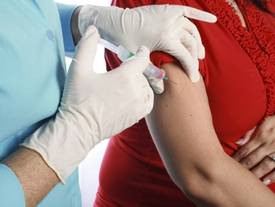
"Together with our [previous] findings of no significantly increased risk of spontaneous abortion and stillbirth associated with vaccination, these data provide reassurance of the safety of the ASO3-adjuvanted A(H1N1)pdm09 vaccine in pregnancy.
"Our data might be generalizable to nonadjuvanted A(H1N1)pdm09 vaccines because they contain identical viral antigens, although the antigen doses and manufacturing processes may differ. However, results from this study do not provide evidence of safety for vaccines with other adjuvants," the researchers noted.
They added that "apart from providing information on influenza A(H1N1)pdm09 vaccine safety in pregnancy in retrospect, studies such as ours may have implications for future influenza seasons and pandemics; in some circumstances, the use of adjuvanted vaccines will likely be critical to achieve sufficient host immune response."
Dr. Pasternak and his colleagues identified 6,989 infants (13% of the total born that year) who had been exposed to the vaccine during pregnancy. This included 345 infants who had been exposed during the first trimester and 6,644 who had been exposed in the second or third trimesters.
They adjusted the data to account for numerous potential confounders of an association between exposure and fetal outcome, such as maternal age, parity, smoking status, body mass index, comorbidities, drug use, and reproductive history.
In an unmatched analysis, infants exposed to the vaccine during the second or third trimesters did not have an increased prevalence of any adverse outcome, compared with unexposed infants. Rates of preterm birth were 4.6% with second- or third-trimester exposure and 4.6% with no exposure, and rates of small size for gestational age were 9.7% and 9.9%, respectively.
Because this analysis was based on data from well over 6,000 exposed infants, it provides "robust evidence of [vaccine] safety with high precision," the investigators said (JAMA 2012;308:165-74).
However, the number of infants exposed during the first trimester was much smaller, and because first-trimester vaccination was largely restricted to high-risk pregnancies, these infants were already at elevated risk for adverse outcomes. So a different method of analysis was needed to accurately compare this group with unexposed infants.
Therefore, 330 of the infants exposed during the first trimester were propensity-matched with 330 unexposed infants. No unexpected cluster of birth defects occurred, nor was there any significant difference in rates of low birth weight (4.5% and 5.5%, respectively) or preterm birth (9.4% vs. 7.3%). But given the small numbers, these results "should be viewed as preliminary and in need of confirmation," Dr. Pasternak and his associates said.
This study was funded by the Danish Medical Research Council. No financial conflicts of interest were reported among the study authors.
The findings of Dr. Pasternak and colleagues should "partially assuage concerns about safety of adjuvanted pandemic influenza vaccines during pregnancy," said Dr. Mark C. Steinhoff and Dr. Noni E. MacDonald.
However, further research is needed to assess other types of vaccine adjuvants. And because observational studies like this one are limited by biases, "future studies with improved statistical designs including prospective follow-up studies using virological end points with adjustments for selection, seasonality, and other biases are needed to confirm these data," they said.
Dr. Steinhoff is at Cincinnati Children’s Hospital Medical Center. Dr. MacDonald is at Dalhousie University, Halifax, N.S. Dr. Steinhoff reported ties to Pfizer and the Bill and Melinda Gates Foundation. Dr. MacDonald reported ties to the World Health Organization, Canadian Institutes of Health, International Development Research Centre, Ontario Public Health Association, and Canadian Paediatric Society. These remarks were taken from their editorial accompanying Dr. Pasternak’s report (JAMA 2012;308:184-5).
The findings of Dr. Pasternak and colleagues should "partially assuage concerns about safety of adjuvanted pandemic influenza vaccines during pregnancy," said Dr. Mark C. Steinhoff and Dr. Noni E. MacDonald.
However, further research is needed to assess other types of vaccine adjuvants. And because observational studies like this one are limited by biases, "future studies with improved statistical designs including prospective follow-up studies using virological end points with adjustments for selection, seasonality, and other biases are needed to confirm these data," they said.
Dr. Steinhoff is at Cincinnati Children’s Hospital Medical Center. Dr. MacDonald is at Dalhousie University, Halifax, N.S. Dr. Steinhoff reported ties to Pfizer and the Bill and Melinda Gates Foundation. Dr. MacDonald reported ties to the World Health Organization, Canadian Institutes of Health, International Development Research Centre, Ontario Public Health Association, and Canadian Paediatric Society. These remarks were taken from their editorial accompanying Dr. Pasternak’s report (JAMA 2012;308:184-5).
The findings of Dr. Pasternak and colleagues should "partially assuage concerns about safety of adjuvanted pandemic influenza vaccines during pregnancy," said Dr. Mark C. Steinhoff and Dr. Noni E. MacDonald.
However, further research is needed to assess other types of vaccine adjuvants. And because observational studies like this one are limited by biases, "future studies with improved statistical designs including prospective follow-up studies using virological end points with adjustments for selection, seasonality, and other biases are needed to confirm these data," they said.
Dr. Steinhoff is at Cincinnati Children’s Hospital Medical Center. Dr. MacDonald is at Dalhousie University, Halifax, N.S. Dr. Steinhoff reported ties to Pfizer and the Bill and Melinda Gates Foundation. Dr. MacDonald reported ties to the World Health Organization, Canadian Institutes of Health, International Development Research Centre, Ontario Public Health Association, and Canadian Paediatric Society. These remarks were taken from their editorial accompanying Dr. Pasternak’s report (JAMA 2012;308:184-5).
The monovalent inactivated ASO3-adjuvanted influenza A(H1N1)pdm09 vaccine used in Denmark during the 2009 flu pandemic showed no association with adverse fetal outcomes, according to a report in the July 11 issue of JAMA.
This vaccine, which contained the same H1N1 viral antigens to those in the nonadjuvanted vaccine used in the United States, was not related to major birth defects, preterm birth, or fetal growth restriction in a nationwide cohort study of 53,432 live-born singleton infants delivered in Denmark during the 2009-2010 influenza A(H1N1) pandemic, said Dr. Björn Pasternak of the department of epidemiology research at Statens Serum Institut, Copenhagen, and his associates.
"Together with our [previous] findings of no significantly increased risk of spontaneous abortion and stillbirth associated with vaccination, these data provide reassurance of the safety of the ASO3-adjuvanted A(H1N1)pdm09 vaccine in pregnancy.
"Our data might be generalizable to nonadjuvanted A(H1N1)pdm09 vaccines because they contain identical viral antigens, although the antigen doses and manufacturing processes may differ. However, results from this study do not provide evidence of safety for vaccines with other adjuvants," the researchers noted.
They added that "apart from providing information on influenza A(H1N1)pdm09 vaccine safety in pregnancy in retrospect, studies such as ours may have implications for future influenza seasons and pandemics; in some circumstances, the use of adjuvanted vaccines will likely be critical to achieve sufficient host immune response."
Dr. Pasternak and his colleagues identified 6,989 infants (13% of the total born that year) who had been exposed to the vaccine during pregnancy. This included 345 infants who had been exposed during the first trimester and 6,644 who had been exposed in the second or third trimesters.
They adjusted the data to account for numerous potential confounders of an association between exposure and fetal outcome, such as maternal age, parity, smoking status, body mass index, comorbidities, drug use, and reproductive history.
In an unmatched analysis, infants exposed to the vaccine during the second or third trimesters did not have an increased prevalence of any adverse outcome, compared with unexposed infants. Rates of preterm birth were 4.6% with second- or third-trimester exposure and 4.6% with no exposure, and rates of small size for gestational age were 9.7% and 9.9%, respectively.
Because this analysis was based on data from well over 6,000 exposed infants, it provides "robust evidence of [vaccine] safety with high precision," the investigators said (JAMA 2012;308:165-74).
However, the number of infants exposed during the first trimester was much smaller, and because first-trimester vaccination was largely restricted to high-risk pregnancies, these infants were already at elevated risk for adverse outcomes. So a different method of analysis was needed to accurately compare this group with unexposed infants.
Therefore, 330 of the infants exposed during the first trimester were propensity-matched with 330 unexposed infants. No unexpected cluster of birth defects occurred, nor was there any significant difference in rates of low birth weight (4.5% and 5.5%, respectively) or preterm birth (9.4% vs. 7.3%). But given the small numbers, these results "should be viewed as preliminary and in need of confirmation," Dr. Pasternak and his associates said.
This study was funded by the Danish Medical Research Council. No financial conflicts of interest were reported among the study authors.
The monovalent inactivated ASO3-adjuvanted influenza A(H1N1)pdm09 vaccine used in Denmark during the 2009 flu pandemic showed no association with adverse fetal outcomes, according to a report in the July 11 issue of JAMA.
This vaccine, which contained the same H1N1 viral antigens to those in the nonadjuvanted vaccine used in the United States, was not related to major birth defects, preterm birth, or fetal growth restriction in a nationwide cohort study of 53,432 live-born singleton infants delivered in Denmark during the 2009-2010 influenza A(H1N1) pandemic, said Dr. Björn Pasternak of the department of epidemiology research at Statens Serum Institut, Copenhagen, and his associates.
"Together with our [previous] findings of no significantly increased risk of spontaneous abortion and stillbirth associated with vaccination, these data provide reassurance of the safety of the ASO3-adjuvanted A(H1N1)pdm09 vaccine in pregnancy.
"Our data might be generalizable to nonadjuvanted A(H1N1)pdm09 vaccines because they contain identical viral antigens, although the antigen doses and manufacturing processes may differ. However, results from this study do not provide evidence of safety for vaccines with other adjuvants," the researchers noted.
They added that "apart from providing information on influenza A(H1N1)pdm09 vaccine safety in pregnancy in retrospect, studies such as ours may have implications for future influenza seasons and pandemics; in some circumstances, the use of adjuvanted vaccines will likely be critical to achieve sufficient host immune response."
Dr. Pasternak and his colleagues identified 6,989 infants (13% of the total born that year) who had been exposed to the vaccine during pregnancy. This included 345 infants who had been exposed during the first trimester and 6,644 who had been exposed in the second or third trimesters.
They adjusted the data to account for numerous potential confounders of an association between exposure and fetal outcome, such as maternal age, parity, smoking status, body mass index, comorbidities, drug use, and reproductive history.
In an unmatched analysis, infants exposed to the vaccine during the second or third trimesters did not have an increased prevalence of any adverse outcome, compared with unexposed infants. Rates of preterm birth were 4.6% with second- or third-trimester exposure and 4.6% with no exposure, and rates of small size for gestational age were 9.7% and 9.9%, respectively.
Because this analysis was based on data from well over 6,000 exposed infants, it provides "robust evidence of [vaccine] safety with high precision," the investigators said (JAMA 2012;308:165-74).
However, the number of infants exposed during the first trimester was much smaller, and because first-trimester vaccination was largely restricted to high-risk pregnancies, these infants were already at elevated risk for adverse outcomes. So a different method of analysis was needed to accurately compare this group with unexposed infants.
Therefore, 330 of the infants exposed during the first trimester were propensity-matched with 330 unexposed infants. No unexpected cluster of birth defects occurred, nor was there any significant difference in rates of low birth weight (4.5% and 5.5%, respectively) or preterm birth (9.4% vs. 7.3%). But given the small numbers, these results "should be viewed as preliminary and in need of confirmation," Dr. Pasternak and his associates said.
This study was funded by the Danish Medical Research Council. No financial conflicts of interest were reported among the study authors.
FROM JAMA
Major Finding: Rates of preterm birth were 4.6% with second- or third-trimester exposure and 4.6% with no exposure, and rates of small size for gestational age were 9.7% and 9.9%, respectively.
Data Source: This was a registry-based cohort study of 53,432 live-born singleton infants delivered in Denmark from November 2009 through September 2010, of whom 345 were exposed to the H1N1 flu vaccine during the first trimester, 6,644 were exposed during the second trimester or third trimester, and the remainder were unexposed.
Disclosures: This study was funded by the Danish Medical Research Council. No financial conflicts of interest were reported.
2009 H1N1 Flu Vaccine Raised Risk of Guillain-Barré
The vaccine used to counter 2009’s pandemic influenza A(H1N1) strain may have increased slightly the risk of Guillain-Barré syndrome in vaccinated older adults, according to a Canadian study. Results were published in the July 11 issue of JAMA.
The study’s investigators stressed that the benefits of immunization likely outweigh the elevated risk.
Exposure to the ASO3 adjuvant influenza A(H1N1) vaccine was associated with a small but significant increase in the risk of developing Guillain-Barré syndrome (GBS) within 8 weeks, with an excess of approximately two cases of the disorder per 1 million doses of vaccine, said Philippe De Wals, Ph.D., of the department of social and preventive medicine, Laval University, Quebec City, and his associates (JAMA 2012;308:175-81).
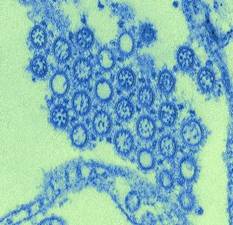
The province of Quebec launched a mass immunization campaign in the fall of 2009 to control a pandemic of the H1N1 flu. The chief medical officer of health ordered that a population-based epidemiologic study of GBS be conducted at the same time. GBS had recently been added to the list of reportable diseases there.
The immunization program targeted all 7.8 million residents of Quebec aged 6 months and older, and the vaccine was administered by the public health service only. Almost all recipients (96%) were given the inactivated monovalent ASO3 influenza A(H1N1) vaccine (Arepanrix, GlaxoSmithKline).
In addition to the mandatory reporting of GBS cases, all neurologists in the province were contacted twice a month from October of that year until the following April and asked to report both suspected and confirmed cases of GBS they had treated. Dr. De Wals and his colleagues reviewed the records of these cases, as well as the records of all GBS cases treated at all the province’s acute care hospitals during the study period, from October through March.
In all, 83 cases of GBS were included in the analysis, representing a rate of 2.3 cases per 100,000 people. That is higher than the rates of 1.1-1.8 per 100,000 that have been reported in other studies, the researchers noted.
There was a conspicuous cluster of 56 cases of GBS (67% of the total number of cases) during the 12-week period just after the immunization campaign began. In contrast, no cluster of GBS cases was seen among unvaccinated people during that period.
Two statistical methods were used to assess the risk associated with the vaccine, and both found an elevated risk during the 4 weeks following vaccination.
However, the excess risk was seen only in patients aged 50 years or older.
"The number of cases attributable to vaccination was approximately 2 per 1 million doses," Dr. De Wals and his associates said.
Similar studies in other areas of the world have produced inconsistent results.
In the United States, the Centers for Disease Control and Prevention’s Emerging Infections Program found a significant association between the nonadjuvant 2009 influenza A(H1N1) vaccine and GBS, with attributable risks of 1.5 and 2.8 per million doses, depending on the definition of the reference period. Those findings are very similar to the results in Quebec.
However, in the United Kingdom, no significant association was found between the H1N1 vaccines administered there and GBS. And another study in five European countries lacked the power to detect an association of a few cases per million doses, the researchers said.
The Quebec study was funded by Ministère de la Santé et des Services Sociaux du Quebec and the Public Health Agency of Canada–Canadian Institutes for Health Research influenza research network. Dr. De Wals reported ties to vaccine manufacturers, including GlaxoSmithKline, Novartis, Sanofi-Pasteur, Merck, and Pfizer.
The vaccine used to counter 2009’s pandemic influenza A(H1N1) strain may have increased slightly the risk of Guillain-Barré syndrome in vaccinated older adults, according to a Canadian study. Results were published in the July 11 issue of JAMA.
The study’s investigators stressed that the benefits of immunization likely outweigh the elevated risk.
Exposure to the ASO3 adjuvant influenza A(H1N1) vaccine was associated with a small but significant increase in the risk of developing Guillain-Barré syndrome (GBS) within 8 weeks, with an excess of approximately two cases of the disorder per 1 million doses of vaccine, said Philippe De Wals, Ph.D., of the department of social and preventive medicine, Laval University, Quebec City, and his associates (JAMA 2012;308:175-81).
The province of Quebec launched a mass immunization campaign in the fall of 2009 to control a pandemic of the H1N1 flu. The chief medical officer of health ordered that a population-based epidemiologic study of GBS be conducted at the same time. GBS had recently been added to the list of reportable diseases there.
The immunization program targeted all 7.8 million residents of Quebec aged 6 months and older, and the vaccine was administered by the public health service only. Almost all recipients (96%) were given the inactivated monovalent ASO3 influenza A(H1N1) vaccine (Arepanrix, GlaxoSmithKline).
In addition to the mandatory reporting of GBS cases, all neurologists in the province were contacted twice a month from October of that year until the following April and asked to report both suspected and confirmed cases of GBS they had treated. Dr. De Wals and his colleagues reviewed the records of these cases, as well as the records of all GBS cases treated at all the province’s acute care hospitals during the study period, from October through March.
In all, 83 cases of GBS were included in the analysis, representing a rate of 2.3 cases per 100,000 people. That is higher than the rates of 1.1-1.8 per 100,000 that have been reported in other studies, the researchers noted.
There was a conspicuous cluster of 56 cases of GBS (67% of the total number of cases) during the 12-week period just after the immunization campaign began. In contrast, no cluster of GBS cases was seen among unvaccinated people during that period.
Two statistical methods were used to assess the risk associated with the vaccine, and both found an elevated risk during the 4 weeks following vaccination.
However, the excess risk was seen only in patients aged 50 years or older.
"The number of cases attributable to vaccination was approximately 2 per 1 million doses," Dr. De Wals and his associates said.
Similar studies in other areas of the world have produced inconsistent results.
In the United States, the Centers for Disease Control and Prevention’s Emerging Infections Program found a significant association between the nonadjuvant 2009 influenza A(H1N1) vaccine and GBS, with attributable risks of 1.5 and 2.8 per million doses, depending on the definition of the reference period. Those findings are very similar to the results in Quebec.
However, in the United Kingdom, no significant association was found between the H1N1 vaccines administered there and GBS. And another study in five European countries lacked the power to detect an association of a few cases per million doses, the researchers said.
The Quebec study was funded by Ministère de la Santé et des Services Sociaux du Quebec and the Public Health Agency of Canada–Canadian Institutes for Health Research influenza research network. Dr. De Wals reported ties to vaccine manufacturers, including GlaxoSmithKline, Novartis, Sanofi-Pasteur, Merck, and Pfizer.
The vaccine used to counter 2009’s pandemic influenza A(H1N1) strain may have increased slightly the risk of Guillain-Barré syndrome in vaccinated older adults, according to a Canadian study. Results were published in the July 11 issue of JAMA.
The study’s investigators stressed that the benefits of immunization likely outweigh the elevated risk.
Exposure to the ASO3 adjuvant influenza A(H1N1) vaccine was associated with a small but significant increase in the risk of developing Guillain-Barré syndrome (GBS) within 8 weeks, with an excess of approximately two cases of the disorder per 1 million doses of vaccine, said Philippe De Wals, Ph.D., of the department of social and preventive medicine, Laval University, Quebec City, and his associates (JAMA 2012;308:175-81).
The province of Quebec launched a mass immunization campaign in the fall of 2009 to control a pandemic of the H1N1 flu. The chief medical officer of health ordered that a population-based epidemiologic study of GBS be conducted at the same time. GBS had recently been added to the list of reportable diseases there.
The immunization program targeted all 7.8 million residents of Quebec aged 6 months and older, and the vaccine was administered by the public health service only. Almost all recipients (96%) were given the inactivated monovalent ASO3 influenza A(H1N1) vaccine (Arepanrix, GlaxoSmithKline).
In addition to the mandatory reporting of GBS cases, all neurologists in the province were contacted twice a month from October of that year until the following April and asked to report both suspected and confirmed cases of GBS they had treated. Dr. De Wals and his colleagues reviewed the records of these cases, as well as the records of all GBS cases treated at all the province’s acute care hospitals during the study period, from October through March.
In all, 83 cases of GBS were included in the analysis, representing a rate of 2.3 cases per 100,000 people. That is higher than the rates of 1.1-1.8 per 100,000 that have been reported in other studies, the researchers noted.
There was a conspicuous cluster of 56 cases of GBS (67% of the total number of cases) during the 12-week period just after the immunization campaign began. In contrast, no cluster of GBS cases was seen among unvaccinated people during that period.
Two statistical methods were used to assess the risk associated with the vaccine, and both found an elevated risk during the 4 weeks following vaccination.
However, the excess risk was seen only in patients aged 50 years or older.
"The number of cases attributable to vaccination was approximately 2 per 1 million doses," Dr. De Wals and his associates said.
Similar studies in other areas of the world have produced inconsistent results.
In the United States, the Centers for Disease Control and Prevention’s Emerging Infections Program found a significant association between the nonadjuvant 2009 influenza A(H1N1) vaccine and GBS, with attributable risks of 1.5 and 2.8 per million doses, depending on the definition of the reference period. Those findings are very similar to the results in Quebec.
However, in the United Kingdom, no significant association was found between the H1N1 vaccines administered there and GBS. And another study in five European countries lacked the power to detect an association of a few cases per million doses, the researchers said.
The Quebec study was funded by Ministère de la Santé et des Services Sociaux du Quebec and the Public Health Agency of Canada–Canadian Institutes for Health Research influenza research network. Dr. De Wals reported ties to vaccine manufacturers, including GlaxoSmithKline, Novartis, Sanofi-Pasteur, Merck, and Pfizer.
FROM JAMA
Major Finding: The risk of developing Guillain-Barré syndrome was slightly but significantly elevated during the 8 weeks after H1N1 flu vaccination in Quebec in 2009-2010, with an excess of approximately two cases of GBS per 1 million doses of the vaccine.
Data Source: A population-based cohort study tracked the development of Guillain-Barré syndrome across approximately 7.8 million residents of Quebec in October 2009 through March 2010, during a mass immunization campaign to control the influenza A(H1N1) pandemic.
Disclosures: This study was funded by Ministère de la Santé et des Services Sociaux du Quebec and the Public Health Agency of Canada–Canadian Institutes for Health Research influenza research network. Dr. De Wals reported ties to vaccine manufacturers, including GlaxoSmithKline, Novartis, Sanofi-Pasteur, Merck, and Pfizer.
Cranberry Juice Really Does Squelch UTIs, Meta-Analysis Finds
Cranberry products appear to protect against urinary tract infections, according to a meta-analysis published in the July 9 Archives of Internal Medicine.
Consuming cranberry in the form of juice seems to be slightly more beneficial than taking capsules or tablets, and ingesting it more than twice per day appears to be slightly more beneficial than taking it less often, said Dr. Chih-Hung Wang of the department of emergency medicine, National Taiwan University Hospital, Taipei, and associates.

The most recent comprehensive review of the extensive literature on cranberry and urinary tract infection (UTI) was a Cochrane analysis published in 2008, which found "a favorable effect of cranberry juice in the prevention of symptomatic UTIs," with a risk ratio (RR) of 0.66. Several studies have been published since then, prompting Dr. Wang and colleagues to perform an updated meta-analysis.
They reviewed the literature for randomized controlled trials that compared cranberry products against a placebo or a control substance and measured the outcome as the incidence of UTI. They identified 13 such studies – 9 parallel-group and 4 crossover trials – for the meta-analysis.
Ten of the studies were North American and 3 were European. The total number of subjects was 1,616.
Unfortunately, "most of the trials did not report their randomization processes adequately and suffered from a high proportion of subjects lost to follow-up (0%-48%)," the investigators wrote.
The studies also varied greatly in the form, dosage, and proanthocyanidin content of the cranberry products tested. Nine trials used cranberry juice and four used capsules or tablets, with daily doses ranging from 0.4 to 194.4 g. Six trials obtained the cranberry products from a single manufacturer (Ocean Spray).
The quantitative analysis excluded three of these randomized controlled trials, pooling the results for 1,494 subjects (794 who received cranberry and 700 who served as controls).
A preliminary analysis showed that cranberry had a nonsignificant preventive effect, but the results were highly heterogeneic. When 1 of these 10 studies was shown to be a significant source of heterogeneity, it also was excluded from the main analysis.
The heterogeneity decreased significantly when this "outlier" study was excluded, resulting in an RR of 0.62, showing that cranberry products appeared to be significantly effective in preventing UTIs.
This finding is very close to that of the previous Cochrane analysis, Dr. Wang and associates said.
In addition, "our sensitivity analyses showed that the protective effect of cranberry-containing products was stronger in nonplacebo-controlled trials, which suggests that expectations of efficacy may have played a role," they said.
Inclusion of the more recent studies enabled the researchers to assess the effect of cranberry products in several subgroups of patients. This revealed that cranberry juice may be more beneficial than tablets or capsules. Subjects who drank cranberry juice may have been better hydrated than those who did not. Alternatively, there may be an additive or synergistic effect of as-yet unknown substances that are in cranberry juice, but not in the other products, the investigators suggested.
Another subgroup analysis indicated that frequent dosing may be more effective than once- or twice-daily dosing. Since previous in vitro studies have reported that "the antiadhesion activity of cranberry juice on fimbriated [Escherichia coli] lasts for approximately 8 hours after ingestion, dosing more frequently than twice daily may be a reasonable choice," they added.
A large study is currently under way to explore optimal dosing strategies, Dr. Wang and colleagues said.
No financial conflicts of interest were reported.
Cranberry products appear to protect against urinary tract infections, according to a meta-analysis published in the July 9 Archives of Internal Medicine.
Consuming cranberry in the form of juice seems to be slightly more beneficial than taking capsules or tablets, and ingesting it more than twice per day appears to be slightly more beneficial than taking it less often, said Dr. Chih-Hung Wang of the department of emergency medicine, National Taiwan University Hospital, Taipei, and associates.
The most recent comprehensive review of the extensive literature on cranberry and urinary tract infection (UTI) was a Cochrane analysis published in 2008, which found "a favorable effect of cranberry juice in the prevention of symptomatic UTIs," with a risk ratio (RR) of 0.66. Several studies have been published since then, prompting Dr. Wang and colleagues to perform an updated meta-analysis.
They reviewed the literature for randomized controlled trials that compared cranberry products against a placebo or a control substance and measured the outcome as the incidence of UTI. They identified 13 such studies – 9 parallel-group and 4 crossover trials – for the meta-analysis.
Ten of the studies were North American and 3 were European. The total number of subjects was 1,616.
Unfortunately, "most of the trials did not report their randomization processes adequately and suffered from a high proportion of subjects lost to follow-up (0%-48%)," the investigators wrote.
The studies also varied greatly in the form, dosage, and proanthocyanidin content of the cranberry products tested. Nine trials used cranberry juice and four used capsules or tablets, with daily doses ranging from 0.4 to 194.4 g. Six trials obtained the cranberry products from a single manufacturer (Ocean Spray).
The quantitative analysis excluded three of these randomized controlled trials, pooling the results for 1,494 subjects (794 who received cranberry and 700 who served as controls).
A preliminary analysis showed that cranberry had a nonsignificant preventive effect, but the results were highly heterogeneic. When 1 of these 10 studies was shown to be a significant source of heterogeneity, it also was excluded from the main analysis.
The heterogeneity decreased significantly when this "outlier" study was excluded, resulting in an RR of 0.62, showing that cranberry products appeared to be significantly effective in preventing UTIs.
This finding is very close to that of the previous Cochrane analysis, Dr. Wang and associates said.
In addition, "our sensitivity analyses showed that the protective effect of cranberry-containing products was stronger in nonplacebo-controlled trials, which suggests that expectations of efficacy may have played a role," they said.
Inclusion of the more recent studies enabled the researchers to assess the effect of cranberry products in several subgroups of patients. This revealed that cranberry juice may be more beneficial than tablets or capsules. Subjects who drank cranberry juice may have been better hydrated than those who did not. Alternatively, there may be an additive or synergistic effect of as-yet unknown substances that are in cranberry juice, but not in the other products, the investigators suggested.
Another subgroup analysis indicated that frequent dosing may be more effective than once- or twice-daily dosing. Since previous in vitro studies have reported that "the antiadhesion activity of cranberry juice on fimbriated [Escherichia coli] lasts for approximately 8 hours after ingestion, dosing more frequently than twice daily may be a reasonable choice," they added.
A large study is currently under way to explore optimal dosing strategies, Dr. Wang and colleagues said.
No financial conflicts of interest were reported.
Cranberry products appear to protect against urinary tract infections, according to a meta-analysis published in the July 9 Archives of Internal Medicine.
Consuming cranberry in the form of juice seems to be slightly more beneficial than taking capsules or tablets, and ingesting it more than twice per day appears to be slightly more beneficial than taking it less often, said Dr. Chih-Hung Wang of the department of emergency medicine, National Taiwan University Hospital, Taipei, and associates.
The most recent comprehensive review of the extensive literature on cranberry and urinary tract infection (UTI) was a Cochrane analysis published in 2008, which found "a favorable effect of cranberry juice in the prevention of symptomatic UTIs," with a risk ratio (RR) of 0.66. Several studies have been published since then, prompting Dr. Wang and colleagues to perform an updated meta-analysis.
They reviewed the literature for randomized controlled trials that compared cranberry products against a placebo or a control substance and measured the outcome as the incidence of UTI. They identified 13 such studies – 9 parallel-group and 4 crossover trials – for the meta-analysis.
Ten of the studies were North American and 3 were European. The total number of subjects was 1,616.
Unfortunately, "most of the trials did not report their randomization processes adequately and suffered from a high proportion of subjects lost to follow-up (0%-48%)," the investigators wrote.
The studies also varied greatly in the form, dosage, and proanthocyanidin content of the cranberry products tested. Nine trials used cranberry juice and four used capsules or tablets, with daily doses ranging from 0.4 to 194.4 g. Six trials obtained the cranberry products from a single manufacturer (Ocean Spray).
The quantitative analysis excluded three of these randomized controlled trials, pooling the results for 1,494 subjects (794 who received cranberry and 700 who served as controls).
A preliminary analysis showed that cranberry had a nonsignificant preventive effect, but the results were highly heterogeneic. When 1 of these 10 studies was shown to be a significant source of heterogeneity, it also was excluded from the main analysis.
The heterogeneity decreased significantly when this "outlier" study was excluded, resulting in an RR of 0.62, showing that cranberry products appeared to be significantly effective in preventing UTIs.
This finding is very close to that of the previous Cochrane analysis, Dr. Wang and associates said.
In addition, "our sensitivity analyses showed that the protective effect of cranberry-containing products was stronger in nonplacebo-controlled trials, which suggests that expectations of efficacy may have played a role," they said.
Inclusion of the more recent studies enabled the researchers to assess the effect of cranberry products in several subgroups of patients. This revealed that cranberry juice may be more beneficial than tablets or capsules. Subjects who drank cranberry juice may have been better hydrated than those who did not. Alternatively, there may be an additive or synergistic effect of as-yet unknown substances that are in cranberry juice, but not in the other products, the investigators suggested.
Another subgroup analysis indicated that frequent dosing may be more effective than once- or twice-daily dosing. Since previous in vitro studies have reported that "the antiadhesion activity of cranberry juice on fimbriated [Escherichia coli] lasts for approximately 8 hours after ingestion, dosing more frequently than twice daily may be a reasonable choice," they added.
A large study is currently under way to explore optimal dosing strategies, Dr. Wang and colleagues said.
No financial conflicts of interest were reported.
FROM ARCHIVES OF INTERNAL MEDICINE
Major Finding: Cranberry juice, tablets, and capsules appear to prevent urinary tract infection, with an RR of 0.62.
Data Source: Findings are based on a meta-analysis of 10 randomized controlled trials involving 1,494 subjects, which compared cranberry products (794 subjects) against placebo or other substances (700 subjects) for the prevention of UTI.
Disclosures: No financial conflicts of interest were reported.
Only High Vitamin D Intake Cuts Fracture Risk
Only high intake of vitamin D supplementation with 800 IU or more per day appears to reduce the risk of fracture significantly in the elderly, according to the latest meta-analysis on the subject reported online July 4 in the New England Journal of Medicine.
Such high levels of supplementation appear to reduce the risk of hip fracture by 30% and the risk of nonvertebral fracture by 14% in people aged 65 years and older, said Dr. Heike A. Bischoff-Ferrari, of the Center on Aging and Mobility at the University of Zurich, and her associates.
Many previous meta-analyses of the protective effect of vitamin D supplements, like the numerous clinical trials they reviewed, have produced markedly conflicting results. Some have found reductions in fracture risk of up to 20%, others have found no beneficial effect, and a few have even found negative effects on fracture risk.
Dr. Bischoff-Ferrari and her colleagues reasoned that many of these clinical trials, as well as the meta-analyses that pooled their findings, were flawed by relying on the doses of vitamin D that were prescribed for subjects rather than the actual amount that subjects took. Many also were flawed in that they did not take into account subjects’ baseline levels of 25-hydroxyvitamin D, an indicator of the degree of their vitamin D deficiency.
So for their meta-analysis, the investigators included only double-blind, randomized, controlled trials that either recorded subjects’ actual intake of oral vitamin D supplements or controlled for their adherence to prescribed supplementation. Thus, the investigators were able to include only 11 studies, with a pooled population of 31,022 subjects, in their meta-analysis.
The intention-to-treat analysis, which examined the prescribed supplementation, showed a nonsignificant 10% reduction in the risk of hip fracture. However, a comparison of subjects’ actual intake of vitamin D supplements showed a significant 30% reduction in risk of hip fracture at the highest levels of intake (800-2,000 IU daily).
"Notably, there was no reduction in risk of hip fracture at any actual intake level lower than 792 IU per day," Dr. Bischoff-Ferrari and her associates said (N. Engl. J. Med. 2012 July 4 [doi: 10.1056/NEJMoa1109617]).
Similarly, the intention-to-treat analysis showed a nonsignificant 7% reduction in the risk of nonvertebral fracture, while a comparison of actual intake levels showed a significant 14% decline in risk at the highest levels of intake.
Internal validation analyses supported these results, and indicated that there was a dose-response relationship between vitamin D dose actually ingested and fracture risk. Several sensitivity analyses also bolstered the findings, and showed that the benefit of vitamin D supplements extended across several subgroups of patients, including all ages and both sexes.
"Previous meta-analyses have suggested that the benefits of vitamin D may be limited to older persons who live in institutions. Our subgroup analyses suggest that at the highest actual intake level, the risk of hip fracture is reduced among all persons 65 years of age or older, whether they live in the community or in an institution.
"Our data further suggest that persons who are most vulnerable to vitamin D deficiency – those 85 years of age or older and those with very low baseline levels of 25-hydroxyvitamin D – benefit from vitamin D supplementation at least as much as others do," they added.
Overall, the study results support the Institute of Medicine’s recommendation that people aged 65 years and older receive 800 IU of vitamin D each day, the investigators noted.
In addition, "our findings suggest that some previous high-quality trials of vitamin D supplementation either showed no benefit owing to lower-than-intended doses of vitamin D or showed an unexpected benefit owing to higher-than-intended doses," they said.
This study was supported by the Swiss National Foundation, the European Commission Framework 7 Program, and DSM Nutritional Products. Dr. Bischoff-Ferrari reported ties to DSM Nutritional Products, Amgen, MSD, Novartis, Roche, and Nestle, and her associates reported ties to numerous industry sources.
Vitamin D is like most nutrients in that people who have different levels at baseline and then receive identical supplementation may or may not show a measurable response to the supplementation, said Dr. Robert P. Heaney.
"Unfortunately, most of the randomized, controlled trials of vitamin D that have been published to date have paid little attention to baseline status. Among 31,022 patients whose results were analyzed by [Dr. Bischoff-Ferrari and colleagues], data on baseline concentrations of 25-hydroxyvitamin D were available for only 4,383 patients (barely 14%)," he noted.
"The question of how much vitamin D is enough is likely to remain muddled as long as meta-analyses focus on trial methodology rather than on biology," Dr. Heaney added.
Nonetheless, "given the congruence of the findings of this latest meta-analysis with the guidelines from the Endocrine Society [1,500-2,000 IU/ day], it would appear to be prudent, and probably helpful as well, to ensure an intake at the upper end of the range at which Bischoff-Ferrari et al. found a reduction in fracture risk," he concluded.
Dr. Heaney is with the osteoporosis research center at Creighton University in Omaha, Neb. He reported ties to Coca-Cola, the International Dairy Foods Commission, the Federal Trade Commission, the National Dairy Council, and the Council for Responsible Nutrition. These remarks were taken from his editorial accompanying Dr. Bischoff-Ferrari’s report (N. Engl. J. Med. 2012 July 4 [doi:10.1056/NEJMe1206858]).
Vitamin D is like most nutrients in that people who have different levels at baseline and then receive identical supplementation may or may not show a measurable response to the supplementation, said Dr. Robert P. Heaney.
"Unfortunately, most of the randomized, controlled trials of vitamin D that have been published to date have paid little attention to baseline status. Among 31,022 patients whose results were analyzed by [Dr. Bischoff-Ferrari and colleagues], data on baseline concentrations of 25-hydroxyvitamin D were available for only 4,383 patients (barely 14%)," he noted.
"The question of how much vitamin D is enough is likely to remain muddled as long as meta-analyses focus on trial methodology rather than on biology," Dr. Heaney added.
Nonetheless, "given the congruence of the findings of this latest meta-analysis with the guidelines from the Endocrine Society [1,500-2,000 IU/ day], it would appear to be prudent, and probably helpful as well, to ensure an intake at the upper end of the range at which Bischoff-Ferrari et al. found a reduction in fracture risk," he concluded.
Dr. Heaney is with the osteoporosis research center at Creighton University in Omaha, Neb. He reported ties to Coca-Cola, the International Dairy Foods Commission, the Federal Trade Commission, the National Dairy Council, and the Council for Responsible Nutrition. These remarks were taken from his editorial accompanying Dr. Bischoff-Ferrari’s report (N. Engl. J. Med. 2012 July 4 [doi:10.1056/NEJMe1206858]).
Vitamin D is like most nutrients in that people who have different levels at baseline and then receive identical supplementation may or may not show a measurable response to the supplementation, said Dr. Robert P. Heaney.
"Unfortunately, most of the randomized, controlled trials of vitamin D that have been published to date have paid little attention to baseline status. Among 31,022 patients whose results were analyzed by [Dr. Bischoff-Ferrari and colleagues], data on baseline concentrations of 25-hydroxyvitamin D were available for only 4,383 patients (barely 14%)," he noted.
"The question of how much vitamin D is enough is likely to remain muddled as long as meta-analyses focus on trial methodology rather than on biology," Dr. Heaney added.
Nonetheless, "given the congruence of the findings of this latest meta-analysis with the guidelines from the Endocrine Society [1,500-2,000 IU/ day], it would appear to be prudent, and probably helpful as well, to ensure an intake at the upper end of the range at which Bischoff-Ferrari et al. found a reduction in fracture risk," he concluded.
Dr. Heaney is with the osteoporosis research center at Creighton University in Omaha, Neb. He reported ties to Coca-Cola, the International Dairy Foods Commission, the Federal Trade Commission, the National Dairy Council, and the Council for Responsible Nutrition. These remarks were taken from his editorial accompanying Dr. Bischoff-Ferrari’s report (N. Engl. J. Med. 2012 July 4 [doi:10.1056/NEJMe1206858]).
Only high intake of vitamin D supplementation with 800 IU or more per day appears to reduce the risk of fracture significantly in the elderly, according to the latest meta-analysis on the subject reported online July 4 in the New England Journal of Medicine.
Such high levels of supplementation appear to reduce the risk of hip fracture by 30% and the risk of nonvertebral fracture by 14% in people aged 65 years and older, said Dr. Heike A. Bischoff-Ferrari, of the Center on Aging and Mobility at the University of Zurich, and her associates.
Many previous meta-analyses of the protective effect of vitamin D supplements, like the numerous clinical trials they reviewed, have produced markedly conflicting results. Some have found reductions in fracture risk of up to 20%, others have found no beneficial effect, and a few have even found negative effects on fracture risk.
Dr. Bischoff-Ferrari and her colleagues reasoned that many of these clinical trials, as well as the meta-analyses that pooled their findings, were flawed by relying on the doses of vitamin D that were prescribed for subjects rather than the actual amount that subjects took. Many also were flawed in that they did not take into account subjects’ baseline levels of 25-hydroxyvitamin D, an indicator of the degree of their vitamin D deficiency.
So for their meta-analysis, the investigators included only double-blind, randomized, controlled trials that either recorded subjects’ actual intake of oral vitamin D supplements or controlled for their adherence to prescribed supplementation. Thus, the investigators were able to include only 11 studies, with a pooled population of 31,022 subjects, in their meta-analysis.
The intention-to-treat analysis, which examined the prescribed supplementation, showed a nonsignificant 10% reduction in the risk of hip fracture. However, a comparison of subjects’ actual intake of vitamin D supplements showed a significant 30% reduction in risk of hip fracture at the highest levels of intake (800-2,000 IU daily).
"Notably, there was no reduction in risk of hip fracture at any actual intake level lower than 792 IU per day," Dr. Bischoff-Ferrari and her associates said (N. Engl. J. Med. 2012 July 4 [doi: 10.1056/NEJMoa1109617]).
Similarly, the intention-to-treat analysis showed a nonsignificant 7% reduction in the risk of nonvertebral fracture, while a comparison of actual intake levels showed a significant 14% decline in risk at the highest levels of intake.
Internal validation analyses supported these results, and indicated that there was a dose-response relationship between vitamin D dose actually ingested and fracture risk. Several sensitivity analyses also bolstered the findings, and showed that the benefit of vitamin D supplements extended across several subgroups of patients, including all ages and both sexes.
"Previous meta-analyses have suggested that the benefits of vitamin D may be limited to older persons who live in institutions. Our subgroup analyses suggest that at the highest actual intake level, the risk of hip fracture is reduced among all persons 65 years of age or older, whether they live in the community or in an institution.
"Our data further suggest that persons who are most vulnerable to vitamin D deficiency – those 85 years of age or older and those with very low baseline levels of 25-hydroxyvitamin D – benefit from vitamin D supplementation at least as much as others do," they added.
Overall, the study results support the Institute of Medicine’s recommendation that people aged 65 years and older receive 800 IU of vitamin D each day, the investigators noted.
In addition, "our findings suggest that some previous high-quality trials of vitamin D supplementation either showed no benefit owing to lower-than-intended doses of vitamin D or showed an unexpected benefit owing to higher-than-intended doses," they said.
This study was supported by the Swiss National Foundation, the European Commission Framework 7 Program, and DSM Nutritional Products. Dr. Bischoff-Ferrari reported ties to DSM Nutritional Products, Amgen, MSD, Novartis, Roche, and Nestle, and her associates reported ties to numerous industry sources.
Only high intake of vitamin D supplementation with 800 IU or more per day appears to reduce the risk of fracture significantly in the elderly, according to the latest meta-analysis on the subject reported online July 4 in the New England Journal of Medicine.
Such high levels of supplementation appear to reduce the risk of hip fracture by 30% and the risk of nonvertebral fracture by 14% in people aged 65 years and older, said Dr. Heike A. Bischoff-Ferrari, of the Center on Aging and Mobility at the University of Zurich, and her associates.
Many previous meta-analyses of the protective effect of vitamin D supplements, like the numerous clinical trials they reviewed, have produced markedly conflicting results. Some have found reductions in fracture risk of up to 20%, others have found no beneficial effect, and a few have even found negative effects on fracture risk.
Dr. Bischoff-Ferrari and her colleagues reasoned that many of these clinical trials, as well as the meta-analyses that pooled their findings, were flawed by relying on the doses of vitamin D that were prescribed for subjects rather than the actual amount that subjects took. Many also were flawed in that they did not take into account subjects’ baseline levels of 25-hydroxyvitamin D, an indicator of the degree of their vitamin D deficiency.
So for their meta-analysis, the investigators included only double-blind, randomized, controlled trials that either recorded subjects’ actual intake of oral vitamin D supplements or controlled for their adherence to prescribed supplementation. Thus, the investigators were able to include only 11 studies, with a pooled population of 31,022 subjects, in their meta-analysis.
The intention-to-treat analysis, which examined the prescribed supplementation, showed a nonsignificant 10% reduction in the risk of hip fracture. However, a comparison of subjects’ actual intake of vitamin D supplements showed a significant 30% reduction in risk of hip fracture at the highest levels of intake (800-2,000 IU daily).
"Notably, there was no reduction in risk of hip fracture at any actual intake level lower than 792 IU per day," Dr. Bischoff-Ferrari and her associates said (N. Engl. J. Med. 2012 July 4 [doi: 10.1056/NEJMoa1109617]).
Similarly, the intention-to-treat analysis showed a nonsignificant 7% reduction in the risk of nonvertebral fracture, while a comparison of actual intake levels showed a significant 14% decline in risk at the highest levels of intake.
Internal validation analyses supported these results, and indicated that there was a dose-response relationship between vitamin D dose actually ingested and fracture risk. Several sensitivity analyses also bolstered the findings, and showed that the benefit of vitamin D supplements extended across several subgroups of patients, including all ages and both sexes.
"Previous meta-analyses have suggested that the benefits of vitamin D may be limited to older persons who live in institutions. Our subgroup analyses suggest that at the highest actual intake level, the risk of hip fracture is reduced among all persons 65 years of age or older, whether they live in the community or in an institution.
"Our data further suggest that persons who are most vulnerable to vitamin D deficiency – those 85 years of age or older and those with very low baseline levels of 25-hydroxyvitamin D – benefit from vitamin D supplementation at least as much as others do," they added.
Overall, the study results support the Institute of Medicine’s recommendation that people aged 65 years and older receive 800 IU of vitamin D each day, the investigators noted.
In addition, "our findings suggest that some previous high-quality trials of vitamin D supplementation either showed no benefit owing to lower-than-intended doses of vitamin D or showed an unexpected benefit owing to higher-than-intended doses," they said.
This study was supported by the Swiss National Foundation, the European Commission Framework 7 Program, and DSM Nutritional Products. Dr. Bischoff-Ferrari reported ties to DSM Nutritional Products, Amgen, MSD, Novartis, Roche, and Nestle, and her associates reported ties to numerous industry sources.
FROM THE NEW ENGLAND JOURNAL OF MEDICINE
Delirium Signals Cognitive Risk After Heart Surgery
Patients who develop postoperative delirium after cardiac surgery are at risk for an overall decline in cognitive function and a prolonged period of impairment during the following year, according to a study published online July 4 in the New England Journal of Medicine.
Compared with cardiac surgery patients who do not develop postoperative delirium, those who do are significantly less likely to return to their preoperative level of cognitive performance within 6 months, said Jane S. Saczynski, Ph.D., of the division of geriatric medicine and Meyers Primary Care Institute at the University of Massachusetts, Worcester, and her associates.
"Our findings suggest that the development of postoperative delirium should be added to the list of risk factors for prolonged impairment after cardiac surgery, which includes the development of atrial fibrillation, a history of depression, a lower level of education, and preexisting cerebrovascular disease," they said.
Delirium is the only one of these factors that is potentially preventable, the investigators noted.
Delirium is common following cardiac surgery, affecting up to 75% of patients by some estimates. Dr. Saczynski and her colleagues followed 225 patients aged 60 years or older for 1 year after they underwent CABG (coronary artery bypass graft) or valve replacement, to assess the effect of postoperative delirium on later cognitive performance.
The study subjects were treated at two academic medial centers and a Veterans Affairs hospital. They were interviewed daily while they were hospitalized to assess delirium, and their records were reviewed for evidence of the clinical features of the condition. After discharge, the subjects were again interviewed in their residences at 1, 6, and 12 months to assess their cognitive function.
Delirium was rated as present or absent based on results of the CAM (Confusion Assessment Method), which evaluates four key features: acute change with a fluctuating course, inattention, disorganized thinking, and altered level of consciousness. This assessment was supported with results on the MMSE (Mini-Mental State Examination), the digit-span test, and the Delirium Symptom Interview.
The patients also were evaluated using the Charlson comorbidity index, which estimates the burden of illness based on the presence and severity of 17 medical conditions.
The mean age of the study subjects was 73 years; approximately 25% were women, and almost all were white and non-Hispanic.
Postoperative delirium developed in 46% of the study subjects. It lasted 1-2 days in 65% of these patients and for 3 or more days in the remaining 35%.
Subjects who developed delirium were significantly older and less educated than were those who did not; were more likely to have a history of stroke or TIA (transient ischemic attack); to have higher scores on the comorbidity index; and to have a lower level of cognitive function before the cardiac surgery.
Surgery type (whether CABG only, valve replacement only, or valve replacement with CABG) was not significantly associated with postoperative delirium.
In the study population as a whole, cognitive function declined significantly (by 4.6 points on the MMSE) between baseline and postoperative day 2. This initial drop was followed by significant increases in cognitive function, by 1 point per day, on days 3-5. The rate of improvement then slowed considerably and stabilized at approximately 6 months, showing no significant change thereafter.
However, this pattern changed when patients were stratified by the presence of delirium. Those who developed delirium showed a much greater decline in cognitive function in the immediate postoperative period, with a drop of 7.7 points vs. 2.1 points on the MMSE. They then showed more rapid recovery on days 3-5, and slightly greater recovery over the next 6 months.
"Patients without delirium returned to their preoperative level of cognitive function by approximately 1 month after surgery, whereas patients with delirium had not returned to their preoperative level of function by 1 year postoperatively," Dr. Saczynski and her associates said (N. Engl. J. Med. 2012 July 4 [doi:10.1056/NEJMoa1112923]).
"In addition, the proportion of patients who did not return to their preoperative level of function was significantly higher in the group with delirium than in the group without delirium through 6 months postoperatively (40% vs. 24%), but this proportion was not significantly different at 12 months (31% and 20%, respectively)," they noted.
This suggests that delirium, "which was once thought of as a short-term transient cognitive disorder, may have longer-term observed effects on cognitive function in patients who have undergone cardiac surgery," the investigators said.
The researchers did point out some potential caveats in their conclusions. The study did not have a nonsurgical group as a comparative control. In addition, the lower level of cognitive function at baseline in the group with postoperative delirium, as compared with those patients without postoperative delirium, could be caused by a trajectory of decline from a greater burden of preexisting disease that was not fully addressed in the multivariate models.
However, they added that in a sensitivity analysis, the baseline differences between the two study groups in cognitive function was controlled for by matching subjects’ preoperative MMSE scores and the results did not change.
The study results highlight the importance of proactive interventions such as the Hospital Elder Life Program to prevent delirium and to ameliorate its effects if it does develop. In addition, "cognitive screening at hospital discharge may identify high-risk patients who require close monitoring after discharge or tailored transitional care in order to enhance functional and clinical outcomes," they said.
The findings also have implications for postoperative and rehabilitative care after cardiac surgery. "Since patients with postoperative delirium continue to have improvements in cognitive function up to 6 months after surgery, rehabilitation services, such as physical and occupational therapy, may need to be extended for these patients," Dr. Saczynski and her colleagues said
This study was supported by the Harvard Older Americans Independence Center; the National Institute on Aging; the National Heart, Lung, and Blood Institute; and the National Institutes of Health. The authors reported no financial conflicts of interest relevant to the study.
Patients who develop postoperative delirium after cardiac surgery are at risk for an overall decline in cognitive function and a prolonged period of impairment during the following year, according to a study published online July 4 in the New England Journal of Medicine.
Compared with cardiac surgery patients who do not develop postoperative delirium, those who do are significantly less likely to return to their preoperative level of cognitive performance within 6 months, said Jane S. Saczynski, Ph.D., of the division of geriatric medicine and Meyers Primary Care Institute at the University of Massachusetts, Worcester, and her associates.
"Our findings suggest that the development of postoperative delirium should be added to the list of risk factors for prolonged impairment after cardiac surgery, which includes the development of atrial fibrillation, a history of depression, a lower level of education, and preexisting cerebrovascular disease," they said.
Delirium is the only one of these factors that is potentially preventable, the investigators noted.
Delirium is common following cardiac surgery, affecting up to 75% of patients by some estimates. Dr. Saczynski and her colleagues followed 225 patients aged 60 years or older for 1 year after they underwent CABG (coronary artery bypass graft) or valve replacement, to assess the effect of postoperative delirium on later cognitive performance.
The study subjects were treated at two academic medial centers and a Veterans Affairs hospital. They were interviewed daily while they were hospitalized to assess delirium, and their records were reviewed for evidence of the clinical features of the condition. After discharge, the subjects were again interviewed in their residences at 1, 6, and 12 months to assess their cognitive function.
Delirium was rated as present or absent based on results of the CAM (Confusion Assessment Method), which evaluates four key features: acute change with a fluctuating course, inattention, disorganized thinking, and altered level of consciousness. This assessment was supported with results on the MMSE (Mini-Mental State Examination), the digit-span test, and the Delirium Symptom Interview.
The patients also were evaluated using the Charlson comorbidity index, which estimates the burden of illness based on the presence and severity of 17 medical conditions.
The mean age of the study subjects was 73 years; approximately 25% were women, and almost all were white and non-Hispanic.
Postoperative delirium developed in 46% of the study subjects. It lasted 1-2 days in 65% of these patients and for 3 or more days in the remaining 35%.
Subjects who developed delirium were significantly older and less educated than were those who did not; were more likely to have a history of stroke or TIA (transient ischemic attack); to have higher scores on the comorbidity index; and to have a lower level of cognitive function before the cardiac surgery.
Surgery type (whether CABG only, valve replacement only, or valve replacement with CABG) was not significantly associated with postoperative delirium.
In the study population as a whole, cognitive function declined significantly (by 4.6 points on the MMSE) between baseline and postoperative day 2. This initial drop was followed by significant increases in cognitive function, by 1 point per day, on days 3-5. The rate of improvement then slowed considerably and stabilized at approximately 6 months, showing no significant change thereafter.
However, this pattern changed when patients were stratified by the presence of delirium. Those who developed delirium showed a much greater decline in cognitive function in the immediate postoperative period, with a drop of 7.7 points vs. 2.1 points on the MMSE. They then showed more rapid recovery on days 3-5, and slightly greater recovery over the next 6 months.
"Patients without delirium returned to their preoperative level of cognitive function by approximately 1 month after surgery, whereas patients with delirium had not returned to their preoperative level of function by 1 year postoperatively," Dr. Saczynski and her associates said (N. Engl. J. Med. 2012 July 4 [doi:10.1056/NEJMoa1112923]).
"In addition, the proportion of patients who did not return to their preoperative level of function was significantly higher in the group with delirium than in the group without delirium through 6 months postoperatively (40% vs. 24%), but this proportion was not significantly different at 12 months (31% and 20%, respectively)," they noted.
This suggests that delirium, "which was once thought of as a short-term transient cognitive disorder, may have longer-term observed effects on cognitive function in patients who have undergone cardiac surgery," the investigators said.
The researchers did point out some potential caveats in their conclusions. The study did not have a nonsurgical group as a comparative control. In addition, the lower level of cognitive function at baseline in the group with postoperative delirium, as compared with those patients without postoperative delirium, could be caused by a trajectory of decline from a greater burden of preexisting disease that was not fully addressed in the multivariate models.
However, they added that in a sensitivity analysis, the baseline differences between the two study groups in cognitive function was controlled for by matching subjects’ preoperative MMSE scores and the results did not change.
The study results highlight the importance of proactive interventions such as the Hospital Elder Life Program to prevent delirium and to ameliorate its effects if it does develop. In addition, "cognitive screening at hospital discharge may identify high-risk patients who require close monitoring after discharge or tailored transitional care in order to enhance functional and clinical outcomes," they said.
The findings also have implications for postoperative and rehabilitative care after cardiac surgery. "Since patients with postoperative delirium continue to have improvements in cognitive function up to 6 months after surgery, rehabilitation services, such as physical and occupational therapy, may need to be extended for these patients," Dr. Saczynski and her colleagues said
This study was supported by the Harvard Older Americans Independence Center; the National Institute on Aging; the National Heart, Lung, and Blood Institute; and the National Institutes of Health. The authors reported no financial conflicts of interest relevant to the study.
Patients who develop postoperative delirium after cardiac surgery are at risk for an overall decline in cognitive function and a prolonged period of impairment during the following year, according to a study published online July 4 in the New England Journal of Medicine.
Compared with cardiac surgery patients who do not develop postoperative delirium, those who do are significantly less likely to return to their preoperative level of cognitive performance within 6 months, said Jane S. Saczynski, Ph.D., of the division of geriatric medicine and Meyers Primary Care Institute at the University of Massachusetts, Worcester, and her associates.
"Our findings suggest that the development of postoperative delirium should be added to the list of risk factors for prolonged impairment after cardiac surgery, which includes the development of atrial fibrillation, a history of depression, a lower level of education, and preexisting cerebrovascular disease," they said.
Delirium is the only one of these factors that is potentially preventable, the investigators noted.
Delirium is common following cardiac surgery, affecting up to 75% of patients by some estimates. Dr. Saczynski and her colleagues followed 225 patients aged 60 years or older for 1 year after they underwent CABG (coronary artery bypass graft) or valve replacement, to assess the effect of postoperative delirium on later cognitive performance.
The study subjects were treated at two academic medial centers and a Veterans Affairs hospital. They were interviewed daily while they were hospitalized to assess delirium, and their records were reviewed for evidence of the clinical features of the condition. After discharge, the subjects were again interviewed in their residences at 1, 6, and 12 months to assess their cognitive function.
Delirium was rated as present or absent based on results of the CAM (Confusion Assessment Method), which evaluates four key features: acute change with a fluctuating course, inattention, disorganized thinking, and altered level of consciousness. This assessment was supported with results on the MMSE (Mini-Mental State Examination), the digit-span test, and the Delirium Symptom Interview.
The patients also were evaluated using the Charlson comorbidity index, which estimates the burden of illness based on the presence and severity of 17 medical conditions.
The mean age of the study subjects was 73 years; approximately 25% were women, and almost all were white and non-Hispanic.
Postoperative delirium developed in 46% of the study subjects. It lasted 1-2 days in 65% of these patients and for 3 or more days in the remaining 35%.
Subjects who developed delirium were significantly older and less educated than were those who did not; were more likely to have a history of stroke or TIA (transient ischemic attack); to have higher scores on the comorbidity index; and to have a lower level of cognitive function before the cardiac surgery.
Surgery type (whether CABG only, valve replacement only, or valve replacement with CABG) was not significantly associated with postoperative delirium.
In the study population as a whole, cognitive function declined significantly (by 4.6 points on the MMSE) between baseline and postoperative day 2. This initial drop was followed by significant increases in cognitive function, by 1 point per day, on days 3-5. The rate of improvement then slowed considerably and stabilized at approximately 6 months, showing no significant change thereafter.
However, this pattern changed when patients were stratified by the presence of delirium. Those who developed delirium showed a much greater decline in cognitive function in the immediate postoperative period, with a drop of 7.7 points vs. 2.1 points on the MMSE. They then showed more rapid recovery on days 3-5, and slightly greater recovery over the next 6 months.
"Patients without delirium returned to their preoperative level of cognitive function by approximately 1 month after surgery, whereas patients with delirium had not returned to their preoperative level of function by 1 year postoperatively," Dr. Saczynski and her associates said (N. Engl. J. Med. 2012 July 4 [doi:10.1056/NEJMoa1112923]).
"In addition, the proportion of patients who did not return to their preoperative level of function was significantly higher in the group with delirium than in the group without delirium through 6 months postoperatively (40% vs. 24%), but this proportion was not significantly different at 12 months (31% and 20%, respectively)," they noted.
This suggests that delirium, "which was once thought of as a short-term transient cognitive disorder, may have longer-term observed effects on cognitive function in patients who have undergone cardiac surgery," the investigators said.
The researchers did point out some potential caveats in their conclusions. The study did not have a nonsurgical group as a comparative control. In addition, the lower level of cognitive function at baseline in the group with postoperative delirium, as compared with those patients without postoperative delirium, could be caused by a trajectory of decline from a greater burden of preexisting disease that was not fully addressed in the multivariate models.
However, they added that in a sensitivity analysis, the baseline differences between the two study groups in cognitive function was controlled for by matching subjects’ preoperative MMSE scores and the results did not change.
The study results highlight the importance of proactive interventions such as the Hospital Elder Life Program to prevent delirium and to ameliorate its effects if it does develop. In addition, "cognitive screening at hospital discharge may identify high-risk patients who require close monitoring after discharge or tailored transitional care in order to enhance functional and clinical outcomes," they said.
The findings also have implications for postoperative and rehabilitative care after cardiac surgery. "Since patients with postoperative delirium continue to have improvements in cognitive function up to 6 months after surgery, rehabilitation services, such as physical and occupational therapy, may need to be extended for these patients," Dr. Saczynski and her colleagues said
This study was supported by the Harvard Older Americans Independence Center; the National Institute on Aging; the National Heart, Lung, and Blood Institute; and the National Institutes of Health. The authors reported no financial conflicts of interest relevant to the study.
FROM THE NEW ENGLAND JOURNAL OF MEDICINE
Major Finding: Patients who developed postoperative delirium following cardiac surgery showed a greater cognitive decline during hospitalization and prolonged impairment thereafter, compared with patients who did not develop postoperative delirium.
Data Source: A multicenter prospective assessment of postsurgical delirium and recovery of cognitive function in 225 patients aged 60 years and older who were followed for 1 year.
Disclosures: This study was supported by the Harvard Older Americans Independence Center; the National Institute on Aging; the National Heart, Lung, and Blood Institute; and the National Institutes of Health. The authors reported no financial conflicts of interest relevant to the study.
MRSA Trends Reverse: Soft-Tissue Infections Decline
The rates of hospital- and community-acquired methicillin-resistant Staphylococcus aureus infection of the skin and soft tissue all declined significantly in recent years, according to a report in the July 4 JAMA that analyzed longitudinal trends within the U.S. Department of Defense Military Health System.
The findings of this study, "taken together with results from other [studies] showing decreases in the rates of health-care-associated infections from MRSA, suggest that broad shifts in the epidemiology of S. aureus infections may be occurring," said Dr. Michael L. Landrum of the infectious disease service at San Antonio Military Medical Center, Fort Sam Houston, Texas, and his associates.
They added that, despite these declines, the burden of S. aureus bacteremia and skin and soft-tissue infections still remains "substantial."
The investigators examined the current epidemiology of both MRSA and methicillin-susceptible S. aureus (MSSA) using data from medical beneficiaries treated in 2005-2010 at 266 military health care facilities. Notably, the system that was studied provides health care to a wide spectrum of patients of all ages and from all geographic regions across the country. It covers active duty members of the military, retirees, reservists, and their family members, predominantly at primary care clinics and small, community-type hospitals.
In all, there were 62,326 positive blood cultures and 181,317 positive wound or abscess cultures during this time, and S. aureus was isolated from 12% of all blood cultures and 62% of all wound or abscess cultures.
The analysis focused on 2,643 blood and 80,281 wound or abscess infections with S. aureus.
Annual rates of methicillin-resistant bacteremia declined significantly, reversing the trend of increasing MRSA infections that had been reported before 2005. This decrease also has been noted in other national studies, Dr. Landrum and his colleagues said.
In addition, rates of MRSA bacteremia decreased significantly and in parallel for both hospital-acquired and community-acquired infections from 2005 to 2010. The incidence of community-acquired MRSA bacteremia dropped from 1.7 to 1.2 per 100,000 person-years, and that of hospital-acquired MRSA bacteremia decreased from 0.7 to 0.4 per 100,000 person-years. This trend also has been reported in other recent studies.
Rates of skin and soft-tissue MRSA infections followed the same pattern, declining significantly in both hospital-acquired (from 0.7 to 0.4 per 100,000 person-years) and community-acquired (from 76.8 to 64.0 per 100,000 person-years) cases.
The highest rates of community-acquired S. aureus bacteremia occurred in very young children and the elderly, but the highest rates of community-acquired S. aureus skin and soft-tissue infections occurred in young adults aged 18-24 years.
This study was only designed to characterize S. aureus infections and could not determine the reasons for these time trends. "Regardless of the etiology, the concurrent decreases in the rates of hospital-onset and community-onset MRSA bacteremia, coupled with the reduced prevalence of MRSA as a cause of community-onset S. aureus skin and soft-tissue infections, are intriguing observations that require further investigation," the investigators said (JAMA 2012;308:50-9).
This study was supported by the National Institute of Allergy and Infectious Diseases, the Global Emerging Infections Surveillance and Response Program of the Armed Forces Health Surveillance Center, the Navy and Marine Corps Public Health Center, the U.S. Department of Energy, and the U.S. Department of Defense. No financial conflicts of interest were reported.
The rates of hospital- and community-acquired methicillin-resistant Staphylococcus aureus infection of the skin and soft tissue all declined significantly in recent years, according to a report in the July 4 JAMA that analyzed longitudinal trends within the U.S. Department of Defense Military Health System.
The findings of this study, "taken together with results from other [studies] showing decreases in the rates of health-care-associated infections from MRSA, suggest that broad shifts in the epidemiology of S. aureus infections may be occurring," said Dr. Michael L. Landrum of the infectious disease service at San Antonio Military Medical Center, Fort Sam Houston, Texas, and his associates.
They added that, despite these declines, the burden of S. aureus bacteremia and skin and soft-tissue infections still remains "substantial."
The investigators examined the current epidemiology of both MRSA and methicillin-susceptible S. aureus (MSSA) using data from medical beneficiaries treated in 2005-2010 at 266 military health care facilities. Notably, the system that was studied provides health care to a wide spectrum of patients of all ages and from all geographic regions across the country. It covers active duty members of the military, retirees, reservists, and their family members, predominantly at primary care clinics and small, community-type hospitals.
In all, there were 62,326 positive blood cultures and 181,317 positive wound or abscess cultures during this time, and S. aureus was isolated from 12% of all blood cultures and 62% of all wound or abscess cultures.
The analysis focused on 2,643 blood and 80,281 wound or abscess infections with S. aureus.
Annual rates of methicillin-resistant bacteremia declined significantly, reversing the trend of increasing MRSA infections that had been reported before 2005. This decrease also has been noted in other national studies, Dr. Landrum and his colleagues said.
In addition, rates of MRSA bacteremia decreased significantly and in parallel for both hospital-acquired and community-acquired infections from 2005 to 2010. The incidence of community-acquired MRSA bacteremia dropped from 1.7 to 1.2 per 100,000 person-years, and that of hospital-acquired MRSA bacteremia decreased from 0.7 to 0.4 per 100,000 person-years. This trend also has been reported in other recent studies.
Rates of skin and soft-tissue MRSA infections followed the same pattern, declining significantly in both hospital-acquired (from 0.7 to 0.4 per 100,000 person-years) and community-acquired (from 76.8 to 64.0 per 100,000 person-years) cases.
The highest rates of community-acquired S. aureus bacteremia occurred in very young children and the elderly, but the highest rates of community-acquired S. aureus skin and soft-tissue infections occurred in young adults aged 18-24 years.
This study was only designed to characterize S. aureus infections and could not determine the reasons for these time trends. "Regardless of the etiology, the concurrent decreases in the rates of hospital-onset and community-onset MRSA bacteremia, coupled with the reduced prevalence of MRSA as a cause of community-onset S. aureus skin and soft-tissue infections, are intriguing observations that require further investigation," the investigators said (JAMA 2012;308:50-9).
This study was supported by the National Institute of Allergy and Infectious Diseases, the Global Emerging Infections Surveillance and Response Program of the Armed Forces Health Surveillance Center, the Navy and Marine Corps Public Health Center, the U.S. Department of Energy, and the U.S. Department of Defense. No financial conflicts of interest were reported.
The rates of hospital- and community-acquired methicillin-resistant Staphylococcus aureus infection of the skin and soft tissue all declined significantly in recent years, according to a report in the July 4 JAMA that analyzed longitudinal trends within the U.S. Department of Defense Military Health System.
The findings of this study, "taken together with results from other [studies] showing decreases in the rates of health-care-associated infections from MRSA, suggest that broad shifts in the epidemiology of S. aureus infections may be occurring," said Dr. Michael L. Landrum of the infectious disease service at San Antonio Military Medical Center, Fort Sam Houston, Texas, and his associates.
They added that, despite these declines, the burden of S. aureus bacteremia and skin and soft-tissue infections still remains "substantial."
The investigators examined the current epidemiology of both MRSA and methicillin-susceptible S. aureus (MSSA) using data from medical beneficiaries treated in 2005-2010 at 266 military health care facilities. Notably, the system that was studied provides health care to a wide spectrum of patients of all ages and from all geographic regions across the country. It covers active duty members of the military, retirees, reservists, and their family members, predominantly at primary care clinics and small, community-type hospitals.
In all, there were 62,326 positive blood cultures and 181,317 positive wound or abscess cultures during this time, and S. aureus was isolated from 12% of all blood cultures and 62% of all wound or abscess cultures.
The analysis focused on 2,643 blood and 80,281 wound or abscess infections with S. aureus.
Annual rates of methicillin-resistant bacteremia declined significantly, reversing the trend of increasing MRSA infections that had been reported before 2005. This decrease also has been noted in other national studies, Dr. Landrum and his colleagues said.
In addition, rates of MRSA bacteremia decreased significantly and in parallel for both hospital-acquired and community-acquired infections from 2005 to 2010. The incidence of community-acquired MRSA bacteremia dropped from 1.7 to 1.2 per 100,000 person-years, and that of hospital-acquired MRSA bacteremia decreased from 0.7 to 0.4 per 100,000 person-years. This trend also has been reported in other recent studies.
Rates of skin and soft-tissue MRSA infections followed the same pattern, declining significantly in both hospital-acquired (from 0.7 to 0.4 per 100,000 person-years) and community-acquired (from 76.8 to 64.0 per 100,000 person-years) cases.
The highest rates of community-acquired S. aureus bacteremia occurred in very young children and the elderly, but the highest rates of community-acquired S. aureus skin and soft-tissue infections occurred in young adults aged 18-24 years.
This study was only designed to characterize S. aureus infections and could not determine the reasons for these time trends. "Regardless of the etiology, the concurrent decreases in the rates of hospital-onset and community-onset MRSA bacteremia, coupled with the reduced prevalence of MRSA as a cause of community-onset S. aureus skin and soft-tissue infections, are intriguing observations that require further investigation," the investigators said (JAMA 2012;308:50-9).
This study was supported by the National Institute of Allergy and Infectious Diseases, the Global Emerging Infections Surveillance and Response Program of the Armed Forces Health Surveillance Center, the Navy and Marine Corps Public Health Center, the U.S. Department of Energy, and the U.S. Department of Defense. No financial conflicts of interest were reported.
FROM JAMA
Major Finding: From 2005 to 2010, the incidence of community-acquired MRSA bacteremia dropped from 1.7 to 1.2 per 100,000 person-years and that of hospital-acquired MRSA bacteremia decreased from 0.7 to 0.4 per 100,000 person-years. Similarly, rates of skin and soft-tissue MRSA infections declined significantly in both hospital-acquired (from 0.7 to 0.4 per 100,000 person-years) and community-acquired (from 76.8 to 64.0 per 100,000 person-years) cases.
Data Source: An observational analysis of 82,924 S. aureus infections of the blood, skin, and soft tissue treated within the U.S. Department of Defense Military Health System in 2005-2010.
Disclosures: This study was supported by the National Institute of Allergy and Infectious Diseases, the Global Emerging Infections Surveillance and Response Program of the Armed Forces Health Surveillance Center, the Navy and Marine Corps Public Health Center, the U.S. Department of Energy, and the U.S. Department of Defense. No financial conflicts of interest were reported.
View on The News
Transfusions, Blood Conservation Yield Similar Outcomes After Cardiac Surgery
Jehovah’s Witnesses, who do not accept transfusion of blood products, appear to fare at least as well as patients who do receive transfusions after undergoing similar cardiac surgery, according to a report published online July 2 in the Archives of Internal Medicine.
In a single-center study of more than 49,000 consecutive cardiac operations, Jehovah’s Witnesses who refused transfusions had fewer in-hospital complications, better early survival, and similar long-term survival as did transfusion recipients, said Dr. Gregory Pattakos of the Heart and Vascular Institute, Cleveland Clinic, and his associates.
The findings suggest that avoiding transfusions may be beneficial for other patients undergoing cardiac surgery, they noted.
Typically, physicians use a number of blood-conservation practices before, during, and after surgery in patients who are Witnesses, to avert the need for transfusions. These include preoperative erythropoietin, iron, and B-complex vitamins; hemoconcentration; minimal use of crystalloids; intraoperative antifibrinolytics; use of cell-saver and smaller cardiopulmonary bypass circuits; and postoperative tolerance of low hematocrit levels.
Dr. Pattakos and his colleagues assessed outcomes in 48,986 cardiac surgery patients who received red blood cell transfusions perioperatively in 1983-2011 and 322 Witnesses who did not. Since the study subjects could not be randomized for receiving transfusions, the investigators adjusted for baseline differences between the two study groups by using propensity matching.
Median follow-up was approximately 7-9 years.
Compared with transfusion recipients, Witnesses had similar rates of in-hospital mortality, stroke, atrial fibrillation, and renal failure. Witnesses had lower rates of postoperative MI, prolonged ventilation, and reoperation for bleeding complications, and they had shorter ICU stays and shorter hospitalizations than transfusion recipients, the researchers said (Arch. Intern. Med. 2012 [doi:10.1001/archinternmed.2012.2449]).
Witnesses’ survival rates were 86% at 5 years, 69% at 10 years, 51% at 15 years, and 34% at 20 years after surgery. These were not significantly different from the transfusion recipients\' survival rates of 74%, 53%, 35%, and 23%, respectively.
Some of the blood-conservation strategies adopted for Witnesses may benefit other patients as well. Unfortunately, the design of this study did not allow for determination of which strategies contributed most to the beneficial outcomes, they said.
One limitation of this study is that Jehovah’s Witnesses who presented to the Cleveland Clinic and were accepted there by surgeons "likely represent a select group who might have been expected by their physicians to have better outcomes," Dr. Pattakos and his associates added.
The article by Pattakos et al. raises the question of whether other patients might benefit from the same surgical strategies used for Jehovah’s Witnesses, which minimize the transfusion of blood products, said Victor A. Ferraris, M.D., Ph.D.
Blood transfusions can trigger adverse immune responses, raise the risk of disease transmission, and can cause circulatory overload. Given that the Witnesses in this study had similar or even better outcomes than patients who received transfusions, it may be that "more conservative use of blood transfusions would be in our patients’ interest."
Victor A. Ferraris, M.D., Ph.D., is in the department of surgery at the University of Kentucky Chandler Medical Center, Lexington. He reported no financial conflicts of interest. These remarks were taken from his invited commentary accompanying Dr. Pattakos’s report (Arch. Intern. Med. 2012 [doi:10.1001/archinternmed.2012.2458]).
The article by Pattakos et al. raises the question of whether other patients might benefit from the same surgical strategies used for Jehovah’s Witnesses, which minimize the transfusion of blood products, said Victor A. Ferraris, M.D., Ph.D.
Blood transfusions can trigger adverse immune responses, raise the risk of disease transmission, and can cause circulatory overload. Given that the Witnesses in this study had similar or even better outcomes than patients who received transfusions, it may be that "more conservative use of blood transfusions would be in our patients’ interest."
Victor A. Ferraris, M.D., Ph.D., is in the department of surgery at the University of Kentucky Chandler Medical Center, Lexington. He reported no financial conflicts of interest. These remarks were taken from his invited commentary accompanying Dr. Pattakos’s report (Arch. Intern. Med. 2012 [doi:10.1001/archinternmed.2012.2458]).
The article by Pattakos et al. raises the question of whether other patients might benefit from the same surgical strategies used for Jehovah’s Witnesses, which minimize the transfusion of blood products, said Victor A. Ferraris, M.D., Ph.D.
Blood transfusions can trigger adverse immune responses, raise the risk of disease transmission, and can cause circulatory overload. Given that the Witnesses in this study had similar or even better outcomes than patients who received transfusions, it may be that "more conservative use of blood transfusions would be in our patients’ interest."
Victor A. Ferraris, M.D., Ph.D., is in the department of surgery at the University of Kentucky Chandler Medical Center, Lexington. He reported no financial conflicts of interest. These remarks were taken from his invited commentary accompanying Dr. Pattakos’s report (Arch. Intern. Med. 2012 [doi:10.1001/archinternmed.2012.2458]).
Jehovah’s Witnesses, who do not accept transfusion of blood products, appear to fare at least as well as patients who do receive transfusions after undergoing similar cardiac surgery, according to a report published online July 2 in the Archives of Internal Medicine.
In a single-center study of more than 49,000 consecutive cardiac operations, Jehovah’s Witnesses who refused transfusions had fewer in-hospital complications, better early survival, and similar long-term survival as did transfusion recipients, said Dr. Gregory Pattakos of the Heart and Vascular Institute, Cleveland Clinic, and his associates.
The findings suggest that avoiding transfusions may be beneficial for other patients undergoing cardiac surgery, they noted.
Typically, physicians use a number of blood-conservation practices before, during, and after surgery in patients who are Witnesses, to avert the need for transfusions. These include preoperative erythropoietin, iron, and B-complex vitamins; hemoconcentration; minimal use of crystalloids; intraoperative antifibrinolytics; use of cell-saver and smaller cardiopulmonary bypass circuits; and postoperative tolerance of low hematocrit levels.
Dr. Pattakos and his colleagues assessed outcomes in 48,986 cardiac surgery patients who received red blood cell transfusions perioperatively in 1983-2011 and 322 Witnesses who did not. Since the study subjects could not be randomized for receiving transfusions, the investigators adjusted for baseline differences between the two study groups by using propensity matching.
Median follow-up was approximately 7-9 years.
Compared with transfusion recipients, Witnesses had similar rates of in-hospital mortality, stroke, atrial fibrillation, and renal failure. Witnesses had lower rates of postoperative MI, prolonged ventilation, and reoperation for bleeding complications, and they had shorter ICU stays and shorter hospitalizations than transfusion recipients, the researchers said (Arch. Intern. Med. 2012 [doi:10.1001/archinternmed.2012.2449]).
Witnesses’ survival rates were 86% at 5 years, 69% at 10 years, 51% at 15 years, and 34% at 20 years after surgery. These were not significantly different from the transfusion recipients\' survival rates of 74%, 53%, 35%, and 23%, respectively.
Some of the blood-conservation strategies adopted for Witnesses may benefit other patients as well. Unfortunately, the design of this study did not allow for determination of which strategies contributed most to the beneficial outcomes, they said.
One limitation of this study is that Jehovah’s Witnesses who presented to the Cleveland Clinic and were accepted there by surgeons "likely represent a select group who might have been expected by their physicians to have better outcomes," Dr. Pattakos and his associates added.
Jehovah’s Witnesses, who do not accept transfusion of blood products, appear to fare at least as well as patients who do receive transfusions after undergoing similar cardiac surgery, according to a report published online July 2 in the Archives of Internal Medicine.
In a single-center study of more than 49,000 consecutive cardiac operations, Jehovah’s Witnesses who refused transfusions had fewer in-hospital complications, better early survival, and similar long-term survival as did transfusion recipients, said Dr. Gregory Pattakos of the Heart and Vascular Institute, Cleveland Clinic, and his associates.
The findings suggest that avoiding transfusions may be beneficial for other patients undergoing cardiac surgery, they noted.
Typically, physicians use a number of blood-conservation practices before, during, and after surgery in patients who are Witnesses, to avert the need for transfusions. These include preoperative erythropoietin, iron, and B-complex vitamins; hemoconcentration; minimal use of crystalloids; intraoperative antifibrinolytics; use of cell-saver and smaller cardiopulmonary bypass circuits; and postoperative tolerance of low hematocrit levels.
Dr. Pattakos and his colleagues assessed outcomes in 48,986 cardiac surgery patients who received red blood cell transfusions perioperatively in 1983-2011 and 322 Witnesses who did not. Since the study subjects could not be randomized for receiving transfusions, the investigators adjusted for baseline differences between the two study groups by using propensity matching.
Median follow-up was approximately 7-9 years.
Compared with transfusion recipients, Witnesses had similar rates of in-hospital mortality, stroke, atrial fibrillation, and renal failure. Witnesses had lower rates of postoperative MI, prolonged ventilation, and reoperation for bleeding complications, and they had shorter ICU stays and shorter hospitalizations than transfusion recipients, the researchers said (Arch. Intern. Med. 2012 [doi:10.1001/archinternmed.2012.2449]).
Witnesses’ survival rates were 86% at 5 years, 69% at 10 years, 51% at 15 years, and 34% at 20 years after surgery. These were not significantly different from the transfusion recipients\' survival rates of 74%, 53%, 35%, and 23%, respectively.
Some of the blood-conservation strategies adopted for Witnesses may benefit other patients as well. Unfortunately, the design of this study did not allow for determination of which strategies contributed most to the beneficial outcomes, they said.
One limitation of this study is that Jehovah’s Witnesses who presented to the Cleveland Clinic and were accepted there by surgeons "likely represent a select group who might have been expected by their physicians to have better outcomes," Dr. Pattakos and his associates added.
FROM THE ARCHIVES OF INTERNAL MEDICINE
Major Finding: Compared with transfusion recipients, Jehovah's Witnesses who refused transfusions after undergoing similar cardiac surgery had similar short- and long-term survival; similar in-hospital rates of stroke, AF, and renal failure; lower rates of postoperative MI, prolonged ventilation, and reoperation for bleeding; and shorter ICU stays and hospitalizations.
Data Source: Results came from an observational, retrospective analysis of cardiac surgery outcomes in 322 Jehovah's Witnesses who refused transfusion of blood products and 48,986 propensity-matched patients who received transfusions in 1983-2011.
Disclosures: This study was supported by the Kenneth Gee and Paula Shaw, Ph.D., Chair in Heart Research at the Cleveland Clinic; the National Heart, Lung, and Blood Institute; and the National Institutes of Health. No financial conflicts of interest were reported.
View on The News