User login
Phase 3 trial of pixantrone leaves FDA uneasy
The phase 3 EXTEND PIX301 trial, which will be reviewed by the US Food and Drug Administration’s (FDA) Oncologic Drugs Advisory Committee (ODAC) in the near future, is raising serious questions among members regarding the efficacy and safety of pixantrone.
The drug is intended to treat non-Hodgkin’s lymphoma (NHL) that has resisted at least 2 other treatments.
Among multiple concerns, the trial only included 40% of the original 320 participants that were to be enrolled.
A possible explanation is that third-line patients wanted to use multi-agent chemotherapy or supportive care. Regardless of the reason, ODAC members are unsure if 140 participants can provide enough evidence for reliable conclusions.
Twenty percent of patients receiving pixantrone achieved complete responses (CR) or unconfirmed complete responses (CRu), compared to less than 6% in the comparator group (P=0.021).
However, it has been noted that if only 2 fewer patients achieved CR or CRu, the data would not be statistically significant (P=0.06).
The comparator arm was the doctors’ choice of other single-agent chemotherapy.
Grade 3-4 serious adverse events, including neutropenia, anemia, leukopenia, and thrombocytopenia, were higher in the pixantrone arm (77% versus 52%).
There were 12 deaths from adverse events in the pixantrone arm of the study from cardiac failure, infection, respiratory failure, and other causes.
There were only 5 deaths from adverse events in the comparator arm, suggesting that pixantrone is cardiotoxic, although the FDA did not claim to be able to draw conclusions relative to other NHL drugs.
The committee moved 2 patients from the pixantrone arm of the study to a different response category and 1 from the comparator arm after reviewing radiology scans. No bias was detected during the review.
ODAC was scheduled to meet Wednesday, February 10, but the meeting was postponed due to heavy snow.
The EXTEND PIX301 trial is sponsored by Cell Therapeutics, the company developing pixantrone. 
The phase 3 EXTEND PIX301 trial, which will be reviewed by the US Food and Drug Administration’s (FDA) Oncologic Drugs Advisory Committee (ODAC) in the near future, is raising serious questions among members regarding the efficacy and safety of pixantrone.
The drug is intended to treat non-Hodgkin’s lymphoma (NHL) that has resisted at least 2 other treatments.
Among multiple concerns, the trial only included 40% of the original 320 participants that were to be enrolled.
A possible explanation is that third-line patients wanted to use multi-agent chemotherapy or supportive care. Regardless of the reason, ODAC members are unsure if 140 participants can provide enough evidence for reliable conclusions.
Twenty percent of patients receiving pixantrone achieved complete responses (CR) or unconfirmed complete responses (CRu), compared to less than 6% in the comparator group (P=0.021).
However, it has been noted that if only 2 fewer patients achieved CR or CRu, the data would not be statistically significant (P=0.06).
The comparator arm was the doctors’ choice of other single-agent chemotherapy.
Grade 3-4 serious adverse events, including neutropenia, anemia, leukopenia, and thrombocytopenia, were higher in the pixantrone arm (77% versus 52%).
There were 12 deaths from adverse events in the pixantrone arm of the study from cardiac failure, infection, respiratory failure, and other causes.
There were only 5 deaths from adverse events in the comparator arm, suggesting that pixantrone is cardiotoxic, although the FDA did not claim to be able to draw conclusions relative to other NHL drugs.
The committee moved 2 patients from the pixantrone arm of the study to a different response category and 1 from the comparator arm after reviewing radiology scans. No bias was detected during the review.
ODAC was scheduled to meet Wednesday, February 10, but the meeting was postponed due to heavy snow.
The EXTEND PIX301 trial is sponsored by Cell Therapeutics, the company developing pixantrone.
The phase 3 EXTEND PIX301 trial, which will be reviewed by the US Food and Drug Administration’s (FDA) Oncologic Drugs Advisory Committee (ODAC) in the near future, is raising serious questions among members regarding the efficacy and safety of pixantrone.
The drug is intended to treat non-Hodgkin’s lymphoma (NHL) that has resisted at least 2 other treatments.
Among multiple concerns, the trial only included 40% of the original 320 participants that were to be enrolled.
A possible explanation is that third-line patients wanted to use multi-agent chemotherapy or supportive care. Regardless of the reason, ODAC members are unsure if 140 participants can provide enough evidence for reliable conclusions.
Twenty percent of patients receiving pixantrone achieved complete responses (CR) or unconfirmed complete responses (CRu), compared to less than 6% in the comparator group (P=0.021).
However, it has been noted that if only 2 fewer patients achieved CR or CRu, the data would not be statistically significant (P=0.06).
The comparator arm was the doctors’ choice of other single-agent chemotherapy.
Grade 3-4 serious adverse events, including neutropenia, anemia, leukopenia, and thrombocytopenia, were higher in the pixantrone arm (77% versus 52%).
There were 12 deaths from adverse events in the pixantrone arm of the study from cardiac failure, infection, respiratory failure, and other causes.
There were only 5 deaths from adverse events in the comparator arm, suggesting that pixantrone is cardiotoxic, although the FDA did not claim to be able to draw conclusions relative to other NHL drugs.
The committee moved 2 patients from the pixantrone arm of the study to a different response category and 1 from the comparator arm after reviewing radiology scans. No bias was detected during the review.
ODAC was scheduled to meet Wednesday, February 10, but the meeting was postponed due to heavy snow.
The EXTEND PIX301 trial is sponsored by Cell Therapeutics, the company developing pixantrone.
Dabigatran comparable to warfarin for acute VTE

NEW ORLEANS—The direct thrombin inhibitor dabigatran etexilate is a safe, effective anticoagulant that, unlike warfarin, does not require routine monitoring or dose adjustments, according a presentation at 2009 ASH Annual Meeting.
In the past 20 years, research has intensified to find a competitor to warfarin, said Sam Schulman, MD, of McMaster University in Ontario, Canada.
Ximelagatran had been approved in Europe and other countries for the prevention of venous thromboembolis (VTE), but it was withdrawn in 2006 due to the induction of liver problems.
Dabigatran, like ximelagatran, slows down thrombin, Dr Schulman said.
“Dabigatran is an oral drug with quick onset; it works within 1 to 2 hours,” he explained. “There are few interactions of dabigatran with other drugs, and there is no metabolism in the liver. It can be delivered in a fixed dose that does not require monitoring and should make life easier for patients.”
The drug has been approved in Europe and Canada for the prevention of VTE in orthopedic surgery patients and has been studied in atrial fibrillation.
Dr Schulman led the RE-COVER trial, a randomized, double-blind, trial comparing dabigatran and warfarin in 2539 patients with acute VTE.
Patients were first treated with low-molecular-weight or unfractionated heparin for 5 to 11 days. They then received dabigatran at 150 mg twice daily in a fixed dose (n=1274) or warfarin dose-adjusted to an International Normalized Ratio of 2.0 and 3.0 (n=1265). Patients received treatment for 6 months.
The patient characteristics were well-balanced between the two groups, Dr Shulman said. The patients had a mean age of 55 years and were predominantly Caucasian. There were slightly more men than women. One quarter of the patients had had a previous VTE.
Both groups showed similar treatment improvements. At 6 months, 30 patients (2.4%) taking dabigatran and 27 patients (2.1%) taking warfarin developed new blood clots.
“This is well below the predetermined margin for non-inferiority of dabigatran,” Dr Shulman said.
Subgroup analyses showed dabigatran was just as effective as warfarin.
Safety data showed that 20 patients (1.6%) on dabigatran and 24 patients (1.9%) on warfarin developed major bleeding. There was 1 fatal bleeding episode in each group. In the dabigatran arm, 207 patients experienced any bleeding, compared to 280 patients in the warfarin arm.
Dabigatran also led to a 37% reduction in the risk of clinically relevant bleeding, Dr Shulman said.
There was no difference between the two groups in other major side effects, including myocardial infarction and abnormal liver function tests.
“Dabigatran shows comparable efficacy to warfarin,” Dr Shulman said. “It is as safe as warfarin in terms of bleeding rates. Dabigatran provides a more convenient, fixed-dose treatment for acute VTE with the potential to replace warfarin.”
He added that parallel studies in acute VTE are planned to test dabigatran in a population that includes more Asians. Two studies of extended therapy are planned, one to compare dabigatran to placebo and the other to compare it to warfarin.
NEW ORLEANS—The direct thrombin inhibitor dabigatran etexilate is a safe, effective anticoagulant that, unlike warfarin, does not require routine monitoring or dose adjustments, according a presentation at 2009 ASH Annual Meeting.
In the past 20 years, research has intensified to find a competitor to warfarin, said Sam Schulman, MD, of McMaster University in Ontario, Canada.
Ximelagatran had been approved in Europe and other countries for the prevention of venous thromboembolis (VTE), but it was withdrawn in 2006 due to the induction of liver problems.
Dabigatran, like ximelagatran, slows down thrombin, Dr Schulman said.
“Dabigatran is an oral drug with quick onset; it works within 1 to 2 hours,” he explained. “There are few interactions of dabigatran with other drugs, and there is no metabolism in the liver. It can be delivered in a fixed dose that does not require monitoring and should make life easier for patients.”
The drug has been approved in Europe and Canada for the prevention of VTE in orthopedic surgery patients and has been studied in atrial fibrillation.
Dr Schulman led the RE-COVER trial, a randomized, double-blind, trial comparing dabigatran and warfarin in 2539 patients with acute VTE.
Patients were first treated with low-molecular-weight or unfractionated heparin for 5 to 11 days. They then received dabigatran at 150 mg twice daily in a fixed dose (n=1274) or warfarin dose-adjusted to an International Normalized Ratio of 2.0 and 3.0 (n=1265). Patients received treatment for 6 months.
The patient characteristics were well-balanced between the two groups, Dr Shulman said. The patients had a mean age of 55 years and were predominantly Caucasian. There were slightly more men than women. One quarter of the patients had had a previous VTE.
Both groups showed similar treatment improvements. At 6 months, 30 patients (2.4%) taking dabigatran and 27 patients (2.1%) taking warfarin developed new blood clots.
“This is well below the predetermined margin for non-inferiority of dabigatran,” Dr Shulman said.
Subgroup analyses showed dabigatran was just as effective as warfarin.
Safety data showed that 20 patients (1.6%) on dabigatran and 24 patients (1.9%) on warfarin developed major bleeding. There was 1 fatal bleeding episode in each group. In the dabigatran arm, 207 patients experienced any bleeding, compared to 280 patients in the warfarin arm.
Dabigatran also led to a 37% reduction in the risk of clinically relevant bleeding, Dr Shulman said.
There was no difference between the two groups in other major side effects, including myocardial infarction and abnormal liver function tests.
“Dabigatran shows comparable efficacy to warfarin,” Dr Shulman said. “It is as safe as warfarin in terms of bleeding rates. Dabigatran provides a more convenient, fixed-dose treatment for acute VTE with the potential to replace warfarin.”
He added that parallel studies in acute VTE are planned to test dabigatran in a population that includes more Asians. Two studies of extended therapy are planned, one to compare dabigatran to placebo and the other to compare it to warfarin.
NEW ORLEANS—The direct thrombin inhibitor dabigatran etexilate is a safe, effective anticoagulant that, unlike warfarin, does not require routine monitoring or dose adjustments, according a presentation at 2009 ASH Annual Meeting.
In the past 20 years, research has intensified to find a competitor to warfarin, said Sam Schulman, MD, of McMaster University in Ontario, Canada.
Ximelagatran had been approved in Europe and other countries for the prevention of venous thromboembolis (VTE), but it was withdrawn in 2006 due to the induction of liver problems.
Dabigatran, like ximelagatran, slows down thrombin, Dr Schulman said.
“Dabigatran is an oral drug with quick onset; it works within 1 to 2 hours,” he explained. “There are few interactions of dabigatran with other drugs, and there is no metabolism in the liver. It can be delivered in a fixed dose that does not require monitoring and should make life easier for patients.”
The drug has been approved in Europe and Canada for the prevention of VTE in orthopedic surgery patients and has been studied in atrial fibrillation.
Dr Schulman led the RE-COVER trial, a randomized, double-blind, trial comparing dabigatran and warfarin in 2539 patients with acute VTE.
Patients were first treated with low-molecular-weight or unfractionated heparin for 5 to 11 days. They then received dabigatran at 150 mg twice daily in a fixed dose (n=1274) or warfarin dose-adjusted to an International Normalized Ratio of 2.0 and 3.0 (n=1265). Patients received treatment for 6 months.
The patient characteristics were well-balanced between the two groups, Dr Shulman said. The patients had a mean age of 55 years and were predominantly Caucasian. There were slightly more men than women. One quarter of the patients had had a previous VTE.
Both groups showed similar treatment improvements. At 6 months, 30 patients (2.4%) taking dabigatran and 27 patients (2.1%) taking warfarin developed new blood clots.
“This is well below the predetermined margin for non-inferiority of dabigatran,” Dr Shulman said.
Subgroup analyses showed dabigatran was just as effective as warfarin.
Safety data showed that 20 patients (1.6%) on dabigatran and 24 patients (1.9%) on warfarin developed major bleeding. There was 1 fatal bleeding episode in each group. In the dabigatran arm, 207 patients experienced any bleeding, compared to 280 patients in the warfarin arm.
Dabigatran also led to a 37% reduction in the risk of clinically relevant bleeding, Dr Shulman said.
There was no difference between the two groups in other major side effects, including myocardial infarction and abnormal liver function tests.
“Dabigatran shows comparable efficacy to warfarin,” Dr Shulman said. “It is as safe as warfarin in terms of bleeding rates. Dabigatran provides a more convenient, fixed-dose treatment for acute VTE with the potential to replace warfarin.”
He added that parallel studies in acute VTE are planned to test dabigatran in a population that includes more Asians. Two studies of extended therapy are planned, one to compare dabigatran to placebo and the other to compare it to warfarin.
Panobinostat shows promise in refractory Hodgkin lymphoma
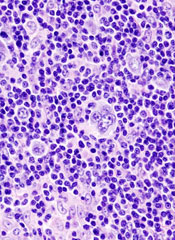
New York, NY —Growing evidence suggests that the potent pan-deacetylase inhibitor panobinostat (LBH589) shows promising clinical activity in heavily pretreated patients with relapsed/refractory Hodgkin’s lymphoma.
Panobinostat targets both epigenetic and non-epigenetic oncogenic pathways and is among a group of novel antineoplastic agents that inhibit the activity of histone deacetylases, said Myron Czuczman, MD, of Roswell Park Cancer Institute in Buffalo, New York, at the Chemotherapy Foundation Symposium held November 10-13, 2009.
Panobinostat is currently under clinical investigation in a variety of solid tumors and hematologic malignancies. Promising results in relapsed/refractory Hodgkin’s lymphoma were presented earlier in the year at the European Hematology Association annual meeting in Berlin, Germany.
Dr Czuczman updated those results from the phase 1/2 trial of Hodgkin’s lymphoma patients with a variety of advanced hematologic malignancies who were refractory to treatments. One group of patients had leukemias or high-risk myelodysplastic syndromes and another group had lymphoma or myeloma.
The patients received 2 schedules of oral panobinostat: once-a-day on Monday, Wednesday, and Friday (MWF) every week or MWF every other week. PET and CT data were evaluated for best response.
So far, 61 patients in the lymphoma and myeloma group have been treated, and 53 patients have been evaluated. The investigators have recorded 1 complete response, 10 partial responses, and 31 patients with stable disease. Of the 31 patients with stable disease, 25 patients had a decrease in tumor burden, and additional responses are likely in this group, said Dr Czuczman.
For patients in the lymphoma or myeloma group, “about three-quarters of the patients had some evidence of antitumor activity,” said Dr Czuczman.
He noted that this group has had a range of prior therapies, including surgery, radiotherapy, stem cell transplantation, and cytotoxic chemotherapy. The median number of prior chemotherapeutic regimens was 5. “These patients had limited treatment options,” he said.
Safety analysis reveals that the most common grade 3/4 adverse events with panobinostat therapy have been thrombocytopenia, neutropenia, fatigue, and anemia. The maximum tolerated dose for patients in this group is 40 mg MWF every week or 60 mg MWF every other week. “More than 60% of the patients have had dose reductions, mostly due to cytopenia, which is not surprising given their limited bone marrow reserve,” he said.
Dr Czuczman said that panobinostat was well tolerated and induced antitumor activity in heavily pretreated patients. “The drug has a role in the treatment of patients with treatment-refractory Hodgkin’s lymphoma and possibly in earlier stages of the disease as well,” he said.
Further updates of this ongoing study will follow, and a global phase 2 study is currently underway using panobinostat at 40 mg/day on MWF every week in patients with Hodgkin’s lymphoma.
In addition, Dr Czuczman has started a phase 1 study in relapsed/refractory Hodgkin’s lymphoma or non-Hodgkin’s lymphoma patients using panobinostat in an intrapatient dose modification program that allows patients to escalate or deescalate doses depending on their tolerance of the drug.
New York, NY —Growing evidence suggests that the potent pan-deacetylase inhibitor panobinostat (LBH589) shows promising clinical activity in heavily pretreated patients with relapsed/refractory Hodgkin’s lymphoma.
Panobinostat targets both epigenetic and non-epigenetic oncogenic pathways and is among a group of novel antineoplastic agents that inhibit the activity of histone deacetylases, said Myron Czuczman, MD, of Roswell Park Cancer Institute in Buffalo, New York, at the Chemotherapy Foundation Symposium held November 10-13, 2009.
Panobinostat is currently under clinical investigation in a variety of solid tumors and hematologic malignancies. Promising results in relapsed/refractory Hodgkin’s lymphoma were presented earlier in the year at the European Hematology Association annual meeting in Berlin, Germany.
Dr Czuczman updated those results from the phase 1/2 trial of Hodgkin’s lymphoma patients with a variety of advanced hematologic malignancies who were refractory to treatments. One group of patients had leukemias or high-risk myelodysplastic syndromes and another group had lymphoma or myeloma.
The patients received 2 schedules of oral panobinostat: once-a-day on Monday, Wednesday, and Friday (MWF) every week or MWF every other week. PET and CT data were evaluated for best response.
So far, 61 patients in the lymphoma and myeloma group have been treated, and 53 patients have been evaluated. The investigators have recorded 1 complete response, 10 partial responses, and 31 patients with stable disease. Of the 31 patients with stable disease, 25 patients had a decrease in tumor burden, and additional responses are likely in this group, said Dr Czuczman.
For patients in the lymphoma or myeloma group, “about three-quarters of the patients had some evidence of antitumor activity,” said Dr Czuczman.
He noted that this group has had a range of prior therapies, including surgery, radiotherapy, stem cell transplantation, and cytotoxic chemotherapy. The median number of prior chemotherapeutic regimens was 5. “These patients had limited treatment options,” he said.
Safety analysis reveals that the most common grade 3/4 adverse events with panobinostat therapy have been thrombocytopenia, neutropenia, fatigue, and anemia. The maximum tolerated dose for patients in this group is 40 mg MWF every week or 60 mg MWF every other week. “More than 60% of the patients have had dose reductions, mostly due to cytopenia, which is not surprising given their limited bone marrow reserve,” he said.
Dr Czuczman said that panobinostat was well tolerated and induced antitumor activity in heavily pretreated patients. “The drug has a role in the treatment of patients with treatment-refractory Hodgkin’s lymphoma and possibly in earlier stages of the disease as well,” he said.
Further updates of this ongoing study will follow, and a global phase 2 study is currently underway using panobinostat at 40 mg/day on MWF every week in patients with Hodgkin’s lymphoma.
In addition, Dr Czuczman has started a phase 1 study in relapsed/refractory Hodgkin’s lymphoma or non-Hodgkin’s lymphoma patients using panobinostat in an intrapatient dose modification program that allows patients to escalate or deescalate doses depending on their tolerance of the drug.
New York, NY —Growing evidence suggests that the potent pan-deacetylase inhibitor panobinostat (LBH589) shows promising clinical activity in heavily pretreated patients with relapsed/refractory Hodgkin’s lymphoma.
Panobinostat targets both epigenetic and non-epigenetic oncogenic pathways and is among a group of novel antineoplastic agents that inhibit the activity of histone deacetylases, said Myron Czuczman, MD, of Roswell Park Cancer Institute in Buffalo, New York, at the Chemotherapy Foundation Symposium held November 10-13, 2009.
Panobinostat is currently under clinical investigation in a variety of solid tumors and hematologic malignancies. Promising results in relapsed/refractory Hodgkin’s lymphoma were presented earlier in the year at the European Hematology Association annual meeting in Berlin, Germany.
Dr Czuczman updated those results from the phase 1/2 trial of Hodgkin’s lymphoma patients with a variety of advanced hematologic malignancies who were refractory to treatments. One group of patients had leukemias or high-risk myelodysplastic syndromes and another group had lymphoma or myeloma.
The patients received 2 schedules of oral panobinostat: once-a-day on Monday, Wednesday, and Friday (MWF) every week or MWF every other week. PET and CT data were evaluated for best response.
So far, 61 patients in the lymphoma and myeloma group have been treated, and 53 patients have been evaluated. The investigators have recorded 1 complete response, 10 partial responses, and 31 patients with stable disease. Of the 31 patients with stable disease, 25 patients had a decrease in tumor burden, and additional responses are likely in this group, said Dr Czuczman.
For patients in the lymphoma or myeloma group, “about three-quarters of the patients had some evidence of antitumor activity,” said Dr Czuczman.
He noted that this group has had a range of prior therapies, including surgery, radiotherapy, stem cell transplantation, and cytotoxic chemotherapy. The median number of prior chemotherapeutic regimens was 5. “These patients had limited treatment options,” he said.
Safety analysis reveals that the most common grade 3/4 adverse events with panobinostat therapy have been thrombocytopenia, neutropenia, fatigue, and anemia. The maximum tolerated dose for patients in this group is 40 mg MWF every week or 60 mg MWF every other week. “More than 60% of the patients have had dose reductions, mostly due to cytopenia, which is not surprising given their limited bone marrow reserve,” he said.
Dr Czuczman said that panobinostat was well tolerated and induced antitumor activity in heavily pretreated patients. “The drug has a role in the treatment of patients with treatment-refractory Hodgkin’s lymphoma and possibly in earlier stages of the disease as well,” he said.
Further updates of this ongoing study will follow, and a global phase 2 study is currently underway using panobinostat at 40 mg/day on MWF every week in patients with Hodgkin’s lymphoma.
In addition, Dr Czuczman has started a phase 1 study in relapsed/refractory Hodgkin’s lymphoma or non-Hodgkin’s lymphoma patients using panobinostat in an intrapatient dose modification program that allows patients to escalate or deescalate doses depending on their tolerance of the drug.
Agent shows promise in acute leukemias

Delivering drugs in combination requires a certain balance, a balance that ensures the drugs act synergistically. And researchers say they have struck the right balance with a new drug that combines two old standbys.
Daunorubicin and cytarabine (or ara-C) have proven activity against acute leukemia. However, neither of the drugs has elicited impressive survival rates when given alone, according to Eric Feldman, MD, of Weill Cornell Medical College.
In a presentation at Chemotherapy Foundation Symposium XXVII, Dr Feldman discussed a new agent comprised of the two drugs that he theorizes will prove more effective than either drug alone.
“When you combine different combinations of cytarabine and daunorubicin, there are some ratios that, in fact, may be antagonistic or just additive,” Dr Feldman said. “But… there are some—particularly this 5-to-1 ara-C-to-daunorubicin—that may be synergistic. And the question is, how do you deliver to the leukemia cell this synergistic combination of drugs?”
For a long time, Dr Feldman said, scientists did not have the appropriate technology to accomplish that. But now they do, and they have made significant strides with the compound CPX-351.
“Basically, this is a liposomal combination of daunorubicin and ara-C,” Dr Feldman said. “But the unique feature is that it fixes a 5-to-1 molar ratio of ara-C with daunorubicin and delivers to the cell this ratio in this concentration.”
To test the tolerability and efficacy of this compound, researchers began a phase 1 trial of CPX-351. The majority of patients on the trial had acute myeloid leukemia, though there were a few with acute lymphocytic leukemia and myelodysplastic syndrome. All were refractory to prior therapy, and most were over the age of 60 years.
The FDA mandated that the initial dose of CPX-351 be very low, so the researchers started with 3 units/m². One unit of CPX-351 is equal to 1 mg of cytarabine and 0.44 mg of daunorubicin. The researchers increased the dose gradually and monitored patients for responses and toxicities.
“We started low… and did not see responses at all until we got to 32 units,” Dr Feldman said. “By 101 [units], we saw multiple responses, and this is the dose that was considered the maximum-tolerated dose.”
This is because, at 134 units, the team observed 3 dose-limiting toxicities. They saw left ventricular systolic dysfunction and 1 patient with hypertensive crisis, although it was not clear whether this event was actually related to the drug.
“The main problem that we found was persistent cytopenias,” Dr Feldman said. “There was 1 patient in this cohort that took over 80 days to achieve a complete remission, meaning recovery of their platelets to 100,000 and neutrophils to 1000. We considered that the true dose-limiting toxicity.”
Apart from this myelosuppression, CPX-351 was well tolerated. Some patients did experience mucositosis, vomiting, and a skin rash, but the rash responded to corticosteroids. Importantly, patients did not experience alopecia.
With these promising results, researchers began a phase 2 study of CPX-351. They enrolled newly diagnosed leukemia patients between 60 and 75 years of age. Patients had high- or intermediate-risk disease.
They were randomized in a 2-to-1 fashion to receive either 100 units of CPX-351 or standard 3 + 7 therapy. The preliminary data from this study were presented at the ASH Annual Meeting in December.
Delivering drugs in combination requires a certain balance, a balance that ensures the drugs act synergistically. And researchers say they have struck the right balance with a new drug that combines two old standbys.
Daunorubicin and cytarabine (or ara-C) have proven activity against acute leukemia. However, neither of the drugs has elicited impressive survival rates when given alone, according to Eric Feldman, MD, of Weill Cornell Medical College.
In a presentation at Chemotherapy Foundation Symposium XXVII, Dr Feldman discussed a new agent comprised of the two drugs that he theorizes will prove more effective than either drug alone.
“When you combine different combinations of cytarabine and daunorubicin, there are some ratios that, in fact, may be antagonistic or just additive,” Dr Feldman said. “But… there are some—particularly this 5-to-1 ara-C-to-daunorubicin—that may be synergistic. And the question is, how do you deliver to the leukemia cell this synergistic combination of drugs?”
For a long time, Dr Feldman said, scientists did not have the appropriate technology to accomplish that. But now they do, and they have made significant strides with the compound CPX-351.
“Basically, this is a liposomal combination of daunorubicin and ara-C,” Dr Feldman said. “But the unique feature is that it fixes a 5-to-1 molar ratio of ara-C with daunorubicin and delivers to the cell this ratio in this concentration.”
To test the tolerability and efficacy of this compound, researchers began a phase 1 trial of CPX-351. The majority of patients on the trial had acute myeloid leukemia, though there were a few with acute lymphocytic leukemia and myelodysplastic syndrome. All were refractory to prior therapy, and most were over the age of 60 years.
The FDA mandated that the initial dose of CPX-351 be very low, so the researchers started with 3 units/m². One unit of CPX-351 is equal to 1 mg of cytarabine and 0.44 mg of daunorubicin. The researchers increased the dose gradually and monitored patients for responses and toxicities.
“We started low… and did not see responses at all until we got to 32 units,” Dr Feldman said. “By 101 [units], we saw multiple responses, and this is the dose that was considered the maximum-tolerated dose.”
This is because, at 134 units, the team observed 3 dose-limiting toxicities. They saw left ventricular systolic dysfunction and 1 patient with hypertensive crisis, although it was not clear whether this event was actually related to the drug.
“The main problem that we found was persistent cytopenias,” Dr Feldman said. “There was 1 patient in this cohort that took over 80 days to achieve a complete remission, meaning recovery of their platelets to 100,000 and neutrophils to 1000. We considered that the true dose-limiting toxicity.”
Apart from this myelosuppression, CPX-351 was well tolerated. Some patients did experience mucositosis, vomiting, and a skin rash, but the rash responded to corticosteroids. Importantly, patients did not experience alopecia.
With these promising results, researchers began a phase 2 study of CPX-351. They enrolled newly diagnosed leukemia patients between 60 and 75 years of age. Patients had high- or intermediate-risk disease.
They were randomized in a 2-to-1 fashion to receive either 100 units of CPX-351 or standard 3 + 7 therapy. The preliminary data from this study were presented at the ASH Annual Meeting in December.
Delivering drugs in combination requires a certain balance, a balance that ensures the drugs act synergistically. And researchers say they have struck the right balance with a new drug that combines two old standbys.
Daunorubicin and cytarabine (or ara-C) have proven activity against acute leukemia. However, neither of the drugs has elicited impressive survival rates when given alone, according to Eric Feldman, MD, of Weill Cornell Medical College.
In a presentation at Chemotherapy Foundation Symposium XXVII, Dr Feldman discussed a new agent comprised of the two drugs that he theorizes will prove more effective than either drug alone.
“When you combine different combinations of cytarabine and daunorubicin, there are some ratios that, in fact, may be antagonistic or just additive,” Dr Feldman said. “But… there are some—particularly this 5-to-1 ara-C-to-daunorubicin—that may be synergistic. And the question is, how do you deliver to the leukemia cell this synergistic combination of drugs?”
For a long time, Dr Feldman said, scientists did not have the appropriate technology to accomplish that. But now they do, and they have made significant strides with the compound CPX-351.
“Basically, this is a liposomal combination of daunorubicin and ara-C,” Dr Feldman said. “But the unique feature is that it fixes a 5-to-1 molar ratio of ara-C with daunorubicin and delivers to the cell this ratio in this concentration.”
To test the tolerability and efficacy of this compound, researchers began a phase 1 trial of CPX-351. The majority of patients on the trial had acute myeloid leukemia, though there were a few with acute lymphocytic leukemia and myelodysplastic syndrome. All were refractory to prior therapy, and most were over the age of 60 years.
The FDA mandated that the initial dose of CPX-351 be very low, so the researchers started with 3 units/m². One unit of CPX-351 is equal to 1 mg of cytarabine and 0.44 mg of daunorubicin. The researchers increased the dose gradually and monitored patients for responses and toxicities.
“We started low… and did not see responses at all until we got to 32 units,” Dr Feldman said. “By 101 [units], we saw multiple responses, and this is the dose that was considered the maximum-tolerated dose.”
This is because, at 134 units, the team observed 3 dose-limiting toxicities. They saw left ventricular systolic dysfunction and 1 patient with hypertensive crisis, although it was not clear whether this event was actually related to the drug.
“The main problem that we found was persistent cytopenias,” Dr Feldman said. “There was 1 patient in this cohort that took over 80 days to achieve a complete remission, meaning recovery of their platelets to 100,000 and neutrophils to 1000. We considered that the true dose-limiting toxicity.”
Apart from this myelosuppression, CPX-351 was well tolerated. Some patients did experience mucositosis, vomiting, and a skin rash, but the rash responded to corticosteroids. Importantly, patients did not experience alopecia.
With these promising results, researchers began a phase 2 study of CPX-351. They enrolled newly diagnosed leukemia patients between 60 and 75 years of age. Patients had high- or intermediate-risk disease.
They were randomized in a 2-to-1 fashion to receive either 100 units of CPX-351 or standard 3 + 7 therapy. The preliminary data from this study were presented at the ASH Annual Meeting in December.
Ofatumumab receives accelerated approval from FDA
The US Food and Drug Administration (FDA) has approved ofatumumab (Arzerra) to treat chronic lymphocytic leukemia (CLL) that is refractory to fludarabine and alemtuzumab.
The drug was approved under the FDA’s accelerated approval process,
which allows drugs that meet unmet medical needs to be approved faster.
Accelerated approval is based on a surrogate endpoint; for example, a
reduction in tumor, spleen, or lymph node size.
These indicators provide reasonable evidence that the drug will allow patients to live longer with fewer disease-related side effects.
However, accelerated approval requires studies of the drug to continue.
Currently, the manufacturer, Genmab, is conducting a clinical trial to confirm that adding ofatumumab to standard chemotherapy delays the progression of CLL.
Side effects from previous studies include pneumonia, fever, cough, diarrhea, fatigue, shortness of breath, rash, nausea, bronchitis, upper respiratory tract infection, lower red blood cell count, and a decrease in normal white blood cells.
Increased risk of infection is the most serious risk, including progressive multifocal leukoencephalopathy. Patients at high risk for hepatitis B should be tested before using ofatumumab.
Researchers have also investigated other uses for ofatumumab, including the treatment of rheumatoid arthritis, in which it appeared to be safe and effective.
The US Food and Drug Administration (FDA) has approved ofatumumab (Arzerra) to treat chronic lymphocytic leukemia (CLL) that is refractory to fludarabine and alemtuzumab.
The drug was approved under the FDA’s accelerated approval process,
which allows drugs that meet unmet medical needs to be approved faster.
Accelerated approval is based on a surrogate endpoint; for example, a
reduction in tumor, spleen, or lymph node size.
These indicators provide reasonable evidence that the drug will allow patients to live longer with fewer disease-related side effects.
However, accelerated approval requires studies of the drug to continue.
Currently, the manufacturer, Genmab, is conducting a clinical trial to confirm that adding ofatumumab to standard chemotherapy delays the progression of CLL.
Side effects from previous studies include pneumonia, fever, cough, diarrhea, fatigue, shortness of breath, rash, nausea, bronchitis, upper respiratory tract infection, lower red blood cell count, and a decrease in normal white blood cells.
Increased risk of infection is the most serious risk, including progressive multifocal leukoencephalopathy. Patients at high risk for hepatitis B should be tested before using ofatumumab.
Researchers have also investigated other uses for ofatumumab, including the treatment of rheumatoid arthritis, in which it appeared to be safe and effective.
The US Food and Drug Administration (FDA) has approved ofatumumab (Arzerra) to treat chronic lymphocytic leukemia (CLL) that is refractory to fludarabine and alemtuzumab.
The drug was approved under the FDA’s accelerated approval process,
which allows drugs that meet unmet medical needs to be approved faster.
Accelerated approval is based on a surrogate endpoint; for example, a
reduction in tumor, spleen, or lymph node size.
These indicators provide reasonable evidence that the drug will allow patients to live longer with fewer disease-related side effects.
However, accelerated approval requires studies of the drug to continue.
Currently, the manufacturer, Genmab, is conducting a clinical trial to confirm that adding ofatumumab to standard chemotherapy delays the progression of CLL.
Side effects from previous studies include pneumonia, fever, cough, diarrhea, fatigue, shortness of breath, rash, nausea, bronchitis, upper respiratory tract infection, lower red blood cell count, and a decrease in normal white blood cells.
Increased risk of infection is the most serious risk, including progressive multifocal leukoencephalopathy. Patients at high risk for hepatitis B should be tested before using ofatumumab.
Researchers have also investigated other uses for ofatumumab, including the treatment of rheumatoid arthritis, in which it appeared to be safe and effective.
Ticagrelor tops clopidogrel in recent study
Results of the PLATO trial suggest the antiplatelet therapy ticagrelor is superior to clopidogrel in patients with acute coronary syndromes, with or without ST-segment elevation.
Ticagrelor significantly reduced the rate of death from vascular causes, myocardial infarction, or stroke without an increase in major bleeding.
Investigators published the results of the study in The New England Journal of Medicine.
Ticagrelor is an oral, reversible, direct-acting inhibitor of the adenosine diphosphate receptor P2Y12. It has a faster onset and greater platelet inhibition than clopidogrel, which also blocks the adenosine diphosphate receptor P2Y12, but irreversibly.
Lars Wallentin, MD, PhD, of Uppsala Clinical Research Center in Sweden, and his colleagues set out to ascertain whether ticagrelor is superior to clopidogrel for the prevention of vascular events and death.
They enrolled 18,624 patients from 862 centers in 43 countries from October 2006 through July 2008. They randomized the patients to receive 90 mg of ticagrelor twice daily after a loading dose of 180 mg, or 75 mg of clopidogrel after a 300 mg loading dose. Patients in both cohorts took 75-100 mg aspirin daily.
Baseline patient characteristics were similar in the 2 groups.
After a 12-month follow-up, investigators determined that patients in the ticagrelor group experienced significantly fewer deaths from vascular causes, myocardial infarction, or stroke (9.8%) than those in the clopidogrel group (11.7%; P<0.001). And the treatment effect was noticeable within the first 30 days.
Investigators also observed that ticagrelor significantly reduced myocardial infarction alone (5.8% vs 6.9%; P=0.005), death from vascular causes (4.0% vs 5.1%; P=0.001), and death from any cause (4.5% vs 5.9%; P<0.001).
However, ticagrelor did not reduce stroke alone compared to clopidogrel (P=0.22). And patients on tricagrelor experienced more hemorrhagic strokes than those on clopidogrel.
The investigators also determined that ticagrelor did not increase the rate of overall bleeding. However, it did increase the rate of non-procedure-related bleeding.
The investigators noted more dyspnea in the ticagrelor group than the clopidogrel group (14.2% vs 9.2%; P<0.001). The investigators pointed out that few patients dropped out of the study, however, because of dyspnea.
In an accompanying editorial, Albert Schömig, MD, of the Deutsches Herzzentrum München in Germany, emphasized that the absence of increased bleeding with ticagrelor “highlights the important advantage of reversibility in the mechanism of action of ticagrelor.”
Dr Schömig felt that the study would have been stronger, however, if ticagrelor had been administered for at least a year, if the clopidogrel loading dose had been used for all patients in that arm irrespective of whether they had previously been treated with clopidogrel, and if patients had used proton-pump inhibitors less frequently after randomization.
Nevertheless, Dr Schömig concluded that “efforts to develop new effective and safe antithrombotic drug regimens should not be discouraged by the perception that an increase in antithrombotic efficacy is necessarily associated with a higher risk of bleeding.”
The study was supported by AstraZeneca, the company developing ticagrelor. The drug is not yet on the market.
Results of the PLATO trial suggest the antiplatelet therapy ticagrelor is superior to clopidogrel in patients with acute coronary syndromes, with or without ST-segment elevation.
Ticagrelor significantly reduced the rate of death from vascular causes, myocardial infarction, or stroke without an increase in major bleeding.
Investigators published the results of the study in The New England Journal of Medicine.
Ticagrelor is an oral, reversible, direct-acting inhibitor of the adenosine diphosphate receptor P2Y12. It has a faster onset and greater platelet inhibition than clopidogrel, which also blocks the adenosine diphosphate receptor P2Y12, but irreversibly.
Lars Wallentin, MD, PhD, of Uppsala Clinical Research Center in Sweden, and his colleagues set out to ascertain whether ticagrelor is superior to clopidogrel for the prevention of vascular events and death.
They enrolled 18,624 patients from 862 centers in 43 countries from October 2006 through July 2008. They randomized the patients to receive 90 mg of ticagrelor twice daily after a loading dose of 180 mg, or 75 mg of clopidogrel after a 300 mg loading dose. Patients in both cohorts took 75-100 mg aspirin daily.
Baseline patient characteristics were similar in the 2 groups.
After a 12-month follow-up, investigators determined that patients in the ticagrelor group experienced significantly fewer deaths from vascular causes, myocardial infarction, or stroke (9.8%) than those in the clopidogrel group (11.7%; P<0.001). And the treatment effect was noticeable within the first 30 days.
Investigators also observed that ticagrelor significantly reduced myocardial infarction alone (5.8% vs 6.9%; P=0.005), death from vascular causes (4.0% vs 5.1%; P=0.001), and death from any cause (4.5% vs 5.9%; P<0.001).
However, ticagrelor did not reduce stroke alone compared to clopidogrel (P=0.22). And patients on tricagrelor experienced more hemorrhagic strokes than those on clopidogrel.
The investigators also determined that ticagrelor did not increase the rate of overall bleeding. However, it did increase the rate of non-procedure-related bleeding.
The investigators noted more dyspnea in the ticagrelor group than the clopidogrel group (14.2% vs 9.2%; P<0.001). The investigators pointed out that few patients dropped out of the study, however, because of dyspnea.
In an accompanying editorial, Albert Schömig, MD, of the Deutsches Herzzentrum München in Germany, emphasized that the absence of increased bleeding with ticagrelor “highlights the important advantage of reversibility in the mechanism of action of ticagrelor.”
Dr Schömig felt that the study would have been stronger, however, if ticagrelor had been administered for at least a year, if the clopidogrel loading dose had been used for all patients in that arm irrespective of whether they had previously been treated with clopidogrel, and if patients had used proton-pump inhibitors less frequently after randomization.
Nevertheless, Dr Schömig concluded that “efforts to develop new effective and safe antithrombotic drug regimens should not be discouraged by the perception that an increase in antithrombotic efficacy is necessarily associated with a higher risk of bleeding.”
The study was supported by AstraZeneca, the company developing ticagrelor. The drug is not yet on the market.
Results of the PLATO trial suggest the antiplatelet therapy ticagrelor is superior to clopidogrel in patients with acute coronary syndromes, with or without ST-segment elevation.
Ticagrelor significantly reduced the rate of death from vascular causes, myocardial infarction, or stroke without an increase in major bleeding.
Investigators published the results of the study in The New England Journal of Medicine.
Ticagrelor is an oral, reversible, direct-acting inhibitor of the adenosine diphosphate receptor P2Y12. It has a faster onset and greater platelet inhibition than clopidogrel, which also blocks the adenosine diphosphate receptor P2Y12, but irreversibly.
Lars Wallentin, MD, PhD, of Uppsala Clinical Research Center in Sweden, and his colleagues set out to ascertain whether ticagrelor is superior to clopidogrel for the prevention of vascular events and death.
They enrolled 18,624 patients from 862 centers in 43 countries from October 2006 through July 2008. They randomized the patients to receive 90 mg of ticagrelor twice daily after a loading dose of 180 mg, or 75 mg of clopidogrel after a 300 mg loading dose. Patients in both cohorts took 75-100 mg aspirin daily.
Baseline patient characteristics were similar in the 2 groups.
After a 12-month follow-up, investigators determined that patients in the ticagrelor group experienced significantly fewer deaths from vascular causes, myocardial infarction, or stroke (9.8%) than those in the clopidogrel group (11.7%; P<0.001). And the treatment effect was noticeable within the first 30 days.
Investigators also observed that ticagrelor significantly reduced myocardial infarction alone (5.8% vs 6.9%; P=0.005), death from vascular causes (4.0% vs 5.1%; P=0.001), and death from any cause (4.5% vs 5.9%; P<0.001).
However, ticagrelor did not reduce stroke alone compared to clopidogrel (P=0.22). And patients on tricagrelor experienced more hemorrhagic strokes than those on clopidogrel.
The investigators also determined that ticagrelor did not increase the rate of overall bleeding. However, it did increase the rate of non-procedure-related bleeding.
The investigators noted more dyspnea in the ticagrelor group than the clopidogrel group (14.2% vs 9.2%; P<0.001). The investigators pointed out that few patients dropped out of the study, however, because of dyspnea.
In an accompanying editorial, Albert Schömig, MD, of the Deutsches Herzzentrum München in Germany, emphasized that the absence of increased bleeding with ticagrelor “highlights the important advantage of reversibility in the mechanism of action of ticagrelor.”
Dr Schömig felt that the study would have been stronger, however, if ticagrelor had been administered for at least a year, if the clopidogrel loading dose had been used for all patients in that arm irrespective of whether they had previously been treated with clopidogrel, and if patients had used proton-pump inhibitors less frequently after randomization.
Nevertheless, Dr Schömig concluded that “efforts to develop new effective and safe antithrombotic drug regimens should not be discouraged by the perception that an increase in antithrombotic efficacy is necessarily associated with a higher risk of bleeding.”
The study was supported by AstraZeneca, the company developing ticagrelor. The drug is not yet on the market.
Dabigatran surpasses warfarin in stroke prevention
A 2-year noninferiority trial has shown dabigatran to be not inferior to warfarin in preventing stroke and systemic embolism in patients with atrial fibrillation. And the higher, 150 mg dose of dabigatran was shown to be superior to warfarin in preventing these outcomes.
Stuart J. Connolly, MD, at the Population Health Research Institute in Hamilton, Ontario, Canada, and colleagues report the results on behalf of the RE-LY Study Group in the August 30 edition of The New England Journal of Medicine.
The investigators enrolled 18,113 patients with atrial fibrillation from 951 clinical centers in 44 countries between December 2005 and December 2007. Patients were a mean age of 71 years, and 63.6% were men.
The investigators randomly assigned the patients to receive 110 mg or 150 mg of dabigatran twice daily, or to receive 1, 3, or 5 mg of warfarin to an INR of 2 to 3.
The investigators administered dabigatran in a blinded fashion and warfarin in an unblinded fashion.
After a median follow-up of 2 years, 182 patients on 110 mg dabigatran, 134 patients on 150 mg dabigatran, and 199 patients on warfarin had a stroke or embolism.
The investigators determined that both doses of dabigatran were noninferior to warfarin (P<0.001). And the 150 mg dose was superior to warfarin (P<0.001). However, the lower dose of dabigatran was not superior to warfarin.
Warfarin, however, produced a lower rate of myocardial infarction than dabigatran: 0.53% per year, compared to 0.72% per year in the 110 mg dabigatran group (P=0.07) and 0.74% in the 150 mg group (P=0.048). The investigators attribute this to the superior protection warfarin provides against coronary ischemic events.
The rate of major bleeding was lower with the 150 mg dose of dabigatran and significantly lower with the 110 mg dose compared to warfarin.
And rates of life-threatening bleeding, intracranial bleeding, and major or minor bleeding were all significantly lower with either dose of dabigatran than warfarin. However, the 150 mg dose of dabigatran produced a significantly higher rate of gastrointestinal bleeding than warfarin.
The investigators also compared the 2 doses of dabigatran and found the 150 mg dose significantly reduced the risk of stroke or systemic embolism compared to the 110 mg dose (P=0.005).
The investigators correlated the higher dose of dabigatran with a trend toward an increased risk of major, gastrointestinal, minor, and any bleeding. They calculated that “the net clinical benefit was almost identical for the two doses.”
Dyspepsia was the only adverse event that was significantly more common with dabigatran than with warfarin.
The investigators concluded that because dabigatran achieved a rate of intracranial hemorrhage a third less than the rate with warfarin without a reduction in stroke protection, this “suggests an important advantage of dabigatran.”
Dabigatran is a new oral direct thrombin inhibitor. It was approved in 2008 by the European Medicines Agency, the National Health Service in Britain, and Health Canada for hip and knee surgery patients.
RE-LY stands for Randomized Evaluation of Long-Term Anticoagulation Therapy.
The study was funded by Boehringer Ingelheim and was coordinated by the Population Health Research Institute in Hamilton, Ontario, Canada.
A 2-year noninferiority trial has shown dabigatran to be not inferior to warfarin in preventing stroke and systemic embolism in patients with atrial fibrillation. And the higher, 150 mg dose of dabigatran was shown to be superior to warfarin in preventing these outcomes.
Stuart J. Connolly, MD, at the Population Health Research Institute in Hamilton, Ontario, Canada, and colleagues report the results on behalf of the RE-LY Study Group in the August 30 edition of The New England Journal of Medicine.
The investigators enrolled 18,113 patients with atrial fibrillation from 951 clinical centers in 44 countries between December 2005 and December 2007. Patients were a mean age of 71 years, and 63.6% were men.
The investigators randomly assigned the patients to receive 110 mg or 150 mg of dabigatran twice daily, or to receive 1, 3, or 5 mg of warfarin to an INR of 2 to 3.
The investigators administered dabigatran in a blinded fashion and warfarin in an unblinded fashion.
After a median follow-up of 2 years, 182 patients on 110 mg dabigatran, 134 patients on 150 mg dabigatran, and 199 patients on warfarin had a stroke or embolism.
The investigators determined that both doses of dabigatran were noninferior to warfarin (P<0.001). And the 150 mg dose was superior to warfarin (P<0.001). However, the lower dose of dabigatran was not superior to warfarin.
Warfarin, however, produced a lower rate of myocardial infarction than dabigatran: 0.53% per year, compared to 0.72% per year in the 110 mg dabigatran group (P=0.07) and 0.74% in the 150 mg group (P=0.048). The investigators attribute this to the superior protection warfarin provides against coronary ischemic events.
The rate of major bleeding was lower with the 150 mg dose of dabigatran and significantly lower with the 110 mg dose compared to warfarin.
And rates of life-threatening bleeding, intracranial bleeding, and major or minor bleeding were all significantly lower with either dose of dabigatran than warfarin. However, the 150 mg dose of dabigatran produced a significantly higher rate of gastrointestinal bleeding than warfarin.
The investigators also compared the 2 doses of dabigatran and found the 150 mg dose significantly reduced the risk of stroke or systemic embolism compared to the 110 mg dose (P=0.005).
The investigators correlated the higher dose of dabigatran with a trend toward an increased risk of major, gastrointestinal, minor, and any bleeding. They calculated that “the net clinical benefit was almost identical for the two doses.”
Dyspepsia was the only adverse event that was significantly more common with dabigatran than with warfarin.
The investigators concluded that because dabigatran achieved a rate of intracranial hemorrhage a third less than the rate with warfarin without a reduction in stroke protection, this “suggests an important advantage of dabigatran.”
Dabigatran is a new oral direct thrombin inhibitor. It was approved in 2008 by the European Medicines Agency, the National Health Service in Britain, and Health Canada for hip and knee surgery patients.
RE-LY stands for Randomized Evaluation of Long-Term Anticoagulation Therapy.
The study was funded by Boehringer Ingelheim and was coordinated by the Population Health Research Institute in Hamilton, Ontario, Canada.
A 2-year noninferiority trial has shown dabigatran to be not inferior to warfarin in preventing stroke and systemic embolism in patients with atrial fibrillation. And the higher, 150 mg dose of dabigatran was shown to be superior to warfarin in preventing these outcomes.
Stuart J. Connolly, MD, at the Population Health Research Institute in Hamilton, Ontario, Canada, and colleagues report the results on behalf of the RE-LY Study Group in the August 30 edition of The New England Journal of Medicine.
The investigators enrolled 18,113 patients with atrial fibrillation from 951 clinical centers in 44 countries between December 2005 and December 2007. Patients were a mean age of 71 years, and 63.6% were men.
The investigators randomly assigned the patients to receive 110 mg or 150 mg of dabigatran twice daily, or to receive 1, 3, or 5 mg of warfarin to an INR of 2 to 3.
The investigators administered dabigatran in a blinded fashion and warfarin in an unblinded fashion.
After a median follow-up of 2 years, 182 patients on 110 mg dabigatran, 134 patients on 150 mg dabigatran, and 199 patients on warfarin had a stroke or embolism.
The investigators determined that both doses of dabigatran were noninferior to warfarin (P<0.001). And the 150 mg dose was superior to warfarin (P<0.001). However, the lower dose of dabigatran was not superior to warfarin.
Warfarin, however, produced a lower rate of myocardial infarction than dabigatran: 0.53% per year, compared to 0.72% per year in the 110 mg dabigatran group (P=0.07) and 0.74% in the 150 mg group (P=0.048). The investigators attribute this to the superior protection warfarin provides against coronary ischemic events.
The rate of major bleeding was lower with the 150 mg dose of dabigatran and significantly lower with the 110 mg dose compared to warfarin.
And rates of life-threatening bleeding, intracranial bleeding, and major or minor bleeding were all significantly lower with either dose of dabigatran than warfarin. However, the 150 mg dose of dabigatran produced a significantly higher rate of gastrointestinal bleeding than warfarin.
The investigators also compared the 2 doses of dabigatran and found the 150 mg dose significantly reduced the risk of stroke or systemic embolism compared to the 110 mg dose (P=0.005).
The investigators correlated the higher dose of dabigatran with a trend toward an increased risk of major, gastrointestinal, minor, and any bleeding. They calculated that “the net clinical benefit was almost identical for the two doses.”
Dyspepsia was the only adverse event that was significantly more common with dabigatran than with warfarin.
The investigators concluded that because dabigatran achieved a rate of intracranial hemorrhage a third less than the rate with warfarin without a reduction in stroke protection, this “suggests an important advantage of dabigatran.”
Dabigatran is a new oral direct thrombin inhibitor. It was approved in 2008 by the European Medicines Agency, the National Health Service in Britain, and Health Canada for hip and knee surgery patients.
RE-LY stands for Randomized Evaluation of Long-Term Anticoagulation Therapy.
The study was funded by Boehringer Ingelheim and was coordinated by the Population Health Research Institute in Hamilton, Ontario, Canada.
Survival improves for AYAs with leukemia and lymphoma
New research suggests adolescents and young adults (AYAs) with leukemias and lymphomas are living longer than such patients did 2 decades ago.
However, their survival still lags behind survival in children. It even lags behind survival in older adults in the case of acute myeloblastic leukemia (AML).
Investigators reported these findings online August 24 ahead of the November 1 print edition of Cancer.
Dianne Pulte, MD, of the University of Medicine and Dentistry of New Jersey, and colleagues analyzed data from the Surveillance, Epidemiology and End Results (SEER) database to determine survival rates of young people with Hodgkin lymphoma, non-Hodgkin lymphoma (NHL), acute lymphoblastic leukemia (ALL), AML, and chronic myelocytic leukemia (CML).
They compared data from 1981–1985 with data from 2001–2005.
The investigators found that survival had improved significantly in each of the 5 malignancies. For AYAs with Hodgkin’s lymphoma, 10-year survival increased from 80.4% to 93.4%. For those with NHL, it increased from 55.6% to 76.2%; for those with ALL, from 30.5% to 52.1%; for those with AML, from 15.2% to 45.1%; and for those with CML, from 0% to 74.5%.
They analyzed the data further and found that the survival rate for young people with the lymphomas or CML had improved steadily over the 2 decades. And the survival rate was stable for patients with the acute leukemias during the late 1990s and early 21st century.
However, they found that survival in AYAs is still not as good as the survival rate for children with these hematologic malignancies, with the exception of patients with Hodgkin lymphoma. And survival in AYAs with AML lags behind survival in older adults.
The investigators acknowledge that improving survival rates for the AYA population is a major challenge. Dr Pulte suggests that “more research into how to treat these diseases and how to make sure that all patients have access to the best treatment is needed.”
New research suggests adolescents and young adults (AYAs) with leukemias and lymphomas are living longer than such patients did 2 decades ago.
However, their survival still lags behind survival in children. It even lags behind survival in older adults in the case of acute myeloblastic leukemia (AML).
Investigators reported these findings online August 24 ahead of the November 1 print edition of Cancer.
Dianne Pulte, MD, of the University of Medicine and Dentistry of New Jersey, and colleagues analyzed data from the Surveillance, Epidemiology and End Results (SEER) database to determine survival rates of young people with Hodgkin lymphoma, non-Hodgkin lymphoma (NHL), acute lymphoblastic leukemia (ALL), AML, and chronic myelocytic leukemia (CML).
They compared data from 1981–1985 with data from 2001–2005.
The investigators found that survival had improved significantly in each of the 5 malignancies. For AYAs with Hodgkin’s lymphoma, 10-year survival increased from 80.4% to 93.4%. For those with NHL, it increased from 55.6% to 76.2%; for those with ALL, from 30.5% to 52.1%; for those with AML, from 15.2% to 45.1%; and for those with CML, from 0% to 74.5%.
They analyzed the data further and found that the survival rate for young people with the lymphomas or CML had improved steadily over the 2 decades. And the survival rate was stable for patients with the acute leukemias during the late 1990s and early 21st century.
However, they found that survival in AYAs is still not as good as the survival rate for children with these hematologic malignancies, with the exception of patients with Hodgkin lymphoma. And survival in AYAs with AML lags behind survival in older adults.
The investigators acknowledge that improving survival rates for the AYA population is a major challenge. Dr Pulte suggests that “more research into how to treat these diseases and how to make sure that all patients have access to the best treatment is needed.”
New research suggests adolescents and young adults (AYAs) with leukemias and lymphomas are living longer than such patients did 2 decades ago.
However, their survival still lags behind survival in children. It even lags behind survival in older adults in the case of acute myeloblastic leukemia (AML).
Investigators reported these findings online August 24 ahead of the November 1 print edition of Cancer.
Dianne Pulte, MD, of the University of Medicine and Dentistry of New Jersey, and colleagues analyzed data from the Surveillance, Epidemiology and End Results (SEER) database to determine survival rates of young people with Hodgkin lymphoma, non-Hodgkin lymphoma (NHL), acute lymphoblastic leukemia (ALL), AML, and chronic myelocytic leukemia (CML).
They compared data from 1981–1985 with data from 2001–2005.
The investigators found that survival had improved significantly in each of the 5 malignancies. For AYAs with Hodgkin’s lymphoma, 10-year survival increased from 80.4% to 93.4%. For those with NHL, it increased from 55.6% to 76.2%; for those with ALL, from 30.5% to 52.1%; for those with AML, from 15.2% to 45.1%; and for those with CML, from 0% to 74.5%.
They analyzed the data further and found that the survival rate for young people with the lymphomas or CML had improved steadily over the 2 decades. And the survival rate was stable for patients with the acute leukemias during the late 1990s and early 21st century.
However, they found that survival in AYAs is still not as good as the survival rate for children with these hematologic malignancies, with the exception of patients with Hodgkin lymphoma. And survival in AYAs with AML lags behind survival in older adults.
The investigators acknowledge that improving survival rates for the AYA population is a major challenge. Dr Pulte suggests that “more research into how to treat these diseases and how to make sure that all patients have access to the best treatment is needed.”
Docs recommend transdermal patch for HRT
Boston—Postmenopausal women on hormone replacement therapy (HRT) are known to be at increased risk of venous thromboembolism (VTE). But whether the route of administration influences the risk was not known until now.
Investigators at Kings College Hospital NHS Foundation Trust in London discovered that VTE risk is increased in women using oral HRT but not in those using a transdermal patch. Catherine N. Bagot, MD, reported these results at the 22nd Congress of the International Society on Thrombosis and Haemostasis (ISTH).
The investigators have thus far recruited 155 women to this ongoing study, 98 on HRT and 57 controls not on HRT. Fifty-four women were on oral HRT and 44 were using the transdermal patch.
Dr Bagot and colleagues used thrombin generation as a marker of thrombotic risk. They found that women taking HRT had significantly higher peak thrombin generation than controls (P=0.0019). They performed a subgroup analysis and the difference was only detectable in women using oral HRT (P<0.0001) and not in women using the transdermal route (P=0.7).
Investigators verified the data further and confirmed that peak thrombin generation was significantly higher in women on oral compared to transdermal HRT (P<0.0001).
The presence of progestogen or testosterone did not have any impact on the results.
These findings indicate that postmenopausal women taking oral HRT are at greater risk for VTE than those using transdermal administration. Dr Bagot suggested that transdermal administration may be safe in women who have had previous VTEs.
The research team also investigated the relationship between estradiol and peak thrombin generation.
They analyzed blood samples of 132 women. Eighty-six women were on HRT, 42 oral and 44 transdermal. The remaining women not on HRT served as controls.
Investigators excluded women whose HRT formulation contained equine estrogens or who had less than 100 pMol/L estradiol levels.
They found that estradiol levels were significantly higher in women using either formulation of HRT than controls. However, the levels were not significantly different between the two HRT groups.
Investigators also found peak thrombin generation to be significantly higher in women on HRT than controls, and this correlated with estradiol concentrations. Women taking oral HRT had a significantly higher peak thrombin generation compared to women using the patch. Investigators observed a correlation between estradiol levels and peak thrombin generation only in women using oral HRT.
Dr Bagot indicated that a limitation of this second study was that there was no way of knowing whether the estradiol levels were at the peak or trough. Nevertheless, this study confirmed further a causal link between oral estrogens, hypercoagulability, and an increased risk of VTE.
The investigators again recommended the transdermal route over oral HRT administration in postmenopausal women to achieve the lowest thrombotic risk.
Boston—Postmenopausal women on hormone replacement therapy (HRT) are known to be at increased risk of venous thromboembolism (VTE). But whether the route of administration influences the risk was not known until now.
Investigators at Kings College Hospital NHS Foundation Trust in London discovered that VTE risk is increased in women using oral HRT but not in those using a transdermal patch. Catherine N. Bagot, MD, reported these results at the 22nd Congress of the International Society on Thrombosis and Haemostasis (ISTH).
The investigators have thus far recruited 155 women to this ongoing study, 98 on HRT and 57 controls not on HRT. Fifty-four women were on oral HRT and 44 were using the transdermal patch.
Dr Bagot and colleagues used thrombin generation as a marker of thrombotic risk. They found that women taking HRT had significantly higher peak thrombin generation than controls (P=0.0019). They performed a subgroup analysis and the difference was only detectable in women using oral HRT (P<0.0001) and not in women using the transdermal route (P=0.7).
Investigators verified the data further and confirmed that peak thrombin generation was significantly higher in women on oral compared to transdermal HRT (P<0.0001).
The presence of progestogen or testosterone did not have any impact on the results.
These findings indicate that postmenopausal women taking oral HRT are at greater risk for VTE than those using transdermal administration. Dr Bagot suggested that transdermal administration may be safe in women who have had previous VTEs.
The research team also investigated the relationship between estradiol and peak thrombin generation.
They analyzed blood samples of 132 women. Eighty-six women were on HRT, 42 oral and 44 transdermal. The remaining women not on HRT served as controls.
Investigators excluded women whose HRT formulation contained equine estrogens or who had less than 100 pMol/L estradiol levels.
They found that estradiol levels were significantly higher in women using either formulation of HRT than controls. However, the levels were not significantly different between the two HRT groups.
Investigators also found peak thrombin generation to be significantly higher in women on HRT than controls, and this correlated with estradiol concentrations. Women taking oral HRT had a significantly higher peak thrombin generation compared to women using the patch. Investigators observed a correlation between estradiol levels and peak thrombin generation only in women using oral HRT.
Dr Bagot indicated that a limitation of this second study was that there was no way of knowing whether the estradiol levels were at the peak or trough. Nevertheless, this study confirmed further a causal link between oral estrogens, hypercoagulability, and an increased risk of VTE.
The investigators again recommended the transdermal route over oral HRT administration in postmenopausal women to achieve the lowest thrombotic risk.
Boston—Postmenopausal women on hormone replacement therapy (HRT) are known to be at increased risk of venous thromboembolism (VTE). But whether the route of administration influences the risk was not known until now.
Investigators at Kings College Hospital NHS Foundation Trust in London discovered that VTE risk is increased in women using oral HRT but not in those using a transdermal patch. Catherine N. Bagot, MD, reported these results at the 22nd Congress of the International Society on Thrombosis and Haemostasis (ISTH).
The investigators have thus far recruited 155 women to this ongoing study, 98 on HRT and 57 controls not on HRT. Fifty-four women were on oral HRT and 44 were using the transdermal patch.
Dr Bagot and colleagues used thrombin generation as a marker of thrombotic risk. They found that women taking HRT had significantly higher peak thrombin generation than controls (P=0.0019). They performed a subgroup analysis and the difference was only detectable in women using oral HRT (P<0.0001) and not in women using the transdermal route (P=0.7).
Investigators verified the data further and confirmed that peak thrombin generation was significantly higher in women on oral compared to transdermal HRT (P<0.0001).
The presence of progestogen or testosterone did not have any impact on the results.
These findings indicate that postmenopausal women taking oral HRT are at greater risk for VTE than those using transdermal administration. Dr Bagot suggested that transdermal administration may be safe in women who have had previous VTEs.
The research team also investigated the relationship between estradiol and peak thrombin generation.
They analyzed blood samples of 132 women. Eighty-six women were on HRT, 42 oral and 44 transdermal. The remaining women not on HRT served as controls.
Investigators excluded women whose HRT formulation contained equine estrogens or who had less than 100 pMol/L estradiol levels.
They found that estradiol levels were significantly higher in women using either formulation of HRT than controls. However, the levels were not significantly different between the two HRT groups.
Investigators also found peak thrombin generation to be significantly higher in women on HRT than controls, and this correlated with estradiol concentrations. Women taking oral HRT had a significantly higher peak thrombin generation compared to women using the patch. Investigators observed a correlation between estradiol levels and peak thrombin generation only in women using oral HRT.
Dr Bagot indicated that a limitation of this second study was that there was no way of knowing whether the estradiol levels were at the peak or trough. Nevertheless, this study confirmed further a causal link between oral estrogens, hypercoagulability, and an increased risk of VTE.
The investigators again recommended the transdermal route over oral HRT administration in postmenopausal women to achieve the lowest thrombotic risk.
Overcoming limitations of haploidentical HSCT
Researchers say they have found a strategy to overcome the limitations of haploidentical hematopoietic stem cell transplantation (HSCT).
To prevent the early, severe graft-versus-host disease (GVHD) associated with haploidentical HSCT, donor T cells reacting with recipient antigens are eliminated from the graft prior to transplant.
However, the depletion of T cells can lead to delayed immune reconstitution in the transplant recipient, which increases the risk of infection and death.
Results of a new study may help clinicians decrease those risks. The study showed that the infusion of specially engineered haploidentical donor T cells induced early reconstitution of post-HSCT immunity. These cells were also able to control GVHD and preserve a graft-versus-leukemia effect.
This study appeared in the May issue of The Lancet Oncology and was funded by the biotech company MolMed SpA.
Claudio Bordignon, MD, from the Raffaele Scientific Institute, Milan, Italy, and colleagues conducted this phase 1/2, multicenter, nonrandomized trial of haploidentical T-cell depleted HSCT in 50 high-risk leukemia patients in remission.
Of the 50 patients, 28 patients received T cells engineered to carry the herpes simplex thymidine kinase suicide gene (TK cells).
To prepare the TK cells, the researchers used the haploidentical donor T lymphocytes that were collected prior to mobilization with G-CSF or marrow harvesting of stem cells. The T lymphocytes were expanded in vitro and then transduced with the herpes simplex thymidine kinase suicide gene. This rendered the cells sensitive to the antiviral agent ganciclovir, which enabled the researchers to selectively eliminate the cells upon the development of GVHD.
Twenty-eight patients received a first dose of TK cells. If patients did not achieve immune reconstitution 30 days later, they received up to 3 additional monthly infusions of TK cells. Transplant recipients did not receive GVHD prophylaxis following TK cell infusion.
Twenty-two patients achieved immune reconstitution at a median time of 75 days after HSCT and 23 days following TK cell infusion. Immune reconstitution was dependent on the dose of TK cells.
A progressive decline in the number and severity of infectious complications occurred in patients with immune reconstitution. Patients without immune reconstitution continued to have more frequent and more severe infectious complications.
Nonrelapse mortality at 100 days posttransplant was lower in patients who achieved immune reconstitution than in those who did not, at 14% and 60%, respectively. The researchers said this was possibly due to protection from late infectious mortality.
Effective immune reconstitution did not increase the incidence of GVHD, the researchers said. Rates of GVHD were similar to rates reported in other studies. Ten patients developed grades 1 to 4 acute GVHD, and 1 patient developed chronic GVHD.
Dr Bordignon and colleagues said acute GVHD was directly associated with infiltration of the TK cells at affected lesions. The team was able to control acute GVHD by administering ganciclovir, thereby activating the suicide gene and eliminating the TK cells.
Researchers say they have found a strategy to overcome the limitations of haploidentical hematopoietic stem cell transplantation (HSCT).
To prevent the early, severe graft-versus-host disease (GVHD) associated with haploidentical HSCT, donor T cells reacting with recipient antigens are eliminated from the graft prior to transplant.
However, the depletion of T cells can lead to delayed immune reconstitution in the transplant recipient, which increases the risk of infection and death.
Results of a new study may help clinicians decrease those risks. The study showed that the infusion of specially engineered haploidentical donor T cells induced early reconstitution of post-HSCT immunity. These cells were also able to control GVHD and preserve a graft-versus-leukemia effect.
This study appeared in the May issue of The Lancet Oncology and was funded by the biotech company MolMed SpA.
Claudio Bordignon, MD, from the Raffaele Scientific Institute, Milan, Italy, and colleagues conducted this phase 1/2, multicenter, nonrandomized trial of haploidentical T-cell depleted HSCT in 50 high-risk leukemia patients in remission.
Of the 50 patients, 28 patients received T cells engineered to carry the herpes simplex thymidine kinase suicide gene (TK cells).
To prepare the TK cells, the researchers used the haploidentical donor T lymphocytes that were collected prior to mobilization with G-CSF or marrow harvesting of stem cells. The T lymphocytes were expanded in vitro and then transduced with the herpes simplex thymidine kinase suicide gene. This rendered the cells sensitive to the antiviral agent ganciclovir, which enabled the researchers to selectively eliminate the cells upon the development of GVHD.
Twenty-eight patients received a first dose of TK cells. If patients did not achieve immune reconstitution 30 days later, they received up to 3 additional monthly infusions of TK cells. Transplant recipients did not receive GVHD prophylaxis following TK cell infusion.
Twenty-two patients achieved immune reconstitution at a median time of 75 days after HSCT and 23 days following TK cell infusion. Immune reconstitution was dependent on the dose of TK cells.
A progressive decline in the number and severity of infectious complications occurred in patients with immune reconstitution. Patients without immune reconstitution continued to have more frequent and more severe infectious complications.
Nonrelapse mortality at 100 days posttransplant was lower in patients who achieved immune reconstitution than in those who did not, at 14% and 60%, respectively. The researchers said this was possibly due to protection from late infectious mortality.
Effective immune reconstitution did not increase the incidence of GVHD, the researchers said. Rates of GVHD were similar to rates reported in other studies. Ten patients developed grades 1 to 4 acute GVHD, and 1 patient developed chronic GVHD.
Dr Bordignon and colleagues said acute GVHD was directly associated with infiltration of the TK cells at affected lesions. The team was able to control acute GVHD by administering ganciclovir, thereby activating the suicide gene and eliminating the TK cells.
Researchers say they have found a strategy to overcome the limitations of haploidentical hematopoietic stem cell transplantation (HSCT).
To prevent the early, severe graft-versus-host disease (GVHD) associated with haploidentical HSCT, donor T cells reacting with recipient antigens are eliminated from the graft prior to transplant.
However, the depletion of T cells can lead to delayed immune reconstitution in the transplant recipient, which increases the risk of infection and death.
Results of a new study may help clinicians decrease those risks. The study showed that the infusion of specially engineered haploidentical donor T cells induced early reconstitution of post-HSCT immunity. These cells were also able to control GVHD and preserve a graft-versus-leukemia effect.
This study appeared in the May issue of The Lancet Oncology and was funded by the biotech company MolMed SpA.
Claudio Bordignon, MD, from the Raffaele Scientific Institute, Milan, Italy, and colleagues conducted this phase 1/2, multicenter, nonrandomized trial of haploidentical T-cell depleted HSCT in 50 high-risk leukemia patients in remission.
Of the 50 patients, 28 patients received T cells engineered to carry the herpes simplex thymidine kinase suicide gene (TK cells).
To prepare the TK cells, the researchers used the haploidentical donor T lymphocytes that were collected prior to mobilization with G-CSF or marrow harvesting of stem cells. The T lymphocytes were expanded in vitro and then transduced with the herpes simplex thymidine kinase suicide gene. This rendered the cells sensitive to the antiviral agent ganciclovir, which enabled the researchers to selectively eliminate the cells upon the development of GVHD.
Twenty-eight patients received a first dose of TK cells. If patients did not achieve immune reconstitution 30 days later, they received up to 3 additional monthly infusions of TK cells. Transplant recipients did not receive GVHD prophylaxis following TK cell infusion.
Twenty-two patients achieved immune reconstitution at a median time of 75 days after HSCT and 23 days following TK cell infusion. Immune reconstitution was dependent on the dose of TK cells.
A progressive decline in the number and severity of infectious complications occurred in patients with immune reconstitution. Patients without immune reconstitution continued to have more frequent and more severe infectious complications.
Nonrelapse mortality at 100 days posttransplant was lower in patients who achieved immune reconstitution than in those who did not, at 14% and 60%, respectively. The researchers said this was possibly due to protection from late infectious mortality.
Effective immune reconstitution did not increase the incidence of GVHD, the researchers said. Rates of GVHD were similar to rates reported in other studies. Ten patients developed grades 1 to 4 acute GVHD, and 1 patient developed chronic GVHD.
Dr Bordignon and colleagues said acute GVHD was directly associated with infiltration of the TK cells at affected lesions. The team was able to control acute GVHD by administering ganciclovir, thereby activating the suicide gene and eliminating the TK cells.