User login
Dabigatran also recommended to treat AF
Dabigatran is a useful alternative to warfarin to prevent blood clots and stroke in patients with either paroxysmal or permanent atrial fibrillation (AF), according to an update published in Circulation: Journal of the American Heart Association, the Journal of the American College of Cardiology, and HeartRhythm journal, which focused on emerging antithrombotic agents in AF.
More specifically, the update focused on the changing guidelines released by the 3 organizations in December of last year.
The new guidelines also included patients with atrial fibrillation with risk factors for stroke or blood clotting who do not have a prosthetic heart valve, significant heart valve disease, severe renal failure, or advanced liver disease.
The US Food and Drug administration (FDA) approved the use of dabigatran in AF in October 2010, stating the drug was at least as good as the current standard of care but required less laboratory monitoring than its predecessor, warfarin.
The RE-LY trial suggested that warfarin and dabigatran are comparable at preventing stroke in patients with atrial fibrillation who have previously had a stroke or transient ischemic attack. And the risk of developing intracranial bleeding is lower with dabigatran. 
Dabigatran is a useful alternative to warfarin to prevent blood clots and stroke in patients with either paroxysmal or permanent atrial fibrillation (AF), according to an update published in Circulation: Journal of the American Heart Association, the Journal of the American College of Cardiology, and HeartRhythm journal, which focused on emerging antithrombotic agents in AF.
More specifically, the update focused on the changing guidelines released by the 3 organizations in December of last year.
The new guidelines also included patients with atrial fibrillation with risk factors for stroke or blood clotting who do not have a prosthetic heart valve, significant heart valve disease, severe renal failure, or advanced liver disease.
The US Food and Drug administration (FDA) approved the use of dabigatran in AF in October 2010, stating the drug was at least as good as the current standard of care but required less laboratory monitoring than its predecessor, warfarin.
The RE-LY trial suggested that warfarin and dabigatran are comparable at preventing stroke in patients with atrial fibrillation who have previously had a stroke or transient ischemic attack. And the risk of developing intracranial bleeding is lower with dabigatran.
Dabigatran is a useful alternative to warfarin to prevent blood clots and stroke in patients with either paroxysmal or permanent atrial fibrillation (AF), according to an update published in Circulation: Journal of the American Heart Association, the Journal of the American College of Cardiology, and HeartRhythm journal, which focused on emerging antithrombotic agents in AF.
More specifically, the update focused on the changing guidelines released by the 3 organizations in December of last year.
The new guidelines also included patients with atrial fibrillation with risk factors for stroke or blood clotting who do not have a prosthetic heart valve, significant heart valve disease, severe renal failure, or advanced liver disease.
The US Food and Drug administration (FDA) approved the use of dabigatran in AF in October 2010, stating the drug was at least as good as the current standard of care but required less laboratory monitoring than its predecessor, warfarin.
The RE-LY trial suggested that warfarin and dabigatran are comparable at preventing stroke in patients with atrial fibrillation who have previously had a stroke or transient ischemic attack. And the risk of developing intracranial bleeding is lower with dabigatran.
FDA warns of possible link between breast implants and ALCL
The Food and Drug Administration (FDA), after a review of reported cases of anaplastic large-cell lymphoma (ALCL), warns that there may be a link between silicone and saline breast implants and the rare cancer.
People with breast implants “may have a very small but significant risk of ALCL in the scar capsule adjacent to the implant,” according to the agency.
The FDA based its announcement on a review of literature published between January 1997 and May 2010 that identified 34 unique cases of ALCL in women with either type of breast implant.
William Maisel, MD, chief scientist and deputy director for science in the FDA’s Center for Devices and Radiological Health, said, “We need more data and are asking that healthcare professionals tell us about any confirmed cases they identify.”
Of the 34 unique ALCL cases reviewed, 24 had silicone and 7 had saline implants; 3 implants did not have the type specified. The women ranged in age from 28 to 87 years, with a median age of 51 years.
ALCL occurred in 19 women who received implants for aesthetic augmentation, 11 for reconstruction, and 4 had no reason recorded for the implant.
The women developed ALCL in a median of 8 years from time of implant, ranging from 1 year to 23 years. Most of the patients were diagnosed because they had implant-related symptoms, such as seromas, capsular contractures, or peri-implant masses that needed implant revision surgery.
Physicians found lymphoma cells in the seroma surrounding the implant, in the fibrous capsule, or within a peri-implant mass in all of the ALCL cases.
According to the FDA report, CD30 status was positive in all 29 of the cases that included this information, which is consistent with an ALCL diagnosis. ALCL cases in the rest of the body can be either ALK-positive or ALK-negative. The 26 reports of ALCL in women with breast implants that included ALK status were all ALK-negative.
The FDA recommends that physicians consider an ALCL diagnosis if patients present with capsular contracture or masses adjacent to the breast implant. Physicians should report all confirmed cases of ALCL in people with breast implants to Medwatch.
The FDA does not recommend removing breast implants in patients without symptoms, which include pain, lumps, swelllng, or asymmetry that develop after the surgical site is fully healed. The agency plans to update its review of silicone breast implants in spring 2011.
ALCL occurs in about 1 in 500,000 women each year in the United States, according to the Surveillance, Epidemiology, and End Results (SEER) Program of the National Cancer Institute. In the breast, ALCL occurs in approximately 3 in 100,000,000 women annually in the US. 
The Food and Drug Administration (FDA), after a review of reported cases of anaplastic large-cell lymphoma (ALCL), warns that there may be a link between silicone and saline breast implants and the rare cancer.
People with breast implants “may have a very small but significant risk of ALCL in the scar capsule adjacent to the implant,” according to the agency.
The FDA based its announcement on a review of literature published between January 1997 and May 2010 that identified 34 unique cases of ALCL in women with either type of breast implant.
William Maisel, MD, chief scientist and deputy director for science in the FDA’s Center for Devices and Radiological Health, said, “We need more data and are asking that healthcare professionals tell us about any confirmed cases they identify.”
Of the 34 unique ALCL cases reviewed, 24 had silicone and 7 had saline implants; 3 implants did not have the type specified. The women ranged in age from 28 to 87 years, with a median age of 51 years.
ALCL occurred in 19 women who received implants for aesthetic augmentation, 11 for reconstruction, and 4 had no reason recorded for the implant.
The women developed ALCL in a median of 8 years from time of implant, ranging from 1 year to 23 years. Most of the patients were diagnosed because they had implant-related symptoms, such as seromas, capsular contractures, or peri-implant masses that needed implant revision surgery.
Physicians found lymphoma cells in the seroma surrounding the implant, in the fibrous capsule, or within a peri-implant mass in all of the ALCL cases.
According to the FDA report, CD30 status was positive in all 29 of the cases that included this information, which is consistent with an ALCL diagnosis. ALCL cases in the rest of the body can be either ALK-positive or ALK-negative. The 26 reports of ALCL in women with breast implants that included ALK status were all ALK-negative.
The FDA recommends that physicians consider an ALCL diagnosis if patients present with capsular contracture or masses adjacent to the breast implant. Physicians should report all confirmed cases of ALCL in people with breast implants to Medwatch.
The FDA does not recommend removing breast implants in patients without symptoms, which include pain, lumps, swelllng, or asymmetry that develop after the surgical site is fully healed. The agency plans to update its review of silicone breast implants in spring 2011.
ALCL occurs in about 1 in 500,000 women each year in the United States, according to the Surveillance, Epidemiology, and End Results (SEER) Program of the National Cancer Institute. In the breast, ALCL occurs in approximately 3 in 100,000,000 women annually in the US.
The Food and Drug Administration (FDA), after a review of reported cases of anaplastic large-cell lymphoma (ALCL), warns that there may be a link between silicone and saline breast implants and the rare cancer.
People with breast implants “may have a very small but significant risk of ALCL in the scar capsule adjacent to the implant,” according to the agency.
The FDA based its announcement on a review of literature published between January 1997 and May 2010 that identified 34 unique cases of ALCL in women with either type of breast implant.
William Maisel, MD, chief scientist and deputy director for science in the FDA’s Center for Devices and Radiological Health, said, “We need more data and are asking that healthcare professionals tell us about any confirmed cases they identify.”
Of the 34 unique ALCL cases reviewed, 24 had silicone and 7 had saline implants; 3 implants did not have the type specified. The women ranged in age from 28 to 87 years, with a median age of 51 years.
ALCL occurred in 19 women who received implants for aesthetic augmentation, 11 for reconstruction, and 4 had no reason recorded for the implant.
The women developed ALCL in a median of 8 years from time of implant, ranging from 1 year to 23 years. Most of the patients were diagnosed because they had implant-related symptoms, such as seromas, capsular contractures, or peri-implant masses that needed implant revision surgery.
Physicians found lymphoma cells in the seroma surrounding the implant, in the fibrous capsule, or within a peri-implant mass in all of the ALCL cases.
According to the FDA report, CD30 status was positive in all 29 of the cases that included this information, which is consistent with an ALCL diagnosis. ALCL cases in the rest of the body can be either ALK-positive or ALK-negative. The 26 reports of ALCL in women with breast implants that included ALK status were all ALK-negative.
The FDA recommends that physicians consider an ALCL diagnosis if patients present with capsular contracture or masses adjacent to the breast implant. Physicians should report all confirmed cases of ALCL in people with breast implants to Medwatch.
The FDA does not recommend removing breast implants in patients without symptoms, which include pain, lumps, swelllng, or asymmetry that develop after the surgical site is fully healed. The agency plans to update its review of silicone breast implants in spring 2011.
ALCL occurs in about 1 in 500,000 women each year in the United States, according to the Surveillance, Epidemiology, and End Results (SEER) Program of the National Cancer Institute. In the breast, ALCL occurs in approximately 3 in 100,000,000 women annually in the US.
Dabigatran: lower hemorrhage risk than warfarin

A recent analysis of previous data found that while warfarin and dabigatran are comparable at preventing stroke in patients with atrial fibrillation who have previously had a stroke or transient ischemic attack, the risk of developing intracranial bleeding is lower with dabigatran.
The study, led by Hans-Christoph Diener, MD, of University Hospital Essen in Germany, aimed to analyze a subgroup of patients from the Randomized Evaluation of Long-Term Anticoagulation Therapy (RE-LY) trial.
The RE-LY trial found that 110 mg dabigatran twice daily was as effective as warfarin in reducing the occurrence of stroke, and that 150 mg dabigatran twice daily was better than warfarin in patients who had atrial fibrillation.
Twenty percent of the participants had previously had a stroke or transient ischemic attack, which increases the risk of having another stroke. Dr Diener and colleagues decided to look at this subgroup because they are more susceptible to adverse events from anticoagulation, especially cerebral hemorrhage.
It is important to note that one of warfarin’s negative side effects is bleeding.
The investigators found that warfarin and both dosages of dabigatran were equally effective in preventing stroke or systemic embolism in patients with a previous transient ischemic attack or stroke.
Compared with warfarin, the relative risk (RR) of stroke or systemic embolism with the 150 mg dose of dabigatran was 0.75 and for the 110 mg dose was 0.84.
The rate of major bleeding was significantly lower in patients on 110 mg dabigatran (RR 0.66) and similar in those on 150 mg dabigatran (RR 1.01) compared with those on warfarin.
The 110 mg dose of dabigatran was also associated with a significant reduction in the rate of vascular death (RR 0.63) and all-cause mortality (0.70).
According to the authors, “The exact mechanism for the lower rate of intracranial bleeding with dabigatran compared with warfarin, beyond a more stable anticoagulation, is not yet known. One possible explanation is that dabigatran does not cross the blood-brain barrier.”
When it comes to choosing a dosage, the authors concluded, “The dose of 150 mg dabigatran twice daily could be preferred to 110 mg twice daily because it significantly reduces the risk of ischemic stroke without increasing the risk of hemorrhagic stroke."
The study was funded by Boehringer Ingelheim and published online first by The Lancet Neurology.
A recent analysis of previous data found that while warfarin and dabigatran are comparable at preventing stroke in patients with atrial fibrillation who have previously had a stroke or transient ischemic attack, the risk of developing intracranial bleeding is lower with dabigatran.
The study, led by Hans-Christoph Diener, MD, of University Hospital Essen in Germany, aimed to analyze a subgroup of patients from the Randomized Evaluation of Long-Term Anticoagulation Therapy (RE-LY) trial.
The RE-LY trial found that 110 mg dabigatran twice daily was as effective as warfarin in reducing the occurrence of stroke, and that 150 mg dabigatran twice daily was better than warfarin in patients who had atrial fibrillation.
Twenty percent of the participants had previously had a stroke or transient ischemic attack, which increases the risk of having another stroke. Dr Diener and colleagues decided to look at this subgroup because they are more susceptible to adverse events from anticoagulation, especially cerebral hemorrhage.
It is important to note that one of warfarin’s negative side effects is bleeding.
The investigators found that warfarin and both dosages of dabigatran were equally effective in preventing stroke or systemic embolism in patients with a previous transient ischemic attack or stroke.
Compared with warfarin, the relative risk (RR) of stroke or systemic embolism with the 150 mg dose of dabigatran was 0.75 and for the 110 mg dose was 0.84.
The rate of major bleeding was significantly lower in patients on 110 mg dabigatran (RR 0.66) and similar in those on 150 mg dabigatran (RR 1.01) compared with those on warfarin.
The 110 mg dose of dabigatran was also associated with a significant reduction in the rate of vascular death (RR 0.63) and all-cause mortality (0.70).
According to the authors, “The exact mechanism for the lower rate of intracranial bleeding with dabigatran compared with warfarin, beyond a more stable anticoagulation, is not yet known. One possible explanation is that dabigatran does not cross the blood-brain barrier.”
When it comes to choosing a dosage, the authors concluded, “The dose of 150 mg dabigatran twice daily could be preferred to 110 mg twice daily because it significantly reduces the risk of ischemic stroke without increasing the risk of hemorrhagic stroke."
The study was funded by Boehringer Ingelheim and published online first by The Lancet Neurology.
A recent analysis of previous data found that while warfarin and dabigatran are comparable at preventing stroke in patients with atrial fibrillation who have previously had a stroke or transient ischemic attack, the risk of developing intracranial bleeding is lower with dabigatran.
The study, led by Hans-Christoph Diener, MD, of University Hospital Essen in Germany, aimed to analyze a subgroup of patients from the Randomized Evaluation of Long-Term Anticoagulation Therapy (RE-LY) trial.
The RE-LY trial found that 110 mg dabigatran twice daily was as effective as warfarin in reducing the occurrence of stroke, and that 150 mg dabigatran twice daily was better than warfarin in patients who had atrial fibrillation.
Twenty percent of the participants had previously had a stroke or transient ischemic attack, which increases the risk of having another stroke. Dr Diener and colleagues decided to look at this subgroup because they are more susceptible to adverse events from anticoagulation, especially cerebral hemorrhage.
It is important to note that one of warfarin’s negative side effects is bleeding.
The investigators found that warfarin and both dosages of dabigatran were equally effective in preventing stroke or systemic embolism in patients with a previous transient ischemic attack or stroke.
Compared with warfarin, the relative risk (RR) of stroke or systemic embolism with the 150 mg dose of dabigatran was 0.75 and for the 110 mg dose was 0.84.
The rate of major bleeding was significantly lower in patients on 110 mg dabigatran (RR 0.66) and similar in those on 150 mg dabigatran (RR 1.01) compared with those on warfarin.
The 110 mg dose of dabigatran was also associated with a significant reduction in the rate of vascular death (RR 0.63) and all-cause mortality (0.70).
According to the authors, “The exact mechanism for the lower rate of intracranial bleeding with dabigatran compared with warfarin, beyond a more stable anticoagulation, is not yet known. One possible explanation is that dabigatran does not cross the blood-brain barrier.”
When it comes to choosing a dosage, the authors concluded, “The dose of 150 mg dabigatran twice daily could be preferred to 110 mg twice daily because it significantly reduces the risk of ischemic stroke without increasing the risk of hemorrhagic stroke."
The study was funded by Boehringer Ingelheim and published online first by The Lancet Neurology.
Treatment of CML continues to progress
NEW YORK—Even with a 10-year overall survival (OS) rate of 84%-90%, researchers continue to carry out trials on emerging drugs to try and find therapies that provide a better outlook for patients.
According to Susan O’Brien, MD, of MD Anderson Cancer Center in Houston, Texas, who presented at the NCCN 5th Annual Congress on Hematologic Malignancies, even if a better treatment is available, it will be tough to demonstrate survival benefits.
Dr O’Brien listed standard-dose imatinib, high-dose imatinib, imatinib-based combinations, second generation tyrosine kinase inhibitors (TKIs) and stem cell transplant as possible frontline therapies, noting that imatinib-based combinations are only used in clinical trials and second-generation TKIs are not available commercially.
At 8 years of follow-up, data on imatinib shows a survival rate of about 84%-90%, compared to about 50% for stem cell transplant, which continues to decrease over time. Dr O’Brien believes transplant is a viable option for some patients down the line, but at this point in time for chronic stage patients, transplant is not a reasonable option when one compares these two survival curves upfront.
Most recommendations for the use of imatinib come from follow-up on the IRIS trial, Hochhaus et al 2009, said Dr O’Brien. The trial compared patients on imatinib vs interferon (IFN-α) and low-dose Ara-C, and led to the approval of imatinib for frontline therapy.
Follow-up of the IRIS trial continues to be crucial because there are not 20- or 30-year data available. Now is the 8-year data will help physicians treat current patients.
Because imatinib is such a targeted therapy, investigators thought that if patients were on imatinib long enough they would develop a mutation or something that leads to resistance, said Dr O’Brien. And as time went on, they expected to see increasingly more episodes of transformation.
“When rate of transformation came out, people were surprised.... What you see is the opposite. If you see transformation, it happens early on,” she said
This finding led to the hypothesis that in some patients there is a very small resistant clone up front. When these patients are administered imatinib , it allows the resistant clone to emerge and form resistant disease. “There are no standard techniques that will pick up this clone, so there is no reason for testing,” she added.
She also pointed out that there has not been enough follow-up to form criteria for suboptimal response. Suboptimal response at 6 months may be more like failure than suboptimal response at 12 months. Dr O’Brien noted that if the response is not technically a failure, the guidelines say imatinib can be continued. But in fact, she said, many people on the NCCN guidelines committee felt that the imatinib dose should be increased in the case of suboptimal response.
Although imatinib has revolutionized the treatment of CML, the search continues for an even better option.
To this end, investigators have conducted 2 trials comparing imatinib head-to-head with nilotinib (Larson et al, 2010 ASCO abstract) or dasatinib (Kantarjian et al, NEJM 2010) in newly diagnosed patients.
At 12 months, nilotinib 300 mg and 400 mg twice a day produced a greater percentage of major molecular responses (MMR) than imatinib 400 mg once a day (44%, 43% vs 22%, respectively). More patients on either dose of nilotinib experienced complete cytogenetic response (CCyR) than with imatinib at 12 months (80%, 78% vs 65%, respectively) and overall response (85%, 82% vs 74%, respectively).
Dasatinib also proved to be more effective than imatinib. More patients randomized to 100mg of dasatinib once a day experienced CCyr by 12 months than patients randomized to 400mg of imatinib once a day (83% vs 72%) as frontline treatment. Percentages of confirmed CCyR were 77% for desatinib and 66% for imatinib. Also, 1.9% of patients receiving dasatinib progressed to accelerated phase or blast phase, compared to 3.5% of patients receiving imatinib.
Dasatinib and nilotonib both result in lower rates of anemia and neutropenia than imatinib. Imatinib therapy still has the lowest occurrence of thrombocytopenia.
With all these new developments and less than 10 years of data to go on, Dr O’Brien brought up some issues physicians should consider when choosing frontline therapy for CML, including the relevance of short-term endpoints, the difficulty of assessing survival differences among developing therapies, the cost of drugs, and the spectrum of toxicities.
NEW YORK—Even with a 10-year overall survival (OS) rate of 84%-90%, researchers continue to carry out trials on emerging drugs to try and find therapies that provide a better outlook for patients.
According to Susan O’Brien, MD, of MD Anderson Cancer Center in Houston, Texas, who presented at the NCCN 5th Annual Congress on Hematologic Malignancies, even if a better treatment is available, it will be tough to demonstrate survival benefits.
Dr O’Brien listed standard-dose imatinib, high-dose imatinib, imatinib-based combinations, second generation tyrosine kinase inhibitors (TKIs) and stem cell transplant as possible frontline therapies, noting that imatinib-based combinations are only used in clinical trials and second-generation TKIs are not available commercially.
At 8 years of follow-up, data on imatinib shows a survival rate of about 84%-90%, compared to about 50% for stem cell transplant, which continues to decrease over time. Dr O’Brien believes transplant is a viable option for some patients down the line, but at this point in time for chronic stage patients, transplant is not a reasonable option when one compares these two survival curves upfront.
Most recommendations for the use of imatinib come from follow-up on the IRIS trial, Hochhaus et al 2009, said Dr O’Brien. The trial compared patients on imatinib vs interferon (IFN-α) and low-dose Ara-C, and led to the approval of imatinib for frontline therapy.
Follow-up of the IRIS trial continues to be crucial because there are not 20- or 30-year data available. Now is the 8-year data will help physicians treat current patients.
Because imatinib is such a targeted therapy, investigators thought that if patients were on imatinib long enough they would develop a mutation or something that leads to resistance, said Dr O’Brien. And as time went on, they expected to see increasingly more episodes of transformation.
“When rate of transformation came out, people were surprised.... What you see is the opposite. If you see transformation, it happens early on,” she said
This finding led to the hypothesis that in some patients there is a very small resistant clone up front. When these patients are administered imatinib , it allows the resistant clone to emerge and form resistant disease. “There are no standard techniques that will pick up this clone, so there is no reason for testing,” she added.
She also pointed out that there has not been enough follow-up to form criteria for suboptimal response. Suboptimal response at 6 months may be more like failure than suboptimal response at 12 months. Dr O’Brien noted that if the response is not technically a failure, the guidelines say imatinib can be continued. But in fact, she said, many people on the NCCN guidelines committee felt that the imatinib dose should be increased in the case of suboptimal response.
Although imatinib has revolutionized the treatment of CML, the search continues for an even better option.
To this end, investigators have conducted 2 trials comparing imatinib head-to-head with nilotinib (Larson et al, 2010 ASCO abstract) or dasatinib (Kantarjian et al, NEJM 2010) in newly diagnosed patients.
At 12 months, nilotinib 300 mg and 400 mg twice a day produced a greater percentage of major molecular responses (MMR) than imatinib 400 mg once a day (44%, 43% vs 22%, respectively). More patients on either dose of nilotinib experienced complete cytogenetic response (CCyR) than with imatinib at 12 months (80%, 78% vs 65%, respectively) and overall response (85%, 82% vs 74%, respectively).
Dasatinib also proved to be more effective than imatinib. More patients randomized to 100mg of dasatinib once a day experienced CCyr by 12 months than patients randomized to 400mg of imatinib once a day (83% vs 72%) as frontline treatment. Percentages of confirmed CCyR were 77% for desatinib and 66% for imatinib. Also, 1.9% of patients receiving dasatinib progressed to accelerated phase or blast phase, compared to 3.5% of patients receiving imatinib.
Dasatinib and nilotonib both result in lower rates of anemia and neutropenia than imatinib. Imatinib therapy still has the lowest occurrence of thrombocytopenia.
With all these new developments and less than 10 years of data to go on, Dr O’Brien brought up some issues physicians should consider when choosing frontline therapy for CML, including the relevance of short-term endpoints, the difficulty of assessing survival differences among developing therapies, the cost of drugs, and the spectrum of toxicities.
NEW YORK—Even with a 10-year overall survival (OS) rate of 84%-90%, researchers continue to carry out trials on emerging drugs to try and find therapies that provide a better outlook for patients.
According to Susan O’Brien, MD, of MD Anderson Cancer Center in Houston, Texas, who presented at the NCCN 5th Annual Congress on Hematologic Malignancies, even if a better treatment is available, it will be tough to demonstrate survival benefits.
Dr O’Brien listed standard-dose imatinib, high-dose imatinib, imatinib-based combinations, second generation tyrosine kinase inhibitors (TKIs) and stem cell transplant as possible frontline therapies, noting that imatinib-based combinations are only used in clinical trials and second-generation TKIs are not available commercially.
At 8 years of follow-up, data on imatinib shows a survival rate of about 84%-90%, compared to about 50% for stem cell transplant, which continues to decrease over time. Dr O’Brien believes transplant is a viable option for some patients down the line, but at this point in time for chronic stage patients, transplant is not a reasonable option when one compares these two survival curves upfront.
Most recommendations for the use of imatinib come from follow-up on the IRIS trial, Hochhaus et al 2009, said Dr O’Brien. The trial compared patients on imatinib vs interferon (IFN-α) and low-dose Ara-C, and led to the approval of imatinib for frontline therapy.
Follow-up of the IRIS trial continues to be crucial because there are not 20- or 30-year data available. Now is the 8-year data will help physicians treat current patients.
Because imatinib is such a targeted therapy, investigators thought that if patients were on imatinib long enough they would develop a mutation or something that leads to resistance, said Dr O’Brien. And as time went on, they expected to see increasingly more episodes of transformation.
“When rate of transformation came out, people were surprised.... What you see is the opposite. If you see transformation, it happens early on,” she said
This finding led to the hypothesis that in some patients there is a very small resistant clone up front. When these patients are administered imatinib , it allows the resistant clone to emerge and form resistant disease. “There are no standard techniques that will pick up this clone, so there is no reason for testing,” she added.
She also pointed out that there has not been enough follow-up to form criteria for suboptimal response. Suboptimal response at 6 months may be more like failure than suboptimal response at 12 months. Dr O’Brien noted that if the response is not technically a failure, the guidelines say imatinib can be continued. But in fact, she said, many people on the NCCN guidelines committee felt that the imatinib dose should be increased in the case of suboptimal response.
Although imatinib has revolutionized the treatment of CML, the search continues for an even better option.
To this end, investigators have conducted 2 trials comparing imatinib head-to-head with nilotinib (Larson et al, 2010 ASCO abstract) or dasatinib (Kantarjian et al, NEJM 2010) in newly diagnosed patients.
At 12 months, nilotinib 300 mg and 400 mg twice a day produced a greater percentage of major molecular responses (MMR) than imatinib 400 mg once a day (44%, 43% vs 22%, respectively). More patients on either dose of nilotinib experienced complete cytogenetic response (CCyR) than with imatinib at 12 months (80%, 78% vs 65%, respectively) and overall response (85%, 82% vs 74%, respectively).
Dasatinib also proved to be more effective than imatinib. More patients randomized to 100mg of dasatinib once a day experienced CCyr by 12 months than patients randomized to 400mg of imatinib once a day (83% vs 72%) as frontline treatment. Percentages of confirmed CCyR were 77% for desatinib and 66% for imatinib. Also, 1.9% of patients receiving dasatinib progressed to accelerated phase or blast phase, compared to 3.5% of patients receiving imatinib.
Dasatinib and nilotonib both result in lower rates of anemia and neutropenia than imatinib. Imatinib therapy still has the lowest occurrence of thrombocytopenia.
With all these new developments and less than 10 years of data to go on, Dr O’Brien brought up some issues physicians should consider when choosing frontline therapy for CML, including the relevance of short-term endpoints, the difficulty of assessing survival differences among developing therapies, the cost of drugs, and the spectrum of toxicities.
FDA approves dabigatran for AF patients

Credit: Kevin MacKenzie
The US Food and Drug Administration (FDA) has approved dabigatran etexilate (Pradaxa) to prevent strokes and thrombosis in patients with atrial fibrillation (AF).
Dabigatran is an oral direct thrombin inhibitor that can be administered at a fixed oral dose, with no need for coagulation monitoring.
“Unlike warfarin, which requires patients to undergo periodic monitoring with blood tests, such monitoring is not necessary for Pradaxa,” said Norman Stockbridge, MD, PhD, director of the Division of Cardiovascular and Renal Products in the FDA’s Center for Drug Evaluation and Research.
The FDA has approved dabigatran based on results of the RE-LY trial, in which investigators compared dabigatran to warfarin in more than 18,000 AF patients.
Results suggested that, overall, dabigatran is noninferior to warfarin for preventing stroke and systemic embolism. And, at a 150 mg dose, dabigatran is actually more effective than warfarin.
Bleeding, including life-threatening and fatal bleeding, was among the most common adverse events observed in patients treated with dabigatran. Gastrointestinal symptoms, including dyspepsia, stomach pain, nausea, heartburn, and bloating were reported as well.
Dabigatran was approved with a medication guide that informs patients of the risk of serious bleeding. The guide will be distributed each time a patient fills a prescription for the medication.
Dabigatran will be marketed as Pradaxa by Boehringer Ingelheim Pharmaceuticals, Inc. It will be available in 75 mg and 150 mg capsules.
Credit: Kevin MacKenzie
The US Food and Drug Administration (FDA) has approved dabigatran etexilate (Pradaxa) to prevent strokes and thrombosis in patients with atrial fibrillation (AF).
Dabigatran is an oral direct thrombin inhibitor that can be administered at a fixed oral dose, with no need for coagulation monitoring.
“Unlike warfarin, which requires patients to undergo periodic monitoring with blood tests, such monitoring is not necessary for Pradaxa,” said Norman Stockbridge, MD, PhD, director of the Division of Cardiovascular and Renal Products in the FDA’s Center for Drug Evaluation and Research.
The FDA has approved dabigatran based on results of the RE-LY trial, in which investigators compared dabigatran to warfarin in more than 18,000 AF patients.
Results suggested that, overall, dabigatran is noninferior to warfarin for preventing stroke and systemic embolism. And, at a 150 mg dose, dabigatran is actually more effective than warfarin.
Bleeding, including life-threatening and fatal bleeding, was among the most common adverse events observed in patients treated with dabigatran. Gastrointestinal symptoms, including dyspepsia, stomach pain, nausea, heartburn, and bloating were reported as well.
Dabigatran was approved with a medication guide that informs patients of the risk of serious bleeding. The guide will be distributed each time a patient fills a prescription for the medication.
Dabigatran will be marketed as Pradaxa by Boehringer Ingelheim Pharmaceuticals, Inc. It will be available in 75 mg and 150 mg capsules.
Credit: Kevin MacKenzie
The US Food and Drug Administration (FDA) has approved dabigatran etexilate (Pradaxa) to prevent strokes and thrombosis in patients with atrial fibrillation (AF).
Dabigatran is an oral direct thrombin inhibitor that can be administered at a fixed oral dose, with no need for coagulation monitoring.
“Unlike warfarin, which requires patients to undergo periodic monitoring with blood tests, such monitoring is not necessary for Pradaxa,” said Norman Stockbridge, MD, PhD, director of the Division of Cardiovascular and Renal Products in the FDA’s Center for Drug Evaluation and Research.
The FDA has approved dabigatran based on results of the RE-LY trial, in which investigators compared dabigatran to warfarin in more than 18,000 AF patients.
Results suggested that, overall, dabigatran is noninferior to warfarin for preventing stroke and systemic embolism. And, at a 150 mg dose, dabigatran is actually more effective than warfarin.
Bleeding, including life-threatening and fatal bleeding, was among the most common adverse events observed in patients treated with dabigatran. Gastrointestinal symptoms, including dyspepsia, stomach pain, nausea, heartburn, and bloating were reported as well.
Dabigatran was approved with a medication guide that informs patients of the risk of serious bleeding. The guide will be distributed each time a patient fills a prescription for the medication.
Dabigatran will be marketed as Pradaxa by Boehringer Ingelheim Pharmaceuticals, Inc. It will be available in 75 mg and 150 mg capsules.
Researchers reveal structure of CXCR4
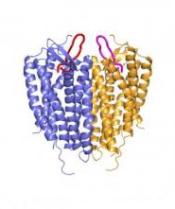
Credit: Raymond Stevens
Scripps Research Institute
A team of researchers has uncovered the structure of a cell surface receptor, CXCR4, which guides blood and immune cell movement throughout the body.
CXCR4 is also found on the surface of the human immunodeficiency virus (HIV), and helps the virus to enter blood cells.
The receptor is part of a group of about 700 proteins known as G protein-coupled receptors (GPCRs).
The team, led by Raymond C. Stevens, PhD, of Scripps Research Institute in La Jolla, California, and senior author of the study, already found the structures of two other GPCRs: the adrenergic receptor and A2A adenosine receptor.
CXCR4 belongs to a different group of GPCRs, one that binds to protein molecules called chemokines, responsible for steering blood and immune cells where they are needed.
The team used GPCR biochemistry, receptor stabilization, and X-ray crystallography to capture the first visual of a chemokine receptor bound to a ligand.
Unlike the adrenergic receptor and the A2A adenosine receptor, CXCR4 likes to form dimers.
“The dimerization observation was very intriguing,” said Dr Stevens. “We solved 5 different crystal structures in multiple crystal forms, and each one had the same dimer interface. It has long been debated how GPCRs might dimerize, if they did at all. This is the first solid observation about a consistent structural GPCR dimer.”
The team believes preventing dimerization might provide a new way to block CXCR4, which results in the release of hematopoietic stem cells from bone marrow into the bloodstream.
Currently, plerixafor injection is the only drug on the market that blocks CXCR4. Therapy that assists in the release of hematopoietic stem cells to the bloodstream is very useful following stem cell transplant.
Drugs that block CXCR4 are also useful in treating HIV infection.
Their findings were published in the October 7 issue of Science.
Credit: Raymond Stevens
Scripps Research Institute
A team of researchers has uncovered the structure of a cell surface receptor, CXCR4, which guides blood and immune cell movement throughout the body.
CXCR4 is also found on the surface of the human immunodeficiency virus (HIV), and helps the virus to enter blood cells.
The receptor is part of a group of about 700 proteins known as G protein-coupled receptors (GPCRs).
The team, led by Raymond C. Stevens, PhD, of Scripps Research Institute in La Jolla, California, and senior author of the study, already found the structures of two other GPCRs: the adrenergic receptor and A2A adenosine receptor.
CXCR4 belongs to a different group of GPCRs, one that binds to protein molecules called chemokines, responsible for steering blood and immune cells where they are needed.
The team used GPCR biochemistry, receptor stabilization, and X-ray crystallography to capture the first visual of a chemokine receptor bound to a ligand.
Unlike the adrenergic receptor and the A2A adenosine receptor, CXCR4 likes to form dimers.
“The dimerization observation was very intriguing,” said Dr Stevens. “We solved 5 different crystal structures in multiple crystal forms, and each one had the same dimer interface. It has long been debated how GPCRs might dimerize, if they did at all. This is the first solid observation about a consistent structural GPCR dimer.”
The team believes preventing dimerization might provide a new way to block CXCR4, which results in the release of hematopoietic stem cells from bone marrow into the bloodstream.
Currently, plerixafor injection is the only drug on the market that blocks CXCR4. Therapy that assists in the release of hematopoietic stem cells to the bloodstream is very useful following stem cell transplant.
Drugs that block CXCR4 are also useful in treating HIV infection.
Their findings were published in the October 7 issue of Science.
Credit: Raymond Stevens
Scripps Research Institute
A team of researchers has uncovered the structure of a cell surface receptor, CXCR4, which guides blood and immune cell movement throughout the body.
CXCR4 is also found on the surface of the human immunodeficiency virus (HIV), and helps the virus to enter blood cells.
The receptor is part of a group of about 700 proteins known as G protein-coupled receptors (GPCRs).
The team, led by Raymond C. Stevens, PhD, of Scripps Research Institute in La Jolla, California, and senior author of the study, already found the structures of two other GPCRs: the adrenergic receptor and A2A adenosine receptor.
CXCR4 belongs to a different group of GPCRs, one that binds to protein molecules called chemokines, responsible for steering blood and immune cells where they are needed.
The team used GPCR biochemistry, receptor stabilization, and X-ray crystallography to capture the first visual of a chemokine receptor bound to a ligand.
Unlike the adrenergic receptor and the A2A adenosine receptor, CXCR4 likes to form dimers.
“The dimerization observation was very intriguing,” said Dr Stevens. “We solved 5 different crystal structures in multiple crystal forms, and each one had the same dimer interface. It has long been debated how GPCRs might dimerize, if they did at all. This is the first solid observation about a consistent structural GPCR dimer.”
The team believes preventing dimerization might provide a new way to block CXCR4, which results in the release of hematopoietic stem cells from bone marrow into the bloodstream.
Currently, plerixafor injection is the only drug on the market that blocks CXCR4. Therapy that assists in the release of hematopoietic stem cells to the bloodstream is very useful following stem cell transplant.
Drugs that block CXCR4 are also useful in treating HIV infection.
Their findings were published in the October 7 issue of Science.
FDA panel recommends dabigatran: 9-0
The advisory panel for the US Food and Drug Administration (FDA) voted unanimously on September 20 to recommend approval of dabigatran, an anticoagulant under investigation for the reduction of stroke risk and non-CNS systemic embolism in patients with atrial fibrillation.
The advisory board only voted that dabigatran works at least as well as warfarin. But unlike warfarin, dabigatran does not require laboratory monitoring. Therefore, dabigatran is less difficult to use than the current standard of care.
The decision was based on the randomized, noninferiority RE-LY (Randomized Evaluation of Long-Term Anticoagulation Therapy) trial of 18,000 patients. The trial compared unblinded warfarin administration with blinded doses of dabigatran at 110 mg and 150 mg.
The hazard ratio of dabigatran compared with warfarin was 0.66 (P<0.003) in the 150 mg dabigatran arm and 0.91 (P<0.0001) in the 110 mg dabigatran arm.
Bleeding risk remains the top safety concern. Receiving 150 mg of dabigatran seems to run the same risk as warfarin for bleeding complications, but in 110 mg doses of dabigatran, the risk was less than warfarin.
Conflict arose among committee members regarding whether or not to approve both doses. Some members disagreed, seeing that the 110 mg dose was only noninferior to warfarin, not superior. Other members believed that approving both doses would ensure wider use of the drug leading to the prevention of a greater number of strokes in atrial fibrillation patients.
There is one unexplained finding of the RE-LY study. Myocardial infarction rates were higher on dabigatran compared with warfarin. For every 1000 patients treated with dabigatran, there may be 2 more myocardial infarctions than in patients treated with warfarin.
The FDA often follows the advice of the panel of experts, although it is not required to.
The advisory panel for the US Food and Drug Administration (FDA) voted unanimously on September 20 to recommend approval of dabigatran, an anticoagulant under investigation for the reduction of stroke risk and non-CNS systemic embolism in patients with atrial fibrillation.
The advisory board only voted that dabigatran works at least as well as warfarin. But unlike warfarin, dabigatran does not require laboratory monitoring. Therefore, dabigatran is less difficult to use than the current standard of care.
The decision was based on the randomized, noninferiority RE-LY (Randomized Evaluation of Long-Term Anticoagulation Therapy) trial of 18,000 patients. The trial compared unblinded warfarin administration with blinded doses of dabigatran at 110 mg and 150 mg.
The hazard ratio of dabigatran compared with warfarin was 0.66 (P<0.003) in the 150 mg dabigatran arm and 0.91 (P<0.0001) in the 110 mg dabigatran arm.
Bleeding risk remains the top safety concern. Receiving 150 mg of dabigatran seems to run the same risk as warfarin for bleeding complications, but in 110 mg doses of dabigatran, the risk was less than warfarin.
Conflict arose among committee members regarding whether or not to approve both doses. Some members disagreed, seeing that the 110 mg dose was only noninferior to warfarin, not superior. Other members believed that approving both doses would ensure wider use of the drug leading to the prevention of a greater number of strokes in atrial fibrillation patients.
There is one unexplained finding of the RE-LY study. Myocardial infarction rates were higher on dabigatran compared with warfarin. For every 1000 patients treated with dabigatran, there may be 2 more myocardial infarctions than in patients treated with warfarin.
The FDA often follows the advice of the panel of experts, although it is not required to.
The advisory panel for the US Food and Drug Administration (FDA) voted unanimously on September 20 to recommend approval of dabigatran, an anticoagulant under investigation for the reduction of stroke risk and non-CNS systemic embolism in patients with atrial fibrillation.
The advisory board only voted that dabigatran works at least as well as warfarin. But unlike warfarin, dabigatran does not require laboratory monitoring. Therefore, dabigatran is less difficult to use than the current standard of care.
The decision was based on the randomized, noninferiority RE-LY (Randomized Evaluation of Long-Term Anticoagulation Therapy) trial of 18,000 patients. The trial compared unblinded warfarin administration with blinded doses of dabigatran at 110 mg and 150 mg.
The hazard ratio of dabigatran compared with warfarin was 0.66 (P<0.003) in the 150 mg dabigatran arm and 0.91 (P<0.0001) in the 110 mg dabigatran arm.
Bleeding risk remains the top safety concern. Receiving 150 mg of dabigatran seems to run the same risk as warfarin for bleeding complications, but in 110 mg doses of dabigatran, the risk was less than warfarin.
Conflict arose among committee members regarding whether or not to approve both doses. Some members disagreed, seeing that the 110 mg dose was only noninferior to warfarin, not superior. Other members believed that approving both doses would ensure wider use of the drug leading to the prevention of a greater number of strokes in atrial fibrillation patients.
There is one unexplained finding of the RE-LY study. Myocardial infarction rates were higher on dabigatran compared with warfarin. For every 1000 patients treated with dabigatran, there may be 2 more myocardial infarctions than in patients treated with warfarin.
The FDA often follows the advice of the panel of experts, although it is not required to.
Second-line CML drugs prove better than first

Credit: UC San Diego
Nilotinib and dasatinib, currently approved for the treatment of drug-resistant chronic myeloid leukemia (CML), provide quicker and better responses as front-line therapy than the current standard, imatinib, according to 2 international, phase 3 trials.
Complete cytogenetic responses and major molecular responses were higher among newly diagnosed CML patients treated with nilotinib or dasatinib first, compared to newly diagnosed patients treated with imatinib first.
Also, more patients treated with imatinib experienced disease progression than patients treated with second-line drugs.
In the DASISION trial, 519 treatment-naïve CML patients received 100 mg of dasatinib or 400 mg of imatinib, once daily, as front-line therapy.
In the dasatinib arm, 77% of patients had confirmed cytogenetic responses (CCyR), compared to 66% in the imatinib arm. Patients on dasatinib also reached CCyR faster than those on imatinib, 54% in 3 months vs 31% in 3 months, respectively.
Forty-six percent of patients in the dasatinib arm reached a major molecular response (MMR), compared to 28% in the imatinib group.
In the imatinib arm, 3.5% of patients experienced disease progression, compared to 1.9% in the dasatinib group.
Side effects were mostly low-grade with both drugs. However hematologic side-effects were more common in dasatinib-treated patients and low-grade side effects such as vomiting, muscle pain, and inflammation were more common in patients using imatinib.
“We’ve learned in cancer therapy that it’s important to use your big guns up front,” said Hagop Kantarjian, MD, of The University of Texas MD Anderson Cancer Center in Houston. Dr Kantarjian is the corresponding author of the DASISION study and coauthor of the ENEST study.
“We know that achieving complete cytogenetic response or major molecular response within a year of starting treatment is associated with more favorable long-term survival. Using these second-generation drugs will likely improve outcomes for patients with chronic myeloid leukemia.”
The ENEST trial of nilotinib and imatinib yielded similar results in favor of second-generation treatments.
Eight hundred thirty-six newly diagnosed CML patients were treated with 300 mg or 400 mg of nilotinib twice daily or 100 mg of imatinib once daily.
The 300 mg nilotinib arm experienced CCyR in 80% of patients, MMR in 44% of patients, and progression in less than 1% of patients. In the 400 mg nilotinib arm, 78% of patients experienced CCyR, 43% experienced MMR ,and again, less than 1% experienced disease progression.
In the same trial, only 65% of patients experienced CCyR, 22% experienced MMR, and 4% saw progression in their disease when treated with imatinib.
The median time to reach MMR was 5.7 months in the 300 mg nilotinib group, 5.8 months in the 400 mg nilotinib group, and 8.3 months in the imatinib group.
Serious side effects were uncommon for both drugs. This time, hematologic side effects were more common in patients taking imatinib, and patients taking nilotinib were more likely to experience low-grade side effects like vomiting and inflammation.
“Findings from both of these studies confirm the single-arm trials done at MD Anderson, which had shown superiority of second-generation drugs in a front-line setting,” said Dr Kantarjian.
Their findings are published online in The New England Journal of Medicine.
Currently, Jorge Cortez, MD, at MD Anderson Cancer Center, is conducting 2 single-arm clinical trials to compare the performance of the second-generation CML drugs against historical imatinib trial results.
Credit: UC San Diego
Nilotinib and dasatinib, currently approved for the treatment of drug-resistant chronic myeloid leukemia (CML), provide quicker and better responses as front-line therapy than the current standard, imatinib, according to 2 international, phase 3 trials.
Complete cytogenetic responses and major molecular responses were higher among newly diagnosed CML patients treated with nilotinib or dasatinib first, compared to newly diagnosed patients treated with imatinib first.
Also, more patients treated with imatinib experienced disease progression than patients treated with second-line drugs.
In the DASISION trial, 519 treatment-naïve CML patients received 100 mg of dasatinib or 400 mg of imatinib, once daily, as front-line therapy.
In the dasatinib arm, 77% of patients had confirmed cytogenetic responses (CCyR), compared to 66% in the imatinib arm. Patients on dasatinib also reached CCyR faster than those on imatinib, 54% in 3 months vs 31% in 3 months, respectively.
Forty-six percent of patients in the dasatinib arm reached a major molecular response (MMR), compared to 28% in the imatinib group.
In the imatinib arm, 3.5% of patients experienced disease progression, compared to 1.9% in the dasatinib group.
Side effects were mostly low-grade with both drugs. However hematologic side-effects were more common in dasatinib-treated patients and low-grade side effects such as vomiting, muscle pain, and inflammation were more common in patients using imatinib.
“We’ve learned in cancer therapy that it’s important to use your big guns up front,” said Hagop Kantarjian, MD, of The University of Texas MD Anderson Cancer Center in Houston. Dr Kantarjian is the corresponding author of the DASISION study and coauthor of the ENEST study.
“We know that achieving complete cytogenetic response or major molecular response within a year of starting treatment is associated with more favorable long-term survival. Using these second-generation drugs will likely improve outcomes for patients with chronic myeloid leukemia.”
The ENEST trial of nilotinib and imatinib yielded similar results in favor of second-generation treatments.
Eight hundred thirty-six newly diagnosed CML patients were treated with 300 mg or 400 mg of nilotinib twice daily or 100 mg of imatinib once daily.
The 300 mg nilotinib arm experienced CCyR in 80% of patients, MMR in 44% of patients, and progression in less than 1% of patients. In the 400 mg nilotinib arm, 78% of patients experienced CCyR, 43% experienced MMR ,and again, less than 1% experienced disease progression.
In the same trial, only 65% of patients experienced CCyR, 22% experienced MMR, and 4% saw progression in their disease when treated with imatinib.
The median time to reach MMR was 5.7 months in the 300 mg nilotinib group, 5.8 months in the 400 mg nilotinib group, and 8.3 months in the imatinib group.
Serious side effects were uncommon for both drugs. This time, hematologic side effects were more common in patients taking imatinib, and patients taking nilotinib were more likely to experience low-grade side effects like vomiting and inflammation.
“Findings from both of these studies confirm the single-arm trials done at MD Anderson, which had shown superiority of second-generation drugs in a front-line setting,” said Dr Kantarjian.
Their findings are published online in The New England Journal of Medicine.
Currently, Jorge Cortez, MD, at MD Anderson Cancer Center, is conducting 2 single-arm clinical trials to compare the performance of the second-generation CML drugs against historical imatinib trial results.
Credit: UC San Diego
Nilotinib and dasatinib, currently approved for the treatment of drug-resistant chronic myeloid leukemia (CML), provide quicker and better responses as front-line therapy than the current standard, imatinib, according to 2 international, phase 3 trials.
Complete cytogenetic responses and major molecular responses were higher among newly diagnosed CML patients treated with nilotinib or dasatinib first, compared to newly diagnosed patients treated with imatinib first.
Also, more patients treated with imatinib experienced disease progression than patients treated with second-line drugs.
In the DASISION trial, 519 treatment-naïve CML patients received 100 mg of dasatinib or 400 mg of imatinib, once daily, as front-line therapy.
In the dasatinib arm, 77% of patients had confirmed cytogenetic responses (CCyR), compared to 66% in the imatinib arm. Patients on dasatinib also reached CCyR faster than those on imatinib, 54% in 3 months vs 31% in 3 months, respectively.
Forty-six percent of patients in the dasatinib arm reached a major molecular response (MMR), compared to 28% in the imatinib group.
In the imatinib arm, 3.5% of patients experienced disease progression, compared to 1.9% in the dasatinib group.
Side effects were mostly low-grade with both drugs. However hematologic side-effects were more common in dasatinib-treated patients and low-grade side effects such as vomiting, muscle pain, and inflammation were more common in patients using imatinib.
“We’ve learned in cancer therapy that it’s important to use your big guns up front,” said Hagop Kantarjian, MD, of The University of Texas MD Anderson Cancer Center in Houston. Dr Kantarjian is the corresponding author of the DASISION study and coauthor of the ENEST study.
“We know that achieving complete cytogenetic response or major molecular response within a year of starting treatment is associated with more favorable long-term survival. Using these second-generation drugs will likely improve outcomes for patients with chronic myeloid leukemia.”
The ENEST trial of nilotinib and imatinib yielded similar results in favor of second-generation treatments.
Eight hundred thirty-six newly diagnosed CML patients were treated with 300 mg or 400 mg of nilotinib twice daily or 100 mg of imatinib once daily.
The 300 mg nilotinib arm experienced CCyR in 80% of patients, MMR in 44% of patients, and progression in less than 1% of patients. In the 400 mg nilotinib arm, 78% of patients experienced CCyR, 43% experienced MMR ,and again, less than 1% experienced disease progression.
In the same trial, only 65% of patients experienced CCyR, 22% experienced MMR, and 4% saw progression in their disease when treated with imatinib.
The median time to reach MMR was 5.7 months in the 300 mg nilotinib group, 5.8 months in the 400 mg nilotinib group, and 8.3 months in the imatinib group.
Serious side effects were uncommon for both drugs. This time, hematologic side effects were more common in patients taking imatinib, and patients taking nilotinib were more likely to experience low-grade side effects like vomiting and inflammation.
“Findings from both of these studies confirm the single-arm trials done at MD Anderson, which had shown superiority of second-generation drugs in a front-line setting,” said Dr Kantarjian.
Their findings are published online in The New England Journal of Medicine.
Currently, Jorge Cortez, MD, at MD Anderson Cancer Center, is conducting 2 single-arm clinical trials to compare the performance of the second-generation CML drugs against historical imatinib trial results.
Denileukin diftitox has significant, durable responses in CTCL
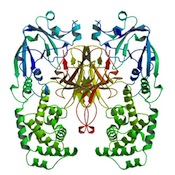
The recombinant fusion protein denileukin diftitox (DD) produced a significant and durable overall response rate at 2 dose levels as compared to placebo in patients with cutaneous T-cell lymphoma (CTCL).
These phase 3 results confirm the efficacy, safety, and clinical benefit of DD in CD25-positive, stage IA to III CTCL. An earlier trial included more heavily pretreated late-stage patients.
Andres Negro-Vilar, MD, PhD, and colleagues reported the current results March 8 ahead of print in the Journal of Clinical Oncology.
The investigators randomized 144 patients—44 to placebo, 45 to 9 mg/kg/day DD, and 55 to 18 m/kg/day DD. Patients received the treatment on days 1 through 5 of each 21-day course for up to 8 courses.
Patients were a median age of 59 years, two thirds had disease stage IIA or earlier, and 94% had received 3 or fewer prior therapies. Prior therapies included phototherapy (48%), interferon alfa (20%), electron beam readiotherapy (48%), system cytotoxic chemotherapy (26%), topical chemotherapy (25%), and other therapies (30%).
Most patients (85%) had mycosis fungoides, 6.3% had Sézary syndrome, and 8.3% had other cutaneous lymphomas.
After a median of 6 treatment courses, patients receiving either dose of DD had a statistically significant overall response rate (ORR) compared to placebo.
Patients in the 18 µg DD group had a 49% ORR, including 9% complete response (CR) or clinical complete response (CCR). This compared to an ORR of 16% for placebo patients (P=0.0015).
Patients in the 9 µg group had a 37.8% ORR, including 11% CR/CCR. This ORR was also significantly better compared to placebo (P=0.0297).
About half of the placebo patients experienced progressive disease compared with 21% of the DD-treated patients.
Progression-free survival (PFS) was significantly longer in the DD-treated patients. The 18 µg-arm had a median PFS of 971 days, the 9 µg-arm had a median PFS of 794 days, and the placebo patients had a median PFS of 124 days.
DD-treated patients in both dose groups experienced significantly superior duration of response, time to response, and time to treatment failure compared to the placebo patients.
DD-treated patients reported more adverse events and serious adverse events than the placebo patients. The investigators observed that the AEs occurred most frequently during the first 2 or 3 treatment courses and then declined to placebo levels.
DD combines the diphtheria toxin with human interleukin-2 (IL-2). DD binds to and is internalized by the IL-2 receptor. Therefore, it is most efficient at killing cells that express the intermediate- or high-affinity IL-2 receptor.
The investigators suggest that the 18 µg/kg/day dose may improve the response rate without increasing toxicity. The higher dose “provides more benefit, such as a higher ORR and statistically significant improvements in several supportive end points . . . DD may represent an important treatment option for many patients with these challenging diseases,” they said.
The recombinant fusion protein denileukin diftitox (DD) produced a significant and durable overall response rate at 2 dose levels as compared to placebo in patients with cutaneous T-cell lymphoma (CTCL).
These phase 3 results confirm the efficacy, safety, and clinical benefit of DD in CD25-positive, stage IA to III CTCL. An earlier trial included more heavily pretreated late-stage patients.
Andres Negro-Vilar, MD, PhD, and colleagues reported the current results March 8 ahead of print in the Journal of Clinical Oncology.
The investigators randomized 144 patients—44 to placebo, 45 to 9 mg/kg/day DD, and 55 to 18 m/kg/day DD. Patients received the treatment on days 1 through 5 of each 21-day course for up to 8 courses.
Patients were a median age of 59 years, two thirds had disease stage IIA or earlier, and 94% had received 3 or fewer prior therapies. Prior therapies included phototherapy (48%), interferon alfa (20%), electron beam readiotherapy (48%), system cytotoxic chemotherapy (26%), topical chemotherapy (25%), and other therapies (30%).
Most patients (85%) had mycosis fungoides, 6.3% had Sézary syndrome, and 8.3% had other cutaneous lymphomas.
After a median of 6 treatment courses, patients receiving either dose of DD had a statistically significant overall response rate (ORR) compared to placebo.
Patients in the 18 µg DD group had a 49% ORR, including 9% complete response (CR) or clinical complete response (CCR). This compared to an ORR of 16% for placebo patients (P=0.0015).
Patients in the 9 µg group had a 37.8% ORR, including 11% CR/CCR. This ORR was also significantly better compared to placebo (P=0.0297).
About half of the placebo patients experienced progressive disease compared with 21% of the DD-treated patients.
Progression-free survival (PFS) was significantly longer in the DD-treated patients. The 18 µg-arm had a median PFS of 971 days, the 9 µg-arm had a median PFS of 794 days, and the placebo patients had a median PFS of 124 days.
DD-treated patients in both dose groups experienced significantly superior duration of response, time to response, and time to treatment failure compared to the placebo patients.
DD-treated patients reported more adverse events and serious adverse events than the placebo patients. The investigators observed that the AEs occurred most frequently during the first 2 or 3 treatment courses and then declined to placebo levels.
DD combines the diphtheria toxin with human interleukin-2 (IL-2). DD binds to and is internalized by the IL-2 receptor. Therefore, it is most efficient at killing cells that express the intermediate- or high-affinity IL-2 receptor.
The investigators suggest that the 18 µg/kg/day dose may improve the response rate without increasing toxicity. The higher dose “provides more benefit, such as a higher ORR and statistically significant improvements in several supportive end points . . . DD may represent an important treatment option for many patients with these challenging diseases,” they said.
The recombinant fusion protein denileukin diftitox (DD) produced a significant and durable overall response rate at 2 dose levels as compared to placebo in patients with cutaneous T-cell lymphoma (CTCL).
These phase 3 results confirm the efficacy, safety, and clinical benefit of DD in CD25-positive, stage IA to III CTCL. An earlier trial included more heavily pretreated late-stage patients.
Andres Negro-Vilar, MD, PhD, and colleagues reported the current results March 8 ahead of print in the Journal of Clinical Oncology.
The investigators randomized 144 patients—44 to placebo, 45 to 9 mg/kg/day DD, and 55 to 18 m/kg/day DD. Patients received the treatment on days 1 through 5 of each 21-day course for up to 8 courses.
Patients were a median age of 59 years, two thirds had disease stage IIA or earlier, and 94% had received 3 or fewer prior therapies. Prior therapies included phototherapy (48%), interferon alfa (20%), electron beam readiotherapy (48%), system cytotoxic chemotherapy (26%), topical chemotherapy (25%), and other therapies (30%).
Most patients (85%) had mycosis fungoides, 6.3% had Sézary syndrome, and 8.3% had other cutaneous lymphomas.
After a median of 6 treatment courses, patients receiving either dose of DD had a statistically significant overall response rate (ORR) compared to placebo.
Patients in the 18 µg DD group had a 49% ORR, including 9% complete response (CR) or clinical complete response (CCR). This compared to an ORR of 16% for placebo patients (P=0.0015).
Patients in the 9 µg group had a 37.8% ORR, including 11% CR/CCR. This ORR was also significantly better compared to placebo (P=0.0297).
About half of the placebo patients experienced progressive disease compared with 21% of the DD-treated patients.
Progression-free survival (PFS) was significantly longer in the DD-treated patients. The 18 µg-arm had a median PFS of 971 days, the 9 µg-arm had a median PFS of 794 days, and the placebo patients had a median PFS of 124 days.
DD-treated patients in both dose groups experienced significantly superior duration of response, time to response, and time to treatment failure compared to the placebo patients.
DD-treated patients reported more adverse events and serious adverse events than the placebo patients. The investigators observed that the AEs occurred most frequently during the first 2 or 3 treatment courses and then declined to placebo levels.
DD combines the diphtheria toxin with human interleukin-2 (IL-2). DD binds to and is internalized by the IL-2 receptor. Therefore, it is most efficient at killing cells that express the intermediate- or high-affinity IL-2 receptor.
The investigators suggest that the 18 µg/kg/day dose may improve the response rate without increasing toxicity. The higher dose “provides more benefit, such as a higher ORR and statistically significant improvements in several supportive end points . . . DD may represent an important treatment option for many patients with these challenging diseases,” they said.
ODAC votes against one leukemia, one NHL drug
The Oncologic Drugs Advisory Committee (ODAC) recommended yesterday against approval of pixantrone for the treatment of recurrent or refractory aggressive non-Hodgkin’s lymphoma (NHL).
ODAC voted unanimously against the approval of pixantrone, saying that the drug did not demonstrate a statistically significant improvement over the control arm. The complete response rate was 20.0% with pixantrone and 5.7% with the comparator therapies.
ODAC also expressed concern that the phase 3 trial was stopped early at 44% of planned enrollment due to poor accrual. And only 8 of the 70 patients enrolled were US patients, raising concern about whether the results held true for the US population.
Pixantrone dimaleate, an aza-anthracenedione, is developed by the Seattle-based Cell Therapeutics, Inc.
ODAC also considered the application of Australian drug maker ChemGenex Pharmaceuticals for omacetaxine mepesuccinate. In a 7-1 decision, ODAC recommended a single genetic test be developed and approved prior to consideration of omacetaxine for the treatment of adults with chronic myeloid leukemia with the Bcr-Abl T3151 mutation.
The drug maker used 2 different tests to identify patients with the mutation. In addition, 23 of 66 patients did not have central laboratory confirmation of the mutation. ODAC was concerned that the comparability of the tests was unknown.
The applicant had submitted data on efficacy and safety prior to completing the planned enrollment of 100 patients, which meant that data from approximately a third of the planned population were missing at the time of consideration.
The US Food and Drug Administration usually follows the recommendations of ODAC.
The Oncologic Drugs Advisory Committee (ODAC) recommended yesterday against approval of pixantrone for the treatment of recurrent or refractory aggressive non-Hodgkin’s lymphoma (NHL).
ODAC voted unanimously against the approval of pixantrone, saying that the drug did not demonstrate a statistically significant improvement over the control arm. The complete response rate was 20.0% with pixantrone and 5.7% with the comparator therapies.
ODAC also expressed concern that the phase 3 trial was stopped early at 44% of planned enrollment due to poor accrual. And only 8 of the 70 patients enrolled were US patients, raising concern about whether the results held true for the US population.
Pixantrone dimaleate, an aza-anthracenedione, is developed by the Seattle-based Cell Therapeutics, Inc.
ODAC also considered the application of Australian drug maker ChemGenex Pharmaceuticals for omacetaxine mepesuccinate. In a 7-1 decision, ODAC recommended a single genetic test be developed and approved prior to consideration of omacetaxine for the treatment of adults with chronic myeloid leukemia with the Bcr-Abl T3151 mutation.
The drug maker used 2 different tests to identify patients with the mutation. In addition, 23 of 66 patients did not have central laboratory confirmation of the mutation. ODAC was concerned that the comparability of the tests was unknown.
The applicant had submitted data on efficacy and safety prior to completing the planned enrollment of 100 patients, which meant that data from approximately a third of the planned population were missing at the time of consideration.
The US Food and Drug Administration usually follows the recommendations of ODAC.
The Oncologic Drugs Advisory Committee (ODAC) recommended yesterday against approval of pixantrone for the treatment of recurrent or refractory aggressive non-Hodgkin’s lymphoma (NHL).
ODAC voted unanimously against the approval of pixantrone, saying that the drug did not demonstrate a statistically significant improvement over the control arm. The complete response rate was 20.0% with pixantrone and 5.7% with the comparator therapies.
ODAC also expressed concern that the phase 3 trial was stopped early at 44% of planned enrollment due to poor accrual. And only 8 of the 70 patients enrolled were US patients, raising concern about whether the results held true for the US population.
Pixantrone dimaleate, an aza-anthracenedione, is developed by the Seattle-based Cell Therapeutics, Inc.
ODAC also considered the application of Australian drug maker ChemGenex Pharmaceuticals for omacetaxine mepesuccinate. In a 7-1 decision, ODAC recommended a single genetic test be developed and approved prior to consideration of omacetaxine for the treatment of adults with chronic myeloid leukemia with the Bcr-Abl T3151 mutation.
The drug maker used 2 different tests to identify patients with the mutation. In addition, 23 of 66 patients did not have central laboratory confirmation of the mutation. ODAC was concerned that the comparability of the tests was unknown.
The applicant had submitted data on efficacy and safety prior to completing the planned enrollment of 100 patients, which meant that data from approximately a third of the planned population were missing at the time of consideration.
The US Food and Drug Administration usually follows the recommendations of ODAC.