User login
Despite efficacy, most patients discontinued therapy
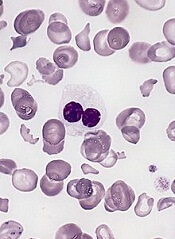
In a multicenter trial, deferasirox reduced serum ferritin and labile plasma iron (LPI) in transfusion-dependent patients with myelodysplastic syndrome (MDS). A subset of patients also experienced improvements in hematologic parameters.
In spite of these results, nearly 80% of patients discontinued therapy. But researchers said only about 40% of the discontinuations were drug-related; ie, a result of adverse events, abnormal lab values, or drug inefficacy.
Alan F. List, MD, of the Moffitt Cancer Center in Tampa, Florida, and his colleagues reported these results in the Journal of Clinical Oncology. The team’s research was supported by Novartis Pharmaceuticals, the maker of deferasirox.
The researchers analyzed the effects of the drug in 173 patients with low- or intermediate-1-risk MDS. The median patient age was 71 years (range, 21 to 90 years).
Patients had serum ferritin of at least 1000 μg/L, had received at least 20 units of red blood cells, and had ongoing transfusion requirements. The starting dose of deferasirox was 20 mg/kg per day, with dose escalation up to 40 mg/kg per day.
Patients who completed 1 year of therapy (n=91) experienced a median decrease in serum ferritin of 23%. Serum ferritin decreased by 36.7% in patients who completed 2 years of therapy (n=49) and 36.5% in patients who completed 3 years of therapy (n=33).
The investigators measured LPI quarterly during the first year of the study. Nearly 40% of patients (n=68) had elevated LPI at baseline. But, by week 13, LPI levels had normalized in all of the patients.
Twenty-eight percent of patients (n=51) experienced hematologic improvements according to International Working Group 2006 criteria. However, 7 of these patients had received growth factors or MDS therapy.
By the end of the study period, 79.8% of patients (n=138) had discontinued therapy. The reasons included adverse events in 24.8% (n=43), death in 16.1% (n=28), administrative problems in 15.4% (n=27), and abnormal lab values in 13.2% (n=23).
In addition, 6.9% of patients (n=12) chose not to enroll in the extension phase of the study, and 1.7% of patients (n=3) reported an unsatisfactory therapeutic effect. In 1.1% of cases (n=2), the patient no longer required the drug.
The most common drug-related adverse events were gastrointestinal disturbances and increased serum creatinine. Of the 28 patient deaths, none were linked to deferasirox.
“Overall, this study demonstrated improvements in iron parameters in a group of heavily transfused, lower-risk patients with MDS,” Dr List said. “A randomized trial is warranted to better ascertain the clinical impact of deferasirox therapy in lower-risk patients with MDS.” 
In a multicenter trial, deferasirox reduced serum ferritin and labile plasma iron (LPI) in transfusion-dependent patients with myelodysplastic syndrome (MDS). A subset of patients also experienced improvements in hematologic parameters.
In spite of these results, nearly 80% of patients discontinued therapy. But researchers said only about 40% of the discontinuations were drug-related; ie, a result of adverse events, abnormal lab values, or drug inefficacy.
Alan F. List, MD, of the Moffitt Cancer Center in Tampa, Florida, and his colleagues reported these results in the Journal of Clinical Oncology. The team’s research was supported by Novartis Pharmaceuticals, the maker of deferasirox.
The researchers analyzed the effects of the drug in 173 patients with low- or intermediate-1-risk MDS. The median patient age was 71 years (range, 21 to 90 years).
Patients had serum ferritin of at least 1000 μg/L, had received at least 20 units of red blood cells, and had ongoing transfusion requirements. The starting dose of deferasirox was 20 mg/kg per day, with dose escalation up to 40 mg/kg per day.
Patients who completed 1 year of therapy (n=91) experienced a median decrease in serum ferritin of 23%. Serum ferritin decreased by 36.7% in patients who completed 2 years of therapy (n=49) and 36.5% in patients who completed 3 years of therapy (n=33).
The investigators measured LPI quarterly during the first year of the study. Nearly 40% of patients (n=68) had elevated LPI at baseline. But, by week 13, LPI levels had normalized in all of the patients.
Twenty-eight percent of patients (n=51) experienced hematologic improvements according to International Working Group 2006 criteria. However, 7 of these patients had received growth factors or MDS therapy.
By the end of the study period, 79.8% of patients (n=138) had discontinued therapy. The reasons included adverse events in 24.8% (n=43), death in 16.1% (n=28), administrative problems in 15.4% (n=27), and abnormal lab values in 13.2% (n=23).
In addition, 6.9% of patients (n=12) chose not to enroll in the extension phase of the study, and 1.7% of patients (n=3) reported an unsatisfactory therapeutic effect. In 1.1% of cases (n=2), the patient no longer required the drug.
The most common drug-related adverse events were gastrointestinal disturbances and increased serum creatinine. Of the 28 patient deaths, none were linked to deferasirox.
“Overall, this study demonstrated improvements in iron parameters in a group of heavily transfused, lower-risk patients with MDS,” Dr List said. “A randomized trial is warranted to better ascertain the clinical impact of deferasirox therapy in lower-risk patients with MDS.”
In a multicenter trial, deferasirox reduced serum ferritin and labile plasma iron (LPI) in transfusion-dependent patients with myelodysplastic syndrome (MDS). A subset of patients also experienced improvements in hematologic parameters.
In spite of these results, nearly 80% of patients discontinued therapy. But researchers said only about 40% of the discontinuations were drug-related; ie, a result of adverse events, abnormal lab values, or drug inefficacy.
Alan F. List, MD, of the Moffitt Cancer Center in Tampa, Florida, and his colleagues reported these results in the Journal of Clinical Oncology. The team’s research was supported by Novartis Pharmaceuticals, the maker of deferasirox.
The researchers analyzed the effects of the drug in 173 patients with low- or intermediate-1-risk MDS. The median patient age was 71 years (range, 21 to 90 years).
Patients had serum ferritin of at least 1000 μg/L, had received at least 20 units of red blood cells, and had ongoing transfusion requirements. The starting dose of deferasirox was 20 mg/kg per day, with dose escalation up to 40 mg/kg per day.
Patients who completed 1 year of therapy (n=91) experienced a median decrease in serum ferritin of 23%. Serum ferritin decreased by 36.7% in patients who completed 2 years of therapy (n=49) and 36.5% in patients who completed 3 years of therapy (n=33).
The investigators measured LPI quarterly during the first year of the study. Nearly 40% of patients (n=68) had elevated LPI at baseline. But, by week 13, LPI levels had normalized in all of the patients.
Twenty-eight percent of patients (n=51) experienced hematologic improvements according to International Working Group 2006 criteria. However, 7 of these patients had received growth factors or MDS therapy.
By the end of the study period, 79.8% of patients (n=138) had discontinued therapy. The reasons included adverse events in 24.8% (n=43), death in 16.1% (n=28), administrative problems in 15.4% (n=27), and abnormal lab values in 13.2% (n=23).
In addition, 6.9% of patients (n=12) chose not to enroll in the extension phase of the study, and 1.7% of patients (n=3) reported an unsatisfactory therapeutic effect. In 1.1% of cases (n=2), the patient no longer required the drug.
The most common drug-related adverse events were gastrointestinal disturbances and increased serum creatinine. Of the 28 patient deaths, none were linked to deferasirox.
“Overall, this study demonstrated improvements in iron parameters in a group of heavily transfused, lower-risk patients with MDS,” Dr List said. “A randomized trial is warranted to better ascertain the clinical impact of deferasirox therapy in lower-risk patients with MDS.”
Drug for aHUS effective but expensive

Congress of the EHA
Photo courtesy of EHA
AMSTERDAM—Eculizumab elicits “phenomenal” results in atypical hemolytic uremic syndrome (aHUS), according to two presentations given at the 17th Annual Congress of the European Hematology Association.
But, as one speaker pointed out, the drug may prove too expensive for a lot of patients.
“It’s the most expensive drug I’ve ever come across in my entire life,” said Adrian Newland, MD, of Barts and The London School of Medicine and Dentistry in the UK.
He noted that the drug costs about £400,000 per year in the UK. And reports have listed the US cost at around $400,000 per year.
Expense aside, the drug elicits “dramatic” improvements in aHUS patients, according to Dr Newland. And he presented data to support that statement during an EHA-JSH joint symposium on platelet disorders.
Ramon Vilalta, MD, of Hospital Vall d’Hebron in Barcelona, Spain, also presented favorable results with eculizumab at the meeting, as abstract 1155.
Dr Vilalta began his presentation by pointing out that aHUS is a life-threatening disease that results in multi-organ damage caused by thrombotic microangiopathy (TMA). And plasma exchange/plasma infusion (PE/PI) therapy does little to alter the poor prognosis in this patient population.
“Our patients—pediatric patients mainly—develop end-stage renal failure and even die, despite treatment [with PE/PI],” he said. “[E]culizumab is an anti-C5 terminal complement blocker that could give some hope in the treatment of these patients.”
In an attempt to prove this theory, Dr Vilalta and his colleagues retrospectively analyzed 19 patients with aHUS. Patients—who ranged in age from 2 months to 17 years—received eculizumab for a median of 6 months (range, less than 1 month to 16 months).
All 19 patients had renal complications prior to receiving eculizumab, and 10 had renal and extra-renal complications. Eight patients had baseline platelet counts less than 150 x 109/L. Eight patients were on dialysis at the start of therapy, and 6 patients had undergone kidney transplant.
The first thing the researchers noticed was that eculizumab increased patients’ platelet counts within a week of administration. And this effect was maintained throughout the study period.
Seven of the 8 patients (88%) with abnormal platelet counts at baseline achieved normalized platelet counts. And 89% of all the patients (17/19) had platelet counts of 150 x 109/L or greater at the data cutoff point.
Eculizumab also reduced the burden of disease, Dr Vilalta said. He and his colleagues observed a significant reduction in the TMA intervention rate, which included the number of PE/PIs and new dialysis events. There were a median of 2 interventions per patient per week before treatment initiation, and a median of 0 interventions during treatment (P<0.0001).
None of the patients required new dialysis, and eculizumab eliminated the need for dialysis in 50% of patients (4/8).
Dr Vilalta also pointed out that eculizumab demonstrated similar efficacy regardless of patients’ mutation status or age. He added that the drug appeared to be well-tolerated, although the retrospective nature of the study did not allow for the full collection of drug-specific adverse events.
Of the side effects the researchers did observe, most were mild or moderate. Nine patients experienced pyrexia, 6 had diarrhea, 6 developed an upper respiratory tract infection, 5 developed a cough, 4 experienced vomiting, 4 had nasal congestion, 4 had tachycardia, and 1 patient developed a meningococcal infection during follow-up.
Dr Newland presented similar results from another study of eculizumab in aHUS. He discussed the results during an EHA-JSH joint symposium on platelet disorders, but the study was also presented at ASH last year as abstract 193.
The study included 17 aHUS patients who received eculizumab for a mean of 58 weeks. All of the patients achieved event-free status, which was defined as 12 weeks or more of stable platelet count, no PE/PI, and no new dialysis. Additionally, 4 of 5 patients were able to discontinue dialysis as a result of treatment with eculizumab.
As in Dr Vilalta’s study, treatment was similarly effective in patients with or without complement regulatory factor mutations. And the drug was generally well-tolerated. Twelve patients experienced adverse events, 1 of which was severe.
“[Eculizumab] showed phenomenal results here,” Dr Newland said. “Patients, particularly those treated earlier in their disease, were able to normalize their renal function.”
He said such an improvement is “dramatic” for this patient population, as 25% of aHUS patients die with the first attack, and 50% go into end-stage renal disease. Therefore, eculizumab can be considered the standard of care for aHUS patients—“if [they] can afford it.” 
Congress of the EHA
Photo courtesy of EHA
AMSTERDAM—Eculizumab elicits “phenomenal” results in atypical hemolytic uremic syndrome (aHUS), according to two presentations given at the 17th Annual Congress of the European Hematology Association.
But, as one speaker pointed out, the drug may prove too expensive for a lot of patients.
“It’s the most expensive drug I’ve ever come across in my entire life,” said Adrian Newland, MD, of Barts and The London School of Medicine and Dentistry in the UK.
He noted that the drug costs about £400,000 per year in the UK. And reports have listed the US cost at around $400,000 per year.
Expense aside, the drug elicits “dramatic” improvements in aHUS patients, according to Dr Newland. And he presented data to support that statement during an EHA-JSH joint symposium on platelet disorders.
Ramon Vilalta, MD, of Hospital Vall d’Hebron in Barcelona, Spain, also presented favorable results with eculizumab at the meeting, as abstract 1155.
Dr Vilalta began his presentation by pointing out that aHUS is a life-threatening disease that results in multi-organ damage caused by thrombotic microangiopathy (TMA). And plasma exchange/plasma infusion (PE/PI) therapy does little to alter the poor prognosis in this patient population.
“Our patients—pediatric patients mainly—develop end-stage renal failure and even die, despite treatment [with PE/PI],” he said. “[E]culizumab is an anti-C5 terminal complement blocker that could give some hope in the treatment of these patients.”
In an attempt to prove this theory, Dr Vilalta and his colleagues retrospectively analyzed 19 patients with aHUS. Patients—who ranged in age from 2 months to 17 years—received eculizumab for a median of 6 months (range, less than 1 month to 16 months).
All 19 patients had renal complications prior to receiving eculizumab, and 10 had renal and extra-renal complications. Eight patients had baseline platelet counts less than 150 x 109/L. Eight patients were on dialysis at the start of therapy, and 6 patients had undergone kidney transplant.
The first thing the researchers noticed was that eculizumab increased patients’ platelet counts within a week of administration. And this effect was maintained throughout the study period.
Seven of the 8 patients (88%) with abnormal platelet counts at baseline achieved normalized platelet counts. And 89% of all the patients (17/19) had platelet counts of 150 x 109/L or greater at the data cutoff point.
Eculizumab also reduced the burden of disease, Dr Vilalta said. He and his colleagues observed a significant reduction in the TMA intervention rate, which included the number of PE/PIs and new dialysis events. There were a median of 2 interventions per patient per week before treatment initiation, and a median of 0 interventions during treatment (P<0.0001).
None of the patients required new dialysis, and eculizumab eliminated the need for dialysis in 50% of patients (4/8).
Dr Vilalta also pointed out that eculizumab demonstrated similar efficacy regardless of patients’ mutation status or age. He added that the drug appeared to be well-tolerated, although the retrospective nature of the study did not allow for the full collection of drug-specific adverse events.
Of the side effects the researchers did observe, most were mild or moderate. Nine patients experienced pyrexia, 6 had diarrhea, 6 developed an upper respiratory tract infection, 5 developed a cough, 4 experienced vomiting, 4 had nasal congestion, 4 had tachycardia, and 1 patient developed a meningococcal infection during follow-up.
Dr Newland presented similar results from another study of eculizumab in aHUS. He discussed the results during an EHA-JSH joint symposium on platelet disorders, but the study was also presented at ASH last year as abstract 193.
The study included 17 aHUS patients who received eculizumab for a mean of 58 weeks. All of the patients achieved event-free status, which was defined as 12 weeks or more of stable platelet count, no PE/PI, and no new dialysis. Additionally, 4 of 5 patients were able to discontinue dialysis as a result of treatment with eculizumab.
As in Dr Vilalta’s study, treatment was similarly effective in patients with or without complement regulatory factor mutations. And the drug was generally well-tolerated. Twelve patients experienced adverse events, 1 of which was severe.
“[Eculizumab] showed phenomenal results here,” Dr Newland said. “Patients, particularly those treated earlier in their disease, were able to normalize their renal function.”
He said such an improvement is “dramatic” for this patient population, as 25% of aHUS patients die with the first attack, and 50% go into end-stage renal disease. Therefore, eculizumab can be considered the standard of care for aHUS patients—“if [they] can afford it.”
Congress of the EHA
Photo courtesy of EHA
AMSTERDAM—Eculizumab elicits “phenomenal” results in atypical hemolytic uremic syndrome (aHUS), according to two presentations given at the 17th Annual Congress of the European Hematology Association.
But, as one speaker pointed out, the drug may prove too expensive for a lot of patients.
“It’s the most expensive drug I’ve ever come across in my entire life,” said Adrian Newland, MD, of Barts and The London School of Medicine and Dentistry in the UK.
He noted that the drug costs about £400,000 per year in the UK. And reports have listed the US cost at around $400,000 per year.
Expense aside, the drug elicits “dramatic” improvements in aHUS patients, according to Dr Newland. And he presented data to support that statement during an EHA-JSH joint symposium on platelet disorders.
Ramon Vilalta, MD, of Hospital Vall d’Hebron in Barcelona, Spain, also presented favorable results with eculizumab at the meeting, as abstract 1155.
Dr Vilalta began his presentation by pointing out that aHUS is a life-threatening disease that results in multi-organ damage caused by thrombotic microangiopathy (TMA). And plasma exchange/plasma infusion (PE/PI) therapy does little to alter the poor prognosis in this patient population.
“Our patients—pediatric patients mainly—develop end-stage renal failure and even die, despite treatment [with PE/PI],” he said. “[E]culizumab is an anti-C5 terminal complement blocker that could give some hope in the treatment of these patients.”
In an attempt to prove this theory, Dr Vilalta and his colleagues retrospectively analyzed 19 patients with aHUS. Patients—who ranged in age from 2 months to 17 years—received eculizumab for a median of 6 months (range, less than 1 month to 16 months).
All 19 patients had renal complications prior to receiving eculizumab, and 10 had renal and extra-renal complications. Eight patients had baseline platelet counts less than 150 x 109/L. Eight patients were on dialysis at the start of therapy, and 6 patients had undergone kidney transplant.
The first thing the researchers noticed was that eculizumab increased patients’ platelet counts within a week of administration. And this effect was maintained throughout the study period.
Seven of the 8 patients (88%) with abnormal platelet counts at baseline achieved normalized platelet counts. And 89% of all the patients (17/19) had platelet counts of 150 x 109/L or greater at the data cutoff point.
Eculizumab also reduced the burden of disease, Dr Vilalta said. He and his colleagues observed a significant reduction in the TMA intervention rate, which included the number of PE/PIs and new dialysis events. There were a median of 2 interventions per patient per week before treatment initiation, and a median of 0 interventions during treatment (P<0.0001).
None of the patients required new dialysis, and eculizumab eliminated the need for dialysis in 50% of patients (4/8).
Dr Vilalta also pointed out that eculizumab demonstrated similar efficacy regardless of patients’ mutation status or age. He added that the drug appeared to be well-tolerated, although the retrospective nature of the study did not allow for the full collection of drug-specific adverse events.
Of the side effects the researchers did observe, most were mild or moderate. Nine patients experienced pyrexia, 6 had diarrhea, 6 developed an upper respiratory tract infection, 5 developed a cough, 4 experienced vomiting, 4 had nasal congestion, 4 had tachycardia, and 1 patient developed a meningococcal infection during follow-up.
Dr Newland presented similar results from another study of eculizumab in aHUS. He discussed the results during an EHA-JSH joint symposium on platelet disorders, but the study was also presented at ASH last year as abstract 193.
The study included 17 aHUS patients who received eculizumab for a mean of 58 weeks. All of the patients achieved event-free status, which was defined as 12 weeks or more of stable platelet count, no PE/PI, and no new dialysis. Additionally, 4 of 5 patients were able to discontinue dialysis as a result of treatment with eculizumab.
As in Dr Vilalta’s study, treatment was similarly effective in patients with or without complement regulatory factor mutations. And the drug was generally well-tolerated. Twelve patients experienced adverse events, 1 of which was severe.
“[Eculizumab] showed phenomenal results here,” Dr Newland said. “Patients, particularly those treated earlier in their disease, were able to normalize their renal function.”
He said such an improvement is “dramatic” for this patient population, as 25% of aHUS patients die with the first attack, and 50% go into end-stage renal disease. Therefore, eculizumab can be considered the standard of care for aHUS patients—“if [they] can afford it.”
FDA approves drugs faster than EMA, Health Canada
The FDA generally approves drugs faster than its Canadian and European counterparts, according to a study published in this week’s edition of NEJM.
The researchers say these results refute criticisms that the drug approval process in the US is slow and that agencies in other countries tend to approve new therapies first.
“The perception that the FDA is too slow implies that sick patients are waiting unnecessarily for regulators to complete their review of new drug applications,” said lead study author Nicholas Downing, a medical student at Yale University.
He and his colleagues decided to conduct this study because there have been no recent comparisons of the FDA’s review speed with that of agencies in other countries.
So the researchers reviewed drug approval decisions made by the FDA, Health Canada, and the European Medicines Agency (EMA) between 2001 and 2010. The team said they chose Health Canada and the EMA as comparisons because these agencies face similar pressures to approve new drugs quickly while ensuring they don’t put patients at risk.
The investigators studied each regulator’s database of drug approvals to identify novel therapeutics, as well as the timing of key regulatory events. They then calculated each agency’s review speed.
The median total time to review a new drug application was 322 days at the FDA, 366 days at the EMA, and 393 days at Health Canada.
“Among the subsample of drugs approved for all 3 regulators, the FDA’s reviews were over 3 months faster than those of the EMA or Health Canada,” Downing said. “The total review time at the FDA was faster than EMA, despite the FDA’s far higher proportion of applications requiring multiple regulatory reviews.”
The researchers also found that, during the review period, the FDA approved 225 new drugs, the EMA approved 186, and Health Canada approved 99. Additionally, of the therapies that have been approved by all 3 agencies, most drugs were first approved in the US.
“[W]e found that 64% of medicines approved in both the US and in Europe were approved for US patients first,” Downing said. “And 86% of medicines approved in both the US and Canada were also approved first in the US.”
Downing and his colleagues noted that this study has 2 key limitations. First, the researchers didn’t account for drugs that were ultimately rejected, as the regulatory agencies don’t release review times for drugs that are never approved. However, the team also pointed out that the FDA approves more than 80% of its applications, so the exclusion may not have made much of an impact.
Secondly, the study included only new molecular entities and original biologic agents. In order to get a more accurate reading on the regulatory review process, research would need to evaluate the review of generic drugs, reformulated drugs, combination therapies, and medical devices.
The FDA generally approves drugs faster than its Canadian and European counterparts, according to a study published in this week’s edition of NEJM.
The researchers say these results refute criticisms that the drug approval process in the US is slow and that agencies in other countries tend to approve new therapies first.
“The perception that the FDA is too slow implies that sick patients are waiting unnecessarily for regulators to complete their review of new drug applications,” said lead study author Nicholas Downing, a medical student at Yale University.
He and his colleagues decided to conduct this study because there have been no recent comparisons of the FDA’s review speed with that of agencies in other countries.
So the researchers reviewed drug approval decisions made by the FDA, Health Canada, and the European Medicines Agency (EMA) between 2001 and 2010. The team said they chose Health Canada and the EMA as comparisons because these agencies face similar pressures to approve new drugs quickly while ensuring they don’t put patients at risk.
The investigators studied each regulator’s database of drug approvals to identify novel therapeutics, as well as the timing of key regulatory events. They then calculated each agency’s review speed.
The median total time to review a new drug application was 322 days at the FDA, 366 days at the EMA, and 393 days at Health Canada.
“Among the subsample of drugs approved for all 3 regulators, the FDA’s reviews were over 3 months faster than those of the EMA or Health Canada,” Downing said. “The total review time at the FDA was faster than EMA, despite the FDA’s far higher proportion of applications requiring multiple regulatory reviews.”
The researchers also found that, during the review period, the FDA approved 225 new drugs, the EMA approved 186, and Health Canada approved 99. Additionally, of the therapies that have been approved by all 3 agencies, most drugs were first approved in the US.
“[W]e found that 64% of medicines approved in both the US and in Europe were approved for US patients first,” Downing said. “And 86% of medicines approved in both the US and Canada were also approved first in the US.”
Downing and his colleagues noted that this study has 2 key limitations. First, the researchers didn’t account for drugs that were ultimately rejected, as the regulatory agencies don’t release review times for drugs that are never approved. However, the team also pointed out that the FDA approves more than 80% of its applications, so the exclusion may not have made much of an impact.
Secondly, the study included only new molecular entities and original biologic agents. In order to get a more accurate reading on the regulatory review process, research would need to evaluate the review of generic drugs, reformulated drugs, combination therapies, and medical devices.
The FDA generally approves drugs faster than its Canadian and European counterparts, according to a study published in this week’s edition of NEJM.
The researchers say these results refute criticisms that the drug approval process in the US is slow and that agencies in other countries tend to approve new therapies first.
“The perception that the FDA is too slow implies that sick patients are waiting unnecessarily for regulators to complete their review of new drug applications,” said lead study author Nicholas Downing, a medical student at Yale University.
He and his colleagues decided to conduct this study because there have been no recent comparisons of the FDA’s review speed with that of agencies in other countries.
So the researchers reviewed drug approval decisions made by the FDA, Health Canada, and the European Medicines Agency (EMA) between 2001 and 2010. The team said they chose Health Canada and the EMA as comparisons because these agencies face similar pressures to approve new drugs quickly while ensuring they don’t put patients at risk.
The investigators studied each regulator’s database of drug approvals to identify novel therapeutics, as well as the timing of key regulatory events. They then calculated each agency’s review speed.
The median total time to review a new drug application was 322 days at the FDA, 366 days at the EMA, and 393 days at Health Canada.
“Among the subsample of drugs approved for all 3 regulators, the FDA’s reviews were over 3 months faster than those of the EMA or Health Canada,” Downing said. “The total review time at the FDA was faster than EMA, despite the FDA’s far higher proportion of applications requiring multiple regulatory reviews.”
The researchers also found that, during the review period, the FDA approved 225 new drugs, the EMA approved 186, and Health Canada approved 99. Additionally, of the therapies that have been approved by all 3 agencies, most drugs were first approved in the US.
“[W]e found that 64% of medicines approved in both the US and in Europe were approved for US patients first,” Downing said. “And 86% of medicines approved in both the US and Canada were also approved first in the US.”
Downing and his colleagues noted that this study has 2 key limitations. First, the researchers didn’t account for drugs that were ultimately rejected, as the regulatory agencies don’t release review times for drugs that are never approved. However, the team also pointed out that the FDA approves more than 80% of its applications, so the exclusion may not have made much of an impact.
Secondly, the study included only new molecular entities and original biologic agents. In order to get a more accurate reading on the regulatory review process, research would need to evaluate the review of generic drugs, reformulated drugs, combination therapies, and medical devices.
Report reveals detailed data of ruxolitinib in MF

Ruxolitinib can ease the symptoms of myelofibrosis and improve patient survival, according to results of the COMFORT-I study.
Detailed data from this phase 3 trial, which led to the US approval of ruxolitinib in November, appear in the March 1 edition of The New England Journal of Medicine. Some of these data were also presented at the recent ASH meeting.
“The phase 1/2 clinical trial showed that ruxolitinib improves quality of life for many patients with myelofibrosis, and now this phase 3 study indicates that the drug extends survival in a patient population that has lacked effective treatments,” said principal investigator Srdan Verstovsek, MD, PhD, of The University of Texas MD Anderson Cancer Center.
The trial, which was funded by the maker of ruxolitinib, enrolled 309 patients from 89 US centers. The researchers randomized patients to receive ruxolitinib (n=155) or placebo (n=154) orally twice daily.
Patients recorded their symptoms over the course of the 24-week study using an electronic diary. And the investigators monitored patients’ spleen volumes via MRI. The primary endpoint of the study was a 35% reduction in spleen volume.
Most patients on placebo experienced progressive splenomegaly and a worsening of myelofibrosis-related symptoms. For this reason, 38 patients in the placebo arm withdrew from the study, and 111 patients crossed over to the ruxolitinib arm.
The median time to cross over was 41 weeks. Only 2 patients remained on placebo at the time of analysis.
Reduction in splenomegaly
“It quickly became apparent who was getting the placebo and who was getting the drug,” said study author Jason Gotlib, MD, of Stanford University Medical Center.
Dr Gotlib noted that the spleen volume in patients receiving the drug began to decrease within 1 to 2 weeks. In fact, 41.9% of treated patients experienced at least 35% shrinkage in their spleen volume. And the spleen remained smaller in 67% of those responders for 48 weeks or longer.
In comparison, 0.7% of patients in the placebo group experienced spleen reduction by 35%. At week 24, the ruxolitinib group had an average reduction in spleen volume of 31.6%, while the placebo group experienced an average increase in spleen volume of 8.1%.
Symptom improvement
Every night, patients completed the Myelofibrosis Symptom Assessment Form, an electronic diary. They evaluated the intensity of night sweats, itching, abdominal discomfort, pain under the ribs on the left side, a feeling of fullness, muscle and bone pain, and inactivity.
In the treated group, 45.9% of patients reported a reduction of 50% or more in their total symptom score over 24 weeks, compared to 5.3% in the placebo group. In addition, treated patients gained weight, while patients in the placebo group lost weight.
Improvements usually occurred within the first 4 weeks of treatment and were not limited to patients who also experienced reduction in spleen size, Dr Verstovsek said.
Adverse events and other drawbacks
Nonhematologic adverse events occurred at similar rates in both treatment arms. And roughly 11% of patients in each arm withdrew from the study due to adverse events.
However, anemia and thrombocytopenia were more common among patients who received ruxolitinib. One patient discontinued the drug due to anemia and one due to thrombocytopenia.
Other shortcomings of the drug are that it failed to reverse bone marrow damage and did not have a lasting effect on splenomegaly. Although many patients maintained a smaller spleen volume for at least 48 weeks while on ruxolitinib, their spleens began to enlarge again if they stopped taking the drug.
“Ruxolitinib doesn’t cure the disease,” Dr Gotlib said. “But the degree of benefit is clinically meaningful and substantial and allows many patients to re-engage in their daily activities.”
Mysteries of survival and mechanism
At a median follow-up of 51 weeks, there had been 13 deaths (8.4%) in the ruxolitinib group, compared with 24 (15.7%) in the placebo group. This represents a nearly 50% reduction in mortality, but Dr Gotlib indicated that the long-term implications of these data are not clear.
Another puzzler is how, exactly, ruxolitinib works. The drug is an inhibitor of JAK1 and JAK2, but patients responded to the drug whether or not they had the JAK2V617F mutation.
“Ruxolitinib is inhibiting overactive JAK/STAT intracellular signaling pathway no matter what,” Dr Verstovsek said.
Ruxolitinib can ease the symptoms of myelofibrosis and improve patient survival, according to results of the COMFORT-I study.
Detailed data from this phase 3 trial, which led to the US approval of ruxolitinib in November, appear in the March 1 edition of The New England Journal of Medicine. Some of these data were also presented at the recent ASH meeting.
“The phase 1/2 clinical trial showed that ruxolitinib improves quality of life for many patients with myelofibrosis, and now this phase 3 study indicates that the drug extends survival in a patient population that has lacked effective treatments,” said principal investigator Srdan Verstovsek, MD, PhD, of The University of Texas MD Anderson Cancer Center.
The trial, which was funded by the maker of ruxolitinib, enrolled 309 patients from 89 US centers. The researchers randomized patients to receive ruxolitinib (n=155) or placebo (n=154) orally twice daily.
Patients recorded their symptoms over the course of the 24-week study using an electronic diary. And the investigators monitored patients’ spleen volumes via MRI. The primary endpoint of the study was a 35% reduction in spleen volume.
Most patients on placebo experienced progressive splenomegaly and a worsening of myelofibrosis-related symptoms. For this reason, 38 patients in the placebo arm withdrew from the study, and 111 patients crossed over to the ruxolitinib arm.
The median time to cross over was 41 weeks. Only 2 patients remained on placebo at the time of analysis.
Reduction in splenomegaly
“It quickly became apparent who was getting the placebo and who was getting the drug,” said study author Jason Gotlib, MD, of Stanford University Medical Center.
Dr Gotlib noted that the spleen volume in patients receiving the drug began to decrease within 1 to 2 weeks. In fact, 41.9% of treated patients experienced at least 35% shrinkage in their spleen volume. And the spleen remained smaller in 67% of those responders for 48 weeks or longer.
In comparison, 0.7% of patients in the placebo group experienced spleen reduction by 35%. At week 24, the ruxolitinib group had an average reduction in spleen volume of 31.6%, while the placebo group experienced an average increase in spleen volume of 8.1%.
Symptom improvement
Every night, patients completed the Myelofibrosis Symptom Assessment Form, an electronic diary. They evaluated the intensity of night sweats, itching, abdominal discomfort, pain under the ribs on the left side, a feeling of fullness, muscle and bone pain, and inactivity.
In the treated group, 45.9% of patients reported a reduction of 50% or more in their total symptom score over 24 weeks, compared to 5.3% in the placebo group. In addition, treated patients gained weight, while patients in the placebo group lost weight.
Improvements usually occurred within the first 4 weeks of treatment and were not limited to patients who also experienced reduction in spleen size, Dr Verstovsek said.
Adverse events and other drawbacks
Nonhematologic adverse events occurred at similar rates in both treatment arms. And roughly 11% of patients in each arm withdrew from the study due to adverse events.
However, anemia and thrombocytopenia were more common among patients who received ruxolitinib. One patient discontinued the drug due to anemia and one due to thrombocytopenia.
Other shortcomings of the drug are that it failed to reverse bone marrow damage and did not have a lasting effect on splenomegaly. Although many patients maintained a smaller spleen volume for at least 48 weeks while on ruxolitinib, their spleens began to enlarge again if they stopped taking the drug.
“Ruxolitinib doesn’t cure the disease,” Dr Gotlib said. “But the degree of benefit is clinically meaningful and substantial and allows many patients to re-engage in their daily activities.”
Mysteries of survival and mechanism
At a median follow-up of 51 weeks, there had been 13 deaths (8.4%) in the ruxolitinib group, compared with 24 (15.7%) in the placebo group. This represents a nearly 50% reduction in mortality, but Dr Gotlib indicated that the long-term implications of these data are not clear.
Another puzzler is how, exactly, ruxolitinib works. The drug is an inhibitor of JAK1 and JAK2, but patients responded to the drug whether or not they had the JAK2V617F mutation.
“Ruxolitinib is inhibiting overactive JAK/STAT intracellular signaling pathway no matter what,” Dr Verstovsek said.
Ruxolitinib can ease the symptoms of myelofibrosis and improve patient survival, according to results of the COMFORT-I study.
Detailed data from this phase 3 trial, which led to the US approval of ruxolitinib in November, appear in the March 1 edition of The New England Journal of Medicine. Some of these data were also presented at the recent ASH meeting.
“The phase 1/2 clinical trial showed that ruxolitinib improves quality of life for many patients with myelofibrosis, and now this phase 3 study indicates that the drug extends survival in a patient population that has lacked effective treatments,” said principal investigator Srdan Verstovsek, MD, PhD, of The University of Texas MD Anderson Cancer Center.
The trial, which was funded by the maker of ruxolitinib, enrolled 309 patients from 89 US centers. The researchers randomized patients to receive ruxolitinib (n=155) or placebo (n=154) orally twice daily.
Patients recorded their symptoms over the course of the 24-week study using an electronic diary. And the investigators monitored patients’ spleen volumes via MRI. The primary endpoint of the study was a 35% reduction in spleen volume.
Most patients on placebo experienced progressive splenomegaly and a worsening of myelofibrosis-related symptoms. For this reason, 38 patients in the placebo arm withdrew from the study, and 111 patients crossed over to the ruxolitinib arm.
The median time to cross over was 41 weeks. Only 2 patients remained on placebo at the time of analysis.
Reduction in splenomegaly
“It quickly became apparent who was getting the placebo and who was getting the drug,” said study author Jason Gotlib, MD, of Stanford University Medical Center.
Dr Gotlib noted that the spleen volume in patients receiving the drug began to decrease within 1 to 2 weeks. In fact, 41.9% of treated patients experienced at least 35% shrinkage in their spleen volume. And the spleen remained smaller in 67% of those responders for 48 weeks or longer.
In comparison, 0.7% of patients in the placebo group experienced spleen reduction by 35%. At week 24, the ruxolitinib group had an average reduction in spleen volume of 31.6%, while the placebo group experienced an average increase in spleen volume of 8.1%.
Symptom improvement
Every night, patients completed the Myelofibrosis Symptom Assessment Form, an electronic diary. They evaluated the intensity of night sweats, itching, abdominal discomfort, pain under the ribs on the left side, a feeling of fullness, muscle and bone pain, and inactivity.
In the treated group, 45.9% of patients reported a reduction of 50% or more in their total symptom score over 24 weeks, compared to 5.3% in the placebo group. In addition, treated patients gained weight, while patients in the placebo group lost weight.
Improvements usually occurred within the first 4 weeks of treatment and were not limited to patients who also experienced reduction in spleen size, Dr Verstovsek said.
Adverse events and other drawbacks
Nonhematologic adverse events occurred at similar rates in both treatment arms. And roughly 11% of patients in each arm withdrew from the study due to adverse events.
However, anemia and thrombocytopenia were more common among patients who received ruxolitinib. One patient discontinued the drug due to anemia and one due to thrombocytopenia.
Other shortcomings of the drug are that it failed to reverse bone marrow damage and did not have a lasting effect on splenomegaly. Although many patients maintained a smaller spleen volume for at least 48 weeks while on ruxolitinib, their spleens began to enlarge again if they stopped taking the drug.
“Ruxolitinib doesn’t cure the disease,” Dr Gotlib said. “But the degree of benefit is clinically meaningful and substantial and allows many patients to re-engage in their daily activities.”
Mysteries of survival and mechanism
At a median follow-up of 51 weeks, there had been 13 deaths (8.4%) in the ruxolitinib group, compared with 24 (15.7%) in the placebo group. This represents a nearly 50% reduction in mortality, but Dr Gotlib indicated that the long-term implications of these data are not clear.
Another puzzler is how, exactly, ruxolitinib works. The drug is an inhibitor of JAK1 and JAK2, but patients responded to the drug whether or not they had the JAK2V617F mutation.
“Ruxolitinib is inhibiting overactive JAK/STAT intracellular signaling pathway no matter what,” Dr Verstovsek said.
EMA recommends conditional approval of lymphoma drug
The European Medicines Agency (EMA) has recommended that pixantrone dimaleate (Pixuvri) be granted conditional approval to treat non-Hodgkin B-cell lymphoma.
The approval is for pixantrone as single-agent therapy for patients with relapsed or refractory lymphoma.
The EMA’s Committee for Medicinal Products for Human Use (CHMP) recommended conditional approval of pixantrone because the data are not yet comprehensive. The CHMP has said more information is needed on the benefits of pixantrone in patients who received prior rituximab.
At the same time, the CHMP concluded that pixantrone satisfies an unmet medical need because there are no approved and standard treatments for this stage of the disease. Therefore, the benefits of making this medicine available on the market immediately outweigh the risks inherent in the fact that additional data are required.
The conditional approval of pixantrone will be renewed on a yearly basis until the obligation to provide additional data on rituximab-pretreated patients has been fulfilled. The applicant, CTI Life Sciences Ltd., has said it plans to provide the data by mid-2015.
The main study of pixantrone, the phase 3 EXTEND PIX301 trial, compared the drug to other chemotherapeutic agents in patients with relapsed or refractory non-Hodgkin lymphoma. The rate of response was 20% in the pixantrone arm and 6% in the comparator arm.
In addition, patients receiving pixantrone had longer progression-free survival than patients in the comparator group, with a median of 10.2 months and 7.6 months, respectively.
However, the CHMP noted that the benefit of pixantrone appeared to be lower in patients who had received prior rituximab. And a benefit was not established in patients who had not responded to their last treatment and received pixantrone as the fifth or later round of chemotherapy.
The most common side effects observed with pixantrone were neutropenia, leukopenia, anemia, thrombocytopenia, asthenia, pyrexia, cough, decreased ejection fraction, and nausea. The most common grade 3 and 4 adverse events were hematologic.
The CHMP’s recommendation for conditional approval has been sent to the European Commission for the adoption of a European Union-wide decision. For more information on pixantrone’s approval, visit the EMA website.
The European Medicines Agency (EMA) has recommended that pixantrone dimaleate (Pixuvri) be granted conditional approval to treat non-Hodgkin B-cell lymphoma.
The approval is for pixantrone as single-agent therapy for patients with relapsed or refractory lymphoma.
The EMA’s Committee for Medicinal Products for Human Use (CHMP) recommended conditional approval of pixantrone because the data are not yet comprehensive. The CHMP has said more information is needed on the benefits of pixantrone in patients who received prior rituximab.
At the same time, the CHMP concluded that pixantrone satisfies an unmet medical need because there are no approved and standard treatments for this stage of the disease. Therefore, the benefits of making this medicine available on the market immediately outweigh the risks inherent in the fact that additional data are required.
The conditional approval of pixantrone will be renewed on a yearly basis until the obligation to provide additional data on rituximab-pretreated patients has been fulfilled. The applicant, CTI Life Sciences Ltd., has said it plans to provide the data by mid-2015.
The main study of pixantrone, the phase 3 EXTEND PIX301 trial, compared the drug to other chemotherapeutic agents in patients with relapsed or refractory non-Hodgkin lymphoma. The rate of response was 20% in the pixantrone arm and 6% in the comparator arm.
In addition, patients receiving pixantrone had longer progression-free survival than patients in the comparator group, with a median of 10.2 months and 7.6 months, respectively.
However, the CHMP noted that the benefit of pixantrone appeared to be lower in patients who had received prior rituximab. And a benefit was not established in patients who had not responded to their last treatment and received pixantrone as the fifth or later round of chemotherapy.
The most common side effects observed with pixantrone were neutropenia, leukopenia, anemia, thrombocytopenia, asthenia, pyrexia, cough, decreased ejection fraction, and nausea. The most common grade 3 and 4 adverse events were hematologic.
The CHMP’s recommendation for conditional approval has been sent to the European Commission for the adoption of a European Union-wide decision. For more information on pixantrone’s approval, visit the EMA website.
The European Medicines Agency (EMA) has recommended that pixantrone dimaleate (Pixuvri) be granted conditional approval to treat non-Hodgkin B-cell lymphoma.
The approval is for pixantrone as single-agent therapy for patients with relapsed or refractory lymphoma.
The EMA’s Committee for Medicinal Products for Human Use (CHMP) recommended conditional approval of pixantrone because the data are not yet comprehensive. The CHMP has said more information is needed on the benefits of pixantrone in patients who received prior rituximab.
At the same time, the CHMP concluded that pixantrone satisfies an unmet medical need because there are no approved and standard treatments for this stage of the disease. Therefore, the benefits of making this medicine available on the market immediately outweigh the risks inherent in the fact that additional data are required.
The conditional approval of pixantrone will be renewed on a yearly basis until the obligation to provide additional data on rituximab-pretreated patients has been fulfilled. The applicant, CTI Life Sciences Ltd., has said it plans to provide the data by mid-2015.
The main study of pixantrone, the phase 3 EXTEND PIX301 trial, compared the drug to other chemotherapeutic agents in patients with relapsed or refractory non-Hodgkin lymphoma. The rate of response was 20% in the pixantrone arm and 6% in the comparator arm.
In addition, patients receiving pixantrone had longer progression-free survival than patients in the comparator group, with a median of 10.2 months and 7.6 months, respectively.
However, the CHMP noted that the benefit of pixantrone appeared to be lower in patients who had received prior rituximab. And a benefit was not established in patients who had not responded to their last treatment and received pixantrone as the fifth or later round of chemotherapy.
The most common side effects observed with pixantrone were neutropenia, leukopenia, anemia, thrombocytopenia, asthenia, pyrexia, cough, decreased ejection fraction, and nausea. The most common grade 3 and 4 adverse events were hematologic.
The CHMP’s recommendation for conditional approval has been sent to the European Commission for the adoption of a European Union-wide decision. For more information on pixantrone’s approval, visit the EMA website.
Warnings issued for brentuximab vedotin

leukoencephalopathy
Two additional cases of progressive multifocal leukoencephalopathy (PML) have been reported with the lymphoma drug brentuximab vedotin (Adcetris), according to the US Food and Drug Administration (FDA).
So the agency has added a new boxed warning to the drug’s label highlighting the risk of PML. At the time of brentuximab vedotin’s approval in August 2011, only 1 case of PML was described in the warnings and precautions section of the label.
The label change also includes a contraindication warning against the use of brentuximab vedotin with bleomycin, as the combination appears to increase the risk of pulmonary toxicity.
Diagnosing PML
The FDA says healthcare professionals should consider a possible diagnosis of PML in any patient who is receiving or has received brentuximab vedotin and who presents with new signs or symptoms of central nervous system abnormalities.
Healthcare professionals should also instruct patients to report changes in mood or usual behavior, confusion, problems thinking, loss of memory, changes in walking or talking, decreased strength or weakness on one side of the body, or changes in vision.
Evaluation of PML may include consultation with a neurologist, a brain MRI, lumbar puncture with analysis of cerebrospinal fluid by polymerase chain reaction for John Cunningham (JC) virus, and/or a brain biopsy.
Healthcare professionals should hold brentuximab vedotin dosing for any suspected case of PML and discontinue brentuximab vedotin dosing if PML is confirmed.
PML case reports
To date, 3 patients have developed PML while receiving treatment with brentuximab vedotin.
A 48-year-old man with Hodgkin lymphoma (HL) was diagnosed with PML after receiving the drug. The patient’s medical history included prior treatment with multiple chemotherapeutic agents and targeted radiation therapy.
After the third dose of brentuximab vedotin, the patient presented with left-sided weakness and slurred speech. Cerebrospinal fluid was positive for JC virus. The patient’s condition deteriorated rapidly, resulting in death within 4 weeks of symptom onset.
A 50-year-old man with HL was also diagnosed with PML after receiving brentuximab vedotin. The patient’s medical history included prior treatment with multiple chemotherapeutic agents, targeted radiation therapy, and autologous stem cell transplant.
After 8 cycles of brentuximab vedotin, this patient presented to the local emergency room with complaints of changes in speech, difficulty writing with his right hand, and right lower extremity weakness. In addition, he had poor coordination, poor balance, and left-sided sensory deficits.
Although MRI results were inconclusive and cerebrospinal fluid analyses were negative for JC virus early in the course of the neurologic work-up, an immunostain of a spinal cord lesion biopsy was positive for JC virus.
The patient’s neurological condition continues to worsen. Most recently, he lost motor function of his lower extremities and deep tendon reflexes of his legs. He also has tremulousness of his hands and hypoactive arm reflexes.
Lastly, a 38-year-old female patient with a history of stage 4 cutaneous anaplastic large cell lymphoma was diagnosed with PML after receiving brentuximab vedotin. The patient’s medical history included prior treatment with multiple chemotherapeutic agents and targeted radiation therapy.
Prior to treatment with brentuximab vedotin, a baseline neurological examination was normal. After the second dose, the patient complained of the inability to read, inability to find words to express herself, memory lapses, and slight loss of balance.
A brain MRI revealed a demyelinating process, and a brain biopsy was positive for JC virus. The patient’s treatment with brentuximab vedotin was discontinued.
Pulmonary toxicity risk
In addition to the risk of PML, research has revealed that brentuximab vedotin can confer a risk of pulmonary toxicity when combined with bleomycin.
A clinical trial compared the combination of brentuximab vedotin plus doxorubicin, bleomycin, vinblastine, and dacarbazine (ABVD) to combination brentuximab vedotin plus doxorubicin, vinblastine, and dacarbazine (AVD) as front-line therapy for HL.
An excessive number of patients in the brentuximab vedotin plus ABVD treatment group experienced noninfectious pulmonary toxicity. The frequency of pulmonary toxicity in this group was approximately 40%, compared to a frequency of 10% to 25% previously observed with bleomycin-based regimens not containing brentuximab vedotin.
Researchers observed no pulmonary toxicity in the brentuximab vedotin plus AVD treatment group.
leukoencephalopathy
Two additional cases of progressive multifocal leukoencephalopathy (PML) have been reported with the lymphoma drug brentuximab vedotin (Adcetris), according to the US Food and Drug Administration (FDA).
So the agency has added a new boxed warning to the drug’s label highlighting the risk of PML. At the time of brentuximab vedotin’s approval in August 2011, only 1 case of PML was described in the warnings and precautions section of the label.
The label change also includes a contraindication warning against the use of brentuximab vedotin with bleomycin, as the combination appears to increase the risk of pulmonary toxicity.
Diagnosing PML
The FDA says healthcare professionals should consider a possible diagnosis of PML in any patient who is receiving or has received brentuximab vedotin and who presents with new signs or symptoms of central nervous system abnormalities.
Healthcare professionals should also instruct patients to report changes in mood or usual behavior, confusion, problems thinking, loss of memory, changes in walking or talking, decreased strength or weakness on one side of the body, or changes in vision.
Evaluation of PML may include consultation with a neurologist, a brain MRI, lumbar puncture with analysis of cerebrospinal fluid by polymerase chain reaction for John Cunningham (JC) virus, and/or a brain biopsy.
Healthcare professionals should hold brentuximab vedotin dosing for any suspected case of PML and discontinue brentuximab vedotin dosing if PML is confirmed.
PML case reports
To date, 3 patients have developed PML while receiving treatment with brentuximab vedotin.
A 48-year-old man with Hodgkin lymphoma (HL) was diagnosed with PML after receiving the drug. The patient’s medical history included prior treatment with multiple chemotherapeutic agents and targeted radiation therapy.
After the third dose of brentuximab vedotin, the patient presented with left-sided weakness and slurred speech. Cerebrospinal fluid was positive for JC virus. The patient’s condition deteriorated rapidly, resulting in death within 4 weeks of symptom onset.
A 50-year-old man with HL was also diagnosed with PML after receiving brentuximab vedotin. The patient’s medical history included prior treatment with multiple chemotherapeutic agents, targeted radiation therapy, and autologous stem cell transplant.
After 8 cycles of brentuximab vedotin, this patient presented to the local emergency room with complaints of changes in speech, difficulty writing with his right hand, and right lower extremity weakness. In addition, he had poor coordination, poor balance, and left-sided sensory deficits.
Although MRI results were inconclusive and cerebrospinal fluid analyses were negative for JC virus early in the course of the neurologic work-up, an immunostain of a spinal cord lesion biopsy was positive for JC virus.
The patient’s neurological condition continues to worsen. Most recently, he lost motor function of his lower extremities and deep tendon reflexes of his legs. He also has tremulousness of his hands and hypoactive arm reflexes.
Lastly, a 38-year-old female patient with a history of stage 4 cutaneous anaplastic large cell lymphoma was diagnosed with PML after receiving brentuximab vedotin. The patient’s medical history included prior treatment with multiple chemotherapeutic agents and targeted radiation therapy.
Prior to treatment with brentuximab vedotin, a baseline neurological examination was normal. After the second dose, the patient complained of the inability to read, inability to find words to express herself, memory lapses, and slight loss of balance.
A brain MRI revealed a demyelinating process, and a brain biopsy was positive for JC virus. The patient’s treatment with brentuximab vedotin was discontinued.
Pulmonary toxicity risk
In addition to the risk of PML, research has revealed that brentuximab vedotin can confer a risk of pulmonary toxicity when combined with bleomycin.
A clinical trial compared the combination of brentuximab vedotin plus doxorubicin, bleomycin, vinblastine, and dacarbazine (ABVD) to combination brentuximab vedotin plus doxorubicin, vinblastine, and dacarbazine (AVD) as front-line therapy for HL.
An excessive number of patients in the brentuximab vedotin plus ABVD treatment group experienced noninfectious pulmonary toxicity. The frequency of pulmonary toxicity in this group was approximately 40%, compared to a frequency of 10% to 25% previously observed with bleomycin-based regimens not containing brentuximab vedotin.
Researchers observed no pulmonary toxicity in the brentuximab vedotin plus AVD treatment group.
leukoencephalopathy
Two additional cases of progressive multifocal leukoencephalopathy (PML) have been reported with the lymphoma drug brentuximab vedotin (Adcetris), according to the US Food and Drug Administration (FDA).
So the agency has added a new boxed warning to the drug’s label highlighting the risk of PML. At the time of brentuximab vedotin’s approval in August 2011, only 1 case of PML was described in the warnings and precautions section of the label.
The label change also includes a contraindication warning against the use of brentuximab vedotin with bleomycin, as the combination appears to increase the risk of pulmonary toxicity.
Diagnosing PML
The FDA says healthcare professionals should consider a possible diagnosis of PML in any patient who is receiving or has received brentuximab vedotin and who presents with new signs or symptoms of central nervous system abnormalities.
Healthcare professionals should also instruct patients to report changes in mood or usual behavior, confusion, problems thinking, loss of memory, changes in walking or talking, decreased strength or weakness on one side of the body, or changes in vision.
Evaluation of PML may include consultation with a neurologist, a brain MRI, lumbar puncture with analysis of cerebrospinal fluid by polymerase chain reaction for John Cunningham (JC) virus, and/or a brain biopsy.
Healthcare professionals should hold brentuximab vedotin dosing for any suspected case of PML and discontinue brentuximab vedotin dosing if PML is confirmed.
PML case reports
To date, 3 patients have developed PML while receiving treatment with brentuximab vedotin.
A 48-year-old man with Hodgkin lymphoma (HL) was diagnosed with PML after receiving the drug. The patient’s medical history included prior treatment with multiple chemotherapeutic agents and targeted radiation therapy.
After the third dose of brentuximab vedotin, the patient presented with left-sided weakness and slurred speech. Cerebrospinal fluid was positive for JC virus. The patient’s condition deteriorated rapidly, resulting in death within 4 weeks of symptom onset.
A 50-year-old man with HL was also diagnosed with PML after receiving brentuximab vedotin. The patient’s medical history included prior treatment with multiple chemotherapeutic agents, targeted radiation therapy, and autologous stem cell transplant.
After 8 cycles of brentuximab vedotin, this patient presented to the local emergency room with complaints of changes in speech, difficulty writing with his right hand, and right lower extremity weakness. In addition, he had poor coordination, poor balance, and left-sided sensory deficits.
Although MRI results were inconclusive and cerebrospinal fluid analyses were negative for JC virus early in the course of the neurologic work-up, an immunostain of a spinal cord lesion biopsy was positive for JC virus.
The patient’s neurological condition continues to worsen. Most recently, he lost motor function of his lower extremities and deep tendon reflexes of his legs. He also has tremulousness of his hands and hypoactive arm reflexes.
Lastly, a 38-year-old female patient with a history of stage 4 cutaneous anaplastic large cell lymphoma was diagnosed with PML after receiving brentuximab vedotin. The patient’s medical history included prior treatment with multiple chemotherapeutic agents and targeted radiation therapy.
Prior to treatment with brentuximab vedotin, a baseline neurological examination was normal. After the second dose, the patient complained of the inability to read, inability to find words to express herself, memory lapses, and slight loss of balance.
A brain MRI revealed a demyelinating process, and a brain biopsy was positive for JC virus. The patient’s treatment with brentuximab vedotin was discontinued.
Pulmonary toxicity risk
In addition to the risk of PML, research has revealed that brentuximab vedotin can confer a risk of pulmonary toxicity when combined with bleomycin.
A clinical trial compared the combination of brentuximab vedotin plus doxorubicin, bleomycin, vinblastine, and dacarbazine (ABVD) to combination brentuximab vedotin plus doxorubicin, vinblastine, and dacarbazine (AVD) as front-line therapy for HL.
An excessive number of patients in the brentuximab vedotin plus ABVD treatment group experienced noninfectious pulmonary toxicity. The frequency of pulmonary toxicity in this group was approximately 40%, compared to a frequency of 10% to 25% previously observed with bleomycin-based regimens not containing brentuximab vedotin.
Researchers observed no pulmonary toxicity in the brentuximab vedotin plus AVD treatment group.
HL drug demonstrates activity and toxicity
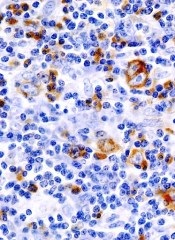
A novel agent has shown activity in relapsed or refractory Hodgkin lymphoma (HL), but it can cause severe adverse events and even death at a high dosage.
Researchers found that mocetinostat, an oral isotype-selective histone deacetylase inhibitor, was somewhat effective against HL when given at 85 mg or 110 mg.
However, patients in both treatment arms experienced adverse events, some of which led to treatment discontinuation. And 2 of the 4 deaths that occurred in the 110-mg arm could be attributed to treatment.
Anas Younes, MD, of M.D. Anderson Cancer Center in Houston, and his colleagues reported these results in the December print issue of The Lancet Oncology.
Dr Younes’s team began this study by enrolling 51 patients with relapsed or refractory classical HL who were 18 years of age or older. Patients received mocetinostat orally 3 times a week, in 28-day cycles.
Twenty-three patients received 110 mg of the drug, and 28 patients received 85 mg.
The study’s primary outcome was disease control rate. This was defined as complete response, partial response, or stable disease for at least 6 treatment cycles.
In the 110-mg arm, 35% of patients (8/23) met the disease control criteria. In the 85-mg arm, the disease control rate was 25% (7/28).
A total of 12 patients (24%) discontinued treatment due to adverse events. Nine patients discontinued in the 85-mg cohort, as did 3 patients in the 110-mg cohort.
The most frequent grade 3 and 4 adverse events were neutropenia, fatigue, and pneumonia. In the 110-mg arm, 4 patients experienced neutropenia, 5 reported fatigue, and 4 developed pneumonia. In the 85-mg group, 3 patients experienced neutropenia, 3 reported fatigue, and 2 developed pneumonia.
Four patients in the 110-mg arm died, and the researchers said 2 of these deaths may have been related to treatment.
The team therefore concluded that 85 mg of mocetinostat 3 times per week could be a promising treatment option for patients with relapsed or refractory HL.
The researchers received funding from the maker of mocetinostat, MethylGene Inc., of Montreal, Canada, as well as Celgene Corporation, of Summit, New Jersey.
A novel agent has shown activity in relapsed or refractory Hodgkin lymphoma (HL), but it can cause severe adverse events and even death at a high dosage.
Researchers found that mocetinostat, an oral isotype-selective histone deacetylase inhibitor, was somewhat effective against HL when given at 85 mg or 110 mg.
However, patients in both treatment arms experienced adverse events, some of which led to treatment discontinuation. And 2 of the 4 deaths that occurred in the 110-mg arm could be attributed to treatment.
Anas Younes, MD, of M.D. Anderson Cancer Center in Houston, and his colleagues reported these results in the December print issue of The Lancet Oncology.
Dr Younes’s team began this study by enrolling 51 patients with relapsed or refractory classical HL who were 18 years of age or older. Patients received mocetinostat orally 3 times a week, in 28-day cycles.
Twenty-three patients received 110 mg of the drug, and 28 patients received 85 mg.
The study’s primary outcome was disease control rate. This was defined as complete response, partial response, or stable disease for at least 6 treatment cycles.
In the 110-mg arm, 35% of patients (8/23) met the disease control criteria. In the 85-mg arm, the disease control rate was 25% (7/28).
A total of 12 patients (24%) discontinued treatment due to adverse events. Nine patients discontinued in the 85-mg cohort, as did 3 patients in the 110-mg cohort.
The most frequent grade 3 and 4 adverse events were neutropenia, fatigue, and pneumonia. In the 110-mg arm, 4 patients experienced neutropenia, 5 reported fatigue, and 4 developed pneumonia. In the 85-mg group, 3 patients experienced neutropenia, 3 reported fatigue, and 2 developed pneumonia.
Four patients in the 110-mg arm died, and the researchers said 2 of these deaths may have been related to treatment.
The team therefore concluded that 85 mg of mocetinostat 3 times per week could be a promising treatment option for patients with relapsed or refractory HL.
The researchers received funding from the maker of mocetinostat, MethylGene Inc., of Montreal, Canada, as well as Celgene Corporation, of Summit, New Jersey.
A novel agent has shown activity in relapsed or refractory Hodgkin lymphoma (HL), but it can cause severe adverse events and even death at a high dosage.
Researchers found that mocetinostat, an oral isotype-selective histone deacetylase inhibitor, was somewhat effective against HL when given at 85 mg or 110 mg.
However, patients in both treatment arms experienced adverse events, some of which led to treatment discontinuation. And 2 of the 4 deaths that occurred in the 110-mg arm could be attributed to treatment.
Anas Younes, MD, of M.D. Anderson Cancer Center in Houston, and his colleagues reported these results in the December print issue of The Lancet Oncology.
Dr Younes’s team began this study by enrolling 51 patients with relapsed or refractory classical HL who were 18 years of age or older. Patients received mocetinostat orally 3 times a week, in 28-day cycles.
Twenty-three patients received 110 mg of the drug, and 28 patients received 85 mg.
The study’s primary outcome was disease control rate. This was defined as complete response, partial response, or stable disease for at least 6 treatment cycles.
In the 110-mg arm, 35% of patients (8/23) met the disease control criteria. In the 85-mg arm, the disease control rate was 25% (7/28).
A total of 12 patients (24%) discontinued treatment due to adverse events. Nine patients discontinued in the 85-mg cohort, as did 3 patients in the 110-mg cohort.
The most frequent grade 3 and 4 adverse events were neutropenia, fatigue, and pneumonia. In the 110-mg arm, 4 patients experienced neutropenia, 5 reported fatigue, and 4 developed pneumonia. In the 85-mg group, 3 patients experienced neutropenia, 3 reported fatigue, and 2 developed pneumonia.
Four patients in the 110-mg arm died, and the researchers said 2 of these deaths may have been related to treatment.
The team therefore concluded that 85 mg of mocetinostat 3 times per week could be a promising treatment option for patients with relapsed or refractory HL.
The researchers received funding from the maker of mocetinostat, MethylGene Inc., of Montreal, Canada, as well as Celgene Corporation, of Summit, New Jersey.
A new approach to heparin production
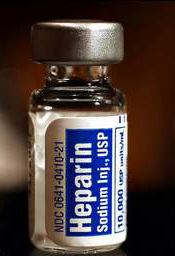
Researchers have developed a new process for manufacturing ultra-low molecular weight heparin, and they believe it’s superior to current methods.
In addition to reducing the potential for contamination, this process produced 2 structurally homogeneous ultra-low molecular weight heparins that were identical in performance and safety to fondaparinux. But these heparins were purer, faster, and less expensive to produce.
Robert Linhardt, PhD, of Rensselaer Polytechnic Institute in New York, and his colleagues reported their discovery in the October 28 edition of Science.
“With this discovery, we have successfully demonstrated that replacing the current model of drug production with a chemoenzymatic approach can greatly reduce the cost of drug development and manufacturing, while also increasing drug performance and safety . . . ,” Dr Linhardt said.
These heparins—like fondaparinux—were chemically synthesized from non-animal materials. So the risk of contamination is reduced, when compared to the risk with traditional heparin production.
In addition, the new production process is superior to that used with fondaparinux, the researchers said. The new process requires 10 to 12 steps, whereas fondaparinux production requires roughly 50.
The investigators were also able to increase the heparin yield 500-fold with the new process. They said it could decrease the cost of manufacture by a similar amount.
And the ultra-low molecular weight heparins proved to be as effective as fondaparinux in rabbit models.
“[W]e were able to quickly build multiple doses in a simple laboratory setting and feel that this is something than can be quickly and easy commercialized to reduce the cost of this drug and help to shift how pharmaceutical companies approach the synthesis of carbohydrate-containing drugs,” Dr Linhardt said.
These findings are part of a larger body of work in the Linhardt lab to completely replace all types of heparin-based or other glycoprotein-based drugs with safer, low-cost, synthetic versions that do not rely on foreign, potentially contaminated animal sources.
Researchers have developed a new process for manufacturing ultra-low molecular weight heparin, and they believe it’s superior to current methods.
In addition to reducing the potential for contamination, this process produced 2 structurally homogeneous ultra-low molecular weight heparins that were identical in performance and safety to fondaparinux. But these heparins were purer, faster, and less expensive to produce.
Robert Linhardt, PhD, of Rensselaer Polytechnic Institute in New York, and his colleagues reported their discovery in the October 28 edition of Science.
“With this discovery, we have successfully demonstrated that replacing the current model of drug production with a chemoenzymatic approach can greatly reduce the cost of drug development and manufacturing, while also increasing drug performance and safety . . . ,” Dr Linhardt said.
These heparins—like fondaparinux—were chemically synthesized from non-animal materials. So the risk of contamination is reduced, when compared to the risk with traditional heparin production.
In addition, the new production process is superior to that used with fondaparinux, the researchers said. The new process requires 10 to 12 steps, whereas fondaparinux production requires roughly 50.
The investigators were also able to increase the heparin yield 500-fold with the new process. They said it could decrease the cost of manufacture by a similar amount.
And the ultra-low molecular weight heparins proved to be as effective as fondaparinux in rabbit models.
“[W]e were able to quickly build multiple doses in a simple laboratory setting and feel that this is something than can be quickly and easy commercialized to reduce the cost of this drug and help to shift how pharmaceutical companies approach the synthesis of carbohydrate-containing drugs,” Dr Linhardt said.
These findings are part of a larger body of work in the Linhardt lab to completely replace all types of heparin-based or other glycoprotein-based drugs with safer, low-cost, synthetic versions that do not rely on foreign, potentially contaminated animal sources.
Researchers have developed a new process for manufacturing ultra-low molecular weight heparin, and they believe it’s superior to current methods.
In addition to reducing the potential for contamination, this process produced 2 structurally homogeneous ultra-low molecular weight heparins that were identical in performance and safety to fondaparinux. But these heparins were purer, faster, and less expensive to produce.
Robert Linhardt, PhD, of Rensselaer Polytechnic Institute in New York, and his colleagues reported their discovery in the October 28 edition of Science.
“With this discovery, we have successfully demonstrated that replacing the current model of drug production with a chemoenzymatic approach can greatly reduce the cost of drug development and manufacturing, while also increasing drug performance and safety . . . ,” Dr Linhardt said.
These heparins—like fondaparinux—were chemically synthesized from non-animal materials. So the risk of contamination is reduced, when compared to the risk with traditional heparin production.
In addition, the new production process is superior to that used with fondaparinux, the researchers said. The new process requires 10 to 12 steps, whereas fondaparinux production requires roughly 50.
The investigators were also able to increase the heparin yield 500-fold with the new process. They said it could decrease the cost of manufacture by a similar amount.
And the ultra-low molecular weight heparins proved to be as effective as fondaparinux in rabbit models.
“[W]e were able to quickly build multiple doses in a simple laboratory setting and feel that this is something than can be quickly and easy commercialized to reduce the cost of this drug and help to shift how pharmaceutical companies approach the synthesis of carbohydrate-containing drugs,” Dr Linhardt said.
These findings are part of a larger body of work in the Linhardt lab to completely replace all types of heparin-based or other glycoprotein-based drugs with safer, low-cost, synthetic versions that do not rely on foreign, potentially contaminated animal sources.
Vaccine candidate reduces malaria risk
Credit: St Jude Children’s
Research Hospital
First results from a phase 3 trial of the vaccine candidate RTS,S/AS01 indicate it provides young African children with protection against clinical and severe malaria.
The researchers also said RTS,S/AS01 has an acceptable safety and tolerability profile.
These results were announced October 19 at the Malaria Forum, hosted by the Bill & Melinda Gates Foundation in Seattle, Washington.
The findings were also published online in The New England Journal of Medicine.
“The publication of the first results in children aged 5 to 17 months marks an important milestone in the development of RTS,S/AS01,” said Irving Hoffman, PA, MPH, co-principal investigator at a study site in Lilongwe, Malawi.
The trial is still ongoing, being conducted at 11 sites in 7 countries across sub-Saharan Africa. But the researchers have performed an initial analysis of results in the first 6000 children enrolled, who were aged 5 months to 17 months at the time of enrollment.
The children received 3 doses of RTS,S/AS01 and were followed for a 12-month period. RTS,S/AS01 reduced the risk of clinical malaria in these children by 56% and the risk of severe malaria by 47%.
“These results confirm findings from previous phase 2 studies and support ongoing efforts to advance the development of this malaria vaccine candidate,” Hoffman said.
Efficacy and safety results in 6- to 12-week-old infants are expected by the end of 2012, according to the investigators. However, they have performed an analysis of severe malaria episodes reported thus far in all 15,460 children enrolled in the trial, ranging from 6 weeks to 17 months of age.
The analysis showed that RTS,S/AS01 had 35% efficacy over a follow-up period ranging between 0 months and 22 months (average, 11.5 months). Further information about the longer-term effects of RTS,S/AS01—30 months after the third dose—should be available by the end of 2014, the researchers said.
The overall incidence of serious adverse events in this trial was comparable between RTS,S/AS01 recipients (18%) and those receiving a control vaccine (22%)
There were differences in the rates of certain serious adverse events between the vaccine groups. Seizures and meningitis were both more frequent in the RTS,S/AS01 group. Seizures were linked to fever, and meningitis was considered unlikely to be vaccine-related.
RTS,S/AS01 is being developed by GlaxoSmithKline and the PATH Malaria Vaccine Initiative, together with African research centers. The partners are all represented on the Clinical Trials Partnership Committee, which is responsible for the conduct of the trial.
Major funding for clinical development comes from a grant by the Bill & Melinda Gates Foundation.
Credit: St Jude Children’s
Research Hospital
First results from a phase 3 trial of the vaccine candidate RTS,S/AS01 indicate it provides young African children with protection against clinical and severe malaria.
The researchers also said RTS,S/AS01 has an acceptable safety and tolerability profile.
These results were announced October 19 at the Malaria Forum, hosted by the Bill & Melinda Gates Foundation in Seattle, Washington.
The findings were also published online in The New England Journal of Medicine.
“The publication of the first results in children aged 5 to 17 months marks an important milestone in the development of RTS,S/AS01,” said Irving Hoffman, PA, MPH, co-principal investigator at a study site in Lilongwe, Malawi.
The trial is still ongoing, being conducted at 11 sites in 7 countries across sub-Saharan Africa. But the researchers have performed an initial analysis of results in the first 6000 children enrolled, who were aged 5 months to 17 months at the time of enrollment.
The children received 3 doses of RTS,S/AS01 and were followed for a 12-month period. RTS,S/AS01 reduced the risk of clinical malaria in these children by 56% and the risk of severe malaria by 47%.
“These results confirm findings from previous phase 2 studies and support ongoing efforts to advance the development of this malaria vaccine candidate,” Hoffman said.
Efficacy and safety results in 6- to 12-week-old infants are expected by the end of 2012, according to the investigators. However, they have performed an analysis of severe malaria episodes reported thus far in all 15,460 children enrolled in the trial, ranging from 6 weeks to 17 months of age.
The analysis showed that RTS,S/AS01 had 35% efficacy over a follow-up period ranging between 0 months and 22 months (average, 11.5 months). Further information about the longer-term effects of RTS,S/AS01—30 months after the third dose—should be available by the end of 2014, the researchers said.
The overall incidence of serious adverse events in this trial was comparable between RTS,S/AS01 recipients (18%) and those receiving a control vaccine (22%)
There were differences in the rates of certain serious adverse events between the vaccine groups. Seizures and meningitis were both more frequent in the RTS,S/AS01 group. Seizures were linked to fever, and meningitis was considered unlikely to be vaccine-related.
RTS,S/AS01 is being developed by GlaxoSmithKline and the PATH Malaria Vaccine Initiative, together with African research centers. The partners are all represented on the Clinical Trials Partnership Committee, which is responsible for the conduct of the trial.
Major funding for clinical development comes from a grant by the Bill & Melinda Gates Foundation.
Credit: St Jude Children’s
Research Hospital
First results from a phase 3 trial of the vaccine candidate RTS,S/AS01 indicate it provides young African children with protection against clinical and severe malaria.
The researchers also said RTS,S/AS01 has an acceptable safety and tolerability profile.
These results were announced October 19 at the Malaria Forum, hosted by the Bill & Melinda Gates Foundation in Seattle, Washington.
The findings were also published online in The New England Journal of Medicine.
“The publication of the first results in children aged 5 to 17 months marks an important milestone in the development of RTS,S/AS01,” said Irving Hoffman, PA, MPH, co-principal investigator at a study site in Lilongwe, Malawi.
The trial is still ongoing, being conducted at 11 sites in 7 countries across sub-Saharan Africa. But the researchers have performed an initial analysis of results in the first 6000 children enrolled, who were aged 5 months to 17 months at the time of enrollment.
The children received 3 doses of RTS,S/AS01 and were followed for a 12-month period. RTS,S/AS01 reduced the risk of clinical malaria in these children by 56% and the risk of severe malaria by 47%.
“These results confirm findings from previous phase 2 studies and support ongoing efforts to advance the development of this malaria vaccine candidate,” Hoffman said.
Efficacy and safety results in 6- to 12-week-old infants are expected by the end of 2012, according to the investigators. However, they have performed an analysis of severe malaria episodes reported thus far in all 15,460 children enrolled in the trial, ranging from 6 weeks to 17 months of age.
The analysis showed that RTS,S/AS01 had 35% efficacy over a follow-up period ranging between 0 months and 22 months (average, 11.5 months). Further information about the longer-term effects of RTS,S/AS01—30 months after the third dose—should be available by the end of 2014, the researchers said.
The overall incidence of serious adverse events in this trial was comparable between RTS,S/AS01 recipients (18%) and those receiving a control vaccine (22%)
There were differences in the rates of certain serious adverse events between the vaccine groups. Seizures and meningitis were both more frequent in the RTS,S/AS01 group. Seizures were linked to fever, and meningitis was considered unlikely to be vaccine-related.
RTS,S/AS01 is being developed by GlaxoSmithKline and the PATH Malaria Vaccine Initiative, together with African research centers. The partners are all represented on the Clinical Trials Partnership Committee, which is responsible for the conduct of the trial.
Major funding for clinical development comes from a grant by the Bill & Melinda Gates Foundation.
FDA approves deferiprone to treat iron overload
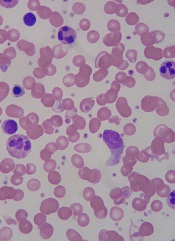
thalassemia
The FDA has approved deferiprone (Ferriprox) to treat iron overload in thalassemia patients who had an inadequate response to prior chelation therapy.
Deferiprone is the first treatment for transfusional iron overload to be approved since 2005, said Richard Pazdur, MD, director of the Office of Hematology and Oncology Products in the FDA’s Center for Drug Evaluation and Research.
The drug’s approval is based on a review of data from 12 clinical studies in 236 patients. Patients participating in the studies did not respond to prior iron chelation therapy.
Deferiprone was considered a success if patients experienced at least a 20% decrease in serum ferritin. And half of the patients included in the review experienced at least a 20% decrease in ferritin levels.
The most common side effects of the drug were nausea, vomiting, abdominal and joint pain, chromaturia, neutropenia, and an increase in the level of a liver enzyme that may be indicative of tissue or liver damage at unsafe amounts. The most serious side effect, seen in about 2% of patients, was the development of agranulocytosis.
Deferiprone has been approved under the FDA’s accelerated approval program, which was designed to provide patients with earlier access to promising new drugs, followed by further studies to confirm the drug’s clinical benefit.
ApoPharma, the company that manufactures deferiprone, has agreed to several post-marketing requirements and commitments. One commitment includes further study of the use of deferiprone in patients with sickle cell disease who have transfusional iron overload.
thalassemia
The FDA has approved deferiprone (Ferriprox) to treat iron overload in thalassemia patients who had an inadequate response to prior chelation therapy.
Deferiprone is the first treatment for transfusional iron overload to be approved since 2005, said Richard Pazdur, MD, director of the Office of Hematology and Oncology Products in the FDA’s Center for Drug Evaluation and Research.
The drug’s approval is based on a review of data from 12 clinical studies in 236 patients. Patients participating in the studies did not respond to prior iron chelation therapy.
Deferiprone was considered a success if patients experienced at least a 20% decrease in serum ferritin. And half of the patients included in the review experienced at least a 20% decrease in ferritin levels.
The most common side effects of the drug were nausea, vomiting, abdominal and joint pain, chromaturia, neutropenia, and an increase in the level of a liver enzyme that may be indicative of tissue or liver damage at unsafe amounts. The most serious side effect, seen in about 2% of patients, was the development of agranulocytosis.
Deferiprone has been approved under the FDA’s accelerated approval program, which was designed to provide patients with earlier access to promising new drugs, followed by further studies to confirm the drug’s clinical benefit.
ApoPharma, the company that manufactures deferiprone, has agreed to several post-marketing requirements and commitments. One commitment includes further study of the use of deferiprone in patients with sickle cell disease who have transfusional iron overload.
thalassemia
The FDA has approved deferiprone (Ferriprox) to treat iron overload in thalassemia patients who had an inadequate response to prior chelation therapy.
Deferiprone is the first treatment for transfusional iron overload to be approved since 2005, said Richard Pazdur, MD, director of the Office of Hematology and Oncology Products in the FDA’s Center for Drug Evaluation and Research.
The drug’s approval is based on a review of data from 12 clinical studies in 236 patients. Patients participating in the studies did not respond to prior iron chelation therapy.
Deferiprone was considered a success if patients experienced at least a 20% decrease in serum ferritin. And half of the patients included in the review experienced at least a 20% decrease in ferritin levels.
The most common side effects of the drug were nausea, vomiting, abdominal and joint pain, chromaturia, neutropenia, and an increase in the level of a liver enzyme that may be indicative of tissue or liver damage at unsafe amounts. The most serious side effect, seen in about 2% of patients, was the development of agranulocytosis.
Deferiprone has been approved under the FDA’s accelerated approval program, which was designed to provide patients with earlier access to promising new drugs, followed by further studies to confirm the drug’s clinical benefit.
ApoPharma, the company that manufactures deferiprone, has agreed to several post-marketing requirements and commitments. One commitment includes further study of the use of deferiprone in patients with sickle cell disease who have transfusional iron overload.