User login
Adding idelalisib improves CLL treatment
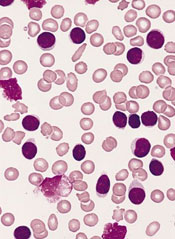
The PI3K delta inhibitor idelalisib could turn chronic lymphocytic leukemia (CLL) into a highly treatable disease, according to the lead investigator of a phase 3 trial.
Results of the trial showed that adding idelalisib to treatment with rituximab can improve response and survival rates in patients with relapsed CLL.
In fact, the study was stopped early because idelalisib had a significant impact on progression-free survival.
“This study, and others we have conducted on idelalisib, demonstrates that we may no longer need to use chemotherapy in CLL,” said lead investigator Richard R. Furman, MD, of Weill Cornell Medical College in New York.
“Even if this cancer remains incurable, it now can be treated as if it was a chronic disease—with a pill, in the same way that high blood pressure is treated.”
Dr Furman and his colleagues reported the results of this study in The New England Journal of Medicine.
The trial was funded by Gilead, the makers of idelalisib. Dr Furman has served as an advisor for this company.
The study included 220 CLL patients who could not receive chemotherapy. Nearly two-thirds of the patients had advanced-stage disease. The median time from CLL diagnosis was 9 years, and patients had received a median of 3 previous treatments.
Most of the patients were 65 or older (78%). Forty percent had at least moderate renal dysfunction, and 35% had poor bone marrow function.
Half of the patients were randomized to receive idelalisib plus rituximab and the other half to rituximab plus placebo.
“It is remarkable how quickly idelalisib worked in this heavily treated group of patients, many of whom were resistant to chemotherapy,” Dr Furman said. “We saw responses within a week.”
Patients in the idelalisib arm had a much higher overall response rate than patients in the placebo arm—81% and 13%, respectively (P<0.001). But all responses were partial responses.
At 24 weeks, the rate of progression-free survival was 93% in the idelalisib arm and 46% in the placebo arm (P<0.001). The median progression-free survival was 5.5 months in the placebo arm and not reached in the idelalisib arm (P<0.001).
And at 12 months, the overall survival rate was 92% in the idelalisib arm and 80% in the placebo arm (P=0.02).
The difference in outcomes between the treatment groups prompted an independent data-monitoring committee to halt the study early, in October 2013, so that all participants could receive idelalisib.
Most adverse events (AEs), in either treatment group, were grade 2 or lower. The most common AEs in the idelalisib arm were pyrexia, fatigue, nausea, chills, and diarrhea. In the placebo arm, the most common AEs were infusion-related reactions, fatigue, cough, nausea, and dyspnea.
There were more serious AEs in the idelalisib arm than in the placebo arm—40% and 35%, respectively. The most frequent serious AEs were pneumonia, pyrexia, and febrile neutropenia (in both treatment arms).
Despite these events, the researchers considered idelalisib to be well-tolerated in this patient population.
“Having a treatment like idelalisib, which is highly effective and well-tolerated, and thus can generate responses in patients that are unable to tolerate treatment and unlikely to respond, indicates the potential for idelalisib in all patients,” Dr Furman said. 
The PI3K delta inhibitor idelalisib could turn chronic lymphocytic leukemia (CLL) into a highly treatable disease, according to the lead investigator of a phase 3 trial.
Results of the trial showed that adding idelalisib to treatment with rituximab can improve response and survival rates in patients with relapsed CLL.
In fact, the study was stopped early because idelalisib had a significant impact on progression-free survival.
“This study, and others we have conducted on idelalisib, demonstrates that we may no longer need to use chemotherapy in CLL,” said lead investigator Richard R. Furman, MD, of Weill Cornell Medical College in New York.
“Even if this cancer remains incurable, it now can be treated as if it was a chronic disease—with a pill, in the same way that high blood pressure is treated.”
Dr Furman and his colleagues reported the results of this study in The New England Journal of Medicine.
The trial was funded by Gilead, the makers of idelalisib. Dr Furman has served as an advisor for this company.
The study included 220 CLL patients who could not receive chemotherapy. Nearly two-thirds of the patients had advanced-stage disease. The median time from CLL diagnosis was 9 years, and patients had received a median of 3 previous treatments.
Most of the patients were 65 or older (78%). Forty percent had at least moderate renal dysfunction, and 35% had poor bone marrow function.
Half of the patients were randomized to receive idelalisib plus rituximab and the other half to rituximab plus placebo.
“It is remarkable how quickly idelalisib worked in this heavily treated group of patients, many of whom were resistant to chemotherapy,” Dr Furman said. “We saw responses within a week.”
Patients in the idelalisib arm had a much higher overall response rate than patients in the placebo arm—81% and 13%, respectively (P<0.001). But all responses were partial responses.
At 24 weeks, the rate of progression-free survival was 93% in the idelalisib arm and 46% in the placebo arm (P<0.001). The median progression-free survival was 5.5 months in the placebo arm and not reached in the idelalisib arm (P<0.001).
And at 12 months, the overall survival rate was 92% in the idelalisib arm and 80% in the placebo arm (P=0.02).
The difference in outcomes between the treatment groups prompted an independent data-monitoring committee to halt the study early, in October 2013, so that all participants could receive idelalisib.
Most adverse events (AEs), in either treatment group, were grade 2 or lower. The most common AEs in the idelalisib arm were pyrexia, fatigue, nausea, chills, and diarrhea. In the placebo arm, the most common AEs were infusion-related reactions, fatigue, cough, nausea, and dyspnea.
There were more serious AEs in the idelalisib arm than in the placebo arm—40% and 35%, respectively. The most frequent serious AEs were pneumonia, pyrexia, and febrile neutropenia (in both treatment arms).
Despite these events, the researchers considered idelalisib to be well-tolerated in this patient population.
“Having a treatment like idelalisib, which is highly effective and well-tolerated, and thus can generate responses in patients that are unable to tolerate treatment and unlikely to respond, indicates the potential for idelalisib in all patients,” Dr Furman said.
The PI3K delta inhibitor idelalisib could turn chronic lymphocytic leukemia (CLL) into a highly treatable disease, according to the lead investigator of a phase 3 trial.
Results of the trial showed that adding idelalisib to treatment with rituximab can improve response and survival rates in patients with relapsed CLL.
In fact, the study was stopped early because idelalisib had a significant impact on progression-free survival.
“This study, and others we have conducted on idelalisib, demonstrates that we may no longer need to use chemotherapy in CLL,” said lead investigator Richard R. Furman, MD, of Weill Cornell Medical College in New York.
“Even if this cancer remains incurable, it now can be treated as if it was a chronic disease—with a pill, in the same way that high blood pressure is treated.”
Dr Furman and his colleagues reported the results of this study in The New England Journal of Medicine.
The trial was funded by Gilead, the makers of idelalisib. Dr Furman has served as an advisor for this company.
The study included 220 CLL patients who could not receive chemotherapy. Nearly two-thirds of the patients had advanced-stage disease. The median time from CLL diagnosis was 9 years, and patients had received a median of 3 previous treatments.
Most of the patients were 65 or older (78%). Forty percent had at least moderate renal dysfunction, and 35% had poor bone marrow function.
Half of the patients were randomized to receive idelalisib plus rituximab and the other half to rituximab plus placebo.
“It is remarkable how quickly idelalisib worked in this heavily treated group of patients, many of whom were resistant to chemotherapy,” Dr Furman said. “We saw responses within a week.”
Patients in the idelalisib arm had a much higher overall response rate than patients in the placebo arm—81% and 13%, respectively (P<0.001). But all responses were partial responses.
At 24 weeks, the rate of progression-free survival was 93% in the idelalisib arm and 46% in the placebo arm (P<0.001). The median progression-free survival was 5.5 months in the placebo arm and not reached in the idelalisib arm (P<0.001).
And at 12 months, the overall survival rate was 92% in the idelalisib arm and 80% in the placebo arm (P=0.02).
The difference in outcomes between the treatment groups prompted an independent data-monitoring committee to halt the study early, in October 2013, so that all participants could receive idelalisib.
Most adverse events (AEs), in either treatment group, were grade 2 or lower. The most common AEs in the idelalisib arm were pyrexia, fatigue, nausea, chills, and diarrhea. In the placebo arm, the most common AEs were infusion-related reactions, fatigue, cough, nausea, and dyspnea.
There were more serious AEs in the idelalisib arm than in the placebo arm—40% and 35%, respectively. The most frequent serious AEs were pneumonia, pyrexia, and febrile neutropenia (in both treatment arms).
Despite these events, the researchers considered idelalisib to be well-tolerated in this patient population.
“Having a treatment like idelalisib, which is highly effective and well-tolerated, and thus can generate responses in patients that are unable to tolerate treatment and unlikely to respond, indicates the potential for idelalisib in all patients,” Dr Furman said.
Study explains why FDA rejects new drug applications

Credit: Esther Dyson
New research suggests that drugs are often rejected by the US Food and Drug Administration (FDA), not because they are unsafe or ineffective, but because there is not enough evidence to determine the drugs’ safety and efficacy.
Investigators reviewed about 300 drug applications and discovered a number of reasons why drugs were denied approval on the first try.
The FDA cited issues with dosing, trial populations, study endpoints, and inconsistencies in data as reasons for denial.
Leonard V. Sacks, MBBCh, of the FDA in Silver Springs, Maryland, and his colleagues conducted this research and reported the results in JAMA.
The team reviewed marketing applications for all new molecular entities (NMEs; active ingredients never before marketed in the US) first submitted to the FDA between 2000 and 2012.
They used FDA correspondence and reviews to determine the scientific and regulatory reasons approvals were delayed or denied.
Of the 302 NME applications, 222 (73.5%) ultimately achieved marketing approval.
Half of all NMEs (151) were rejected on the first try, but 71 (47.0%) of these were approved following resubmission. The median time to approval was 435 days after the first action letter (range, 47-2374 days).
Drugs were denied approval for a number of reasons, including:
- Uncertainty about the optimal dose to maximize efficacy and minimize safety risks (15.9%)
- Inconsistent results for multiple predefined study endpoints (13.2%)
- Trial endpoints were unsatisfactory (13.2%)
- Inconsistencies in efficacy for portions of the study population (11.3%)
- The populations studied did not reflect the populations likely to use the drug (7.3%).
The investigators also found that the frequency of safety deficiencies was similar among never-approved drugs and drugs with delayed approval. However, efficacy deficiencies were significantly more frequent among the never-approved drugs than among those with delayed approvals.
There were 48 drugs with initial efficacy concerns, and only 31.3% of these were eventually approved, compared to 61.5% of the 39 drugs with safety concerns alone.
There were 20 drugs (13.2%) that, despite showing superiority to placebo, were considered to have inadequate efficacy compared with the standard of care.
The investigators said that, taken together, these findings suggest there is room for improvement in new drug applications. But if drug sponsors increase communication with the FDA, particularly with regard to study design, they could reduce delays in drug approval.
Credit: Esther Dyson
New research suggests that drugs are often rejected by the US Food and Drug Administration (FDA), not because they are unsafe or ineffective, but because there is not enough evidence to determine the drugs’ safety and efficacy.
Investigators reviewed about 300 drug applications and discovered a number of reasons why drugs were denied approval on the first try.
The FDA cited issues with dosing, trial populations, study endpoints, and inconsistencies in data as reasons for denial.
Leonard V. Sacks, MBBCh, of the FDA in Silver Springs, Maryland, and his colleagues conducted this research and reported the results in JAMA.
The team reviewed marketing applications for all new molecular entities (NMEs; active ingredients never before marketed in the US) first submitted to the FDA between 2000 and 2012.
They used FDA correspondence and reviews to determine the scientific and regulatory reasons approvals were delayed or denied.
Of the 302 NME applications, 222 (73.5%) ultimately achieved marketing approval.
Half of all NMEs (151) were rejected on the first try, but 71 (47.0%) of these were approved following resubmission. The median time to approval was 435 days after the first action letter (range, 47-2374 days).
Drugs were denied approval for a number of reasons, including:
- Uncertainty about the optimal dose to maximize efficacy and minimize safety risks (15.9%)
- Inconsistent results for multiple predefined study endpoints (13.2%)
- Trial endpoints were unsatisfactory (13.2%)
- Inconsistencies in efficacy for portions of the study population (11.3%)
- The populations studied did not reflect the populations likely to use the drug (7.3%).
The investigators also found that the frequency of safety deficiencies was similar among never-approved drugs and drugs with delayed approval. However, efficacy deficiencies were significantly more frequent among the never-approved drugs than among those with delayed approvals.
There were 48 drugs with initial efficacy concerns, and only 31.3% of these were eventually approved, compared to 61.5% of the 39 drugs with safety concerns alone.
There were 20 drugs (13.2%) that, despite showing superiority to placebo, were considered to have inadequate efficacy compared with the standard of care.
The investigators said that, taken together, these findings suggest there is room for improvement in new drug applications. But if drug sponsors increase communication with the FDA, particularly with regard to study design, they could reduce delays in drug approval.
Credit: Esther Dyson
New research suggests that drugs are often rejected by the US Food and Drug Administration (FDA), not because they are unsafe or ineffective, but because there is not enough evidence to determine the drugs’ safety and efficacy.
Investigators reviewed about 300 drug applications and discovered a number of reasons why drugs were denied approval on the first try.
The FDA cited issues with dosing, trial populations, study endpoints, and inconsistencies in data as reasons for denial.
Leonard V. Sacks, MBBCh, of the FDA in Silver Springs, Maryland, and his colleagues conducted this research and reported the results in JAMA.
The team reviewed marketing applications for all new molecular entities (NMEs; active ingredients never before marketed in the US) first submitted to the FDA between 2000 and 2012.
They used FDA correspondence and reviews to determine the scientific and regulatory reasons approvals were delayed or denied.
Of the 302 NME applications, 222 (73.5%) ultimately achieved marketing approval.
Half of all NMEs (151) were rejected on the first try, but 71 (47.0%) of these were approved following resubmission. The median time to approval was 435 days after the first action letter (range, 47-2374 days).
Drugs were denied approval for a number of reasons, including:
- Uncertainty about the optimal dose to maximize efficacy and minimize safety risks (15.9%)
- Inconsistent results for multiple predefined study endpoints (13.2%)
- Trial endpoints were unsatisfactory (13.2%)
- Inconsistencies in efficacy for portions of the study population (11.3%)
- The populations studied did not reflect the populations likely to use the drug (7.3%).
The investigators also found that the frequency of safety deficiencies was similar among never-approved drugs and drugs with delayed approval. However, efficacy deficiencies were significantly more frequent among the never-approved drugs than among those with delayed approvals.
There were 48 drugs with initial efficacy concerns, and only 31.3% of these were eventually approved, compared to 61.5% of the 39 drugs with safety concerns alone.
There were 20 drugs (13.2%) that, despite showing superiority to placebo, were considered to have inadequate efficacy compared with the standard of care.
The investigators said that, taken together, these findings suggest there is room for improvement in new drug applications. But if drug sponsors increase communication with the FDA, particularly with regard to study design, they could reduce delays in drug approval.
FDA working to end IV fluid shortage
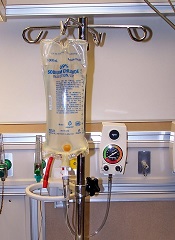
The US Food and Drug Administration (FDA) has acknowledged the current shortage of intravenous (IV) solutions, particularly 0.9% sodium chloride injection (ie, saline), which is used as a priming solution and to provide patients with the necessary fluids for hydration.
The agency said the shortage has been triggered by a range of factors. A few manufacturers have cited increased demand as the cause, and the FDA said this could be a result of flu season.
The agency is now working with 3 manufacturers of IV solutions, Baxter Healthcare Corp., B. Braun Medical Inc., and Hospira Inc., to help preserve the supply of these products.
However, the FDA noted that addressing the shortage will depend on the demand of these products and supplier production. Millions of these IV solutions are used each week by healthcare professionals.
Visit the FDA’s drug shortage webpage for updates.
The US Food and Drug Administration (FDA) has acknowledged the current shortage of intravenous (IV) solutions, particularly 0.9% sodium chloride injection (ie, saline), which is used as a priming solution and to provide patients with the necessary fluids for hydration.
The agency said the shortage has been triggered by a range of factors. A few manufacturers have cited increased demand as the cause, and the FDA said this could be a result of flu season.
The agency is now working with 3 manufacturers of IV solutions, Baxter Healthcare Corp., B. Braun Medical Inc., and Hospira Inc., to help preserve the supply of these products.
However, the FDA noted that addressing the shortage will depend on the demand of these products and supplier production. Millions of these IV solutions are used each week by healthcare professionals.
Visit the FDA’s drug shortage webpage for updates.
The US Food and Drug Administration (FDA) has acknowledged the current shortage of intravenous (IV) solutions, particularly 0.9% sodium chloride injection (ie, saline), which is used as a priming solution and to provide patients with the necessary fluids for hydration.
The agency said the shortage has been triggered by a range of factors. A few manufacturers have cited increased demand as the cause, and the FDA said this could be a result of flu season.
The agency is now working with 3 manufacturers of IV solutions, Baxter Healthcare Corp., B. Braun Medical Inc., and Hospira Inc., to help preserve the supply of these products.
However, the FDA noted that addressing the shortage will depend on the demand of these products and supplier production. Millions of these IV solutions are used each week by healthcare professionals.
Visit the FDA’s drug shortage webpage for updates.
Brentuximab vedotin approved in Japan

Credit: Linda Bartlett
The Japanese Ministry of Health, Labour and Welfare has approved brentuximab vedotin (Adcetris) for the treatment of patients with relapsed or refractory, CD30+ Hodgkin lymphoma (HL) or anaplastic large-cell lymphoma (ALCL).
The approval was based on a phase 1/2 trial in Japanese patients with relapsed or refractory, CD30+ HL or systemic ALCL, as well as data from two phase 2 trials—one of 102 HL patients and one of 58 patients with ALCL.
Brentuximab vedotin is an antibody-drug conjugate consisting of an anti-CD30 monoclonal antibody attached by a protease-cleavable linker to a microtubule disrupting agent, monomethyl auristatin E.
The conjugate employs a linker system designed to be stable in the bloodstream but release monomethyl auristatin E upon internalization into CD30-expressing tumor cells.
Brentuximab vedotin was approved by the US Food and Drug Administration (FDA) in August 2011 and gained conditional approval from Health Canada in February 2013 for the following indications:
- To treat HL patients who had failed autologous stem cell transplant (auto-SCT) or were not eligible for auto-SCT and had failed at least 2 prior multi-agent chemotherapy regimens
- To treat patients with systemic ALCL after they failed at least 1 multi-agent chemotherapy regimen.
The drug received conditional marketing authorization by the European Commission in October 2012 to treat:
- Adult patients with relapsed or refractory, systemic ALCL
- Adults with relapsed or refractory, CD30-positive HL who had undergone auto-SCT or received 2 prior therapies when auto-SCT or multi-agent chemotherapy were not appropriate.
The FDA has granted brentuximab vedotin orphan designation to treat mycosis fungoides. And trials have suggested the drug is active in diffuse large B-cell lymphoma, as well as leukemias and multiple myeloma.
However, brentuximab vedotin also made the FDA watch list due to adverse events associated with the drug’s use. The FDA added a boxed warning to the drug’s label in January 2012, after 3 cases of progressive multifocal leukoencephalopathy were reported in patients receiving brentuximab vedotin.
Credit: Linda Bartlett
The Japanese Ministry of Health, Labour and Welfare has approved brentuximab vedotin (Adcetris) for the treatment of patients with relapsed or refractory, CD30+ Hodgkin lymphoma (HL) or anaplastic large-cell lymphoma (ALCL).
The approval was based on a phase 1/2 trial in Japanese patients with relapsed or refractory, CD30+ HL or systemic ALCL, as well as data from two phase 2 trials—one of 102 HL patients and one of 58 patients with ALCL.
Brentuximab vedotin is an antibody-drug conjugate consisting of an anti-CD30 monoclonal antibody attached by a protease-cleavable linker to a microtubule disrupting agent, monomethyl auristatin E.
The conjugate employs a linker system designed to be stable in the bloodstream but release monomethyl auristatin E upon internalization into CD30-expressing tumor cells.
Brentuximab vedotin was approved by the US Food and Drug Administration (FDA) in August 2011 and gained conditional approval from Health Canada in February 2013 for the following indications:
- To treat HL patients who had failed autologous stem cell transplant (auto-SCT) or were not eligible for auto-SCT and had failed at least 2 prior multi-agent chemotherapy regimens
- To treat patients with systemic ALCL after they failed at least 1 multi-agent chemotherapy regimen.
The drug received conditional marketing authorization by the European Commission in October 2012 to treat:
- Adult patients with relapsed or refractory, systemic ALCL
- Adults with relapsed or refractory, CD30-positive HL who had undergone auto-SCT or received 2 prior therapies when auto-SCT or multi-agent chemotherapy were not appropriate.
The FDA has granted brentuximab vedotin orphan designation to treat mycosis fungoides. And trials have suggested the drug is active in diffuse large B-cell lymphoma, as well as leukemias and multiple myeloma.
However, brentuximab vedotin also made the FDA watch list due to adverse events associated with the drug’s use. The FDA added a boxed warning to the drug’s label in January 2012, after 3 cases of progressive multifocal leukoencephalopathy were reported in patients receiving brentuximab vedotin.
Credit: Linda Bartlett
The Japanese Ministry of Health, Labour and Welfare has approved brentuximab vedotin (Adcetris) for the treatment of patients with relapsed or refractory, CD30+ Hodgkin lymphoma (HL) or anaplastic large-cell lymphoma (ALCL).
The approval was based on a phase 1/2 trial in Japanese patients with relapsed or refractory, CD30+ HL or systemic ALCL, as well as data from two phase 2 trials—one of 102 HL patients and one of 58 patients with ALCL.
Brentuximab vedotin is an antibody-drug conjugate consisting of an anti-CD30 monoclonal antibody attached by a protease-cleavable linker to a microtubule disrupting agent, monomethyl auristatin E.
The conjugate employs a linker system designed to be stable in the bloodstream but release monomethyl auristatin E upon internalization into CD30-expressing tumor cells.
Brentuximab vedotin was approved by the US Food and Drug Administration (FDA) in August 2011 and gained conditional approval from Health Canada in February 2013 for the following indications:
- To treat HL patients who had failed autologous stem cell transplant (auto-SCT) or were not eligible for auto-SCT and had failed at least 2 prior multi-agent chemotherapy regimens
- To treat patients with systemic ALCL after they failed at least 1 multi-agent chemotherapy regimen.
The drug received conditional marketing authorization by the European Commission in October 2012 to treat:
- Adult patients with relapsed or refractory, systemic ALCL
- Adults with relapsed or refractory, CD30-positive HL who had undergone auto-SCT or received 2 prior therapies when auto-SCT or multi-agent chemotherapy were not appropriate.
The FDA has granted brentuximab vedotin orphan designation to treat mycosis fungoides. And trials have suggested the drug is active in diffuse large B-cell lymphoma, as well as leukemias and multiple myeloma.
However, brentuximab vedotin also made the FDA watch list due to adverse events associated with the drug’s use. The FDA added a boxed warning to the drug’s label in January 2012, after 3 cases of progressive multifocal leukoencephalopathy were reported in patients receiving brentuximab vedotin.
FDA doesn’t hold drug trials to same standards

Credit: FDA
A new study suggests the US Food and Drug Administration (FDA) does not hold drug trials to the same set of standards.
The research revealed substantial differences in trials used to support drugs approved between 2005 and 2012.
Some drugs were approved based on results from multiple studies, while other approvals were based on data from a single trial.
Furthermore, trials varied greatly with regard to size, length of study period, type of comparator, and metrics of efficacy.
These results appear in the current issue of JAMA.
“Based on our analysis, some drugs are approved on the basis of large, high-quality clinical trials, while others are approved based on results of smaller trials,” said senior study author Joseph Ross, MD, of the Yale School of Medicine in New Haven, Connecticut.
“There was a lack of uniformity in the level of evidence the FDA used. We also found that only 40% of drug approvals involved a clinical trial that compared a new drug to existing treatment offerings. This is an important step for determining whether the new drug is a better option than existing, older drugs.”
Dr Ross and his colleagues evaluated the strength of clinical trial evidence supporting FDA approval decisions by characterizing key features of efficacy trials, such as size, duration, and endpoints.
The researchers used publicly available FDA documents to identify 188 drugs approved between 2005 and 2012 for 206 indications on the basis of 448 pivotal efficacy trials.
The team identified trials for 201 of the indications. Four drugs (including 1 used for 2 different indications) were approved without a pivotal efficacy trial.
So among the 201 indications, the median number of trials reviewed per indication was 2 (interquartile range [IQR], 1-2.5). Seventy-four indications (36.8%) were approved on the basis of a single trial, 77 (38.3%) on data from 2 trials, and 50 (24.9%) on data from 3 or more trials.
Most trials were randomized (89.3%) and double-blinded (79.5%). The median duration of a trial was 14.0 weeks (IQR, 6.0-26.0 weeks), and 113 trials (25.2%) lasted 6 months or longer.
The median number of total subjects enrolled in a trial was 446 (IQR, 205-678), and the median number of patients in the intervention arm of a study was 271 (IQR, 133-426).
More than half of trials (55.1%) used a placebo for comparison, 31.9% used an active comparator (such as another drug), and 12.9% had no comparator.
The primary endpoint was a surrogate outcome in 48.9% of trials, a clinical outcome for 29%, and a clinical scale for 22.1%.
These results suggest the quality of clinical trial evidence the FDA uses to make approval decisions varies widely across indications, the researchers said.
Study author Nicholas S. Downing, a student at the Yale School of Medicine, noted that survey data suggest patients expect drugs approved by the FDA to be both safe and effective.
“Based on our study of the data, we can’t be certain that this expectation is necessarily justified,” he said, “given the quantity and quality of the variability we saw in the drug approval process.”
Credit: FDA
A new study suggests the US Food and Drug Administration (FDA) does not hold drug trials to the same set of standards.
The research revealed substantial differences in trials used to support drugs approved between 2005 and 2012.
Some drugs were approved based on results from multiple studies, while other approvals were based on data from a single trial.
Furthermore, trials varied greatly with regard to size, length of study period, type of comparator, and metrics of efficacy.
These results appear in the current issue of JAMA.
“Based on our analysis, some drugs are approved on the basis of large, high-quality clinical trials, while others are approved based on results of smaller trials,” said senior study author Joseph Ross, MD, of the Yale School of Medicine in New Haven, Connecticut.
“There was a lack of uniformity in the level of evidence the FDA used. We also found that only 40% of drug approvals involved a clinical trial that compared a new drug to existing treatment offerings. This is an important step for determining whether the new drug is a better option than existing, older drugs.”
Dr Ross and his colleagues evaluated the strength of clinical trial evidence supporting FDA approval decisions by characterizing key features of efficacy trials, such as size, duration, and endpoints.
The researchers used publicly available FDA documents to identify 188 drugs approved between 2005 and 2012 for 206 indications on the basis of 448 pivotal efficacy trials.
The team identified trials for 201 of the indications. Four drugs (including 1 used for 2 different indications) were approved without a pivotal efficacy trial.
So among the 201 indications, the median number of trials reviewed per indication was 2 (interquartile range [IQR], 1-2.5). Seventy-four indications (36.8%) were approved on the basis of a single trial, 77 (38.3%) on data from 2 trials, and 50 (24.9%) on data from 3 or more trials.
Most trials were randomized (89.3%) and double-blinded (79.5%). The median duration of a trial was 14.0 weeks (IQR, 6.0-26.0 weeks), and 113 trials (25.2%) lasted 6 months or longer.
The median number of total subjects enrolled in a trial was 446 (IQR, 205-678), and the median number of patients in the intervention arm of a study was 271 (IQR, 133-426).
More than half of trials (55.1%) used a placebo for comparison, 31.9% used an active comparator (such as another drug), and 12.9% had no comparator.
The primary endpoint was a surrogate outcome in 48.9% of trials, a clinical outcome for 29%, and a clinical scale for 22.1%.
These results suggest the quality of clinical trial evidence the FDA uses to make approval decisions varies widely across indications, the researchers said.
Study author Nicholas S. Downing, a student at the Yale School of Medicine, noted that survey data suggest patients expect drugs approved by the FDA to be both safe and effective.
“Based on our study of the data, we can’t be certain that this expectation is necessarily justified,” he said, “given the quantity and quality of the variability we saw in the drug approval process.”
Credit: FDA
A new study suggests the US Food and Drug Administration (FDA) does not hold drug trials to the same set of standards.
The research revealed substantial differences in trials used to support drugs approved between 2005 and 2012.
Some drugs were approved based on results from multiple studies, while other approvals were based on data from a single trial.
Furthermore, trials varied greatly with regard to size, length of study period, type of comparator, and metrics of efficacy.
These results appear in the current issue of JAMA.
“Based on our analysis, some drugs are approved on the basis of large, high-quality clinical trials, while others are approved based on results of smaller trials,” said senior study author Joseph Ross, MD, of the Yale School of Medicine in New Haven, Connecticut.
“There was a lack of uniformity in the level of evidence the FDA used. We also found that only 40% of drug approvals involved a clinical trial that compared a new drug to existing treatment offerings. This is an important step for determining whether the new drug is a better option than existing, older drugs.”
Dr Ross and his colleagues evaluated the strength of clinical trial evidence supporting FDA approval decisions by characterizing key features of efficacy trials, such as size, duration, and endpoints.
The researchers used publicly available FDA documents to identify 188 drugs approved between 2005 and 2012 for 206 indications on the basis of 448 pivotal efficacy trials.
The team identified trials for 201 of the indications. Four drugs (including 1 used for 2 different indications) were approved without a pivotal efficacy trial.
So among the 201 indications, the median number of trials reviewed per indication was 2 (interquartile range [IQR], 1-2.5). Seventy-four indications (36.8%) were approved on the basis of a single trial, 77 (38.3%) on data from 2 trials, and 50 (24.9%) on data from 3 or more trials.
Most trials were randomized (89.3%) and double-blinded (79.5%). The median duration of a trial was 14.0 weeks (IQR, 6.0-26.0 weeks), and 113 trials (25.2%) lasted 6 months or longer.
The median number of total subjects enrolled in a trial was 446 (IQR, 205-678), and the median number of patients in the intervention arm of a study was 271 (IQR, 133-426).
More than half of trials (55.1%) used a placebo for comparison, 31.9% used an active comparator (such as another drug), and 12.9% had no comparator.
The primary endpoint was a surrogate outcome in 48.9% of trials, a clinical outcome for 29%, and a clinical scale for 22.1%.
These results suggest the quality of clinical trial evidence the FDA uses to make approval decisions varies widely across indications, the researchers said.
Study author Nicholas S. Downing, a student at the Yale School of Medicine, noted that survey data suggest patients expect drugs approved by the FDA to be both safe and effective.
“Based on our study of the data, we can’t be certain that this expectation is necessarily justified,” he said, “given the quantity and quality of the variability we saw in the drug approval process.”
ACA exchanges limiting for patients with blood cancers, report suggests

Credit: CDC
A new report suggests that many health plans in the insurance exchanges mandated by the Affordable Care Act (ACA) will impose high out-of-pocket costs for patients with hematologic malignancies and provide limited access to specialty treatment centers.
Furthermore, although the plans analyzed appear to provide adequate coverage of hematology/oncology drugs, most require prior authorization.
In other words, the insurer must be notified and may not approve the purchase of a drug based on medical evidence or other criteria.
This report, “2014 Individual Exchange Policies in Four States: An Early Look for Patients with Blood Cancers,” was commissioned by the Leukemia & Lymphoma Society and prepared by Milliman, Inc.
It provides a look at the 2014 individual benefit designs, coverage benefits, and premiums for policies sold on 4 state health insurance exchanges—California, New York, Florida, and Texas—with a focus on items of interest for patients with hematologic malignancies.
“[W]hile many new rules under ACA make obtaining insurance easier for people with blood cancers, such as prohibiting companies from turning away patients with pre-existing conditions and eliminating lifetime coverage limitations, the Milliman report identifies several areas of concern that we want cancer patients to be aware of and policymakers to address,” said Mark Velleca, MD, PhD, chief policy and advocacy officer of the Leukemia & Lymphoma Society.
Premium costs
To compare monthly premium rates, the report’s authors captured rates for a 50-year-old non-smoker with an annual income of $90,000 residing in Houston, Los Angeles, Miami, or New York City.
They found considerable variation according to plan type and location, but overall, plans were cheapest in Houston. Monthly premiums for Houston ranged from $234 to $520. The range was $274 to $566 for Los Angeles, $277 to $635 for Miami, and $307 to $896 for New York.
The ranges reflect the costs according to plan type. Each insurer offers 4 different health plans: Platinum (about 10% cost-sharing), Gold (roughly 20%), Silver (roughly 30%), and Bronze (roughly 40%).
Cost-sharing
The authors noted that the lower-tier Bronze and Silver plans require significant cost-sharing for patients. The report revealed high deductibles in the health plans, sometimes nearly as high as the out-of-pocket ceiling.
Deductibles for the Silver and Bronze plans are often at least $2000 and $4000, respectively, for individuals. The maximum out-of-pocket limits set for 2014 are $6350 for an individual policy and $12,799 for a family policy.
Some insurers offer plans in some states with lower out-of-pocket limits. However, the out-of-pocket limit does not apply to non-covered drugs or treatment centers.
Drug coverage
When analyzing drug coverage, the authors decided to look at 3 drugs used to treat chronic myeloid leukemia—imatinib (Gleevec), nilotinib (Tasigna), and dasatinib (Sprycel)—and 5 drugs used to treat multiple myeloma—thalidomide (Thalomid), lenalidomide (Revlimid), pomalidomide (Pomalyst), cyclophosphamide (Cytoxan), and melphalan (Alkeran).
Most of the insurers require prior authorization for these drugs, but most of them cover all 3 chronic myeloid leukemia drugs and a majority of the myeloma drugs. Pomalyst and Cytoxan are often not covered, although most insurers do cover generic cyclophosphamide.
Network adequacy
Most of the insurers studied do not cover all NCI-designated cancer and transplant centers, and a few do not cover any of these centers. The authors said this could discourage patient enrollment in these plans or mean that a patient’s recommended treatment is not covered.
And since it is unlikely that any out-of-network expenses will count toward a patient’s out-of-pocket maximum, cancer patients could accumulate thousands of dollars of medical expenses and never reach their out-of-pocket maximum.
The authors did note, however, that satisfactory cancer care can be provided outside of NCI-designated cancer and transplant centers.
For more details, see the full report.
Credit: CDC
A new report suggests that many health plans in the insurance exchanges mandated by the Affordable Care Act (ACA) will impose high out-of-pocket costs for patients with hematologic malignancies and provide limited access to specialty treatment centers.
Furthermore, although the plans analyzed appear to provide adequate coverage of hematology/oncology drugs, most require prior authorization.
In other words, the insurer must be notified and may not approve the purchase of a drug based on medical evidence or other criteria.
This report, “2014 Individual Exchange Policies in Four States: An Early Look for Patients with Blood Cancers,” was commissioned by the Leukemia & Lymphoma Society and prepared by Milliman, Inc.
It provides a look at the 2014 individual benefit designs, coverage benefits, and premiums for policies sold on 4 state health insurance exchanges—California, New York, Florida, and Texas—with a focus on items of interest for patients with hematologic malignancies.
“[W]hile many new rules under ACA make obtaining insurance easier for people with blood cancers, such as prohibiting companies from turning away patients with pre-existing conditions and eliminating lifetime coverage limitations, the Milliman report identifies several areas of concern that we want cancer patients to be aware of and policymakers to address,” said Mark Velleca, MD, PhD, chief policy and advocacy officer of the Leukemia & Lymphoma Society.
Premium costs
To compare monthly premium rates, the report’s authors captured rates for a 50-year-old non-smoker with an annual income of $90,000 residing in Houston, Los Angeles, Miami, or New York City.
They found considerable variation according to plan type and location, but overall, plans were cheapest in Houston. Monthly premiums for Houston ranged from $234 to $520. The range was $274 to $566 for Los Angeles, $277 to $635 for Miami, and $307 to $896 for New York.
The ranges reflect the costs according to plan type. Each insurer offers 4 different health plans: Platinum (about 10% cost-sharing), Gold (roughly 20%), Silver (roughly 30%), and Bronze (roughly 40%).
Cost-sharing
The authors noted that the lower-tier Bronze and Silver plans require significant cost-sharing for patients. The report revealed high deductibles in the health plans, sometimes nearly as high as the out-of-pocket ceiling.
Deductibles for the Silver and Bronze plans are often at least $2000 and $4000, respectively, for individuals. The maximum out-of-pocket limits set for 2014 are $6350 for an individual policy and $12,799 for a family policy.
Some insurers offer plans in some states with lower out-of-pocket limits. However, the out-of-pocket limit does not apply to non-covered drugs or treatment centers.
Drug coverage
When analyzing drug coverage, the authors decided to look at 3 drugs used to treat chronic myeloid leukemia—imatinib (Gleevec), nilotinib (Tasigna), and dasatinib (Sprycel)—and 5 drugs used to treat multiple myeloma—thalidomide (Thalomid), lenalidomide (Revlimid), pomalidomide (Pomalyst), cyclophosphamide (Cytoxan), and melphalan (Alkeran).
Most of the insurers require prior authorization for these drugs, but most of them cover all 3 chronic myeloid leukemia drugs and a majority of the myeloma drugs. Pomalyst and Cytoxan are often not covered, although most insurers do cover generic cyclophosphamide.
Network adequacy
Most of the insurers studied do not cover all NCI-designated cancer and transplant centers, and a few do not cover any of these centers. The authors said this could discourage patient enrollment in these plans or mean that a patient’s recommended treatment is not covered.
And since it is unlikely that any out-of-network expenses will count toward a patient’s out-of-pocket maximum, cancer patients could accumulate thousands of dollars of medical expenses and never reach their out-of-pocket maximum.
The authors did note, however, that satisfactory cancer care can be provided outside of NCI-designated cancer and transplant centers.
For more details, see the full report.
Credit: CDC
A new report suggests that many health plans in the insurance exchanges mandated by the Affordable Care Act (ACA) will impose high out-of-pocket costs for patients with hematologic malignancies and provide limited access to specialty treatment centers.
Furthermore, although the plans analyzed appear to provide adequate coverage of hematology/oncology drugs, most require prior authorization.
In other words, the insurer must be notified and may not approve the purchase of a drug based on medical evidence or other criteria.
This report, “2014 Individual Exchange Policies in Four States: An Early Look for Patients with Blood Cancers,” was commissioned by the Leukemia & Lymphoma Society and prepared by Milliman, Inc.
It provides a look at the 2014 individual benefit designs, coverage benefits, and premiums for policies sold on 4 state health insurance exchanges—California, New York, Florida, and Texas—with a focus on items of interest for patients with hematologic malignancies.
“[W]hile many new rules under ACA make obtaining insurance easier for people with blood cancers, such as prohibiting companies from turning away patients with pre-existing conditions and eliminating lifetime coverage limitations, the Milliman report identifies several areas of concern that we want cancer patients to be aware of and policymakers to address,” said Mark Velleca, MD, PhD, chief policy and advocacy officer of the Leukemia & Lymphoma Society.
Premium costs
To compare monthly premium rates, the report’s authors captured rates for a 50-year-old non-smoker with an annual income of $90,000 residing in Houston, Los Angeles, Miami, or New York City.
They found considerable variation according to plan type and location, but overall, plans were cheapest in Houston. Monthly premiums for Houston ranged from $234 to $520. The range was $274 to $566 for Los Angeles, $277 to $635 for Miami, and $307 to $896 for New York.
The ranges reflect the costs according to plan type. Each insurer offers 4 different health plans: Platinum (about 10% cost-sharing), Gold (roughly 20%), Silver (roughly 30%), and Bronze (roughly 40%).
Cost-sharing
The authors noted that the lower-tier Bronze and Silver plans require significant cost-sharing for patients. The report revealed high deductibles in the health plans, sometimes nearly as high as the out-of-pocket ceiling.
Deductibles for the Silver and Bronze plans are often at least $2000 and $4000, respectively, for individuals. The maximum out-of-pocket limits set for 2014 are $6350 for an individual policy and $12,799 for a family policy.
Some insurers offer plans in some states with lower out-of-pocket limits. However, the out-of-pocket limit does not apply to non-covered drugs or treatment centers.
Drug coverage
When analyzing drug coverage, the authors decided to look at 3 drugs used to treat chronic myeloid leukemia—imatinib (Gleevec), nilotinib (Tasigna), and dasatinib (Sprycel)—and 5 drugs used to treat multiple myeloma—thalidomide (Thalomid), lenalidomide (Revlimid), pomalidomide (Pomalyst), cyclophosphamide (Cytoxan), and melphalan (Alkeran).
Most of the insurers require prior authorization for these drugs, but most of them cover all 3 chronic myeloid leukemia drugs and a majority of the myeloma drugs. Pomalyst and Cytoxan are often not covered, although most insurers do cover generic cyclophosphamide.
Network adequacy
Most of the insurers studied do not cover all NCI-designated cancer and transplant centers, and a few do not cover any of these centers. The authors said this could discourage patient enrollment in these plans or mean that a patient’s recommended treatment is not covered.
And since it is unlikely that any out-of-network expenses will count toward a patient’s out-of-pocket maximum, cancer patients could accumulate thousands of dollars of medical expenses and never reach their out-of-pocket maximum.
The authors did note, however, that satisfactory cancer care can be provided outside of NCI-designated cancer and transplant centers.
For more details, see the full report.
CTLs prove effective against EBV lymphomas
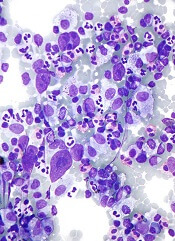
Cytotoxic T lymphocytes (CTLs) targeting Epstein-Barr virus (EBV) proteins appear to be a promising treatment option for patients with aggressive lymphomas.
Researchers tested the autologous CTLs in a cohort of 50 patients with Hodgkin or non-Hodgkin lymphoma.
The treatment produced responses in about 62% of patients with relapsed or refractory disease.
And it sustained remissions in roughly 93% of patients who were at a high risk of relapse.
Catherine Bollard, MD, of the Children’s National Medical Center in Washington, DC, and her colleagues reported these results in the Journal of Clinical Oncology.
The investigators noted that about 40% of lymphoma patients have tumor cells expressing the type II latency EBV antigens latent membrane protein 1 (LMP1) and LMP2. But T cells specific for these antigens are present in low numbers and may not “recognize” the tumors they should attack.
So Dr Bollard and her colleagues decided to test the effects of infusing LMP-directed CTLs into 50 patients with EBV-positive lymphomas.
The researchers used adenoviral vector-transduced dendritic cells and EBV-transformed B–lymphoblastoid cell lines as antigen-presenting cells to activate and expand LMP-specific T cells.
For some patients, the team used an adenoviral vector encoding the LMP2 antigen alone (n=17). And for others, they used a vector encoding both LMP1 and LMP2 (n=33).
Twenty-nine of the patients were in remission when they received CTL infusions, but they were at a high risk of relapse. The remaining 21 patients had relapsed or refractory disease at the time of CTL infusion.
Twenty-seven of the 29 patients who received CTLs as an adjuvant treatment remained in remission from their disease at 3.1 years after treatment.
However, the 2-year event-free survival rate was 82% for this group of patients. None of them died of lymphoma, but 9 died from complications associated with the chemotherapy and radiation they had received.
“That’s why this research is important,” Dr Bollard said. “Patients with lymphomas traditionally have a good cure rate with chemotherapy and radiation. What kills them is the side effects of those treatments—second cancers, lung, and heart disease.”
Of the 21 patients with relapsed or refractory disease, 13 responded to CTL infusions. And 11 patients achieved a complete response.
In this group, the 2-year event-free survival rate was about 50%, regardless of whether patients received CTLs directed against LMP1/2 or LMP2 alone.
The investigators found that responses were associated with effector and central memory LMP1-specific CTLs but not with the patient’s type of lymphoma or lymphopenic status.
Even those patients with limited in vivo expansion of LMP-directed CTLs achieved complete responses. And this effect was associated with epitope spreading.
“This is a targeted therapeutic approach that we hope can be used early in the disease to treat relapse,” Dr Bollard said. “We saw good outcomes here. Eventually, it could be a front-line therapy.”
The researchers noted that the difficulty of tailoring CTLs for each patient has been cited as a barrier to this type of treatment. But currently available treatments can be expensive and induce severe side effects that require hospitalization.
“Although we spend some time making the cells, patients go home with few side effects and few associated hospital costs,” said study author Cliona Rooney, PhD, of the Baylor College of Medicine in Houston, Texas. “It can be less costly than chemotherapy.”
In this study, the investigators did not see any toxicities attributable to CTL infusion. One patient did have CNS deterioration 2 weeks after infusion, but this was attributed to disease progression.
And another patient developed respiratory complications about 4 weeks after a second CTL infusion. But this was attributed to an intercurrent infection, and the patient made a complete recovery.
Cytotoxic T lymphocytes (CTLs) targeting Epstein-Barr virus (EBV) proteins appear to be a promising treatment option for patients with aggressive lymphomas.
Researchers tested the autologous CTLs in a cohort of 50 patients with Hodgkin or non-Hodgkin lymphoma.
The treatment produced responses in about 62% of patients with relapsed or refractory disease.
And it sustained remissions in roughly 93% of patients who were at a high risk of relapse.
Catherine Bollard, MD, of the Children’s National Medical Center in Washington, DC, and her colleagues reported these results in the Journal of Clinical Oncology.
The investigators noted that about 40% of lymphoma patients have tumor cells expressing the type II latency EBV antigens latent membrane protein 1 (LMP1) and LMP2. But T cells specific for these antigens are present in low numbers and may not “recognize” the tumors they should attack.
So Dr Bollard and her colleagues decided to test the effects of infusing LMP-directed CTLs into 50 patients with EBV-positive lymphomas.
The researchers used adenoviral vector-transduced dendritic cells and EBV-transformed B–lymphoblastoid cell lines as antigen-presenting cells to activate and expand LMP-specific T cells.
For some patients, the team used an adenoviral vector encoding the LMP2 antigen alone (n=17). And for others, they used a vector encoding both LMP1 and LMP2 (n=33).
Twenty-nine of the patients were in remission when they received CTL infusions, but they were at a high risk of relapse. The remaining 21 patients had relapsed or refractory disease at the time of CTL infusion.
Twenty-seven of the 29 patients who received CTLs as an adjuvant treatment remained in remission from their disease at 3.1 years after treatment.
However, the 2-year event-free survival rate was 82% for this group of patients. None of them died of lymphoma, but 9 died from complications associated with the chemotherapy and radiation they had received.
“That’s why this research is important,” Dr Bollard said. “Patients with lymphomas traditionally have a good cure rate with chemotherapy and radiation. What kills them is the side effects of those treatments—second cancers, lung, and heart disease.”
Of the 21 patients with relapsed or refractory disease, 13 responded to CTL infusions. And 11 patients achieved a complete response.
In this group, the 2-year event-free survival rate was about 50%, regardless of whether patients received CTLs directed against LMP1/2 or LMP2 alone.
The investigators found that responses were associated with effector and central memory LMP1-specific CTLs but not with the patient’s type of lymphoma or lymphopenic status.
Even those patients with limited in vivo expansion of LMP-directed CTLs achieved complete responses. And this effect was associated with epitope spreading.
“This is a targeted therapeutic approach that we hope can be used early in the disease to treat relapse,” Dr Bollard said. “We saw good outcomes here. Eventually, it could be a front-line therapy.”
The researchers noted that the difficulty of tailoring CTLs for each patient has been cited as a barrier to this type of treatment. But currently available treatments can be expensive and induce severe side effects that require hospitalization.
“Although we spend some time making the cells, patients go home with few side effects and few associated hospital costs,” said study author Cliona Rooney, PhD, of the Baylor College of Medicine in Houston, Texas. “It can be less costly than chemotherapy.”
In this study, the investigators did not see any toxicities attributable to CTL infusion. One patient did have CNS deterioration 2 weeks after infusion, but this was attributed to disease progression.
And another patient developed respiratory complications about 4 weeks after a second CTL infusion. But this was attributed to an intercurrent infection, and the patient made a complete recovery.
Cytotoxic T lymphocytes (CTLs) targeting Epstein-Barr virus (EBV) proteins appear to be a promising treatment option for patients with aggressive lymphomas.
Researchers tested the autologous CTLs in a cohort of 50 patients with Hodgkin or non-Hodgkin lymphoma.
The treatment produced responses in about 62% of patients with relapsed or refractory disease.
And it sustained remissions in roughly 93% of patients who were at a high risk of relapse.
Catherine Bollard, MD, of the Children’s National Medical Center in Washington, DC, and her colleagues reported these results in the Journal of Clinical Oncology.
The investigators noted that about 40% of lymphoma patients have tumor cells expressing the type II latency EBV antigens latent membrane protein 1 (LMP1) and LMP2. But T cells specific for these antigens are present in low numbers and may not “recognize” the tumors they should attack.
So Dr Bollard and her colleagues decided to test the effects of infusing LMP-directed CTLs into 50 patients with EBV-positive lymphomas.
The researchers used adenoviral vector-transduced dendritic cells and EBV-transformed B–lymphoblastoid cell lines as antigen-presenting cells to activate and expand LMP-specific T cells.
For some patients, the team used an adenoviral vector encoding the LMP2 antigen alone (n=17). And for others, they used a vector encoding both LMP1 and LMP2 (n=33).
Twenty-nine of the patients were in remission when they received CTL infusions, but they were at a high risk of relapse. The remaining 21 patients had relapsed or refractory disease at the time of CTL infusion.
Twenty-seven of the 29 patients who received CTLs as an adjuvant treatment remained in remission from their disease at 3.1 years after treatment.
However, the 2-year event-free survival rate was 82% for this group of patients. None of them died of lymphoma, but 9 died from complications associated with the chemotherapy and radiation they had received.
“That’s why this research is important,” Dr Bollard said. “Patients with lymphomas traditionally have a good cure rate with chemotherapy and radiation. What kills them is the side effects of those treatments—second cancers, lung, and heart disease.”
Of the 21 patients with relapsed or refractory disease, 13 responded to CTL infusions. And 11 patients achieved a complete response.
In this group, the 2-year event-free survival rate was about 50%, regardless of whether patients received CTLs directed against LMP1/2 or LMP2 alone.
The investigators found that responses were associated with effector and central memory LMP1-specific CTLs but not with the patient’s type of lymphoma or lymphopenic status.
Even those patients with limited in vivo expansion of LMP-directed CTLs achieved complete responses. And this effect was associated with epitope spreading.
“This is a targeted therapeutic approach that we hope can be used early in the disease to treat relapse,” Dr Bollard said. “We saw good outcomes here. Eventually, it could be a front-line therapy.”
The researchers noted that the difficulty of tailoring CTLs for each patient has been cited as a barrier to this type of treatment. But currently available treatments can be expensive and induce severe side effects that require hospitalization.
“Although we spend some time making the cells, patients go home with few side effects and few associated hospital costs,” said study author Cliona Rooney, PhD, of the Baylor College of Medicine in Houston, Texas. “It can be less costly than chemotherapy.”
In this study, the investigators did not see any toxicities attributable to CTL infusion. One patient did have CNS deterioration 2 weeks after infusion, but this was attributed to disease progression.
And another patient developed respiratory complications about 4 weeks after a second CTL infusion. But this was attributed to an intercurrent infection, and the patient made a complete recovery.
Ponatinib back on the market
Less than 3 months after it was pulled from the market due to safety concerns, ponatinib (Iclusig) is once again commercially available in the US.
Ariad Pharmaceuticals, Inc., has begun shipping the drug to Biologics, Inc., its exclusive specialty pharmacy. And the pharmacy has started filling prescriptions and distributing ponatinib to patients in need.
The drug is approved by the US Food and Drug Administration (FDA) to treat chronic myeloid leukemia (CML) or Philadelphia chromosome-positive acute lymphoblastic leukemia (Ph+ ALL) that is resistant to or intolerant of other tyrosine kinase inhibitors (TKIs).
Safety concerns prompt action
Last October, the latest results of the phase 2 PACE trial revealed that ponatinib can increase a patient’s risk of arterial and venous thrombotic events. So all trials of the drug were placed on partial clinical hold, with the exception of the phase 3 EPIC trial, which was discontinued.
Then, the FDA suspended sales and marketing of ponatinib, pending results of a safety evaluation. But in December, the agency decided the drug could return to the market if new safety measures were implemented.
The FDA approved revised prescribing information and a communications Risk Evaluation and Mitigation Strategy for ponatinib. The prescribing information includes a revised indication statement and boxed warning, updated safety information, and recommendations regarding dosing considerations for prescribers.
Now, ponatinib is indicated for the treatment of:
- Adults with T315I-positive CML (chronic, accelerated, or blast phase)
- Adults with T315I-positive Ph+ ALL
- Adults with CML (chronic, accelerated, or blast phase) who cannot receive another TKI
- Adults with Ph+ ALL who cannot receive another TKI.
The starting dose of ponatinib remains 45 mg daily.
IND program
On November 1, 2013, there were approximately 640 patients receiving ponatinib through commercial channels in the US. Since then, the drug was only made available through emergency and single-patient investigational new drug (IND) applications, which were reviewed and approved by the FDA on a case-by-case basis.
The FDA has approved more than 370 INDs since early November, and more than 300 patients have received ponatinib at no cost through this process.
Ariad expects most of these patients, many of whom received a 3-month supply of ponatinib, to transition from the IND program to commercial therapy by the end of the first quarter of 2014. The IND program is now closed to new patients with Ph+ leukemias.
Ponatinib is currently priced in the US at approximately $125,000 per year. For more information on the drug, visit www.iclusig.com.
Less than 3 months after it was pulled from the market due to safety concerns, ponatinib (Iclusig) is once again commercially available in the US.
Ariad Pharmaceuticals, Inc., has begun shipping the drug to Biologics, Inc., its exclusive specialty pharmacy. And the pharmacy has started filling prescriptions and distributing ponatinib to patients in need.
The drug is approved by the US Food and Drug Administration (FDA) to treat chronic myeloid leukemia (CML) or Philadelphia chromosome-positive acute lymphoblastic leukemia (Ph+ ALL) that is resistant to or intolerant of other tyrosine kinase inhibitors (TKIs).
Safety concerns prompt action
Last October, the latest results of the phase 2 PACE trial revealed that ponatinib can increase a patient’s risk of arterial and venous thrombotic events. So all trials of the drug were placed on partial clinical hold, with the exception of the phase 3 EPIC trial, which was discontinued.
Then, the FDA suspended sales and marketing of ponatinib, pending results of a safety evaluation. But in December, the agency decided the drug could return to the market if new safety measures were implemented.
The FDA approved revised prescribing information and a communications Risk Evaluation and Mitigation Strategy for ponatinib. The prescribing information includes a revised indication statement and boxed warning, updated safety information, and recommendations regarding dosing considerations for prescribers.
Now, ponatinib is indicated for the treatment of:
- Adults with T315I-positive CML (chronic, accelerated, or blast phase)
- Adults with T315I-positive Ph+ ALL
- Adults with CML (chronic, accelerated, or blast phase) who cannot receive another TKI
- Adults with Ph+ ALL who cannot receive another TKI.
The starting dose of ponatinib remains 45 mg daily.
IND program
On November 1, 2013, there were approximately 640 patients receiving ponatinib through commercial channels in the US. Since then, the drug was only made available through emergency and single-patient investigational new drug (IND) applications, which were reviewed and approved by the FDA on a case-by-case basis.
The FDA has approved more than 370 INDs since early November, and more than 300 patients have received ponatinib at no cost through this process.
Ariad expects most of these patients, many of whom received a 3-month supply of ponatinib, to transition from the IND program to commercial therapy by the end of the first quarter of 2014. The IND program is now closed to new patients with Ph+ leukemias.
Ponatinib is currently priced in the US at approximately $125,000 per year. For more information on the drug, visit www.iclusig.com.
Less than 3 months after it was pulled from the market due to safety concerns, ponatinib (Iclusig) is once again commercially available in the US.
Ariad Pharmaceuticals, Inc., has begun shipping the drug to Biologics, Inc., its exclusive specialty pharmacy. And the pharmacy has started filling prescriptions and distributing ponatinib to patients in need.
The drug is approved by the US Food and Drug Administration (FDA) to treat chronic myeloid leukemia (CML) or Philadelphia chromosome-positive acute lymphoblastic leukemia (Ph+ ALL) that is resistant to or intolerant of other tyrosine kinase inhibitors (TKIs).
Safety concerns prompt action
Last October, the latest results of the phase 2 PACE trial revealed that ponatinib can increase a patient’s risk of arterial and venous thrombotic events. So all trials of the drug were placed on partial clinical hold, with the exception of the phase 3 EPIC trial, which was discontinued.
Then, the FDA suspended sales and marketing of ponatinib, pending results of a safety evaluation. But in December, the agency decided the drug could return to the market if new safety measures were implemented.
The FDA approved revised prescribing information and a communications Risk Evaluation and Mitigation Strategy for ponatinib. The prescribing information includes a revised indication statement and boxed warning, updated safety information, and recommendations regarding dosing considerations for prescribers.
Now, ponatinib is indicated for the treatment of:
- Adults with T315I-positive CML (chronic, accelerated, or blast phase)
- Adults with T315I-positive Ph+ ALL
- Adults with CML (chronic, accelerated, or blast phase) who cannot receive another TKI
- Adults with Ph+ ALL who cannot receive another TKI.
The starting dose of ponatinib remains 45 mg daily.
IND program
On November 1, 2013, there were approximately 640 patients receiving ponatinib through commercial channels in the US. Since then, the drug was only made available through emergency and single-patient investigational new drug (IND) applications, which were reviewed and approved by the FDA on a case-by-case basis.
The FDA has approved more than 370 INDs since early November, and more than 300 patients have received ponatinib at no cost through this process.
Ariad expects most of these patients, many of whom received a 3-month supply of ponatinib, to transition from the IND program to commercial therapy by the end of the first quarter of 2014. The IND program is now closed to new patients with Ph+ leukemias.
Ponatinib is currently priced in the US at approximately $125,000 per year. For more information on the drug, visit www.iclusig.com.
Committee votes against rivaroxaban for ACS

Credit: Mass. General Hospital
A US Food and Drug Administration (FDA) advisory committee has voted against expanding the indication for the anticoagulant rivaroxaban (Xarelto).
The drug’s developers are seeking approval for rivaroxaban to be used in combination with standard antiplatelet therapy to reduce the risk of thrombotic cardiovascular events in patients with acute coronary syndrome (ACS). The proposed dose is 2.5 mg twice daily for 90 days.
But the FDA’s Cardiovascular and Renal Drugs Advisory Committee voted—nearly unanimously (with 1 abstention)—against this approval.
And the FDA will take this recommendation into account when deciding whether or not to expand rivaroxaban’s indication. This will be the FDA’s third time reviewing the drug for the aforementioned indication.
Rivaroxaban is currently FDA-approved to reduce the risk of stroke and thrombosis in patients with non-valvular atrial fibrillation, treat patients with venous thromboembolism (VTE), reduce the risk of recurrent VTE, and reduce the risk of VTE in patients who have undergone knee replacement surgery or hip replacement surgery.
Headed for a third rejection?
The advisory committee’s recommendation was based on a review of data from the phase 3 ATLAS ACS 2 TIMI 51 trial, which were published in NEJM in January 2012.
The study showed that rivaroxaban, given in combination with standard antiplatelet therapy, reduced the composite endpoint of cardiovascular death, myocardial infarction, and stroke in ACS patients. But it also increased the risk of major bleeding and intracranial hemorrhage.
Based on these results, rivaroxaban’s developers—Janssen Research & Development, LLC, and Bayer HealthCare—filed for FDA approval of rivaroxaban to treat patients with ACS.
In June 2012, the FDA rejected the application, a month after an advisory committee voted against the approval. The committee had expressed concerns about the risks of bleeding associated with rivaroxaban, as well as reservations about missing data from the ATLAS ACS 2 TIMI 51 trial.
Though Janssen and Bayer went on to submit the missing data, the FDA rejected the drug again in March 2013. However, the FDA suggested the companies apply for approval using rivaroxaban for a limited time after ACS development, as the drug might be safer and more effective when given this way.
So the companies submitted an application for rivaroxaban given within the first 90 days of ACS diagnosis.
The advisory committee voted against this use of the drug, however, saying it seems the benefits of this treatment still do not outweigh the risks for this patient population.
A representative from Janssen said the company still believes rivaroxaban can be useful for patients with ACS, and Janssen and Bayer will work with the FDA to address the issues the committee raised.
For more details and data on rivaroxaban, see the briefing information compiled for the advisory committee’s meeting.
Credit: Mass. General Hospital
A US Food and Drug Administration (FDA) advisory committee has voted against expanding the indication for the anticoagulant rivaroxaban (Xarelto).
The drug’s developers are seeking approval for rivaroxaban to be used in combination with standard antiplatelet therapy to reduce the risk of thrombotic cardiovascular events in patients with acute coronary syndrome (ACS). The proposed dose is 2.5 mg twice daily for 90 days.
But the FDA’s Cardiovascular and Renal Drugs Advisory Committee voted—nearly unanimously (with 1 abstention)—against this approval.
And the FDA will take this recommendation into account when deciding whether or not to expand rivaroxaban’s indication. This will be the FDA’s third time reviewing the drug for the aforementioned indication.
Rivaroxaban is currently FDA-approved to reduce the risk of stroke and thrombosis in patients with non-valvular atrial fibrillation, treat patients with venous thromboembolism (VTE), reduce the risk of recurrent VTE, and reduce the risk of VTE in patients who have undergone knee replacement surgery or hip replacement surgery.
Headed for a third rejection?
The advisory committee’s recommendation was based on a review of data from the phase 3 ATLAS ACS 2 TIMI 51 trial, which were published in NEJM in January 2012.
The study showed that rivaroxaban, given in combination with standard antiplatelet therapy, reduced the composite endpoint of cardiovascular death, myocardial infarction, and stroke in ACS patients. But it also increased the risk of major bleeding and intracranial hemorrhage.
Based on these results, rivaroxaban’s developers—Janssen Research & Development, LLC, and Bayer HealthCare—filed for FDA approval of rivaroxaban to treat patients with ACS.
In June 2012, the FDA rejected the application, a month after an advisory committee voted against the approval. The committee had expressed concerns about the risks of bleeding associated with rivaroxaban, as well as reservations about missing data from the ATLAS ACS 2 TIMI 51 trial.
Though Janssen and Bayer went on to submit the missing data, the FDA rejected the drug again in March 2013. However, the FDA suggested the companies apply for approval using rivaroxaban for a limited time after ACS development, as the drug might be safer and more effective when given this way.
So the companies submitted an application for rivaroxaban given within the first 90 days of ACS diagnosis.
The advisory committee voted against this use of the drug, however, saying it seems the benefits of this treatment still do not outweigh the risks for this patient population.
A representative from Janssen said the company still believes rivaroxaban can be useful for patients with ACS, and Janssen and Bayer will work with the FDA to address the issues the committee raised.
For more details and data on rivaroxaban, see the briefing information compiled for the advisory committee’s meeting.
Credit: Mass. General Hospital
A US Food and Drug Administration (FDA) advisory committee has voted against expanding the indication for the anticoagulant rivaroxaban (Xarelto).
The drug’s developers are seeking approval for rivaroxaban to be used in combination with standard antiplatelet therapy to reduce the risk of thrombotic cardiovascular events in patients with acute coronary syndrome (ACS). The proposed dose is 2.5 mg twice daily for 90 days.
But the FDA’s Cardiovascular and Renal Drugs Advisory Committee voted—nearly unanimously (with 1 abstention)—against this approval.
And the FDA will take this recommendation into account when deciding whether or not to expand rivaroxaban’s indication. This will be the FDA’s third time reviewing the drug for the aforementioned indication.
Rivaroxaban is currently FDA-approved to reduce the risk of stroke and thrombosis in patients with non-valvular atrial fibrillation, treat patients with venous thromboembolism (VTE), reduce the risk of recurrent VTE, and reduce the risk of VTE in patients who have undergone knee replacement surgery or hip replacement surgery.
Headed for a third rejection?
The advisory committee’s recommendation was based on a review of data from the phase 3 ATLAS ACS 2 TIMI 51 trial, which were published in NEJM in January 2012.
The study showed that rivaroxaban, given in combination with standard antiplatelet therapy, reduced the composite endpoint of cardiovascular death, myocardial infarction, and stroke in ACS patients. But it also increased the risk of major bleeding and intracranial hemorrhage.
Based on these results, rivaroxaban’s developers—Janssen Research & Development, LLC, and Bayer HealthCare—filed for FDA approval of rivaroxaban to treat patients with ACS.
In June 2012, the FDA rejected the application, a month after an advisory committee voted against the approval. The committee had expressed concerns about the risks of bleeding associated with rivaroxaban, as well as reservations about missing data from the ATLAS ACS 2 TIMI 51 trial.
Though Janssen and Bayer went on to submit the missing data, the FDA rejected the drug again in March 2013. However, the FDA suggested the companies apply for approval using rivaroxaban for a limited time after ACS development, as the drug might be safer and more effective when given this way.
So the companies submitted an application for rivaroxaban given within the first 90 days of ACS diagnosis.
The advisory committee voted against this use of the drug, however, saying it seems the benefits of this treatment still do not outweigh the risks for this patient population.
A representative from Janssen said the company still believes rivaroxaban can be useful for patients with ACS, and Janssen and Bayer will work with the FDA to address the issues the committee raised.
For more details and data on rivaroxaban, see the briefing information compiled for the advisory committee’s meeting.
‘Blood-Type Diet’ theory doesn’t hold up
Credit: Juan D. Alfonso
The theory behind the “Blood-Type Diet”—which claims an individual’s nutritional needs vary by blood type—is not valid, according to a study published in PLOS ONE.
The study showed that 3 of the 4 blood-type-specific diets conferred positive effects. But these benefits occurred independently of a person’s ABO genotype.
“The way an individual responds to any one of these diets has absolutely nothing to do with their blood type and has everything to do with their ability to stick to a sensible vegetarian or low-carbohydrate diet,” said study author Ahmed El-Sohemy, PhD, of the University of Toronto in Ontario, Canada.
About the diet(s)
The Blood-Type Diet was popularized in the book Eat Right for Your Type, written by Peter D’Adamo, ND. His theory is that people with different blood types process food differently, and the ABO blood type should match the dietary habits of our ancestors.
According to the theory, individuals adhering to a blood-type-specific diet can improve their health and decrease the risk of chronic illness such as cardiovascular disease.
The Type-A diet recommends that subjects consume mostly grains, fruits, and vegetables. The Type-B diet promotes a high intake of dairy products and a moderate intake of other food groups.
The Type-AB diet is similar to the Type-B diet but has more restrictions on specific foods. And the Type-O diet recommends that subjects consume mostly meat and avoid grain products.
Study results
To test that Blood-Type Diet theory, Dr El-Sohemy and his colleagues analyzed a population of 1455 adults aged 20 to 29 years. Subjects provided detailed information about their usual diets, as well as fasting blood samples.
The researchers used the samples to determine subjects’ ABO blood type and their level of cardiometabolic risk factors, such as insulin, cholesterol, and triglycerides.
The team also calculated diet scores based on the food items listed in Eat Right for Your Type to determine subjects’ relative adherence to each of the 4 blood-type diets.
Subjects whose diets closely resembled the Type-A diet had a lower body mass index and waist circumference, as well as reduced blood pressure, serum cholesterol, triglycerides, insulin, HOMA-IR, and HOMA-Beta (P<0.05). But these effects were seen regardless of the individual’s blood type.
Subjects whose diets resembled the Type-AB diet had reduced blood pressure, serum cholesterol, triglycerides, insulin, HOMA-IR, and HOMA-Beta (P<0.05), regardless of their blood type.
Adhering to the recommendations of the Type-O diet was associated with lower triglyceride levels (P<0.0001), regardless of blood type.
And there were no significant associations for subjects whose eating habits corresponded to the Type-B diet.
“[W]e found no evidence to support the Blood-Type Diet theory,” Dr El-Sohemy said. “It was an intriguing hypothesis, so we felt we should put it to the test. We can now be confident in saying that the Blood-Type Diet hypothesis is false.”
Credit: Juan D. Alfonso
The theory behind the “Blood-Type Diet”—which claims an individual’s nutritional needs vary by blood type—is not valid, according to a study published in PLOS ONE.
The study showed that 3 of the 4 blood-type-specific diets conferred positive effects. But these benefits occurred independently of a person’s ABO genotype.
“The way an individual responds to any one of these diets has absolutely nothing to do with their blood type and has everything to do with their ability to stick to a sensible vegetarian or low-carbohydrate diet,” said study author Ahmed El-Sohemy, PhD, of the University of Toronto in Ontario, Canada.
About the diet(s)
The Blood-Type Diet was popularized in the book Eat Right for Your Type, written by Peter D’Adamo, ND. His theory is that people with different blood types process food differently, and the ABO blood type should match the dietary habits of our ancestors.
According to the theory, individuals adhering to a blood-type-specific diet can improve their health and decrease the risk of chronic illness such as cardiovascular disease.
The Type-A diet recommends that subjects consume mostly grains, fruits, and vegetables. The Type-B diet promotes a high intake of dairy products and a moderate intake of other food groups.
The Type-AB diet is similar to the Type-B diet but has more restrictions on specific foods. And the Type-O diet recommends that subjects consume mostly meat and avoid grain products.
Study results
To test that Blood-Type Diet theory, Dr El-Sohemy and his colleagues analyzed a population of 1455 adults aged 20 to 29 years. Subjects provided detailed information about their usual diets, as well as fasting blood samples.
The researchers used the samples to determine subjects’ ABO blood type and their level of cardiometabolic risk factors, such as insulin, cholesterol, and triglycerides.
The team also calculated diet scores based on the food items listed in Eat Right for Your Type to determine subjects’ relative adherence to each of the 4 blood-type diets.
Subjects whose diets closely resembled the Type-A diet had a lower body mass index and waist circumference, as well as reduced blood pressure, serum cholesterol, triglycerides, insulin, HOMA-IR, and HOMA-Beta (P<0.05). But these effects were seen regardless of the individual’s blood type.
Subjects whose diets resembled the Type-AB diet had reduced blood pressure, serum cholesterol, triglycerides, insulin, HOMA-IR, and HOMA-Beta (P<0.05), regardless of their blood type.
Adhering to the recommendations of the Type-O diet was associated with lower triglyceride levels (P<0.0001), regardless of blood type.
And there were no significant associations for subjects whose eating habits corresponded to the Type-B diet.
“[W]e found no evidence to support the Blood-Type Diet theory,” Dr El-Sohemy said. “It was an intriguing hypothesis, so we felt we should put it to the test. We can now be confident in saying that the Blood-Type Diet hypothesis is false.”
Credit: Juan D. Alfonso
The theory behind the “Blood-Type Diet”—which claims an individual’s nutritional needs vary by blood type—is not valid, according to a study published in PLOS ONE.
The study showed that 3 of the 4 blood-type-specific diets conferred positive effects. But these benefits occurred independently of a person’s ABO genotype.
“The way an individual responds to any one of these diets has absolutely nothing to do with their blood type and has everything to do with their ability to stick to a sensible vegetarian or low-carbohydrate diet,” said study author Ahmed El-Sohemy, PhD, of the University of Toronto in Ontario, Canada.
About the diet(s)
The Blood-Type Diet was popularized in the book Eat Right for Your Type, written by Peter D’Adamo, ND. His theory is that people with different blood types process food differently, and the ABO blood type should match the dietary habits of our ancestors.
According to the theory, individuals adhering to a blood-type-specific diet can improve their health and decrease the risk of chronic illness such as cardiovascular disease.
The Type-A diet recommends that subjects consume mostly grains, fruits, and vegetables. The Type-B diet promotes a high intake of dairy products and a moderate intake of other food groups.
The Type-AB diet is similar to the Type-B diet but has more restrictions on specific foods. And the Type-O diet recommends that subjects consume mostly meat and avoid grain products.
Study results
To test that Blood-Type Diet theory, Dr El-Sohemy and his colleagues analyzed a population of 1455 adults aged 20 to 29 years. Subjects provided detailed information about their usual diets, as well as fasting blood samples.
The researchers used the samples to determine subjects’ ABO blood type and their level of cardiometabolic risk factors, such as insulin, cholesterol, and triglycerides.
The team also calculated diet scores based on the food items listed in Eat Right for Your Type to determine subjects’ relative adherence to each of the 4 blood-type diets.
Subjects whose diets closely resembled the Type-A diet had a lower body mass index and waist circumference, as well as reduced blood pressure, serum cholesterol, triglycerides, insulin, HOMA-IR, and HOMA-Beta (P<0.05). But these effects were seen regardless of the individual’s blood type.
Subjects whose diets resembled the Type-AB diet had reduced blood pressure, serum cholesterol, triglycerides, insulin, HOMA-IR, and HOMA-Beta (P<0.05), regardless of their blood type.
Adhering to the recommendations of the Type-O diet was associated with lower triglyceride levels (P<0.0001), regardless of blood type.
And there were no significant associations for subjects whose eating habits corresponded to the Type-B diet.
“[W]e found no evidence to support the Blood-Type Diet theory,” Dr El-Sohemy said. “It was an intriguing hypothesis, so we felt we should put it to the test. We can now be confident in saying that the Blood-Type Diet hypothesis is false.”