User login
How to decide which ‘birthmarks’ spell trouble
When evaluating lumps and bumps in infants, categorizing them can help determine whether they need immediate attention, said James R. Treat, MD, a pediatric dermatologist at Children’s Hospital of Philadelphia, Pennsylvania.
“Divide ‘birthmarks’ based on appearance, “then decide when to worry,” he said in a presentation at Skin Disease Education Foundation’s Women’s & Pediatric Dermatology Seminar.
For example, Spitz nevi occur in patients younger than 20 years, most often on the face and lower extremities, but most are benign, Dr. Treat said. However, he recommends a biopsy if the patient is pubertal or older, or if the lesions are larger than 8 mm, amelanotic, or show asymmetry, ulceration, or excessive growth.
By contrast, neurocutaneous melanosis is a rare but serious skin condition that occurs in children and can be fatal if it progresses to melanoma, he pointed out. The condition involves the migration of melanocytes into the spinal canal and cerebrospinal fluid during development. Symptoms may include headache, seizures, and paralysis, and clinicians should keep them in mind when seeing children with melanocytic nevi, he noted. The highest risk for melanoma transformation is increased for individuals with more than 20 congenital moles, and “the second-highest risk is having a giant nevus lying overtop of the midline spine or scalp,” he said.
In some cases, yellow or tan lesions in children are benign and will resolve on their own, Dr. Treat said.
Juvenile xanthogranuloma (JXG), characterized by yellow-brown asymptomatic papules and nodules, develops most often within the first year of life, but the lesions usually resolve spontaneously by school age, he added.
Mastocytosis, localized collections of mast cells, presents as yellow/tan lesions that develop within the first 2 years of life. The condition can be systemic; patients may experience flushing and diarrhea because of localized release of histamines, and those with a history of weight loss, easy bruising or bleeding, hepatosplenomegaly, or lymphadenopathy may have systemic disease, Dr. Treat explained.
Subcutaneous fat necrosis can present within the first 2 weeks of life as firm, red-purple tender nodules that may be disturbing to parents. These lesions are most likely to appear on the cheeks, arms, back, and thighs, and are related to hypoxia or trauma, he added. The lesions usually resolve spontaneously within a period of weeks to months, although they may heal with some atrophy and scarring, he said. Subcutaneous fat necrosis is associated with hypercalcemia, so “it is important to check frequently, as hypercalcemia can occur weeks after the nodules resolve,” he commented.
Dr. Treat disclosed serving as a consultant to Procter & Gamble. SDEF and this news organization are owned by Frontline Medical Communications.
When evaluating lumps and bumps in infants, categorizing them can help determine whether they need immediate attention, said James R. Treat, MD, a pediatric dermatologist at Children’s Hospital of Philadelphia, Pennsylvania.
“Divide ‘birthmarks’ based on appearance, “then decide when to worry,” he said in a presentation at Skin Disease Education Foundation’s Women’s & Pediatric Dermatology Seminar.
For example, Spitz nevi occur in patients younger than 20 years, most often on the face and lower extremities, but most are benign, Dr. Treat said. However, he recommends a biopsy if the patient is pubertal or older, or if the lesions are larger than 8 mm, amelanotic, or show asymmetry, ulceration, or excessive growth.
By contrast, neurocutaneous melanosis is a rare but serious skin condition that occurs in children and can be fatal if it progresses to melanoma, he pointed out. The condition involves the migration of melanocytes into the spinal canal and cerebrospinal fluid during development. Symptoms may include headache, seizures, and paralysis, and clinicians should keep them in mind when seeing children with melanocytic nevi, he noted. The highest risk for melanoma transformation is increased for individuals with more than 20 congenital moles, and “the second-highest risk is having a giant nevus lying overtop of the midline spine or scalp,” he said.
In some cases, yellow or tan lesions in children are benign and will resolve on their own, Dr. Treat said.
Juvenile xanthogranuloma (JXG), characterized by yellow-brown asymptomatic papules and nodules, develops most often within the first year of life, but the lesions usually resolve spontaneously by school age, he added.
Mastocytosis, localized collections of mast cells, presents as yellow/tan lesions that develop within the first 2 years of life. The condition can be systemic; patients may experience flushing and diarrhea because of localized release of histamines, and those with a history of weight loss, easy bruising or bleeding, hepatosplenomegaly, or lymphadenopathy may have systemic disease, Dr. Treat explained.
Subcutaneous fat necrosis can present within the first 2 weeks of life as firm, red-purple tender nodules that may be disturbing to parents. These lesions are most likely to appear on the cheeks, arms, back, and thighs, and are related to hypoxia or trauma, he added. The lesions usually resolve spontaneously within a period of weeks to months, although they may heal with some atrophy and scarring, he said. Subcutaneous fat necrosis is associated with hypercalcemia, so “it is important to check frequently, as hypercalcemia can occur weeks after the nodules resolve,” he commented.
Dr. Treat disclosed serving as a consultant to Procter & Gamble. SDEF and this news organization are owned by Frontline Medical Communications.
When evaluating lumps and bumps in infants, categorizing them can help determine whether they need immediate attention, said James R. Treat, MD, a pediatric dermatologist at Children’s Hospital of Philadelphia, Pennsylvania.
“Divide ‘birthmarks’ based on appearance, “then decide when to worry,” he said in a presentation at Skin Disease Education Foundation’s Women’s & Pediatric Dermatology Seminar.
For example, Spitz nevi occur in patients younger than 20 years, most often on the face and lower extremities, but most are benign, Dr. Treat said. However, he recommends a biopsy if the patient is pubertal or older, or if the lesions are larger than 8 mm, amelanotic, or show asymmetry, ulceration, or excessive growth.
By contrast, neurocutaneous melanosis is a rare but serious skin condition that occurs in children and can be fatal if it progresses to melanoma, he pointed out. The condition involves the migration of melanocytes into the spinal canal and cerebrospinal fluid during development. Symptoms may include headache, seizures, and paralysis, and clinicians should keep them in mind when seeing children with melanocytic nevi, he noted. The highest risk for melanoma transformation is increased for individuals with more than 20 congenital moles, and “the second-highest risk is having a giant nevus lying overtop of the midline spine or scalp,” he said.
In some cases, yellow or tan lesions in children are benign and will resolve on their own, Dr. Treat said.
Juvenile xanthogranuloma (JXG), characterized by yellow-brown asymptomatic papules and nodules, develops most often within the first year of life, but the lesions usually resolve spontaneously by school age, he added.
Mastocytosis, localized collections of mast cells, presents as yellow/tan lesions that develop within the first 2 years of life. The condition can be systemic; patients may experience flushing and diarrhea because of localized release of histamines, and those with a history of weight loss, easy bruising or bleeding, hepatosplenomegaly, or lymphadenopathy may have systemic disease, Dr. Treat explained.
Subcutaneous fat necrosis can present within the first 2 weeks of life as firm, red-purple tender nodules that may be disturbing to parents. These lesions are most likely to appear on the cheeks, arms, back, and thighs, and are related to hypoxia or trauma, he added. The lesions usually resolve spontaneously within a period of weeks to months, although they may heal with some atrophy and scarring, he said. Subcutaneous fat necrosis is associated with hypercalcemia, so “it is important to check frequently, as hypercalcemia can occur weeks after the nodules resolve,” he commented.
Dr. Treat disclosed serving as a consultant to Procter & Gamble. SDEF and this news organization are owned by Frontline Medical Communications.
FROM SDEF WOMEN’S & PEDIATRIC DERMATOLOGY SEMINAR
Times change, but children still come first
After decades of pediatric practice, Thomas K. McInerny, MD, still accentuates the positive. “I decided to become a pediatrician in my third year of medical school after my pediatrics rotation. I loved working with the children and their families so full of joy and hope,” he said. “I still feel that pediatrics is the greatest profession despite some frustrations with rules, regulations, and computer work.”
Many childhood diseases, including birth defects and forms of cancer that were fatal 50 years ago, now can be treated successfully, he noted. “However, there are more children with emotional, behavioral, and school problems, which pediatricians are now treating as there is a great shortage of mental health professionals for children.”
Although the dedication of pediatricians to their specialty has remained strong over the past 50 years, their work environment has evolved in many ways.

David T. Tayloe Jr., MD, also a past president of the AAP, currently practices in Goldsboro, N.C. When he established a solo community practice in 1977, he was one of a few pediatricians in the area, and he was busy. “I was the only pediatrician who could take care of really sick newborns and hospital patients, so I basically was available 24-7 for those first 2 years; there were two older pediatricians in town, and they took routine night call with me, giving me some time with my family,” he said. “With 1,500 deliveries a year at our hospital, there were always sick babies who needed my services. My office hours were 9 a.m. until 5 p.m. but often, in the cooler months, we saw patients until 8 p.m.” These days, Dr. Tayloe said he works 3-4 days in the office, and “my practice is largely behavioral health, school problems, obesity, asthma, and well-baby/child care.”
“In the last 20 years, my typical work day has changed in many ways,” said Julia Richerson, MD, who practices at the Family Health Center Iroquois office in South Louisville, Ky.
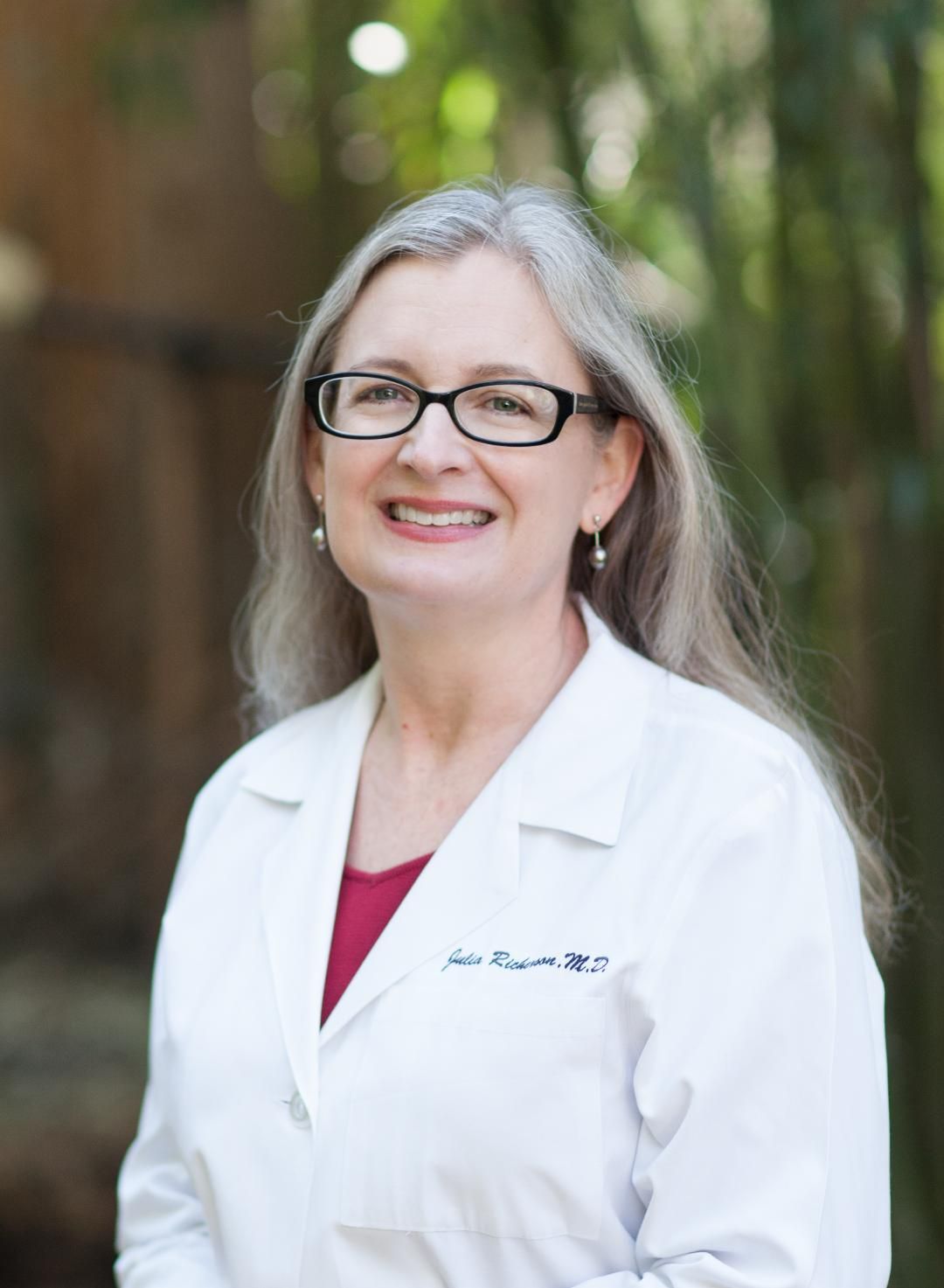
“I use electronic resources to find patient education, to look up current treatments, and research complicated diagnosis,” she noted.
“I feel that having the computer in the room isn’t a barrier to communication with my patients and families. Using the EHR doesn’t take me more time to see a patient,” she said. “However, the review of consult and ER records is harder and takes longer to complete. Consult, ER, and other outside records are much larger with the key clinical data more disorganized and harder to find among the pages and pages of nonrelevant content. This makes the workday much longer.”
The conditions that take up most of a pediatric office visit have changed as well, and include more complex medical, behavioral, and social issues, Dr. Richerson observed. “Obesity, ADHD, autism, complications of prematurity, behavioral health issues, developmental delays, and asthma are commonly seen in practice now. One in five children nationally have a chronic illness or special health care need. And we strive to help ease the challenges for families struggling with economic insecurity, and children growing up experiencing significant adversities.”
The office and the EHR
EHRs are a fact of life in all specialties today, but should not get in the way of interacting with patients, Dr. McInerny said. Many pediatricians complete their medical records after hours at home because they don’t have time to complete them in the office.
“I would advise the younger pediatricians to be sure to look at and interact with their families as much as possible while working on the computer, and showing the families entries and graphs from the computer. We were able to interact with families much more easily when writing out notes with pen and paper,” he said.
In his early years of practice, Dr. Tayloe recalled, “I spent less time with each patient; my focus was infectious disease, and I treated many patients with what today are vaccine-preventable diseases. I could see patients much faster with paper charts, but my documentation left much to be desired,” he said. “With the electronic record, I spend more time with each patient, but I type really fast and finish my charts in the exam rooms with the patients.”
“EHRs have made daily practice easier and more complicated for pediatricians,” said Dr. Richerson. “In the moment-to-moment use of EHRs while seeing patients, we can fairly quickly document the information we need to for patient care.” However, she said, “It takes some additional time to document all the data points required for quality- and value-based reimbursement programs, and it takes a significant amount of additional time in most EHRs to retrieve relevant information because you cannot query the system for clinical content on a patient. Also, reviewing incoming records is difficult because the information is voluminous and poorly organized,” she noted. “There are so many opportunities for improvement, and hopefully 20 years from now we will have EHRs that significantly improve quality and safety of patient care.”
Money and malpractice
The Vaccines for Children program led to an increase in incomes for pediatricians in the United States after 1994, according to Dr. Tayloe. “We began to be paid by insurance companies for most of what we do during the mid-90s and that boosted revenues,” he said. However, “On the flip side, we are now at the mercy of private payers, and must participate in all their very burdensome quality improvement/assurance programs if we are to be paid fairly. Our incomes were pretty flat over the last 5-10 years, especially for practices that participate fully in Medicaid/CHIP.”
Over the past 50 years, malpractice claims against pediatricians have remained consistently among the lowest for any medical specialty, according to Paul Greve, JD, a registered professional liability underwriter and executive vice president and senior consultant at Willis Towers Watson Health Care Practice.
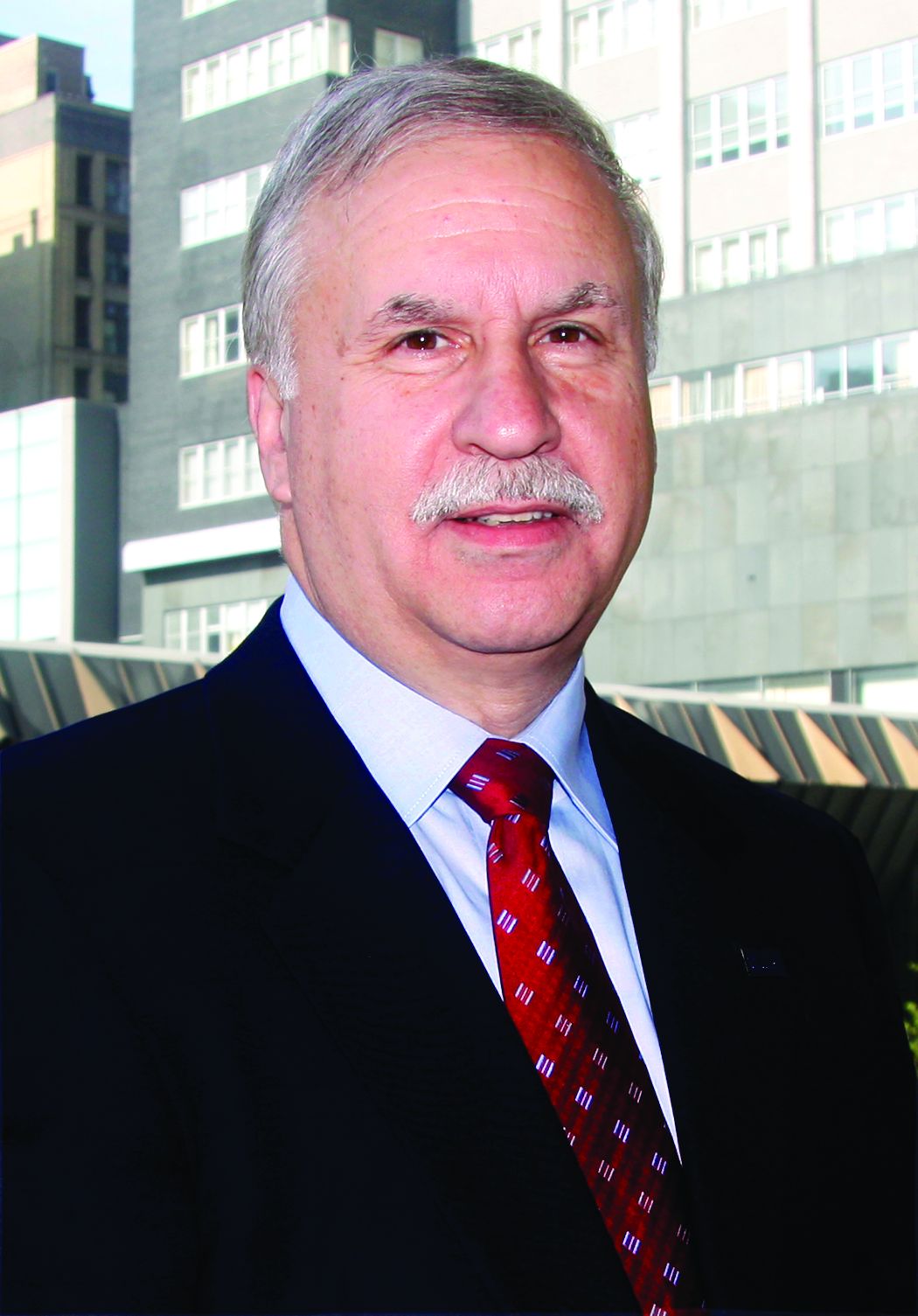
The impact of EHRs on pediatric practice from a legal standpoint depends on the format of the EHR itself, Mr. Greve said. “Many of the EHRs that are designed for physicians, particularly the ones used in acute care settings, don’t allow the doctor to really highlight their thinking as they work through the diagnostic process, and that is very important in the defense of a malpractice case against a pediatrician,” he said.
“The pediatrician doesn’t have to be correct all the time, but it is important for the lawyers defending the case to see what the pediatrician’s thought process was. If the EHR allows for capturing the doctor’s thought process, that’s a well-designed EHR, and that’s critical,” he emphasized.
Diagnostic error is one of the most entrenched problems in medical malpractice, said Mr. Greve. Failure to diagnose and delay in diagnosis remain the most common allegations against pediatricians, he noted. Also, being aware of the environment is important to risk management in the office.
“The American Academy of Pediatrics has excellent publications on safety and risk management that all pediatricians should be aware of,” he said.
Inspiration and intangibles
“I think the changes that we are starting to see will continue to evolve over the next 50 years,” said Dr. Richerson. “Increased medical and social complexity of patients, changes in health technology, EHRs, personal health data monitoring, and continued changes in value based payment methods will be key.
“I hope that we gain, as a health delivery system, an appreciation of the impact of child health on adult health. Long-term adult health outcomes depend on improved child health outcomes. Investing in diseases like childhood obesity, mental health, and developmental issues, to name a few, will have a bigger impact on adult disease than any adult interventions,” she said. And really dealing with the impact of childhood adversity in health care and in the community and nationally in general is critical. This requires grassroots interventions to support families as well as local, state, and national policy. It also requires payment for health care services for the needed interventions in the office and hospital. Providing comprehensive medical care and addressing the medical and social complexities of child health in an effective, compassionate, and family-centered way takes time. It’s not easy, but it’s not impossible. But it requires more resources than are currently given to child health care. Adult medicine is accustomed to paying for disease managers for diabetes or care coordinators for heart failure. This is not the current state of delivery for children’s care and it should be. These are some of the major issues confronting pediatricians.
What has remained the same in pediatrics is the love the doctors have for their work, and the reflections of veteran clinicians on the intangible rewards of the practice may inspire the next generation.
Dr. Tayloe said that he chose pediatrics because “I was really intrigued by the skills necessary to care for sick newborns, including premature babies. I wanted to practice in a remote location where I could use all the skills I developed during residency, and be of significant value to the community.” Two of his four adult children were similarly inspired and followed in his footsteps.
“For pediatricians, helping families raise healthy children is a real privilege and very satisfying,” Dr. McInerny said.
After decades of pediatric practice, Thomas K. McInerny, MD, still accentuates the positive. “I decided to become a pediatrician in my third year of medical school after my pediatrics rotation. I loved working with the children and their families so full of joy and hope,” he said. “I still feel that pediatrics is the greatest profession despite some frustrations with rules, regulations, and computer work.”
Many childhood diseases, including birth defects and forms of cancer that were fatal 50 years ago, now can be treated successfully, he noted. “However, there are more children with emotional, behavioral, and school problems, which pediatricians are now treating as there is a great shortage of mental health professionals for children.”
Although the dedication of pediatricians to their specialty has remained strong over the past 50 years, their work environment has evolved in many ways.
David T. Tayloe Jr., MD, also a past president of the AAP, currently practices in Goldsboro, N.C. When he established a solo community practice in 1977, he was one of a few pediatricians in the area, and he was busy. “I was the only pediatrician who could take care of really sick newborns and hospital patients, so I basically was available 24-7 for those first 2 years; there were two older pediatricians in town, and they took routine night call with me, giving me some time with my family,” he said. “With 1,500 deliveries a year at our hospital, there were always sick babies who needed my services. My office hours were 9 a.m. until 5 p.m. but often, in the cooler months, we saw patients until 8 p.m.” These days, Dr. Tayloe said he works 3-4 days in the office, and “my practice is largely behavioral health, school problems, obesity, asthma, and well-baby/child care.”
“In the last 20 years, my typical work day has changed in many ways,” said Julia Richerson, MD, who practices at the Family Health Center Iroquois office in South Louisville, Ky.
“I use electronic resources to find patient education, to look up current treatments, and research complicated diagnosis,” she noted.
“I feel that having the computer in the room isn’t a barrier to communication with my patients and families. Using the EHR doesn’t take me more time to see a patient,” she said. “However, the review of consult and ER records is harder and takes longer to complete. Consult, ER, and other outside records are much larger with the key clinical data more disorganized and harder to find among the pages and pages of nonrelevant content. This makes the workday much longer.”
The conditions that take up most of a pediatric office visit have changed as well, and include more complex medical, behavioral, and social issues, Dr. Richerson observed. “Obesity, ADHD, autism, complications of prematurity, behavioral health issues, developmental delays, and asthma are commonly seen in practice now. One in five children nationally have a chronic illness or special health care need. And we strive to help ease the challenges for families struggling with economic insecurity, and children growing up experiencing significant adversities.”
The office and the EHR
EHRs are a fact of life in all specialties today, but should not get in the way of interacting with patients, Dr. McInerny said. Many pediatricians complete their medical records after hours at home because they don’t have time to complete them in the office.
“I would advise the younger pediatricians to be sure to look at and interact with their families as much as possible while working on the computer, and showing the families entries and graphs from the computer. We were able to interact with families much more easily when writing out notes with pen and paper,” he said.
In his early years of practice, Dr. Tayloe recalled, “I spent less time with each patient; my focus was infectious disease, and I treated many patients with what today are vaccine-preventable diseases. I could see patients much faster with paper charts, but my documentation left much to be desired,” he said. “With the electronic record, I spend more time with each patient, but I type really fast and finish my charts in the exam rooms with the patients.”
“EHRs have made daily practice easier and more complicated for pediatricians,” said Dr. Richerson. “In the moment-to-moment use of EHRs while seeing patients, we can fairly quickly document the information we need to for patient care.” However, she said, “It takes some additional time to document all the data points required for quality- and value-based reimbursement programs, and it takes a significant amount of additional time in most EHRs to retrieve relevant information because you cannot query the system for clinical content on a patient. Also, reviewing incoming records is difficult because the information is voluminous and poorly organized,” she noted. “There are so many opportunities for improvement, and hopefully 20 years from now we will have EHRs that significantly improve quality and safety of patient care.”
Money and malpractice
The Vaccines for Children program led to an increase in incomes for pediatricians in the United States after 1994, according to Dr. Tayloe. “We began to be paid by insurance companies for most of what we do during the mid-90s and that boosted revenues,” he said. However, “On the flip side, we are now at the mercy of private payers, and must participate in all their very burdensome quality improvement/assurance programs if we are to be paid fairly. Our incomes were pretty flat over the last 5-10 years, especially for practices that participate fully in Medicaid/CHIP.”
Over the past 50 years, malpractice claims against pediatricians have remained consistently among the lowest for any medical specialty, according to Paul Greve, JD, a registered professional liability underwriter and executive vice president and senior consultant at Willis Towers Watson Health Care Practice.
The impact of EHRs on pediatric practice from a legal standpoint depends on the format of the EHR itself, Mr. Greve said. “Many of the EHRs that are designed for physicians, particularly the ones used in acute care settings, don’t allow the doctor to really highlight their thinking as they work through the diagnostic process, and that is very important in the defense of a malpractice case against a pediatrician,” he said.
“The pediatrician doesn’t have to be correct all the time, but it is important for the lawyers defending the case to see what the pediatrician’s thought process was. If the EHR allows for capturing the doctor’s thought process, that’s a well-designed EHR, and that’s critical,” he emphasized.
Diagnostic error is one of the most entrenched problems in medical malpractice, said Mr. Greve. Failure to diagnose and delay in diagnosis remain the most common allegations against pediatricians, he noted. Also, being aware of the environment is important to risk management in the office.
“The American Academy of Pediatrics has excellent publications on safety and risk management that all pediatricians should be aware of,” he said.
Inspiration and intangibles
“I think the changes that we are starting to see will continue to evolve over the next 50 years,” said Dr. Richerson. “Increased medical and social complexity of patients, changes in health technology, EHRs, personal health data monitoring, and continued changes in value based payment methods will be key.
“I hope that we gain, as a health delivery system, an appreciation of the impact of child health on adult health. Long-term adult health outcomes depend on improved child health outcomes. Investing in diseases like childhood obesity, mental health, and developmental issues, to name a few, will have a bigger impact on adult disease than any adult interventions,” she said. And really dealing with the impact of childhood adversity in health care and in the community and nationally in general is critical. This requires grassroots interventions to support families as well as local, state, and national policy. It also requires payment for health care services for the needed interventions in the office and hospital. Providing comprehensive medical care and addressing the medical and social complexities of child health in an effective, compassionate, and family-centered way takes time. It’s not easy, but it’s not impossible. But it requires more resources than are currently given to child health care. Adult medicine is accustomed to paying for disease managers for diabetes or care coordinators for heart failure. This is not the current state of delivery for children’s care and it should be. These are some of the major issues confronting pediatricians.
What has remained the same in pediatrics is the love the doctors have for their work, and the reflections of veteran clinicians on the intangible rewards of the practice may inspire the next generation.
Dr. Tayloe said that he chose pediatrics because “I was really intrigued by the skills necessary to care for sick newborns, including premature babies. I wanted to practice in a remote location where I could use all the skills I developed during residency, and be of significant value to the community.” Two of his four adult children were similarly inspired and followed in his footsteps.
“For pediatricians, helping families raise healthy children is a real privilege and very satisfying,” Dr. McInerny said.
After decades of pediatric practice, Thomas K. McInerny, MD, still accentuates the positive. “I decided to become a pediatrician in my third year of medical school after my pediatrics rotation. I loved working with the children and their families so full of joy and hope,” he said. “I still feel that pediatrics is the greatest profession despite some frustrations with rules, regulations, and computer work.”
Many childhood diseases, including birth defects and forms of cancer that were fatal 50 years ago, now can be treated successfully, he noted. “However, there are more children with emotional, behavioral, and school problems, which pediatricians are now treating as there is a great shortage of mental health professionals for children.”
Although the dedication of pediatricians to their specialty has remained strong over the past 50 years, their work environment has evolved in many ways.
David T. Tayloe Jr., MD, also a past president of the AAP, currently practices in Goldsboro, N.C. When he established a solo community practice in 1977, he was one of a few pediatricians in the area, and he was busy. “I was the only pediatrician who could take care of really sick newborns and hospital patients, so I basically was available 24-7 for those first 2 years; there were two older pediatricians in town, and they took routine night call with me, giving me some time with my family,” he said. “With 1,500 deliveries a year at our hospital, there were always sick babies who needed my services. My office hours were 9 a.m. until 5 p.m. but often, in the cooler months, we saw patients until 8 p.m.” These days, Dr. Tayloe said he works 3-4 days in the office, and “my practice is largely behavioral health, school problems, obesity, asthma, and well-baby/child care.”
“In the last 20 years, my typical work day has changed in many ways,” said Julia Richerson, MD, who practices at the Family Health Center Iroquois office in South Louisville, Ky.
“I use electronic resources to find patient education, to look up current treatments, and research complicated diagnosis,” she noted.
“I feel that having the computer in the room isn’t a barrier to communication with my patients and families. Using the EHR doesn’t take me more time to see a patient,” she said. “However, the review of consult and ER records is harder and takes longer to complete. Consult, ER, and other outside records are much larger with the key clinical data more disorganized and harder to find among the pages and pages of nonrelevant content. This makes the workday much longer.”
The conditions that take up most of a pediatric office visit have changed as well, and include more complex medical, behavioral, and social issues, Dr. Richerson observed. “Obesity, ADHD, autism, complications of prematurity, behavioral health issues, developmental delays, and asthma are commonly seen in practice now. One in five children nationally have a chronic illness or special health care need. And we strive to help ease the challenges for families struggling with economic insecurity, and children growing up experiencing significant adversities.”
The office and the EHR
EHRs are a fact of life in all specialties today, but should not get in the way of interacting with patients, Dr. McInerny said. Many pediatricians complete their medical records after hours at home because they don’t have time to complete them in the office.
“I would advise the younger pediatricians to be sure to look at and interact with their families as much as possible while working on the computer, and showing the families entries and graphs from the computer. We were able to interact with families much more easily when writing out notes with pen and paper,” he said.
In his early years of practice, Dr. Tayloe recalled, “I spent less time with each patient; my focus was infectious disease, and I treated many patients with what today are vaccine-preventable diseases. I could see patients much faster with paper charts, but my documentation left much to be desired,” he said. “With the electronic record, I spend more time with each patient, but I type really fast and finish my charts in the exam rooms with the patients.”
“EHRs have made daily practice easier and more complicated for pediatricians,” said Dr. Richerson. “In the moment-to-moment use of EHRs while seeing patients, we can fairly quickly document the information we need to for patient care.” However, she said, “It takes some additional time to document all the data points required for quality- and value-based reimbursement programs, and it takes a significant amount of additional time in most EHRs to retrieve relevant information because you cannot query the system for clinical content on a patient. Also, reviewing incoming records is difficult because the information is voluminous and poorly organized,” she noted. “There are so many opportunities for improvement, and hopefully 20 years from now we will have EHRs that significantly improve quality and safety of patient care.”
Money and malpractice
The Vaccines for Children program led to an increase in incomes for pediatricians in the United States after 1994, according to Dr. Tayloe. “We began to be paid by insurance companies for most of what we do during the mid-90s and that boosted revenues,” he said. However, “On the flip side, we are now at the mercy of private payers, and must participate in all their very burdensome quality improvement/assurance programs if we are to be paid fairly. Our incomes were pretty flat over the last 5-10 years, especially for practices that participate fully in Medicaid/CHIP.”
Over the past 50 years, malpractice claims against pediatricians have remained consistently among the lowest for any medical specialty, according to Paul Greve, JD, a registered professional liability underwriter and executive vice president and senior consultant at Willis Towers Watson Health Care Practice.
The impact of EHRs on pediatric practice from a legal standpoint depends on the format of the EHR itself, Mr. Greve said. “Many of the EHRs that are designed for physicians, particularly the ones used in acute care settings, don’t allow the doctor to really highlight their thinking as they work through the diagnostic process, and that is very important in the defense of a malpractice case against a pediatrician,” he said.
“The pediatrician doesn’t have to be correct all the time, but it is important for the lawyers defending the case to see what the pediatrician’s thought process was. If the EHR allows for capturing the doctor’s thought process, that’s a well-designed EHR, and that’s critical,” he emphasized.
Diagnostic error is one of the most entrenched problems in medical malpractice, said Mr. Greve. Failure to diagnose and delay in diagnosis remain the most common allegations against pediatricians, he noted. Also, being aware of the environment is important to risk management in the office.
“The American Academy of Pediatrics has excellent publications on safety and risk management that all pediatricians should be aware of,” he said.
Inspiration and intangibles
“I think the changes that we are starting to see will continue to evolve over the next 50 years,” said Dr. Richerson. “Increased medical and social complexity of patients, changes in health technology, EHRs, personal health data monitoring, and continued changes in value based payment methods will be key.
“I hope that we gain, as a health delivery system, an appreciation of the impact of child health on adult health. Long-term adult health outcomes depend on improved child health outcomes. Investing in diseases like childhood obesity, mental health, and developmental issues, to name a few, will have a bigger impact on adult disease than any adult interventions,” she said. And really dealing with the impact of childhood adversity in health care and in the community and nationally in general is critical. This requires grassroots interventions to support families as well as local, state, and national policy. It also requires payment for health care services for the needed interventions in the office and hospital. Providing comprehensive medical care and addressing the medical and social complexities of child health in an effective, compassionate, and family-centered way takes time. It’s not easy, but it’s not impossible. But it requires more resources than are currently given to child health care. Adult medicine is accustomed to paying for disease managers for diabetes or care coordinators for heart failure. This is not the current state of delivery for children’s care and it should be. These are some of the major issues confronting pediatricians.
What has remained the same in pediatrics is the love the doctors have for their work, and the reflections of veteran clinicians on the intangible rewards of the practice may inspire the next generation.
Dr. Tayloe said that he chose pediatrics because “I was really intrigued by the skills necessary to care for sick newborns, including premature babies. I wanted to practice in a remote location where I could use all the skills I developed during residency, and be of significant value to the community.” Two of his four adult children were similarly inspired and followed in his footsteps.
“For pediatricians, helping families raise healthy children is a real privilege and very satisfying,” Dr. McInerny said.
Consider different T. capitis presentations in children with hair loss
Categorizing hair loss in children depends on many factors, but it is important to rule out an infectious etiology as early as possible, according to Sheila Fallon Friedlander, MD.
“What can Tinea capitis look like? Anything,” she said in a presentation at Skin Disease Education Foundation’s Women’s & Pediatric Dermatology Seminar.
Although T. capitis most often presents in children aged 3-7 years as a pattern of localized hair loss, often with scaling, sometimes with nodules, other possibilities include pustules, boggy masses, and diffuse hair loss, said Dr. Friedlander, professor of pediatrics and dermatology at the University of California, San Diego.
Sometimes the hair loss may be so subtle that families come in complaining of “dandruff” rather than hair loss, she noted. Evaluating the patient for the presence of cervical or occipital lymph nodes is crucial; big nodes are usually a tip-off that infection is present.
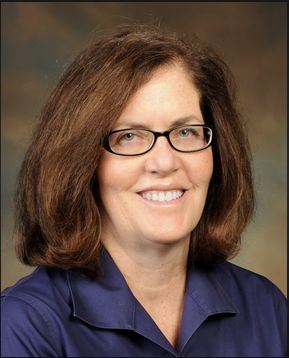
Clinicians treating T. capitis should ask about family pets, advised Dr. Friedlander, adding that city dwellers’ conditions may be more likely caused by Trichophyton tonsurans, T. violaceum, or Trichophyton soudanense. Also consider immigration status and family history when evaluating T. capitis, and use a Wood’s lamp for diagnosis if one is available, she advised. M. canis will fluoresce and T. tonsurans will not, she pointed out.
Other strategies to evaluate the condition include KOH, culture, polymerase chain reaction, and trichoscopy.
The optimal treatment plan for T. capitis depends on the source, Dr. Friedlander explained. If M. canis is the cause, “griseofulvin is the drug of choice,” along with a twice-weekly sporicidal shampoo, she said.
Other treatment options include terbinafine, itraconazole, and fluconazole, and each have their pros and cons, she said. Terbinafine – which persists for months in the skin, nails, and hair – is the least expensive, and is her first choice for infections caused by T. tonsurans.
Itraconazole is available as a liquid, but costs more, causes diarrhea, and comes with a boxed warning about the potential for cardiac complications; fluconazole is the most expensive, but may be used in infants, she added.
Other high-risk groups for T. capitis include female caretakers of high-risk individuals, such as “grandma”; wrestlers; and Buddhist monks, she said. “Short hair, sharing combs, and unclean barbers” contributed to a documented increased risk of T. capitis according to a recently published study of 60 Buddhist monks whose average age was 11.6 years, she added. (Pediatr Dermatol. 2017 May;34[3]:371-3).
Dr. Friedlander had no relevant financial conflicts to disclose.
SDEF and this news organization are owned by Frontline Medical Communications.
Categorizing hair loss in children depends on many factors, but it is important to rule out an infectious etiology as early as possible, according to Sheila Fallon Friedlander, MD.
“What can Tinea capitis look like? Anything,” she said in a presentation at Skin Disease Education Foundation’s Women’s & Pediatric Dermatology Seminar.
Although T. capitis most often presents in children aged 3-7 years as a pattern of localized hair loss, often with scaling, sometimes with nodules, other possibilities include pustules, boggy masses, and diffuse hair loss, said Dr. Friedlander, professor of pediatrics and dermatology at the University of California, San Diego.
Sometimes the hair loss may be so subtle that families come in complaining of “dandruff” rather than hair loss, she noted. Evaluating the patient for the presence of cervical or occipital lymph nodes is crucial; big nodes are usually a tip-off that infection is present.
Clinicians treating T. capitis should ask about family pets, advised Dr. Friedlander, adding that city dwellers’ conditions may be more likely caused by Trichophyton tonsurans, T. violaceum, or Trichophyton soudanense. Also consider immigration status and family history when evaluating T. capitis, and use a Wood’s lamp for diagnosis if one is available, she advised. M. canis will fluoresce and T. tonsurans will not, she pointed out.
Other strategies to evaluate the condition include KOH, culture, polymerase chain reaction, and trichoscopy.
The optimal treatment plan for T. capitis depends on the source, Dr. Friedlander explained. If M. canis is the cause, “griseofulvin is the drug of choice,” along with a twice-weekly sporicidal shampoo, she said.
Other treatment options include terbinafine, itraconazole, and fluconazole, and each have their pros and cons, she said. Terbinafine – which persists for months in the skin, nails, and hair – is the least expensive, and is her first choice for infections caused by T. tonsurans.
Itraconazole is available as a liquid, but costs more, causes diarrhea, and comes with a boxed warning about the potential for cardiac complications; fluconazole is the most expensive, but may be used in infants, she added.
Other high-risk groups for T. capitis include female caretakers of high-risk individuals, such as “grandma”; wrestlers; and Buddhist monks, she said. “Short hair, sharing combs, and unclean barbers” contributed to a documented increased risk of T. capitis according to a recently published study of 60 Buddhist monks whose average age was 11.6 years, she added. (Pediatr Dermatol. 2017 May;34[3]:371-3).
Dr. Friedlander had no relevant financial conflicts to disclose.
SDEF and this news organization are owned by Frontline Medical Communications.
Categorizing hair loss in children depends on many factors, but it is important to rule out an infectious etiology as early as possible, according to Sheila Fallon Friedlander, MD.
“What can Tinea capitis look like? Anything,” she said in a presentation at Skin Disease Education Foundation’s Women’s & Pediatric Dermatology Seminar.
Although T. capitis most often presents in children aged 3-7 years as a pattern of localized hair loss, often with scaling, sometimes with nodules, other possibilities include pustules, boggy masses, and diffuse hair loss, said Dr. Friedlander, professor of pediatrics and dermatology at the University of California, San Diego.
Sometimes the hair loss may be so subtle that families come in complaining of “dandruff” rather than hair loss, she noted. Evaluating the patient for the presence of cervical or occipital lymph nodes is crucial; big nodes are usually a tip-off that infection is present.
Clinicians treating T. capitis should ask about family pets, advised Dr. Friedlander, adding that city dwellers’ conditions may be more likely caused by Trichophyton tonsurans, T. violaceum, or Trichophyton soudanense. Also consider immigration status and family history when evaluating T. capitis, and use a Wood’s lamp for diagnosis if one is available, she advised. M. canis will fluoresce and T. tonsurans will not, she pointed out.
Other strategies to evaluate the condition include KOH, culture, polymerase chain reaction, and trichoscopy.
The optimal treatment plan for T. capitis depends on the source, Dr. Friedlander explained. If M. canis is the cause, “griseofulvin is the drug of choice,” along with a twice-weekly sporicidal shampoo, she said.
Other treatment options include terbinafine, itraconazole, and fluconazole, and each have their pros and cons, she said. Terbinafine – which persists for months in the skin, nails, and hair – is the least expensive, and is her first choice for infections caused by T. tonsurans.
Itraconazole is available as a liquid, but costs more, causes diarrhea, and comes with a boxed warning about the potential for cardiac complications; fluconazole is the most expensive, but may be used in infants, she added.
Other high-risk groups for T. capitis include female caretakers of high-risk individuals, such as “grandma”; wrestlers; and Buddhist monks, she said. “Short hair, sharing combs, and unclean barbers” contributed to a documented increased risk of T. capitis according to a recently published study of 60 Buddhist monks whose average age was 11.6 years, she added. (Pediatr Dermatol. 2017 May;34[3]:371-3).
Dr. Friedlander had no relevant financial conflicts to disclose.
SDEF and this news organization are owned by Frontline Medical Communications.
FROM SDEF WOMEN’S & PEDIATRIC DERMATOLOGY SEMINAR
Light therapy offers brighter future for scar patients
Current treatment with available light-based devices, notably ablative fractional resurfacing, can greatly improve quality of life for patients struggling with scars, according to Kristen Kelly, MD, of the University of California, Irvine.
Using multiple devices, and combining devices with other therapies, are among the strategies that can improve pain and function in these patients, she said in a presentation at Skin Disease Education Foundation’s annual Las Vegas Dermatology Seminar.

Dr. Kelly recommends “a CO2 laser or an Er:YAG [erbium-doped YAG],” as AFR options for scar treatment. The Er:YAG is less painful, but may cause bleeding, she noted.
Tips for a scar treatment protocol with AFR include low density and treating the entire scar plus a 1-2 mm rim, Dr. Kelly said. AFR treatment of scars can start in some cases soon after an injury, but it depends on the cause of the scar and treatment timing is controversial, especially for burn scars, she said. Dr. Kelly outlined a plan of treatment every 2-3 months, with the option of adding triamcinolone suspension immediately after the AFR treatment, she noted.
Other medications used after AFR to improve results include 5-fluorouracil, bimatoprost, and poly-L-lactic acid. However, “you should only consider this for medications that you would safely inject into the skin or bloodstream,” she emphasized.
Combining AFR with other devices can improve results, depending on the type of scar, said Dr. Kelly. Atrophic scars may be treated with AFR or NAFR, while red atrophic scars may improve with a combination AFR or NAFR and a pulsed dye laser, she said. For red hypertrophic scars, consider a combination of AFR plus a steroid combined with a pulsed dye laser, she added.
When embarking on a scar treatment plan, be sure to define goals and remind patients that scars can be “improved but not removed,” said Dr. Kelly. “Laser therapy is often not monotherapy,” she added. A surgical revision, such as a Z-plasty, and the use of physical and occupational therapy also can improve results and improve quality of life for patients, she said.
Dr. Kelly disclosed relationships with multiple companies including Allergan, MundiPharma, Syneron Candela, Light Sciences Oncology, Novartis, Sciton, and ThermiRF.
SDEF and this news organization are owned by the same parent company.
Current treatment with available light-based devices, notably ablative fractional resurfacing, can greatly improve quality of life for patients struggling with scars, according to Kristen Kelly, MD, of the University of California, Irvine.
Using multiple devices, and combining devices with other therapies, are among the strategies that can improve pain and function in these patients, she said in a presentation at Skin Disease Education Foundation’s annual Las Vegas Dermatology Seminar.
Dr. Kelly recommends “a CO2 laser or an Er:YAG [erbium-doped YAG],” as AFR options for scar treatment. The Er:YAG is less painful, but may cause bleeding, she noted.
Tips for a scar treatment protocol with AFR include low density and treating the entire scar plus a 1-2 mm rim, Dr. Kelly said. AFR treatment of scars can start in some cases soon after an injury, but it depends on the cause of the scar and treatment timing is controversial, especially for burn scars, she said. Dr. Kelly outlined a plan of treatment every 2-3 months, with the option of adding triamcinolone suspension immediately after the AFR treatment, she noted.
Other medications used after AFR to improve results include 5-fluorouracil, bimatoprost, and poly-L-lactic acid. However, “you should only consider this for medications that you would safely inject into the skin or bloodstream,” she emphasized.
Combining AFR with other devices can improve results, depending on the type of scar, said Dr. Kelly. Atrophic scars may be treated with AFR or NAFR, while red atrophic scars may improve with a combination AFR or NAFR and a pulsed dye laser, she said. For red hypertrophic scars, consider a combination of AFR plus a steroid combined with a pulsed dye laser, she added.
When embarking on a scar treatment plan, be sure to define goals and remind patients that scars can be “improved but not removed,” said Dr. Kelly. “Laser therapy is often not monotherapy,” she added. A surgical revision, such as a Z-plasty, and the use of physical and occupational therapy also can improve results and improve quality of life for patients, she said.
Dr. Kelly disclosed relationships with multiple companies including Allergan, MundiPharma, Syneron Candela, Light Sciences Oncology, Novartis, Sciton, and ThermiRF.
SDEF and this news organization are owned by the same parent company.
Current treatment with available light-based devices, notably ablative fractional resurfacing, can greatly improve quality of life for patients struggling with scars, according to Kristen Kelly, MD, of the University of California, Irvine.
Using multiple devices, and combining devices with other therapies, are among the strategies that can improve pain and function in these patients, she said in a presentation at Skin Disease Education Foundation’s annual Las Vegas Dermatology Seminar.
Dr. Kelly recommends “a CO2 laser or an Er:YAG [erbium-doped YAG],” as AFR options for scar treatment. The Er:YAG is less painful, but may cause bleeding, she noted.
Tips for a scar treatment protocol with AFR include low density and treating the entire scar plus a 1-2 mm rim, Dr. Kelly said. AFR treatment of scars can start in some cases soon after an injury, but it depends on the cause of the scar and treatment timing is controversial, especially for burn scars, she said. Dr. Kelly outlined a plan of treatment every 2-3 months, with the option of adding triamcinolone suspension immediately after the AFR treatment, she noted.
Other medications used after AFR to improve results include 5-fluorouracil, bimatoprost, and poly-L-lactic acid. However, “you should only consider this for medications that you would safely inject into the skin or bloodstream,” she emphasized.
Combining AFR with other devices can improve results, depending on the type of scar, said Dr. Kelly. Atrophic scars may be treated with AFR or NAFR, while red atrophic scars may improve with a combination AFR or NAFR and a pulsed dye laser, she said. For red hypertrophic scars, consider a combination of AFR plus a steroid combined with a pulsed dye laser, she added.
When embarking on a scar treatment plan, be sure to define goals and remind patients that scars can be “improved but not removed,” said Dr. Kelly. “Laser therapy is often not monotherapy,” she added. A surgical revision, such as a Z-plasty, and the use of physical and occupational therapy also can improve results and improve quality of life for patients, she said.
Dr. Kelly disclosed relationships with multiple companies including Allergan, MundiPharma, Syneron Candela, Light Sciences Oncology, Novartis, Sciton, and ThermiRF.
SDEF and this news organization are owned by the same parent company.
EXPERT ANALYSIS FROM SDEF LAS VEGAS DERMATOLOGY SEMINAR
FDA issues alert on illegal silicone injections
The Food and Drug Administration has issued a warning regarding the use of injectable silicone or other products illegally marketed as dermal fillers for body contouring.
“We have significant concerns with unsafe injectable silicone that’s being marketed for body contouring by unlicensed providers,” FDA Commissioner Scott Gottlieb, MD, said in a statement on Nov. 14. “We’ve seen serious adverse events result from products, which are sometimes industrial-grade silicone, being used for these unapproved medical purposes,” he said.
Simply injecting silicone into various parts of the body for contouring purposes is not approved by the FDA. Side effects of such a procedure can occur immediately, or may appear after days, weeks, months, or years, according to the statement. Side effects include pain, scarring, disfigurement, life-threatening embolism, stroke, or infection, the FDA emphasized.
The FDA continues to take action against unlicensed practitioners found guilty of treating patients with unapproved silicone for body contouring. “In addition to prosecuting the criminals who take advantage of consumers, the FDA is taking action to educate consumers in order to prevent the serious injuries resulting from these injections,” Melinda Plaisier, associate commissioner for regulatory affairs at the FDA, said in the statement. “We hope to raise public awareness about the short- and long-term risks of injecting silicone directly into the body, and encourage consumers to choose FDA-approved products and licensed providers when considering any type of cosmetic enhancement,” she said.
The FDA will continue to monitor adverse event reports related to silicone, and encourages clinicians or consumers with information about the use of injectable silicone by unlicensed providers to use the “Report Suspected Criminal Activity” form on the FDA website to report those cases.
The Food and Drug Administration has issued a warning regarding the use of injectable silicone or other products illegally marketed as dermal fillers for body contouring.
“We have significant concerns with unsafe injectable silicone that’s being marketed for body contouring by unlicensed providers,” FDA Commissioner Scott Gottlieb, MD, said in a statement on Nov. 14. “We’ve seen serious adverse events result from products, which are sometimes industrial-grade silicone, being used for these unapproved medical purposes,” he said.
Simply injecting silicone into various parts of the body for contouring purposes is not approved by the FDA. Side effects of such a procedure can occur immediately, or may appear after days, weeks, months, or years, according to the statement. Side effects include pain, scarring, disfigurement, life-threatening embolism, stroke, or infection, the FDA emphasized.
The FDA continues to take action against unlicensed practitioners found guilty of treating patients with unapproved silicone for body contouring. “In addition to prosecuting the criminals who take advantage of consumers, the FDA is taking action to educate consumers in order to prevent the serious injuries resulting from these injections,” Melinda Plaisier, associate commissioner for regulatory affairs at the FDA, said in the statement. “We hope to raise public awareness about the short- and long-term risks of injecting silicone directly into the body, and encourage consumers to choose FDA-approved products and licensed providers when considering any type of cosmetic enhancement,” she said.
The FDA will continue to monitor adverse event reports related to silicone, and encourages clinicians or consumers with information about the use of injectable silicone by unlicensed providers to use the “Report Suspected Criminal Activity” form on the FDA website to report those cases.
The Food and Drug Administration has issued a warning regarding the use of injectable silicone or other products illegally marketed as dermal fillers for body contouring.
“We have significant concerns with unsafe injectable silicone that’s being marketed for body contouring by unlicensed providers,” FDA Commissioner Scott Gottlieb, MD, said in a statement on Nov. 14. “We’ve seen serious adverse events result from products, which are sometimes industrial-grade silicone, being used for these unapproved medical purposes,” he said.
Simply injecting silicone into various parts of the body for contouring purposes is not approved by the FDA. Side effects of such a procedure can occur immediately, or may appear after days, weeks, months, or years, according to the statement. Side effects include pain, scarring, disfigurement, life-threatening embolism, stroke, or infection, the FDA emphasized.
The FDA continues to take action against unlicensed practitioners found guilty of treating patients with unapproved silicone for body contouring. “In addition to prosecuting the criminals who take advantage of consumers, the FDA is taking action to educate consumers in order to prevent the serious injuries resulting from these injections,” Melinda Plaisier, associate commissioner for regulatory affairs at the FDA, said in the statement. “We hope to raise public awareness about the short- and long-term risks of injecting silicone directly into the body, and encourage consumers to choose FDA-approved products and licensed providers when considering any type of cosmetic enhancement,” she said.
The FDA will continue to monitor adverse event reports related to silicone, and encourages clinicians or consumers with information about the use of injectable silicone by unlicensed providers to use the “Report Suspected Criminal Activity” form on the FDA website to report those cases.
VIDEO: New vaccines target global infections
LAS VEGAS – There are now vaccines for two infectious diseases that “are not purely dermatologic, but have a great impact on many patients around the world,” Kenneth J. Tomecki, MD, said in a video interview at Skin Disease Education Foundation’s annual Las Vegas Dermatology Seminar.
The recent development of a vaccine to protect against malaria, with an efficacy around 40%, “is something we should all be proud of,” said Dr. Tomecki of the Cleveland Clinic. Another advance is that there is now also a vaccine for Ebola that is so effective, it is being stockpiled in African countries in preparation for future Ebola outbreaks, he added.
Dr. Tomecki had no financial conflicts to disclose.
SDEF and this news organization are owned by the same parent company.
The video associated with this article is no longer available on this site. Please view all of our videos on the MDedge YouTube channel
LAS VEGAS – There are now vaccines for two infectious diseases that “are not purely dermatologic, but have a great impact on many patients around the world,” Kenneth J. Tomecki, MD, said in a video interview at Skin Disease Education Foundation’s annual Las Vegas Dermatology Seminar.
The recent development of a vaccine to protect against malaria, with an efficacy around 40%, “is something we should all be proud of,” said Dr. Tomecki of the Cleveland Clinic. Another advance is that there is now also a vaccine for Ebola that is so effective, it is being stockpiled in African countries in preparation for future Ebola outbreaks, he added.
Dr. Tomecki had no financial conflicts to disclose.
SDEF and this news organization are owned by the same parent company.
The video associated with this article is no longer available on this site. Please view all of our videos on the MDedge YouTube channel
LAS VEGAS – There are now vaccines for two infectious diseases that “are not purely dermatologic, but have a great impact on many patients around the world,” Kenneth J. Tomecki, MD, said in a video interview at Skin Disease Education Foundation’s annual Las Vegas Dermatology Seminar.
The recent development of a vaccine to protect against malaria, with an efficacy around 40%, “is something we should all be proud of,” said Dr. Tomecki of the Cleveland Clinic. Another advance is that there is now also a vaccine for Ebola that is so effective, it is being stockpiled in African countries in preparation for future Ebola outbreaks, he added.
Dr. Tomecki had no financial conflicts to disclose.
SDEF and this news organization are owned by the same parent company.
The video associated with this article is no longer available on this site. Please view all of our videos on the MDedge YouTube channel
AT SDEF LAS VEGAS DERMATOLOGY SEMINAR
Stem cells spark successful skin regeneration
Junctional epidermolysis bullosa is a genetic disease characterized by chronic skin wounds, blisters, and erosions. The chronic wounds not only increase a patient’s risk of skin cancer, they also can cause itching, pain, limited mobility, and poor quality of life, wrote Tobias Hirsch, MD, of BG University Hospital Bergmannsheil, Bochum, Germany, and colleagues (Nature. 2017. doi: 10.1038/nature24487). There is no cure for the disease, and more than 40% of patients die prior to adolescence.
Previous studies have shown that epidermal stem cells can be used to repair a damaged epidermis, they noted. However, the technique has been criticized for being insufficient to treat the large lesions common to this disease.
The researchers described the case of a 7-year-old boy who was admitted to a children’s hospital in Germany in June 2015 with junctional epidermolysis bullosa so severe that approximately 80% of his total body surface area was affected. The patient had a genetic mutation that had resulted in blisters on much of his body since birth. Approximately 6 weeks prior to his hospital admission, he developed Staphylococcus aureus and Pseudomonas aeruginosa infections that worsened his condition. After other treatments failed, the patient’s parents consented to a combination of ex vivo cell and gene therapy, in which cultures taken from a biopsy of uninvolved skin were used to develop transgenic epidermal grafts. The grafts were applied sequentially on a dermal wound bed.
“Virtually complete epidermal regeneration was observed after 1 month,” Dr. Hirsch and associates wrote. Over 21 months, the regenerated epidermis healed and remained stable even when subjected to mechanical stress.
For follow-up, the researchers reported on 10 punch biopsies taken at 4, 8, and 21 months after the grafting procedure. “The epidermis had normal morphology and we could not detect blisters, erosions, or epidermal detachment from the underlying dermis,” they noted.
The patient has remained stable since being discharged from the hospital in February 2016, and requires no ointment or medications to maintain a healthy epidermis, they said.
“This approach would be optimal for newly diagnosed patients early in their childhood,” Dr. Hirsch and associates noted. “A bank of transduced epidermal stem cells taken at birth could be used to treat skin lesions while they develop, thus preventing, rather than restoring, the devastating clinical manifestation that arise in these patients.
The study was supported in part by several government grants from organizations including the Italian Ministry of Education and the European Research. Two of the researchers are cofounders and members of the Board of Directors of Holostem Terapie Avanzate, which met all costs of good manufacturing practice production and procedures of transgenic epidermal grafts.
Junctional epidermolysis bullosa is a genetic disease characterized by chronic skin wounds, blisters, and erosions. The chronic wounds not only increase a patient’s risk of skin cancer, they also can cause itching, pain, limited mobility, and poor quality of life, wrote Tobias Hirsch, MD, of BG University Hospital Bergmannsheil, Bochum, Germany, and colleagues (Nature. 2017. doi: 10.1038/nature24487). There is no cure for the disease, and more than 40% of patients die prior to adolescence.
Previous studies have shown that epidermal stem cells can be used to repair a damaged epidermis, they noted. However, the technique has been criticized for being insufficient to treat the large lesions common to this disease.
The researchers described the case of a 7-year-old boy who was admitted to a children’s hospital in Germany in June 2015 with junctional epidermolysis bullosa so severe that approximately 80% of his total body surface area was affected. The patient had a genetic mutation that had resulted in blisters on much of his body since birth. Approximately 6 weeks prior to his hospital admission, he developed Staphylococcus aureus and Pseudomonas aeruginosa infections that worsened his condition. After other treatments failed, the patient’s parents consented to a combination of ex vivo cell and gene therapy, in which cultures taken from a biopsy of uninvolved skin were used to develop transgenic epidermal grafts. The grafts were applied sequentially on a dermal wound bed.
“Virtually complete epidermal regeneration was observed after 1 month,” Dr. Hirsch and associates wrote. Over 21 months, the regenerated epidermis healed and remained stable even when subjected to mechanical stress.
For follow-up, the researchers reported on 10 punch biopsies taken at 4, 8, and 21 months after the grafting procedure. “The epidermis had normal morphology and we could not detect blisters, erosions, or epidermal detachment from the underlying dermis,” they noted.
The patient has remained stable since being discharged from the hospital in February 2016, and requires no ointment or medications to maintain a healthy epidermis, they said.
“This approach would be optimal for newly diagnosed patients early in their childhood,” Dr. Hirsch and associates noted. “A bank of transduced epidermal stem cells taken at birth could be used to treat skin lesions while they develop, thus preventing, rather than restoring, the devastating clinical manifestation that arise in these patients.
The study was supported in part by several government grants from organizations including the Italian Ministry of Education and the European Research. Two of the researchers are cofounders and members of the Board of Directors of Holostem Terapie Avanzate, which met all costs of good manufacturing practice production and procedures of transgenic epidermal grafts.
Junctional epidermolysis bullosa is a genetic disease characterized by chronic skin wounds, blisters, and erosions. The chronic wounds not only increase a patient’s risk of skin cancer, they also can cause itching, pain, limited mobility, and poor quality of life, wrote Tobias Hirsch, MD, of BG University Hospital Bergmannsheil, Bochum, Germany, and colleagues (Nature. 2017. doi: 10.1038/nature24487). There is no cure for the disease, and more than 40% of patients die prior to adolescence.
Previous studies have shown that epidermal stem cells can be used to repair a damaged epidermis, they noted. However, the technique has been criticized for being insufficient to treat the large lesions common to this disease.
The researchers described the case of a 7-year-old boy who was admitted to a children’s hospital in Germany in June 2015 with junctional epidermolysis bullosa so severe that approximately 80% of his total body surface area was affected. The patient had a genetic mutation that had resulted in blisters on much of his body since birth. Approximately 6 weeks prior to his hospital admission, he developed Staphylococcus aureus and Pseudomonas aeruginosa infections that worsened his condition. After other treatments failed, the patient’s parents consented to a combination of ex vivo cell and gene therapy, in which cultures taken from a biopsy of uninvolved skin were used to develop transgenic epidermal grafts. The grafts were applied sequentially on a dermal wound bed.
“Virtually complete epidermal regeneration was observed after 1 month,” Dr. Hirsch and associates wrote. Over 21 months, the regenerated epidermis healed and remained stable even when subjected to mechanical stress.
For follow-up, the researchers reported on 10 punch biopsies taken at 4, 8, and 21 months after the grafting procedure. “The epidermis had normal morphology and we could not detect blisters, erosions, or epidermal detachment from the underlying dermis,” they noted.
The patient has remained stable since being discharged from the hospital in February 2016, and requires no ointment or medications to maintain a healthy epidermis, they said.
“This approach would be optimal for newly diagnosed patients early in their childhood,” Dr. Hirsch and associates noted. “A bank of transduced epidermal stem cells taken at birth could be used to treat skin lesions while they develop, thus preventing, rather than restoring, the devastating clinical manifestation that arise in these patients.
The study was supported in part by several government grants from organizations including the Italian Ministry of Education and the European Research. Two of the researchers are cofounders and members of the Board of Directors of Holostem Terapie Avanzate, which met all costs of good manufacturing practice production and procedures of transgenic epidermal grafts.
FROM NATURE
VIDEO: Consider combining treatments when body sculpting
LAS VEGAS – Currently, there are available treatments that are effective in contouring the body, Christopher B. Zachary, MD, said in a video interview at Skin Disease Education Foundation’s annual Las Vegas Dermatology Seminar.
Some devices can help patients looking for reductions of trouble spots, such as around the abdomen, and are safe and effective, said Dr. Zachary of the University of California, Irvine. However, they are not a realistic option for obese or overweight patients, he added.
In addition, other treatments can be combined with body sculpting devices to optimize results, particularly when removing fat in the submental area, he noted.
Dr. Zachary disclosed relationships with Solta, Zeltiq, Sciton, DUSA, Zimmer, Cutera, Alma, and Amway.
SDEF and this news organization are owned by the same parent company.
LAS VEGAS – Currently, there are available treatments that are effective in contouring the body, Christopher B. Zachary, MD, said in a video interview at Skin Disease Education Foundation’s annual Las Vegas Dermatology Seminar.
Some devices can help patients looking for reductions of trouble spots, such as around the abdomen, and are safe and effective, said Dr. Zachary of the University of California, Irvine. However, they are not a realistic option for obese or overweight patients, he added.
In addition, other treatments can be combined with body sculpting devices to optimize results, particularly when removing fat in the submental area, he noted.
Dr. Zachary disclosed relationships with Solta, Zeltiq, Sciton, DUSA, Zimmer, Cutera, Alma, and Amway.
SDEF and this news organization are owned by the same parent company.
LAS VEGAS – Currently, there are available treatments that are effective in contouring the body, Christopher B. Zachary, MD, said in a video interview at Skin Disease Education Foundation’s annual Las Vegas Dermatology Seminar.
Some devices can help patients looking for reductions of trouble spots, such as around the abdomen, and are safe and effective, said Dr. Zachary of the University of California, Irvine. However, they are not a realistic option for obese or overweight patients, he added.
In addition, other treatments can be combined with body sculpting devices to optimize results, particularly when removing fat in the submental area, he noted.
Dr. Zachary disclosed relationships with Solta, Zeltiq, Sciton, DUSA, Zimmer, Cutera, Alma, and Amway.
SDEF and this news organization are owned by the same parent company.
AT SDEF LAS VEGAS DERMATOLOGY SEMINAR

VIDEO: Hone aesthetic technique with upper face first
LAS VEGAS – For those starting to use toxins and fillers, “my first advice is to get a good education,” Christopher B. Zachary, MD, said in a video interview at Skin Disease Education Foundation’s annual Las Vegas Dermatology Seminar.
“Know … how to evaluate your patient, know where the problems are, know what the danger zones are, understand your anatomy,” advised Dr. Zachary of the University of California, Irvine.
, he noted. Procedures on the upper face, such as the treatment for crow’s feet or a brow lift, can be “a home run,” while the lower face is much more complicated, he said in the video interview.
Dr. Zachary disclosed relationships with companies including Solta, Zeltiq, Sciton, DUSA, Zimmer, Cutera, Alma, and Amway.
SDEF and this news organization are owned by the same parent company.
The video associated with this article is no longer available on this site. Please view all of our videos on the MDedge YouTube channel
LAS VEGAS – For those starting to use toxins and fillers, “my first advice is to get a good education,” Christopher B. Zachary, MD, said in a video interview at Skin Disease Education Foundation’s annual Las Vegas Dermatology Seminar.
“Know … how to evaluate your patient, know where the problems are, know what the danger zones are, understand your anatomy,” advised Dr. Zachary of the University of California, Irvine.
, he noted. Procedures on the upper face, such as the treatment for crow’s feet or a brow lift, can be “a home run,” while the lower face is much more complicated, he said in the video interview.
Dr. Zachary disclosed relationships with companies including Solta, Zeltiq, Sciton, DUSA, Zimmer, Cutera, Alma, and Amway.
SDEF and this news organization are owned by the same parent company.
The video associated with this article is no longer available on this site. Please view all of our videos on the MDedge YouTube channel
LAS VEGAS – For those starting to use toxins and fillers, “my first advice is to get a good education,” Christopher B. Zachary, MD, said in a video interview at Skin Disease Education Foundation’s annual Las Vegas Dermatology Seminar.
“Know … how to evaluate your patient, know where the problems are, know what the danger zones are, understand your anatomy,” advised Dr. Zachary of the University of California, Irvine.
, he noted. Procedures on the upper face, such as the treatment for crow’s feet or a brow lift, can be “a home run,” while the lower face is much more complicated, he said in the video interview.
Dr. Zachary disclosed relationships with companies including Solta, Zeltiq, Sciton, DUSA, Zimmer, Cutera, Alma, and Amway.
SDEF and this news organization are owned by the same parent company.
The video associated with this article is no longer available on this site. Please view all of our videos on the MDedge YouTube channel
AT SDEF LAS VEGAS DERMATOLOGY SEMINAR
Robotic guide hits the mark in abdominal surgeries
More than 90% of the image-based movements of a new robotic camera steering device were accurate in a study of 66 procedures sponsored by the device maker. The findings were published online in Surgical Endoscopy.
“A robotic laparoscopic positioner can perform the task of the surgical assistant and enables the surgeon to control camera movements personally,” wrote Paul J. M. Wijsman, MD, of Meander Medical Center, Amersfoort, the Netherlands, and colleagues (Surg. Endosc 2017. doi: 10.1007/s00464-017-5957-3).
To assess the accuracy of an image-guided robotic control system (AutoLap, MST, Israel), the researchers conducted a multicenter study of patients scheduled for abdominal surgeries including hernia repair and gallbladder removal. The primary outcomes were the number of successful movements and adverse events. The average age of the patients was 49 years, and approximately 75% were women.
“A movement is deemed successful if the laparoscope reached the desired position, which was verbally verified with the surgeon after each movement,” the researchers wrote. An average of 99 joystick movements and 12.8 “follow-me” movements were made during a procedure. The nine surgeons who participated in the study reported an average satisfaction of 4 on a scale of 1-5. Overall, no adverse events related to the procedures were reported.
The operational times using the robotic device were consistent with previous studies, the researchers said. The average time to set up the system was 4 minutes.
The findings were limited by several factors, including the limitations of the system and possible bias of the participants; factors affecting image quality included fogging and blurring of the lens, the researchers said. However, the results suggest that a robotic system such as AutoLap may have economic value by reducing the number of surgical team members needed for a procedure, and more research is needed to determine both economic and ergonomic benefits, they noted.
The study was sponsored by MST – Medical Surgery Technologies. Dr. Wijsman is a clinical field engineer for the company.
More than 90% of the image-based movements of a new robotic camera steering device were accurate in a study of 66 procedures sponsored by the device maker. The findings were published online in Surgical Endoscopy.
“A robotic laparoscopic positioner can perform the task of the surgical assistant and enables the surgeon to control camera movements personally,” wrote Paul J. M. Wijsman, MD, of Meander Medical Center, Amersfoort, the Netherlands, and colleagues (Surg. Endosc 2017. doi: 10.1007/s00464-017-5957-3).
To assess the accuracy of an image-guided robotic control system (AutoLap, MST, Israel), the researchers conducted a multicenter study of patients scheduled for abdominal surgeries including hernia repair and gallbladder removal. The primary outcomes were the number of successful movements and adverse events. The average age of the patients was 49 years, and approximately 75% were women.
“A movement is deemed successful if the laparoscope reached the desired position, which was verbally verified with the surgeon after each movement,” the researchers wrote. An average of 99 joystick movements and 12.8 “follow-me” movements were made during a procedure. The nine surgeons who participated in the study reported an average satisfaction of 4 on a scale of 1-5. Overall, no adverse events related to the procedures were reported.
The operational times using the robotic device were consistent with previous studies, the researchers said. The average time to set up the system was 4 minutes.
The findings were limited by several factors, including the limitations of the system and possible bias of the participants; factors affecting image quality included fogging and blurring of the lens, the researchers said. However, the results suggest that a robotic system such as AutoLap may have economic value by reducing the number of surgical team members needed for a procedure, and more research is needed to determine both economic and ergonomic benefits, they noted.
The study was sponsored by MST – Medical Surgery Technologies. Dr. Wijsman is a clinical field engineer for the company.
More than 90% of the image-based movements of a new robotic camera steering device were accurate in a study of 66 procedures sponsored by the device maker. The findings were published online in Surgical Endoscopy.
“A robotic laparoscopic positioner can perform the task of the surgical assistant and enables the surgeon to control camera movements personally,” wrote Paul J. M. Wijsman, MD, of Meander Medical Center, Amersfoort, the Netherlands, and colleagues (Surg. Endosc 2017. doi: 10.1007/s00464-017-5957-3).
To assess the accuracy of an image-guided robotic control system (AutoLap, MST, Israel), the researchers conducted a multicenter study of patients scheduled for abdominal surgeries including hernia repair and gallbladder removal. The primary outcomes were the number of successful movements and adverse events. The average age of the patients was 49 years, and approximately 75% were women.
“A movement is deemed successful if the laparoscope reached the desired position, which was verbally verified with the surgeon after each movement,” the researchers wrote. An average of 99 joystick movements and 12.8 “follow-me” movements were made during a procedure. The nine surgeons who participated in the study reported an average satisfaction of 4 on a scale of 1-5. Overall, no adverse events related to the procedures were reported.
The operational times using the robotic device were consistent with previous studies, the researchers said. The average time to set up the system was 4 minutes.
The findings were limited by several factors, including the limitations of the system and possible bias of the participants; factors affecting image quality included fogging and blurring of the lens, the researchers said. However, the results suggest that a robotic system such as AutoLap may have economic value by reducing the number of surgical team members needed for a procedure, and more research is needed to determine both economic and ergonomic benefits, they noted.
The study was sponsored by MST – Medical Surgery Technologies. Dr. Wijsman is a clinical field engineer for the company.
FROM SURGICAL ENDOSCOPY
Key clinical point: The Autolap system was a safe and effective way to manage a robotic camera during a range of abdominal surgical procedures.
Major finding: An image-based steering device for a robotic camera was accurate more than 90% of the time when used to guide surgeons.
Data source: The data come from a review of 66 abdominal surgeries in adults.
Disclosures: The study was sponsored by MST – Medical Surgery Technologies – maker of the device. Dr. Wijsman is a clinical field engineer for the company.