User login
Axial SpA diagnostic strategies need not be sex-specific
AMSTERDAM – Imaging and a positive HLA-B27 test are effective tools for early diagnosis of axial spondyloarthritis in both men and women, according to data from a study of 719 patients with chronic back pain reported at the European Congress of Rheumatology.
Data from previous studies have shown greater severity of axial spondyloarthritis (axSpA) in men, but gender differences at first presentation of the disease have not been well studied, noted Dr. Augusta Ortolan of the University of Padova (Italy) and her colleagues.

The researchers analyzed baseline data from 444 women and 275 men in the Spondyloarthritis Caught Early (SPACE) cohort, which included patients with chronic back pain that had lasted 3 months to 2 years. The patients were younger than 45 years at the onset of symptoms.
Overall, 53% of men and 35% of women were diagnosed with axSpA. The duration of symptoms was similar between genders, but the average age at diagnosis was significantly younger for men, compared with women (27 years vs. 30 years; P = .021). A positive HLA-B27 test was more common among men with axSpA than among women with axSpA (80% vs. 60%; P less than .001).
Similarly, the presence of axial spondyloarthritis features on imaging was greater among men with axSpA than women with axSpA (78% vs. 64%; P = .007).
Dr. Ortolan said in an interview that she was somewhat surprised by the findings. “I probably expected to see more differences between male and female patients,” she said. “Although it has been demonstrated that the proportion of men to women is more balanced in axial spondyloarthritis in general [nearly 1:1] as compared to the more advanced stages of the disease [known as ankylosing spondylitis or radiographic axial spondyloarthritis, where the male-to-female ratio is around 3:1], there is a tendency to believe that spondyloarthritis in females is rarer or at least more difficult to detect,” she said. “In fact, the study does not completely contradict this belief as we found that from our chronic back pain population, males are twice as likely to be diagnosed. However, all in all, they do not present so much differently than women,” she noted.
The take home message is for clinicians to examine all features that may lead to a diagnosis of axSpA in patients regardless of gender, Dr. Ortolan said. The study results showing that HLA-B27 and imaging are strongly associated with axSpA diagnosis in both genders in a multivariate analysis, which suggests that clinicians do not need to adopt different diagnostic strategies, she said.
The study findings were the result of a cross-sectional approach that was based on an examination of baseline data, Dr. Ortolan noted. “However, it would be really interesting to see what happens in the long term: Do these gender differences tend to increase? Does the disease have a different long-term impact in men and women? Should we treat them differently? These are open questions that need to be addressed in the future,” she said.
Dr. Ortolan and her colleagues had no relevant disclosures.
Mitchel L. Zoler contributed to this story.
SOURCE: Ortolan A et al. Ann Rheum Dis. 2018;77(Suppl 2):207-8. Abstract OP0323.
AMSTERDAM – Imaging and a positive HLA-B27 test are effective tools for early diagnosis of axial spondyloarthritis in both men and women, according to data from a study of 719 patients with chronic back pain reported at the European Congress of Rheumatology.
Data from previous studies have shown greater severity of axial spondyloarthritis (axSpA) in men, but gender differences at first presentation of the disease have not been well studied, noted Dr. Augusta Ortolan of the University of Padova (Italy) and her colleagues.
The researchers analyzed baseline data from 444 women and 275 men in the Spondyloarthritis Caught Early (SPACE) cohort, which included patients with chronic back pain that had lasted 3 months to 2 years. The patients were younger than 45 years at the onset of symptoms.
Overall, 53% of men and 35% of women were diagnosed with axSpA. The duration of symptoms was similar between genders, but the average age at diagnosis was significantly younger for men, compared with women (27 years vs. 30 years; P = .021). A positive HLA-B27 test was more common among men with axSpA than among women with axSpA (80% vs. 60%; P less than .001).
Similarly, the presence of axial spondyloarthritis features on imaging was greater among men with axSpA than women with axSpA (78% vs. 64%; P = .007).
Dr. Ortolan said in an interview that she was somewhat surprised by the findings. “I probably expected to see more differences between male and female patients,” she said. “Although it has been demonstrated that the proportion of men to women is more balanced in axial spondyloarthritis in general [nearly 1:1] as compared to the more advanced stages of the disease [known as ankylosing spondylitis or radiographic axial spondyloarthritis, where the male-to-female ratio is around 3:1], there is a tendency to believe that spondyloarthritis in females is rarer or at least more difficult to detect,” she said. “In fact, the study does not completely contradict this belief as we found that from our chronic back pain population, males are twice as likely to be diagnosed. However, all in all, they do not present so much differently than women,” she noted.
The take home message is for clinicians to examine all features that may lead to a diagnosis of axSpA in patients regardless of gender, Dr. Ortolan said. The study results showing that HLA-B27 and imaging are strongly associated with axSpA diagnosis in both genders in a multivariate analysis, which suggests that clinicians do not need to adopt different diagnostic strategies, she said.
The study findings were the result of a cross-sectional approach that was based on an examination of baseline data, Dr. Ortolan noted. “However, it would be really interesting to see what happens in the long term: Do these gender differences tend to increase? Does the disease have a different long-term impact in men and women? Should we treat them differently? These are open questions that need to be addressed in the future,” she said.
Dr. Ortolan and her colleagues had no relevant disclosures.
Mitchel L. Zoler contributed to this story.
SOURCE: Ortolan A et al. Ann Rheum Dis. 2018;77(Suppl 2):207-8. Abstract OP0323.
AMSTERDAM – Imaging and a positive HLA-B27 test are effective tools for early diagnosis of axial spondyloarthritis in both men and women, according to data from a study of 719 patients with chronic back pain reported at the European Congress of Rheumatology.
Data from previous studies have shown greater severity of axial spondyloarthritis (axSpA) in men, but gender differences at first presentation of the disease have not been well studied, noted Dr. Augusta Ortolan of the University of Padova (Italy) and her colleagues.
The researchers analyzed baseline data from 444 women and 275 men in the Spondyloarthritis Caught Early (SPACE) cohort, which included patients with chronic back pain that had lasted 3 months to 2 years. The patients were younger than 45 years at the onset of symptoms.
Overall, 53% of men and 35% of women were diagnosed with axSpA. The duration of symptoms was similar between genders, but the average age at diagnosis was significantly younger for men, compared with women (27 years vs. 30 years; P = .021). A positive HLA-B27 test was more common among men with axSpA than among women with axSpA (80% vs. 60%; P less than .001).
Similarly, the presence of axial spondyloarthritis features on imaging was greater among men with axSpA than women with axSpA (78% vs. 64%; P = .007).
Dr. Ortolan said in an interview that she was somewhat surprised by the findings. “I probably expected to see more differences between male and female patients,” she said. “Although it has been demonstrated that the proportion of men to women is more balanced in axial spondyloarthritis in general [nearly 1:1] as compared to the more advanced stages of the disease [known as ankylosing spondylitis or radiographic axial spondyloarthritis, where the male-to-female ratio is around 3:1], there is a tendency to believe that spondyloarthritis in females is rarer or at least more difficult to detect,” she said. “In fact, the study does not completely contradict this belief as we found that from our chronic back pain population, males are twice as likely to be diagnosed. However, all in all, they do not present so much differently than women,” she noted.
The take home message is for clinicians to examine all features that may lead to a diagnosis of axSpA in patients regardless of gender, Dr. Ortolan said. The study results showing that HLA-B27 and imaging are strongly associated with axSpA diagnosis in both genders in a multivariate analysis, which suggests that clinicians do not need to adopt different diagnostic strategies, she said.
The study findings were the result of a cross-sectional approach that was based on an examination of baseline data, Dr. Ortolan noted. “However, it would be really interesting to see what happens in the long term: Do these gender differences tend to increase? Does the disease have a different long-term impact in men and women? Should we treat them differently? These are open questions that need to be addressed in the future,” she said.
Dr. Ortolan and her colleagues had no relevant disclosures.
Mitchel L. Zoler contributed to this story.
SOURCE: Ortolan A et al. Ann Rheum Dis. 2018;77(Suppl 2):207-8. Abstract OP0323.
REPORTING FROM THE EULAR 2018 CONGRESS
Key clinical point: Although there are clear sex differences in early axSpA, HLA-B27 and imaging are key elements for a diagnosis of axSpA in both sexes.
Major finding: The presence of axSpA features on imaging was greater among men with axSpA than women with axSpA (78% vs. 64%; P = .007).
Study details: A cross-sectional study of baseline data from 444 women and 275 men in the Spondyloarthritis Caught Early (SPACE) cohort.
Disclosures: Dr. Ortolan and her colleagues had no relevant disclosures.
Source: Ortolan A et al. Ann Rheum Dis. 2018;77(Suppl 2):207-8. Abstract OP0323.
E-cigarette flavorings foster cardiovascular dysfunction
Flavored tobacco products are popular among current smokers, including youth, and the flavorings have been deemed ingestible, but their impact on heart health has not been studied, wrote Jennifer Fetterman, PhD, of Boston University, and her colleagues. The report was published in Arteriosclerosis, Thrombosis, and Vascular Biology.
The researchers studied nine types of flavorings used in alternative tobacco products to assess their impact on cardiovascular health.
The first part of the study comprised a population of nine nonsmokers, six nonmenthol cigarette smokers, and six menthol cigarette smokers without cardiovascular disease. The researchers isolated venous endothelial cells from each participant.
Overall, cells from both nonmenthol and menthol cigarette smokers had significantly lower nitric oxide production compared with nonsmokers (P = .003 and P = .012, respectively). In addition, the flavoring compounds menthol and eugenol impaired nitric oxide production in the cells of healthy individuals.
“Increased inflammation and a loss of nitric oxide are some of the first changes to occur leading up to cardiovascular disease and events like heart attacks and stroke, so they are considered early predictors of heart disease,” Dr. Fetterman said in a statement, adding that the “findings suggest that these flavoring additives may have serious health consequences.”
All nine flavorings induced cell death at the highest concentration tested, ranging from 10 to 100 mmol/L).
The study findings were limited by several factors, primarily a lack of data on how heating the flavorings in the in vitro part of the study might have affected toxicity in the body, the researchers noted.
“Future studies will focus on how the toxicity of the flavorings is altered with heating and characterization of the levels obtained in the circulation after use of an e-cigarette,” they said.
However, data support the need for regulation and limits on the level of flavorings used in e-cigarettes and other tobacco products, they emphasized.
“These findings suggest that flavoring compounds induce endothelial cell dysfunction in human cells similarly to the abnormal function in active cigarette smokers,” the researchers noted.
The study was funded by the National Heart, Lung, and Blood Institute; Food and Drug Administration Center for Tobacco Products; and the American Heart Association. The researchers had no financial conflicts to disclose.
SOURCE: Fetterman J et al. Arterioscler Thromb Vasc Biol. 2018. doi: 10.1161/ATVBAHA.118.311156.
Flavored tobacco products are popular among current smokers, including youth, and the flavorings have been deemed ingestible, but their impact on heart health has not been studied, wrote Jennifer Fetterman, PhD, of Boston University, and her colleagues. The report was published in Arteriosclerosis, Thrombosis, and Vascular Biology.
The researchers studied nine types of flavorings used in alternative tobacco products to assess their impact on cardiovascular health.
The first part of the study comprised a population of nine nonsmokers, six nonmenthol cigarette smokers, and six menthol cigarette smokers without cardiovascular disease. The researchers isolated venous endothelial cells from each participant.
Overall, cells from both nonmenthol and menthol cigarette smokers had significantly lower nitric oxide production compared with nonsmokers (P = .003 and P = .012, respectively). In addition, the flavoring compounds menthol and eugenol impaired nitric oxide production in the cells of healthy individuals.
“Increased inflammation and a loss of nitric oxide are some of the first changes to occur leading up to cardiovascular disease and events like heart attacks and stroke, so they are considered early predictors of heart disease,” Dr. Fetterman said in a statement, adding that the “findings suggest that these flavoring additives may have serious health consequences.”
All nine flavorings induced cell death at the highest concentration tested, ranging from 10 to 100 mmol/L).
The study findings were limited by several factors, primarily a lack of data on how heating the flavorings in the in vitro part of the study might have affected toxicity in the body, the researchers noted.
“Future studies will focus on how the toxicity of the flavorings is altered with heating and characterization of the levels obtained in the circulation after use of an e-cigarette,” they said.
However, data support the need for regulation and limits on the level of flavorings used in e-cigarettes and other tobacco products, they emphasized.
“These findings suggest that flavoring compounds induce endothelial cell dysfunction in human cells similarly to the abnormal function in active cigarette smokers,” the researchers noted.
The study was funded by the National Heart, Lung, and Blood Institute; Food and Drug Administration Center for Tobacco Products; and the American Heart Association. The researchers had no financial conflicts to disclose.
SOURCE: Fetterman J et al. Arterioscler Thromb Vasc Biol. 2018. doi: 10.1161/ATVBAHA.118.311156.
Flavored tobacco products are popular among current smokers, including youth, and the flavorings have been deemed ingestible, but their impact on heart health has not been studied, wrote Jennifer Fetterman, PhD, of Boston University, and her colleagues. The report was published in Arteriosclerosis, Thrombosis, and Vascular Biology.
The researchers studied nine types of flavorings used in alternative tobacco products to assess their impact on cardiovascular health.
The first part of the study comprised a population of nine nonsmokers, six nonmenthol cigarette smokers, and six menthol cigarette smokers without cardiovascular disease. The researchers isolated venous endothelial cells from each participant.
Overall, cells from both nonmenthol and menthol cigarette smokers had significantly lower nitric oxide production compared with nonsmokers (P = .003 and P = .012, respectively). In addition, the flavoring compounds menthol and eugenol impaired nitric oxide production in the cells of healthy individuals.
“Increased inflammation and a loss of nitric oxide are some of the first changes to occur leading up to cardiovascular disease and events like heart attacks and stroke, so they are considered early predictors of heart disease,” Dr. Fetterman said in a statement, adding that the “findings suggest that these flavoring additives may have serious health consequences.”
All nine flavorings induced cell death at the highest concentration tested, ranging from 10 to 100 mmol/L).
The study findings were limited by several factors, primarily a lack of data on how heating the flavorings in the in vitro part of the study might have affected toxicity in the body, the researchers noted.
“Future studies will focus on how the toxicity of the flavorings is altered with heating and characterization of the levels obtained in the circulation after use of an e-cigarette,” they said.
However, data support the need for regulation and limits on the level of flavorings used in e-cigarettes and other tobacco products, they emphasized.
“These findings suggest that flavoring compounds induce endothelial cell dysfunction in human cells similarly to the abnormal function in active cigarette smokers,” the researchers noted.
The study was funded by the National Heart, Lung, and Blood Institute; Food and Drug Administration Center for Tobacco Products; and the American Heart Association. The researchers had no financial conflicts to disclose.
SOURCE: Fetterman J et al. Arterioscler Thromb Vasc Biol. 2018. doi: 10.1161/ATVBAHA.118.311156.
FROM ARTERIOSCLEROSIS, THROMBOSIS, AND VASCULAR BIOLOGY
Key clinical point: Nitric oxide production was impaired in cells exposed to compounds used in alternative tobacco products.
Major finding: Nitric oxide products were significantly lower in nonmenthol and menthol cigarette smokers compared with nonsmokers (P = .003 and P = .012, respectively).
Study details: The data come from nine nonsmokers, six menthol cigarette smokers, and six nonmenthol cigarette smokers, plus in vitro cells.
Disclosures: The study was funded by the National Heart, Lung, and Blood Institute; Food and Drug Administration Center for Tobacco Products; and the American Heart Association. The researchers had no financial conflicts to disclose.
Source: Fetterman J et al. Arterioscler Thromb Vasc Biol. 2018. doi: 10.1161/ATVBAHA.118.311156.
USPSTF: Don’t add ECG for cardio risk assessment
Adding electrocardiography screening to standard cardiovascular disease assessment is not necessary for asymptomatic, low-risk adults, according to final recommendations from the U.S. Preventive Services Task Force.
In the statement published June 12 in JAMA, the USPSTF gave a D recommendation against using ECG screening to evaluate cardiovascular disease risk in asymptomatic, low-risk individuals and issued a statement that current evidence is inadequate (I statement) to evaluate the harms versus benefits of additional ECG for asymptomatic individuals who may be at medium to high risk for future cardiovascular events.
The Task Force concluded that the potential harms of screening ECG outweigh or equal potential benefits in the asymptomatic low-risk population. However, they noted clinical considerations for screening in moderate to high-risk individuals including the potential for more intensive medical management in those identified as higher risk after an ECG, balanced by the potential for harms from medication side effects or follow-up procedures.
Treatment for asymptomatic adults at increased risk for CVD may include lipid-lowering medications, tobacco cessation, and lifestyle modifications regarding diet and exercise, according to the Task Force, and guidelines already exist for many of these factors.
ECG screening could reclassify individuals as higher or lower risk, which could potentially improve health outcomes, wrote Daniel E. Jonas, MD, of the University of North Carolina, Chapel Hill, and his colleagues in the evidence report accompanying the recommendations. The researchers reviewed data from 16 studies including 77,140 individuals. However, the strength of evidence was low for the value of ECG to reclassify individuals, and no improvements in health outcomes were noted, even in high-risk populations such as diabetes patients, the researchers said.
In particular, no significant improvement from additional exercise ECG occurred in a pair of randomized controlled trials including 1,151 individuals, they noted.
The final recommendation reflects the 2017 draft statement and the 2012 final recommendation statement. The full recommendation statement is available online in JAMA and on the Task Force website.
The research was funded by the Agency for Healthcare Research and Quality under a grant from the U.S. Department of Health and Human Services. The researchers had no financial conflicts to disclose.
SOURCES: Jonas D et al. JAMA. 2018 Jun 12;319(22):2315-28; Curry S et al. JAMA. 2018 Jun 12;319(22):2308-14.
The conclusions reached by the USPSTF were warranted, based on the latest research, but may be modified by future information as the science evolves.
In contrast to the 2004 and 2012 task force statements, which were focused on coronary heart disease events, the current analysis used a measure of cardiovascular events, defined as the composite of coronary heart disease, cerebrovascular disease, and peripheral artery disease. Given that ECG parameters usually reflect the presence of coronary heart disease, their value as a predictor of cardiovascular disease in asymptomatic adults may be limited.
The evidence reviewed by the USPSTF shows that ECG screening of low-risk individuals is unlikely to prevent CVD; however, the assessment of risk remains a challenge and puts the decision on physicians based on individual risk factors. It would be an overstatement of current knowledge to conclude that patients at the higher end of the intermediate to high-risk classification would benefit from routine ECG testing with repeated measures over time,” he said.
However, risk factors aside, one special population to be considered for ECG screening is competitive athletes. Screening athletes is common in many countries, though somewhat controversial in the United States, despite its increasing use by professional and college sports team. More research is needed on the value of resting and exercise ECG as markers of CVD risk, and new data may lead researchers to reassess the value of ECG procedures and use them for improved risk classification.
Robert J. Myerburg, MD, an electrophysiologist at the University of Miami, made these comments in an editorial accompanying the article (JAMA. 2018 June 12;319[2]:2277-9). He had no financial conflicts to disclose.
The conclusions reached by the USPSTF were warranted, based on the latest research, but may be modified by future information as the science evolves.
In contrast to the 2004 and 2012 task force statements, which were focused on coronary heart disease events, the current analysis used a measure of cardiovascular events, defined as the composite of coronary heart disease, cerebrovascular disease, and peripheral artery disease. Given that ECG parameters usually reflect the presence of coronary heart disease, their value as a predictor of cardiovascular disease in asymptomatic adults may be limited.
The evidence reviewed by the USPSTF shows that ECG screening of low-risk individuals is unlikely to prevent CVD; however, the assessment of risk remains a challenge and puts the decision on physicians based on individual risk factors. It would be an overstatement of current knowledge to conclude that patients at the higher end of the intermediate to high-risk classification would benefit from routine ECG testing with repeated measures over time,” he said.
However, risk factors aside, one special population to be considered for ECG screening is competitive athletes. Screening athletes is common in many countries, though somewhat controversial in the United States, despite its increasing use by professional and college sports team. More research is needed on the value of resting and exercise ECG as markers of CVD risk, and new data may lead researchers to reassess the value of ECG procedures and use them for improved risk classification.
Robert J. Myerburg, MD, an electrophysiologist at the University of Miami, made these comments in an editorial accompanying the article (JAMA. 2018 June 12;319[2]:2277-9). He had no financial conflicts to disclose.
The conclusions reached by the USPSTF were warranted, based on the latest research, but may be modified by future information as the science evolves.
In contrast to the 2004 and 2012 task force statements, which were focused on coronary heart disease events, the current analysis used a measure of cardiovascular events, defined as the composite of coronary heart disease, cerebrovascular disease, and peripheral artery disease. Given that ECG parameters usually reflect the presence of coronary heart disease, their value as a predictor of cardiovascular disease in asymptomatic adults may be limited.
The evidence reviewed by the USPSTF shows that ECG screening of low-risk individuals is unlikely to prevent CVD; however, the assessment of risk remains a challenge and puts the decision on physicians based on individual risk factors. It would be an overstatement of current knowledge to conclude that patients at the higher end of the intermediate to high-risk classification would benefit from routine ECG testing with repeated measures over time,” he said.
However, risk factors aside, one special population to be considered for ECG screening is competitive athletes. Screening athletes is common in many countries, though somewhat controversial in the United States, despite its increasing use by professional and college sports team. More research is needed on the value of resting and exercise ECG as markers of CVD risk, and new data may lead researchers to reassess the value of ECG procedures and use them for improved risk classification.
Robert J. Myerburg, MD, an electrophysiologist at the University of Miami, made these comments in an editorial accompanying the article (JAMA. 2018 June 12;319[2]:2277-9). He had no financial conflicts to disclose.
Adding electrocardiography screening to standard cardiovascular disease assessment is not necessary for asymptomatic, low-risk adults, according to final recommendations from the U.S. Preventive Services Task Force.
In the statement published June 12 in JAMA, the USPSTF gave a D recommendation against using ECG screening to evaluate cardiovascular disease risk in asymptomatic, low-risk individuals and issued a statement that current evidence is inadequate (I statement) to evaluate the harms versus benefits of additional ECG for asymptomatic individuals who may be at medium to high risk for future cardiovascular events.
The Task Force concluded that the potential harms of screening ECG outweigh or equal potential benefits in the asymptomatic low-risk population. However, they noted clinical considerations for screening in moderate to high-risk individuals including the potential for more intensive medical management in those identified as higher risk after an ECG, balanced by the potential for harms from medication side effects or follow-up procedures.
Treatment for asymptomatic adults at increased risk for CVD may include lipid-lowering medications, tobacco cessation, and lifestyle modifications regarding diet and exercise, according to the Task Force, and guidelines already exist for many of these factors.
ECG screening could reclassify individuals as higher or lower risk, which could potentially improve health outcomes, wrote Daniel E. Jonas, MD, of the University of North Carolina, Chapel Hill, and his colleagues in the evidence report accompanying the recommendations. The researchers reviewed data from 16 studies including 77,140 individuals. However, the strength of evidence was low for the value of ECG to reclassify individuals, and no improvements in health outcomes were noted, even in high-risk populations such as diabetes patients, the researchers said.
In particular, no significant improvement from additional exercise ECG occurred in a pair of randomized controlled trials including 1,151 individuals, they noted.
The final recommendation reflects the 2017 draft statement and the 2012 final recommendation statement. The full recommendation statement is available online in JAMA and on the Task Force website.
The research was funded by the Agency for Healthcare Research and Quality under a grant from the U.S. Department of Health and Human Services. The researchers had no financial conflicts to disclose.
SOURCES: Jonas D et al. JAMA. 2018 Jun 12;319(22):2315-28; Curry S et al. JAMA. 2018 Jun 12;319(22):2308-14.
Adding electrocardiography screening to standard cardiovascular disease assessment is not necessary for asymptomatic, low-risk adults, according to final recommendations from the U.S. Preventive Services Task Force.
In the statement published June 12 in JAMA, the USPSTF gave a D recommendation against using ECG screening to evaluate cardiovascular disease risk in asymptomatic, low-risk individuals and issued a statement that current evidence is inadequate (I statement) to evaluate the harms versus benefits of additional ECG for asymptomatic individuals who may be at medium to high risk for future cardiovascular events.
The Task Force concluded that the potential harms of screening ECG outweigh or equal potential benefits in the asymptomatic low-risk population. However, they noted clinical considerations for screening in moderate to high-risk individuals including the potential for more intensive medical management in those identified as higher risk after an ECG, balanced by the potential for harms from medication side effects or follow-up procedures.
Treatment for asymptomatic adults at increased risk for CVD may include lipid-lowering medications, tobacco cessation, and lifestyle modifications regarding diet and exercise, according to the Task Force, and guidelines already exist for many of these factors.
ECG screening could reclassify individuals as higher or lower risk, which could potentially improve health outcomes, wrote Daniel E. Jonas, MD, of the University of North Carolina, Chapel Hill, and his colleagues in the evidence report accompanying the recommendations. The researchers reviewed data from 16 studies including 77,140 individuals. However, the strength of evidence was low for the value of ECG to reclassify individuals, and no improvements in health outcomes were noted, even in high-risk populations such as diabetes patients, the researchers said.
In particular, no significant improvement from additional exercise ECG occurred in a pair of randomized controlled trials including 1,151 individuals, they noted.
The final recommendation reflects the 2017 draft statement and the 2012 final recommendation statement. The full recommendation statement is available online in JAMA and on the Task Force website.
The research was funded by the Agency for Healthcare Research and Quality under a grant from the U.S. Department of Health and Human Services. The researchers had no financial conflicts to disclose.
SOURCES: Jonas D et al. JAMA. 2018 Jun 12;319(22):2315-28; Curry S et al. JAMA. 2018 Jun 12;319(22):2308-14.
FROM JAMA
Key clinical point:
Major finding: Two randomized controlled trials including 1,151 individuals found no significant improvement from additional exercise ECG.
Study details: Researchers reviewed data from 16 studies including 77,140 individuals.
Disclosures: The research was funded by the Agency for Healthcare Research and Quality under a grant from the U.S. Department of Health & Human Services. The researchers had no financial conflicts to disclose.
Sources: Jonas D et al. JAMA.2018;319[22]:2315-28; Curry S et al. JAMA.2018;319[22]:2308-14.
Suicides up 30%; risk factors go beyond diagnosed disorders
About 45,000 individuals in the United States took their own lives in 2016, and about half of them had no known mental health diagnosis at the time of death, based on data from the Centers for Disease Control and Prevention. Suicide rates rose by approximately 30% across all age groups up to age 75 years.
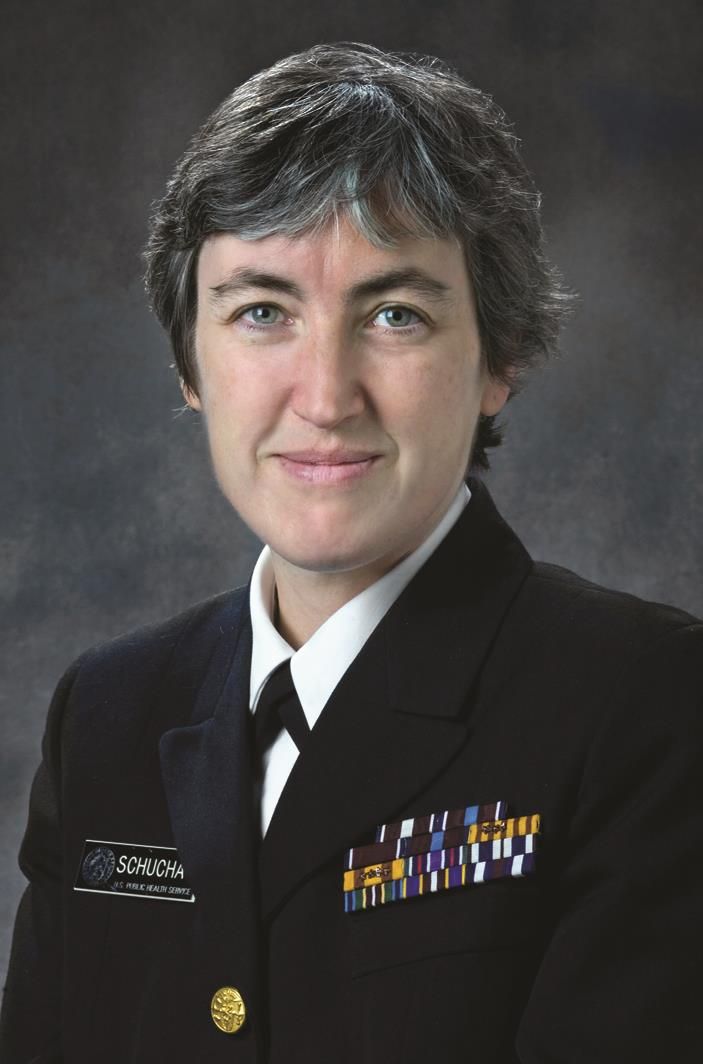
“Suicide is preventable; that’s why it is important to understand all the factors,” Anne Schuchat, MD, principal deputy director of the Centers for Disease Control and Prevention, said in a June 7 teleconference announcing the findings. Although mental health conditions often are seen as the cause of suicide, the results highlight the need to address other factors, including relationship problems, substance abuse, trouble with life transitions, and financial difficulties.
In a Vital Signs report published June 7, a team of CDC researchers led by Deborah M. Stone, ScD, reviewed data from suicide rates by state from 1999-2016. To examine the circumstances of suicide among individuals with and without mental health conditions, the researchers also reviewed data from the CDC’s National Violent Death Reporting System for 2015, which included 27 states.
Although rates increased among all age groups,.
Overall, 54% of the suicides in 2016 had no mental health diagnosis. Compared with those with a mental health diagnosis, those without a diagnosis were more likely to be male, part of an ethnic minority, and to have a history of homicide. In addition, those without known mental health conditions were more likely to have served in the military.
The most common causes of suicide were firearms, hanging/suffocation/strangulation, and poisoning.
Individuals without known mental health conditions were significantly more likely than those with mental health con-ditions to have used firearms (55% vs. 41%) and significantly less likely to die from hanging/suffocation/strangulation (27% vs. 31%) or poisoning (10% vs. 20%) in adjusted models, the researchers noted.
“If we only look at this as a mental health issue, we won’t make the progress that we need,” Dr. Schuchat said. She urged health professionals, community organizations, government organizations, and the public at large to learn to rec-ognize warning signs and factors that can lead to suicide.
To help achieve the national goal of a 20% reduction in the annual suicide rate by 2025, the CDC has developed a technical package of recommendations for policies, prevention strategies, and resources aimed at communities and states.
In addition, “Health care providers have an important role to play” to prevent those at risk for suicide from falling through the cracks, Dr. Schuchat said. She noted the importance of protocols for patient safety and support, and she stressed that health providers should be especially vigilant during times of life transition such as changes in relationship stages, leaving for college, retirement, financial insecurity, or the loss of a loved one.
“We don’t think we can just leave this to the mental health discipline,” Dr. Schuchat noted. “Preventing suicide takes everyone; everyone in the community can help by learning the warning signs,” she said.
cpnews@mdedge.com
SOURCE: Stone D et al. MMWR. 2018 Jun 7; 67(22):617-24
About 45,000 individuals in the United States took their own lives in 2016, and about half of them had no known mental health diagnosis at the time of death, based on data from the Centers for Disease Control and Prevention. Suicide rates rose by approximately 30% across all age groups up to age 75 years.
“Suicide is preventable; that’s why it is important to understand all the factors,” Anne Schuchat, MD, principal deputy director of the Centers for Disease Control and Prevention, said in a June 7 teleconference announcing the findings. Although mental health conditions often are seen as the cause of suicide, the results highlight the need to address other factors, including relationship problems, substance abuse, trouble with life transitions, and financial difficulties.
In a Vital Signs report published June 7, a team of CDC researchers led by Deborah M. Stone, ScD, reviewed data from suicide rates by state from 1999-2016. To examine the circumstances of suicide among individuals with and without mental health conditions, the researchers also reviewed data from the CDC’s National Violent Death Reporting System for 2015, which included 27 states.
Although rates increased among all age groups,.
Overall, 54% of the suicides in 2016 had no mental health diagnosis. Compared with those with a mental health diagnosis, those without a diagnosis were more likely to be male, part of an ethnic minority, and to have a history of homicide. In addition, those without known mental health conditions were more likely to have served in the military.
The most common causes of suicide were firearms, hanging/suffocation/strangulation, and poisoning.
Individuals without known mental health conditions were significantly more likely than those with mental health con-ditions to have used firearms (55% vs. 41%) and significantly less likely to die from hanging/suffocation/strangulation (27% vs. 31%) or poisoning (10% vs. 20%) in adjusted models, the researchers noted.
“If we only look at this as a mental health issue, we won’t make the progress that we need,” Dr. Schuchat said. She urged health professionals, community organizations, government organizations, and the public at large to learn to rec-ognize warning signs and factors that can lead to suicide.
To help achieve the national goal of a 20% reduction in the annual suicide rate by 2025, the CDC has developed a technical package of recommendations for policies, prevention strategies, and resources aimed at communities and states.
In addition, “Health care providers have an important role to play” to prevent those at risk for suicide from falling through the cracks, Dr. Schuchat said. She noted the importance of protocols for patient safety and support, and she stressed that health providers should be especially vigilant during times of life transition such as changes in relationship stages, leaving for college, retirement, financial insecurity, or the loss of a loved one.
“We don’t think we can just leave this to the mental health discipline,” Dr. Schuchat noted. “Preventing suicide takes everyone; everyone in the community can help by learning the warning signs,” she said.
cpnews@mdedge.com
SOURCE: Stone D et al. MMWR. 2018 Jun 7; 67(22):617-24
About 45,000 individuals in the United States took their own lives in 2016, and about half of them had no known mental health diagnosis at the time of death, based on data from the Centers for Disease Control and Prevention. Suicide rates rose by approximately 30% across all age groups up to age 75 years.
“Suicide is preventable; that’s why it is important to understand all the factors,” Anne Schuchat, MD, principal deputy director of the Centers for Disease Control and Prevention, said in a June 7 teleconference announcing the findings. Although mental health conditions often are seen as the cause of suicide, the results highlight the need to address other factors, including relationship problems, substance abuse, trouble with life transitions, and financial difficulties.
In a Vital Signs report published June 7, a team of CDC researchers led by Deborah M. Stone, ScD, reviewed data from suicide rates by state from 1999-2016. To examine the circumstances of suicide among individuals with and without mental health conditions, the researchers also reviewed data from the CDC’s National Violent Death Reporting System for 2015, which included 27 states.
Although rates increased among all age groups,.
Overall, 54% of the suicides in 2016 had no mental health diagnosis. Compared with those with a mental health diagnosis, those without a diagnosis were more likely to be male, part of an ethnic minority, and to have a history of homicide. In addition, those without known mental health conditions were more likely to have served in the military.
The most common causes of suicide were firearms, hanging/suffocation/strangulation, and poisoning.
Individuals without known mental health conditions were significantly more likely than those with mental health con-ditions to have used firearms (55% vs. 41%) and significantly less likely to die from hanging/suffocation/strangulation (27% vs. 31%) or poisoning (10% vs. 20%) in adjusted models, the researchers noted.
“If we only look at this as a mental health issue, we won’t make the progress that we need,” Dr. Schuchat said. She urged health professionals, community organizations, government organizations, and the public at large to learn to rec-ognize warning signs and factors that can lead to suicide.
To help achieve the national goal of a 20% reduction in the annual suicide rate by 2025, the CDC has developed a technical package of recommendations for policies, prevention strategies, and resources aimed at communities and states.
In addition, “Health care providers have an important role to play” to prevent those at risk for suicide from falling through the cracks, Dr. Schuchat said. She noted the importance of protocols for patient safety and support, and she stressed that health providers should be especially vigilant during times of life transition such as changes in relationship stages, leaving for college, retirement, financial insecurity, or the loss of a loved one.
“We don’t think we can just leave this to the mental health discipline,” Dr. Schuchat noted. “Preventing suicide takes everyone; everyone in the community can help by learning the warning signs,” she said.
cpnews@mdedge.com
SOURCE: Stone D et al. MMWR. 2018 Jun 7; 67(22):617-24
Bezafibrate shows promise as second-line option for PBC
Nearly one-third of patients with primary biliary cholangitis treated with bezafibrate showed clinical improvement after 24 months, according to data from a randomized trial of 100 adults.
Ursodeoxycholic acid remains the standard first-line therapy for primary biliary cholangitis (PBC), but many patients have an incomplete response to the treatment, and consequently their long-term survival is limited, wrote Christophe Corpechot, MD, of Sorbonne University, Paris, and his colleagues. PBC is also known as primary biliary cirrhosis.
In the BEZURSO trial (Bezafibrate in Combination with Ursodeoxycholic Acid in Primary Biliary Cirrhosis), published in the New England Journal of Medicine, the researchers randomized 100 primary PBC patients with an inadequate response to ursodeoxycholic acid to receive 400 mg per day of bezafibrate or a placebo for 24 months. Inadequate response was defined as “a serum level of alkaline phosphatase or aspartate aminotransferase more than 1.5 times the upper limit of the normal range or an abnormal total bilirubin level, assessed after at least 6 months of treatment with ursodeoxycholic acid,” the researchers said.
Baseline demographics were not significantly different between the groups. The average age of the patients was 53 years, and 95% were white women.
After 24 months, 31% of the patients in the treatment group met the primary outcome, which was the achievement of normal levels of alkaline phosphatase, aspartate aminotransferase, alanine aminotransferase, total bilirubin, and albumin, plus a normal prothrombin index. By contrast, none of the patients in the placebo group achieved the primary outcome.
In particular, bezafibrate patients showed a 60% reduction in alkaline phosphatase levels from baseline to 3 months, and a 14% decrease in total bilirubin from baseline during the course of the study.
Clinical outcomes were similar between the groups; 20% of the bezafibrate group and 18% of the placebo group developed portal hypertension, and two patients in each group developed liver complications. No deaths occurred in either group during the study. Approximately half of the patients in each group reported adverse events. Serious adverse events occurred in 14 bezafibrate patients and 12 placebo patients.
The findings were limited by the small study population, which prevented assessment of bezafibrate on liver transplantation and death, and by the limited histologic data to look at the impact on liver fibrosis and hepatic inflammation, the researchers said.
However, the results support the use of bezafibrate as an add-on to ursodeoxycholic acid in PBC patients, and merit larger, longer studies, they noted.
The study was supported by the Programme Hospitalier de Recherche Clinique 2010, Ministry of Health, and Arrow Génériques. Dr. Corpechot disclosed relationships with companies including Intercept France, Inventiva Pharma, and GlaxoSmithKline.
SOURCE: Corpechot C et al. N Engl J Med. 2018 June 6. doi: 10.1056/NEJMoa1714519.
The BEZURSO study findings “merit cautious excitement,” Elizabeth J. Carey, MD, wrote in an editorial.
“This pivotal trial effectively doubles the limited options for second-line therapy of primary biliary cholangitis,” she said.
Approximately 40% of primary biliary cholangitis patients fail to respond adequately to ursodeoxycholic acid, the first-line therapy, and they remain at risk for progression of liver disease and liver failure, wrote Dr. Carey. Bezafibrate is the first drug to generate improvement in these patients not only in measures of biochemical markers, but also measures of fibrosis and disease symptoms, she said. Patient reports of reduced itching and lower levels of fatigue are worth noting, although they were not the primary outcomes, said Dr. Carey.
“Improvement in patient-reported outcomes prompts the question of whether there is a role for the use of bezafibrate for the management of fatigue or pruritus, even in patients who have a biochemical response to ursodeoxycholic acid,” she noted (N Engl J Med. 2018 June 6. doi: 10.1056/NEJMe1804945).
Despite the promising results, challenges remain for primary biliary cholangitis patients, as approximately 70% did not meet the primary outcome, and those with more severe disease were less likely to respond, Dr. Carey said. However, she added, any agent “that both delays disease progression and alleviates symptoms is a potential boon for patients with the debilitating symptoms of primary biliary cholangitis.”
Dr. Carey is affiliated with the Mayo Clinic in Phoenix, Ariz. Disclosure forms provided by the author are available at NEJM.org.
The BEZURSO study findings “merit cautious excitement,” Elizabeth J. Carey, MD, wrote in an editorial.
“This pivotal trial effectively doubles the limited options for second-line therapy of primary biliary cholangitis,” she said.
Approximately 40% of primary biliary cholangitis patients fail to respond adequately to ursodeoxycholic acid, the first-line therapy, and they remain at risk for progression of liver disease and liver failure, wrote Dr. Carey. Bezafibrate is the first drug to generate improvement in these patients not only in measures of biochemical markers, but also measures of fibrosis and disease symptoms, she said. Patient reports of reduced itching and lower levels of fatigue are worth noting, although they were not the primary outcomes, said Dr. Carey.
“Improvement in patient-reported outcomes prompts the question of whether there is a role for the use of bezafibrate for the management of fatigue or pruritus, even in patients who have a biochemical response to ursodeoxycholic acid,” she noted (N Engl J Med. 2018 June 6. doi: 10.1056/NEJMe1804945).
Despite the promising results, challenges remain for primary biliary cholangitis patients, as approximately 70% did not meet the primary outcome, and those with more severe disease were less likely to respond, Dr. Carey said. However, she added, any agent “that both delays disease progression and alleviates symptoms is a potential boon for patients with the debilitating symptoms of primary biliary cholangitis.”
Dr. Carey is affiliated with the Mayo Clinic in Phoenix, Ariz. Disclosure forms provided by the author are available at NEJM.org.
The BEZURSO study findings “merit cautious excitement,” Elizabeth J. Carey, MD, wrote in an editorial.
“This pivotal trial effectively doubles the limited options for second-line therapy of primary biliary cholangitis,” she said.
Approximately 40% of primary biliary cholangitis patients fail to respond adequately to ursodeoxycholic acid, the first-line therapy, and they remain at risk for progression of liver disease and liver failure, wrote Dr. Carey. Bezafibrate is the first drug to generate improvement in these patients not only in measures of biochemical markers, but also measures of fibrosis and disease symptoms, she said. Patient reports of reduced itching and lower levels of fatigue are worth noting, although they were not the primary outcomes, said Dr. Carey.
“Improvement in patient-reported outcomes prompts the question of whether there is a role for the use of bezafibrate for the management of fatigue or pruritus, even in patients who have a biochemical response to ursodeoxycholic acid,” she noted (N Engl J Med. 2018 June 6. doi: 10.1056/NEJMe1804945).
Despite the promising results, challenges remain for primary biliary cholangitis patients, as approximately 70% did not meet the primary outcome, and those with more severe disease were less likely to respond, Dr. Carey said. However, she added, any agent “that both delays disease progression and alleviates symptoms is a potential boon for patients with the debilitating symptoms of primary biliary cholangitis.”
Dr. Carey is affiliated with the Mayo Clinic in Phoenix, Ariz. Disclosure forms provided by the author are available at NEJM.org.
Nearly one-third of patients with primary biliary cholangitis treated with bezafibrate showed clinical improvement after 24 months, according to data from a randomized trial of 100 adults.
Ursodeoxycholic acid remains the standard first-line therapy for primary biliary cholangitis (PBC), but many patients have an incomplete response to the treatment, and consequently their long-term survival is limited, wrote Christophe Corpechot, MD, of Sorbonne University, Paris, and his colleagues. PBC is also known as primary biliary cirrhosis.
In the BEZURSO trial (Bezafibrate in Combination with Ursodeoxycholic Acid in Primary Biliary Cirrhosis), published in the New England Journal of Medicine, the researchers randomized 100 primary PBC patients with an inadequate response to ursodeoxycholic acid to receive 400 mg per day of bezafibrate or a placebo for 24 months. Inadequate response was defined as “a serum level of alkaline phosphatase or aspartate aminotransferase more than 1.5 times the upper limit of the normal range or an abnormal total bilirubin level, assessed after at least 6 months of treatment with ursodeoxycholic acid,” the researchers said.
Baseline demographics were not significantly different between the groups. The average age of the patients was 53 years, and 95% were white women.
After 24 months, 31% of the patients in the treatment group met the primary outcome, which was the achievement of normal levels of alkaline phosphatase, aspartate aminotransferase, alanine aminotransferase, total bilirubin, and albumin, plus a normal prothrombin index. By contrast, none of the patients in the placebo group achieved the primary outcome.
In particular, bezafibrate patients showed a 60% reduction in alkaline phosphatase levels from baseline to 3 months, and a 14% decrease in total bilirubin from baseline during the course of the study.
Clinical outcomes were similar between the groups; 20% of the bezafibrate group and 18% of the placebo group developed portal hypertension, and two patients in each group developed liver complications. No deaths occurred in either group during the study. Approximately half of the patients in each group reported adverse events. Serious adverse events occurred in 14 bezafibrate patients and 12 placebo patients.
The findings were limited by the small study population, which prevented assessment of bezafibrate on liver transplantation and death, and by the limited histologic data to look at the impact on liver fibrosis and hepatic inflammation, the researchers said.
However, the results support the use of bezafibrate as an add-on to ursodeoxycholic acid in PBC patients, and merit larger, longer studies, they noted.
The study was supported by the Programme Hospitalier de Recherche Clinique 2010, Ministry of Health, and Arrow Génériques. Dr. Corpechot disclosed relationships with companies including Intercept France, Inventiva Pharma, and GlaxoSmithKline.
SOURCE: Corpechot C et al. N Engl J Med. 2018 June 6. doi: 10.1056/NEJMoa1714519.
Nearly one-third of patients with primary biliary cholangitis treated with bezafibrate showed clinical improvement after 24 months, according to data from a randomized trial of 100 adults.
Ursodeoxycholic acid remains the standard first-line therapy for primary biliary cholangitis (PBC), but many patients have an incomplete response to the treatment, and consequently their long-term survival is limited, wrote Christophe Corpechot, MD, of Sorbonne University, Paris, and his colleagues. PBC is also known as primary biliary cirrhosis.
In the BEZURSO trial (Bezafibrate in Combination with Ursodeoxycholic Acid in Primary Biliary Cirrhosis), published in the New England Journal of Medicine, the researchers randomized 100 primary PBC patients with an inadequate response to ursodeoxycholic acid to receive 400 mg per day of bezafibrate or a placebo for 24 months. Inadequate response was defined as “a serum level of alkaline phosphatase or aspartate aminotransferase more than 1.5 times the upper limit of the normal range or an abnormal total bilirubin level, assessed after at least 6 months of treatment with ursodeoxycholic acid,” the researchers said.
Baseline demographics were not significantly different between the groups. The average age of the patients was 53 years, and 95% were white women.
After 24 months, 31% of the patients in the treatment group met the primary outcome, which was the achievement of normal levels of alkaline phosphatase, aspartate aminotransferase, alanine aminotransferase, total bilirubin, and albumin, plus a normal prothrombin index. By contrast, none of the patients in the placebo group achieved the primary outcome.
In particular, bezafibrate patients showed a 60% reduction in alkaline phosphatase levels from baseline to 3 months, and a 14% decrease in total bilirubin from baseline during the course of the study.
Clinical outcomes were similar between the groups; 20% of the bezafibrate group and 18% of the placebo group developed portal hypertension, and two patients in each group developed liver complications. No deaths occurred in either group during the study. Approximately half of the patients in each group reported adverse events. Serious adverse events occurred in 14 bezafibrate patients and 12 placebo patients.
The findings were limited by the small study population, which prevented assessment of bezafibrate on liver transplantation and death, and by the limited histologic data to look at the impact on liver fibrosis and hepatic inflammation, the researchers said.
However, the results support the use of bezafibrate as an add-on to ursodeoxycholic acid in PBC patients, and merit larger, longer studies, they noted.
The study was supported by the Programme Hospitalier de Recherche Clinique 2010, Ministry of Health, and Arrow Génériques. Dr. Corpechot disclosed relationships with companies including Intercept France, Inventiva Pharma, and GlaxoSmithKline.
SOURCE: Corpechot C et al. N Engl J Med. 2018 June 6. doi: 10.1056/NEJMoa1714519.
FROM NEW ENGLAND JOURNAL OF MEDICINE
Key clinical point: Primary biliary cholangitis patients who took bezafibrate showed decreases in alkaline phosphatase levels and total bilirubin.
Major finding: A total of 31% of patients who took bezafibrate achieved normal levels of disease biomarkers after 24 months compared with 0% of placebo patients.
Study details: The data come from a double-blind, placebo-controlled trial of 100 adults with primary biliary cholangitis at 21 medical centers in France.
Disclosures: Programme Hospitalier de Recherche Clinique 2010 (Ministry of Health) and Arrow Génériques supported the study. Dr. Corpechot disclosed relationships with companies including Intercept France, Inventiva Pharma, and GlaxoSmithKline.
Source: Corpechot C et al. N Engl J Med. 2018 June 6. doi: 10.1056/NEJMoa1714519.
FDA alerts clinicians to gastric balloon deaths
according to an alert from the Food and Drug Administration issued on June 4.
Seven of these deaths occurred in patients in the United States; four involved the ORBERA Intragastric Balloon System, and three involved the ReShape Integrated Dual Balloon System.
The FDA has approved updated labeling for the ORBERA and ReShape balloon systems in the United States. The labels contain more information about possible death associated with the use of these devices in the United States. The manufacturers’ sites, Apollo Endosurgery and ReShape Lifesciences, provide more details about the new labeling.
In a letter to health care providers, the FDA advised clinicians to educate bariatric surgery patients about the symptoms of complications from balloon procedures, including not only gastric perforation but also esophageal perforation, balloon deflation, gastrointestinal obstruction, and ulceration. In addition, the FDA reminded clinicians to monitor patients during the entire course of treatment for additional complications, including acute pancreatitis and spontaneous hyperinflation.
Any adverse events involving intragastric balloon systems should be reported to the FDA through MedWatch, the FDA Safety Information and Adverse Event Reporting program.
according to an alert from the Food and Drug Administration issued on June 4.
Seven of these deaths occurred in patients in the United States; four involved the ORBERA Intragastric Balloon System, and three involved the ReShape Integrated Dual Balloon System.
The FDA has approved updated labeling for the ORBERA and ReShape balloon systems in the United States. The labels contain more information about possible death associated with the use of these devices in the United States. The manufacturers’ sites, Apollo Endosurgery and ReShape Lifesciences, provide more details about the new labeling.
In a letter to health care providers, the FDA advised clinicians to educate bariatric surgery patients about the symptoms of complications from balloon procedures, including not only gastric perforation but also esophageal perforation, balloon deflation, gastrointestinal obstruction, and ulceration. In addition, the FDA reminded clinicians to monitor patients during the entire course of treatment for additional complications, including acute pancreatitis and spontaneous hyperinflation.
Any adverse events involving intragastric balloon systems should be reported to the FDA through MedWatch, the FDA Safety Information and Adverse Event Reporting program.
according to an alert from the Food and Drug Administration issued on June 4.
Seven of these deaths occurred in patients in the United States; four involved the ORBERA Intragastric Balloon System, and three involved the ReShape Integrated Dual Balloon System.
The FDA has approved updated labeling for the ORBERA and ReShape balloon systems in the United States. The labels contain more information about possible death associated with the use of these devices in the United States. The manufacturers’ sites, Apollo Endosurgery and ReShape Lifesciences, provide more details about the new labeling.
In a letter to health care providers, the FDA advised clinicians to educate bariatric surgery patients about the symptoms of complications from balloon procedures, including not only gastric perforation but also esophageal perforation, balloon deflation, gastrointestinal obstruction, and ulceration. In addition, the FDA reminded clinicians to monitor patients during the entire course of treatment for additional complications, including acute pancreatitis and spontaneous hyperinflation.
Any adverse events involving intragastric balloon systems should be reported to the FDA through MedWatch, the FDA Safety Information and Adverse Event Reporting program.
Hospital safety program curbs surgical site infections
The Agency for Healthcare Research and Quality (AHRQ) designed the program to reduce surgical site infections (SSIs), which are harmful to patients and expensive for the health care system, wrote Della M. Lin, MD, of Johns Hopkins University, Baltimore, and the department of surgery at the University of Hawaii, Honolulu, and her colleagues.
In a study published in the Journal of the American College of Surgeons, the researchers reviewed data from a statewide intervention conducted at 15 hospitals in Hawaii from January 2013 to June 2015. The intervention included the Comprehensive Unit-based Safety Program and individualized interventions for each hospital to help reduce SSIs. The primary outcome was the number of colorectal SSIs. A secondary outcome of hospital safety culture was assessed using the AHRQ Hospital Survey on Patient Safety Culture. The participating hospitals ranged from a 25-bed critical-access hospital to a 533-bed academic medical center.
Overall, the colorectal SSI rate decreased significantly (from 12% to 5%) from the first quarter of 2013 to the second quarter of 2015, with a significant linear decrease over the study period. The rate of superficial SSIs decreased significantly, falling from 8% to 3%. However, the rate of deep SSIs was not significantly different before and after the intervention program (2% vs. 0%), nor was the organ space SSI rate (3% vs. 2%). The standardized infection ratio decreased from 1.83 to 0.92.
The culture of safety in the hospitals improved, but more modestly, in 10 of 12 areas that were measured over the study period.
The overall perception of patient safety improved from 49% to 53%, teamwork across different units improved from 49% to 54%, management and support for patient safety improved from 53% to 60%, and nonpunitive response to errors improved from 36% to 40%.
In addition, communication and openness improved from 50% to 53%, frequency of reported events improved from 51% to 60%, feedback and communication about errors improved from 52% to 59%, organizational learning and continuous improvement increased from 59% to 70%, teamwork within units improved from 68% to 75%, and expectations and actions by supervisors and managers to promote safety improved from 58% to 64%. Staff responses reflect agreement on improvement in the areas of issues of communication, feedback mechanisms, and teamwork, but the change in culture was not on the order of the SSI change.
The most common interventions to reduce SSIs were the use of reliable chlorhexidine wash or wipe before surgery/surgical prep; appropriate use of antibiotics with respect to selection, dosage, and timing; standardized postsurgical debriefing; and differentiating clean/dirty/clean in the use of anastomosis trays and closing trays.
One bundle component, the implementation of the standard operating room debrief, was found to be of particular value to participants. The investigators noted that debrief questions such as “What went well?” and “What needs to be improved?” had “encouraged new processes of thinking beyond first-order problem solving. The debrief challenge embraced by the teams emphasized that ‘bundles’ did not consist of only technical interventions [e.g. clean/dirty trays, chlorhexidine gluconate wipes in preop], but embedded culture interventions—new processes for problem solving.”
The study findings were limited by several factors, such as the use of public SSI data that were not audited for accuracy and the inability to monitor the reliability of the implementation of the various interventions, the researchers said. In addition, “In this current study, there was a change in SSI rates and a change in safety culture, but correlations between the two were negligible or weak for most domains of safety culture,” they noted. The question of sustainability of the SSI improvement without the concomitant staff support of culture change was not addressed by the investigators.
However, the results suggest that a 62% decrease is robust, and that for some hospitals with a low volume of colorectal cases, “teams could attend to iteratively reduce surgical harm beyond SSI,” the researchers wrote.
The study was supported in part by the AHRQ. Dr. Lin disclosed serving as a board member and as a paid independent contractor to the Hawaii Medical Service Association. Her coauthors had no financial conflicts to disclose.
SOURCE: Lin DM et al. J Am Coll Surg. 2018 May 18. doi: 10.1016/j.jamcollsurg.2018.04.031.
The Agency for Healthcare Research and Quality (AHRQ) designed the program to reduce surgical site infections (SSIs), which are harmful to patients and expensive for the health care system, wrote Della M. Lin, MD, of Johns Hopkins University, Baltimore, and the department of surgery at the University of Hawaii, Honolulu, and her colleagues.
In a study published in the Journal of the American College of Surgeons, the researchers reviewed data from a statewide intervention conducted at 15 hospitals in Hawaii from January 2013 to June 2015. The intervention included the Comprehensive Unit-based Safety Program and individualized interventions for each hospital to help reduce SSIs. The primary outcome was the number of colorectal SSIs. A secondary outcome of hospital safety culture was assessed using the AHRQ Hospital Survey on Patient Safety Culture. The participating hospitals ranged from a 25-bed critical-access hospital to a 533-bed academic medical center.
Overall, the colorectal SSI rate decreased significantly (from 12% to 5%) from the first quarter of 2013 to the second quarter of 2015, with a significant linear decrease over the study period. The rate of superficial SSIs decreased significantly, falling from 8% to 3%. However, the rate of deep SSIs was not significantly different before and after the intervention program (2% vs. 0%), nor was the organ space SSI rate (3% vs. 2%). The standardized infection ratio decreased from 1.83 to 0.92.
The culture of safety in the hospitals improved, but more modestly, in 10 of 12 areas that were measured over the study period.
The overall perception of patient safety improved from 49% to 53%, teamwork across different units improved from 49% to 54%, management and support for patient safety improved from 53% to 60%, and nonpunitive response to errors improved from 36% to 40%.
In addition, communication and openness improved from 50% to 53%, frequency of reported events improved from 51% to 60%, feedback and communication about errors improved from 52% to 59%, organizational learning and continuous improvement increased from 59% to 70%, teamwork within units improved from 68% to 75%, and expectations and actions by supervisors and managers to promote safety improved from 58% to 64%. Staff responses reflect agreement on improvement in the areas of issues of communication, feedback mechanisms, and teamwork, but the change in culture was not on the order of the SSI change.
The most common interventions to reduce SSIs were the use of reliable chlorhexidine wash or wipe before surgery/surgical prep; appropriate use of antibiotics with respect to selection, dosage, and timing; standardized postsurgical debriefing; and differentiating clean/dirty/clean in the use of anastomosis trays and closing trays.
One bundle component, the implementation of the standard operating room debrief, was found to be of particular value to participants. The investigators noted that debrief questions such as “What went well?” and “What needs to be improved?” had “encouraged new processes of thinking beyond first-order problem solving. The debrief challenge embraced by the teams emphasized that ‘bundles’ did not consist of only technical interventions [e.g. clean/dirty trays, chlorhexidine gluconate wipes in preop], but embedded culture interventions—new processes for problem solving.”
The study findings were limited by several factors, such as the use of public SSI data that were not audited for accuracy and the inability to monitor the reliability of the implementation of the various interventions, the researchers said. In addition, “In this current study, there was a change in SSI rates and a change in safety culture, but correlations between the two were negligible or weak for most domains of safety culture,” they noted. The question of sustainability of the SSI improvement without the concomitant staff support of culture change was not addressed by the investigators.
However, the results suggest that a 62% decrease is robust, and that for some hospitals with a low volume of colorectal cases, “teams could attend to iteratively reduce surgical harm beyond SSI,” the researchers wrote.
The study was supported in part by the AHRQ. Dr. Lin disclosed serving as a board member and as a paid independent contractor to the Hawaii Medical Service Association. Her coauthors had no financial conflicts to disclose.
SOURCE: Lin DM et al. J Am Coll Surg. 2018 May 18. doi: 10.1016/j.jamcollsurg.2018.04.031.
The Agency for Healthcare Research and Quality (AHRQ) designed the program to reduce surgical site infections (SSIs), which are harmful to patients and expensive for the health care system, wrote Della M. Lin, MD, of Johns Hopkins University, Baltimore, and the department of surgery at the University of Hawaii, Honolulu, and her colleagues.
In a study published in the Journal of the American College of Surgeons, the researchers reviewed data from a statewide intervention conducted at 15 hospitals in Hawaii from January 2013 to June 2015. The intervention included the Comprehensive Unit-based Safety Program and individualized interventions for each hospital to help reduce SSIs. The primary outcome was the number of colorectal SSIs. A secondary outcome of hospital safety culture was assessed using the AHRQ Hospital Survey on Patient Safety Culture. The participating hospitals ranged from a 25-bed critical-access hospital to a 533-bed academic medical center.
Overall, the colorectal SSI rate decreased significantly (from 12% to 5%) from the first quarter of 2013 to the second quarter of 2015, with a significant linear decrease over the study period. The rate of superficial SSIs decreased significantly, falling from 8% to 3%. However, the rate of deep SSIs was not significantly different before and after the intervention program (2% vs. 0%), nor was the organ space SSI rate (3% vs. 2%). The standardized infection ratio decreased from 1.83 to 0.92.
The culture of safety in the hospitals improved, but more modestly, in 10 of 12 areas that were measured over the study period.
The overall perception of patient safety improved from 49% to 53%, teamwork across different units improved from 49% to 54%, management and support for patient safety improved from 53% to 60%, and nonpunitive response to errors improved from 36% to 40%.
In addition, communication and openness improved from 50% to 53%, frequency of reported events improved from 51% to 60%, feedback and communication about errors improved from 52% to 59%, organizational learning and continuous improvement increased from 59% to 70%, teamwork within units improved from 68% to 75%, and expectations and actions by supervisors and managers to promote safety improved from 58% to 64%. Staff responses reflect agreement on improvement in the areas of issues of communication, feedback mechanisms, and teamwork, but the change in culture was not on the order of the SSI change.
The most common interventions to reduce SSIs were the use of reliable chlorhexidine wash or wipe before surgery/surgical prep; appropriate use of antibiotics with respect to selection, dosage, and timing; standardized postsurgical debriefing; and differentiating clean/dirty/clean in the use of anastomosis trays and closing trays.
One bundle component, the implementation of the standard operating room debrief, was found to be of particular value to participants. The investigators noted that debrief questions such as “What went well?” and “What needs to be improved?” had “encouraged new processes of thinking beyond first-order problem solving. The debrief challenge embraced by the teams emphasized that ‘bundles’ did not consist of only technical interventions [e.g. clean/dirty trays, chlorhexidine gluconate wipes in preop], but embedded culture interventions—new processes for problem solving.”
The study findings were limited by several factors, such as the use of public SSI data that were not audited for accuracy and the inability to monitor the reliability of the implementation of the various interventions, the researchers said. In addition, “In this current study, there was a change in SSI rates and a change in safety culture, but correlations between the two were negligible or weak for most domains of safety culture,” they noted. The question of sustainability of the SSI improvement without the concomitant staff support of culture change was not addressed by the investigators.
However, the results suggest that a 62% decrease is robust, and that for some hospitals with a low volume of colorectal cases, “teams could attend to iteratively reduce surgical harm beyond SSI,” the researchers wrote.
The study was supported in part by the AHRQ. Dr. Lin disclosed serving as a board member and as a paid independent contractor to the Hawaii Medical Service Association. Her coauthors had no financial conflicts to disclose.
SOURCE: Lin DM et al. J Am Coll Surg. 2018 May 18. doi: 10.1016/j.jamcollsurg.2018.04.031.
FROM THE JOURNAL OF THE AMERICAN COLLEGE OF SURGEONS
Key clinical point: Hospital participation in an Agency for Healthcare Research and Quality safety program improved safety culture and reduced surgical site infections.
Major finding: Surgical site infections among colorectal surgery patients decreased by 61.7% after the intervention.
Study details: The data come from a cohort study of 15 hospitals in Hawaii from January 2013 to June 2015.
Disclosures: The study was supported in part by the AHRQ. Dr. Lin disclosed serving as a board member and as a paid independent contractor to the Hawaii Medical Service Association. Her coauthors had no financial conflicts to disclose.
Source: Lin DM et al. J Am Coll Surg. 2018 May 18. doi: 10.1016/j.jamcollsurg.2018.04.031.
Blood type A linked to more-severe diarrhea
Diarrhea associated with enterotoxigenic Escherichia coli (ETEC) infection is more severe among individuals with blood type A, based on data from 106 adults exposed to the agent.
The reseachers speculate that the increased severity is related, in part, to the presence of an adhesin molecule known as EtpA, which binds to the surface of the cells and combines with blood group A glycans to promote a more severe infection.
“Our studies suggest that the many ETEC strains that produce the EtpA adhesin may be particularly well equipped to preferentially infect hosts who express A blood group antigen on mucosal surfaces,” wrote Pardeep Kumar, MD, of Washington University, Saint Louis, and his colleagues.
ETEC, associated with choleralike illness, remains a major cause of infectious diarrhea in developing countries. No current vaccine offers significant protection against it, but EtpA may be useful in vaccine development. “More recently discovered virulence factors and an improved understanding of ETEC microbial pathogenesis could offer additional avenues to protect those at highest risk for severe disease and uncover novel molecular targets for future vaccine development,” the researchers said.
In a study published in the Journal of Clinical Investigation, the researchers examined blood samples from 106 adults who had participated in previous human infection model studies. The volunteers were challenged with an ETEC strain known as H10407 that was originally isolated from a case of choleralike illness.
Diarrhea was more frequent among A blood type individuals, compared with other types. Individuals with B or O blood types were significantly more likely to have no diarrhea or mild diarrhea after the E. coli challenge, compared with type A individuals (44% vs. 19%).
Overall, significantly more individuals with A or AB blood types developed moderate to severe diarrhea, compared with those with B or O blood types (81% vs. 56%). In addition, significantly more individuals with blood type A needed early initiation of antibiotic therapy, compared with those with B or O blood types (72% vs. 43%).
The study findings were limited by several factors, including the use of higher levels of bacteria to cause the infection than a typical exposure in nature. Also, the volunteers were treated with antibiotics once they met the criteria for severe diarrhea.
The researchers also noted that other blood group A lectins in addition to EtpA may not have been identified.
“While our recent studies have potentially important clinical and [vaccinological] implications, further study of the relationship between blood group, disease severity, and antigen expression could guide and inform use of these antigens in vaccines,” they wrote.
The study was supported by funds from the Enteric Vaccine Initiative of PATH, the Department of Veterans Affairs, the National Institutes of Health, and the Digestive Diseases Research Core Center at Washington University School of Medicine, St. Louis. The researchers had no financial conflicts to disclose.
SOURCE: Kumar P et al. J Clin Invest. 2018 May 17. doi: 10.1172/JCI97659.
Diarrhea associated with enterotoxigenic Escherichia coli (ETEC) infection is more severe among individuals with blood type A, based on data from 106 adults exposed to the agent.
The reseachers speculate that the increased severity is related, in part, to the presence of an adhesin molecule known as EtpA, which binds to the surface of the cells and combines with blood group A glycans to promote a more severe infection.
“Our studies suggest that the many ETEC strains that produce the EtpA adhesin may be particularly well equipped to preferentially infect hosts who express A blood group antigen on mucosal surfaces,” wrote Pardeep Kumar, MD, of Washington University, Saint Louis, and his colleagues.
ETEC, associated with choleralike illness, remains a major cause of infectious diarrhea in developing countries. No current vaccine offers significant protection against it, but EtpA may be useful in vaccine development. “More recently discovered virulence factors and an improved understanding of ETEC microbial pathogenesis could offer additional avenues to protect those at highest risk for severe disease and uncover novel molecular targets for future vaccine development,” the researchers said.
In a study published in the Journal of Clinical Investigation, the researchers examined blood samples from 106 adults who had participated in previous human infection model studies. The volunteers were challenged with an ETEC strain known as H10407 that was originally isolated from a case of choleralike illness.
Diarrhea was more frequent among A blood type individuals, compared with other types. Individuals with B or O blood types were significantly more likely to have no diarrhea or mild diarrhea after the E. coli challenge, compared with type A individuals (44% vs. 19%).
Overall, significantly more individuals with A or AB blood types developed moderate to severe diarrhea, compared with those with B or O blood types (81% vs. 56%). In addition, significantly more individuals with blood type A needed early initiation of antibiotic therapy, compared with those with B or O blood types (72% vs. 43%).
The study findings were limited by several factors, including the use of higher levels of bacteria to cause the infection than a typical exposure in nature. Also, the volunteers were treated with antibiotics once they met the criteria for severe diarrhea.
The researchers also noted that other blood group A lectins in addition to EtpA may not have been identified.
“While our recent studies have potentially important clinical and [vaccinological] implications, further study of the relationship between blood group, disease severity, and antigen expression could guide and inform use of these antigens in vaccines,” they wrote.
The study was supported by funds from the Enteric Vaccine Initiative of PATH, the Department of Veterans Affairs, the National Institutes of Health, and the Digestive Diseases Research Core Center at Washington University School of Medicine, St. Louis. The researchers had no financial conflicts to disclose.
SOURCE: Kumar P et al. J Clin Invest. 2018 May 17. doi: 10.1172/JCI97659.
Diarrhea associated with enterotoxigenic Escherichia coli (ETEC) infection is more severe among individuals with blood type A, based on data from 106 adults exposed to the agent.
The reseachers speculate that the increased severity is related, in part, to the presence of an adhesin molecule known as EtpA, which binds to the surface of the cells and combines with blood group A glycans to promote a more severe infection.
“Our studies suggest that the many ETEC strains that produce the EtpA adhesin may be particularly well equipped to preferentially infect hosts who express A blood group antigen on mucosal surfaces,” wrote Pardeep Kumar, MD, of Washington University, Saint Louis, and his colleagues.
ETEC, associated with choleralike illness, remains a major cause of infectious diarrhea in developing countries. No current vaccine offers significant protection against it, but EtpA may be useful in vaccine development. “More recently discovered virulence factors and an improved understanding of ETEC microbial pathogenesis could offer additional avenues to protect those at highest risk for severe disease and uncover novel molecular targets for future vaccine development,” the researchers said.
In a study published in the Journal of Clinical Investigation, the researchers examined blood samples from 106 adults who had participated in previous human infection model studies. The volunteers were challenged with an ETEC strain known as H10407 that was originally isolated from a case of choleralike illness.
Diarrhea was more frequent among A blood type individuals, compared with other types. Individuals with B or O blood types were significantly more likely to have no diarrhea or mild diarrhea after the E. coli challenge, compared with type A individuals (44% vs. 19%).
Overall, significantly more individuals with A or AB blood types developed moderate to severe diarrhea, compared with those with B or O blood types (81% vs. 56%). In addition, significantly more individuals with blood type A needed early initiation of antibiotic therapy, compared with those with B or O blood types (72% vs. 43%).
The study findings were limited by several factors, including the use of higher levels of bacteria to cause the infection than a typical exposure in nature. Also, the volunteers were treated with antibiotics once they met the criteria for severe diarrhea.
The researchers also noted that other blood group A lectins in addition to EtpA may not have been identified.
“While our recent studies have potentially important clinical and [vaccinological] implications, further study of the relationship between blood group, disease severity, and antigen expression could guide and inform use of these antigens in vaccines,” they wrote.
The study was supported by funds from the Enteric Vaccine Initiative of PATH, the Department of Veterans Affairs, the National Institutes of Health, and the Digestive Diseases Research Core Center at Washington University School of Medicine, St. Louis. The researchers had no financial conflicts to disclose.
SOURCE: Kumar P et al. J Clin Invest. 2018 May 17. doi: 10.1172/JCI97659.
FROM THE JOURNAL OF CLINICAL INVESTIGATION
Key clinical point: Severe diarrhea was significantly more frequent in adults with an A blood type, compared with B or O types.
Major finding: The overall relative risk of moderate to severe diarrhea was 1.44 for A blood groups, compared with non-A blood groups.
Study details: The data come from 106 adult volunteers who had participated in previous human infection model studies.
Disclosures: The study was supported by funds from the PATH Enteric Vaccine Initiative, the Department of Veterans Affairs, the National Institutes of Health, and the Digestive Diseases Research Core Center at Washington University School of Medicine, St. Louis. The researchers had no financial conflicts to disclose.
Source: Kumar P et al. J Clin Invest. 2018 May 17; doi: 10.1172/JCI97659.
Specialty practices hire more physician assistants and nurse practitioners
based on data from a review of approximately 90% of physician practices in the United States.
The employment of advanced practice clinicians in primary care continues to grow, but their presence in specialty practices has not been well studied, wrote Grant R. Martsolf, PhD, of the University of Pittsburgh, and his colleagues. In a study published in JAMA Internal Medicine, the researchers used the proprietary SK&A data set to examine employment in specialty practices between 2008 and 2016.
Overall, 28% of all specialty practices employed advanced practice clinicians in 2016 – a 22% increase from 2008. Nearly half of multispecialty practices (49%) employed advanced practice clinicians, as did at least 25% of dermatology, cardiology, obstetrics-gynecology, orthopedic surgery, and gastroenterology practices.
Plastic surgery and ophthalmology practices were the least likely to employ advanced practice clinicians. Surgical practices were more likely to employ physician assistants than nurse practitioners, but the other specialty practices were more likely to employ NPs than PAs.
The growth in employment of advanced practice clinicians may be driven by factors such as economics and the expanding roles for advanced practice clinicians in specialty practice, the researchers said.
The findings were limited by the inclusion of outpatient providers only, and by the lack of information about the exact duties of advanced practice clinicians in each practice, the researchers noted. However, the results suggest that advanced practice clinicians will become even more prevalent in specialty care, and “future research will need to understand their contributions to access, quality, and value,” they wrote.
The researchers had no financial conflicts to disclose.
SOURCE: Martsolf GR et al. JAMA Intern Med. 2018 Apr 30. doi: 10.1001/jamainternmed.2018.1515 .
based on data from a review of approximately 90% of physician practices in the United States.
The employment of advanced practice clinicians in primary care continues to grow, but their presence in specialty practices has not been well studied, wrote Grant R. Martsolf, PhD, of the University of Pittsburgh, and his colleagues. In a study published in JAMA Internal Medicine, the researchers used the proprietary SK&A data set to examine employment in specialty practices between 2008 and 2016.
Overall, 28% of all specialty practices employed advanced practice clinicians in 2016 – a 22% increase from 2008. Nearly half of multispecialty practices (49%) employed advanced practice clinicians, as did at least 25% of dermatology, cardiology, obstetrics-gynecology, orthopedic surgery, and gastroenterology practices.
Plastic surgery and ophthalmology practices were the least likely to employ advanced practice clinicians. Surgical practices were more likely to employ physician assistants than nurse practitioners, but the other specialty practices were more likely to employ NPs than PAs.
The growth in employment of advanced practice clinicians may be driven by factors such as economics and the expanding roles for advanced practice clinicians in specialty practice, the researchers said.
The findings were limited by the inclusion of outpatient providers only, and by the lack of information about the exact duties of advanced practice clinicians in each practice, the researchers noted. However, the results suggest that advanced practice clinicians will become even more prevalent in specialty care, and “future research will need to understand their contributions to access, quality, and value,” they wrote.
The researchers had no financial conflicts to disclose.
SOURCE: Martsolf GR et al. JAMA Intern Med. 2018 Apr 30. doi: 10.1001/jamainternmed.2018.1515 .
based on data from a review of approximately 90% of physician practices in the United States.
The employment of advanced practice clinicians in primary care continues to grow, but their presence in specialty practices has not been well studied, wrote Grant R. Martsolf, PhD, of the University of Pittsburgh, and his colleagues. In a study published in JAMA Internal Medicine, the researchers used the proprietary SK&A data set to examine employment in specialty practices between 2008 and 2016.
Overall, 28% of all specialty practices employed advanced practice clinicians in 2016 – a 22% increase from 2008. Nearly half of multispecialty practices (49%) employed advanced practice clinicians, as did at least 25% of dermatology, cardiology, obstetrics-gynecology, orthopedic surgery, and gastroenterology practices.
Plastic surgery and ophthalmology practices were the least likely to employ advanced practice clinicians. Surgical practices were more likely to employ physician assistants than nurse practitioners, but the other specialty practices were more likely to employ NPs than PAs.
The growth in employment of advanced practice clinicians may be driven by factors such as economics and the expanding roles for advanced practice clinicians in specialty practice, the researchers said.
The findings were limited by the inclusion of outpatient providers only, and by the lack of information about the exact duties of advanced practice clinicians in each practice, the researchers noted. However, the results suggest that advanced practice clinicians will become even more prevalent in specialty care, and “future research will need to understand their contributions to access, quality, and value,” they wrote.
The researchers had no financial conflicts to disclose.
SOURCE: Martsolf GR et al. JAMA Intern Med. 2018 Apr 30. doi: 10.1001/jamainternmed.2018.1515 .
FROM JAMA INTERNAL MEDICINE
Persistent providers sway parents to accept HPV vaccination
according to data from 43 pediatrician clinic visits at six clinics in Texas.
Vaccine hesitancy is on the rise among parents in the United States, wrote Laura A. Shay, PhD, of the University of Texas School of Public Health, San Antonio, and her colleagues. “Although vaccine hesitancy is subject to influence, to our knowledge, no authors of previous studies have analyzed actual provider discussions with undecided parents to explore how parents express hesitancy about the HPV vaccine and how providers respond.”
Overall, 37 parents expressed hesitancy one or more times in different ways, including assertive responses (such as “No, not right now” or “We need to think about that”) at 27 visits, questions (such as “Is it safe?”) at 16 visits, and concerns (such as “I’m just nervous about it”) at 12 visits.
In responding to these parents, pediatricians used only persistence to promote vaccination in 18 cases, a combination of acquiescence and persistence in 13 cases, and only acquiescence in 6 cases. The teens were vaccinated the same day in 17 of the 18 cases of persistence, compared with only 2 of 13 cases of combined acquiescence and persistence, and none of the 6 cases in which health care providers acquiesced to parents’ concerns without further discussion.
The findings were limited by several factors, including a relatively homogeneous population of low socioeconomic families, too small a sample to determine significance, and possible influence of the audio recorder on behavior, Dr. Shay and her researchers noted. However, the results provide a framework for studies of parental hesitancy in larger and more diverse groups. “Parental hesitancy is an opportunity to practice patient-centered communication. Without understanding the source of parental hesitancy, a provider’s response may not be suitably tailored to counter hesitation”
“With our exploratory examination of the relationship between parent-provider communication about HPV vaccine hesitancy and vaccination behavior, we suggest that persistently engaging parents who express hesitancy can lead to same-day vaccinations and that these conversations are short (approximately 2-3 minutes),” they added.
The study was funded by the National Institutes of Health. Additional support was provided by the Simmons Comprehensive Cancer Center, University of Texas Southwestern Center for Translational Medicine, through the NIH and National Center for Advancing Translational Sciences, and University of Texas Southwestern Center of Patient-Centered Outcomes Research. Dr. Shay and her associates had no financial conflicts.
SOURCE: Shay LA et al. Pediatrics. 2018 May 15. doi: 10. 1542/ peds. 2017- 2312.
according to data from 43 pediatrician clinic visits at six clinics in Texas.
Vaccine hesitancy is on the rise among parents in the United States, wrote Laura A. Shay, PhD, of the University of Texas School of Public Health, San Antonio, and her colleagues. “Although vaccine hesitancy is subject to influence, to our knowledge, no authors of previous studies have analyzed actual provider discussions with undecided parents to explore how parents express hesitancy about the HPV vaccine and how providers respond.”
Overall, 37 parents expressed hesitancy one or more times in different ways, including assertive responses (such as “No, not right now” or “We need to think about that”) at 27 visits, questions (such as “Is it safe?”) at 16 visits, and concerns (such as “I’m just nervous about it”) at 12 visits.
In responding to these parents, pediatricians used only persistence to promote vaccination in 18 cases, a combination of acquiescence and persistence in 13 cases, and only acquiescence in 6 cases. The teens were vaccinated the same day in 17 of the 18 cases of persistence, compared with only 2 of 13 cases of combined acquiescence and persistence, and none of the 6 cases in which health care providers acquiesced to parents’ concerns without further discussion.
The findings were limited by several factors, including a relatively homogeneous population of low socioeconomic families, too small a sample to determine significance, and possible influence of the audio recorder on behavior, Dr. Shay and her researchers noted. However, the results provide a framework for studies of parental hesitancy in larger and more diverse groups. “Parental hesitancy is an opportunity to practice patient-centered communication. Without understanding the source of parental hesitancy, a provider’s response may not be suitably tailored to counter hesitation”
“With our exploratory examination of the relationship between parent-provider communication about HPV vaccine hesitancy and vaccination behavior, we suggest that persistently engaging parents who express hesitancy can lead to same-day vaccinations and that these conversations are short (approximately 2-3 minutes),” they added.
The study was funded by the National Institutes of Health. Additional support was provided by the Simmons Comprehensive Cancer Center, University of Texas Southwestern Center for Translational Medicine, through the NIH and National Center for Advancing Translational Sciences, and University of Texas Southwestern Center of Patient-Centered Outcomes Research. Dr. Shay and her associates had no financial conflicts.
SOURCE: Shay LA et al. Pediatrics. 2018 May 15. doi: 10. 1542/ peds. 2017- 2312.
according to data from 43 pediatrician clinic visits at six clinics in Texas.
Vaccine hesitancy is on the rise among parents in the United States, wrote Laura A. Shay, PhD, of the University of Texas School of Public Health, San Antonio, and her colleagues. “Although vaccine hesitancy is subject to influence, to our knowledge, no authors of previous studies have analyzed actual provider discussions with undecided parents to explore how parents express hesitancy about the HPV vaccine and how providers respond.”
Overall, 37 parents expressed hesitancy one or more times in different ways, including assertive responses (such as “No, not right now” or “We need to think about that”) at 27 visits, questions (such as “Is it safe?”) at 16 visits, and concerns (such as “I’m just nervous about it”) at 12 visits.
In responding to these parents, pediatricians used only persistence to promote vaccination in 18 cases, a combination of acquiescence and persistence in 13 cases, and only acquiescence in 6 cases. The teens were vaccinated the same day in 17 of the 18 cases of persistence, compared with only 2 of 13 cases of combined acquiescence and persistence, and none of the 6 cases in which health care providers acquiesced to parents’ concerns without further discussion.
The findings were limited by several factors, including a relatively homogeneous population of low socioeconomic families, too small a sample to determine significance, and possible influence of the audio recorder on behavior, Dr. Shay and her researchers noted. However, the results provide a framework for studies of parental hesitancy in larger and more diverse groups. “Parental hesitancy is an opportunity to practice patient-centered communication. Without understanding the source of parental hesitancy, a provider’s response may not be suitably tailored to counter hesitation”
“With our exploratory examination of the relationship between parent-provider communication about HPV vaccine hesitancy and vaccination behavior, we suggest that persistently engaging parents who express hesitancy can lead to same-day vaccinations and that these conversations are short (approximately 2-3 minutes),” they added.
The study was funded by the National Institutes of Health. Additional support was provided by the Simmons Comprehensive Cancer Center, University of Texas Southwestern Center for Translational Medicine, through the NIH and National Center for Advancing Translational Sciences, and University of Texas Southwestern Center of Patient-Centered Outcomes Research. Dr. Shay and her associates had no financial conflicts.
SOURCE: Shay LA et al. Pediatrics. 2018 May 15. doi: 10. 1542/ peds. 2017- 2312.
FROM PEDIATRICS
Key clinical point: A majority of unvaccinated adolescents received the HPV vaccine when clinicians engaged with hesitant parents.
Major finding: At 18 office visits when parents hesitated but doctors persisted, 17 adolescents received the HPV vaccine
Study details: The data come from audio recordings of 43 visits to six pediatric clinics in Dallas at which parents were unsure about HPV vaccination for their teens.
Disclosures: The study was funded by the National Institutes of Health. Additional support was provided by the Simmons Comprehensive Cancer Center, University of Texas Southwestern Center for Translational Medicine, through the NIH and National Center for Advancing Translational Sciences, and University of Texas Southwestern Center of Patient-Centered Outcomes Research. Dr. Shay and her associates had no financial conflicts.
Source: Shay LA et al. Pediatrics. 2018 May 15. doi: 10. 1542/ peds. 2017- 2312.